Ansel Adams And Dorothea Lange
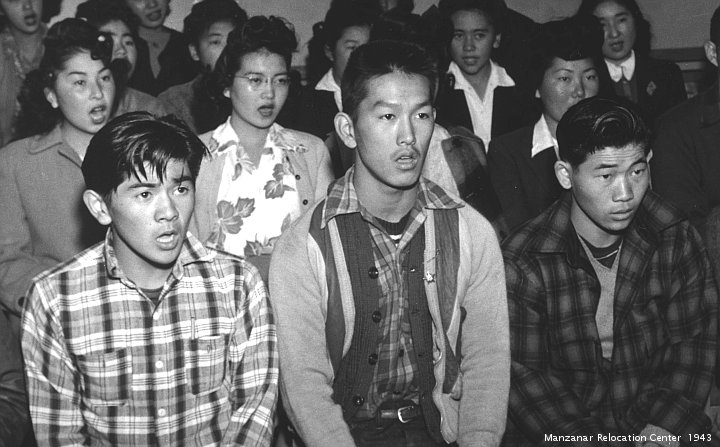


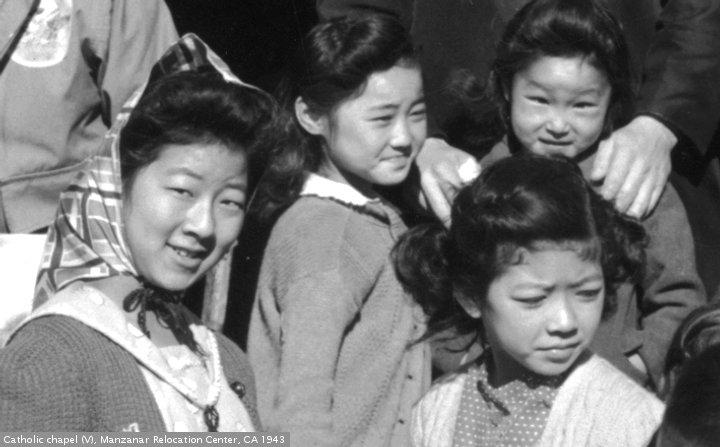
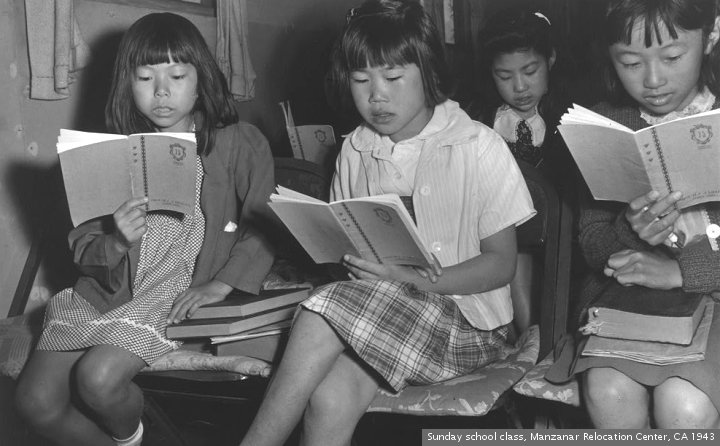

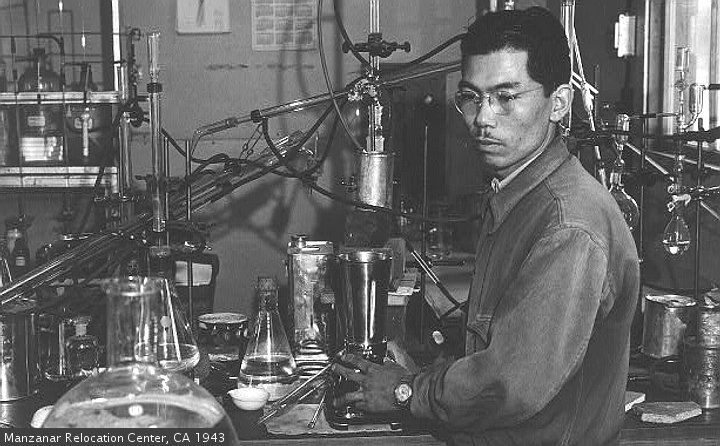

The facebook feed has recently had links to a story, Dorothea Lange’s Censored Photographs of FDR’s Japanese Concentration Camps. Miss Lange was the photographer of the iconic Migrant Mother. After Pearl Harbor, Miss Lange took a job with the War Relocation Authority, documenting the “relocation” of Japanese-Americans to interment camps. The photographs did not please the authorities. They were censored, and only appeared recently. This is a repost.
Ansel Adams also took photographs at the Manzanar, California, camp. In the current stories, he is literally a footnote: quotes were used from a book about his photography. Why is Dorothea Lange receiving attention, while Ansel Adams is ignored?
One answer is that Miss Lange was hired early on, and shows the harsh reality of relocation. “On July 30, 1942, the WRA laid her off “without prejudice,” adding that the cause was “completion of work…. the WRA impounded the majority of her photographs of Manzanar and the forced detentions, and later deposited 800 image from the series in the National Archives without announcement.”
“After Lange’s departure, Manzanar’s director Ralph Merritt visited renowned environmentalist and landscape photographer Ansel Adams and suggested he document the camp — Merritt and Adams were friends from the Sierra Club. Lange, also friends with Adams, encouraged him to take the job. (Coincidentally Adams printed “Migrant Mother” for her ) …Ansel Adams made several trips to Manzanar between October 1943 and July 1944 for this new personal project, and, as Alinder writes, he was primed to try the kind of documentary photography regularly practiced by Dorothea Lange and the Farm Security Administration that he had earlier shunned. Unlike Lange, a white woman who had been viewed with suspicion by her subjects, Adams was welcomed by the incarcerees, even greeted as a celebrity in a cultural community that had a deep appreciation of nature — many incarcerees at Manzanar literally opened their doors to him dressed in their finest clothes. … By 1943, Manzanar’s incarcarees had had time to settle in and enjoy the fruits of their collective work. In less than ideal surroundings, they had collectively built their own post office, town hall, library, auditorium, co-op store system, police station, jail, cemetery with memorial, published their own newspaper (the ironically named the Manzanar Free Press, which was regularly censored by the military), and even their own YMCA.”
“As for Lange, looking at the historical record, it appears that she was treated differently from the other WRA photographers. She was discouraged from talking to the incarcerees, was constantly followed by a censor, and faced harassment. She was refused access to areas after being given clearance, and she was often hounded over phone charges and receipts. … After being discharged, Lange expressed in letters her dismay that her work was ineffective in helping the people she documented. Her assistant Christina Clausen later noted the ferocity of this body of work also marked the beginning of the photographer’s bleeding gastric ulcers. Lange was unable to work for a number of years after her harrowing experience at Manzanar. She died from esophageal cancer in 1965.”
“In 1944, Adams’s photographs were published as a book, “Born Free and Equal: The Story of Loyal Japanese Americans,” and shown at New York’s Museum of Modern Art. Nativists took offense. They saw Adams’s work as a slur on the war effort. He was a “Jap lover.” This quote is from a 2016 article, Let’s be honest, Ansel Adams’s images of a WWII internment camp are propaganda
“Adams visited Manzanar to take photos in 1943 at the request of camp director Ralph Merritt, who was a personal friend. “They don’t look quite as dusty and quite as forbidding as Dorothea Lange’s photos … Indeed, the place that looks barren and depressing in Lange’s pictures manages to look beautiful in Adams’. You get little sense that it was even a detention center, in part because Adams, like other photographers, was not allowed to shoot the guard towers or barbed wire…
There are scenes from a baseball game, kids walking to school, a gathering outside a chapel. Lots of smiles, too, and portraits of camp residents cropped so close, you can see every blemish and stray hair. In Adams’ vision, Manzanar comes off as a place where Japanese-Americans, dignified, resilient and optimistic in spite of their circumstances, built a temporary community in the desert.
(Skirball Cultural Center director Robert) Kirschner said that if Adams’ photos appear to sugarcoat the indignities of life in an internment camp, it is because he did not see himself as a social activist the way Lange did. Still, Kirscher says, Adams was challenging internment in his own way, by depicting its victims as patriotic, law-abiding Americans. Unlike Lange, Adams was given permission to publish his photos. Before the war ended, he did so in a book called “Born Free and Equal: The Story of Loyal Japanese Americans,” in which he warned about the dangers of letting wartime hysteria justify depriving U.S. citizens of their freedom.”
The NPR article mentions a third Manzanar photographer. “Before World War II, Toyo Miyatake had a photo studio in Los Angeles’ Little Tokyo. When he learned he would be interned at Manzanar, he asked a carpenter to build him a wooden box with a hole carved out at one end to accommodate a lens. He turned this box into a makeshift camera that he snuck around the camp, as his grandson Alan Miyatake explains in the video below, which is featured in the exhibit.
Fearful of being discovered, Miyatake at first only took pictures at dusk or dawn, usually without people in them. Camp director Merritt eventually caught Miyatake, but instead of punishing him, allowed him to take pictures openly. Miyatake later became the camp’s official photographer.”
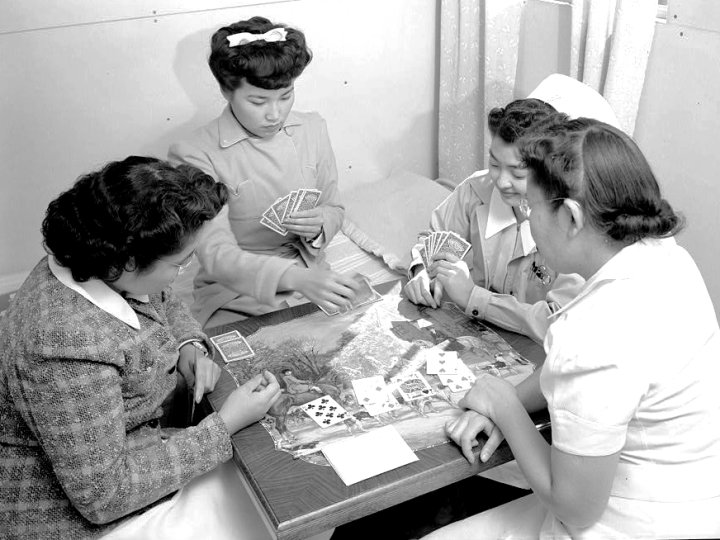
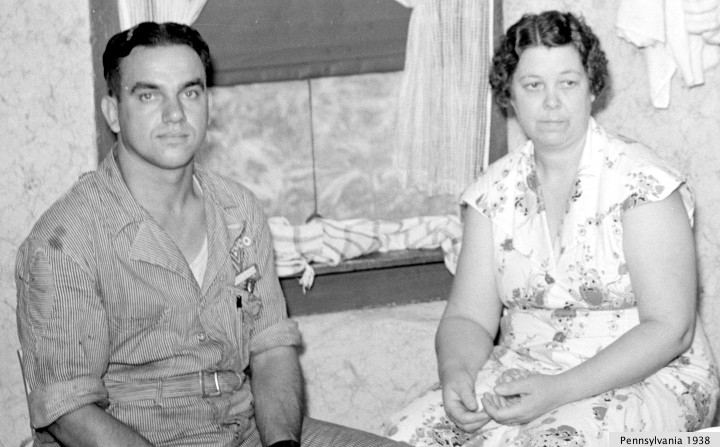
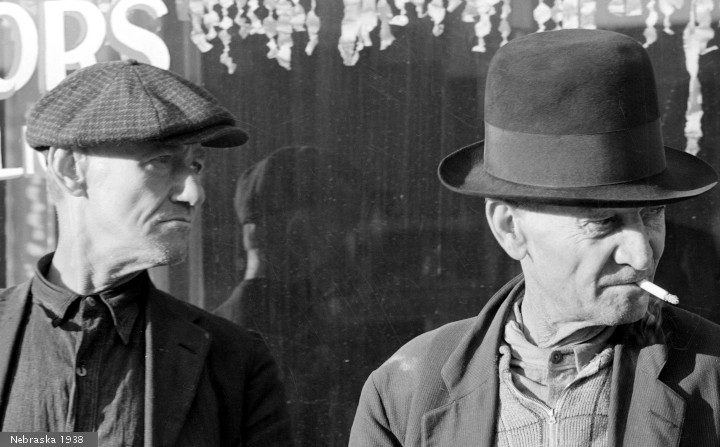
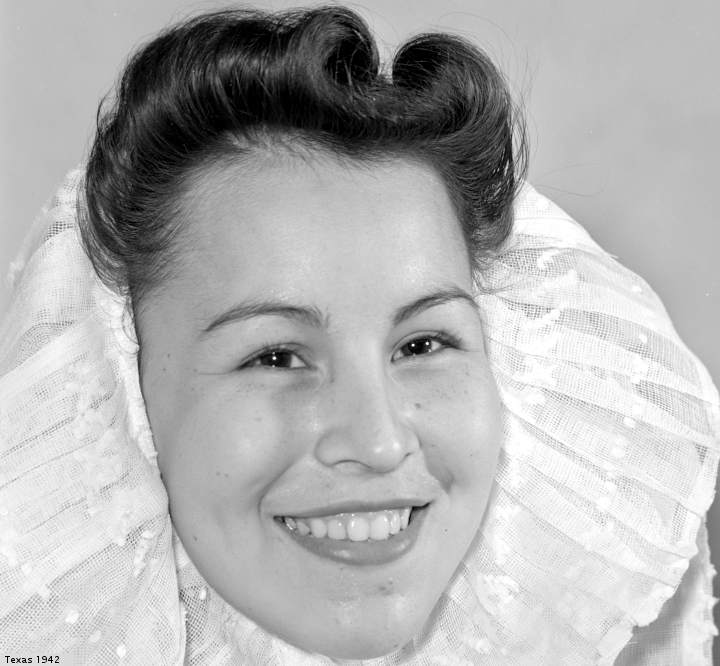
Pictures for today’s feature are from The Library of Congress. These are pictures that Ansel Adams took at Manzanar. They have been posted at chamblee54 before. The ladies in the bridge game are Aiko Hamaguchi, Chiye Yamanaki, Catherine Yamaguchi, and Kazoko Nagahama.










The Machine



Today is the first full day with the machine back. It went down wednesday morning. Thirty six hours later, I got it back. A new hard drive is like having a new machine, except that the documents, on a separate hard drive, are intact. Getting a new machine is always an adventure. Some things don’t work like they did before. I still don’t have everything going like I like, and may never.
It is early morning. Today is the day before solstice, the end of the year. Where does this year end find me, 65 plus years into my life? In some ways, I struggle. In some ways, I am doing well. I woke up, and was able to walk. There was food in the kitchen. The roof over my head does not leak. There is a machine to work, and play, with. The last item has been a part of the game for 20 years now.
Yesterday, I did not pay attention to the news. I heard something about an impeachment, which I have little good to say about. There was another item on facebook. A writer put a comment up on twitter yesterday. The writer follows 666 people, which may be intentional.
@jk_rowling “Dress however you please. Call yourself whatever you like. Sleep with any consenting adult who’ll have you. Live your best life in peace and security. But force women out of their jobs for stating that sex is real? #IStandWithMaya #ThisIsNotADrill.”
“We’ve watched her dance around it for a while, but JK Rowling has officially spoken her anti-trans stance, as she denies the existence of trans people and actively supports an employee (Maya Forstater) who was fired from her job for her aggressive and public anti-trans stance. I will no longer be engaging with Rowling or her products. Below is a screenshot I personally took from her Twitter profile (i.e. unfaked).”
Maya Forstater was fired from a government job for expressing opinions about trans women. It is not known whether these opinions affected her job performance. If the reader is interested, they can google Maya Forstater, and find out more. One slack blogger is not interested. I am not a Harry Potter fan (a potterhead.) I am not worried about “the fact that the widely beloved author could maintain such problematic beliefs.”
When you set up a new machine, there are unexpected challenges. All the pages looked stretched out. I was getting a headache. Then I looked at the resolution. The monitor is 1920 x 1080. For some reason, the machine was set to 1280 x 1024. This is why everything was stretched out. This was one of the easier problems to resolve.
After dinner, it was time to install GIMP. This is the one program I cannot do without. It was not a smooth process. First, I installed the latest, and greatest, version. I started to install the keyboard shortcuts. Many features had moved. I had to type in every feature to install the new shortcut.
Then I got to edit – fade. This is a feature I use a great deal. It was not included on the LG version. After searching high and low, I decided to uninstall, and try an earlier version. The first one I tried did not have fade. Finally, I went back to the version that I had been using, before the crash.
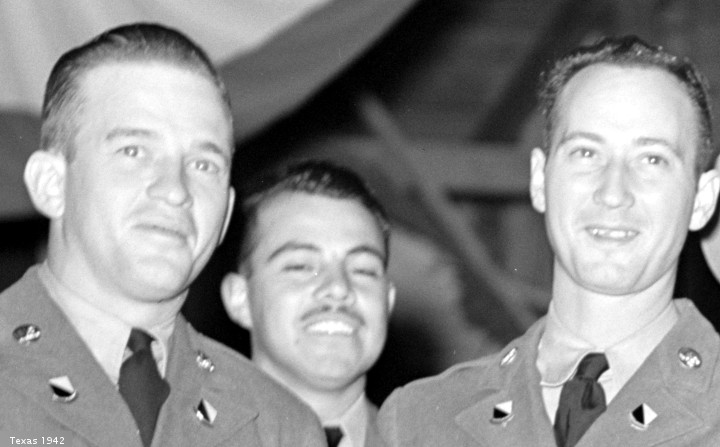
To try this out, I decided to do a poem, using fade. First, I had to create the text. To do this meant clicking on Bookman Old Style, the font I enjoy using. Unfortunately, this font was not on the new hard drive. I found a copy of BOS online, and installed it on the machine. It works for WordPad, but not for GIMP. I decided to use Georgia as a substitute. Finally, I was able to get a photo to look like I want, using fade. At this time, I am ready to post this story, and move on with my day. Pictures today are from The Library of Congress.




Chamblee54 She Is Nursing The Baby Jesus


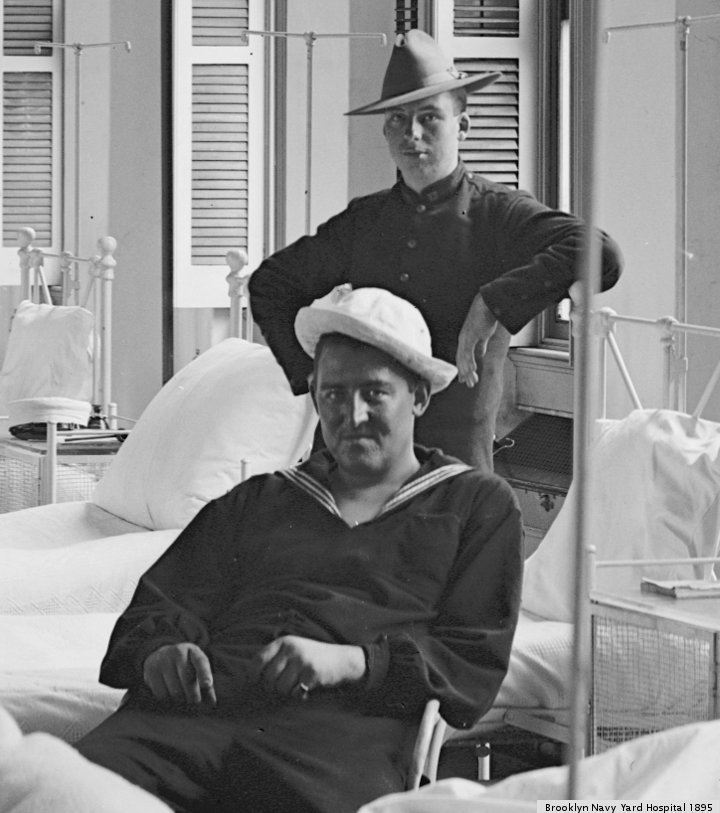


The story below was found at the website of James Petras . HT to palestinianpundit. Pictures are from The Library of Congress. This is a repost.
The settlements were still being built, financed mostly by Jewish money from America, contributions from Wall Street speculators and owners of gambling dens. “Good thing”, Joseph thought, “we have a few sheep and olive trees and Mary keeps some chickens. But Joseph worried, “cheese and olives are not enough to feed a growing boy. Mary is due to deliver our son any day”. His dreams foretold of a sturdy son working alongside of him…multiplying loaves and fish.
The settlers looked down on Joseph. He rarely attended shul, and on the high holidays, he would show up late to avoid the tithe. Their simple cottage was located in a nearby ravine with water from a stream, which flowed year round. It was choice real estate for any settlement expansion. So when Joseph fell behind on his property tax, the settlers took over their home, forcibly evicted Joseph and Mary and offered them a one-way bus ticket to Jerusalem. Joseph, born and raised in the arid hills, fought back and bloodied not a few settlers with his labor-hardened fists. But in the end he sat, battered on their bridal bed under the olive tree, in black despair. Mary, much the younger, felt the baby’s movements. Her time was near. “We have to find shelter, Joseph, we have to move on …this is no time for revenge”, she pleaded. Joseph, who believed with the Old Testament prophets in an “eye for an eye”, reluctantly agreed. So it was that Joseph sold their sheep, chickens and other belongings to an Arab neighbor and bought a donkey and cart. He loaded up the mattress, some clothes, cheese, olives and eggs and they set out for the Holy City.
The donkey path was rocky and full of potholes. Mary winced at every bump; she worried that it would harm the baby. Worse, this was the road for the Palestinians with military checkpoints everywhere. No one ever told Joseph that, as a Jew, he could have taken a smooth paved road – forbidden to the Arabs. At the first roadblock Joseph saw a long line of Arabs waiting. Pointing to his very pregnant wife, Joseph asked the Palestinians, half in Arabic, half in Hebrew, if they could go ahead. A path was opened and the couple went forward. A young soldier raised his rifle and told Mary and Joseph to get down from the cart. Joseph descended and nodded to his wife’s stomach. The soldier smirked and turned to his comrades, “The old Arab knocks up the girl he bought for a dozen sheep and now he wants a free pass”. Joseph, red with anger, shouted in rough Hebrew, “I am a Jew. But unlike you … I respect pregnant women”. The soldier poked Joseph with his rifle and ordered him to step back: “You are worse than an Arab – you’re an old Jew who screws Arab girls”. Mary frightened by the exchange turned to her husband and cried, “Stop Joseph or he will shoot you and our baby will be born an orphan”.
With great difficulty, Mary got down from the wagon. An officer came out of the guard station, summoning a female soldier, “Hey Judi, go feel under her dress, she might be carrying bombs” “What’s the matter? Don’t you like to feel them yourself anymore? ” Judith barked back in Brooklyn-accented Hebrew. While the soldiers argued, Mary leaned on Joseph for support. Finally, the soldiers came to an agreement. “Pull-up your dress and slip”, Judith ordered. Mary blanched in shame. Joseph faced the gun in disgrace. The soldiers laughed and pointed at Mary’s swollen breasts, joking about an unborn terrorist with Arab hands and a Jewish brain.
Joseph and Mary continued on the way to the Holy City. They were frequently detained at the checkpoints along the way. Each time they suffered another delay, another indignity and more gratuitous insults spouted by Sephardim and Ashkenazi, male and female, secular and religious – all soldiers of the Chosen people. It was dusk when Mary and Joseph finally reached the Wall. The gates had closed for the night. Mary cried out in pain, “Joseph, I can feel the baby coming soon. Please do something quickly”. Joseph panicked. He saw the lights of a small village nearby and, leaving Mary on the cart, Joseph ran to the nearest house and pounded on the door. A Palestinian woman opened the door slightly and peered into the dark, agitated face of Joseph. “Who are you? What do you want?” “I am Joseph, a carpenter from the hills of Hebron. My wife is about to give birth and I need shelter to protect Mary and the baby”. Pointing to Mary on the donkey cart, Joseph pleaded in his strange mixture of Hebrew and Arabic.
“Well, you speak like a Jew but you look like an Arab,” the Palestinian woman said laughing as she walked back with him to the cart. Mary’s face was contorted with pain and fear: her contractions were more frequent and intense. The woman ordered Joseph to bring the cart around to a stable where the sheep and chickens were kept. As soon as they entered, Mary cried out in pain and the Palestinian woman, who had now been joined by a neighbor midwife, swiftly helped the young mother down onto a bed of straw. And thus the child was born, as Joseph watched in awe.
It came to pass that shepherds, returning from their fields, heard the mingled cries of birth and joy and hurried to the stable carrying both their rifles and fresh goat milk, not knowing whether it was friend or foe, Jew or Arab. When they entered the stable and beheld the mother and infant, they put aside their weapons and offered the milk to Mary who thanked them in both Hebrew and Arabic. And the shepherds were amazed and wondered: Who were these strange people, a poor Jewish couple, who came in peace on a donkey cart inscribed with Arabic letters?
The news quickly spread about the strange birth of a Jewish child just outside the Wall in a Palestinian’s stable. Many neighbors entered and beheld Mary, the infant and Joseph. Meanwhile, Israeli soldiers, equipped with night vision goggles, reported from their watchtowers overlooking the Palestinian neighborhood, “The Arabs are meeting just outside the Wall, in a stable, by candle light”. The gates under the watchtowers flew open and armored carriers with bright lights followed by heavily armed solders drove out and surrounded the stable, the assembled villagers and the Palestinian woman’s house. A loud speaker blared, “Come out with your hands up or we’ll shoot.” Joseph stepped forward with his hands stretched out to the sky and spoke, “My wife, Mary cannot comply with your order. She is nursing the baby Jesus”













Fruitcake




December 27 is National Fruitcake Day PG sees a chance for some text to put between pictures. He would be nutty as a fruitcake to turn down this chance. This is a repost. Part two of this recycled holiday blog party is a tribute to The Fruitcake Lady.
Fruitcakes were buried with the dead in Ancient Egypt. It’s true. Ancient Egyptians used to fill the tombs of the dead with all the supplies that they would need to enjoy the afterlife, including food and water. Fruitcake was often put into the tomb of a deceased person because a fruitcake soaked in a natural preservative like alcohol or fruit juice would last a long time. It was thought that the preserved fruitcake would not spoil on the journey to the afterlife. Fruitcake was a staple food of other ancient Middle Eastern, Southeast Asian and Mediterranean cultures as well
Candied fruits are used in fruitcake because using sugar was the only way to preserve the fruit long enough to get it back to Europe from the Middle East. When the Crusaders began carrying exotic fruits back to their European home the fresh fruit would spoil long before they were able to get it home. Ingenious traders began drying the fruits by candying them with sugar which made them an even more delicious treat and preserved them indefinitely. Once the candied fruits were sent to Europe and to other parts of the world they were baked into cakes so that they could be shared with family and friends on special occasions.
Fruitcakes will last for years without spoiling. It’s true. A fruitcake that is properly preserved with an alcohol soaked cheesecloth that is then wrapped in plastic wrap or foil can be kept unrefrigerated for years without spoiling. In the past, before refrigerators came along, families would make fruitcake for holidays and special occasions months in advance of the actual event and then let the covered fruitcakes sit wrapped in an alcohol soaked cloth until the event happened. As long as the cloth was remoistened with alcohol occasionally the cakes not only didn’t spoil, they actually tasted richer and sweeter because they had been soaking in brandy and rum for a couple of months.
To millions of fruitcake consumers, the town of Claxton GA is very special. This south Georgia town, just down the road from Reidsville, is home to Claxton Fruit Cake . The story of the Claxton Fruit Cake company is a sweet one. Savino Tos founded the Claxton Bakery in 1910. He hired Albert Parker in 1927, and sold him the business in 1945. Mr. Parker decided to sell Fruit Cake to America.
No story about fruitcake is complete without mentioning the “Fruitcake Lady.” Marie Rudisill , an aunt of Truman Capote, wrote a book of fruitcake recipes. She became a tv celebrity, before going to the bakery in the sky November 3, 2006.
The urban dictionary has nine listings for fruit cake. The ones for homosexuals and crazy people are there. UD gets creative with this selection: “The act of releasing green chunky diarrhea onto your partners face then, ejaculating on it, then punching him/her in the nose causing the colors to mix together to form a fruit cake like color.”
If you tire of jokes about fruitcake, you can go to The society for the protection and preservation of fruitcake . (If you click on the “new URL”, you will be invited to join in the green card lottery.) There used to be a link on the society page that enables you to buy Fruitcake Mints. “Keep your breath fruitcake fresh with these festive mints!”
Pictures are from “The Special Collections and Archives, Georgia State University Library”.


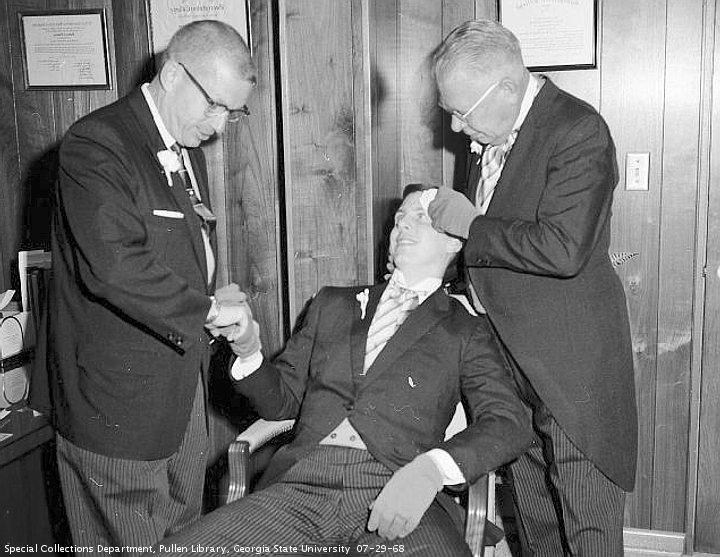
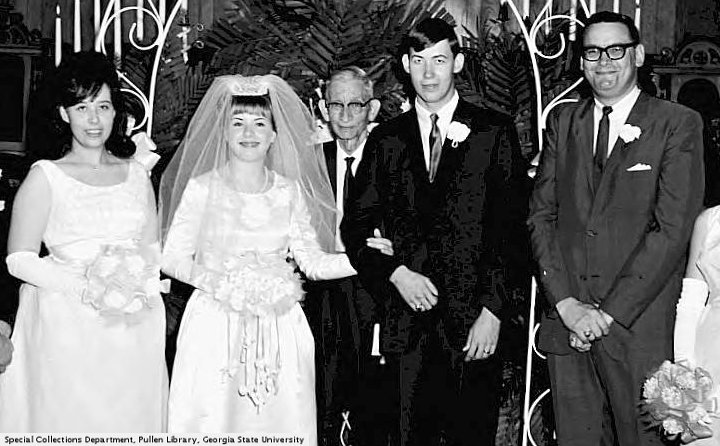


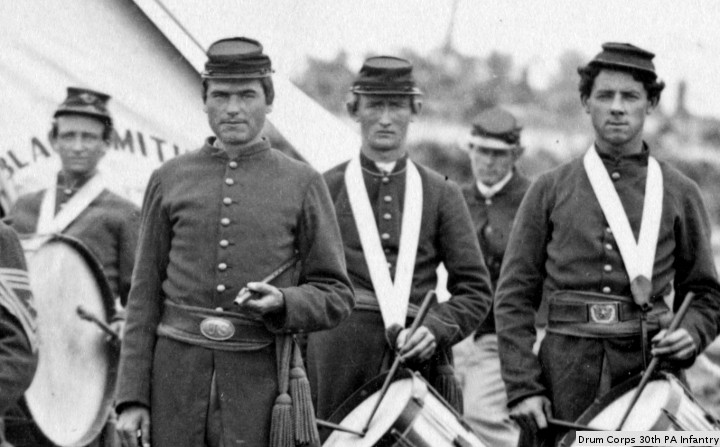


There was a political comment on facebook. The last sentence was “No wonder Georgia turned Republican after the Clintons sold poor people out.” The person making this comment was born in 1980, the same year Georgia elected a Republican to the US Senate. This person also was born and raised in Florida. PG thought of a smart comeback. This is a repost.
There was a famous video by the Fruitcake Lady. In the first part, a young lady asks who to vote for in an upcoming election. FL makes a face, and said “you’re gonna ask someone who lives in FLORIDA how to vote?” This is along the lines of a Floridian transplant explaining the Republicanization of Georgia. Unfortunately, the video with the Fruitcake Lady had been taken down for copyright infringement. The spell check suggestions for Republicanization: Recapitalization, Cannibalization.
PG wasn’t really doing anything, and was in the mood for a google wild goose chase. This led to an amazing article, Sweet as Sugar, Rude as Hell, My Lost Interview with Truman Capote’s Aunt. A writer for the fishwrapper went to a mobile home in Hudson, FL. He talked to Marie Rudisill, who was best known as Truman Capote’s “Aunt Tiny.” The meeting took place in 1997, and was not what the writer expected. A family friendly version of the meeting was published The journalist received a slice of fruitcake in the mail. Everyone concerned went on with their lives.
Marie Rudisill died November 3, 2006, after becoming famous as the Fruitcake Lady. As for the journalist: “When I left The Atlanta Journal-Constitution in 2009, I stashed 27 years of old newspapers, tapes and ephemera in my garage. Nothing is more depressing to me than those boxes of old newspapers. It’s my own private morgue — replete with the sickening scent of dust and roach pills…. When I finally mustered the courage to dig around, I found the Lewis interviews — as well as a cache of other recordings. Three of the tapes had Rudisill’s name scribbled on them. I was not quite ready to listen, though. I put them in a box and labeled it.”
In 1924, Truman Streckfus Persons was born in New Orleans LA. His mother, Lillie Mae (Aunt Tiny’s older sister) left her husband behind, and took the boy to Monroeville AL. They lived in a wild household. A neighbor was Harper Lee, who wrote “To Kill A Mockingbird.” Miss Lee was a close friend, as was Sook. This is Truman’s cousin, the fruitcake chef herone of “A Christmas Memory.”
After a while, Lillie Mae married Joe Capote, who adopted the boy. They moved to New York, where Aunt Tiny joined them. Truman was sent to military school. Everyone, except Lillie Mae, thought this was a terrible idea. The effort to butch up young Truman did not work.
Aunt Tiny wrote a book, Truman Capote: The Story of His Bizarre and Exotic Boyhood by an Aunt Who Helped Raise Him. It was published in 1983, a year before Truman died. “The book scandalized Monroeville — and Capote. He told The Washington Post: “If there are 20 words of truth in it, I will go up on a cross to save humanity.” Said Harper Lee: “I have never seen so many misstatements of fact per sentence as in that book.”
There is one story that sticks out…. “Rudisill breaks down just once during our interview. It’s when she recalls “the first time Truman ever had a sexual encounter with a priest.” She was living in Greenwich Village, having followed Lillie Mae and Truman to New York. “He was sitting on my doorstep when I came home from work, and he had blood all in his pants, and then he told me about this priest. And nobody, I don’t think anybody in the world ever knew that but me.”
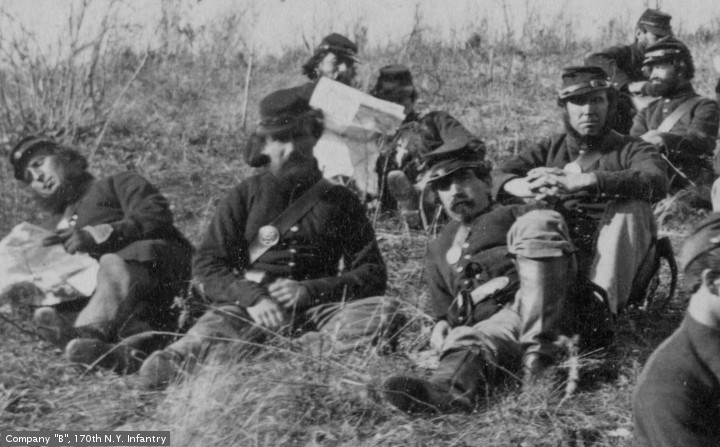
There is more to the story. If you have the time, you might enjoy reading the full article. Pictures today are from The Library of Congress.




Millions Of Lowest-Bidder Parts




The display of a link on this page does not indicate approval of content.
The actress behind ‘Peloton wife’ has finally spoken
That famed John Glenn quote about a rocket’s millions of lowest-bidder parts
Electric Slide vs. Cupid Shuffle vs. Cha Cha Slide vs. The Wobble
Ford Factory Lofts Getting Whitewashed As Part of Planned Renovations
National Endowment for the Arts Warns Public about Grant Scam
Why Political Candidates’ Family and Friends Are Fair Game
Israel supporters defend Trump’s vicious anti-Semitism
my house is a safe zone firearms are welcome here
Survey Claiming That LGBT People Are Less Racist Misses the Reality of Racism
Yes, there’s racism in the LGBT community. But there’s more outside it.
Man Eats $120,000 Art Basel Banana As ‘Performance Art’
“He did not destroy the art work. The banana is the idea,”
I’m a Trans Woman, My 5 O’Clock Shadow Is a Badge of Visibility
Man addicted to brake fluid claims he can stop any time he wants
Judge orders Gov. Kemp to undergo questioning in Georgia election suit
Granny Witches: A Necessity for Daily Living
Possibly Helpful Language for Responding to Transphobia in Feminist Groups
Make Your High Last For 8 Days With This Bong Menorah
Sober Bars Are The New In Thing For Recovering Alcoholics To Enjoy The Social Scene
Nothing Says Christmas Like … a KFC Fried-Chicken Fire?
If You Still Hate Michael Vick, You Might Be Racist
Preposterous ideas from Atlanta’s past decade that actually came true
Gov. Kemp Responds to Water Litigation Ruling
Bill to Prohibit Hair Discrimination Advances in Assembly
A new study linking profanity to honesty shows people who curse are more authentic
Feds raid 6 local grocery stores; customers blocked from going inside
Italian town discovers why you should never put Christmas lights on a palm tree
The Root’s Michael Harriot Sits Down With Pete Buttigieg
Boris Johnson Is Showing Western Politicians How to Win
Calls Out Oprah … Why’s She Only Going After Black Men?!?
Washington Post’s Afghanistan Story Reveals Core Folly of American Defense Strategy
Jason Isaacs Wants Racists to Stop Pretending to Be Star Trek Fans
The BBC is releasing over 16,000 sound effects for free download
Dams and Reservoirs Can’t Save Us. This Is the New Future of Water Infrastructure.
Takedown: The five best sentences EVER
5 Best Sentences You’ll Ever Read By Donna Calvin Classroom Socialism
Did an Economics professor use grading of exams to teach about socialism?
From Thomas Jefferson to William Stephens Smith, Paris Nov. 13. 1787.
This Is What Racism Sounds Like in the Banking Industry
Which is worse, bigotry or cowardice in the face of bigotry?
Avoid This Pronunciation for Professional English (American) – 10 Words
Berlin’s subway sets the standard for how to treat a city’s residents
lester bangs ~ michael c. bryan ~ work computer ~ ~ gerson on trump ~ the ramones
Dorma McGruder ~ hate groups ~ n-word ~ Laci Green
ban porn ~ top 10 memes ~ white men ~ peloton
Can we find another metaphor to replace “the plank in the eye”? This bit of Christian rhetoric is past the expiration date. ~ Quit worrying about finding examples of hypocrisy. Two wrongs do not make a right. Base your argument on facts, rather than shady logic. ~ Unless they are under oath, a person who says “I don’t know” is probably telling the truth. ~ Merriam-Webster’s Words of the Year 2019 Word of the Year: They Top Ten: Quid pro quo, Impeach, Crawdad, Egregious, Clemency, The, Snitty, Tergiversation, Camp, Exculpate Spell check suggestions: Snitty: Snotty Tergiversation: Conversation ~ 1:48:40 being being friends with women is a lot of work I made this comment, so I could have the comment by the she wolf. When I clicked on the link to make sure it worked, youtube played a Dr. Squatch commercial fwiw, the entertainer said that she enjoys wolf jokes. Her twitter handle is @michelleisawolf ~ 32:15 we have to look at these things with our brains and we’re taught that when it comes to race we’re just supposed to look at these things with our gallbladders and it doesn’t work for anybody ~ Lady Windemere’s Fan We are all in the gutter, but some of us are looking at the stars. Lord Darlington, Act III In this world there are only two tragedies. One is not getting what one wants, and the other is getting it. Mr. Dumby, Act III A man who knows the price of everything and the value of nothing. [Answering the question, what is a cynic? Lord Darlington, Act III ~ Chicopee Man Begs Badass 77 Year Old Chesterfield Woman To Call 911 After He Broke Into Her Home And Got Stabbed By Her ~ pete buttigieg and michael harriot systemic racism and white supremacy in particular I believe is the force that is most likely to destroy the United States of America ~ I’m convinced that if we don’t wrestle down white supremacy in our lifetime that they could kill the American project ~ we held a koala bear took a picture with a koala let me tell you they every I feel like the American version of that animal seems like so cute and like soft and light it feels like a stuffed animal what we think a koala is … it was tiny right same size that I thought it would be but the thing was like fucking three bowling balls it’s just so heavy and it’s a bear it’s a real bear … to say it’s a ball of muscle would be a tremendous understatement ~ pictures today are from The Library of Congress. ~ selah



Rudolph


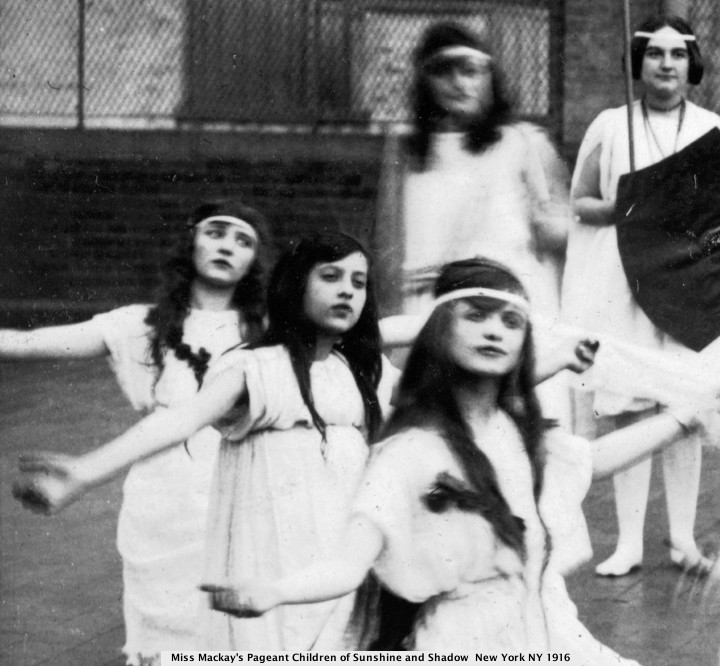


Someone posted a bit of revisionism about a holiday classic. As he sees it, “Rudolph the Red Nosed Reindeer” is about racism.
In a bit of yuletime synchronicity, the urban mythbusters at Snopes posted a piece about Rudolph the same day. It seems as though the Rudolph story was originally written for the Montgomery Ward Stores. The idea was to print a Christmas booklet to give to customers. A staff writer named Robert L. May was picked for the job.
Originally, there were concerns about the red nose, and the connection to heavy drinking. At the time, the original meaning of “merry christmas” had been forgotten. Merry meant intoxicated, and a merry christmas was a drunken one. The booklet was released. It was a big hit with shoppers.
Mr. May had a brother in law named Johnny Marks, who was musically gifted. Mr. Marks wrote the song, and somehow or another Gene Autry came to sing it. A story (which PG heard once, but cannot find a source for) had Mr. Autry doing a recording session. The session went very smoothly, and the sides scheduled to be recorded were finished early. There was a half hour of studio time paid for. Someone produced copies of “Rudolph”, gave them to the musicians, and the recording was knocked out. It became a very big hit.
“Rudolph the Red Nosed Reindeer” has become a beloved standard, without the troubling religious implications of many holiday songs. It is the second biggest selling record of all time. The only song to sell more is “White Christmas”.
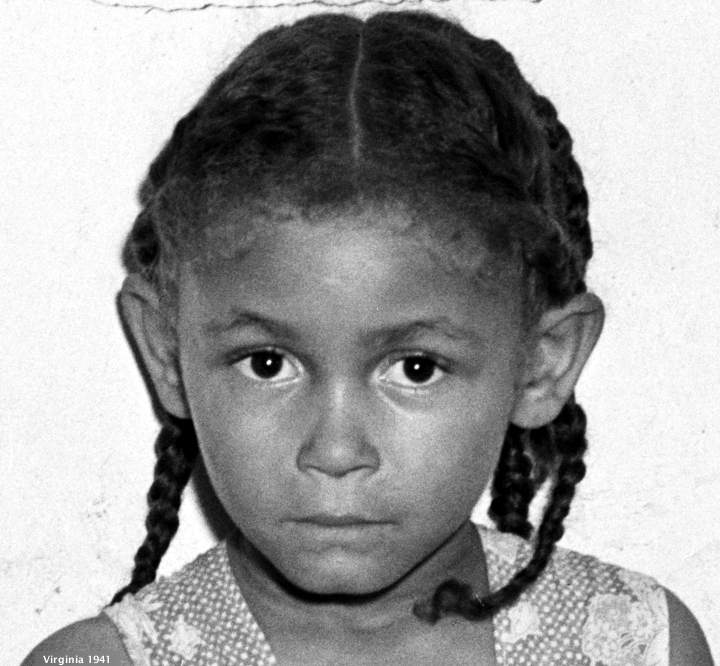
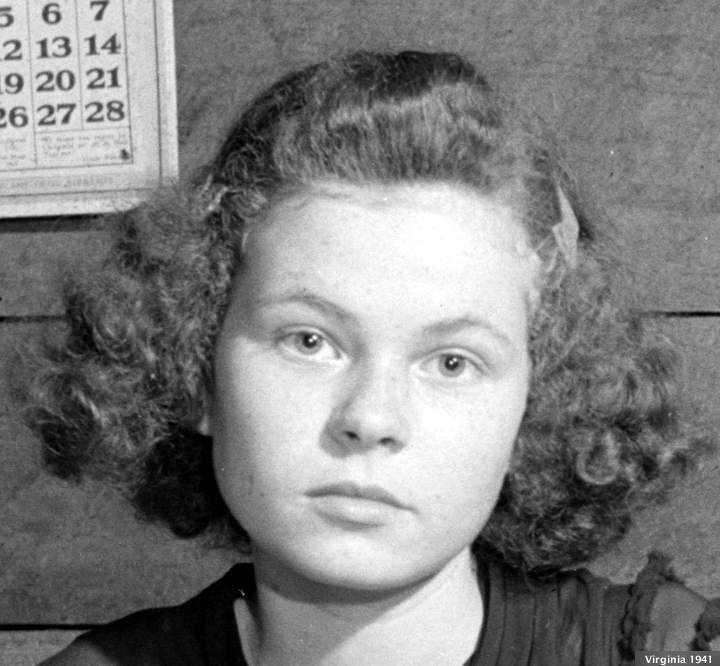
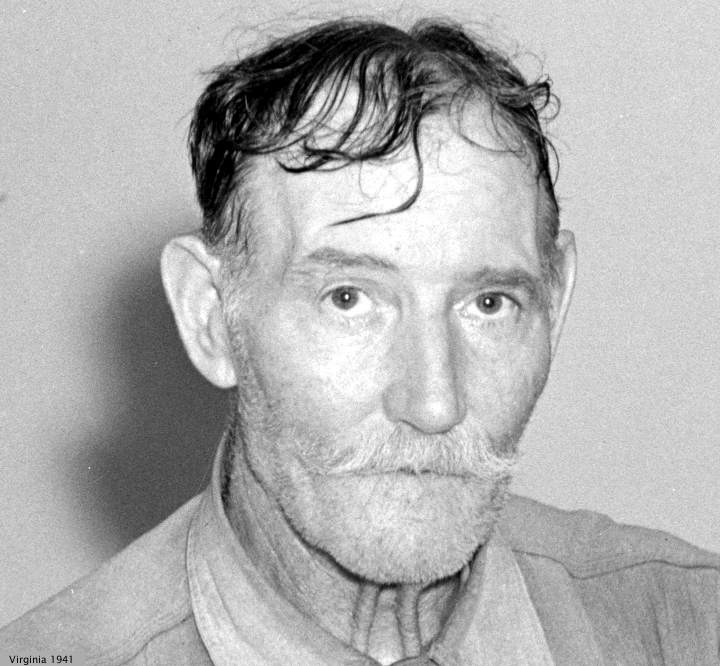
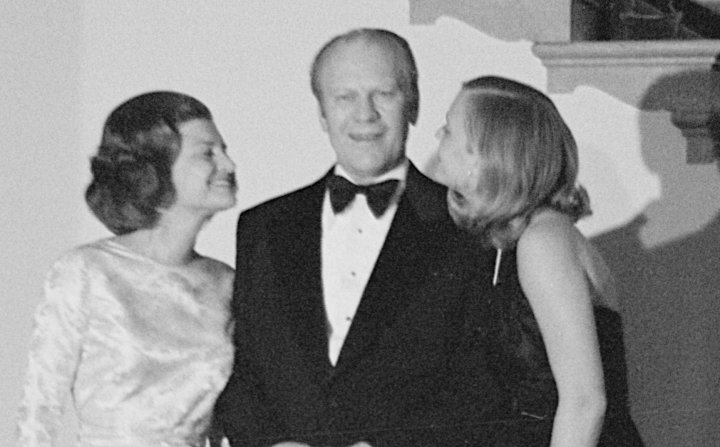
The story above is a repost. Pictures are from The Library of Congress. There is an appearance by Gerald Rudolph Ford, and his women. Betty was a merry soul.









What Is A Cynic?



“A cynic is a man who knows the price of everything, and the value of nothing.” ― Oscar Wilde. This quote is one of Oscar’s greatest hits. If you think about it for a minute, it is not totally accurate. You are not supposed to think. Quoting Oscar Fingal O’Flahertie Wills Wilde is about sounding clever, not making sense. Did he really create that definition of a cynic?
Oscar Wilde is a quote magnet. This is more than something you put on your refrigerator. When people hear something clever, odds are good that Oscar will get the blame. As Dorothy Parker wrote: “If, with the literate, I am, Impelled to try an epigram, I never seek to take the credit; We all assume that Oscar said it. [Life Magazine, June 2, 1927]”
Wikiquote says this line is from Act III of Lady Windermere’s Fan. It was spoken by Lord Darlington. Did the play write intend for the line to be taken seriously, or was he making the character look foolish by saying it? With Oscar Wilde, it could be both of these things at the same time.
Principle Four, of the four principles of quotations, reads “Only quote from works that you have read.” In the case of Lady Windemere’s Fan, this would mean a youtube video of the play. There is a posh BBC production available. You don’t have to watch the cell phone recording of high school players.
Lady Windemere’s Fan is a production where upper class Brits say clever things in glorious costumes. Nobody ever goes to the bathroom, or looks less than perfect. Lady Windemere’s six month old child is neither seen, nor heard. Lady Windemere finds out her husband, Lord Windemere, is having an affair with a Mrs. Erlynne. The Lord proceeds to invite the floozy to Lady Windemere’s birthday party.
After the party, the men go to their club, then to Lord Darlington’s room. There are five men in the conversation, beginning with Lord Windemere. Lord Darlington has just told Lady Windemere that he loves her, and wants her to run off with him. Lady Windemere said no. Lord Augustus is a suitor of Mrs. Erlynne, and is begging her to marry him. Cecil Graham, and Mr. Dumby, wear their splendid costumes with conviction.
The scene starts with the men saying clever things, most of them insulting to someone. Lord Augustus, or Tuppy, is the butt of many jokes. Before long, we get this exchange:
Dumby. I don’t think we are bad. I think we are all good, except Tuppy.
Lord Darlington. No, we are all in the gutter, but some of us are looking at the stars.
Dumby. We are all in the gutter, but some of us are looking at the stars? Upon my word, you are very romantic to-night, Darlington.
Cecil Graham. Too romantic! You must be in love. Who is the girl?
Lord Darlington. The woman I love is not free, or thinks she isn’t. [Glances instinctively at Lord Windermere while he speaks.]
A few minutes later, we hear another famous Oscarism.
Lord Darlington. What cynics you fellows are!
Cecil Graham. What is a cynic? [Sitting on the back of the sofa.]
Lord Darlington. A man who knows the price of everything and the value of nothing.
Cecil Graham. And a sentimentalist, my dear Darlington, is a man who sees an absurd value in everything, and doesn’t know the market price of any single thing.
Pictures today are from The Library of Congress.




Judy Roasting On An Open Fire


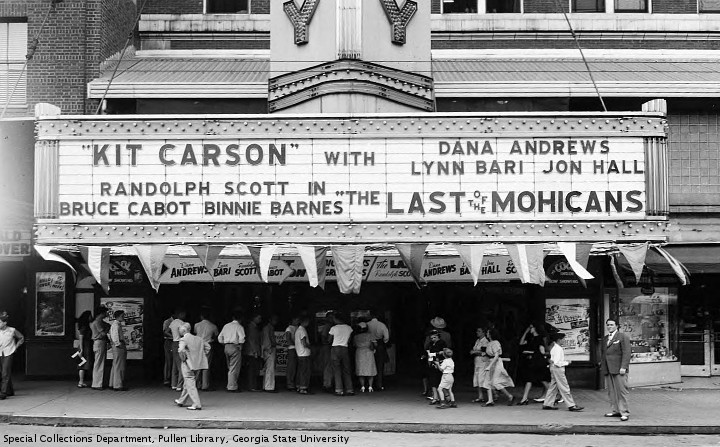
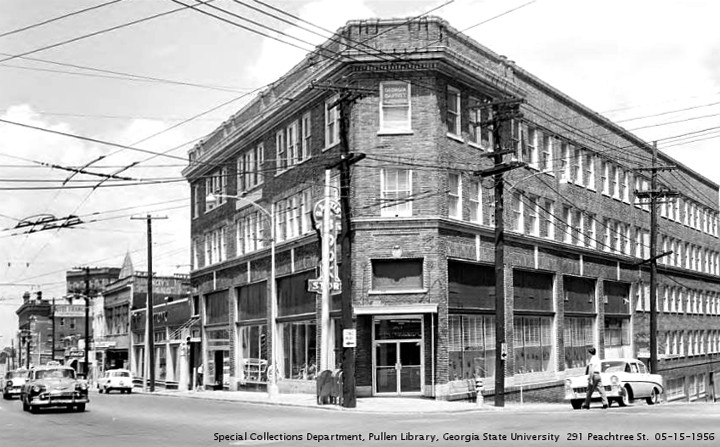
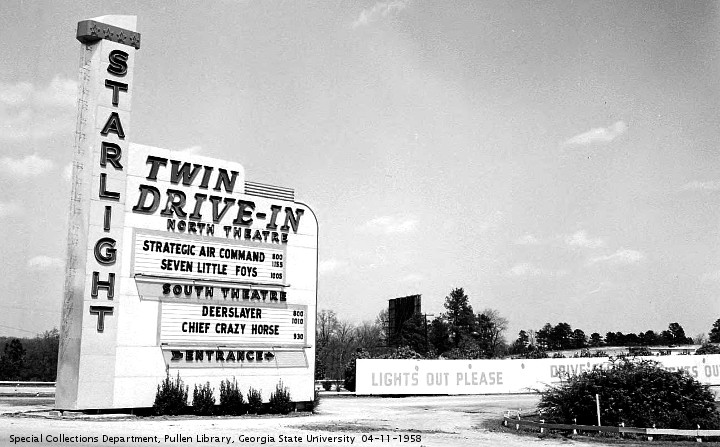
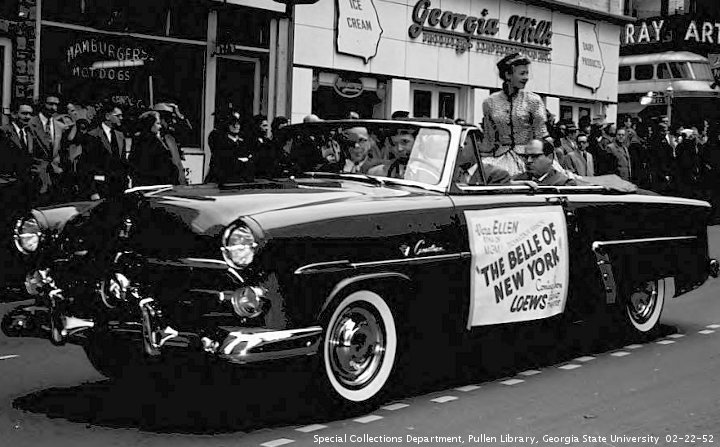
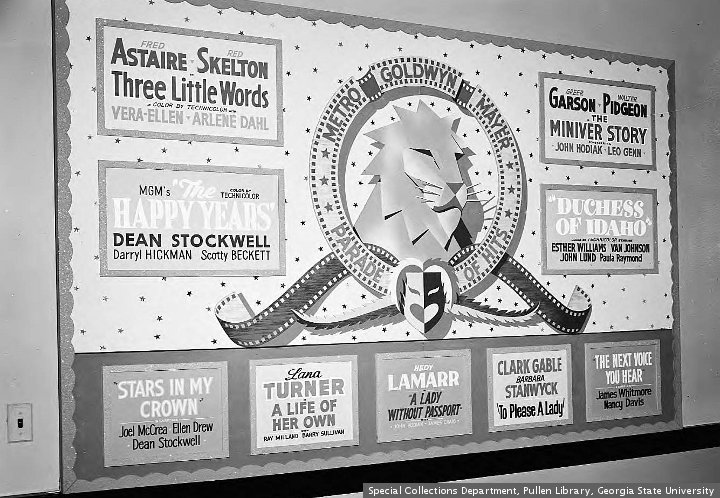
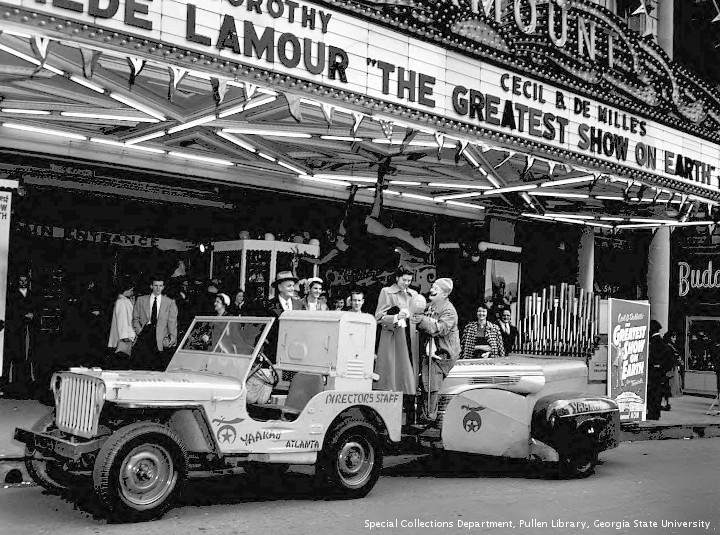
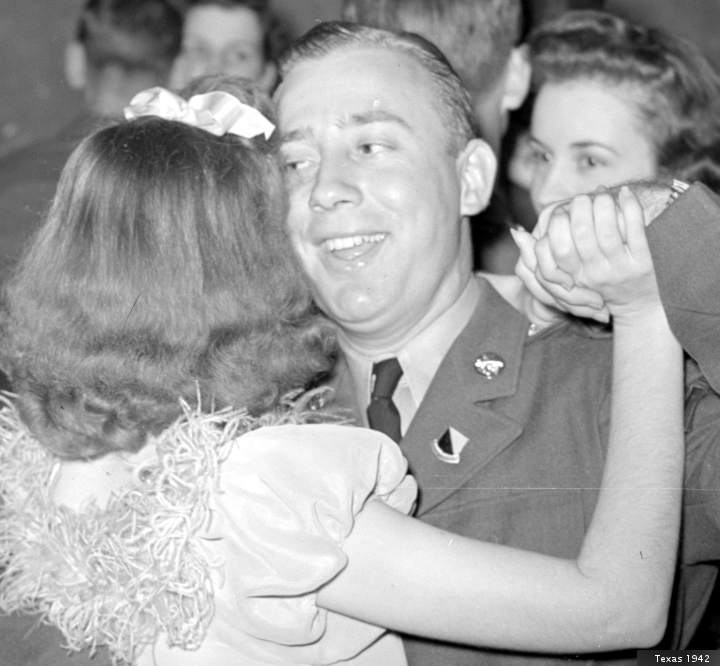
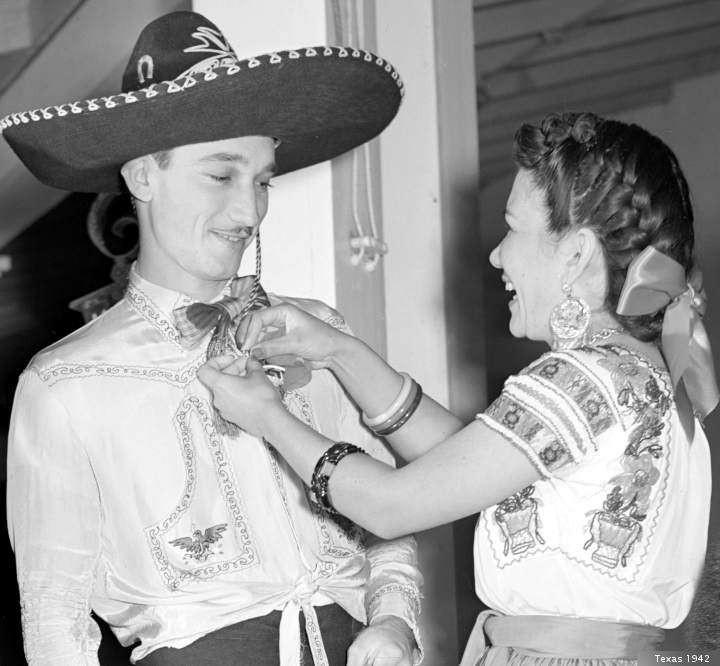
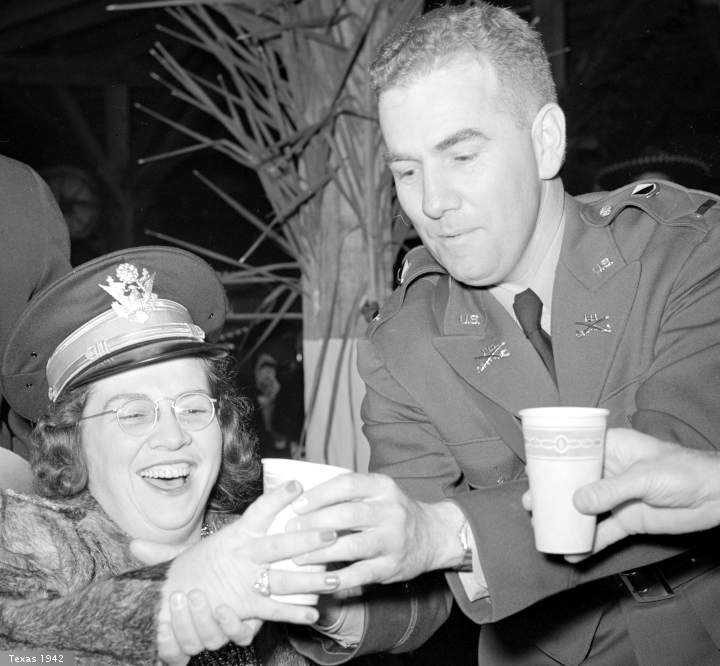
SFFILK (Not his real name) passes along a story about Mel Tormé. It seems like Mr.Tormé was eating a leisurely breakfast at a food court in Los Angeles, and a quartet appeared singing Christmas songs. They wound up performing “The Christmas Song” for co- author Tormé … and the singers had no idea who he was. It is a good story, better told in the link. This is a repost, with pictures from “The Special Collections and Archives, Georgia State University Library”.
According to the inerrant Wikipedia, Mr. Tormé collaborated with Robert Wells, until they had a falling out. One afternoon, on the hottest day of July in 1945, Mr.Tormé went to visit Mr.Wells, and saw the first four lines of “The Christmas Song” (including “Chestnuts roasting on an open fire, Jack Frost nipping at your nose”). The lines were on a note pad, and the two agreed to beat the heat of summer by completing the song. Supposedly, Mr. Tormé did not like the song very much. After three divorces, he probably didn’t see many of the royalties.
Mel Tormé was the music director of the ill fated “Judy Garland Show” in the early sixties. He wrote a book about it… The Other Side of the Rainbow: With Judy Garland on the Dawn Patrol . The story is that Miss Garland would get blasted, call Mr.Tormé in the middle of the night, and pour out her troubles. (This review is much less sympathetic towards Mr. Tormé.) While the show did not last longer, there are some great youtube clips left over.










 Chamblee54
3 comments