The Limits Of Fantasy



This content was published September 17, 2009. … These thoughts are for you to use. They were articulated by a man named Don Miguel Ruiz. They are called The Four Agreements. I do not claim to live up to these ideals. Number two is especially tough. The main thing is to try, and to always do your best. This is not about what you believe or think, it is about what you do. These are agreements, not beliefs. · 1 – “Be impeccable with your word – Speak with integrity. Say only what you mean. Avoid using the word to speak against yourself or to gossip about others. Use the power of your word in the direction of truth and love.”
2 – “Don’t take anything personally – Nothing others do is because of you. What others say and do is a projection of their own reality, their own dream. When you are immune to the opinions and actions of others, you won’t be the victim of needless suffering.” · 3 – “Don’t make assumptions – Find the courage to ask questions and to express what you really want. Communicate with others as clearly as you can to avoid misunderstandings, sadness and drama. With just this one agreement, you can completely transform your life.” · 4 – “Always do your best – Your best is going to change from moment to moment; it will be different when you are healthy as opposed to sick. Under any circumstance, simply do your best, and you will avoid self-judgment, self-abuse and regret.”
This content was published September 5, 2009. … I was reading about Afghanistan while waiting for the time to go downtown. Dragon Con is in town, and the parade is at ten am. I decided to go downtown and see the costumes this year, so next year I can sleep late. Meanwhile, what is being said about Afghanistan is just as much a fantasy as DragonCon. The article is a two prong discussion… Should we be fighting in Afghanistan, and are we doing it right?
Uzi just called to say he is on his way to the train station, so this needs to be wrapped up asap. There is a man named William Kristol. He writes think pieces for various newspapers. Mr. Kristol … he had a deferment and never served in the Vietnam era military … was known as the brains behind Dan Quayle. … Mr. Kristol discusses counterinsurgency in a recent oped. The classic counterinsurgency theory is that you have you have one soldier per fifty civilians in your theater of war. Afghanistan has an *estimated* population of 28 million. Do the math.
Mr. Kristol observes: “But as the military historian Fred Kagan explains, counter-insurgency theory and experience suggest that if the Afghan National Army is expanded, as Gen. McChrystal proposes to do, and if there is a surge of several brigades of American forces “to bridge the gap between current Afghan capacity and their future capacity, while simultaneously reducing the insurgency’s capabilities,” then we would have roughly the number of forces necessary to carry out the strategy.” … The fantasy downtown will have more colorful costumes.
This content was published September 5, 2009. … I made a mistake. The preacher in front of the GP plaza held a picture board, which was poorly rendered. I made the mistake of assuming it was abortion pictures. It turns out to be an image of Jesus on the cross. … The Georgia Pacific building is on the site of the Lowes Grand Theater. On December 15, 1939, Gone With The Wind had its world premiere there. In a church choir was the ten year old Martin Luther King Jr. GWTW was about as real about the ante bellum south as the starship troopers were about intergalactic warfare. … The GP plaza is where Forsyth Street comes into Peachtree. For some reason, the wind on Forsyth Street is very strong, and this volume of air beats against the GP plaza. On DragonCon parade Saturday, the wind coming back from the plaza was a measure of revenge.
A theme of the post yesterday (see comments) was the importance of knowing fantasy from reality. The preacher was living a fantasy. Few are impressed by his rhetoric. He creates ill will for Jesus. The grossout pictures of the crucifixion do the same. I posted last week about the damage that selfish preachers do to Jesus. It should be noted that photography did not exist when Jesus lived. Nor did people speak English. That does not prevent people from calling an Aramaic to Greek to English double translation the inerrant word of God. If you believe the Bible is the inerrant word of God, then it is not much of a leap to believe those pictures were real.
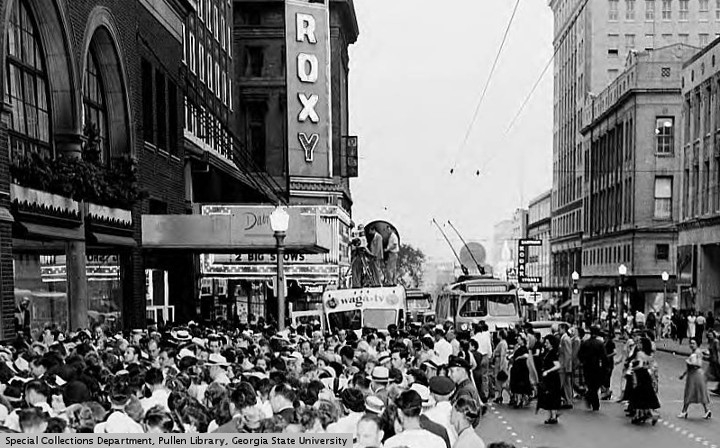
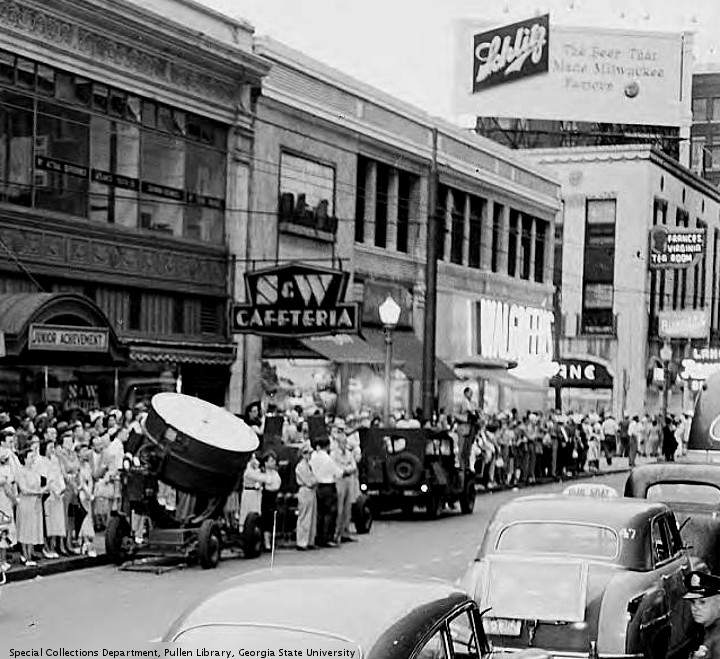
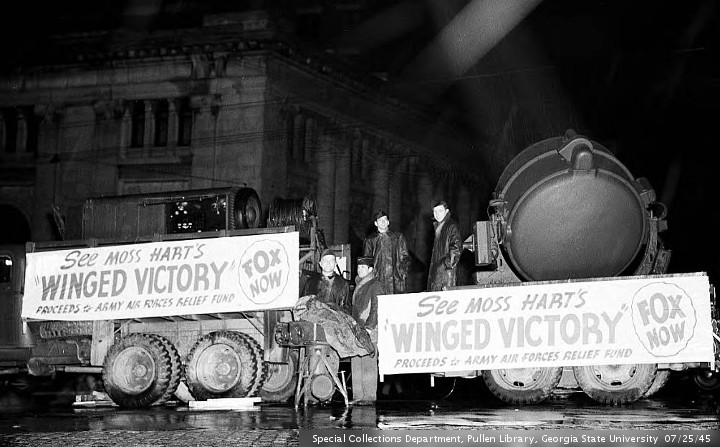
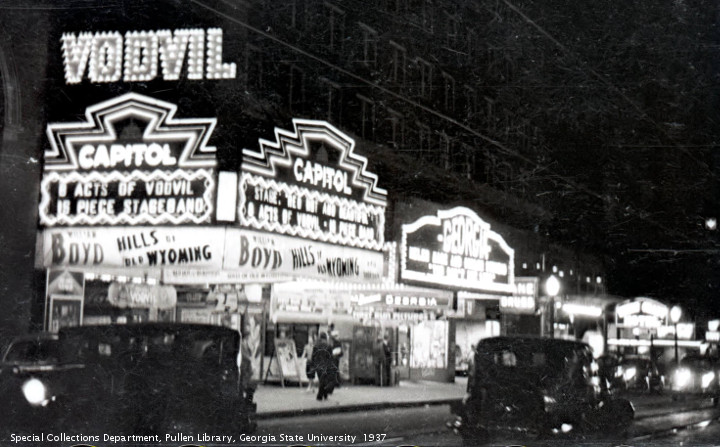
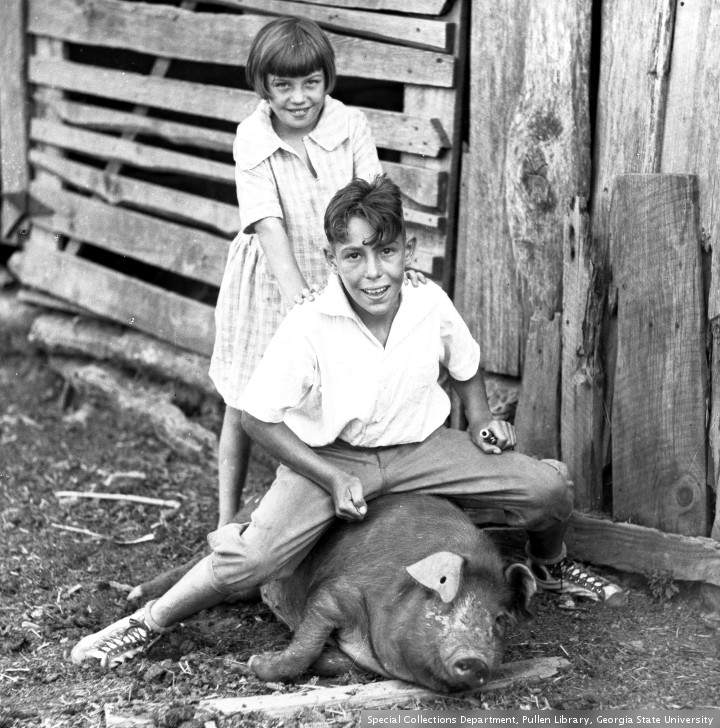
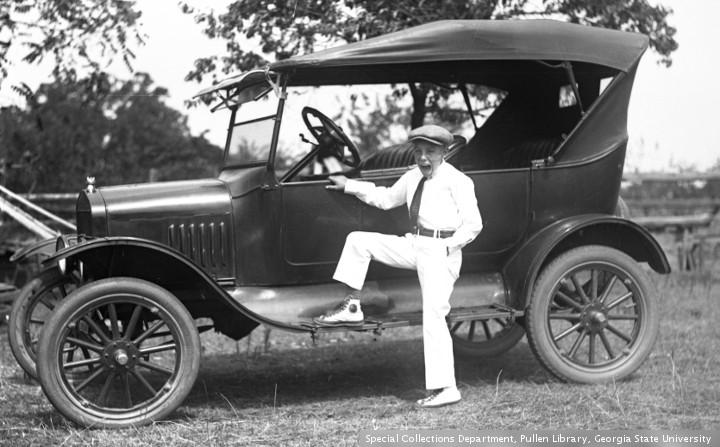
Another problem is the placement of the spikes. The spike that held feet to a cross was driven into a spot between the Achilles heel and the bone. No bones were broken, and the feet were secured to the cross. The spikes that held the arms were driven through a space in the wrist. Here again, no bones were broken, and the arms were not going to be pulled away from the cross. In the picture, there was a rope tying Jesus to the cross at this spot, and the spike was going to go in a couple of inches up the arm. When you believe your fantasy, details are not important. … Pictures today are from Special Collections and Archives, Georgia State University Library The social media picture was taken August 15, 1949. “Davison-Paxon’s grand opening of a new part of its downtown Atlanta, Georgia, store, August 15, 1949. This photo shows the speaker’s stand outside the store, the Roxy Theatre is in the background.” ©Luther Mckinnon 2025 · selah





Dragon Con Parade



This content was posted September 2, 2017. … Labor Day Saturday got off to a shaky start. I put the recharged battery in the camera, and noticed a white line on the monitor. A quick test shot was made, and the picture viewed on the computer. The white line is not on the picture.
Next was the fare machine at the marta station. I do not ride very often, and load the breeze card on a need-to-know basis. The fare machine was cranky, which is normal. All I had was a ten dollar bill, and the machine gives change in Susan B. Anthony coins. I did learn one secret of the turnstile. When the sign says to tap your card, that means to hold it flat against the pad for half a second.
The ride into town was unusually crowded for saturday morning. Of course, labor day saturday is not a normal day in Atlanta. There is Dragon Con, Black Gay Pride, and some kind of college football super game. It is a good day to stay in Brookhaven, but I let myself get talked into this.
The plan was to meet at the north end of the marta north avenue station, in the food court. Little did I know that the station had been renovated, and the food court was closed. Of greater concern was the fact that Uzi was not there. A phone call was made, then another, then a text message. Uzi was at the south end of the station. The stress level was manageable.
The d-con parade … d con is a form of rodent poison, which somehow seems to fit this event … had already started. The idea was to walk down west peachtree a few blocks, and maybe it would be less crowded on peachtree when you walk up there. While it may have been marginally less crowded in the hospital-and-wino district, it was still packed. You can only see so much of the parade from the fifth row of the crowd, with or without big hair in front.
So the parade happened. There were starship troopers, barnyard poopers, medieval wenches, confederate trenches, loudspeakers playing the star wars theme, blondes making the team, ghost busters, crop dusters, trekkies, beckys, vlad the impaler, chad the inhaler, Lucy, Desi, Thurston, Lovie, Andy, Opie, and any other fantasy the costume cowboys can hot glue together.
On cue, towards the end of the circus, the jesus people came down the sidewalk, denouncing the harlots on television. The harlots walking down peachtree ignored them, as did most of the crowd. These idiots live for someone to pay them the compliment of arguing. When you wrestle with a hog, you get dirty, and the pig has a good time. Remember that the next time someone tells you about antifa versus the tiki torch bois.
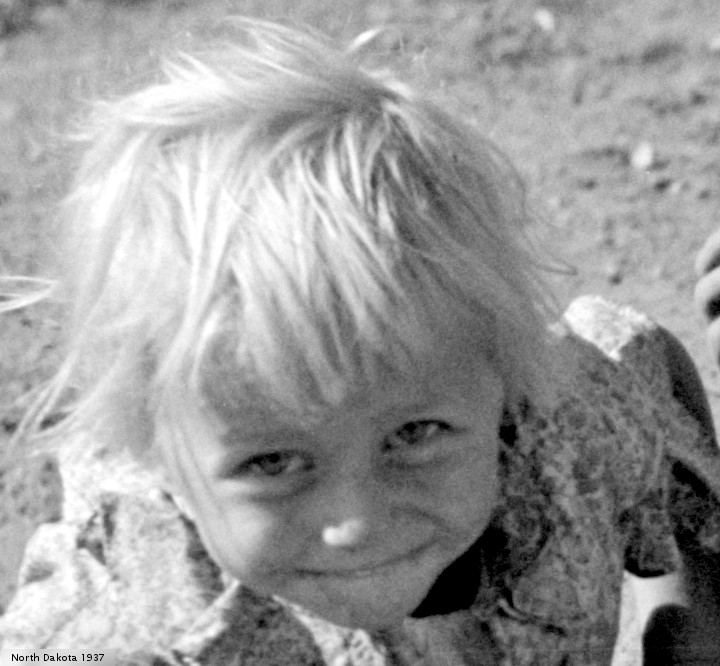
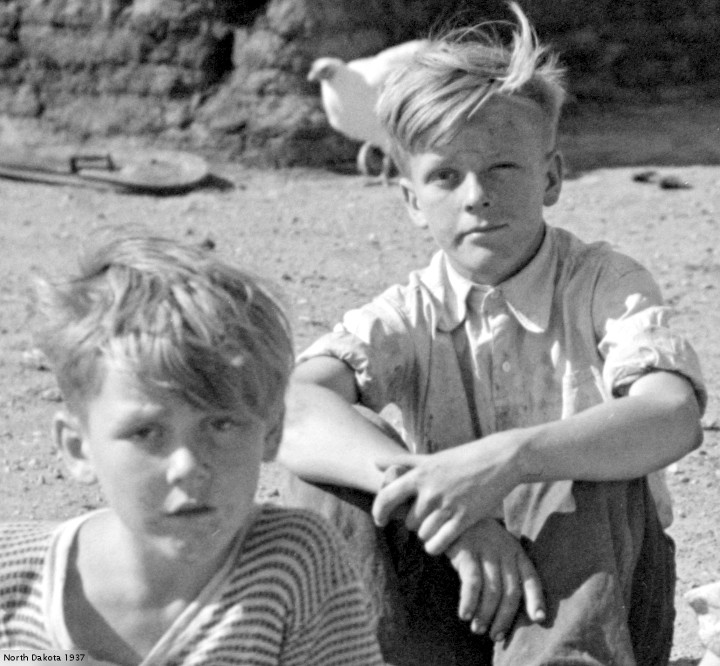
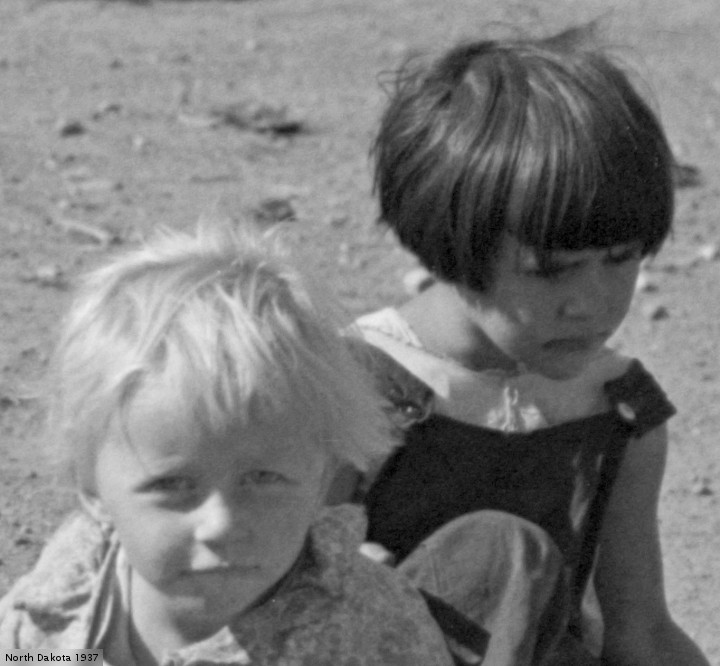
Finally it was time to get on marta, and ride back to civilization. On the north line, you have one job. You get on the north springs red train, or you get on the doraville gold train. It is not complicated, except for today. The first train to come through did not have signs, indicating the destination. Nor did the conductor make announcements. I somehow figured out that it was a red train, and that I would need to get off at lindbergh station. The next train to doraville had signs, and made regular announcements. The car waits in the parking lot undisturbed. Pictures today are from The Library of Congress. Russell Lee took the social media picture in September 1937. “Children of Olaf Fugelberg waiting for dinner. Williams County, North Dakota” ©Luther Mckinnon 2026 · selah

Race Rot



This content was published September 15, 2023. … America clearly has a problem with people of different colors living together. One way to view this racial dysfunction is as one problem, rather than competitive hating of wokeness and racism. This approach does not offer any easy solutions. We need to treat people with kindness and respect, no matter what adjective you put in front of people. As Rodney King said, “can we all get along?”
I recently wrote about Flannery O’Connor. She was a gifted storyteller, who posthumously run afoul of “whiteness studies and critical race theory.” The story cited an essay by Alice Walker, who grew up in Eatonton GA, a few miles up hwy 441 from Andalusia. “The magic, the wit, and the mystery of Flannery O’Connor I know I will always love. I also know the meaning of the expression “Take what you can use and let the rest rot.” If ever there was an expression designed to protect the health of the spirit, this is it.” We can call this dysfunction Race Rot.
One of the nastier parts of Race Rot is name calling. There are a pair of six letter slurs. One starts with r, one ends in r. One I am forbidden to say, while the other I am forbidden to not say. The mentionable slur is racist. You know what the other one is. We would be better off not using either six letter slur. People enjoy using six-letter slurs, so this is not going to happen anytime soon.
I am a certified white person, of Scottish and Irish descent. I am from Georgia. My great-grandfather fought for the Georgia State Troops, in the War Between the States. This affects the way in which I approach Race Rot. I see that racism is a problem, and find the bungling efforts at fighting racism … aka wokeness … to be incredibly annoying.
The problems with racism affect millions of people every day. One could reasonably ask, what is wrong with being against racism? The problem is not that you are fighting racism, but the way you are doing it. The trouble with wokeness includes disrespect, flakey logic, indifference to collateral damage, inflammatory rhetoric, hypocrisy, and a host of other micro/macro aggressions.
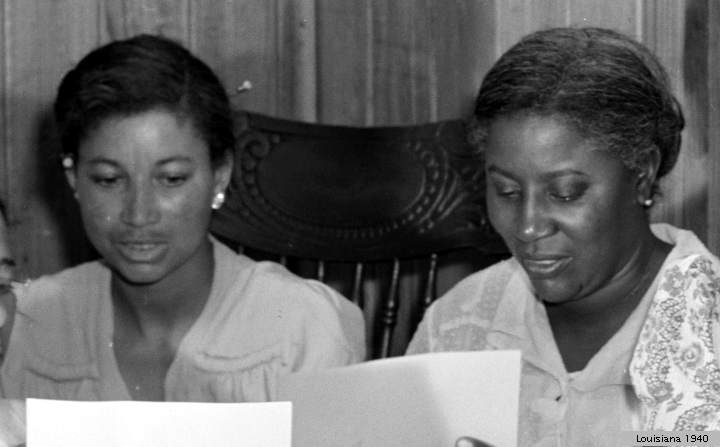
This is not a comprehensive look at Race Rot. There are many layers to this onion. Racism and wokeness (RAW) are only part of the picture. The story of Black and White has many shades of gray. We could spend hours talking about Race Rot, and only be more angry and confused when we are done. The best thing to do now is present some photographs, from The Library of Congress. Marion Post Wolcott took the social media picture in June 1940. “Home demonstration club meeting has games and refreshments after discussion. La Delta Project, Thomastown, Louisiana”
We are all God’s children, not a walking six-letter slur. Be kind to each one. Please don’t shout. ©Luther Mckinnon 2026 · selah



Wilbur

This content was posted September 12, 2024. … It could have been written today. Two years ago I was doing similar things. Walking on the path, and having problems with android media players. Both situations have gotten better overall, but still have days of not working. Today, I was listening to a story, and something switched to a man talking about woodworking. I couldn’t look at the phone, because I was holding an umbrella. The only thing left to do is try again later.
090924 – 10:32 It is day 6 of the new phone. Since it is monday morning, I downloaded Blocked and Reported. Today is a preview of a paid episode. Is monday morning is about to change? Paying for Jesse and Katie is out of the question.
The path has become my outdoor treadmill. I went out for a few laps, and put BAR on the headphones. The parade did not get out of the front yard before the noise started to cut off. After several experiments … is it the ear buds, the bluetooth, the show, the music player on the phone, the pockets of the cargo shorts … I walked my laps, and went inside.
The Muzio music player had other issues, so I decided to try downloading another one. Then the ear buds came in. Airbuds are another recent purchase. I have not made friends with this contraption. Airbuds feature a sensitive button, and if you adjust the buds incorrectly, the sound will cut off. If you touch this button the wrong way, to turn it back on, you go to the next track it wants to play. This is not going to work. I put my aging JBL buds back in.
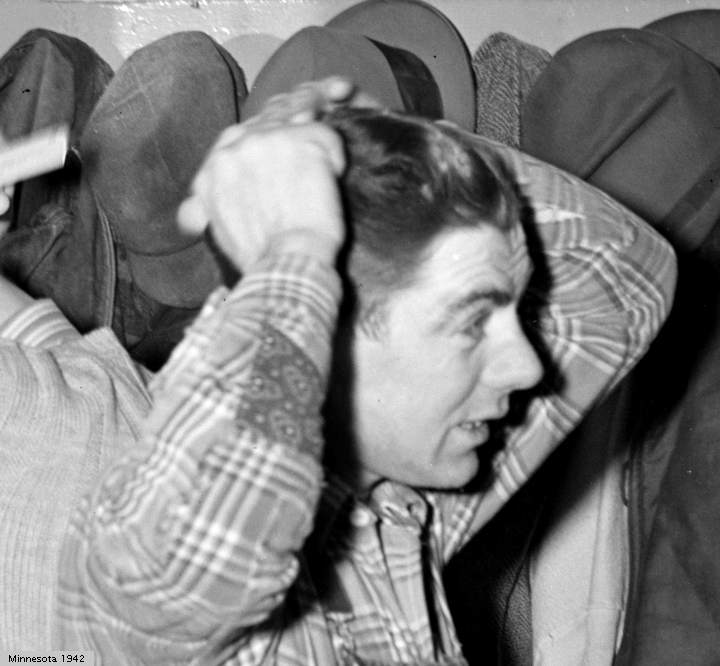
After all these adjustments, the part of BAR that Jesse will allow played without incident. The paywall kicked in during a discussion of Darryl Cooper … a subject that has become boring. Pictures today are from The Library of Congress. John Vachon took the social media picture in February 1942.
“Meeker County, Minnesota. Washing up for dinner on Pat McRaith’s farm.” ©Luther Mckinnon 2026 · selah


With All Due Respect
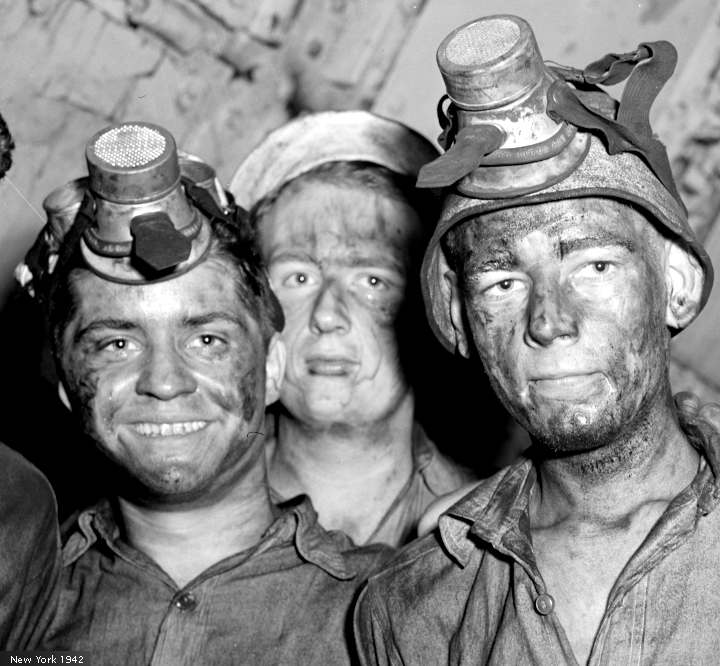

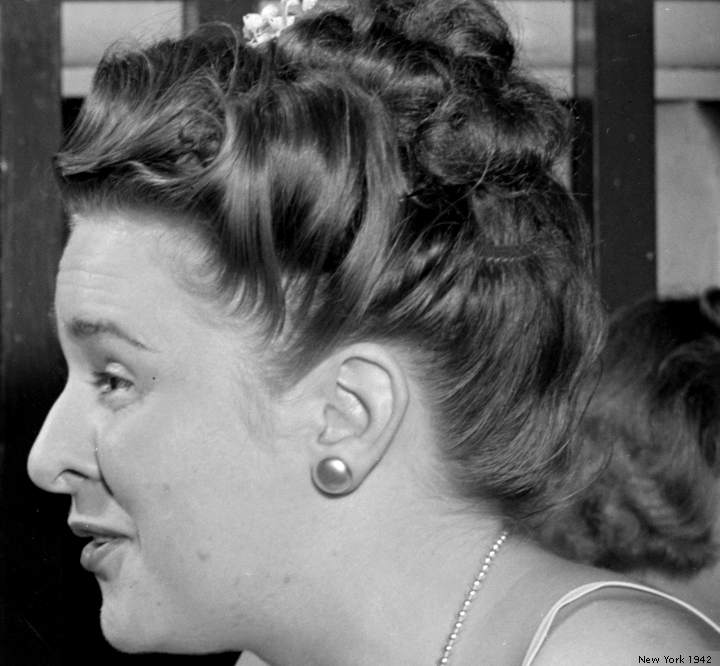
This content was posted June 25, 2017. Senator Ossoff is on a roll. He should be easily re-elected in November, and is a possible candidate for President. … At the 44 minute mark of a recent debate, Karen Christine Handel and Thomas Jonathan Ossoff had a skirmish. The question (41:34) had been put to TJO: How can you be independent in Congress, when you will need Democratic Party help in a re-election. TJO rambled a bit, and did not answer the question. Instead, he attacked KCH. The attack centered around the PR disaster at the Susan B. Komen foundation.
The two sparred for a few minutes. I expected someone to call the other a poopyhead, which they would reply to by saying you have cooties. KCH said something, and TJO interrupted. “It’s a simple question, with all due respect” “With all due respect, do not interrupt me”
This may be the one moment of this nightmare election that captures two personalities. KCH is not above interrupting, and using shady argument tricks. It was her moment to take control of the situation. Most politicians are hypocrites.
I got a screen shot. Look at the eyes. KCH is mean. She is tired of this silly little boy. TJO is looking at his shoes. The embarrassment about being “handled” by his opponent is evident. KCH won the momentary power game.
Maybe people will quit saying “with all due respect.” WADR is the new “bless your heart.” On election day, KCH won , with, or without, due respect. It is not known what the turning point was, or if TJO ever had a serious chance. Most 6th district voters are happy to see a noisy campaign end.
After losing to KCH in 2017, TJO ran for the Senate in 2020. The slogan of his Senate campaign was not a vulgar joke about hhis name. TJO won the election. … KCH lost elections for the House in 2018 and 2020. In 2026, KCH is the President of the Construction Supplier’s Association. Pictures today are from The Library of Congress. John Vachon took the social media picture in July 1942. Hoffman Island, merchant marine training center off Staten Island, New York. Trainees aboard the training ship New York working in the boiler room. ©Luther Mckinnon 2026 · selah
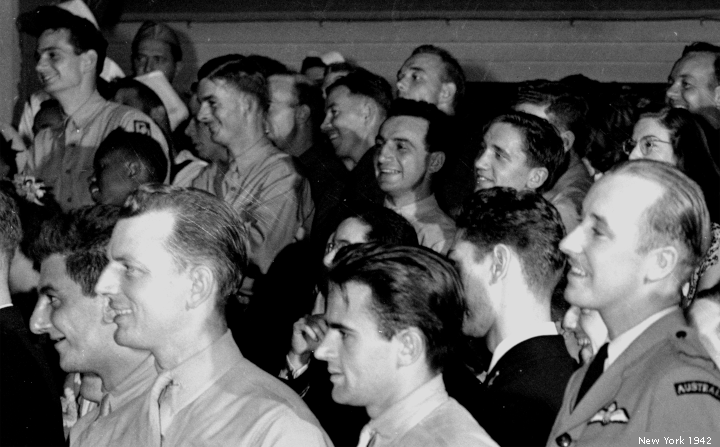
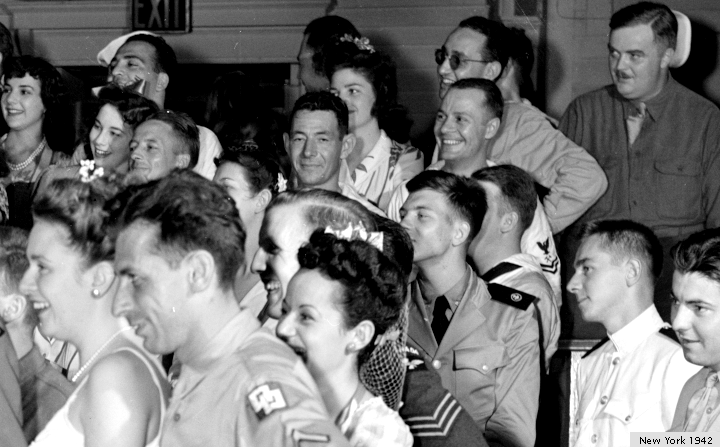
L5PB Labor Day



This content was published September 6, 2024. The Little 5 Poetry Bash is no more. … Labor Day was the first monday of September, which meant Little 5 Poetry Bash. I printed my new poem, and looked at the list of podcasts. Lo and behold, there was an episode of Noble I had missed.
Labor is a good day for traffic. I set out from Brookhaven at 18:10, for a 19:30 start. I got to the promised land early, and went to Rag-O-Rama. $22 is too much for a used t-shirt. Next stop was a cannabis store. There was promising talk about a new product, which may require further attention.
L5PB was splendid, as usual. The core group of poets was there, with terrific product from all parties. Collin Kelley, a mainstay of Atlanta words, was the delightful feature. A lady/dog team came from Cave Springs, to tell a tale of Artemis and Apollo. I kept thinking of Gomer’s cousin, Artemis Pyle, who played in Lynyrd Skynyrd.
L5PB takes place in the lobby of 7 Stages. There are two problems. 7S has a collection of bright lights in the ceiling above the speaker. There are also the big red letters MAIN STAGE, which is too much anagramic temptation (inamorata petting cam) for this addict. In a life hack moment, I solved both problems with a baseball hat.
The best way to go home is to take a left onto Colquitt, and go down to N. Highland. After a stop in the Manuel’s parking lot, Noble was coming over the speakers. This episode dealt with the Marsh family story, without going overboard with talk of racism. Finally, after the renovated North Druid Hills bridge, Taco Bell came into view. The last part of L5PB is getting my mystery meat fix. Pictures today are from The Library of Congress. Jack Delano took the social media picture in September 1941. Enosburg Falls, Vermont. Shopping on a Saturday afternoon. ©Luther Mckinnon 2026 · selah


Truth Greater Than Reality
0828-0914 – Rough Stock Department, the path journal entry for last week, is available. … The walk was just another day on the path. It lasted 48:00, with no foot problems. The shiny object was was How Did Roger Avary Write Pulp Fiction? on Tetragrammaton with Rick Rubin. Unless I missed something, PF was not discussed in this show.
“After what I went through, I realize everyone in some way is undergoing a trauma of some kind. And I try to be sensitive to that.” Immediately after this came a commercial for Squarespace. Whatever your trauma, you can build a website to monetize it.
RRA: “Anybody who really knew punk, in that moment, knew that’s a little bit of a lie. But it doesn’t matter. It’s a truth greater than reality. Yeah, it’s a bigger truth.” FJR: “So, yeah, don’t let the facts get in the way.” Reality is for people who cannot afford drugs.
Right after this jewel of wisdom was a commercial for Lectio 365. L365 is based on a Catholic practice, which we will call Lectio Diva. You take a bible verse and meditate on it all day. Repetition, silence, attention to special phrases in the text … these are all part of the practice. While I doubt that I will download the app, the practice of Lectio Diva might be worth looking into.
0829-0956 – The walk today was conducted on gravel. It rained last night, and the path was more washed out today. I did 44:00 with no foot trouble. The show was Cultivated: The Self-Proclaimed Prophet Hiding In Plain Sight on Chameleon. An excommunicated Mormon started his own cult group, with all sorts of nasty stuff going on. Manipulator was the word the show used. Manipulation is common in our society, whether it is for religion, politics, Israel, or lunch.
0830-0953 – The walk today was on track, or more accurately, on the gravel road beside the tracks. I did 1.55 miles in 59:25, with no foot problems. The first canned entertainment was Bundy Clock on 99% Invisible. The Bundy Brothers had a clock factory, and Willard Bundy had the idea of printing the time on a card … the invention of the time clock. Unfortunately, his brother Harlow managed the operation, and reduced Willard to a poorly paid employee.
Instead of the path, I went up to the railroad tracks on top of the hill. A neighbor pulled up in his truck, and said he didn’t see me walking as much. I told him my story. It turns out he has bad knees, and uses a Peloton machine to keep going. Old age marches on.
Before long, I had to step behind the cemetery and pee. I found a monument with weeds growing over it. The Goodwin family had an old house on Peachtree. Eventually, the temptation to sell the land became too great. The graves behind the house were moved a mile north. Unfortunately, nobody has been trimming the weeds. I expanded this into a blog post, The Soloman Goodwin House.
“The Solomon Goodwin House, located at 3931 Peachtree Road, is about .5 miles east of the Atlanta city limits. The house, which dates back to 1831, was the oldest building still standing in DeKalb County … Last fall, the home was dismantled and relocated to an undisclosed location nearby. Sources say the plan is to rebuild the home in the area but a permanent new site for the home has reportedly not yet been finalized.” From 2017.
I crossed over the tracks, and headed south. There is a gravel road, built when the Marta line went through. After a few minutes, a train came by, carrying a few hundred shipping containers.
The second show was Helen Simpson Reads “Lub Dub Lub Dub Lub Dub” on
The New Yorker: The Writer’s Voice. A British woman of a certain age talked about life, and the heart malfunctions that threaten to end it. The last line of the story was the lady messaging her friend on Whats App to tell her about something funny she saw. You just can’t get away from modern life.
0831-1020 – Ten twenty is truckdriver code. The dispatcher calls you, says 1020, and you tell them where you are. … Today’s walk was constipated, or at least the canned entertainment. The walking part lasted 56:12, with nuisance level dizziness. While this was a good day overall, it is the monday after a week with no problems seven days in a row. … The constipated podcast was The Artist of Cons: The Unbelievable but Totally Real Life of Milwaukee’s Most Interesting Man on Chameleon. Art Rapkin was from Milwaukee, and claimed to have an interesting life. Before he got into cocaine smuggling, he said he never took drugs. This may be the biggest lie of all. … Art’s book, “Poison for Rats,” is not available on Amazon.
0901 – The walk today was literate. I had two books to return to the library. The walk lasted 1:46:19, covering 3.23 miles in abundant sunshine. You should always be careful where you step.
One book was Shake It Up: Great American Writing on Rock and Pop from Elvis to Jay Z. It was fairly boring, with a couple of exceptions. One was Jim Morrison Is Dead and Living in Hollywood by Eve Babitz. Another one was Ellen Sander writing Inside the Cages of the Zoo about an early tour by Led Zeppelin. “He (Robert Plant) returned from the drugstore with shampoo, a comb, and some creme rinse for his copious mane, but no deodorant, which he needed regularly and badly.”
On June 28, I listened to a podcast based on a book about Liza May Minnelli. I soon got Kids, Wait Till You Hear This! from the library. It is a cliche of recovery that life seems dull after you quit taking drugs. The same is true about books by druggies that have cleaned up … the book is not as much fun after rehab. I found a 2013 post about LMM. Allegedly, she got sober for good in 2015.
The first podcast was Episode 321: Losing The Plot (with Jon Ronson) on Blocked and Reported. Jon Ronson was promoting a new book. The original title was “The Impossibility of Keeping a Harem in the Post Me-Too age.”
The second podcast was “Helen on Eighty-Sixth Street” on The New Yorker Fiction Podcast. This was the story of a girl in New York. She is jealous because another girl got to play Helen of Troy, while she was part of the Trojan Horse. There were a few more details. It was an amusing story to listen to while walking home through the green space.
0902 – The walk today was gravity influenced. It lasted 43:07, and had mild foot discomfort. The show was She Killed the Man Who Almost Killed Her: The Jema Heffernan Story, Part 1 on Gone South. Jema Heffernan is in a Missouri Prison for killling Javon Donahue, her no-good companion. This is common for women … to be in jail for killing their man, before he killed her. This show was sponsored by DraftKings, and their spokesman Dave Porknoy.
0903 – The walk today met the minimum requirement. Some days I am having a great time. Then there was today. It was hot, my feet acted up on a couple of laps, and I felt low energy. On days like this, I do my 36 minutes, and go back to the air conditioned house.
Yesterday at the dollar store, I saw a set of cheap earbuds. I tried them out today. They have a good sound, and had 100% power when I was finished. Cheap earbuds usually don’t last very long, but this will be a change of pace for a while. My bread and butter jbl buds will be there for me later.
The show today was Billy Corgan and the Nelson Brothers: A Conversation on Music and Life on The Magnificent Others with Billy Corgan. Matthew Gray Nelson and Gunnar Eric Nelson talking to William Patrick Corgan Jr. was like being the fly on the wall for a conversation full of respect, good will, and hatred of the music industry.
“Our grandfather Ozzie, nobody knew that he was a lawyer. He had a law degree from Rutgers. So he knew what he was doing when he was negotiating contracts. The family wound up owning the show, because he paid a little extra money. He had complete control of it. … “Well, uh having autonomy I think is really crucial because I just don’t believe in art by committee. I don’t think it works.”
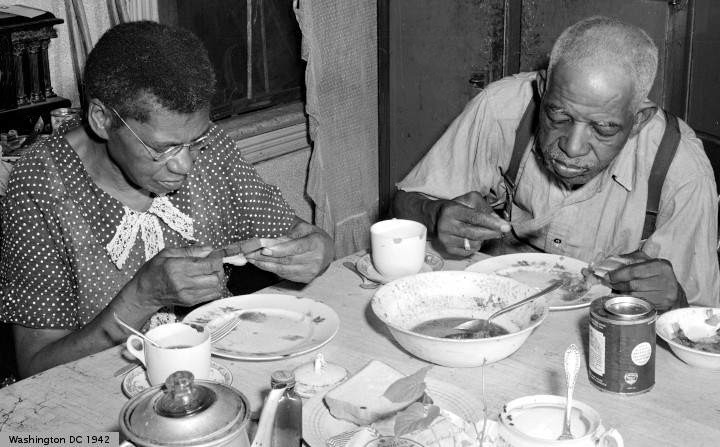
For more about my walking problem, see The Path Journal. Pictures today are from The Library of Congress. Gordon Parks took the social media picture in June 1942. “Washington, D.C. Elderly couple eating dinner at their home on Lamont Street, N.W.” ©Luther Mckinnon 2026 · selah
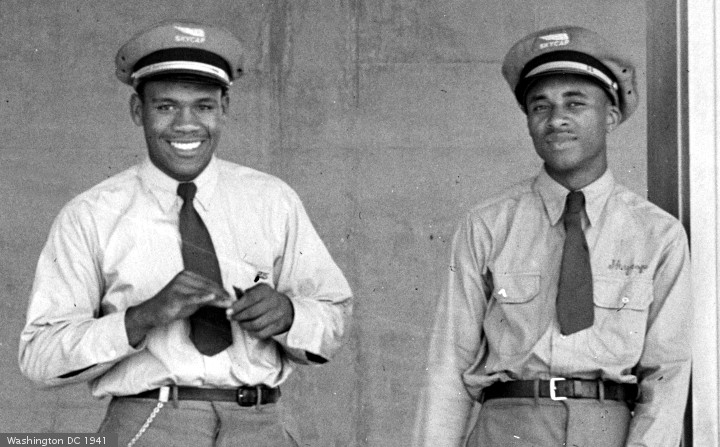
The Solomon Goodwin House
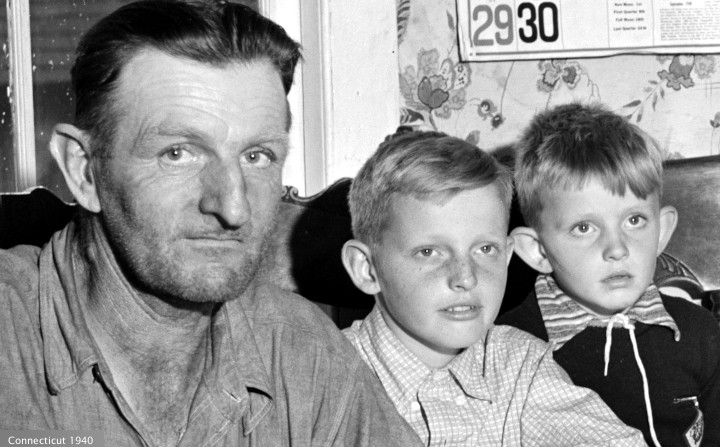
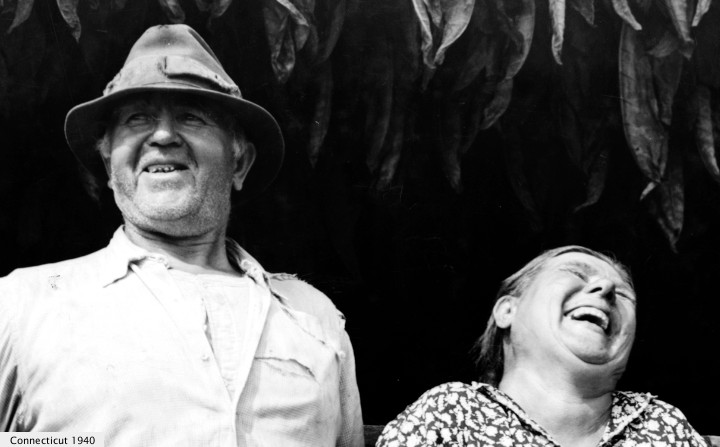


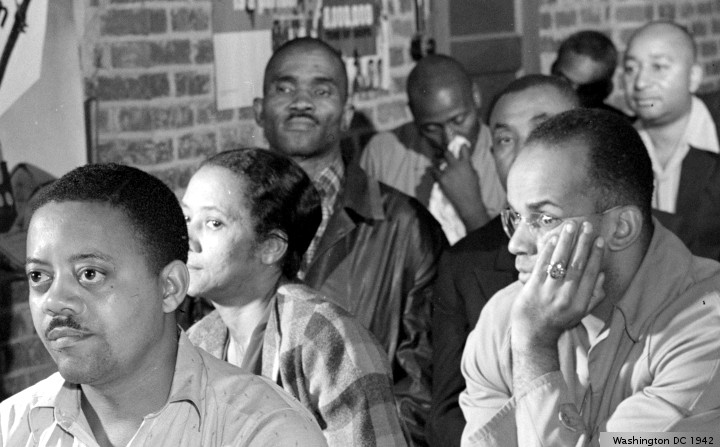
The Soloman Goodwin house was built in 1831, and was the oldest building in Dekalb when it was dismantled in 2016. “In what was once Creek Indian land, the area’s first white settler was Harris Goodwin, a South Carolinian who homesteaded a tract on both sides of what is now Peachtree Road in the early 1830s. Harris Goodwin later brought his father, Soloman, to the area.”
“The Solomon Goodwin House, located at 3931 Peachtree Road, is about .5 miles east of the Atlanta city limits. The house, which dates back to 1831, was the oldest building still standing in DeKalb County, and was the oldest building “Inside the Perimeter.” The home was once part of a 600-acre farm. … Last fall, the home was dismantled and relocated to an undisclosed location nearby. Sources say the plan is to rebuild the home in the area but a permanent new site for the home has reportedly not yet been finalized.” This was in 2016.
“In the old days there was a long trough on the Peachtree Road side of the dwelling which was kept full of water from the nearby well so that all wayfarers could refresh their livestock. … Afterward, the travelers, in the leisurely fashion of the day, would sit for a while upon the wide porch and discuss politics, crops, and the weather with their host.”
“I’m very sad to see it go,” said Albert Martin, whose family has owned the house for more than seven generations. “But there was no remediation on taxes, no resources to preserve it. We couldn’t get any tax breaks and there was no way to rent it.” … Martin said the only way to save the house is to carefully dismantle it, particularly the log cabin section of the home, and store the logs so it can be reproduced and relocated to another location, hopefully in Brookhaven. However, where that will be is still unknown.” This was in 2010.
The house was dismantled in 2016, and moved to an unknown location. This is all my research has found out. As far as I can see, the house is sitting in a warehouse “somewhere.” It would take major bucks to relocate it, and I don’t see anybody willing to make it happen.
When the house was dismantled, the graves were moved down the road to Nancy Creek Primitive Baptist Church Cemetery. They are not being maintained in this location. Here is the monument to Emily Goodwin, the wife of Harris Goodwin.
Gustin E. Goodwin, born October 27, 1834, was the eldest of Emily Goodwin’s ten children. “Commissioned an officer in Company K, Georgia 38th Infantry Regiment on September 26, 1861. Promoted to Full 1st Lieutenant on July 26, 1862. Wounded at 2d Manassas, Virginia, August 28, 1862. Died of wounds September 7, 1862.” Pictures today are from The Library of Congress. Jack Delano took the social media picture September 1940. The Colson family, the children just back from school. Tobacco farmers near Suffield, Connecticut”
©Luther Mckinnon 2026 · selah

A Sad Event
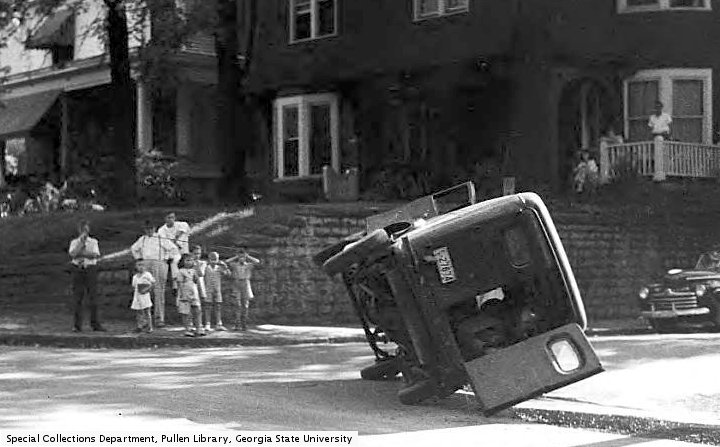
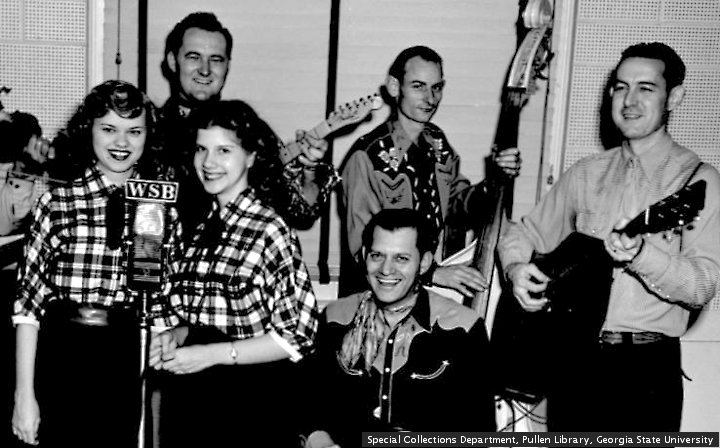
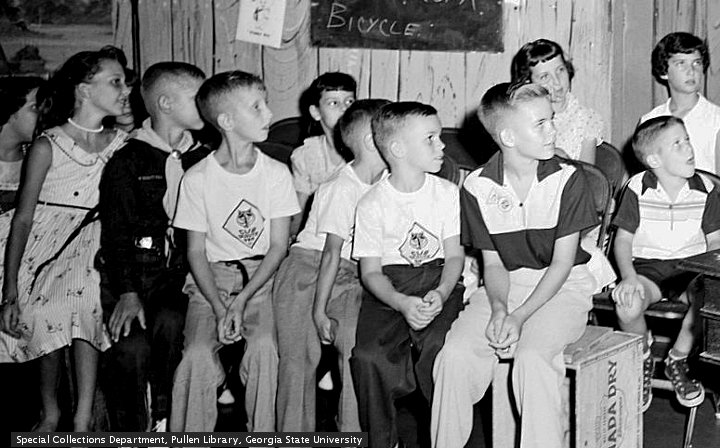
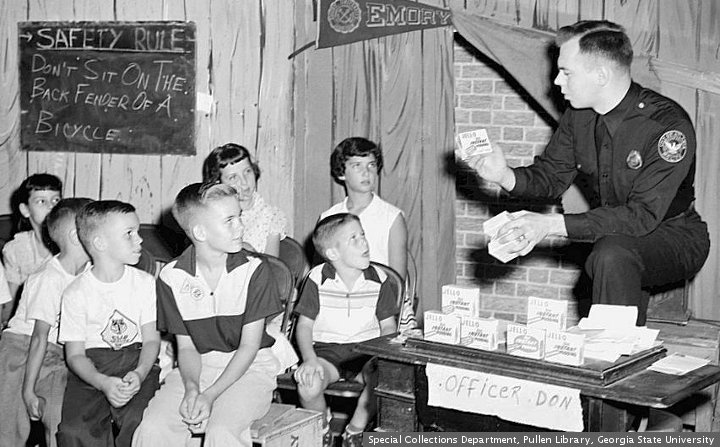
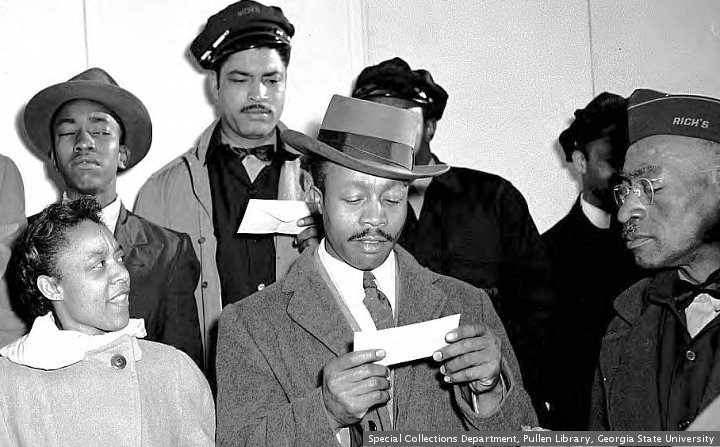
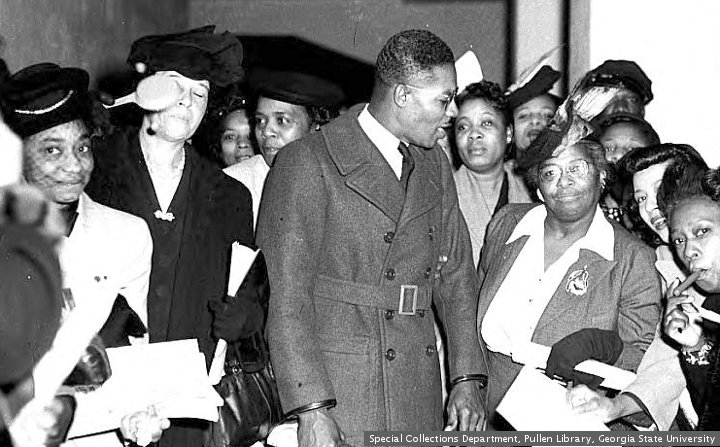
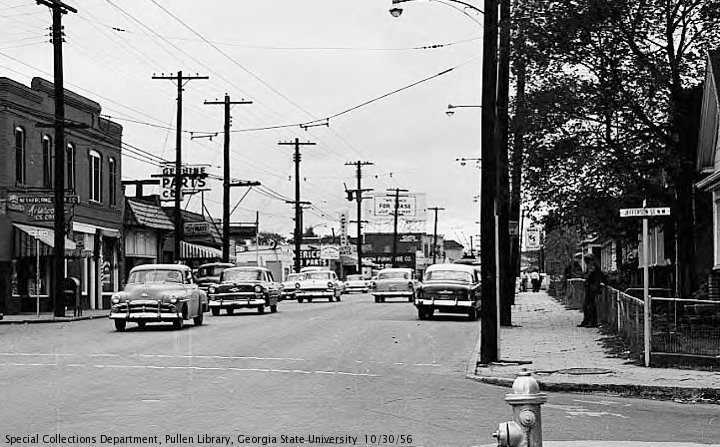

This content was published August 8, 2023. … It is with the saddest heart that I must pass on the following news. Please join me in remembering a great icon of the entertainment community. The Pillsbury Doughboy died yesterday of a yeast infection, and trauma complications from repeated pokes in the belly. He was 71. Doughboy was buried in a lightly greased coffin. The funeral was held at 3:50 for about 20 minutes.
Dozens of celebrities turned out to pay their respects, including Mrs.Butterworth, Hungry Jack, the California Raisins, Betty Crocker, the Hostess Twinkies, and Captain Crunch. The grave site was piled high with flours. Aunt Jemima delivered the eulogy and lovingly described Doughboy as a man who never knew how much he was kneaded.
Doughboy rose quickly in show business, but his later life was filled with turnovers. He was not considered a very smart cookie, wasting much of his dough on half-baked schemes. Despite being a little flaky at times, he was still a crusty old man and was considered a roll model for millions.
Doughboy is survived by his wife, Play Dough, two children, John Dough and Jane Dough, plus they had one in the oven. He is also survived by his elderly dad, Pop Tart.
I am not clever enough to compose the above piece. Credit is hereby given to whoever wrote it. Pictures today are from Special Collections and Archives, Georgia State University Library
The social media picture was taken in 1946. “Automobile accident, Piedmont Avenue”
©Luther Mckinnon 2026 · selah
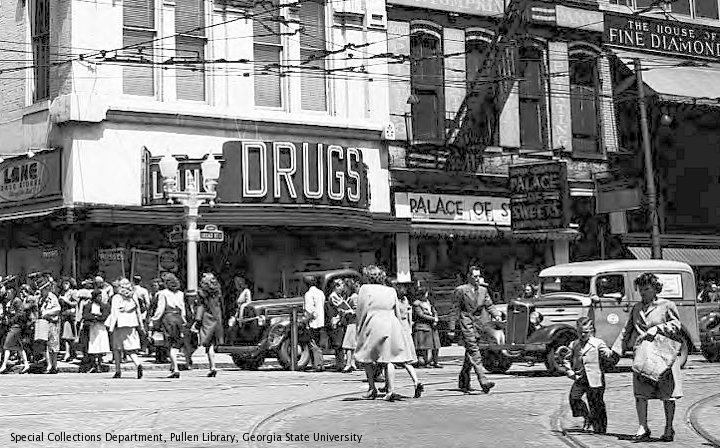
Tim Curry


This content was published April 19, 2011. Tim Curry passed away August 26, 2026. … Timothy James Curry was born April 19, 1946. Mr. Curry is an actor, singer, and all around phenomenon. The role that made him a star was Frank-n-Furter in “The Rocky Horror Show.”
Mr. Curry is best known for playing a flamboyant transvestite. His wikipedia page does not discuss his personal life. If you go to google, and type “is tim curry” the top five results are gay, married, dead, alive, died. A visit to some of the sites listed gave no definite answers. One of the sites tried to slip a *trojan horse* into this machine. Some things are better left a mystery.
After Dr. Furter went back to Transylvania, Mr. Curry made rock and roll albums. In 1978, a tour was put together to promote his vinyl debut. The first show in the United States was at the Agora Ballroom in Atlanta GA. I was in the audience.
Riding into town on the 23 Oglethorpe bus, I got to talk to some ladies who were in town for a conference. They were worried about the crime. I tried to reassure them by telling a recent news story. This lady was having breakfast in a downtown hotel, when she put her purse down on the floor. A handgun her husband had given her went off when the handbag hit the ground. The lady’s breakfast companion was hit and killed.
Mr. Curry walked onstage eating a banana, grabbed a stool and turned it upside down. He appeared to be a bit tipsy. This did not affect his performance. Mr. Curry did most of the songs on his album, along with “Celluoid Heroes” by the Kinks. The latter song featured a Garbo impersonation.
Whoever put the band together for this tour had a lot of money. The guitar player played with Lou Reed on “Rock and Roll Animal.” The keyboard player, and musical director, was Micheal Kamen, formerly of the New York Rock and Roll Ensemble. (A song on the Curry album, “Sloe Gin,” was a NYRRE song, “Fields of Joy,” with new lyrics.)
The only song from “Rocky Horror” that Mr. Curry did was “I’m Going Home.” A few people were upset that he did not do “Sweet Transvestite.” He played another Agora show a couple of years later, and reportedly did perform “Sweet Transvestite.”
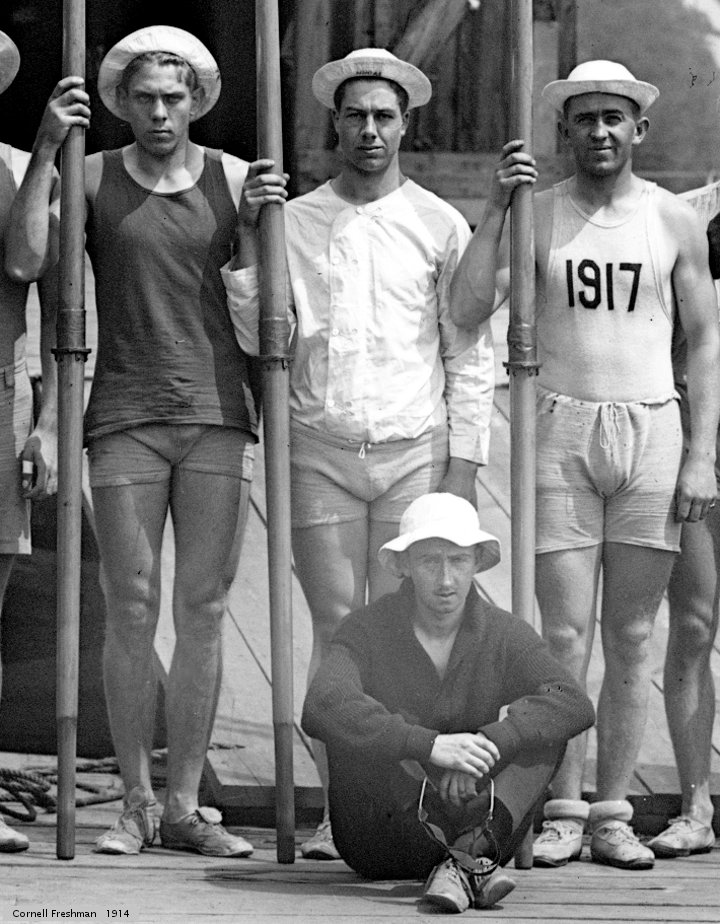
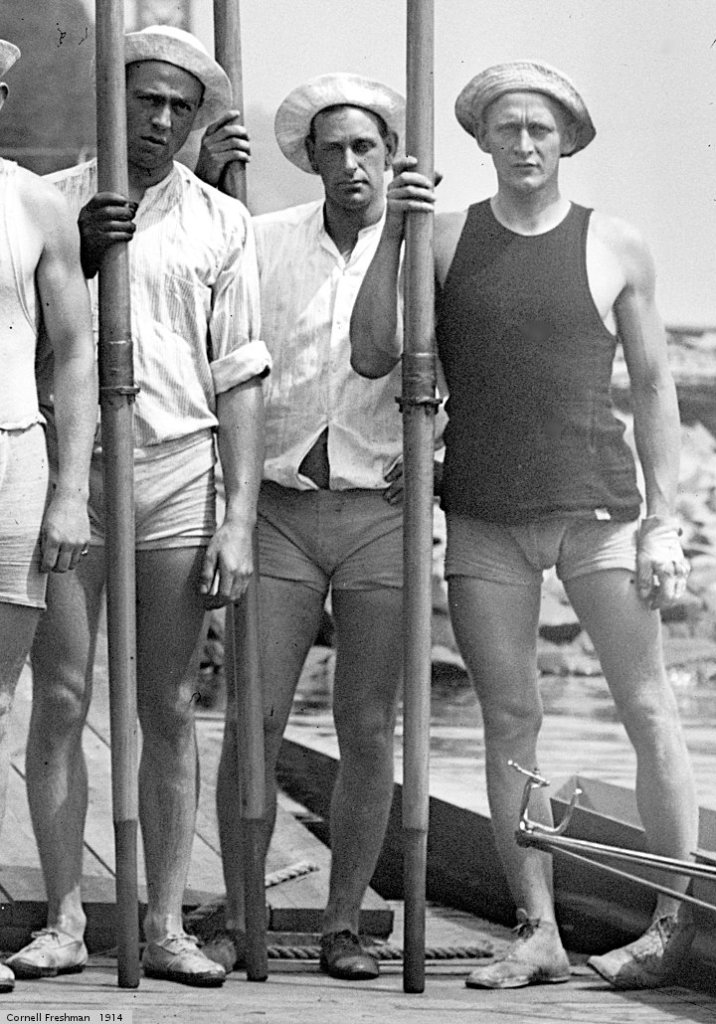
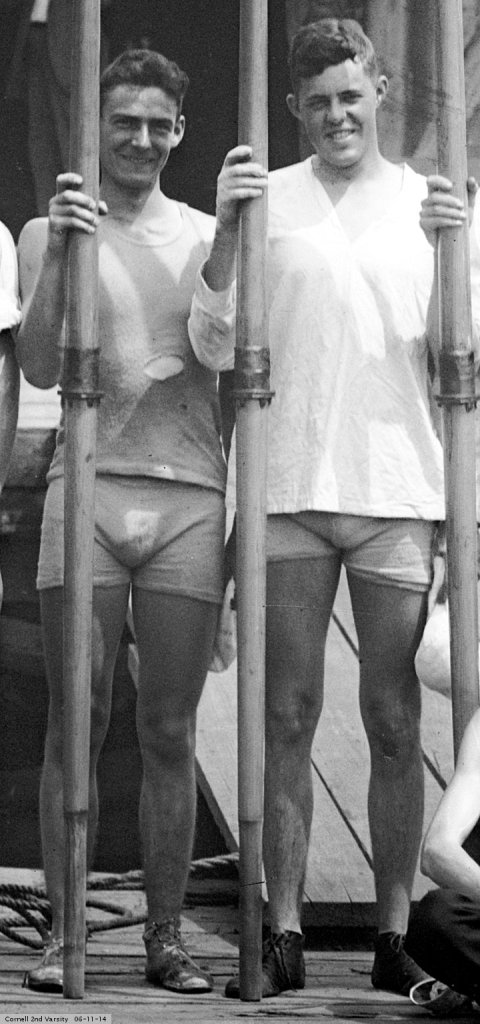
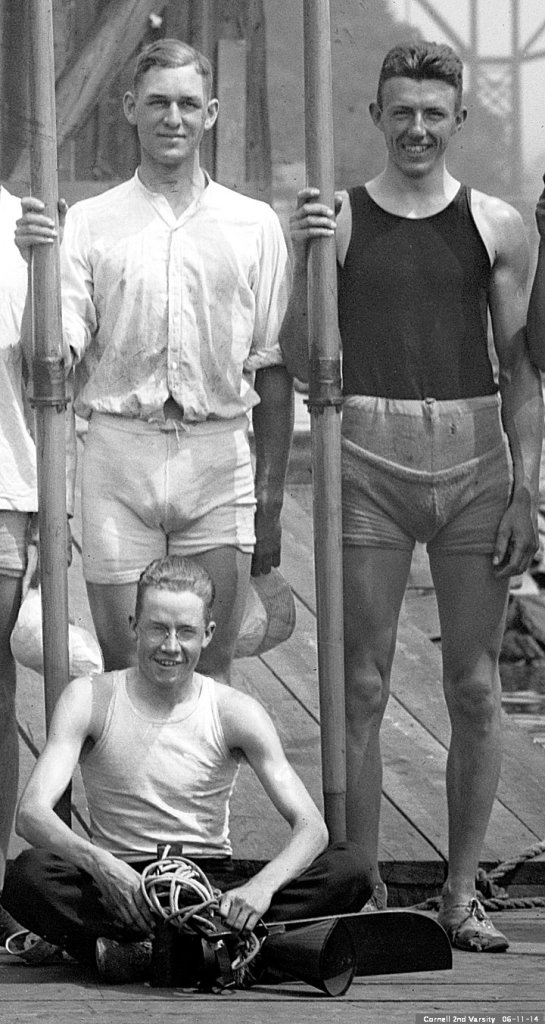
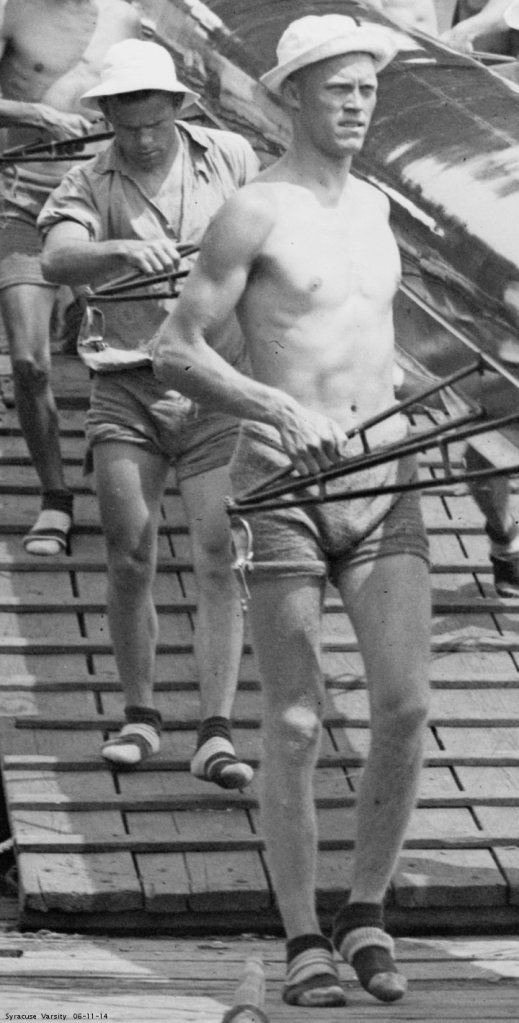
Tom Waits was scheduled to perform at the Agora the next night. I was wandering through the balcony between shows, and saw Mr. Waits sitting at a table. A bodyguard was standing by, who said that it was just someone who looked like Tom Waits. Pictures today are from The Library of Congress. Photographs of Cornell Fresh and Cornell 2d Varsity are from the George Grantham Bain Collection ©Luther Mckinnon 2026 · selah

She Always Carries Jonquils
This content was published August 18, 2011. … I found Archival Atlanta: Electric Street Dummies, the Great Stonehenge Explosion, Nerve Tonics, and Bovine Laws : Forgotten Facts and Well-Kept Secrets from Our City’s Past at the Chamblee library. There are always more stories to be heard.
In the 1840s, the Western and Atlantic railroad wanted to hook up with the Central of Georgia railroad. The spot for the meeting was called Terminus. One idea was to name the town for William Lumpkin, a former Georgia Governor and a railroad executive. Lumpkinville sounded bad in the mouth, and the new town was named “Marthasville,” after the daughter of the Governor. (Martha is buried in Oakland Cemetery.) Few people liked this name, and someone decided that the feminine form of Atlantic was Atlanta. Unlike the state flag, this is unlikely to change.
The new town prospered, and recovered from the unpleasantness of 1864. In 1875, there was a problem with stray cows. The answer was the “1875 Cow Ordinance.” The law required that cows be kept in a pen at night. A fine of two dollars was assessed for every stray cow that was caught.
About this time, there were a few very busy railroad tracks going through downtown. People were getting tired of waiting for the trains to go through. One by one, viaducts were built over the tracks, creating a forgotten ground floor. This was built up into Underground Atlanta in the sixties, which was red hot for a while, then cooled off, and is now so so.
In 1897, J.W. Alexander was the first person in town to own a “horseless carriage.” One day, he decided to take a ride to East Point. A mule objected, and kicked man and machine into a ditch.
It is a rule that all history books about Atlanta have to discuss Coca Cola and Gone With The Wind. There are only so many stories to go around. This book tells of an Alpharetta farmer who bought the Tara set from MGM. He stored it in a barn, the location of which was a secret. Betty Talmadge wanted to buy it, and the price went from $375k to $5k. After a while, the sale was finalized. There was only one problem … the farmer died, and never told anyone where the barn was. Mrs. Talmadge got the money from her husband’s overcoat, went to Alpharetta, and found the barn. The set was moved into another secret location, where it was in 1996, when Archival Atlanta was published.
Sam and William Venable owned Stone Mountain, and had a quarry there. Sam built a large granite house at 1140 Ponce De Leon Avenue, and stocked it with ammunition. He thought a race war was on the way, and wanted to be prepared. One night, a chimney overheated. The roof caught on fire. The explosives in the attic exploded, and took the roof off. The house was repaired, Mr. Venable died, and the house became part of a Lutheran church.
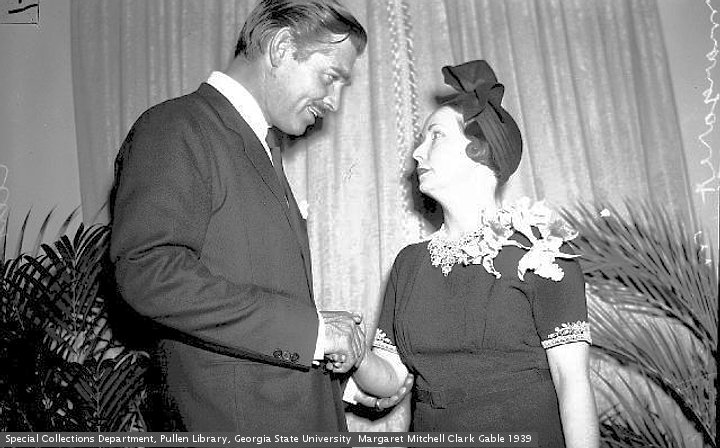
One of the few ante bellum houses in Atlanta is near Grant Park. It was once owned by Lemuel Grant, who donated the land for the park. He stays in a large marble house in Oakland Cemetery now. The Grant Park house was purchased by Mr. and Mrs. John Marsh, in partnership with Boyd Eugene Taylor. After the death of Mrs. Marsh (also known as Margaret Mitchell,) she was known to visit the house. “Margaret just wanders through the house, looking things over. She never talks, and she always carries jonquils. The first night she came I was very shocked. I went out to her grave at Oakland Cemetery the next day. I’d never been to the house before. But I was almost certain of what I’d find. The plot is covered by a bed of jonquils.”
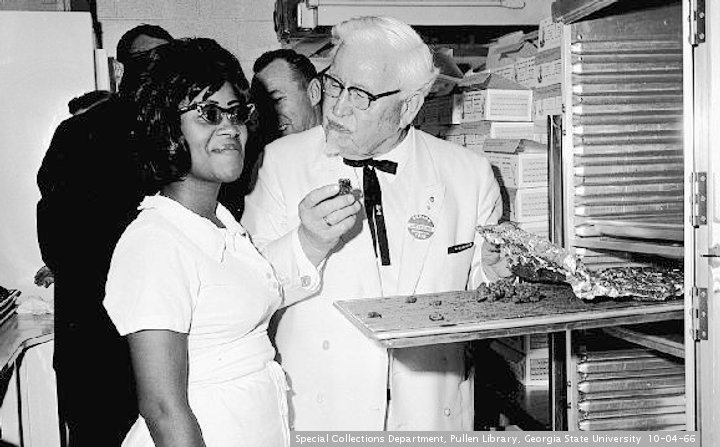
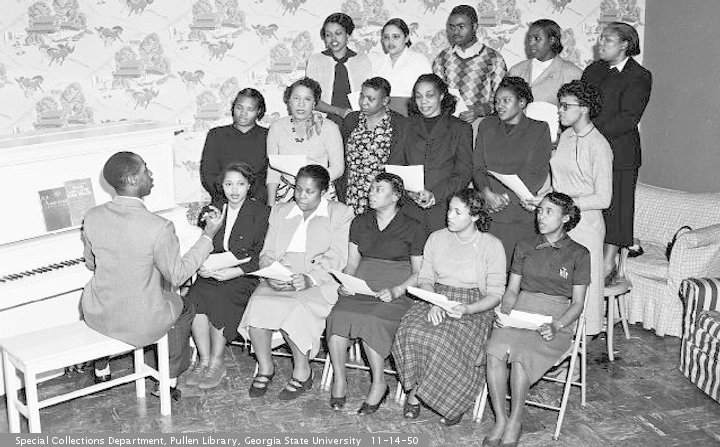
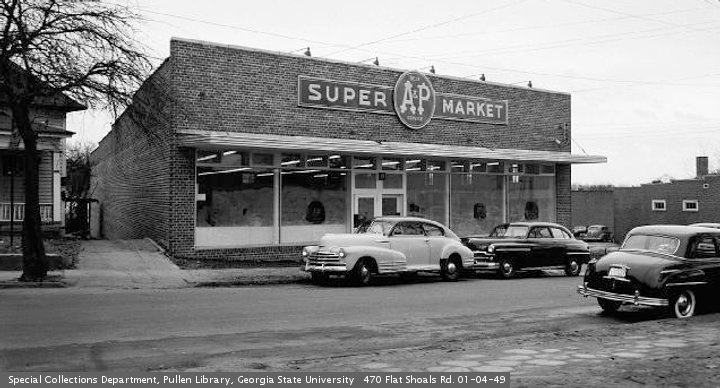
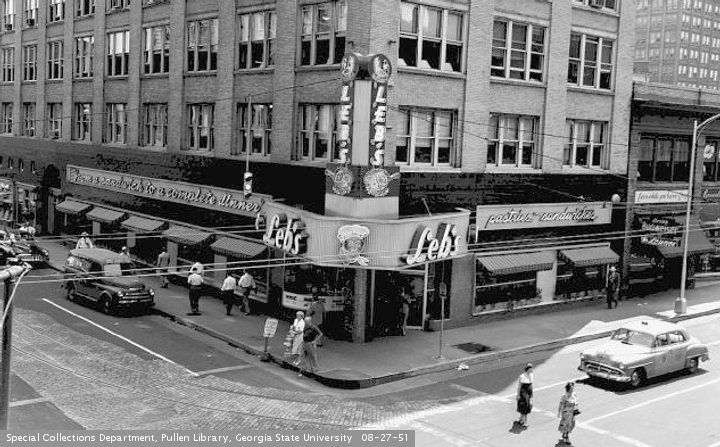
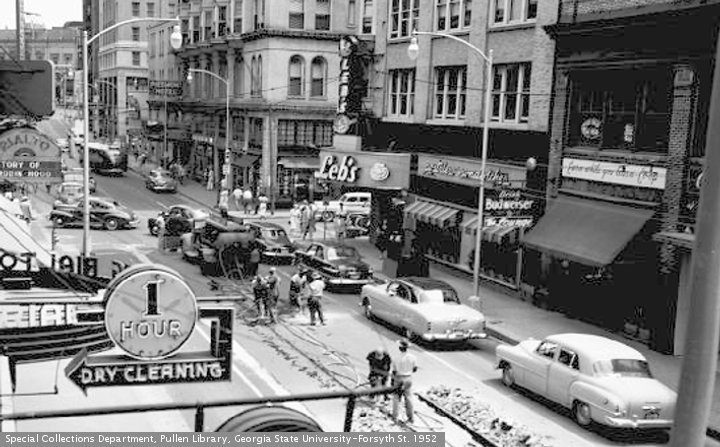
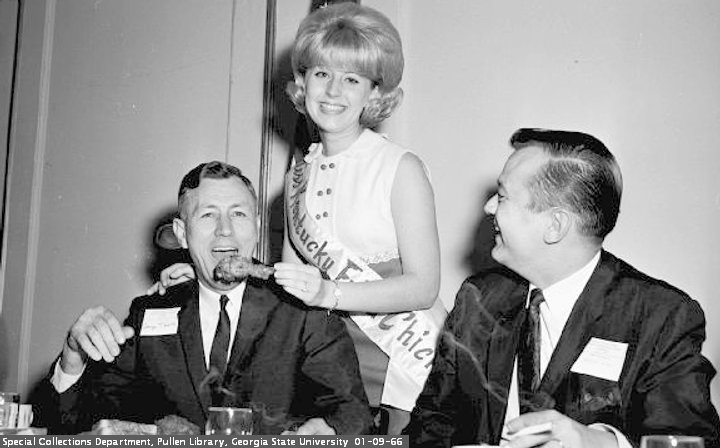
Pictures today are from Special Collections and Archives, Georgia State University Library The social media picture was taken October 4, 1966. “Davis House Kentucky Fried Chicken Colonel Harlan Sanders shown with worker. Davis House Cafeterias; Palmer Building; 39 Marietta Street, NW”
©Luther Mckinnon 2026 · selah

Shade


This content was published August 27, 2024. … Sunday was the freebie-friendly Summer Shade Festival in Grant Park. Monday was for pulling merchandise out of my bag, a process known as de-swagging. There were 2 tote bags, 2 pair of sunglasses, 1 inkpen, 1 bottle opener, 1 baseball hat, 1 portable shader, and 1 serving of CHAMPAGNE TOAST hand sanitizer. Next weekend is labor day, when you do not venture into town.
Later, it was time to go take pictures of painted utility boxes. These make great backgrounds for graphic poems, and there are a couple nearby. Decatur, a PUB wonderland, was briefly considered. Common sense prevailed. Doraville and Dunwoody will have to be enough D for today.
Lunch time was approaching. A Whopper® has been begging for me to have it my way. There are a couple in Dunwoody, one of which was down the road.
The barely OTP intersection never seems to complete its roadwork, with no sign of a BK. Finally, there is a uber-modern BK on the right, with a sign “GRAND OPENING.” Life is good.
Since this is Monday, a new episode of Blocked and Reported is available. The theme of BAR is internet bullshit. Today Jesse is talking about Candace Owens, who is about as fecal as you can get.
Candace Amber Owens Farmer is what passes for a 2024 celebrity. Reward ignorance with apathy, and don’t pay her any mind. Jesse had a clip of her recent musings. CAOF said that Leo Frank killed Mary Phagan on passover. It was time to turn the noise off.
Mary Phagan died on April 26, 1913. “Pesach for Hebrew Year 5673 began in the Diaspora on Monday, 21 April 1913 and ended on Tuesday, 29 April 1913.” A broken clock is right two times a day. April 26, 1913. Confederate Memorial Day.
The prevailing story was that Leo Frank was falsely accused of the murder, with strong antisemitic/racist overtones. There was little reason to doubt that story. Then, one afternoon, I stumbled onto the Leo Frank Archive. If you google “Leo Frank guilty,” you will find people who feel that way. It is 113 years later. … Pictures today are from The Library of Congress. Jack Delano took the social media picture in March 1941. “Moving a cemetery out of the Santee-Cooper Basin. South Carolina”
©Luther Mckinnon 2026 · selah




leave a comment