So You’ve Been Publicly Shamed





When an author has book product, the author gets interviewed. This is how PG first heard of So You’ve Been Publicly Shamed, by Jon Ronson. The act of using “the media” to promote book product is a curious analog to shaming. To have the exhibitionism on the wtf podcast, starring the shame-proof Marc Maron, is another item on an overloaded irony buffet.
SYBPS is a work of non fiction. In other words, we take the author’s word that these events really happened. In fiction, you know from the get go that it is a made up story. There are a few sayings about this. A: to tell the truth you need to write fiction. B: life is bad fiction. As a celebrity tweeter said, @mattyglesias One man’s cheap shot is another man’s shaming.
Several of the stories involve people getting caught in lies. There is the story of three academigeeks who created a faux Jon Ronson for twitter. Some of their justifications sounded like this: @Johann_MG The Infomorph isn’t taking your identity. It is repurposing social media data into an infomorphic identity. It did not end well for the young men. They were exposed. People on twitter said rude things about them. Currently, another digital infomorph is on twitter. @jon_ronson A Weavr made from wikipedia In response to this video by the real Jon Ronson.
The next story involves a man who invented quotes from Bob Dylan. This is another level of irony … with the wealth of material available about Robert A. Zimmerman, this guy felt the need to make stuff up. The story is by turns amusing and pathetic. The author was paid $20k to give an apology speech, with a giant screen behind him for the unkind twitter comments. Maybe throwing rotten tomatoes would have been kinder.
Justine Sacco made an unwise tweet about AIDS and white privilege. She landed in South Africa to discover herself notorious, and unemployed. The tabloid press said Max Mosley was at a Nazi themed sex party. He sued the paper about the Nazi part, won a settlement, and boasted of being a player. The tabloid newspaper got caught in another scandal, and was shut down.
This being non fiction, Mr. Ronson goes all over the place. There is a $500 a seat weekend seminar on “radical honesty.” There are academics, of various levels of intelligence, who write about shaming, prison techniques, and other trivia. There is a company who floods the internet with flattering stories about you, so that the trash goes to page three of google. There are also more people whose lives were ruined by public shaming. One example is the rape victim who committed suicide after her cross examination.
The star shaming saga is donglegate. (spell check suggestion: congregate) Two young men at a tech conference made a tacky joke. A lady, Adria Richards, took a picture of the young men. Immediately, the picture was on twitter. @adrisrichards Not cool Jokes about forking repo’s in a sexual way and “big” dongles Right behind me.
One of the young men lost his job, only to get another one. Ms. Richards, who publicly fired the first shot from her twitter account, lost her job, and was subjected to a massive amount of abuse on the internet. The 4chan crowd had a good time with Adria Richards.
In her interview with Mr. Ronson, Ms. Richards said she felt that the dongle joke jeopardized her safety. “Have you ever heard that thing, Men are afraid that women will laugh at them and women are afraid that men will kill them?” “People might consider that an overblown thing to say”… She had, after all, been in the middle of a tech conference with eight hundred bystanders” “Sure And those people would probably be white and they would probably be male.”
While researching donglegate, Mr. Ronson talked to some people at 4chan. There was a comment made. It went into the preview copies of the book, but not the final edition. This is part of the the publicity process. Someone took offense at this comment, and made an issue out of it. For more details see this story, File under ‘inevitable’: “So You’ve Been Publicly Shamed” author Jon Ronson slammed by Twitter-shamers.
In all of these tales, Mr. Ronson’s name was spelled correctly. Some say there is no bad publicity. Whatever is said creates awareness of your product. There is a lot of awareness for SYBPS, and Mr. Ronson, right now. @jonronson Feeling incredibly sorry for #RachelDolezal and hope she’s okay. The world knows very little about her, her motives.
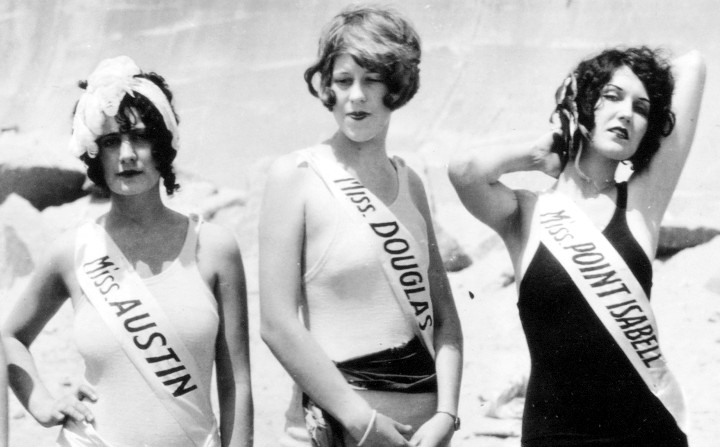
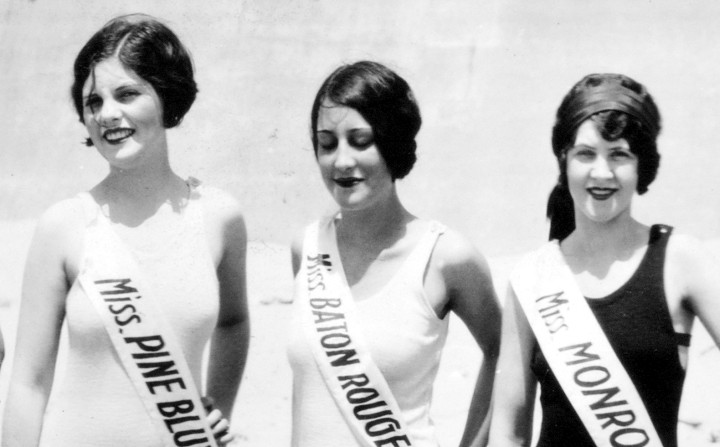
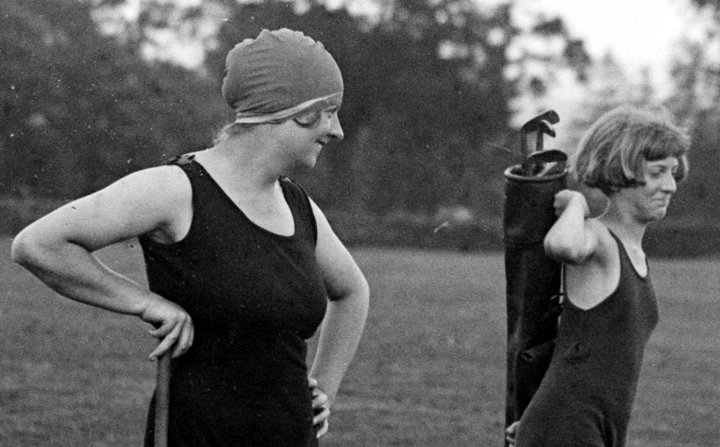
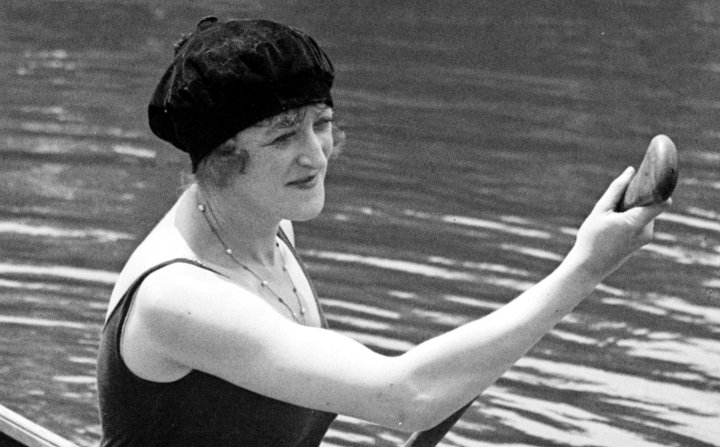
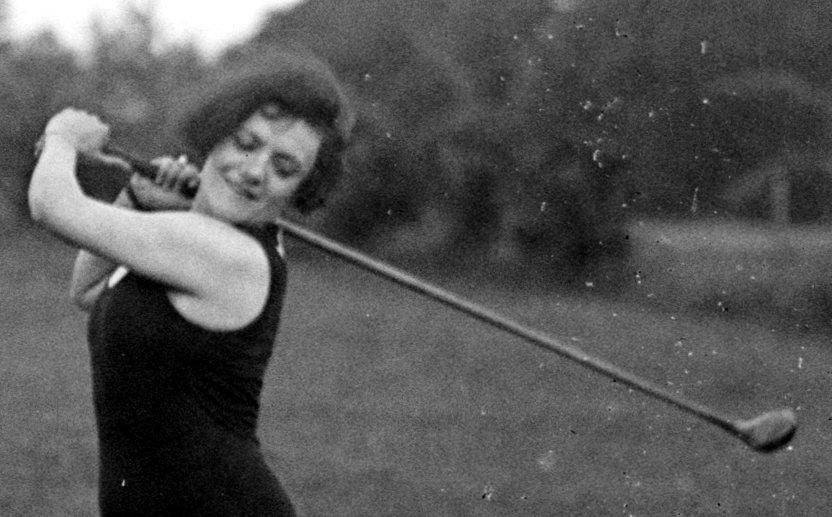
Pictures today are from The Library of Congress. Picture #06662 is from “Second International Pageant of Pulchritude and Eighth Annual Bathing Girl Revue, May 21, 22, 23, 1927, Galveston TX.”



Howard Zinn



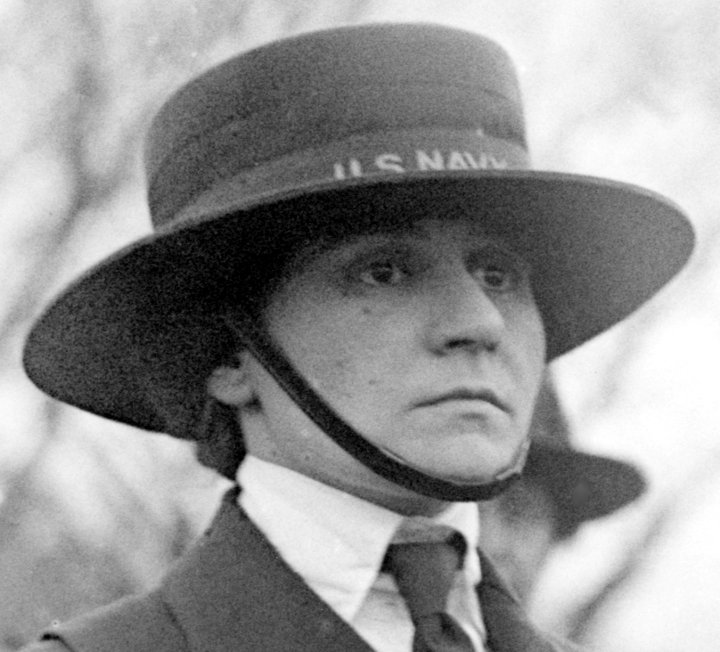




Howard Zinn, author of A People’s History of the United States: 1492 to Present, spent an hour talking on Booknotes. This is a C-SPAN show, with author interviews. The show aired March 12, 2000. Later that night was a show about the 2000 election, featuring Green Party candidate Ralph Nader. The role Mr. Nader would play in the November election was unimaginable in March.
The first serious job Mr. Zinn had was World War II. He served in the Air Force. Towards the end of the war, “we bombed a little French town on the Atlantic coast called Royon… `We’re not going to use regular demolition bombs. We have something new. We w–you’re going–instead of dropping our usual 12 500-pound demolition bombs, you’re going to drop 30 100-pound canisters of jel—jellied gasoline.’ It was napalm–the first use of napalm in the European theater.”
Later, Mr. Zinn thought about it all. “And it didn’t s–the–the thing is you’d bomb from 30,000 feet. You don’t see what’s happening down there. You don’t see people suffering. You don’t see people burning. You don’t see limbs falling. You–you just see little flashes in the–in the d–in the dark, you know. And—and you go back, and you’re debriefed and you don’t think about it. And it’s horrifying.
Later–only later did I begin to think about it, and I was horrified by what I had done, and I’m still horrified by what I did. But I think that had an effect on my thinking about war, because here I was in the best of wars. And I believed it was the best of wars because I volunteered for it. A war against fascism? I mean, how could you find a more bestial enemy? And yet it’s a–it complicated the war for me. It complicated the morality of the war, and it made me begin to think that war itself is evil. Even when it starts with good cause, even when the enemy is horrible, that there’s something about war, especially in our time when war inevitably involves indiscriminate killing … war simply cannot be accepted morally as a solution for whatever problems are in the world.
Whatever tyranny, whatever borders are crossed, whatever problems there are, somehow human ingenuity has to find a way to deal with that without the indiscriminate killing that war involves.”
Brian Lamb is the host of Booknotes. He speaks non theatrically, often with questions that are very different from the narrative presented by the author. After this talk about war, the question was “LAMB: What would you have done had you been president and those bombs were dropped on Pearl Harbor? Mr. ZINN: That’s the toughest question I’ve ever faced. I … And–and I confess, I–I–I haven’t worked out an alternative scenario.
PHOTUS is known for taking a non-heroic view of our history. Regarding the US Constitution, “When they set up the new government, when they set up the new Constitution, I mean, they set up a strong, central government which will be able to legislate on behalf of bondholders and slaveholders and manufacturers and Western land speculators.”
Mr. Zinn does not discuss The War Between The States on this show. (PG has not read PHOTUS, and does not know how WBTS is treated.) This was a case where the central government was favoring the industrial interests, at the expense of the agricultural interests. How much of that conflict was economic, with abolition serving as a moral fig leaf?
After the war, Mr. Zinn went back to school. A job appeared at Spelman College, and he worked there seven years. After that, he taught at Boston University for 24 years. His next door neighbor was five year old Matt Damon, who later read the audiobook version of PHOTUS.
There is one more bit of amusement from the transcript. Mr. ZINN:`For the United States to step forward as a defender of helpless countries matched its image in American high school history books but not its record in world affairs. It had opposed the Haitian revolution for independence from France at the start of the 19th century. It had instituted a war with Mexico and taken half the country. It had pretended to help Cuba win freedom from Spain and then planted itself in Cuba with a military base, investments and rights of intervention. It had seized Hawaii, Puerto Rico, Guam and fought a brutal war to subjugate the Filipinos. It had opened Japan to its trade with gunboats and threats. It had declared an open-door policy in China as a means of assuring the United States would have opportunities equal to other imperial powers in exploiting China. It had sent troops to Peking with other nations to assert Western supremacy in China and kept them from–kept them for over 30 years.’ LAMB: There’s a lot more in here about Colombia and Haiti and Nicaragua. Is this country at–this sounds like I’m–I’m arguing here, but has this country done anything right?
This is a repost. Pictures today are from The Library of Congress





Author Insults


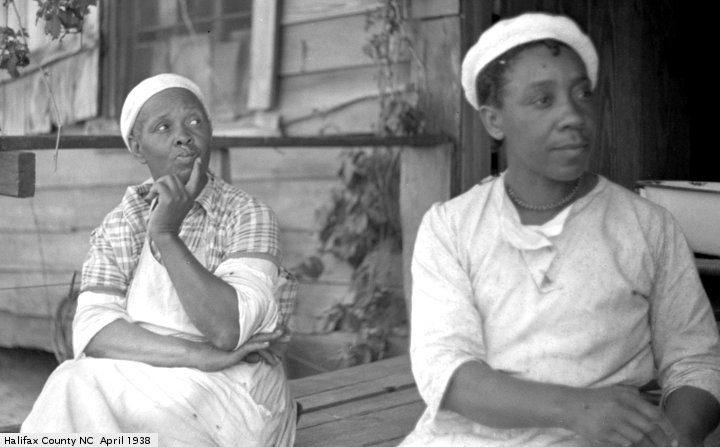



These author insults were borrowed from flavorwire. HT to Andrew Sullivan The pictures are from The Library of Congress This is a repost.
25. Gertrude Stein on Ezra Pound “A village explainer. Excellent if you were a village, but if you were not, not.”
24. Virginia Woolf on Aldous Huxley “All raw, uncooked, protesting.”
23. H. G. Wells on George Bernard Shaw “An idiot child screaming in a hospital.”
22. Joseph Conrad on D.H. Lawrence “Filth. Nothing but obscenities.”
21. Lord Byron on John Keats (1820) “Here are Johnny Keats’ piss-a-bed poetry, and three novels by God knows whom… No more Keats, I entreat: flay him alive; if some of you don’t I must skin him myself: there is no bearing the drivelling idiotism of the Mankin.”
20. Vladimir Nabokov on Joseph Conrad “I cannot abide Conrad’s souvenir shop style and bottled ships and shell necklaces of romanticist cliches.”
19. Dylan Thomas on Rudyard Kipling “Mr Kipling … stands for everything in this cankered world which I would wish were otherwise.”
18. Ralph Waldo Emerson on Jane Austen “Miss Austen’s novels . . . seem to me vulgar in tone, sterile in artistic invention, imprisoned in the wretched conventions of English society, without genius, wit, or knowledge of the world. Never was life so pinched and narrow. The one problem in the mind of the writer . . . is marriageableness.”
17. Martin Amis on Miguel Cervantes “Reading Don Quixote can be compared to an indefinite visit from your most impossible senior relative, with all his pranks, dirty habits, unstoppable reminiscences, and terrible cronies. When the experience is over, and the old boy checks out at last (on page 846 — the prose wedged tight, with no breaks for dialogue), you will shed tears all right; not tears of relief or regret but tears of pride. You made it, despite all that ‘Don Quixote’ could do.”
16. Charles Baudelaire on Voltaire (1864) “I grow bored in France — and the main reason is that everybody here resembles Voltaire…the king of nincompoops, the prince of the superficial, the anti-artist, the spokesman of janitresses, the Father Gigone of the editors of Siecle.”
15. William Faulkner on Ernest Hemingway “He has never been known to use a word that might send a reader to the dictionary.”
14. Ernest Hemingway on William Faulkner “Poor Faulkner. Does he really think big emotions come from big words?”
13. Gore Vidal on Truman Capote “He’s a full-fledged housewife from Kansas with all the prejudices.”
12. Oscar Wilde on Alexander Pope “There are two ways of disliking poetry; one way is to dislike it, the other is to read Pope.”
11. Vladimir Nabokov on Ernest Hemingway (1972) “As to Hemingway, I read him for the first time in the early ‘forties, something about bells, balls and bulls, and loathed it.”
10. Henry James on Edgar Allan Poe (1876) “An enthusiasm for Poe is the mark of a decidedly primitive stage of reflection.”
09. Truman Capote on Jack Kerouac “That’s not writing, that’s typing.”
08. Elizabeth Bishop on J.D. Salinger “I HATED [Catcher in the Rye]. It took me days to go through it, gingerly, a page at a time, and blushing with embarrassment for him every ridiculous sentence of the way. How can they let him do it?”
07. D.H. Lawrence on Herman Melville (1923) “Nobody can be more clownish, more clumsy and sententiously in bad taste, than Herman Melville, even in a great book like ‘Moby Dick’…. One wearies of the grand serieux. There’s something false about it. And that’s Melville. Oh dear, when the solemn ass brays! brays! brays!”
06. W. H. Auden on Robert Browning “I don’t think Robert Browning was very good in bed. His wife probably didn’t care for him very much. He snored and had fantasies about twelve-year-old girls.”
05. Evelyn Waugh on Marcel Proust (1948) “I am reading Proust for the first time. Very poor stuff. I think he was mentally defective.”
04. Mark Twain on Jane Austen (1898) “I haven’t any right to criticize books, and I don’t do it except when I hate them. I often want to criticize Jane Austen, but her books madden me so that I can’t conceal my frenzy from the reader; and therefore I have to stop every time I begin. Every time I read ‘Pride and Prejudice,’ I want to dig her up and hit her over the skull with her own shin-bone.”
03. Virginia Woolf on James Joyce “the work of a queasy undergraduate scratching his pimples.”
02. William Faulkner on Mark Twain (1922) “A hack writer who would not have been considered fourth rate in Europe, who tricked out a few of the old proven sure fire literary skeletons with sufficient local color to intrigue the superficial and the lazy.”
01. D.H. Lawrence on James Joyce (1928) “My God, what a clumsy olla putrida James Joyce is! Nothing but old fags and cabbage stumps of quotations from the Bible and the rest stewed in the juice of deliberate, journalistic dirty-mindedness.”
Bonus. Mary McCarthy on Lillian Hellman “Every word she writes is a lie, including and and the.”
Bonus two, a comment to the original post.: RomanHans Re “The Cardinal’s Mistress” by Benito Mussolini, Dorothy Parker wrote one of my favorite bon mots: “This is not a book to be tossed aside lightly. It should be thrown with great force.”
Bonus Three, from Flannery O’Connor “I hope you don’t have friends who recommend Ayn Rand to you. The fiction of Ayn Rand is as low as you can get re fiction. I hope you picked it up off the floor of the subway and threw it in the nearest garbage pail. She makes Mickey Spillane look like Dostoevsky.”





A Season in Purgatory




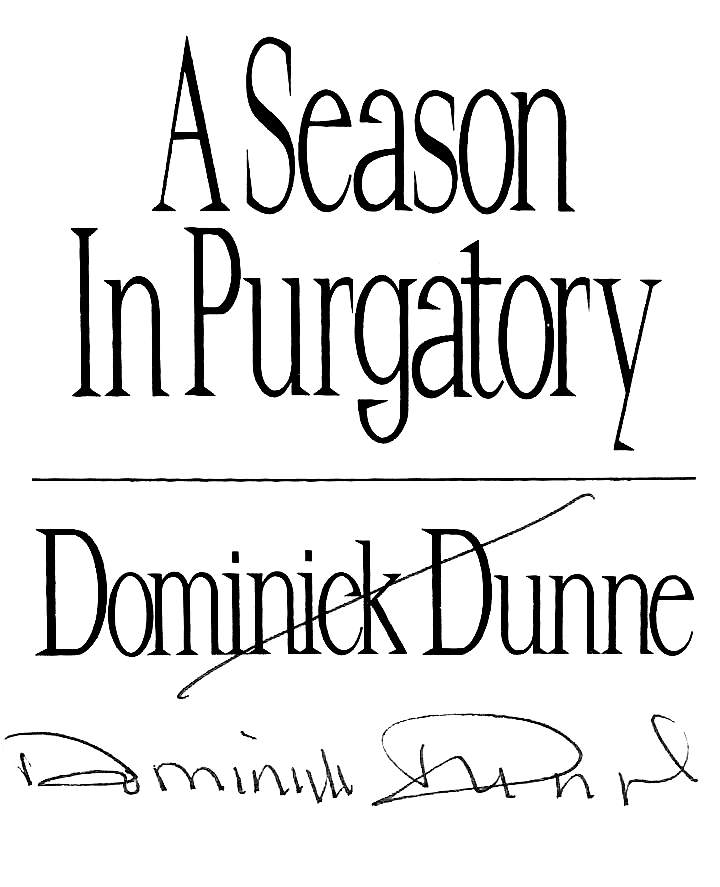
Some books you need a closet to read in. They are so much fun, and yet so trashy. The one star reviewer says this about A Season in Purgatory. “I would sum up this potboiler as readable trash … I hated myself for reading it and yet couldn’t put it down !”
The Bradleys are a wealthy New England family that is supposed to really be the Kennedys. The patriarch, Gerald, got his money through, um, investments. Gangland activities are often mentioned, but never really specified.
The central character is Harrison Burns. He is a writer, who makes enough money after a while to stop work, and point a finger at a long ago crime. The book goes back and forth from being told from the viewpoint of Mr. Burns, to a hazy, all knowing, third person. Maybe the walls really do have ears, and know how to dictate.
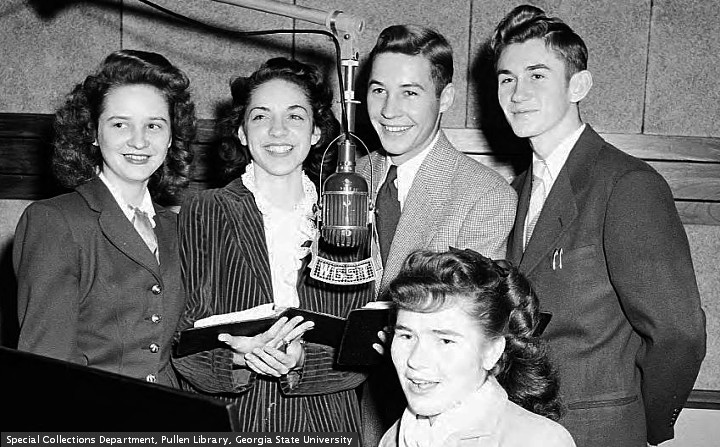
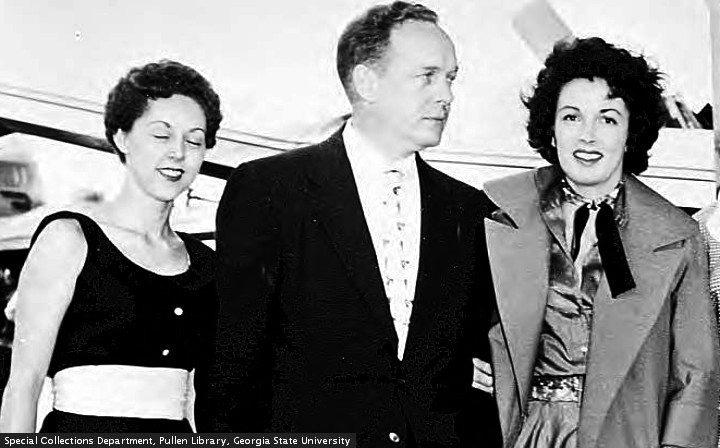
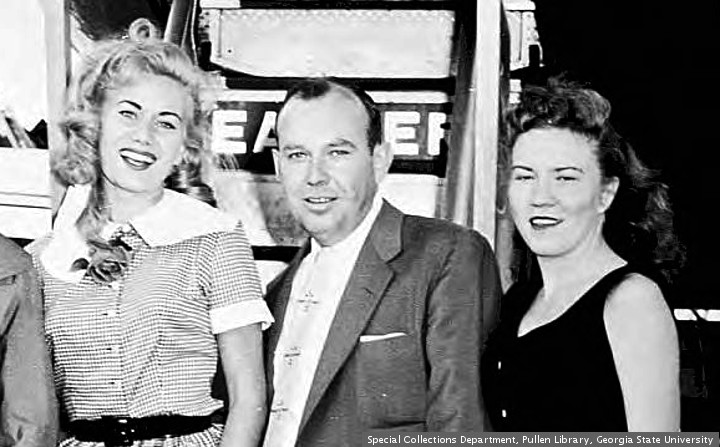
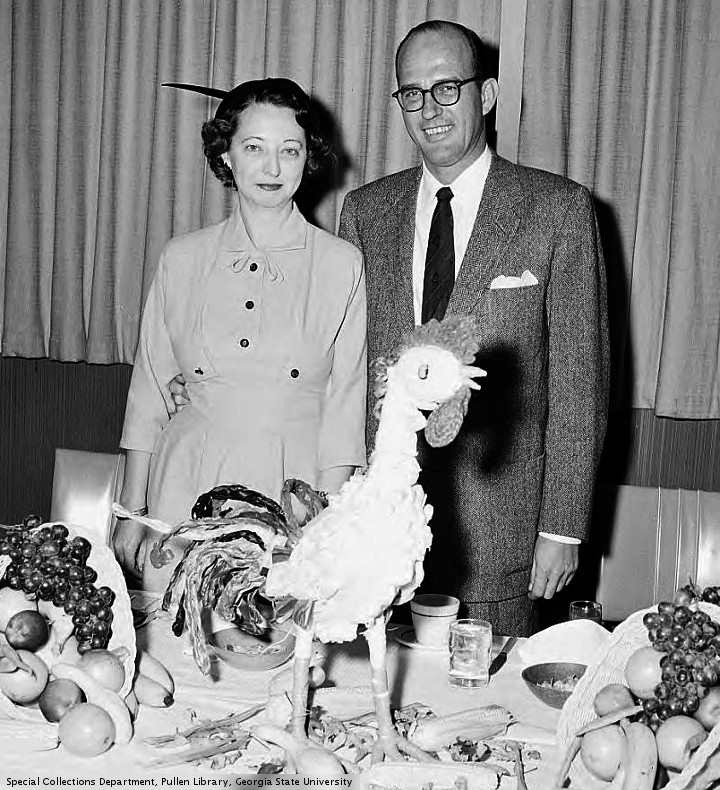
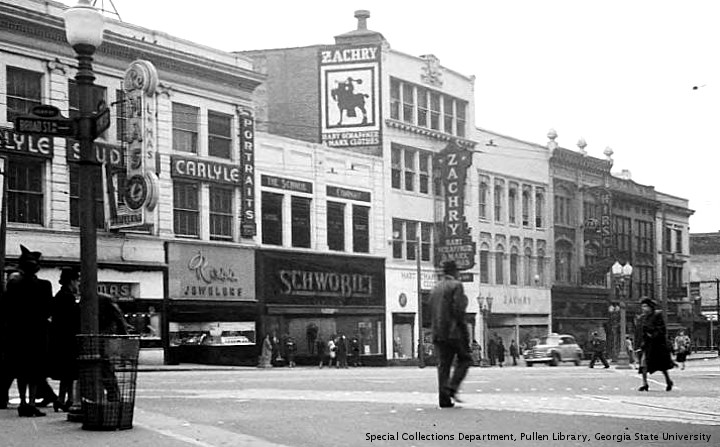
The story rolls along, with plenty of sex, dirty dealing, alcohol and highly questionable coincidences. Many of the players are thinly veiled famous people. You are ashamed for enjoying it so much. Pictures today are from “The Special Collections and Archives, Georgia State University Library”.


When The Killings Done
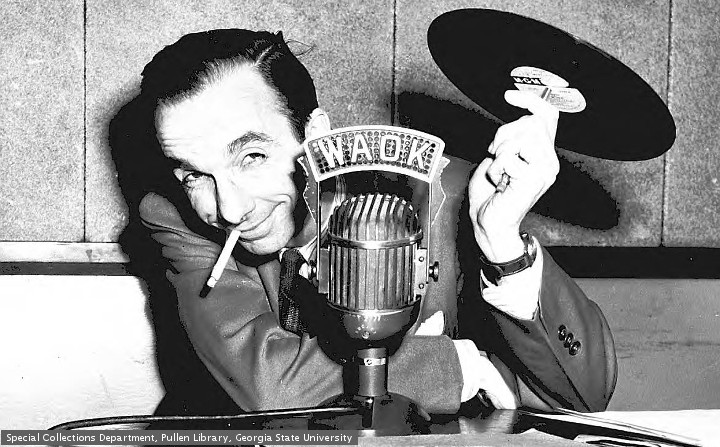
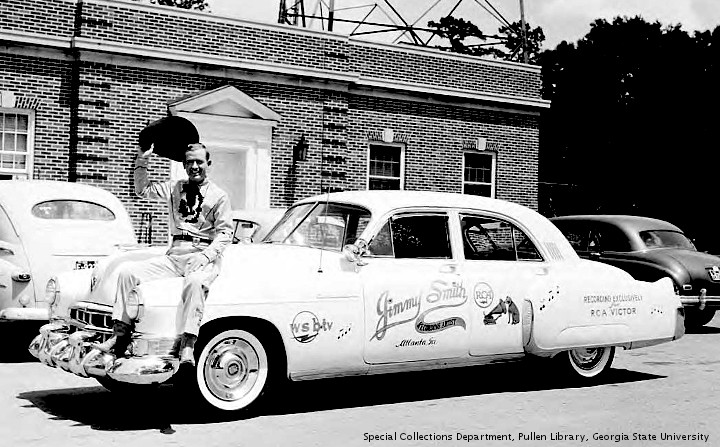


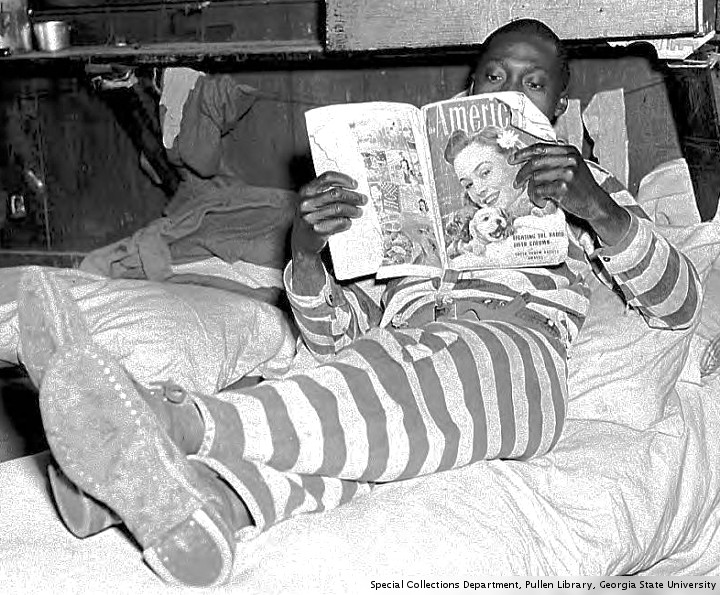
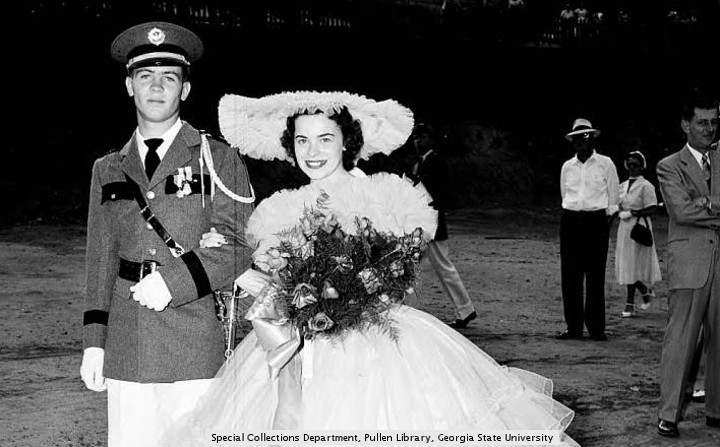
A few weeks ago, PG found a book by T. C. Boyle, When the Killing’s Done: A Novel. Mr. Boyle tells stories, which is what PG wants in a book. If PG becomes wiser, kinder, or wealthier as a result, this is fine. The first objective is entertainment. If the book does not tell a story, it is not worth your time. WTKD is a story. The commentary on serious issues is a bonus. Mr. Boyle is good at this sort of thing.
A handful of islands off the California coast have problems. They are mostly uninhabited. A few species managed to get aboard, and upset the balance. The government wants to eradicate the invaders, and restore the original inhabitants. A crew of noisy animal lovers stands in the way.
The primary bad guy is a millionaire animal lover. He is a bit of a cartoon character. In one scene, he has a date. The lady becomes his nemesis, in the environmental wars. They go to a restaurant, he orders the most expensive wine available, and declares it rotgut. The lady decides he is a jerk, and leaves. Later they are on opposite sides of a picket line.
The government lady has her own issues. She gets pregnant, and the daddy runs away. The lady goes looking for the abortion clinic, and gets lost. The baby appears in the last scene of the book.
WTVD is a page turner. Mr. Boyle is the master manipulator of the language. The story ends before you want it to. The contradictions of the millionaire animal lover show up several times. At one point, racoons are tearing up his carefully sodded, extravagantly watered yard. What to do with the eye shadow wearing rats? Dave (the animal lover) puts traps in his yard, and transports the critters to the embattled islands. This might not be in the best interests of the overall environment, but animals have a right to live. Later, government peeeps wonder how they got on the island.
Mr. Boyle drops in a reference for his fans. A Japanese merchant vessel is moving through the foggy channel waters, en route to a smashing WTKD finale. The vessel had a man go overboard off the Georgia coast once. Pictures today are from “The Special Collections and Archives, Georgia State University Library”. These images have nothing to do with WTKD.

Lewis Grizzard
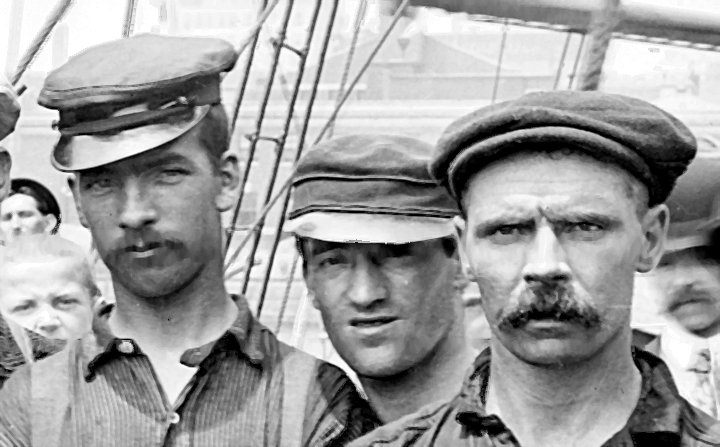

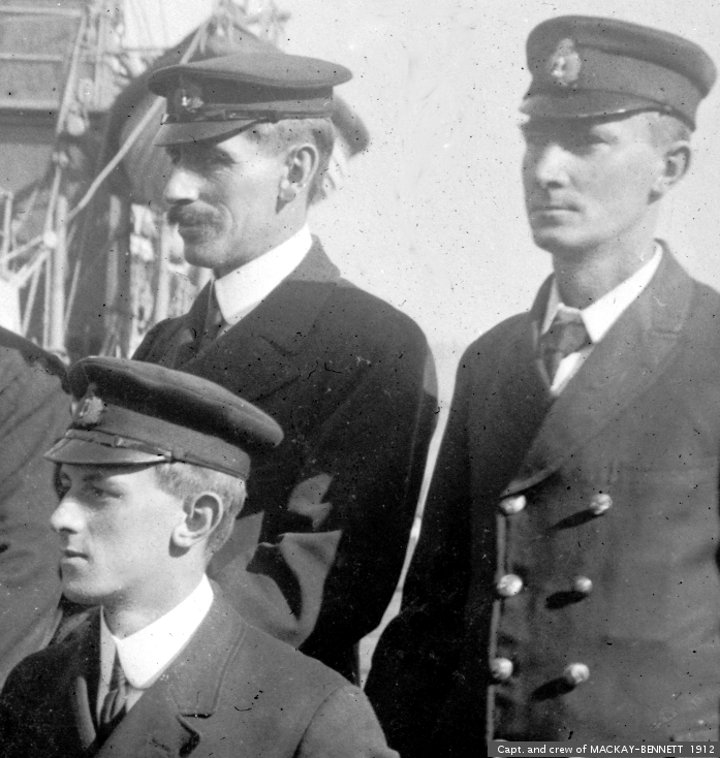


In the time between 1980 and 1994, if you lived in Atlanta you heard about Lewis Grizzard. Some people loved him. Some did not. He told good old boy stories about growing up in rural Georgia. Many of them were enjoyable. He also made social and political commentaries, which upset a few people. This is a repost.
PG had mixed feelings about Lewis. The stories about Kathy Sue Loudermilk and Catfish were funny. His opinions about gays, feminists, and anything non redneck could get on your nerves. His column for the fishwrapper upset PG at least twice a week.
In 1982, Lewis (he reached the level of celebrity where he was known by his first name only) wrote a column about John Lennon. Lewis did not understand why Mr. Ono was such a big deal. PG cut the column out of the fishwrapper, and put it in a box. Every few years, PG would be looking for something, find that column, and get mad all over again.
The New Georgia Encyclopedia has a page about Lewis, which expresses some of these contradictions. If Grizzard’s humor revealed the ambivalence amid affluence of the Sunbelt South, it reflected its conservative and increasingly angry politics as well. He was fond of reminding fault-finding Yankee immigrants that “Delta is ready when you are,” and, tired of assaults on the Confederate flag, he suggested sarcastically that white southerners should destroy every relic and reminder of the Civil War (1861-65), swear off molasses and grits, drop all references to the South, and begin instead to refer to their region as the “Lower East.” Grizzard also wore his homophobia and hatred for feminists on his sleeve, and one of the last of his books summed up his reaction to contemporary trends in its title, Haven’t Understood Anything since 1962 and Other Nekkid Truths (1992).
In the end, which came in 1994, when he was only forty-seven, the lonely, insecure, oft-divorced, hard-drinking Grizzard proved to be the archetypal comic who could make everyone laugh but himself. He chronicled this decline and his various heart surgeries in I Took a Lickin’ and Kept on Tickin’, and Now I Believe in Miracles (1993), published just before his final, fatal heart failure.
As you may have discerned, Lewis McDonald Grizzard Jr. met his maker on March 20, 1994. He was 47. There was a valve in his heart that wasn’t right. The good news is that he stayed out of the army. At the time, Vietnam was the destination for most enlistees. The bad news is that his heart problems got worse and worse, until it finally killed him.
Sixteen years later, PG found a website, Wired for Books. It is a collection of author interviews by Don Swaim, who ran many of them on a CBS radio show called Book Beat. There are two interviews with Lewis Grizzard. The first one was done to promote My Daddy Was a Pistol and I’m a Son of A Gun. This was the story of Lewis Grizzard Senior, who was another mixed bag.
PG found himself listening to this chat, and wondered what he had been missing all those years. The stories and one liners came flowing out like the Chattahoochee going under the perimeter highway. Daddy Grizzard was a soldier, who went to war in Europe and Korea. The second one did something to his mind, and he took to drinking. He was never quite right the rest of his life. His son from adored him anyway. When you put yourself in those loafers for a while, you began to taste the ingredients in that stew we called Lewis Grizzard.
PG still remembers the anger that those columns caused … he has his own story, and knows when his toes are stepped on. The thing is, after listening to this show, PG has an idea of why Lewis Grizzard wrote the things that he did. Maybe PG and Lewis aren’t all that different after all.
The pictures for this feature are from The Library of Congress. While picking out the pictures, PG listened to the other Lewis Grizzard show with Don Swaim. They both have last names that are often mispronounced. When Lewis wondered where Klansmen get those pointy hats… at the KKK mart, perhaps… PG had to stop the broadcast and write a postscript. This is a repost.


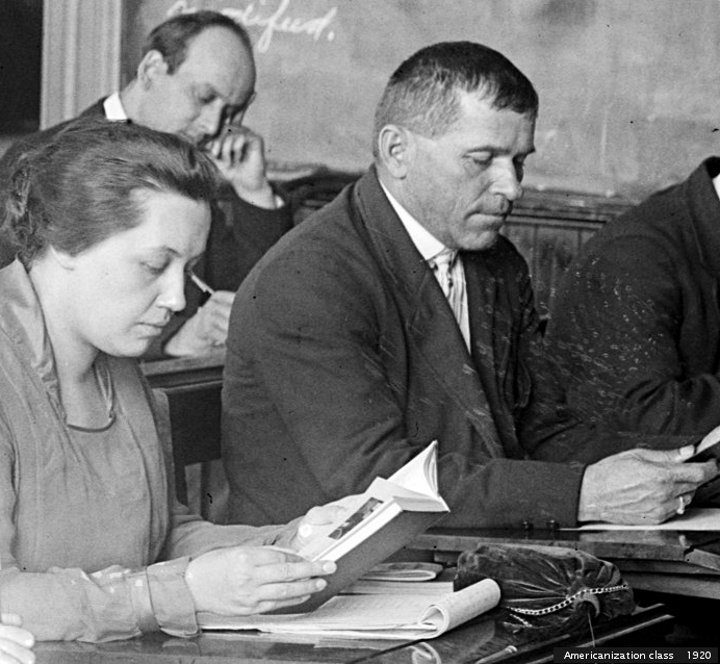


The Day Lincoln Was Shot
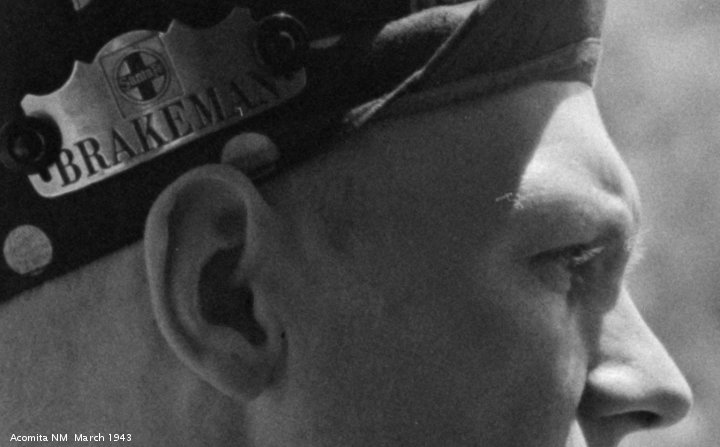




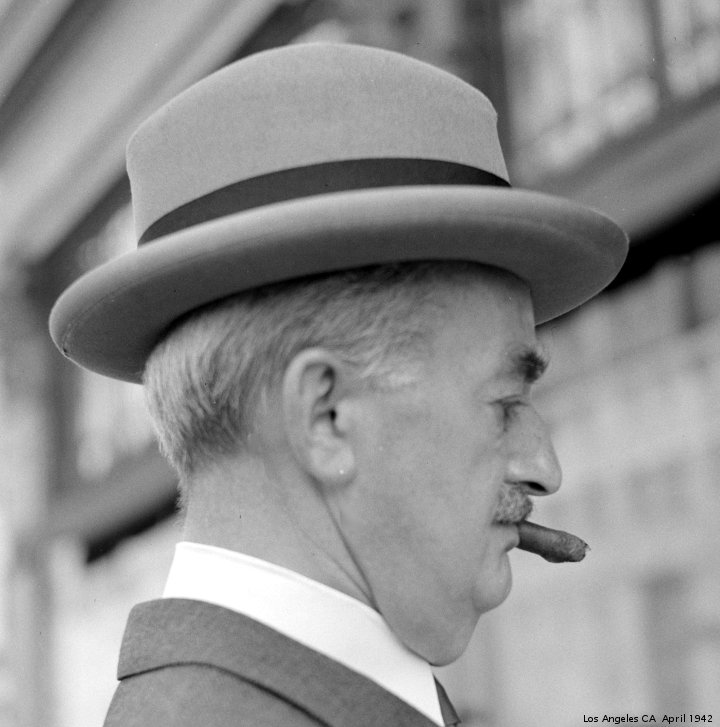


PG has read The Day Lincoln Was Shot. It is written so that the casual reader can enjoy it. There is a powerful history lesson here, and worth the twenty five cents PG paid at Book Nook. The pictures for this book report are from The Library of Congress. This is a repost.
This book contradicts another book PG read. Genius and Heroin reports that Mary Todd Lincoln had a bad headache on April 14, 1864. Some opium was found for her, and she was able to go to Ford’s Theater that evening. TDLWS does not mention this.
The story begins in the weeks leading up to “Good Friday”. John Wilkes Booth was in the crowd at Mr. Lincoln’s second inauguration. Vice President Andrew Johnson was also there, and made a drunken fool of himself. Mr. Johnson did not meet with Mr. Lincoln until the afternoon of April 14.
John Wilkes Booth was a famous actor, He made $20,000 a year as a performer. Mr. Booth was also a fan of the Confederacy, and launched a plan to kidnap Mr. Lincoln. There was an attempt to kidnap the President, but Mr. Lincoln did not show up as planned. The conspiracy of Mr. Booth almost broke up, and was reduced to four men.
The four men…John Wilkes Booth, Lewis Paine, David Herrold, and George Atzerodt … met at a boarding house owned by Mary Sarratt. Ultimately, Booth went to Ford’s Theater to kill the President. Lewis Paine and David Herrold tried to kill Secretary of State William Seward. George Atzerodt took a room at Kirkland’s boarding house, and was supposed to take out Vice President Andrew Johnson. Mary Sarratt was not involved in the plot, but was executed by hanging anyway.
In the weeks before Good Friday, a few things happened. On March 7, the door to box seven at Ford’s Theater was broken down, and the lock broken. On April 5, Secretary of State William Seward was badly injured in a carriage accident. On April 9, General Robert E. Lee surrendered to General Ulysses Grant, ending the War Between the States.
Part of the celebration was a theater party on Friday, April 14. Mr. and Mrs. Lincoln were to join Gen. and Mrs. Grant at Ford’s Theater. The show was “Our American Cousin”, starring Laura Keene. The Grants did not really want to go, and decided to catch a train to New Jersey. They wanted to see their children. Mrs. Grant had also witnessed a temper tantrum by Mrs. Lincoln, and was possibly avoiding the hot headed first lady.
Mr. Booth decided that this was the night for action. He went by the Kirkwood house, and left a note for Andrew Johnson. The idea was for the police to see the note, and think that Mr. Johnson was part of the conspiracy. This was foiled when Mr. Johnson’s secretary stopped by Kirkwood house, and picked up the Vice President’s mail and messages.
Ford’s Theater was prepared for the visit by the President. A barrier was taken out from between two boxes. Flags were hung around the building. At 9:00 pm, the President’s bodyguard, a Washington policeman named John F. Parker, got bored with the play. Mr. Parker went to Taltavul’s saloon, along with with Francis Burns, the president’s driver and Forbes, the valet. They were in the saloon during the action at the theater.
John Wilkes Booth was an experienced actor, and he knew how to follow a cue. At 10:15 pm, the player onstage said “Wal I guess I know enough to turn you inside out, you sockdologizing old mantrap”. Booth placed a derringer between Mr. Lincoln’s left ear and spine, and pulled the trigger. He said “Sic Semper Tyrannis”, and cut Major Henry Rathbone. Booth leaned over the edge of the theater box, and lowered himself to the stage. The spur of his right foot catches on the Treasury regiment flag. This causes him to land on his left leg at an odd angle. The leg broke.
While this is going on, Lewis Paine and David Herrold went to visit Secretary of State William Seward. He is laying in bed, covered in bandages, recovering from the carriage accident. The bandages get in the way of the knife that cuts him, and save his life.
The wounds to Mr. Lincoln are considered mortal. The President was moved to Peterson’s boarding house nearby. At 7:22 am on April 15, he died. Secretary of War Edwin Stanton, who served as acting President during the night, said “Now he belongs to the ages.”




Anne LaMott



PG was working on a graphic poem. This is done on the computer, with the temptation of the internet forever lurking nearby. At one point, the urge to connect was too strong, and facebook was drawn in.
A bit of text from Anne LaMott was posted. PG has never read her work, but has heard good things about it. The people saying these good things are people whose opinions PG cares about.
Ms. LaMott is going to have a 61th birthday soon. PG will have a 61th birthday in a few weeks. Ms. LaMott makes a list of the things she has learned in her three score and one. This is the sort of thing her public gets off on. Since she is so well regarded, PG decides to take a look. This illustrates point A. A When you read something on the internet, you are not working on your project.
The Anne Lamott stuff is a mixed bag. She is a Christian, of some sort or another, and inevitably brings G-d and Jesus into the conversation. PG has had problems with G-d and Jesus. Opinions about them can be “triggering.” While Ms. LaMott means well, this is going to be tough to overcome.
Meanwhile, the graphic poem is not producing itself. The text is whipped into shape. The word count for the writing contest is verified. The colors are chosen for the text, then changed, then changed again, and finally the first colors tried are the ones that are going to be used. This is something that you need to do wrong before you do right. This working things out is not going to happen while reading the wisdom of the lady writer. Multi tasking has its limits.
The thoughts of the piece will not leave PG alone, and he decides to go back and finish reading the piece. This brings us to point B. B If you read something interesting on the internet, and have to leave, copy the link. If you depend on memory, you will never see it again.
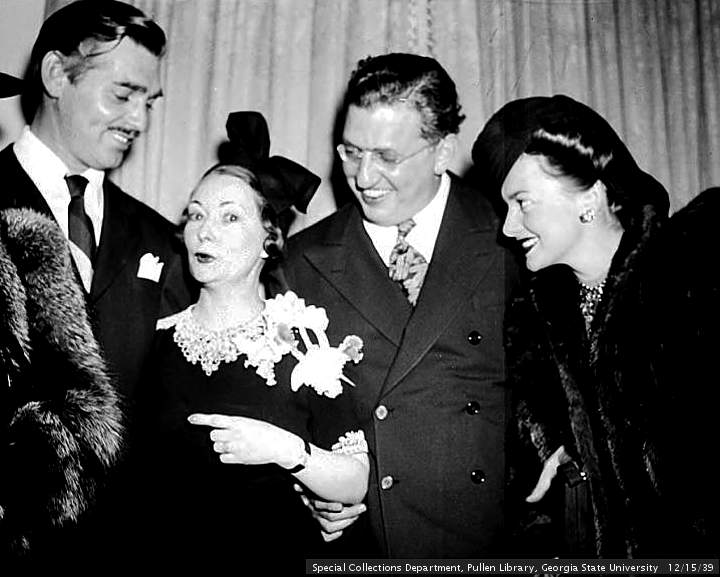
As was mentioned above, Ms. LaMott and PG are products of 1954. This is probably the tail end of the baby boom. For young men in the USA, you were too young to go to Vietnam. Now you are becoming old fogies. You make lists of things you have learned, and post them on facebook. Pictures today are from “The Special Collections and Archives, Georgia State University Library”.





Carsick





It was the monday after easter. History does not record what Jesus did on this day. After being dead forty four hours, he probably needed to take a bath, and trim his fingernails.
In modern day Brookhaven, PG is celebrating by getting his auto emission inspection. With his birthday a few weeks away, this is a chore that needs to be done. Go to the mall parking lot, sit in the trailer waiting room a few minutes, and go on about your life.
Today is the first time PG has had to wait for service. Usually, you just drive up, stop at the appropriate spot, and let the man do his thing. While waiting in line, PG read the last page of Carsick: John Waters Hitchhikes Across America.
Its about time. The library checkout has already been renewed, and is due back in just over a week. The shame of taking five weeks to consume 322 pages of John Waters! This is not James Joyce, but the Divine Doodoo Dietician, the Pope of trash.
The first part of Carsick was covered in the tastefully titled Gagless Oscillation. The last part is reality, the way things really happened. Never say “John Waters” and “reality” in the same sentence.
Mr. Waters is hitchhiking from Baltimore to San Francisco. This was in 2012, before the bi-coastal bonding the two cities experienced in the 2013 Super Bowl. He gets stuck in Ohio, and Kansas, and wonders if he will make it out alive. There are several unlikely rides. If he had not been famous/notorious, this trip might not have gone so smoothly.
At one point Mr. Waters goes by the Gateway Arch in St. Louis, and thinks it is a fabulous sight. In 1979, PG woke up in a Trailways Bus, and saw the Arch across the street. PG thought it was the most disappointing landmark ever. People do not always agree.
As the plot winds down, Mr. Waters is standing outside a rest area. He claims to know, by facial expression, whether a traveler is going to shit, or piss, when he goes into the facility. The amount of time spent iniside allegedly holds to answer to this question. Pictures are from “The Special Collections and Archives, Georgia State University Library”.





This Is Your Life



An all caps graphic washes up on the digital shores from time to time. The author, and copyright status, are not known. It was not written here. Reading it can be a chore, even though it looks cool. It is also selfish… the only opinion that matters is the individual reading it. It doesn’t have a good beat, but you can dance to it. Pictures are from The Library of Congress. This is a repost.
This is your life.
Do what you love, and do it often.
If you don’t like something, change it.
If you don’t like your job, quit.
If you don’t have enough time, stop watching TV.
If you are looking for the love of your life, stop:
They will be waiting for you when you start doing things you love.
Stop over analyzing, life is simple
All emotions are beautiful.
When you eat, appreciate every last bite.
Open your mind, arms, and heart to new things and people,
We are united in our differences.
Ask the next person you see what their passion is,
And share your inspiring dream with them.
Travel often, getting lost will help you find yourself.
Some opportunities only come once, seize them.
Life is about the people you meet, and the things you create with them
So go out and start creating.
Life is short. Live your dream, and wear your passion.
“Do you have to be a poet? If you don’t have to be a poet, be a prose writer. You’ll get further faster. Poetry — there’s probably more poetry published today than any time in the history of the world. Nevertheless, there is this — people think they have this blindness when they see a line in the typography of poetry, and it just blocks them. So if you can say the same thing in prose, you’ll probably be better off” Lawrence Ferlinghetti


Gagless Oscillation

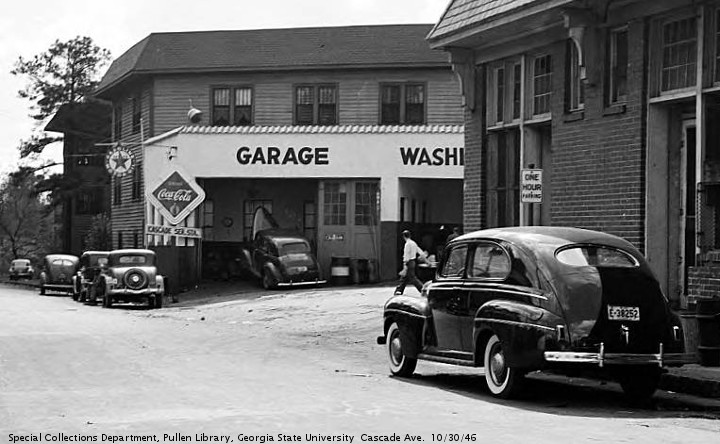


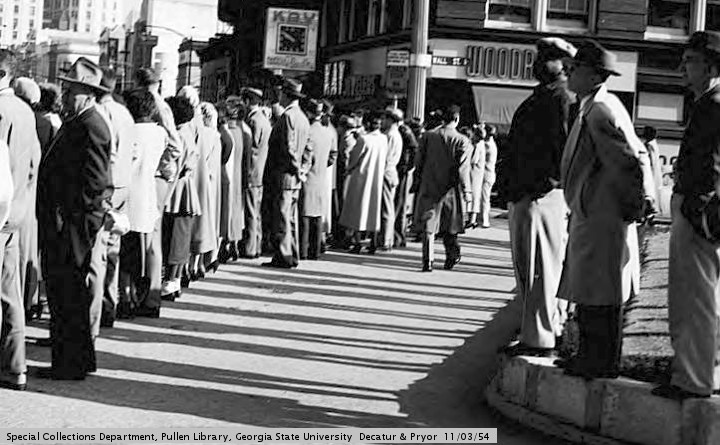
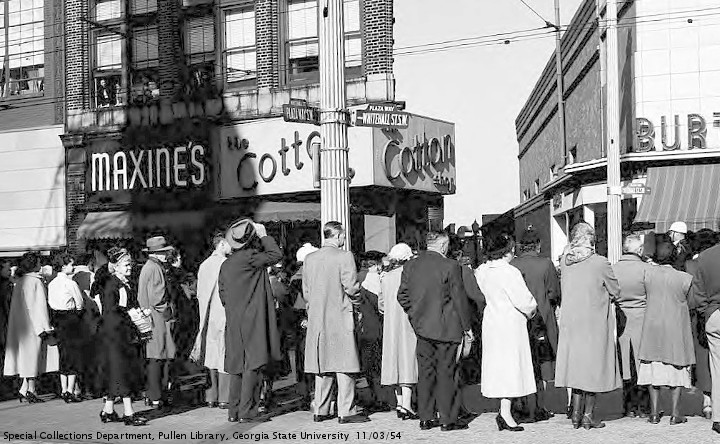
One afternoon, PG was in the Kroger parking lot, waiting on his brother GP. This is a no-name Kroger, unlike Disco Kroger or Murder Kroger. It is on Buford Hiway, and has a very bad parking lot. Parking Danger Kroger doesn’t have the poetic allure of Murder Kroger.
On this fine afternoon, PG was almost two thirds of the way through Carsick: John Waters Hitchhikes Across America. The 66.6% number has nothing to do with pages. This book has three parts. One is a fantasy of good rides. The second is a fantasy of bad rides. This is the two thirds in question. The last part is the real rides. Trusting John Waters with reality is questionable.
On page 173, PG stumbled onto a good quote. JSW is riding with “Bristol,” an out of control animal rescue activist. This is probably not Sarah Palin’s daughter. At one point, a dog is seen feasting on roadkill, and a rescue begins. Once the critter is in the vehicle, JSW writes “I can see the stringy shreds of putrified fox meat still caught in the beast’s mouth.”
There had been other dandy quotes. Since PG reads to have fun, and is not writing a term paper, the majority of them will have to lie unmolested in the text. PG tried to dig up a few, like this on page 74. “Gasping for air, Buster returns the favor, twisting his long tongue around hers like a lasso and then deep throating it down to her tonsils with expert sword-swallowing, gagless oscillation.”
On page 190, the bad rides are hitting rock bottom. (Spoiler alert) “Randy’s dick seems to be leaking some kind of fluid, and its definitely not sperm. I scream for my life.” JSW is killed, and goes to the Pearly Gate. Art Linkletter is hanging out with G-d. JSW goes to hell.
There are other unmentionables in this story. The possibility arises that a freshly murdered JSW will wind up in Leakin Park, made famous recently in Serial. On page 163, a driver is said to smell worse than B.O. Plenty. This refers to a character in the Dick Tracy stories. Since comic book drawings are odor free, this man probably was not known for his poor hygiene.
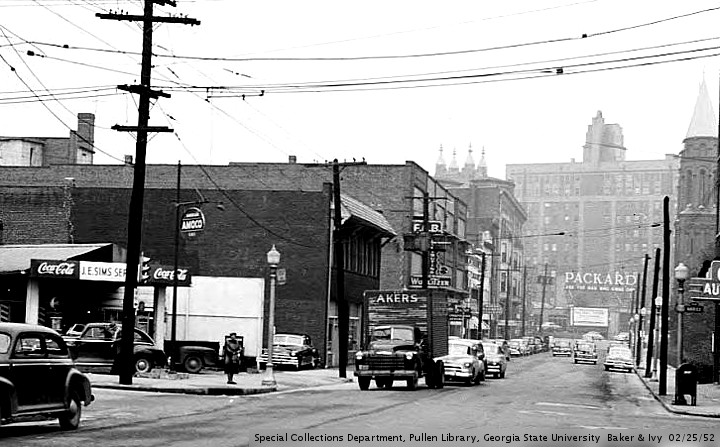
This post needs a bit more text. We will apply the page 123 meme. “Before I can even attempt to pull the gun away, Stew gets a stunned look on his face and then projectile-vomits. I grab the wheel, he grabs it back. The stench of his puke covering his side of the windshield seems to give him no pause.” Pictures today are from “The Special Collections and Archives, Georgia State University Library”.





Page 123



It was a gray sunday afternoon. The sky drizzles onto the bright green baby weeds. Basketball dudes are dribbling before they shoot. If there was only a subject for a blog post, then all would be lovely.
One answer is to look in the archive. There was a post in 2008 about page 123. “Look up page 123 in the book that is nearest to you at this very minute. Look for the fifth sentence. Then post the three sentences that follow that fifth sentence on page 123.”
The book nearest to the work station is an outlet store edition of “Leaves of Grass,” by Walt Whitman. There are two problems here. The book only has 109 pages. It is also full of poems, which do not contain sentences. LOG is digitally available, easy to copy/paste, but does not qualify.
The book under LOG, and technically closer to the work station, is Quiet Days in Clichy, by Henry Miller. The last word, KLEE she, is a neighborhood in Paris. The book was purchased at a yard sale in 1978, read with little enjoyment, pulled off the shelf in 2014, and rediscovered.
Mr. Miller apparently thought about this story in French, and then transcribed it in English. It is a great story. Two men live in Paris, scrounging meals where they can, and screwing a lot of ladies. One has a name similar to Anais Nin, who was an extramarital pal of Mr. Miller in those days.
The copy of QDIC here is an Evergreen Black Cat paperback, which sold for $.75. It is the classic back pocket paperback, measuring 4″x7″x 3/8″. The bookmark is one page 79. The authorities came to visit the two men. There is a problem about screwing an underage girl. The authorities are impressed by the fact that the men write books, although not in French. The authorities leave. The men talk about the beauty of the under aged girl’s mother.
The one star reviews for QDIC are festive. Ivan Searcy I am a street photographer and have been living, 4 to 6 months a year in Paris, for the past 35 years. I was hoping that this book would reflect on the café and street life in Clichy during the 1930s, but all it did was to show that Miller is a psychopath that likes to abuse women. Even when he writes about sex, he is an amateur writer. I think that his claim to fame was that his books where ban in the US.
Stewart D. Isbell “photostew” I purchased this book for the new Kindle for iPhone app and the book is not formatted properly. There are an endless amount of pages that only have one sentence, sometimes only one word! To read this book you have to flip through a huge amount of pages. Great book, and yes, it was only .80 cents but still… pretty much useless. Captain Z You’ve reviewed the electronic formatting, but not the book. Your 1-star review is pretty much worthless. Jamie E. Skelly get over yourself Bibliophile People, PLEASE stop rating books based on their Kindle-friendliness! It’s misleading — reviews of works of art ought to address the aesthetic merit of the work, not tech issues associated with the (souless) Kindle.
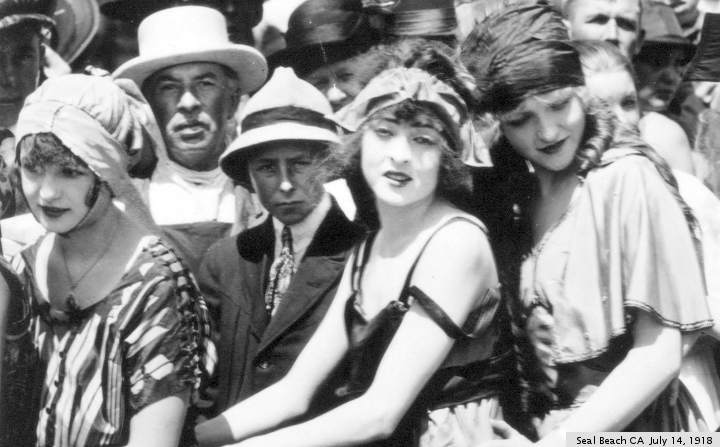
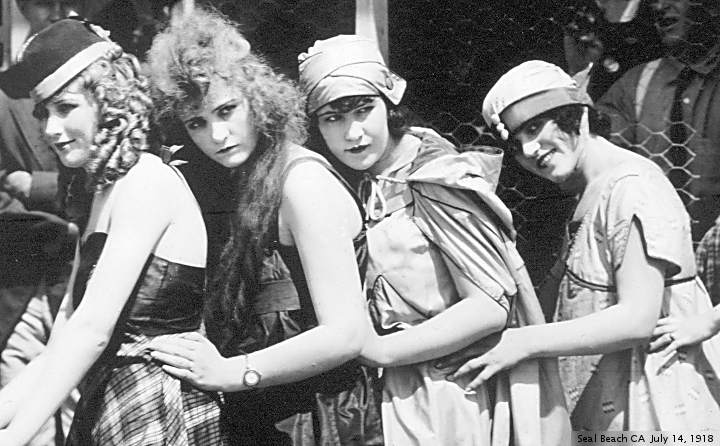
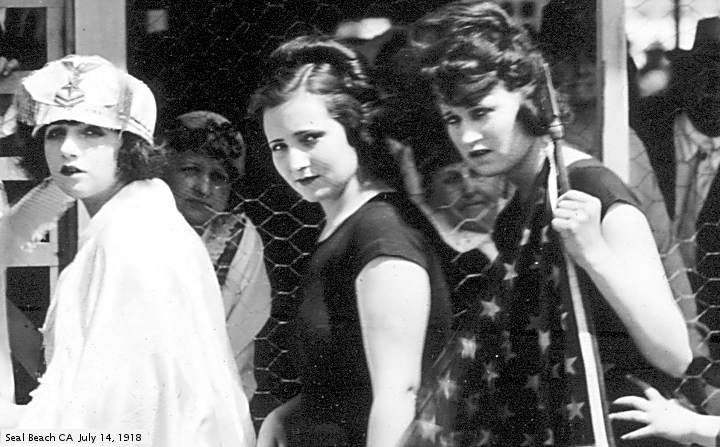
Maybe we should get onto what comes after the fifth sentence. “Tahe your time and get what you can out of the old buzzard. I have nothing to do,” I added. “I’ll sit here and wait. You’re going to have dinner with me, remember that.” Pictures are from The Library of Congress. The event was “Bath Suit Fashion Parade, Seal Beach CA July 14, 1918”


 Chamblee54
2 comments