Millard Fillmore And Oscar Wilde In Atlanta

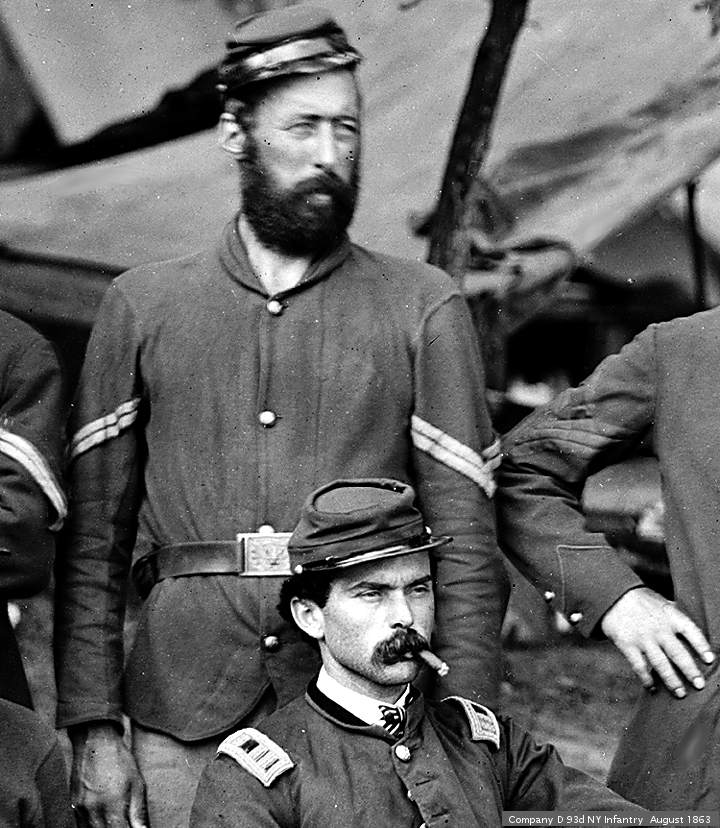

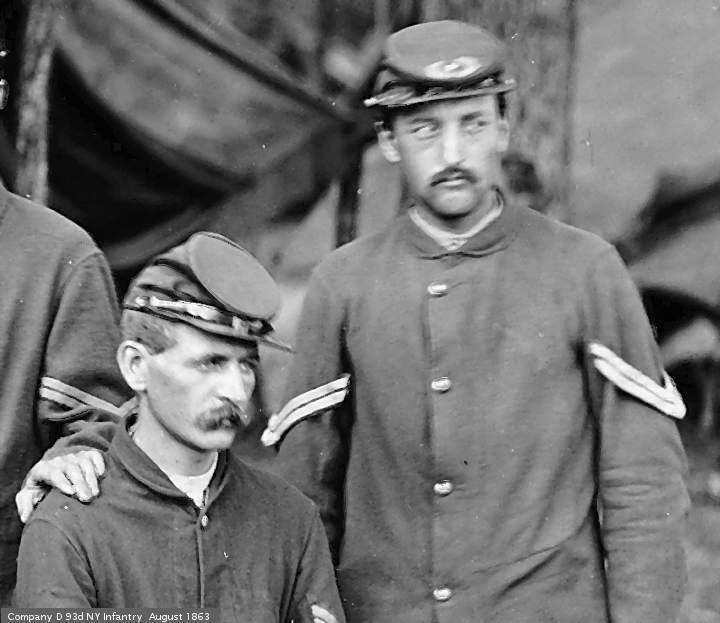

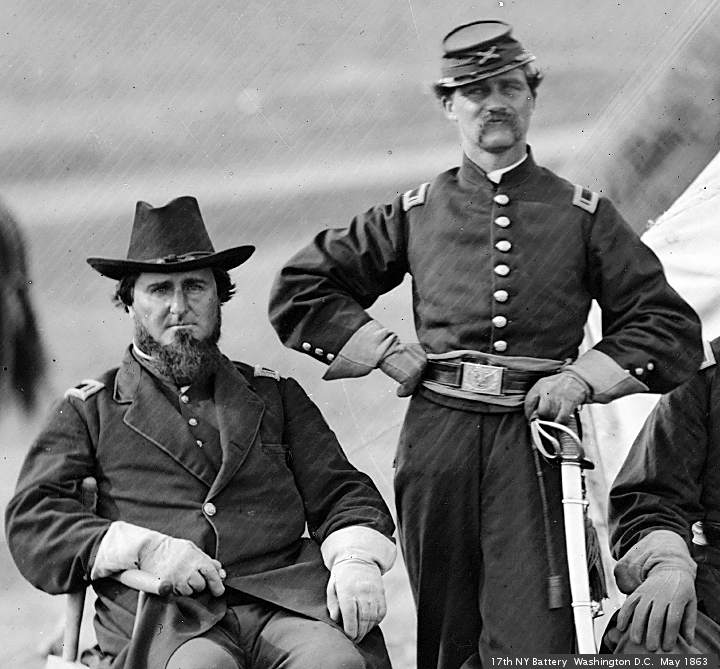
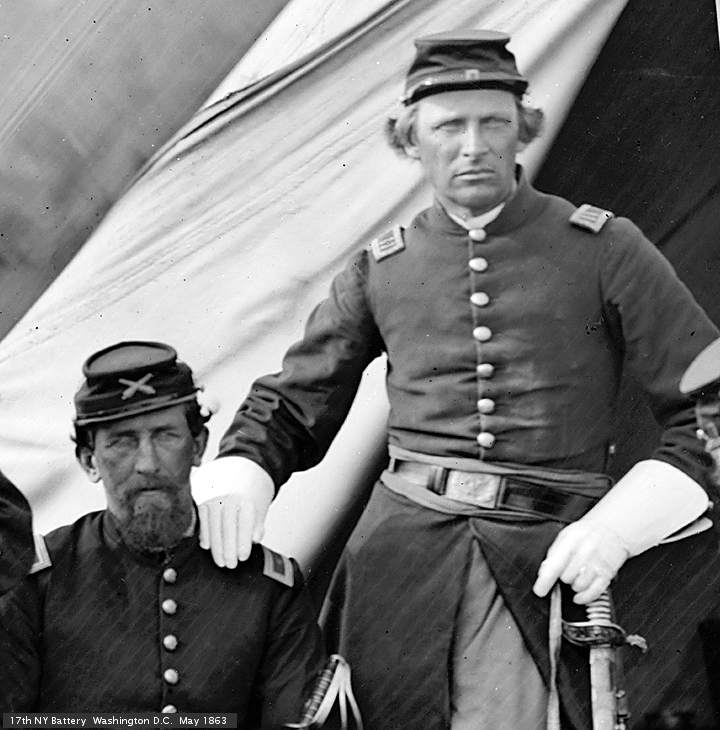

This afternoon’s post at chamblee54 noted an 1854 visit by former President Millard Fillmore. This was brought to the attention of another history minded blog, Millard Fillmore’s Bathtub. The result was some details about the visit, Millard Fillmore, live on Peachtree Street, 1854. The material below is borrowed from that post.
Two years after the Whigs refused to nominate Fillmore for a term of his own, he was out touring the country? Several accounts explain that Fillmore and his wife Abigail wanted to tour the U.S. after his presidency. Unfortunately, she died shortly after he left office. He pined through the rest of 1853, but by February 1854 had decided to tour by himself, without his children, accompanied by friends he could persuade to join him.
That same month, Fillmore decided to take the trip southward that he and Abigail had not been able to take. Given the timing, some observers believed that Fillmore had a political motive in making the journey. They suspected that he might be planning to speak out against the Nebraska Bill [proposed by Illinois’s U.S. Senator Stephen A. Douglas]. Others were convinced that it was a leisure tour. But whatever Fillmore’s intentions may have been, his speeches to southern audiences were relatively neutral. He restated his faith in the [Missouri] Compromise, but he spent mos tof his time enjoying a series of receptions, dinners, and parades in his honor throughout the region. A marching band escorted him through the streets of Louisville, Kentucky. Girls scattered his path with flowers in Montgomery, Alabama. A row of trains blew their whistles in greeting in Atlanta, Georgia. Fillmore returned home refreshed and with renewed faith in his fellow Americans. (This paragraph is from Alison Behnke, Millard Fillmore (a child’s history of the man), 2005, page 92.)
By late February 1854 Fillmore had resumed his plans to travel. He perceived that a southern trip would do him good and that the journey would divert his mind from the loss of Abigail. … Fillmore hoped Francis Granger, John P. Kennedy, and Washington Irving would go with him on the trip. Granger lost interest, and Irving was in no mood for politics. …
En route to Atlanta from Augusta on the Georgia Railroad, they stopped at Greensboro where a large crowd of teachers and students of the Female College greeted Fillmore and Kennedy. They dined at Madison. At Stone Mountain an escort committee from Atlanta met them.
At the Atlanta Depot a novel reception welcomed them. A large number of locomotives were present with their steam up. When the Augusta engineer signalled their arrival they all opened up their valves and whistled out a welcome the like of which, reported a newspaper, “no mortal man had heard before.” The shouts from the crowd and locomotive whistles were deafening to one reporter. By carriage the party went from the depot to the Atlanta Hotel where a reception was held.
Fillmore had become hoarse. Nonetheless, he managed to say that he was impressed by the large population and that he had heard that it was a beautiful village in the center of the state. He also admonished the state legislature to to take note “of the array of female loveliness before me” seated at the reception. If they did so, he joked, they wouldn’t hesitate to locate the state capital at Atlanta. At that time the capital was at Milledgeville. Atlanta became the capital in 1877. (This section is from Robert J. Scarry, Millard Fillmore, 1982, pages 247-252 variously.)
A few months later, on October 16, 1854, Oscar Fingal O’Flahertie Wills Wilde was born in Dublin, Ireland. On July 4, 1882, Mr. Wilde gave a talk at De Give’s Opera House in Atlanta GA. What happened next is described on page 201 of Oscar Wilde by Richard Ellmann.
Mr. Wilde was accompanied by his agent, J.S. Vail, and a valet, W.M. Traquair. Mr. Vail bought three train tickets for Savannah, the next stop on the tour. The Pullman agent told Mr. Wilde that black people were not allowed to ride in sleeper car berths. Mr. Wilde said that Mr. Traquair had traveled with him throughout the South without incident. The Pullman agent said the next stop was in Jonesboro GA. If people in Jonesboro saw a black man in the car, then they would attack the train. Mr. Wilde gave in, and Mr. Traquair traveled inanother part of the train.
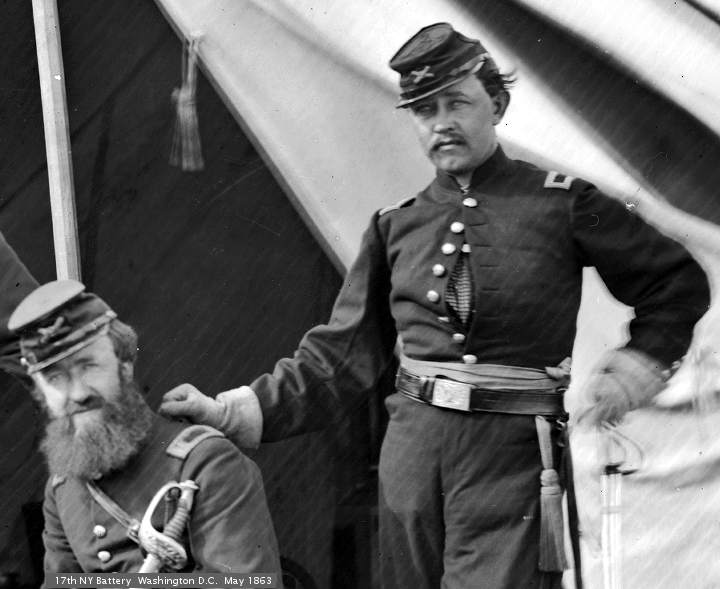
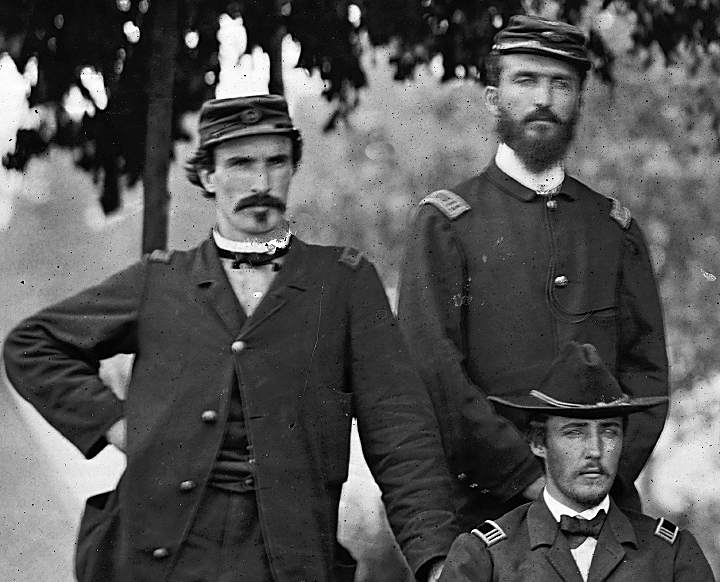
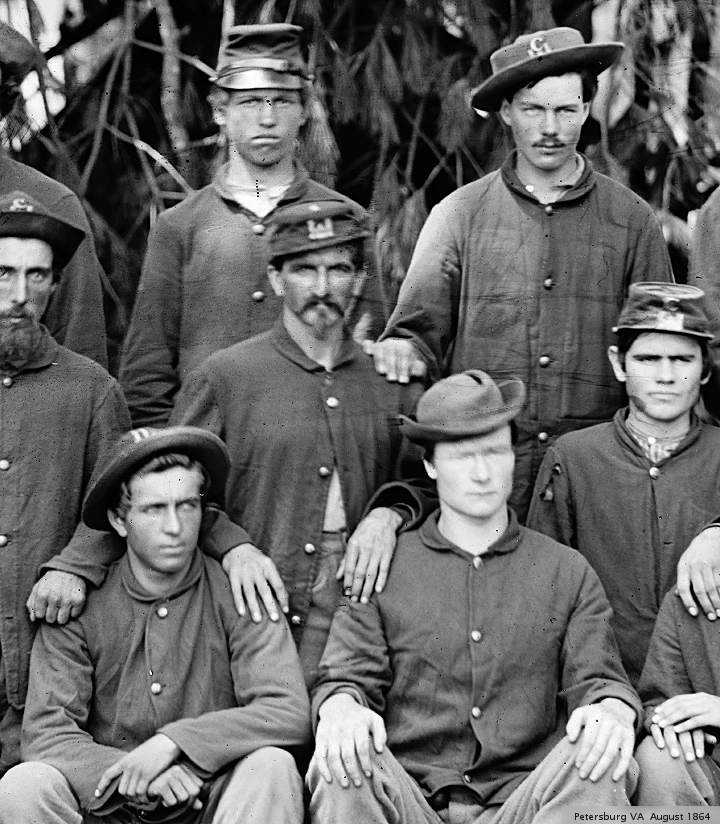
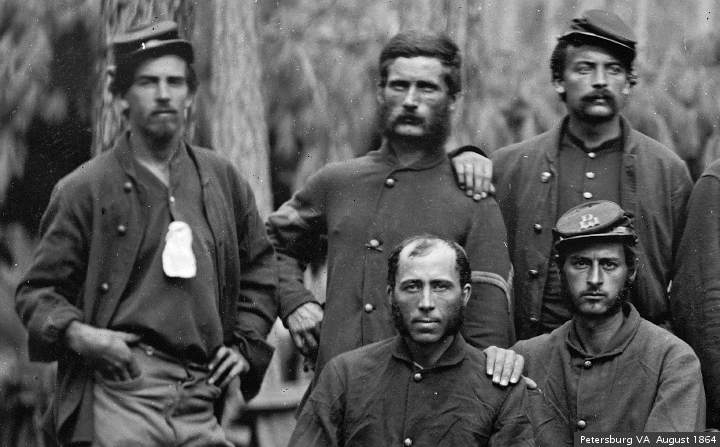
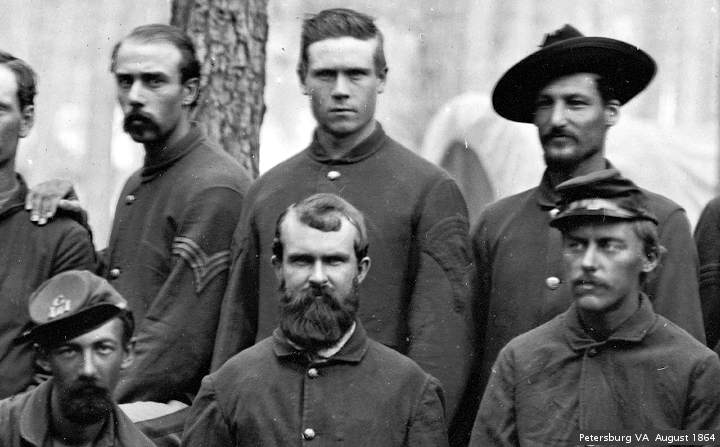
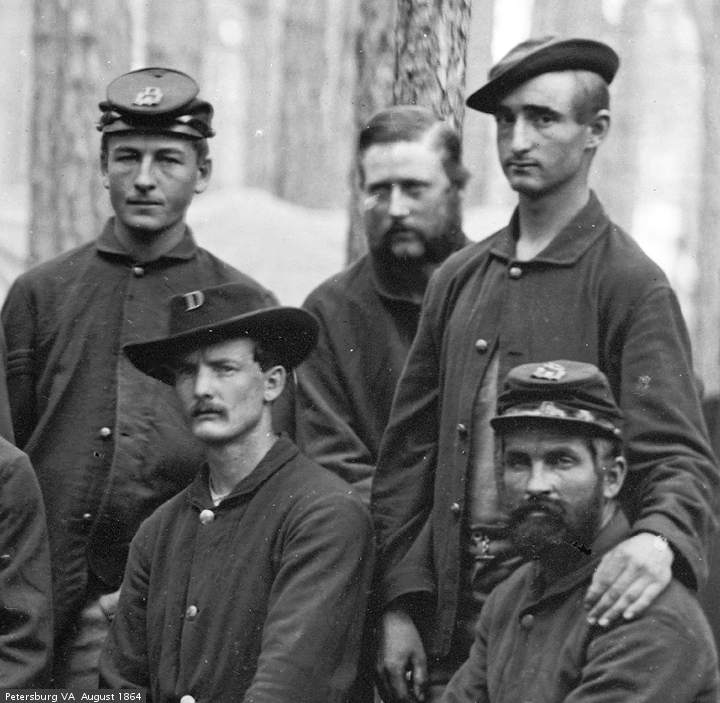
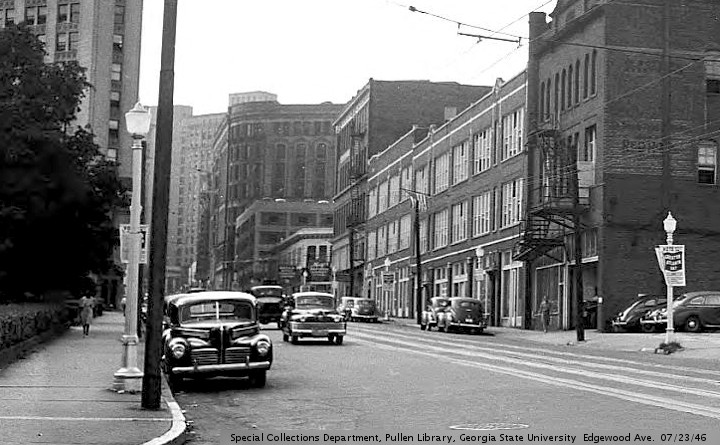
Pictures today are from The Library of Congress.



Bad Monkey

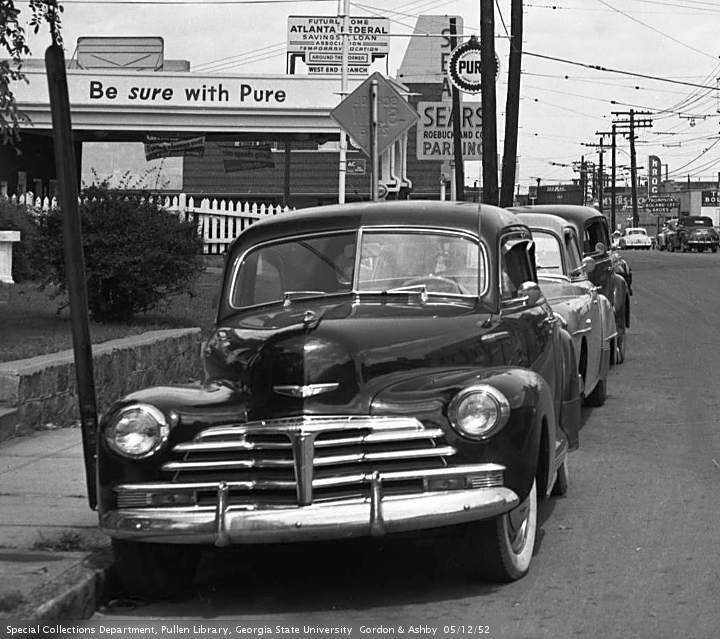
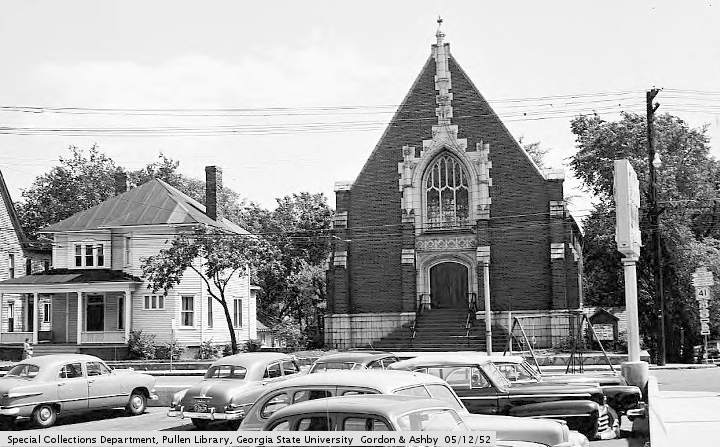




When getting started on this book report, PG copied the title. The initials are BM. A certain school of thought has it that the expression your mother uses for feces has an impact on your life. For PG, this is BM, as in short for bowel movement. Someone told PG’s mom that this was the “proper” word for animal waste. BM has a smarmy, slightly uppity taste that is missing with “poop.” BM has none of the onomatopoeic utility of “shit.” BM can also stand for black male.
Is this Carl Hiassen novel, Bad Monkey, similar to BM in more ways than one? It is not the best book by Mr. Hiassen. There are a few too many coincidences. The plot twists are just a bit on the implausible side. It is quite possibly word factory product. There is a demand for Carl Hiassen stories, and the market demands that they be written. Maybe this one was a contractual obligation.
Still, it is not a shitty book. The devil is in the details. When the teenage lover of one character comes to Florida with his old lady, the told is gleefully told. Loverboy is now fat and bald, and has a bite mark above his left nipple. The hero wants him to put his shirt on.
Readers of Mr. Hiassen know the formula. There is a disgraced law officer, who in this story is a restaurant inspector. There is a hideous crime, which the DLO gets involved in, even though it is totally none of his business. The perpetrators are unconventional, sadistic, greedy, and not terribly bright. The developers are fouling the Florida landscape, which is hot, buggy, and hurricane prone.
The usual quota of weirdos is present. Mr. Hiassen says he does not make up anything, but waters down what happens in what is facetiously known as real life. Skink and Chemo are resting. They will probably return for future stories.
At some point in the investigation, the DLO winds up with a girlfriend. In Bad Monkey, it is a Miami coroner. There is a sex scene on a metal autopsy table. The gf gets involved in the investigation, and nearly gets fed to the sharks. GF is saved when Bad Monkey puts the bite on crime. This is not a story for hate the sin, love the sinner.
Should you buy this book? Probably not. PG found it at the library. It was copy 8/13 for the Dekalb county libraries. You can probably find a copy without paying for it, which someone makes it more fun. It is worth your time, unless you just want to read something that will change your life. The only thing this book will change is the diaper worn by Bad Monkey. Pictures are from “The Special Collections and Archives, Georgia State University Library”.






Who Told You That You Were Naked?




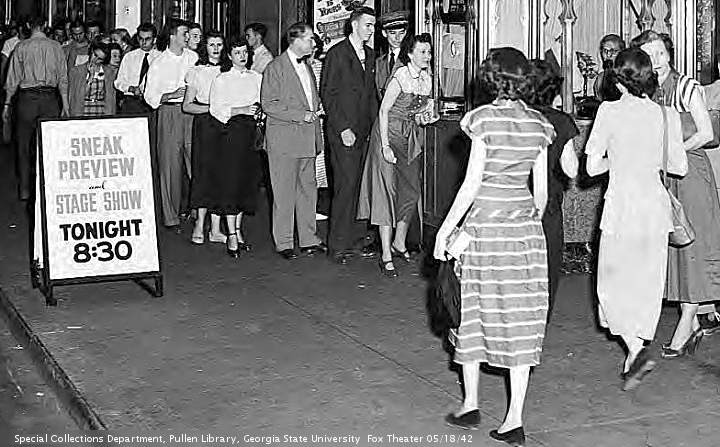
One recent story is the termination of Atlanta Fire Chief Kevin J. Cochran. He self published a book, Who Told You That You Were Naked? The book was about Jesus worship religion, and said rude things about people who do not agree with this religion. The Fire Chief allegedly gave copies to his subordinates. This is said to create a hostile work environment, and create ill will for Jesus.
The title of the book is in the Bible. It is found at Genesis 3:11. This is where the Adam and Eve story is told. Maybe, if it had been Adam and Steve, things would have turned out different.
Mr. Cochran’s book is published by 3G Publishing, “3G Publishing Inc. is a faith-based company that has created a unique niche in the publishing world.” Another book from this press is Inside Oedipus Closet. ““What happens in this house, stays in this house … Walk into their lives as they find that no matter how hard they try, skeletons never stay inside the closet.”
The dispute over whether Mr. Cochran is being fired for his faith, or for being a jerk, will go on for a while. Lawyers, with dollar signs flashing in their eyes, will lead the charge. Meanwhile, to quote 3G publishers, “Though He reconciled Adam’s condition by clothing him in coats of lambs’ skin, Adam never got over what he had done.”
PG once worked in a place where excessive Jesus worship created a hostile environment. His co-worker placed a radio next to the bathroom door, where you were forced to listen to it. When PG objected, the co-worker declared holy war.
This co-worker was not a supervisor. He was a black man, working in a company dealing with a discrimination lawsuit. The co-worker was untouchable. This man utilized all the leverage this lawsuit gave him, preaching a crude brand of Christianity. The preacher had total contempt for the comfort, and the soul, of his neighbor. “I don’t care what man thinks, I care what G-d thinks.” Some call this selfish behavior “faith.” This does not speak well for Jesus.
Common Sense I am buying this wonderful book simply for all the one star comments, and to support a great and Godly man. :)
Joshua A real man writing the Truth is exactly the kind of thing we need … in the black community.
Fiction Addiction I’m so glad that this blithering fool Kelvin J. Cochran has been thrown out of his job once and for all. Just imagine how this Christian fundie would squawk his head off if he had been forced to work for some Muslim, let’s say, who created a hostile work environment by telling him to read a book in which Christians were described as Satanic or filthy or doomed to eternal Hellfire.
Travis Mac A gay friend of mine tried to read it but it burned his fingers and gave him some nasty paper cuts. The Atlanta FD was of little help in putting out the fire.
a.ryan one of the most bigoted books I’ve had the misfortune of tripping over. Seriously offensive, not only to gay people, but to women, jews, and anyone who isn’t Christian. Way to prove to the world what a joke “Christians” are.
Atlanta30312 Obviously written by a closeted, self hating homosexual. Can’t believe a book can be published in 2013 filled with such HATE, under the guise of “Christianity”. This book describes Homosexuality this way: “Uncleanness — whatever is opposite of purity; including sodomy, homosexuality, lesbianism, pederasty, bestiality, all other forms of sexual perversion.” … Authors such as this that continue to speed such hate are the reason gay teens commit suicide.
Dianne This is a disgusting work of lies, perpetuating myth about human sexuality. You should not be selling this on Amazon. Pull it.
Pictures are from The Library of Congress.

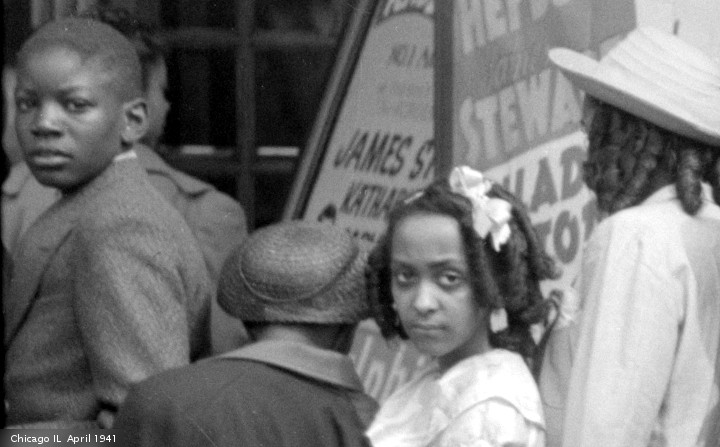
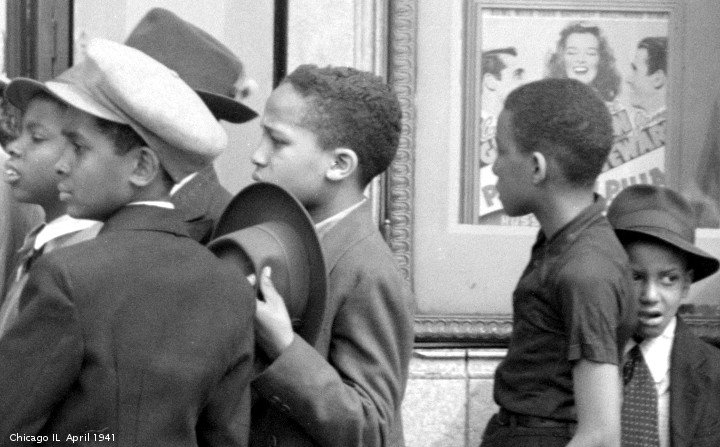

Ladies Night





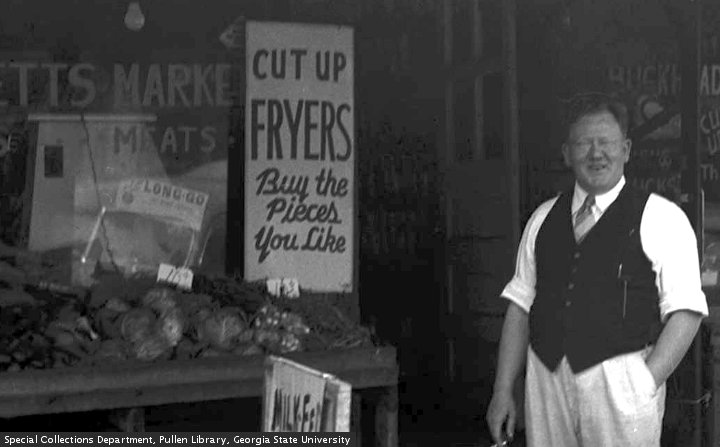
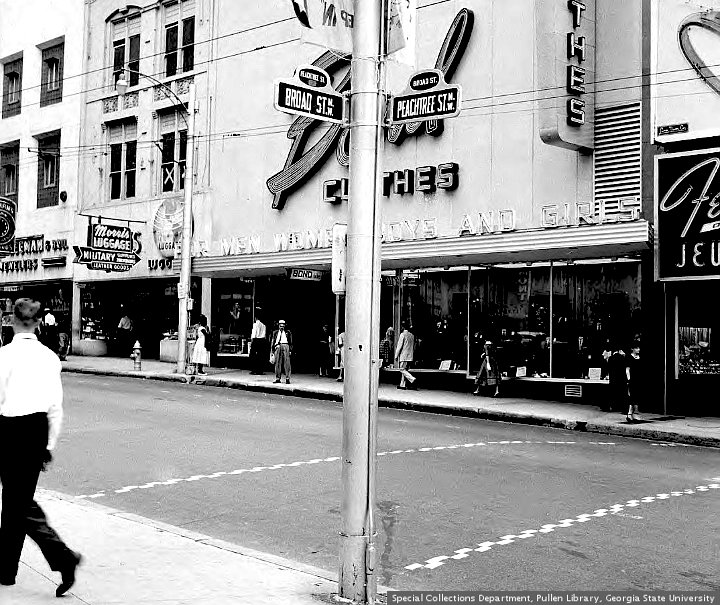
It is a magic moment. Trolling the shelves of the Chamblee library, and finding an unread book by a fun author. It is a good time waiting to be had. Only trouble is when you finish that box of chocolates, and wonder what chemicals were in those treats.
The story today is Ladies’ Night. It is recent product from the factory of Mary Kay Andrews. The lady has produced work for an adoring audience since 2002.
Grace is a lifestyle blogger. After publishing a piece about something trendy and tasteful, she catches her husband, and assistant, in the act. Before you can say comment moderation, Grace moves in with her mother. An evil judge orders Grace to go to a divorce therapy group.
Grace lives on the gulf coast in Florida. The judge, “divorce coach,” philandering assistant, and estranged spouses are all crooks. The sunsets are spectacular, the police are useless, and the heat is horrible. While looking at a sunset, Grace and her new bf say this is why we live here. Maybe it is better than Birmingham, where the bf’s ex is threatening to move.
Divorce camp is a lively scene. One by one, the ladies, and one man, tell tales of woe. Grace shacks up with the one man, then leaves when his ex tries to win him back. Chamblee54 tries to be a spoiler free blog, so you just have to read the book to see how it turns out.
There are plot twists, surprises, gotchas, and ho ho ho’s. The story gets less believable with every page. When you break into your old house, you probably will not find convincing evidence that your former assistant vandalized your decorating project. If you confront her, she is not going to confess.
If you can check your disbelief, you will probably enjoy Ladies Night. It does have some good points. One of the divorce camp ladies is black, and is seen without undue stereotyping. The story does keep your attention, but that does not make it a good book. Pictures today are from “The Special Collections and Archives, Georgia State University Library”.





Flannery O’Connor




With one day before it was due, PG finished reading Flannery: A Life of Flannery O’Connor , by Brad Gooch. The author is a professor of English at William Patterson University in New Jersey. He spares no citations, to show where he gets his information.
Chamblee54 has written before about Miss O’Connor , and repeated the post a year later. There is a radio broadcast of a Flannery O’Connor lecture. (The Georgia accent of Miss O’Connor is much commented on in the book. To PG, it is just another lady speaking.)
Mary Flannery O’Connor was born March 25, 1925 in Savannah GA. The local legend is that she was conceived in the shadow of St. John the Baptist Cathedral, a massive facility on Lafayette Square. Her family did leave nearby, and her first school was just a few steps away. This is also a metaphor for the role of the Catholic Church in her life. Mary Flannery was intensely Catholic, and immersed in the scholarship of the church. This learning was a large part of her life. How she got from daily mass, to writing stories about Southern Grotesque, is one mystery at the heart of Flannery O’Connor.
Ed O’Connor doted on his daughter, but had to take a job in Atlanta to earn a living. His wife Regina and daughter Mary Flannery moved with him, to a house behind Christ The King Cathedral. Mr. O’Connor’s health was already fading, and Mother and Daughter moved in with family in Milledgeville. Ed O’Connor died, of Lupus Erythematosus, on February 1, 1941.
Mary Flannery went to college in Milledgeville, and on to the Iowa Writer’s Workshop. She dealt with cold weather, went to Mass every day, and wrote. She was invited to live at an artists colony called Yaddo, in upstate New York. She lived for a while with Robert and Sally Fitzgerald in Connecticut, all while working on her first novel, “Wise Blood”. In 1950, she was going home to Milledgeville for Christmas, and had been feeling poorly. She went to the hometown doctor, who thought at first that the problem was rheumatoid arthritis. The illness of Flannery O’Connor was Lupus Erythematosus.
Miss O’Connor spent much of that winter in hospitals, until drugs were found that could help. She moved, with her mother, to a family farm outside Milledgeville, which she renamed Andalusia. She entered a phase of her life, with the Lupus in relative remission, and the drugs firing her creative fires, where she wrote the short stories that made her famous.
Another thing happened when she was recuperating. Flannery was reading the Florida “Market Bulletin”, and saw an ad for “peafowl”, at sixty five dollars a pair. She ordered a pair, and they soon arrived via Railway Express. This was the start of the peacocks at Andalusia, a part of the legend.
During this period of farm life and writing, Flannery had several friends and correspondents. There was the “Bible Salesmen”, Erik Langkjaer, who was probably the closest thing Flannery had to a boyfriend. Another was Betty Hester, who exchanged hundreds of letters with Miss O’Connor. This took place under the stern eye of Regina O’Connor, the no nonsense mother-caregiver of Flannery. (Mr. Gooch says that Betty Hester committed suicide in 1998. That would be consistent with PG stumbling onto an estate sale of Miss Hester in that time frame.)
The book of short stories came out, and Flannery O’Connor became famous. She was also dependent on crutches, and living with a stern mother. There were lectures out of town, and a few diverse personalities who became her friends. She went to Mass every day, and collected books by Catholic scholars. Flannery was excited by the changes in the church started by Pope John XXIII, and in some ways could be considered a liberal. (She supported Civil Rights, in severe contrast to her mother.)
In 1958, Flannery O’Connor went to Europe, including a trip to the Springs at Lourdes. Her cousin Katie Semmes (the daughter of Captain John Flannery, CSA) pushed Flannery hard to go to the springs, to see if it would help the Lupus. Flannery was reluctant…” I am one of those people who could die for his religion sooner than take a bath for it“. When the day for the visit came, Flannery took a token dip in the waters. Her condition did improve, briefly. (It is worth speculating here about the nature of Flannery’s belief, which was apparently more intellectual than emotional. Could it be that, if she was more persuaded by the mystical, emotional side of the church, and taken the healing waters more seriously, that she might have been cured?)
At some point in this story, her second novel came out, and the illness blossomed. Much of 1964 was spent in hospitals, and she got worse and worse. On August 3, 1964, Mary Flannery O’Connor died,




PG remembers the first time the name Flannery O’Connor sank in. He was visiting some friends, in a little house across from the federal prison.
Rick(?) was the buddy of a character known as Harry Bowers. PG was never sure what Harry’s real name was. One night, Rick was talking about Southern Gothic writers, and he said that Flannery O’Connor was just plain weird. ”Who else would have a bible salesman show up at a farm, take the girl up into a hayloft, unscrew her wooden leg and leave her there? Weird.”
Flannery O’Connor was recently the subject of a biography written by Brad Gooch. The book is getting a bit of publicity. Apparently, the Milledgeville resident was a piece of work.
PG read some reviews of this biography, and found a collection of short stories at the library. The book included ” Good Country People”, the tale about the bible salesman. Apparently, this story was inspired by a real life incident. (Miss O’Connor had lupus the last fifteen years of her life. She used crutches.) And yes, it is weird. Not like hollywood , but in the way of rural Georgia.
Some of the reviews try to deal with her attitudes about Black people. On a certain level, she is a racist. She uses the n word freely, and her black characters are not inspiring people. The thing is, the white characters are hardly any better, and in some cases much worse.
The stories are well crafted, with vivid descriptions of people and places. The reader floats along with the flow of the story, until he realizes that Grandma has made a mistake on a road trip. The house she got her son to look for is in Tennessee, not Georgia. She makes him drive the family car into a ditch. Some drifting killers come by. Grandma asks one if he prays, while his partner is shooting her grandchildren. Weird.
In another story, a drifter happens upon a pair of women in the country. The daughter is thirty years old, is deaf, and has never spoken a word. The drifter teaches her to say bird and sugarpie. The mother gives him fifteen dollars for a honeymoon, if he will marry her. He takes the fifteen dollars and leaves her asleep in a roadside diner.
There was a yard sale one Saturday afternoon. It was in a house off Lavista Road, between Briarcliff and Cheshire Bridge. The house had apparently not been painted in the last forty years. Thousands and thousands of paperback books were on the shelves. The lady taking the money said that the lady who lived there was the friend, and correspondent of, the “Milledgeville writer” Flannery O’Connor. This is apparently Betty Hester, who is mentioned in many of the biography reviews.
PG told the estate sale lady that she should be careful how she said that. There used to be a large mental hospital in Milledgeville, and the name is synonymous in Georgia with mental illness. The estate sale lady had never heard that.
This is a repost. It was written like James Joyce. An earlier edition of this post had comments.
Fr. J. December 10, 2009 at 3:00 pm I am glad you take an interest in Flannery, but to say baldly that she is a racist is to very much misunderstand her. For another view on Flannery and race, you might want to read her short story, “Everything that Rises Must Converge.”
chamblee54 December 10, 2009 at 3:17 pm “On a certain level, she is a racist.” That is not the same as “baldly” labeling her a racist. (And I have a full head of hair, thank you). As a native Georgian, I am aware of the many layers of nuance in race relations. I feel that the paragraph on race in the above feature is accurate.





Too Many Opinions






Eighteen words appeared on facebook. “Nothing is more conductive to peace of mind than not having any opinions at all.” ~ Georg Christoph Lichtenberg. The FBF is known to have opinions.
In the google age, or le goog, you are only a right click away from too much information. In cases of facebook education, the first impulse is to ask the question, did the person really say that? In the case of Georg Christoph Lichtenberg, the probable answer is yes.
“Nothing…” is from The Waste Books (New York Review Books Classics) “German scientist and man of letters Georg Christoph Lichtenberg was an 18th-century polymath: an experimental physicist, an astronomer, a mathematician, a practicing critic both of art and literature. He is most celebrated, however, for the casual notes and aphorisms that he collected in what he called his Waste Books.”
The Sudelbücher, or scrapbooks, were written in German. They are essentially a collection of random thoughts. If twitter had existed then, these thoughts would have gone to 140 character purgatory, never to be seen again. History would not have been affected.
The first thing you learn when you investigate this quote is a translation controversy. Conducive is possibly more appropriate than conductive. German speakers might have thoughts about which word best describes the thoughts of GCL. This would constitute having an opinion.
The cited aphorism does have the aroma of truth. You are not required to have an opinion about everything that goes on. Those rhetoric warriors often do not have your best interests at heart. Sometimes the best thing to do is to realize that the hot trending hashtag is #noneofmybusiness.
While stumbling through google city, searching, like a digital Diogenes, for one honest man, a lovely essay appeared. How to Waste a Notebook: The Waste Books of Lichtenberg. The author might have actually read the Sudelbücher, instead of the Brainy Quotes highlights.
“Last month, however, I chanced upon The Waste Books by 18th century German polymath Georg Christoph Lichtenberg. (Polly Math would be a good stage name.) Containing thousands of aphoristic notes, Lichtenberg’s books read like clippings from newspaper horoscopes, fortune cookie fortunes and one-liners commingling with trenchant observations about the human condition and the existential peccadilloes with which it’s fraught. So, why call these gems The Waste Books?”




Fairyland: A Memoir Of My Father


Fairyland: A Memoir of My Father was published last year. It got some attention in Atlanta, where the story started. A few weeks ago, a copy appeared at the Chamblee library. It was time.
Steve Abbott and Barbara Binder were grad students at Emory. They met, fell in love, and got married. On December 6, 1970, Alysia Rebecca Abbott was born.
As might be predicted for a couple that met at an SDS meeting, the Abbotts had an unconventional relationship. They lived for a while in a decaying mansion on Clifton Road, with a few dozen commune neighbors. Truth be told, the Abbotts might have wound up with a divorce. Instead, on August 28, 1973, Barbara was killed in an automobile accident.
Steve had always been bisexual. If you have any doubts, see this cover he drew for The Great Speckled Bird. After Barbara died, he took his daughter to San Francisco. After a couple of stops, they wound up at 545 Asbury Street. Steve wrote poetry. Alysia grew into a young lady.
When it was time, Alysia went to college in New York. Barbara Binder Abbott was from a “comfortable” family, and the Binders stayed in touch with their granddaughter. Meanwhile, Steve turned up HIV+. Eventually, his condition required Alysia to move home. On December 2, 1992, he took his last breath.
Alysia Abbott can tell a story. Fairyland is an entertaining read, even when the story is tough to take. Hopefully, there will be more reading product from the lady.
This is the dedication: “for my mother and my father, and for Annabel, so she may some time know where her mother “was at.”” Annabel has a brother, Finn. He is profoundly autistic. When the NPR book promotion interview was given, Finn could not talk.
A few months ago, PG heard Annabelle, a song by Gillian Welch. The chorus rhymes Jesus with please us. PG found this to be upsetting. He wondered if he was going to go the rest of his life being triggered by Jesus. And now, the author of this deeply moving book has a daughter, with a very similar name. Annabel will have an autistic younger brother to grow up with.
The second part of this feature is a repost. It is the story of a World Aids Day rally, December 1, 1992. The next day Steve Abbott died. Pictures today are from “The Special Collections and Archives, Georgia State University Library”.
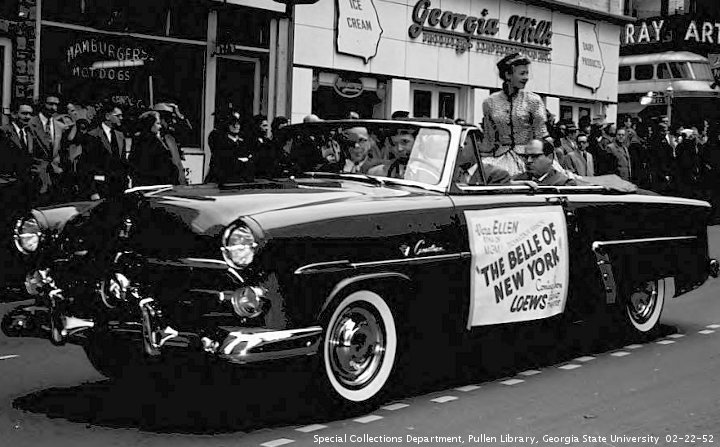



1992 was a year for PG. His father died in February. In July, PG went to Europe. It was a bad, bad year for friends with aids. Several were recruited by the grim reaper.
By the time December 1 came around, PG was ready for another year. In those days, PG was working in an architect office downtown, and had lots of free time. There was a rally for World Aids Day at the state capitol, and PG saw a chance for free entertainment. A podium was set up in the rotunda, and a series of speakers declaimed. One man said to use a condom every time you FUCK. He seemed to enjoy screaming the F word in the state capitol.
A man named Doug Teper spoke. He was the only state legislator to speak, and he criticized the organizers for not inviting him. Later, PG … who lived in Mr. Teper’s district … asked him for a business card. Mr. Teper forgot to bring his business cards. (PG was standing next to Mr. Teper when a speaker demanded health care for everyone. PG leaned over and said, how are we going to pay for this? Mr. Teper shrugged. Twenty two years later, we still don’t know.)
In July, a close friend had died. Jim lived in Loganville, in Walton County. PG stood behind a statue of George Walton during the rally.
PG saw a person named Gene Holloway at the rally, and went to talk to him. Years earlier, when Betty Ford was the first lady, PG was taken to his eighteenth birthday party. A couple of years after the rally, PG saw an obituary for Gene Holloway.


Fleetwood Mac










PG has read the autobiography of Mick Fleetwood. If this had been a made up tale of fiction, no one would believe it. Mick is not the manufacturer of enemas, nor the namesake of a Cadillac Model. The possibility does exist that he has used those two products.
John Mayall gave his guitar player, Peter Green, some studio time as a birthday present. “The Green God” used a rhythm section from the Bluesbreakers, Mick Fleetwood (drums) and John McVie (bass). At the end of the day, Mr. Green wrote “Fleetwood Mac” on the can holding the tapes.
Before long, Mr. Green started his own band, and named it after the rhythm section. (Does anyone know the bass player and drummer of the Atlanta Rhythm Section?) Fleetwood Mac started as a blues band, and became popular in England. Mr. Fleetwood celebrated by getting together with Jenny Boyd, who became his wife. Miss Boyd is the sister of Patti Boyd, the wife of George Harrison, aka Layla.
The first Fleetwood Mac album in the USA was “Then Play On”. The first show in Atlanta was at the Oglethorpe University gym, and by all accounts was a wild night. PG saw the sign advertising the event, but did not attend.
About the time of “Then Play On”, Peter Green started to get a bit weird. He dropped out of the band, but Jeremy Spencer and Danny Kirwan were still playing guitars. For a little while. Jeremy Spencer took a walk outside a Los Angeles hotel, and got recruited by the Children of G-d. Danny Kirwan had some issues, and decided to leave the band. Bob Welch stopped by for a few years, joined by Christine McVie, the wife of John.
The band was managed at this time by Clifford Davies, who by all accounts was a nasty piece of work. A man named Bob Weston had joined the band, and lasted until he had an affair with Jenny Fleetwood. Mr. Weston was fired, and a tour canceled. Clifford Davies decided that he owned the name Fleetwood Mac, and hired a group of players to go out and do shows. Fleetwood and the Mcvies were not amused, and Mick Fleetwood took over as the manager of the band.
By 1974, the band was pushing along, and selling about 300,000 copies of each album. On Halloween night 1974, Fleetwood Mac played at the Omni with Jefferson Starship. PG was at the Municipal Auditorium that night, seeing Jackson Browne and Bonnie Raitt.
In late 1974 Mick was looking for a studio. He came to a place, and an album came on the speakers, Mick was impressed by the guitar player. Soon after, Bob Welch felt the need to leave the band, and Mick thought the guitar player he heard at the studio was a good fit. (The band never did auditions, just asked people they liked to join). The guitar player was Lindsay Buckingham, and his girlfriend/musical partner was Stevie Nicks. This was the band that set sales records.
The first album with Buckingham/Nicks, simply titled “Fleetwood Mac”, became a phenomenon. The band was soon headlining in stadiums, and was on every fm radio station in the land. The band went into the studio to record a follow up. The second album took over a year to produce, and saw the McVies and the Fleetwoods get divorced. Buckingham and Nicks split their common law arrangement. Out of the turmoil came “Rumours”, which has sold roughly thirty million copies.
On August 29, 1978, PG got to see Fleetwood Mac at the Omni. Mick Fleetwood was on top of his game, pounding the skins with a glee that could be seen from the cheap seats. Fleetwood was a highlight, standing two meters tall and creating havoc on the drum stand.
Reading the book tells the rest of the story. Fleetwood’s father had died earlier that summer, and Mick was devastated. The band was straining under the pressures of super duper stardom. Mick had attempted a reconciliation with his wife, which was a painful failure. There was an affair between Mick and Stevie Nicks at this time. The idea that Mick Fleetwood could perform like he did that night tells you what a trooper he was.
The story continues. The book was written in 1991. There might be a volume two. This is a repost.











Harold Bloom

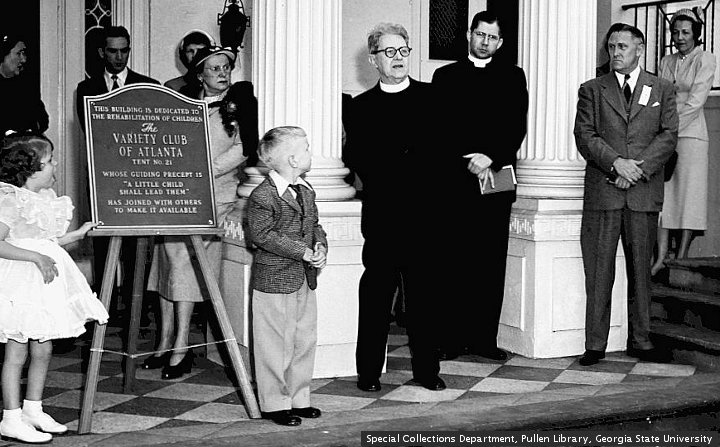



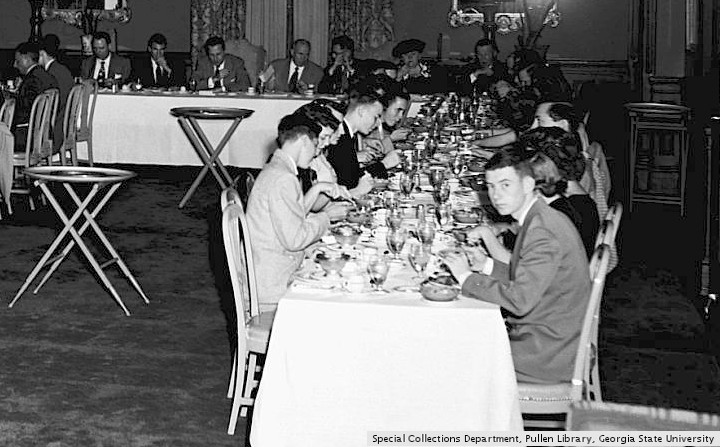
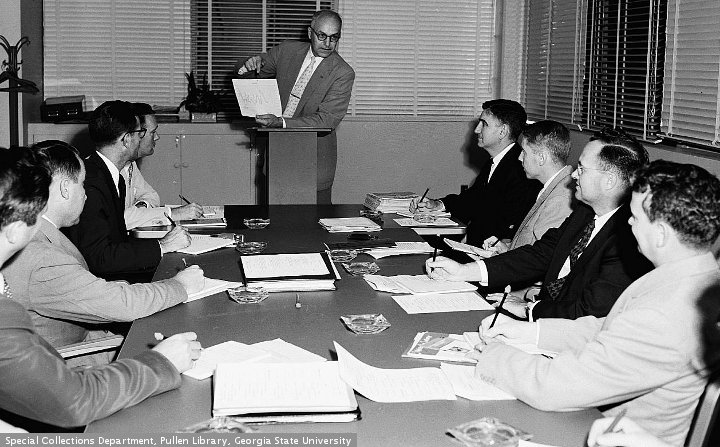
On September 3, 2000, Harold Bloom appeared on Booknotes to promote How to Read and Why. Other C-SPAN news that day involved Vice President Al Gore and Republican Presidential candidate George W. Bush. Mr. Bloom is a professor at Yale University. He has written many books, despite not knowing how to type. There is no false modesty on display.
A teacher is an entertainer, knowing the value of a good line. Over the years, platitudes pile up. Mr. Bloom has collects both books, and clever lines about books. “Oh, I read everything and anything. I’m a desperate reader. If I can’t find anything else, my wife is likely to find me obsessively re-reading cereal box tops in the morning. … I now call myself at times, partly in self-deprication, but partly, I suppose, with a certain fury Bloom brontosaurus bardolater; that is to say, not only a worshiper of Shakespeare, but a brontosaurus, a dinosaur. I’ve never learned how to type”
Fourteen years ago, the internet was still called the “World Wide Web.” It was very much a work in progress. Mr. Bloom viewed the information superhighway with horror. “But the Internet, which I acknowledge is an economic and commercial necessity–the Internet–and many people disagree with me on this, I know–the Internet, I think, is a terrible danger to the life of the mind. It’s a terrible danger to real reading because it’s a kind of great, gray ocean in which everything merges with everything else. And extremely difficult–it is extremely difficult for a young person to establish standards of reading or to find again what could be called intellectual and aesthetic standards of judgment in relation to what is available on it. There is no guidance.”
PG listened to the conversation with Mr. Bloom in the background. In the foreground, pictures were being edited.This is something you cannot do with a dead tree book. This went on happily until the shockwave player crashed, and the machine needed a reboot. This is something else that does not happen with traditional publishing.
“He got rather offended and explained to me, in rather hurt tones, that Sir So-and-so was the leading British authority on information retrieval. I told him honestly, and it’s still true, I did not know what information retrieval was, and I did not wish to find out, and I still don’t know what it is. I said, `Who is the other gentleman?’ And then he said, quite coldly, `He is our leading authority on software.’ I said, `I’ve never learned to type. I’m not at all sure what software is.’ He said, `It doesn’t matter.’ He said, `In any case, Professor Bloom, you ought to come. You will represent the book.’ I said, `This is ridiculous.’ I said, `You’re going to ask me to have a discussion with an authority on something called information retrieval and an authority on software, and I, wretched creature, am supposed to represent the book? I am highly inadequate to represent the book. Anybody would be. And I will not come. Goodbye, sir.’ But that is the British Library.”
Mr. Bloom tells of a visit to Stanford University. The only pleasant time he had was a conversation with the Provost, Condoleezza Rice. (spell check suggestion: Condolence) The rest of the time he decries the custom of teaching literature based on the ethnicity of the author. He tells the story of a desk, with the legs falling off. From clumsy carpentry, he moves onto brain surgery. “If you were being wheeled in for a brain operation, and you were told that the brain surgeon had been chosen on the basis of fairness, on the basis of universalism, on the basis of multiculturalism, you would jump right off the operating table. We do not enforce these things in the medical schools.”
This sounds nice in theory. In real life, the brain surgeon was determined by the willingness of a health insurance bully to pay. Reality is more frightening than fictitious furniture.
The Booknotes conversation took place during election season. The discussion of politicians was indicated. “Leon Trotsky, who was a great, though murderous, human being, but a remarkable writer. And in his own way, a remarkable literary critic.” “I find it powerfully offensive that one of the two major presidential candidates is perhaps the least distinguished graduate of the entire history of Yale University, and I’ve taught there for 46 years, though I never taught this gentleman. But he has boasted to the press, at least until his people told him to talk differently about it, but he began by boasting to the press that he had never read a book through since he left Yale. And indeed, he laughed, he hadn’t read many through there. And, of course, I believe him”
No discussion about Harold Bloom is complete without Naomi Wolf. “In the late fall of 1983, professor Harold Bloom did something banal, human, and destructive: He put his hand on a student’s inner thigh—a student whom he was tasked with teaching and grading. The student was me, a 20-year-old senior at Yale.” Is Bill Cosby going to be teaching at Yale?
The one star comments about the book are festive. “His prose is at times crisp, yet his reasoning wanders about like somnambulist on a treadmill.” “Instead I found myself dragged into a solipsistic rant of Mr. Bloom’s favorite books.” “Please do not waste your money on this book. Each section is devoted ostensibly to a “critique” of a work that Mr. Bloom recommends to his unwashed readers.” Pictures are from “The Special Collections and Archives, Georgia State University Library”.





Choke
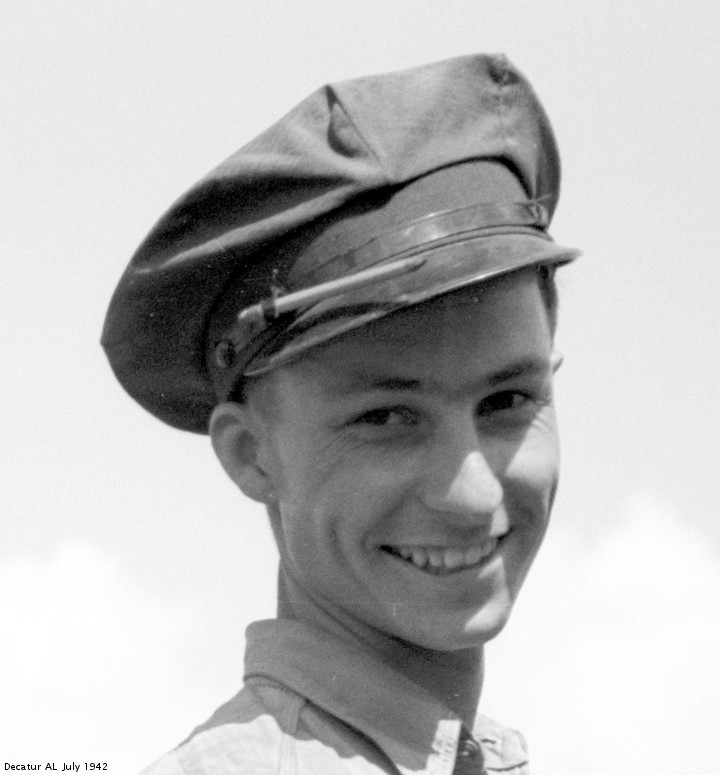



Maybe the best comment about Choke was a one star amazon review. “0 of 1 people found the following review helpful DONT REMEMBER BUYING THIS By nicon September 18, 2013 Format: PaperbackVerified Purchase I DONT REMEMBER BUYING THIS SO I DONT WANT TO RATED IT UNFAIRLY PLEASE REMOVE FROM MY OPINION PAGE OF MY ACCOUNT”
PG was on planet earth 58 years before trying to pronounce Chuck Palahniuk. (Paula-nick) Even seeing a video of “Fight Club” did not steal CP virginity. It was not until September 17, 2012. There was a book report, about a book called Rattled. The last sentence was a link to an internet badge, I write like Chuck Palahniuk
A little while later, PG was on a podcast kick. He would listen to people selling product, with freely offered opinions. A public radio show from California called Bookworm appeared, and yes, Chuck Palahniuk had a new book to sell. CP said, among other things, that he wrote books for people who don’t like to read books.
 On some youtube opinion party, CP told a story. He was working as a truck mechanic, and writing in his spare time. There was a writers workshop in town. CP read a story about an ill fated romance with an inflatable plastic inamorata. A lady told CP that he was no longer welcome in their group. However, a local man, Tom Spanbauer might be willing to help. This was another writing group, not a counselor. Has CP used the services of the psych industry?
Twenty one years ago, Tom Spanbauer appeared at a gathering in North Carolina. PG tried to find a copy of The Man Who Fell in Love with the Moon, and wound up borrowing a friends copy. At the end of the weekend, friend got Mr. Spanbauer to autograph his book. PG saw his bookmark in the book, and got the bookmark autographed.
And it came to pass that many CP videos were played. Included in this youtubefest is guts, which just might be the grossest thing PG has ever heard. When a copy of Choke appeared at the Chamblee library, PG was ready. Or so he thought.
This is a weird book. A line is repeated throughout, what would Jesus NOT do? One possible answer is producing genetic material from the foreskin of the baby Jesus, and then inserting this dna product into the lady parts of Ida Mancini. This is probably the output of a fevered, sick, horny imagination, which Choke has in abundance.
Most book reports make an effort to tell you the plot. Victor Mancini is a sick puppy. His “mother,” Ida Mancini, is in a nursing home with Alzheimers. This might be the most mental health Miss Mancini has ever enjoyed.
Victor works at a historic fantasy park. Every one of the players is a drug addict, which might be in character for 1734. Victor makes spare change by pretending to choke in restaurants, and be rescued by strangers. These people become his friends, and send him money.
The fun never stops. There is a 12 step program for sex fiends, which provides Victor with female friends. Even though Victor is 90% creep, he many female companions. A lady at his mother’s nuthouse wants to have Victor impregnate her. The plan is to abort the baby, inject the fetus into Ida Mancini, and save the life of the old biddie. The outcome of this scheme is a spoiler.
For all the high spirited fun and games, Choke can be a depressing piece of work. The scenes in the hospital, with the ladies gone bye bye, are not pleasant. Alzheimer is a tough business to deal with. The writing here is dangerous. While Tom Spanbauer likes to promote the idea of dangerous writing, some readers have enough problems already. This is partially covered by the first chapter of Choke, which is a warning that the story you are about to read might cause brain damage.
Pictures are from The Library of Congress. It was written like James Joyce.



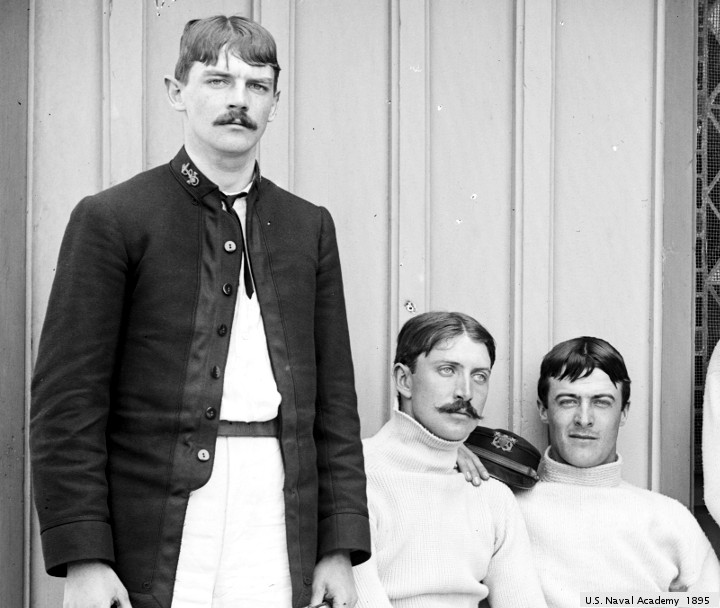


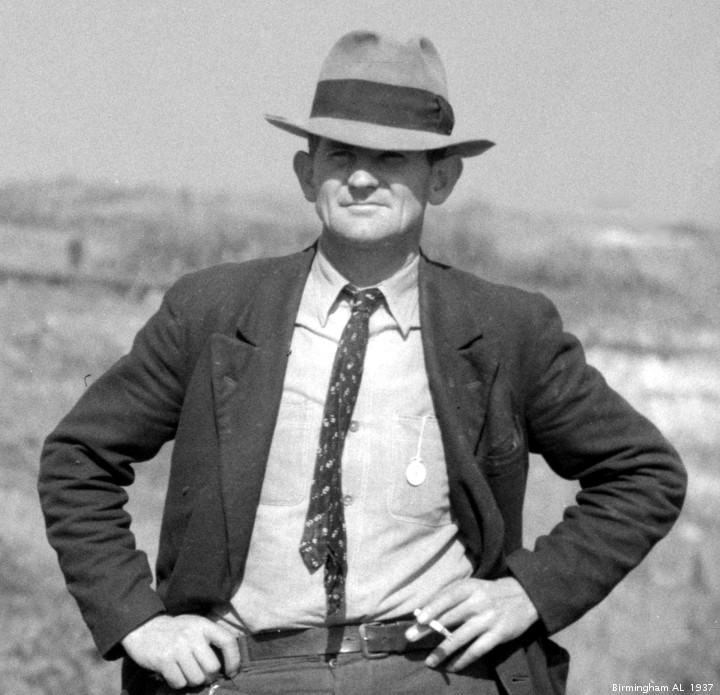

Allan Gurganus



PG had mixed feelings about driving to Dickhater to see Allan Gurganus. He was having a fine time downloading historic pictures at home. Clairmont Road is one red light after another. Being hot and miserable did not help. PG was not feeling especially liberal, or hip, and did not want to wade into the grooviness of the Dickhater Book Festival. You have to get out of your comfort zone.
Chamblee54 has crossed pixels with Allan Gurganus several times. There was a book show podcast. At 13:25 in the show, Mr. Gurganus says “I’m not an ironist. That’s why I’m worth reading.”
There had been a speech Mr. Gurganus made in Key West. After a while, the authorial wisdom became one platitude too many, and the file was turned off. The next speaker at the event was Gore Vidal, who was a hoot. Alas, the DBF is real life. Gore Vidal has gone to hang out with Bobby Kennedy. The only refuge, after the appearance by Mr. Gurganus, is Popeyes Fried Chicken.
The DBF event was promoting a book, Local Souls. PG got to page 62 in Local Souls, when he saw the protagonist living in a suburb of Atlanta called Collonus Springs. During the DBF appearance, Mr. Gurganus read a story from Local Souls.
Part of the Gurganus legend is his two grandfathers fighting on opposite sides at the battle of Shiloh. He sticks by his story that one grandfather shot the other. It is rather improbable, but a good story.
The event started on time. The DBF hostess said to turn your cell phones off, and encouraged people to buy, donate, and then buy some more. Local poet Franklin Abbott then introduced Mr. Gurganus, who walked up to the desk wearing a sport coat. Mr. Gurganus is from North Carolina, and should know better than to wear a jacket in Atlanta on labor day sunday afternoon.
His remarks bore little resemblance to the speech in Key West. There was not much to say in front of the reading, except to mention that he had been overserved on Saturday night. He did not mention his sexual orientation, as if anyone needs to be reminded.
After the reading came the inevitable Q&A. The reading had been about a flood which tore up his hometown in North Carolina. Most of the conversation was about the flood, and about making good fiction out of bad life. Maybe it was the biblical aspect of the flood that dominated his appearance this sunday afternoon, in an old courthouse.
PG had a question, but did not get to ask it. As the author was led away by the hostess, PG went over and asked if he could take a picture. The hostess was determined to get him into the book signing room. There were books to sell.
While walking with the author into the book signing, PG got to ask his question. In the Dharma Bums, Jack Kerouac spent the winter in Rocky Mount, NC. It really did happen. The tree where Mr. Kerouac saw the Buddah was on the property of Mr. Gurganus’s grandfather.




The Funeral Of Elvis
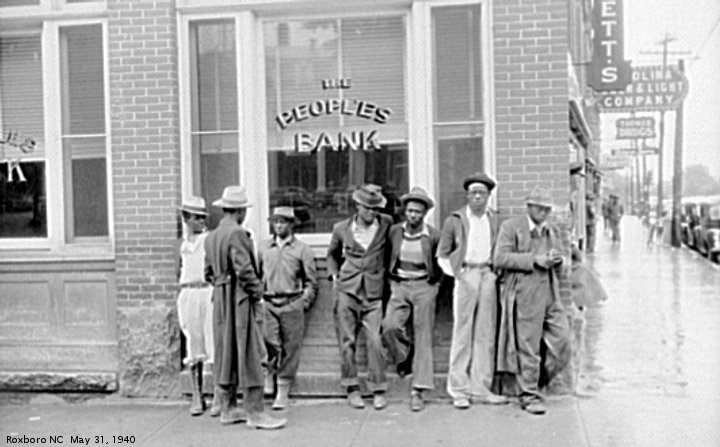


PG was going to write about some depressing subject. People that are not kind to each other. People in Israel and people in Gaza just don’t seem to get along. Somebody driving a “faded red F-150 pickup truck” in Livonia MI was mean to a little girl. (HT to Neo Prodigy.) This is a repost.
There is a saying, “if a story seems too bad to be true, it probably isn’t”. PG tried to google that phrase, and got confused. Then he seemed to remember reading it in a column by Molly Ivins. Another google adventure, and there was this film. Miss Ivins, who met her maker January 31, 2007, was promoting a book. She sat down with a bald headed man to talk about it. PG could only listen to 24:30 of this video before being seized with the urge to write a story. There is a transcript, which makes “borrowing” so much easier. This film has 34 minutes to go, which just might yield another story or two.
Molly Ivins was a Texas woman. These days there is a lot of talk about Texas, with Governor Big Hair aiming to be the next POTUS under indictment. Mr. Perry claims that his record as Texas Governor qualifies him to have his finger on the nuclear trigger. Miss Ivins repeats something that PG has heard before… “in our state we have the weak governor system, so that really not a great deal is required of the governor, not necessarily to know much or do much. And we’ve had a lot of governors who did neither. “ It makes you wonder how much of that “economic miracle” is because of hair spray.
Texas politics makes about as much sense as Georgia politics. For a lady, with a way with words, it is a gold mine. “the need you have for descriptive terms for stupid when you write about Texas politics is practically infinite. Now I’m not claiming that our state Legislature is dumber than the average state Legislature, but it tends to be dumb in such an outstanding way. It’s, again, that Texas quality of exaggeration and being slightly larger than life. And there are a fair number of people in the Texas Legislature of whom it could fairly be said, `If dumb was dirt, they would cover about an acre.’ And I’m not necessarily opposed to that. I’m–agree with an old state senator who always said that, `If you took all the fools out of the Legislature, it would not be a representative body anymore.'”
We could go through this conversation for a long time, but you probably want to skip ahead and look at pictures. ( Which are from The Library of Congress ) There is one story in this transcript that is too good not to borrow. For some reason, Molly Ivins went to work for The New York Times, aka the gray lady. In August of 1977, she was in the right place at the right time.



Mr. LAMB: And how long did you spend with The New York Times as a reporter?
Ms. IVINS: Six years with The New York Times. Some of it in New York as a political reporter at City Hall in Albany and then later as bureau chief out in the Rocky Mountains.
Mr. LAMB: Would you take a little time and tell us about reporting on the funeral of Elvis Presley?
Ms. IVINS: Oh, now there is something that when I’ve been standing in the checkout line at the grocery store and if I really need to impress people, I just let fall that I covered Elvis’ funeral. And, boy, people just practically draw back with awe. It may yet turn out to be my greatest claim to fame.
I was sitting in The New York City Times one day when I noticed a whole no–knot of editors up around the desk having a–a great scrum of concern, you could tell. It looked sort of like an anthill that had just been stepped on. And it turns out–The New York Times has a large obituary desk, and they prepare obituaries for anybody of prominence who might croak. But it turns out–you may recall that Elvis Presley died untimely and they were completely unprepared.
Now this is an enormous news organization. They have rock music critics and classical music critics and opera critics, but they didn’t have anybody who knew about Elvis Presley’s kind of music. So they’re lookin’ across a whole acre of reporters, and you could see them decide, `Ah-ha, Ivins. She talks funny. She’ll know about Mr. Presley.’
So I wound up writing Elvis’ obituary for The New York Times. I had to refer to him throughout as Mr. Presley. It was agonizing. That’s the style at The New York Times–Mr. Presley. Give me a break. And the next day they sold more newspapers than they did after John Kennedy was assassinated, so that even the editors of The New York Times, who had not quite, you know, been culturally aton–tuned to Elvis, decided that we should send someone to report on the funeral. And I drew that assignment. What a scene it was.
Mr. LAMB: You–you say in the book that you got in the cab and you said, `Take me to Graceland.’ The cabbie peels out of the airport doing 80 and then turns full around to the backseat and drawls, `Ain’t it a shame Elvis had to die while the Shriners are in town?’
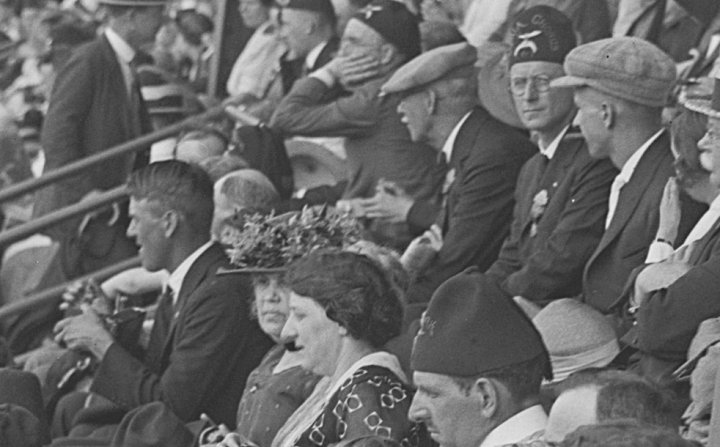
Ms. IVINS: That’s exactly what he said. `Shame Elvis had to die while the Shriners are in town.’ And I kind of raised by eyebrows. And sure enough, I realized what he–what he meant after I had been there for awhile because, you know, Shriners in convention–I don’t know if you’ve ever seen a whole lot of Shriners in convention, but they were having a huge national convention that very week in Memphis. And they tend to wear their little red fezzes, and sometimes they drink too much and they march around the hotel hallways tooting on New Year’s Eve horns and riding those funny little tricycles and generally cutting up and having a good time. That’s your Shriners in convention, always something very edifying and enjoyable to watch. But they–every–every hotel room in Memphis was occupied with celebrating Shriners, and then Elvis dies and all these tens of thousands of grieving, hysterical Elvis Presley fans descend on the town.
So you got a whole bunch of sobbing, hysterical Elvis fans, you got a whole bunch of cavorting Shriners. And on top of that they were holding a cheerleading camp. And the cheerleading camp–I don’t know if your memory–with the ethos of the cheerleading camp, but the deal is that every school sends its team–team of cheerleaders to cheerleading camp.
And your effort there at the camp is to win the spirit stick, which looks, to the uninitiated eye, a whole lot like a broom handle painted red, white and blue. But it is the spirit stick. And should your team win it for three days running, you get to keep it. But that has never happened. And the way you earn the spirit stick is you show most spirit. You cheer for breakfast, lunch and dinner. You cheer when the pizza man brings the pizza. You do handsprings end over end down the hallway to the bathroom. I tell you, those young people will throw–show an amount of spirit that would just astonish you in an effort to win that stick.
So here I was for an entire week, dealing with these three groups of people: the young cheerleaders trying to win the spirit stick, the cavorting Shriners and the grieving, hysterical Elvis fans. And I want to assure you that The New York Times is not the kind of newspaper that will let you write about that kind of rich human comedy.
Mr. LAMB: Why?
Ms. IVINS: Because The New York Times, at least in my day, was a very stuffy, pompous newspaper.
Mr. LAMB: What about today?
Ms. IVINS: A little bit better, little bit better than it was.
Mr. LAMB: And…
Ms. IVINS: Has–has–it has a tendency, recidivist tendencies, though. You–you will notice if you read The Times, it–it collapses into pomposity and stuffiness with some regularity.
Mr. LAMB: Why did you leave it?
Ms. IVINS: Well, I–I actually got into trouble at The New York City Times for describing a community chu–chicken killing out West as a gang pluck. Abe Rosenthal was then the editor of the Times and he was not amused.
Mr. LAMB: Did–but did they let it go? Did they let it…
Ms. IVINS: Oh, no. It never made it in the paper. Good heavens, no. Such a thing would never get in The Times in my day.
POSTSCRIPT PG found some pictures, marked up the text, and was ready to post the story. He decided to listen to a bit more of the discussion between Molly Ivins and the bald headed man. When he got to this point, it became apparent that he could listen to Molly Ivins talk, or he could post his story, but he could not do both at the same time.
Ms. IVINS: Oh, well, of course, I’m gonna make fun of it. I mean, Berkeley, California, if you are from Texas, is just hilarious.
Mr. LAMB: Why?
Ms. IVINS: Well, of course, it is just the absolute center of liberalism and political correctness. And it is a veritable hotbed of people, of–bless their hearts, who all think alike, in a liberal way. And, of course, I’m sometimes called a liberal myself, and you would think I would have felt right at home there. But I just am so used to–I’m so used to Texas that I found the culture at Berkeley hysterical.


 Chamblee54
1 comment