Wonderful Tonight






Wonderful Tonight: George Harrison, Eric Clapton, and Me is the book for Pattie Boyd. Ms. Boyd has the copyright to herself, with presumed ghostwriter Penny Junor given *with* credit. The former Patricia Anne Boyd has had quite a life.
Ms. Boyd was born at a young age. Her family moved to Kenya, where they had many cool adventures. Her parents split up, her mother remarried, and her stepfather was a horrible man. The Boyds, who by now included several more children, moved back to England. Pattie went to convent school, then went to live in London. She got a job in a beauty salon, when one day someone suggested she try modelling. At times, this story sounds like a movie.
Pattie was working as a model, including some TV commercials. Richard Lester noticed her, and hired her as a school girl in “A Hard Days Night.” George Harrison noticed her, and they were soon an item. Meanwhile, swinging sixties London was in fast forward mode. Pattie Boyd plugged herself into the sex, drugs, and rock and roll lifestyle, and had her share of good times.
George wrote “Something” about his glamorous young bride. His pal Eric Clapton took note, and wrote “Layla.” Eric was in pursuit for many years, writing many beautiful love letters. Finally, as her marriage to George was winding down, Pattie took up with Eric. It was great fun for a while, until Eric’s alcoholism spoiled things. Pattie left Eric, came back, got married to him, and stuck around until Eric got another lady pregnant. (Conor Clapton died tragically in 1991.) The story goes on, and on, until the book was written in 2008. According to wikipedia, Pattie is going strong in 2018. She married Rod Weston, husband number three, in 2015.
Wonderful Tonight is a fun book to read. Penny Junor knows how to tell a story. The life of Pattie Boyd is full of struggle, as well as glamour. Many of the people, including Pattie’s sisters, struggle with addiction. One gets the sense that this, like many autobiographies, puts the subject in the most flattering light possible. There is probably another side to many of these stories. If they can be told as skillfully as this one is, these stories would be worth reading.
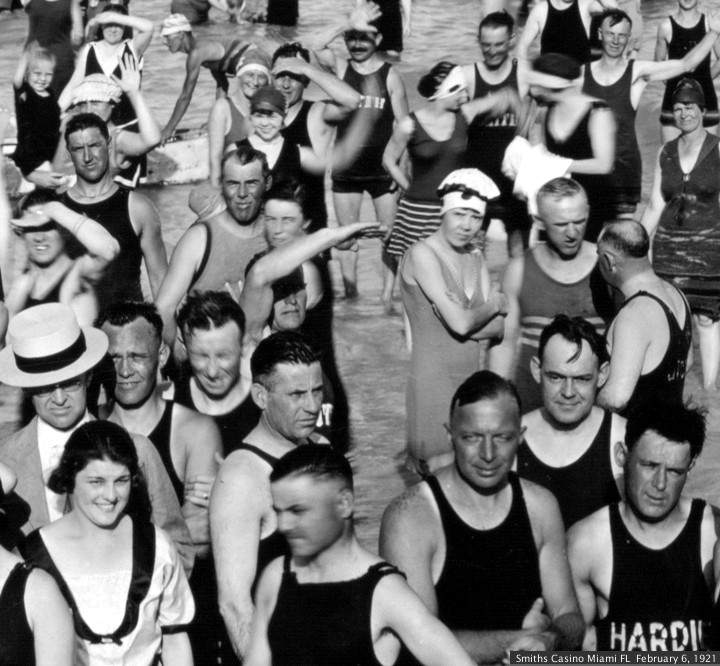
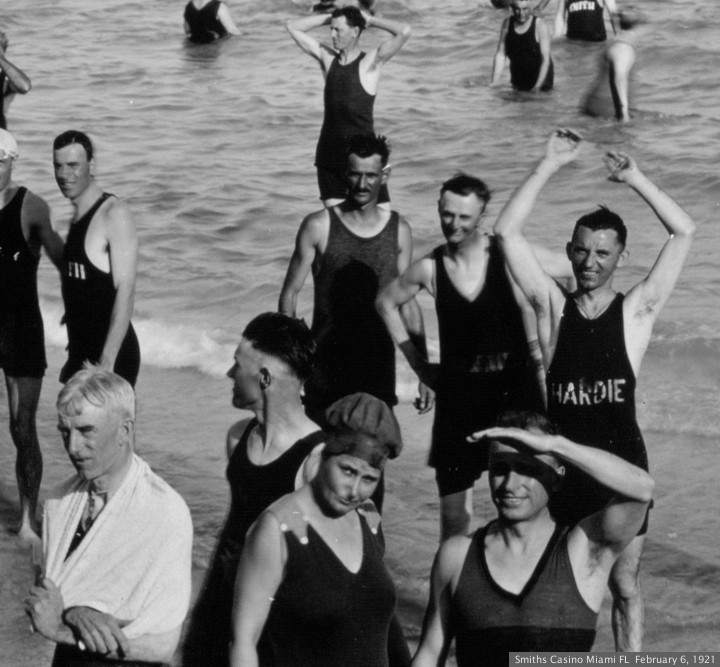
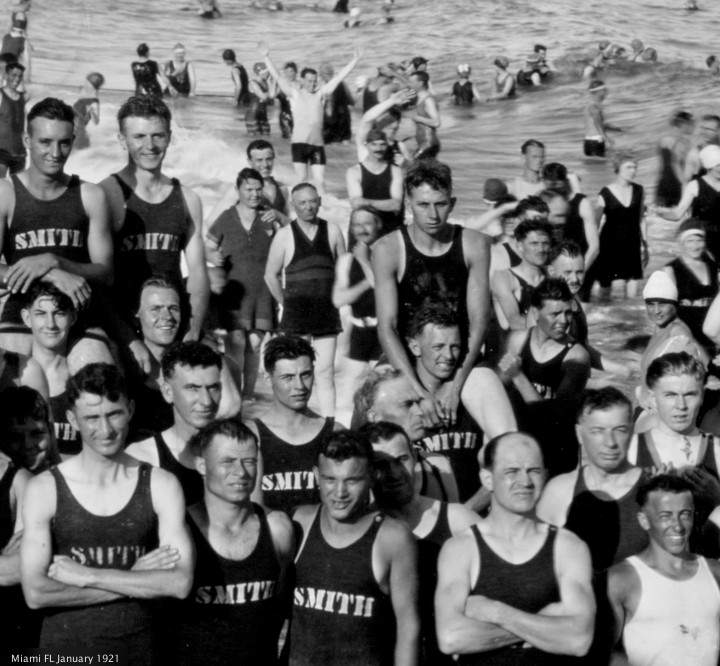
Pictures today are from The Library of Congress. “Winter bathing, Smiths Casino, Miami, Feb. 6, 1921″ W. A. (William A.) Fishbaugh, copyright claimant … No renewal found in Copyright Office.









Reckless Daughter: A Portrait of Joni Mitchell



A few weeks ago, PG was at the library. He had a story to take home, before going over to the biography section. There he found Reckless Daughter: A Portrait of Joni Mitchell. At least with fiction, you know you are dealing with a made up story. With biography, you have to use judgment.
It is a familiar story. Joni was born in the frozen north, was a rebellious girl, and got pregnant. She gave up the daughter for adoption, only to be reunited many years later. Joan Anderson gets married to, and divorces, Chuck Mitchell. Joni sings, writes, tunes her guitar funny, becomes a star, gets too weird to be popular, makes and loses money, smokes millions of cigarettes, and becomes an angry old lady. There is a bit more to the story than that. Reckless Daughter fills in a few of the blank spots.
Millions of cigarettes might be an exaggeration. Joni started smoking when she was nine. When she was a star, she was almost as well known for her constant puffing as her pretty songs. When Joni was in a Reagan era slump, she was going through four packs a day. Just for the sake of statistics, lets call it two packs, or forty fags, a day. Multiply forty by 365 and you get 14,600. If she started at 9, and had her aneurysm at 72, that gives you 63 years of nicotine abuse. If you assume that there were forty fags a day for 63 years, that gives you 919,800 smokes. IOW, while seven figures is not out of reach, it is rather unlikely that Joni smoked more than 2,000,000 cancer sticks.
The author of Reckless Daughter, David Yaffe, is a problem. He talks about the mood of America in 1969, four years before he was born. Mr. Yaffe goes to great lengths to show us that he knows about making music. Some readers will be impressed. There are mini-essays on Joni songs from her golden years, the time between “Ladies of the Canyon” and “Hejira.” And gossip, gossip, and more gossip. Joni is well known for her celebrity lovers.
We should make the point that PG enjoyed Reckless Daughter. The inside stories are fun, and pages turn over without too much head scratching. Maybe this is a statement about the career of Joni Mitchell. You enjoy the music for many years, and then complain about the details. Reckless Daughter follows the trajectory of other celebrity biographies. The star is born, takes up a craft, gets a break, becomes successful, goes over the mountaintop into a long decline. With Joni, nothing after “Mingus” was well received. The chanteuse was broker, and angrier, by the minute.
On page 13, Joni hears Rhapsody on a Theme of Paganini by Sergei Rachmaninoff. This is the piece that makes her want to be a musician. One page 129, we learn the story of A&M studios in Hollywood. At one time, The Carpenters were in studio A, while Carole King was recording “Tapestry” in studio B. Joni was recording “Blue” in studio C, which had a magic piano. One time, Carole King learned of a break in the studio C booking, and ran in. Three hours later, “I feel the earth move” was recorded.
A few years later, Joni was on the Rolling Thunder tour with Bob Dylan. One of the concepts was support for Rubin “Hurricane” Carter, whose story can be found elsewhere. Joni became disillusioned with Mr. Carter. When Joan Baez asked Joni to speak at a benefit concert, Joni said she would say that Mr. Carter was a jive ass N-person, who never would have been champion of the world. Joni later got in SJW trouble for posing in blackface, for the cover to “Don Juan’s Reckless Daughter.”
On page 251, we learn that Bob Dylan does not dance. Other items include “Free man in Paris” being written about David Geffen, and Jackson Browne writing “Fountain of Sorrow” about Joni. Mr. Brown is a not-well-thought-of ex of Joni. As for Mr. Geffen…. Joni stayed at his house for a while, at a time when Mr. Geffen was in, and out, of the closet. Did they make sweet music together?
So this book report comes to an end. Joni is recovering from a brain aneurysm, and will probably not produce anything else. The book is going back to the library, and PG will move on to something else. Pictures today are from The Library of Congress.

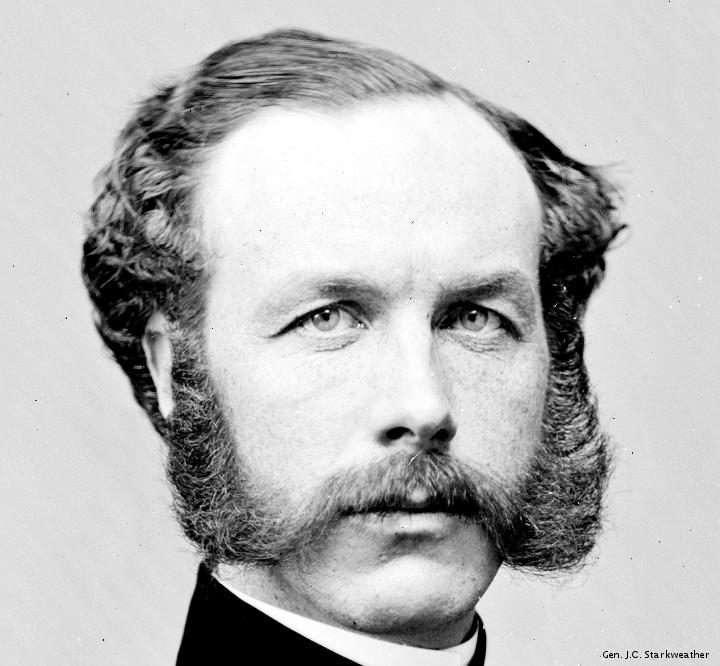

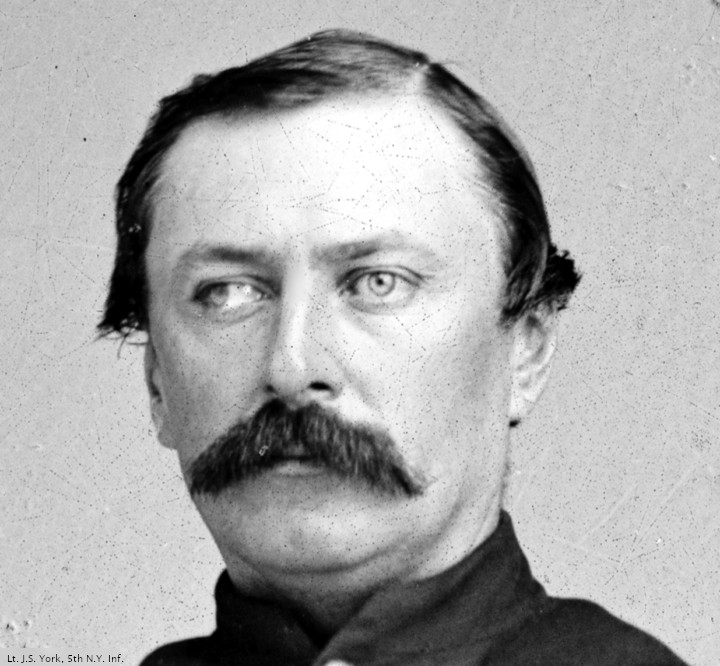
Page 99
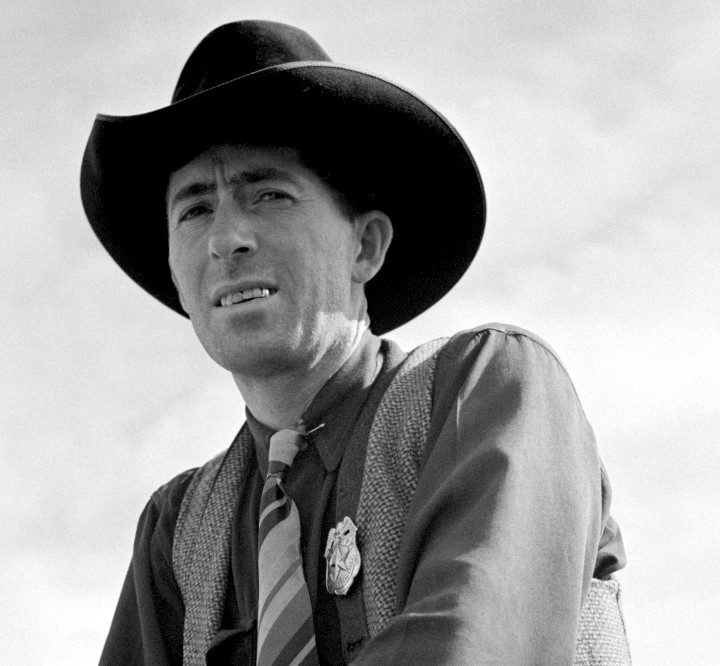

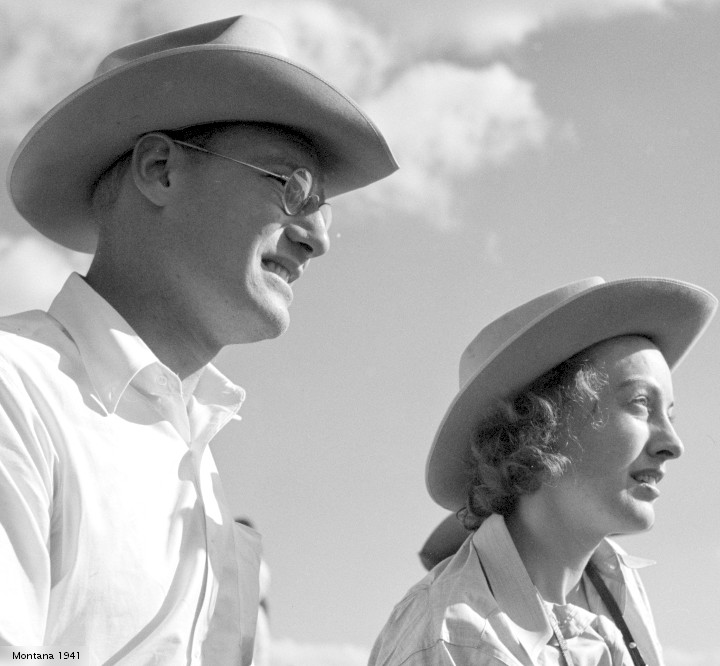
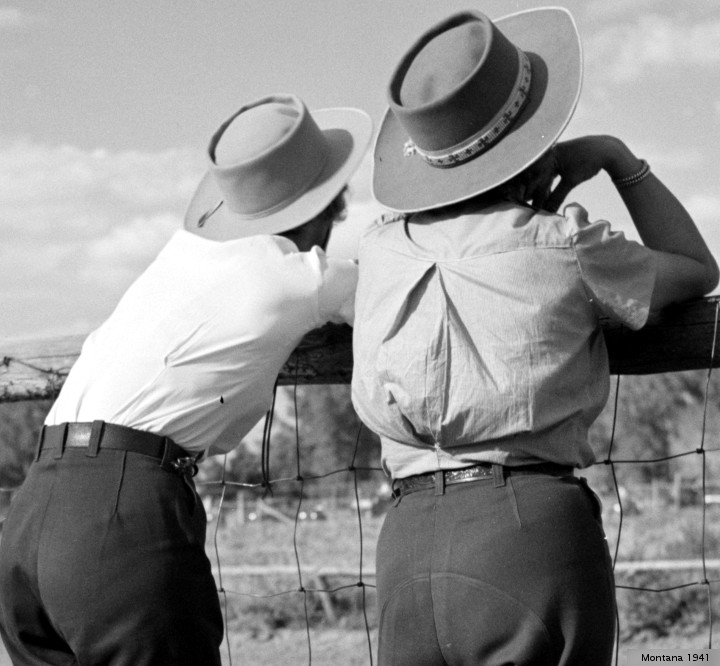

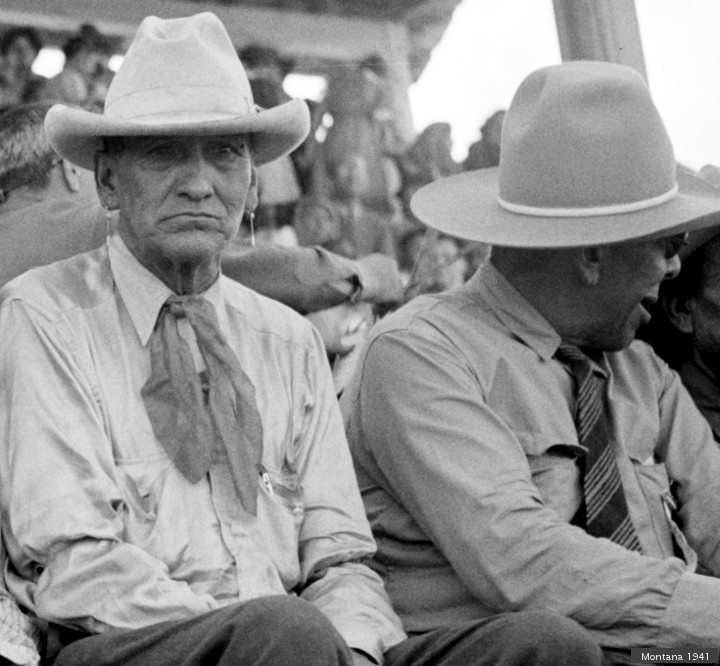
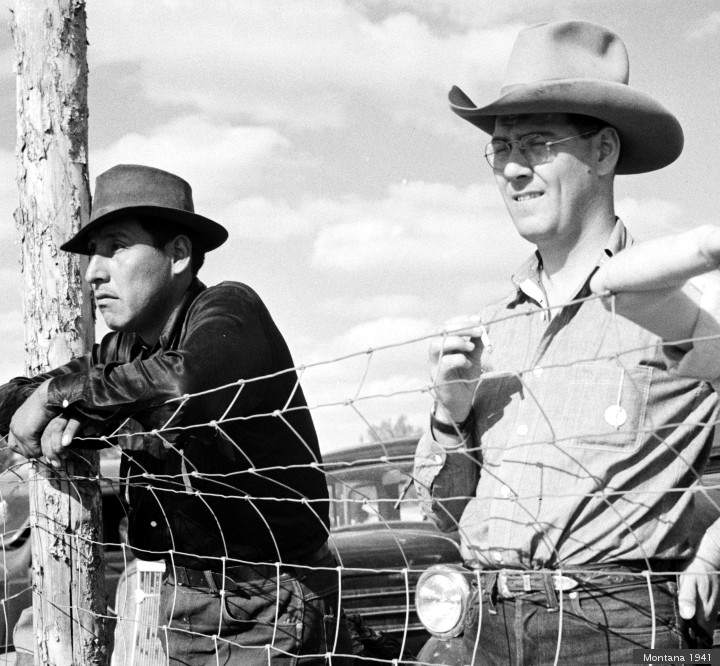
PG woke up one Sunday morning, and started to look in his archive. He found a post from July 2009, Genius And Heroin Part One. The G&H book had been mentioned in a couple of blogs, The Page 69 Test and The Page 99 Test. Both of these blogs are still publishing nine years later. The idea is to critique a book by what is on page 69, or page 99.
Reckless Daughter: A Portrait of Joni Mitchell is a book PG adopted from the Chamblee library. A journalist had a series of interviews with Joni, and morphed a book out of it. Maybe a look at pages 69 and 99 will give us some text to go between the pictures.
On page 69, Joni is a young lady, performing in Miami Beach. She has had a baby, left her husband, and is trying to make it as a musician. One night in a club, David Crosby saw her, and saw the future. The two became a couple, which did not last very long. Joni and David went to California, where David introduced her to some buddies in the music business. David produced Joni’s first album, and apparently did not know what he was doing. Both of them moved on.
On page 99, Joni has put out her second album, and is gaining momentum. It is 1969, and America is in turmoil over Vietnam. The author, David Yaffe, goes into some detail about the mood of America in 1969. Mr. Yaffe was born in 1973. Why does he discuss the mood of 1969?.
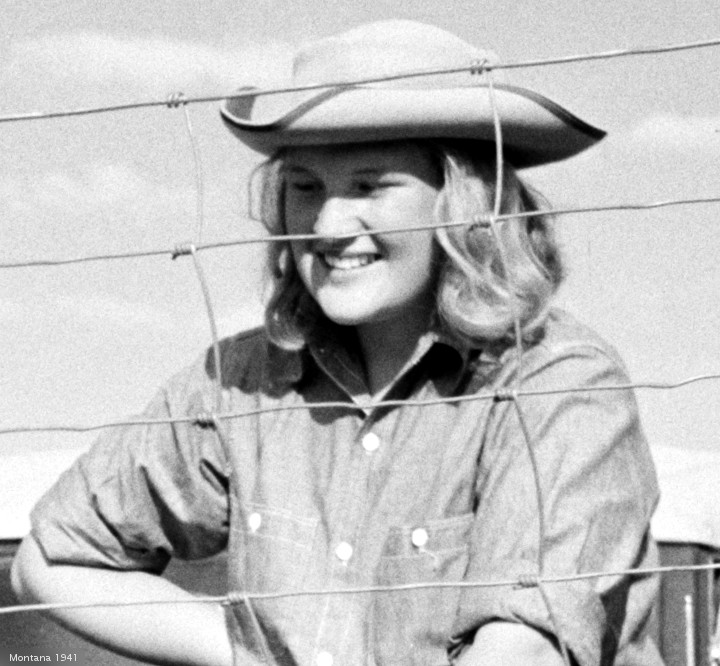
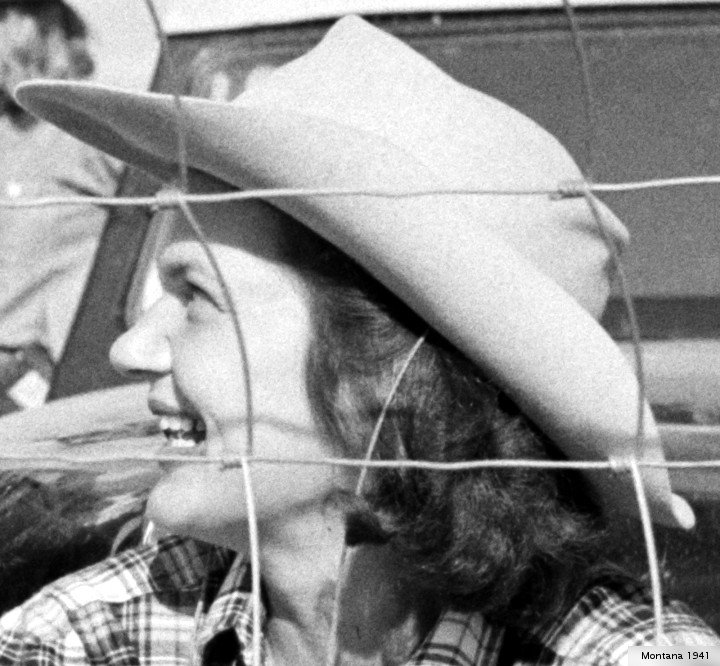
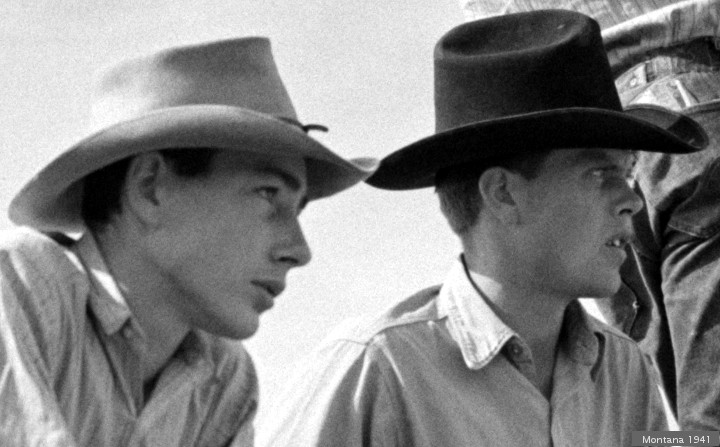
Pictures, for this Sunday morning space filler, are from The Library of Congress. The Montana photographs were taken by Marion Post Wolcott in August, 1941.




The Corrections






It started with a yard sale. The man had a box of books available for free. PG looked through it. A hardback copy of The Corrections, by Jonathan Franzen, caught his eye. Wasn’t that David Foster Wallace’s buddy? Literary types drop the name, and talk behind his back on twitter. . PG picked up the book, and took it home. It sat on a shelf for a few years, along with the other free, or cheap, books that PG had adopted. Eventually, PG decided to try a few pages. 567 pages, and countless dinners later, The Corrections is finished.
It is time to write a book report for the blog, but PG does not know where to start. There are amazon one star reviews, which don’t have enough entertaining snark to bother with. Wikipedia suggests an 2006 interview with Brett Easton Ellis, where you wade through endless chatter to learn that BEE thinks that TC is “one of the three great books of your generation.” This is after the interviewer asks BEE is he has a dog, or a girlfriend.
This is not going to be easy, either to write or to read. PG has been slack about writing lately … being ignored by a billion internet users will do that. TC is just barely interesting enough to write about. Oh, it has its moments. Mr. Franzen is a clever writer, and if you don’t believe him, read a few more pages. Mr. Franzen likes to show off his literary chops. TC is like Infinite Jest lite. Which means the normal reader can finish it, without chemical assistance.
Mr. Franzen is well known for being a pal of David Foster Wallace. If you google “Jonathan Franzen and,” the top three suggestions are David Foster Wallace, Oprah, and birds. You have to wonder what Mr. Franzen really thought of Mr. Wallace. “Wallace’s friend (and friendly rival) Jonathan Franzen declared in The New Yorker in 2011, “he wasn’t Saint Dave.” Franzen upset people further when he casually suggested to New Yorker editor David Remnick that Wallace exaggerated facts and embellished quotes in his non-fiction.”
Maybe the best thing to do is listen to Mr. Franzen on the Charlie Rose show. While this is playing, PG can work on a graphic poem, or stare out the window. The youtube comments are amusing. Nikolaos Mylonas “The interviewer is a famous journalist called charlie rose. Now he is discredited due to accusations of sexual abuse made by his employees” Drew “Interesting that he seems to find reading books so tremendously useless in his utilitarian, food-in-stomach type of way. Yet he writes … from this pleasure of uselessness? …”
At some point Mr. Rose says “We’ve gone this far without mentioning Oprah,” to which Mr. Franzen replies, “And what a pleasant twenty minutes it has been.” Apparently, Mr. Franzen and Miss Winfrey had a well documented disagreement. This dispute focused a lot of attention on TC, and may have helped Mr. Franzen more than it hurt. It should be noted that PG had not heard of the Oprah problem while he was reading TC.
A Million Little Pieces is another book with an Oprah problem. PG paid twenty cents for his copy of AMLP. In the chamblee54 book report, there is a book meme: ““Open your nearest book to page 82. Take the third full sentence on the page, and work it into a post somehow.” For TC, this would be: “When he punted the box from Gary it exploded in a cloud of white styrofoam saucers.” Chip, the number two child in the story, is spending Christmas at home of his older brother, Gary. For some reason, Chip takes his gifts and tries to kick them up the stairs. This Christmas … much of the plot in TC involves another dysfunctional family Christmas … is in the middle of Chip ruining his academic career. Maybe kicking the gift, and having it explode in a shower of styrofoam, is a metaphor.
The third sentence on page 82 is typical of Mr. Franzen’s style. He writes lots of great quotes. Goodreads and schmoop have pages devoted to them.“And meanwhile the sad truth was that not everyone could be extraordinary, not everyone could be extremely cool; because whom would this leave to be ordinary?” “Fiction is a solution, the best solution, to the problem of existential solitude.” “Without privacy there was no point in being an individual.” “He couldn’t figure out if she was immensely well adjusted or seriously messed up.” tags: inspirational-quotes, writing-philosophy.
TC is plot challenged. The schmoop summary can help. TC is about the Lambert Family. They are so mid-western that it hurts, which may be why two children escape to Filthadelphia. Alfred and Enid are the parents, living in a place called St. Jude … it is tough to say what St. Jude is a stand in for, except that it is in the mid-west. Gary, the eldest, married with three sons, is an asshole. Chip, the package kicker, is fired from a tenure track job. He had an affair with a student. Denise, the youngest, a chef, is fired after having an affair with the restaurant owner’s wife. The details of those four sentences takes up about four hundred pages of TC. The macguffin is to get all three kids together for one last christmas. None of the five Lamberts mentioned above is a likable person. The closest thing to a likable Lambert is Jonah, the youngest son of Gary.
One of the side plots involves Lithuania. Chip takes a job there, as a computer geek, working for a post-communist criminal. It turns out this Lithuania exists only in Mr. Franzen’s mind. “In a loopy section of his novel that forms a kind of fantasy-ballet diversion from the main events, Chip, failed academic and failing screenwriter, becomes involved with an internet-based financial scam based in Vilnius. The Vilnius of The Corrections is a gangster’s paradise of teenage prostitutes, fraud, corruption and armed robbery. Although very funny, it is an account unburdened by research. Recently, looking up his own book on Amazon.com, he noticed that Lithuanian readers have begun posting snarly e-mails, in protest at his depiction of their homeland. “I’ve not been to Lithuania, although the ambassador has now invited me to come and see for myself that they don’t eat horse meat. The horse meat has really touched a nerve.””
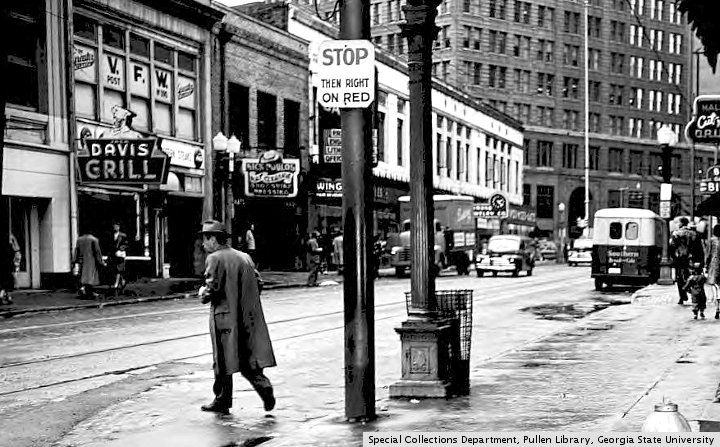
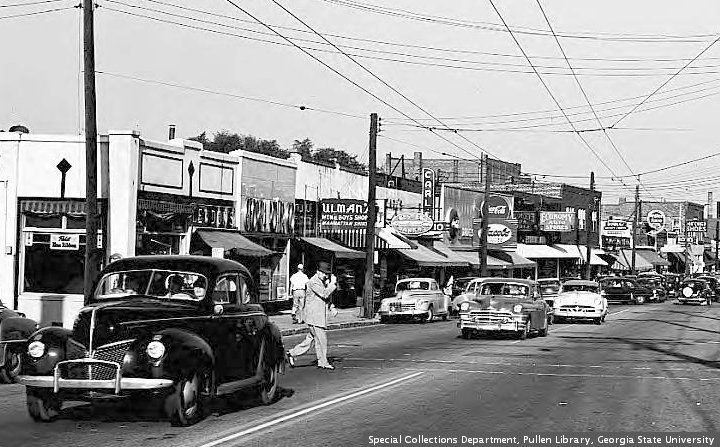
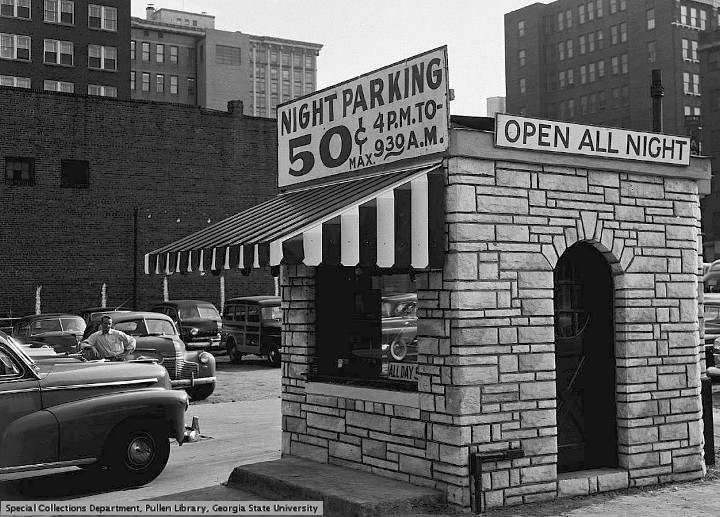
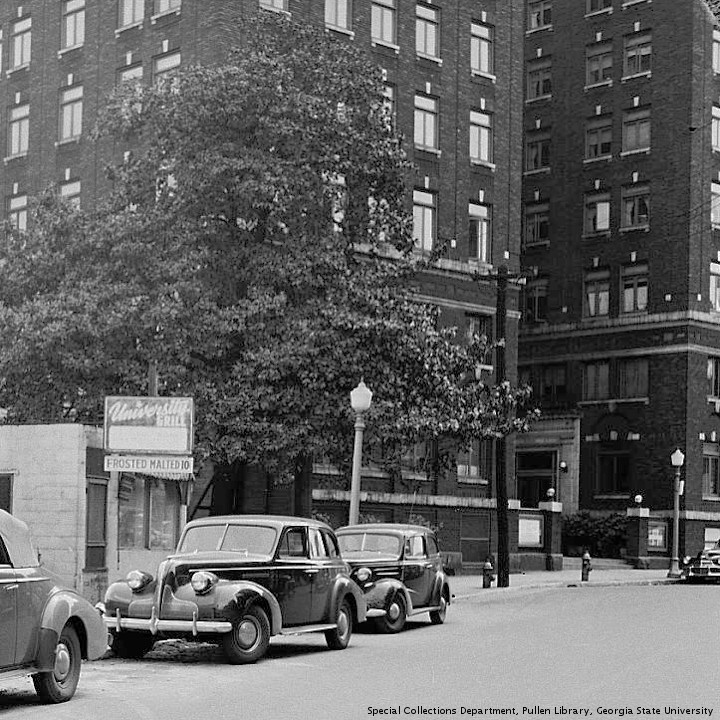
TC rambles on for 567 pages, with lots of flashbacks and sub plots. Most of the detours are described in excruciating detail. And yet, PG finished the damn thing. TC did not change his life. It was doing good to change Alfred’s diapers. Pictures today are from “The Special Collections and Archives, Georgia State University Library”.





History From The Stable
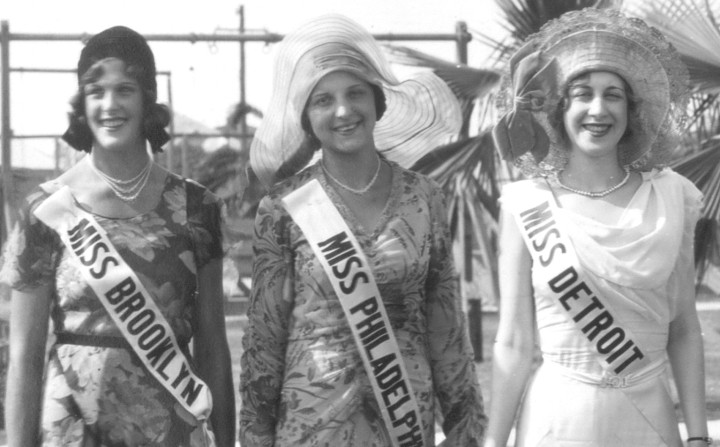
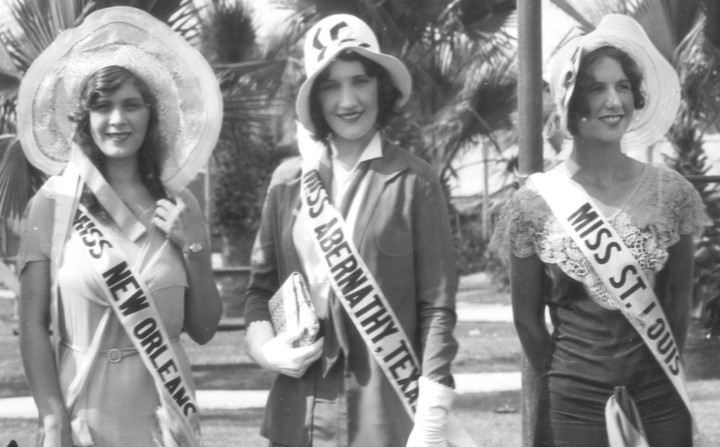
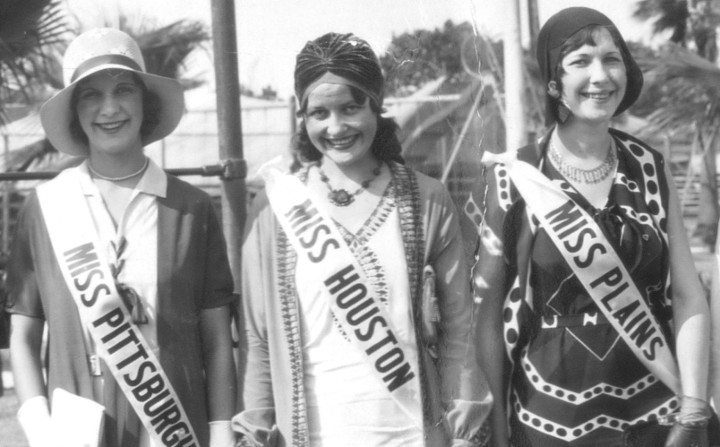

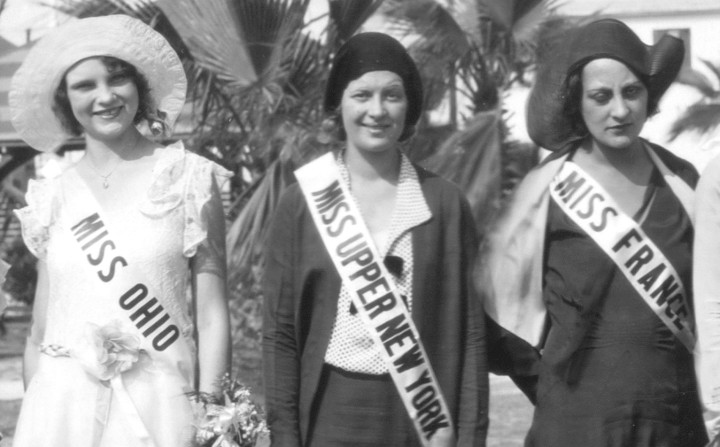
The following is a repost. Pictures are from The Library of Congress.
PG read “Churchill, Hitler, and the unnecessary war” by Patrick Buchanan. It makes interesting points, and is luxuriously footnoted. This is not to say that PG believes all of it.
Part of the problem is Pat Buchanan. He is a former speechwriter for Richard Nixon, and a public nuisance since. He gave a hateful speech at the Republican Convention in 1992 which is known as the “Culture War” speech. This speech alienated many people, and helped elect Bill Clinton.
The book starts with the deal making before World War I. Germany was ruled by Kaiser Wilhelm, the grandson of Queen Victoria. He tried to arrange an alliance with Great Britain. Instead, Britain entered into a secret alliance with France. In 1914, Europe blundered into war. The conflict turned into a ghastly stalemate, which continued until 1918. The victorious French forced a vengeful peace on the Germans, setting the stage for the second world war.
Great Britain made many mistakes. They severed an alliance with Japan. They allowed Hitler to advance, then gave a guarantee to Poland that they would defend her in a war. This guarantee to Poland is the biggest blunder of all, according to Buchanan. It made war all but certain.
Eventually, Nazi Germany was defeated, but at a frightful cost. The millions of dead in the war produced an East Europe under Communist Rule for 50 years. The British Empire was a shadow of its former self. The United States came out of the war looking good, but much of Europe was destroyed, and ruled by Communists.
Winston Churchill does not look good. He is seen cheering the start of war in 1914. He makes numerous blunders, especially when encouraging the invasion of Gallipoli. Churchill was an inspiring leader in the second war, with an actor making speeches for him on the radio. Mr. Hitler, who read his own speeches, was also a charismatic leader.
As with all history, this book needs to be taken with a bit of skepticism. Tom Robbins makes a comparison of history to animal husbandry. A herd manager mixes bloodlines to create an improved breed. A historian takes “facts”, and mixes them to support an agenda. Both are usually up to their ankles in s**t.
After PG finished the Buchanan book, he started one by Deepak Chopra. The title was “Why is G-d Laughing?“. The first chapter tells the story of a famous comedian. He goes to the hospital when his father drops dead of a heart attack. The comedian cannot help but think of jokes. PG is going to return this to the library without reading any more.
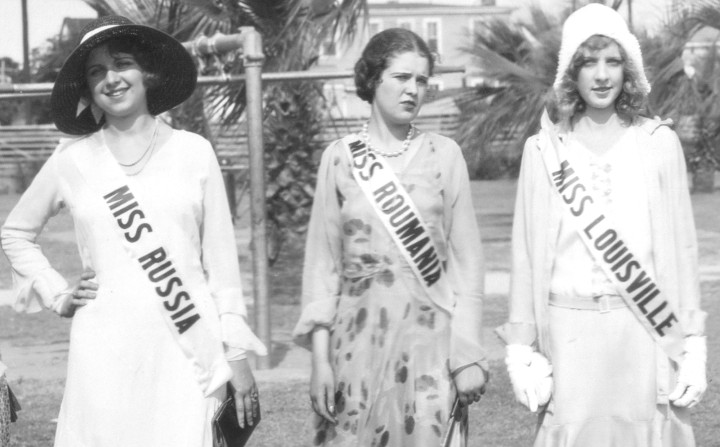

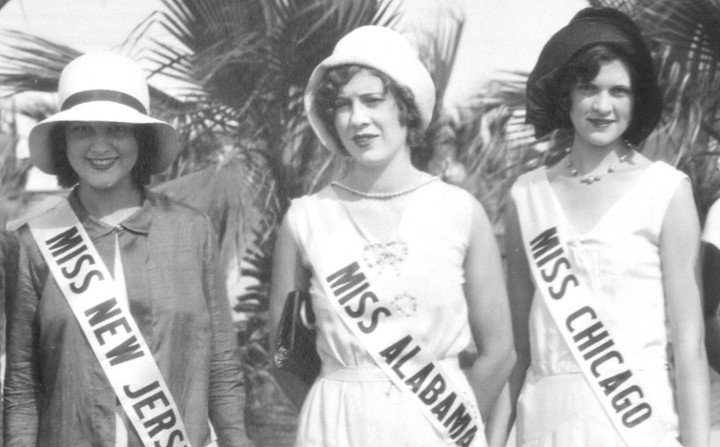


A Man Without a Country



A meme turned up on facebook the other day. Here is what it said: “For some reason, the most vocal Christians among us never mention the Beatitudes (Matthew 5). But, often with tears in their eyes, the demand that the Ten Commandments be posted in public buildings. And of course, that’s Moses, not Jesus. I haven’t heard one of them demand that the Sermon on the Mount, the Beatitudes, be posted anywhere. “Blessed are the merciful” in a courtroom? “Blessed are the peacemakers” in the Pentagon? Give me a break!”
This bit of commodity wisdom is blamed on Kurt Vonnegut. It does sound like something he would say. The copy-friendly version of the quote gives a source, A Man Without a Country. This is a memoir, which is like a meme with an oir glued on.
PG ordered AMWAC from the library, and read it. It would be fun to say that AMWAC is great, but it isn’t. It is the same stuff you heard KV saying for years. AMWAC was published in 2005, two years before KV took his dirt nap. ANWAC might have been a good idea, but just doesn’t work. Not that the humanist talk isn’t true, or inspiring. The novels had humanism, but they were window dressing for a story, with plots and characters. The novels were fun to read.
One item stands out, which is not to say that it is outstanding. “Jazz historian Albert Murray claimed that the suicide rate among American slave owners was higher than that of their slaves.” This is on page 68 of AMWAC. The source thinks that this is because the slaves could sing the blues, and slave owners could do nothing but count money.
Reddit had 22 comments devoted to this factoid. The truth is, nobody knows. It may be true. It may have been true in the Mississippi Delta, but not true in Virginia. Maybe seeing snow in the winter was the factor. There is a problem with asking why, before you are sure that the statement is true.
Classics Illustrated: The Man Without A Country #63 is a comic book version of another book titled AMWAC. (all pages are there, this is meant for reading, not collecting) In this epic, a man says that he wishes to never hear of the United States again. A judge sentences him to go on a ship, where people are forbidden to speak of America in his presence. Talk about specialty punishment! In the end, the man is so patriotic nobody can stand him. It is highly unlikely that there will be a comic book version of the Kurt Vonnegut AMWAC.
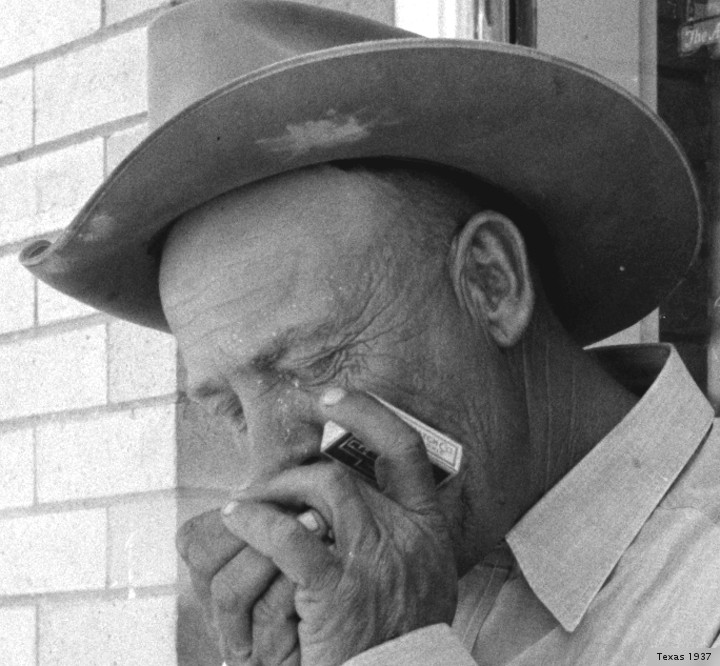
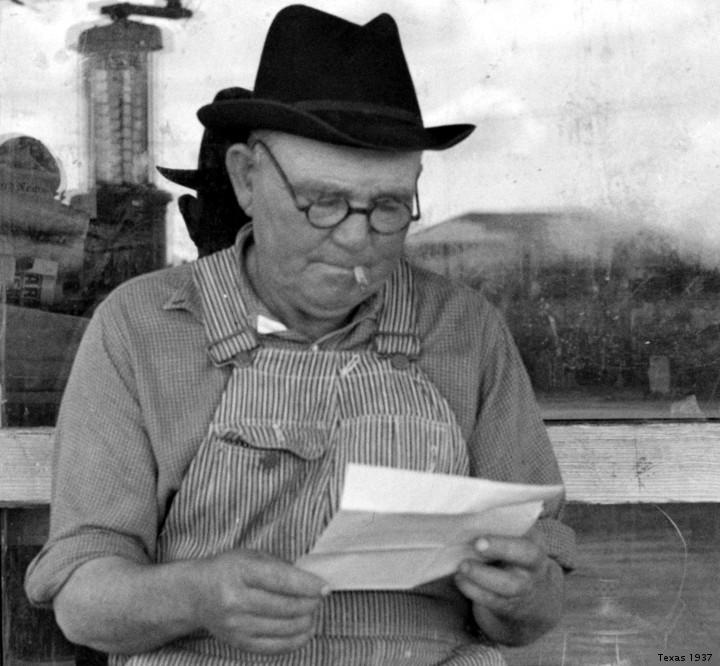
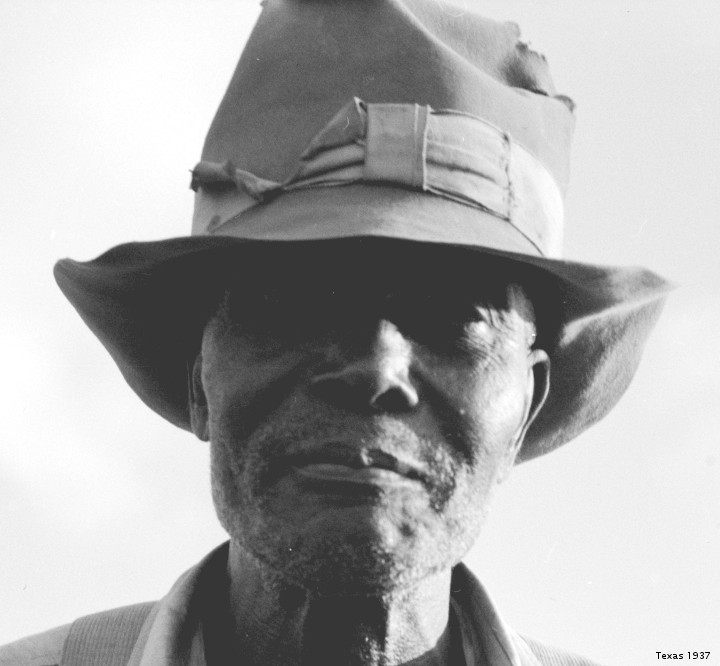
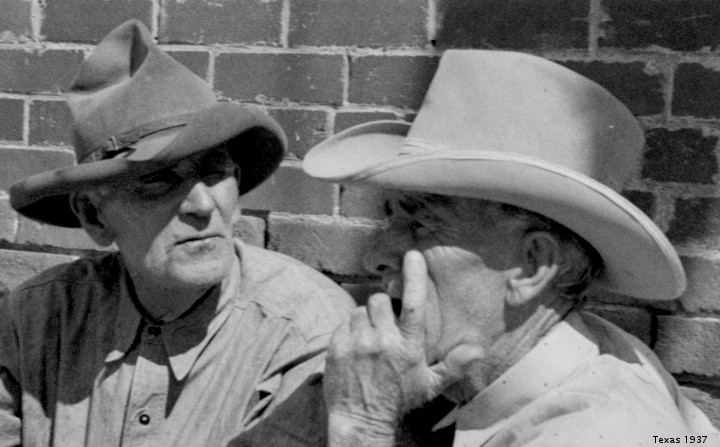
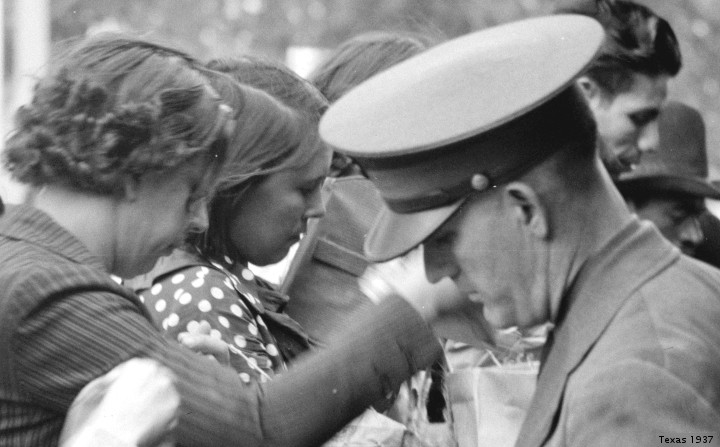
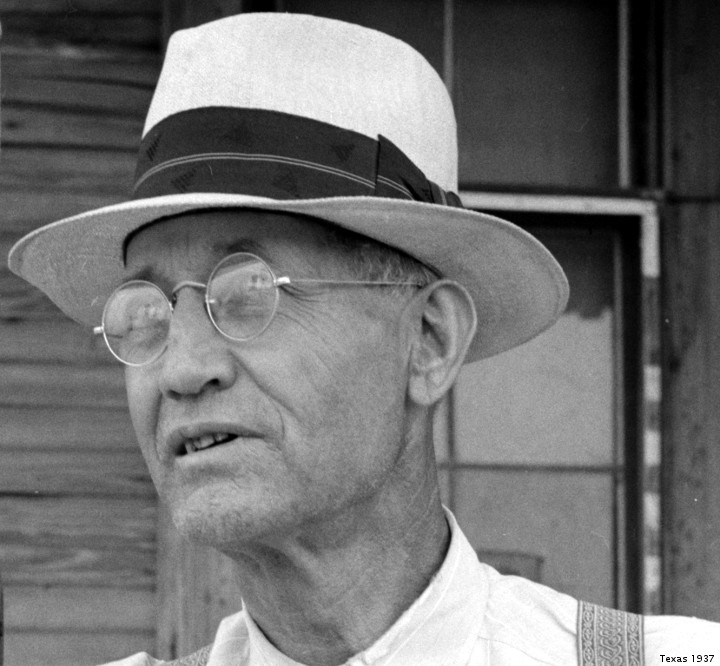
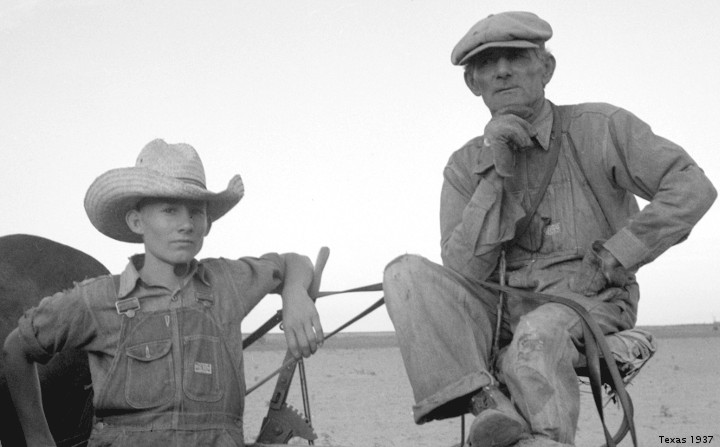
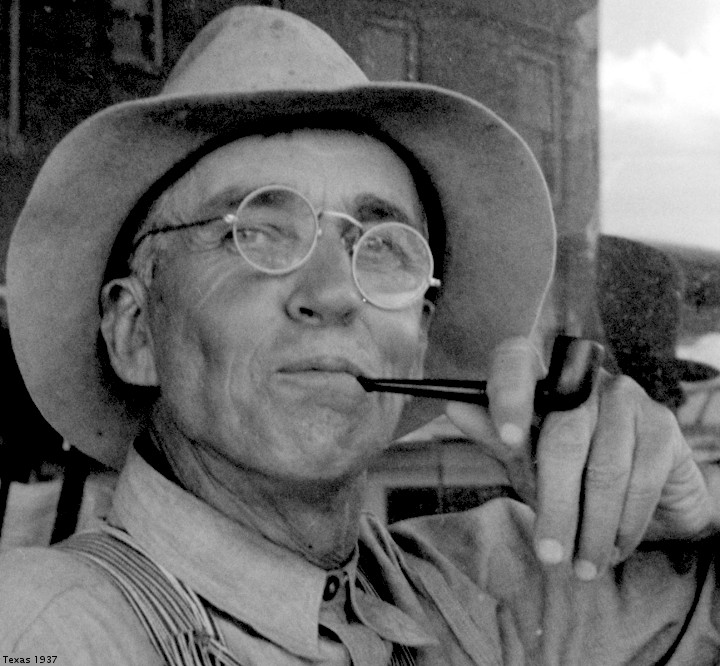
Pictures are from The Library of Congress. Dorothea Lange took the pictures in June 1937, in Texas The spell check suggestion for AMWAC is AMWAY.




Lady Sings The Blues
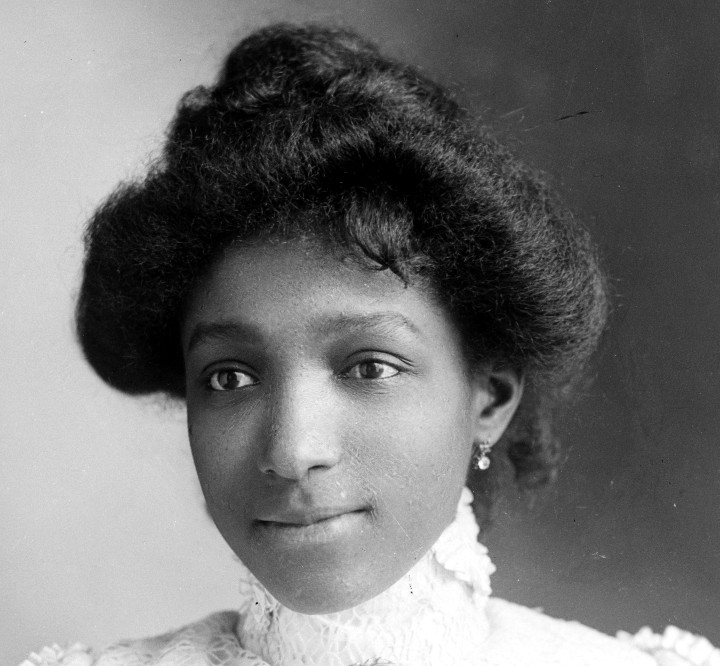
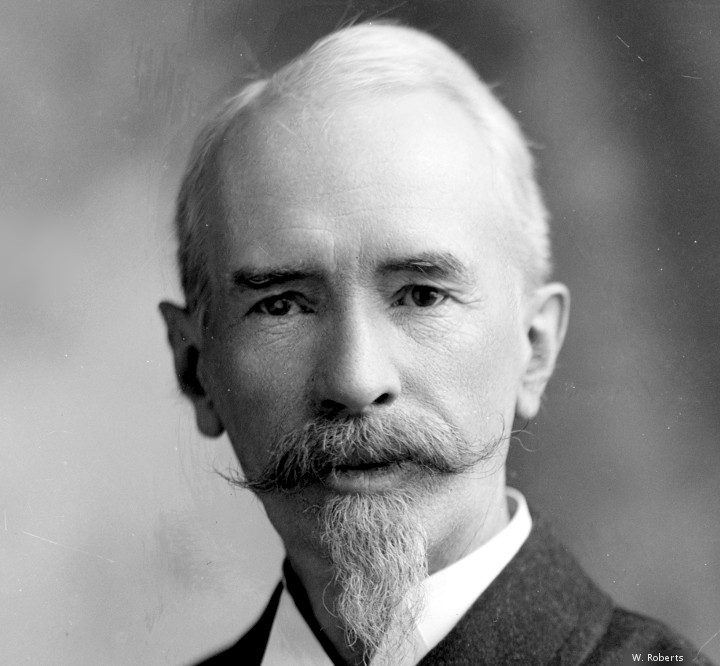
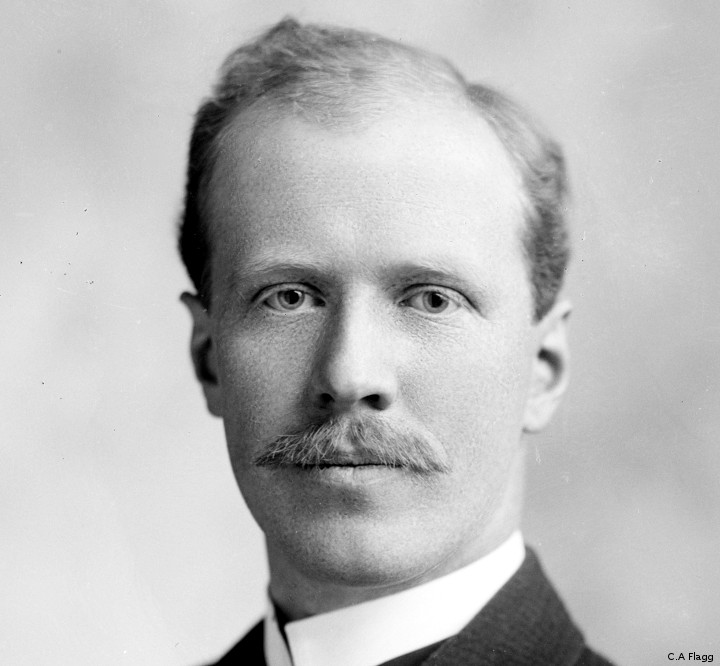

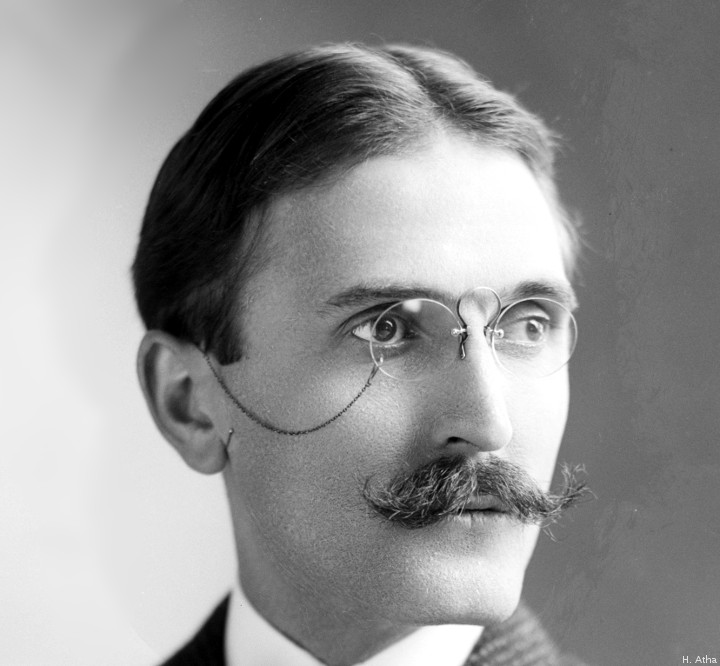
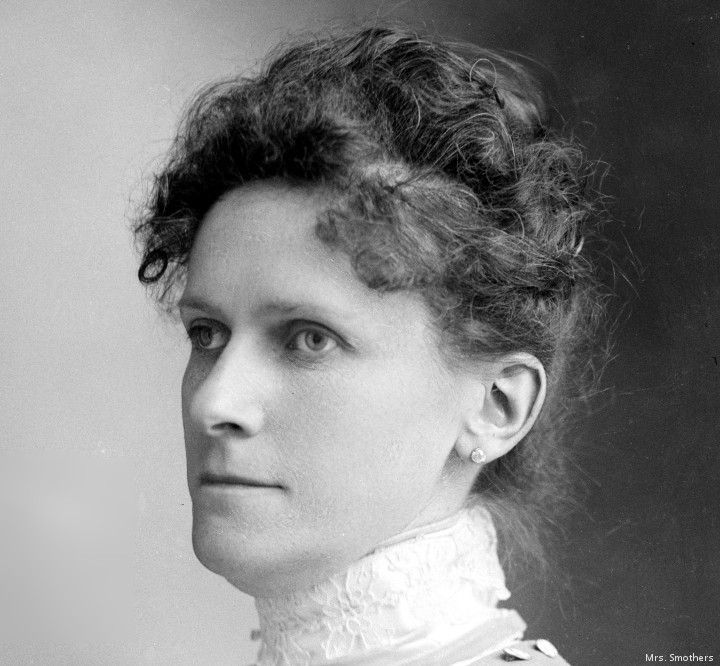

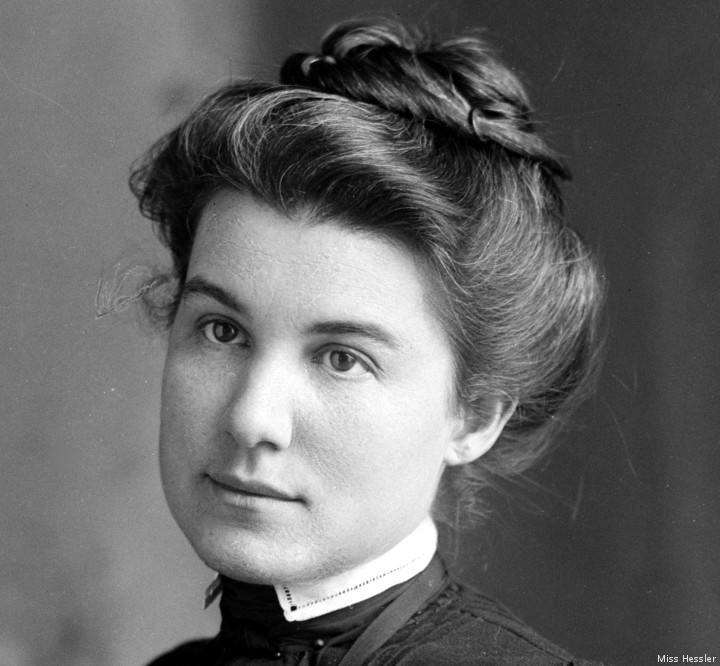
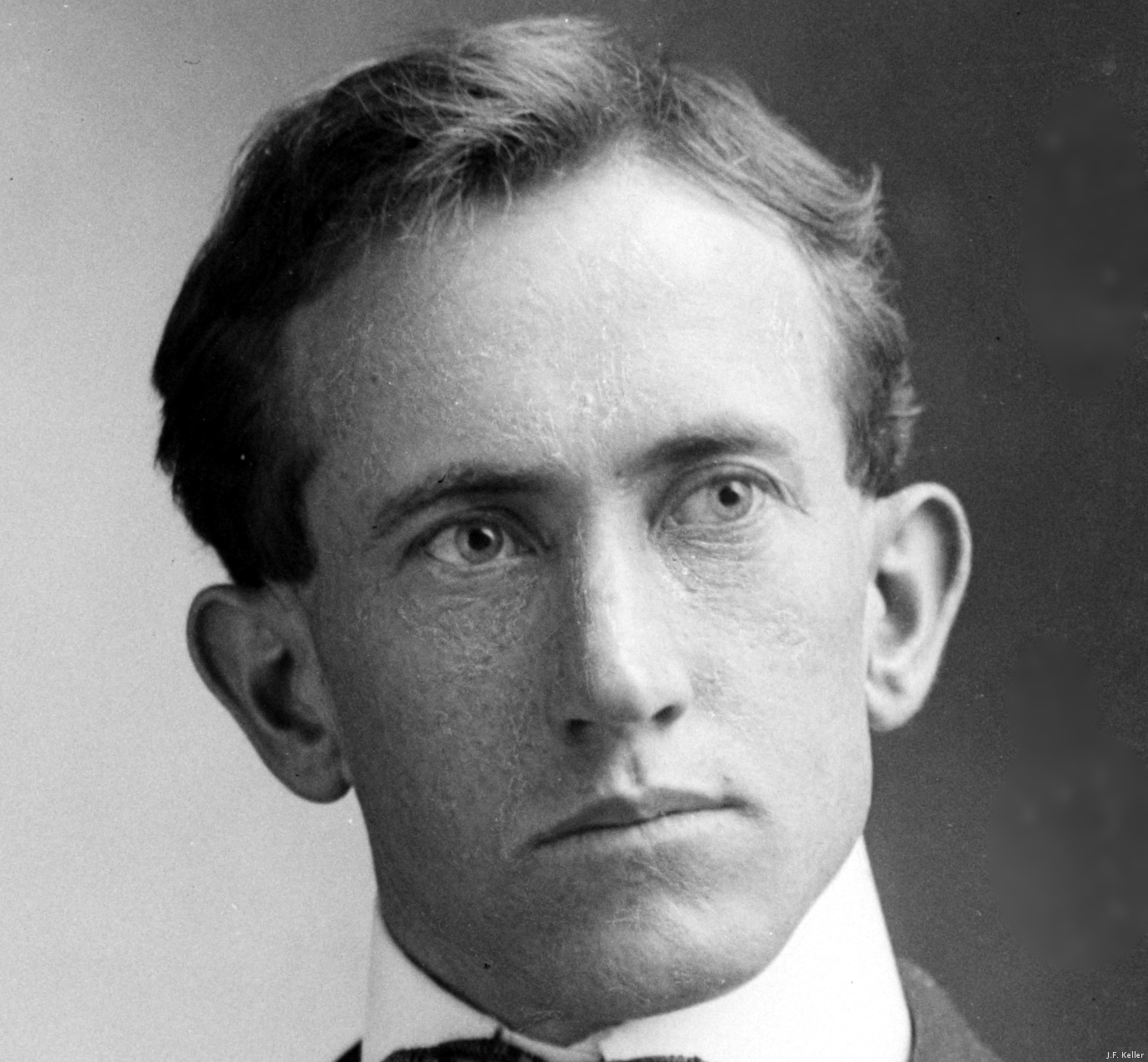
Lady Sings The Blues is the autobiography of Billie Holiday. PG read it in 1978, and pulled it off the shelf recently. The copy he has is was a 1972 paperback, issued in conjunction with the movie. A picture of Diana Ross is on the cover, as well as a price sticker from Woolco. The book sold for $1.25. Pictures today are from The Library of Congress. The spell check suggestion for Woolco is Cool.
William Dufty was the ghost writer. His prose is easy to read, with the story flowing out like a Lester Young solo. The 1956 copyright is assigned to “Eleanora Fagan and William Dufty,” using the birth name of the singer. Mr. Dufty was a newspaper writer. “Dufty had one son, Bevan Dufty, with first wife Maely Bartholomew, who had arrived in New York City during World War II after losing most of her family in the Nazi concentration camps. She settled near Harlem where she met her best friend and Bevan’s godmother, Billie Holiday.”
“Bevan Dufty would agree. He’s one of the childless singer’s two godchildren. … “Holiday said motherf — all the time, in her gravelly elegant way,” recalled Dufty, sitting in his City Hall office. His mother, a Czech Jewish immigrant who loved jazz, was close to many musicians and even managed the unmanageable Charlie Parker for a spell, learned to curse from Holiday. But with a European accent. Much of what Dufty knows of Holiday comes from his late mother, who was married to actor Freddie Bartholomew before her brief marriage to William Dufty, one of her seven husbands. Maely, who took her infant son by train to Philadelphia every day to attend yet another of Holiday’s drug trials, was so distraught by the singer’s death that she dedicated herself to helping recovering addicts. A number of musicians lived at the Duftys’ place while kicking the habit (William and Maely Dufty divorced not long after Holiday’s death, and he later married actress Gloria Swanson, who inspired him to write the book “Sugar Blues” about the dangers of processed sugar).”
Billie Holiday’s bio, ‘Lady Sings the Blues,’ may be full of lies, but it gets at jazz great’s core Autobiographies are, by their nature, self serving. This one has a great opening line… ” “Mom and Pop were just a couple of kids when they got married. He was eighteen, she was sixteen, and I was three.” (“Her parents were never married. When she was born, her mother was 19, her father was 17 and they never lived under the same roof.”) Another source adds: “Some of the material in the book, however, must be taken with a grain of salt. Holiday was in rough shape when she worked with Dufty on the project, and she claimed to have never read the book after it was finished. Around this time, Holiday became involved with Louis McKay. The two were arrested for narcotics in 1956, and they married in Mexico the following year. (March 28, 1957) Like many other men in her life, McKay used Holiday’s name and money to advance himself.”
Louis McKay is at the center of another misunderstanding of facts. The Hunting of Billie Holiday claimed that Mr. McKay narked out Miss Holiday in 1947, and set up her first drug bust. LSTB tells a different story. Here, Miss Holiday meets Mr. McKay very briefly in 1931. Someone was trying to rob Mr. McKay. Miss Holiday said “He’s my old man,” and chased off the robber.
Fast forward twenty five years, and Miss Holiday connects with Mr. McKay. “I hadn’t seen him since I was sixteen and he wasn’t much older and I was singing at the Hotcha in Harlem.” The two were married in 1957. They got busted as LSTB ends. Either Politico is wrong about the 1947 bust, or Miss Holiday did not tell the whole story. Either way, Harry Anslinger is not mentioned in LSTB.
Tallulah Bankhead is another missing piece of the puzzle. Reportedly, Miss Bankhead and Miss Holiday were close friends, and possibly lovers. That was over by the time LSTB was written. “When “Lady Sings the Blues” was being prepared, Miss Bankhead got an advance copy, and was horrified by what she saw. A fierce note was sent to the book’s publisher, and scenes were edited out. Miss Holiday was outraged. The letter that resulted is a poison pen classic. “My maid who was with me at the Strand isn’t dead either. There are plenty of others around who remember how you carried on so you almost got me fired out of the place. And if you want to get shitty, we can make it a big shitty party. We can all get funky together!”
Miss Bankhead does make an appearance in LSTB. On page 117, Miss Holiday is describing playing a maid, in a movie. She was not pleased at the typecasting. “Don’t get me wrong. I’ve got nothing against maids – or whores – whether they’re black or white. My mother was a maid, a good one, one of the greatest. My stepmother is Tallulah Bankhead’s maid right now, and that’s a part I’d even consider when they do her life story.” (Miss Bankhead had her own domestic help problems. In 1951, Evyleen Cronin, Tallulah’s maid and secretary, was accused of stealing $10,000-30,000 from Tallulah during her employment. … The case went to trial (much to Tallulah’s embarrassment) and Cronin was convicted.” Many embarrassing details about Miss Bankhead’s life came to light during this trial. Fanny Holiday, the stepmother, is probably a different person than Evyleen Cronin.)
Whatever it’s factual challenges, Lady Sings the Blues is a powerful book. Miss Holiday had a tough life, to say the least. As the singer for Artie Shaw’s big band, Miss Holiday was an integration pioneer, and every two bit cracker wanted to make trouble. Later, she was addicted to heroin, got busted, served time in prison, only to get out and suffer some more.
Three years after LSTB came out, things went from bad to horrible. “In early 1959 she found out that she had cirrhosis of the liver. The doctor told her to stop drinking, which she did for a short time, but soon returned to heavy drinking. … On May 31, 1959, Holiday was taken to Metropolitan Hospital in New York suffering from liver and heart disease. She was arrested for drug possession as she lay dying, and her hospital room was raided by authorities. Police officers were stationed at the door to her room. Holiday remained under police guard at the hospital until she died from pulmonary edema and heart failure caused by cirrhosis of the liver on July 17, 1959.”

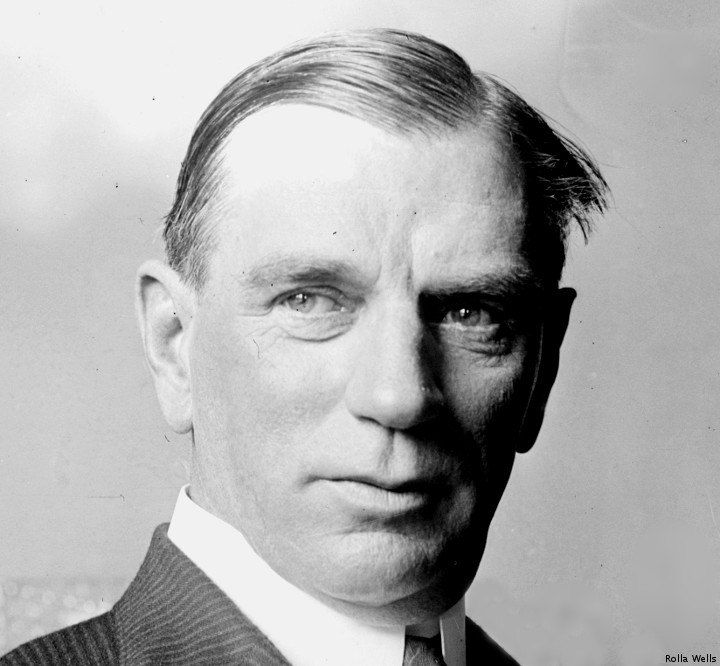
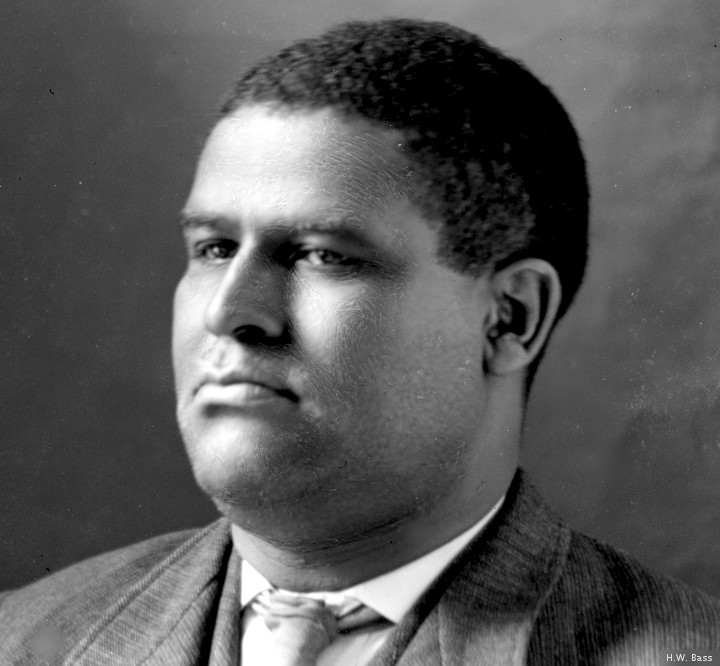
Page 123



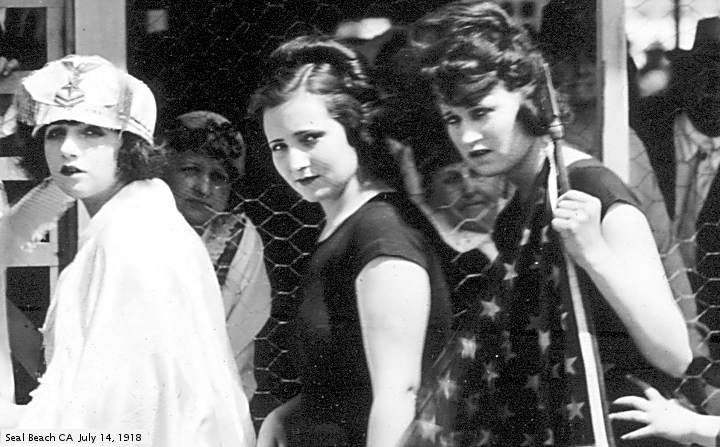


Hank Bukowski is about a butt ugly alcoholic who wrote stuff, and probably would have hated PG, and the poems that PG writes. Hank, better known as Charles Bukowski, did not like poems that rhyme. What better tribute, than to retrofit the old poem into the sonnet format?
henry charles chinaski bukowski ~ would hate my sonnets if he had the chance
coffee drinking open mic poetry ~ in dickhater georgia wearing tight pants
hank still has a racetrack episode ~ bets on number nine horse to hit
with a twenty fished out of the commode ~ after taking a dump on top of it
forever spitting out poems like hot turds ~ on the morning after a beer drunk words
That is only 10 lines. It is four lines short of a sonnet, which might be another way to say someone is crazy. There is plenty of things you can write, for those four lines. PG is going to focus on things that Mr. Bukowski did not like. To facilitate this, PG pulled Tales of Ordinary Madness off the shelf. This is a collection of short stories by the bard. (a word meaning poet, that is uncomfortably close to bastard) If he looks long enough, PG will find that rant about things Mr. Bukowski does not like.
PG wrote about TOOM once. “Hank Chinaski might not like PG. There is the rhyming poetry. There is buying a book of repackaged prose at a yard sale. There is the twenty nine year retirement from alcohol use. This is beside the point.” PG is alive. Hank Chinaski is dead.
The recycled sonnet will not be finished today. In the interest of supplying content to the ungrateful internet. PG is reduced to trolling through his archive. Ten years ago today, he published Page 123. This is a meme, blamed on Amanda Brooks, author of The Internet Escort’s Handbook.
“the rules: look up page 123 in the book that is nearest to you at this very minute, look for the fifth sentence, then post the three sentences that follow that fifth sentence on page 123.” The book we will use is Tales of Ordinary Madness. This copy has a presumed typo on page 138. “Disorded” is not a real word. The spell check suggestions: Discorded, Disorder, Sordid.
“”No, son.” I got through the gate and walked north. As I began to walk, everything began to tighten.” Someone has been caught sleeping in a junk car. It belongs to someone else, who beat up the sleeper with a toy baseball bat. He was back in his home town, Los Angeles.
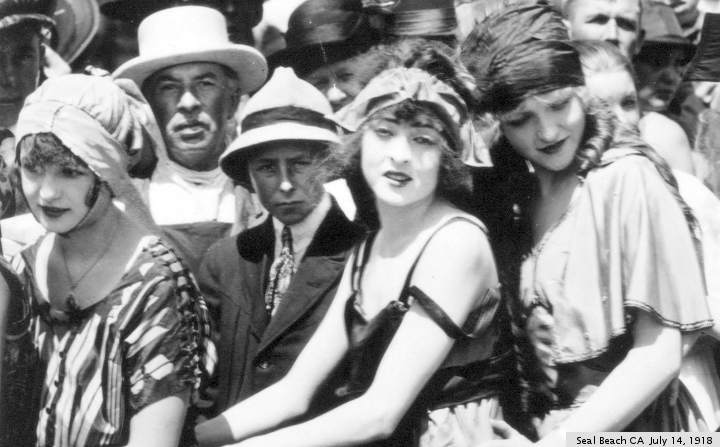
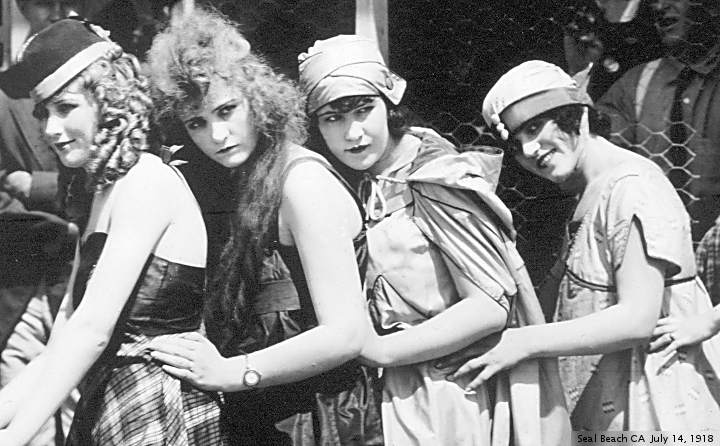
Pictures today are from The Library of Congress. Bath Suit Fashion Parade, Seal Beach, Cal., July 14, 1918, photographed by M.F. Weaver. WISC. Varsity, 1914, was photographed by Bain News Service.








Lost Atlanta





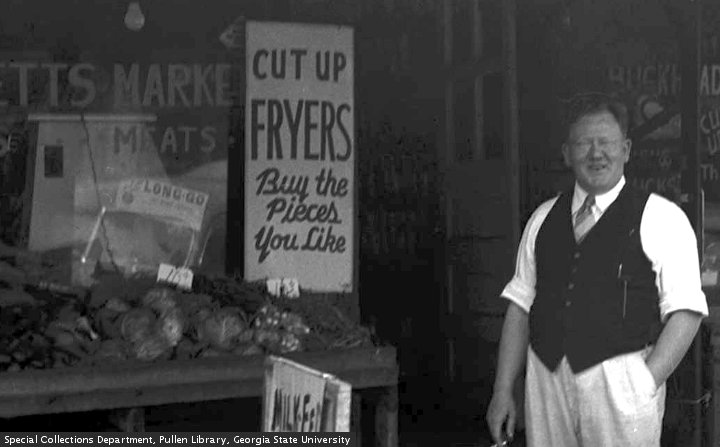
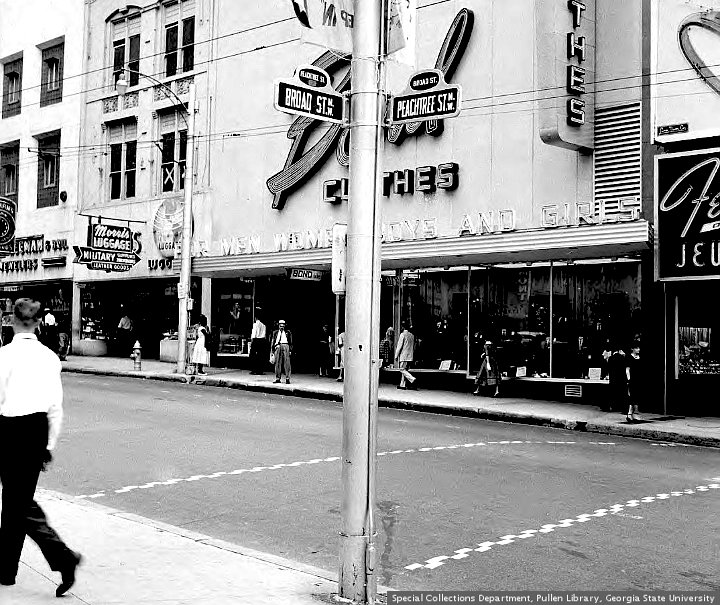
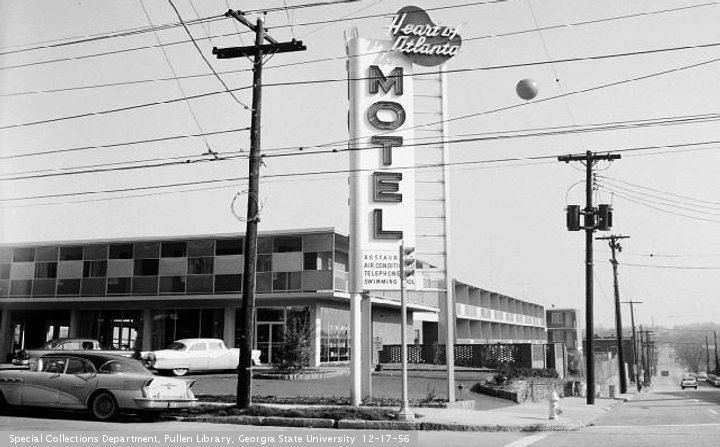
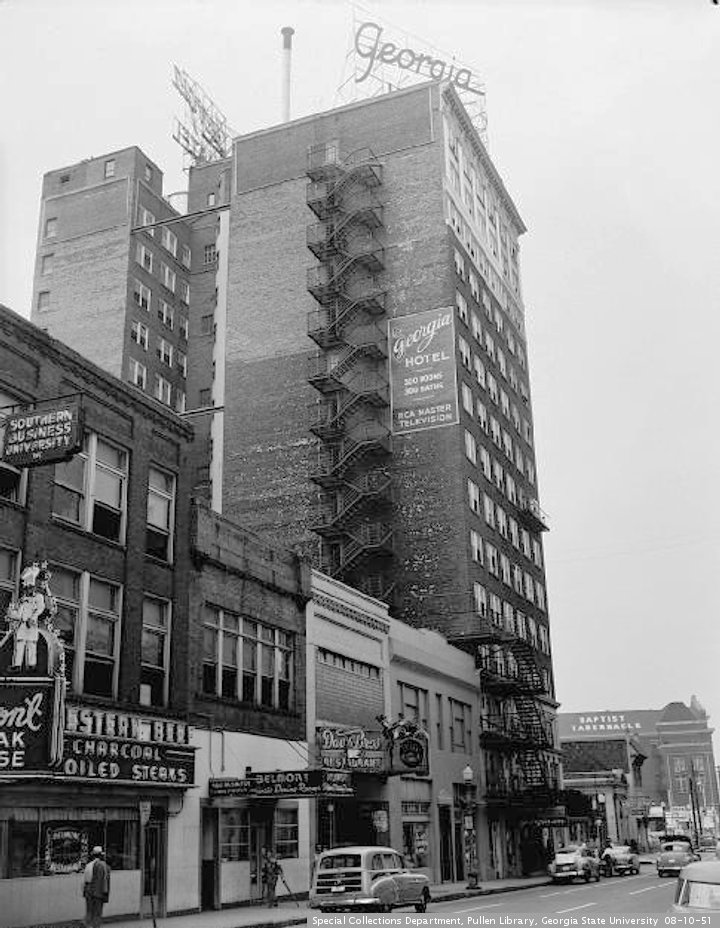
Lost Atlanta is a coffee table book. The content is the buildings, and institutions, that no longer exist. Atlanta has a long love affair with the wrecking ball. General Sherman was a minor player. Pictures for your Wednesday morning entertainment are from “The Special Collections and Archives, Georgia State University Library”. This is a repost.
PG is a native, and knows a few things about the city. While looking through LA, he began to take notes of things he did not know. The names behind the Ferry Roads is one. Plantation owner James Power established Power’s Ferry in 1835. Hardy Pace established his ferry in the 1850s. The fare was 62 cents for a full wagon, 50 cents for an empty wagon, 12 cents for a man and a horse, and 4 cents per head of cattle. The last ferry to cease operations was the Campbellton Ferry, in south Fulton county. The Campbellton Ferry ceased operations in 1958.
Wheat Street Baptist Church is a prominent Atlanta institution. If you look for Wheat Street on google, all you see is Old Wheat Street. It turns out that Wheat Street was renamed Auburn Avenue. “Originally called Wheat Street, the road was renamed in 1893 at the request of white petitioners who believed Auburn Avenue had a more cosmopolitan sound.”
Bald Hill, aka Leggett’s Hill, was leveled in 1958 to make way for the East Expressway, later known as I-20. On July 22, 1864, the Battle of Atlanta was fought there. After the unpleasantness, Frederick Koch bought farm land on the site. His house was at 382 Moreland Avenue. The house was demolished in 1953. South of I-20, 1400 McPherson Avenue has a monument. Maj. Gen. James B. McPherson was killed at that location.
The outfield wall at Ponce De Leon park was covered with advertising. One sign was for Southern Bread. The picture had a “Southern Colonel”… apparently the only type of officer in the CSA … saying “I’d even go North for Southern Bread.” This ad was also painted on the side of a building on Tenth Street, just off Peachtree. The late Jim Henson produced a tv ad for Southern Bread.
Jacobs Drug Store was a prominent chain at one time. It was founded by Joseph Jacobs. Mr. Jacobs had a store in the Norcross building, on Peachtree Street at Marietta Street. In 1886, the soda fountain mixed John Pemberton’s patent medicine with carbonated soda water. The rest is history.
There are a few notes, which do not justify a paragraph. The Governor’s Mansion was at 250 The Prado, in Ansley Park, until a new GM was built on West Paces Ferry road. The Henry Grady hotel did not have a thirteenth floor, but went from 12 to 14. This did not stop the building from being demolished, to make way for the Peachtree Plaza hotel.
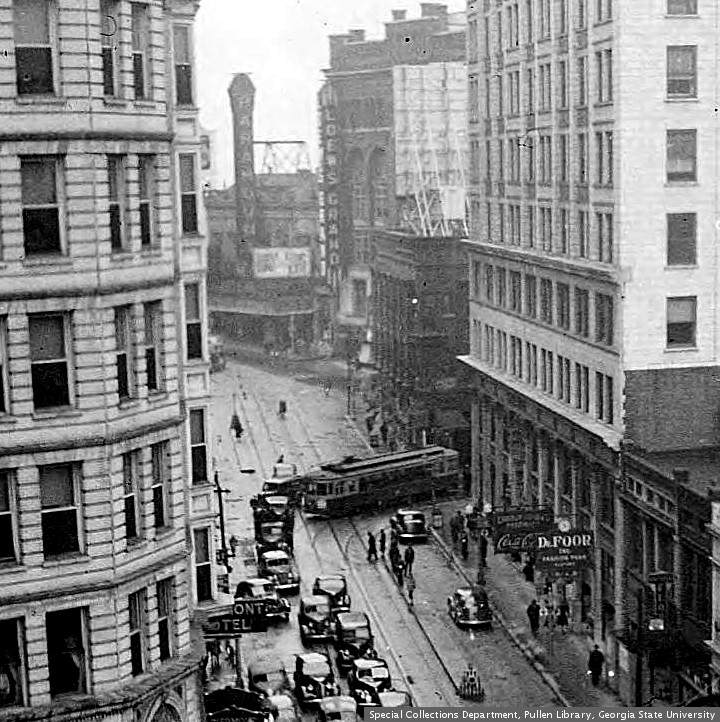
When Laurent DeGive built his grand opera house at Peachtree and Houston (Now JW Dobbs,) people were horrified. The central business district was south of five points. The area north, where the opera house went up, was residential. In 1932, the opera house was renovated, and opened as the Loew’s Grand. In 1939, it hosted the world premiere of “Gone With The Wind.” On the other side of Houston Street was the Paramount Theater, and across Peachtree was the Coca Cola sign. The GP building occupies the site today.





Further Tales of the City





PG finally read Further Tales of the City. The yard sale casualty, read after sitting on a bookshelf for years, was the third volume in the Armistead Maupin series. PG has written about other TOTC books recently: Whales of the city, More Tales Of The City
FTOTC is not a documentary, even if one of the characters is a doctor. (Documentary is where u are between the doc and the men.) The gynecologist, Jon Fielding, is reunited with Michael Tolliver, the centerpiece queen of the TOTC. Dr. Fielding will die of AIDS between book three and book four. FTOTC is set in 1981, when the rumors got too loud to dismiss.
Another 1981 moment involves a movie star, known only as ____ _____ . He appears throughout FTOTC. After his engagement to Gomer Pyle was off, ____ _____ shacked up with Ned Lockwood. After that bit the dust, Ned moved to San Francisco, and became pals with Michael Tolliver. ____ _____ invites the bois to a Hollywood party, where Michael gets to know ____ _____ .
A book report should mention the plot. DeDe Day returns from Jonestown, and Mary Ann Singleton is hired to tell the story. … One chapter is titled “Dede Day’s D-Day” … This is starting to be too much work. If you want to hear the story, read the book. There may be a tv show about it, if you prefer to consume story product that way.
Maybe we can just document the beginning, and the end. In the first chapter, Anna Madrigal, the landlady for many TOTC players, is luxuriating in the glory of a San Francisco spring. At the end, a society columnist leaves a shack in the park. She looks up to see a policeman, and a priest, coming out of the bushes. All four have sheepish looks.
One Star Reviews are essential to online book reports. Not worth the time. Zero stars By Kindle Customer There is nothing redeeming or enlightening in this book. It is a sad commentary on a lifestyle that creates so many problems, and in a lot of cases, ultimately sadness. I bought this book by mistake and felt compelled to read it because I bought it. For me, it was a complete waste of time. ! 1.0 out of 5 starsAbysmal By Pauline Butcher Bird If literature is one end of the scale, then whatever is the other end, this is it. A group of cardboard characters intermix in 1970s San Francisco. They have no lives but to eat, drink, have sex and take drugs together. Page after page of dreary dialogue that is easily skipped through. My book group’s choice, but even with that demand, I gave up after 40 per cent. If anyone can tell me it gets better after that, I’d like to know.
Armistead Maupin, the author of FTOTC, and possible model for Michael Tolliver, has moved from writing fiction about made up characters to autobiography. With fiction, you know it is all made up. The memoir, Logical Family, is readily available. One day, PG will find it at the library.
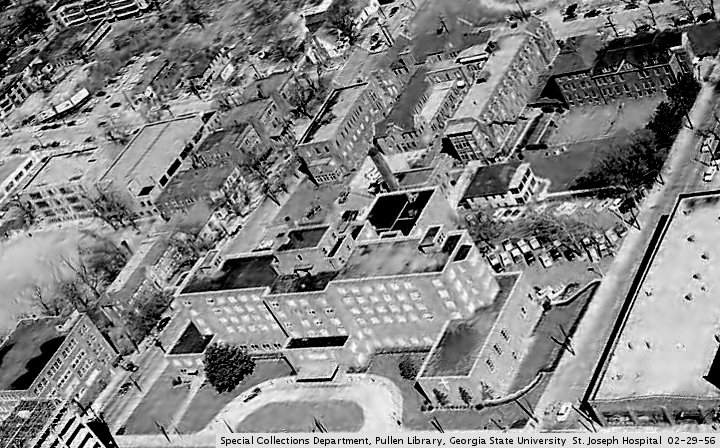
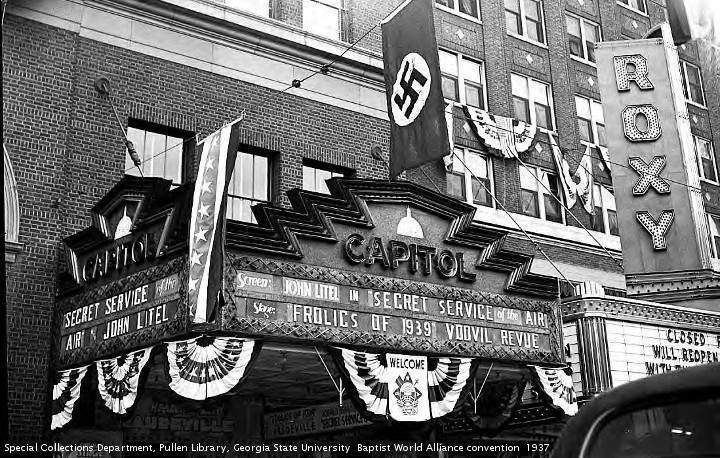
Logical Family: An Evening with Armistead Maupin is a recent rado show. Mr. Maupin “reads from his funny, poignant and unflinchingly honest memoir, in the company of the BBC Symphony Orchestra.” The first five minutes are special. The author makes a dramatic statement, and the orchestra kicks in with “Overture to Gone With The Wind.” You have to hear it for yourself. Pictures today are from “The Special Collections and Archives, Georgia State University Library”.





Milo Gets Edited
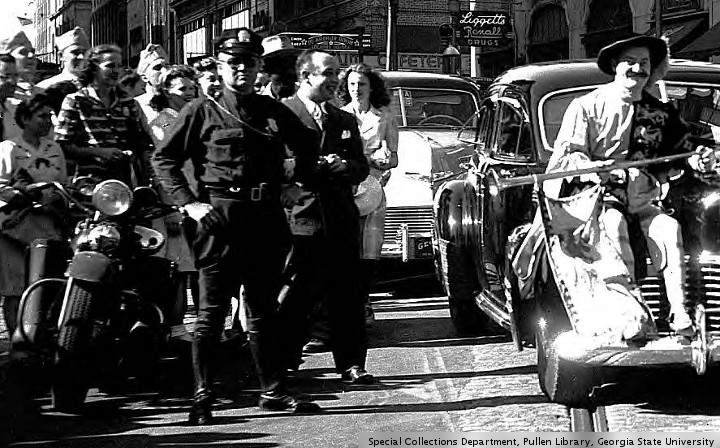
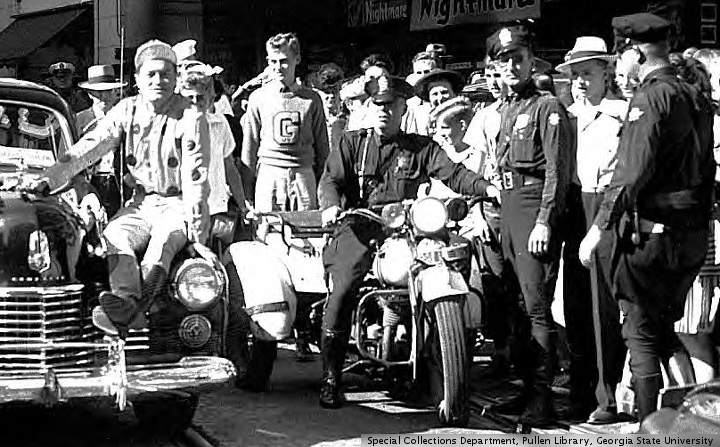
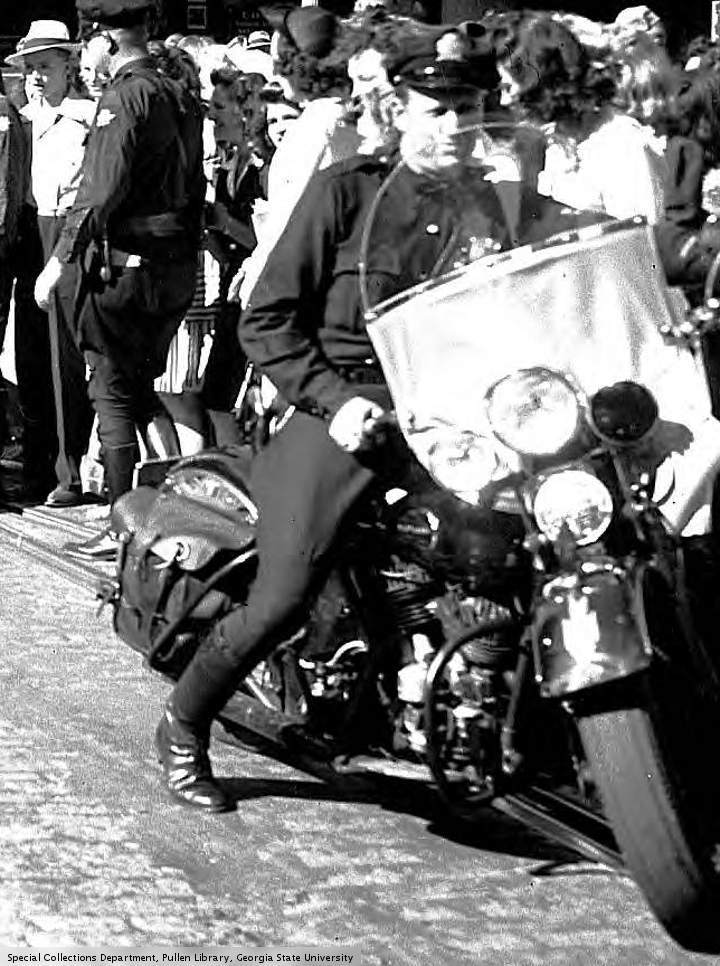






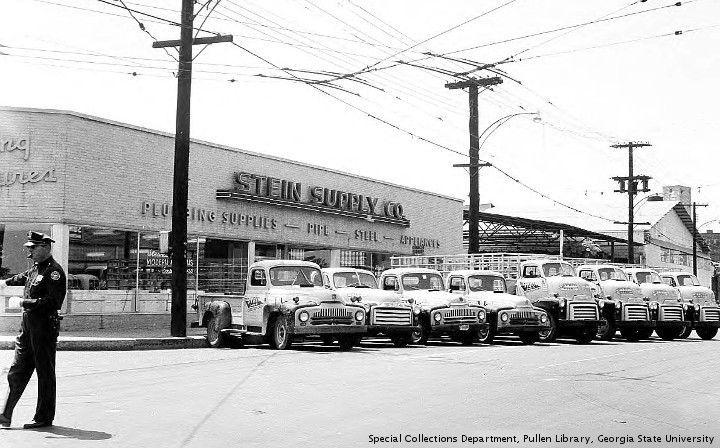
Milo Yiannopoulos is getting attention again. It seems as though the the editor’s notes for his book have been leaked to the press. Many of the comments are unkind. If you have ever wanted to see bad writing dissected and disembowled, this is the time. PuffHo, which knows a thing or two about recycling free product, has a helpful list of some of the zingers. “No need to drag the lesbians into this!” “Three unfunny jokes in a row. DELETE.” “This is definitely not the place for more of your narcissism.” “So much inappropriate humor is irritating.” “Can you really prove a causality between [Black Lives Matter] and crime rate?” “DELETE UGH.” “Too much ego.”
Two things should be noted. Milo did not actually write Dangerous. Miloproduct is produced by a crew of interns. One of these drones got in trouble: Milo Yiannopoulos Speaks Out About ‘Bonkers’ Former Intern Arrested for Murdering Dad. Nobody seems to know who gets the copyright credit, or blame, for Dangerous. It might be a good trivia question.
@DALIAMALEK “Simon & Schuster: We were ready to give Milo’s perfectly acceptable racism a voice, but it was poorly written & structured Twitter: Look at the witty editor that worked to normalize white supremacy slaaayyy” Some people think Milo’s book was cancelled for moral reasons, like being politically incorrect or badly written. Actually, the deal was trashed after Milo opened his mouth once too often, and became too controversial.
Simon & Schuster is not opposed to selling bad books to make money. In 1981, S&S published HOW TO STAND UP FOR YOUR RIGHTS— AND WIN! This tome was written by Roy Cohn, who probably would have thought Milo was too old. The NYT review notes “Despite his reputation as a playboy bachelor, Mr. Cohn believes that a marriage should be ”kept intact” if there are children.”
Chamblee54 has written about whatshisname one two three four five six seven times. The pictures are usually better than the text. In one episode, Bill Maher said “Stop looking at the distractions and the clown show and look at what matters.” Then, without a trace of embarassment, Mr. Maher introduced Milo, who is both distraction and clown show.
The first time chamblee54 wrote about Milo had a prophetic quote. “This is the first time many have heard of Milo Yiannopoulos. Unfortunately, it probably will not be the last. He authored a piece at Breitbart, where he said “Trump’s critics have accused him of being over-the-top in his response. Surely, say his critics, insulting a rival’s wife for being too ugly is simply crass, classless, and rude. I agree. It’s all of those things. But that’s a good thing. … In the process, he’s certainly lowering the tone — but it badly needs to be lowered. Only by totally ignoring people’s feelings can we end the left’s culture of grievance, offense, and victimhood. …”
@FrankConniff “The editor’s comments on Milo Yiannopoulos’ manuscript were harsh, but if Milo had been willing to take constructive criticism, the result could have been a whimsically racist book that everybody loved.” Many of the naysayers are calling Milo, and his product, racist. This is a reflex action to many SJW, who seldom miss an opportunity to scream racism. The ironic thing is that Milo talks loudly, and often, about his fondness for black men. (Those who talk the most do the least.) On page 96, Milo says “”I love black people. Indeed, I love black people so much that my Grindr profile once said “No Whites.” I’d considered “Coloreds Only Served in Rear,” but that was a little too edgy, and Grindr once deleted my profile once for writing: “Don’t contact me if you’re under seven inches or you know who your dad is.”
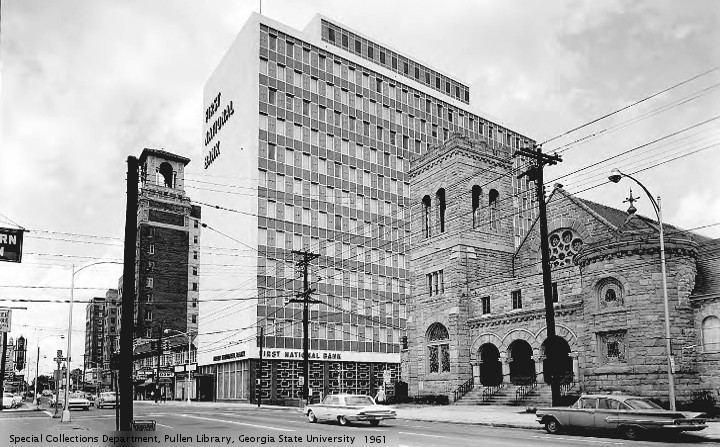
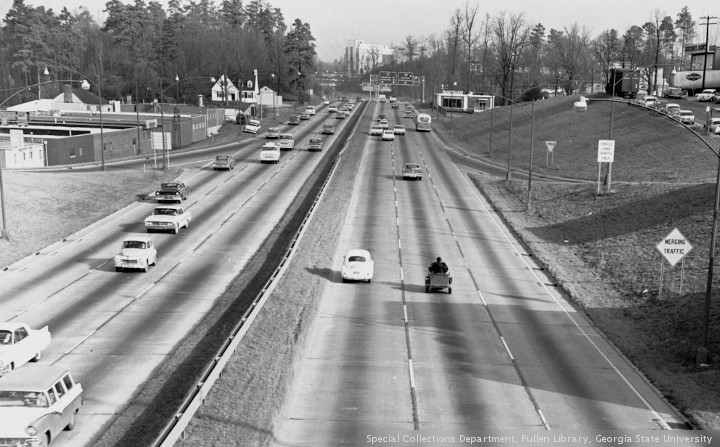
Hopefully, Milo’s fifteen minutes will be over soon. There will always someone else to call racist. Pictures today are from “The Special Collections and Archives, Georgia State University Library”.






Hollywood Babylon



PG recently read Hollywood Babylon: The Legendary Underground Classic of Hollywood’s Darkest and Best Kept Secrets. It was the second time read the book. A yard sale last summer had a deluxe edition on sale. The man asked PG how much he thought it should cost. “If you are going by the amount of truth in it, the price should be a nickel.” In a fit of synchronicity, PG was on his way to a party, “A Midsummer Night’s Dream”. This is a repost.
HB is highly entertaining, despite those troubling concerns about the facts. The cover has an NSFW picture of Jayne Mansfield, where the top of her dress serves as a display case for her boobies. HB goes all TMI about the death of Miss Mansfield, but it is a model of good taste compared to Find a death. The *bottom line* is that Jayne Mansfield was not decapitated in that auto accident.
While asking Mr. Google whose jugs adorned the cover of HB, this article came up: Satan and Mummified Psychics: A Kenneth Anger Marathon at Sweat Records Tonight. Someone with too much free time was promoting an evening of the short films of Kenneth Anger. Mr. Anger, born Kenneth Wilbur Anglemyer, has the copyright credit for HB. PG suspects that other scribes helped out. In some parts, the prose is purpler than in others. Of course, when writing about Hollywood, it is fitting that a committee produced a book filled with lies.
The Miami story disputes the notion that Kenneth Anger was a child star. “Almost exactly 83 years, 7 months, and 21 days ago, a little boy named Anger was born in Santa Monica, California. (Actually, the kid’s birth name was Kenneth Wilbur Anglemyer.) He attended a school for child stars, did dance steps with Shirley Temple, and minced about as the changeling prince in the 1935 Warner Bros. movie version of A Midsummer Night’s Dream. But all that might be bullshit. There’s not much documentation of Anger’s alleged child star days. The one legit source that seems to corroborate the claim is Mickey Rooney. He played Puck in A Midsummer Night’s Dream and he says Anger’s mommy dressed him up as the girl named “Sheila Brown” who officially played the Changeling Prince.”
A website called Vice.com managed to snag an interview with Kenneth Anger. The introduction has this story. “He went on to recount the time Kenneth showed up at fellow director and mutual friend Curtis Harrington’s funeral at the Hollywood Forever Cemetery wearing a black raincoat, eyeliner, and fingernail polish. His shirt was opened to his navel, revealing the giant lucifer tattoo emblazoned across his chest, and he was accompanied by a boyish photographer who took pictures as Kenneth kissed Curtis’s corpse before its cremation. Before he was ejected from the premises, Kenneth handed John a small plastic vampire figurine that contained mint candies inside, clarifying its original use by saying, “It’s actually a dispenser for tickle-ribbed rubbers.”
The interview had a few high moments. VICE But it did attract the attention of sexologist Alfred Kinsey, whom you befriended. Did he encourage your work?
KA Yes. Kinsey was doing interviews for his book Sexual Behavior in the Human Male, and I don’t know… What if you are not human? The title is kind of awkward, but that was what he called his research book. He was basically a biologist, an expert on wasps, of all things. When he came to LA to do interviews, I met him. He came to see Fireworks at the Coronet Theatre at a midnight showing, and he wanted to buy a print for his collection at Indiana University. I agreed, and that was the first copy I ever sold. But I remained good friends with him until the end of his life.
VICE Do you have a favorite star from this era?
KA I love the career of Rudolph Valentino, who died at 31 and had an amazing trajectory in that short time. His life continues to fascinate me.
VICE Do you continue to find new information?
KA I have plenty of information on him. There are facts, and then there is gossip. I go for the facts, but I will listen to the gossip. [smiles]
VICE Your willingness to sift through the gossip was a point of contention with some people when Hollywood Babylon was published, especially after its second printing. Some have accused you of muckraking, and others have even gone further and claim that it contains factual inaccuracies.
KA Well, I’ve never been sued…
VICE In other words, your detractors can’t prove it.
KA No one ever came up to me and said, “Well, you made the whole thing up.” Because I didn’t.
HB is a fun book, with great pictures. The stories are mostly lies, but this is Hollywood we are talking about. With its continued popularity, there will be plenty of copies at yard sales and used book stores.
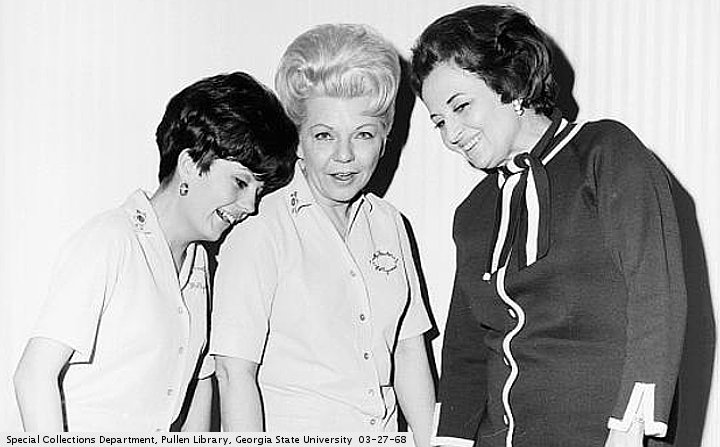
Pictures are from “The Special Collections and Archives, Georgia State University Library”.
This feature presentation was written like Kurt Vonnegut.


 Chamblee54
leave a comment