Flannery O’Connor


With one day before it was due, PG finished reading Flannery: A Life of Flannery O’Connor , by Brad Gooch. The author is a professor of English at William Patterson University in New Jersey. He spares no citations, to show where he gets his information. This is a repost.
Chamblee54 has written before about Miss O’Connor , and repeated the post a year later. There is a radio broadcast of a Flannery O’Connor lecture. (The Georgia accent of Miss O’Connor is much commented on in the book. To PG, it is just another lady speaking.)
Mary Flannery O’Connor was born March 25, 1925 in Savannah GA. The local legend is that she was conceived in the shadow of St. John the Baptist Cathedral, a massive facility on Lafayette Square. Her family did leave nearby, and her first school was just a few steps away. This is also a metaphor for the role of the Catholic Church in her life. Mary Flannery was intensely Catholic, and immersed in the scholarship of the church. This learning was a large part of her life. How she got from daily mass, to writing stories about Southern Grotesque, is one mystery at the heart of Flannery O’Connor.
Ed O’Connor doted on his daughter, but had to take a job in Atlanta to earn a living. His wife Regina and daughter Mary Flannery moved with him, to a house behind Christ The King Cathedral. Mr. O’Connor’s health was already fading, and Mother and Daughter moved in with family in Milledgeville. Ed O’Connor died, of Lupus Erythematosus, on February 1, 1941.
Mary Flannery went to college in Milledgeville, and on to the Iowa Writer’s Workshop. She dealt with cold weather, went to Mass every day, and wrote. She was invited to live at an artists colony called Yaddo, in upstate New York. She lived for a while with Robert and Sally Fitzgerald in Connecticut, all while working on her first novel, “Wise Blood”. In 1950, she was going home to Milledgeville for Christmas, and had been feeling poorly. She went to the hometown doctor, who thought at first that the problem was rheumatoid arthritis. The illness of Flannery O’Connor was Lupus Erythematosus.
Miss O’Connor spent much of that winter in hospitals, until drugs were found that could help. She moved, with her mother, to a family farm outside Milledgeville, which she renamed Andalusia. She entered a phase of her life, with the Lupus in relative remission, and the drugs firing her creative fires, where she wrote the short stories that made her famous.
Another thing happened when she was recuperating. Flannery was reading the Florida “Market Bulletin”, and saw an ad for “peafowl”, at sixty five dollars a pair. She ordered a pair, and they soon arrived via Railway Express. This was the start of the peacocks at Andalusia, a part of the legend.
During this period of farm life and writing, Flannery had several friends and correspondents. There was the “Bible Salesmen”, Erik Langkjaer, who was probably the closest thing Flannery had to a boyfriend. Another was Betty Hester, who exchanged hundreds of letters with Miss O’Connor. This took place under the stern eye of Regina O’Connor, the no nonsense mother-caregiver of Flannery. (Mr. Gooch says that Betty Hester committed suicide in 1998. That would be consistent with PG stumbling onto an estate sale of Miss Hester in that time frame.)
The book of short stories came out, and Flannery O’Connor became famous. She was also dependent on crutches, and living with a stern mother. There were lectures out of town, and a few diverse personalities who became her friends. She went to Mass every day, and collected books by Catholic scholars. Flannery was excited by the changes in the church started by Pope John XXIII, and in some ways could be considered a liberal. (She supported Civil Rights, in severe contrast to her mother.)
In 1958, Flannery O’Connor went to Europe, including a trip to the Springs at Lourdes. Her cousin Katie Semmes (the daughter of Captain John Flannery, CSA) pushed Flannery hard to go to the springs, to see if it would help the Lupus. Flannery was reluctant…” I am one of those people who could die for his religion sooner than take a bath for it“. When the day for the visit came, Flannery took a token dip in the waters. Her condition did improve, briefly. (It is worth speculating here about the nature of Flannery’s belief, which was apparently more intellectual than emotional. Could it be that, if she was more persuaded by the mystical, emotional side of the church, and taken the healing waters more seriously, that she might have been cured?)
At some point in this story, her second novel came out, and the illness blossomed. Much of 1964 was spent in hospitals, and she got worse and worse. On August 3, 1964, Mary Flannery O’Connor died,


PG remembers the first time the name Flannery O’Connor sank in. He was visiting some friends, in a little house across from the federal prison.
Rick(?) was the buddy of a character known as Harry Bowers. PG was never sure what Harry’s real name was. One night, Rick was talking about Southern Gothic writers, and he said that Flannery O’Connor was just plain weird. ”Who else would have a bible salesman show up at a farm, take the girl up into a hayloft, unscrew her wooden leg and leave her there? Weird.”
Flannery O’Connor was recently the subject of a biography written by Brad Gooch. The book is getting a bit of publicity. Apparently, the Milledgeville resident was a piece of work.
PG read some reviews of this biography, and found a collection of short stories at the library. The book included ” Good Country People”, the tale about the bible salesman. Apparently, this story was inspired by a real life incident. (Miss O’Connor had lupus the last fifteen years of her life. She used crutches.) And yes, it is weird. Not like hollywood , but in the way of rural Georgia.
Some of the reviews try to deal with her attitudes about Black people. On a certain level, she is a racist. She uses the n word freely, and her black characters are not inspiring people. The thing is, the white characters are hardly any better, and in some cases much worse.
The stories are well crafted, with vivid descriptions of people and places. The reader floats along with the flow of the story, until he realizes that Grandma has made a mistake on a road trip. The house she got her son to look for is in Tennessee, not Georgia. She makes him drive the family car into a ditch. Some drifting killers come by. Grandma asks one if he prays, while his partner is shooting her grandchildren. Weird.
In another story, a drifter happens upon a pair of women in the country. The daughter is thirty years old, is deaf, and has never spoken a word. The drifter teaches her to say bird and sugarpie. The mother gives him fifteen dollars for a honeymoon, if he will marry her. He takes the fifteen dollars and leaves her asleep in a roadside diner.
There was a yard sale one Saturday afternoon. It was in a house off Lavista Road, between Briarcliff and Cheshire Bridge. The house had apparently not been painted in the last forty years. Thousands and thousands of paperback books were on the shelves. The lady taking the money said that the lady who lived there was the friend, and correspondent of, the “Milledgeville writer” Flannery O’Connor. This is apparently Betty Hester, who is mentioned in many of the biography reviews.
PG told the estate sale lady that she should be careful how she said that. There used to be a large mental hospital in Milledgeville, and the name is synonymous in Georgia with mental illness. The estate sale lady had never heard that.
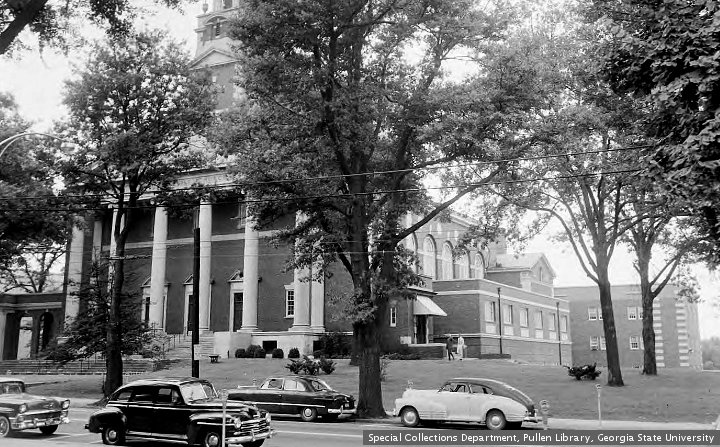
This is a repost. Pictures are from “The Special Collections and Archives, Georgia State University Library”. It was written like James Joyce. An earlier edition of this post had comments.
Fr. J. December 10, 2009 at 3:00 pm I am glad you take an interest in Flannery, but to say baldly that she is a racist is to very much misunderstand her. For another view on Flannery and race, you might want to read her short story, “Everything that Rises Must Converge.”
chamblee54 December 10, 2009 at 3:17 pm “On a certain level, she is a racist.” That is not the same as “baldly” labeling her a racist. (And I have a full head of hair, thank you). As a native Georgian, I am aware of the many layers of nuance in race relations. I feel that the paragraph on race in the above feature is accurate.



More Tales Of The City



Whales of the city is about books four and six of the Tales of the City series. In this report, PG notes that he has yard sale copies of books two and three, but does not know if he read them. He soon learned that he had not read those two books. Significant Others, book five, is the one that PG read, found in the library eleven years later, and read again.
More Tales Of The City, book two of TOTC, is the subject of today’s book report. It begins with Micheal Tolliver’s Valentines Day Resolutions for 1977. “3. I will stop expecting to meet Jan-Michael Vincent at the tubs. 4. I will inhale poppers only through the mouth.” Cruise ship people wonder why Michael wore a T shirt advertising Crisco.
MTOTC occupies a totally different world from the 1988 scenery of Sure of You, book six. Consuming these stories out of sequence can lead to some head scratching. Either Armistead Maupin could see the future, and had a perverted sense of humor, or synchronicity is real. SPOILER ALERT Things in various parts of TOTC will be discussed below. If you are spoiler sensitive, you can just skip over the text, and look at the pictures. These images are courtesy of The Library of Congress.
The end of MTOTC shows Michael Tolliver and Mary Ann Singleton bemoaning the departure of Burke Andrew. Mary Ann met Burke on a cruise ship. They had their moment, and Burke got a job in New York. Micheal goes back to his southern queen roots, and quotes Scarlett O’Hara… tomorrow is another day. Fast forward four books/eleven years. Burke is a married New York hotshot. He gets Mary Ann to leave San Francisco, finally, and move on to national stardom in the Big Apple.
86 is an expression meaning get out of here. On page 86 of MTOTC, we see this 1977 comment: “There are – and this is conservatively speaking – one hundred and twenty thousand practicing homosexuals within the city limits of San Francisco. … Those one hundred and twenty thousand homosexuals are going to grow old together, Arch. ….Think of it! The first gay nursing home in the history of the world!” The Arch mentioned in this sales pitch is Archibald Anson Gidde. He will die in book six. The obituary will use a euphemism.
A lot of those 120K P.H. were going to die between book two and book six. One of them is Dr. Jon Fielding, an on-and-off bf of Michael Tolliver. The two re-connect on the same cruise ship that facilitated Mary Ann’s romance. On page 109, Michael is fantasizing about having a decadent funeral. Jon listens appreciatively, then says “Don’t die, O.K.? Not until I’m through with you.” In less than five years, Jon will be through with Micheal, and everything else.
MTOTC is a fun book. It is not a documentary. A few of the plot twists will stretch your credibility. It is escapism, and is set in a more innocent era… back when things were still fun. Before we go, we need a couple of one star comments. Robert S. Marrinon “While Tales of the City had redeeming love and touching stories, “More Tales of the City” was simply filthy. I can see why it sold for one cent.” Rozanne “I can’t believe I read another book by this guy. He’s pretty awful.”


Whales Of The City






The plot lines in “Tales of the City” can be tough to figure out. The books have been *coming out* since 1978, which is several lifetimes ago. PG read the first installment, Tales of the City, sometime in the eighties, thought it was fun, and went on about his way. At some point, PG got copies of More Tales of the City and Further Tales of the City, but is not sure if he read them. Significant Others turned up at a yard sale. PG remembers the step grandson rescuing the step grandpa at a radical women’s retreat. Good clean fun.
Babycakes and Sure of You, the last two books of the original series, will be discussed today. It can be tough to make sense of the plot. Michael Tolliver goes from the “Whore of Babylon” to model HIV+ citizen. Mary Ann goes from the naive Ohio girl to a popular TV personality. Mrs. Madrigal is Mrs. Madrigal, and San Francisco is San Francisco.
PG found Babycakes in a box of free books at a faerie gathering. Merry part, merry meat again. BC is set early in the Reagan Presidency. Michael’s bf, Jon, died of AIDS in 1982. Michael goes to England, and runs into an old friend, Mona. It is a complicated, and tough to believe, story. You have to put away your skepticism, and go with the story. It is a good story, and fun to read. This is why PG reads.
Sure of You was the last book of the original series that PG was sure he had not read. The library had it. SOY is set in 1988, and this is a key part of the story. AIDS is running wild. Michael has a pill box with a beeper. Everywhere you turn, men are dead and dying. PG lived his version of 1988 in Georgia.
There were some interviews with Armistead Maupin during this era. He is very angry, and into outing celebrities. The name Tom Selleck was prominently mentioned. This anger shows up in SOY. Michael goes to a black tie reception with Mary Ann. A famous designer, who might be Calvin Klein, hits on Michael. There is an angry lecture about being in the closet. The improbability of Calvin Klein hitting on a plant store owner is not mentioned.
On page 107, the designer’s wife says something to Mary Ann about Ivana Trump. The TV personality wants to know what Mrs. Trump is like in real life. Thirty years later, Ivana Trump is the ex wife/kidsmomma of the President of the United States. Maybe those plots were not as far fetched as what really happens. Pictures today are from The Library of Congress.





She Always Carries Jonquils




PG found Archival Atlanta: Electric Street Dummies, the Great Stonehenge Explosion, Nerve Tonics, and Bovine Laws : Forgotten Facts and Well-Kept Secrets from Our City’s Past at the Chamblee library. There are always more stories to be heard. This repost has pictures from “The Special Collections and Archives, Georgia State University Library”. It is written like Margaret Mitchell.
In the 1840s, the Western and Atlantic railroad wanted to hook up with the Central of Georgia railroad. The spot for the meeting was called Terminus. One idea was to name the town for William Lumpkin, a former Georgia Governor and a railroad executive. Lumpkinville sounded bad in the mouth, and the new town was named “Marthasville”, after the daughter of the Governor. (Martha is buried in Oakland Cemetery.) Few people liked this name, and someone decided that the feminine form of Atlantic was Atlanta. Unlike the state flag, this is unlikely to change.
The new town prospered, and recovered from the unpleasantness of 1864. In 1875, there was a problem with stray cows. The answer was the “1875 Cow Ordinance”. The law required that cows be kept in a pen at night. A fine of two dollars was assessed for every stray cow that was caught.
About this time, there were a few very busy railroad tracks going through downtown. People were getting tired of waiting for the trains to go through. One by one, viaducts were built over the tracks, creating a forgotten ground floor. This was built up into Underground Atlanta in the sixties, which was red hot for a while, then cooled off, and is now so so.
In 1897, J.W. Alexander was the first person in town to own a “horseless carriage”. One day, he decided to take a ride to East Point. A mule objected, and kicked man and machine into a ditch.
It is a rule that all history books about Atlanta have to discuss Coca Cola and Gone With The Wind. There are only so many stories to go around. This book tells of an Alpharetta farmer who bought the Tara set from MGM. He stored in a barn, the location of which was a secret. Betty Talmadge wanted to buy it, and the price went from $375k to $5k. After a while, the sale was finalized. There was only one problem…the farmer died, and never told anyone where the barn was. Mrs. Talmadge got the money from her husband’s overcoat, went to Alpharetta, and found the barn. The set was moved into another secret location, where it was in 1996, when Archival Atlanta was published, at an undisclosed local location.
Sam and William Venable owned Stone Mountain, and had a quarry there. (The Ku Klux Klan held meetings on the mountain.) (The spell check suggestion for Ku Klux is Kook Klutz.) Sam built a large granite house at 1410 Ponce de Leon Avenue, and stocked it with ammunition. He thought a race war was on the way, and wanted to be prepared. One night, a chimney overheated. The roof caught on fire. The explosives in the attic exploded, and took the roof off. The house was repaired, Mr. Venable died, and the house became part of a Lutheran church.
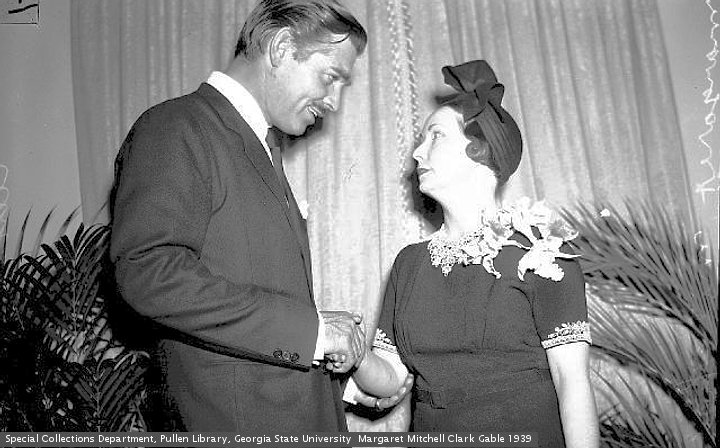
One of the few ante bellum houses in Atlanta is near Grant Park. It was once owned by Lemuel Grant, who donated the land for the park. He stays in a large marble house in Oakland Cemetery now. The Grant Park house was purchased by Mr. and Mrs. John Marsh, in partnership with Boyd Eugene Taylor. After the death of Mrs. Marsh (also known as Margaret Mitchell), she was known to visit the house. “Margaret just wanders through the house, looking things over. She never talks, and she always carries jonquils. The first night she came I was very shocked. I went out to her grave at Oakland Cemetery the next day. I’d never been to the house before. But I was almost certain of what I’d find. The plot is covered by a bed of jonquils.”


The Terranauts






PG was trolling the Chamblee library, and saw a copy of The Terranauts. This is the latest novel by Tom Boyle, an author who PG enjoys. Something was needed to look at in those times that require reading material: warming up the car, eating, waiting rooms, and parking lots. If the story gets good, this can progress to stretching out on the couch, and letting other pastimes wait. This book report may have spoilers. Read it at your own risk.
Terranauts are people who go into an enclosed bio-sphere. The sentence is two years after enclosure …. nothing in, nothing out. The story is told from the POV of three people: Dawn Chapman, Linda Ryu, and Ramsey Roothorp. The story goes chapter by chapter, with the narrators taking turns. In the spoiler alert above, it might be noted that the primary characters are already spoiled. Dawn and Ramsey are chosen for the mission, with Linda sulking on the outside. Veteran novel readers know what is going to happen with Dawn and Ramsey.
The library works on a three week cycle. After twenty one days, you either return your book, or renew it for another cycle. Terranauts was mildly amusing at first, but not compelling. The story went on. None of the story tellers was terribly likeable, but seemed to be competent at doing what terranauts do. The facility, nicknamed E2, or earth two, became a character of sorts. There was a nasty power outage. The crew came within minutes of having to break enclosure, or die for the cause.
After six weeks, PG was roughly half way through. When he got to the library, a copy of Tropic of Cancer was waiting. PG had requested TOC months earlier, and had given up on receiving it. You cannot renew a requested book, so PG had three weeks with Henry Miller’s scandalous output.
Henry Miller is tough to pin down. There are interviews on youtube. Mr. Miller talks about how the French include women in their conversations, and have a lot of respect for them. This benevolent attitude is the direct opposite of his novels. The Miller character in TOC is a pig. The story is beautifully written, despite, or maybe because of, the flawed characters. PG has the sense that it was conceived in French, and then transcribed in English. TOC has a prose poem feel to it. You want to slowly read it, line by line, and then stop and savor it. You probably will not finish in twenty one days.
When it was time to return TOC, The Terranauts was on the front shelf. This is the shelf with frequently borrowed books that have not been relegated to the stacks. PG decided to take Terranauts home. Within a few pages, Dawn was pregnant. Ramsey was the daddy. Linda was not happy. The story now has a macguffin, and is fun to read obsessively.
Dawn goes on to do what she wants to do. Ramsey goes along with it, until he doesn’t. At about the due date, the novel begins to get weird. The plot does not register. Dawn becomes more abstract. The story finally comes to a conclusion, of sorts. Linda is a bitch. Ramsey is a bastard. Dawn is just sort of there. E2 functions as well as can be expected.
Tom Boyle is a competent, enjoyable word craftsman. PG gets the sense that The Terranauts was a story that defied easy conclusion. The Terranauts may not change your life, but the portion of this life spent reading it will not be wasted.
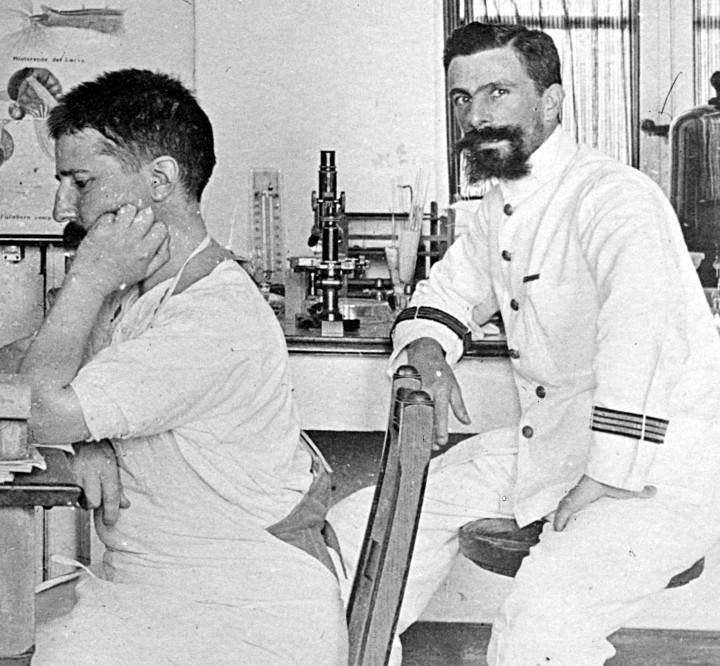
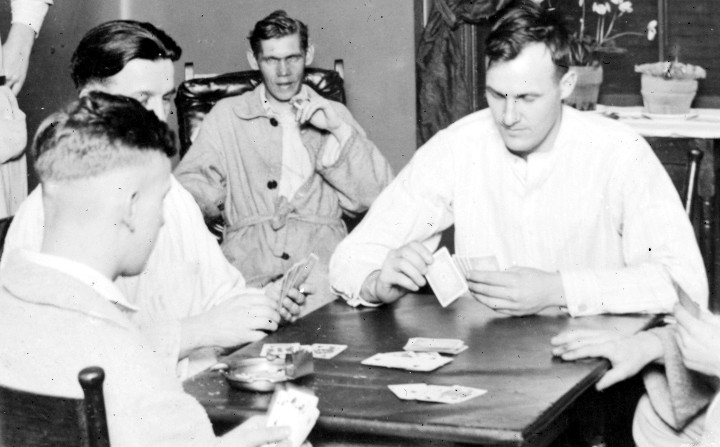
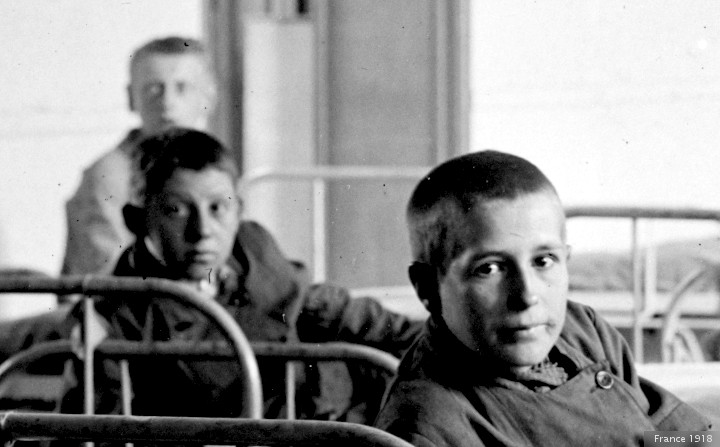
Pictures today are from The Library of Congress. Photographs were taken by Lewis Wickes Hine. Most of the hospital pictures were taken June 12, 1918. “Dressing the wound Military Hospital I, Neuilly” The group photograph appears after the text. “American Red Cross on the best of terms with Belgian children at an American Hostel for refugees at 46 Rue du Dr. Blanche, Paris. June 1918”





Hank Chinaski Lives

In the next quarter century, the surplus grew, thanks to Bukowski’s nearly graphomaniacal fecundity. “I usually write ten or fifteen [poems] at once,” he said, and he imagined the act of writing as a kind of entranced combat with the typewriter, as in his poem “cool black air”: “now I sit down to it and I bang it, I don’t use the light / touch, I bang it.”
As could have been predicted, it started with a post at Dangerous Minds. The feature was about the late Charles Bukowski, who was called Hank by those who knew him. The writer/drunk had always been a bit of a fascination to PG. Out of the millions of useless drunks feeding the urinals of planet earth, at least one will turn out to have had literary merit.
A trip to Google city is made, and quotes from the bard are found, along with the wikipedia page. All of this leads to a New Yorker piece about the gentleman. After nine paragraphs, and two poems, there is the phrase that set off PG…graphomaniacal fecundity.(spell check suggestion:nymphomaniac)
As best as we can figure, g.f. means that Hank wrote a lot of stuff. This is a good thing. PG operates on the notion that if you keep your quantity up, the quality will take care of itself. Hank seems to agree, spitting out product “like hot turds the morning after a good beer drunk.” He seemed to take pride in doing what Truman Capote said about Jack Kerouac…he doesn’t write, he types.
If you google the phrase graphomaniacal fecundity, you can choose from 71 results. The top six apparently quote the article in New Yorker. A blogspot facility called poemanias quotes the paragraph from the New Yorker, with the title “On Bukowski’s afterlife”, while Fourhourhardon reprints the entire thing. Neither provide a link back to the original.
Goliath and Petey Luvs Blog take the same copy-paste approach. The first tries to get you to pay for more reading material. This forum also does the control A-C-V approach, but yields this comment : “He was a contemporary of the Beats, but not quite one of them because he was darker and not as willing to smoke a joint and sing Phil Ochs songs on the lower east side.” The truth is, Hank hated marijuana, and had the classic alcoholic attitude about it. So it goes. Keep and share copies the complete New Yorker feature, but has some other thumbsuckers about Mr. Bukowski.
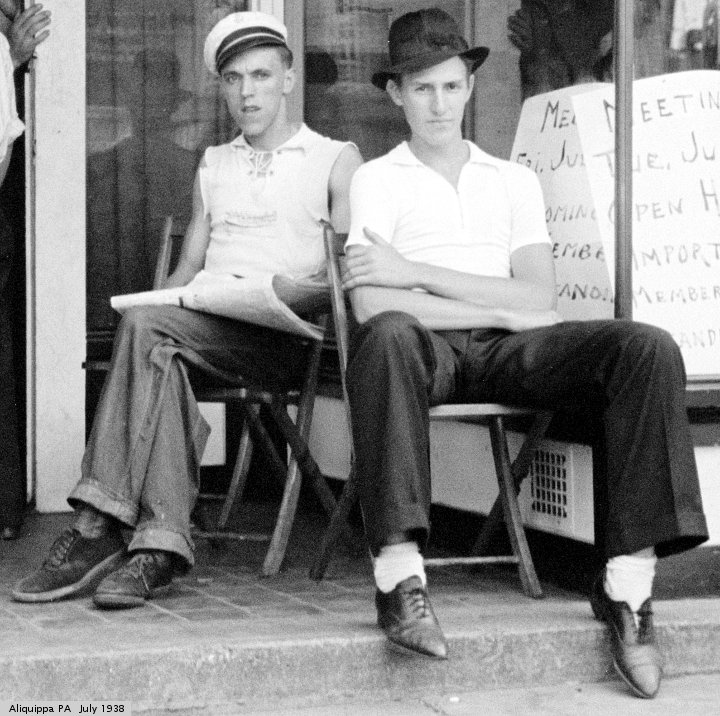

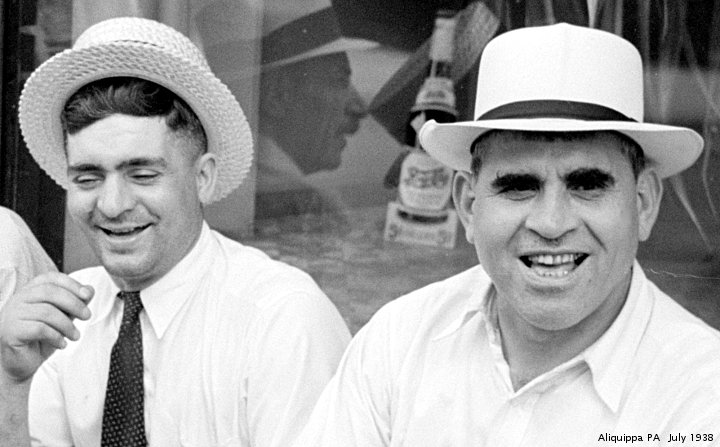
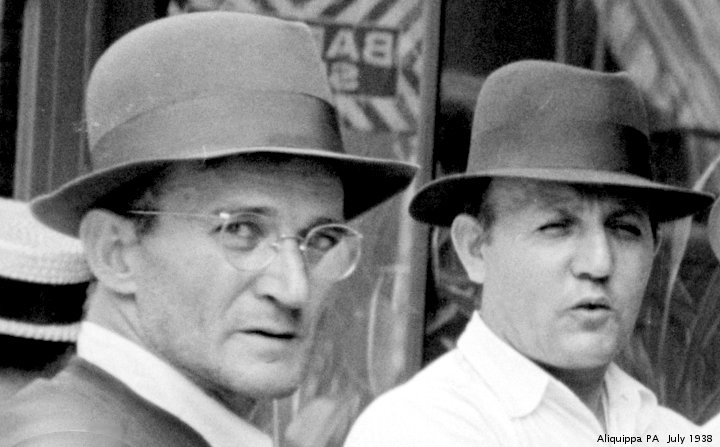
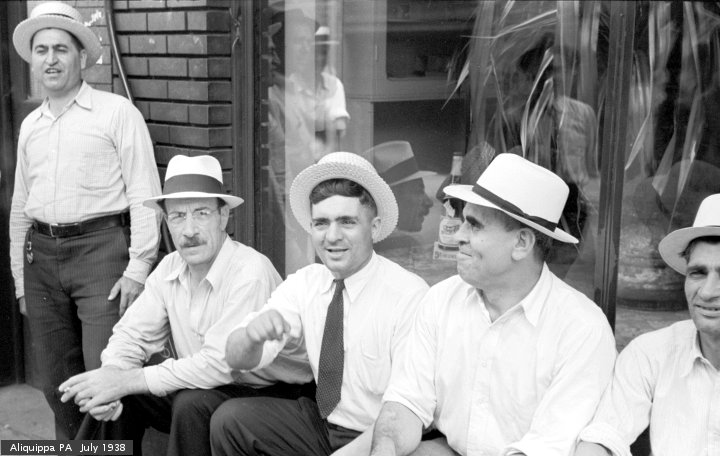

It is a truism that new media borrows content from old media. Stories, told orally from genration to generation, are compiled into books, which are then made into movies. Plastic panels try to look like wood. The newest new media that old fogey PG knows about is twitter. People tell little stories in 140 characters or less, which go around the world in seconds. With this abundance of media, there are not always enough messages to feed the beast.
On twitter, there are people producing twitter feeds from dead authors. Maybe these wordmongers went to a place with internet access. Kurt Vonnegut (three hours ago) “Busy, busy, busy”. Mark Twain (three hours ago) “Be careful about reading health books. You may die of a misprint”. Brautigan’s Ghost (twenty two hours ago) “I cannot say to the one I love, “Hi, flower-wonderful bird-love sweet.”
The deceased content maker best suited to twitter might be Conway Twitty. One slow day two years ago, Yahoo asked peeps Do you think Conway Twitty would have used Twitter? ~ He gave them the idea ~ I think Twitty would tweet, Twitter would be Conway’s, way of of communicating to the world, Twitty would be tweeting his little Twitty head off, ~ I better send out a Twitty Tweet ~ Cute, but a serious answer, probably. A media hound, he’d want to get his name plastered everywhere. ~ If he did that would have made him a ‘Twitty Twitter” ~ Who cares, he’s a twit anyway”.
There are four Twitty Twitter feeds. @ConwayTwitty (Oct. 21,2009) “The Conway Twitty Musical is getting great reviews in Branson!!! . @TwittyTweats (January 12, 2012) “In Twitty City, it never snows. All the men wear gold medallions and blazers. And the women never cry. Unless you hold them.” @Conway_Twitty (February 20, 2012) “My cock is an amphibious assault vehicle” @conwaytwittier (April 28, 2012). “@JasonIsbell How’s the English weather treating your hair? I had the hardest time keeping my pompadour in tiptop shape there.” @twittybirdmoda is written in Japanese. We’ve never been this far before.
The original concept for this post was to spotlight twitter feeds borrowing material from Charles Bukowski. Hank is the beer bard of Los Angeles. He is a hero to many. Out of the millions of worthless drunks populating bars, at least one could write poems. It gives you hope for mankind.
The front page of a google search for “charles bukowski on twitter” yields eight feeds. The original plan was to ignore any that were not updated in 2012. An exception will be for @hank_bukowski (Yeah it’s good to be back). (January 25, 2009) “Yesterday I met Adolf H. in hell. He is fuckin stupid.” “too lazzy these days, too drunk to twitter”.
With the 2012-only rule in effect, we are left with three Bukowski thieves. @BukowskiDiz (May 1) “Curiosidades sobre Charles Bukowski http://migre.me/8UhRf“. @bukquotes (May 8) “all the mules and drunken ladies gone the bad novels march…”. ~ “I always read when I shit and the worse the book the better the bowel movement.” @bukowski_lives (one hour ago) “Basically, that’s why I wrote: to save my ass, to save my ass from the madhouse, from the streets, from myself.”
Pictures are from The Library of Congress. This is a double repost. Another repost was published May 12. This is probably it for this year.
Born To Run
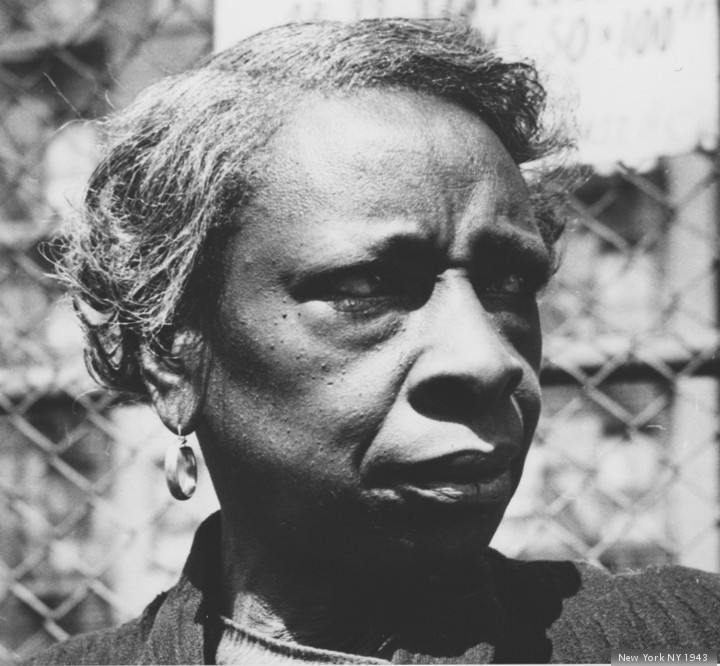
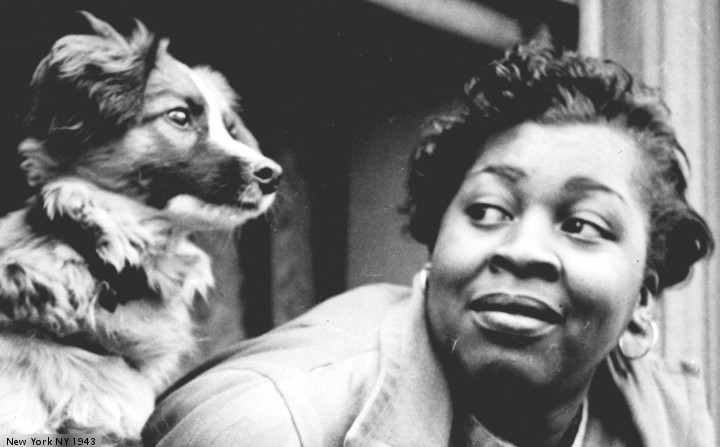


Born To Run, the Bruce Springsteen autobiography, is due back at the library. When PG requested it, there were 96 people ahead of him in line. Renewing a book this popular is not permitted. PG is on page 420, after the funeral of Frank Sinatra. It is time to write the book report.
Amazon has lots of Bruce product for sale. One suggested item is Bruce Springsteen: The Coloring Book: A Tribute to the Rock & Roll Boss Born to Run. One star reviewer Kevin P. said: “Sorry, but this is the creepiest thing ever.”
The story begins in New Jersey. Bruce lives in a lively neighborhood, with a troubled father. At some point Bruce starts to play guitar. His bands find success on the Jersey shore. They play a lot of shows, and many stories could be told.
Some how, they get a new years eve gig in California. Driving in shifts through the night, the two vehicles get separated. Bruce is forced to drive. This is a problem, since he never learned how. Somehow, the truck makes it to Big Sur in one piece.
The story goes on. Bruce signs a management contract with Mike Appel. This works well for a few years. Then Born to run, the album, comes out. Bruce is a superstar, but has little money to show for it. After spending a few years suing Mike Appel, Bruce is free to make more albums, and become a super duper star. Somwhow, Bruce made it work.
We should note at this point PG’s ambivalence about Bruce Springsteen, inc. The man has written some good songs, and is reported to give good concert performances. PG has long since gotten over seeing Bruce on the covers of Time, and Newsweek, at the same time. Bruce Springsteen puts his New Jersey britches on one leg at a time.
One of the problems of autobiography is the tendency of authors to put them self in the best possible light. Bruce does that, but still mentions that he sees a shrink, got divorced, and can be a ego happy control freak. It is lonely at the top.
If you are a fan, you will probably enjoy the book. It is better than most self help stories, and will probably motivate you just as well. It is not the greatest thing PG ever read, nor is it the worst. Pictures today are from The Library of Congress.



Porcelain




PG was in the Kroger parking lot, waiting for his brother to buy groceries. To pass the time, he read
Porcelain. This was a memoir, written, allegedly, by Moby. The copyright goes to “Moby Entertainment, Inc.” There is a modern notice below.
“Penguin supports copyright. Copyright fuels creativity, encourages diverse voices, promotes free speech and creates a vibrant culture. Thank you for buying an authorized edition of this book and for complying with copyright laws by not reproducing, scanning or distributing any part of it in any form without permission. You are supporting writers and allowing Penguin to publish books for every reader.” Should PG say you’re welcome?
Page 360 was the focus. Moby was in Portland, at the last gig of a bad tour. He is flying home to Connecticut the next day. His mother is going to die in a couple of days. The christian-vegan-performer is drinking Jack Daniels with strippers. A fan asks him to autograph a bible.
This was 1997. PG saw a few parallels with his life. In late 1997, PG’s mom was still alive, but clearly near the end of her life. 1998 would see the cancer diagnosis, the surgery, the radiation treatment, and finally, the death.
PG quit drinking at the end of 1988, and never looked back. Moby was an alcohol enthusiast, who went straight edge in 1987. Eight years later, Moby gave into temptation, and started drinking again. Evidently, he tried to make up for lost time. His drunken adventures are described in great detail here. How does Mobes remember all that?
Moby continued to call himself a christian, even with more and more doubts crowding into the picture. PG quit going to church at 17. Jesus is impossible to ignore, and only marginally tolerable. Whatever the temptation, and the social rewards, PG has never called himself a christian. In the southern baptist tradition, you walk down the aisle, shake the pastor’s hand, and get baptized. Then you call yourself christian. PG, for various reasons, never took that walk.
The trip to Connecticut did not end well. Moby apparently woke up in the night, and set his alarm clock ahead three hours. As a result, his missed his mother’s funeral. Porcelain starts with young Moby sitting in the car, while his single mom is paid to do laundry for neighbors. While in the car, he heard “Love Hangover,” by Diana Ross, and was impressed.
Page 378 was a few days after the funeral. Moby goes to a party at Windows on the World, on top of the World Trade Center. Few imagined what would happen to that space four years later. (Richard Melville Hall, aka Moby, was born September 11, 1965.) Moby got very drunk, and had sex in a ladies room stall. After the act, Moby was staring out the windows, looking at New York, and crying. The DJ played Downtown, by Petula Clark.
On January 23, 1965, Downtown, was the number one hit in America. When Moby was born, eight months later, the number one hit was Help, by the Beatles. PG turned eleven in 1965. Thousands of drafted young American men were sent to Vietnam. The techno dystopian world of nineties New York was a few years down the road.
The last few pages see Moby driving, without a license, through the Connecticut of his youth. He is listening to a rough cassette. The tunes on that cassette will become Play, sell millions of units, and make Moby a star. All this will be in the second volume of his memoirs, currently in production.
While waiting for the next part of this story, maybe a few one star reviews will be amusing. John The most depressing book I’ve read in a while. I used to love Moby. When it was announced he was writing a biography I was very excited…that is until I read it. Moby has always had the reputation of being arrogant and rude. Well it won’t disappoint the critics. This is the worst autobiography I have ever read. Self indulgent and pretentious from start to finish. … Startlingly transphobic. I gave up. I will admit, I didn’t get through the entire book. But that’s the reason for this review. I put up with seven chapters filled with tales of death, drugs, and destitution, all with way too much specific detail to be totally true. In chapter 8, Moby starts getting into some pretty blatantly transphobic territory, repeatedly calling people the derogatory “tranny” and using pronouns like “his/her”…
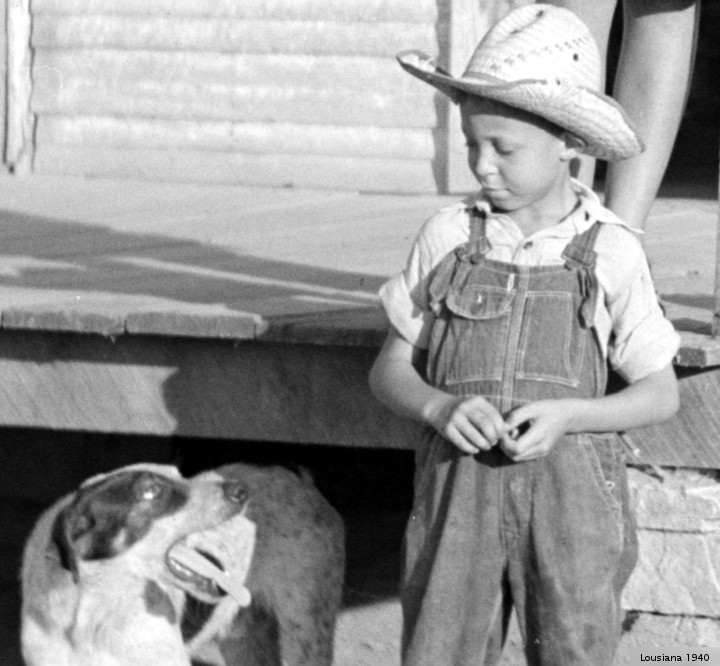
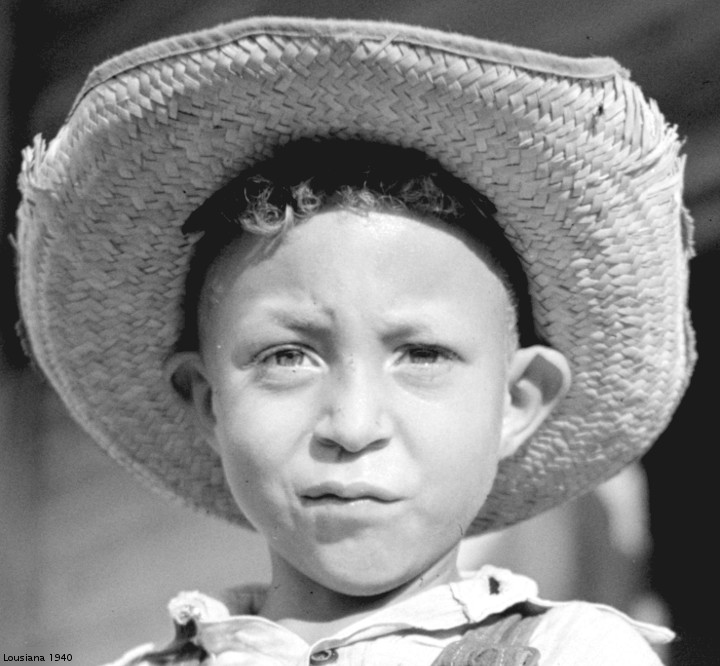
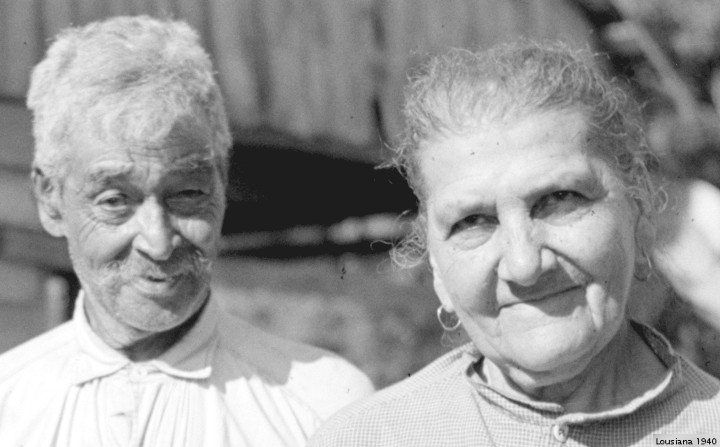
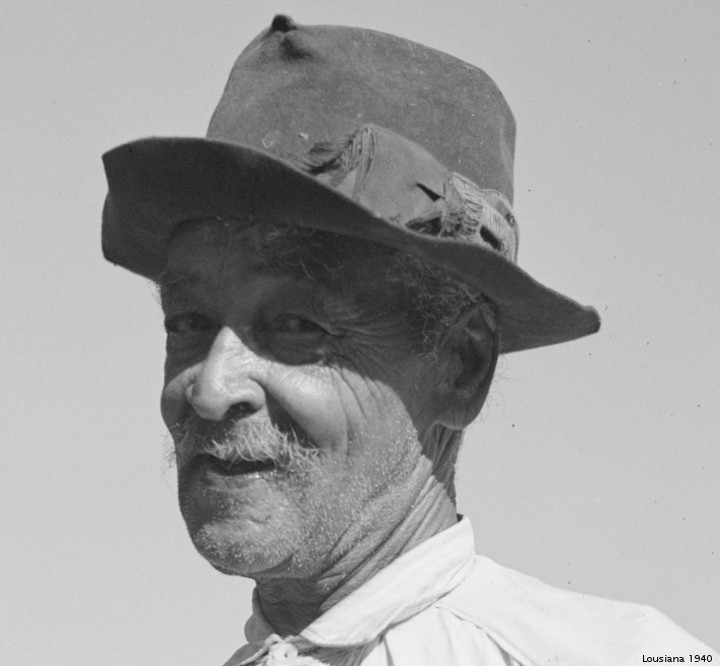
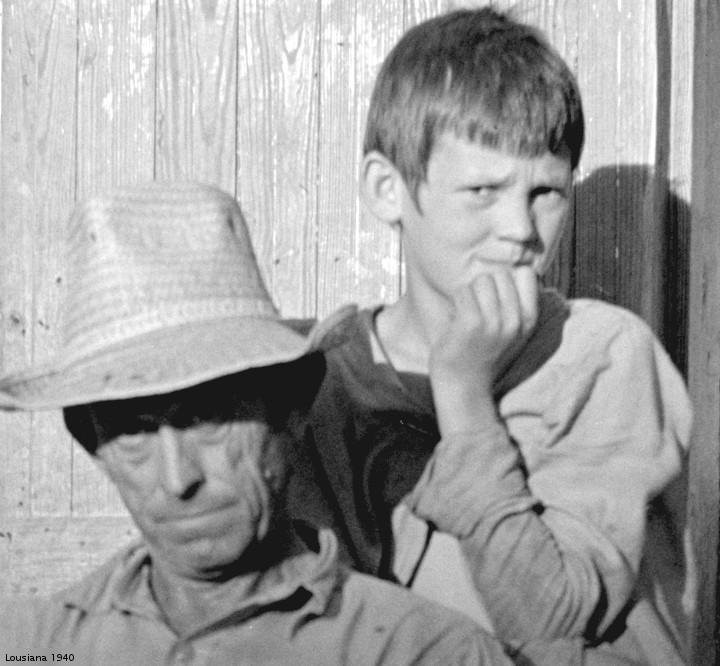
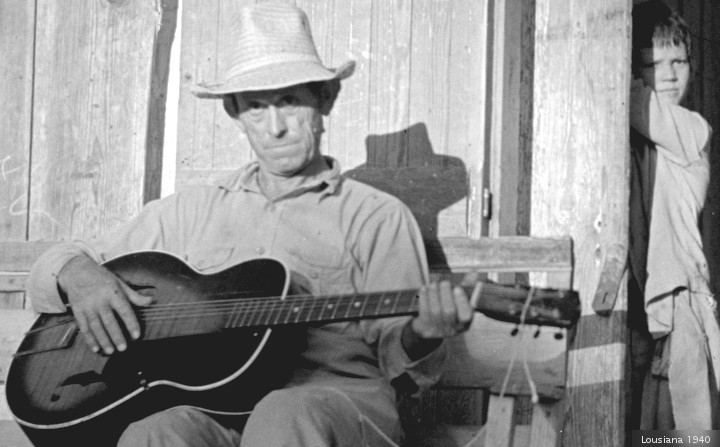
Pictures today are from The Library of Congress. Pictures were taken in Louisiana, August 1940. The photographer was Marion Post Wolcott


On The Road With Janis Joplin



John Byrne Cooke, the son of public television star Alistair Cooke, had gotten a liberal arts degree from Harvard. He stumbled into a job filming the Monterrey Pop Festival. Like the rest of America, he was impressed by Janis Joplin. Soon, Mr. Cooke got a job as the road manager for Big Brother and the Holding Company. One result is a book, On the Road with Janis Joplin.
The management of Big Brother did not want the band filmed at Monterrey. After their saturday afternoon show, the film makers realized that Miss Joplin was important to the film. A second show was arranged for sunday night. This show was filmed. When you see Cass Elliot saying oh wow, that was saturday afternoon. The film crew filmed the crowd during that show.
Mr. Cooke arrived in San Francisco as the summer of love was playing out. Many old timers on the scene were already getting out. At first it was an uneasy fit with the band… the eastern bluegrass player, and the hippies. There was one meeting, where Mr. Cooke thought he was going to be fired. Things were patched up, and the show went on.
There were a lot of people who knew each other. Mr. Cooke had been trying to romance a California girl. It turns out she was a friend of someone, possibly Linda Gravenites, the roommate, and close friend, of Miss Joplin.
Peggy Caserta was another connection. Supposedly Miss Caserta had a lesbian thing going with Miss Joplin. Whatever did, or did not, happen, Miss Caserta wrote an awesomely trashly book, Going Down With Janis. The opening line: “I was stark naked, stoned out of my mind on heroin, and between my legs giving me head was Janis Joplin.”
The year spent with Big Brother was 1968. Miss Joplin was staying in an apartment on Noe Street. Robert Kennedy made a campaign appearance on nearby Castro Street, with Miss Joplin in the crowd. When Mr. Kennedy was killed, after winning the California primary, the band was in Los Angeles. Mr. Cooke sought solace with Judy Collins that night.
Around this time, some people convinced Miss Joplin that she should leave Big Brother. There was three weeks between the last Big Brother show, and the first show as a solo artist. The Kozmic Blues band never really worked. Miss Joplin felt she was a failure. Miss Joplin started to use heroin frequently. Except for a European tour, 1969 was a bad year.
In 1970, Miss Joplin quit using heroin, and started to play with Fult Tilt Boogie. Things wer going well. The band was in Los Angeles recording an album. One night, Miss Joplin got some extra strong heroin. Mr. Cooke found the body.
This book report leaves a great deal of the story out. Miss Joplin broke a whiskey bottle over Jim Morrison’s head, and got into a fist fight with Jerry Lee Lewis. There were three appearances on the Dick Cavett show, 1969, 06-25-70, and 08-03-70. At 1:12 in this video, Miss Joplin observes “you’re a real swinger I can tell by your shoes man.” (Here is a screen shot from 1969, with heroin, next to another from clean 1970.)
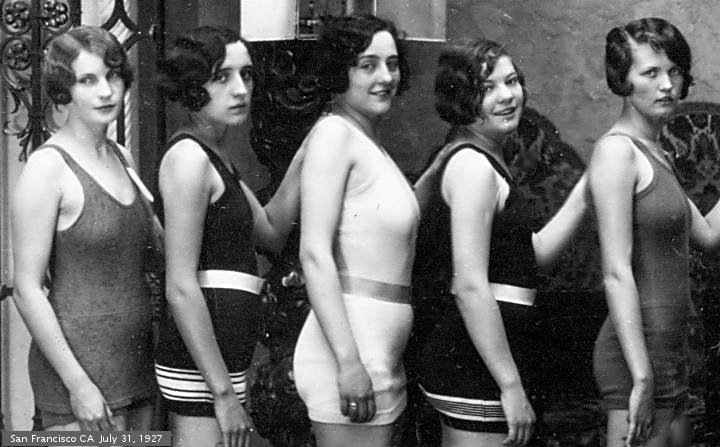
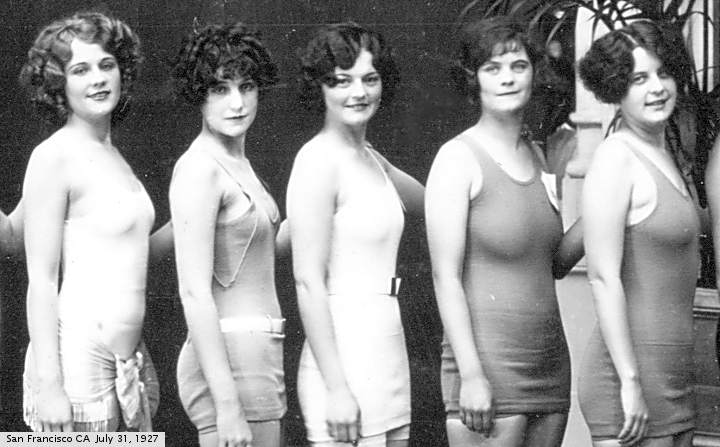
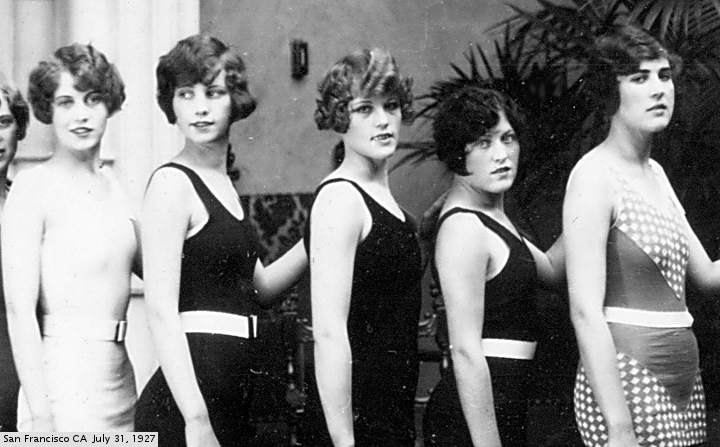
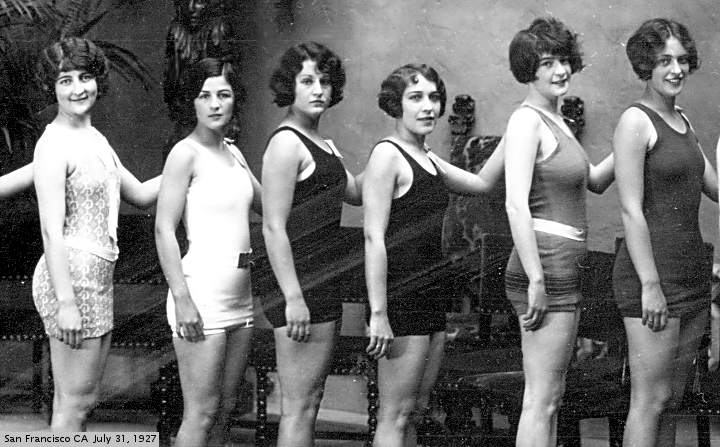
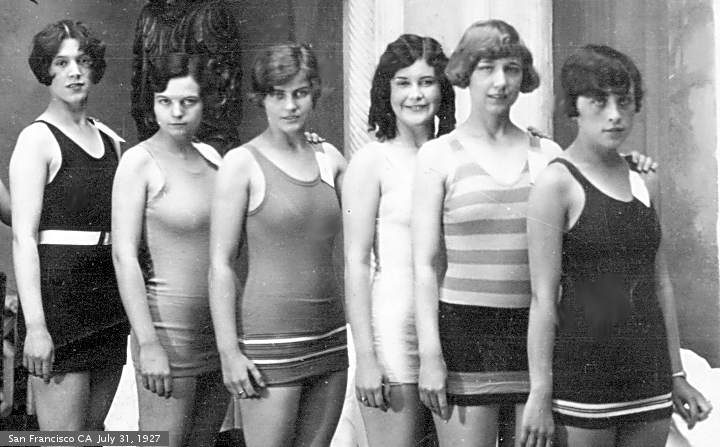
Pictures are from The Library of Congress. The 1927 pictures were taken at “California Beauty Week, Mark Hopkins Hotel, July 28 to Aug. 2, auspices of San Francisco Chronicle.”


Razor Girl



Towards the end of Razor Girl, Carl Hiaasen has another fit of alliteration. Somebody doesn’t care is a lady is “bisexual, bi-polar, or bio-hazard.” Those three buys sum up the plot nicely. Key West makes the first part redundant. Florida makes the next two necessary. Quote marks were not used.
Mr. scary last name (Carl heAHSin) writes fun books. There is a formula. The hero is a man, with a checkered past. He falls for a damsel in distress. The bad people are New Jersey refugees baking in the sun. As Hunter S. Thompson might have said, when the going gets weird, the weird turn pro.
CH said, in a promotional interview: What’s next for you? “Right now I’m working on another book for young readers. I can’t say much about it because it’s early, and I have no idea where the plot is going at the moment. But the characters are pretty smart, so I’m sure they’ll figure things out.”
There is a plot innovation. The damsel in distress is one of the criminals. Merry Mansfield is paid to crash cars into other cars. When the crashee goes to investigate, they find a red haired lady, shaving her pussy. One early participant is Andrew Yancey. He is a former detective, who was demoted to inspecting restaurants, i.e. the roach patrol. This does not reefer to the end of a marijuana cigarette.
Since chamblee54 avoids spoiler alerts, we will not say whether razor girl does the bone dance with roach patrol dude. There are crimes to solve. A mid eastern man falls off the conch train, and is stabbed to death by a ceramic dolphin. A sleazy lawyer begins to use Pitrolux®, the deodorant/testosterone combination. The attorney has TV commercials promoting his class action lawsuit against the manufacturers of Pitrolux®, where he claims to be a fellow victim. He was telling the truth. Just because the lips are moving…
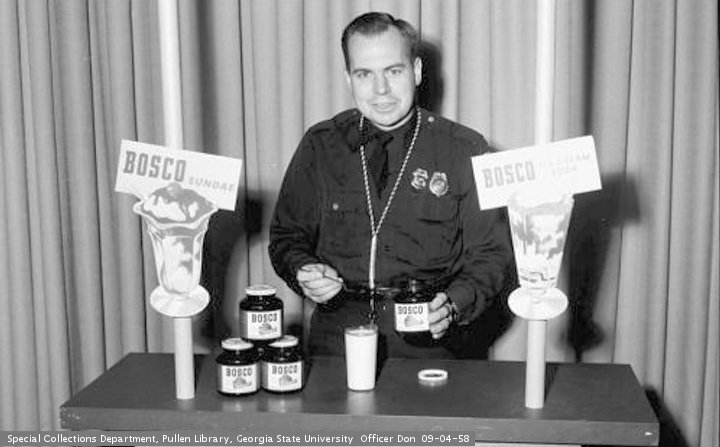
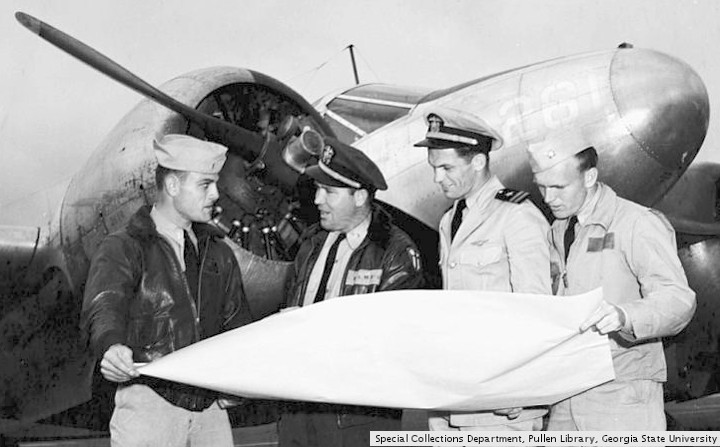
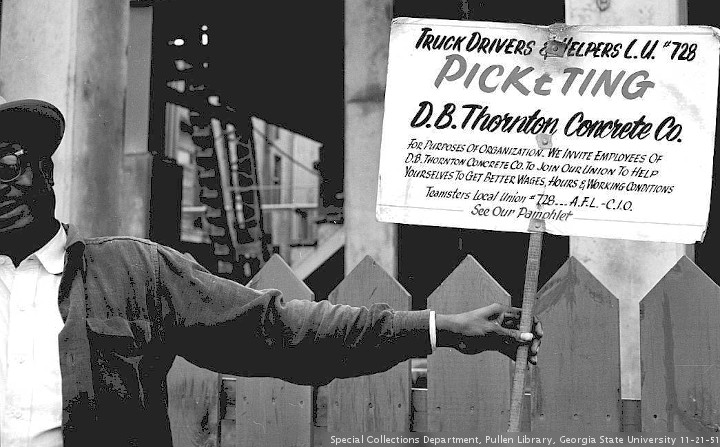
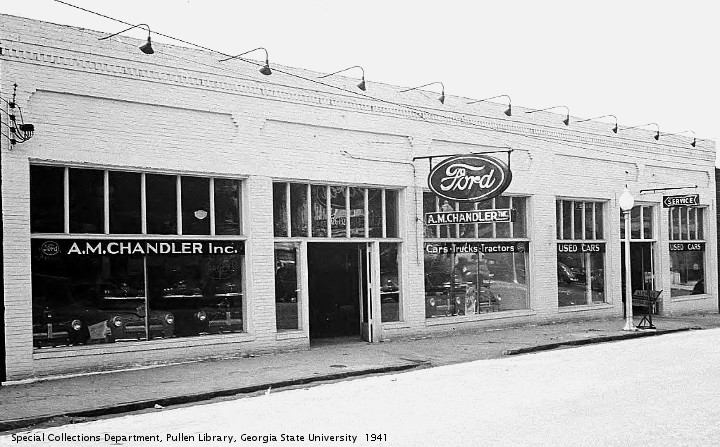
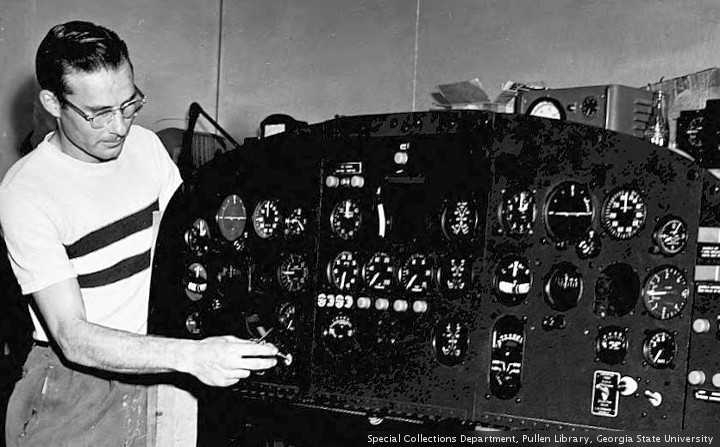
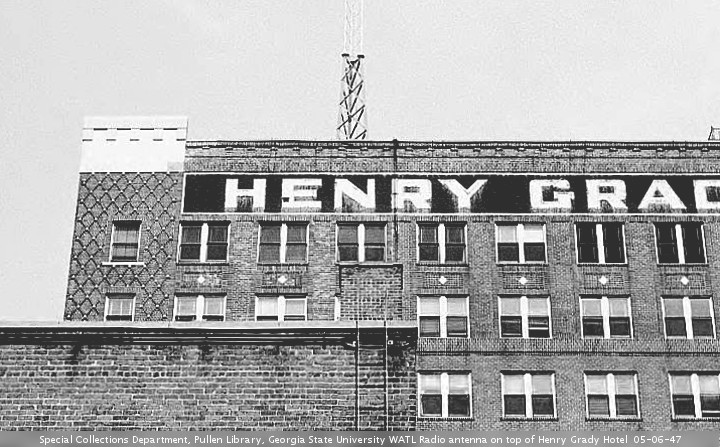
Razor Girl has a few plot twists that make no sense whatsoever. The reader learns to roll with it, and enjoy the fun. A certain morality exists. The book is slick commercial product, designed by Soonyoung Kwon. Pictures, for this chamblee54 book report, are from “The Special Collections and Archives, Georgia State University Library”







Flannery O’Connor
With one day before it was due, PG finished reading Flannery: A Life of Flannery O’Connor , by Brad Gooch. The author is a professor of English at William Patterson University in New Jersey. He spares no citations, to show where he gets his information. This is a repost.
Chamblee54 has written before about Miss O’Connor , and repeated the post a year later. There is a radio broadcast of a Flannery O’Connor lecture. (The Georgia accent of Miss O’Connor is much commented on in the book. To PG, it is just another lady speaking.)
Mary Flannery O’Connor was born March 25, 1925 in Savannah GA. The local legend is that she was conceived in the shadow of St. John the Baptist Cathedral, a massive facility on Lafayette Square. Her family did leave nearby, and her first school was just a few steps away. This is also a metaphor for the role of the Catholic Church in her life. Mary Flannery was intensely Catholic, and immersed in the scholarship of the church. This learning was a large part of her life. How she got from daily mass, to writing stories about Southern Grotesque, is one mystery at the heart of Flannery O’Connor.
Ed O’Connor doted on his daughter, but had to take a job in Atlanta to earn a living. His wife Regina and daughter Mary Flannery moved with him, to a house behind Christ The King Cathedral. Mr. O’Connor’s health was already fading, and Mother and Daughter moved in with family in Milledgeville. Ed O’Connor died, of Lupus Erythematosus, on February 1, 1941.
Mary Flannery went to college in Milledgeville, and on to the Iowa Writer’s Workshop. She dealt with cold weather, went to Mass every day, and wrote. She was invited to live at an artists colony called Yaddo, in upstate New York. She lived for a while with Robert and Sally Fitzgerald in Connecticut, all while working on her first novel, “Wise Blood”. In 1950, she was going home to Milledgeville for Christmas, and had been feeling poorly. She went to the hometown doctor, who thought at first that the problem was rheumatoid arthritis. The illness of Flannery O’Connor was Lupus Erythematosus.
Miss O’Connor spent much of that winter in hospitals, until drugs were found that could help. She moved, with her mother, to a family farm outside Milledgeville, which she renamed Andalusia. She entered a phase of her life, with the Lupus in relative remission, and the drugs firing her creative fires, where she wrote the short stories that made her famous.
Another thing happened when she was recuperating. Flannery was reading the Florida “Market Bulletin”, and saw an ad for “peafowl”, at sixty five dollars a pair. She ordered a pair, and they soon arrived via Railway Express. This was the start of the peacocks at Andalusia, a part of the legend.
During this period of farm life and writing, Flannery had several friends and correspondents. There was the “Bible Salesmen”, Erik Langkjaer, who was probably the closest thing Flannery had to a boyfriend. Another was Betty Hester, who exchanged hundreds of letters with Miss O’Connor. This took place under the stern eye of Regina O’Connor, the no nonsense mother-caregiver of Flannery. (Mr. Gooch says that Betty Hester committed suicide in 1998. That would be consistent with PG stumbling onto an estate sale of Miss Hester in that time frame.)
The book of short stories came out, and Flannery O’Connor became famous. She was also dependent on crutches, and living with a stern mother. There were lectures out of town, and a few diverse personalities who became her friends. She went to Mass every day, and collected books by Catholic scholars. Flannery was excited by the changes in the church started by Pope John XXIII, and in some ways could be considered a liberal. (She supported Civil Rights, in severe contrast to her mother.)
In 1958, Flannery O’Connor went to Europe, including a trip to the Springs at Lourdes. Her cousin Katie Semmes (the daughter of Captain John Flannery, CSA) pushed Flannery hard to go to the springs, to see if it would help the Lupus. Flannery was reluctant…” I am one of those people who could die for his religion sooner than take a bath for it“. When the day for the visit came, Flannery took a token dip in the waters. Her condition did improve, briefly. (It is worth speculating here about the nature of Flannery’s belief, which was apparently more intellectual than emotional. Could it be that, if she was more persuaded by the mystical, emotional side of the church, and taken the healing waters more seriously, that she might have been cured?)
At some point in this story, her second novel came out, and the illness blossomed. Much of 1964 was spent in hospitals, and she got worse and worse. On August 3, 1964, Mary Flannery O’Connor died,
PG remembers the first time the name Flannery O’Connor sank in. He was visiting some friends, in a little house across from the federal prison.
Rick(?) was the buddy of a character known as Harry Bowers. PG was never sure what Harry’s real name was. One night, Rick was talking about Southern Gothic writers, and he said that Flannery O’Connor was just plain weird. ”Who else would have a bible salesman show up at a farm, take the girl up into a hayloft, unscrew her wooden leg and leave her there? Weird.”
Flannery O’Connor was recently the subject of a biography written by Brad Gooch. The book is getting a bit of publicity. Apparently, the Milledgeville resident was a piece of work.
PG read some reviews of this biography, and found a collection of short stories at the library. The book included ” Good Country People”, the tale about the bible salesman. Apparently, this story was inspired by a real life incident. (Miss O’Connor had lupus the last fifteen years of her life. She used crutches.) And yes, it is weird. Not like hollywood , but in the way of rural Georgia.
Some of the reviews try to deal with her attitudes about Black people. On a certain level, she is a racist. She uses the n word freely, and her black characters are not inspiring people. The thing is, the white characters are hardly any better, and in some cases much worse.
The stories are well crafted, with vivid descriptions of people and places. The reader floats along with the flow of the story, until he realizes that Grandma has made a mistake on a road trip. The house she got her son to look for is in Tennessee, not Georgia. She makes him drive the family car into a ditch. Some drifting killers come by. Grandma asks one if he prays, while his partner is shooting her grandchildren. Weird.
In another story, a drifter happens upon a pair of women in the country. The daughter is thirty years old, is deaf, and has never spoken a word. The drifter teaches her to say bird and sugarpie. The mother gives him fifteen dollars for a honeymoon, if he will marry her. He takes the fifteen dollars and leaves her asleep in a roadside diner.
There was a yard sale one Saturday afternoon. It was in a house off Lavista Road, between Briarcliff and Cheshire Bridge. The house had apparently not been painted in the last forty years. Thousands and thousands of paperback books were on the shelves. The lady taking the money said that the lady who lived there was the friend, and correspondent of, the “Milledgeville writer” Flannery O’Connor. This is apparently Betty Hester, who is mentioned in many of the biography reviews.
PG told the estate sale lady that she should be careful how she said that. There used to be a large mental hospital in Milledgeville, and the name is synonymous in Georgia with mental illness. The estate sale lady had never heard that.
This is a repost. Pictures are from “The Special Collections and Archives, Georgia State University Library”. It was written like James Joyce. An earlier edition of this post had comments.
Fr. J. December 10, 2009 at 3:00 pm I am glad you take an interest in Flannery, but to say baldly that she is a racist is to very much misunderstand her. For another view on Flannery and race, you might want to read her short story, “Everything that Rises Must Converge.”
chamblee54 December 10, 2009 at 3:17 pm “On a certain level, she is a racist.” That is not the same as “baldly” labeling her a racist. (And I have a full head of hair, thank you). As a native Georgian, I am aware of the many layers of nuance in race relations. I feel that the paragraph on race in the above feature is accurate.
Combination Of Deodorant And Testosterone



PG is reading Razor Girl, by Carl Hiaasen. The unpronounceable one specializes is Florida crime stories. Criminals are mustache twirling dastardly. Damsels dwell in fallen angel distress. Lawmen are a citizen complaint away from being criminals. Mr. H, a newspaper dude, says he never makes up anything, but waters down the technicolor reality.
Which brings us to Pitrolux®. This is a combination of deodorant and testosterone. The “refreshing juniper scent” caused teenage girls to steal it out of daddy’s medicine cabinet, and grow beards. Is Pitrolux® a real product? If you google “combination of deodorant and testosterone,” you might find out. Do you know what TMI means?
ClinicalTrials.gov scores with A Study of Effect of Deodorant and Axillary Hair on Testosterone Absorption in Healthy Participants. “This study will evaluate the effect of deodorant and antiperspirant use and the presence of underarm hair on the absorption of testosterone. Each participant in this study will receive 6 single doses of 30 milligrams (mg) testosterone applied as a solution to each underarm. … Deodorant spray applied to unshaved axillae. At least 2 minutes wait time. Then, single 30 mg dose of testosterone applied topically to each axilla…”
The Journal of Sexual Medicine gets down and dirty with “Effect of Deodorant and Antiperspirant Use and Presence or Absence of Axillary Hair on Absorption of Testosterone 2% Solution Applied to Men’s Axillae.” … PG did not know that axillary hair is the stuff that grows under your arms. He never axed about it…. The spell check suggestion for axillary is Hillary.
Conclusions: “Absorption of testosterone 2% solution was unaffected by use of deodorant/antiperspirant or by the presence or absence of axillary hair. Testosterone solution was generally well tolerated…. Key Words: Antiperspirant, Bioequivalence, Deodorant, Pharmacokinetics, Testosterone Solution, Hypogonadism”
A reasonable person might ask, why would anyone want to study the effect of deodorant on absorption of testosterone? It seems as though this is one of the methods used by female-to-male transpeople. “In FTM testosterone therapy, testosterone (often called “T” for short) can be administered into the body in a number of ways. … Esterification of testosterone is done in order to improve the solubility of testosterone in oil, which in turn slows the release of the testosterone from the site where it enters the body.”
Does High Testosterone in Women Increase Body Odor? “Offensive body odor can cause embarrassment and self-consciousness in women. … There is no “normal” amount or smell for body odor … Although men generally have higher testosterone levels than women, women actually have more sweat glands than men.”
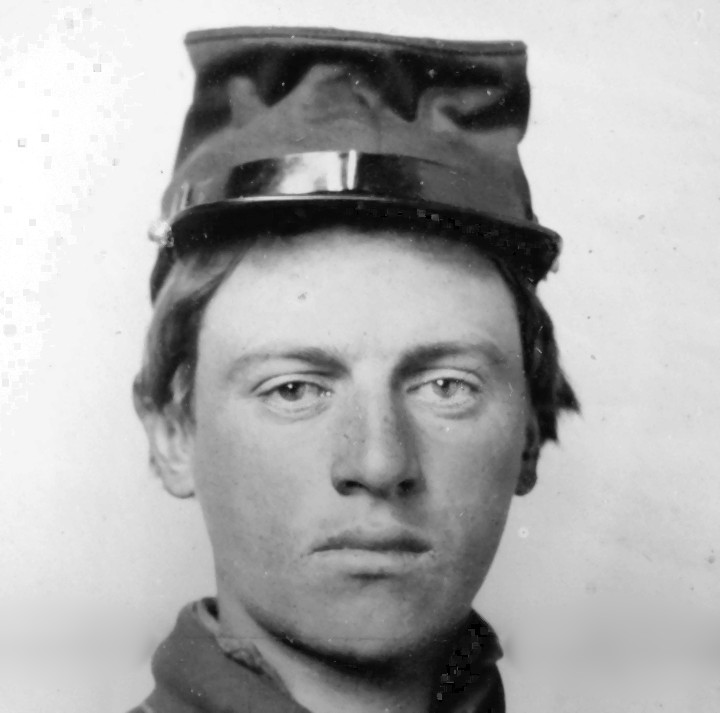
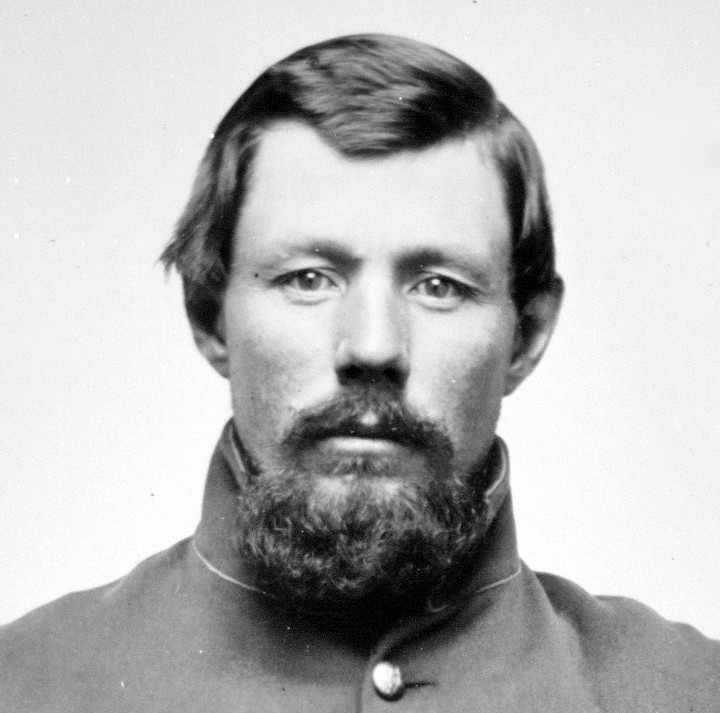
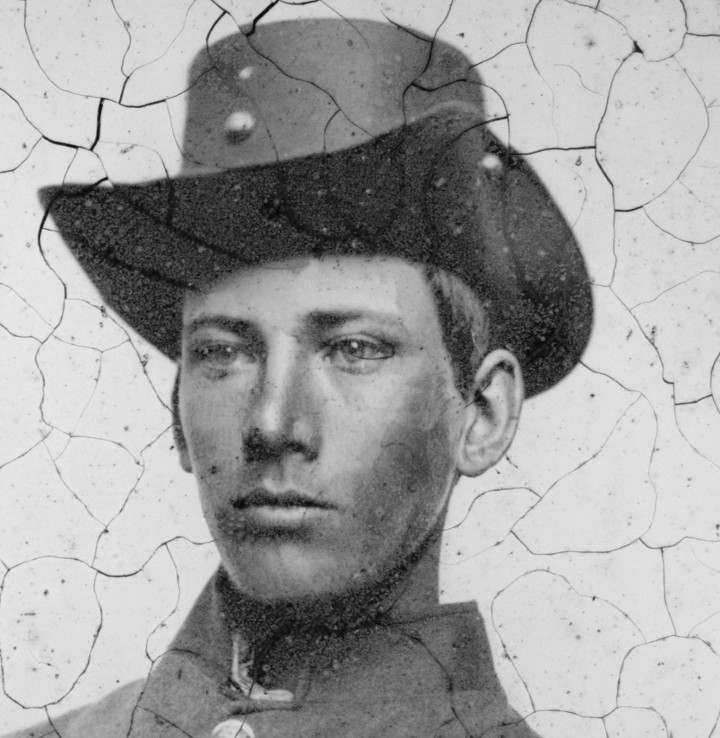
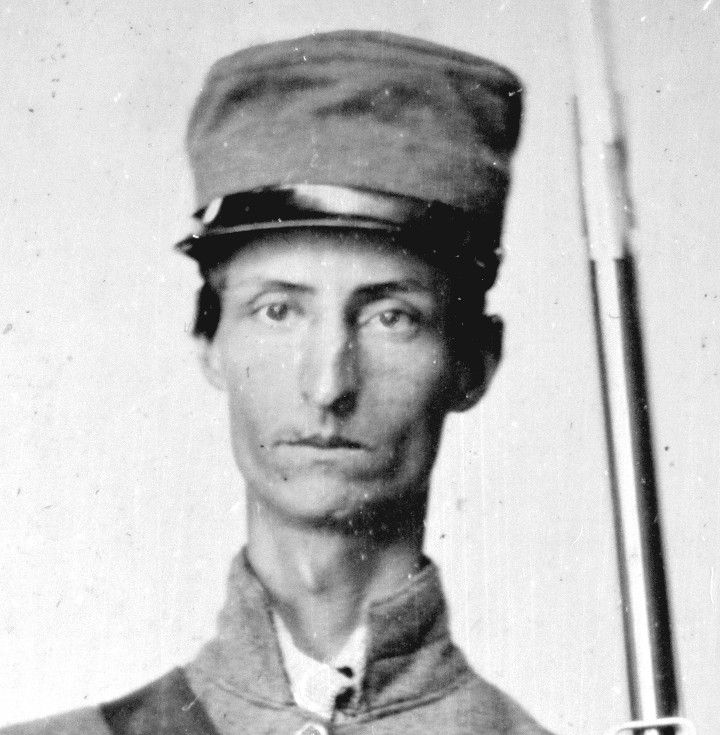
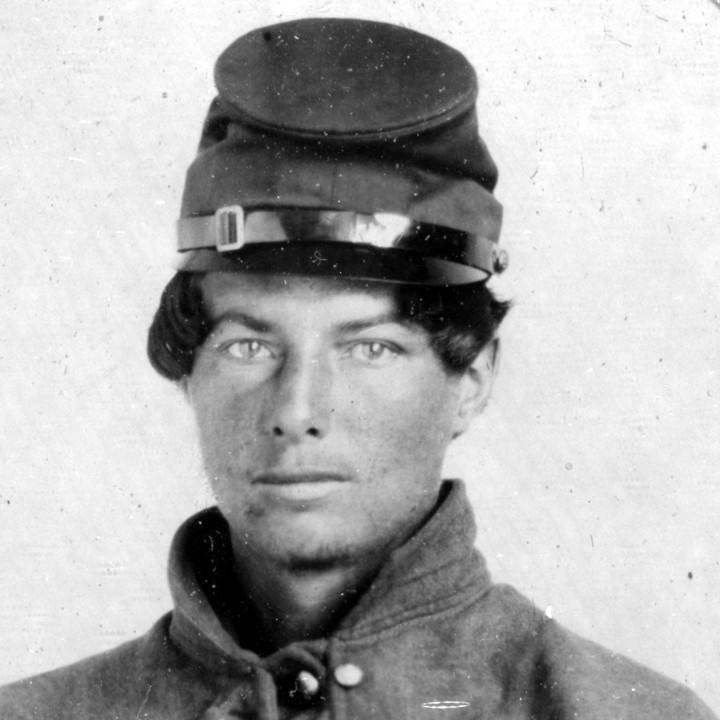
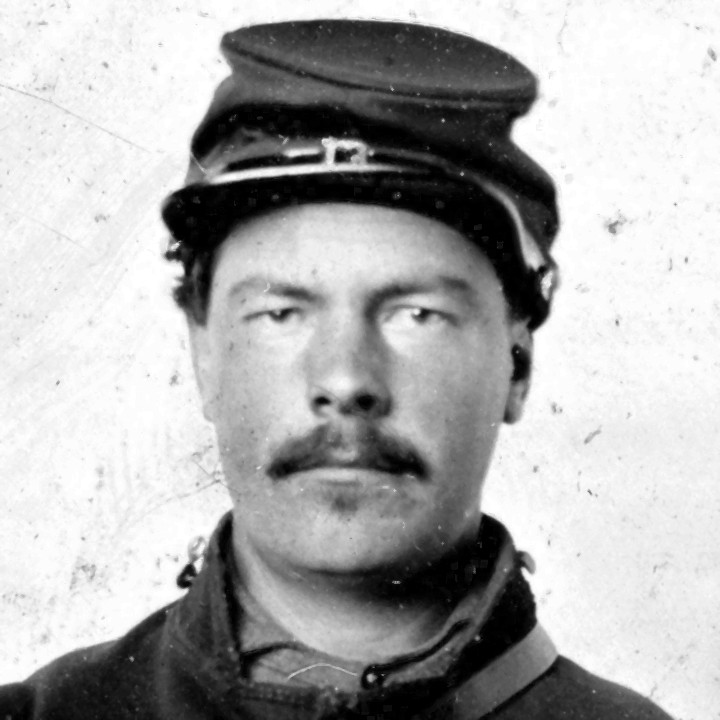
10 Best Deodorants and Antiperspirants for Men is an article at BEARDOHOLIC. Right Guard, longtime foe of macho B.O., did not make the top ten. None of the ten deodorants reviewed contains testosterone. Pictures today are from The Library of Congress. These men fought in the War Between the States. This was before the invention of modern deodorant.


 Chamblee54
leave a comment