David Bowie A Life



David Bowie: A Life was sitting on the biography shelf at the Chamblee library. It is an “oral biography.” Dylan Jones gets the blame, and the copyright. He took a bunch of interviews, and curated salient passages into a narrative. It is a fun book to read, full of sex, drugs, and rock and roll.
The Amazon one star reviews beg to differ. Guitar Gregg “I thought this would be biography not assorted comments. Very few comments from David Bowie. Who cares what Debora Harry or hundreds of “Joe blows” have to say? No pictures? 500 pages? Too much too little. Buy his cd’s instead.” worst read ever “Belongs in the fire … worst read ever!”
PG enjoyed DBAL. At some point, the lurid tales of depravity got too quotable, and PG started keeping a list. In this book report, we will use this list, until the list, or the reader’s attention span, is exhausted. There may be another installment. Part one was published last week.
“There’s one instance — probably included just so it would be cited — about someone calling Bowie’s room in New York with an offer of a still-warm corpse. “The town had never seen anything like David before,” says onetime groupie Josette Caruso. “And he obviously looked like such a freak that some sick people thought he might be into necrophilia.” (He wasn’t.) (Page 142)
Page 146 “He (Lou Reed) had an auteur complex, and Bowie didn’t fit into that. Lou was also a prime member of the awkward squad. He could lose a charm competition with Van Morrison.” In 1972 David had gone through years of struggle, and was starting to make it. After the Ziggy Stardust tour, he was hot. At this time, David wound up helping two struggling artists, Lou Reed and Iggy Pop
The Elton John/Rolling Stone article was published during one Iggy phase. “May 1975 — It’s four in the morning, Hollywood time, and David Bowie is twitching with energy. … Bowie clutches his heart and beams like a proud father watching his kid in the school play. His whisper is full of wonder. “They just don’t appreciate Iggy.” he is saying. “He’s Lenny fucking Bruce and James Dean. When that adlib flow starts, there’s nobody like him. It’s verbal jazz, man!” … Bowie and Iggy never did make it back into the studio. Pop slept past the booked time, called up drunk several nights later and when Bowie told him to “go away” — meaning “hang up” — Iggy did just that. Now he’s disappeared. “I hope he’s not dead,” says Bowie, “he’s not a good act.” Iggy will show up later in this story.
Page 151 has stories from the Ziggy tour. In Seattle, the entourage went to a gay bar, and someone invited David to a party. When the next day came, and the tour needed to go to the next city, David was nowhere to be found. When he finally called the hotel, all he knew was that he was in a house, with a lot of trees around it. A hotel employee talked to David on the phone, and they managed to figure out where he was.
Page 155 Lori Mattox was a fifteen year old rock fan in 1972. “We got to the Beverly Hilton, and all went up to Bowie’s enormous suite. … We were getting stoned when, all of a sudden, the bedroom door opens and there is Bowie in this beautiful red and orange and yellow kimono … “Lori, darling, can you come with me? … Of course I did. Then he escorted me into the bedroom, gently took off my clothes, and de-virginized me.”
There is a lot of text about David’s sex life. The boy got around, in spite of, or because of, his open marriage with Angela. Apparently, nature was generous with David. While performatively gay during this era, David made plenty of exceptions with ladies. DBAL is an entertaining book.
Page 176 Ava Cherry was a girlfriend who stuck around. “… and yes, we did have some fun together. We were staying at the Sherry-Netherland one night in New York, where David had given a party for Rudolph Nureyev. At the end of the party, everyone was gone apart from me and David and Mick, (Jagger) so it just ended up with the three of us sleeping together.”
Page 263 87 pages later, David has burned out on American rock stardom, and is living on top of an auto parts store in Berlin. This is the phase which produced Low and Heroes, two creative, though non commercial, efforts. Iggy Pop is back in the picture. Longtime assistant Coco Schwab never left. Iggy Pop : “There’s sevent days in a week: two for bingeing, two for recovery, and three more for any other activity.” Coco Schwab “I remember one elevated subway ride where you ride into East Berlin with no checkpoints and then back out with Absinthe into the west. Trust Jim (Iggy) to find that one.”
Page 277 David meets Adrian Bellew, who is in Frank Zappa’s band. David is talking to Adrian about doing a tour with David. At some point, the two go to a restaurant, where they run into Frank Zappa. “…David tried to strike up a conversation with Frank, saying “This is quite a guitar player you have here” And Frank said, “Fuck you, Captain Tom.” David persisted, and said “Oh come on now, Frank, surely we can be gentleman about this?” And Frank said, “Fuck you, Captain Tom.” … so David said, “So you really have nothing to say?” To which Frank said, “Fuck you, Captain Tom.”
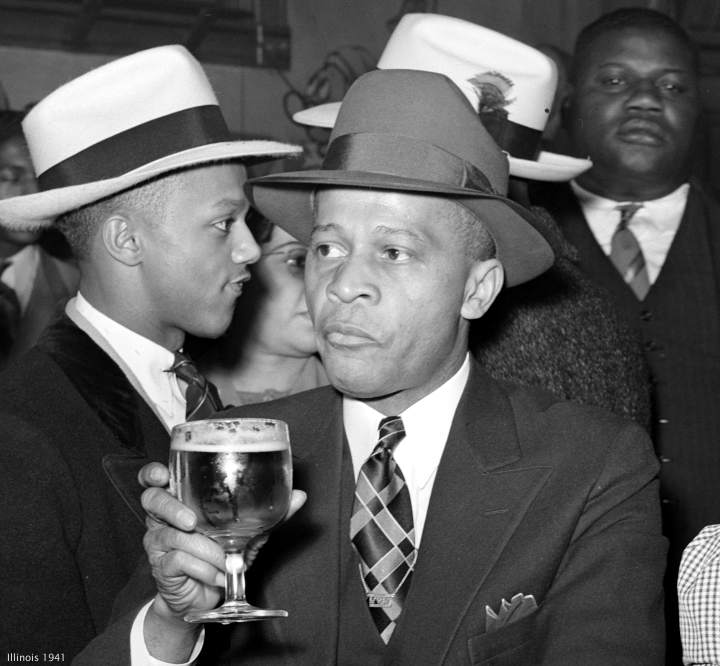
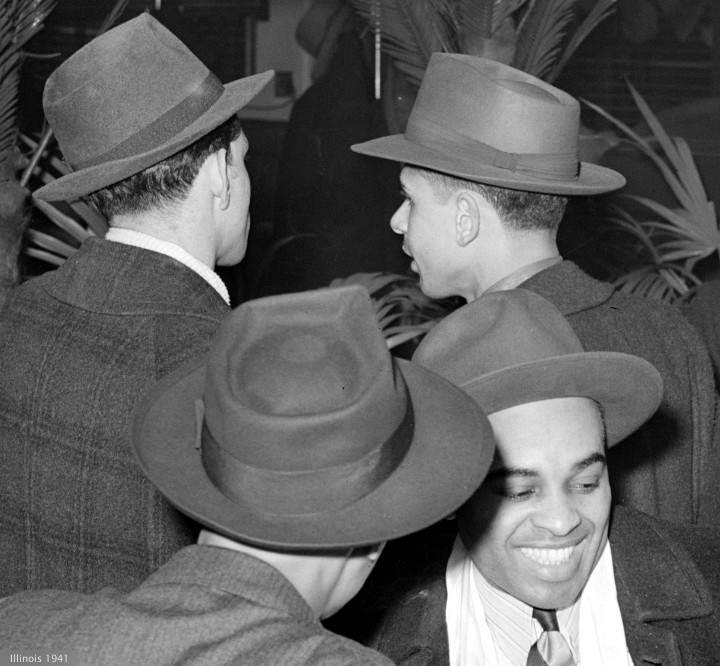
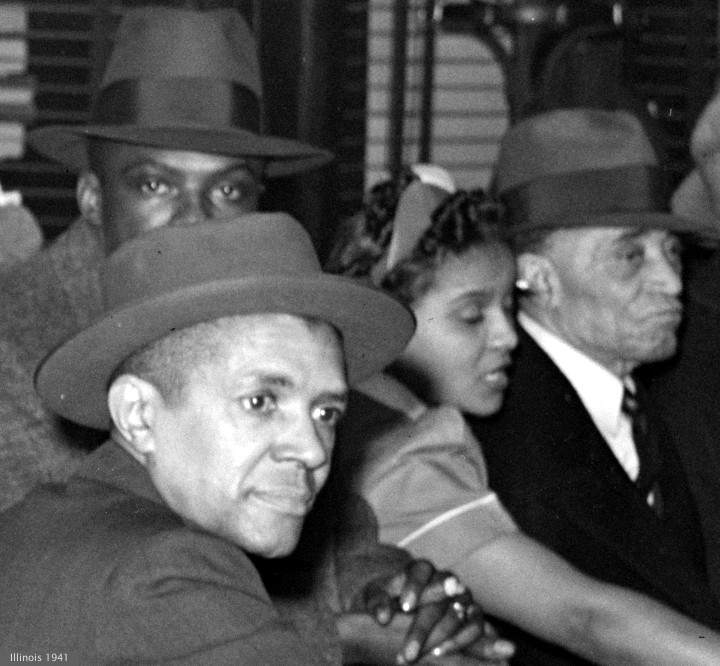
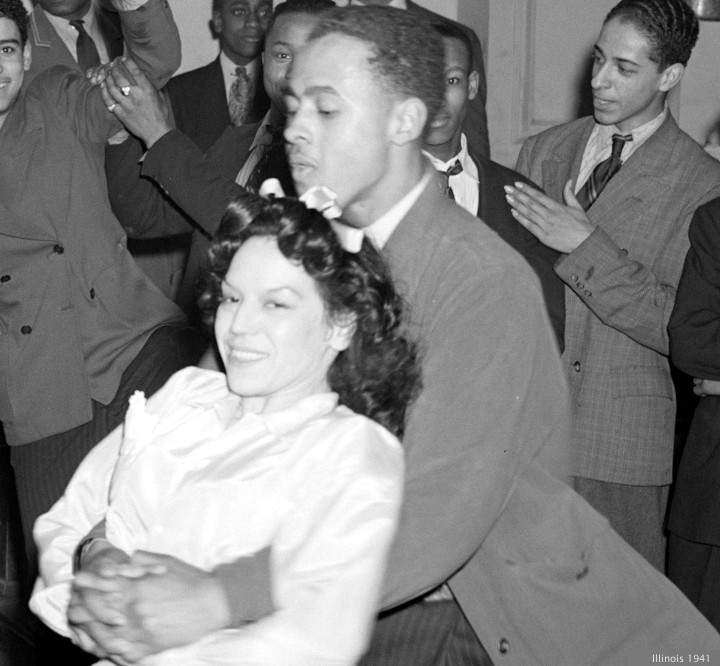
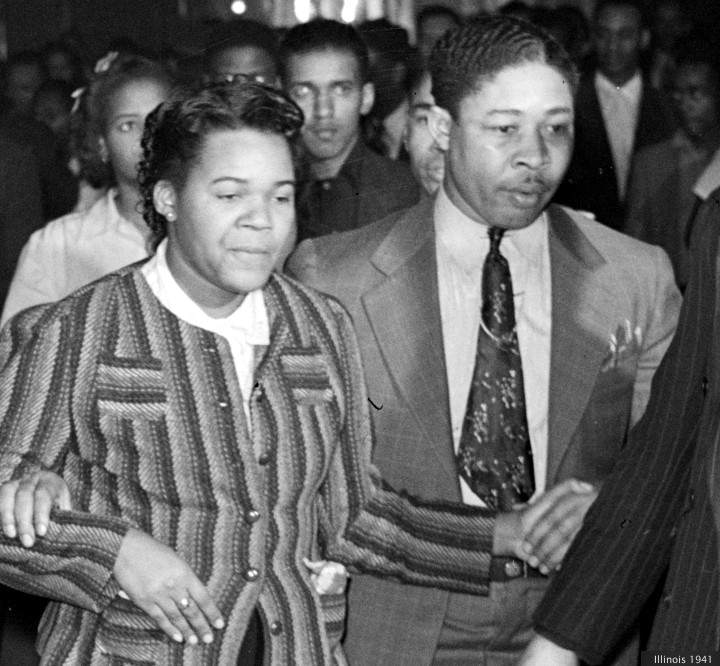
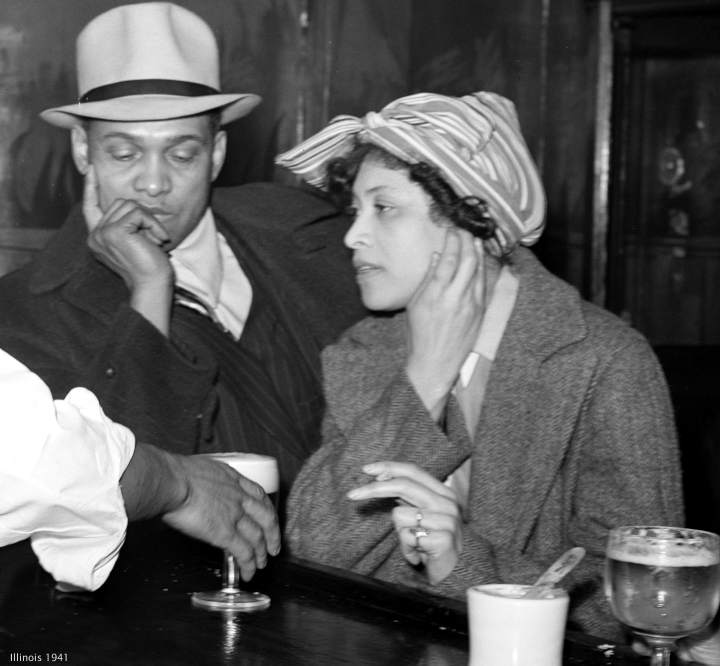
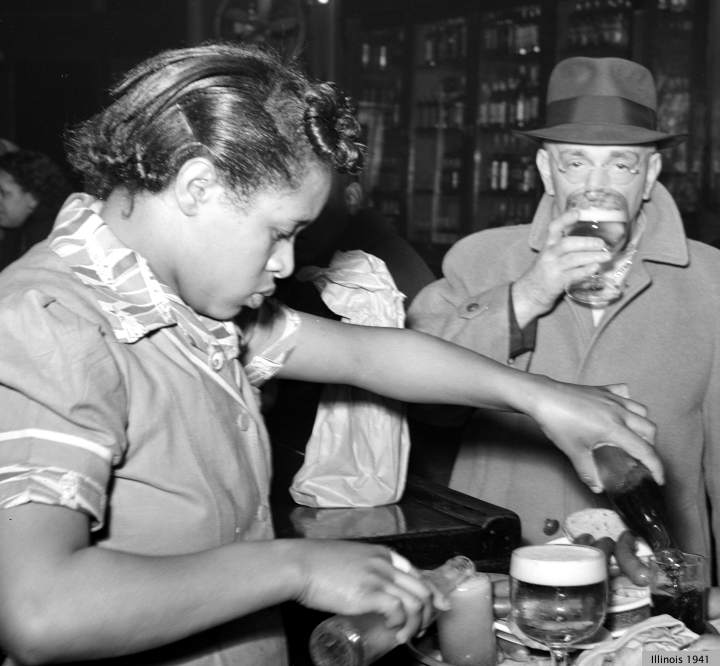
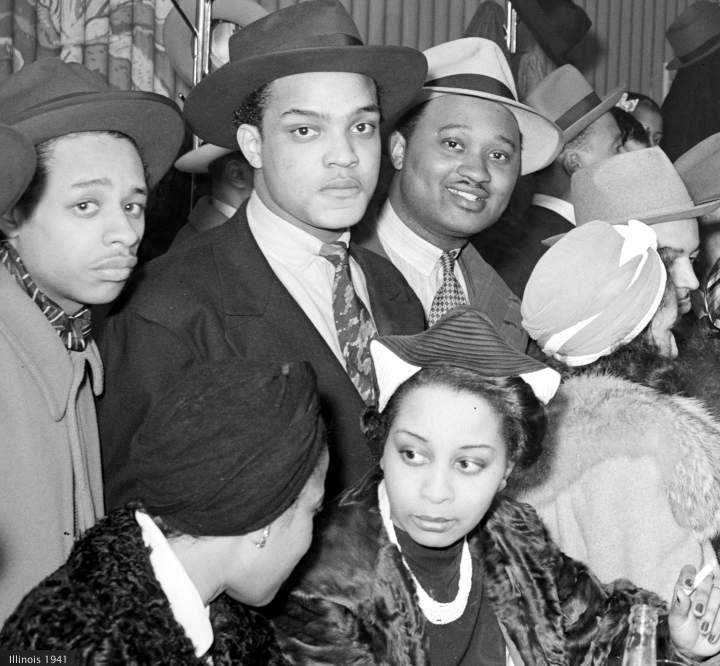
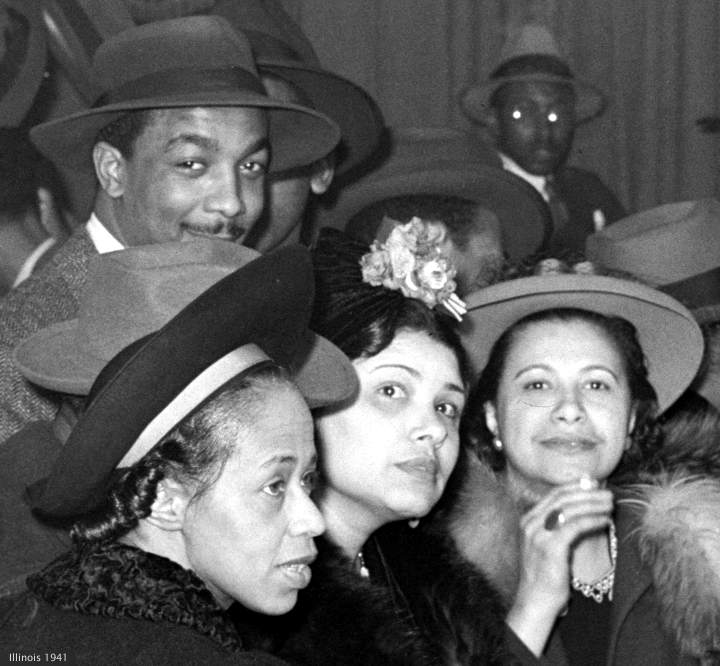
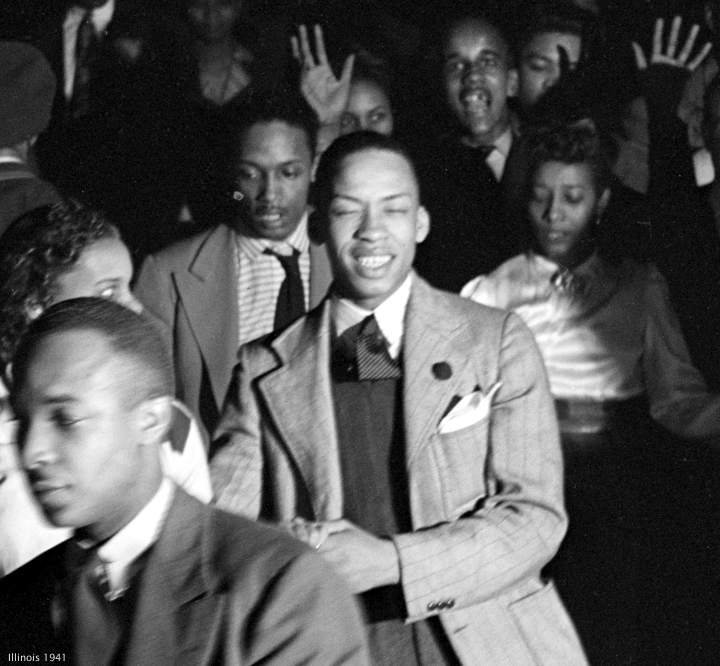
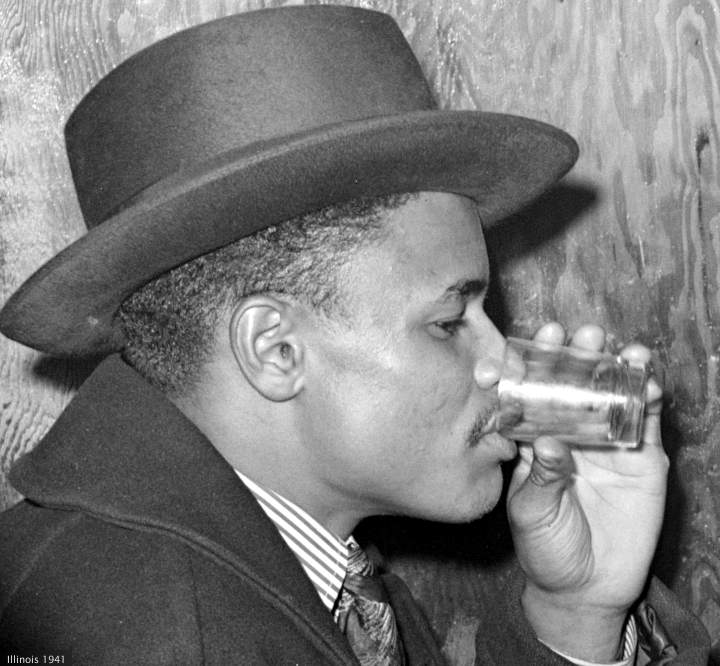
Picture are from The Library of Congress. Russell Lee took the photographs in April, 1941. The setting was Chicago, IL. The bar at Palm Tavern, Negro restaurant on 47th Street. Chicago, Illinois Having fun at roller skating party at Savoy Ballroom. Chicago, Illinois




David And Elton


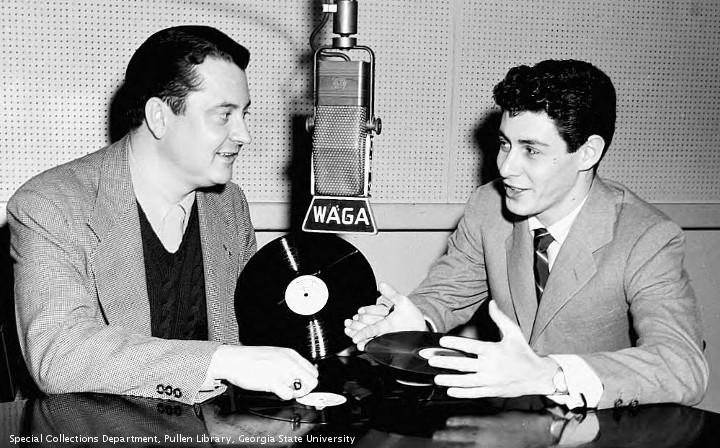

On page 327 of David Bowie: A Life, the Live Aid show goes down. “There wasn’t much love lost between David and Elton–perhaps they’d fallen out at some point in the past…”
Elton John says he fell out with David Bowie over ‘token queen’ remark “David and I were not the best of friends towards the end. We started out being really good friends. We used to hang out together with Marc Bolan, going to gay clubs, but I think we just drifted apart…. He once called me “rock’n’roll’s token queen” in an interview with Rolling Stone, which I thought was a bit snooty. He wasn’t my cup of tea. No; I wasn’t his cup of tea”.
1975 was a different time. David Bowie was moving out of Ziggy Stardust, and became the Thin White Duke. At some point he starting doing lots of cocaine. On page 196 of DB:AL, Jayne County has stories. “It was pretty obvious the David was taking coke. He became very skeletal in his appearance and began rattling off speeches that sounded meaningless to the rest of us–strange things about witchcraft, demons, and sexual prostitution in ancient times … weird things that made everyone nervous. He began to get paranoid and accusing people of ripping him off and stealing his drugs…. He had to have cartilage removed from one part of his body and put in his nose because the coke had eaten his nose cartilage away.”
While David was popular in 1975, and had a certain aesthetic aroma, Elton John was a phenomenon. Everything Elton touched went to Number One. Elton was one of the most popular solo acts the market ever sold. Maybe David was jealous of Elton’s success.
By all accounts, Elton did his share of “hooverizing.” In 1975, Elton was officially in the closet, although a lot of people knew otherwise. In one impossible to confirm story, a friend of PG was working in an Atlanta club called Encore, later known as Backstreet. One busy night, he was in a hurry to get somewhere, and bumped into someone. The person he knocked over was Elton John.
The infamous Rolling Stone interview was part of the damage. “Rock & roll has been really bringing me down lately. It’s in great danger of becoming an immobile, sterile fascist that constantly spews its propaganda on every arm of the media. …. I mean, disco music is great. I used disco to get my first Number One single [“Fame”] but it’s an escapist’s way out. It’s musical soma. Rock & roll too — it will occupy and destroy you that way. It lets in lower elements and shadows that I don’t think are necessary. Rock has always been the devil’s music. You can’t convince me that it isn’t.”
Cameron Crowe How about specifics? Is Mick Jagger evil? David Bowie “Mick himself? Oh Lord no. He’s not unlike Elton John, who represents the token queen — like Liberace used to. No, I don’t think Mick is evil at all. He represents the sort of harmless, bourgeois kind of evil that one can accept with a shrug…. Actually, I wonder … I think I might have been a bloody good Hitler. I’d be an excellent dictator. Very eccentric and quite mad.”
Playboy Magazine gave David another chance to talk about Hitler. “I’d love to enter politics. I will one day. I’d adore to be Prime Minister. And, yes, I believe very strongly in fascism.” “Rock stars are fascists, too. Adolf Hitler was one of the first rock stars.” “#54: PLAYBOY: How so?” BOWIE: “Think about it. Look at some of his films and see how he moved. I think he was quite as good as Jagger. It’s astounding. And, boy, when he hit that stage, he worked an audience. Good God! He was no politician. He was a media artist himself. He used politics and theatrics and created this thing that governed and controlled the show for those 12 years. The world will never see his like.”
#77: PLAYBOY: “Last question. Do you believe and stand by everything you’ve said?” BOWIE: “Everything but the inflammatory remarks.” We don’t know whether a jab at Elton was inflammatory. “I consider myself responsible for a whole new school of pretensions–they know who they are. Don’t you, Elton? Just kidding. No, I’m not.”
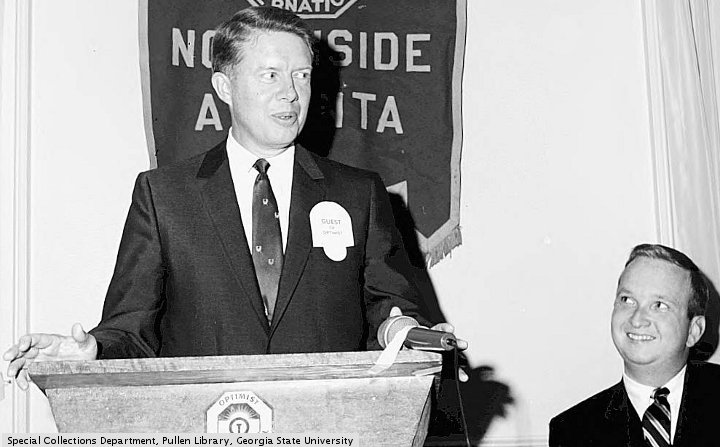
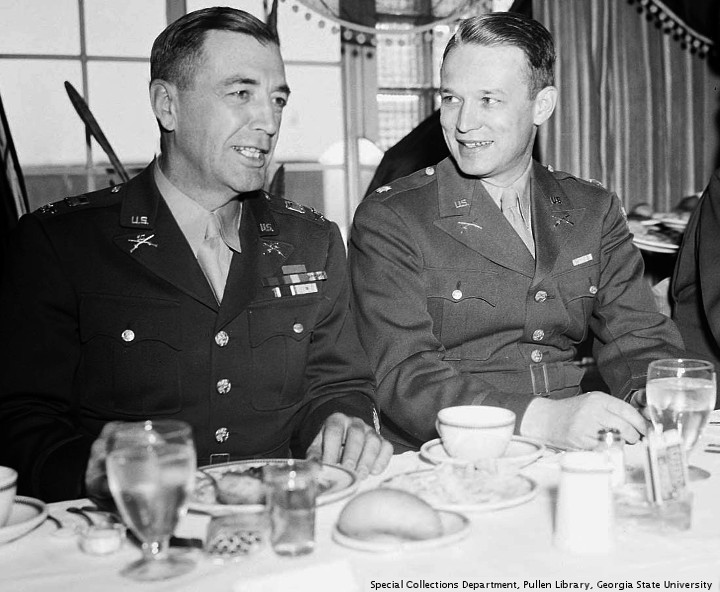
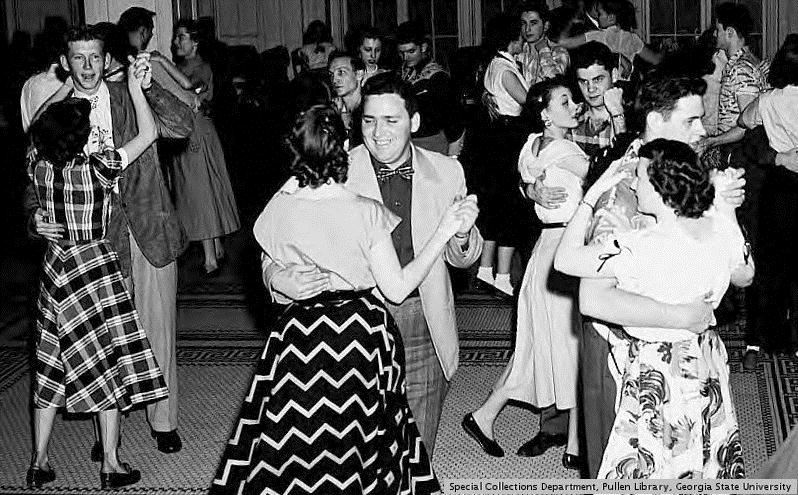
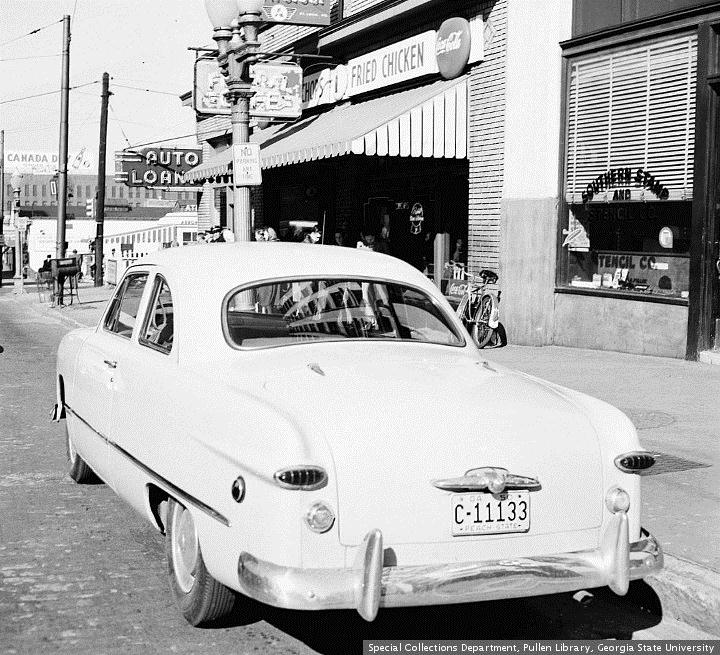
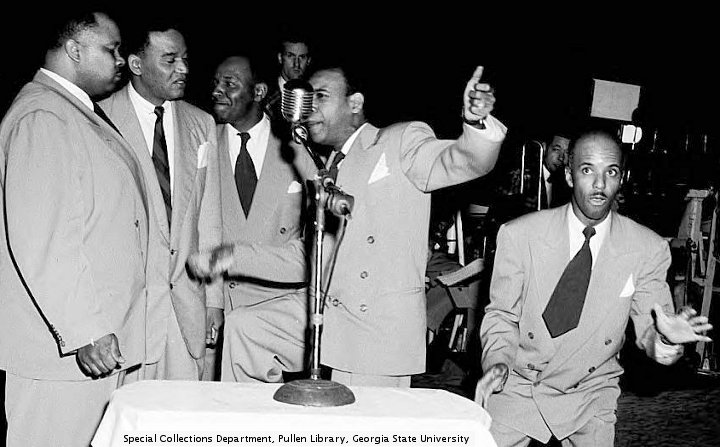
Seven daily grams of coke (DB:AL, p.223) did not kill David Bowie. He soon moved on to make The Man Who Fell to Earth. People magazine helped out with the publicity. “No role could have suited David Bowie better in his first major movie than that of an inscrutable interplanetary traveler outfitted with human skin, sex organs, Ronald Reagan hair and humanoid pupils to slip in over his horizontal, mismatched feline slits.” Forty years before Donald Trump made the tangerine toupee cool, Ronald Reagan was prematurely orange. Pictures for this deplorable dive into hissyfit history are from “The Special Collections and Archives, Georgia State University Library”.



Billie Holiday Stories



How ‘Strange Fruit’ Killed Billie Holiday turned up in a facebook feed yesterday. The article states that Harry Jacob Anslinger “the first commissioner of the U.S. Treasury Department’s Federal Bureau of Narcotics,” ordered Billie Holiday to quit performing “Strange Fruit.” When the chanteuse declined, Mr. Anslinger had her arrested for heroin possession. Later, Mr. Anslinger was allegedly responsible for busting Miss Holiday on her deathbed.
The Hunting of Billie Holiday was the source given for the claim about Mr. Anslinger and “Strange Fruit.” The Politico article does not say that Mr. Anslinger ordered Miss Holiday to quit singing “Strange Fruit.” It does say that Louis McKay, one of the many no-good men in Miss Holiday’s life, narked her out. The bust was in 1947, after she had been performing “Strange Fruit” for several years. (Lady Sings The Blues says that Louis McKay was not in Miss Holiday’s life in 1947.)
Politico had one comment that set off the bs detector. “One day, Harry Anslinger was told that there were also white women, just as famous as Billie, who had drug problems—but he responded to them rather differently. He called Judy Garland, another heroin addict, in to see him.” Frances Gumm was well known for having substance abuse issues. The heroin business was news to a lot of people.
Johann Hari was the author of the politico article. At the time, he was promoting a book, Chasing the Scream, about the war on drugs. Johann Hari has a spotted reputation. “The author used to be the Independent’s star columnist, a prolific polemicist and darling of the left, until his career imploded in disgrace when it emerged in 2011 that many of his articles contained quotes apparently said to him but in fact lifted from his interviewees’ books, or from previous interviews by other journalists.”
The final bust, as Miss Holiday lay dying in the hospital, is part of the legend. A google search does not show what agency was responsible. Harry Anslinger may have been involved, and it may have been someone else. By this time, Elanora Fagan was in bad, bad shape. Years of drinking, and hard drugs, had worn her out. While the hospital bust may have hastened her demise, it is a bit of a stretch to say the Harry Anslinger killed Billie Holiday, because she sang “Strange Fruit.”
This is a repost. Pictures today are from The Library of Congress.


Lady Sings The Blues is the autobiography of Billie Holiday. PG read it in 1978, and pulled it off the shelf recently. The copy he has is was a 1972 paperback, issued in conjunction with the movie. A picture of Diana Ross is on the cover, as well as a price sticker from Woolco. The book sold for $1.25. Pictures today are from The Library of Congress. The spell check suggestion for Woolco is Cool.
William Dufty was the ghost writer. His prose is easy to read, with the story flowing out like a Lester Young solo. The 1956 copyright is assigned to “Eleanora Fagan and William Dufty,” using the birth name of the singer. Mr. Dufty was a newspaper writer. “Dufty had one son, Bevan Dufty, with first wife Maely Bartholomew, who had arrived in New York City during World War II after losing most of her family in the Nazi concentration camps. She settled near Harlem where she met her best friend and Bevan’s godmother, Billie Holiday.”
“Bevan Dufty would agree. He’s one of the childless singer’s two godchildren. … “Holiday said motherf — all the time, in her gravelly elegant way,” recalled Dufty, sitting in his City Hall office. His mother, a Czech Jewish immigrant who loved jazz, was close to many musicians and even managed the unmanageable Charlie Parker for a spell, learned to curse from Holiday. But with a European accent. Much of what Dufty knows of Holiday comes from his late mother, who was married to actor Freddie Bartholomew before her brief marriage to William Dufty, one of her seven husbands. Maely, who took her infant son by train to Philadelphia every day to attend yet another of Holiday’s drug trials, was so distraught by the singer’s death that she dedicated herself to helping recovering addicts. A number of musicians lived at the Duftys’ place while kicking the habit (William and Maely Dufty divorced not long after Holiday’s death, and he later married actress Gloria Swanson, who inspired him to write the book “Sugar Blues” about the dangers of processed sugar).”
Billie Holiday’s bio, ‘Lady Sings the Blues,’ may be full of lies, but it gets at jazz great’s core Autobiographies are, by their nature, self serving. This one has a great opening line… ” “Mom and Pop were just a couple of kids when they got married. He was eighteen, she was sixteen, and I was three.” (“Her parents were never married. When she was born, her mother was 19, her father was 17 and they never lived under the same roof.”) Another source adds: “Some of the material in the book, however, must be taken with a grain of salt. Holiday was in rough shape when she worked with Dufty on the project, and she claimed to have never read the book after it was finished. Around this time, Holiday became involved with Louis McKay. The two were arrested for narcotics in 1956, and they married in Mexico the following year. (March 28, 1957) Like many other men in her life, McKay used Holiday’s name and money to advance himself.”
Louis McKay is at the center of another misunderstanding of facts. The Hunting of Billie Holiday claimed that Mr. McKay narked out Miss Holiday in 1947, and set up her first drug bust. LSTB tells a different story. Here, Miss Holiday meets Mr. McKay very briefly in 1931. Someone was trying to rob Mr. McKay. Miss Holiday said “He’s my old man,” and chased off the robber.
Fast forward twenty five years, and Miss Holiday connects with Mr. McKay. “I hadn’t seen him since I was sixteen and he wasn’t much older and I was singing at the Hotcha in Harlem.” The two were married in 1957. They got busted as LSTB ends. Either Politico is wrong about the 1947 bust, or Miss Holiday did not tell the whole story. Either way, Harry Anslinger is not mentioned in LSTB.
Tallulah Bankhead is another missing piece of the puzzle. Reportedly, Miss Bankhead and Miss Holiday were close friends, and possibly lovers. That was over by the time LSTB was written. “When “Lady Sings the Blues” was being prepared, Miss Bankhead got an advance copy, and was horrified by what she saw. A fierce note was sent to the book’s publisher, and scenes were edited out. Miss Holiday was outraged. The letter that resulted is a poison pen classic. “My maid who was with me at the Strand isn’t dead either. There are plenty of others around who remember how you carried on so you almost got me fired out of the place. And if you want to get shitty, we can make it a big shitty party. We can all get funky together!”
Miss Bankhead does make an appearance in LSTB. On page 117, Miss Holiday is describing playing a maid, in a movie. She was not pleased at the typecasting. “Don’t get me wrong. I’ve got nothing against maids – or whores – whether they’re black or white. My mother was a maid, a good one, one of the greatest. My stepmother is Tallulah Bankhead’s maid right now, and that’s a part I’d even consider when they do her life story.” (Miss Bankhead had her own domestic help problems. In 1951, Evyleen Cronin, Tallulah’s maid and secretary, was accused of stealing $10,000-30,000 from Tallulah during her employment. … The case went to trial (much to Tallulah’s embarrassment) and Cronin was convicted.” Many embarrassing details about Miss Bankhead’s life came to light during this trial. Fanny Holiday, the stepmother, is probably a different person than Evyleen Cronin.)
Whatever it’s factual challenges, Lady Sings the Blues is a powerful book. Miss Holiday had a tough life, to say the least. As the singer for Artie Shaw’s big band, Miss Holiday was an integration pioneer, and every two bit cracker wanted to make trouble. Later, she was addicted to heroin, got busted, served time in prison, only to get out and suffer some more.
Three years after LSTB came out, things went from bad to horrible. “In early 1959 she found out that she had cirrhosis of the liver. The doctor told her to stop drinking, which she did for a short time, but soon returned to heavy drinking. … On May 31, 1959, Holiday was taken to Metropolitan Hospital in New York suffering from liver and heart disease. She was arrested for drug possession as she lay dying, and her hospital room was raided by authorities. Police officers were stationed at the door to her room. Holiday remained under police guard at the hospital until she died from pulmonary edema and heart failure caused by cirrhosis of the liver on July 17, 1959.” This is a repost.

Ham On Rye

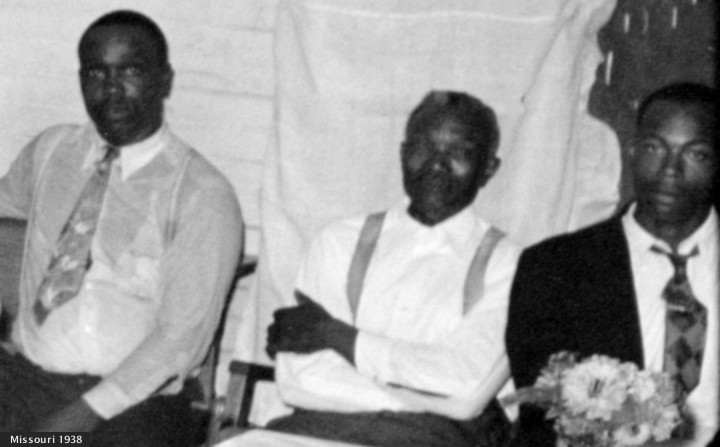
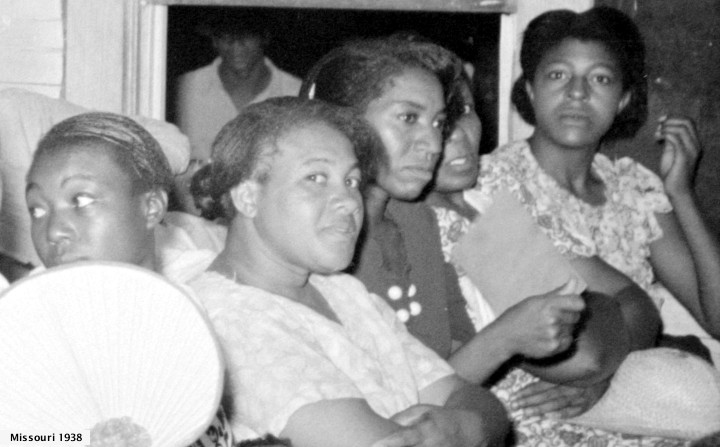
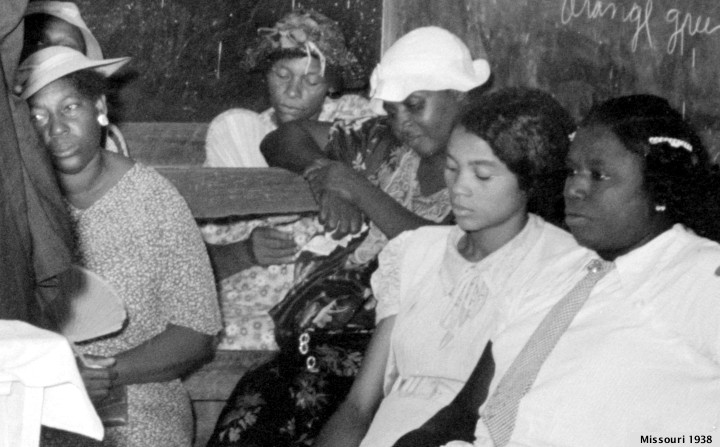


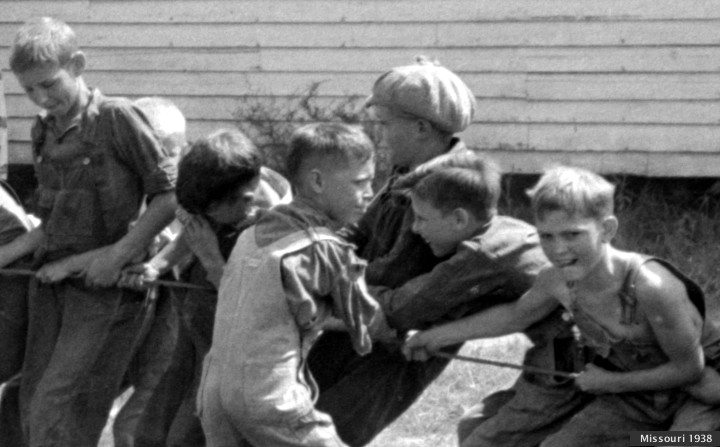
Ham On Rye is due back at the library today. PG could not renew it, because someone else had made a request. This was going to be a snow jam day, but it did not even deliver a good drizzle. Going bonkers over an inch of snow is an Atlanta tradition, and PG would not have it any other way. Which does not write this book report. Pictures from The Library of Congress.
HOR is the about the childhood of Hank Chinaski, who is really Charles Bukowski. It seems like a dreary affair. Hank Sr. is a sadistic asshole. He gets off on beating his son. Mother sits back and does nothing. The story is set in depression Los Angeles, which adds to the morbid ambience of the tale.
A discerning reader can see the roots of the acorn that grew into Charles Bukowski. One of his few childhood friends had a basement full of home made wine. Charles went down there, and made a life long friend. Before long, daddy put a padlock on the basement.
Someone who will write Notes of a Dirty Old Man needs to get out of grammar school first. At some point, a near fatal case of acne hit. Hank was going to the hospital, and receiving acne cures that made daddy seem warm and fuzzy. Eventually, Hank went on to getting drunk whenever possible, and then fighting the person who supplied the hootch.
For all the horny talk, there is little sex in HOR. Hank goes to get drunk with some kid who had a hot mother. The kid passed out, and mama came home. Hank hits on mama. She pulls her skirt up. Her pussy hair is half gray, and not pretty like her head hair. Hank decides to go home instead.
Hank graduates from High School, gets a job in a department store, and gets fired within a week. Hank bounces around, wins a pile of money in a drinking contest, gets kicked out of the family house, and gets kicked out of a Filipino boarding house. Hank starts talking the pre-Pearl Harbor pro German talk, only to discover that the Nazis he meets are idiots. The story ends with the announcement of Pearl Harbor. Hank does not enlist.
A story like this needs a one star review. “I can handle depressing books. I actually steer away from anything too frothy. This one, I am afraid, would depress a circus clown after his best stage performance. Dark. Sad. No uplifting moments. I finished it, hoping it would have some redemption at the end. Wrong. Went from depressing to clinically depressing.”



Citizen Part Three
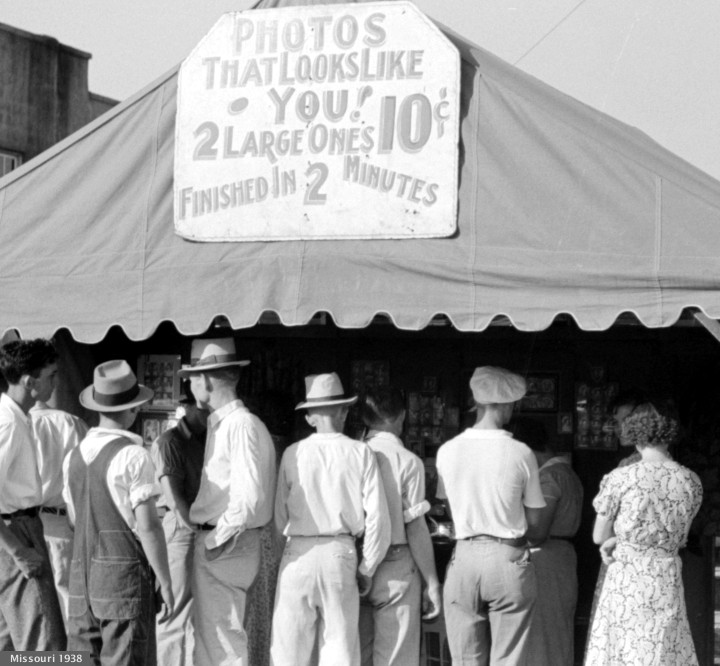

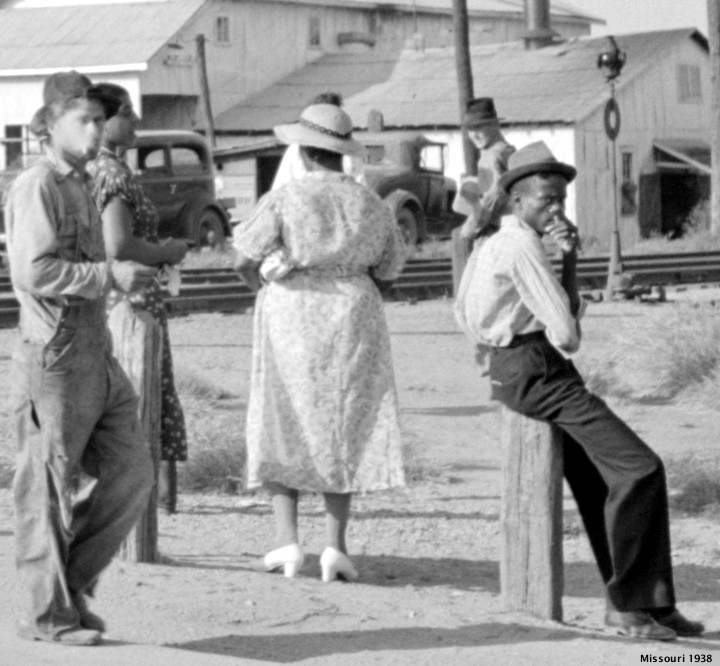


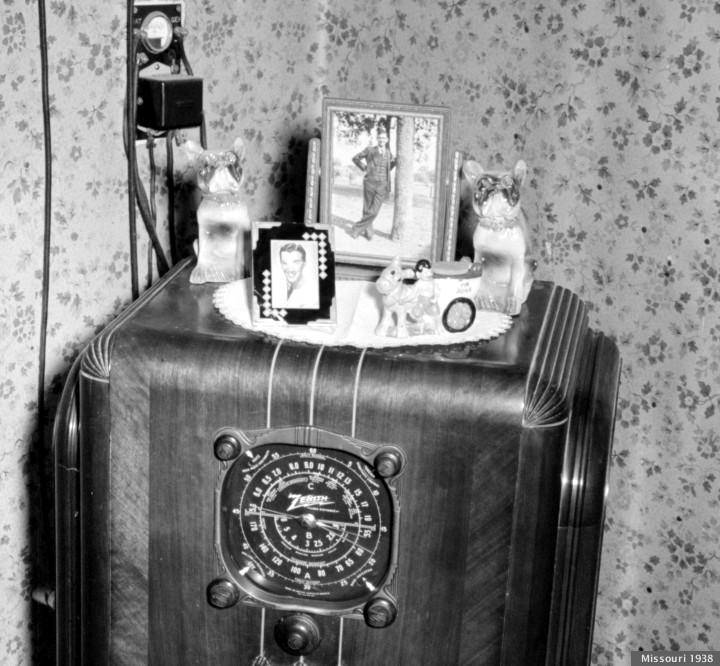

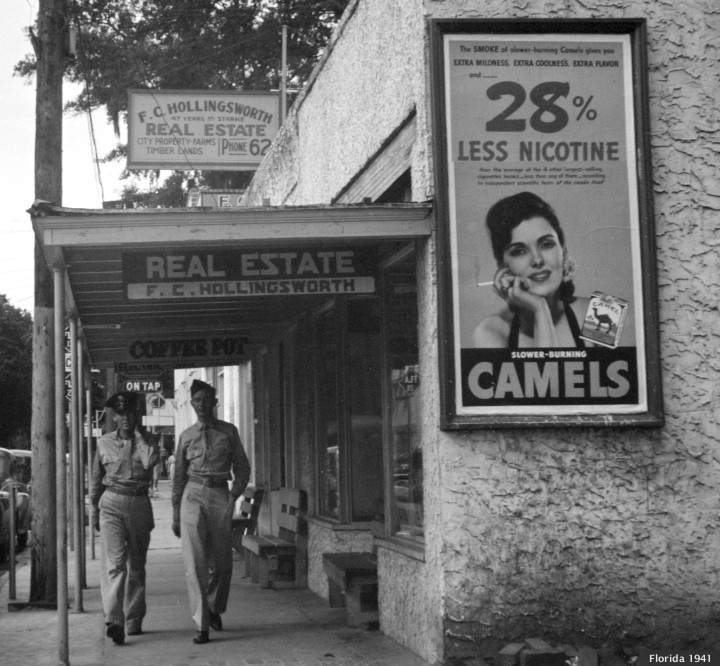
PG had been putting this off. A while back, he took a copy of Citizen: An American Lyric. The idea was to produce a response to it. There would be a live show, that would include these responses.
PG started to read CAAL. He quickly realized that this was not his kind of book. The author, Claudia Rankine, is a college professor. The tone of CAAL is academic. The topic of CAAL is racism. Reading academic prose poems about microaggressions is not likely to change black/white America. PG might learn a thing or two, but can also expect to be insulted. When it comes to what reading material PG am going to invest with his precious time, he prefers a story. It might not make PG a better person, but he will enjoy the time spent reading it. Reading a Yale professor talk about microaggression will be prove to be neither transformative nor enjoyable.
Then there was a meme on facebook.. “Pick up the nearest book to you. Turn to page 45. The first sentence explains your love life.” The book nearest to PG was CAAL. The first sentence on page 45 is also the only sentence on page 45. It is that kind of book. The sentence: “And when the woman with the multiple degrees says, I didn’t know black women could get cancer, instinctively you take two steps back though all urgency leaves the possibility of any kind of relationship as you realize nowhere is where you will get from here.” How this explains a love life is a mystery best left unsolved. It will, however, motivate PG to write part three of the CAAL series.
Page 45 does not speak to PG. He has had experiences where people say preposterous things to him. The idea is to just ignore it, and be happy for your life. And mostly that is what happens. The consequences of speaking up are too severe. You have to pick your battles. You cannot go off every time your feathers get ruffled. PG would also be interested to talk to the woman with the multiple degrees,” and hear her side of the story.
CAAL is full of episodes like this. Obviously, some people enjoy this sort of thing. It might get people to listen to each other, and get along better. Or it might just make people tune out, and wait until it is over. CAAL does not tell PG anything he has not heard before. It is not, to his way of thinking, especially well written. CAAL is not enjoyable to read. Is CAAL supposed to be swallowed like medicine, to make you a better person?
Putting race aside, lets look at page 45. There is one sentence on page 45. Page 44 has a two sentence paragraph, and five lines of dialog, each separated by a blank line. CAAL is supposed to be an *art* book. It is sponsored by several foundations. The back cover has a list of awards harvested by CAAL. Is this a book to be admired, or a book to be enjoyed?
Part one and part two of this series are online. Pictures today are from The Library of Congress.



A Natural Woman: A Memoir



A Natural Woman: A Memoir is the autobiography of Carole King. How much she actually wrote is a good question. The 2012 copyright is assigned to “Eugenius LLC.” While Carole is famous as a songwriter, she mainly wrote music. Someone else did the lyrics.
Carol Joan Klein was born February 9, 1942. After a reasonably normal Brooklyn girlhood, she started going to music companies with songs she wrote. Soon, she was writing all the time. Gerry Goffin was writing words, and the songs became hits. By this time, an e had been added to Carole, and King became her professional name.
Gerry and Carol got married, had two girls, moved to New Jersey, and continued to write hit records. The sixties hit Gerry hard, with drugs, mental illness, and other women. The two got divorced. Carol moved to California, became a hippie goddess, released the best selling album of all time, got married again, and had two more children.
If you listen to Tapestry, you probably notice the bass player. This is Charlie Larkey, husband/babydaddy number two. The divorced after a while, for some reason or another. ANWAM is fuzzy about some of the details. You get the sense that there is more to the story.
Famous people books tend to follow a pattern. They are born, and become successful. The story line goes over the bump in the middle, and begins to go downhill. For Carole King, this downhill path starts with her third husband. An abusive jerk, Rick Evers made life miserable for a few years, before dying of too much drugs. The one bright spot in this part of the story is moving to Idaho. But that was a mixed blessing. After finding a dream spot in the wilderness, there was a nasty court battle over keeping a private road private. Once again, ANWAM tells one side of the story well.
Last summer, PG hit the jackpot at a friends-of-the-library book sale. ANWAM is the last book. The first three were Post Office, I Slept With Joey Ramone, and Bastard Out Of Carolina. It is probably back to the library for reading material now. Pictures today are from The Library of Congress.






Bastard Out of Carolina


Bastard Out of Carolina is a much praised novel. Dorothy Allison wrote it. When PG saw it at a used book sale, he hesitated. The lady taking the money said, if you don’t want that book, I will take it. PG went ahead and gave the lady one dollar, and took home BOOC. If it had been set in Kentucky, the initials would have been BOOK.
Bone is the illegitimate hero of BOOC. Her birth certificate has ILLEGITIMATE stamped across the bottom, in “oversized red-inked block letters.” Anney, the mother, makes repeated visits to the county courthouse, trying to get the certificate de-bastardized. Finally, when Bone is 12, Anney succeeds. By then it is too late.
The Boatwrights are a large family. They live in Greenville, South Carolina. BOOC is set in the fifties. PG was never really sure how many aunts and uncles Bone has. Maybe that is the idea.
The characters in BOOC are what some people would call white trash. Money is always a problem. The men drink and fight. The women do what they can. The kids are kids, until it is their turn to get locked up, or knocked up.
After Anney has two girls, she meets Glen Waddell. He is the villain of BOOC. An all around fuck up, Daddy Glen sexually abuses Bone. This is only spelled out in two episodes. The verbal/physical abuse is there all the time.
An Essential Novel About Poverty, Bigotry, and Sexual Abuse, Twenty-Five Years Later is an article that googled its way into this book report. Some urban writers are fascinated by racism. Dorothy Allison keeps racism in its place. There are no black characters in BOOC. The Boatwrights say n$$$$r. The reader comes to learn that the Boatwrights would have been just as poor, just as drunk, and just as trashy in an all white county. Whiteness is part of the story, just like the muddy river flowing past Aunt Raylene’s house.
BOOC has a lot of details, and atmosphere. In a radio interview, Dorothy Allison says something. “Oh, I want that — you know what Nabokov called it, that sob in the spine, that where you’re reading and suddenly it just stops you, and you’re like ah! That’s what I want. I want you to take a deep breath, and if I’m really lucky, I want you to throw the book at the wall.” Paperbacks do less damage.
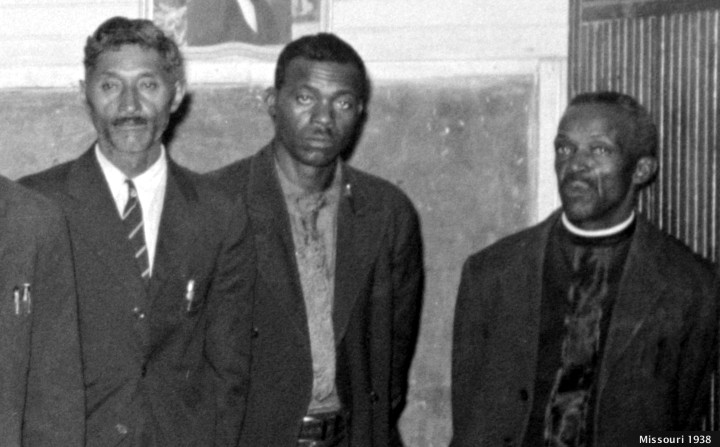
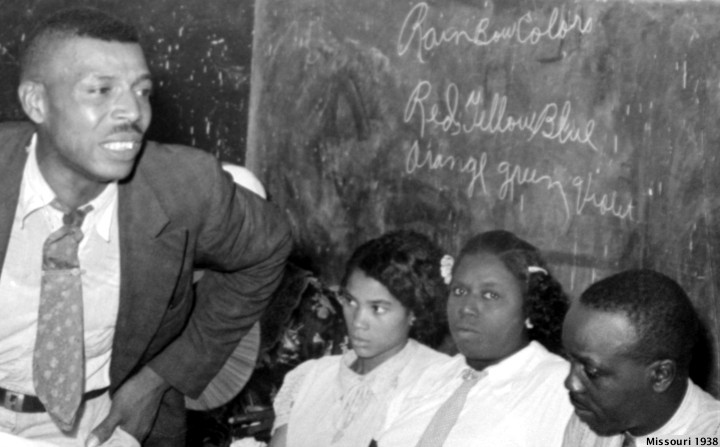
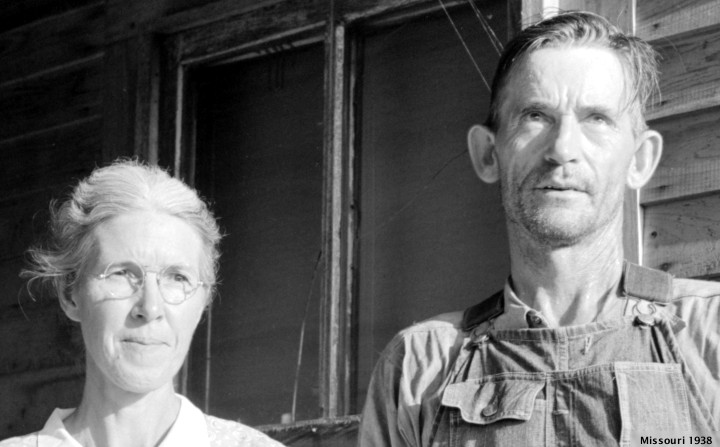
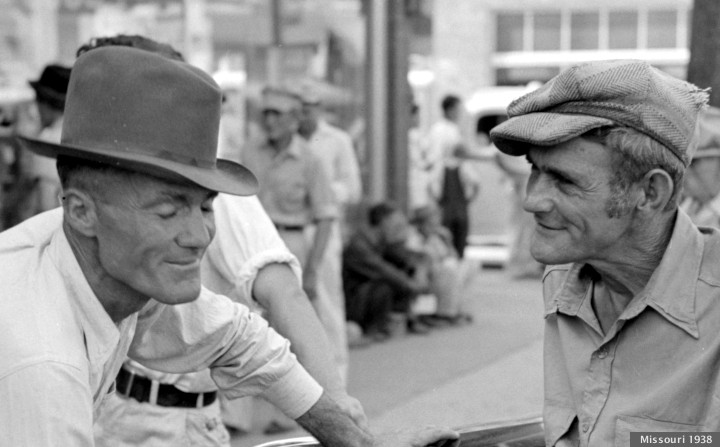
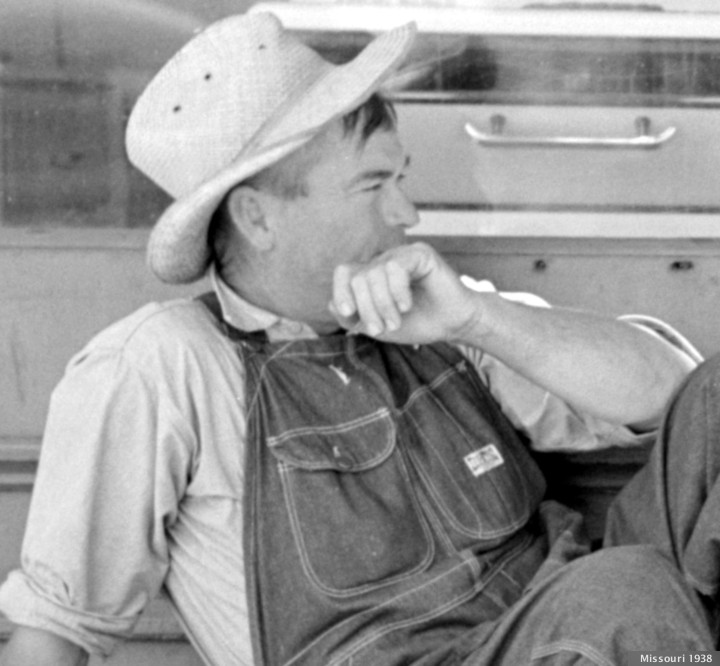
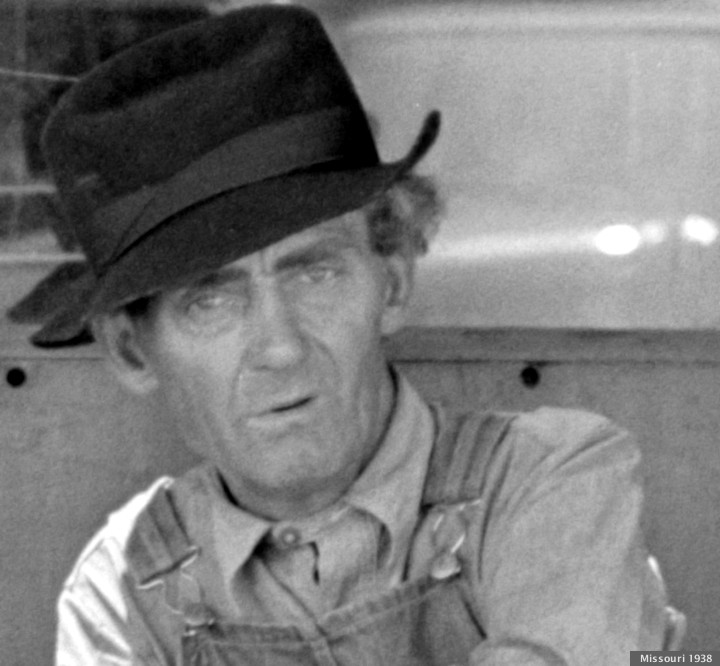
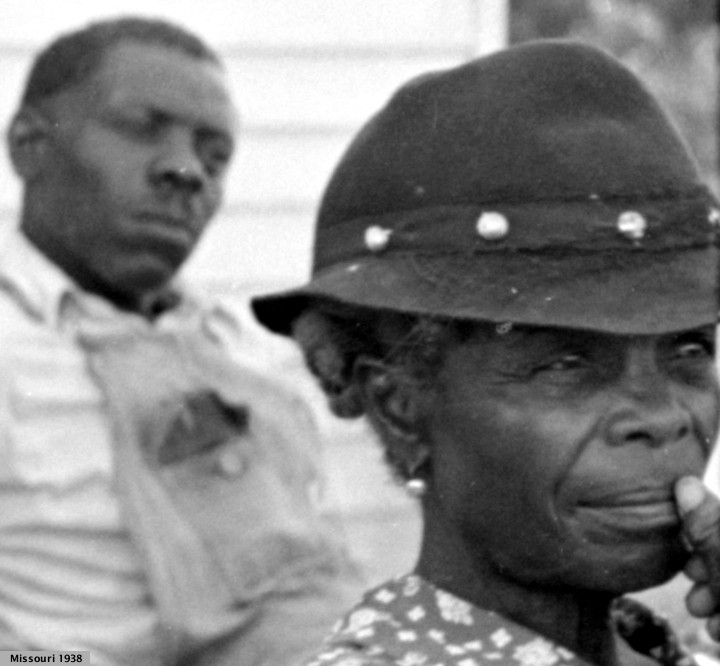
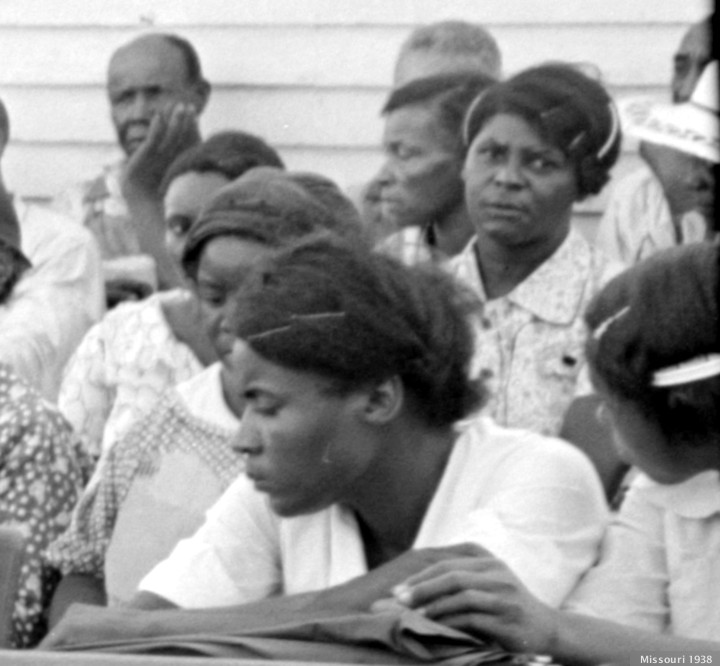
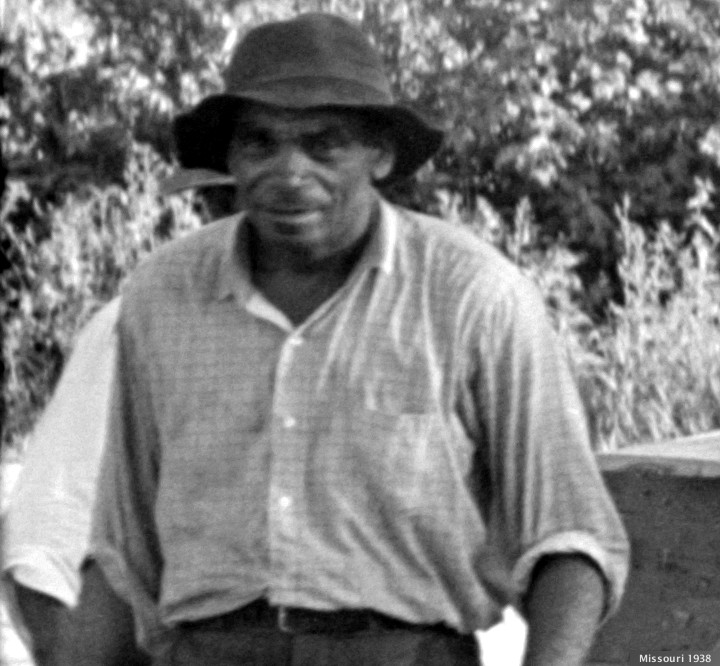
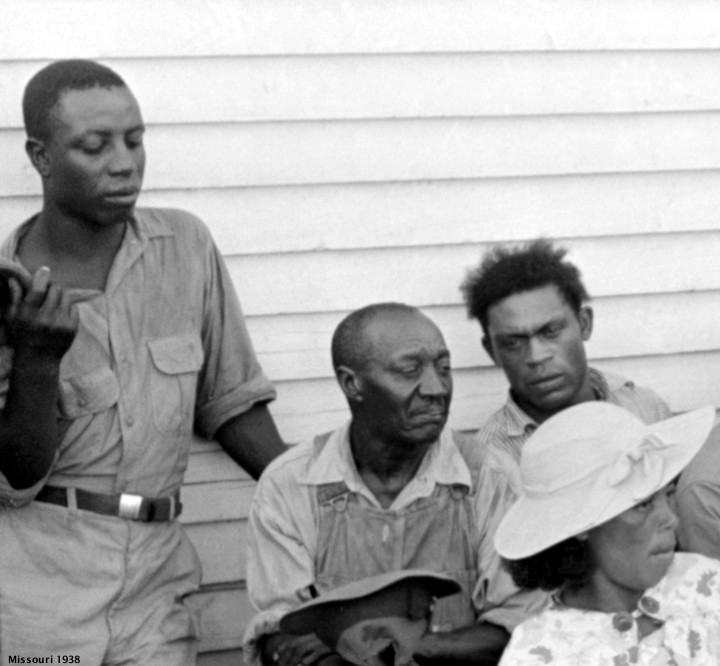
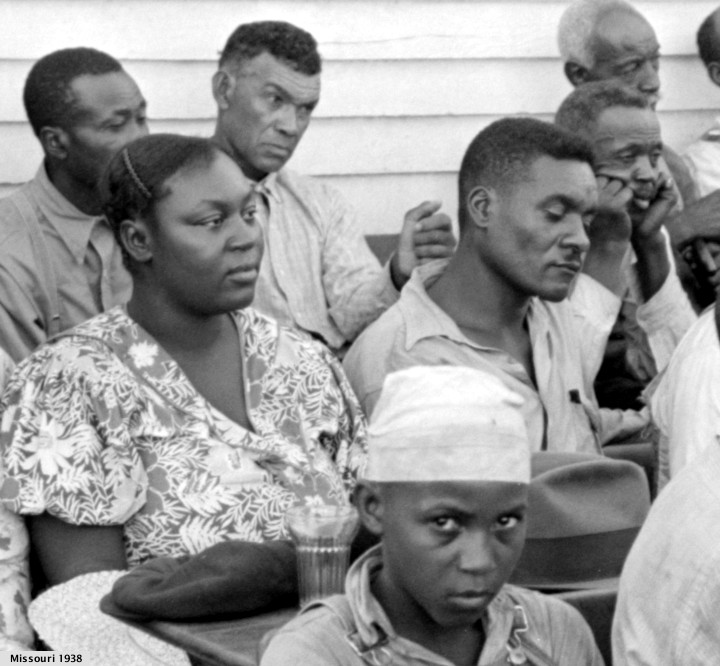
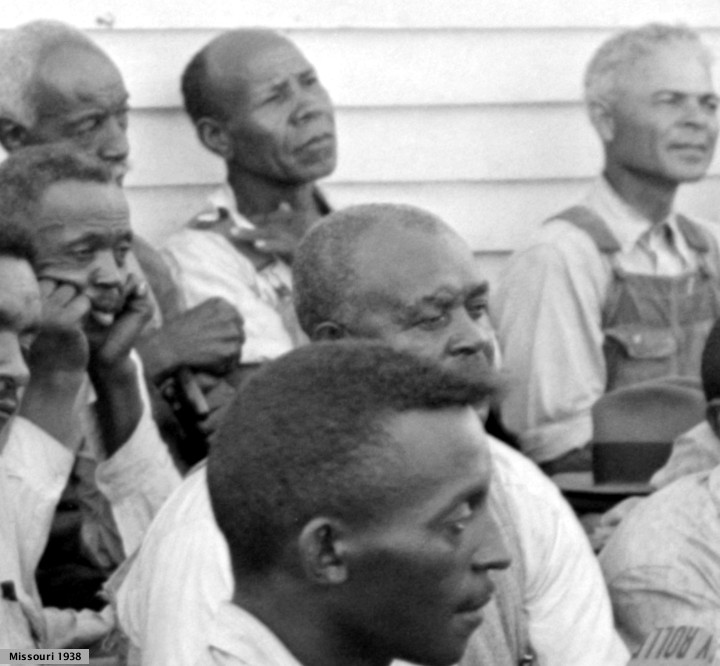
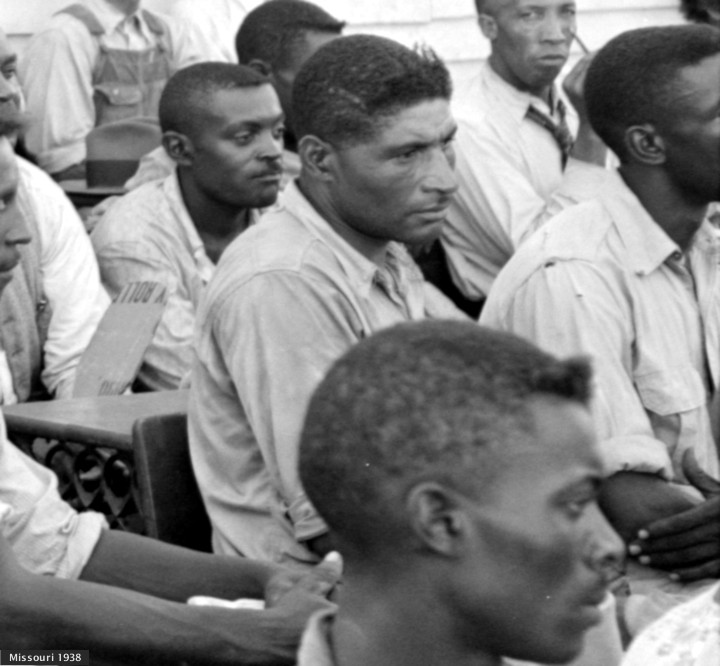
Pictures today are from The Library of Congress. Russell Lee took the pictures in Missouri. The date was August, 1938.


 </
</ </
</ 
Flannery O’Connor


With one day before it was due, PG finished reading Flannery: A Life of Flannery O’Connor , by Brad Gooch. The author is a professor of English at William Patterson University in New Jersey. He spares no citations. You can see where he gets his information. This is a repost.
Chamblee54 has written before about Miss O’Connor , and repeated the post a year later. There is a radio broadcast of a Flannery O’Connor lecture. (The Georgia accent of Miss O’Connor is much commented on in the book. To PG, it is just another lady speaking.)
Mary Flannery O’Connor was born March 25, 1925 in Savannah GA. The local legend is that she was conceived in the shadow of St. John the Baptist Cathedral, a massive facility on Lafayette Square. Her family did leave nearby, and her first school was just a few steps away. This is also a metaphor for the role of the Catholic Church in her life. Mary Flannery was intensely Catholic, and immersed in the scholarship of the church. This learning was a large part of her life. How she got from daily mass, to writing stories about Southern Grotesque, is one mystery at the heart of Flannery O’Connor.
Ed O’Connor doted on his daughter, but had to take a job in Atlanta to earn a living. His wife Regina and daughter Mary Flannery moved with him, to a house behind Christ The King Cathedral. Mr. O’Connor’s health was already fading, and Mother and Daughter moved in with family in Milledgeville. Ed O’Connor died, of Lupus Erythematosus, on February 1, 1941.
Mary Flannery went to college in Milledgeville, and on to the Iowa Writer’s Workshop. She dealt with cold weather, went to Mass every day, and wrote. She was invited to live at an artists colony called Yaddo, in upstate New York. She lived for a while with Robert and Sally Fitzgerald in Connecticut, all while working on her first novel, “Wise Blood”. In 1950, she was going home to Milledgeville for Christmas, and had been feeling poorly. She went to the hometown doctor, who thought at first that the problem was rheumatoid arthritis. The illness of Flannery O’Connor was Lupus Erythematosus.
Miss O’Connor spent much of that winter in hospitals, until drugs were found that could help. She moved, with her mother, to a family farm outside Milledgeville, which she renamed Andalusia. She entered a phase of her life, with the Lupus in relative remission, and the drugs firing her creative fires, where she wrote the short stories that made her famous.
Another thing happened when she was recuperating. Flannery was reading the Florida “Market Bulletin”, and saw an ad for “peafowl”, at sixty five dollars a pair. She ordered a pair, and they soon arrived via Railway Express. This was the start of the peacocks at Andalusia, a part of the legend.
During this period of farm life and writing, Flannery had several friends and correspondents. There was the “Bible Salesmen”, Erik Langkjaer, who was probably the closest thing Flannery had to a boyfriend. Another was Betty Hester, who exchanged hundreds of letters with Miss O’Connor. This took place under the stern eye of Regina O’Connor, the no nonsense mother-caregiver of Flannery. (Mr. Gooch says that Betty Hester committed suicide in 1998. That would be consistent with PG stumbling onto an estate sale of Miss Hester in that time frame.)
The book of short stories came out, and Flannery O’Connor became famous. She was also dependent on crutches, and living with a stern mother. There were lectures out of town, and a few diverse personalities who became her friends. She went to Mass every day, and collected books by Catholic scholars. Flannery was excited by the changes in the church started by Pope John XXIII, and in some ways could be considered a liberal. (She supported Civil Rights, in severe contrast to her mother.)
In 1958, Flannery O’Connor went to Europe, including a trip to the Springs at Lourdes. Her cousin Katie Semmes (the daughter of Captain John Flannery, CSA) pushed Flannery hard to go to the springs, to see if it would help the Lupus. Flannery was reluctant…” I am one of those people who could die for his religion sooner than take a bath for it“. When the day for the visit came, Flannery took a token dip in the waters. Her condition did improve, briefly. (It is worth speculating here about the nature of Flannery’s belief, which was apparently more intellectual than emotional. Could it be that, if she was more persuaded by the mystical, emotional side of the church, and taken the healing waters more seriously, that she might have been cured?)
At some point in this story, her second novel came out, and the illness blossomed. Much of 1964 was spent in hospitals, and she got worse and worse. On August 3, 1964, Mary Flannery O’Connor died.


PG remembers the first time the name Flannery O’Connor sank in. He was visiting some friends, in a little house across from the federal prison.
Rick(?) was the buddy of a character known as Harry Bowers. PG was never sure what Harry’s real name was. One night, Rick was talking about Southern Gothic writers, and he said that Flannery O’Connor was just plain weird. ”Who else would have a bible salesman show up at a farm, take the girl up into a hayloft, unscrew her wooden leg and leave her there? Weird.”
Flannery O’Connor was recently the subject of a biography written by Brad Gooch. The book is getting a bit of publicity. Apparently, the Milledgeville resident was a piece of work.
PG read some reviews of this biography, and found a collection of short stories at the library. The book included ” Good Country People”, the tale about the bible salesman. Apparently, this story was inspired by a real life incident. (Miss O’Connor had lupus the last fifteen years of her life. She used crutches.) And yes, it is weird. Not like hollywood , but in the way of rural Georgia.
Some of the reviews try to deal with her attitudes about Black people. On a certain level, she is a racist. She uses the n word freely, and her black characters are not inspiring people. The thing is, the white characters are hardly any better, and in some cases much worse. In one story, “Everything That Rises Must Converge,” a black lady is the hero.
The stories are well crafted, with vivid descriptions of people and places. The reader floats along with the flow of the story, until he realizes that Grandma has made a mistake on a road trip. The house she got her son to look for is in Tennessee, not Georgia. She makes him drive the family car into a ditch. Some drifting killers come by. Grandma asks one if he prays, while his partner is shooting her grandchildren. Weird.
In another story, a drifter happens upon a pair of women in the country. The daughter is thirty years old, is deaf, and has never spoken a word. The drifter teaches her to say bird and sugarpie. The mother gives him fifteen dollars for a honeymoon, if he will marry her. He takes the fifteen dollars and leaves her asleep in a roadside diner.
There was a yard sale one Saturday afternoon. It was in a house off Lavista Road, between Briarcliff and Cheshire Bridge. The house had apparently not been painted in the last forty years. Thousands and thousands of paperback books were on the shelves. The lady taking the money said that the lady who lived there was the friend, and correspondent of, the “Milledgeville writer” Flannery O’Connor. This is apparently Betty Hester, who is mentioned in many of the biography reviews.
PG told the estate sale lady that she should be careful how she said that. There used to be a large mental hospital in Milledgeville, and the name is synonymous in Georgia with mental illness. The estate sale lady had never heard that.
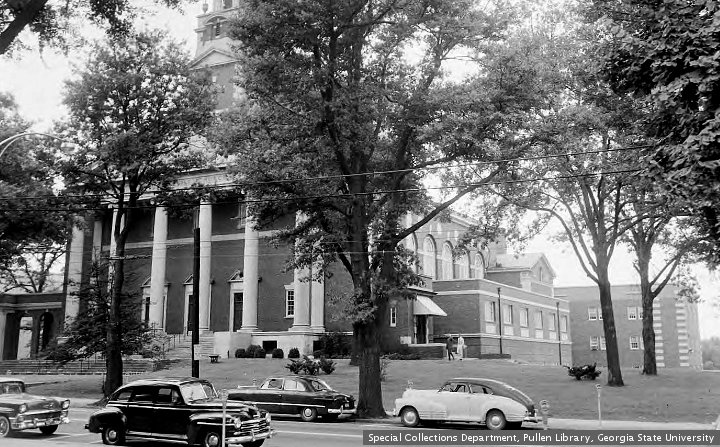
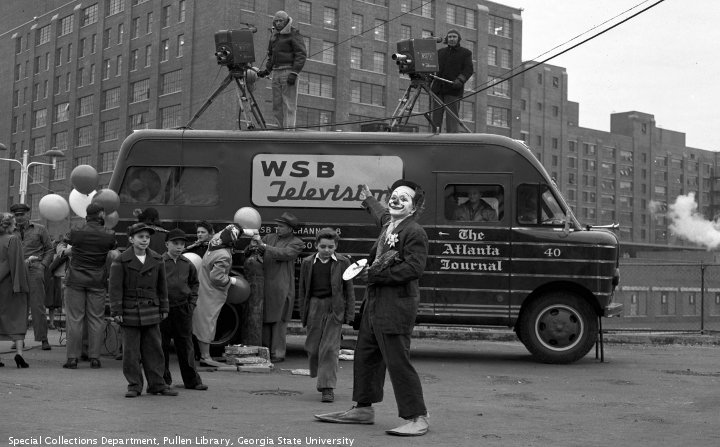
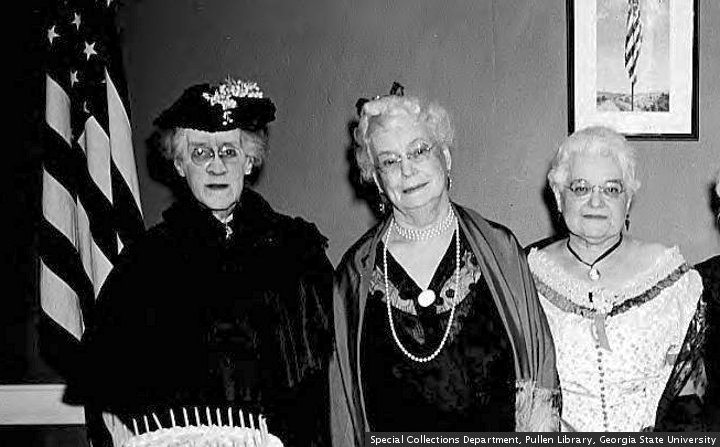
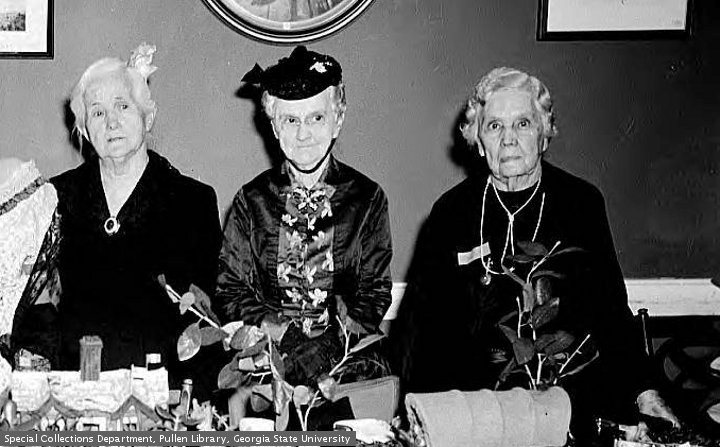
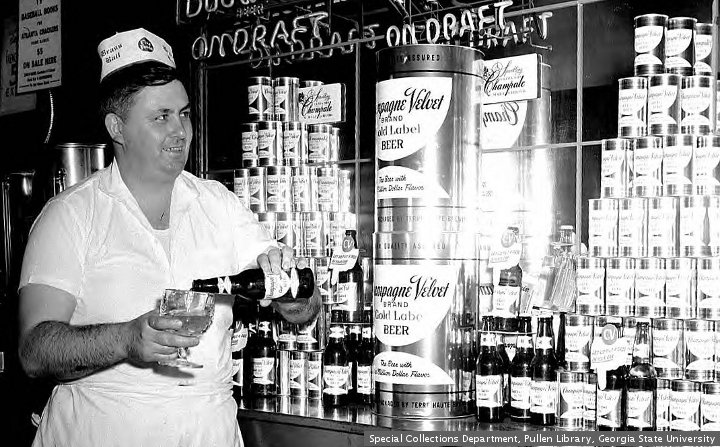
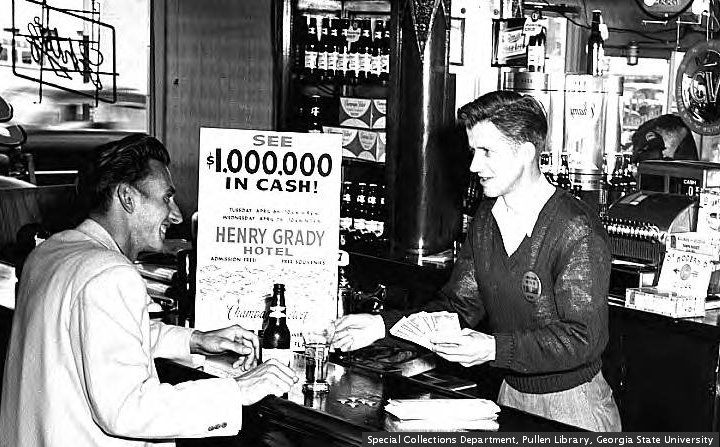
UPDATE: PG sometimes reads poems at an open mic event. His stage name is Manly Pointer. This is the bible salesman in “Good Country People.” This is a repost. Pictures are from “The Special Collections and Archives, Georgia State University Library.” It was written like James Joyce. An earlier edition of this post had comments.
Fr. J. December 10, 2009 at 3:00 pm I am glad you take an interest in Flannery, but to say baldly that she is a racist is to very much misunderstand her. For another view on Flannery and race, you might want to read her short story, “Everything that Rises Must Converge.”
chamblee54 December 10, 2009 at 3:17 pm “On a certain level, she is a racist.” That is not the same as “baldly” labeling her a racist. (And I have a full head of hair, thank you). As a native Georgian, I am aware of the many layers of nuance in race relations. I feel that the paragraph on race in the above feature is accurate.



I Slept With Joey Ramone



I Slept with Joey Ramone is the story of a six foot five geek, who was only good for singing gabba gabba hey. Jeffrey Ross Hyman had issues. Aside from his goofy appearance, Jeff had severe OCD. He would injure his foot bad enough to require several hospitalizations. Somehow, Jeff got to play in some bands, going glitter as Jeff Starship. Eventually, Jeff Hyman, John Cummins, Douglas Colvin, and Tommy Erdelyi becam Joey, Johnny, Dee Dee, and Tommy Ramone.
ISWJR was written by Mitchel Lee Hyman, Jeff’s younger brother. His stage name was Mickey Leigh. Mickey was the first roadie for the Ramones, and will always be in his brother’s shadow. The two had an intense relationship. Jeff and Mitch went from being best friends to mortal enemies. This sibling rivalry is a key part of the story. The book, despite the commercial title, is about Mickey as much as Joey. The subtitle is “A punk rock family memoir.”
The co-author is Legs McNeil, who assembled Please Kill Me. ISWJR is told through Mickey’s eyes. It is uncertain what role Mr. McNeil played. Some say that Mickey Leigh could not type a page of text if his life depended on it.
Please Kill Me was an “oral history of punk rock,” meaning they taped a bunch of people talking. Mickey was one of the talkers, and Joey was not happy with what Mickey said. Another voice tells about Dee Dee Ramone falling on the sidewalk outside CBGB. Dee Dee said it was not a good idea to get hit in the head when you were drinking… it might cause brain damage. That is not an exact quote. Dee Dee Ramone did not “just say no.”
The Ramones had their fifteen minutes last for twenty years. They went down to the Bowery, and found this bar called CBGB’s. The owner kept his dog inside, and dog shit was everywhere. The Ramones got a following, a record contract, did tours, recorded albums, became sort of famous, started a movement (other than the bar dog’s bowels,) but never had a hit record. This lack of commercial success was highly annoying.
The first taste of big money was Budweiser using “Blitzkrieg Bop” in a commercial. Mickey played an uncredited part in the song. When the Budweiser money started to roll in, Mickey was struggling to pay the rent. Mickey tried to get some money out of the band, which refused. This caused many years of Joey and Mickey not speaking.
For a while the boys in the band (pun intended, at least for Dee Dee) were pals. Then Joey had a girlfriend, Linda. Johnny stole Linda from Joey. Johnny and Joey hated each other from then on. Johnny was always a bit of an asshole, as was Joey. At some point, Tommy had enough, and was replaced by Marky. He drank his way out of the job, and was replaced by Richie.
In 1983, The Ramones played at the Agora Ballroom in Atlanta. PG was in the audience. By this time, the Ramones had been going on for nine years. They was not the next big thing anymore. Somebody played a tape of cheezy Coney Island music, and the band came on stage. Joey hunched over the microphone, tapped himself on the head with a baseball bat, and the band did “Beat on the brat.” The band went through the motions, playing another show, probably identical to every other Ramones show ever played. Punk rock just was not trendy anymore.
It was an all ages show. If you wanted to drink, you had to go up to the balcony. You were on your own going down the stairs. Downstairs was full of young people, many is costume, having a hot time. The balcony was the same rock and roll drunks that were at every show ever produced.
ISWJR does not have a happy ending. Joey had health problems throughout his life. Being a drunken-coke-freak rock star did not help. He came down with Lymphoma, and was starting to do ok. Then, Joey fell and broke his hip, and they had to adjust his medication. Soon, the cancer was back with a vengeance. Joey and Mickey called a truce to their squabbling before Joey died April 15, 2001. Dee Dee and Johnny quickly followed. The Ramones would have been a great oldies band, if only.
Pictures today are from The Library of Congress.



Post Office: A Novel




Post Office, a novel allegedly based on the life of Charles Bukowski, was on sale at a “Friends of the Chamblee Library” book sale. The author would not like this. You cannot complain when you died 24 years ago. PG paid a dollar, and read the story. Hank Chinaski, the stand in for the author, got a lousy job at the post office in Los Angeles. For 196 pages, Hank drinks, works, screws, admires women’s bodies, drinks, bets on horses, fights with supervisors, has hangovers, and drinks more. The story is easy to read, suggesting the helping hand of an editor.
PO stands for both post office and pissed off. The two concepts are not mutually exclusive. When PG was 8 years old, a mail man ran over Pongo, his dog. To hear Hank tell the story, life at the PO was an endless cycle of sadistic bosses, and brain damaged co-workers. Administrative wanks rule over everyone. Somehow Hank made it through 11 years as a clerk. The institution survived. Mr. Bukowski perished in 1994. The headstone reads “Don’t Try.”
‘I Never Saw Him Drunk’: An Interview with Bukowski’s Longtime Publisher is an interview with John Martin, the owner of Black Sparrow press. Mr. Martin thought Hank was the next Whitman, and started Black Sparrow (initials are not always convenient) to distribute Hank’s product. When Hank quit the post office in 1969, Mr. Martin agreed to give him $100 a month. This later became $10,000 every two weeks, with more at the end of the year.
“How did his first novel, Post Office, come about? This is a good story. So we made that deal in December for $100 a month—early December, as I recall—and so he gave notice to the post office, and his last day there was going to be December 31. He said, “OK, I’m going to work for you on January 2, because January 1 is New Year’s Day and I’m going to take that as a holiday. We thought that was really funny. About three or four weeks went by, I think it was still in January, or at worst the first week in February, and he called me—oh, and I had told him earlier, “If you ever think of writing a novel, that’s easier to sell than poetry; it would help if you could write a novel”—so he called me up at the very end of January or the first week of February, out of the blue, and said, “I got it; come and get it.” I said, “What?” And he said, “My novel.” I said, “You’ve written a novel since I saw you last?” And he said, “Yes.” I asked how that was possible, and he said, “Fear can accomplish a lot.” And that novel was Post Office.” The novel includes a near fatal party in that month.
Mr. Martin has a take on Hank which differs from his image. “Hank was not comfortable among people, in a crowd, even at a small gathering; he was a real loner. He wanted to get up in the morning, have a quick breakfast with his wife, read the paper, leave the house about noon, go to the track, come home at 6:00, have dinner about 7:00, go upstairs at 8:00, and write until two in the morning, and he wanted nothing to interfere with that routine. … he was the most polite man I’ve ever known, and the most honest man I’ve ever known. He was so deferential and polite and so concerned for your comfort, and whether you were happy or not, when you were with him.”
“I went to the bathroom and threw some water on my face, combed my hair. If I could only comb that face, I thought, but I can’t.” This may be the best line in PO. There are a lot to choose from. PO is a guilty pleasure. It is sexist and misogynistic to the max. The writing is basic, and easy to consume. It is tough to believe that Hank wrote this in a month by himself, but it is also tough to believe that someone that ugly got laid all the time. If only Hank could have combed that face.
PG has written about Hank one, two, three, four, five, six, seven times, with some reruns thrown in for efficient blogging. PG has written two pomes about Hank. (A B) B is basically A in sonnet form. Never mind that Hank hated rhyming poems, to say nothing of posting the lines over pictures of dogs. Hank was a cat person, as if rhyme scheme blasphemy was not enough.
@bukowski_quote is a twitter facility dedicated to distributing 240 character bits of Buk. These tweets/quotes (twoats) have been packaged as two more sonnets, published in two parts each. (C D E F) Sometimes, PG feels this is a bit of post mortem cultural appropriation. The Hank of Tales of Ordinary Madness would have hated seeing his work used this way. How the millionaire, wine sipping Hank feels is a good question. Then, PG found a quote that made him feel better.
“I got into Bukowski about five years ago on a trip to New York from North Carolina. I swallowed Ham on Rye in a single sitting while riding in the back of some clunker-type Honda thing racing north on I-95 in what I think was June of 2005. Since then I’ve read all of his novels and much of his poetry (which is a lot, do you know how much poetry he wrote?) and don’t give a shit about the literary ball bags at the Vice office who say he’s a boring, repetitive, pompous, fake-macho, southern-California-weather-system-addled boozehole, partly because I agree, and partly because I don’t read him for some sort of illumination on the haggard life of the proletariat. I just see his writing as a quick source of thrills, spills, and funny things to call women that you’re angry at but also still want to fuck.”
A book report about Post Office would not be complete without one star reviews. patricia neumannon August 8, 2014 “One star for the fact that this was even published. I was offended by Mr. Bukowski’s low regard for women. Pehaps his target audience is adolescent boys, who might twitter at Bukkowski’s vulger attempt at humor.” Auntie Mon September 1, 2014 “A book about a pathetic, selfish White man? No thanks.” gammyrayeon February 8, 2013 ” … The narrator Henry Chenaski is a low-life alcoholic who spends his life getting drunk, having sex with girlfriends and chance acquaintances, and betting at the race track, all while working at the post office. Finally he resigns from the post office. End of story. All this is written in an arrogant tone, as if the narrator feels himself to be superior to all the other characters, especially to his fellow workers. Bukowski has stated that the novel is autobiographical, and he seemed to take pride in the tumble-down life that he led. I have known guys like this–he is every drunk or drug addict who ever excused his addiction as an indication that he is too intelligent and sensitive to deal with the angst of living among the clods and drudges. Alcoholism is not hilarious and entertaining, even to the alcoholic, eventually. And it is not hilarious and entertaining to read about.”
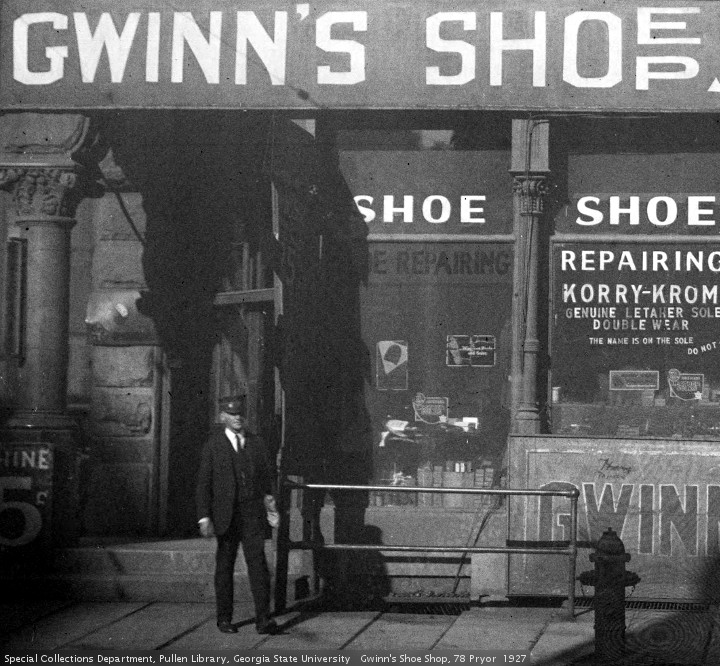
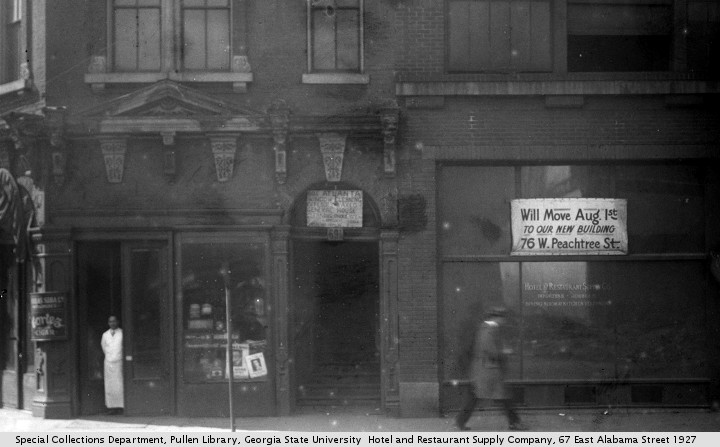
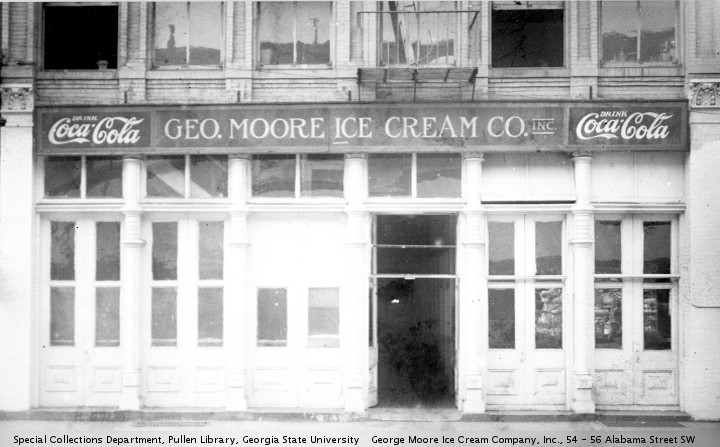
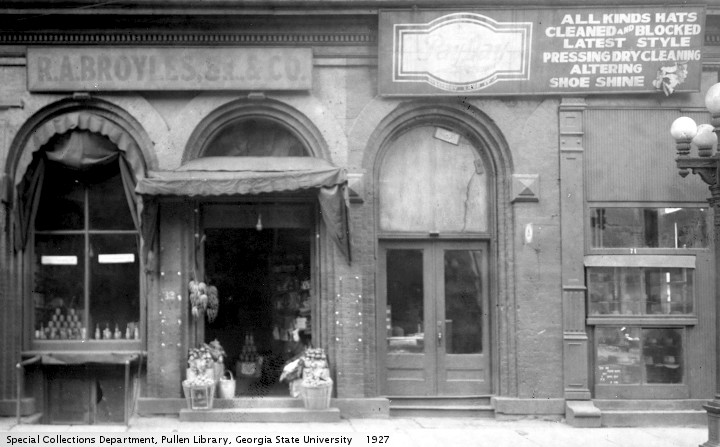
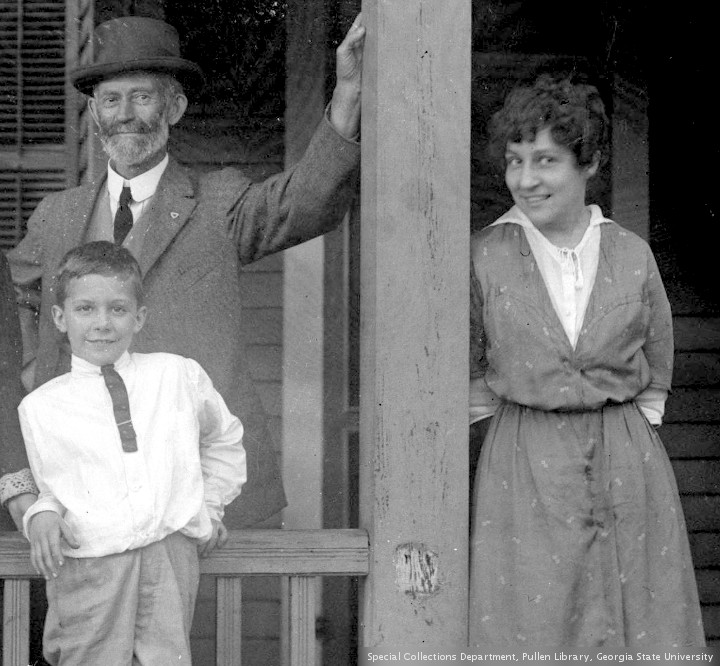
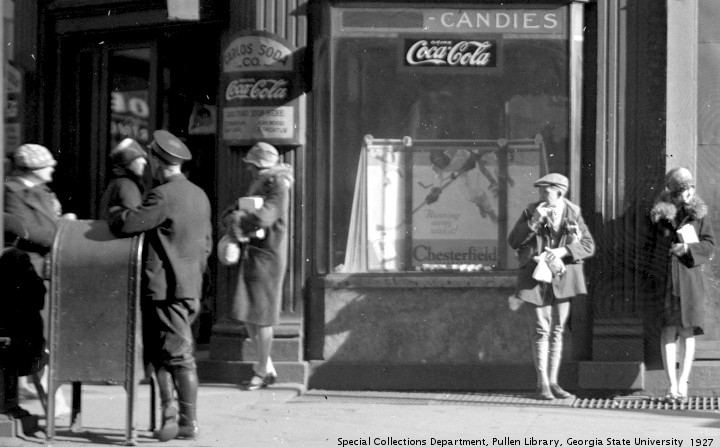
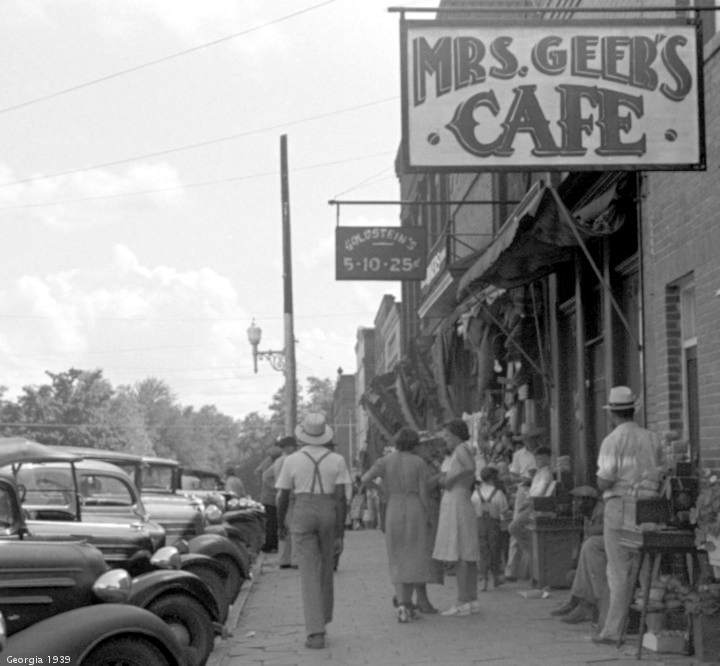
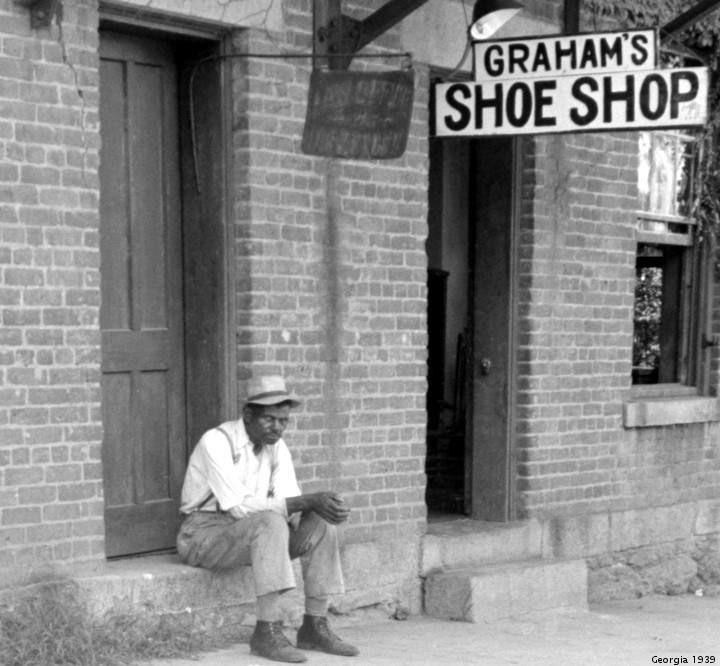
Pictures today are from “The Special Collections and Archives, Georgia State University Library”. These images are from “… a collection of images of downtown Atlanta streets that were taken before the viaduct construction of 1927 – 1929. Later, some of the covered streets became part of Underground Atlanta.” The renovation at Underground never stops.



Citizen: An American Lyric


Citizen: An American Lyric is a book of prose poetry by Claudia Rankine. It has 169 pages, and was sponsored by The College of St. Benedict. PG accepted a copy of the book, on the condition that he create a work of art based on it. This blog post is the start of this commitment.
PG is up to page 11. So far, it is a series of paragraphs, that do not seem to connect to each other. PG generally favors stories, and biographies, to books of prose poetry sponsored by a university. The first couple of pages are about a student who asks another student to lean over during a test, so the non leaning student can copy answers off her page.
At the bottom of the page was a picture. Two recently built houses are on a road. The road sign in front says “Jim Crow Road.” This is eye catching. There really is a Jim Crow Road, in zipcode 30542, Flowery Branch GA. “Family says ‘Jim Crow Road’ doesn’t represent what you think” A man named Jim Crow lived there when he was alive, and is buried there now. His family, and neighbors, speak highly of the late Mr. Crow.
Page 7 is about a friend, who used to call someone, presumably Ms. Rankine, by the name of her black housekeeper. Pages 10 and 11 are about some incident at a school. Claudia talks about “John Henryism,” or the medical effects of dealing with racism. PG has experienced the fight or flight feelings when angry people, both black and white, go off on him for whatever reason. Is this “John Henryism,” or is that reserved for black people in their unpleasant dealings with white people? This is the first day of reading here. PG will return to this text later.
CAAL is divided into sections. So far, PG has got through the first three. One and three are brief prose poems, mostly about times when the author got her feelings hurt. Almost all of the incidents are what you might call microaggressions. Someone calls her by the name of someone else. A real estate agent says that she is comfortable with the friend of the author. It is not certain how the white reader is supposed to react to this. Since you were not a witness, you don’t know all the facts.
Part two is about Hennessy Youngman and Serena Williams. PG had never heard of Mr. Youngman, aka Jayson Musson, made youtube videos about being a black artist. The plan is to be angry. “White people want to consume your artwork, but they don’t want to understand you, because then you would be just like them, and the white audience don’t want the _____ artist to be like them, you know what I’m saying, it’s pretty simple.” Mr. Youngman says simple at 2:37 in the video. This speech was made in 2010. Mr. Youngman has not posted a video in six years.
The following language came in at 0:52 of the video mentioned in CAAL. “as a _____ artist, you can exploit the shit out of white people. and a lot of the guilt that white people have over shit that you don’t have no control over, burn my toast the other day, if I told some cracker on the street that I burned my toast and if I said it to him in a certain tone assert my anger I know he’ed apologize and most likely buy me some more toast.” PG has been the cracker on the street a few times.
Most of part two is about Serena Williams. PG does not follow tennis, and, until recently, was barely aware of who Ms. Williams was. In part two, the struggles of Ms. Williams are detailed. It is mostly questionable calls by tennis officials, sometimes followed by Serena Williams outbursts. CAAL does not paint a flattering picture of the tennis player.
In the last week, Ms. Williams was featured in the Colin Kaepernick Nike Commercial. Yesterday, Ms. Williams was in the news, after another incident involving an official. As noted earlier, PG does not follow tennis, and has no interest in this latest controversy involving Serena Williams. There is a limited amount of mental energy to use on controversies that involve a boring sport.
This is part one of the agreed upon art statement. PG might not be a good fit for this project. PG aknowledges the struggles of African America. PG also knows that he has a life, with its own privileges and struggles. Hennessy Youngman says that the way for an _____ artist to get ahead is to make white people feel guilty. At least that is what Mr. Youngman said in the first 2:37 of that video. PG did not listen to the rest. PG has seen the white guilt game in many forms. Maybe the answer is to go off on an authority figure. Pictures today are from The Library of Congress. Part two and part three of this series are now available at an internet near you.





Armistead Maupin At DBF




When PG heard that Armistead Maupin was coming to the Dick Hater Book Festival, not going was out of the question. There were rumors of a film showing/Q&A on saturday, and PG scoured the DBF website, looking for information. When the film showing was finally put on the website, tickets were no longer available.
On the morning of the talk, PG fussed over which shirt to wear, settling on a purple t-shirt with no adornment. Next, PG called his friend “P” to make arrangements to meet at the First Baptist Church, site of Mr. Maupin’s appearance. The ring tone for PG calls on “P”‘s phone is “Tutti Frutti.” “P” had agreed to let a friend do laundry at his house, and had to jiggle the schedule a bit. “P” wore a tie dyed t-shirt, with a chest hair display hole below the collar. This all blends in nicely with the lavender shirt, pink suspenders, and Levis that Mr. Maupin wore.
The talk started at 1:15. PG arrived at 12:30, and snagged a prime parking spot. The talk was in the sanctuary, and PG found seats in the fifth row pew. The church house setting gave Mr. Maupin pause. He said something about using profanity, and the pastor said “Its all good.” Mr. Maupin then told the story of getting lubricated on maitais, and coming out to his neighbor. She said “big fucking deal.”
When PG arrived at the church, Mr. Maupin was standing in front of the auditorium. PG went down and shook his hand. “My blog is Chamblee54, and I am writing about this, so I am going to watch what you say.” Mr. Maupin looked sideways, as if to say “who does this guy think he is.” Later, while discussing gender transition, Mr. Maupin paused for a second, and said he manted to say this properly. He was watching what he said.
The talk was a delight, as everyone knew it would be. The *southern-ness* of his parents, moving to San Francisco, the Tales of the City series, and Rock Hudson all were discussed. The pbs lady who hosted the event said that Mr. Maupin was like the Forrest Gump of our generation. This went over about as well as PG telling Mr. Maupin to watch what he said.
At some point, the racial values of 1950s North Carolina came up again. It occurred to PG that this was a very white audience. He looked in the rows ahead of him, and to the side, and did not see any p.o.c. When the talk ended, PG was one of the first to stand up, and did a quick survey of the rest of the room. There may have been p.o.c. at this event, but PG did not see them. For painfully woke Decatur, this is an interesting development. You can welcome people all you want, but if nobody shows up, then nobody shows up.
PG spoke to Mr. Maupin one more time. While discussing the techno-gentrification of San Francisco, Mr. Maupin said that “Decatur is starting to look pretty good.” He then said that maybe you say Deck-a-tur. After the show was over, PG approached the stage, and told Mr. Maupin that the correct pronunciation was Dick Hater…. the town had been renamed Dick Hater in honor of the lesbian population. Mr. Maupin laughed, and acted like he had never heard that. A man with a DBF badge told PG “You’re making that up.”
Chamblee54 has featured Mr. Maupin one, two, three, four, five, six times. Pictures, for the text to go between, are from The Library of Congress.




 Chamblee54
leave a comment