Uganda Be Kidding Me




Three weeks ago, PG found “Uganda Be Kidding Me” at the Chamblee library. It is due back today. The bookmark is on page 82. This book is not worth checking out a second time.
Last fall, a copy of My Horizontal Life appeared. It was a fun book. The comic boasting about alcoholic excess was fun to read. If you don’t think about the squalid reality behind the jokes, you enjoy it.
Apparently enough people enjoy the Handler schtick to make money. Some publisher gave her a contract, and needed product for the pipeline. Miss Handler went on a animal watching trip to Africa. Someone thought this would be a good excuse for a book. They were mistaken.
The routine is getting old. Maybe PG is just a retired drunk, lacking a sense of humor. At any rate, the book does not work. Alcoholic jokes are not funny to third parties.
Last fall, Miss Handler made an Atlanta stop on her book tour. One appearance was in a L5P bookstore. The facility was about the size of an SUV. There was a line of a hundred people waiting to get in. The book buyers probably need a shoehorn to get in that small a space with Miss Handler, her ego, and a cash register. Maybe Miss Handler lost some of the weight she gained in Africa.
During this year’s oscars, someone at Huffington Post let Miss Handler use their twitter account. The result was “Chelsea Handler slammed for Lupita Oscar tweet” Miss Handler lives the adage that there is no bad publicity. The two tweets that got the most attention: “Congratulations #lupita To pre order #ugandabekiddingme go to http://amzn.to/1pS4qpG #Oscars.” “Congratulations #12yearsaslave Go to Africa or buy #ugandabekiddingme http://amzn.to/1de1ka9 #aheadofthecurve #Oscars.”
Pictures today are from The Library of Congress





Mrs. Dora Stainers



Some pictures have longer captions than others. Shorpy published one with a mouthful.
Mrs. Dora Stainers, 562 1/2 Decatur St. 39 years old. Began spinning in an Atlanta mill at 7 years, and is in this mill work for 32 years. Only 4 days of schooling in her life. Began at 20 cents a day. The most she ever made was $1.75 a day & now she is earning $1 a day when she works. She is looking for a job. Her little girl Lilie is the same age she was when she started work, but the mother says, “I ain’t goin to put her to work if I can help it. I’m goin’ to give her as much education as I can so she can do better than I did.” Mrs. Stainers is a woman of exceptional ability considering her training. In contrast to her is another woman (this name was withheld) who has been working in Atlanta mills for 10 yrs. She began at 10 yrs. of age, married at 12, broke down, and may never be able to work again. Her mother went to work in the cotton mill very young. Location: Atlanta, Georgia.
The photographs of Mrs. Stainers were made in March, 1915. The photographer was Lewis Wickes Hine. “Working as an investigative photographer for the National Child Labor Committee (NCLC), Lewis Hine (1874-1940) documented working and living conditions of children in the United States between 1908 and 1924.” “In 1954 the Library received the records of the National Child Labor Committee, including approximately 5,000 photographs and 350 negatives by Lewis Hine. In giving the collection to the Library, the NCLC stipulated that “There will be no restrictions of any kind on your use of the Hine photographic material.”
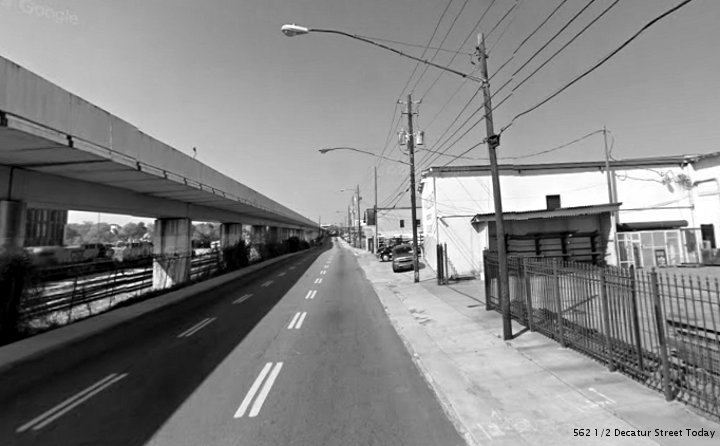
The house that Mrs. Stainer lived in is long gone. 562 1/2 Decatur Street is across the railroad tracks from the Fulton Cotton Mill. With real estate agents demanding names for all neighborhoods, the area is known as the Old Fourth Ward. At 552 Decatur Street is A & R Welding.
Pictures are from The Library of Congress. This is a repost.





Buying Water In Kenya





One part of life taken for granted in America is indoor running water. You turn on a faucet, and get what you need. There are concerns about the future, and fussing about water rights. In Kenya, a person walks to a water vendor to buy a 20 liter supply of water.
Kibera is euphemistically known as an informal settlement. It is located in Nairobi, Kenya. A land mass 75% the size of New York’s Central Park is home to a lot of people. “More accurately, Kibera turned into an unauthorized settlement after Kenya gained independence in 1963 and the new government made illegal certain forms of housing. Nonetheless, landlords rented out cheap properties to impoverished Kenyans who could not afford legal housing, and has since earned the reputation of being one of Africa’s largest urban slums. Importantly, the precise population of Kibera is hotly debated and remains uncertain. Some estimates are as high as one million and others as low as 170,000 (e.g, 2009 Kenya Census). Estimates are difficult because Kibera is made up of residents who are extremely mobile, and often prefer to remain in the shadow of the law.”
Very few of the residents have running water. Every day, people have to carry a 20 liter jerrycan to a water vendor. Often, there are shortages, and the price goes up. The water is often contaminated. There are water mafias, which create artificial shortages to boost the price.
“If the root of water problems in Kibera centered on price and supply it may be more manageable, but issues of water quality substantially complicate clean water delivery systems. Most water pipes in Kibera run above ground and are made of plastic (due to issues with theft of steel pipes), which are highly fragile and easily manipulated. These pipes will often crack or break (either accidentally due to traffic or intentionally by competitors), allowing sewage to seep into drinking water. Indeed, water sources that are generally clean can easily become contaminated without notice. This is reflected in public health data—infant mortality rates and bloody diarrheal infection rates in Kibera are more than three times the average of Nairobi as a whole (UNDP 2006).”
Stanford University is setting up a program to use mobile telephones to help people find water. Evidently, mobile phones are more common is the slums of Kenya than clean water. The program is called M-Maji, which is Swahili for mobile water. A database will have information about who has water for sale, the price, and the quality of the water. This information will be available to water users via mobile phones.
HT to Bloggingheads.tv. Pictures are from The Library of Congress. The spell check suggestion for Kibera is Liberace. This is a repost.





Midtown

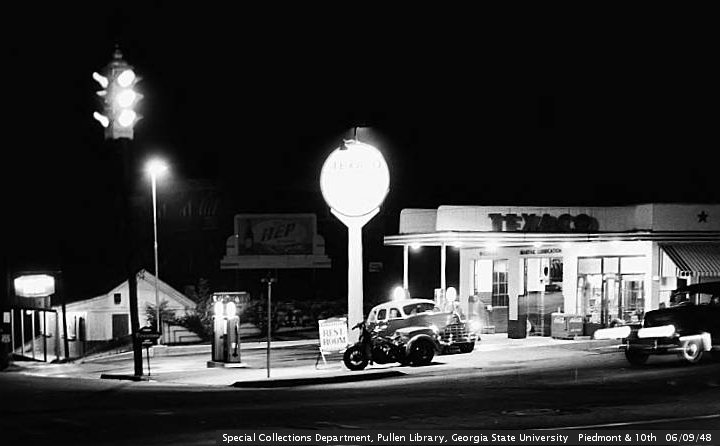


The neighborhood along Peachtree Road has always been a great place to be a freak. For a long time it didn’t have a name. It is north of downtown, between Piedmont Park and Georgia Tech. Sometime in the early eighties, people started to call it Midtown, and the name stuck.
In the time after the War Between the States, this area was a shantytown called “Tight Squeeze”. It evolved into a pleasant middle class area. In the sixties, hippies took over. The area was known as the strip, or tight squeeze. Many stories could be told.
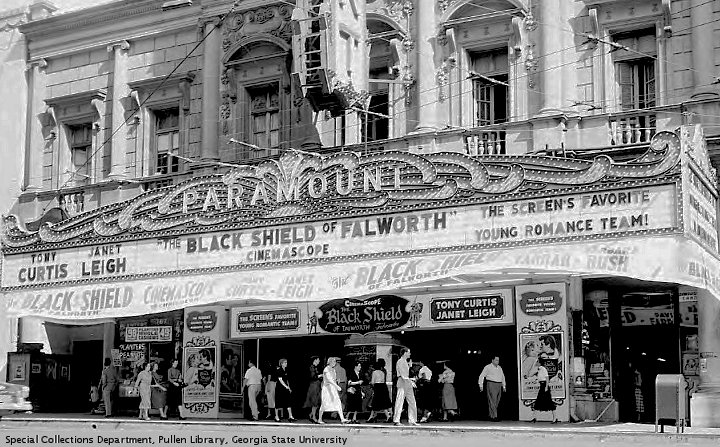
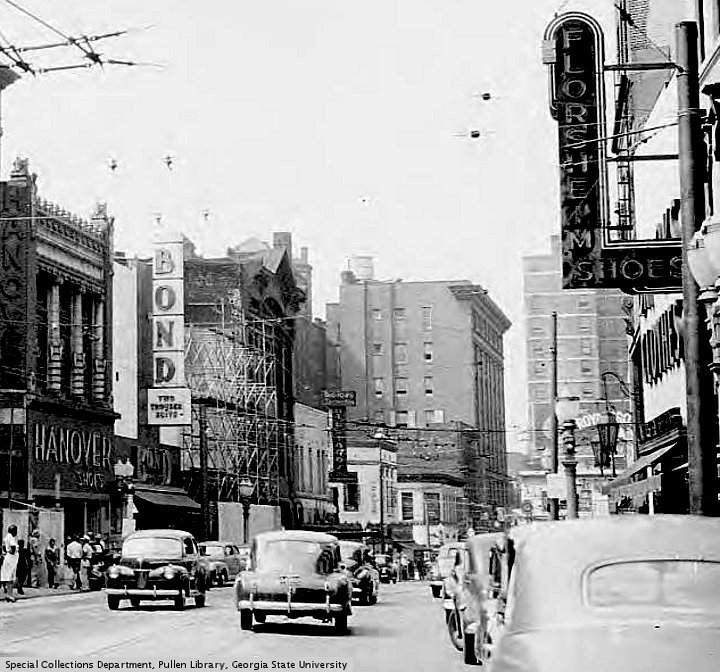
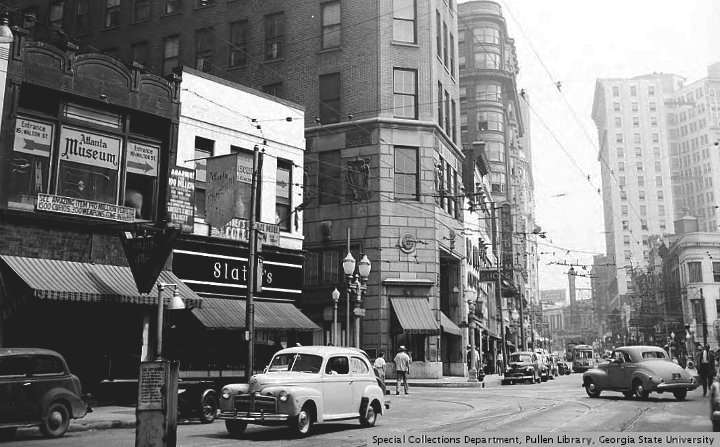
After the flower children moved on, the area went into decline. Gays started to move in, with the battle cry “Give us our rights or we will remodel your house”. Developers, worshiping the triune G-d of location, location, location, began to smell money. The neighborhood became trendy, then expensive, then more expensive. The freaks with money remain. Pictures are from “The Special Collections and Archives,Georgia State University Library”.
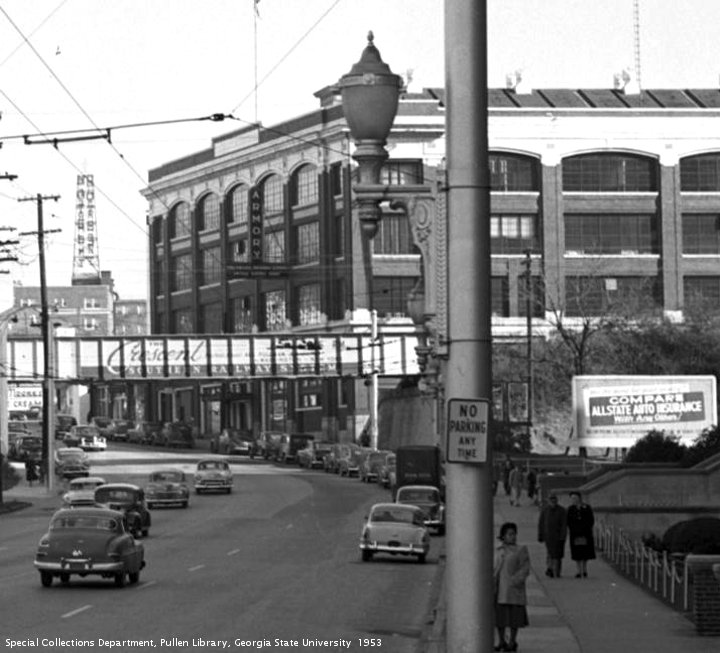

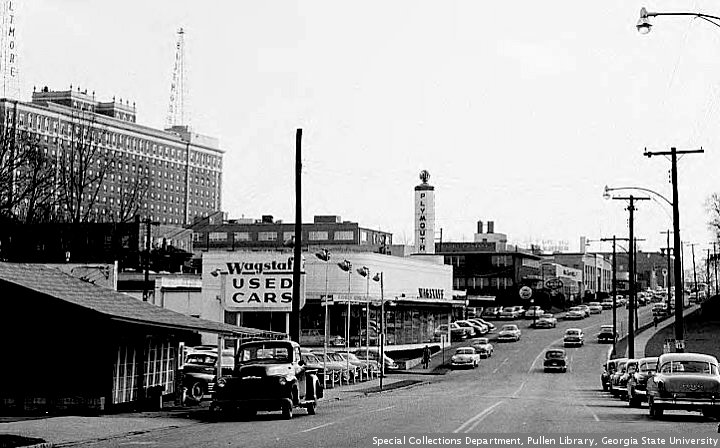
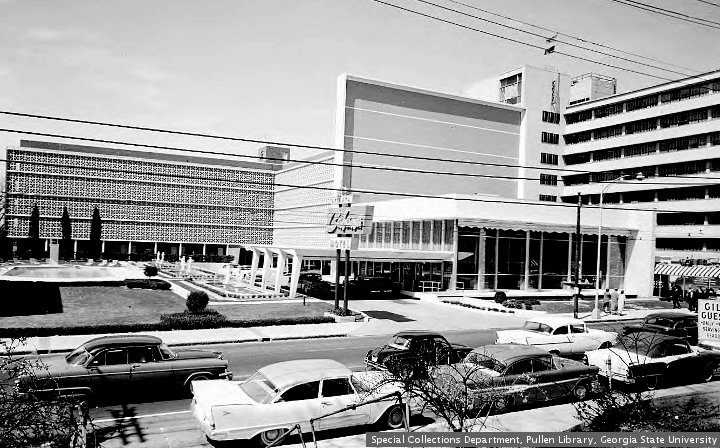

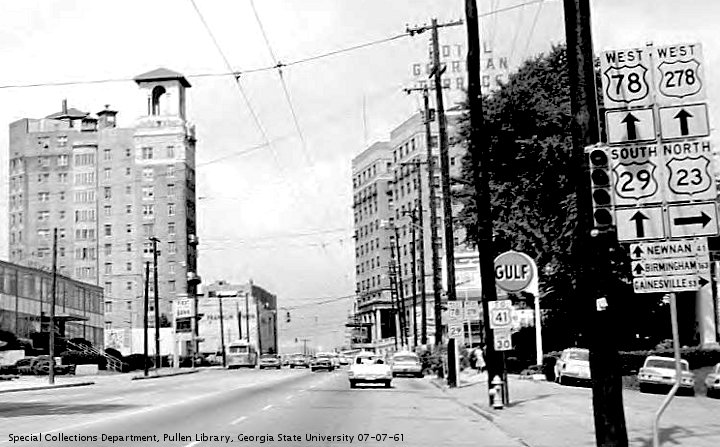


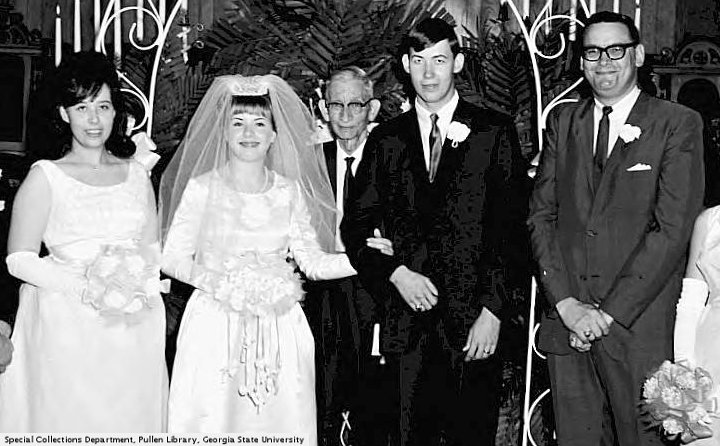
 A few years ago, a man started to twirl a baton around Atlanta. He wears eye catching outfits, traditionally intended for females. His handle is Baton Bob. Yesterday, BB went out to celebrate the Supreme Court decisions on DOMA, and Proposition 8. He went to Colony Square, where apparently his act is not appreciated. He was asked to leave, became verbally abusive, and was arrested. Here is the police report.
Baton Bob is African American. So is the arresting officer, and the two security guards. This matter might not be about race. Further, it seems as though BB has had problems with the management at Colony Square before. A security guard, on private property, has a right to tell a man not to come in to the food court and blow a whistle.
Baton Bob does not appreciate those who don’t enjoy his act. He does not have a problem with cussing out those who get in his way. Apparently, this was a problem when he was in St. Louis. Could it be that Baton Bob has gotten too big for his Tutu?
Historic pictures are from “The Special Collections and Archives,Georgia State University Library”. The mug shot is from Fulton County Sheriff’s Office. This is a double repost.


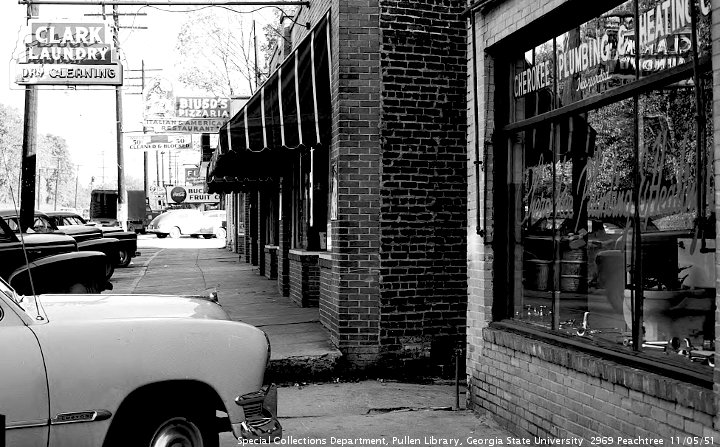


Proverbs 26

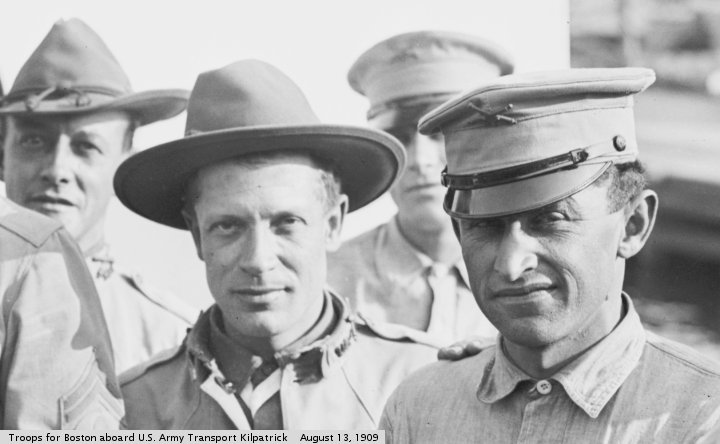


The folks at WIST had a nifty quote this morning. “Never argue with a fool; onlookers may not be able to tell the difference.” Mark Twain. The fun starts with the attribution. “Frequently attributed to Twain, but also to Immanuel Kant (but never, in either case, with any citation). See also Proverbs 26:4.” Maybe WIST Kant remember where he heard it.
There are several chestnuts that are similar. “You should never wrestle with a pig. You will just get dirty, and the hog will enjoy it.” “Never argue with an idiot. He will pull you down to his level, and beat you with experience.” Both are attributed to a host of famous people. None of the fp expressed it in a verifiable manner. The internet has made the problem of who-said-what worse.
The fun really starts when you go to Proverbs 26:4, and continue to Proverbs 26:5. 4 Answer not a fool according to his folly, lest thou also be like unto him. 5 Answer a fool according to his folly, lest he be wise in his own conceit. Verse 5 contradicts verse 4.
Proverbs 26 has more to offer. Many of these verses might apply to the fervent Jesus worshipers of today. 11 As a dog returneth to his vomit, so a fool returneth to his folly. 17 He that passeth by, and meddleth with strife belonging not to him, is like one that taketh a dog by the ears. 26 Whose hatred is covered by deceit, his wickedness shall be shewed before the whole congregation. 27 Whoso diggeth a pit shall fall therein: and he that rolleth a stone, it will return upon him. 28 A lying tongue hateth those that are afflicted by it; and a flattering mouth worketh ruin.
Pictures are from The Library of Congress.
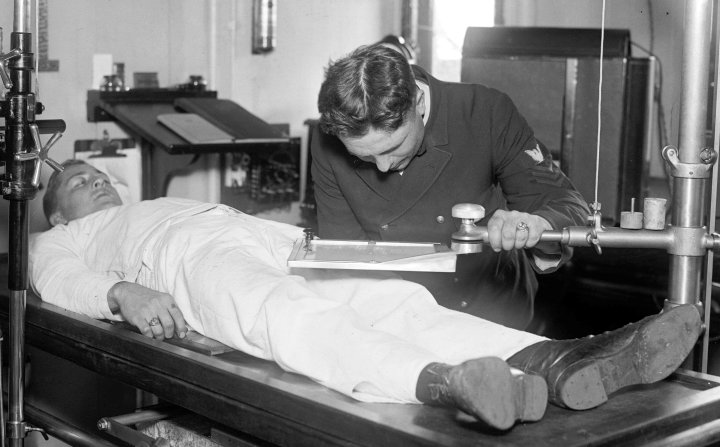









Divine Secrets Of The Ya-Ya Sisterhood


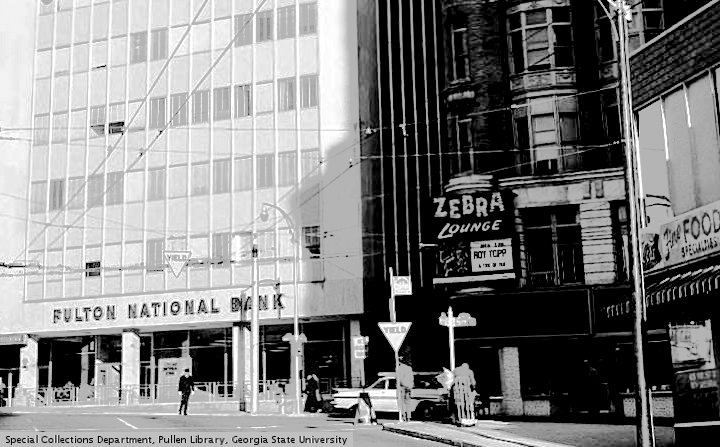

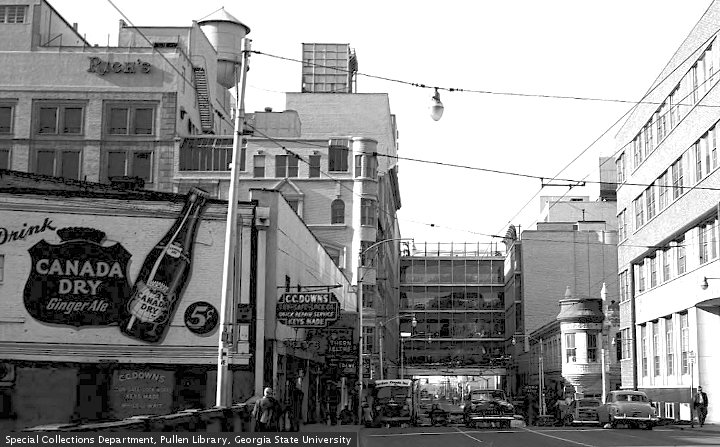
Caro, Necie, Teensy, and Vivi are the Ya-Ya sisters. They were kids together in Louisiana when the local movie theater had a Shirley Temple look-a-like contest. The Ya-Yas were kicked out for misbehaving. It was not the only time they got in trouble.
Sidda, the daughter of Vivi, is working on a play. Her mother is not speaking to her. Sidda wants to know about female bonding, and asks one of the ya-yas for help. A scrapbook arrives. Divine Secrets of the Ya-Ya Sisterhood: A Novel is about what happens when Sidda looks through the book.
The book is like life… it is short, but deep. If G-d is hiding in the details, maybe people can as well. sometimes the best thing to do is tell one of the stories.
It was the last week that PG would be working at the retail giant headquarters. The cafeteria quit serving at two p.m. The morning chores had lasted past the cutoff time. The break room was full of loud people. PG decided to get out, and found the Waffle House on Atlanta Road.
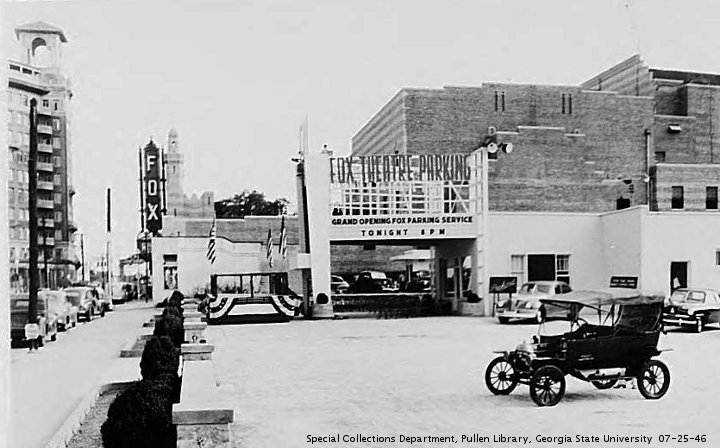
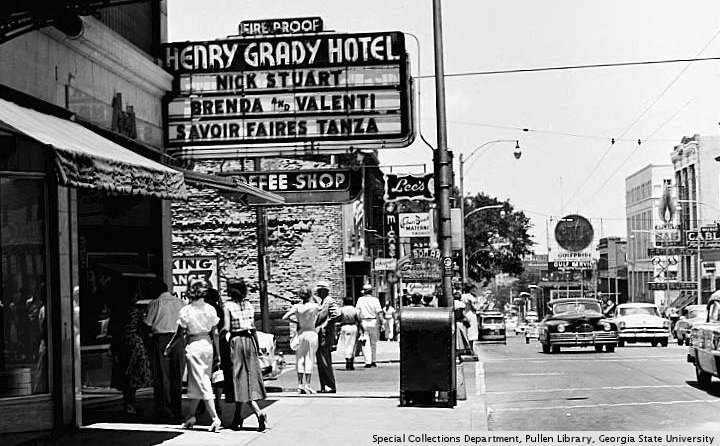
After ordering lunch, PG stepped back in time. The Ya-Ya girls took a train to Atlanta. They were going to the world premiere of “Gone With The Wind.” They stayed at the house of a wealthy relative. Ginger, a maid, was the chaperone. She had to ride in the “colored” car.
The premiere of GWTW was a big deal. There was a costume ball at the municipal auditorium, which was not exactly a grand place. There was a choir from Ebenezer Baptist Church singing spirituals. One of the singers was ten year old Martin Luther King Jr.
One day, during breakfast, an Atlanta cousin said something rude to Ginger. Vivi threw a plate of food at the Atlanta cousin. The Atlanta relatives were glad to see the Ya-Yas leaving. Pictures today are from “The Special Collections and Archives, Georgia State University Library”.


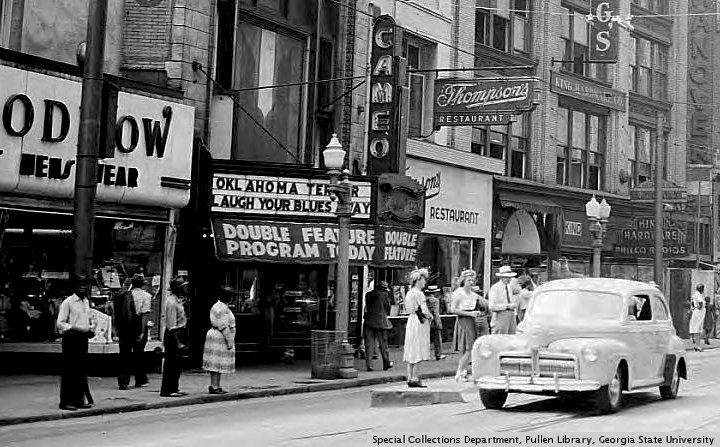
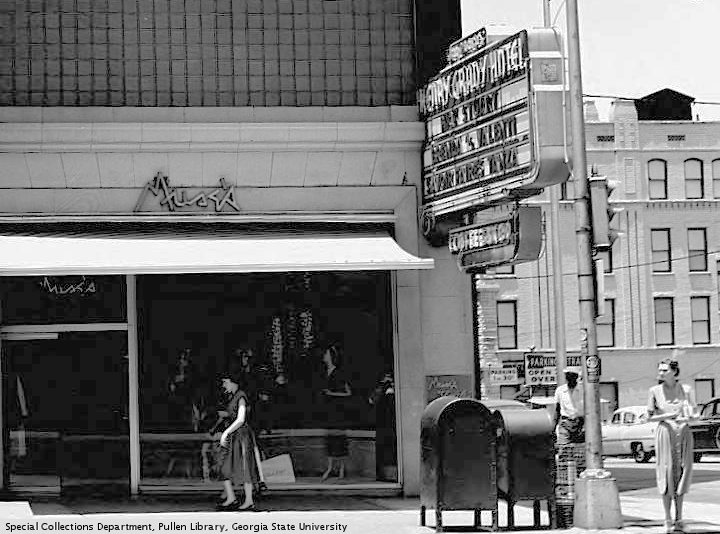


______ Telling _____ What Is Racist


Womanist Musings recently republished the internet classic 10 Conversations On Racism I’m Sick Of Having With White People. PG turned off his BS detector, and read. In addition to the ten convos of the title, there are five chats that the author would like to have. Apparently, the author likes to talk. Listening might be something else.
PG learned a long time ago that conversations about race are dangerous. If you say the wrong thing, you might wind up in the hospital. It is much easier to hold your piece, and live another day. The bottom line is, PG cannot remember ever discussing any of these matters, especially with a person of color (POC). He decided to leave a comment, and the fun started.
chamblee54 I am a person of non color. I have never had any of these fifteen conversations.
womanistmusings Do you want a cookie?
RVCBard Here’s a cookie you can make at home!
Siah WTF is a person of non-color? Transparent are ya?
miga Perhaps why ze’s never had that conversation before? No one notices hir?
PG felt it was important to make his ethnicity known. The image illustrating the comment has a brown paper bag over a head. You cannot tell if it is a person without color (PWOC), or POC. When talking about race, this is an important distinction.
Person of non-color might be a silly label. But then, what about POC? It is a mystery why “colored people” is offensive, but POC is PC. The skin on PG’s neck might be red, but red is a color.
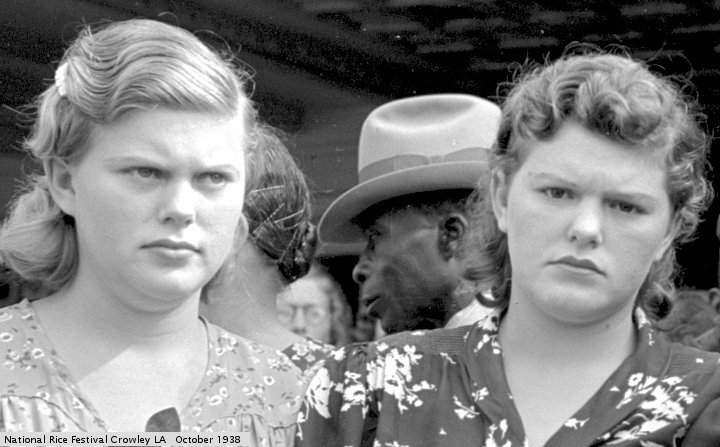
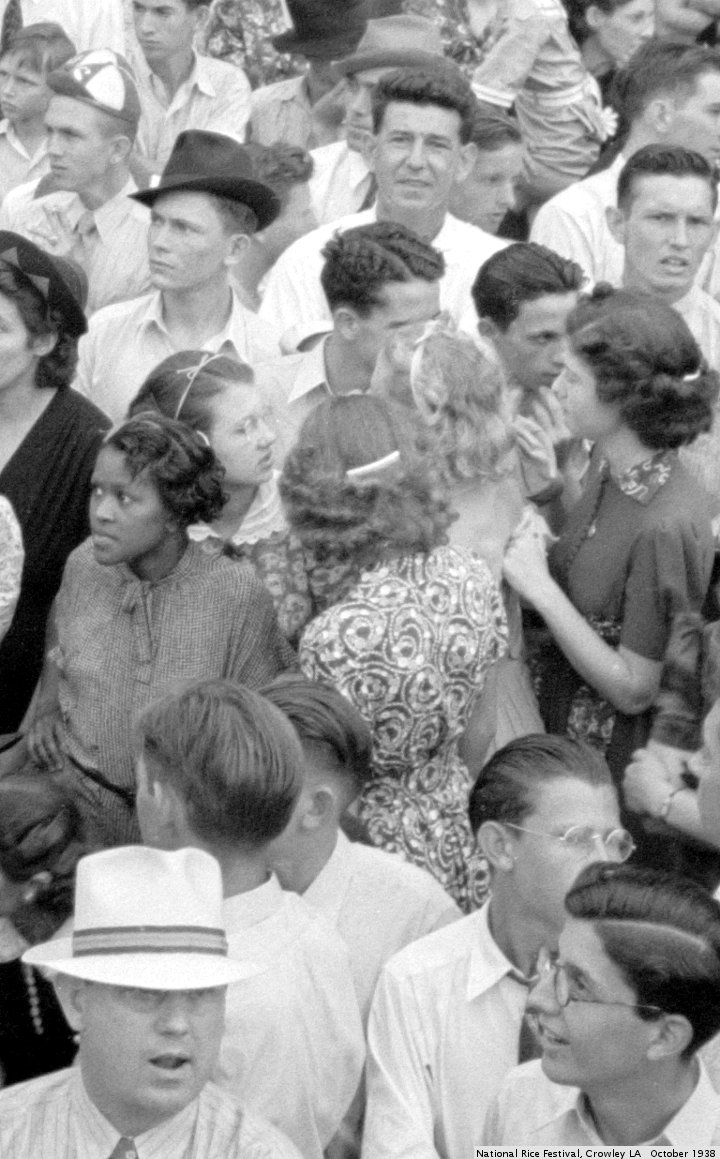
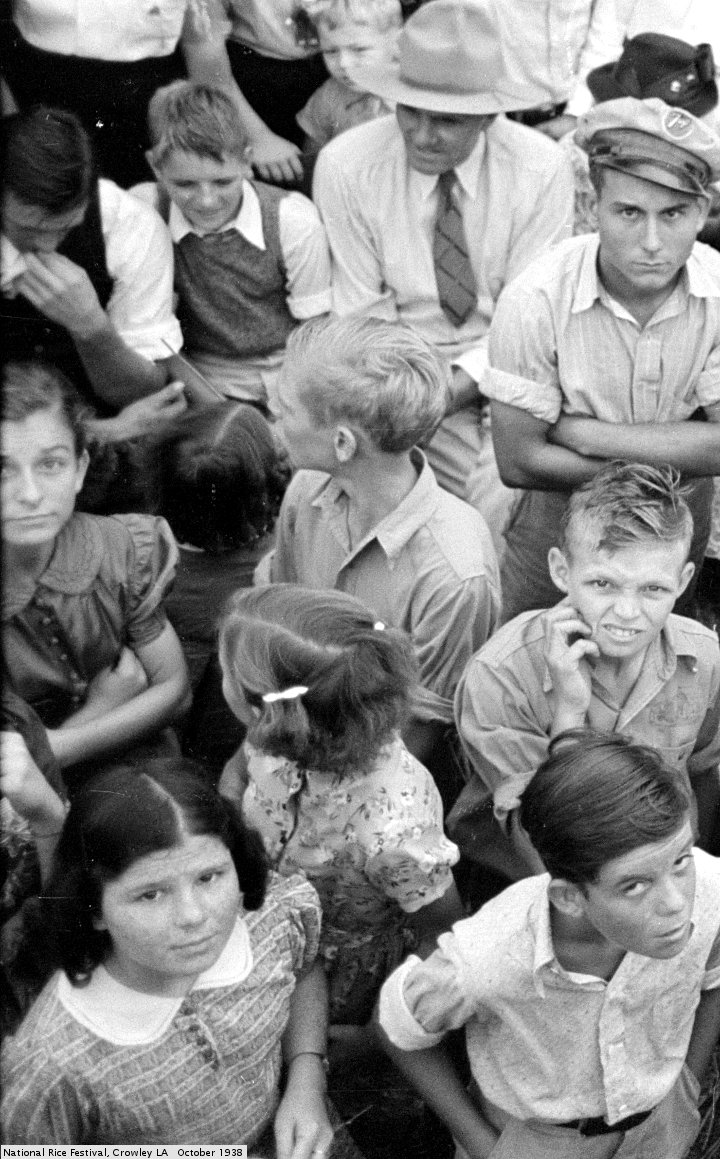
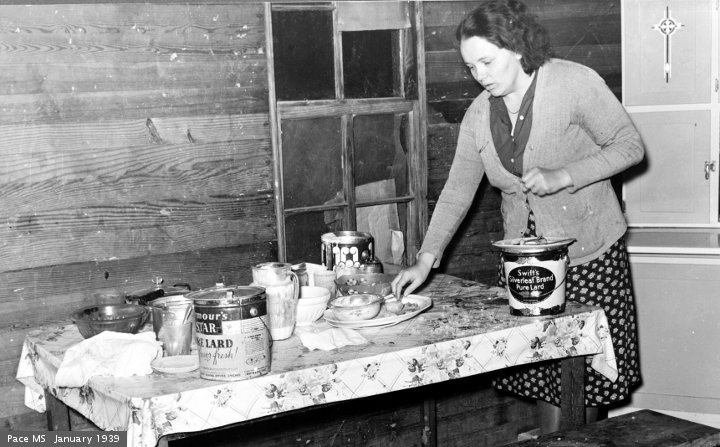
And so it goes. People love to talk about race in America. The problem is finding someone who will listen. Before ending the text, and moving on to the pictures (courtesy of The Library of Congress), we are going to share something from facebook. This message has been edited. PWOC and POC have been replaced by blank spaces. This is a repost.
This is what I have seen a lot of recently: _____ telling _____ what is racist and what is not. Trust me, _____ of the world, _____ have been thinking about this for a LONG time, and it would be a good idea to LISTEN to what they say — I think that, most of the time, they’re probably right and you’re probably wrong about racism.
Maybe even do some reading and research, so the _____ don’t bear the burden of actively taking the time to educate you about racism in only face-to-face interactions and only when they’re calling you out for saying or doing something racist.
Can we just start with the assumption that you, _______ , are racist? That your actions, most likely, perpetuate or benefit from racism? Maybe that’s not true — I’m sure you’re a good person, but maybe you’re also racist. I don’t want you to feel guilty about it, but just live with it for a little bit as if it were true. Accept, for a moment, that, unless you are actively engaged in something that is ANTI-racist, you’re being racist. Now there’s nowhere to go but up! Now you can feel EXCELLENT about every anti-racist thing you do!
And you’ve been doing a lot of those anti-racist things recently, right?




Heather Has A Mommy And A Daddy


Heather Has a Mommy and a Daddy
Deep in the heart of Dullsville, at the end of a cul-de-sac, behind a lawn of scratchy brown grass dotted with giant plastic butterflies, three flaking cement deer, and a philodendron the size of Bob Hoskins though with fewer decorative parts, lives Heather Thompson. Heather has a mommy and a daddy. Heather’s daddy is an accountant. Her mommy is a homemaker. Before Heather was born they met, fell in love, and got married. “I love you very much and I’m having your child,” Heather’s mom said.
Danitra is Heather’s best friend. One of Danitra’s dads is an empowerment facilitator. The other is an aura consultant. Danitra doesn’t know what they do at work, except they don’t need briefcases. Before Danitra was born her daddies met and fell in love, and after seventeen years spent discussing caring and support, handling acceptance, and negotiating intimacy, they had a commitment ceremony. “I love you very much and I’m designing the rings,” Danitra’s Daddy Mike said.
One day in school Heather’s teacher, Mrs. Weinberg-Lopez, tells the class to draw pictures of their families. Danitra draws two men, Julio draws two women, and Heather draws a man and a woman. Keanu points at the woman Heather drew, with squiggly yellow hair, a crude red dress and simple brown shoes. “This dad here’s got some ugly drag going on,” he says.
At lunchtime Danitra sits on the bench next to Heather and pulls a sandwich out of a brown paper bag.“Want to trade?” Danitra asks. “I’ve got grilled eggplant and goat cheese on marjoram foccacia.” “Um, I didn’t bring lunch,” Heather stammers, kicking her brown paper bag out of sight. “I’m … uh … on a diet.”
“Diet?” Danitra asks. “Haven’t your dads told you not to buy into that patriarchal looks-based chauvinism? And anyway, what’s this then?” she asks, holding up the bag with “HAVE A SUPER DAY!” written in sparkle marker on it.
Julio, who was listening nearby, runs up and grabs Heather’s lunch. “Yeah, what’s this? It’s somebody’s lunch!” Heather jumps at the bag but Julio holds it out of reach. “You give that back!” Heather yells. “Try and make me!” Julio chides. He pulls Heather’s sandwich apart and drops it like it was electrified. He wobbles away, holding his stomach.
“Oh my God!” he cries. “There’s like dead stuff in there!” Danitra looks at the sandwich lying on the cement. “Is that MEAT? Is that like SPAM?” Claudia, sitting quietly at the other end of the bench, bursts into tears. “Heather’s eating BAMBI!” “It’s friggin’ Wonder Bread!” Julio scoffs. Keanu walks toward the bread and peers at it. “And it’s got LUBE all over it!” “You idiot, that’s MAYONNAISE.” “What’s mayonnaise?” “It’s like goat cheese for heterosexuals.”
“Heterosexuals?” Keanu asks. “Heather’s mommy and daddy are heterosexuals?” Heather starts to yell. “No! I don’t have a mommy and a daddy. I’ve got two daddies!” “Hell-OOOO!” Danitra says, drawing the word out to twelve syllables. “We can see your clothes!” “Um . . . “ Heather stalls, “then I’ve got two mommies.” “And we’ve seen you play baseball,” Julio answers.
Heather, unable to think of a response, sits on the bench and starts to cry. Danitra pulls a robin’s egg blue bandana from her pocket and dabs at Heather’s face. “Maybe your mom’s not really a woman,” Danitra offers. “Well,” Heather says, sniffing, “she cleans the house, and cooks, and does the laundry.” Danitra fumes. “We’re trying to establish that she’s female, not that she’s an idiot.”
“Maybe your dad’s not really a man,” Julio suggests.“Well,” Heather answers, wiping her nose. “He’s big and strong and he’s got a mustache.” Several of the children wonder what this proves but nobody says anything.
“So let’s say you’ve got a mom and a dad,” Keanu says. “Then where did you come from?”Heather thinks for a minute. “They went to bed together, and then I was born.” Some of her friends express further interest, but Heather doesn’t have a brochure. “Daddy put his thing in mommy — “
“Oh, man,” Keanu interjects. “Is that legal?” “HelLLLLO!” sings Danitra, who gets the word up to eighteen syllables this time. “We’re in CaliFORnia!”
“And nine months later I came out of my mommy’s tummy,” Heather adds. Several of the children wonder why they didn’t hire a surrogate with a vagina but nobody says anything.


Heather Has a Mommy and a Daddy, Part Two
One night there’s a dance at Heather’s school and her parents offer to chaperone. While Heather’s dancing with Danitra she sees from the corner of her eye her mom and dad moving onto the dance floor. She watches in horror as her mom just sort of stands there swaying, her gingham granny dress limply hanging to the floor. She grimaces as her dad starts chopping at the air like Jackie Chan being attacked by locusts.
Occasionally their movements coincide with the beat. Heather runs to the bathroom crying.“Heather, don’t feel so bad,” Danitra says. “Lots of kids have embarrassing parents.” She starts to lead Heather out of the bathroom, then stops. “Um, maybe we should stay in here a while longer. They just started doing the Bump.”
One day the class projects are due. Heather brings in the model she’s made. It’s a lump of brown Play-Doh with ketchup poured over it and dotted with marshmellows stuck on with toothpicks. She sets it on the table as her teacher comes over to look.
“Why, Heather! That’s . . . nice! Very very nice!”“What the hell is it?” Tommy asks. “TOMMY! Heather’s parents had me over for dinner once. This is what they call ‘Salisbury steak.’” Heather bursts into tears. “NO IT’S NOT! It’s a VOLCANO! That’s lava, and that’s steam coming out.”
Danitra enters and places her project next to Heather’s on the table. “Why, Danitra, what’s this?” Danitra delicately removes the sheet protecting her project. “Versailles.”
Heather takes one look at the tiny replica of Louis XIV’s summer home, constructed by Danitra and her two dads out of two hundred cubic yards of teak plank, thirty square feet of gold leaf, sixty pounds of Italian travertine marble from the same quarry Michelangelo used, tiny topiary and functional miniature fountains, and cries even harder.
“Why did I have to have a mom and a dad?” Heather sobs. “Why can’t my family be like all the rest?”
Mrs. Weinberg-Lopez pulls Heather close. “Children,” she says,”every family is special, including those conforming to the rigid, stereotypical standard of male domination.” She starts to tell the class about her own family, including her hearing-impaired Hispanic mother, her height-challenged Israeli father, and her Gypsy recovering-substance-abusing brother-in-law and Armenian sex-addict half-sister, but stops, realizing the school year is only 4,074 hours long.
“Just because Heather’s parents are heterosexual doesn’t mean they’re slow-witted philistines, though there are strong correlations you don’t need a PhD in statistics to understand. But Heather is lucky to have a sweet mom and a wonderful dad and a dog named Molly and a hamster named Samson, and they all live together in a lovely house. They’ve got interesting avocado-colored appliances, carpet as long as your hair, and furniture that‘s by-and-large wood that must have taken them hours to assemble. There’s a big plastic sofa that turns into a bed, and a La-Z-Boy — ”
“A what?” Keanu asks. “A La-Z-Boy,” Mrs. Weinberg-Lopez repeats. “It’s a big vinyl chair that reclines.” “Oh, man!” exclaims Keanu, covering his face with his hands. “And I thought our Herman Miller reproductions were embarrassing!”
Mrs. Weinberg-Lopez continues. “But the important thing is, they’re a family. They’re a group united for a common purpose, where each individual is given a sense of empowerment and their shared bonds are formalized in a ritualistic manner.” “Oh,” the students respond in unison. Everybody hugs.
THE END
The story was borrowed from World Class Stupid.
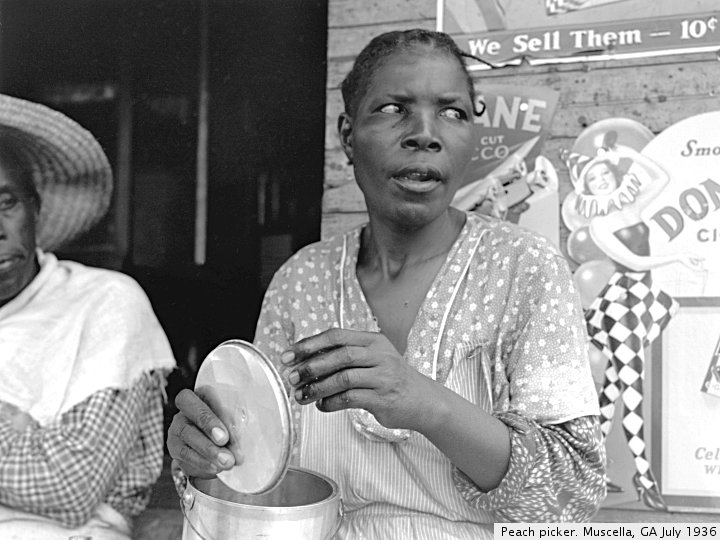
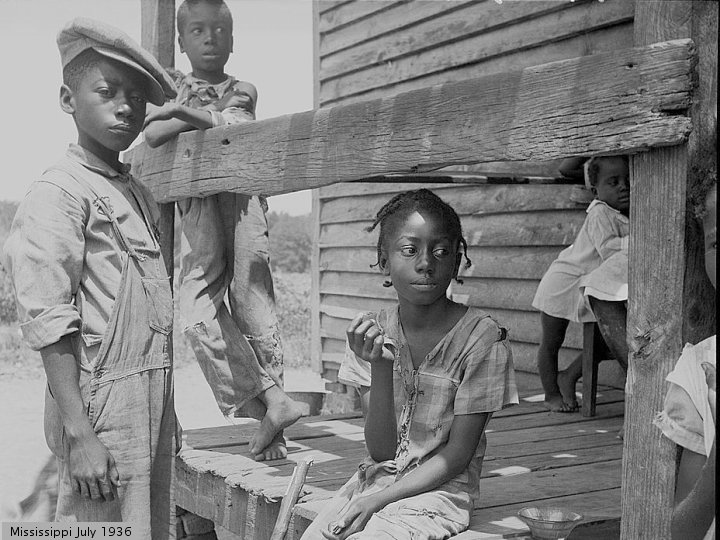
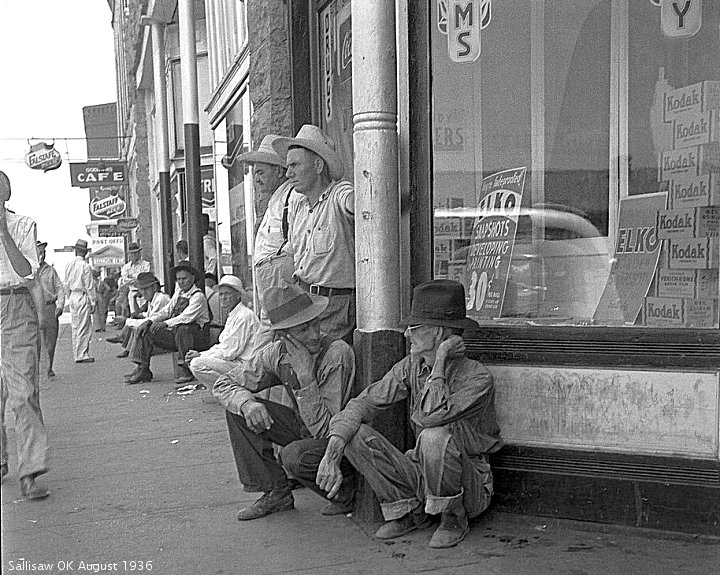
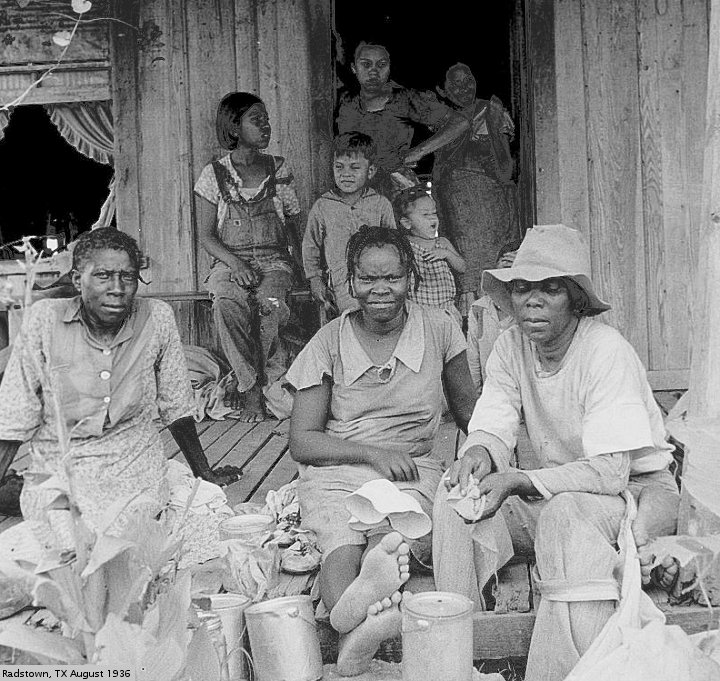
Pictures are from The Library of Congress. This is a repost.




leave a comment