Memorial Day




There is a bit of polemic on the internet now, The revolutionary origins of Memorial Day and its political hijacking. It tells the story of an incident in Charleston SC, where newly freed slaves buried some Union soldiers who died in a prison camp. The incident is described as the first Decoration Day, which later evolved into Memorial Day. As the article tells it, this Holiday was intended as a revolutionary statement about Black freedom, and was whitewashed into an all caucasian affair. This is not a good summary of the article, but should do for now. You can read it for yourself.
PG read the article, and started to get a headache. While researching a Memorial Day. post, he came across the Charleston incident. Apparently, it did happen. There were also numerous other remembrances of the fallen soldiers. The War Between the States was an incredibly bloody affair, with many families losing someone. The urge to remember these fallen soldiers was overwhelming. The custom of Decoration Day would probably have happened with, or without, the Charleston incident. It is incorrect to say that those former slaves invented Decoration Day.
There was an exchange of messages. PG left a comment, “That article is not completely true.”
Lendon Sadler Thank you for your comment concerning the historical roots of Memorial day, but could you be so kind as to explain a bit more the inaccuracy contained in the posting.For my sake, and that of my friends, it would be greatly appreciated. Thanks. And please feel comfortable saying whatever is on your mind in my pages. Sincere regards, Lendon
Luther Mckinnon I will have to think about it some. Also, I am not sure that I have an interest in exploring this issue. I did some research about the celebration in Charleston. It apparently did take place. However, there were other people decorating graves before that. After the carnage of the War Between the States, there seemed to be a lot of activity towards remembering the dead. The slaves in Charleston definitely did not “invent” decoration day. That they had one of the earliest celebrations is notable, but they should not take sole credit. As to the rest of the article… i would have to think about it some, and to tell you the truth I don’t know if I am particularly interested. One of the pieces I read about the evolution of Memorial Day mentioned World War One, which was the next major war the US was involved in after WBTS. Here again, there was a lot of dead soldiers to remember. This was when the holiday evolved into a remembrance of soldiers from all wars. Anyway, I hope this is helpful, and maybe we can explore some of the other issues of that article.
The article in question is at a site called Liberation, “Newspaper of the Party for Socialism and Liberation at LiberationNews.org.” There is a some historic revisionism, with statements like this. “In 1877, the Northern capitalist establishment decisively turned their backs on Reconstruction, striking a deal with the old slavocracy to return the South to white supremacist rule in exchange for the South’s acceptance of capitalist expansion.” Whatever, dude.
The custom of Decoration/Memorial Day is pretty much what it says it is… to remember the fallen soldiers of our wars, especially the ones with lots of casualties. According to this source, it was World War I that facilitated the transition from Decoration Day, focused on WBTS, to a Memorial Day that honored the dead of all wars. It almost certainly was not done as a gesture of white supremacy.
The so-called lessons of history are very versatile. You can find whatever facts are convenient for your agenda, and if you don’t get what you need you can make some up. After all, there is nobody alive today that can remember 1877. We have to take the word of whoever tells the tale of a “deal with the old slavocracy.” Sometimes, these stories are more plausible than others.
Sometimes, things just don’t ring true. “The concept that the population must “remember the sacrifice” of U.S. service members, without a critical reflection on the wars themselves, did not emerge by accident. It came about in the Jim Crow period as the Northern and Southern ruling classes sought to reunite the country around apolitical mourning, which required erasing the “divisive” issues of slavery and Black citizenship.”
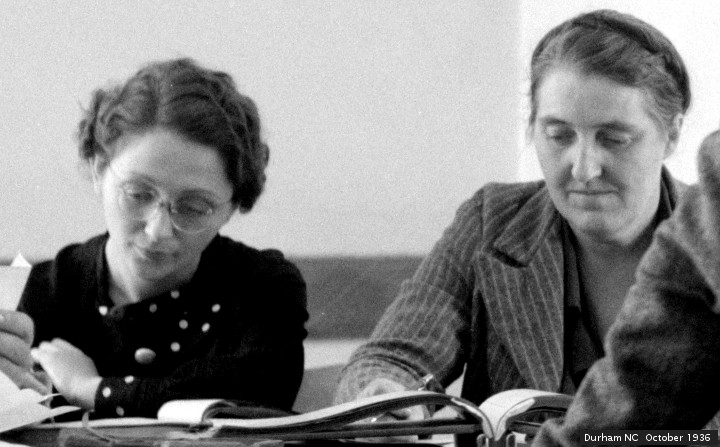
This is a repost. Notes about the Charleston parade are showing up on facebook. This incident almost certainly took place, and is worth noting. However, it was not the “invention” of Memorial Day. Gentlemen, start your engines. Pictures are from The Library of Congress.

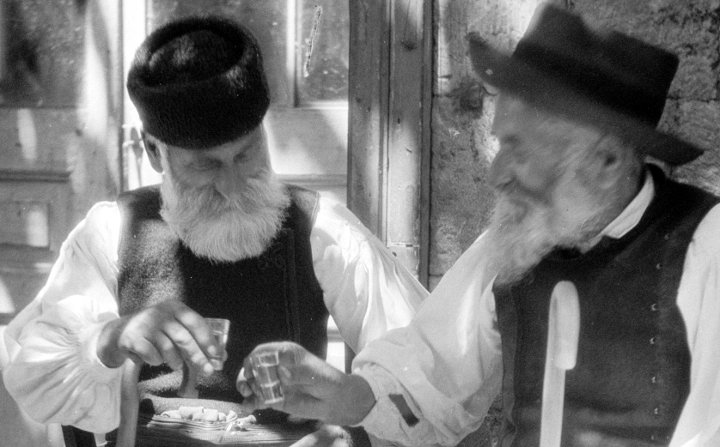
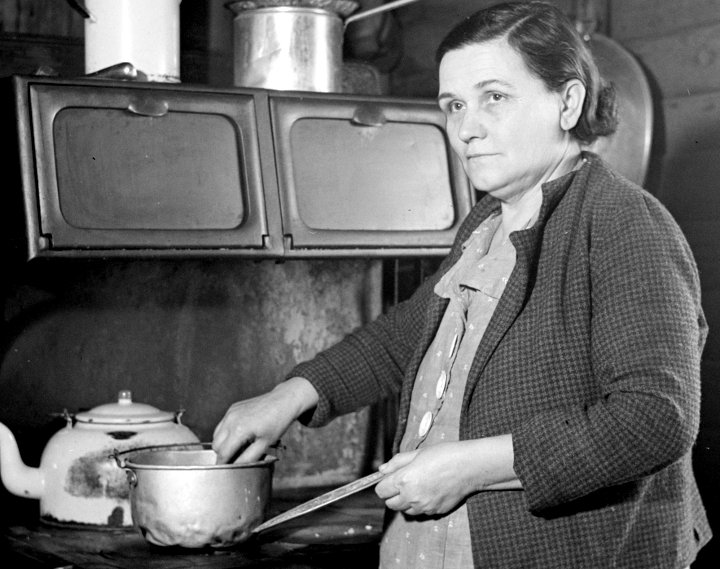
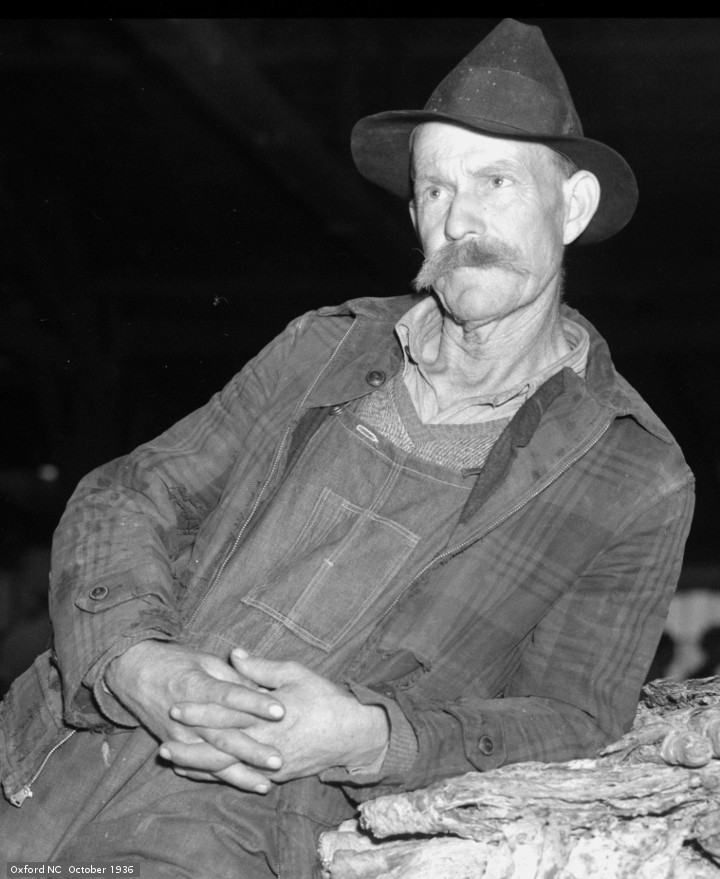
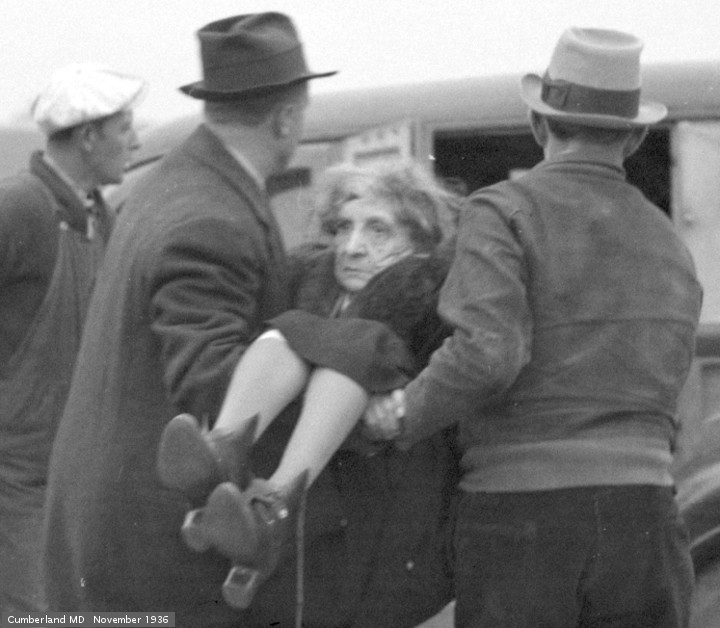


Memorial Day started as Decoration Day. During the War Between the States, people started to go out to graveyards, and put flowers on the soldiers. It is tough to say whether the custom started in the south. or the north. Waterloo NY is considered the official birthplace of Memorial Day. This is not what Abba was singing about.
WBTS was by far the most costly war in American history. There were more casualties in WBTS than in World Wars I, II, Korea, and Vietnam combined. Americans were not used to this carnage on this scale. Decoration Day was one of the results.
It was also, literally, a divisive war. The causes of the conflict are debated to this day. More men died of disease than in combat. Shitting yourself to death is not glory.
An important cause of the war was the desire, of some, to maintain their investment in slaves. In other words, the hundreds of thousands of Southern deaths were to insure that African Americans cannot be free. The lofty rhetoric of Memorial Day does not always reflect the squalid reality.
The legend is that May 30 was chosen because it was not the anniversary of any major battles. For many years after WBTS, the southern states had a separate day of remembrance. Confederate Memorial Day is still observed, though not on as large a scale as before.
The next major killing session for the United States was World War I. After this conflict, May 30 evolved into a day to remember all soldiers who died. The south began to embrace the unified holiday.
The United States lost at least 116,516 men in World War I. Almost all of these casualties were in 1918, the last year of the war. The other countries lost far more men. Not one person in a thousand can tell you today why World War I was fought. All it did was provide the causes of World War II, which was even more costly.



The Day Lincoln Was Shot


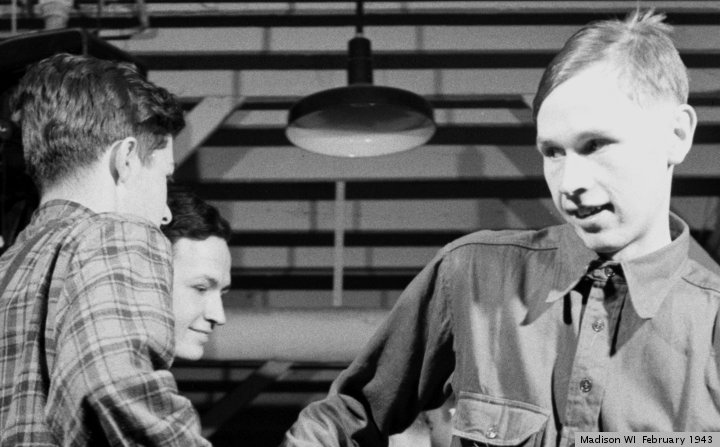
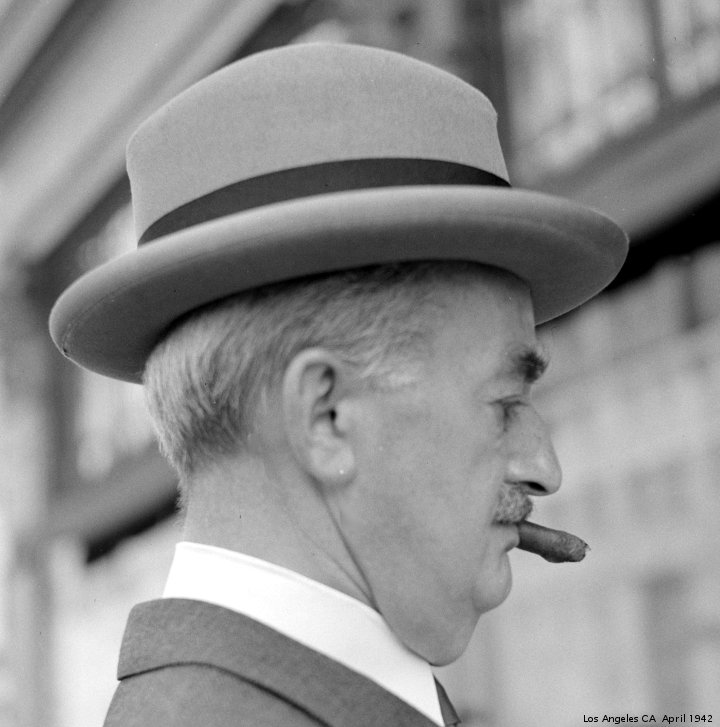

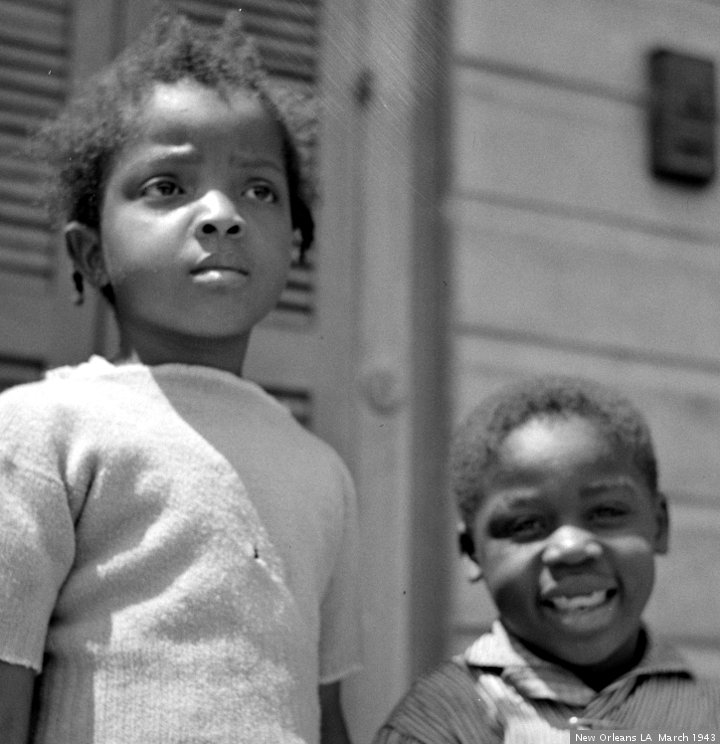
PG has read The Day Lincoln Was Shot. It is written so that the casual reader can enjoy it. There is a powerful history lesson here, and worth the twenty five cents PG paid at Book Nook. The pictures for this book report are from The Library of Congress. This is a repost.
This book contradicts another book PG read. Genius and Heroin reports that Mary Todd Lincoln had a bad headache on April 14, 1864. Some opium was found for her, and she was able to go to Ford’s Theater that evening. TDLWS does not mention this.
The story begins in the weeks leading up to “Good Friday”. John Wilkes Booth was in the crowd at Mr. Lincoln’s second inauguration. Vice President Andrew Johnson was also there, and made a drunken fool of himself. Mr. Johnson did not meet with Mr. Lincoln until the afternoon of April 14.
John Wilkes Booth was a famous actor, He made $20,000 a year as a performer. Mr. Booth was also a fan of the Confederacy, and launched a plan to kidnap Mr. Lincoln. There was an attempt to kidnap the President, but Mr. Lincoln did not show up as planned. The conspiracy of Mr. Booth almost broke up, and was reduced to four men.
The four men…John Wilkes Booth, Lewis Paine, David Herrold, and George Atzerodt … met at a boarding house owned by Mary Sarratt. Ultimately, Booth went to Ford’s Theater to kill the President. Lewis Paine and David Herrold tried to kill Secretary of State William Seward. George Atzerodt took a room at Kirkland’s boarding house, and was supposed to take out Vice President Andrew Johnson. Mary Sarratt was not involved in the plot, but was executed by hanging anyway.
In the weeks before Good Friday, a few things happened. On March 7, the door to box seven at Ford’s Theater was broken down, and the lock broken. On April 5, Secretary of State William Seward was badly injured in a carriage accident. On April 9, General Robert E. Lee surrendered to General Ulysses Grant, ending the War Between the States.
Part of the celebration was a theater party on Friday, April 14. Mr. and Mrs. Lincoln were to join Gen. and Mrs. Grant at Ford’s Theater. The show was “Our American Cousin”, starring Laura Keene. The Grants did not really want to go, and decided to catch a train to New Jersey. They wanted to see their children. Mrs. Grant had also witnessed a temper tantrum by Mrs. Lincoln, and was possibly avoiding the hot headed first lady.
Mr. Booth decided that this was the night for action. He went by the Kirkwood house, and left a note for Andrew Johnson. The idea was for the police to see the note, and think that Mr. Johnson was part of the conspiracy. This was foiled when Mr. Johnson’s secretary stopped by Kirkwood house, and picked up the Vice President’s mail and messages.
Ford’s Theater was prepared for the visit by the President. A barrier was taken out from between two boxes. Flags were hung around the building. At 9:00 pm, the President’s bodyguard, a Washington policeman named John F. Parker, got bored with the play. Mr. Parker went to Taltavul’s saloon, along with with Francis Burns, the president’s driver and Forbes, the valet. They were in the saloon during the action at the theater.
John Wilkes Booth was an experienced actor, and he knew how to follow a cue. At 10:15 pm, the player onstage said “Wal I guess I know enough to turn you inside out, you sockdologizing old mantrap”. Booth placed a derringer between Mr. Lincoln’s left ear and spine, and pulled the trigger. He said “Sic Semper Tyrannis”, and cut Major Henry Rathbone. Booth leaned over the edge of the theater box, and lowered himself to the stage. The spur of his right foot catches on the Treasury regiment flag. This causes him to land on his left leg at an odd angle. The leg broke.
While this is going on, Lewis Paine and David Herrold went to visit Secretary of State William Seward. He is laying in bed, covered in bandages, recovering from the carriage accident. The bandages get in the way of the knife that cuts him, and save his life.
The wounds to Mr. Lincoln are considered mortal. The President was moved to Peterson’s boarding house nearby. At 7:22 am on April 15, he died. Secretary of War Edwin Stanton, who served as acting President during the night, said “Now he belongs to the ages.”


The Funeral Of Franklin D. Roosevelt
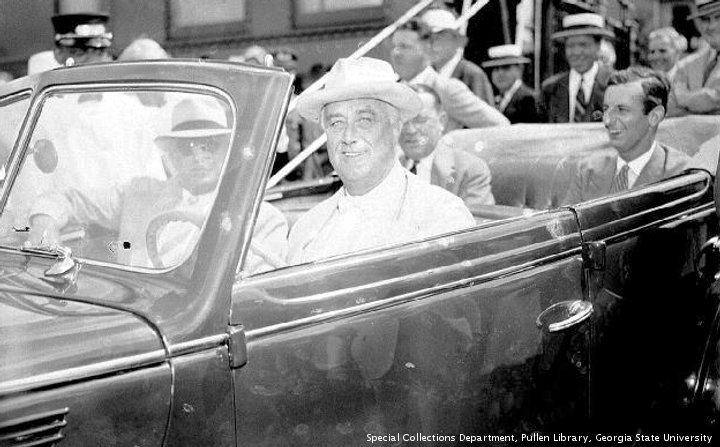
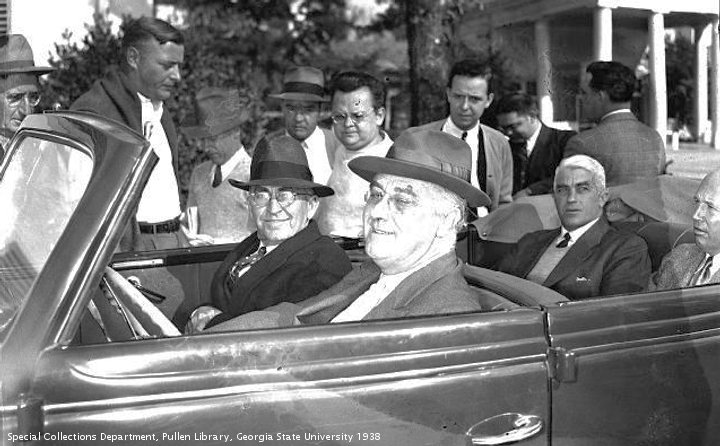
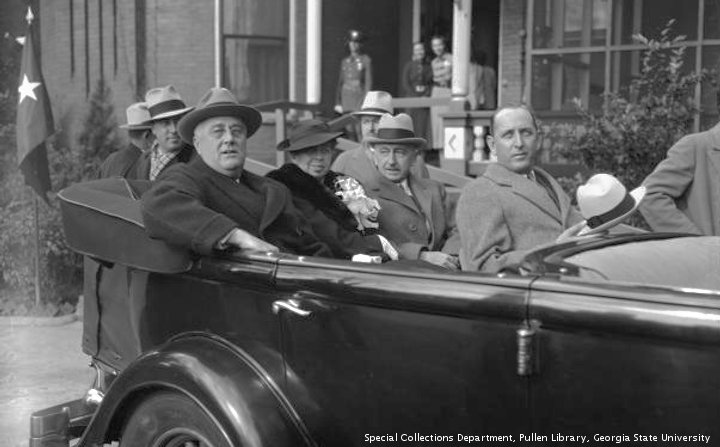

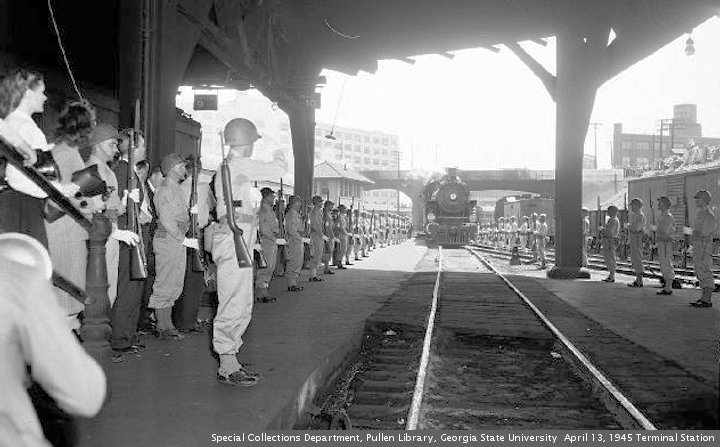
On February 29,1945, a train left a secret platform beneath the Bureau of Engraving and Printing in Washington, DC. The most important car in the train was the Ferdinand Magellan, the private ride of President Franklin Delano Roosevelt. The train took “the Boss” to Warm Springs, GA.
On April 12, 1945 (the day before Friday 13), the President was posing for a painting. The artist, Elizabeth Shoumatoff, was a friend of Lucy Mercer Rutherford, who was also in “The Little White House” that afternoon. Mrs. Rutherford was the long time mistress of the President. At roughly 1:00 pm, The President rubbed his brow, and said ” I have a terrific pain in the back of my head”. His head slumped onto his chest, and he died.
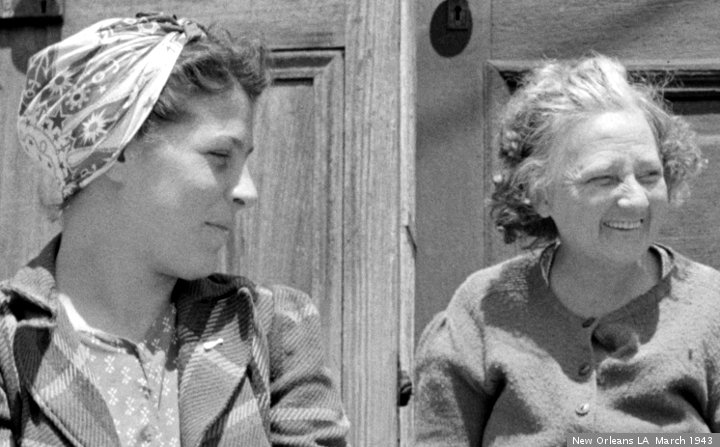
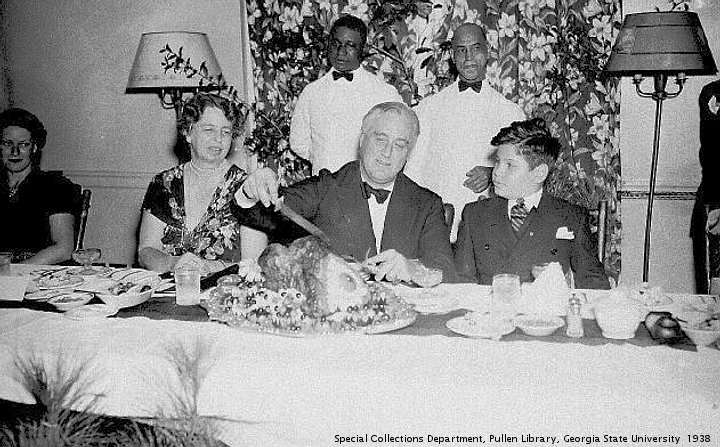
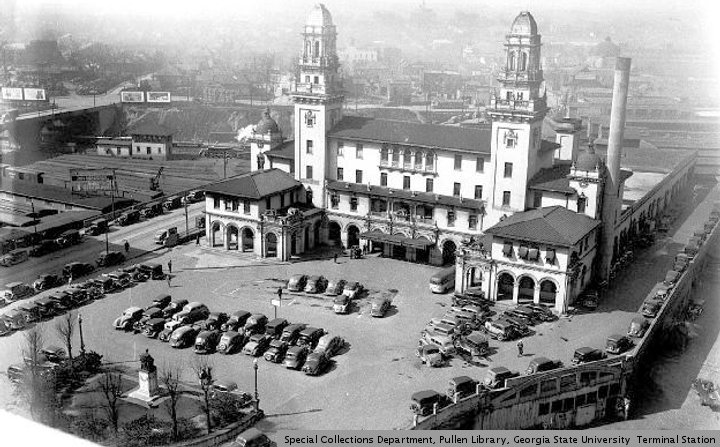
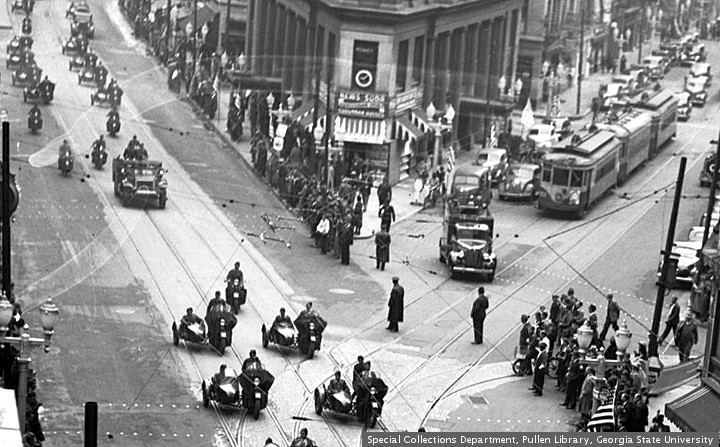
What happened in the next few days is the subject of FDR’s Funeral Train. PG found this book at the Chamblee library, and found it enjoyable, and thought provoking. For a story with a well known outcome, there were a lot of subplots, and food for speculation. Pictures for this book report repost are from “The Special Collections and Archives, Georgia State University Library”.
When it became obvious what was happening, the first chore was to get Lucy Rutherford off the premises. She left quickly, along with Ms. Shoumatoff, and an assistant. Somehow, Eleanor Roosevelt learned the Mrs. Rutherford had been with her husband, and was not pleased.
Fred Patterson was called at this Atlanta funeral home, and told to come to Warm Springs to prepare the body for burial. Unfortunately, the cerebral hemorrage had clouded the President’s face beyond repair. This, and the President’s expressed dislike of open coffin funerals, led to a closed coffin at the ceremonies. The closed coffin led to speculation that the President had been dead for some time, and that an impostor had been playing the role of President.
Mr. Patterson brought a copper lined coffin with him, weighing over 600 pounds. The setup of the Ferdinand Magellan made it impossible to bring the coffin onto that car. Another car, the Conneaut, was found to carry the remains to the funeral. A passenger window was removed, and the coffin was passed in through the window. A wooden bier was built for the coffin, and covered with a Marine Corps blanket. The bier was built high enough to enable the coffin to be visable through the window.
When the coffin was about to be placed on the train, it was learned that no one had brought a flag. A flag was borrowed from a flagpole in Warm Springs to put over the coffin.
The Ferdinand Magellan was armor plated, and had bulletproof glass. It weighed 142 tons. An engine powerful enough to carry this car had to be found. When the train was leaving Washington, en route to burial in Hyde Park, NY, three couplings broke, from the strain of this car. Finally, a coupling was made to work, and the train proceeded to Hyde Park.
The part of the journey from Washington to Hyde Park had two trains, with every important official in Washington on board. Among them was the new President, Harry Truman. Truman had been a compromise choice as Vice President, and was not told very much. He was quickly educated, and produced a speech to give to Congress the following Monday.
On this Friday the thirteenth, no one foresaw an early end to the War. While Germany was in bad shape, no one knew how much longer they would hold out. As for Japan, it was assumed that a gruesome land invasion would be needed to end the conflict. Only a select few knew about the atomic bomb, which had still not been tested. Some felt it would not work.
One of the lesser known passengers on the Washington-Hyde Park train was an economics advisor to the President named Laughlin Currie. In addition to his duties for the American government. Mr. Currie was widely believed to be on the payroll of the Soviet Union. He gave regular reports to the KGB. Which leads to one of the questions …did the Soviet Union know about the atom bomb?
The answer may not be knowable. What is known is this. On August 6, the US dropped the atom bomb on Hiroshima. On August 8, the Soviet Union entered the war against Japan, invading Manchuria. On August 9, the US dropped the atom bomb on Nagasaki. This may be a coincidence.
Another point to ponder involves Dr. Howard G. Bruenn, a cardiologist at Bethesda Naval Hospital. Dr. Bruenn had been treating the President, and is given credit for adding a year to the President’s life. The question today is, what if the President had died in 1944? Henry Wallace would have become President, and probably would have been elected to a term of office in the fall elections. (Or maybe not. Mr. Wallace had offended enough people to cause him to be kicked off the ticket.) How this would have played out, especially with regard to the war effort and the Yalta conference, is anybody’s guess. That extra year of life for Mr. Roosevelt may have been a very good thing for the United States.

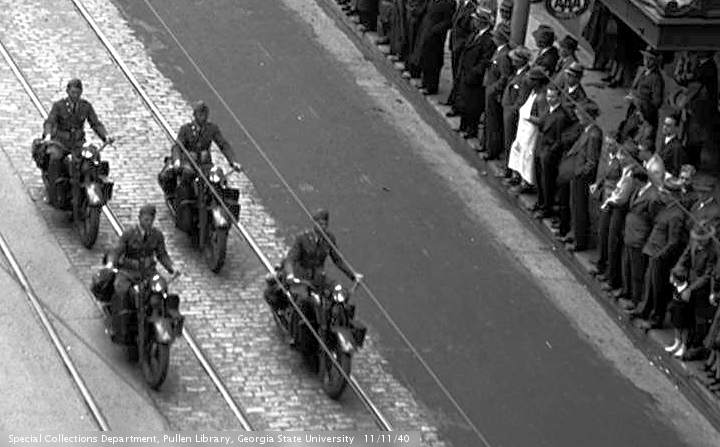
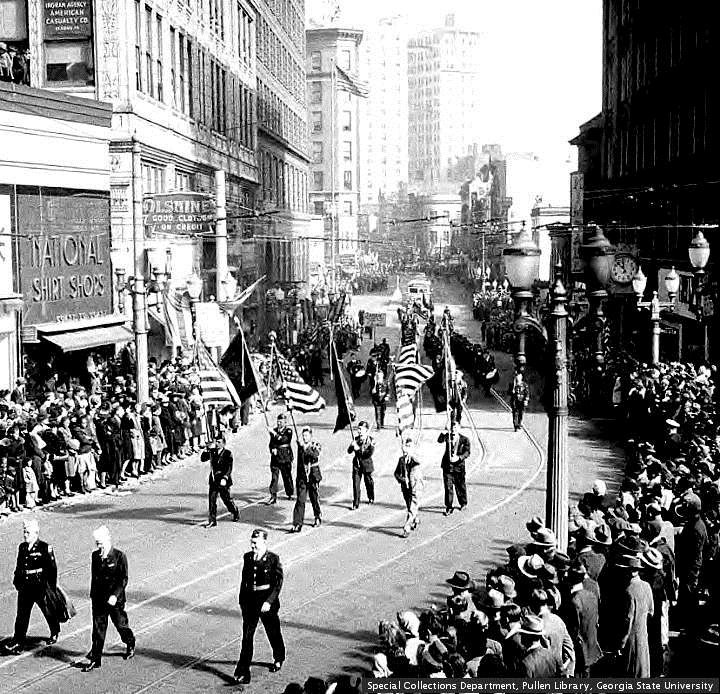
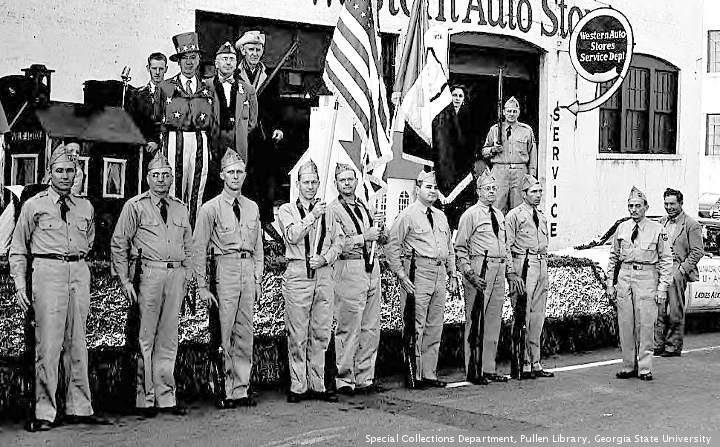
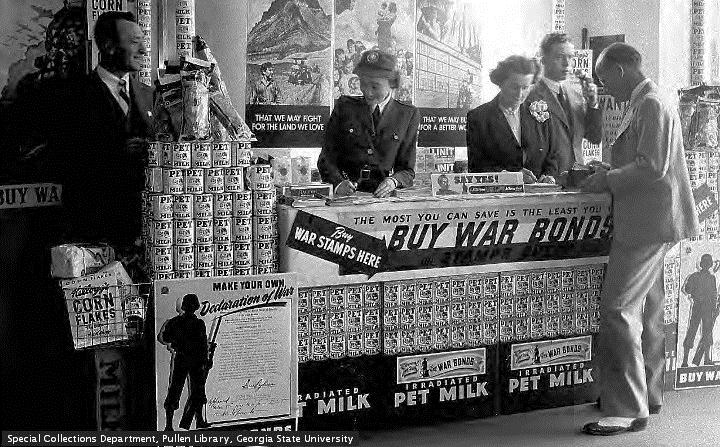
Shock And Awe Day 2015
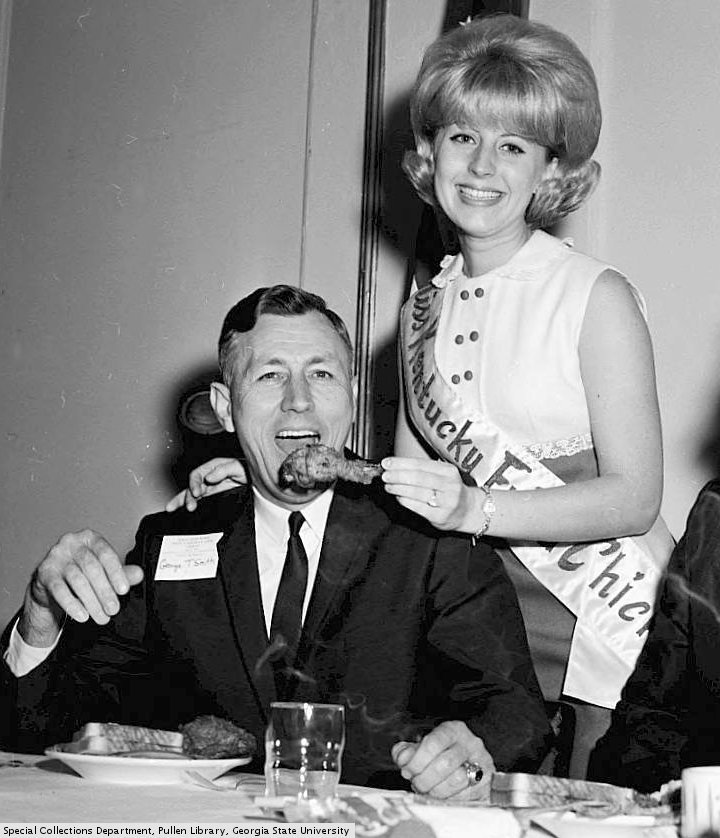

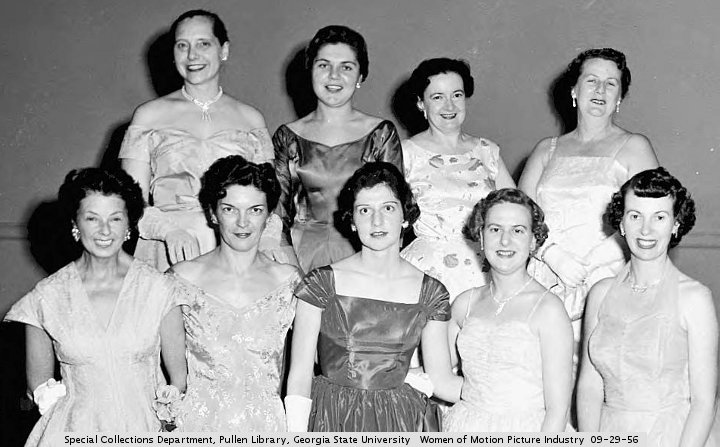
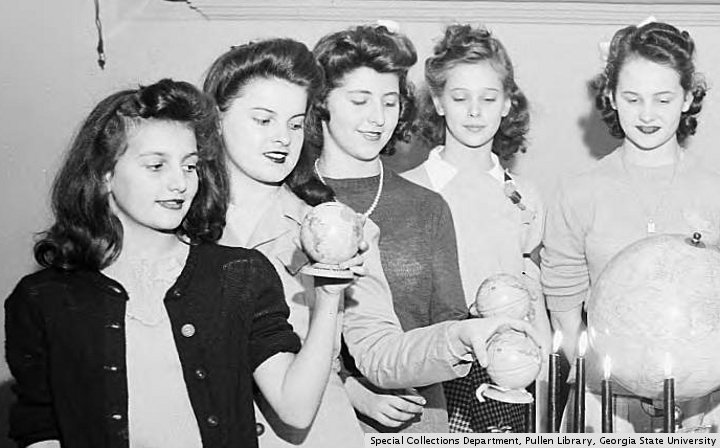
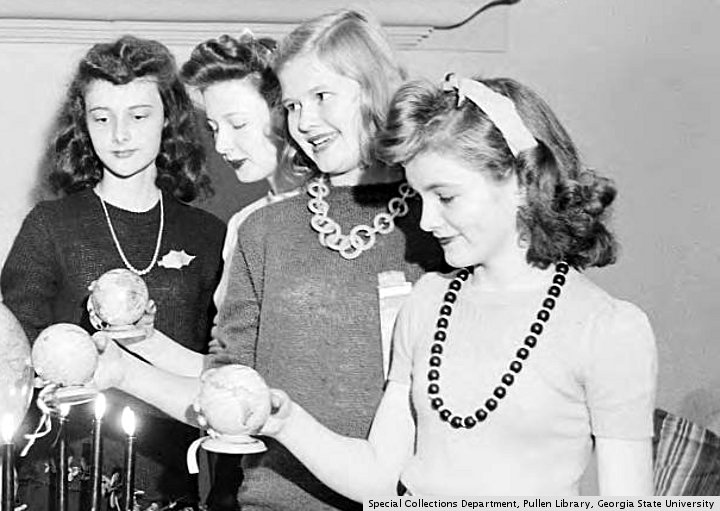
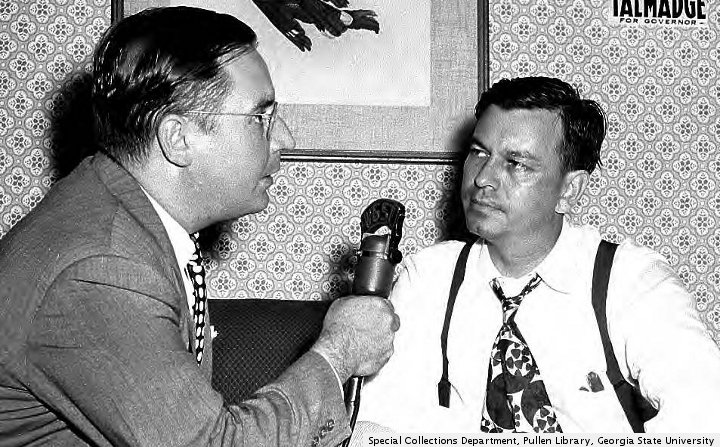
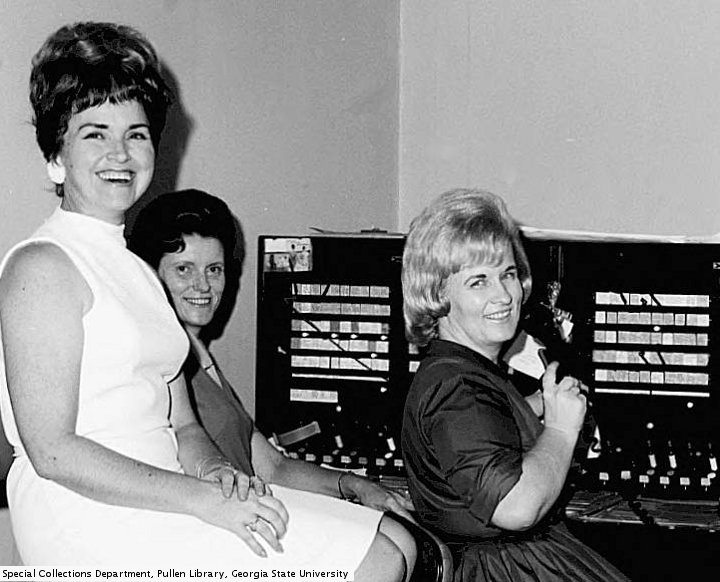
Twelve years ago, Iraq teetered on the edge of regime change. It was obvious what was going to happen, at least at first. Amerika was going to storm in, kill a bunch of people, and take over.
In post 911 Amerika, the military industrial complex saw an opportunity for plunder, unrivaled since the fall of the Soviet Union. The stories of WMD would infect the body politic with fear of a mesopotamian madman. Saddam Hussein wanted Iran to think he has wonder weapons, and did not think Amerika was serious about regime change. We all make mistakes.
In the twelve years since the time of shock and awe, trillions of dollars have gone down the drain, dragging the mighty Amerikan economy along into the sewers of bankruptcy. One of the oldest civilizations of mankind was reduced to hiding, from neighbors, behind concrete barricades. They fought the conquerors with bombs triggered by garage door openers. Thousands of women and children have been murdered. The WMD were never found. This is a repost.
Pictures are from “The Special Collections and Archives, Georgia State University Library”.
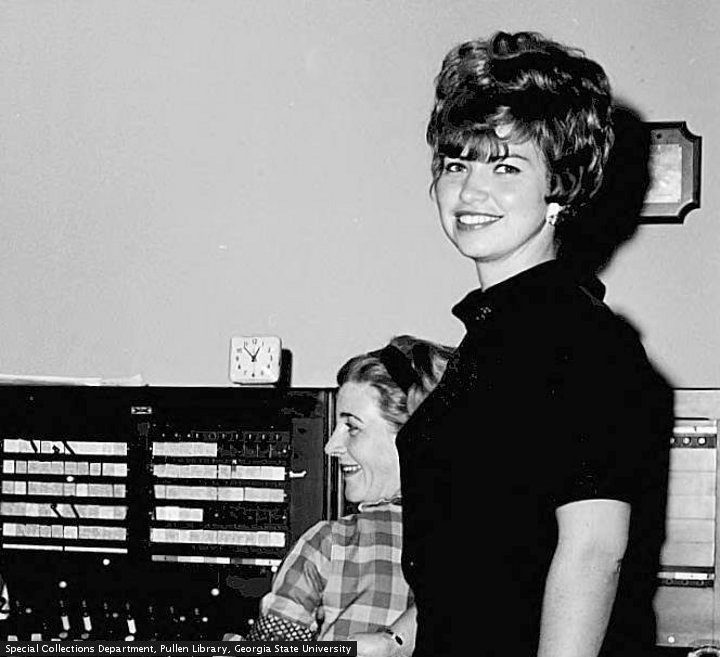


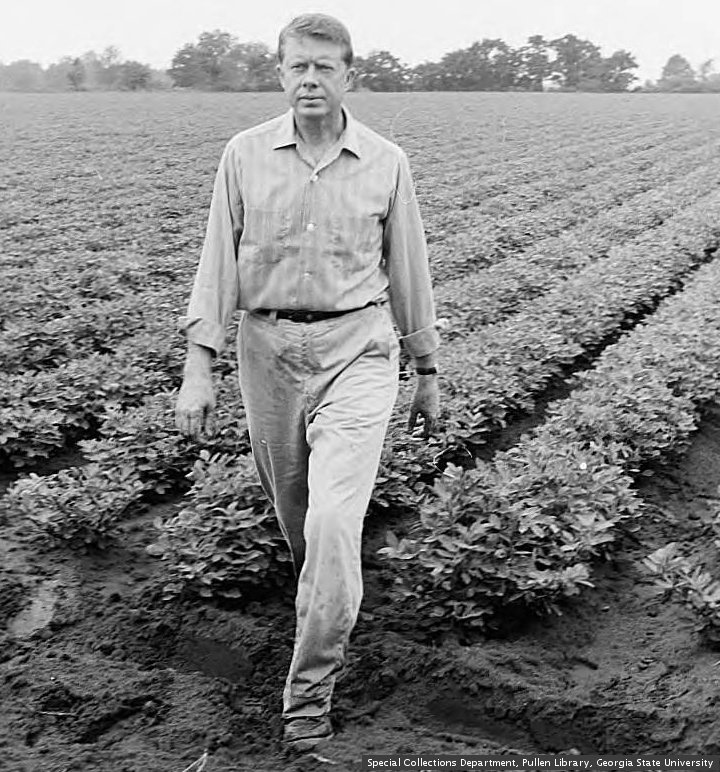


War Letters
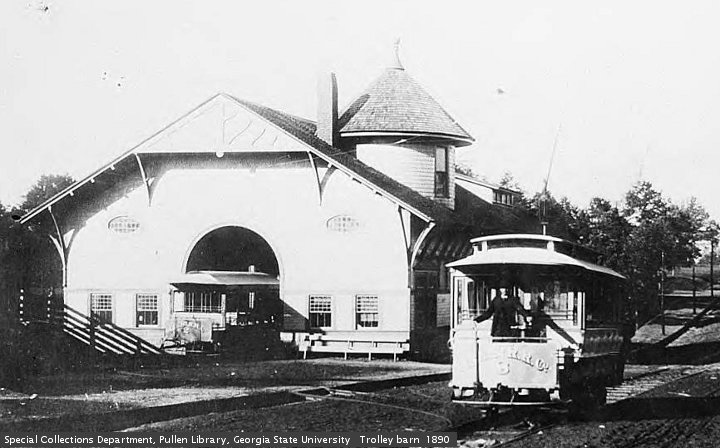
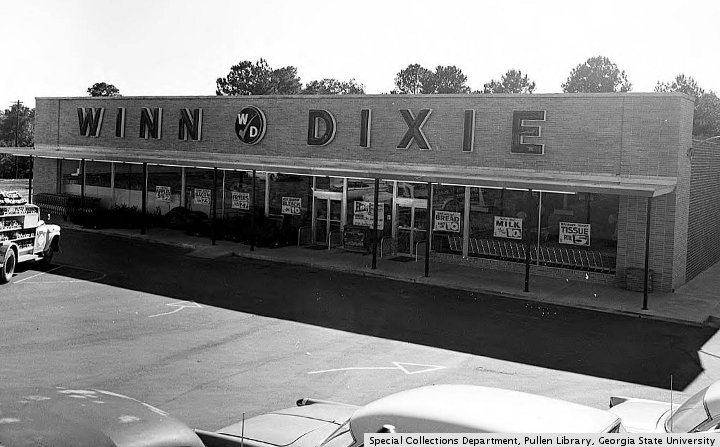
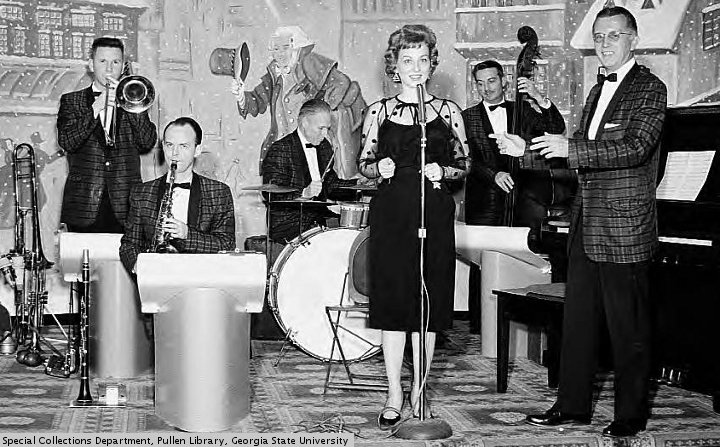


In the winter of 2003, it was obvious that America was going to war. Congress had voted approval, the modern version of a declaration of war. The troops. and supplies, were on the borders of Iraq, waiting for the order to go in.
PG felt the need to make a statement. There was no illusion that it would affect the overall decision to invade Iraq. However, PG wanted to go on record as being opposed to the folly to come.
It was a low risk act. In America, we have freedom of expression. This does not mean that the powers that be listen to the people. The only expression that matters is by people who pay the authorities. The people can say anything, but nobody in charge listens.
There were three representatives in Congress to contact. The two Senators were Saxby Chambliss and Zell Miller. The 4th district was represented in the House of Representatives by Denise Majette. She was new to Congress, having defeated Cynthia McKinney in the 2002 election.
The area that PG lives in is gerrymandered into different districts every ten years by the Georgia legislature. This is partly the legacy of the Voting Rights Act, which requires the voting districts in Georgia to be approved by Federal authorities. Today, PG is in the 6th district, represented by Republican Tom Price.
The letters are lost in hard drive crash fog. It started out with the phrase “you were elected to represent me.” Apparently, this left Zell Miller out. He has been appointed to finish the term of Paul Coverdell. Democrat Zell Miller was appointed by Democrat Governor Roy Barnes to complete the term of Republican Paul Coverdell. After this, Zell Miller gave the keynote address at the 2004 Republican Convention. This is what Georgia has come to expect from Zig Zag Zell.
The anti war letter was not great writing. It basically said that the invasion of Iraq was not a good idea. The letter did not address the tax cut. In a bizarre move, Congress approved a tax cut, with an economically ruinous war on the horizon.
The responses to the letter are attached here. Denise Majette gave a thoughtful reply. She did not say “I agree with you” in so many words, but it is clear she is not gung ho about killing Iraqis. Miss Majette said, and PG agrees, that once the war begins, the debate should cease.
Saxby Chambliss sent two replies. Both talked about how well the war was going, and how wonderful it was to be killing people in Iraq. It is a good question whether his staff read the original letter from PG, which opposed the war.
In the 2004 election, Denise Majette ran for the Senate. Zell Miller chose to retire, and his seat was up for grabs. Republican Johnny Isakson won the Senate seat. Cynthia McKinney made a comeback, and won the fourth district House seat.
Saxby Chambliss was re-elected in 2008, and retired in 2014. The conflict in Iraq continues to this day. It is a disaster. The withdrawal of American combat troops did not end the civil war. Currently, Iraq is the scene for combat operations from the Islamic State military force.
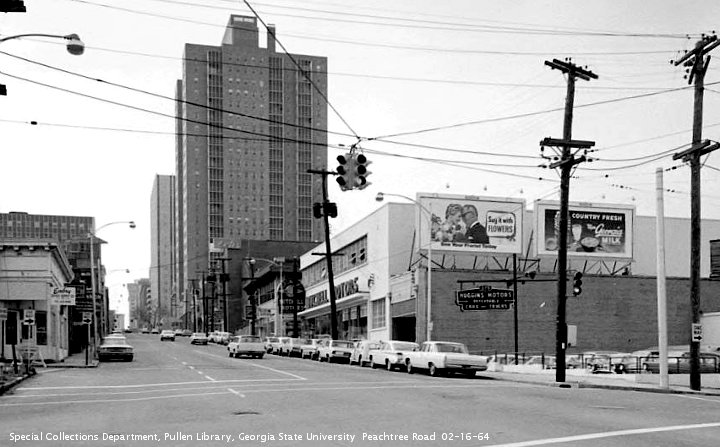
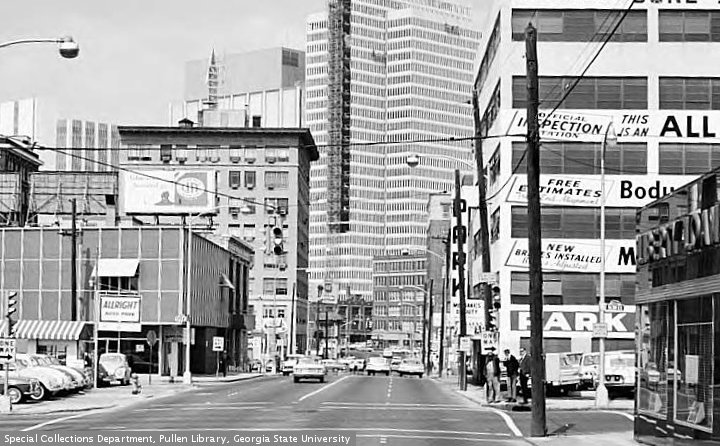
The financial burden of the war has been immense. The military depends on contractors for many basic services, at increased cost to the Asian war financiers. The National debt has been increasing by a trillion dollars a year. Revenge for nine eleven, directed at a marginally responsible country, has been horribly expensive. Pictures for today’s entertainment message are from “The Special Collections and Archives, Georgia State University Library”.



Thanksgiving Story




Thanksgiving was a time our family cherished. It was the only time all of us got together under one roof and mingled. Except for me. ~ I was the the family embarrassment. They were Catholic, and disliked my way of life. I played guitar, loved Heavy Metal, and worshiped Satan. ~ All this explains why my family shunned me. In their eyes, I was the flaw of a nearly perfect gem, but in mine, I was the cream of the crop.
I should’ve known they had something awful in mind when they asked me to join them somewhere. They drove me to the very corner of the ranch. ~ “What the fuck are we doing back here,” I asked. My only reply was, “Shut up you blaspheming fool.”
At last we got to the destination. My father, mother, and sister were standing around, wearing funeral clothes. ~ In the middle was a shallow grave. “What’s that hole for?” I asked dumbly. “Take a guess you satanic fucker!” Was the reply from my father.
I felt a thud on my head. I hit the ground with a loud thlap. I turned in spite of excruciating pain to see my uncle wielding a shovel. ~ I touched the back of my head to find my fingers coated in blood. I suddenly grew light headed and passed out. When I woke up I inhaled dirt. ~ Luckily, my family didn’t know how to properly bury someone so I was able to dig myself out. I sat there and puked for about fifteen minutes.
When I got back, it was Thanksgiving night. through the window I could see my family, sitting there, saying grace like the sheeple they were. ~ Seeing them praying made my hate for them and all Catholics grow. It went from a smouldering, muddled anger, to a flaming, outrageous hatred
I ran into the garage and found my uncle’s shotgun, sitting there, waiting for me, beckoning, saying, “Go ahead, make these fuckers pay.” ~ “Hi Mom!” I shouted as I pulled the trigger, I started laughing uncontrollably as I continued firing at my family until I was empty.
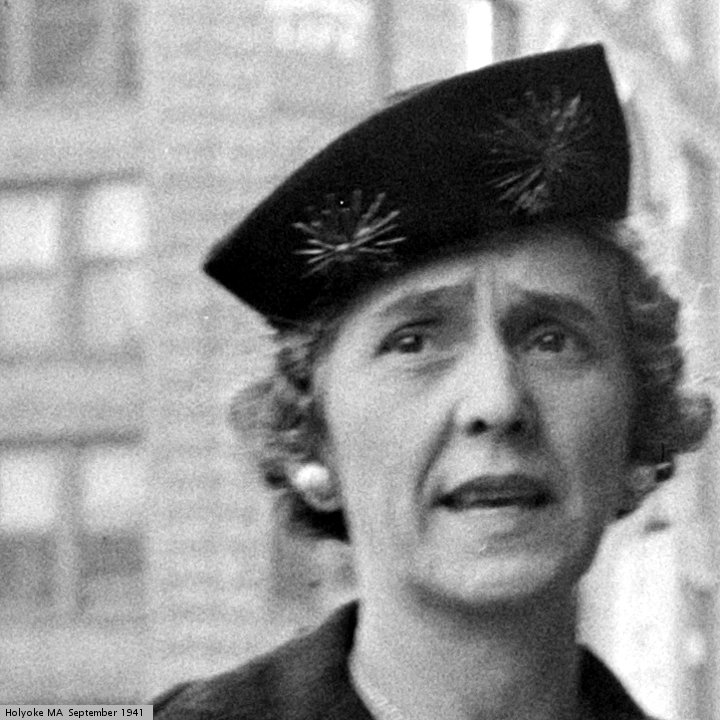
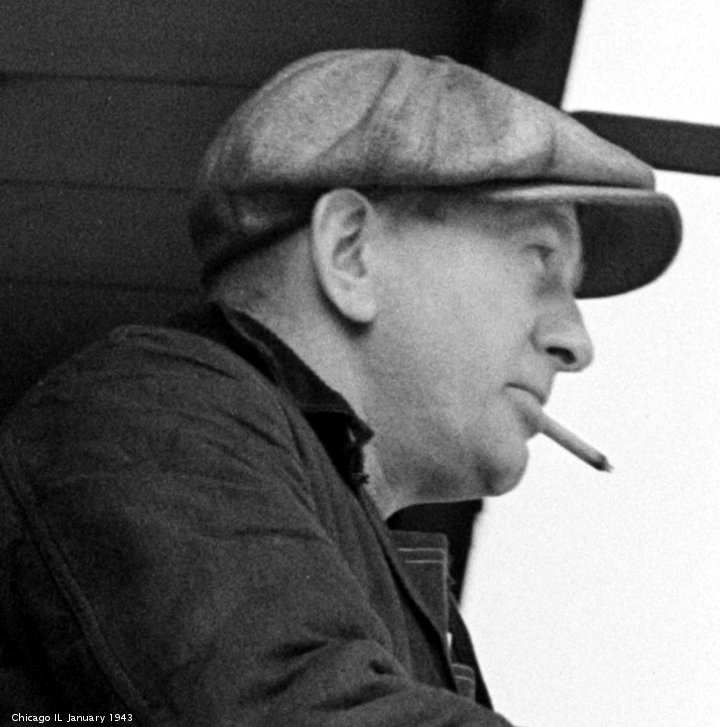
“WHAT THE FUCK IS WRONG WITH YOU?!” My father asked, wounded, shot in the gut. “Wrong with me?” I asked calmly. “What’s wrong with you?” ~ With that I threw the gun away and dined. Not on Turkey, but on raw human flesh. It was the best Thanksgiving ever. ~ Text presented in twitter serialization by @creepypasta_txt. Pictures are from The Library of Congress.









The Silly Remarks Of The President


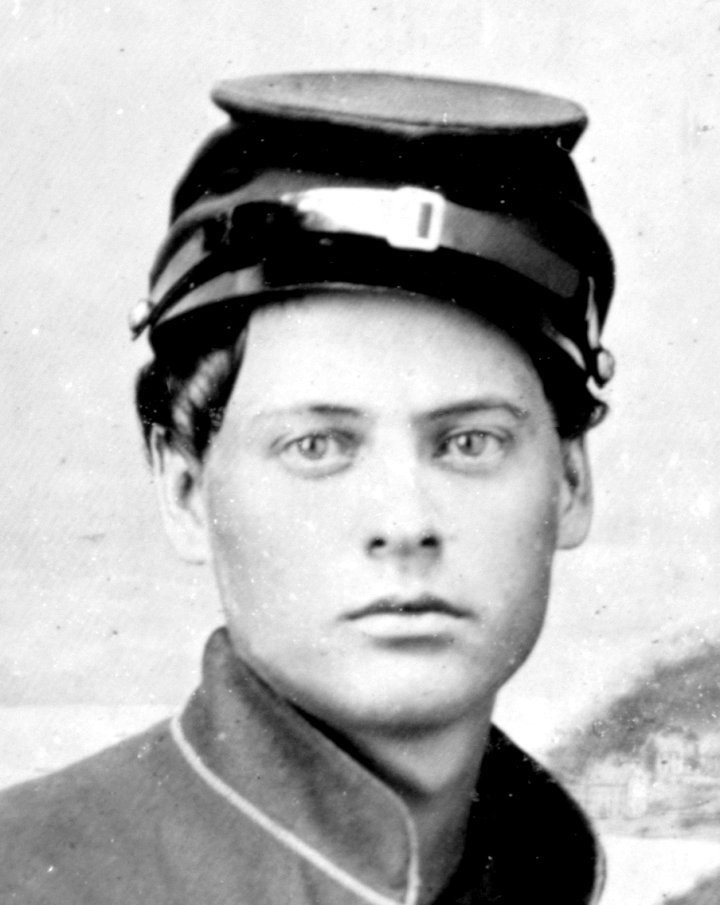
Wednesday, November 19, was the 151st anniversary of the Gettysburg Address. This is seven score, and eleven years, ago. This is not as poetic as four score and seven. The famous speech was written on White House stationary, not the back of an envelope. The train ride to the battlefield was too bumpy to write on, so it was written elsewhere. No one is sure what happened to the original.
The text was published in newspapers, and became famous. Relatively few people heard the actual speech. Not everyone was impressed. The Harrisburg Patriot & Union said “We pass over the silly remarks of the President. For the credit of the nation we are willing that the veil of oblivion shall be dropped over them and that they shall be no more repeated or thought of.” The descendent of this paper, The Patriot-News, printed a retraction in 2013. Better late than never.
Other contemporaries were critical. Presidents are politicians, with allies and enemies, and are not often beloved in their own time. The New York World accused Lincoln of “gross ignorance or willful misstatement” with his declaration of “four score and seven years ago.” The Democratic Chicago Times called the address “a perversion of history so flagrant that the extended charity cannot regard it as otherwise than willful.”
H.L. Mencken had a few unkind things to say about the affair. “But let us not forget that it is poetry, not logic; beauty, not sense. Think of the argument in it. Put it into the cold words of everyday. The doctrine is simply this: that the Union soldiers who died at Gettysburg sacrificed their lives to the cause of self-determination—”that government of the people, by the people, for the people,” should not perish from the earth. It is difficult to imagine anything more untrue. The Union soldiers in that battle actually fought against self-determination; it was the Confederates who fought for the right of their people to govern themselves. “
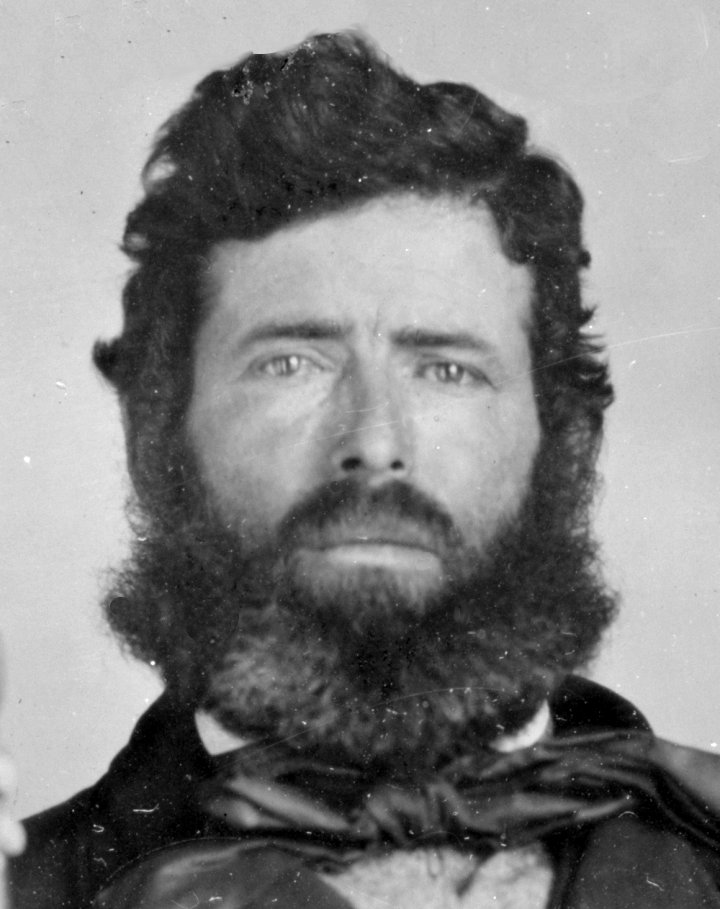
As the rest of the linked essay points out, one motivation for the Confederates desire for self determination is to maintain the ability to own other human beings. Pictures are from The Library of Congress. These are Union Soldiers from the War Between the States. UPDATE There is a Fibonuccian synchronicity to Wednesday’s anniversary of the Gettysburg Address. The original is famous for the phrase four score and seven. If you add four and seven, you get eleven. Wednesday was 151 years after the original address, or seven score and eleven.






Who Does The Killing?


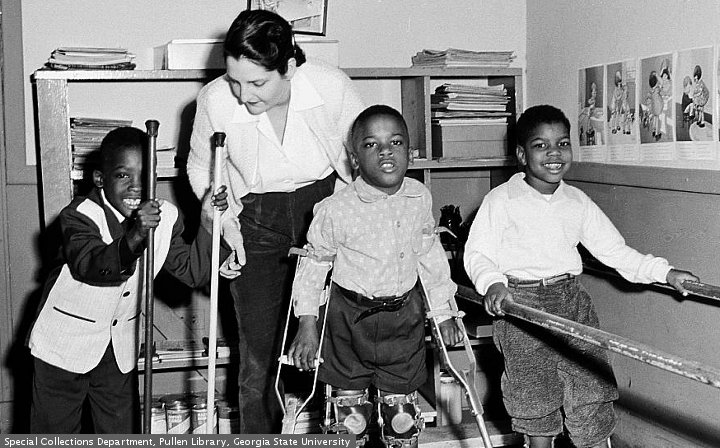

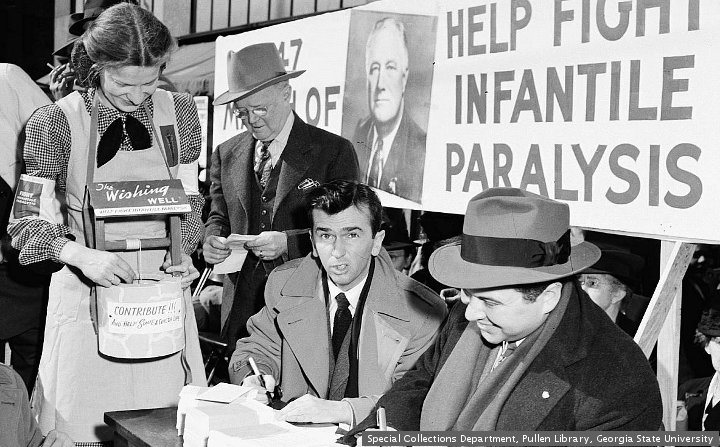
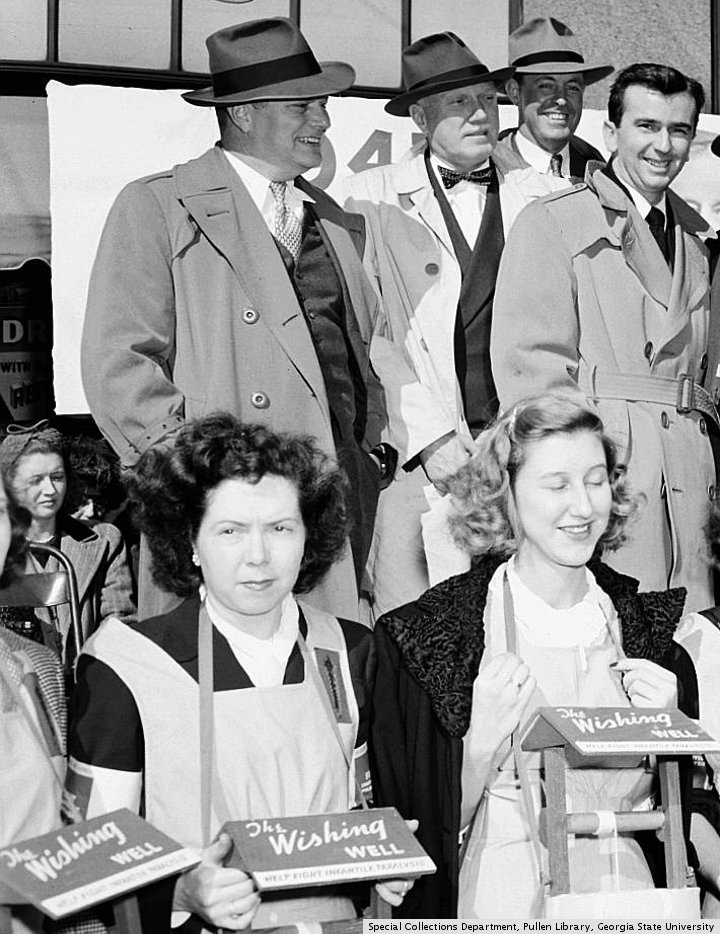
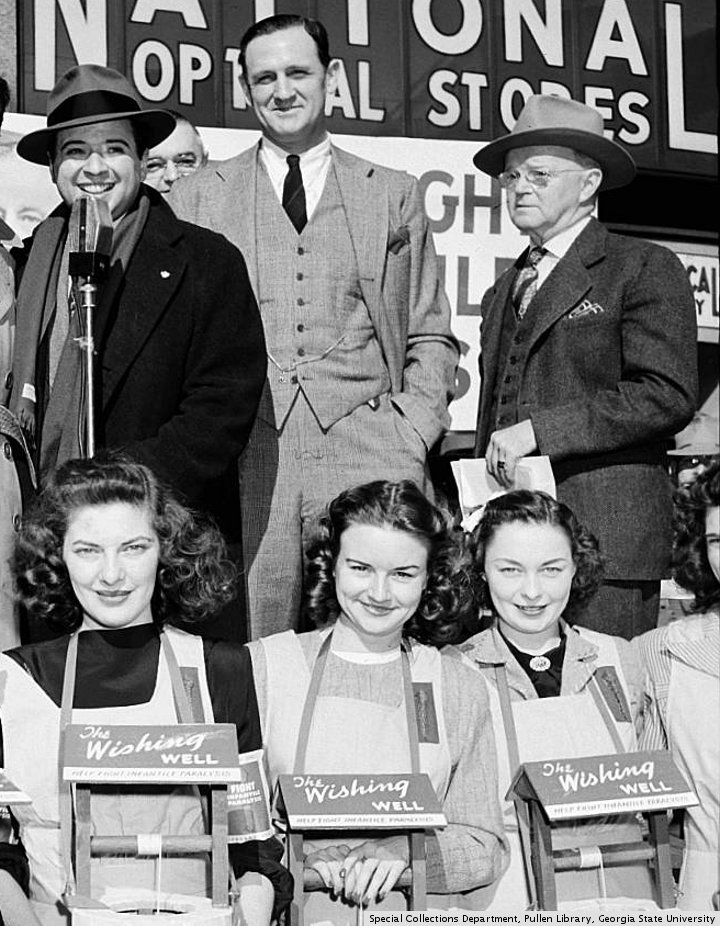
PG used to work with someone, who we will call Fred. This person contracted some sort of cancer, and died nine days after nine eleven. Fred, the son of Holocaust Survivors, was probably the most Jewish person that PG has known. Fred was generous with his opinions. While no claim is made to having access to secret information, these opinions gave an insight into a certain pattern of thought. Some of these attitudes continue to this day, with other situations.
The employment related association took place between 1985 and 1989. This was during the Iran Iraq war. It was felt by many that those were two evil countries, that should be allowed to fight each other as long as possible. When they were fighting each other, they were not a threat to Israel. Fred enthusiastically endorsed this idea. “Yes they should. It is for your benefit. It will prevent terrorism”.
Hundreds of thousands of young men died in that war. Iraq got worn out by the fighting, and resorted to the use of chemical weapons. Iraq also ran up a large debt to Kuwait. In an effort to cancel that debt, Iraq invaded Kuwait in 1990. That set in motion a cycle of violence and revenge that still plagues the United States.
Today, there is much fighting in Syria. There are some who say that with Hezbollah fighting Al Queda, they are both bad actors. Let them kill each other as much as they want. Again, when they fight each other, they will leave Israel alone.
The carnage in Syria, with the government killing thousands of it’s citizens, brings to mind another Fred story. In 1989, China brutally repressed demonstrators asking for more rights. On the monday after the massacre, Fred commented that the Soviet Union was sorry. They wanted to do this killing themselves. Could this be how Israel feels about the killing in Syria? This is a repost. Pictures are from “The Special Collections and Archives,Georgia State University Library”.
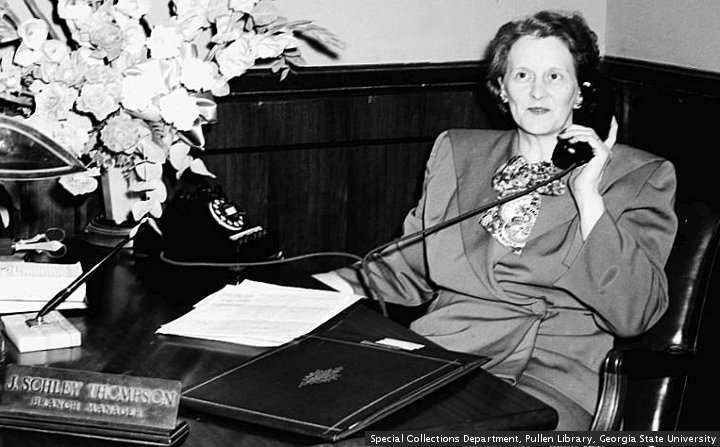
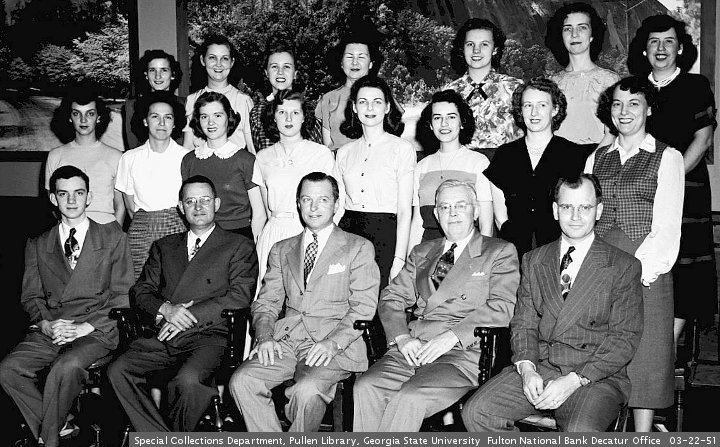

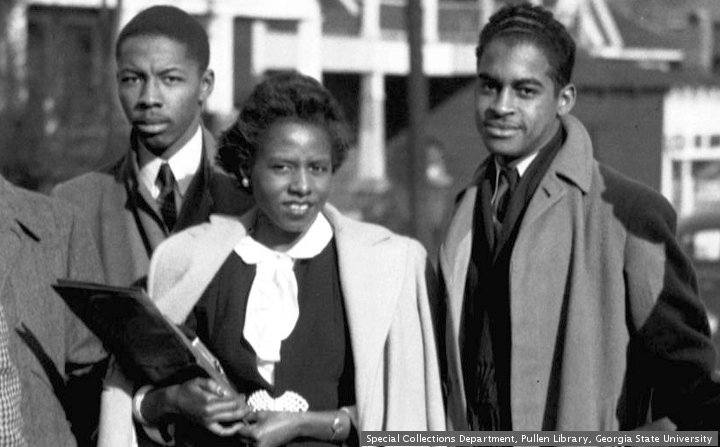

Paul Krassner



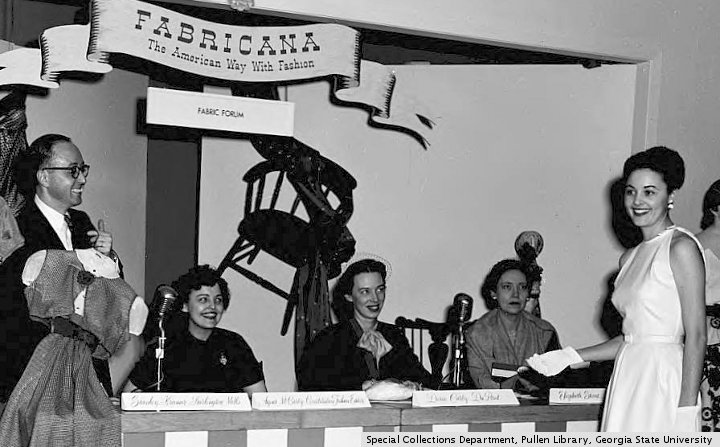

Paul Krassner is alive at eighty two. He survives Lenny Bruce, Abbie Hoffman, Groucho Marx, and Lyndon Johnson. His magazine, The The Realist, is now available as an online archive.
PG was recently looking for background noise to compliment his photomongering. Somewhere along the way, he found episodes of WTF podcast to be available on Youtube. He made a list of shows he wanted to see, including Paul Krassner. When Mr. Google was recruited to find the show, other things floated to the surface. This is how Mr. Google operates.
An onion is more than an internet namesake. It lends a lively flavor, both cooked and raw. The onion consists of many layers of thin skin. These can be peeled off, as you get deeper and deeper into the root. A thin skinned root that gives you bad breath…. an aromatic symbol for the sixties.
When you go looking for WTF/Krassner, you are directed to issue 74 of The Realist. The feature story is the missing segments of a John Kennedy biography. On page 18, Jackie Kennedy saw more of Lyndon Johnson than she needed to see.
“That man was crouching over the corpse, no longer chuckling but breathing hard and moving his body rhythmically. … And then I realized – there is only one way to say this – he was literally fucking my husband in the throat. In the bullet wound in front of the throat. He reached a climax, and dismounted. I froze. The next thing I remember, he was being sworn in as the new President.”
Page two of issue 74 is the letters to the editor. The featured scribe is John L. Timmons, Secretary, Mattachine Society of N.Y. He wrote “Letter From A Homosexual,” in response to a cartoon page in issue 69, fag battalion. Using KY to lubricate a rifle is not a good idea.
At the time, America was fighting a war in Vietnam. Young men were given the choice of go in the army, or go to prison. It was ugly. There was a group, “The committee to fight the exclusion of homosexuals from the armed forces.”
The Mattachine Society was neutral. Some members supported the war, and some were opposed. It distracted from the overall agenda to take sides in other disputes. The editors at The Realist agreed. “… homosexuals who don’t want to be drafted will no longer be able to exploit their deviation rather than face the consequences of conscientious objection.”
When issue 74 was published, Walt Disney was still alive. This may account for the action on page 12. Maybe Uncle Walt did not want his animated actors to be drafted for active duty. The activities on page 12 might not be sufficient to have the players excused from active duty, however. By this stage of the war, the local draft boards were not accepting excuses.
Getting back to Paul Krassner… he founded the YIPPIES with Abbie Hoffman, took LSD with Groucho Marx, and published a satiric magazine without advertising. Only the last part can be confirmed. After the description of Lyndon Johnson’s post mortem dentistry, who knows what is real, and what is fake. Pictures today are from “The Special Collections and Archives, Georgia State University Library”.




Mow The Lawn





Israel is mowing the lawn in Gaza, again. One of the weapons used is Hasbara. “In Hebrew it literally translates to “an explanation” but 972 Mag gives us the modern definition: “A form of propaganda aimed at an international audience, primarily, but not exclusively, in western countries. It is meant to influence the conversation in a way that positively portrays Israeli political moves and policies, including actions undertaken by Israel in the past. Often Hasbara efforts includes a negative portrayal of the Arabs and especially of Palestinians.”
One claim made is human shields. The story has Hamas storing weapons in residences. This claim was made in many recent wars, including Vietnam. If the enemy bombs an area, and civilians are killed, then the enemy looks bad. Mr. Netanyahu recently increased the semantic firepower. He claimed Hamas was using human shields to gather “telegenically dead Palestinians for their cause.”
Not everyone believes the human shields claim. Here is another report. “Some Gazans have admitted that they were afraid of criticizing Hamas, but none have said they had been forced by the organisation to stay in places of danger and become unwilling human-shields. The Bani Sobeila area, near Khan Younis, where the Abu Jamaa deaths took place received leaflets dropped from the air last week warning them to leave.
But almost all stayed. One reason for that was many of the houses belonged to the Abu Jamaa clan who felt there was safety in staying together. Another reason was given by a neighbour, Abdullah al-Daweish: “Where do we go to? Some people moved from the outer edge of Khan Younis to Khan Younis centre after Israelis told them to, then the centre got bombed. People have moved from this area to Gaza City, and Gaza City has been bombed.”
Amnesty International has a report on the conflict. “The Israeli authorities claim that Hamas and Palestinian armed groups use Palestinian civilians in Gaza as “human shields”. Does Amnesty International have any evidence that this has occurred during the current hostilities, and what obligations of Israeli forces and Palestinian armed groups are relevant?
Amnesty International is aware of these claims, and continues to monitor and investigate reports, but does not have evidence at this point that Palestinian civilians have been intentionally used by Hamas or Palestinian armed groups during the current hostilities to “shield” specific locations or military personnel or equipment from Israeli attacks. As explained above, in previous conflicts Amnesty International has documented that Palestinian armed groups have stored munitions in and fired indiscriminate rockets from residential areas in the Gaza Strip, and available evidence indicates that they continue to do both during the current hostilities, in violation of international humanitarian law. During the current hostilities, Hamas spokespeople have reportedly urged residents in some areas of the Gaza Strip not to leave their homes after the Israeli military dropped leaflets and made phone calls warning people in the area to evacuate. However, in light of the lack of clarity in many of the Israeli warnings on safe routes for civilians to evacuate, the lack of shelters or other safe places in the Gaza Strip for them to go to, and numerous reports of civilians who did heed the warnings and flee doing so under Israeli fire, such statements by Hamas officials could have been motivated by a desire to avoid further panic. In any case, public statements referring to entire areas are not the same as directing specific civilians to remain in their homes as “human shields” for fighters, munitions, or military equipment. Furthermore, international humanitarian law is clear that even if officials or fighters from Hamas or Palestinian armed groups associated with other factions did in fact direct civilians to remain in a specific location in order to shield military objectives from attacks, all of Israel’s obligations to protect these civilians would still apply.”
Pictures are from “The Special Collections and Archives, Georgia State University Library”.


 Chamblee54
leave a comment