The Deadliest Interstate In America

Someone has put together an internet feature, The 10 deadliest interstates in America, mapped. To the surprise of nobody, either ITP or OTP, the winner is I-285. “Stretching a little under 75 miles in Georgia, I-285 had 26 fatal accidents in 2013.” Actually, the Perimeter Highway runs 62 miles, so the margin of victory may be even greater.
The study was based on fatal accidents in 2013. 32,719 people met their maker in automobile accidents that year. The majority was on surface roads. For the sake of handy analysis, Interstates were chosen for this study. The rankings were based on the number of accidents per mile. Most of the roads in the top ten were “beltways” and spur roads. I-4 in Florida is the only state wide freeway to make the honor roll. The report is based on information from Fatality Analysis Reporting System (FARS.) Statistic geeks should exercise caution when accessing this site.
Here is the top ten. 1. I-285, Georgia, 2. I-710, California, 3. I-240, Oklahoma, 4. I-495, Delaware, 5. I-240, Tennessee, 6. I-295, Florida, 7. I-410, Texas, 8. I-610, Texas, 9. I-4, Florida, 10. I-215, California. Texas, California, and Florida were the three bloodiest states.
There is a graphic, showing where the I-285 accidents occurred. Some hot spots include the areas around I-20 west, Hwy 400, and Hartsfield-Jackson Airport. Despite the bad reputation of Cobb County drivers, relatively few fatal Perimeter accidents occurred in the Big Chicken county.
The award winning performance by I-285 comes as little surprise to many in the metro area. It was originally intended to be a low traffic bypass for people going to Florida. As the metro area has grown, the Perimeter highway has become a heavily used thoroughfare. Interstate trucks are required to use the Perimeter when they go through the area. Several of the interchanges have been upgraded, with the infamous Spaghetti Junction taking a prize. You are known to be taking your life in your hands when you travel on I-285. However, it is essentially the only way to navigate many journeys.
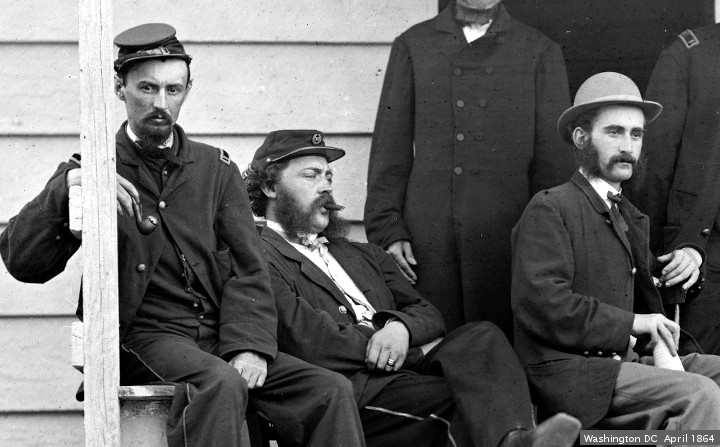
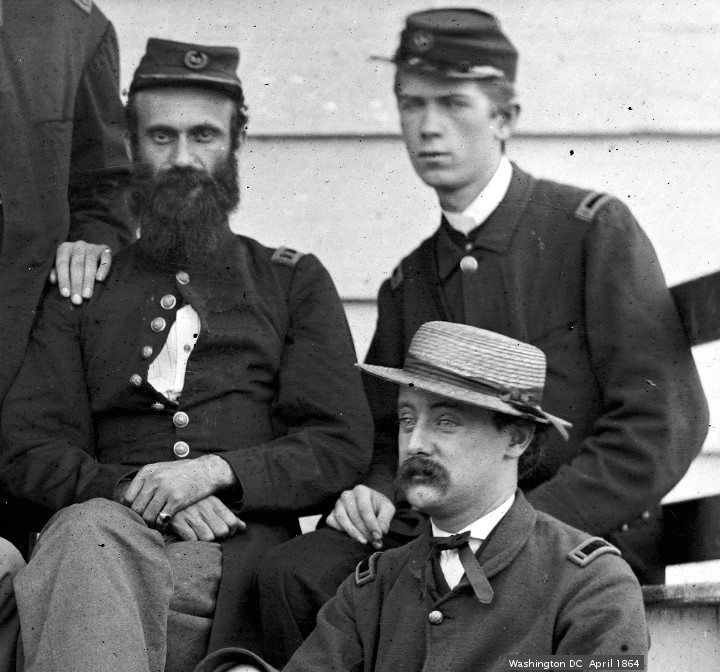
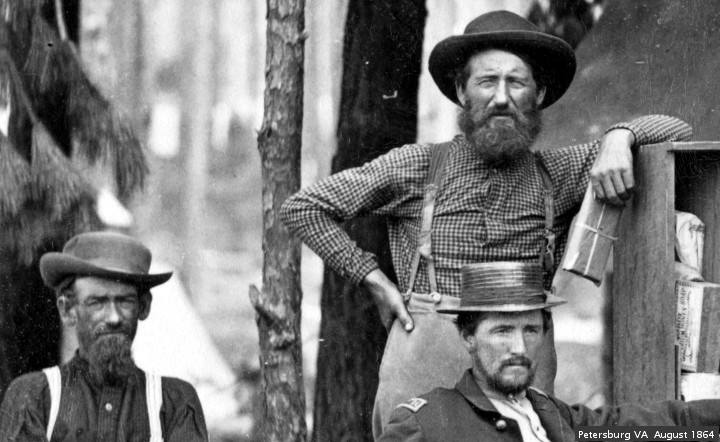
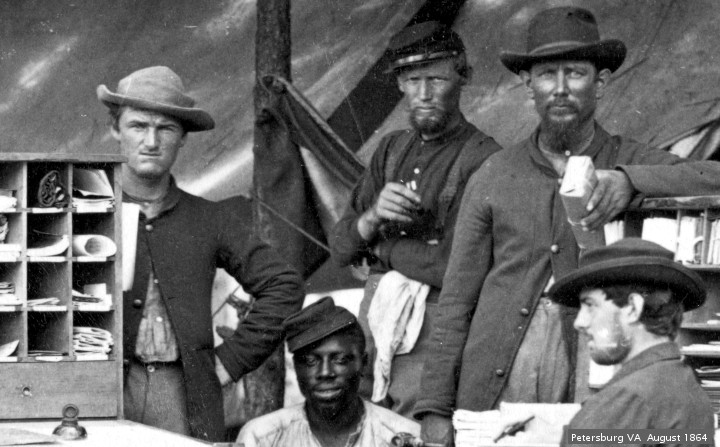
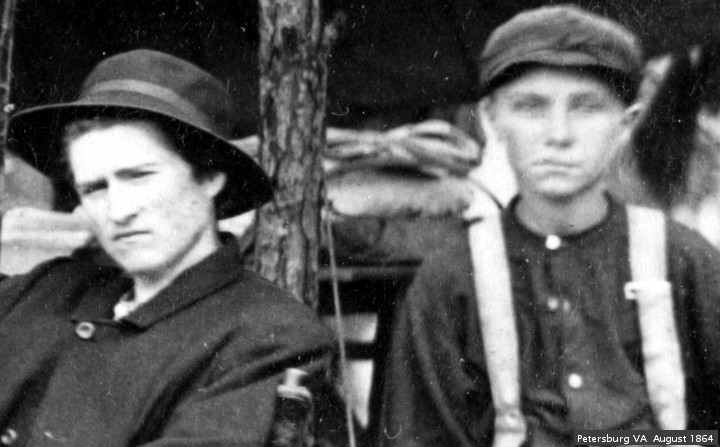
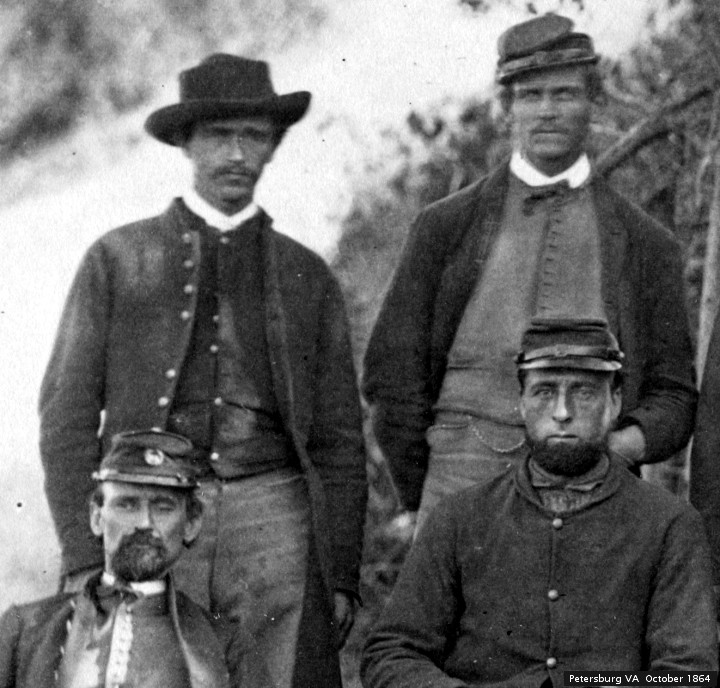
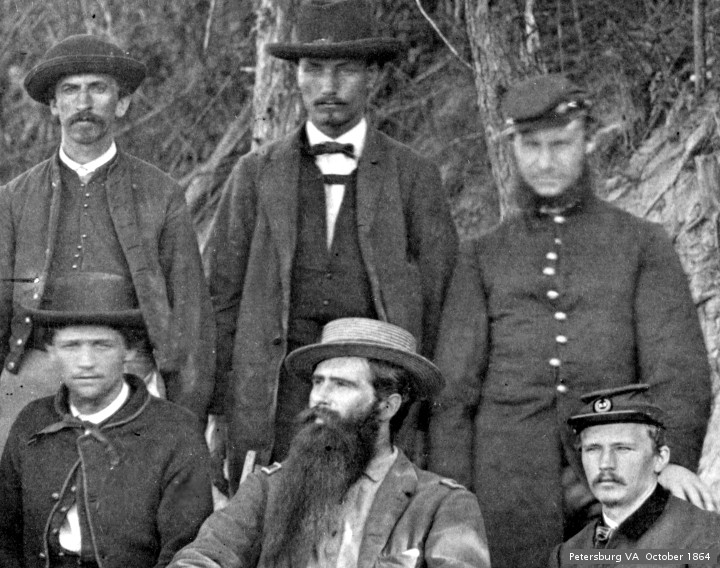
Pictures today are from The Library of Congress.











Slaughterhouse-Five Part Seven
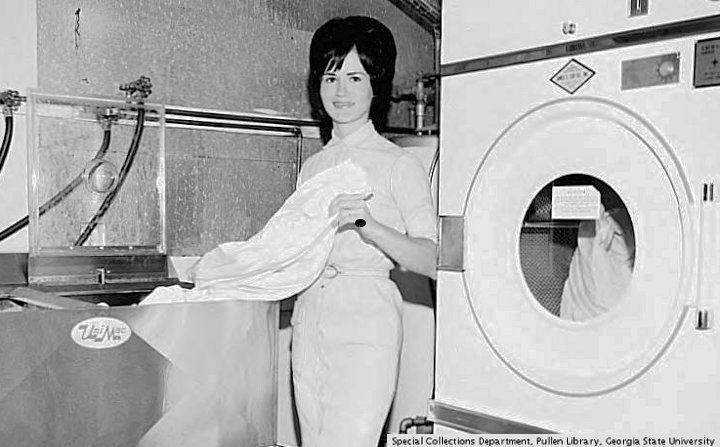
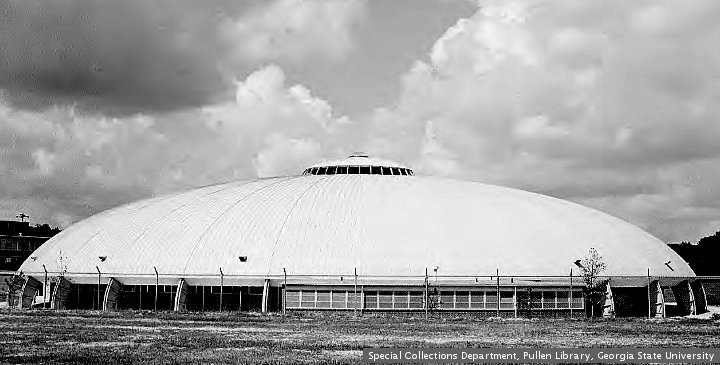


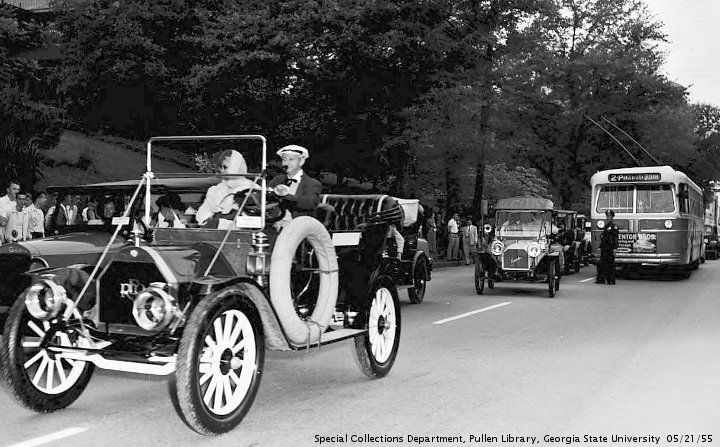


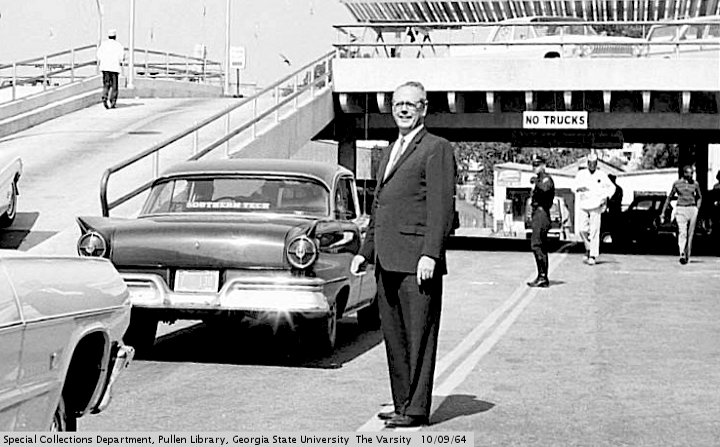
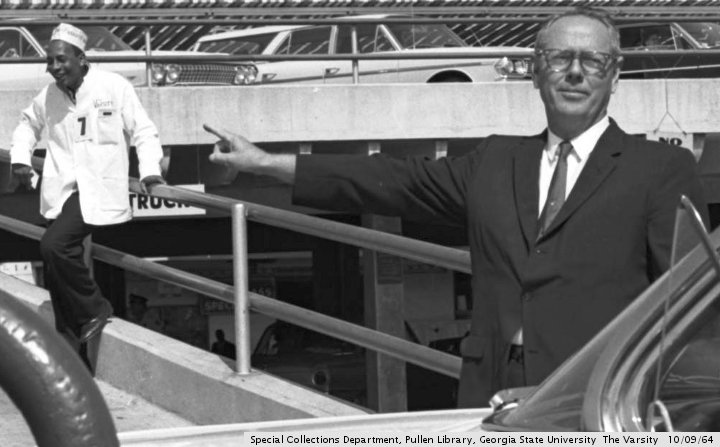
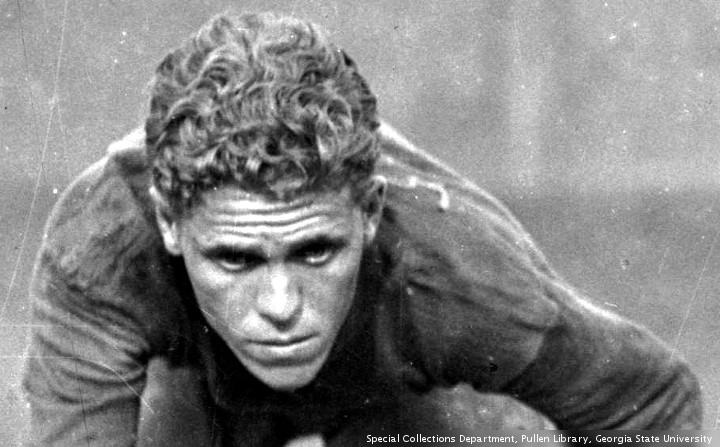
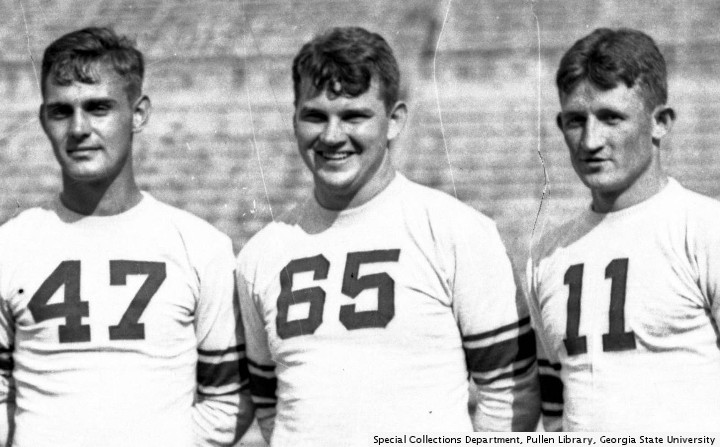
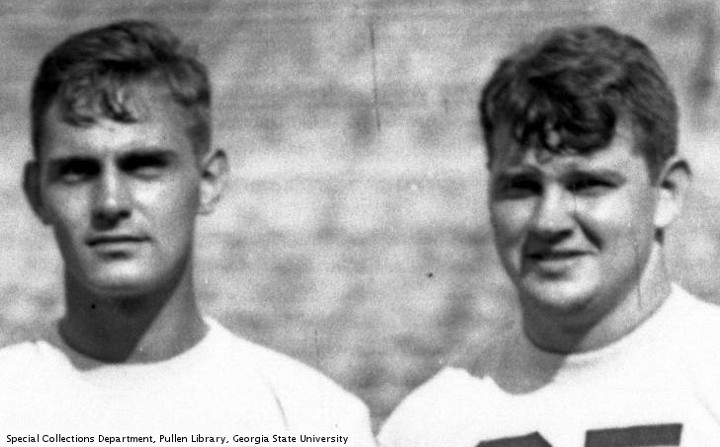
This is part seven of the chamblee54 circumnavigational retrospective of Kurt Vonnegut’s anti glacier classic, Slaughterhouse-Five. Parts one, two, three, four, five, and six have already seen the light of day. This installment will cover chapters nine and ten, and will probably be the end. Pictures today are from “The Special Collections and Archives, Georgia State University Library”. The man in the last three pictures was Frank Gordy, the owner of The Varsity.
At the start of chapter nine, Billy Pilgrim has been in a plane crash. His wife, Valencia, is trying to get to the hospital. While en route, there is an accident. The Cadillac Valencia is driving is rear ended by a Mercedes. The trunk of the Caddy looked like ” the mouth of a village idiot who was explaining that he didn’t know anything about anything”.
The Caddy had bumper stickers, given to BP by someone in the John Birch Society. One said “Reagan for President.” In 1968, Ronnie had been Governor of California for less than two years. The idea of the former actor as POTUS was a conservative fantasy. Did KV have the imagination to see the future? In 12 years, Ronald Reagan would run for POTUS, against the former Governor of Georgia. Ronnie would win, and be re-elected in 1984. In 2015, Nancy’s husband would be revered as Saint Ronnie by the Republican party. The future is a strange place, if you haven’t time traveled through it.
Back in 1968, Valencia Pilgrim was in a hurry to get to the hospital. She continued to drive the Cadillac, even though the exhaust system was wasted. Valencia made it to the hospital, and collapsed in the parking lot. She died of carbon monoxide poisoning. This is the first time KV says “So it goes” in chapter nine. SIG081. It is not the last.
BP is, physically, in a hospital bed while all this is going on. His roommate is a dreadful fellow named Bertram Copeland Rumfoord. Dr. Rumfoord is a history professor, who is fascinated by war. Any actual combat service is not mentioned. Dr. Rumfoord does not suffer from false modesty. Nor is he impressed by BP … “I could carve a better man out of a banana.”
Dr. Rumfoord is researching a history of World War II. He has his wife read papers to him, while BP passively listens behind a white screen. The foreword to a book about the Dresden raid is read. The author laments the lives lost that night, but reminds us that two wrongs make a right, and that Germany killed a lot of the good guys. SIG082.
Another author compared the deaths in Dresden to Hiroshima and Toyko. SIG083. Comparing casualty statistics of the combatants in a war can give you a headache. The USA lost 415,000, mostly soldiers, which is nothing to be happy about. However, the Amerikan losses were a rounding error when considering the 25,000,000 men, women, and children believed lost by the Soviet Union.
Meanwhile, Barbara, the daughter of BP, is visiting her father in the hospital. She is not in good shape, which can be expected under the circumstances. Some doctor gave her medication, and she has a glassy eyed look. SIG084. Soon Robert Pilgrim, without the nacreous pink guitar, is back from Vietnam. This scene was in the movie. Robert Pilgrim says he is sorry about what happened in the graveyard. That incident was mentioned in the book one time.
Dr. Rumfoord is going to include Dresden in his book. The raid was little known in Amerika. According to Dr. Rumfoord, the military did not want to upset the bleeding hearts. At this point, BP speaks up. “I was there.” Dr. Rumfoord does not believe BP, and feels euthanasia is appropriate.
At some point in the proceedings BP is back in Dresden, on the morning after. He finds a horse cart, and then goes for a ride. Soon, an elderly German couple sees BP. The elderly Germans talk to BP in tones that might have been spoken to Jesus, as he was taken down from the cross. SIG085. The elderly Germans made BP aware of the wretched condition of the horses. When BP sees this, he cries for the only time during the war.
In a few days, BP is on his way back to Amerika. He is on board a freighter, Lucretia A. Mott. Miss Mott was a famous suffragette, who was dead. SIG086. Before long, BP is home from the hospital. We don’t know what vehicle took him there. BP sneaks out of the house, and goes to New York City. BP wants to find a tv show, that will have him as a guest. BP wants to share what he learned on Tralfamadore. When he starts to look at New York television, all the shows were about silliness and murder. SIG087. BP was used to having only 3 channels, and was perplexed by the abundance of choice in New York. He might have missed the good stuff.
BP goes out for a walk. There is a sign, with the news displayed in a streaming marquee. SIG088. There is a dirty book store, with Kilgore Trout novels in the window. This is another theme of KV…Kilgore Trout novels in front of dirty bookstores, to lend redeeming social value to the smut.
One of these novels is about a planet called Zircon-212. This was a few years before Frank Zappa recorded the dental floss anthem “Montana,” with the invitation to purchase zircon encrusted tweezers. This is possibly connected to a house PG once stayed in. The house was on Zircon Place, in a neighborhood was called Diamond Heights.
Another novel by Mr. Trout returned to the Jesus theme. It involves a 12 year old boy, who is being taught carpentry by his dad. Roman soldiers come in. They want a cross built, for an emergency crucifixion the next day. The carpenter is happy to get the work. SIG089. Another Jesus book involves a time traveler named Lance Corwin. He takes a stethoscope back to Cavalry, to see if Jesus was really dead on that not so good Friday. The heart was still, and Jesus was certifiably deceased. SIG090. One fact in this story corresponds to the information on the Shroud of Turin. Jesus was 5″3″ tall. The Shroud also suggests that Jesus did not have a navel.
Soon, the porn clerks wonder why BP is reading the redeeming social value books. They steer him to a magazine, with the lurid cover “Whatever happened to Montana Wildhack?” BP knows, but also knows enough to keep this knowledge to himself. The magazine says Montana Wildhack was killed by Lenny Bruce. He caught her stepping out one too many times. SIG091.
BP soon tires of the dirty bookstore. He finds a radio show that will have him as a guest. The question of the evening is whether, or not, the novel is dead. SIG092. BP tries to say that the novel was never alive on Tralfamadore, and is ushered off the show. To confirm this, BP time travels back to Tralfamadore. Montana Wildhack who is nursing their baby, is tired of BP.
That is the end of chapter nine. In the first part of chapter ten, KV mentions Robert Kennedy, Martin Luther King, Jr., Vietnam, KV Sr., and Charles Darwin. SIG093. SIG094. SIG095. SIG096. SIG097. Another Kilgore Trout story comes up. The aliens ask the earth people about golf.
The story ends where it started, with KV going to German with war buddy Bernard O’Hare. Mr. O’Hare was not mentioned in the rest of the book. There is a passage from a book, that KV shows to the reader. So many babies are born every day. SIG098. So many people die every day. SIG099. The population of the world will be 7 billion in 2000. This speculation was before the internet. The current story estimates the number of earthlings at 7,359,240,848.
The story is almost over. BP makes one final trip to Dresden. It is after the raid, and BP is working with a Maori POW, helping to clean up. They find a hole, with a lot of dead Germans. The dead Germans stink. The Maori POW dies of the dry heaves. Edgar Derby steals something from the ruins, and is shot by a German. SIG100. SIG101. SIG102. SIG103. There are supposed to be 106 SIG in this text, which means that PG missed 3. Any reader worried about this can get over it.



Slaughterhouse-Five Part Six
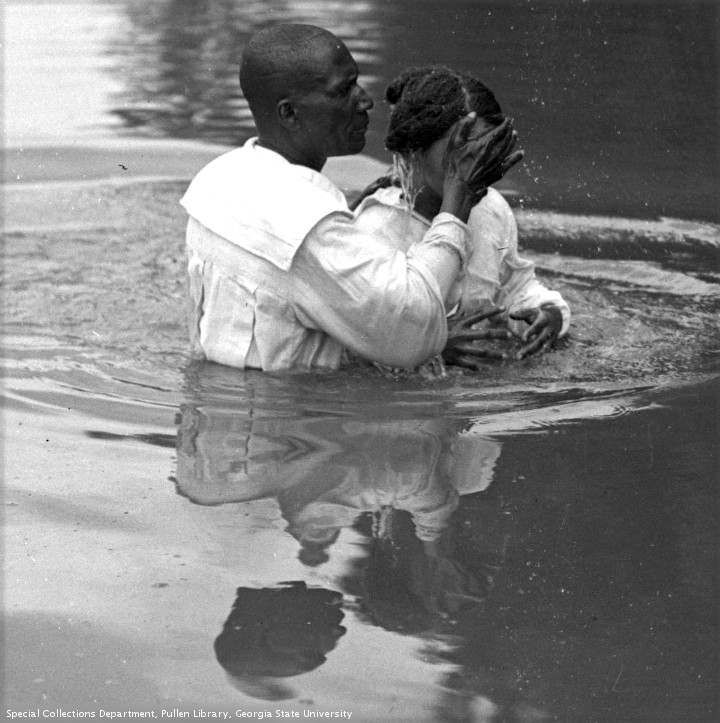
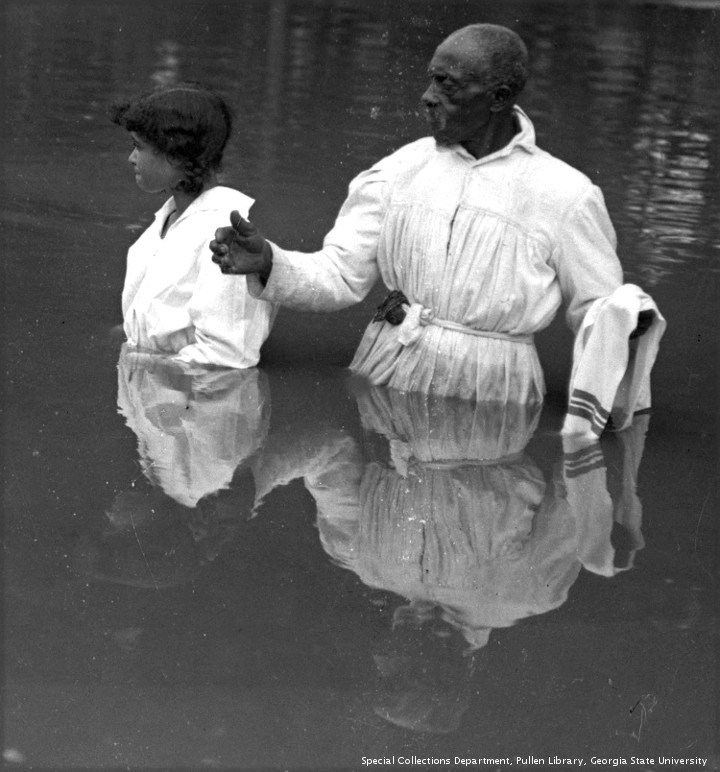
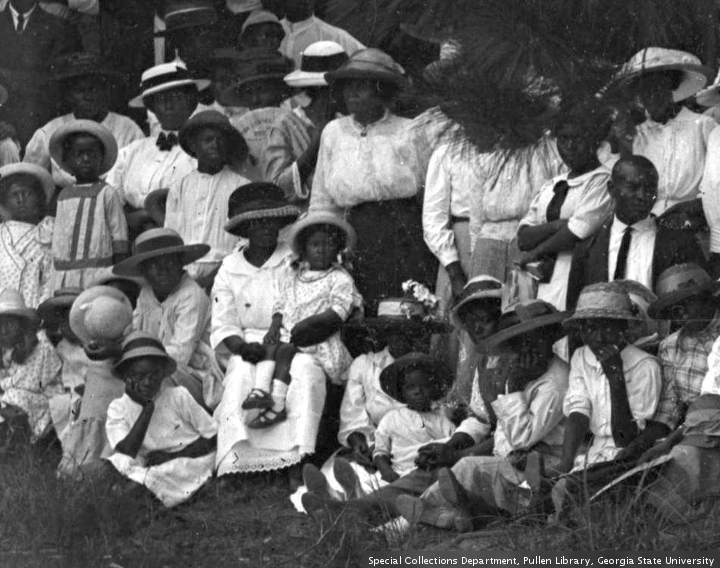

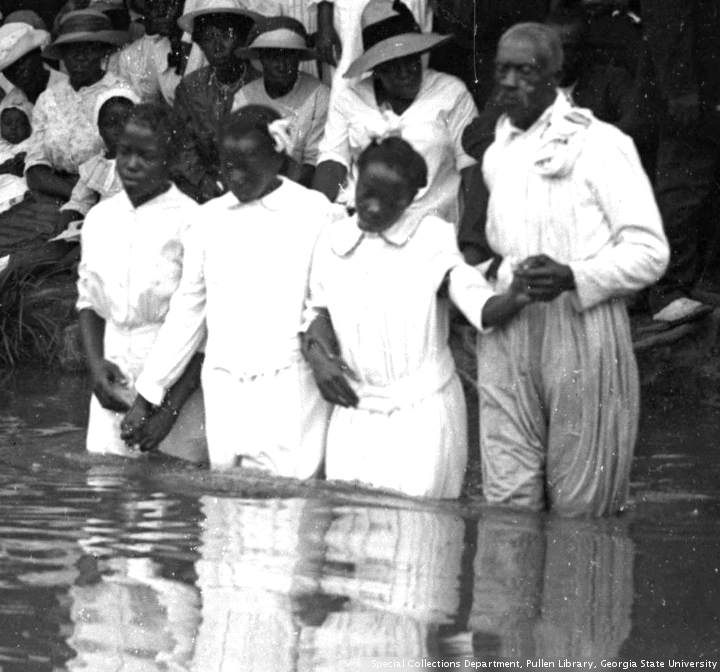
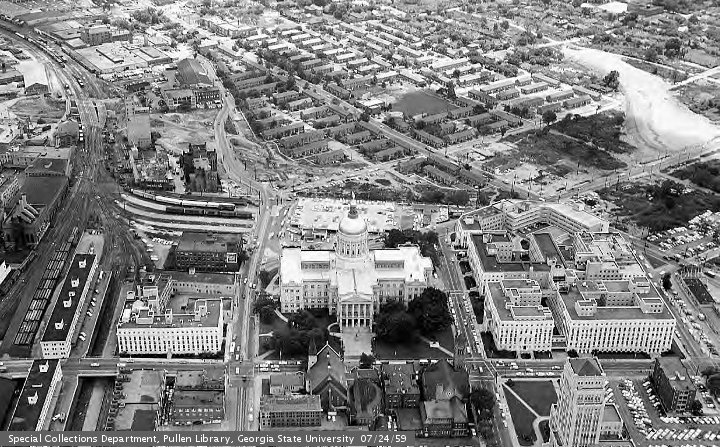
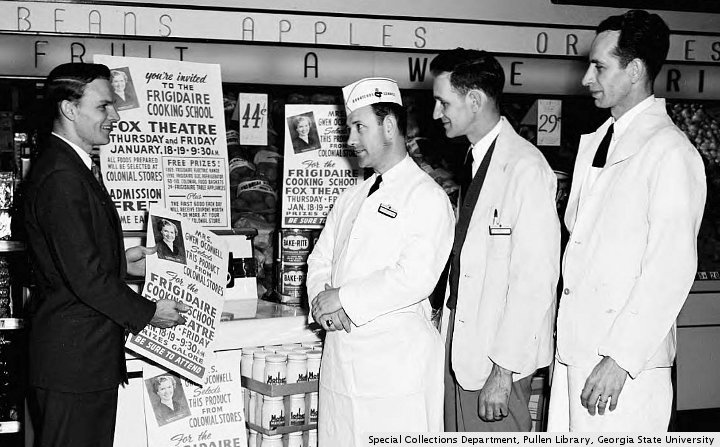
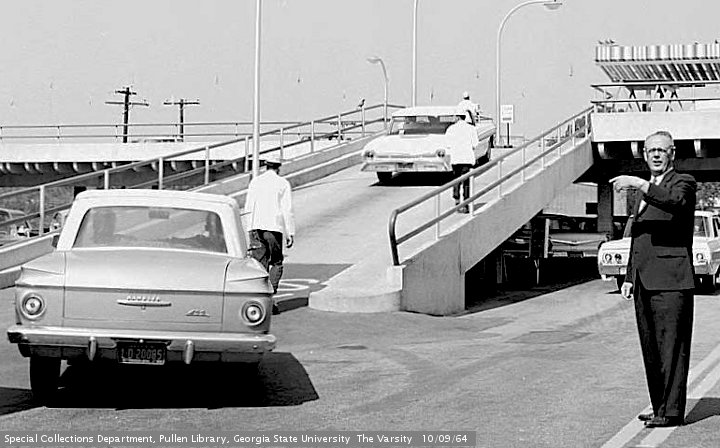
This is part six of the chamblee54 disposable dissertation on Slaughterhouse-Five, a novel by Kurt Vonnegut. Parts one, two, three, four, and five are available for viewing, and gentle criticism. Pictures today are from “The Special Collections and Archives, Georgia State University Library”.
This is a sunday morning in August. The sun is out, and the heat will be tough to take soon. PG is not in a good mood, which should surprise nobody. He realizes, on some level, that he should be grateful for a chore to give him something to do. The notes indicate that the first “so it goes” to be recorded in this segment will provide the opportunity to make cheap, smutty jokes.
Billy Pilgrim is on a plane that is going to crash. He knows the plane is going into the ski resort, but is helpless to do anything about it. A barbershop quartet is entertaining the optometrists, which should not be confused with optimism. The quartet is singing cheerful songs that are insulting to Polacks. This is another word that was popular in 1968, that is considered politically incorrect today.
Three days after arriving in Dresden, BP saw the public execution of a Pole. He was hanged for the crime of fucking a German woman. SIG067. The German lady was not inclined to disclose whether the Polish gentleman was, in fact, hung. Polack jokes were popular in 1968, when SF was written. PG did not know any Polish people, but thought the jokes were pretty funny.
The barbershop quartet is singing “Wait till the sun shines Nellie” when the airplane crashes into the side of a Vermont mountain. Everyone is killed, except for BP and the co-pilot. SIG068. The barbershop quartet performs at a party BP gave, which upsets BP. Time travel will do that to you. Especially when you are having brain surgery to save your life, and you go, uncontrollably, back to Schlachthöf-funf. The cart you are pushing is greased with the fat of dead animals. SIG069.
A young German named Werner Gluck was in charge of the POW. They were looking for the kitchen, and stumbled into a strange room. It was a communal shower, and was filled with naked German girls. They didn’t know to be wary when a Nazi said anything about taking a shower. The sight of these naked girls was educational for BP and Werner Gluck. Soon, the men found the kitchen. An old woman worked there. She was a war widow. SIG070. The old woman thought it peculiar that armies had young men, like BP and Werner Gluck, and old fogies like Edgar Derby. But she made sense of it all. “All the real soldiers are dead.” SIG071.
When BP was in pre-fire Dresden, he helped out in a factory that made malt syrup. BP helped himself to spoonfuls. His digestive system did not like malt syrup. This is the end of chapter seven.
At the start of chapter eight, the POW are entertained by Howard Campbell. He was discussed in a previous installment of this series, and in a later book by KV. In this scene, Mr. Campbell is recruiting American soldiers to go fight the Russians. A lot of people, including General George Patton, wanted to have it out with the Russkies after the Germans were dealt with. General Patton was in a convenient auto accident a few months after the war ended.
At some point during the remarks by Mr. Campbell, the air raid siren went off. Even though Dresden was thought to be unworthy of Allied attack, the POW went into an underground meat locker. A few dead horses were hanging from metal hooks. SIG072. Meanwhile, Howard Campbell stays upstairs, talking to the guards. It turns out he speaks excellent German, and was married to a German actress. The actress was killed, entertaining troops in the Crimea. SIG073.
The next night was the Allied bombing raid on Dresden. It is much discussed elsewhere. A lot of people were killed. SIG074. While hiding in a subterranean meat locker, BP time travels to his home in 1968. He is arguing with his well meaning daughter, who would like to murder Kilgore Trout.
This is when the reader gets to know the man behind the books. Kilgore Trout lives in Ilium NY. A horrible man, he makes money by supervising boys who deliver newspapers on bicycle. This is another concept that will seem novel to some… the custom of teenage boys having a paper route.
Kilgore Trout write a lot of books. BP is one of the few people who read them. One of these books was about a money tree. Twenty dollar bills grew on its branches. People would kill each other fighting over these twenties, and their blood would fertilize the tree. SIG075.
On November 13, 1787, Thomas Jefferson wrote a letter to William Smith. The letter is full of zesty quotes. “What signify a few lives lost in a century or two? The tree of liberty must be refreshed from time to time with the blood of patriots & tyrants. It is it’s natural manure.” A few lines above that, Mr. Jefferson said “God forbid we should ever be 20 years without such a rebellion.” Twenty years after he wrote this, Mr. Jefferson was President. He probably did not want to deal with a revolution.
BP met Kilgore Trout in 1964. This was around the time of the 18th anniversary of BP and Valencia Merble. The times are getting a bit fuzzy, which, acording to Tralfamadorian logic, is rational. The date of birth is anywhere from 1922 to 1925. BP was in the nuthouse in 1946, and somehow got married at the same time. At any rate, there was a big party for the anniversary, with Kilgore Trout invited. The other guests were charmed to have an author in their midst. One lady heard about a French chef that died. At the funeral they sprinkled herbs on his body. SIG076.
The barbershop quarter performed at the party, making BP physically ill. There are several possible reasons. Bad singing is must be considered. BP knew about the plane crash performance. Their were four guards in the meat locker during the Dresden raid. There were four Beatles, four horsemen of the apocalypse, four tops, and the four seasons. The barbershop quarter did a four seasons song, Sheeree, Sherree bayabee, Sher Sher Sherree, Sherree baby. It sounded better on the radio.
The next stop on the time travel was the meat locker in Dresden. A horrendous overbombing went on overhead, on the city with no war industries to bother. The fire storm was so intense that it ran out of oxygen. The German guards, except for the fab four in the meat locker, died. The German girls that BP saw naked in the shower died. Just about everyone in Dresden died. SIG077. SIG078. SIG079. The next day, Amerika sent planes to fly over the city, and shoot at people. They missed BP. SIG080. There was an inn outside of town, which somehow survived the raid. The inn took the guards and POW in, and gave them food. This is the end of chapter eight.


Slaughterhouse-Five Part Five



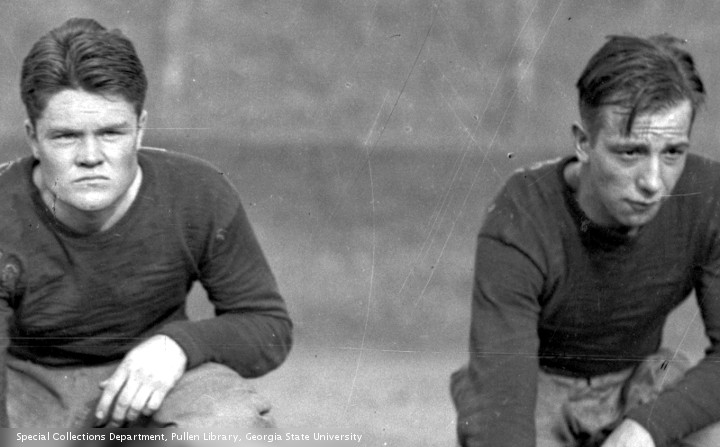
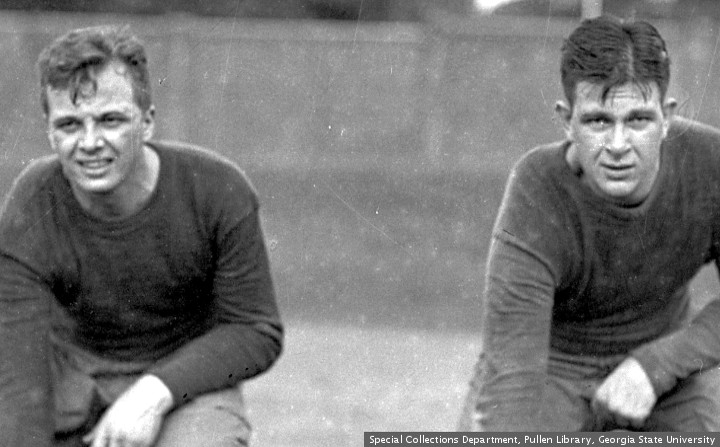
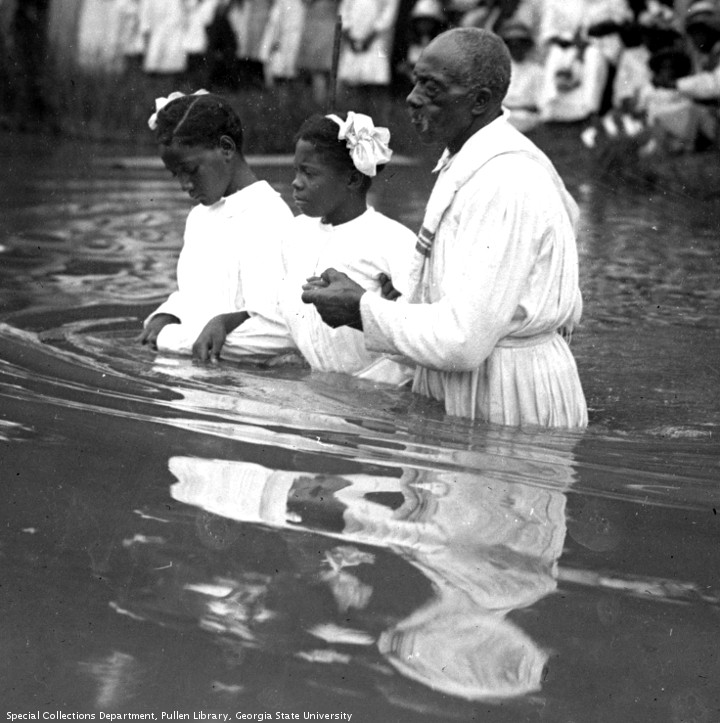
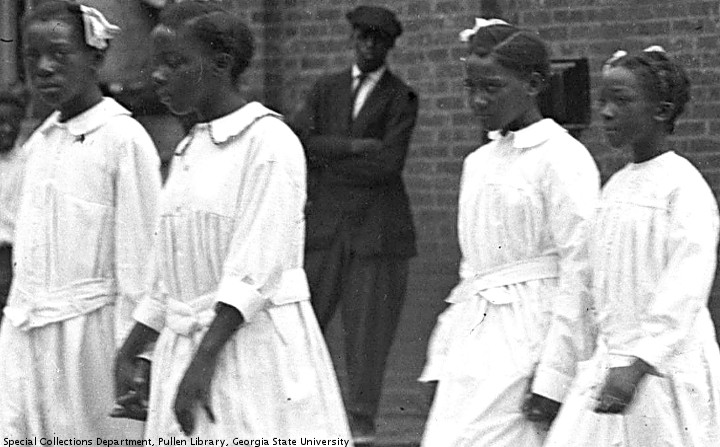
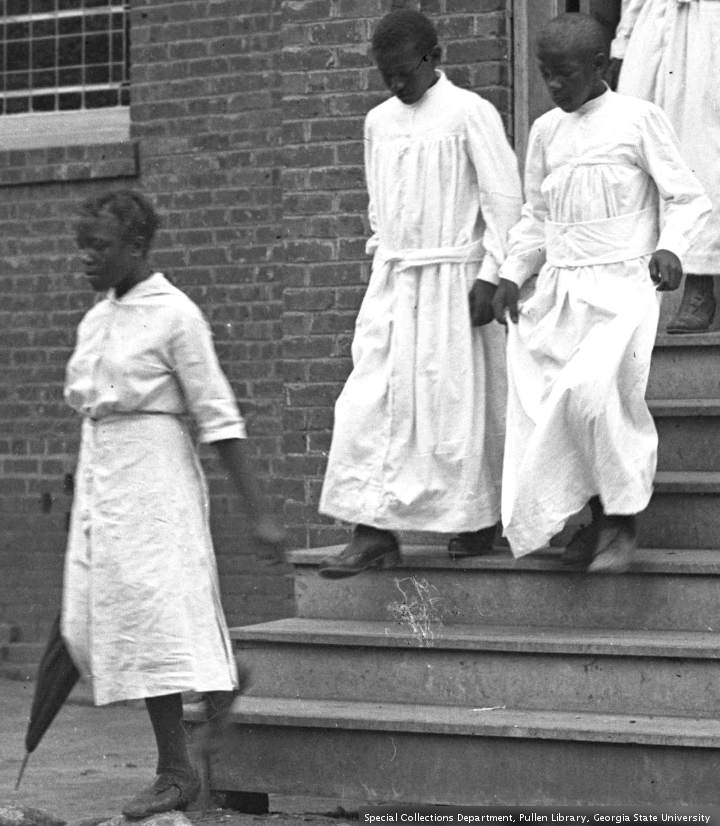
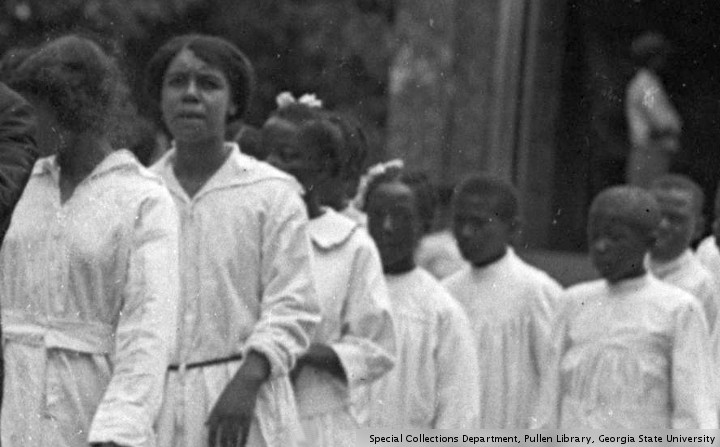
This is part five of the chamblee54 modification and reconstruction of Slaughterhouse-Five, by Kurt Vonnegut. Parts one, two, three, and four have already been published. Pictures are from “The Special Collections and Archives, Georgia State University Library”.
Chapter six begins with Paul Lazzaro making a spectacle of himself. He is mad about something, as usual. The English POW, known here as the Blue Fairy Godmother, says something. Mr. Lazzaro says to go fuck yourself. The English POW says that he has tried. Being in captivity four years has it’s downside. Mr. Lazzaro goes into detail about the revenge awaiting the English POW. This inspires KV to say “so it goes.” SIG 057. There is no connection to Heinz 57 steak sauce.
Paul Lazzaro made friends with Roland Weary on the POW train. Mr.Weary and Mr. Lazzaro had a similar approach to etiquette, before Mr. Weary died. SIG058. Roland Weary is not related to Roland Kirk, aka Rahsaan, aka the modern miracle of the tenor saxophone. PG saw Roland Kirk the night Richard Nixon resigned. Roland Kirk played three saxophones at the same time, and talked a lot. Roland Kirk was blind, and said the audience was too ugly to look at. Roland Kirk said Stevie Wonder wanted to make a lot of money, so he could have an operation and see.
Billy Pilgrim, the protagonist of SF, is also on the Paul Lazarro’s hit list. BP can time travel, and has memories of the future. BP knows how BP is going to die. It will be February 13, 1976. BP will be a celebrity, and give a speech, in Chicago, before a large crowd. The USA will have been divided into 20 smaller nations. Chicago has been nuked by “angry Chinamen,” to use a phrase considered politically incorrect in 2015. SIG059.
As some of you may know, this was not an accurate prediction of life in 1976. This was the bi-centennial year. On February 13, people were just starting to take Jimmy Carter seriously as a Presidential candidate. It is probably just as well that Amerika was not divided into 20 countries. We once had the United States, and a Confederation of 11 states that did not get along very well. That did not work out very well, at least for the Confederate states.
After BP is finished with his speech, a crazy person shoots him with a high powered laser gun. SIG060. BP is dead for a little while, and then timewarps back to 1945. Even Jesus, when he made his much ballyhooed emergence from the cave, returned to 33A.D. Billy goes back to wartime Germany. The food was better than what was available on Tralfamadore, except for Montana Wildhack.
In 1945, the Amerikans are about to be shipped out of the intermediate POW care facility. The British are overjoyed at their departure. Paul Lazzaro is running his foul mouth, like a dog that will not quit barking. If Mr. Lazzaro was a dog, a policeman would kill him, and check for rabies. SIG061.
Maybe it was the British officer. Not the Blue Fairy Godmother, but the one who gave the POW a lecture on hygiene while in captivity. It is said that men, who lose pride in their appearance, soon die. SIG062. The British officer says that the men are going to Dresden, which will never be bombed. We will hear those famous last words a few more times.
The Amerikans go to the train. The dead hobo is beside the tracks, unmoved. SIG063. The trip to Dresden takes two hours. When they get there, the narrator says it is “Oz.” Another comment is made about the safety Dresden enjoys. SIG064. The POW are paraded through the town, to the amusement of the residents. These residents will be dead soon. SIG065.
The men are taken to Schlachthöf-funf. The english version of that should be obvious. The cattle killing place was mostly empty. Most of the livestock had been eaten, digested, and excreted by this time. SIG066. The umlaut was copied into this text from the online .pdf. Accuracy in media is not just for wingnuts and moonbats. Spell check accepts wingnuts as being a real word.
This is the last SIG of chapter six. It is SIG066, which contains 2, out of 3, of the digits in 666. It appears on page 144 in the dead tree SF used for this report. The number 144 also means gross, as a unit of measure. 144 is 12 times 12, or 6+6×6+6. If you add 1+4+4, you get 9, so 6 does turn out to be 9. Jimi Hendrix don’t mind.
OK. There are only 11 paragraphs here. If we are going to do the rainbow text thing, we need to have at least 12. If there are 13 or 14, that is even better. We can throw in the turquoise layer between the green and blue, which is pretty groovy. Originally, this filler was going to be from another blog. However, the blogger said “I’d appreciate it if you take out your reference to my blog since it’s a bit negative.” It its place we will have one star reviews from Amazon.
This was a book club selection, but always had thought of this as a classic anti-war book that I’ve heard throughout my adult life. I kept reading this hoping there would be some sort of plot line or hidden message, but didn’t seem to uncover it after reading the entire book. The end of the book was slightly easier to understand, however there didn’t seem to be a coherent paragraph in the book.
First off, in order not to offend anyone who loves this book and will rave about it at gallery openings and trendy wine book clubs, I do understand its place with readers as a literary classic. As an avid reader who cares more about quality writing, themes, plot, character development, etc this book was awful. Everything that can be complained about is why this book is acclaimed, but if you hate an incomplete story with no beginning or end, or just comprehensive storytelling, this book will make you wonder about the sanity and sobriety of its fans.



Hiroshima 70 Years Later




At 8:15 am, August 6, 1945, Hiroshima got nuked. It was the start of a new era. Since Japan is 13 hours ahead of Georgia, and standard time was used, the literal anniversary is 8:15 pm, August 5.
Tsutomu Yamaguchi was working in Hiroshima when the bomb hit. He survived, and found a train to take hime to his home town, Nagasaki.
The device dropped on Hiroshima, the Little Boy, had an estimated force of 13 kilotons of Trinitrotoluene, or TNT. A kiloton of TNT is roughly a cube whose sides are ten meters. This device is fairly tiny compared to many of the warheads developed since. Many of the modern appliances are measured in megatons, or millions of tons of TNT. The Soviet Union had a bomb with a capacity of 50 megatons, or 4,000 times the size of the Little Boy.
The largest weapon tested by The United States is the Castle Bravo. This device destroyed Bikini Atoll in the Pacific. The two piece swimsuit was named for this island. The Castle Bravo device had a yield of 15 megatons of TNT. This is roughly 1,000 times the power of the Little Boy.
The decision to drop the bomb has long been controversial. There are a lot of factors and gray areas, and the issue does not lend itself to sound bite solutions. The conventional wisdom is that Japan surrendered because of the nuclear attack. This meant the war was shortened by at least a year, there was no invasion of Japan, and many lives were saved. PG is scared by the moral calculus involved in a decision like this….do 100,000 civilian deaths prevent the deaths of 500,000 soldiers? PG suspects that even G-d herself would lose sleep over that one.
There is also evidence that the bomb was not needed. Japan was whipped in August 1945. The air raids were conducted in daylight with little resistance. A debate was going on in the Japanese government on whether to continue the fight.
An event happened the day between Hiroshima, and Nagasaki, which influenced the Japanese decision to surrender. The Soviet Union had agreed to help the United States with the war against Japan. On August 8, The Soviet Union invaded Japanese occupied Manchuria. There are indications that Japan knew the fight was hopeless at this point, and would rather surrender to The United States than The Soviet Union. This is one of the gray areas that never seems to be mentioned.
The United States wanted the war to end quickly for obvious reasons, and a few subtle ones. America did not want to share the spoils of Japanese war with The Soviet Union. There were already tensions between the two allies, and the cold war was not far off. Many felt The United States used the Little Boy as a warning to The Soviet Union.
When you get your moral software out, you might want to figure in the effect of opening the nuclear Pandora’s box. Would the nuclear bomb have been developed by other countries if America had not led the way? The science is not that complicated…after all, America hit paydirt with the Manhattan Project fairly quickly. Nonetheless, there is karma involved in using a terrible new device on a civilian population. The United States started the wind of the arms race, and has yet to feel the whirlwind.
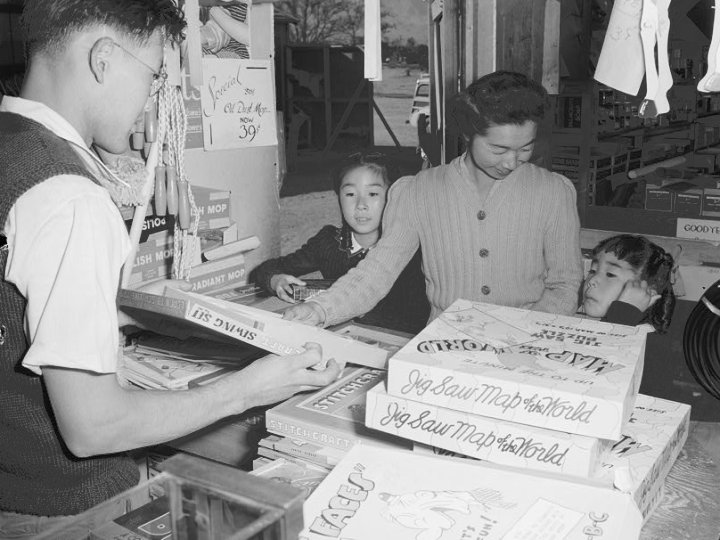
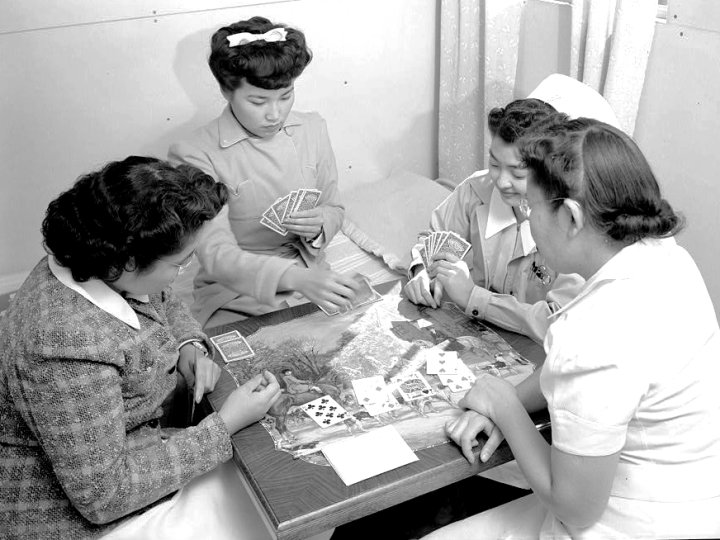
This is a repost. The pictures are from The Library of Congress. Ansel Adams took pictures of Japanese Americans, in a World War Two internment camp. The ladies in the bridge game are Aiko Hamaguchi, Chiye Yamanaki, Catherine Yamaguchi, and Kazoko Nagahama.


Slaughterhouse-Five Part Four



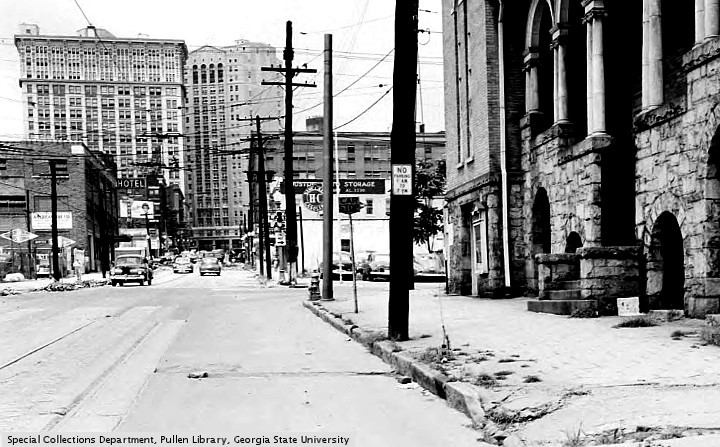

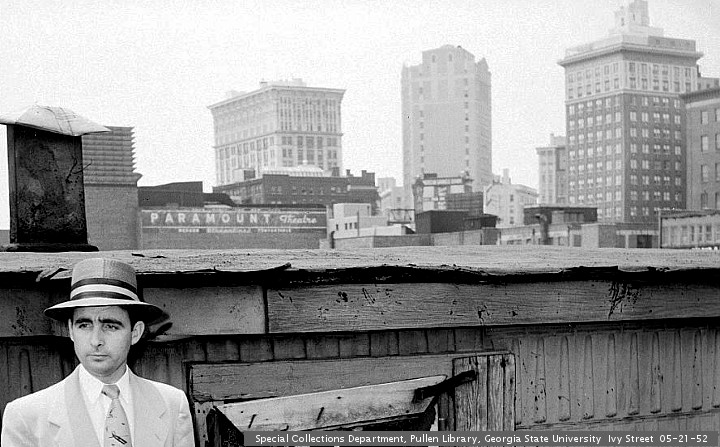


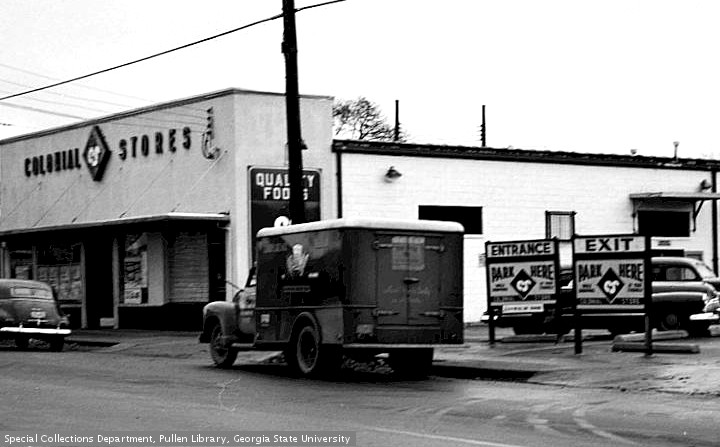
This is part four of a Vonnegutian appreciation of Slaughterhouse-Five. Parts one, two, and three are already available for your amusement. This segment will deal exclusively with Chapter five. It is 45 pages long. KV says “so it goes” 19 times, which will be inventoried in this chapter. Pictures are from “The Special Collections and Archives, Georgia State University Library”.
This chapter is going to be a new adventure. PG bought a laptop, which is currently on the work table in the middle bedroom. Since PG sits down too much these days, the idea is to have a stand up work station. This is a work in progress. Today is the first time that PG has operated this machine without having in plugged in. Portable work capability is essential to the useful operation of a laptop.
At the start of chapter five, Billy Pilgrim is on Tralfamadore. This is a new experience for him. BP notices that, instead of stars, the Trallie sky is full of luminous spaghetti. Some speculate that this is the origin of the Flying Spaghetti Monster.
BP asks for something to read. The only thing available was Valley of the Dolls, by Jacqueline Susann. This is a trashy book that was popular when SF was being written. 11 pages later, BP is a POW camp hospital. There, the only book for him is The Red Badge of Courage, by Stephen Crane. It is about the horrors of war. TRBOC is loved by the same high school english teachers who sneer at VOTD. The soldiers in TRBOC would have enjoyed the drugs available in VOTD.
The neat thing about time travel is you keep moving around. Soon, young BP is with his parents. They are on a ledge in the Grand Canyon. Someone asks the guide if anyone ever kills them self by jumping into the canyon. The guide says they have about three jumpers a year. SIG037.
Soon, BP is back in the war. His uniform was been deloused, and all the little critters in it are dead. SIG038. After the uniform is put on, BP goes to a German official, he writes the name “Billy Pilgrim” in a ledger book. At this point, BP is no longer MIA, but is elevated to POW status. SIG039.
The next step in the process is giving BP a dog tag. It was made by a Polish laborer, who was dead now. SIG040. The dog tag has a split in the middle. When the POW dies, the tag is split in two. One half will identify the grave. This is what happened to Edgar Derby. SIG041.
The Amerikan POW were ushered into a shed with British POW. The Yanks were enthusiastically greeted by British POW. The limeys had been captive since Dunkirk, and were having a fine time during the war. The Amerikans were greeted with rodomontades, a form of jollyoldchap speech, and given soap. Nobody officially knew what the soap was made of. SIG042.
At some point BP began to spazz out. He was taken to the six bed hospital, shot up with morphine, and given “The Red Badge of Courage.” Edgar Derby came in to look over him. SIG043.
Before long, BP was on the road again, or whatever thoroughfare you use when time traveling. The scene was the mental ward of a VA hospital. It was 1948. BP thought he was losing his mind. The mental state of BP may, or may not, have been improved by his nuthouse roommate, Eliot Rosewater, the star of a later KV novel, God Bless You, Mr. Rosewater.
Mr. Rosewater is another curious character. He is a science fiction fan, and introduces BP to Kilgore Trout. This is another recurring character in KV stories. Mr. Trout is a resident of Ilium NY, and might be a member of the Iliumnati.
Both BP and Mr. Rosewater enjoyed negative attitudes. They came by them honestly. Mr. Rosewater shot a 14 year old, thinking he was a German soldier. SIG044. A Trallie would say not to worry, that the young man would have been a soldier if he had lived. As for BP, he was in an underground building when Dresden was eliminated. SIG045. In a couple of paragraphs, PG sees a dead glass of water on a table. SIG046
The dead glass of water was next to a living cigarette belonging to BP’s noname mother. Eliot Rosewater talks to her, while BP hides under the covers. We learn that Mr. Rosewater’s mother is dead, SIG047, and that BP’s father is dead, SIG048. KV says it is a chat between a “dumb, praying lady and the big, hollow man so full of loving echoes.”
Before long, BP is back in the POW hospital. Somebody comes in, and talks to Edgar Derby, who tells the story of his capture. Germans were tossing shells around, and lots of people got killed. SIG049. Soon, BP is back in the nuthouse. His mother is gone, and is replaced by his fiancee, Valencia Merble. The young lady is rich and fat. It will be a good, practical, move for BP to marry her. This is not the same thing as wanting to do it.
Before much longer, Edgar Rosewater talks about a book. It is an alternative version of the Jesus story, where the murder of Jesus is a bad thing because the son of G-d is well connected. SIG050. SIG051. The reaction of Valencia Merble is not recorded.
Before you can say Tralfamadore, BP is in a geodesic dome 446 quintillion miles from earth. The atmosphere outside the dome is cyanide. BP is on display, a source of amusement for the Trallies. There is a non functioning TV in the dome. Taped to the picture tube is a picture of Cowboys and Indians killing each other. SIG052. The book was written in an innocent age. Even the most enlightened author thought little about referring to Native Americans as Indians.
The dome had a refrigerator. On the door of the device was a picture of a “gay nineties” couple riding a bicycle built for two. This is another expression you don’t hear much anymore. PG did a little math, and realized that the time from 1898 to 1968 was the same amount of time as between 1945 and 2015. Seventy years just doesn’t last as long as it used to.
BP has some conversations with a Trally, which are frustrating to both parties. There is talk about reproduction, and talk about killing. This is the historic yin yang, life death, egg and sword duality.
The Trally tells BP how the universe will end. Some careless Trally has an accident. There is an experiment for flying saucer fuel, and the universe is blown up. SIG053. This is the middle point for the 106 SIG in SF. If PG misses any, he is not going to go back and look for it.
The time travel unsticks again, and BP is in the middle of his wedding night. It is the night his son, Robert, is conceived. Robert is a troubled youth. In the movie he expresses regret for his misdeeds, when BP is recovering from the plane crash. Robert goes on to be a Green Beret.
At least Robert was not in a German POW facility. BP wakes up in the hospital, and needs to piss. He finds an improvised latrine, which is in shoddy condition. Another Amerikan says that he *excreted* his brains out, without the critical detail, number one or number two. This excretionary Amerikan is KV, the author of this chronicle.
The conduct of Amerikans concerned the British and the Germans. An officer produced a document about this shoddy behavior, written by Howard Campbell. He was an Amerikan, who was working for the Germans. Mr. Campbell will hang himself, while awaiting trial after the war. SIG054. Mr. Campbell had the highest IQ of any war criminal put to death by hanging. SIG055.
Howard Campbell is the primary character in another book by KV, Mother Night. In this story the Schenectady NY native makes radio speeches for Germany, which are coded messages to the allies. He lives after the war. While Howard Campbell is notorious, he is never tried for treason. Amazon one star reviewer Roy E Pratt said “This was pointless. No real plot to it. Just a bunch of ramblings. I do not recommend it to anyone”
Some have speculated that “Mother Night” is similar to the journey of Jane Fonda. The story goes that the trip to Hanoi was made on behalf of the American government. Miss Fonda was rewarded with two Oscars, marriage to Ted Turner, and the hatred of chicken hawk patriots.
Meanwhile, back on Tralfamadore, Montana Wildhack has been installed in the dome. The idea is to create live action pornography for the entertainment, and education, of the Trallies. We soon learn why BP was chosen for this adventure. The dude has a porn star penis. Why did we learn this with Montana Wildhack, and not with Valencia Merble Pilgrim? Does BP really stand for Big Penis, with Billy Pilgrim conveniently grafted on later to appease the censors?
In the movie, Montana Wildhack was played by Valerie Perrine. Her birth name is Valerie Ritchie Perrine. If you google the name, the suggested searches include photos, measurement, imdb, and net worth. Other prominent roles for Miss Perrine include Honey, the wife of Lenny Bruce, Eve Teschmacher in Superman, and Delores Pierce in As the World Turns.
BP had a 1968 wet dream about Montana Wildhack. When he woke up, he dressed and went to work at the Ilium Optometry shop. A lady came in, with her 12 year old son. The ladies husband had been killed in Vietnam, in a fight over hill 875. SIG056. This is the end of chapter five.




Slaughterhouse-Five Part Three
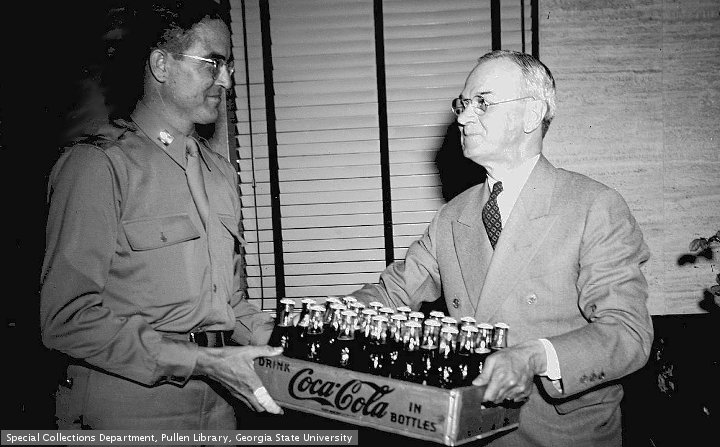


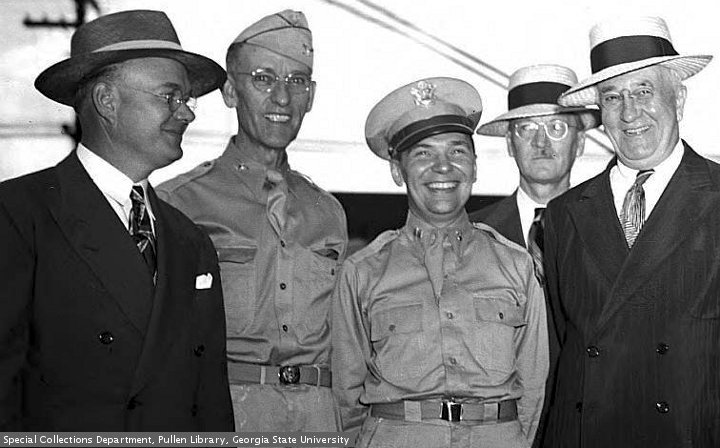
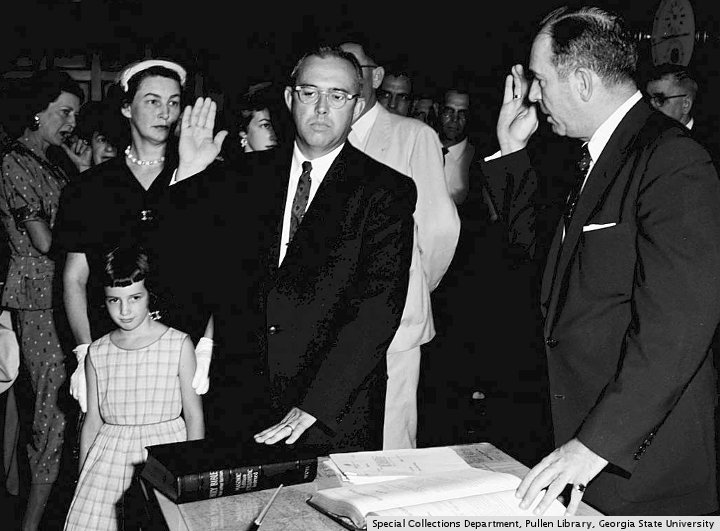
Welcome to part three of the Vonnegutian excavation of Slaughterhouse-Five, by Kurt Vonnegut. Parts one and two have already been published. Pictures are from “The Special Collections and Archives, Georgia State University Library”. It is written like J. R. R. Tolkien.
It is a lovely last day of July in Georgia. This chapter will be include chapters three and four. This project is at a lovely interlude. The rythyms and methods have been established. It is still fun to write, without the dreary duty involved in the final chapters. Hopefully it will be fun to read. It is early enough in the day that the window can be left open. Joggers and dog walkers are in the road, accompanied by baby strollers and cell phones. It is a great day in post racial Amerika.
Billy Pilgrim (BP) has been captured by the Germans. It was the tail end of the war, and most of the elite soldiers were pushing up Russian daisies. The Germans who captured BP were teenage boys and toothless old men. Their uniforms were taken off of dead soldiers. This ghoulish bit of recycling was marked by the phrase “so it goes.” It is noted in this text as SIG020.
The commander of the unit, that captured BP, was a corporal. He had been wounded four times, and sent back into action. The corporal wore golden cavalry boots, stolen off a dead Hungarian colonel. SIG021. This theme of stealing footwear from prisoners will be played out soon.
Roland Weary is well equipped. He has a spectacular hunting knife, scarves, boots, and a bullet proof Bible. When he is captured, the Germans take all his pretties away. His combat boots are taken off his feet, and given to one of the teenage boys. The boy had wooden clogs, which were given to Roland Weary. It did not work out well for the captured Amerikan.
While admiring the manly footwear of the colonel, BP hears three shots in the distance. Two Amerikan scouts were killed. SIG022. These scouts had been with BP, and Roland Weary, and had left them. Roland Weary thought thet him, and the scouts, were the Three Musketeers. The scouts thought Roland Weary was an obnoxious jerk. As KV said in another book, some people are just no damn good. Some people say that KV had a negative attitude.
While the Germans were dealing with him, BP began to time travel. He wound up in Ilium NY, 1967, when BP was 44 years old. His apparent date of birth varies throughout the text, which is not a big deal on Tralfamadore. BP, a wealthy optometrist, drives a Cadillac El Dorado Coupe de Ville. It has a bumber sticker that says “Impeach Earl Warren.”
PG was 13 yo in part of 1967, and can remember Earl Warren. The man was Chief Justice of the Supreme Court. This version of SCOTUS handed down decisions about school desegregation, and Miranda rights, that upset conservatives. Before that, Mr. Warren was Governor of California, and the Republican Vice Presidential candidate in 1948. This was an election the Republicans had no business losing, but Harry Truman got the electoral votes. Earl Warren is little remembered today. The fact that PG recognizes the name, and the bumper sticker, makes him feel old in 2015.
BP had a good life in 1967. He drove a Cadillac, and made lots of money. BP went to Lions Club meetings, where the speaker said to bomb North Vietnam back into the stone age. His daughter was about to be married. One problem is the death of a beloved dog, Spot. SIG023.
1967 was much more appealing than the 1944 reality of capture by Germans. BP, however, was an optimist, and eventually an optometrist. It was all about how you see things. BP saw soldiers with piano teeth, and corpses with blue and ivory feet. SIG024. Soon, the captured Amerikans were paraded in front of a movie camera. There was no film in the camera, but the POW did not know that. On the horizon was a puff of smoke. A battle was being fought, and soldiers were dying. SIG025.
Eventually, the POW were loaded into train cars. The cars were marked with orange and black stripes, as a signal to the allied bombers. Later, when Barbara Pilgrim was married, the tents at the reception had orange and black stripes. The reception was in no danger of enemy bombers, even though it was hosted by a time traveling former POW.
While on the train car, BP had to endure a conversation with a geriatric Colonel, whose lungs rattled like greasy paper bags. The Colonel invited everyone to a barbeque in Cody WY. After a while, PG was ushered into a different train car from the Colonel, who outranked him. Soon, word arrived that a man had died in another car. SIG026. The deceased combatant was Wild Bob. SIG027. BP was chatting with a hobo, who said he had seen much worse than this. Little did he know what awaited him. Or maybe he did know. This is the end of chapter three.
At the start of chapter four, we learn that BP’s wife is named Valencia. Her daughter has just been married, before having a reception in an orange and black tent. BP is having trouble sleeping, and goes downstairs. There is a half empty bottle of champagne. Yes, the bottle is half empty, not half full, as if that is an important distinction on Tralfamadore. BP pulls the cork out of the bottle, and there is no fizz. The champagne is dead. SIG028.
Soon, the spaceshop … no mister clumsy typist, it is a space ship, not a space shop. … the spaceship from Tralfamadore lands in the back yard. Trallies do not speak. However, they have a voice synthesizer which imitates earthling sounds. This tactic is employed for comic effect in the movie. While BP is screwing Montana Wildhack, the voice machine asks if they are mating.
Nobody dies during the Tralfamadorian abduction, and there is no occasion for an SIG. This is made up for when BP returns to the POW train. First, the hobo says “You think this is bad? This ain’t bad.” SIG 029. Then, there is a death in the car ahead of BP. Roland Weary succumbs to gangrene, brought about by marching, in wooden clogs. SIG030. Roland Weary blames BP for his death.
This is one of the moments when PG feels a bond with BP, who, it should be remembered, is a fictional character. You meet someone, under bad circumstances, who is an asshole. Something bad happens to the asshole, who follows the asshole tradition of looking for someone to blame his misfortune on. The lucky person is you. It is not always pleasant. This thought may, or may not, be with BP as he finally gets off the POW wagon. BP is the next to last person off the train. The last person off is the dead hobo. SIG031.
When the POW arrive, they are led to a pile of clothing. It was overcoats, taken from other POW, who are now taking the German dirt nap. SIG032. BP gets a civilian coat, with a fur collar. It is way too small for him, and looks like a three cornered hat. SIG033.
BP meets Edgar Derby, who will play an important role in this story. We already know this. KV does not like suspense. Mr. Derby cradled the head of Roland Weary as the asshole left the planet. SIG034. KV cannot resist the temptation to tell us what will happen to Mr. Derby in sixty eight days. SIG035.
By now, BP is naked. This is part of the introduction to POW life. By coincidence, when BP went to Tralfamadore, the first thing they said to do was take off the clothes. BP is being deloused, which is an underrated function in wartime. The clothing of BP goes through a chemical process that kills lice, bacteria, and cooties. SIG036. This is the last SIG in this installment.
Before long, BP time travels back to Tralfamadore. The trallie is explaining a few basic things to BP. At this point we get the most important quote in SF. PG read this in 1978, and never forgot it. PG looked for this quote on the internet, and nobody thought it was important enough to share. It is amazing that this should be so esoteric, as this quote is at the end of chapter four.
“If I hadn’t spent so much time studying Earthlings,’ said the Tralfamadorian, ‘I wouldn’t have any idea what was meant by “free will.” I’ve visited thirty-one inhabited planets in the universe, and I have studied reports on one hundred more. Only on Earth is there any talk of free will.”
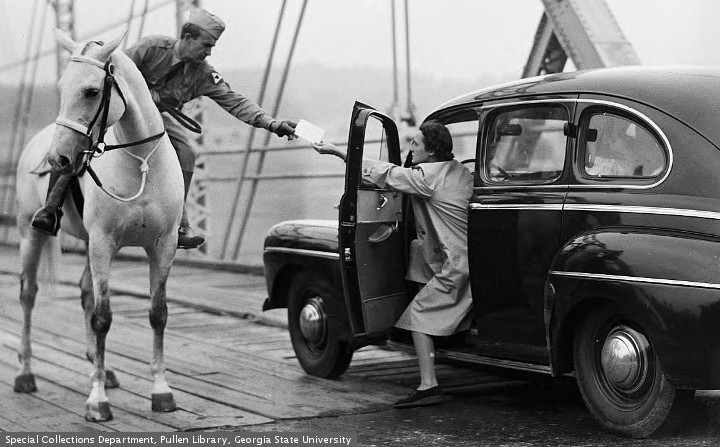
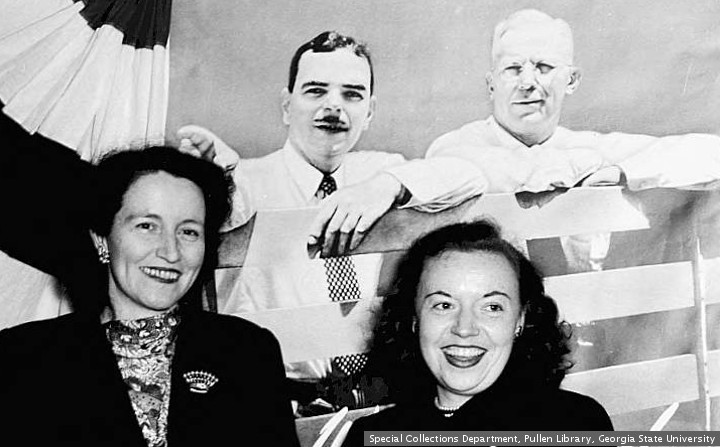
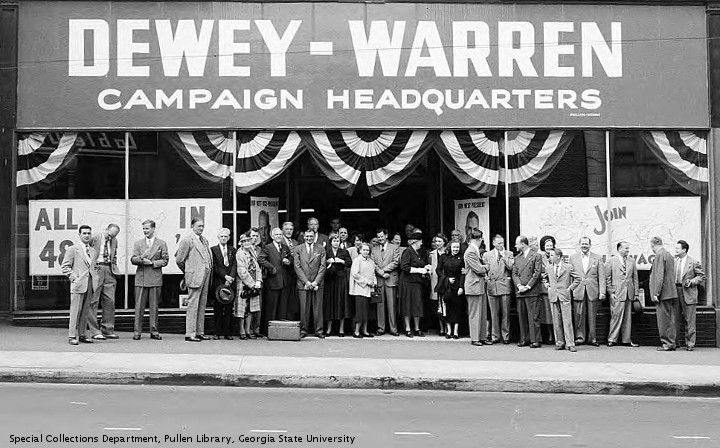
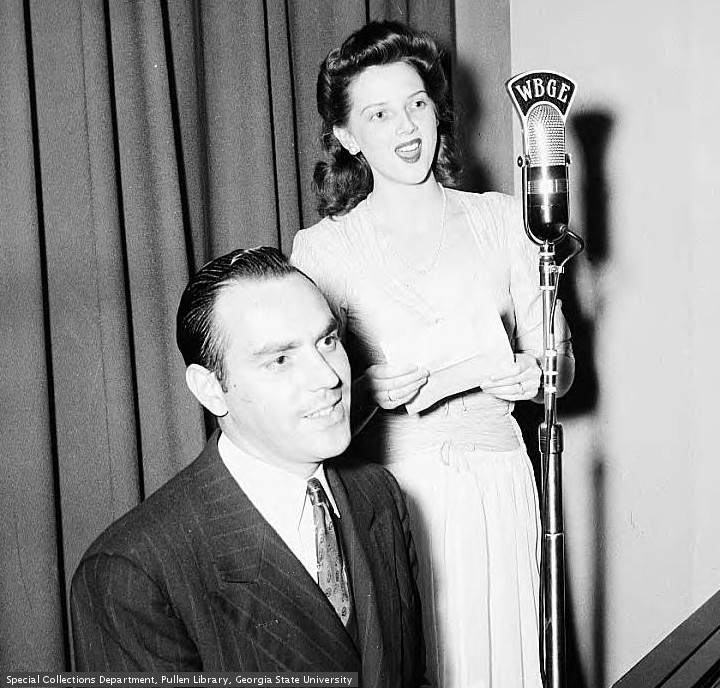


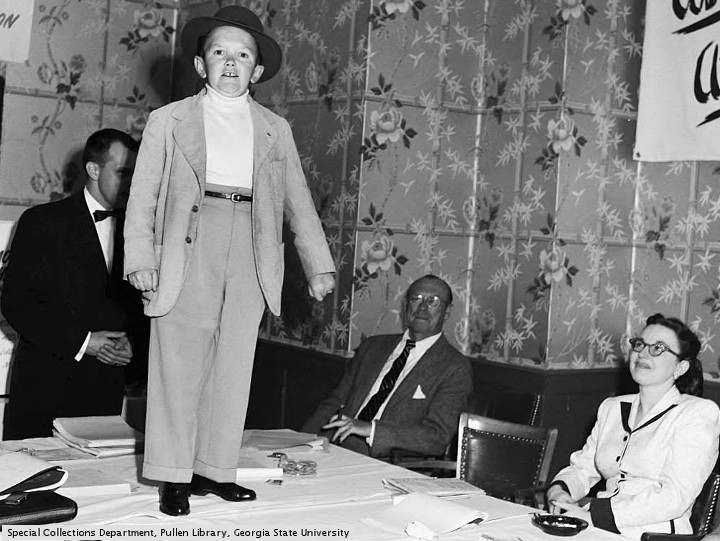

Slaughterhouse-Five Part Two
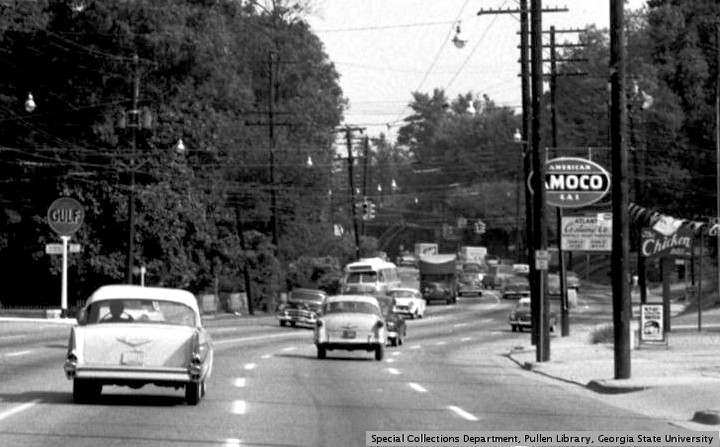

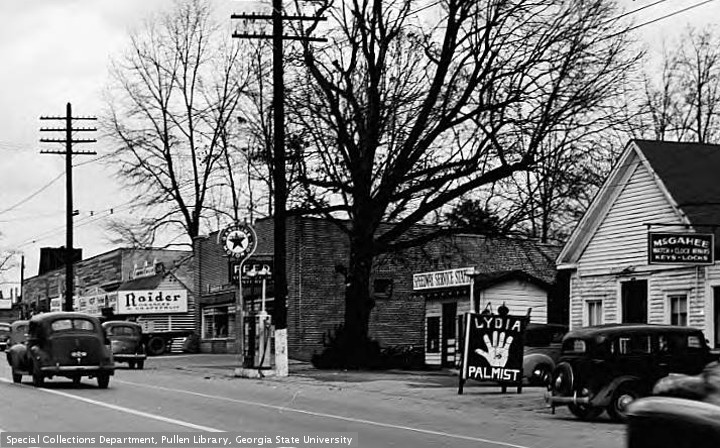

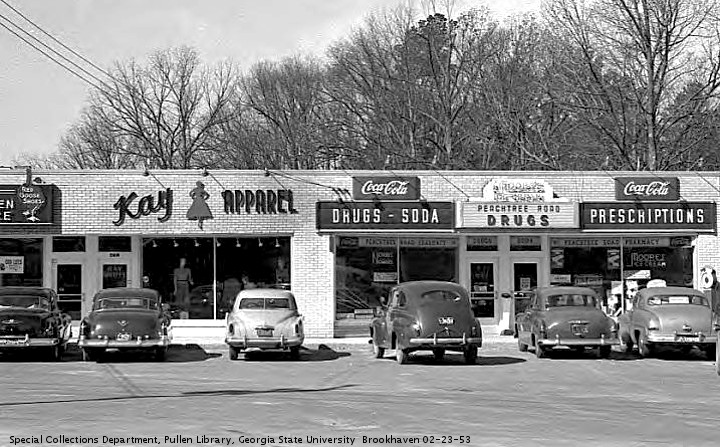
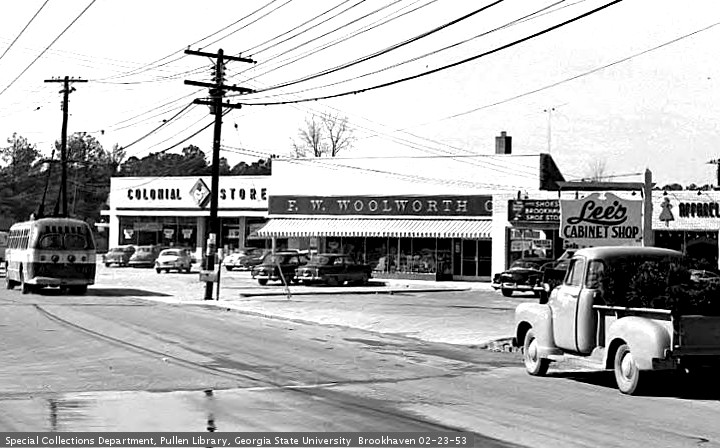

This is part two of an excavation of Slaughterhouse-Five, a story by Kurt Vonnegut. Part one has already been published. Pictures are from “The Special Collections and Archives, Georgia State University Library”. It is ok to skip over the text and look at the pictures.
The second chapter is the beginning of the story. The first eight words sum up the plot nicely. LISTEN: Billy Pilgrim has come unstuck in time. The first word is the most important, and the most likely to be ignored. People love to talk, but do not like to listen. If they do quit talking, and allow the other person to speak, then they are thinking of what clever comeback they can say. If only people were as proud of the ability to listen, as they are of the clever things they say.
Billy Pilgrim, or BP, is the main character of this story. By trade, he was an optometrist in Ilium, NY. BP led a reasonably pleasant life, in spite of, or perhaps because of, being shaped like a Coca Cola bottle. His father was a barber, also in the mythical town of Ilium, NY, until he died in a hunting accident. This incident motivates KV to write “So it goes.” This will be abbreviated as SIG006.
BP … which under no circumstances should be confused with British Petroleum … survives infantry duty in World War II and a plane crash in 1968. This crash killed everyone except BP and the co-pilot. SIG007. The plane crash is an important moment in the movie version of SF. PG saw the SF movie, while a UGA student, at the PJ auditorium. That is enough initials for one paragraph.
While recovering from the plane crash, BP’s wife dies of carbon monoxide poisoning. SIG008. (In the note taking that preceded this text, PG missed SIG008. If this was a scholarly dissertation, this would be a big deal. To a slack blogger, it is not. While PG will try to chronicle all 106 SIG in SF, he is not making any promises.) After the plane crash, BP comes out of the time travel closet. BP tells earth people about the wonders of Tralfamadore. These folks are two feet tall, green, and shaped like plungers. Tralfamadorians feel sorry for earth people.
PG has long suspected that he is a Zorlac, from the planet Thrunombulax. PG is quiet about this, as prejudice against Zorlacs is acceptable by polite people. Many white people are trying so, so, hard not to appear prejudiced against anyone. When they see an approved target for their tribal rage, white people lose it. Just look at the way people with deviant attitudes about race relations are portrayed. With this in mind, PG has learned to keep quiet about his Thrunombulaxian origin. The relationship of Thrunombulax to Tralfamadore is unknown.
A letter was written to the Ilium News Leader by BP. He tells about the lessons he learned on Tralfamadore. This was in 1967, on the eve of BP’s daughter’s wedding. Trallies see a person who is dead, and say that he/she is having a bad day. It is a Trally custom to say, about death, so it goes. SIG009. Number nine, number nine, number nine. Turn me on dead man. The Beatles white album was recorded at approximately the same time as BP going to Tralfamadore.
A wonderful tool is now available for the production of this SF commentary, and SIG inventory. The text of SF … not to be confused with science fiction or San Francisco … is available electronically in the sf_pdf. Alas, it is an imperfect tool. You can download a copy to your machine. On this copy you can highlight certain words in yellow magic marker, but you cannot copy text. You can copy text from the online version, but it comes out funny and you have to do so much editing that it might be easier to just manually copy the text.
While working on the letter about Trallies, BP is visited by his daughter, Barbara. At a young age, she had to manage her mother’s funeral, and take care of her senile father. KV, who has a way with words, describes the young lady as a “a bitchy flibbertigibbet … legs like an Edwardian grand piano.” Barbara … we might know her married name later … asks her dad why he waited until 1968 to talk about time travel. He did not think the time was ripe.
The tale segues into the first experiences with time travel. This was in World War II. BP was a chaplain’s assistant, which is not a well thought of position. One day on maneuvers, BP was playing A Mighty Fortress Is Our G-d on the organ. (KV made a mistake here. AMFIOG was written by Martin Luther, without any assistance from Johann Sebastian Bach.) A war game umpire showed up, and told everyone that they were dead. Before long, BP got word that his father had been killed while hunting deer. SIG010. The offending shot was fired by his human friend, and not by a deer.
When BP returns from the funeral, there are orders for him to go to Europe. A chaplain’s assistant has been killed in action. SIG011. Soon, BP participates in the Battle of the Bulge. BP has no weapon, helmet, or boots. BP looks alternately like a box of kitchen matches, and a filthy flamingo. BP meets foulmouthed Pittsburgh refugee Roland Weary, so saves BP numerous times before trying to kill him. Roland Weary was the only member of a gun crew to survive a 88mm German tank gun. SIG011.
The name Roland means many things to PG. Rowland NC, with an ornamental w, is the hometown of PG’s father. Roland Cofer is a former co-worker. Roland Cofer was the cheerful son of Willie Simpson, the store manager. The fact that Roland is black, and Willie is white, which should not concern the reader. It did not concern Roland or Willie.
The father of Roland Weary was a plumber. He collected guns, knives, and torture devices. The noname dad gave his wife a model of an iron maiden, which was a torture device before it was a heavy metal band. The device was a small chamber, with doors on hinges. The doors were lined with spikes, which impale the guest when the doors are closed. There is a drain in the bottom, for elimination of blood. SIG012. No mention is made of who cleans the iron maiden, or if it was cleaned. Eventually the smell would make the spikes redundant.
Roland Weary was a bully. He saw BP as a good target for his tough talk. Once, he described a torture where someone was tied down, with his eyes facing the sky. The eyelids are cut off, so there is no stopping the sun. SIG013.
BP is showing signs of common sense. He lets the motor mouth ramble without protest or argument. It turns out that BP is no stranger to gore. (This is blood and guts, not slick Willie’s VPOTUS.) BP had an explicit crucifix in his bedroom. Though nominally nondenominational, the Pilgrim family made sure young Billy knew all about the terrible things that happened to Jesus. SIG014.
Roland Weary had a pornographic picture, which BP saw numerous times. The legend was that André Le Fèvre an assistant to Louis J. M. Daguerre, was busted for selling a print of this photgraph. Mr. Le Fèvre died in prison. SIG015. A killjoy website, mental floss, says this never happened. Roland Weary later fantacizes being the only survivor of a German attack. SIG016.
It was about this time that BP starts to time travel. The first visit is to the YMCA, where his father is teaching him how to swim. The second adventure is to 1965, when BP is 41 years old. His mother is in an old peoples home. (PG once used the phrase “old folks home” at an estate sale, and was quickly told that OFH was considered rude.) While BP was at the OPH, a former marathon runner crossed the mortal finish line, and was wheeled out on a gurney. SIG017.
While sitting in a chair at the OPH, BP noticed a lump in the cushion. It was a book, The Execution of Private Slovik. Eddie Slovik was an American soldier, who was executed for desertion in 1945. SIG018. An excerpt from the court opinion in the case is quoted. It seems as though Pvt. Slovik was executed as a morale building exercise. SIG019.
The next time travel episode was a party in 1958. BP gets drunk, and screws a woman he is not married to. This is putting the tryst back in optometrist. When BP comes back to real time 1945, Roland Weary is about to kick him in the lower back. This effort at self expression is interrupted by the Germans, who take BP prisoner. This is the end of chapter two.



Slaughterhouse-Five Part One





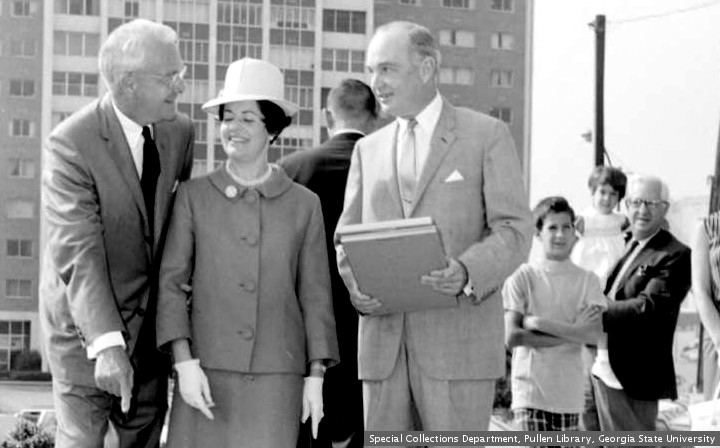
In the first part of Slaughterhouse-Five, Kurt Vonnegut goes to Dresden, East Germany. He rides in a taxi. The mother of the taxi driver died in the Allied bombing raid on Dresden, Germany. KV says “so it goes” on page 2, as a reaction to this information. The eight letters were a stand alone sentence .
This is the beginning of a chamblee54 reaction to Slaughterhouse-Five, hereafter known as SF. When PG reads a book by KV, the style of writing takes over. PG begins to think like KV writes, which is not necessarily a bad thing. This series should be easy to write, and hopefully not too tough to read. The idea is to stop reading, and start writing, every time KV says “So it goes.” This will be abbreviated as SIG. That is four abbreviations, and should be enough.
Soon after the taxi ride, KV is talking to a man. The subject is a book KV is writing about Dresden. “Is it an anti-war book?” “Yes, I guess” “Why don’t you write an anti-glacier book instead?” This conversation took place around 1967, or 48 years ago. With the Vietnam conflict escalating, anti-war stuff was popular. What few could have foreseen was the 2015 reality. War is just as painful, profitable, and prevalent as ever. Glaciers, on the other hand, are starting to melt. The pen may be mightier than the sword, but 350 ppm carbon dioxide has them both whipped.
SIG002 is on page 6. A rabid American has a quart of jewels, stolen off the dead of Dresden. SIG003 is on page 9. A man gets his wedding ring caught in an elevator, and is crushed to death by an automobile. It didn’t make much sense.
Years ago, a couple of years after the first reading of SF, PG worked at a department store called Davisons. They had these fabulous freight elevators, which you controlled by turning a brass knob. If wanted to go up, you turned left. If you wanted it to go down, you turned right. One of these elevators used to have a wooden gate in front of it. One day, a man stuck his head in the shaft to see if the elevator was coming. The elevator car cut his head off. The blood stains remained, between the third and fourth floors of the number 10 elevator.
PG first read SF a few years before working at Davisons. It was a tacky paperback. The current version is a deluxe, hard back, 25th anniversary edition. It has a new introduction, where KV calls George Will an owlish nitwit. PG remembers a conversation KV had with someone who was not pleased about another war book, thinking it would make killing seem glamorous.
Not to worry, the conversation is in chapter 1. KV promises that there would be no role for Frank Sinatra, or John Wayne, in the movie based on his book. This is ironic. For all of their tough guy posturing, neither Mr. Wayne nor Mr. Sinatra served in World War II.
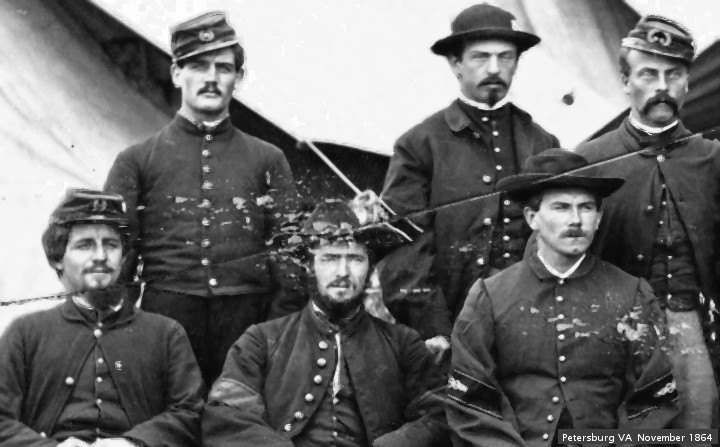
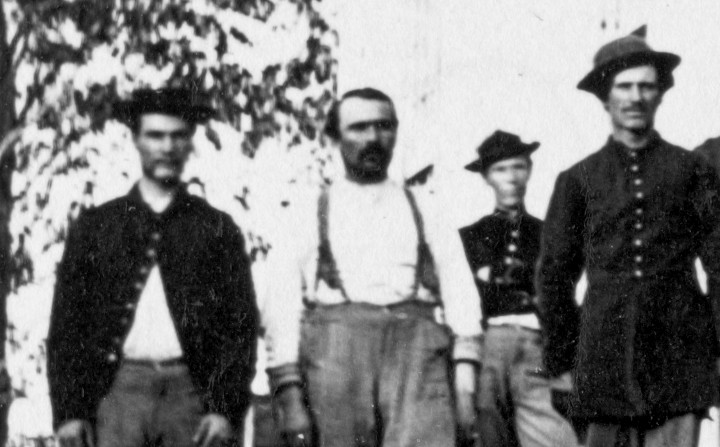
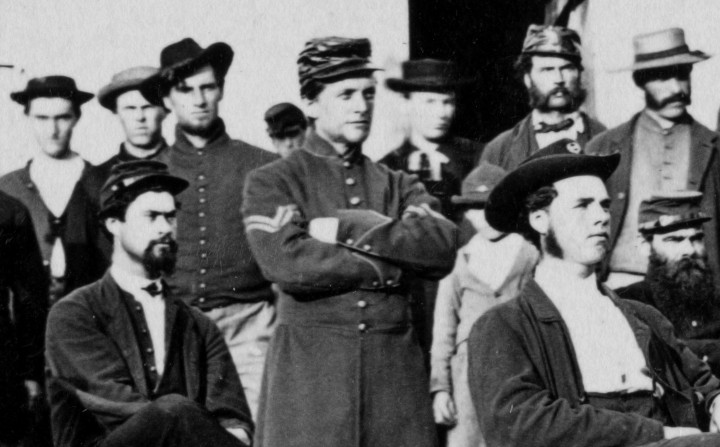
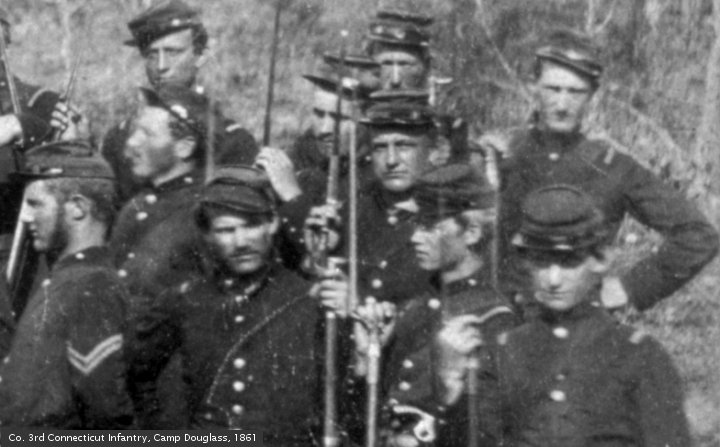
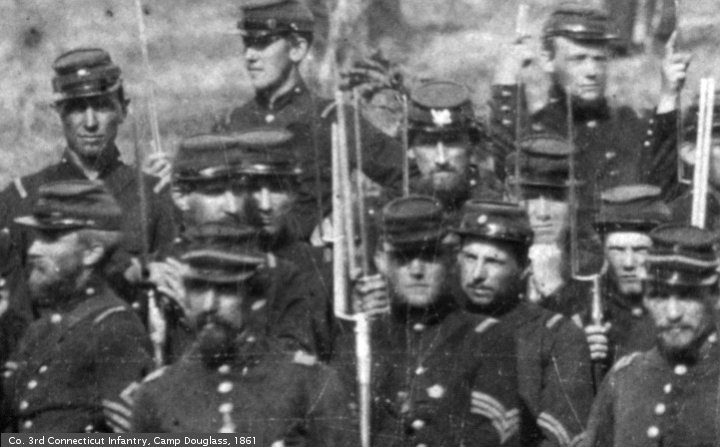
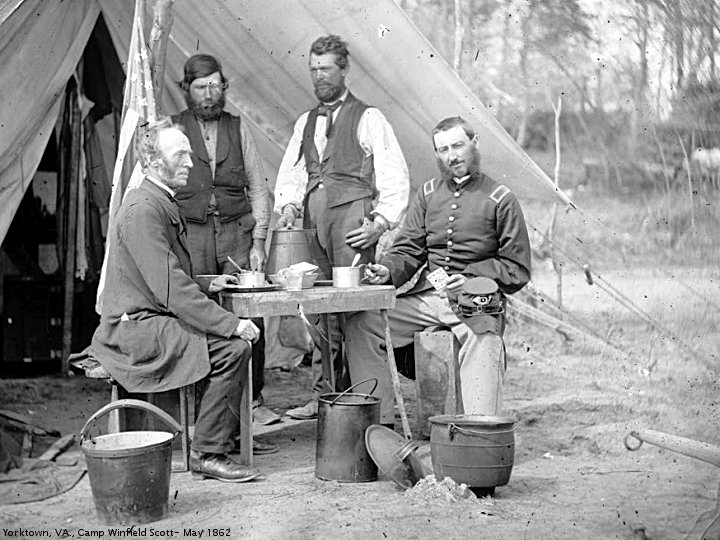
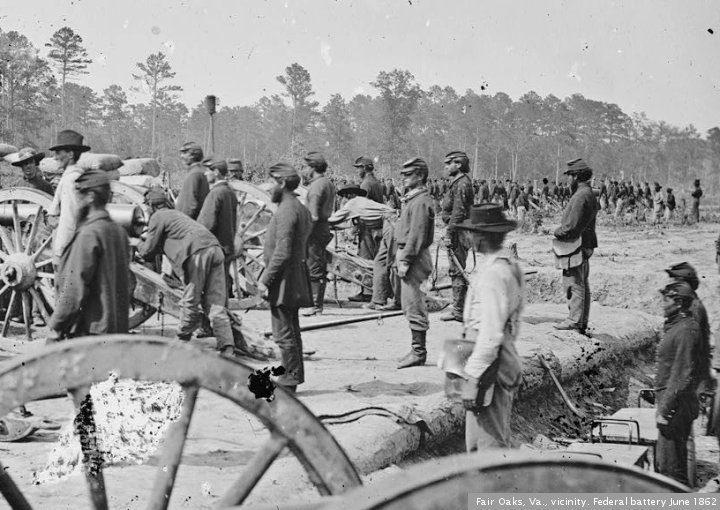
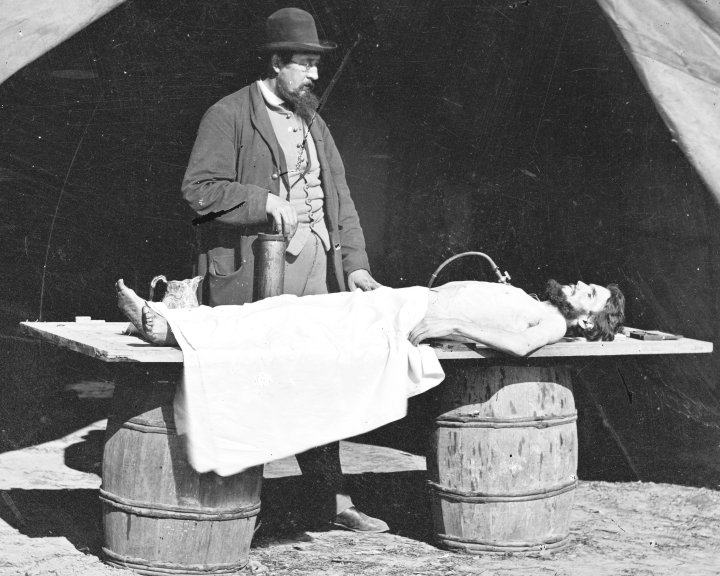
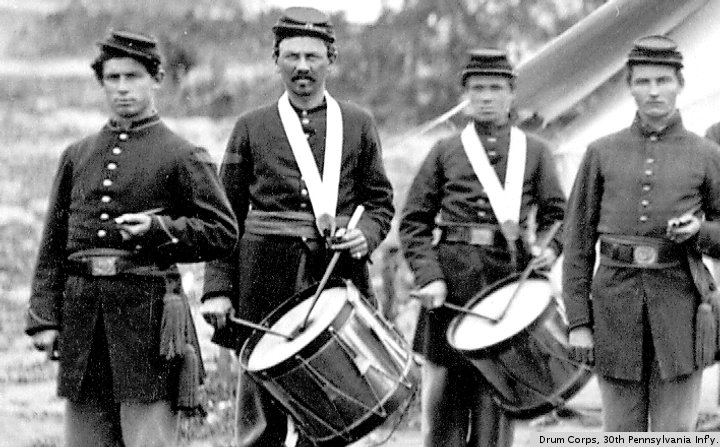
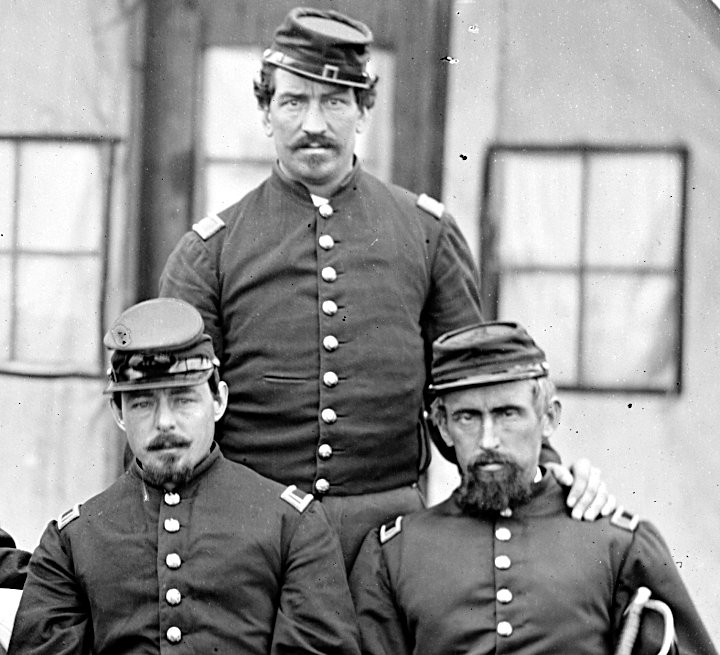
After the conversation we have SIG004 on page 20. It has something to do with Sodom and Gomorrah. A few sentences later, Lot’s wife, who evidently had a job description but no name, was turned into a pillar of salt, thus begetting SIG005. This is more or less the end of chapter 1. The story of SF, such as it is, begins with the first line of chapter 2. Pictures today are from The Library of Congress. The men shown were Union Soldiers, in the War Between the States.



Only The Dead



@EdDarrell “Only the dead have seen the end of war.” Who said that? Contrary to what Black Hawk Down says, this quote is not in any of Plato’s writings. The student of Socrates may have said it, and it may sound like something he would have said. However, nobody has been able to find it in his work.
George Santayana was a writer, philosopher, and sayer of smart things. “Only the dead…” appears in Soliloquies in England and Later Soliloquies, number 25 (1922). The signature quote from Mr. Santayana is “Those who cannot remember the past are condemned to repeat it.” It is found in The Life of Reason, vol. 1: Reason in Common Sense.
“Only the dead have seen the end of war” is an aphorism that sounds good until you think about it a bit. It was written by a living person. It has never been confirmed by conversation with a dead person. For all we know, the dead see plenty of war.
A google search inspired by the original tweet turned up a dandy post, Quotes Behaving Badly: 9 Quotes That Are Wrong, Dishonest, Mis-attributed or Idiotic. As the reader(s) of this blog know, quote debunkers are much needed on the internet. The first of the Four Principles of Quotation puts it another way. “Whenever you see a quotation given with an author but no source assume that it is probably bogus.” It doesn’t matter if the inspiring words are calligraphied in front of a breathtaking mountain backdrop, or if credit is given to a dead white man.
The Four Principles page cited discusses an old warhorse quote, “Whenever you see a quotation given with an author but no source assume that it is probably bogus.” Thomas Jefferson is one of those accused of saying that. Quotes Behaving Badly also mentions this chestnut.
To begin with, no one seems to know who originally said it, and what the exact words were. Worse is the way this quote is used by demagogues. So called leaders use this quote to manipulate others. Often, these people do not know what they are talking about. Their actions make the situation worse, rather than better. But they are doing something.
Quotes Behaving Badly takes on more versions of the misused quote. There is the quote from a character in a novel, which is strawmanned into representing the thoughts of the author. There is also the quote taken out of context.
“Violence, naked force, has settled more issues in history than has any other factor, and the contrary opinion is wishful thinking at its worst.” This is in Starship Troopers by Robert Heinlein. PG has never read ST, and does not know the context of the quote.
Quotes Behaving Badly implies that the quote is from a villain in the story. “The problem is that an author cannot take ownership for the dialogue of the characters he creates. If two characters debate, does the author then believe both sides of a debate? And would the author have to support the views and opinions super villains, serial killers, dictators, and even child molesters.”
There is a humongous archive dedicated to Mohanda Gandhi. If he said it, then there should be a written record. That does not mean that people will use the quote properly.
“I do believe that, where there is only a choice between cowardice and violence, I would advise violence… I would rather have India resort to arms in order to defend her honour than that she should, in a cowardly manner, become or remain a helpless witness to her own dishonor.” The next line contradicts the first part. “But I believe that non-violence is infinitely superior to violence…”
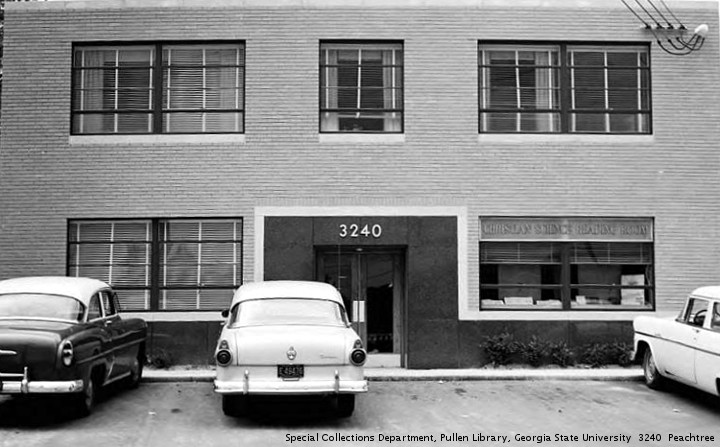
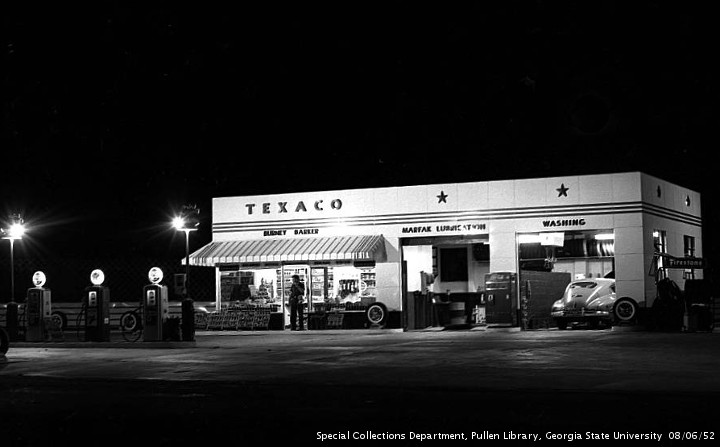
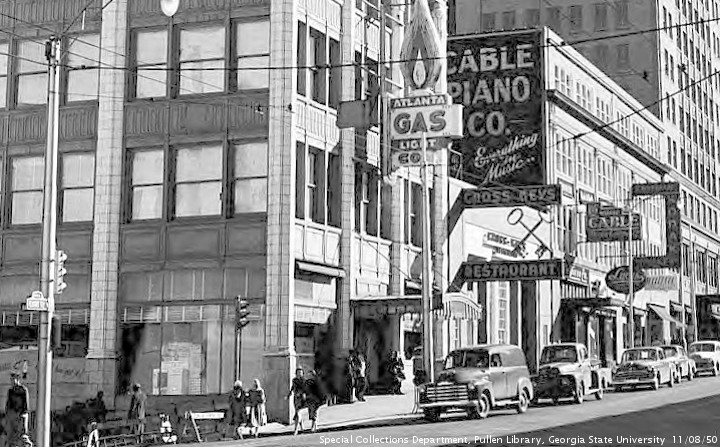
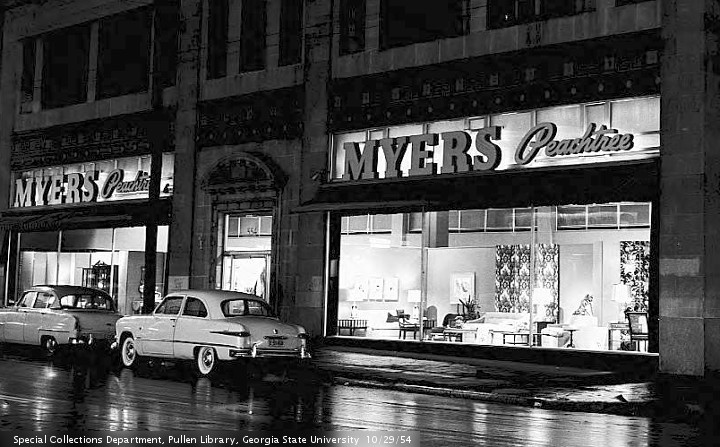
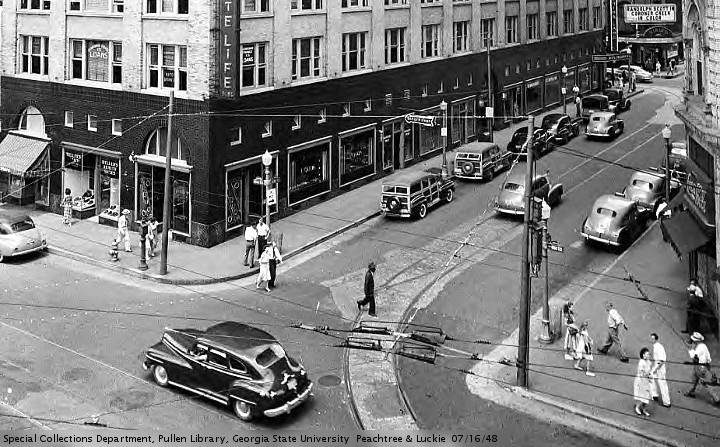
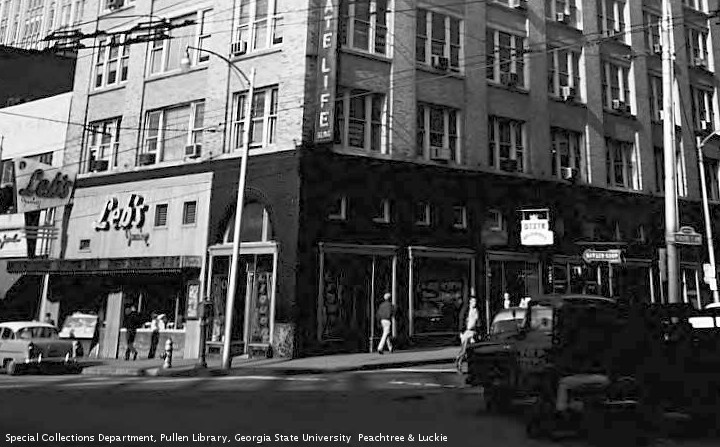
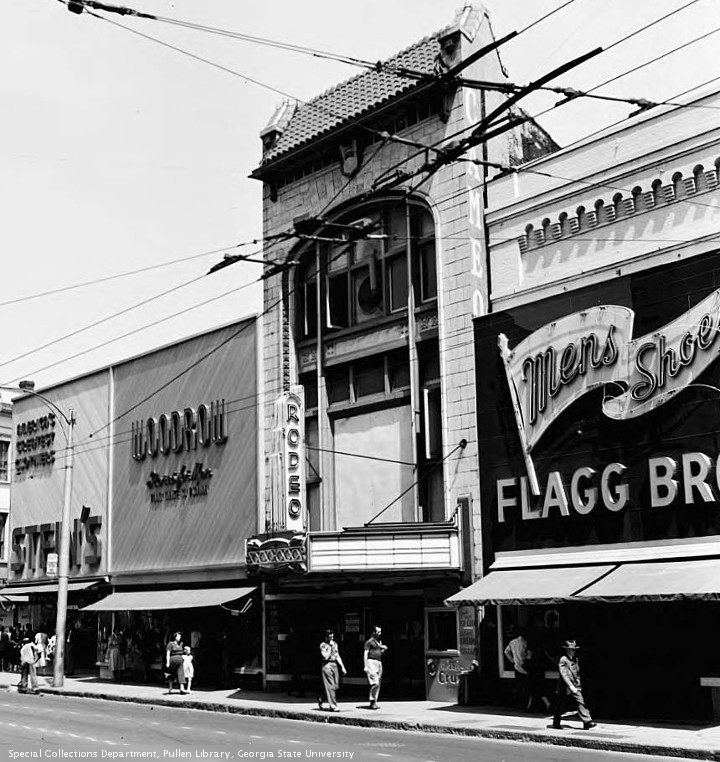
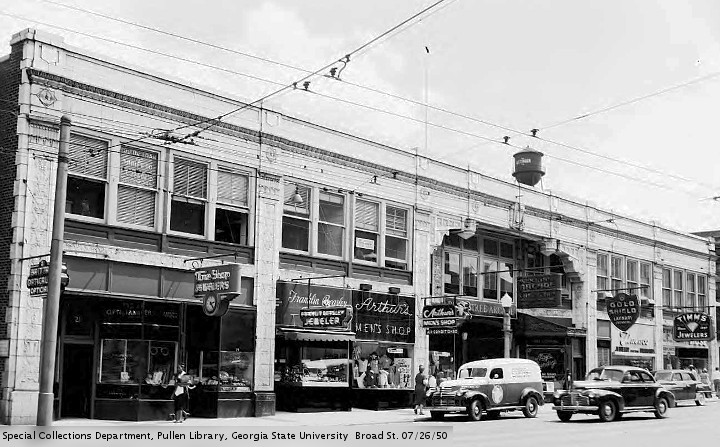
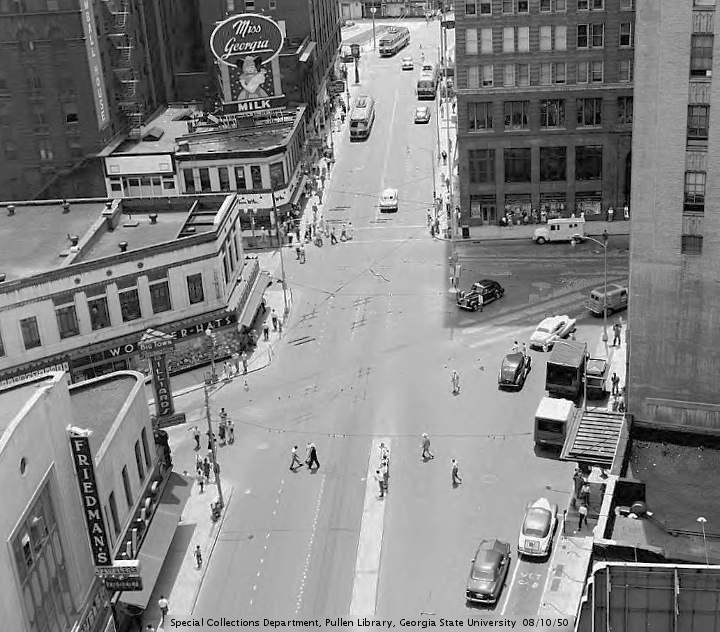
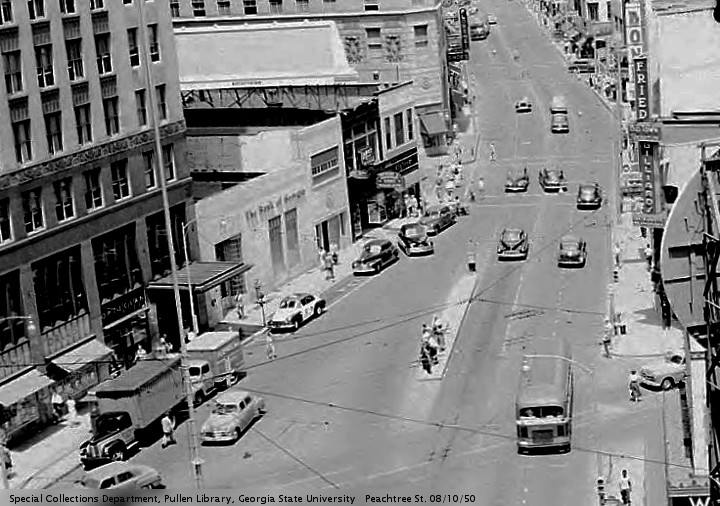
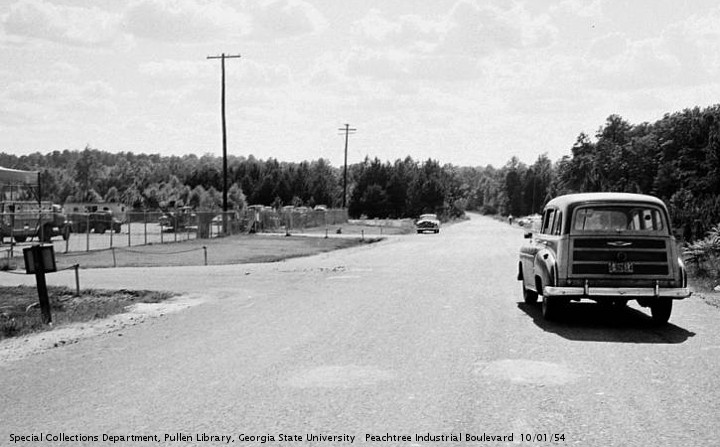
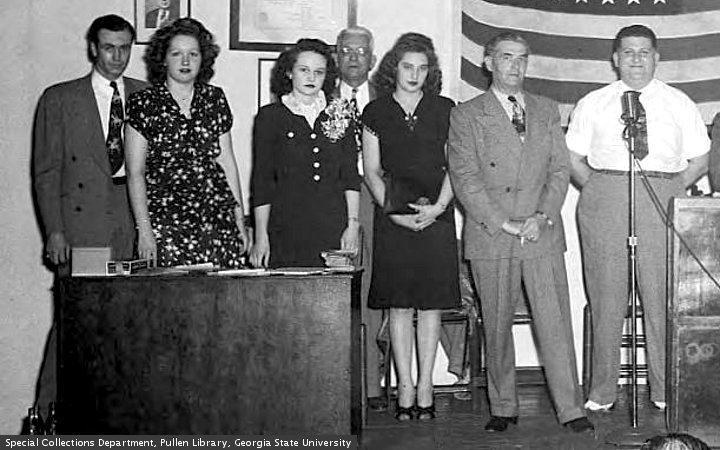
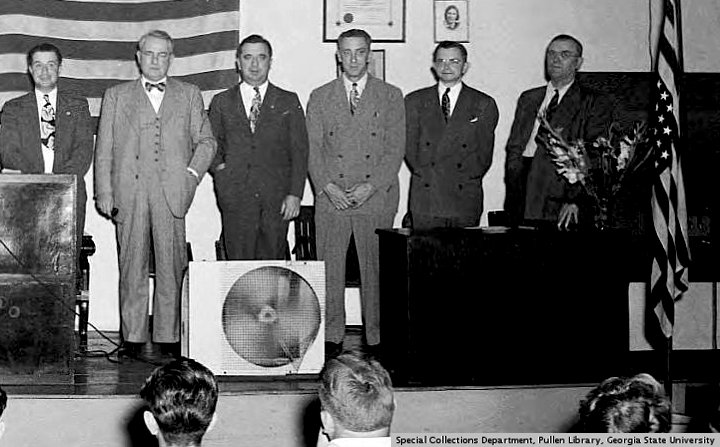
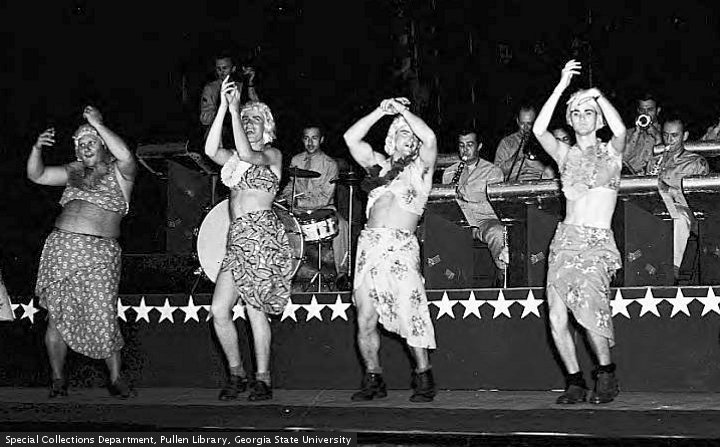
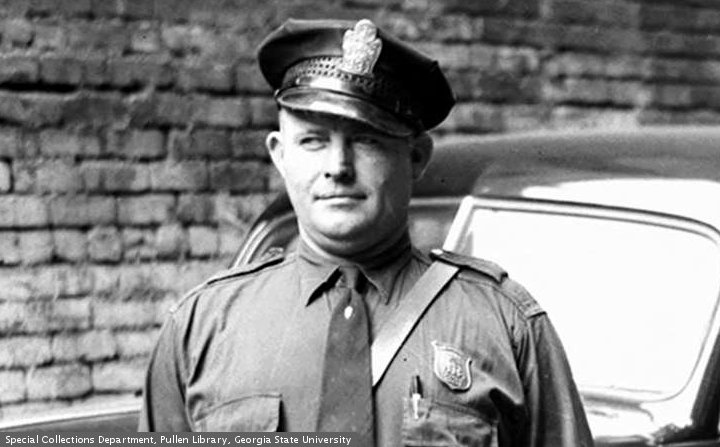
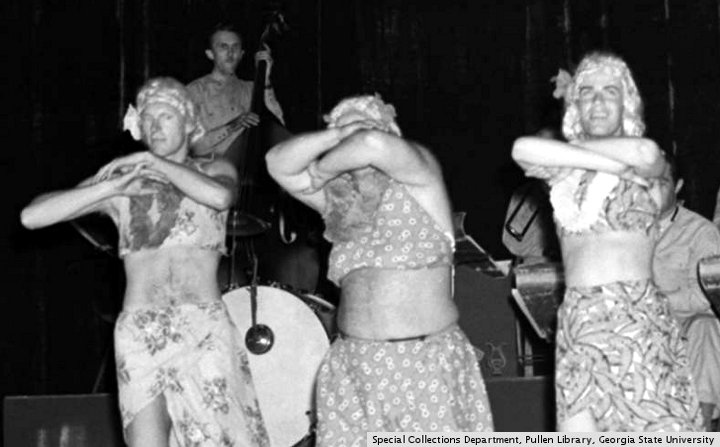
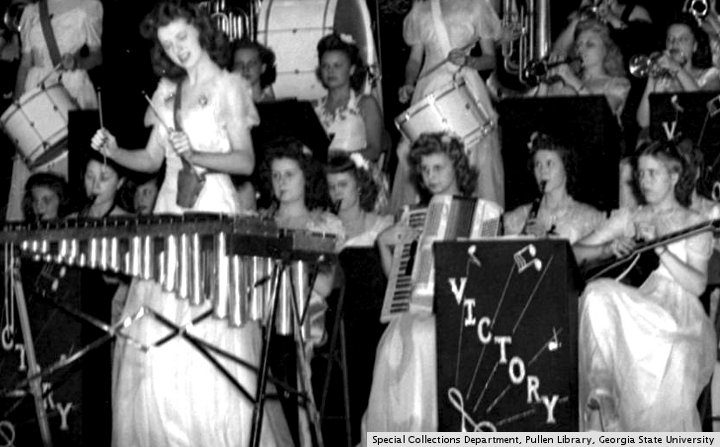
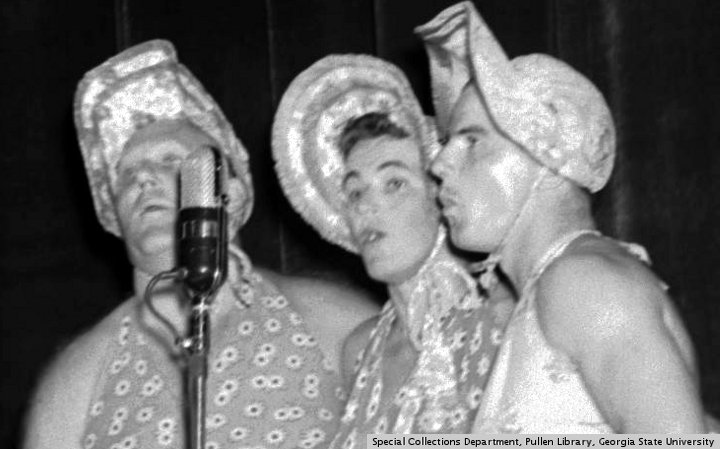
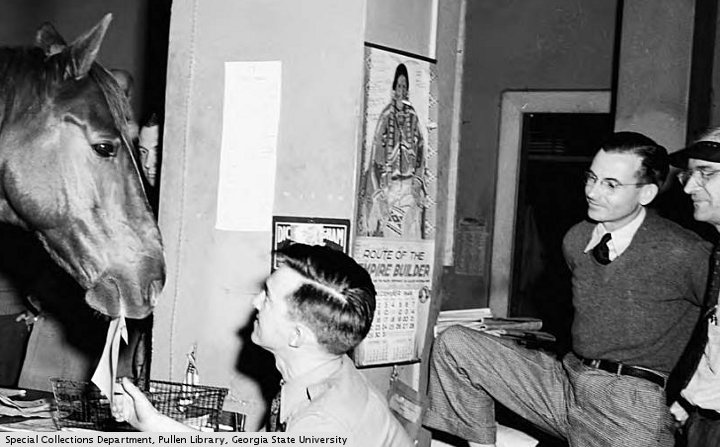
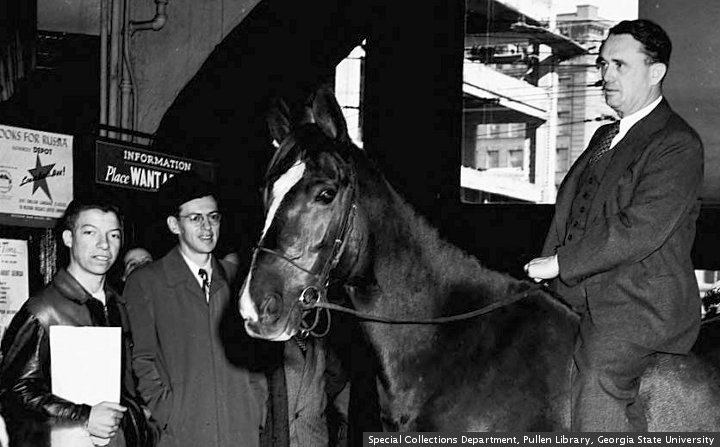
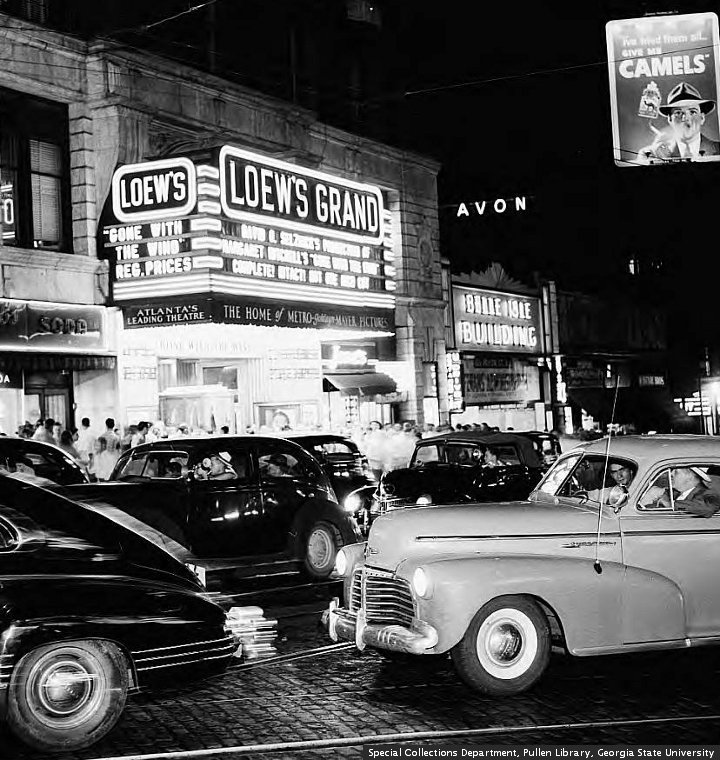
Pictures are from “The Special Collections and Archives, Georgia State University Library”.

Ira Hayes



The post before this is about Arizona SB1070, a controversial measure dealing with illegal immigration. One of the men quoted is the Sheriff of Pima County, which lies on the border.
Pima County is named for the Pima Tribe, whose land was in Arizona and Sonora, Mexico. Their name for the “river people” is Akimel O’odham. According to Wikipedia, “The short name, “Pima” is believed to have come from the phrase pi ‘añi mac or pi mac, meaning “I don’t know,” used repeatedly in their initial meeting with Europeans.”
Many of the Mexicans crossing the border are Native Americans. They did not agree to the Gadsden Purchase, or the Treaty of Guadalupe Hidalgo. In other words, they were here first, and the white man (and black associates) are the uninvited guests.
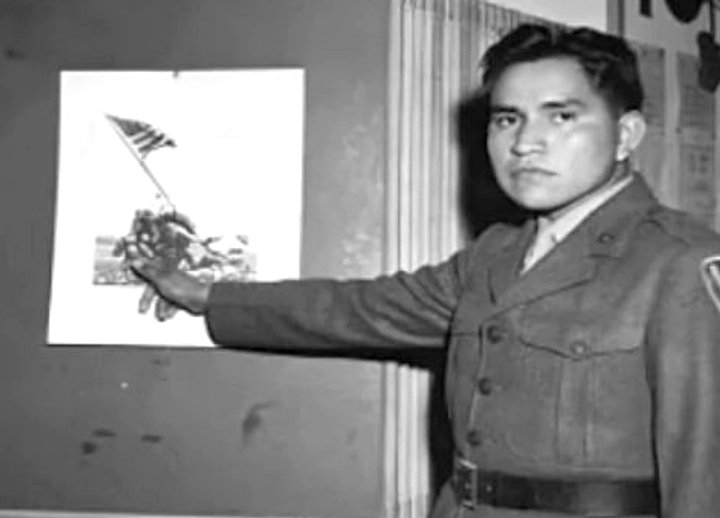
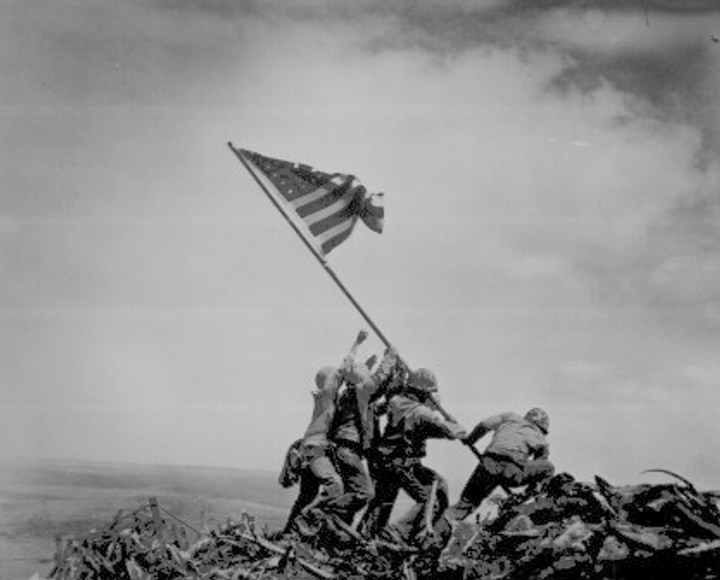
The second part of this feature is a repost. One of the best known Pimas was Ira Hayes. He was one of the Marines who raised the flag on Iwo Jima.
One of the enduring images of World War II was raising the flag on Iwo Jima. Three of the six men raising the flag died on the island. A fourth, Ira Hayes, became a casualty after the war.
The story of Ira Hayes is well known, but needs to be told again. A member of the Akimel O’odham (Pima) nation, his people had not been treated well by the conquerors. Nonetheless, when the War against Japan started, men were needed for the struggle, and Ira Hayes joined the Marines.
Iwo Jima was a steppingstone to the main island of Japan. After Iwo Jima and Okinawa were in Yankee hands, preparations could be made for the invasion of the main island. However, the stepping stone islands proved to be incredibly tough to secure. There were more American casualties on Iwo Jima than on D Day.
On the fourth day of the battle, a picture was made of six marines raising the flag on top of Mount Suribachi. A month of sticky, treacherous fighting was ahead for the fighting men. Of 21,000 Japanese soldiers, 20,000 died.
The flag was raised on February 23, 1945. Germany was all but defeated. The “explosive lens” for the atom bomb had been successfully tested. Viewed from the standpoint of 1945, it seems inevitable that the costly island hopping needed to continue, to be followed by an invasion of the Japanese mainland. From the view of 2009, one wonders if the fight for Iwo Jima, in retrospect, was really needed. War is fought in the present tense.
Two of the twelve hands holding the flagpole belonged to Ira Hayes. Ira Hayes did not adjust to peacetime well. He became a drunkard. On January 24, 1955, he passed away.
Ira Hayes was a native American. Thousands of African Americans have returned from foreign wars, to be treated poorly. Until a few months ago, if a man, or woman, is accused of being gay, the service is forgotten. On Memorial Day, we should struggle to ensure that all future veterans are treated with respect, all year long. This is a repost. Pictures are from The Library of Congress and “The Special Collections and Archives, Georgia State University Library”.





 Chamblee54
leave a comment