Jane Fonda And J. Edgar Hoover
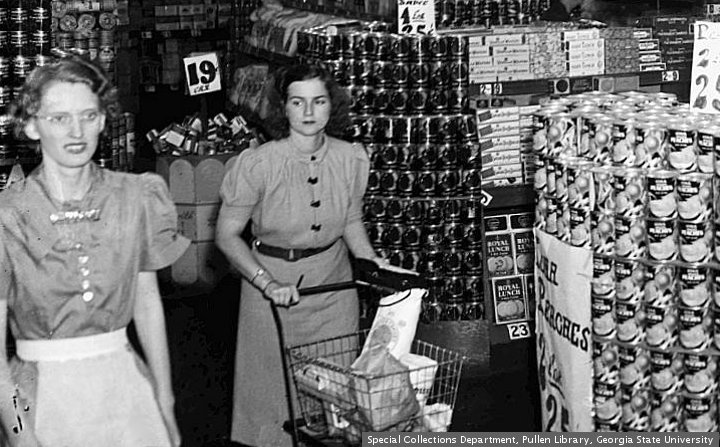

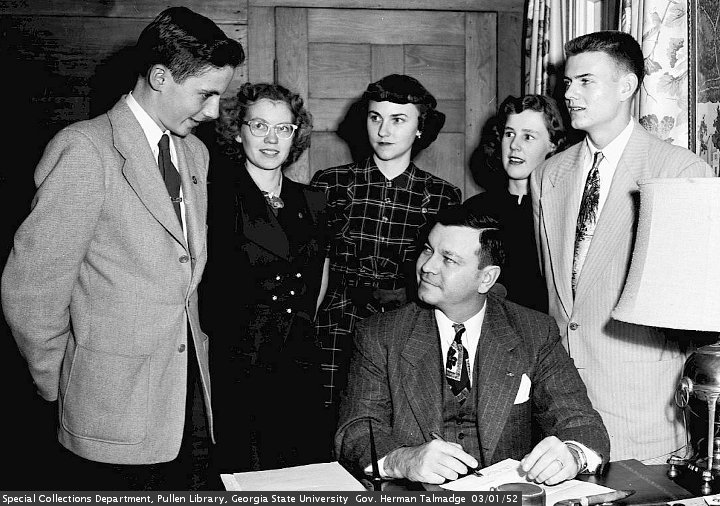
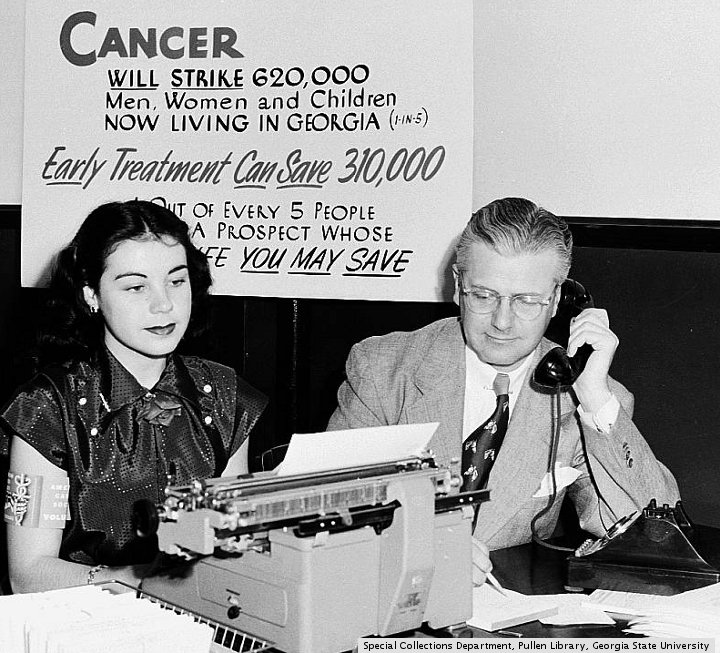

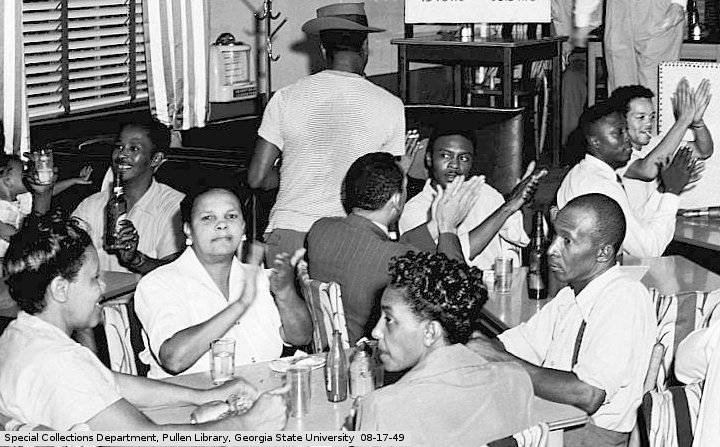

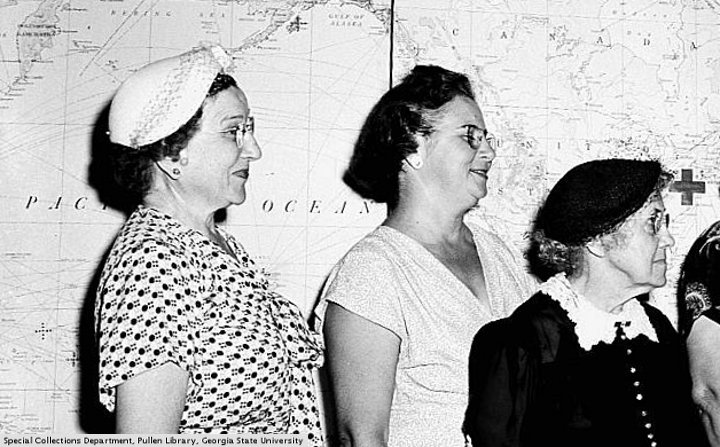
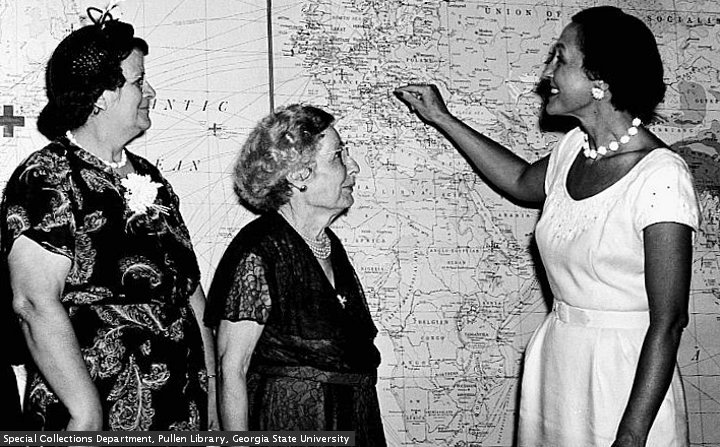
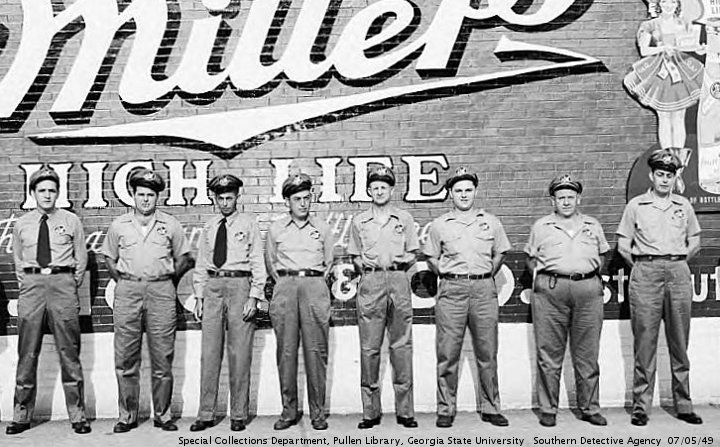
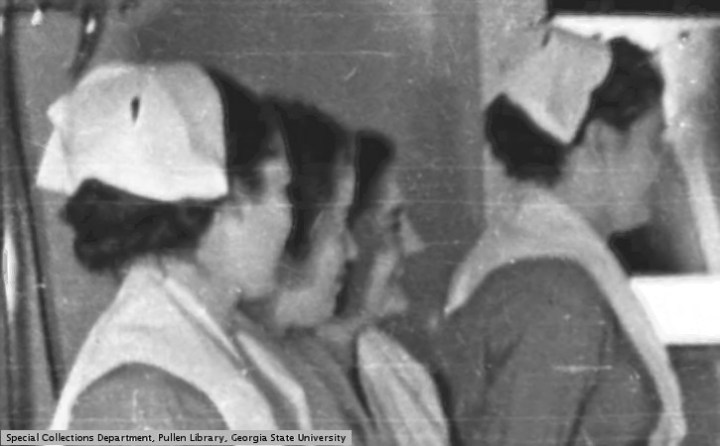
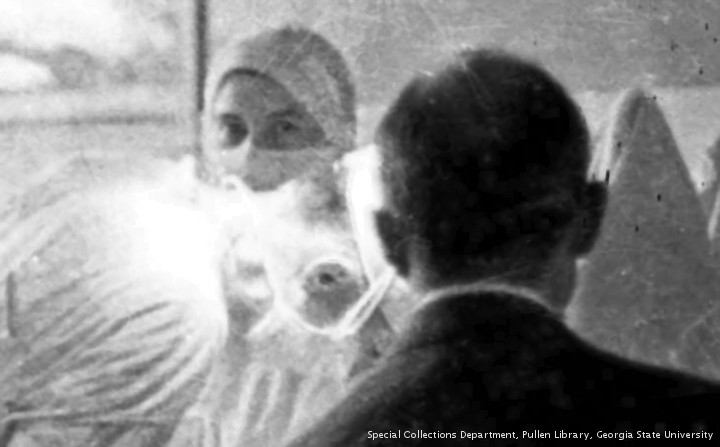
This repost is a work of speculation, and has no basis in proven fact.The thesis cannot be proved nor disproved. Pictures are from “The Special Collections and Archives, Georgia State University Library”.
Listening to talk radio while you drive is a dangerous activity. You might start to think, and look at the man behind the screen. Neal Boortz was on a rant today about Jane Fonda. It it the same story you have heard many times…she gave aid and comfort to the enemy, she is a traitor, American troops died because of her,she should have been executed.
Sometimes when you hear something too many times, you begin to have doubts about what you heard. A light bulb went off in PG’s head when he heard the Fonda Rant again.. .What if Jane Fonda was working for the US government when she went to Hanoi?
What was in it for the government? This trip gave our government a discredited leader of the antiwar movement to denounce. When the government was trashing Jane Fonda, they did not have to defend the disastrous policies of that war.
Miss Fonda has been an icon of right wing hatred ever since, as well as of military training. One story has Miss Fonda giving the North Vietnamese information about activities by American forces. How would she get this information?
The infamous trip to Hanoi took place in the Summer of 1972. American troops were being withdrawn, and anti war protests lost most of their passion. (It was also soon after the death of F.B.I. Director J. Edgar Hoover, and the Watergate burglary) The war in Vietnam was essentially over for America. We were no longer trying to win, but to negotiate a face saving treaty. President Nixon called it “Peace with Honor”. Miss Fonda’s actions had little impact on these negotiations.
Miss Fonda made some radio broadcasts from Hanoi. Is it possible that coded messages to our troops were included in these broadcasts? Is it also possible that she gave the North Vietnamese misinformation on purpose?
Why would a women known for her left wing activism do such a thing? Maybe, the FBI had some dirt on her, and blackmailed her.
In 1967, Kurt Vonnegut published a book titled “Mother Night”. It tells the story of Howard W. Campbell Jr. Mr. Campbell made propaganda broadcasts for Germany in World War II, which were secretly used to pass coded messages to the Allies. He was condemned as a traitor after the war, but never prosecuted. He did not win an Academy Award.
The role of the government in this affair could have taken another role. Perhaps Miss Fonda was sincere in her actions, but aided by the government. Miss Fonda was under surveillance in 1972. The government would have known about her plans to go to North Vietnam, and perhaps could have stopped her. But, because her going to Hanoi was to their advantage, the government allowed the trip to take place.
The above is speculation, and could be horribly wrong. The fact that Miss Fonda has expressed regrets over her trip neither proves nor disproves this. She got great movie roles, and won two Academy Awards, during the seventies. This may be a coincidence, or maybe it was a reward for her service.
Clearly, the trip she made to Hanoi had propaganda value to the US government. It has been a Godsend over the years. You should always consider who benefits from an action.
During his rant today, Mr. Boortz said that US troops died because of Miss Fonda. (He does not discuss the man who went to Nam in his place, after his draft deferment.) By saying this, he can ignore the tens of thousands of troops who died because Richard Nixon chose to wait until 1973 to sign a “peace treaty”. He could have made the same deal in 1969. Peace with honor indeed.
A few days ago, the possibility that the government allowed Jane Fonda to go to Hanoi was discussed. Ms. Fonda’s trip to North Vietnam had numerous propaganda/p.r. advantages to the American government. Direct government sponsorship cannot be ruled out. Another scenario would have the government knowing about the trip, having the ability to stop the trip, but allowing it to happen. For the purposes of today’s discussion, we will call this the “Hoover Option”(HO). It is named for John Edgar Hoover, the publicity savvy director of the FBI until his death in 1972.
HO is a favorite of conspiracy theorists. It is difficult to prove or disprove, and explains a lot of things. Another conspiracy rich event is the shooting of John Kennedy on November 22, 1963. The various hypotheses on this event are well known. Numerous people wanted JFK to retire…gangsters, teamsters, Republicans, Lyndon Johnson, Vietnamese… to the point to where it is tough to sort out all the possible candidates. The thinking goes here, that J. Edgar Hoover knew of the plot to kill JFK, could have stopped it, but chose to allow it to happen. Even conspiracy skeptics think this is plausible.
The concept of Lee Harvey Oswald working alone does not eliminate the possibility of HO. Here was a sketchy character, known to have traveled to the Soviet Union, and favor “fair play for Cuba”. He worked in a building on the parade route. As much as the FBI knew…especially about those with Soviet connections…is it possible that Mr. Hoover knew what Mr. Oswald was going to do that Friday? And decided to allow it to happen. And why did Jackie choose that photogenic pink outfit?
A few years later, Dr. Martin Luther King Jr. was murdered in Memphis, TN. Mr. Hoover had a well known hatred of Dr. King. How did a sketchy character get a room, within gunshot range of the hotel Dr. King stayed in? How did he know when Dr. King would be stepping on the balcony? Did Mr. Hoover know all of this, and still allow the shooting to take place? Why was Jesse Jackson there?
J. Edgar Hoover died on May 2, 1972. This was 13 days before Arthur Bremer shot George Wallace, six weeks before the Watergate burglary, and eight weeks before Jane Fonda went to Hanoi. Mr. Hoover died at the height of the Nixon administrations “dirty tricks”, just a few weeks before they got caught. No doubt, Mr. Hoover knew what Tricky Dick was up to.
HO has probably been in existence throughout history. Most leaders have blood on their hands, and it is always better to get someone else to do the dirty work.
Pearl Harbor has long been the object of this speculation. There is little doubt that Mr. Roosevelt wanted the United States to join the war, but was having a tough time with an isolationist public. After the Japanese attacked Pearl Harbor, Mr. Roosevelt got what he wanted. It has long been speculated that he knew in advance about the attack, and let it go down. There were obvious advantages to him.
Which brings us to the Pearl Harbor of the modern era, 911. The attacks that day were a political jackpot for George W. Bush. He was able to ram many restrictions on civil liberties through congress, and begin a war in Iraq, that had clearly been planned for some time. Did our government know about plans for the 911 attacks, and quietly let them happen?

American Distrust



In dog bites man news, there was a post about Bernie Sanders on facebook. A well meaning lady made a comment, with a link to When Racism Trumps Socialism. The feature was a collection of tweets. PG got through a few, until he saw “The GOP has no qualm w/hugging its proudly bigoted, predominately White base, but Democrats decide to have an identity crisis every 2 yrs. ~ We can’t seem to agree on whether we want to fight the bigots or the banks first. ” PG remembered that there was some paint he could watch dry.
A few hours later, the well meaning lady had posted another comment. Included in the comment was a quote. : “If you aren’t starting from the basic premise that deep seated American distrust of government is rooted in racism, you’re doing it wrong.” There was a deeply edited reply.
Luther Mckinnon “”If you aren’t starting from the basic premise that deep seated American distrust of government is rooted in racism, you’re doing it wrong.” The Vietnam war. The outsourcing of jobs. The petty corruption. There is a lot of times the government has abused the trust of the governed that are not related to race.
Well Meaning Lady Luther: Respectfully, I think it’s naive to think systemic racism didn’t/doesn’t play into each of your examples.
Luther Mckinnon I am in the middle of a lengthy reply. If I feel it is worth my peace of mind to complete, I will put it on my blog.
Here is the incomplete reply: “When someone starts a reply with the word “respectfully” I know I am not going to like what follows. I can talk at great length about the obsession with other people’s racial attitudes (OPRA) that our culture has today. Yes, so called systemic racism may play a part in those three items, which I pulled out more or less randomly. There are a lot of other areas where the government has abused the trust of the governed. But the current dialog on race is not really about systemic racism. It is about what foolish thing some celebrity said. Or something that your neighbor says that rubs you the wrong way. This is what people mean when they say racism.”
There was a saying during the era when communism was an ongoing operation. People would say there is a communist under every bed. Today, this is true about racism. Some people think there is a racist under every bed. To some, all of the problems in today’s society can be traced back to racism.
Rhetoric has a way of evolving in a discussion. First, the distrust of government is “rooted” in racism, whatever that means. When the well meaning lady is called out on this, it becomes “play into.” In both statements, a cause and effect relationship is alleged, without a whole lot of evidence.
Lets focus for a minute on Vietnam. From her profile picture, Well Meaning Lady appears to be thirty something. This means she is probably the daughter, or grand daughter, of people who were old enough to be aware of the tragedy that was Vietnam. She probably does not have first hand knowledge of the lies told by the American government throughout that hideous conflict. A generation of patriotic Americans were disillusioned by the wretched conduct of that war.
Was the hatred of that war “rooted in racism”? Not exactly. Some said that the slaughter of Asian women and children was racist, and to a certain degree that is true. However, the racist nature of that war… and of most of the wars since then … is not the primary reason why Americans turned against it. The war was hated because the young men of America … our fathers, uncles, sons, and brothers … were being conscripted into the army, and sent to die. The reason our men … black, white, yellow, brown and red … were fed into the meat grinder was the lies of our government. And to make money for the military industrial complex… the petty corruption mentioned above. That is the reason why many Americans turned on its government, not racism.
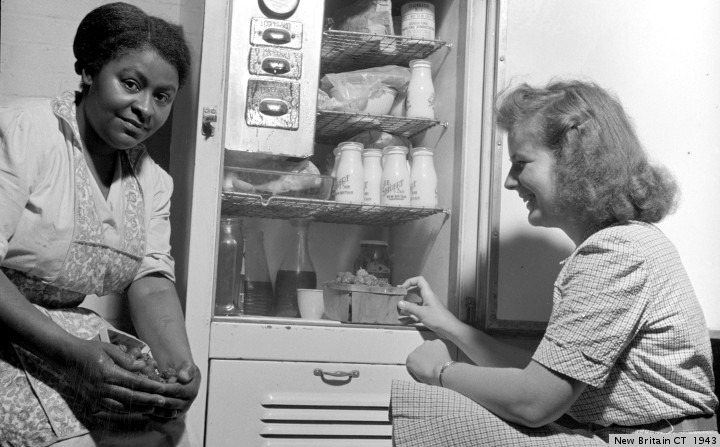
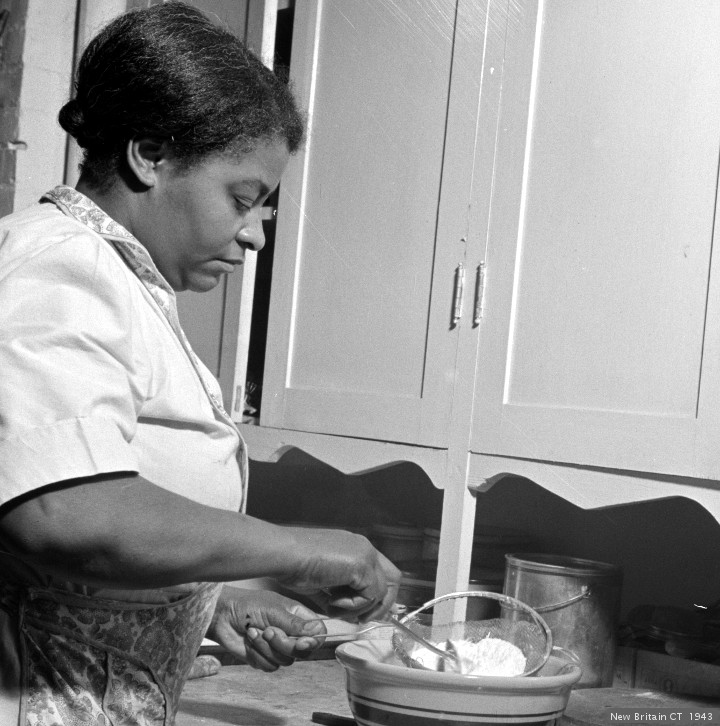
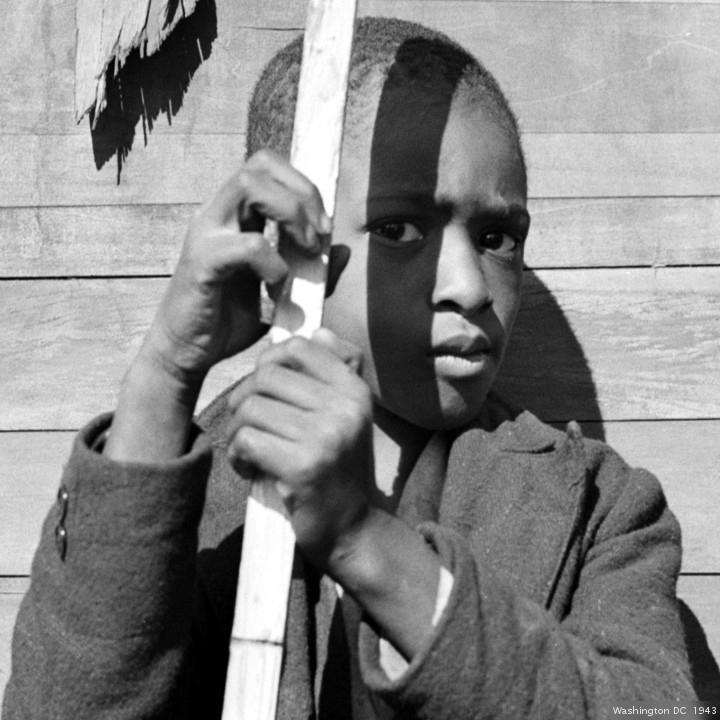
Pictures today are from The Library of Congress.


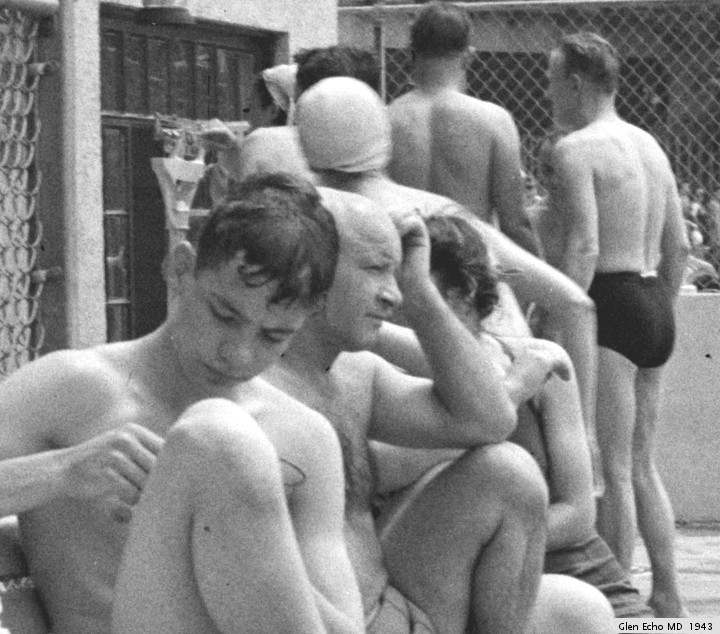
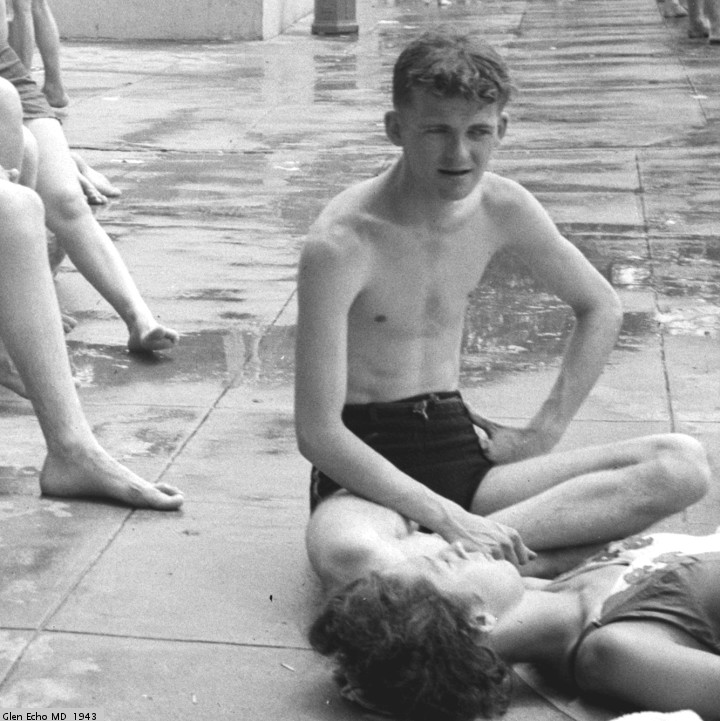
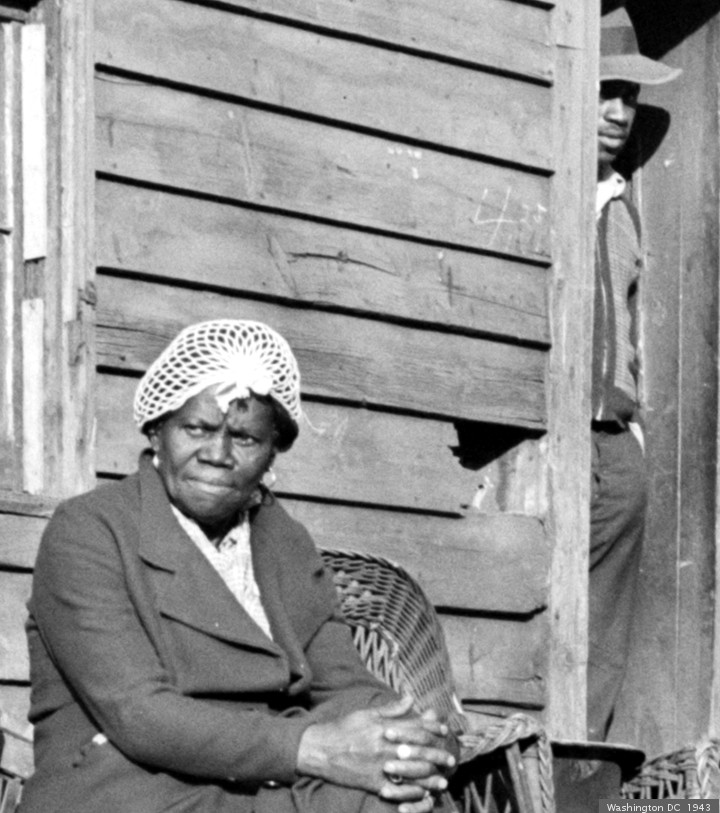
Confederate Memorial Day

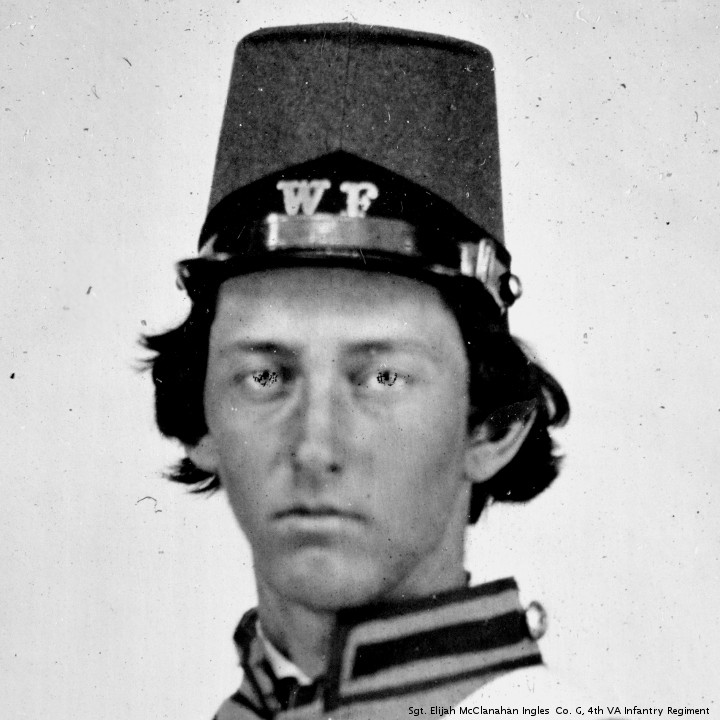

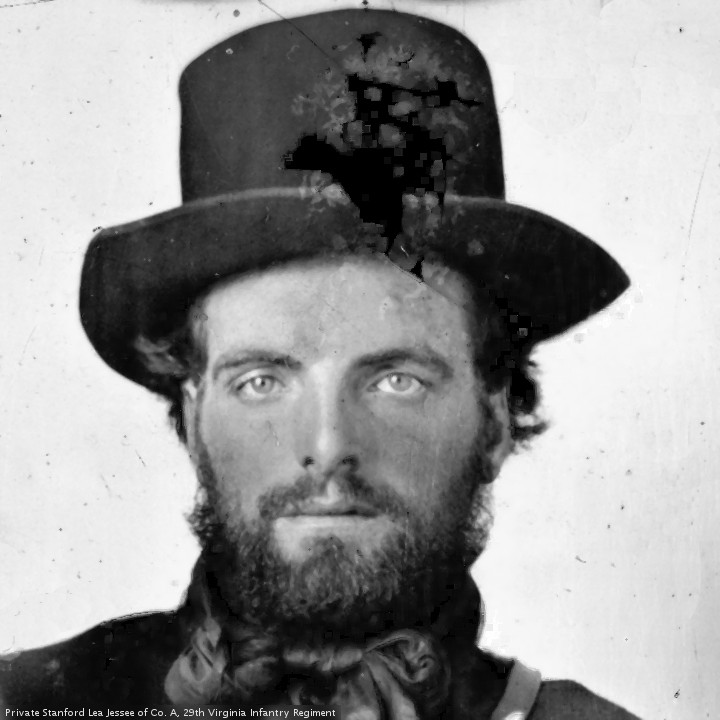


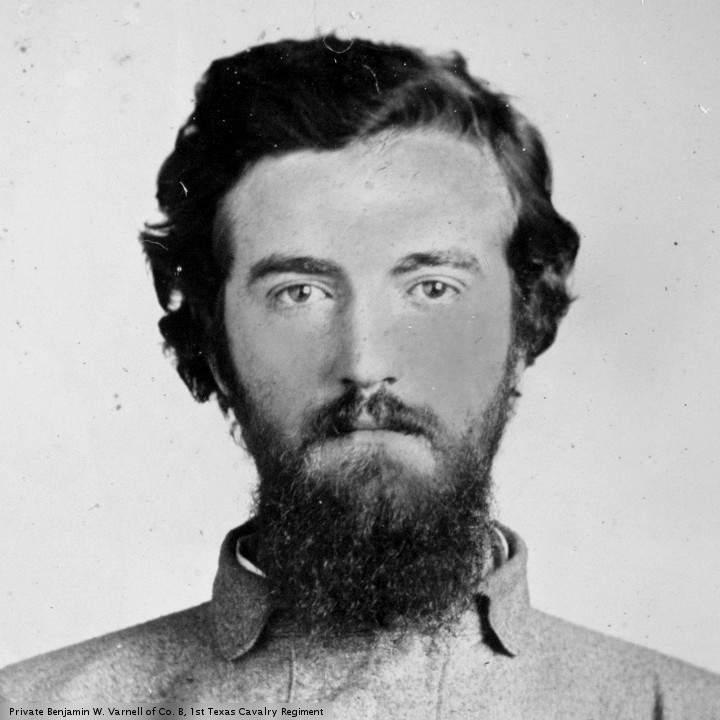
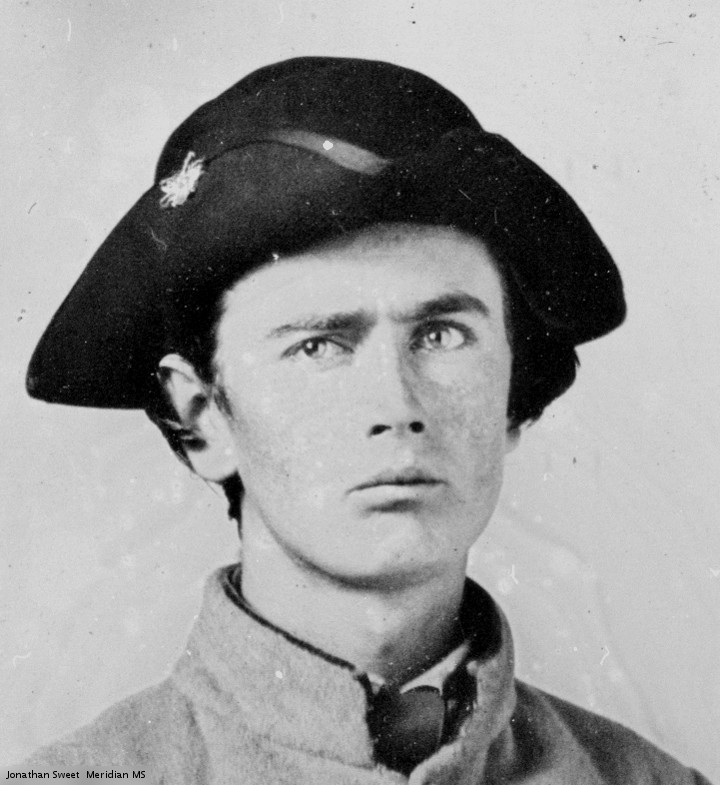
Today is Confederate Memorial Day in Georgia. It is an ancient question…how to honor the soldiers from the side that lost. They were just as valiant as the Union Soldiers. Considering the shortages of the Confederate Armies, the Rebels may have been just a bit braver.
The issue of Federalism is a defining conflict of the American experience. What powers do we give the Federal Government, and what powers do we cede to the States? The Confederacy was the product of this conflict. The Confederate States were a collection of individual states, with separate armies. This is one reason why the war turned out the way it did.
This is not a defense for slavery. The “Peculiar institution” was a moral horror. The after effects of slavery affect us today. Any remembrance of the Confederacy should know that. This does not make the men who fought any less brave.
It is tough to see the War Between the States through the modern eye. It was a different time, before many of the modern conveniences that are now considered necessities. Many say that the United States were divided from the start, and the fact the union lasted as long as it did was remarkable. When a conflict becomes us against them, the “causes” become unimportant.
The War was a horror, with no pain medicine, and little that could be done for the wounded. It took the south many, many years to recover. The healing continues in many ways today. Remembering the sacrifices made by our ancestors helps.
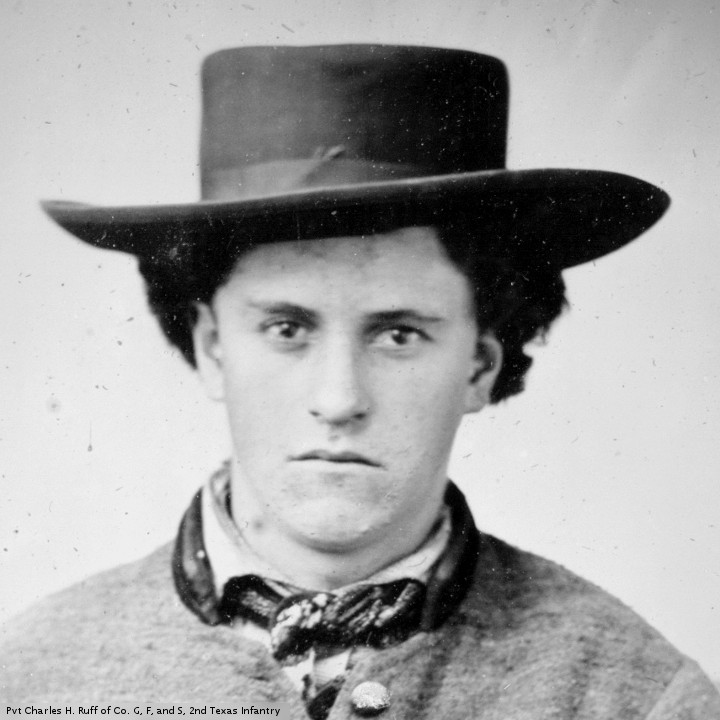
This is a repost from CMD 2010. Pictures are from the The Library of Congress.




Shock And Awe Day

Thirteen years ago, Iraq teetered on the edge of regime change. It was obvious what was going to happen, at least at first. Amerika was going to storm in, kill a bunch of people, and take over.
In post 911 Amerika, the military industrial complex saw an opportunity for plunder, unrivaled since the fall of the Soviet Union. The stories of WMD would infect the body politic with fear of a mesopotamian madman. Saddam Hussein wanted Iran to think he has wonder weapons, and did not think Amerika was serious about regime change. We all make mistakes.
In the twelve years since the time of shock and awe, trillions of dollars have gone down the drain, dragging the mighty Amerikan economy along into the sewers of bankruptcy. One of the oldest civilizations of mankind was reduced to hiding, from neighbors, behind concrete barricades. They fought the conquerors with bombs triggered by garage door openers. Thousands of women and children have been murdered. The WMD were never found. This is a repost.
Pictures are from “The Special Collections and Archives, Georgia State University Library”.



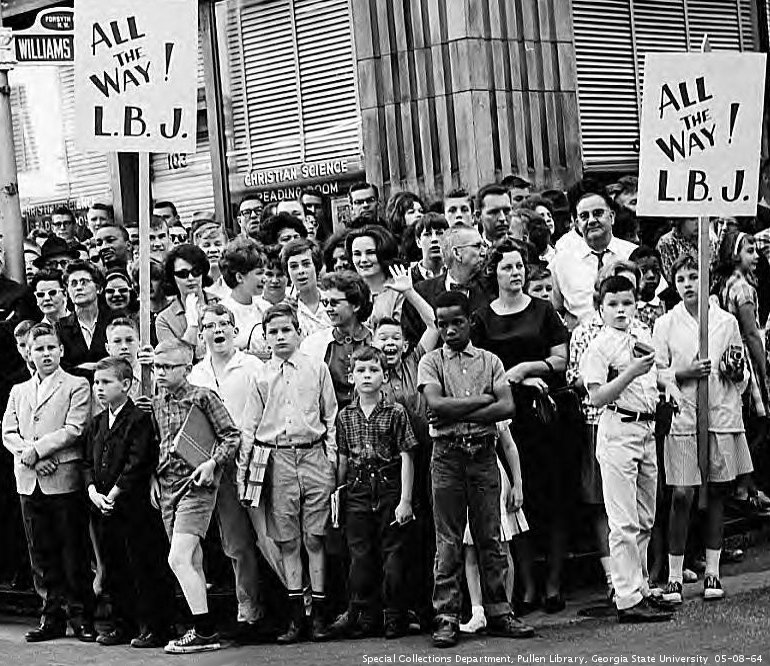

The Obama Doctrine


There is a novella in the current issue of The Atlantic, The Obama Doctrine. It is written by Jeffrey Goldberg. PG was mining TOD for big words, to use in a poem. While doing this, he copied a few quotes. These quotes, and the commentary they inspire, are a good excuse for a post. The pictures are from “The Special Collections and Archives, Georgia State University Library”.
“Obama would say privately that the first task of an American president in the post-Bush international arena was “Don’t do stupid shit.” Obama’s reticence frustrated Power and others on his national-security team who had a preference for action. Hillary Clinton, when she was Obama’s secretary of state, argued for an early and assertive response to Assad’s violence. In 2014, after she left office, Clinton told me that “the failure to help build up a credible fighting force of the people who were the originators of the protests against Assad … left a big vacuum, which the jihadist have now filled.” When The Atlantic published this statement, and also published Clinton’s assessment that “great nations need organizing principles, and‘Don’t do stupid stuff’ is not an organizing principle,” Obama became “rip-shit angry,” according to one of his senior advisers. The president did not understand how “Don’t do stupid shit” could be considered a controversial slogan. Ben Rhodes recalls that “the questions we were asking in the White House were ‘Who exactly is in the stupid-shit caucus? Who is pro–stupid shit?” The Iraq invasion, Obama believed, should have taught Democratic interventionists like Clinton, who had voted for its authorization, the dangers of doing stupid shit.”
TOD has two parts. The first section is devoted to a decision not to bomb Syria. The second part is the result of a series of interviews that Mr. Goldberg conducted with President Obama. Apparently, bombing Syria would have been stupid shit. Then Secretary of State Hillary Clinton bowdlerized this mantra. Apparently this is the job of the Secretary of State… to turn shit into stuff.
“Obama was also unsettled by a surprise visit early in the week from James Clapper, his director of national intelligence, who interrupted the President’s Daily Brief, the threat report Obama receives each morning from Clapper’s analysts, to make clear that the intelligence on Syria’s use of sarin gas, while robust, was not a “slam dunk.” He chose the term carefully. Clapper, the chief of an intelligence community traumatized by its failures in the run-up to the Iraq War, was not going to overpromise, in the manner of the onetime CIA director George Tenet, who famously guaranteed George W. Bush a “slam dunk” in Iraq.”
Syria had long been ruled by the Assad family. They are not nice people. The people of Syria wanted regime change. The Assads responded by killing lots of people. There was much hand wringing in the west about this. President Obama said that it would be a “red line” if chemical weapons were used. Then, reports of WMD use came in. The President needed to do something.
“He and McDonough stayed outside for an hour. Obama told him he was worried that Assad would place civilians as “human shields” around obvious targets. He also pointed out an underlying flaw in the proposed strike: U.S. missiles would not be fired at chemical-weapons depots, for fear of sending plumes of poison into the air. A strike would target military units that had delivered these weapons, but not the weapons themselves.”
Chemical weapons do not respect borders. If poison gas is released into the air, it will go wherever it wants to go. This includes Syria’s next door neighbor Israel. The role of Israel is the Syrian troubles is kept quiet. It is known that when the Muslims are fighting each other, they are not fighting Israel. This concept kept the Iran-Iraq was going for eight bloody years.
“Ninety minutes later, at the White House, Obama reinforced Kerry’s message in a public statement: “It’s important for us to recognize that when over 1,000 people are killed, including hundreds of innocent children, through the use of a weapon that 98 or 99 percent of humanity says should not be used even in war, and there is no action, then we’re sending a signal that that international norm doesn’t mean much. And that is a danger to our national security.”
In this statement, the President was talking about Syria. He could have meant any number of conflicts. Children in Gaza are killed by Israeli cluster bombs. Children in Africa are killed, often by other children, in dozens of wars and guerrilla conflicts. Children in American cities are killed by handguns. It goes on and on.
“I have come to believe that, in Obama’s mind, August 30, 2013, was his liberation day, the day he defied not only the foreign-policy establishment and its cruise-missile playbook, but also the demands of America’s frustrating, high-maintenance allies in the Middle East”
For years it has been a mantra that Israel is the only ally of the United States in the middle east. Of course this is nonsense, as anyone driving a car powered by Arab oil products should know. For Jeffrey Goldberg to acknowledge this may be the most startling thing in this feature.
But not the last. The article goes on, and on, and on. It is full of overblown talk like this: “Obama said that to achieve this rebalancing, the U.S. had to absorb the diatribes and insults of superannuated Castro manqués.” TOD reads like a Rorschach test. Those who admire the President will find confirmation for their opinions. Those who dislike Obama will also see much they agree with. It is a good question what Donald Trump and Hillary Clinton see.
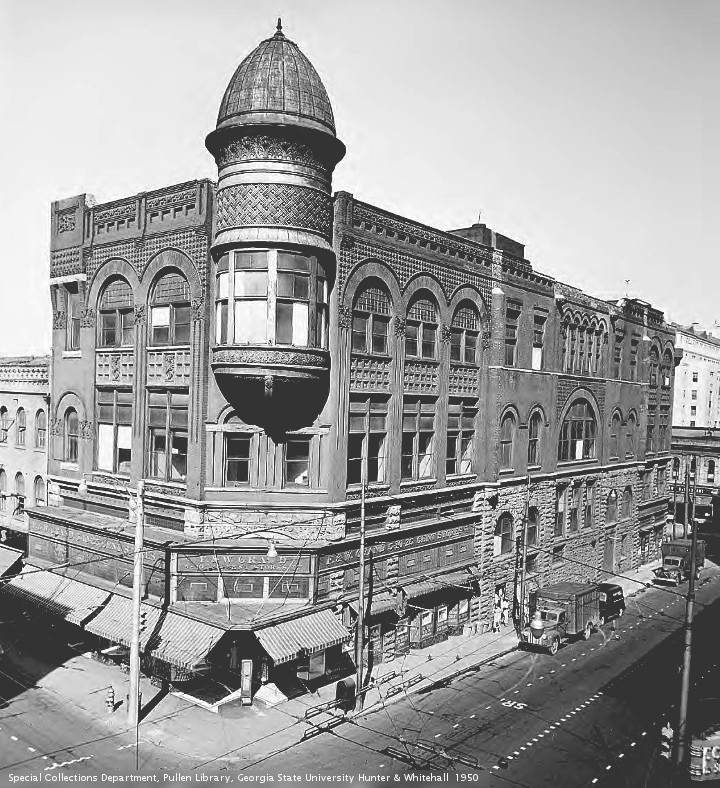
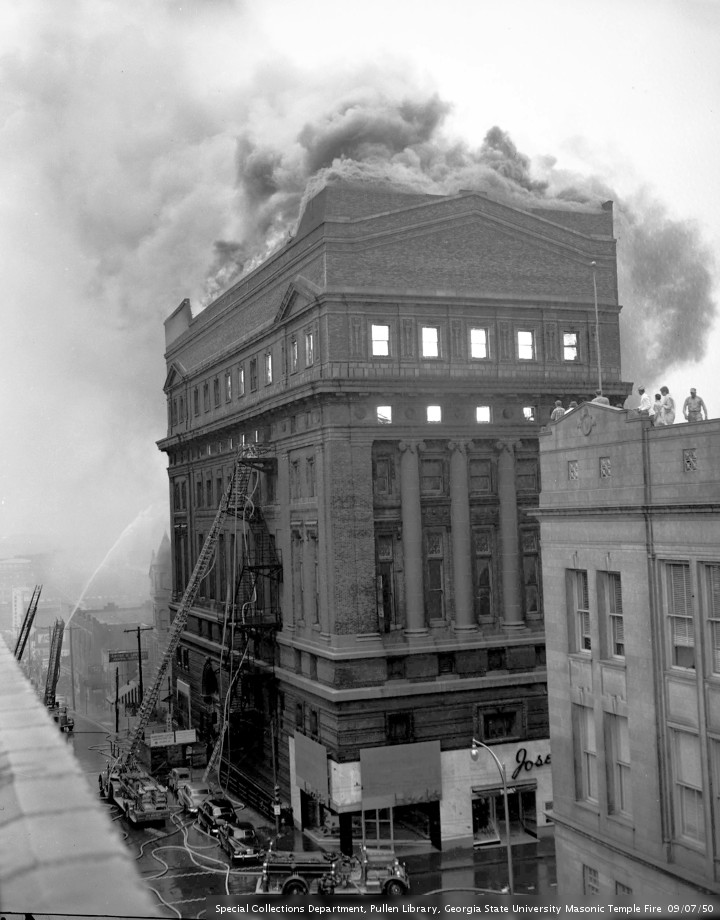
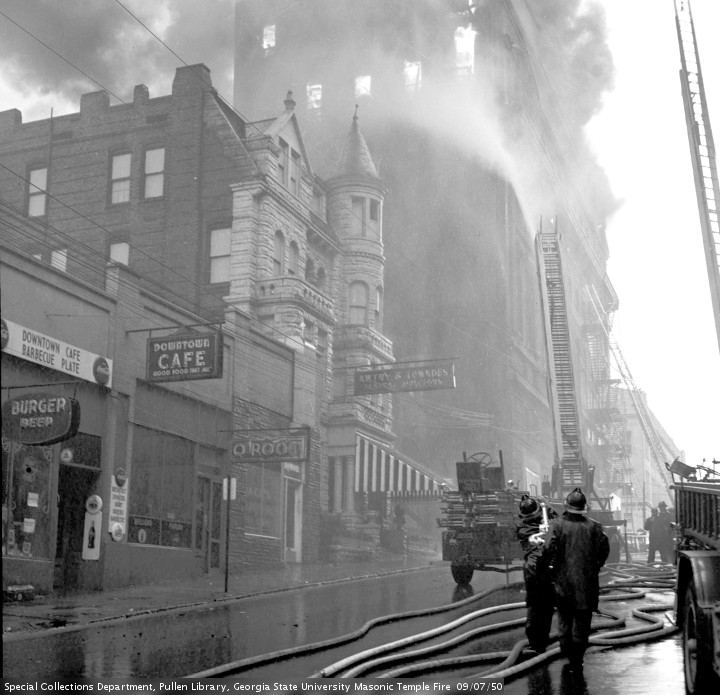

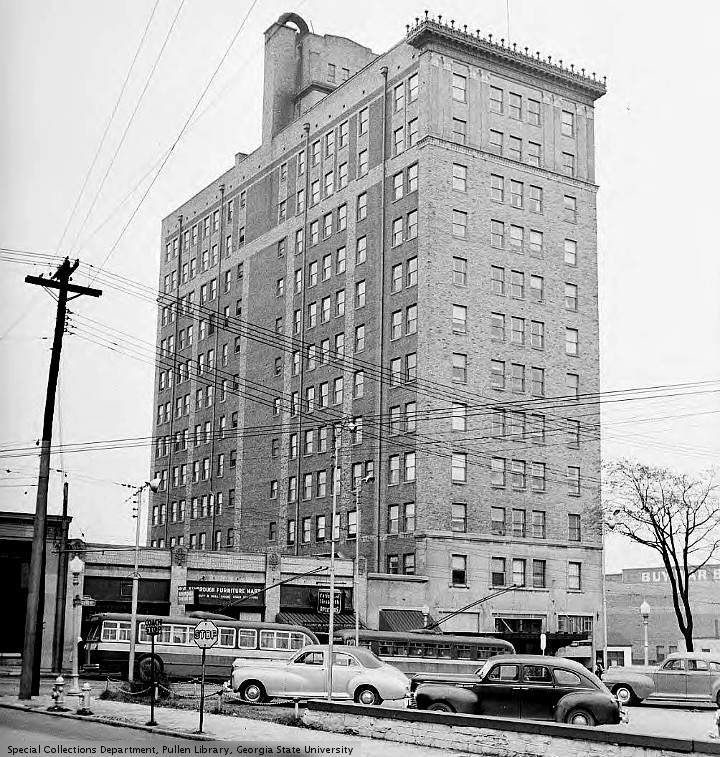


The Narco State Rag


This feature was written July 13, 2010. The situation in Afghanistan is little better. If we leave, the country falls into chaos. If we stay, we spend money we don’t have. It is a bitch.
Some people euphemize bitch by saying that something is a bear. Across the frontier from Afghanistan, the Russian bear is dealing with a heroin epidemic. Some say the United States suckered the Soviet Union into invading Afghanistan in 1979. The disastrous war that followed led to the fall of the Soviet Union. We are still dealing with the karma.
Tom Dispatch has an audio feature about Afghanistan, and the many unanswered questions about our war there. We invaded Afghanistan to get revenge for 911, and looked for a reason later.
At the 3:06 mark on the tape, when Tom makes a comment Afghanistan being a narco state. PG had a flash of understanding about the reason behind this war. This may even have been powerful enough to ignore the reports about a terror strike in September 2001, and let 911 happen.
The rumors of CIA involvement in drug trafficking are wide spread and long term. When planes went to Central America in the eighties to bring arms to the contras, they came back to the United States loaded with cocaine. There are stories of collusion with the government in Cuba. There are many, many more stories about connections between the US government and the drug trade.
When the Taliban took over Afghanistan, they cracked down on the poppy farmers. Much of the raw opium for heroin/morphine/opium is grown in Afghanistan. This was not a pleasing for the CIA.
Could it be that the real reason for our involvement in Afghanistan is to ensure the flow of narcotics into the hungry world? This would be a big cash cow for the CIA, although not enough to justify the amounts of money being spent on the conflict.
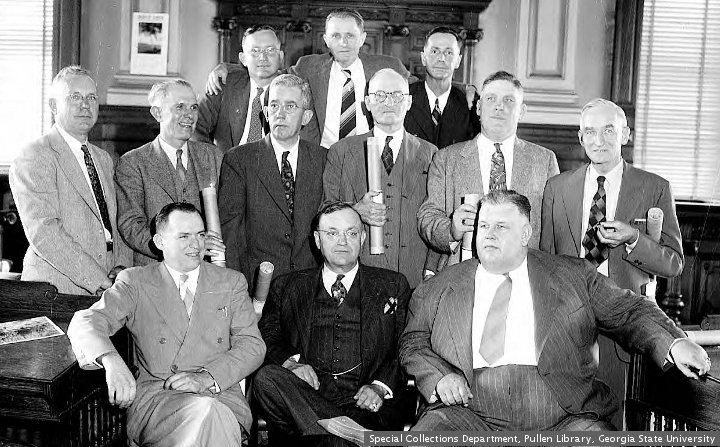
Pictures are from “The Special Collections and Archives, Georgia State University Library”.



December Gun Violence

The fun loving Parents Against Gun Violence likes to post a graphic image every month. It is a list of sketchy incidents involving firearms. In addition to the graphic, PAGV posts a list of links. This enables the reader to learn more about the incidents. This custom is rare on facebook. More meme mongers should provide backup for their graphic rhetoric. Pictures today are from “The Special Collections and Archives, Georgia State University Library”.
The graphic has a brief description of the incident. The text is usually, though not always, accurate. This textbite is written in first person. In the case of Josmel Herrera, this adds a touch of irony. Mr. Herrera was cleaning a gun on a skype chat, and shot himself. The injury was fatal. Maybe he wrote the text on the way to the hospital.
In most of the twenty one cases, the ethnic identity of the actor is not indicated in the report. Several of the shooters had Hispanic names. In six cases, the race of the perp was obvious. Out of these six, three were white, and three were black. Another irresponsible gun user was named Si Phu.
In one Missouri incident, a man was hearing music that nobody else heard. “On Saturday afternoon he heard annoying bass noise again, coming from an adjoining apartment in the 12500 block of Ardwick Lane. Police say he put on a bullet-resistant vest, took a handgun and confronted the neighbor, ordering Yi-Ping “Peter” Chang to “turn the bass down.” … He shot and killed Chang during the confrontation about 3:30 p.m., then waited outside for police to arrive, saying the shooting was in self-defense, according to police.”… neighbors said James C. Blanton complained about non existing noise often, and that he is mentally ill. “
Mental illness is possibly involved in an Arizona story. “Police responded to the apartment at 1515 W. Missouri Avenue after receiving reports of a dead African-American woman covered in a towel laying on the sofa. When officers arrived to the apartment, Anitra Braxton told police that no one was inside her apartment and that she lived alone. … However, noticed what appeared to be a body laying on the sofa. Braxton was then arrested and taken to police headquarters. Once police obtained a search warrant for the apartment, they found the body of Crystal Hillman wrapped in a towel and laying on the couch. She had sustained a gunshot wound to the head. … While being questioned, Braxton told police Hillman’s body was a “shrine from God” and was actually her own body. She later told police that the victim had been shot in the eye for not believing in God.”
A Detroit family had a Christmas to forget. “The alleged shooter, Sharonda Benson, left the family outing after a dispute over an ex-boyfriend and came back to the home firing 5-10 shots into the home striking the two girls, aged 7 and 8 were playing on the ground floor of the home with newly received Christmas gifts. … the 7-year-old has died, the 8-year-old is hospitalized in critical condition.”
Several of the shootouts were in Florida. “Officials say “Case Closed” after a woman accidentally shot her fiancé in the wrist … their two Pit Bulls, “Ruby” and “Blueberry” were fighting in master bedroom. Charles Jones says, while he was holding the two dogs apart, he asked Cindy Kittelson to grab their .38 revolver and shoot “Ruby” in the head. Kettelson retrieved the revolver, pointed it at “Ruby’s” head and pulled the trigger. Unfortunately, the bullet passed through the dog’s ear and struck Jones in the wrist. … At the conclusion of their investigation, deputies confirmed that the incident was completely accidental and no charges were filed against Cindy Kettelson. Animal Control was called to investigate the animal’s well-being.”

War Between The States
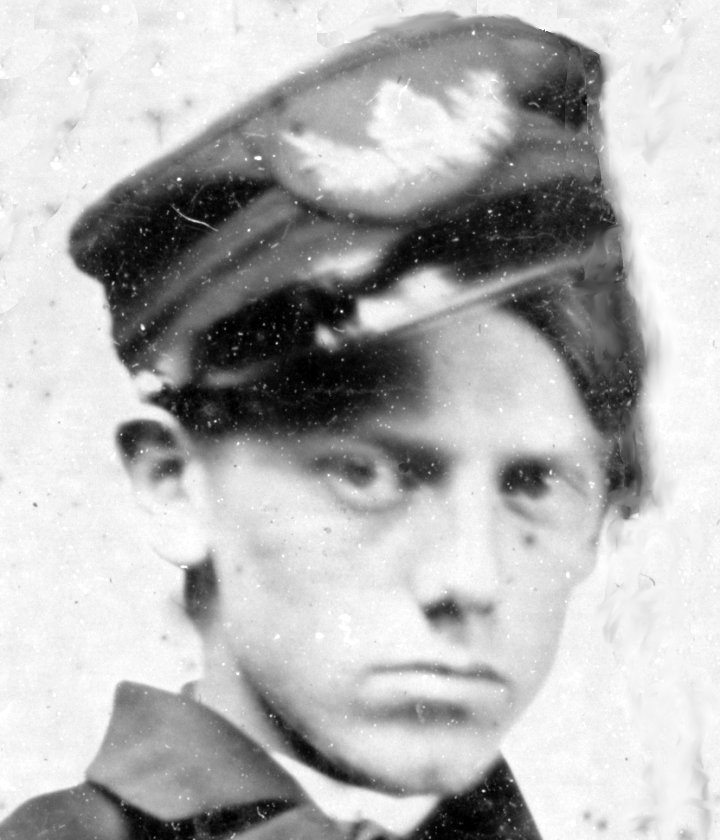
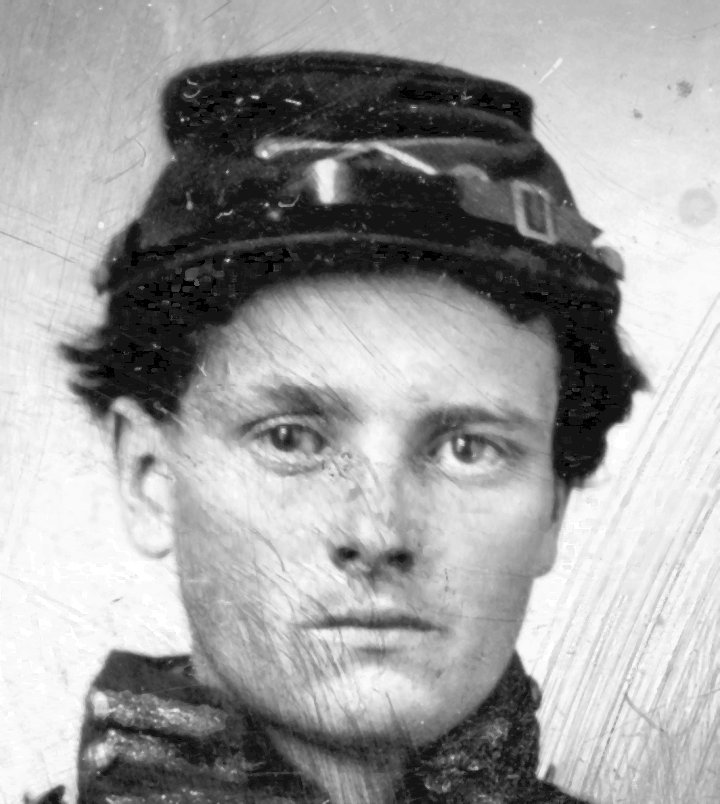
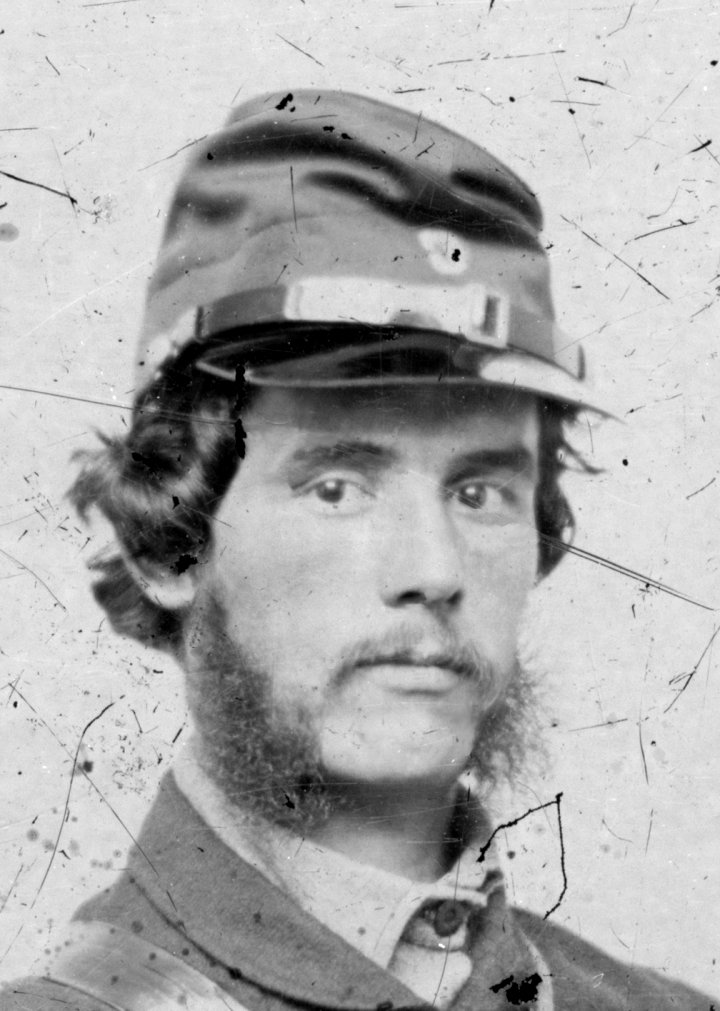


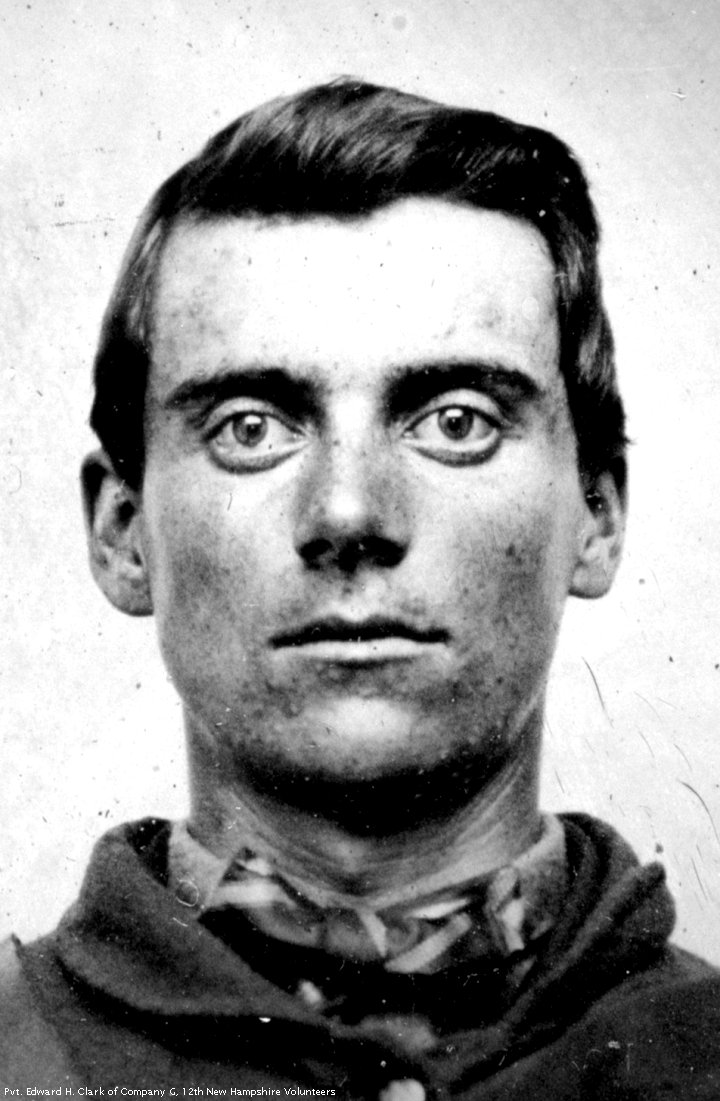


It is a truism that history is written by the winner of the war. This seems to apply to the naming of a horrific armed struggle in North America between 1861 and 1865. The most common name is Civil War. To many in the South, it is the War Between The States. To PG, WBTS is a better name.
In fifth grade, PG had to write an essay about the Battle of Atlanta. The essay was a device for teaching grammar. The contest was sponsored by the Daughters of the Confederacy . The phrase “Civil War” was not permitted. The acceepted name for this conflict was War Between the States.
The conflict started as soon as the colonies became independent from Great Britain. The South was an agrarian society, with slaves to work the fields. The north was becoming an industrial society, with a need for an independent work force. The north wanted high tariffs to protect her industries, while the south wanted to sell it’s cotton to Europe. Many were suprised that the Union lasted as long as it did.
Slavery was an important issue. The south wanted to keep “the peculiar institution,” while many in the north were horrified. There were economic reasons to keep slavery. Numerous compromises over the years kept the Union intact. This ties in with a central dilemma of the american experience … how much power to give to the states, and how much power to give to the federal government.
In 1861, eleven states left the United States of America. These eleven states formed a Confederacy, of more or less independent states. Between 1861 and 1865, the Confederate States of America fought a brutal war with the the United States of America. Very little about the conflict was civil.
PART TWO There was an armed conflict in North America between 1861 and 1865. The most popular name today is Civil War. According to the always helpful wikipedia Civil War was used during the conflict, but was not the only name. Other names include the War of the Rebellion, the War for the Union, the War for Southern Independence, and Mr. Lincoln’s War.
Evidently, the phrase War Between the States became popular after the conflict. This article from the North Carolina War Between the States Sesquicentennial Commission makes a case for WBTS. This phrase is more dignified than other southern oriented expressions like “War of Northern Aggression” or “The recent unpleasantness,” although not as much fun.
There was a debate in the US Senate, in 1907, over what should be the “official” name of the conflict. In a commentary on this debate, it is noted: ” I am struck by the reconciliationist tone of both excerpts. Compared with the intensity of the debate in certain camps today (2005) it is interesting to note that the senators who took part in this discussion back in 1907 did not see this question as decisive. Given that many were veterans they seemed content to concentrate on their shared experiences … In the background of the debate was the lingering issue of how to understand the relationship between the states and the federal government at the time of secession and at the beginning of Reconstruction. Our tendency today to refer to the war as the ‘Civil War’ is a reflection of the widespread belief that secession is illegal or at least not worth serious consideration.”
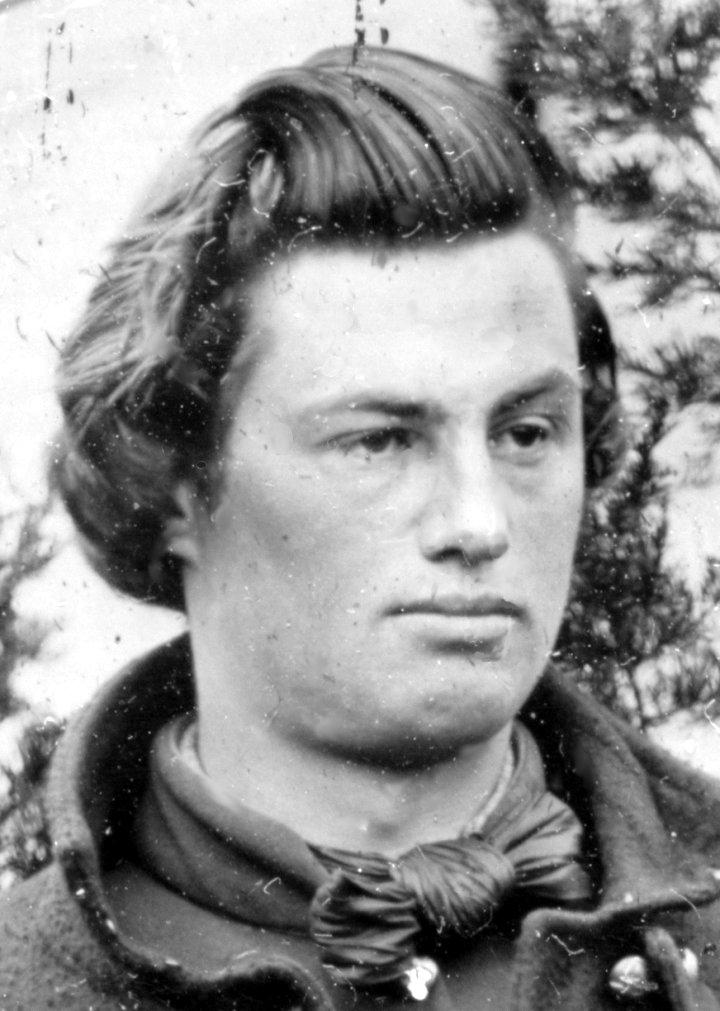
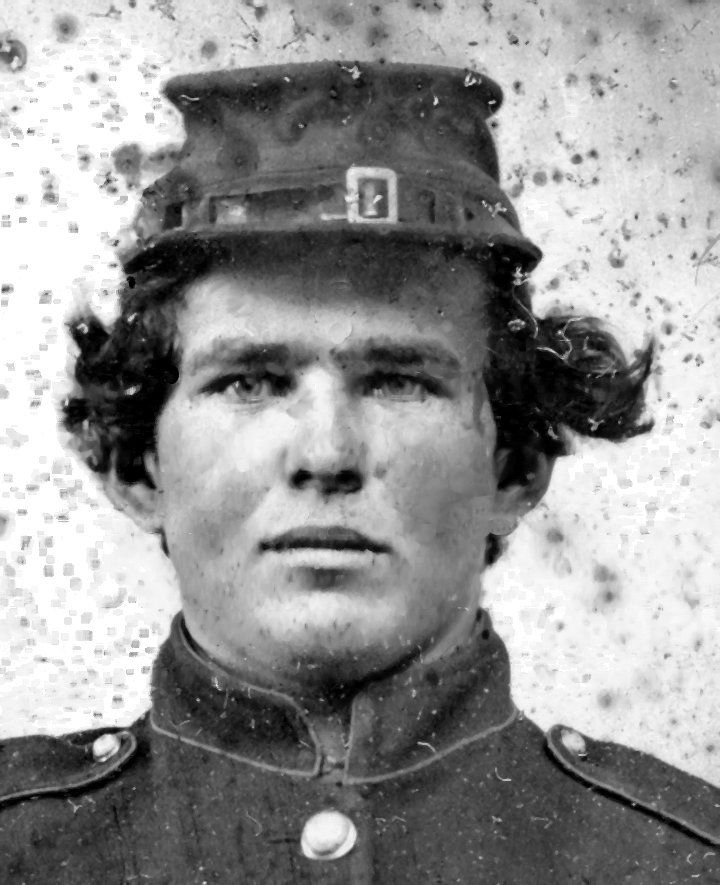
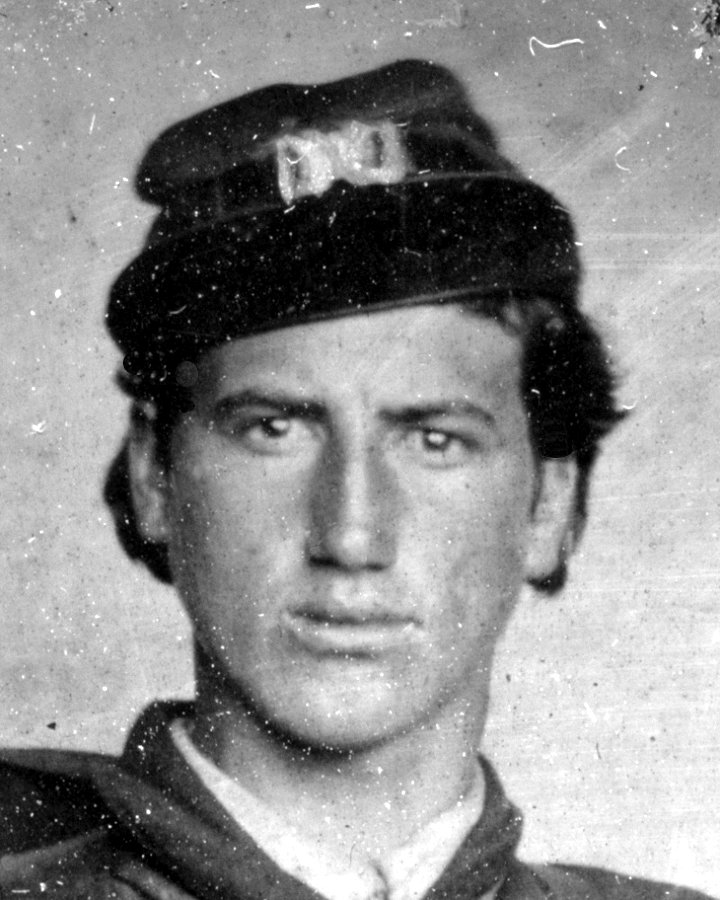
Pictures, of Union soldiers, are from The Library of Congress. This is a repost.
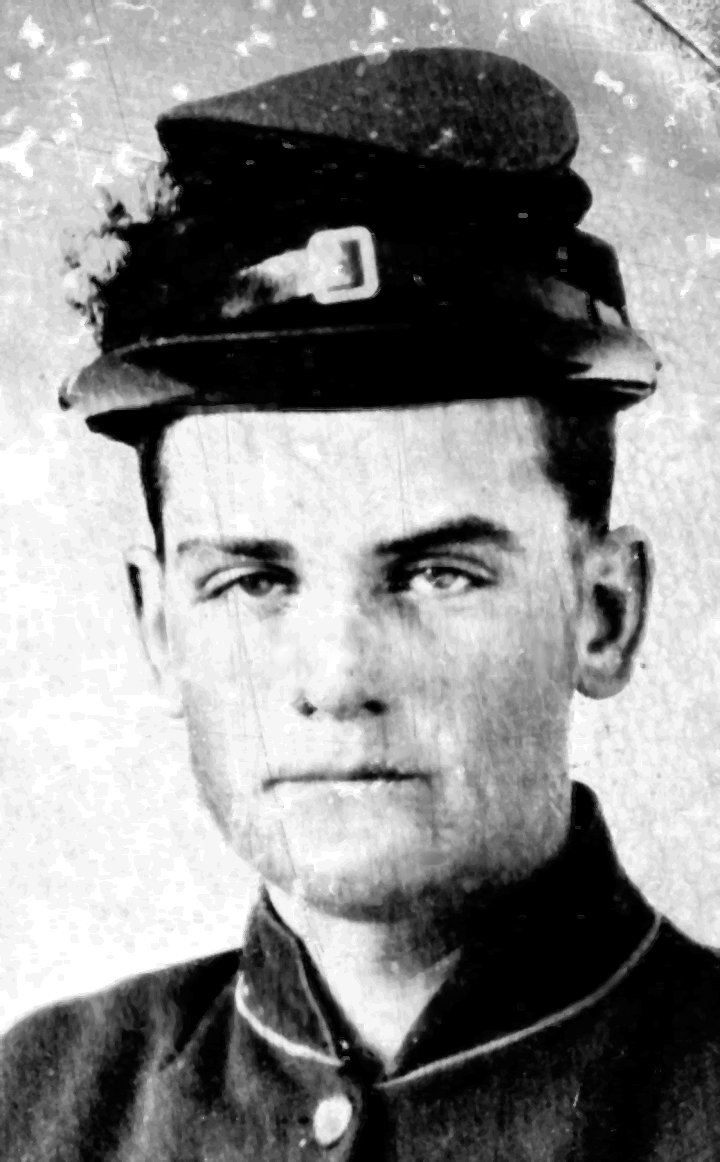
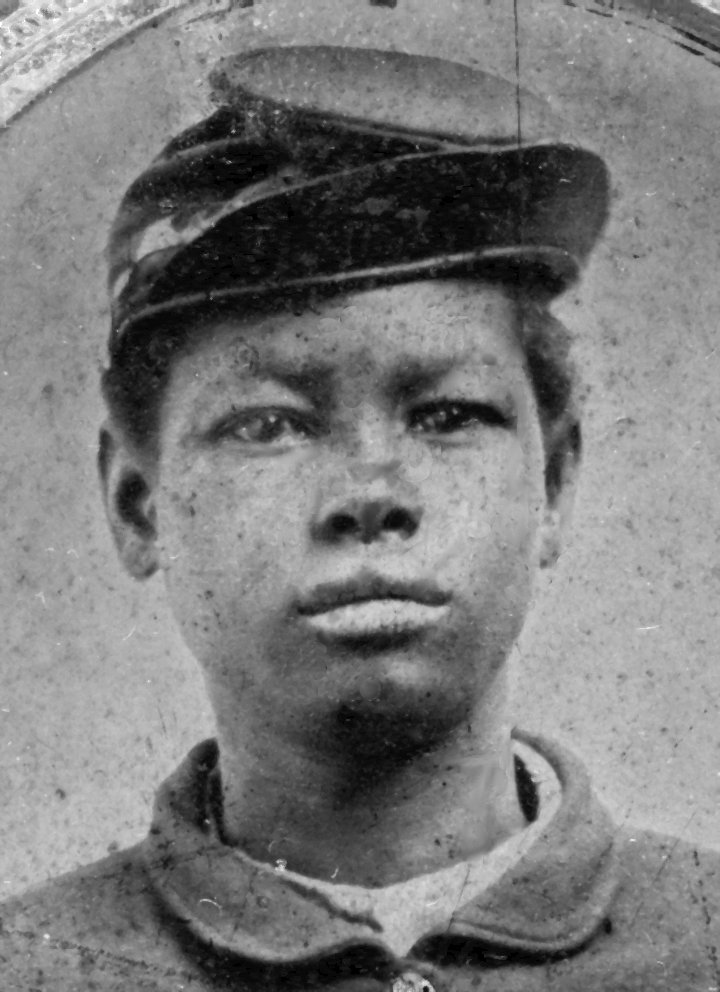



Seven Score And A Dozen Years Ago


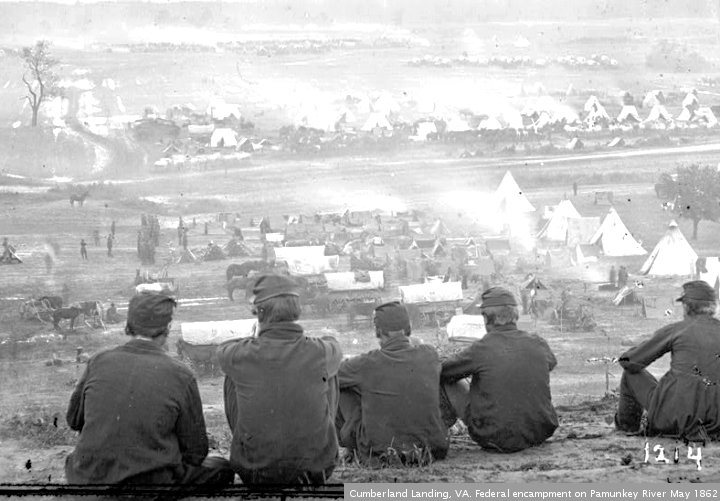
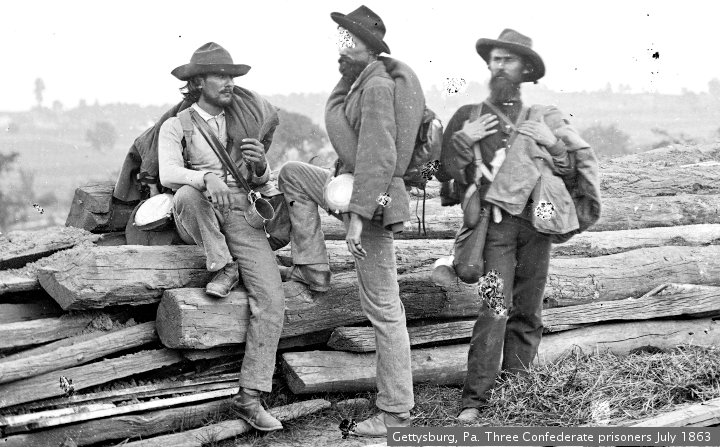


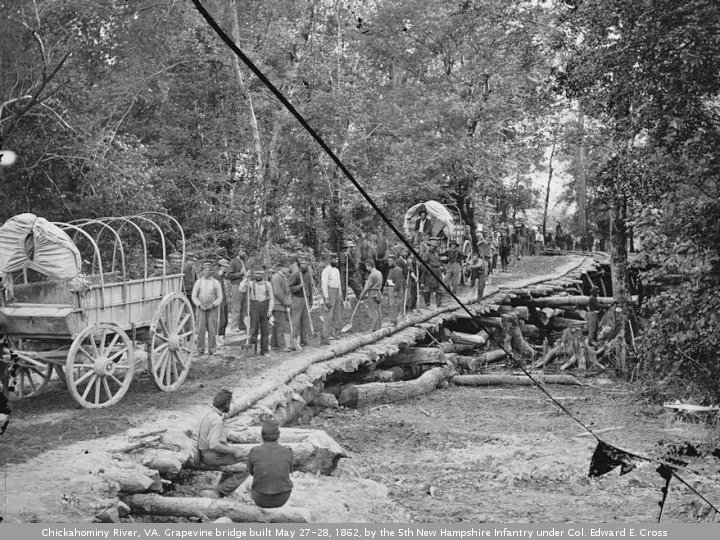

A vicious battle had been fought near Gettysburg, PA. It is widely considered the turning point of “Mr. Lincoln”s War,” the moment when the Union took the upper hand. It came at a horrible price, and a cemetery was built to hold this price.
The ceremony to dedicate the cemetery was held November 19, 1863. The headline speaker was Senator Edward Everett. The President was an afterthought. After it was over, Mr. Everett reportedly told the President that he said more in two minutes than he did in two hours.
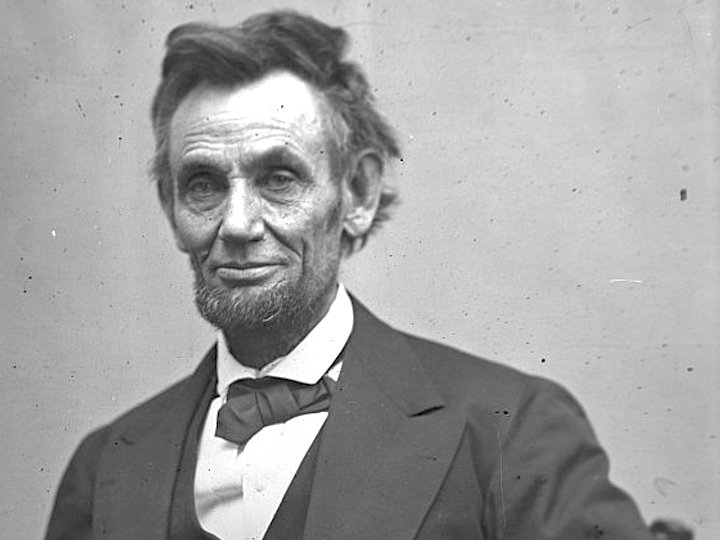
The speech by Mr. Lincoln is an American classic. Schoolchildren are forced to memorize it. There are a few legends, many of which are not true. According to The Lincoln Museum , the speech was written on White House stationary, not the back of an envelope. The train ride would have been too bumpy to write. There is also confusion about what happened to the original text that the President read from.
HT to Millard Fillmore’s Bathtub. Pictures are from The Library of Congress. Measured in pixels, the picture of George Custer is 720×666. This is a repost.
Four score and seven years ago our fathers brought forth on this continent a new nation, conceived in liberty, and dedicated to the proposition that all men are created equal.Now we are engaged in a great civil war, testing whether that nation, or any nation, so conceived and so dedicated, can long endure. We are met on a great battle-field of that war. We have come to dedicate a portion of that field, as a final resting place for those who here gave their lives that that nation might live. It is altogether fitting and proper that we should do this. But, in a larger sense, we can not dedicate, we can not consecrate, we can not hallow this ground. The brave men, living and dead, who struggled here, have consecrated it, far above our poor power to add or detract. The world will little note, nor long remember what we say here, but it can never forget what they did here. It is for us the living, rather, to be dedicated here to the unfinished work which they who fought here have thus far so nobly advanced. It is rather for us to be here dedicated to the great task remaining before us—that from these honored dead we take increased devotion to that cause for which they gave the last full measure of devotion—that we here highly resolve that these dead shall not have died in vain—that this nation, under God, shall have a new birth of freedom—and that government of the people, by the people, for the people, shall not perish from the earth.


The Burning Of Atlanta Part Two

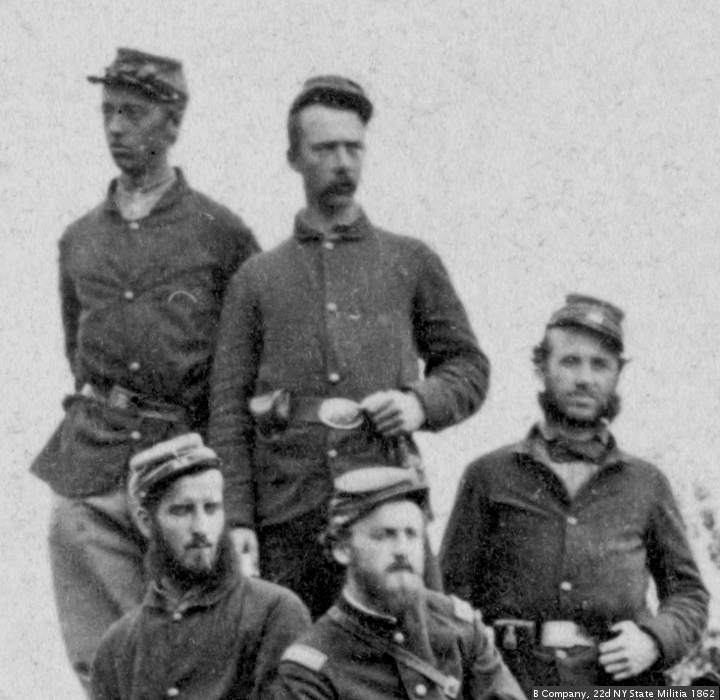
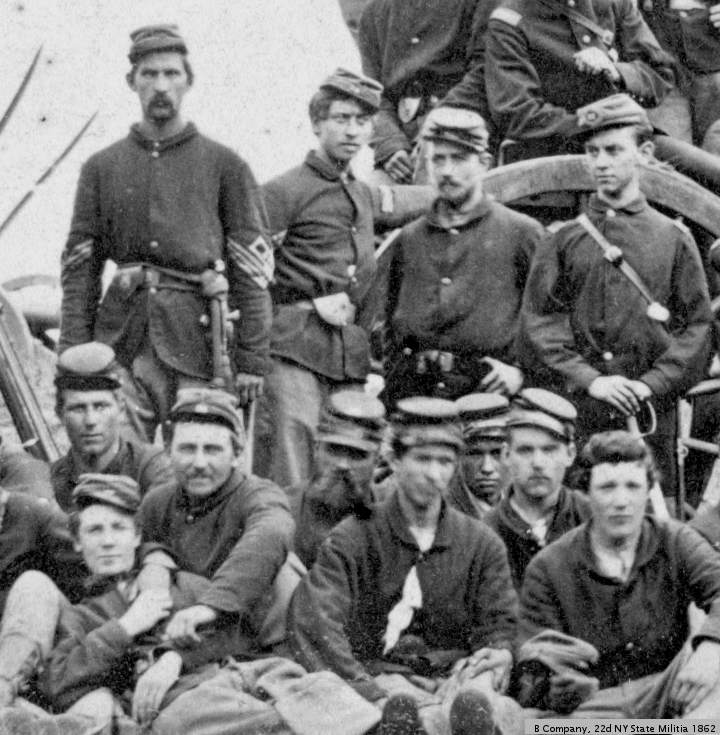


About this time every year, there is a post about the burning of Atlanta. One of the sources is a lecture by Marc Wortman. If you have an hour to spare, this talk is worth your time. One of the stories told is the tale of Mr. Luckie.
“According to folklore, two stories abound as to how Luckie Street was named. The first is that its moniker came from one of Atlanta’s oldest families, and the other, probably closer to the truth, regales the life of Solomon “Sam” Luckie. Luckie, as it turns out, wasn’t so lucky after all. When General William Tecumseh Sherman first came marching through Atlanta in 1864, Luckie, a free Black man who made his living as a barber, was leaning against a gas lamp post in downtown talking to a group of businessmen. A burst from a cannon shell wounded him; he survived, but later died from his injuries. Folklore suggests that he may have been one of the first casualties of the assault on Atlanta during Sherman’s March to the Sea, and Luckie Street, an extension of the city’s famed Sweet Auburn Avenue, was later named in his memory.”
Marc Wortman wrote a book, The Bonfire: The Siege and Burning of Atlanta. The one star review, and comments to that review, are unusually detailed. Here is a selection.
“…People forget – or were never taught in school – that most Confederate soldiers descended from Revolutionary War patriots or were up-country poor sons of farmers. Many Confederate soldiers were relatively recent new arrivals to the U.S., semi-literate dirt poor immigrants from Ireland and Scotland who’d never had the chance to own even an acre of their own land in Europe. In the mix were well-educated, elite merchant business owning French Huguenot refugees of the Catholic Bourbon genocide of Protestants. These immigrants had nowhere else to go, 9 times out of 10 never owned a slave, and fought for the CSA to keep what little they’d hardscrabble carved out over a decade of arrival into the U.S.”
The War Between The States continues to be a source of controversy. After the Charleston church killings, many comments were made about the Confederate battle flag. (If you can’t talk about gun control or mental health, you talk about a symbol.) This led to discussions about the war itself. There were ritual denunciations of slavery, which was assumed to be the sole cause of the conflict. The fact that the vast majority of white southerners did not own slaves was dismissed.
The notion of autonomous states in a federal union was novel when the United States Constitution was written. The debate over federalism versus states rights continues to this day. States that want to legalize marijuana may be the next battleground. (Few are expecting secession over bong rights.) Many in the CSA saw the Union as being a conquering army, and fought to defend their homes. While slavery was certainly a factor in the creation of the CSA, it was not the only Casus belli. Pictures today are from The Library of Congress.

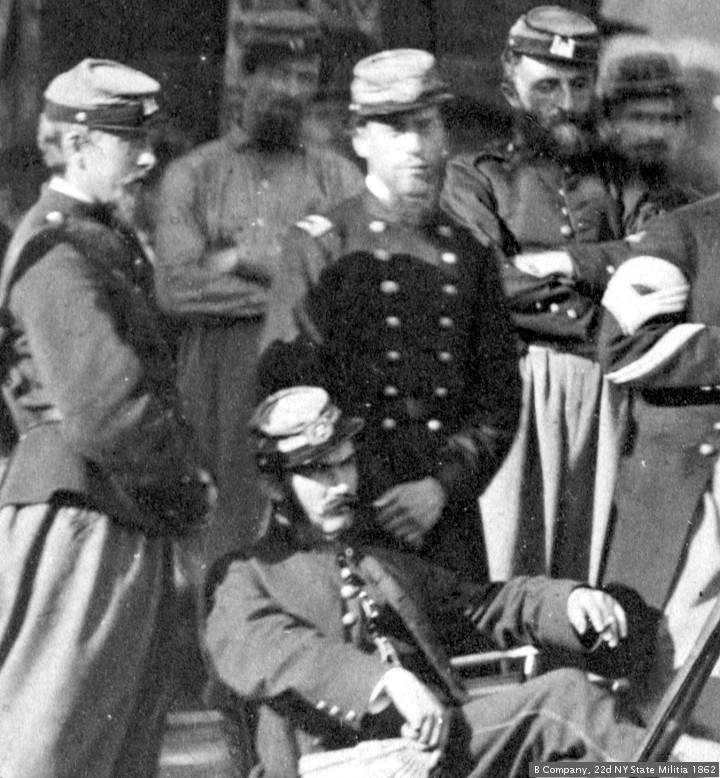


The Burning Of Atlanta


Around this time 151 years ago, Atlanta was on fire. General Sherman was preparing for his March to the sea, and wanted to destroy anything of value in the city. The fire is reported as being on 11-15 of November, depending on what source you use.
The November fire was the second great fire in Atlanta that year. On September 2, the city was conquered by the Union Army. The fleeing Confederates blew up a munitions depot, and set a large part of the city on fire. This is the fire Scarlet O’Hara flees in “Gone With The Wind”.
After a series of bloody battles, the city was shelled by Yankee forces for forty days. There were many civilian casualties. General Sherman was tired of the war, angry at Atlanta, and ready for action. This is despite the fact that many in Atlanta were opposed to secession.
Click here to hear a lecture by Marc Wortman at the Atlanta History Center. Mr Wortman is the author of “The Bonfire: The Siege and Burning of Atlanta”. The hour of talk is fascinating. This is a repost. The pictures are from The Library of Congress


November 11
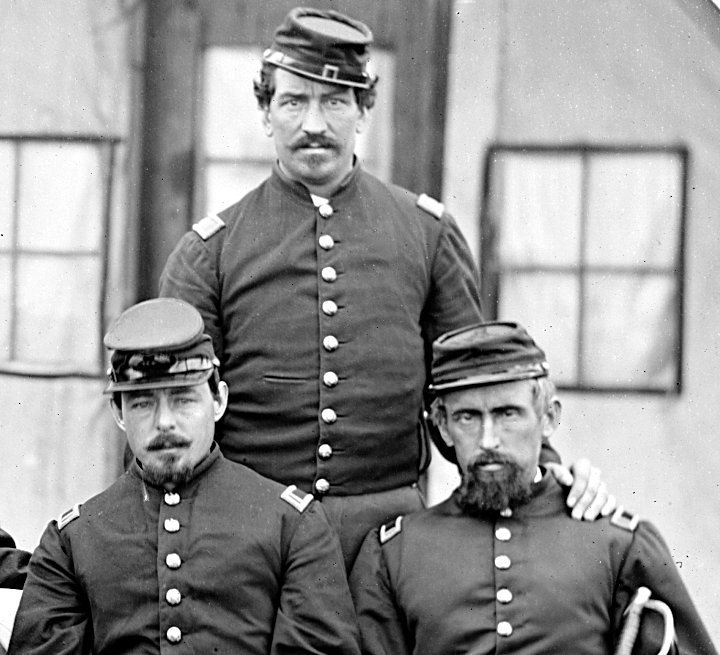


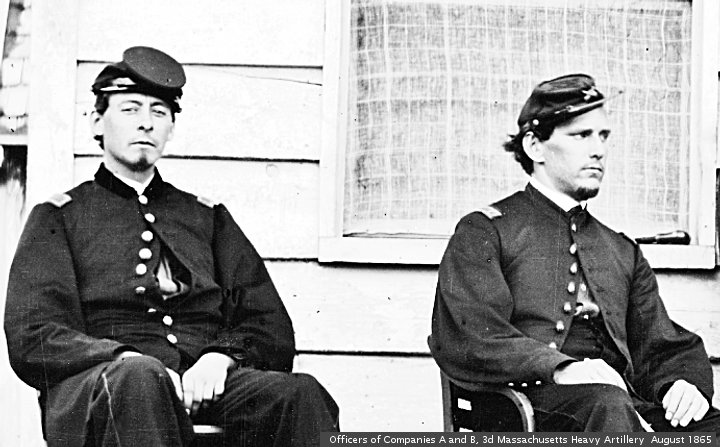
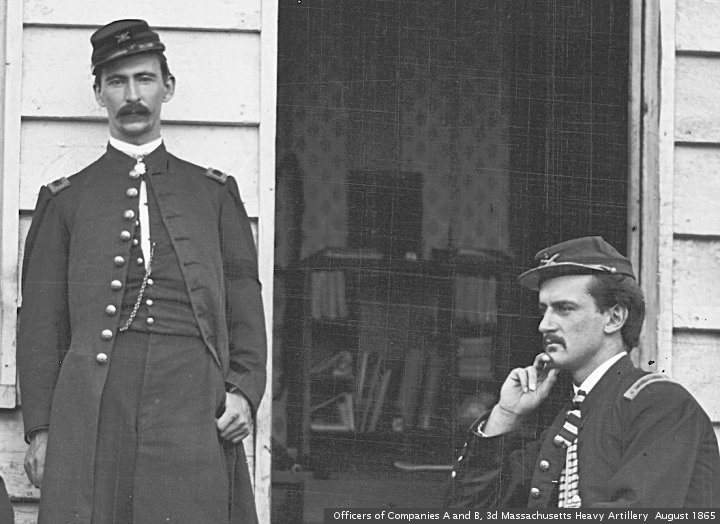
Veteran’s Day is a bad day for a cynic. On the one hand, I do appreciate living in The United States. With all its flaws, I have had a good life here. The role that Veterans have played is to be honored. On the other hand, those who profit from wars often exploit Veterans for political mojo. Many of these people did not serve.
Veterans are often not treated well after they are through with their service. It is estimated that a quarter of the homeless are veterans. The services offered to wounded veterans returning from War are often lacking. These wounds are both physical and mental.
When I typed the second sentence, I thought of my great grandfather. He served with the Georgia State Troops in the War Between the States. I do prefer the USA to the CSA (or whatever would have happened). Yet, the Union army had to prevail over the various Confederate Armies for this to happen. Do I dishonor my great grandfather by saying I am happy the other side won?
Veterans Day was originally Armistice Day. This was the day, 90 years ago, when the War to End All Wars ended. World War I was a ghastly bloodbath, in which millions died. It created many of the problems that plague us today. And I would be willing to bet that not one person in ten thousand today knows what it was about. And yet, the men who fought in that conflict (I don’t think they had women soldiers then) deserve the same gratitude as those who fought in any other conflict.
The soldier…many of whom were drafted…doesn’t get to choose which war to fight in. The sacrifice of the World War II soldier was just as great as the Vietnam fighter, but the appreciation given was much greater. I grew up during Vietnam, and saw the national mood go from patriotic fight to dismayed resistance. By the time I was old enough to get drafted, the Paris accords had been signed. For better or worse, there went my chance.
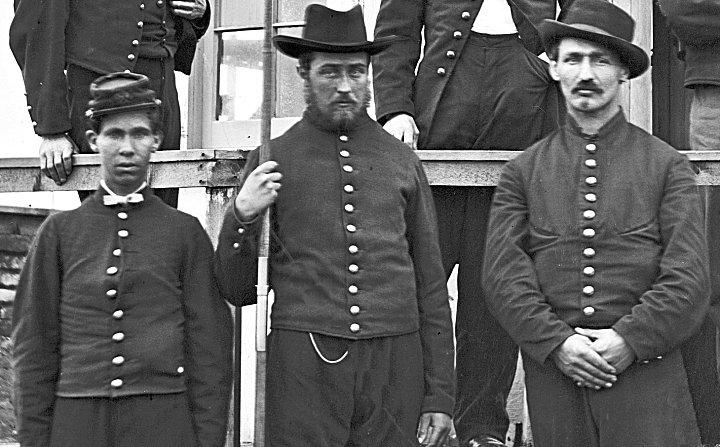

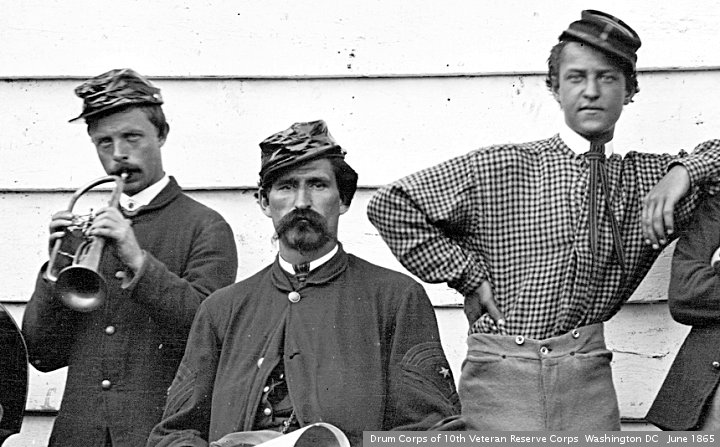
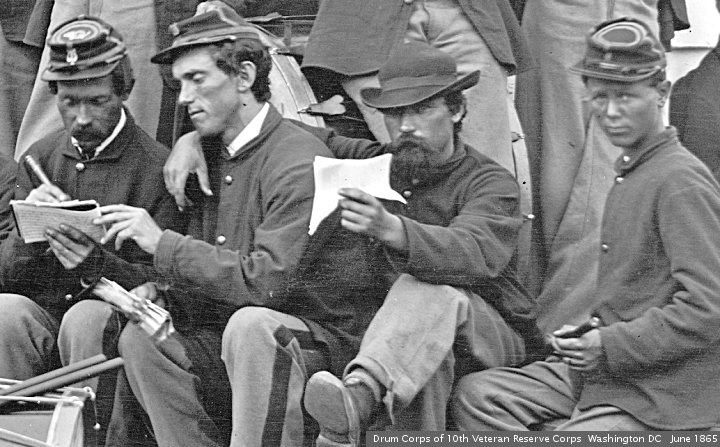
Veterans day was originally Armistice Day. On November 11, 1918, at 11 am (the eleventh hour of the eleventh day of the eleventh month) a cease fire went into effect for “The great war”. Officials of the major armies agreed to the ceasefire at 5 am (European time). There were an estimated 11,000 casualties in the last six hours of the war.
At 11:59 am, U.S. army private Henry Gunther became the last soldier to die in World War I. “According to the Globe and Mail this is the story of the last soldier killed in WW1: On Nov.11, 1918, U.S. army private Henry Gunther stood up during a lull in the machine gun fire and charged the enemy. “The Germans stared in disbelief,” says the Daily Express. “They had been told that morning that the fighting was about to stop; in a few minutes they would stop firing and go home. So why was this American charging at them with his bayonet drawn? They shouted at him to stop and frantically tried to wave him back but… he hadn’t heard anything of the ceasefire.” A German gunner released a five-round burst and the soldier lay dead, at 10:59 a.m. In his recently published Eleventh Month, Eleventh Day, Eleventh Hour, U.S. Military Historian Joseph Persico notes that Private Gunther had previously been a sergeant but was demoted after an Army censor read his letter to a friend back home, urging him to steer clear of the war at all costs. Gunther, who was in no-man’s land when the ceasefire news arrived, had been trying to prove himself worthy of his original rank.”
This is a repost. Pictures are from The Library of Congress.



 Chamblee54
1 comment