Eleanor Roosevelt Liberal
This is a repost from 2021. … Eleanor Roosevelt has become the focus of a facebook meme. A flattering portrait illustrates a quote about “liberal.” “Long ago, there was a noble word, liberal, which derives from the word free. Now a strange thing happened to that word. A man named Hitler made it a term of abuse, a matter of suspicion, because those who were not with him were against him, and liberals had no use for Hitler. And then another man named McCarthy cast the same opprobrium on the word … We must cherish and honor the word free or it will cease to apply to us.”
“Did Eleanor Roosevelt Say This About the Word ‘Liberal’?” Apparently, she did. The text appears in Tomorrow Is Now. The book is the last word of Mrs. Roosevelt, who died November 7, 1962. Tomorrow Is Now was published in 1963.
The l-word has had a wild time in the last 58 years. In the sixties, it essentially meant someone who supported civil rights. Liberal came to be a favored insult of many conservatives, a role that continues to this day. As with many english words, liberal continues to evolve. Today a popular phrase is “classical liberal,” which means something to people who say it. It is safe to assume that Mrs. Roosevelt had a different concept of what liberal means, than many people today.
Merriam-Webster has several definitions for liberal, some of which are not related to political ideology. The etymology: “Middle English, from Anglo-French, from Latin liberalis suitable for a freeman, generous, from liber free; perhaps akin to Old English lēodan to grow, Greek eleutheros free.” This compares to the etymology for liberty: “Middle English, from Anglo-French liberté, from Latin libertat-, libertas, from liber free — more at liberal.” As for Mrs. Roosevelt’s claim that liberal is the same as free … she appears to be taking *liberties* in her use of language.
A red flag is dragging Adolph Hitler into the quarrel. Hitler comparisons are an easy gimmick for cheap rhetoric. Mr. Hitler spoke in German. Der Liberale probably has different implications than the American term liberal. A google search for “did Hitler say liberal” did not yield helpful results.
Wikiquotes did have 2 direct quotes of Hitler using the l-word. “… We might have called ourselves the Liberal Party. We chose to call ourselves the National Socialists. … ” Interview with George Sylvester Viereck, 1923 … “The main plank in the National Socialist program is to abolish the liberalistic concept of the individual and the Marxist concept of humanity and to substitute therefore the folk community.” Speech in the German Reichstag (January 30, 1937). Neither of these quotes is the type of Republican rhetoric so familiar to modern Americans.
Citing Joe McCarthy is ironic in 2021 America. Today, one danger to freedom is social justice jihad. An insistence on ideological purity is ever present in the “woke” landscape. Radical anti-racism is plausibly considered to be the new McCarthyism. A “classical liberal” is open to a discussion of ideas, rather that condemning people for having incorrect opinions. One wonders if Eleanor Roosevelt would be considered liberal today.
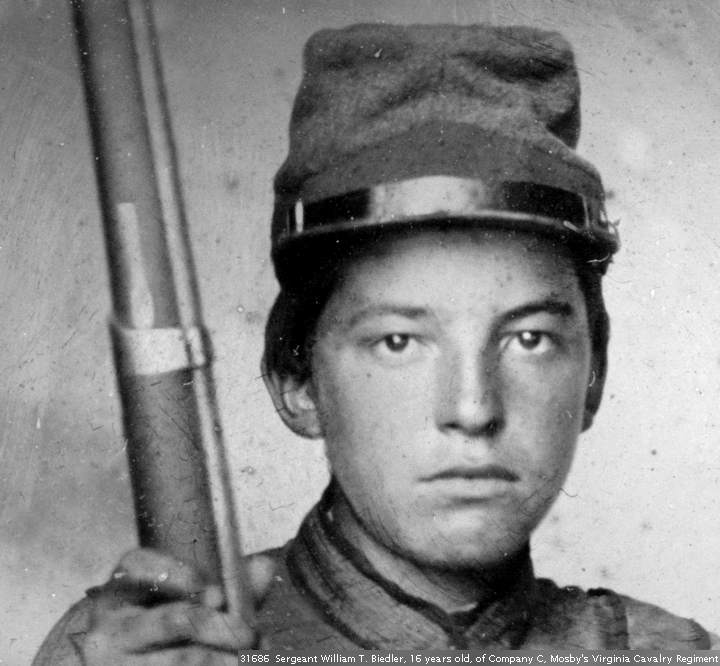
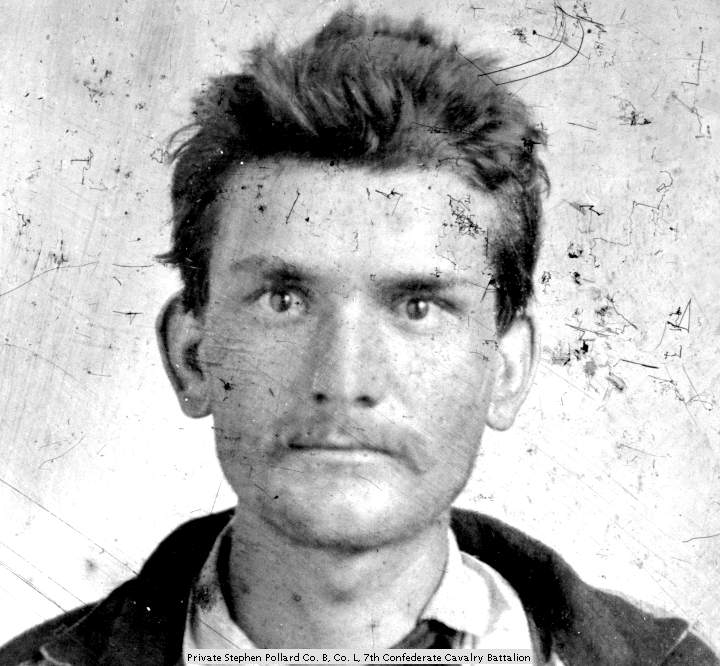
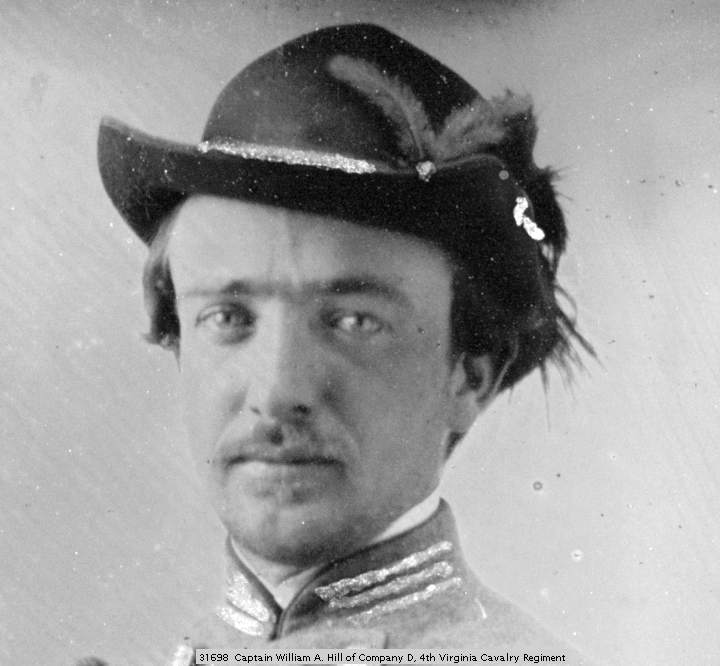
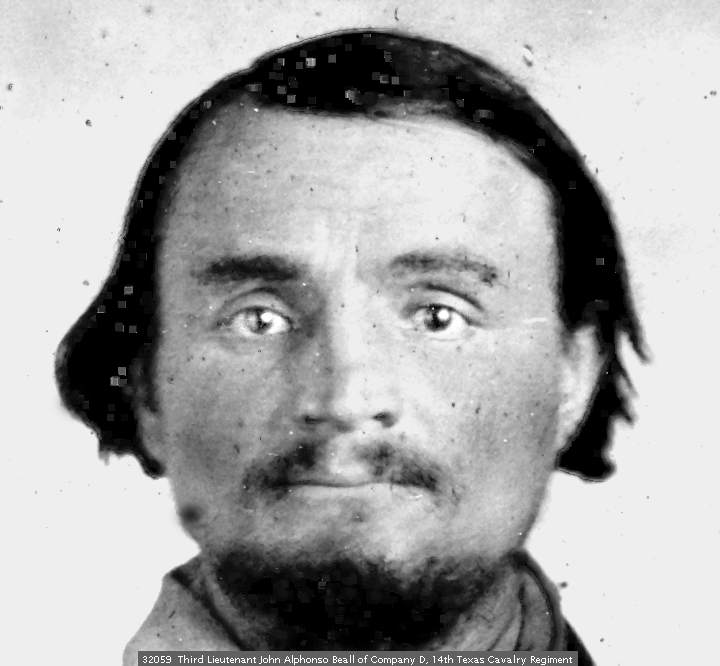
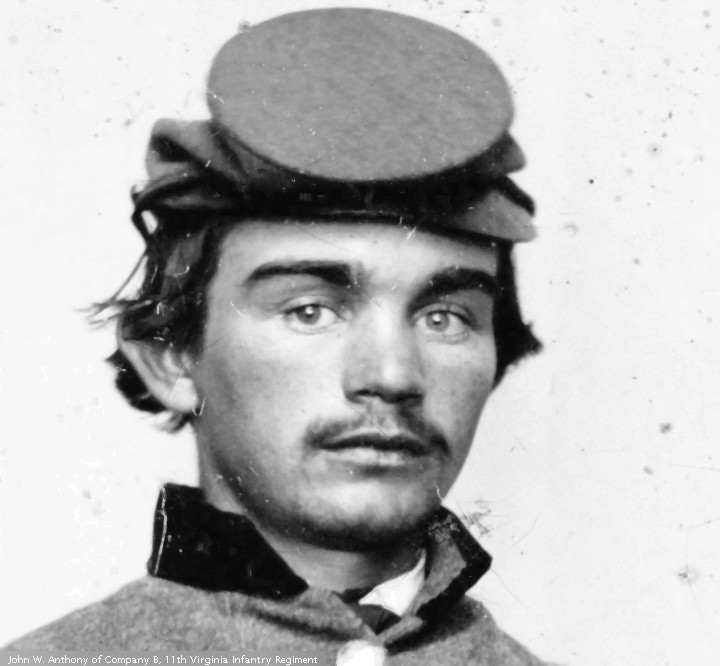
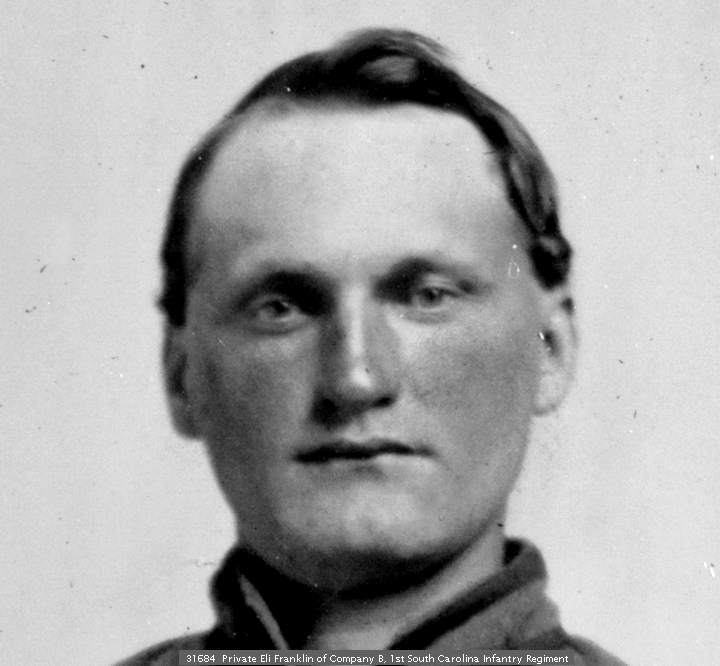
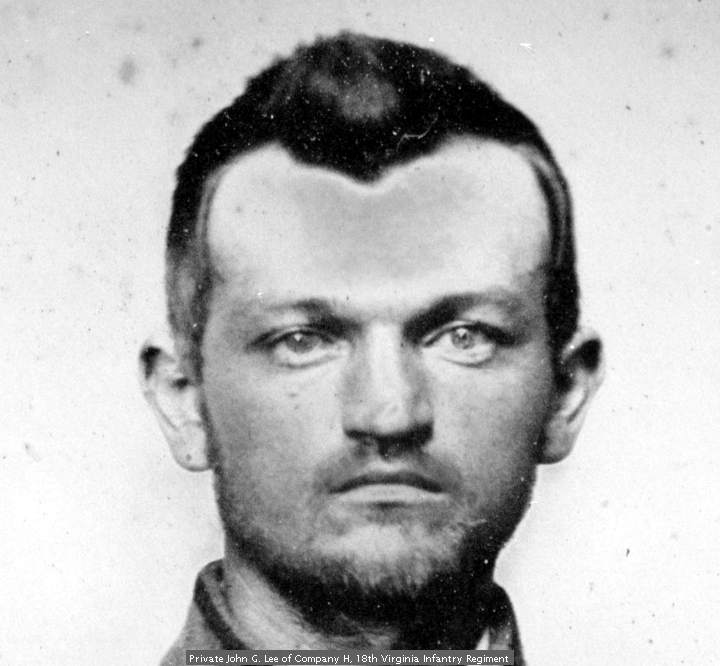
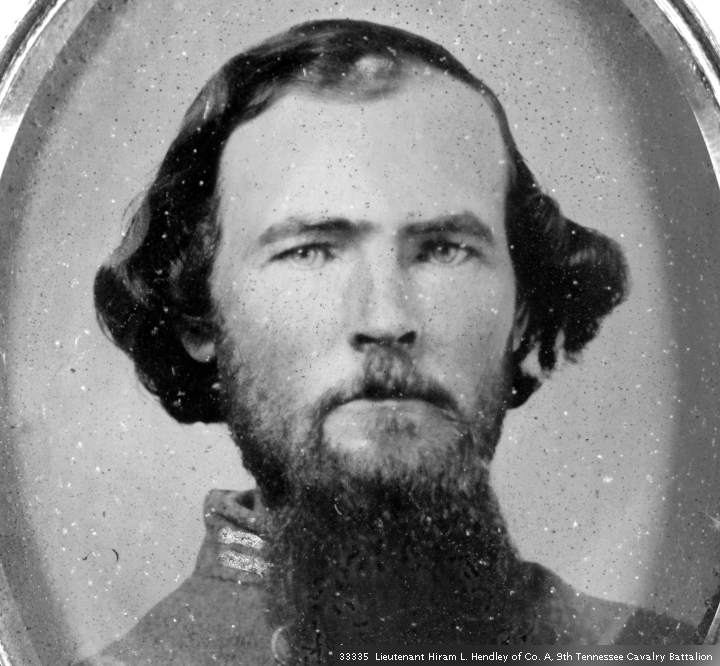
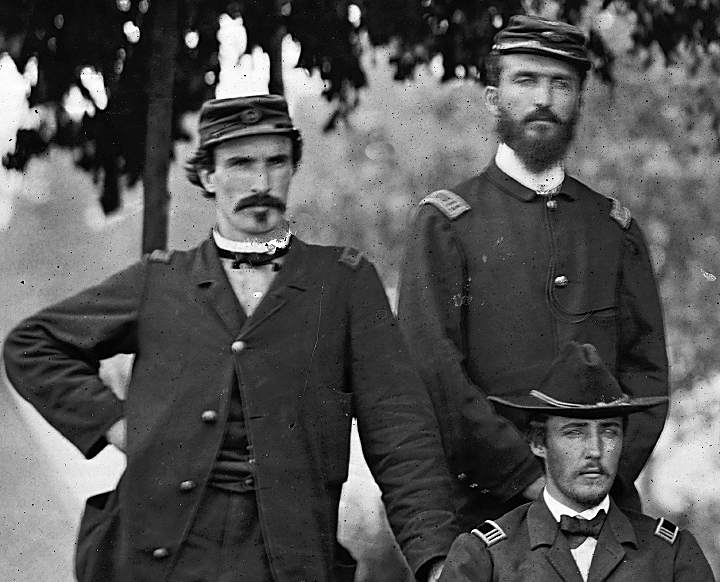
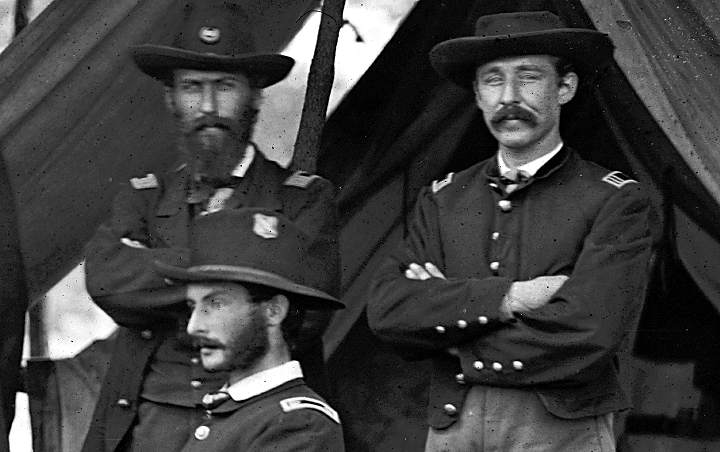
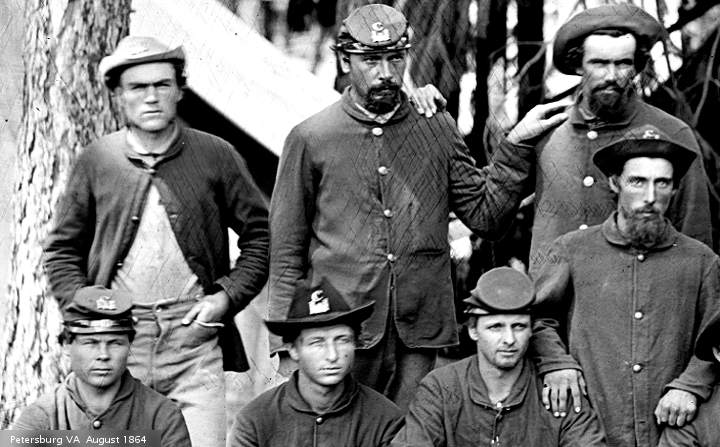
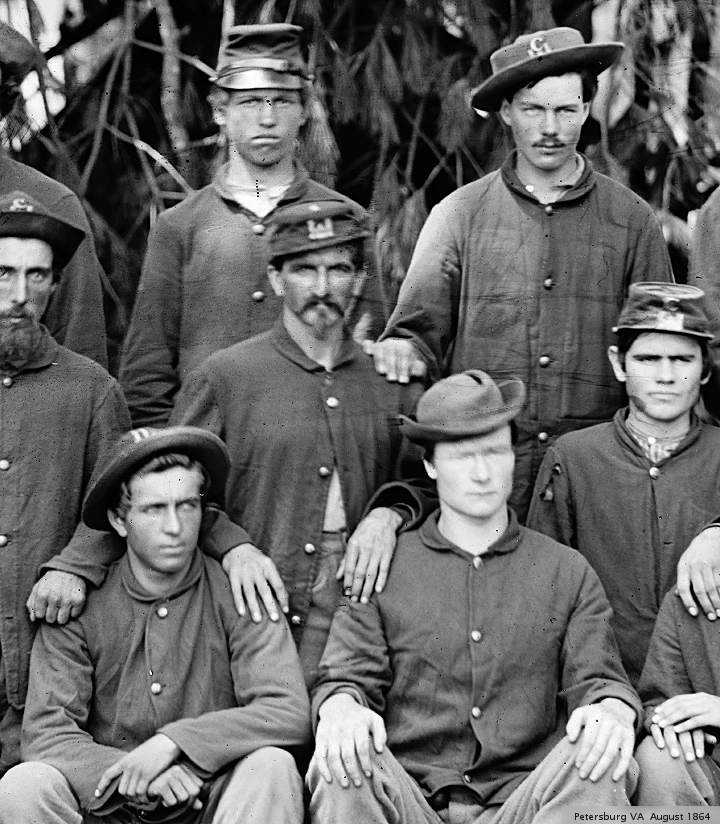
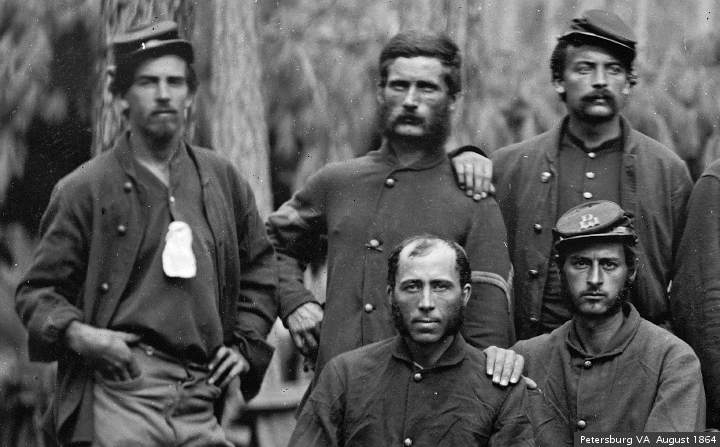
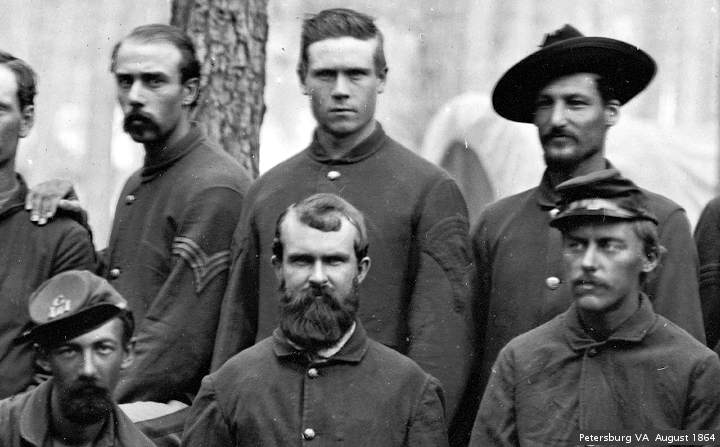
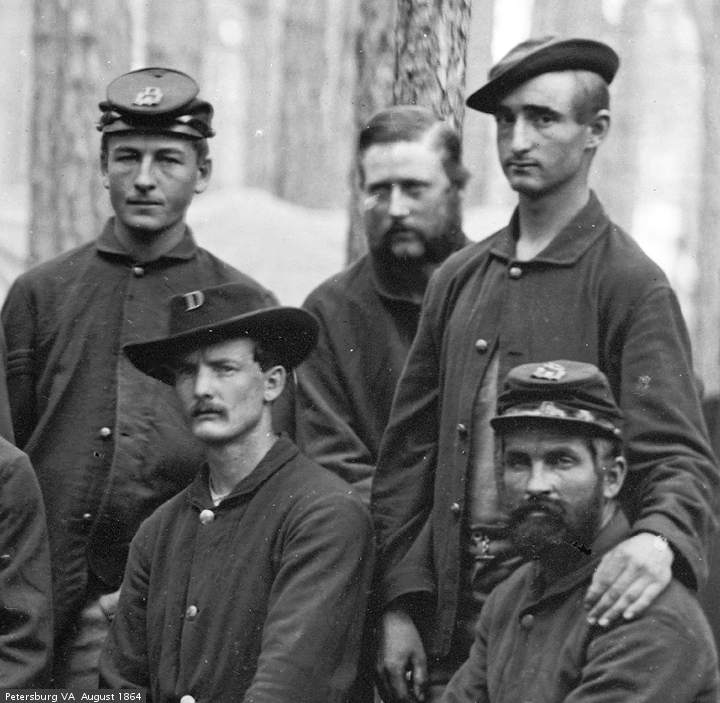
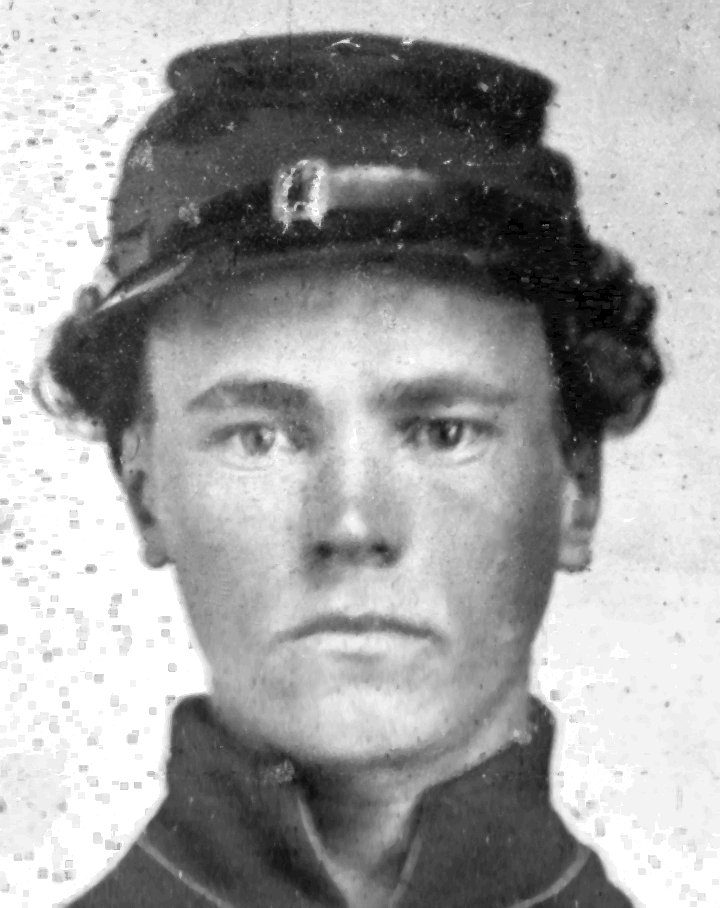
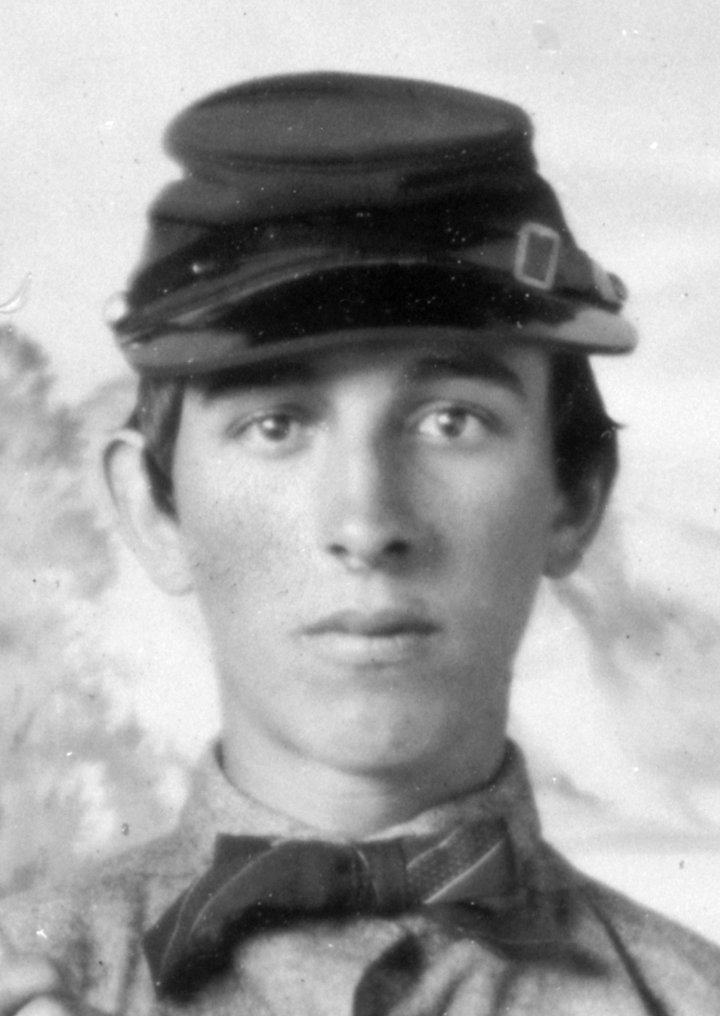
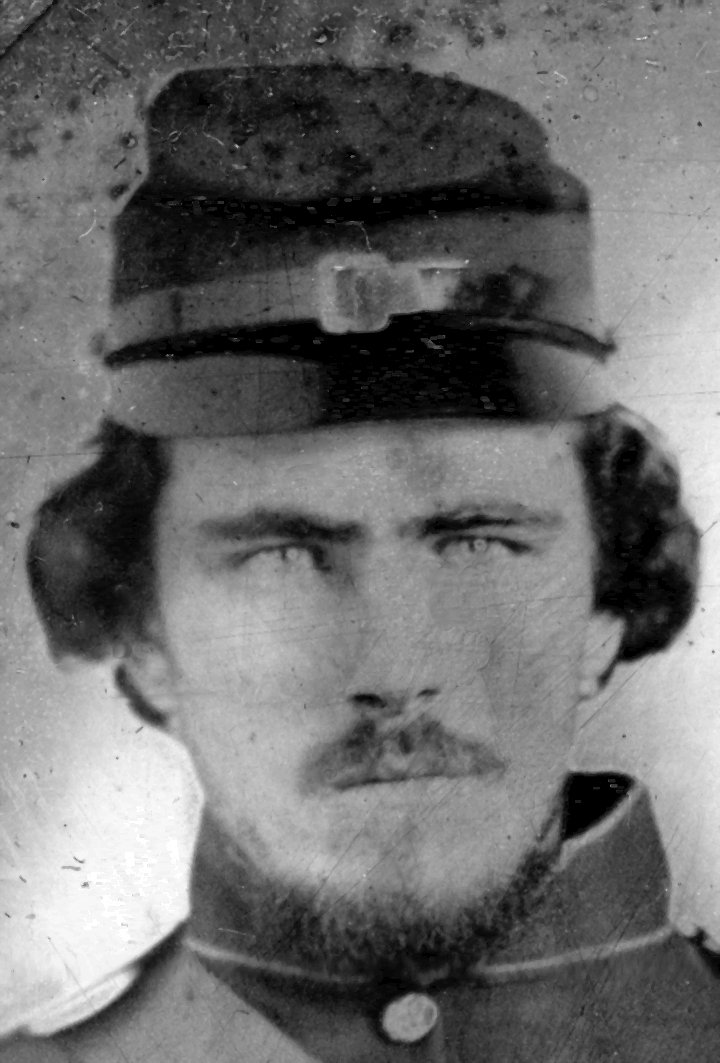
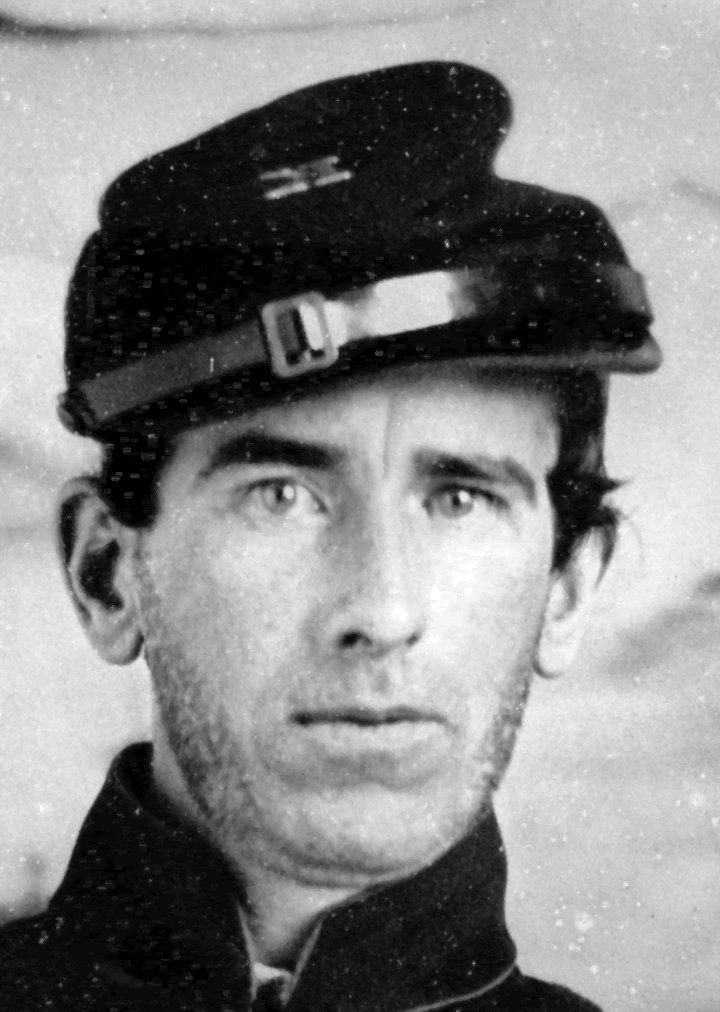
Pictures today are from The Library of Congress. The men pictured are Confederate soldiers, from The War Between the States.
Inventing The Word Racism




Writers tackle was rampaging through Brookhaven. PG looked in a list of old product, and found a feature built on the output of Teju Cole. He has a dandy article, at the New Yorker, about what is antiseptically called drone warfare. It is the twitter feed that gets attention. This is a repost.
@tejucole George Carlin’s original seven dirty words can all be said freely now. The one word you can’t say, and must never print, is “racist.”
The quote marks lend mystery to the tweet. Does he mean the dreaded “n word”? Or does he mean that other six letter slur? There is no shortage of people screaming racist in Georgia, often at the slightest provocation. There is an attitude that racism is the worst thing you can be accused of. Once accused, you are guilty until proven innocent. If you do a bit of research into racism, the word, you will see some interesting things.
The concept of populations not getting along is as old as mankind. The word racism apparently did not exist before 1933 (merriam webster), or 1936 (dictionary dot com). (In 2020, both of these sources have updated their notes, on the original use of the word “racism.”)
Something called the Vanguard News Network had a forum once, What is the true origin of the term racism? This forum is problematic, as VNN seems to be a white supremacist affair. One of the reputed coiners of the R word was Leon Trotsky, also referred to as Jew Communist. Another Non English speaker who is given “credit” for originating the phrase is Magnus Hirschfeld. As for English, the word here is: “American author Lawrence Dennis was the first to use the word, in English, in his 1936 book “The coming American fascism”.”
The terms racist and racism seem to be used interchangeably in these discussions. This is in keeping with the modern discussion. As Jesus worshipers like to say, hate the sin, love the sinner.
The Online Etymology Dictionary has this to add: “racist 1932 as a noun, 1938 as an adjective, from race (n.2); racism is first attested 1936 (from French racisme, 1935), originally in the context of Nazi theories. But they replaced earlier words, racialism (1871) and racialist (1917), both often used early 20c. in a British or South African context. In the U.S., race hatred, race prejudice had been used, and, especially in 19c. political contexts, negrophobia.”
Pictures are from The Library of Congress. Part two is now available.




Last week this blog ran a story about the word racism. The story stated that the earliest use of the r-word was 1932. A comment led to The Ugly, Fascinating History Of The Word ‘Racism.’ Apparently, Col. Richard Henry Pratt used the word in 1902.
“The Oxford English Dictionary’s first recorded utterance of the word racism was by a man named Richard Henry Pratt in 1902. “Segregating any class or race of people apart from the rest of the people kills the progress of the segregated people or makes their growth very slow. Association of races and classes is necessary to destroy racism and classism.” Col. Pratt was speaking at the Lake Mohonk Conference of Friends of the American Indian.
It is always good to check out the context. Col. Pratt spoke at the Fourth session, Thursday Night, October 23, 1902. The event was well documented. There are some other noteworthy quotes.
“We have brought into our national life nearly forty times as many negroes as there are Indians in the United States. They are not all together citizen and equal yet, but they are with us and of us; distributed among us, coming in contact with us constantly, they have lost their many languages and their old life, and have accepted our language and our life and become a valuable part of our industrial forces.” The text capitalizes Indian, and presents Negro in lower case.
“It is the greatest possible wrong to prolong their Indianism, whether we do it for humanitarian or so-called scientific reasons. … The ethnologists prefer the Indian kept in his original paint and feathers, and as part and parcel of every exposition on that line. … It will be a happy day for the Indians when their ethnological value is of no greater importance than that of the negro and other races which go to make up our population.”
Col. Pratt “is best known as the founder and longtime superintendent of the Carlisle Indian Industrial School at Carlisle, PA.” While progressive for the times, many of the school’s policies were harsh.
“He pushed for the total erasure of Native cultures among his students. … The students’ native tongues were strictly forbidden — a rule that was enforced through beating. Since they were rounded up from different tribes, the only way they could communicate with each other at the schools was in English. … “In Indian civilization I am a Baptist,” Pratt once told a convention of Baptist ministers, “because I believe in immersing the Indians in our civilization and when we get them under, holding them there until they are thoroughly soaked.” … Pratt also saw to it that his charges were Christianized. Carlisle students had to attend church each Sunday, although he allowed each student to choose the denomination to which she would belong.” Carlisle closed in 1918.
“In 1875, Captain Richard Pratt escorted 72 Indian warriors suspected of murdering white settlers to Fort Marion in St. Augustine, FL. Once there, Pratt began an ambitious experiment which involved teaching the Indians to read and write English, putting them in uniforms and drilling them like soldiers. … News of Pratt’s experiment spread. With the blessing of Congress, Pratt expanded his program by establishing the Carlisle School for Indian Students to continue his “civilizing” mission. Although liberal policy for the times, Pratt’s school was a form of cultural genocide. The schools continued into the ’30s until administrators saw that the promised opportunities for Indian students would not materialize, theat they would not become “imitation white men.”
“Beginning in 1887, the federal government attempted to “Americanize” Native Americans, largely through the education of Native youth. By 1900 thousands of Native Americans were studying at almost 150 boarding schools around the United States. The U.S. Training and Industrial School, founded in 1879 at Carlisle Barracks, was the model for most of these schools. Boarding schools like Carlisle provided vocational and manual training and sought to systematically strip away tribal culture. They insisted that students drop their Indian names, forbade the speaking of native languages, and cut off their long hair.” As Col. Pratt said at the LMCFAI, “I also endorse the Commissioner’s short hair order. It is good because it disturbs old savage conditions.”
Col. Pratt was known for saying “Kill the Indian, and Save the Man” He probably meant that you should destroy the native culture, so the man inside could flourish. It is easy to misunderstand this type of rhetoric. The source of this phrase: “Official Report of the Nineteenth Annual Conference of Charities and Correction (1892), 46–59. Reprinted in Richard H. Pratt, “The Advantages of Mingling Indians with Whites,” Americanizing the American Indians: Writings by the “Friends of the Indian” 1880–1900 (Harvard University Press, 1973), 260–271.” There are some tasteful quotes.
“Inscrutable are the ways of Providence. Horrible as were the experiences of its introduction, and of slavery itself, there was concealed in them the greatest blessing that ever came to the Negro race—seven millions of blacks from cannibalism in darkest Africa to citizenship in free and enlightened America; not full, not complete citizenship, but possible—probable—citizenship.” Col. Pratt used African Americans as an example of how to assimilate Native Americans.
“The five civilized tribes of the Indian Territory—Cherokees, Choctaws, Chickasaws, Creeks, and Seminoles—have had tribal schools until it is asserted that they are civilized; yet they have no notion of joining us and becoming a part of the United States. Their whole disposition is to prey upon and hatch up claims against the government, and have the same lands purchased and repurchased and purchased again, to meet the recurring wants growing out of their neglect and inability to make use of their large and rich estate.”
The best known student at the Carlisle School was Jim Thorpe, coached by Pop Warner. Wa-thohuck was born May 28, 1888, near Prague OK, into the Sauk and Fox Nation. He won gold medals in the pentathlon, and decathlon, at the 1912 Olympic Games in Stockholm, Sweden. It later came out that he had been paid to play semi-pro baseball, and was not an amateur. The gold medals had to be forfeited. Pictures today are from The Library of Congress.



Millard Fillmore And Oscar Wilde In Atlanta




This afternoon’s post at chamblee54 noted an 1854 visit by former President Millard Fillmore. This was brought to the attention of another history minded blog, Millard Fillmore’s Bathtub. The result was some details about the visit, Millard Fillmore, live on Peachtree Street, 1854. The material below is borrowed from that post.
Two years after the Whigs refused to nominate Fillmore for a term of his own, he was out touring the country? Several accounts explain that Fillmore and his wife Abigail wanted to tour the U.S. after his presidency. Unfortunately, she died shortly after he left office. He pined through the rest of 1853, but by February 1854 had decided to tour by himself, without his children, accompanied by friends he could persuade to join him.
That same month, Fillmore decided to take the trip southward that he and Abigail had not been able to take. Given the timing, some observers believed that Fillmore had a political motive in making the journey. They suspected that he might be planning to speak out against the Nebraska Bill [proposed by Illinois’s U.S. Senator Stephen A. Douglas]. Others were convinced that it was a leisure tour. But whatever Fillmore’s intentions may have been, his speeches to southern audiences were relatively neutral. He restated his faith in the [Missouri] Compromise, but he spent most of his time enjoying a series of receptions, dinners, and parades in his honor throughout the region. A marching band escorted him through the streets of Louisville, Kentucky. Girls scattered his path with flowers in Montgomery, Alabama. A row of trains blew their whistles in greeting in Atlanta, Georgia. Fillmore returned home refreshed and with renewed faith in his fellow Americans. (This paragraph is from Alison Behnke, Millard Fillmore (a child’s history of the man), 2005, page 92.)
By late February 1854 Fillmore had resumed his plans to travel. He perceived that a southern trip would do him good and that the journey would divert his mind from the loss of Abigail. … Fillmore hoped Francis Granger, John P. Kennedy, and Washington Irving would go with him on the trip. Granger lost interest, and Irving was in no mood for politics. …
En route to Atlanta from Augusta on the Georgia Railroad, they stopped at Greensboro where a large crowd of teachers and students of the Female College greeted Fillmore and Kennedy. They dined at Madison. At Stone Mountain an escort committee from Atlanta met them.
At the Atlanta Depot a novel reception welcomed them. A large number of locomotives were present with their steam up. When the Augusta engineer signaled their arrival they all opened up their valves and whistled out a welcome the like of which, reported a newspaper, “no mortal man had heard before.” The shouts from the crowd and locomotive whistles were deafening to one reporter. By carriage the party went from the depot to the Atlanta Hotel where a reception was held.
Fillmore had become hoarse. Nonetheless, he managed to say that he was impressed by the large population and that he had heard that it was a beautiful village in the center of the state. He also admonished the state legislature to to take note “of the array of female loveliness before me” seated at the reception. If they did so, he joked, they wouldn’t hesitate to locate the state capital at Atlanta. At that time the capital was at Milledgeville. Atlanta became the capital in 1877. (This section is from Robert J. Scarry, Millard Fillmore, 1982, pages 247-252 variously.)
A few months later, on October 16, 1854, Oscar Fingal O’Flahertie Wills Wilde was born in Dublin, Ireland. On July 4, 1882, Mr. Wilde gave a talk at De Give’s Opera House in Atlanta GA. What happened next is described on page 201 of Oscar Wilde by Richard Ellmann.
Mr. Wilde was accompanied by his agent, J.S. Vail, and a valet, W.M. Traquair. Mr. Vail bought three train tickets for Savannah, the next stop on the tour. The Pullman agent told Mr. Wilde that black people were not allowed to ride in sleeper car berths. Mr. Wilde said that Mr. Traquair had traveled with him throughout the South without incident. The Pullman agent said the next stop was in Jonesboro GA. If people in Jonesboro saw a black man in the car, then they would attack the train. Mr. Wilde gave in, and Mr. Traquair traveled in another part of the train.
This is a repost. Pictures today are from The Library of Congress.



Shock And Awe

Twenty years ago, Iraq teetered on the edge of regime change. It was obvious what was going to happen, at least at first. America was going to storm in, kill a bunch of people, and take over.
In post 911 America, the military industrial complex saw an opportunity for plunder, unrivaled since the fall of the Soviet Union. The stories of WMD would infect the body politic with fear of a mesopotamian madman. Saddam Hussein wanted Iran to think he has wonder weapons, and did not think America was serious about regime change. We all make mistakes.
In the Twenty years since the time of shock and awe, trillions of dollars have gone down the drain, dragging the mighty American economy along into the sewers of bankruptcy. One of the oldest civilizations of mankind was reduced to hiding, from neighbors, behind concrete barricades. They fought the conquerors with bombs triggered by garage door openers. Thousands of women and children have been murdered. The WMD were never found. This is a repost.
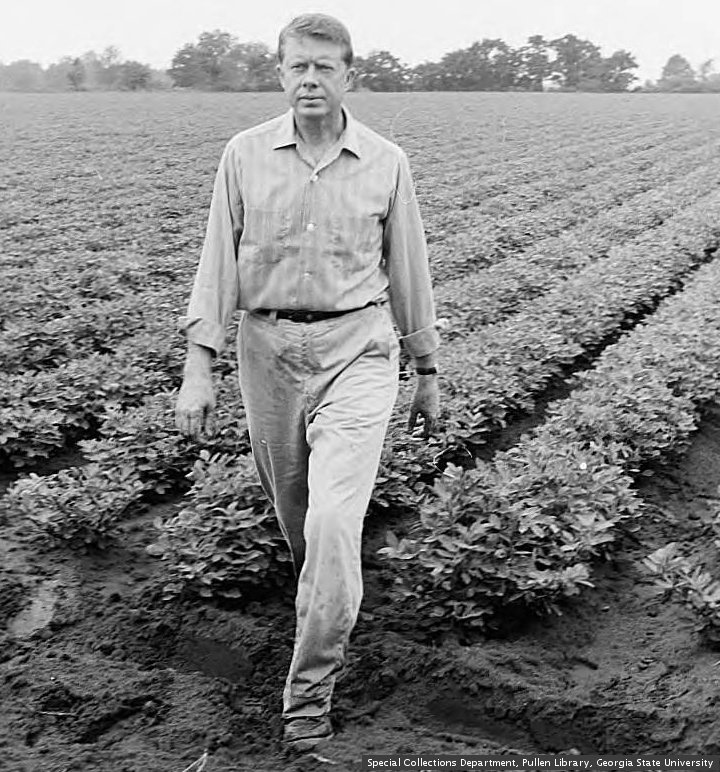
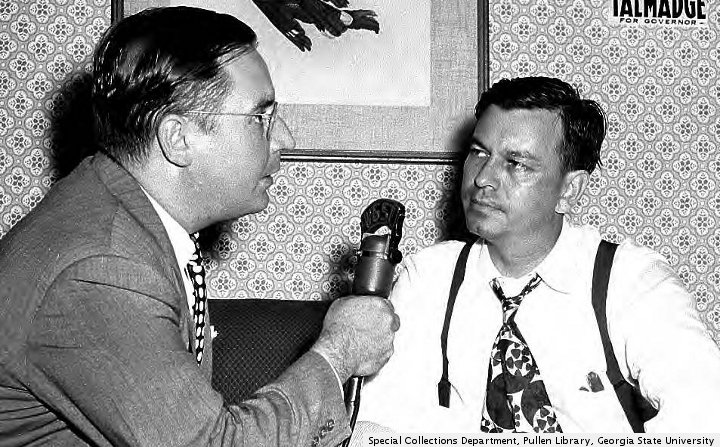
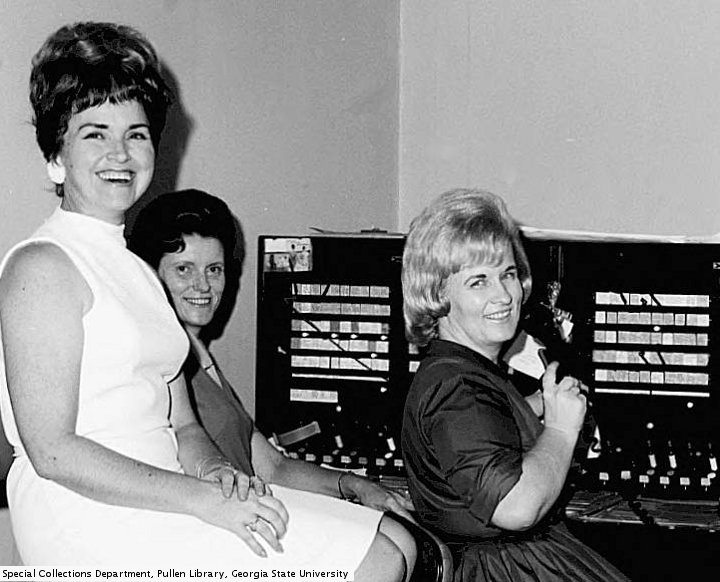
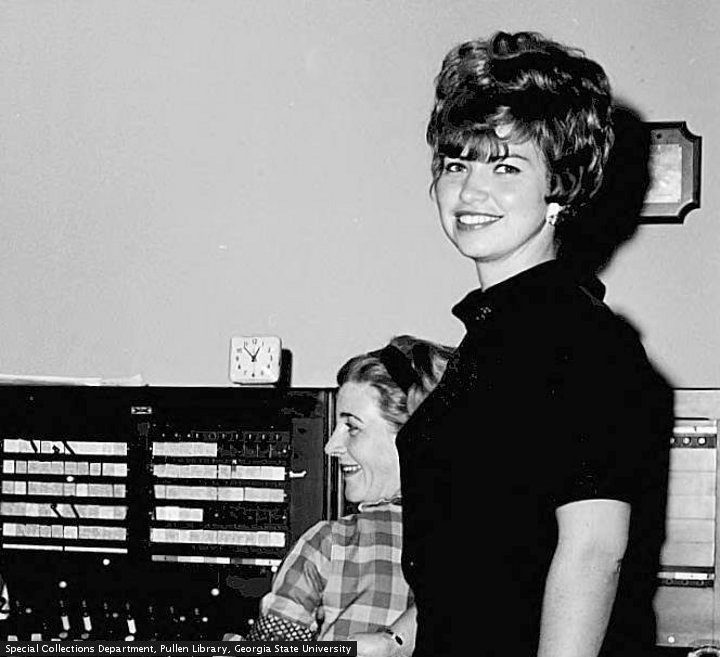
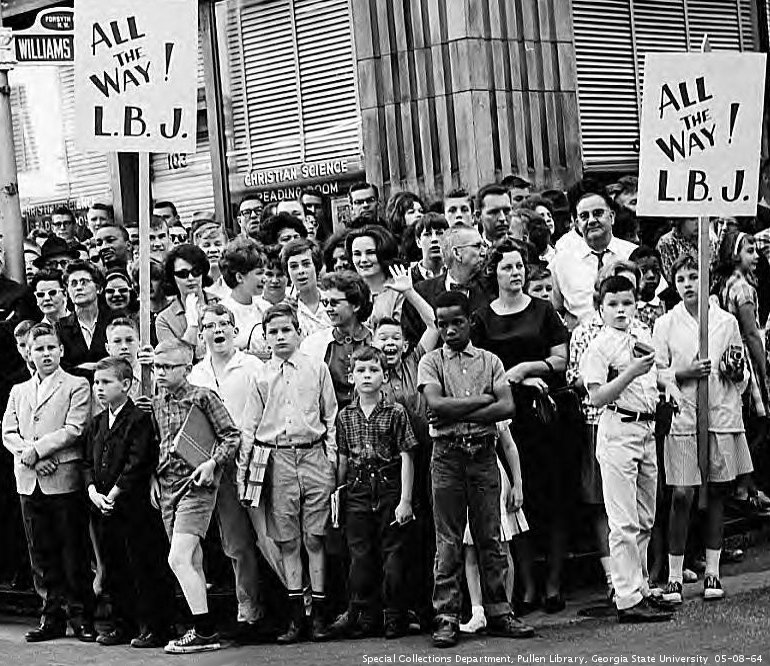
Pictures are from “The Special Collections and Archives, Georgia State University Library”.



Did Joseph Think It Was His Kid?


NOTE: This feature was originally published in March 26, 2013. This is the day after March 25, nine months before Christmas. IOW, a crucial day in the most famous unconsummated marriage in history. PG began to ponder the traditional marriage of Joseph and Mary. The question of the day is “when did Joseph and Mary get married?” Facilities such as Liberty Gospel Tracts and Fish Eaters Traditional Catholic Forum have answers.
LGT (the B got kicked out for some reason) contributes a bible passage, Matthew 1:18-19. 18 Now the birth of Jesus Christ was on this wise: When as his mother Mary was espoused to Joseph, before they came together, she was found with child of the Holy Ghost. 19 Then Joseph her husband, being a just man, and not willing to make her a public example, was minded to put her away privily.
Put her away in the privy? That is some kinky business there. Maybe the Christians and Jews have it all wrong. The thirds Abrahamic religion, Islam, might have the answer. A site, TurnToIslam, has another point of view about the traditional definition of marriage.
What about Mary, Jesus’ Mother peace be upon both of them? How old was she when she got pregnant? Not only was it a custom in the Arab society to Engage/Marry a young girl it was also common in the Jewish society. The case of Mary the mother of Jesus comes to mind, in non biblical sources she was between 11-14 years old when she conceived Jesus. Mary had already been “BETROTHED” to Joseph before conceiving Jesus. Joseph was a much older man. therefore Mary was younger than 11-14 years of age when she was “BETHROED” to Joseph. We Muslims would never call Joseph a Child Molester, nor would we refer to the “Holy Ghost” of the Bible, that “Impregnated” Mary as a “Rapist” or “Adulterer”.
“….it is possible that Mary gave birth to her Son when she was about thirteen or fourteen years of age….”Mary was approximately 14 years old when she got pregnant with Jesus. Joseph, Mary’s Husband is believed to be around 36. Mary was only 13 when she married Joseph. When she first was arranged with Joseph she was between 7 to 9 years old.”
According to the “Oxford Dictionary Bible” commentary, Mary (peace be upon her) was was 12 years old when she became impregnated. So if I want to be as silly and ridiculous as many of the Christians, I would respond to them by saying that Mary was psychologically and emotionally devastated for getting pregnant at a very young age. And speaking of “child molesting”, since most Christians believe that Jesus is the Creator of this universe, then why did G-D allow himself to enter life through a 12-year old young girl’s vagina? Please note that we Muslims love and respect Allah Almighty, Mary, Jesus and Allah’s Message to the People of the Book (The Jews and Christians). In other words, we Muslims would never make fun of Christianity through such childish topic like this one as many ridiculous Christians do make fun of Islam through our Prophet’s (peace be upon him) marriage.
Pictures are from The Library of Congress.


Was Mohandas Gandhi A Racist?


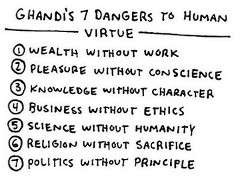
A meme appeared on facebook, “GHANDI’S 7 DANGERS TO HUMAN VIRTUE.” Below the misspelled name were seven concepts, written in all caps. This got PG thinking.
Mohandas Karamchand Gandhi (M.K. Gandhi) “was born was born on October 2, 1869, at Porbandar, a small town on the western coast of India.” At some point the title Mahatma was applied, and is often used as though it was his name. Exact transliterations between languages using different alphabets is tricky. What is the “correct” spelling of this man’s last name? Most sources today use Gandhi.
Another term, Gandhiji, turns up in the research. “‘Ji’ in Hindi or Urdu is a suffix used after the names of respectable persons and elders like father and mother. It is used every day by millions of Indians to address their elders. Hence Gandhiji is but Mahatma Gandhi, father of our nation, addressed reverently and respectfully. We call mother mataji. Mata means mother.”
The quote in the meme is real. It is found on page 135 of Collected Works of Mahatma Gandhi Vol. 33. It was in an article found in Young India on October 22, 1925.
“SEVEN SOCIAL SIN The same fair friend wants readers of Young India to know, if they do not already, the following seven social sins: Politics without principles, Wealth without work, Pleasure without conscience, Knowledge without character, Commerce without morality, Science without humanity, Worship without sacrifice. Naturally, the friend does not want the readers to know these things merely through the intellect but to know them through the heart so as to avoid them.”
The next entry in the collected works is interesting. “79. THAT ETERNAL QUESTION However much I may wish to avoid it, the Hindu-Muslim question will not avoid me. Muslim friends insist upon my intervention to solve it. The Hindu friends would have me discuss it with them and some of them say I have sown the wind and must reap the whirlwind.”
The meme had comments. Lloyd Lachow Gandhi was intensely racist. Joanne Gibson Gandhi was not intensely racist. Fighting racism was his first cause. John Janiga Gandhi racist??? John Taylor Lloyd, were you born an idiot, or did you have to work at it?
This looks like a job for Mr. Google. When you type the phrase “Is Gandhi,” suggested searches include “sill alive” and “on netflix.” This does not help if you want to know if someone is racist.
Mr. Gandhi lived in South Africa from 1893-1915. During this time he was offended at the treatment of Indian nationals, which led to a decision to fight for Indian rights. Unfortunately, these rights were not to be extended to the native South Africans.
 … there’s no doubting that Gandhi had little time for black people. During his 21 years in South Africa, he repeatedly expressed contempt for the native population, claiming they were no better than the “untouchables” of Indian society. One speech in particular stands out. In 1896, he was quoted as referring to black South Africans as the “raw kaffir, whose occupation is hunting and whose sole ambition is to collect a certain number of cattle to buy a wife with, and then pass his life in indolence and nakedness.” For those of you who aren’t up on your South African slang, “kaffir” is a direct equivalent of our N-word. Another time, he complained about finding himself in a “kaffir” prison, claiming Indians were “above” natives, who “are troublesome, very dirty and live like animals.”
There is the story of the Durban Post Office. “The first major accomplishment of the Natal Indian Congress was to further entrench racial segregation into South African society during a time of massive racial strife. At the time, the Durban, South Africa post office had two doors. One was for whites and the other for Indians and black natives. Gandhi was so disgusted at having to share a door with blacks that he initiated a campaign for the creation of a third door. … A year later, after the issue had already been resolved, Gandhi chose to expound upon his reasons for raising it in the first place. In his August 14, 1896 letter, “The Grievances of the British Indians in South Africa: An Appeal to the Indian Public,” he called being “put on the same level with the native” a “disability.”
This is a repost. Pictures are from The Library of Congress.


Question Authority Part One


“It is the first responsibility of every citizen to question authority.” Benjamin Franklin This nugget appeared on facebook recently, and the bs detector was buzzing. I never heard the phrase “Question Authority” before 1981. QA sounds awfully modern for 18th Century America.
I quickly googled the phrase, and found indications that it was in not found in the Franklin Papers at Yale University. A search of the Mr. Franklin’s wikiquote did not turn up QA.
Unfortunately, I chose to include a link to Snopes in my facebook reply. The meme-poster saw Snopes, and said that was not a valid source. We went back and forth on the issue. I did say that Snopes was questionable, but had other sources that fueled my skepticism.
A google search credits Timothy Leary with saying “Think for yourself and question authority.” … “Timothy Leary’s track on Sound Bites from the Counter Culture (1989.)” 1989 is a few years after I saw my first QA bumper sticker. Maybe Mr. Leary heard someone else say QA, and claimed it for himself. Timmy Leary was an authority that required enhanced interrogation.
A Christian oriented forum says that Mr. Leary got QA from Ben Franklin. At any rate, QA is counter-culture phrasing, of the type that Ben Franklin probably did not use. According to Google n-gram, QA does not appear in print before 1885. 1976 and 1987 saw QA spiking, with QA usage peaking in 2005.
Let’s examine the concept of questioning authority. In this case, the authority was a facebook meme. When I presented Snopes as a dissenting authority, it was rejected. When I presented Wikiquotes as an authority/source, I was satisfied, and my facebook opponent dismissive. I should note that in my initial facebook reply, I said that it was unlikely that Mr. Franklin said QA. We cannot claim to have heard every conversation Ben Franklin had, or if he said something similar.
Did Mr. Franklin question authority? Lets take a look at a famous quote: “They who can give up essential liberty to obtain a little temporary safety deserve neither liberty nor safety.” “The words appear originally in a 1755 letter that Franklin is presumed to have written on behalf of the Pennsylvania Assembly to the colonial governor during the French and Indian War. … the Assembly wished to tax the lands of the Penn family … to raise money for defense against French and Indian attacks. … In other words, the “essential liberty” to which Franklin referred was thus not what we would think of today as civil liberties but, rather, the right of self-governance of a legislature in the interests of collective security.” The “essential liberty” Mr. Franklin referred to was the ability of the government to tax citizens. It’s all about the Benjamins.
One type of questionable authority invoving Mr. Franklin was slavery. Benjamin Franklin owned slaves. Pennsylvania tax records of 1769 and 1774 show “1 Negro” as being in his possesion. “Franklin owned slaves from as early as 1735 until 1781. The Franklin household had six slaves; Peter, his wife Jemima and their son Othello, George, John and King.”
Mr. Franklin ran advertising for the slave trade in his publications. “To be SOLD A very likely breeding Negroe Woman, and a Boy about two years old. The woman is fit for any Business Either in Town or Country. Enquire of William Bafdon, over against the Coffee House in Front Street.” … “Advertisement for an enslaved woman and an enslaved child from Benjamin Franklin’s Pennsylvania Gazette (December 9-16, 1736).”
Mr. Franklin later changed his tune. “In 1787 Franklin became the President of the Philadelphia Society for the Relief of Free Negroes Unlawfully Held in Bondage, often referred as the Abolition Society. … The Abolition Society was the first in America and served as inspiration for the formation of abolitionist societies in other colonies. The group focused not only in abolishing slavery but also in education, moral instruction and employment. In a letter dated November 9th, 1789, Franklin wrote wholeheartedly against the institution of slavery. He argued that slaves have long been treated as brute animals beneath the standard of human species. Franklin asked for resources and donations to help freed slaves adjust to society by giving them education, moral instruction and suitable employment. … On February 3rd, 1790, less than three months before his death, Franklin petitioned Congress to provide the means to bring slavery to an end. When the petition was introduced to the House and the Senate it was immediately rejected by pro-slavery congressmen mostly from the southern states.” Pictures today are from The Library of Congress


Hillary Vs. Bernie Again


Matthew Colin Taibbi talked to Joe Rogan for three hours the other day. At one point, MCT recalled the time when Bernie Sanders was gaining ground against Hillary Clinton. All of a sudden, Ta-Nehisi Coates published a story in The Atlantic, Why Precisely Is Bernie Sanders Against Reparations?
“Unfortunately, Sanders’s radicalism has failed in the ancient fight against white supremacy. What he proposes in lieu of reparations—job creation, investment in cities, and free higher education—is well within the Overton window, and his platform on race echoes Democratic orthodoxy. The calls for community policing, body cameras, and a voting-rights bill with pre-clearance restored— all are things that Hillary Clinton agrees with. And those positions with which she might not agree address black people not so much as a class specifically injured by white supremacy, but rather, as a group which magically suffers from disproportionate poverty.”
As we all know, the Bernie campaign ran out of steam, and HRC bulldozed her way to the nomination. Democrats saw how well crying racist worked against Bernie, and made a major issue out of Donald Trump’s racial attitudes. Soon, well meaning people were saying that if you vote for Donald, then you are a racist. Swing state voters were offended, and Donald won the electoral college. Did shouting racist lose the election for Hillary? We will never know for sure.
Woke and Unwoke – Robert Wright & Norman Finkelstein also turned up this week. Dr. Finkelstein is, to put it mildly, a piece of work. Dr. F has opinions about Mr. Coates: “then Along Came Ta-Nehisi Coates and he started to say Bernie has a problem with race Bernie has a problem with race because he won’t come out robustly for black reparations so as a political reality the black reparations was being used as a weapon to derail the Bernie campaign.”
Before long, Dr. F had to leave. “I have to run to the hospital because I have to have a colonoscopy.” Pictures today are from The Library of Congress.


Make The Trains Run On Time



This is a repost from February 2016. @ilduce2016 is still tweeting. … “Trump re-tweeted a Mussolini quote. … when its source was pointed out to him, he replied, “what difference does it make whether it’s Mussolini or somebody else?”
@ilduce2016 is a satiric twitter account. The picture shows Benito Mussolini with a Donald Trump wig. At 7:10 AM – 28 Feb 2016, this was posted: “It is better to live one day as a lion than 100 years as a sheep.” – @realDonaldTrump #MakeAmericaGreatAgain. At 7:13 AM – 28 Feb 2016 the comment was retweeted by @realDonaldTrump.
At 7:37 AM – 28 Feb 2016 noted twitterhead Glenn Greenwald was all over it. @ggreenwald Donald Trump just re-tweeted a parody account depicting him as Mussolini, with one of Il Duce’s best-known quotes. In the best internet tradition, no one seems to know exactly when Mr. Mussolini said this, and what this had to do with making the trains run on time. “Various websites attribute the quote to Mussolini, saying it appears in the article ‘Duce (1922-42)’ in TIME magazine (2 August 1943).However, it also resembles previous proverbs and remarks made by others including 18th century Sultan of Mysore Tipu Sultan who said ‘To live like a lion for a day is far better than to live for a hundred years like a jackal.’ “
PG has seen the quote before. A babytrump named Isaiah Hankel made a motivational video, with the salient quote at the start. It was liked by a facebook friend, which got PG’s attention. Here is what PG said about it.
There is a video out now, where the speaker says “It is better to live one day as a lion than 100 years as a sheep.” This man must not like to wear wool.
A lion is a predator. It lurks in the jungle, and kills to eat. It does not produce anything except it’s own survival. A sheep lives in a community. Every once in a while, it gets the coat clipped, and grows another one. The fur goes to make woolen clothing, which keeps people warm in winter.
Maybe if you want to be an egophile, living on the destruction of your neighbor, then you might be better off as a lion. If you want to contribute something of value to others, it is better to be a sheep.
An egophile, living on the destruction of your neighbor. Which Presidential candidate does that sound like? Or better yet, which POTUS wannabe does that NOT sound like. Sorry Bernie, not everyone is fooled by your happy talk.
The chamblee54 post noted above was tough to find. For some reason, the google apparatus does not recognize it. PG found the link on a list of posts. If you google “The Value Of Sheep” on chamblee54, you are directed to Philosophy Of 2Girls1Cup.
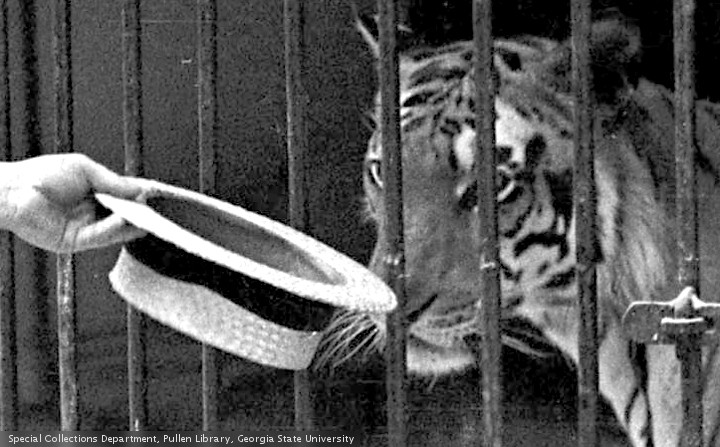
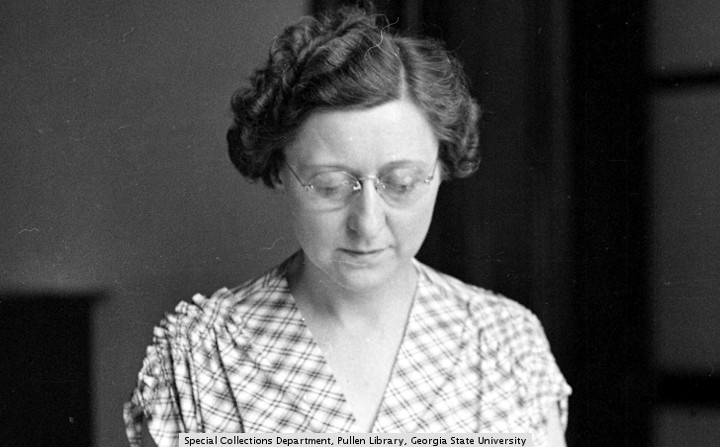
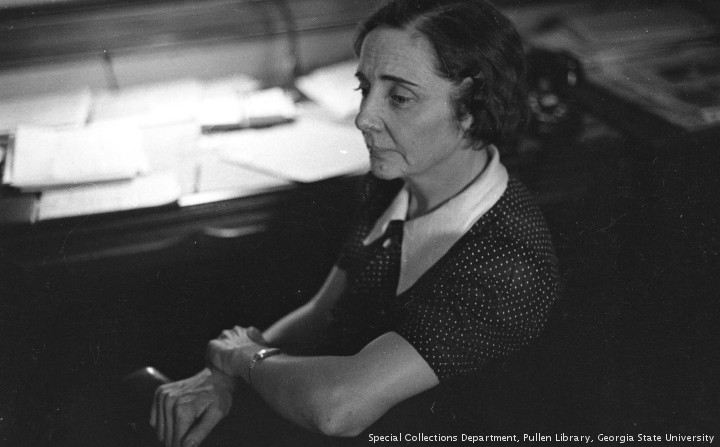
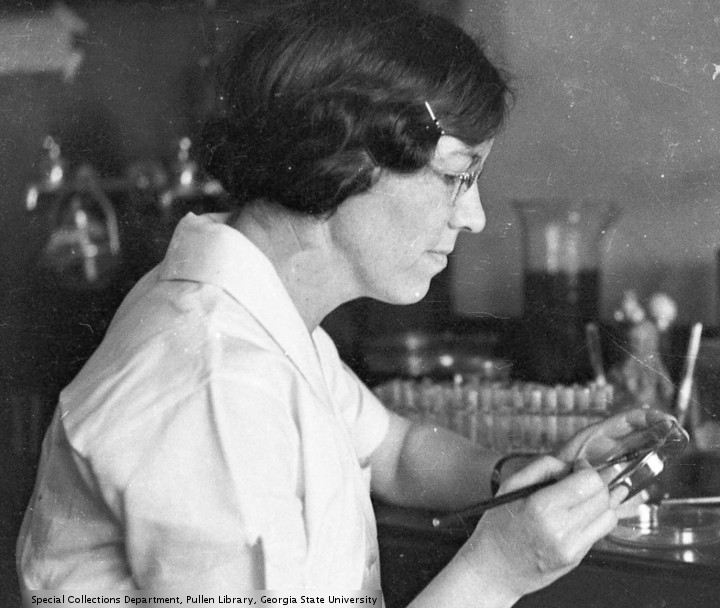
Pictures today are from “The Special Collections and Archives, Georgia State University Library”. These pictures were made at the Grant Park Zoo, in May 1937. There were no sheep in captivity.




Gloomy Sunday
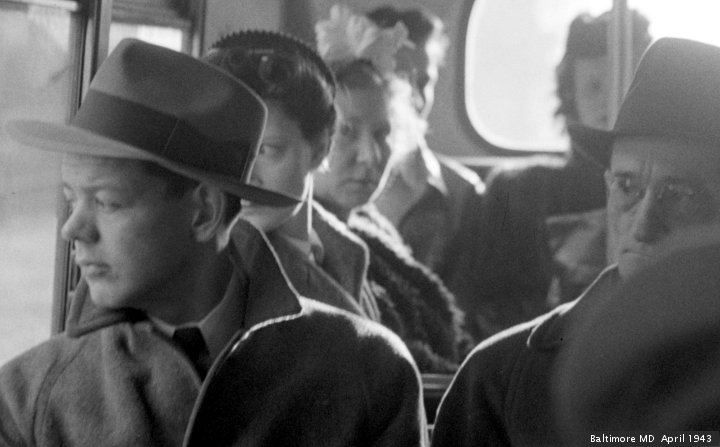

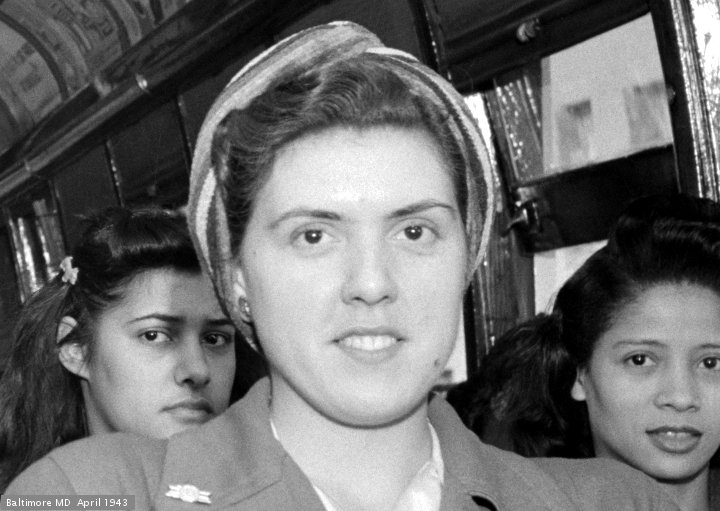

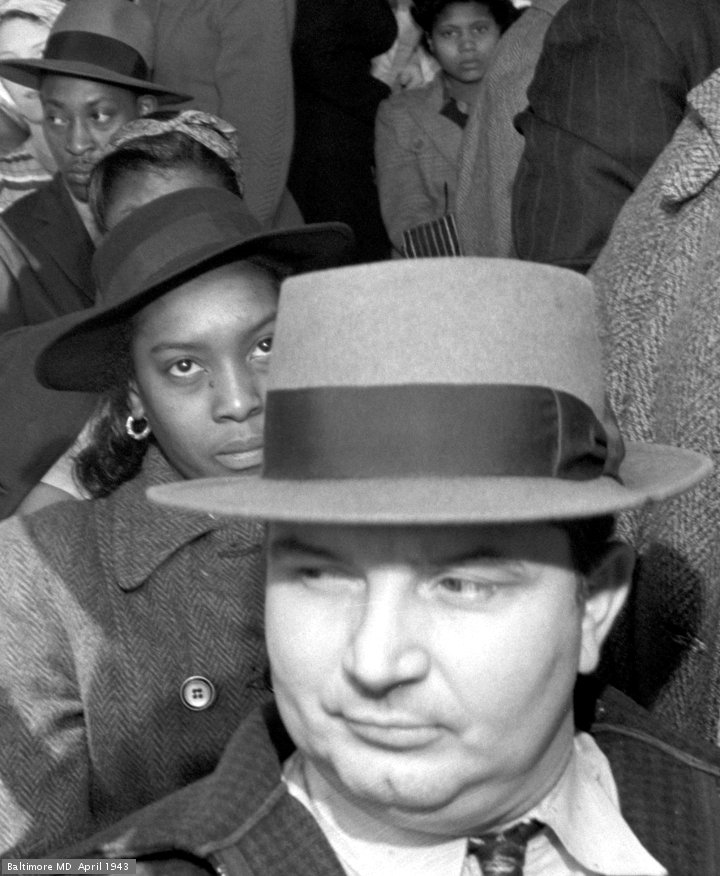
Billie Holiday had a hit with Gloomy Sunday in 1941. The legend is that people would listen to the song, and kill themselves. As a result, the song was banned from the radio. Or was it?
Gloomy Sunday was written in 1933 by Rezső Seress. Additional lyrics were later written by László Jávor. It became known as the “Hungarian Suicide Song”, and was reportedly banned in Hungary. An english translation (which is said to not do justice to the original Hungarian) was rendered.
Gloomy Sunday has a melancholy sound, even as an instrumental. The story is about a person…it is not gender specific…who decides to join a loved one who has died. A third verse was added, to the english version, where the singer says it was all a dream.
Gloomy Sunday became popular in the United States. And the suicide stories started to spread, along with rumors that the song had been banned from the radio. (It was indeed banned by the BBC.) There are indications that these rumors were part of a publicity campaign.
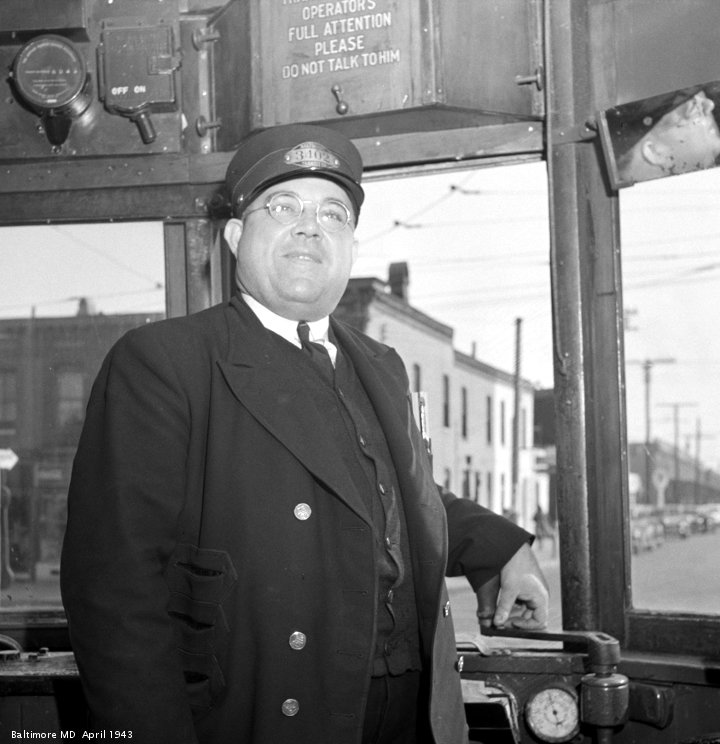
The urban legend busters snopes. calls the story “undetermined”. Legends like this get a life of their own. A grieving person hearing this song on a dreary Sunday is not going to be uplifted. One thing is known for sure…the original composer did take his own life. Rezső Seress jumped off a tall building in Budapest in 1968. The legend is he had never had another hit song after writing “Gloomy Sunday”. This repost has pictures from The Library of Congress.




Saddam Hussein Becomes The Next Hitler



This is a repost from 2011. Juan Cole at Informed Comment posts today about a document release from Wikileaks. The document is a cable sent by April Glaspie, the ambassador to Iraq, about a meeting with Saddam Hussein on July 25, 1990. This was shortly before his invasion of Kuwait.
In 1990, Iraq was recovering from a horrendous war with Iran. That war started Sept. 22, 1980, when Iraq invaded Iran, possibly with encouragement from the United States. (At the time of this invasion, Iran was holding Americans hostage in the American embassy. The United States was not pleased with Iran.) Iraq failed to get a quick victory. The war became a bloody quagmire, with hundreds of thousands of casualties.
In 1990, Iraq was rebuilding, and Kuwait was flourishing. Oil was being over produced, driving down the price. Kuwait was accused of “slant drilling”, i.e. drilling under the border, and stealing oil from Iraq. At one point, a meeting was held between officials of Iraq and Kuwait. “Saddam…sent his foreign minister to Kuwait to meet with the Emir Al Sabah, the former leader of Kuwait, to try to resolve some of the… issues” between Kuwait and Iraq, Piro will recall. “And the Emir told the foreign minister of Iraq that he would not stop doing what he was doing until he turned every Iraqi woman into a $10 prostitute. And that really sealed it for him, to invade Kuwait.”
On July 25, 1990, Saddam Hussein summoned to American Ambassador, April Glaspie, to a meeting. The cable is Ms. Glaspie’s account of the meeting. The transcript is available on the website of the Margaret Thatcher Foundation. (Archive (Bush Library) Gulf War: USE Baghdad to Washington (Saddam’s message of friendship to George Bush) 1990 Jul 25, declassified 1998) It is worth noting that this transcript is not sworn testimony, and could contains lies and mistakes.
The invasion of Kuwait, eight days after the meeting, on August 2, 1990, set in motion events that affect us to this day. A coalition was formed to drive Iraq out of Kuwait. There was talk of going to Baghdad and deposing Mr. Hussein at the time. The military action stopped after driving Iraq out of Kuwait, reportedly at the request of Saudi Arabia. Twelve years later, the United States attacked Iraq, and drove out the Hussein government. We are still there.
The comments section for the post by Informed Comment is the source of several links in this story. The wikileaks links have been deactivated. Pictures are from The Library of Congress.

Racists Got Racist


The story below is a repost from 2015. Looking back from 2023, this piece feels quaint. It appeared on Gawker. The G-blog has been through tough times, but continues to hang in there. Today’s headline: Drake Brags About Exclusive Toilet Access
“#blacklivesmatter took a dairy inclusive turn this weekend. New York City was the scene when #BlackLivesMatter Protesters Hit Whites Where It Truly Hurts: Brunch.”
“… a group of about three dozen demonstrators … hitting such quiche-and-mimosa joints … When they arrived, they began reading the names of black Americans killed by police to diners. … As is to be expected when such a sacred institution is so callously attacked, the protests sparked lots of fervent tweeting.” @genophilia “Racists got racist” gigantic pussy having top heavy slag @sheixx_ “It’s fine for blacks to loot, rob, rape and kill whites, but if whites complain about it, now that’s racist.” Lol
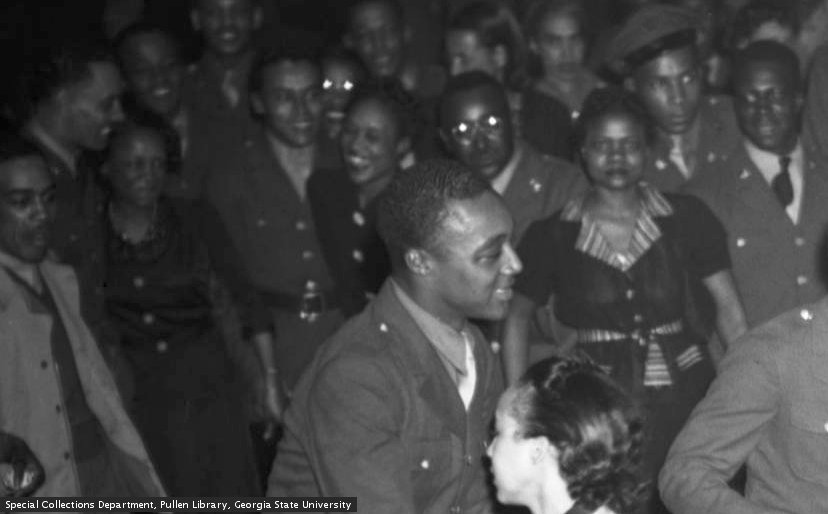
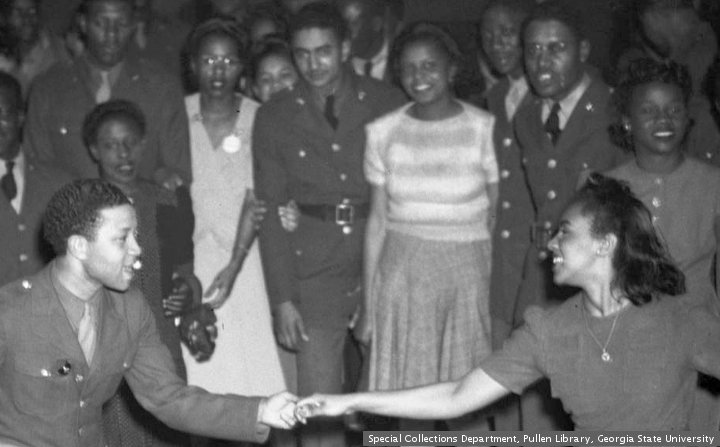
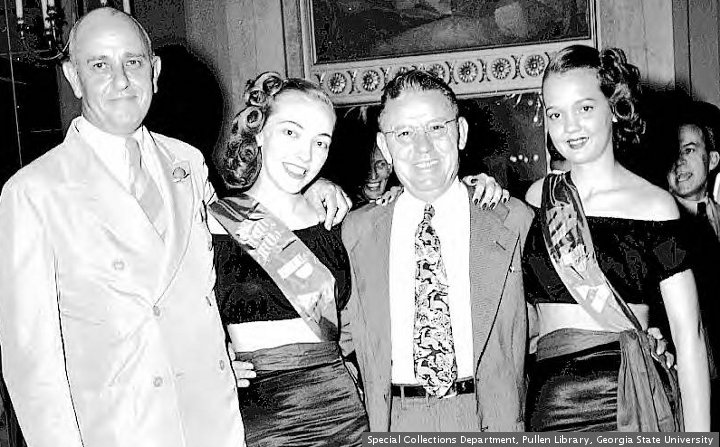
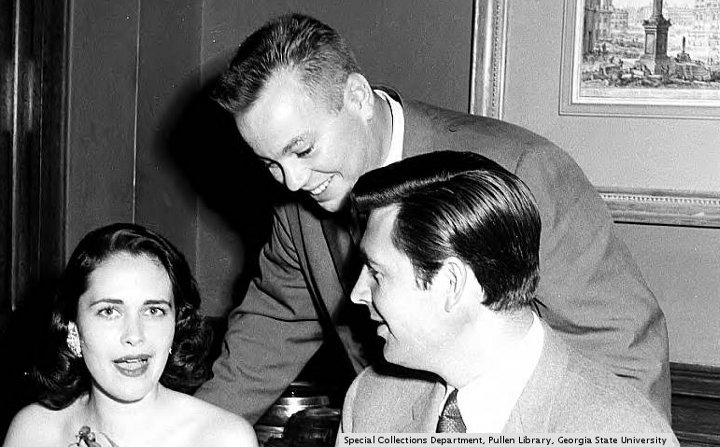
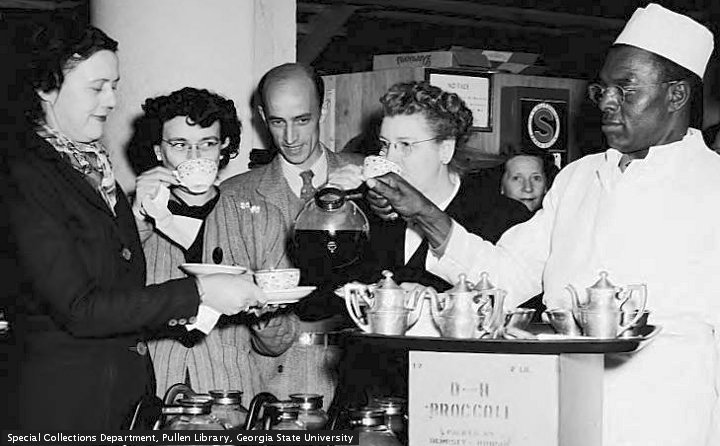
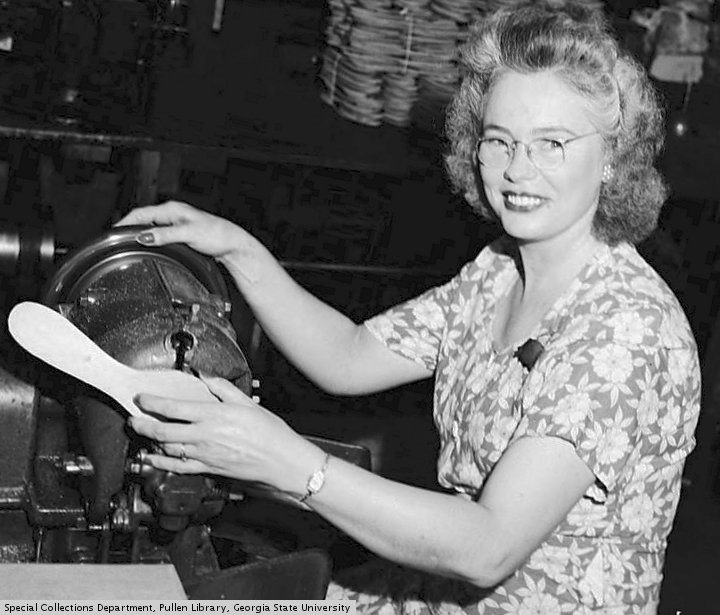
The original post has more text, which is not necessary for today’s edition. The gawker original features the type of purple prose that is less fashionable today: “It’s hard to imagine a funnier needling tactic. People are reacting viscerally to the idea that diners were targeted as racists simply for enjoying a Sunday morning meal—and if they had been subject to any discomfort beyond five awkward minutes, they’d have a legitimate complaint. But it’s just brunch, and as soon as you complain about it, you get to the heart of the issue: while some people are out there wondering whether a trigger-happy cop might decide to gun them down today, you just want to finish your capers and lox in peace.” Pictures for this bit of social justice nostalgia are from Special Collections and Archives, Georgia State University Library.







leave a comment