The Last Night Of Judy Garland



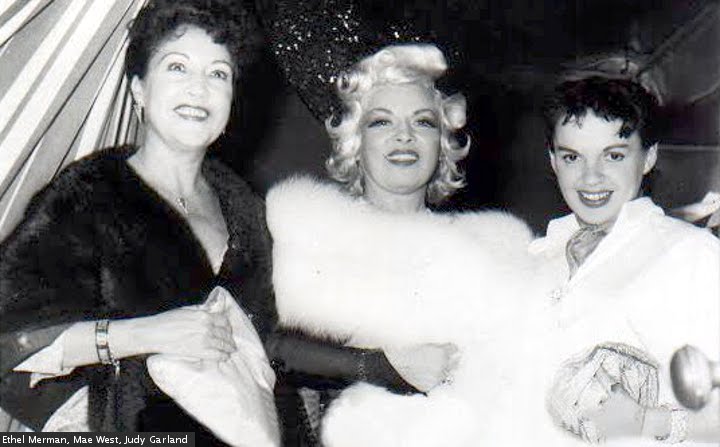
“In march of 1969, Judy married her fifth husband, Mickey Devinko, better known as Mickey Deans, a gay night-club promoter. Judy had an unfortunate habit of marrying gay men. They lived together in a tiny mews house in Chelsea, London. The evening of Saturday June 21 1969, Judy and Mickey were watching a documentary, The Royal Family, on television, when they had an argument. Judy ran out the door screaming into the street, waking the neighbors.
Several versions of what happened next exist, but the fact remains that a phone call for Judy woke him at 10:40 the next morning, and she was not sleeping in the bed. He searched for her, only to find the bathroom door locked. After no response, he climbed outside to the bathroom window and entered to find Judy, sitting on the toilet. Rigor Mortis had set in. Judy Garland, 47, was dead.
The press was already aware of the news before the body could be removed. In an effort to prevent pictures being taken of the corpse, she was apparently draped over someone’s arm like a folded coat, covered with a blanket, and removed from the house with the photographers left none the wiser.
The day Judy died there was a tornado in Kansas…. in Saline County,KS, a rather large F3 tornado (injuring 60, but causing no deaths) did hit at 10:40 pm on June 21st, that would be 4:40 am, June 22nd, London time, the morning she died. I know the time of death has never been firmly established, but since Rigor Mortis had already set in, I think this tornado may very much be in the ballpark in terms of coinciding with time of death…. Other news articles suggest the tornado struck Salina “late at night” which could certainly also mean after midnight on June 22, or roughly 6:00 am London time…
The Toledo Blade for June 24th, also in an article located right next to a picture of Garland, in a write-up on the Salina tornado noted that “Late Saturday [June 21] and early Sunday [June 22, another batch of tornadoes struck in central Kansas.” So it seems the legend seems confirmed.”
The text for this story comes from Findadeath. You can spend hours at this site. This is a repost. Pictures are from The Library of Congress.


Lose The Ability To Remember
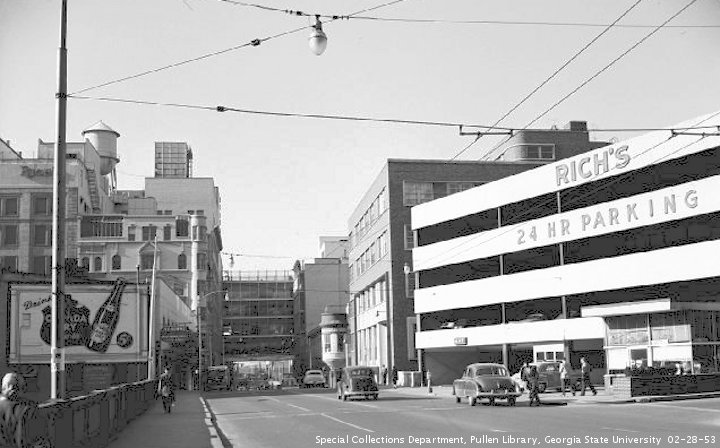
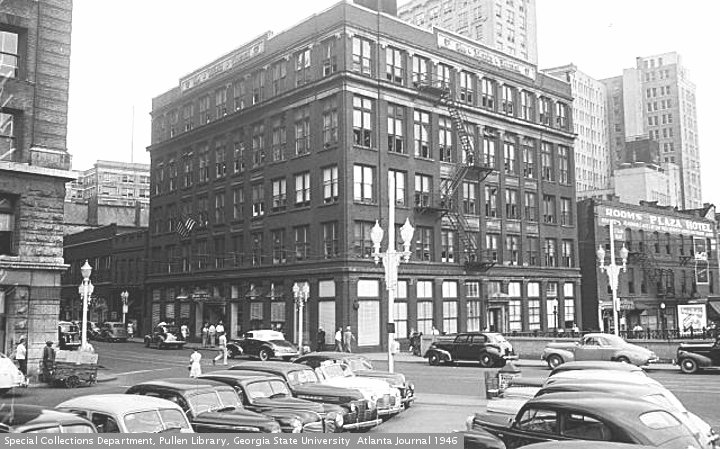

PG heard a nifty quote once. “When we begin to write, we will lost the ability to remember.” It was credited to Homer, the Greek poet. The only problem is, PG could never find a source.
But Thamus replied, “Most ingenious Theuth, one man has the ability to beget arts, but the ability to judge of their usefulness or harmfulness to their users belongs to another; and now you, who are the father of letters, have been led by your affection to ascribe to them a power the opposite of that which they really possess. For this invention will produce forgetfulness in the minds of those who learn to use it, because they will not practice their memory. Their trust in writing, produced by external characters which are no part of themselves, will discourage the use of their own memory within them. You have invented an elixir not of memory, but of reminding; and you offer your pupils the appearance of wisdom, not true wisdom, for they will read many things without instruction and will therefore seem to know many things, when they are for the most part ignorant and hard to get along with, since they are not wise, but only appear wise.”
We don’t know how widespread writing was in Plato’s time. Presumably, many of the old tales were transmitted by word of mouth, from one generation to the next. This involves memory. “For this invention will produce forgetfulness in the minds of those who learn to use it, because they will not practice their memory.”
There is one more quote worth musing over. Since the invention of the first mediums, new methods have been denounced by traditionalists. Today, we live in an era of constant change. This feature will appear in a blog… state of the art in 2004, and considered obsolete in 2018. Every new medium is greeted with hand wringing over the bad effects it will have on society. Some of these misgivings have been proven false. This *text* goes into more detail about this.
Homer may, or may not, have existed. Since this was 2800 years ago, we may never know. The stories of “The Iliad” and “The Odyssey” may have been told from one generation, to the next. Maybe Homer really did say that, and was merely afraid of competition.
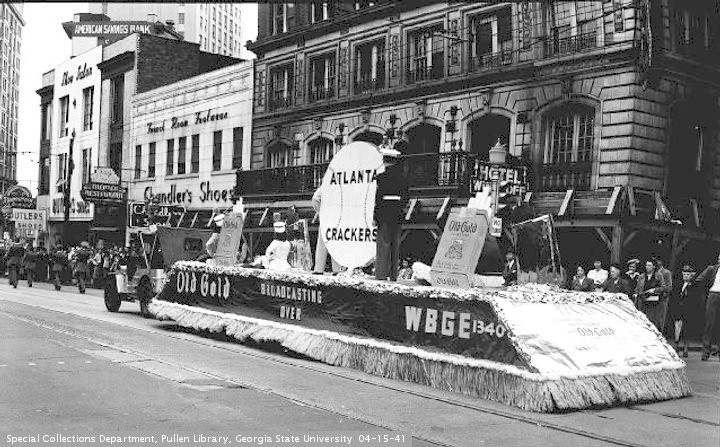
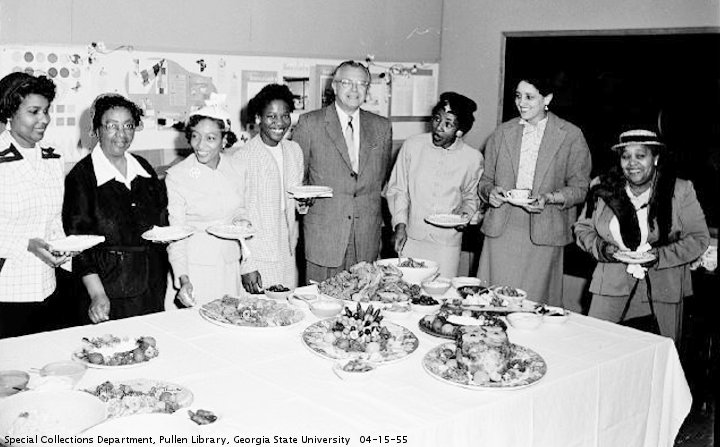
“You have invented an elixir not of memory, but of reminding; and you offer your pupils the appearance of wisdom, not true wisdom, for they will read many things without instruction and will therefore seem to know many things, when they are for the most part ignorant and hard to get along with, since they are not wise, but only appear wise.” . In todays culture, the display of apparent wisdom is more impressive than actual knowledge. These things too shall pass away. Pictures are from Special Collections and Archives, Georgia State University Library. This is a repost.


Be Not Curious About God


Beautiful that war, and all its deeds of carnage, must in time be utterly lost;
That the hands of the sisters Death and Night,
incessantly softly wash again, and ever again, this soil’d world:
…For my enemy is dead—a man divine as myself is dead;
I look where he lies, white-faced and still, in the coffin—I draw near;
I bend down and touch lightly with my lips the white face in the coffin.
Reconciliation was written by Walt Whitman. During the War Between the States, Mr. Whitman served as a volunteer nurse in Washington DC hospitals. That hospital was full of the human cost of war. Mr. Whitman looked past the so-called causes … slavery, states rights, banker profits … and saw the price paid, by the men who fought.
“In 1862, Whitman received word that his brother George had been wounded at the Battle of Fredericksburg. During the worst, he traveled down to the Virginia battle site. Much to Whitman’s relief, he found that his brother had sustained only minor injuries. While he was there, Whitman was moved by an especially brutal scene. … He records a dramatic moment where he’s standing in front of this field hospital and sees at the foot of two trees a pile of amputated limbs. He says, “A full load for a one horse cart.” And these are limbs that had been thrown out the windows of the surgery in the haste of the battle and the emergencies.”
Walt Whitman emerges as a type of Jesus figure. His words are analyzed 150 years later, looking to find a meaning that pleases 2023 America. At least Mr. Whitman left a written record, in English. This does not prevent him from being misrepresented.
“Song of Ourselves? Walt Whitman and the American Imagination” talks about Mr. Whitman living in Brooklyn before the War, and how he came to be involved in that conflict. At some point, the hosts talk about … a framed quote, “Be curious, not judgmental.” I was curious about the context, and did a little digging. There are plenty of meme-mongers selling this quote. This does not answer the question … how did Walt Whitman come to say this?
Wikiquotes lists “Be curious not judgemental” as Disputed. “While consistently attributed to Whitman, this popular motivational quote has no source. It is occasionally listed as occurring in Leaves of Grass, but the closest phrase found in that collection is “Be not curious about God.”
And I say to mankind, Be not curious about God,
For I who am curious about each am not curious about God,
(No array of terms can say how much I am at peace about God and about death.)
I hear and behold God in every object, yet understand God not in the least,
Nor do I understand who there can be more wonderful than myself.
Why should I wish to see God better than this day?
I see something of God each hour of the twenty-four, and each moment then,
In the faces of men and women I see God, and in my own face in the glass,
I find letters from God dropt in the street, and every one is sign’d by God’s name,
And I leave them where they are, for I know that wheresoe’er I go,
Others will punctually come for ever and ever.” … Song of Myself, Part 48.
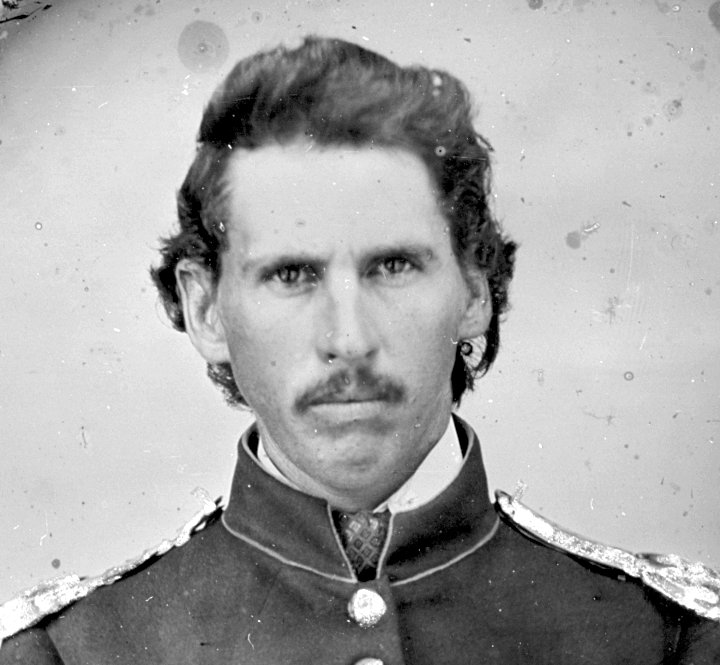
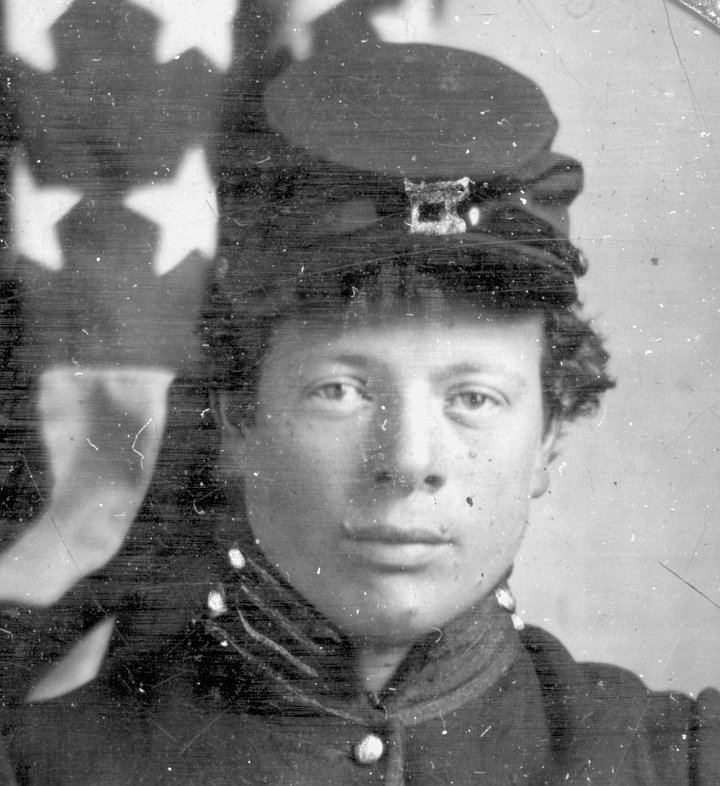
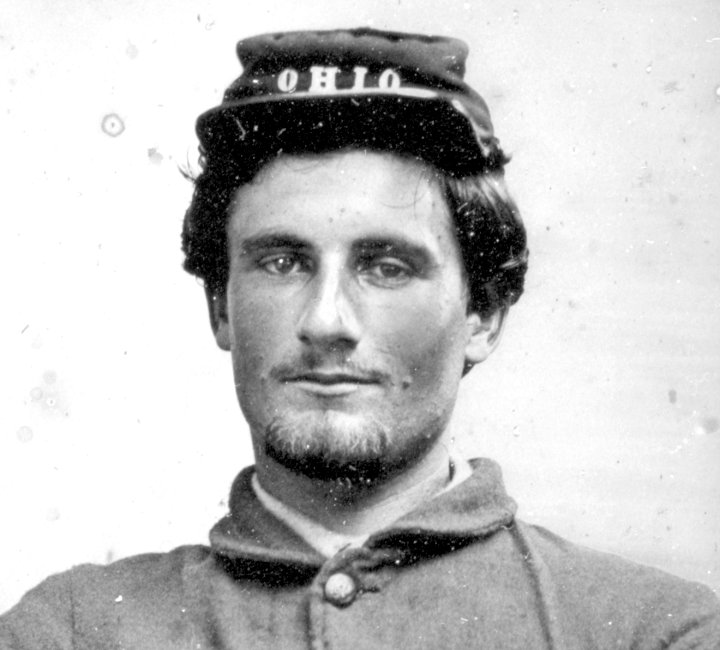
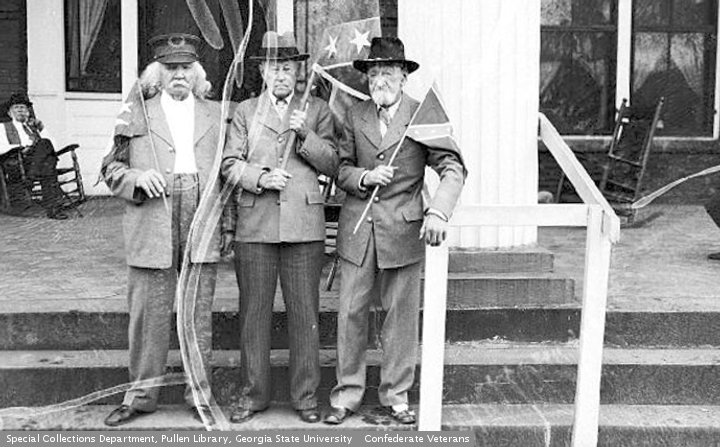
Pictures today are from The Library of Congress. These men were soldiers, in the War Between the States. This is a repost from 2019.


Carolyn Bryant Donham
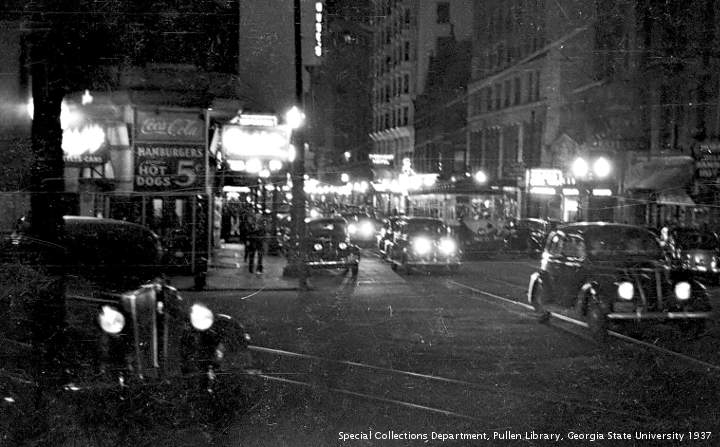
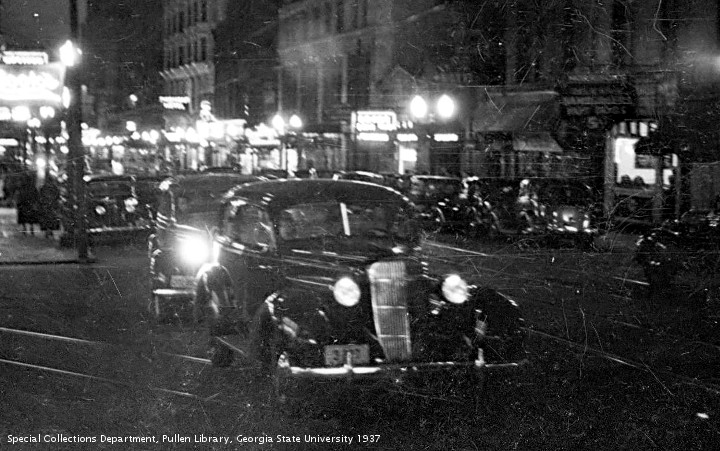
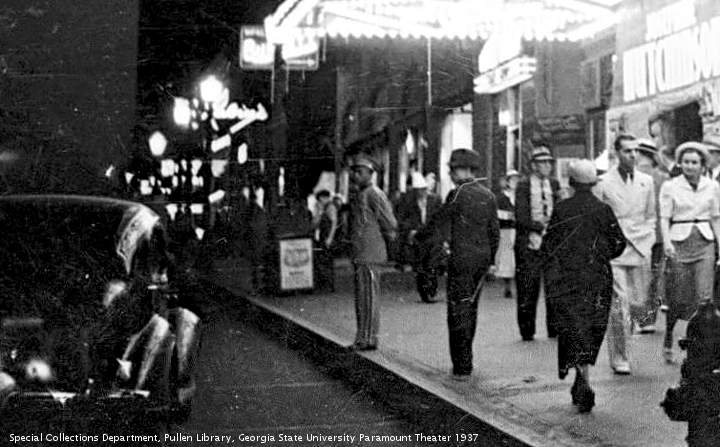

On August 24, 1955, Emmett Louis Till (ELT) went into Bryant’s Grocery & Meat Market, in Money MS. Later, the cashier, Carolyn Bryant Donham (CBD), falsely accused ELT of making improper advances. Four days later, fourteen year old ELT was brutally murdered by Roy Bryant, the husband of CBD, and JW Milam. This is the story I had always heard, and routinely accepted as the truth.
Recently, I saw a video that told a different story. In this version, a third party told Roy Bryant about the incident. More importantly, CBD never recanted her story. When The Blood of Emmett Till came out, news that CBD had recanted her story caused a sensation. The video had a screen shot of a newspaper article, with details about the non-confession.
“Timothy Tyson’s book on Emmett Till became a bestseller thanks to the bombshell quote he attributed to Carolyn Bryant Donham — that she lied when she testified about Till accosting her. Donham’s daughter-in-law, Marsha Bryant, who was present for the two tape-recorded interviews Tyson did with Donham, said her mother-in-law “never recanted. Adding to the intrigue is the fact the quote Tyson attributed to Donham isn’t on the recordings. … “It is true that that part is not on tape because I was setting up the tape recorder,” Tyson said.”
“Davis Houck, co-author of Emmett Till and the Mississippi Press, said if Donham is saying she didn’t recant in her interview with Tyson, “we’re left with a familiar story: a predatory black ‘man’ threatened to rape her on the evening of Aug. 24. “He sees two problems with that: Her court testimony differs greatly from her initial statement, where she said Till grabbed her hand, asked for a date, said goodbye and whistled. When Till’s killers arrived at Mose Wright’s house, (where Till was abducted) they asked for “the boy who did the talking at Money.” They didn’t ask for the one who touched Donham. If she indeed recanted, he said, “we are, at long last, asked to see her as a pawn in the defense attorneys’ strategy.”
A Justice Department investigation found no proof that CBD recanted her initial accusation. “Donham denied to federal investigators that she lied in her testimony, a source with knowledge of the case said, and there were inconsistencies with statements made by Tyson. … Tyson stood by his reporting, describing Donham as unreliable in an emailed statement.” It is possible that Timothy Tyson invented the story to sell books.
So what did happen at the store in Money, MS? “Emmett was left alone in the store for a minute or so with Carolyn Bryant, the white woman working the store’s cash register. … As Carolyn Bryant would later tell the story in a Tallahatchie County courthouse, Till asked her for some candy inside a candy counter. When Bryant placed the candy on top of the counter, Till grabbed her right hand tightly and asked, “How about a date, baby?” When Bryant pulled her hand free and started to walk away, Till grabbed her by the waist near the cash register and told her, “You needn’t be afraid of me, baby I’ve [slept] with white women before.”
“Till’s cousin, Simeon Wright, writing about the incident decades later, questioned Carolyn Bryant’s account. Entering the store “less than a minute” after Till was left inside alone with Bryant, Wright saw no inappropriate behavior and heard “no lecherous conversation.” Wright said Till “paid for his items and we left the store together.”
“There is, however, general agreement about what happened next outside the store. As Carolyn Bryant left the store and headed towards a car … Emmett whistled at her. Till’s cousin described it as “a loud wolf whistle, a big city ‘whee wheeeee!'” Till’s Mississippi cousins instantly knew that Till had broken a longstanding taboo relating to social conduct between blacks and whites, and that they were in grave danger. They quickly ran to their car and sped out of Money.”
The story about the *kid* from Chicago loudly whistling at CBD was a hot item in local conversations. Three days later,“Roy Bryant, Carolyn’s husband, returns to Mississippi after working on a shrimping boat in Texas. That afternoon, at the store, an African-American teenager tells Roy about the August 24 incident at the store involving Till and his wife. When he asks Carolyn about the incident, she urges her husband to forget about it. But he doesn’t. … To do nothing after hearing the story involving his wife, Bryant later told an interviewer, would have shown himself to be “a coward and a fool.”
“Sometime on Saturday August 27, plans fell into place to kidnap the offending black teenager and “teach him a lesson.” Bryant’s half-brother, John W. Milam, readily agreed to help. … According to historian Hugh Whitaker, who interviewed dozens of Mississippians who knew Bryant and Milam, the two “were invariably referred to as ‘peckerwoods,’ ‘white trash,’ and other terms of disappropriation.”
“Within the next few hours, Bryant and Milam somehow learned that the wolf-whistler was staying at the home of “Preacher” Moses Wright. At 2:30 a.m., a vehicle with headlights off pulled up in front of Wright’s home east of Money. … When Wright went to the door, the man identified himself as Roy Bryant and said that he wanted to talk to “a fat boy” from Chicago. Standing on the porch with Bryant were Milam and a black man, hiding his face, who (according to his own later admission) was Otha Johnson, Milam’s odd-job man. The men searched the occupied beds looking for Till. Coming to Till’s bed, Milam shined a flashlight in the boy’s face and asked, “You the niggah that did the talking down at Money?” When Till answered, “Yeah,” Milam said, “Don’t say ‘yeah’ to me, niggah. I’ll blow your head off. Get your clothes on.” Warning the Wrights they’d be killed if they told anyone they had come by, Milam and Wright ushered Till out of the house and to their parked vehicle. Standing on the porch looking out into the dark, Moses Wright heard a woman’s voice–possibly Carolyn Bryant’s–from inside the vehicle tell the abductors they had found the right boy. What happened over the next three or four hours is not known for certain.”
An FBI document has conflicting details. “After deciding to kill Till, they traveled to a cotton gin at Boyle MS and picked up a discarded gin fan there. Milam is quoted as saying “When we got to that gin, it was daylight, and I was worried for the first time. Someone might see us and accuse us of stealing the fan.” … “They took Till’s body to a bridge in a secluded area, affixed the gin fan to Till and threw him off the bridge, into the Tallahatchie River” … “Two blacks, who worked for the Milams, were part of the group that beat and killed Till. One of the blacks discovered Till wasn’t dead so the two blacks killed him and helped in the disposal of his body.” At any rate, ELT was murdered, the gin fan was tied to his body, and the body was dumped in the Tallahatchie River.
One surprising detail is the participation of Black men in the crime. “Two potential key witnesses, both blacks who allegedly assisted with the abduction and murder of Till, were unavailable to the prosecution. Both Leroy “Too Tight” Collins and Henry Loggins, who prosecutors assumed only to be missing, were actually being held under false identities in a jail in Charleston, Mississippi under orders of Sheriff H. C. Strider, who had thrown the full weight of his office behind the defense efforts.”
Today is the third of June. Did Billy Joe McCallister jump into the Tallahatchie River? “Ode to Billy Joe” is a made up story. Choctaw Ridge is nowhere near the Tallahatchie River. Wikipedia does have an interesting comment about the Tallahatchie Bridge. “The wooden bridge collapsed in 1972 after being set alight by vandals. It crossed the Tallahatchie River at Money, about ten miles north of Greenwood.” Money is where Bryant’s Grocery Store is. The name changed soon after the murder, and the store is now in dilapidated shape.
“To say that Bryant “made it all up” implies that she lied about the wolf-whistle, also. It is important to point out, however, that Till’s cousins — Maurice Wright, Simeon Wright, and Wheeler Parker — who witnessed the incident, were the ones who told the press about the whistle just days after it occurred. Bryant herself said nothing about the whistle publicly until the murder trial. Thus all news reports about the whistle up to the trial came directly from Till’s cousins.”
“But it was at the trial where Bryant added some sensational details that seemed to come out of nowhere, and this is where she lied. … Just five days after the murder, with her husband and brother-in-law sitting in jail, she told defense attorney Sidney Carlton a different story than the one she would tell in court three weeks later. Carlton’s hand-written notes make no mention of the more salacious parts. “Wednesday Aug. 24 about 7:30 or 8 P.M. (dark) boy came to candy counter & I waited on him & when I went to take money he grabbed my hand & said ‘how about a date’ and I walked away from him and he said ‘what’s the matter Baby can’t you take it?’ He went out door and said ‘goodbye’ and I went out to car & got pistol and when I came back he whistled at me—this whistle while I was going after pistol—didn’t do anything further after he saw pistol.’”
“Because Bryant’s story developed after Till’s death, it is clear the lies she told on the stand did not lead to murder but came later for the benefit of the jury in order to guarantee an acquittal. Also, Carolyn Bryant is not the one who told her husband about the store incident in the first place. He was out of town at the time but heard it three days after the fact from one of the young teens who was present at the store the night of the incident. … Carolyn only confirmed the incident to Roy after he confronted her. … Tyson told another detail about Bryant’s false story in a paper leaked online in 2014, saying it was concocted for her to use by defense attorneys and Bryant family members. For whatever reason, Tyson did not include this detail in his book. It is not on the notepad and presumably, is not on tape either.”
@GavinNewsom “His physical mannerisms are aggressive…I feel threatened by him.”-Marjorie Taylor Greene describing Rep. Bowman This is the kind of dangerous rhetoric that led to Emmett Till’s death. Everyone should call this out for what it is: blatant racism.” This type of overheated rhetoric is becoming common. It is based on a cynical version of a tragic history. It does not honor the memory of Emmett Till. “Everyone should call this out for what it is: blatant racism.” Pictures today are from Special Collections and Archives, Georgia State University Library


Why The War Between The States Was Fought
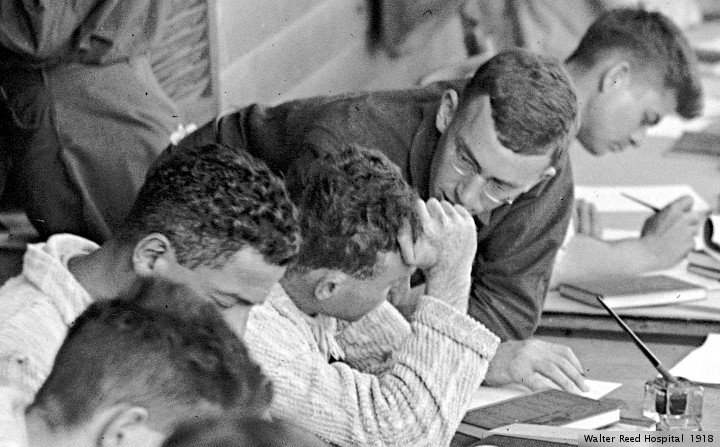
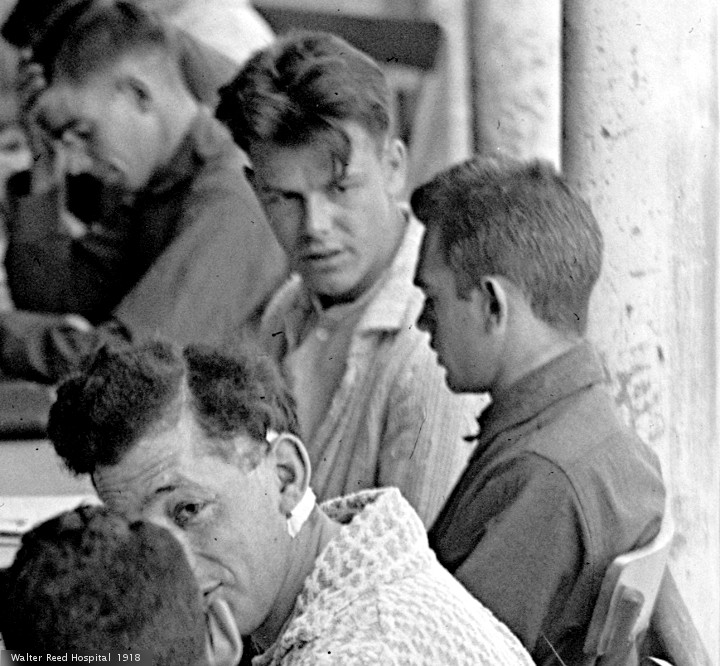


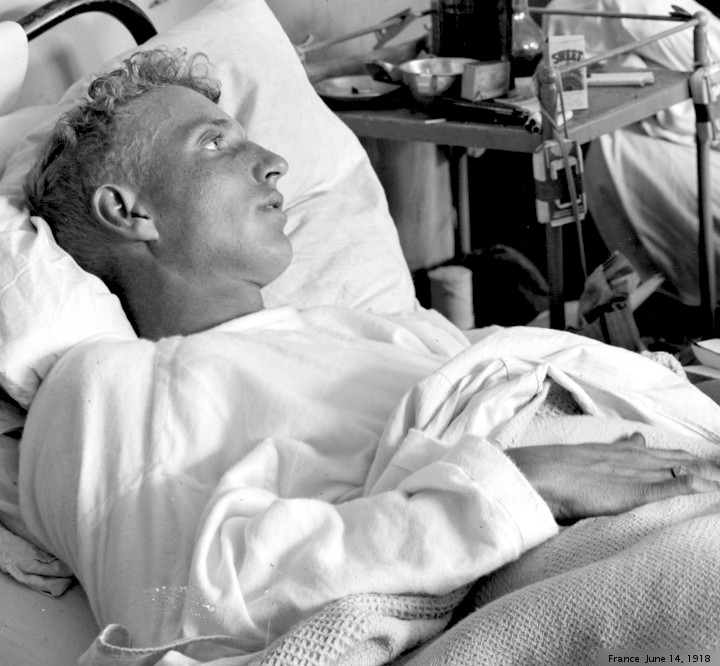

Recently, Mr. Trump said something stupid about the War Between the States. After his comments began to filter into the marketplace of ideas, people began to react. There was a good bit of self righteous talk about how bad the Confederacy was. Maybe it is time for another point of view. This feature will have minimal research. Mostly, PG is typing things he has heard and thought. Mistakes will be made. The reader is encouraged to do their own research. This was a repost from 2017.
When the colonies declared independence in 1776, nobody knew how things would turn out. First, Great Britain needed to be defeated. After that, the Articles of Confederation went into effect. “Under these articles, the states remained sovereign and independent, with Congress serving as the last resort on appeal of disputes. Congress was also given the authority to make treaties and alliances, maintain armed forces and coin money. However, the central government lacked the ability to levy taxes and regulate commerce…”
This arrangement was not working, and the Constitutional Convention was called. Originally, the CC was going to revise the Articles of Confederation, but wound up throwing the whole thing out, and creating the Constitution. This document called for greater federal authority. The issue of what powers to give to the states, and what powers to give to the central government, was contentious. It remains controversial to this day.
Had any group of autonomous states formed a federal union before? Usually, such a union is the result of a conquest, with one of the states ruling the others. It is unclear whether such a union had been attempted before, or how successful it was. When the “founding fathers” created the constitution, they probably did not foresee how it would play out. The current system, with a massive central government cat-herding the 50 states, would have been laughed off as a dangerous fantasy.
So the states start to have disagreements. One of the things they disagreed over was slavery. Yes, this was an important factor in the unpleasantness to come. Slavery also influenced a lot of the economic conflicts. The North wanted high tariffs to protect industry. The South wanted low tariffs, so they could sell cotton to Europe. There were many other ways for the states to not get along.
Finally, in 1861, the disagreements became too big to ignore. The south seceded, and the War Between The States began. The Confederate States of America was a looser union than the United States. The thought was that the states were more important than the federal union. Mr. Lincoln disagreed. (One popular name for the conflict was Mr. Lincoln’s war.) Many people say that Mr. Lincoln was not especially concerned about the slaves, but wanted to keep the union together.
How does slavery enter into this? Imagine the conflict over states rights vs federalism to be an open tank of gasoline. The lit match that was thrown into that tank was slavery. When the winners wrote the war history, it sounded better to say that the war was fought to free the slaves. Pictures today are from The Library of Congress.


Bob Dylan Lives




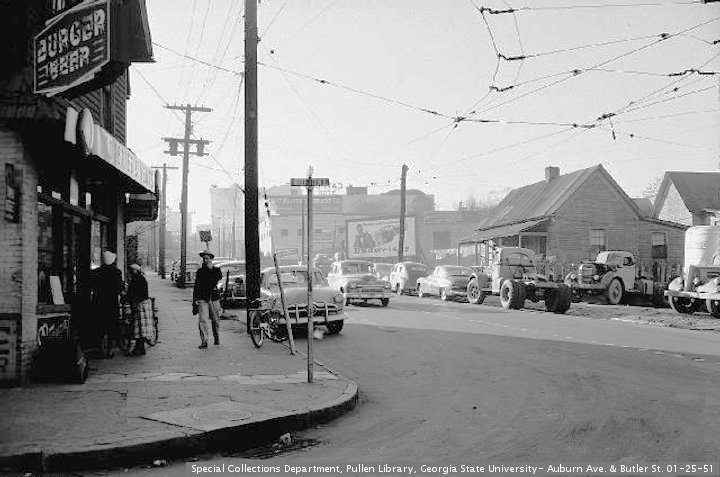
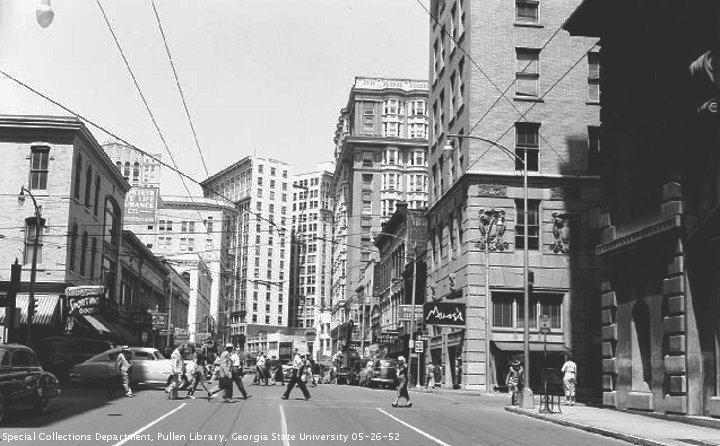
Today is Bob Dylan’s eighty second birthday. This tribute is composed primarily of three previously published pieces of work. Some people think Bob Dylan is a piece of work. Pictures are from Special Collections and Archives, Georgia State University Library
This compendium was assembled in 2016. On David Bowie’s in 2016, PG created a computer playlist, and assembled a few blog posts into a birthday celebration. Three days later, David Bowie was dead. PG decided to do the same thing to Bob Dylan on his birthday. Instead of dying, Bob Dylan won the Nobel prize. A similar effort on RuPaul’s birthday had no effect on the performer.
It was a late may morning in Atlanta GA, and a slack blogger was searching his archives. Yes, Issac Asinov never got writers block, and when he wasn’t going to the bathroom he was typing, but that is a lifestyle choice. Easy writing makes tough reading. So, anyway, in the may archive for 2011 there was a post about Bob Dylan’s seventieth birthday. People were taking bets on whether he would make it to thirty, and here he is at seventy nine.
Hibbing MN is a cold place. At least it can claim to be the birthplace of Robert Allen Zimmerman. That’s Allen, with an e, and double L, just like hell. The original initials were RAZ, which might be a good trivia question, or, with a silent W in front, radio station call letters. The problem is, he legally changed his name to Bob Dylan, with no known middle name. Those initial are BD.
On May 24, 1941, the curly haired wonder boi arrived. The world was a different place. Europe was in flames, and eyeing the young men of America as fresh cannon fodder. This was twelve years, eleven months, and eighteen days before PG graced the planet. A twelve year old in Hibbing MN would have no reason to think of a newborn baby in Atlanta GA.
The first time PG heard of Bob Dylan was probably at the record rack of Zippy’s dime store in Cherokee Plaza. There was an album of his greatest hits, and it came with a poster. The poster had a drawing of the man, with psychedelic waves of hair cascading in multi colored glory to the edges. PG never did buy the LP.
The former Mr. Zimmerman was never big on top 40 am radio. Somebody somewhere was getting a headache over those lyrics, but Atlanta GA was not somewhere in those days. By this time, Mr. Dylan had crashed his motorcycle, and gone into hiding. As the counter culture exploded (if only someone had disinfected that counter) the curly haired poet was in hiding, the subject of much speculation. At one point, people were stealing his garbage, and claiming to find evidence of investment in munitions firms. The neoscience of Dylanology continues to this day.
As PG got older and stupider, he heard more and more Bob Dylan music. In the summer of 1972, there was a performance at the Concert for Bangladesh. A couple of albums released during this era sucked, and some people stopped caring about Bob Dylan.
At the start of 1974, a tour was announced. The Band was to be the backing group. The circus came to the Omni, and PG got some of the mail order tickets. He couldn’t find anyone to use the second ticket, and sold it to a stranger outside the arena.
The show was nothing special. Bob Dylan excels at writing, is ok in the studio, and blah on stage. Georgia Governor Jimmy Carter was at the show, and was said to look bored. Mr. Dylan was invited to the Governor’s mansion after the show, and talked to the Governor. A lot of people in Georgia were surprised that Jimmy would want to run for President.
As the Seventies went me-me-me-ing into sex and drugs oblivion, Bob Dylan regained both his writing touch, and love of the spotlight. The Rolling Thunder tour happened, he got back together with Joan Baez, divorced his wife, became born again, became more Jewish, counted money, and generally lived the life. PG did his own version of all that, without Joan Baez.
In the winter of 1991, America was consumed by war fever. Saddam Hussein had been elevated to next Hitler status, and had to be taught a lesson. One night, Bob Dylan played on a music awards show, and performed “Masters of War”. He played a discordant version of that ditty, with the result that few understood what he had said. By this time, Mr. Dylan had assembled a band, and gone out on the “Never Ending Tour”. A Bob Dylan concert had gone from being a special event, to being another name on the festival roster. Overexposure will do that.
On the last night of the Olympics in 1996, Bob Dylan played the House of Blues downtown. PG won a pair of the $80 tickets in a radio station contest. It was his only trip downtown during the games, and had to wait in a security line to get into Centennial Olympic Park.
The only celebrity, other than Mr. Dylan, seen at the House of Blues that night was Bill Walton. The band was competent…they impressed PG as being like a bar band that did a lot of Dylan songs, with a strangely authentic lead vocalist. The sound in the room was not good, at least in the spot where PG stood. The only song he recognized was “All along the Watchtower”, the Jimi Hendrix classic. Mr. Dylan got a cheer when he put his harmonica appliance on.



The aptly named dangerousminds has a link to a story about the recording of Blonde on Blonde. Bob Dylan was 24 years old, newly married, and had “sold out” i.e. started to play electric guitar. A bunch of Canadians known as The Hawks (later The Band) was touring with him. Barely a month after the release of “Highway 61 Revisited”, sessions started at a New York studio.
The New York sessions did not work, so a decision was made to go to Nashville. Al Kooper played organ, and served as a music director. A crew of Nashville players was recruited. A bass player named Joseph Souter, Jr. would become famous a few years later using the name Joe South. Kris Kristofferson was the janitor at the studio.
Most studios have bafflers, or sound proof room dividers, splitting the studio into cubicles. For these sessions, the bafflers were taken down, and the band played together as a unit.
The second session in Nashville started at 6pm and lasted until 530 the next morning. Mr. Dylan was working on the lyrics to “Sad eyed lady of the lowlands”, and the recording could not start until he was ready. The musicians played ping pong and waited. At 4am, the song was ready, and the record was finished in two takes.
PG had marginal encounters with two of the players on this album. He met a lady once, who worked in an insurance office. One of the customers was Joe South. His driving record file was an inch thick.
Al Kooper had a prosperous career after his association with Bob Dylan. The former Alan Peter Kuperschmidt produced the first three Lynyrd Skynyrd albums, sold that contract for a nice piece of change, and lived happily ever after.
One night, Mr. Kooper was playing a show at the Great Southeast Music Hall, and PG sat in front of the stage. During a break between songs, PG asked his friend “what time is it?”. Mr. Kooper heard him on stage, and said it was 11:30.




If it ever quits raining, PG is going to walk to the Chamblee library and return a book, and a cd. The cd is by Bob Dylan, and is a work of genius. The book is about the former Mr. Zimmerman, and is a piece of garbage. (BTW, Dylan is not the only Zimmerman to hit the big time. Ethel Merman was born Ethel Agnes Zimmerman.The Zimmerman telegram got us into World War I. The less said about George Zimmerman, the better)
When returning cd’s to a library, you need to get a check in receipt. Once, PG returned a stack of cd’s to the Brookhaven library. When checking them in, one was missed by the scanner. A few days later, there was a note in the mail about an overdue cd.
The good news was, the cd was on the shelf when PG went back to investigate, and the matter was quickly settled. It did not help that the cd was a collection of disco music called “Shake your booty”.
“The freewheelin’ Bob Dylan” was released in the early sixties, when the man was barely old enough to buy a drink. There is not a bad song on it, and several are classic rock staples. At a time when mindless pop dominated pop music, here were thoughtful, moving lyrics.
In 1991, with America in a war frenzy, Mr. Dylan appeared on a music awards show. He performed “Masters of War”, at a time when the majority would be appalled if they could understand what he was singing. Mr. Dylan has been reinvented many times, and often the lyrics get gargled.
Five years later, PG won tickets to a Bob Dylan concert. It was the last night of the Olympics, and the man was appearing at the House of Blues. (Tickets were $80, so the radio contest is the only reason PG went). It was like hearing a good bar band, that did nothing but Dylan songs, with the man as the vocalist. Due to the mix of the sound, PG could not recognize many of the songs.
The book is Bob Dylan: Prophet, Mystic, Poet by Seth Rogovoy. It tells the Dylan tale as a story of Jewish prophecy. PG got to page 16, where the author claims that “Like a Rolling Stone” “almost single handedly revolutionized rock’n roll music”. Huh?
PG was eating dinner, and did not have anything else to read. He got to page 38. Nothing in the next 22 pages changed his mind away from ditching the book. How does nonsense like this get published?



Winston Churchill Said What



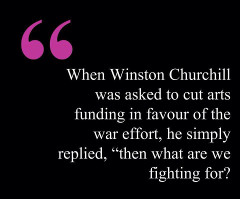
Another ghastly meme has surfaced on facebook. It has a large fuchsia quote mark for illustration. There is a quote from a famous man. The left side has a quote mark. The right side has a question mark, but no quote mark. The margins are much larger on the top, and left side, than on the right side, and the bottom. That this visual atrocity supports funding for the arts is a cruel irony.
Perhaps instead of the arts, the government funding should go for fact checking. The quote is generally considered to be bogus. For the record, here is the quote. “When Winston Churchill was asked to cut arts funding in favour of the war effort, he simply replied, “then what are we fighting for?” The quote is not in the Churchill archive, which is either fifteen million documents, or fifteen million words. The authorities use the figures interchangeably.
The Telegraph has an article debunking the meme. It has a splendid sentence: “But that anecdote does not so easily play into the screeching rhetoric of today’s 140-character political ding-dongs.” There are also some lovely quotes from Mr. Churchill.
 In 1937, Mr. Churchill spoke before the Peel Commission It was discussing “partitioning British mandated Palestine into Arab and Jewish states.” At the time, Mr. Churchill was a minor figure in British politics, disgraced by his blundering in the Great War. The quote: “I do not agree that the dog in a manger has the final right to the manger even though he may have lain there for a very long time. I do not admit that right. I do not admit for instance, that a great wrong has been done to the Red Indians of America or the black people of Australia. I do not admit that a wrong has been done to these people by the fact that a stronger race, a higher-grade race, a more worldly wise race to put it that way, has come in and taken their place.”
Winston Churchill is quite the quote magnet. This is somehow fitting for a man whose most famous speech was read, on the radio, by an actor. There is a page on the internet devoted to times when he was falsely accused of saying something inspiring.
One of these stories is notable. “The only traditions of the Royal Navy are rum, sodomy and the lash… Churchill’s assistant, Anthony Montague-Browne said that although Churchill had not uttered these words, he wished he had.” This is a repost, with pictures from The Library of Congress.
UPDATE: Sir Anthony Montague-Browne KCMG CBE DFC appears to have been a piece of work. He is acknowledged to be the illegitimate father of The Most Reverend Justin Welby Archbishop of Canterbury. The Most Reverend Justin Welby Archbishop of Canterbury. Sir Montague Brown was the private secretary of Winston Churchill from 1953 until Churchill’s death in 1965. “As well as his duties as a chief of staff, Montague-Browne lunched and dined with Churchill and provided an opponent for his favourite card game, rubicon. He also accompanied Churchill on his trips abroad.” While it is possible that Monatague-Brown did ask Churchill about the quote, there is no solid documentation. It is also possible that Churchill was in decline, or drunk, and could not remember something he said in 1911.
“Montague-Browne confirmed this to Richard Langworth, one of the most respected Churchill biographers. In his great book about Churchill quotations and misquotes, Churchill by Himself: The Definitive Collection of Quotations, Richard Langworth says that Montague-Browne personally told him that he had asked Churchill about the quote. According to Montague-Browne, Churchill responded: “I never said it. I wish I had.” Langworth notes that “rum, sodomy and the lash” is similar to “rum, bum and bacca” — a catchphrase from an old saying about the, er, pastimes of British sailors, dating back to the 1800s.”



Joe Biden Fundraising Survey


This is a repost from 2019. Mr. Brandon’s grift paid off, and he defeated Donald John Trump in the 2020 election. … @JoeBiden“Our campaign is all about the people. That’s why we want to hear what issues are most important to you! Take this super quick survey to share your top 2020 priorities with Joe.” VPOTUS is running for POTUS. An essential part of the process is the opinion poll, with one crucial question at the end. Our slack blogger decided to take the test.
“Which issues are most important to you? (enter each on a new line)” Getting new knee pads for Colin Kaepernick. Finding a new cookie recipe for Hillary Clinton. Getting Milo Yiannopoulos a haircut, and a name that is easier to spell. Having McDonalds declared the national hamburger.
“Do you approve of Joe Biden’s 8 years as Vice President? How would you rank Joe Biden amongst all former Vice Presidents? Among the top 5, Above average, Right in the middle, Below average, Among the bottom 5.” Ranking performance as a VPOTUS is tough. Mr. B’s big moment came after Obamacare was passed. He was heard saying “This is a big fucking deal.” Other than that, the biggest achievement of Joseph Robinette Biden Jr. is not dying in office, or arranging the demise of the President. Do we really want someone middle named Robinette as President?
Not dying in office is important. Between 1812 and 1853, three veeps perished in office. George Clinton served under Thomas Jefferson and James Madison. He died April 20, 1812. Elbridge Gerry, the namesake of Gerrymandering, also served under James Madison, before he met his maker on November 23, 1814. Maybe Dolley Madison put something in those snack cakes.
The third dead veep, William R. King, deserves a paragraph of his own. Mr. King was plausibly said to be the boyfriend of future President James Buchanan. We don’t know if this puts Mr. King in the top 5, or the bottom 5. Mr. King died April 18, 1853, after being VP for six weeks.
The only 19th century VP to serve two full terms was Daniel D. Tompkins, serving from 1817 – 1825. Mr. Tompkins was the first VP with a middle initial. “Tompkins was baptized Daniel Tompkins, but added the middle initial “D.” while a student at Columbia College to distinguish himself from another Daniel Tompkins who was a student there.” Harry S Truman is another VP with a standalone middle initial. The S stood for nothing, just like Mr. Truman.
Two early vices, John Tyler and John Cabell Breckinridge, went on to serve in the government of the Confederate States of America. Millard Fillmore was promoted to President, and had an impressive set of initials. The office of Vice President has had ups and downs, leading up to the modern embarrassment of Spiro Agnew and Daniel Quayle. Ranking JRB is too much work, and is not important. Only one question matters. “Can you chip in as little as $5 to activate your membership?”
Pictures today are from The Library of Congress.

ANZAC Day


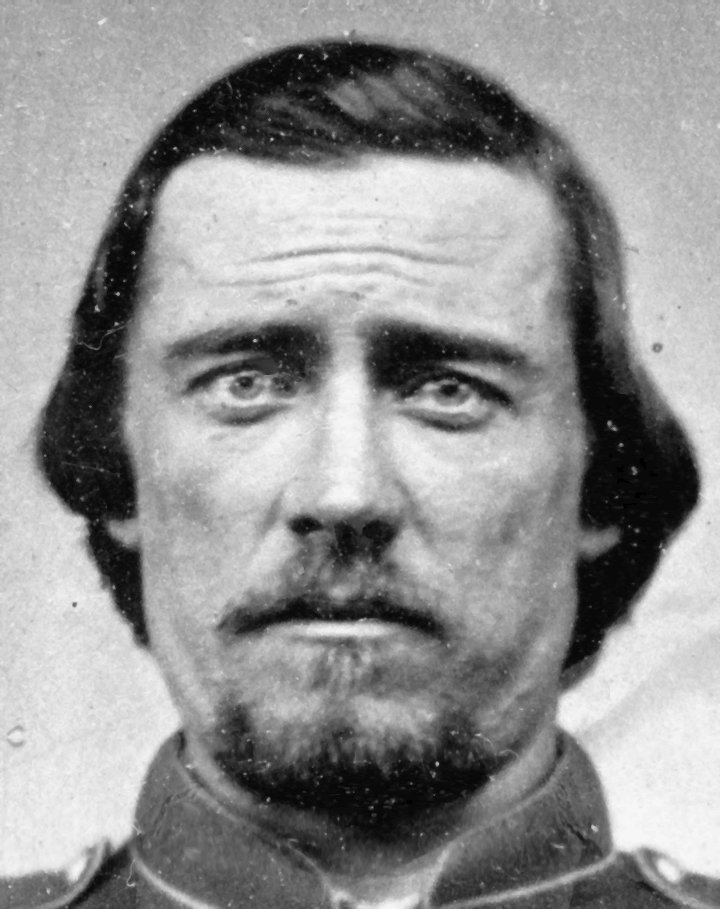
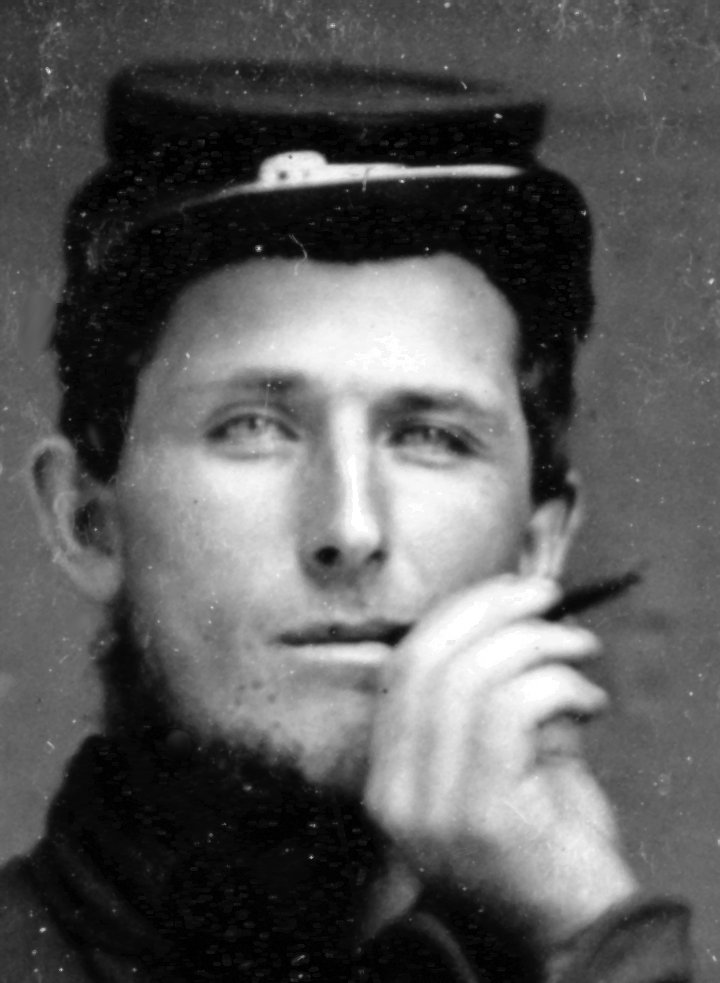
Today is Anzac day. Yesterday was Confederate Memorial Day. Not all soldiers win.
On this day, one hundred and eight years ago, the troops from the British Empire landed on Gallipoli. The Great War had started a few months ago. The British were allied with the French, and the Russians, against the Germans, the Turks, and others. The War started in West Europe. The British decided to invade Turkey as a strategic move. It was a disaster.
One hundred and one years later, Americans know little about Gallipoli. There have many other wars since then. Some of them have been more gruesome, or more useless. Millions of men died in “The Great War.” Today, not one person in ten thousand can tell you what they died for.
There was a movie made about Gallipoli. Mel Gibson was one of the players. Someone said, of the Turks and Australians, that we should fight them there, so we won’t have to fight them here. Australia, and New Zealand, were not fighting in self defense. Ninety years later, that same phrase was used to justify the slaughter in Babylon.
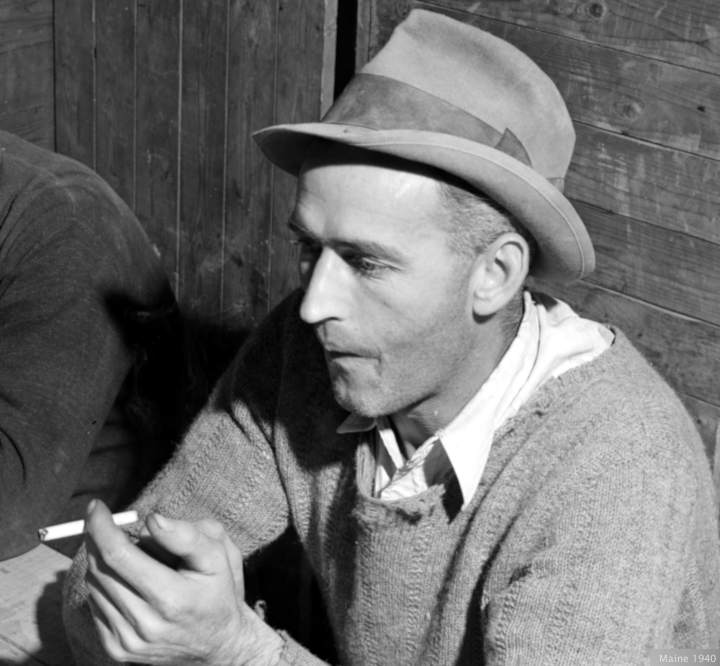
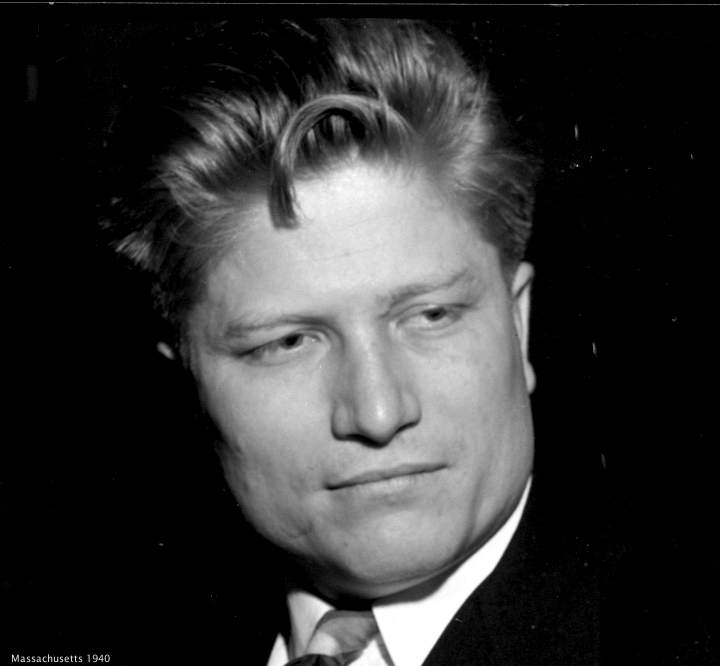
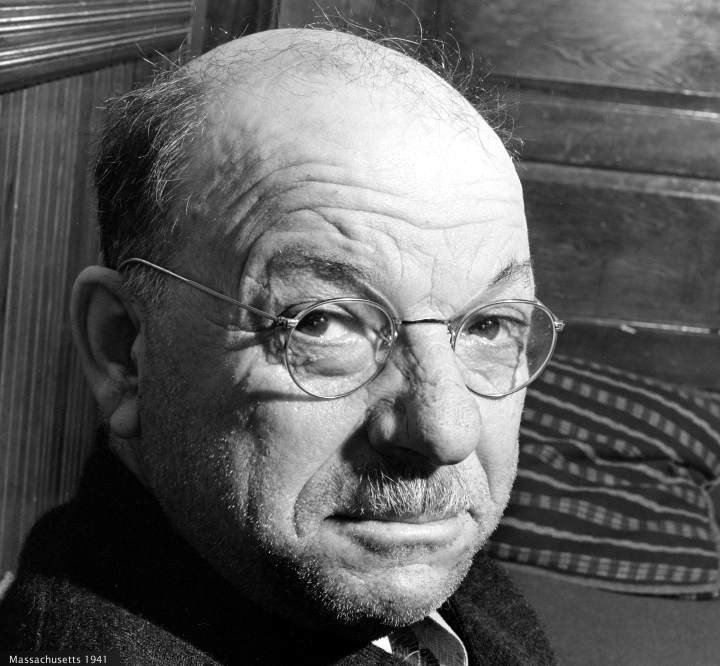
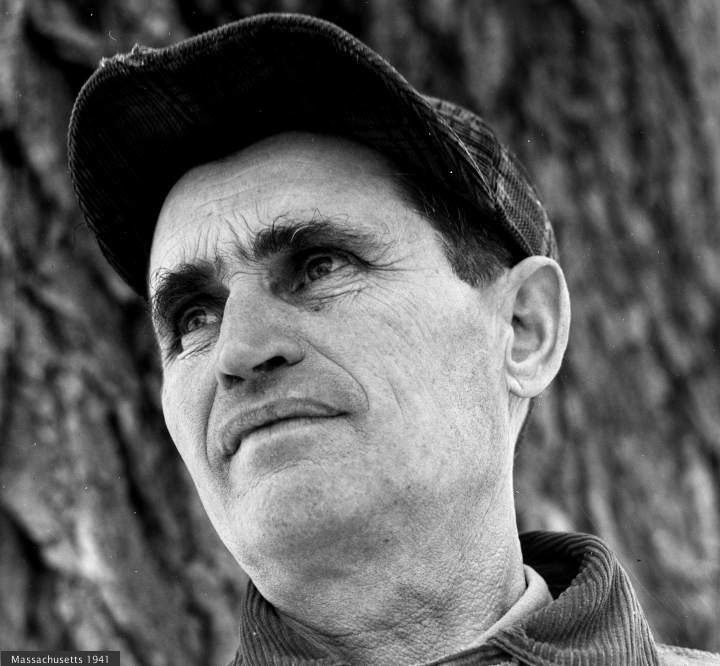
This is a repost. Pictures are from The Library of Congress.


Confederate Memorial Day


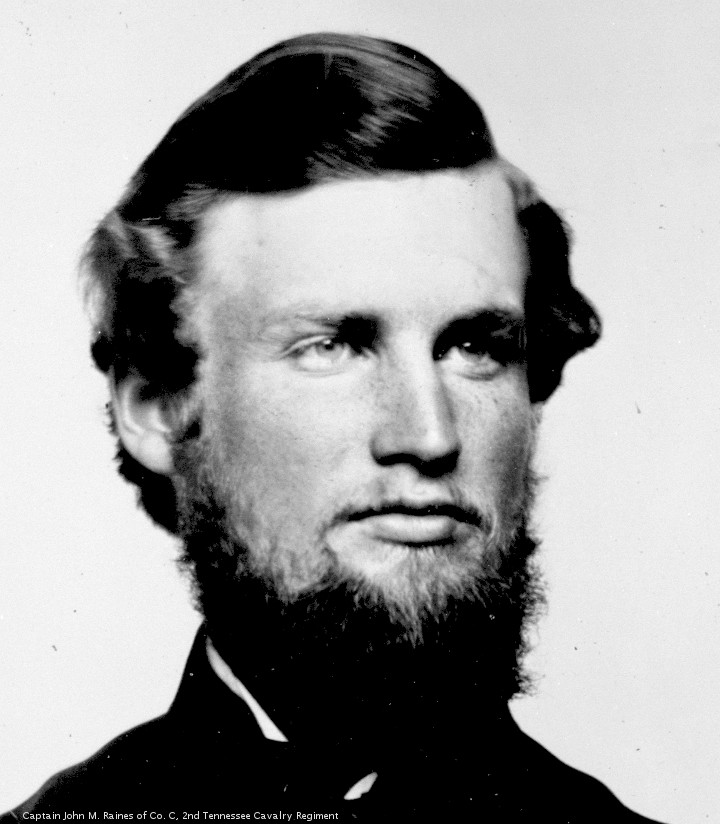
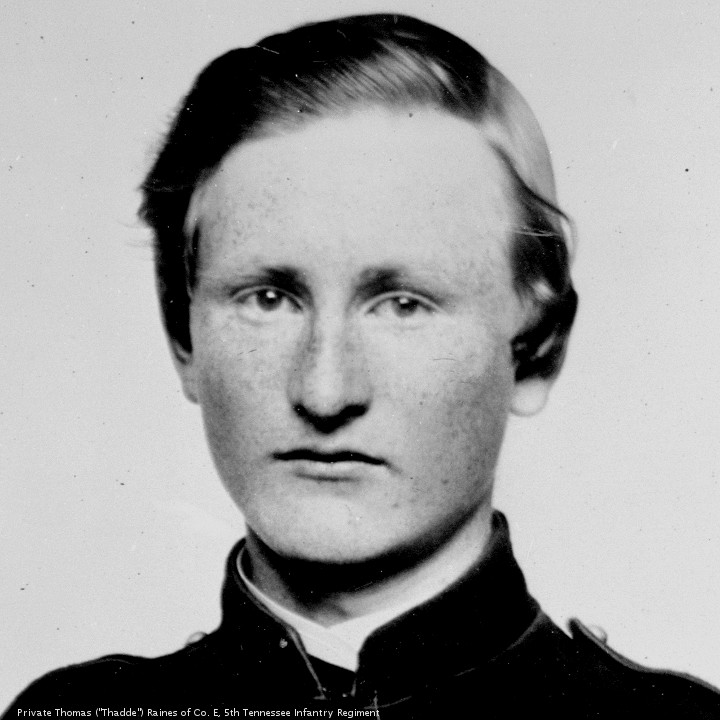


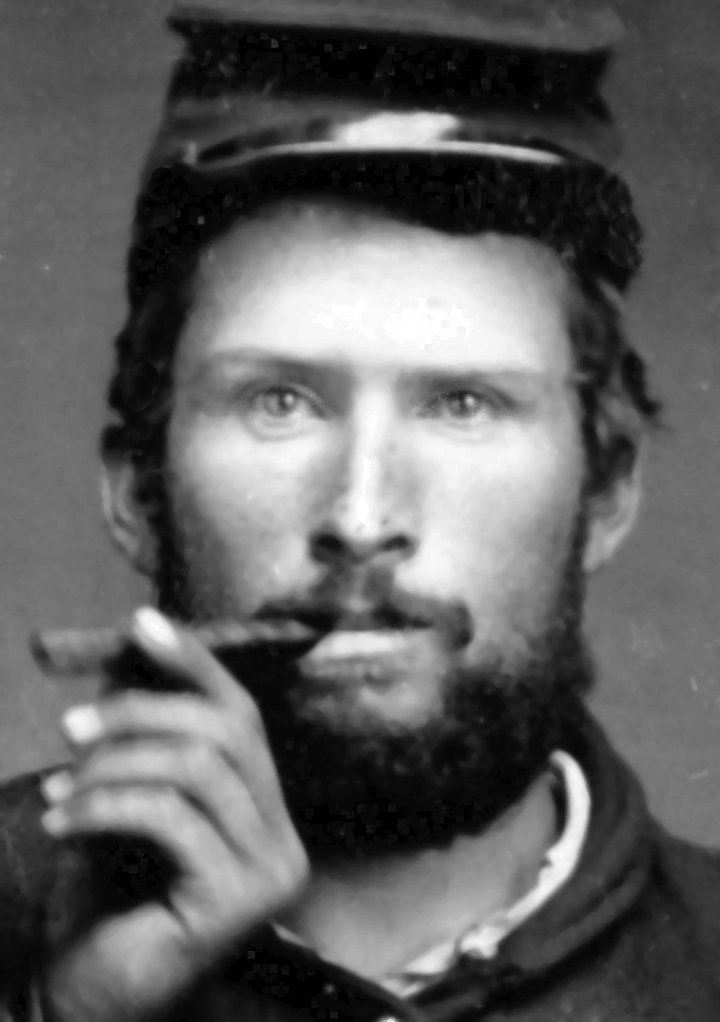
Today is Confederate Memorial Day in Georgia. It is an ancient question…how to honor the soldiers from the side that lost. They were just as valiant as the Union Soldiers. Considering the shortages of the Confederate Armies, the Rebels may have been just a bit braver.
The issue of Federalism is a defining conflict of the American experience. What powers do we give the Federal Government, and what powers do we cede to the States? The Confederacy was the product of this conflict. The Confederate States were a collection of individual states, with separate armies. This is one reason why the war turned out the way it did.
This is not a defense for slavery. The “Peculiar institution” was a moral horror. The after effects of slavery affect us today. Any remembrance of the Confederacy should know that. This does not make the men who fought any less brave.
It is tough to see the War Between the States through the modern eye. It was a different time, before many of the modern conveniences that are now considered necessities. Many say that the United States were divided from the start, and the fact the union lasted as long as it did was remarkable. When a conflict becomes us against them, the “causes” become unimportant.
The War was a horror, with no pain medicine. Little could be done for the wounded. It took the south many, many years to recover. This healing continues today. Remembering the sacrifices made by our ancestors helps. This is a repost. Pictures are from the The Library of Congress.



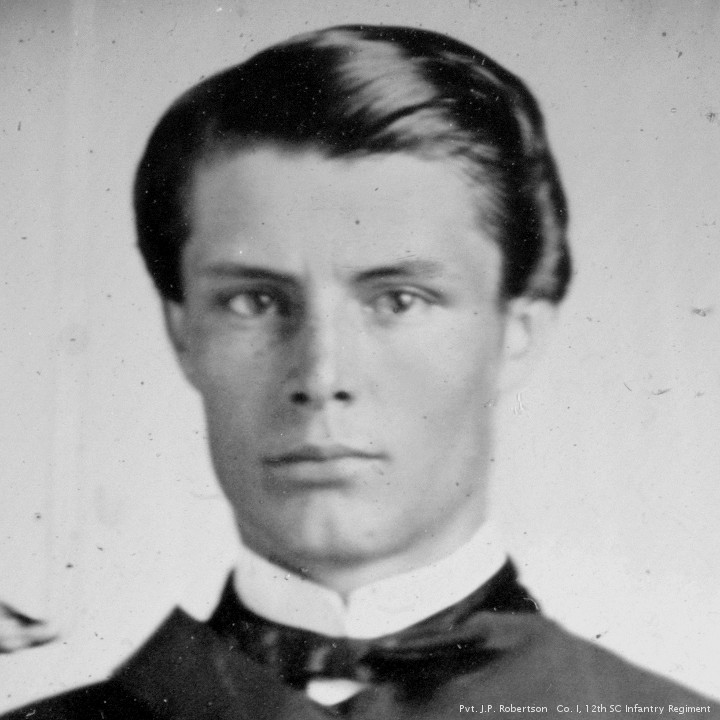
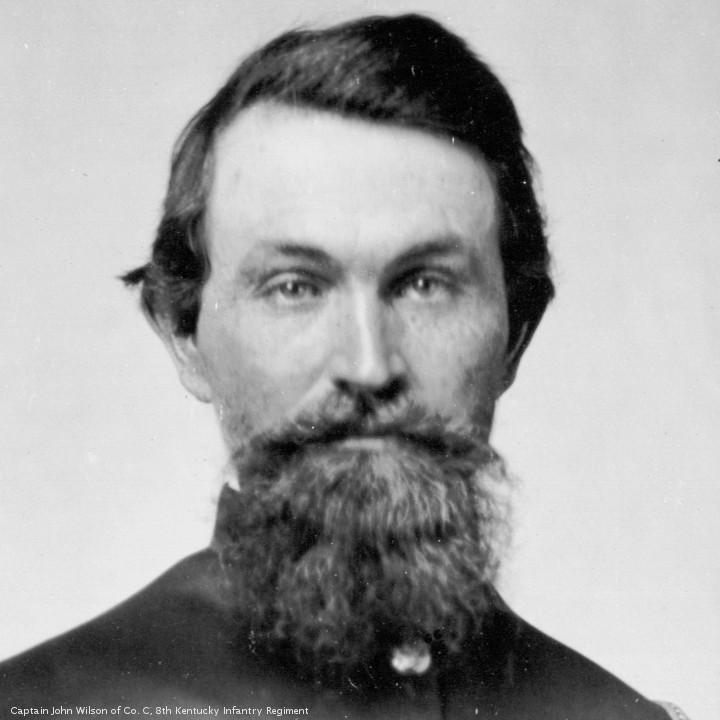
Siddhartha Gautama
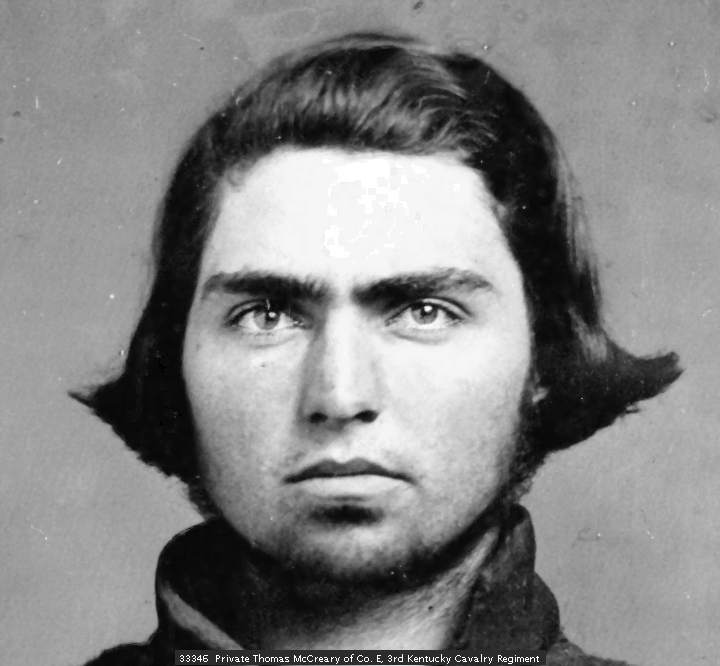
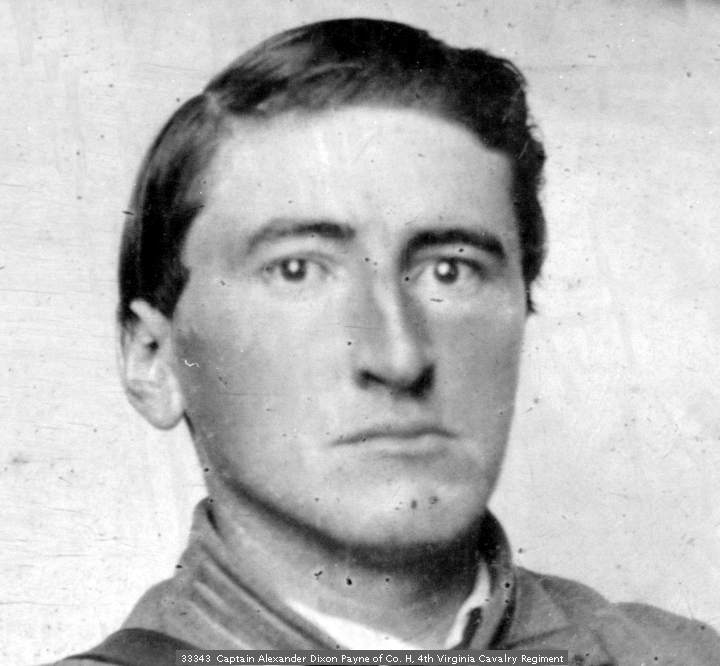
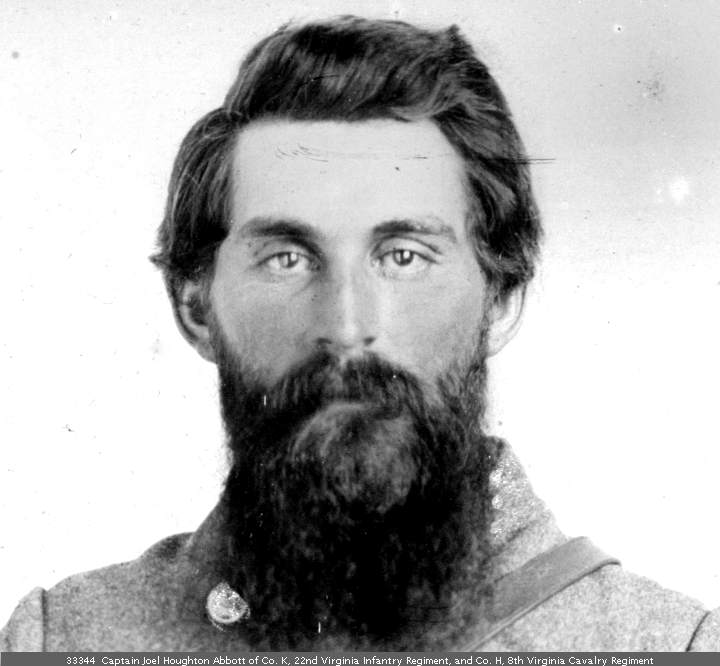
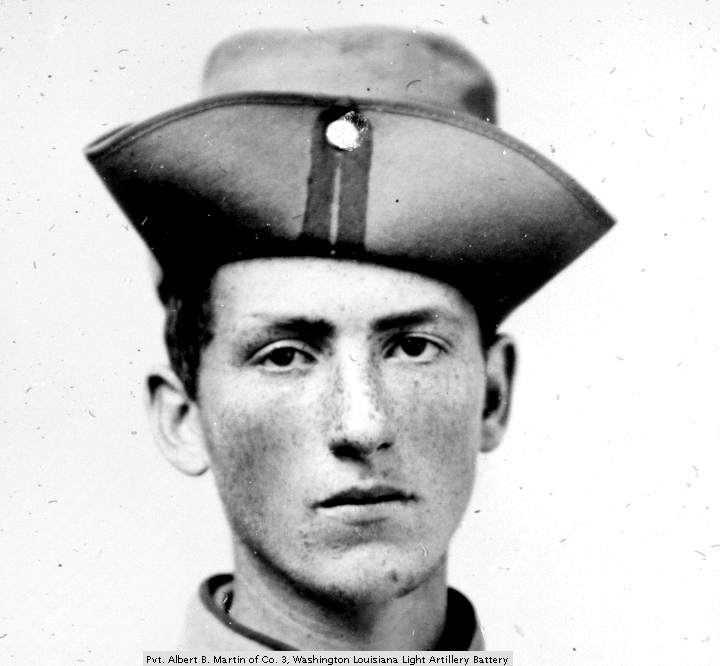
“The Buddha” is available for online viewing. 43 minutes into the PBS production, Gautama Siddhartha (pronounced sid HART ha) turned away from asceticism. He accepted a bowl of rice pudding from a lady, and was a step farther on the path to enlightenment.
Buddhism has always seemed “too asian” for an occidental to follow. There are some things, confirmed by this video, that PG finds appealing. The stories of Buddha are understood to be legends, with no one (that we know of) claiming them to be literal history. This is not like the book worship of Christians. Stories about Jesus are said to be literal truth. The ideas that Buddha taught are not changed by “mistakes” in telling his life story.
There is a story about Buddha seeing his ascetic buddies, after he ate the bowl of rice pudding. He got the ascetics to listen to him, until he won them over. From what PG has seen of humans, especially spiritually charged ones, he finds it tough to imagine these people listening that long. The average Jesus worshiper cannot be quiet long enough for you to finish a single sentence.
Christianity is obsessed with life after death. The Buddha of this show takes a different approach: “There are stories of people coming to the Buddha, and saying, “I am leaving your teaching because you have not told me about whether there is a life after death, or whether there is another world. And the Buddha says, ‘Did I ever say that I would give you the answers to these things?’ ‘No, Lord, you didn’t.’ ‘Why do you think that I ever said that I would give you the answer to these things? Because these are not the things that you need to know. The thing that you need to know is how to deal with suffering, because at this very moment, what made you ask that question was suffering.”
The focus is on the life of Buddha, not his death. The focus is on this life, not on life after death. Buddha lived to an old age, teaching up until his departure. Maybe if Jesus had been better at human relationships, he would not have been executed.
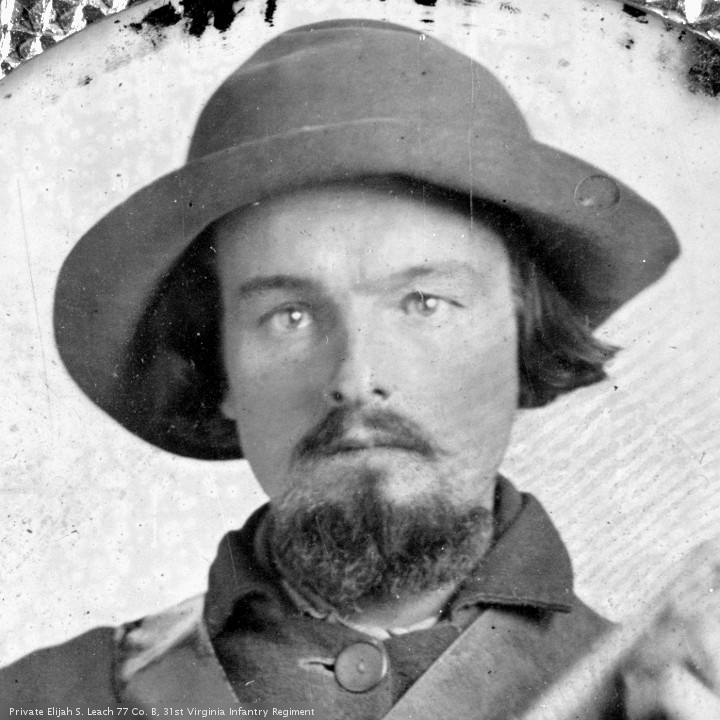
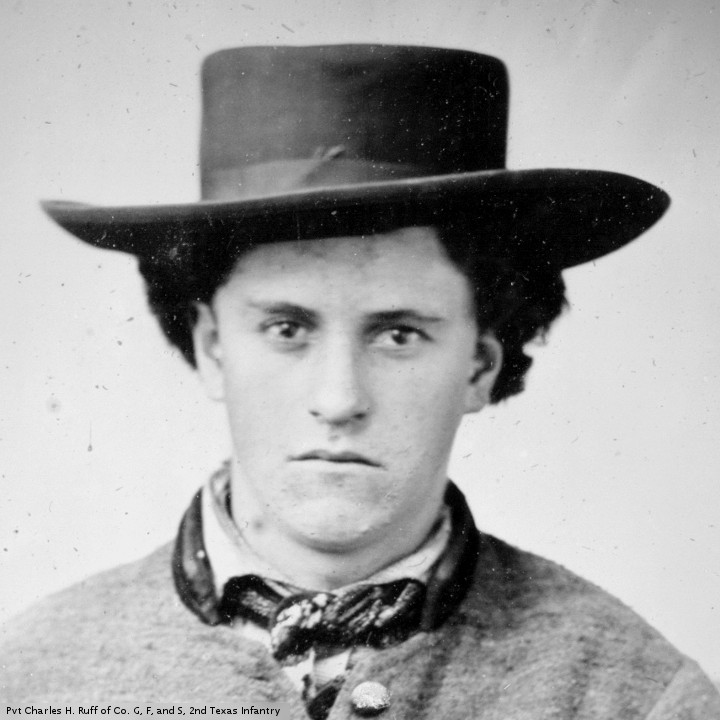
Maybe PG is so scarred by Jesus that he cannot benefit from any other source of wisdom. This is a repost. Pictures are from The Library of Congress. The men are Confederate soldiers from the War Between the States. Many resources are available for those who wish to learn more.

The Butcher
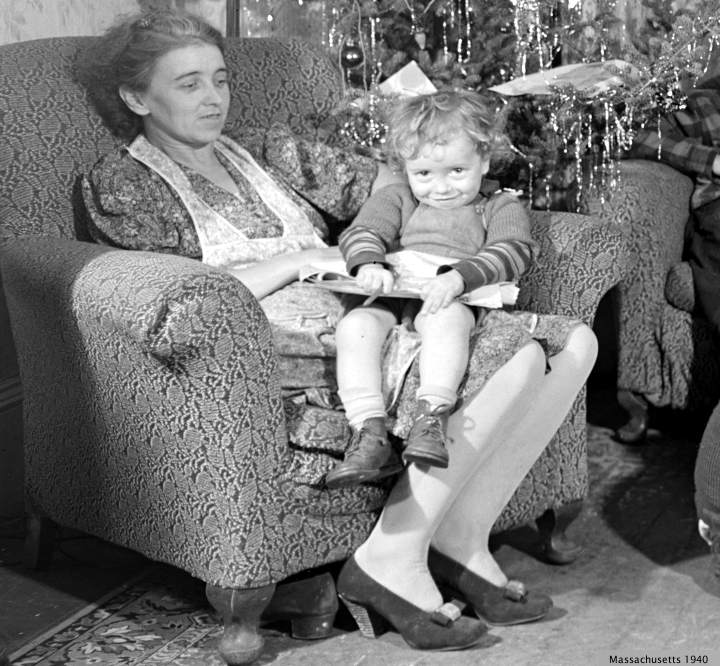
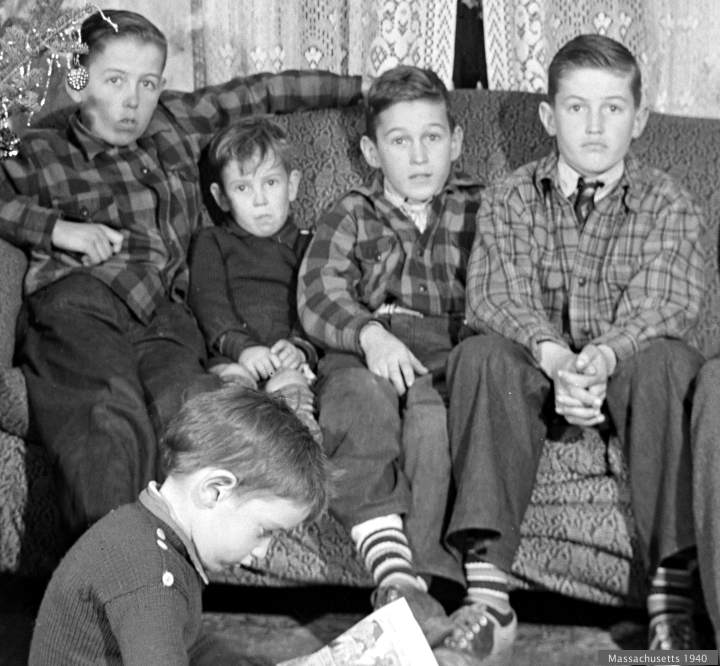
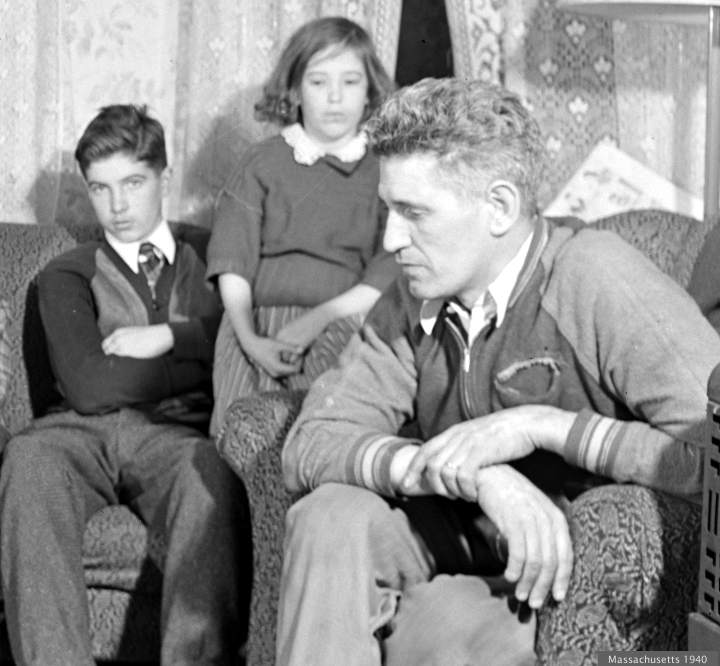


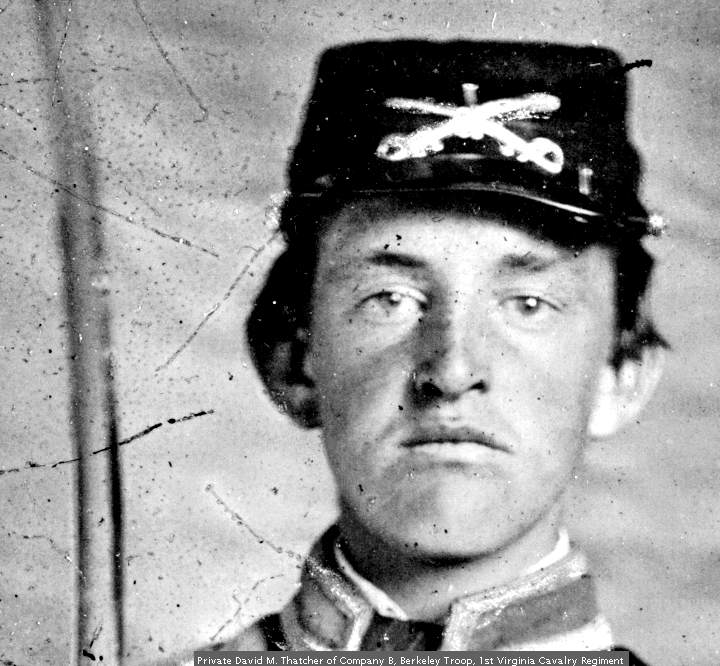
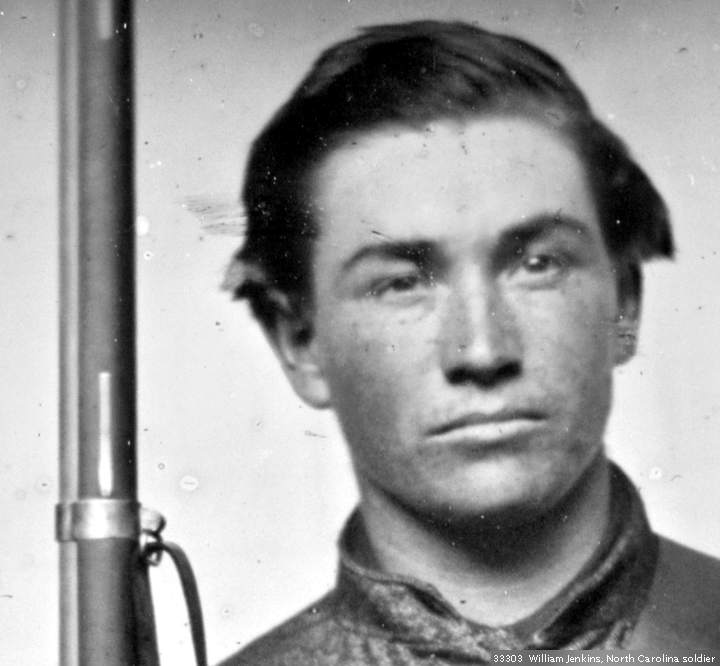
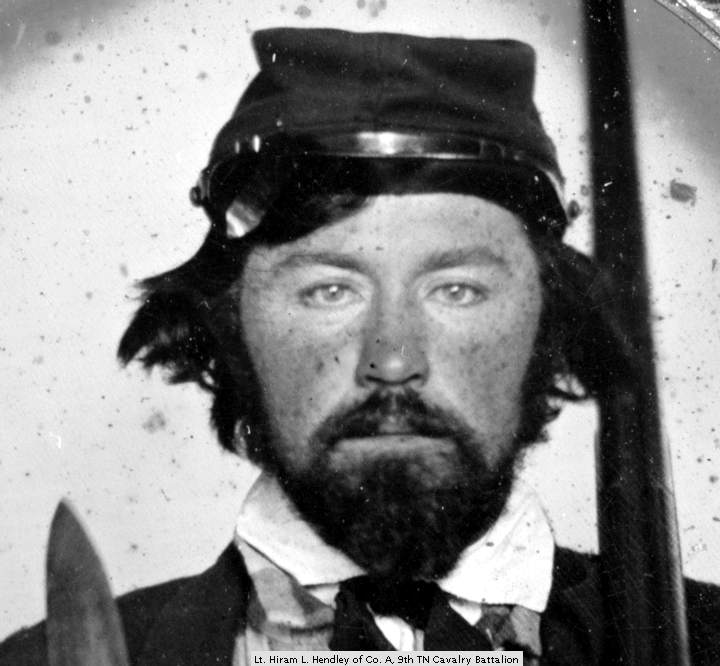
TRIGGER WARNING: This post is a bit gross. Proceed with caution. You can skip over the text, and enjoy the pictures. These images are from The Library of Congress. This is a repost from 2019.
The post before this borrowed text from Gartalker, known to the government as Gary Simmons. PG chatted with him a few times, and we moved on. The last time PG checked in, Gartalker was fighting cancer. That was in 2017. PG decided to take another look. He googled “Gary Simmons Mississippi.”
Gruesome murder, rape case recalled: Gary ‘The Butcher’ Simmons scheduled to be executed June 20 Before we go any further, note that GTBS was executed in 2012. GTBS is a different Gary Simmons.
“Simmons, at the time 33, and his former brother-in-law Timothy Milano, 21, were convicted of the murder of Texas man Jeffrey Wolfe, to whom they owed money for marijuana, and the rape of his girlfriend, Charlene Leaser. After Wolfe was shot dead by Milano, Simmons carved the body into pieces with knives that he had possibly sharpened earlier that day at work, testimony showed. He then dumped the pieces in the bayou near his Moss Point house.”
“The one picture I remember in particular is of the head that was recovered intact, chopped off from about here,” (District Attorney Tony) Lawrence said, gesturing across the middle of his neck. Instead, about 80 percent of Wolfe’s body was recovered, Lawrence estimated. It was the testimony of Charlene Leaser that solved the case, Lawrence said. Simmons had locked her in a large steel box and raped her. The 18-year-old Leaser was wearing only a sock when she was thrown into the box.”
Gary Carl Simmons Jr. Executed June 20, 2012 “Wolfe’s father Paskiel Wolfe reacted emotionally to the execution. “Do you think God is going to forgive you for doing such a good deed? No. You are going to go to Hell. And that is where you are gonna be. And I hope you burn in Hell. When you take your last breath I will be leaving to go and have a cold beer.”
Before Mr. Wolfe had his cold beer, Mr. Simmons had his final meal. “One Pizza Hut medium Super Supreme Deep Dish pizza, double portion, with mushrooms, onions, jalapeno peppers, and pepperoni; pizza, regular portion, with three cheeses, olives, bell pepper, tomato, garlic and Italian sausage; 10 8-oz. packs of Parmesan cheese; 10 8-oz. packs of ranch dressing; one family size bag of Doritos nacho cheese flavor; 8 oz. jalapeno nacho cheese; 4 oz. sliced jalapenos; 2 large strawberry shakes; two 20-oz. cherry Cokes; one super-size order of McDonald’s fries with extra ketchup and mayonnaise; and two pints of strawberry ice cream.”
The Simmons case was similar to a case in Georgia. “On March 28, 1984 a maintenance man employed at (Robert Dale) Conklin’s apartment complex was collecting aluminum cans from the trash dumpster when he discovered dissected human body parts, knives, bloody bed clothes, screwdriver, rope, credit cards, a wallet and miscellaneous papers belonging to George Crooks, all encased in black plastic garbage bags. The body parts were identified as those of attorney George Crooks, who was acquainted with Conklin and had begun a physical relationship with him. When Conklin’s apartment was searched, police found the bed clothing was missing and the mattress appeared to be blood-soaked. The jammed kitchen garbage disposal contained what appeared to be internal organs. When questioned, Conklin stated that he and Crooks were wrestling on the bed when he grabbed a screwdriver and stuck him, then pushed the screwdriver into his ear and wriggled the weapon around. Conklin admitted to dissecting the body and disposing of incriminating evidence in the dumpster. A book describing the dissection of a body was found on the bedroom floor. At the time of the murder, Conklin was on parole for Armed Robbery and Burglary.”
Mr. Conklin had a gourmet last meal. “Filet mignon wrapped with bacon; de-veined shrimp sautéed in garlic butter with lemon; baked potato with butter, sour cream, chives and real bacon bits; corn on the cob; asparagus with hollandaise sauce; French bread with butter; goat cheese; cantaloupe; apple pie; vanilla bean ice cream and iced tea.”




leave a comment