David Crosby

David Crosby let his freak flag fly today. After 81 years on the planet, and numerous “people problems,” this should not surprise anyone. Considered by some to be the American Keith Richards,
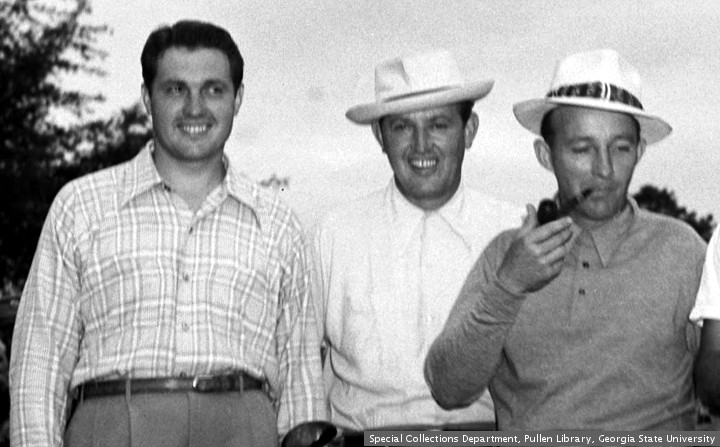
David Van Cortlandt Crosby was the C in CSNY. He was a founding member of the Byrds, “The American Beatles.” (The British press gave the Byrds hell about that nickname.) Croz wrote/sang great songs, did a mountain of drugs, spent time in a Texas prison, had a liver transplant, and much more. DVCC is also considered a flaming asshole by many, many people. You have to take the bad with the good. … Chamblee54, aka PG, wrote about DVCC several times. This piece is borrowed from four posts. Pictures are from Special Collections and Archives, Georgia State University Library.
David Crosby Lives … “PG just finished part two of the David Crosby autobiography, “Since Then“. This book is evidence that truth is stranger than fiction.” … “At the start of the book, LA is hit by a major earthquake. This destroys a house Crosby has. If the earthquake doesn’t get the house, the IRS will. An accountant has not done his job, and Crosby owes major bucks to Uncle Sam. Moving along, a son given up for adoption finds Crosby, and winds up playing guitar in a band called CPR. Crosby wrecks his motorcycle and nearly croaks. Crosby’s liver goes haywire, and he almost croaks. Ditto heart attack, and arrest for felony gun possession.” …
“One of the last visitors before the liver transplant was Graham Nash. As he is leaving, Nash tells Crosby “If you die, and leave me alone with Stills, I’ll fucking kill you.” For all the pretty music in CSN, there are some strong personalities. Stephen Stills is renowned for his attitude. David Crosby is known to have an opinion or two.” … “Getting back to the David Crosby story…there is just too much to sum up here. At the end of the story, he is still going. He stopped at two artificially inseminated babies, to go with four (at least) kids produced the old fashioned way.”
Wild Tales: A Rock & Roll Life … “No story involving David Crosby is complete without a drug lecture. One story was so explosive, the legal department called Graham before the book was published, just to confirm the story. It is on page 263. David sold his Mercedes for crack. The man who bought it od’d. David broke into his house, stole the bill of sale and car keys, took the car, and sold it again.”
On April 22, 1960, The Everly Brothers were in Manchester. Graham (Nash) and Allan (Clarke) were determined to meet their heroes, and hung out on the steps of a hotel until late at night. Finally, the Everly Brothers arrived. They spent a half hour talking to the star struck young men. “and it changed my life.” This story is on Page 43 of Wild Tales.
Bing Crosby And David Crosby … chamblee54 Did you ever meet Bing Crosby? @thedavidcrosby Yes I did @FoxH2181 DC tells the late robin williams about it on youtube … PG eventually decided to listen to part one of Robin&David. Early in the show, David talks about being in the first class cabin of an airplane. David was in full hippie glory, in contrast to the general ambience. Soon, Bing Crosby came on board. A man went up to Bing, and asked for an autograph. All that was available to write on was a can of beans. Bing Crosby was very gracious to the fan, which impressed David Crosby immensely. … There was an empty seat beside David Crosby, and Bing Crosby sat in it. “These other guys don’t know who you are, but I do. I like your music.”
PG is easily amused, and decided to go for part two. David Crosby tells a story of going to see the symphony as a young boy. He is impressed by the sounds that are produced by all the elbows sawing on violins at the same time. David Crosby winds up as someone that likes to collaborate, to be a part of a team. “we do shit it together” … “David Crosby retweeted your tweet.” @chamblee54 @FoxH2181 @thedavidcrosby David Crosby on CSN at 24:01 “we douche it together”
Page 43 … Water Brothers was a benefit concert performed by David Crosby, Graham Nash, and Neil Young. After performing “Almost Cut My Hair”, Mr. Crosby starts to talk. “I’m going to sing the most positive song that I’ve written recently For a long time I didn’t write any positive songs, my friends used to puke when they saw me coming.” The song was Page 43.
Look around again, It’s the same old story,
You see, it’s got to be, It says right here on page 43,
That you should grab a hold of it, Else you’ll find, It’s passed you by
Rainbows all a round, Can you find the silver and gold? It’ll make you old,
The river can be hot or cold, And you should dive right into it,
Else you’ll find, It’s passed you by
Pass it round one more time, I think I’ll have a swallow of wine,
Life is fine, Even with the ups and downs,
And you should have a sip of it, Else you’ll find, It’s passed you by Lyrics007
There is one part that PG doubts. It is about drinking. Those gifted with moderation can swim in this river. Others need to get to the shore before they drown. There is a time to enjoy your life, and there is also a time to lay off the jug. Keep a portion of your harvest in reserve. Otherwise, life will run you over, while it is passing you by.



Millard Fillmore’s Birthday




On January 7, 1800, Millard Fillmore was born. He had no middle name, so his initials were MF. He was POTUS number thirteen, serving July 9, 1850 – March 4, 1853. A member of the Whig party, Mr. Fillmore became President after the death of Zachary Taylor. This is the only death of a serving President not connected to the zero factor.
Whenever a President dies in office, there are conspiracty theries. In the case of Zachary Taylor, the body was exhumed in 1991. The investigation found that Mr. Taylor “had no more arsenic in him than you or I walking around in the environment today.”
“The details about how and why President Taylor died are still in dispute today. The president attended a ceremony at the site of the Washington Monument on July 4th on a reportedly hot summer day. He fell ill soon after with a stomach ailment after drinking iced drinks and eating a bowl of cherries. His doctors gave him relief medication that included opium and later bled the president. Taylor died five days later at the age of 65.
Officially, he died from cholera morbus, and today, the prevalent theory is that Taylor suffered from gastroenteritis, an illness exacerbated by poor sanitary conditions in Washington. There are other theories, including one where Taylor was poisoned by people who supported the South’s pro-slavery position. (In recent years, Taylor’s body was exhumed and a small, non-lethal amount of arsenic was found in samples taken from his corpse.) It was Taylor’s unexpected opposition to the expansion of slavery (he was from the South and was the last president to own slaves) that had caused an immediate crisis in 1850.”
Some naysayers claim that Millard Fillmore was the one to poison the President, but they are not taken seriously. Millard Fillmore served what was left of Mr. Taylor’s term. He is little known today, which makes one wonder why he was included in the history series American Douchebag. Which is not to say that Mr. Fillmore is completely forgotten.
@EdDarrell Happy Birthday Millard Fillmore! Born January 7, 1800. Fillmore as a young man? @fillmoremillard Thank you Ed! I was a handsome devil, wasn’t I? #Fillmore2016 @EdDarrell One story holds that when Fillmore toured England and Europe Queen Victoria said said was the handsomest man she ever met. @MonroeNumber5 Prince Albert must have loved that… Perhaps he wasn’t vain enough to let it bother him. @EdDarrell Or, more likely, Albert knew Victoria’s astounding love and devotion to him. Albert died 6 years later.
At one time, Johnny Carson thought jokes about Millard Fillmore were funny. A youtube search does not reveal any of these jokes. During a writers guild strike, Mr. Carson wrote his own monolog. “… astrology would no longer be used at 1600 Pennsylvania Ave. Employed instead, he said, would be “a channeler speaking through the spirit of Millard Fillmore.”
The rest of this holiday post is recycled. It was inspired by Millard Fillmore’s Bathtub, a fine blog. MFB is published today, six years after the original post. As you may have guessed, it is named for Millard Fillmore. MF was POTUS (and many POTUS are MF) between 1850 and 1853. The last whig to serve as POTUS (history does not record whether he wore one), Mr. Fillmore helped delay the War Between the States for ten years.
After he left office, Mr. Fillmore visited Atlanta GA in 1854, becoming the first POTUS to do so. A road in San Francisco was named Fillmore Street, and loaned the name to a famous concert hall. Johnny Carson made him a punch line to many jokes. And, there is the bathtub.
In 1917, with America mixed up in a European war, H.L. Mencken published a column in the New York Evening Mail. He claimed that the bathtub had been invented in 1842, and was a controversial device. (The first model was made of mahogany lined with lead.) President Millard Fillmore installed a bathtub in the White House in 1850, and greatly increased the acceptance of the invention. The story was a lie, but was believed without question by the (unwashed) public.
Recently someone found a letter, written by Alexander Stephens, the Vice President of the Confederate States of America. In 1860, the election of Abraham Lincoln was seen by many as a disaster. Mr. Stephens disagreed: “I know the man [Lincoln] well, he is not a bad man. He will make as good a President as Fillmore did and better too in my opinion.”
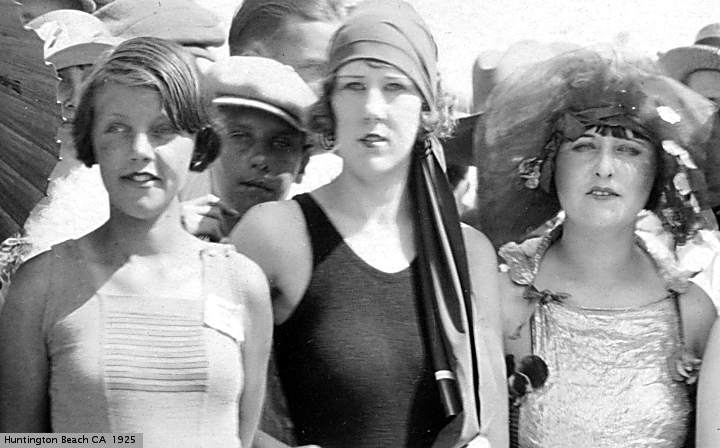
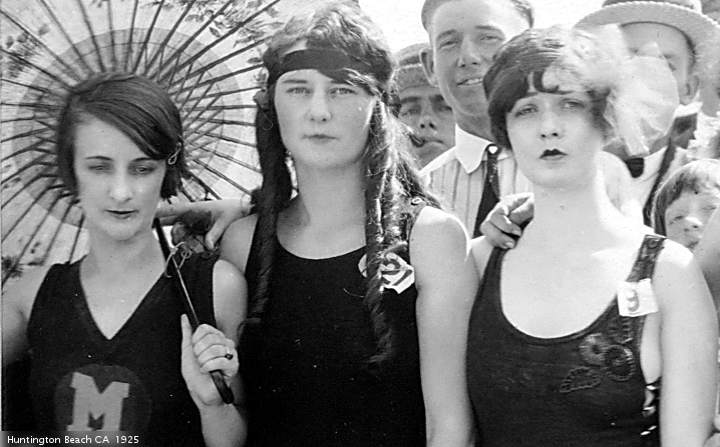
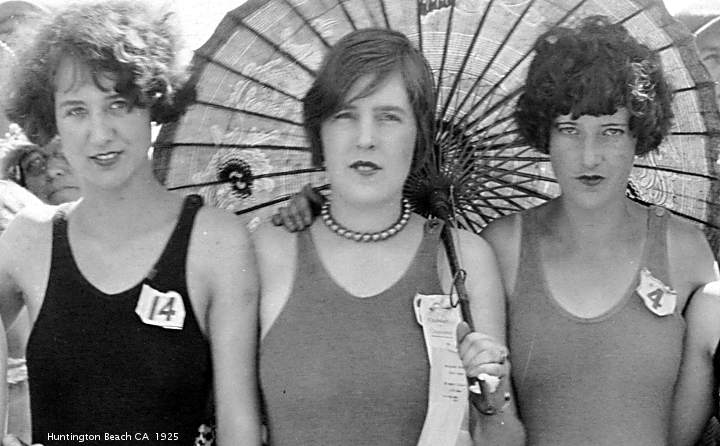
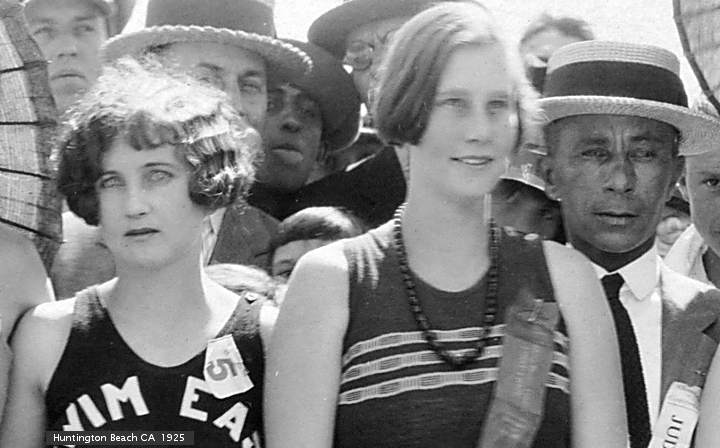
Pictures are from The Library of Congress. These details are from picture #06665, “Bathing Beauty Pageant, 1925, Huntington Beach CA.” This is a repost.



M.K. Gandhi And Truth



I identify as human 🌎 @pixfiber “Truth never damages a cause that is just.” – Mohandas K. Gandhi. This item appeared in my twitter feed on January 6. Being an unreconstructed pedant, I went to the Gandhi Wikiquote. “Truth” had too many search results, so I went to “just.” I found a doozy: “I have always held that social justice, even to the least and lowliest, is impossible of attainment by force.” Harijan (20 April 1940) p. 97
Harijan was another word for the untouchable caste in India. “… Gandhi conducted an intensive crusade against untouchability …” “Harijan was also a newspaper that started on 11 February 1933, brought out by Gandhi from Yerwada Jail during the British rule in India. Gandhi popularized the term Harijan across the states of India but he was not the first person to use it.”
Archive.org has much of Harijan available online, including the quote above. The quote is in a tsunami of text. Gandhiji was trained as a lawyer, and could crank out a word count. His positions are well thought out and complicated. This material is more complicated than the motivational Mahatma we are familiar with.
If don’t mind wading through a pile of results, a search for “truth” on the Gandhi Wikiquotes will yield some good thoughts. Bear in mind that these quotes are without context. If you are willing to do the work, and google the source, you might find that the meaning of these thoughts is different from what you might think. The first three quotes in this list are from An Autobiography Or The Story of My Experiments With Truth By: M. K. Gandhi.
“A man of truth must also be a man of care.” Part I, Chapter 5, At the High School
“But all my life though, the very insistence on truth has taught me to appreciate the beauty of compromise. I saw in later life that this spirit was an essential part of Satyagraha. It has often meant endangering my life and incurring the displeasure of friends. But truth is hard as adamant and tender as a blossom.” Part II, Chapter 18, Colour Bar
“My uniform experience has convinced me that there is no other God than Truth.” p. 453
“An error does not become truth by reason of multiplied propagation, nor does truth become error because nobody sees it.” Young India 1924-1926 (1927), p. 1285 (context below)
“A seeker after Truth cannot afford to indulge in generalisation.”
“Generalisation”, Harijan (6 July 1940).
“If you want to give a message again to the West, it must be a message of ‘Love’, it must be a message of ‘Truth’. There must be a conquest — [audience claps] — please, please, please. That will interfere with my speech, and that will interfere with your understanding also. I want to capture your hearts and don’t want to receive your claps. Let your hearts clap in unison with what I’m saying, and I think, I shall have finished my work.”
Speech in New Delhi to the Inter-Asian Relations Conference (2 April 1947)
“Impure means result in an impure end… One cannot reach truth by untruthfulness. Truthful conduct alone can reach Truth.” Harijan (13 July 1947) p. 232
“[Government] control gives rise to fraud, suppression of truth, intensification of the black market and artificial scarcity. Above all, it unmans the people and deprives them of initiative, it undoes the teaching of self-help…It makes them spoon-fed.” Delhi Diary (3 November 1947 entry)
“It is no use trying to fight these forces [of materialism] without giving up the idea of conversion, which I assure you is the deadliest poison which ever sapped the fountain of truth.”
Mahatma Gandhi The Collected Works Vol 46, p. 203
Wikiquotes has a lively section devoted to quotes that are Disputed and Misattributed. One Disputed entry is especially festive: “Whatever you do will be insignificant, but it is very important that you do it.” “The earliest attribution of this to Gandhi … is in a T-shirt advertisement in Mother Jones, Vol. 8, No. 5 (June 1983), p. 46”
Several much loved Gandhisms have a shaky history. “First they ignore you, then they laugh at you, then they fight you, then you win.” “An eye for an eye will make the whole world blind.” “God has no religion.” “We need to be the change we wish to see in the world.”
Young India supplied one of the quotes above. Here is page 1285. “Some Posers: — ‘A well wisher’ sends these lines for my meditation: ‘The Bible can be read in 566 languages. In how many can the Upanishads and the Gita? How many leper asylums and institutions for the depressed and the distressed have the missionaries? How many have you?’ It is usual for me to receive such posers. ‘A well wisher’ deserves an answer, I have great regard for the missionaries for their zeal and self-sacrifice. But I have not hesitated to point out to them that both are often misplaced. What though the Bible were translated in every tongue in the world? Is a patent medicine better than the Upanishads for being advertised in more languages than the Upanishads? An error does not become truth by reason of multiplied propagation, nor does truth become error because nobody will see it. The Bible was a greater power when the early fathers preached it than it is today. ‘A well wisher’ has little conception of the way truth works, if he thinks that the translation of the Bible in more languages than the Upanishads is any test of its superiority. Truth has to be lived if it is to fructify. But if it is any satisfaction to ‘A well wisher’ to have my answer I may gladly tell him that the Upanishads and the Gita have been translated into far fewer languages than the Bible. I have never been curious enough to know in how many languages they are translated.”
“As for the second question, too, I must own that the missionaries have founded many leper asylums and the like. I have founded none. But I stand unmoved. I am not competing with the missionaries or any body else in such matters. I am trying humbly to serve humanity as God leads me. The founding of leper asylums etc. is only one of the ways, and perhaps not the best, of serving humanity. But even such noble service loses much of its nobility when conversion is the motive behind it. That service is the noblest which is rendered for its own sake. But let me not be misunderstood. The missionaries that selflessly work away in such asylums command my respect. I am ashamed to have to confess that Hindus have become so callous as to care little for the waifs and strays of India, let alone the world.”
Chamblee54 has written about M.K. Gandhi. one two three Pictures are from Library of Congress.


Georgia On My Mind

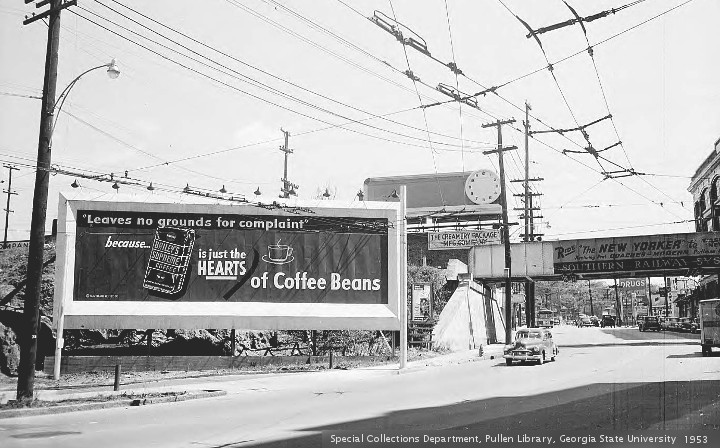
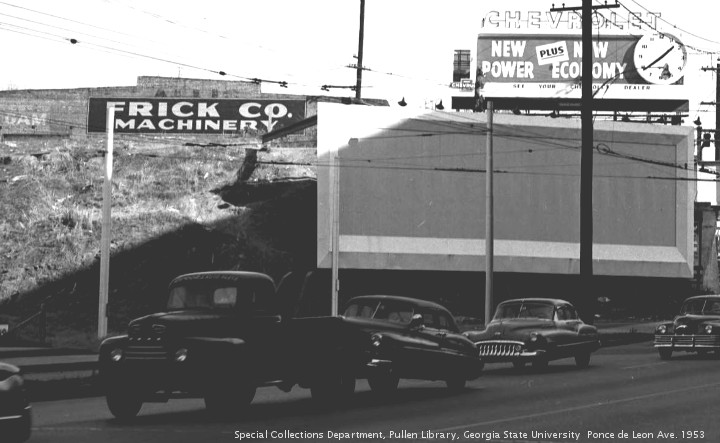
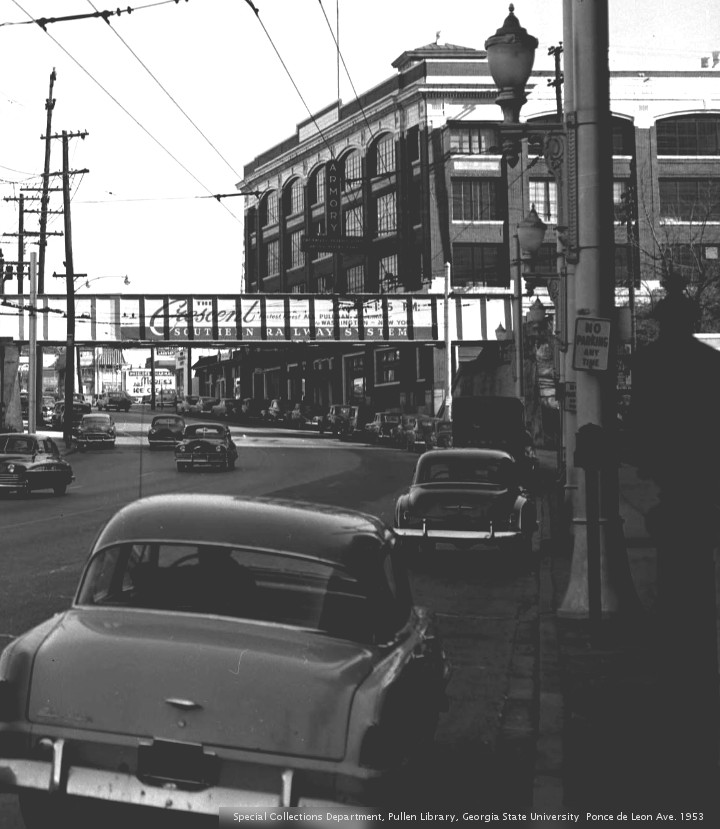


“Georgia On My Mind” turned up of facebook this morning. Pictures today are from “The Special Collections and Archives, Georgia State University Library”. This is a repost from 2020.
Youtube turned up the original “© Written in 1930 by Hoagy Carmichael (music) and Stuart Gorrell (lyrics) © Gorrell wrote the lyrics for Hoagy’s sister, Georgia Carmichael. However, the lyrics of the song are ambiguous enough to refer either to the state or to a woman named “Georgia”. Carmichael’s 1965 autobiography, “Sometimes I Wonder”, records the origin: a friend, saxophonist and bandleader Frankie Trumbauer, suggested: “Why don’t you write a song called ‘Georgia’? Nobody lost much writing about the South.” Thus, the song is universally believed to have been written about the state.”
National Anthems has a story about GOOM. (The 90’s website has a retro-illustration.) “STUART GRAHAM STEVEN GORRELL (1901-1963) and HOAGLAND HOWARD CARMICHAEL (1899-1981), wrote the song in 1930 almost as a lark … Hoagy Carmichael went to Indiana University, and one of his best college chums was Stuart Gorrell. Hoagy Carmichael was going to be a lawyer and Stuart Gorrell, when not hanging around the local “jazz joint” (called The Book Nook!) had promised someone that he would eventually be a success in the world of business.”
“The two of them were together at a party in New York and Hoagy Carmichael played what he had of the “Georgia” music line for Stuart Gorrell and some friends. After the party broke up, the two of them went back to a friend’s apartment and worked on the tune throughout the night. Stuart Gorrell wrote what he thought would be a good lyric line on the back of a post card, (now displayed in the Carmichael Room at Indiana University) and showed it to Hoagy Carmichael. One can still plainly see the few, but important, changes that Hoagy Carmichael made on that small piece of cardboard to Stuart Gorrell’s lyrical scratchings. The song was improved upon, and the lyrics written, in that boozy early morning, and recorded in September 1930 by a band that included Hoagy Carmichael’s great friend, Bix Beiderbecke – a recording session that proved to be Bix’s last.”
“Hoagy Carmichael went on to write many more songs, some of them hits, and Stuart Gorrell kept his promise and became a Vice President at Chase Bank. Stuart Gorrell never tried to write another song lyric, but ‘Georgia on my Mind’ became a hit after World War II and Hoagy Carmichael, true to his word – although Stuart Gorrell was not legally credited as the lyricist by the music publisher – always sent Stuart Gorrell a cheque for what would have been his share of royalty. The royalty income from that song is substantial and, after Stuart Gorrell died, the income put his daughter through college.”
Mr. Gorrell wrote a letter to the Bremen (Indiana) Enquirer, August 3, 1961. “This accompanied his response to his home town’s Teen Hop patrons choosing the song as their theme song. … “Georgia on my mind” was composed more than a quarter of a century ago on a cold and stormy evening in 1930 in New York City. Hoagy Carmichael and I, in a third floor apartment overlooking 52nd street, with cold feet and warm hearts, looked out the window and, not liking what we saw, turned our thoughts to the pleasant southland. Thus was born a hauntingly sweet song. My mother, who died in Bremen in 1942, once asked a very penetrating question about the song. I had sent her a copy of the sheet music and, after reading the words over several times, she wondered aloud: “What is Georgia? A girl—or state? What do you think? Hoagy and I just love every one of you Bremen Teen Hoppers for honoring out tune by making it your theme song. Sincerely, Stuart Gorrell”






The Civil War On PBS
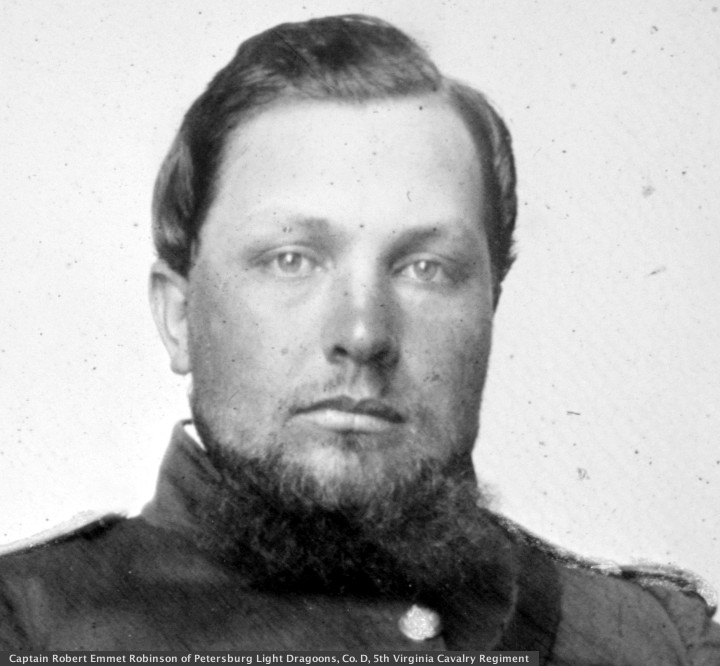
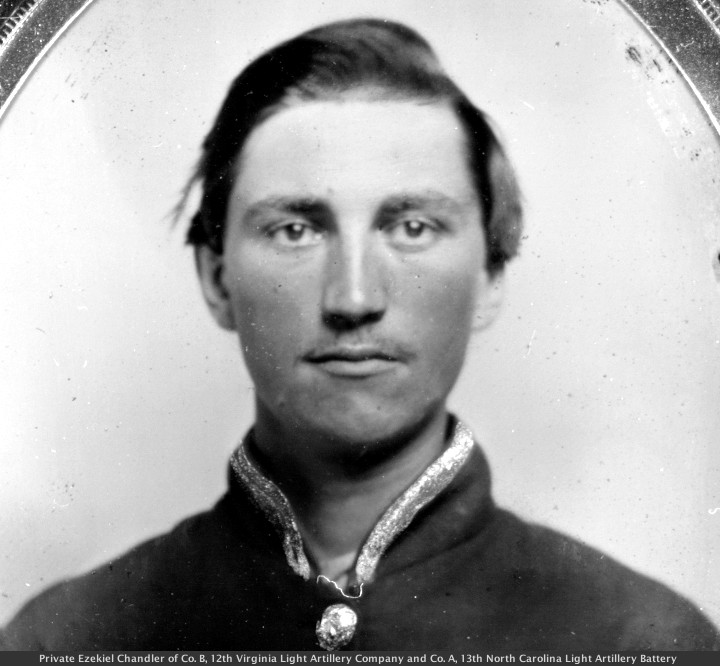


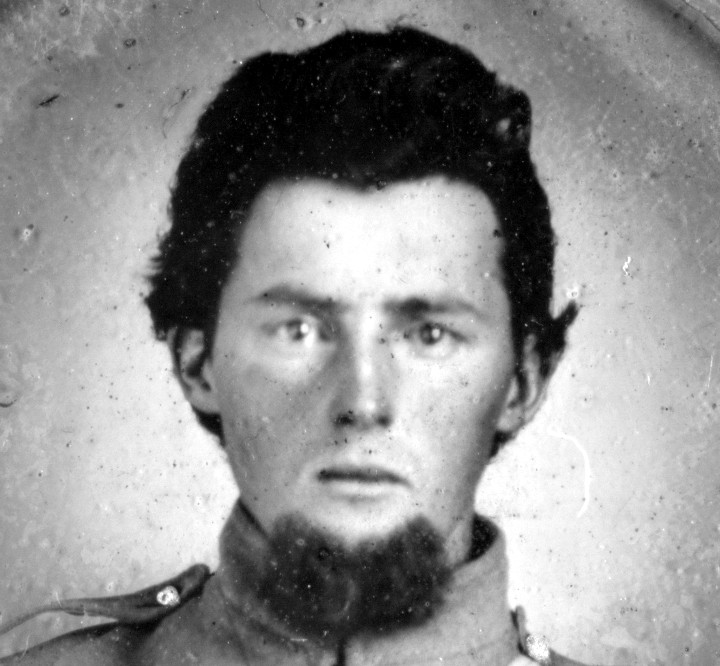

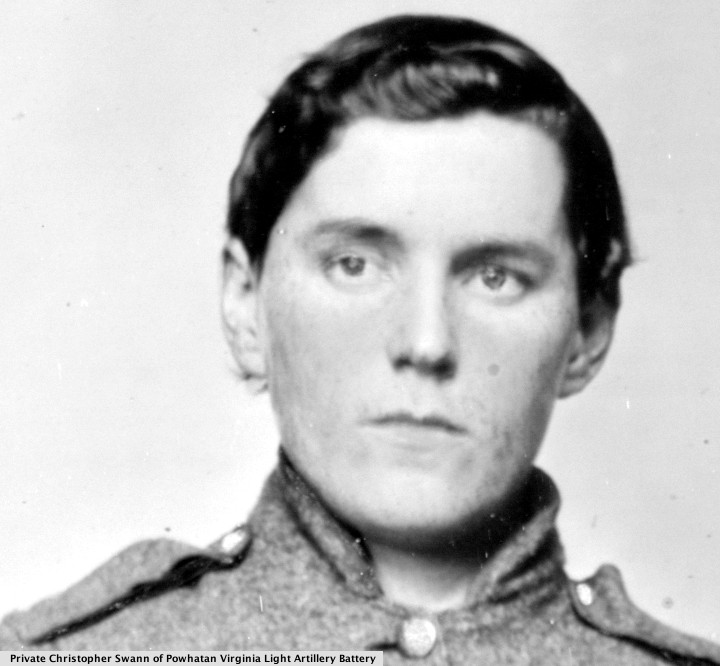
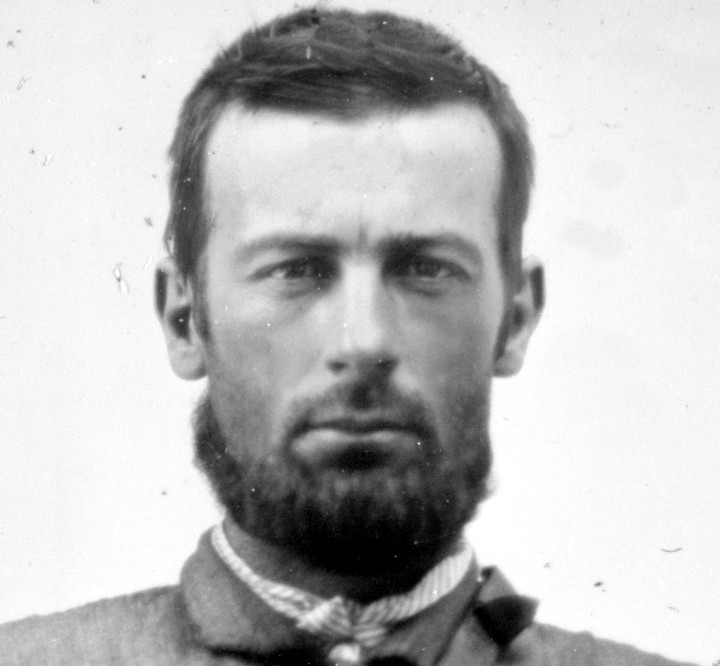

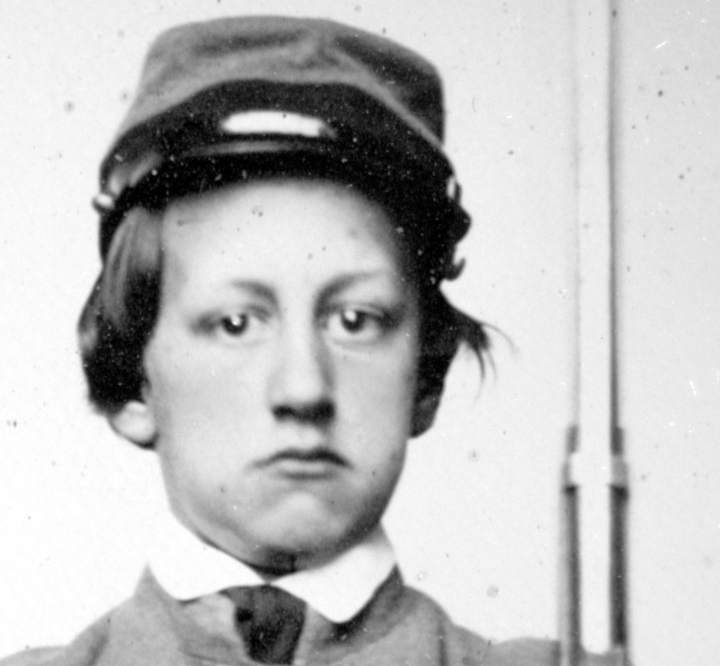
I have binge listened to a public television series, The Civil War. This youtube edition has subtitles in Portuguese, adding a Brazilian touch. I feel obligated to make a blog post. When writing about a topic of this size, I typically start by finding as many sources as possible. I have written about “the recent unpleasantness” several times, and will link to these when it is appropriate. The only way to start this project is to open a word document. This is a repost.
What did I learn? There was widespread opposition to emancipation in the north. I had never thought about this. The popular narrative is that the war was fought to free the slaves. While I knew that there were other reasons for the conflict, I assumed that the north wanted to free the slaves. As it turns out, the decision to free the slaves was controversial in the north. I will leave speculation about the reason for this to other armchair historians.
The show made me cry twice. The first time was after the Gettysburg Address. The address was made at the dedication of a cemetery, on the site of the Battle of Gettysburg. After two and a half years of horrendous carnage, the war was going good for the Union. However, 1864 was to have an election. Mr. Lincoln’s chances did not look good. If he lost, the Democrats would probably negotiate a peace, and the Confederacy would endure.
The Gettysburg Address is one of the most moving two minutes in our history. It was printed in newspapers across the land, which is the reason it is known today. “We are met on a great battle-field of that war. We have come to dedicate a portion of that field, as a final resting place for those who here gave their lives that that nation might live.”
The second tearjerker moment was also set at Gettysburg. It was the fiftieth anniversary of the battle. War veterans, from both sides, came to celebrate the occasion. There was a reenactment of Pickett’s charge. When the Rebels got to the fortifications, the Union soldiers came out and hugged them. They were greeted as brothers in arms, who had somehow survived a horrible conflict.
The fighting ended, and life in the, unquestionably, United States continued. There came to be what Shelby Foote calls “a great compromise … It consists of Southerners admitting freely that it’s probably best that the Union wasn’t divided, and the North admits rather freely that the South fought bravely for a cause in which it believed. That is a great compromise and we live with that …”
In recent years, this arrangement seems to be breaking down. It is now the fashion to view anything short of total vilification of the Confederacy as treasonous. There is sneering talk of the “Cult of the Lost Cause.” This is a lamentable way to look at this transformative part of our history. Maybe this too shall pass, and we will see the Confederacy in a different light in a few years.
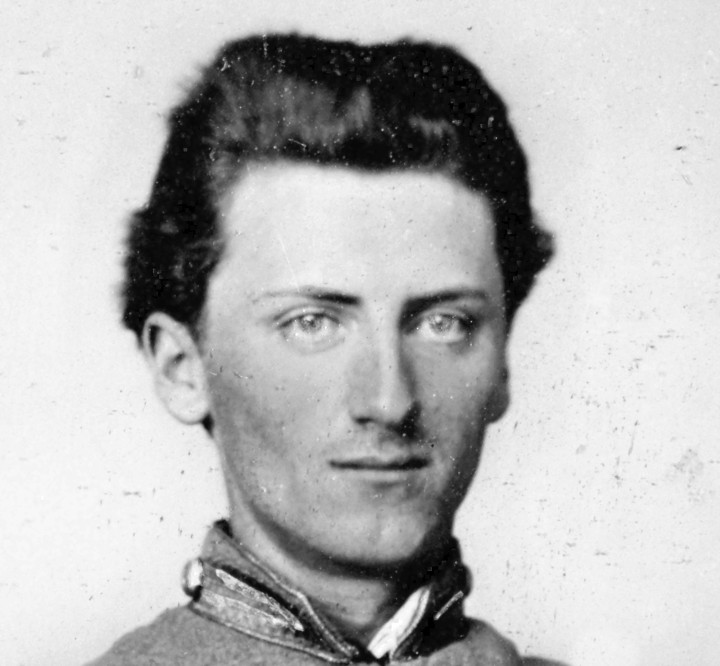
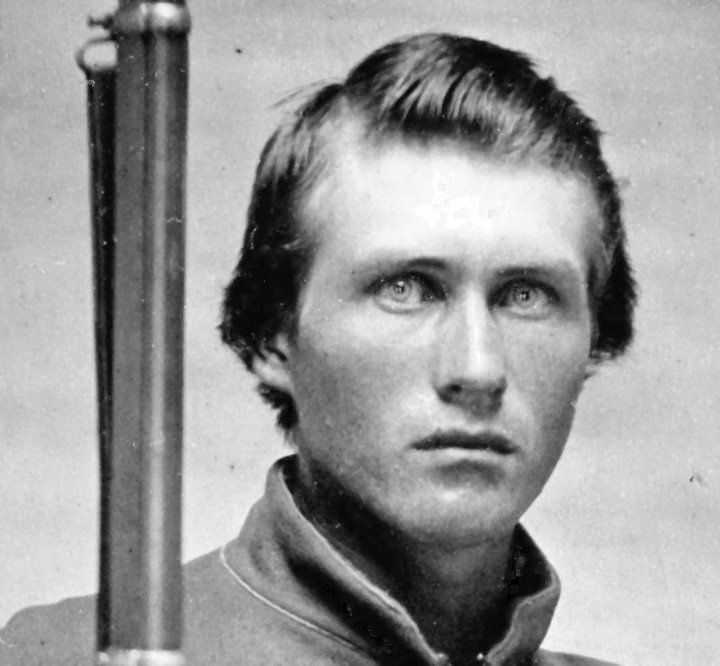
Pictures today are from The Library of Congress. The men before the text are Confederate soldiers, and after the text we have Union soldiers. These pictures are from Liljenquist Family Collection of Civil War Photographs.


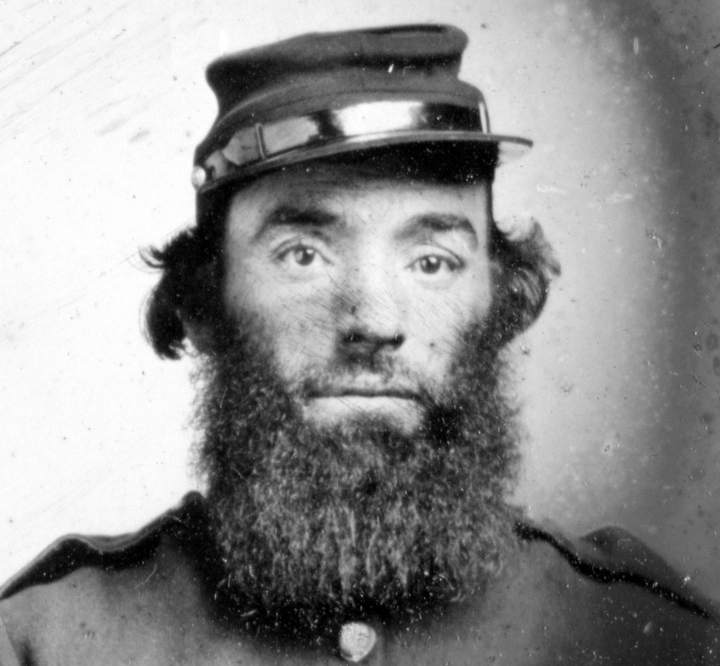
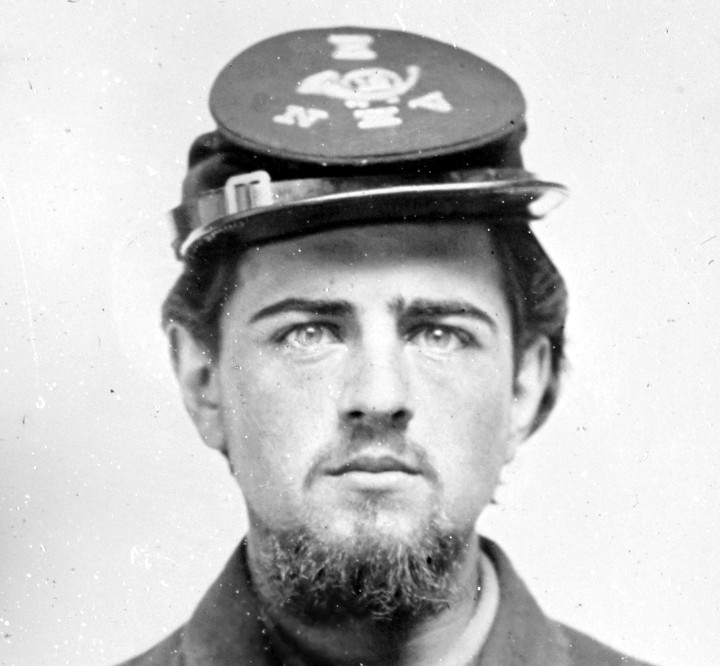


She Is Nursing The Baby Jesus


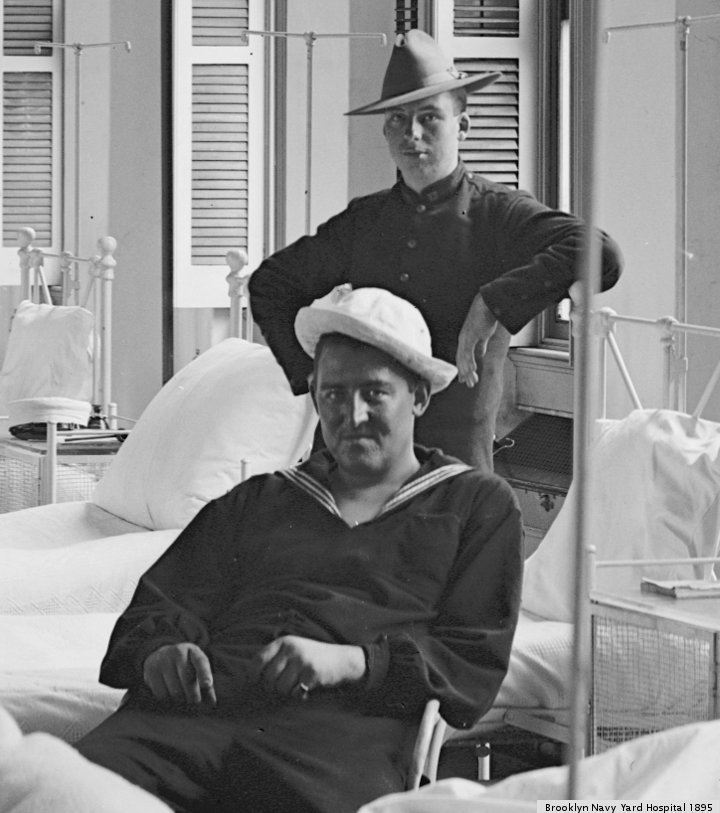
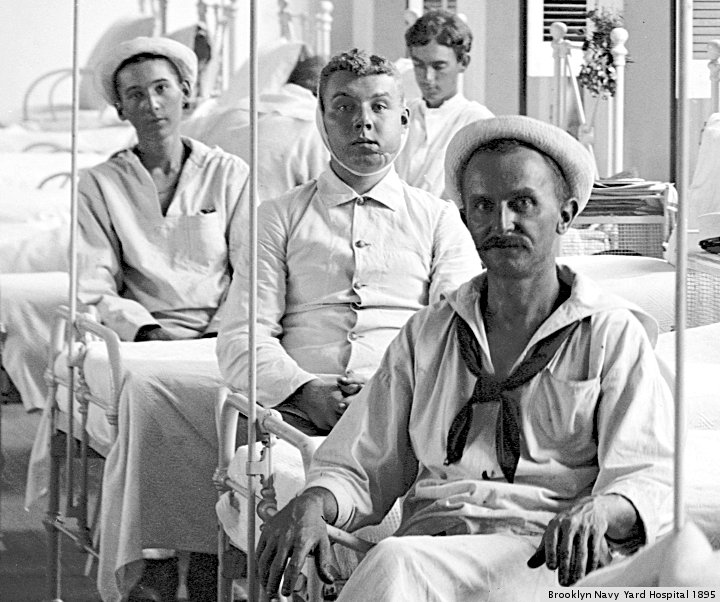


The story below was found at the website of James Petras . HT to palestinianpundit. Pictures are from The Library of Congress. This is a repost.
The settlements were still being built, financed mostly by Jewish money from America, contributions from Wall Street speculators and owners of gambling dens. “Good thing”, Joseph thought, “we have a few sheep and olive trees and Mary keeps some chickens. But Joseph worried, “cheese and olives are not enough to feed a growing boy. Mary is due to deliver our son any day”. His dreams foretold of a sturdy son working alongside of him…multiplying loaves and fish.
The settlers looked down on Joseph. He rarely attended shul, and on the high holidays, he would show up late to avoid the tithe. Their simple cottage was located in a nearby ravine with water from a stream, which flowed year round. It was choice real estate for any settlement expansion. So when Joseph fell behind on his property tax, the settlers took over their home, forcibly evicted Joseph and Mary and offered them a one-way bus ticket to Jerusalem. Joseph, born and raised in the arid hills, fought back and bloodied not a few settlers with his labor-hardened fists. But in the end he sat, battered on their bridal bed under the olive tree, in black despair. Mary, much the younger, felt the baby’s movements. Her time was near. “We have to find shelter, Joseph, we have to move on …this is no time for revenge”, she pleaded. Joseph, who believed with the Old Testament prophets in an “eye for an eye”, reluctantly agreed. So it was that Joseph sold their sheep, chickens and other belongings to an Arab neighbor and bought a donkey and cart. He loaded up the mattress, some clothes, cheese, olives and eggs and they set out for the Holy City.
The donkey path was rocky and full of potholes. Mary winced at every bump; she worried that it would harm the baby. Worse, this was the road for the Palestinians with military checkpoints everywhere. No one ever told Joseph that, as a Jew, he could have taken a smooth paved road – forbidden to the Arabs. At the first roadblock Joseph saw a long line of Arabs waiting. Pointing to his very pregnant wife, Joseph asked the Palestinians, half in Arabic, half in Hebrew, if they could go ahead. A path was opened and the couple went forward. A young soldier raised his rifle and told Mary and Joseph to get down from the cart. Joseph descended and nodded to his wife’s stomach. The soldier smirked and turned to his comrades, “The old Arab knocks up the girl he bought for a dozen sheep and now he wants a free pass”. Joseph, red with anger, shouted in rough Hebrew, “I am a Jew. But unlike you … I respect pregnant women”. The soldier poked Joseph with his rifle and ordered him to step back: “You are worse than an Arab – you’re an old Jew who screws Arab girls”. Mary frightened by the exchange turned to her husband and cried, “Stop Joseph or he will shoot you and our baby will be born an orphan”.
With great difficulty, Mary got down from the wagon. An officer came out of the guard station, summoning a female soldier, “Hey Judi, go feel under her dress, she might be carrying bombs” “What’s the matter? Don’t you like to feel them yourself anymore? ” Judith barked back in Brooklyn-accented Hebrew. While the soldiers argued, Mary leaned on Joseph for support. Finally, the soldiers came to an agreement. “Pull-up your dress and slip”, Judith ordered. Mary blanched in shame. Joseph faced the gun in disgrace. The soldiers laughed and pointed at Mary’s swollen breasts, joking about an unborn terrorist with Arab hands and a Jewish brain.
Joseph and Mary continued on the way to the Holy City. They were frequently detained at the checkpoints along the way. Each time they suffered another delay, another indignity and more gratuitous insults spouted by Sephardim and Ashkenazi, male and female, secular and religious – all soldiers of the Chosen people. It was dusk when Mary and Joseph finally reached the Wall. The gates had closed for the night. Mary cried out in pain, “Joseph, I can feel the baby coming soon. Please do something quickly”. Joseph panicked. He saw the lights of a small village nearby and, leaving Mary on the cart, Joseph ran to the nearest house and pounded on the door. A Palestinian woman opened the door slightly and peered into the dark, agitated face of Joseph. “Who are you? What do you want?” “I am Joseph, a carpenter from the hills of Hebron. My wife is about to give birth and I need shelter to protect Mary and the baby”. Pointing to Mary on the donkey cart, Joseph pleaded in his strange mixture of Hebrew and Arabic.
“Well, you speak like a Jew but you look like an Arab,” the Palestinian woman said laughing as she walked back with him to the cart. Mary’s face was contorted with pain and fear: her contractions were more frequent and intense. The woman ordered Joseph to bring the cart around to a stable where the sheep and chickens were kept. As soon as they entered, Mary cried out in pain and the Palestinian woman, who had now been joined by a neighbor midwife, swiftly helped the young mother down onto a bed of straw. And thus the child was born, as Joseph watched in awe.
It came to pass that shepherds, returning from their fields, heard the mingled cries of birth and joy and hurried to the stable carrying both their rifles and fresh goat milk, not knowing whether it was friend or foe, Jew or Arab. When they entered the stable and beheld the mother and infant, they put aside their weapons and offered the milk to Mary who thanked them in both Hebrew and Arabic. And the shepherds were amazed and wondered: Who were these strange people, a poor Jewish couple, who came in peace on a donkey cart inscribed with Arabic letters?
The news quickly spread about the strange birth of a Jewish child just outside the Wall in a Palestinian’s stable. Many neighbors entered and beheld Mary, the infant and Joseph. Meanwhile, Israeli soldiers, equipped with night vision goggles, reported from their watchtowers overlooking the Palestinian neighborhood, “The Arabs are meeting just outside the Wall, in a stable, by candle light”. The gates under the watchtowers flew open and armored carriers with bright lights followed by heavily armed solders drove out and surrounded the stable, the assembled villagers and the Palestinian woman’s house. A loud speaker blared, “Come out with your hands up or we’ll shoot.” Joseph stepped forward with his hands stretched out to the sky and spoke, “My wife, Mary cannot comply with your order. She is nursing the baby Jesus”





Rudolph




Someone posted a bit of revisionism about a holiday classic. As he sees it, “Rudolph the Red Nosed Reindeer” is about racism.
In a bit of yuletime synchronicity, the urban mythbusters at Snopes posted a piece about Rudolph the same day. It seems as though the Rudolph story was originally written for the Montgomery Ward Stores. The idea was to print a Christmas booklet to give to customers. A staff writer named Robert L. May was picked for the job.
Originally, there were concerns about the red nose, and the connection to heavy drinking. At the time, the original meaning of “merry christmas” had been forgotten. Merry meant intoxicated, and a merry christmas was a drunken one. The booklet was released. It was a big hit with shoppers.
Mr. May had a brother in law named Johnny Marks, who was musically gifted. Mr. Marks wrote the song, and somehow or another Gene Autry came to sing it. A story (which PG heard once, but cannot find a source for) had Mr. Autry doing a recording session. The session went very smoothly, and the sides scheduled to be recorded were finished early. There was a half hour of studio time paid for. Someone produced copies of “Rudolph”, gave them to the musicians, and the recording was knocked out. It became a very big hit.
“Rudolph the Red Nosed Reindeer” has become a beloved standard, without the troubling religious implications of many holiday songs. It is the second biggest selling record of all time. The only song to sell more is “White Christmas”.
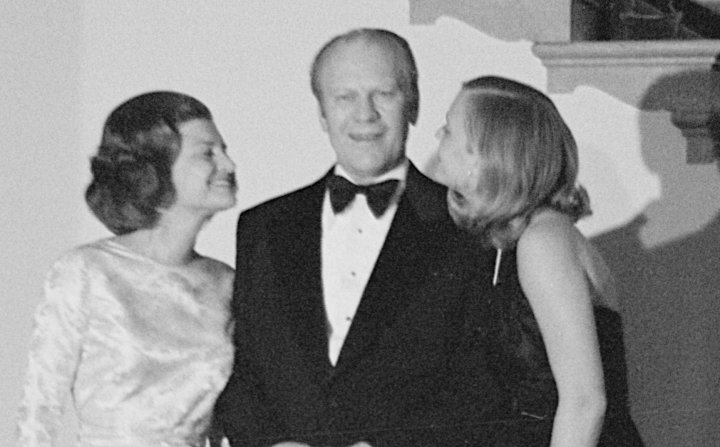
The story above is a repost. Pictures are from The Library of Congress. There is an appearance by Gerald Rudolph Ford, and his women. Betty was a merry soul.



Ansel Adams And Dorothea Lange
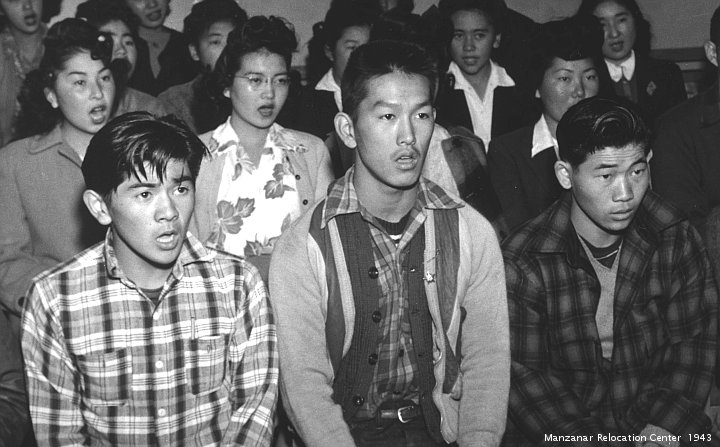


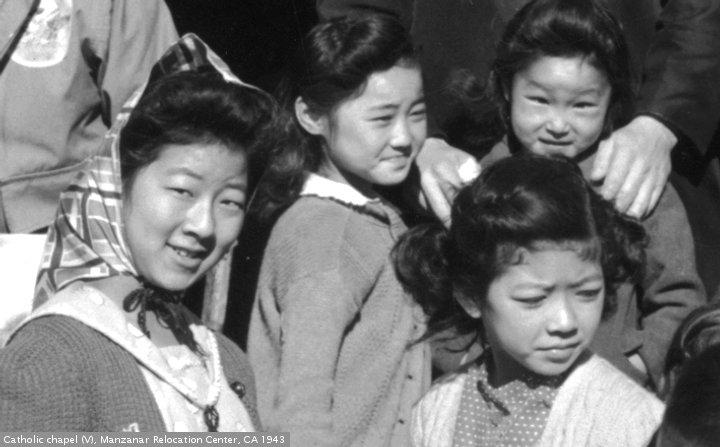
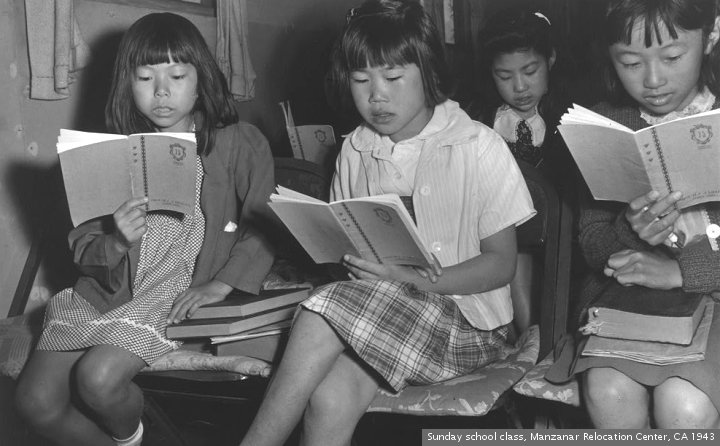

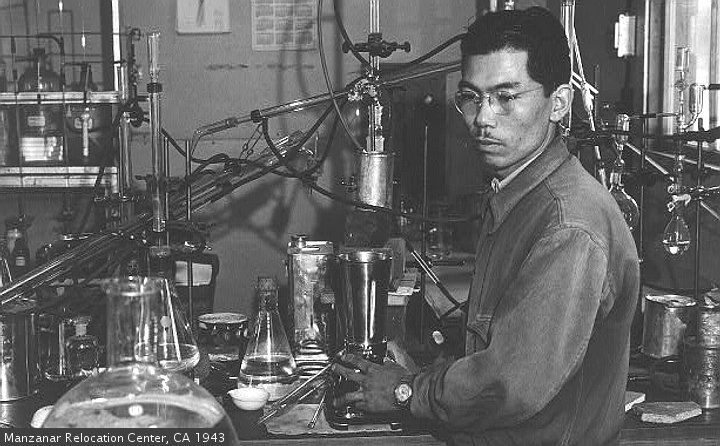

The facebook feed has recently had links to a story, Dorothea Lange’s Censored Photographs of FDR’s Japanese Concentration Camps. Miss Lange was the photographer of the iconic Migrant Mother. After Pearl Harbor, Miss Lange took a job with the War Relocation Authority, documenting the “relocation” of Japanese-Americans to interment camps. The photographs did not please the authorities. They were censored, and only appeared recently. This is a repost.
Ansel Adams also took photographs at the Manzanar, California, camp. In the current stories, he is literally a footnote: quotes were used from a book about his photography. Why is Dorothea Lange receiving attention, while Ansel Adams is ignored?
One answer is that Miss Lange was hired early on, and shows the harsh reality of relocation. “On July 30, 1942, the WRA laid her off “without prejudice,” adding that the cause was “completion of work…. the WRA impounded the majority of her photographs of Manzanar and the forced detentions, and later deposited 800 image from the series in the National Archives without announcement.”
“After Lange’s departure, Manzanar’s director Ralph Merritt visited renowned environmentalist and landscape photographer Ansel Adams and suggested he document the camp — Merritt and Adams were friends from the Sierra Club. Lange, also friends with Adams, encouraged him to take the job. (Coincidentally Adams printed “Migrant Mother” for her ) …Ansel Adams made several trips to Manzanar between October 1943 and July 1944 for this new personal project, and, as Alinder writes, he was primed to try the kind of documentary photography regularly practiced by Dorothea Lange and the Farm Security Administration that he had earlier shunned. Unlike Lange, a white woman who had been viewed with suspicion by her subjects, Adams was welcomed by the incarcerees, even greeted as a celebrity in a cultural community that had a deep appreciation of nature — many incarcerees at Manzanar literally opened their doors to him dressed in their finest clothes. … By 1943, Manzanar’s incarcarees had had time to settle in and enjoy the fruits of their collective work. In less than ideal surroundings, they had collectively built their own post office, town hall, library, auditorium, co-op store system, police station, jail, cemetery with memorial, published their own newspaper (the ironically named the Manzanar Free Press, which was regularly censored by the military), and even their own YMCA.”
“As for Lange, looking at the historical record, it appears that she was treated differently from the other WRA photographers. She was discouraged from talking to the incarcerees, was constantly followed by a censor, and faced harassment. She was refused access to areas after being given clearance, and she was often hounded over phone charges and receipts. … After being discharged, Lange expressed in letters her dismay that her work was ineffective in helping the people she documented. Her assistant Christina Clausen later noted the ferocity of this body of work also marked the beginning of the photographer’s bleeding gastric ulcers. Lange was unable to work for a number of years after her harrowing experience at Manzanar. She died from esophageal cancer in 1965.”
“In 1944, Adams’s photographs were published as a book, “Born Free and Equal: The Story of Loyal Japanese Americans,” and shown at New York’s Museum of Modern Art. Nativists took offense. They saw Adams’s work as a slur on the war effort. He was a “Jap lover.” This quote is from a 2016 article, Let’s be honest, Ansel Adams’s images of a WWII internment camp are propaganda
“Adams visited Manzanar to take photos in 1943 at the request of camp director Ralph Merritt, who was a personal friend. “They don’t look quite as dusty and quite as forbidding as Dorothea Lange’s photos … Indeed, the place that looks barren and depressing in Lange’s pictures manages to look beautiful in Adams’. You get little sense that it was even a detention center, in part because Adams, like other photographers, was not allowed to shoot the guard towers or barbed wire…
There are scenes from a baseball game, kids walking to school, a gathering outside a chapel. Lots of smiles, too, and portraits of camp residents cropped so close, you can see every blemish and stray hair. In Adams’ vision, Manzanar comes off as a place where Japanese-Americans, dignified, resilient and optimistic in spite of their circumstances, built a temporary community in the desert.
(Skirball Cultural Center director Robert) Kirschner said that if Adams’ photos appear to sugarcoat the indignities of life in an internment camp, it is because he did not see himself as a social activist the way Lange did. Still, Kirscher says, Adams was challenging internment in his own way, by depicting its victims as patriotic, law-abiding Americans. Unlike Lange, Adams was given permission to publish his photos. Before the war ended, he did so in a book called “Born Free and Equal: The Story of Loyal Japanese Americans,” in which he warned about the dangers of letting wartime hysteria justify depriving U.S. citizens of their freedom.”
The NPR article mentions a third Manzanar photographer. “Before World War II, Toyo Miyatake had a photo studio in Los Angeles’ Little Tokyo. When he learned he would be interned at Manzanar, he asked a carpenter to build him a wooden box with a hole carved out at one end to accommodate a lens. He turned this box into a makeshift camera that he snuck around the camp, as his grandson Alan Miyatake explains in the video below, which is featured in the exhibit.
Fearful of being discovered, Miyatake at first only took pictures at dusk or dawn, usually without people in them. Camp director Merritt eventually caught Miyatake, but instead of punishing him, allowed him to take pictures openly. Miyatake later became the camp’s official photographer.”
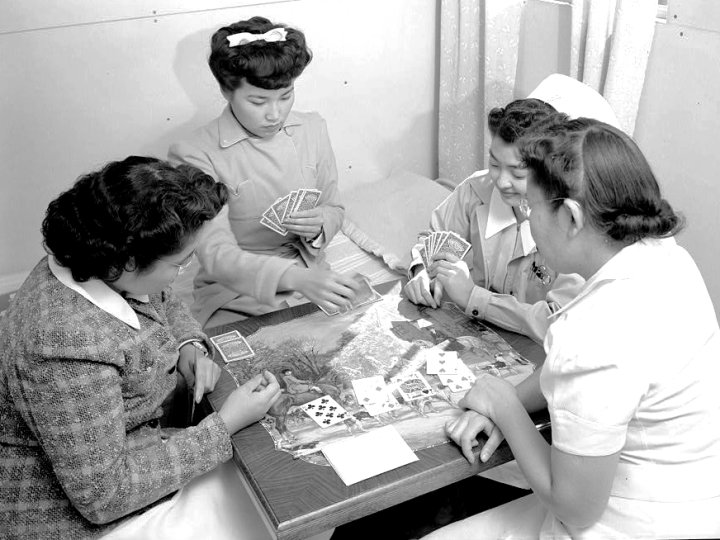
Pictures for today’s feature are from The Library of Congress. These are pictures that Ansel Adams took at Manzanar. They have been posted at chamblee54 before. The ladies in the bridge game are Aiko Hamaguchi, Chiye Yamanaki, Catherine Yamaguchi, and Kazoko Nagahama.







War Between The States



It is a truism that history is written by the winner of the war. This seems to apply to the naming of the conflict. There was a horrific armed struggle in North America between 1861 and 1865. The name used most often is Civil War. To many in the South, it is the War Between The States. In PG’s humble opinion, WBTS is a better name.
In fifth grade, PG had to write an essay about the Battle of Atlanta. The essay was a device for teaching grammar, utilized by the english teacher, Miss McKenzie. The contest was sponsored by the Daughters of the Confederacy . The expression “Civil War” was not permitted. The proper name for this conflict was War Between the States.
In many ways, this conflict started as soon as the United States became independent from Great Britain. The South was an agrarian society, with slaves to work the fields. The north was becoming an industrial society, with a need for an independent work force. The north wanted high tariffs to protect her industries, while the south wanted to sell it’s cotton to Europe. There were plenty of ways for this conflict to manifest.
Slavery was a very important factor. The south wanted to keep “the peculiar institution” intact, while many in the north were horrified. There were numerous compromises over the years, as Congress struggled to keep the Union intact. This ties in with a central dilemma of the american experience … how much power to give to the states, and how much power to give to the federal government.
The phrase civil war is defined as “A war fought between factions of the inhabitants of a single country, or the citizens of a single republic”. By the time the shooting started, the southern states had left the union. They formed a confederacy of independent states, rather than one monolithic union. It was, indeed, a war between the states.
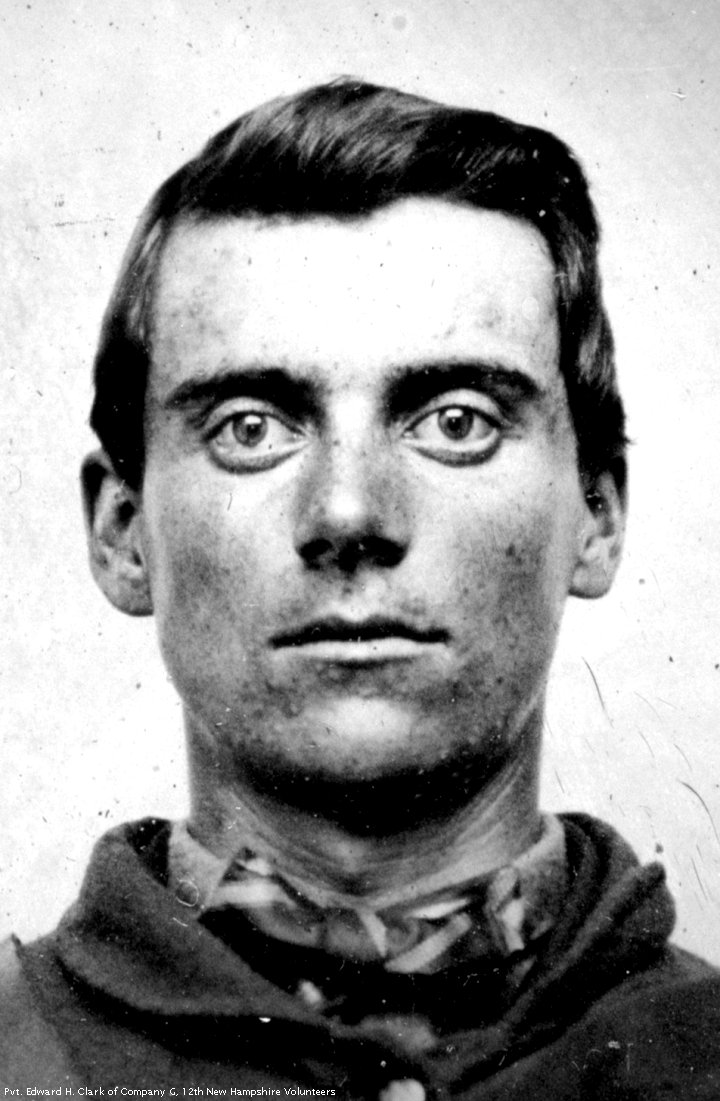
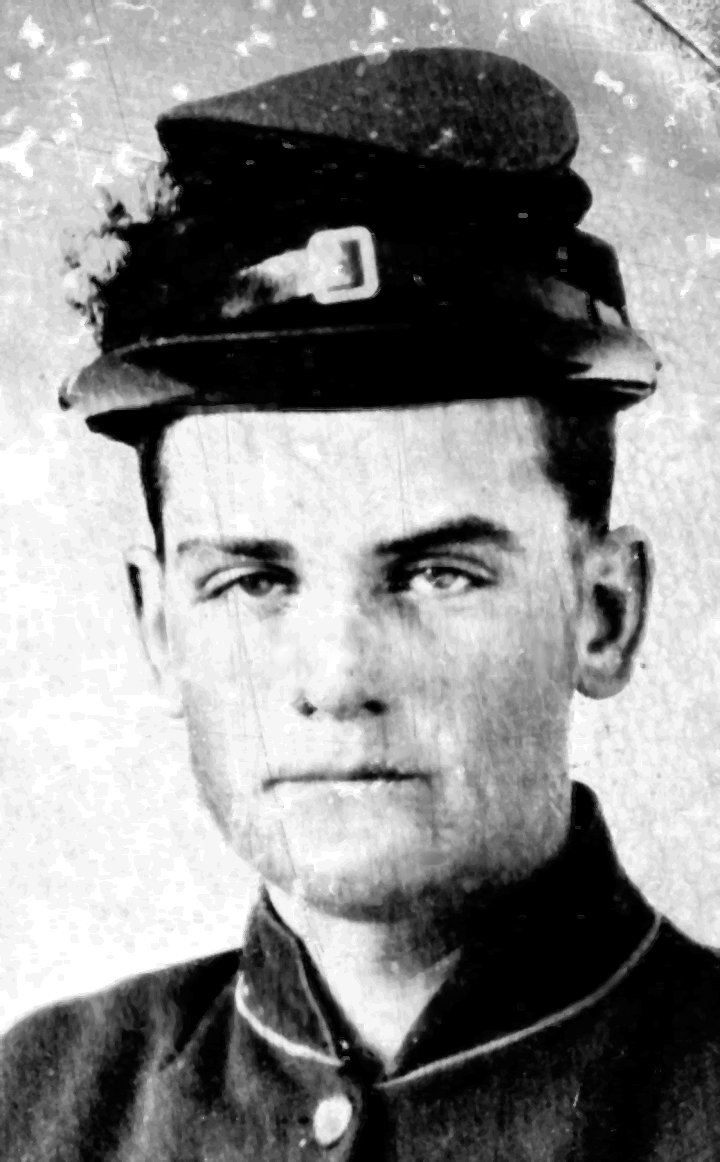
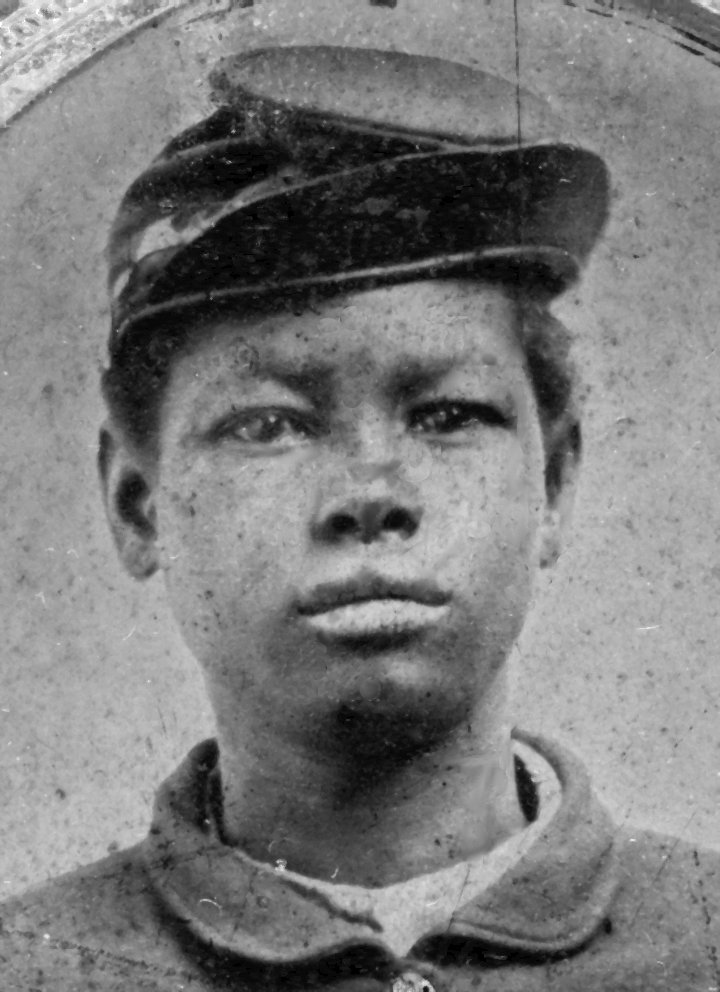
This is a repost. Pictures, of Union soldiers, are from The Library of Congress.

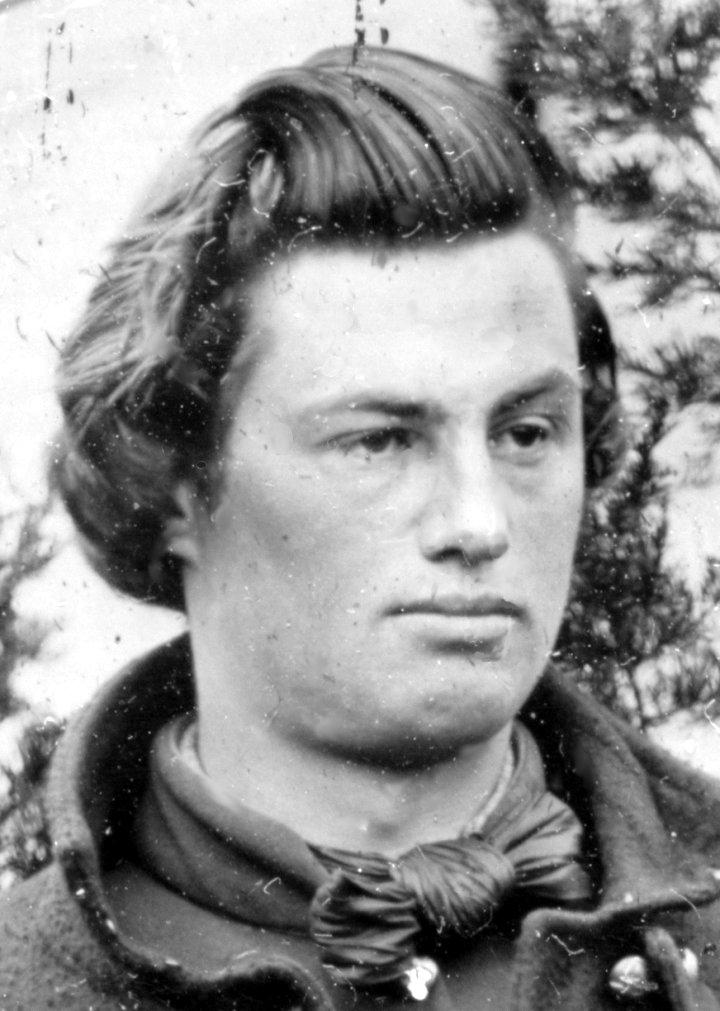


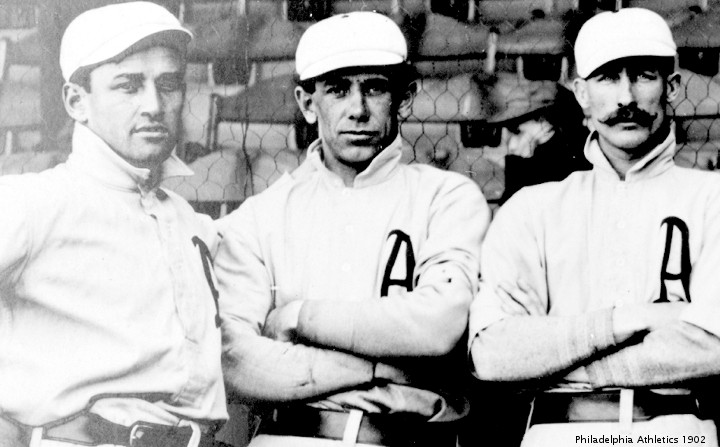


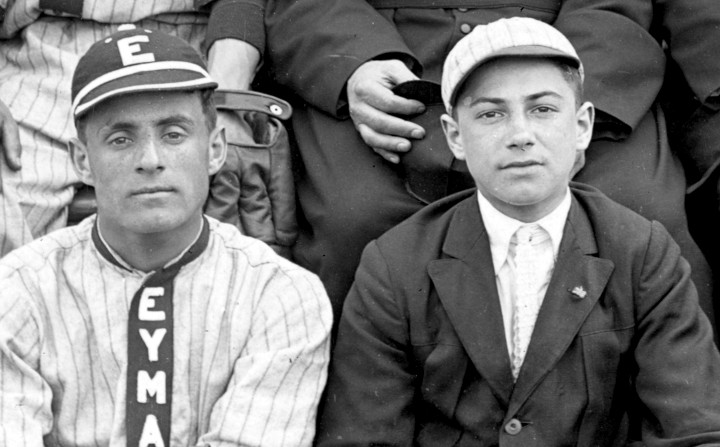

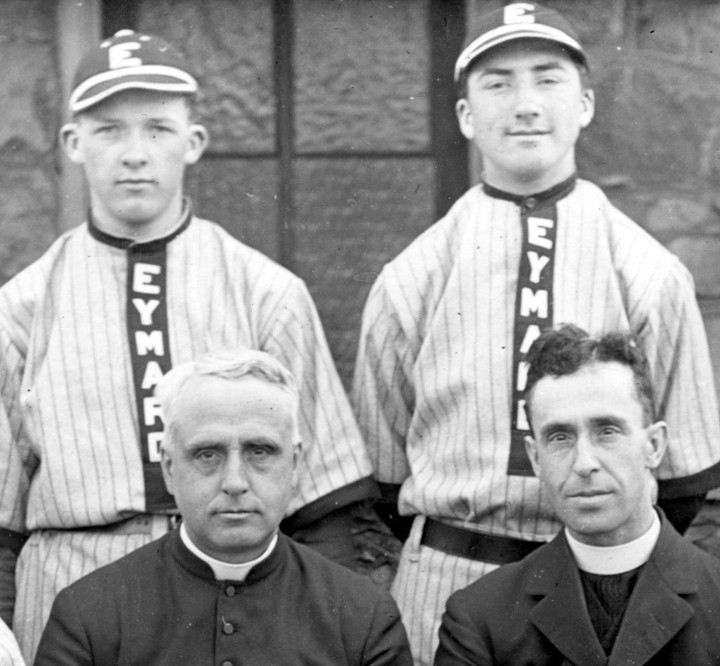

The recent destruction of #SilentSam, was defended by a quote from the 1913 dedication speech. Here is something else that Julian Carr said that day: “In the knowledge of subsequent developments, the progress, peace and prosperity of our united, common country, victor and vanquished now alike believe that in the Providence of God it was right and well that the issue was determined as it was. And the people of all sections of our great Republic, moved by the impulse of sincere and zealous loyalty, of fervent and exalted patriotism may say: “All is well that ends well.”
The demonization of the Confederacy has intensified lately. Yes, slavery was a wretched institution. However, much of the rhetoric today does not take into account many of the other causes of that war. And it forgets that *the war is over.* The early twentieth century was a time of reconciliation between the north and the south. Yes, there was Jim Crow, and white supremacy. People of color (both black and non black, both north and south) were treated horribly. Creating a more perfect union is a slow, and uneven, process.
Part two of today’s feature is a double repost. Part one is based on an interview with Shelby Foote, where he goes into some of the points made above. If you get a chance to listen to the link, you can hear Mr. Foote talk for an hour in a luxurious Mississippi accent. The second part of today’s feature goes into some of the financial causes of the War Between The States. It is an old truism that all wars are about money. The causes people are told about, both at the time of the conflict and historically, are not always the real reason for the war. Look at how WMD was used to justify “Operation Iraqi Freedom.” WMD was the excuse for the conflict, not the reason.
PG spent a pleasant Saturday afternoon editing pictures from The Library of Congress (which illustrate this post) and listening to a 1994 interview with Shelby Foote. There was a book to be sold, and Mr. Foote made the necessary appearances to sell the product. The gentleman has a handsome Mississippi accent, and is a delight to listen to. There is a transcript, aka the lazy bloggers friend.
A few of the things he said are timely. When this show was taped in 1994, Mr. Foote spoke of healing from the War Between the States. Today, we seem to be regressing. Trash talk about the Confederacy is back in fashion. It is a good time to revisit these comments. Shelby Foote died in 2005, and can no longer comment.
“Slavery is a huge stain on us. We all carry it. I carry it deep in my bones, the consequences of slavery. But emancipation comes pretty close to being as heavy a sin. They told — what is its million or 7 million people, “You’re now free. Hit the road,” and there was a Freedman’s Bureau, which was a sort of joke. There were people down here exploiting them. Three-quarters of them couldn’t read or write, had no job, no hope of a job, no way to learn a new job even, and they drifted back into this peon age system under sharecropping, which was about all they could do.
To this day, we are paying and they are paying for this kind of treatment. I don’t mean there should have been a gradual emancipation. I mean there should have been true preparation to get this people ready for living a kind of life. They were free and should have been free all along, but they were not prepared for living in the world. They’d been living under conditions of slavery, which kept them from living in the world…..”
“The Civil War, there’s a great compromise, as it’s called. It consists of Southerners admitting freely that it’s probably best that the Union wasn’t divided, and the North admits rather freely that the South fought bravely for a cause in which it believed. That is a great compromise and we live with that and that works for us. We are now able to look at the war with some coolness, which we couldn’t do before now, and, incidentally, I very much doubt whether a history such as mine could have been written much before 100 years had elapsed. It took all that time for things to cool down….”
(Booknotes host Brian) LAMB: “Was the Civil War inevitable? FOOTE: I think that it was necessary. I do not believe that those differences could have been settled without bloodshed. The question is the horrendous amount of bloodshed. That was not necessary. That could have been stopped at some point. God knows. But there apparently were differences so profound between the abolitionists in New England and the fire-eaters of South Carolina that dragged the rest of the country into this conflict that I’m inclined to agree with Seward, who called it an irrepressible conflict….” (Chamblee54 recently published a post, Why Was The War Fought?. about the financial aspects of the War. Follow the money, and find the truth. The post is seen below.)
LAMB: “From what you know now and your own political philosophy, if you had a voice and you lived back there, which side would you have been on? FOOTE: There’s absolutely no doubt. I’m from Mississippi. I would have been on the Confederate side. Right or wrong, I would have fought with my people. LAMB: Why? FOOTE: Because they’re my people. It would have meant the end of my life as I had known it if I fought on the other side. It would have been a falsification of everything I’d lived by, even if I opposed it. No matter how much I was opposed to slavery, I still would have fought for the Confederacy — not for slavery, but for other things, such as freedom to secede from the Union.”






Last week, this slack blogger found a tweet. The tweet said that Abraham Lincoln and John Kennedy fought the Federal Reserve, and both were killed. I did a little research, and found something that questions the conventional wisdom about the War Between the States.
Before getting to the quote, a disclaimer is in order. 100777.com is a sketchy website. What is says cannot be taken as literal truth. However, the statement about WBTS does raise some questions.
“One point should be made here: The Rothschild bank financed the North and the Paris branch of the same bank financed the South, which is the real reason the Civil War was ignited and allowed to follow its long, and bloody course.”
Maybe it was not the Rothschild Bank that financed WBTS. Somebody did. War is a profitable enterprise. People are going to egg on the combatants, knowing that there is money to be made. Someone encouraged the southern states to secede. Others encouraged the north to take a hard line on slavery, knowing that it would lead to a profitable war. Was slavery the reason for this war, or the excuse? Follow the money.
Rhett Butler was a central character in Gone With The Wind. He was a blockade runner, bringing in supplies to the south. He said this: “I told you once before that there were two times for making big money, one in the up-building of a country and the other in its destruction. Slow money on the up-building, fast money in the crack-up. Remember my words.”
It should be noted that slavery was a big money operation. “But I think we think of it differently when we realize that the value of slave property, some $4 billion, enormous amount of money in 1861, represented actually more money than the value of all of the industry and all of the railroads in the entire United States combined. So for Southern planters to simply one day liberate all of that property would have been like asking people today to simply overnight give up their stock portfolios.”
When the thirteen colonies declared independence, they were not creating a union. The idea was to kick out the British. The concept of a federal union, made up of more-or-less independent states, was fairly new. States had conquered other states, and formed empires, for a long time. A federal union of states was a new, and controversial, idea. Many European states wanted to see this federal union fail. These states encouraged the south to secede. Some people say the War Between the States began the day the British left.
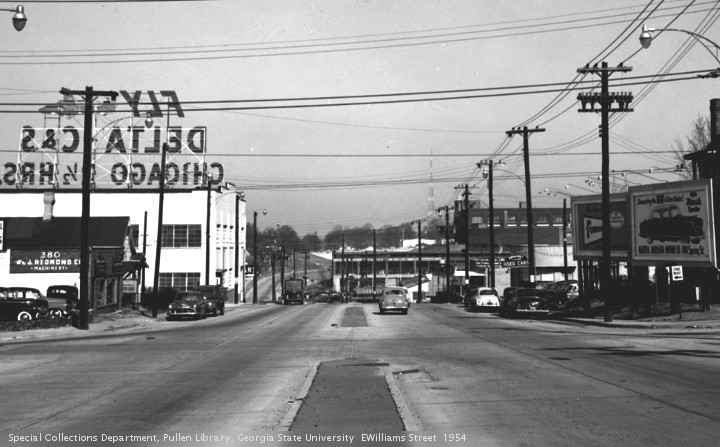
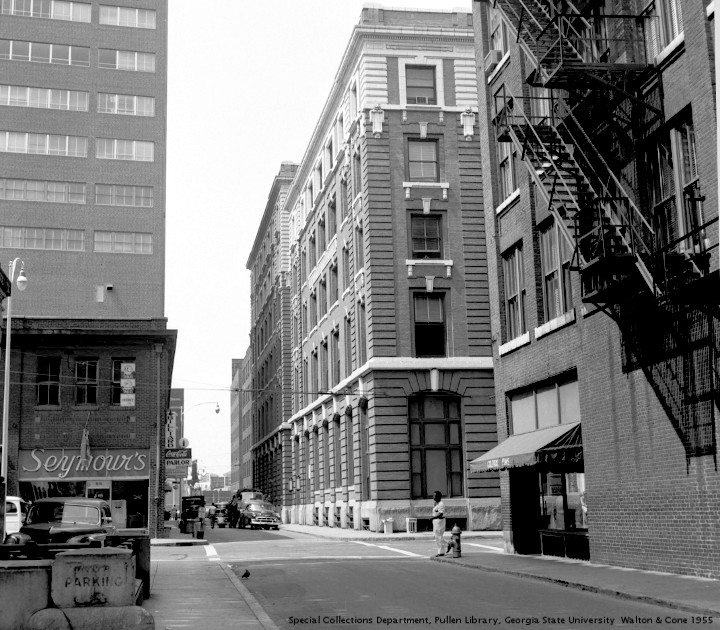
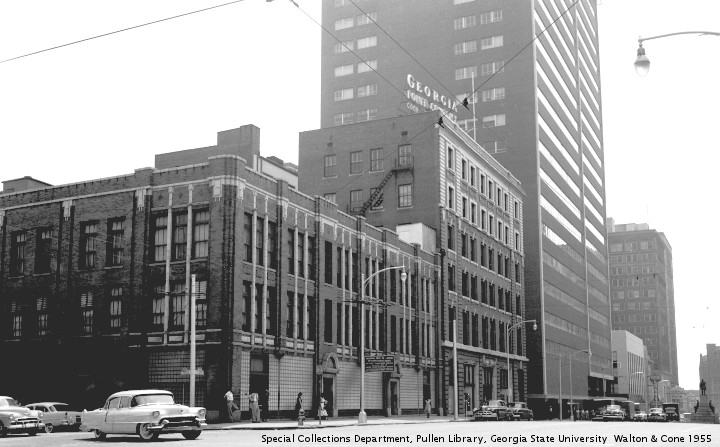
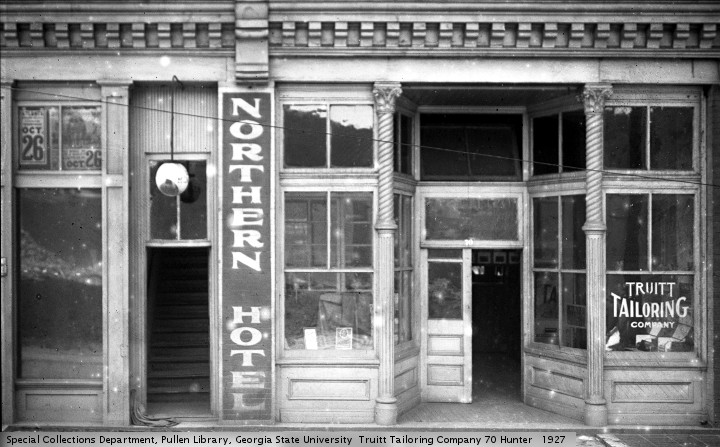
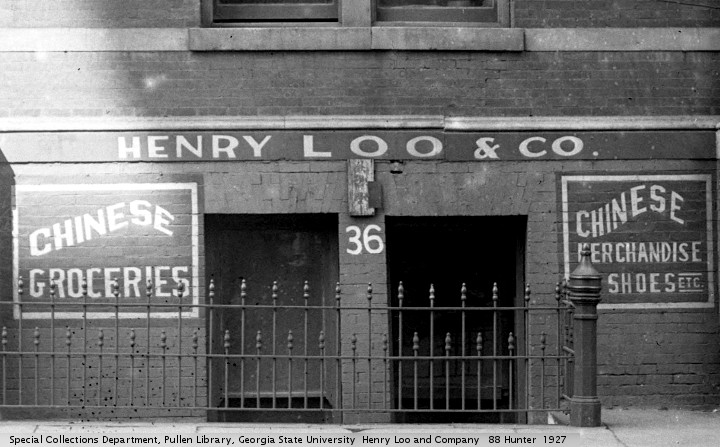
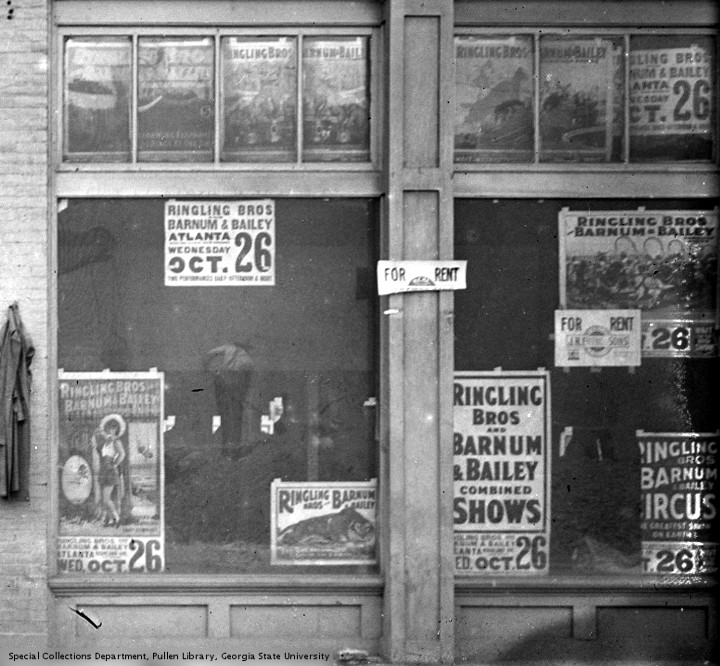
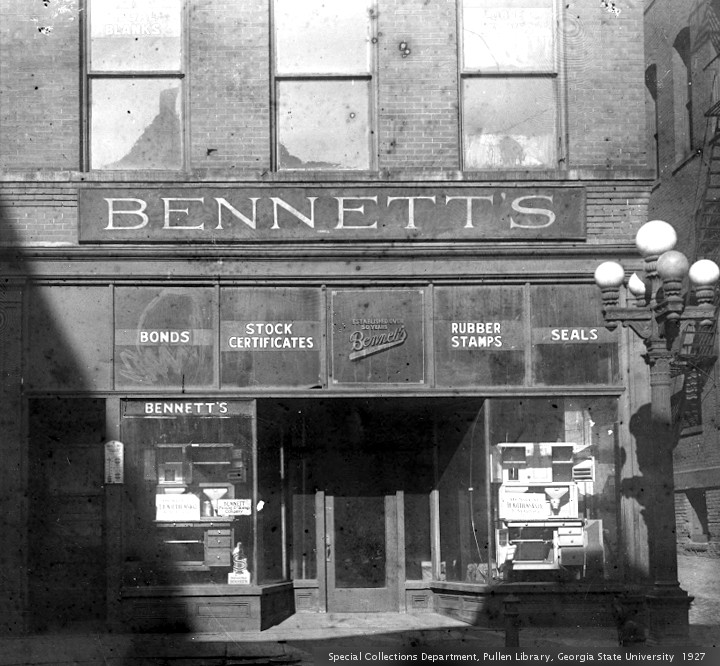
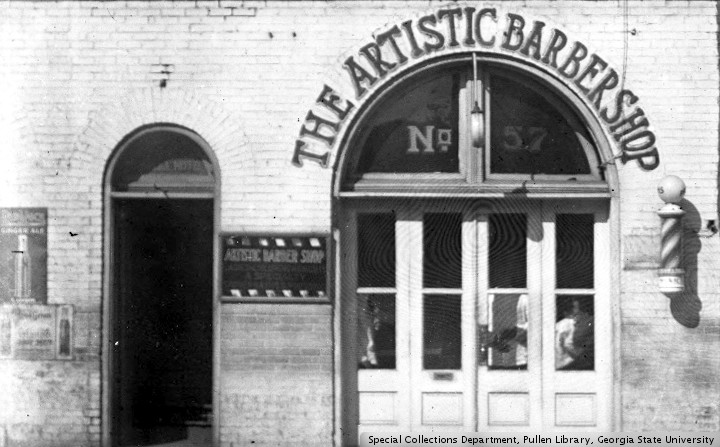
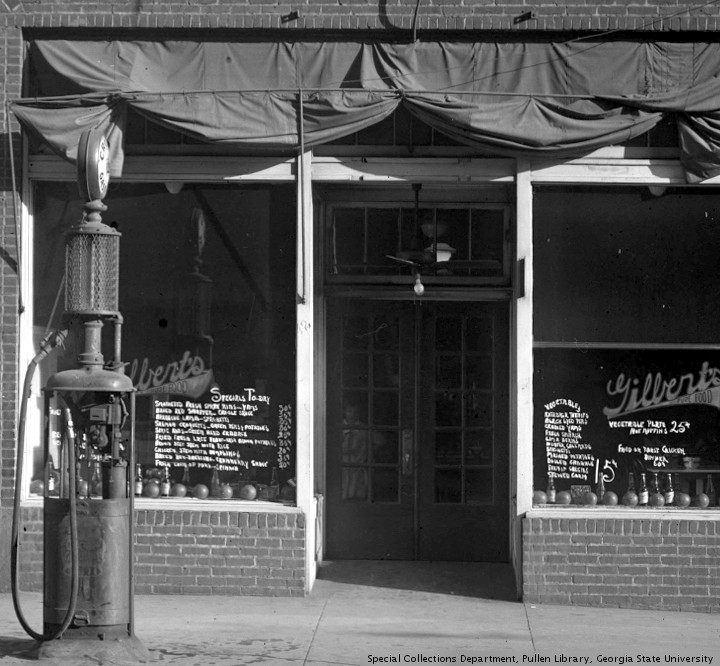
Pictures from “The Special Collections and Archives, Georgia State University Library “… a collection of images of downtown Atlanta streets that were taken before the viaduct construction of 1927 – 1929. Later, some of the covered streets became part of Underground Atlanta.”



Henry Woodfin Grady



This is a repost from 2019. Grady High School is now known as Midtown. The public health care system is still known as Grady. Controversy continues, about a variety of subjects. … Before yesterday, PG did not know much about Henry Woodfin Grady. He saw the statue downtown, and visited people in the namesake hospital. PG knew Mr. Grady was a newspaper man, and a pioneer salesman of Atlanta, Inc. There was something called The New South Address.
That all changed Wednesday morning. Editorial: Mayor Bottoms, tear down this statue! was the headline at the Signal, Georgia State University’s student newspaper. Someone at the University of Massachusetts read the New South Address, and found some amusing quotes.
“What of the negro? This of him. I want no better friend than the black boy who was raised by my side, and who is now trudging patiently with downcast eyes and shambling figure through his lowly way in life. I want no sweeter music than the crooning of my old “mammy,” now dead and gone to rest, as I heard it when she held me in her loving arms, and bending her old black face above me stole the cares from my brain, and led me smiling into sleep. I want no truer soul than that which moved the trusty slave, who for four years while my father fought with the armies that barred his freedom, slept every night at my mother’s chamber door, holding her and her children as safe as if her husband stood guard, and ready to lay down his humble life on her threshold. History has no parallel to the faith kept by the negro in the South during the war.”
This is one of the nicer parts. About half the speech is about the Negro, and what the White man should do about him. When PG finally read the speech itself, he was amazed. The rhetoric was much worse than PG expected. If you want to get your woke knickers thoroughly twisted, read between page 23 and page 33. (The speech starts on page 21.)
The well meaning GSU students printed a dose of contemporary rhetoric, about a speech given October 26, 1887. PG summarized this on Facebook. Editorial: Mayor Bottoms, tear down this statue! The GSU Signal cranked up the purple prose machine for an attack on Henry W. Grady. “A monument to Henry Grady and his accomplishments on Marietta and Forsyth streets — also named Henry Grady Square — still stands today. Etched into his plaque are three celebratory words: “Journalist, Orator, Patriot.” Let us be clear in recognizing that Grady, as a journalist, promoted racism. Grady, as an orator, promoted racism. And Grady was certainly no patriot — he was simply a racist.”
A facebook friend, who we will call Macon, asked “What part of it do you disagree with?” 28 comments later, PG got on his digital horse, and rode into the sunset.
The initial response was about the the comment “Grady was certainly no patriot — he was simply a racist.” The New South Address was in 1887, 22 years after the War ended. Before that hideous conflict, the states were seen as separate entities, with helpful guidance from the Federal government. When the Confederate states left this union, a ghastly war ensued.
After the south was conquered by the north, there was little doubt. The states were governing districts, under the control of the mighty federal government. Most people today take this arrangement for granted. The truth is, it has been controversial over the years. In his landmark address, Henry W. Grady was calling for an economic union of the south and north, to go along with a militarily-enforced political union. 22 years after a horrific war over secession, a southerner was calling for a stronger union with the north. To PG, this is patriotism. The fact that Mr. Grady said impolite things does not change this.
Macon responded “… but he was a racist …” A few comments were exchanged. Macon said what Macon wanted to say. PG said what PG wanted to say. PG was ready to walk away, and go to the gym. Before leaving, PG said: “I note that you have not addressed the patriotism issue. You asked me what I disagree with, in this assessment of Henry Grady. I replied that working for a strong Federal Union, less than a generation after the War Between the States, was an act of patriotism. You have not responded to this.”
When PG got back, he saw where Macon had posted a series of lurid quotes from the NSA. What PG missed, at first, was the comment “I agree it was patriotic.” Since PG had missed this comment, he continued to hammer away at the patriotism issue. Finally, Macon said “Yes, was Sen. Joe McCarthy a patriot? Was Hitler? … ” Godwin’s Law is now in effect. Adult conversation has left the building.
What to make of all this? It is apparent that Mr. Grady said some unfortunate things. Does this negate all the good that he did? Looking back, it seems that the main contribution made by Henry W. Grady was as a salesman for the south. In Atlanta, a town built on marketing, this makes him a publicity patron saint. Now we are learning about exactly what Henry W. Grady said. G-d is in the details. Pictures today are from The Library of Congress.


Names





Alan Burnett~Bill Gaddy~Bill Medlock~Bill Meneely~Blaze Mills~Buddy Conine
Calvin Bunn~Danny Fields~David Chewning~David Hadden~Charlie Hall~Dwight Dunaway
Freeman Waldrop~Gary Hunton~Gene Haynes~Gene Holloway~Gibson Higgins~Glenn Krause
Greg Scott~Harold King~Hawk~Jerry Pyschka~Jim Anderson~Jim Ferguson
Jim Woodward~Joe Kenney~Joe Vickery~John Kelley~John Harllee~Jon Gordon
King Thackston~Larry Jackson~Layton Gregory~Lee Mullis~Les Friessen
Mac Wilson~Manfred Ibis~Mark Keenum~Mark Rosen~Martin Isganitus
Michael Dollins~Micheal Mason~Mike Perling~Moon Moore~O’Gene Donohue
Purl Sudds~Ron Davis~Sam Mitchell~Skeeter Smith~Steve Bedworth~Stuart Davis
Ti Barfield~Tom Aderhold~Tom Selman~Tom Williams~Trion~Winston Morriss








Did Socrates Read And Write?


This story starts with a facebook meme. A fbf posted a picture of a thoughtful statue. The text read ‘When the debate is lost, slander becomes the tool of the loser.’ -Socrates. PG thought that Socrates never wrote anything that survived. All of what we attribute to Socrates was written by Plato. People reading this blog should know what happened next. This is a repost
Did Socrates Say Slander Is ‘The Tool of the Losers”? is one of several results. They all said the same thing … the quote is bogus. A tweet from Eric Trump is not evidence of authenticity.
PG began to think, which is never a good sign. Was Socrates able to read and write? was on the screen a few minutes later. The speculation is mixed. Some say that that Socrates was stone illiterate.
Thomas Musselman “Socrates served in the government on juries. Historians now know that legal proceedings were common over business matters of great sophistication and the the juries were well-educated concerning such matters. General literacy existed by the late 400s BC for the general pubic in primary school. Upper class males even in Socrates’ day would have been literate and there was an active book-seller market. To function in the world that Socrates functioned in required literacy.”
Google turned up a curious document. It is a passage written by Plato,“Phaedrus.” Pp. 551-552 in Compete Works. An Egyptian G-d is talking to a King, about an invention … writing.
“In fact, it (writing) will introduce forgetfulness into the soul of those who learn it: they will not practice using their memory because they will put their trust in writing, which is external and depends on signs that belong to others, instead of trying to remember from the inside, completely on their own. You have not discovered a potion for remembering, but for reminding; you provide your students with the appearance of wisdom, not with its reality. Your invention will enable them to hear many things without being properly taught, and they will imagine that they have come to know much while for the most part they will know nothing. And they will be difficult to get along with, since they will merely appear to be wise instead of really being so.”
SOCRATES: “But, my friend, the priests of the temple of Zeus at Dodona say that the first prophecies were the words of an oak. Everyone who lived at that time, not being as wise as you young ones are today, found it rewarding enough in their simplicity to listen to an oak or even a stone, so long as it was telling the truth, while it seems to make a difference to you, Phaedrus, who is speaking and where he comes from. Why, though, don’t you just consider whether what he says is right or wrong?”
Pictures today are from The Library of Congress. Part two is after the break.



A facebook friend posted a meme. It had an picture of Bertrand Russell, quoted as saying “If fifty million people say a foolish thing, it is still a foolish thing.” PG consulted with Mr. Google, and had his answer in seconds.
“From the wikiquotes page of Anatole France “Si 50 millions de personnes disent une bêtise, c’est quand même une bêtise. If fifty million people say a foolish thing, it is still a foolish thing. As quoted in Listening and Speaking : A Guide to Effective Oral Communication (1954) by Ralph G. Nichols and Thomas R. Lewis, p. 74. Misattributed to Bertrand Russell, by Laurence J. Peter, in The Peter Prescription : How To Make Things Go Right (1976), but he subsequently attributed to France in Peter’s Quotations: Ideas for Our Time (1977).”
“As I’ve said on many occasions, I don’t care who a quote is (mis)attributed to. I share a meme because its message resonates for me.” PG “If a million facebook users post a misattributed quote, it is still a misattributed quote … I have this vague sense that it does make a difference, but I can’t find the words to say why. Maybe google will have a snappy quote, preferably in English, that will give me a reason why correct attribution matters.”
“With google available, it is so, so easy to verify a quote before you post it. Often, the context of the quote puts a different shade on the meaning. Like the quote above. I have no idea why Mr. France said that, or what he meant. Sometimes, the words come from a foolish character in a story, and the author is making fun of them. Since I do not read French, I do not know how accurate the translation is.” (Google translate says “If 50 million people say stupidity, it’s still a stupidity.”)
“There is a famous quote from Ben Franklin about security and liberty. The quote is totally legitimate. It is taken from an Editorial Mr. Franklin was paid to write. The editorial supported the colonial government, in their efforts to levy a tax on farmers.”
The Ben Franklin post linked above has a useful link. “‘Contextomy’ refers to the selective excerpting of words from their original linguistic context in a way that distorts the source’s intended meaning, also known as ‘quoting out of context’. Contextomy is employed in contemporary mass media to promote products, defame public figures and misappropriate rhetoric. A contextomized quotation not only prompts audiences to form a false impression of the source’s intentions, but can contaminate subsequent interpretation of the quote when it is restored to its original context.”
Another chamblee54 post, about a dubious quote, refers to the Four Principles of Quotation. Principle 1 Whenever you see a quotation given with an author but no source assume that it is probably bogus. Principle 2 Whenever you see a quotation given with a full source assume that it is probably being misused, unless you find good evidence that the quoter has read it in the source. Principle 3 Whenever you make a quotation, give the exact source. Principle 4 Only quote from works that you have read.
This does not answer the question… is it WRONG to put the incorrect name at the bottom of a quote? Sharing a meme on facebook is not the same as putting a goofy quote in a term paper. While this is something that PG is loath to do, is it really that bad for someone else? Certainly there are concerns about context. Memes often do not use the quote as the author would have intended.
After a few frustrating search terms, PG decided to google “I don’t care who a quote is (mis)attributed to. I share a meme because its message resonates for me.” Google replied “Did you mean: I don’t care who a quote is (mis)attributed to. I share a meme because it’s message resonates for me” Apparently, Google does not know that the possesive form of its does not have an apostrophe. It’s is short for it is.
There were some lively results, though few answered the key question. “Furthermore, and this does bear mentioning, Andy Rooney did not write this. He died in 2011 so the words in the post, “let’s make 2019/2020 the year the silent majority is heard,” is ridiculous.” “Ever since the quote’s real author emerged, there’s been a lively discussion on Facebook about whether it even matters who said it – as long as someone said it.”
One result typifies the entire commodity wisdom catalog. Best Inspirational Quotes For Killer Social Media Posts There is a pop-up ad that will not go away. “149 Inspirational Quotes: Free PDF! Want to inspire your friends and followers with uplifting words? Grab my collection of 149 short quotes that are just the right length for social media posts, PLUS tips on how to make and post them! Sign up now and you’ll have the free PDF in a flash” Pictures today are from The Library of Congress.



leave a comment