Local Souls

Local Souls, the most recent product from Allan Gurganus, is due back at the library today. PG is probably not going to finish it.
Mr. Gurganus is much loved by some. He is a good writer, who knows a lot of words. He plays the game well, with entertaining bookshow interviews, and snappy speeches at literary events. To the english department industrial complex, Mr. Gurganus is a star. This does not translate into being fun to read. Plays Well With Others was about a nightmare. Reading PWWO is suitably horrible.
PG was excited to see Local Souls at the library. The first novella is about a peculiar family arrangement. The young couple had moved to a suburb of Atlanta. On page 62, we learn the address: 110 Pickwich Drive, Collunus Heights, GA. According to wikipedia, and common sense, there is not, and never has been, a town called Collunus Heights, GA. This is the point where PG gave up.
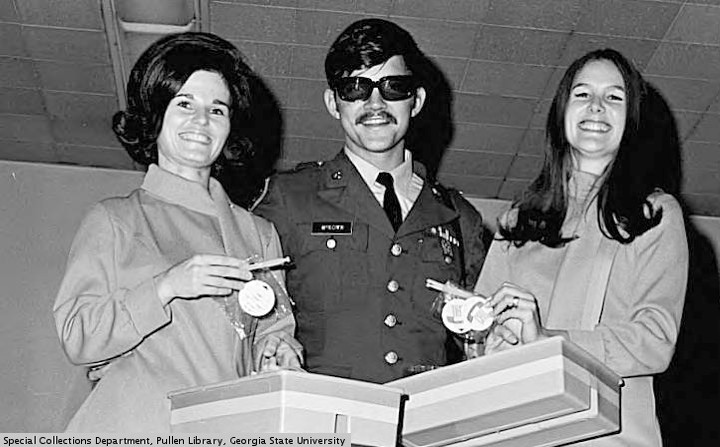
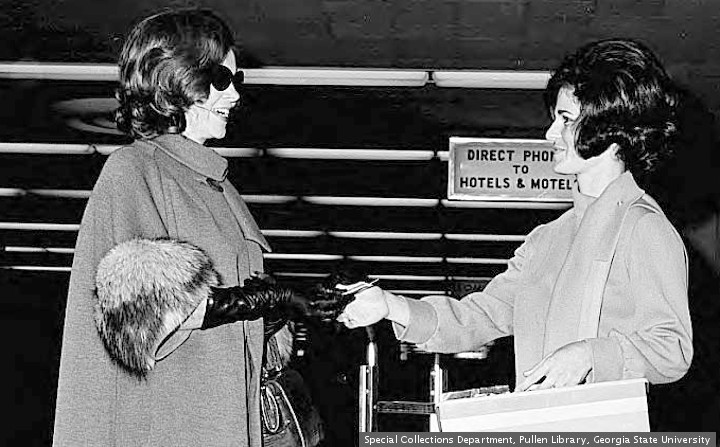
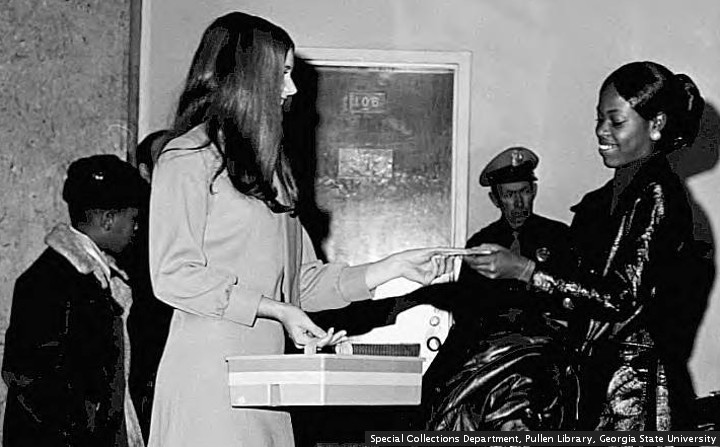
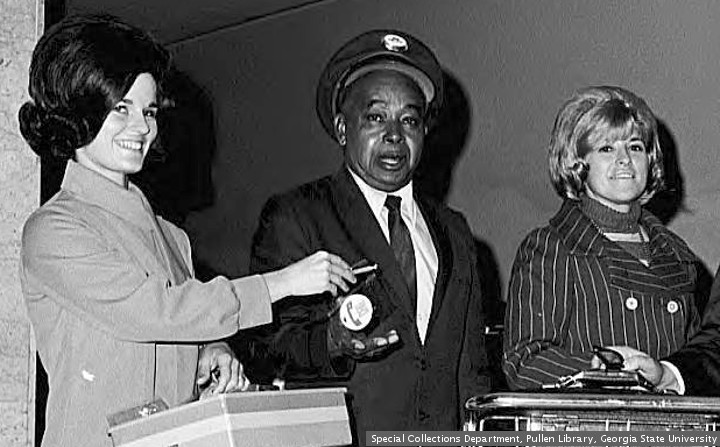
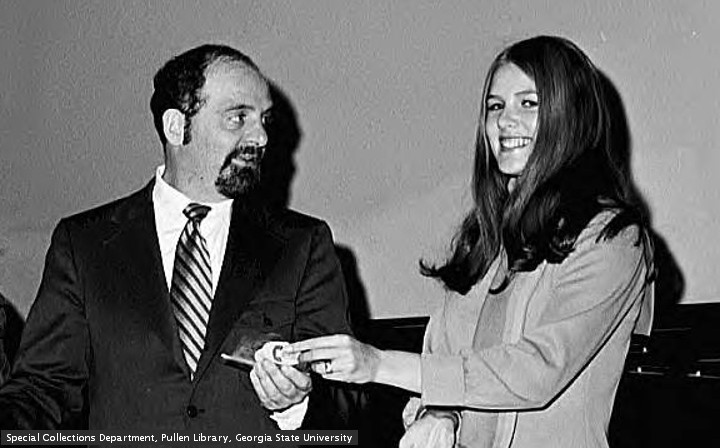
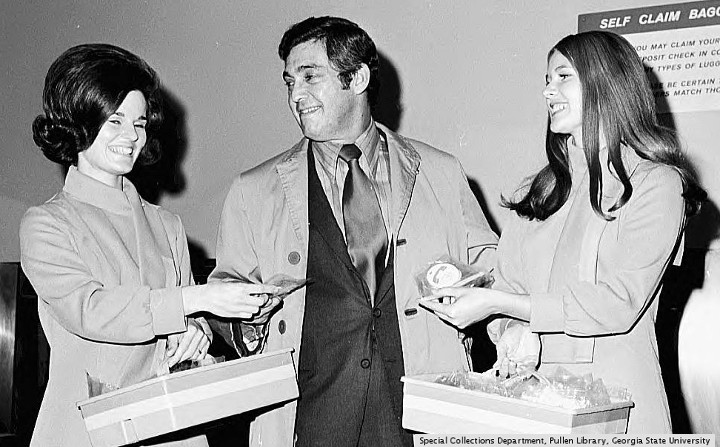
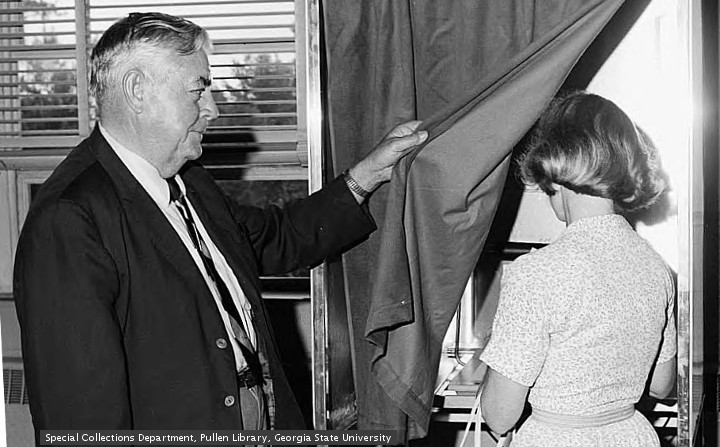
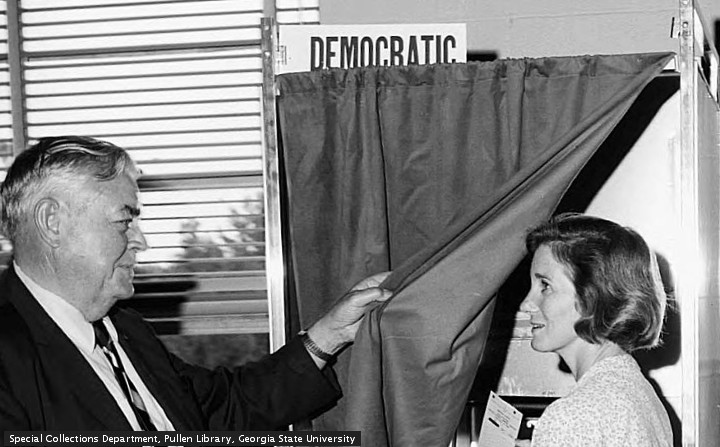
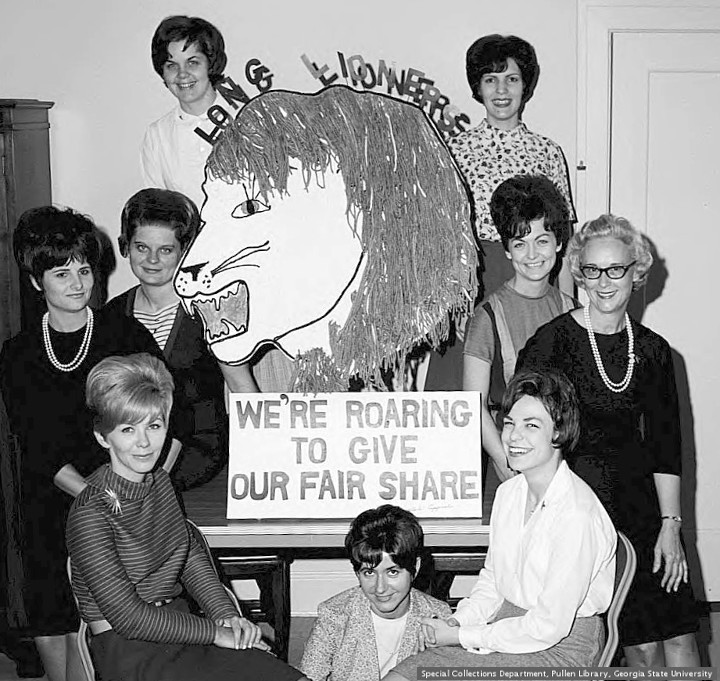
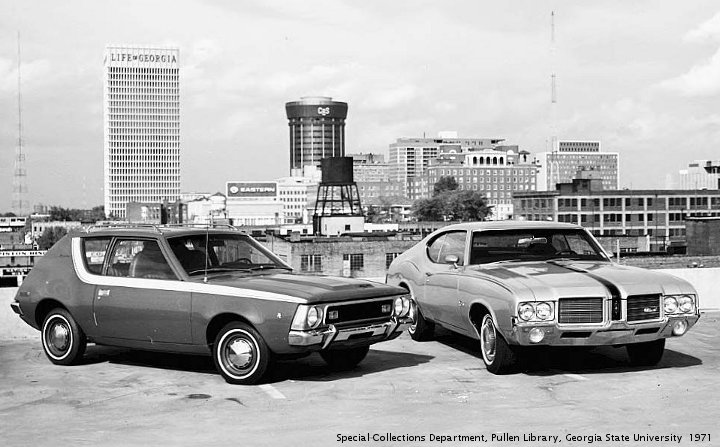
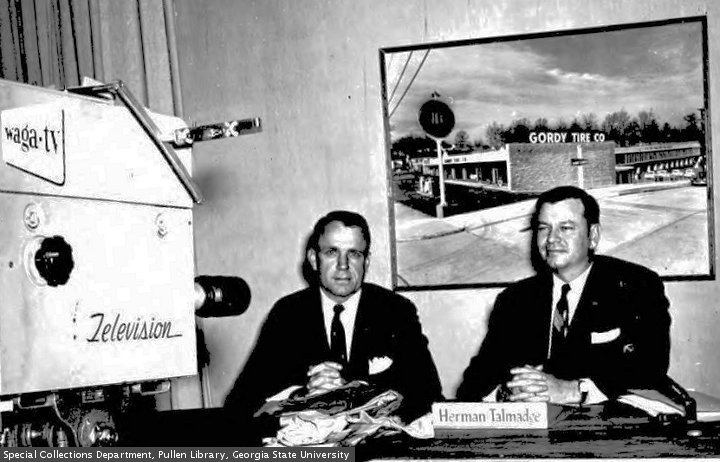
Pictures are from “The Special Collections and Archives, Georgia State University Library”.



Author Insults





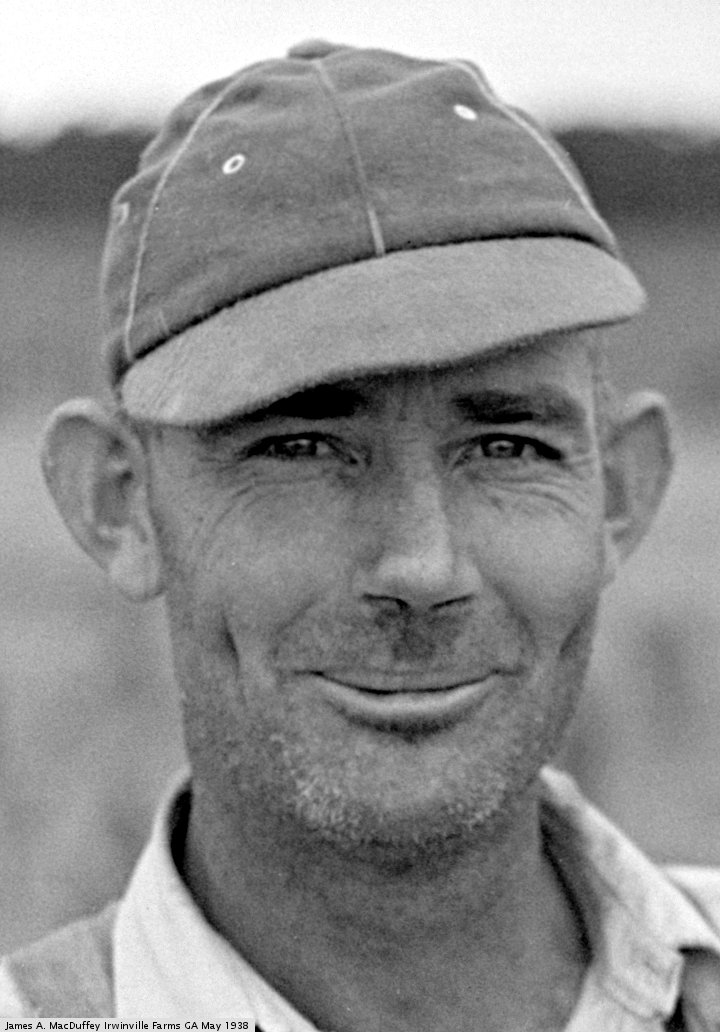
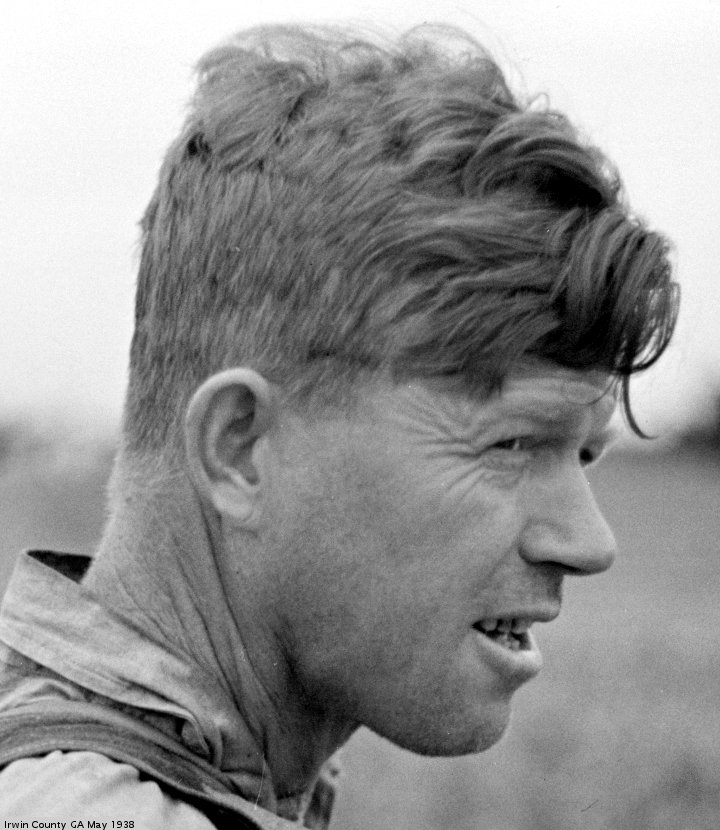
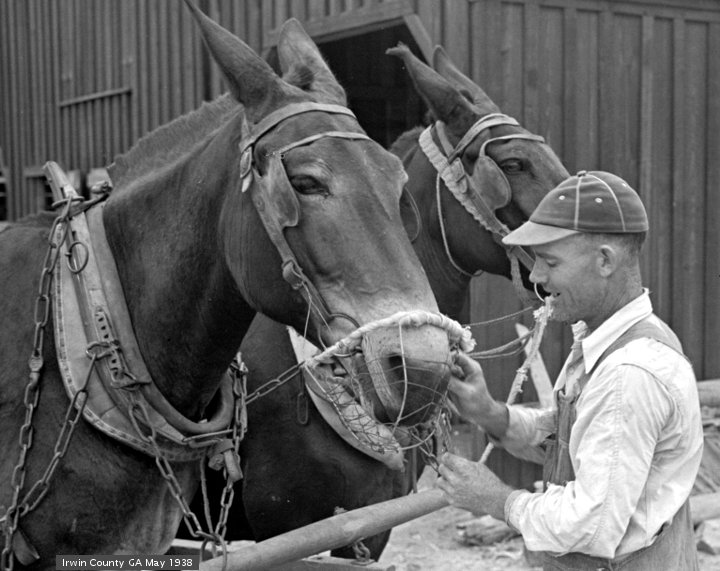
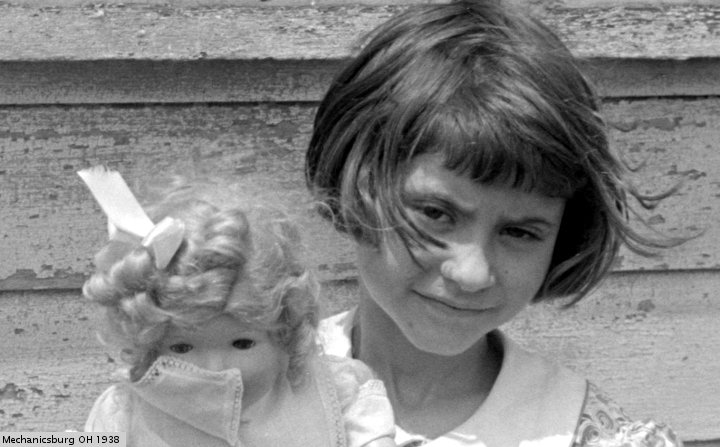
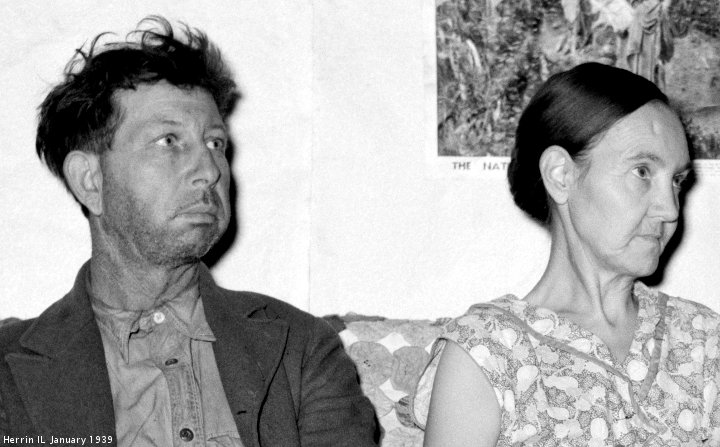
These author insults were borrowed from flavorwire. HT to Andrew Sullivan The pictures are from The Library of Congress This is a repost.
25. Gertrude Stein on Ezra Pound “A village explainer. Excellent if you were a village, but if you were not, not.”
24. Virginia Woolf on Aldous Huxley “All raw, uncooked, protesting.”
23. H. G. Wells on George Bernard Shaw “An idiot child screaming in a hospital.”
22. Joseph Conrad on D.H. Lawrence “Filth. Nothing but obscenities.”
21. Lord Byron on John Keats (1820) “Here are Johnny Keats’ piss-a-bed poetry, and three novels by God knows whom… No more Keats, I entreat: flay him alive; if some of you don’t I must skin him myself: there is no bearing the drivelling idiotism of the Mankin.”
20. Vladimir Nabokov on Joseph Conrad “I cannot abide Conrad’s souvenir shop style and bottled ships and shell necklaces of romanticist cliches.”
19. Dylan Thomas on Rudyard Kipling “Mr Kipling … stands for everything in this cankered world which I would wish were otherwise.”
18. Ralph Waldo Emerson on Jane Austen “Miss Austen’s novels . . . seem to me vulgar in tone, sterile in artistic invention, imprisoned in the wretched conventions of English society, without genius, wit, or knowledge of the world. Never was life so pinched and narrow. The one problem in the mind of the writer . . . is marriageableness.”
17. Martin Amis on Miguel Cervantes “Reading Don Quixote can be compared to an indefinite visit from your most impossible senior relative, with all his pranks, dirty habits, unstoppable reminiscences, and terrible cronies. When the experience is over, and the old boy checks out at last (on page 846 — the prose wedged tight, with no breaks for dialogue), you will shed tears all right; not tears of relief or regret but tears of pride. You made it, despite all that ‘Don Quixote’ could do.”
16. Charles Baudelaire on Voltaire (1864) “I grow bored in France — and the main reason is that everybody here resembles Voltaire…the king of nincompoops, the prince of the superficial, the anti-artist, the spokesman of janitresses, the Father Gigone of the editors of Siecle.”
15. William Faulkner on Ernest Hemingway “He has never been known to use a word that might send a reader to the dictionary.”
14. Ernest Hemingway on William Faulkner “Poor Faulkner. Does he really think big emotions come from big words?”
13. Gore Vidal on Truman Capote “He’s a full-fledged housewife from Kansas with all the prejudices.”
12. Oscar Wilde on Alexander Pope “There are two ways of disliking poetry; one way is to dislike it, the other is to read Pope.”
11. Vladimir Nabokov on Ernest Hemingway (1972) “As to Hemingway, I read him for the first time in the early ‘forties, something about bells, balls and bulls, and loathed it.”
10. Henry James on Edgar Allan Poe (1876) “An enthusiasm for Poe is the mark of a decidedly primitive stage of reflection.”
09. Truman Capote on Jack Kerouac “That’s not writing, that’s typing.”
08. Elizabeth Bishop on J.D. Salinger “I HATED [Catcher in the Rye]. It took me days to go through it, gingerly, a page at a time, and blushing with embarrassment for him every ridiculous sentence of the way. How can they let him do it?”
07. D.H. Lawrence on Herman Melville (1923) “Nobody can be more clownish, more clumsy and sententiously in bad taste, than Herman Melville, even in a great book like ‘Moby Dick’…. One wearies of the grand serieux. There’s something false about it. And that’s Melville. Oh dear, when the solemn ass brays! brays! brays!”
06. W. H. Auden on Robert Browning “I don’t think Robert Browning was very good in bed. His wife probably didn’t care for him very much. He snored and had fantasies about twelve-year-old girls.”
05. Evelyn Waugh on Marcel Proust (1948) “I am reading Proust for the first time. Very poor stuff. I think he was mentally defective.”
04. Mark Twain on Jane Austen (1898) “I haven’t any right to criticize books, and I don’t do it except when I hate them. I often want to criticize Jane Austen, but her books madden me so that I can’t conceal my frenzy from the reader; and therefore I have to stop every time I begin. Every time I read ‘Pride and Prejudice,’ I want to dig her up and hit her over the skull with her own shin-bone.”
03. Virginia Woolf on James Joyce “the work of a queasy undergraduate scratching his pimples.”
02. William Faulkner on Mark Twain (1922) “A hack writer who would not have been considered fourth rate in Europe, who tricked out a few of the old proven sure fire literary skeletons with sufficient local color to intrigue the superficial and the lazy.”
01. D.H. Lawrence on James Joyce (1928) “My God, what a clumsy olla putrida James Joyce is! Nothing but old fags and cabbage stumps of quotations from the Bible and the rest stewed in the juice of deliberate, journalistic dirty-mindedness.”
Bonus. Mary McCarthy on Lillian Hellman “Every word she writes is a lie, including and and the.”
Bonus two, a comment to the original post.: RomanHans Re “The Cardinal’s Mistress” by Benito Mussolini, Dorothy Parker wrote one of my favorite bon mots: “This is not a book to be tossed aside lightly. It should be thrown with great force.”
Bonus Three, from Flannery O’Connor “I hope you don’t have friends who recommend Ayn Rand to you. The fiction of Ayn Rand is as low as you can get re fiction. I hope you picked it up off the floor of the subway and threw it in the nearest garbage pail. She makes Mickey Spillane look like Dostoevsky.”




Uganda Be Kidding Me


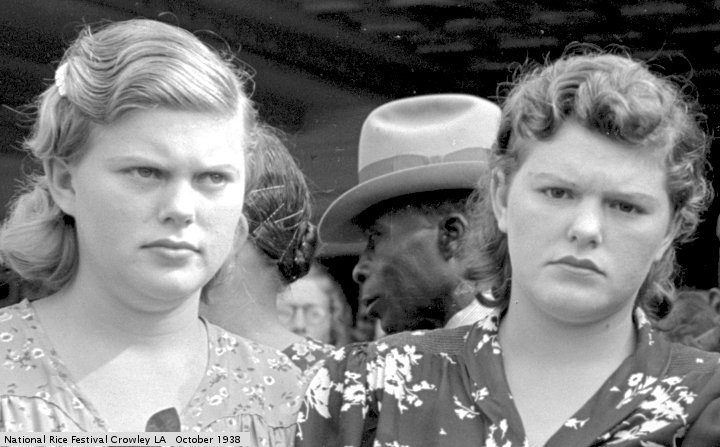

Three weeks ago, PG found “Uganda Be Kidding Me” at the Chamblee library. It is due back today. The bookmark is on page 82. This book is not worth checking out a second time.
Last fall, a copy of My Horizontal Life appeared. It was a fun book. The comic boasting about alcoholic excess was fun to read. If you don’t think about the squalid reality behind the jokes, you enjoy it.
Apparently enough people enjoy the Handler schtick to make money. Some publisher gave her a contract, and needed product for the pipeline. Miss Handler went on a animal watching trip to Africa. Someone thought this would be a good excuse for a book. They were mistaken.
The routine is getting old. Maybe PG is just a retired drunk, lacking a sense of humor. At any rate, the book does not work. Alcoholic jokes are not funny to third parties.
Last fall, Miss Handler made an Atlanta stop on her book tour. One appearance was in a L5P bookstore. The facility was about the size of an SUV. There was a line of a hundred people waiting to get in. The book buyers probably need a shoehorn to get in that small a space with Miss Handler, her ego, and a cash register. Maybe Miss Handler lost some of the weight she gained in Africa.
During this year’s oscars, someone at Huffington Post let Miss Handler use their twitter account. The result was “Chelsea Handler slammed for Lupita Oscar tweet” Miss Handler lives the adage that there is no bad publicity. The two tweets that got the most attention: “Congratulations #lupita To pre order #ugandabekiddingme go to http://amzn.to/1pS4qpG #Oscars.” “Congratulations #12yearsaslave Go to Africa or buy #ugandabekiddingme http://amzn.to/1de1ka9 #aheadofthecurve #Oscars.”
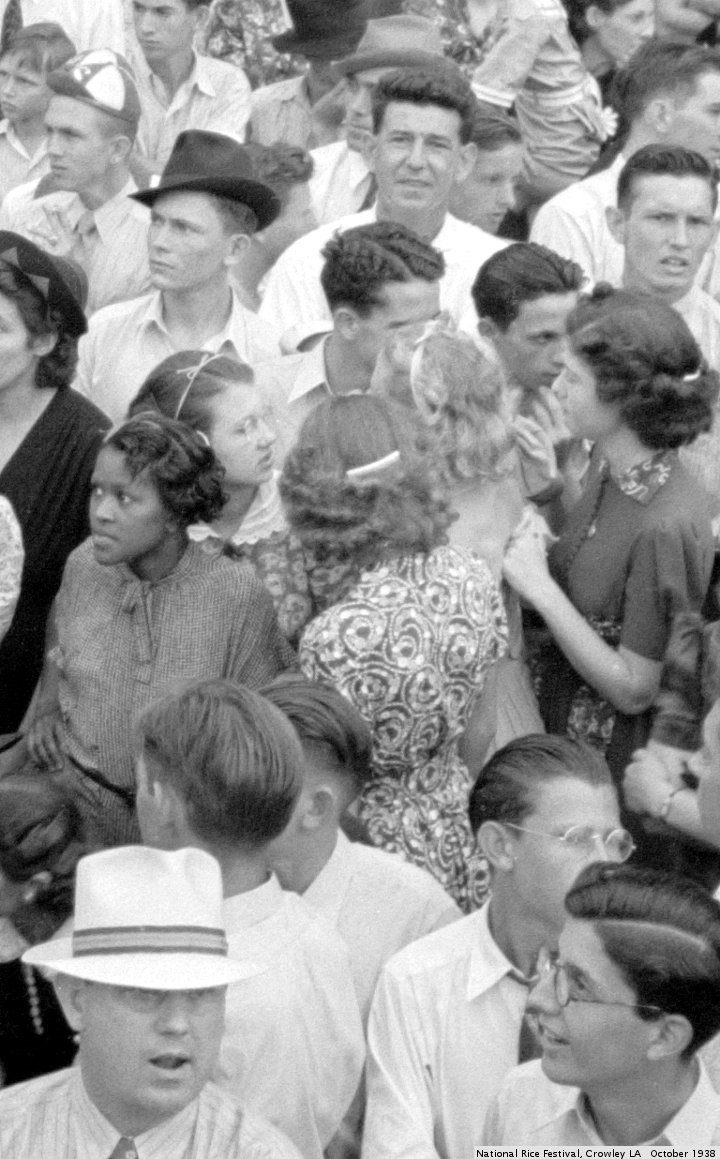
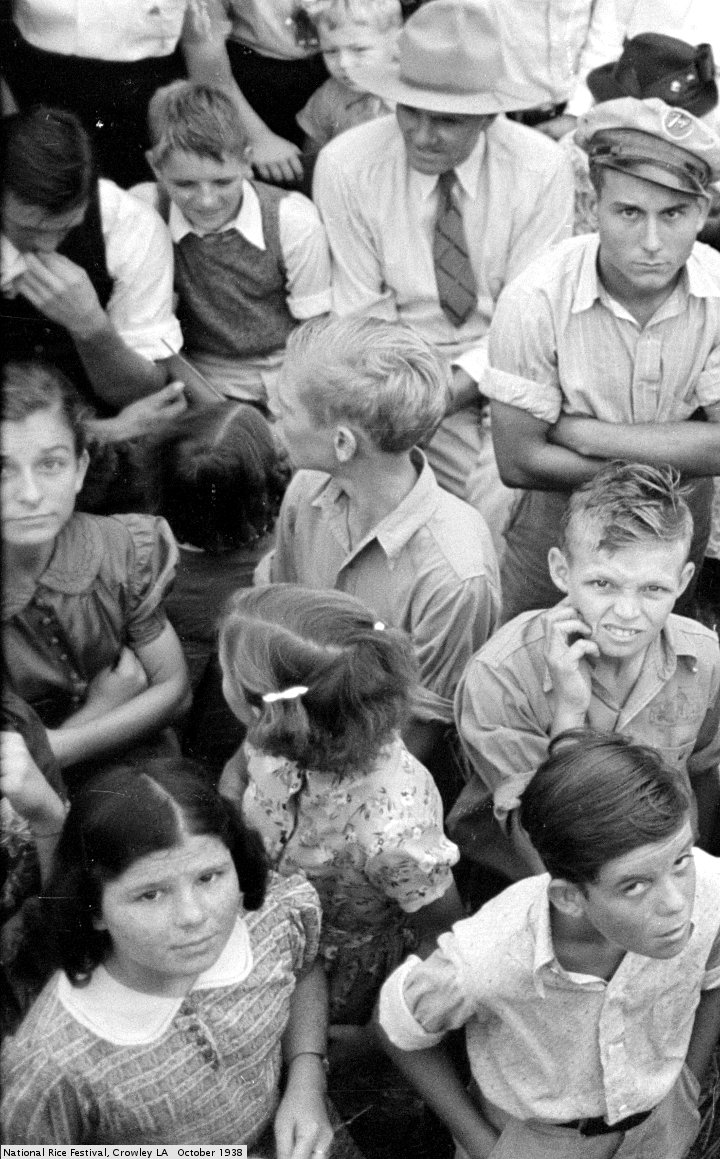
Pictures today are from The Library of Congress



Divine Secrets Of The Ya-Ya Sisterhood


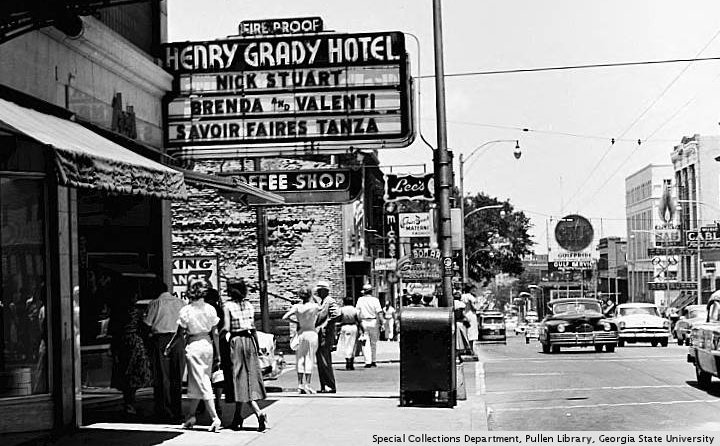


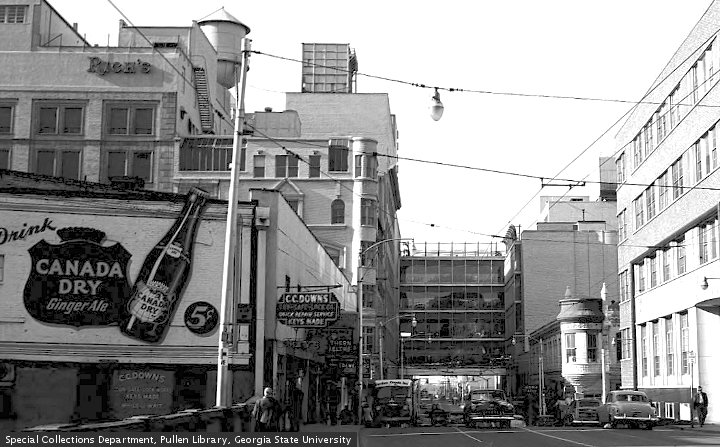
Caro, Necie, Teensy, and Vivi are the Ya-Ya sisters. They were kids together in Louisiana when the local movie theater had a Shirley Temple look-a-like contest. The Ya-Yas were kicked out for misbehaving. It was not the only time they got in trouble.
Sidda, the daughter of Vivi, is working on a play. Her mother is not speaking to her. Sidda wants to know about female bonding, and asks one of the ya-yas for help. A scrapbook arrives. Divine Secrets of the Ya-Ya Sisterhood: A Novel is about what happens when Sidda looks through the book.
The book is like life… it is short, but deep. If G-d is hiding in the details, maybe people can as well. sometimes the best thing to do is tell one of the stories.
It was the last week that PG would be working at the retail giant headquarters. The cafeteria quit serving at two p.m. The morning chores had lasted past the cutoff time. The break room was full of loud people. PG decided to get out, and found the Waffle House on Atlanta Road.
After ordering lunch, PG stepped back in time. The Ya-Ya girls took a train to Atlanta. They were going to the world premiere of “Gone With The Wind.” They stayed at the house of a wealthy relative. Ginger, a maid, was the chaperone. She had to ride in the “colored” car.
The premiere of GWTW was a big deal. There was a costume ball at the municipal auditorium, which was not exactly a grand place. There was a choir from Ebenezer Baptist Church singing spirituals. One of the singers was ten year old Martin Luther King Jr.
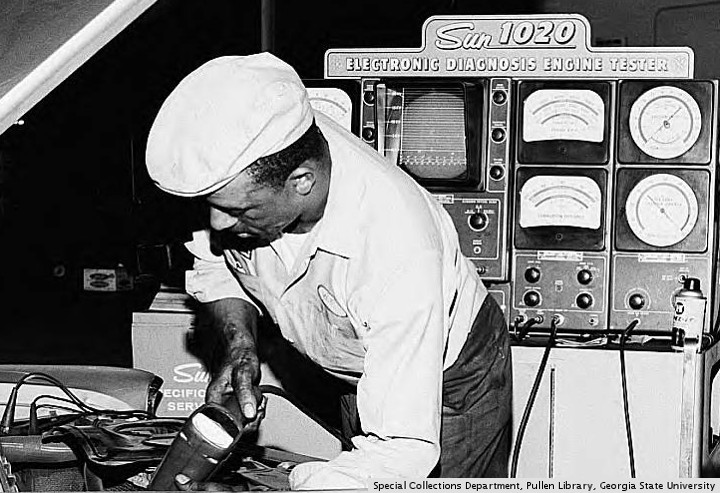
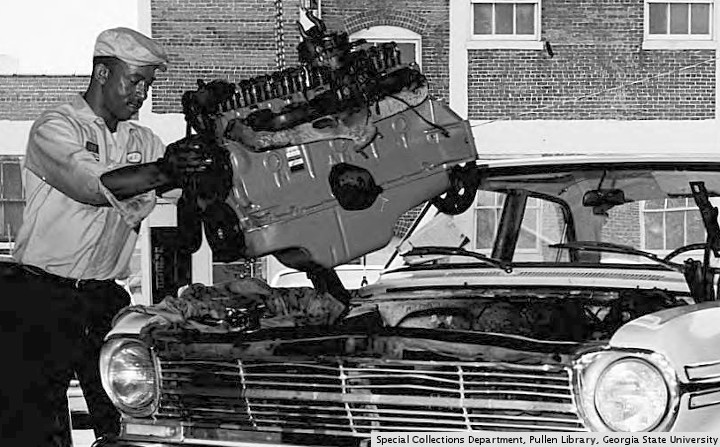
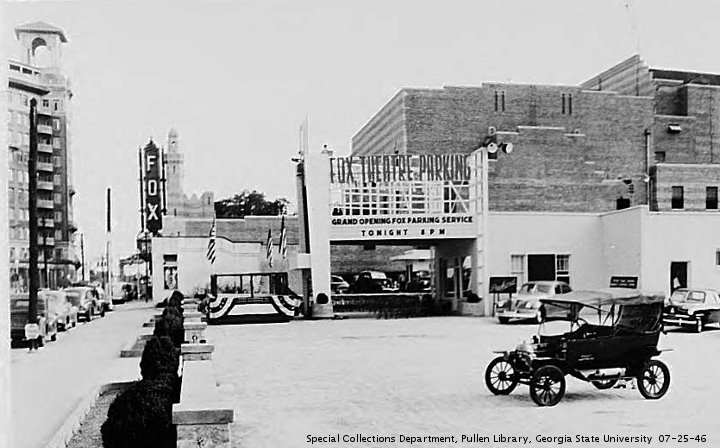
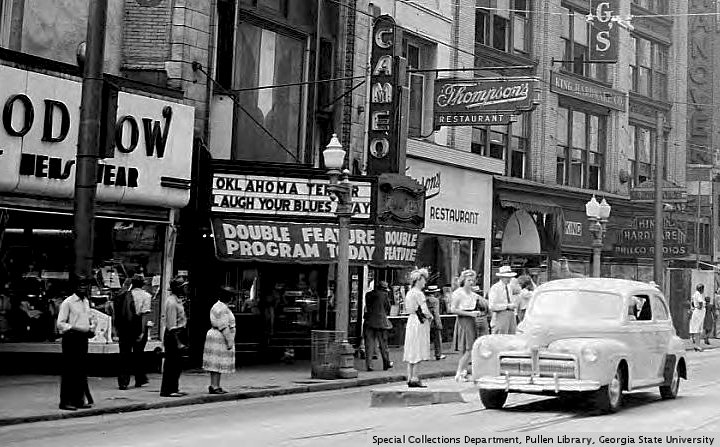
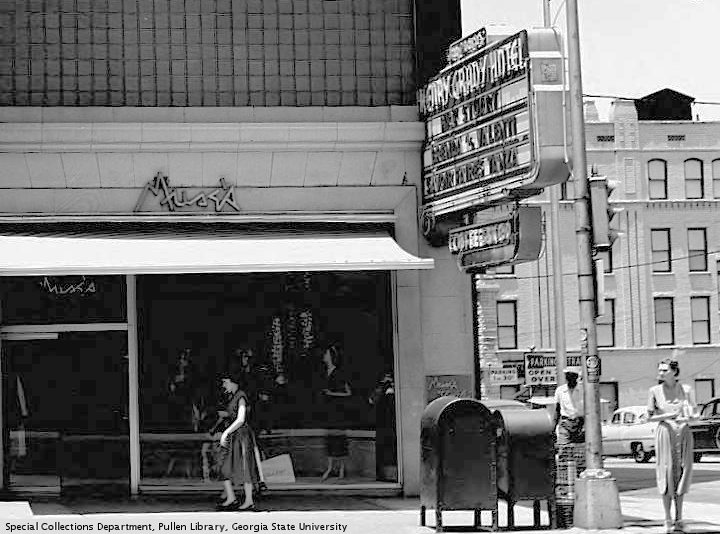
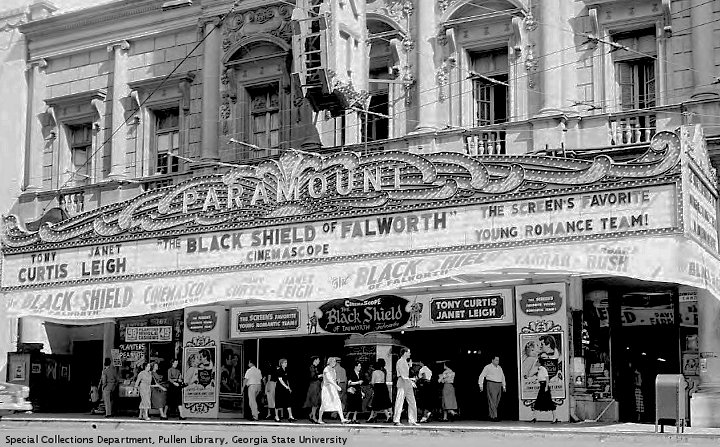
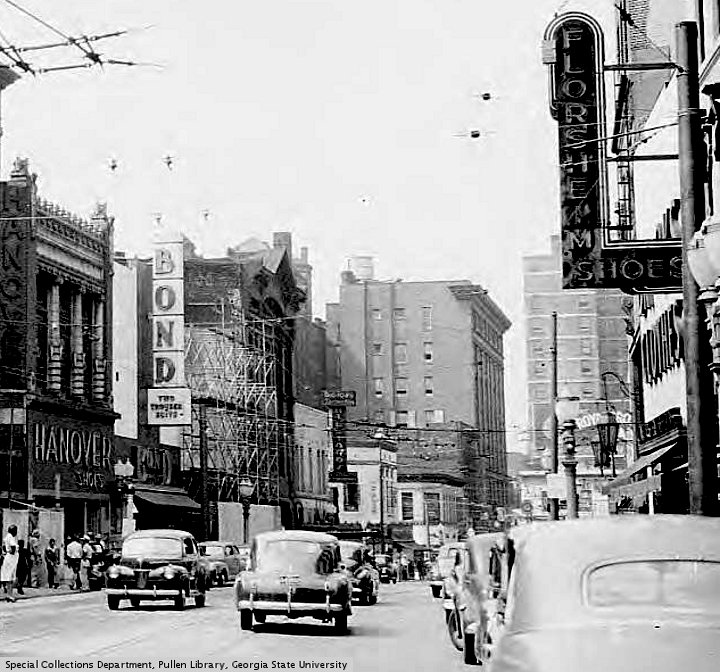
One day, during breakfast, an Atlanta cousin said something rude to Ginger. Vivi threw a plate of food at the Atlanta cousin. The Atlanta relatives were glad to see the Ya-Yas leaving. Pictures today are from “The Special Collections and Archives, Georgia State University Library”.





Positive Attitude Prattle

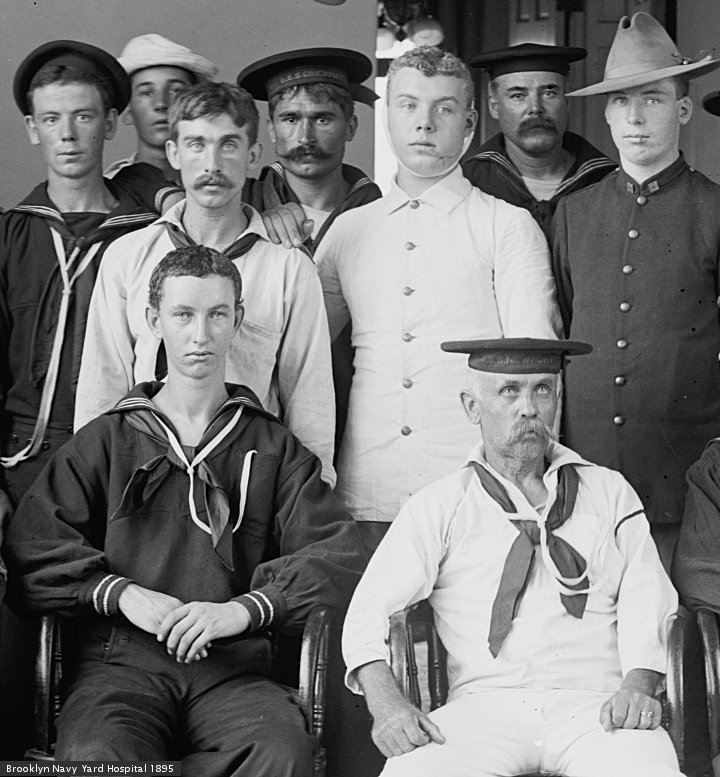
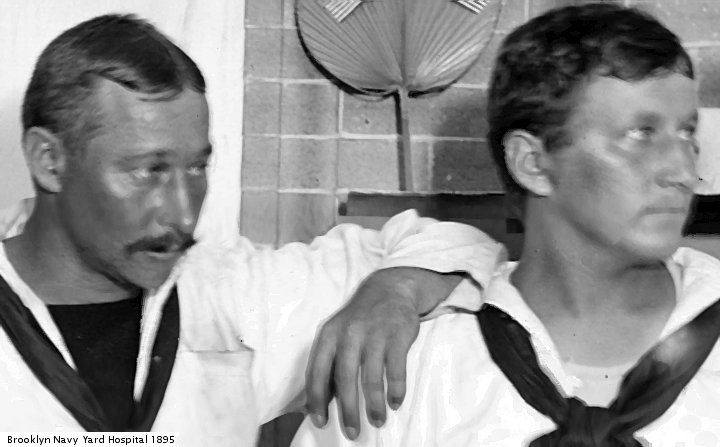
Somewhere along the line, the boss decides you have a “negative attitude”. From that point on, you are not allowed to complain. It is almost as if it were a gimmick to keep you in line.
A lady named Barbara Ehrenreich agrees that there is entirely too much positive attitude required of people. She wrote a book, Bright-sided: How the Relentless Promotion of Positive Thinking Has Undermined America. In one interview, she says “And again, you know, don’t worry about the world. Don’t ask the question about where the cancer comes from. Don’t ask why so many people are not employed, even in good times in our country. And it was the same sort of thing. And that’s when I began to think hey, this kind of operates as a way of quelling discontent, quelling dissent, you know, when you can’t say I’m mad about -whatever. You just have to swallow it and smile.”
Ms. Ehrenreich was diagnosed with breast cancer in 2000. She found herself in a pink tsunami of cheerfulness. The pink teddy bears did not do anything for her spirits. The whole culture of happy talk, about a life threatening illness. grossed her out.
At one point, she was given a tote bag. In it were some crayons. I said, “This is really nice, but what’s with the crayons?” And this woman said to me, “Well, that’s in case you want to write down any of your thoughts.” And I said, “I’m a writer. I don’t use crayons.”
The promotional interviews quoted here were conducted in 2009. This was before the Susan G. Komen foundation hired Karen Handel. During the Planned Parenthood meltdown, some unflattering things came out about the SGK foundation. It probably did not help Ms. Ehrenreich’s attitude.
So the book happened. PG has not read it, but has seen a few reviews and interviews. The New York Times has a great review. It says “America’s can-do optimism has hardened into a suffocating culture of positivity that bears little relation to genuine hope or happiness.”
One interview has a stomach churning comment. It should be noted that this is the lady talking, and that there is no confirmation of this. “Yeah. And here’s something that really horrified me that I learned recently and put in the book, is that some breast cancer support groups expel people who go into metastasis and who are clearly going to die. You can’t be in the group because just your presence might bring other people down.” (A google search of the phrase “breast cancer support groups expel people who go into metastasis ” shows little support for this story. Two front page results involve Barbara Ehrenreich interviews. Skepticism should not be limited to positive motivation.)
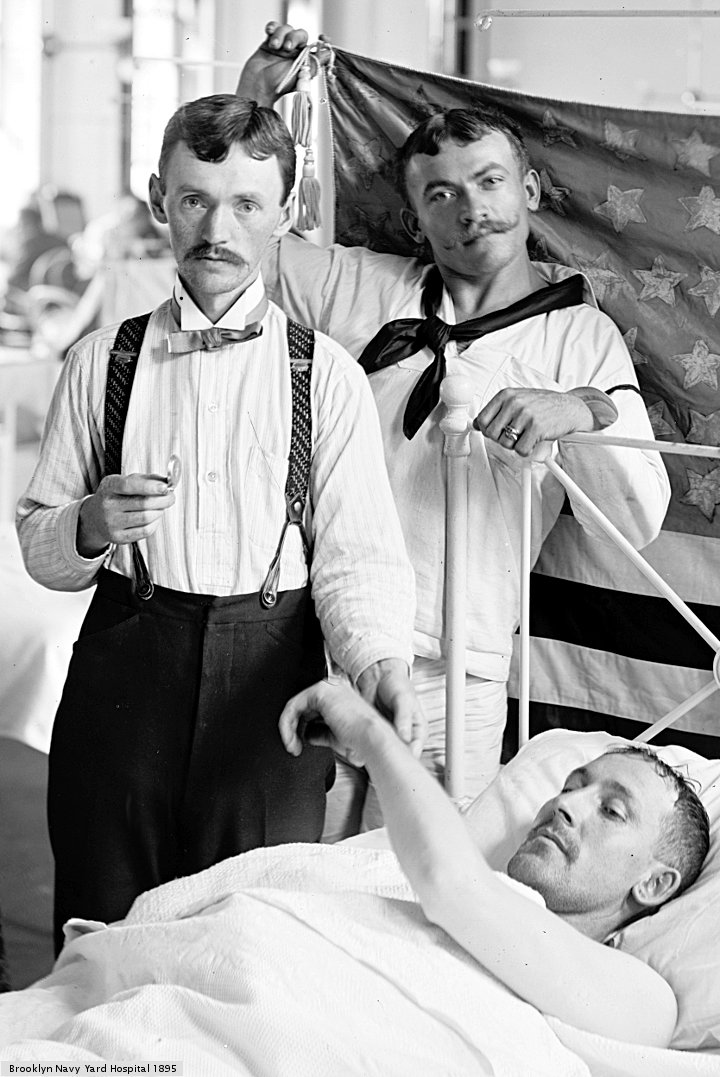
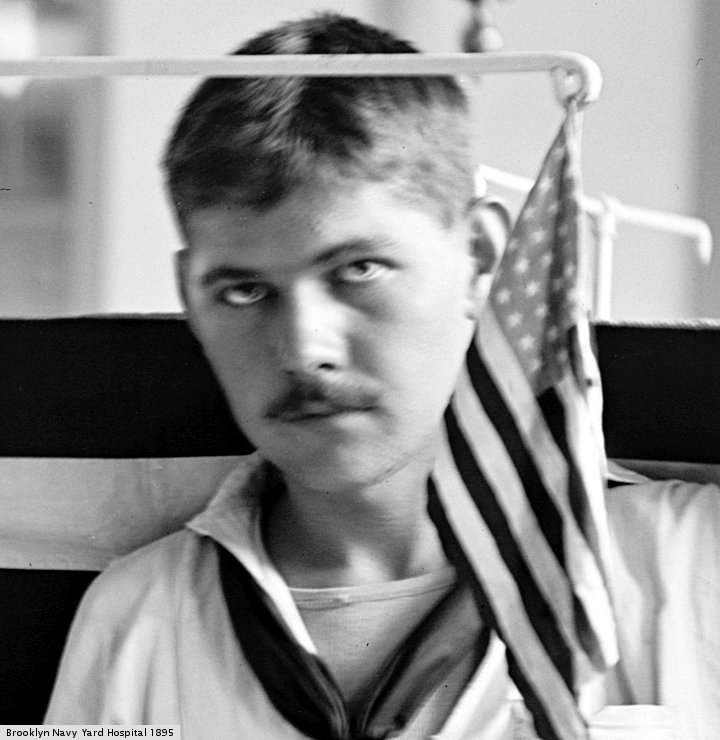
Pictures are from The Library of Congress. This is a repost.



Hank Chinaski Lives
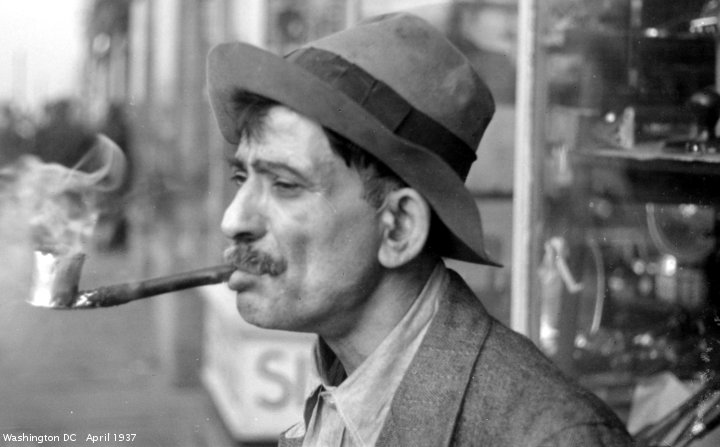
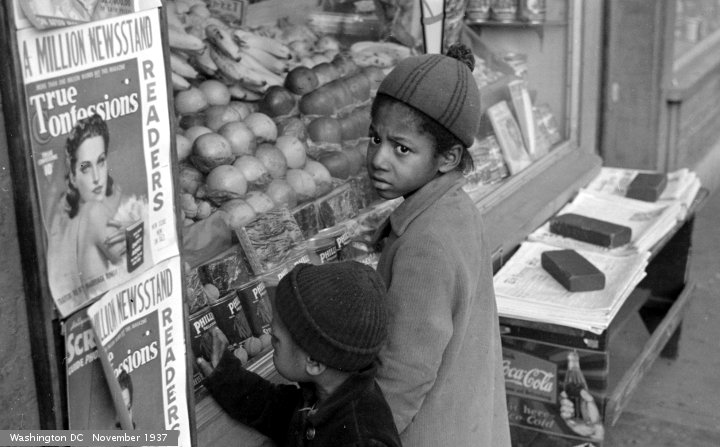
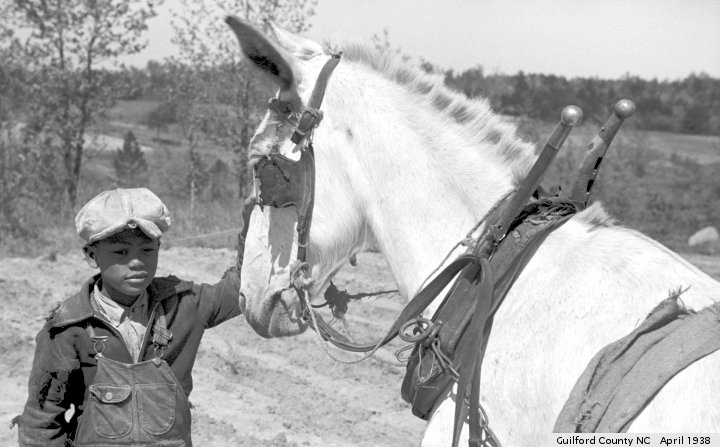
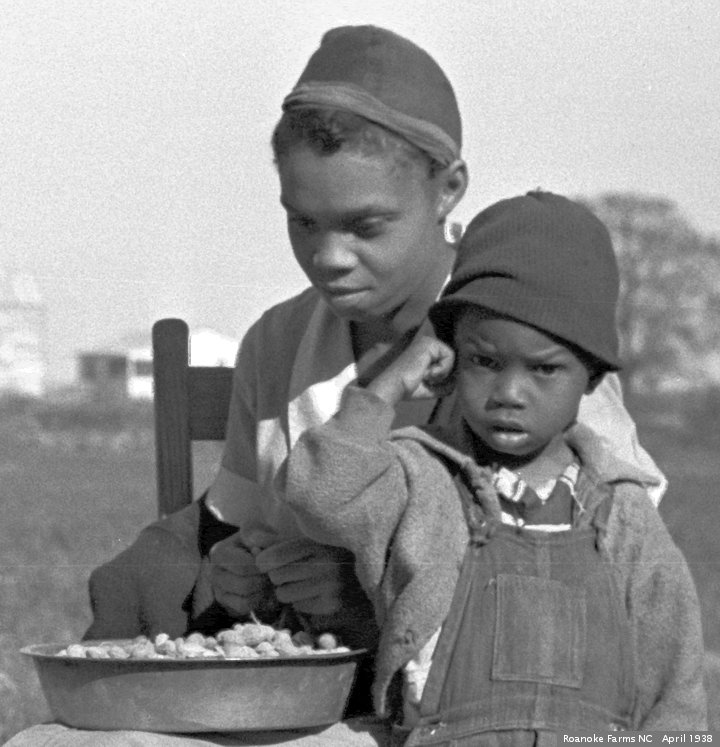
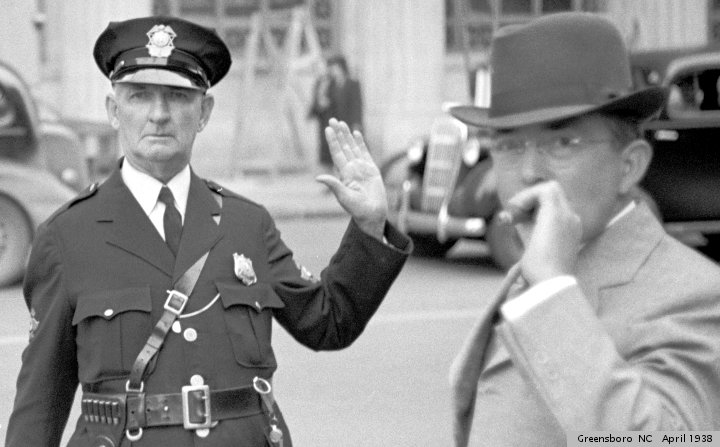
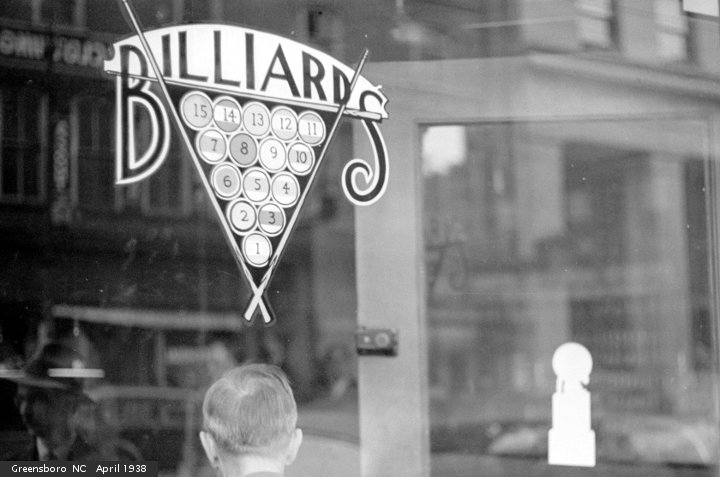
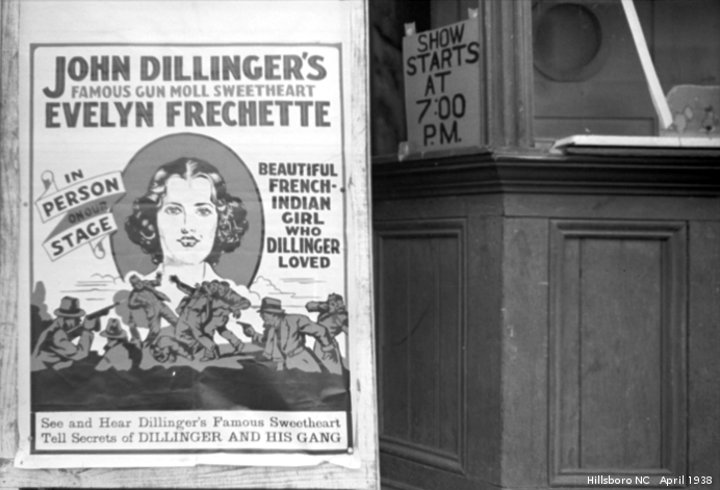
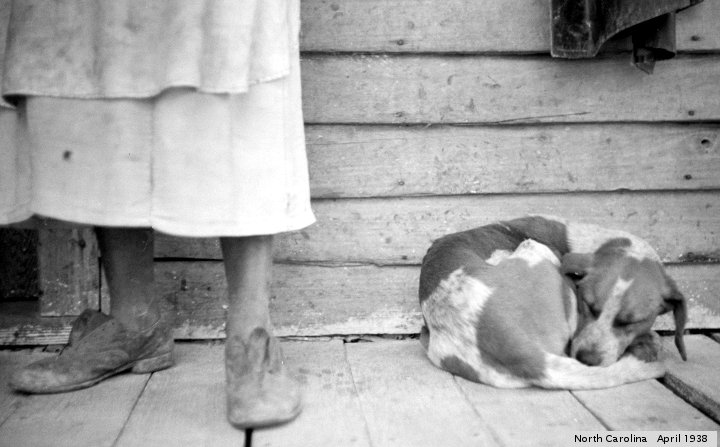
In the next quarter century, the surplus grew, thanks to Bukowski’s nearly graphomaniacal fecundity. “I usually write ten or fifteen [poems] at once,” he said, and he imagined the act of writing as a kind of entranced combat with the typewriter, as in his poem “cool black air”: “now I sit down to it and I bang it, I don’t use the light / touch, I bang it.”
As could have been predicted, it started with a post at Dangerous Minds. The feature was about the late Charles Bukowski, who was called Hank by those who knew him. The writer/drunk had always been a bit of a fascination to PG. Out of the millions of useless drunks feeding the urinals of planet earth, at least one will turn out to have had literary merit.
A trip to Google city is made, and quotes from the bard are found, along with the wikipedia page. All of this leads to a New Yorker piece about the gentleman. After nine paragraphs, and two poems, there is the phrase that set off PG…graphomaniacal fecundity.(spell check suggestion:nymphomaniac)
As best as we can figure, g.f. means that Hank wrote a lot of stuff. This is a good thing. PG operates on the notion that if you keep your quantity up, the quality will take care of itself. Hank seems to agree, spitting out product “like hot turds the morning after a good beer drunk.” He seemed to take pride in doing what Truman Capote said about Jack Kerouac…he doesn’t write, he types.
If you google the phrase graphomaniacal fecundity, you can choose from 71 results. The top six apparently quote the article in New Yorker. A blogspot facility called poemanias quotes the paragraph from the New Yorker, with the title “On Bukowski’s afterlife”, while Fourhourhardon reprints the entire thing. Neither provide a link back to the original.
Goliath and Petey Luvs Blog take the same copy-paste approach. The first tries to get you to pay for more reading material. This forum also does the control A-C-V approach, but yields this comment : “He was a contemporary of the Beats, but not quite one of them because he was darker and not as willing to smoke a joint and sing Phil Ochs songs on the lower east side.” The truth is, Hank hated marijuana, and had the classic alcoholic attitude about it. So it goes. Keep and share copies the complete New Yorker feature, but has some other thumbsuckers about Mr. Bukowski.

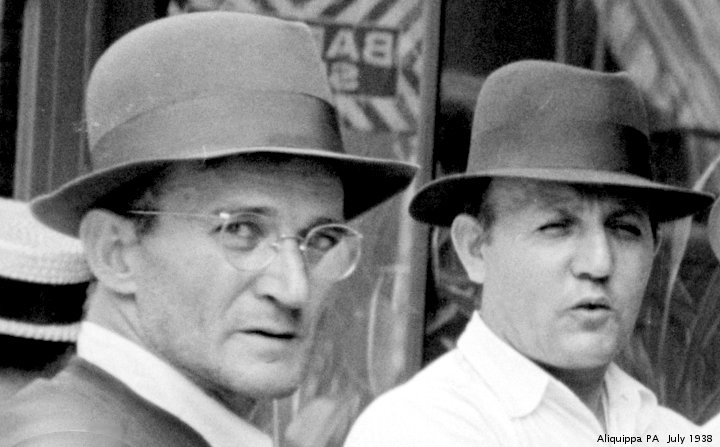
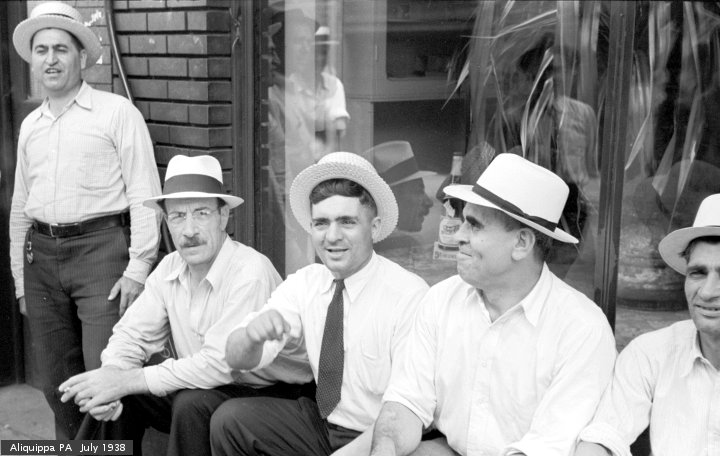
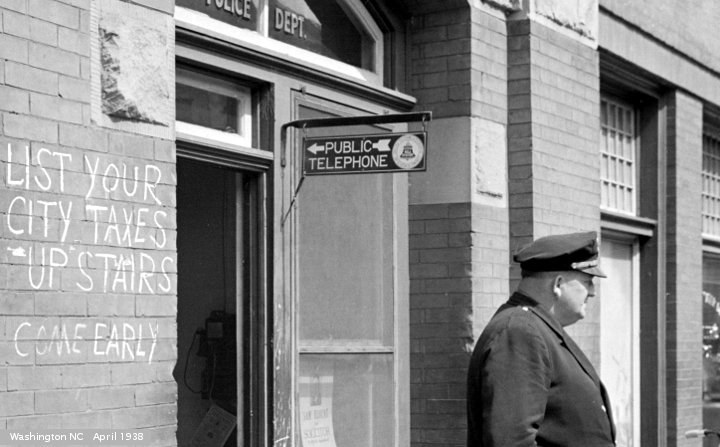

It is a truism that new media borrows content from old media. Stories, told orally from genration to generation, are compiled into books, which are then made into movies. Plastic panels try to look like wood. The newest new media that old fogey PG knows about is twitter. People tell little stories in 140 characters or less, which go around the world in seconds. With this abundance of media, there are not always enough messages to feed the beast.
On twitter, there are people producing twitter feeds from dead authors. Maybe these wordmongers went to a place with internet access. Kurt Vonnegut (three hours ago) “Busy, busy, busy”. Mark Twain (three hours ago) “Be careful about reading health books. You may die of a misprint”. Brautigan’s Ghost (twenty two hours ago) “I cannot say to the one I love, “Hi, flower-wonderful bird-love sweet.”
The deceased content maker best suited to twitter might be Conway Twitty. One slow day two years ago, Yahoo asked peeps Do you think Conway Twitty would have used Twitter? ~ He gave them the idea ~ I think Twitty would tweet, Twitter would be Conway’s, way of of communicating to the world, Twitty would be tweeting his little Twitty head off, ~ I better send out a Twitty Tweet ~ Cute, but a serious answer, probably. A media hound, he’d want to get his name plastered everywhere. ~ If he did that would have made him a ‘Twitty Twitter” ~ Who cares, he’s a twit anyway”.
There are four Twitty Twitter feeds. @ConwayTwitty (Oct. 21,2009) “The Conway Twitty Musical is getting great reviews in Branson!!! . @TwittyTweats (January 12, 2012) “In Twitty City, it never snows. All the men wear gold medallions and blazers. And the women never cry. Unless you hold them.” @Conway_Twitty (February 20, 2012) “My cock is an amphibious assault vehicle” @conwaytwittier (April 28, 2012). “@JasonIsbell How’s the English weather treating your hair? I had the hardest time keeping my pompadour in tiptop shape there.” @twittybirdmoda is written in Japanese.
The original concept for this post was to spotlight twitter feeds borrowing material from Charles Bukowski. Hank is the beer bard of Los Angeles. He is a hero to many. Out of the millions of worthless drunks populating bars, at least one could write poems. It gives you hope for mankind.
The front page of a google search for “charles bukowski on twitter” yields eight feeds. The original plan was to ignore any that were not updated in 2012. An exception will be for @hank_bukowski (Yeah it’s good to be back). (January 25, 2009) “Yesterday I met Adolf H. in hell. He is fuckin stupid.” “too lazzy these days, too drunk to twitter”.
With the 2012-only rule in effect, we are left with three Bukowski thieves. @BukowskiDiz (May 1) “Curiosidades sobre Charles Bukowski http://migre.me/8UhRf“. @bukquotes (May 8) “all the mules and drunken ladies gone the bad novels march…”. ~ “I always read when I shit and the worse the book the better the bowel movement.” @bukowski_lives (one hour ago) “Basically, that’s why I wrote: to save my ass, to save my ass from the madhouse, from the streets, from myself.”
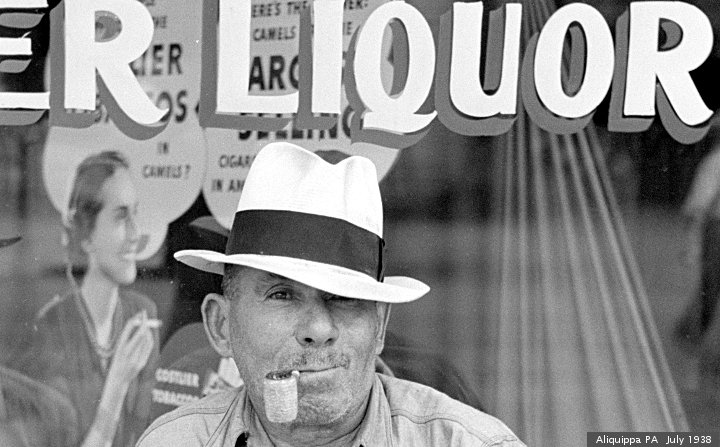
Pictures are from The Library of Congress. This is a double repost.

Atlanta Rising
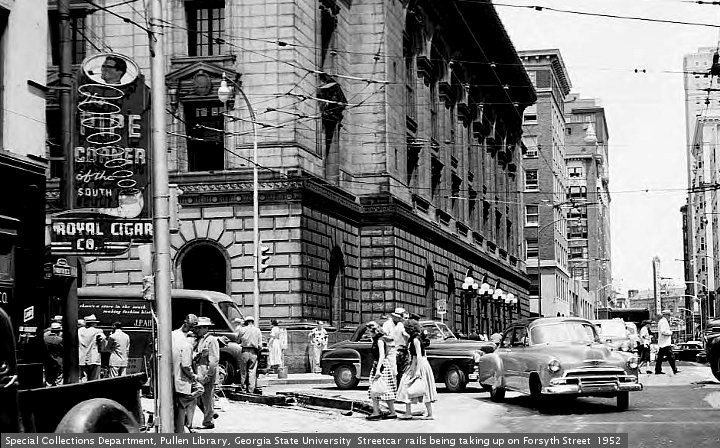


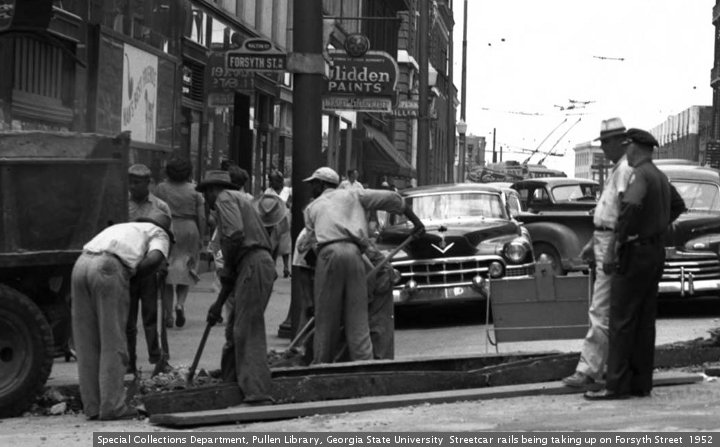
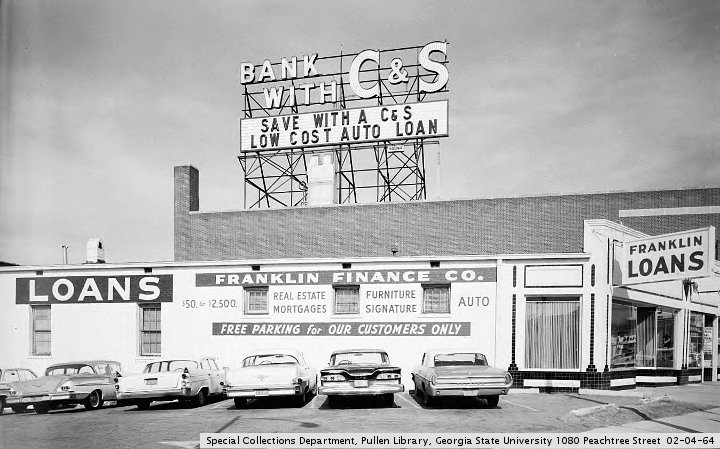
Atlanta Rising: The Invention of an International City 1946-1996 is on the shelf at the Chamblee library. This book is a history of Atlanta in the modern era, written by former fishwrapper scribe Frederick Allen. This is a repost.
The story begins in 1948. AR is weighted more to the older part of the story. The main text is 248 pages. On page 124, Ivan Allen has just built a controversial roadblock on Peyton Road, which would be in 1962. The further along in the story, the fewer details are included. The first big story is when Georgia had two governors. This is one of the best descriptions of the two Governors controversy around, and does not mention Ben Fortson’s wheelchair cushion.
The mayor at the start of the story is William B. Hartsfield. “Willie B” was a leader in creating the Atlanta Airport, and in building it into the powerhouse it is today. He was mayor until 1961, when Ivan Allen Jr. moved into the office.
AR has many moments of unintentional irony. When you read a book 18 years after it was written, and fifty years after the events in the book, you see things that could not have been imagined before. In 1960, many of the political-business elite thought it was time for Mr. Hartsfield to retire. Among his shortcomings was an indifference to sports. Mr. Hartsfield thought that a new stadium would be too great a drain on the city’s taxpayers. Fifty four years, and three stadiums, later, the power elite is going to build another stadium. Atlanta Stadium cost eighteen million dollars. The Blank bowl will cost over a billion. (In the past year, a plan to move the Braves to Smyrna was announced.)
One of the big stories here is civil rights. Atlanta came out of that struggle looking pretty good. It was a combination of image conscious businessmen, enlightened black leadership, and a huge helping of dumb luck. In 1961, the city was under federal pressure to integrate the schools. The state was firm in opposition, and the city wasn’t crazy about the idea anyway. Then, another federal court ordered the integration of the University of Georgia. Since the people would not stand for messing with their beloved University, the state laws forbidding integration were quietly repealed. The city schools were integrated with a minimum of fuss. (The book tells this story much better than a slack blogger.)
The controversy about the 1956 model state flag was going full steam when AR was written. The book has some legislative records, which for some reason never made it into the fishwrapper. There is no clear cut answer as to why the legislature changed the state flag. It was mentioned that at the national political conventions, you could not have a written sign, but you could wave a state flag. This controversy provided a diversion from gold dome crookedness, and hopefully has been laid to rest.
A man named Lester Maddox sold fried chicken, and ran for public office. AR describes Lester as looking a bit like an angry chicken. Through a series of constitutional convulsions, Lester was elected Governor in 1966. The state survived his tenure. In the seventies, when Jimmy Carter was running for President, Lester said a lot of rude things about Jimmy, helping the smiling peanut farmer get elected. In another turn of fate, Lester Maddox died June 25, 2003. This was two days after the eternal departure of Maynard Jackson, the first black Mayor of Atlanta.
The book ends with the 1996 Olympics looming over the city. Billy Payne led a smart campaign to secure the games for Atlanta. One of his moves was to keep Jimmy Carter and Ted Turner out of the action. After the 1980 boycott, and the Goodwill Games, neither person was popular with the I.O.C. The book was published before 1996. The Olympics were a blast.
Pictures are from “The Special Collections and Archives,Georgia State University Library”.
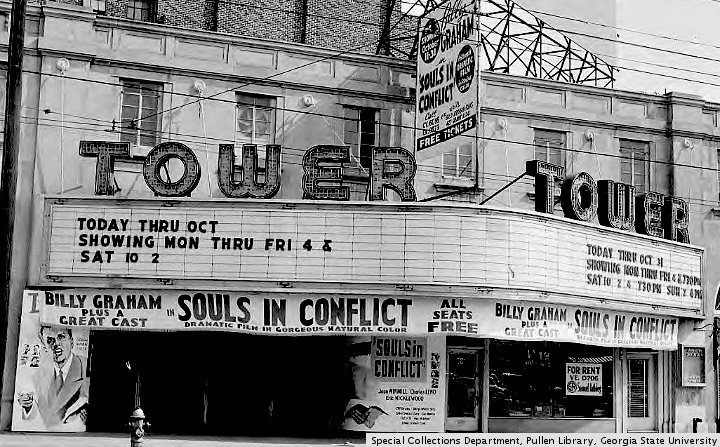


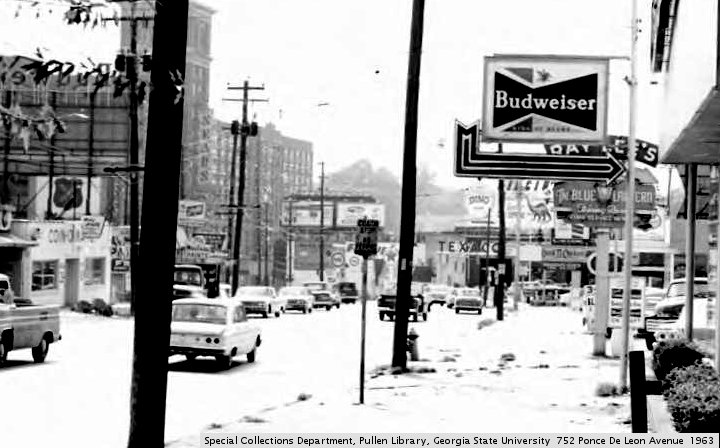


1941




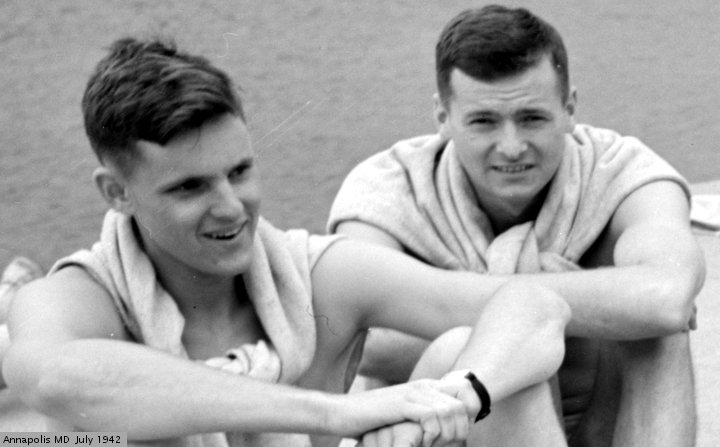

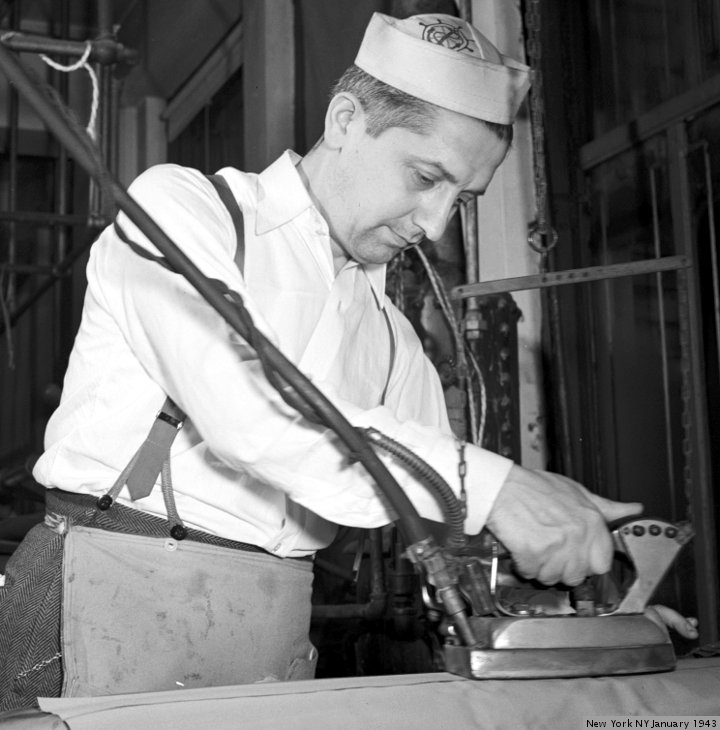
A few weeks ago, PG was riding his bike on a sunday afternoon, and found the remains of a yard sale. The items which had not sold were left behind. PG scored a few books. Outside of the library, and the dumpster behind a used book store, this is the best way to get reading material. The first book to go before eyes (or be read by four eyes) was 1941 — The Greatest Year In Sports: Two Baseball Legends, Two Boxing Champs, and the Unstoppable Thoroughbred Who Made History in the Shadow of War. What are publishers thinking of with these eternal titles? For purposes of this book report, the book will be known as 1941.
There are five stories in this book. The background tale is the world going over the edge with World War II. A horse, Whirlaway, won the triple crown. Two boxers, Joe Louis and Billy Conn, had a fight. Joe Joe DiMaggio hit safely in fifty six consecutive games. And Ted Williams hit .406.
This was thirteen years before PG was born. It seems like more than that. People took trains to travel. When a major event took place, you went to a neighbor who had a radio, and you listened. When you got in a war, you drafted men, and they died. (On PG’s birthday minus thirteen, Hank Greenberg went into the army. Athletes served in the military.) The internet, unmanned aircraft, and millionaire ballplayers would be considered science fiction.
PG has been an off, and on, sports fan for a while. It has been mostly off. With ball games, it is easy to pick up where you left off. You can watch a few minutes of a game, and know what is going on. 1941 was easy to follow, and a fun story. It was like being a twelve year old reading Sports Illustrated. Pictures today are from The Library of Congress.




Roll Model Biscuit Model


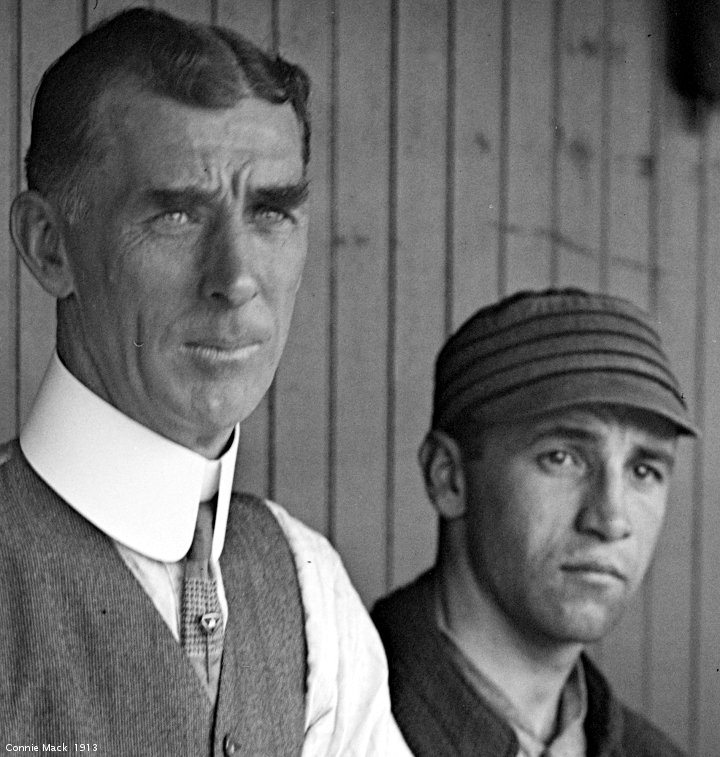
An internet facility (IF) called Mind Openerz recently posted a feature, Charles Bukowski’s Top 10 Tips for Living a Kick-Ass Life. Hank writes enjoyable stories and poems. This does not make him a role model. Even if the tales of degenerate lifestyle were exageratted for public consumption, as many suspect, the butt ugly drunkard is nothing to aspire to.
One thing to admire about Hank (a publisher thought that Charles would be a better selling pen name) was the volume of product. He would write dozens of poems, with the lines popping out “like hot turds the morning after a good beer drunk.” Keep the quantity up, and the quality takes care of itself.
Many of the rules for living were taken from his short stories. PG recently stumbled through Tales of Ordinary Madness, and recognized a few. Hank would toss words of wisdom into stories about being arrested. One time, it was for threatening to rape a lady with a codfish. You can’t beat fun at the old ballpark. Of course, Hank hated baseball, and hated poetry that rhymes. PG writes rhyming poems, with pictures of dogs in the background. Hank is dead, and his opinion doesn’t count.
The fun starts with rule number eight. “8. Have confidence in yourself. “The problem with the world is that the intelligent people are full of doubts.” You are awesome, and all you have to do to let your true talents shine is believe that fact. Have complete confidence in yourself and you might be surprised with all you can achieve.”
Several of the stories of ordinary madness involve people who think they are poets, show work to Hank, and are insulted for the lousy ouput. The line in number eight was familiar, but PG was too slack to go looking through ordinary madness to find it. This is where you ask Mr. Google for help. The full quote: “The problem with the world is that the intelligent people are full of doubts, while the stupid ones are full of confidence.”




Just Kids


If even half the stories in Just Kids are true, then Patti Smith is a punk rock Forrest Gump. Maybe the title should be Just Kidding. There is a lot of name dropping here. Allen Ginsberg tries to pick her up in an auto mat, only to learn that Patti is inconveniently female. Jimi Hendrix says he is really shy. Grace Slick says hello to you too. The Chelsea Hotel says the rent is due.
For those who are new here, Patti Smith had a series of albums in the seventies. Some liked them, some did not. Meanwhile, onetime bf Robert Mapplethorpe was taking raunchy pictures, and becoming infamous. Eventually, Ms. Smith got married to Mr. Smith, and had two babies. Mr. Mapplethorpe was cut down by the plague.
All kidding aside, JK is a powerful book. Ms. Smith … who once said that Ms. sounds like a sick bumblebee … is a good writer. If you can find it at the library, it is worth your time. There is a double p in Mapplethorpe. It is pronouced maple thorpe, like maple syrup.
Eat Drink And Be Kinky






Kinky Friedman is the person his cat thinks he is. It is tough to tell what a feline actually thinks, or if it indeed does engage in humanoid musing, but you have to admit that is a good opening line for a book report. If the kinkstah can turn a Hawaiin travelogue into a detective novel, then a slack blogger can turn a blog post about that volume into an exploration of the feline mind.
Steppin On A Rainbow starts off with Mr. Friedman, or a name sharing character, in a Manhattan apartment. His wannabe gf is on vacation, shielding her dogs from ethnic cuisine. One friend is ghost writing a book for Howard Stern, while another is working on a book in Israel. Drunken Irish Poet McGovern is in Hawaii, working on a food book, Eat Drink and Be Kinky.
The fun starts when Kinky gets a couple of phone calls. One of the dogs, owned by wgf, has died. Wgf comes home, to seeking comfort and a Jewish detective to insult. The second call has the disturbing news that McGovern has turned up missing.
McGovern once had a chat with a Japanese tourist. The JT asked where the world trade center was. McGovern said that your people were able to find Pearl Harbor. The book is set in 1999, when the world was y2k atwitter. The reality of 2001 was a figment of someone’s imagination. Whether this imagination belonged to an Arab quadrillionaire, the CIA, the Bush family, or all of the above, is an issue for sounder minds to ponder.
So the story unwinds. McGovern does not show up. A billionaire friend pays the way for a search party to go to Hawaii. The players are the moneyman, Kinky, Stephanie (wgf,) and her two surviving dogs. Kinky is liberally insulted, limericks are told, alcohol is consumed, Hawaiian history is discussed, and yapping dogs make noise. And McGovern is probably a shark’s breakfast.
The story, or lack of same, goes on for 45 chapters, and 271 pages. It is great fun, with sparkling dialog and pithy insights. The trouble is, McGovern is still missing. It isn’t until the last few pages, when the story comes to an end. Chamblee54 tries to be a spoiler free zone. The ending is totally improbable, even by Kinky Friedman standards. You don’t read this blog detective stories to wallow in reality.





 Chamblee54
1 comment