Hank Chinaski Lives
In the next quarter century, the surplus grew, thanks to Bukowski’s nearly graphomaniacal fecundity. “I usually write ten or fifteen [poems] at once,” he said, and he imagined the act of writing as a kind of entranced combat with the typewriter, as in his poem “cool black air”: “now I sit down to it and I bang it, I don’t use the light / touch, I bang it.”
As could have been predicted, it started with a post at Dangerous Minds. The feature was about the late Charles Bukowski, who was called Hank by those who knew him. The writer/drunk had always been a bit of a fascination to PG. Out of the millions of useless drunks feeding the urinals of planet earth, at least one will turn out to have had literary merit.
A trip to Google city is made, and quotes from the bard are found, along with the wikipedia page. All of this leads to a New Yorker piece about the gentleman. After nine paragraphs, and two poems, there is the phrase that set off PG…graphomaniacal fecundity.(spell check suggestion:nymphomaniac)
As best as we can figure, g.f. means that Hank wrote a lot of stuff. This is a good thing. PG operates on the notion that if you keep your quantity up, the quality will take care of itself. Hank seems to agree, spitting out product “like hot turds the morning after a good beer drunk.” He seemed to take pride in doing what Truman Capote said about Jack Kerouac…he doesn’t write, he types.
If you google the phrase graphomaniacal fecundity, you can choose from 71 results. The top six apparently quote the article in New Yorker. A blogspot facility called poemanias quotes the paragraph from the New Yorker, with the title “On Bukowski’s afterlife”, while Fourhourhardon reprints the entire thing. Neither provide a link back to the original.
Goliath and Petey Luvs Blog take the same copy-paste approach. The first tries to get you to pay for more reading material. This forum also does the control A-C-V approach, but yields this comment : “He was a contemporary of the Beats, but not quite one of them because he was darker and not as willing to smoke a joint and sing Phil Ochs songs on the lower east side.” The truth is, Hank hated marijuana, and had the classic alcoholic attitude about it. So it goes. Keep and share copies the complete New Yorker feature, but has some other thumbsuckers about Mr. Bukowski.


It is a truism that new media borrows content from old media. Stories, told orally from genration to generation, are compiled into books, which are then made into movies. Plastic panels try to look like wood. The newest new media that old fogey PG knows about is twitter. People tell little stories in 140 characters or less, which go around the world in seconds. With this abundance of media, there are not always enough messages to feed the beast.
On twitter, there are people producing twitter feeds from dead authors. Maybe these wordmongers went to a place with internet access. Kurt Vonnegut (three hours ago) “Busy, busy, busy”. Mark Twain (three hours ago) “Be careful about reading health books. You may die of a misprint”. Brautigan’s Ghost (twenty two hours ago) “I cannot say to the one I love, “Hi, flower-wonderful bird-love sweet.”
The deceased content maker best suited to twitter might be Conway Twitty. One slow day two years ago, Yahoo asked peeps Do you think Conway Twitty would have used Twitter? ~ He gave them the idea ~ I think Twitty would tweet, Twitter would be Conway’s, way of of communicating to the world, Twitty would be tweeting his little Twitty head off, ~ I better send out a Twitty Tweet ~ Cute, but a serious answer, probably. A media hound, he’d want to get his name plastered everywhere. ~ If he did that would have made him a ‘Twitty Twitter” ~ Who cares, he’s a twit anyway”.
There are four Twitty Twitter feeds. @ConwayTwitty (Oct. 21,2009) “The Conway Twitty Musical is getting great reviews in Branson!!! . @TwittyTweats (January 12, 2012) “In Twitty City, it never snows. All the men wear gold medallions and blazers. And the women never cry. Unless you hold them.” @Conway_Twitty (February 20, 2012) “My cock is an amphibious assault vehicle” @conwaytwittier (April 28, 2012). “@JasonIsbell How’s the English weather treating your hair? I had the hardest time keeping my pompadour in tiptop shape there.” @twittybirdmoda is written in Japanese.
The original concept for this post was to spotlight twitter feeds borrowing material from Charles Bukowski. Hank is the beer bard of Los Angeles. He is a hero to many. Out of the millions of worthless drunks populating bars, at least one could write poems. It gives you hope for mankind.
The front page of a google search for “charles bukowski on twitter” yields eight feeds. The original plan was to ignore any that were not updated in 2012. An exception will be for @hank_bukowski (Yeah it’s good to be back). (January 25, 2009) “Yesterday I met Adolf H. in hell. He is fuckin stupid.” “too lazzy these days, too drunk to twitter”.
With the 2012-only rule in effect, we are left with three Bukowski thieves. @BukowskiDiz (May 1) “Curiosidades sobre Charles Bukowski http://migre.me/8UhRf“. @bukquotes (May 8) “all the mules and drunken ladies gone the bad novels march…”. ~ “I always read when I shit and the worse the book the better the bowel movement.” @bukowski_lives (one hour ago) “Basically, that’s why I wrote: to save my ass, to save my ass from the madhouse, from the streets, from myself.”
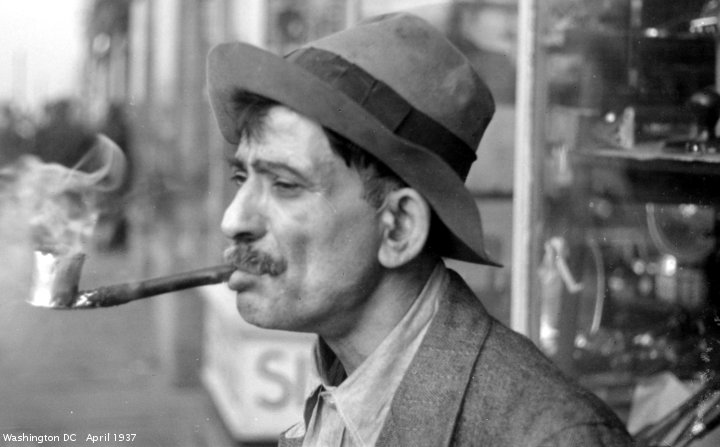
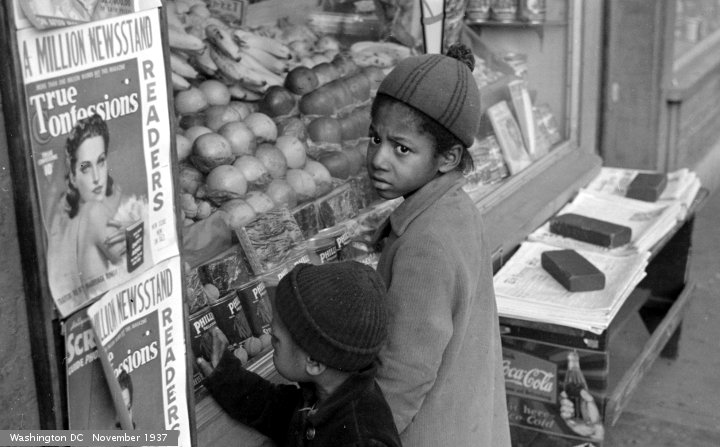
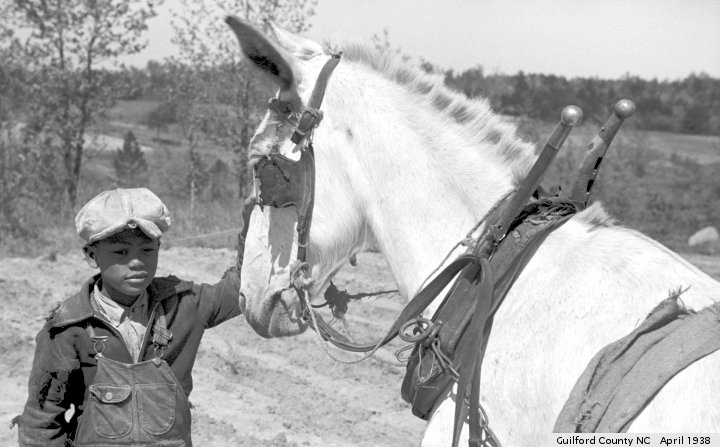
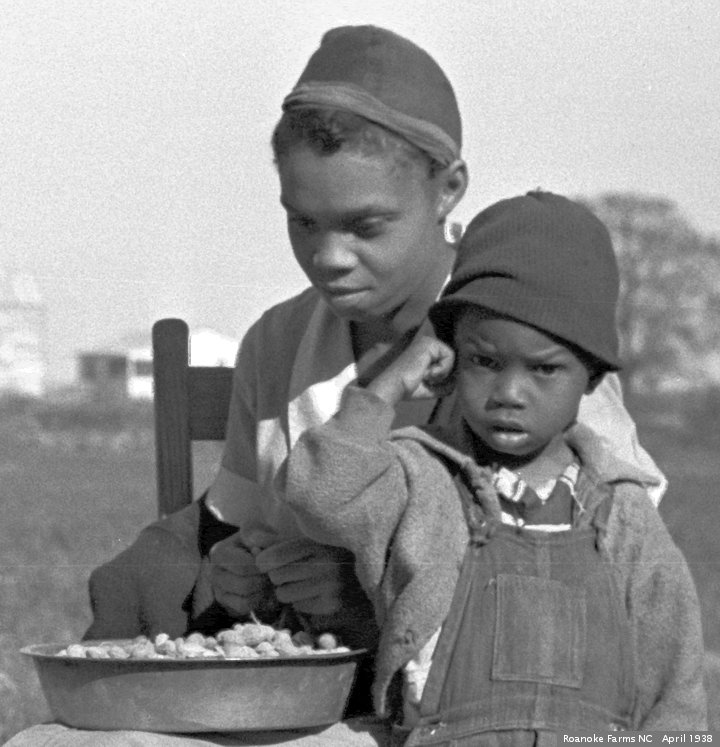
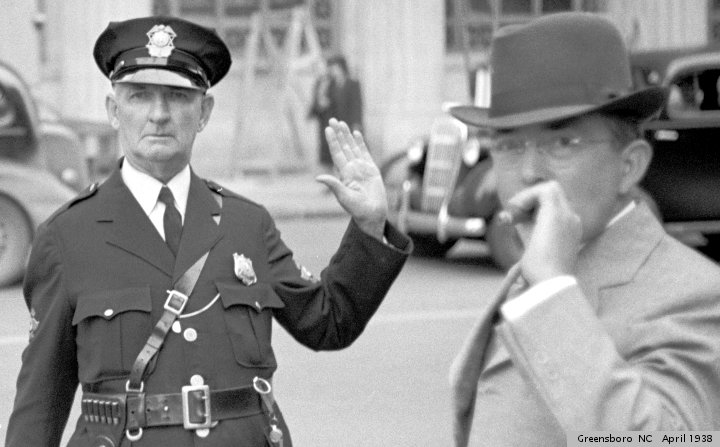
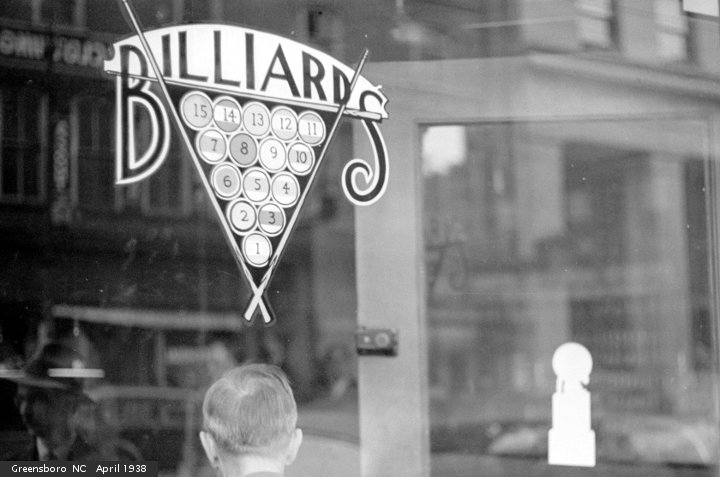
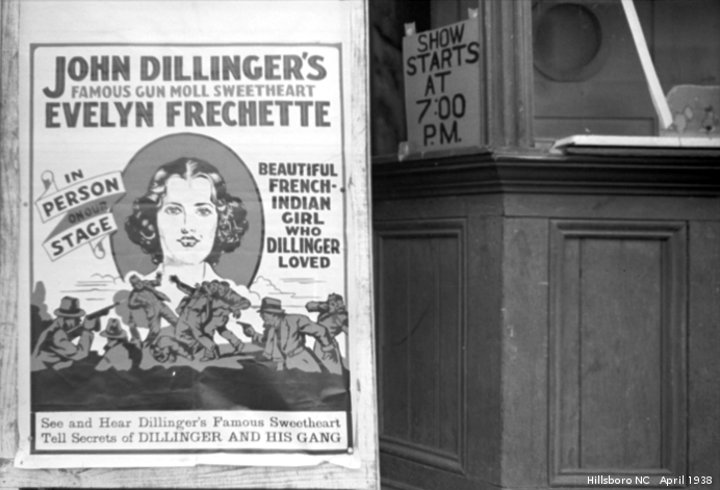
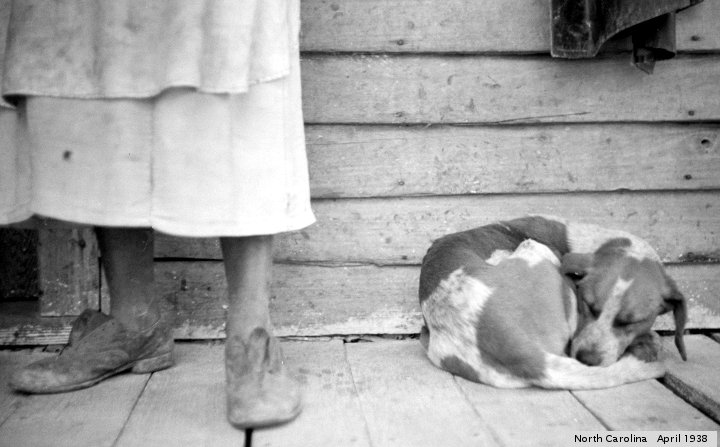
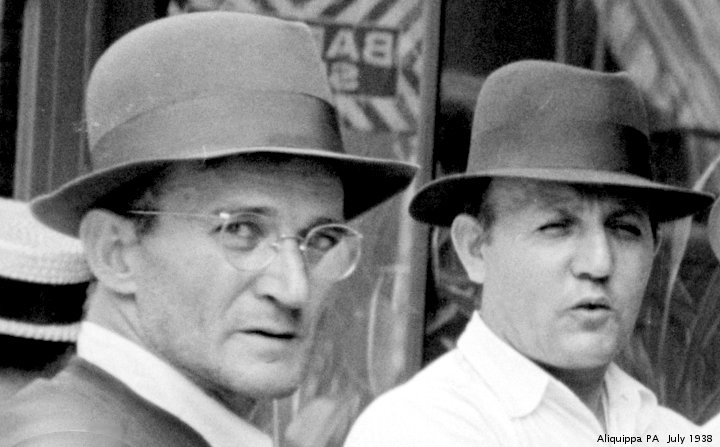
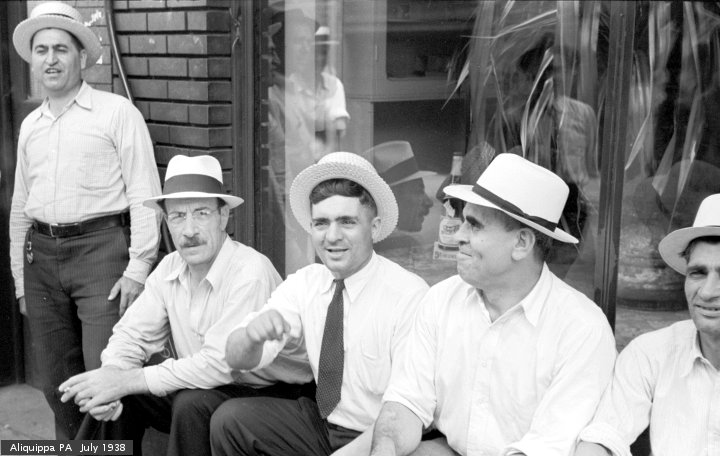
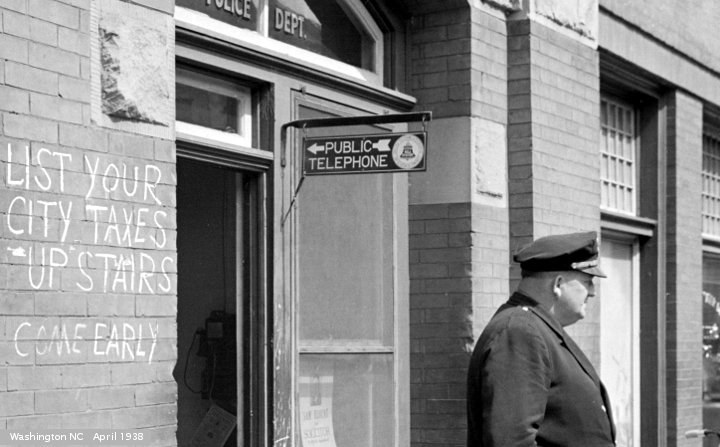
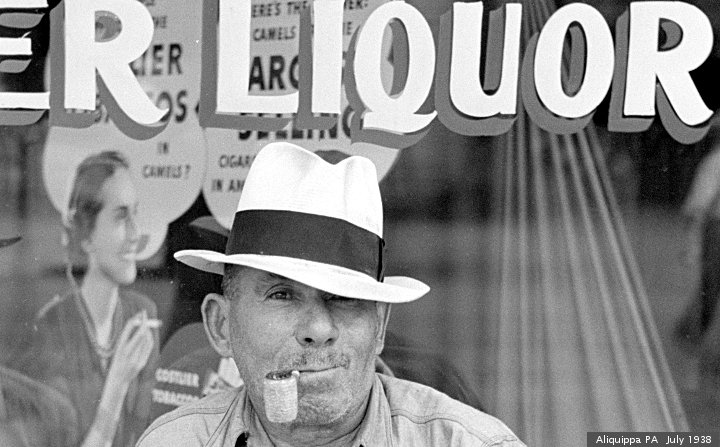
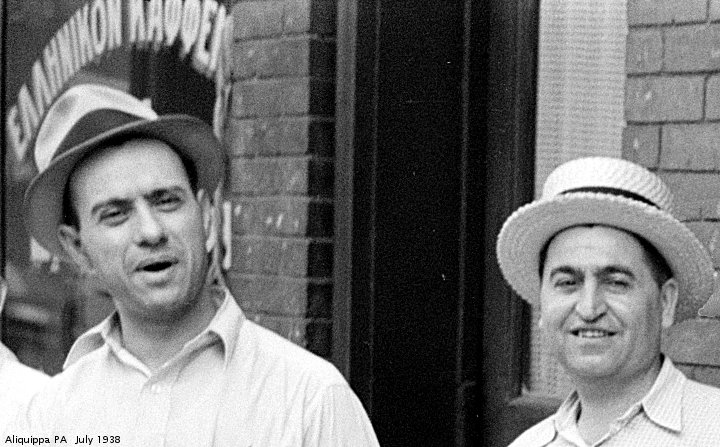
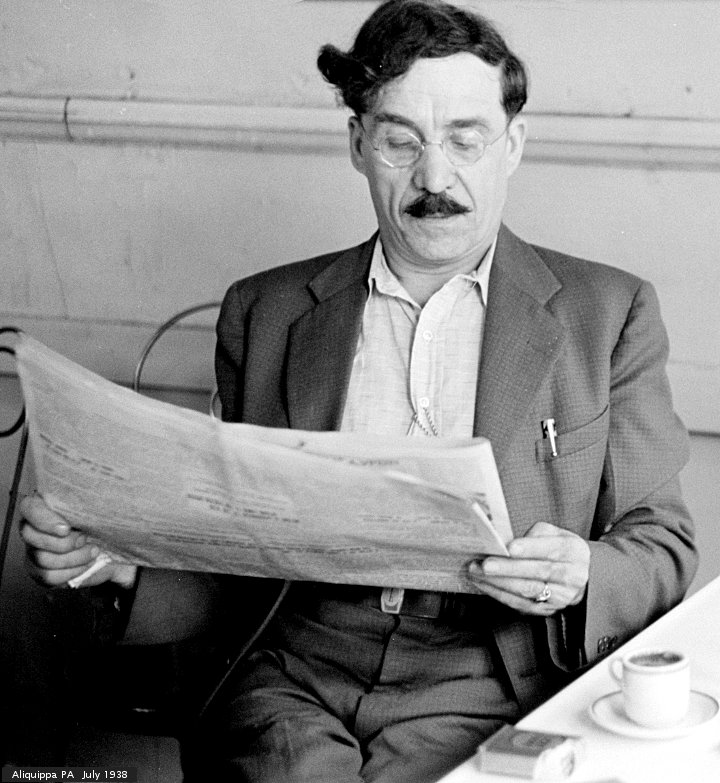
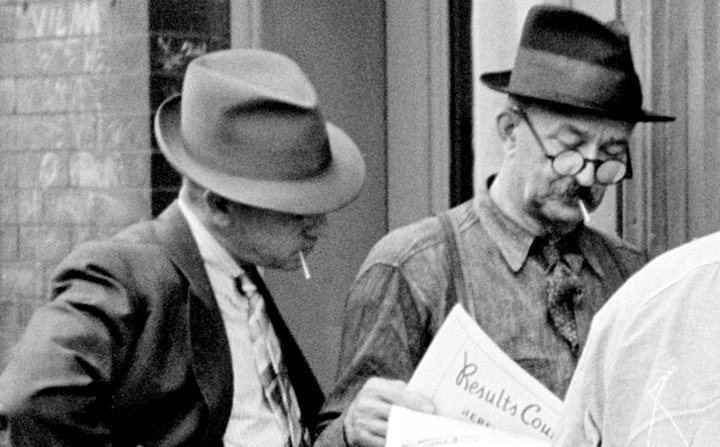
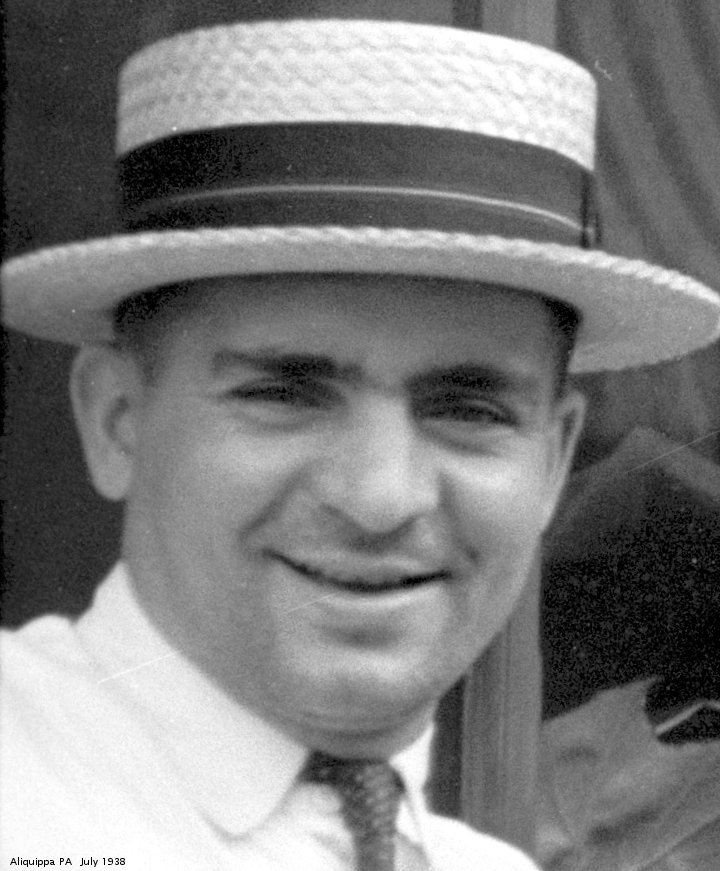
Pictures are from The Library of Congress. This is a double repost.
Atlanta Rising
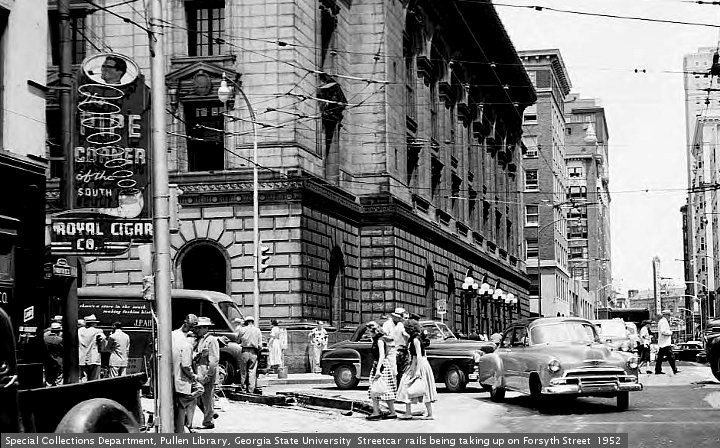


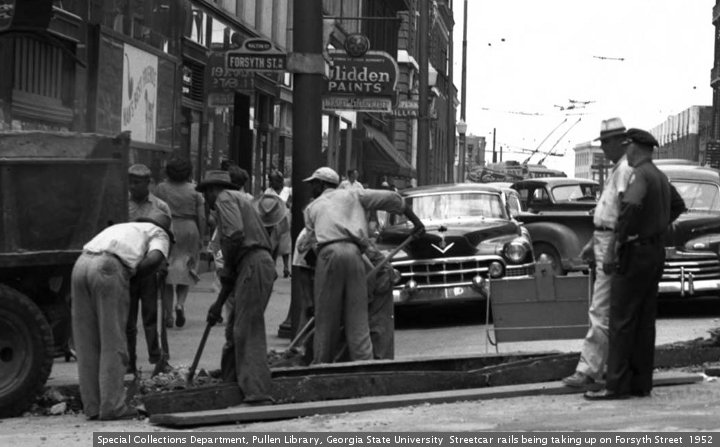
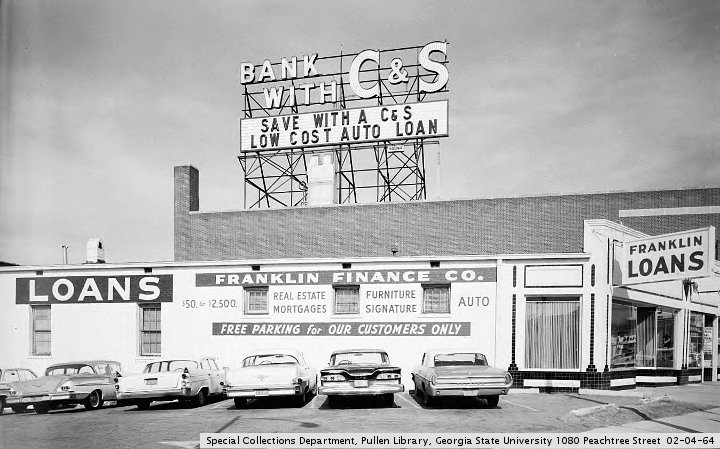
Atlanta Rising: The Invention of an International City 1946-1996 is on the shelf at the Chamblee library. This book is a history of Atlanta in the modern era, written by former fishwrapper scribe Frederick Allen. This is a repost.
The story begins in 1948. AR is weighted more to the older part of the story. The main text is 248 pages. On page 124, Ivan Allen has just built a controversial roadblock on Peyton Road, which would be in 1962. The further along in the story, the fewer details are included. The first big story is when Georgia had two governors. This is one of the best descriptions of the two Governors controversy around, and does not mention Ben Fortson’s wheelchair cushion.
The mayor at the start of the story is William B. Hartsfield. “Willie B” was a leader in creating the Atlanta Airport, and in building it into the powerhouse it is today. He was mayor until 1961, when Ivan Allen Jr. moved into the office.
AR has many moments of unintentional irony. When you read a book 18 years after it was written, and fifty years after the events in the book, you see things that could not have been imagined before. In 1960, many of the political-business elite thought it was time for Mr. Hartsfield to retire. Among his shortcomings was an indifference to sports. Mr. Hartsfield thought that a new stadium would be too great a drain on the city’s taxpayers. Fifty four years, and three stadiums, later, the power elite is going to build another stadium. Atlanta Stadium cost eighteen million dollars. The Blank bowl will cost over a billion. (In the past year, a plan to move the Braves to Smyrna was announced.)
One of the big stories here is civil rights. Atlanta came out of that struggle looking pretty good. It was a combination of image conscious businessmen, enlightened black leadership, and a huge helping of dumb luck. In 1961, the city was under federal pressure to integrate the schools. The state was firm in opposition, and the city wasn’t crazy about the idea anyway. Then, another federal court ordered the integration of the University of Georgia. Since the people would not stand for messing with their beloved University, the state laws forbidding integration were quietly repealed. The city schools were integrated with a minimum of fuss. (The book tells this story much better than a slack blogger.)
The controversy about the 1956 model state flag was going full steam when AR was written. The book has some legislative records, which for some reason never made it into the fishwrapper. There is no clear cut answer as to why the legislature changed the state flag. It was mentioned that at the national political conventions, you could not have a written sign, but you could wave a state flag. This controversy provided a diversion from gold dome crookedness, and hopefully has been laid to rest.
A man named Lester Maddox sold fried chicken, and ran for public office. AR describes Lester as looking a bit like an angry chicken. Through a series of constitutional convulsions, Lester was elected Governor in 1966. The state survived his tenure. In the seventies, when Jimmy Carter was running for President, Lester said a lot of rude things about Jimmy, helping the smiling peanut farmer get elected. In another turn of fate, Lester Maddox died June 25, 2003. This was two days after the eternal departure of Maynard Jackson, the first black Mayor of Atlanta.
The book ends with the 1996 Olympics looming over the city. Billy Payne led a smart campaign to secure the games for Atlanta. One of his moves was to keep Jimmy Carter and Ted Turner out of the action. After the 1980 boycott, and the Goodwill Games, neither person was popular with the I.O.C. The book was published before 1996. The Olympics were a blast.
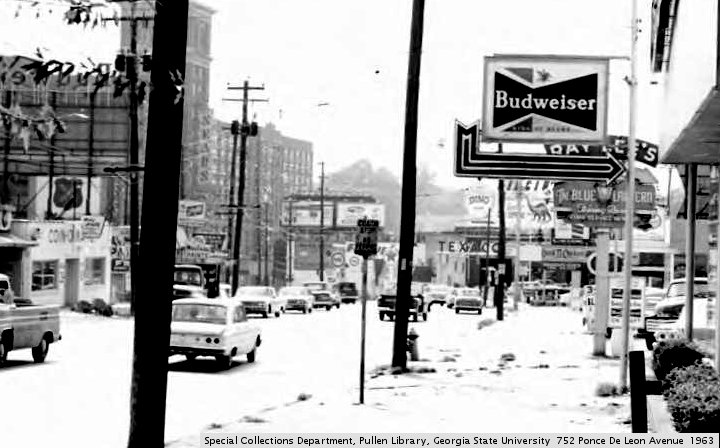
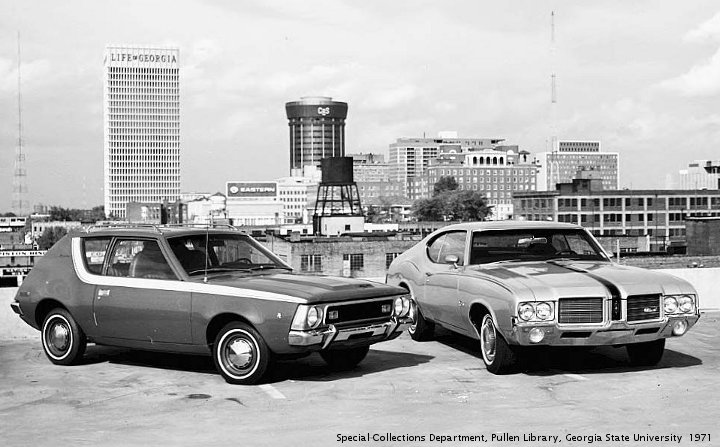
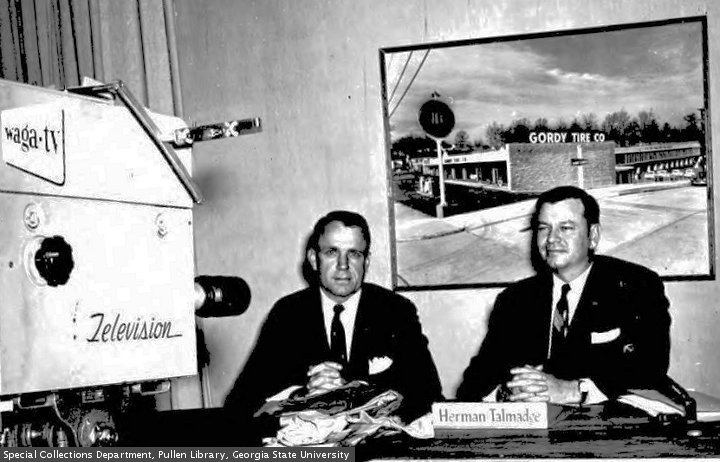
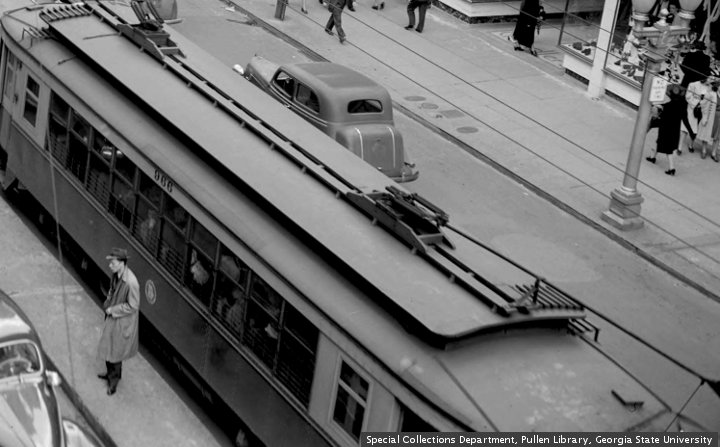
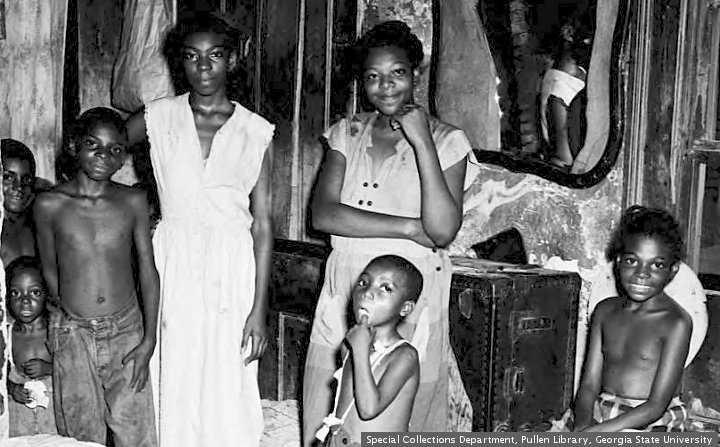
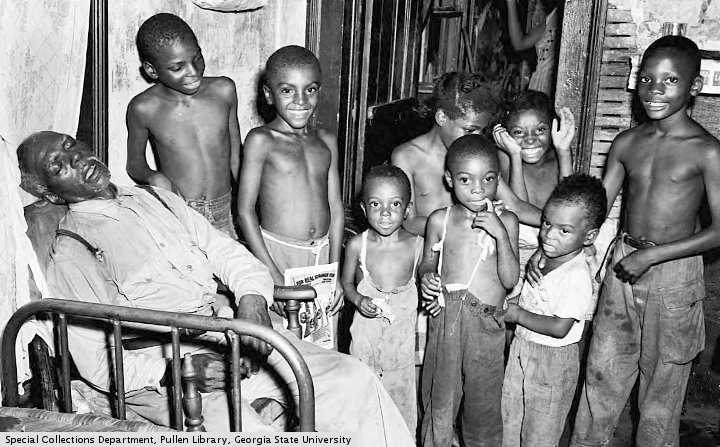
Pictures are from “The Special Collections and Archives,Georgia State University Library”.
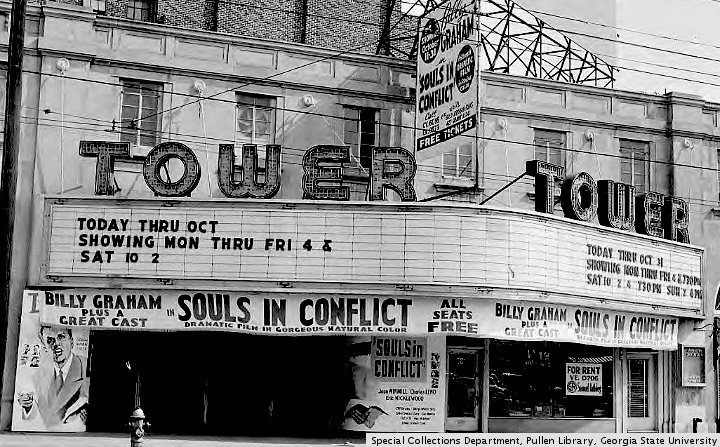




1941


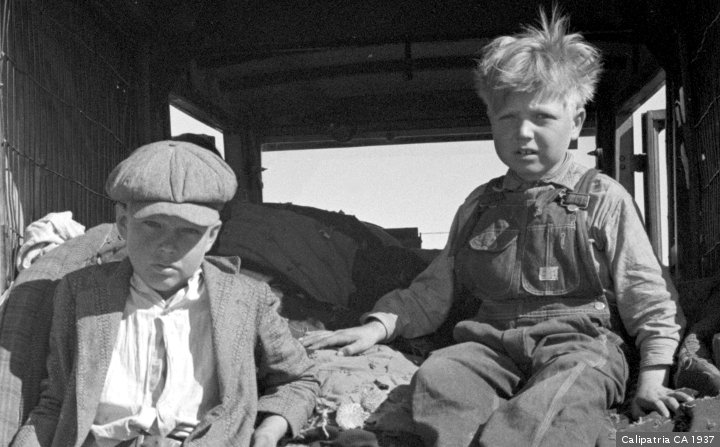

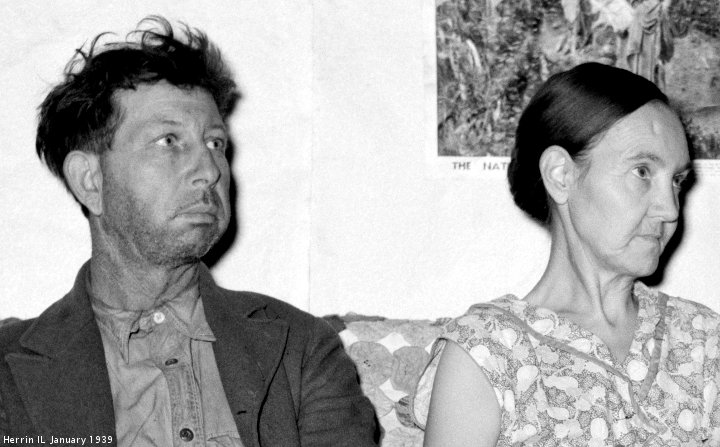
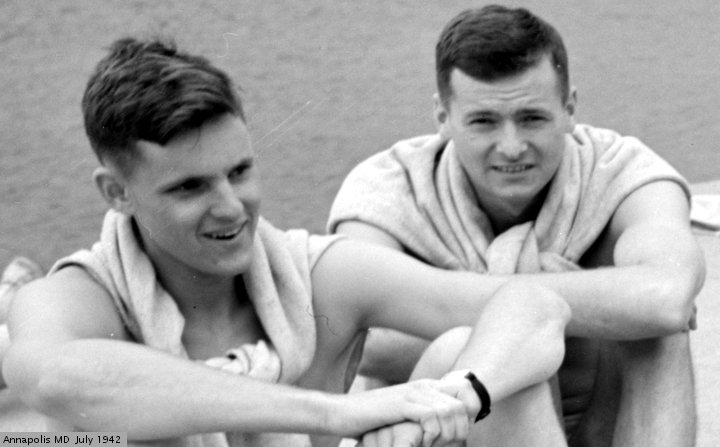

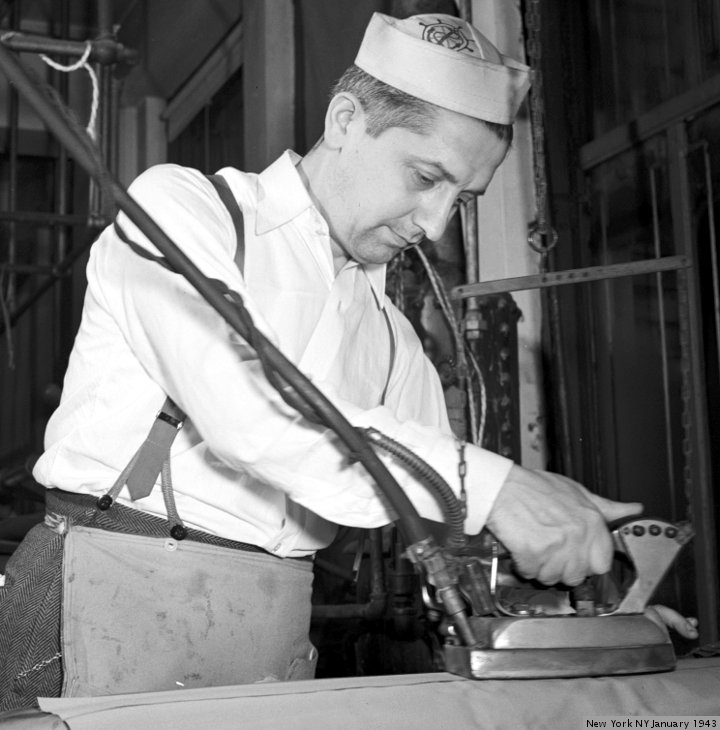
A few weeks ago, PG was riding his bike on a sunday afternoon, and found the remains of a yard sale. The items which had not sold were left behind. PG scored a few books. Outside of the library, and the dumpster behind a used book store, this is the best way to get reading material. The first book to go before eyes (or be read by four eyes) was 1941 — The Greatest Year In Sports: Two Baseball Legends, Two Boxing Champs, and the Unstoppable Thoroughbred Who Made History in the Shadow of War. What are publishers thinking of with these eternal titles? For purposes of this book report, the book will be known as 1941.
There are five stories in this book. The background tale is the world going over the edge with World War II. A horse, Whirlaway, won the triple crown. Two boxers, Joe Louis and Billy Conn, had a fight. Joe Joe DiMaggio hit safely in fifty six consecutive games. And Ted Williams hit .406.
This was thirteen years before PG was born. It seems like more than that. People took trains to travel. When a major event took place, you went to a neighbor who had a radio, and you listened. When you got in a war, you drafted men, and they died. (On PG’s birthday minus thirteen, Hank Greenberg went into the army. Athletes served in the military.) The internet, unmanned aircraft, and millionaire ballplayers would be considered science fiction.
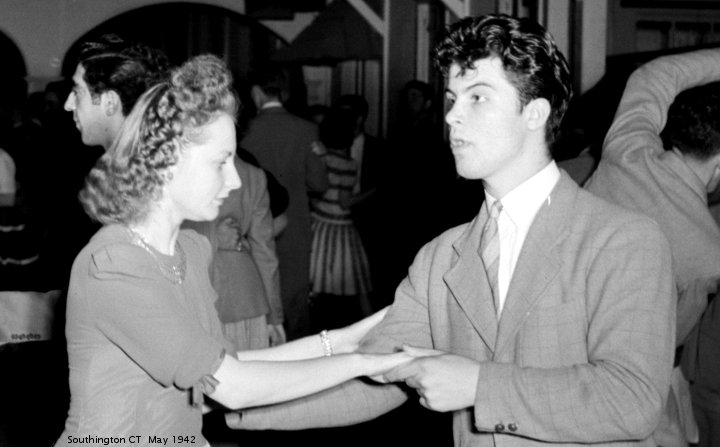
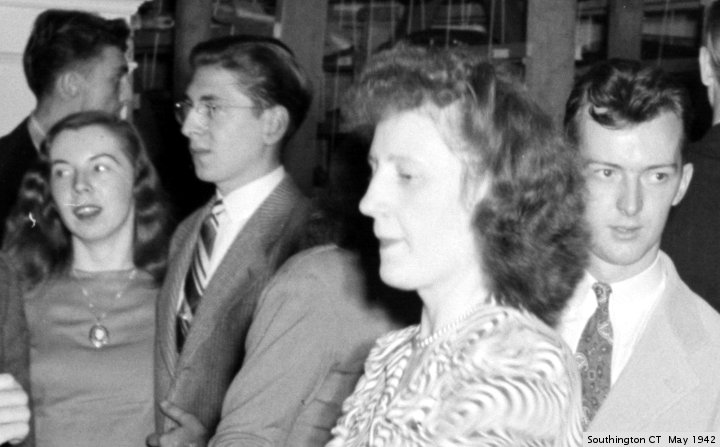
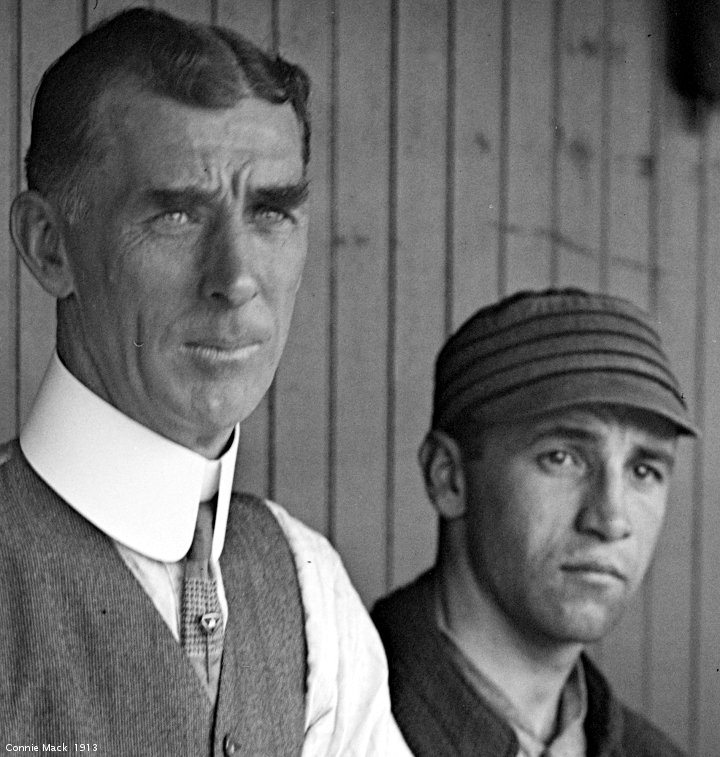
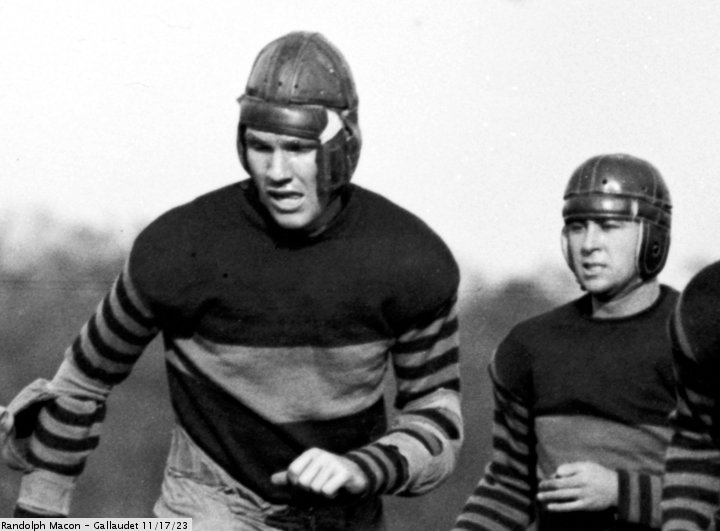
PG has been an off, and on, sports fan for a while. It has been mostly off. With ball games, it is easy to pick up where you left off. You can watch a few minutes of a game, and know what is going on. 1941 was easy to follow, and a fun story. It was like being a twelve year old reading Sports Illustrated. Pictures today are from The Library of Congress.




Roll Model Biscuit Model


An internet facility (IF) called Mind Openerz recently posted a feature, Charles Bukowski’s Top 10 Tips for Living a Kick-Ass Life. Hank writes enjoyable stories and poems. This does not make him a role model. Even if the tales of degenerate lifestyle were exageratted for public consumption, as many suspect, the butt ugly drunkard is nothing to aspire to.
One thing to admire about Hank (a publisher thought that Charles would be a better selling pen name) was the volume of product. He would write dozens of poems, with the lines popping out “like hot turds the morning after a good beer drunk.” Keep the quantity up, and the quality takes care of itself.
Many of the rules for living were taken from his short stories. PG recently stumbled through Tales of Ordinary Madness, and recognized a few. Hank would toss words of wisdom into stories about being arrested. One time, it was for threatening to rape a lady with a codfish. You can’t beat fun at the old ballpark. Of course, Hank hated baseball, and hated poetry that rhymes. PG writes rhyming poems, with pictures of dogs in the background. Hank is dead, and his opinion doesn’t count.
The fun starts with rule number eight. “8. Have confidence in yourself. “The problem with the world is that the intelligent people are full of doubts.” You are awesome, and all you have to do to let your true talents shine is believe that fact. Have complete confidence in yourself and you might be surprised with all you can achieve.”
Several of the stories of ordinary madness involve people who think they are poets, show work to Hank, and are insulted for the lousy ouput. The line in number eight was familiar, but PG was too slack to go looking through ordinary madness to find it. This is where you ask Mr. Google for help. The full quote: “The problem with the world is that the intelligent people are full of doubts, while the stupid ones are full of confidence.”




Just Kids


If even half the stories in Just Kids are true, then Patti Smith is a punk rock Forrest Gump. Maybe the title should be Just Kidding. There is a lot of name dropping here. Allen Ginsberg tries to pick her up in an auto mat, only to learn that Patti is inconveniently female. Jimi Hendrix says he is really shy. Grace Slick says hello to you too. The Chelsea Hotel says the rent is due.
For those who are new here, Patti Smith had a series of albums in the seventies. Some liked them, some did not. Meanwhile, onetime bf Robert Mapplethorpe was taking raunchy pictures, and becoming infamous. Eventually, Ms. Smith got married to Mr. Smith, and had two babies. Mr. Mapplethorpe was cut down by the plague.
All kidding aside, JK is a powerful book. Ms. Smith … who once said that Ms. sounds like a sick bumblebee … is a good writer. If you can find it at the library, it is worth your time. There is a double p in Mapplethorpe. It is pronouced maple thorpe, like maple syrup.
Eat Drink And Be Kinky




Kinky Friedman is the person his cat thinks he is. It is tough to tell what a feline actually thinks, or if it indeed does engage in humanoid musing, but you have to admit that is a good opening line for a book report. If the kinkstah can turn a Hawaiin travelogue into a detective novel, then a slack blogger can turn a blog post about that volume into an exploration of the feline mind.
Steppin On A Rainbow starts off with Mr. Friedman, or a name sharing character, in a Manhattan apartment. His wannabe gf is on vacation, shielding her dogs from ethnic cuisine. One friend is ghost writing a book for Howard Stern, while another is working on a book in Israel. Drunken Irish Poet McGovern is in Hawaii, working on a food book, Eat Drink and Be Kinky.
The fun starts when Kinky gets a couple of phone calls. One of the dogs, owned by wgf, has died. Wgf comes home, to seeking comfort and a Jewish detective to insult. The second call has the disturbing news that McGovern has turned up missing.
McGovern once had a chat with a Japanese tourist. The JT asked where the world trade center was. McGovern said that your people were able to find Pearl Harbor. The book is set in 1999, when the world was y2k atwitter. The reality of 2001 was a figment of someone’s imagination. Whether this imagination belonged to an Arab quadrillionaire, the CIA, the Bush family, or all of the above, is an issue for sounder minds to ponder.
So the story unwinds. McGovern does not show up. A billionaire friend pays the way for a search party to go to Hawaii. The players are the moneyman, Kinky, Stephanie (wgf,) and her two surviving dogs. Kinky is liberally insulted, limericks are told, alcohol is consumed, Hawaiian history is discussed, and yapping dogs make noise. And McGovern is probably a shark’s breakfast.
The story, or lack of same, goes on for 45 chapters, and 271 pages. It is great fun, with sparkling dialog and pithy insights. The trouble is, McGovern is still missing. It isn’t until the last few pages, when the story comes to an end. Chamblee54 tries to be a spoiler free zone. The ending is totally improbable, even by Kinky Friedman standards. You don’t read this blog detective stories to wallow in reality.





Peachtree Street 2014


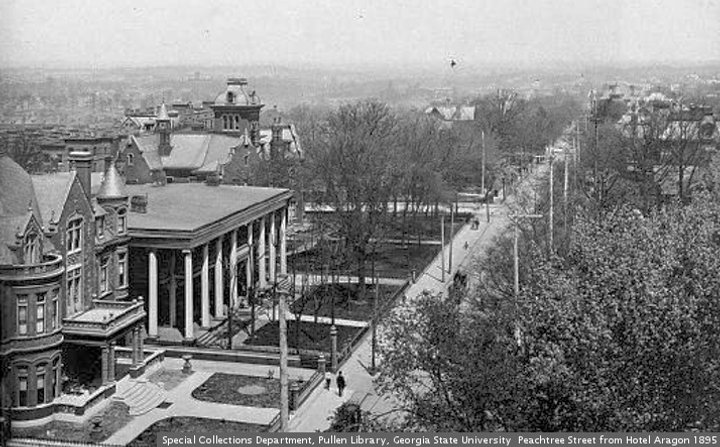

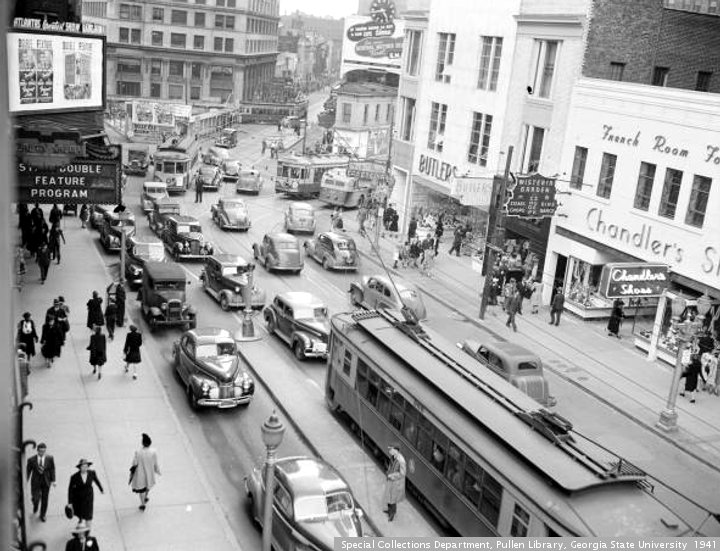
PG finished a book, Peachtree Street-Atlanta. The author is William Bailey Williford, and it was published by the University of Georgia Press in 1962. PG found this at the Chamblee library, and this is probably the best way to find this book today. (Reissued by UGA Press.)
How this road got the name Peachtree is a good question. Most peaches grow south of the fall line. The story goes that there was a Creek Indian village called Standing Peachtree, located where Peachtree Creek runs into the Chattahoochee. During the war of 1812 Fort Peachtree was built on this site.
There was a trail that ran from Buckhead to an intersection with the Sandtown Trail, at what is now Five Points. A short distance south of this intersection was a settlement known as White Hall. For many years, Peachtree Street south of Five Points was known as Whitehall Road. At some point in the last thirty years, a decision was made to change Whitehall to Peachtree. It did not help the rundown condition of Whitehall Street.
In 1835 Governor Wilson Lumpkin decided that Georgia should build a Railroad that would be centered near the junction of Peachtree Trail and Sandtown Trail. The new town was named “Marthasville”, after the youngest daughter of the Governor. Martha Lumpkin is a resident of Oakland Cemetery today.
The village was soon renamed Atlanta, which was a feminine form of Atlantic. Houses, churches, and businesses were soon built on Peachtree Road. In 1856, Richard Peters built a flour mill. To insure a steady supply of firewood, he bought four hundred acres of land, for five dollars an acre. The land was between Eighth Street, North Avenue, Argonne Avenue, and Atlantic Drive.
Another pioneer citizen with a large landholding was George Washington (Wash) Collier. Mr. Collier bought 202 acres for $150 in 1847. The land was between West Peachtree, Fourteenth Street, Piedmont Road, Montgomery Ferry Road, and the Rhodes Center. Much of the land was used for the development of Ansley Park.

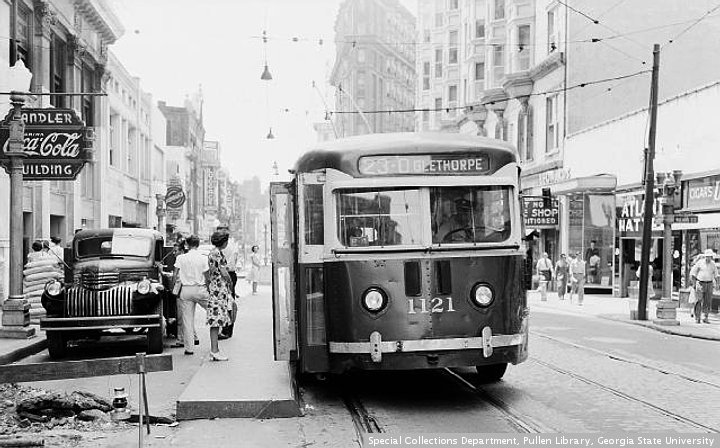
In 1854, Atlanta entertained, for the first time, a man who had been President. On May 2, Millard Fillmore arrived from Augusta on a private rail car.
There was some unpleasantness in 1864, which we will not concern ourselves with.
In 1866, there was a shocking murder. John Plaster was found dead, in an area known as “tight squeeze”. This was an area of shanties, at the present location of Crescent Avenue and Tenth Street. A hundred years later, this was near “the strip”, Atlanta’s hippie district, also called “Tight Squeeze”.
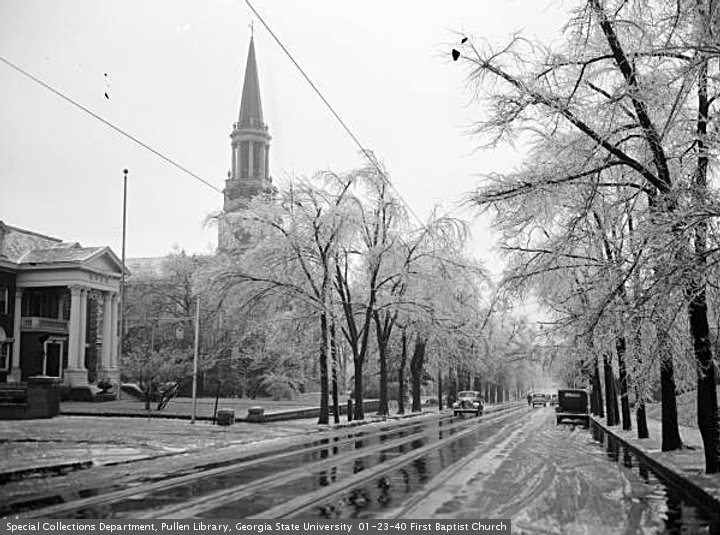
As the nineteenth century rolled along, many mansions were built on Peachtree Street. The road was paved, and streetcars ran up and down. Automobiles came, and came, and came. An expressway was built in the 1950’s, and quickly became obsolete. One by one, the mansions were torn down and replaced with businesses and churches.
The book was written in 1962, when the party was just getting started. The High Museum was known then as the Atlanta Art Association. In June of 1962, a plane full of prominent Atlanta residents crashed in Paris, killing all on board. As a memorial to those people, the Memorial Arts Center on Peachtree, at Fifteenth Street, was built.
Another phenomenon which is not explained by the book is the custom of naming everything here Peachtree. There are countless streets and institutions named for a fruit tree that likes warmer climates. Atlanta has a one street skyline, that stretches from Five Points to Peachtree Dunwoody Road, almost at the city limits. PG lives a quarter mile off Peachtree, in Dekalb County, and has no idea why Peachtree is a magic word.
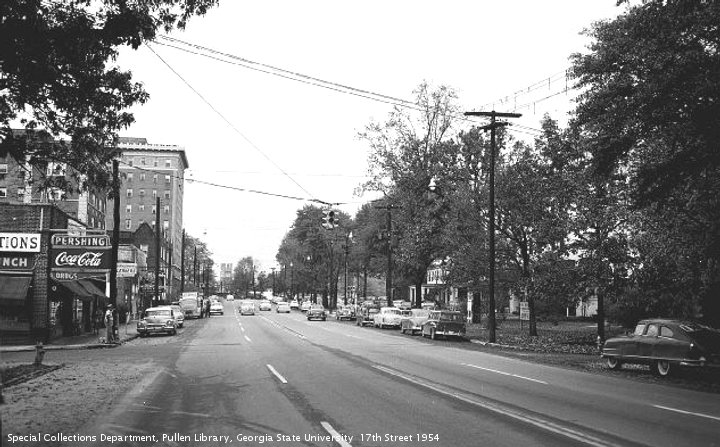
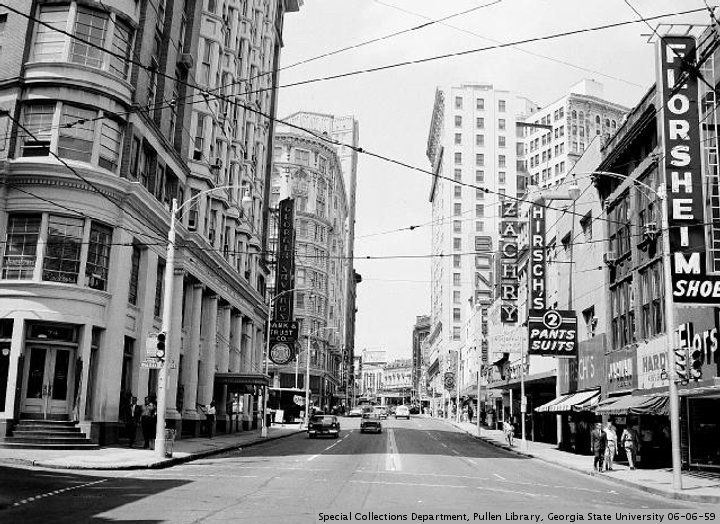
Pictures are from “The Special Collections and Archives, Georgia State University Library”. and The Library of Congress. This is the annual repost.










Tales of Ordinary Madness

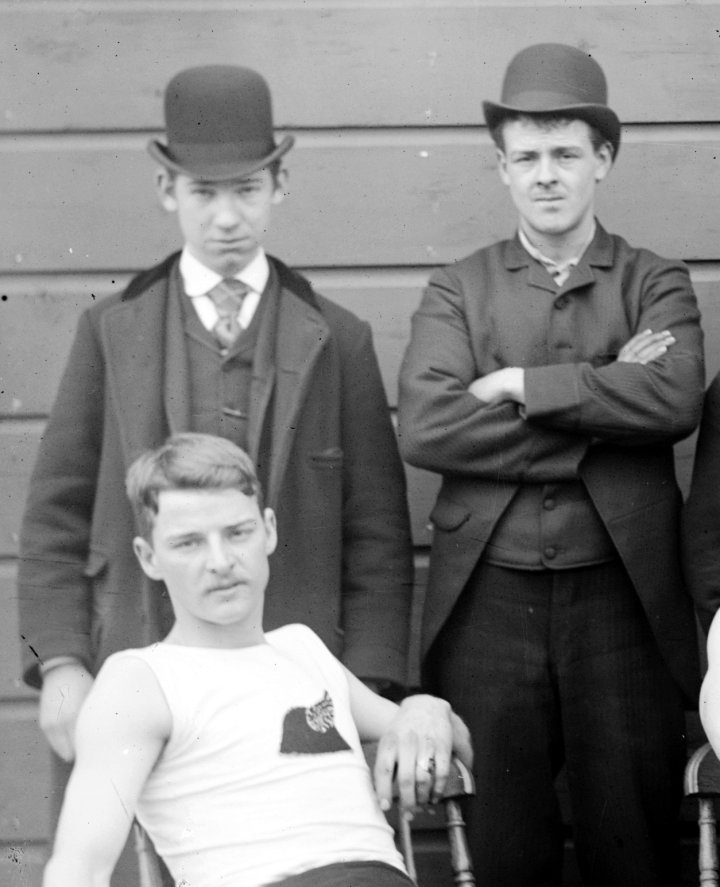

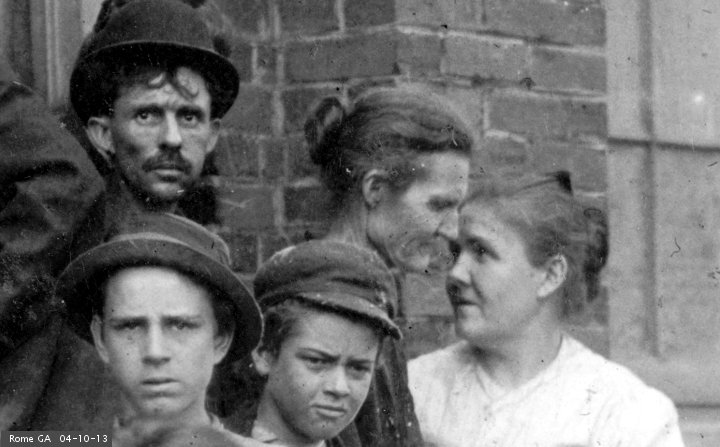

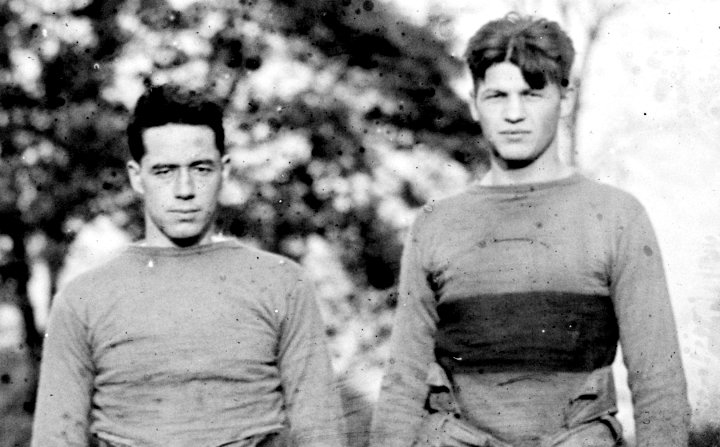
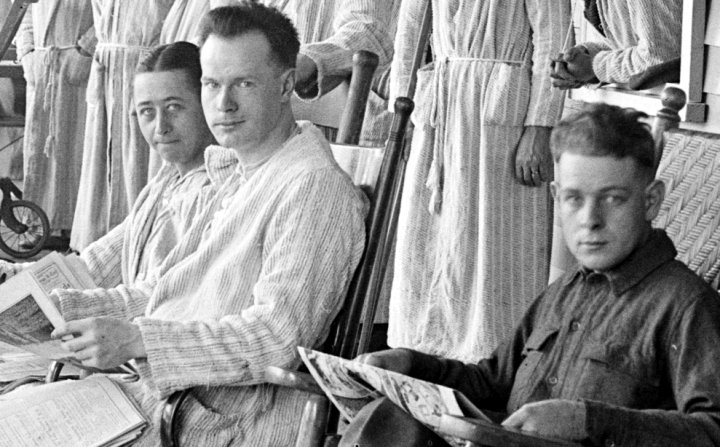

PG sat in the workplace cafeteria and read the last line of Tales of Ordinary Madness. TOOM is a book of short stories and underground press columns, allegedly written by Charles Bukowski. This collection was published by City Lights Books, the facility of Lawrence Ferlinghetti. The poet-businessman was not admired by Mr. Bukowski.
The author was born Heinrich Karl Bukowski, on August 16, 1920, in Andernach, Rhineland-Palatinate, Germany. His Catholic parents moved to America in 1923. The name was americanized to Henry Charles Bukowski. Friends called him Hank, and his literary alter ego was Hank Chinaski. Somebody decided that Charles would look better in print.
Hank Chinaski was a hard boiled character, or so he would have you believe. He was not a teetotaler. In spite of his many excesses, Hank lived to be 74, when leukemia sent him to the likkastow in the sky. This was March 9, 1994. Eleven days later, Lewis Grizzard met his maker. Lewis was 47, the same age as Hank in much of TOOM.
You should always separate the creator from the creation. Enjoy the product, and don’t worry about the ingredients. That is the case with TOOM. The stories are reputed to be little autobiographies. (An Amazon one star commenter thinks the stories are the result of “some kind of posthumous ghost writer, and not a very good one.”)
Hank, if nothing else, was productive. He wrote thousands of poems. It is not known if they have all been published, or if anyone is drunk enough to read them. Here is a quote from a previous Chamblee54 feature, The On Time Charles Bukowski.
The writer/drunk had always been a bit of a fascination to PG. Out of the millions of useless drunks feeding the urinals of planet earth, at least one will turn out to have had literary merit… this leads to a newyorker piece about the gentleman. After nine paragraphs, and two poems, there is the phrase that set off PG…graphomaniacal fecundity. (spell check suggestion:nymphomaniac)
As best as we can figure, g.f. means that Hank wrote a lot of stuff. This is a good thing. PG operates on the notion that if you keep your quantity up, the quality will take care of itself. Hank seems to agree, spitting out product “like hot turds the morning after a good beer drunk.” He seemed to take pride in doing what Truman Capote said about Jack Kerouac…he doesn’t write, he types.
Holy drunken author synchronicity. Last summer, PG was working third shift in a midtown sweatshop. He would read a couple of stories of TOOM, then shift gears and read a bit of The Dharma Bums. At some point in the procedure, there was a collection of output from Truman Capote.
Hank Chinaski might not like PG. There is the rhyming poetry. There is buying a book of repackaged prose at a yard sale. There is the twenty five year retirement from alcohol use. This is beside the point. You have to live for what is important to you, not what a deceased barfly might think.
Pictures are from The Library of Congress.


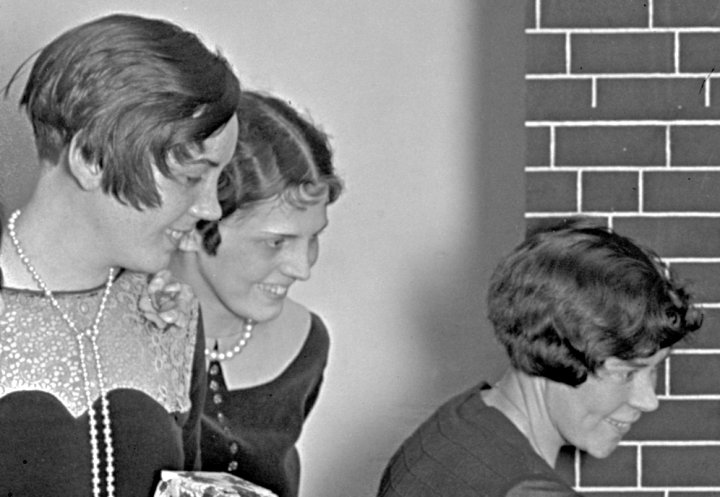
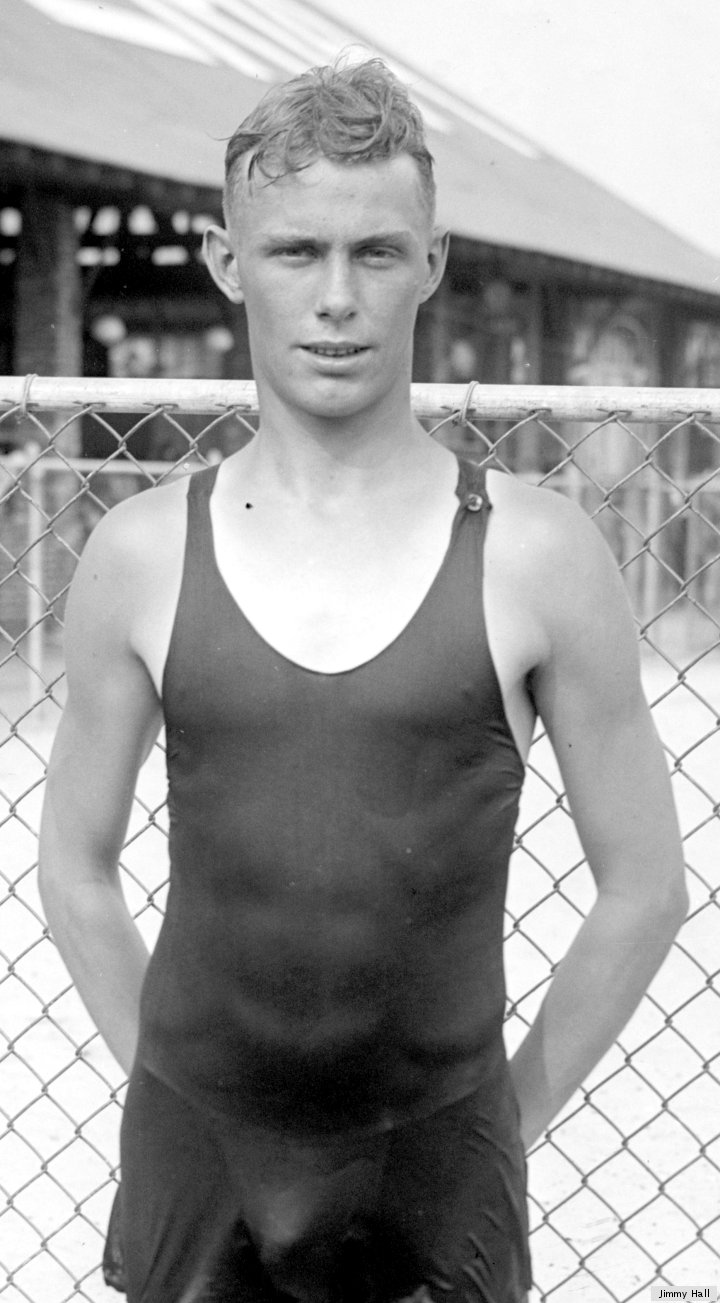
Adolph Hitler Had Ugly Feet

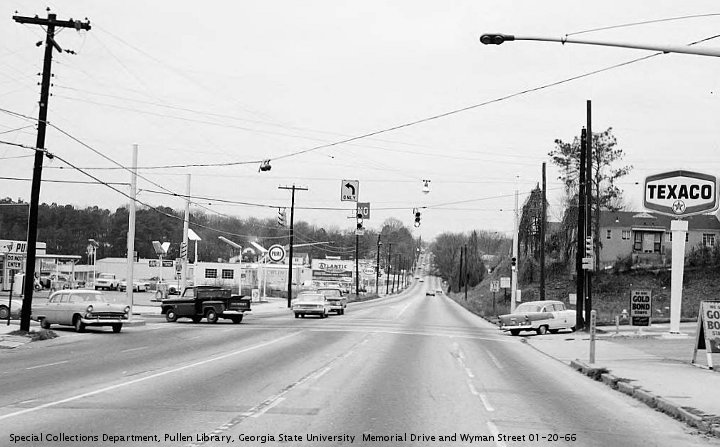
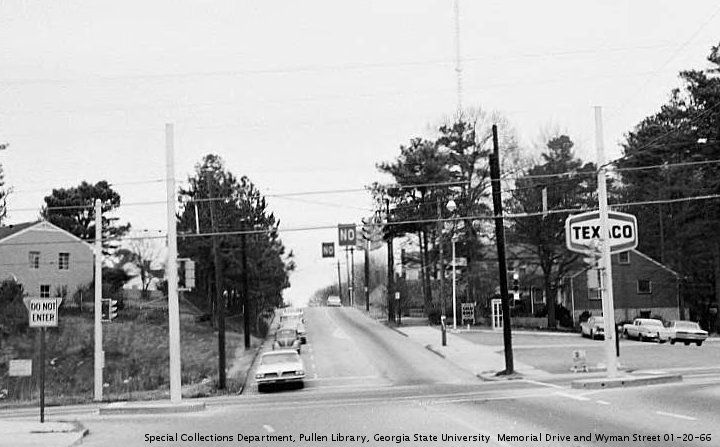


PG listened to a radio show featuring John Lukacs, discussing his book The Hitler of History. The book has a lot of footnotes, and probably is not much fun to read.
LAMB (Brian Lamb, the host): All right. Here’s another one I wrote down. He was a thigh slapper.
Mr. LUKACS: Oh, well, that’s a very minor thing, but it has something to do with something very interesting. There is a photograph of Hitler that’s reproduced everywhere in history books. He’s dancing a jig. When the news comes to him that the French had surrendered, capitulated, that picture is fake. Long story behind this. There was a film strip with somebody faked up, you know, and so it gives the impression–makes him ridiculous, makes him jump up and, you know–no, he did not do this. He had a habit occasionally when he was very enthusiastic, very …slapping his thigh, you know. He didn’t do this very often. But that thigh s–slapping, through editing, through racing of the film, became a jig, and this enters many history books that Hitler couldn’t control himself, he was dancing a jig at this news. Not true. …
LAMB: How tall was he?
Mr. LUKACS: He was about–I can’t tell you exactly–I think 5’8″ or something like–5’9″. I tell you something that’s not in the book. I knew two people–don’t ask me who they were–who knew him rather intimately, two women. I knew other people who knew him, but they are very intelligent women. One of them’s a scholar, the other’s not, and don’t ask me their names. Both of them said, `You know, he had very ugly feet.’ This was news to me, a kind of feminine instinct. Independent of each other, they told me that.
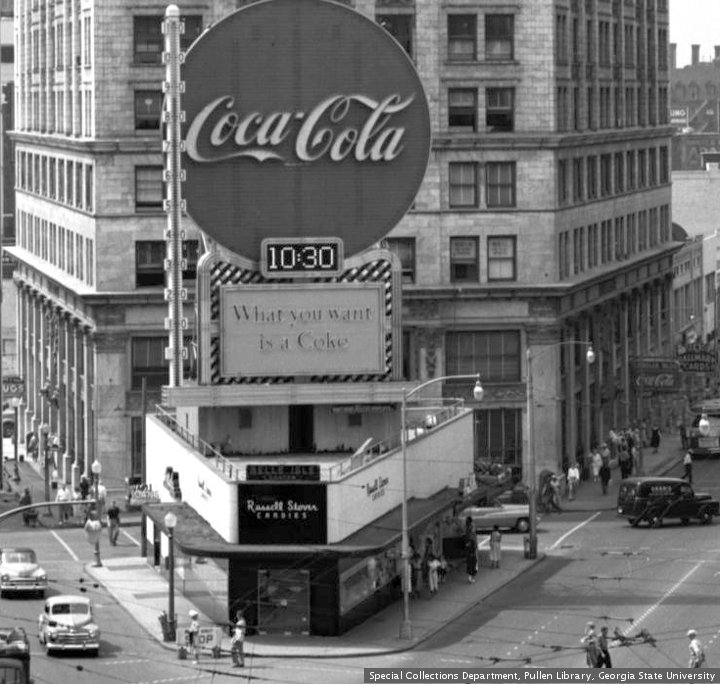
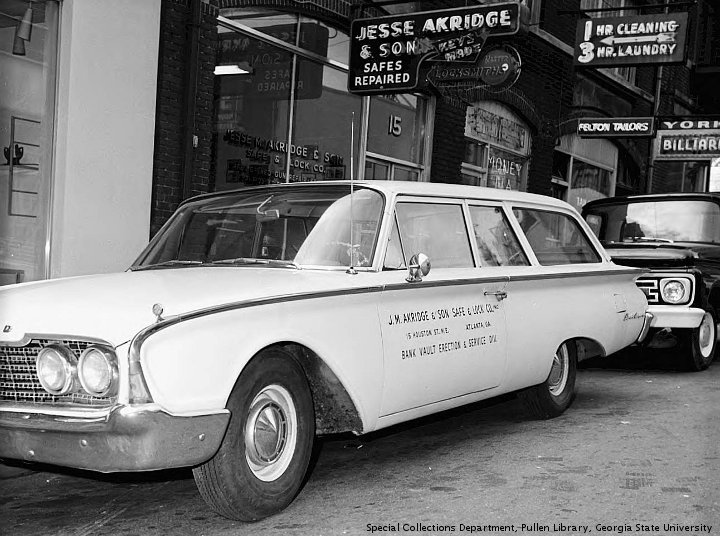
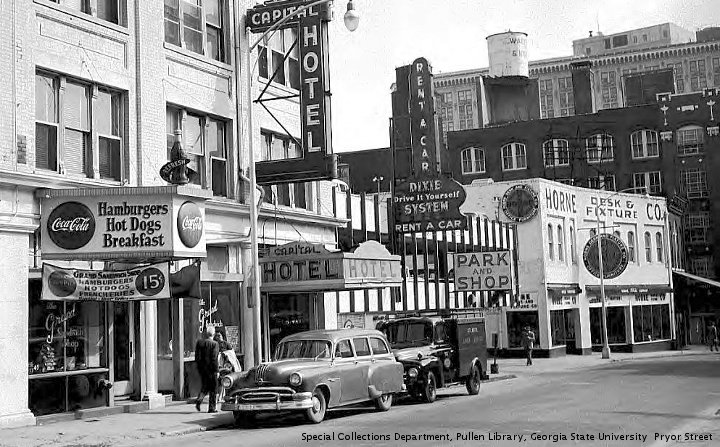
There are some other things. Mr. Hitler never allowed himself to be photographed wearing glasses. Mr. Lukacs thinks the Winston Churchill had a great understanding of Adolph Hitler, which kept the allies from losing the war. Pictures for this post are from “The Special Collections and Archives, Georgia State University Library”.


Christmas Bliss


Christmas Bliss is the latest offering from Mary K. Andrews. CB is the continuing adventures of Weezie Foley and BeBe Loudermilk, BFF ladies in Savannah GA. The story is a page turner, and you will finish it before you want to. It is a book about South Georgia, where part of the story is a blizzard.
One of the ladies is about to have a baby. The other one is about to get married. Yes, there is a bit of confusion in that formula. Add previous marriage complications, well meaning family and friends, and New York City into the mix, and you have a very entertaining story.
Parts of the story are a bit over the top. The trip to New York is full of adventure, but really did not need to happen. The story of the previous husband is just not believable. The reality quota is helped by the baby shower from hell. That comes off as being just a bit too accurate. The reader goes along with it, and it is a good ride.
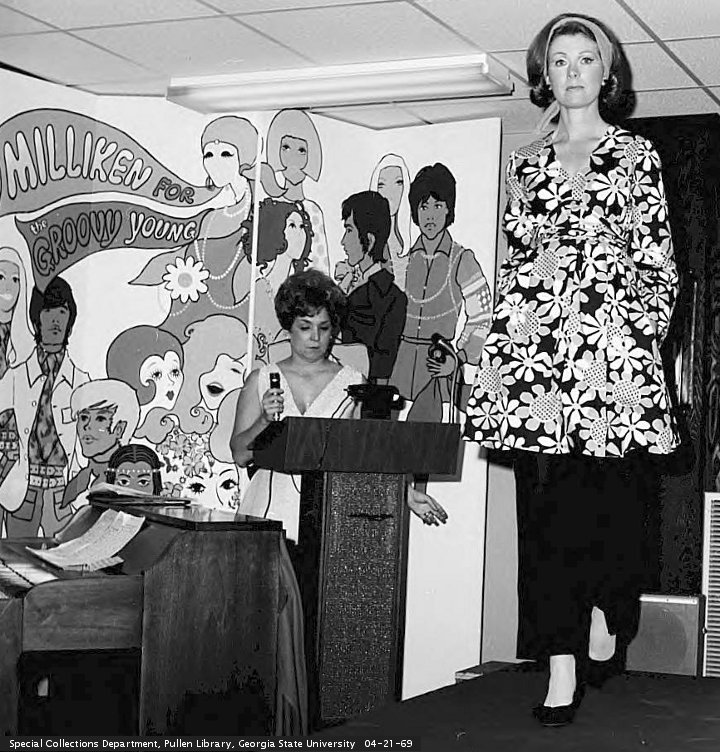
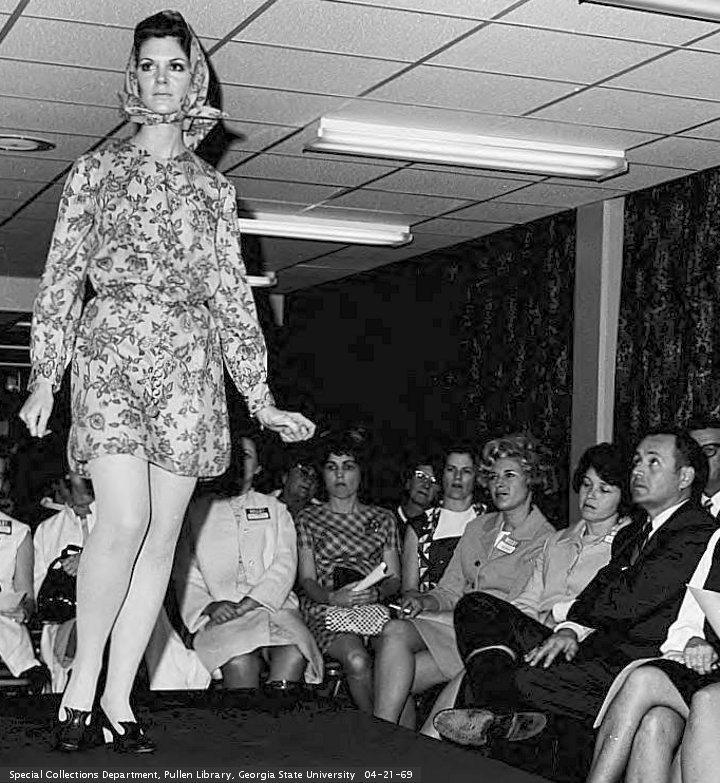
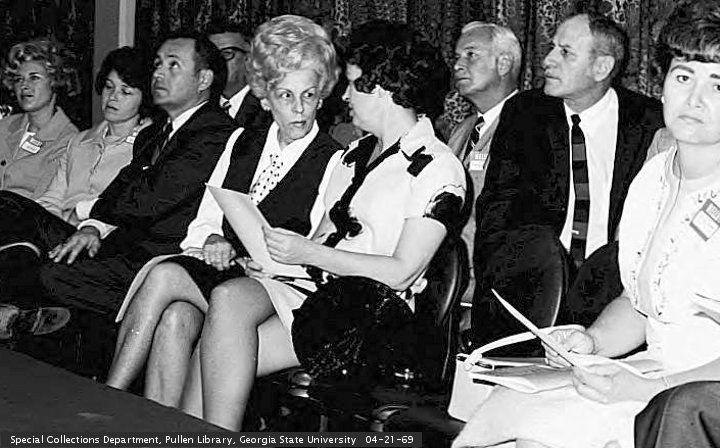
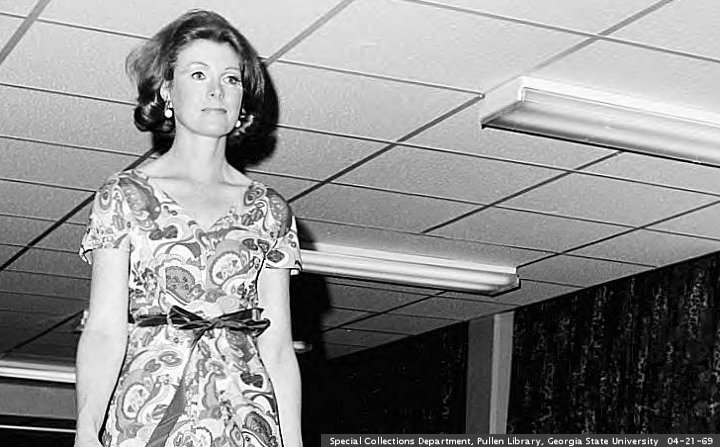
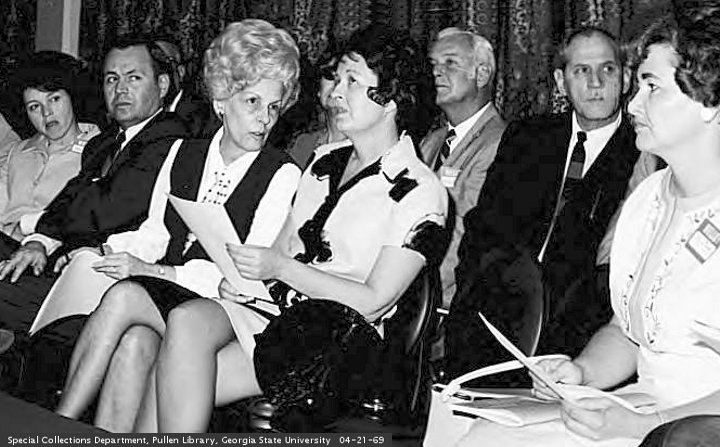
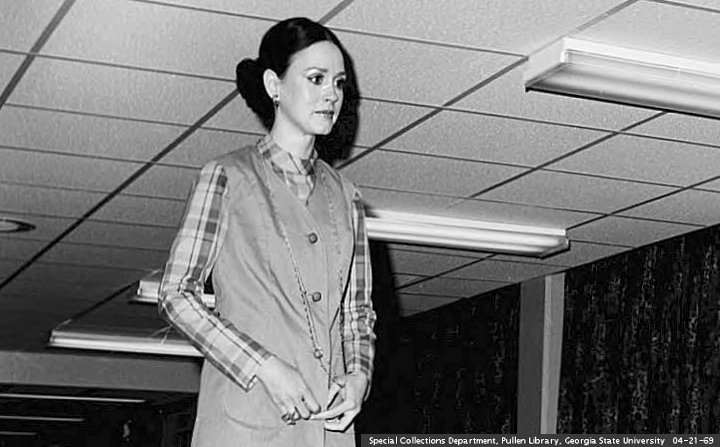
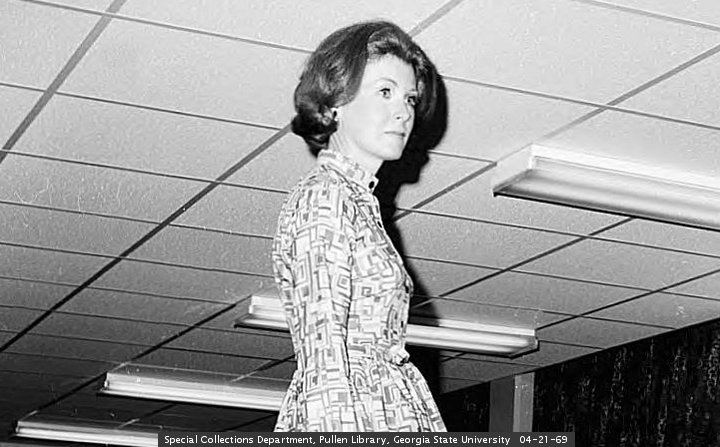
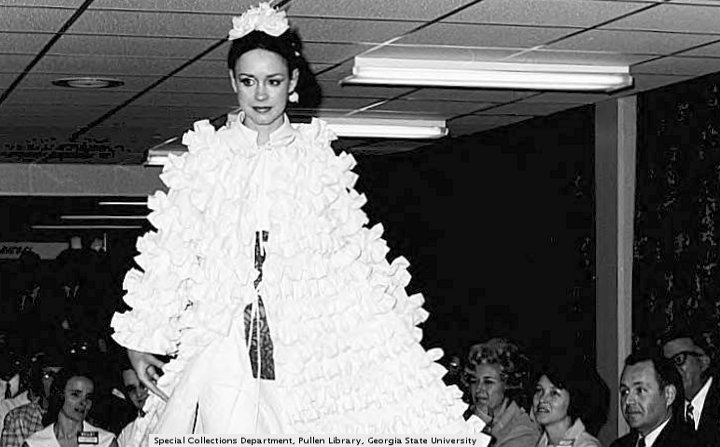
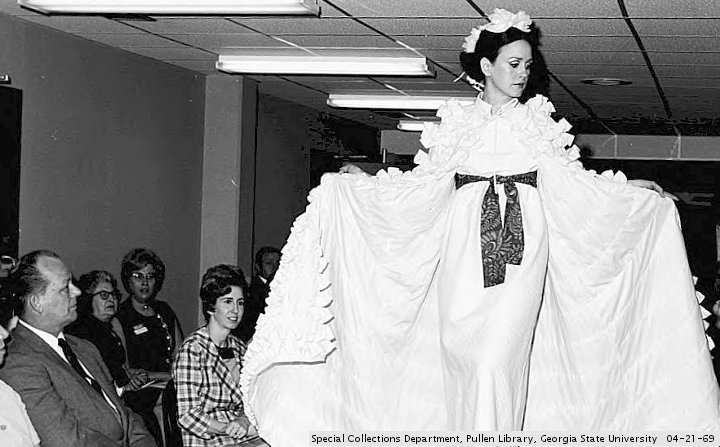
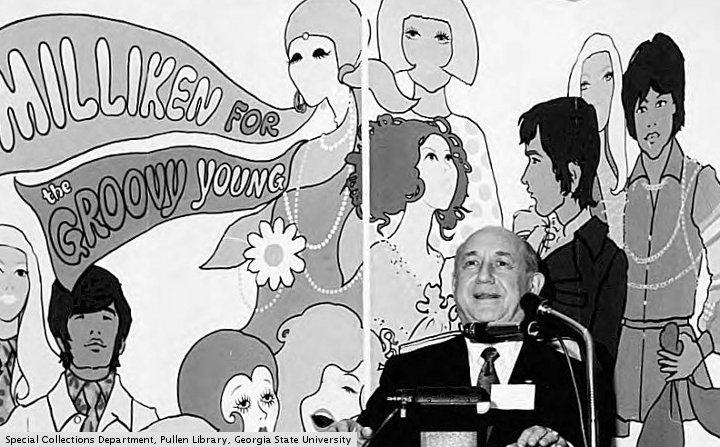
Pictures are from “The Special Collections and Archives, Georgia State University Library”. The event is a fashion show, at “Mendel College for Fabric Knowledge.” The show was held April 21, 1969.



The Dharma Bums Part Four




This is part four of the Chamblee54 breakdown of As the title suggests, this is part three of a breakdown on The Dharma Bums, by Jack Kerouac. Parts one, two, and three are already online. Tdb is the 1955-1956 story of Ray Smith (Jack Kerouac) and his friend Japhy Ryder (Gary Snyder.)
Chapter Twentytwo RS is back on the road. He leaves his family in North Carolina, and starts to hitchhike west. He gets a ride to Gainesville, GA. After a night in a cheap hotel, there is a ride with a drunk west of Atlanta. RS decides to buy a bus ticket for El Paso, and get out of “chain gang Georgia.” The bus takes him to West Texas. There is a hike on railroad tracks out of town, and a idyllic camping spot in the hills. RS goes to Juarez, where a queer Mexican boy falls in love with him.
Chapter Twentythree This is the last part of this road trip. RS gets a ride to Las Cruces, where he does some temp work moving a piano. The next ride is with a Texan who brags a lot. This ride goes to Los Angeles. The driver talked a great game. He had fought enough men to form Coxie’s army.
PG’s dad used to talk about Coxie’s army. It seems as though a man named Jacob Coxey led a band of unemployed men to Washington in 1894. There were economic hard times in the land. CA was agitating for government spending, to provide public work jobs for the unemployed. How this caught the imagination of the slogan happy republic is not known to the modern reader.
RS rides freight trains from Los Angeles to San Francisco. On page 161, RS calls JR “Gary.” Apparently, the proofreader missed this.
This chapter by chapter thing is not working. The idea is to use this as a springboard for improvisation, to say whatever comes up. This does not seem to be happening. Tdb is a worthwhile read, the first time. Reading it twice, while taking notes, is not a good idea.
The rest of the story is fairly simple. RS goes to live with JR. They stay in a shack in Corte Madera, CA. It sounds rustic in the book, and may have been in 1956. If you look at a map today, it is just a few miles north of San Francisco. There is no telling what it looks like today.
While in Corte Madera, there are a lot of wild parties. It is the sort of boho thing the rest of America tittered about. Eventually it all ended. RS went up to Washington state to serve as a fire lookout. JR went to Japan. Dwight Eisenhower got reelected. He is not mentioned in tdb, but his buddy Richard Nixon is. We know how that story turned out.
In 1956, PG was two years old. This was the year the Georgia legislature decided to install the stars and bars on the state flag. There was talk of replacing Richard Nixon as Vice President. Jack Kerouac drank too much. Lots of people said so. Noted wildman Neal Cassidy told him to ease up on the booze.
In one of the chapters not to be discussed, RS and JR get into an argument about drinking. JR, like lots of other people, thought that RS was pissing his life away. It turns out they were correct. Whatever his talents as a writer/typist, and friend of famous people, Jack Keruoac was a drunk. When he was 47, it caught up with him. As Alvah Goldbook said, “it all ends in tears anyway.”
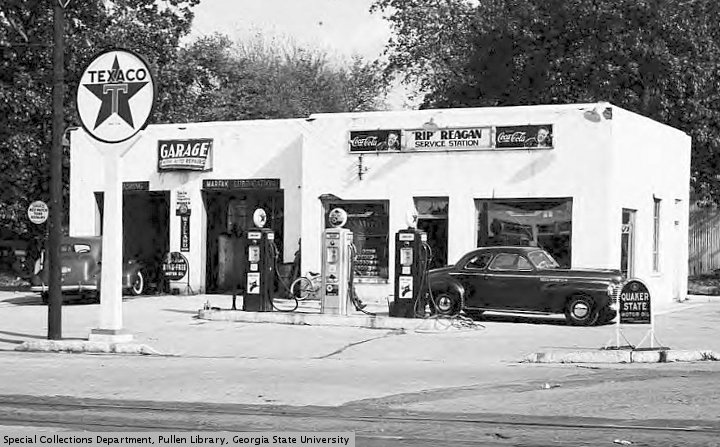
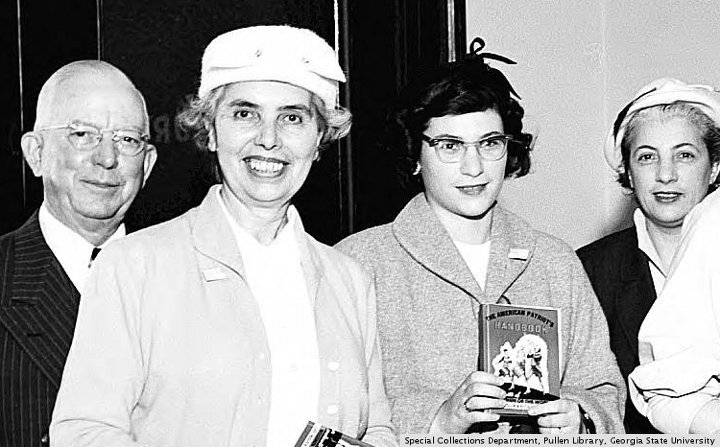
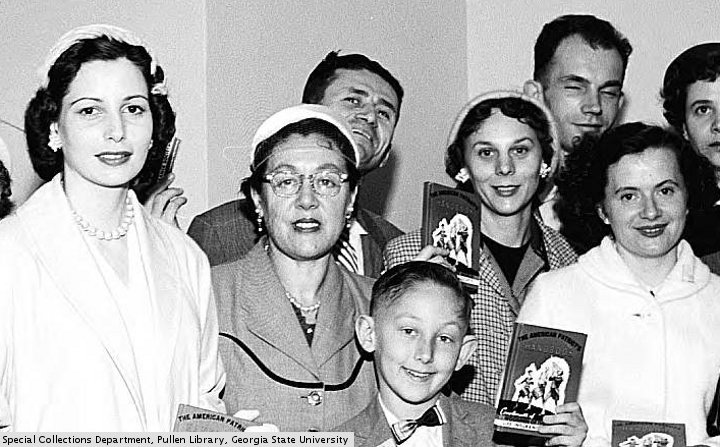
Pictures are from “The Special Collections and Archives, Georgia State University Library”



 Chamblee54
leave a comment