The Day Lincoln Was Shot





PG has read The Day Lincoln Was Shot. It is written so that the casual reader can enjoy it. There is a powerful history lesson here, and worth the twenty five cents PG paid at Book Nook. The pictures for this book report are from The Library of Congress. This is a repost.
This book contradicts another book PG read. Genius and Heroin reports that Mary Todd Lincoln had a bad headache on April 14, 1864. Some opium was found for her, and she was able to go to Ford’s Theater that evening. TDLWS does not mention this.
The story begins in the weeks leading up to “Good Friday”. John Wilkes Booth was in the crowd at Mr. Lincoln’s second inauguration. Vice President Andrew Johnson was also there, and made a drunken fool of himself. Mr. Johnson did not meet with Mr. Lincoln until the afternoon of April 14.
John Wilkes Booth was a famous actor, He made $20,000 a year as a performer. Mr. Booth was also a fan of the Confederacy, and launched a plan to kidnap Mr. Lincoln. There was an attempt to kidnap the President, but Mr. Lincoln did not show up as planned. The conspiracy of Mr. Booth almost broke up, and was reduced to four men.
The four men…John Wilkes Booth, Lewis Paine, David Herrold, and George Atzerodt … met at a boarding house owned by Mary Sarratt. Ultimately, Booth went to Ford’s Theater to kill the President. Lewis Paine and David Herrold tried to kill Secretary of State William Seward. George Atzerodt took a room at Kirkland’s boarding house, and was supposed to take out Vice President Andrew Johnson. Mary Sarratt was not involved in the plot, but was executed by hanging anyway.
In the weeks before Good Friday, a few things happened. On March 7, the door to box seven at Ford’s Theater was broken down, and the lock broken. On April 5, Secretary of State William Seward was badly injured in a carriage accident. On April 9, General Robert E. Lee surrendered to General Ulysses Grant, ending the War Between the States.
Part of the celebration was a theater party on Friday, April 14. Mr. and Mrs. Lincoln were to join Gen. and Mrs. Grant at Ford’s Theater. The show was “Our American Cousin”, starring Laura Keene. The Grants did not really want to go, and decided to catch a train to New Jersey. They wanted to see their children. Mrs. Grant had also witnessed a temper tantrum by Mrs. Lincoln, and was possibly avoiding the hot headed first lady.
Mr. Booth decided that this was the night for action. He went by the Kirkwood house, and left a note for Andrew Johnson. The idea was for the police to see the note, and think that Mr. Johnson was part of the conspiracy. This was foiled when Mr. Johnson’s secretary stopped by Kirkwood house, and picked up the Vice President’s mail and messages.
Ford’s Theater was prepared for the visit by the President. A barrier was taken out from between two boxes. Flags were hung around the building. At 9:00 pm, the President’s bodyguard, a Washington policeman named John F. Parker, got bored with the play. Mr. Parker went to Taltavul’s saloon, along with with Francis Burns, the president’s driver and Forbes, the valet. They were in the saloon during the action at the theater.
John Wilkes Booth was an experienced actor, and he knew how to follow a cue. At 10:15 pm, the player onstage said “Wal I guess I know enough to turn you inside out, you sockdologizing old mantrap”. Booth placed a derringer between Mr. Lincoln’s left ear and spine, and pulled the trigger. He said “Sic Semper Tyrannis”, and cut Major Henry Rathbone. Booth leaned over the edge of the theater box, and lowered himself to the stage. The spur of his right foot catches on the Treasury regiment flag. This causes him to land on his left leg at an odd angle. The leg broke.
While this is going on, Lewis Paine and David Herrold went to visit Secretary of State William Seward. He is laying in bed, covered in bandages, recovering from the carriage accident. The bandages get in the way of the knife that cuts him, and save his life.
The wounds to Mr. Lincoln are considered mortal. The President was moved to Peterson’s boarding house nearby. At 7:22 am on April 15, he died. Secretary of War Edwin Stanton, who served as acting President during the night, said “Now he belongs to the ages.”



Anne LaMott



PG was working on a graphic poem. This is done on the computer, with the temptation of the internet forever lurking nearby. At one point, the urge to connect was too strong, and facebook was drawn in.
A bit of text from Anne LaMott was posted. PG has never read her work, but has heard good things about it. The people saying these good things are people whose opinions PG cares about.
Ms. LaMott is going to have a 61th birthday soon. PG will have a 61th birthday in a few weeks. Ms. LaMott makes a list of the things she has learned in her three score and one. This is the sort of thing her public gets off on. Since she is so well regarded, PG decides to take a look. This illustrates point A. A When you read something on the internet, you are not working on your project.
The Anne Lamott stuff is a mixed bag. She is a Christian, of some sort or another, and inevitably brings G-d and Jesus into the conversation. PG has had problems with G-d and Jesus. Opinions about them can be “triggering.” While Ms. LaMott means well, this is going to be tough to overcome.
Meanwhile, the graphic poem is not producing itself. The text is whipped into shape. The word count for the writing contest is verified. The colors are chosen for the text, then changed, then changed again, and finally the first colors tried are the ones that are going to be used. This is something that you need to do wrong before you do right. This working things out is not going to happen while reading the wisdom of the lady writer. Multi tasking has its limits.
The thoughts of the piece will not leave PG alone, and he decides to go back and finish reading the piece. This brings us to point B. B If you read something interesting on the internet, and have to leave, copy the link. If you depend on memory, you will never see it again.
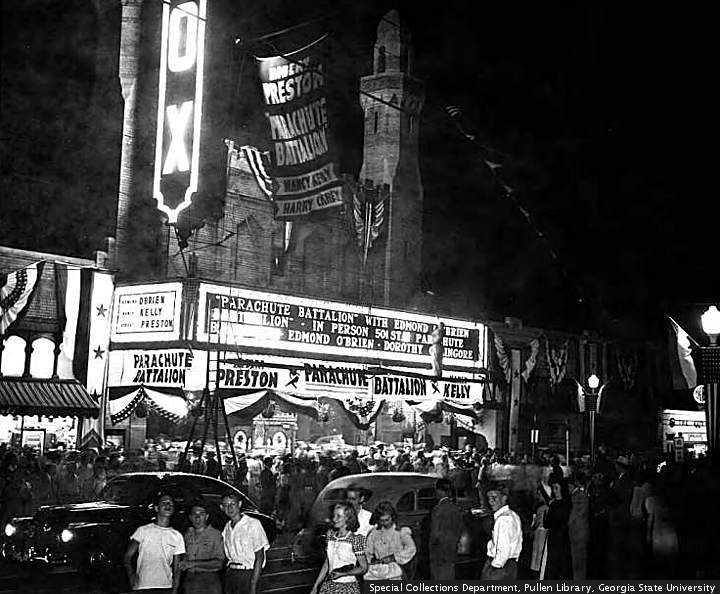
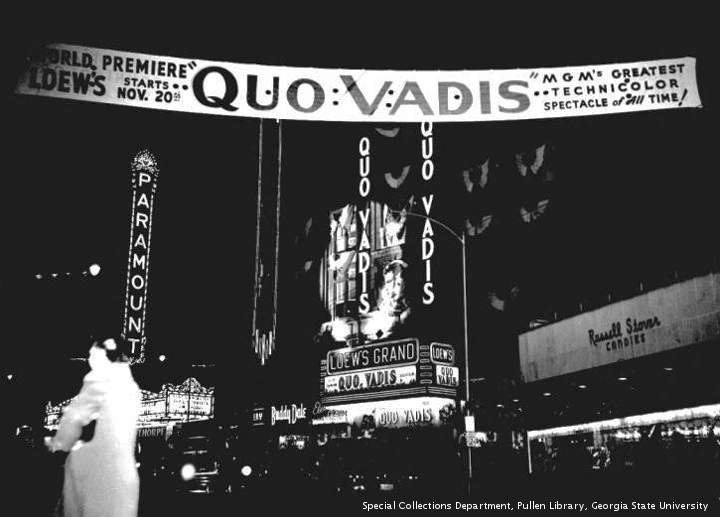
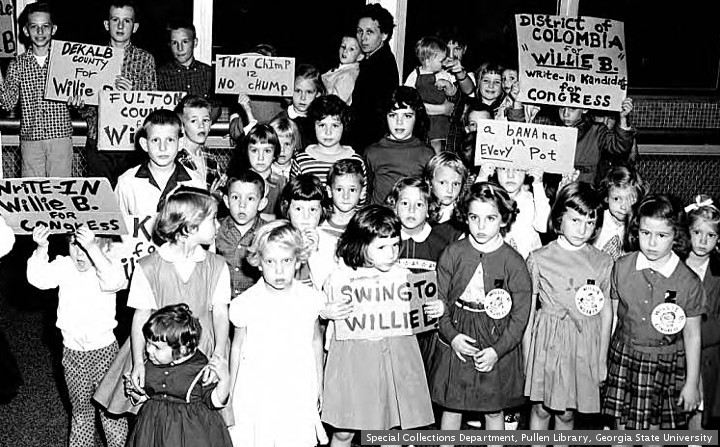
As was mentioned above, Ms. LaMott and PG are products of 1954. This is probably the tail end of the baby boom. For young men in the USA, you were too young to go to Vietnam. Now you are becoming old fogies. You make lists of things you have learned, and post them on facebook. Pictures today are from “The Special Collections and Archives, Georgia State University Library”.





Carsick
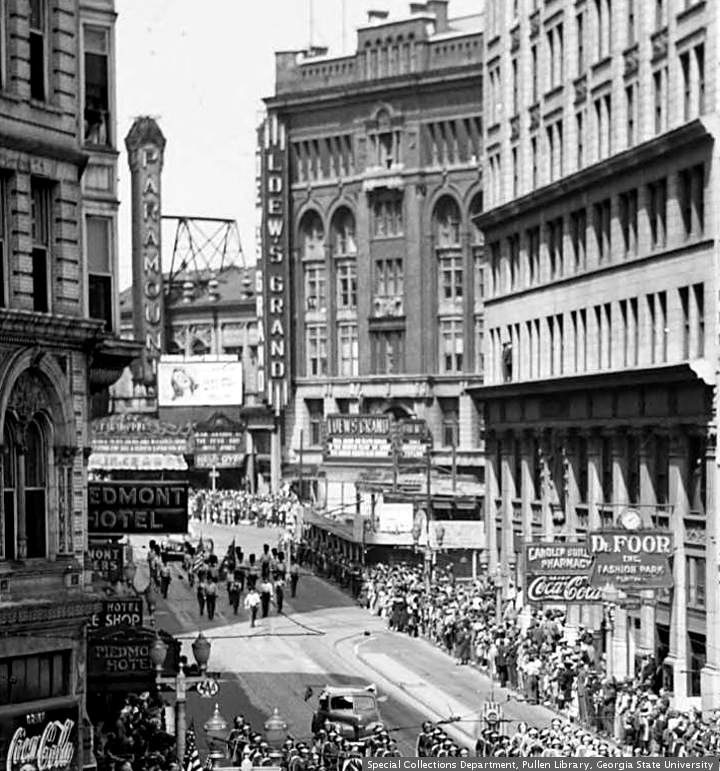


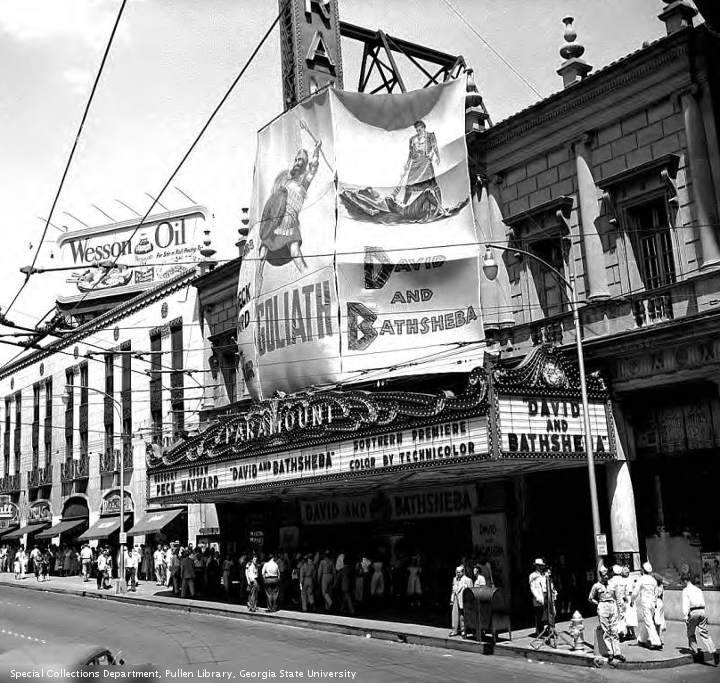



It was the monday after easter. History does not record what Jesus did on this day. After being dead forty four hours, he probably needed to take a bath, and trim his fingernails.
In modern day Brookhaven, PG is celebrating by getting his auto emission inspection. With his birthday a few weeks away, this is a chore that needs to be done. Go to the mall parking lot, sit in the trailer waiting room a few minutes, and go on about your life.
Today is the first time PG has had to wait for service. Usually, you just drive up, stop at the appropriate spot, and let the man do his thing. While waiting in line, PG read the last page of Carsick: John Waters Hitchhikes Across America.
Its about time. The library checkout has already been renewed, and is due back in just over a week. The shame of taking five weeks to consume 322 pages of John Waters! This is not James Joyce, but the Divine Doodoo Dietician, the Pope of trash.
The first part of Carsick was covered in the tastefully titled Gagless Oscillation. The last part is reality, the way things really happened. Never say “John Waters” and “reality” in the same sentence.
Mr. Waters is hitchhiking from Baltimore to San Francisco. This was in 2012, before the bi-coastal bonding the two cities experienced in the 2013 Super Bowl. He gets stuck in Ohio, and Kansas, and wonders if he will make it out alive. There are several unlikely rides. If he had not been famous/notorious, this trip might not have gone so smoothly.
At one point Mr. Waters goes by the Gateway Arch in St. Louis, and thinks it is a fabulous sight. In 1979, PG woke up in a Trailways Bus, and saw the Arch across the street. PG thought it was the most disappointing landmark ever. People do not always agree.
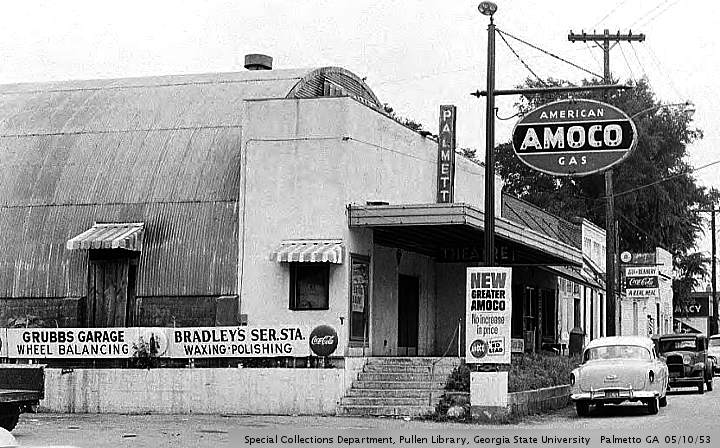
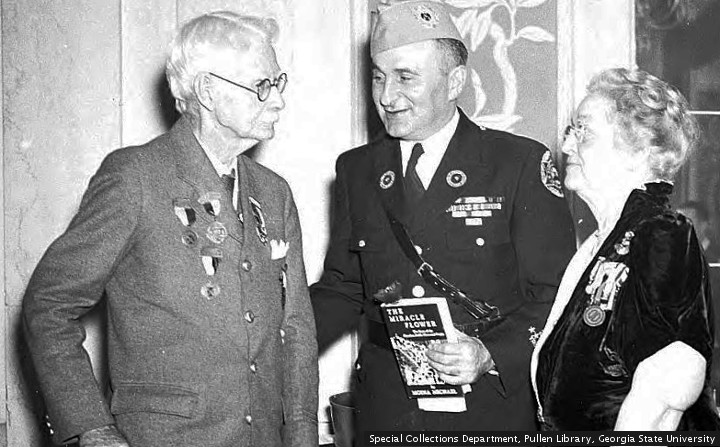
As the plot winds down, Mr. Waters is standing outside a rest area. He claims to know, by facial expression, whether a traveler is going to shit, or piss, when he goes into the facility. The amount of time spent iniside allegedly holds to answer to this question. Pictures are from “The Special Collections and Archives, Georgia State University Library”.

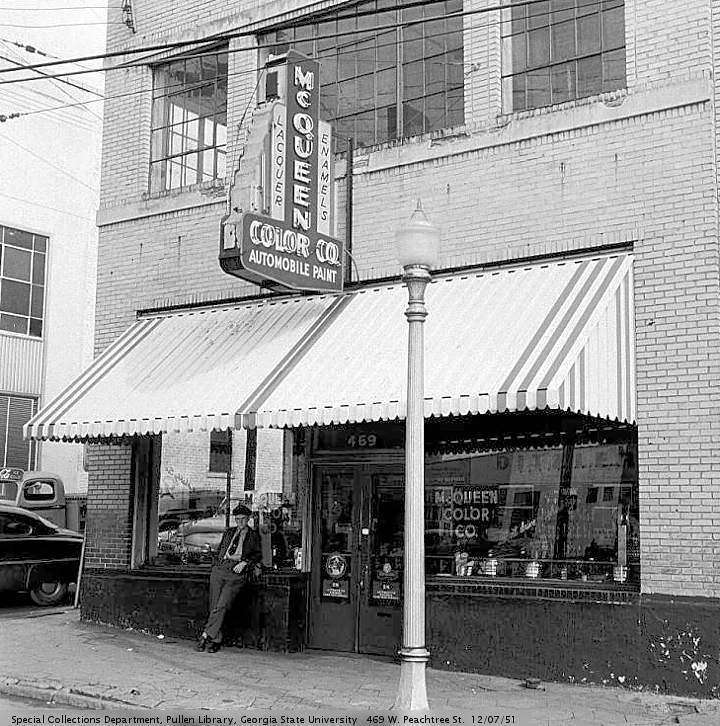
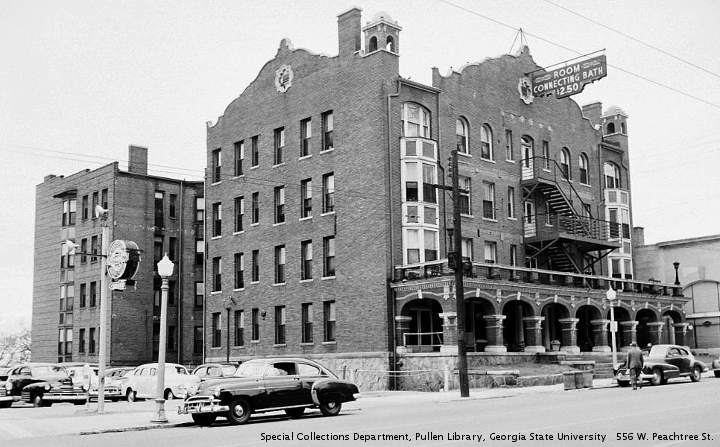




This Is Your Life
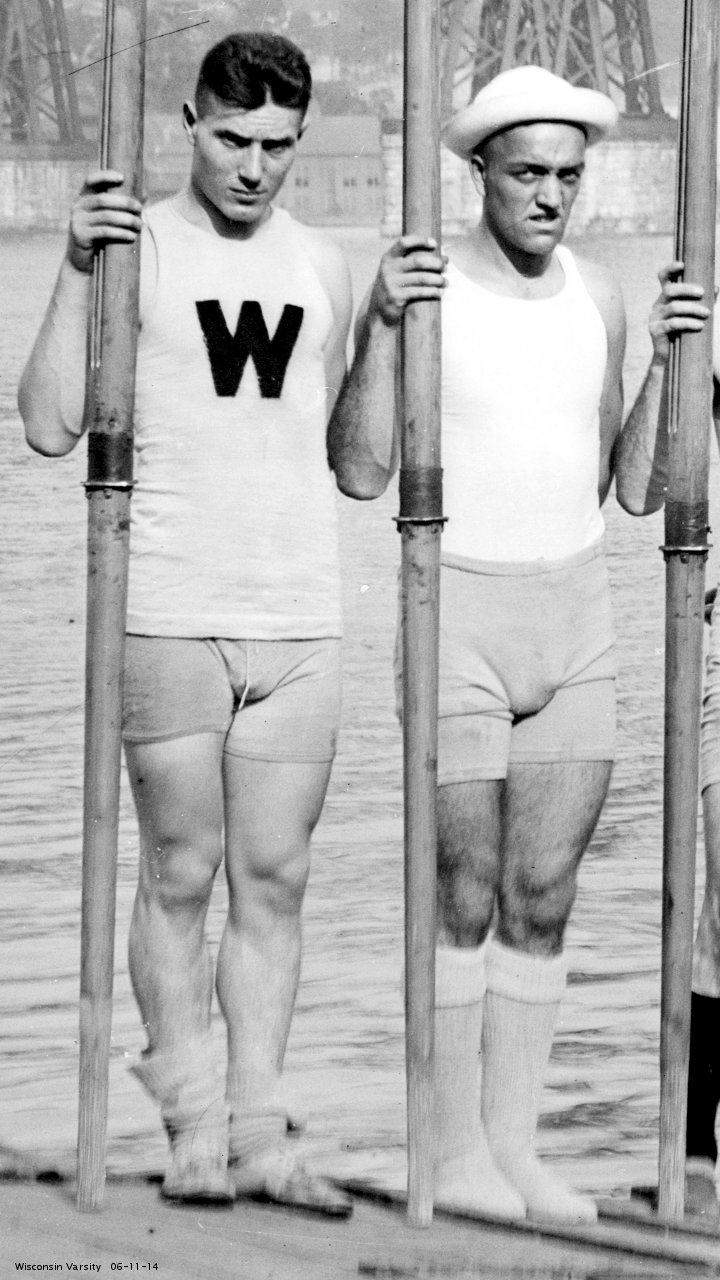


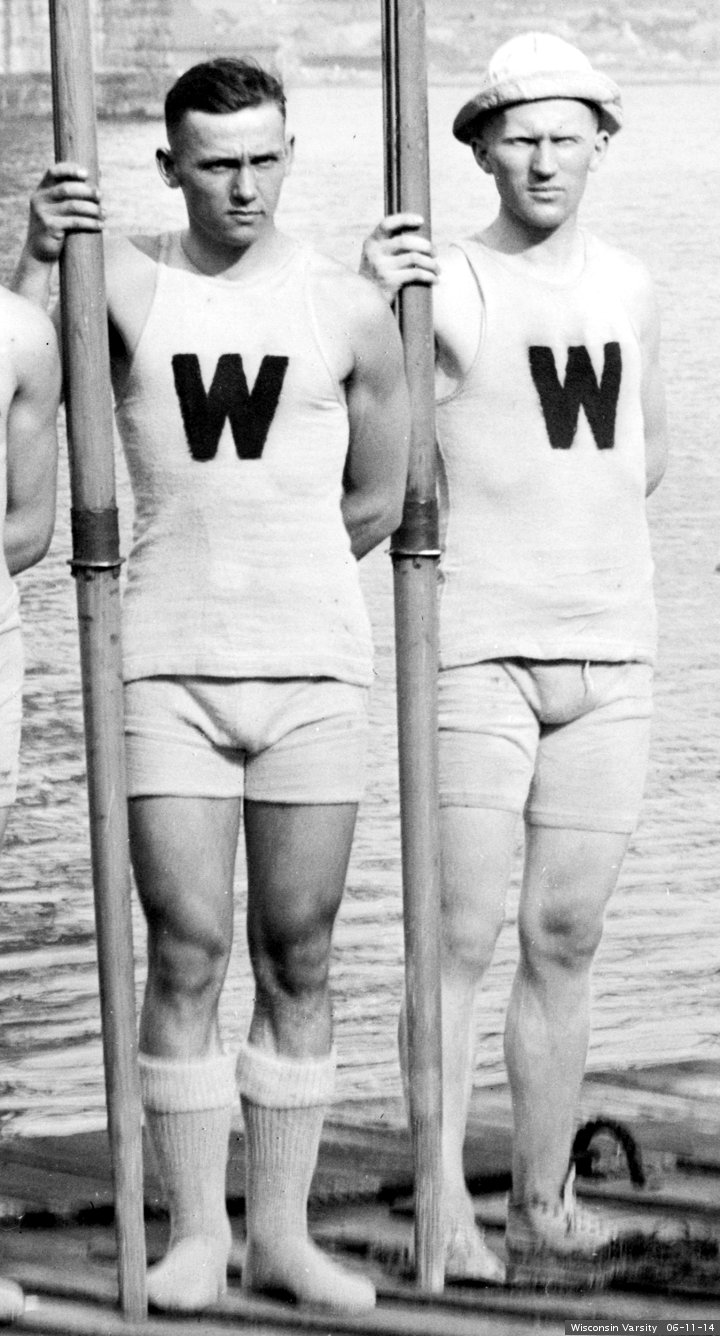

An all caps graphic washes up on the digital shores from time to time. The author, and copyright status, are not known. It was not written here. Reading it can be a chore, even though it looks cool. It is also selfish… the only opinion that matters is the individual reading it. It doesn’t have a good beat, but you can dance to it. Pictures are from The Library of Congress. This is a repost.
This is your life.
Do what you love, and do it often.
If you don’t like something, change it.
If you don’t like your job, quit.
If you don’t have enough time, stop watching TV.
If you are looking for the love of your life, stop:
They will be waiting for you when you start doing things you love.
Stop over analyzing, life is simple
All emotions are beautiful.
When you eat, appreciate every last bite.
Open your mind, arms, and heart to new things and people,
We are united in our differences.
Ask the next person you see what their passion is,
And share your inspiring dream with them.
Travel often, getting lost will help you find yourself.
Some opportunities only come once, seize them.
Life is about the people you meet, and the things you create with them
So go out and start creating.
Life is short. Live your dream, and wear your passion.
“Do you have to be a poet? If you don’t have to be a poet, be a prose writer. You’ll get further faster. Poetry — there’s probably more poetry published today than any time in the history of the world. Nevertheless, there is this — people think they have this blindness when they see a line in the typography of poetry, and it just blocks them. So if you can say the same thing in prose, you’ll probably be better off” Lawrence Ferlinghetti


Gagless Oscillation




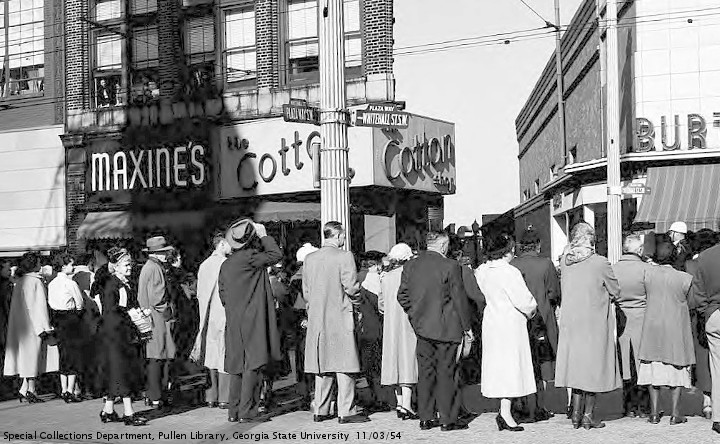
One afternoon, PG was in the Kroger parking lot, waiting on his brother GP. This is a no-name Kroger, unlike Disco Kroger or Murder Kroger. It is on Buford Hiway, and has a very bad parking lot. Parking Danger Kroger doesn’t have the poetic allure of Murder Kroger.
On this fine afternoon, PG was almost two thirds of the way through Carsick: John Waters Hitchhikes Across America. The 66.6% number has nothing to do with pages. This book has three parts. One is a fantasy of good rides. The second is a fantasy of bad rides. This is the two thirds in question. The last part is the real rides. Trusting John Waters with reality is questionable.
On page 173, PG stumbled onto a good quote. JSW is riding with “Bristol,” an out of control animal rescue activist. This is probably not Sarah Palin’s daughter. At one point, a dog is seen feasting on roadkill, and a rescue begins. Once the critter is in the vehicle, JSW writes “I can see the stringy shreds of putrified fox meat still caught in the beast’s mouth.”
There had been other dandy quotes. Since PG reads to have fun, and is not writing a term paper, the majority of them will have to lie unmolested in the text. PG tried to dig up a few, like this on page 74. “Gasping for air, Buster returns the favor, twisting his long tongue around hers like a lasso and then deep throating it down to her tonsils with expert sword-swallowing, gagless oscillation.”
On page 190, the bad rides are hitting rock bottom. (Spoiler alert) “Randy’s dick seems to be leaking some kind of fluid, and its definitely not sperm. I scream for my life.” JSW is killed, and goes to the Pearly Gate. Art Linkletter is hanging out with G-d. JSW goes to hell.
There are other unmentionables in this story. The possibility arises that a freshly murdered JSW will wind up in Leakin Park, made famous recently in Serial. On page 163, a driver is said to smell worse than B.O. Plenty. This refers to a character in the Dick Tracy stories. Since comic book drawings are odor free, this man probably was not known for his poor hygiene.
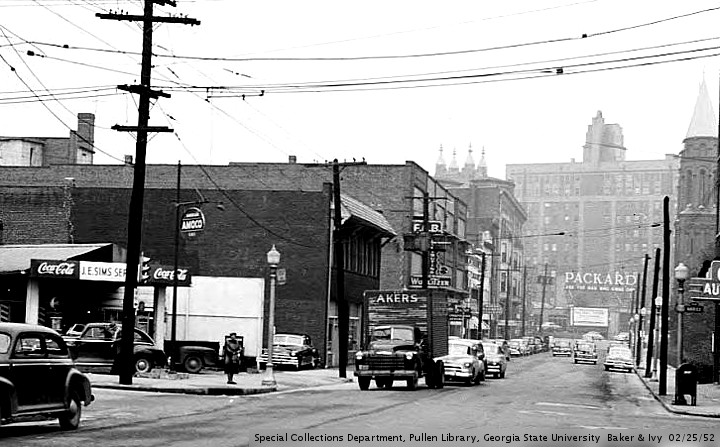
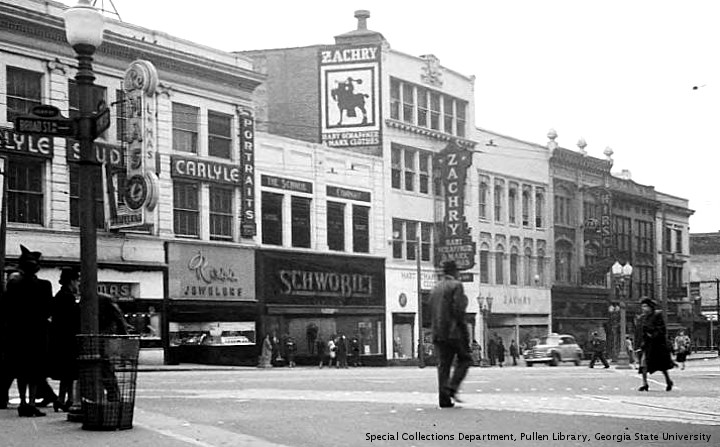
This post needs a bit more text. We will apply the page 123 meme. “Before I can even attempt to pull the gun away, Stew gets a stunned look on his face and then projectile-vomits. I grab the wheel, he grabs it back. The stench of his puke covering his side of the windshield seems to give him no pause.” Pictures today are from “The Special Collections and Archives, Georgia State University Library”.





Page 123



It was a gray sunday afternoon. The sky drizzles onto the bright green baby weeds. Basketball dudes are dribbling before they shoot. If there was only a subject for a blog post, then all would be lovely.
One answer is to look in the archive. There was a post in 2008 about page 123. “Look up page 123 in the book that is nearest to you at this very minute. Look for the fifth sentence. Then post the three sentences that follow that fifth sentence on page 123.”
The book nearest to the work station is an outlet store edition of “Leaves of Grass,” by Walt Whitman. There are two problems here. The book only has 109 pages. It is also full of poems, which do not contain sentences. LOG is digitally available, easy to copy/paste, but does not qualify.
The book under LOG, and technically closer to the work station, is Quiet Days in Clichy, by Henry Miller. The last word, KLEE she, is a neighborhood in Paris. The book was purchased at a yard sale in 1978, read with little enjoyment, pulled off the shelf in 2014, and rediscovered.
Mr. Miller apparently thought about this story in French, and then transcribed it in English. It is a great story. Two men live in Paris, scrounging meals where they can, and screwing a lot of ladies. One has a name similar to Anais Nin, who was an extramarital pal of Mr. Miller in those days.
The copy of QDIC here is an Evergreen Black Cat paperback, which sold for $.75. It is the classic back pocket paperback, measuring 4″x7″x 3/8″. The bookmark is one page 79. The authorities came to visit the two men. There is a problem about screwing an underage girl. The authorities are impressed by the fact that the men write books, although not in French. The authorities leave. The men talk about the beauty of the under aged girl’s mother.
The one star reviews for QDIC are festive. Ivan Searcy I am a street photographer and have been living, 4 to 6 months a year in Paris, for the past 35 years. I was hoping that this book would reflect on the café and street life in Clichy during the 1930s, but all it did was to show that Miller is a psychopath that likes to abuse women. Even when he writes about sex, he is an amateur writer. I think that his claim to fame was that his books where ban in the US.
Stewart D. Isbell “photostew” I purchased this book for the new Kindle for iPhone app and the book is not formatted properly. There are an endless amount of pages that only have one sentence, sometimes only one word! To read this book you have to flip through a huge amount of pages. Great book, and yes, it was only .80 cents but still… pretty much useless. Captain Z You’ve reviewed the electronic formatting, but not the book. Your 1-star review is pretty much worthless. Jamie E. Skelly get over yourself Bibliophile People, PLEASE stop rating books based on their Kindle-friendliness! It’s misleading — reviews of works of art ought to address the aesthetic merit of the work, not tech issues associated with the (souless) Kindle.
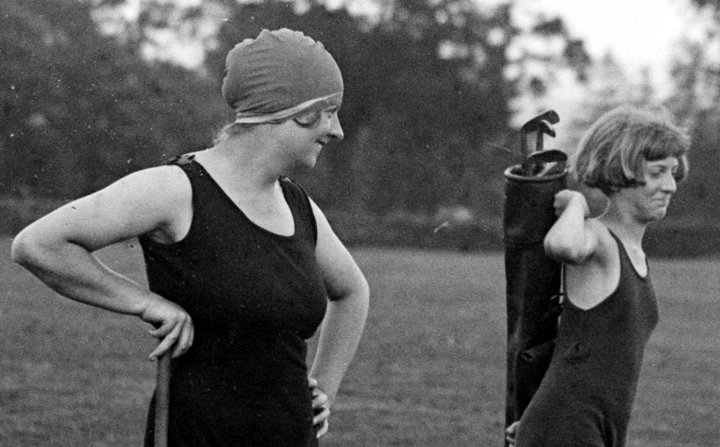
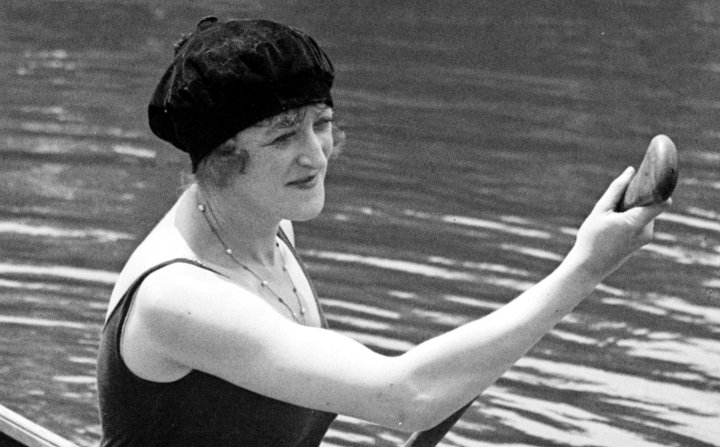
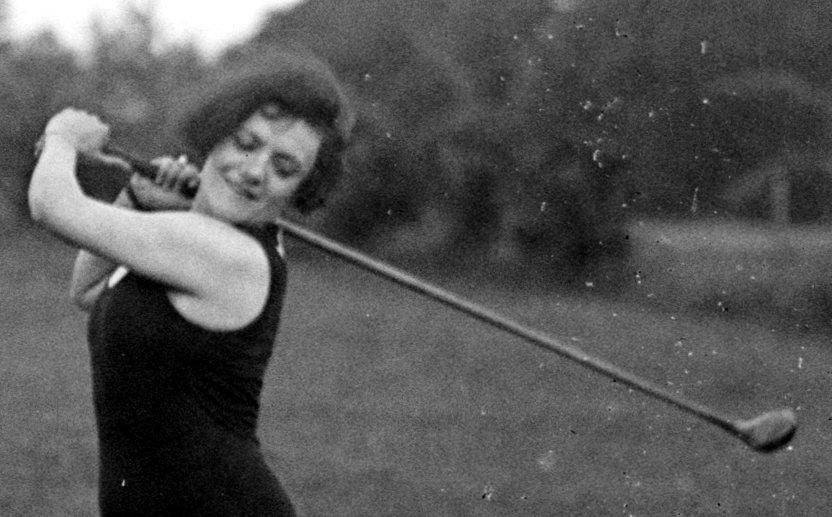
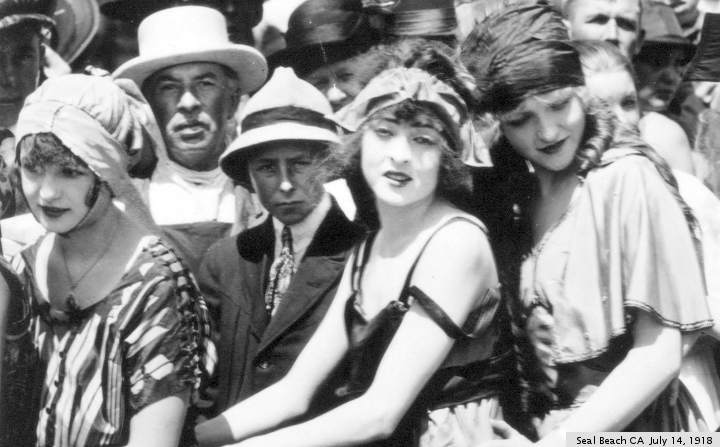
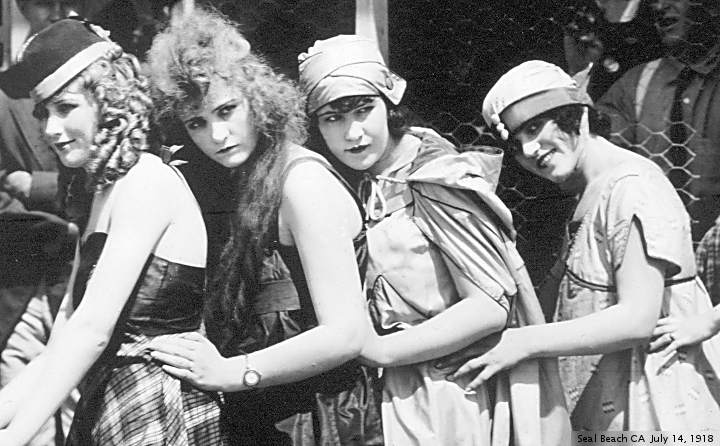
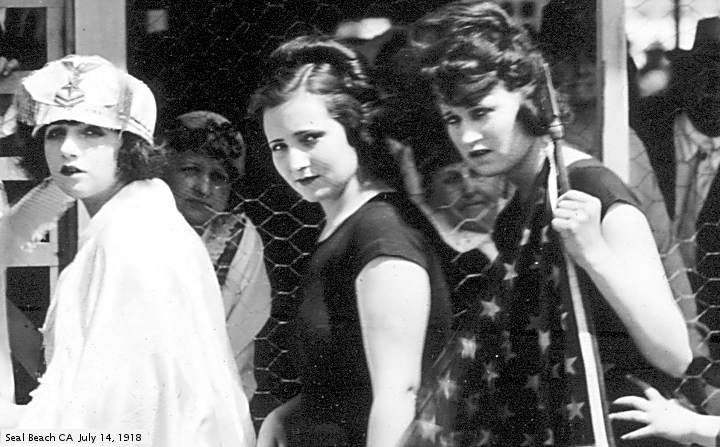
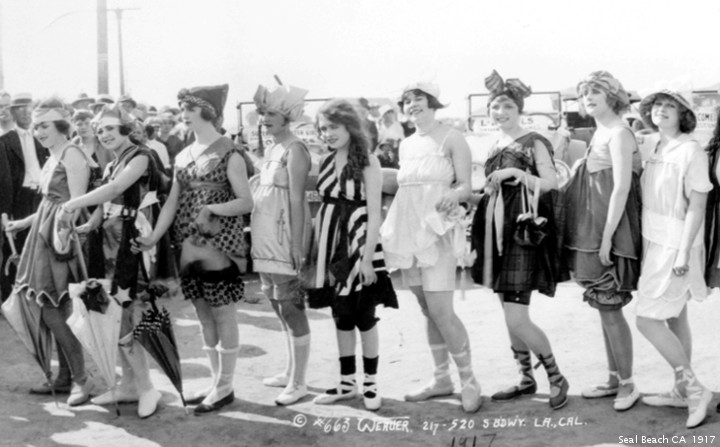
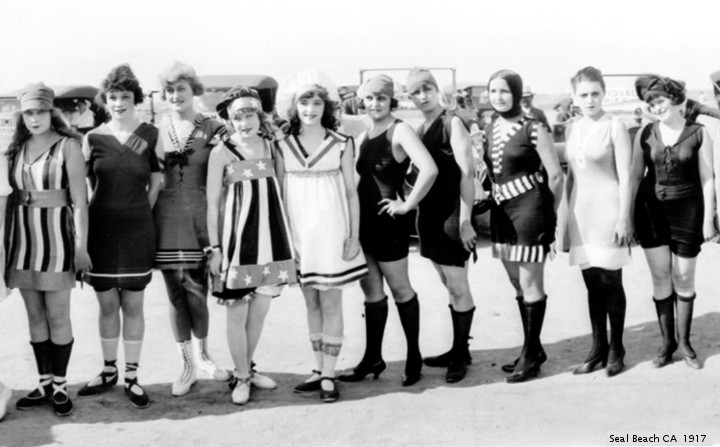
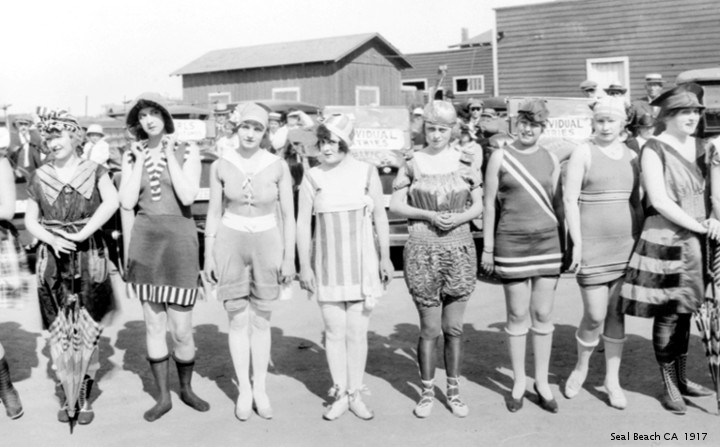
Maybe we should get onto what comes after the fifth sentence. “Tahe your time and get what you can out of the old buzzard. I have nothing to do,” I added. “I’ll sit here and wait. You’re going to have dinner with me, remember that.” Pictures are from The Library of Congress. The event was “Bath Suit Fashion Parade, Seal Beach CA July 14, 1918”


Millard Fillmore And Oscar Wilde In Atlanta

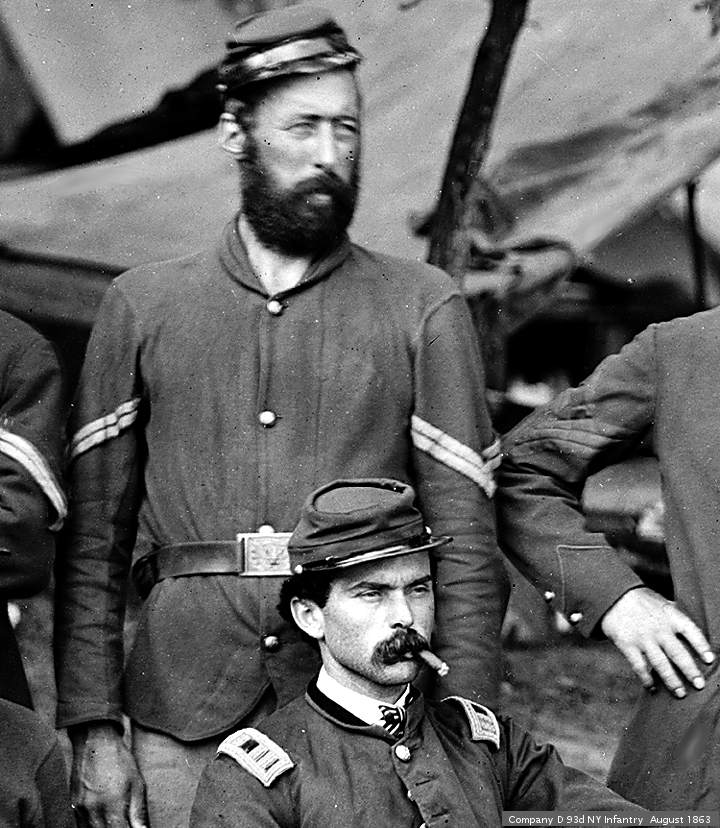

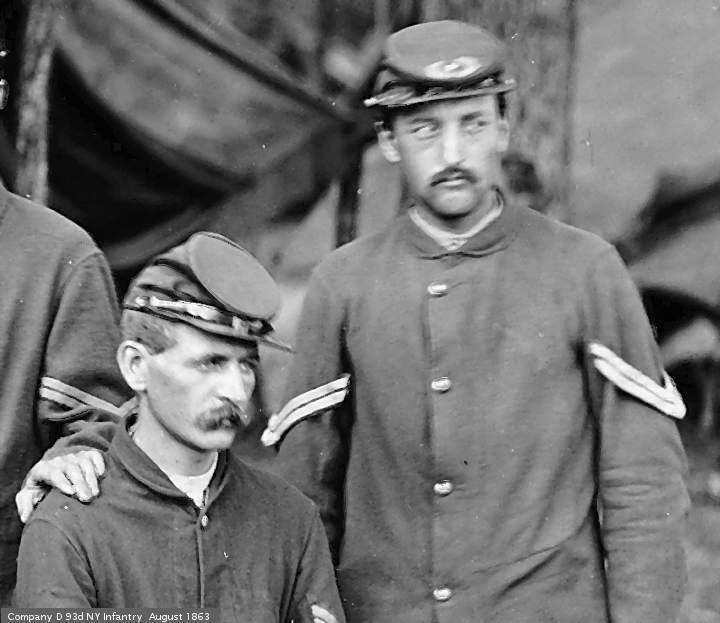

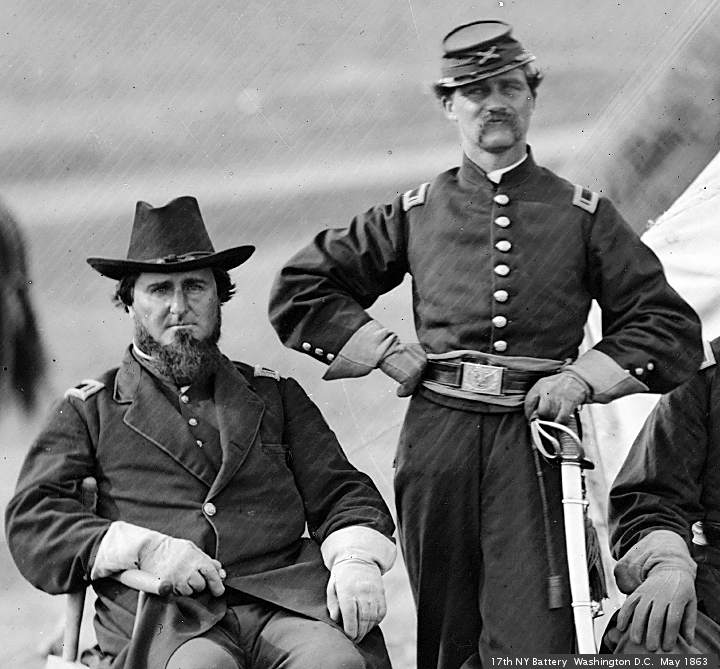
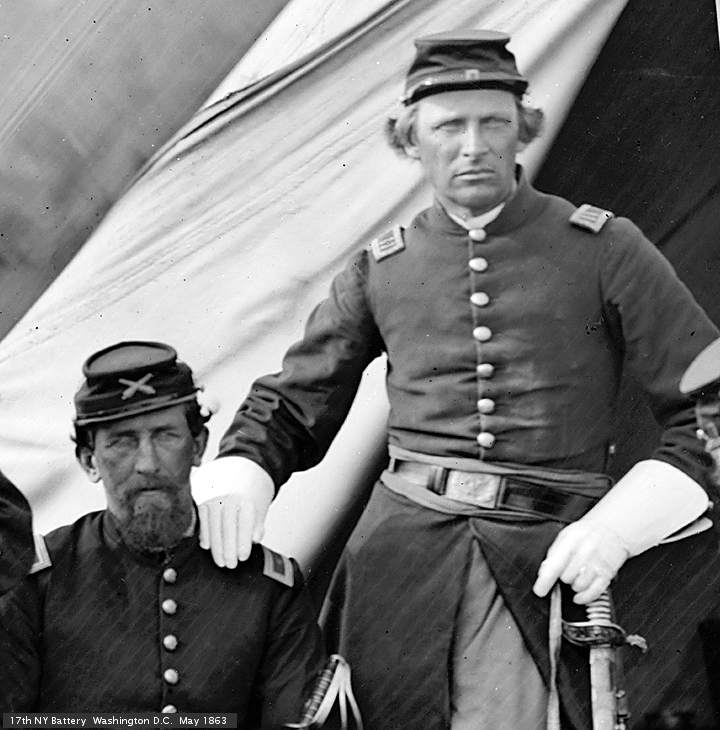
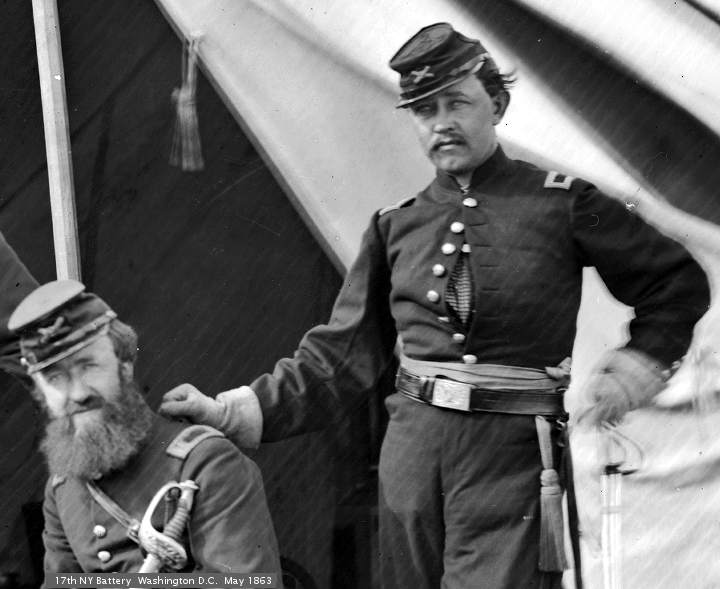
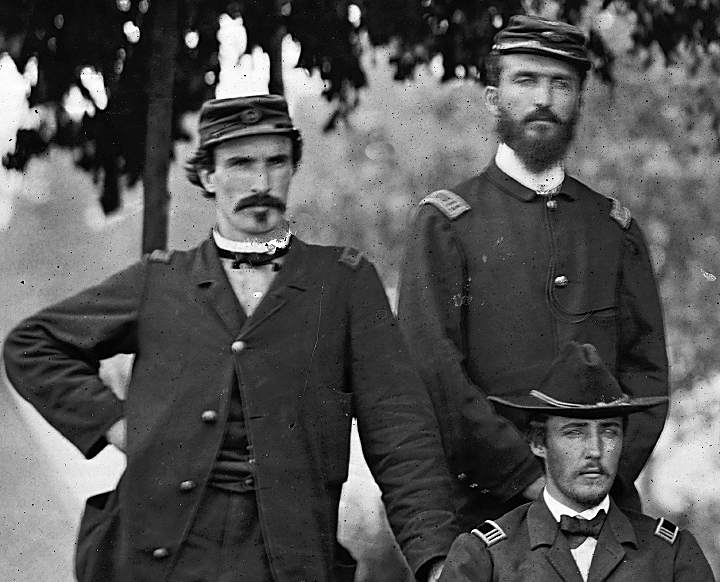

This afternoon’s post at chamblee54 noted an 1854 visit by former President Millard Fillmore. This was brought to the attention of another history minded blog, Millard Fillmore’s Bathtub. The result was some details about the visit, Millard Fillmore, live on Peachtree Street, 1854. The material below is borrowed from that post.
Two years after the Whigs refused to nominate Fillmore for a term of his own, he was out touring the country? Several accounts explain that Fillmore and his wife Abigail wanted to tour the U.S. after his presidency. Unfortunately, she died shortly after he left office. He pined through the rest of 1853, but by February 1854 had decided to tour by himself, without his children, accompanied by friends he could persuade to join him.
That same month, Fillmore decided to take the trip southward that he and Abigail had not been able to take. Given the timing, some observers believed that Fillmore had a political motive in making the journey. They suspected that he might be planning to speak out against the Nebraska Bill [proposed by Illinois’s U.S. Senator Stephen A. Douglas]. Others were convinced that it was a leisure tour. But whatever Fillmore’s intentions may have been, his speeches to southern audiences were relatively neutral. He restated his faith in the [Missouri] Compromise, but he spent mos tof his time enjoying a series of receptions, dinners, and parades in his honor throughout the region. A marching band escorted him through the streets of Louisville, Kentucky. Girls scattered his path with flowers in Montgomery, Alabama. A row of trains blew their whistles in greeting in Atlanta, Georgia. Fillmore returned home refreshed and with renewed faith in his fellow Americans. (This paragraph is from Alison Behnke, Millard Fillmore (a child’s history of the man), 2005, page 92.)
By late February 1854 Fillmore had resumed his plans to travel. He perceived that a southern trip would do him good and that the journey would divert his mind from the loss of Abigail. … Fillmore hoped Francis Granger, John P. Kennedy, and Washington Irving would go with him on the trip. Granger lost interest, and Irving was in no mood for politics. …
En route to Atlanta from Augusta on the Georgia Railroad, they stopped at Greensboro where a large crowd of teachers and students of the Female College greeted Fillmore and Kennedy. They dined at Madison. At Stone Mountain an escort committee from Atlanta met them.
At the Atlanta Depot a novel reception welcomed them. A large number of locomotives were present with their steam up. When the Augusta engineer signalled their arrival they all opened up their valves and whistled out a welcome the like of which, reported a newspaper, “no mortal man had heard before.” The shouts from the crowd and locomotive whistles were deafening to one reporter. By carriage the party went from the depot to the Atlanta Hotel where a reception was held.
Fillmore had become hoarse. Nonetheless, he managed to say that he was impressed by the large population and that he had heard that it was a beautiful village in the center of the state. He also admonished the state legislature to to take note “of the array of female loveliness before me” seated at the reception. If they did so, he joked, they wouldn’t hesitate to locate the state capital at Atlanta. At that time the capital was at Milledgeville. Atlanta became the capital in 1877. (This section is from Robert J. Scarry, Millard Fillmore, 1982, pages 247-252 variously.)
A few months later, on October 16, 1854, Oscar Fingal O’Flahertie Wills Wilde was born in Dublin, Ireland. On July 4, 1882, Mr. Wilde gave a talk at De Give’s Opera House in Atlanta GA. What happened next is described on page 201 of Oscar Wilde by Richard Ellmann.
Mr. Wilde was accompanied by his agent, J.S. Vail, and a valet, W.M. Traquair. Mr. Vail bought three train tickets for Savannah, the next stop on the tour. The Pullman agent told Mr. Wilde that black people were not allowed to ride in sleeper car berths. Mr. Wilde said that Mr. Traquair had traveled with him throughout the South without incident. The Pullman agent said the next stop was in Jonesboro GA. If people in Jonesboro saw a black man in the car, then they would attack the train. Mr. Wilde gave in, and Mr. Traquair traveled inanother part of the train.
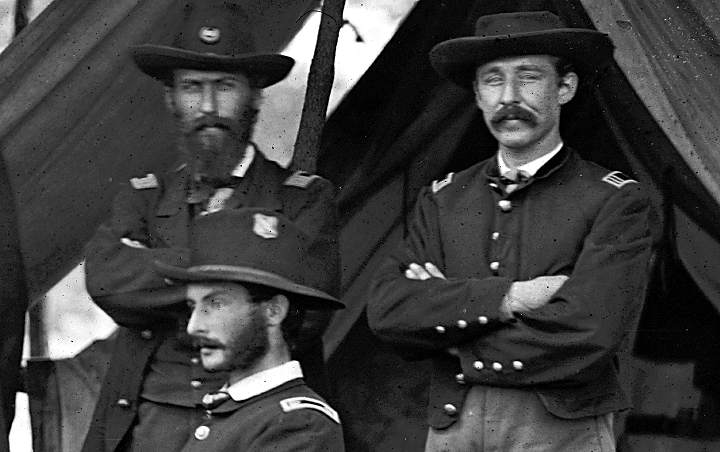
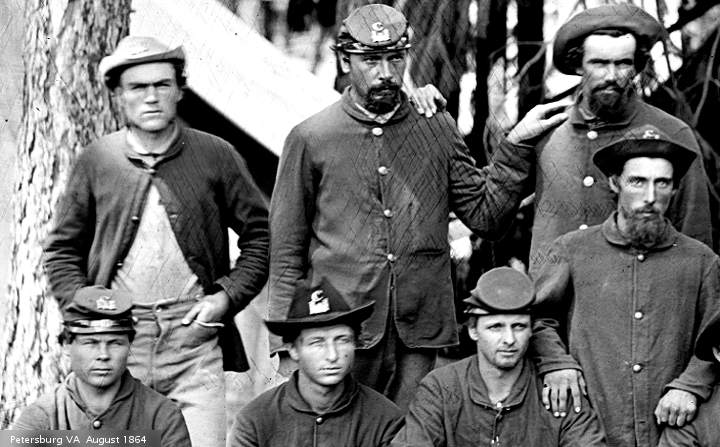
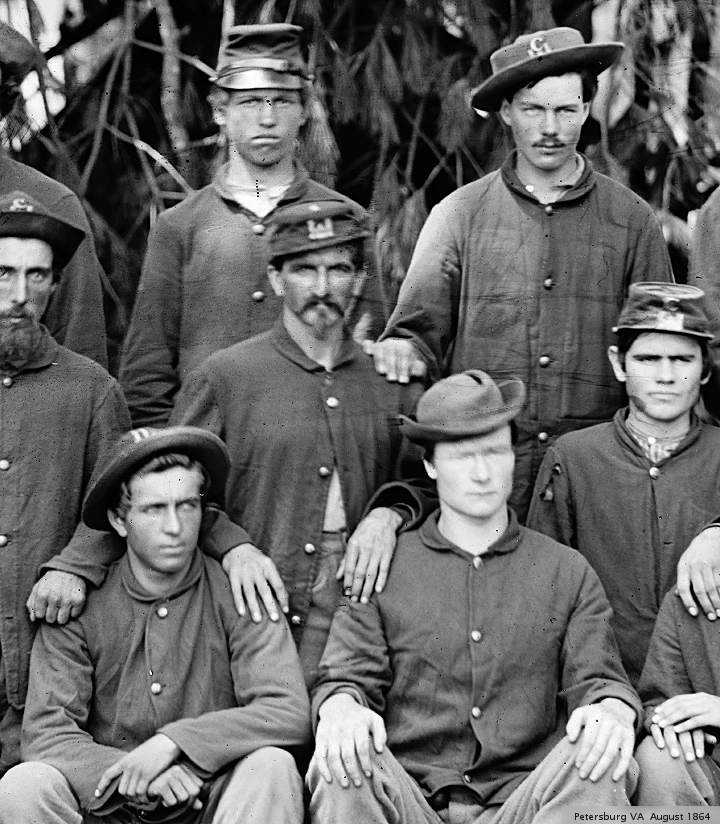
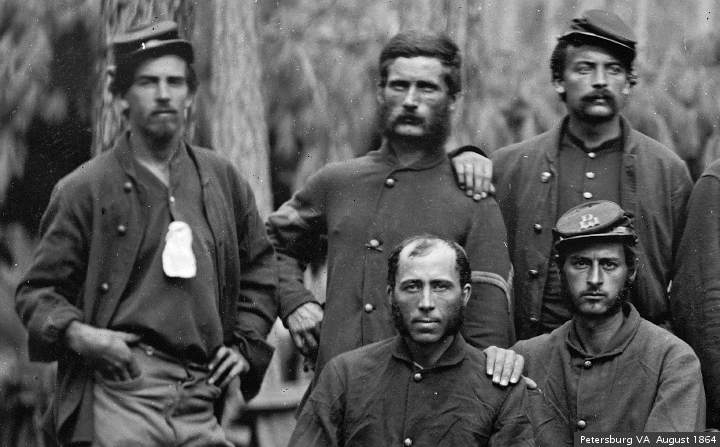
Pictures today are from The Library of Congress.



Bad Monkey





When getting started on this book report, PG copied the title. The initials are BM. A certain school of thought has it that the expression your mother uses for feces has an impact on your life. For PG, this is BM, as in short for bowel movement. Someone told PG’s mom that this was the “proper” word for animal waste. BM has a smarmy, slightly uppity taste that is missing with “poop.” BM has none of the onomatopoeic utility of “shit.” BM can also stand for black male.
Is this Carl Hiassen novel, Bad Monkey, similar to BM in more ways than one? It is not the best book by Mr. Hiassen. There are a few too many coincidences. The plot twists are just a bit on the implausible side. It is quite possibly word factory product. There is a demand for Carl Hiassen stories, and the market demands that they be written. Maybe this one was a contractual obligation.
Still, it is not a shitty book. The devil is in the details. When the teenage lover of one character comes to Florida with his old lady, the told is gleefully told. Loverboy is now fat and bald, and has a bite mark above his left nipple. The hero wants him to put his shirt on.
Readers of Mr. Hiassen know the formula. There is a disgraced law officer, who in this story is a restaurant inspector. There is a hideous crime, which the DLO gets involved in, even though it is totally none of his business. The perpetrators are unconventional, sadistic, greedy, and not terribly bright. The developers are fouling the Florida landscape, which is hot, buggy, and hurricane prone.
The usual quota of weirdos is present. Mr. Hiassen says he does not make up anything, but waters down what happens in what is facetiously known as real life. Skink and Chemo are resting. They will probably return for future stories.
At some point in the investigation, the DLO winds up with a girlfriend. In Bad Monkey, it is a Miami coroner. There is a sex scene on a metal autopsy table. The gf gets involved in the investigation, and nearly gets fed to the sharks. GF is saved when Bad Monkey puts the bite on crime. This is not a story for hate the sin, love the sinner.
Should you buy this book? Probably not. PG found it at the library. It was copy 8/13 for the Dekalb county libraries. You can probably find a copy without paying for it, which someone makes it more fun. It is worth your time, unless you just want to read something that will change your life. The only thing this book will change is the diaper worn by Bad Monkey. Pictures are from “The Special Collections and Archives, Georgia State University Library”.



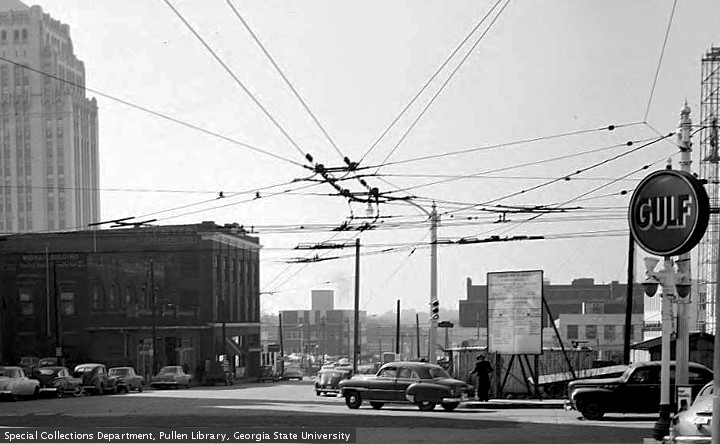


Who Told You That You Were Naked?



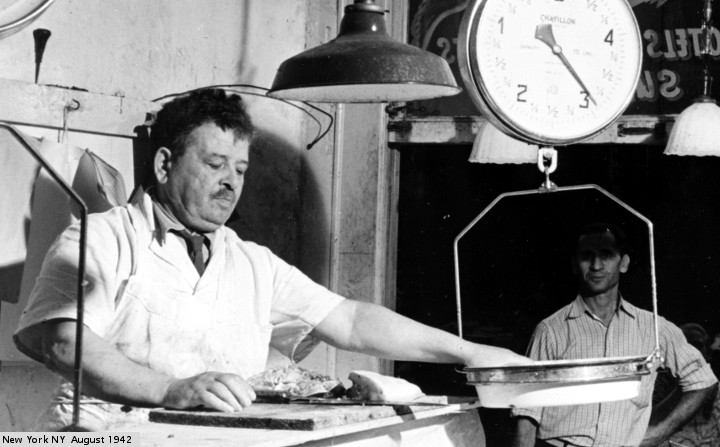

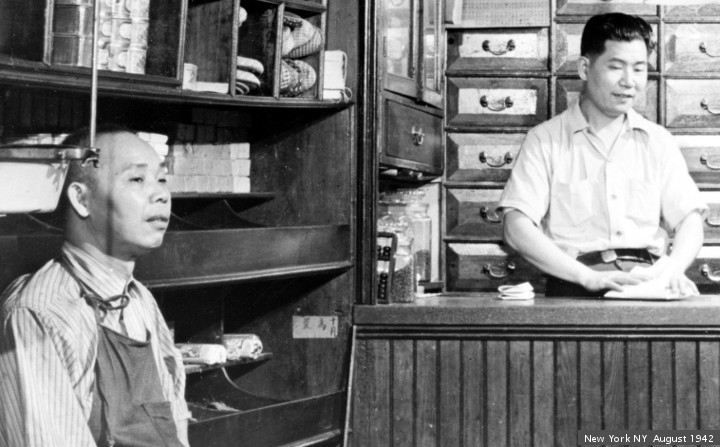

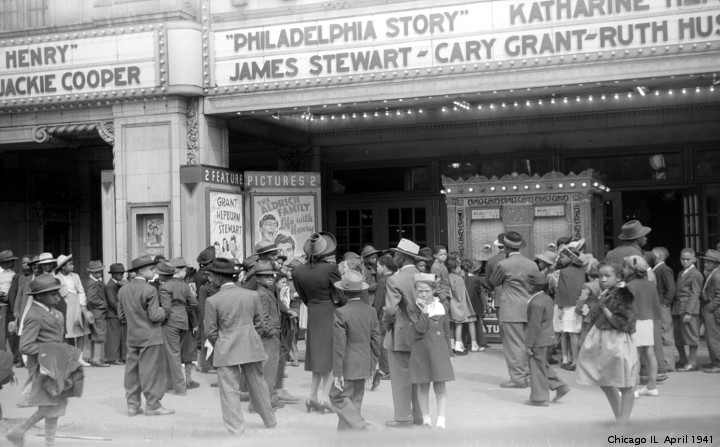
One recent story is the termination of Atlanta Fire Chief Kevin J. Cochran. He self published a book, Who Told You That You Were Naked? The book was about Jesus worship religion, and said rude things about people who do not agree with this religion. The Fire Chief allegedly gave copies to his subordinates. This is said to create a hostile work environment, and create ill will for Jesus.
The title of the book is in the Bible. It is found at Genesis 3:11. This is where the Adam and Eve story is told. Maybe, if it had been Adam and Steve, things would have turned out different.
Mr. Cochran’s book is published by 3G Publishing, “3G Publishing Inc. is a faith-based company that has created a unique niche in the publishing world.” Another book from this press is Inside Oedipus Closet. ““What happens in this house, stays in this house … Walk into their lives as they find that no matter how hard they try, skeletons never stay inside the closet.”
The dispute over whether Mr. Cochran is being fired for his faith, or for being a jerk, will go on for a while. Lawyers, with dollar signs flashing in their eyes, will lead the charge. Meanwhile, to quote 3G publishers, “Though He reconciled Adam’s condition by clothing him in coats of lambs’ skin, Adam never got over what he had done.”
PG once worked in a place where excessive Jesus worship created a hostile environment. His co-worker placed a radio next to the bathroom door, where you were forced to listen to it. When PG objected, the co-worker declared holy war.
This co-worker was not a supervisor. He was a black man, working in a company dealing with a discrimination lawsuit. The co-worker was untouchable. This man utilized all the leverage this lawsuit gave him, preaching a crude brand of Christianity. The preacher had total contempt for the comfort, and the soul, of his neighbor. “I don’t care what man thinks, I care what G-d thinks.” Some call this selfish behavior “faith.” This does not speak well for Jesus.
Common Sense I am buying this wonderful book simply for all the one star comments, and to support a great and Godly man. :)
Joshua A real man writing the Truth is exactly the kind of thing we need … in the black community.
Fiction Addiction I’m so glad that this blithering fool Kelvin J. Cochran has been thrown out of his job once and for all. Just imagine how this Christian fundie would squawk his head off if he had been forced to work for some Muslim, let’s say, who created a hostile work environment by telling him to read a book in which Christians were described as Satanic or filthy or doomed to eternal Hellfire.
Travis Mac A gay friend of mine tried to read it but it burned his fingers and gave him some nasty paper cuts. The Atlanta FD was of little help in putting out the fire.
a.ryan one of the most bigoted books I’ve had the misfortune of tripping over. Seriously offensive, not only to gay people, but to women, jews, and anyone who isn’t Christian. Way to prove to the world what a joke “Christians” are.
Atlanta30312 Obviously written by a closeted, self hating homosexual. Can’t believe a book can be published in 2013 filled with such HATE, under the guise of “Christianity”. This book describes Homosexuality this way: “Uncleanness — whatever is opposite of purity; including sodomy, homosexuality, lesbianism, pederasty, bestiality, all other forms of sexual perversion.” … Authors such as this that continue to speed such hate are the reason gay teens commit suicide.
Dianne This is a disgusting work of lies, perpetuating myth about human sexuality. You should not be selling this on Amazon. Pull it.
Pictures are from The Library of Congress.



Ladies Night





It is a magic moment. Trolling the shelves of the Chamblee library, and finding an unread book by a fun author. It is a good time waiting to be had. Only trouble is when you finish that box of chocolates, and wonder what chemicals were in those treats.
The story today is Ladies’ Night. It is recent product from the factory of Mary Kay Andrews. The lady has produced work for an adoring audience since 2002.
Grace is a lifestyle blogger. After publishing a piece about something trendy and tasteful, she catches her husband, and assistant, in the act. Before you can say comment moderation, Grace moves in with her mother. An evil judge orders Grace to go to a divorce therapy group.
Grace lives on the gulf coast in Florida. The judge, “divorce coach,” philandering assistant, and estranged spouses are all crooks. The sunsets are spectacular, the police are useless, and the heat is horrible. While looking at a sunset, Grace and her new bf say this is why we live here. Maybe it is better than Birmingham, where the bf’s ex is threatening to move.
Divorce camp is a lively scene. One by one, the ladies, and one man, tell tales of woe. Grace shacks up with the one man, then leaves when his ex tries to win him back. Chamblee54 tries to be a spoiler free blog, so you just have to read the book to see how it turns out.
There are plot twists, surprises, gotchas, and ho ho ho’s. The story gets less believable with every page. When you break into your old house, you probably will not find convincing evidence that your former assistant vandalized your decorating project. If you confront her, she is not going to confess.
If you can check your disbelief, you will probably enjoy Ladies Night. It does have some good points. One of the divorce camp ladies is black, and is seen without undue stereotyping. The story does keep your attention, but that does not make it a good book. Pictures today are from “The Special Collections and Archives, Georgia State University Library”.





Flannery O’Connor





With one day before it was due, PG finished reading Flannery: A Life of Flannery O’Connor , by Brad Gooch. The author is a professor of English at William Patterson University in New Jersey. He spares no citations, to show where he gets his information.
Chamblee54 has written before about Miss O’Connor , and repeated the post a year later. There is a radio broadcast of a Flannery O’Connor lecture. (The Georgia accent of Miss O’Connor is much commented on in the book. To PG, it is just another lady speaking.)
Mary Flannery O’Connor was born March 25, 1925 in Savannah GA. The local legend is that she was conceived in the shadow of St. John the Baptist Cathedral, a massive facility on Lafayette Square. Her family did leave nearby, and her first school was just a few steps away. This is also a metaphor for the role of the Catholic Church in her life. Mary Flannery was intensely Catholic, and immersed in the scholarship of the church. This learning was a large part of her life. How she got from daily mass, to writing stories about Southern Grotesque, is one mystery at the heart of Flannery O’Connor.
Ed O’Connor doted on his daughter, but had to take a job in Atlanta to earn a living. His wife Regina and daughter Mary Flannery moved with him, to a house behind Christ The King Cathedral. Mr. O’Connor’s health was already fading, and Mother and Daughter moved in with family in Milledgeville. Ed O’Connor died, of Lupus Erythematosus, on February 1, 1941.
Mary Flannery went to college in Milledgeville, and on to the Iowa Writer’s Workshop. She dealt with cold weather, went to Mass every day, and wrote. She was invited to live at an artists colony called Yaddo, in upstate New York. She lived for a while with Robert and Sally Fitzgerald in Connecticut, all while working on her first novel, “Wise Blood”. In 1950, she was going home to Milledgeville for Christmas, and had been feeling poorly. She went to the hometown doctor, who thought at first that the problem was rheumatoid arthritis. The illness of Flannery O’Connor was Lupus Erythematosus.
Miss O’Connor spent much of that winter in hospitals, until drugs were found that could help. She moved, with her mother, to a family farm outside Milledgeville, which she renamed Andalusia. She entered a phase of her life, with the Lupus in relative remission, and the drugs firing her creative fires, where she wrote the short stories that made her famous.
Another thing happened when she was recuperating. Flannery was reading the Florida “Market Bulletin”, and saw an ad for “peafowl”, at sixty five dollars a pair. She ordered a pair, and they soon arrived via Railway Express. This was the start of the peacocks at Andalusia, a part of the legend.
During this period of farm life and writing, Flannery had several friends and correspondents. There was the “Bible Salesmen”, Erik Langkjaer, who was probably the closest thing Flannery had to a boyfriend. Another was Betty Hester, who exchanged hundreds of letters with Miss O’Connor. This took place under the stern eye of Regina O’Connor, the no nonsense mother-caregiver of Flannery. (Mr. Gooch says that Betty Hester committed suicide in 1998. That would be consistent with PG stumbling onto an estate sale of Miss Hester in that time frame.)
The book of short stories came out, and Flannery O’Connor became famous. She was also dependent on crutches, and living with a stern mother. There were lectures out of town, and a few diverse personalities who became her friends. She went to Mass every day, and collected books by Catholic scholars. Flannery was excited by the changes in the church started by Pope John XXIII, and in some ways could be considered a liberal. (She supported Civil Rights, in severe contrast to her mother.)
In 1958, Flannery O’Connor went to Europe, including a trip to the Springs at Lourdes. Her cousin Katie Semmes (the daughter of Captain John Flannery, CSA) pushed Flannery hard to go to the springs, to see if it would help the Lupus. Flannery was reluctant…” I am one of those people who could die for his religion sooner than take a bath for it“. When the day for the visit came, Flannery took a token dip in the waters. Her condition did improve, briefly. (It is worth speculating here about the nature of Flannery’s belief, which was apparently more intellectual than emotional. Could it be that, if she was more persuaded by the mystical, emotional side of the church, and taken the healing waters more seriously, that she might have been cured?)
At some point in this story, her second novel came out, and the illness blossomed. Much of 1964 was spent in hospitals, and she got worse and worse. On August 3, 1964, Mary Flannery O’Connor died,




PG remembers the first time the name Flannery O’Connor sank in. He was visiting some friends, in a little house across from the federal prison.
Rick(?) was the buddy of a character known as Harry Bowers. PG was never sure what Harry’s real name was. One night, Rick was talking about Southern Gothic writers, and he said that Flannery O’Connor was just plain weird. ”Who else would have a bible salesman show up at a farm, take the girl up into a hayloft, unscrew her wooden leg and leave her there? Weird.”
Flannery O’Connor was recently the subject of a biography written by Brad Gooch. The book is getting a bit of publicity. Apparently, the Milledgeville resident was a piece of work.
PG read some reviews of this biography, and found a collection of short stories at the library. The book included ” Good Country People”, the tale about the bible salesman. Apparently, this story was inspired by a real life incident. (Miss O’Connor had lupus the last fifteen years of her life. She used crutches.) And yes, it is weird. Not like hollywood , but in the way of rural Georgia.
Some of the reviews try to deal with her attitudes about Black people. On a certain level, she is a racist. She uses the n word freely, and her black characters are not inspiring people. The thing is, the white characters are hardly any better, and in some cases much worse.
The stories are well crafted, with vivid descriptions of people and places. The reader floats along with the flow of the story, until he realizes that Grandma has made a mistake on a road trip. The house she got her son to look for is in Tennessee, not Georgia. She makes him drive the family car into a ditch. Some drifting killers come by. Grandma asks one if he prays, while his partner is shooting her grandchildren. Weird.
In another story, a drifter happens upon a pair of women in the country. The daughter is thirty years old, is deaf, and has never spoken a word. The drifter teaches her to say bird and sugarpie. The mother gives him fifteen dollars for a honeymoon, if he will marry her. He takes the fifteen dollars and leaves her asleep in a roadside diner.
There was a yard sale one Saturday afternoon. It was in a house off Lavista Road, between Briarcliff and Cheshire Bridge. The house had apparently not been painted in the last forty years. Thousands and thousands of paperback books were on the shelves. The lady taking the money said that the lady who lived there was the friend, and correspondent of, the “Milledgeville writer” Flannery O’Connor. This is apparently Betty Hester, who is mentioned in many of the biography reviews.
PG told the estate sale lady that she should be careful how she said that. There used to be a large mental hospital in Milledgeville, and the name is synonymous in Georgia with mental illness. The estate sale lady had never heard that.
This is a repost. It was written like James Joyce. An earlier edition of this post had comments.
Fr. J. December 10, 2009 at 3:00 pm I am glad you take an interest in Flannery, but to say baldly that she is a racist is to very much misunderstand her. For another view on Flannery and race, you might want to read her short story, “Everything that Rises Must Converge.”
chamblee54 December 10, 2009 at 3:17 pm “On a certain level, she is a racist.” That is not the same as “baldly” labeling her a racist. (And I have a full head of hair, thank you). As a native Georgian, I am aware of the many layers of nuance in race relations. I feel that the paragraph on race in the above feature is accurate.





Too Many Opinions






Eighteen words appeared on facebook. “Nothing is more conductive to peace of mind than not having any opinions at all.” ~ Georg Christoph Lichtenberg. The FBF is known to have opinions.
In the google age, or le goog, you are only a right click away from too much information. In cases of facebook education, the first impulse is to ask the question, did the person really say that? In the case of Georg Christoph Lichtenberg, the probable answer is yes.
“Nothing…” is from The Waste Books (New York Review Books Classics) “German scientist and man of letters Georg Christoph Lichtenberg was an 18th-century polymath: an experimental physicist, an astronomer, a mathematician, a practicing critic both of art and literature. He is most celebrated, however, for the casual notes and aphorisms that he collected in what he called his Waste Books.”
The Sudelbücher, or scrapbooks, were written in German. They are essentially a collection of random thoughts. If twitter had existed then, these thoughts would have gone to 140 character purgatory, never to be seen again. History would not have been affected.
The first thing you learn when you investigate this quote is a translation controversy. Conducive is possibly more appropriate than conductive. German speakers might have thoughts about which word best describes the thoughts of GCL. This would constitute having an opinion.
The cited aphorism does have the aroma of truth. You are not required to have an opinion about everything that goes on. Those rhetoric warriors often do not have your best interests at heart. Sometimes the best thing to do is to realize that the hot trending hashtag is #noneofmybusiness.
While stumbling through google city, searching, like a digital Diogenes, for one honest man, a lovely essay appeared. How to Waste a Notebook: The Waste Books of Lichtenberg. The author might have actually read the Sudelbücher, instead of the Brainy Quotes highlights.
“Last month, however, I chanced upon The Waste Books by 18th century German polymath Georg Christoph Lichtenberg. (Polly Math would be a good stage name.) Containing thousands of aphoristic notes, Lichtenberg’s books read like clippings from newspaper horoscopes, fortune cookie fortunes and one-liners commingling with trenchant observations about the human condition and the existential peccadilloes with which it’s fraught. So, why call these gems The Waste Books?”




 Chamblee54
leave a comment