Migrant Mother


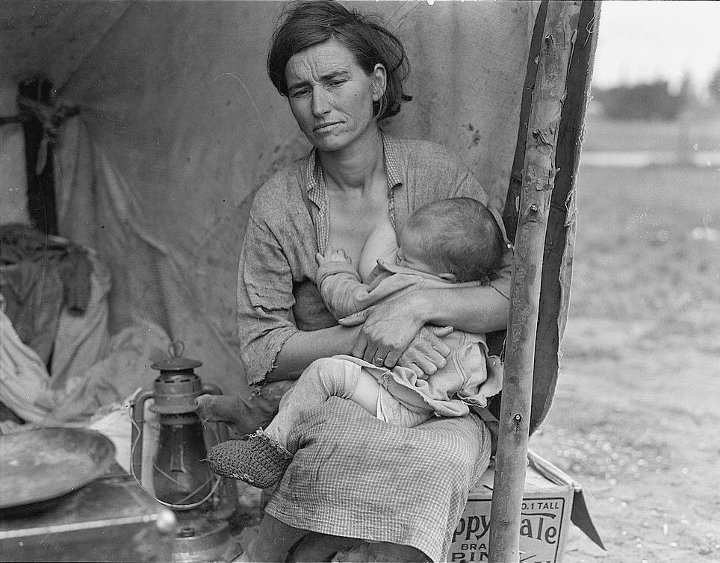


It is perhaps the most famous photograph from the depression. . The semi official title is Migrant Mother. The Library of Congress says “Destitute pea pickers in California. Mother of seven children. Age thirty-two. Nipomo, California.” The exact date is unknown, and was either February or March of 1936. The photographer was Dorothea Lange (pronounced dore-THEE-ah lang). The model was Florence Owens Thompson .
Ms. Lange was born Dorothea Margaretta Nutzhorn May 26, 1895 in Hoboken, N.J. When she was seven she had polio, and when she was twelve her father left. Both events affected her deeply. (Lange is her mother’s maiden name, chosen for use after the father left.) She became a photographer, and had a successful studio in San Francisco. By 1936 she was with her second husband, her sons were in boarding school, and she went to work for the Farm Security Administration.
The Farm Security Administration hired a number of photographers to document the lives of Americans between 1934 and 1944. (During part of this time, it was connected to the Office of War Information, and the Resettlement Administration.) Since they were working for the government, the photographers were not entitled to copyright protection. The majority of these pictures are in the public domain, including the famous pictures of Florence Thompson.
This feature started with a google search for the correct way to pronounce Dorothea Lange. (Readers of this blog have seen the fondness for Library of Congress historic pictures. Ms. Lange is one of their stars.) This search led to a teacher’s guide from Yale University. This guide is about Dorothea Lange and the Migrant Mother. It tells the story as well as PG could. Bless his pea picking heart.
The day that Dorothea Lange photographed what would become her most famous photograph, Migrant Mother, has been retold by Lange in numerous sources. She was on her way home from a trip documenting the living and working conditions of the migrants to California. She followed their schedules, getting up at sunup and working until sundown, which made for long, sixteen-hour days. She was tired, and she was ready to see her family.
With about seven hours of driving left ahead of her, she passed a homemade sign that said Pea Pickers’ Camp. She knew that a late frost had ruined the pea crop, and was concerned about the people who might be at the camp. It nagged at her to turn around, to go back and visit the camp, another opportunity to document. About 15 minutes (20 miles) later, Lange did turn around.
Right away she saw the woman who would be the subject of Migrant Mother. Some sources say she took 5 shots, but she really took 6; in any case each shot focuses in on the woman a little more, and the final shot is the one that would become the “timeless and universal symbol of suffering in the face of adversity “ (The Library of Congress only has five of the shots.)
Early the morning after she got home, instead of spending time with her family Lange rushed to develop the photographs and submit them to the FSA and The San Francisco News. She thought that these photographs could help bring attention to the plight of these American migrant farmers. She was right; the story was printed in newspapers around the country, and the federal government immediately sent 20,000 pounds of food…. (The Thompson family had left for Watsonville by the time the food arrived)
The Dust Bowl refugees were of European descent, and were migrating to California because they were displaced from their farmland by drought. Florence Owens Thompson, though from Oklahoma, was a full-blooded Native American, and her family had been displaced from tribal lands by the U.S. government. (By 1930, Native Americans had lost more than 80% of their lands this way).
The day Lange photographed Thompson, she and her family were driving towards Watsonville, hoping to pick lettuce in the Pajaro Valley. The timing chain on their car broke just outside Nipomo, and so they pulled into the pea -pickers camp to fix it. While fixing the chain, the radiator was punctured; Thompson’s two boys (and likely her male companion) (Wikipedia says it was husband Jim Hill) brought the radiator into town to be fixed. While they were gone, Lange arrived…
The choices Lange made in terms of shooting the scene are very telling in light of our discussion about documentary photography. Most strikingly, the woman’s teenaged daughter is purposefully excluded from the photograph. She appears in the first two photographs of the series, but Lange thought that including her would cause the viewer to speculate about how old the mother was when she began having children (Curtis p. 55). At the time, the ideal family contained no more than three children; this woman’s family of seven could have detracted from the matter at hand, and maybe caused people to feel less sympathetic towards her (Curtis p. 52).
In the third shot, all you see is the mother nursing her youngest child. Migrant Mother is often referred to as Migrant Madonna… Lange thought that her subject looked too anxious and uncomfortable with the camera, as Lange seemed to have triggered in her what she called “that self-protective thing” (Curtis p. 57). So, despite being uncomfortable with how unpredictable children were to photograph, to calm the mother she added one of the children back into the frame for the fourth shot. She had the child rest her chin on her mother’s shoulder, which, though somewhat unnatural, served the purpose of anchoring the child still. She was also asked to remove her hat, which would have obscured her facial features. This resulted in a good photograph. Lange “thought she could do better.”
The fifth shot was the same, but from a different angle, which illuminates an empty pie tin, heavily symbolic of the hunger the family was facing. It also highlighted a warm and loving relationship between mother and child, as the child is leaning lovingly on the mother’s shoulder, which is comforting to the child.
For the sixth and final shot, (the one which became famous) Lange brought another child in, but she had both children face away from the camera, so that her shot would not be jeopardized by their unpredictability, and they would serve as a loving frame for the mother. Lange asked the mother to bring her right hand up to her face, and that resulted in exactly what Lange wanted and knew was there (Curtis p. 65). It softened her anxiety about the camera into a mother’s concern for the welfare of her family. The mother was worried about letting her sleeping child slip, so in the original sixth shot you could see her thumb grasped around the pole for support. In her excitement Lange did not see it. She eventually altered the original photonegative because she “did not want a small detail to mar the accomplishment (of overcoming her subject’s defensiveness) (Curtis p. 67).”
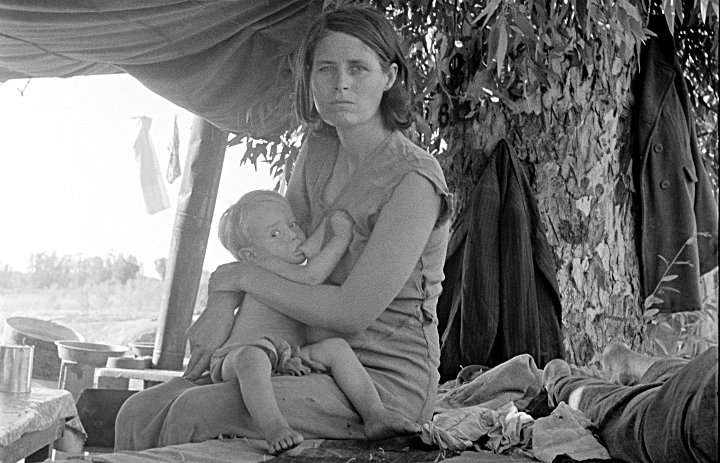
In this feature, the second image from the session is missing. The pictures in this feature are as follows. 1- The famous picture, cropped. 2- The first shot from the session. 3- A detail from the first shot. 4- The Migrant Madonna. 5- Child on the shoulder. 6- Child on the shoulder #2. 7. The full length famous picture. 8- A portrait of Dorothea Lange. 9- Another photograph by Ms. Lange, taken on the California-Arizona border in the summer of 1936. 10- The information from the famous picture. 11- The famous picture with the thumb included.
2012 Repost Notes This was on a list of posts that could be repeated. Of course, there are usually improvements to be made. Youtube was searched, and some videos were found. One of them mispronounces Dorothea. A search for the correct pronunciation of that first name was how this post got started in 2010.
Looking at the pictures reveals a glitch in the famous picture. If you look in the part of her hair, you will see a gray stripe. This is a bit of damage to the negative, and is common to old photographs. Ordinarily, PG would paste over a spot like that, but this is a sacred photograph.
The files of the LOC were consulted, and a 115mg original was downloaded. The grey stripe was still in the part, which is where it will stay. The original has the thumb, which was taken out of the famous prints. It is included in this post, along with the information typed into the side.
A look at some of the other pictures taken that day show a grey spot in the part. Maybe it wasn’t a photo glitch. Raising seven children can give any woman a few gray hairs.
Another question is about Florence Thompson, the “Migrant Mother”. It was noted that she was a Native American. PG has decided that the expression “Native American” is the invention of European Import Americans, and is only marginally less offensive than Indian. There are hundreds of tribes in the Americas. A person is a member of a tribal nation. What tribe was Florence Thompson?
Mr. Google points us to this answer. “Thompson, a “full-blooded” Cherokee, was born Florence Leona Christie on September 1, 1903, on the Cherokee Nation in Oklahoma. Her father, Jackson Christie, was an ex-convict who had abandoned the family before her birth. Her mother,Mary Jane Cobb, married Charles Akman, a Choctaw, in 1905, with whom she raised Thompson near Tahlequah OK”
This is a repost. Pictures are from The Library of Congress.




Cemetery Blues
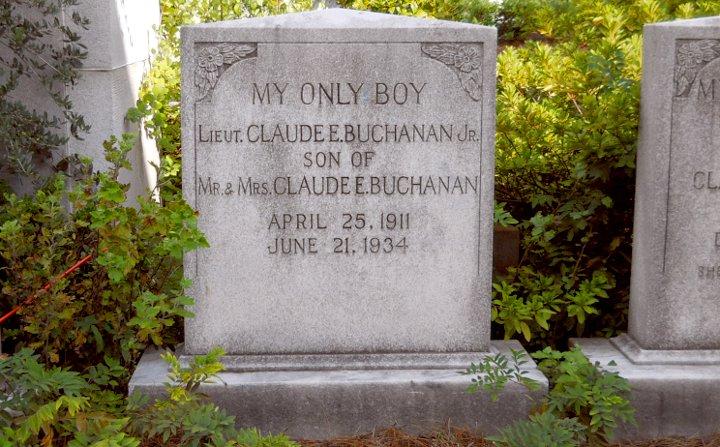
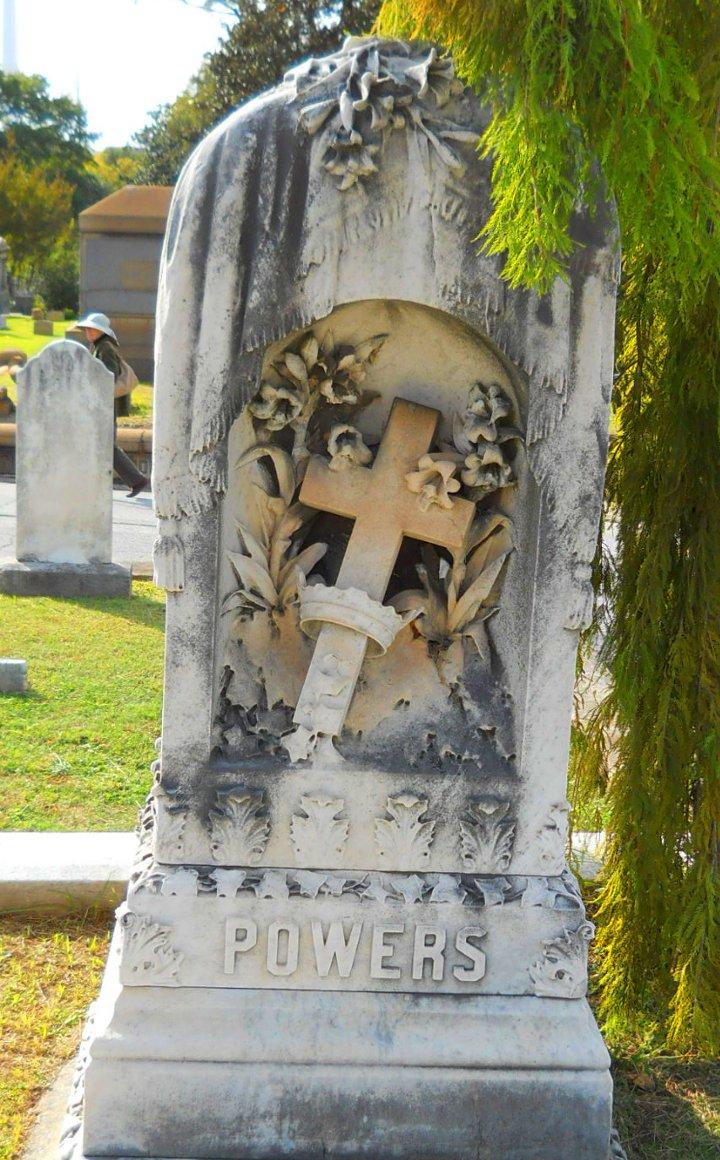


PG and Uzi had their usual Sunday phone call, and agreed to go to “Sunday in the Park”. It is a festival in Oakland Cemetery, with live music, people in costumes, open mausoleums, and lots of good clean fun. It wasn’t until that evening that PG learned that today is Dead Poets Remembrance Day. Edgar Allan Poe met his maker on this day in 1849. This is a repost.
There was a Chamblee54 post about DPRD two years ago. The idea is to go to a cemetery and read a poem. An effort will be made to do that tonight, although promises about dead poets are notoriously unreliable. The 2010 post is included as part two of this feature.
The first poem read that afternoon was “Looking for the Buckhead Boys” by James Dickey. In the intervening two years, PG listened to a podcast with Christopher Dickey, the son of the writer. Sometimes bard is short for bastard.
So PG, Uzi, and Hazmat went to a festival in Oakland Cemetery. Like everything else, it is more popular and expensive. You had to pay to park, which Uzi generously took care of. The brick walls around the boneyard have been repaired, and no longer look like they are going to fall down. Those walls are important, because people are dying to get inside. This is the second time that PG and Uzi have attended the October festival in Oakland Cemetery.
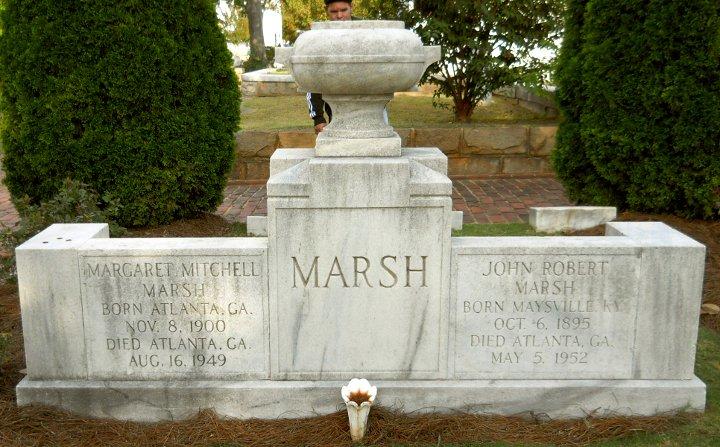
There are always things that you need to see at Oakland. Margaret Mitchell, the Lion Statue, and the mausoleums are important stops. PG followed the signs to the grave of Bobby Jones. It had golf balls and a putter, which was not necessary.
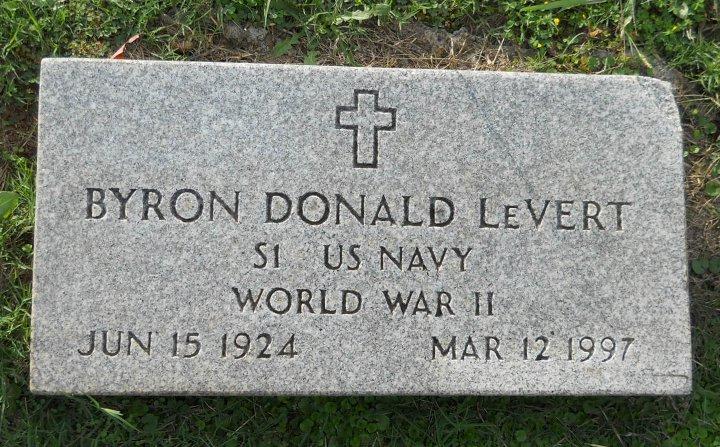
Don LeVert was a member of the Atlanta Sky Hi Club for many, many years before his departure in 1997. PG and Uzi always seek him out, and it is usually a bit of an adventure finding him.
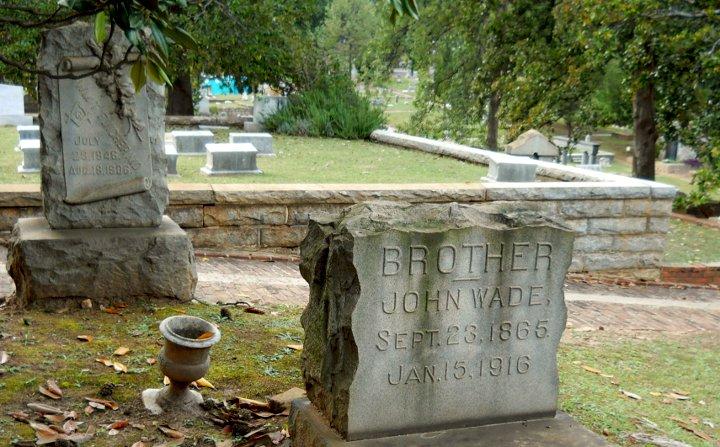
After visiting Don, PG found the marker for “Brother John Wade”. His time on earth was September 23, 1865 to January 15, 1916. This was from the autumn just after the War Between the States, until 37 days before PG’s father was born in Rowland, North Carolina. There was a renewed sense of connection to the stone monuments.


The facebook friend said “Today is Dead Poets Remembrance Day, Oct. 7th, the day Edgar Allan Poe died. Be sure to visit a graveyard and read some poetry today”. PG didn’t have anything better to do.
The first obstacle was finding a book of poetry. PG is not a poetry person. A look at the shelf turned up a paperback, “125 years of Atlantic “. Poetry was to be found between those covers.
The book had two stickers, both saying 69 cents. At the old Book Nook, this meant that the book was half the price on the sticker. With tax, that would be 38 cents.
125YOA had stayed in PG’s car for a few years. Whenever he was stuck somewhere with time to kill, this book was waiting. One afternoon in 1998, there was a slow day at work. PG read a remembrance by Gertrude Stein, about life in France at the start of World War II.
The cemetery of choice was connected to the Nancy Creek Primitive Baptist Church. PG has driven by this facility thousands of times. He walked past the graves until he found a fallen tree to sit down on.
The first poem was “Looking for the Buckhead Boys” by James Dickey. PG began to read out loud, and soon could smell the drug store air of Wender and Roberts. The author bought fifty cents worth of gas at a Gulf station. Today, fifty cents might buy a tablespoon of gas, and Gulf was long ago bought out by BP. Wender and Roberts became a bar, which was torn down, to make way for a shopping destination. One day the money lenders will allow construction.
Buckhead is not what it used to be. When Mr. Dickey was the bravest man in Buckhead (he took a shit in the toilet at Tyree’s pool hall), PG was not even thought of. The traffic jams on Peachtree Street are still there, as the blue haired ladies follow poets into the ground.
When PG finished reading Mr. Dickey, he put a teal postit in the book, where the poem stood. PG looked up, and the graveyard seemed different. Maybe the sun had sank a bit in the sky, and maybe the poem had changed PG in a way he could not put into words. Maybe another poem was the answer. Take the glasses off, open the book at random, and turn the pages until a poem shows up.
On page 404…the historic Atlanta area code…was “The Wartime Journey” by Jan Struther. The 1944 work was unknown territory. A group of people are traveling on a train. The wounded vet, the untried recruit, the salesmen shared the space with a lady, taking a baby for her soldier husband to meet. The theme of the rhymes was that America was totally at war, and that war is different from peacetime. Today’s war in Babylon is not like that.
Halfway through the reading, a freight train pulled by. Today, passenger trains are a novelty, and freight rules the rails. The shipment today was double decked containers, ready to pull off and slap on an eighteen wheeler.
Deaths are said to come in threes, and reading poetry in a graveyard should be the same. PG went on a random search for a Moe, to go with the Curley and Larry already digested. A page of poems by Emily Dickinson was the result. These pages left PG unmoved. It was as if he was back in the sixth grade, with a horrible English teacher forcing him to memorize Hiawatha. It was time to go home.










You Said It Much Better



There was a video posted last week. It featured a dialog between Glenn Loury and John McWhorter. Their discussions are frustrating for people who like to multitask. You inevitably hear something interesting, and need to go back and make a video clip.
This conversation has some amusing technical issues. “Because of technical problems, Glenn’s video image is frozen and his audio occasionally sounds like it is “fast forwarding” in the middle third of the conversation. We apologize.” At one point, Dr. Loury spews out some gibberish, and Dr. McWhorter notes “you said it much better than I could.”
One commenter notes “This technical problem brought a smile to my face at the moment when Glenn says, “If [Ta-Nehisi Coates] were here, I think what he might say is XKQOWDQ. Dr. Loury says that Mr. Coates has been invited to appear on “The Glenn Show” many times.
Frozen faced Dr. Loury makes a point about libruls. (spell check suggestion: Libras) He says the “patronizing liberal” folks accept anything certain POC say without scrutiny. SJW are more interested in signalling support of a cause, than in critical examination of the issues. PG agrees enthusiastically.
It was a busy video week for Dr. Loury. He had a conversation about the “meaning of life” with Robert Wright. Dr. Loury recalls the funeral of a friend who died horribly. Many of the people present said that it was a happy time, because the young lady was in heaven.
PG has long been appalled by the Christian obsession with life after death. While those ideas may bring comfort to believers, they can be infuriating to grieving people. It was interesting to hear from another man with a similar outlook. Pictures today are from The Library of Congress.



One Man Heart Circle


It is the first full day back in town, after the 2015 fall gathering. If you have to ask where I was, you don’t need to know. This time around, the custom of the morning circle was brought back. This is where anyone, who wants to, can talk about the gathering.
Since this is the return to solitary city life, rather than in an improvised community, this will be a one man morning circle. I’m Luther, and my preferred pronoun is he. Pronouns are not a big deal to me. Since this is a one man circle, a singular pronoun is preferred. The concept of using they, as a gender neutral alternative to he/she, is problematic.
Some things are so much easier in this life. One of the chores I assigned myself was clearing weeds off a stone staircase. One of the tools needed an adjustment. I spent a half hour trying to find a phillips head screwdriver. Just now, I needed a flat head screwdriver to pry open a zipper. I found one in less than a minute. City life has advantages.
I don’t pay much attention to omens. If I did, I may have left after the first day. I put my tent up to a group of people who played canned music on a device. I moved my tent, further down the yurt yard. When I was putting my tarp up, I saw a seven foot non poisonous snake. This reptile made another appearance a couple of mornings later, when I was returning from my morning piss. After that, I looked where I stepped. The sticks always seemed to be moving.
remember mama in the rain
kobir made me miss the train
pick up truck needs oil
radiator fixin’ to boil
drunk down at the prison gate
mama you don’t need to hate
Very few people send postcards from gatherings. If they did this time, they would not say “the weather is beautiful wish you were here.” It rained every day, except for the last day. It drizzled. It thundered. It splattered. It dripped. It took away the sun. The paths turned into mud. Everything got wet. It was horrible. Yes, the rain did force people to stay indoors and talk to each other. There might be a better way of doing that.
black crostini sugar cookie tilapia
waffle blue fish mushroom pussy
camouflage stroopwaffel comando
sloppy joe donut grey bacon waffle
watermelon naked tuna corn nothing
noodles nude peach plaid pizza
purple ribs red frys hotdog anus
white burger chocolate spaghetti
There were some wonderful moments. The Know Talent show was not planned at first, and then a wonderful man agreed to facilitate. I brought some poems. It was the first time I had read in public. I was one of the last people to perform, and was wondering if it would happen at all, or if anyone would be left to watch. Fortunately, I did not have to follow an amazing musical act. The act before me was, literally, falling down drunk. Performance art.
what is hidden in there
bigger than her derriere
life is not fair
try not to stare
say a quiet prayer
for the girl with big hair
Somehow, things came together. Meals were served, and were usually fabulous. The dishes got washed. The costumes were a sight. You could overlook things like saturday morning. I was making my mandatory visit to the chapel. Someone said, could you hand me some toilet paper. Another voice said, there is none here either, and no box on the top shelf.
Sunday, the sun came out. I took down my tent, and got stung by a yellow jacket. I got a wheel barrow, and almost slipped in the mud. This was the last time I would walk through the yurt yard mud, hopefully for the rest of my life. I loaded the vehicle, and started up the driveway. Someone was walking in the driveway, I lost the momentum, and had to back up and try again. The second time I made it up the hill. The rest of the journey home was uneventful.
So what did I take away from the gathering? There were moments when I looked up to the sky and said thank you g-d for letting me do this. There were moments on a dance floor surrounded by spectacular human beings. There were also moments of being wet, cold, and totally miserable. I will probably want to do it again. Blessed be.


These Are The 10 Most
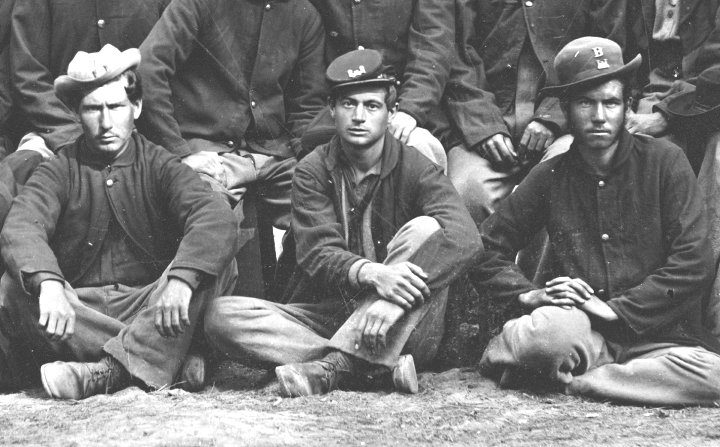
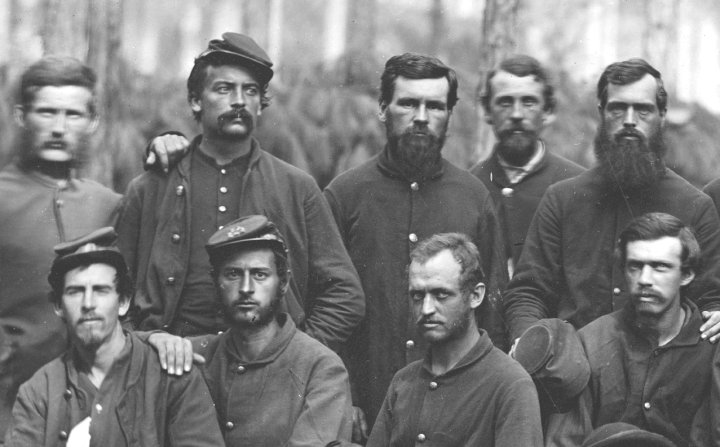

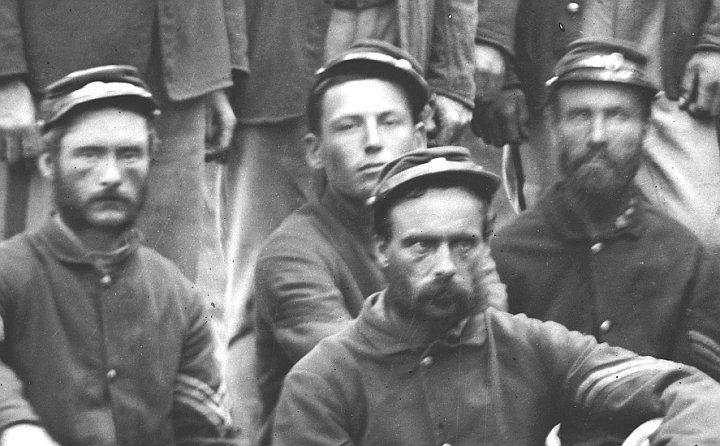
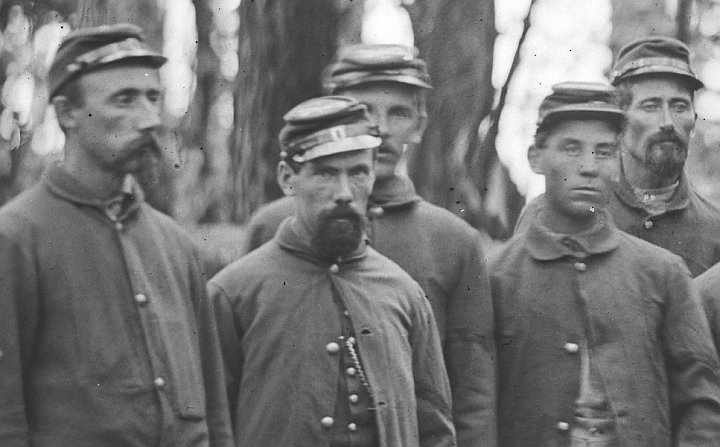
PG saw a facebook post from his cousin. It was about the town he lives in: Wilton Named 83rd Drunkest Place to Live in Connecticut: Report It was based on a bit of creative clickbait, These Are The 10 Drunkest Places In Connecticut.
The distibutor of this information is RoadSnacks. “RoadSnacks is based in Durham, NC. We aim to deliver infotainment about where you live that your real estate agent won’t tell you. We use data, analytics, and a sense of humor to determine the dirt on places across the country.” Other information opportunities include: “TAT10 Poorest Places In Kentucky”, “TAT10 Drunkest Places In Pennsylvania”, “TAT10 Dumbest Cities In Illinois”, “TAT10 Cities In New Jersey With The Most Ashley Madison Accounts”, “TAT10 Snobbiest Places In Louisiana.”
When PG saw the initial TAT10, he wondered about Georgia. A google search was made for “TAT10 drunkest places in Georgia.” Apparently, RoadSnacks is still crunching the numbers on that one. Three enlightening features were available: TAT10 Most Dangerous Places In Georgia, TAT10 Most Ghetto Cities In Georgia, TAT10 Most Redneck Cities In Georgia.
TAT10 lists are not scientific. The criteria varies from study to study. (For more information, be sure to check the actual post.) In dangerous places, “If any places tied, we used the violent crime rank as a tiebreaker.” In ghetto and redneck, it seems to come down to the number of retail outlets. Ghetto was ranked by convenience stores, drug stores, beauty supply stores, and discount stores. Redneck is determined by dive bars, mobile home parks, tobacco stores, guns and ammo stores, Walmarts, Bass Pro Shops, Dollar Generals and Piggly Wigglys.
In OTP Atlanta, many areas change names at the county line. When you leave Dekalb County for Gwinnett, you go from Doraville into Norcross. One road you can do this on is Buford Hiway, which is lined with Asian businesses like My Dung video. This area is home to one of the metro area international communities, and is well known for ultra authentic restaurants. Well known by everyone except RoadSnacks.
According to the TAT10 body of knowledge, Doraville is the 5th most redneck city in Georgia. When you cross the county line, Norcross is the most ghetto city in Georgia. People who are familiar with this area are probably laughing right now. Especially when they see that most ghetto Norcross is also 15th most redneck. Doraville did not make the 90 spot list for most ghetto.
The most dangerous city in Georgia is College Park, with East Point in second place. Neither city was on the redneck list. On the ghetto list, College Park is 67, and East Point is 72.
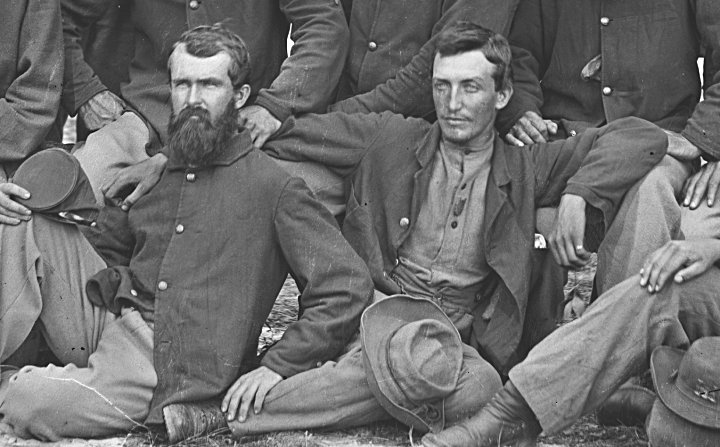
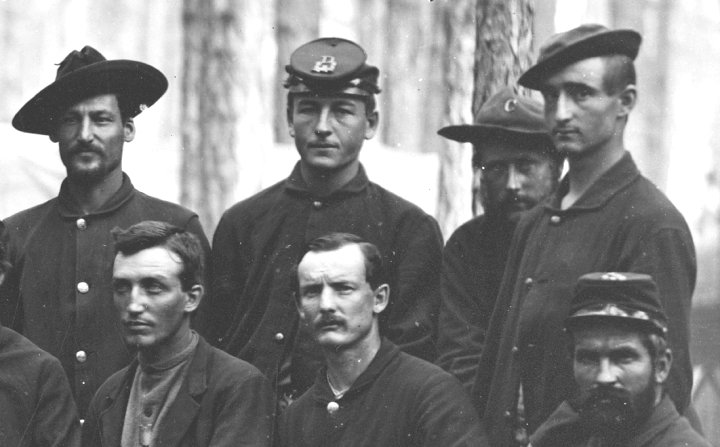
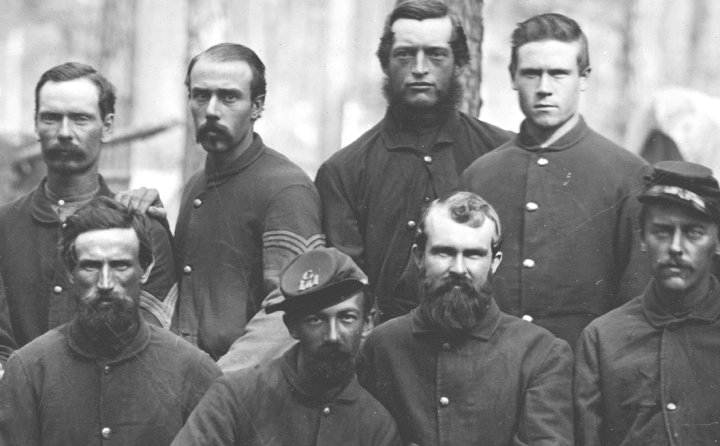
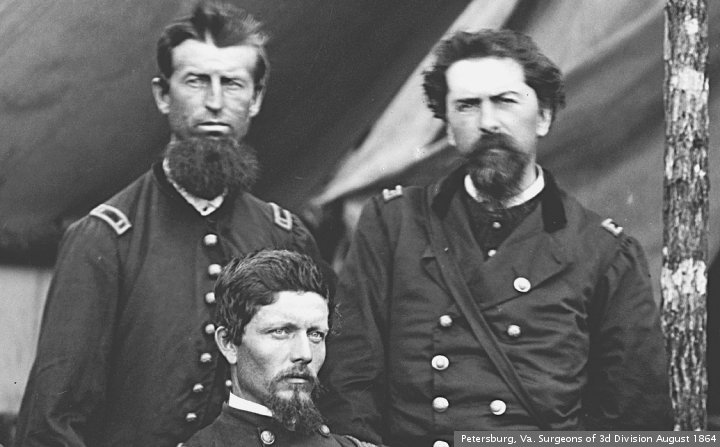
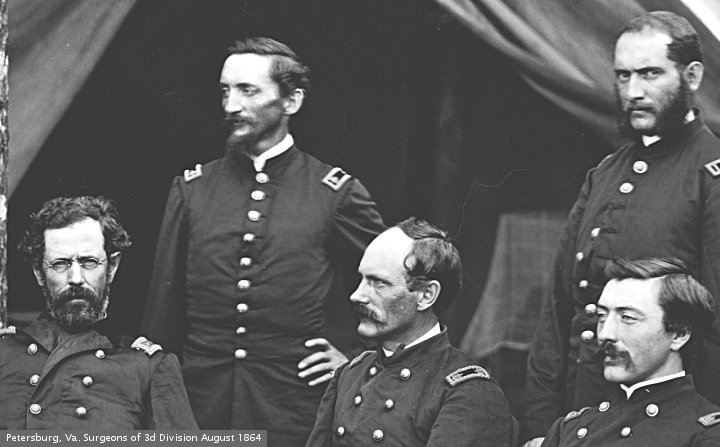
The city of Brookhaven evidently has not been in existence long enough to be rated. The only list that included Chamblee was ghetto, at 55. Pictures today are from The Library of Congress.



Junky Part Two


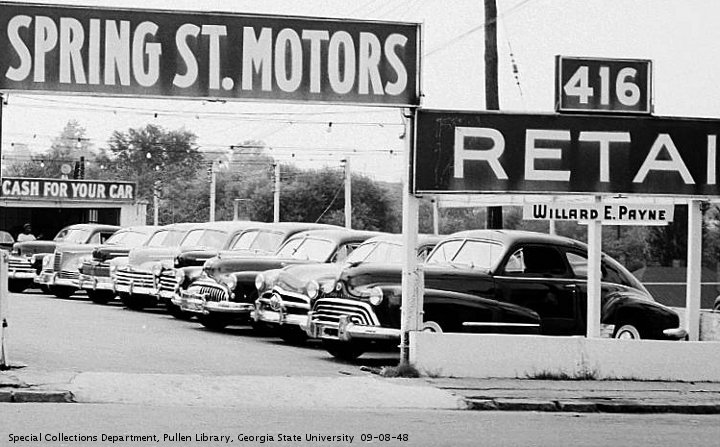
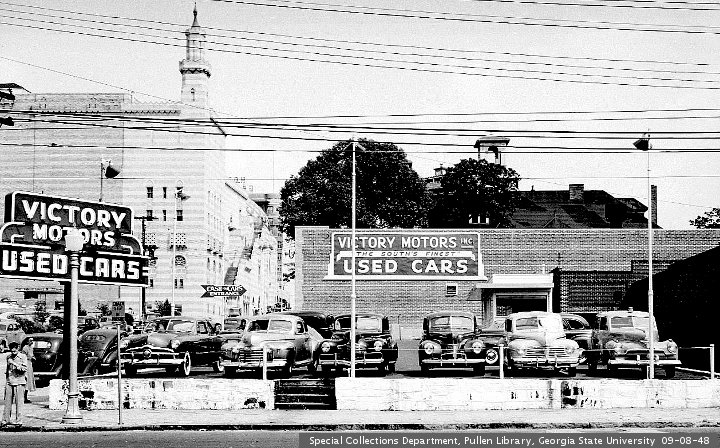

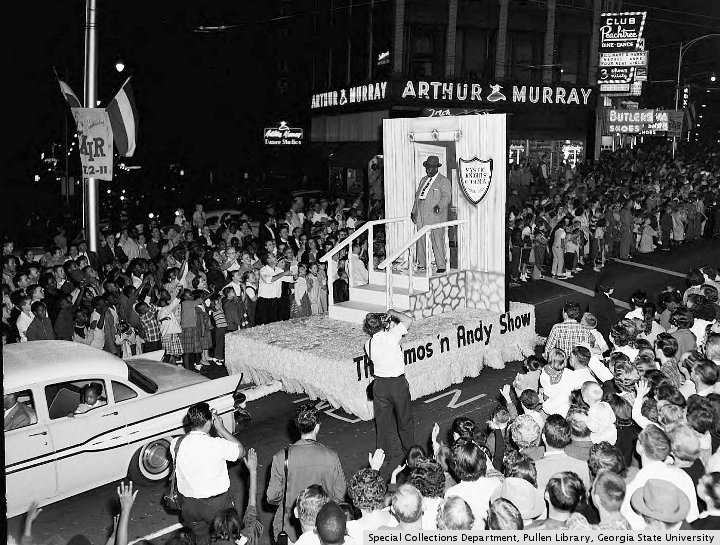
Sometimes, you do something that is so stupid. When preparing this text for publication, PG accidentally clicked in the wrong place, and started to close the file. The machine asked PG if he wanted to save the changes. He clicked on the middle option, which was to not save the changes. A split second later, PG realized what a bad mistake this was. It was too late. This story will be re-created, but might not be as good as the first one. Pictures will be from “The Special Collections and Archives, Georgia State University Library”.
This is part two of the chamblee54 reconfiguration of Junky, by William S. Burroughs, aka William Lee. (part one) The original exposure to this material was from an audiobook, with selections borrowed from the peedeeff. Some of the best writing is in the parts of the manuscript that were edited out. The limited attention span of audiobook listeners must be considered.
The story begins with WSB leaving the north, and arriving in New Orleans. Before you can say Harrison Narcotics Act, (passed in 1914, after the third party manipulated election of 1912,) WSB is using junk. There are some wild and crazy junkies in New Orleans at this time.
“Another occasional was Lonny the Pimp, who had grown up in his mother’s whorehouse. Lonny tried to space his shots so he wouldn’t get a habit. … Lonny was pure pimp. He was skinny and nervous. He couldn’t sit still and he couldn’t shut up. As he talked, he moved his thin hands which were covered on the backs with long, greasy, black hairs. You could tell by looking at him that he had a big penis. Pimps always do. Lonny was a sharp dresser and he drove a Buick convertible. But he wouldn’t hesitate to hang us up for credit on a two-dollar cap.”
Before too much longer, WSB is busted. “We’re going out and search your house, ” the frog-faced cop said. “If we find anything, your wife will be put in jail, too. I don’t know what will happen to your children.” This is the first time the word wife is used. This probably refers to Joan Vollmer, who had her own set of issues. Her fondness for playing William Tell had unfortunate results.
A lawyer gets WSB out of jail. For legal reasons, WSB goes to a facility, and is to receive a cure. One doctor thinks WSB is there for a “marijuana habit.” Another doctor has a familiar conversation. “”Why do you feel that you need narcotics, Mr. Lee?” When you hear this question you can be sure that the man who asks it knows nothing about junk. “I need it to get out of bed in the morning, to shave and eat breakfast.””
After some legal shenanigans. WSB goes to Texas. There is a place on the border called the Valley. It used to be desert, until it was irrigated with water from the Rio Grande. “When I arrived in the Valley, I was still in the post-cure drag. I had no appetite and no energy. All I wanted to do was sleep, and I slept twelve to fourteen hours a day. Occasionally I bought two ounces of paregoric, drank it with two goof balls and felt normal for several hours. You have to sign for P. G. when you buy it, and I did not want to burn down the drugstores. You can only buy P. G. so often, or the druggist gets wise. Then he packs in, or ups the price.”
For the last few years, PG has been the extra name of the slack blogger. It originally stood for Piers Gaveston, a romantic figure in English history. Other uses of PG include parental guidance, pretty good, and passing gas. The two initializing periods were considered unnecessary. To have an retro narcotic preparation referred to as P.G. is a bright moment, in an otherwise dreary text.


Sally And Johnny


PG was reading facebook, minding his own business, when he saw the splashy title White Liberals Have White Privilege Too!. There is something about online discussions about privilege that make well meaning people want to type a lot of words into little boxes. PG usually avoids such a conversation, as if it were an amway pitch, but made an exception this ill fated afternoon.
The seminal article was written in 2007, and mentioned the media controversy of the day. It seemed as though Joe Biden said “I mean, you got the first mainstream African-American who is articulate and bright and clean and a nice-looking guy … I mean, that’s a storybook, man.” Mr. Biden is currently the Vice President, serving under the FMAA.
There was a link to Black People Love Us!, which tells the story of Sally and Johnny… “We are well-liked by Black people so we’re psyched (since lots of Black people don’t like lots of White people!)” The fun starts when someone quotes a letter to BPLU.
“I swear, if one more white person says that they want to touch my hair, I am gonna puck a f*ckin mousetrap in it so their f*ckin hand gets caught in it. anyways… GET WITH THE PROGRAM! Have any of you ever heard of sarcasm? Irony? Satires? Canterbury Tales? Shakespeare’s “As You Like it” and “Much Ado About Nothing?” If some of you would actually get your heads out of your asses for one second and read a f*cking book or get educated, you will see that this website is NOT trying to break down PEOPLE, but break down BARRIERS and erase STEREOTYPES…With much love for Sally and Johnny… A Black University of Michigan Student with nappy-ass hair”.
The resulting visual ruined the day for PG. BUMS should keep their pants on, and not burden the world with the sight of nappy hair on BUMS posterior. The same thing goes for any asian, latino, caucasian, native american, or zorlack with this problem.
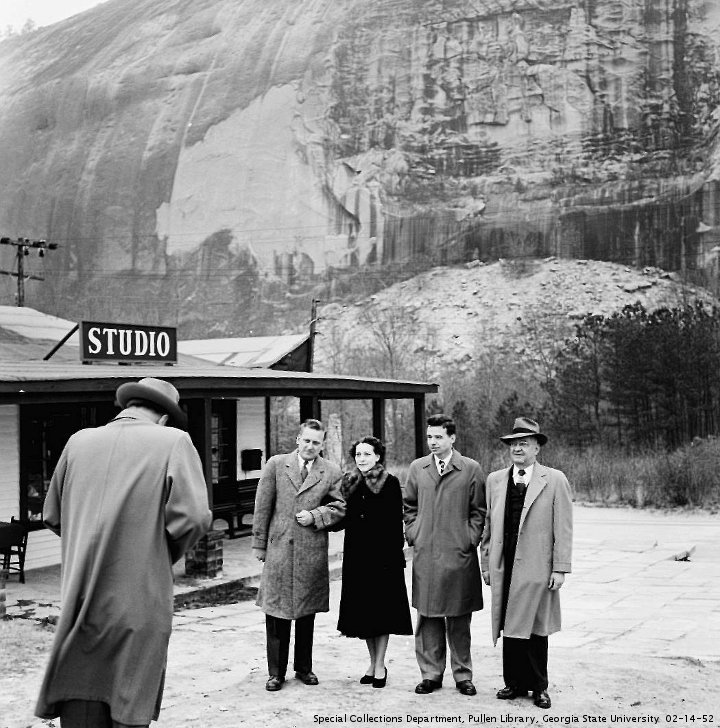
The photgraphs today are from “The Special Collections and Archives, Georgia State University Library”. This repost was modified to satisfy an writing challenge word limit.


Old College Friend


A facebook post has been making the rounds. It starts off “I got a call this morning from an old college friend who’s been a lifelong Republican (for years we’ve kidded one another about our respective politics), who told me he had decided to leave the GOP.” The “old college friend” is not named. The post is a comprehensive list of “progressive” hot buttons. The ding ding ding you hear is the BS detector…looking for bovine excrement, not Bernie no-middle-name Sanders.
The perp is wannabe celebrity Robert Reich. His twitter profile mentions product for sale … “@RBReich Berkeley prof, former Sec. of Labor. Movie INEQUALITY FOR ALL now on Netflix, iTunes, Amazon. Book SAVING CAPITALISM: FOR THE MANY, NOT THE FEW out Sept 29.” The Google sidebar adds a few details. “Robert Reich Former United States Secretary of Labor · robertreich.org. Robert Bernard Reich is an American political economist, professor, author, and political commentator. Born: June 24, 1946 (age 69), Scranton, PA Height: 4′ 11″”
His name is similar to Reichstag. In 1933, a fire broke out in the Berlin Reichstag. It was blamed on Communists. The Nazi Party used the uproar surrounding the Reichstag fire to consolidate their power. The cause of the Reichstag fire is controversial to this day.
The facebook post is flaky. The “old college friend” seems to suddenly be a flaming liberal, concerned about “a woman’s right to choose, and of gays’ and lesbians’ right to marry.” Honestly, how many sixty something republicans leave the party because of gay marriage? But it must be ok, because the obligatory denunciation of “their racism!”has an exclamation point.
OCF lists as good republicans Mark Hatfield, Nelson Rockefeller, Jacob Javits, Barry Goldwater and John McCain. Most of these white men performed before the the typical facebook reader was born. Barry Goldwater was regarded as an “extremist” when he ran for President in 1964. His supporters booed Nelson Rockefeller off the stage at the republican convention. During the November election, against future war criminal Lyndon B. Johnson, Barry Goldwater was defeated in a landslide. The only states, outside of home state Arizona, to go for Mr. Goldwater were states in the deep south. They appreciated Mr. Goldwater’s vote against the Civil Rights Act.
At last count, the post received 95,923 likes, 40,031 shares, and 7,802 comments. Critical thought is not a popular item these days. While PG agrees with Mr. Reich about many of the issues raised, he is not impressed with the way the story is told. The only believable part of this document is the exclamation point after racism. Pictures today are from The Library of Congress.


Junky

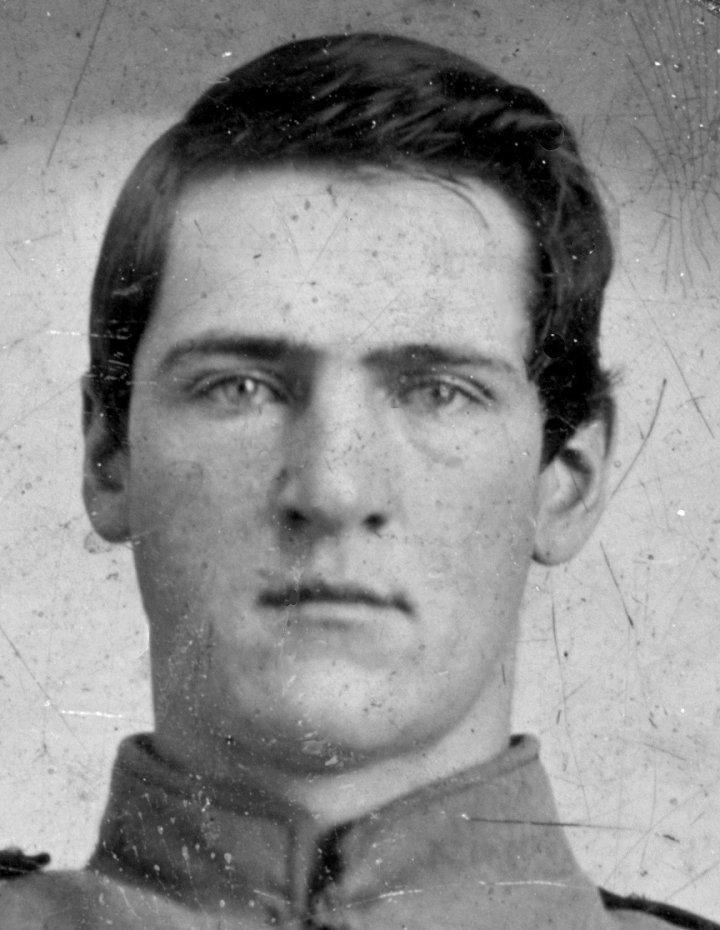


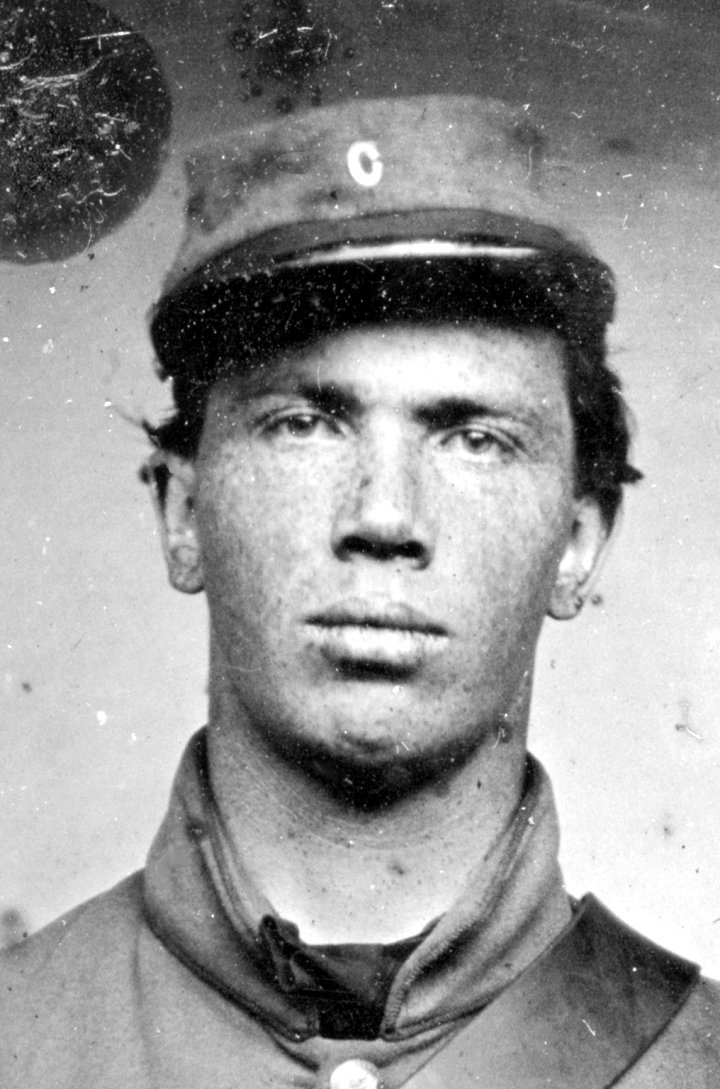


It started out slowly. PG saw a tweet. It was a promotion for a blog post, featuring William Seward Burroughs reading The Masque of the Red Death, by Edgar Allan Poe. WSB has a great voice. The wealthy Missouri background, filtered through years of high class schooling, and low class abuse, comes through whenever WSB spoke. In the helpful links, there was an opportunity to hear an audiobook of WSB reading Junky. As with other addictions, you begin slowly, and do not realize you have a problem until you are helpless to deal with it.
Junky is the first book that WSB published, using the pseudonym William Lee. It is reputed to be semi autobiographical. In Junky, WSB wallows in the gutters of New York, New Orleans, and Mexico City. For this armchair degenerate, whose severest vice is peanut butter sandwiches, Junky is a glimpse into a picturesque alternate reality. With the aid of copy friendly peedeeoueff edition, we can enjoy samples of the nightmare.
Perhaps the best review of Junky is this Amazon One Star comment. Dissapointing Tanya N. Miller March 22, 2014 “This is a book that goes nowhere. It ends up right where it started. Every line in the book is about getting drugs and doing drugs then getting off drugs and back on drugs again with some sex thrown in. The only reason why I finished this book is because of my compulsion to finish books that I start and the only reason why I picked it up in the first place is because I wanted to know just who William S. Borroughs was and what he wrote. What a dissapointment and what a total waste of talent.” The spell check suggestions for junky:hunky, junk, gunky, funky.
The story begins with a semi normal childhood. It gets interesting in New York, during the war. A person named Norton (“a hard-working thief … did not feel right unless he stole something every day from the shipyard where he worked) has a tommy gun he wants Bill to sell. When Norton arrives, he has “a flat yellow box with five one-half grain syrettes of morphine tartrate.”
The story mozies on. Bill tries one of the syrettes, then another, then another. Then there is an episode which is in the book, but not the video. “Ronnie’s was a spot near 52nd and Sixth where musicians came for fried chicken and coffee after one p.m. We sat down in a booth and ordered coffee. Mary cracked a benzedrine tube expertly, extracting the folded paper, and handed me three strips. “Roll it up into a pill and wash it down with coffee.” The paper gave off a sickening odor of menthol. Several people sitting nearby sniffed and smiled. I nearly gagged on the wad of paper…. Mary selected some gone numbers and beat on the table with the expression of a masturbating idiot.”
The video picks up with Bill trying to sell marijuana. “Pushing weed looks good on paper, like fur fanning or raising frogs.” Tea heads turn out to be too much trouble. Bill swears to never sell pot again, but not before ranting about the drug laws.
Bill has a habit now, working mostly with prescribed medication. Doctors are known as croakers. Soon the croakers quit writing scripts, and Bill gets busted. Some technicality about giving the wrong address. The case drew a four month suspended sentence. After a few weird scenes involving robbing drunks on the subway. Bill starts to sell junk. His partner is a piece of work. “One of Bill’s most distasteful conversation routines consisted of detailed bulletins on the state of his bowels. “Sometimes it gets so I have to reach my fingers in and pull it out. Hard as porcelain, you understand. The pain is terrible.” This might be a by product of opiate consumption.
Before long, Bill thinks he is about to get busted, and leaves for Texas. By the time he gets near Lexington, he has junk sickness. He checks into an institution to receive the cure. We learn a new word… shmecker is a user of heroin. Bill leaves the Lexington facility without completing the cure. The next stop is New Orleans .
“New Orleans was a strange town to me and I had no way of making a junk connection. Walking around the city, I spotted several junk neighborhoods: St. Charles and Poydras, the area around and above Lee Circle, Canal and Exchange Place. I don’t spot junk neighborhoods by the way they look, but by the feel, somewhat the same process by which a dowser locates hidden water. I am walking along and suddenly the junk in my cells moves and twitches like the dowser’s wand: “Junk here!”
WSB co wrote a musical, “The Black Rider.” The performer is Tom Waits, whose voice sounds like WSB. There is a song, Crossroads. This is probably not about Robert Johnson. In this song, we learn about a gun with magic bullets. In the moment of aiming, the gun turns into a dowser’s wand. The bullet goes where the bullet wants to go. Some say the magic bullet is a stand in for junk. When Junky was written, junk was not used as slang for peckers.
It has been noted that WSB is as queer as a crochet bathtub. This circumstance is not noted in Junky. But then, WSB does not speak well of drug addicts either.
“In the French Quarter there are several queer bars so full every night the fags spill out on to the sidewalk. A room full of fags gives me the horrors. They jerk around like puppets on invisible strings, galvanized into hideous activity that is the negation of everything living and spontaneous. The live human being has moved out of these bodies long ago. But something moved in when the original tenant moved out. Fags are ventriloquists’ dummies who have moved in and taken over the ventriloquist. The dummy sits in a queer bar nursing his beer, and uncontrollably yapping out of a rigid doll face. Occasionally, you find intact personalities in a queer bar, but fags set the tone of these joints, and it always brings me down to go into a queer bar. The bring-down piles up. After my first week in a new town I have had about all I can take of these joints, so my bar business goes somewhere else, generally to a bar in or near Skid Row.”
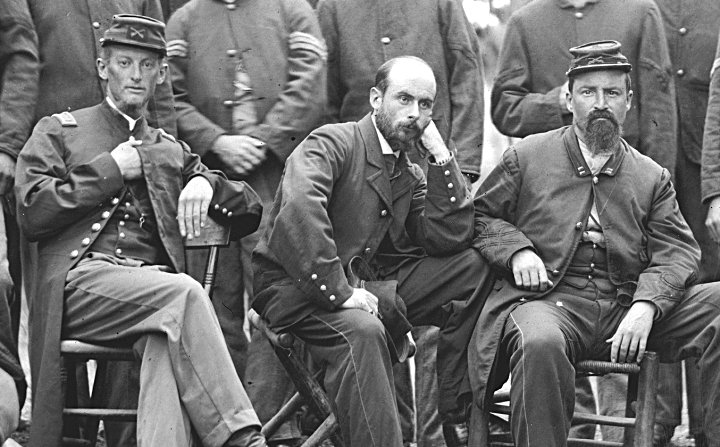
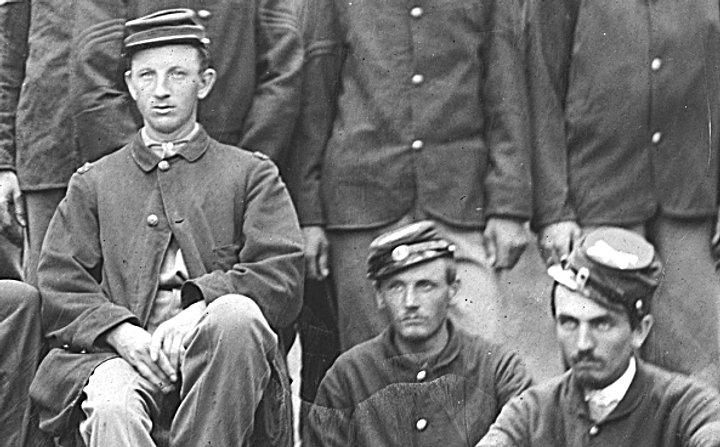
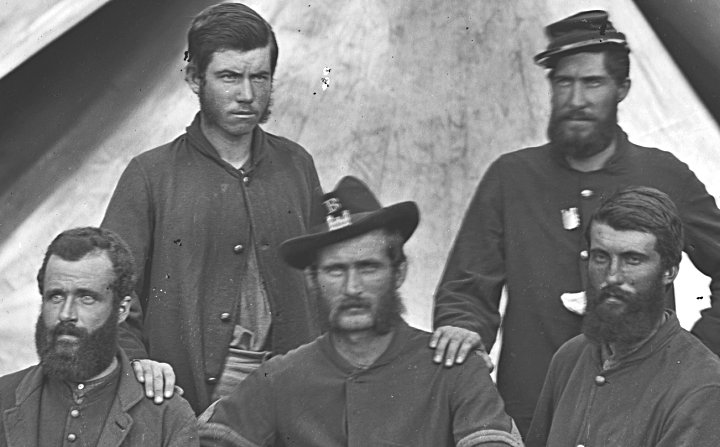
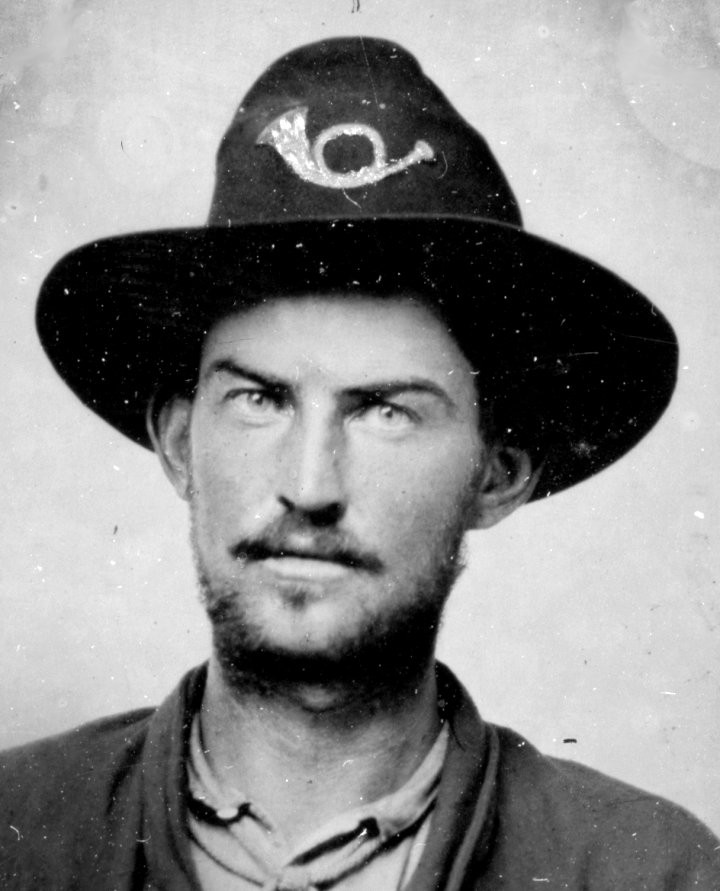
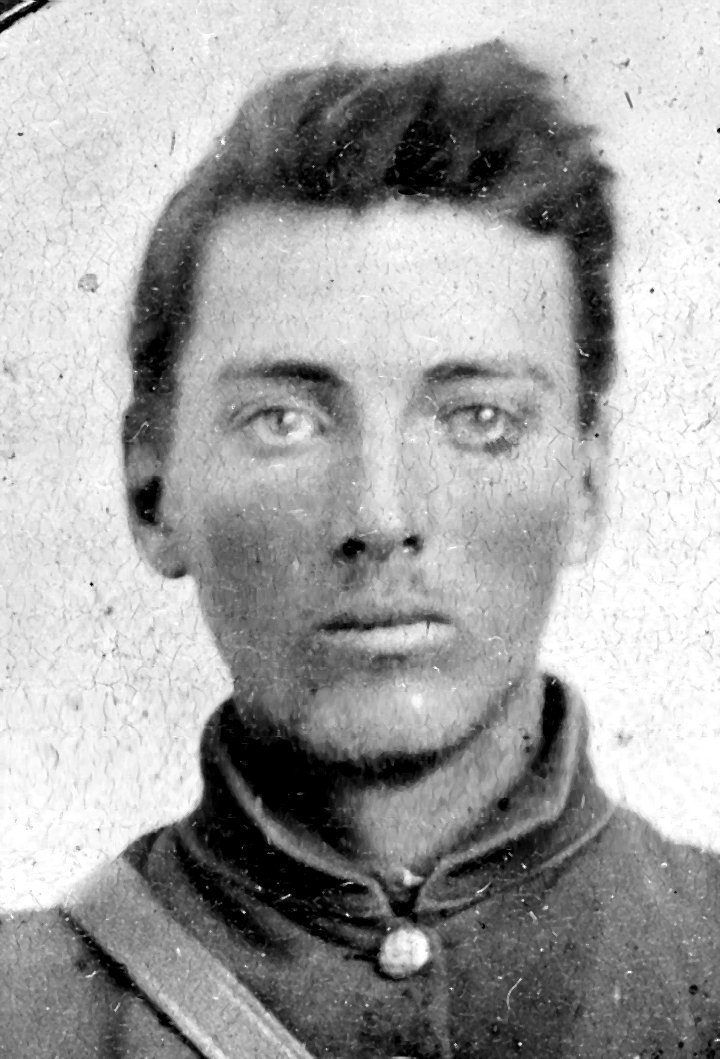
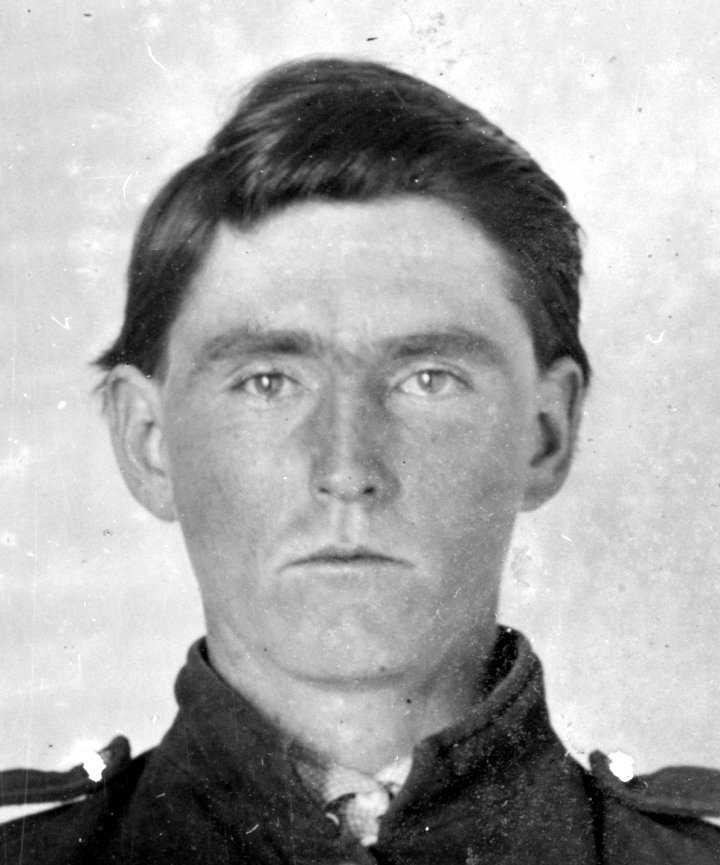
Before long, Bill goes into a queer bar, and gets in trouble. It seems to be a way of life, for someone who says that junk is a way of life. Maybe the magic bullet was aimed at him all along. At this point, we are roughly half way through Junky. The attention span of both reader, and writing, is maxxing out. In case we get druggie withdrawal, a podcast with Keith Richards is freshly downloaded. Pictures today are from The Library of Congress. These pictures are Union soldiers from The War Between The States. Much of the action in Junky takes place in wartime.






1 comment