Rudolph




Someone posted a bit of revisionism about a holiday classic. As he sees it, “Rudolph the Red Nosed Reindeer” is about racism.
In a bit of yuletime synchronicity, the urban mythbusters at Snopes posted a piece about Rudolph the same day. It seems as though the Rudolph story was originally written for the Montgomery Ward Stores. The idea was to print a Christmas booklet to give to customers. A staff writer named Robert L. May was picked for the job.
Originally, there were concerns about the red nose, and the connection to heavy drinking. At the time, the original meaning of “merry christmas” had been forgotten. Merry meant intoxicated, and a merry christmas was a drunken one. The booklet was released. It was a big hit with shoppers.
Mr. May had a brother in law named Johnny Marks, who was musically gifted. Mr. Marks wrote the song, and somehow or another Gene Autry came to sing it. A story (which PG heard once, but cannot find a source for) had Mr. Autry doing a recording session. The session went very smoothly, and the sides scheduled to be recorded were finished early. There was a half hour of studio time paid for. Someone produced copies of “Rudolph”, gave them to the musicians, and the recording was knocked out. It became a very big hit.
“Rudolph the Red Nosed Reindeer” has become a beloved standard, without the troubling religious implications of many holiday songs. It is the second biggest selling record of all time. The only song to sell more is “White Christmas”.
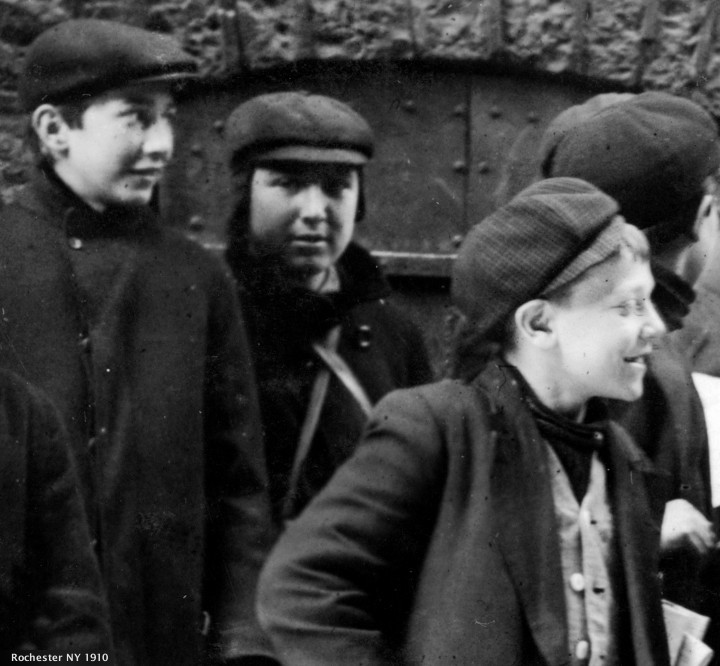
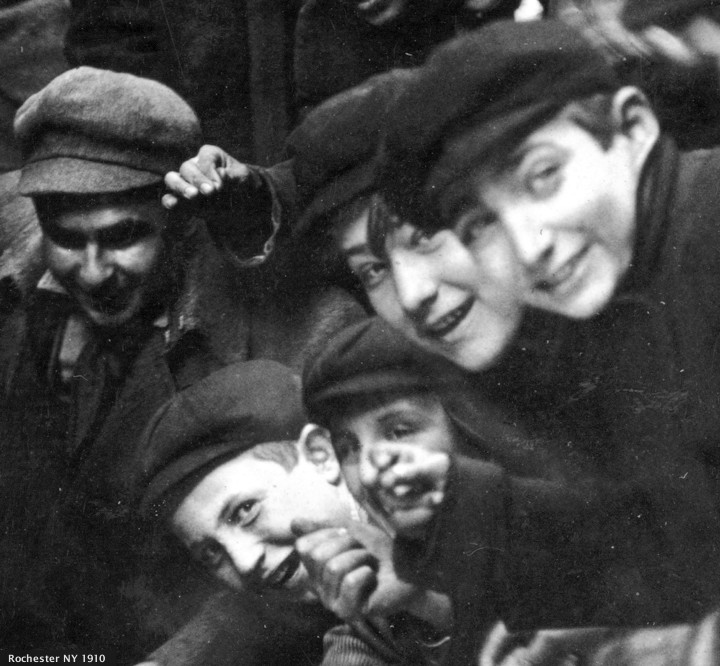
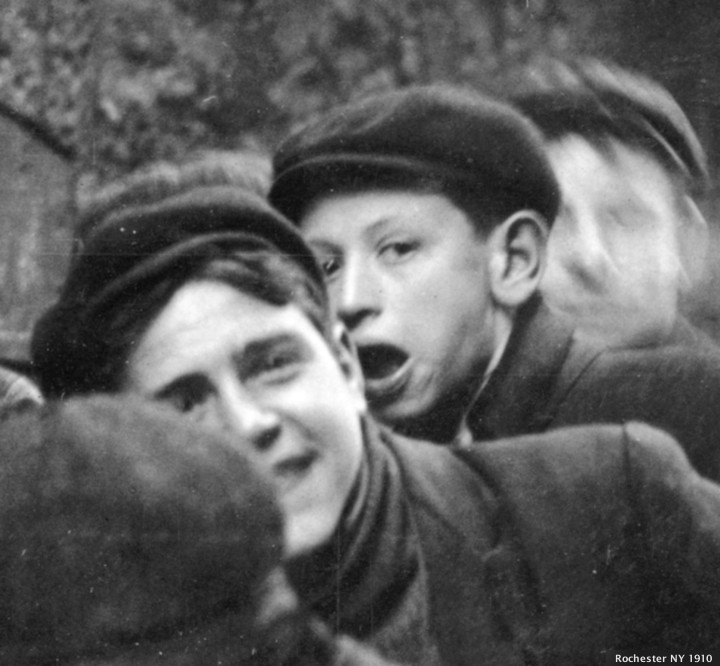
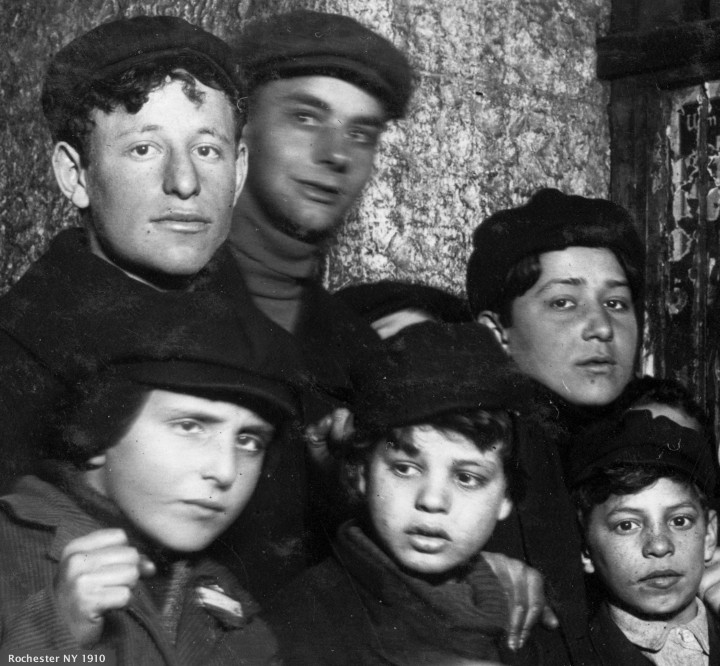
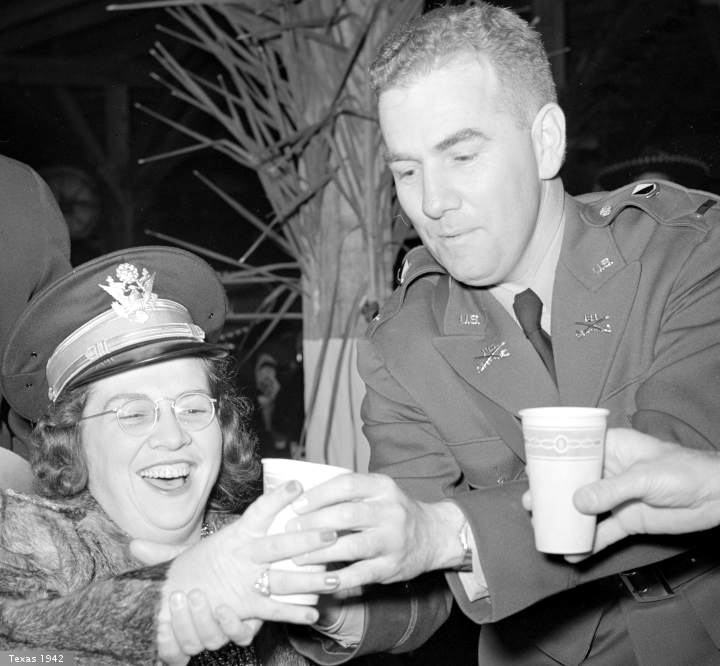
The story above is a repost. Pictures are from The Library of Congress. There is an appearance by Gerald Rudolph Ford, and his women. Betty was a merry soul.








What Is A Cynic?



“A cynic is a man who knows the price of everything, and the value of nothing.” ― Oscar Wilde. This quote is one of Oscar’s greatest hits. If you think about it for a minute, it is not totally accurate. You are not supposed to think. Quoting Oscar Fingal O’Flahertie Wills Wilde is about sounding clever, not making sense. Did he really create that definition of a cynic?
Oscar Wilde is a quote magnet. This is more than something you put on your refrigerator. When people hear something clever, odds are good that Oscar will get the blame. As Dorothy Parker wrote: “If, with the literate, I am, Impelled to try an epigram, I never seek to take the credit; We all assume that Oscar said it. [Life Magazine, June 2, 1927]”
Wikiquote says this line is from Act III of Lady Windermere’s Fan. It was spoken by Lord Darlington. Did the play write intend for the line to be taken seriously, or was he making the character look foolish by saying it? With Oscar Wilde, it could be both of these things at the same time.
Principle Four, of the four principles of quotations, reads “Only quote from works that you have read.” In the case of Lady Windemere’s Fan, this would mean a youtube video of the play. There is a posh BBC production available. You don’t have to watch the cell phone recording of high school players.
Lady Windemere’s Fan is a production where upper class Brits say clever things in glorious costumes. Nobody ever goes to the bathroom, or looks less than perfect. Lady Windemere’s six month old child is neither seen, nor heard. Lady Windemere finds out her husband, Lord Windemere, is having an affair with a Mrs. Erlynne. The Lord proceeds to invite the floozy to Lady Windemere’s birthday party.
After the party, the men go to their club, then to Lord Darlington’s room. There are five men in the conversation, beginning with Lord Windemere. Lord Darlington has just told Lady Windemere that he loves her, and wants her to run off with him. Lady Windemere said no. Lord Augustus is a suitor of Mrs. Erlynne, and is begging her to marry him. Cecil Graham, and Mr. Dumby, wear their splendid costumes with conviction.
The scene starts with the men saying clever things, most of them insulting to someone. Lord Augustus, or Tuppy, is the butt of many jokes. Before long, we get this exchange:
Dumby. I don’t think we are bad. I think we are all good, except Tuppy.
Lord Darlington. No, we are all in the gutter, but some of us are looking at the stars.
Dumby. We are all in the gutter, but some of us are looking at the stars? Upon my word, you are very romantic to-night, Darlington.
Cecil Graham. Too romantic! You must be in love. Who is the girl?
Lord Darlington. The woman I love is not free, or thinks she isn’t. [Glances instinctively at Lord Windermere while he speaks.]
A few minutes later, we hear another famous Oscarism.
Lord Darlington. What cynics you fellows are!
Cecil Graham. What is a cynic? [Sitting on the back of the sofa.]
Lord Darlington. A man who knows the price of everything and the value of nothing.
Cecil Graham. And a sentimentalist, my dear Darlington, is a man who sees an absurd value in everything, and doesn’t know the market price of any single thing.
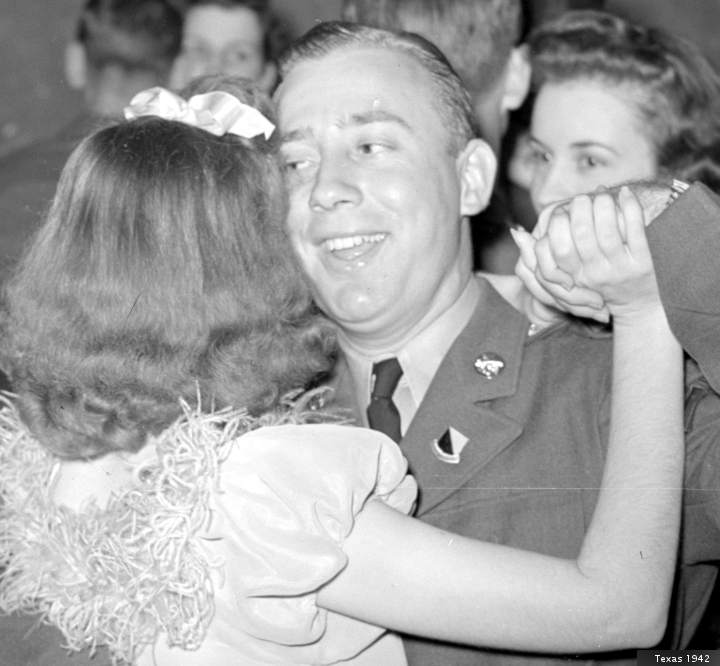
Pictures today are from The Library of Congress.




Judy Roasting On An Open Fire


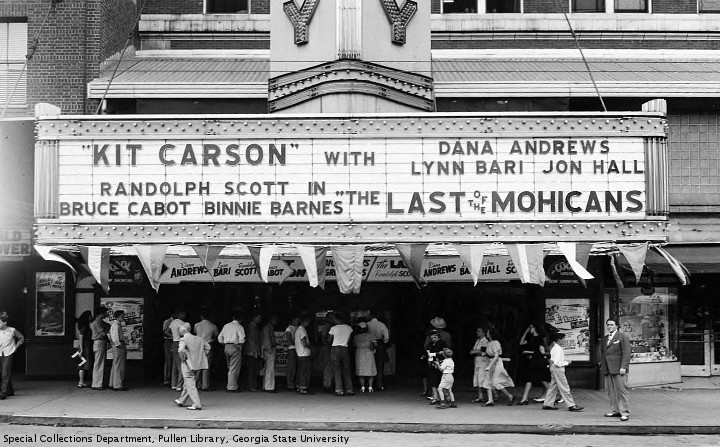
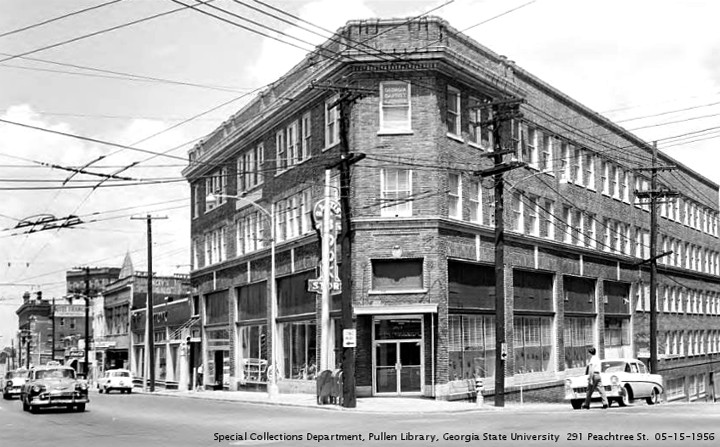
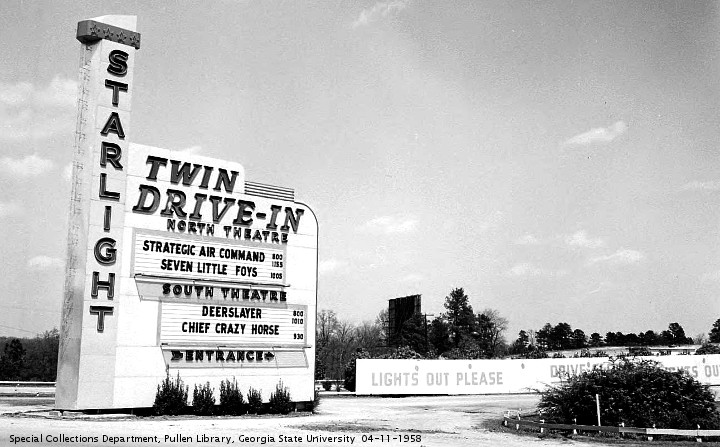
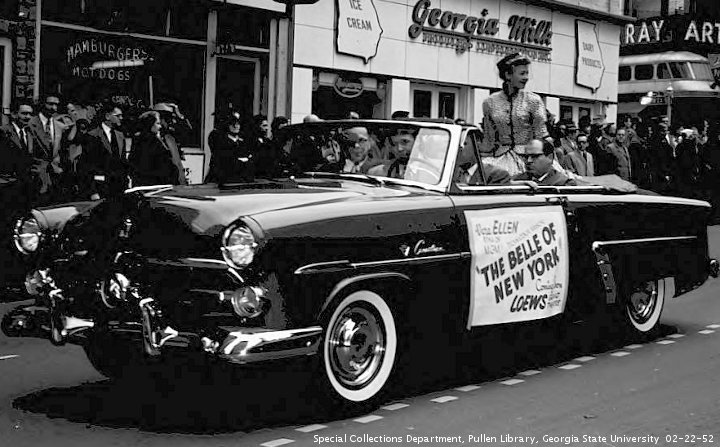
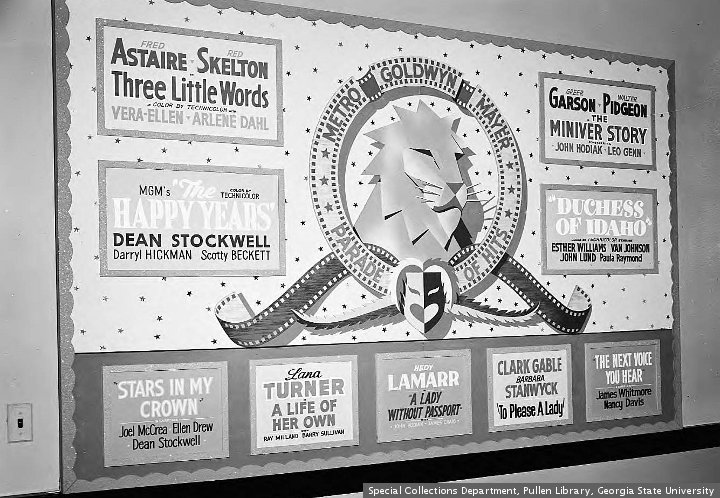
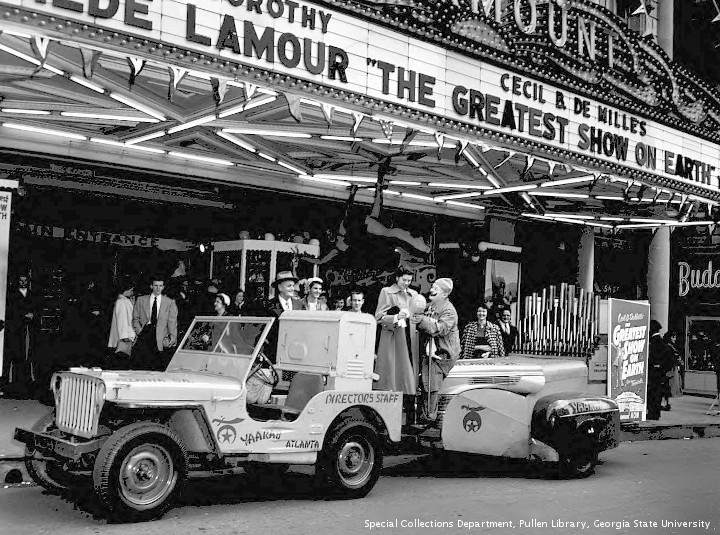
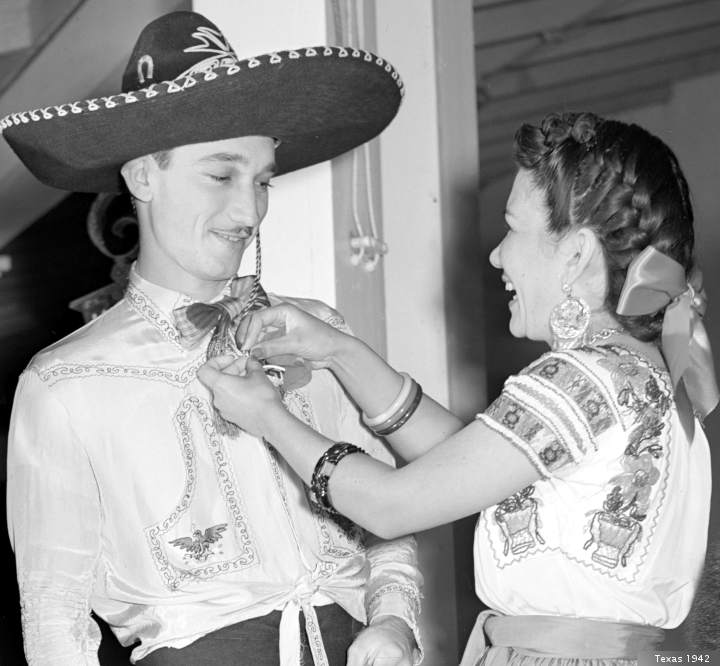
SFFILK (Not his real name) passes along a story about Mel Tormé. It seems like Mr.Tormé was eating a leisurely breakfast at a food court in Los Angeles, and a quartet appeared singing Christmas songs. They wound up performing “The Christmas Song” for co- author Tormé … and the singers had no idea who he was. It is a good story, better told in the link. This is a repost, with pictures from “The Special Collections and Archives, Georgia State University Library”.
According to the inerrant Wikipedia, Mr. Tormé collaborated with Robert Wells, until they had a falling out. One afternoon, on the hottest day of July in 1945, Mr.Tormé went to visit Mr.Wells, and saw the first four lines of “The Christmas Song” (including “Chestnuts roasting on an open fire, Jack Frost nipping at your nose”). The lines were on a note pad, and the two agreed to beat the heat of summer by completing the song. Supposedly, Mr. Tormé did not like the song very much. After three divorces, he probably didn’t see many of the royalties.
Mel Tormé was the music director of the ill fated “Judy Garland Show” in the early sixties. He wrote a book about it… The Other Side of the Rainbow: With Judy Garland on the Dawn Patrol . The story is that Miss Garland would get blasted, call Mr.Tormé in the middle of the night, and pour out her troubles. (This review is much less sympathetic towards Mr. Tormé.) While the show did not last longer, there are some great youtube clips left over.







Pretty Monsters Part One


Big Read is a program of the National Endowment for the Arts. The book used today is Pretty Monsters, by Kelly Link. PG was given a copy of PM, and asked to create an artistic response. This post is part one of this response. Quotes are from a .pdf of the text.
Citizen: An American Lyric was PG’s introduction to Big Read. CAAL, a rambling art book, was not a good fit for PG. (Part one Part two Part three) When the lady from 7 Stages turned up with a box of books, PG was wary.
PM is presented as a social justice commentary. “Her stories are about more than strangeness, more than the fantastic—they’re about inclusion, diversity, and acceptance of alternate world views.” PG has nothing against diversity and inclusion. He just enjoys a good story more.
PG did not need to worry. Pretty Monsters is a collection of short stories. The first two … The Wrong Grave, The Wizards of Perfil … are fun to read. Each is a fantasy, a type of story PG normally does not read. If you think enough, you can make them about alternate world views. That is, if your idea of an alternate world includes digging up your dead girlfriend.
The Wrong Grave is the story of Miles Sperry, and his late girlfriend Bethany Baldwin. Miles wrote some poems for Bethany after the car crash, and put the only copy in her coffin. Miles goes to the graveyard one night to retrieve the poems. All goes well, until there is a complication.
“He yanked and someone else pushed. The lid shot up and fell back against the opposite embankment of dirt. The dead girl who had hold of Miles’s boot let go. This was the first of the many unexpected and unpleasant shocks that Miles was to endure for the sake of poetry. The second was the sickening—no, shocking—shock that he had dug up the wrong grave, the wrong dead girl. The wrong dead girl was lying there, smiling up at him, and her eyes were open. She was several years older than Bethany. She was taller and had a significantly more developed rack.” …
“The wrong dead girl spoke first. “Knock knock,” she said. “What?” Miles said. “Knock knock,” the wrong dead girl said again. “Who’s there?” Miles said.
“Gloria,” the wrong dead girl said. “Gloria Palnick. Who are you and what are you doing in my grave?”
“This isn’t your grave,” Miles said, aware that he was arguing with a dead girl, and the wrong dead girl at that. “This is Bethany’s grave. What are you doing in Bethany’s grave?”
“Oh no,” Gloria Palnick said. “This is my grave and I get to ask the questions.” …
Miles and Gloria have a discussion about life when you’re six feet under. Gloria is delighted at a chance to escape. Miles is a bit wary. Finally, they go to a cabin, owned by someone’s weirdo parents. Most of the older people in Pretty Monsters are weirdos. After Miles leaves the room, Gloria leaves something for him. “The dead girl reached down her shirt and into the cavity where her more interesting and useful organs had once been (she had been an organ donor). She’d put Miles’s poetry in there for safekeeping.”
As you may imagine, there are some plot twists that were not documented here. Chamblee54 tries to be a spoiler free zone. If you really want to know what happened to Miles, or The Wizards of Pefil, you will have to read the book. Efforts to bring PM to television are another, less amusing, fantasy.
The Wizards of Pefil happens in an unidentified foreign country. This is one of the themes of Pretty Monsters … you seldom know where the story takes place. Wizards also takes place during a war, but we don’t know which one. It is after the invention of railroads, but outside the grasp of recorded history. This is why they call it fantasy.
Onion and Halsa are traveling with Halsa’s mom. The soldiers are coming to their town, and they need to get out. The money is a bit short, so one of the kids has to be sold to the Wizards. First, it is Onion, but the Wizard’s flunky wants Halsa. We don’t know why they would want Halsa, and her hateful mouth. Wizards work in mysterious ways.
“Everyone knows that the wizards of Perfil talk to demons and hate sunlight and have long twitching noses like rats. They never bathe. Everyone knows that the wizards of Perfil are hundreds and hundreds of years old. They sit and dangle their fishing lines out of the windows of their towers and they use magic to bait their hooks. They eat their fish raw and they throw the fish bones out of the window the same way that they empty their chamber pots. The wizards of Perfil have filthy habits and no manners at all. … the wizards of Perfil eat children when they grow tired of fish.”
Halsa tries to get by. The wizards live in towers, out in a swamp. Onion is on a train, except when a Onion clone is hanging out with Halsa in the swamp. Onion is in a world of trouble. He knows the soldiers are going to attach the train, and kill everyone. Nobody listens to him. So his clone goes back to the swamp, where Halsa is learning about life.
“… she was coming back from the pier with a bucket of fish, there was a dragon on the path. It wasn’t very big, only the size of a mastiff. But it gazed at her with wicked, jeweled eyes. She couldn’t get past it. It would eat her, and that would be that. It was almost a relief. She put the bucket down and stood waiting to be eaten. But then Essa was there, holding a stick. She hit the dragon on its head, once, twice, and then gave it a kick for good measure. “Go on, you!” Essa said. The dragon went, giving Halsa one last reproachful look. Essa picked up the bucket of fish. “You have to be firm with them,” she said. “Otherwise they get inside your head and make you feel as if you deserve to be eaten. They’re too lazy to eat anything that puts up a fight.”
There is another plot twist, and a spoiler to avoid. This is enough for the first post. Part Two, part three, part four, and part five, are now available. Pictures today are from The Library of Congress.


Rock Stars In Tight Pants


The display of a link on this page does not indicate approval of content.
Flashback photos: Atlanta buildings and streets in the 1980s
Man shot, killed by Clayton County police after pointing gun at them, officials say
Hungary pulled out from the Eurovision Song Contest ‘because it’s too gay’
On the Passing of Oberlin Plaintiff David Gibson
Where did “Hotlanta” come from and why does it refuse to die?
Episode 38: Many ways to talk about many things – Plurals, duals and more
An editor and his newspaper helped build white supremacy in Georgia
Georgia State students demand Atlanta mayor move Henry Grady statue
Southern Horrors: Lynch Law in All Its Phases By Ida B. Wells-Barnett
@HoodieJudge99 Name something you can say during a baseball game and sex
Battle Of The Bulge: Rock Stars in Tight Pants In The 1960s And 1970s
It Doesn’t Have To Make Sense To Be Funny (22 Silly Tweets)
The Mets’ Would-Be Rescuer Is Far From a Hero
Hijacked UPS truck led Florida police on a massive chase that ended in a fatal shootout
Was It Illegal to Profit from Healthcare Prior to the HMO Act of 1973?
Fresh renderings: Vision for Cobb County’s tallest planned tower revised—again
Bret Easton Ellis The Ben Shapiro Show Ep.61
Pasco sheriff warns about 15 apps following arrest of man accused of raping girl
George Zimmerman sues family of Trayvon Martin, publisher, prosecutors for $100 million
George Zimmerman’s Defense Is Poking A Ton Of Holes Into Witness’ Story
Rachel Jeantel Gets the Trayvon Martin Treatment
WAPO Suggests Journalists Should Persuade Toward Supporting Impeachment
impeachment coverage is not changing minds. journalists can reach the undecided.
A new court battle over the Ramones’ legacy goes back to a song about the KKK
@TylerMahanCoe Why does anyone need to make appointments with a psychic?
Happy 70th Birthday to Tom Waits, Born December 7, 1949
Mike Huckabee’s outrageous campaign to silence a Florida critic
This Banana Was Duct-Taped to a Wall. It Sold for $120,000.
Finally, a Christian alternative to the wicked heresy of the “Cha Cha Slide”
SOOOO FUNNY!!!! Christian version of the Cha Cha Slide! – The Bible Slide
23 Women Who Made Us Pee Our Pants Laughing This Week
duprees ~ gallus ~ gay paree ~ foster’s lounge
@JoelSGilbert ~ thetrayvonhoax ~ @M7MD_SHAMRANI ~ $145k to ksu kneeler ~ woman cards
problematic pete ~ redneck ~ Under the Influence ~ john pemberton ~ The new South
altamont raceway ~ racist electyoral college ~ ww1 slang ~ harry morgan ~ Hulsey yard
@LoefflerForGA I’m excited to see what my newly purchased Senate seat will lead to for Georgians! Make sure to tune in to @GovKemp ’s announcement on Wednesday, December 4th at 10:00 am. #gapol #GAsen #KellyLoeffler ~ Editorial: Mayor Bottoms, tear down this statue!The GSU Signal cranked up the purple prose machine for an attack on Henry W. Grady “A monument to Henry Grady and his accomplishments on Marietta and Forsyth streets — also named Henry Grady Square — still stands today. Etched into his plaque are three celebratory words: “Journalist, Orator, Patriot.” Let us be clear in recognizing that Grady, as a journalist, promoted racism. Grady, as an orator, promoted racism. And Grady was certainly no patriot — he was simply a racist.” ~ Black Lives Matter protester crashes Pete Buttigieg event in Indiana An event designed to showcase black support for Pete Buttigieg in Indiana went off the rails Wednesday night when a Black Lives Matter protester rushed the stage and was nearly clobbered by a cane-wielding senior citizen. ~ @eddie_ferrero publisher: would you consider using a pseudonym? edgar allen ponyfucker: why? ~ Trayvon Martin’s girlfriend admits she can’t read the letter she supposedly wrote to his mother about his death ~ Are you sick of adams disgusting orange-white design, bans and prohibitions too? we can speak only here, bollocdojks add me honey ~ if you worry about, what i am angry about, then you are about, to be part of the problem ~ The Library of Congress. ~ selah


War Between The States

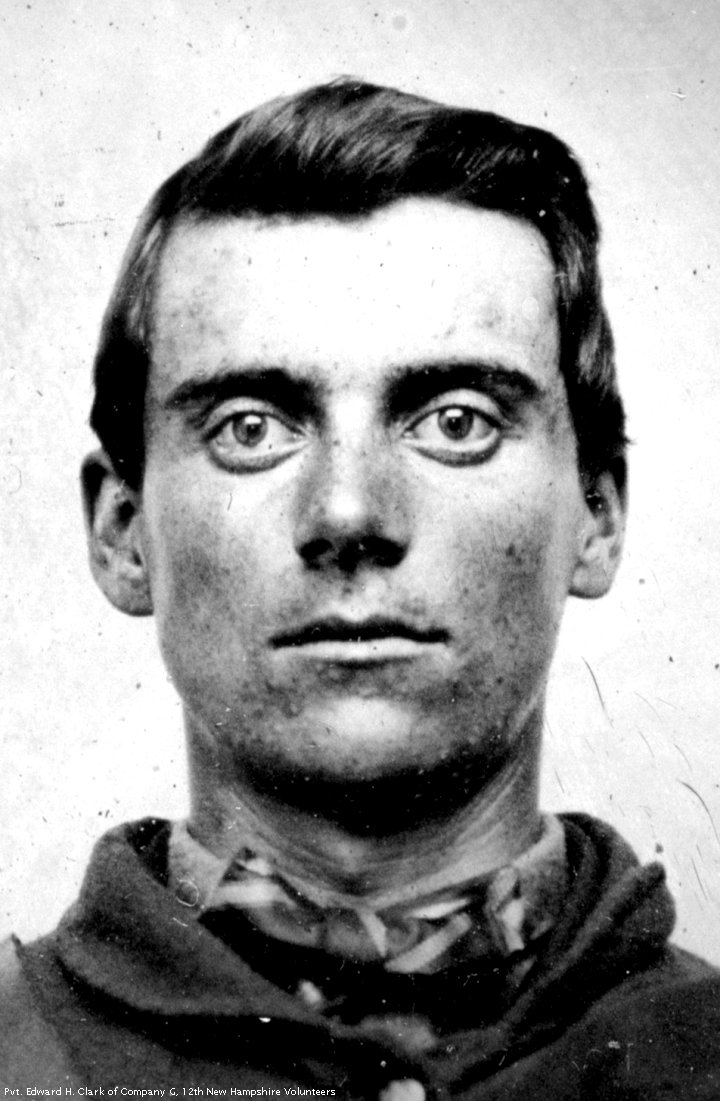


It is a truism that history is written by the winner of the war. This seems to apply to the naming of the conflict. There was a horrific armed struggle in North America between 1861 and 1865. The name used most often is Civil War. To many in the South, it is the War Between The States. In PG’s humble opinion, WBTS is a better name.
In fifth grade, PG had to write an essay about the Battle of Atlanta. The essay was a device for teaching grammar, utilized by the english teacher, Miss McKenzie. The contest was sponsored by the Daughters of the Confederacy . The expression “Civil War” was not permitted. The proper name for this conflict was War Between the States.
In many ways, this conflict started as soon as the United States became independent from Great Britain. The South was an agrarian society, with slaves to work the fields. The north was becoming an industrial society, with a need for an independent work force. The north wanted high tariffs to protect her industries, while the south wanted to sell it’s cotton to Europe. There were plenty of ways for this conflict to manifest.
Slavery was a very important factor. The south wanted to keep “the peculiar institution” intact, while many in the north were horrified. There were numerous compromises over the years, as Congress struggled to keep the Union intact. This ties in with a central dilemma of the american experience … how much power to give to the states, and how much power to give to the federal government.
The phrase civil war is defined as “A war fought between factions of the inhabitants of a single country, or the citizens of a single republic”. By the time the shooting started, the southern states had left the union. They formed a confederacy of independent states, rather than one monolithic union. It was, indeed, a war between the states.
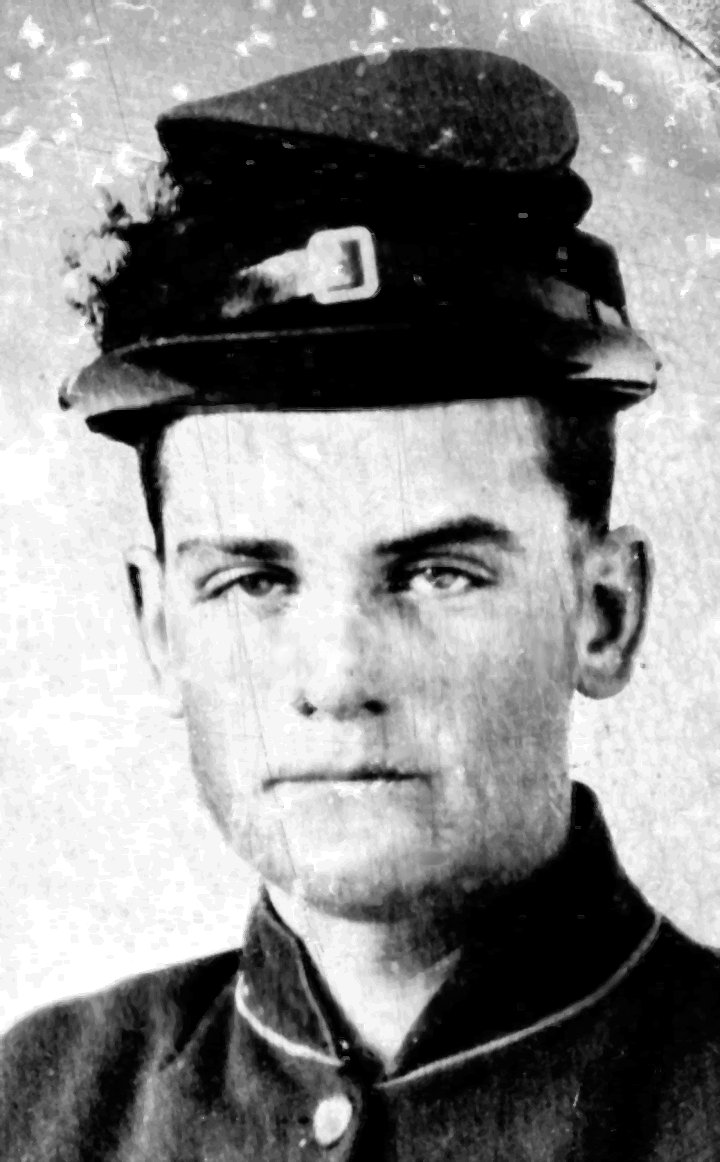
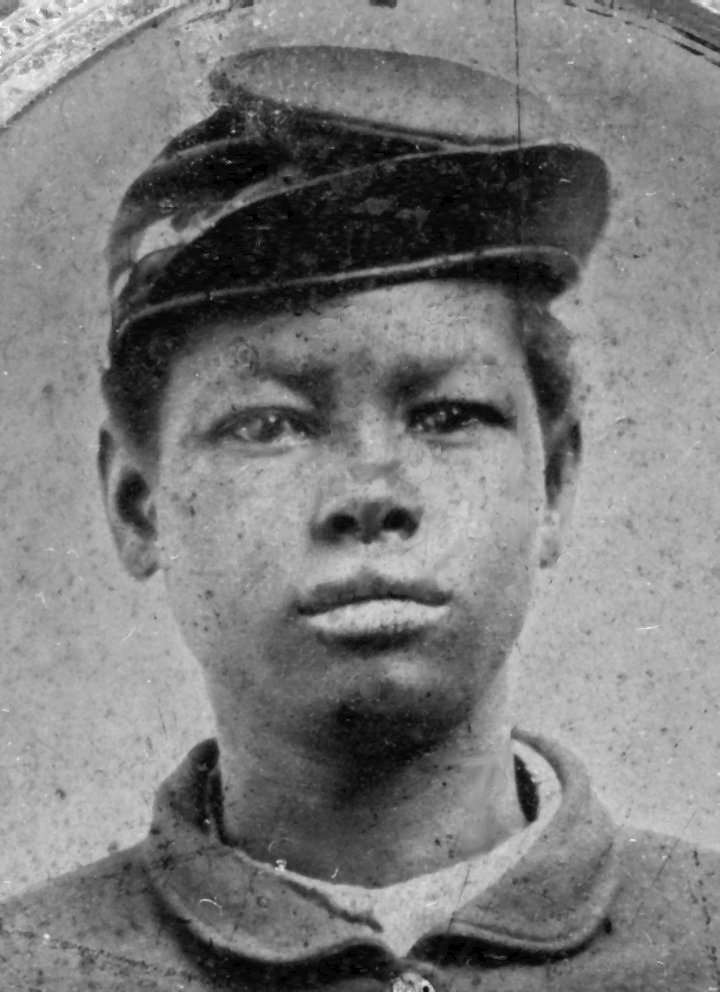
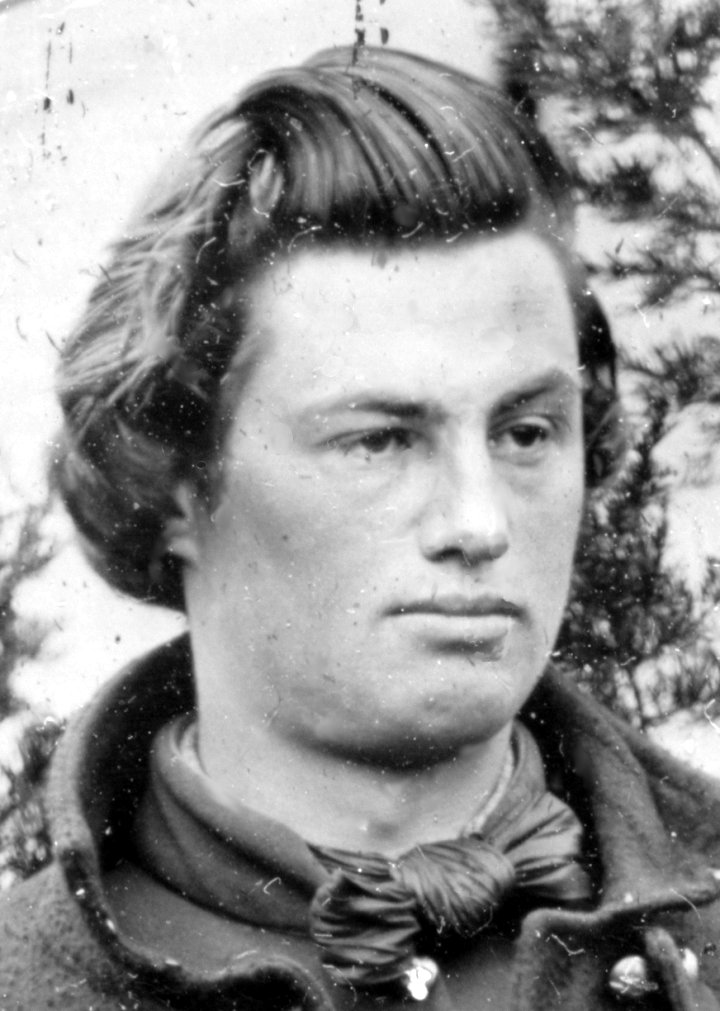
This is a repost. Pictures, of Union soldiers, are from The Library of Congress.







The recent destruction of #SilentSam, was defended by a quote from the 1913 dedication speech. Here is something else that Julian Carr said that day: “In the knowledge of subsequent developments, the progress, peace and prosperity of our united, common country, victor and vanquished now alike believe that in the Providence of God it was right and well that the issue was determined as it was. And the people of all sections of our great Republic, moved by the impulse of sincere and zealous loyalty, of fervent and exalted patriotism may say: “All is well that ends well.”
The demonization of the Confederacy has intensified lately. Yes, slavery was a wretched institution. However, much of the rhetoric today does not take into account many of the other causes of that war. And it forgets that *the war is over.* The early twentieth century was a time of reconciliation between the north and the south. Yes, there was Jim Crow, and white supremacy. People of color (both black and non black, both north and south) were treated horribly. Creating a more perfect union is a slow, and uneven, process.
Part two of today’s feature is a double repost. Part one is based on an interview with Shelby Foote, where he goes into some of the points made above. If you get a chance to listen to the link, you can hear Mr. Foote talk for an hour in a luxurious Mississippi accent. The second part of today’s feature goes into some of the financial causes of the War Between The States. It is an old truism that all wars are about money. The causes people are told about, both at the time of the conflict and historically, are not always the real reason for the war. Look at how WMD was used to justify “Operation Iraqi Freedom.” WMD was the excuse for the conflict, not the reason.
PG spent a pleasant Saturday afternoon editing pictures from The Library of Congress (which illustrate this post) and listening to a 1994 interview with Shelby Foote. There was a book to be sold, and Mr. Foote made the necessary appearances to sell the product. The gentleman has a handsome Mississippi accent, and is a delight to listen to. There is a transcript, aka the lazy bloggers friend.
A few of the things he said are timely. When this show was taped in 1994, Mr. Foote spoke of healing from the War Between the States. Today, we seem to be regressing. Trash talk about the Confederacy is back in fashion. It is a good time to revisit these comments. Shelby Foote died in 2005, and can no longer comment.
“Slavery is a huge stain on us. We all carry it. I carry it deep in my bones, the consequences of slavery. But emancipation comes pretty close to being as heavy a sin. They told — what is its million or 7 million people, “You’re now free. Hit the road,” and there was a Freedman’s Bureau, which was a sort of joke. There were people down here exploiting them. Three-quarters of them couldn’t read or write, had no job, no hope of a job, no way to learn a new job even, and they drifted back into this peon age system under sharecropping, which was about all they could do.
To this day, we are paying and they are paying for this kind of treatment. I don’t mean there should have been a gradual emancipation. I mean there should have been true preparation to get this people ready for living a kind of life. They were free and should have been free all along, but they were not prepared for living in the world. They’d been living under conditions of slavery, which kept them from living in the world…..”
“The Civil War, there’s a great compromise, as it’s called. It consists of Southerners admitting freely that it’s probably best that the Union wasn’t divided, and the North admits rather freely that the South fought bravely for a cause in which it believed. That is a great compromise and we live with that and that works for us. We are now able to look at the war with some coolness, which we couldn’t do before now, and, incidentally, I very much doubt whether a history such as mine could have been written much before 100 years had elapsed. It took all that time for things to cool down….”
(Booknotes host Brian) LAMB: “Was the Civil War inevitable? FOOTE: I think that it was necessary. I do not believe that those differences could have been settled without bloodshed. The question is the horrendous amount of bloodshed. That was not necessary. That could have been stopped at some point. God knows. But there apparently were differences so profound between the abolitionists in New England and the fire-eaters of South Carolina that dragged the rest of the country into this conflict that I’m inclined to agree with Seward, who called it an irrepressible conflict….” (Chamblee54 recently published a post, Why Was The War Fought?. about the financial aspects of the War. Follow the money, and find the truth. The post is seen below.)
LAMB: “From what you know now and your own political philosophy, if you had a voice and you lived back there, which side would you have been on? FOOTE: There’s absolutely no doubt. I’m from Mississippi. I would have been on the Confederate side. Right or wrong, I would have fought with my people. LAMB: Why? FOOTE: Because they’re my people. It would have meant the end of my life as I had known it if I fought on the other side. It would have been a falsification of everything I’d lived by, even if I opposed it. No matter how much I was opposed to slavery, I still would have fought for the Confederacy — not for slavery, but for other things, such as freedom to secede from the Union.”






Last week, this slack blogger found a tweet. The tweet said that Abraham Lincoln and John Kennedy fought the Federal Reserve, and both were killed. I did a little research, and found something that questions the conventional wisdom about the War Between the States.
Before getting to the quote, a disclaimer is in order. 100777.com is a sketchy website. What is says cannot be taken as literal truth. However, the statement about WBTS does raise some questions.
“One point should be made here: The Rothschild bank financed the North and the Paris branch of the same bank financed the South, which is the real reason the Civil War was ignited and allowed to follow its long, and bloody course.”
Maybe it was not the Rothschild Bank that financed WBTS. Somebody did. War is a profitable enterprise. People are going to egg on the combatants, knowing that there is money to be made. Someone encouraged the southern states to secede. Others encouraged the north to take a hard line on slavery, knowing that it would lead to a profitable war. Was slavery the reason for this war, or the excuse? Follow the money.
Rhett Butler was a central character in Gone With The Wind. He was a blockade runner, bringing in supplies to the south. He said this: “I told you once before that there were two times for making big money, one in the up-building of a country and the other in its destruction. Slow money on the up-building, fast money in the crack-up. Remember my words.”
It should be noted that slavery was a big money operation. “But I think we think of it differently when we realize that the value of slave property, some $4 billion, enormous amount of money in 1861, represented actually more money than the value of all of the industry and all of the railroads in the entire United States combined. So for Southern planters to simply one day liberate all of that property would have been like asking people today to simply overnight give up their stock portfolios.”
When the thirteen colonies declared independence, they were not creating a union. The idea was to kick out the British. The concept of a federal union, made up of more-or-less independent states, was fairly new. States had conquered other states, and formed empires, for a long time. A federal union of states was a new, and controversial, idea. Many European states wanted to see this federal union fail. These states encouraged the south to secede. Some people say the War Between the States began the day the British left.
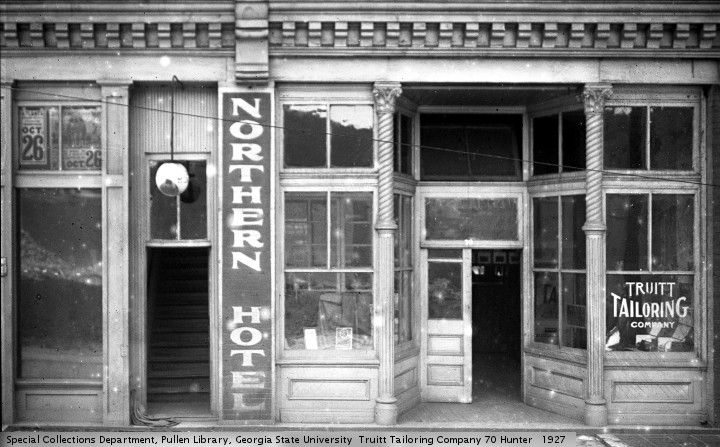
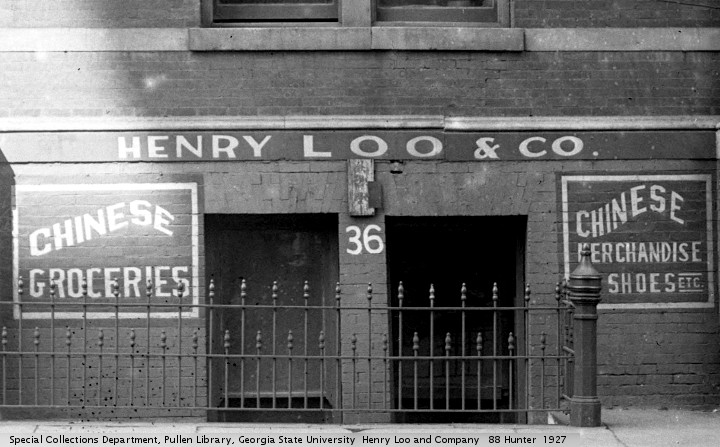
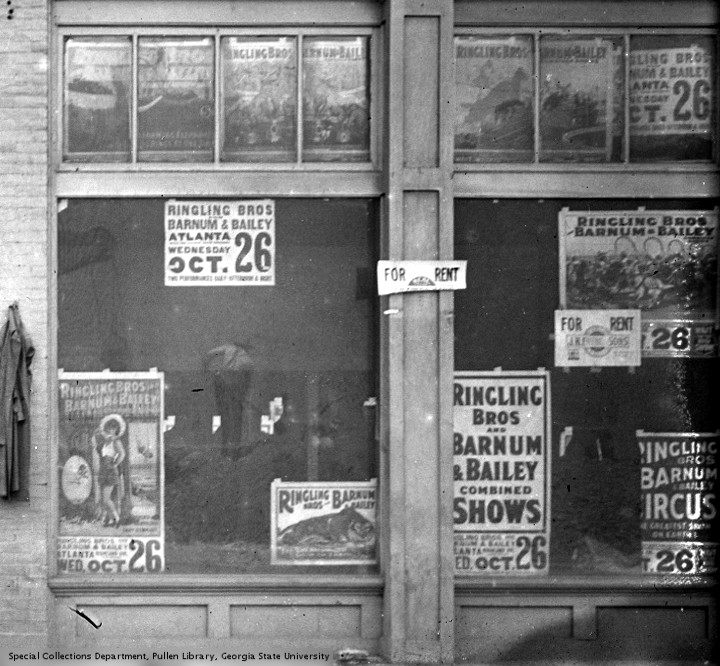
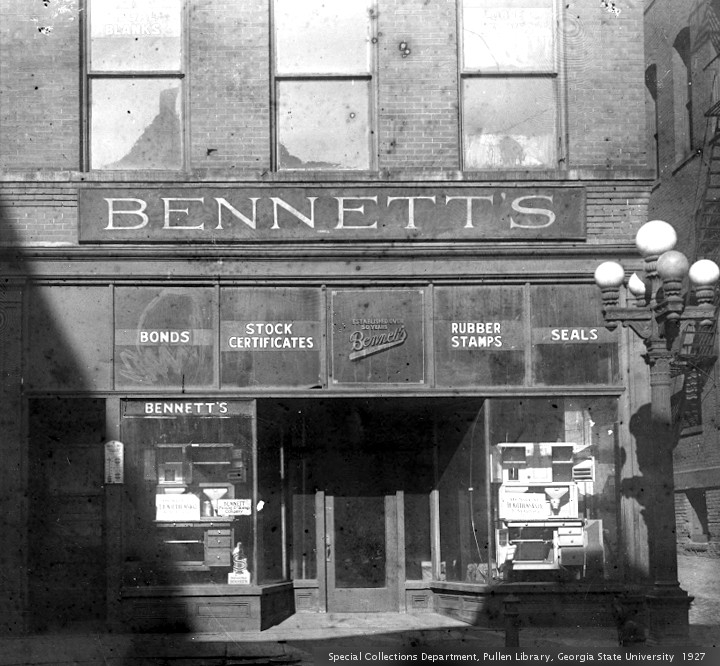
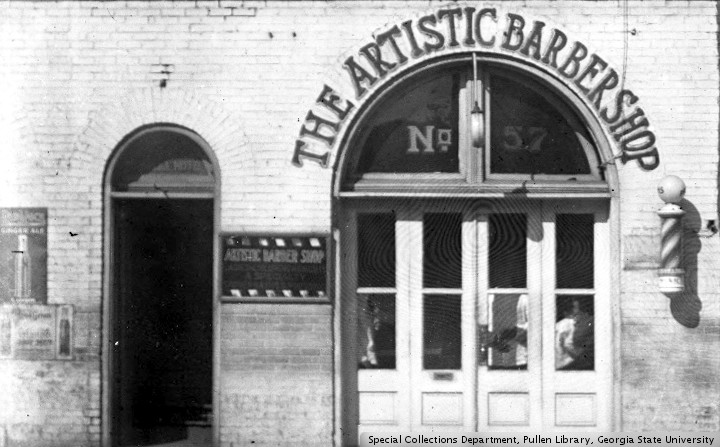
Pictures from “The Special Collections and Archives, Georgia State University Library “… a collection of images of downtown Atlanta streets that were taken before the viaduct construction of 1927 – 1929. Later, some of the covered streets became part of Underground Atlanta.”



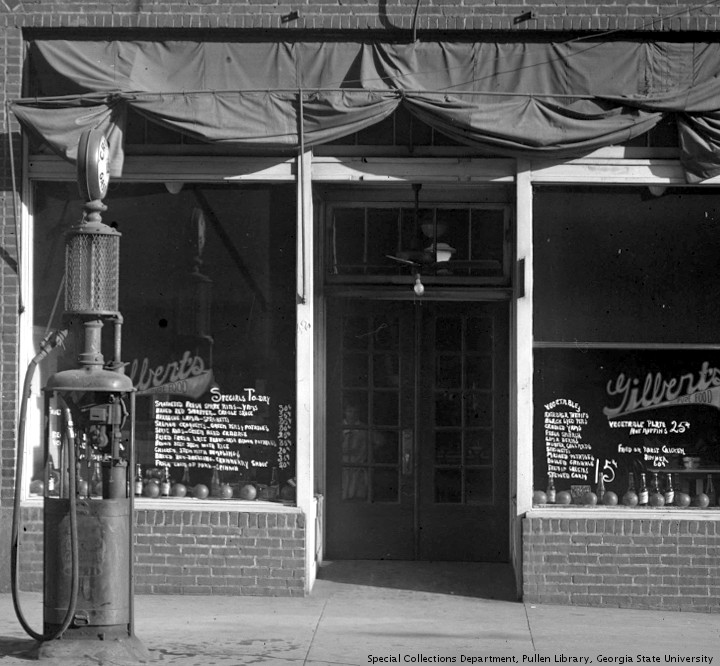
CK7 Hot Dog

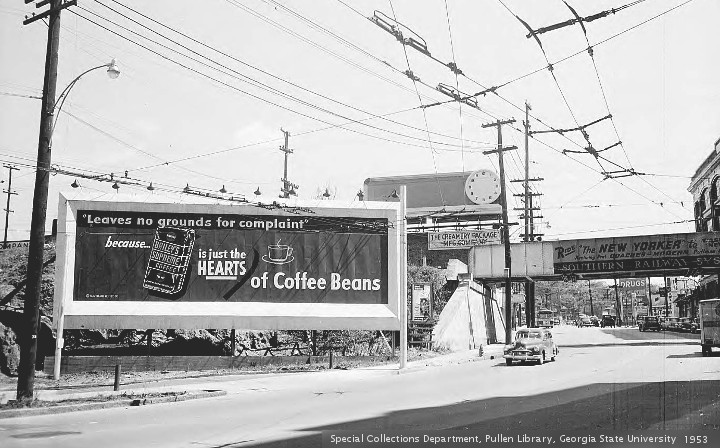
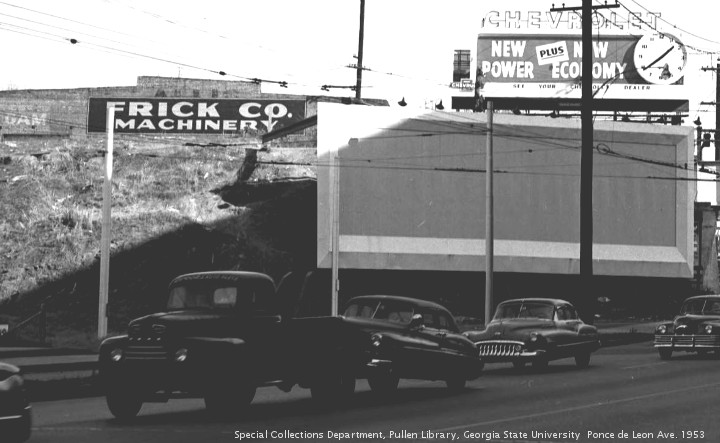
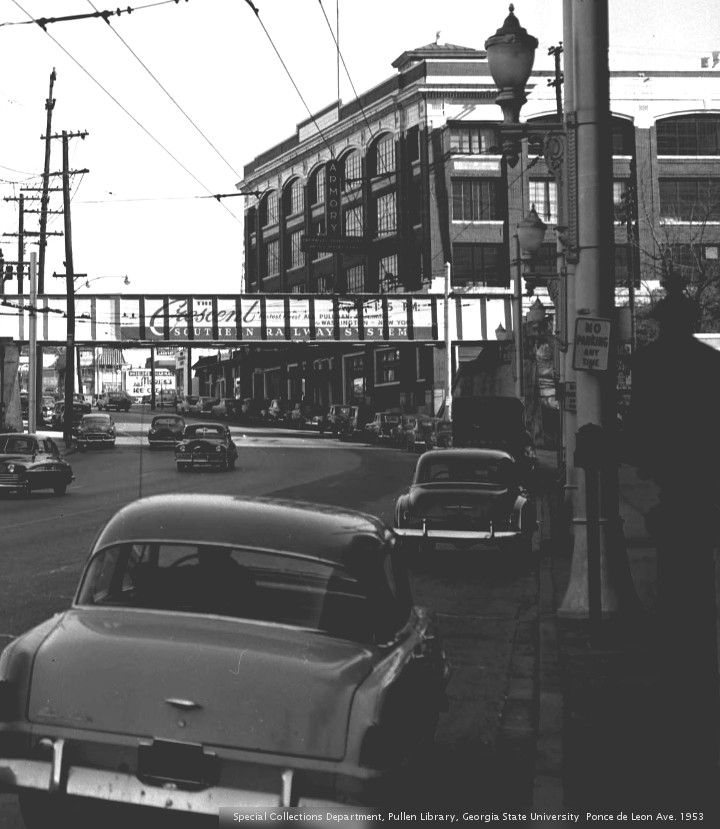


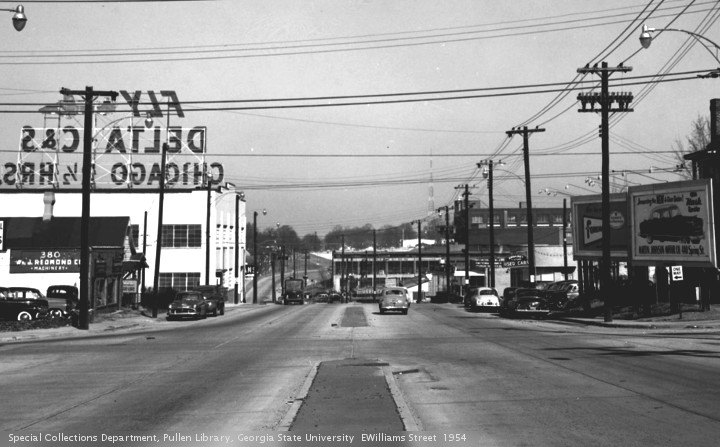


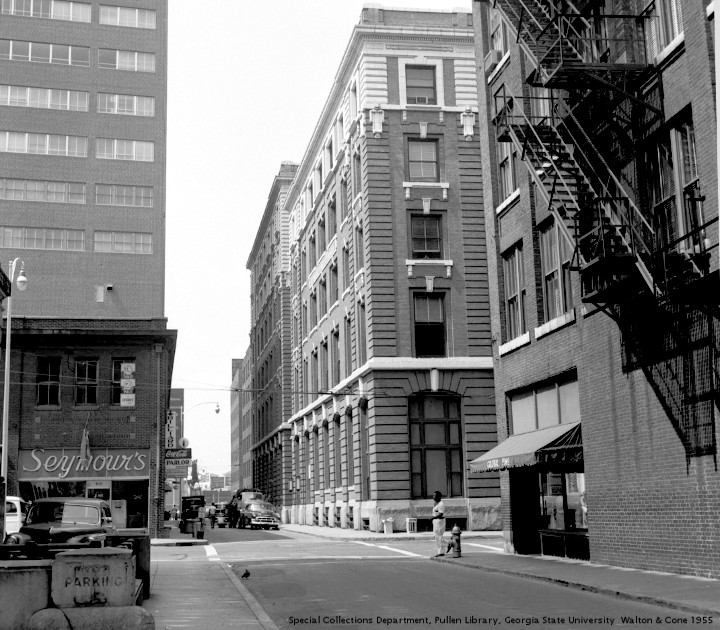

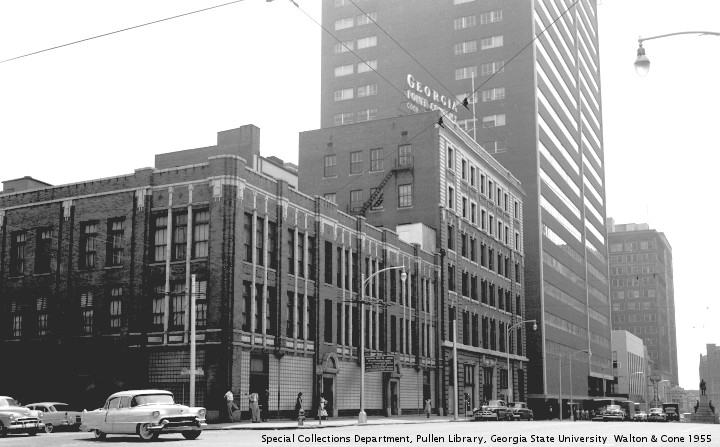

Hot Dog “3 – verb to perform in a conspicuous or often ostentatious manner especially : to perform fancy stunts and maneuvers (as while surfing or skiing).” A hot dog is more than a sandwich. Show offs have been called hot dog for a long time. Pictures today are from “The Special Collections and Archives, Georgia State University Library”.
Which brings us to Colin Kaepernick. PG has thought there was something fishy about #7 since his protest began in 2016. What would happen if you google “Colin Kaepernick Hot Dog”?
In 2013, after the Niners beat the Falcons in the NFC championship game, a restaurant in Turlock, CA, held a contest to name a hot dog in honor of the Niners young quarterback. “Kaepernick Special: Hot dog wins competition in Turlock Colin Kaepernick is a hot dog. That’s not a critique of the quarterback’s playing style; that’s a fact. The Kaepernick Special made its first appearance on the menu at Main Street Footers Thursday. The restaurant, a mainstay in downtown Turlock for decades, held a contest to come up with a hot dog named for the former Pitman High football standout. … Football and hot dog aficionados submitted a variety of ideas … One suggestion: a hot dog topped with crab, shrimp and cocktail sauce. … Jim Yettman, 76, said he entered the contest “on a whim” … Yettman’s concoction: A hot dog with chili, cabbage, red and yellow bell peppers, jalapeños and a secret sauce consisting of mustard, horseradish, thousand island dressing, and cayenne pepper. … He beat out a pulled pork-topped hot dog and a pizza-themed version with pepperoni and olives.”
As you may have heard, Mr. Kaepernick sat down during the National Anthem, before a 2016 pre-season game. One of the first casualties, in the uproar that followed, was the CK7 hot dog. “A hot dog named in honor of Colin Kaepernick at a restaurant in his hometown of Turlock, Calif., no longer is available. The hot dog called CK7 — Kaepernick’s initials followed by his jersey number — has been pulled off the menu at Main Street Footers after the San Francisco 49ers quarterback refused to stand for the national anthem before a preseason game against the Green Bay Packers on Friday. The hot dog that was topped with chili, coleslaw, jalapenos and “Kaep Sauce’’ was a hot item for $6.05 when Kaepernick helped lead the 49ers to the Super Bowl after the 2012 season but had become a “political football,’’ restaurant co-owner Glenn Newsum said.”
In 2016, the Carolina Panthers were coming off an NFC championship. Their star quarterback, Cam Newton, gave an interview with GQ, and said some controversial things. After the Niners played the Panthers, Mr. Kapernick and Mr. Newton were photographed together. Some twitter wits speculated about what was said. @TribalThrasher “Kaep: A hot dog isn’t a sandwhich.. Cam: SQUARE UP”
Don’t be surprised if a google search for “dog” yields a story featuring Mike Vick. “Colin Kaepernick tweets Stockholm Syndrome definition after Michael Vick advises him to get a haircut Recently retired NFL quarterback Michael Vick has some advice for Colin Kaepernick, who is still looking for a job after opting out of his contract with the San Francisco 49ers in March. “First thing we gotta get Colin to do is cut his hair,” Vick said Monday. … (photo comment) Kaepernick had short, neatly cut hair when he led the 49ers to the Super Bowl following the 2012 season. But before last season, he grew it all out, often sporting a large Afro or sometimes cornrows. … “Just go clean cut, you know? Why not?” said Vick, who sometimes wore his own hair in an Afro or cornrows in his younger days. … “The most important thing that he needs to do is just try to be presentable.” … it’s not the Colin Kaepernick that we’ve known since he entered the NFL. … I love the guy to death and I want him also to succeed on and off the field. … “He is a great kid and the reason he’s not playing has nothing to do with the national anthem, I think it’s more solely on his play.” … In what some are interpreting as a response to Vick’s comments, Kaepernick took to Twitter and Instagram on Tuesday morning and posted the definition of Stockhom Syndrome.”









Henry Woodfin Grady



Before yesterday, PG did not know much about Henry Woodfin Grady. He saw the statue downtown, and visited people in the namesake hospital. PG knew Mr. Grady was a newspaper man, and a pioneer salesman of Atlanta, Inc. There was something called The New South Address.
That all changed Wednesday morning. Editorial: Mayor Bottoms, tear down this statue! was the headline at the Signal, Georgia State University’s student newspaper. Someone at the University of Massachusetts read the New South Address, and found some amusing quotes.
“What of the negro? This of him. I want no better friend than the black boy who was raised by my side, and who is now trudging patiently with downcast eyes and shambling figure through his lowly way in life. I want no sweeter music than the crooning of my old “mammy,” now dead and gone to rest, as I heard it when she held me in her loving arms, and bending her old black face above me stole the cares from my brain, and led me smiling into sleep. I want no truer soul than that which moved the trusty slave, who for four years while my father fought with the armies that barred his freedom, slept every night at my mother’s chamber door, holding her and her children as safe as if her husband stood guard, and ready to lay down his humble life on her threshold. History has no parallel to the faith kept by the negro in the South during the war.”
This is one of the nicer parts. About half the speech is about the Negro, and what the White man should do about him. When PG finally read the speech itself, he was amazed. The rhetoric was much worse than PG expected. If you want to get your woke knickers thoroughly twisted, read between page 23 and page 33. (The speech starts on page 21.)
The well meaning GSU students printed a dose of contemporary rhetoric, about a speech given October 26, 1887. PG summarized this on Facebook. Editorial: Mayor Bottoms, tear down this statue! The GSU Signal cranked up the purple prose machine for an attack on Henry W. Grady. “A monument to Henry Grady and his accomplishments on Marietta and Forsyth streets — also named Henry Grady Square — still stands today. Etched into his plaque are three celebratory words: “Journalist, Orator, Patriot.” Let us be clear in recognizing that Grady, as a journalist, promoted racism. Grady, as an orator, promoted racism. And Grady was certainly no patriot — he was simply a racist.”
A facebook friend, who we will call Macon, asked “What part of it do you disagree with?” 28 comments later, PG got on his digital horse, and rode into the sunset.
The initial response was about the the comment “Grady was certainly no patriot — he was simply a racist.” The New South Address was in 1887, 22 years after the War ended. Before that hideous conflict, the states were seen as separate entities, with helpful guidance from the Federal government. When the Confederate states left this union, a ghastly was ensued.
After the south was conquered by the north, there was little doubt. The states were governing districts, under the control of the mighty federal government. Most people today take this arrangement for granted. The truth is, it has been controversial over the years. In his landmark address, Henry W. Grady was calling for an economic union of the south and north, to go along with a militarily-enforced political union. 22 years after a horrific war over secession, a southerner was calling for a stronger union with the north. To PG, this is patriotism. The fact that Mr. Grady said impolite things does not change this.
Macon responded “… but he was a racist …” A few comments were exchanged. Macon said what Macon wanted to say. PG said what PG wanted to say. PG was ready to walk away, and go to the gym. Before leaving, PG said: “I note that you have not addressed the patriotism issue. You asked me what I disagree with, in this assessment of Henry Grady. I replied that working for a strong Federal Union, less than a generation after the War Between the States, was an act of patriotism. You have not responded to this.”
When PG got back, he saw where Macon had posted a series of lurid quotes from the NSA. What PG missed, at first, was the comment “I agree it was patriotic.” Since PG had missed this comment, he continued to hammer away at the patriotism issue. Finally, Macon said “Yes, was Sen. Joe McCarthy a patriot? Was Hitler? … ” Godwin’s Law is now in effect. Adult conversation has left the building.
What to make of all this? It is apparent that Mr. Grady said some unfortunate things. Does this negate all the good that he did? Looking back, it seems that the main contribution made by Henry W. Grady was as a salesman for the south. In Atlanta, a town built on marketing, this makes him a publicity patron saint. Now we are learning about exactly what Henry W. Grady said. G-d is in the details. Pictures today are from The Library of Congress.




leave a comment