November 11
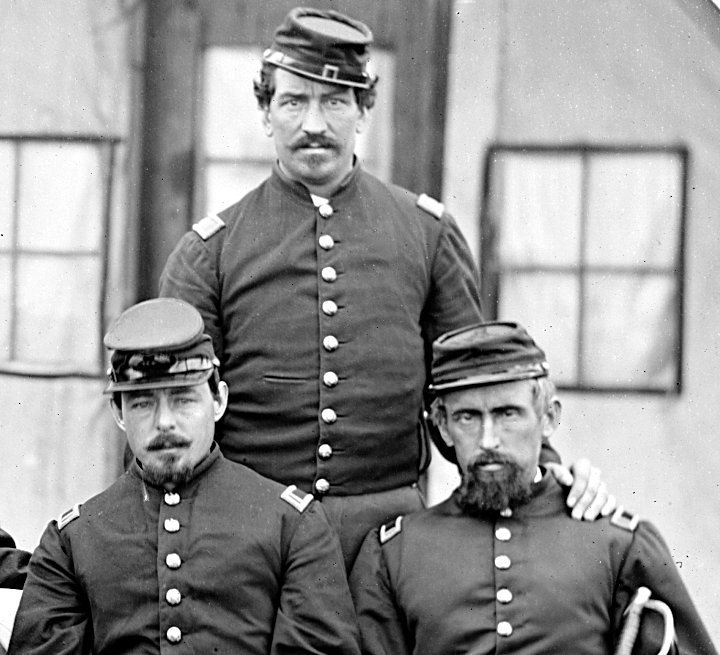


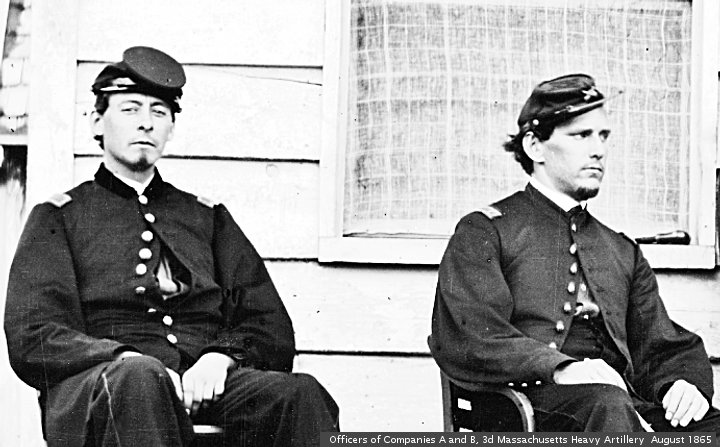
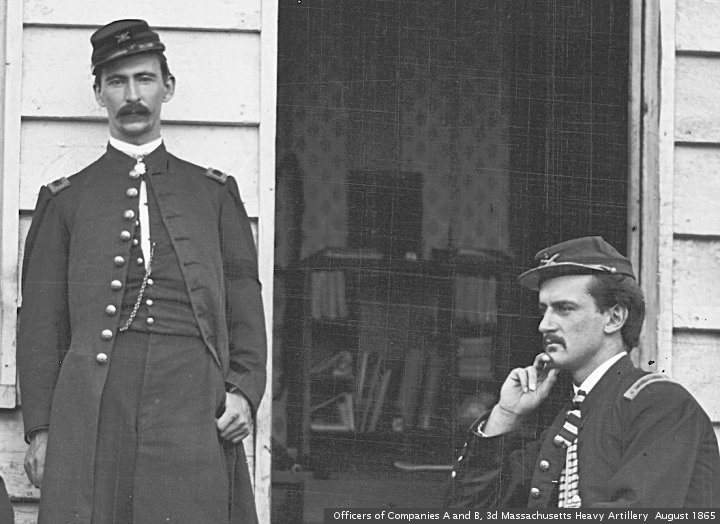
Veterans day was originally Armistice Day. On November 11, 1918, at 11 am (the eleventh hour of the eleventh day of the eleventh month) a cease fire went into effect for “The great war”. Officials of the major armies agreed to the ceasefire at 5 am (European time). There were an estimated 11,000 casualties in the last six hours of the war.
At 11:59 am, U.S. army private Henry Gunther became the last soldier to die in World War I. “According to the Globe and Mail this is the story of the last soldier killed in WW1: On Nov.11, 1918, U.S. army private Henry Gunther stood up during a lull in the machine gun fire and charged the enemy. “The Germans stared in disbelief,” says the Daily Express. “They had been told that morning that the fighting was about to stop; in a few minutes they would stop firing and go home. So why was this American charging at them with his bayonet drawn? They shouted at him to stop and frantically tried to wave him back but… he hadn’t heard anything of the ceasefire.” A German gunner released a five-round burst and the soldier lay dead, at 10:59 a.m. In his recently published Eleventh Month, Eleventh Day, Eleventh Hour, U.S. Military Historian Joseph Persico notes that Private Gunther had previously been a sergeant but was demoted after an Army censor read his letter to a friend back home, urging him to steer clear of the war at all costs. Gunther, who was in no-man’s land when the ceasefire news arrived, had been trying to prove himself worthy of his original rank.”
This is a repost. Pictures are from The Library of Congress.
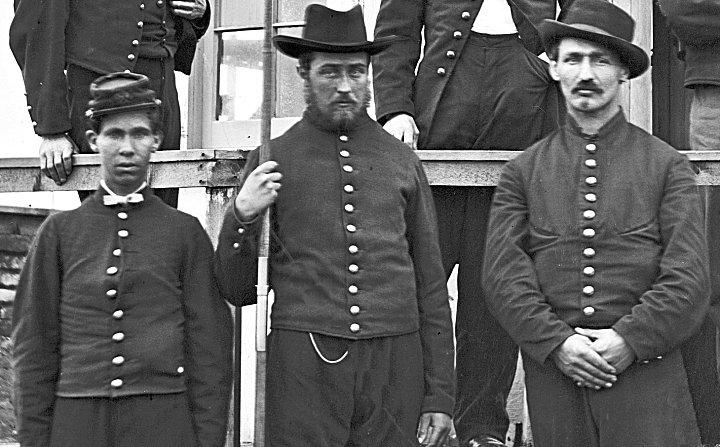

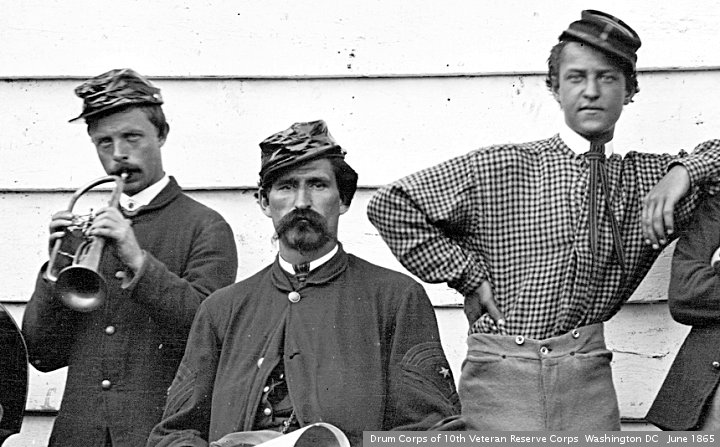
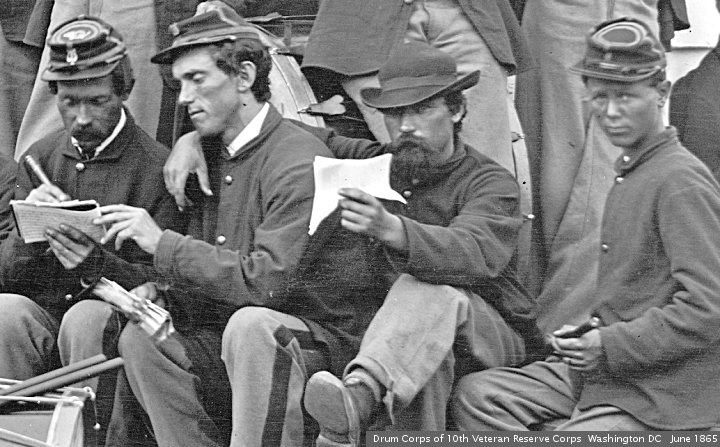
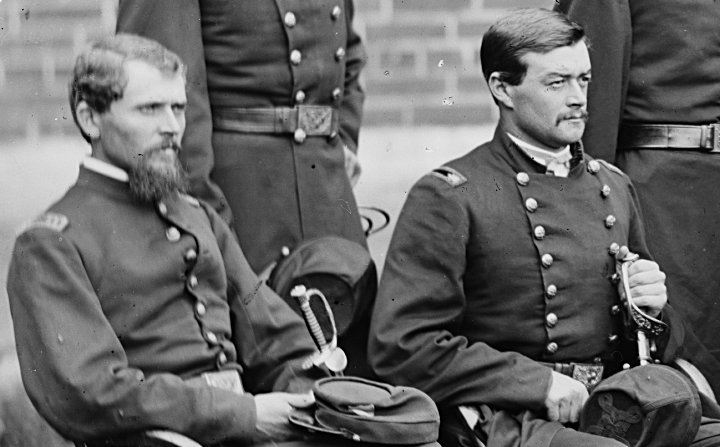
Veteran’s Day is a bad day for a cynic. I appreciate living in The United States. Even with all of her flaws, I have a good life here. The role that Veterans have played should be honored. On the other hand, those who profit from war often exploit Veterans, for political mojo. Many of these people did not serve. Those who profit from war, without serving, deserve our scorn.
Veterans are often not treated well after their service. It is estimated that a quarter of the homeless are veterans. The services offered to wounded veterans are shamefully lacking.
Hugh Pharr Quin CSA was my great grandfather. He served with the Georgia State Troops, in the War Between the States. I prefer the USA to the CSA, or whatever would have followed a Confederate victory. The Union army had to prevail, over the various Confederate Armies, for this to happen. Do I dishonor my great grandfather by saying, we are better off that the other side won?
Veterans Day was originally Armistice Day. This was the day, 101 years ago, when the War to End All Wars ended. World War I was a ghastly bloodbath, in which millions died. It affected many of the problems that plague us today. I would be willing to bet that not one person, in ten thousand, knows what World War I was about. And yet, the men who fought in that conflict (I don’t think they had women soldiers then) deserve the same gratitude as those who fought in any other conflict.
The soldier…many of whom are drafted…doesn’t get to choose which war to fight in. The sacrifice of the World War II soldier was just as great as the Vietnam fighter, but the appreciation given was much greater. I grew up during Vietnam, and saw the national mood go from patriotic fight, to dismayed resistance. By the time I was old enough to get drafted, the Paris accords had been signed. For better or worse, there went my chance.
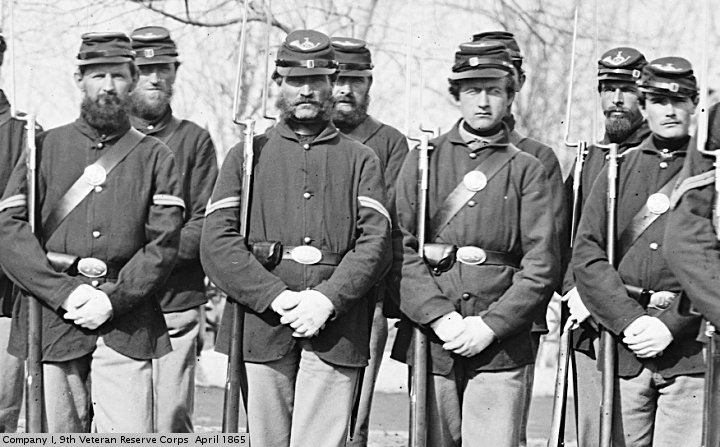



Slavery And The Star Spangled Banner


There is a terrific Backstory episode about the War of 1812. (Here is another one.) This is a conflict that is not much thought about, even during its bicentennial. It was not a good war for people of color. Native tribes fought with the British in Michigan, and were soundly defeated. After this war, the attitude of the white man towards the natives got worse.
Perhaps the most famous product of the War of 1812 is The Star Spangled Banner, a.k.a. the national anthem. There are a few legends about writing this song that skeptical bloggers like to shoot down. At the 43 minute mark of the backstory episode, another aspect of TSSB is discussed.
It seems as though slaves were escaping their owners, and fighting with the British. Washington lawyer Francis Scott Key was a slave owner, and thought that the slaves would be better off with their owners. This is the sentiment behind the third verse of TSSB.
And where is that band who so vauntingly swore,
That the havoc of war and the battle’s confusion
A home and a country should leave us no more?
Their blood has wash’d out their foul footstep’s pollution.
No refuge could save the hireling and slave
From the terror of flight or the gloom of the grave,
And the Star-Spangled Banner in triumph doth wave
O’er the land of the free and the home of the brave.
The image of F.S. Key has been cleaned up over the years. This biography omits the third verse of TSSB, and does not mention his slaves. Wikipedia tells a different story. “President Jackson nominated Key for United States Attorney for the District of Columbia in 1833.”
“In 1836, Key prosecuted New York doctor Reuben Crandall, brother of controversial Connecticut school teacher Prudence Crandall, for “seditious libel” for possessing a trunk full of anti-slavery publications in his Georgetown residence. In a trial that attracted nationwide attention, Key charged that Crandall’s actions had the effect of instigating enslaved people to rebel. Crandall’s attorneys acknowledged he opposed slavery but denied any intent or actions to encourage rebellion. In his final address to the jury, Key said “Are you willing gentleman to abandon your country, to permit it to be taken from you, and occupied by the abolitionist, according to whose taste it is to associate and amalgamate with the negro? Or gentleman, on the other hand, are there laws in this community to defend you from the immediate abolitionist, who would open upon you the floodgates of such extensive wickedness and mischief?” Crandall was acquitted.”
The Huffington Post has a story about F.S. Key, ‘Land of the Free?’ Francis Scott Key, Composer of National Anthem, Was Defender of Slavery.
“Buying and selling humans remained a respectable business in Washington City. The slave holding elite of the south had a majority in the Congress and a partner in President Andrew Jackson…
To reassert the rule of law, Key set out to crack down on the anti-slavery men and their “incendiary publications.” Informants had reported to the grand jury about an abolitionist doctor from New York who was living in Georgetown. Key charged Rueben Crandall with bringing a trunk full of anti-slavery publications into the city.
In the spring of 1836, Key’s prosecution of Rueben Crandall was a national news story. In response, the American Antislavery Society circulated a broadsheet denouncing Washington as “The Slave Market of America.” The abolitionists needled Key for the hypocrisy of using his patriotic fame to defend tyranny in the capital: “Land of the Free… Home of the Oppressed.”
Key shrugged off his liberal critics. In front of courtroom crowded with Congressmen and correspondents Key waxed eloquent and indignant at the message of the abolitionists. “They declare that every law which sanctions slavery is null and void… ” Key told the jury. “That we have no more rights over our slaves than they have over us. Does not this bring the constitution and the laws under which we live into contempt? Is it not a plain invitation to resist them?”
Pictures today are from The Library of Congress. The Star Spangled Banner was written September 14, 1814. It is controversial today. This is a repost.



Hiroshima 74 Years Later




At 8:15 am, August 6, 1945, Hiroshima got nuked. It was the start of a new era. Since Japan is 13 hours ahead of Georgia, and standard time was used, the literal anniversary is 8:15 pm, August 5.
Tsutomu Yamaguchi was working in Hiroshima when the bomb hit. He survived, and found a train to take hime to his home town, Nagasaki.
The device dropped on Hiroshima, the Little Boy, had an estimated force of 13 kilotons of Trinitrotoluene, or TNT. A kiloton of TNT is roughly a cube whose sides are ten meters. This device is fairly tiny compared to many of the warheads developed since. Many of the modern appliances are measured in megatons, or millions of tons of TNT. The Soviet Union had a bomb with a capacity of 50 megatons, or 4,000 times the size of the Little Boy.
The largest weapon tested by The United States is the Castle Bravo. This device destroyed Bikini Atoll in the Pacific. The two piece swimsuit was named for this island. The Castle Bravo device had a yield of 15 megatons of TNT. This is roughly 1,000 times the power of the Little Boy.
The decision to drop the bomb has long been controversial. There are a lot of factors and gray areas, and the issue does not lend itself to sound bite solutions. The conventional wisdom is that Japan surrendered because of the nuclear attack. This meant the war was shortened by at least a year, there was no invasion of Japan, and many lives were saved. PG is scared by the moral calculus involved in a decision like this….do 100,000 civilian deaths prevent the deaths of 500,000 soldiers? PG suspects that even G-d herself would lose sleep over that one.
There is also evidence that the bomb was not needed. Japan was whipped in August 1945. The air raids were conducted in daylight with little resistance. A debate was going on in the Japanese government on whether to continue the fight.
An event happened the day between Hiroshima, and Nagasaki, which influenced the Japanese decision to surrender. The Soviet Union had agreed to help the United States with the war against Japan. On August 8, The Soviet Union invaded Japanese occupied Manchuria. There are indications that Japan knew the fight was hopeless at this point, and would rather surrender to The United States than The Soviet Union. This is one of the gray areas that never seems to be mentioned.
The United States wanted the war to end quickly for obvious reasons, and a few subtle ones. America did not want to share the spoils of Japanese war with The Soviet Union. There were already tensions between the two allies, and the cold war was not far off. Many felt The United States used the Little Boy as a warning to The Soviet Union.
When you get your moral software out, you might want to figure in the effect of opening the nuclear Pandora’s box. Would the nuclear bomb have been developed by other countries if America had not led the way? The science is not that complicated…after all, America hit paydirt with the Manhattan Project fairly quickly. Nonetheless, there is karma involved in using a terrible new device on a civilian population. The United States started the wind of the arms race, and has yet to feel the whirlwind.
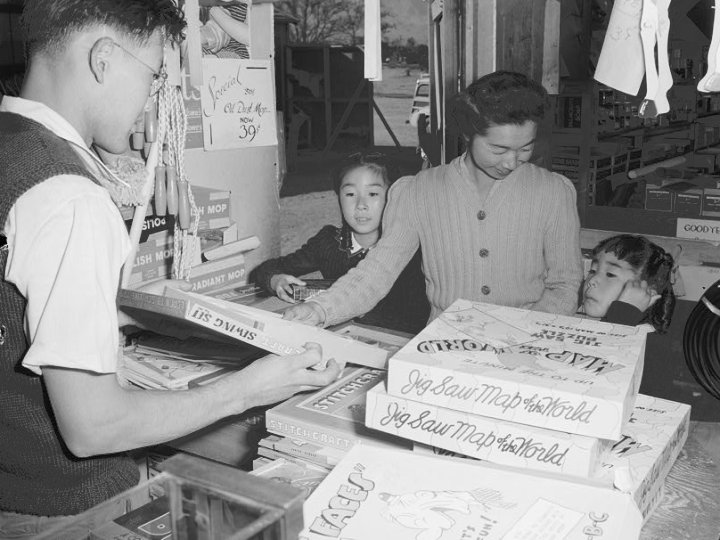
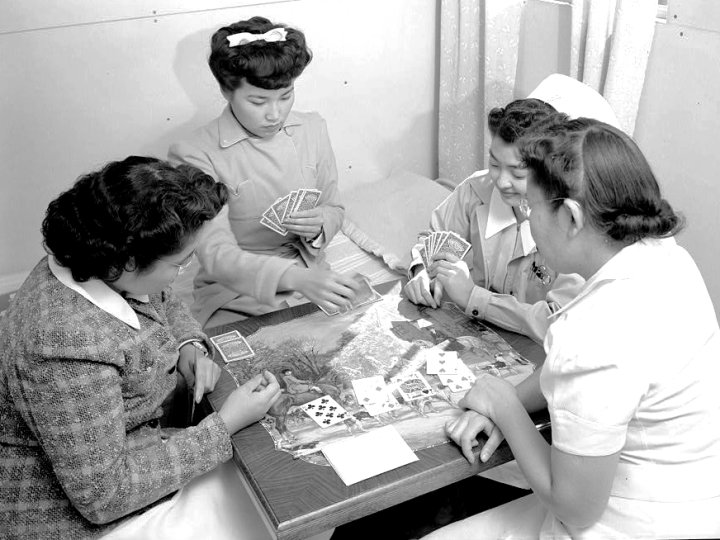
This is a repost. The pictures are from The Library of Congress. Ansel Adams took pictures of Japanese Americans, in a World War Two internment camp. The ladies in the bridge game are Aiko Hamaguchi, Chiye Yamanaki, Catherine Yamaguchi, and Kazoko Nagahama.


Beneduck Arnold

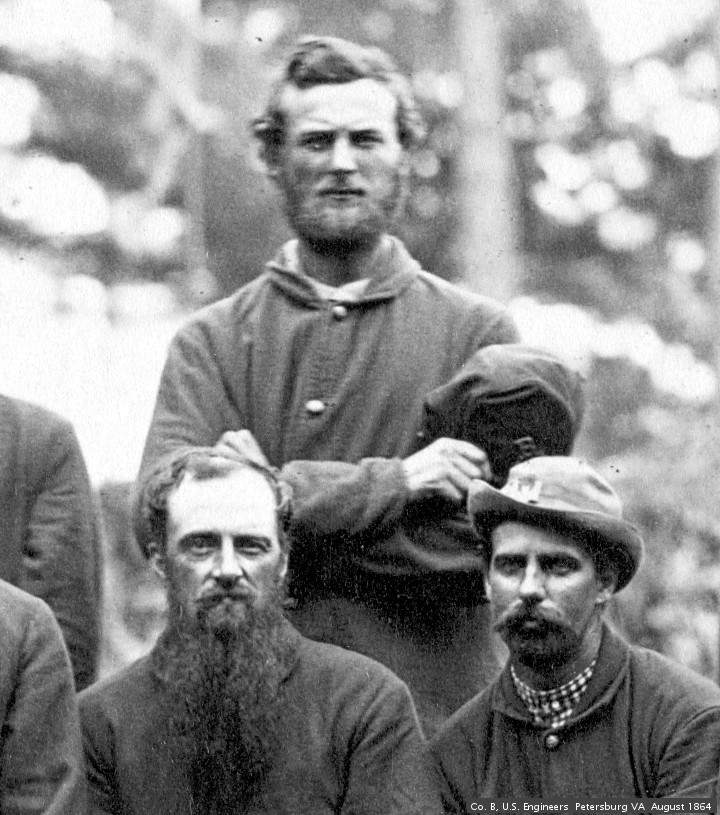
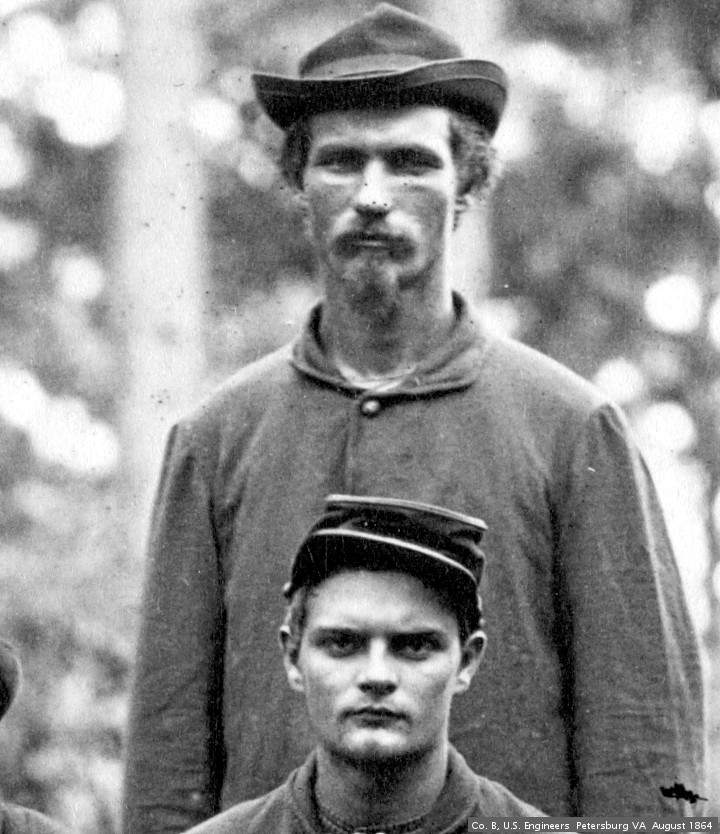


What did one flag say to the other flag? Nothing. It just waved!
What’s red, white, black and blue? Uncle Sam falling down the steps!
What would you get if you crossed Washington’s home with nasty insects? Mt. Vermin!
What did a patriot put on his dry skin? Revo-lotion!
Which colonists told the most jokes? Punsylvanians!
What was General Washington’s favorite tree? The infantry!
Where did George Washington buy his hatchet? At the chopping mall!
What quacks, has webbed feet, and betrays his country? Beneduck Arnold!
Did you hear the one about the Liberty Bell? Yeah, it cracked me up!
What would you get if you crossed a patriot with a small curly-haired dog? Yankee Poodle!
Why did Paul Revere ride his horse from Boston to Lexington? The horse was too heavy to carry!
What happened as a result of the Stamp Act? The Americans licked the British!
This is a repost. Picture are from The Library of Congress.

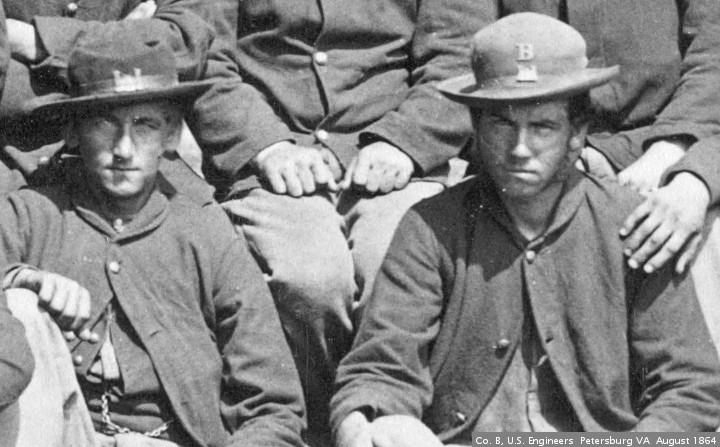


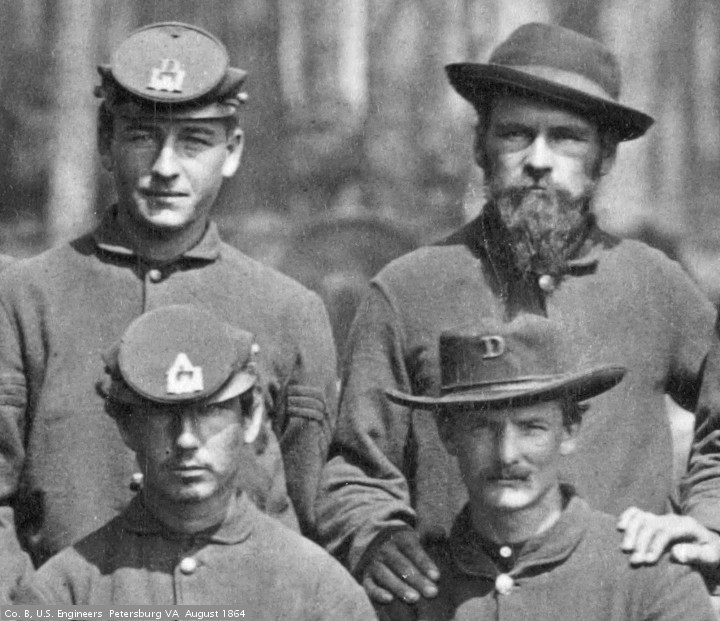


7 O’Clock News/Silent Night

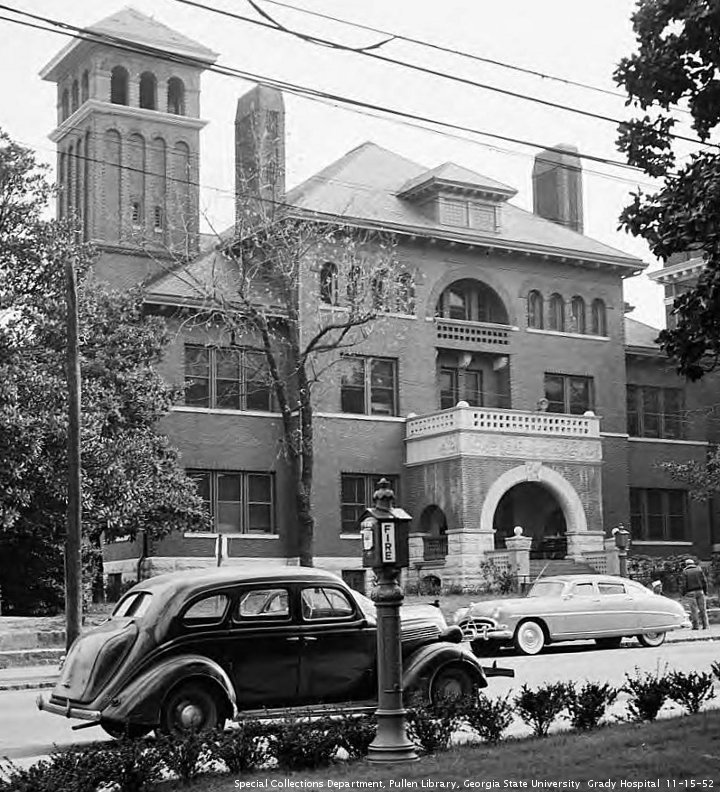


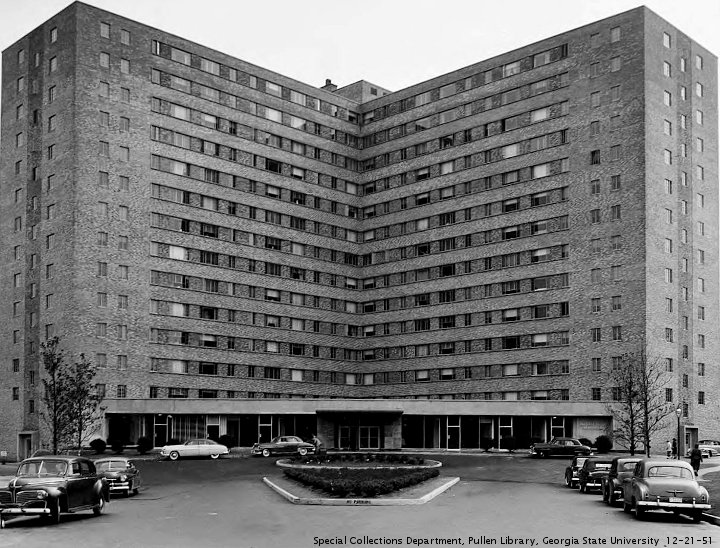

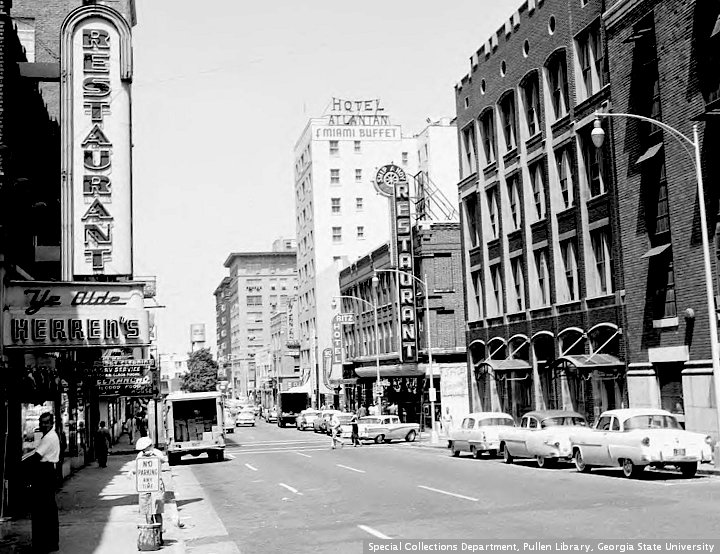
Parsley, Sage, Rosemary and Thyme was on the car stereo yesterday. PG thought about the first time he heard PSRT. It was 52 years ago, in a basement down the street. Then it was a monural record player, with kids playing songs over and over to write down the lyrics. It is a stretch to go from that, to a thumb drive on a car stereo. Almost as far as Art Garfunkel’s hair has gone … from luxurious blonde afro, to bald as an egg.
The last song on that album was quite the statement. It starts off with Simon and Garfunkel, who are both Jewish, singing “Silent Night.” In the background is a newscast. The news is soft at first, and gets louder, and louder. What happened to the stories in that newscast?
“In Los Angeles today comedian Lenny Bruce died of what was believed to be an overdose of narcotics. Bruce was 42 years old.” This is the first item that can be clearly heard. It helps to establish the date of the broadcast… August 3, 1966. PG had never heard of Lenny Bruce. The comic has gone on to be an icon of American entertainment. Most of the people who feverishly admire Lenny have never read Ladies and Gentlemen, Lenny Bruce!! While he was a talented comedian, Lenny was also a serious heroin addict. He was not a nice person. PG later wrote The Trial Of Lenny Bruce. This post is about one of his obscenity trials.
“Dr. Martin Luther King says he does not intend to cancel plans for an open housing march Sunday into the Chicago suburb of Cicero. Cook County Sheriff Richard Ogleby asked King to call off the march and the police in Cicero said they would ask the National Guard to be called out if it is held. King, now in Atlanta, Georgia, plans to return to Chicago Tuesday.”
It is hard to imagine in 2019, but Dr. King used to be referred to in present tense. Twenty months after this newscast, Dr. King was killed. “On 4 April 1967,” (exactly one year before he died) “Martin Luther King delivered his seminal speech at Riverside Church condemning the Vietnam War.” Opposition to a wretched war played a large part in his last year.
“In Washington the atmosphere was tense today as a special subcommittee of the House Committee on Un-American Activities continued its probe into anti-Vietnam war protests. Demonstrators were forcibly evicted from the hearings when they began chanting anti-war slogans. Former Vice-President Richard Nixon says that unless there is a substantial increase in the present war effort in Viet nam, the U.S. should look forward to five more years of war. In a speech before the Convention of the Veterans of Foreign Wars in New York Nixon also said opposition to the war in this country is the greatest single weapon working against the U.S.”
This is one of the saddest paragraphs ever. In 1968, Richard Nixon ran for President, again. All the players (except third party candidate George Wallace) were manipulating events in Vietnam to manufacture an “October Surprise.” Tricky Dick somehow won, and kept American forces in Vietnam until 1973 … six years after the seven o”clock news.
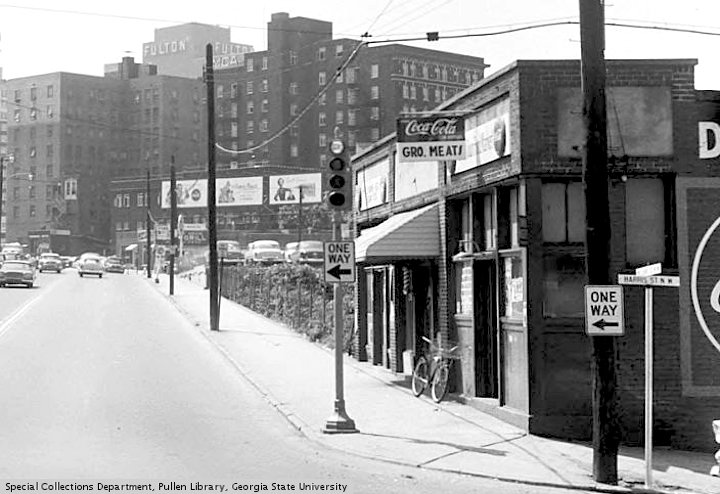
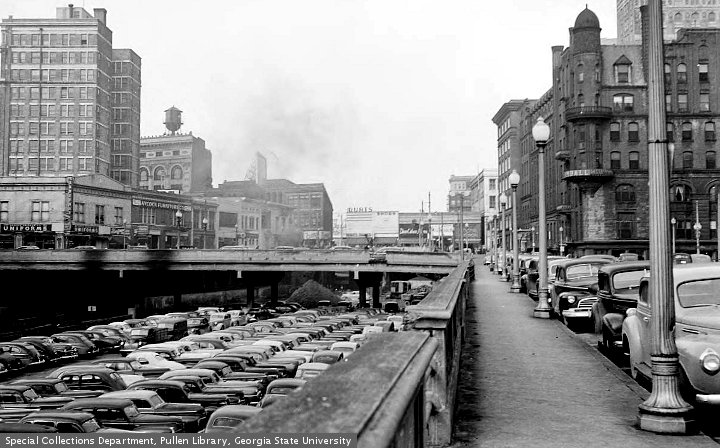
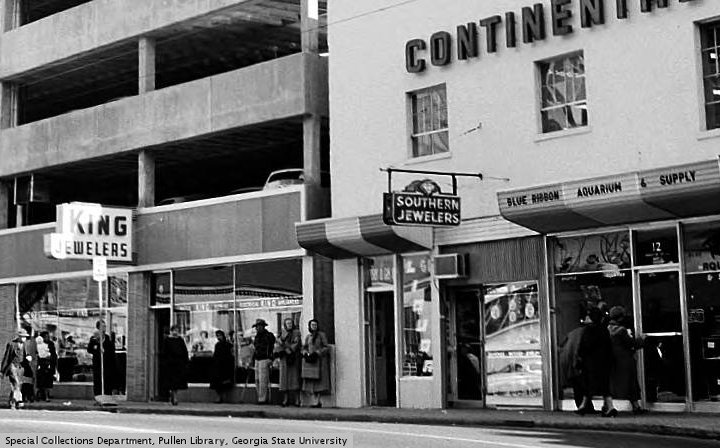
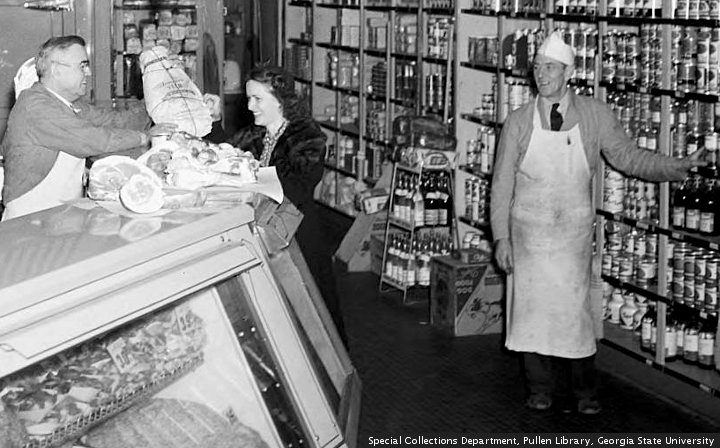
Pictures today are from “The Special Collections and Archives, Georgia State University Library”.
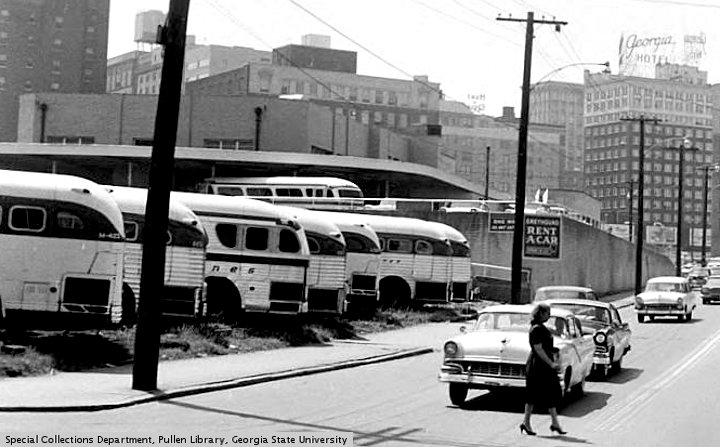

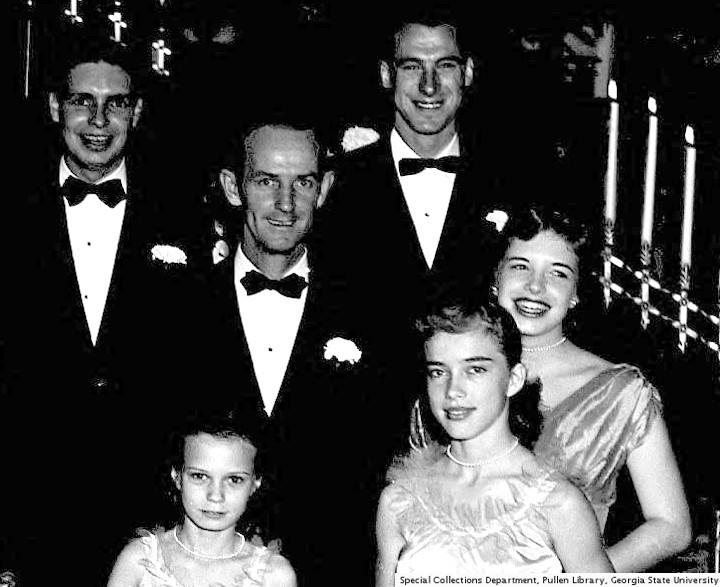


Do You Feel Safer?
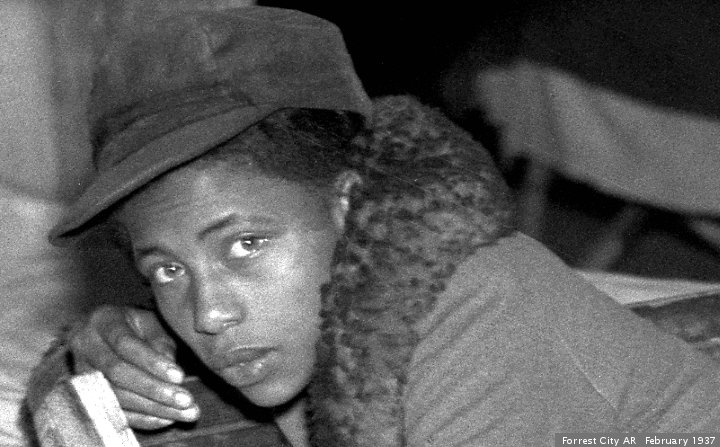
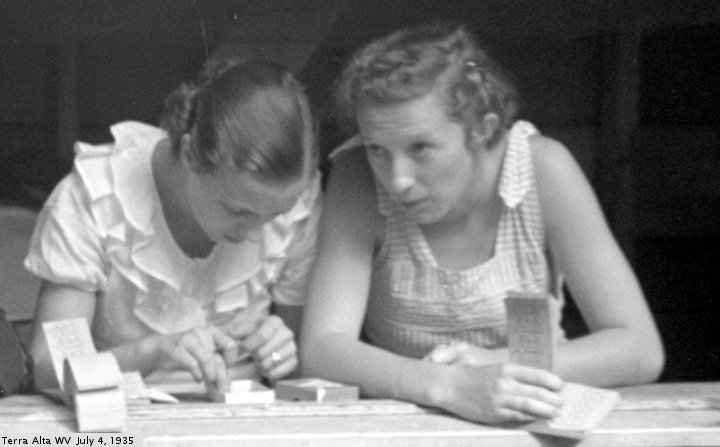
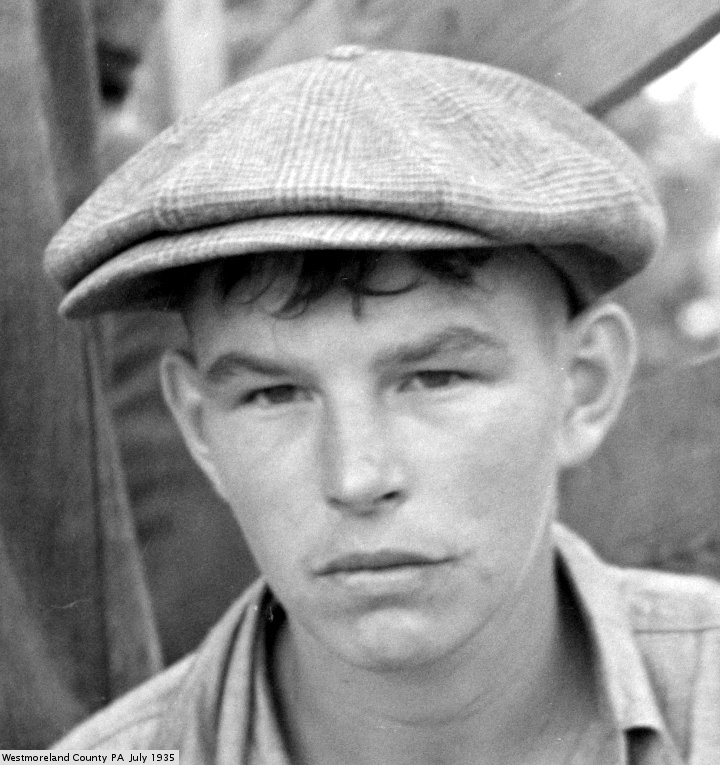
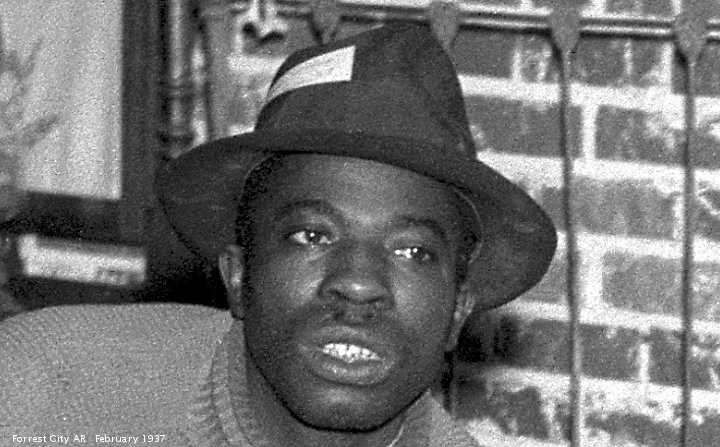
A recent episode of Radiolab, Grumpy Old Terrorists, spotlights Georgia. It is about four elderly men, arrested in North Georgia for terrorist activity. The episode features Tom Junod, who wrote an article for Esquire Magazine, Counter-Terrorism Is Getting Complicated. The article has much more information than a twenty minute radio show.
The story focuses on Fred Thomas. A retired Navy man, he worked for Lockheed in Virginia, and moved to Georgia when he retired. He began to hang out on the internet, focusing on a militia forum. After BHO was inaugurated, Mr. Thomas felt that America was going downhill. He met some men online who agreed. The men started to meet, first at Mr. Thomas’s house. One of the players was a government agent.
The informer was named Joe Sims. (PG does not know if this is his birth name.) According to Esquire, Mr. Sims is a slimy character. He got in trouble, and then got out of jail to work as a snitch.
It is interesting to note that two of wives, of the accused, did not like Mr. Sims. Charlotte Thomas, the wife of Fred, only met him once. Mrs. Thomas was a Frank Sinatra fanatic. When Mr. Sims was in their home, he saw the Sinatra shrine. Joe said, “The trouble with Frank Sinatra is that he can’t sing”.
As the story went down, the old men, and Joe the snitch, had many meetings where they said that something violent needed to be done. Joe the snitch encouraged them, and set up a meeting with an “arms dealer”. Joe handed over his money, and the old man handed over some money. The federal swat team moved in, threw flash grenades, and arrested the old men. The conspirators were so scared they wet their pants. At the same time, a the Frank Sinatra shrine was raided. The carpets have burn marks from the flash grenades.
A question was raised on radiolab, do you feel safer now? The feds encouraged the scheme, and helped drive it forward. One person speculated that the sheriff should have had a talk with the old men. Let them know that the law was wise to their game, and the activity would have stopped. Is it a good role for the government to encourage people to commit crimes? In at least one case, government agents recruited and paid people to take part in the “terrorism”. Is this a good use of taxpayer money, and, indeed, does it make us safer?
UPDATE There was a similar incident recently in Forsyth Counth. This is a repost. There are some crucial details left out of this post. Readers are encouraged to read the Esquire magazine article, Counter-Terrorism Is Getting Complicated. Pictures are from The Library of Congress.
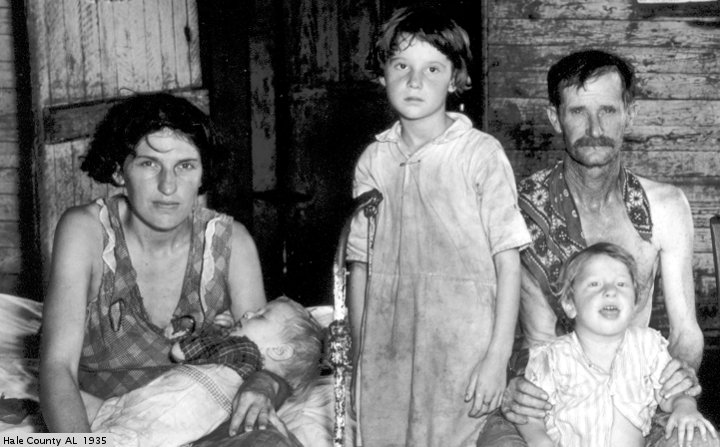
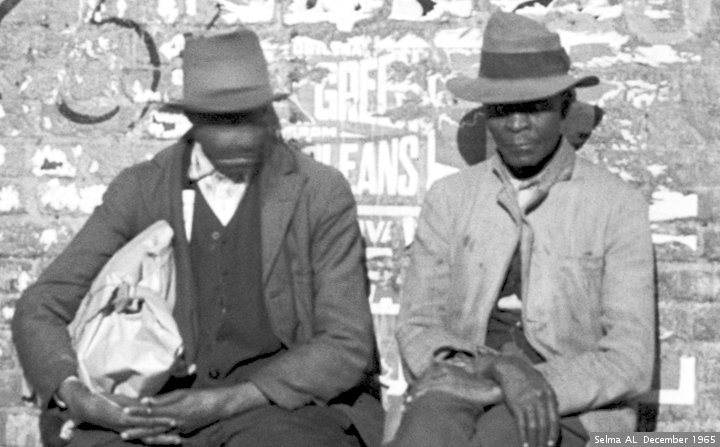
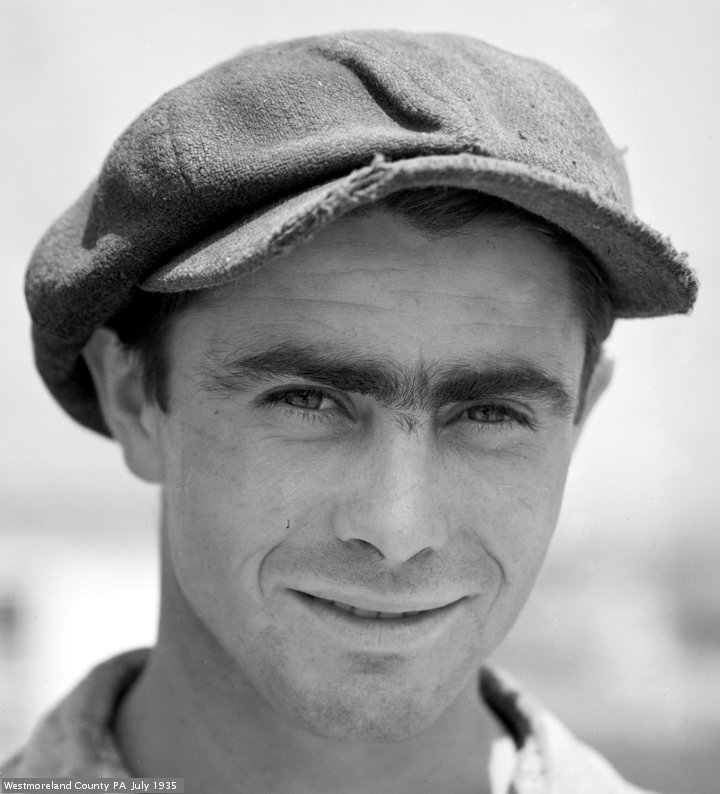

Walt Whitman 2019
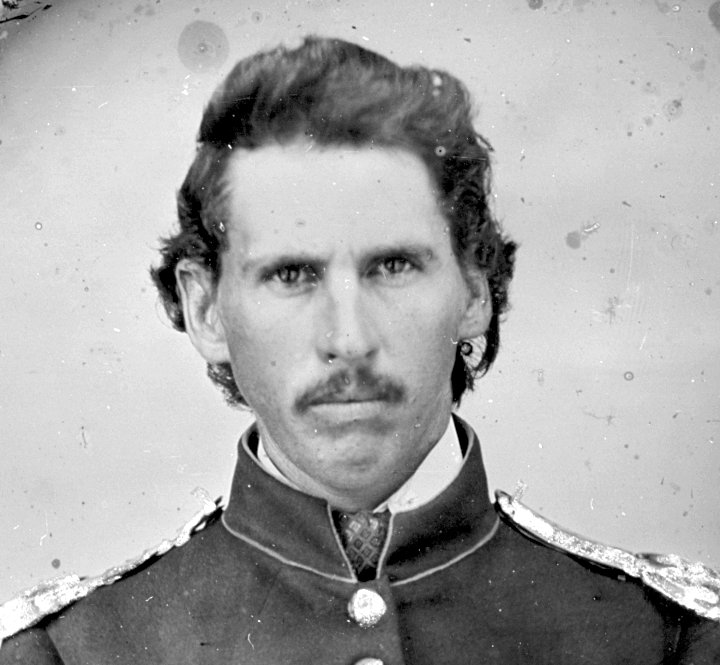

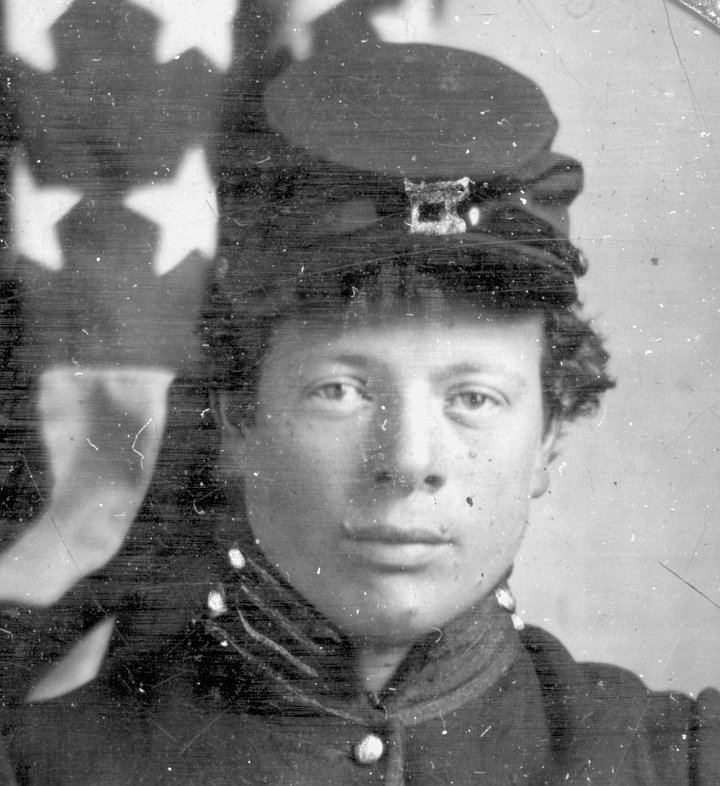


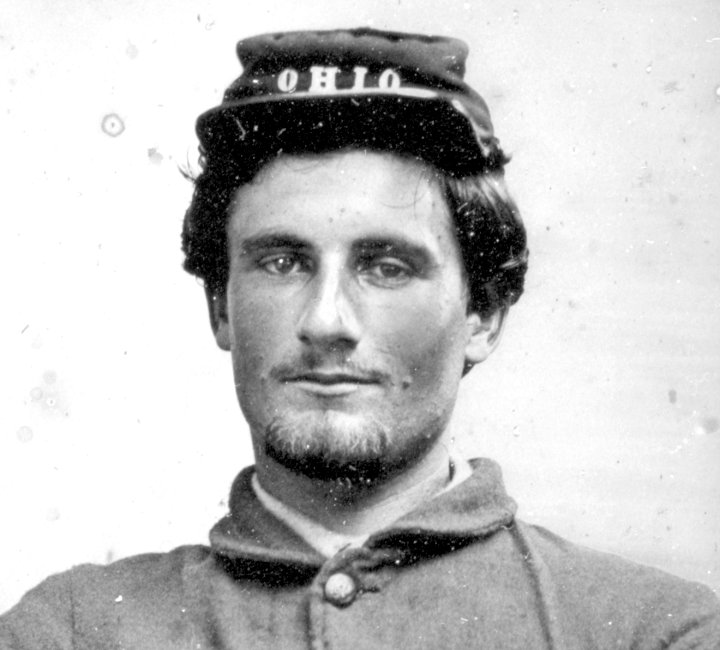

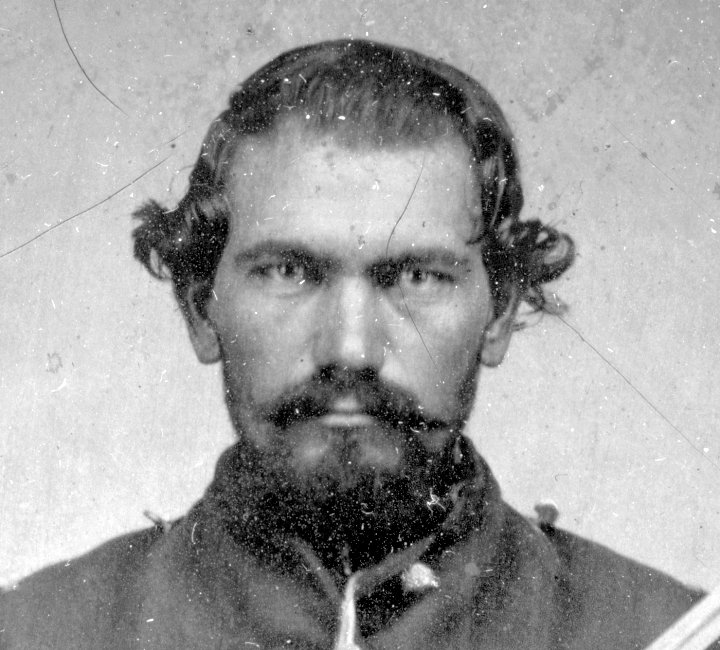

WORD over all, beautiful as the sky!
Beautiful that war, and all its deeds of carnage, must in time be utterly lost;
That the hands of the sisters Death and Night,
incessantly softly wash again, and ever again, this soil’d world:
…For my enemy is dead—a man divine as myself is dead;
I look where he lies, white-faced and still, in the coffin—I draw near;
I bend down and touch lightly with my lips the white face in the coffin.
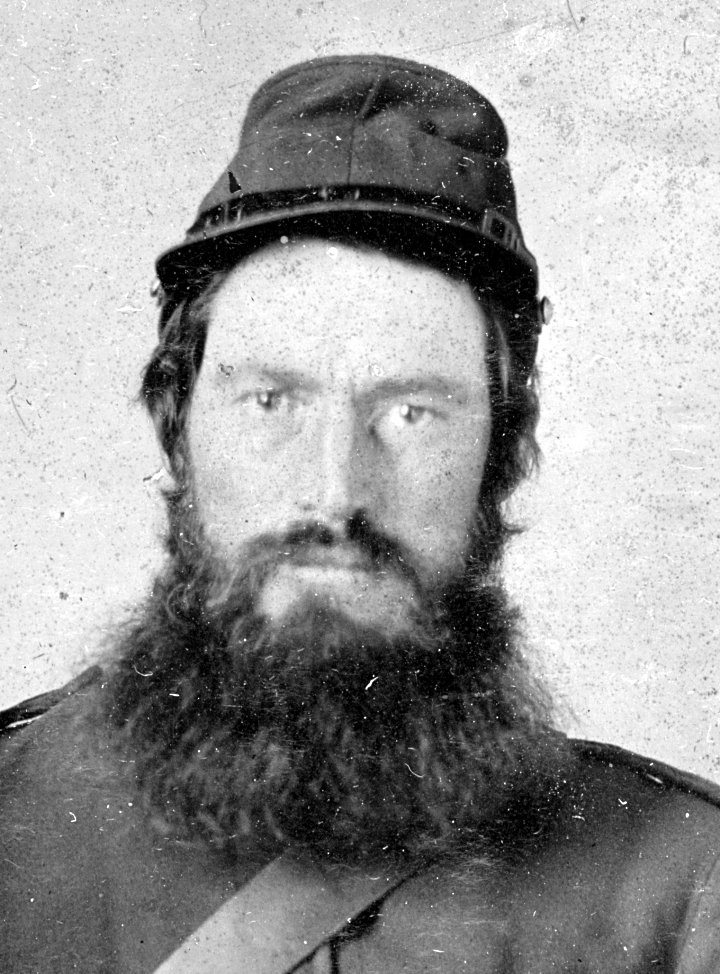
Reconciliation was written by Walt Whitman. During the War Between the States, Mr. Whitman served as a volunteer nurse in Washington DC hospitals. That hospital was full of the human cost of war. Mr. Whitman looked past the so-called causes … slavery, states rights, banker profits … and saw the price paid, by the men who fought.
“In 1862, Whitman received word that his brother George had been wounded at the Battle of Fredericksburg. During the worst, he traveled down to the Virginia battle site. Much to Whitman’s relief, he found that his brother had sustained only minor injuries. While he was there, Whitman was moved by an especially brutal scene. … He records a dramatic moment where he’s standing in front of this field hospital and sees at the foot of two trees a pile of amputated limbs. He says, “A full load for a one horse cart.” And these are limbs that had been thrown out the windows of the surgery in the haste of the battle and the emergencies.”
It is now 2019. The 200th birthday of Mr. Whitman was a few days ago. In recent years, the conflict of 1861-1865 has been opened up to another round of debate. Mr. Whitman, and Reconciliation, have not been left out. “Here, Whitman suggests the reunion of the nation, men on opposite sides of the war drawn together beneath the banner of reconciliation. However, in the final image of the dead, “white-faced” in the coffin, Whitman leaves out the reality of so many dead soldiers whose faces were not white. And further, according to historian David Blight, the poem highlights—in the “kinship” of the dead white brothers—“the ultimate betrayal of the dark-faced folk whom the dead had shared in liberating.” This kind of erasure would continue to dominate Civil War memory as monuments to only part of the story inscribed a narrative on the American landscape—particularly in the South.”
Walt Whitman has emerged as a type of Jesus figure. His words are analyzed 150 years later, looking to find a meaning that pleases 2019 America. At least Mr. Whitman left a written record, in english. As we will see in a few paragraphs, this does not prevent him from being misrepresented.
“Song of Ourselves? Walt Whitman and the American Imagination” is a podcast, and the primary inspiration for this post. The show talks about Mr. Whitman living in Brooklyn before the War, and how he came to be involved in that conflict. It also tries to be “woke”.
“We know in recent years, people have criticized the Confederate memorials as a kind of false attempt at reconciliation, as a kind of shallow reconciliation over the lives of African American people. How would Whitman’s ideas of reconciliation differ from those ideas of reconciliation we see in the Lost Cause?” The answers are not as obvious as some would hope.
“He was an anti-extentionist. He opposed the extension of slavery into the western territories. But he was more concerned about preventing the spread of slavery than really getting rid of it. … He denounced the proslavery southern fire eaters, but he also called abolitionists red hot fanatics. They were the angry voiced silly set, he described them. And at the same time, right, so he took that kind of stance at the time and he did not believe that African Americans were capable of exercising the vote, right? So that’s part of his story.”
Later on in the show, the hosts talk about walking into a hotel room, and seeing a framed quote, “Be curious, not judgmental.” I was curious about the context, and did a little digging. There are plenty of meme-mongers merchandising this quote in four-color glory. This does not answer the question … how did Walt Whitman come to say this?
Wikiquotes lists “Be curious not judgemental” as Disputed. “While consistently attributed to Whitman, this popular motivational quote has no source. It is occasionally listed as occurring in Leaves of Grass, but the closest phrase found in that collection is “Be not curious about God.” Pictures today are from The Library of Congress.


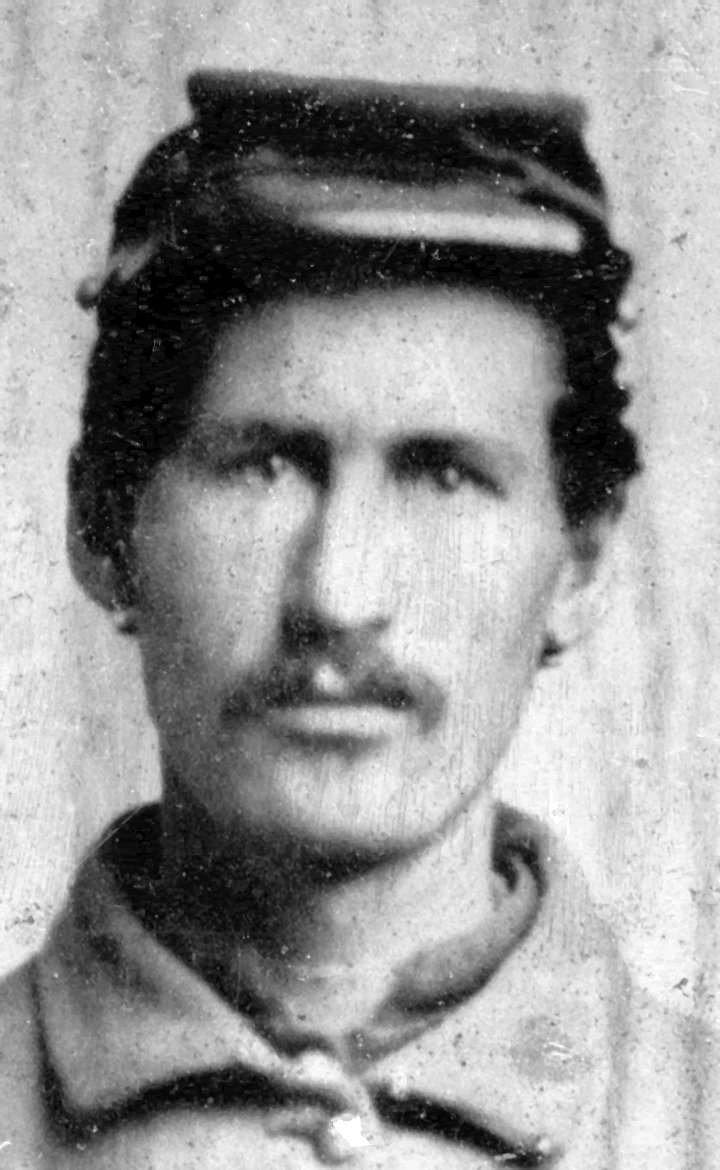

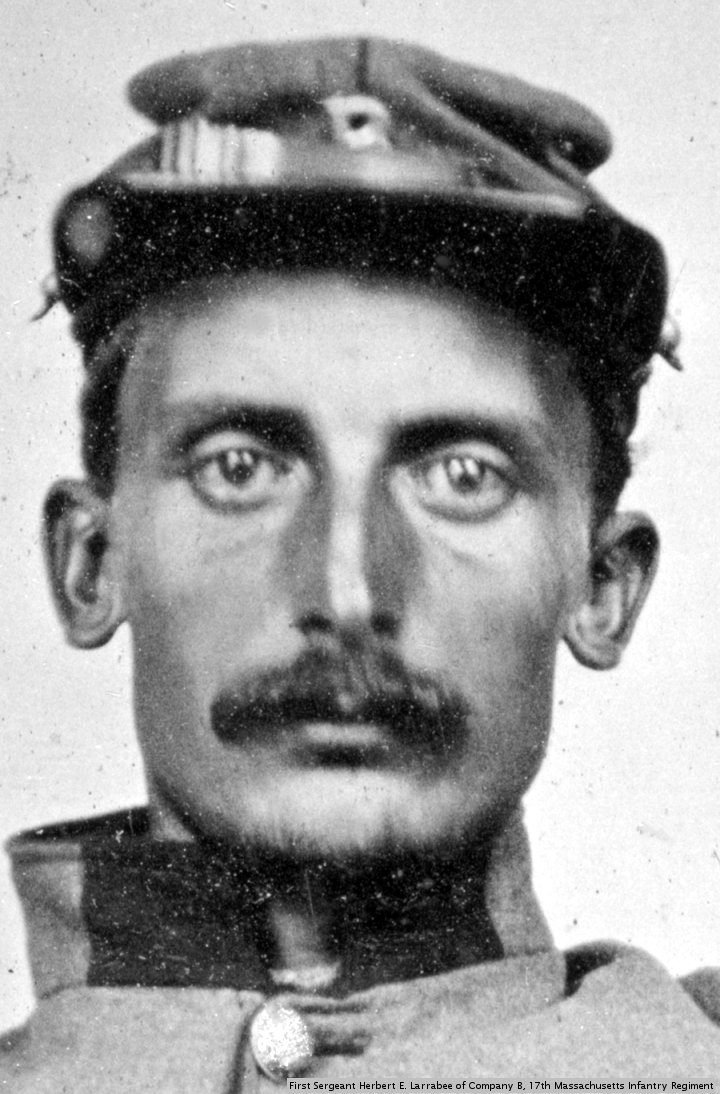
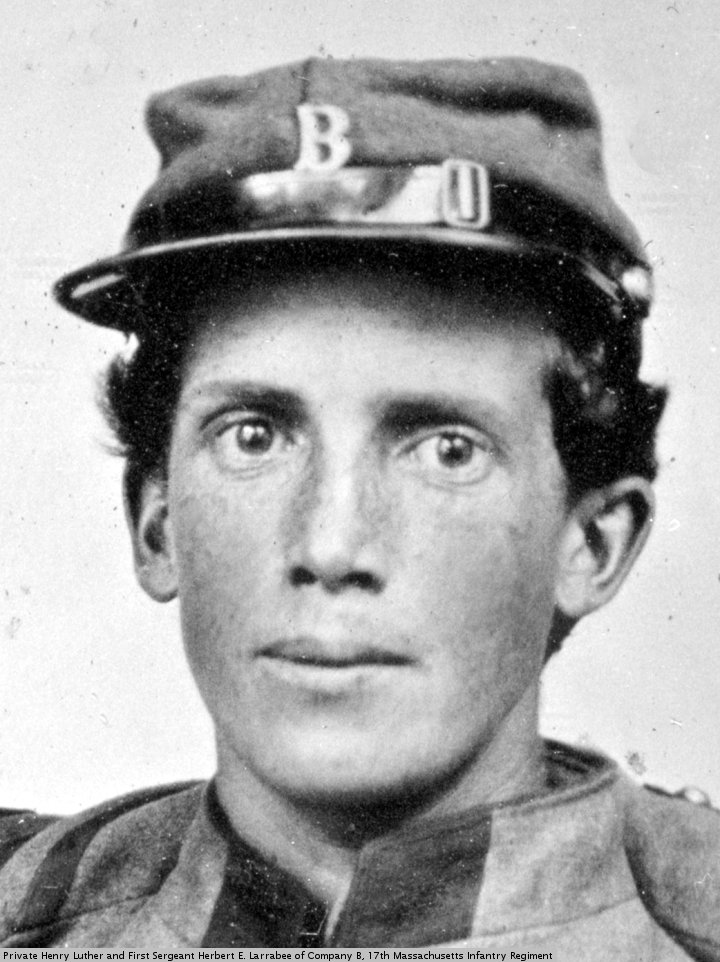
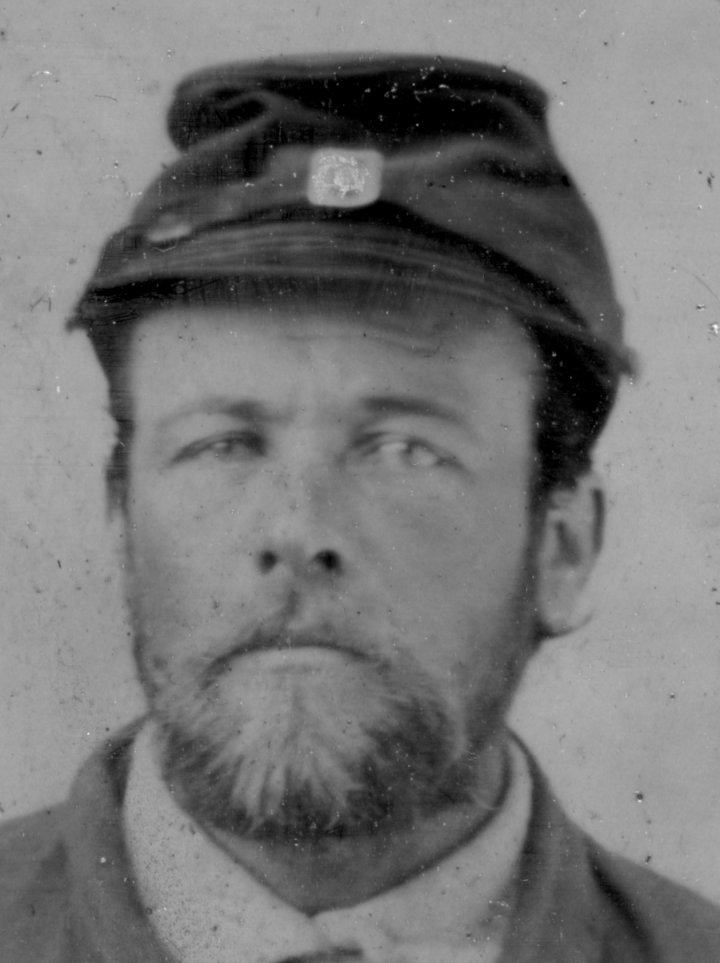


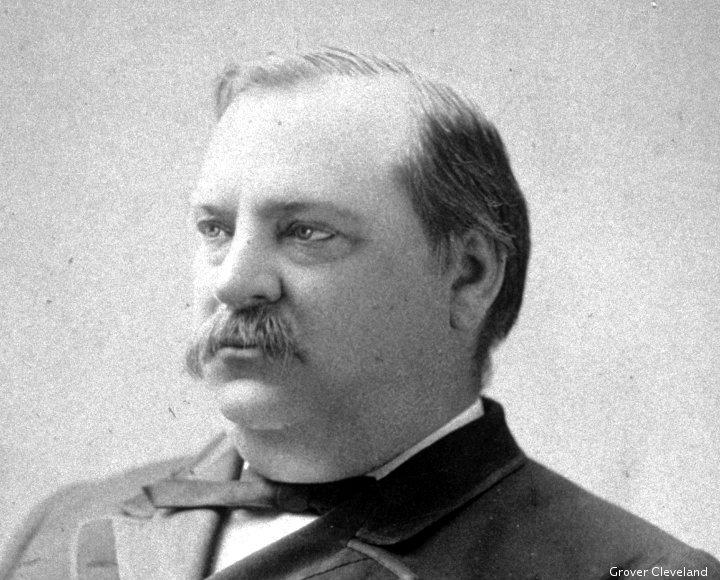
Sixty Five Years Twelve Presidents
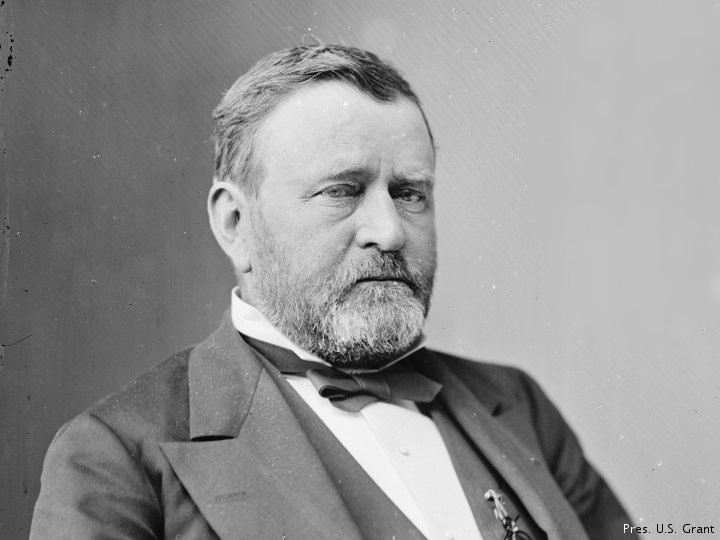

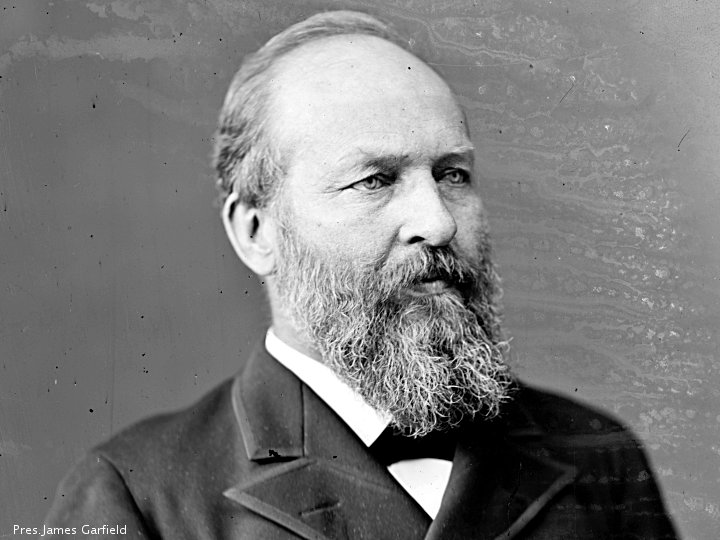
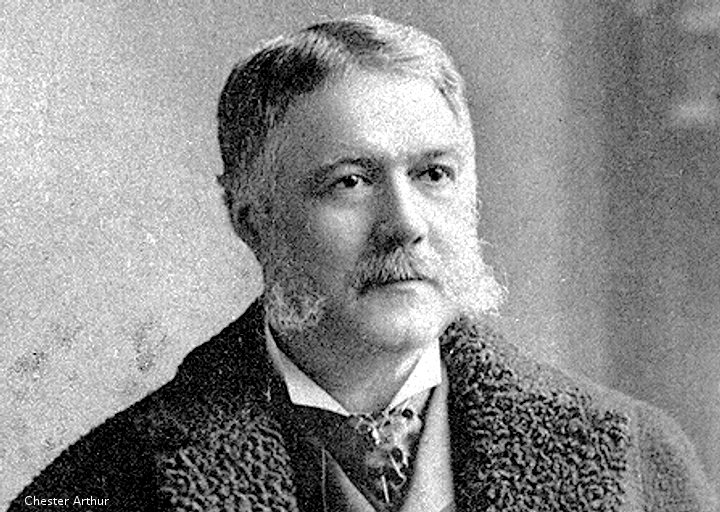
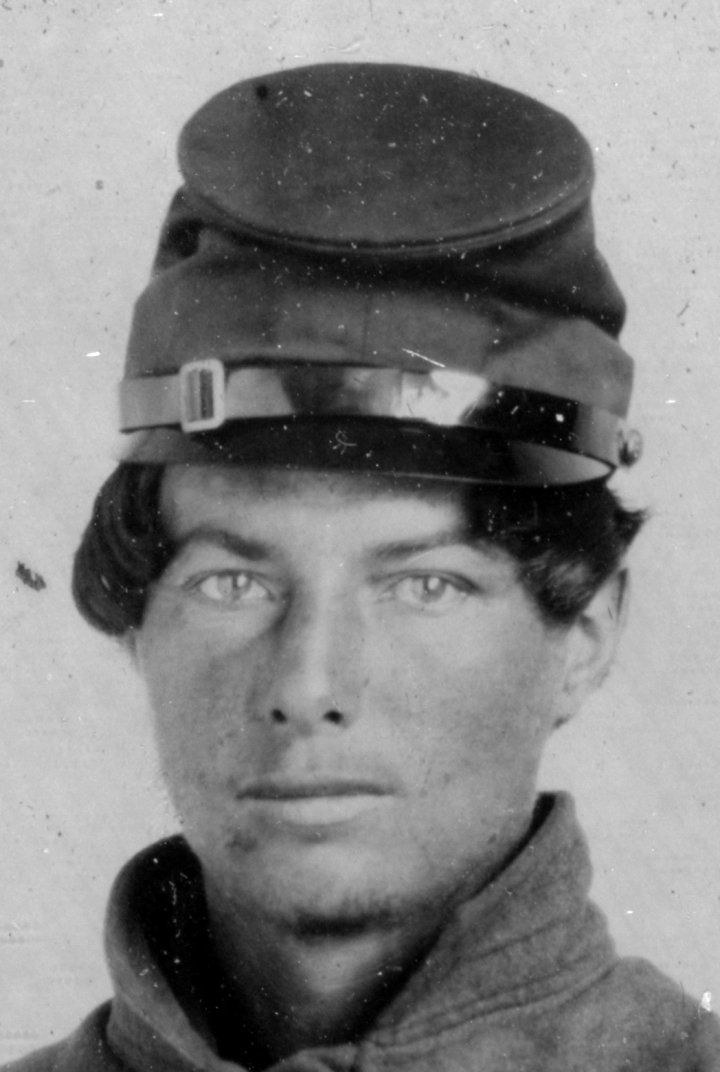
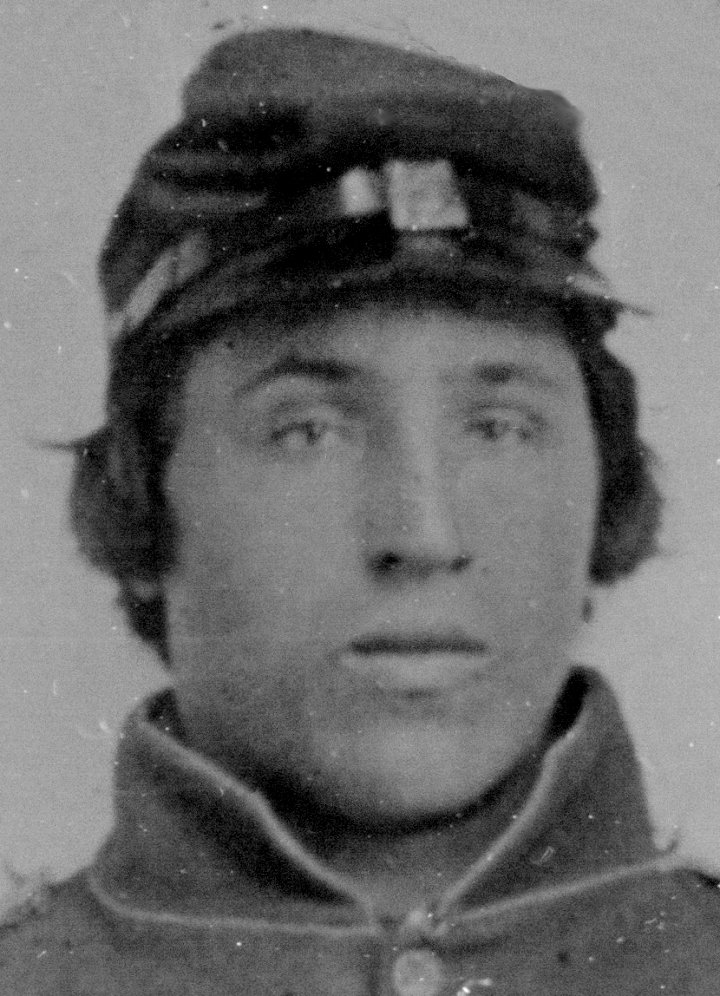
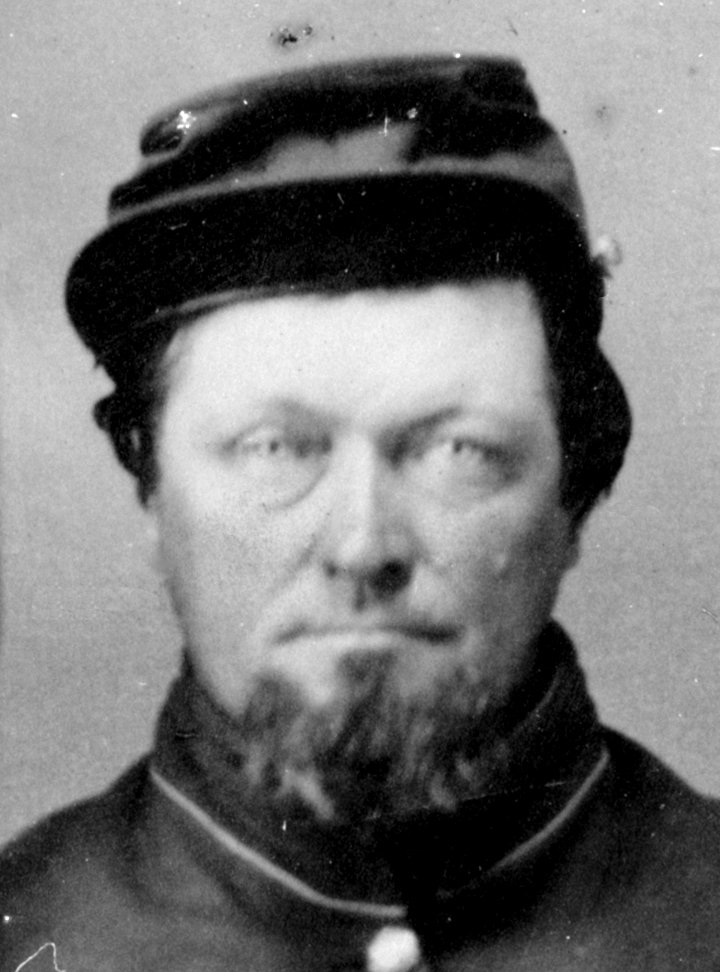
This is a repost from 2012. It is about the twelve Presidents, one fourth of the total, who have helped themselves served over the last sixty five years. Barack Obama got re-elected, and killed lots of people. The less said about Donald J. Trump, the better.
Every four years, someone will say this is the worst choice ever. Every four years, someone will say this is the most important election ever. They are always correct. The choice in 2016 was between Donald John Trump and Hillary Diane Rodham Clinton. Choosing between those two idiots was challenging. The good news is that most people live in states where the electoral votes are conceded to one of the duopoly parties. These voters can focus on local elections.
Listening to the news shows that came on before the cartoons, PG heard the phrase “President Eisenhower”. As a friends explained to him, G-d made everything, but the President is Eisenhower.
When he was six, PG moved to a new house, and started first grade. There was an election that fall, and someone named Kennedy became President. PG wasn’t old enough to pay attention to the news yet, except when it looked like the Russians were going to kill us all in 1962.
The first news story that PG clearly remembers was the day when his fourth grade teacher, Miss McKenzie, told the class that President Kennedy had been shot. One of the worst moments that weekend was the moment when a plane landed in Washington, and the new President spoke on television. THAT was the new President? Yuck.
Lyndon Johnson was a larger than life figure, and was hated by millions of Amuricuns. While there was some good done by LBJ, it was overshadowed by the War in Vietnam. When he left office in 1968, the voters had a horrible choice …Hubert Humphrey, Richard Nixon, or George Wallace.
Tricky Dick Nixon is another larger than life figure, with millions of Americans screaming for his impeachment. For some reason, there were others who passionately admired the man.
In 1973, the oil companies tried to say there was an oil shortage. Later that year, Egypt, Syria, and Jordan attacked Israel, and the Arab oil producers cut oil to the USA. After this embargo, OPEC was in charge of the oil supply, and the price of gasoline increased 200%. The era of big money oil was on. What a convenient war.
After the ethical shortcomings of Mr. Nixon became too obnoxious to ignore, Gerald Ford became President. On a policy level, Ford was like all the other Presidents…some things he got right, some things he got wrong. On a personality level…the show business part…Ford excelled. His family provided harmless fodder for the gossipmongers. He was a likable man, a welcome break from the meanness of Richard Nixon and Lyndon Johnson.
When PG was a kid at Ashford Park School, there had never been a President from Georgia. It seemed impossible. When Georgia Governor Jimmy Carter announced he was running, it seemed like another ego tripper running for President. The funny thing is, he won. It still seems a bit unreal, like having the Olympics in Atlanta.
Jimmy was a Democrat, with attack Republicans fighting him every step of the way. This is a problem later Democrats in the Oval Office will have. On the policy level, he did better than many realize. Many of his achievements only bore fruit after he left office. On the show biz front, his down home Georgia routine did not appeal to many Yankees. In 1980, he was defeated by an actor.
PG was worried when Ronald Reagan took office. With America’s nuclear arsenal, and the Soviet Union wheezing it’s threat, many thought that Ronnie would start the war to kill us all. The good news is, this war never happened. Whatever tough talk came out of Washington was not matched by military adventurism abroad.
Reagan was the master of show business. He was an actor, playing the greatest role of his career. It was said that if America had a figure head monarch, Reagan would have been terrific. On the policy front, taxes were cut, and the budget increased. The national debt went over a trillion dollars, which was seen as a horrible moment. (The annual budget deficit is now over a trillion dollars.)
When Mr. Reagan’s two terms were over, George H.W. Bush took over. This was an era where the Democrats could not do anything right on a national level. Bush presided over a war, and brought the troops home when the mission was over. His image never appealed, and the whiners were not pleased. A computer salesman named Ross Perot decided to run as a third party candidate.
In the winter of 1992, PG had a little job downtown. One day, there was a rally at the CNN center for a little known Presidential candidate. PG went, and said to a friend, If this guy gets elected, you are going to regret not going to see him. At the time, War Winner Bush seemed unbeatable, and PG said that with high sarcasm.
When he got to CNN center, it was obvious that a big money event was unfolding. The place was packed, with school children bused in to fill all the seats. Finally, the speakers blared “Twist and Shout” at top volume, and Bill Clinton walked on the stage. PG was not especially impressed.
Clinton inspired toxic hatred, but managed to keep the boat floating. He won reelection, with the Republicans seeming to self destruct. The economy was going good, the budget was balanced, and the haters went wild. After a entertaining sex scandal, the Clinton years were over.
A couple of weeks before the 2000 election, PG liked neither candidate, and did not think it made much difference. (With Georgia’s electoral votes certain to go Republican, PG did not have a vote.) He listened to someone talking, who thought that it was important that Gore won. PG remembered that conversation often during the next eight years.
George W. Bush was a disaster. It is possible that 911 was a personal vendetta against the Bush family, and would not have happened if Gore was President. The reaction of Bush to this tragedy was to start two wars that we have not been able to finish. In 2016, we are still in Afghanistan.
Next was Barack Obama, the first dark skinned President. He continued the war happy ways of the Bush regime. BHO was reelected in 2012, and given four more years to wage war. He managed to avoid the second term scandals that crippled Mr. Nixon and Mr. Clinton.
In the next election, the democrats decided that calling people racist was a good campaign strategy. As a result, Donald J. Trump was elected. America is more racially divided than ever, which the election of Mr. Obama was supposed to remedy. With the nation distracted by screaming racism, the congress has cut taxes, and produced a multi-trillion dollar budget deficit. America might survive. Pictures for this feature are from the The Library of Congress.


Mark Twain Double Feature

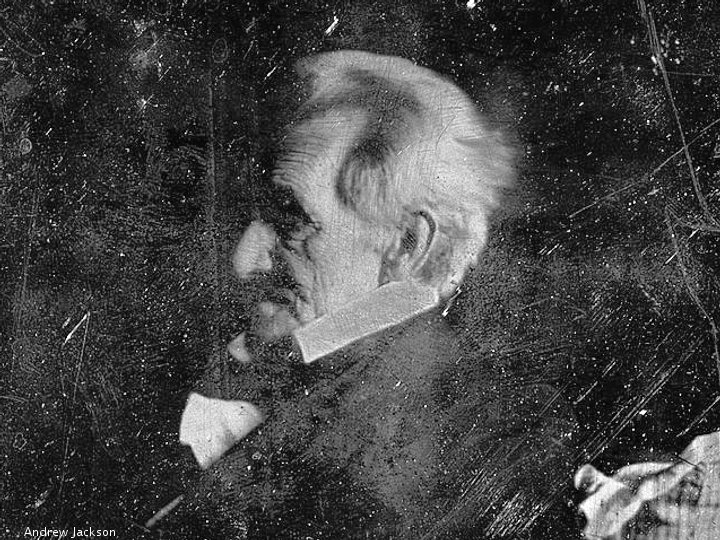

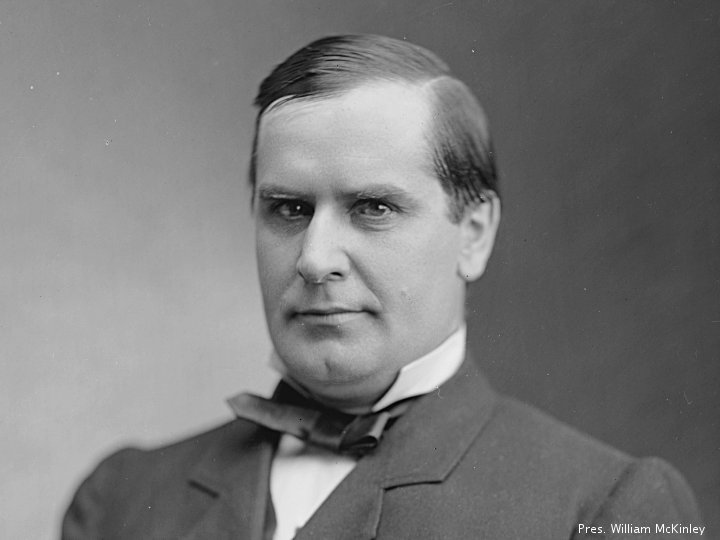
In honor of the National Day of Prayer , Chamblee54 presents two reruns, both based on the words of Mark Twain. Pictures are from The Library of Congress.
One hundred and four years ago, the United States was involved in a war, that did not want to end. This conflict was in the Philippines. Although there had been an official end to the war, guerrillas continued to fight the Americans. The war was a nasty affair, with many atrocities.
The War against the Philippine people was a souvenir of the Spanish American War. There had been a rebellion against Spanish rule in the islands. After the American forces routed the Spanish, the rebellion shifted to the American occupiers. It was a war stumbled into, and difficult to end.
Mark Twain was horrified. He wrote a story, The War Prayer. As Lew Rockwell tells the tale
“Twain wrote The War Prayer during the US war on the Philippines. It was submitted for publication, but on March 22, 1905, Harper’s Bazaar rejected it as “not quite suited to a woman’s magazine.” Eight days later, Twain wrote to his friend Dan Beard, to whom he had read the story, “I don’t think the prayer will be published in my time. None but the dead are permitted to tell the truth.” Because he had an exclusive contract with Harper & Brothers, Mark Twain could not publish “The War Prayer” elsewhere and it remained unpublished until 1923.”
HT to David Crosby and his autobiography, “Since Then“. A book report is forthcoming.
Getting back to “A War Prayer“, the story starts in a church. A war has started, and is popular. The troops leave for glory the next day. The preacher has an emotional prayer to send them on their way. Unknown to the minister, there is a visitor. “An aged stranger entered and moved with slow and noiseless step up the main aisle, his eyes fixed upon the minister, his long body clothed in a robe that reached to his feet, his head bare, his white hair descending in a frothy cataract to his shoulders, his seamy face unnaturally pale, pale even to ghastliness. With all eyes following him and wondering, he made his silent way; without pausing, he ascended to the preacher’s side and stood there, waiting.
With shut lids the preacher, unconscious of his presence, continued his moving prayer, and at last finished it with the words, uttered in fervent appeal,” Bless our arms, grant us the victory, O Lord our God, Father and Protector of our land and flag!”
The stranger motioned to the preacher to step aside. The stranger stepped into the pulpit, and claimed to have a message for the worshipers, sent directly from G-d. The preacher’s message was for support in time of war, and implied that G-d and the preacher support the same side in this conflict. There is an unspoken part to a prayer like this. This unspoken part was what the stranger was going to put into words.
“”O Lord our Father, our young patriots, idols of our hearts, go forth to battle – be Thou near them! With them, in spirit, we also go forth from the sweet peace of our beloved firesides to smite the foe.
O Lord our God, help us to tear their soldiers to bloody shreds with our shells; help us to cover their smiling fields with the pale forms of their patriot dead; help us to drown the thunder of the guns with the shrieks of their wounded, writhing in pain; help us to lay waste their humble homes with a hurricane of fire; help us to wring the hearts of their unoffending widows with unavailing grief; help us to turn them out roofless with their little children to wander unfriended the wastes of their desolated land in rags and hunger and thirst, sports of the sun flames of summer and the icy winds of winter, broken in spirit, worn with travail, imploring Thee for the refuge of the grave and denied it-
for our sakes who adore Thee, Lord, blast their hopes, blight their lives, protract their bitter pilgrimage, make heavy their steps, water their way with their tears, stain the white snow with the blood of their wounded feet!
We ask it, in the spirit of love, of Him Who is the Source of Love, and Who is ever-faithful refuge and friend of all that are sore beset and seek His aid with humble and contrite hearts. Amen.”
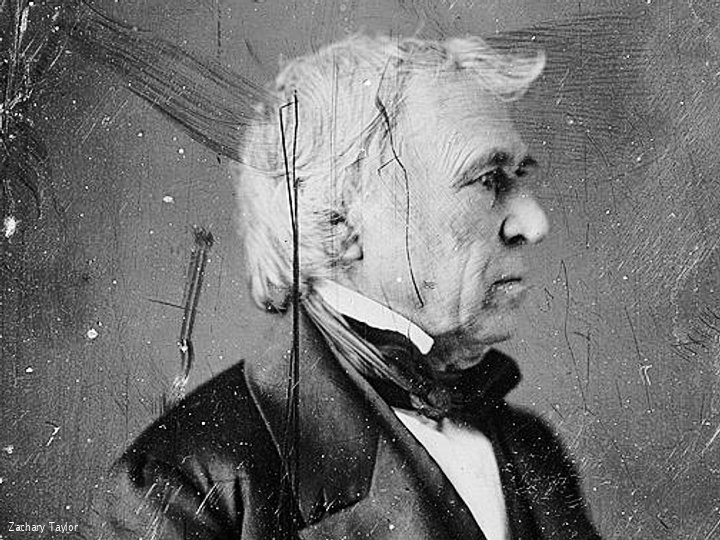
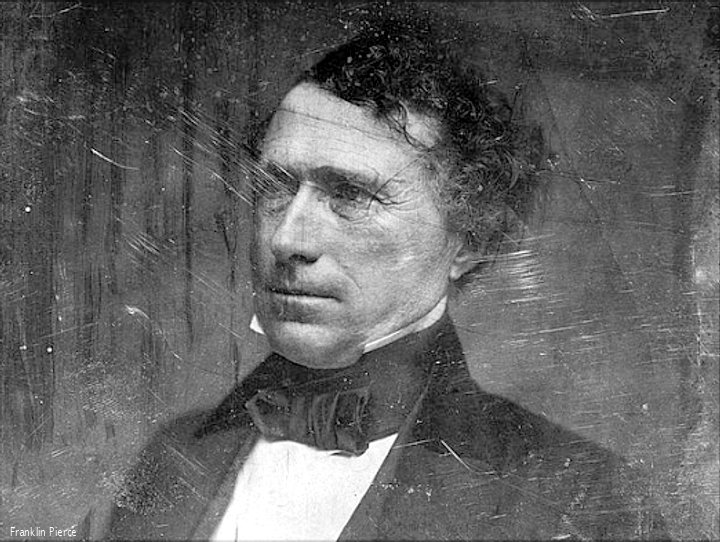

Mark Twain wrote a lot during the American Genocide in the Philippines. Many of his words could apply today. War has gotten more high tech…for our side…, but the bottom line is the same. No matter how fancy the weapons get, the casualties are just as dead. And the investors make money.
Mine eyes have seen the orgy of the launching of the Sword;
He is searching out the hoardings where the stranger’s wealth is stored;
He hath loosed his fateful lightnings, and with woe and death has scored;
His lust is marching on.
I have seen him in the watch-fires of a hundred circling camps;
They have builded him an altar in the Eastern dews and damps;
I have read his doomful mission by the dim and flaring lamps —
His night is marching on.
I have read his bandit gospel writ in burnished rows of steel:
“As ye deal with my pretensions, so with you my wrath shall deal;
Let the faithless son of Freedom crush the patriot with his heel;
Lo, Greed is marching on!”
We have legalized the strumpet and are guarding her retreat;
Greed is seeking out commercial souls before his judgement seat;
O, be swift, ye clods, to answer him! be jubilant my feet!
Our g-d is marching on!
In a sordid slime harmonious Greed was born in yonder ditch,
With a longing in his bosom — and for others’ goods an itch.
As Christ died to make men holy, let men die to make us rich —
Our g-d is marching on.

Ira Hayes
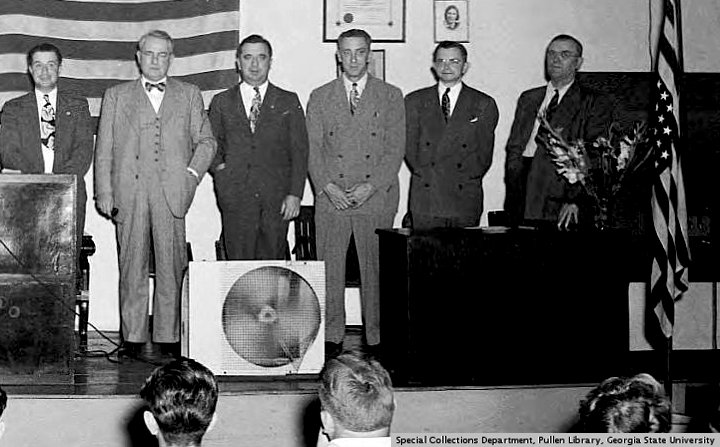



The post before this is about Arizona SB1070, a controversial measure dealing with illegal immigration. One of the men quoted is the Sheriff of Pima County, which lies on the border.
Pima County is named for the Pima Tribe, whose land was in Arizona and Sonora, Mexico. Their name for the “river people” is Akimel O’odham. According to Wikipedia, “The short name, “Pima” is believed to have come from the phrase pi ‘añi mac or pi mac, meaning “I don’t know,” used repeatedly in their initial meeting with Europeans.”
Many of the Mexicans crossing the border are Native Americans. They did not agree to the Gadsden Purchase, or the Treaty of Guadalupe Hidalgo. In other words, they were here first, and the white man (and black associates) are the uninvited guests.
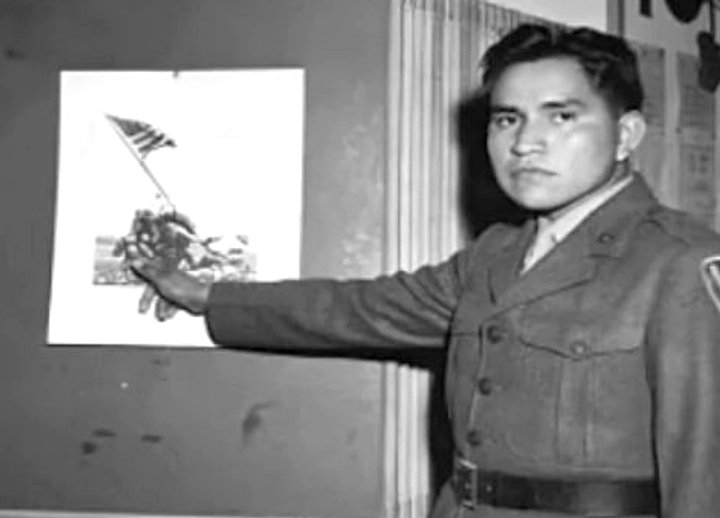
The second part of this feature is a repost. One of the best known Pimas was Ira Hayes. He was one of the Marines who raised the flag on Iwo Jima.
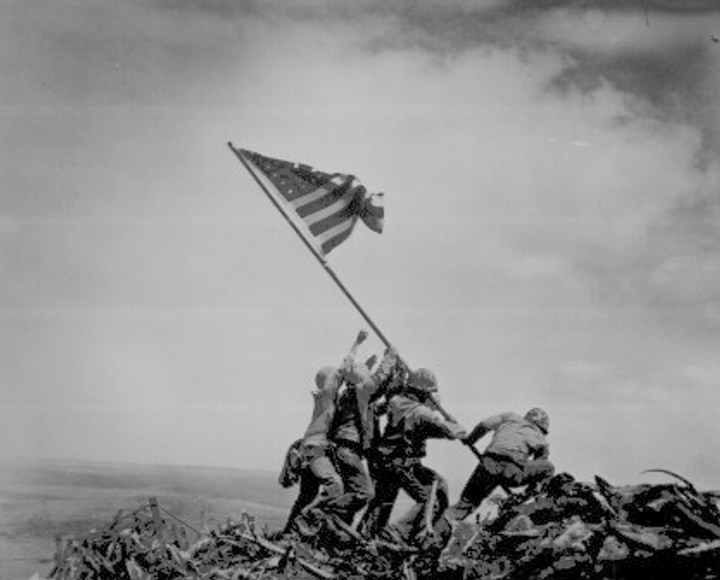
One of the enduring images of World War II was raising the flag on Iwo Jima. Three of the six men raising the flag died on the island. A fourth, Ira Hayes, became a casualty after the war.
The story of Ira Hayes is well known, but needs to be told again. A member of the Akimel O’odham (Pima) nation, his people had not been treated well by the conquerors. Nonetheless, when the War against Japan started, men were needed for the struggle, and Ira Hayes joined the Marines.
Iwo Jima was a steppingstone to the main island of Japan. After Iwo Jima and Okinawa were in Yankee hands, preparations could be made for the invasion of the main island. However, the stepping stone islands proved to be incredibly tough to secure. There were more American casualties on Iwo Jima than on D Day.
On the fourth day of the battle, a picture was made of six marines raising the flag on top of Mount Suribachi. A month of sticky, treacherous fighting was ahead for the fighting men. Of 21,000 Japanese soldiers, 20,000 died.
The flag was raised on February 23, 1945. Germany was all but defeated. The “explosive lens” for the atom bomb had been successfully tested. It seemed inevitable that the costly island hopping needed to continue, to be followed by an invasion of the Japanese mainland.
Two of the twelve hands holding the flagpole belonged to Ira Hayes. Ira Hayes did not adjust to peacetime well. He became a drunkard. On January 24, 1955, he passed away.
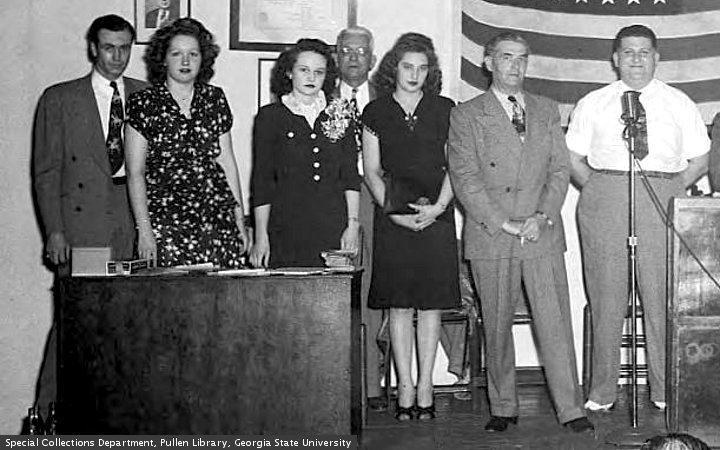
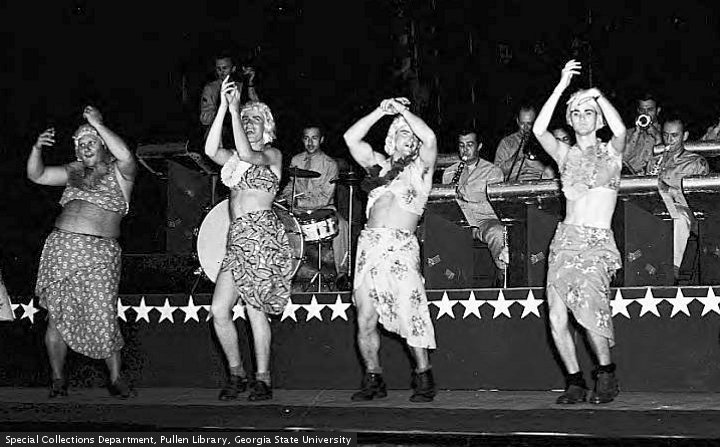
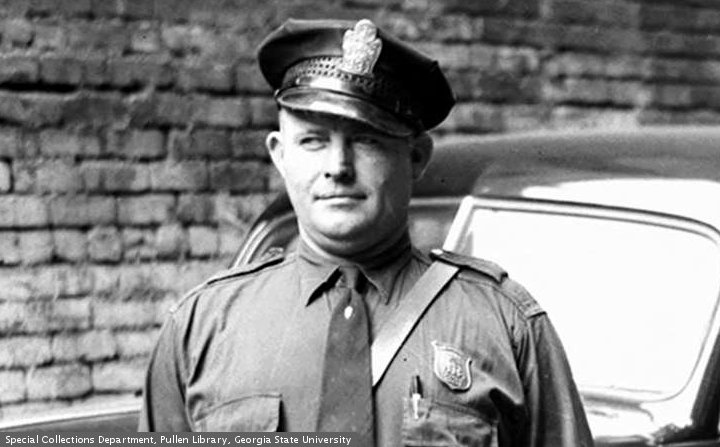
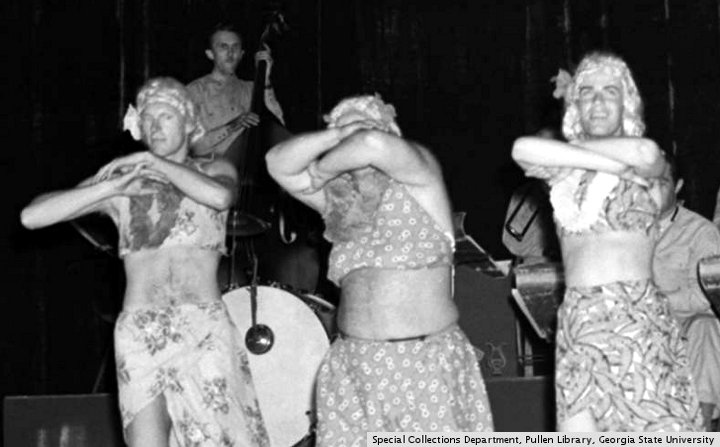
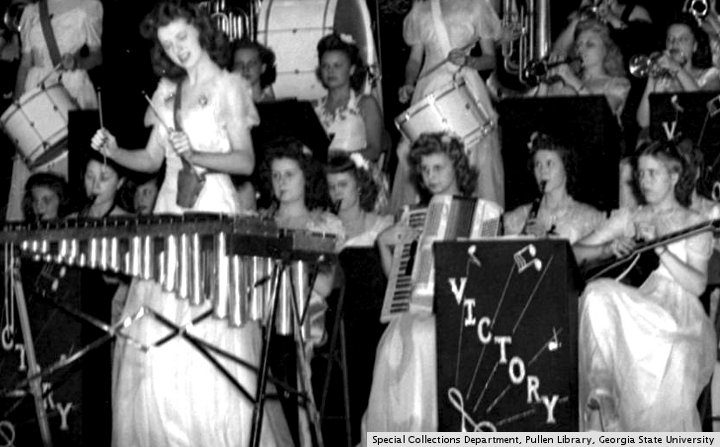
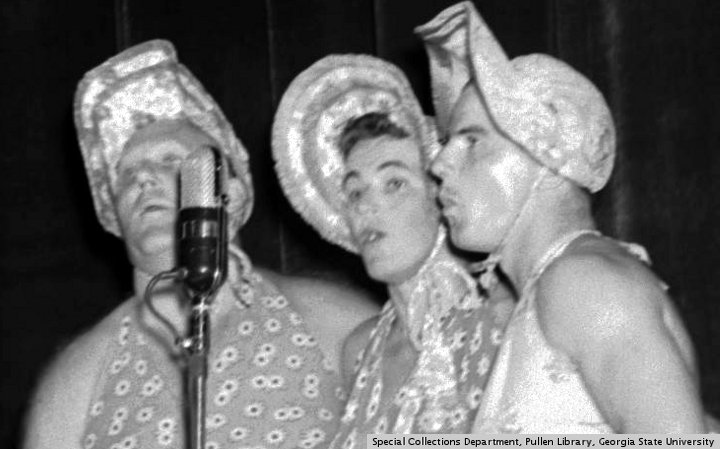
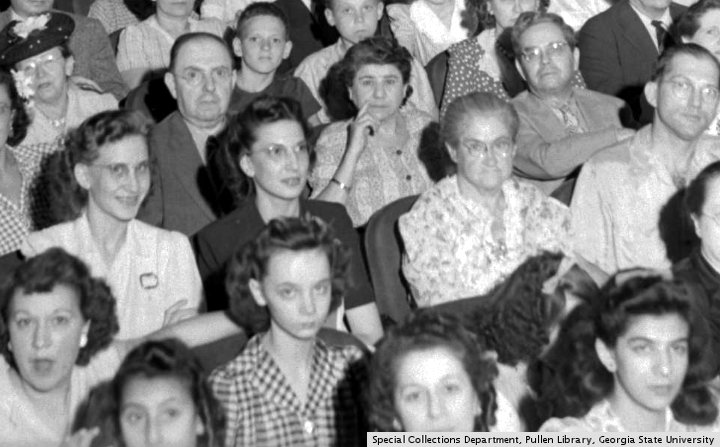
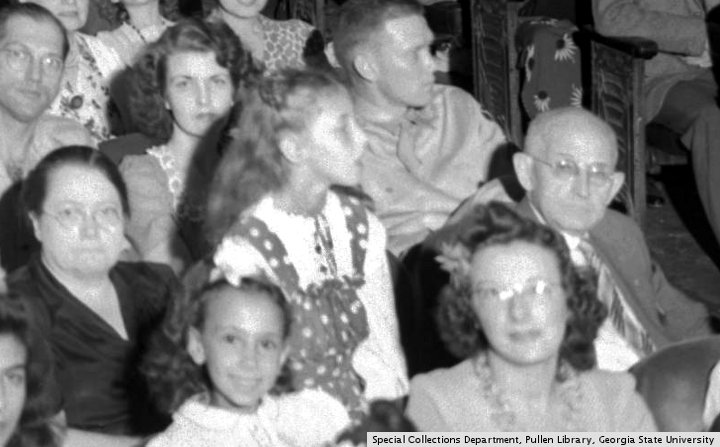
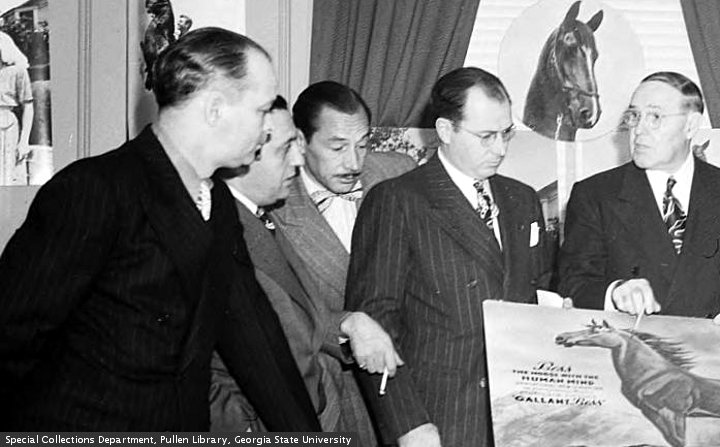
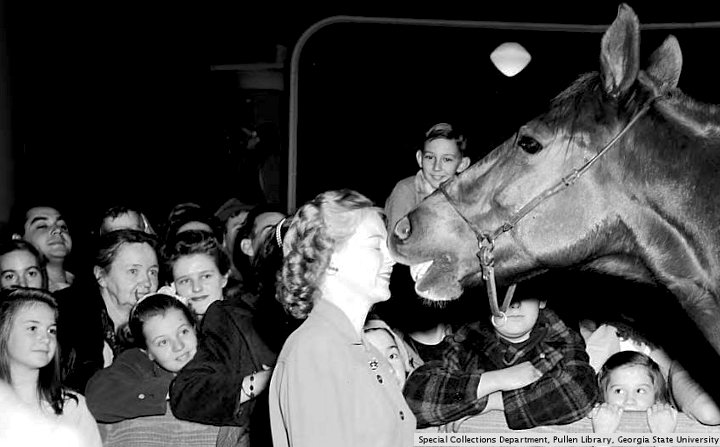
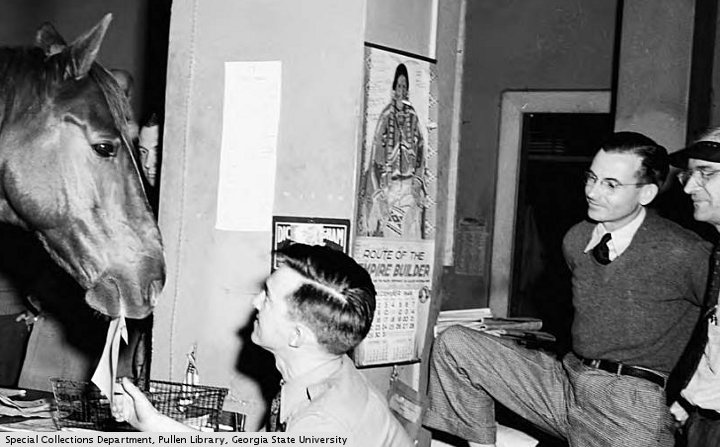
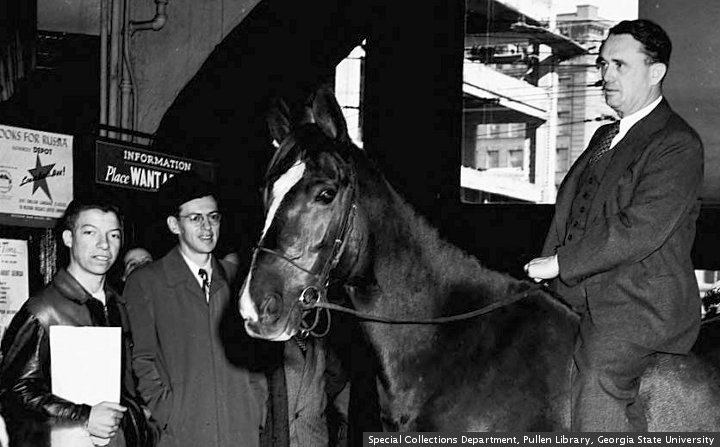
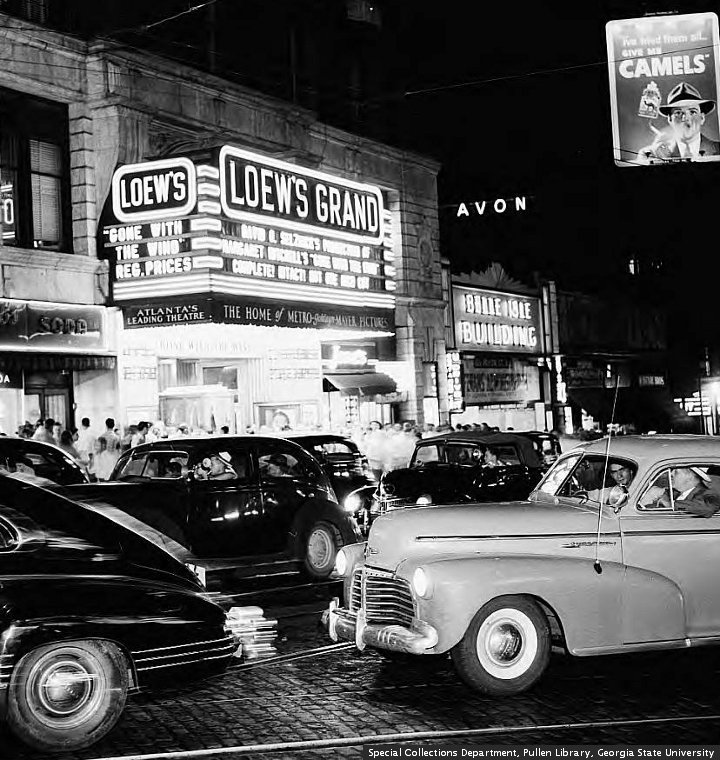
Ira Hayes was a native American. Thousands of African Americans have returned from foreign wars, to be treated poorly. Until a few months ago, if a man, or woman, is accused of being gay, the service is forgotten. On Memorial Day, we should struggle to ensure that all future veterans are treated with respect, all year long. This is a repost. Pictures are from The Library of Congress and “The Special Collections and Archives, Georgia State University Library”. Some of the pictures shown today were taken at a War Bond Drive show, Loew’s Grand Theater, July 10, 1944.




Always Take Sides
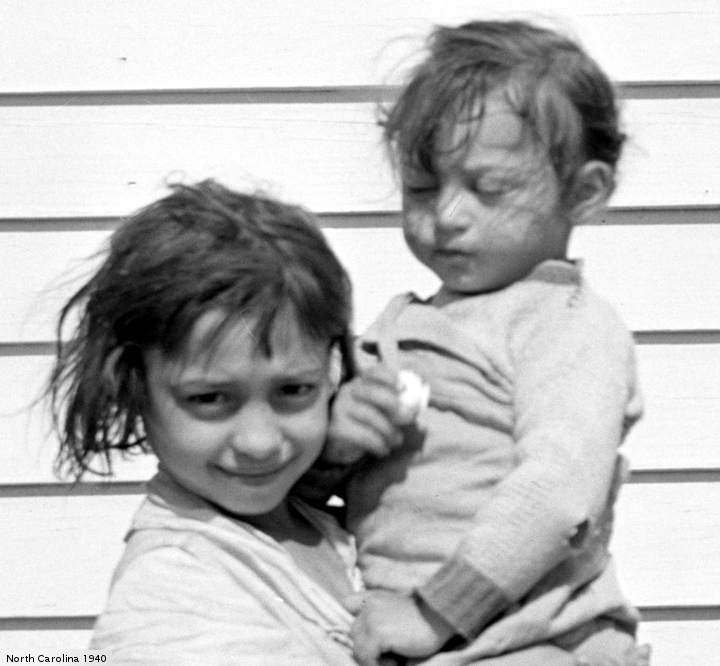


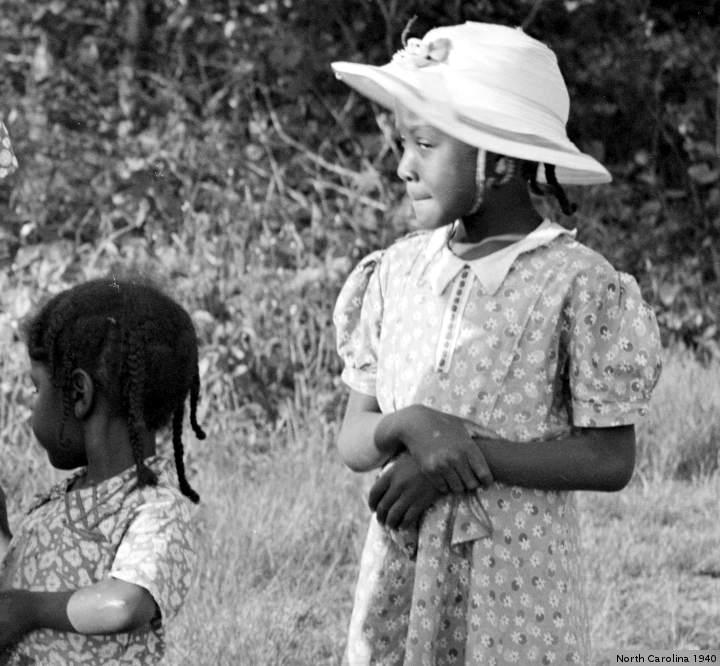
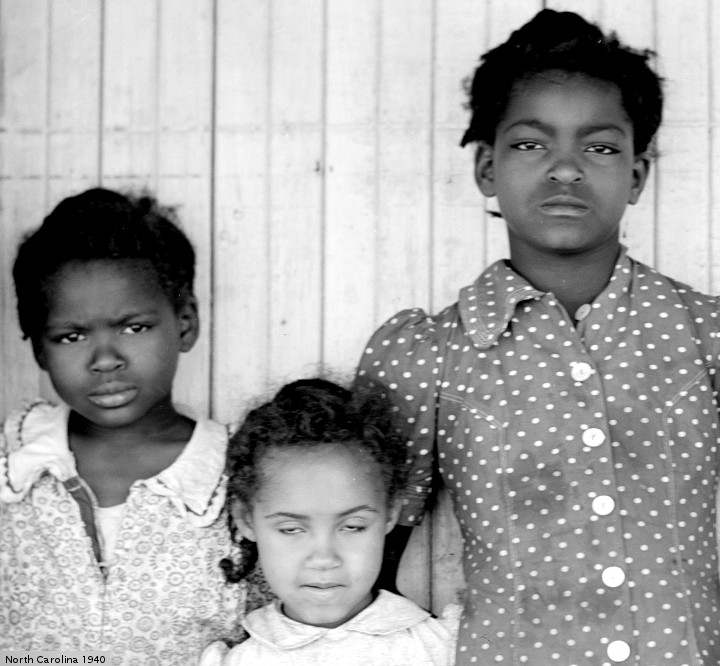
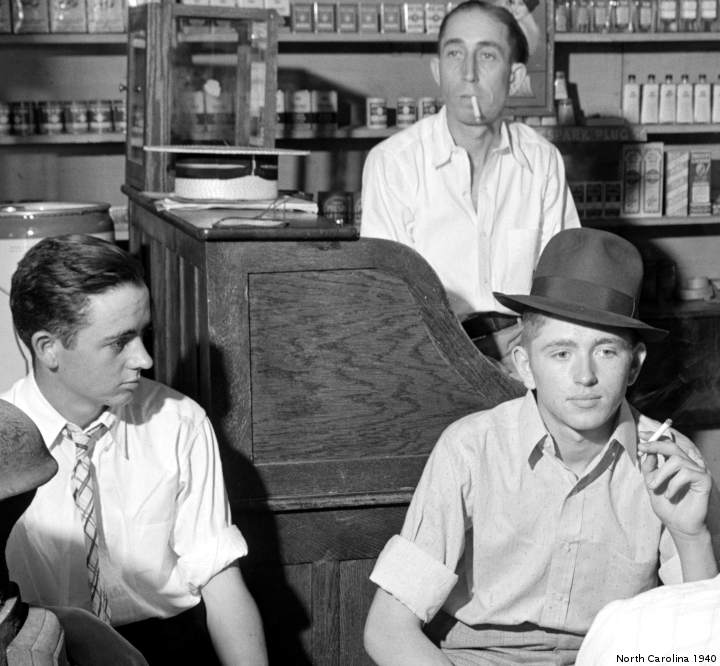
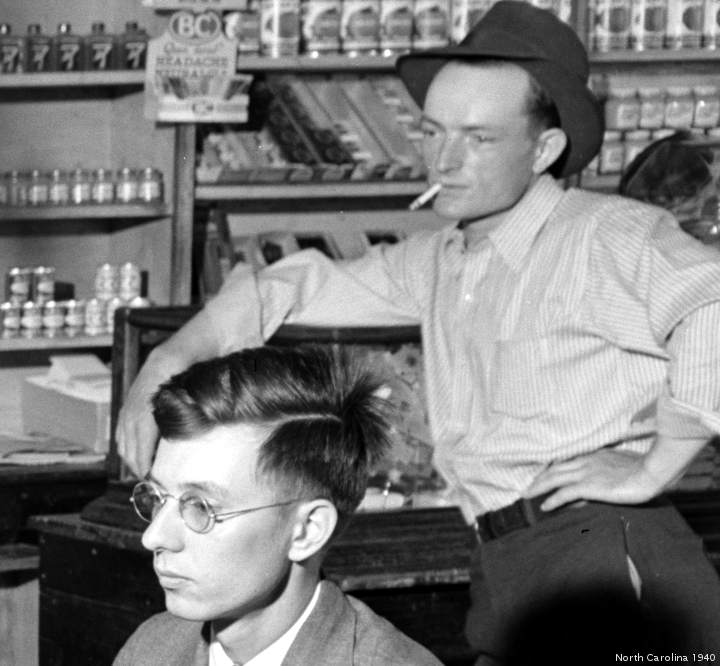

“… always take sides. Neutrality helps the oppressor, never the victim. Silence encourages the tormentor, never the tormented.” This meme, illustrated by the gnomic face of Elie Wiesel, turns up on facebook a lot. Some find it inspiring. Others think it is simplistic and manipulative.
There are two questions. Did Mr. Wiesel say that? What was the context? The quote appears in the acceptance speech for the 1986 Nobel Peace Prize. The next sentence is “Sometimes we must interfere.” We immediately go from the absolute always, to the conditional sometimes. That is progress, even if it does not fit on a bumper sticker.
“Elie Wiesel was born in Sighet, Romania, in 1928. … In May 1944, Wiesel was deported to the Auschwitz concentration camp along with his parents and his sisters. Wiesel and his father were slave laborers at Auschwitz. His father died in January 1945 during a forced march to another camp, Buchenwald, and his mother and younger sister were murdered as well. After the war, Wiesel moved to France, where he worked as a journalist.”
The Israel-Palestine problem was just as vexing in 1986 as today. Here is what Mr. Wiesel said in his speech. “More people are oppressed than free. And then, too, there are the Palestinians to whose plight I am sensitive but whose methods I deplore. Violence and terrorism are not the answer. Something must be done about their suffering, and soon. I trust Israel, for I have faith in the Jewish people. Let Israel be given a chance, let hatred and danger be removed from her horizons, and there will be peace in and around the Holy Land.”
Who is the oppressor in the Middle East, and who is the victim? The many sides can make a case for their cause. Who is the better at persuasion? Who is better at playing the shady game of influence, and money. Often, more noise encourages the tormentor. The answer to age old conflicts is seldom found in bumper stickers, or facebook memes.
“… to whose plight I am sensitive but whose methods I deplore.” “Always take sides” sometimes means that you pick one side in a conflict, and use the tools of rhetoric to promote that cause. It can be tough to tell the good guys from the bad guys. Human suffering is human suffering. Simplistic rhetoric is *never* the answer.
In 1986, the Iran-Iraq war was raging. Hundreds of thousands of men died. Many said the war was allowed to go on intentionally. Allegedly, if Iran and Iraq were not fighting each other, they would be fighting Israel. The United States was allied with Iraq, while making arms deals with Iran. Israeli dealers participated in the United States-Iran arms trading. The profits from those deals went to supply terrorists in Central America. “Sometimes we must interfere.”
Pictures today are from The Library of Congress.




Why The War Between The States Was Fought
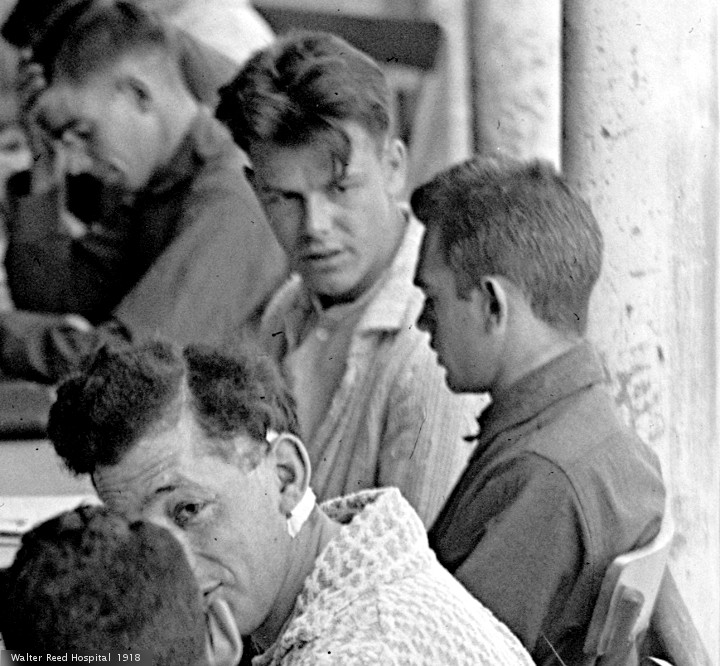


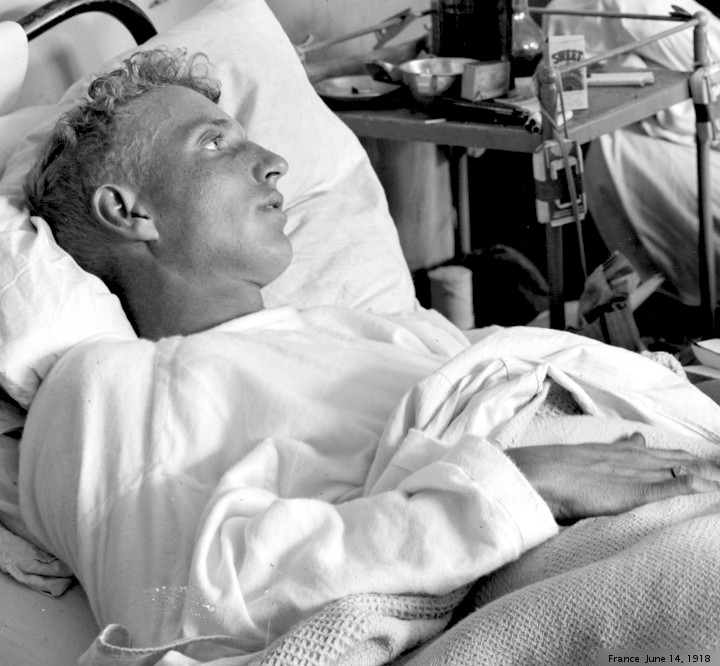

Recently, Mr. Trump said something stupid about the War Between the States. After his comments began to filter into the marketplace of ideas, people began to react. There was a good bit of self righteous talk about how bad the Confederacy was. Maybe it is time for another point of view. This feature will have minimal research. Mostly, PG is typing things he has heard and thought. It is possible that some items will be incorrect. The reader is encouraged to do their own research. Comments are welcome.
When the colonies declared independence in 1776, nobody knew how things would turn out. First, Great Britain needed to be defeated. After that, the Articles of Confederation went into effect. “Under these articles, the states remained sovereign and independent, with Congress serving as the last resort on appeal of disputes. Congress was also given the authority to make treaties and alliances, maintain armed forces and coin money. However, the central government lacked the ability to levy taxes and regulate commerce…”
This arrangement was not working, and the Constitutional Convention was called. Originally, the CC was going to revise the Articles of Confederation, but wound up throwing the whole thing out, and creating the Constitution. This document called for greater federal authority. The issue of what powers to give to the states, and what powers to give to the central government, was contentious. It remains controversial to this day.
Had any group of antonymous states formed a federal union before? Usually, such a union is the result of a conquest, with one of the states ruling the others. It is unclear whether such a union had been attempted before, or how successful it was. When the “founding fathers” created the constitution, they probably did not foresee how it would play out. The current system, with a massive central government cat-herding the 50 states, would have been laughed off as a dangerous fantasy.
So the states start to have disagreements. One of the things they disagreed over was slavery. Yes, this was an important factor in the unpleasantness to come. Slavery also influenced a lot of the economic conflicts. The North wanted high tariffs to protect industry. The South wanted low tariffs, so they could sell cotton to Europe. There were many other ways for the states to not get along.
Finally, in 1861, the disagreements became too big to ignore. The south seceded, and the War Between The States began. The Confederate States of America was a looser union than the United States. The thought was that the states were more important than the federal union. Mr. Lincoln disagreed. (One popular name for the conflict was Mr. Lincoln’s war.) Many people say that Mr. Lincoln was not especially concerned about the slaves, but wanted to keep the union together.
How does slavery enter into this? Imagine the conflict over states rights vs federalism to be an open tank of gasoline. The lit match that was thrown into that tank was slavery. When the winners wrote the war history, it sounded better to say that the war was fought to free the slaves. Pictures today are from The Library of Congress. This was a repost.


 Chamblee54
leave a comment