Mark Twain Double Feature


In honor of the National Day of Prayer , Chamblee54 presents two reruns, both based on the words of Mark Twain. Pictures are from The Library of Congress.
One hundred and four years ago, the United States was involved in a war, that did not want to end. This conflict was in the Philippines. Although there had been an official end to the war, guerrillas continued to fight the Americans. The war was a nasty affair, with many atrocities.
The War against the Philippine people was a souvenir of the Spanish American War. There had been a rebellion against Spanish rule in the islands. After the American forces routed the Spanish, the rebellion shifted to the American occupiers. It was a war stumbled into, and difficult to end.
Mark Twain was horrified. He wrote a story, The War Prayer. As Lew Rockwell tells the tale
“Twain wrote The War Prayer during the US war on the Philippines. It was submitted for publication, but on March 22, 1905, Harper’s Bazaar rejected it as “not quite suited to a woman’s magazine.” Eight days later, Twain wrote to his friend Dan Beard, to whom he had read the story, “I don’t think the prayer will be published in my time. None but the dead are permitted to tell the truth.” Because he had an exclusive contract with Harper & Brothers, Mark Twain could not publish “The War Prayer” elsewhere and it remained unpublished until 1923.”
HT to David Crosby and his autobiography, “Since Then“. A book report is forthcoming.
Getting back to “A War Prayer“, the story starts in a church. A war has started, and is popular. The troops leave for glory the next day. The preacher has an emotional prayer to send them on their way. Unknown to the minister, there is a visitor. “An aged stranger entered and moved with slow and noiseless step up the main aisle, his eyes fixed upon the minister, his long body clothed in a robe that reached to his feet, his head bare, his white hair descending in a frothy cataract to his shoulders, his seamy face unnaturally pale, pale even to ghastliness. With all eyes following him and wondering, he made his silent way; without pausing, he ascended to the preacher’s side and stood there, waiting.
With shut lids the preacher, unconscious of his presence, continued his moving prayer, and at last finished it with the words, uttered in fervent appeal,” Bless our arms, grant us the victory, O Lord our God, Father and Protector of our land and flag!”
The stranger motioned to the preacher to step aside. The stranger stepped into the pulpit, and claimed to have a message for the worshipers, sent directly from G-d. The preacher’s message was for support in time of war, and implied that G-d and the preacher support the same side in this conflict. There is an unspoken part to a prayer like this. This unspoken part was what the stranger was going to put into words.
“”O Lord our Father, our young patriots, idols of our hearts, go forth to battle – be Thou near them! With them, in spirit, we also go forth from the sweet peace of our beloved firesides to smite the foe.
O Lord our God, help us to tear their soldiers to bloody shreds with our shells; help us to cover their smiling fields with the pale forms of their patriot dead; help us to drown the thunder of the guns with the shrieks of their wounded, writhing in pain; help us to lay waste their humble homes with a hurricane of fire; help us to wring the hearts of their unoffending widows with unavailing grief; help us to turn them out roofless with their little children to wander unfriended the wastes of their desolated land in rags and hunger and thirst, sports of the sun flames of summer and the icy winds of winter, broken in spirit, worn with travail, imploring Thee for the refuge of the grave and denied it-
for our sakes who adore Thee, Lord, blast their hopes, blight their lives, protract their bitter pilgrimage, make heavy their steps, water their way with their tears, stain the white snow with the blood of their wounded feet!
We ask it, in the spirit of love, of Him Who is the Source of Love, and Who is ever-faithful refuge and friend of all that are sore beset and seek His aid with humble and contrite hearts. Amen.”

Mark Twain wrote a lot during the American Genocide in the Philippines. Many of his words could apply today. War has gotten more high tech…for our side…, but the bottom line is the same. No matter how fancy the weapons get, the casualties are just as dead. And the investors make money.
Mine eyes have seen the orgy of the launching of the Sword;
He is searching out the hoardings where the stranger’s wealth is stored;
He hath loosed his fateful lightnings, and with woe and death has scored;
His lust is marching on.
I have seen him in the watch-fires of a hundred circling camps;
They have builded him an altar in the Eastern dews and damps;
I have read his doomful mission by the dim and flaring lamps —
His night is marching on.
I have read his bandit gospel writ in burnished rows of steel:
“As ye deal with my pretensions, so with you my wrath shall deal;
Let the faithless son of Freedom crush the patriot with his heel;
Lo, Greed is marching on!”
We have legalized the strumpet and are guarding her retreat;
Greed is seeking out commercial souls before his judgement seat;
O, be swift, ye clods, to answer him! be jubilant my feet!
Our g-d is marching on!
In a sordid slime harmonious Greed was born in yonder ditch,
With a longing in his bosom — and for others’ goods an itch.
As Christ died to make men holy, let men die to make us rich —
Our g-d is marching on.

Ira Hayes



The post before this is about Arizona SB1070, a controversial measure dealing with illegal immigration. One of the men quoted is the Sheriff of Pima County, which lies on the border.
Pima County is named for the Pima Tribe, whose land was in Arizona and Sonora, Mexico. Their name for the “river people” is Akimel O’odham. According to Wikipedia, “The short name, “Pima” is believed to have come from the phrase pi ‘añi mac or pi mac, meaning “I don’t know,” used repeatedly in their initial meeting with Europeans.”
Many of the Mexicans crossing the border are Native Americans. They did not agree to the Gadsden Purchase, or the Treaty of Guadalupe Hidalgo. In other words, they were here first, and the white man (and black associates) are the uninvited guests.
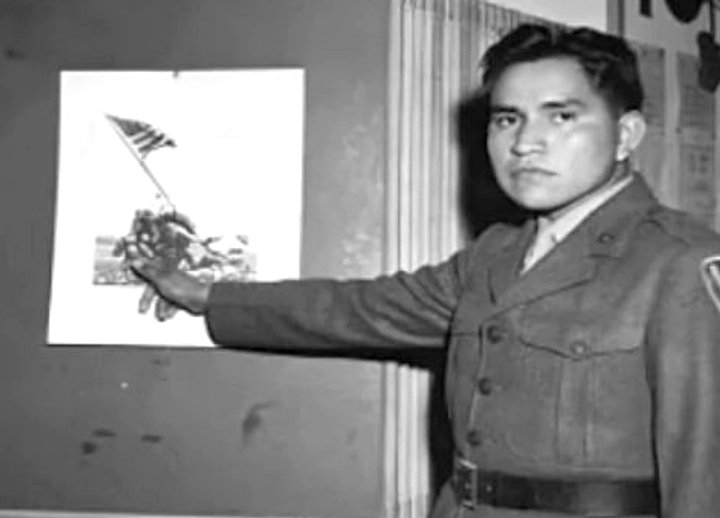
The second part of this feature is a repost. One of the best known Pimas was Ira Hayes. He was one of the Marines who raised the flag on Iwo Jima.
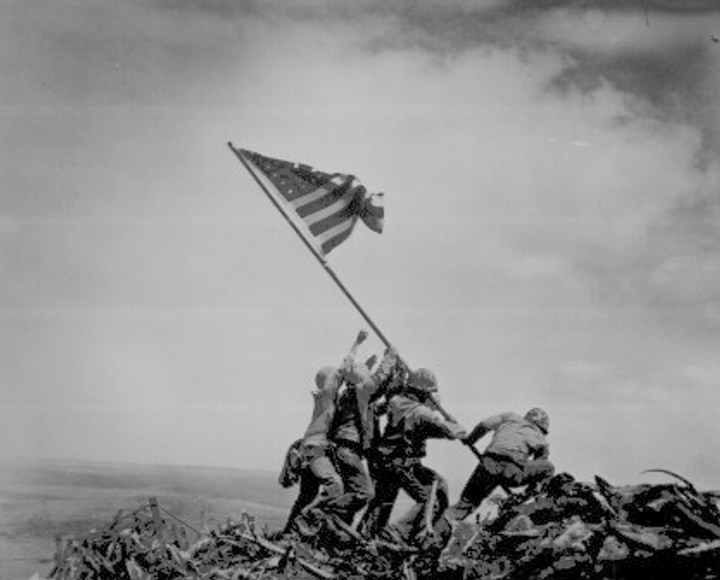
One of the enduring images of World War II was raising the flag on Iwo Jima. Three of the six men raising the flag died on the island. A fourth, Ira Hayes, became a casualty after the war.
The story of Ira Hayes is well known, but needs to be told again. A member of the Akimel O’odham (Pima) nation, his people had not been treated well by the conquerors. Nonetheless, when the War against Japan started, men were needed for the struggle, and Ira Hayes joined the Marines.
Iwo Jima was a steppingstone to the main island of Japan. After Iwo Jima and Okinawa were in Yankee hands, preparations could be made for the invasion of the main island. However, the stepping stone islands proved to be incredibly tough to secure. There were more American casualties on Iwo Jima than on D Day.
On the fourth day of the battle, a picture was made of six marines raising the flag on top of Mount Suribachi. A month of sticky, treacherous fighting was ahead for the fighting men. Of 21,000 Japanese soldiers, 20,000 died.
The flag was raised on February 23, 1945. Germany was all but defeated. The “explosive lens” for the atom bomb had been successfully tested. It seemed inevitable that the costly island hopping needed to continue, to be followed by an invasion of the Japanese mainland.
Two of the twelve hands holding the flagpole belonged to Ira Hayes. Ira Hayes did not adjust to peacetime well. He became a drunkard. On January 24, 1955, he passed away.
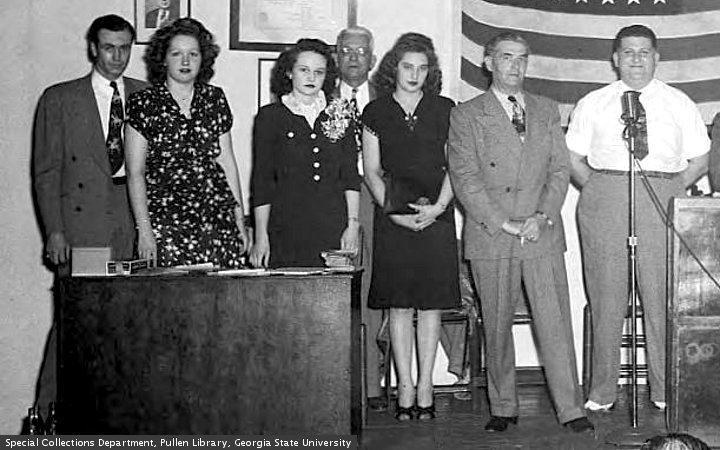
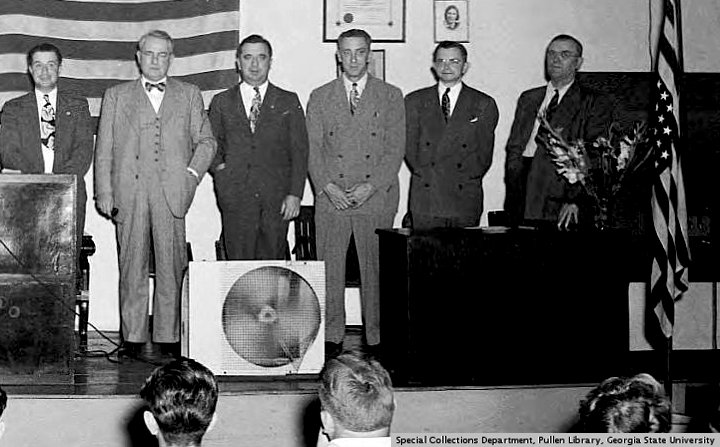
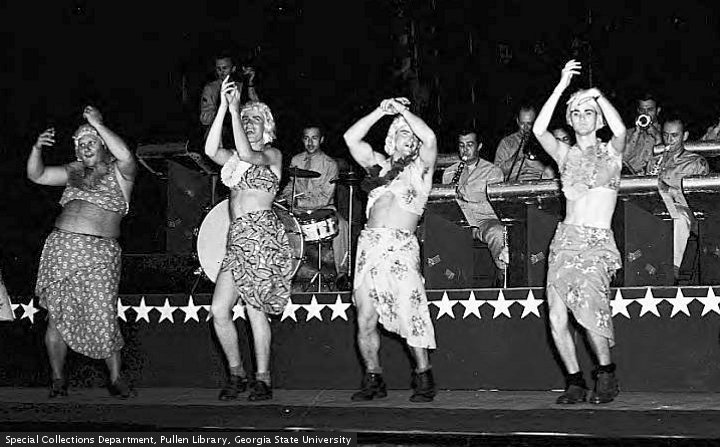
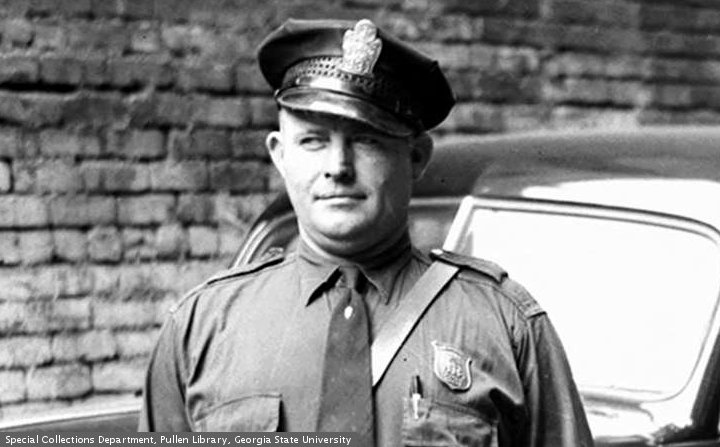
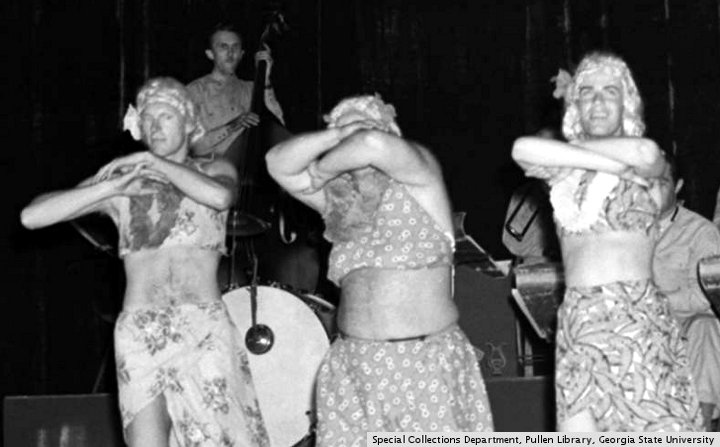
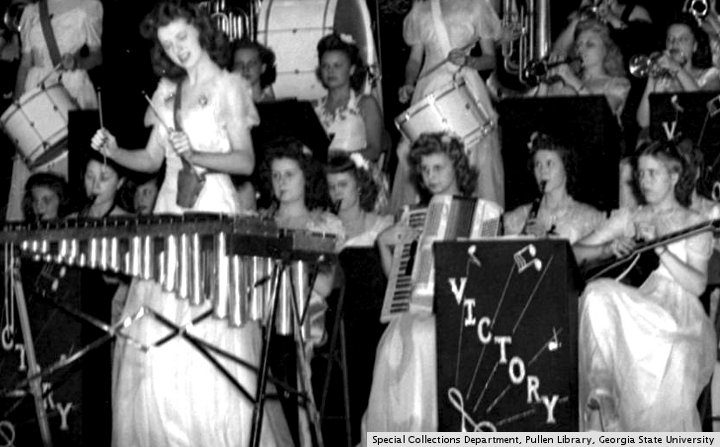
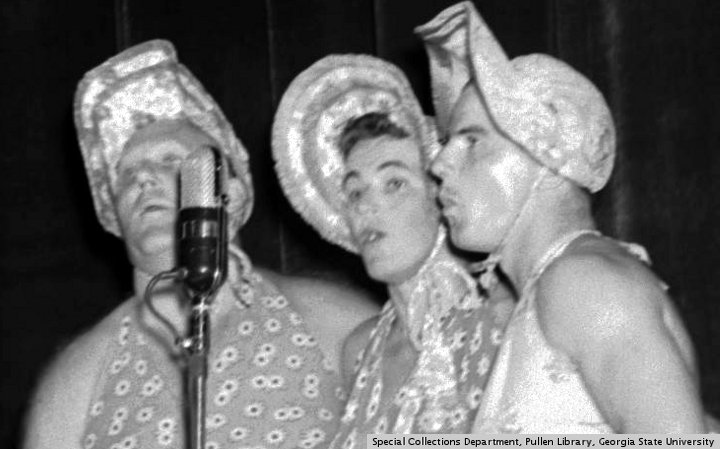
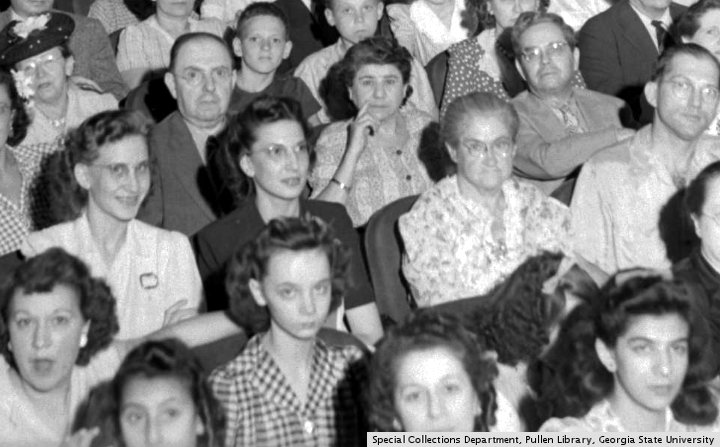
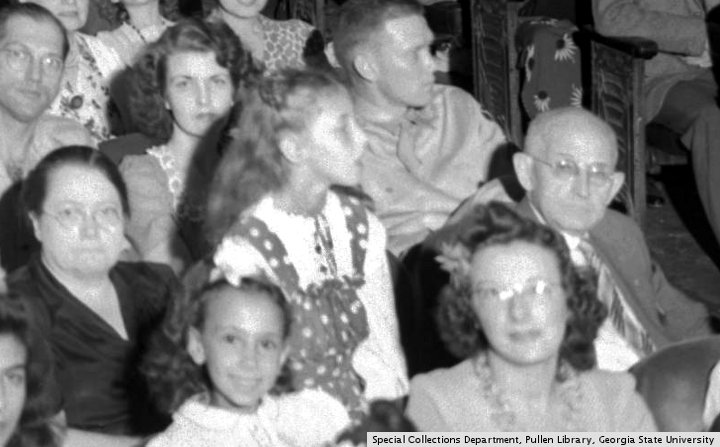
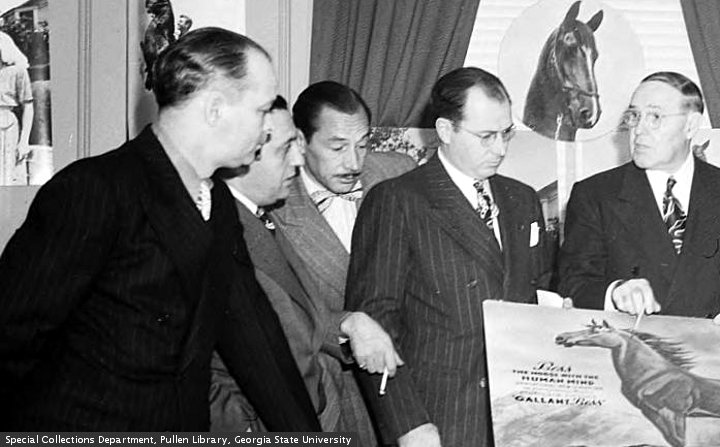
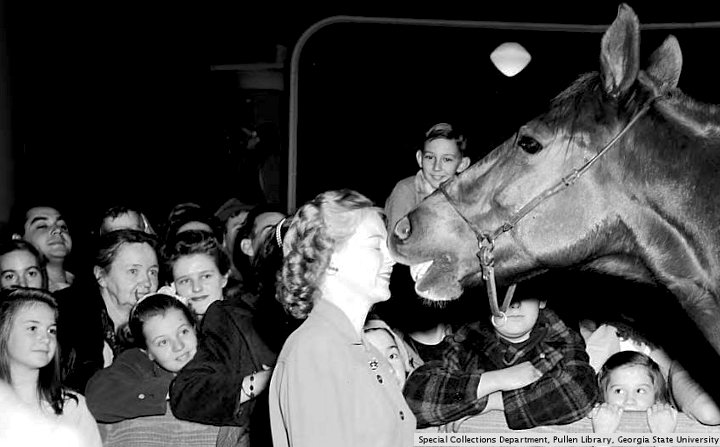
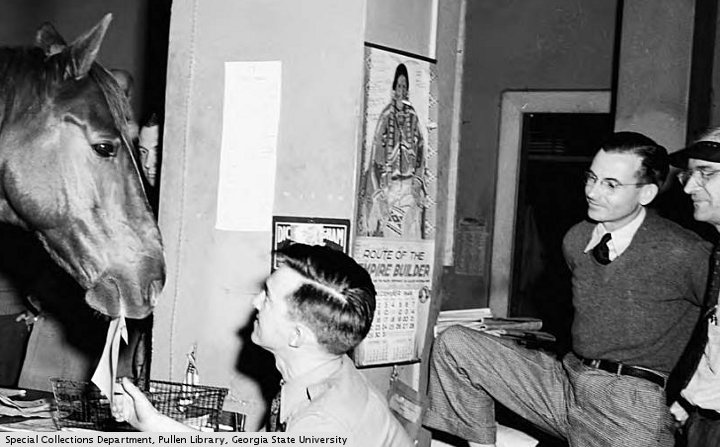
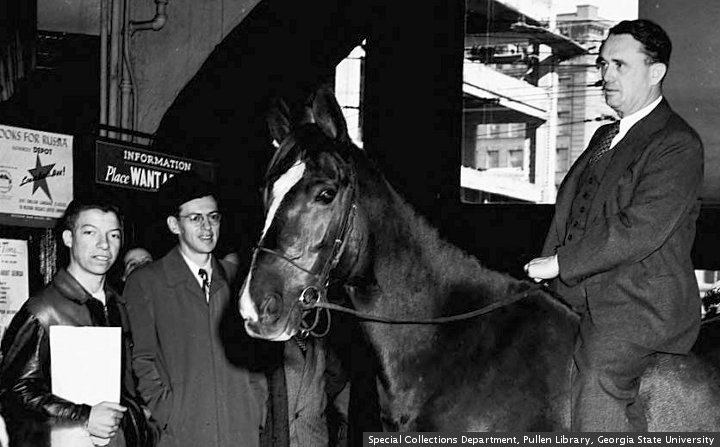
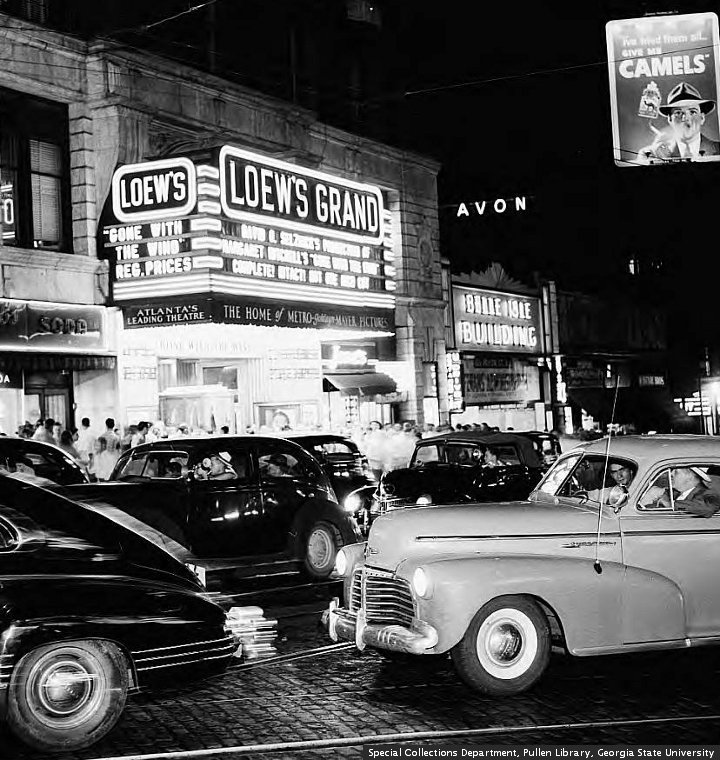
Ira Hayes was a native American. Thousands of African Americans have returned from foreign wars, to be treated poorly. Until a few months ago, if a man, or woman, is accused of being gay, the service is forgotten. On Memorial Day, we should struggle to ensure that all future veterans are treated with respect, all year long. This is a repost. Pictures are from The Library of Congress and “The Special Collections and Archives, Georgia State University Library”. Some of the pictures shown today were taken at a War Bond Drive show, Loew’s Grand Theater, July 10, 1944.




Always Take Sides


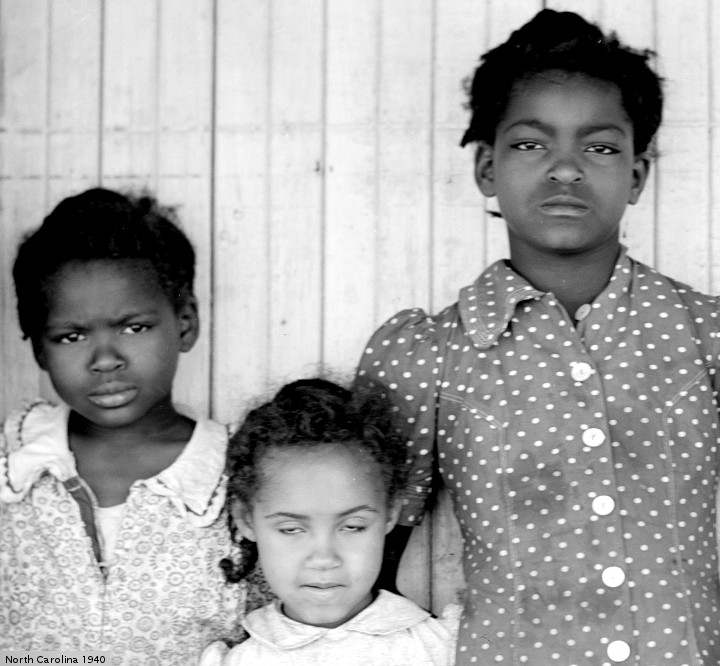
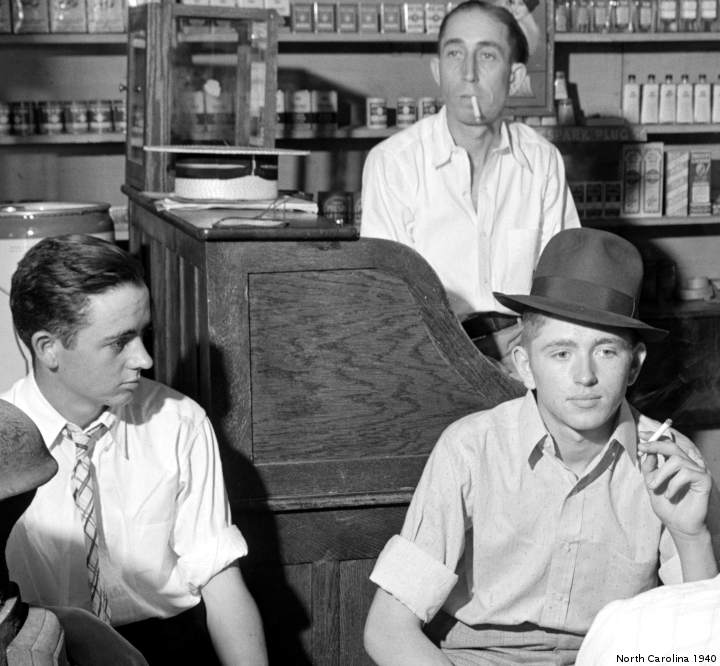
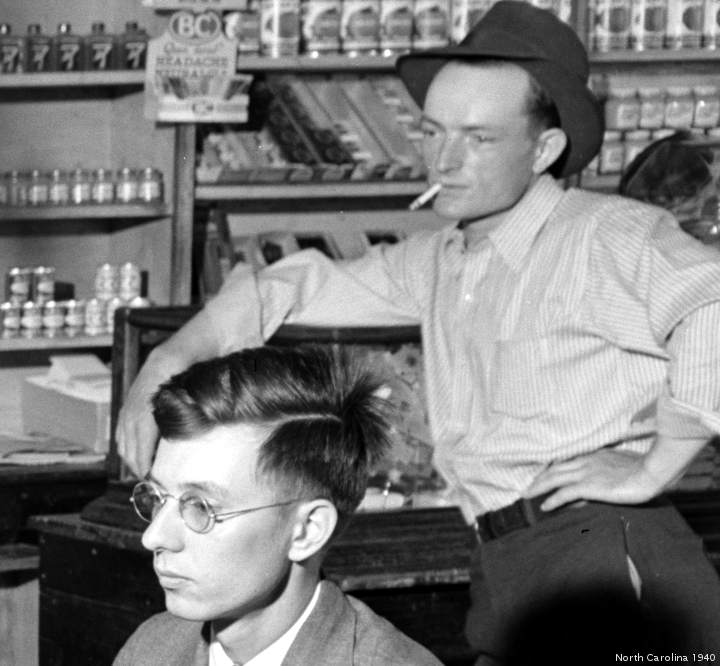

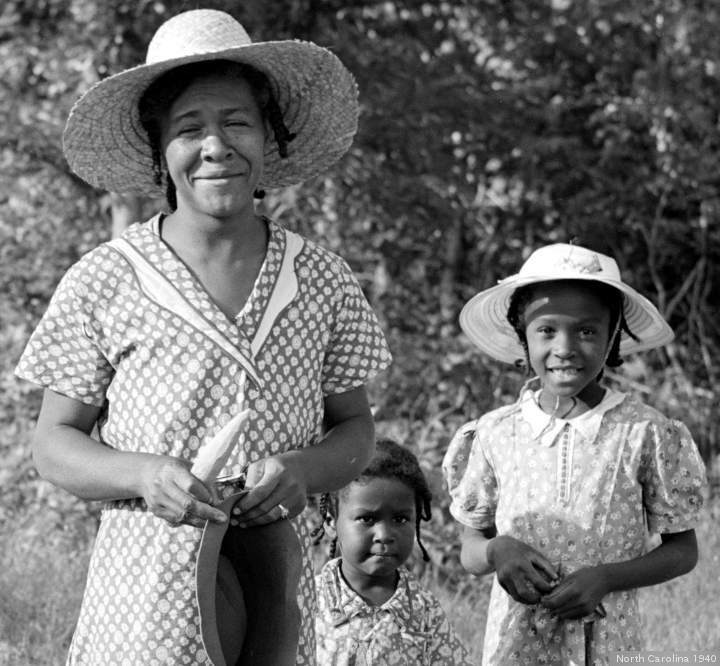
“… always take sides. Neutrality helps the oppressor, never the victim. Silence encourages the tormentor, never the tormented.” This meme, illustrated by the gnomic face of Elie Wiesel, turns up on facebook a lot. Some find it inspiring. Others think it is simplistic and manipulative.
There are two questions. Did Mr. Wiesel say that? What was the context? The quote appears in the acceptance speech for the 1986 Nobel Peace Prize. The next sentence is “Sometimes we must interfere.” We immediately go from the absolute always, to the conditional sometimes. That is progress, even if it does not fit on a bumper sticker.
“Elie Wiesel was born in Sighet, Romania, in 1928. … In May 1944, Wiesel was deported to the Auschwitz concentration camp along with his parents and his sisters. Wiesel and his father were slave laborers at Auschwitz. His father died in January 1945 during a forced march to another camp, Buchenwald, and his mother and younger sister were murdered as well. After the war, Wiesel moved to France, where he worked as a journalist.”
The Israel-Palestine problem was just as vexing in 1986 as today. Here is what Mr. Wiesel said in his speech. “More people are oppressed than free. And then, too, there are the Palestinians to whose plight I am sensitive but whose methods I deplore. Violence and terrorism are not the answer. Something must be done about their suffering, and soon. I trust Israel, for I have faith in the Jewish people. Let Israel be given a chance, let hatred and danger be removed from her horizons, and there will be peace in and around the Holy Land.”
Who is the oppressor in the Middle East, and who is the victim? The many sides can make a case for their cause. Who is the better at persuasion? Who is better at playing the shady game of influence, and money. Often, more noise encourages the tormentor. The answer to age old conflicts is seldom found in bumper stickers, or facebook memes.
“… to whose plight I am sensitive but whose methods I deplore.” “Always take sides” sometimes means that you pick one side in a conflict, and use the tools of rhetoric to promote that cause. It can be tough to tell the good guys from the bad guys. Human suffering is human suffering. Simplistic rhetoric is *never* the answer.
In 1986, the Iran-Iraq war was raging. Hundreds of thousands of men died. Many said the war was allowed to go on intentionally. Allegedly, if Iran and Iraq were not fighting each other, they would be fighting Israel. The United States was allied with Iraq, while making arms deals with Iran. Israeli dealers participated in the United States-Iran arms trading. The profits from those deals went to supply terrorists in Central America. “Sometimes we must interfere.”
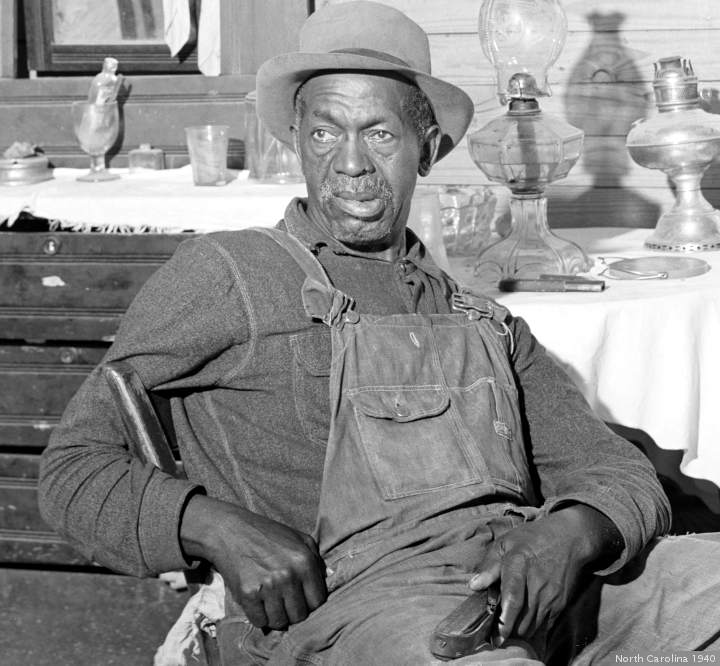
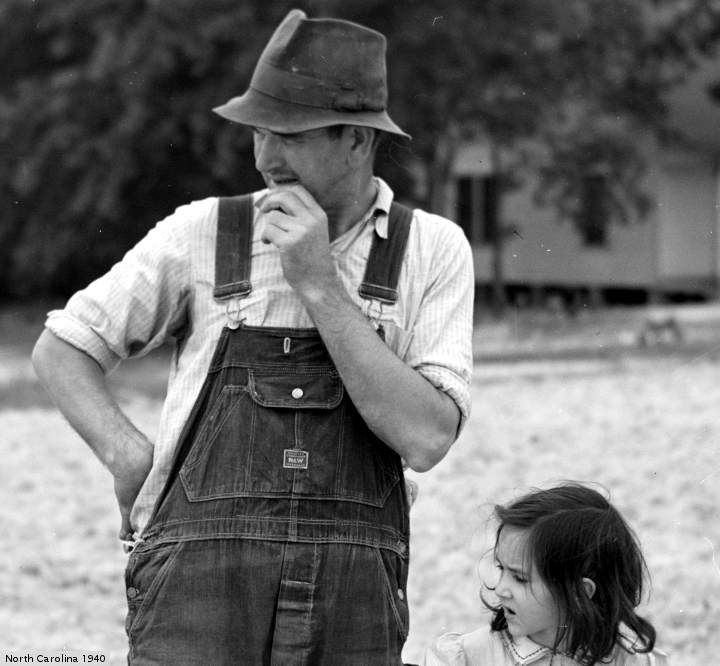
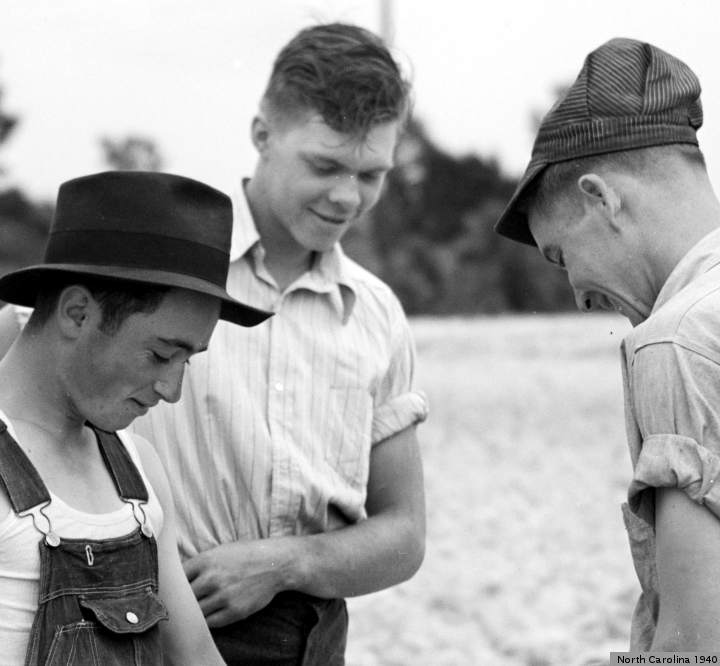
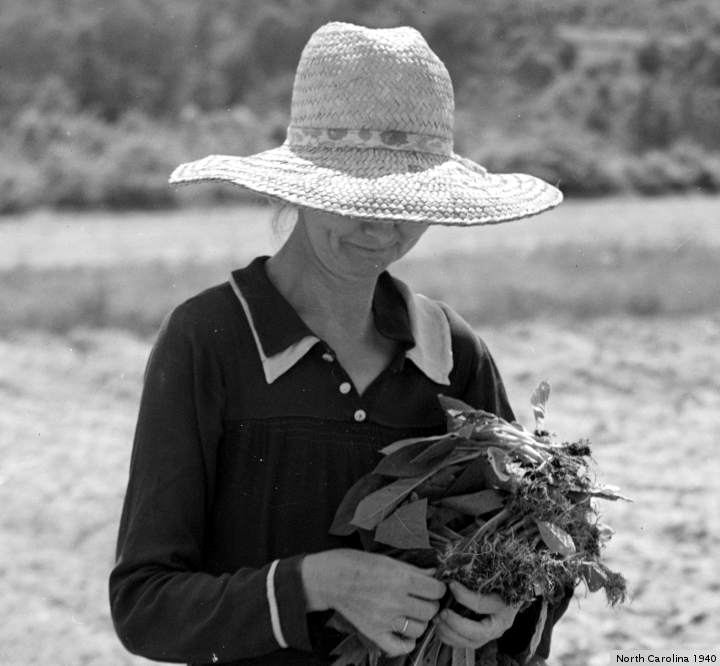
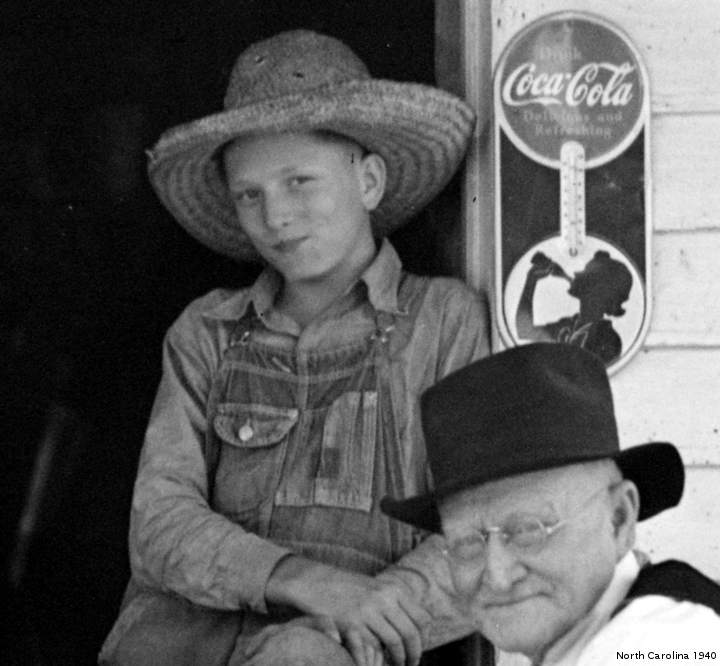
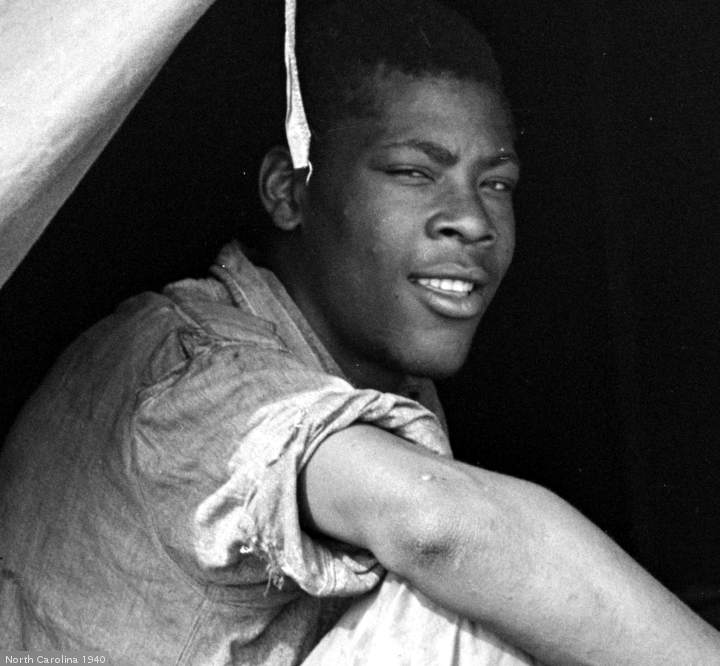
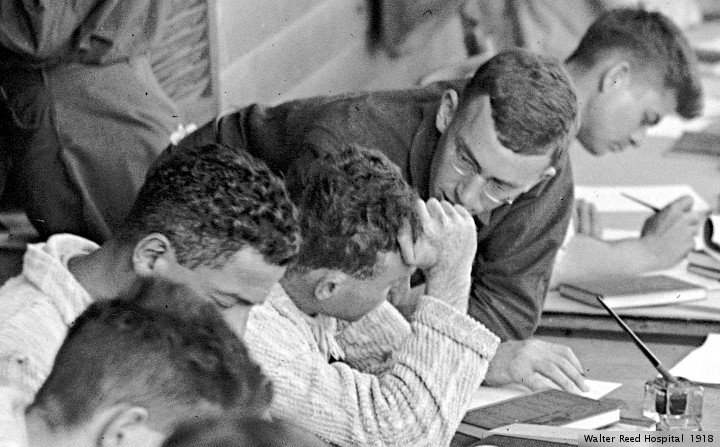
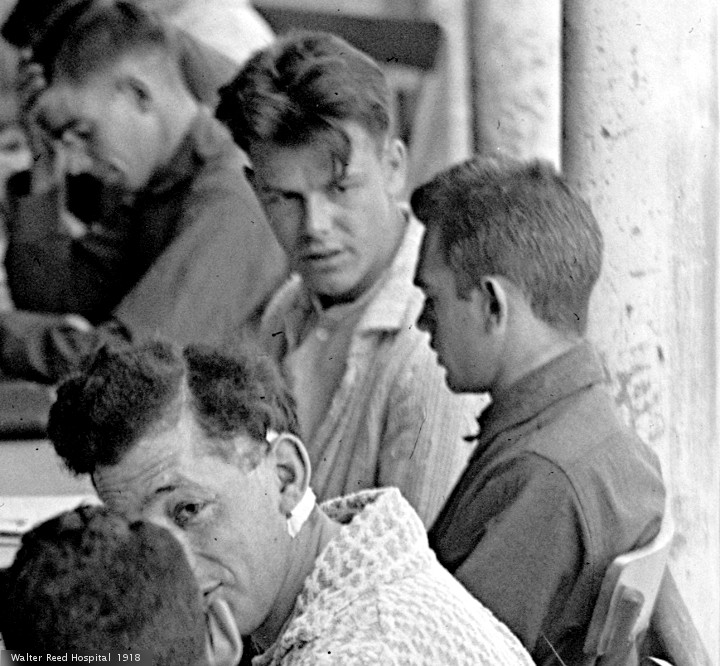
Pictures today are from The Library of Congress.




Why The War Between The States Was Fought


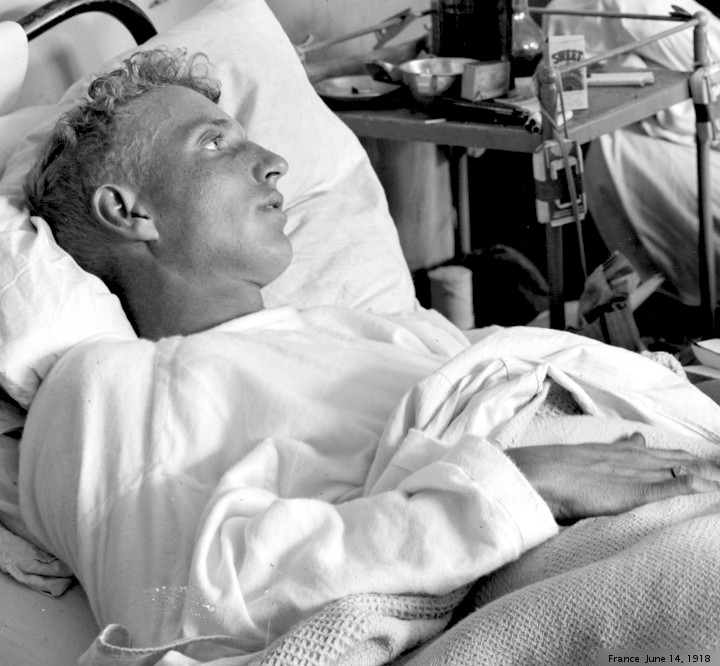

Recently, Mr. Trump said something stupid about the War Between the States. After his comments began to filter into the marketplace of ideas, people began to react. There was a good bit of self righteous talk about how bad the Confederacy was. Maybe it is time for another point of view. This feature will have minimal research. Mostly, PG is typing things he has heard and thought. It is possible that some items will be incorrect. The reader is encouraged to do their own research. Comments are welcome.
When the colonies declared independence in 1776, nobody knew how things would turn out. First, Great Britain needed to be defeated. After that, the Articles of Confederation went into effect. “Under these articles, the states remained sovereign and independent, with Congress serving as the last resort on appeal of disputes. Congress was also given the authority to make treaties and alliances, maintain armed forces and coin money. However, the central government lacked the ability to levy taxes and regulate commerce…”
This arrangement was not working, and the Constitutional Convention was called. Originally, the CC was going to revise the Articles of Confederation, but wound up throwing the whole thing out, and creating the Constitution. This document called for greater federal authority. The issue of what powers to give to the states, and what powers to give to the central government, was contentious. It remains controversial to this day.
Had any group of antonymous states formed a federal union before? Usually, such a union is the result of a conquest, with one of the states ruling the others. It is unclear whether such a union had been attempted before, or how successful it was. When the “founding fathers” created the constitution, they probably did not foresee how it would play out. The current system, with a massive central government cat-herding the 50 states, would have been laughed off as a dangerous fantasy.
So the states start to have disagreements. One of the things they disagreed over was slavery. Yes, this was an important factor in the unpleasantness to come. Slavery also influenced a lot of the economic conflicts. The North wanted high tariffs to protect industry. The South wanted low tariffs, so they could sell cotton to Europe. There were many other ways for the states to not get along.
Finally, in 1861, the disagreements became too big to ignore. The south seceded, and the War Between The States began. The Confederate States of America was a looser union than the United States. The thought was that the states were more important than the federal union. Mr. Lincoln disagreed. (One popular name for the conflict was Mr. Lincoln’s war.) Many people say that Mr. Lincoln was not especially concerned about the slaves, but wanted to keep the union together.
How does slavery enter into this? Imagine the conflict over states rights vs federalism to be an open tank of gasoline. The lit match that was thrown into that tank was slavery. When the winners wrote the war history, it sounded better to say that the war was fought to free the slaves. Pictures today are from The Library of Congress. This was a repost.


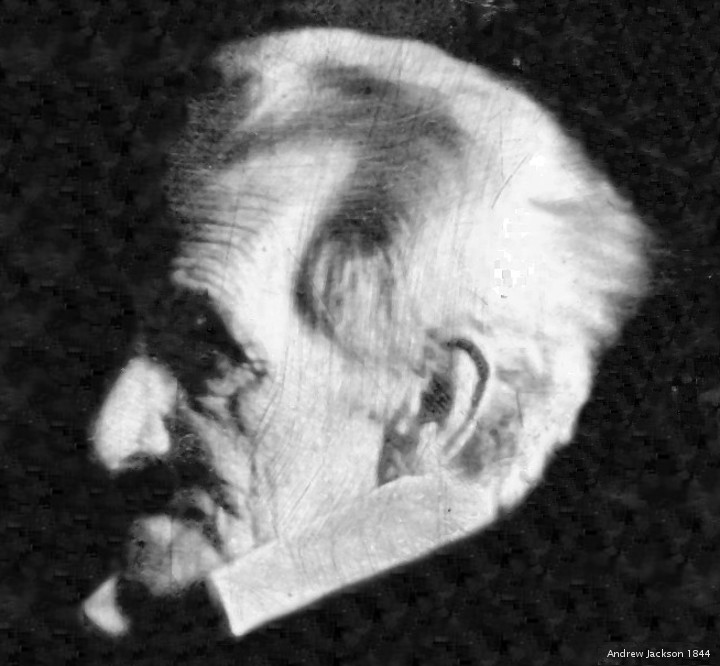
Confederate Memorial Day

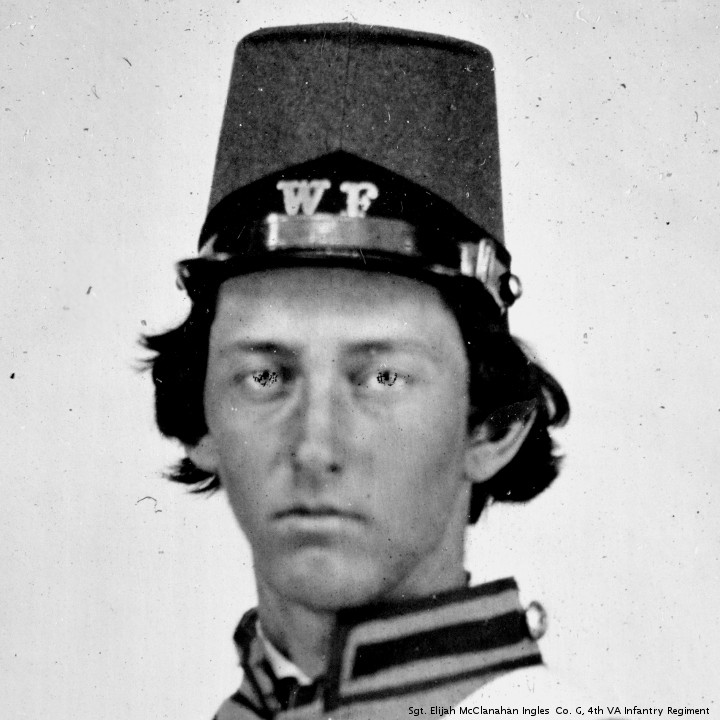

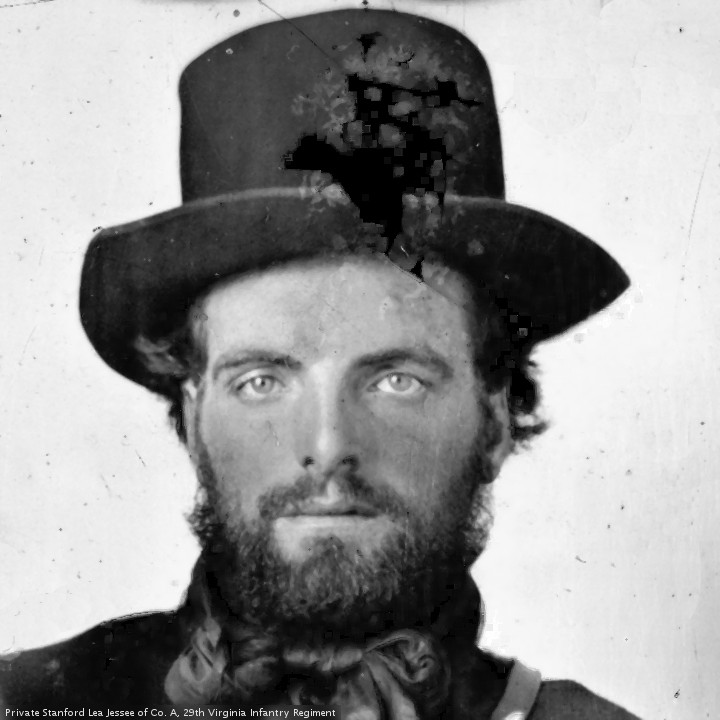


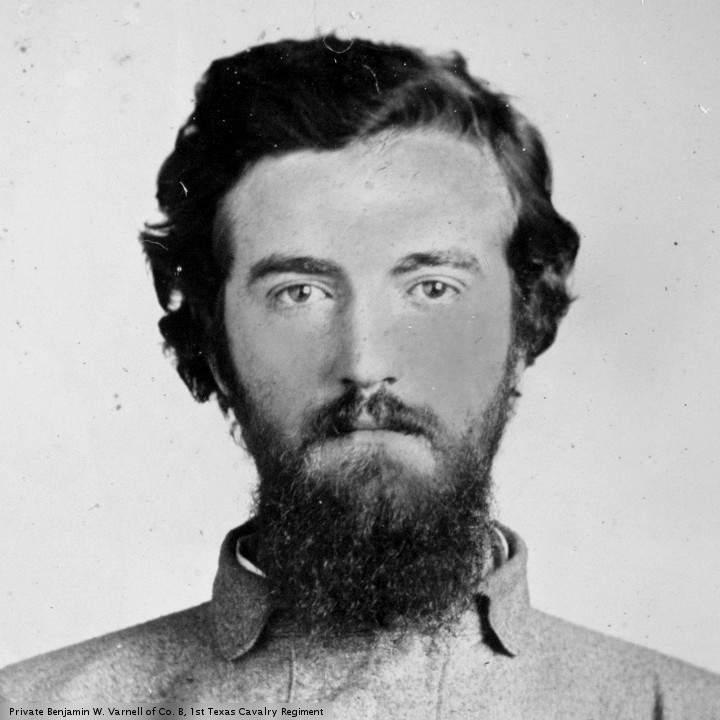
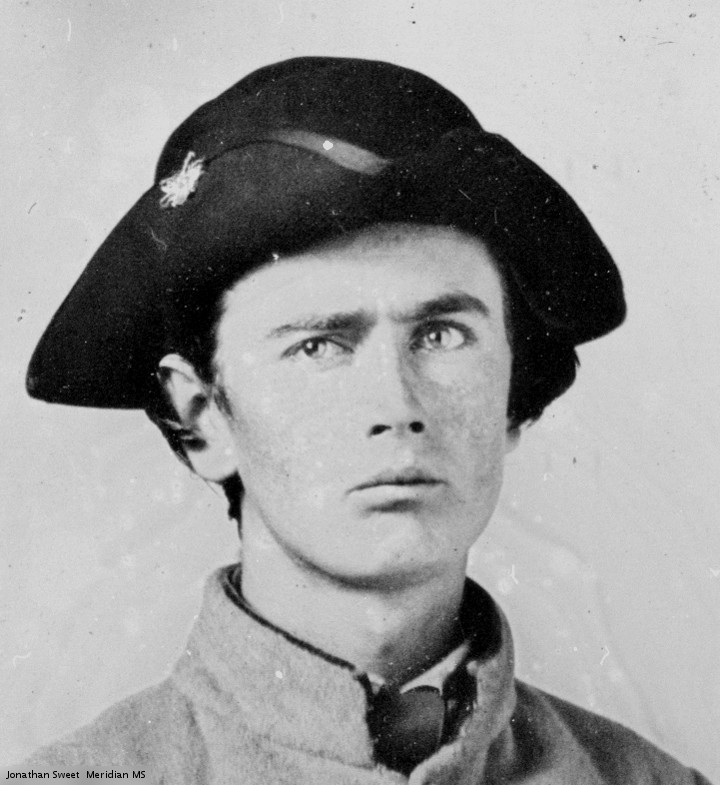
Today is Confederate Memorial Day in Georgia. It is an ancient question…how to honor the soldiers from the side that lost. They were just as valiant as the Union Soldiers. Considering the shortages of the Confederate Armies, the Rebels may have been just a bit braver.
The issue of Federalism is a defining conflict of the American experience. What powers do we give the Federal Government, and what powers do we cede to the States? The Confederacy was the product of this conflict. The Confederate States were a collection of individual states, with separate armies. This is one reason why the war turned out the way it did.
This is not a defense for slavery. The “Peculiar institution” was a moral horror. The after effects of slavery affect us today. Any remembrance of the Confederacy should know that. This does not make the men who fought any less brave.
It is tough to see the War Between the States through the modern eye. It was a different time, before many of the modern conveniences that are now considered necessities. Many say that the United States were divided from the start, and the fact the union lasted as long as it did was remarkable. When a conflict becomes us against them, the “causes” become unimportant.
The War was a horror, with no pain medicine, and little that could be done for the wounded. It took the south many, many years to recover. The healing continues in many ways today. Remembering the sacrifices made by our ancestors helps.
This is a repost from CMD 2010. Pictures are from the The Library of Congress.


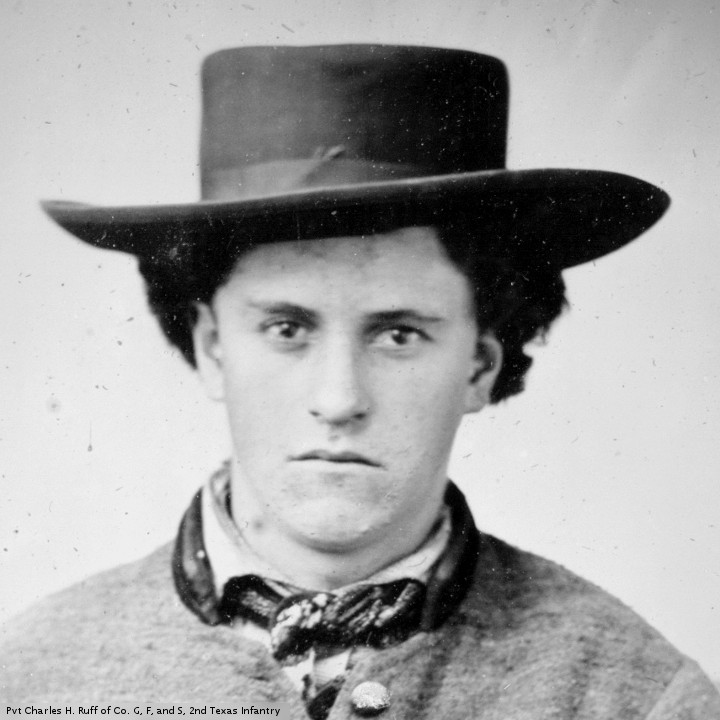


Joyce Kilmer


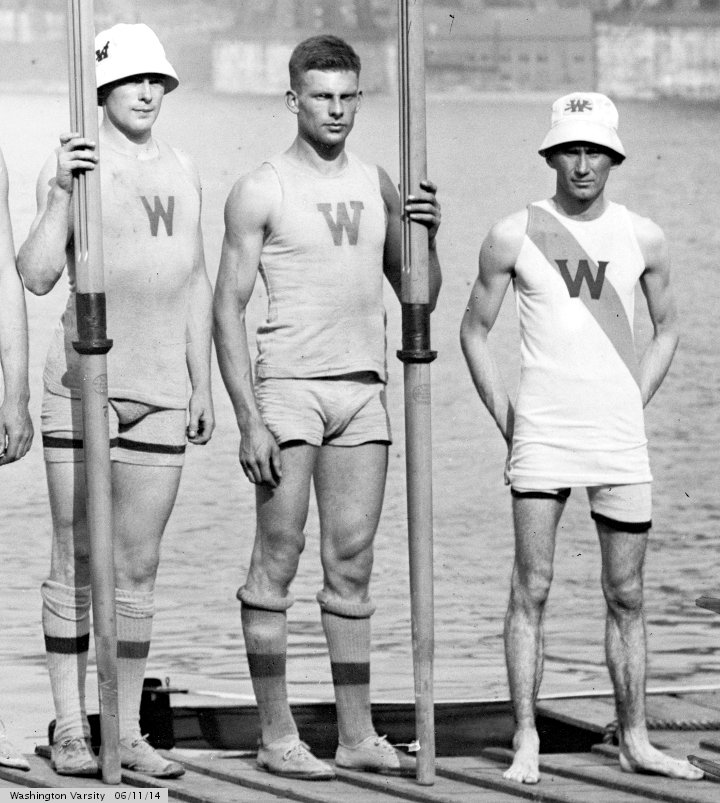
Some say …It’s the Soldier, not the poet, Who has given us the freedom of speech. There is also the story of Joyce Kilmer. This is a repost. Pictures are from The Library of Congress.
Alfred Joyce Kilmer was born December 6, 1886, in East Brunswick NJ. He grew up to be a teacher, and wrote poems on the side. After teaching, he worked for Funk and Wagnall, defining words for five cents each. Mr. Kilmer continued to write, and became a popular lecturer.
In 1913, “Trees” was published. Your english teacher probably made fun of it. Many satires have been written. It was at the end of an era in poetry, when that *simple* style was popular. In the era after World War 1, poetry went crazy. Joyce Kilmer didn’t live to see it.
A few days after the United States entered World War 1, Joyce Kilmer left his wife, and five children, and went to war. Originally he was a statistician in the 69th Infantry Regiment, but wanted action. He was promoted to Sergeant, and sent to the Regimental Intelligence Section.
On July 30, 1918, Sgt. Kilmer was scouting the location of a German machine gun. A bullet to the head ended his war.
World War 1 was a ghastly bloodbath. It set the stage for World War 2, which was even bloodier. Not one person in a thousand today can tell you why World War 1 was fought, or how the United States got drawn into it. It is tough to see how World War 1 gave us freedom of speech.

PG stumbled onto a blog called Vast Public Indifference. The feature being utilized today is Urban Legend Names. The blogwriter is a historian in training, and became fascinated by name stories. She did some research. The names are in bold below, with the “status” underlined.
Clitoris: Unconfirmed. Variant forms can be confirmed, viz. Clitty Jones of Somers, OH (b. 1895, married to Walter, confirmed in 1920 and 1930 census). The name “Clit” appears in several census records, but cannot be independently confirmed (ex: Clit Mangum, Commerce, GA, 1930 census).
Eczema: Possible. Three women show up in the census records as “Eczema”: Eczema Wright of Indiana, Eczema Hugey of Missouri, and Eczema James of Texas.
Male: Confirmed David Male Tiumalu (b. 8/1/1953, Alameda Co., CA), Linda Male Osmer (b. 5/8/1952, Texas), Male Joseph Cotton (b. 3/29/1974).
Latrine: Confirmed. Latrine seems to be a legitimate name. Examples: Latrine Sharmine Olive (b. 11/24/1979, Sacramento, CA), Quiana Latrine Phillips (b. 4/1/1988, Los Angeles, CA), Latrine Nicole Cook (b. 1/21/1976, Dallas, TX), Charlotte Latrine Martin (b. 2/8/1971, Wichita, TX). A variant form, Latrina, is actually quite popular, even cracking the top 1000 baby names in America for six years running during the 1970s. There are nearly 500 girls named Latrina in the Texas and California birth records alone. One unfortunate example of this name is Latrina Pickens-Brown of Nevada.
No Smoking: Confirmed. Nosmo King Cheatam (b. 11/26/1918 d. 11/10/1997). Mr. Cheatam was a veteran of the United States Navy and is buried in Texarkana, TX.
Pajama: Possible. I found several people named “Pajama” in the public phone/address records, including Pajama Ngongba of Alexandria, VA and Pajama Howanitz of Alabaster, AL, but was not able to confirm their names independently.
Placenta: Confirmed. Placenta Ann Woodard (b. 8/7/1953, Freestone Co., TX, married Rahman Hassan 11/10/1986 in Tarrant, TX), Placenta Ayala (b. 10/5/1951, Howard Co., TX), Placenta Theresa Bennett (b. 7/21/1958, Caldwell Co., TX). Others show up in the census — the picture at right is of the entry for Placenta M. Duncan of Green Bay, Iowa in the 1860 census.
Urea: Confirmed. Urea Pyle of Delaware Co., PA (married to Reece Pyle, confirmed in 1900, 1910, and 1920 census records), Elton Urea Juniel of California (married in Las Vegas 3 times: married Tish Denise Harris 6/27/1981, married Beverly Jean Mills, 8/17/1991, married Julie Marie Bossin 9/23/2003), Sophia Urea Nelson of Los Angeles, CA (b. 1/11/1991). The Texas birth records contain information for six babies named Urea:
Urine: Confirmed. Nora Urine Workman (b. 10/13/1940, Lamar Co., TX), Jonathan Urine Smith (b. 12/3/1996, Denton Co., TX), Urine Adkins of Coeburn, VA (b. 6/15/1896, d. March 1972). Urine Thibideoux, Louisiana.
Vagina: Confirmed. Vagina Ann Williams (b. 3/18/1934, Hall Co., TX), Ellen Vagina Goode (b. 9/13/1918 Lee Co., TX), Lorene Vagina Cranfield (b. 7/26/1938 Rowan Co., NC), Vagina Harper Bland (b. 1/19/1842 in Virginia, d. 5/4/1927 in Kentucky). One that caught my eye was “Vagina Glasscock” who lived in Somerville, Alabama in 1910.
Pictures are from The Library of Congress. This is written like James Joyce.


Shock And Awe Day

Sixteen years ago, Iraq teetered on the edge of regime change. It was obvious what was going to happen, at least at first. America was going to storm in, kill a bunch of people, and take over.
In post 911 America, the military industrial complex saw an opportunity for plunder, unrivaled since the fall of the Soviet Union. The stories of WMD would infect the body politic with fear of a mesopotamian madman. Saddam Hussein wanted Iran to think he has wonder weapons, and did not think America was serious about regime change. We all make mistakes.
In the sixteen years since the time of shock and awe, trillions of dollars have gone down the drain, dragging the mighty American economy along into the sewers of bankruptcy. One of the oldest civilizations of mankind was reduced to hiding, from neighbors, behind concrete barricades. They fought the conquerors with bombs triggered by garage door openers. Thousands of women and children have been murdered. The WMD were never found. This is a repost.
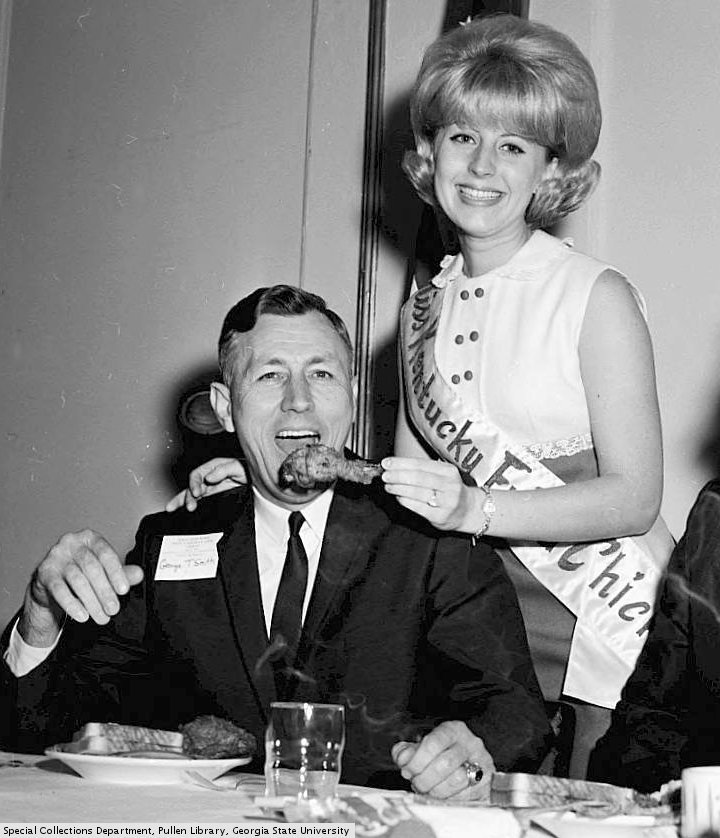
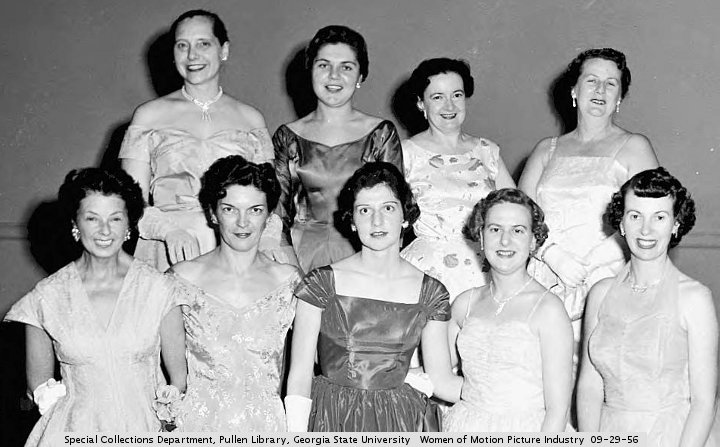
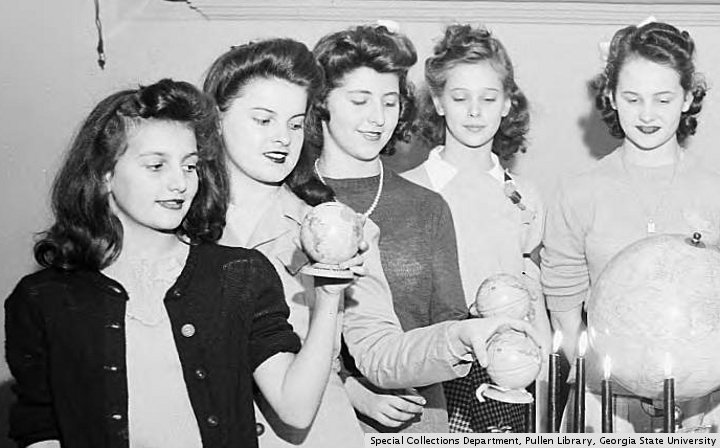
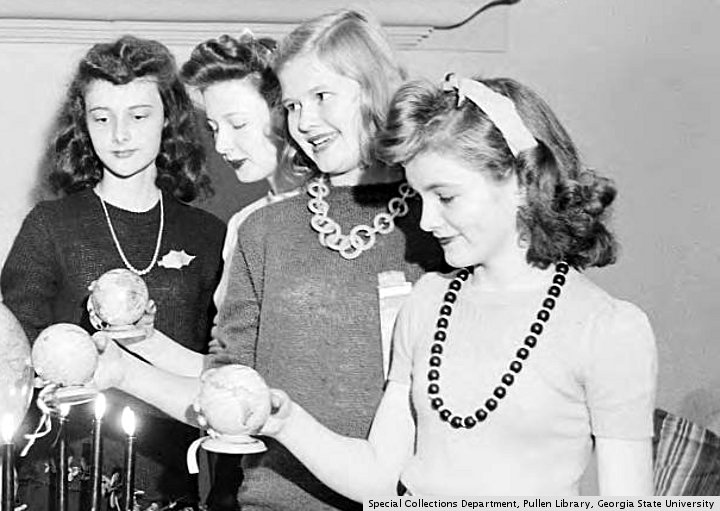
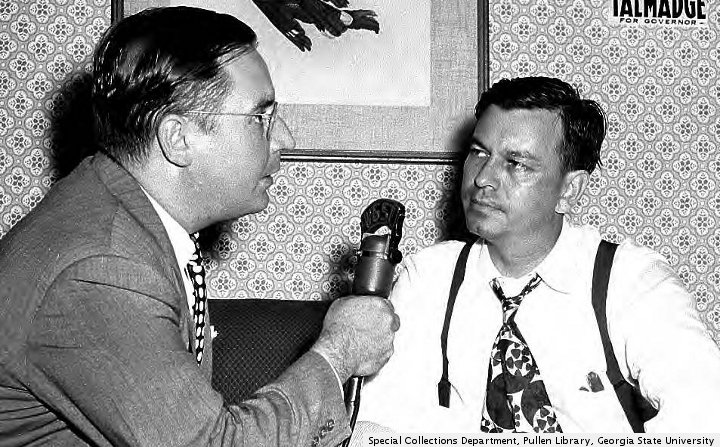
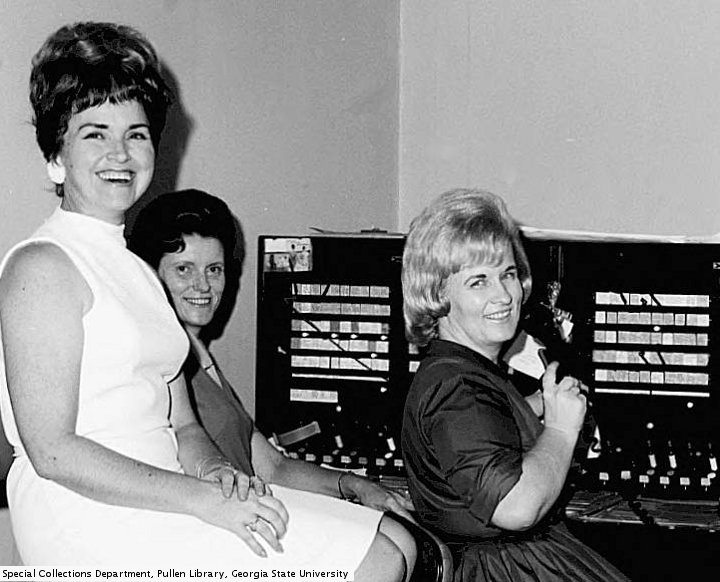
Pictures are from “The Special Collections and Archives, Georgia State University Library”.




Hate Our Freedom


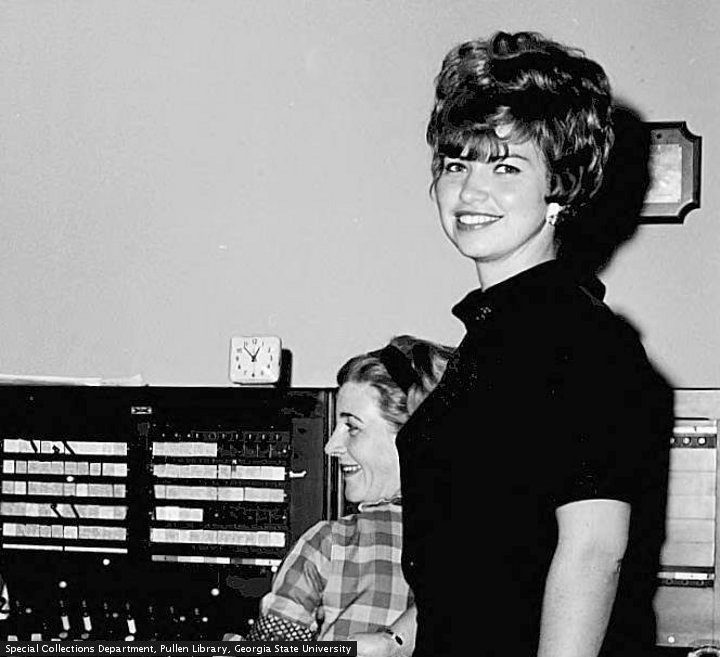
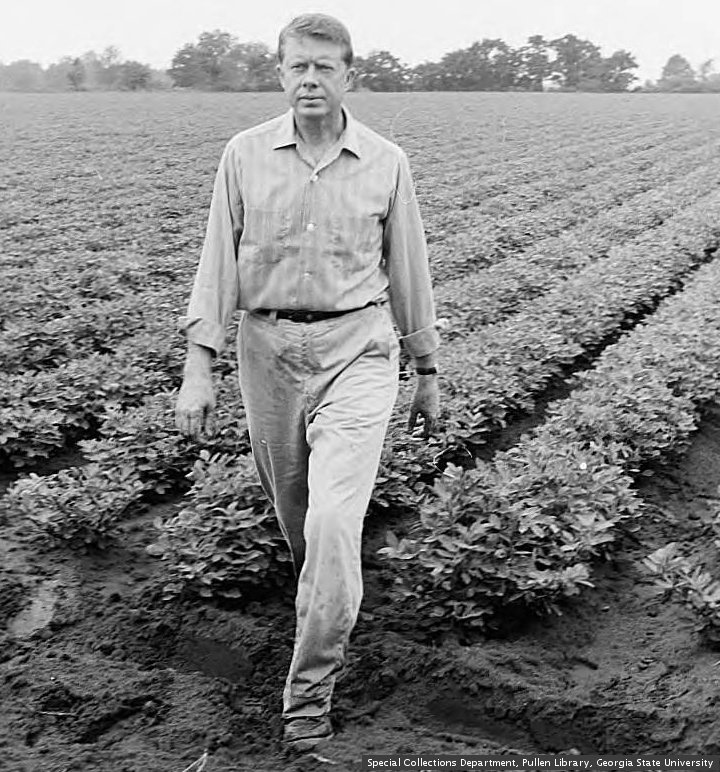
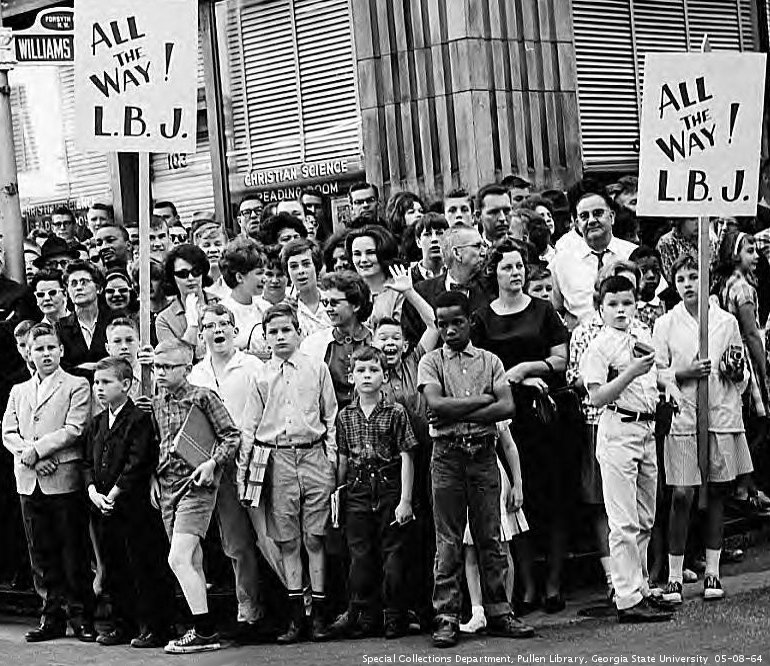
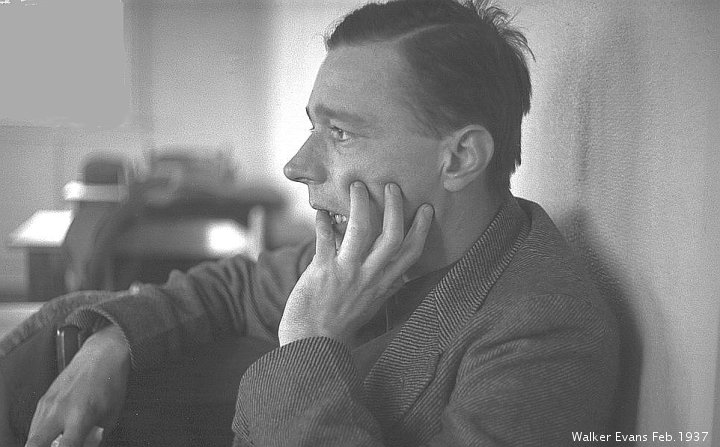
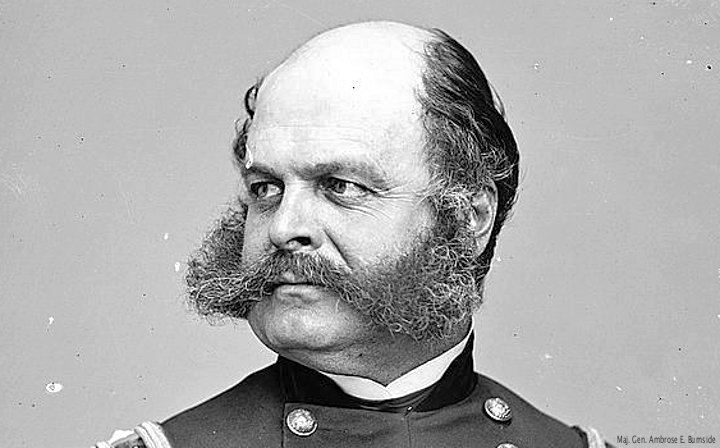
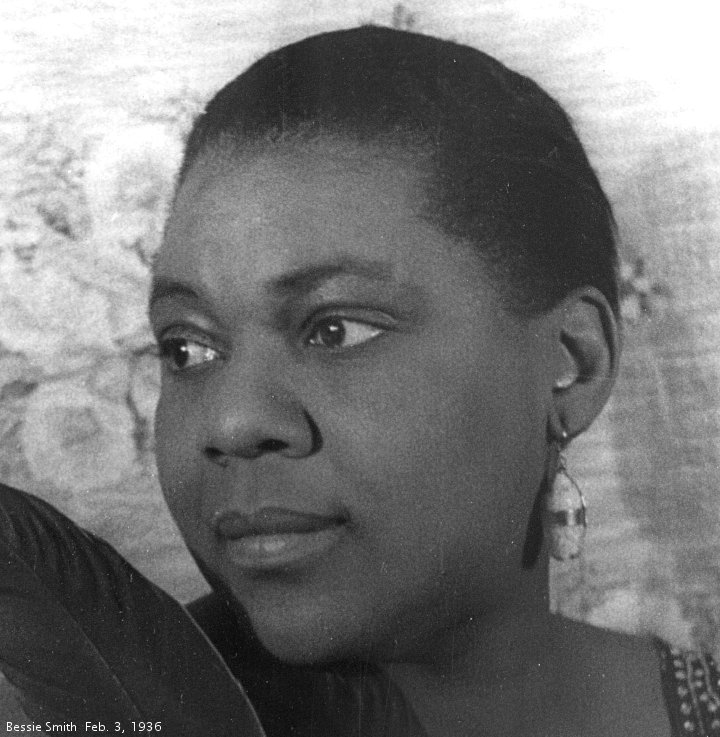
Angry Arab said this. “A friend wrote that on Facebook: “”Dear US government: We don’t hate you because we hate your freedom; we hate you because you hate our freedom.” If you have a few minutes, here is the long version. Pictures of Americans are from The Library of Congress.
This was first posted as TKS Lina on February 6, 2011. At the time, Egypt was in turmoil. Within a week, Mr. Mubarek would be out of power. It was posted again in 2013. It the last six years, things have only gotten worse.
Today, the transition in Egypt continues. The battle against the Arab establishment has moved to Syria. The government there is less squeamish about killing it’s citizens. No one really knows for sure how that will turn out, except that more will die.
Most readers will not follow the link to the “long version”. Here is one key paragraph. “The tail has long wagged the dog in American Middle East policy. The rotten order of the modern Middle East has been based on wily local elites stealing their way to billions while they took all the aid they could from the United States, even as they bit the hand that fed them. First the justification was the putative threat of International Communism … More recently the cover story has been the supposed threat of radical Islam, which is a tiny fringe phenomenon in most of the Middle East that in some large part was sowed by US support for the extremists in the Cold War as a foil to the phantom of International Communism. And then there is the set of myths around Israel, that it is necessary for the well-being of the world’s Jews, that it is an asset to US security, that it is a great ethical enterprise …”
The long version was posted in Informed Comment. This is an excellent source of information about the Middle East. Today’s headline is about a Palestinian prisoner who died in Israeli custody.
There was another story. “Meanwhile, militant, armed Jewish supremacists on Saturday attacked the Palestinian village of Kusra shooting two residents with live ammunition and chopping down olive trees and causing other property damage.”
In the two years since this post first appeared, BHO has been reelected POTUS. This is despite right ring criticism that he did not support Israel sufficiently. How he will deal with the ongoing turmoil in the Middle East remains to be seen.
The Narco State Rag


This feature was written July 13, 2010. The situation in Afghanistan is little better. If we leave, the country falls into chaos. If we stay, we spend money we don’t have. It is a bitch.
Some people euphemize bitch by saying that something is a bear. Across the frontier from Afghanistan, the Russian bear is dealing with a heroin epidemic. Some say the United States suckered the Soviet Union into invading Afghanistan in 1979. The disastrous war that followed led to the fall of the Soviet Union. We are still dealing with the karma.
Tom Dispatch has an audio feature about Afghanistan, and the many unanswered questions about our war there. We invaded Afghanistan to get revenge for 911, and looked for a reason later.
At the 3:06 mark on the tape, when Tom makes a comment Afghanistan being a narco state. PG had a flash of understanding about the reason behind this war. This may even have been powerful enough to ignore the reports about a terror strike in September 2001, and let 911 happen.
The rumors of CIA involvement in drug trafficking are wide spread and long term. When planes went to Central America in the eighties to bring arms to the contras, they came back to the United States loaded with cocaine. There are stories of collusion with the government in Cuba. There are many, many more stories about connections between the US government and the drug trade.
When the Taliban took over Afghanistan, they cracked down on the poppy farmers. Much of the raw opium for heroin/morphine/opium is grown in Afghanistan. This was not a pleasing for the CIA.
Could it be that the real reason for our involvement in Afghanistan is to ensure the flow of narcotics into the hungry world? This would be a big cash cow for the CIA, although not enough to justify the amounts of money being spent on the conflict.
Pictures are from “The Special Collections and Archives, Georgia State University Library”.



April Glaspie Meets Saddam Hussein



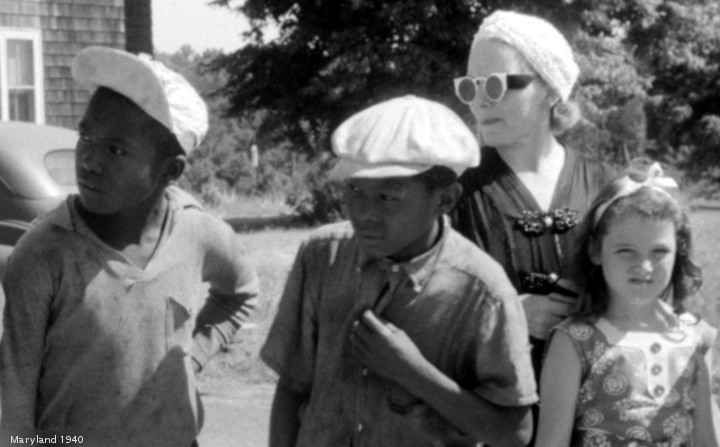

Juan Cole at Informed Comment posts today about a document release from Wikileaks. The document is a cable sent by April Glaspie, the ambassador to Iraq, about a meeting with Saddam Hussein on July 25, 1990. This was shortly before his invasion of Kuwait.
In 1990, Iraq was recovering from a horrendous war with Iran. That war started Sept. 22, 1980, when Iraq invaded Iran, possibly with encouragement from the United States. (At the time of this invasion, Iran was holding Americans hostage in the American embassy. The United States was not pleased with Iran.) Iraq failed to get a quick victory, and the war became a bloody quagmire, with hundreds of thousands of casualties.
In 1990, Iraq was rebuilding, and Kuwait was flourishing. Oil was being over produced, driving down the price. Kuwait was accused of “slant drilling”, i.e. drilling under the border, and stealing oil from Iraq. At one point, a meeting was held between officials of Iraq and Kuwait . “Saddam…sent his foreign minister to Kuwait to meet with the Emir Al Sabah, the former leader of Kuwait, to try to resolve some of the… issues” between Kuwait and Iraq, Piro will recall. “And the Emir told the foreign minister of Iraq that he would not stop doing what he was doing until he turned every Iraqi woman into a $10 prostitute. And that really sealed it for him, to invade Kuwait.”
On July 25, 1990, Saddam Hussein summoned to American Ambassador, April Glaspie , to a meeting. The cable is Ms. Glaspie’s account of the meeting. PG cannot see a green light for invasion in this account of the meeting. Many say Ms. Glaspie could have made much more explicit the dire consequences of invading Kuwait.
The transcript of the meeting has been declassified for some time. It is available on the website of the Margaret Thatcher Foundation. It is worth noting that this transcript is not sworn testimony, and could contains lies and mistakes. It is also the POV of Ms. Glaspie, and Mr. Hussein may have gotten a different idea of what was said. Perhaps, to Mr. Hussein, it was a green light for an invasion.
The invasion of Kuwait, eight days after the meeting, on August 2, 1990, set in motion events that affect us to this day. A coalition was formed to drive Iraq out of Kuwait. There was talk of going to Baghdad and deposing Mr. Hussein at the time. The military action stopped after driving Iraq out of Kuwait, reportedly at the request of Saudi Arabia. Twelve years later, the United States attacked Iraq, and drove out the Hussein government. We are still there.
Historycommons.org has a timeline with a wealth of information about the progression of Saddam Hussein, from ally to next Hitler. The comments section for the post by Juan Cole at Informed Comment is the source of several links in this story. This is a repost. The wikileaks links have been deactivated. Pictures are from The Library of Congress.

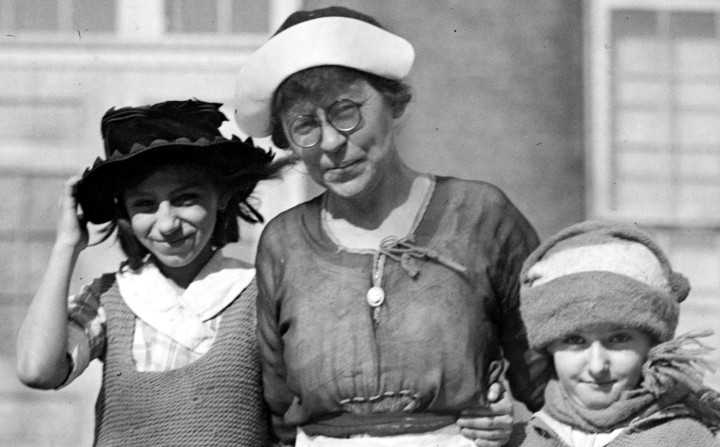



The Civil War On PBS
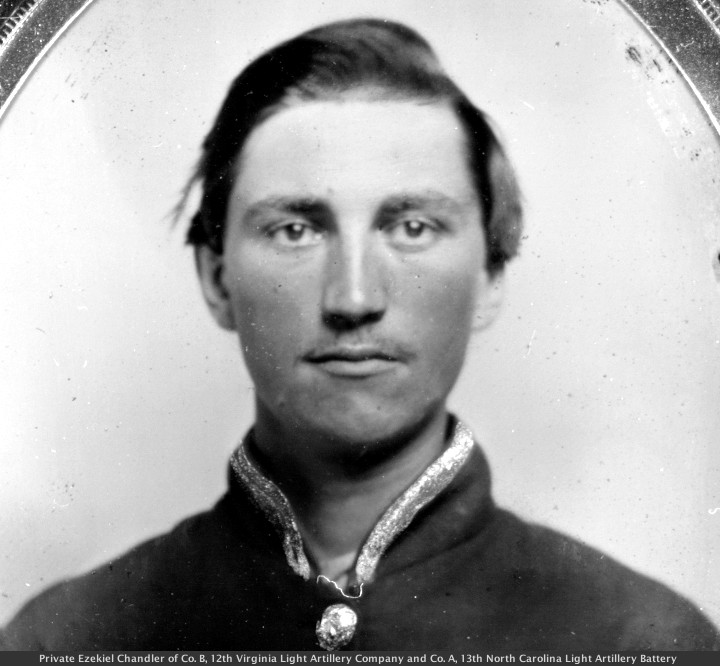


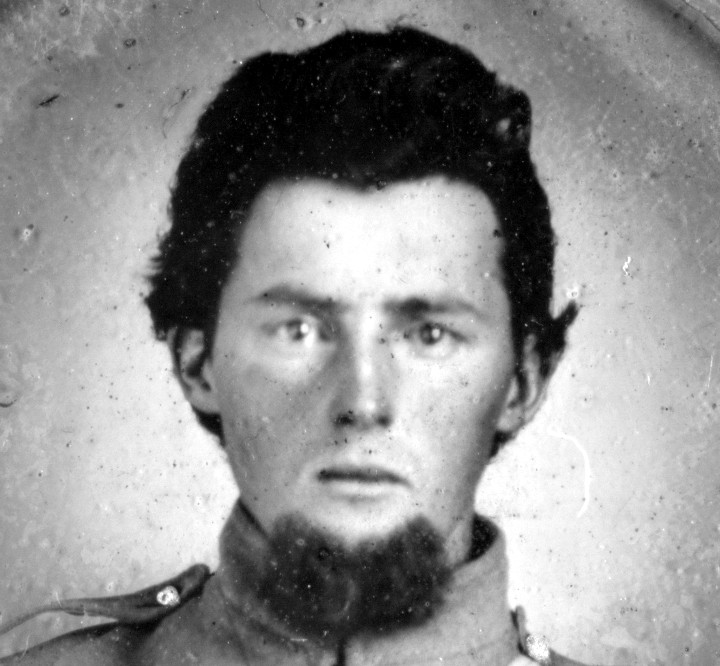

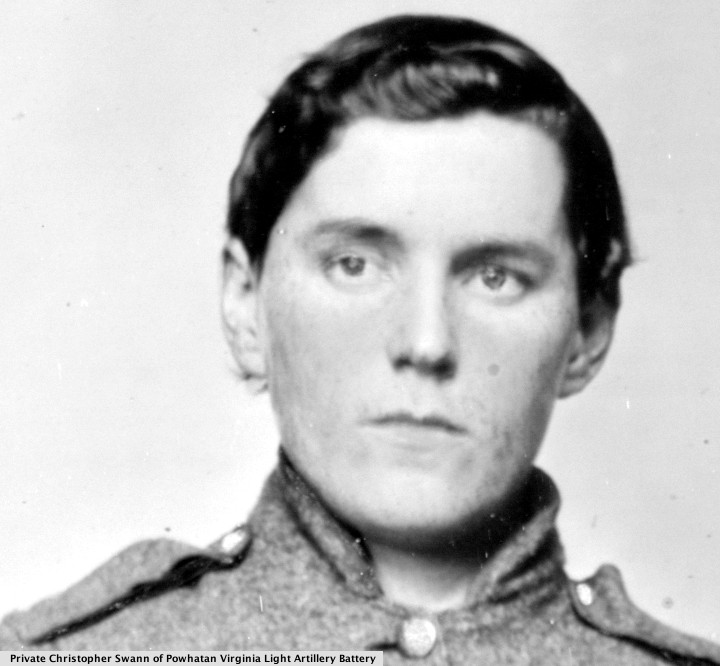
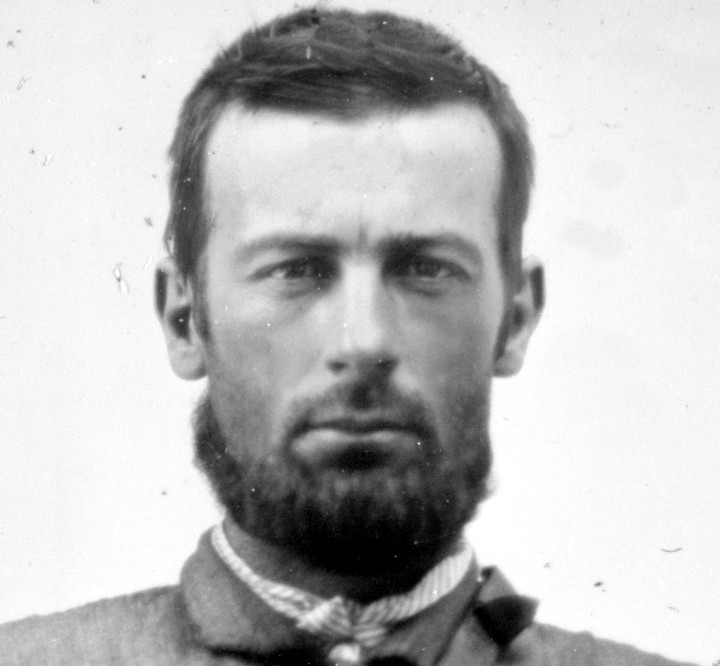

I have binge listened to a public television series, The Civil War. This youtube edition has subtitles in Portuguese, adding a Brazilian touch. I feel obligated to make a blog post. When writing about a topic of this size, I typically start by finding as many sources as possible. I have written about “the recent unpleasantness” several times, and will link to these when it is appropriate. The only way to start this project is to open a word document, save it with a title, and start typing.
What did I learn? There was widespread opposition to emancipation in the north. I had never thought about this. The popular narrative is that the war was fought to free the slaves. While I knew that there were other reasons for the conflict, I assumed that the north wanted to free the slaves. As it turns out, the decision to free the slaves was controversial in the north. I will leave speculation about the reason for this to other armchair historians.
The show made me cry twice. The first time was after the Gettysburg Address. The address was made at the dedication of a cemetery, on the site of the Battle of Gettysburg. After two and a half years of horrendous carnage, the war was going good for the Union. However, 1864 was to have an election. Mr. Lincoln’s chances did not look good. If he lost, the Democrats would probably negotiate a peace, and the Confederacy would endure.
The Gettysburg Address is one of the most moving two minutes in our history. It was printed in newspapers across the land, which is the reason it is known today. “We are met on a great battle-field of that war. We have come to dedicate a portion of that field, as a final resting place for those who here gave their lives that that nation might live.”
The second tearjerker moment was also set at Gettysburg. It was the fiftieth anniversary of the battle. War veterans, from both sides, came to celebrate the occasion. There was a reenactment of Pickett’s charge. When the Rebels got to the fortifications, the Union soldiers came out and hugged them. They were greeted as brothers in arms, who had somehow survived a horrible conflict.
After the fighting ended, and life in the unquestionably United States continued, there came to be what Shelby Foote calls “a great compromise … It consists of Southerners admitting freely that it’s probably best that the Union wasn’t divided, and the North admits rather freely that the South fought bravely for a cause in which it believed. That is a great compromise and we live with that …”
In recent years, this arrangement seems to be breaking down. It is now the fashion to view anything short of total vilification of the Confederacy as treasonous. There is sneering talk of the “Cult of the Lost Cause.” This is a lamentable way to look at this transformative part of our history. Maybe this too shall pass, and we will see the Confederacy in a different light in a few years.
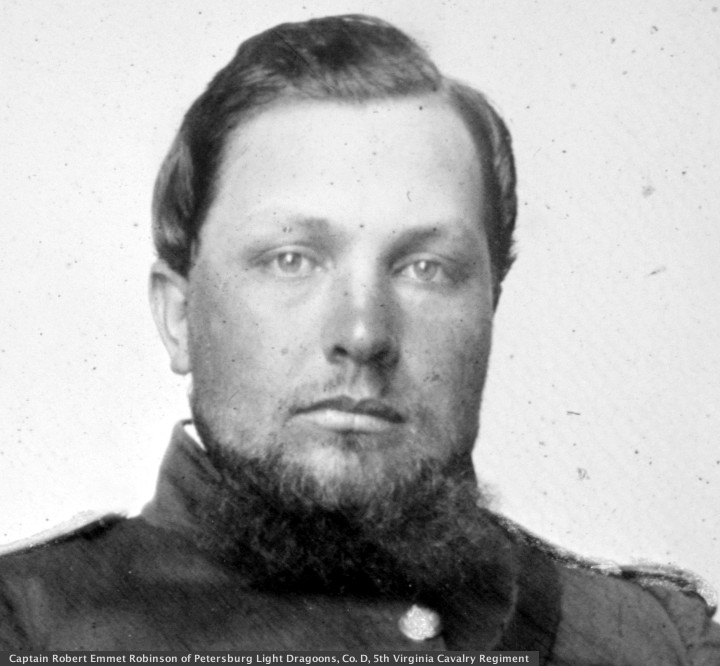
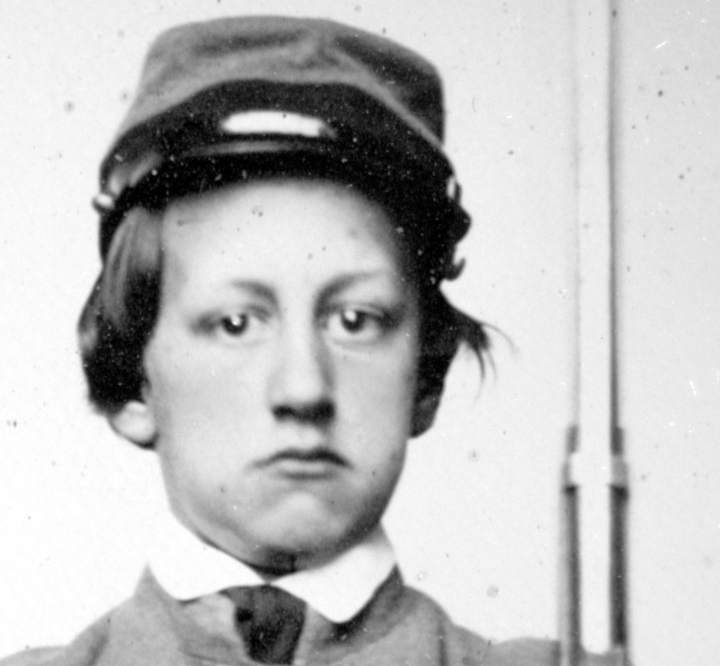
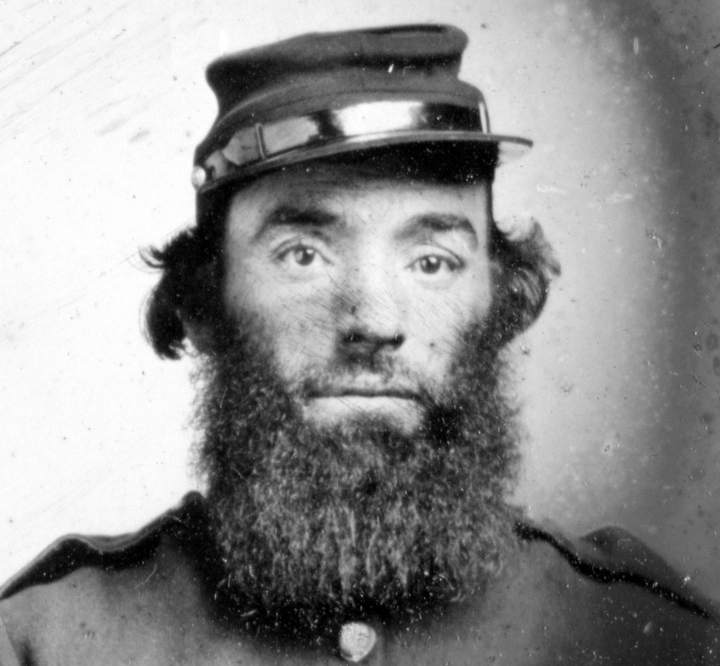
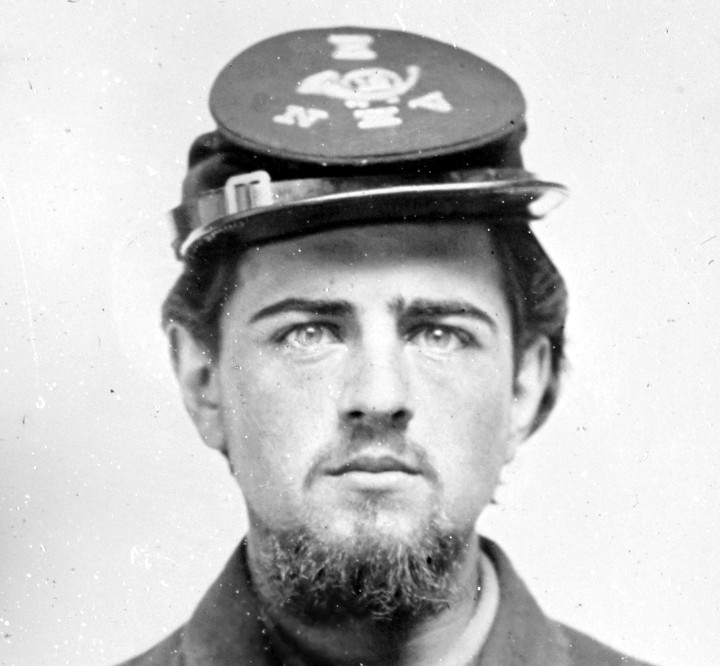
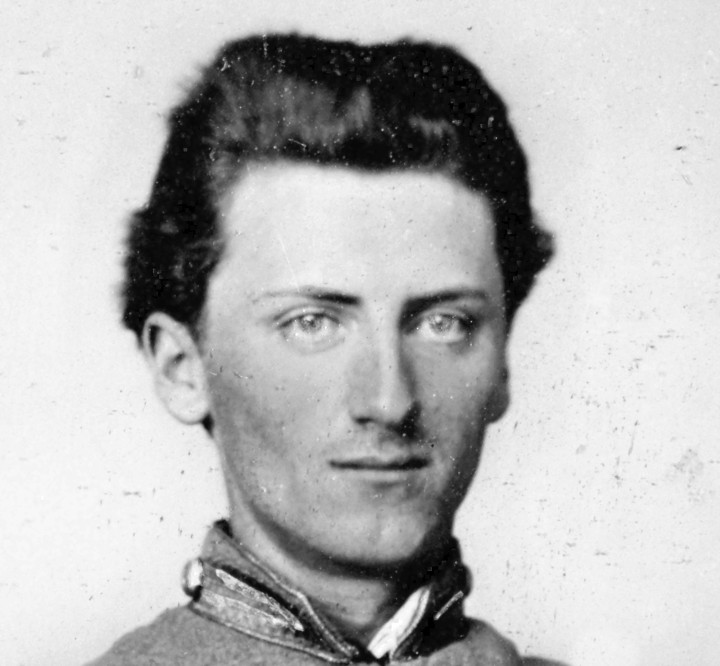
Pictures today are from The Library of Congress. The men before the text are Confederate soldiers, and after the text we have Union soldiers. These pictures are from Liljenquist Family Collection of Civil War Photographs.




The Burning Of Atlanta


Around this time 154 years ago, Atlanta was on fire. General Sherman was preparing for his March to the sea, and wanted to destroy anything of value in the city. The fire is reported as being on 11-15 of November, depending on what source you use.
The November fire was the second great fire in Atlanta that year. On September 2, the city was conquered by the Union Army. The fleeing Confederates blew up a munitions depot, and set a large part of the city on fire. This is the fire Scarlet O’Hara flees in “Gone With The Wind”.
After a series of bloody battles, the city was shelled by Yankee forces for forty days. There were many civilian casualties. General Sherman was tired of the war, angry at Atlanta, and ready for action. This is despite the fact that many in Atlanta were opposed to secession.
Click here to hear a lecture by Marc Wortman at the Atlanta History Center. Mr Wortman is the author of “The Bonfire: The Siege and Burning of Atlanta”. The hour of talk is fascinating. This is a repost. The pictures are from The Library of Congress




About this time every year, there is a post about the burning of Atlanta. One of the sources is a lecture by Marc Wortman. If you have an hour to spare, this talk is worth your time. One of the stories told is the tale of Mr. Luckie.
“According to folklore, two stories abound as to how Luckie Street was named. The first is that its moniker came from one of Atlanta’s oldest families, and the other, probably closer to the truth, regales the life of Solomon “Sam” Luckie. Luckie, as it turns out, wasn’t so lucky after all. When General William Tecumseh Sherman first came marching through Atlanta in 1864, Luckie, a free Black man who made his living as a barber, was leaning against a gas lamp post in downtown talking to a group of businessmen. A burst from a cannon shell wounded him; he survived, but later died from his injuries. Folklore suggests that he may have been one of the first casualties of the assault on Atlanta during Sherman’s March to the Sea, and Luckie Street, an extension of the city’s famed Sweet Auburn Avenue, was later named in his memory.”
Marc Wortman wrote a book, The Bonfire: The Siege and Burning of Atlanta. The one star review, and comments to that review, are unusually detailed. Here is a selection.
“…People forget – or were never taught in school – that most Confederate soldiers descended from Revolutionary War patriots or were up-country poor sons of farmers. Many Confederate soldiers were relatively recent new arrivals to the U.S., semi-literate dirt poor immigrants from Ireland and Scotland who’d never had the chance to own even an acre of their own land in Europe. In the mix were well-educated, elite merchant business owning French Huguenot refugees of the Catholic Bourbon genocide of Protestants. These immigrants had nowhere else to go, 9 times out of 10 never owned a slave, and fought for the CSA to keep what little they’d hardscrabble carved out over a decade of arrival into the U.S.”
The War Between The States continues to be a source of controversy. After the Charleston church killings, many comments were made about the Confederate battle flag. (If you can’t talk about gun control or mental health, you talk about a symbol.) This led to discussions about the war itself. There were ritual denunciations of slavery, which was assumed to be the sole cause of the conflict. The fact that the vast majority of white southerners did not own slaves was dismissed.
The notion of autonomous states in a federal union was novel when the United States Constitution was written. The debate over federalism versus states rights continues to this day. States that want to legalize marijuana may be the next battleground. (Few are expecting secession over bong rights.) Many in the CSA saw the Union as being a conquering army, and fought to defend their homes. While slavery was certainly a factor in the creation of the CSA, it was not the only Casus belli. Pictures today are from The Library of Congress.



 Chamblee54
leave a comment