Hiroshima 75 Years Later




At 8:15 am, August 6, 1945, Hiroshima got nuked. It was the start of a new era. Since Japan is 13 hours ahead of Georgia, and standard time was used, the literal anniversary is 8:15 pm, August 5.
Tsutomu Yamaguchi was working in Hiroshima when the bomb hit. He survived, and found a train to take hime to his home town, Nagasaki.
The device dropped on Hiroshima, the Little Boy, had an estimated force of 13 kilotons of Trinitrotoluene, or TNT. A kiloton of TNT is roughly a cube whose sides are ten meters. This device is fairly tiny compared to many of the warheads developed since. Many of the modern appliances are measured in megatons, or millions of tons of TNT. The Soviet Union had a bomb with a capacity of 50 megatons, or 4,000 times the size of the Little Boy.
The largest weapon tested by The United States is the Castle Bravo. This device destroyed Bikini Atoll in the Pacific. The two piece swimsuit was named for this island. The Castle Bravo device had a yield of 15 megatons of TNT. This is roughly 1,000 times the power of the Little Boy.
The decision to drop the bomb has long been controversial. There are a lot of factors and gray areas, and the issue does not lend itself to sound bite solutions. The conventional wisdom is that Japan surrendered because of the nuclear attack. This meant the war was shortened by at least a year, there was no invasion of Japan, and many lives were saved. PG is scared by the moral calculus involved in a decision like this….do 100,000 civilian deaths prevent the deaths of 500,000 soldiers? PG suspects that even G-d herself would lose sleep over that one.
There is also evidence that the bomb was not needed. Japan was whipped in August 1945. The air raids were conducted in daylight with little resistance. A debate was going on in the Japanese government on whether to continue the fight.
An event happened the day between Hiroshima, and Nagasaki, which influenced the Japanese decision to surrender. The Soviet Union had agreed to help the United States with the war against Japan. On August 8, The Soviet Union invaded Japanese occupied Manchuria. There are indications that Japan knew the fight was hopeless at this point, and would rather surrender to The United States than The Soviet Union. This is one of the gray areas that never seems to be mentioned.
The United States wanted the war to end quickly for obvious reasons, and a few subtle ones. America did not want to share the spoils of Japanese war with The Soviet Union. There were already tensions between the two allies, and the cold war was not far off. Many felt The United States used the Little Boy as a warning to The Soviet Union.
When you get your moral software out, you might want to figure in the effect of opening the nuclear Pandora’s box. Would the nuclear bomb have been developed by other countries if America had not led the way? The science is not that complicated…after all, America hit paydirt with the Manhattan Project fairly quickly. Nonetheless, there is karma involved in using a terrible new device on a civilian population. The United States started the wind of the arms race, and has yet to feel the whirlwind.
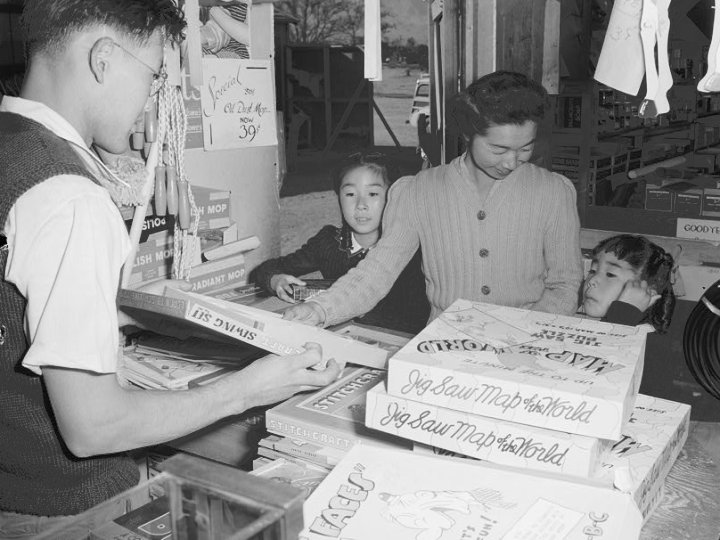
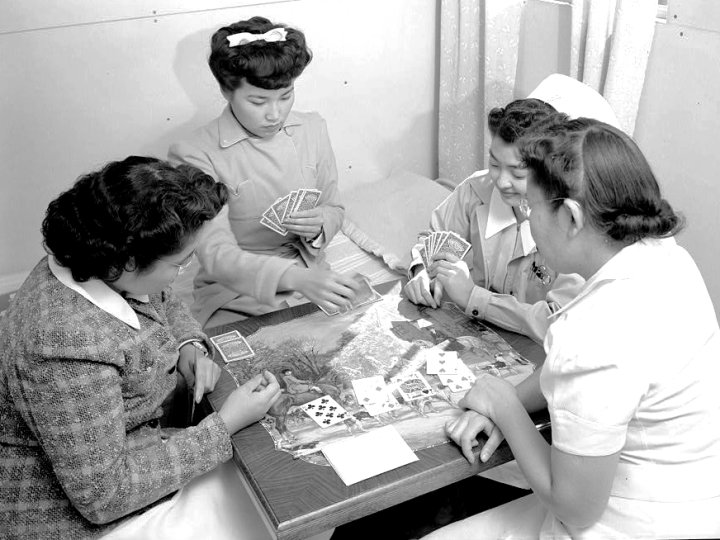
This is a repost. The pictures are from The Library of Congress. Ansel Adams took pictures of Japanese Americans, in a World War Two internment camp. The ladies in the bridge game are Aiko Hamaguchi, Chiye Yamanaki, Catherine Yamaguchi, and Kazoko Nagahama.


The Worst Vice Presidents Of The United States


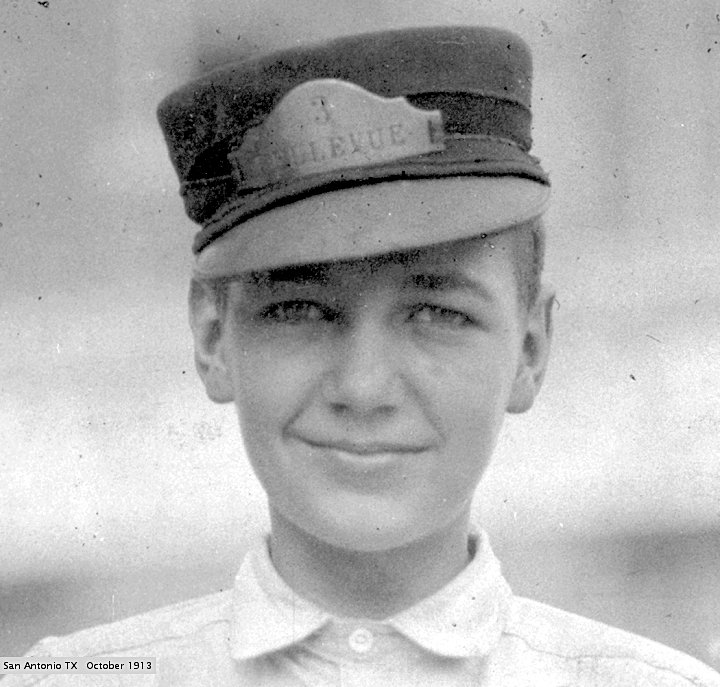
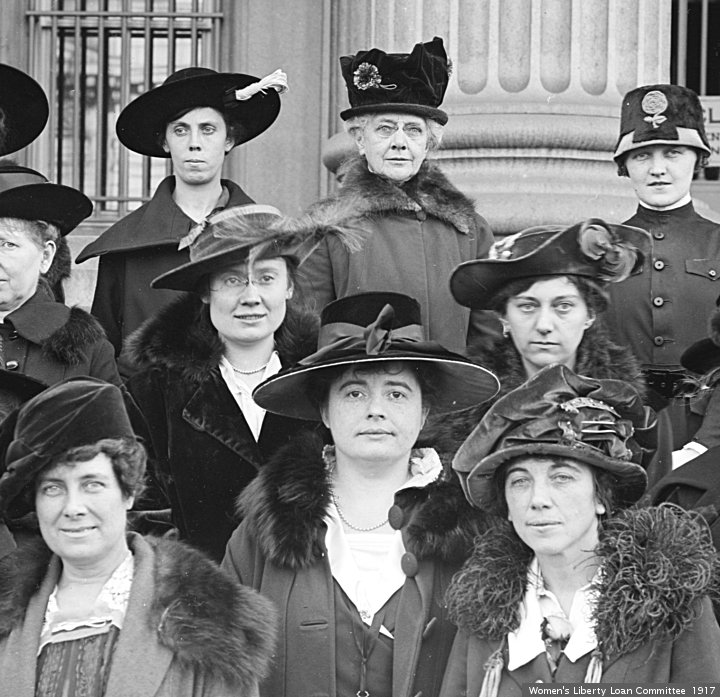
PG wrote a post yesterday. One of the topics was the “Siamese Twins”, James Buchanan and William Rufus King. (The article is reposted below.) While researching the feature, PG googled his way to a Time magazine article about the Worst Vice Presidents in American History. PG is well known for his negative attitude, and writing about the worst things in life always appeals to him. This is a repost, with pictures from The Library of Congress
The first name on the list is Aaron Burr. He had a problem with Alexander Hamilton, and shot him dead in a duel. Elbridge Gerry (the namesake of Gerrymandering) served under James Madison for twenty months, and died. John C. Calhoun served under John Quincy Adams and Andrew Jackson, and managed to get Mr. Jackson so upset that Mr. Calhoun was fired.
Richard M. Johnson served under Martin Van Buren, and was bad at PR. “Johnson scandalized his colleagues by taking one of his slaves as his common-law wife; as a result, he barely garnered enough support to serve in Martin van Buren’s administration. While in office, he proposed an expedition to the North Pole so Americans could drill to the center of the Earth, believing the planet was hollow (his resolution was defeated). Evidently van Buren’s experience with Johnson soured him on vice presidents altogether — when he ran for re-election he dropped Johnson from his ticket and didn’t bother replacing him. Instead, he ran alone.”
William Rufus King was VP under Franklin Pierce a mere six weeks before he died. There is no word on the status of his relationship with James Buchanan at the time. The Time magazine article has a picture of Fernando Wood , which was mistakenly thought to be of Mr. King. (Wikipedia uses the same picture to illustrate an article about Mr. King.)
The VP under James Buchanan (there is no word on who was top or bottom in the Buchanan-King household) was John Breckinridge. During the War Between the States, he left the Union to fight for the Confederacy. Mr. Breckinridge was charged with treason after the war. “The town of Breckenridge, Colorado is named in his honor — although it altered the spelling of its name after the Civil War, so as not to be associated with a traitor.”
Andrew Johnson did not make the list, but maybe should have. He was drunk at his inauguration, and made a fool of himself. Mr. Lincoln had nothing to do with him, until a meeting on April 14. This was Good Friday. Mr. Lincoln went to the theater that night.
Johnson had been marked for death by the conspiracy, but Wilkes Booth had little confidence in the man assigned to kill Mr. Johnson. The afternoon of the assassination, Mr. Booth was at the Kirkwood House, where Mr. Johnson stayed. Mr. Booth left a note for Mr. Johnson at the desk of the hotel… “Don’t wish to disturb you. Are you at home. J. Wilkes Booth”. The idea was for the police to find the note, and implicate Mr. Johnson in the killing of Mr. Lincoln. This mini plot was spoiled by the secretary for the Vice President, who collected the mail that afternoon. He took the card with him. The secretary had met Mr. Booth a few years earlier, and thought the note was for him.
The other three Vice Presidents who took office after the boss was murdered… Chester Arthur, Theodore Roosevelt, and Lyndon Johnson… were not mentioned in the Time article. All three are mentioned in conspiracy theories about the killings that promoted them into office.
When Theodore Roosevelt was elected to a full term as President, his VP was Charles Fairbanks. “Teddy once ordered a noisy and distracting crystal chandelier removed from his office because it disturbed him. He ordered it to be installed in the office of the Vice President to keep him awake.”
Getting back to Time’s honor roll, Hannibal Hamlin was Lincoln’s first VP. Thomas A. Hendricks survived nine months under Grover Cleveland, before passing away. Thomas Marshall served two terms with Woodrow Wilson, and refused to take over the office when Mr. Wilson had a stroke. Calvin Coolidge did little while waiting for Warren Harding to die. Henry Wallace was, and will be, the only third term VP in our history. He acquired a few enemies, and was replaced by Harry Truman.
Richard Nixon was ok once he got elected, but almost managed to blow that. There were charges of financial shenanigans, and some thought he should be kicked off the ticket. After the Checkers Speech he was on his way to stardom. (After Mr. Nixon died, PG saw a large flag flying at half staff. The flag belonged to a hamburger chain called Checkers.) When Mr. Nixon became President, his VP was Spiro Agnew. Once again, there were charges of financial shenanigans, and much, much more. While the nation wallowed in Watergate, Mr. Nixon needed a diversion. It was suddenly discovered that Mr. Agnew had taken bribes. He was pressured into resigning.
Dan Quayle was VP for George H.W. Bush. He was widely regarded as an idiot, although his damage as VP was minimal. The last VPOTUS on the list is Dick Chaney. For some reason, he was regarded as having more power than the President, George W. Bush. Mr. Chaney was said to be one of the major promoters of the wars which have damaged America so much during the last ten years.
2020 UPDATE: Joe Biden said the F word at a press conference. He is currently running for President. The jury is still out on Mike Pence.




Fun loving Dick Yarbrough is up to his old tricks. The neighbor newspaper nabbler penned a post about California education. It seems there is a new law, in the falling into the ocean state, “that will require schools to teach at all grade levels about the historical contributions of gay, lesbian, bisexual and transgender people.” Our buddy does not think this is a good idea.
The story goes on to say “Our children will find out that President James Buchanan and Vice President William R. King were more than, shall we say, good friends,” she said coyly. I didn’t want to tell Gay that the first thing the teachers need to do is tell the students who James Buchanan is before they talk about what he did. Not many people have ever heard of him. That is because he didn’t do anything while president.” Holy historic revisionism.
To start off, The Vice Prez under Mr. Buchanan was John C. Breckinridge. Mr. King was elected to back up Franklin Pierce. Mr. King died after six weeks in office. If a President has ever bumped gooberheads with his Vice President, the walls of the White House have kept quiet about it. Those rumors about John Kennedy and Lyndon Johnson are too gruesome to contemplate.
Mr. King and Mr. Buchanan lived together for a number of years. Neither was married to a female, although Mr. Buchanan had been engaged. (There is speculation that his fiance’, Ann Caroline Coleman, died of an overdose of laudanum.) There are numerous indications that Mr. King and Mr. Buchanan were *good buddies*.
Mr. Buchanan was the last President before the War Between the States. It is possible that he could not have done much to prevent that unpleasantness. Historians are not kind when talking about the man, and rank him as one of the worst Presidents. Perhaps Mr. King could have helped.
The newspaper that Mr. Yarbrough opines for is delivered, free of charge, on Wednesday. (This weeks edition has not arrived. Any connection between this late delivery and the opinions of Mr. Yarbrough, is uncertain.) Some of these free papers are not taken inside by the resident. Often, a driveway will have several weeks of free adrags left behind. Soon, the rain soaks these newsprint droppings. Some are washed into the street and run over. The result is an ugly mess.
Chamblee54 had a previous discussion with Dick Yarbrough. Mr. Yarbrough is still publishing columns in 2020. Pictures are from The Library of Congress.


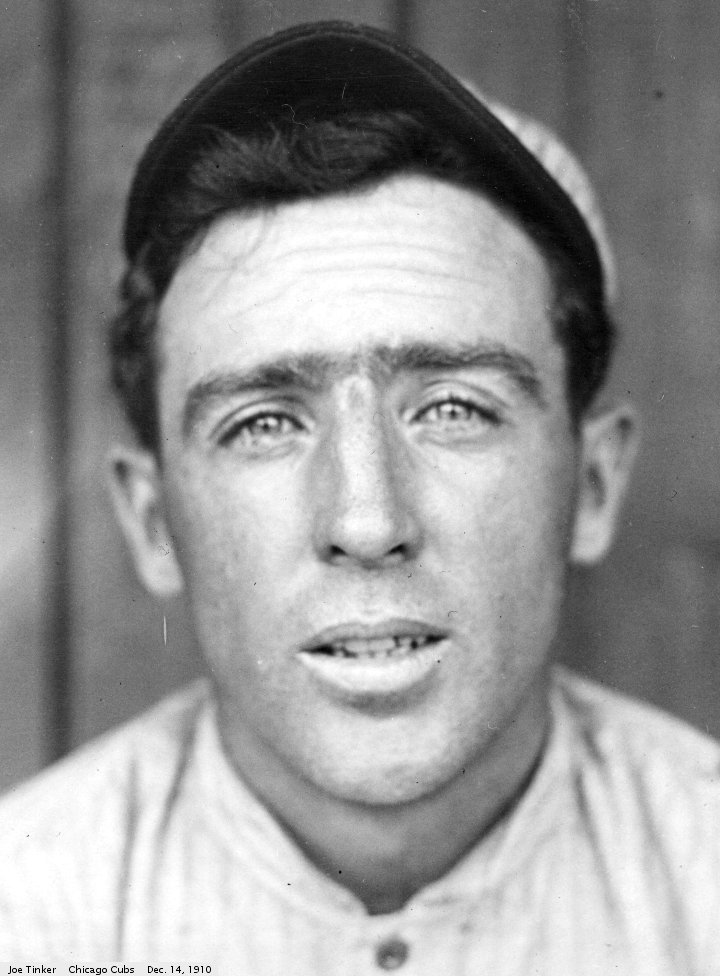


The Night Muhammad Ali Fought In Atlanta




Many have noted that Muhammad Ali lit the Olympic torch in 1996. Few seem to remember another Atlanta appearance from the former Cassius Clay. It happened October 26, 1970, at the Municipal Auditorium. To get to this point, lets borrow a few lines from a Courier-Journal Ali Timeline.
1960 – “Clay defeats Zbigniew Pietrzykowski of Poland on Sept. 5 to win the light-heavyweight boxing gold medal at the Olympics in Rome…”
1962 – “Clay hears Elijah Muhammad speak for the first time. He meets another Nation of Islam leader, Malcolm X, who becomes a friend and adviser. – On March 9, the military draft board classifies Clay 1-A, meaning he is fit and available to be called into the Army…”
1964 -” Because of a low score on the Army intelligence test, Clay is reclassified 1-Y, not qualified for military service, in January. “I said I was The Greatest,” he explains. “I never said I was the smartest.” – Clay scores a stunning seventh-round technical knockout over 7-1 favorite Sonny Liston on Feb. 25 at the Miami Convention Center, winning the world heavyweight championship at age 22. – In response to a reporter’s question the day after the fight, Clay confirms he is a member of the Nation of Islam, saying: “I believe in Allah and in peace. … I’m not a Christian anymore. … Followers of Allah are the sweetest people in the world. They don’t tote weapons. They pray five times a day.” – A rift grows between Elijah Muhammad and Malcolm X. Ali sides with Elijah, causing grief for Malcolm. – Casting off his “slave name,” Clay adopts the temporary name Cassius X. Later he announces that Elijah has bestowed on him the name Muhammad Ali. The name means “Praiseworthy One.”…”
1965 – “Ali knocks out Liston in the first round of their rematch, before only 4,280 fans in Lewiston, Maine, on May 25. Liston falls under a “phantom” punch that apparently few people see, giving rise to suspicions that he threw the fight. Former champion Joe Louis eventually declares Ali “unfit” to hold the title. – In October, former champion Floyd Patterson says: “Cassius Clay is disgracing himself and the Negro race.” On Nov. 22, Ali delivers a punishing defeat to Patterson, in part, he says, because Patterson refuses to call him Ali….”
1966 – “With the Vietnam War heating up, the Army lowers test-score standards, reclassifying Ali 1-A — fit for service. – “Man, I ain’t got no quarrel with them Viet Cong,” he says to reporters who call him at home in Miami. He later explains that “no Viet Cong ever called me nigger.” – Ali asks to be reclassified a conscientious objector to military service. A hearing officer sides with him, but the draft board keeps him 1-A, armed with a U.S. Justice Department opinion that Ali’s objections to military service are political not religious….”
1967 – “On April 28, Ali refuses induction into the Army in Houston.” “It is the light of my consciousness as a Muslim minister and my own personal convictions that I take my stand in rejecting the call to be inducted in the armed services,” Ali stated after refusing induction on April 28, 1967. “I have searched my conscience and I find I cannot be true to my belief in my religion by accepting such a call.” He was convicted of draft evasion on June 20, 1967. Ali was sentenced to five years in prison and fined $10,000, the maximum penalty for the offense. He remained free on a $5,000 bond while he appealed his conviction. Ali was also stripped of the World Heavyweight Championship by the New York State Athletic Commission and the World Boxing Association, systematically denied a boxing license in every state and stripped of his passport. “
For three and a half years, Mr. Ali was unable to fight in the ring. The WBA had a tournament, and installed their own champion. People tried to set up a fight for Mr. Ali, but were blocked by politicians, and state boxing authorities. California Governor Ronald Reagan said “That draft dodger will never fight in my state, period.” Then someone had the idea to have the fight in Atlanta.
Atlanta has never been a boxing town. There was no boxing commission. The Municipal Auditorium, the only venue that could host, was a dump. As Ring magazine tells the story: “So it was the height of irony that it was Atlanta, a city that occupied the heart of the Deep South, that provided the breakthrough. State Senator Leroy Johnson and Governor Lester Maddox helped pave the way for a most improbable return by persuading the City of Atlanta Athletic Commission to grant Ali a boxing license on Aug. 12, 1970. Shortly thereafter, it was announced Ali would fight Jerry Quarry on Oct. 26 at the City Auditorium in Atlanta. The bout was scheduled for 15 rounds, probably in recognition of Ali’s status as lineal heavyweight champion.” (Other sources say that Governor Maddox was opposed to hosting the fight, but was powerless to stop it.)
The opponent was Jerry Quarry, whose white skin was apparent that night. His obituary notes: :His most famous night was in Atlanta, Georgia, in October 1970, when he was the “fall-guy” for Ali’s comeback from his three- year exile. Quarry was stopped because of a badly cut eye in the third round. It brought him his biggest payday, $338,000. … By 1995 he was in the care of his brother James, and was suffering from severe pugilistic dementia.” Jerry Quarry died January 3, 1999.
The fight was not much of a contest. It lasted three rounds, before the referee stopped the match. Mr. Ali fought for ten more years, and regained the Heavyweight Championship twice. “On June 28, 1971, the Supreme Court unanimously overturns Ali’s 4-year-old draft conviction, saying that his claims as a conscientious objector were based on religion and were sincere.”
The fight was the occasion for a display of black pride, and black money. The New Yorker essayist George Plimpton remembered that invasion of the Harlem peacocks in their enormous purple Cadillacs: “I’d never seen crowds as fancy, especially the men – felt hatbands and feathered capes, and the stilted shoes, the heels like polished ebony, and many smoking stuff in odd meerschaum pipes.”
“The times reported that the bout was like “a page out of the roaring twenties. … The ladies had beads down to the hem of their maxi-skirts. One man wore an ankle length mink coat, with a high hat of mink to match. … Diana Ross sat in the forth row, ringside, with a bouffant, Afro-American hair-do that stretched out 10 inches on each side.” Many of those in attendance were invited to a party.
“Engraved invitations to one party in particular had been passed around to the hustlers in New York a week earlier and in Atlanta in the days leading up to the fight. The invitations announced that “Fireball” was throwing a party at 2819 Handy Drive, in Collier Heights.
The Handy Drive house happened to be one of several properties that “Chicken Man” Williams owned. He’d given a friend, an Atlantan-turned-New-Yorker known as “Fireball,” permission to use the house. He’d even helped build a craps table the week before so all the big-time gamblers who were sure to show up could “roll the bones.”
Williams’ girlfriend, Barbara Smith, skipped the fight to help prepare for the party. She and two girlfriends were busy in the kitchen when they heard the front door open. The fight was still going on, so Smith went to the front, expecting to meet an early bird. She was greeted by three men in ski masks standing in the hallway. All were armed; one was pointing a shotgun at her face. …
An estimated 80 to 200 people had arrived at the house expecting to party, only to be fleeced by masked men with shotguns. According to news accounts, the victims were led to the basement, then ordered to strip to their underwear, throw all their valuables in a pile and lay on the floor…
As more victims arrived, floor space in the basement became scarce, so the gunmen ordered the victims to lie on top of each other. Cash and jewelry was swept into pillowcases. That went on for hours as more and more people kept showing up. By 3 a.m., the half-naked victims were stacked like cordwood on top of each other.
Not one shot was fired. But as they left, the gunmen took Smith and one of her friends hostage and told everyone else to stay put. Three hours later, they dropped the women off on the other side of town and gave them $10 each for cab fare. By that time, the investigation was underway.
Creative Loafing has a terrific story about the party at Chicken Man’s house. If you have a few minutes, it is worth your time. Ditto for this newspaper story, in the sucky google books format.
A key person in the story is J.D. Hudson. One of the first eight black Atlanta policemen, Lt. Hudson was Mr. Ali’s bodyguard the night of the fight. Lt. Hudson wound up conducting the investigation of the party at Chicken Man’s house. Lt. Hudson met Gordon “Chicken Man” Williams, under rather unpleasant circumstances, in 1949.
Lt. Hudson never suspected Chicken Man of being part of the robbery. “From the time he took over the case, Hudson says, he knew Williams wasn’t responsible — even though other investigators already had pinned the crime on him. For one thing, Hudson could place Williams at the fight at the time the gunmen were at the house setting up the crime.
For another, Hudson says, “I knew [Williams] wasn’t dumb enough to pull a stunt like that. This was a man who ran [a] million-dollar operation from a pay phone on a street corner. He was smart. He could’ve run IBM or Coke. There’s no way he would’ve risked all that to pay somebody off. This was pulled off by a bunch of young thugs who were trying to knock over a party, and when they got there and saw how big it was, they improvised.”
Chicken Man went to prison in the seventies, and became a minister. He served as the Pastor of the Salem Baptist Church. Gordon Williams died December 6, 2014. J.D.Hudson died June 4, 2009. The men who robbed the party goers were killed a few months after the fight.
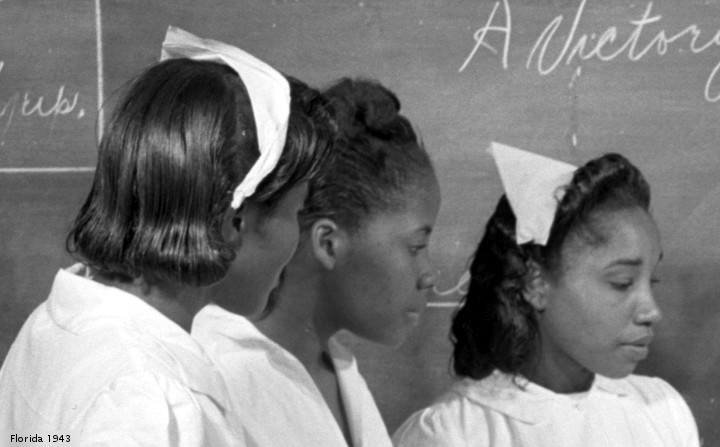
Pictures today are from The Library of Congress. This is a repost.

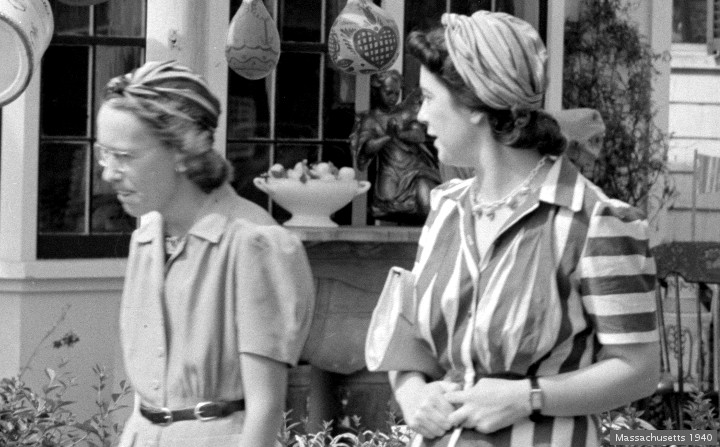
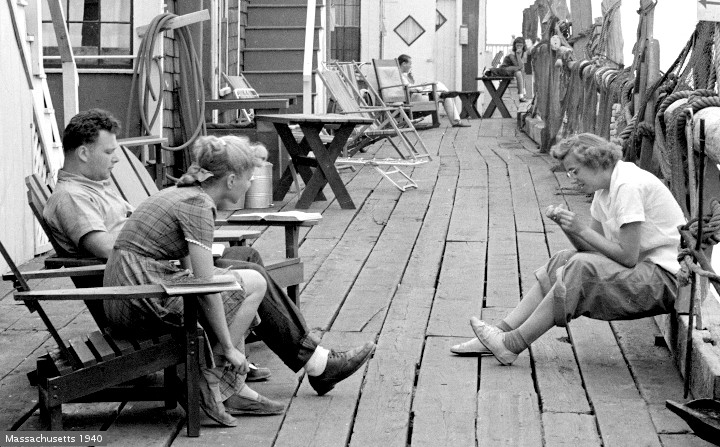


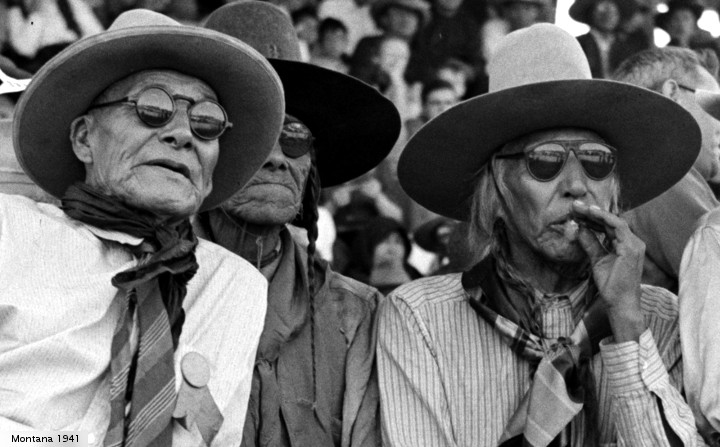
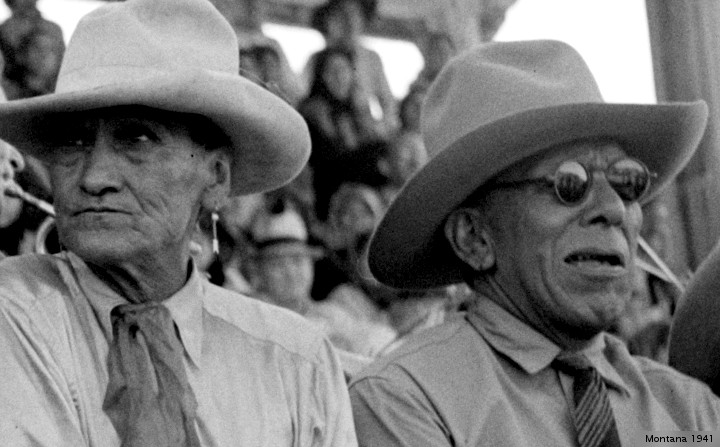
The 1954 Deferment
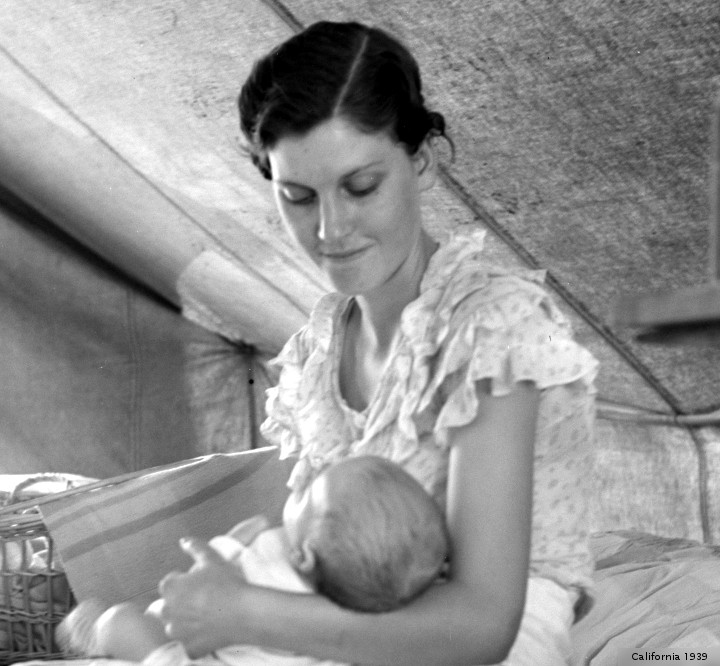

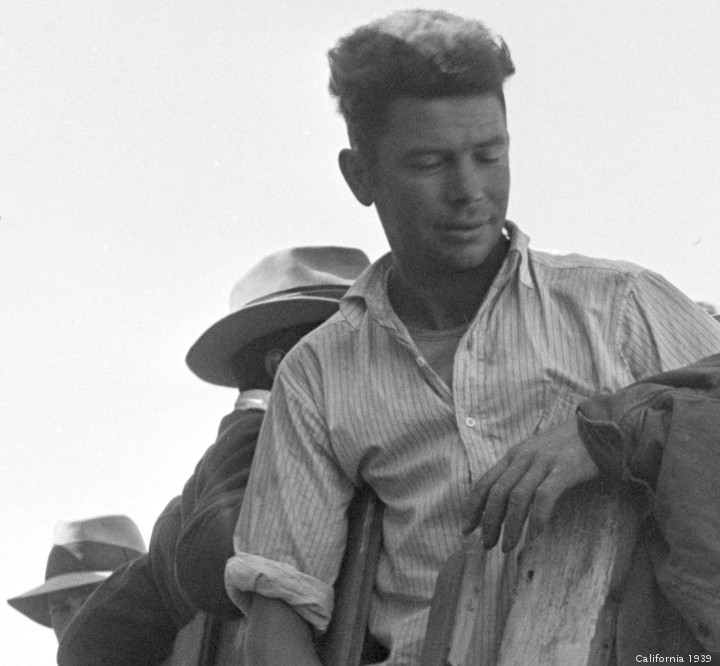
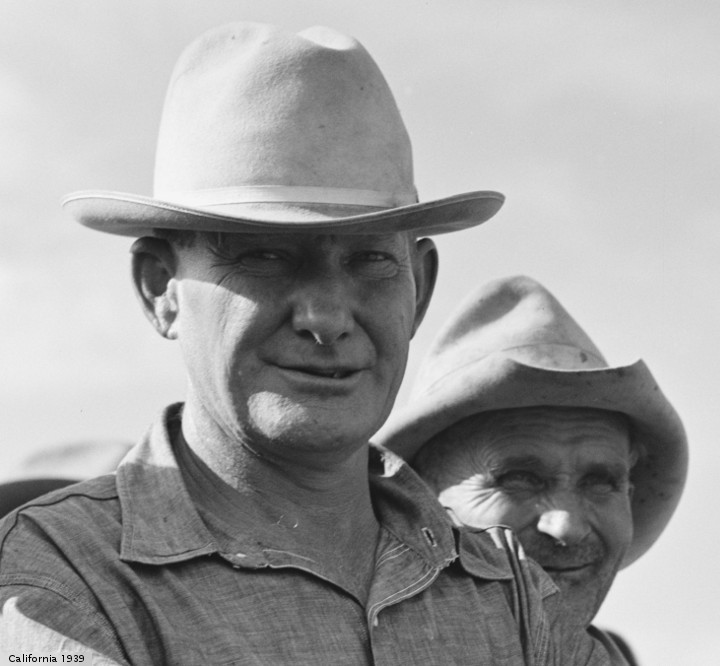
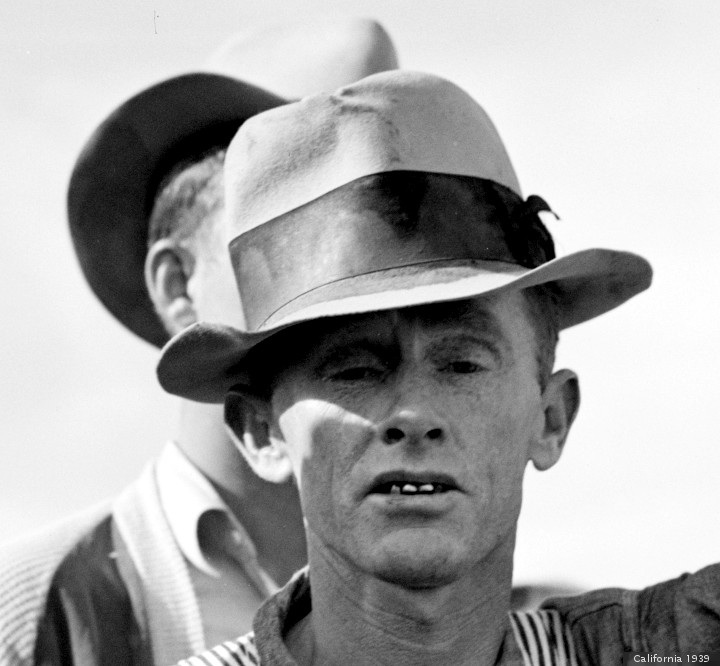
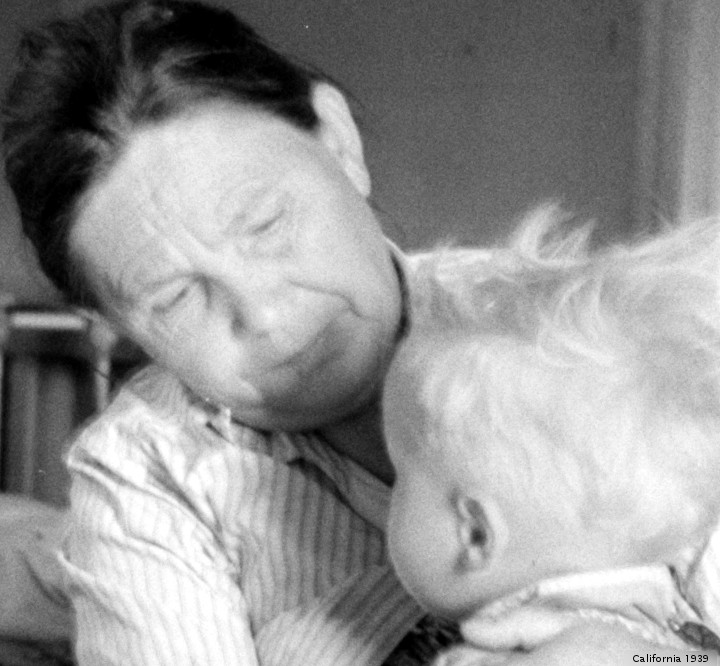

As the reader(s) of this blog might notice, there is material posted every day at chamblee54. On many days, PG is too lazy to write new material, and goes into the archive. Today, there are two pieces. 1954 Deferment is from the blogspot version of chamblee54. In 2007, PG had a job making local deliveries, and listened to talk radio. Neal Boortz was in his glory. One day, PG heard enough about Vietnam, and decided to tell his own story. It is below. This post is written in first person.
A prominent radio whiner has been urged to come clean on his military record. In the spirit of not being a hypocrite, and with the optimistic thought that someone is interested, I have decided to do the same. I have what I call a 1954 deferment. I didn’t get a lottery number until the winter of 1973, after the Paris accords had been signed. My number was 337. The minimum age to sign up in those days was 17. If I had been gung ho to stop communism , I could have signed up in 1971.
By 1971 the war was over for America. We were trying something called “Vietnamization”, which meant we were bringing the combat troops home. Mr. Kissinger was working day and night to secure an acceptable treaty, which Mr. Nixon called Peace with Honor. A few weeks before the 1972 election, the announcement was made that “Peace is at hand”. What this treaty meant was that we got our P.O.W.s back, and withdrew the last of the combat troops. The North Vietnamese troops were not required to withdraw. After a while, with Mr. Nixon distracted by Watergate and the American Public in no mood to help, “Charlie” finished the conquest of South Vietnam. Whether we got all the P.O.W.s back is a subject of controversy. There is speculation that some P.O.W.’s were kept in Asia.
I graduated from High School in June 1972. This was in between the death of J. Edgar Hoover and the arrest of the Watergate Burglars. Jane Fonda”s trip to Hanoi was in July of 1972. Anti-war protests hit a peak during the Moratorium, in Autumn 1969. There was a last surge in May 1970, after the incursion into Cambodia. During this time we had the killings at Kent State, and suddenly protest didn’t seem like as much fun. That, combined with Vietnamization, served to quiet the antiwar movement. The Kent State killings were two days before my 16th birthday. The spell check suggestions for Vietnamization are Victimization, and Minimization.
I didn’t go to Vietnam. What if I had been a few years older? The truth is, I don’t know. You really don’t know what you would do until you have to. Probably, I would have gone the student deferment route, or something else non confrontational, to stay in North America. In the early stages of the War I supported it. In the winter of 1966, I attended a rally at Atlanta Stadium called “Affirmation Vietnam”. At that time, the war protesters were seen as weirdos. It wasn’t for a few more years that people realized their government was lying, and got tired of the pointless bloodshed.
In 1965, some people still believed the government when they heard we needed to stop communism. There was a draft, or legally enforced recruiting. The spirit of patriotism from World War II was still strong. When a young man got a draft notice, many assumed it was their duty to go. Many of the fatalities in Vietnam were conscripted troops.
Offends You. is based on a long forgotten facebook page, “If-the-American-Flag-offends-you-Ill-be-happy-to-help-you-pack.” In 2010, PG would see a prompt like that, and spit out a few hundred words before you could say media bias. And almost nobody would read it. The only function this text has is to go between the pictures.
There is a facebook page now, “If-the-American-Flag-offends-you-Ill-be-happy-to-help-you-pack.” This rubs PG the wrong way. PG has had a good life in The USA, and cannot imagine living anywhere else. He pays taxes without complaint. PG compares his thoughts about America with his thoughts about his hometown, of Atlanta GA. He has had a good life in both places, and does not want to live anywhere else. And yet, no one is ever asked to “die for Atlanta”. That duty is reserved for the national political unit. If PG had been 110 years older, he would have had to opportunity to die for Georgia.
The Stars and Stripes should not be used for jewelry, or as a gimmick. The flag should be respected, not left out in direct sunlight for years at a time, until the red, white, and blue is pink, gray, and lavender. A few years ago, after a Supreme Court ruling about flag burning, PG worked with someone who drove a van. There was a bumper sticker on that van, with the American Flag, and the message “Try burning this one”. That van was parked in direct sunlight every day, and the sun burned those colors off that van. Most people don’t consider this.
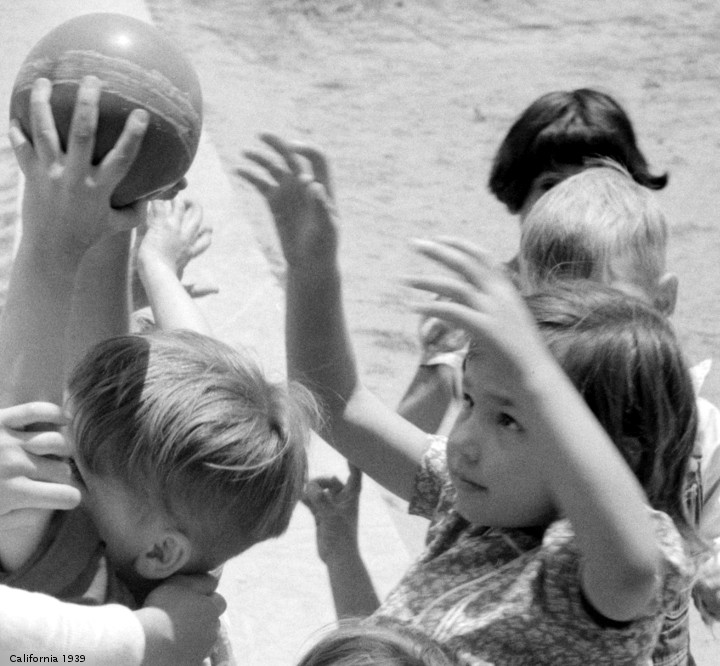
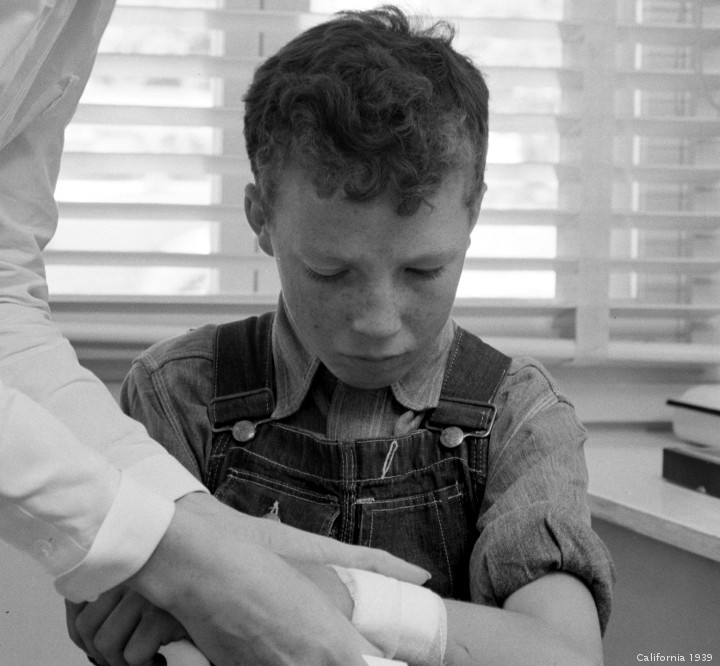
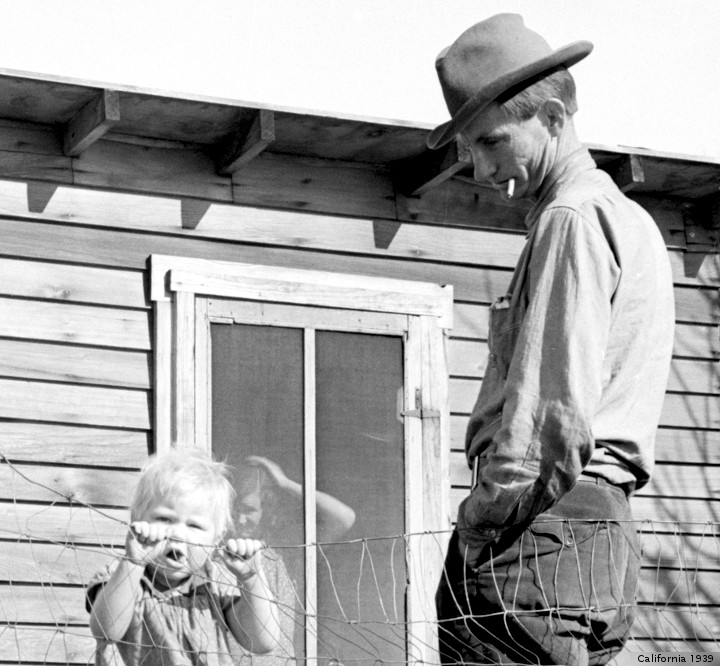
No, the American Flag does not offend PG. However, Facebook groups that would try to bully people who don’t have the “correct” opinion about this symbol…that would seek to create conflict between citizens…that does offend PG. Pictures today are from The Library of Congress. The photographer was Dorothea Lange, working in 1939 California.


Destroy The Village To Save It




“It became necessary to destroy the town to save it.” This is one of the most familiar lines about the Vietnam War. It is often cited today, when discussing the response to COVID-19. Who said this?
It was “originally reported by Peter Arnett of the Associated Press, who quoted an unidentified American officer on why the village of Ben Tre was leveled during the Tet Offensive in early 1968. … A two-paragraph version of the AP dispatch was buried on page 14 of The New York Times, with no byline,” on Feb. 8, 1968. … “BENTRE, Feb. 7 (AP)― It became necessary to destroy the town to save it,” a United States major said today. He was talking about the decision by allied commanders to bomb and shell the town regardless of civilian casualties, to rout the Vietcong.”
“Almost instantly, however, the line was being misquoted everywhere. On Feb. 10, an Oregon newspaper rendered it “We had to destroy the village in order to save it.” Two weeks later the St. Louis Post-Dispatch reported on a group of protesters carrying a banner that read, “It Was Necessary to Destroy the Village in Order to Save It.” In whatever form, the words had become a mantra of the anti-war movement, a … summary of what was wrong with the entire Vietnam adventure.”
“The day before Arnett’s story ran, the Times’s James Reston had asked in his column, “How do we win by military force without destroying what we are trying to save?” … Associated Press itself had used a similar phrase almost exactly a year before Arnett’s dispatch. In late Jan. 1967, the AP distributed a wire photo of a different village with a caption that read in part: “The Americans meantime had started to destroy the village to deny it to the Viet Cong.” The photograph was published across the country. One wonders whether the officer Arnett was quoting had come across the caption the previous year.”
“But the actual father of the metaphor — the man who put it into roughly the form we know today — seems to have been Justice Edward White of the U.S. Supreme Court. In a 1908 decision known as the Employers’ Liability Cases, the justices were asked to give a narrow reading to a congressional enactment concerning common carriers in the District of Columbia. The court refused. The requested reading, according to White’s opinion for the majority, would in effect add a new clause to the statute. He then explained why doing so would be wrong: “To write into the act the qualifying words therefore would be but adding to its provisions in order to save it in one aspect, and thereby to destroy it in another — that is, to destroy in order to save, and to save in order to destroy.””
The fighting in Ben Tre took place during the Tet Offensive. This is widely seen as a turning point in America’s involvement in that conflict. “On January 30 1968 … the North Vietnamese and the Vietcong launched a massive military offensive that proved the battle raging in Southeast Asia was far from over, and that President Lyndon B. Johnson’s administration had grossly oversold American progress to the public. Although U.S. troops ultimately ended the offensive successfully, and the North Vietnamese and the Vietcong suffered brutal loses, these bloody weeks triggered a series of events that continue to undermine Americans’ confidence in their government.”
(CBS news anchor Walter) “Cronkite was so shocked at the devastation of the communists’ Tet offensive that he went over to see for himself what was really going on.” On February 27, 1968, “he concluded the war was a stalemate, probably unwinnable. … Lyndon Johnson was said to have watched the broadcast and exclaimed to his press secretary, George Christian, “If I have lost Walter Cronkite, I’ve lost Middle America.” Pictures today are from The Library of Congress.




Ira Hayes



The post before this is about Arizona SB1070, a controversial measure dealing with illegal immigration. One of the men quoted is the Sheriff of Pima County, which lies on the border.
Pima County is named for the Pima Tribe, whose land was in Arizona and Sonora, Mexico. Their name for the “river people” is Akimel O’odham. According to Wikipedia, “The short name, “Pima” is believed to have come from the phrase pi ‘añi mac or pi mac, meaning “I don’t know,” used repeatedly in their initial meeting with Europeans.”
Many of the Mexicans crossing the border are Native Americans. They did not agree to the Gadsden Purchase, or the Treaty of Guadalupe Hidalgo. In other words, they were here first, and the white man (and black associates) are the uninvited guests.
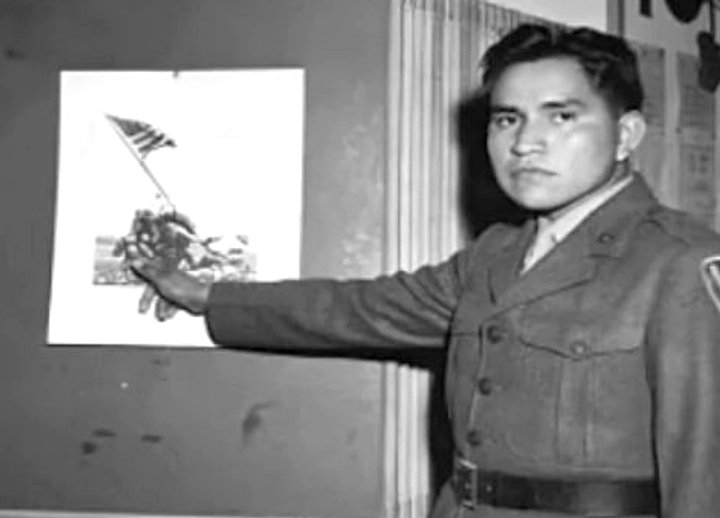
The second part of this feature is a repost. One of the best known Pimas was Ira Hayes. He was one of the Marines who raised the flag on Iwo Jima.
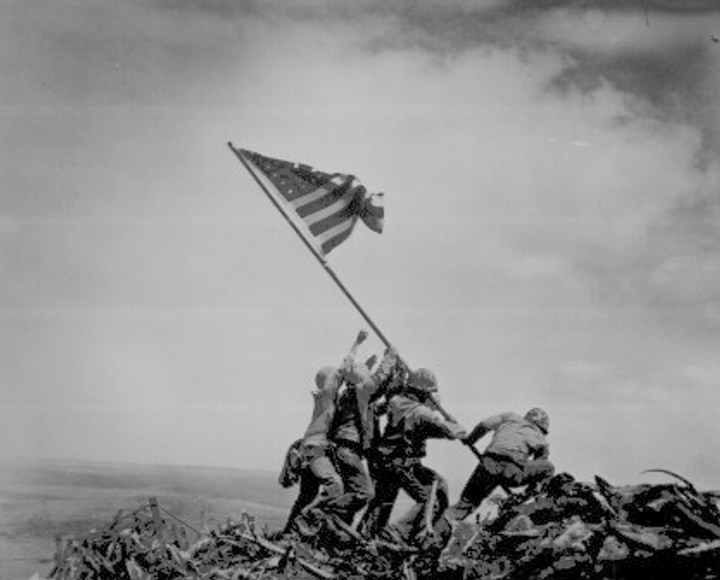
One of the enduring images of World War II was raising the flag on Iwo Jima. Three of the six men raising the flag died on the island. A fourth, Ira Hayes, became a casualty after the war.
The story of Ira Hayes is well known, but needs to be told again. A member of the Akimel O’odham (Pima) nation, his people had not been treated well by the conquerors. Nonetheless, when the War against Japan started, men were needed for the struggle, and Ira Hayes joined the Marines.
Iwo Jima was a steppingstone to the main island of Japan. After Iwo Jima and Okinawa were in Yankee hands, preparations could be made for the invasion of the main island. However, the stepping stone islands proved to be incredibly tough to secure. There were more American casualties on Iwo Jima than on D Day.
On the fourth day of the battle, a picture was made of six marines raising the flag on top of Mount Suribachi. A month of sticky, treacherous fighting was ahead for the fighting men. Of 21,000 Japanese soldiers, 20,000 died.
The flag was raised on February 23, 1945. Germany was all but defeated. The “explosive lens” for the atom bomb had been successfully tested. It seemed inevitable that the costly island hopping needed to continue, to be followed by an invasion of the Japanese mainland.
Two of the twelve hands holding the flagpole belonged to Ira Hayes. Ira Hayes did not adjust to peacetime well. He became a drunkard. On January 24, 1955, he passed away.
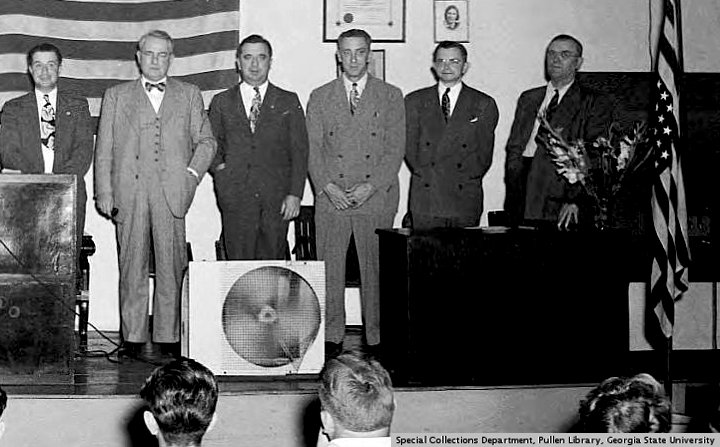
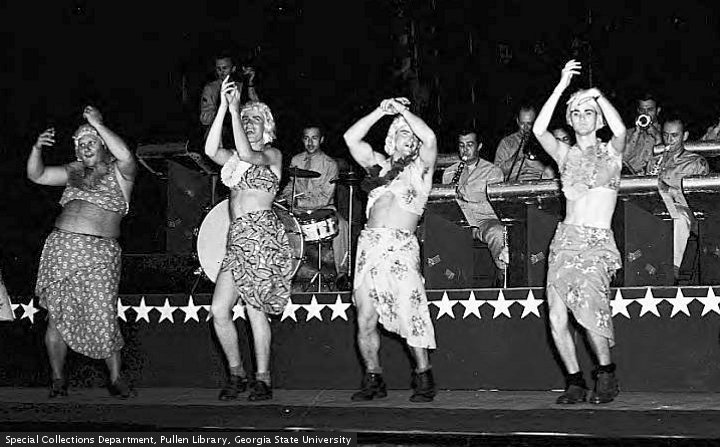
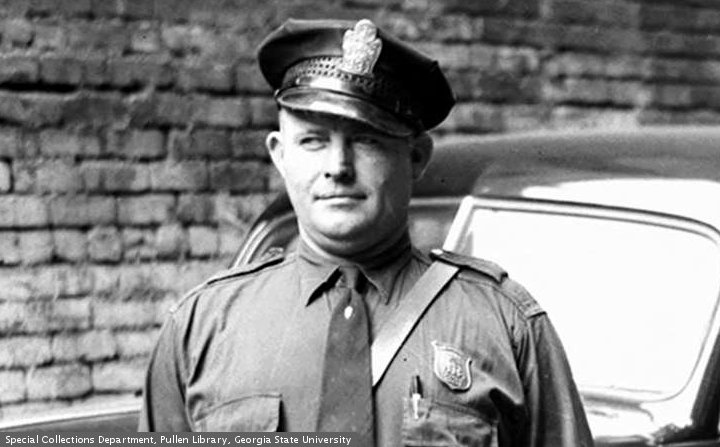
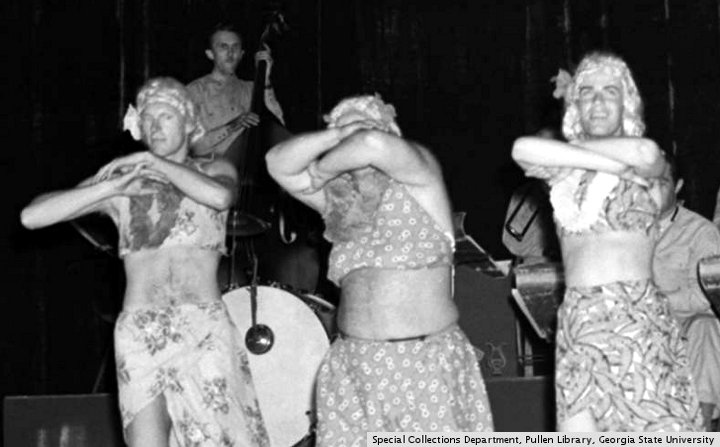
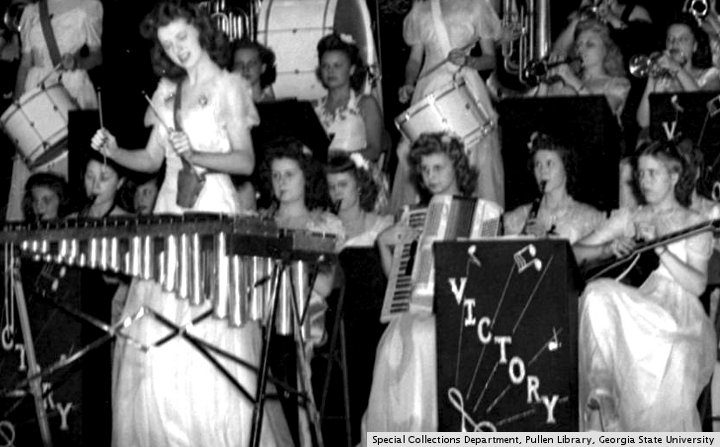
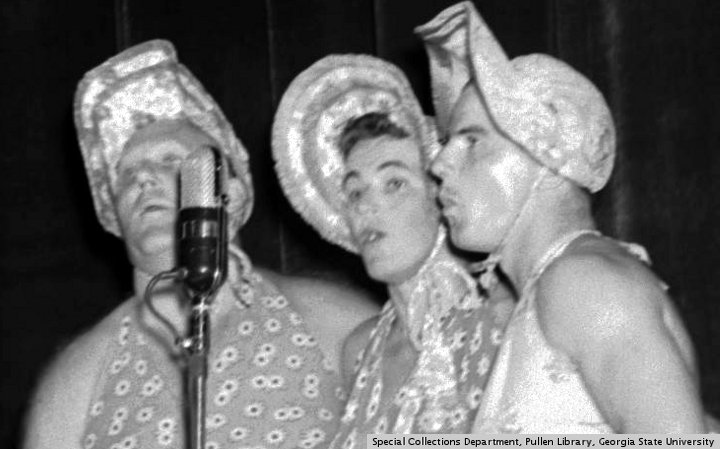
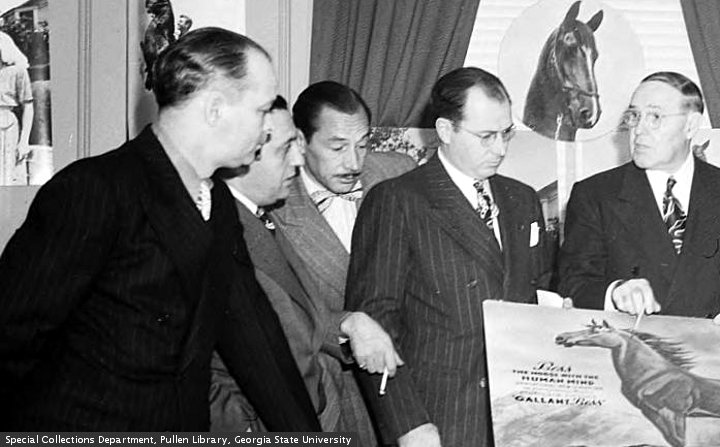
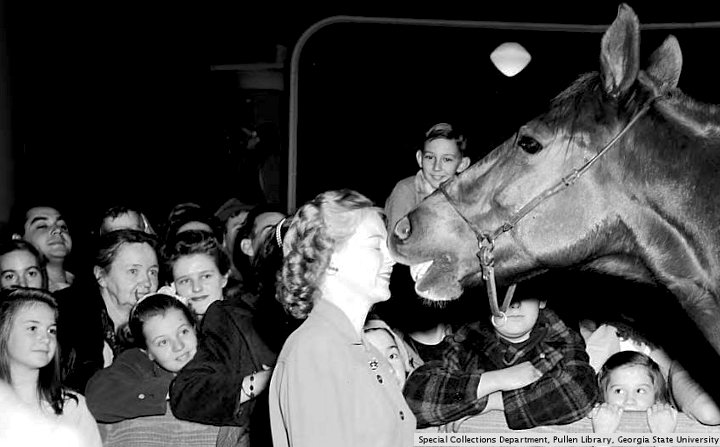
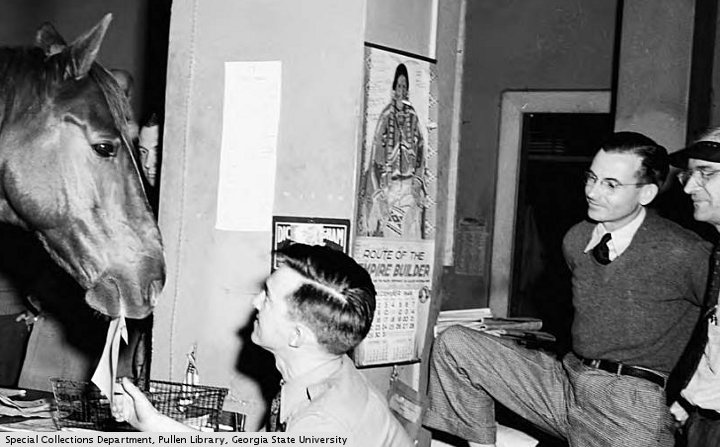
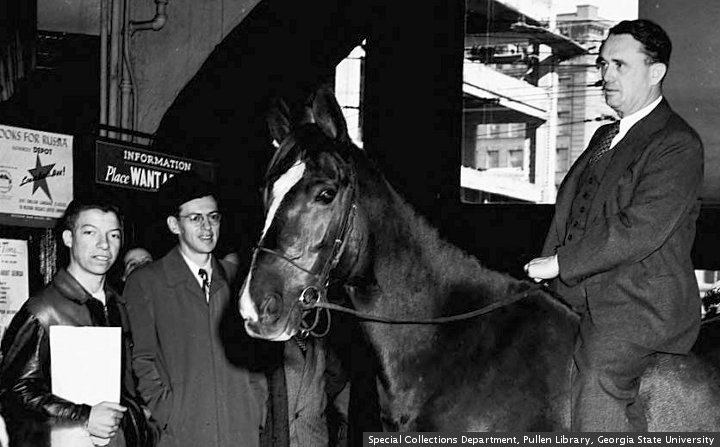
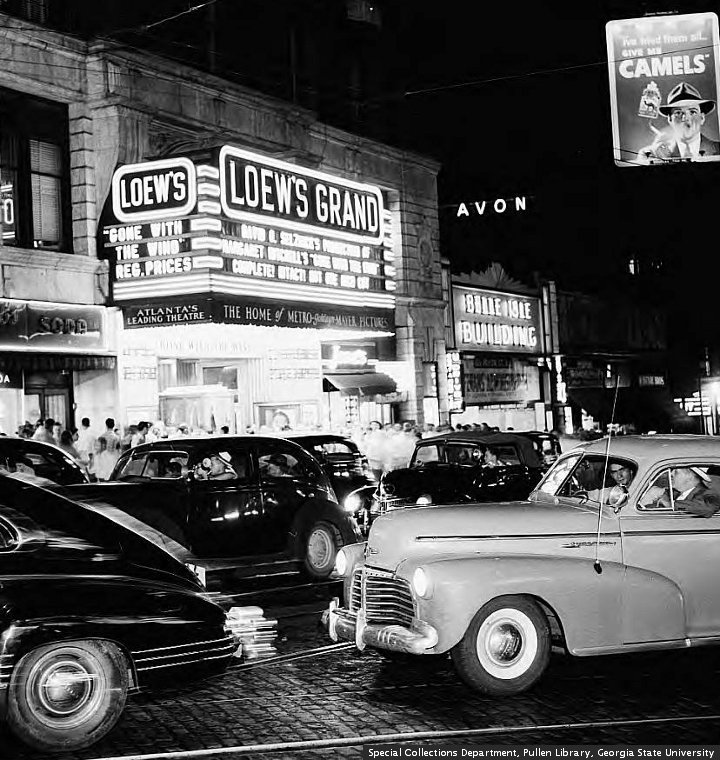
Ira Hayes was a native American. Thousands of African Americans have returned from foreign wars, to be treated poorly. Until a few months ago, if a man, or woman, is accused of being gay, the service is forgotten. On Memorial Day, we should struggle to ensure that all future veterans are treated with respect, all year long. This is a repost. Pictures are from The Library of Congress and “The Special Collections and Archives, Georgia State University Library”. Some of the pictures shown today were taken at a War Bond Drive show, Loew’s Grand Theater, July 10, 1944.




Why The War Between The States Was Fought
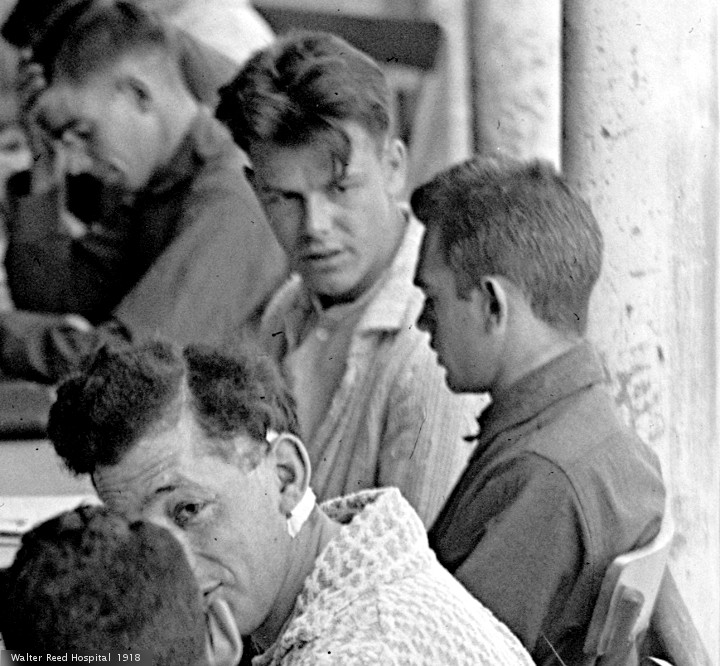


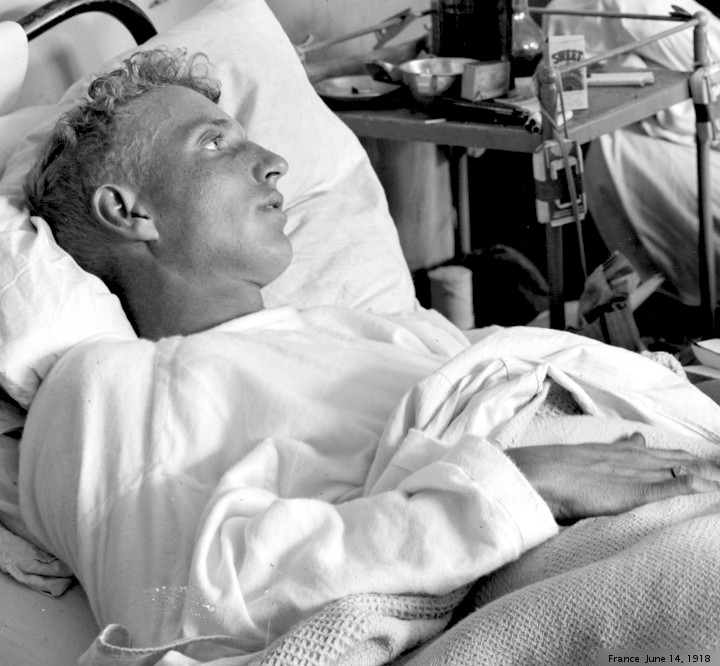

Recently, Mr. Trump said something stupid about the War Between the States. After his comments began to filter into the marketplace of ideas, people began to react. There was a good bit of self righteous talk about how bad the Confederacy was. Maybe it is time for another point of view. This feature will have minimal research. Mostly, PG is typing things he has heard and thought. It is possible that some items will be incorrect. The reader is encouraged to do their own research. Comments are welcome.
When the colonies declared independence in 1776, nobody knew how things would turn out. First, Great Britain needed to be defeated. After that, the Articles of Confederation went into effect. “Under these articles, the states remained sovereign and independent, with Congress serving as the last resort on appeal of disputes. Congress was also given the authority to make treaties and alliances, maintain armed forces and coin money. However, the central government lacked the ability to levy taxes and regulate commerce…”
This arrangement was not working, and the Constitutional Convention was called. Originally, the CC was going to revise the Articles of Confederation, but wound up throwing the whole thing out, and creating the Constitution. This document called for greater federal authority. The issue of what powers to give to the states, and what powers to give to the central government, was contentious. It remains controversial to this day.
Had any group of antonymous states formed a federal union before? Usually, such a union is the result of a conquest, with one of the states ruling the others. It is unclear whether such a union had been attempted before, or how successful it was. When the “founding fathers” created the constitution, they probably did not foresee how it would play out. The current system, with a massive central government cat-herding the 50 states, would have been laughed off as a dangerous fantasy.
So the states start to have disagreements. One of the things they disagreed over was slavery. Yes, this was an important factor in the unpleasantness to come. Slavery also influenced a lot of the economic conflicts. The North wanted high tariffs to protect industry. The South wanted low tariffs, so they could sell cotton to Europe. There were many other ways for the states to not get along.
Finally, in 1861, the disagreements became too big to ignore. The south seceded, and the War Between The States began. The Confederate States of America was a looser union than the United States. The thought was that the states were more important than the federal union. Mr. Lincoln disagreed. (One popular name for the conflict was Mr. Lincoln’s war.) Many people say that Mr. Lincoln was not especially concerned about the slaves, but wanted to keep the union together.
How does slavery enter into this? Imagine the conflict over states rights vs federalism to be an open tank of gasoline. The lit match that was thrown into that tank was slavery. When the winners wrote the war history, it sounded better to say that the war was fought to free the slaves. Pictures today are from The Library of Congress. This was a repost.


Anglo Persian Oil Company
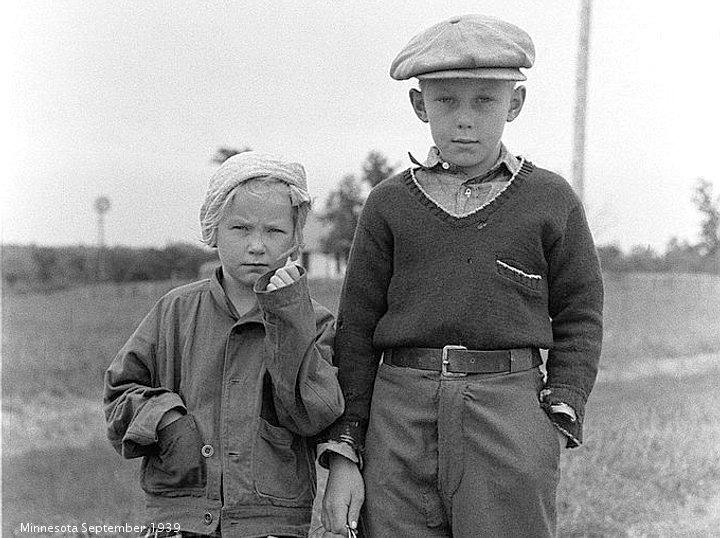


This is a repost from 2010. People are saying more and more about the oil disaster in the Gulf of Mexico. TomDispatch has a fascinating paragraph about one of the key players, British Petroleum (BP): “Originally known as the Anglo-Persian Oil Company (later the Anglo-Iranian Oil Company, still later British Petroleum), BP got its start in southwestern Iran, where it once enjoyed a monopoly on the production of crude petroleum. In 1951, its Iranian holdings were nationalized by the government of Mohammed Mossadeq. The company returned to Iran in 1953, following a coup that put the Shah in power. It was finally expelled again in 1979, following the Islamic Revolution.”
If you look at the problems of the world in the last forty years, so many are affected by Iran. The 1953 revolution left great resentment, which became manifest in the 1979 revolution. Soon Iraq…whose border with Iran was clumsily drawn by the British…decides to attack Iran. A gruesome eight year war is the result, with the USA supporting both sides (as well as possibly encouraging Iraq to attack Iran). The idea was, if they are fighting each other, they will leave Israel alone.
After this war is over, Iraq has a problem with Kuwait over it’s war debt. Another war is the result, with the USA involved. Iraq is vanquished, but some in the USA are not satisfied, and after a few years the USA invades Iraq again. That war is still raging.
The biggest winner of the US-Iraq war (aka World War W) is Iran. This new influence in Persia is very troubling to Israel, which is loudly rattling it’s nuclear saber. While Israel is making noise about Iran, it takes attention away from the Palestinian tragedy.
Pictures are from The Library of Congress. TomDispatch is still open. The feature today, Beating the War Drums… Again, is about Saudi Arabia and Iran.


Confederate Memorial Day

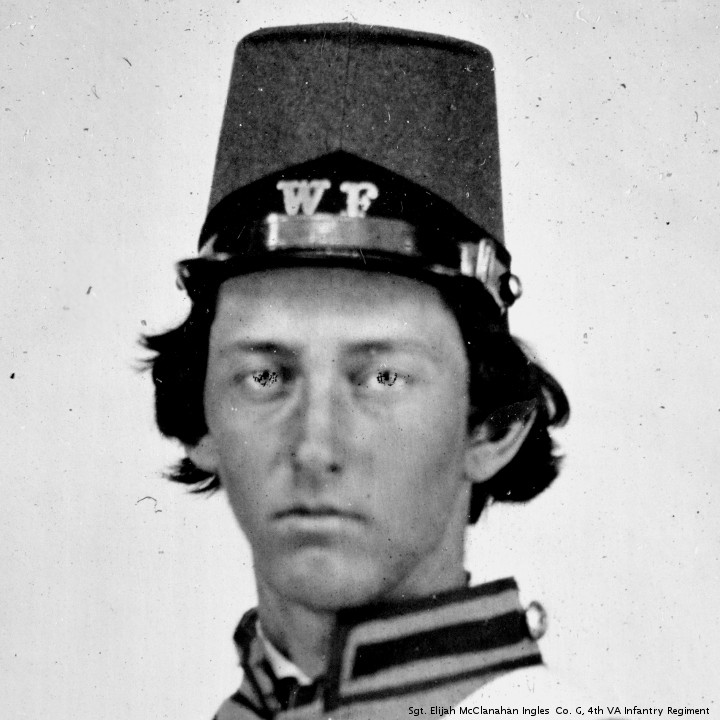

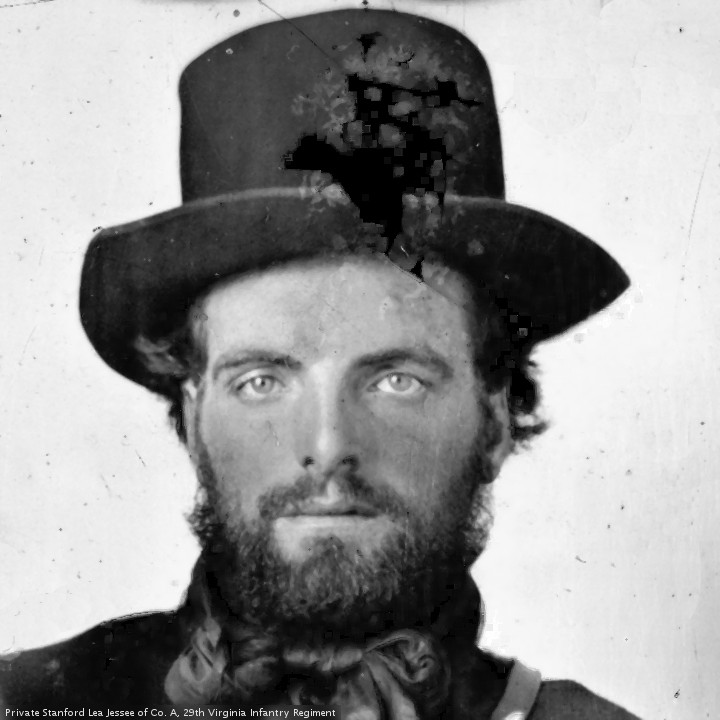


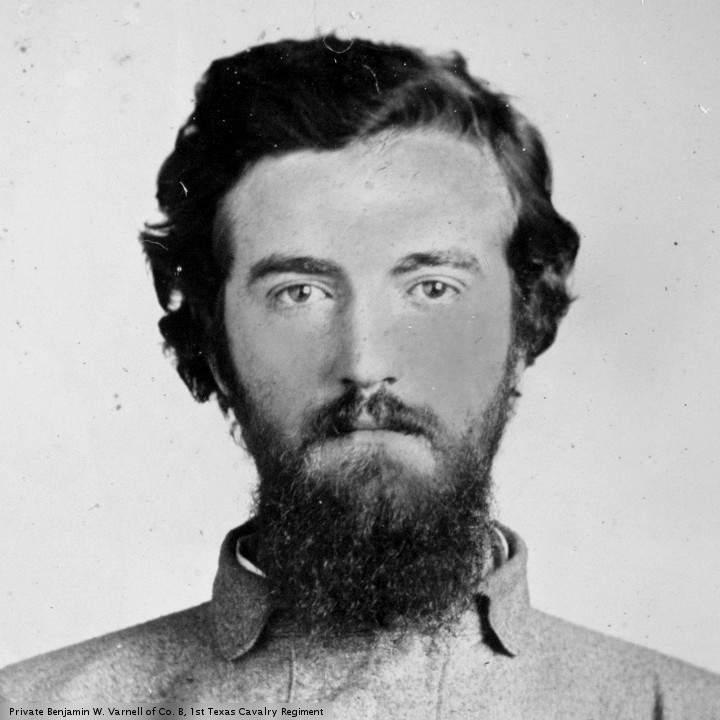
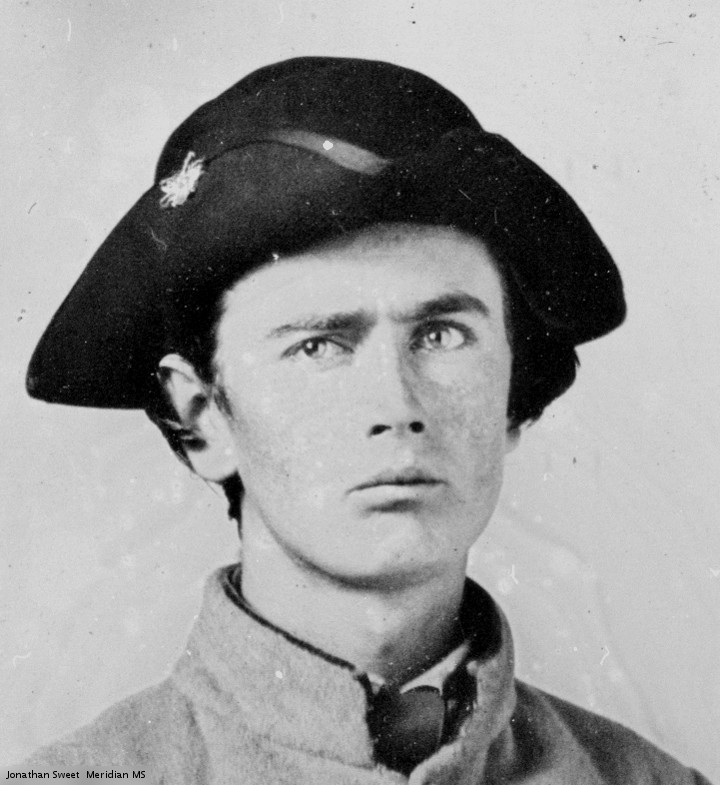
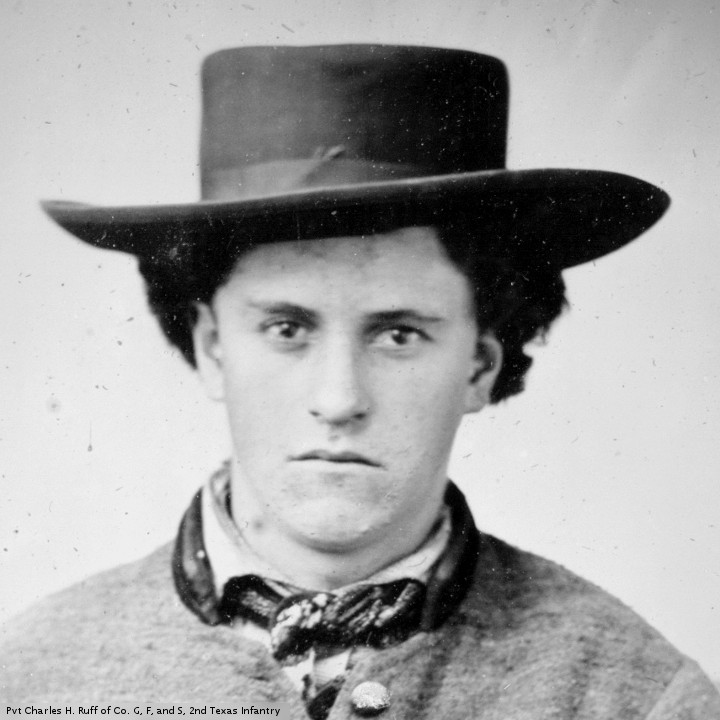
Today is Confederate Memorial Day in Georgia. It is an ancient question…how to honor the soldiers from the side that lost. They were just as valiant as the Union Soldiers. Considering the shortages of the Confederate Armies, the Rebels may have been just a bit braver.
The issue of Federalism is a defining conflict of the American experience. What powers do we give the Federal Government, and what powers do we cede to the States? The Confederacy was the product of this conflict. The Confederate States were a collection of individual states, with separate armies. This is one reason why the war turned out the way it did.
This is not a defense for slavery. The “Peculiar institution” was a moral horror. The after effects of slavery affect us today. Any remembrance of the Confederacy should know that. This does not make the men who fought any less brave.
It is tough to see the War Between the States through the modern eye. It was a different time, before many of the modern conveniences that are now considered necessities. Many say that the United States were divided from the start, and the fact the union lasted as long as it did was remarkable. When a conflict becomes us against them, the “causes” become unimportant.
The War was a horror, with no pain medicine. Little could be done for the wounded. It took the south many, many years to recover. This healing continues today. Remembering the sacrifices made by our ancestors helps. This is a repost. Pictures are from the The Library of Congress.




Shock And Awe Day
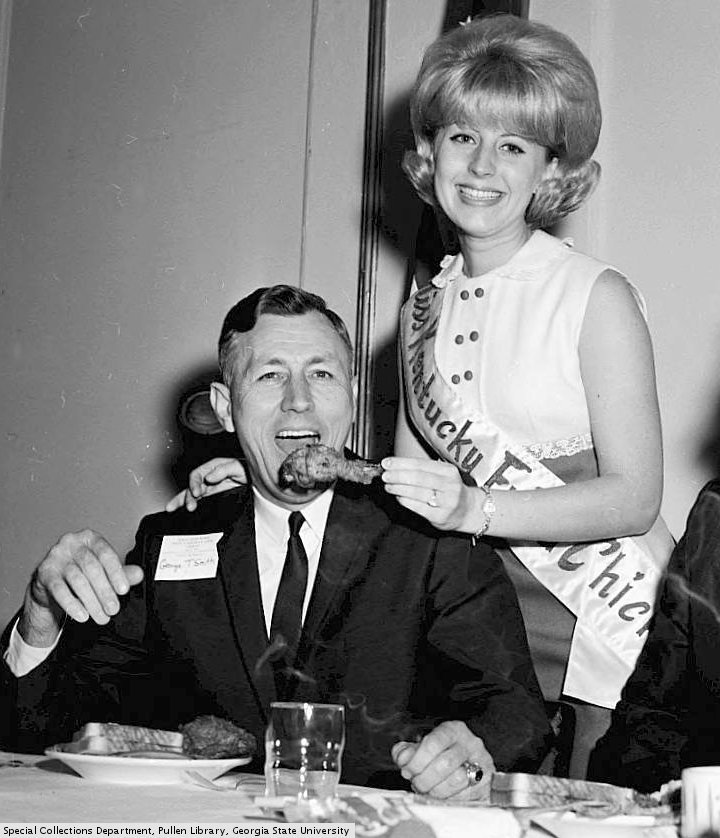

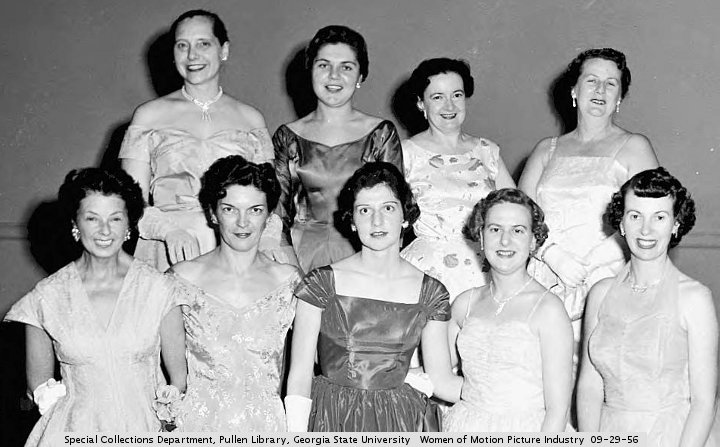
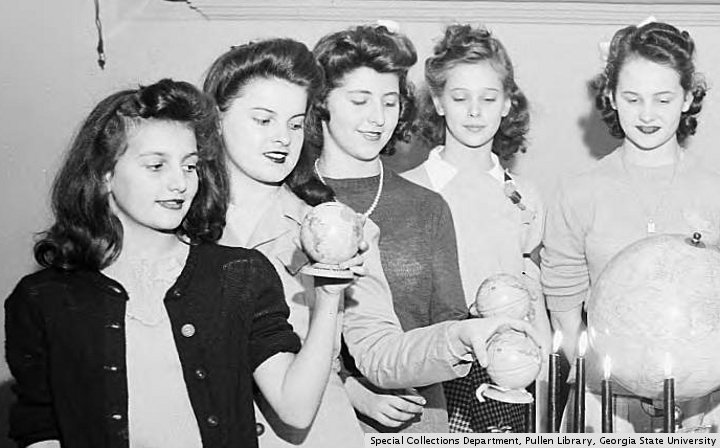
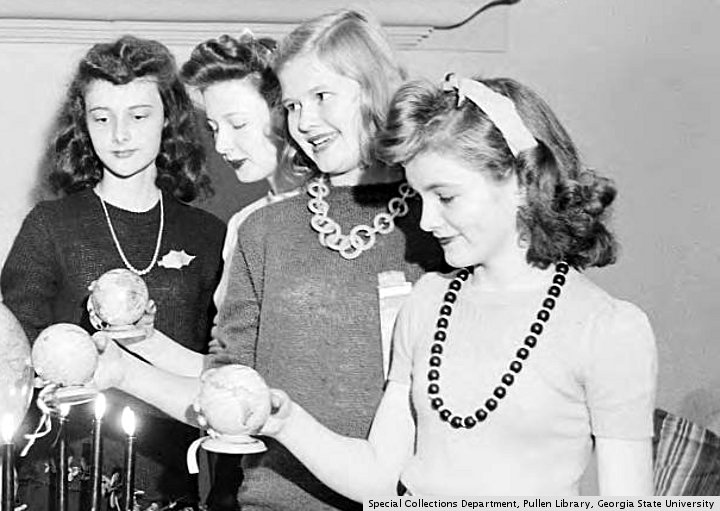
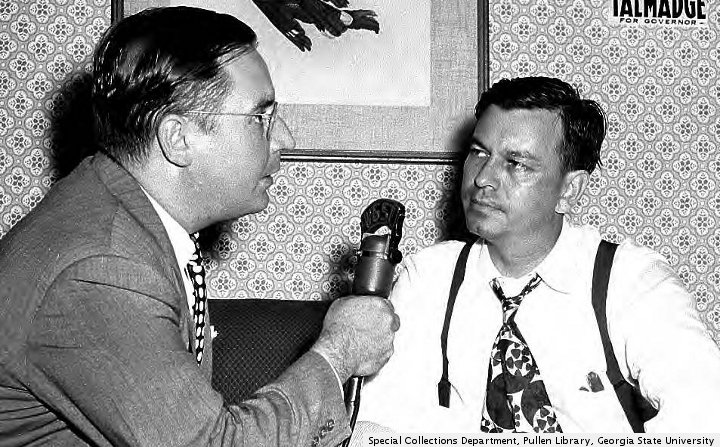
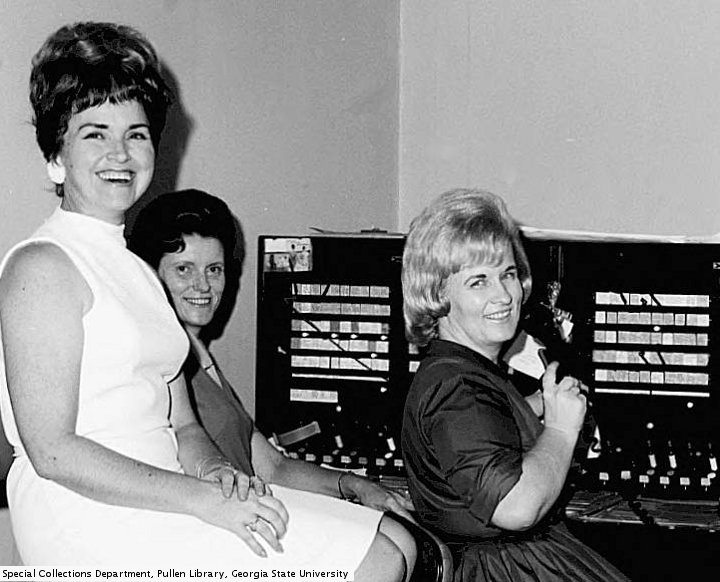
Seventeen years ago, Iraq teetered on the edge of regime change. It was obvious what was going to happen, at least at first. America was going to storm in, kill a bunch of people, and take over.
In post 911 America, the military industrial complex saw an opportunity for plunder, unrivaled since the fall of the Soviet Union. The stories of WMD would infect the body politic with fear of a mesopotamian madman. Saddam Hussein wanted Iran to think he has wonder weapons, and did not think America was serious about regime change. We all make mistakes.
In the seventeen years since the time of shock and awe, trillions of dollars have gone down the drain, dragging the mighty American economy along into the sewers of bankruptcy. One of the oldest civilizations of mankind was reduced to hiding, from neighbors, behind concrete barricades. They fought the conquerors with bombs triggered by garage door openers. Thousands of women and children have been murdered. The WMD were never found. This is a repost.
Pictures are from “The Special Collections and Archives, Georgia State University Library”.




John S. McCain And Bernie Sanders


The latest podcast addiction is a Slate production called Whistlestop. WS (whistlestop, not water sports) is about presidential elections. On top of the home page is a header ad. At first it had a picture of Hillary, with the message “I’m with her.” Now, it is a prescription medication, side effects scrolling slowly on the right. The side effects of Hillary are more obvious. (This repost was first published 02-13-2016) The side effect of the Hillary Clinton candidacy is the Donald Trump presidency.)
Episode 24 is When the Straight Talk Express Rolled Through New Hampshire. In the 2000 election, George W. Bush was the anointed candidate for the Republicans. Challenging him in New Hampshire was John S. McCain. The winner in New Hampshire was Senator McCain. The winner of the nomination, and ultimately the Presidency, was George W. Bush.
The WS story is about how JSM got the 2000 New Hampshire voters on his side. The 2008 story will, no doubt, be a future episode of WS. JSM did the whole Straight Talk routine, and won the nomination. JSM chose Sarah Palin as his running mate. Whether JSM had a chance, after eight years of W, is a good question. BHO won the 2008 election. John McCain died August 25, 2018.
In Georgia, the electoral votes are all but conceded to the Republicans. The only time we get to choose is the primary. In 2008, PG saw the two choices were John McCain and Barack Obama. Both had flaws, but both offered alternatives to the nonsense of Mike Huckabee and John Edwards. After thinking about it, PG remembered that John McCain dropped napalm on women and children. So PG voted for Barack Obama. Once elected, BHO would fire hellfire missiles at women and children.
In the 2016 Georgia primary, there were five candidates: Bernie Sanders, Hillary Clinton, Donald Trump, Ted Cruz, and Marco Rubio. PG did not like any of them. He decided to vote for the best looking candidate, Marco Rubio. On February 13, 2020, we still do not know who will be a viable candidate during the Georgia primary. PG will make up his mind while walking to the school, to cast his vote. PG will probably hold his nose while doing so.
‘The Weasel, Twelve Monkeys and the Shrub’ David Foster Wallace covered the McCain campaign for Rolling Stone. He was always good for a few thousand words, often in the first sentence. DFW had a few thoughts about why JSM was so popular.
“Because we’ve been lied to and lied to, and it hurts to be lied to. It’s ultimately just about that complicated: it hurts. We learn this at like age four—it’s grownups’ first explanation to us of why it’s bad to lie (“How would you like it if … ?”). And we keep learning for years, from hard experience, that getting lied to sucks—that it diminishes you, denies you respect for yourself, for the liar, for the world. Especially if the lies are chronic, systemic, if experience seems to teach that everything you’re supposed to believe in’s really just a game based on lies. … It’s painful to believe that the would-be “public servants” you’re forced to choose between are all phonies whose only real concern is their own care and feeding and who will lie so outrageously and with such a straight face that you know they’ve just got to believe you’re an idiot.”
In 2016, the outlaw candidate was Bernie Sanders, who has no middle name. He won a big victory in New Hampshire. BS is lying through his teeth. He says he will make college tuition free, and install single payer socialized medicine. Everyone knows these are lies (BS²) and yet the Bernoids play along. (Earlier this week, BS won a slim victory over Amy Jean Klobuchar, and Peter Paul Montgomery Buttigieg, in the New Hampshire primary.)
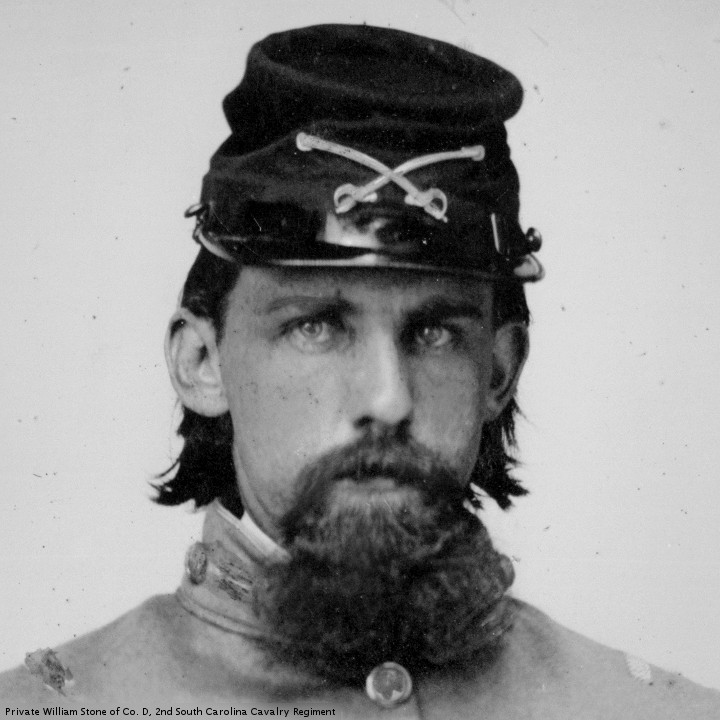
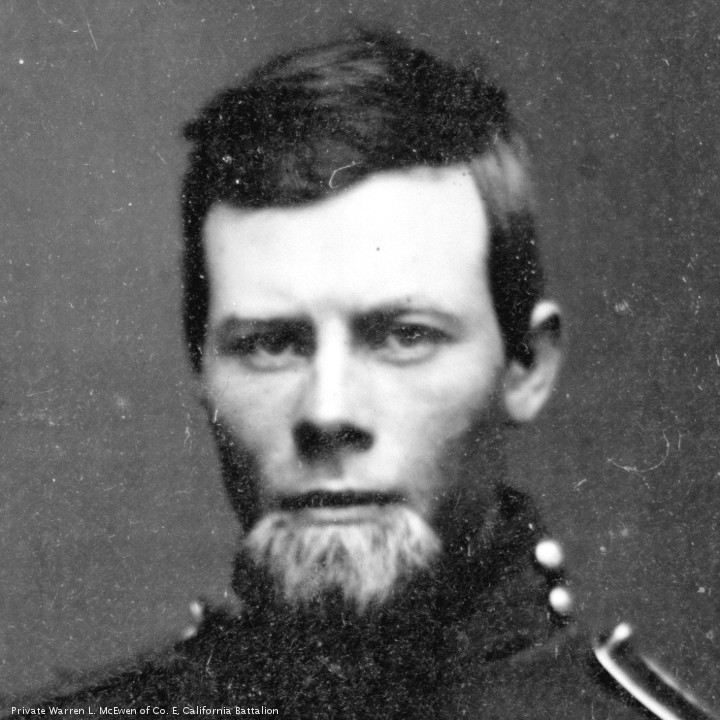
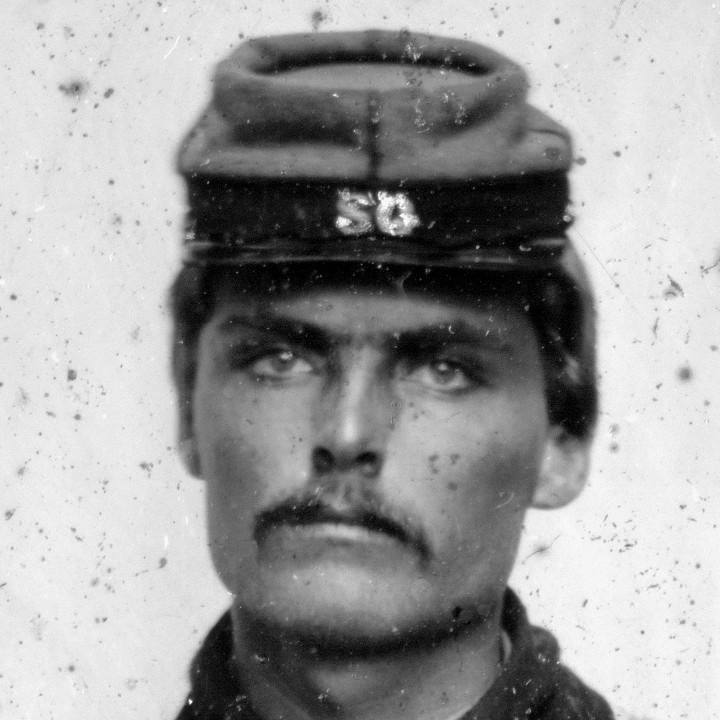
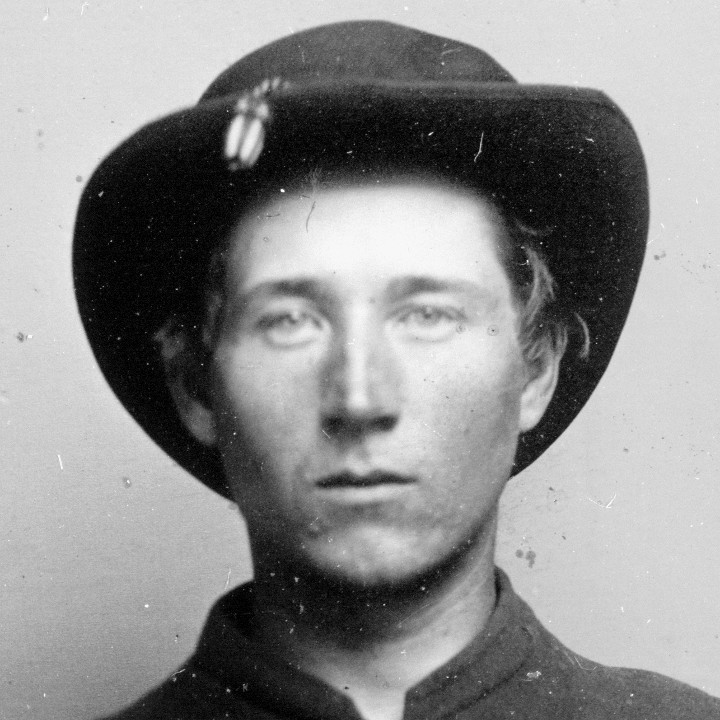
Pictures today are from The Library of Congress. These men never voted in a presidential primary.

War Letters


In the winter of 2003, it was obvious that America was going to war. Congress had voted approval, the modern version of a declaration of war. The troops. and supplies, were on the borders of Iraq, waiting for the order to go in.
PG felt the need to make a statement. There was no illusion that it would affect the overall decision to invade Iraq. However, PG wanted to go on record as being opposed to the folly to come.
It was a low risk act. In America, we have freedom of expression. This does not mean that the powers that be listen to the people. The only expression that matters is by people who pay the authorities. The people can say anything, but nobody in charge listens.
There were three representatives in Congress to contact. The two Senators were Saxby Chambliss and Zell Miller. The 4th district was represented in the House of Representatives by Denise Majette. She was new to Congress, having defeated Cynthia McKinney in the 2002 election.
The area that PG lives in is gerrymandered into different districts every ten years by the Georgia legislature. Today, PG is in the 6th district, represented by Democrat Lucy McBath.
The letters are lost in hard drive crash fog. It started out with the phrase “you were elected to represent me.” Apparently, this left Zell Miller out. He has been appointed to finish the term of Paul Coverdell. Democrat Zell Miller was appointed by Democrat Governor Roy Barnes to complete the term of Republican Paul Coverdell. After this, Zell Miller gave the keynote address at the 2004 Republican Convention. This is what Georgia has come to expect from Zig Zag Zell.
The anti war letter was not great writing. It basically said that the invasion of Iraq was not a good idea. The letter did not address the tax cut. In a bizarre move, Congress approved a tax cut, with an economically ruinous war on the horizon.
The responses to the letter are attached here. Denise Majette gave a thoughtful reply. She did not say “I agree with you” in so many words, but it is clear she is not gung ho about killing Iraqis. Miss Majette said, and PG agrees, that once the war begins, the debate should cease.
Saxby Chambliss sent two replies. Both talked about how well the war was going, and how wonderful it was to be killing people in Iraq. It is a good question whether his staff read the original letter from PG, which opposed the war.
In the 2004 election, Denise Majette ran for the Senate. Zell Miller chose to retire, and his seat was up for grabs. Republican Johnny Isakson won the Senate seat. Cynthia McKinney made a comeback, and won the fourth district House seat.
Saxby Chambliss was re-elected in 2008, and retired in 2014. The conflict in Iraq continues to this day. It is a disaster. The withdrawal of American combat troops did not end the civil war. Currently, Iraq is the scene for combat operations from the Islamic State military force.
The financial burden of the war has been immense. The military depends on contractors for many basic services, at increased cost to the Asian war financiers. The National debt has been increasing by a trillion dollars a year. Revenge for nine eleven, directed at a marginally responsible country, has been horribly expensive. Pictures for today’s entertainment message are from “The Special Collections and Archives, Georgia State University Library”. This is a repost.



 Chamblee54
1 comment