More Talk About Racism




It is a cliche among certain pundits that this is not “Post Racial America.” No one seems to know what PRA would look like. PRA might be less noisy, with fewer odors, than the current model. The opinion that we do not live in PRA seems unanimous. After PG heard the denial of PRA one too many times, he began to wonder something. Who said America is Post Racial?
Mr. Google has 119 million answers to the question “who said america is post racial?” The short answer is nobody. The closest thing on the front Google page is an NPR commentary from January 2008. This was the early stages of the BHO run for the White House. The commenter said that the election of a dark skinned POTUS might usher in a post racial era in America.
This piece will not have any fresh opinions about race relations in America. That subject has been worn out elsewhere. If someone finds it to their advantage to denounce “racism”, there will be an audience. The truth is, very few people have ever said that America is Post Racial.
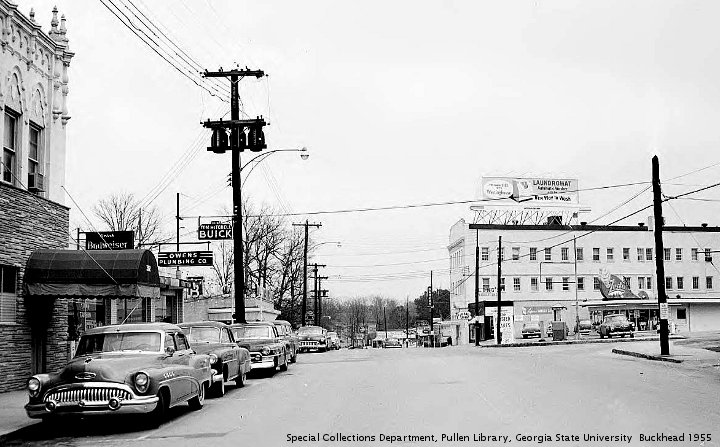
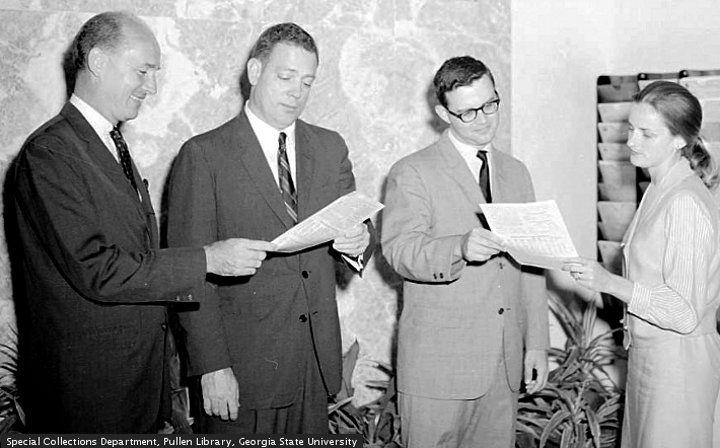
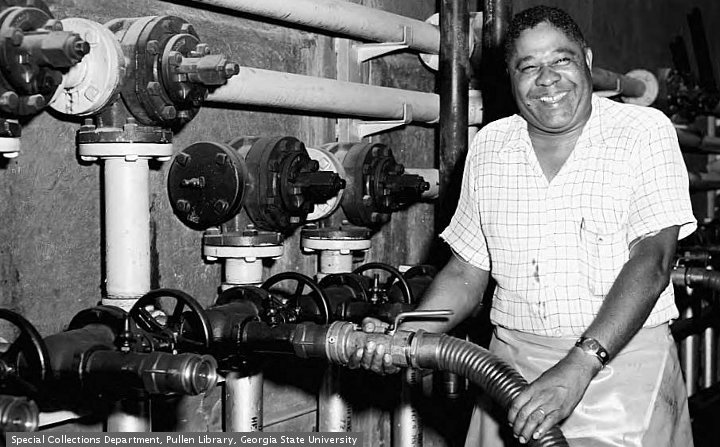
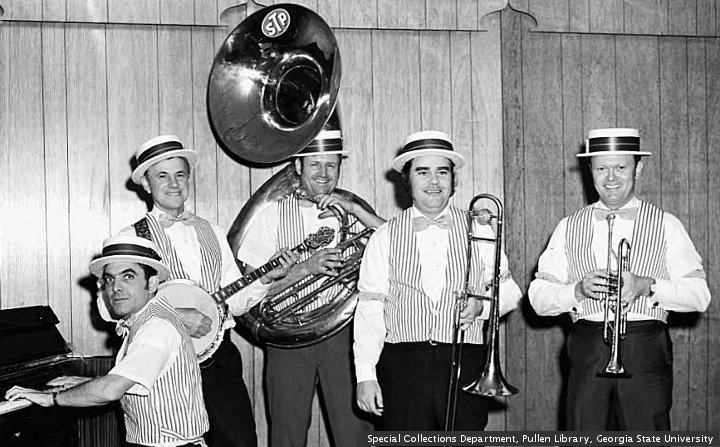
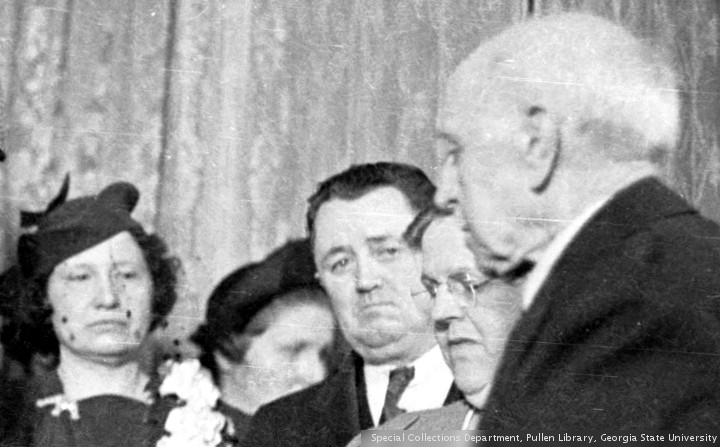
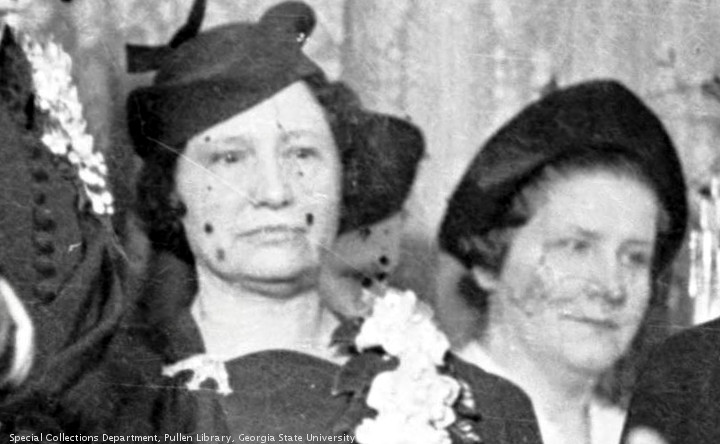
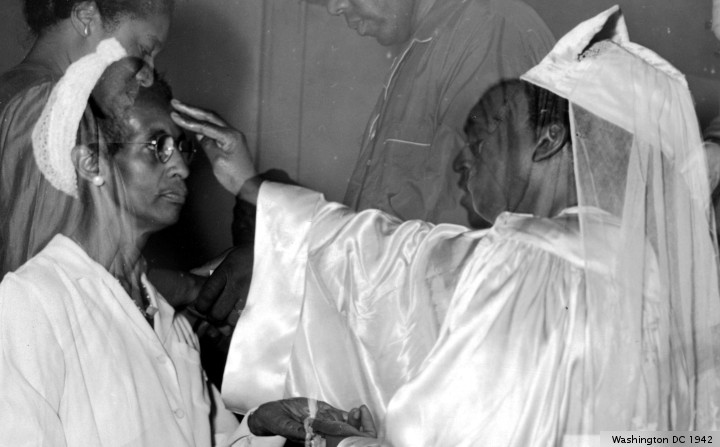
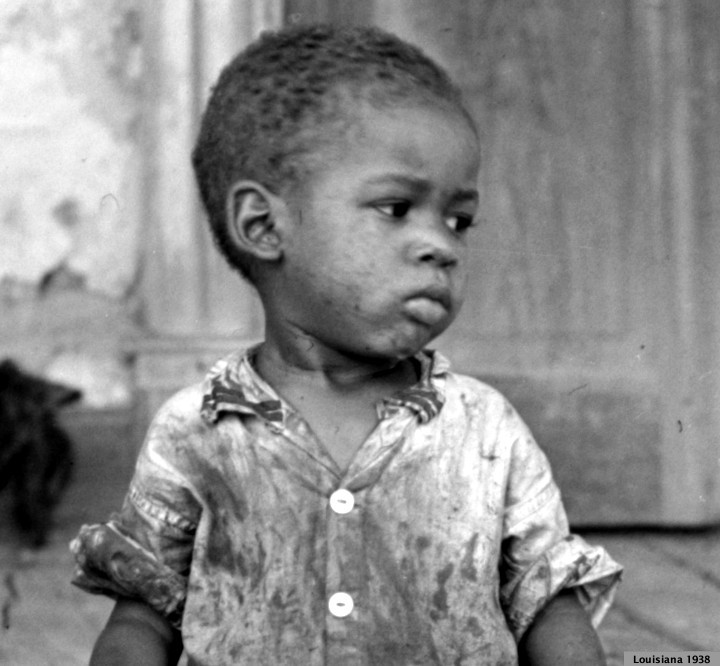
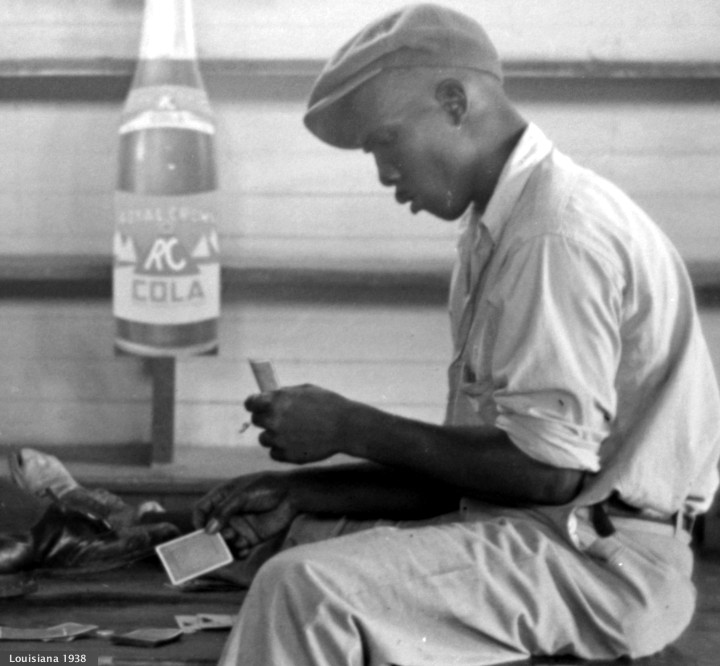
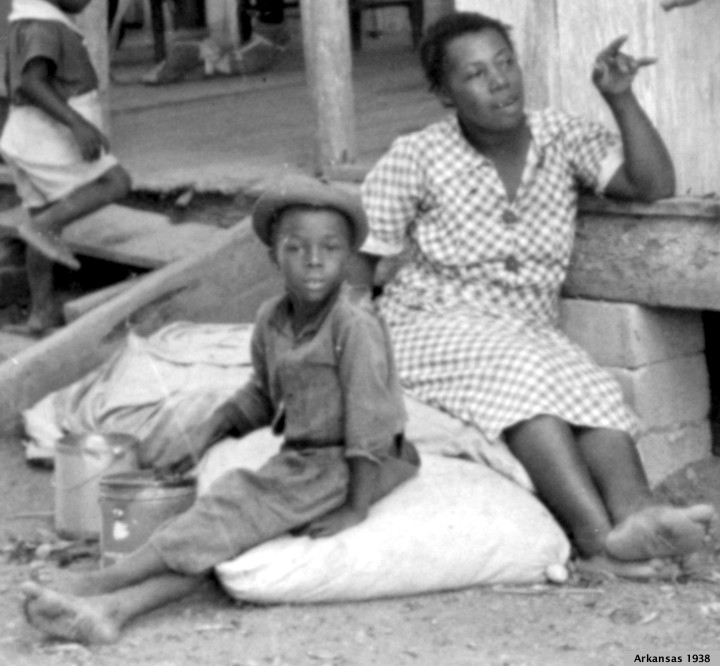
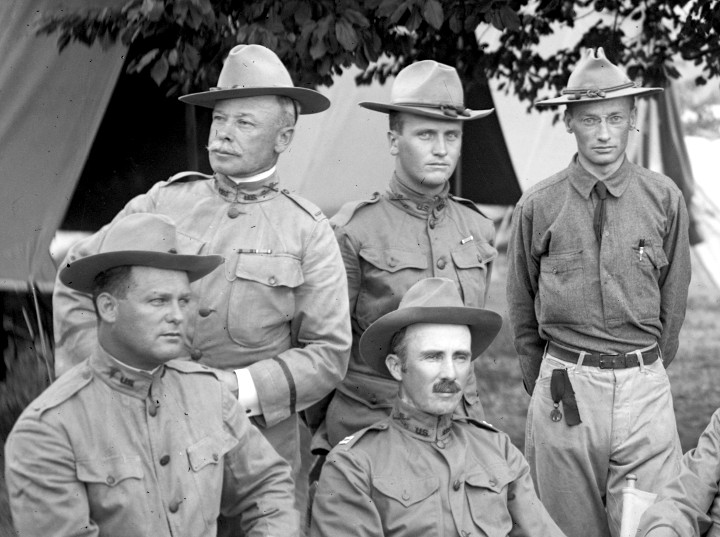
This is a double repost, on the subject that people can’t get enough of. If you can’t say anything good, you can always talk about racism. Pictures for this friday morning are from “The Special Collections and Archives, Georgia State University Library”.







Some times you see something, and realize that you are being pushed over a line. Today’s straw, landing on the camel’s back, was a meme. It has pictures of a statesman-like BHO, and a goat smiling BS. The text was white comic sans letters, on a black background. “Regarding those who call Obama an illegitimate president because his father was born in Kenya, Bernie Sanders replied: “No one asked me if I was a citizen or not, and my dad came from Poland. Gee, what’s the difference? Maybe the color of my skin.” The comment was from a Las Vegas town hall meeting. Some things that are said in Vegas need to stay in Vegas.
No one denies that white people and black people often do not get along. Few deny that there is systemic inequality. The connection of “birther” speculation to systemic inequality is tough to see. Of course, the definition of racism is elastic, and can fit whatever situation the observer wants to critique.
Are we helping the cause of racial tranquility by making comments like that? Yes, it is foolish for “birthers” to whine about a birth certificate. But entertaining followers in a town hall debate does not mean you are going to be able to govern. Maybe BS should focus on his economic fantasies, and quit scoring cheap shots about racism.
The Color Of My Skin was originally published in February, 2016, when BS was taken seriously. As we all know, HRC eventually got the Democratic nomination, only to lose to DJT in November.
Mr. Trump was one of the original “birthers,” or people disputing the Hawaiian birth of BHO. In the general election campaign, Democrats liked to say that DJT was a racist, with birtherism frequently given as an example. The many other unappealing parts of DJT, like crookedness and mental instability, were brushed aside, in the mad rush to scream racist. Some even went so far as to say that anyone voting for DJT was a racist. When the electoral votes were counted, DJT won.



A Response To Stacey


As you may have heard, Stacey Abrams gave the Democratic response to the State of the Union address. Politico provided a transcript for the remarks.
“For seven years, I led the Democratic Party in the Georgia House of Representatives…. So when we had to negotiate … the leaders of our state didn’t shut down. We came together and we kept our word.” The recent government shutdown was triggered by deficit spending. Congress needs to pass a bill to extend the limit on the national debt. In Georgia, the state constitution requires a balanced budget. The limit on the state debt is a non issue. Closing down the state government, while theoretically possible, has never been considered.
“We fought Jim Crow with the Civil Rights Act and the Voting Rights Act. Yet, we continue to confront racism from our past and in our present, which is why we must hold everyone from the highest offices to our own families accountable for racist words and deeds and call racism what it is — wrong.”
Racism continues to be a handy target for political rhetoric. The Democrats take particular joy in calling President Trump a racist, and extend this to all who support him. At some point, people who are seen as racist become the enemy. .
Being called racist is not the same as being racist. Often, racist is a playground insult, carelessly tossed around without consideration of consequence. What is racism, and what is prejudice? American needs to grow up, and quit fighting racism by insulting our neighbors.
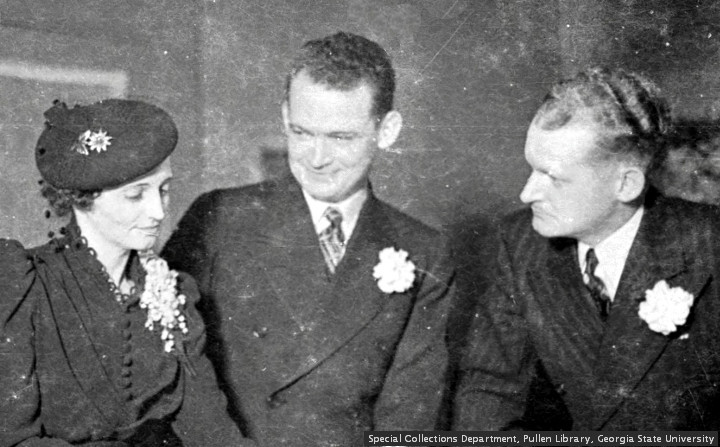
“Because America wins by fighting for our shared values against all enemies, foreign and domestic.” The problem with this rhetoric is who we call our enemy. If your racial values do not please your neighbor, then you are the enemy. This is where we are as Americans … quick to label our neighbor as our enemy. This is not how America wins. Pictures today are from The Library of Congress.


Was Warren Harding A Bad President?



It is a cliche of history classes that Warren Harding was one of the worst men to occupy the oval office. (Richard Nixon was the POTUS the last time PG studied history. This cliche does not consider the last forty years.) PG is a fair minded person, who is always looking for something to write about. The question for Mr. Google was “was warren harding a terrible president?”. Answers dot com has a generous helping of biographical sketches. Some of the links used in this article no longer work.
Warren Gamaliel Harding was born Nov. 2, 1865, Caledonia OH, and died Aug. 2, 1923, San Francisco CA. (His birthplace is also cited as Blooming Grove OH, and Corsica OH.) He published a newspaper, got into politics, and was elected to the US Senate. In 1920, he was a compromise candidate, on the tenth ballot of the Republican convention. He clobbered James Cox, (His family firm, Cox Enterprises, owns Channel 2 and the fishwrapper.) and became President March 4, 1921.
The United States was in an economic downturn in 1921. The War in Europe ended in 1918, and a postwar depression was on. The last two years of the Wilson administration had been chaotic, with the President suffering a debilitating stroke. In a few years, the roaring twenties were on, and America was prosperous for a few years.
Mr. Harding was reputed to be a womanizer, gambler, and heavy drinker. He was not an activist President, but allowed his cronies to do what they wanted to do. This proved to be his downfall. “I have no trouble with my enemies. I can take care of my enemies all right. But my damn friends. They’re the ones that keep me walking the floor nights!”
There was a major scandal involving oil reserves. It centered around a place in Wyoming called Teapot Dome. The details of this affair mostly came to light after the death of President Harding. Albert B. Fall, the secretary of the interior, was convicted of a felony for his role in the affair… the first cabinet officer to become a felon while in office.
Mr. Harding went on a trip to the west, to make speeches and deals. He was the first President to go to Alaska. While in Alaska, he read some documents about the crooked dealings of his friends. In a few days, he was in San Francisco. He had been in ill health during the trip.
“On Thursday, the President’s health appeared to be improving, so his doctors went to dinner. Harding’s pulse was normal and his lung infection had subsided. Unexpectedly, during the evening, Harding shuddered and died suddenly in the middle of conversation with his wife in the hotel’s presidential suite, at 7:35 pm on August 2, 1923. Dr. Sawyer (a homeopath, and friend of the Harding family), opined that Harding had succumbed to a stroke, but doctors there disagreed. … After some discussion, the doctors issued a release indicating the cause of death to be “some brain evolvement, probably an apoplexy”. Mrs. Harding refused to allow an autopsy. In retrospect, scholars speculate that Harding had shown physical signs of cardiac insufficiency with congestive heart failure in the preceding weeks. Naval medical consultants who examined the president in San Francisco concluded he had suffered a heart attack. “
The sudden and mysterious death of a President, with reports of a scandal surfacing, is fertile ground for conspiracy theorists. Mr. Harding did appear to be in poor health, so this may have been a natural occurrence. The truth will never be completely known.
One aspect of the Harding administration that is not well known is his attitude about race. In the years after World War I, America was engulfed in race hatred. The Ku Klux Klan had a revival. “In a speech on October 26, 1921, given in segregated Birmingham, Alabama Harding advocated civil rights for African Americans; the first President to openly advocate black political, educational, and economic equality during the 20th century.” Mr. Harding supported an anti lynching bill, which a Democratic filibuster kept from passing.
Jimmysnax brings the Internet tradition of snarky commentary to the legacy of Warren Harding. Apparently, former newspaperman Harding could not write his way out of a paper bag. (In 1923, radio was a novelty. The printed word was the primary means of communication.)
Run your eyes over one of the best known examples of his waterboarding of the English tongue: “I would like the government to do all it can to mitigate, then, in understanding, in mutuality of interest, in concern for the common good, our tasks will be solved.”
Here’s what H. L. Mencken said about Harding’s speech writing and speech making: “He writes the worst English that I have ever encountered. It reminds me of a string of wet sponges; it reminds me of tattered washing on the line; it reminds me of stale bean soup, of college yells, of dogs barking idiotically through endless nights. It is so bad that a sort of grandeur creeps into it. It drags itself out of the dark abysm of pish, and crawls insanely up the topmost pinnacle of posh. It is rumble and bumble. It is flap and doodle. It is balder and dash.” The 20’s were a wonderful time for language!
Or as E.E. Cummings put it, announcing Harding’s death: “The only man, woman or child who wrote a simple declarative sentence with seven grammatical errors is dead.”
Pictures are from The Library of Congress. This repost is written like Kurt Vonnegut.


The Narco State Rag


This feature was written July 13, 2010. The situation in Afghanistan is little better. If we leave, the country falls into chaos. If we stay, we spend money we don’t have. It is a bitch.
Some people euphemize bitch by saying that something is a bear. Across the frontier from Afghanistan, the Russian bear is dealing with a heroin epidemic. Some say the United States suckered the Soviet Union into invading Afghanistan in 1979. The disastrous war that followed led to the fall of the Soviet Union. We are still dealing with the karma.
Tom Dispatch has an audio feature about Afghanistan, and the many unanswered questions about our war there. We invaded Afghanistan to get revenge for 911, and looked for a reason later.
At the 3:06 mark on the tape, when Tom makes a comment Afghanistan being a narco state. PG had a flash of understanding about the reason behind this war. This may even have been powerful enough to ignore the reports about a terror strike in September 2001, and let 911 happen.
The rumors of CIA involvement in drug trafficking are wide spread and long term. When planes went to Central America in the eighties to bring arms to the contras, they came back to the United States loaded with cocaine. There are stories of collusion with the government in Cuba. There are many, many more stories about connections between the US government and the drug trade.
When the Taliban took over Afghanistan, they cracked down on the poppy farmers. Much of the raw opium for heroin/morphine/opium is grown in Afghanistan. This was not a pleasing for the CIA.
Could it be that the real reason for our involvement in Afghanistan is to ensure the flow of narcotics into the hungry world? This would be a big cash cow for the CIA, although not enough to justify the amounts of money being spent on the conflict.
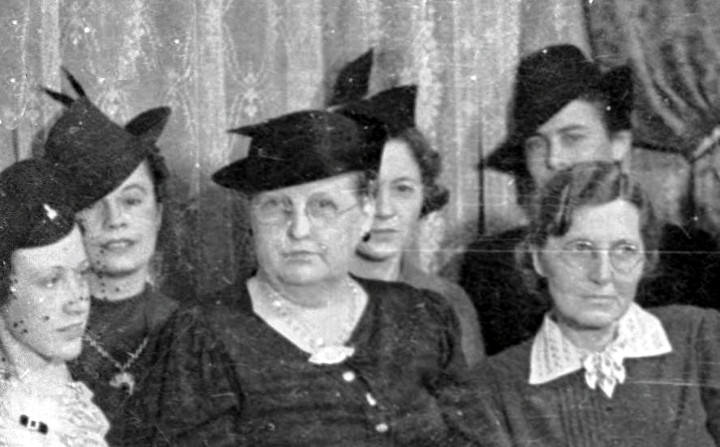
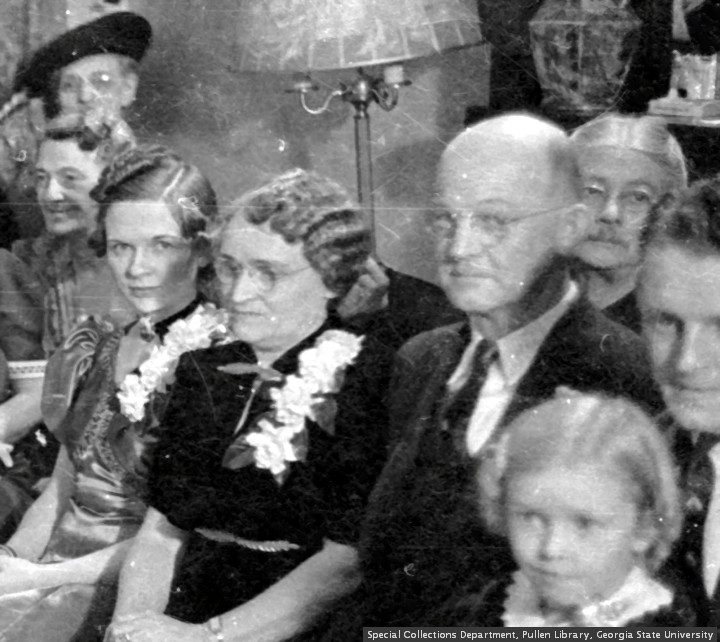
Pictures are from “The Special Collections and Archives, Georgia State University Library”.




April Glaspie Meets Saddam Hussein




Juan Cole at Informed Comment posts today about a document release from Wikileaks. The document is a cable sent by April Glaspie, the ambassador to Iraq, about a meeting with Saddam Hussein on July 25, 1990. This was shortly before his invasion of Kuwait.
In 1990, Iraq was recovering from a horrendous war with Iran. That war started Sept. 22, 1980, when Iraq invaded Iran, possibly with encouragement from the United States. (At the time of this invasion, Iran was holding Americans hostage in the American embassy. The United States was not pleased with Iran.) Iraq failed to get a quick victory, and the war became a bloody quagmire, with hundreds of thousands of casualties.
In 1990, Iraq was rebuilding, and Kuwait was flourishing. Oil was being over produced, driving down the price. Kuwait was accused of “slant drilling”, i.e. drilling under the border, and stealing oil from Iraq. At one point, a meeting was held between officials of Iraq and Kuwait . “Saddam…sent his foreign minister to Kuwait to meet with the Emir Al Sabah, the former leader of Kuwait, to try to resolve some of the… issues” between Kuwait and Iraq, Piro will recall. “And the Emir told the foreign minister of Iraq that he would not stop doing what he was doing until he turned every Iraqi woman into a $10 prostitute. And that really sealed it for him, to invade Kuwait.”
On July 25, 1990, Saddam Hussein summoned to American Ambassador, April Glaspie , to a meeting. The cable is Ms. Glaspie’s account of the meeting. PG cannot see a green light for invasion in this account of the meeting. Many say Ms. Glaspie could have made much more explicit the dire consequences of invading Kuwait.
The transcript of the meeting has been declassified for some time. It is available on the website of the Margaret Thatcher Foundation. It is worth noting that this transcript is not sworn testimony, and could contains lies and mistakes. It is also the POV of Ms. Glaspie, and Mr. Hussein may have gotten a different idea of what was said. Perhaps, to Mr. Hussein, it was a green light for an invasion.
The invasion of Kuwait, eight days after the meeting, on August 2, 1990, set in motion events that affect us to this day. A coalition was formed to drive Iraq out of Kuwait. There was talk of going to Baghdad and deposing Mr. Hussein at the time. The military action stopped after driving Iraq out of Kuwait, reportedly at the request of Saudi Arabia. Twelve years later, the United States attacked Iraq, and drove out the Hussein government. We are still there.
Historycommons.org has a timeline with a wealth of information about the progression of Saddam Hussein, from ally to next Hitler. The comments section for the post by Juan Cole at Informed Comment is the source of several links in this story. This is a repost. The wikileaks links have been deactivated. Pictures are from The Library of Congress.





The Problem With Greg Palast


Georgia’s Kemp Purged 340,134 Voters, Falsely Asserting They Had Moved In the aftermath of the election from hell, stories like this keep appearing. The source of these articles is a reporter named Greg Palast. He seems to have come out of nowhere. Nobody seems to know who is financing Mr. Palast, or why. Wikipedia has a link to a critical article, Et Tu, Greg Palast? The last sentence: “Crawl back under your rock, Mr Palast!” Pictures today are from The Library of Congress.
“Last year, Brian Kemp, Georgia’s secretary of state canceled the registrations of over half a million Georgians because they left the state or moved to another county. Except they didn’t. The nation’s top experts in address location reviewed Kemp’s list of purged voters — and returned the names and addresses of 340,134 who never moved at all.”
The counties register voters, maintain voting places, and count the votes … a detail that is overlooked in the rush to blame Brian Kemp. However, the state is, apparently, responsible for maintaining the voter rolls. (Chamblee54 has never seen this policy spelled out officially.) Greg Palast says, at top volume to anyone who will listen, that the state did not do the job well.
“Now what about the voter purges? An investigative piece by American Public Media reported that nearly 600,000 Georgia voters were removed from the rolls in 2017. Team Kemp has an explanation for that: A 2016 lawsuit brought by Common Cause and the NAACP over the state’s voter list temporarily halted the biennial purge of inactive voters. After the lawsuit was thrown out, Georgia had two cycles’ worth of inactive voters to remove from its list.”
“Many of these voters were dead, convicted felons, or had moved out of the state. But others—107,000, APM estimates—were kicked off “because they had not decided to vote in prior elections.” The report admitted that while purging voters for this reason is legal, “voting rights advocates say [it] is a potential tool for voter suppression.”
“That tool is the “use it or lose it” law, and Georgia is one of nine states to have adopted such a law since Congress passed the National Voter Registration Act in 1993. Here’s how it works: If a registered voter does not vote in any election in Georgia for three consecutive years, he is considered to be inactive. This is a designation that’s required by the 1993 National Voter Registration Act before a state can revoke a voter’s registration. The voter is notified via a prepaid return postcard that he is inactive and can become active again in three ways: by voting again, by returning the notice, or by otherwise making contact with local elections officials. The inactive voter has an additional four years (or two federal election cycles) to reactivate his registration. The entire process takes seven consecutive years and doesn’t require a registered voter to vote at all—only make some form of contact renewing the registration.”
“In June of this year, the Supreme Court overruled a lower court opinion on a similar law in Ohio and found such procedures are not unconstitutional. Justice Samuel Alito, writing the majority opinion, argued that federal law prohibits failure to vote as the “sole criterion” for revoking a registration. But Ohio’s “use it or lose it” law, like Georgia’s, includes the return notice process, which the majority concluded was fully in line with federal law. All of which is to say that the “purges” attributed to Kemp are in keeping with state and federal law, passed by duly elected representatives.”
The non-hysterical explanation does not totally contradict the Palast version, nor does it confirm it. Mr. Palast does not look creditable with his heavy breathing videos. His shameless race baiting, (Mr. Kemp, are you removing black voters from the voter rolls just so you can win this election?) does not help his case. Nor do the lies Mr. Palast is telling.
“He will be the one —when people go to the polling stations and find they’ve been purged, and they fill out those provisional ballots, it will be Brian Kemp who decides whether they get counted. Absentee ballots—you just heard how panicked he was about the massive number of absentee ballots coming in from voters of color, from Democrats. And he’s going to be able to decide which of those ballots get counted.” The counties count the absentee ballots. “Fulton County, the heart of the Atlanta metropolitan area, rejected 1 out of more than 17,000 submitted absentee ballots, according to the secretary of state’s data file. Nearby Gwinnett County received a similar number of ballots, 20,000, but rejected nearly 1,600, or more than 7 percent of them.”
“We’d listed all purged voters at GregPalast.com two days before close of registration” This is a wonder of technology. You enter a name, click on search, and the wizard tells you if you have been deleted. Chamblee54 decided to try a few names. If you enter the last name, without a first name, you can get a list of names, and zip codes. If you enter Smith, you get 100 names, and zip codes. If you narrow that to John Smith, you get 100 names, and zip codes. Williams, Wills, Henson, Jones, Johnson, Patel, Maddox, and Abrams all showed 100 names, and zip codes. To be fair, not all last names gave this result. Kaufman yielded 44, and Navarro yielded 51.


The Problem With Stacey 2015 Edition



The New Georgia Project was Stacey Abrams’s baby. She was going to register POC voters, and turn Georgia blue. It did not quite work out that way. “Of course, Abrams might be forgiven had the New Georgia Project met its goal of registering substantial numbers of new voters. Instead, there were fewer new voters registered in 2014 than there were in 2010, when there was no comparable registration drive. … there are rumblings that Abrams’ skills as an executive are lacking, as evidenced by her mismanagement of both the NGP project and the Democratic election effort.”
Some were suprised when Miss Abrams took up the voting rights fight. “Four years ago” (in 2011), “she voted with Republicans to reduce early voting from 45 days to 21 days, effectively breaking away from staunch voting rights supporters on the issue.” There were indications that “Abrams focused on fundraising and wasn’t typically involved with NGP’s daily operations.” “In an interview, Kemp said that investigators are working to track down canvassers and voters who appeared multiple times in the project’s applications. He attributed any issues with getting the project’s voters on the rolls to the “sloppiness” of canvassers and not a dark political motive.”
Miss Abrams was an effective fund raiser, and millions pored in. Not everyone thinks it was well spent. “State Sen. Vincent Fort, D-Atlanta, … says Abrams, as the initiative’s founder, ought to disclose NGP’s registration numbers and outline its operations. “We need to know how much money was spent, where the money came from, and what companies and individuals received the resources.” Sen Fort told Atlanta Magazine “She hasn’t been open and transparent. … Her funders don’t know where her money went. More importantly, the public doesn’t know where the money went.” “William Perry, founder of Georgia Ethics Watchdog, believes the lawmaker should make her financial records … public …It’s a glaring example of what makes people sick about politics.”
“In 2014, The Secretary of State office investigated The New Georgia Project. “The investigation started with a single complaint. A Butts County election official reported that some canvassers were illegally telling voters they were required to re-register for the election. The complaint was filed on May 5, six months before Election Day, and prompted Kemp’s office to launch a small-scale probe into NGP the following week.”
“The secretary of state’s office didn’t receive another formal complaint about NGP for months. But other problems, though officially unreported, continued elsewhere. Before the May primary, longtime Muscogee County Elections and Registration director Nancy Boren says two of her employees were asked at a Columbus, Ga. grocery store if they wanted to become paid canvassers for $11 per hour. The NGP workers were unaware they had approached election office staffers, Boren says. Her employees asked for more details about the gig.”
“Boren says, “[NGP employees] said, ‘You can make $11 per hour, but you have to turn in a certain number of voter registration forms each week. If you don’t turn in that number, you don’t get asked back. If you’re asked back the next week, and you meet your number again — I hate to use the word quota — maybe you’ll get a ride to work, too.'”
“Brad Jones, a Savannah State University student who worked as an NGP canvasser, expressed concerns to local TV reporters about the legitimacy of the initiative’s practices in late May. He said the operation had poorly trained canvassers, improperly collected people’s personal data, and instructed registrants to vote at a nonexistent polling precinct. The allegations prompted the NAACP’s Johnson to hold a press conference, where he reiterated the group’s protocols, effectively distancing his organization from NGP’s work.”
“On Tues., Sept. 9, Kemp slapped both NGP and TSD (Third Sector Development, an Abrams led non-profit) with a subpoena demanding that all of their documents be turned over in one week’s time. He also informed elections officials in Georgia’s 159 counties about the “significant illegal activities” found in the initial investigation — a message that initially raised eyebrows among his critics. Five more county election officials responded with new voter fraud complaints by the end of the next day.”
“As NGP wound down its voter registration efforts that same week, Abrams launched a public relations battle against the secretary of state’s office. … With supporters in tow at the Sept. 17 press conference, Abrams fought back. The state rep questioned Kemp’s motives for launching the probe. She also criticized his office’s “slow internal processes and a potentially flawed matching system.” During her remarks, she pointed to 13 stacked plastic boxes with white, pink, and turquoise lids, filled with more than 51,000 pieces of paper. Each one, she explained, represented a Georgia resident who wanted to vote, but potentially couldn’t because his or her application had gone unprocessed.”… “CL has made repeated requests to view the thousands of unprocessed applications to confirm their existence. NGP denied each request, citing rules from Georgia’s election code, specifically Section 183-1-6.02, protecting voter registrants’ personal information.”
“With no resolution in sight, the Lawyers’ Committee filed a lawsuit on behalf of New Georgia Project and the NAACP. The suit demanded that Kemp and Chatham, Clayton, DeKalb, Fulton, and Muscogee counties, all of which are strong Democratic bases where NGP says it collected the most applications, immediately add tens of thousands of voters onto the state’s rolls by any means necessary. … Throughout October Abrams made speeches, conducted interviews, and appeared on national television to discuss how unprocessed applications had fallen into a “black hole … The Lawyers’ Committee filed an open records request, and eight activists went to jail following a sit-in inside Kemp’s office. … NGP’s legal effort stalled during a two-hour hearing on Oct. 28. Fulton County Superior Court Judge Christopher Brasher … tossed out the petition because it was “entirely devoid” of evidence against the secretary of state or local county registrars.”
Brian Kemp does not look good here. “The voter suppression accusations are believable. Kemp has a track record of allegedly blocking access to the polls. … Kemp has also refused to comply with the National Voter Registration Act in the past. State agencies, which by law are required to offer residents who receive public benefits the opportunity to register to vote, weren’t doing so for years. The secretary of state’s office agreed to enforce that mandate only after the NAACP and the Coalition for the Peoples’ Agenda filed a lawsuit in 2011. … “We were criticized for being on a witch hunt, but we handled this case just like we do with any other complaint,” Kemp says. “People were calling me a racist and a vote suppressor — that bothered me a lot. That’s not the case. It’s very hypocritical for people to say that.”
There were numerous critics of Stacey Abrams in 2015. “NGP’s well-funded, high-profile initiative may not have performed better than past grassroots efforts to register minority voters. According to Democratic database VoteBuilder, 2014 showed little to no progress among potential minority voter registration compared to average annual gains in recent nonpresidential elections.”
“One Democratic strategist and former Abrams staffer says, “[New Georgia Project] under performed what was done in 2010. Absolutely nothing was done in 2010. It’s hard to grasp how unsuccessful her effort was, given the amount of money raised.”
“Another concern was about the Abrams lawsuit, in response to the investigation. “Multiple sources say that Abrams, in filing a lawsuit that potentially distracts from her voter registration numbers, could jeopardize voting rights advances. If the missing applications don’t exist, one state lawmaker says, Abrams will have undermined the very people her initiative sought to uplift. “This is something that I’ve been worried will break, because it completely substantiates the false, hyperbolic idea of rampant voter fraud that’s used, in my opinion to chill and suppress voter turnout.”
Stacey Abrams recently not-conceded the Governor’s race. Her high octane charges of voter suppression were accepted, without question, by the national media. Stacey Abrams is a charismatic figure, with a talent for grandstanding. As another snake oil salesman put it, “Stacey Abrams fought brilliantly and hard – she will have a terrific political future!” Pictures today are from The Library of Congress. A fine article in Creative Loafing, The New Georgia Problem, was used in this feature. Readers are encouraged to read the original for themselves.







Rally At The Capitol Turns Nasty
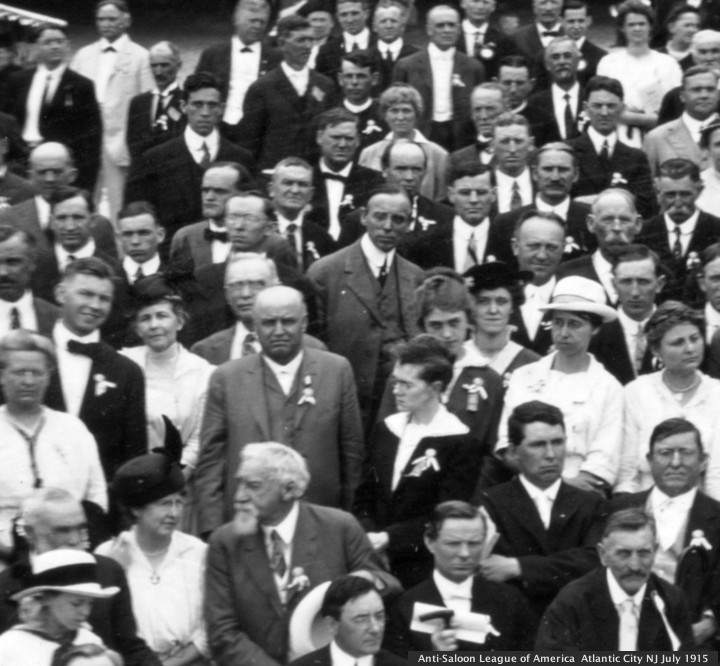
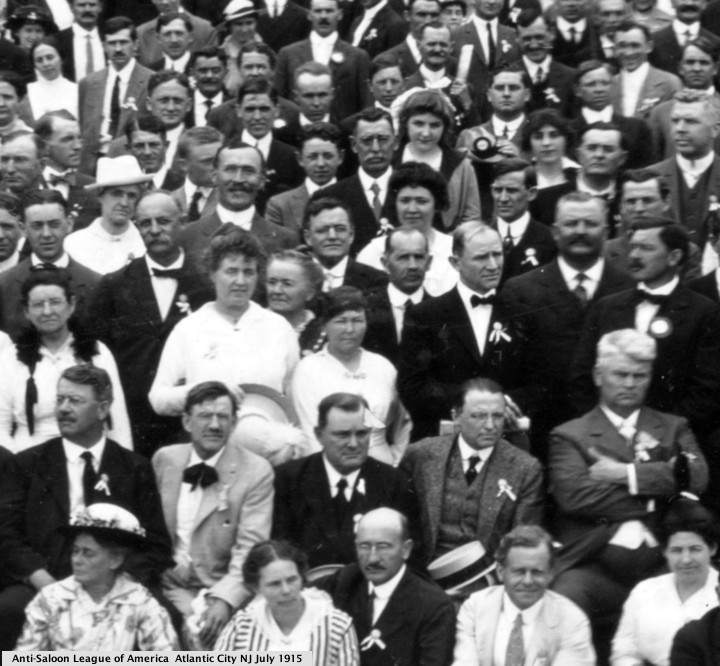
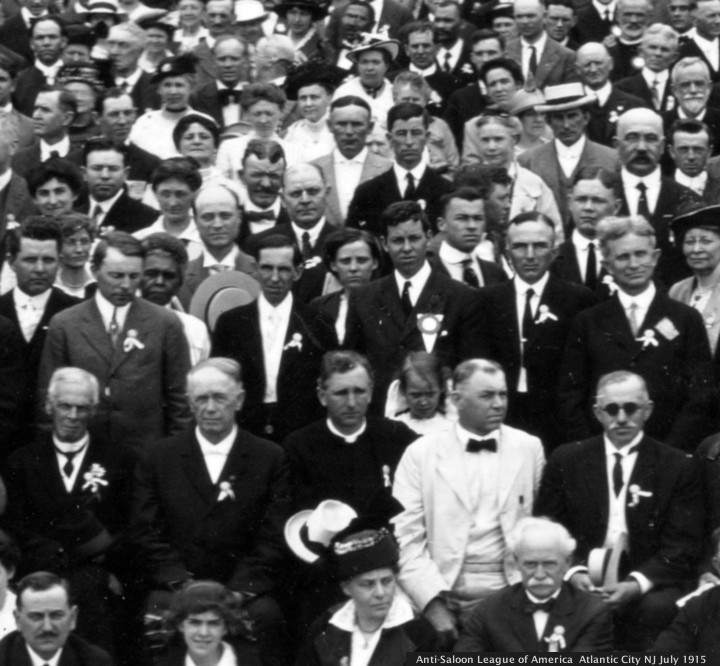
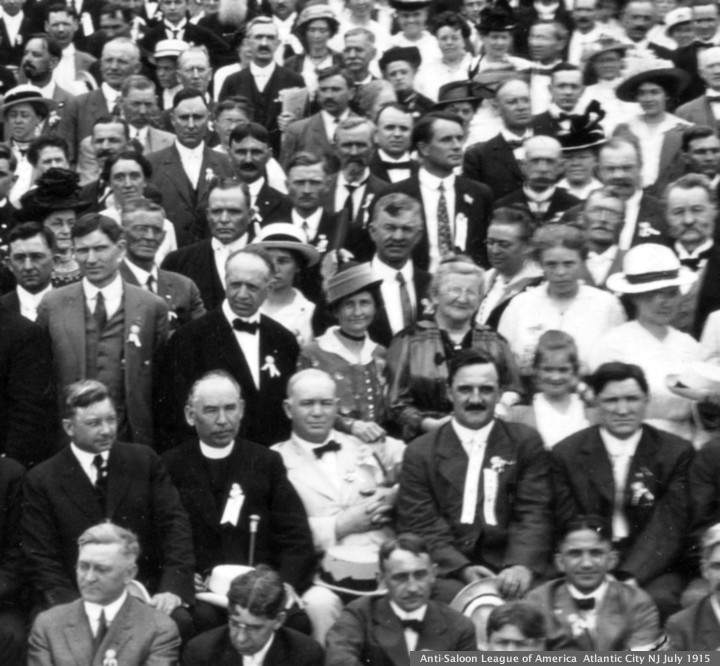

Georgia state senator, protesters arrested at Capitol while demanding ‘every vote count’ There was a protest at the Gold Dome today. The issue was voter suppression. This has been a prominent issue for Democrat Stacey Abrams. Republican opponent Brian Kemp is routinely accused of suppressing the vote, particularly among people of color. Many of the things Mr. Kemp is blamed for are done by the counties. This is not mentioned by the Democrats, who know a good issue when they see one.
Rallies at the Capitol are routine. A few years ago, Liberty Plaza was built across the street. This way, people can have their free speech, and the business of running the state can continue. For some reason, the protest today was inside the Capitol building. The crowd was shouting “no justice no peace,” among other things. The police told the crowd they needed to behave. The crowd did not. People were arrested. The election from hell continues.
Capitol and Grounds Exhibit and Event Guidelines is quite clear about this. “State law prohibits: Parading, demonstrating, or picketing within the state capitol building or any building housing committee offices, committee rooms, or offices of members, officials, or employees of the General Assembly or either house thereof with intent to disrupt the orderly conduct of official business or to utter loud, threatening or abusive language or engage in any disorderly or disruptive conduct in such buildings or areas. See O.C.G.A. 16-11-34.1 (g).”
State Sen. Nikema Williams was one of the people arrested. Some say that since she is a State Senator, she should not have been arrested. “Article III, Section 4, Paragraph IX of the Georgia Constitution, on the privilege of members, says “the members of both houses shall be free from arrest during sessions of the General Assembly, or committee meetings thereof, and in going thereto or returning therefrom, except for treason, felony, or breach of the peace. No member shall be liable to answer in any other place for anything spoken in either house or in any committee meeting of either house.” Does the protest today constitute a breach of the peace? That is a matter for lawyers to decide.
The followers of Stacey Abrams have played this game before. The rules don’t apply to them. During the Democratic primary, supporters of Miss Abrams shouted down her opponent, Stacey Evans. Miss Abrams defended the action. “I do not believe that you silence those who feel they are voiceless, because the minute we do that we are no better than those who tell people they can’t kneel in protest.” Miss Abrams was also involved in some protests in 1992, while a student at Spelman College.
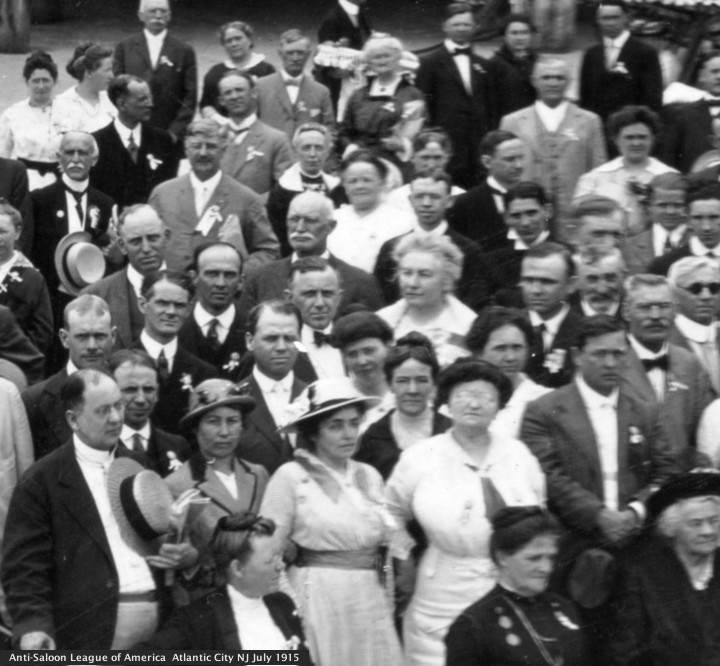
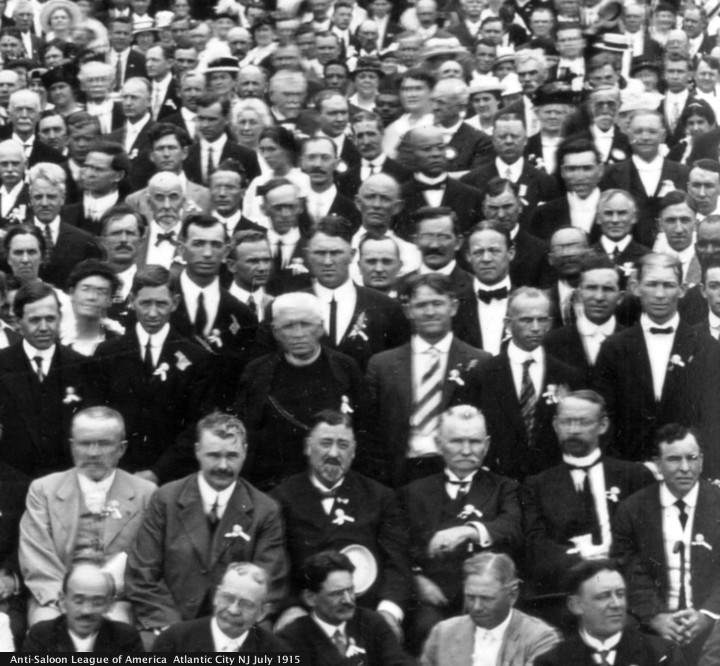
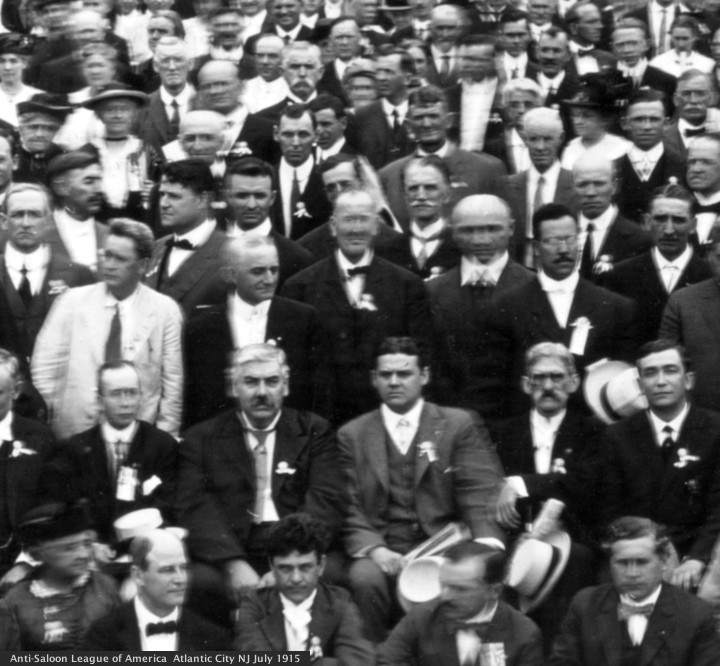
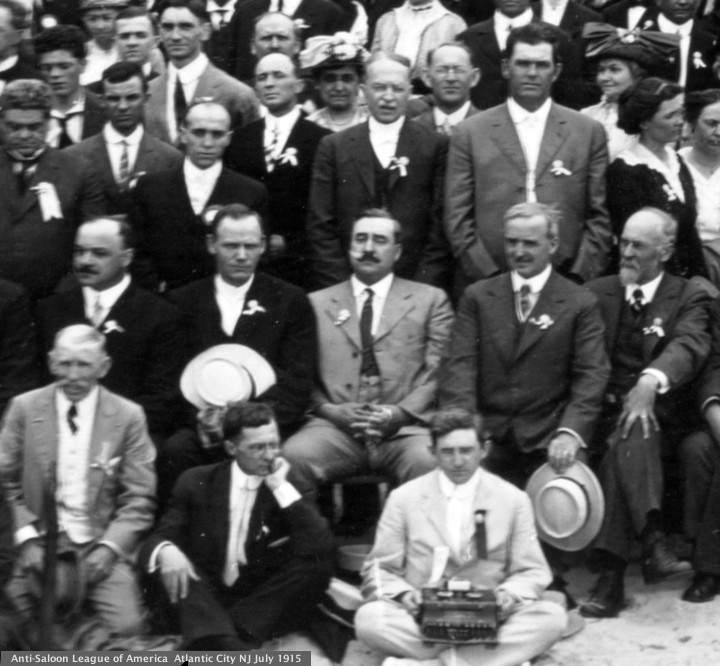
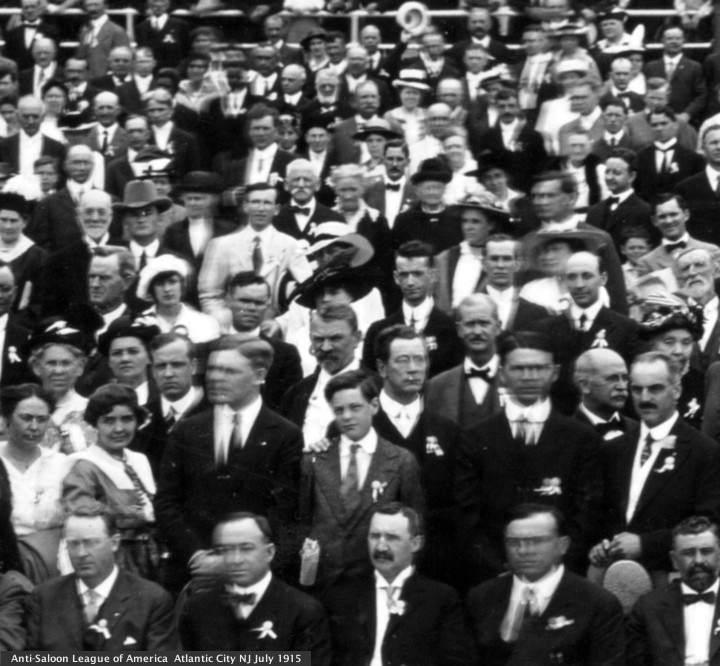
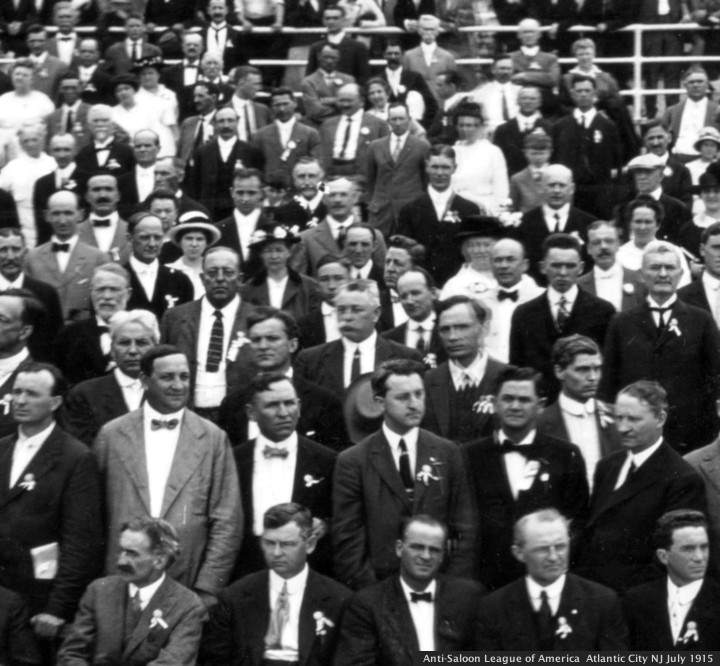
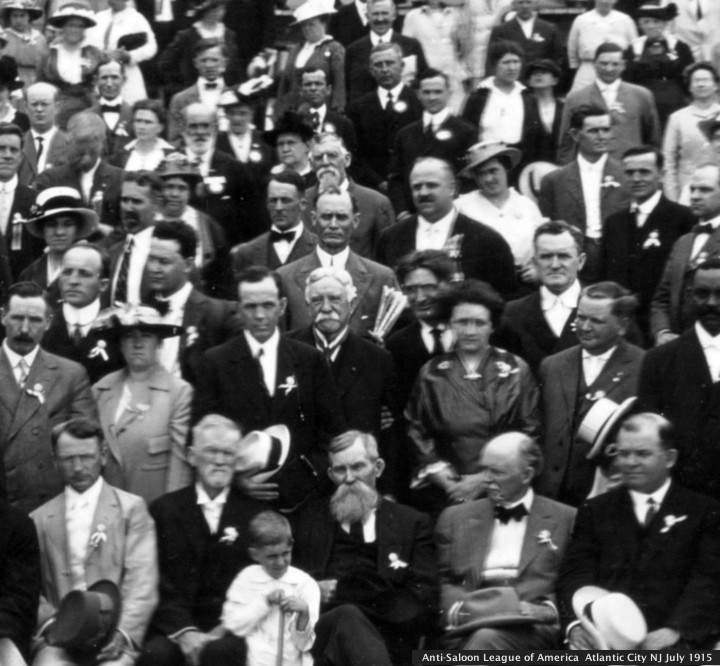
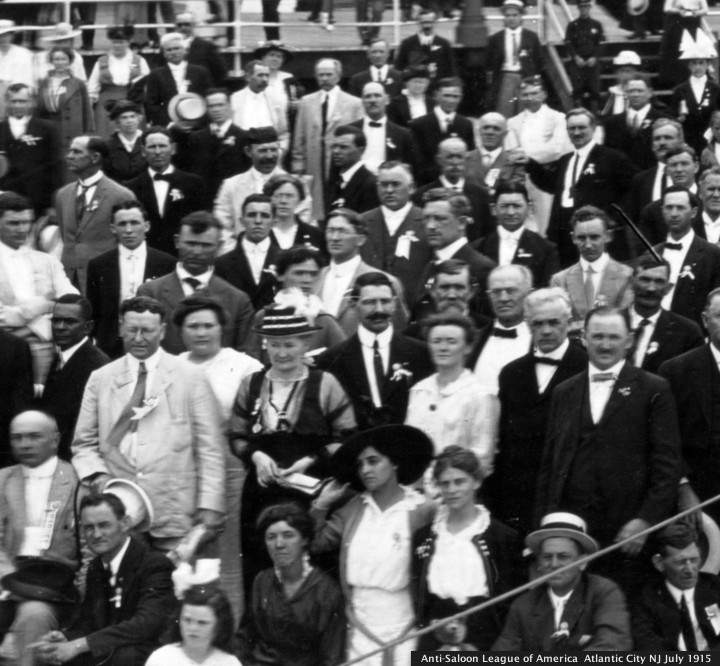
Pictures today are from The Library of Congress. “Sixteenth Convention, Anti-Saloon League of America at Atlantic City, N.J., July 6-9, 1915.” Thomas Sparrow, photographer

We Were Lied To




One of the tropes in the Georgia gubernatorial election is voter suppression. The story goes that the Secretary of State’s office is making it more difficult for certain people to vote. Since the Secretary of State, Brian Kemp, is the Republican candidate, this issue is getting a lot of play. Voter suppression has been the number one issue for the Democrats, and their candidate Stacey Abrams.
Sec. Kemp Submits Resignation to Gov. Deal. This was the news today, two days after the election. If only for the sake of appearances, this should have happened a long time ago. The election is close. Is it a good idea to have one of the candidates counting the votes?
The comments are where things get interesting. “If he did this last week, many a problem would have been resolved or not even created.” “Nothing would have changed. Each county is responsible for it’s own elections and tabulation and certification of those elections. They process absentee and provisional ballots for their own county. The data is uploaded to the Secretary of State’s office for compiling. I wish more people would go observe how the process actually works in their county.” “But, the damage was mostly done during the registration processing anyway.” “Well, guess who processes registrations – the counties. Also, compiles the data submitted by the county – They don’t create the data, they just compile and report it. The counties certify.”
We have been lied to. If Brian Kemp had the political sense to resign several months ago, he would have removed the appearance of impropriety. The Democrats would not have had an issue to run on, except their proposals for education and health care. Every candidate is going to improve education and health care. Spending tax money is what politicians do.
Pictures today are from The Library of Congress.




Dorothy Parker and Thomas Jefferson



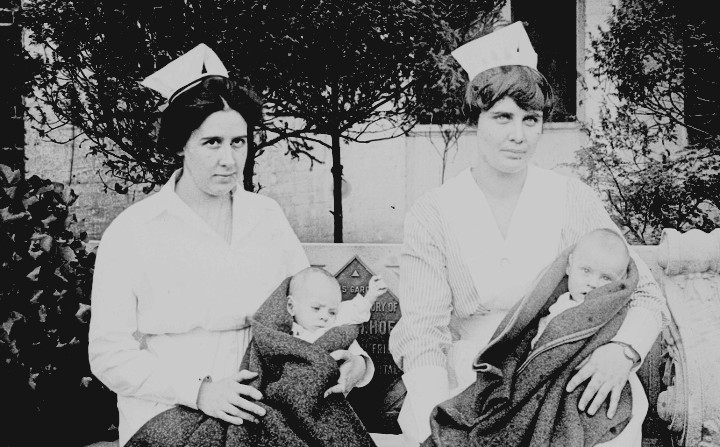

BigO is a site with mp3 downloads. Most of them are concerts. PG found one exception. It was a 1960 interview, STUDS TERKEL WITH DOROTHY PARKER/BOB NEWHART – CHICAGO 1959/1960. Pictures today are from The Library of Congress. This is a repost.
Dorothy Parker is somewhat of a legend. There were the funny sayings, a few poems and stories, and her life. Mrs. Parker was well known as a witty person during the twenties. She drank, a lot, and talked often of suicide. It was surprising to find a 1960 interview.
In fact, Dorothy Parker died in 1967, at the age of 73. By 1960, she was in decline, living at the Manhattan’s Volney Hotel. “Edmund Wilson … paid occasional painful visits to her at the Volney. (“She lives with a small and nervous bad-smelling poodle bitch, drinks a lot, and does not care to go out.”) … She was still revered, a legend, but she had also become a pathetic relic. Yes, “you might as well live,” but for what? And on what? Not only was she running out of old friends, she was running out of money, though uncashed checks, some quite large, were strewn around her apartment (along with the empty bottles), not helping with unpaid bills.”
There were some zesty quotes in the interview with Mr. Terkel. “I can’t call myself a critic. Honestly. I can only put down what I think and pray there isn’t a libel suit.” “I’m not a poet, you know, I just write verse” “The beat boys aren’t saying anything except look at us aren’t we great … I don’t think the beat generation is much worth worrying about. Very soon, in the very near future, they will be as forgotten as mah jongg.”
Towards the end of the interview, Mr. Terkel said “i know some people would want me to ask, did she really say all those things that she was quoted as saying” “… no, no, and it was a curse on me, it was simply awful the things that were attributed to me. I wouldn’t have minded if they had been good. I was, in effect, the shaggy dog of my time.”
Another quote magnet for the meme generation is Thomas Jefferson. PG saw yet another inspiring quote on facebook today. Mr. Google was consulted. It turns out the quote is real.
Thomas Jefferson to William Hamilton, 22 April 1800 is the source. Vice President Jefferson was going to be elected President later that year. It is not known what effect that had on the quote in the meme. “I never considered a difference of opinion in politics, in religion, in philosophy, as cause for withdrawing from a friend.” It is not known whether a twenty first century Jefferson would unfriends anyone who says anything unappealing.





Chamblee54 Voters Guide


The Governors race is not the only thing on the ballot tuesday. You can go to My Voter Page and get a sample ballot for your district … assuming you have not been deleted. This voters guide will focus on three races: U.S. Congress District 6, Georgia Senate District 40, and Georgia House District 81. A handful of constitutional amendments will be considered.
Democrat Lucy McBath is trying to replace registered poopyhead Karen Handel in #GA06. Mrs. McBath has some good ideas, and should be a clear choice over Rep.Handel. Unfortunately, Lady McBath uses a telemarketing company to promote her campaign. PG has recieved three phone calls from this company. The voice pretends to be taking a survey. Soon, she asks you to react to statements about the candidates. Most of the statements are complimentary to Mrs. McBath, and derogatory to Rep. Handel. It is obvious who is paying for the message.
Carlton Heston is a fresh young voice in the GA06 race. Mr.Heston is running as a write-in candidate, and deserves your vote. Breaking away from the Democrat/Republican duopoly is important.
Robocalls, posing as surveys, were used by Democrats in both Senate District 40 and House District 81. The Senate Demo is Sally Harrell, seeking to replace Republican Fran Millar. Mr. Millar (pronounced Miller, like the beer) is a well connected gold dome veteran. Despite his troubling views on health care funding, Mr. Millar should be re-elected. It makes sense to have one Republican representative, and one Democrat.
The Georgia House race is more troubling. PG met the Republican challenger, Ellen Diehl, before the primary. She seems like a fairly smart lady, and might do a good job as our representative.
One troubling moment in the conversation came when PG asked about the Atlanta water supply. Atlanta depends on an overgrown trout stream for its water, and is one drought away from disaster. PG asked Ms. Diehl what she would do about securing a dependable source of water. Ms. Diehl made a snide remark about sending water to the reptiles in Florida. (Georgia is required to share water, from the Chattahoochee River, with Florida and Alabama.) The comment by Ms. Diehl might amuse some Republicans, but is not a responsible solution. PG reminded Ms. Diehl that Atlanta does not own the Chattahoochee, but must share the water. The conversation moved onto another subject.
This race should be a no-brainer. The Democratic incumbent, Scott Holcomb, is a fine man. He has represented the district well. Unfortunately, Rep. Holcomb sponsored a robocall survey from 20/20 Insight. What made the call such a trust buster was the negative statements about @iDiehl4Georgia. 20/20 Insight said that Ms. Diehl was a fanatic supporter of Donald Trump, who “… lives w/ life-size cutout of Trump & talking Trump doll.” The text is from the twitter feed of @RepScottHolcomb. Seeing that insulting … both to Ms Diehl, and the intelligence of the voters … comment, on twitter, is evidence that Rep. Holcomb sponsored the robocall survey.
The ballot has nine other races, for a variety of statewide positions. Lieutenant Governor, Secretary of State, and Attorney General are up for grabs, along with a handful of others. In a curious move, the Republican is always listed on top of the Democrat, regardless of alphabetical order, or incumbent status. There are two Dekalb County races. Jeff Rader is running unopposed for the County Commission. Voters will choose two people for DeKalb County Soil and Water Conservation District Supervisor. H. Anthony Gobert, and Carol Hayes, are the only candidates in this race.
A collection of constitutional amendments are on the ballot. If you are not afraid of legalese, here is the long version. Amendments two and four are getting the most negative attention. Why I’m Voting NO on Georgia’s Amendment 4 – Marsy’s Law deals with number four. Marsy’s Law deals with the issue of victims rights. Many of the provisions it calls for are already on the books.
Parks Bond Referendum is on the ballot, as Brookhaven enters the capital improvement game. Some are opposed to the measure. There is also a proposal to allow alcohol sales at 11 am on Sunday, instead of waiting until 12:30.
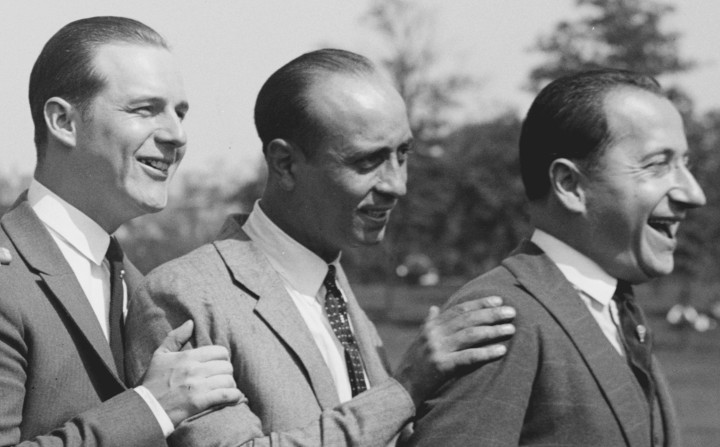
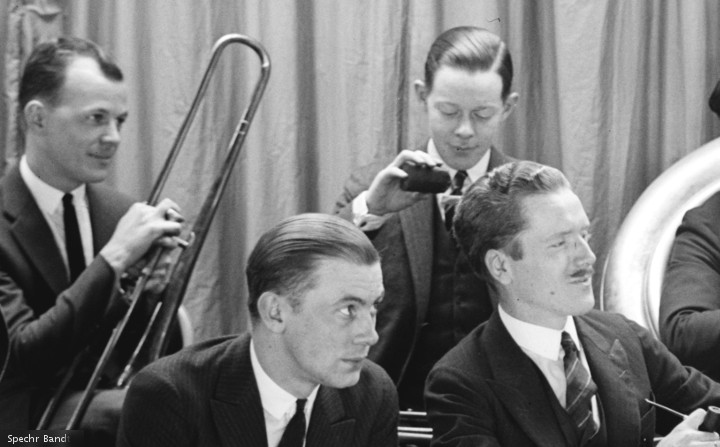
Pictures today are from The Library of Congress. The photographer was Lewis Wickes Hine, working on June 5, 1916. “Miss Mackay’s Pageant Children of Sunshine and Shadow as presented at Washington Irving High School. New York, NY.”


Brian And Stacey
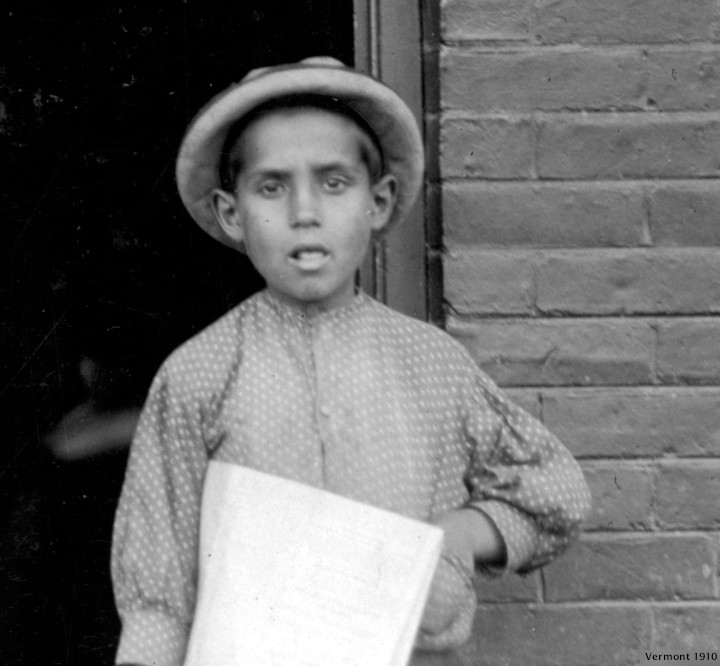


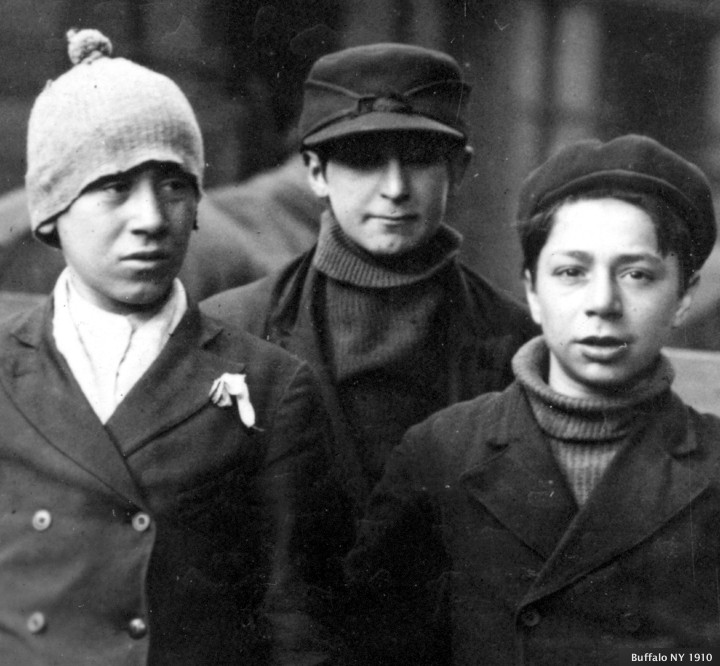
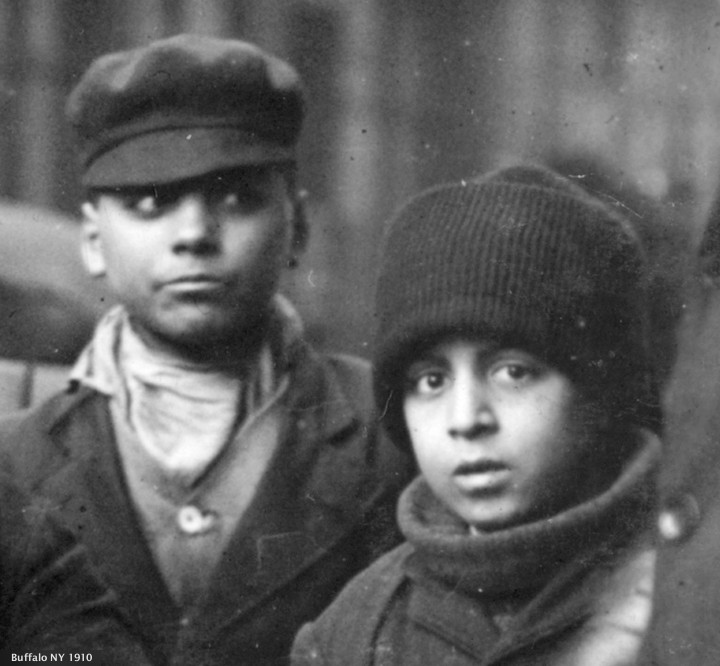
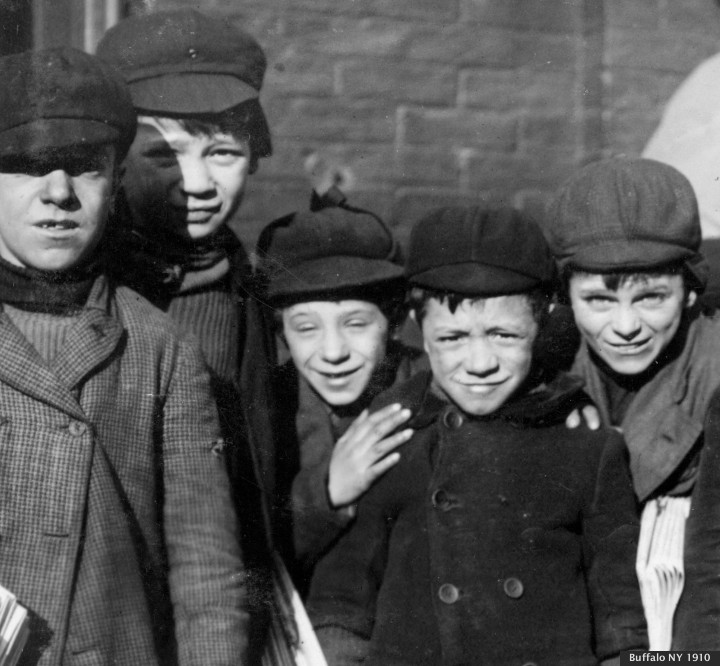
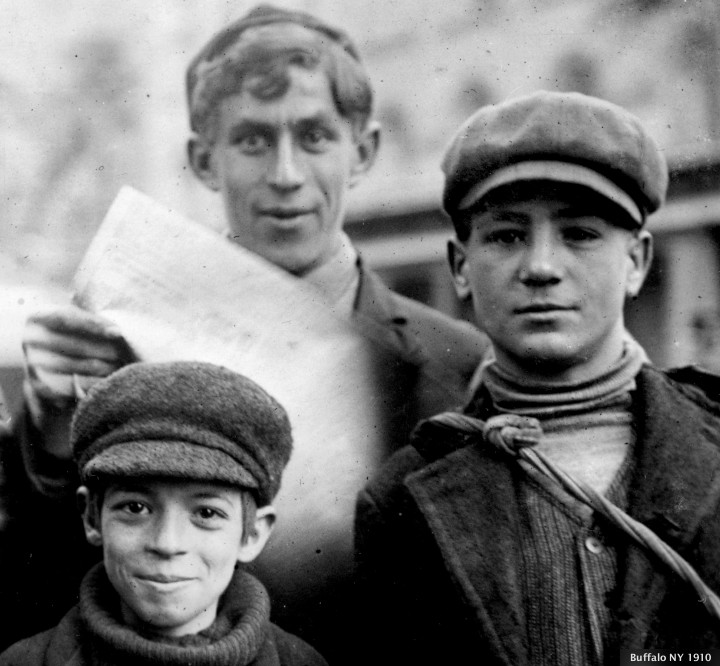
Georgia will vote on a new Governor Tuesday. The candidates are, in alphabetical first name order, Republican Brian Kemp, Democrat Stacey Abrams, and Libertarian Ted Metz. Mr. Kemp and Mr. Metz are white men, while Miss Abrams is a black woman. The winner will be either Mr. Kemp or Miss Abrams. Mr. Metz represents are the possibility of a runoff.
Miss Abrams won the Democratic primary. Her tactics included having admirers shout down her opponent. Miss Abrams was criticized for this, and the incident was mostly forgotten. There have no similar incidents during the general election campaign.
Mr. Kemp is the Secretary of State. This office will be counting the votes. It is not know exactly how involved the SOS is in day to day operations. The optics are bad for the SOS to be both running for Governor, and counting the votes.
Voter suppression is a big issue for the Democrats. There are numerous charges of voter registrations being thrown out, absentee ballots not being counted, and voters purged from the rolls. Some say that voter suppression is a code word for racism. The corporate media loves to denouce racism in Georgia, and has gone crazy over this story. It is tough to tell what is real, and what is campaign noise. If Mr. Kemp wins, there is a possibility of the election being challenged in court.
Miss Abrams has an assortment of promises about health care and education. She probably will not get much help from the Republican dominated legislature. Her other two issues are (1) Stacey Abrams is a black woman, and (2) Brian Kemp is suppressing the vote.
Mr. Kemp is not performing well. A recent TV debate was cancelled after Donald Trump announced a visit to Georgia, at the same time as the debate. When taken to task about this, the Kemp campaign issued a bizarre statement. “After repeated efforts to schedule a debate on the issues that matter most to Georgia voters, radical Stacey Abrams decided she would rather hide behind television ads paid for by San Francisco socialists than face the voters and defend her extreme agenda that will raise taxes by $13,000 a person, give welfare and voting rights to illegal immigrants, and usher in the government takeover of healthcare. While Abrams has decided to duck the electorate, Brian Kemp will continue to travel the state on his Putting Georgians First Bus Tour. He’s proud of his record and confident that his plans for our state will keep Georgia working!”
Lets take a look at the 66 word sentence. “radical Stacey Abrams … television ads paid for by San Francisco socialists” Good grief. Focus group conservatives have been flogging that donkey for years. Maybe it will work one more time. “extreme agenda that will raise taxes by $13,000 a person” As one observer notes, “They don’t believe in science and can’t do math. $13,000 a person x ten million is $130 billion. The state’s current budget (excluding federal contribution) is what, $25 billion? It’s why even listening is a waste of time” “give welfare and voting rights to illegal immigrants, and usher in the government takeover of healthcare.” The Governor does not control these issues. This statement forgot to mention this: Stacey Abrams: Send GBI to Seize and Destroy Weapons, Magazines, Bullets
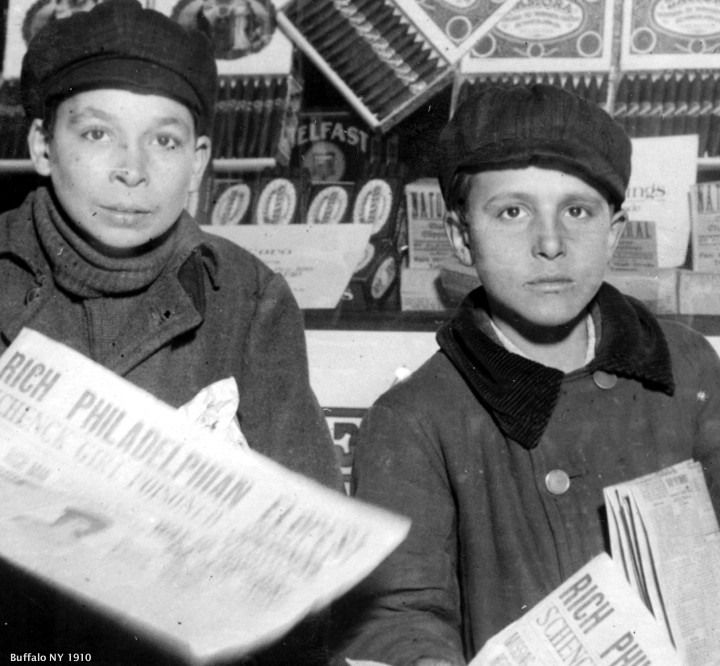
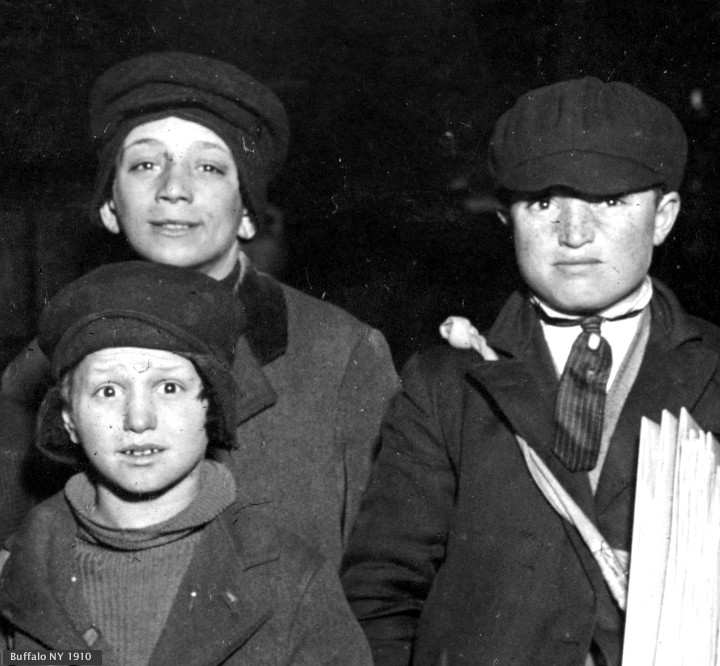
The good news is the election is tuesday. Unless there is a runoff, or a court challenge, we will know who the next Governor is on wednesday. PG will vote a secret ballot, and do his best to deal with the winner. Pictures today are from The Library of Congress.





leave a comment