Howard Zinn






Howard Zinn, author of A People’s History of the United States: 1492 to Present, spent an hour talking on Booknotes. This is a C-SPAN show, with author interviews. The show aired March 12, 2000. Later that night was a show about the 2000 election, featuring Green Party candidate Ralph Nader. The role Mr. Nader would play in the November election was unimaginable in March.
The first serious job Mr. Zinn had was World War II. He served in the Air Force. Towards the end of the war, “we bombed a little French town on the Atlantic coast called Royon… `We’re not going to use regular demolition bombs. We have something new. We w–you’re going–instead of dropping our usual 12 500-pound demolition bombs, you’re going to drop 30 100-pound canisters of jel—jellied gasoline.’ It was napalm–the first use of napalm in the European theater.”
Later, Mr. Zinn thought about it all. “And it didn’t s–the–the thing is you’d bomb from 30,000 feet. You don’t see what’s happening down there. You don’t see people suffering. You don’t see people burning. You don’t see limbs falling. You–you just see little flashes in the–in the d–in the dark, you know. And—and you go back, and you’re debriefed and you don’t think about it. And it’s horrifying.
Later–only later did I begin to think about it, and I was horrified by what I had done, and I’m still horrified by what I did. But I think that had an effect on my thinking about war, because here I was in the best of wars. And I believed it was the best of wars because I volunteered for it. A war against fascism? I mean, how could you find a more bestial enemy? And yet it’s a–it complicated the war for me. It complicated the morality of the war, and it made me begin to think that war itself is evil. Even when it starts with good cause, even when the enemy is horrible, that there’s something about war, especially in our time when war inevitably involves indiscriminate killing … war simply cannot be accepted morally as a solution for whatever problems are in the world.
Whatever tyranny, whatever borders are crossed, whatever problems there are, somehow human ingenuity has to find a way to deal with that without the indiscriminate killing that war involves.”
Brian Lamb is the host of Booknotes. He speaks non theatrically, often with questions that are very different from the narrative presented by the author. After this talk about war, the question was “LAMB: What would you have done had you been president and those bombs were dropped on Pearl Harbor? Mr. ZINN: That’s the toughest question I’ve ever faced. I … And–and I confess, I–I–I haven’t worked out an alternative scenario.
PHOTUS is known for taking a non-heroic view of our history. Regarding the US Constitution, “When they set up the new government, when they set up the new Constitution, I mean, they set up a strong, central government which will be able to legislate on behalf of bondholders and slaveholders and manufacturers and Western land speculators.”
Mr. Zinn does not discuss The War Between The States on this show. (PG has not read PHOTUS, and does not know how WBTS is treated.) This was a case where the central government was favoring the industrial interests, at the expense of the agricultural interests. How much of that conflict was economic, with abolition serving as a moral fig leaf?
After the war, Mr. Zinn went back to school. A job appeared at Spelman College, and he worked there seven years. After that, he taught at Boston University for 24 years. His next door neighbor was five year old Matt Damon, who later read the audiobook version of PHOTUS.
There is one more bit of amusement from the transcript. Mr. ZINN:`For the United States to step forward as a defender of helpless countries matched its image in American high school history books but not its record in world affairs. It had opposed the Haitian revolution for independence from France at the start of the 19th century. It had instituted a war with Mexico and taken half the country. It had pretended to help Cuba win freedom from Spain and then planted itself in Cuba with a military base, investments and rights of intervention. It had seized Hawaii, Puerto Rico, Guam and fought a brutal war to subjugate the Filipinos. It had opened Japan to its trade with gunboats and threats. It had declared an open-door policy in China as a means of assuring the United States would have opportunities equal to other imperial powers in exploiting China. It had sent troops to Peking with other nations to assert Western supremacy in China and kept them from–kept them for over 30 years.’ LAMB: There’s a lot more in here about Colombia and Haiti and Nicaragua. Is this country at–this sounds like I’m–I’m arguing here, but has this country done anything right?
This is a repost. Pictures today are from The Library of Congress





Temporarily Unable






Contributions to the Black Conservatives Fund are not tax-deductible as charitable contributions for federal income tax purposes. ~ And I have no doubt that every new example will succeed, as every past one has done, in shewing that religion & Govt will both exist in greater purity, the less they are mixed together. James Madison ~ many sex workers advertise having an automatic transmission, when in fact they drive a stick shift ~ @SlavojTweezek Academic journals, as we all know, are necessary to ensure that cutting-edge knowledge may be disseminated within 6 years. ~ @NairYasmin Can we see oppression in its far more insidious forms than simply that of disallowing two people from entering an oppressive institution? ~ monsanto putting the gross back in groceries ~ This posting has been flagged for removal. [?] (The title on the listings page will be removed in just a few minutes.) ~ @JesusIsAThug hair extensions? the bible said adam and eve, not adam and weave ~ what happened to steve ~ Steve is weaving hair extensions. ~ Cam I love you dearly but sometimes you are just strange! Of course, I think you plan it that way! ~ It is good to know the difference between genuine wisdom and a clever turn of words. ~ he who delights in solitude is either a wild beast or a god ~ 509 Bandwidth Limit Exceeded The server is temporarily unable to service your request due to bandwidth limit has been reached for this site. Please try again later. Proudly powered by LiteSpeed Web Server Please be advised that LiteSpeed Technologies Inc. is not a web hosting company and, as such, has no control over content found on this site. ~ if a tree falls in an empty forest, does the chainsaw make a sound? ~ You philosophers are sages in your maxims, and fools in your conduct. Benjamin Franklin ~ I had good luck at the Chamblee Plaza thrift store. Mondays are 50% off on all purchases. No jokes about men”s pants half off, please. ~ This podcast deals with “coming out” to friends, etc,, about mental health issues. While listening to it I realized that almost everyone I know has some sort of mental health issue. ~ @WisdomOfChopra “God is only possible in exponential observations” ~ This is what happens when you are too cheap to pay for good musicians. ~ @WernerTwertzog Academe is important for preventing highly intelligent and altruistic people from having any impact on society whatsoever. ~ @JoyceCarolOates Look in junk literature for the definition While there, decide what definition of junk you want Junk religion might be fun ~ @WernerTwertzog I do not remove the dead from my enemies list because I shall see them, again, in hell. ~ There is a saying … you should never go grocery shopping when you are hungry. ~ this picture has 4075 comments, 7,379 shares, 75,132 likes. There is no hope for the human race ~ Six things you need to know about Isis: Astarte, Hecate, Demeter, Kali, Iana, Diana ~ Wayne, I admire your commitment. That said, I suspect you have a lot of free time if you are going to see all the videos and read all the articles. If you take notes, this might make for interesting reading. ~ Photo manipulation programs are dangerous. ~ This content is currently unavailable The page you requested cannot be displayed right now. It may be temporarily unavailable, the link you clicked on may have expired, or you may not have permission to view this page. ~ @WernerTwertzog I am told I have resting-German-director-face. ~ @postcrunk coincidences are the universe’s inside jokes ~ Miss Teenage South Carolina spells it Caitlin Upton. ~ This might be a symptom of a community that meets only for parties. Many gatherings are not good for non-happy discussion. ~ @mbsycamore do the #pronounpolice work for the #CaitlynJennerIndustrialComplex? ~ Is this cultural appropriation? ~ When a religion is good, I conceive it will support itself; and when it does not support itself, and God does not take care to support it so that its professors are obligated to call for help of the civil power, it’s a sign, I apprehend, of its being a bad one. Benjamin Franklin ~ Cursive, as in flowing handwriting, seems to be connected etymologically to cursing, as in using naughty language. Certainly, some people trying to read cursive have cursed. As it turns out, the two words have different roots. ~ The person said something about “friends” the problem is this person unfriended me when I called bs on this video ~ Pictures from The Library of Congress. ~ selah











Author Insults





These author insults were borrowed from flavorwire. HT to Andrew Sullivan The pictures are from The Library of Congress This is a repost.
25. Gertrude Stein on Ezra Pound “A village explainer. Excellent if you were a village, but if you were not, not.”
24. Virginia Woolf on Aldous Huxley “All raw, uncooked, protesting.”
23. H. G. Wells on George Bernard Shaw “An idiot child screaming in a hospital.”
22. Joseph Conrad on D.H. Lawrence “Filth. Nothing but obscenities.”
21. Lord Byron on John Keats (1820) “Here are Johnny Keats’ piss-a-bed poetry, and three novels by God knows whom… No more Keats, I entreat: flay him alive; if some of you don’t I must skin him myself: there is no bearing the drivelling idiotism of the Mankin.”
20. Vladimir Nabokov on Joseph Conrad “I cannot abide Conrad’s souvenir shop style and bottled ships and shell necklaces of romanticist cliches.”
19. Dylan Thomas on Rudyard Kipling “Mr Kipling … stands for everything in this cankered world which I would wish were otherwise.”
18. Ralph Waldo Emerson on Jane Austen “Miss Austen’s novels . . . seem to me vulgar in tone, sterile in artistic invention, imprisoned in the wretched conventions of English society, without genius, wit, or knowledge of the world. Never was life so pinched and narrow. The one problem in the mind of the writer . . . is marriageableness.”
17. Martin Amis on Miguel Cervantes “Reading Don Quixote can be compared to an indefinite visit from your most impossible senior relative, with all his pranks, dirty habits, unstoppable reminiscences, and terrible cronies. When the experience is over, and the old boy checks out at last (on page 846 — the prose wedged tight, with no breaks for dialogue), you will shed tears all right; not tears of relief or regret but tears of pride. You made it, despite all that ‘Don Quixote’ could do.”
16. Charles Baudelaire on Voltaire (1864) “I grow bored in France — and the main reason is that everybody here resembles Voltaire…the king of nincompoops, the prince of the superficial, the anti-artist, the spokesman of janitresses, the Father Gigone of the editors of Siecle.”
15. William Faulkner on Ernest Hemingway “He has never been known to use a word that might send a reader to the dictionary.”
14. Ernest Hemingway on William Faulkner “Poor Faulkner. Does he really think big emotions come from big words?”
13. Gore Vidal on Truman Capote “He’s a full-fledged housewife from Kansas with all the prejudices.”
12. Oscar Wilde on Alexander Pope “There are two ways of disliking poetry; one way is to dislike it, the other is to read Pope.”
11. Vladimir Nabokov on Ernest Hemingway (1972) “As to Hemingway, I read him for the first time in the early ‘forties, something about bells, balls and bulls, and loathed it.”
10. Henry James on Edgar Allan Poe (1876) “An enthusiasm for Poe is the mark of a decidedly primitive stage of reflection.”
09. Truman Capote on Jack Kerouac “That’s not writing, that’s typing.”
08. Elizabeth Bishop on J.D. Salinger “I HATED [Catcher in the Rye]. It took me days to go through it, gingerly, a page at a time, and blushing with embarrassment for him every ridiculous sentence of the way. How can they let him do it?”
07. D.H. Lawrence on Herman Melville (1923) “Nobody can be more clownish, more clumsy and sententiously in bad taste, than Herman Melville, even in a great book like ‘Moby Dick’…. One wearies of the grand serieux. There’s something false about it. And that’s Melville. Oh dear, when the solemn ass brays! brays! brays!”
06. W. H. Auden on Robert Browning “I don’t think Robert Browning was very good in bed. His wife probably didn’t care for him very much. He snored and had fantasies about twelve-year-old girls.”
05. Evelyn Waugh on Marcel Proust (1948) “I am reading Proust for the first time. Very poor stuff. I think he was mentally defective.”
04. Mark Twain on Jane Austen (1898) “I haven’t any right to criticize books, and I don’t do it except when I hate them. I often want to criticize Jane Austen, but her books madden me so that I can’t conceal my frenzy from the reader; and therefore I have to stop every time I begin. Every time I read ‘Pride and Prejudice,’ I want to dig her up and hit her over the skull with her own shin-bone.”
03. Virginia Woolf on James Joyce “the work of a queasy undergraduate scratching his pimples.”
02. William Faulkner on Mark Twain (1922) “A hack writer who would not have been considered fourth rate in Europe, who tricked out a few of the old proven sure fire literary skeletons with sufficient local color to intrigue the superficial and the lazy.”
01. D.H. Lawrence on James Joyce (1928) “My God, what a clumsy olla putrida James Joyce is! Nothing but old fags and cabbage stumps of quotations from the Bible and the rest stewed in the juice of deliberate, journalistic dirty-mindedness.”
Bonus. Mary McCarthy on Lillian Hellman “Every word she writes is a lie, including and and the.”
Bonus two, a comment to the original post.: RomanHans Re “The Cardinal’s Mistress” by Benito Mussolini, Dorothy Parker wrote one of my favorite bon mots: “This is not a book to be tossed aside lightly. It should be thrown with great force.”
Bonus Three, from Flannery O’Connor “I hope you don’t have friends who recommend Ayn Rand to you. The fiction of Ayn Rand is as low as you can get re fiction. I hope you picked it up off the floor of the subway and threw it in the nearest garbage pail. She makes Mickey Spillane look like Dostoevsky.”




Surviving The McMansion Next Door




Many houses in the metro area are doomed. When you have a little fifties tract house sitting on platinum land, the future is obvious. If you are happy in your little house, you might have neighboring houses torn down. Construction can be a painful process.
PG got a document, Homeowner Survival Kit During Construction. Some of the text is reproduced below. There were document copies, which are available here.
The rules in these emails are for pre-Brookhaven Dekalb County. You might want to do a little research, and see what the rules are for your area. The different governments have different departments governing construction. Some are going to be more responsive than others.
1- Zones are highlighted for your area. If you see unsafe or dangerous acts, call your zone inspector, or chief, and register your complaint.
2- If your property, fences, plants trees, home, is damaged, first get name of worker/equipment operator, supervisor, and finally company, make complaint, then determine who is liable for repairs, and, more importantly, who will pay.
3- Obtain business cards from all vendor companies, or names and phone numbers from the signs or equipment. You may need them later.
4- Keep a log of various operations, i.e. grading, silt fencing, foundation, footing, framing, waterproofing, etc., again for future reference.
5- If workers use yard as toilet immediately call area building inspector. There should be a porta potty installed for every ten workers.
6- Female homeowner should dress appropriately to discourage negative attention by workers.
7- Remember, these suggestions are only a few of the possible acts that may be violations of the international residential code for one and two family dwellings, 2000, which is in use in GA currently. DeKalb County, and Brookhaven, also have building codes.
8- The development department officials work for you, the tax payer. Don’t hesitate to call any one of them if you feel there is a need.
Pictures are from The Library of Congress.



Thomas Jefferson Said What?


PG was wasting time with facebook when he saw a friend say “Damn I love this quote”. The passage being praised was “If you are neutral in situations of injustice, you have chosen the side of the oppressor.” Desmond Tutu. The rhetoric alert started to flash. These days, the wolf and the sheep buy their clothes at the same Walmart. To hear some oppressors talk, they are the ones under attack. It is tough to tell the good guys from the bad guys. Often you can make things worse by getting mixed up. Sometimes the best thing to do is mind your own business.
Ok, now that is out of the way. Some lines sound good, but don’t hold up to a bit of thinking. As for the veracity of the quote, Desmond Tutu may very well have said it. (or maybe one of his rivals said it, and Mr. Tutu copied it.) The quote has been attributed to Thomas Jefferson, Edmund Burke, Patrick Henry, and probably others. Almost no one has a source, for the quote, from the dead white guys.
A post called MISQUOTING THE FOUNDERS did not mince words. “The only problem with this scene that has been repeated many times across the country is that Thomas Jefferson never said that, never wrote that, and quite possibly never thought it. Our aspiring politician had fallen victim to the perils of popular misattribution. You could fill a book with misquotes and misattributed quotes we hear repeated regularly today. Right now if I Google “All tyranny needs to gain a foothold is for people of good conscience to remain silent” the entire first page of results wrongly attribute it to Thomas Jefferson. The quote and its many variants have been attributed in the past to Thomas Paine and Edmund Burke, but no record exists of the quote in any of their writings or contemporary accounts.”
On November 13, 1787, Mr. Jefferson wrote a letter to William Smith. The letter is full of zesty quotes. “What country before ever existed a century & a half without a rebellion? & what country can preserve it’s liberties if their rulers are not warned from time to time that their people preserve the spirit of resistance? Let them take arms. The remedy is to set them right as to facts, pardon & pacify them. What signify a few lives lost in a century or two? The tree of liberty must be refreshed from time to time with the blood of patriots & tyrants. It is it’s natural manure.”
A few lines above that, Mr. Jefferson said “God forbid we should ever be 20 years without such a rebellion.” Twenty years after he wrote this, Mr. Jefferson was President. He probably did not want to deal with a revolution when he was President.
Getting back to the quote about tyranny, Martin Porter wrote an entertaining essay, A study of a Web quotation. He gives credit, or blame, to Edmund Burke. First, a list of different versions is presented. This is a clue that something is awry. The conclusion: “There is no original. The quote is bogus, and Burke never said it. It is a pseudo-quote, and corresponds to real quotes in the same way that urban legends about the ghost hitch-hiker vanishing in the back of the car and alligators in the sewers correspond to true news stories.”
Mr. Porter wrote a follow up essay, Four Principles of Quotation. These principles are: Principle 1 (for readers) Whenever you see a quotation given with an author but no source assume that it is probably bogus. Principle 2 (for readers) Whenever you see a quotation given with a full source assume that it is probably being misused, unless you find good evidence that the quoter has read it in the source. Principle 3 (for quoters) Whenever you make a quotation, give the exact source. Principle 4 (for quoters) Only quote from works that you have read.
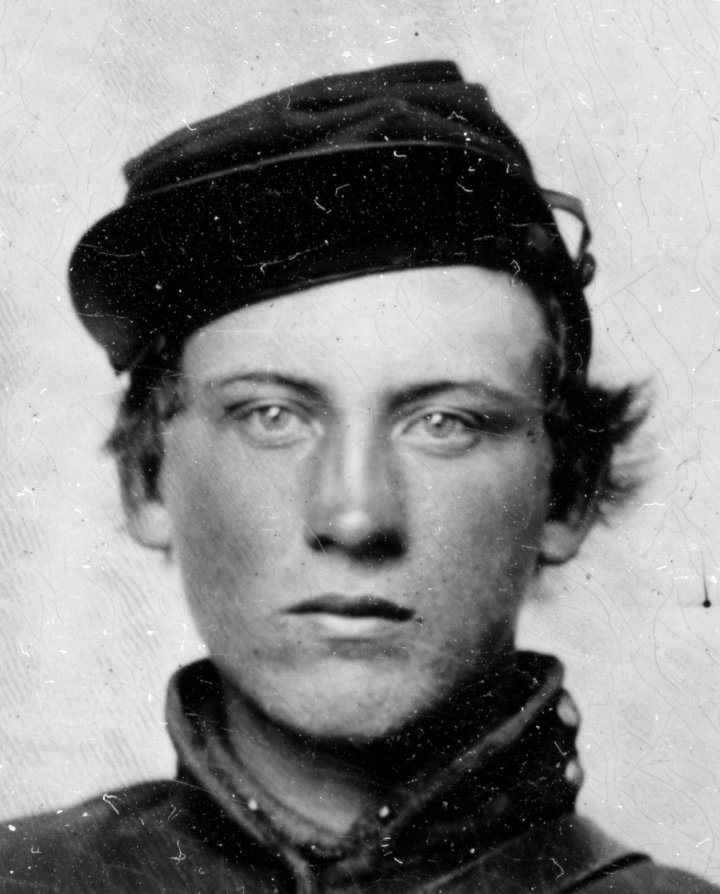
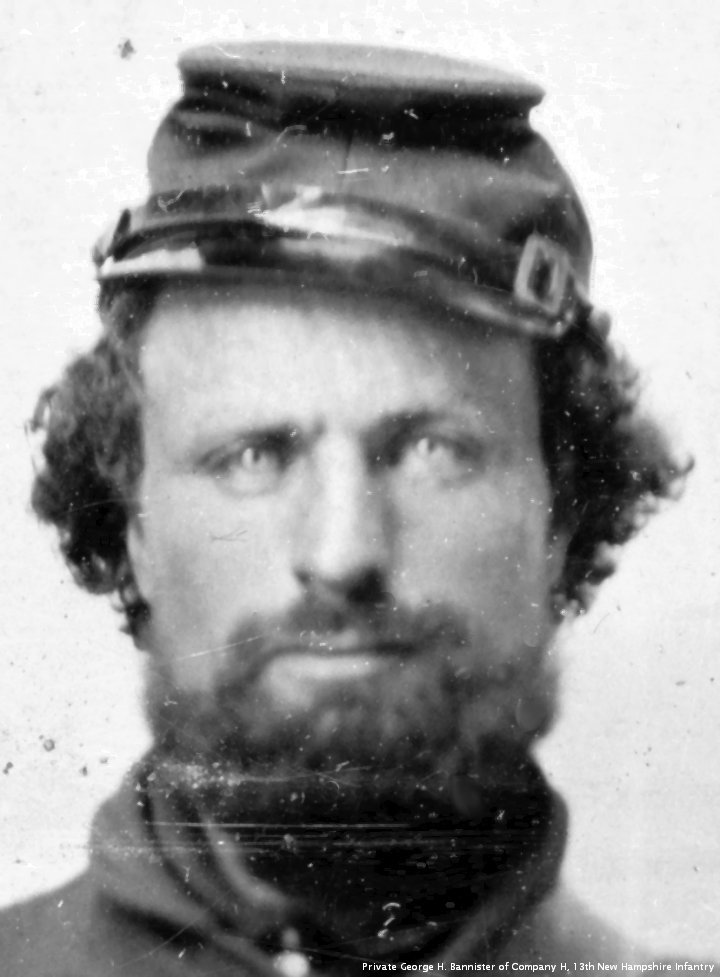
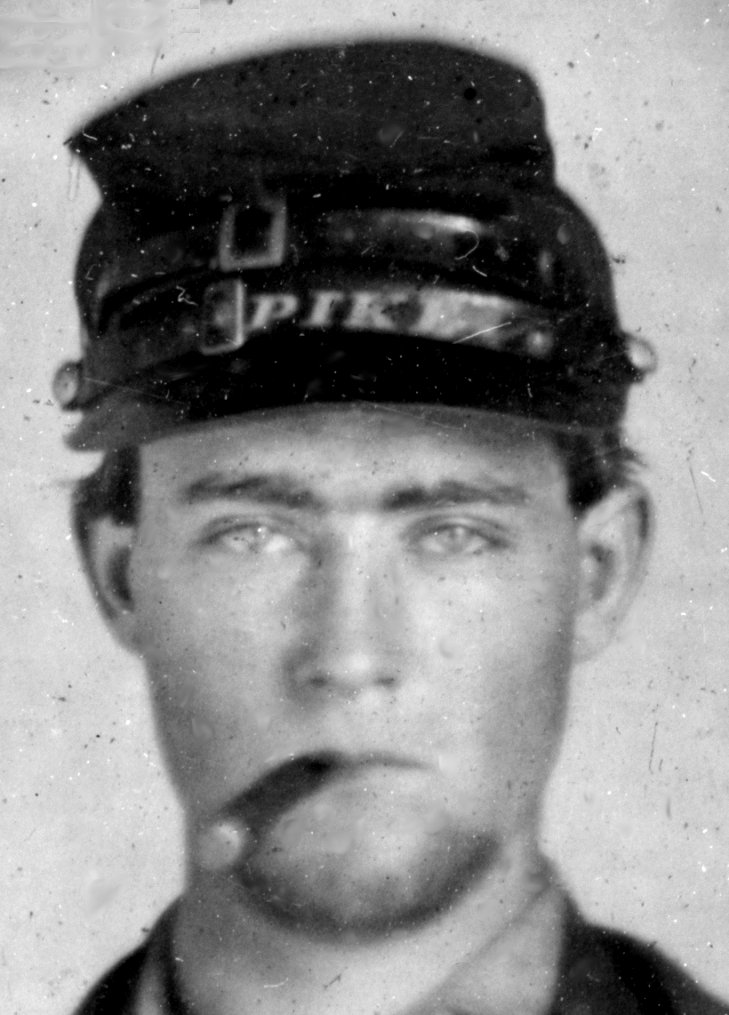
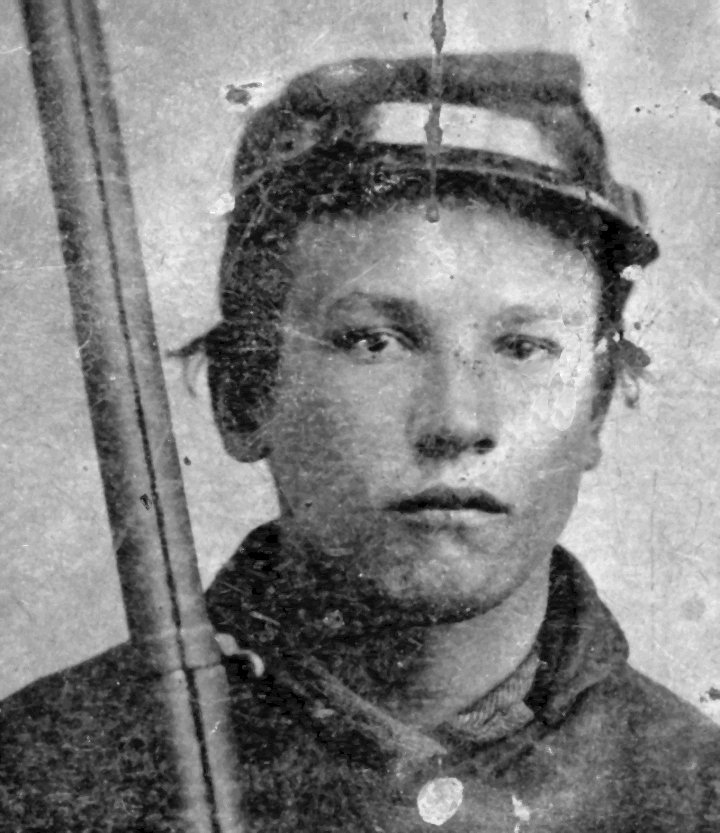
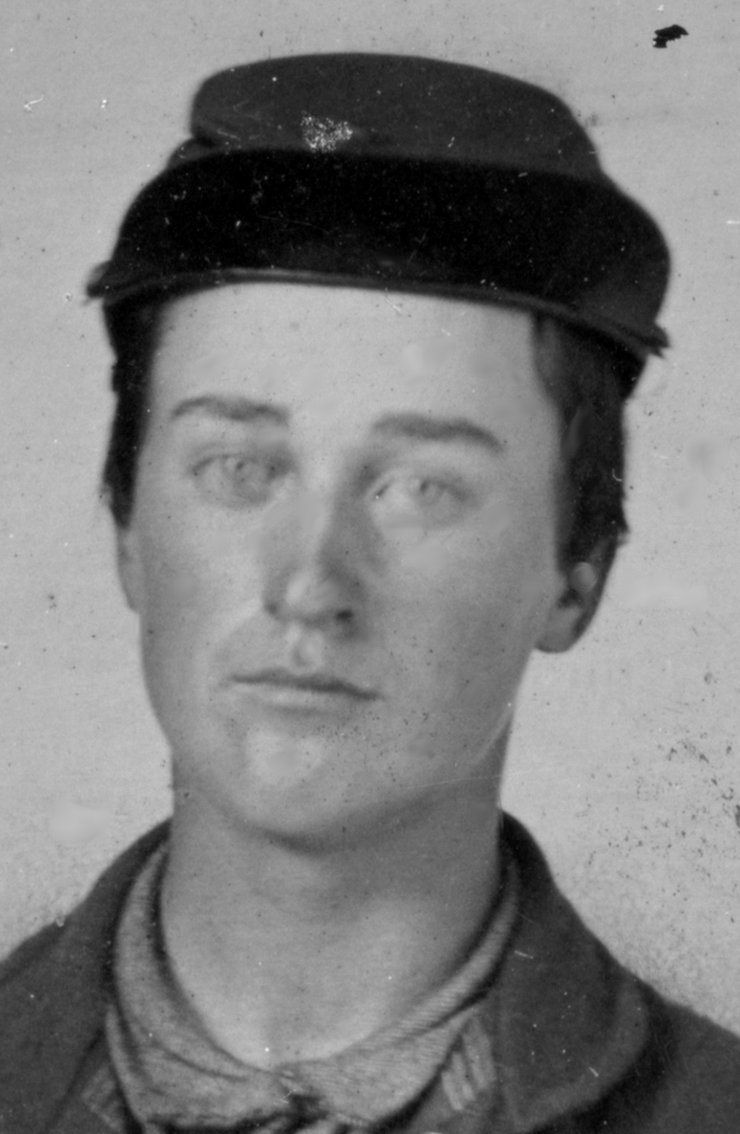
If these principles were to be used, then there would be a lot less hotheaded talking on the intercom. Those who are trying to influence you to the justice of their cause will not want you to read this. Pictures for this feature are from The Library of Congress. These pictures are Union soldiers, from the War Between the States. When war is discussed, all inspiring quotes are in doubt.
This is a repost. It is written like James Joyce. In the past year, doing due diligence on alleged quotes has become a hobby. Many people don’t care who said it, if they agree with the thoughts expressed. The prevailing thought is that an idea becomes more true with a famous name at the end. If the famous person is deceased, and cannot defend his/her reputation, that is not a problem. People do not like being told that Santa Claus does not exist.
Ira Hayes

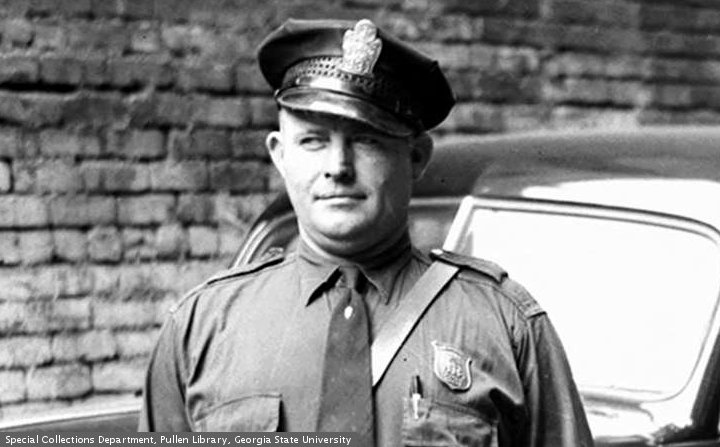

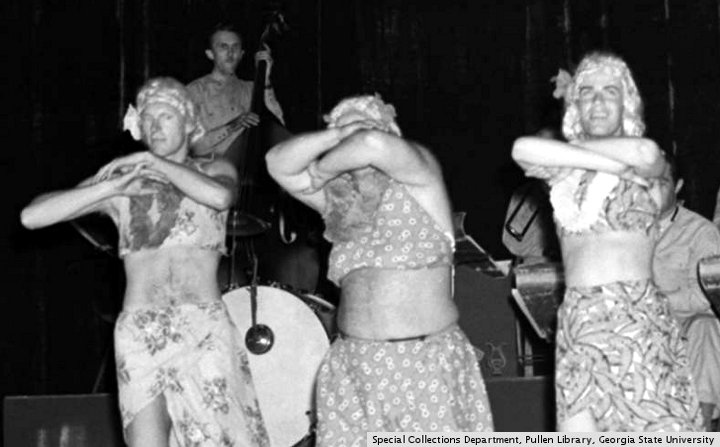
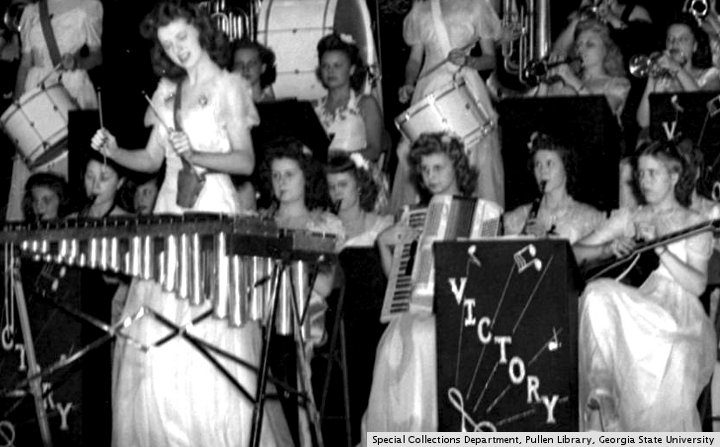
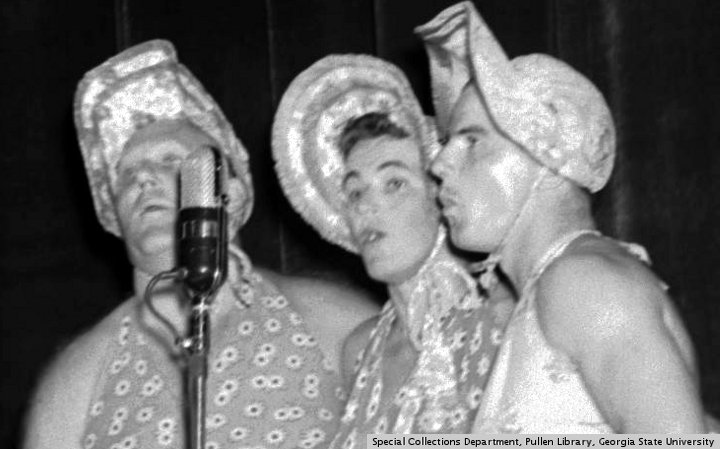

The post before this is about Arizona SB1070, a controversial measure dealing with illegal immigration. One of the men quoted is the Sheriff of Pima County, which lies on the border.
Pima County is named for the Pima Tribe, whose land was in Arizona and Sonora, Mexico. Their name for the “river people” is Akimel O’odham. According to Wikipedia, “The short name, “Pima” is believed to have come from the phrase pi ‘añi mac or pi mac, meaning “I don’t know,” used repeatedly in their initial meeting with Europeans.”
Many of the Mexicans crossing the border are Native Americans. They did not agree to the Gadsden Purchase, or the Treaty of Guadalupe Hidalgo. In other words, they were here first, and the white man (and black associates) are the uninvited guests.
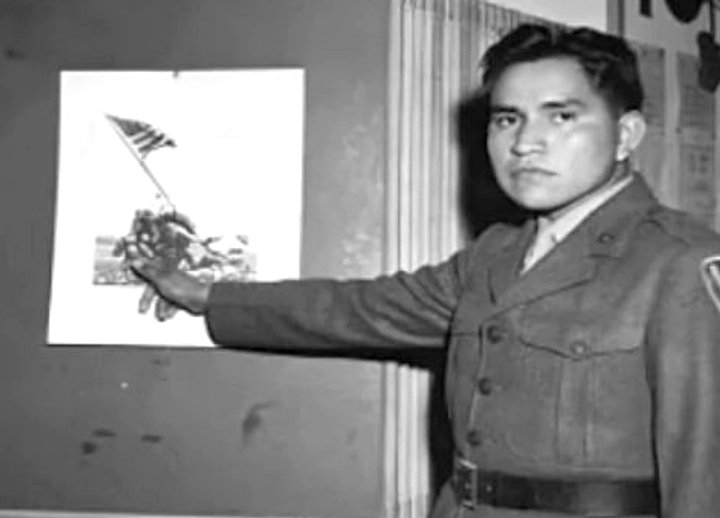
The second part of this feature is a repost. One of the best known Pimas was Ira Hayes. He was one of the Marines who raised the flag on Iwo Jima.
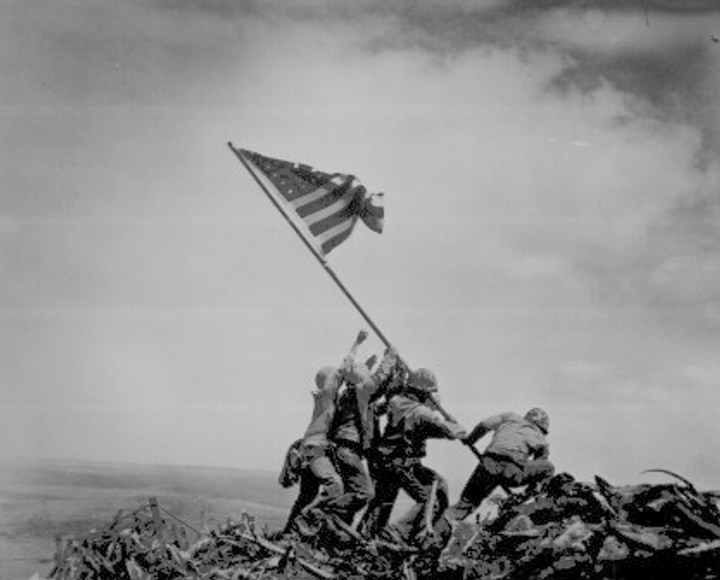
One of the enduring images of World War II was raising the flag on Iwo Jima. Three of the six men raising the flag died on the island. A fourth, Ira Hayes, became a casualty after the war.
The story of Ira Hayes is well known, but needs to be told again. A member of the Akimel O’odham (Pima) nation, his people had not been treated well by the conquerors. Nonetheless, when the War against Japan started, men were needed for the struggle, and Ira Hayes joined the Marines.
Iwo Jima was a steppingstone to the main island of Japan. After Iwo Jima and Okinawa were in Yankee hands, preparations could be made for the invasion of the main island. However, the stepping stone islands proved to be incredibly tough to secure. There were more American casualties on Iwo Jima than on D Day.
On the fourth day of the battle, a picture was made of six marines raising the flag on top of Mount Suribachi. A month of sticky, treacherous fighting was ahead for the fighting men. Of 21,000 Japanese soldiers, 20,000 died.
The flag was raised on February 23, 1945. Germany was all but defeated. The “explosive lens” for the atom bomb had been successfully tested. Viewed from the standpoint of 1945, it seems inevitable that the costly island hopping needed to continue, to be followed by an invasion of the Japanese mainland. From the view of 2009, one wonders if the fight for Iwo Jima, in retrospect, was really needed. War is fought in the present tense.
Two of the twelve hands holding the flagpole belonged to Ira Hayes. Ira Hayes did not adjust to peacetime well. He became a drunkard. On January 24, 1955, he passed away.
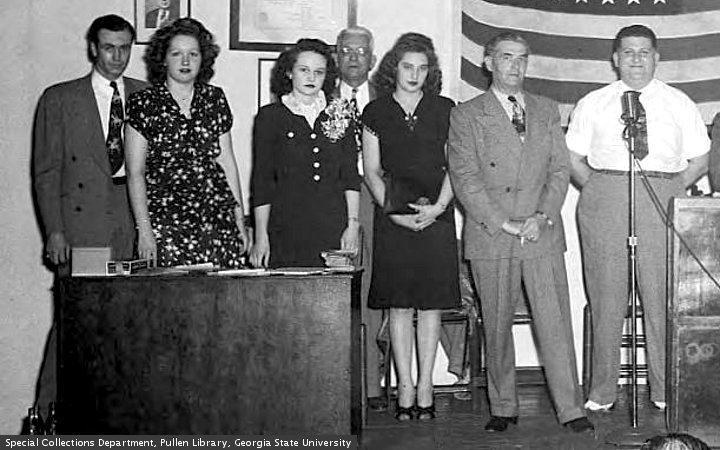
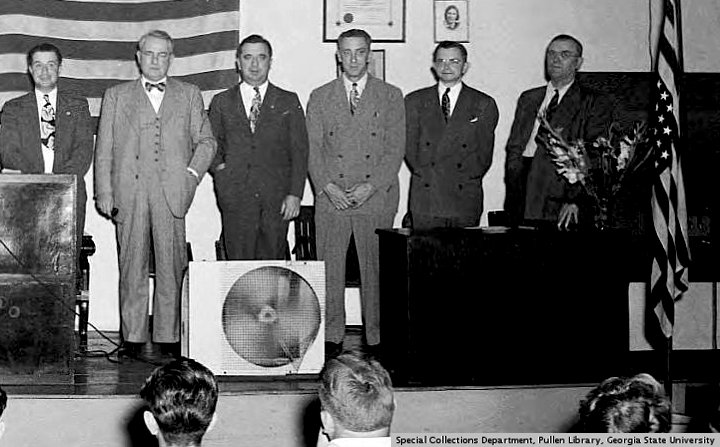
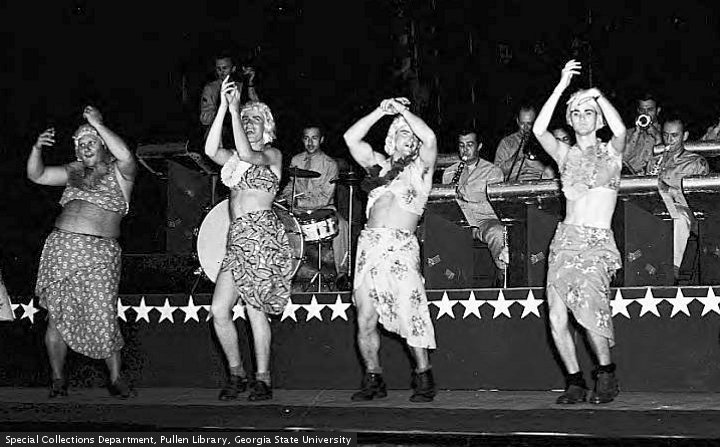
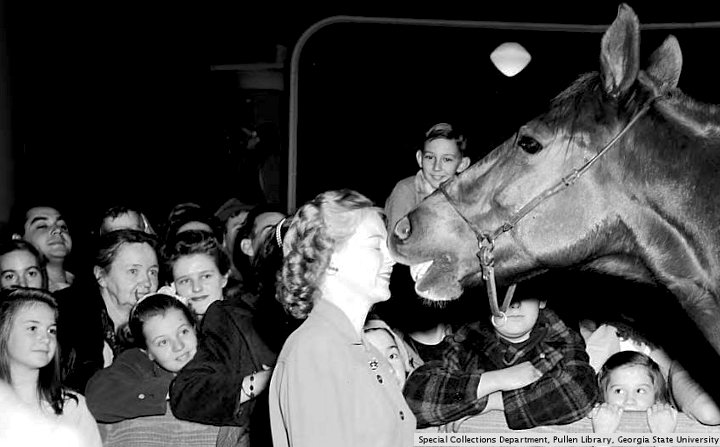
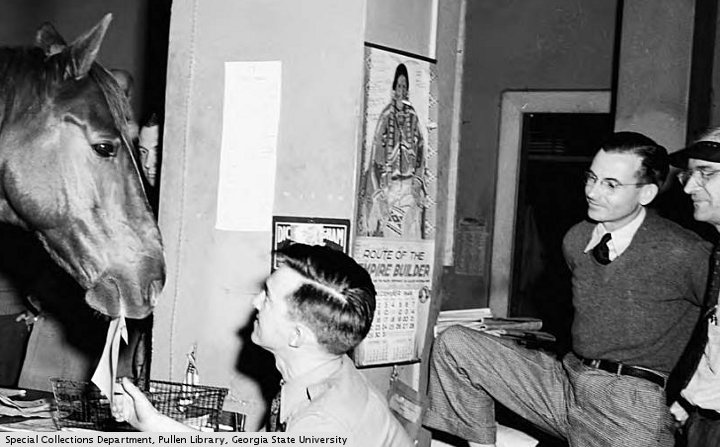
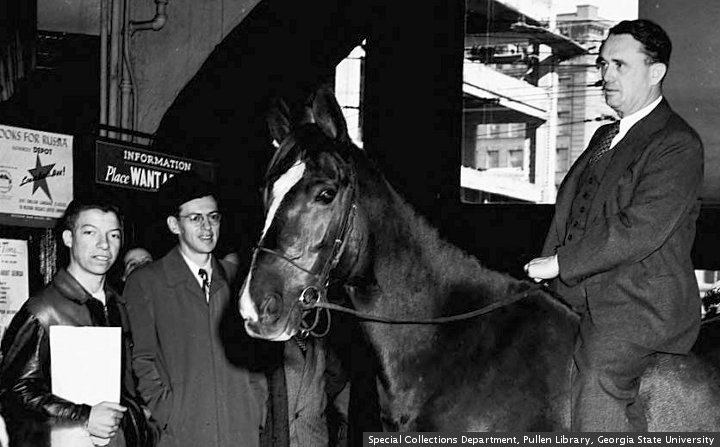
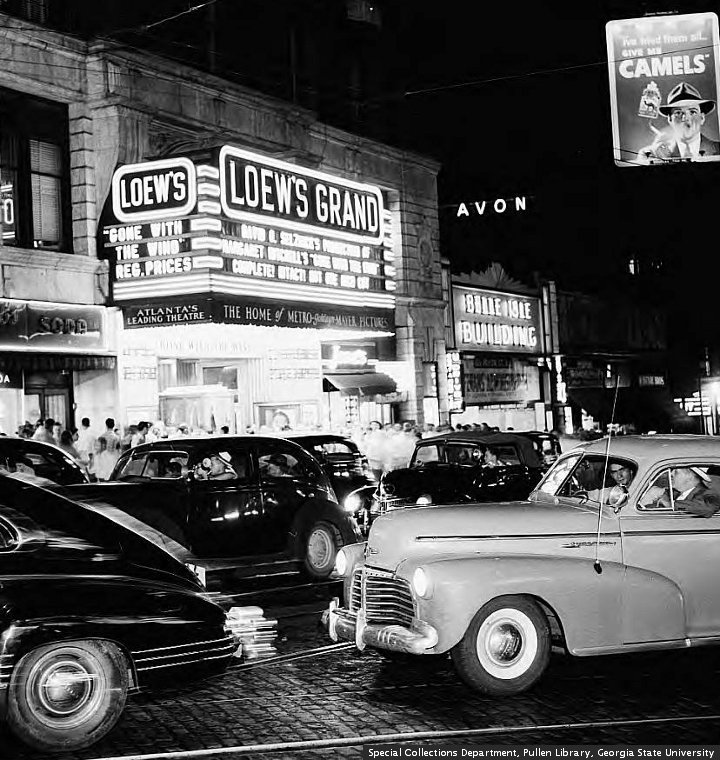
Ira Hayes was a native American. Thousands of African Americans have returned from foreign wars, to be treated poorly. Until a few months ago, if a man, or woman, is accused of being gay, the service is forgotten. On Memorial Day, we should struggle to ensure that all future veterans are treated with respect, all year long. This is a repost. Pictures are from The Library of Congress and “The Special Collections and Archives, Georgia State University Library”.





Dementia For Modern Lifestyles



Exercise of the brain is as important as exercise of the muscles. As we grow older, it’s important that we keep mentally alert. The saying; “If you don’t use it, you will lose it” also applies to the brain. Below is a very private way to gauge your loss or non-loss of intelligence. So, take the following test presented here and determine if you are losing it or are still “with it..” The spaces below are to give you time to decide before you see the answers. OK, relax, clear your mind and … begin. WELL MAYBE NOT THAT CLEAR!
1. What do you put in a toaster?
Electricity.
Answer: “bread.” If you said “toast,” then give up now and go do something else. Try not to hurt yourself. If you said, “bread,” go to Question 2.
2. Say “silk” five times. Now spell “silk.” What do cows drink?
Beer.
Answer: Cows drink water. If you said “milk,” please do not attempt the next question. Your brain is obviously over stressed and may even overheat. It may be that you need to content yourself with reading something more appropriate, such as Children’s World. If you said “water” then proceed to question 3.
3. If a red house is made from red bricks and a blue house is made from blue bricks, and a pink house is made from pink bricks and a black house is made from black bricks, what is a green house made from?
A Loan from the Bank.
Answer: Greenhouses are made from glass. If you said “green bricks,” what the devil are you still doing here reading these questions? If you said “glass,” then go on to Question 4.
4. It’s twenty years ago, and a plane is flying at 20,000 feet over Germany (If you will recall, Germany at the time was politically divided into West Germany and East Germany) Anyway, during the flight, TWO of the engines fail. The pilot, realizing that the last remaining engine is also failing, decides on a crash landing procedure. Unfortunately the engine fails before he has time and the plane fatally crashes smack in the middle of “no man’s land” between East Germany and West Germany Where would you bury the survivors? East Germany or West Germany or in “no man’s land”?
You wait until they die, and ask the family.
Answer: You don’t, of course, bury survivors. If you said ANYTHING else, you are a real dunce and you must NEVER try to rescue anyone from a plane crash. Your efforts would not be appreciated. If you said, “Don’t bury the survivors”, then proceed to the next question.
PG’s feelings are hurt. But only a little bit. PG has lived near a small craft airport most of his life, heard one plane crash, and seen the results of about a dozen more. The chances of the average person…or PG…getting an opportunity to rescue anyone from a plane crash are roughly the same as being hit by lightning, while attending a home game for the Falcons.
5. Without using a calculator – You are driving a bus from London to Milford Haven in Wales. In London, 17 people get on the bus. In Reading, six people get off the bus and nine people get on. In Swindon, two people get off and four get on. In Cardiff, 11 people get off and 16 people get on. In Swansea, three people get off and five people get on In Carmathen, six people get off and three get on. You then arrive at Milford Haven. What was the name of the bus driver?
It depends on whether the department of labor is involved.
Answer: Oh, for crying out loud! Don’t you remember your own name? It was YOU!!
This is a repost. Pictures are from The Library of Congress. These pictures are Union soldiers from the war between the states. They knew what a cow drinks.


Privilege


@Flyswatter Understanding your own privilege @chamblee54 thank you for using privilege without a racial adjective both people in this story are white.
The link is to a cartoon. It is the story of Richard and Paula. The man is born to wealth, doesn’t screw up, and does well. The woman is born to poverty, doesn’t screw up, and does less well.
In the last panel, the woman is working at an event. She holds a plate in front of the man. While he is taking an item off the plate, the man answers the question “What is the secret of your success?””Less whinging, more hard work I say. I’m sick of people asking for handouts. No one ever handed me anything on plate.”
The cartoon is from New Zealand. Both Richard and Paula are white. There were dark skinned people in New Zealand before whitey arrived. They are not the concern of this cartoonist.
In the USA, you almost never see the word privilege without a racial adjective. It is as if the only kind of privilege was white privilege. Talk about privilege has become a rhetorical weapon. The national conversation about race makes suffers as a result.
Pictures are from The Library of Congress.
Memorial Day





There is a bit of polemic on the internet now, The revolutionary origins of Memorial Day and its political hijacking. It tells the story of an incident in Charleston SC, where newly freed slaves buried some Union soldiers who died in a prison camp. The incident is described as the first Decoration Day, which later evolved into Memorial Day. As the article tells it, this Holiday was intended as a revolutionary statement about Black freedom, and was whitewashed into an all caucasian affair. This is not a good summary of the article, but should do for now. You can read it for yourself.
PG read the article, and started to get a headache. While researching a Memorial Day. post, he came across the Charleston incident. Apparently, it did happen. There were also numerous other remembrances of the fallen soldiers. The War Between the States was an incredibly bloody affair, with many families losing someone. The urge to remember these fallen soldiers was overwhelming. The custom of Decoration Day would probably have happened with, or without, the Charleston incident. It is incorrect to say that those former slaves invented Decoration Day.
There was an exchange of messages. PG left a comment, “That article is not completely true.”
Lendon Sadler Thank you for your comment concerning the historical roots of Memorial day, but could you be so kind as to explain a bit more the inaccuracy contained in the posting.For my sake, and that of my friends, it would be greatly appreciated. Thanks. And please feel comfortable saying whatever is on your mind in my pages. Sincere regards, Lendon
Luther Mckinnon I will have to think about it some. Also, I am not sure that I have an interest in exploring this issue. I did some research about the celebration in Charleston. It apparently did take place. However, there were other people decorating graves before that. After the carnage of the War Between the States, there seemed to be a lot of activity towards remembering the dead. The slaves in Charleston definitely did not “invent” decoration day. That they had one of the earliest celebrations is notable, but they should not take sole credit. As to the rest of the article… i would have to think about it some, and to tell you the truth I don’t know if I am particularly interested. One of the pieces I read about the evolution of Memorial Day mentioned World War One, which was the next major war the US was involved in after WBTS. Here again, there was a lot of dead soldiers to remember. This was when the holiday evolved into a remembrance of soldiers from all wars. Anyway, I hope this is helpful, and maybe we can explore some of the other issues of that article.
The article in question is at a site called Liberation, “Newspaper of the Party for Socialism and Liberation at LiberationNews.org.” There is a some historic revisionism, with statements like this. “In 1877, the Northern capitalist establishment decisively turned their backs on Reconstruction, striking a deal with the old slavocracy to return the South to white supremacist rule in exchange for the South’s acceptance of capitalist expansion.” Whatever, dude.
The custom of Decoration/Memorial Day is pretty much what it says it is… to remember the fallen soldiers of our wars, especially the ones with lots of casualties. According to this source, it was World War I that facilitated the transition from Decoration Day, focused on WBTS, to a Memorial Day that honored the dead of all wars. It almost certainly was not done as a gesture of white supremacy.
The so-called lessons of history are very versatile. You can find whatever facts are convenient for your agenda, and if you don’t get what you need you can make some up. After all, there is nobody alive today that can remember 1877. We have to take the word of whoever tells the tale of a “deal with the old slavocracy.” Sometimes, these stories are more plausible than others.
Sometimes, things just don’t ring true. “The concept that the population must “remember the sacrifice” of U.S. service members, without a critical reflection on the wars themselves, did not emerge by accident. It came about in the Jim Crow period as the Northern and Southern ruling classes sought to reunite the country around apolitical mourning, which required erasing the “divisive” issues of slavery and Black citizenship.”
This is a repost. Notes about the Charleston parade are showing up on facebook. This incident almost certainly took place, and is worth noting. However, it was not the “invention” of Memorial Day. Gentlemen, start your engines. Pictures are from The Library of Congress.




Memorial Day started as Decoration Day. During the War Between the States, people started to go out to graveyards, and put flowers on the soldiers. It is tough to say whether the custom started in the south. or the north. Waterloo NY is considered the official birthplace of Memorial Day. This is not what Abba was singing about.
WBTS was by far the most costly war in American history. There were more casualties in WBTS than in World Wars I, II, Korea, and Vietnam combined. Americans were not used to this carnage on this scale. Decoration Day was one of the results.
It was also, literally, a divisive war. The causes of the conflict are debated to this day. More men died of disease than in combat. Shitting yourself to death is not glory.
An important cause of the war was the desire, of some, to maintain their investment in slaves. In other words, the hundreds of thousands of Southern deaths were to insure that African Americans cannot be free. The lofty rhetoric of Memorial Day does not always reflect the squalid reality.
The legend is that May 30 was chosen because it was not the anniversary of any major battles. For many years after WBTS, the southern states had a separate day of remembrance. Confederate Memorial Day is still observed, though not on as large a scale as before.
The next major killing session for the United States was World War I. After this conflict, May 30 evolved into a day to remember all soldiers who died. The south began to embrace the unified holiday.
The United States lost at least 116,516 men in World War I. Almost all of these casualties were in 1918, the last year of the war. The other countries lost far more men. Not one person in a thousand can tell you today why World War I was fought. All it did was provide the causes of World War II, which was even more costly.




20 Facts About Death





PG is running out of things to say. Never mind having something good to say about anyone, he doesn’t have anything to say, good or bad. Fortunately, archives are forever, as Richard Grenell found out. PG found this list in his archives. It is based on 20 Things You Didn’t Know About… Death, at Discover Magazine. This is a repost. These statements have not been verified, and may contain inaccuracies. Pictures are from The Library of Congress.
1) The practice of burying the dead may date back 350,000 years, as evidenced by a 45-foot-deep pit in Atapuerca, Spain, filled with the fossils of 27 hominids of the species Homo heidelbergensis, a possible ancestor of Neanderthals and modern humans.
2) There are at least 200 euphemisms for death, including “to be in Abraham’s bosom,” “just add maggots,” and “sleep with the Tribbles” (a Star Trek favorite).
3) No American has died of old age since 1951. That was the year the government eliminated that classification on death certificates.
4) The trigger of death, in all cases, is lack of oxygen. Its decline may prompt muscle spasms, or the “agonal phase,” from the Greek word agon, or contest.
5) Within three days of death, the enzymes that once digested your dinner begin to eat you. Ruptured cells become food for living bacteria in the gut, which release enough noxious gas to bloat the body and force the eyes to bulge outward.
6) Burials in America deposit 827,060 gallons of embalming fluid—formaldehyde, methanol, and ethanol—into the soil each year. Cremation pumps dioxins, hydrochloric acid, sulfur dioxide, and carbon dioxide into the air.
7) Eighty percent of people in the United States die in a hospital.
8) More people commit suicide in New York City than are murdered.
9) It is estimated that 100 billion people have died since humans began.
10) A Swedish company, Promessa, will freeze-dry your body in liquid nitrogen, pulverize it with high-frequency vibrations, and seal the resulting powder in a cornstarch coffin. They claim this “ecological burial” will decompose in 6 to 12 months.
11) Zoroastrians in India leave out the bodies of the dead to be consumed by vultures. The vultures are now dying off after eating cattle carcasses dosed with diclofenac, an anti-inflammatory used to relieve fever in livestock.
12) Queen Victoria insisted on being buried with the bathrobe of her long-dead husband, Prince Albert, and a plaster cast of his hand.
13) In Madagascar, families dig up the bones of dead relatives and parade them around the village in a ceremony called famadihana. The remains are then wrapped in a new shroud and reburied. The old shroud is given to a newly married, childless couple to cover the connubial bed.
14) During a railway expansion in Egypt in the 19th century, construction companies unearthed so many mummies that they used them as fuel for locomotives.
15) English philosopher Francis Bacon, a founder of the scientific method, died in 1626 of pneumonia after stuffing a chicken with snow to see if cold would preserve it.
16) For organs to form during embryonic development, some cells must commit suicide. Without such programmed cell death, we would all be born with webbed feet, like ducks.
17) Waiting to exhale: In 1907 a Massachusetts doctor conducted an experiment with a specially designed deathbed and reported that the human body lost 21 grams upon dying. This has been widely held as fact ever since. It’s not.
18) Buried alive: In 19th-century Europe there was so much anecdotal evidence that living people were mistakenly declared dead that cadavers were laid out in “hospitals for the dead” while attendants awaited signs of putrefaction.



Watering Hole Story






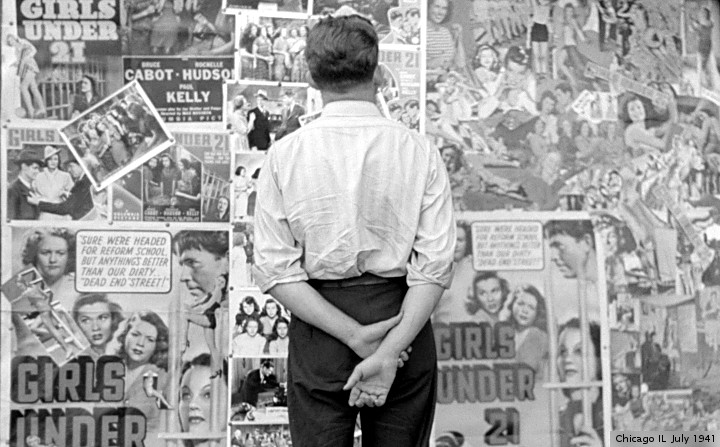
PG and his neighbor DA went out to drink beer and shoot pool. The destination was a place called the Watering Hole. The Watering Hole used to be a VFW. There was a TV repair store next door. When the county legalized bars, the VFW went somewhere else. The TV repair store became the game room. You could see on the floor where the counter used to be.
This was a weeknight. The other customer was past his limit. The drunk was fussing at the bartender when PG and DA walked in.
PG got lucky and hit a good shot on the pool table. He got a bit cocky, and said “and now for my next trick”. The drunk staggered into the game room, and lay down on an empty pool table. DA replied, “Is that your next trick?”
Before long, it was time to go home. As PG and DA were leaving, the drunk was arguing with the bartender. He wanted to buy a twelve pack to take home. The drunk won the argument, and started walking up Clairmont Road with his prize.
PG got a block or so away from the Watering Hole. He saw the drunk sitting in front of a seven eleven store. The drunk was sitting on the curb, drinking a beer. PG drove in front of him, and stopped the car. DA got out, and walked over to the curb. She picked up the eleven pack, and walked over to the car. Her pace was deliberate. The drunk stood up and yelled obscenities. The car drove away. off. This is a repost. Pictures are from The Library of Congress.




Winston Churchill Said What


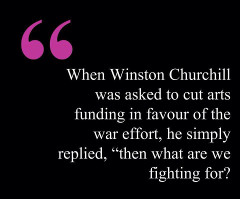
Another ghastly meme has surfaced on facebook. It has a large fuchsia quote mark for illustration. There is a quote from a famous man. The left side has a quote mark. The right side has a question mark, but no quote mark. The margins are much larger on the top, and left side, than on the right side, and the bottom. That this visual atrocity supports funding for the arts is a cruel irony.
Perhaps instead of the arts, the government funding should go for fact checking. The quote is generally considered to be bogus. For the record, here is the quote. “When Winston Churchill was asked to cut arts funding in favour of the war effort, he simply replied, “then what are we fighting for?” The quote is not in the Churchill archive, which is either fifteen million documents, or fifteen million words. The authorities use the figures interchangeably.
The Telegraph has an article debunking the meme. It has a splendid sentence: “But that anecdote does not so easily play into the screeching rhetoric of today’s 140-character political ding-dongs.” There are also some lovely quotes from Mr. Churchill.
 In 1937, Mr. Churchill spoke before the Peel Commission It was discussing “partitioning British mandated Palestine into Arab and Jewish states.” At the time, Mr. Churchill was a minor figure in British politics, disgraced by his blundering in the Great War. The quote: “I do not agree that the dog in a manger has the final right to the manger even though he may have lain there for a very long time. I do not admit that right. I do not admit for instance, that a great wrong has been done to the Red Indians of America or the black people of Australia. I do not admit that a wrong has been done to these people by the fact that a stronger race, a higher-grade race, a more worldly wise race to put it that way, has come in and taken their place.”.
Winston Churchill is quite the quote magnet. This is somehow fitting for a man whose most famous speech was read, on the radio, by an actor. There is a page on the internet devoted to times when he was falsely accused of saying something inspiring.
One of these stories is notable. “The only traditions of the Royal Navy are rum, sodomy and the lash… Churchill’s assistant, Anthony Montague-Browne said that although Churchill had not uttered these words, he wished he had.” Pictures today are from The Library of Congress.





1 comment