William McKinley


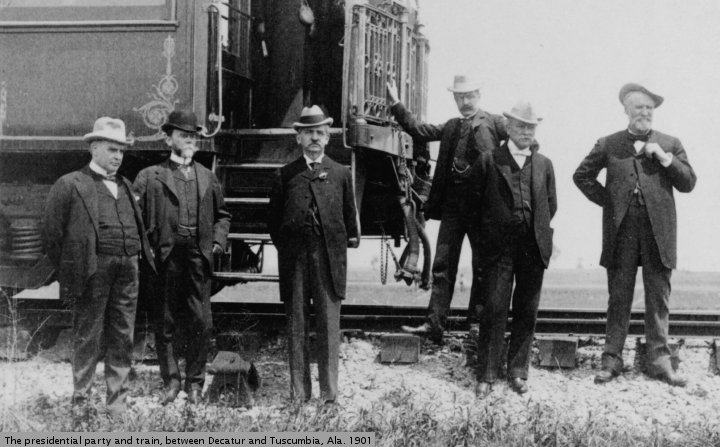
One hundred years before nine eleven, President William McKinley was near death. He had been shot September 6, 1901. Medicine at this time was primitive compared to today. During surgery after the shooting, the bullet was not removed. The University of Buffalo makes this comment: “Dr. Mann and the others were neither trained trauma surgeons nor did they bother with disinfection, not even wearing gloves. The first bullet had done little harm; the second entered McKinley’s abdomen. The physicians used improperly sanitized probes and when Mann could not find the bullet, he closed the incision without draining the wound. It was a fateful decision.”
After surgery, the President was taken to the home of John Milburn. He seemed to be recovering, but took a turn for the worse and died September 14, 2001.
President McKinley had been shaking hands at a reception. The meet and greet was at the Academy of Music, as part of the Pan American Expostion in Buffalo, New York. A letter to “The Nation” has this viewpoint. “Whatever other results may flow from the assassination of President McKinley, let us hope that that object-lesson may be sufficient to put an end to our national habit of promiscuous handshaking in public. It is hard to conceive of a spectacle more fatuous and less edifying than that of a horde of country bumpkins, criminals, cranks, idlers, and curiosity-mongers standing in line waiting for a chance to grab and squeeze the hand of the unhappy Chief Executive of this country.”
 There were anarchists in 1901, who had murdered several European leaders. Several of McKinley’s advisors did not think the reception was a good idea, and forced him to have extra security. A writer in the Buffalo Courier observed on September 5 “The surrounding of President McKinley by a body-guard of detectives when he appears in public, is probably as distasteful to himself as it is to abstract American sentiment, but as long as the earth is infested by malevolent cranks and unreasoning Anarchists, the precaution is entirely proper.”
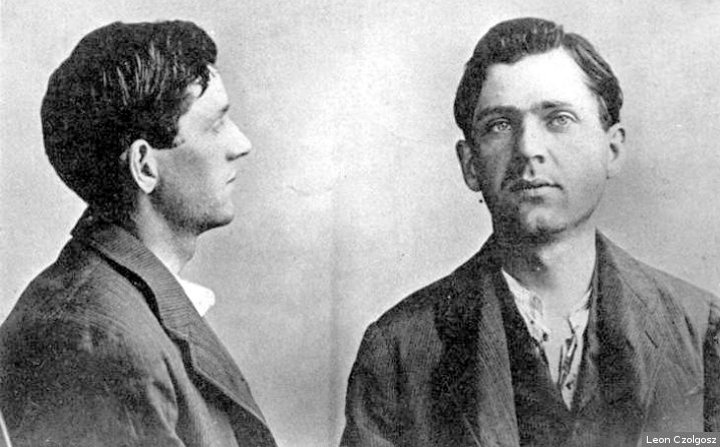
A young man named Leon Czolgosz (pronounced CHOL gosh) managed to wait in line with a concealed weapon. He was seen to shoot President McKinley. He was immediately captured, and executed October 29, 1901.
Lew Rockwell speaks of a rivalry between John Rockefeller and J.P. Morgan. Rockefeller man McKinley was replaced by Morgan supporter Roosevelt, who promptly began to break up the trusts. Another historian, connected to Lyndon LaRouche , speaks of British interests, and the rise of Confederate power. McKinley was a target of media superstar William Randolph Hearst. An editorial printed in the April 10, 1901 Journal asserted that “If bad institutions and bad men can be got rid of only by killing, then the killing must be done.”
Some say that a murder one hundred twenty three years ago does not affect us today. However, an argument could be made that the death of McKinley set in motion events that led to the establishment of the Federal Reserve System, and American participation in World War I. Both of those events have had effects lasting until today.
It is curious how President McKinley is mostly forgotten today. Some say he was most popular President since Lincoln . McKinley had been a wartime President, who won. His successor, Teddy Roosevelt, is on Mount Rushmore, and is a superstar President. Mr. Roosevelt also ran as a third party candidate in 1912, and helped to elect Woodrow Wilson. (Mr. Wilson was alleged to be a member of the “Omega Group,”rumored to be behind a McKinley conspiracy.) Mr. Roosevelt’s popularity is very different from the other three Vice Presidents who were promoted by the murder of the President. He was good at dealing with the press.
Pictures today are from The Library of Congress. This is a repost.




Notes on the State of Virginia


Notes on the State of Virginia is the only full length book written by Thomas Jefferson. Written while the Revolutionary War was still being fought, NOTSIV was not originally intended for publication. The following passage is on page 147.
“It will probably be asked, Why not retain and incorporate the blacks into the state, and thus save the expence of supplying, by importation of white settlers, the vacancies they will leave? Deep rooted prejudices entertained by the whites; ten thousand recollections, by the blacks, of the injuries they have sustained; new provocations; the real distinctions which nature has made; and many other circumstances, will divide us into parties, and produce convulsions which will probably never end but in the extermination of the one or the other race.”
“… Besides those of colour, figure, and hair, there are other physical distinctions proving a difference of race. They have less hair on the face and body. They secrete less by the kidnies, and more by the glands of the skin, which gives them a very strong and disagreeable odour. This greater degree of transpiration renders them more tolerant of heat, and less so of cold … They seem to require less sleep. A black after hard labour through the day, will be induced by the slightest amusemements to sit up till midnight, or later, though knowing he must be out with the first dawn of the morning.”
“They are at least as brave, and more adventuresome. But this may perhaps proceed from a want of fore-thought, which prevents their seeing a danger till it be present. When present, they do not go through it with more coolness or steadiness than the whites. They are more ardent after their female: but love seems with them to be more an eager desire, than a tender delicate mixture of sentiment and sensation. Their griefs are transient. Those numberless afflictions, which render it doubtful whether heaven has given life to us in mercy or in wrath, are less felt, and sooner forgotten with them. …”
Pictures are from The Library of Congress



Was Jesus Really A Carpenter?


Has anyone seen a painting of Jesus holding a saw? The idea the Jesus was a carpenter is seldom questioned. People are taught this, and accept it in sheep-like fashion. Even though the gospels were written many years after the cucifixion, they are accepted as “inerrant” historic documents. Here is what US Catholic says: “Was Joseph of Nazareth really a carpenter? … Only twice is the word carpenter used in the Christian scriptures: when Jesus is identified as “the carpenter’s son” (Matthew 13:55) and “the carpenter” (Mark 6:3.)…”
The passages that say “carpenter” are not complimentary to Jesus. This man appears out of nowhere, and starts to teach at the synagogue. Who is he? Why is a mere carpenter telling educated men how to live? Who does he think he is?
The two texts are similar. Here is Mark 6:2-4
2 And when the sabbath day was come, he began to teach in the synagogue: and many hearing him were astonished, saying, From whence hath this man these things? and what wisdom is this which is given unto him, that even such mighty works are wrought by his hands?
3 Is not this the carpenter, the son of Mary, the brother of James, and Joses, and of Juda, and Simon? and are not his sisters here with us? And they were offended at him.
4 But Jesus, said unto them, A prophet is not without honour, but in his own country, and among his own kin, and in his own house.
Matthew 13: 54-57 54 And when he was come into his own country, he taught them in their synagogue, insomuch that they were astonished, and said, Whence hath this man this wisdom, and these mighty works?
55 Is not this the carpenter’s son? is not his mother called Mary? and his brethren, James, and Joses, and Simon, and Judas?
56 And his sisters, are they not all with us? Whence then hath this man all these things?
57 And they were offended in him. But Jesus said unto them, A prophet is not without honour, save in his own country, and in his own house.
“In the Hebrew scriptures, the word carpenters appears 11 times, mostly in tandem with the words masons or stonecutters. The Hebrew word used means “carver,” so when building projects were underway, both carvers of wood and of stone were needed. … In the references from the Christian scriptures to Jesus as a carpenter or the son of one, the Greek word used both times is more correctly translated as “craftsman” or “artisan.” Such a person might carve stone or wood as the job required. … What’s evident to scholars of biblical lands is that trees were always in short supply around Nazareth, whereas stone quarries were plentiful. Most structures dating back to the time of Jesus around Galilee are composed of stone—those that survive, anyway. Chances are both Joseph and Jesus did more masonry than carpentry, that is, if they didn’t work exclusively in stone.”
Mark 6:4 is a favorite Jesusism for many people. It is more true today than ever. You do not want to be correct before everyone else. In the McCarthy era, the term “premature anti-fascist” … a person that was opposed to Nazi Germany before 1941 … meant you were a communist. The little boy who criticized the emperor’s fashion statement was severely punished.
“Was Jesus really a carpenter” is an example of asking too many questions. The way “carpenter” is used in Mark and Matthew seems like a generic insult for a common working man. Who is this peasant, who has the audacity to “teach” exalted church elders? We don’t know why the Council of Nicea chose these texts to tell the Jesus story, and why these words were translated as “carpenter.” There is also the attitude of just-shut-up-and-believe-your-elders.
US Catholic says: “Did Jesus have a real job? This is the question behind the question, which sounds a bit dismissive: as if teaching, preaching, and healing—not to mention redeeming the world—weren’t occupation enough!” In either scenario, it boils down to faith and belief … in an ancient text of uncertain origin, which has been translated many times. “God says it, I believe it, and that settles it.”
Pictures today are from The Library of Congress.


Shade


Sunday was the freebie-friendly Summer Shade Festival in Grant Park. Monday was for pulling merchandise out of my bag, a process known as de-swagging. There were 2 tote bags, 2 pair of sunglasses, 1 inkpen, 1 bottle opener, 1 baseball hat, 1 portable shader, and 1 serving of CHAMPAGNE TOAST hand sanitizer. Next weekend is labor day, when you do not venture into town.
Later, it was time to go take pictures of painted utility boxes. These make great backgrounds for graphic poems, and there are a couple nearby. Decatur, a PUB wonderland, was briefly considered. Common sense prevailed. Doraville and Dunwoody will have to be enough D for today.
Lunch time was approaching. A Whopper® has been begging for me to have it my way. There are a couple in Dunwoody, one of which was down the road.
The barely OTP intersection never seems to complete its roadwork, with no sign of a BK. Finally, there is a uber-modern BK on the right, with a sign “GRAND OPENING.” Life is good.
Since this is Monday, a new episode of Blocked and Reported is available. The theme of BAR is internet bullshit. Today Jesse is talking about Candace Owens, who is about as fecal as you can get.
Candace Amber Owens Farmer is what passes for a 2024 celebrity. Reward ignorance with apathy, and don’t pay her any mind. Jesse had a clip of her recent musings. recent musings. CAOF said that Leo Frank killed Mary Phagan on passover. It was time to turn the noise off.
Mary Phagan died on April 26, 1913. “Pesach for Hebrew Year 5673 began in the Diaspora on Monday, 21 April 1913 and ended on Tuesday, 29 April 1913.” A broken clock is right two times a day. April 26, 1913 was also Confederate Memorial Day.
The prevailing story was that Leo Frank was falsely accused of the murder, with strong antisemitic/racist overtones. There was little reason to doubt that story. Then, one afternoon, I stumbled onto the Leo Frank Archive. If you google “Leo Frank guilty,” you will find people who feel that way. It is 111 years later. Pictures today are from The Library of Congress

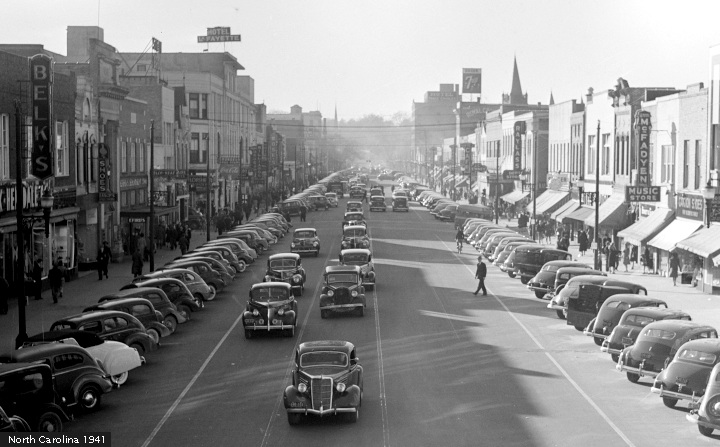

Revolution


REVOLUTION, n. “In politics, an abrupt change in the form of misgovernment. Specifically, in American history, the substitution of the rule of an Administration for that of a Ministry, whereby the welfare and happiness of the people were advanced a full half-inch. Revolutions are usually accompanied by a considerable effusion of blood, but are accounted worth it—this appraisement being made by beneficiaries whose blood had not the mischance to be shed. The French revolution is of incalculable value to the Socialist of to-day; when he pulls the string actuating its bones its gestures are inexpressibly terrifying to gory tyrants suspected of fomenting law and order.”
Ambrose Gwinnett Bierce published The Devil’s Dictionary in 1906, when revolutions were evolving into what can only be termed good, clean fun. AGB served in the Union Army during the War Between the States. The Confederacy, among other things, was a revolution that did not work out very well. As with all conflicts, vast sums of money changed hands. The men who collected these sums are usually far away from the bloodshed.
Walt Whitman once said “That whole damned war business is about 999 parts diarrhea to one part glory.” The same mathematics can be applied to revolutions as well. Maybe we should just stop with this revolting discourse, and move on to other R-words in TDD. The next four … RHADOMANCER, RIBALDRY, RIBROASTER, RICE-WATER … hold little interest for today’s conversation.
RICH, adj. “Holding in trust and subject to an accounting the property of the indolent, the incompetent, the unthrifty, the envious and the luckless. That is the view that prevails in the underworld, where the Brotherhood of Man finds its most logical development and candid advocacy. To denizens of the midworld the word means good and wise.”
RICHES, n. “A gift from Heaven signifying, “This is my beloved son, in whom I am well pleased.” John D. Rockefeller · “The reward of toil and virtue.” J.P. Morgan · “The savings of many in the hands of one.” Eugene Debs · To these excellent definitions the inspired lexicographer feels that he can add nothing of value.” Pictures today are from The Library of Congress · selah
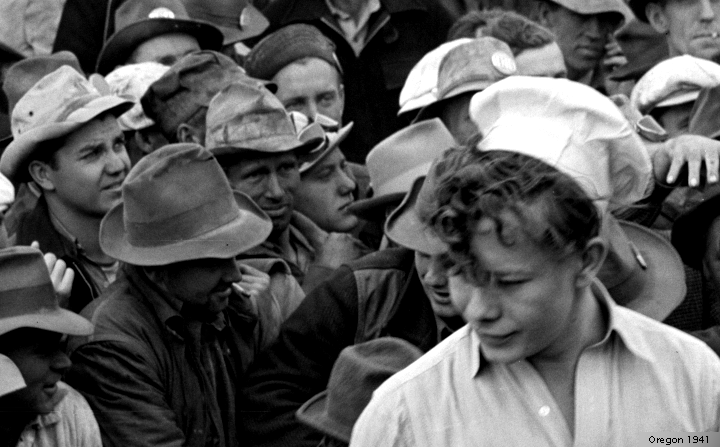


Hiroshima 78 Years Later





At 8:15 am, August 6, 1945, Hiroshima got nuked. It was the start of a new era. Since Japan is 13 hours ahead of Georgia, and standard time was used, the literal anniversary is 8:15 pm, August 5.
Tsutomu Yamaguchi was working in Hiroshima when the bomb hit. He survived, and found a train to take hime to his home town, Nagasaki.
The device dropped on Hiroshima, the Little Boy, had an estimated force of 13 kilotons of Trinitrotoluene, or TNT. A kiloton of TNT is roughly a cube whose sides are ten meters. This device is fairly tiny compared to many of the warheads developed since. Many of the modern appliances are measured in megatons, or millions of tons of TNT. The Soviet Union had a bomb with a capacity of 50 megatons, or 4,000 times the size of the Little Boy.
The largest weapon tested by The United States is the Castle Bravo. This device destroyed Bikini Atoll in the Pacific. The two piece swimsuit was named for this island. The Castle Bravo device had a yield of 15 megatons of TNT. This is roughly 1,000 times the power of the Little Boy.
The decision to drop the bomb has long been controversial. There are a lot of factors and gray areas, and the issue does not lend itself to sound bite solutions. The conventional wisdom is that Japan surrendered because of the nuclear attack. This meant the war was shortened by at least a year, there was no invasion of Japan, and many lives were saved. I am scared by the moral calculus involved in a decision like this….do 100,000 civilian deaths prevent the deaths of 500,000 soldiers? I suspect that even God herself would lose sleep over that one.
There is also evidence that the bomb was not needed. Japan was whipped in August 1945. The air raids were conducted in daylight with little resistance. A debate was going on in the Japanese government on whether to continue the fight.
An event happened the day between Hiroshima, and Nagasaki, which influenced the Japanese decision to surrender. The Soviet Union had agreed to help the United States with the war against Japan. On August 8, The Soviet Union invaded Japanese occupied Manchuria. There are indications that Japan knew the fight was hopeless at this point, and would rather surrender to The United States than The Soviet Union. This is one of the gray areas that never seems to be mentioned.
The United States wanted the war to end quickly for obvious reasons, and a few subtle ones. America did not want to share the spoils of Japanese war with The Soviet Union. There were already tensions between the two allies, and the cold war was not far off. Many felt The United States used the Little Boy as a warning to The Soviet Union.
When you get your moral software out, you might want to figure in the effect of opening the nuclear Pandora’s box. Would the nuclear bomb have been developed by other countries if America had not led the way? The science is not that complicated…after all, America hit paydirt with the Manhattan Project fairly quickly. Nonetheless, there is karma involved in using a terrible new device on a civilian population. The United States started the wind of the arms race, and has yet to feel the whirlwind.
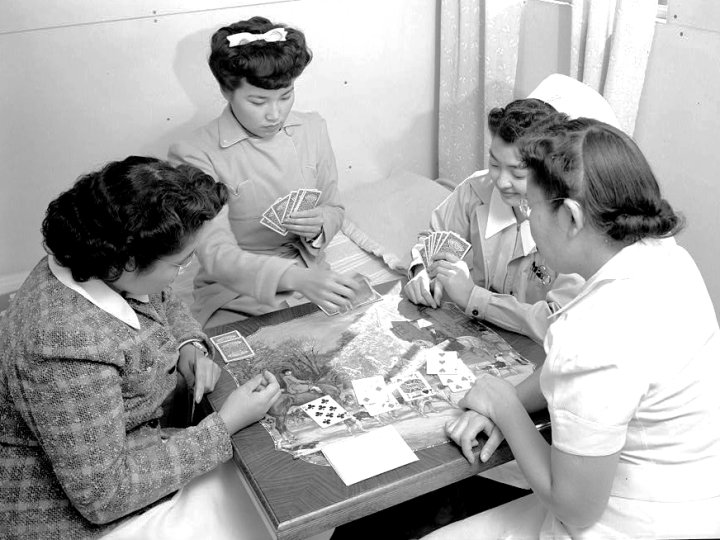
This is a repost. The pictures are from The Library of Congress. Ansel Adams took pictures of Japanese Americans, in a World War Two internment camp. The ladies in the bridge game are Aiko Hamaguchi, Chiye Yamanaki, Catherine Yamaguchi, and Kazoko Nagahama.


The Funeral Of Elvis


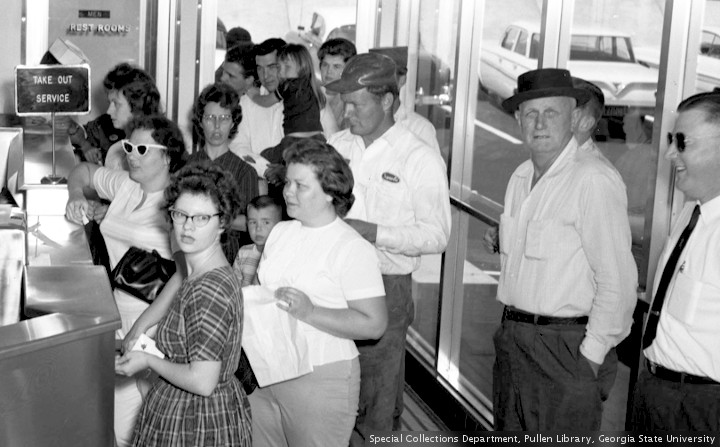
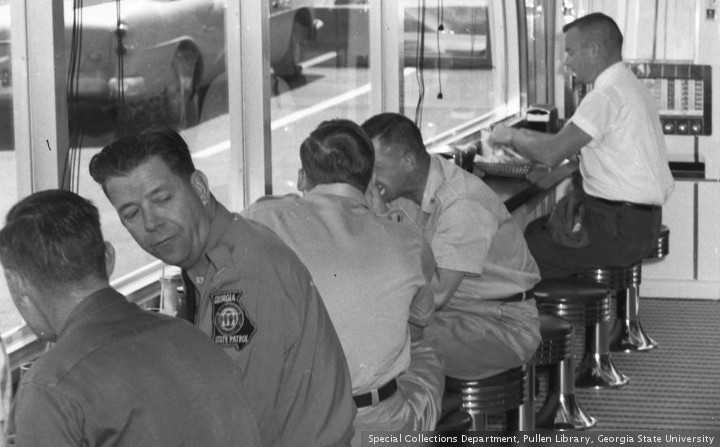
This is a repost. I was going to write about some depressing subject. People that are not kind to each other. People in Israel and people in Gaza just don’t seem to get along. Either Donald John Trump or Kamala Devi Harris is going to be our next President. Pictures are from “The Special Collections and Archives, Georgia State University Library”.
There is a saying, “if a story seems too bad to be true, it probably isn’t”. I tried to google that phrase, and got confused. Then he seemed to remember reading it in a column by Molly Ivins. Another google adventure, and there was this video. Miss Ivins, who met her maker January 31, 2007, was promoting a book. She sat down with a bald headed man to talk about it. I could only listen to 24:30 of this video before being seized with the urge to write a story. There is a transcript, which makes “borrowing” so much easier. This film has 34 minutes to go, which just might yield another story.
Molly Ivins was a Texas woman. These days there is a lot of talk about Texas, with Governor Big Hair aiming to be the next POTUS under indictment. Mr. Perry claims that his record as Texas Governor qualifies him to have his finger on the nuclear trigger. Miss Ivins repeats something that I had heard before… “in our state we have the weak governor system, so that really not a great deal is required of the governor, not necessarily to know much or do much. And we’ve had a lot of governors who did neither. “ It makes you wonder how much of that “economic miracle” is because of hair spray.
Texas politics makes about as much sense as Georgia politics. For a lady, with a way with words, it is a gold mine. “the need you have for descriptive terms for stupid when you write about Texas politics is practically infinite. Now I’m not claiming that our state Legislature is dumber than the average state Legislature, but it tends to be dumb in such an outstanding way. It’s, again, that Texas quality of exaggeration and being slightly larger than life. And there are a fair number of people in the Texas Legislature of whom it could fairly be said, `If dumb was dirt, they would cover about an acre.’ And I’m not necessarily opposed to that. I’m–agree with an old state senator who always said that, `If you took all the fools out of the Legislature, it would not be a representative body anymore.'”
We could go through this conversation for a long time, but you probably want to skip ahead and look at pictures. There is one story in this transcript that is too good not to borrow. For some reason, Molly Ivins went to work for The New York Times, aka the gray lady. In August of 1977, she was in the right place at the right time.
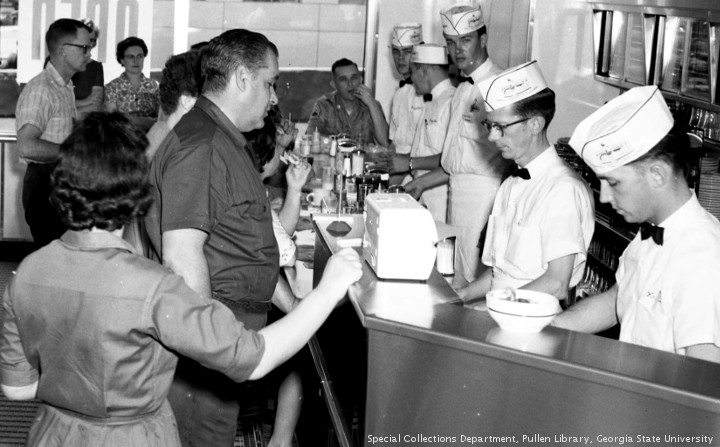

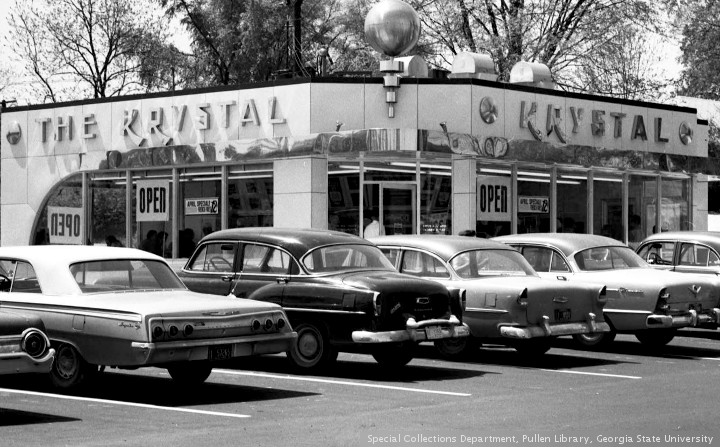


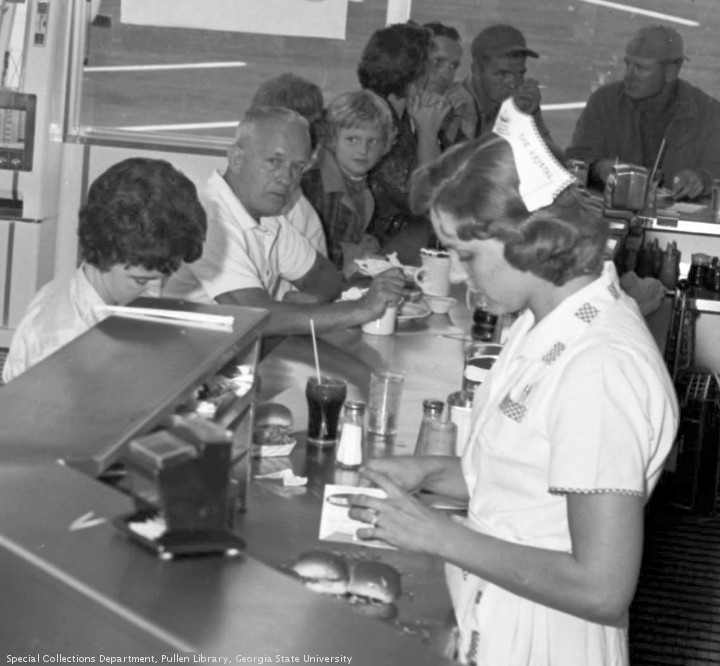

Mr. LAMB: And how long did you spend with The New York Times as a reporter?
Ms. IVINS: Six years with The New York Times. Some of it in New York as a political reporter at City Hall in Albany and then later as bureau chief out in the Rocky Mountains.
Mr. LAMB: Would you take a little time and tell us about reporting on the funeral of Elvis Presley?
Ms. IVINS: Oh, now there is something that when I’ve been standing in the checkout line at the grocery store and if I really need to impress people, I just let fall that I covered Elvis’ funeral. And, boy, people just practically draw back with awe. It may yet turn out to be my greatest claim to fame.
I was sitting in The New York City Times one day when I noticed a whole no–knot of editors up around the desk having a–a great scrum of concern, you could tell. It looked sort of like an anthill that had just been stepped on. And it turns out–The New York Times has a large obituary desk, and they prepare obituaries for anybody of prominence who might croak. But it turns out–you may recall that Elvis Presley died untimely and they were completely unprepared.
Now this is an enormous news organization. They have rock music critics and classical music critics and opera critics, but they didn’t have anybody who knew about Elvis Presley’s kind of music. So they’re lookin’ across a whole acre of reporters, and you could see them decide, `Ah-ha, Ivins. She talks funny. She’ll know about Mr. Presley.’
So I wound up writing Elvis’ obituary for The New York Times. I had to refer to him throughout as Mr. Presley. It was agonizing. That’s the style at The New York Times–Mr. Presley. Give me a break. And the next day they sold more newspapers than they did after John Kennedy was assassinated, so that even the editors of The New York Times, who had not quite, you know, been culturally aton–tuned to Elvis, decided that we should send someone to report on the funeral. And I drew that assignment. What a scene it was.
Mr. LAMB: You–you say in the book that you got in the cab and you said, `Take me to Graceland.’ The cabbie peels out of the airport doing 80 and then turns full around to the backseat and drawls, `Ain’t it a shame Elvis had to die while the Shriners are in town?’
Ms. IVINS: That’s exactly what he said. `Shame Elvis had to die while the Shriners are in town.’ And I kind of raised by eyebrows. And sure enough, I realized what he–what he meant after I had been there for awhile because, you know, Shriners in convention–I don’t know if you’ve ever seen a whole lot of Shriners in convention, but they were having a huge national convention that very week in Memphis. And they tend to wear their little red fezzes, and sometimes they drink too much and they march around the hotel hallways tooting on New Year’s Eve horns and riding those funny little tricycles and generally cutting up and having a good time. That’s your Shriners in convention, always something very edifying and enjoyable to watch. But they–every–every hotel room in Memphis was occupied with celebrating Shriners, and then Elvis dies and all these tens of thousands of grieving, hysterical Elvis Presley fans descend on the town.
So you got a whole bunch of sobbing, hysterical Elvis fans, you got a whole bunch of cavorting Shriners. And on top of that they were holding a cheerleading camp. And the cheerleading camp–I don’t know if your memory–with the ethos of the cheerleading camp, but the deal is that every school sends its team–team of cheerleaders to cheerleading camp.
And your effort there at the camp is to win the spirit stick, which looks, to the uninitiated eye, a whole lot like a broom handle painted red, white and blue. But it is the spirit stick. And should your team win it for three days running, you get to keep it. But that has never happened. And the way you earn the spirit stick is you show most spirit. You cheer for breakfast, lunch and dinner. You cheer when the pizza man brings the pizza. You do handsprings end over end down the hallway to the bathroom. I tell you, those young people will throw–show an amount of spirit that would just astonish you in an effort to win that stick.
So here I was for an entire week, dealing with these three groups of people: the young cheerleaders trying to win the spirit stick, the cavorting Shriners and the grieving, hysterical Elvis fans. And I want to assure you that The New York Times is not the kind of newspaper that will let you write about that kind of rich human comedy.
Mr. LAMB: Why?
Ms. IVINS: Because The New York Times, at least in my day, was a very stuffy, pompous newspaper.
Mr. LAMB: What about today?
Ms. IVINS: A little bit better, little bit better than it was.
Mr. LAMB: And…
Ms. IVINS: Has–has–it has a tendency, recidivist tendencies, though. You–you will notice if you read The Times, it–it collapses into pomposity and stuffiness with some regularity.
Mr. LAMB: Why did you leave it?
Ms. IVINS: Well, I–I actually got into trouble at The New York City Times for describing a community chu–chicken killing out West as a gang pluck. Abe Rosenthal was then the editor of the Times and he was not amused.
Mr. LAMB: Did–but did they let it go? Did they let it…
Ms. IVINS: Oh, no. It never made it in the paper. Good heavens, no. Such a thing would never get in The Times in my day.
POSTSCRIPT I found some pictures, marked up the text, and was ready to post the story. He decided to listen to a bit more of the discussion between Molly Ivins and the bald headed man. When he got to this point, it became apparent that he could listen to Molly Ivins talk, or he could post his story, but he could not do both at the same time.
Ms. IVINS: Oh, well, of course, I’m gonna make fun of it. I mean, Berkeley, California, if you are from Texas, is just hilarious.
Mr. LAMB: Why?
Ms. IVINS: Well, of course, it is just the absolute center of liberalism and political correctness. And it is a veritable hotbed of people, of–bless their hearts, who all think alike, in a liberal way. And, of course, I’m sometimes called a liberal myself, and you would think I would have felt right at home there. But I just am so used to–I’m so used to Texas that I found the culture at Berkeley hysterical.


Never Doubt

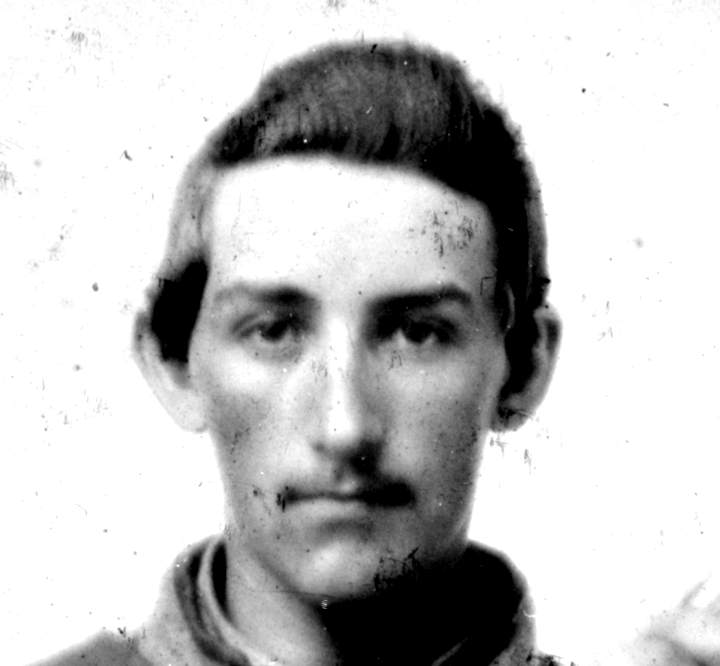

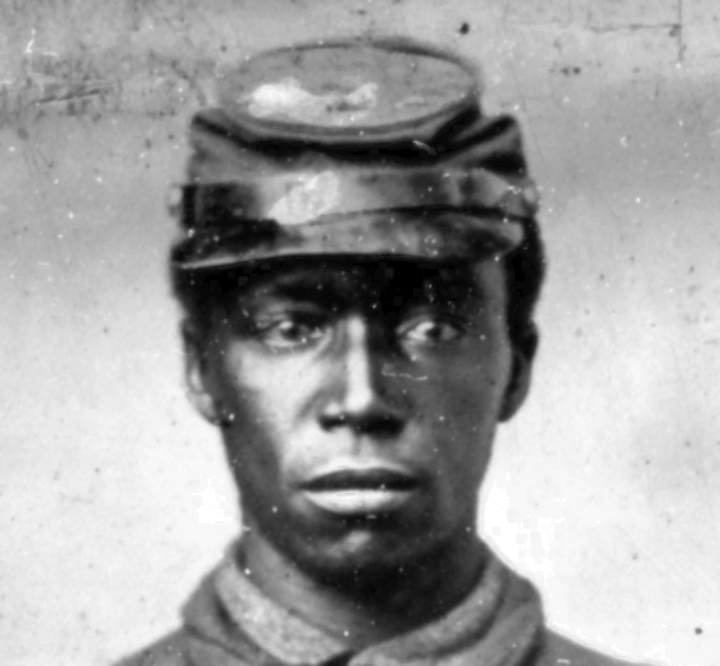
“Never doubt that a small group of thoughtful, committed citizens can change the world; indeed, it’s the only thing that ever has.” This chestnut appeared in an email, promoting an event. I heard a podcast last year, about another Margaret Mead story. Readers of this blog know where this is going.
@anthroreviewed “Did Margaret Mead really say that thing about broken femurs and civilization that is (once again) making the rounds online? Also, are healed femurs a marker of civilization? No. And no. As explore in the second half of this episode… “ A blog post, That Margaret Mead quote, goes into more detail about both stories.
“It’s interesting the quotes that are attributed to Margaret Mead – another is “Never doubt that a small group of people can change the world – indeed, it is the only thing that ever has.” … Both are things she could have said, given her personality, but neither is fully attributed – the first instance of the story above is in Dr. Ira Byock’s 2012 book on palliative care, and the above quote only attributed to her, four years after her death, by the author of a fairly hippie-ish book on paths to world peace.”
“This quote (about the femur) has been going around Facebook since mid-March, probably encouraged by this Twitter thread, this FB post, and this article in Forbes, none of which are by archaeologists/anthropologists.”
When the bs detector started dinging, results are just a few clicks away. Highlight the suspicious quote. Right click, choose “Search Google for …,” and wait 0.51 seconds. When one of the results is a story at Quote Investigator®, you have a winner.
When people get caught peddling bogus quotes, they often say that even if the attribution is false, the words are true. What about the featured quote today? It sounds good, and is great for promoting attendance at an event. But is it the truth?
Look at the 9/11 attacks. They did change the world. While it is true that nineteen men pulled off the caper, they had a lot of help. Somebody financed the operation. Other people built the airliners, and the airports where they took off. Somebody dug an oil well, pumped the crude oil, shipped the crude oil to a refinery, and produced the explosive jet fuel that propelled the attacks. In fact, it was the profits from pumping that oil that financed the attacks. “A small group of thoughtful, committed citizens” flew a plane, that someone else built, into the World Trade Center. They were not “the only thing that ever has.” This is a repost. Pictures today are from The Library of Congress.
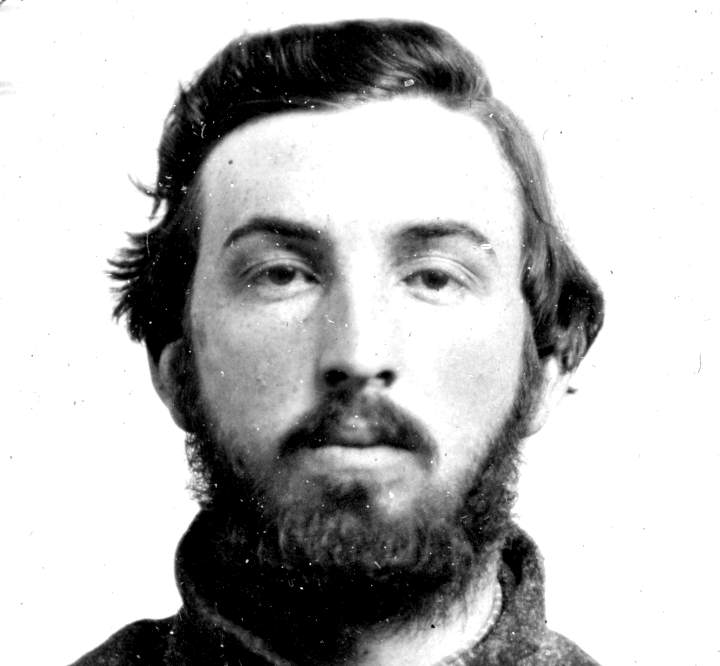


Whitman To Ginsberg

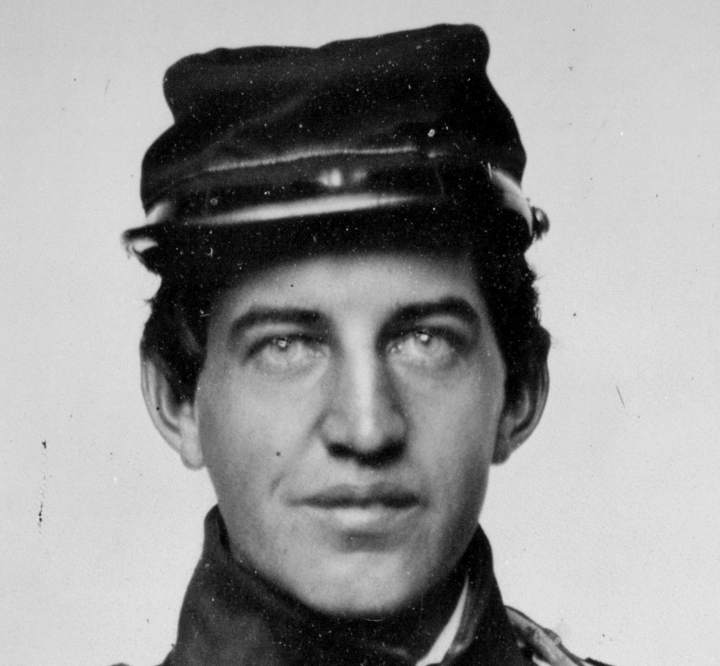
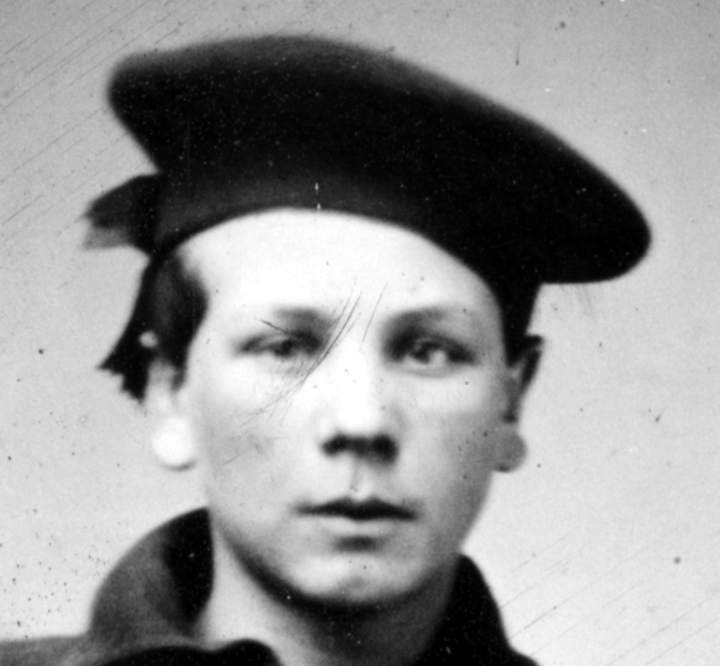
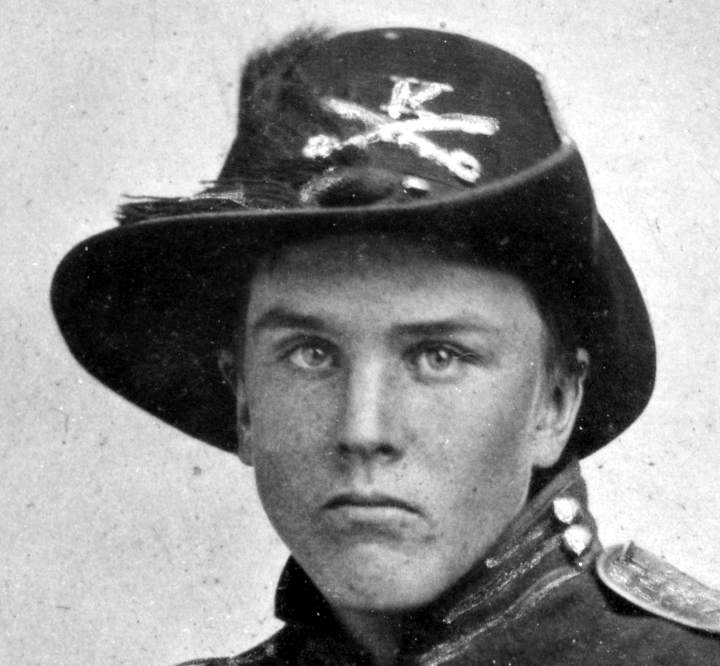

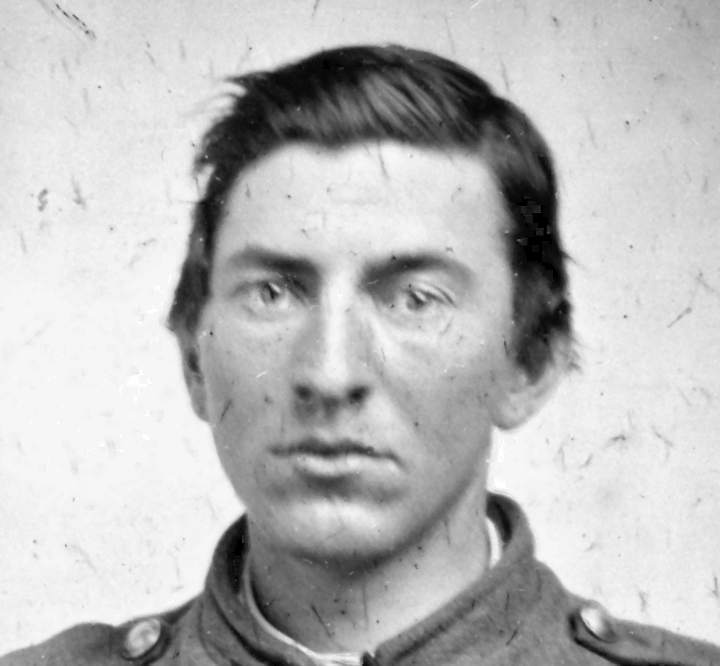
“… I’ve slept with Neal Cassady who slept with Gavin Arthur who slept with Edward Carpenter who described sleeping with Whitman to Gavin Arthur. [The “Gay Succession”]” Allen Ginsberg was fond of his place in a line of gay succession. This is a repost.
A 1974 interview makes the same point about Whitman-Carpenter-Arthur, but does not mention Cassady-Ginsberg. Could anyone be telling stories? The Carpenter-Arthur connection happened in 1924, but is described in wonderful detail by Mr. Arthur in 1967. There are few details about the Arthur-Cassady link in the chain. As a BBC interviewer said to Mr. Ginsberg in 1994 “Both Bob Dylan and Jack Kerouac, I think, described you as a “con-man extraordinaire”. What did they mean?” AG: “Oh, maybe they were projecting their own goofiness on me.”
“Edward Carpenter (1844-1929) was a writer and gay mystic and lived in England all his life. Although ordained an Anglican priest in 1869 he soon renounced religion and became a Fabian socialist. Among his works on social reform is Towards Democracy (1883-1902), a long, un- rhymed poem revealing the influence of his friend Walt Whitman. He edited the first gay literary collection, Iolaus: An Anthology of Friendship”
Mr. Carpenter exchanged letters with Mr. Whitman. “Although Whitman was not a socialist, his writing had a profound effect on Carpenter, who made the long trip to America primarily as a pilgrimage to his literary and spiritual inspiration. He visited the poet for several weeks in 1877 and again in 1884. In 1906 he published an account of his visits to America, Days with Walt Whitman, writing a respectful, even somewhat glorified, portrait of his idol.”
“It was not until the 1966 publication of a memoir by Gavin Arthur entitled The Circle Of Sex that the intimate details of Carpenter’s visits were revealed. Arthur slept in bed with Carpenter … leaving us with our only description of Whitman’s sexual behavior, an area otherwise shrouded in mystery and controversy.” In later years, we learned that Mr. Whitman possibly spent a happy afternoon with Oscar Wilde. Mr. Whitman was also fond of cruising the Brooklyn Waterfront.
Gavin Arthur (born Chester Alan Arthur III; March 21, 1901 – April 28, 1972) is a key link in this chain. As often noted, he was the grandson of Chester Arthur. The elder Mr. Arthur was elected Vice President in 1880, and promoted after the death of James Garfield.
The younger Mr. Arthur was a piece of work. In the early 1920’s, Mr. Arthur dropped out of Columbia, got married, and moved to Ireland. Mr. Arthur somehow got to meet his idol, Edward Carpenter. At the time of this meeting, Mr. Arthur was 23, and Mr. Carpenter was 80.
THE GAY SUCCESSION “… is a document given me by Gavin Arthur in 1967.” The story goes into extravagant detail about the meeting between Mr. Arthur and Mr. Carpenter. One wonders how the elderly Mr. Arthur remembers all this 43 years later.
EC – “No, Walt was ambigenic,” he said. “His contact with women was far less than his contact with men. But he did engender several children and his greatest female contact was that Creole in New Orleans. I don’t think he ever loved any of them as much as he loved Peter Doyle.”
GA – “I suppose you slept with him?” I blurted out half scared to ask.”
EC – “Oh yes–once in a while–he regarded it as the best way to get together with another man. He thought that people should ‘know’ each other on the physical and emotional plane as well as the mental. … the best part of comrade love was that there was no limit to the number of comrades”
GA – “How did he make love?” I forced myself to ask.”
EC – “I will show you,” he smiled. “Let us go to bed.”
Mr. Arthur spares few details in what happens next.
Chester III renamed himself Gavin. After losing the financial support of his family, Mr. Arthur moved to San Francisco. For a while, he sold newspapers on the street. “And he delved deep into both astrology and sexology. Gavin took his star charts very seriously: When one self-administered reading told him he was heading to prison soon, he immediately drove to San Quentin and took a job as a teacher, the better to prevent going in as an inmate.”
“By the 1960s, Gavin Arthur had become a well-known and respected astrologer. In 1966, some Bay Area activists, cultural and political, began to plan a transformative event. They wanted to unite the cultural radicals of the Haight, and the political radicals of Berkeley. Those plans led to the Human Be-In. In order to have maximum astrological impact, its organizers asked Arthur to determine the most auspicious date. Arthur determined that January 14, 1967, would have the greatest impact.”
“I had a flashback to the time I spent with Ginsberg in Cambridge, MA, in 1982, when he told me that I was part of an erotic lineage that connected me to Whitman … a quick Google search identifies Arthur as ”a certain astrologer and San Francisco character, Gavin Arthur … gave lectures at San Quentin while Neal was a prisoner.” Another entry reports that he studied astrology with Ronald Reagan before Reagan started his political career.”
“In 1958, he (Neal Cassady) was arrested after being caught using marijuana at a San Francisco nightclub. He was sentenced for two years at San Quentin State Prison.” This was when Mr. Arthur was teaching at San Quentin. Mr. Cassady mentions him in two letters to his wife Carolyn. (For those who just got here, Neal Cassady was the model for Dean Moriarty in On The Road. Mr. Cassady also drove the bus “Further,” for the Merry Pranksters.)
August 13, 1959 from San Quentin to Carolyn Cassady “Last Saturday, “Uncle Gavin” Arthur, grandson of our twenty-first President who, Republican though he was, could hardly have been more conservative than is Gain underneath all his Occult Astrology, failed to show (again, for the third time in six weeks) to teach our class in Comparative Religion and Philosophy, about three dozen regularly in attendance, on account of a death in his group at the Global House, which he bought by selling papers on Market Street for ten years; so again it was my pleasurable duty to instruct the boys in Cayce-hood [Edgar Cayce]”
Septetmber 22 1959 from San Quentin to Carolyn Cassady “Uncle” worry-wart [Gavin Arthur] missed showing up for the class again last week and I hear, probably unfounded, rumors that it is to be discontinued, too bad if true, because it was fun to hear the old geezer expound, without at all remembering he had, on the very same things week after week. I mean his examples, and their wording were always so alike one could not only anticipate, but, with any memory at all, give in advance the exact sentence he would be about to pronounce: it was sort of a game.” Eight years later, the “old geezer” described a 1924 tryst in clinical detail.
San Quentin broke Neal Cassady. The railroad would not take him back, and Carolyn divorced him. “He, however, felt now he had utterly failed in his mission, and he knew he could never go back. He died inside; only his body survived. This he did his best to destroy. He no longer believed in suicide, but he did all he could to be killed. … He told me he swallowed handfuls of pills anyone offered, even not knowing what they were. Is this not an obvious death-wish? He admitted it was.”
During this down and out time of his life, Neal Cassady apparently connected with Gavin Arthur. In a 1974 radio interview, Allen Ginsberg recalls “That was already the ’60’s, but there was that atmosphere back in San Francisco, around Gavin Arthur, particularly. Arthur was a great friend of Neal Cassady, slept with him all the time, or whenever Neal had nowhere to go he’d wind up in Gavin’s house, sort of falling asleep, exhausted, in his bed.”
The Neal Cassady to Allen Ginsberg connection is well documented.
“A second, serendipitous event further spurred (Joey) Cain’s interest in researching Gavin Arthur. Cain found a used copy of Carpenter’s “Towards Democracy” in a used bookstore for $3.00. It had a lot of writing in it. Cain noticed the following lament among the notes in the book, “This is one of my Bibles, please return. This volume is the third I have had to buy, people being so dishonest about books.” Then he looked below and saw Gavin Arthur’s signature and address. The writing belonged to Arthur. The book in his hand had once belonged to Gavin Arthur. He went up to the cashier who said, “It’s a shame about all this writing in it.” Cain replied, “Let me pay for it first, and then I’ll tell you about this writing.” Pictures today are from The Library of Congress.
Walt Whitman And The War
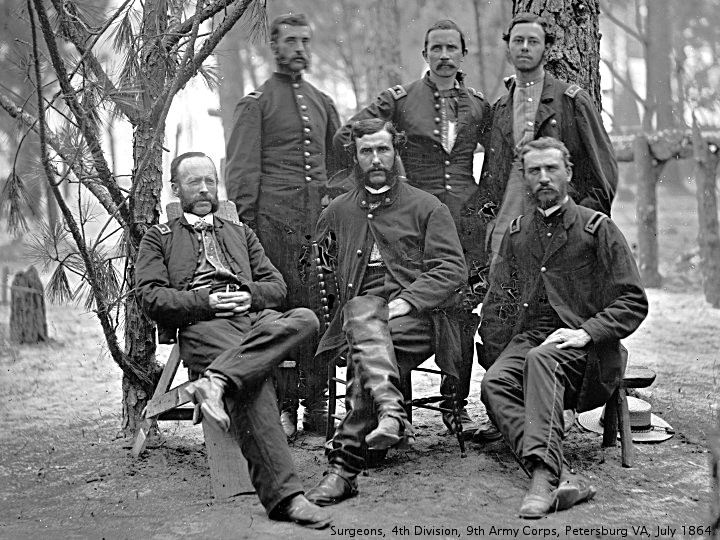

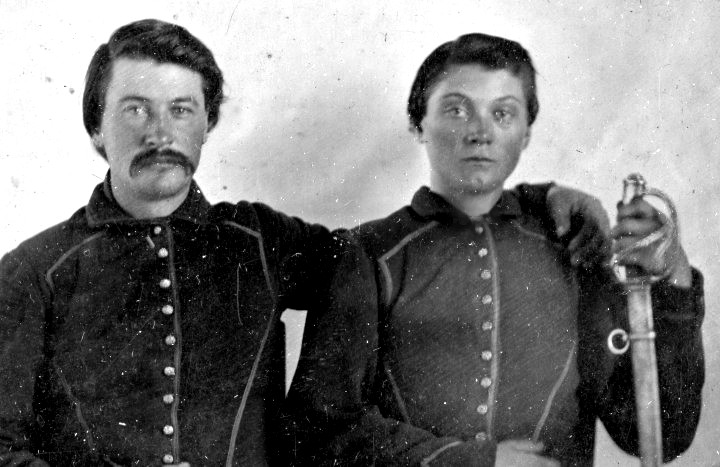


Every night for a thousand years is a story about Walt Whitman’s time as a caregiver during the War Between the States. It appears this month on The New Yorker fiction podcast. ENFATY was written in the voice of Mr. Whitman by Chris Adrian, and read for the podcast by @NathanEnglander.
After looking for his wounded brother, Mr. Whitman was struck by the plight of wounded soldiers. He started to visit the soldiers, giving them candy and food, writing letters for them, and giving what comfort he could. ENFATY focuses on one soldier, Hank Smith. Doctors wanted to amputate his leg. Hank had a pistol, and would not let them. By the time Hank was tricked into allowing an amputation, it was too late.
Not everyone approved of Mr. Whitman. “One disapproving commissioner, Harriet Hawley, complained to her husband: “Here comes that odious Walt Whitman to talk evil and unbelief to my boys. I think I would rather see the evil one himself—at least if he had horns and hooves.”
Others saw things differently. “Union Colonel Richard Hinton met Whitman at Armory Square Hospital while recovering from a bullet wound suffered at Antietam … “When this old heathen came and gave me a pipe and tobacco, it was about the most joyous moment of my life. Walt Whitman’s funny stories, and his pipes and tobacco were worth more than all the preachers and tracts in Christendom. A wounded soldier don’t like to be reminded of his God more than twenty times a day. Walt Whitman didn’t bring any tracts or bibles; he didn’t ask if you loved the Lord, and didn’t seem to care whether you did nor not.”
Conditions conditions in the hospitals were beyond horrible. This was an era when many people said “I do not need to wash my hands every day!” One nurse asked Mr. Whitman if he had a Bible. She wanted to cheer up, by reading the Book of Job.
“These hospitals, ranging in size from converted private mansions to filthy, mud-encrusted tents in contraband camps, were places to be feared by any thinking person. The great European medical advances in bacteriology and antisepsis were still tragically a few years in the future … the overworked and understaffed physicians continued to ascribe the soldiers’ ills to such fantastical causes as “malarial miasms, mephitic effluvia, … sewer emanations, and poisonous fungi in the atmosphere.” …
The predictable result of such hurried and horrific operations was postoperative infection. Pyemia, septicemia, erysipelas, osteomyelitis, tetanus, and gangrene were grouped together as “surgical fevers.” Pyemia, literally “pus in the blood,” was the most dreaded of all, with a mortality rate of 97.4 percent, but the other surgical fevers also claimed their deadly share of victims. Not without reason did Civil War soldiers fear doctors much more intensely than they feared the enemy. They had a greater chance of dying in the hospital than in the field.
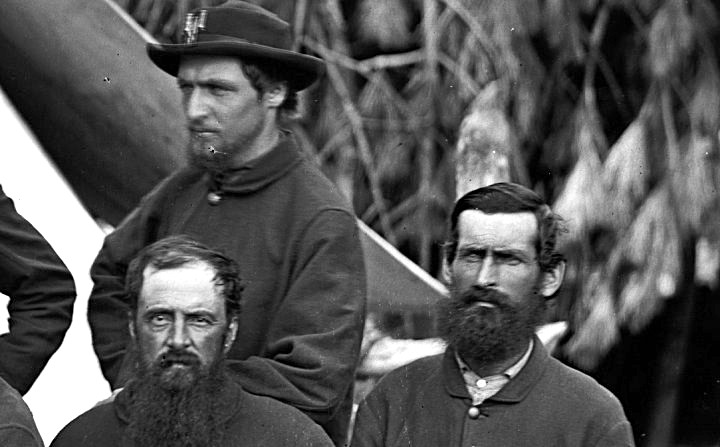
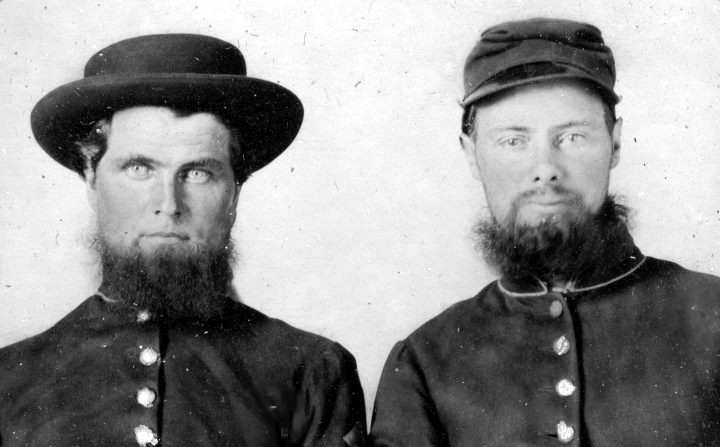
“That whole damned war business is about 999 parts diarrhea to one part glory.” The quote is on page 187 of Intimate with Walt – Selections from Whitman’s Conversations with Horace Traubel, 1882-1892. Pictures today are from The Library of Congress


July 3, 1981


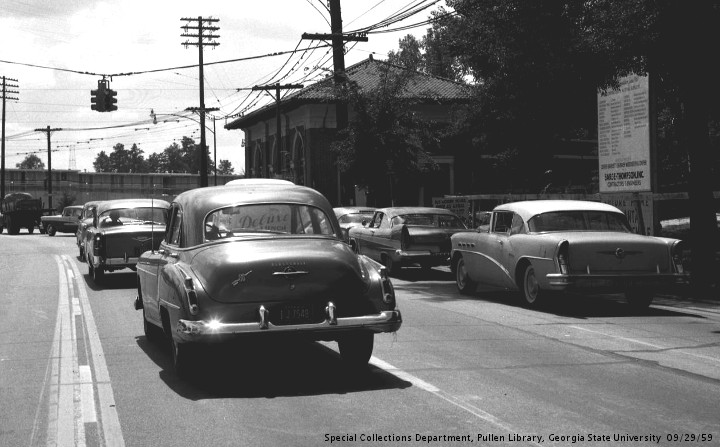



July 3, 1981, was another day before a holiday. The new President, Ronald Reagan, was recovering from gunshot wounds. There was talk of an era of conservatism, with possibly severe repression.
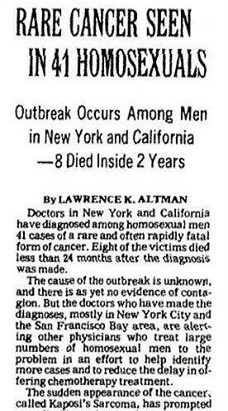
There was an article in the New York Times. RARE CANCER SEEN IN 41 HOMOSEXUALS. “Doctors in New York and California have diagnosed among homosexual men 41 cases of a rare and often rapidly fatal form of cancer. Eight of the victims died less than 24 months after the diagnosis…”
This was the media debut of AIDS. It would not have that name for a while. Almost nobody thought, on that summer day, just how bad AIDS would be. In five years it was obvious how serious AIDS was.
 I was on another trip to the west coast. It was becoming obvious that this would be a vacation, rather than a relocation. He was riding a bicycle, with a milk carton overloaded with camping gear. Some kids told him to get saddle bags, and carry the weight lower. If you have the weight on top, you would lose control coming down a big hill. I did not listen to the kids.
On July 4, I left Patrick’s Point state park, about 300 miles north of San Francisco. Coming down the first hill on highway 101, the bike shook, shook harder, and flipped on its side. I was thrown off. The front wheel was bent beyond repair. I gathered my gear, left the bike behind, and got a ride into the nearest town.
I got a bus ticket to Seattle. That city was in an economic downturn, with less than half a page of help wanted ads. I found a auto delivery service, and got a VW bug going to Oak Ridge, TN. In a few days he was in Atlanta. A few days later, a temp agency came up with a job as a driver for a blueprint company. I worked for that company, in one form or another, for the next 24 years.
As for the gay men with Kaposi’s Sarcoma … in all probability, the patients mentioned in that article were all dead within a year. AIDS has become a dominating story in our time. At its worst, it was claiming 50,000 lives a year. With the advent of wonder drugs, the death toll has been greatly reduced. The impact of AIDS on American life cannot be adequately described. This is a repost.
Pictures today are from “The Special Collections and Archives, Georgia State University Library”. Lawrence K. Altman, M.D. had an NYT byline on Feb. 16, 2023.


The Last Night Of Judy Garland
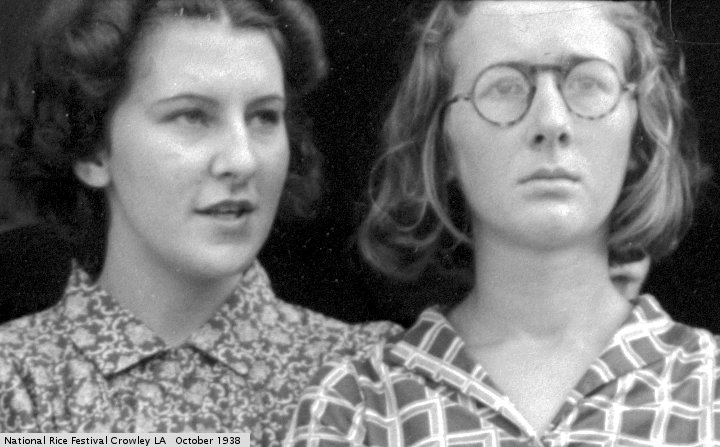


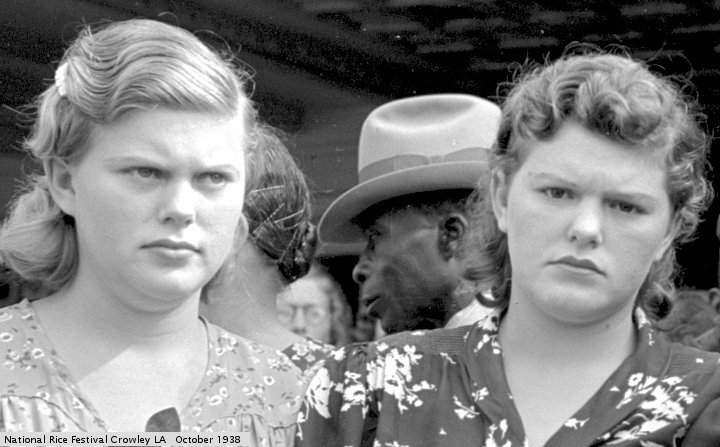

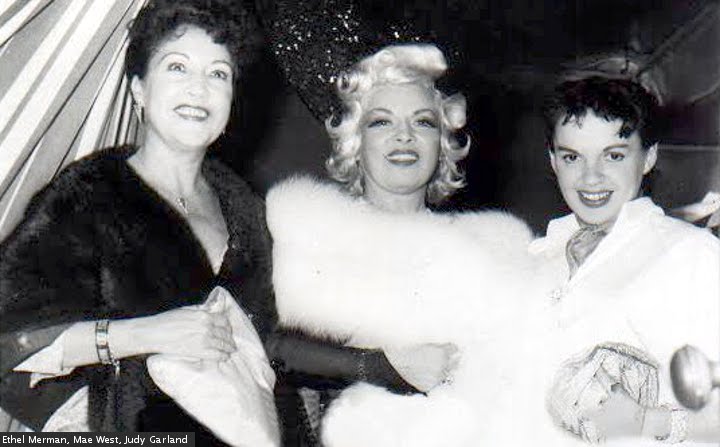
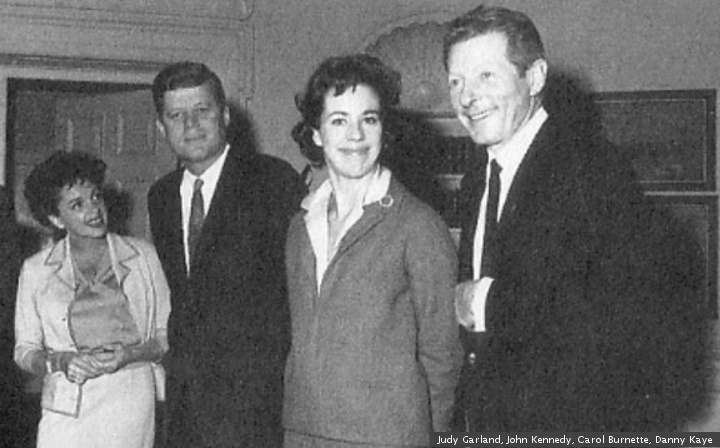
“In march of 1969, Judy married her fifth husband, Mickey Devinko, better known as Mickey Deans, a gay night-club promoter. Judy had an unfortunate habit of marrying gay men. They lived together in a tiny mews house in Chelsea, London. The evening of Saturday June 21 1969, Judy and Mickey were watching a documentary, The Royal Family, on television, when they had an argument. Judy ran out the door screaming into the street, waking the neighbors.
Several versions of what happened next exist, but the fact remains that a phone call for Judy woke him at 10:40 the next morning, and she was not sleeping in the bed. He searched for her, only to find the bathroom door locked. After no response, he climbed outside to the bathroom window and entered to find Judy, sitting on the toilet. Rigor Mortis had set in. Judy Garland, 47, was dead.
The press was already aware of the news before the body could be removed. In an effort to prevent pictures being taken of the corpse, she was apparently draped over someone’s arm like a folded coat, covered with a blanket, and removed from the house with the photographers left none the wiser.
The day Judy died there was a tornado in Kansas…. in Saline County,KS, a rather large F3 tornado (injuring 60, but causing no deaths) did hit at 10:40 pm on June 21st, that would be 4:40 am, June 22nd, London time, the morning she died. I know the time of death has never been firmly established, but since Rigor Mortis had already set in, I think this tornado may very much be in the ballpark in terms of coinciding with time of death…. Other news articles suggest the tornado struck Salina “late at night” which could certainly also mean after midnight on June 22, or roughly 6:00 am London time…
The Toledo Blade for June 24th, also in an article located right next to a picture of Garland, in a write-up on the Salina tornado noted that “Late Saturday [June 21] and early Sunday [June 22, another batch of tornadoes struck in central Kansas.” So it seems the legend seems confirmed.”
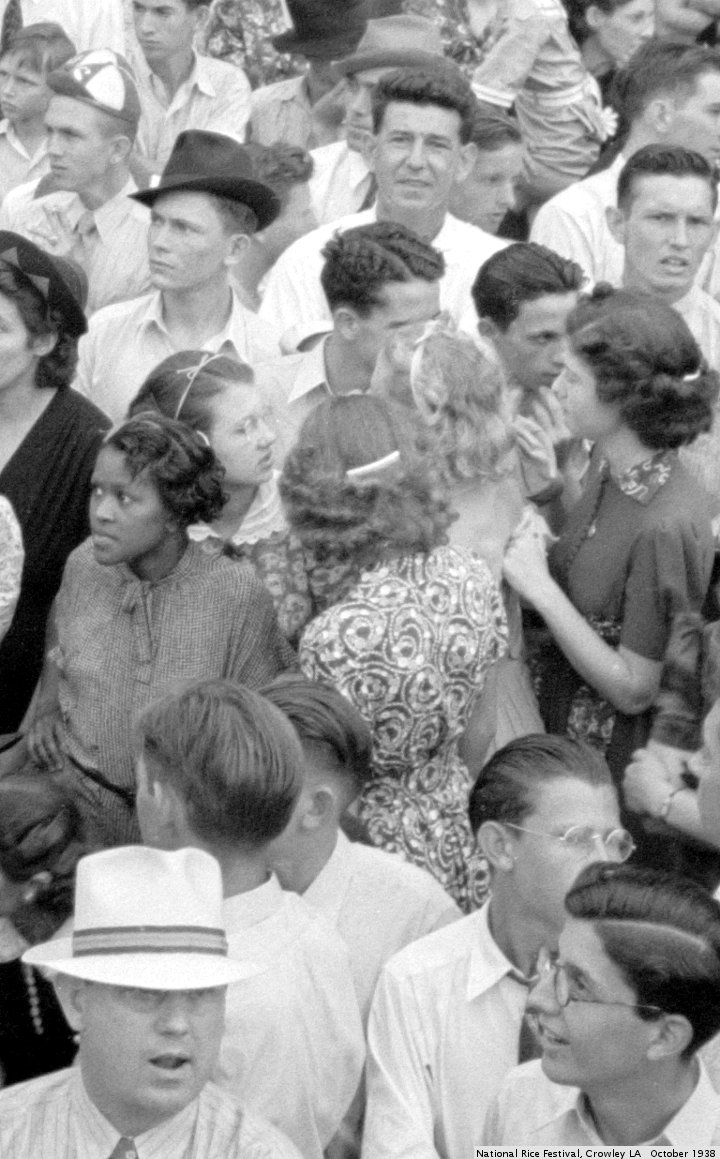
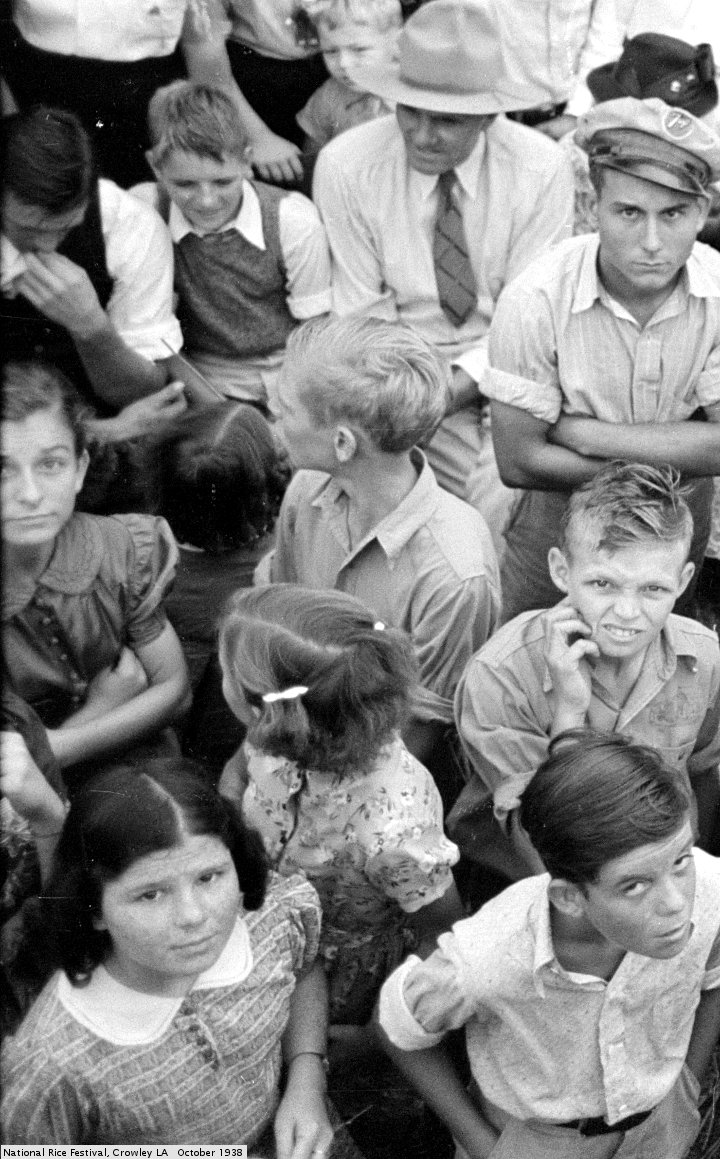
The text for this story comes from Findadeath. You can spend hours at this site. This is a repost. Pictures are from The Library of Congress.





leave a comment