Man Trap







John Booth was an actor, and firearm enthusiast. He was a ruthless critic of productions that did not include him. When something displeased Mr. Booth, it was necessary to let people know about it. Someone told the actor that boo was short for Booth. He believed this, and was forced to find other ways to express his displeasure. This is a repost.
A play called “Our American Cousin” gave a performance in Washington DC in 1865. In act two of OAC, a lady called another lady “you sockdologizing old man-trap.” The crowd roared with laughter. Mr. Booth thought the line insipid, and looked for a way to express his anger.
When Mr. Booth was through with his commentary, he jumped out of the balcony. The riding spur on his boot caught a drape. Mr. Booth landed with all the weight on one leg. The leg was badly broken. It would have been less painful if Mr. Booth swallowed his pride, and said boo. Pictures for today’s entertainment are from The Library of Congress.



Oscar Wilde


October 16 is Oscar Wilde’s birthday. On that day in 1854, he appeared in Dublin, Ireland. He is one of the most widely quoted people in the english language. Some of those quotes are real. Since he was a published author, it should be easy to verify what he really said. This birthday celebration is a repost, with pictures from The Library of Congress.
One night in 1974, PG was talking to someone, and did not know who Oscar Wilde was. The conversational partner was horrified. PG became educated, and learned about a misunderstanding with the Marquess of Queensberry. Soon the “Avenge Oscar Wilde” signs made sense.
Mr. Wilde once made a speaking tour in the United States. One afternoon, in Washington D.C., the playwright met Walt Whitman. Thee and thou reportedly did the “Wilde thing”.
The tour then went to Georgia. A young black man had been hired as a valet for Mr. Wilde on this tour. On the train ride from Atlanta to Augusta, some people told Mr. Wilde that he could not ride in the same car as the valet. This was very confusing.
After his various legal difficulties, Oscar Wilde moved to Paris. He took ill, while staying in a tacky hotel. He looked up, and said “either that wallpaper goes, or I do”. Soon, Oscar Wilde passed away.





Pauline Kael, Gina James, And James Broughton
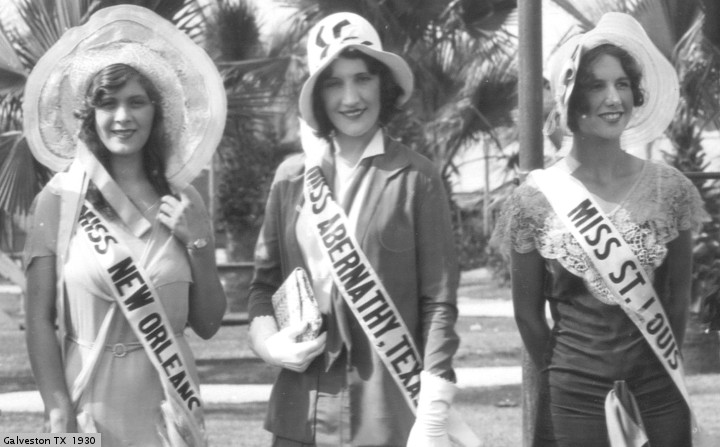


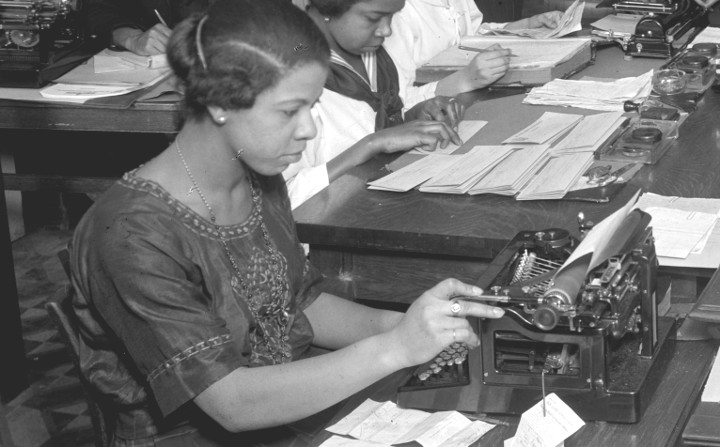
Pauline Kael was the rockstar film critic. James Broughton was the radical faerie poet laureate. They were lovers, and had a daughter, Gina James. Pauline and James were not married, contrary to what some naysayers would tell you. This is a repost.
Much of the information in this feature is taken from online reviews of Pauline Kael: A Life in the Dark, a 2012 biography written by Brian Kellow. Gina James, also known as Gina Broughton, was not interviewed for the book. Neither did she participate in the making of Big Joy, a movie about James Broughton. (A wig store, Gina Beauty Supply is located at 25 W Broughton St, Savannah, GA 31401.)
Pauline Kael was born June 19, 1919, Petaluma, CA, died September 3, 2001, Great Barrington, MA, and stood 4 feet 9 inches tall. James Broughton was born November 10, 1913, Modesto, CA, and died May 17, 1999, Port Townsend, WA. Neither one had a middle name. Both used their birth name throughout life. Both had lives, before meeting in the late forties.
When she met James Broughton, Miss Kael was living what would later be called the bohemian life. After moving to New York, and being dumped for composer Samuel Barber, Miss Kael moved back to California. “Returning to the Bay Area with her tail between her legs in 1945, Pauline became involved with the incredibly effeminate avant-garde filmmaker James Broughton. He managed to impregnate Pauline but threw her out as soon as she told him, whereupon she moved to Santa Barbara to give birth to her daughter, Gina, in 1948″
“Like her early career, Kael’s personal life was also fraught with failures. Kellow says “she had a habit of falling for gay men” earlier in her life because “they tended to share her passions and enthusiasms.” She had a daughter … with one of them, experimental filmmaker James Broughton.”
“For a time, during the 1940s, he lived with future film critic Pauline Kael. She encouraged his filmmaking endeavors but their relationship ended after she got pregnant. … Pauline Kael thought that Broughton made the biggest mistake of his life when he turned down a studio film after winning the prize at Cannes.” (Apparently Mr. Broughton was from a wealthy family, and could afford this attitude. Regarding his movie The Bed, Mr. Broughton said “It was the only film I created that ever made any money.”)
“Which brings us to the strange tale of Pauline’s only child, Gina James. … In 1948, at age 29, Kael got pregnant after she “talked her way into moving in” with James Broughton, a bisexual poet living in Sausalito. By Kellow’s account, Broughton was furious at the news of Kael’s pregnancy; he felt trapped and tricked by her. One of Broughton’s friends reported that he kicked Kael out of his house. She moved to Santa Barbara to have the baby. The birth certificate listed the father as “Lionel James, a writer”. It is one of the disappointments of the book that Kellow shines little light on Kael’s passion — or whatever it was — for Broughton, on how she processed that cruel rejection and on whether Broughton ever recognized Gina as his daughter.”
James Broughton moved on with his life. He made experimental films, got married, and fathered two more children. At some point he met Joel Singer, and began the romance that would last the rest of his life. It is tough to say whether he was genuinely bisexual, or whether he was playing the role society expected of him.
This review of Big Joy continues: “But interviews with Singer, waxing poetic about his years with the artist, are balanced by reminiscences from Broughton’s ex-wife and his abandoned son. Rather than only celebrating silliness, I found it admirable that the directors didn’t gloss over the pain he caused his wife and children. After all, when you think about it, he spent all of his life unable to decide if he was gay or straight; leaving a lot of broken hearts in his wake.
We learn from Kael that he flirted with everyone he met. “He rode off into the sunset with some guy,” his wife, Suzanna Hart tells us. “That was very sad for me, but not for him, which was…very irritating.” In her segments, Hart keeps her emotions in check but you can clearly read the sadness and anger in her face. The son doesn’t have much good to say about his absent father and the two daughters (the first by Kael and the second by Hart) both refused to be interviewed for the film. Singer has a lot to say about their blissful decades together, but he also comes off a bit heartless when he shows no guilt over breaking up what he calls Broughton’s “loveless” marriage.”
The baby daddy leaves, and the struggling writer becomes a single mom. “… Kael’s relationship with her actual daughter was something out of a Tennessee Williams play, and not in a good way. Kael home-schooled Gina and, as the girl grew up, kept her close, as a typist, projectionist, driver and right-hand man, and she banished any friend who actively encouraged the young woman to break out on her own. Though she was in many ways a loving and committed mother, helping to raise Gina’s son and always living nearby, one senses a Gothic selfishness in her mothering.”
Gina James declined to talk with Kellow for his book, but the author says Kael and her daughter had a sort of symbiotic relationship. “Pauline did not type, Pauline did not drive — Gina performed both those functions for her. And Gina was a very good critic of Pauline. She got to see Pauline’s copy before anyone else did and she often had very, very important and influential things to say. But Pauline really wasn’t wild about the idea of Gina breaking away and having her own life apart from her, and she didn’t do anything really to encourage her in that direction as far as I can see.”
Amazon one star comment: And her poor daughter – what a fate – TYPING all that. Poor Gina, — I can see her – Kellow described sitting silently in some coffee shop while her mother raved on and ON with her pet directors.
An affair with the experimental filmmaker James Broughton produced a child, Gina, whom Kael raised by herself, Mildred Pierce–like, heroically supporting them with a number of odd jobs, including running a laundry. Gina’s heart condition required expensive surgery, and Kael ended up enticing Edward Landberg, the owner of a local art-house theater, Berkeley Cinema Guild. They had begun as co-programmers. As Landberg tells it: “One day, when I was over at her place, I happened to graze her breast with my hand, and she kind of looked up and said, ‘What have you got to lose?’” Their marriage proved a fiasco, but Landberg agreed to pay for Gina’s operation, which Kellow suspects had been Kael’s motive all along…. Kellow shows more independence in assessing Kael’s treatment of her daughter Gina, whose ambitions to become a dancer or a painter she did little to encourage, preferring to keep her on “a silver cord . . . she had also grown accustomed to the steady, dependable role that Gina played—as secretary, driver, reader, sounding board—and she was loath to give her up.” Gina, for her part, was mistrustful of the dynamic she witnessed between Kael and her acolytes.“
“The closest and longest-lasting partnership of her life was with her daughter, Gina James … James considered speaking to Kellow, but finally declined, leaving a blank space at the center of this otherwise vividly detailed biography. Gina lived with her mother till she was over 30, typed up her reviews after Pauline stayed up all night writing them in longhand, and gave up both college and a shot at a dance career to serve as her mother’s caretaker, companion, and driver….
Kellow cites the text of the breathtakingly passive-aggressive eulogy that Gina delivered at her mother’s funeral in 2001: “My mother had tremendous empathy and compassion, though how to comfort, soothe or console was a mystery that eluded her … . Pauline’s greatest weakness, her failure as a person, became her great strength, her liberation as a writer and critic . … she turned her lack of self-awareness into a triumph.”
One more chapter remains. “Gina lived with Kael well into her thirties … That she married and had a child, Will, seemed to catch Kael by surprise, though she ended up adoring her only grandchild, someone with whom she could watch action movies with.
Kael died in 2001, when Will was about 19. Unfortunately, and Kellow made no mention of this in his book whatsoever, there’s a horrible postscript, one that may well have been the reason for why Gina declined to be interviewed for the book. On October 6, 2007, Will, then 25, went hiking in the East Mountain State Forest in the Berkshires. He was an avid hiker, not to mention a devoted martial artist. He had a girlfriend. He never came back. Gina reported him missing, but his body wasn’t found for more than week, on October 15. … “authorities found camping equipment nearby and while cause of death has not been determined, foul play is not suspected.”
Pictures today are from The Library of Congress. UPDATE These two comments were made to the original post. Anonymous said, on June 16, 2017 at 9:18 pm Your piece on Kael and Broughton is rife with misinformation and judgements galore and unbelievably badly written. Get a life and stop spreading falsehoods. And next time you put your fingers to a keyboard do your due diligence! James’ son was NOT ABANDONED! He lived happily with the two of us after the divorce. You fail to recognize that James’ ex-wife was a classic fag hag who had been married to another gay man before her relationship with James. She had been in psychotherapy for years before they got together and for many years after they split up. James certainly did not spend the rest of his life uncertain about his sexuality. Read his autobiography COMING UNBUTTONED and you’ll discover how misinformed your take on him is. You have done a great disservice to your readers by publishing such homophobic nonsense. Joel Singer ~ Sterling Wilson said, on August 19, 2017 at 1:40 pm Curious about this autobiography, I found the following from a Publishers Weekly review “Broughton forsakes introspection for literary gossip and name-dropping: Kenneth Rexroth, Pauline Kael, Dylan Thomas, Anais Nin. The birth of a daughter is dispensed with in two sentences. Broughton’s insistence on making himself the center of attention increasingly intrudes.”



Dick Nixon TV Critic

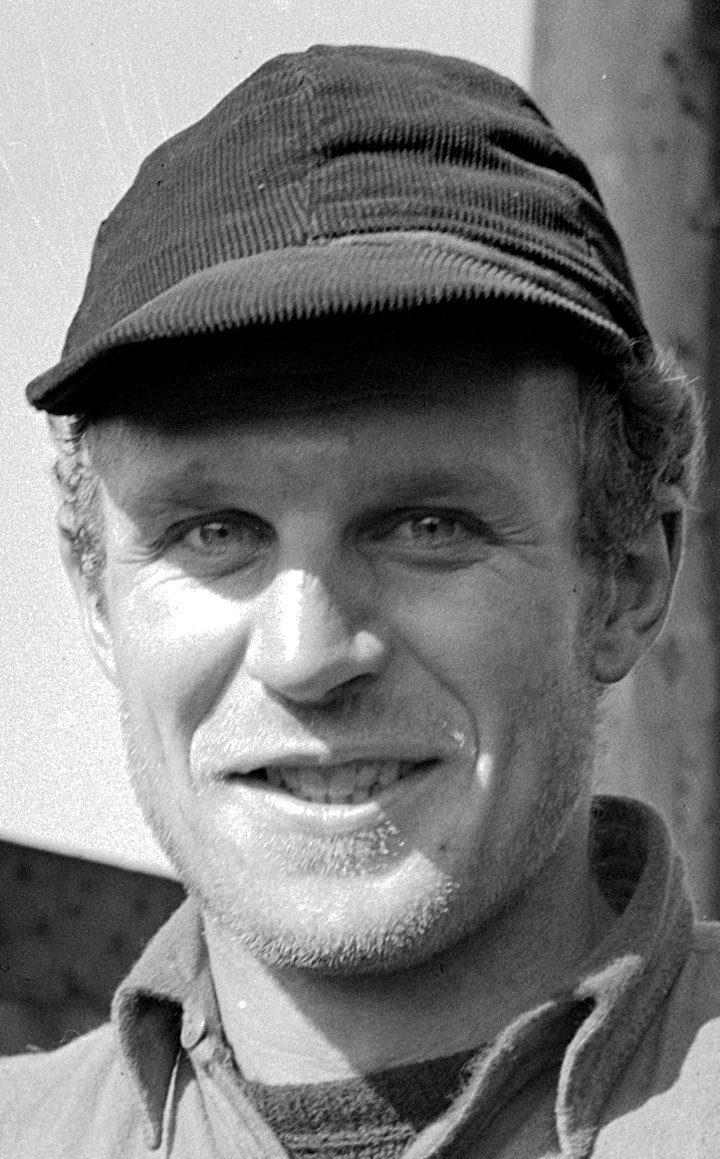


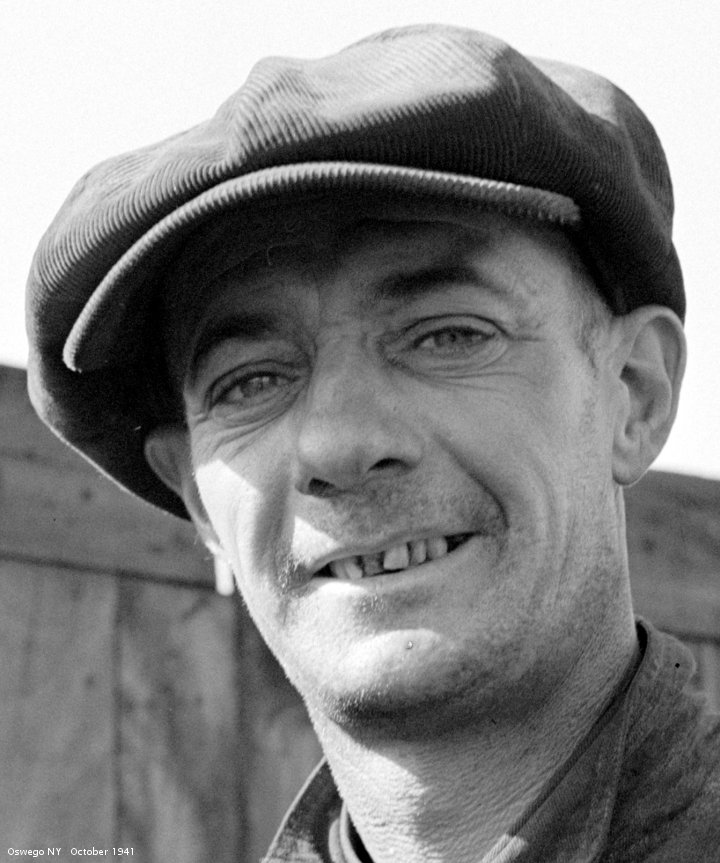
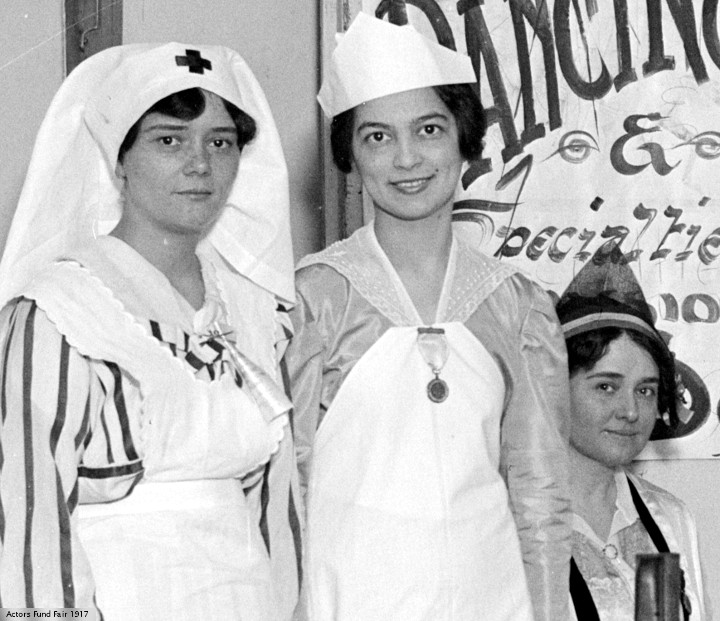
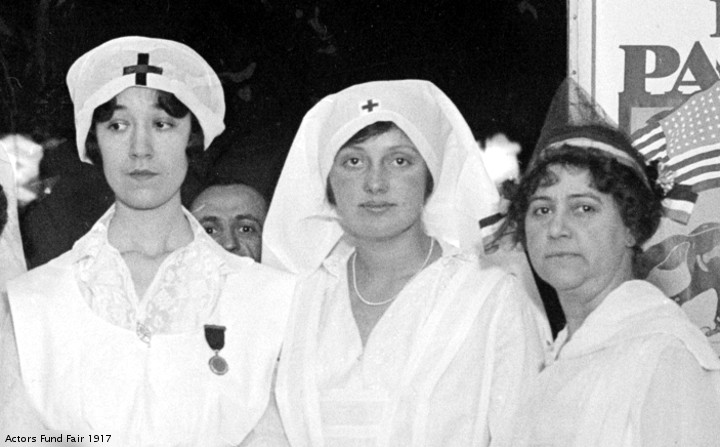
The text below is a conversation between Mr. Nixon, John D. Ehrlichman, and H. R. Haldeman. The tape was made May 13, 1971. This is a repost. Pictures are from The Library of Congress.
NIXON: … CBS … glorifying homosexuality.
EHRLICHMAN: A panel show?
H. R. HALDEMAN: No, it’s a regular show. It’s on every week. It’s usually just done in the guy’s home. It’s usually just that guy, who’s a hard hat.
NIXON: That’s right; he’s a hard hat.
EHRLICHMAN: He always looks like a slob.
NIXON: Looks like Jackie Gleason.
HALDEMAN: He has this hippie son-in-law, and usually the general trend is to downgrade him and upgrade the son-in-law–make the square hard hat out to be bad. But a few weeks ago, they had one in which the guy, the son-in-law, wrote a letter to you, President Nixon, to raise hell about something. And the guy said, “You will not write that letter from my home!” Then said, “I’m going to write President Nixon,” took off all those sloppy clothes, shaved, and went to his desk and got ready to write his letter to President Nixon. And apparently it was a good episode.
EHRLICHMAN: What’s it called?
NIXON: “Archie’s Guys.” Archie is sitting here with his hippie son-in-law, married to the screwball daughter. The son-in-law apparently goes both ways. This guy. He’s obviously queer–wears an ascot–but not offensively so. Very clever. Uses nice language. Shows pictures of his parents. And so Arch goes down to the bar. Sees his best friend, who used to play professional football. Virile, strong, this and that. Then the fairy comes into the bar. I don’t mind the homosexuality. I understand it. Nevertheless, goddamn, I don’t think you glorify it on public television, homosexuality, even more than you glorify whores. We all know we have weaknesses. But, goddammit, what do you think that does to kids? You know what happened to the Greeks! Homosexuality destroyed them. Sure, Aristotle was a homo. We all know that. So was Socrates.
EHRLICHMAN: But he never had the influence television had.
NIXON: You know what happened to the Romans? The last six Roman emperors were fags. Neither in a public way. You know what happened to the popes? They were layin’ the nuns; that’s been goin’ on for years, centuries. But the Catholic Church went to hell three or four centuries ago. It was homosexual, and it had to be cleaned out. That’s what’s happened to Britain. It happened earlier to France. Let’s look at the strong societies. The Russians. Goddamn, they root ’em out. They don’t let ’em around at all. I don’t know what they do with them. Look at this country. You think the Russians allow dope? Homosexuality, dope, immorality, are the enemies of strong societies. That’s why the Communists and left-wingers are clinging to one another. They’re trying to destroy us. I know Moynihan will disagree with this, and Mitchell will. But, goddamn, we have to stand up to this.
EHRLICHMAN: It’s fatal liberality.
NIXON: Huh?
EHRLICHMAN: It’s fatal liberality. And with its use on television, it has such leverage.
NIXON: You know what’s happened [in northern California]?
EHRLICHMAN: San Francisco has just gone clear over.
NIXON: But it’s not just the ratty part of town. The upper class in San Francisco is that way. The Bohemian Grove, which I attend from time to time–it is the most faggy goddamned thing you could ever imagine, with that San Francisco crowd. I can’t shake hands with anybody from San Francisco. … Decorators. They got to do something. But we don’t have to glorify it. You know one of the reasons fashions have made women look so terrible is because the designers hate women. Designers taking it out on the women. Now they’re trying to get some more sexy things coming on again.
EHRLICHMAN: Hot pants.
NIXON: Jesus Christ.



Greeted As Liberators Part Two




Paul Wolfowitz has been a government player for years. After finishing his education, he got a job in the Nixon Administration, and worked with Ford and Reagan. He became a star under GHWB and GWB. Mr. Wolfowitz never served in the military.
Under George W. Bush, Mr. Wolfowitz was Deputy Secretary of Defense. After 911, he became a forceful advocate of War in Iraq. He is regarded by some as the “Architect of the War in Iraq”.
On February 27, 2003, Mr. Wolfowitz testified before congress. “There has been a good deal of comment—some of it quite outlandish—about what our postwar requirements might be in Iraq. Some of the higher end predictions we have been hearing recently, such as the notion that it will take several hundred thousand U.S. troops to provide stability in post-Saddam Iraq, are wildly off the mark. It is hard to conceive that it would take more forces to provide stability in post-Saddam Iraq than it would take … to secure the surrender of Saddam’s security forces and his army…”
The conquest was the easy part. The occupation, the act of putting humpty dumpty back together, has been the tough part. More than a few people saw this in 2003.
Mr. Wolfowitz gave an interview to Vanity Fair magazine May 9, 2009. The interview had a quote about WMD. “The truth is that for reasons that have a lot to do with the U.S. government bureaucracy we settled on the one issue that everyone could agree on which was weapons of mass destruction as the core reason.” The possession of WMD by “next Hitler” Saddam Hussein was one of the leading reasons for the invasion. Iraq was known to have used poison gas against the Kurds (while he was an ally of the United States). The warehouses of WMD have never been found.
In 1941, The United States was attacked by Japan at Pearl Harbor. A declaration of war was issued within a week. There was no settling on an issue for bureaucratic reasons.
PG found a transcript of the complete interview. The link no longer works. HT to Tom Dispatch. Apparently, Mr. Wolfowitz likes to talk. The part that interested PG concerns the Cruise missile, and other “smart” weapons. It seems as though the research on these weapons was almost suspended. The United States was negotiating arms control with The Soviet Union. The Cruise missile was almost abandoned as a concession to the Soviets. The Navy supported this, as they felt that the torpedoes on submarines were taking up too much room already.
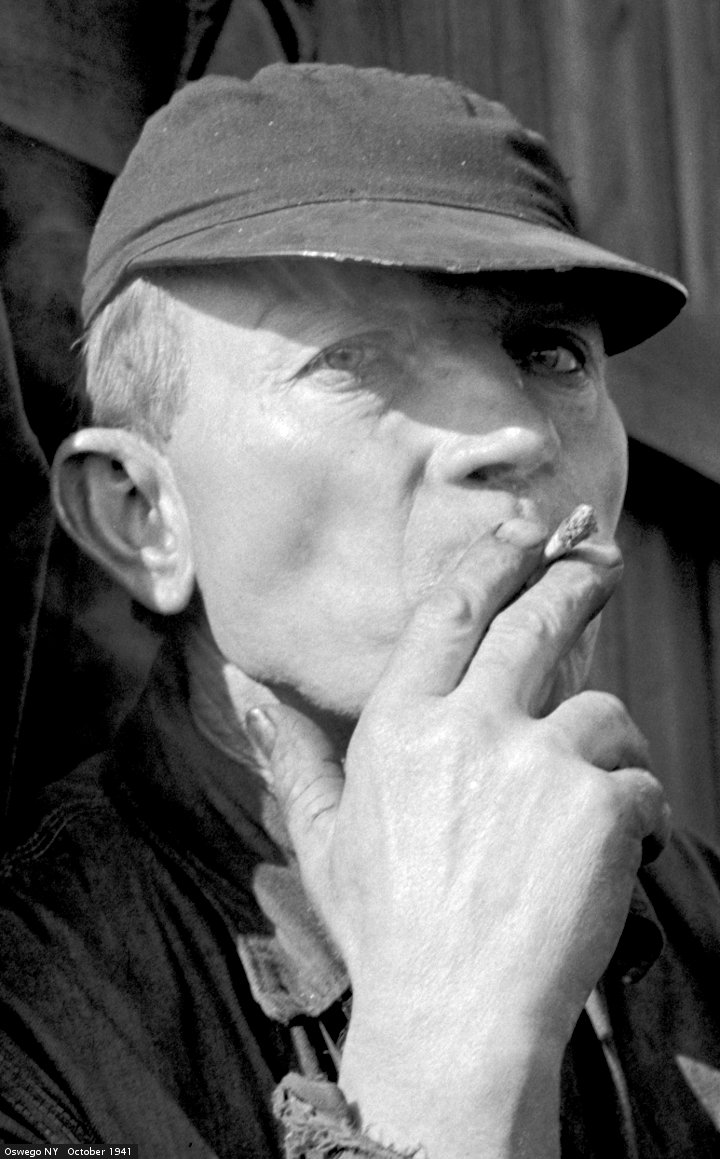
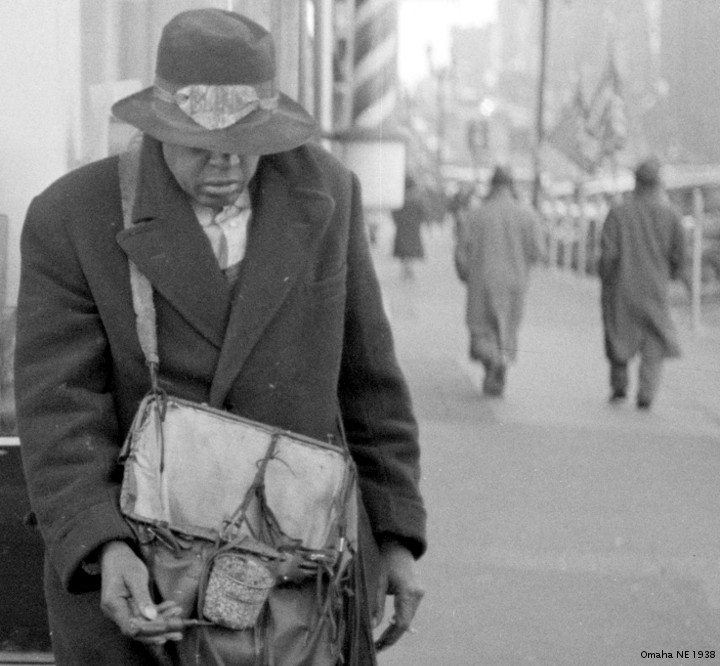
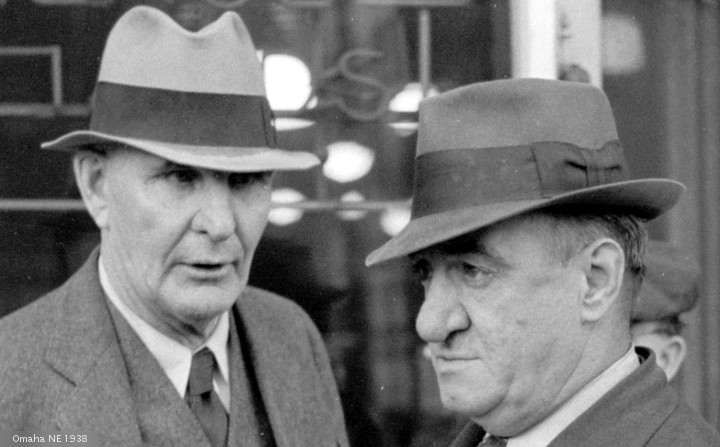
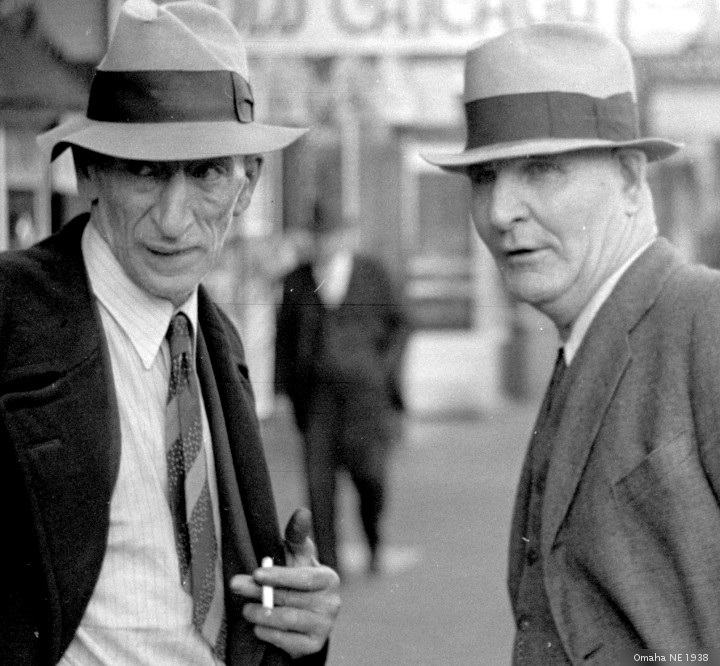
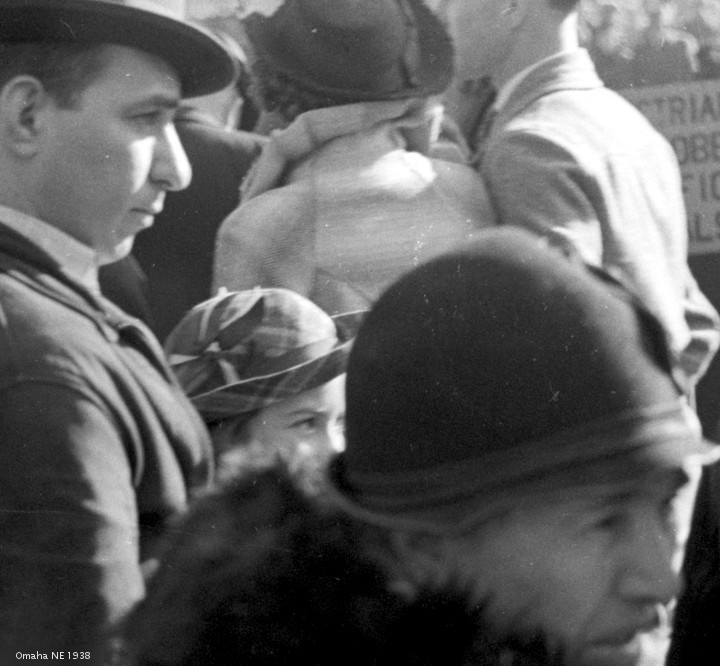
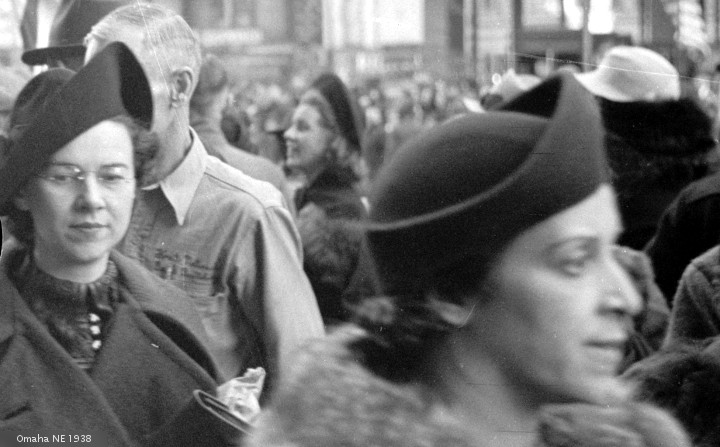
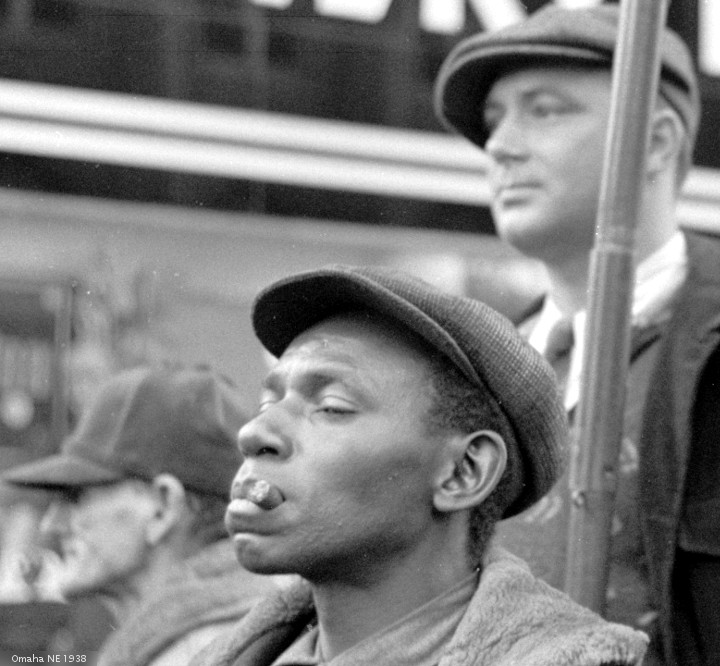
This is a repost, with pictures from The Library of Congress. The pictures were taken in Omaha NE, in November 1938. The photographer was John Vachon, working for the Farm Security Administrative.



Slavery And The Star Spangled Banner



There is a terrific Backstory episode about the War of 1812. This is a conflict that is not much thought about, even during its bicentennial. It was not a good war for people of color. Native tribes fought with the British in Michigan, and were soundly defeated. After this war, the attitude of the white man towards the natives got worse.
Perhaps the most famous product of the War of 1812 is The Star Spangled Banner, a.k.a. the national anthem. There are a few legends about writing this song that skeptical bloggers like to shoot down. At the 43 minute mark of the backstory episode, another aspect of TSSB is discussed.
It seems as though slaves were escaping their owners, and fighting with the British. Washington lawyer Francis Scott Key was a slave owner, and thought that the slaves would be better off with their owners. This is the sentiment behind the third verse of TSSB.
And where is that band who so vauntingly swore,
That the havoc of war and the battle’s confusion
A home and a country should leave us no more?
Their blood has wash’d out their foul footstep’s pollution.
No refuge could save the hireling and slave
From the terror of flight or the gloom of the grave,
And the Star-Spangled Banner in triumph doth wave
O’er the land of the free and the home of the brave.
The image of F.S. Key has been cleaned up over the years. This biography omits the third verse of TSSB, and does not mention his slaves. Wikipedia tells a different story. “President Jackson nominated Key for United States Attorney for the District of Columbia in 1833.”
“In 1836, Key prosecuted New York doctor Reuben Crandall, brother of controversial Connecticut school teacher Prudence Crandall, for “seditious libel” for possessing a trunk full of anti-slavery publications in his Georgetown residence. In a trial that attracted nationwide attention, Key charged that Crandall’s actions had the effect of instigating enslaved people to rebel. Crandall’s attorneys acknowledged he opposed slavery but denied any intent or actions to encourage rebellion. In his final address to the jury, Key said “Are you willing gentleman to abandon your country, to permit it to be taken from you, and occupied by the abolitionist, according to whose taste it is to associate and amalgamate with the negro? Or gentleman, on the other hand, are there laws in this community to defend you from the immediate abolitionist, who would open upon you the floodgates of such extensive wickedness and mischief?” Crandall was acquitted.”
The Huffington Post has a story about F.S. Key, ‘Land of the Free?’ Francis Scott Key, Composer of National Anthem, Was Defender of Slavery.
Buying and selling humans remained a respectable business in Washington City. The slave holding elite of the south had a majority in the Congress and a partner in President Andrew Jackson…
To reassert the rule of law, Key set out to crack down on the anti-slavery men and their “incendiary publications.” Informants had reported to the grand jury about an abolitionist doctor from New York who was living in Georgetown. Key charged Rueben Crandall with bringing a trunk full of anti-slavery publications into the city.
In the spring of 1836, Key’s prosecution of Rueben Crandall was a national news story. In response, the American Antislavery Society circulated a broadsheet denouncing Washington as “The Slave Market of America.” The abolitionists needled Key for the hypocrisy of using his patriotic fame to defend tyranny in the capital: “Land of the Free… Home of the Oppressed.”
Key shrugged off his liberal critics. In front of courtroom crowded with Congressmen and correspondents Key waxed eloquent and indignant at the message of the abolitionists. “They declare that every law which sanctions slavery is null and void… ” Key told the jury. “That we have no more rights over our slaves than they have over us. Does not this bring the constitution and the laws under which we live into contempt? Is it not a plain invitation to resist them?”
Pictures today are from The Library of Congress. The Star Spangled Banner was written September 14, 1814. It is controversial today. This is a repost. The original Backstory episode is no longer available. However, this story makes many of the same points.



Nine Eleven Story

This is my 911 story. I repeat it every year at this time. If you saw it last year, it has not changed. Feel free to skip the text and look at the pictures, from The Library of Congress.
I was at work, and someone called out that someone had run a plane into the World Trade Center. I didn’t think much of it, until I heard that the second tower had been hit, then the Pentagon, then the towers collapsed, then a plane crashed in Pennsylvania.
I focused on my job most of the day. There was always drama at that facility, and concentrating on my production duties helped to keep me saner. This was roughly the halfway point of my seven year tenure at this place.
One of the other workers was a bully for Jesus. He was a hateful loudmouth. After the extent of the damage became known, he shouted “They are doing this for Allah,” and prayed at his desk. The spectacle of the BFJ praying made me want to puke.
I became alienated from Jesus during these years. Once, I had once been tolerant of Christians and Jesus, as one would be with an eccentric relative. I began to loath the entire affair. I hear of others who found comfort in religion during this difficult time. That option simply was not available for me.


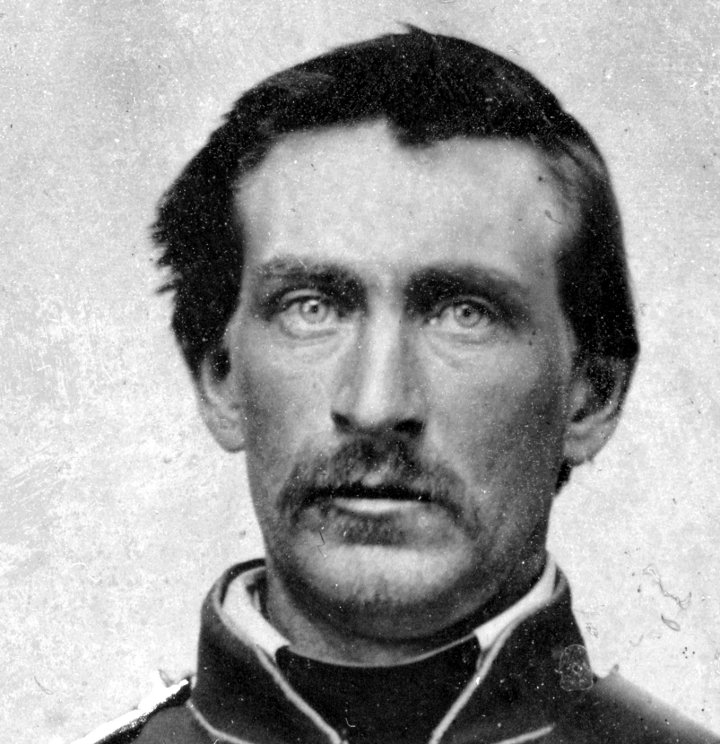
Hair


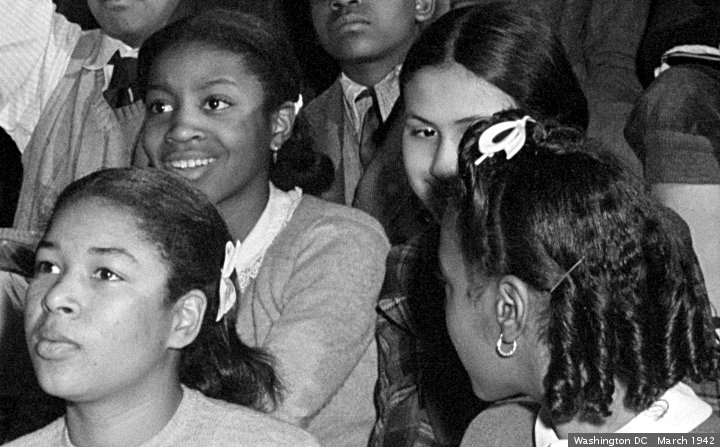
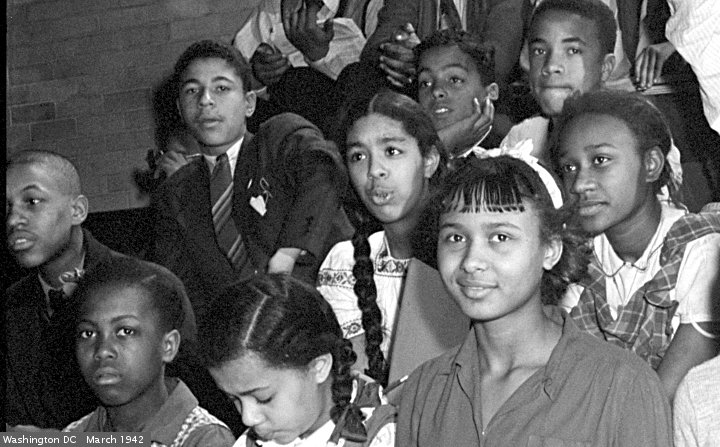


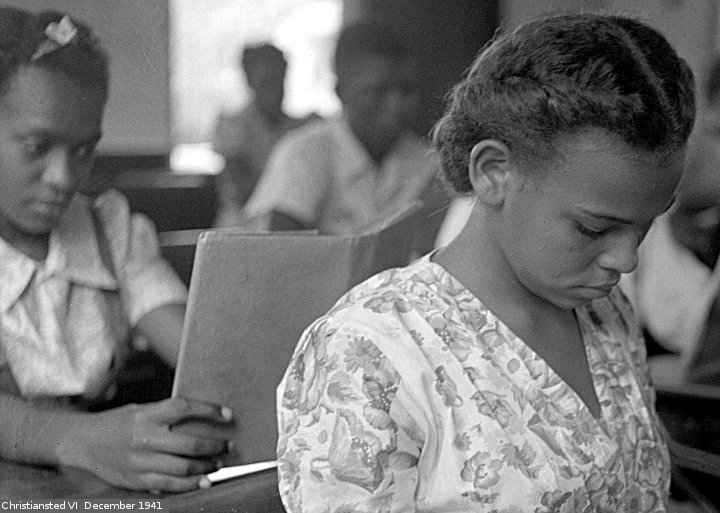


There is a tasteful feature on the innertubes now, A Few Good Reasons Why White People Should Not Wear “Mohawks” or Dreadlocks. Yes, this is another polemic about cultural appropriation. If you want to skip the text, and look at the pictures, no one will get mad. Or get even. If you read the text, you might get odd. It is your choice.
The gist of the tract is “When white people wear “Mohawks” or dreadlocks it twists those hairstyles into symbols of privilege rather than symbols of survival and resistance.” Little is known about why the Natives of Upstate New York wore their hair the way they did. Isn’t calling this hair choice “symbols of survival and resistance” playing into the game of misunderstanding non European cultures? Anthropology is not an exact science.
The tract is not well written. Maybe the author feels like using good grammar is appropriating someone else’s culture.
There is one part of the tract that had PG shaking his buzz cut head. This is a free country. Can’t I do whatever I want? This country has never been free for people of color/non-white people. Certainly, you can choose wear your hair however you want. Historically, however, people of color have not been able to make that choice. This is not why the Bronner Brothers are multi millionaires. Black Americans spend more on hair care products than the gross national product of many African countries.
Both mohawks and dreadlocks are high maintenance affairs. After his struggles with shoulder length redneck curls, PG is not about to shave the sides of a beaver tail every day. And dreadlocks have always seemed to be just a bit on the dirty side. The rastas are welcome to wear dreadlocks, as long as they pass the spliff.
One thing PG has wondered was answered as a result of this polemic. Did the Mohawk tribe really wear their hair that way? When you type “Did the Mohawk… ” into google, the rest of the phrase to pop up is “Did the Mohawk Indians have mohawks?” Someone else has wondered the same thing. Wikipedia has more information.
The mohawk (also referred to as a mohican in British English) is a hairstyle in which, in the most common variety, both sides of the head are shaven, leaving a strip of noticeably longer hair in the center. Though mohawk is associated mostly with punk rock subculture, today it has entered mainstream fashion. The mohawk is also sometimes referred to as an iro in reference to the Iroquois, from whom the hairstyle is derived – though historically the hair was plucked out rather than shaved. … The Mohawk and the rest of the Iroquois confederacy (Seneca, Cayuga, Onondaga, Tuscarora and Oneida) in fact wore a square of hair on the back of the crown of the head. The Mohawk did not shave their heads when creating this square of hair, but rather pulled the hair out, small tufts at a time. … Therefore a true hairstyle of the Mohawks was one of plucked-out hair, leaving a three-inch square of hair on the back crown of the head with three short braids of hair decorated.
They didn’t shave the sides of the head, they plucked the hair out. That does eliminate the need to shave the sides of your head every day. This is not the way the fashion conscious hair people do the modern mohawk. The question arises if this non authentic hairstyle is really cultural appropriation.
Part of the polemic took a question and answer format. “But, I wear my hair this way as a statement against oppressive cultures and governments. How is that racist?” “You can take a stand against oppression and dominant cultures without appropriating the cultures of the people being hurt by them. Appropriation actually enforces oppression, it does not stand against it. Appropriation is part of the problem, not part of the solution”
To paraphrase this, you can be anti racist without proudly avoiding high maintenance hairdoos. Especially one that bears little resemblance to the actual article.




There was a statement in yesterday’s post . “Black Americans spend more on hair care products than the gross national product of many African countries.” This was tossed out in a careless moment, which is not a good thing to do. Today’s post is an investigation. For purposes of this report, America’s gross national product is the republican party.
Finding out how much African Americans spend on hair care is more google intensive than this slack reporter imagined. Madame Noire has a feature, Black Women Spend Half a Trillion Dollars on Haircare and Weaves! Why? “Black women spend half a trillion dollars to keep our hairstyles tight, our weaves looking good and our “kitchens” tamed. Why do we do this?” The $500 billion figure might include pain and suffering. Target Market News is more conservative, reporting “Personal Care Products and Services – $6.66 billion”.
In the chatter about a Chris Rock movie, Good Hair, the phrase “9 billion dollar hair trade industry” is used. The Magazine Publishers of America report that advertising spending on “Hair Products & Accessories” was $1,242,700 in 2007.
The short answers are “a lot”, and “we don’t know”. It is probably less that $500 Billion. For the purposes of this feature, we will go with a conservative estimate. This would be Target Market News. Since not all “Personal Care Products and Services” are hair related, we will call our number Five Billion. This is probably a conservative figure, but for our purposes it will do.
The second part of the statement was “Black Americans spend more on hair care products than the gross national product of many African countries.” The numbers come from Wikipedia and the International Money Fund. There are sixteen African countries with GNP less than $5 billion. They include: Mauritania, Swaziland, Togo, Eritrea, Lesotho, Burundi, Sierra Leone, Central African Republic, Cape Verde, Djibouti, Liberia, Seychelles, The Gambia, Guinea-Bissau, Comoros, and São Tomé and Príncipe. The last seven have a GNP less than the amount spent advertising hair products and accessories for Black Americans.
This is a repost. Pictures are from The Library of Congress.





Rhetoric Over History




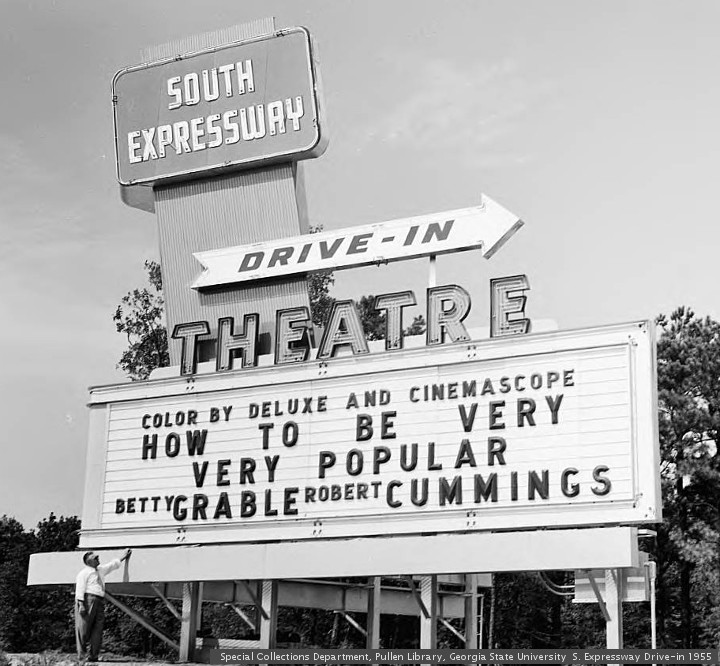

The symbolic fight today is over Confederate monuments. The high octane rhetoric is heard loud and clear. There is even historic revisionism. “…the real motivation was: to physically symbolize white terror against blacks.” PG finds this reasoning tough to believe. It sounds like another argument, from another symbolic battle. History likes to repeat herself.
In 1993, a movement emerged to change the Georgia state flag. At the time, the Saint Andrews cross, aka the Confederate flag, was on one side of the flag. Many people were offended by this flag, Many people liked this flag, and wanted to keep it. The argument went on for a few years.
In 2001, a new flag was adopted. The 2001 flag was even uglier than the old flag. The 2001 flag was rammed through the legislature. Part of this change was a law, protecting state monuments. “When Georgia took the Confederate battle symbol off the state flag in 2001, part of the compromise lawmakers struck was a new state law that protected Confederate memorials and monuments from being removed, relocated or even altered.” This law did not apply to the state flag, which was changed again in 2003. The current flag is similar to another Confederate flag.
When the flag change movement got started, a bit of historic revision was introduced. The story was that the legislature changed the state flag as a protest against desegregation. The first page of google does not have any of the 1993 rhetoric. This article sums up some of these arguments. The talk was louder, and angrier, in 1993.
PG never did believe the argument that the flag was changed as a protest. PG accepted that the flag was offensive to many, and did not object to changing it. However, he does not like to be lied to. If the flag was offensive to a large part of the state, why would you need to rewrite history? The 1956 legislature was a gnarly bunch… crooked, alcoholic, racist, and overwhelmingly Democratic. If anything else, they were not smart enough to change the flag as a protest. In 1956, protest was not the national pastime. Not everything had a hidden meaning.
Microfilm may wear out, but it does not lie. PG found an article announcing the change in the Atlanta Constitution. There was no mention of protesting integration. The fishwrapper, and the politicians, spoke about honoring the Confederacy.
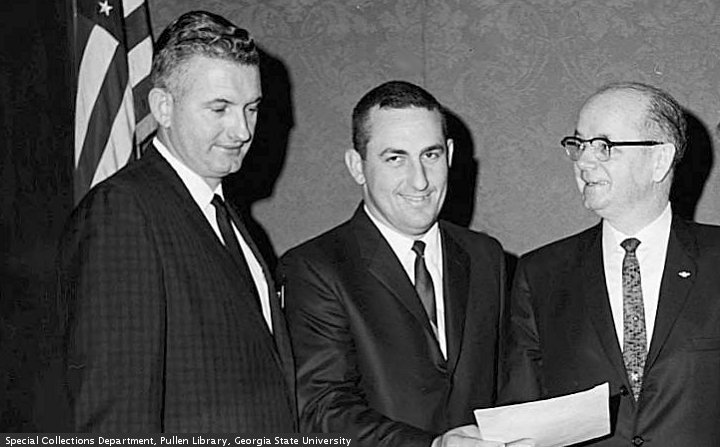
The argument over changing the state flag was totally symbolic. The issues that affect communities of color, and communities without color, were not affected. Economic opportunity, equitable justice, access to housing and education… none of these life or death issues were affected by having the Saint Andrews cross on the state flag. The squabbling over the state flag was a proxy fight over black vs white. Pictures today are from “The Special Collections and Archives, Georgia State University Library”. Most of today’s photos are from 1954 – 1956.






Who Ran The Slave Trade?


PG was just hanging out, minding his own business, when he saw a bit of twitter synchronicity. This is when you see two tweets together, with no apparent causal relationship, but that seem to make a statement. The two tweets were: @iamduanus The best lies are the ones so despicable people get ostracized for questioning their validity…..or so I’ve heard @brolykogan_ Jews started and monopolized the slave trade, Jews have always been the archenemy of African people. @iamduanus did not reply. @brolykogan_ did.
@BrolyKoganHotep Are you saying that the Jews who wrote of this in their own histories were lying? Wouldn’t that be antisemitic?
@chamblee54 do you have a link for that? this was twitter synchronicity, not a judgement of truth
Dr. Tony Martin – The Jewish Role in the African Slave Trade
@BrolyKoganHotep The Dutch West India company was a Jewish venture. Christopher Columbus was a Jew, Jews owned the sugar plantations and rum distilleries
@BrolyKoganHotep Slave auctions were never held on Jewish holidays, Jews manufactured the shackles and ships, Jews worked in tandem with Arabs throughout
Speculative history is a sketchy affair. When Jews are involved, it gets sketchier. PG found an item about the Rothschild bank recently, Why Was The War Fought? The concept here is that the Rothschilds made money on the War Between the States. This may, or may not, be true.
Did Jews “monopolize” the slave trade? A bit of research shows that while some slave traders may have been Jewish, the overall operation was not run by Jews. One claim may have a bit of truth to it. Some evidence suggests that Christopher Columbus was a Jew who converted during the Spanish Inquisition. As for slave auctions and Jewish holidays, who knows? (These two tweets provide a bit of information. Unfortunately, no source is shown.) Pictures today are from “The Special Collections and Archives, Georgia State University Library”.



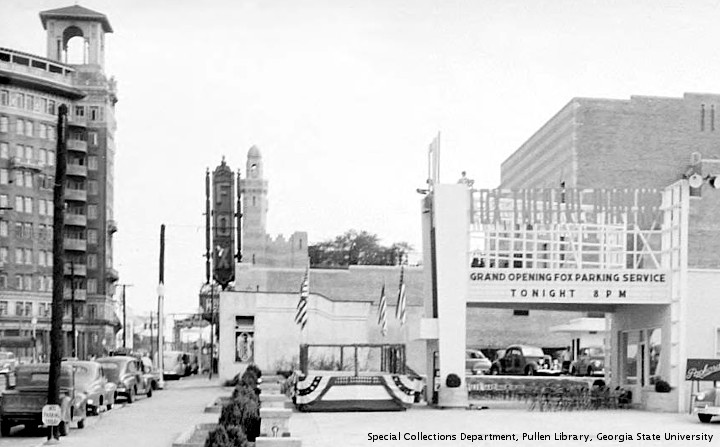



Why Was The War Fought?
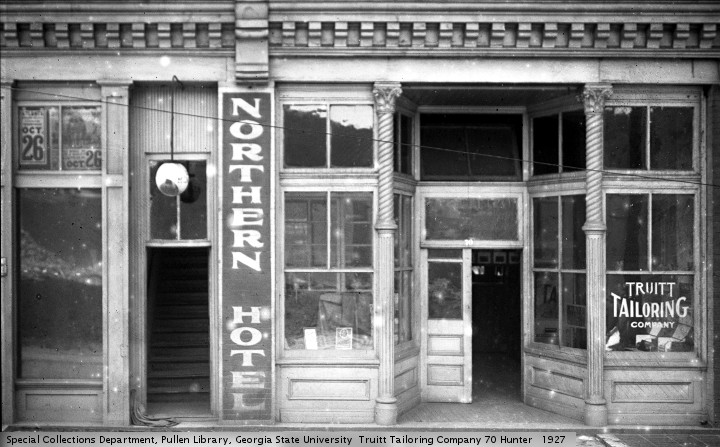
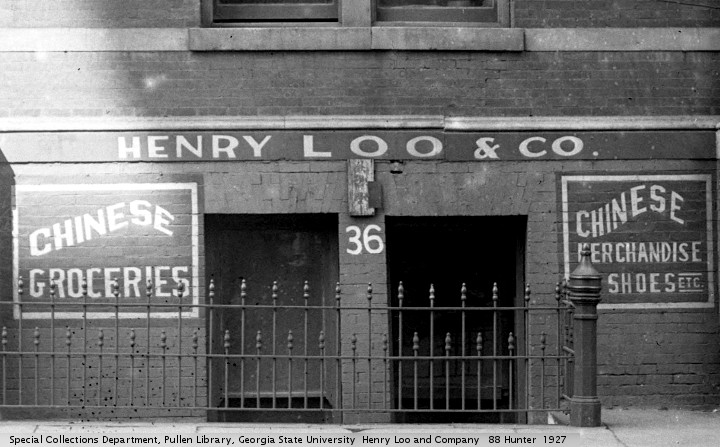

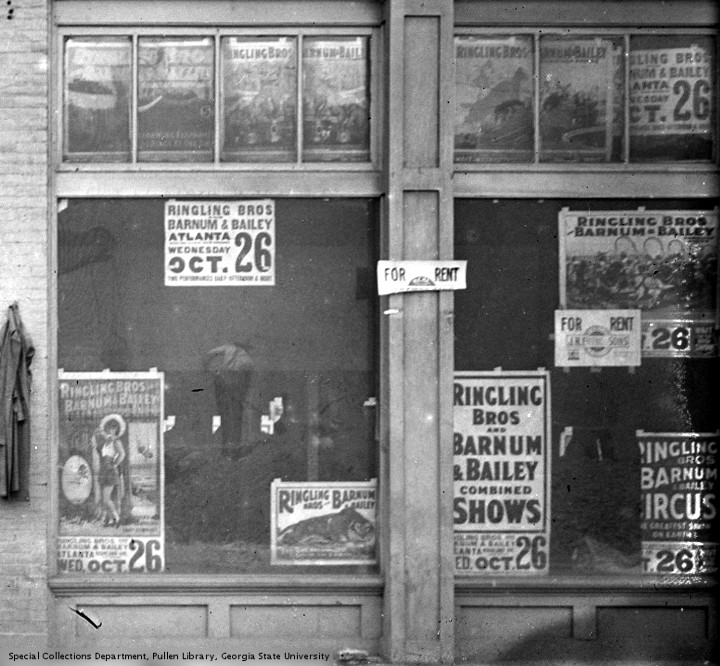


Last week, this slack blogger found a tweet. The tweet said that Abraham Lincoln and John Kennedy fought the Federal Reserve, and both were killed. I did a little research, and found something that questions the conventional wisdom about the War Between the States.
Before getting to the quote, a disclaimer is in order. 100777.com is a sketchy website. What is says cannot be taken as literal truth. However, the statement about WBTS does raise some questions.
“One point should be made here: The Rothschild bank financed the North and the Paris branch of the same bank financed the South, which is the real reason the Civil War was ignited and allowed to follow its long, and bloody course.”
Maybe it was not the Rothschild Bank that financed WBTS. Somebody did. War is a profitable enterprise. People are going to egg on the combatants, knowing that there is money to be made. Someone encouraged the southern states to secede. Others encouraged the north to take a hard line on slavery, knowing that it would lead to a profitable war. Was slavery the reason for this war, or the excuse? Follow the money.
Rhett Butler was a central character in Gone With The Wind. He was a blockade runner, bringing in supplies to the south. He said this: “I told you once before that there were two times for making big money, one in the up-building of a country and the other in its destruction. Slow money on the up-building, fast money in the crack-up. Remember my words.”
It should be noted that slavery was a big money operation. “But I think we think of it differently when we realize that the value of slave property, some $4 billion, enormous amount of money in 1861, represented actually more money than the value of all of the industry and all of the railroads in the entire United States combined. So for Southern planters to simply one day liberate all of that property would have been like asking people today to simply overnight give up their stock portfolios.”
When the thirteen colonies declared independence, they were not creating a union. The idea was to kick out the British. The concept of a federal union, made up of more-or-less independent states, was fairly new. States had conquered other states, and formed empires, for a long time. A federal union of states was a new, and controversial, idea. Many European states wanted to see this federal union fail. These states encouraged the south to secede. Some people say the War Between the States began the day the British left.
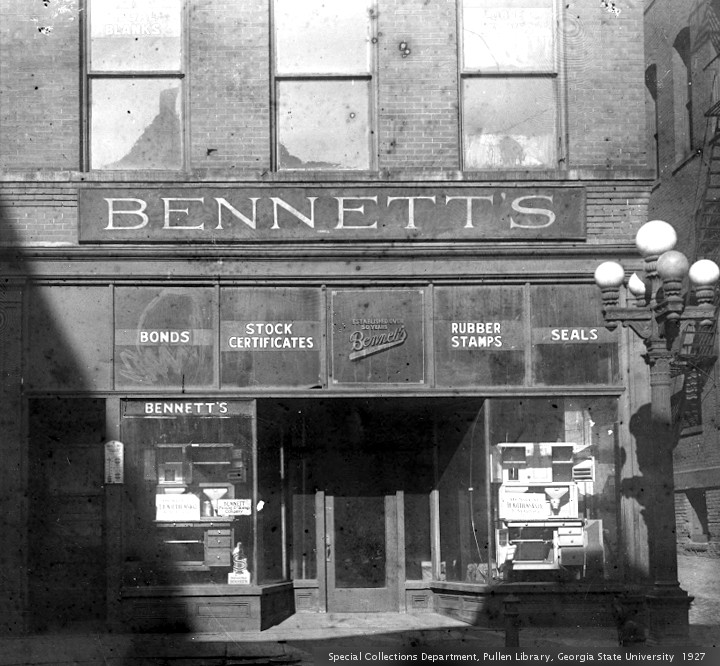
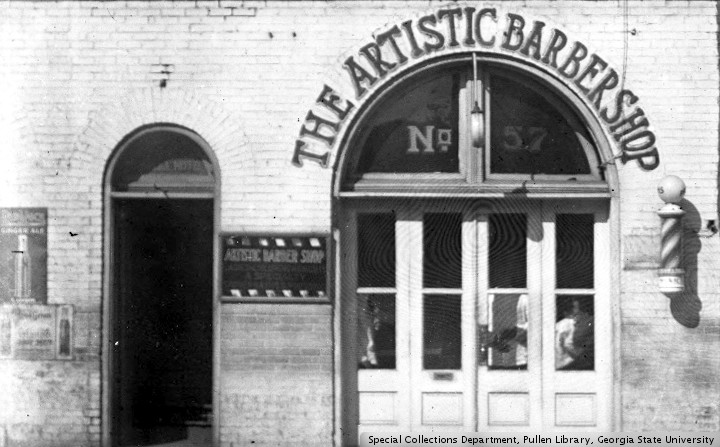
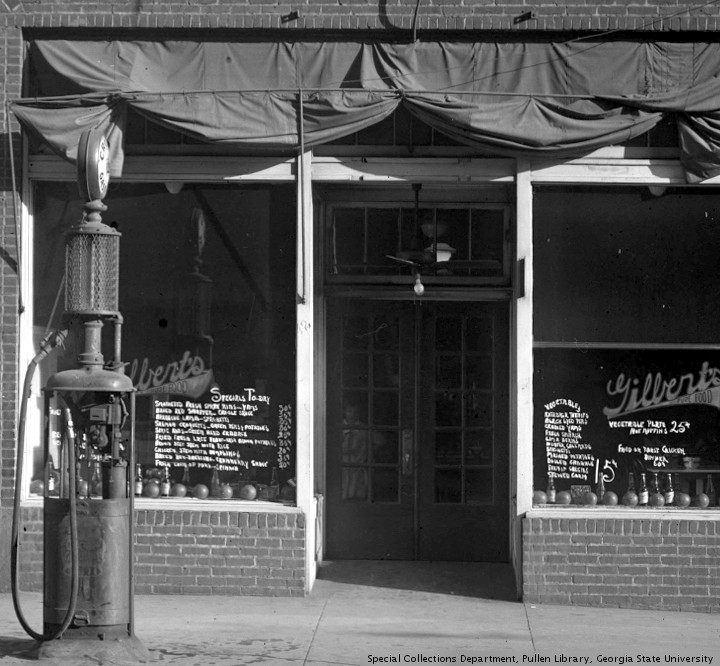
Pictures from “The Special Collections and Archives, Georgia State University Library”. “… a collection of images of downtown Atlanta streets that were taken before the viaduct construction of 1927 – 1929. Later, some of the covered streets became part of Underground Atlanta.”



Was Mae West A Real Girl?

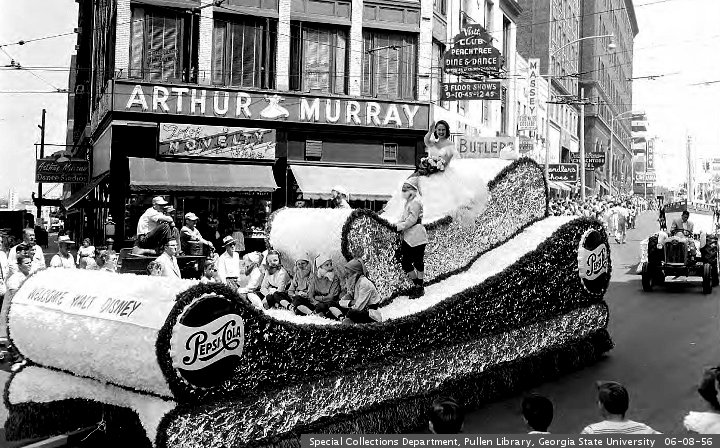




August 17 is birthday 124 for Mary Jane “Mae” West. Of course, she died in 1980, so the party is off. PG saw a note on facebook, and made the comment “She was rumored to be a man.” One right click google search later, this post started to take shape. This is a repost.
There is a blogspot site, maewest.blogspot.com. It is still published, with a birthday post today. Five years ago there was a post, Mae West: Penis Rumors. It seems as though Miss West liked to say, to the press, “When I die, you are going to be very surprised!”
A hollywood gossipmonger had a story, Was Mae West…A Man?! Much of her information comes from the tasteful findadeath site. The story here is that Mae West died in 1950, and the death was kept quiet. Her brother made appearances in her place, until the final death in 1980. This would have been quite a feat, considering that John Edwin West died in 1964. That doesn’t stop people from talking.
“…the real Mae West died somewhere around 1950, give or take a couple years, and rather than let the show stop, it was announced that not Mae, but her brother, died. Of course, the brother then became Mae West and carried on until November 1980. If you look carefully at photos from around 1950 on it definitely looks like a different person not to mention the big hands and masculine features, bone structure, etc. I may not have all the details 100% correct but I would almost put money on the fact that the ‘Mae West’ ‘who died in 1980 had a weenie!!”
The hands were mentioned by Raquel Welch. The two were in Myra Breckinridge, the first movie Miss West had made in 27 years. (Miss West appeared on Mr. Ed in 1964.) Miss Welch appeared at a film festival in 2012, and had stories to tell.
“When I went over to say hello to her (one day) I said, ‘Hi, it’s Raquel, remember?’ She sort of extended her hand to me and I went to kiss the ring and one false fingernail painted silver fell to the floor. I looked at the hand and I thought, ‘Oh, I’m getting a vibe.’ I really think she’s a man! At this point in her life all bets are off and you’re not going to be able to doll it up that much. I would say it’s pretty accurate that she resembled a dock worker in drag.” …
“I had this beautiful dress and it was black with a big white ruffle around the neck and a black velvet hat … Apparently Mae got wind of the fact that I was wearing this exquisite dress and I went to the studio that day for our scene together. I got coiffed, got my hair done and went to the closet to get the dress and it wasn’t there. I asked my dresser what happened to the dress and she said, ‘It’s been confiscated. Mae does not want you to wear that dress. You can wear the red dress that you wore in the last scene!’ … Welch was so outraged that she stormed off the set and refused to return until the dress was back in her closet. … “For the scene, we never appeared in a two-shot together. She left after she did her lines and I had someone off-camera reading her lines and I had to pretend she was there.”
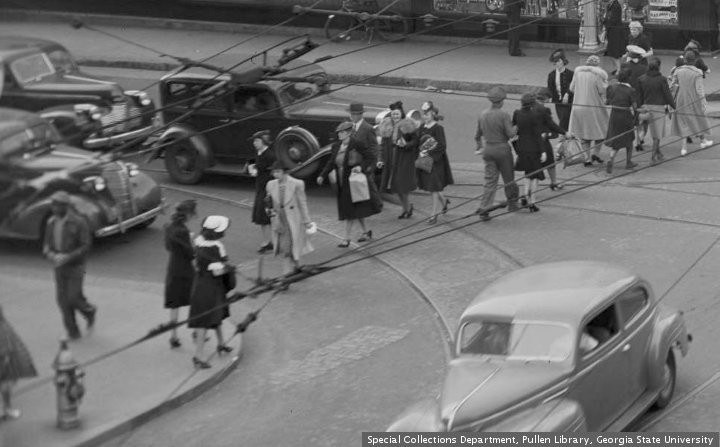
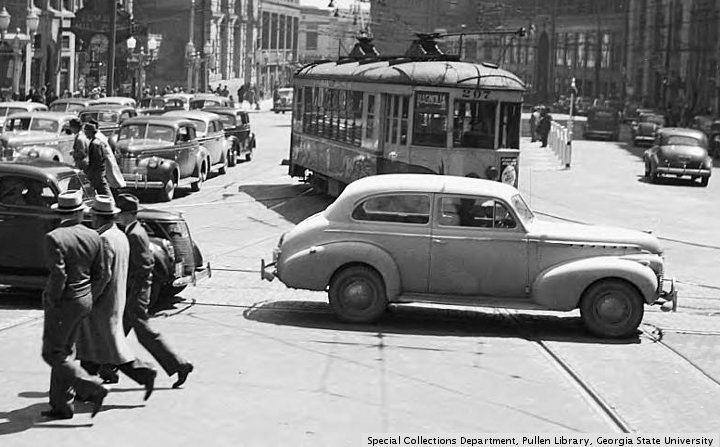
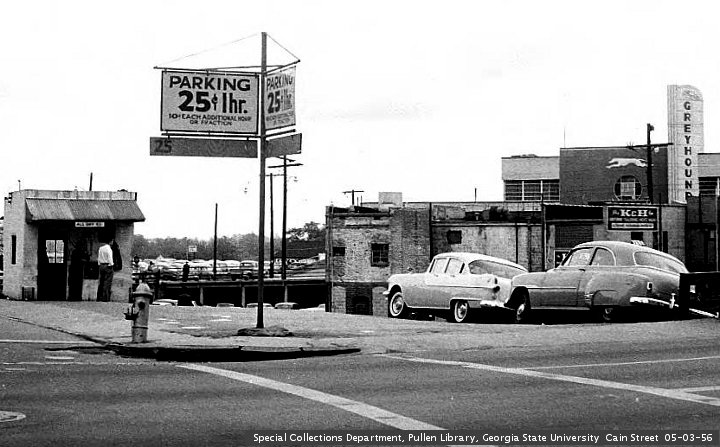
Pictures are from “The Special Collections and Archives, Georgia State University Library”.





leave a comment