The Number One Hit When I Was Born


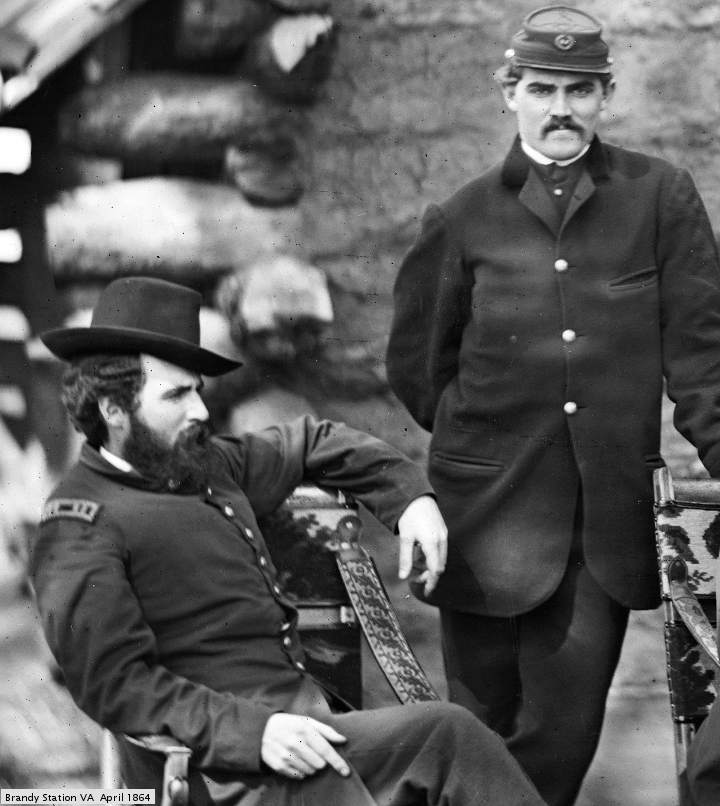
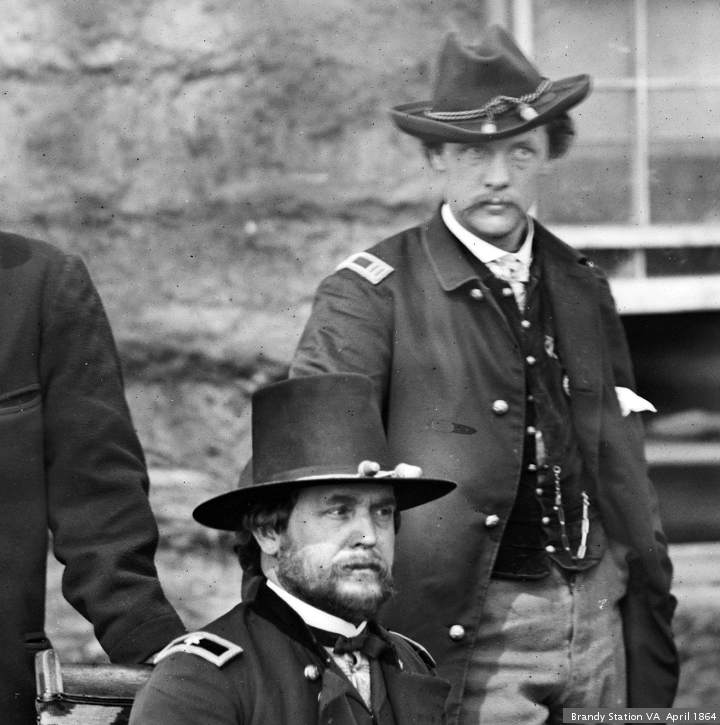
This post went up for the first time on May 28, 2008. The meme of looking up the number one hit on your date of birth is making the rounds again. It is a good excuse for something to post on a slow day. Pictures are from The Library of Congress.
There is a man known as XWinger. He sells Celtic music, promotes DimSum groups, and has a blog.
Once at his place I saw a link to a site that tells you what the Number One song was on that day. The arbiter of number oneness is Billboard Magazine.
The List goes back to 1892. On January 1, 1892, the #1 hit was “Drill, Ye Terriers, Drill” by George J. Gaskin. I imagine that before a certain date this would refer to sheet music, or maybe player piano thingies. Other big hits from the Gay Nineties include “The Fatal Wedding” (1894, George J. Gaskin), “Little Alabama Coon” (1895. Len Spencer) and ” A Hot Time in the Old Town”(1897, Dan Quinn).
When my daddy was born in 1916, the top hit was “M-O-T-H-E-R (A Word that Means So Much to Me) by Henry Burr. When my mother was born in 1922, the top of the billboard charts was “Stumbling” by Paul Whiteman.
In October 1929, the stock market crashed to “Am I Blue” by Ethel Waters. When Japan attacked Pearl Harbor, the big song was “Chattanooga Choo Choo” by Glenn Miller. Mr. Miller joined the Army after the start of the War, and toured with a band to entertain troops. On December 15, 1944, his plane disappeared in France. The number one hit that day was “I’m Making Believe” by the Ink Spots and Ella Fitzgerald. The Ink Spots played at the Domino Lounge downtown when I was a kid. I heard people say, “the Ink Spots have been around for a while”.
In 1954, this reporter was born. The number one hit that day was “Wanted” by Perry Como. Two years later, my brother was born to the sounds of “Heartbreak Hotel” by Elvis Presley.
One way to track the hits through the years is to pick a date and follow it. It should be noted that Billboard is the essence of “commercial”. On my tenth birthday, the big sound was “Hello Dolly” by Louis Armstrong. On the verge of the summer of Love, the big hit was “Something Stupid” by Nancy Sinatra and Frank Sinatra. At no time did the Beatles have a number one hit on my birthday. This attitude improved in 1969 with “Aquarius/Let the Sunshine In” by the Fifth Dimension.
The seventies continued the commercial tradition with “Joy to the World” by Three Dog Night. This was in 1971, the year they played a big show at Atlanta Stadium. The disco monster raised its glittering hand with “Night Fever”, by the Bee Gees in 1978.
As the eighties rolled in, I got a job and apartment, and music became less familiar. The first big May hit of the eighties was “Call Me” by Blondie. It was from a movie starring Richard Gere. The movie did not feature gerbils. The decade was not a total loss, as 1983 featured “Beat It” by Michael Jackson.
Moving into the nineties and oughts, my old fogey decrepitude is near total. Or is that the wasteland of pop music? By this time top 40 is all but extinct, am radio given over to all talk stations, and fm music so spread out that no one style of music is dominant. The number one hit on my birthday, one recent year, is “Bleeding Love” by Leona Lewis.
Of course, the leaders of our country don’t always listen. On May 28, 1915, the biggest song was “I Didn’t Raise My Boy To Be A Soldier” by the Peerless Quartet. And, on May 28, 1964, the number one hit was “Love Me Do” by the Beatles.


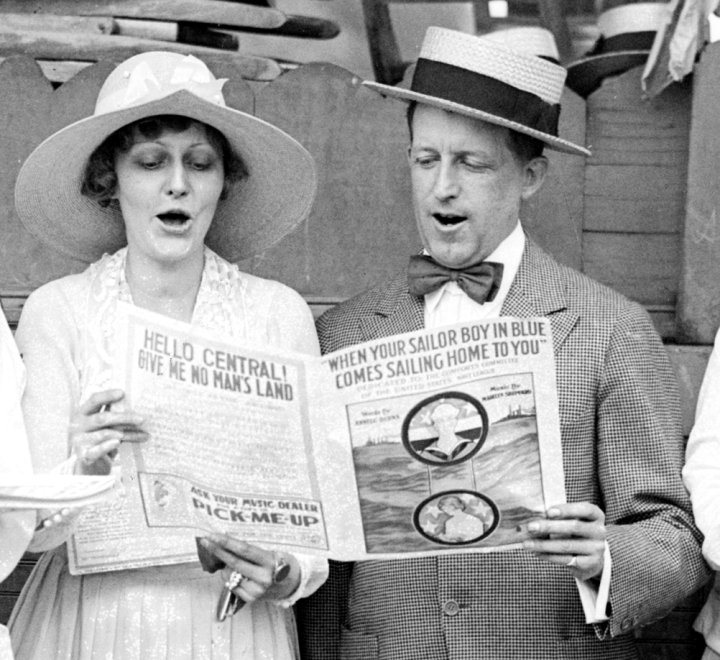


What Is Dirty About Louie Louie?


The sixties were a great time to be a kid. As long as you were too young for a Vietnam Vacation, there were kicks to be had.
One of the more enduring legends was the dirty lyrics to “Louie Louie”. Recorded by an obscure band called the Kingsmen, the song was a massive hit in 1963 (It never was Number One). When WQXI put out lists of the greatest songs of all time, “Louie Louie” was at the top of the list. This is despite, or because of, the raucous sound. The song was recorded in one take, when the band thought they were playing a rehearsal. The vocals are difficult to make sense of, and rumored to be obscene. No one was ever quite sure why. With the garbled sound on the record, the listener could hear almost anything they wanted to.
The Governor of Indiana, Matthew Welsh, banned radio stations from playing the song in that state. On February 7, 1964, Attorney General Robert Kennedy got a letter from an outraged parent about the lyrics to “Louie Louie”. An F.B.I. investigation followed. After thirty months of investigation, the Bureau concluded that they could not make sense of the lyrics.
PG had a neighbor named Carol. A tomboy who could whip most of the boys, she had a pet skunk named Napoleon. Carol claimed to have heard a band at Lenox Square play “Louie Louie”. “He said the words real slow so you could understand them. I can’t repeat what he said, but it was dirty”.
Louie, Louie Oh no, me gotta go.
Yeah, yeah, yeah, yeah, yeah, said, ah
Louie, Louie Oh, baby, me gotta go
A fine little girl she waits for me Me
catch a ship for cross the sea.
Me sail that ship all alone Me never think how I make it home.
Ah, Louie, Louie No, no, no, no, me gotta go.
Oh, no. Said, Louie, Louie Oh, baby, said we gotta go.
Three nights and days I sail the sea Think of girl, oh, constantly.
Ah, on that ship I dream she there
I smell the rose, ah, in her hair.
Ah, Louie, Louie Oh, no, sayin’ we gotta go.
Yeah, yeah, yeah, yeah, yeah,
but, ah, Louie, Louie Oh, baby, said, we gotta go.
[Yelled] Okay, let’s give it to ‘em right now! [instrumental]
Me see Jamaica, ah, moon above.
It won’t be long, me see me love.
Take her in my arms again, I got her; I’ll never leave again.
Ah, Louie, Louie Oh, no, sayin’ me gotta go.
Yeah, yeah, yeah, yeah, yeah
But, ah, Louie, Louie Oh, baby, said, ah, we gotta go.
I said we gotta go now, Let’s get on outta here.
[Yelled] Let’s go.
Transcribed by David Spector Sept. 2000 Public Domain. If anyone reading this can explain what was so dirty about this song, please leave a comment. Thank you Wikipedia for your help in assembling this. This is a repost. Pictures by The Library of Congress



Hollywood Babylon

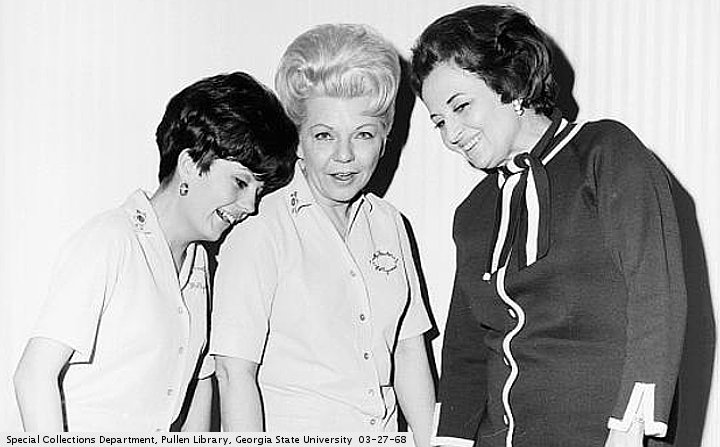


PG recently read Hollywood Babylon: The Legendary Underground Classic of Hollywood’s Darkest and Best Kept Secrets. It was the second time read the book. A yard sale last summer had a deluxe edition on sale. The man asked PG how much he thought it should cost. “If you are going by the amount of truth in it, the price should be a nickel.” In a fit of synchronicity, PG was on his way to a party, “A Midsummer Night’s Dream”. This is a repost.
HB is highly entertaining, despite those troubling concerns about the facts. The cover has an NSFW picture of Jayne Mansfield, where the top of her dress serves as a display case for her boobies. HB goes all TMI about the death of Miss Mansfield, but it is a model of good taste compared to Find a death. The *bottom line* is that Jayne Mansfield was not decapitated in that auto accident.
While asking Mr. Google whose jugs adorned the cover of HB, this article came up: Satan and Mummified Psychics: A Kenneth Anger Marathon at Sweat Records Tonight. Someone with too much free time was promoting an evening of the short films of Kenneth Anger. Mr. Anger, born Kenneth Wilbur Anglemyer, has the copyright credit for HB. PG suspects that other scribes helped out. In some parts, the prose is purpler than in others. Of course, when writing about Hollywood, it is fitting that a committee produced a book filled with lies.
The Miami story disputes the notion that Kenneth Anger was a child star. “Almost exactly 83 years, 7 months, and 21 days ago, a little boy named Anger was born in Santa Monica, California. (Actually, the kid’s birth name was Kenneth Wilbur Anglemyer.) He attended a school for child stars, did dance steps with Shirley Temple, and minced about as the changeling prince in the 1935 Warner Bros. movie version of A Midsummer Night’s Dream. But all that might be bullshit. There’s not much documentation of Anger’s alleged child star days. The one legit source that seems to corroborate the claim is Mickey Rooney. He played Puck in A Midsummer Night’s Dream and he says Anger’s mommy dressed him up as the girl named “Sheila Brown” who officially played the Changeling Prince.”
A website called Vice.com managed to snag an interview with Kenneth Anger. The introduction has this story. “He went on to recount the time Kenneth showed up at fellow director and mutual friend Curtis Harrington’s funeral at the Hollywood Forever Cemetery wearing a black raincoat, eyeliner, and fingernail polish. His shirt was opened to his navel, revealing the giant lucifer tattoo emblazoned across his chest, and he was accompanied by a boyish photographer who took pictures as Kenneth kissed Curtis’s corpse before its cremation. Before he was ejected from the premises, Kenneth handed John a small plastic vampire figurine that contained mint candies inside, clarifying its original use by saying, “It’s actually a dispenser for tickle-ribbed rubbers.”
The interview had a few high moments. VICE But it did attract the attention of sexologist Alfred Kinsey, whom you befriended. Did he encourage your work?
KA Yes. Kinsey was doing interviews for his book Sexual Behavior in the Human Male, and I don’t know… What if you are not human? The title is kind of awkward, but that was what he called his research book. He was basically a biologist, an expert on wasps, of all things. When he came to LA to do interviews, I met him. He came to see Fireworks at the Coronet Theatre at a midnight showing, and he wanted to buy a print for his collection at Indiana University. I agreed, and that was the first copy I ever sold. But I remained good friends with him until the end of his life.
VICE Do you have a favorite star from this era?
KA I love the career of Rudolph Valentino, who died at 31 and had an amazing trajectory in that short time. His life continues to fascinate me.
VICE Do you continue to find new information?
KA I have plenty of information on him. There are facts, and then there is gossip. I go for the facts, but I will listen to the gossip. [smiles]
VICE Your willingness to sift through the gossip was a point of contention with some people when Hollywood Babylon was published, especially after its second printing. Some have accused you of muckraking, and others have even gone further and claim that it contains factual inaccuracies.
KA Well, I’ve never been sued…
VICE In other words, your detractors can’t prove it.
KA No one ever came up to me and said, “Well, you made the whole thing up.” Because I didn’t.
HB is a fun book, with great pictures. The stories are mostly lies, but this is Hollywood we are talking about. With its continued popularity, there will be plenty of copies at yard sales and used book stores.
Pictures are from “The Special Collections and Archives, Georgia State University Library”.
This feature presentation was written like Kurt Vonnegut.

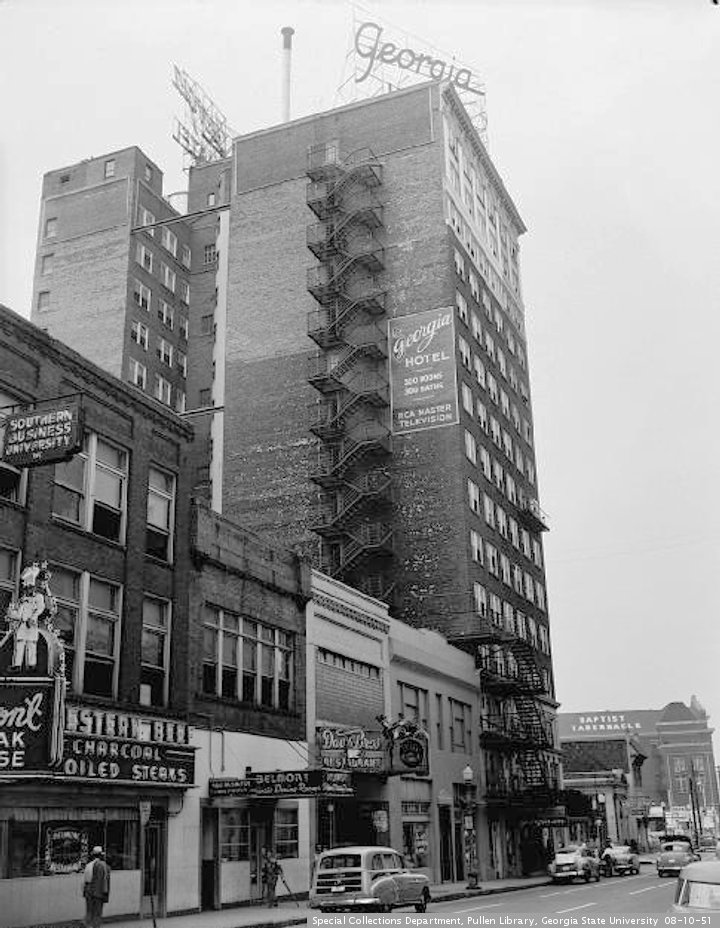
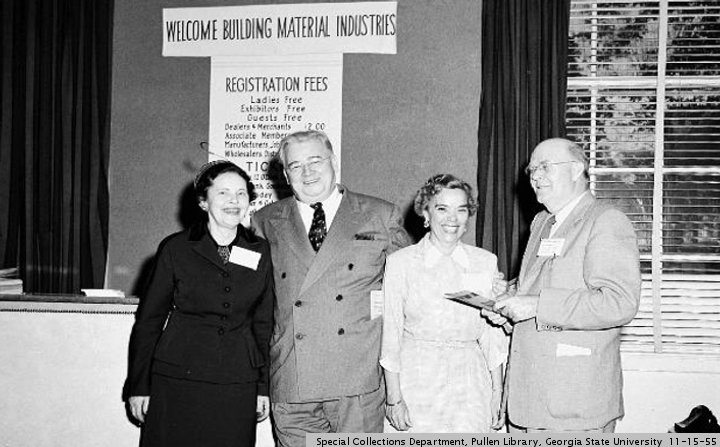

Mithras Is Born


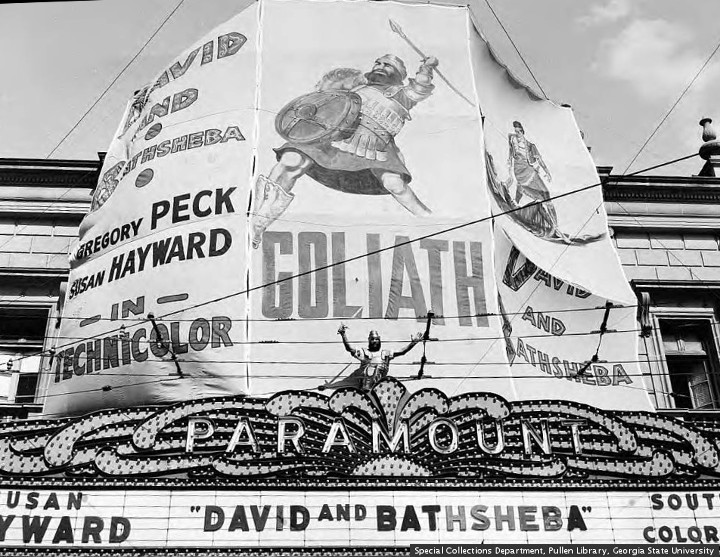
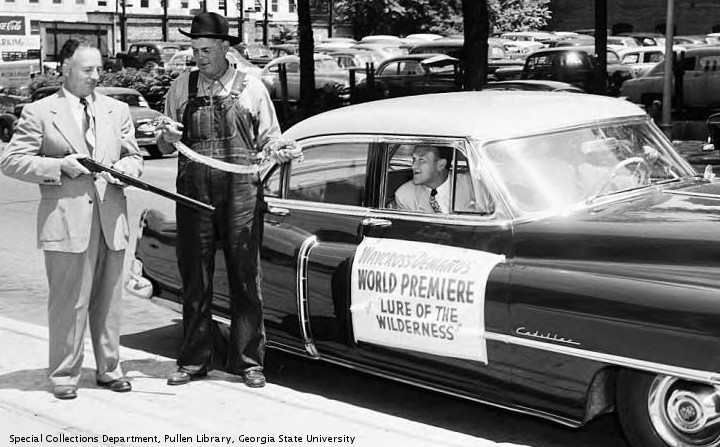

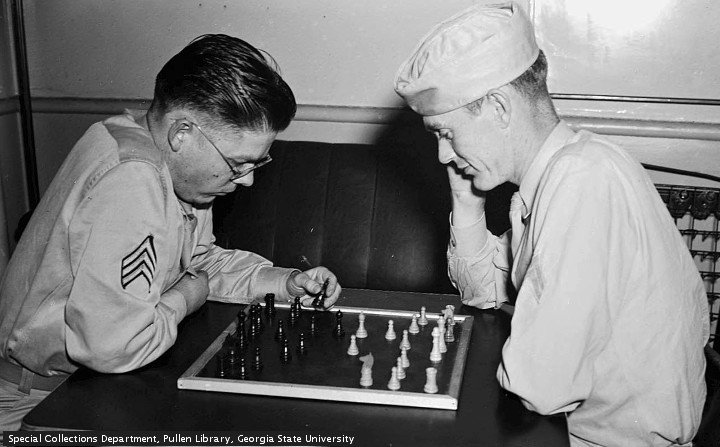
Until 2009, PG had never heard of Mithras.
Mithras is a Persian deity, from the Zoroaster tradition.(That is pronounced Zor uh THRUS ta.) Not much is known about Mithras … did he really exist, or was he a legend? There was a cult of Mithras in the first century Roman empire.
There are supposed to be similarities between Mithras and Jesus. These include the virgin birth, the birth on December 25, and rising from the dead after three days. Some spoilsports say the early christians grafted Jesus onto the legend of Mithras.
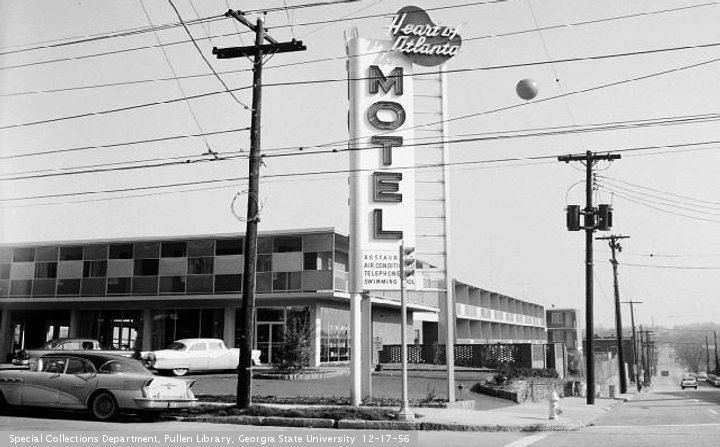
One indication that this might be true is The Catholic Encyclopedia. “Some apparent similarities exist; but … it is quite probable that Mithraism was the borrower from Christianity.” This repost has pictures from “The Special Collections and Archives, Georgia State University Library”.



Ansel Adams And Dorothea Lange
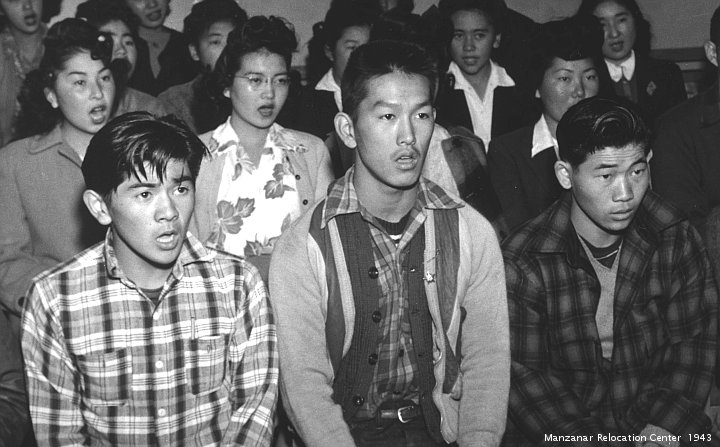


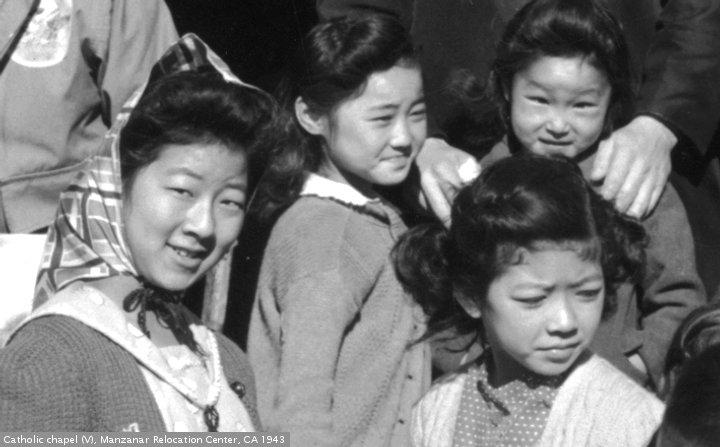
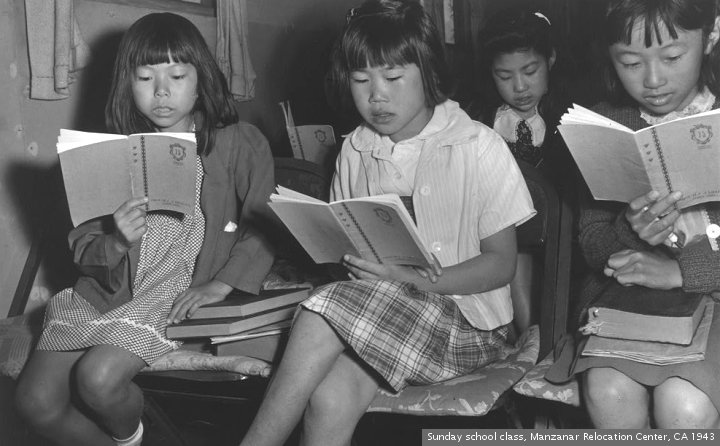

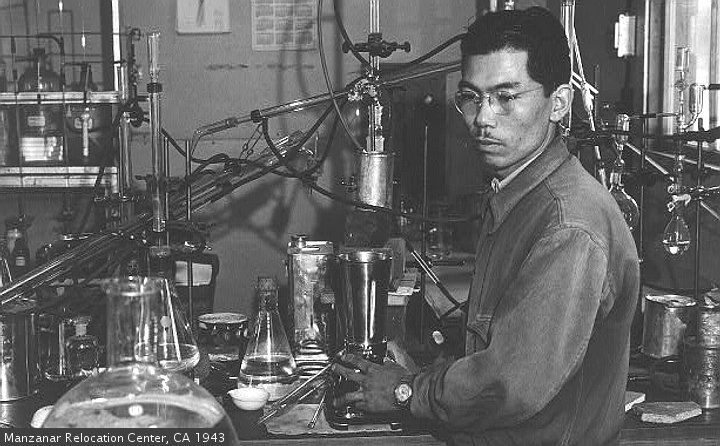

The facebook feed has recently had links to a story, Dorothea Lange’s Censored Photographs of FDR’s Japanese Concentration Camps. Miss Lange was the photographer of the iconic Migrant Mother. After Pearl Harbor, Miss Lange took a job with the War Relocation Authority, documenting the “relocation” of Japanese-Americans to interment camps. The photographs did not please the authorities. They were censored, and only appeared recently. This is a repost.
Ansel Adams also took photographs at the Manzanar, California, camp. In the current stories, he is literally a footnote: quotes were used from a book about his photography. Why is Dorothea Lange receiving attention, while Ansel Adams is ignored?
One answer is that Miss Lange was hired early on, and shows the harsh reality of relocation. “On July 30, 1942, the WRA laid her off “without prejudice,” adding that the cause was “completion of work…. the WRA impounded the majority of her photographs of Manzanar and the forced detentions, and later deposited 800 image from the series in the National Archives without announcement.”
“After Lange’s departure, Manzanar’s director Ralph Merritt visited renowned environmentalist and landscape photographer Ansel Adams and suggested he document the camp — Merritt and Adams were friends from the Sierra Club. Lange, also friends with Adams, encouraged him to take the job. (Coincidentally Adams printed “Migrant Mother” for her ) …Ansel Adams made several trips to Manzanar between October 1943 and July 1944 for this new personal project, and, as Alinder writes, he was primed to try the kind of documentary photography regularly practiced by Dorothea Lange and the Farm Security Administration that he had earlier shunned. Unlike Lange, a white woman who had been viewed with suspicion by her subjects, Adams was welcomed by the incarcerees, even greeted as a celebrity in a cultural community that had a deep appreciation of nature — many incarcerees at Manzanar literally opened their doors to him dressed in their finest clothes. … By 1943, Manzanar’s incarcarees had had time to settle in and enjoy the fruits of their collective work. In less than ideal surroundings, they had collectively built their own post office, town hall, library, auditorium, co-op store system, police station, jail, cemetery with memorial, published their own newspaper (the ironically named the Manzanar Free Press, which was regularly censored by the military), and even their own YMCA.”
“As for Lange, looking at the historical record, it appears that she was treated differently from the other WRA photographers. She was discouraged from talking to the incarcerees, was constantly followed by a censor, and faced harassment. She was refused access to areas after being given clearance, and she was often hounded over phone charges and receipts. … After being discharged, Lange expressed in letters her dismay that her work was ineffective in helping the people she documented. Her assistant Christina Clausen later noted the ferocity of this body of work also marked the beginning of the photographer’s bleeding gastric ulcers. Lange was unable to work for a number of years after her harrowing experience at Manzanar. She died from esophageal cancer in 1965.”
“In 1944, Adams’s photographs were published as a book, “Born Free and Equal: The Story of Loyal Japanese Americans,” and shown at New York’s Museum of Modern Art. Nativists took offense. They saw Adams’s work as a slur on the war effort. He was a “Jap lover.” This quote is from a 2016 article, Let’s be honest, Ansel Adams’s images of a WWII internment camp are propaganda
“Adams visited Manzanar to take photos in 1943 at the request of camp director Ralph Merritt, who was a personal friend. “They don’t look quite as dusty and quite as forbidding as Dorothea Lange’s photos … Indeed, the place that looks barren and depressing in Lange’s pictures manages to look beautiful in Adams’. You get little sense that it was even a detention center, in part because Adams, like other photographers, was not allowed to shoot the guard towers or barbed wire…
There are scenes from a baseball game, kids walking to school, a gathering outside a chapel. Lots of smiles, too, and portraits of camp residents cropped so close, you can see every blemish and stray hair. In Adams’ vision, Manzanar comes off as a place where Japanese-Americans, dignified, resilient and optimistic in spite of their circumstances, built a temporary community in the desert.
(Skirball Cultural Center director Robert) Kirschner said that if Adams’ photos appear to sugarcoat the indignities of life in an internment camp, it is because he did not see himself as a social activist the way Lange did. Still, Kirscher says, Adams was challenging internment in his own way, by depicting its victims as patriotic, law-abiding Americans. Unlike Lange, Adams was given permission to publish his photos. Before the war ended, he did so in a book called “Born Free and Equal: The Story of Loyal Japanese Americans,” in which he warned about the dangers of letting wartime hysteria justify depriving U.S. citizens of their freedom.”
The NPR article mentions a third Manzanar photographer. “Before World War II, Toyo Miyatake had a photo studio in Los Angeles’ Little Tokyo. When he learned he would be interned at Manzanar, he asked a carpenter to build him a wooden box with a hole carved out at one end to accommodate a lens. He turned this box into a makeshift camera that he snuck around the camp, as his grandson Alan Miyatake explains in the video below, which is featured in the exhibit.
Fearful of being discovered, Miyatake at first only took pictures at dusk or dawn, usually without people in them. Camp director Merritt eventually caught Miyatake, but instead of punishing him, allowed him to take pictures openly. Miyatake later became the camp’s official photographer.”
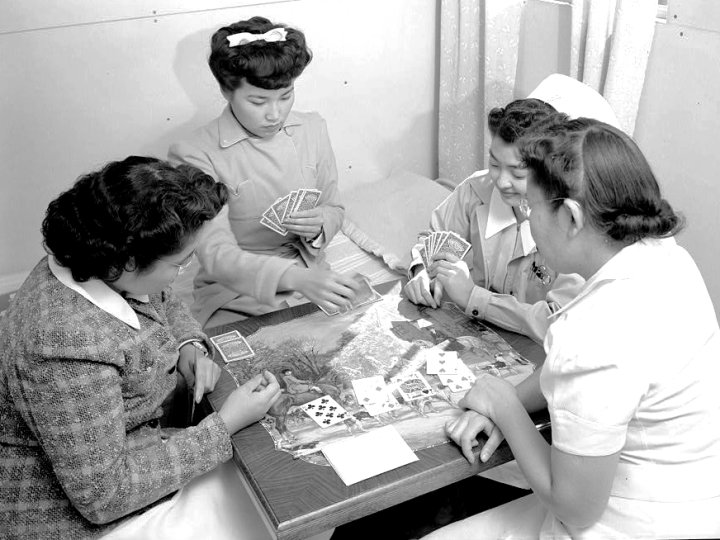
Pictures for today’s feature are from The Library of Congress. These are pictures that Ansel Adams took at Manzanar. They have been posted at chamblee54 before. The ladies in the bridge game are Aiko Hamaguchi, Chiye Yamanaki, Catherine Yamaguchi, and Kazoko Nagahama.




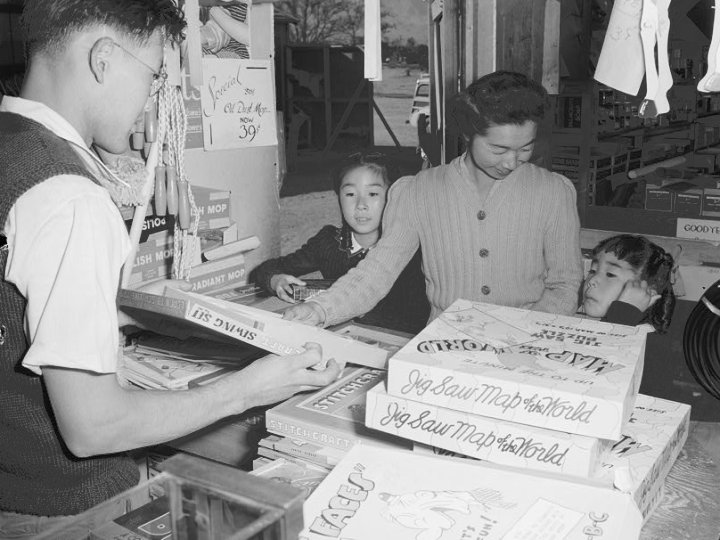


Judy Roasting On An Open Fire


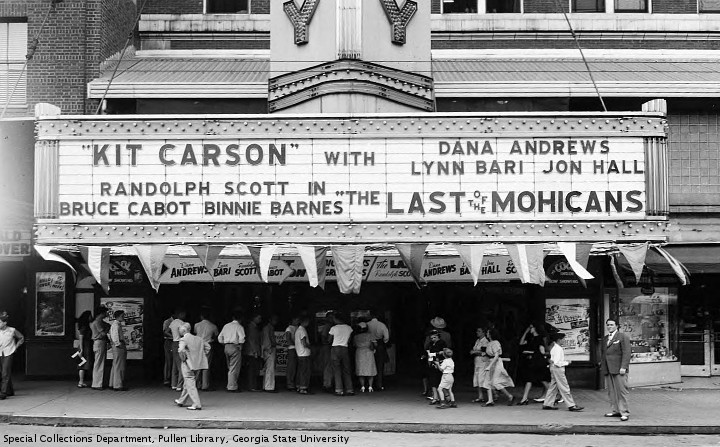
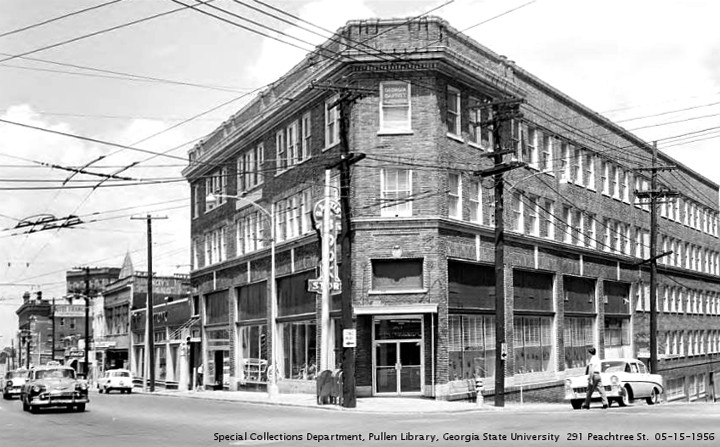
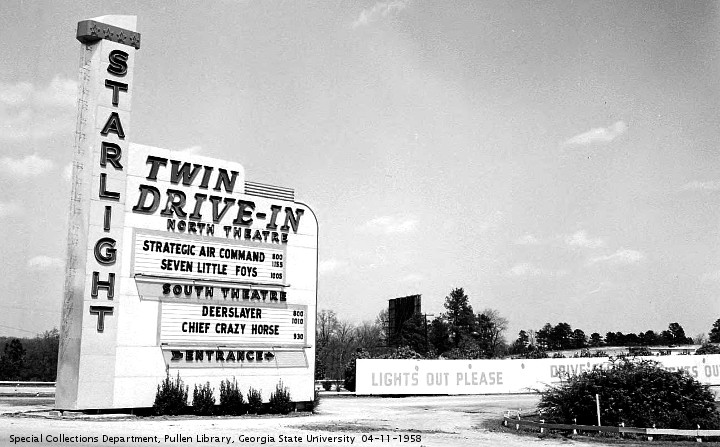
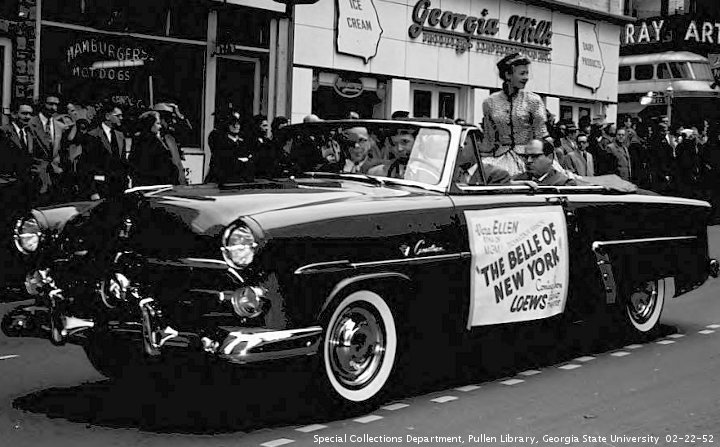
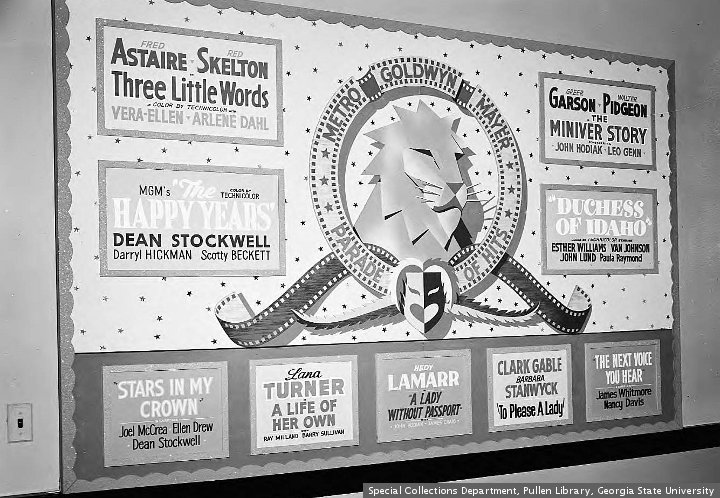
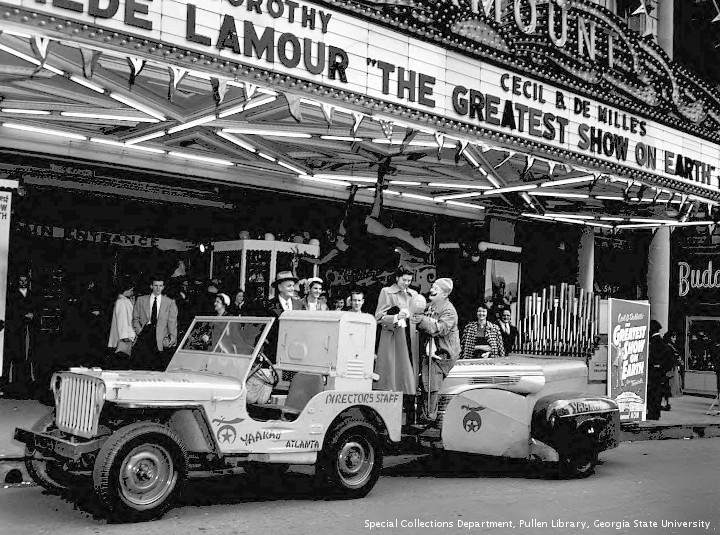
SFFILK (Not his real name) passes along a story about Mel Tormé. It seems like Mr.Tormé was eating a leisurely breakfast at a food court in Los Angeles, and a quartet appeared singing Christmas songs. They wound up performing “The Christmas Song” for co- author Tormé … and the singers had no idea who he was. It is a good story, better told in the link. (The link no longer works.) This is a repost, with pictures from “The Special Collections and Archives, Georgia State University Library”.
According to the inerrant Wikipedia, Mr. Tormé collaborated with Robert Wells, until they had a falling out. One afternoon, on the hottest day of July in 1945, Mr.Tormé went to visit Mr.Wells, and saw the first four lines of “The Christmas Song” (including “Chestnuts roasting on an open fire, Jack Frost nipping at your nose”). The lines were on a note pad, and the two agreed to beat the heat of summer by completing the song. Supposedly, Mr. Tormé did not like the song very much. After three divorces, he probably didn’t see many of the royalties.
Mel Tormé was the music director of the ill fated “Judy Garland Show” in the early sixties. He wrote a book about it… The Other Side of the Rainbow: With Judy Garland on the Dawn Patrol . The story is that Miss Garland would get blasted, call Mr.Tormé in the middle of the night, and pour out her troubles. (This review is much less sympathetic towards Mr. Tormé.) While the show did not last longer, there are some great youtube clips left over.


War Between The States

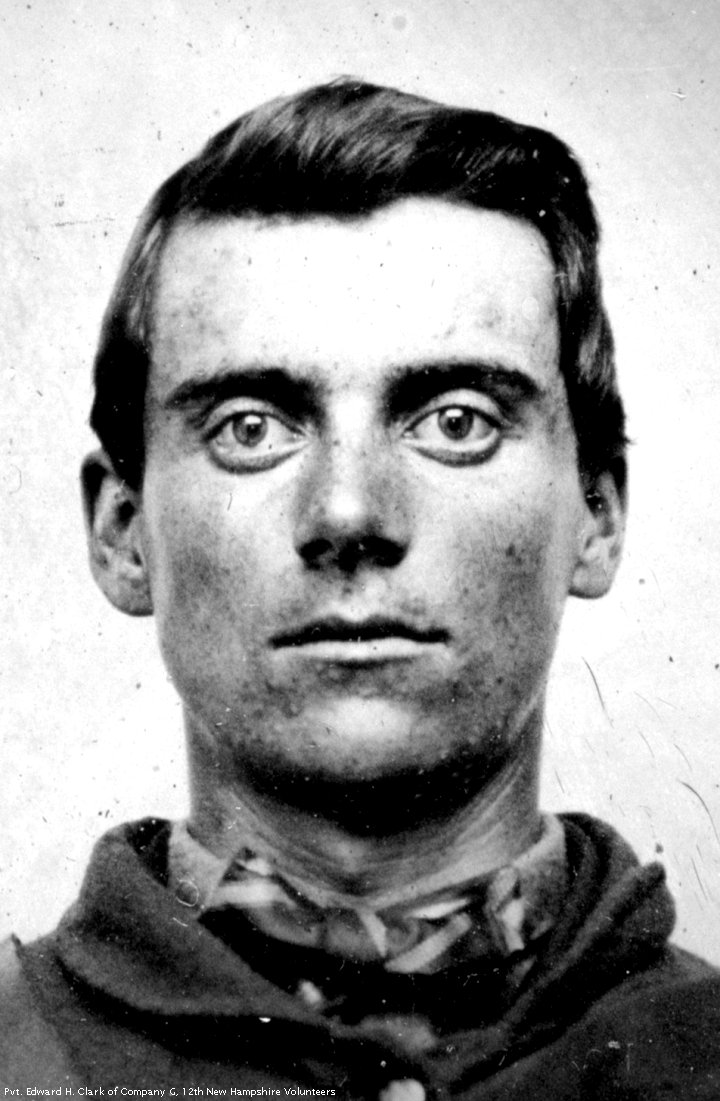


It is a truism that history is written by the winner of the war. This seems to apply to the naming of the conflict. There was a horrific armed struggle in North America between 1861 and 1865. The name used most often is Civil War. To many in the South, it is the War Between The States. In PG’s humble opinion, WBTS is a better name.
In fifth grade, PG had to write an essay about the Battle of Atlanta. The essay was a device for teaching grammar, utilized by the english teacher, Miss McKenzie. The contest was sponsored by the Daughters of the Confederacy . The expression “Civil War” was not permitted. The proper name for this conflict was War Between the States.
In many ways, this conflict started as soon as the United States became independent from Great Britain. The South was an agrarian society, with slaves to work the fields. The north was becoming an industrial society, with a need for an independent work force. The north wanted high tariffs to protect her industries, while the south wanted to sell it’s cotton to Europe. There were plenty of ways for this conflict to manifest.
Slavery was a very important factor. The south wanted to keep “the peculiar institution” intact, while many in the north were horrified. There were numerous compromises over the years, as Congress struggled to keep the Union intact. This ties in with a central dilemma of the american experience … how much power to give to the states, and how much power to give to the federal government.
The phrase civil war is defined as “A war fought between factions of the inhabitants of a single country, or the citizens of a single republic”. By the time the shooting started, the southern states had left the union. They formed a confederacy of independent states, rather than one monolithic union. It was, indeed, a war between the states.
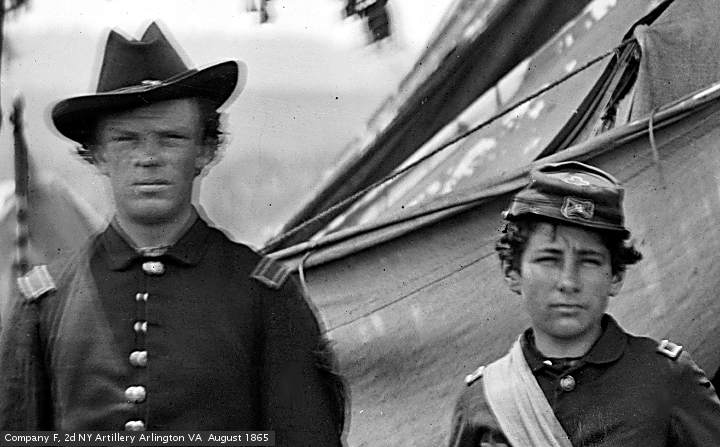
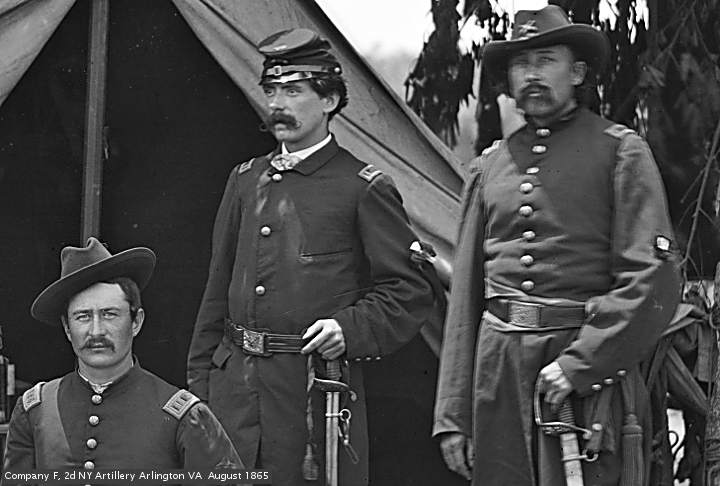
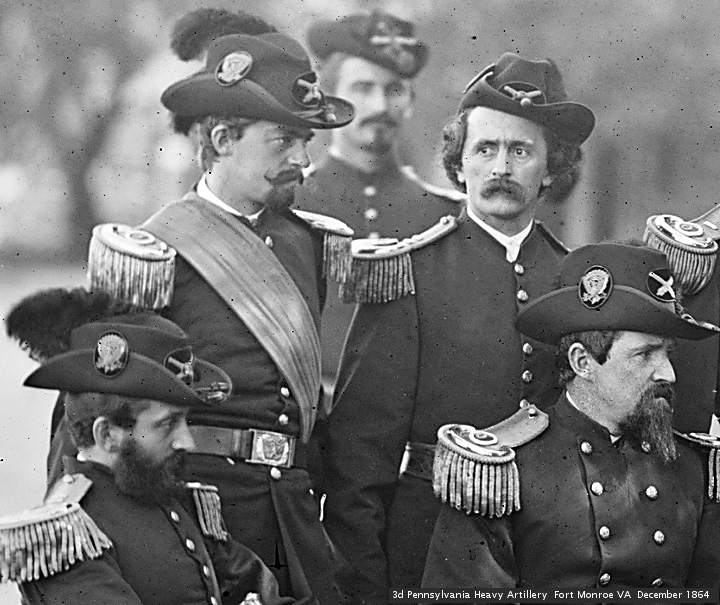
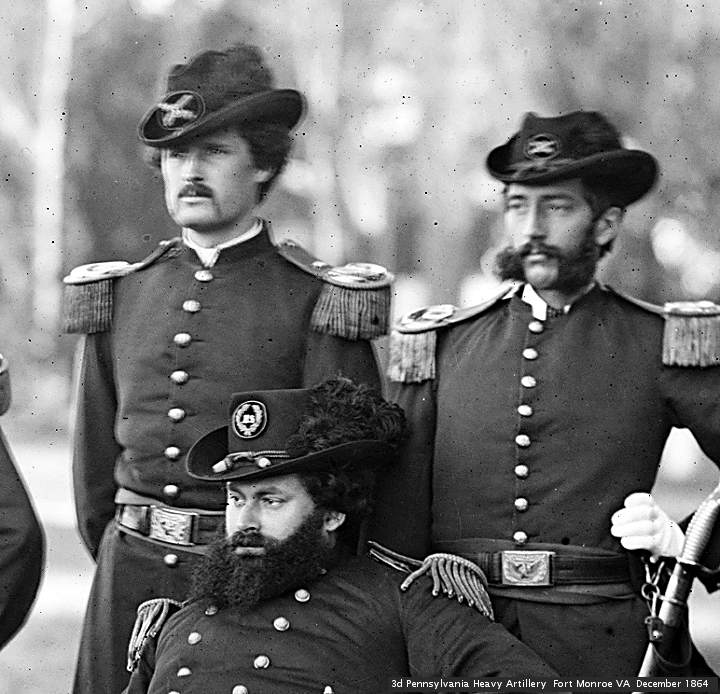
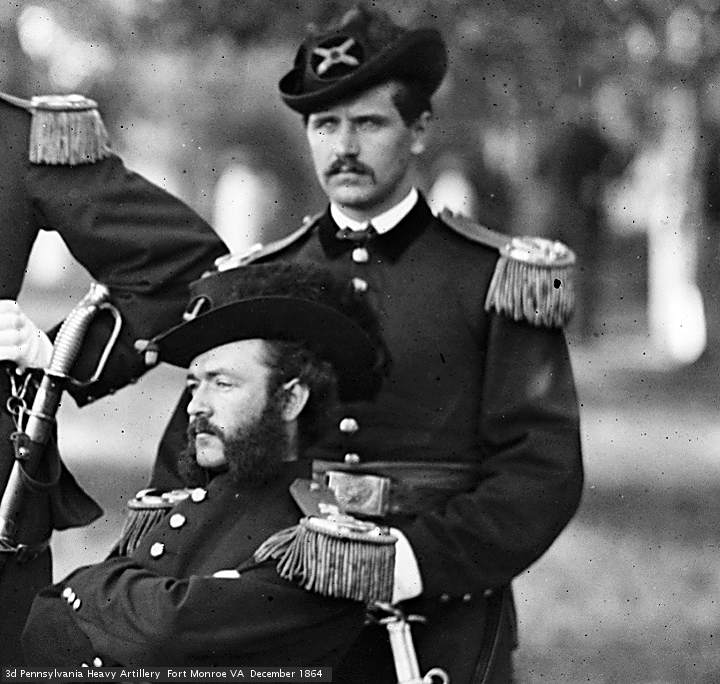
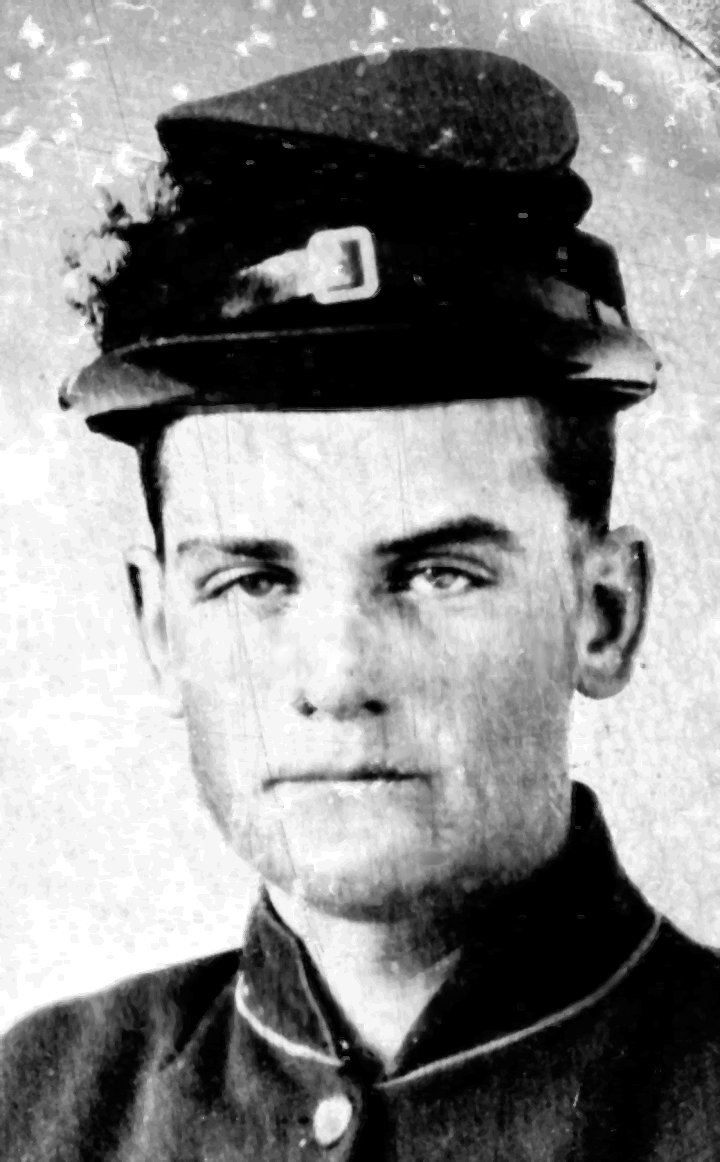
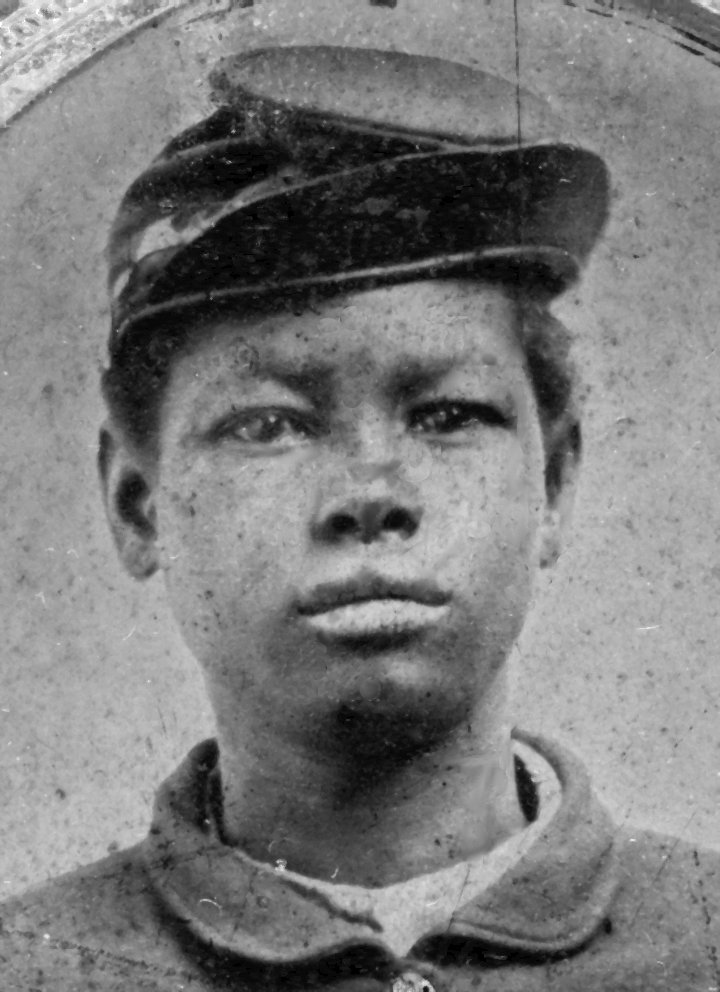
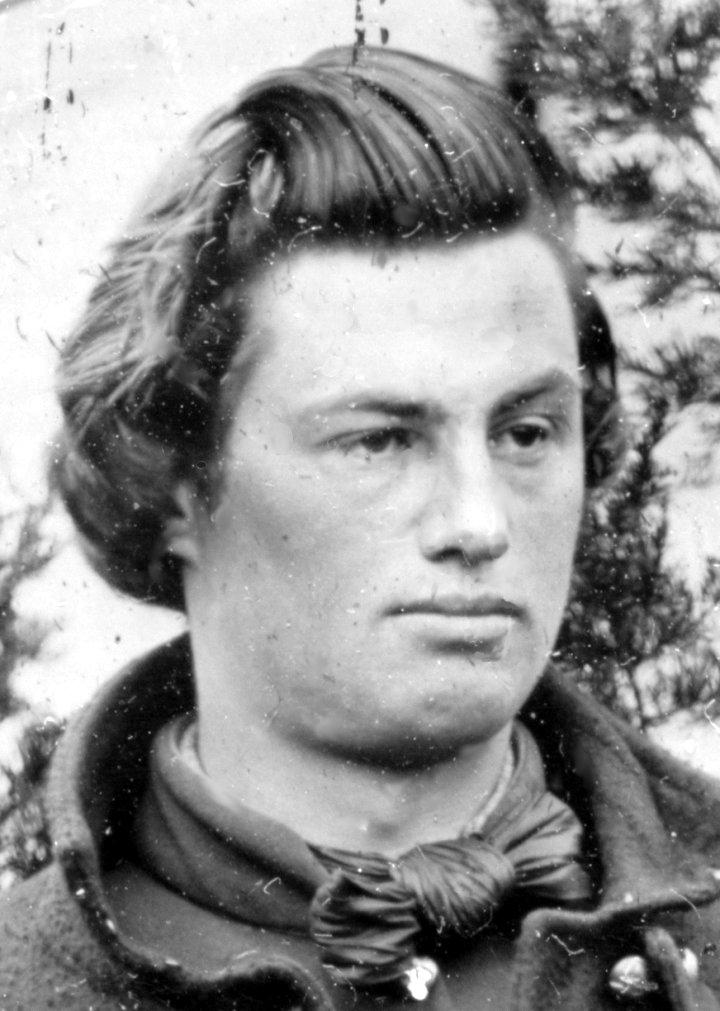
This is a repost. Pictures, of Union soldiers, are from The Library of Congress.

Whales Of The City



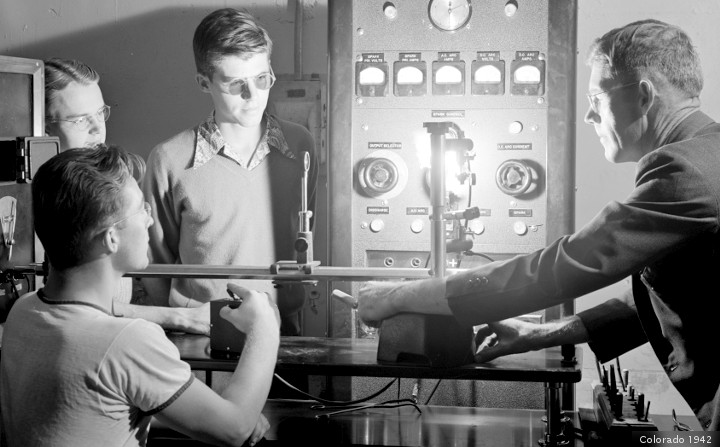


The plot lines in “Tales of the City” can be tough to figure out. The books have been *coming out* since 1978, which is several lifetimes ago. PG read the first installment, Tales of the City, sometime in the eighties, thought it was fun, and went on about his way. At some point, PG got copies of More Tales of the City and Further Tales of the City, but is not sure if he read them. Significant Others turned up at a yard sale. PG remembers the step grandson rescuing the step grandpa at a radical women’s retreat. Good clean fun.
Babycakes and Sure of You, the last two books of the original series, will be discussed today. It can be tough to make sense of the plot. Michael Tolliver goes from the “Whore of Babylon” to model HIV+ citizen. Mary Ann goes from the naive Ohio girl to a popular TV personality. Mrs. Madrigal is Mrs. Madrigal, and San Francisco is San Francisco.
PG found Babycakes in a box of free books at a faerie gathering. Merry part, merry meat again. BC is set early in the Reagan Presidency. Michael’s bf, Jon, died of AIDS in 1982. Michael goes to England, and runs into an old friend, Mona. It is a complicated, and tough to believe, story. You have to put away your skepticism, and go with the story. It is a good story, and fun to read. This is why PG reads.
Sure of You was the last book of the original series that PG was sure he had not read. The library had it. SOY is set in 1988, and this is a key part of the story. AIDS is running wild. Michael has a pill box with a beeper. Everywhere you turn, men are dead and dying. PG lived his version of 1988 in Georgia.
There were some interviews with Armistead Maupin during this era. He is very angry, and into outing celebrities. The name Tom Selleck was prominently mentioned. This anger shows up in SOY. Michael goes to a black tie reception with Mary Ann. A famous designer, who might be Calvin Klein, hits on Michael. There is an angry lecture about being in the closet. The improbability of Calvin Klein hitting on a plant store owner is not mentioned.
On page 107, the designer’s wife says something to Mary Ann about Ivana Trump. The TV personality wants to know what Mrs. Trump is like in real life. Thirty years later, Ivana Trump is the ex wife/kidsmomma of the President of the United States. Maybe those plots were not as far fetched as what really happens. Pictures today are from The Library of Congress.




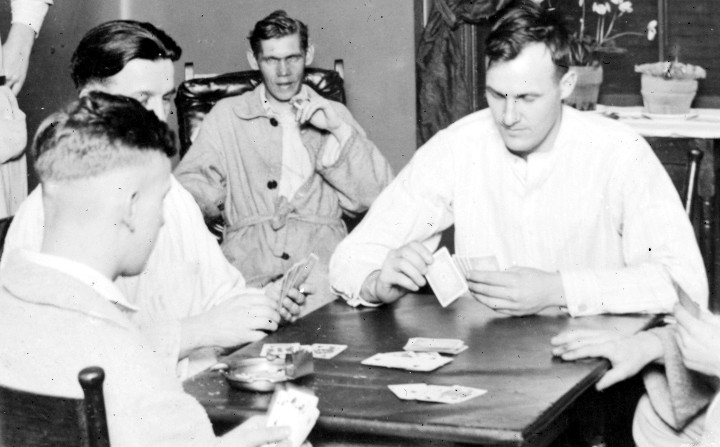

The Burning Of Atlanta


Around this time 152 years ago, Atlanta was on fire. General Sherman was preparing for his March to the sea, and wanted to destroy anything of value in the city. The fire is reported as being on 11-15 of November, depending on what source you use.
The November fire was the second great fire in Atlanta that year. On September 2, the city was conquered by the Union Army. The fleeing Confederates blew up a munitions depot, and set a large part of the city on fire. This is the fire Scarlet O’Hara flees in “Gone With The Wind”.
After a series of bloody battles, the city was shelled by Yankee forces for forty days. There were many civilian casualties. General Sherman was tired of the war, angry at Atlanta, and ready for action. This is despite the fact that many in Atlanta were opposed to secession.
Click here to hear a lecture by Marc Wortman at the Atlanta History Center. Mr Wortman is the author of “The Bonfire: The Siege and Burning of Atlanta”. The hour of talk is fascinating. This is a repost. The pictures are from The Library of Congress


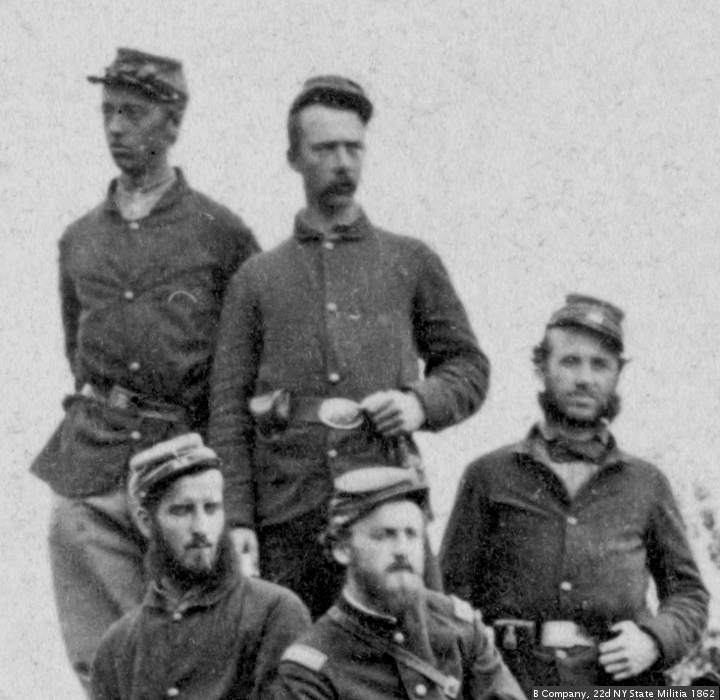
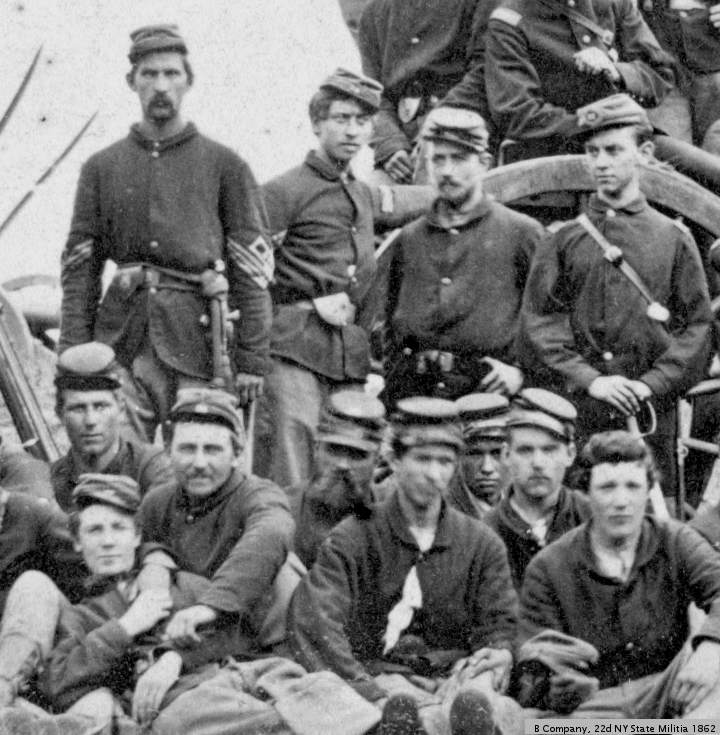


About this time every year, there is a post about the burning of Atlanta. One of the sources is a lecture by Marc Wortman. If you have an hour to spare, this talk is worth your time. One of the stories told is the tale of Mr. Luckie.
“According to folklore, two stories abound as to how Luckie Street was named. The first is that its moniker came from one of Atlanta’s oldest families, and the other, probably closer to the truth, regales the life of Solomon “Sam” Luckie. Luckie, as it turns out, wasn’t so lucky after all. When General William Tecumseh Sherman first came marching through Atlanta in 1864, Luckie, a free Black man who made his living as a barber, was leaning against a gas lamp post in downtown talking to a group of businessmen. A burst from a cannon shell wounded him; he survived, but later died from his injuries. Folklore suggests that he may have been one of the first casualties of the assault on Atlanta during Sherman’s March to the Sea, and Luckie Street, an extension of the city’s famed Sweet Auburn Avenue, was later named in his memory.”
Marc Wortman wrote a book, The Bonfire: The Siege and Burning of Atlanta. The one star review, and comments to that review, are unusually detailed. Here is a selection.
“…People forget – or were never taught in school – that most Confederate soldiers descended from Revolutionary War patriots or were up-country poor sons of farmers. Many Confederate soldiers were relatively recent new arrivals to the U.S., semi-literate dirt poor immigrants from Ireland and Scotland who’d never had the chance to own even an acre of their own land in Europe. In the mix were well-educated, elite merchant business owning French Huguenot refugees of the Catholic Bourbon genocide of Protestants. These immigrants had nowhere else to go, 9 times out of 10 never owned a slave, and fought for the CSA to keep what little they’d hardscrabble carved out over a decade of arrival into the U.S.”
The War Between The States continues to be a source of controversy. After the Charleston church killings, many comments were made about the Confederate battle flag. (If you can’t talk about gun control or mental health, you talk about a symbol.) This led to discussions about the war itself. There were ritual denunciations of slavery, which was assumed to be the sole cause of the conflict. The fact that the vast majority of white southerners did not own slaves was dismissed.
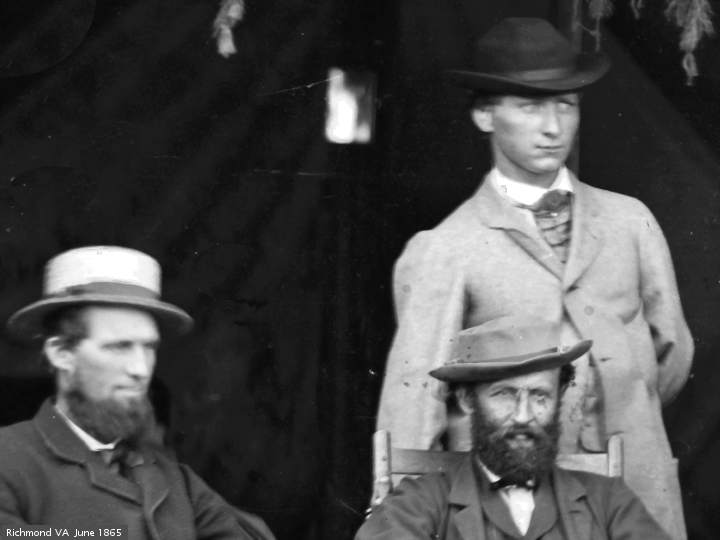
The notion of autonomous states in a federal union was novel when the United States Constitution was written. The debate over federalism versus states rights continues to this day. States that want to legalize marijuana may be the next battleground. (Few are expecting secession over bong rights.) Many in the CSA saw the Union as being a conquering army, and fought to defend their homes. While slavery was certainly a factor in the creation of the CSA, it was not the only Casus belli. Pictures today are from The Library of Congress.

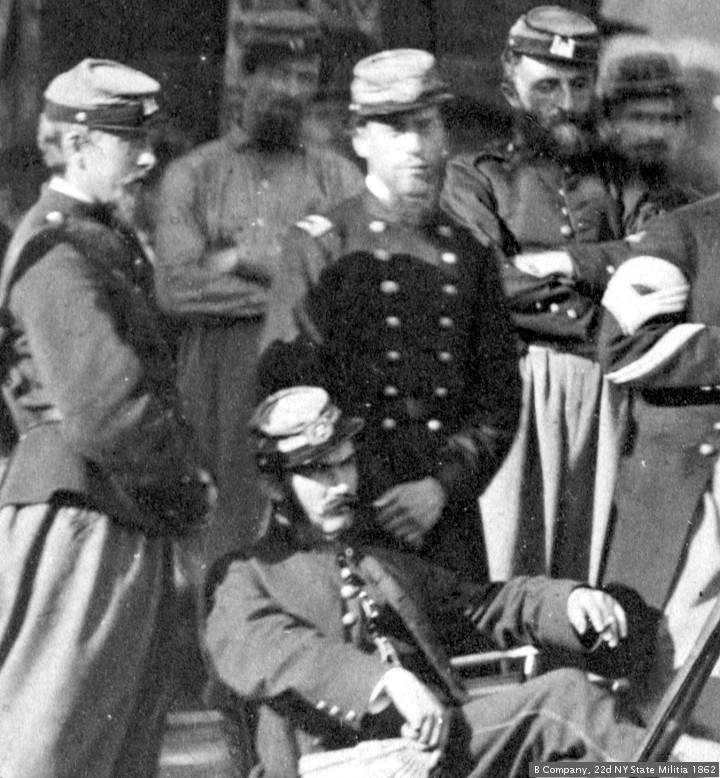


November 11
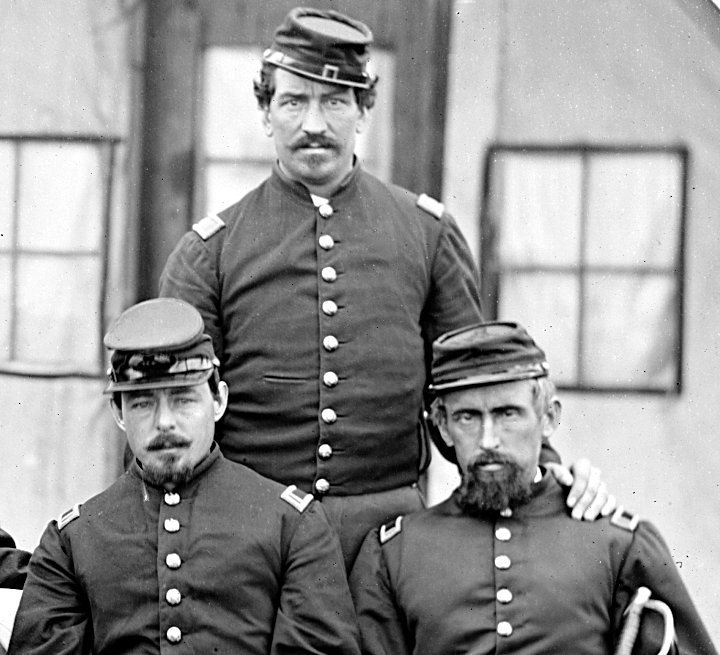


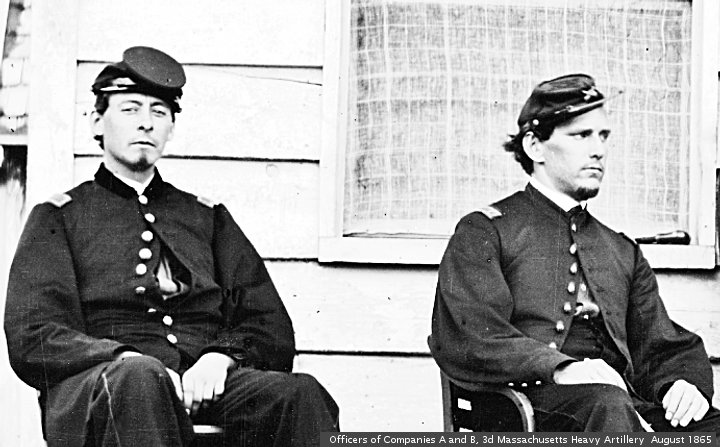
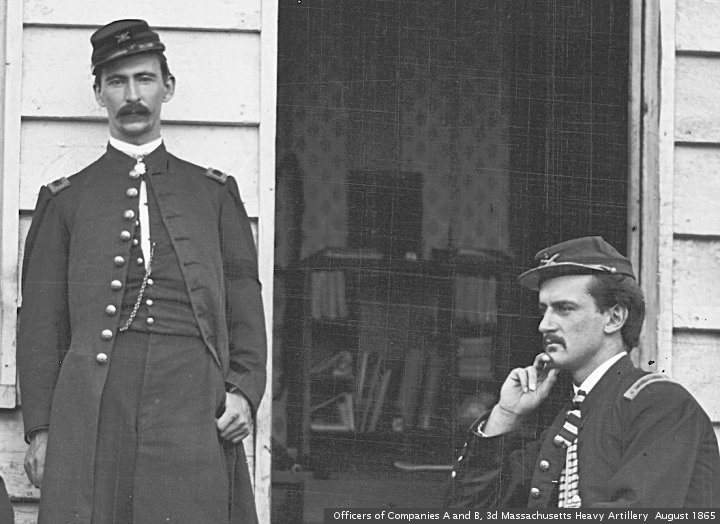
Veteran’s Day is a bad day for a cynic. On the one hand, I do appreciate living in The United States. With all its flaws, I have had a good life here. The role that Veterans have played is to be honored. On the other hand, those who profit from wars often exploit Veterans for political mojo. Many of these people did not serve.
Veterans are often not treated well after they are through with their service. It is estimated that a quarter of the homeless are veterans. The services offered to wounded veterans returning from War are often lacking. These wounds are both physical and mental.
When I typed the second sentence, I thought of my great grandfather. He served with the Georgia State Troops in the War Between the States. I do prefer the USA to the CSA (or whatever would have happened). Yet, the Union army had to prevail over the various Confederate Armies for this to happen. Do I dishonor my great grandfather by saying I am happy the other side won?
Veterans Day was originally Armistice Day. This was the day, 90 years ago, when the War to End All Wars ended. World War I was a ghastly bloodbath, in which millions died. It created many of the problems that plague us today. And I would be willing to bet that not one person in ten thousand today knows what it was about. And yet, the men who fought in that conflict (I don’t think they had women soldiers then) deserve the same gratitude as those who fought in any other conflict.
The soldier…many of whom were drafted…doesn’t get to choose which war to fight in. The sacrifice of the World War II soldier was just as great as the Vietnam fighter, but the appreciation given was much greater. I grew up during Vietnam, and saw the national mood go from patriotic fight to dismayed resistance. By the time I was old enough to get drafted, the Paris accords had been signed. For better or worse, there went my chance.
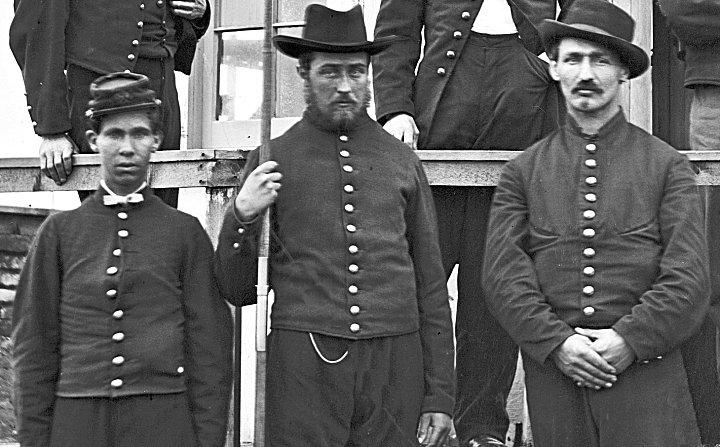

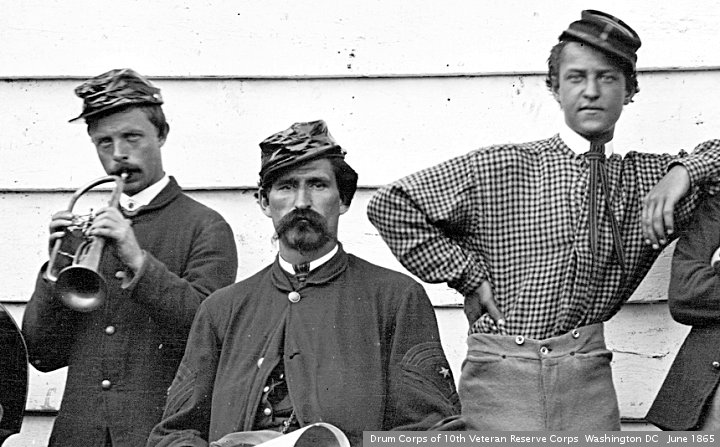
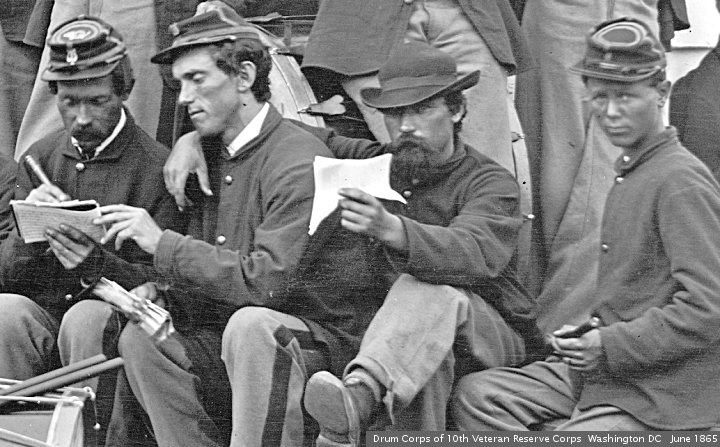
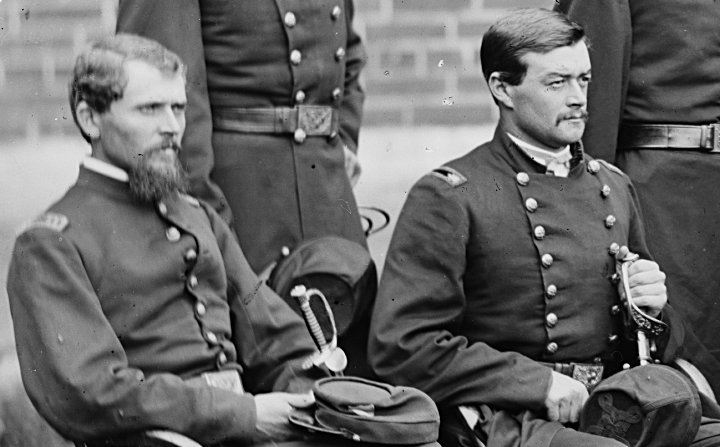
Veterans day was originally Armistice Day. On November 11, 1918, at 11 am (the eleventh hour of the eleventh day of the eleventh month) a cease fire went into effect for “The great war”. Officials of the major armies agreed to the ceasefire at 5 am (European time). There were an estimated 11,000 casualties in the last six hours of the war.
At 11:59 am, U.S. army private Henry Gunther became the last soldier to die in World War I. “According to the Globe and Mail this is the story of the last soldier killed in WW1: On Nov.11, 1918, U.S. army private Henry Gunther stood up during a lull in the machine gun fire and charged the enemy. “The Germans stared in disbelief,” says the Daily Express. “They had been told that morning that the fighting was about to stop; in a few minutes they would stop firing and go home. So why was this American charging at them with his bayonet drawn? They shouted at him to stop and frantically tried to wave him back but… he hadn’t heard anything of the ceasefire.” A German gunner released a five-round burst and the soldier lay dead, at 10:59 a.m. In his recently published Eleventh Month, Eleventh Day, Eleventh Hour, U.S. Military Historian Joseph Persico notes that Private Gunther had previously been a sergeant but was demoted after an Army censor read his letter to a friend back home, urging him to steer clear of the war at all costs. Gunther, who was in no-man’s land when the ceasefire news arrived, had been trying to prove himself worthy of his original rank.”
This is a repost. Pictures are from The Library of Congress.
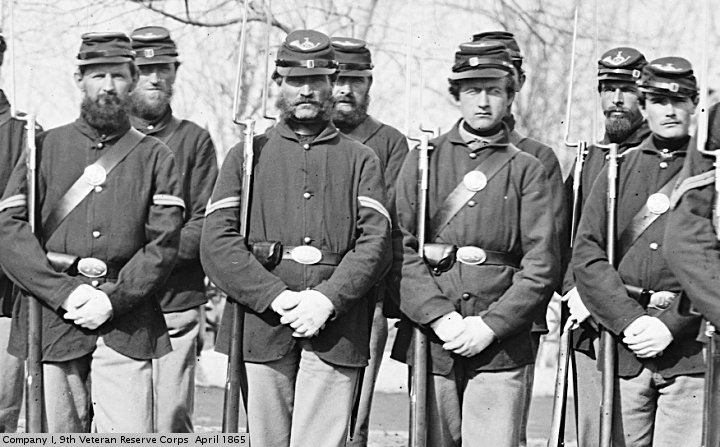


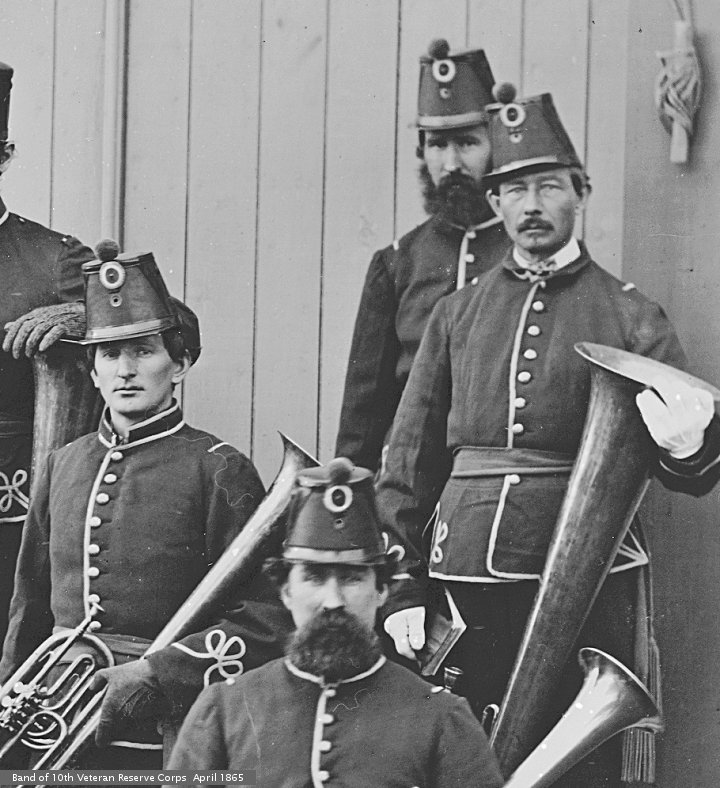

Arlo Guthrie
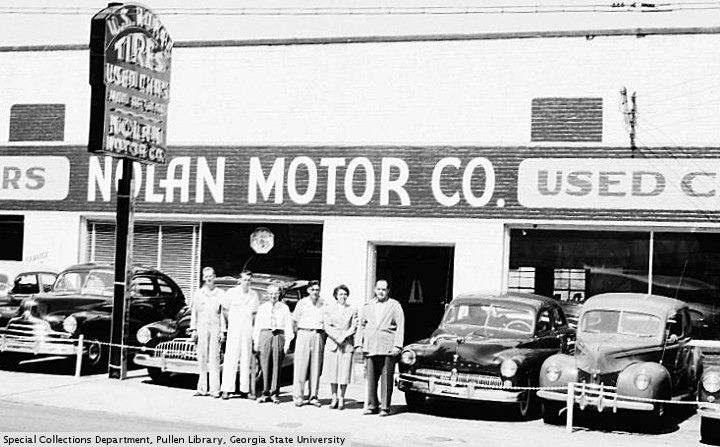


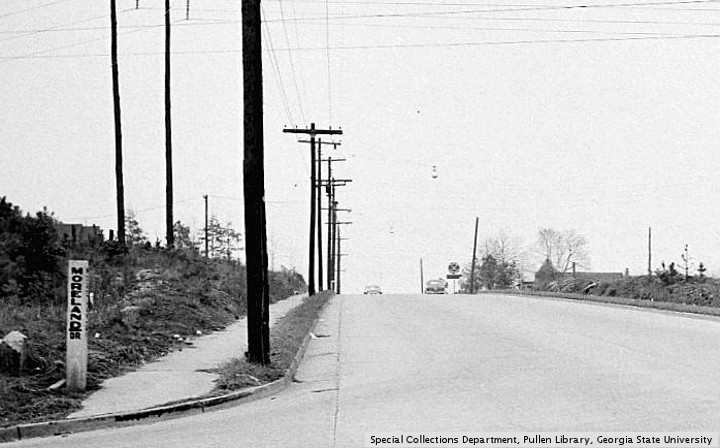

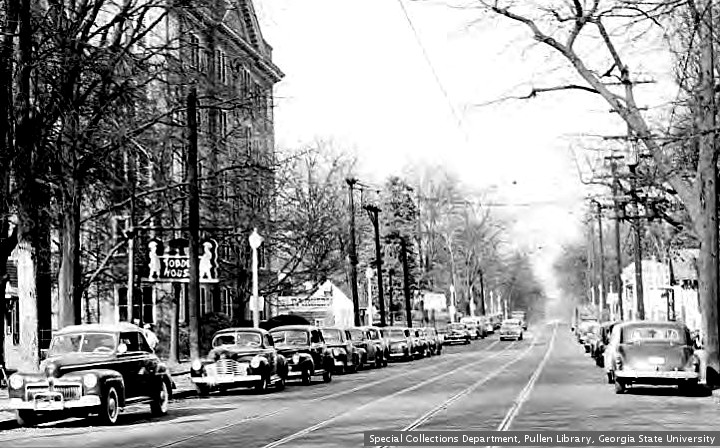
This is a rerun post, with pictures from “The Special Collections and Archives, Georgia State University Library”. The original post was half about Arlo Guthrie, and half about Ralph Reed. Today, only the part about Arlo Guthrie will be shown. If you absolutely must read about Ralph Reed, you can follow the link above, or read Lisa Baron And Ralph Reed TMI.
The entertainment today is about Arlo Guthrie . Thanksgiving is intimately connected to Mr. Guthrie. Unlike the turkey, Mr. Guthrie has gone on to have a flourishing career. He probably will not come down with Huntington’s Disease, which killed his father Woody Guthrie.
The video that goes with this text was the first time PG saw Arlo Guthrie. This was broadcast January 21, 1970. PG was an unhip fifteen year old, who had not heard Alice’s Restaurant, seen the movie, or been to Woodstock. He did see the Johnny Cash show this night, or at least the part where Arlo Guthrie did the motorcycle song.
To quote the digital facility PG is borrowing from: ” Born Arlo Davy Guthrie on July 10, 1947, in New York, NY; son of Woody (a folksinger) and Marjorie Mazia (a dancer; maiden name, Greenblatt) Guthrie; married Jacklyn Hyde, October 9, 1969; children: Abraham, Cathyalicia, Annie Hays, Sarah Lee.” Abraham and Sarah Lee play in Arlo’s touring band.
The Alice’s Restaurant Masacree is a part of Americana now. There are two bits of knowledge, that are as true as anything told to a Persian king. When trying to dispose of some garbage, and finding the city dump closed, Arlo found some litter by the roadside, and made a value judgment…One big pile of garbage is better than two little piles.
The second is about the draft, and the business of choosing people to fight our wars. There is a regulation today that says that Gays and Lesbians are not supposed to be soldiers and sailors. In the tale of the thanksgiving dinner, it was litterbugs. (There was also a draft, and a different war. Lots of Americans were coming home in boxes.) The bottom line: Mr. Guthrie is confused about not being considered moral enough to kill people, because he was a litterbug.
A few years into his career, Arlo Guthrie had a hit record called “City of New Orleans”. It was about a train, and said “Good Morning America”. “City of New Orleans” was written by Steve Goodman, who is no longer with us. Mr. Goodman also wrote the perfect country and western song .
PG heard a story about Steve Goodman. “The songwriter is Steve Goodman. He gave a show at the Last Resort in Athens GA, that a friend of PG attended. Mr. Goodman tells a story about performing on a train, during a series of concerts supporting Hubert Humphrey. It seems like Mr. Goodman had to use the restroom on the train. Now, in those days, the trains did not use holding tanks, but just ejected the matter by the tracks as they rode by. Mr. Goodman was told, do not flush the commode while the train is in the station. Mr. Goodman forgot the instructions. Mr. Humphrey said ”I am going to give the people of this country what they deserve”, Mr. Goodman flushed the commode, and sprayed the crowd. PG is not sure if he believes this, but it is a good story.” ( A biographer of Mr. Goodman said said that the candidate was Edmund Muskie. He also says that David Allen Coe had nothing to do with the last verse of the perfect country and western song.)
As previously noted, this is a repost from five years ago. In that time, the policy against gay people serving in the military has been dismantled. The Ralph Reeds of the world are more upset about the concept of gay marriage, than by gay people killing Muslims. Vietnam is a peaceful country, and is enjoying economic good times. The draft is something old fogies remember. The current fashion is to support war by demanding a tax cut.
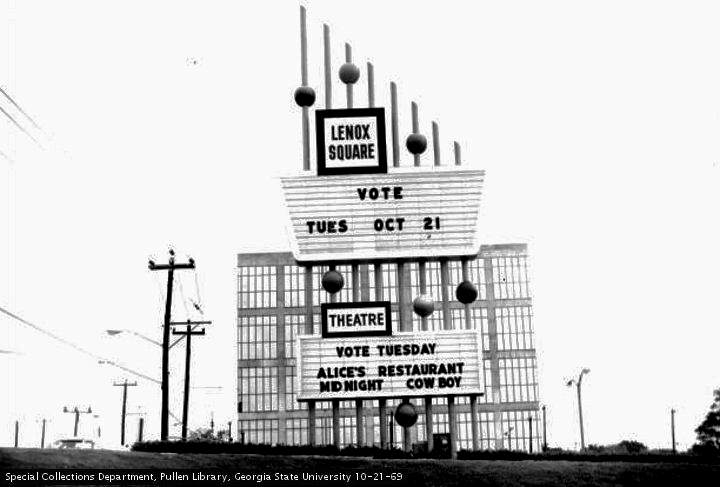
Arlo Guthrie continues to make music. USA Today had a feature recently, Arlo Guthrie celebrates 50 years at ‘Alice’s Restaurant’. Arlo Davy Guthrie has a twitter account, @folkslinger, and a full head of white hair. His wife of 43 years, Jackie Guthrie, died Oct. 14, 2012. The Lenox Square theater was torn down to make way for a food court many years ago.




Smedley Butler

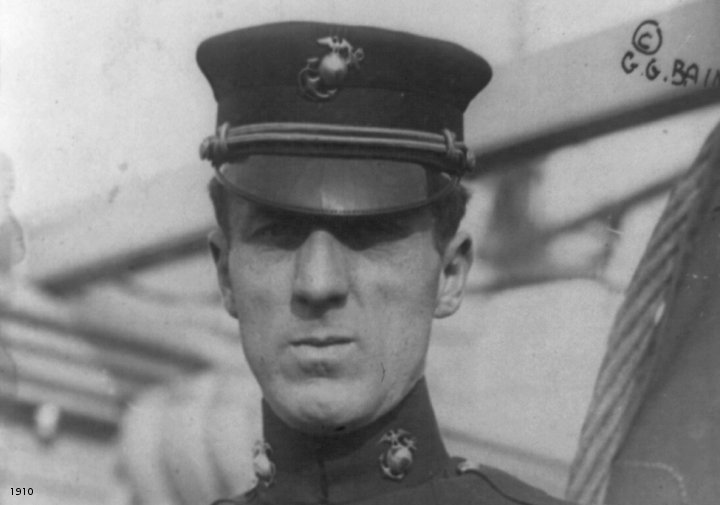
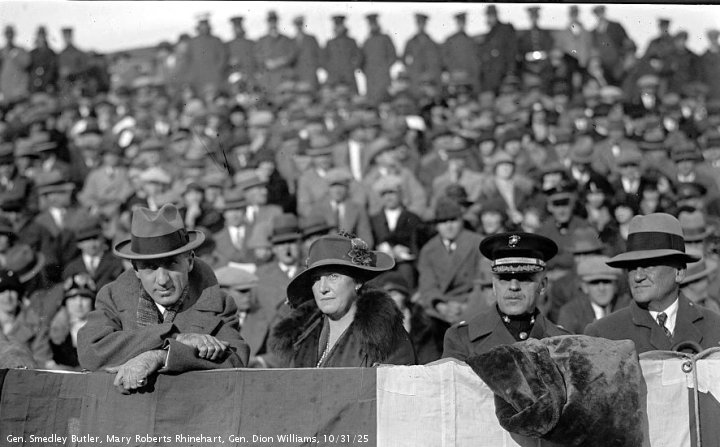

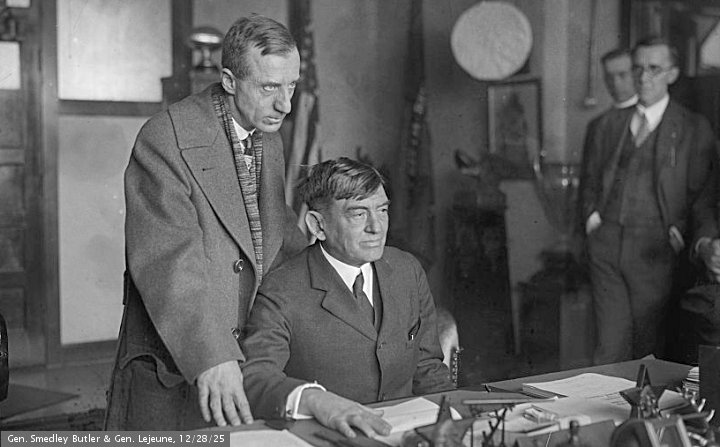


There was a feature the other day on the innertube called War is a racket . It was about a man with the unlikely name of Smedley Butler . Pictures for today’s adventure are from The Library of Congress. The video features an actor named Graham Frye in the role of General Butler. The video is courtesy of Smedley D. Butler Brigade Chapter 9 Veterans For Peace. This is a repost.
Major General Smedley Darlington Butler was a star of the U.S. Marine Corps. He lied about his age to enlist during the Spanish American War. Mr. Butler served in Philippines, China, Mexico, the Caribbean, Central America and World War I. With the exception of World War I, most of these conflicts are forgotten today.
Smedley Butler received the Medal of Honor twice. “His first Medal of Honor was presented following action at Vera Cruz, Mexico, 21-22 April 1914, where he commanded the Marines who landed and occupied the city. Maj Butler “was eminent and conspicuous in command of his Battalion. He exhibited courage and skill in leading his men through the action of the 22nd and in the final occupation of the city…The following year, he was awarded the second Medal of Honor for bravery and forceful leadership as Commanding Officer of detachments of Marines and seamen of the USS Connecticut in repulsing Caco resistance on Fort Riviere, Haiti, 17 November 1915.”
After his retirement in 1931, Mr. Butler had a change of heart, and decided that killing for Uncle Sam was not such a great idea. He wrote a book, “War is a Racket”, and became a popular speaker. Here is a “money quote”… “I spent 33 years and four months in active military service and during that period I spent most of my time as a high class thug for Big Business, for Wall Street and the bankers. In short, I was a racketeer, a gangster for capitalism. I helped make Mexico and especially Tampico safe for American oil interests in 1914. I helped make Haiti and Cuba a decent place for the National City Bank boys to collect revenues in. I helped in the raping of half a dozen Central American republics for the benefit of Wall Street. I helped purify Nicaragua for the International Banking House of Brown Brothers in 1902–1912. I brought light to the Dominican Republic for the American sugar interests in 1916. I helped make Honduras right for the American fruit companies in 1903. In China in 1927 I helped see to it that Standard Oil went on its way unmolested.”
Smedley Butler died June 21, 1940. Eighteen months later, America was at War again. How he would have reacted to that conflict is a mystery.




leave a comment