August 16






This morning brought the sad news about Aretha Franklin. The lady was a national treasure. It is tough to imagine the United States without the Queen of Soul. Rest in Peace.
August 16 has been a busy day for the grim reaper. In 1977, Elvis Presley met his maker August 16, 1977. Other famous people to die on August 16 include Robert Johnson, 1938, Babe Ruth, 1948, Margaret Mitchell, 1949, Bela Lugosi, 1956, and Idi Amin, 2003.
As a partial replacement for Elvis and Aretha, Madonna was born August 16, 1958. Other births on August 16 include T. E. Lawrence, 1988, Charles Bukowski, 1920, Fess Parker, 1924, Eydie Gormé, 1928, and Julie Newmar, 1933
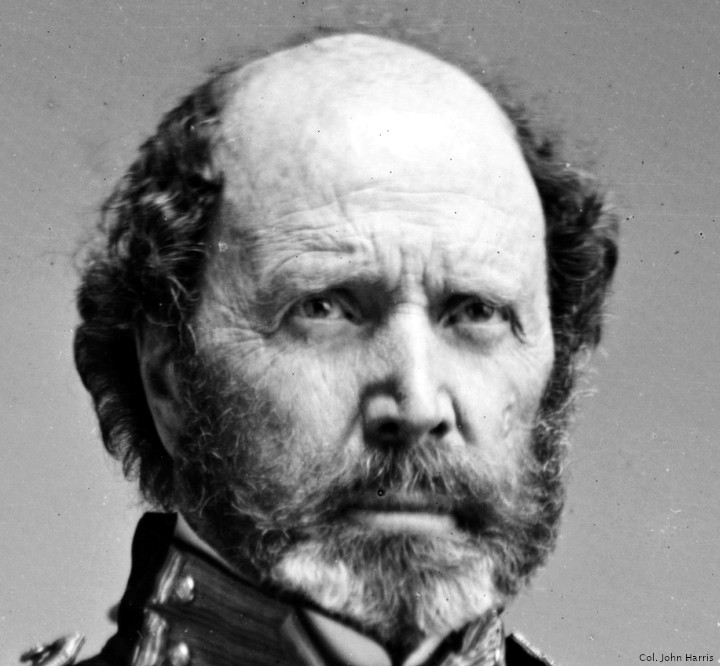
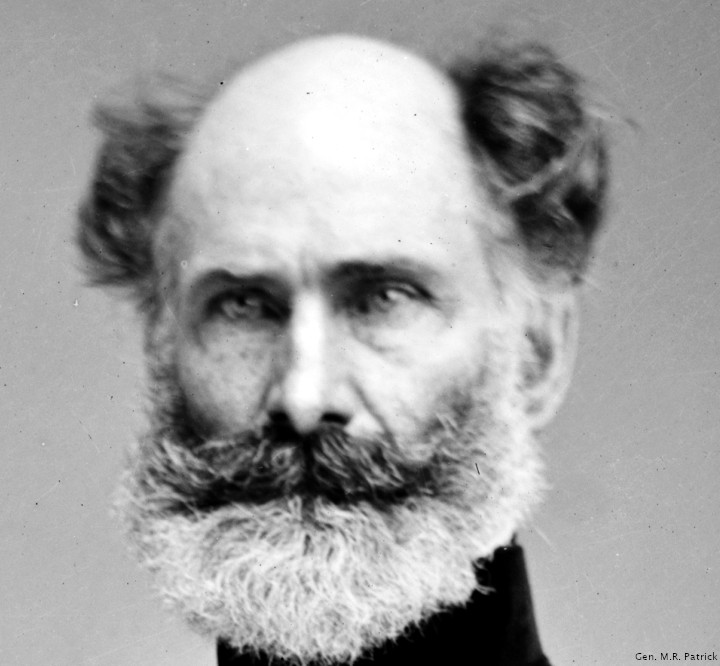
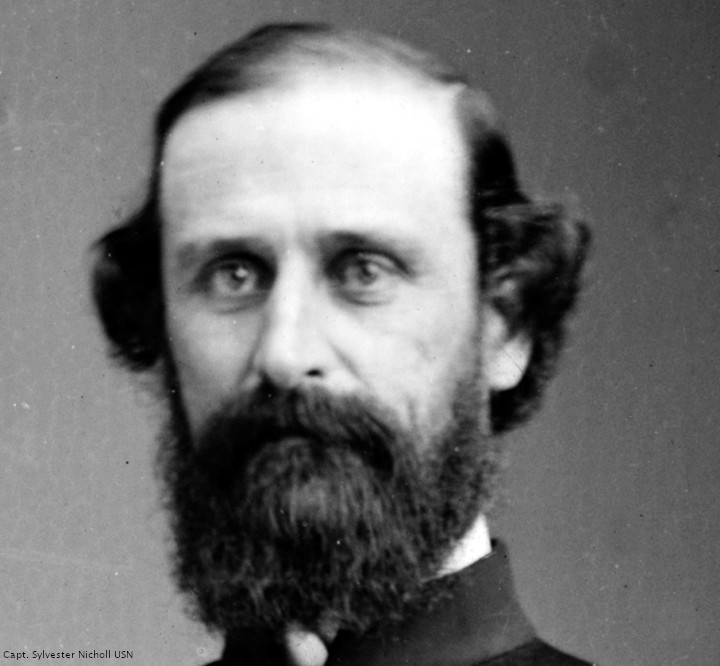
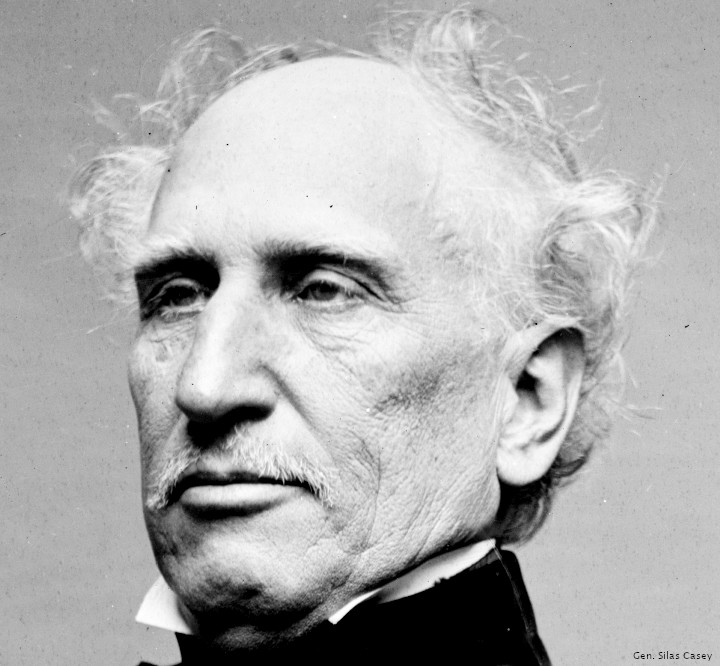
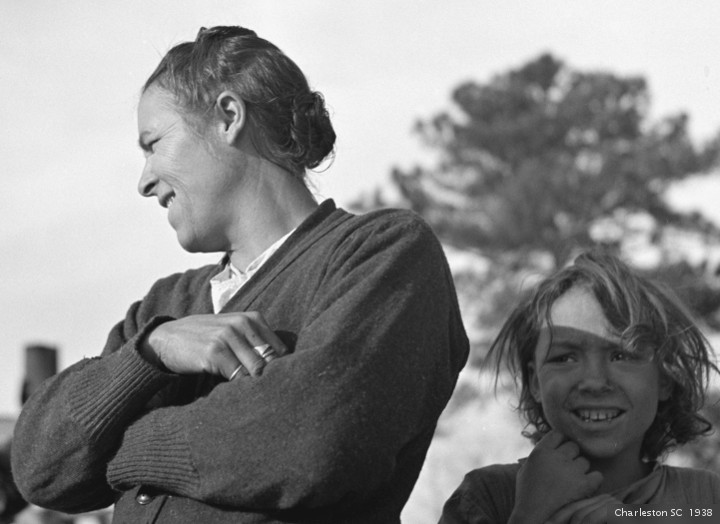
August 16 “is the 228th day of the year (229th in leap years) in the Gregorian calendar.” On August 16, 1858, “U.S. President James Buchanan inaugurates the new transatlantic telegraph cable by exchanging greetings with Queen Victoria of the United Kingdom. However, a weak signal forces a shutdown of the service in a few weeks.” Pictures today are from The Library of Congress.


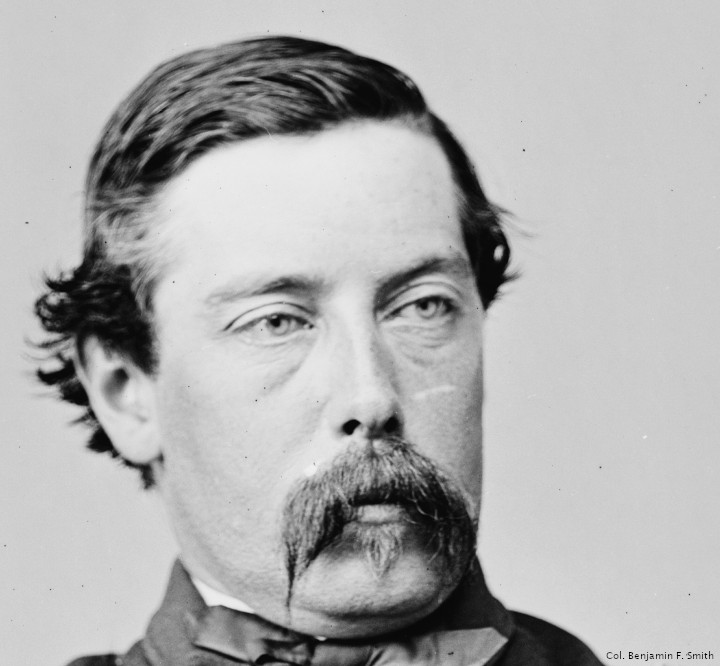
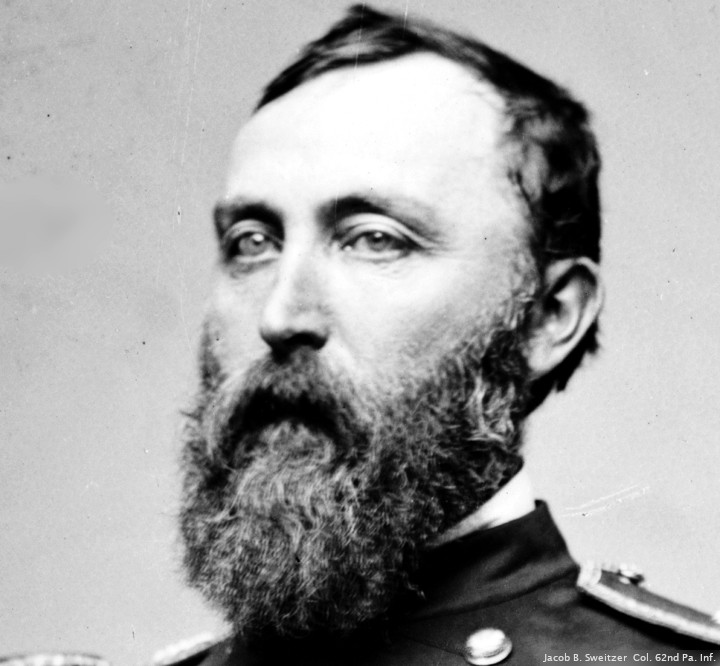
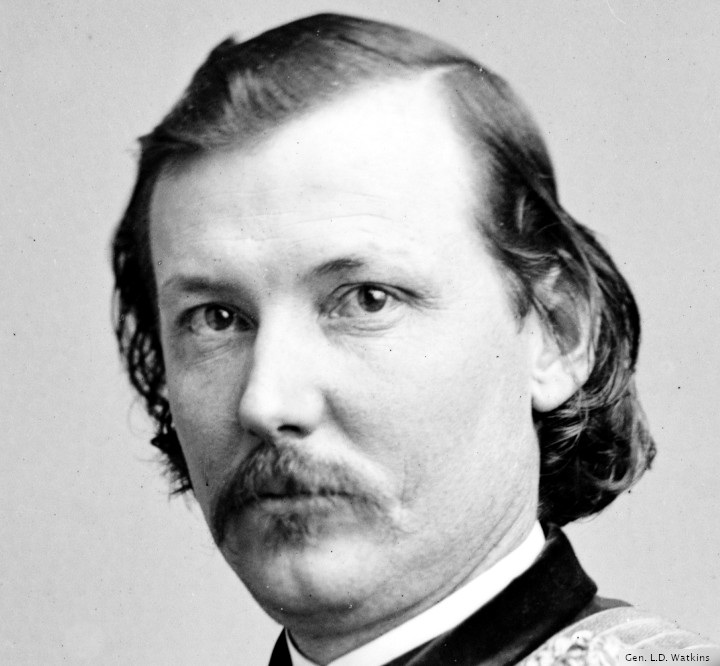
Hiroshima 73 Years Later




At 8:15 am, August 6, 1945, Hiroshima got nuked. It was the start of a new era. Since Japan is 13 hours ahead of Georgia, and standard time was used, the literal anniversary is 8:15 pm, August 5.
Tsutomu Yamaguchi was working in Hiroshima when the bomb hit. He survived, and found a train to take hime to his home town, Nagasaki.
The device dropped on Hiroshima, the Little Boy, had an estimated force of 13 kilotons of Trinitrotoluene, or TNT. A kiloton of TNT is roughly a cube whose sides are ten meters. This device is fairly tiny compared to many of the warheads developed since. Many of the modern appliances are measured in megatons, or millions of tons of TNT. The Soviet Union had a bomb with a capacity of 50 megatons, or 4,000 times the size of the Little Boy.
The largest weapon tested by The United States is the Castle Bravo. This device destroyed Bikini Atoll in the Pacific. The two piece swimsuit was named for this island. The Castle Bravo device had a yield of 15 megatons of TNT. This is roughly 1,000 times the power of the Little Boy.
The decision to drop the bomb has long been controversial. There are a lot of factors and gray areas, and the issue does not lend itself to sound bite solutions. The conventional wisdom is that Japan surrendered because of the nuclear attack. This meant the war was shortened by at least a year, there was no invasion of Japan, and many lives were saved. PG is scared by the moral calculus involved in a decision like this….do 100,000 civilian deaths prevent the deaths of 500,000 soldiers? PG suspects that even G-d herself would lose sleep over that one.
There is also evidence that the bomb was not needed. Japan was whipped in August 1945. The air raids were conducted in daylight with little resistance. A debate was going on in the Japanese government on whether to continue the fight.
An event happened the day between Hiroshima, and Nagasaki, which influenced the Japanese decision to surrender. The Soviet Union had agreed to help the United States with the war against Japan. On August 8, The Soviet Union invaded Japanese occupied Manchuria. There are indications that Japan knew the fight was hopeless at this point, and would rather surrender to The United States than The Soviet Union. This is one of the gray areas that never seems to be mentioned.
The United States wanted the war to end quickly for obvious reasons, and a few subtle ones. America did not want to share the spoils of Japanese war with The Soviet Union. There were already tensions between the two allies, and the cold war was not far off. Many felt The United States used the Little Boy as a warning to The Soviet Union.
When you get your moral software out, you might want to figure in the effect of opening the nuclear Pandora’s box. Would the nuclear bomb have been developed by other countries if America had not led the way? The science is not that complicated…after all, America hit paydirt with the Manhattan Project fairly quickly. Nonetheless, there is karma involved in using a terrible new device on a civilian population. The United States started the wind of the arms race, and has yet to feel the whirlwind.
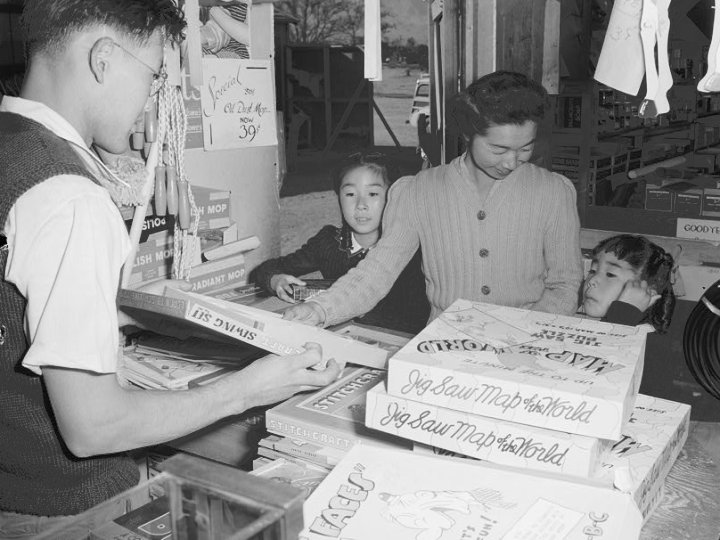
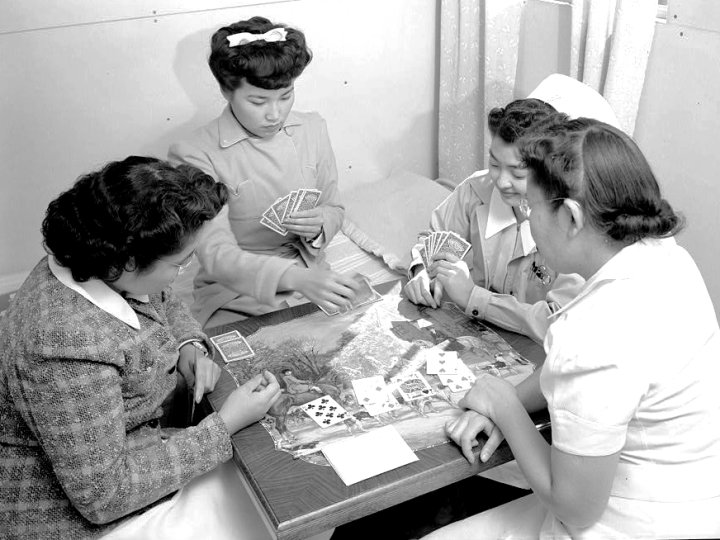
This is a repost. The pictures are from The Library of Congress. Ansel Adams took pictures of Japanese Americans, in a World War Two internment camp. The ladies in the bridge game are Aiko Hamaguchi, Chiye Yamanaki, Catherine Yamaguchi, and Kazoko Nagahama.


The Worst Vice Presidents Of The United States


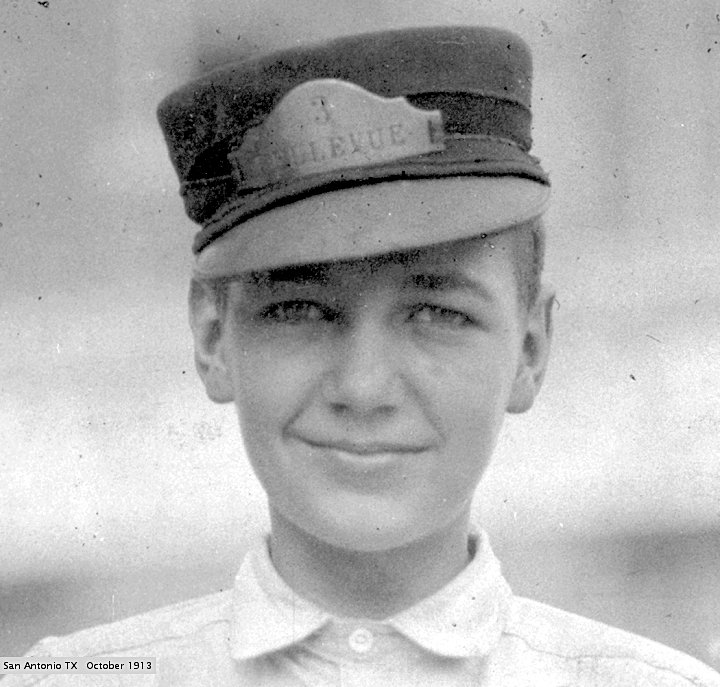
PG wrote a post yesterday. One of the topics was the “Siamese Twins”, James Buchanan and William Rufus King. (The article is reposted below.) While researching the feature, PG googled his way to a Time magazine article about the Worst Vice Presidents in American History. PG is well known for his negative attitude, and writing about the worst things in life always appeals to him. This is a repost, with pictures from The Library of Congress
The first name on the list is Aaron Burr. He had a problem with Alexander Hamilton, and shot him dead in a duel. Elbridge Gerry (the namesake of Gerrymandering) served under James Madison for twenty months, and died. John C. Calhoun served under John Quincy Adams and Andrew Jackson, and managed to get Mr. Jackson so upset that Mr. Calhoun was fired.
Richard M. Johnson served under Martin Van Buren, and was bad at PR. “Johnson scandalized his colleagues by taking one of his slaves as his common-law wife; as a result, he barely garnered enough support to serve in Martin van Buren’s administration. While in office, he proposed an expedition to the North Pole so Americans could drill to the center of the Earth, believing the planet was hollow (his resolution was defeated). Evidently van Buren’s experience with Johnson soured him on vice presidents altogether — when he ran for re-election he dropped Johnson from his ticket and didn’t bother replacing him. Instead, he ran alone.”
William Rufus King was VP under Franklin Pierce a mere six weeks before he died. There is no word on the status of his relationship with James Buchanan at the time. The Time magazine article has a picture of Fernando Wood , which was mistakenly thought to be of Mr. King. (Wikipedia uses the same picture to illustrate an article about Mr. King.)
The VP under James Buchanan (there is no word on who was top or bottom in the Buchanan-King household) was John Breckinridge. During the War Between the States, he left the Union to fight for the Confederacy. Mr. Breckinridge was charged with treason after the war. “The town of Breckenridge, Colorado is named in his honor — although it altered the spelling of its name after the Civil War, so as not to be associated with a traitor.”
Andrew Johnson did not make the list, but maybe should have. He was drunk at his inauguration, and made a fool of himself. Mr. Lincoln had nothing to do with him, until a meeting on April 14. This was Good Friday. Mr. Lincoln went to the theater that night.
Johnson had been marked for death by the conspiracy, but Wilkes Booth had little confidence in the man assigned to kill Mr. Johnson. The afternoon of the assassination, Mr. Booth was at the Kirkwood House, where Mr. Johnson stayed. Mr. Booth left a note for Mr. Johnson at the desk of the hotel… “Don’t wish to disturb you. Are you at home. J. Wilkes Booth”. The idea was for the police to find the note, and implicate Mr. Johnson in the killing of Mr. Lincoln. This mini plot was spoiled by the secretary for the Vice President, who collected the mail that afternoon. He took the card with him. The secretary had met Mr. Booth a few years earlier, and thought the note was for him.
The other three Vice Presidents who took office after the boss was murdered… Chester Arthur, Theodore Roosevelt, and Lyndon Johnson… were not mentioned in the Time article. All three are mentioned in conspiracy theories about the killings that promoted them into office.
When Theodore Roosevelt was elected to a full term as President, his VP was Charles Fairbanks. “Teddy once ordered a noisy and distracting crystal chandelier removed from his office because it disturbed him. He ordered it to be installed in the office of the Vice President to keep him awake.”
Getting back to Time’s honor roll, Hannibal Hamlin was Lincoln’s first VP. Thomas A. Hendricks survived nine months under Grover Cleveland, before passing away. Thomas Marshall served two terms with Woodrow Wilson, and refused to take over the office when Mr. Wilson had a stroke. Calvin Coolidge did little while waiting for Warren Harding to die. Henry Wallace was, and will be, the only third term VP in our history. He acquired a few enemies, and was replaced by Harry Truman.
Richard Nixon was ok once he got elected, but almost managed to blow that. There were charges of financial shenanigans, and some thought he should be kicked off the ticket. After the Checkers Speech he was on his way to stardom. (After Mr. Nixon died, PG saw a large flag flying at half staff. The flag belonged to a hamburger chain called Checkers.) When Mr. Nixon became President, his VP was Spiro Agnew. Once again, there were charges of financial shenanigans, and much, much more. While the nation wallowed in Watergate, Mr. Nixon needed a diversion. It was suddenly discovered that Mr. Agnew had taken bribes. He was pressured into resigning.
Dan Quayle was VP for George H.W. Bush. He was widely regarded as an idiot, although his damage as VP was minimal. The last VPOTUS on the list is Dick Chaney. For some reason, he was regarded as having more power than the President, George W. Bush. Mr. Chaney was said to be one of the major promoters of the wars which have damaged America so much during the last ten years.
2018 UPDATE: Joe Biden said the F word at a press conference, and did not run for President when Barry retired. The jury is still out on Mike Pence.




Fun loving Dick Yarbrough is up to his old tricks. The neighbor newspaper nabbler penned a post about California education. . It seems there is a new law, in the falling into the ocean state, “that will require schools to teach at all grade levels about the historical contributions of gay, lesbian, bisexual and transgender people.” Our buddy does not think this is a good idea.
The story goes on to say “Our children will find out that President James Buchanan and Vice President William R. King were more than, shall we say, good friends,” she said coyly. I didn’t want to tell Gay that the first thing the teachers need to do is tell the students who James Buchanan is before they talk about what he did. Not many people have ever heard of him. That is because he didn’t do anything while president.” Holy historic revisionism.
To start off, The Vice Prez under Mr. Buchanan was John C. Breckinridge. Mr. King was elected to back up Franklin Pierce. Mr. King died after six weeks in office. If a President has ever bumped gooberheads with his Vice President, the walls of the White House have kept quiet about it. Those rumors about John Kennedy and Lyndon Johnson are too gruesome to contemplate.
Mr. King and Mr. Buchanan lived together for a number of years. Neither was married to a female, although Mr. Buchanan had been engaged. (There is speculation that his fiance’, Ann Caroline Coleman, died of an overdose of laudanum.) There are numerous indications that Mr. King and Mr. Buchanan were *good buddies*.
Mr. Buchanan was the last President before the War Between the States. It is possible that he could not have done much to prevent that unpleasantness. Historians are not kind when talking about the man, and rank him as one of the worst Presidents. Perhaps Mr. King could have helped.
The newspaper that Mr. Yarbrough opines for is delivered, free of charge, on Wednesday. (This weeks edition has not arrived. Any connection between this late delivery and the opinions of Mr. Yarbrough, is uncertain.) Some of these free papers are not taken inside by the resident. Often, a driveway will have several weeks of free adrags left behind. Soon, the rain soaks these newsprint droppings. Some are washed into the street and run over. The result is an ugly mess.
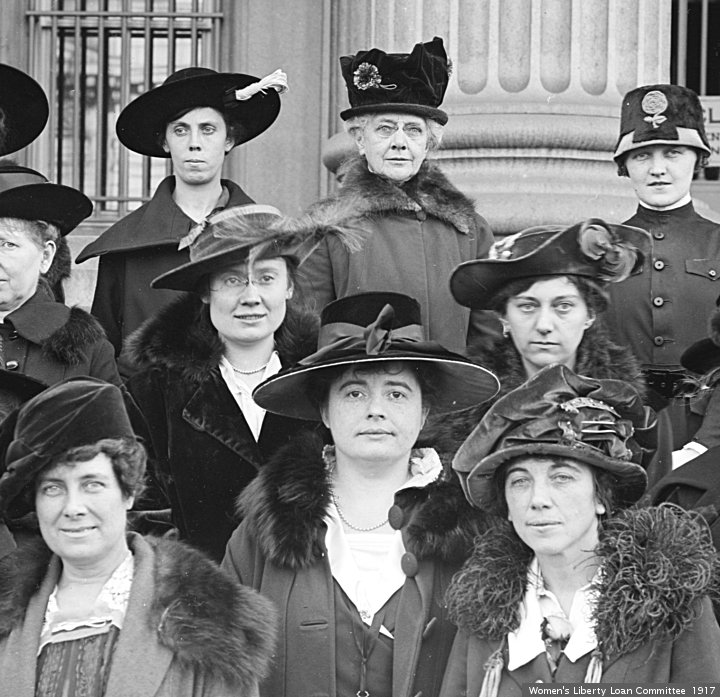
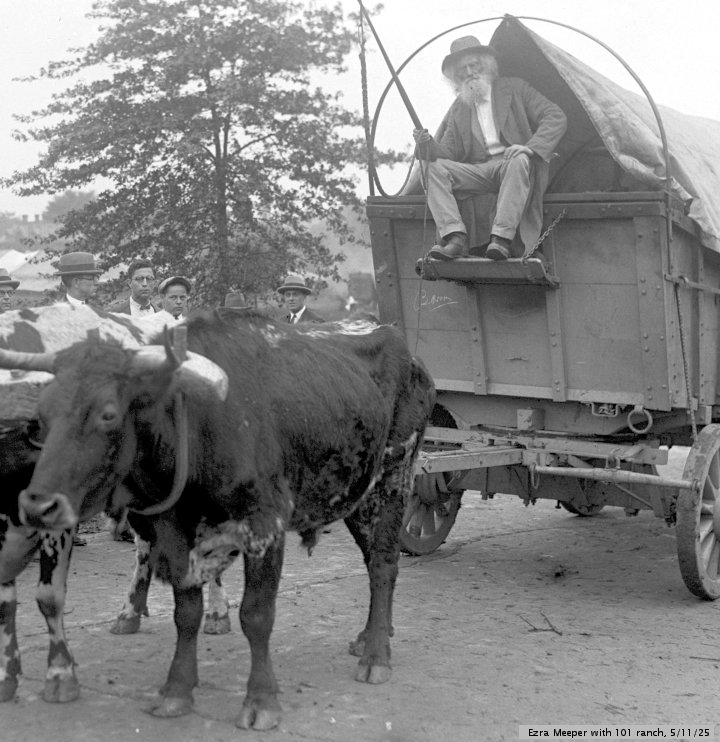
Chamblee54 had a previous discussion with Dick Yarbrough. Mr. Yarbrough is still publishing columns in 2018. Pictures are from The Library of Congress.




Reckless Daughter: A Portrait of Joni Mitchell
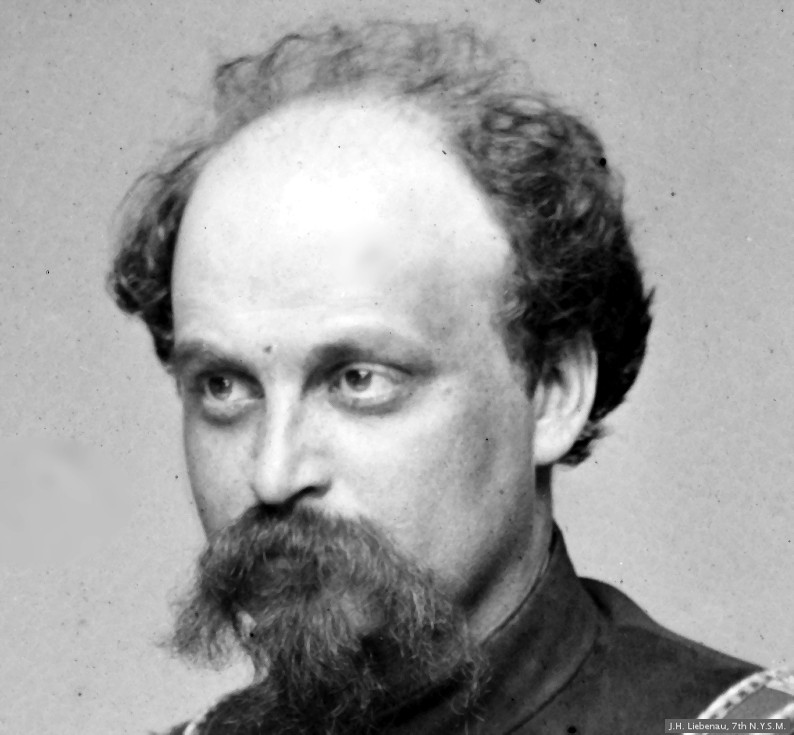
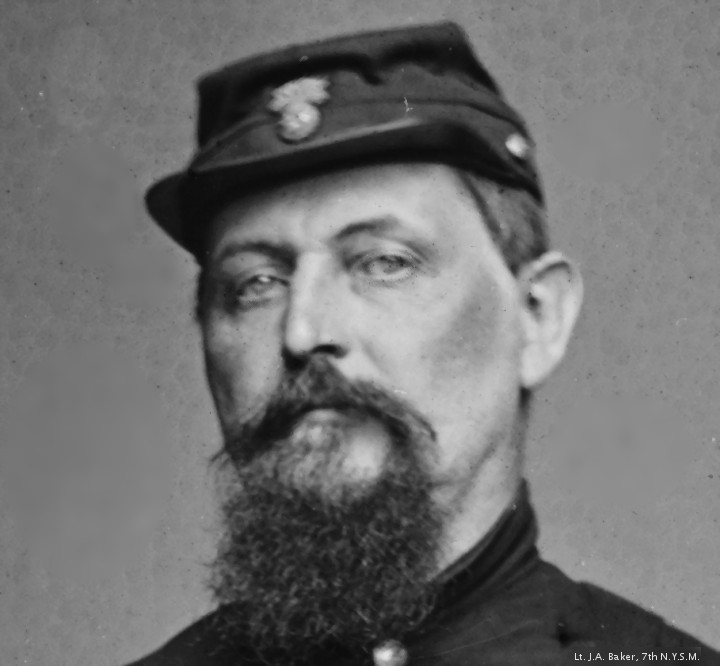
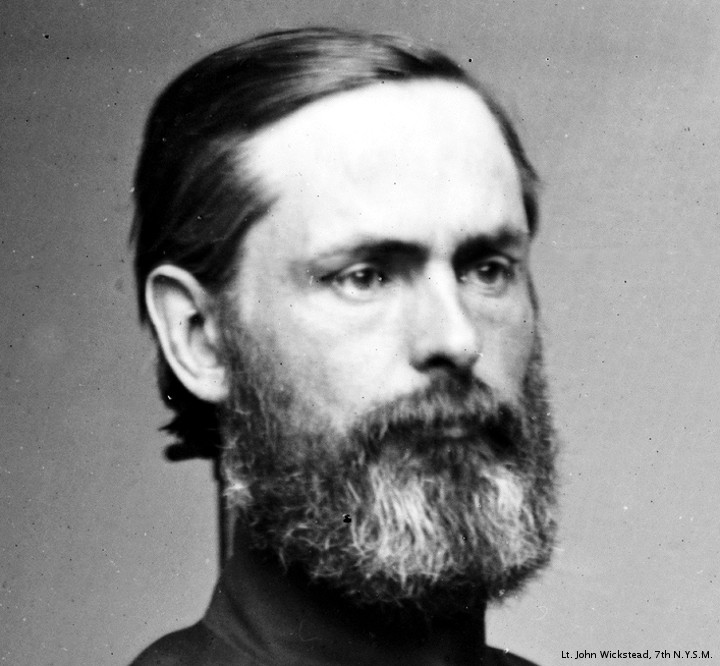

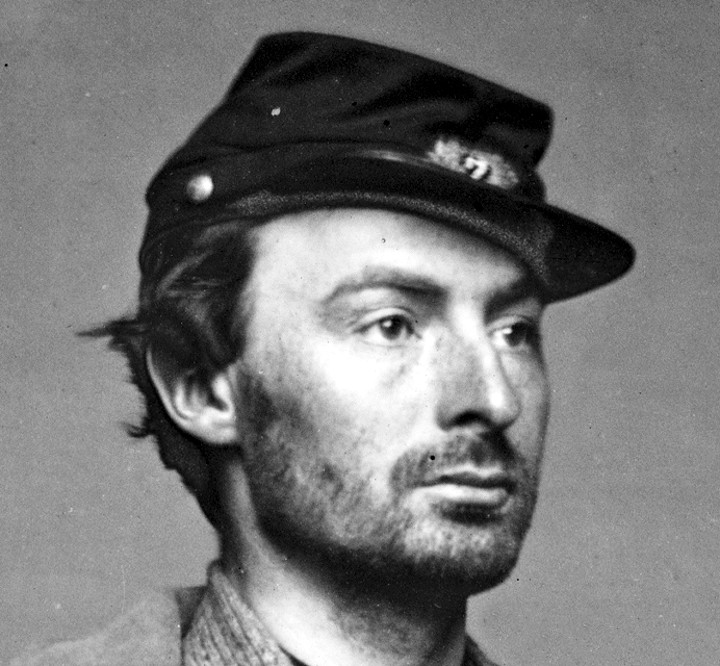
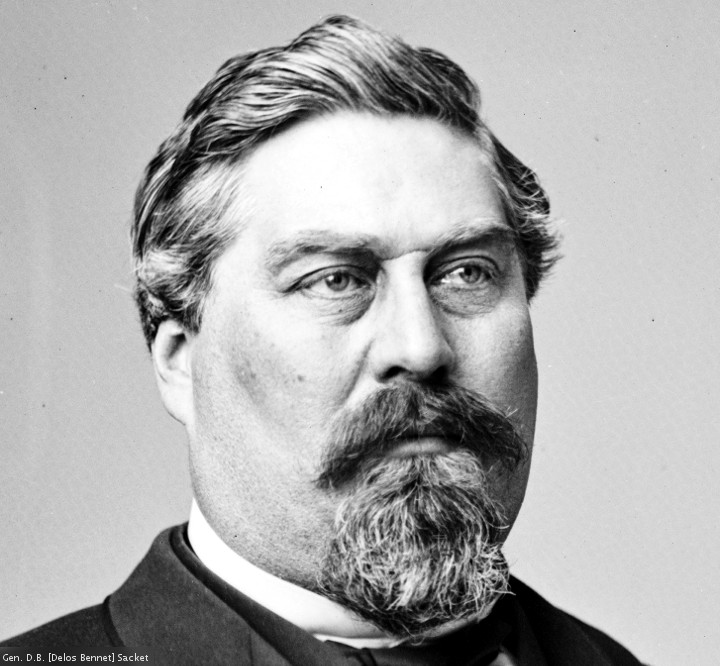
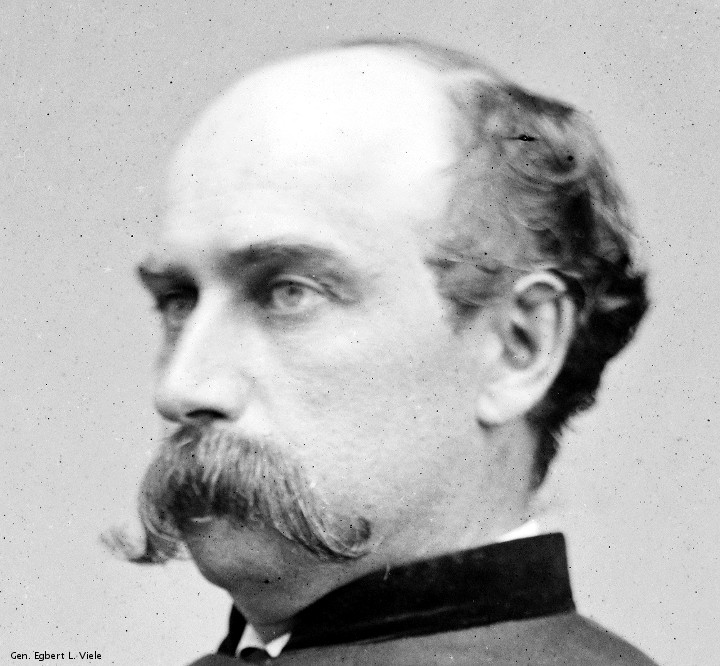
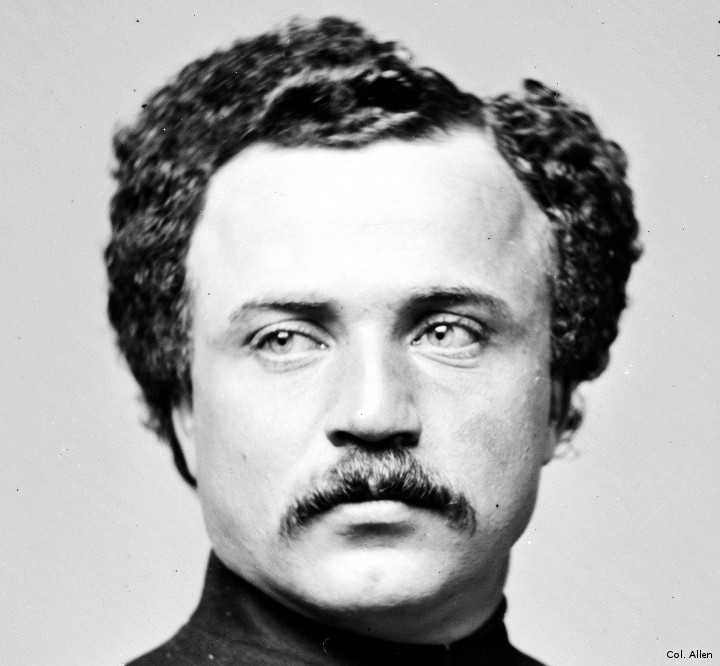
A few weeks ago, PG was at the library. He had a story to take home, before going over to the biography section. There he found Reckless Daughter: A Portrait of Joni Mitchell. At least with fiction, you know you are dealing with a made up story. With biography, you have to use judgment.
It is a familiar story. Joni was born in the frozen north, was a rebellious girl, and got pregnant. She gave up the daughter for adoption, only to be reunited many years later. Joan Anderson gets married to, and divorces, Chuck Mitchell. Joni sings, writes, tunes her guitar funny, becomes a star, gets too weird to be popular, makes and loses money, smokes millions of cigarettes, and becomes an angry old lady. There is a bit more to the story than that. Reckless Daughter fills in a few of the blank spots.
Millions of cigarettes might be an exaggeration. Joni started smoking when she was nine. When she was a star, she was almost as well known for her constant puffing as her pretty songs. When Joni was in a Reagan era slump, she was going through four packs a day. Just for the sake of statistics, lets call it two packs, or forty fags, a day. Multiply forty by 365 and you get 14,600. If she started at 9, and had her aneurysm at 72, that gives you 63 years of nicotine abuse. If you assume that there were forty fags a day for 63 years, that gives you 919,800 smokes. IOW, while seven figures is not out of reach, it is rather unlikely that Joni smoked more than 2,000,000 cancer sticks.
The author of Reckless Daughter, David Yaffe, is a problem. He talks about the mood of America in 1969, four years before he was born. Mr. Yaffe goes to great lengths to show us that he knows about making music. Some readers will be impressed. There are mini-essays on Joni songs from her golden years, the time between “Ladies of the Canyon” and “Hejira.” And gossip, gossip, and more gossip. Joni is well known for her celebrity lovers.
We should make the point that PG enjoyed Reckless Daughter. The inside stories are fun, and pages turn over without too much head scratching. Maybe this is a statement about the career of Joni Mitchell. You enjoy the music for many years, and then complain about the details. Reckless Daughter follows the trajectory of other celebrity biographies. The star is born, takes up a craft, gets a break, becomes successful, goes over the mountaintop into a long decline. With Joni, nothing after “Mingus” was well received. The chanteuse was broker, and angrier, by the minute.
On page 13, Joni hears Rhapsody on a Theme of Paganini by Sergei Rachmaninoff. This is the piece that makes her want to be a musician. One page 129, we learn the story of A&M studios in Hollywood. At one time, The Carpenters were in studio A, while Carole King was recording “Tapestry” in studio B. Joni was recording “Blue” in studio C, which had a magic piano. One time, Carole King learned of a break in the studio C booking, and ran in. Three hours later, “I feel the earth move” was recorded.
A few years later, Joni was on the Rolling Thunder tour with Bob Dylan. One of the concepts was support for Rubin “Hurricane” Carter, whose story can be found elsewhere. Joni became disillusioned with Mr. Carter. When Joan Baez asked Joni to speak at a benefit concert, Joni said she would say that Mr. Carter was a jive ass N-person, who never would have been champion of the world. Joni later got in SJW trouble for posing in blackface, for the cover to “Don Juan’s Reckless Daughter.”
On page 251, we learn that Bob Dylan does not dance. Other items include “Free man in Paris” being written about David Geffen, and Jackson Browne writing “Fountain of Sorrow” about Joni. Mr. Brown is a not-well-thought-of ex of Joni. As for Mr. Geffen…. Joni stayed at his house for a while, at a time when Mr. Geffen was in, and out, of the closet. Did they make sweet music together?
So this book report comes to an end. Joni is recovering from a brain aneurysm, and will probably not produce anything else. The book is going back to the library, and PG will move on to something else. Pictures today are from The Library of Congress.


Middle Names


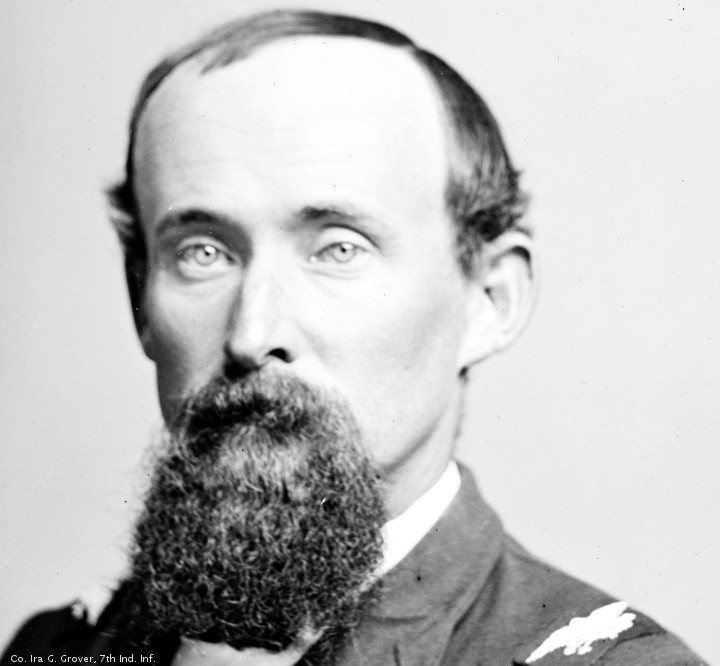
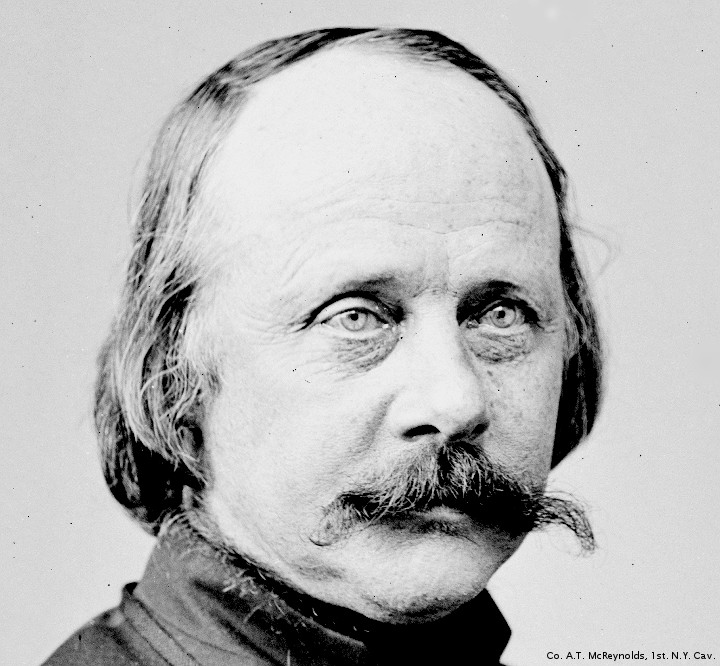
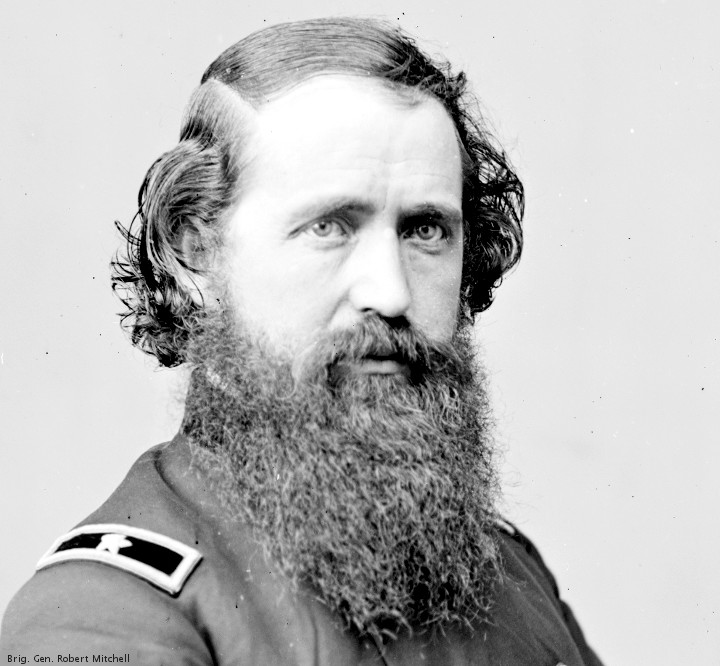
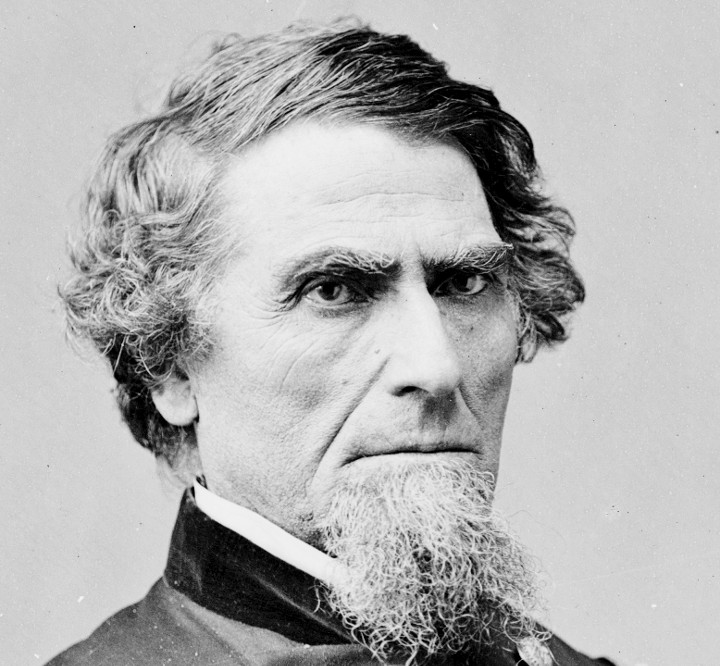
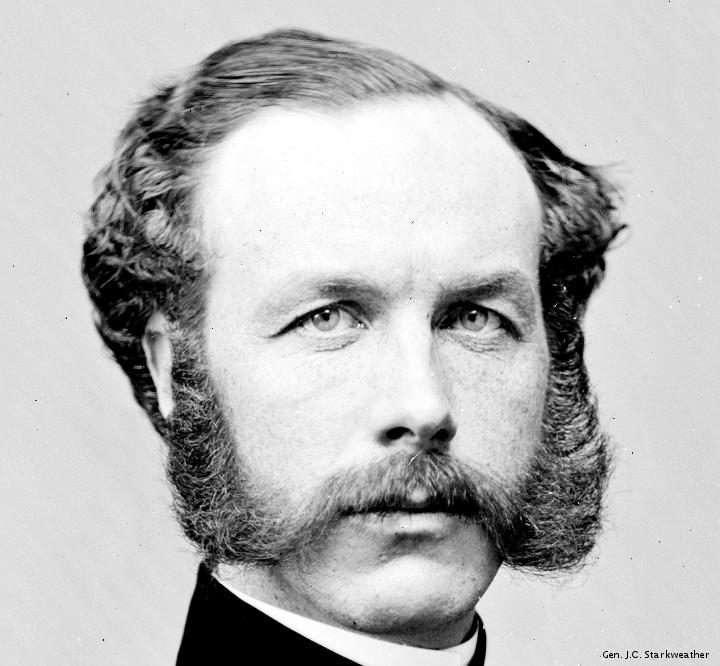
This is a double repost, about the custom of middle names. It was published in this format in 2011. Today, a middle name is like a body part or an excuse.. everyone has one. It has not always been that way. The part about Presidential middle names was written during the 2008 campaign. Pictures are from The Library of Congress .
With the commentary about the middle name of Barack Hussein Obama, perhaps it is time for a look at the lessons of history. George Washington did not have a middle name. Nor the rest of the early Presidents. The first one to have a middle name (or initial) is John Quincy Adams. J.Q. Adams is the first son of a president to hold the office. The second one proved to be unfortunate.
The next POTUS to show a middle initial was William Henry Harrison. He was the first victim of the Zero Factor, in which Presidents elected in years ending in zero died in office. This tradition was ended by Ronald Wilson Reagan.
Another Zero Factor President, Abraham Lincoln, did not have a middle name. Ulysses S. Grant was born Hiram Ulysses Grant. One legend has a mistake on a school application giving him the middle name Simpson, after his mother’s maiden name. Moving into the twentieth century, William Howard Taft was referred to by all three names.
In many ways, Franklin Delano Roosevelt was the first president of the modern age. For some reason, his middle name was frequently used, and the initials FDR became popular. Presidential initials did not become popular again until JFK and LBJ. After FDR went to the fireside chat in the sky, Harry S. Truman became president. The S stood for nothing.
The next president whose middle name was frequently used was John Fitzgerald Kennedy. Could this be a subtle dig at his Irish background, much as the current noise about Barack Hussein Obama? As for Baines and Milhous, those middle names both seemed to fit the personality of the man.
After Lightbulb Lyndon, the use of Presidential middle names went into decline. Gerald Rudolph Ford would be a good trivia question. George Herbert Walker Bush downplayed his quadruple initials, perhaps knowing that many people don’t trust a man with two middle names. George Walker Bush is frequently referred to by his middle initial.
In the 2008 election, we had a dark skinned man with a Muslim middle name. We had a white haired republican with the middle name of Sidney. And we had a married woman, who uses her maiden name as a middle name. Her original middle name is Diane. 2012 saw Willard Mitt Romney try to get elected. In 2016, Bernard Sanders was a Democratic challenger. Mr. Sanders does not have a middle name, leading to an unflattering set of initials.

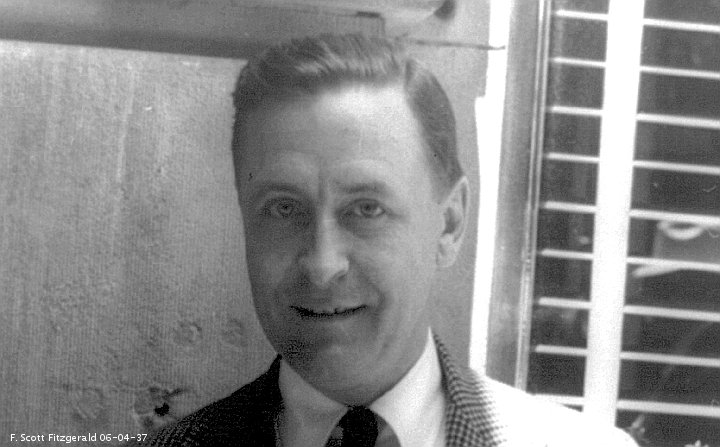
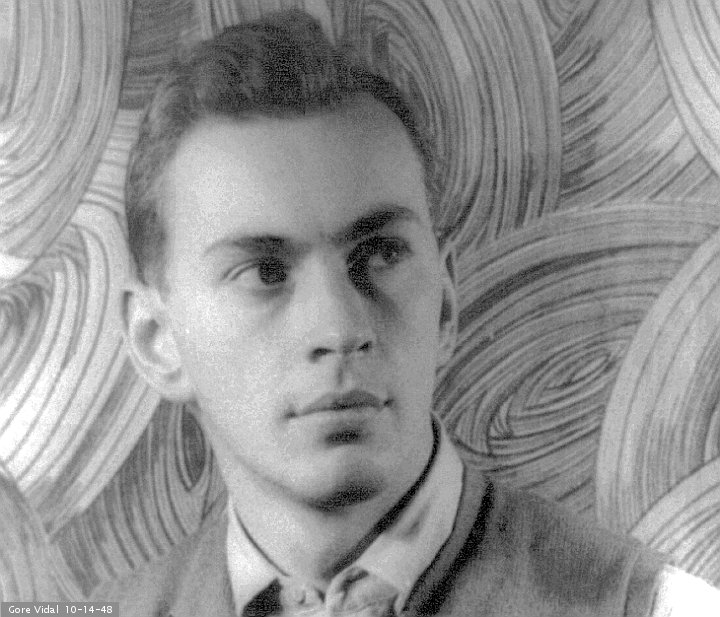


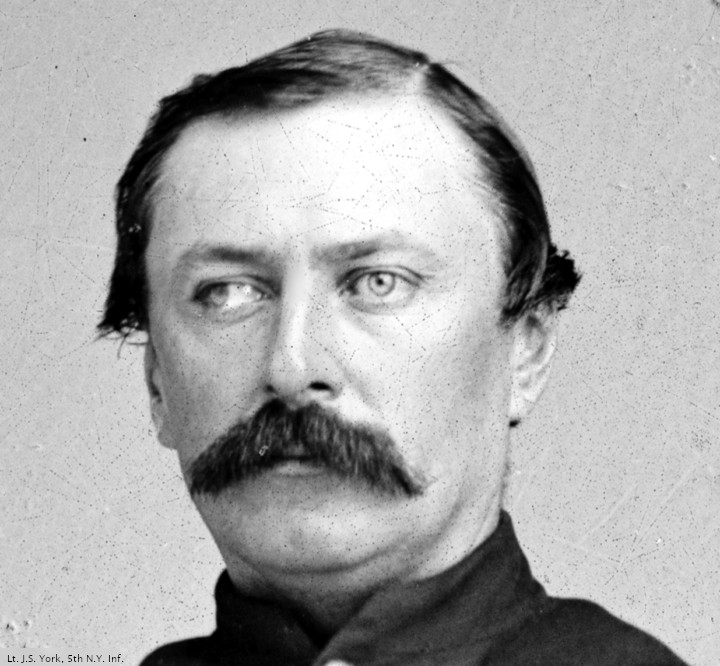
While researching this feature, PG noticed that many of the early presidents did not have middle names . Apparently, before the American Revolution, middle names were seldom given. For some reason the custom caught on during the 19th century. When America started to draft men for World War I, the draft papers included a space for the middle name.
One possible reason for middle names was population density and increased family size. Many people began to have the same first name (or Christian name) and last name (Surname). Middle names were a way to distinguish between Jimmy Bob Jones and Jimmy Joe Jones. There was possibly a bit of status involved in having more than one name.
Women have long used the maiden name as a middle name after marriage. Girls were often not given middle names for this reason. The hyphenated Maiden-Married name is a fairly recent custom (Which this author hopes is a fad that will go away).
While middle names were originally a decoration, many are now used as a primary identification. PG is referred to as a diminutive of his middle name, which can be confusing when authorities insist on using his first name. The middle name is also a handy alternative for someone who gets tired of the name they are called by. There is also this thought …”I think parents give kids middle names so the kids will know when they are really p****d at them.”


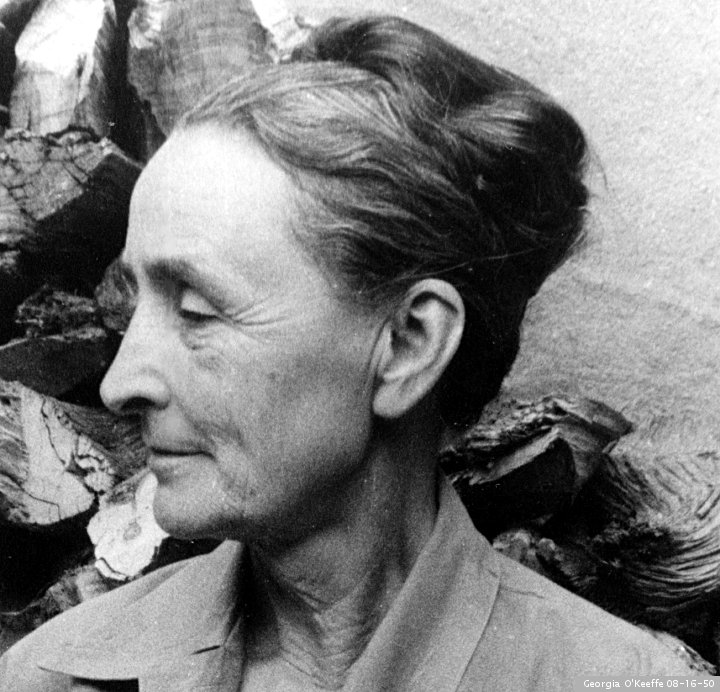


Page 99
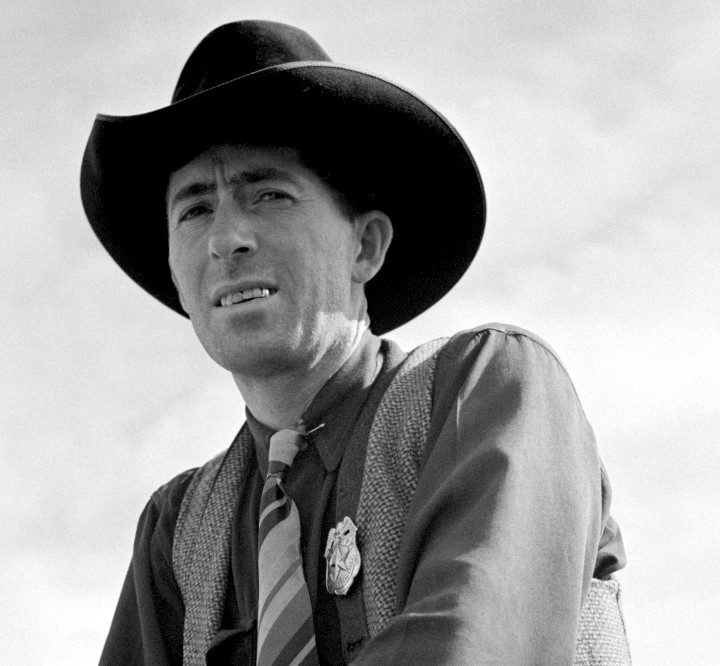
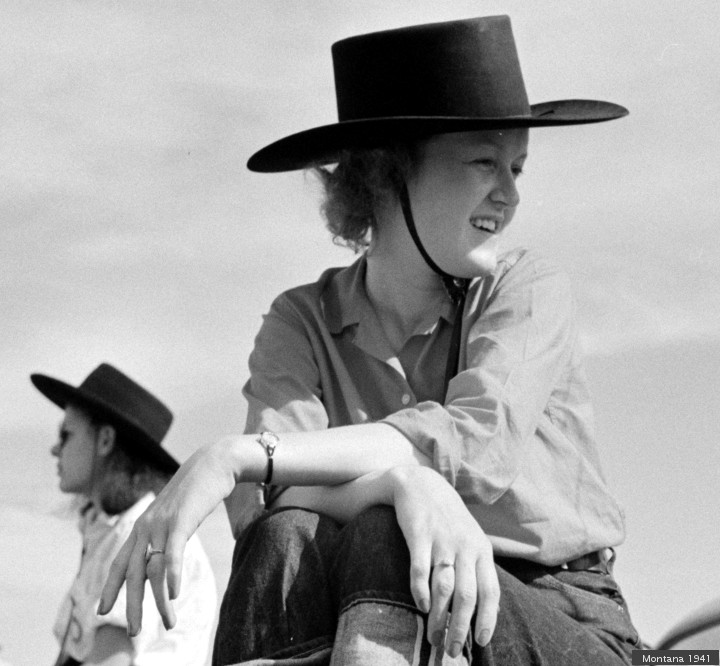
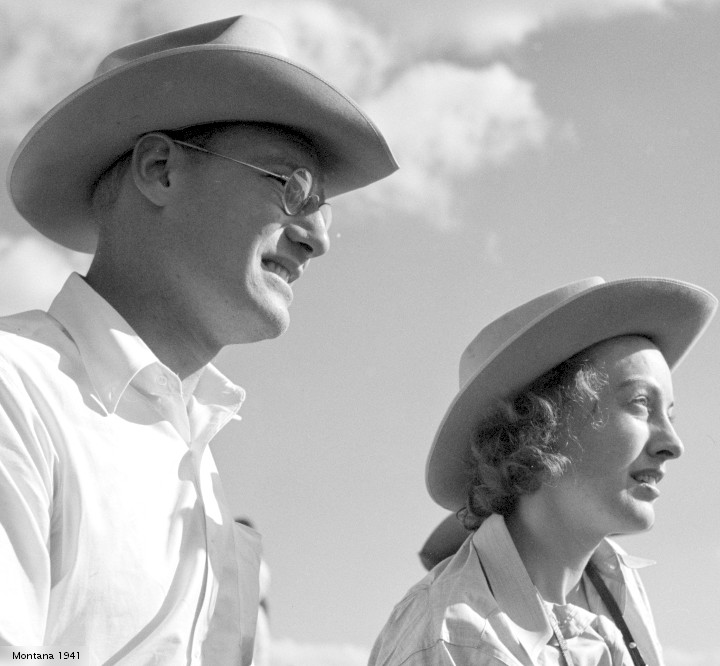
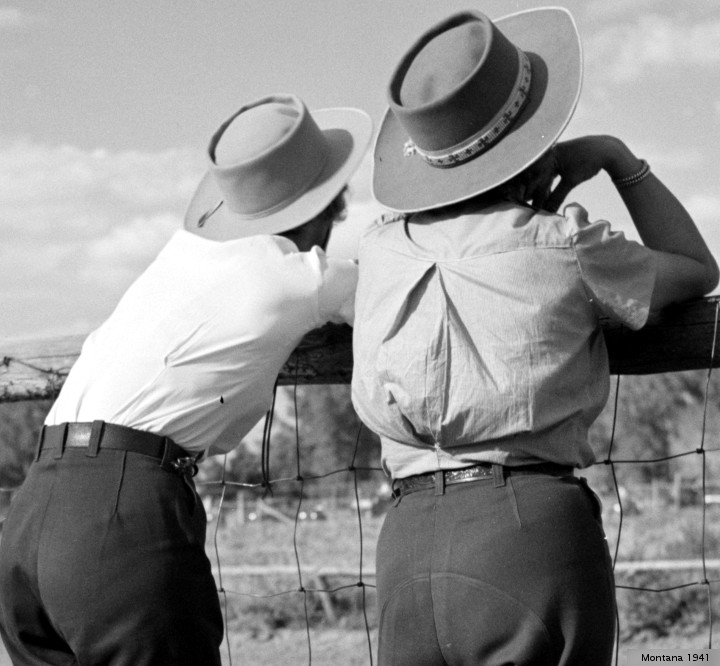

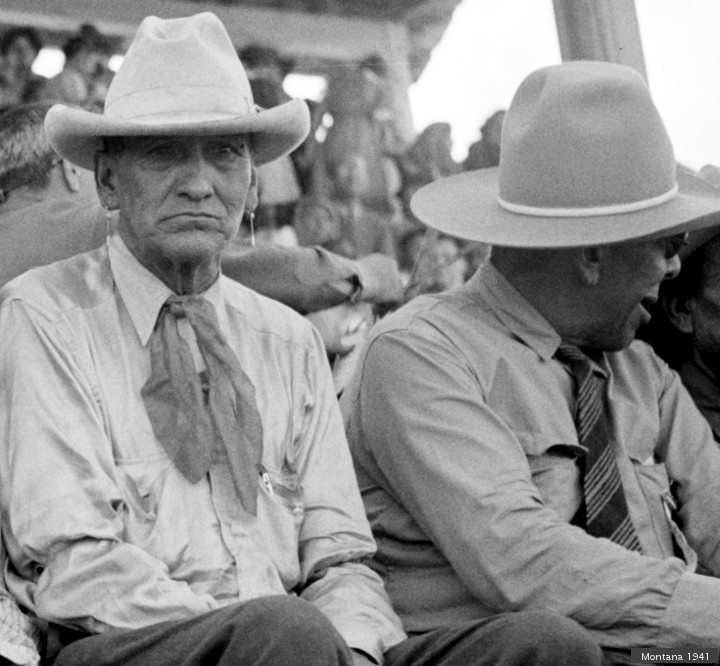
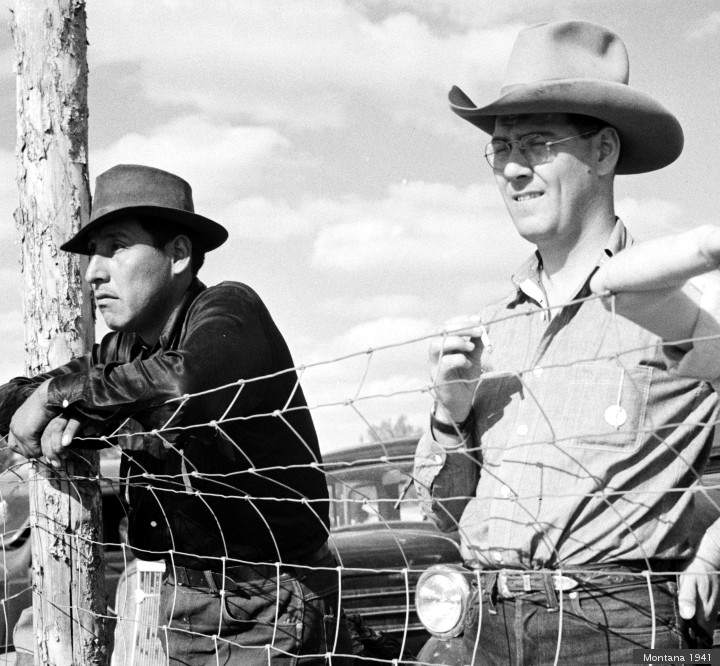
PG woke up one Sunday morning, and started to look in his archive. He found a post from July 2009, Genius And Heroin Part One. The G&H book had been mentioned in a couple of blogs, The Page 69 Test and The Page 99 Test. Both of these blogs are still publishing nine years later. The idea is to critique a book by what is on page 69, or page 99.
Reckless Daughter: A Portrait of Joni Mitchell is a book PG adopted from the Chamblee library. A journalist had a series of interviews with Joni, and morphed a book out of it. Maybe a look at pages 69 and 99 will give us some text to go between the pictures.
On page 69, Joni is a young lady, performing in Miami Beach. She has had a baby, left her husband, and is trying to make it as a musician. One night in a club, David Crosby saw her, and saw the future. The two became a couple, which did not last very long. Joni and David went to California, where David introduced her to some buddies in the music business. David produced Joni’s first album, and apparently did not know what he was doing. Both of them moved on.
On page 99, Joni has put out her second album, and is gaining momentum. It is 1969, and America is in turmoil over Vietnam. The author, David Yaffe, goes into some detail about the mood of America in 1969. Mr. Yaffe was born in 1973. Why does he discuss the mood of 1969?.
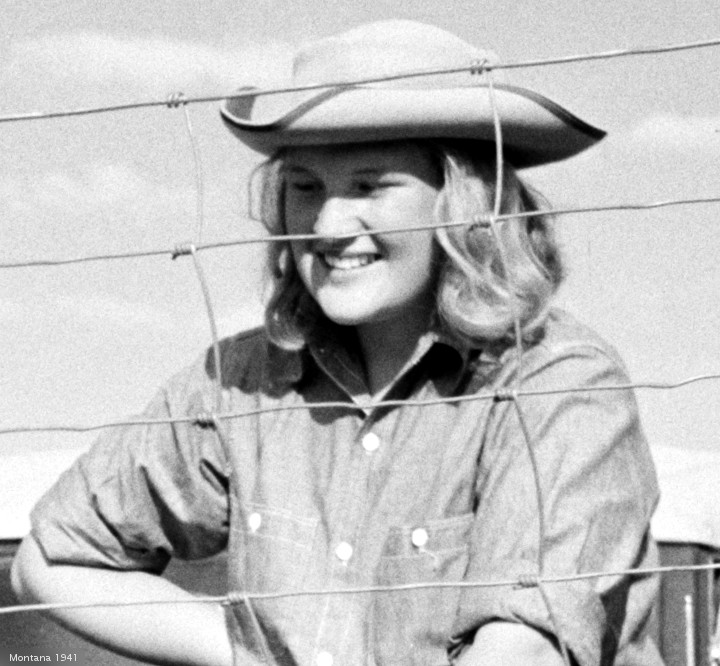
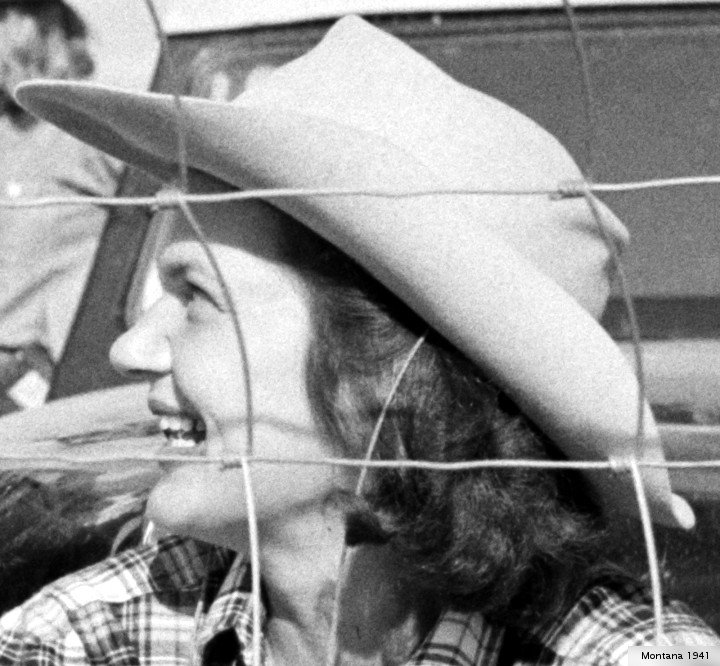
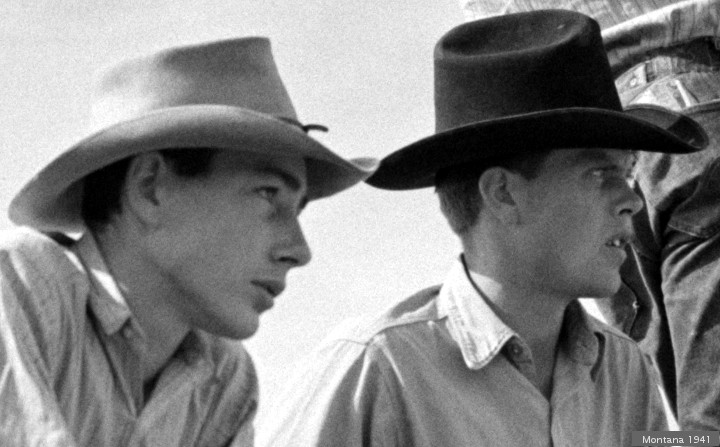
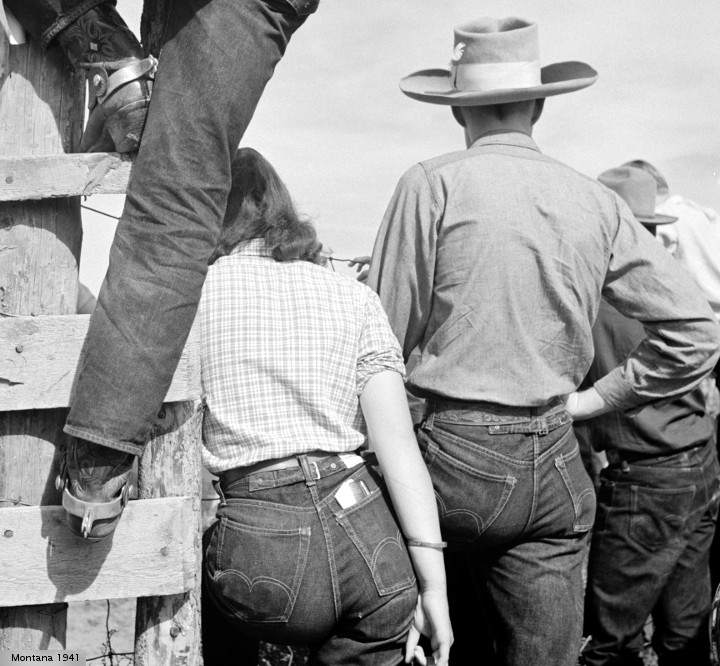
Pictures, for this Sunday morning space filler, are from The Library of Congress. The Montana photographs were taken by Marion Post Wolcott in August, 1941.



The Last Night Of Judy Garland



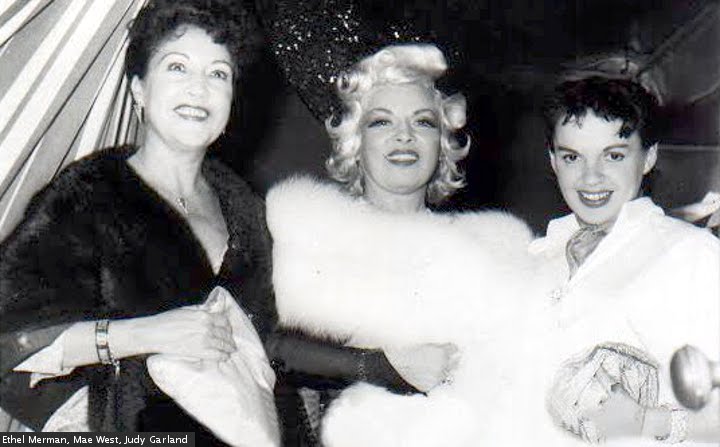
“In march of 1969, Judy married her fifth husband, Mickey Devinko, better known as Mickey Deans, a gay night-club promoter. Judy had an unfortunate habit of marrying gay men. They lived together in a tiny mews house in Chelsea, London. The evening of Saturday June 21 1969, Judy and Mickey were watching a documentary, The Royal Family, on television, when they had an argument. Judy ran out the door screaming into the street, waking the neighbors.
Several versions of what happened next exist, but the fact remains that a phone call for Judy woke him at 10:40 the next morning, and she was not sleeping in the bed. He searched for her, only to find the bathroom door locked. After no response, he climbed outside to the bathroom window and entered to find Judy, sitting on the toilet. Rigor Mortis had set in. Judy Garland, 47, was dead.
The press was already aware of the news before the body could be removed. In an effort to prevent pictures being taken of the corpse, she was apparently draped over someone’s arm like a folded coat, covered with a blanket, and removed from the house with the photographers left none the wiser.
The day Judy died there was a tornado in Kansas…. in Saline County,KS, a rather large F3 tornado (injuring 60, but causing no deaths) did hit at 10:40 pm on June 21st, that would be 4:40 am, June 22nd, London time, the morning she died. I know the time of death has never been firmly established, but since Rigor Mortis had already set in, I think this tornado may very much be in the ballpark in terms of coinciding with time of death…. Other news articles suggest the tornado struck Salina “late at night” which could certainly also mean after midnight on June 22, or roughly 6:00 am London time…
The Toledo Blade for June 24th, also in an article located right next to a picture of Garland, in a write-up on the Salina tornado noted that “Late Saturday [June 21] and early Sunday [June 22, another batch of tornadoes struck in central Kansas.” So it seems the legend seems confirmed.”
The text for this story comes from Findadeath. You can spend hours at this site. This is a repost. Pictures are from The Library of Congress.


The Kinks
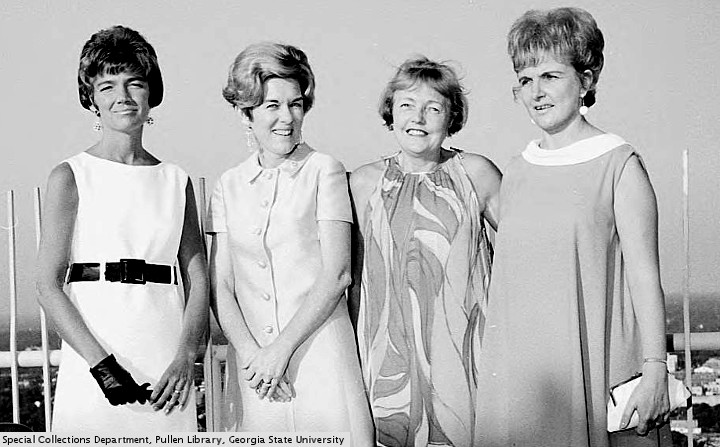


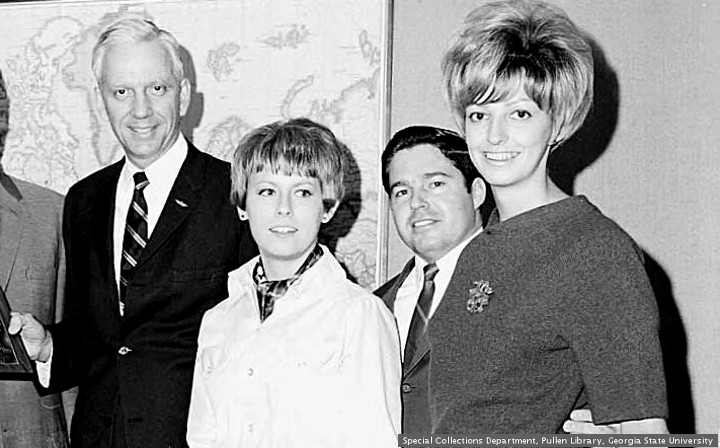
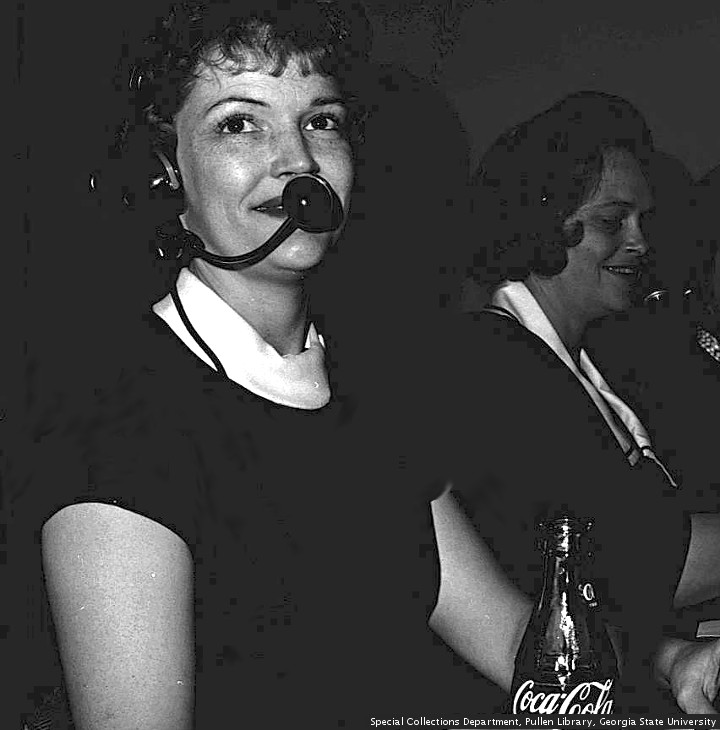
Dangerousminds brings the sad news that Pete Quaife, the original bass player for The Kinks , passed away yesterday. He was 66, and had been in dialysis for several years. Maybe it is time for Chamblee54 to do a post about The Kinks. This is a repost.
Battling brothers Ray and Dave Davies are the core of The Kinks. (The name is pronounced like the american Davis, as though the e did not exist). Ray was the vocalist, writer, and rhythm guitar player. Dave was the lead guitarist, and sparring partner for his brother. The fisticuffs were not restricted to the brothers. This led to the band being barred from performing in the United States between 1965 and 1969. The sixties happened anyway.
There were several hits in the early days, most notably “You really got me”. (This later became a signature tune for Van Halen). The band had numerous adventures, but never became the superstars that other British bands of that era did. Ray Davies developed as a songwriter, with many witty tunes, full of social commentary and britishness.(spell check suggestion:brutishness)
In the seventies The Kinks kept trooping on. They did an album called Preservation Act, which became the basis of a theatrical presentation. The next album was called Soap Opera, with a theater like production. This is where PG got to see The Kinks.


It was sometime in the spring of 1975, at the Atlanta Municipal Auditorium. Elvin Bishop was the opening act. The Kinks had started when PG arrived, buying a $4.00 balcony seat. Alex Cooley was in the box office counting money, and broke open a roll of quarters to make change for a five.
The band was playing “Celluloid Heroes” when PG walked into the auditorium. There was no one on the door checking tickets, so PG walked onto the floor and found an empty seat on the 13th row. The next number was “Lola”.
Ray Davies introduced the song by saying ” If you are a man, sing LO. If you are a woman, sing LA. If you are not sure, clap your hands”. The next number was about demon alcohol. There were lights shining on the crowd during this number, as Ray Davies asked if there were any sinners in the audience. The band did several more songs, ending the first half of the evening with “You really got me”. Dave Davies got some spotlight time with a rave up intro to this number.
The second part of the show was a theatrical presentation of “Soap Opera”. The band wore rainbow colored wigs, and stood at the back of the stage while Ray Davies told the tale. “Soap Opera” was about a rock star who traded places with Norman, who lived a boring life. The flat Norman lived in has pictures of ducks on the wall, which drove Ray/Norman to scream “I can’t stand those f*****g ducks”. This led into a rocking ditty called, predictably, “Ducks on the Wall”.
As the show dragged on, Ray/Norman was embarrassed by the mess he was in. “You can’t say that in front of The Kinks, they are my band, and that is my audience.” The audience lights were turned on again, and the band played a medley of hits from 1964.
Finally, the real Norman came back to reclaim his wife, put the ducks back on the wall, and kick out The Kinks. The band gave up on theater before much longer, and were popular for the rest of the concert happy seventies. Ray Davies was the babydaddy for Chrissie Hynde . Eventually, the band quit performing, and continued to cash royalty checks.
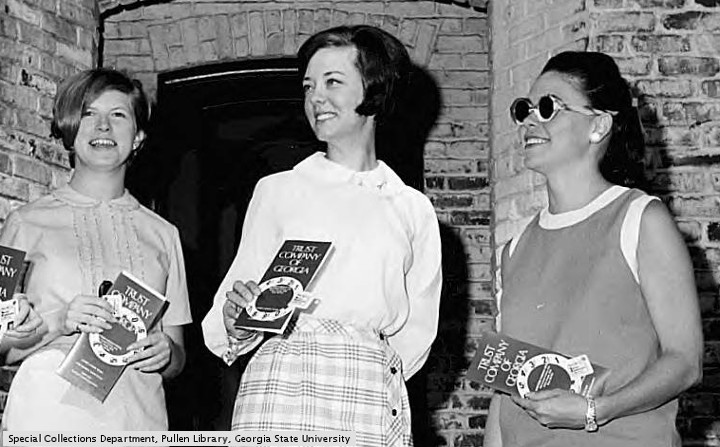
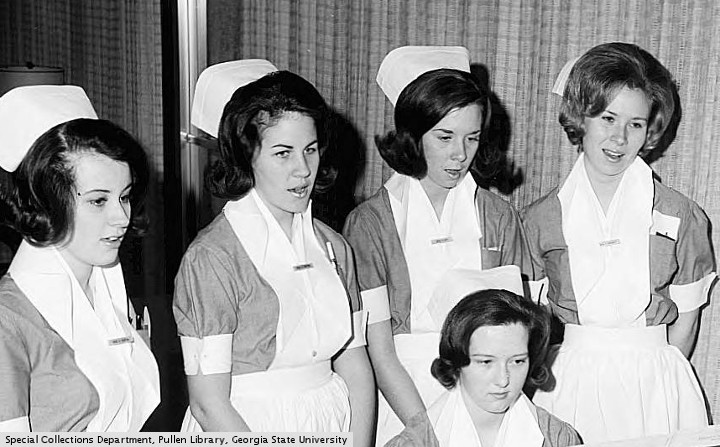
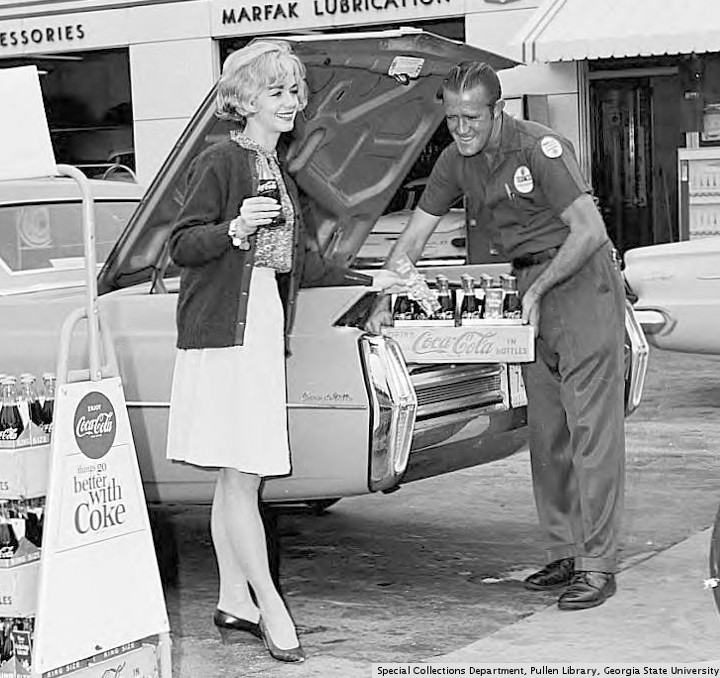
Pictures are from the “The Special Collections and Archives, Georgia State University Library”.

History From The Stable
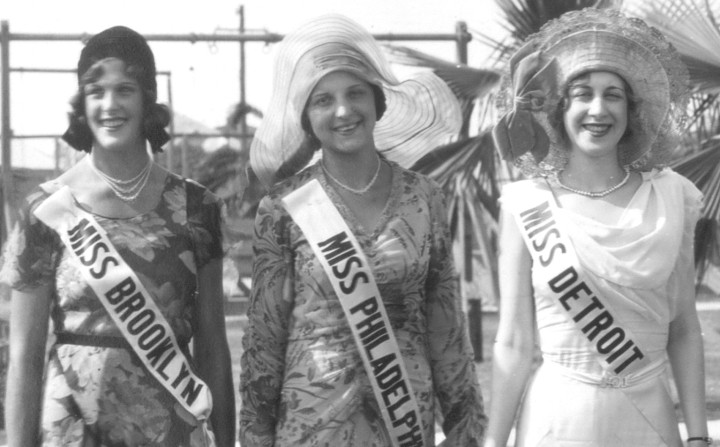
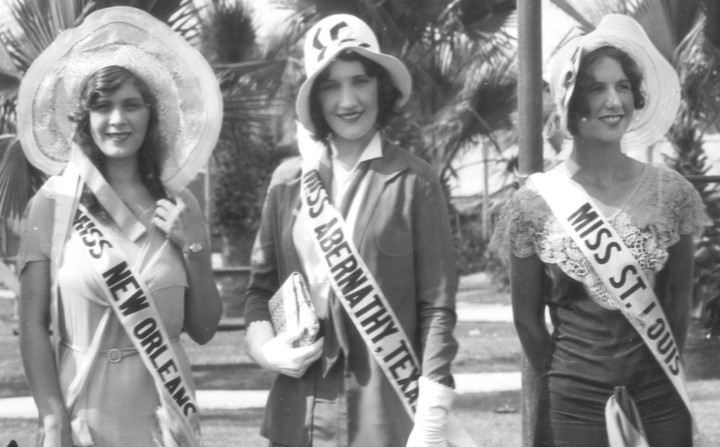
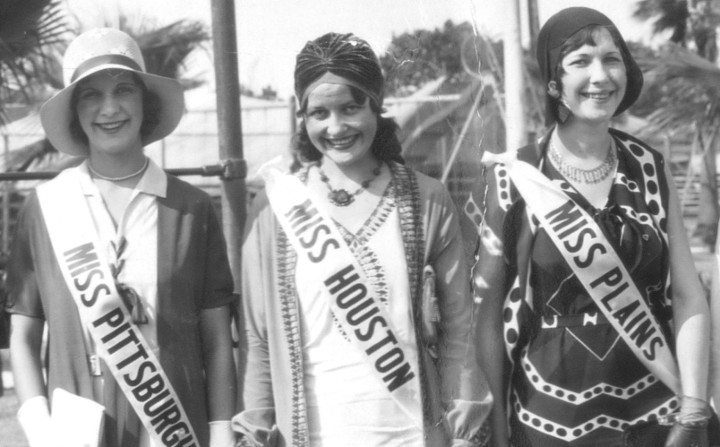
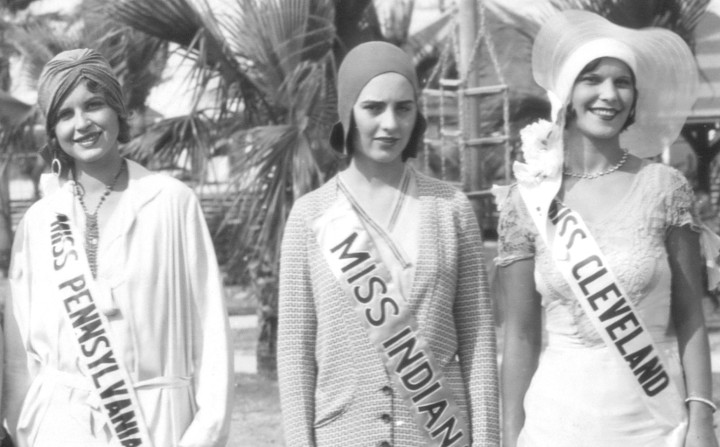
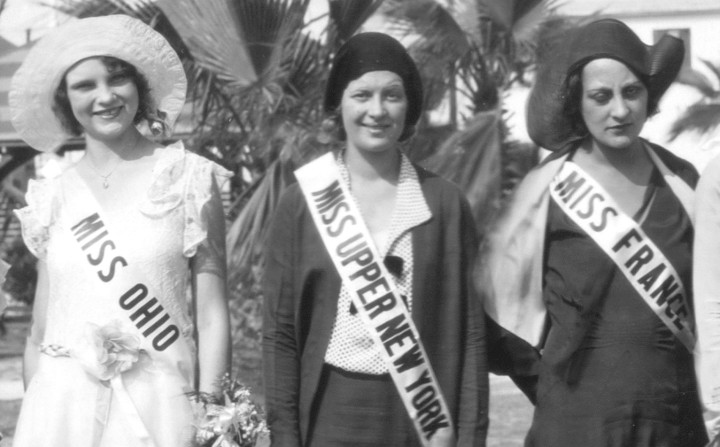
The following is a repost. Pictures are from The Library of Congress.
PG read “Churchill, Hitler, and the unnecessary war” by Patrick Buchanan. It makes interesting points, and is luxuriously footnoted. This is not to say that PG believes all of it.
Part of the problem is Pat Buchanan. He is a former speechwriter for Richard Nixon, and a public nuisance since. He gave a hateful speech at the Republican Convention in 1992 which is known as the “Culture War” speech. This speech alienated many people, and helped elect Bill Clinton.
The book starts with the deal making before World War I. Germany was ruled by Kaiser Wilhelm, the grandson of Queen Victoria. He tried to arrange an alliance with Great Britain. Instead, Britain entered into a secret alliance with France. In 1914, Europe blundered into war. The conflict turned into a ghastly stalemate, which continued until 1918. The victorious French forced a vengeful peace on the Germans, setting the stage for the second world war.
Great Britain made many mistakes. They severed an alliance with Japan. They allowed Hitler to advance, then gave a guarantee to Poland that they would defend her in a war. This guarantee to Poland is the biggest blunder of all, according to Buchanan. It made war all but certain.
Eventually, Nazi Germany was defeated, but at a frightful cost. The millions of dead in the war produced an East Europe under Communist Rule for 50 years. The British Empire was a shadow of its former self. The United States came out of the war looking good, but much of Europe was destroyed, and ruled by Communists.
Winston Churchill does not look good. He is seen cheering the start of war in 1914. He makes numerous blunders, especially when encouraging the invasion of Gallipoli. Churchill was an inspiring leader in the second war, with an actor making speeches for him on the radio. Mr. Hitler, who read his own speeches, was also a charismatic leader.
As with all history, this book needs to be taken with a bit of skepticism. Tom Robbins makes a comparison of history to animal husbandry. A herd manager mixes bloodlines to create an improved breed. A historian takes “facts”, and mixes them to support an agenda. Both are usually up to their ankles in s**t.
After PG finished the Buchanan book, he started one by Deepak Chopra. The title was “Why is G-d Laughing?“. The first chapter tells the story of a famous comedian. He goes to the hospital when his father drops dead of a heart attack. The comedian cannot help but think of jokes. PG is going to return this to the library without reading any more.
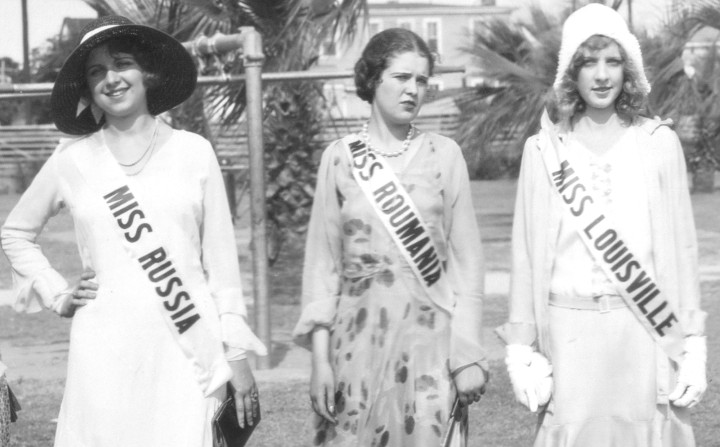
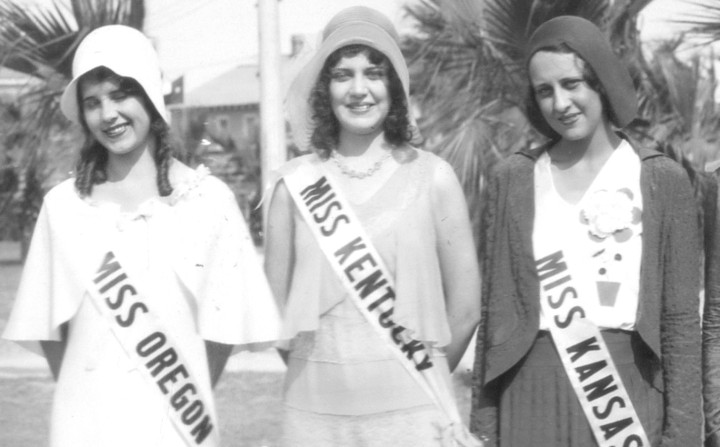
Happy Birthday Mr. Ginsberg

This feature was originally intended to honor the arrival of a certain poet in 1926. June 3 is also the birthay of Jefferson Davis (1808), Josephine Baker (1906), Paulette Goddard (1910), Tony Curtis (1925), Allen Ginsberg (1926). People who met their maker on June 3 include Ozzie Nelson (1975), Billy Joe McAllister (1967), Ruhollah Khomeini (1989), Rue McClanahan (2010), Jack Kevorkian (2011), Muhammad Ali (2016). There is a synchronicity to the demise of Dr. Kervorkian.
Allen Ginsberg would be 92 today, if nature had not made other plans in 1997. The son of Louis and Naomi Ginsberg arrived, in Newark NJ, June 3,1926.
Allen Ginsberg had a part in many new age dramas, with a few musicals and comedies thrown in for good measure. Hippie, beatnik, gay, artist, peace promoter, Buddhist convert…these are a few of the labels. He became famous for being famous, well known to people who never read a word of his poems. Two of the more famous were howl and kaddish.
Howl became scandalous in 1956 when it was busted for obscenity. It is mild by today’s standards, but almost landed Mr. Ginsberg in prison. PG heard about howl in the early nineties, and looked high and low for a copy. He could not find one. Today on the internet, not only is the text widely available, there are recordings of Mr. Ginsberg reading his work. (Here is an updated version: howl 2011)
The original plan was to listen to Mr. Ginsberg read while editing photos. PG was going to listen to the words, and think of something to say while listening to the bard. About the seventeenth time Mr. Ginsberg shouted “Moloch”, the plan began to fall apart.
The next poem was Kaddish. This is about Naomi Ginsberg, the mother of the poet, who evidently had some issues. This was tough for PG to listen to. The other night, PG had a disturbing dream about his own late mother. In this dream, a fearsome shouter came in wearing a black suit, which meant that he intended to do some scary shouting. PG went into another room, where his recently deceased mother was laying on a table.
1956 was the year of the obscenity trial for howl. This took place on the other side of america, from the Brookhaven where PG was two years old. This was the year when his brother was born, the year when the Georgia legislature voted in a new flag, for whatever reason. In 1955, President Eisenhower had a heart attack. Many wondered if it was a good idea to have Richard Nixon as the vice president.
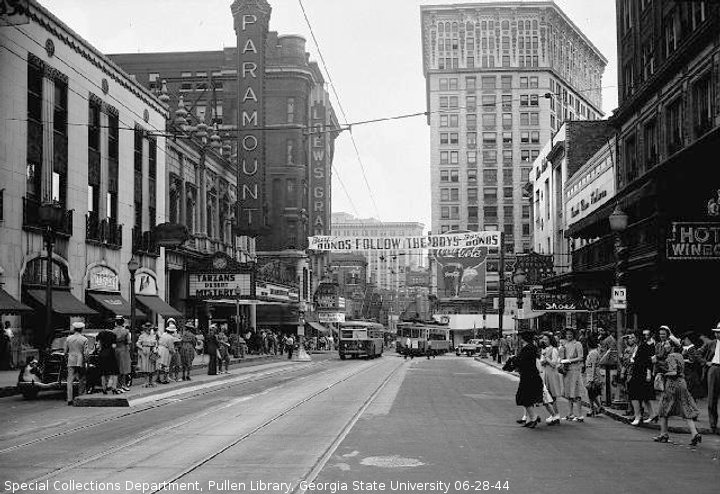
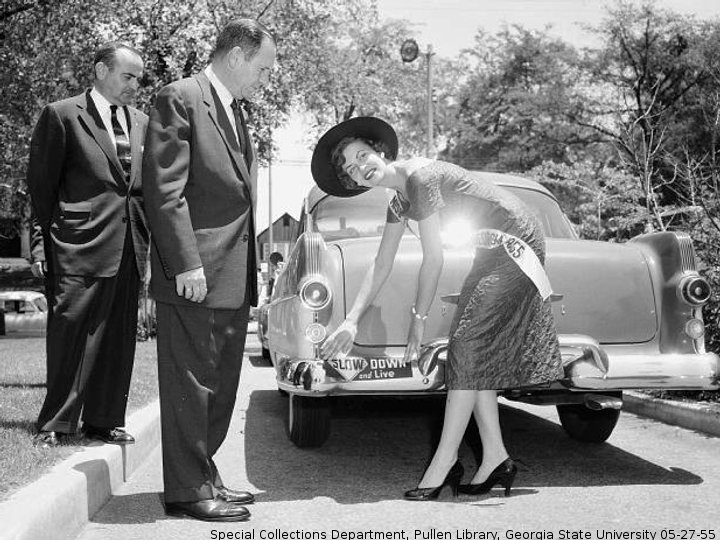
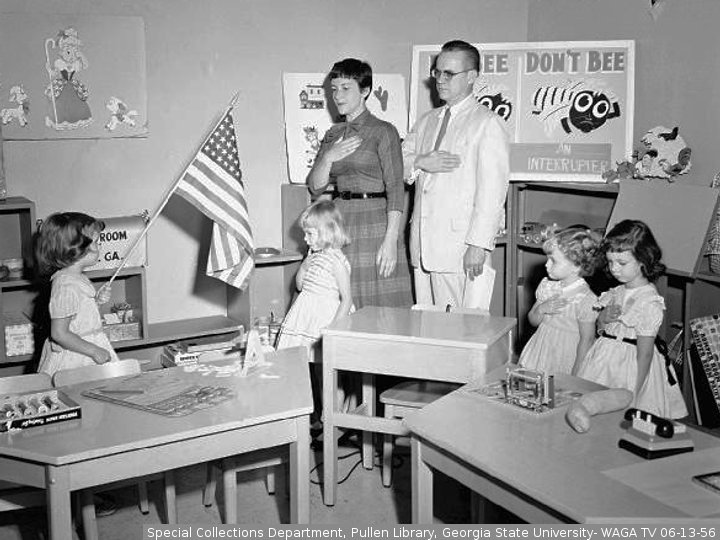
Finally, PG could stand no more of that voice. The player was turned off, the files stored on an external hard drive, never to be heard again. PG just is not a poetry person. This is a repost, with pictures from “The Special Collections and Archives, Georgia State University Library”.


Marilyn Truther


Marilyn Monroe was photographed reading Ulysses, the famously difficult book by James Joyce. 63 years later, a man posted the picture on twitter, while promoting a study course on Ulysses. If Marilyn read it, then you can too! PG said something uncooperative, and a brief twitter fight broke out. Since the Ulysses dude, and his tweeting buddy, did not give permission, they will not be quoted in this discussion. They will be known as @01, and @02.
Comment by @01
@chamblee54 It was a joke, at one time, to give models a book to pose with. It was considered funny to give them a difficult book like “Ulysses”
Comment by @02
@chamblee54 Who needs to show a citation? I may be wrong. I asked Mr. Google, and found this. …
Comment by @01
@chamblee54 According to photographer, she did not read it from start to finish. A more accurate answer is that she read parts of it Story by photographer should not be taken as unchallenged truth, but it is all we have I should have researched this before i spoke. Did you?
Comment by @02
Comment by @01
@chamblee54 I had read that about other models. I also read numerous quotes, attributed to Marilyn, that proved to be phony. Photography is a medium open to manipulation, and creation of fantasy. Just because you see a picture, that does not mean it happened. I made a mistake when posting
@chamblee54 Eve Arnold… a woman … took that picture. How do we know Marilyn told the truth? Maybe Marilyn was just trying to make a good impression on the lady. Would Marilyn have said the same thing if the photographer was a man?
Comment by @02
Comment by @01
@chamblee54 I would like to use these tweets in a blog post I would like your permission to do so If I do not have your permission, I can rely on my own text
PG disputed that Marilyn Monroe had read Ulysses, and will never know for sure either way. He was not the first person to wonder about this. “Richard Brown, a Professor of Modern Literature at the University of Leeds with a special interest in James Joyce, was intrigued by Eve Arnold’s photos of Marilyn. Curious to know if Marilyn was indeed reading Joyce’s novel or if she was merely posing for the photo, Brown wrote Arnold a letter, which she replied on 20 July 1993. Unfortunately, I don’t have Arnold’s complete letter to show you … In any case, the excerpt from Arnold’s letter is interesting as she was telling Brown exactly what he wanted to know”:
“We worked on a beach on Long Island. She was visiting Norman Rosten the poet…. I asked her what she was reading when I went to pick her up (I was trying to get an idea of how she spent her time). She said she kept Ulysses in her car and had been reading it for a long time. She said she loved the sound of it and would read it aloud to herself to try to make sense of it — but she found it hard going. She couldn’t read it consecutively. When we stopped at a local playground to photograph she got out the book and started to read while I loaded the film. So, of course, I photographed her. It was always a collaborative effort of photographer and subject where she was concerned — but almost more her input.” “Quoted in Richard Brown, “Marilyn Monroe Reading Ulysses: Goddess or Postcultural Cyborg?”, in R. B. Kershner (Ed), Joyce and Popular Culture, p. 174.”
“Monroe is reading the 1934 Random House edition, with the dust jacket removed. This is the edition that was famously set from a pirate version containing numerous errors. This defect notwithstanding, the dust-jacket artwork and typographic design by Ernst Reichl constitute one of the great works in the history of book design.”
What does this say about a screen icon who died in 1962? Maybe she was smarter than your typical dumb blonde. Maybe not. Marilyn had an instinct for the camera, and looking good on the screen brought joy to millions of fans. Is this post mortem resurrection, as an intellectual philosopher, merely another fantasy concocted by well meaning fans? Pictures never lie, and there is a picture of Marilyn, reading Ulysses, with a serious look on her pretty face. Of course it is real! A fantasy involving Norma Jean Baker Marilyn Monroe? How absurd! As long as the merchandise is paid for, and the instagrammers inspired, should we even care?
The cult of Marilyn has shown up on chamblee54 before. “Someone told me that Marilyn Monroe once remarked that she enjoyed reading poetry “because it saves time.” I like this quotation so much that I’ve never dared to confirm it; I’d feel disenchanted to learn it was bogus.” This search for authenticity led to a forum called Data Lounge… “… get your fix of gay gossip, news and pointless bitchery.” The “Marilyn: Smart or Stupid” debate rages through 200 comments, reaching a peak at comment 196. “Yes MM said every one of those quotes by herself! She is intelligent so don’t hate! But I’m worried for her, cause She’s my main spirit guide and Saviour and she recently commanded me to share this message! … Recently Marilyn contacted me from the spirit world!!! Being a medium, I’m used to contact with spirits, but Marilyn told me to tell this message to everyone, since she could only get in touch with only me at the moment! (She’s trying hard, she’s been contacting me frequently lately, so it must be really important.)”
In 2014, a facebook notice appeared. It was promoting a blog post by known idiot Matt Walsh. “If you can’t accept me at my worst, then you don’t deserve me at my best.”… “the original quote is from Marilyn Monroe. It’s even more vapid and nauseating when taken in its full context: “I’m selfish, impatient and a little insecure. I make mistakes, I am out of control and at times hard to handle. But if you can’t handle me at my worst, then you sure as hell don’t deserve me at my best.” Out of all the profundities ever uttered, what does it say about our society that THIS is the quote we’ve decided to take to heart?” It is generally accepted that Marilyn did not say that. The top debunker is now a malware distributor, and not available for viewing. Somehow, that seems appropriate.
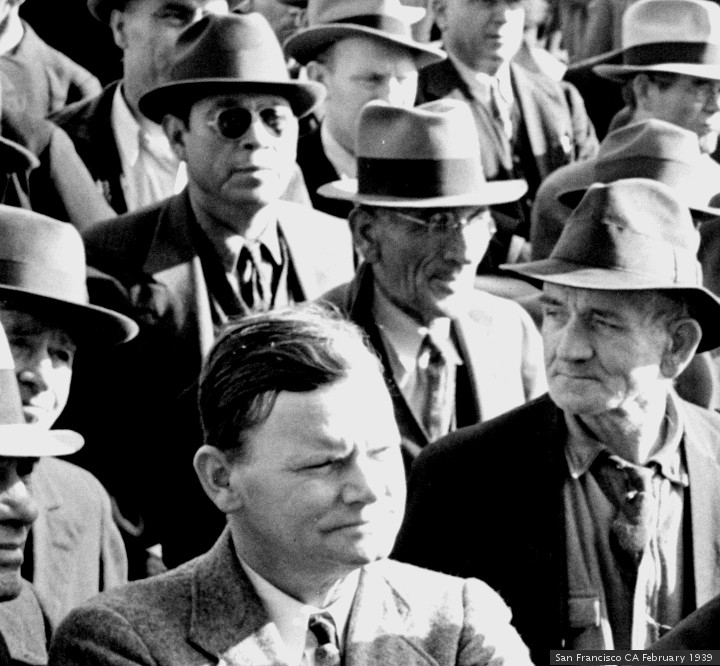
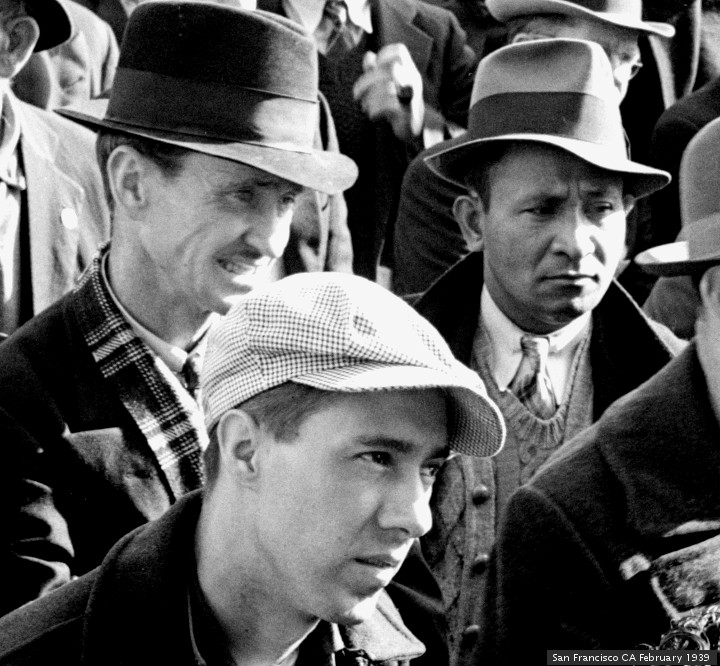
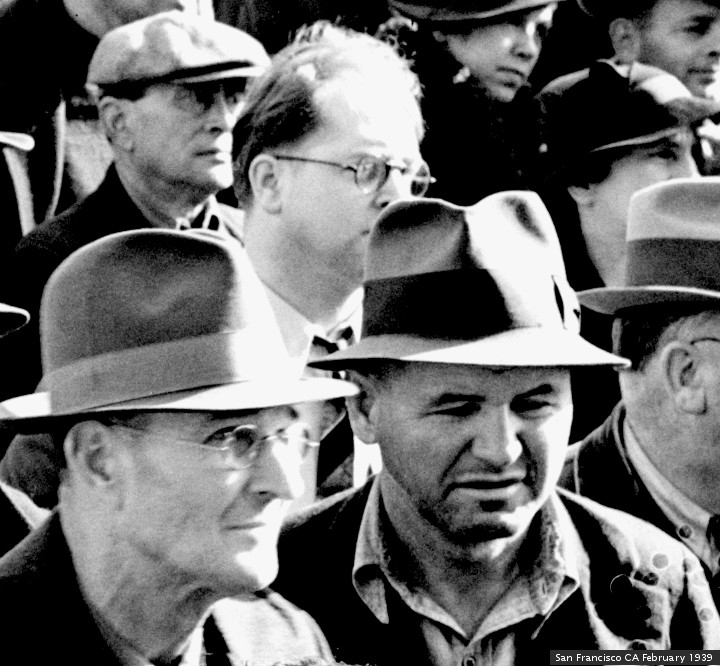
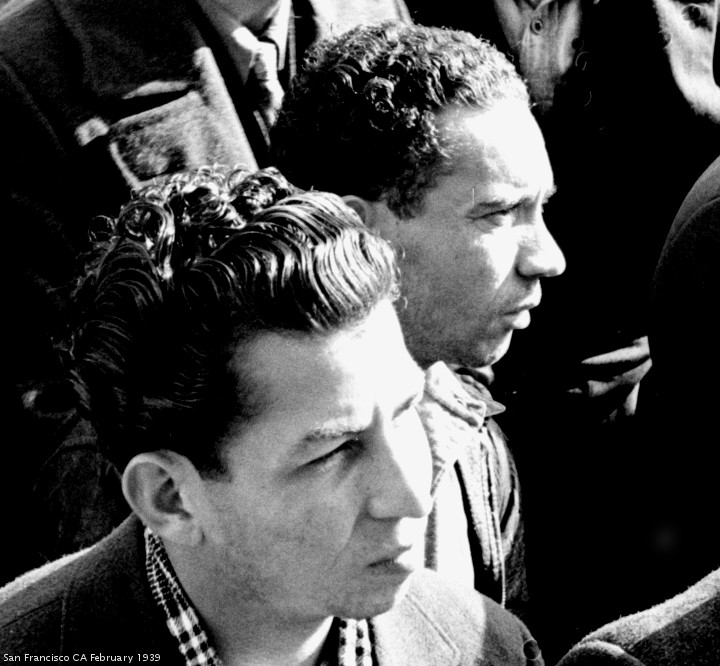
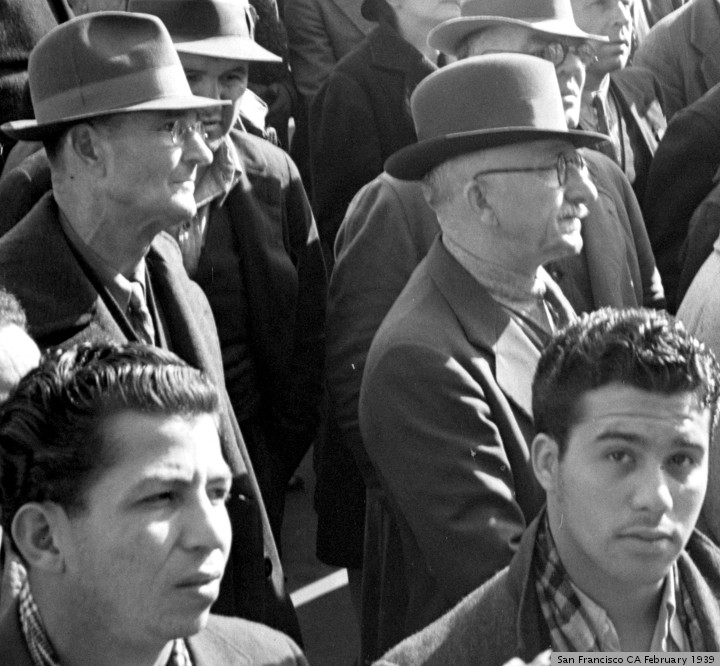
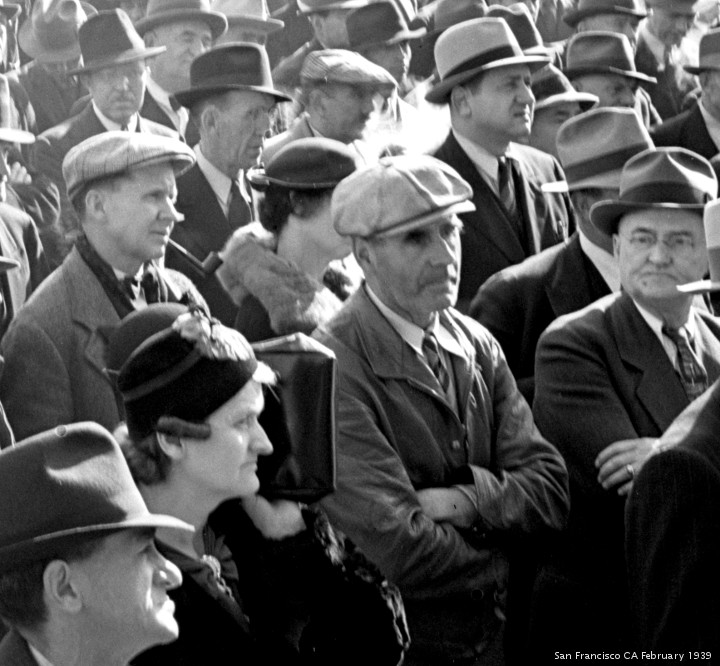
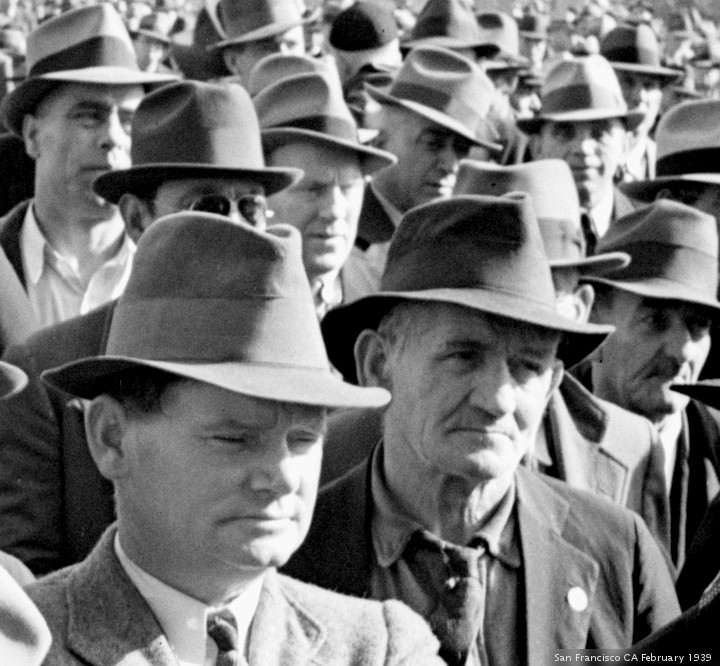
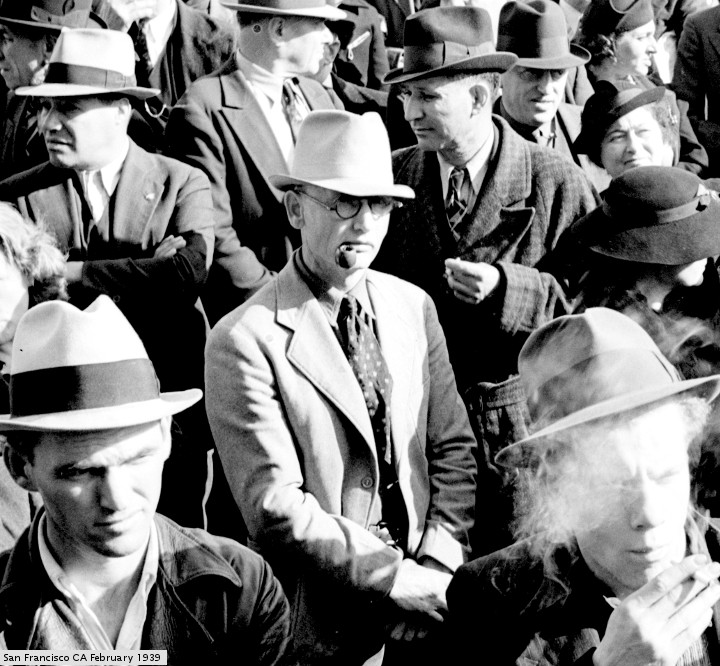
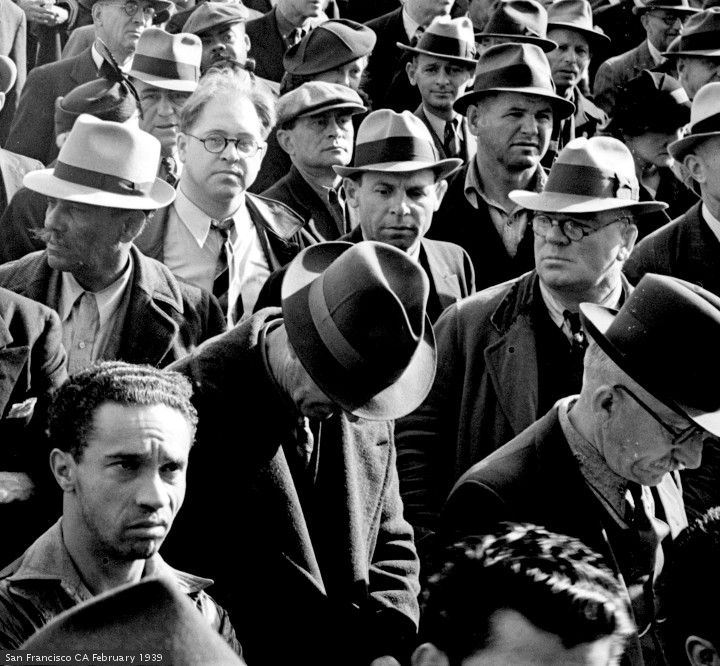
Pictures today are from the Library of Congress. “Listening to speeches at mass meeting of Works Progress Administration (WPA) workers protesting congressional cut of relief appropriations. San Francisco, California.” Photographer: Dorothea Lange February 1939




I Sing The Body Electric




1
I sing the body electric,
The armies of those I love engirth me and I engirth them,
They will not let me off till I go with them, respond to them,
And discorrupt them, and charge them full with the charge of the soul.
Was it doubted that those who corrupt their own bodies conceal themselves?
And if those who defile the living are as bad as they who defile the dead?
And if the body does not do fully as much as the soul?
And if the body were not the soul, what is the soul?
2
The love of the body of man or woman balks account,
the body itself balks account,
That of the male is perfect, and that of the female is perfect.
The expression of the face balks account,
But the expression of a well-made man appears not only in his face,
It is in his limbs and joints also, it is curiously in the joints of his hips and wrists,
It is in his walk, the carriage of his neck, the flex of his waist and knees,
dress does not hide him,
The strong sweet quality he has strikes through the cotton and broadcloth,
To see him pass conveys as much as the best poem, perhaps more,
You linger to see his back, and the back of his neck and shoulder-side.
The sprawl and fulness of babes, the bosoms and heads of women,
the folds of their dress, their style as we pass in the street,
the contour of their shape downwards,
The swimmer naked in the swimming-bath, seen as he swims through
the transparent green-shine, or lies with his face up and rolls
silently to and from the heave of the water,
The bending forward and backward of rowers in row-boats,
the horse-man in his saddle,
Girls, mothers, house-keepers, in all their performances,
The group of laborers seated at noon-time with their open dinner-kettles,
and their wives waiting,
The female soothing a child, the farmer’s daughter in the garden or cow-yard,
The young fellow hosing corn, the sleigh-driver driving his six horses
through the crowd,
The wrestle of wrestlers, two apprentice-boys, quite grown, lusty,
good-natured, native-born, out on the vacant lot at sundown after work,
The coats and caps thrown down, the embrace of love and resistance,
The upper-hold and under-hold, the hair rumpled over and blinding the eyes;
The march of firemen in their own costumes, the play of masculine muscle
through clean-setting trowsers and waist-straps,
The slow return from the fire, the pause when the bell strikes suddenly again,
and the listening on the alert,
The natural, perfect, varied attitudes, the bent head, the curv’d neck
and the counting;
Such-like I love—I loosen myself, pass freely, am at the mother’s breast
with the little child,
Swim with the swimmers, wrestle with wrestlers, march in line
with the firemen, and pause, listen, count.
3
I knew a man, a common farmer, the father of five sons,
And in them the fathers of sons, and in them the fathers of sons.
This man was a wonderful vigor, calmness, beauty of person,
The shape of his head, the pale yellow and white of his hair and beard,
the immeasurable meaning of his black eyes,
the richness and breadth of his manners,
These I used to go and visit him to see, he was wise also,
He was six feet tall, he was over eighty years old, his sons were massive,
clean, bearded, tan-faced, handsome,
They and his daughters loved him, all who saw him loved him,
They did not love him by allowance, they loved him with personal love,
He drank water only, the blood show’d like scarlet
through the clear-brown skin of his face,
He was a frequent gunner and fisher, he sail’d his boat himself,
he had a fine one presented to him by a ship-joiner,
he had fowling-pieces presented to him by men that loved him,
When he went with his five sons and many grand-sons to hunt or fish,
you would pick him out as the most beautiful and vigorous of the gang,
You would wish long and long to be with him, you would wish to sit by him
in the boat that you and he might touch each other.
4
I have perceiv’d that to be with those I like is enough,
To stop in company with the rest at evening is enough,
To be surrounded by beautiful, curious, breathing, laughing flesh is enough,
To pass among them or touch any one, or rest my arm ever so lightly
round his or her neck for a moment, what is this then?
I do not ask any more delight, I swim in it as in a sea.
There is something in staying close to men and women and looking on them,
and in the contact and odor of them, that pleases the soul well,
All things please the soul, but these please the soul well.
5
This is the female form,
A divine nimbus exhales from it from head to foot,
It attracts with fierce undeniable attraction,
I am drawn by its breath as if I were no more than a helpless vapor,
all falls aside but myself and it,
Books, art, religion, time, the visible and solid earth,
and what was expected of heaven or fear’d of hell, are now consumed,
Mad filaments, ungovernable shoots play out of it,
the response likewise ungovernable,
Hair, bosom, hips, bend of legs, negligent falling hands all diffused,
mine too diffused,
Ebb stung by the flow and flow stung by the ebb, love-flesh swelling
and deliciously aching,
Limitless limpid jets of love hot and enormous, quivering jelly of love,
white-blow and delirious juice,
Bridegroom night of love working surely and softly into the prostrate dawn,
Undulating into the willing and yielding day,
Lost in the cleave of the clasping and sweet-flesh’d day.
This the nucleus—after the child is born of woman, man is born of woman,
This the bath of birth, this the merge of small and large, and the outlet again.
Be not ashamed women, your privilege encloses the rest,
and is the exit of the rest,
You are the gates of the body, and you are the gates of the soul.
The female contains all qualities and tempers them,
She is in her place and moves with perfect balance,
She is all things duly veil’d, she is both passive and active,
She is to conceive daughters as well as sons, and sons as well as daughters.
As I see my soul reflected in Nature,
As I see through a mist, One with inexpressible completeness,
sanity, beauty,
See the bent head and arms folded over the breast, the Female I see.
6
The male is not less the soul nor more, he too is in his place,
He too is all qualities, he is action and power,
The flush of the known universe is in him,
Scorn becomes him well, and appetite and defiance become him well,
The wildest largest passions, bliss that is utmost, sorrow that is utmost
become him well, pride is for him,
The full-spread pride of man is calming and excellent to the soul,
Knowledge becomes him, he likes it always, he brings every thing
to the test of himself,
Whatever the survey, whatever the sea and the sail
he strikes soundings at last only here,
(Where else does he strike soundings except here?)
The man’s body is sacred and the woman’s body is sacred,
No matter who it is, it is sacred—is it the meanest one in the laborers’ gang?
Is it one of the dull-faced immigrants just landed on the wharf?
Each belongs here or anywhere just as much as the well-off, just as much as you,
Each has his or her place in the procession.
(All is a procession,
The universe is a procession with measured and perfect motion.)
Do you know so much yourself that you call the meanest ignorant?
Do you suppose you have a right to a good sight,
and he or she has no right to a sight?
Do you think matter has cohered together from its diffuse float,
and the soil is on the surface, and water runs and vegetation sprouts,
For you only, and not for him and her?
7
A man’s body at auction,
(For before the war I often go to the slave-mart and watch the sale,)
I help the auctioneer, the sloven does not half know his business.
Gentlemen look on this wonder,
Whatever the bids of the bidders they cannot be high enough for it,
For it the globe lay preparing quintillions of years without one animal or plant,
For it the revolving cycles truly and steadily roll’d.
In this head the all-baffling brain,
In it and below it the makings of heroes.
Examine these limbs, red, black, or white, they are cunning in tendon and nerve,
They shall be stript that you may see them.
Exquisite senses, life-lit eyes, pluck, volition,
Flakes of breast-muscle, pliant backbone and neck, flesh not flabby,
good-sized arms and legs,
And wonders within there yet.
Within there runs blood,
The same old blood! the same red-running blood!
There swells and jets a heart, there all passions, desires, reachings, aspirations,
(Do you think they are not there because they are not express’d
in parlors and lecture-rooms?)
This is not only one man, this the father of those who shall be fathers
in their turns,
In him the start of populous states and rich republics,
Of him countless immortal lives with countless embodiments and enjoyments.
How do you know who shall come from the offspring of his offspring
through the centuries?
(Who might you find you have come from yourself,
if you could trace back through the centuries?)
8
A woman’s body at auction,
She too is not only herself, she is the teeming mother of mothers,
She is the bearer of them that shall grow and be mates to the mothers.
Have you ever loved the body of a woman?
Have you ever loved the body of a man?
Do you not see that these are exactly the same to all in all nations
and times all over the earth?
If anything is sacred the human body is sacred,
And the glory and sweet of a man is the token of manhood untainted,
And in man or woman a clean, strong, firm-fibred body, is more beautiful
than the most beautiful face.
Have you seen the fool that corrupted his own live body?
or the fool that corrupted her own live body?
For they do not conceal themselves, and cannot conceal themselves.
9
O my body! I dare not desert the likes of you in other men and women,
nor the likes of the parts of you,
I believe the likes of you are to stand or fall with the likes of the soul,
(and that they are the soul,)
I believe the likes of you shall stand or fall with my poems,
and that they are my poems,
Man’s, woman’s, child, youth’s, wife’s, husband’s, mother’s, father’s,
young man’s, young woman’s poems,
Head, neck, hair, ears, drop and tympan of the ears,
Eyes, eye-fringes, iris of the eye, eyebrows, and the waking
or sleeping of the lids,
Mouth, tongue, lips, teeth, roof of the mouth, jaws, and the jaw-hinges,
Nose, nostrils of the nose, and the partition,
Cheeks, temples, forehead, chin, throat, back of the neck, neck-slue,
Strong shoulders, manly beard, scapula, hind-shoulders,
and the ample side-round of the chest,
Upper-arm, armpit, elbow-socket, lower-arm, arm-sinews, arm-bones,
Wrist and wrist-joints, hand, palm, knuckles, thumb, forefinger,
finger-joints, finger-nails,
Broad breast-front, curling hair of the breast, breast-bone, breast-side,
Ribs, belly, backbone, joints of the backbone,
Hips, hip-sockets, hip-strength, inward and outward round,
man-balls, man-root,
Strong set of thighs, well carrying the trunk above,
Leg-fibres, knee, knee-pan, upper-leg, under-leg,
Ankles, instep, foot-ball, toes, toe-joints, the heel;
All attitudes, all the shapeliness, all the belongings of my or your body
or of any one’s body, male or female,
The lung-sponges, the stomach-sac, the bowels sweet and clean,
The brain in its folds inside the skull-frame,
Sympathies, heart-valves, palate-valves, sexuality, maternity,
Womanhood, and all that is a woman, and the man that comes from woman,
The womb, the teats, nipples, breast-milk, tears, laughter, weeping,
love-looks, love-perturbations and risings,
The voice, articulation, language, whispering, shouting aloud,
Food, drink, pulse, digestion, sweat, sleep, walking, swimming,
Poise on the hips, leaping, reclining, embracing, arm-curving and tightening,
The continual changes of the flex of the mouth, and around the eyes,
The skin, the sunburnt shade, freckles, hair,
The curious sympathy one feels when feeling with the hand
the naked meat of the body,
The circling rivers the breath, and breathing it in and out,
The beauty of the waist, and thence of the hips,
and thence downward toward the knees,
The thin red jellies within you or within me, the bones and the marrow
in the bones,
The exquisite realization of health;
O I say these are not the parts and poems of the body only, but of the soul,
O I say now these are the soul!
Text for this adventure is from the Project Gutenberg.
The text was reformatted by Chamblee54.
“I sing the Body Electric” was written by Walt Whitman.
An audio version of this poem is available from Librivox.
Reposted May 31,2018, Walt Whitman’s 199th Birthday.
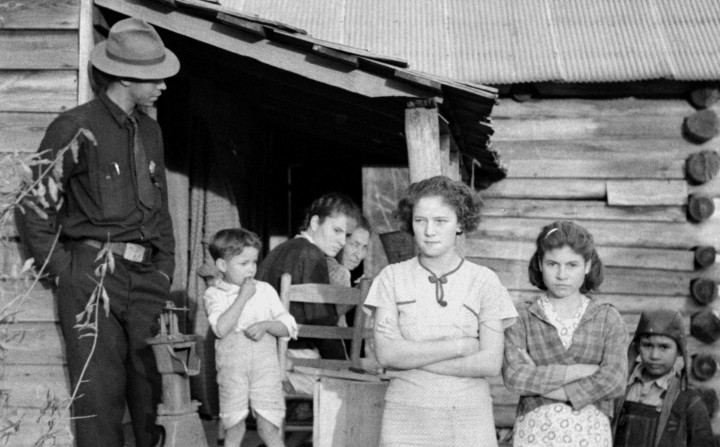
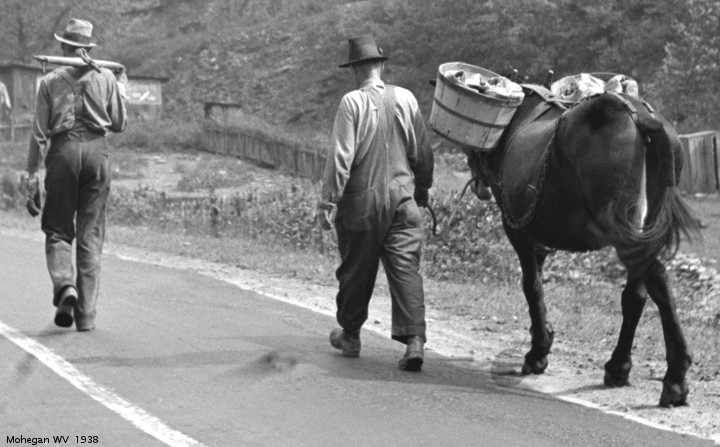
Pictures from The Library of Congress.





leave a comment