Essential Liberty



It is a popular line. “They who can give up essential liberty to obtain a little temporary safety deserve neither liberty nor safety.” The credit, or blame, for this gem is assigned to Ben Franklin. Did he really say it? What was he talking about?
The good news is that Mr. Franklin did say these words. (Here is the text.) What follows was written by a lawyer. Prepare to be confused.
“The words appear originally in a 1755 letter that Franklin is presumed to have written on behalf of the Pennsylvania Assembly to the colonial governor during the French and Indian War. The letter was a salvo in a power struggle between the governor and the Assembly over funding for security on the frontier, one in which the Assembly wished to tax the lands of the Penn family, which ruled Pennsylvania from afar, to raise money for defense against French and Indian attacks. The governor kept vetoing the Assembly’s efforts at the behest of the family, which had appointed him. So to start matters, Franklin was writing not as a subject being asked to cede his liberty to government, but in his capacity as a legislator being asked to renounce his power to tax lands notionally under his jurisdiction. In other words, the “essential liberty” to which Franklin referred was thus not what we would think of today as civil liberties but, rather, the right of self-governance of a legislature in the interests of collective security.”
Mr. Franklin was writing on behalf of legislators who wanted to assess a tax. The quote is used by tax hating conservatives. The modern conservative wants to send a hundred thousand troops to a conflict eight time zones away, and pay for it with tax cuts.
Another article tells much the same story, but with a couple of twists. There is a google gimmick that shows how often a quote is used. The BF quote was little known until the twentieth century.
The techcrunch article introduces a dandy word for the rampant misuse of quotes. The word is contextomy. This explanation is from Matthew McGlone of the University of Texas at Austin.
“‘Contextomy’ refers to the selective excerpting of words from their original linguistic context in a way that distorts the source’s intended meaning, a practice commonly referred to as ‘quoting out of context’. Contextomy is employed in contemporary mass media to promote products, defame public figures and misappropriate rhetoric. A contextomized quotation not only prompts audiences to form a false impression of the source’s intentions, but can contaminate subsequent interpretation of the quote when it is restored to its original context. …”
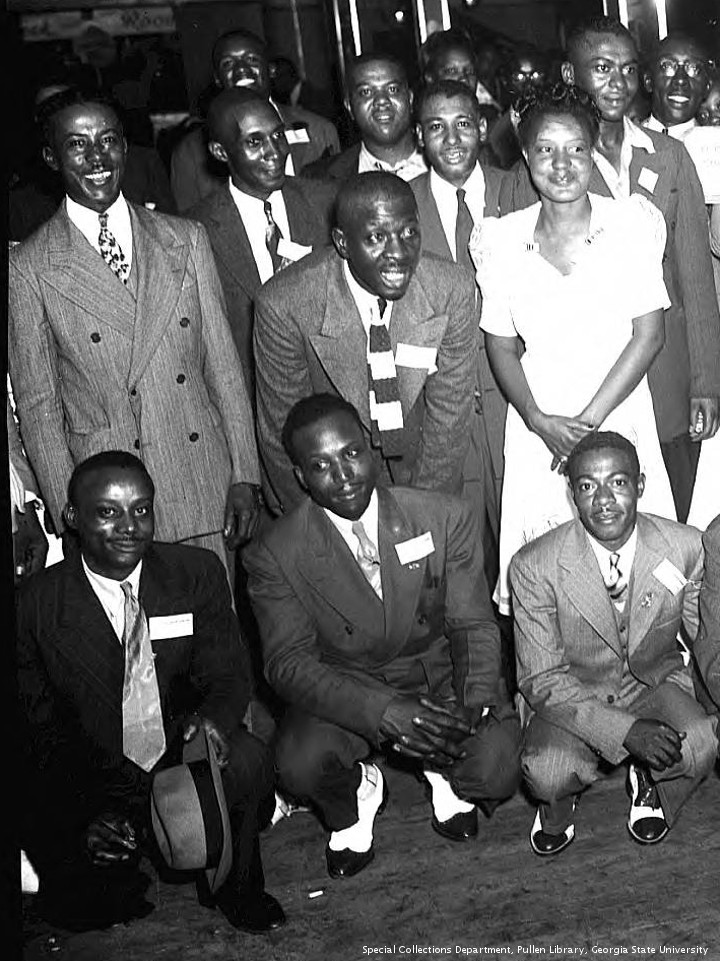
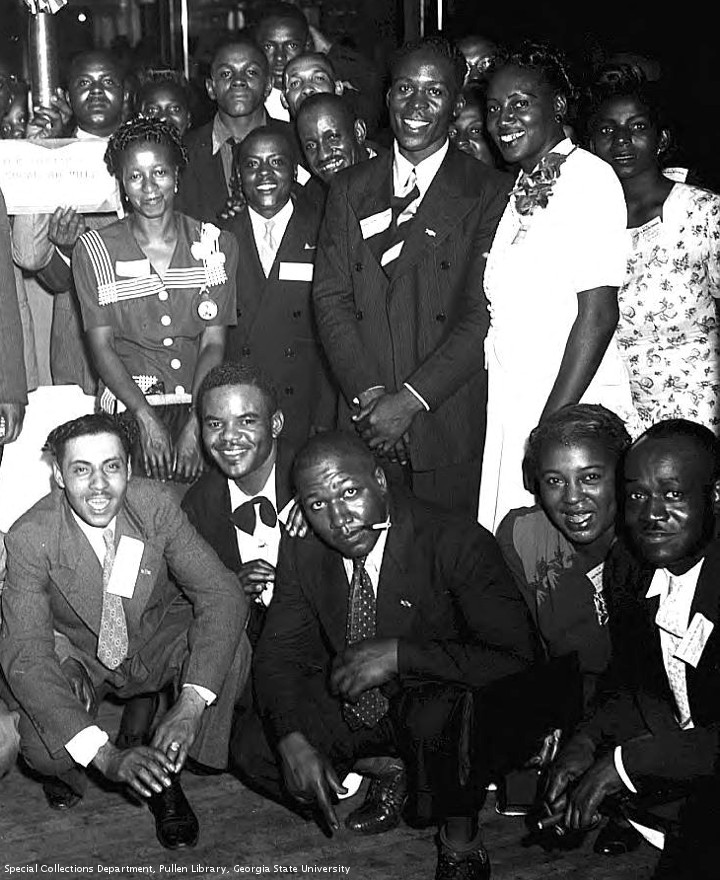
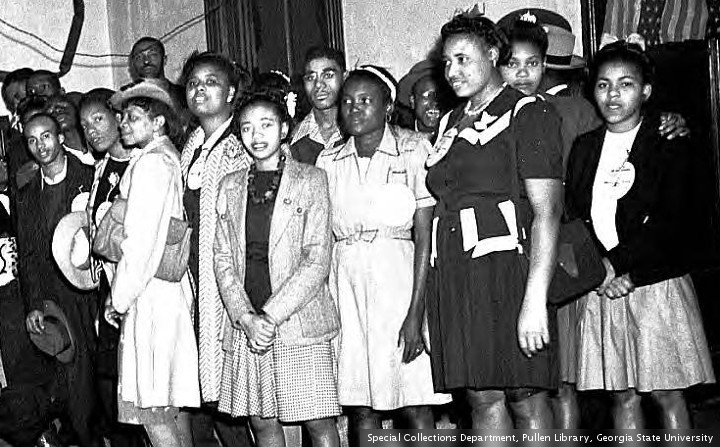
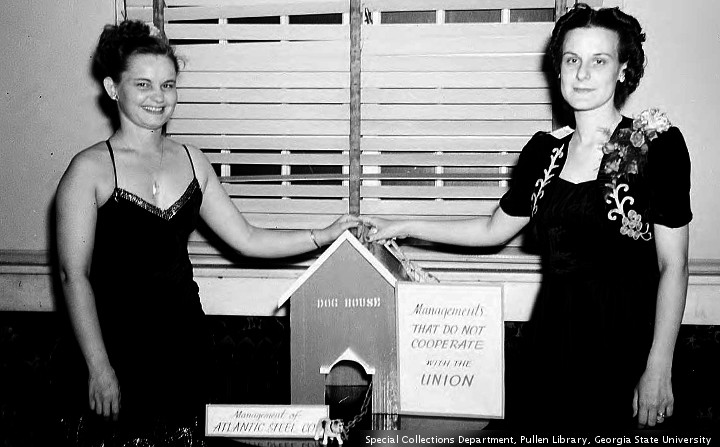
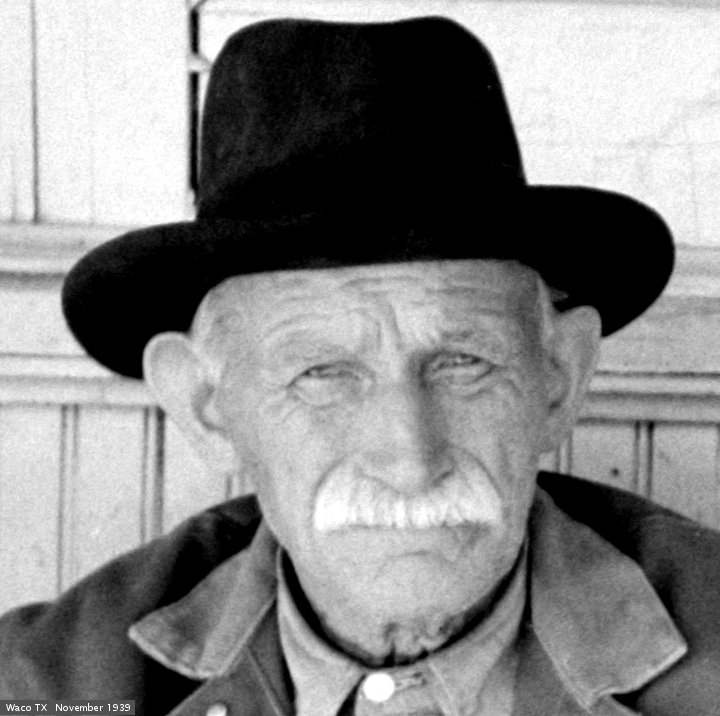
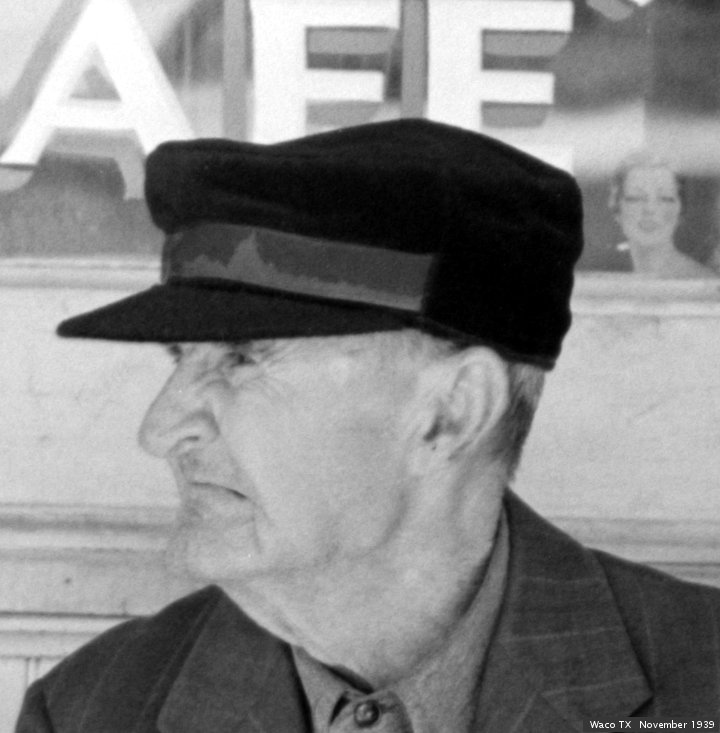
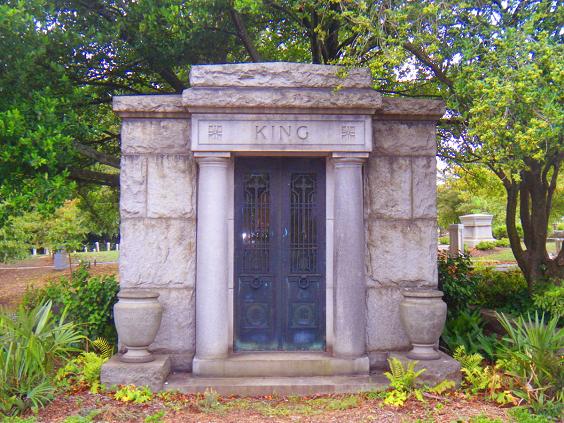
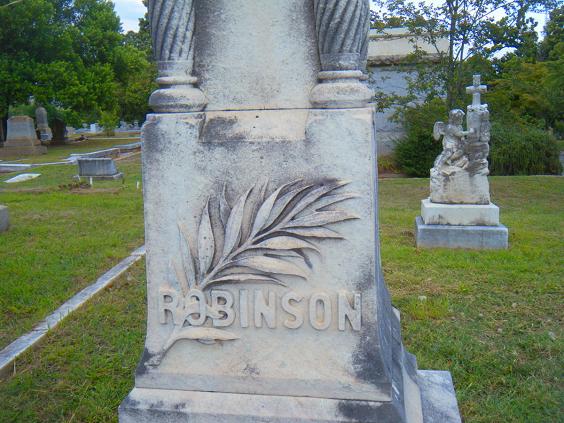
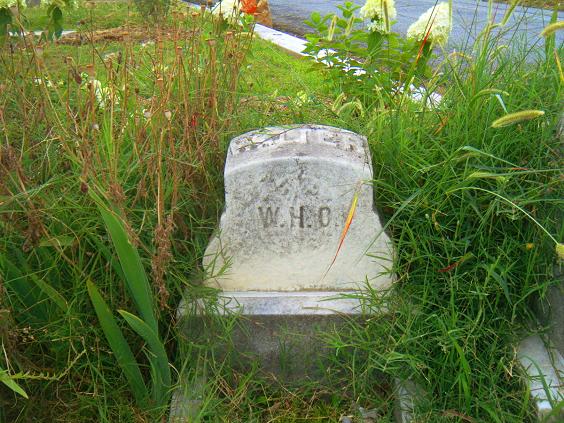
The spell check suggestion for contextomy is contentment. This is a repost. Pictures today are from “The Special Collections and Archives, Georgia State University Library.”



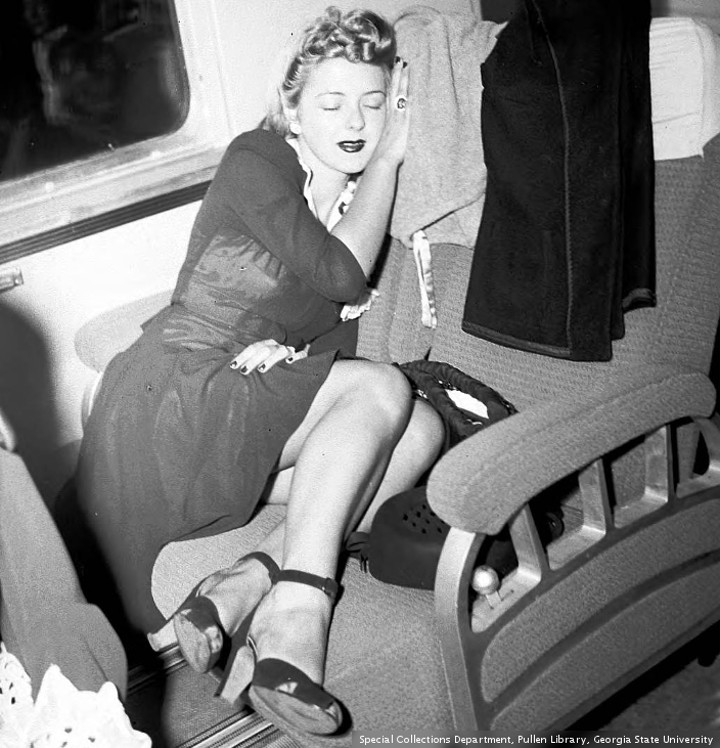

#WhyIWrite


#WhyIWrite is trending on twitter today, the #NationalDayOfWriting. A lot of the tweets are the sanctimonious, pseudo-inspirational crap that you might expect. A few others are posting inspirational thoughts by famous authors, usually with a picture in the background. Posting memes about writing is not the same as writing. Especially when the famous author never said it.
@girlsreallyrule “In honor of this National Day on Writing, I submit this quote from Dorothy Parker, who sums it up perfectly. #WhyIWrite” This tweet gets the party started. The *quote* was a bit of photoshop nonsense that PG has written about before. There is no source for the quote, “I hate writing. I love having written.” (If someone knows a source, please leave a comment.) PG left a comment. @chamblee54 “Dotty never said that. An old school manual typewriter only produces one size of text. I have learned when someone says _____ _____ perfectly, then the object in question is full of errors.” When writing this report, PG clicked on the link to the original tweet. “You are blocked from following @girlsreallyrule and viewing @girlsreallyrule’s Tweets.”
The next meme is blamed on Ben Franklin. “Either write something worth reading or do something worth writing.” Quote Investigator has a report on this Benjaminism. It turns out that the real quote is better than the meme. “If you wou’d not be forgotten, As soon as you are dead and rotten, Either write things worth reading, or do things worth the writing.”
@Gaming_agent99 “You can make empires rise from ashes. You can make heroes fall and villains rise. You can bring all your thoughts and ideas to life, what’s more fun than that. #WhyIWrite” This thought was illustrated by a C.S. Lewis meme. “You can make anything by writing.” Once again, the manual typewriter produces perfectly centered text, in two sizes. @chamblee54 I searched the C.S. Lewis wikiquotes. I used make, anything, and writing as search words. This quote did not appear. @chamblee54 #WhyIWrite I found this in my search “The trouble about trying to make yourself stupider than you really are is that you very often succeed.” The Magician’s Nephew (1955), Ch. 10: The First Joke and Other Matters.
@simpsonlibrary posted a tasteful graphic featuring this quote: “I think all writing is a disease. You can’t stop it.” William Carlos Williams. PG had never heard of Dr. Williams, and thought the quote was real. Usually, the less famous the name, the greater the chance that the quote is legitimate. A bit of research turned up page 498 of The Collected Poems of William Carlos Williams: 1939-1962. Dr. Williams had translated Fragment 31 of Poems in Folio, by Sappho. “I’m 73 years old. I’ve gone on living as I could as a doctor, and writing poetry on the side. I practised to get money to live as I please, and what pleases me is to write poetry.”
“I don’t speak English, but the American Idiom. I don’t know how to write anything else, and I refuse to learn. … All my life I’ve never stopped thinking. I think all writing is a disease. You can’t stop it.” Pictures today are from The Library of Congress.



Migrant Mother


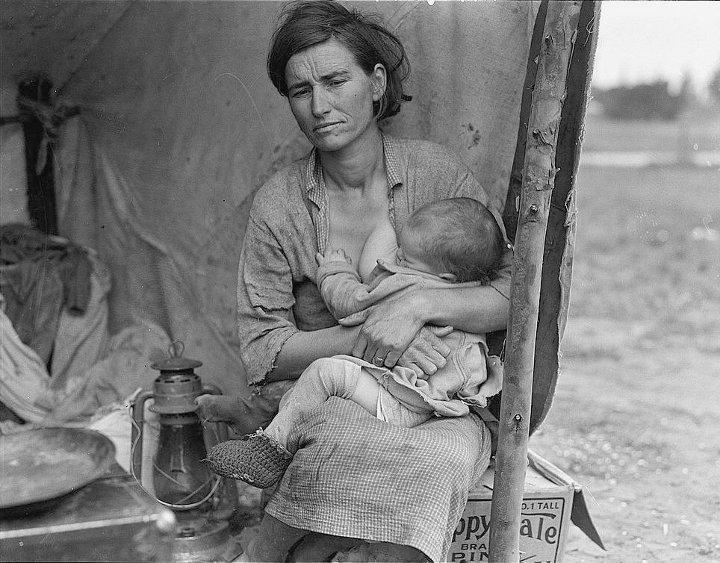


It is perhaps the most famous photograph from the depression. . The semi official title is Migrant Mother. The Library of Congress says “Destitute pea pickers in California. Mother of seven children. Age thirty-two. Nipomo, California.” The exact date is unknown, and was either February or March of 1936. The photographer was Dorothea Lange (pronounced dore-THEE-ah lang). The model was Florence Owens Thompson .
Ms. Lange was born Dorothea Margaretta Nutzhorn May 26, 1895 in Hoboken, N.J. When she was seven she had polio, and when she was twelve her father left. Both events affected her deeply. (Lange is her mother’s maiden name, chosen for use after the father left.) She became a photographer, and had a successful studio in San Francisco. By 1936 she was with her second husband, her sons were in boarding school, and she went to work for the Farm Security Administration.
The Farm Security Administration hired a number of photographers to document the lives of Americans between 1934 and 1944. (During part of this time, it was connected to the Office of War Information, and the Resettlement Administration.) Since they were working for the government, the photographers were not entitled to copyright protection. The majority of these pictures are in the public domain, including the famous pictures of Florence Thompson.
This feature started with a google search for the correct way to pronounce Dorothea Lange. (Readers of this blog have seen the fondness for Library of Congress historic pictures. Ms. Lange is one of their stars.) This search led to a teacher’s guide from Yale University. This guide is about Dorothea Lange and the Migrant Mother. It tells the story as well as PG could. Bless his pea picking heart.
The day that Dorothea Lange photographed what would become her most famous photograph, Migrant Mother, has been retold by Lange in numerous sources. She was on her way home from a trip documenting the living and working conditions of the migrants to California. She followed their schedules, getting up at sunup and working until sundown, which made for long, sixteen-hour days. She was tired, and she was ready to see her family.
With about seven hours of driving left ahead of her, she passed a homemade sign that said Pea Pickers’ Camp. She knew that a late frost had ruined the pea crop, and was concerned about the people who might be at the camp. It nagged at her to turn around, to go back and visit the camp, another opportunity to document. About 15 minutes (20 miles) later, Lange did turn around.
Right away she saw the woman who would be the subject of Migrant Mother. Some sources say she took 5 shots, but she really took 6; in any case each shot focuses in on the woman a little more, and the final shot is the one that would become the “timeless and universal symbol of suffering in the face of adversity “ (The Library of Congress only has five of the shots.)
Early the morning after she got home, instead of spending time with her family Lange rushed to develop the photographs and submit them to the FSA and The San Francisco News. She thought that these photographs could help bring attention to the plight of these American migrant farmers. She was right; the story was printed in newspapers around the country, and the federal government immediately sent 20,000 pounds of food…. (The Thompson family had left for Watsonville by the time the food arrived)
The Dust Bowl refugees were of European descent, and were migrating to California because they were displaced from their farmland by drought. Florence Owens Thompson, though from Oklahoma, was a full-blooded Native American, and her family had been displaced from tribal lands by the U.S. government. (By 1930, Native Americans had lost more than 80% of their lands this way).
The day Lange photographed Thompson, she and her family were driving towards Watsonville, hoping to pick lettuce in the Pajaro Valley. The timing chain on their car broke just outside Nipomo, and so they pulled into the pea -pickers camp to fix it. While fixing the chain, the radiator was punctured; Thompson’s two boys (and likely her male companion) (Wikipedia says it was husband Jim Hill) brought the radiator into town to be fixed. While they were gone, Lange arrived…
The choices Lange made in terms of shooting the scene are very telling in light of our discussion about documentary photography. Most strikingly, the woman’s teenaged daughter is purposefully excluded from the photograph. She appears in the first two photographs of the series, but Lange thought that including her would cause the viewer to speculate about how old the mother was when she began having children (Curtis p. 55). At the time, the ideal family contained no more than three children; this woman’s family of seven could have detracted from the matter at hand, and maybe caused people to feel less sympathetic towards her (Curtis p. 52).
In the third shot, all you see is the mother nursing her youngest child. Migrant Mother is often referred to as Migrant Madonna… Lange thought that her subject looked too anxious and uncomfortable with the camera, as Lange seemed to have triggered in her what she called “that self-protective thing” (Curtis p. 57). So, despite being uncomfortable with how unpredictable children were to photograph, to calm the mother she added one of the children back into the frame for the fourth shot. She had the child rest her chin on her mother’s shoulder, which, though somewhat unnatural, served the purpose of anchoring the child still. She was also asked to remove her hat, which would have obscured her facial features. This resulted in a good photograph. Lange “thought she could do better.”
The fifth shot was the same, but from a different angle, which illuminates an empty pie tin, heavily symbolic of the hunger the family was facing. It also highlighted a warm and loving relationship between mother and child, as the child is leaning lovingly on the mother’s shoulder, which is comforting to the child.
For the sixth and final shot, (the one which became famous) Lange brought another child in, but she had both children face away from the camera, so that her shot would not be jeopardized by their unpredictability, and they would serve as a loving frame for the mother. Lange asked the mother to bring her right hand up to her face, and that resulted in exactly what Lange wanted and knew was there (Curtis p. 65). It softened her anxiety about the camera into a mother’s concern for the welfare of her family. The mother was worried about letting her sleeping child slip, so in the original sixth shot you could see her thumb grasped around the pole for support. In her excitement Lange did not see it. She eventually altered the original photonegative because she “did not want a small detail to mar the accomplishment (of overcoming her subject’s defensiveness) (Curtis p. 67).”
In this feature, the second image from the session is missing. The pictures in this feature are as follows. 1- The famous picture, cropped. 2- The first shot from the session. 3- A detail from the first shot. 4- The Migrant Madonna. 5- Child on the shoulder. 6- Child on the shoulder #2. 7. The full length famous picture. 8- A portrait of Dorothea Lange. 9- Another photograph by Ms. Lange, taken on the California-Arizona border in the summer of 1936. 10- The information from the famous picture. 11- The famous picture with the thumb included.
2012 Repost Notes This was on a list of posts that could be repeated. Of course, there are usually improvements to be made. Youtube was searched, and some videos were found. One of them mispronounces Dorothea. A search for the correct pronunciation of that first name was how this post got started in 2010.
Looking at the pictures reveals a glitch in the famous picture. If you look in the part of her hair, you will see a gray stripe. This is a bit of damage to the negative, and is common to old photographs. Ordinarily, PG would paste over a spot like that, but this is a sacred photograph.
The files of the LOC were consulted, and a 115mg original was downloaded. The grey stripe was still in the part, which is where it will stay. The original has the thumb, which was taken out of the famous prints. It is included in this post, along with the information typed into the side.
A look at some of the other pictures taken that day show a grey spot in the part. Maybe it wasn’t a photo glitch. Raising seven children can give any woman a few gray hairs.
Another question is about Florence Thompson, the “Migrant Mother”. It was noted that she was a Native American. PG has decided that the expression “Native American” is the invention of European Import Americans, and is only marginally less offensive than Indian. There are hundreds of tribes in the Americas. A person is a member of a tribal nation. What tribe was Florence Thompson?
Mr. Google points us to this answer. “Thompson, a “full-blooded” Cherokee, was born Florence Leona Christie on September 1, 1903, on the Cherokee Nation in Oklahoma. Her father, Jackson Christie, was an ex-convict who had abandoned the family before her birth. Her mother,Mary Jane Cobb, married Charles Akman, a Choctaw, in 1905, with whom she raised Thompson near Tahlequah OK”
This is a repost. Pictures are from The Library of Congress.




Oscar And Milo




Oscar Wilde was being cross examined by Edward Carson, the attorney for the Marquess of Queensberry. Mr. Wilde had filed a libel suit, because the Marquess said Mr. Wilde was a somodite. The Marquess was the father of Lord Alfred Douglas, the boyfriend of Mr. Wilde. The cross examination saw many witty comments by Mr. Wilde. It was going well, until it wasn’t.
C– Do you know Walter Grainger? W–Yes. C– How old is he? W– He was about sixteen when I knew him. He was a servant at a certain house in High Street, Oxford, where Lord Alfred Douglas had rooms. I have stayed there several times. Grainger waited at table. I never dined with him. If it is one’s duty to serve, it is one’s duty to serve; and if it is one’s pleasure to dine, it is one’s pleasure to dine. C– Did you ever kiss him? W– Oh, dear no. He was a peculiarly plain boy. He was, unfortunately, extremely ugly. I pitied him for it. C– Was that the reason why you did not kiss him? W– Oh, Mr. Carson, you are pertinently insolent.
Milo Yiannopoulos is no Oscar Wilde. There was no gasp in the courtroom when he made his comments about “Father Michael.” The interview went on youtube September 30, 2015, and has been waiting for its time. In an ironic touch, one of the ads preceding the three hour video starred Leslie Jones, or someone who looked like her.
Bill Maher said, before introducing Mr. Yiannopoulos, “Stop looking at the distractions and the clown show and look at what matters.” There was a panel discussion, with Milo and four other men. The distraction, and the clown show, made comments that seem ironic a few days later.
The discussion began with an audience question about a trans Berkley student. Mr. Maher said she, and Mr. Yiannopoulos said he, with the intention of misgendering the individual. “I make no apology from protecting women and children from men who are confused about their sexual identity.” Maybe Father Michael was confused. “I think that women, and girls, should be protected from having men who are confused about their sexual identities in their bathrooms.” Mr. Maher looked down at the desk, and said “that’s not unreasonable.” Less than a minute of the video had elapsed.
Larry Wilmore said “I think its sad, because the same arguments that we use against gay people, treating them like aliens who want to fuck anything that moves, and that we should avoid them at all costs.” Mr. Yiannopoulos tried to say something, and Mr. Wilmore asked to be allowed to finish his thought. …..”You can always find the extreme person that becomes the object of your attack, that you assign that to everybody.” Given the prevalence of people using paedophilia as an all purpose argument against gays, it seems like Mr. Yiannopoulos went sashaying into a trap. Just let the idiot speak long enough, and he will hang himself. Whether this will have any negative effect on the overall LGBT population is not known.
At 2:33, Mr. Yiannopoulos starts to talk fast, and amateur transcribers (cis-scriber?) might make mistakes. “Your saying that (unintelligible) the victim is some sort of discrimination… this is a psychiatric disorder.” Some might say that a 14 year old. fooling around with a priest, is a victim, and a psychiatric disorder. Mr. Yiannopoulos is an entertainer, and likes to make flippant comments.
In his libel suit, “Wilde did his best to turn the proceedings into a joke with flippant answers. Always the artist, he seemed to be reaching for creative, witty answers, even if they contradicted earlier ones.” One sees the same pattern of behavior in Milo Yiannopoulos.
At 5:39: Mr. Maher said to Mr. Yiannopoulos “This is the beginning of your career, people are just starting to hate you.” “I’ve got so many more years.” This was less than a week before a fox news headline, JUST IN: Milo Yiannopoulos Resigns From Breitbart News.
“You have the potential to morph. You remind me of a young, gay, alive Christopher Hitchens.” Or maybe just young and alive. As an obituary of Mr. Hitchens notes, ” He was almost expelled from school for homosexuality and later boasted that at Oxford he slept with two future (male) Tory cabinet ministers. … he eventually became a dedicated heterosexual because, he said, his looks deteriorated to the point where no man would have him.”
Malcolm Nance got into the act, with the comment “You’ll take Russian spies over Saudis. OK.” Our knowledge of the role of Russians played in the 2016 election is evolving. Much better known is the fact that of the 19 hijackers on 911, 15 were Saudi.
At 10:50, Mr. Nance, a former Intelligence officer, said “Wikileaks… is a laundromat for Russian Intelligence.” The troubles of Mr. Yiannopoulos were noted in a tweet from @JulianAssange “US ‘liberals’ today celebrate the censorship of right-wing UK provocateur Milo Yiannopoulos over teen sex quote.” Pictures today are from The Library of Congress. This is a repost.







Oscar Wilde


October 16 is Oscar Wilde’s birthday. On that day in 1854, he appeared in Dublin, Ireland. He is one of the most widely quoted people in the english language. Some of those quotes are real. Since he was a published author, it should be easy to verify what he really said. This birthday celebration is a repost, with pictures from The Library of Congress.
One night in 1974, PG was talking to someone, and did not know who Oscar Wilde was. The conversational partner was horrified. PG became educated, and learned about a misunderstanding with the Marquess of Queensberry. Soon the “Avenge Oscar Wilde” signs made sense.
Mr. Wilde once made a speaking tour in the United States. One afternoon, in Washington D.C., the playwright met Walt Whitman. Thee and thou reportedly did the “Wilde thing”.
The tour then went to Georgia. A young black man had been hired as a valet for Mr. Wilde on this tour. On the train ride from Atlanta to Augusta, some people told Mr. Wilde that he could not ride in the same car as the valet. This was very confusing.
After his various legal difficulties, Oscar Wilde moved to Paris. He took ill, while staying in a tacky hotel. He looked up, and said “either that wallpaper goes, or I do”. Soon, Oscar Wilde passed away.




William McKinley


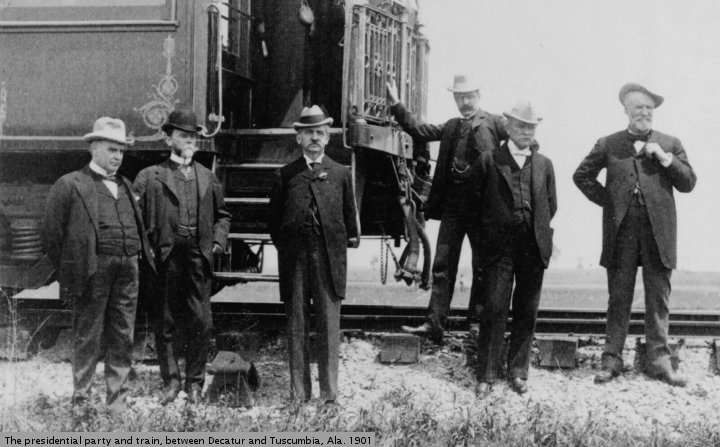
One hundred years before nine eleven, President William McKinley was near death. He had been shot September 6, 1901. Medicine at this time was primitive compared to today. During surgery after the shooting, the bullet was not removed. The University of Buffalo makes this comment: “Dr. Mann and the others were neither trained trauma surgeons nor did they bother with disinfection, not even wearing gloves. The first bullet had done little harm; the second entered McKinley’s abdomen. The physicians used improperly sanitized probes and when Mann could not find the bullet, he closed the incision without draining the wound. It was a fateful decision.”
After surgery, the President was taken to the home of John Milburn. He seemed to be recovering, but took a turn for the worse and died September 14, 2001.
President McKinley had been shaking hands at a reception. The meet and greet was at the Academy of Music, as part of the Pan American Expostion in Buffalo, New York. A letter to “The Nation” has this viewpoint. ” Whatever other results may flow from the assassination of President McKinley, let us hope that that object-lesson may be sufficient to put an end to our national habit of promiscuous handshaking in public. It is hard to conceive of a spectacle more fatuous and less edifying than that of a horde of country bumpkins, criminals, cranks, idlers, and curiosity-mongers standing in line waiting for a chance to grab and squeeze the hand of the unhappy Chief Executive of this country.”
 There were anarchists in 1901, who had murdered several European leaders. Several of McKinley’s advisors did not think the reception was a good idea, and forced him to have extra security. A writer in the Buffalo Courier observed on September 5 “The surrounding of President McKinley by a body-guard of detectives when he appears in public, is probably as distasteful to himself as it is to abstract American sentiment, but as long as the earth is infested by malevolent cranks and unreasoning Anarchists, the precaution is entirely proper.”
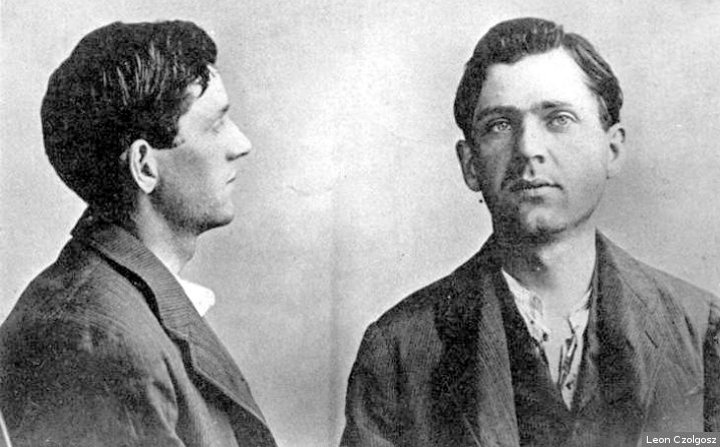
A young man named Leon Czolgosz (pronounced CHOL gosh) managed to wait in line with a concealed weapon. He was seen to shoot President McKinley. He was immediately captured, and executed October 29, 1901.
Lew Rockwell speaks of a rivalry between John Rockefeller and J.P. Morgan. Rockefeller man McKinley was replaced by Morgan supporter Roosevelt, who promptly began to break up the trusts. Another historian, connected to Lyndon LaRouche , speaks of British interests, and the rise of Confederate power. McKinley was a target of media superstar William Randolph Hearst. An editorial printed in the April 10, 1901 Journal asserted that “If bad institutions and bad men can be got rid of only by killing, then the killing must be done.”
Some say that a murder one hundred fifteen years ago does not affect us today. However, an argument could be made that the death of McKinley set in motion events that led to the establishment of the Federal Reserve System, and American participation in World War I. Both of those events have had effects lasting until today.
It is curious how President McKinley is mostly forgotten today. Some say he was most popular President since Lincoln . McKinley had been a wartime President, who won. His successor, Teddy Roosevelt, is on Mount Rushmore, and is a superstar President. Mr. Roosevelt also ran as a third party candidate in 1912, and helped to elect Woodrow Wilson. (Mr. Wilson was alleged to be a member of the “Omega Group,”rumored to be behind a McKinley conspiracy.) Mr. Roosevelt’s popularity is very different from the other three Vice Presidents who were promoted by the murder of the President. He was good at dealing with the press.
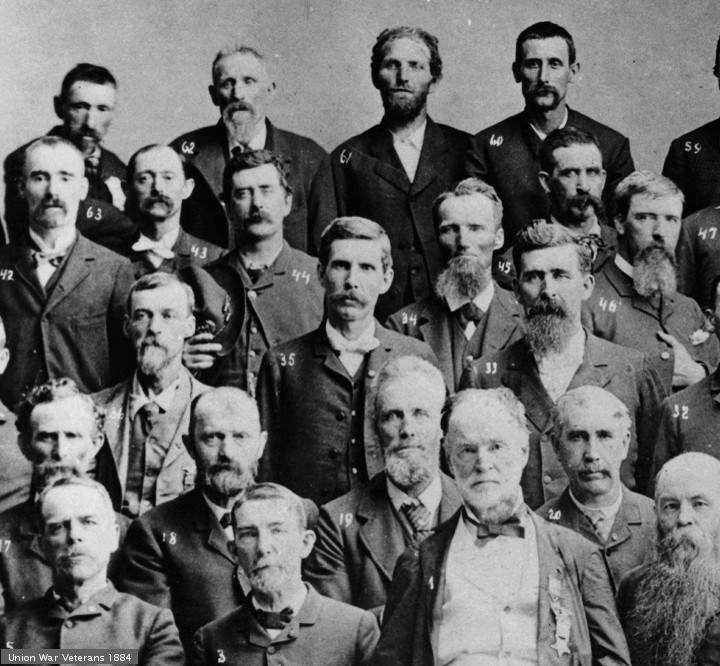
Pictures today are from The Library of Congress. This is a repost.




Was Mae West A Real Girl?



August 17 is birthday 124 for Mary Jane “Mae” West. Of course, she died in 1980, so the party is off. PG saw a note on facebook, and made the comment “She was rumored to be a man.” One right click google search later, this post started to take shape. This is a repost.
There is a blogspot site, maewest.blogspot.com. It is still published, with a birthday post today. Five years ago there was a post, Mae West: Penis Rumors. It seems as though Miss West liked to say, to the press, “When I die, you are going to be very surprised!”
A hollywood gossipmonger had a story, Was Mae West…A Man?! Much of her information comes from the tasteful findadeath site. The story here is that Mae West died in 1950, and the death was kept quiet. Her brother made appearances in her place, until the final death in 1980. This would have been quite a feat, considering that John Edwin West died in 1964. That doesn’t stop people from talking.
“…the real Mae West died somewhere around 1950, give or take a couple years, and rather than let the show stop, it was announced that not Mae, but her brother, died. Of course, the brother then became Mae West and carried on until November 1980. If you look carefully at photos from around 1950 on it definitely looks like a different person not to mention the big hands and masculine features, bone structure, etc. I may not have all the details 100% correct but I would almost put money on the fact that the ‘Mae West’ ‘who died in 1980 had a weenie!!”
The hands were mentioned by Raquel Welch. The two were in Myra Breckinridge, the first movie Miss West had made in 27 years. (Miss West appeared on Mr. Ed in 1964.) Miss Welch appeared at a film festival in 2012, and had stories to tell.
“When I went over to say hello to her (one day) I said, ‘Hi, it’s Raquel, remember?’ She sort of extended her hand to me and I went to kiss the ring and one false fingernail painted silver fell to the floor. I looked at the hand and I thought, ‘Oh, I’m getting a vibe.’ I really think she’s a man! At this point in her life all bets are off and you’re not going to be able to doll it up that much. I would say it’s pretty accurate that she resembled a dock worker in drag.” …
“I had this beautiful dress and it was black with a big white ruffle around the neck and a black velvet hat … Apparently Mae got wind of the fact that I was wearing this exquisite dress and I went to the studio that day for our scene together. I got coiffed, got my hair done and went to the closet to get the dress and it wasn’t there. I asked my dresser what happened to the dress and she said, ‘It’s been confiscated. Mae does not want you to wear that dress. You can wear the red dress that you wore in the last scene!’ … Welch was so outraged that she stormed off the set and refused to return until the dress was back in her closet. … “For the scene, we never appeared in a two-shot together. She left after she did her lines and I had someone off-camera reading her lines and I had to pretend she was there.”
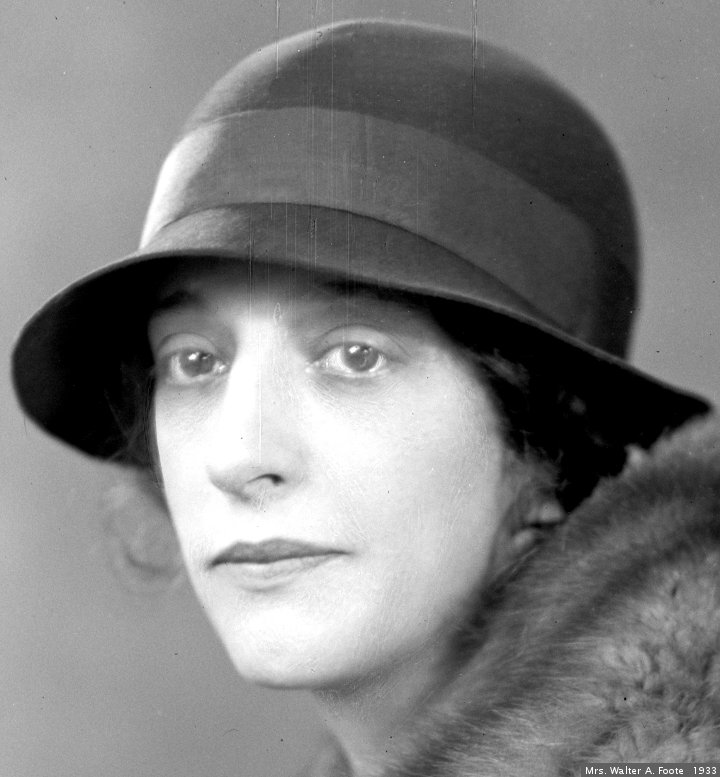
Pictures are from The Library of Congress.



White House Drug Party


On July 30, 2009, President BHO had a white man and a black man over to take drugs. They had a rather public disagreement, and BHO stupidly poured gasoline on the fire. Drugs were the answer. This is a repost.
There are those who will immediately scream that beer is legal. Yes, alcohol is legal, advertised on television, and served in the White House. It is also an addictive drug. If you take too much, it will kill you. It is easier to die using hard liquor, but the concept is the same.
There are a lot of people in the legal machinery because of drugs. Some of these drugs are legal, some are not. Your liver is not amused to hear that the alcohol it is processing is legal. Your lungs don’t care if cigarettes are legal. The worst thing about some drugs is the fact that there is a law against them.
In Dekalb County, there is something called drug court. If you are on this program, you go to endless meetings, and get screened for drugs. Every time a person is screened for drugs, a lab charges the county money to process the test. This money could be used to give school teachers a raise, or to repair the roads. Instead, it goes to testing the urine of people who got caught smoking pot.
Thursday, drug court was meeting at the same time as the White House drug party. PG attended as part of “Friends and Family” night. The alcohol industrial complex was not affected.


091118




This is my 911 story. I repeat it every year at this time. If you saw it last year, it has not changed. Every year I say this will be the last time. The wars started after 911 are still going on.
I was at work, and someone called out that someone had run a plane into the World Trade Center. I didn’t think much of it, until I heard that the second tower had been hit, then the Pentagon, then the towers collapsed, then a plane crashed in Pennsylvania.
I focused on my job most of the day. There was always drama at that facility, and concentrating on my production duties helped to keep me saner. This was roughly the halfway point of my seven year tenure at this place.
One of the other workers was a bully for Jesus. He was a hateful loudmouth. After the extent of the damage became known, he shouted “They are doing this for Allah,” and prayed at his desk. The spectacle of the BFJ praying made me want to puke.
I became alienated from Jesus during these years. Once, I had once been tolerant of Christians and Jesus, as one would be with an eccentric relative. I began to loath the entire affair. I hear of others who found comfort in religion during this difficult time. That option simply was not available for me.
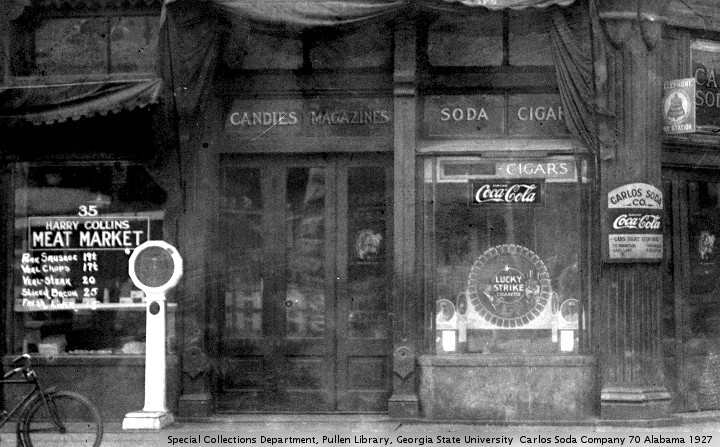
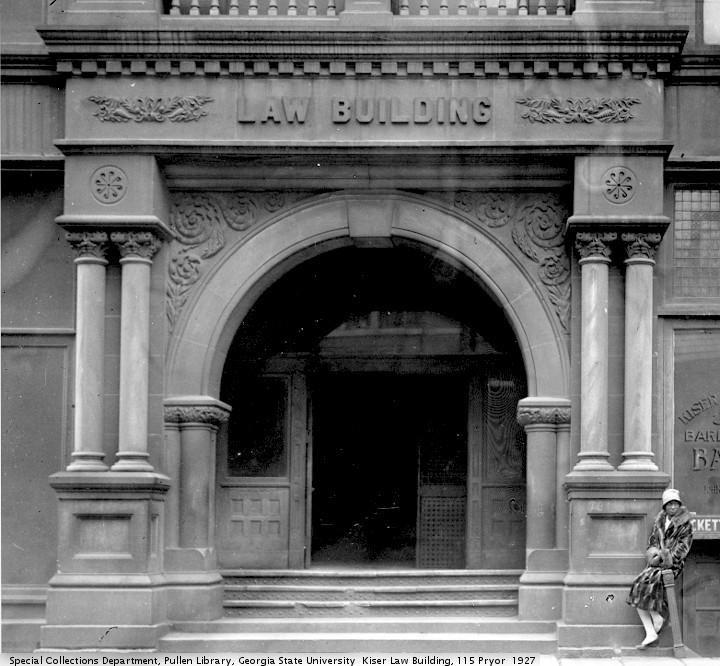
Pictures from “The Special Collections and Archives, Georgia State University Library”. “This item is part of a collection of images of downtown Atlanta streets that were taken before the viaduct construction of 1927 – 1929. Some of the covered streets became part of Underground Atlanta.”





Wonderful Tonight





Wonderful Tonight: George Harrison, Eric Clapton, and Me is the book for Pattie Boyd. Ms. Boyd has the copyright to herself, with presumed ghostwriter Penny Junor given *with* credit. The former Patricia Anne Boyd has had quite a life.
Ms. Boyd was born at a young age. Her family moved to Kenya, where they had many cool adventures. Her parents split up, her mother remarried, and her stepfather was a horrible man. The Boyds, who by now included several more children, moved back to England. Pattie went to convent school, then went to live in London. She got a job in a beauty salon, when one day someone suggested she try modelling. At times, this story sounds like a movie.
Pattie was working as a model, including some TV commercials. Richard Lester noticed her, and hired her as a school girl in “A Hard Days Night.” George Harrison noticed her, and they were soon an item. Meanwhile, swinging sixties London was in fast forward mode. Pattie Boyd plugged herself into the sex, drugs, and rock and roll lifestyle, and had her share of good times.
George wrote “Something” about his glamorous young bride. His pal Eric Clapton took note, and wrote “Layla.” Eric was in pursuit for many years, writing many beautiful love letters. Finally, as her marriage to George was winding down, Pattie took up with Eric. It was great fun for a while, until Eric’s alcoholism spoiled things. Pattie left Eric, came back, got married to him, and stuck around until Eric got another lady pregnant. (Conor Clapton died tragically in 1991.) The story goes on, and on, until the book was written in 2008. According to wikipedia, Pattie is going strong in 2018. She married Rod Weston, husband number three, in 2015.
Wonderful Tonight is a fun book to read. Penny Junor knows how to tell a story. The life of Pattie Boyd is full of struggle, as well as glamour. Many of the people, including Pattie’s sisters, struggle with addiction. One gets the sense that this, like many autobiographies, puts the subject in the most flattering light possible. There is probably another side to many of these stories. If they can be told as skillfully as this one is, these stories would be worth reading.
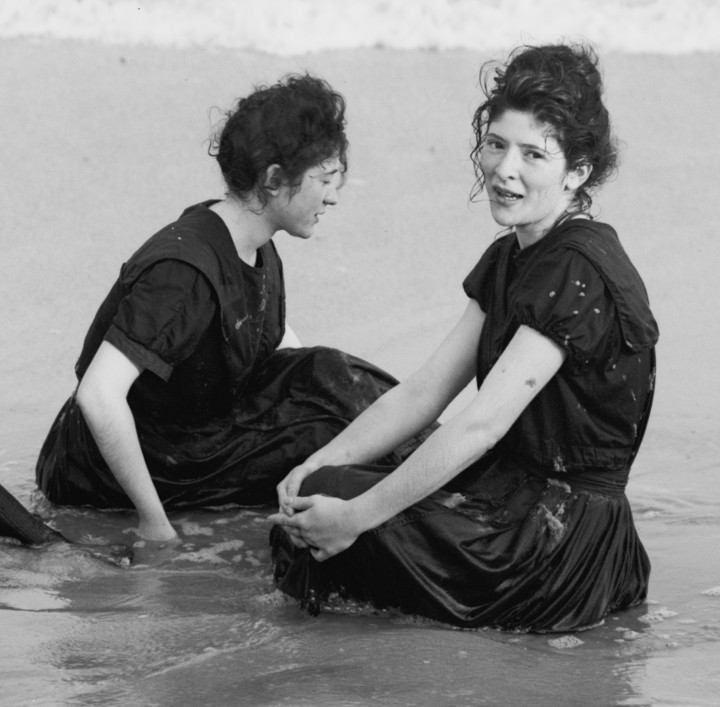
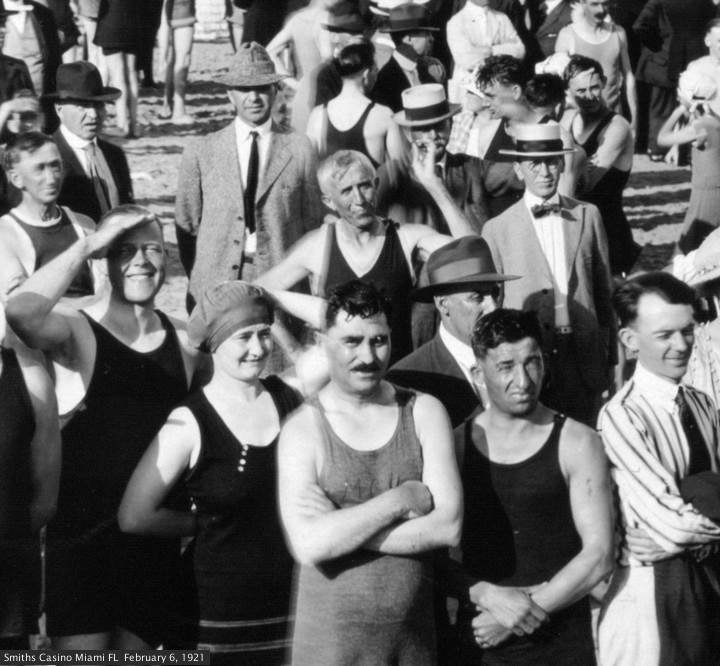
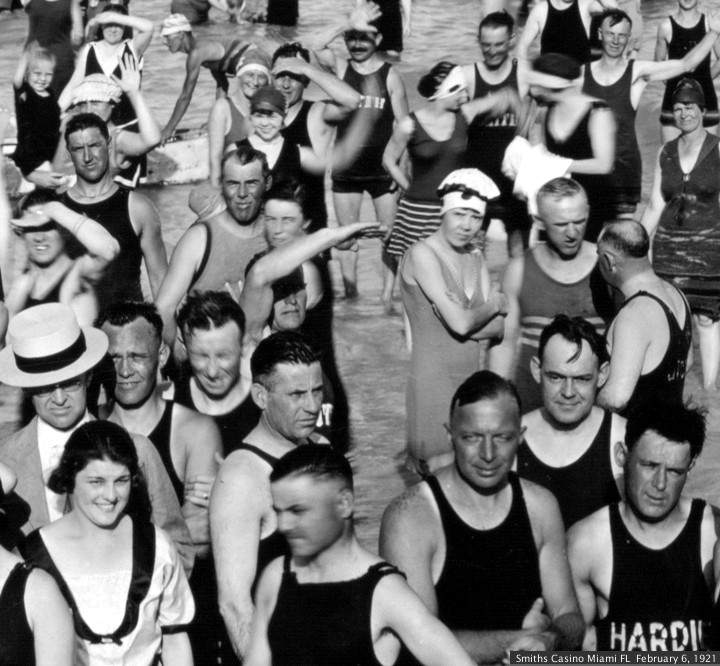
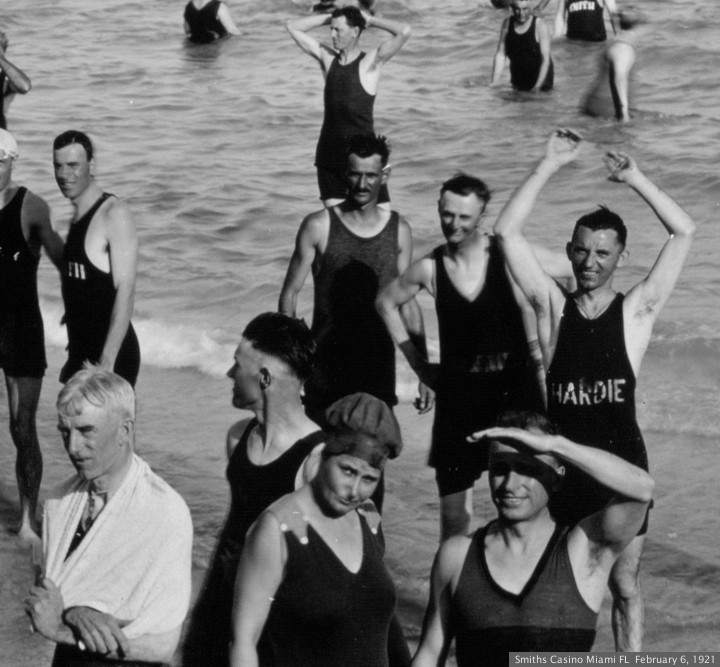
Pictures today are from The Library of Congress. “Winter bathing, Smiths Casino, Miami, Feb. 6, 1921″ W. A. (William A.) Fishbaugh, copyright claimant … No renewal found in Copyright Office.

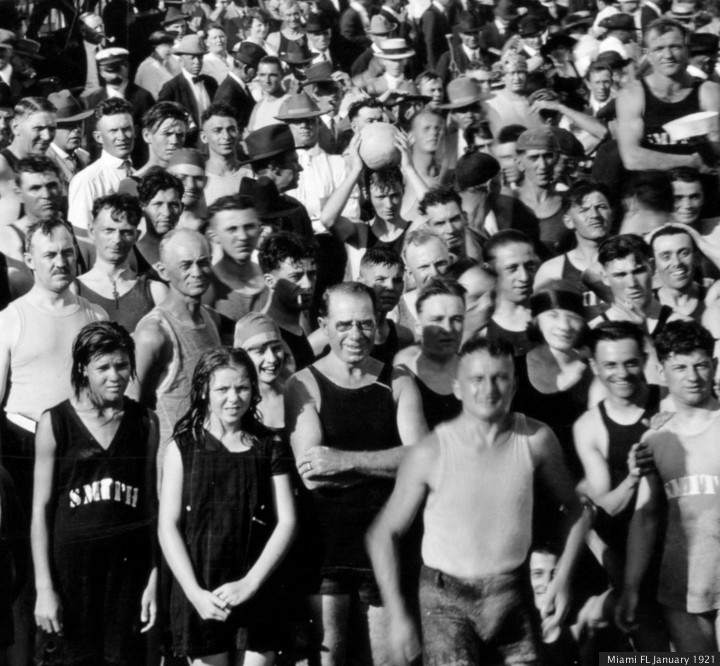


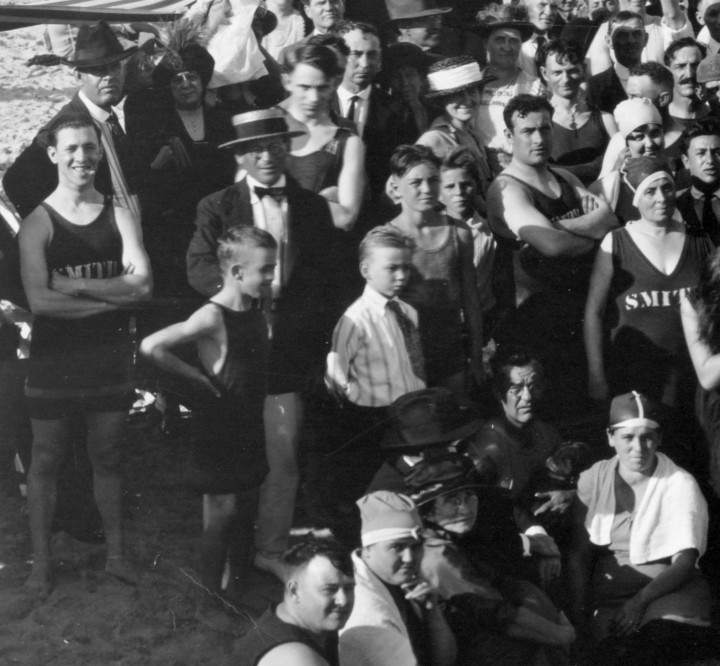


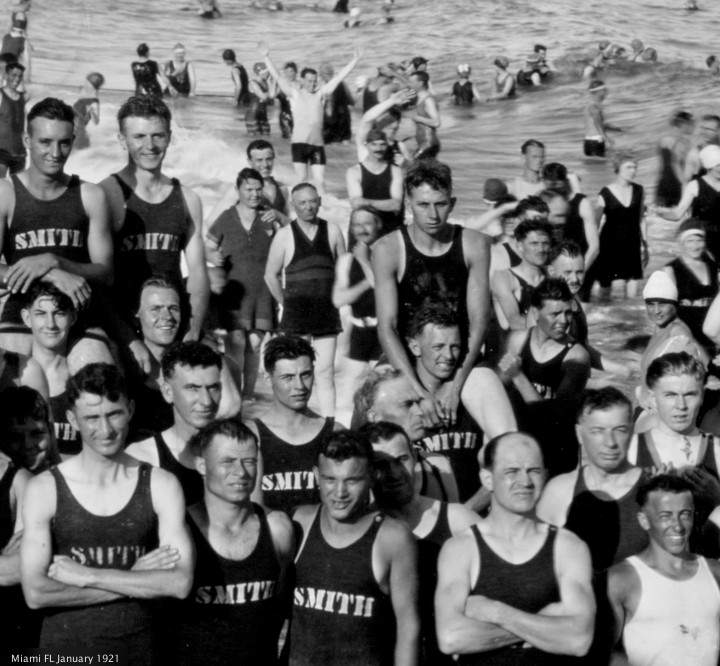


Julian Carr And Silent Sam
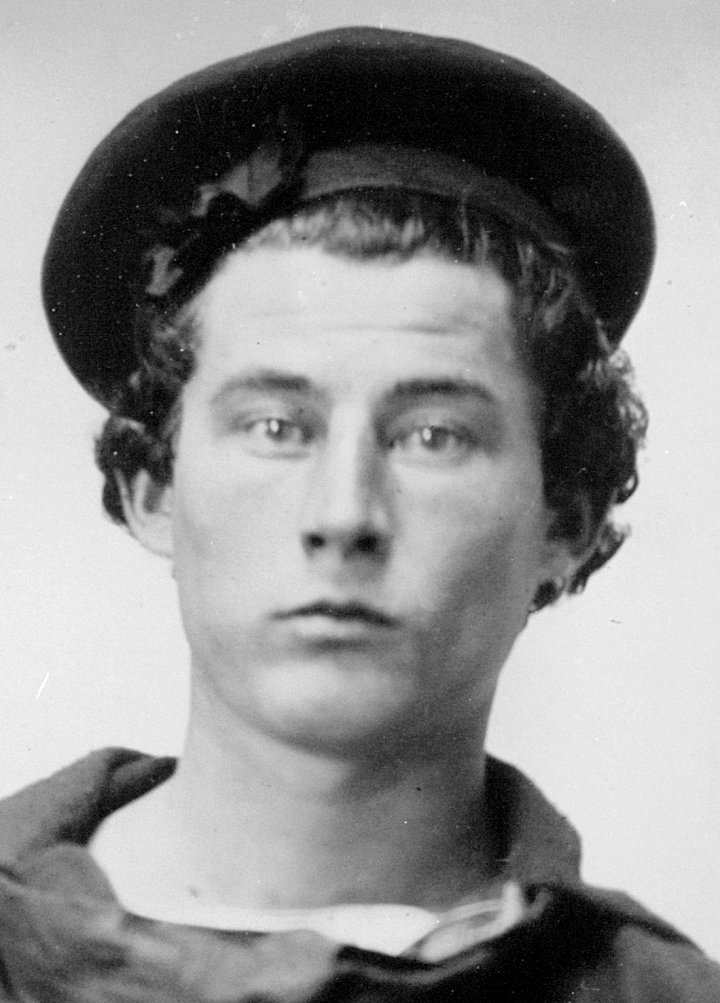
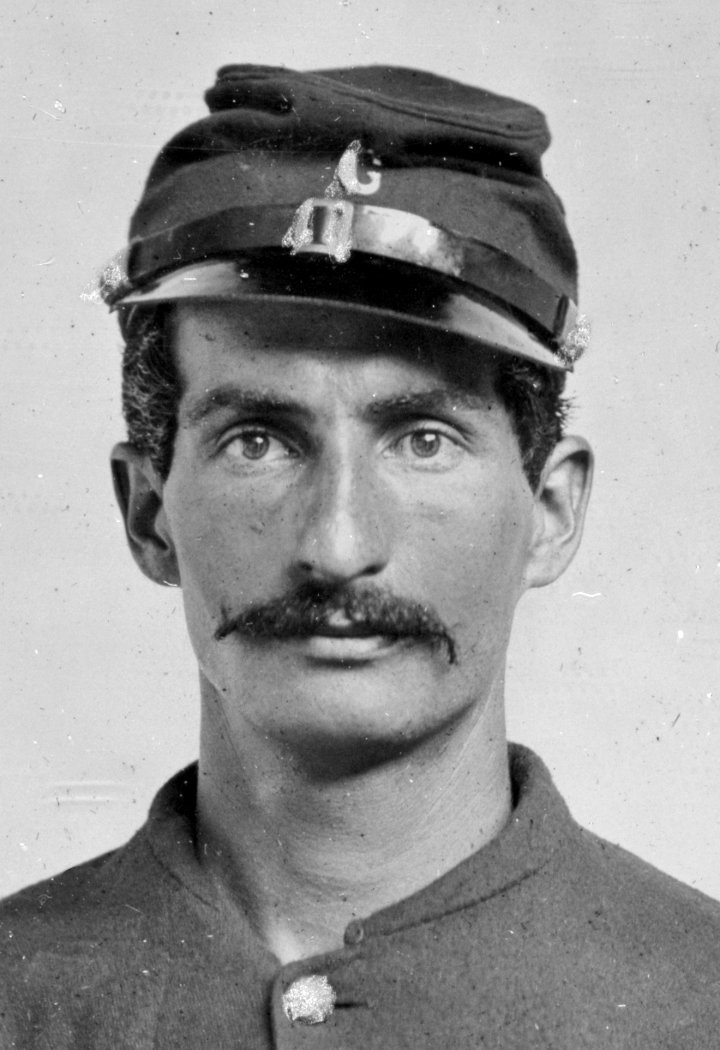

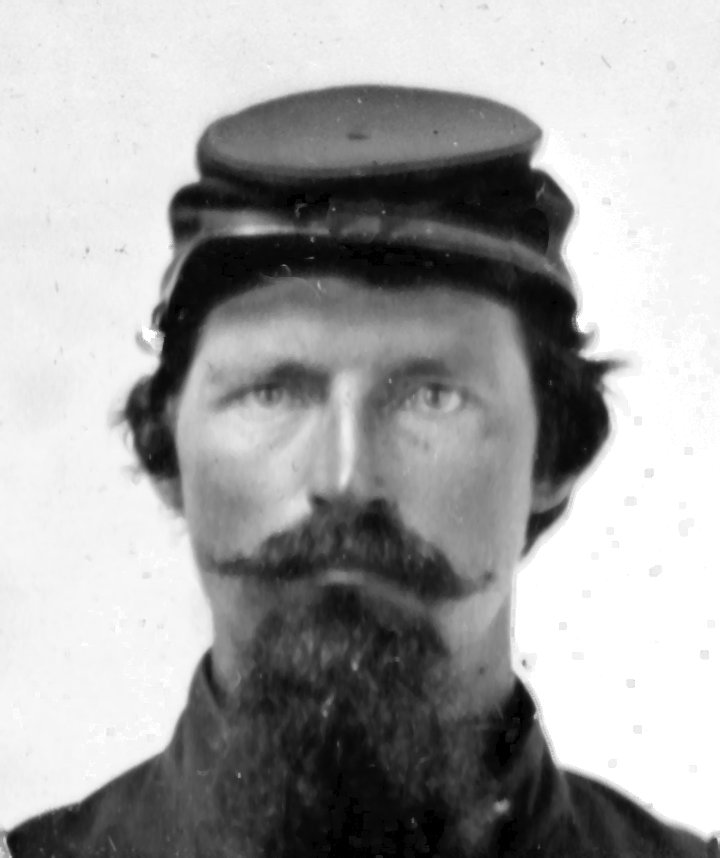
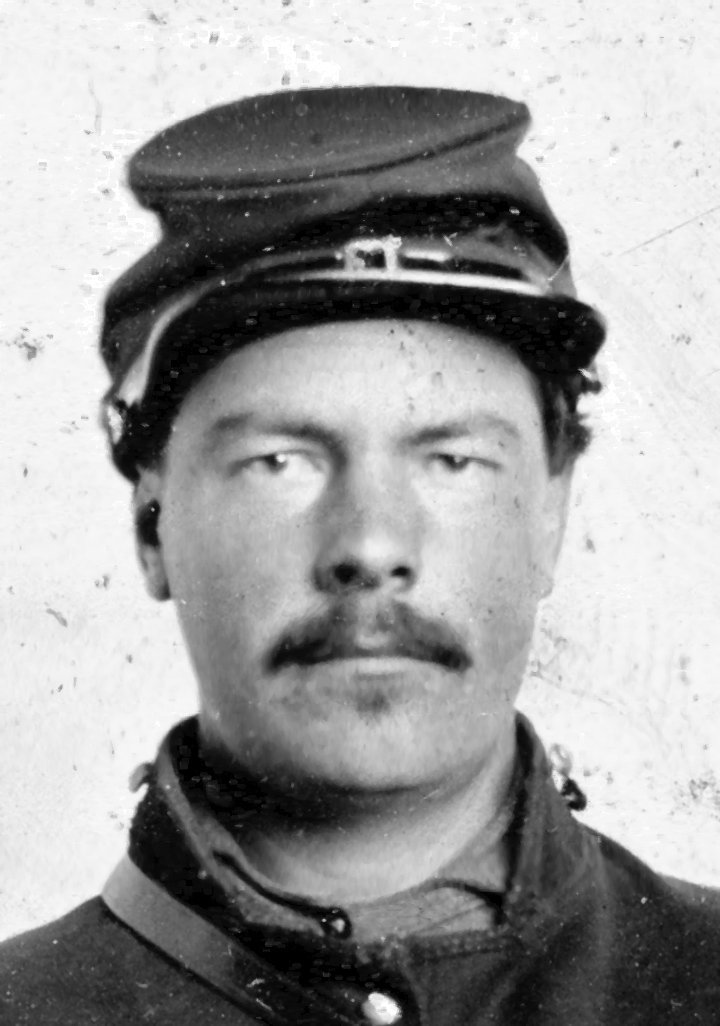
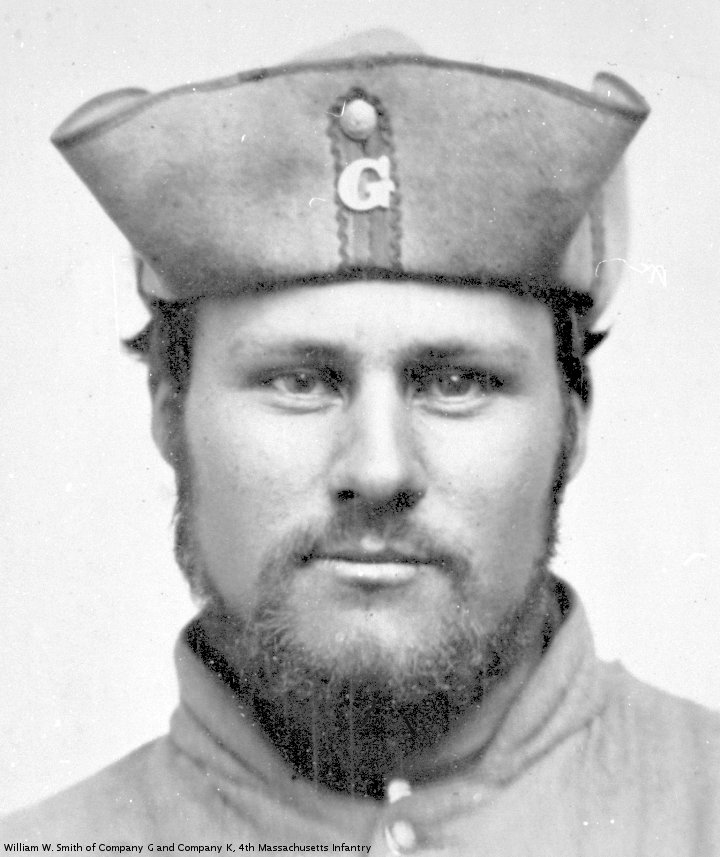
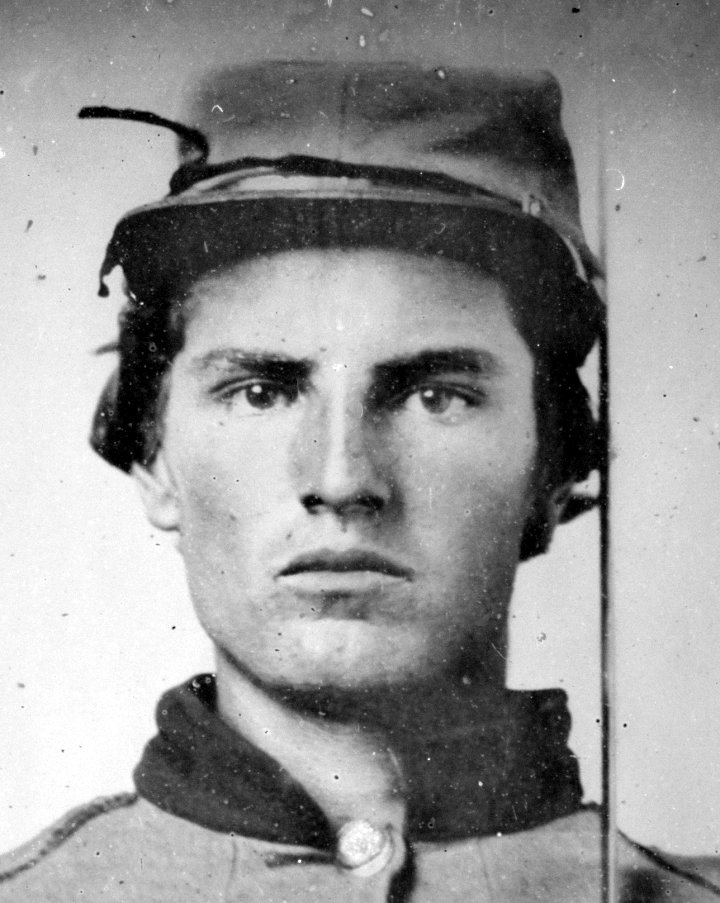
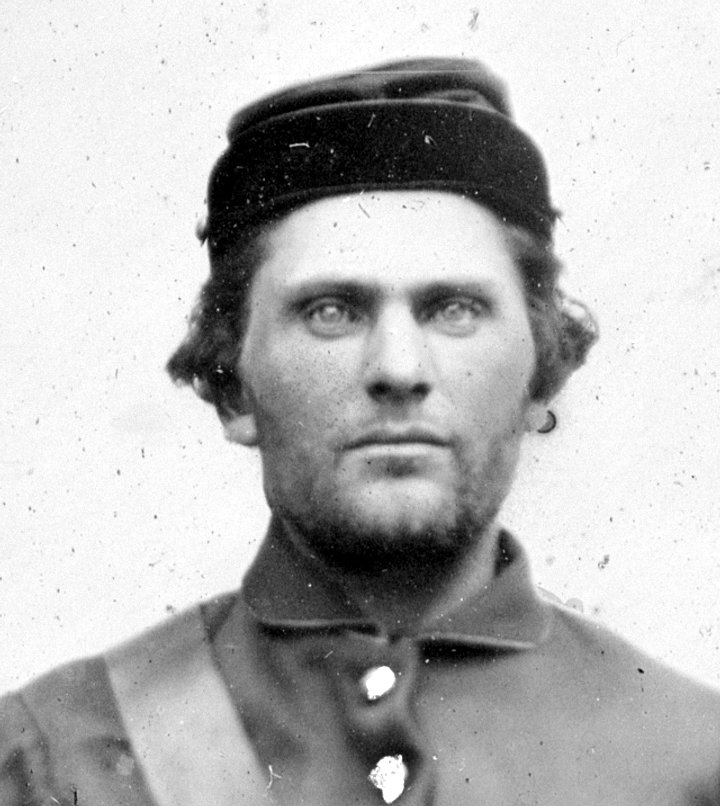

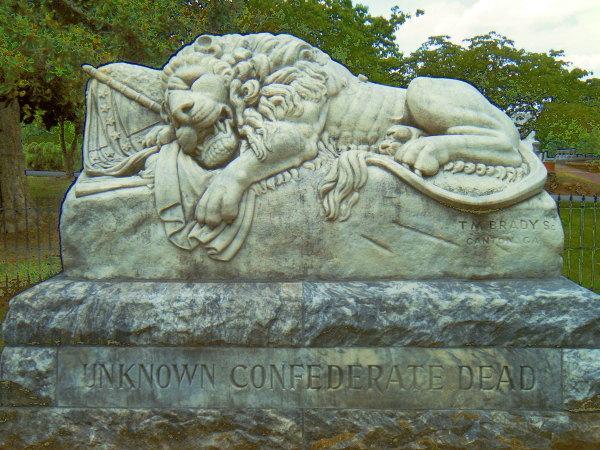
A Confederate monument was torn down last night in Chapel Hill NC. The statue, known as “Silent Sam,” was intended as a monument to students who left school to fight in the War Between the States. “In 1913, the Daughters of Confederacy, after four years of fundraising, paid sculptor John Wilson, a Canadian, $7500 for the statue. Wilson used a Boston-man, Harold Langlois, as the model. It’s unclear, however, if those attending Silent Sam’s dedication knew they were celebrating a Yankee’s profile. Silent Sam was among many “Silent Sentinels,” – statues of soldiers without cartridge box, soldiers who could no longer fire a shot – that were manufactured and bronzed in the North and then sent down south for public display. Many of these statues look remarkably similar. Like Silent Sam, they also face north, toward the Union.”
Many of the comments today quote a speech made at the 1913 unveiling. The speech was by Julian Carr, a prominent businessman and philanthropist. Mr. Carr is considered, with some justification, to have been a white supremacist. A Confederate veteran, Mr. Carr appears to have been a complex man, who did both good and harm.
This tweet is typical of today’s discourse. @jjones9 “From white supremacist Julian Carr’s speech at the dedication of Silent Sam in 1913.” The tweet features a screen shot, of a quote from the 1913 speech. “I trust I may be pardoned for one allusion, howbeit it is rather personal. One hundred yards from where we stand, less than ninety days perhaps after my return from Appomattox, I horse-whipped a negro wench until her skirts hung in shreds, because upon the streets of this quiet village she had publicly insulted and maligned a Southern lady, and then rushed for protection to these University buildings where was stationed a garrison of 100 Federal soldiers. I performed the pleasing duty in the immediate presence of the entire garrison, and for thirty nights afterwards slept with a double-barrel shot gun under my head.”
What was the rest of the speech? A bit of research turned up a transcript, Julian S. Carr, “Unveiling of Confederate Monument at University. June 2, 1913.” The rest of the speech has little in common with the “one allusion.” The speech sounded like the memorials to fallen soldiers in many other wars. “They served, they suffered, they endured, they fought, [and died – crossed out] for their childhood homes, their firesides, the honor of their ancestors, their loved ones, their own native land.”
Mr. Carr’s theme is defense of a the homeland. When the War broke out, the concept of a United States, ruled by a strong federal government, was less accepted than it is today. Many people in the South saw it as a failed experiment. Slavery was an important issue in the decision to secede, along with economic matters that do not get twenty first century people worked up. Slavery is not mentioned in the 1913 speech.
“Of the students and alumni of the University of North Carolina, about 1800 entered the Confederate army … . The University had in the service 1 lieutenant-general, 4 major-generals, 13 brigadier-[page break 8] generals, 71 colonels, 30 lieutenant-colonels, 65 majors, 46 adjutants, 71 surgeons, 254 captains, 161 lieutenants, 38 non-commissioned officers and about 1000 privates. I regard it as eminently appropriate to refer briefly at his point to the magnificent showing made by our state in the military service of the Confederacy. … The entire Confederate loss on the battlefield was 74,524, of which North Carolina’s share was 19,673, or more than one-fourth; 59, 297 died of disease, and of these, 20,602 were North Carolinians.”
“And I dare to affirm this day, that if every State of the South had done what North Carolina did without a murmer [sic], always faithful to its duty whatever the groans of the victims, there never would have been an Appomatox[sic]; Grant would have followed Meade and Pope; Burnside, Hooker, McDowell and McClellan, and the political geography of America would have been re-written.”
There are three other noteworthy quotes in the speech. “Even the great Northern universities – Harvard, Yale and Princeton – furnished quotas of soldiers for the Confederate ranks. From Harvard came 257, of whom 58 were killed in battle and 12 died in the service, and in this large list appear 8 brigadier-generals and 5 major-generals. Of the graduates and students of Yale, 48 entered the Confederate service, and of these 8 were killed in battle or succumbed to disease. At Princeton 55 men left the University, early in 1861, to enter the Confederate service, and from the somewhat incomplete records of that University it appears that a considerable percentage of these young men were killed in battle, or died from disease.”
“Permit me to refer at this point to a pleasing incident in which that distinguished son of the South, Woodrow Wilson, President of the United States, had the leading part. A year or two ago diplomas were given by our University to all the students who had interrupted their studies to enter the military service of the Confederacy. Mr. Wilson, then President of Princeton University delivered these diplomas. One man only of the Class [handwritten – that Matriculated in 1862] wearing the Confederate uniform, came forward to receive that highly prized token. It was the humble individual who now addresses you. At the dinner, later in the day, Professor Wilson greeted me with the remark that in many years nothing had so much touched and warmed his heart as the sight of that Confederate uniform.”
The speech went on and on, and sounded much like any other memorial. Once again, it should be noted that defense of the homeland received much more notice than a defense of slavery. The speech ended with these words: “In the knowledge of subsequent developments, the progress, peace and prosperity of our united, common country, victor and vanquished now alike believe that in the Providence of God it was right and well that the issue was determined as it was. And the people of all sections of our great Republic, moved by the impulse of sincere and zealous loyalty, of fervent and exalted patriotism may say: “All is well that ends well.”
“Again, dear Daughters of the Confederacy, I thank you in the name of the eighteen hundred brave, loyal, patriotic, home-loving young student soldiers who went out from this grand old University to battle for our Southern rights and Southern liberties, five hundred of whom never came back. God bless every one of you, and every Daughter of the Confederacy in our dear Southland.”
Pictures today are from The Library of Congress.




Coat Of Many Colors



PG saw a story, and thought about the song, “Coat of many colors”. The b side was by Porter Wagoner, “Coat of many sequins”. COMC is about a woman who is too poor to buy her little girl a coat at the store, so she makes a quilt. The other kids make fun of her, but little Dolly knows that the coat is really made of love.
The song talks about a story in the Bible. PG had heard about the story, but didn’t remember the details. He must have been daydreaming in Sunday School when that story was taught. With the help of google, Genesis 37 appears, as if by magic. Pass the popcorn.
2 These are the generations of Jacob. Joseph, being seventeen years old, was feeding the flock with his brethren; and the lad was with the sons of Bilhah, and with the sons of Zilpah, his father’s wives: and Joseph brought unto his father their evil report.
3 Now Israel loved Joseph more than all his children, because he was the son of his old age:
and he made him a coat of many colours.
4 And when his brethren saw that their father loved him more than all his brethren, they hated him, and could not speak peaceably unto him.
Ok, hold on for a minute. Israel had at least two wives. The Biblical definition of marriage must be between a man and two women.
The story gets a bit weird here. Joseph has this dream, where he becomes the boss hog brother. The other brothers decide something needs to be done, that Joseph needs to die. Reuben tries to help Joseph, and has a plan to save him. Joseph is stripped of the coat of many colors, and placed in a pit, with no water. Before Reuben can sneak Joseph out of the pit, a camel caravan comes by. Twenty pieces of silver change hands, and Joseph is sold into slavery. The brothers decide to pull a cover up, and make it look like Joseph was dead. Reuben made another sandwich.
31 And they took Joseph’s coat, and killed a kid of the goats, and dipped the coat in the blood;
32 And they sent the coat of many colours, and they brought it to their father; and said,
This have we found: know now whether it be thy son’s coat or no.
33 And he knew it, and said, It is my son’s coat; an evil beast hath devoured him;
Joseph is without doubt rent in pieces.
34 And Jacob rent his clothes, and put sackcloth upon his loins, and mourned for his son many days.
35 And all his sons and all his daughters rose up to comfort him; but he refused to be comforted;
and he said, For I will go down into the grave unto my son mourning. Thus his father wept for him.
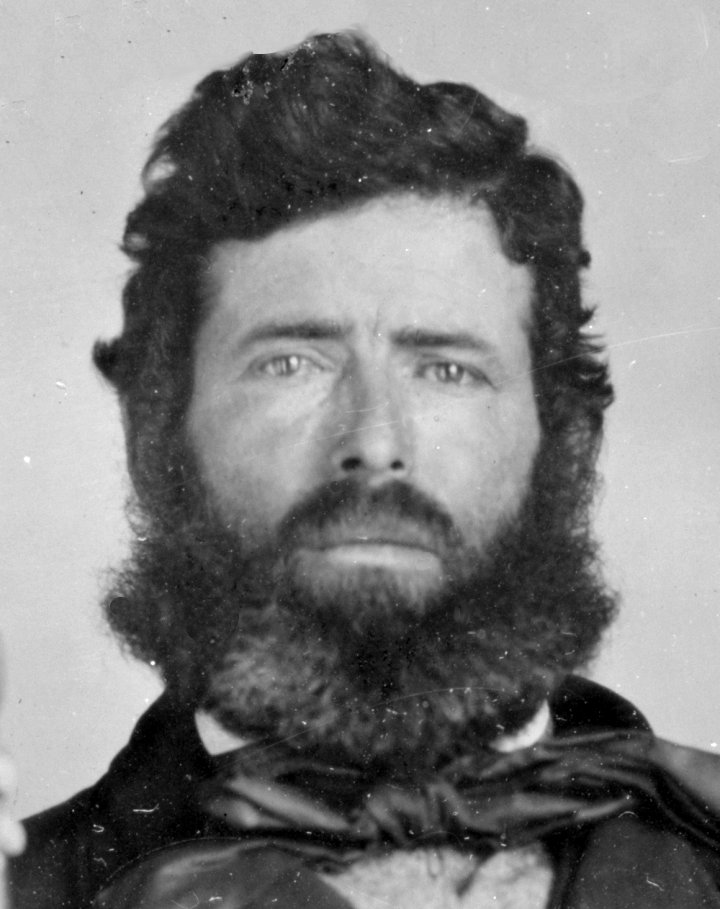
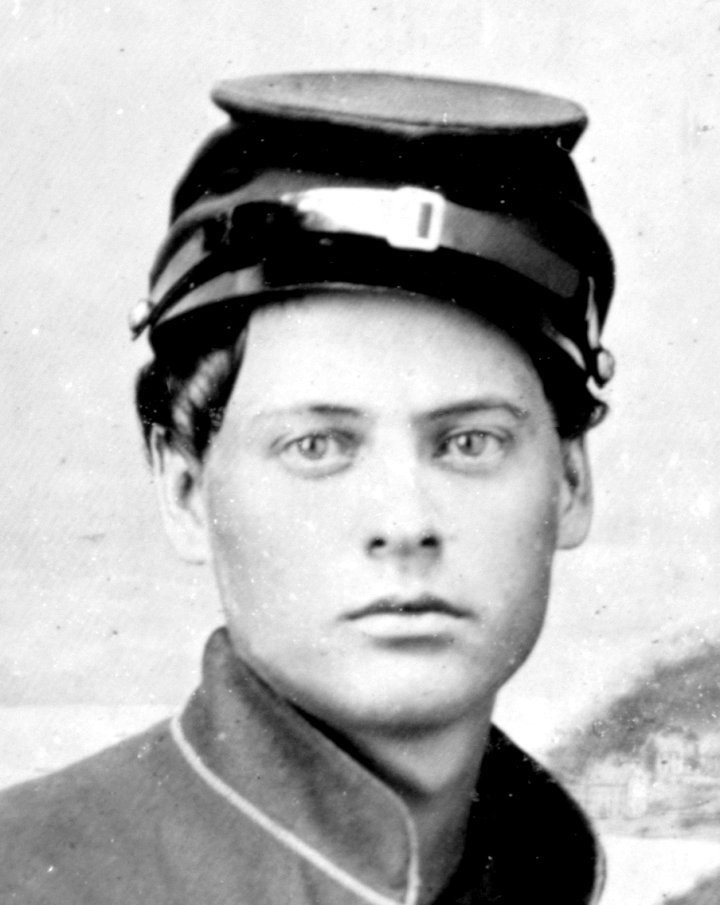
This feature was originally posted in 2012. The pictures, from The Library of Congress, are 6 years older. Dolly Parton is 6 years younger.




2 comments