Frank Zappa




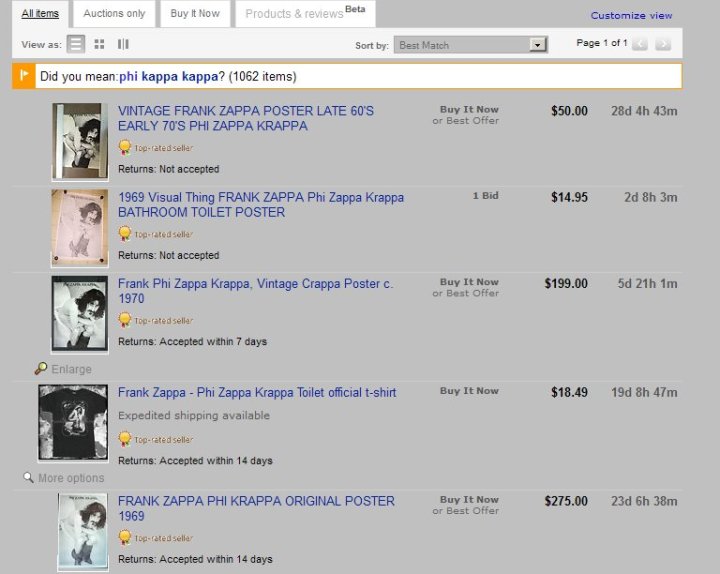
The first time PG saw the word Zappa, it was on an item at the Poster Hut. It showed a man sitting on a commode, with the words Phi Zappa Krappa rendered above. The poser, Frank Zappa, later said “I’m probably more famous for sitting on the toilet than for anything else that I do.”
It was 1969, give or take a bit. FZ was already well known in some hip circles. His band, the Mothers of Invention, played at something called the Cosmic Carnival at Atlanta Stadium, where the music lovers were actually allowed onto the field. PG paid $1.98 for a copy of We’re Only in It for the Money at the Woolco on Buford Hiway. Years later, he would pay $16.00 for a CD of this piece of work.
The records started to come out like clockwork, with or without the Mothers. FZ started to become a star, with an appeal to druggies who fancied themselves intellectual. It should be noted that FZ was notoriously anti drug. His music made fun of the establishment and counterculture with equal glee. FZ was also a capitalist, known to be tight fisted when it came to paying hired hands. He stayed with his second wife, Gail, until his death, and produced four children… Moon Unit, Dweezil, Ahmet Emuukha Rodan and Diva Thin Muffin Pigeen.
The concerts came to town every year or so, and people liked them. A show at the Fox Theater in 1974 may have caught FZ at his peak. PG heard the raves about this show until he bought a ticket for his next show. This was in 1975, at the Municipal Auditorium. PG brought a half pint in with him, and didn’t remember a lot later, except some song about the Illinois Eneman Bandit.
Life goes on. Nine years later, FZ was in legal hell with a former manager, and could only make money by touring. One night, a friend had an extra ticket to a show. PG arrived after the band had started, and FZ was playing a fine guitar solo. This was going to be good.
Only it wasn’t. The rest of the show was social commentary. The man had opinions on everything, and was generous with them. At one point, the band started to sing “He’s so gay”, while a double headed dildo was lowered from the ceiling. PG thinks he heard FZ sing “one day you might be gay too”, but by then it really didn’t matter.
Frank Zappa was many things to many people. He had lots of opinions, which were dutifully recorded by the press. Here are a few .
Rock journalism is people who can’t write, interviewing people who can’t talk, in order to provide articles for people who can’t read.
I think that if a person doesn’t feel cynical then they’re out of phase with the 20th century. Being cynical is the only way to deal with modern civilization, you can’t just swallow it whole.
When God created Republicans, he gave up on everything else.
Let’s not be too rough on our own ignorance; it’s what makes America great!
The U.S. is a mere pup tent of a civilization. We’ve got two hundred years of stupidity behind us. We think we’re right up there with everyone else who’s been doing it for thousands of years.
Beauty is a pair of shoes that makes you wanna die.
He wrote this book here, and in the book it says he made us all to be just like him! So if we’re dumb, then God is dumb — and maybe even a little ugly on the side.
Remember there’s a big difference between kneeling down and bending over.
Do you think you are protecting somebody by taking away seven words?
For the record, folks; I never took a shit on stage and the closest I ever came to eating shit anywhere was at a Holiday Inn buffet in Fayetteville, North Carolina, in 1973.
There is no hell. There is only France.
The United States is a nation of laws: badly written and randomly enforced.
This is a repost. one, two, three, four posts are used. Your archive is your friend.





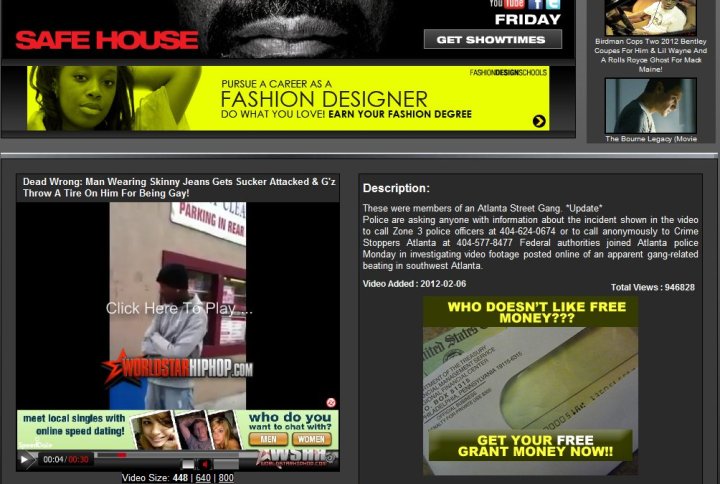
Former Dunwoody resident Aquarium Drunkard weighs in today with a nifty video. It is Frank Zappa, appearing on a TV show discussing censorship. FZ more than holds his own, and makes many good points about the nature of language and censorship. His contention is that censorship is about words, and that words in and of themselves are powerless. Wikipedia contributes this quote: “What do you make of a society that is so primitive that it clings to the belief that certain words in its language are so powerful that they could corrupt you the moment you hear them?”
I was in high school when I first heard about Frank Zappa. It was in the original Poster Hut, a ramshackle building on Cheshire Bridge Road that is vacant 50 years later. (The building serves in 2020 as a Hookah Hookup. There was a poster, with the words PHI ZAPPA KRAPPA Below the saying was a picture of Frank Zappa on a commode.
I did not get that poster of PZK, but I did get a dayglo poster of Janis Joplin. I didn’t notice the exposed nipple on the drawing. When Mom saw it, she was horrified. ” I trusted you!” In my shame, I took a magic marker and covered over the fluorescent fuchsia mammary.
Back to FZ on CNN. The guitar picker made a lot of sense. One of the pundits threw the founding fathers at FZ, who replied that the FF were slave owners and that Ben Franklin was a wildman. FZ said we were heading to a fascist theocracy. Are we there yet? One whiner mentioned that his band was called the Mothers of Invention. FZ did not mention that the original name had been the mothers, and a record label made them add “of invention”.Finally, the four man part of the show was over. The two primary whiners agreed that rock music had some gnarly words, but did we really trust the government to intervene.
We have time for one more story. Al Capp, born Alfred Gerald Caplin, was a piece of work. At the age of nine, a trolly accident cost Mr. troll Capp his left leg. Years later, an urban legend arose. “in a televised face-off, either Capp (on the Dick Cavett Show) or (more commonly) conservative talk show host Joe Pyne (on his own show) is supposed to have taunted iconoclastic musician Frank Zappa about his long hair, asking Zappa if he thought he was a girl. Zappa is said to have replied, “You have a wooden leg; does that make you a table?” (Both Capp and Pyne had wooden legs.)




Recently, the world of flaky internet quotes has discovered Frank Zappa. The “sexually incontinent rock innovator” died December 4, 1993. (His wife Gail passed away October 7, 2025.) Recently, some alleged quotes have hit the ether. Some people need to get out more. This is a repost.
This item was recently featured in chamblee54. @SlavojTweezek “”Communism doesn’t work,” Frank Zappa said, “because people like to own stuff.” Idiot. What do people’s likes have to do with communism?” This quote is plausible. Frank Zappa was a capitalist. He liked owning stuff, especially his own music. It should be easy to find a source. However, the best google can come up with is a compilation, “Quotes of Zappa,” in W. C. Privy’s Original Bathroom Companion.”
This morning, facebook had a meme. It had a picture of FZ, with the quote “Politics is the entertainment division of the military-industrial complex.” In the time that it takes to say Camarillo Brillo, Mr. Google turned up a reddit commentary.
“While the quote is frequently listed as, ““Government is the entertainment division of the military-industrial complex,” I could find no primary source. It appears to contradict the actual quote from a 1987 interview with Keyboard magazine where he is decidedly pro-government but anti-bullshit politics.” (FZ did say “art in the service of politics usually makes for boring art.” Why do people make up quotes for memes, when the real thing is better?)
Speculating what a dead man would say is a tricky business. FZ was known for strong opinions, and a finely tuned BS detector. (That is bovine excrement, not Bernie Sanders.) FZ died while the internet was just getting started, and years before some of today’s permutations and perversions. It is easy to imagine FZ making rude comments about people misquoting dead guitar heroes.
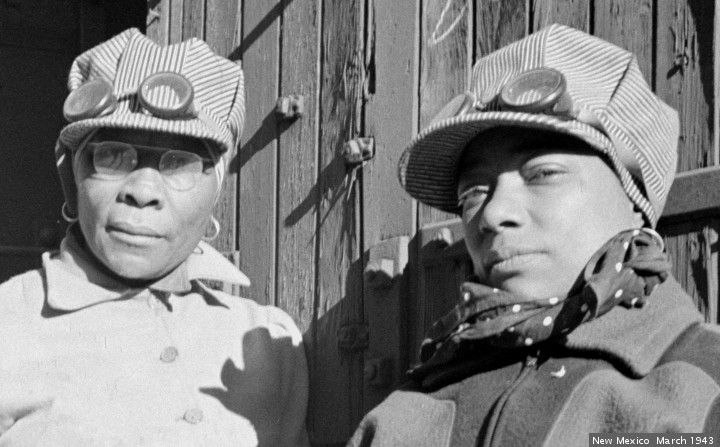
Speaking of politics and cynical guitar cadavers, the current poster boi for trendy privilege is Bernie Sanders. If you “feel the Bern,” you might want to skip over the rest of this post, and look at the pictures. (These pictures are from The Library of Congress.) While BS is arguably less evil than Hitlery, he still leaves a great deal to be desired. BS is making extravagant promises that he will be totally unable to keep. BS is taking the concept of telling people what they want to hear to new depths. Yes, this is part of what FZ meant when saying rude things about politicians.
Today, PG saw a fundraising appeal for BS. Against his better judgment, PG made the comment “Bernie $anders.” The fun started almost immediately.
This campaign is for monthly recurring contributions. And Luther, campaigning requires money. The alternative to grassroots support is a country run by wealthy interests. Which would you prefer? ~ I realize that campaigning for political office requires money. My comment was a bit of recreational $nark. B$ can take a joke. … “The alternative to grassroots support is a country run by wealthy interests.” I am not sure about that comparison. Hitlery can make more in one corporate blowjob than BS can in a month of grass roots support. BHO did not get a billion dollars for his reelection from five dollar contributions. While the concept of grassroots support is uplifting, the sordid reality is that we live in a bribe-ocracy. ~ Your cynicism is less than accurate and certainly less than appealing. ~ Luther, just don’t vote and stay out of discussions about voting. OK?











The current WTF Podcast features Moon Zappa. At no time does she say grody, gag me with a spoon, or boofoos. Today, she is the divorced mother of an eight year old, and buys quality apple butter.
Moon is the daughter of the late Frank Zappa. FZ did not do drugs, smoked Winston cigarettes, and spent all his time working on music. The four children, Moon Unit, Dweezil, Ahmet and Diva, called the parents Frank and Gail. Mrs. Zappa stays busy these days selling her husbands music.
Once, Moon broke a finger in school. She called Gail, and waited. Eventually, the family Rolls Royce pulled up. Gail was driving, with Frank in the passenger seat. Frank quit driving when his first drivers license expired. Before taking Moon to the ER, they stopped to get Frank a burrito.
Gail and Moon were walking to the store one day, when Moon was very little. A car stopped, and tried to pick up Gail. Moon screamed “Fuck off pervert.”
Captain Beefheart was at the Zappa house one time. He had made a hole in the side of his nose with a pencil. When a finger was put over the other nostril, the nose became a whistle.
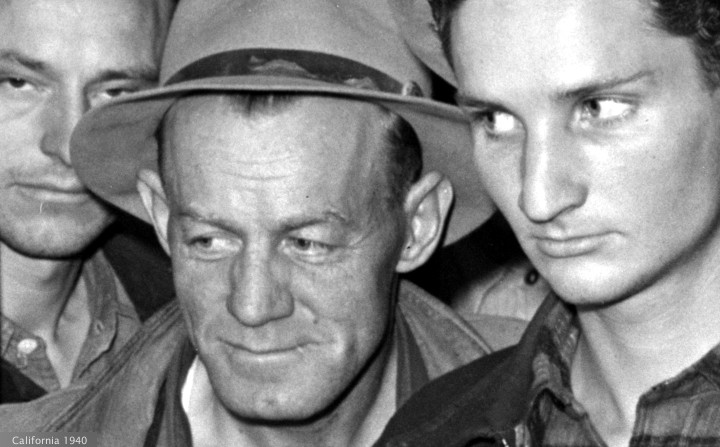
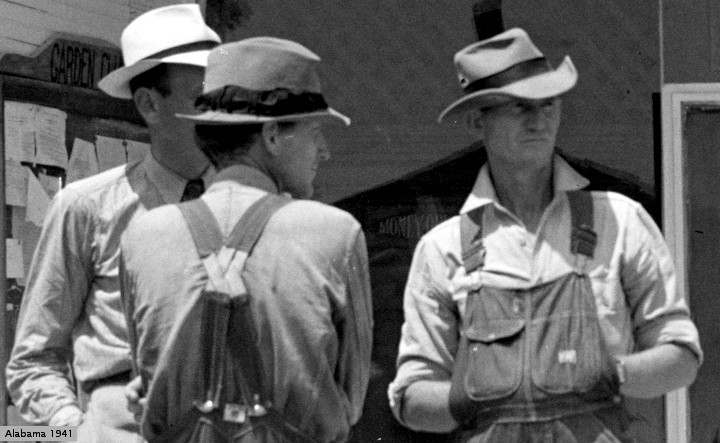
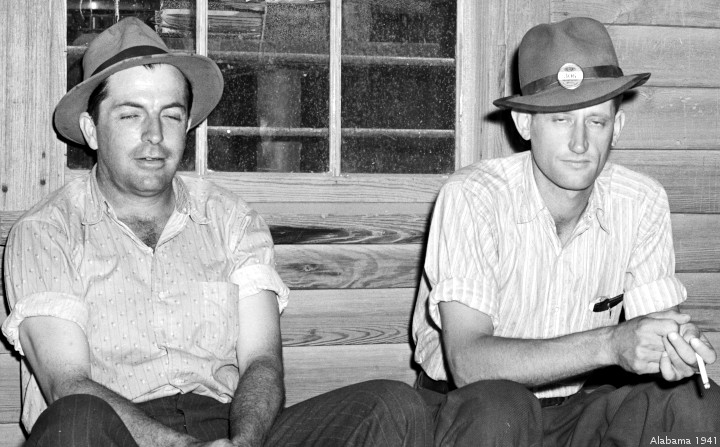
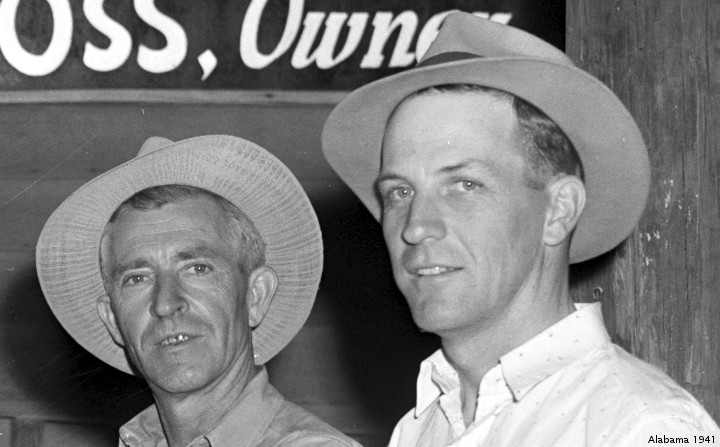
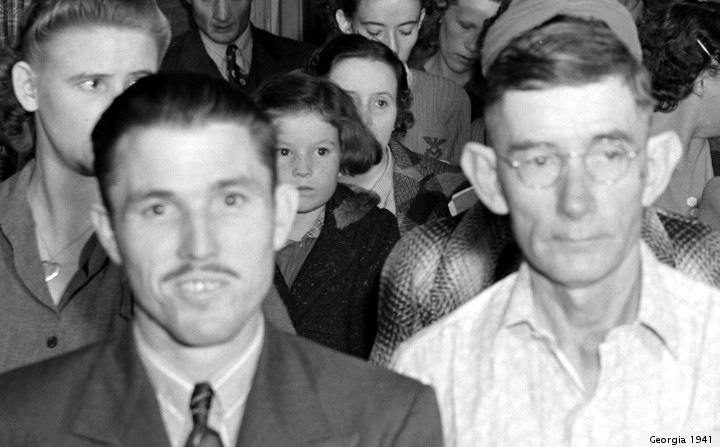
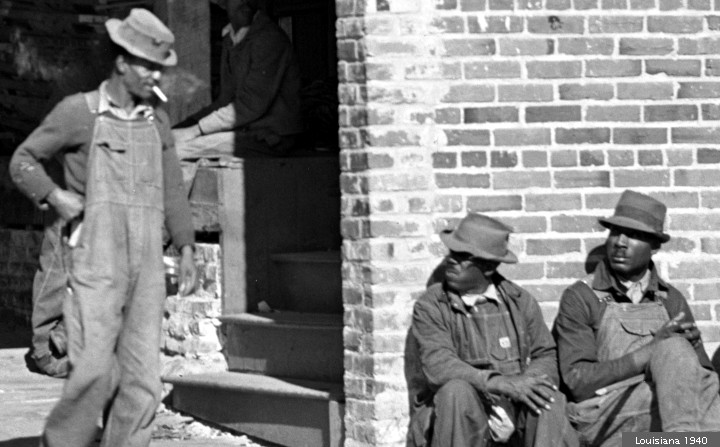
While listening to this show, PG was editing pictures from The Library of Congress. Some of these images appear with this feature.


Billie Holiday Stories



How ‘Strange Fruit’ Killed Billie Holiday turned up in a facebook feed yesterday. The article states that Harry Jacob Anslinger “the first commissioner of the U.S. Treasury Department’s Federal Bureau of Narcotics,” ordered Billie Holiday to quit performing “Strange Fruit.” When the chanteuse declined, Mr. Anslinger had her arrested for heroin possession. Later, Mr. Anslinger was allegedly responsible for busting Miss Holiday on her deathbed.
The Hunting of Billie Holiday was the source given for the claim about Mr. Anslinger and “Strange Fruit.” The Politico article does not say that Mr. Anslinger ordered Miss Holiday to quit singing “Strange Fruit.” It does say that Louis McKay, one of the many no-good men in Miss Holiday’s life, narked her out. The bust was in 1947, after she had been performing “Strange Fruit” for several years. (Lady Sings The Blues says that Louis McKay was not in Miss Holiday’s life in 1947.)
Politico had one comment that set off the bs detector. “One day, Harry Anslinger was told that there were also white women, just as famous as Billie, who had drug problems—but he responded to them rather differently. He called Judy Garland, another heroin addict, in to see him.” Frances Gumm was well known for having substance abuse issues. The heroin business was news to a lot of people.
Johann Hari was the author of the politico article. At the time, he was promoting a book, Chasing the Scream, about the war on drugs. Johann Hari has a spotted reputation. “The author used to be the Independent’s star columnist, a prolific polemicist and darling of the left, until his career imploded in disgrace when it emerged in 2011 that many of his articles contained quotes apparently said to him but in fact lifted from his interviewees’ books, or from previous interviews by other journalists.”
The final bust, as Miss Holiday lay dying in the hospital, is part of the legend. A google search does not show what agency was responsible. Harry Anslinger may have been involved, and it may have been someone else. By this time, Elanora Fagan was in bad, bad shape. Years of drinking, and hard drugs, had worn her out. While the hospital bust may have hastened her demise, it is a bit of a stretch to say the Harry Anslinger killed Billie Holiday, because she sang “Strange Fruit.”
This is a repost. Pictures today are from The Library of Congress.







Lady Sings The Blues is the autobiography of Billie Holiday. PG read it in 1978, and pulled it off the shelf recently. The copy he has is was a 1972 paperback, issued in conjunction with the movie. A picture of Diana Ross is on the cover, as well as a price sticker from Woolco. The book sold for $1.25. Pictures today are from The Library of Congress. The spell check suggestion for Woolco is Cool.
William Dufty was the ghost writer. His prose is easy to read, with the story flowing out like a Lester Young solo. The 1956 copyright is assigned to “Eleanora Fagan and William Dufty,” using the birth name of the singer. Mr. Dufty was a newspaper writer. “Dufty had one son, Bevan Dufty, with first wife Maely Bartholomew, who had arrived in New York City during World War II after losing most of her family in the Nazi concentration camps. She settled near Harlem where she met her best friend and Bevan’s godmother, Billie Holiday.”
“Bevan Dufty would agree. He’s one of the childless singer’s two godchildren. … “Holiday said motherf — all the time, in her gravelly elegant way,” recalled Dufty, sitting in his City Hall office. His mother, Maely, a Czech Jewish immigrant who loved jazz, was close to many musicians and even managed the unmanageable Charlie Parker for a spell, learned to curse from Holiday. But with a European accent. Much of what Dufty knows of Holiday comes from his late mother, who was married to actor Freddie Bartholomew before her brief marriage to William Dufty, one of her seven husbands. Maely, who took her infant son by train to Philadelphia every day to attend yet another of Holiday’s drug trials, was so distraught by the singer’s death that she dedicated herself to helping recovering addicts. A number of musicians lived at the Duftys’ place while kicking the habit (William and Maely Dufty divorced not long after Holiday’s death, and he later married actress Gloria Swanson, who inspired him to write the book “Sugar Blues” about the dangers of processed sugar).”
Billie Holiday’s bio, ‘Lady Sings the Blues,’ may be full of lies, but it gets at jazz great’s core Autobiographies are, by their nature, self serving. This one has a great opening line… ” “Mom and Pop were just a couple of kids when they got married. He was eighteen, she was sixteen, and I was three.” (“Her parents were never married. When she was born, her mother was 19, her father was 17 and they never lived under the same roof.”) Another source adds: “Some of the material in the book, however, must be taken with a grain of salt. Holiday was in rough shape when she worked with Dufty on the project, and she claimed to have never read the book after it was finished. Around this time, Holiday became involved with Louis McKay. The two were arrested for narcotics in 1956, and they married in Mexico the following year. (March 28, 1957) Like many other men in her life, McKay used Holiday’s name and money to advance himself.”
Louis McKay is at the center of another misunderstanding of facts. The Hunting of Billie Holiday claimed that Mr. McKay narked out Miss Holiday in 1947, and set up her first drug bust. LSTB tells a different story. Here, Miss Holiday meets Mr. McKay very briefly in 1931. Someone was trying to rob Mr. McKay. Miss Holiday said “He’s my old man,” and chased off the robber.
Fast forward twenty five years, and Miss Holiday connects with Mr. McKay. “I hadn’t seen him since I was sixteen and he wasn’t much older and I was singing at the Hotcha in Harlem.” The two were married in 1957. They got busted as LSTB ends. Either Politico is wrong about the 1947 bust, or Miss Holiday did not tell the whole story. Either way, Harry Anslinger is not mentioned in LSTB.
Tallulah Bankhead is another missing piece of the puzzle. Reportedly, Miss Bankhead and Miss Holiday were close friends, and possibly lovers. That was over by the time LSTB was written. “When “Lady Sings the Blues” was being prepared, Miss Bankhead got an advance copy, and was horrified by what she saw. A fierce note was sent to the book’s publisher, and scenes were edited out. Miss Holiday was outraged. The letter that resulted is a poison pen classic. “My maid who was with me at the Strand isn’t dead either. There are plenty of others around who remember how you carried on so you almost got me fired out of the place. And if you want to get shitty, we can make it a big shitty party. We can all get funky together!”
Miss Bankhead does make an appearance in LSTB. On page 117, Miss Holiday is describing playing a maid, in a movie. She was not pleased at the typecasting. “Don’t get me wrong. I’ve got nothing against maids – or whores – whether they’re black or white. My mother was a maid, a good one, one of the greatest. My stepmother is Tallulah Bankhead’s maid right now, and that’s a part I’d even consider when they do her life story.” (Miss Bankhead had her own domestic help problems. In 1951, Evyleen Cronin, Tallulah’s maid and secretary, was accused of stealing $10,000-30,000 from Tallulah during her employment. … The case went to trial (much to Tallulah’s embarrassment) and Cronin was convicted.” Many embarrassing details about Miss Bankhead’s life came to light during this trial. Fanny Holiday, the stepmother, is probably a different person than Evyleen Cronin.)
Whatever it’s factual challenges, Lady Sings the Blues is a powerful book. Miss Holiday had a tough life, to say the least. As the singer for Artie Shaw’s big band, Miss Holiday was an integration pioneer, and every two bit cracker wanted to make trouble. Later, she was addicted to heroin, got busted, served time in prison, only to get out and suffer some more.
Three years after LSTB came out, things went from bad to horrible. “In early 1959 she found out that she had cirrhosis of the liver. The doctor told her to stop drinking, which she did for a short time, but soon returned to heavy drinking. … On May 31, 1959, Holiday was taken to Metropolitan Hospital in New York suffering from liver and heart disease. She was arrested for drug possession as she lay dying, and her hospital room was raided by authorities. Police officers were stationed at the door to her room. Holiday remained under police guard at the hospital until she died from pulmonary edema and heart failure caused by cirrhosis of the liver on July 17, 1959.” This is a repost.




Mardi Gras








It is fat tuesday again. For someone who lived most of his life in Georgia, it is just another day.
In 1990, PG went to carnival. He rented sleeping bag space in a house on Marigny Street, just outside the quarter. It was like nothing he had ever seen.
This was 14 months after PG quit drinking. If he had life to do over, he would have gone to Mardi Gras first. He did feel good about going through that much drinking without being tempted to participate.
By the end of the Rex Parade, PG was getting tired of the whole shebang, Mob scenes of drunks, in costume, can get old. PG has not been back.
Two years later, the Grateful Dead was playing at the Omni, and the camp followers were in the parking lot. PG would go on his lunch hour and observe. A young lady walked by, and PG said Happy Mardi Gras. She gave him a string of beads.
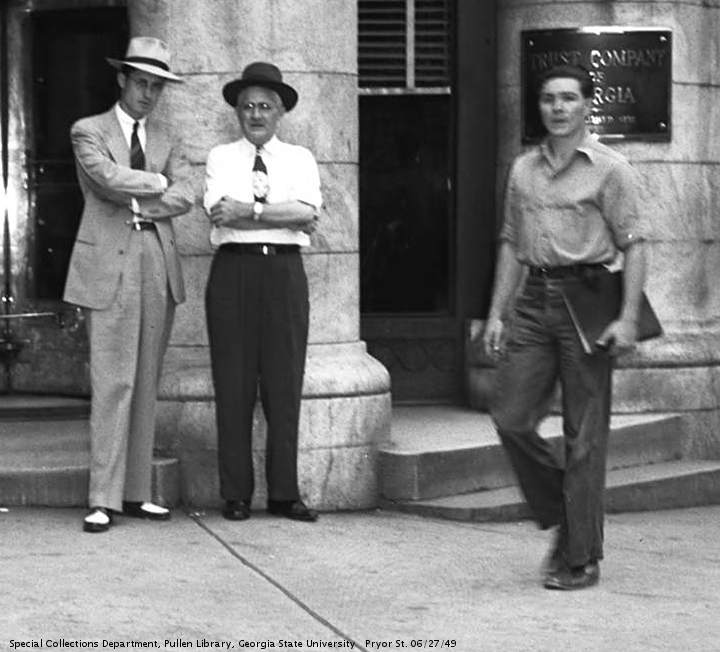
Five years after that, PG had a boss from New Orleans. He looked like the Grinch who stole Christmas. He also hated Mardi Gras. PG did not know this, and greeted him Tuesday morning with a cheerful Happy Mardi Gras. If looks could kill, PG would have dropped dead. This is a repost, with pictures from “The Special Collections and Archives, Georgia State University Library”.

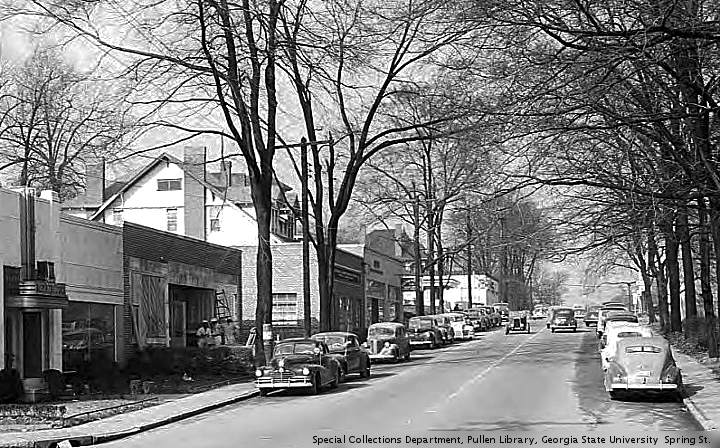


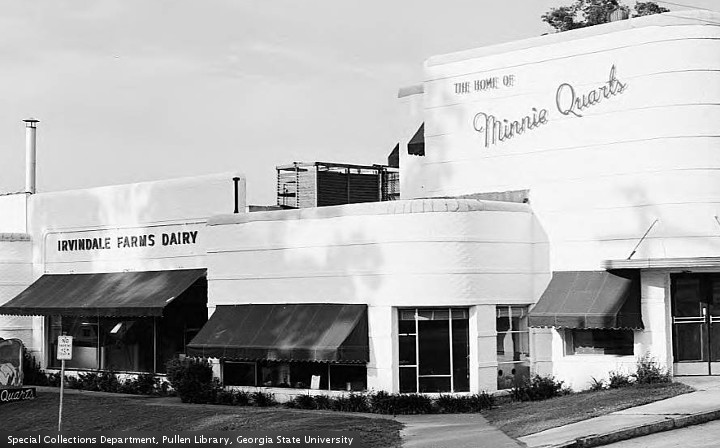


Peachtree Street


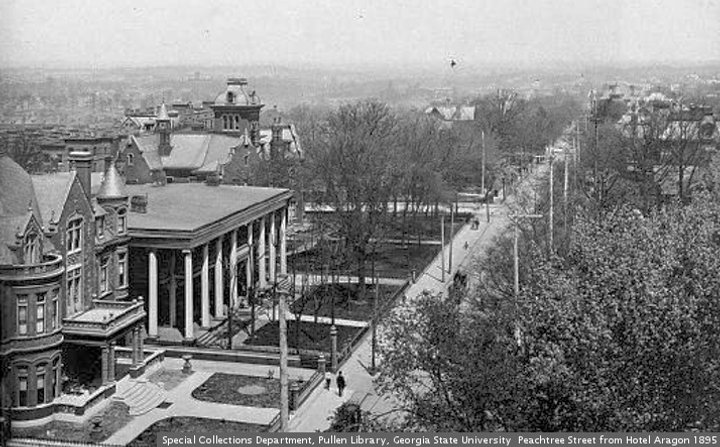

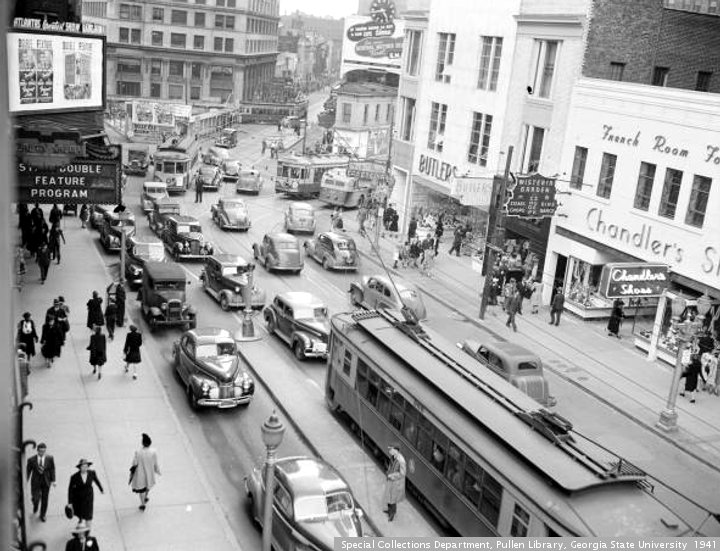
PG finished a book, Peachtree Street-Atlanta. The author is William Bailey Williford, and it was published by the University of Georgia Press in 1962. PG found this at the Chamblee library, and this is probably the best way to find this book today. (Reissued by UGA Press.)
How this road got the name Peachtree is a good question. Most peaches grow south of the fall line. The story goes that there was a Creek Indian village called Standing Peachtree, located where Peachtree Creek runs into the Chattahoochee. During the war of 1812 Fort Peachtree stood there.
There was a trail that ran from Buckhead to an intersection with the Sandtown Trail, at what is now Five Points. A short distance south of this intersection was a settlement known as White Hall. For many years, Peachtree Street south of Five Points was known as Whitehall Road. At some point in the last thirty years, a decision was made to change Whitehall to Peachtree. It did not help the rundown condition of Whitehall Street.
In 1835 Governor Wilson Lumpkin decided that a railroad that would be centered near the junction of Peachtree Trail and Sandtown Trail. The new town was named “Marthasville”, after the daughter of the Governor. Martha Lumpkin resides in Oakland Cemetery today.
The village was soon renamed Atlanta, which was a feminine form of Atlantic. Houses, churches, and businesses were soon built on Peachtree Road. In 1856, Richard Peters built a flour mill. To insure a steady supply of firewood, he bought four hundred acres of land, for five dollars an acre. The land was between Eighth Street, North Avenue, Argonne Avenue, and Atlantic Drive.
Another pioneer citizen with a large landholding was George Washington (Wash) Collier. Mr. Collier bought 202 acres for $150 in 1847. The land was between West Peachtree, Fourteenth Street, Piedmont Road, Montgomery Ferry Road, and the Rhodes Center. Much of the land was used for the development of Ansley Park.


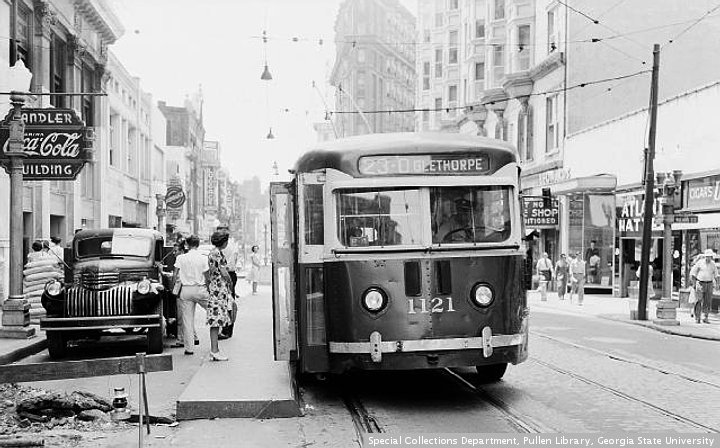
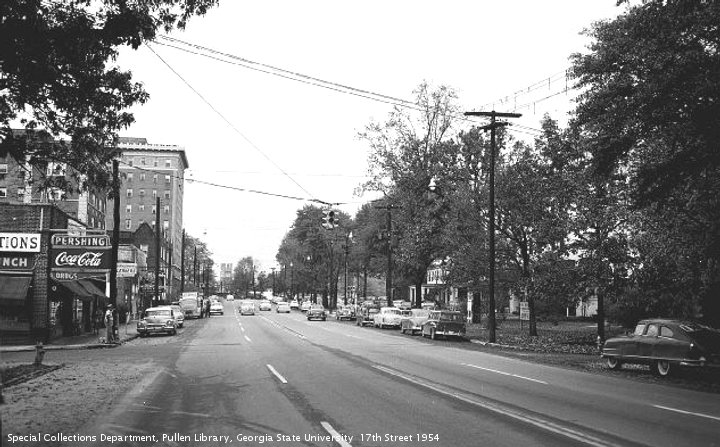
In 1854, Atlanta entertained, for the first time, a man who had been President. On May 2, Millard Fillmore arrived from Augusta on a private rail car.
There was some unpleasantness in 1864, which we will not concern ourselves with.
In 1866, there was a shocking murder. John Plaster was found dead, in an area known as “tight squeeze”. This was an area of shanties, at the present location of Crescent Avenue and Tenth Street. A hundred years later, this was near “the strip”, Atlanta’s hippie district, also called “Tight Squeeze”.
As the nineteenth century rolled along, many mansions were built on Peachtree Street. The road was paved, and streetcars ran up and down. Automobiles came, and came, and came. An expressway was built in the 1950’s, and quickly became obsolete. One by one, the mansions were torn down and replaced with businesses and churches.
The book was written in 1962, when the party was just getting started. The High Museum was known then as the Atlanta Art Association. In June of 1962, a plane full of prominent Atlanta residents crashed in Paris, killing all on board. As a memorial to those people, the Memorial Arts Center on Peachtree, at Fifteenth Street, was built.
Another phenomenon which is not explained by the book is the custom of naming everything here Peachtree. There are countless streets and institutions named for a fruit tree that likes warmer climates. Atlanta has a one street skyline, that stretches from Five Points to Peachtree Dunwoody Road, almost at the city limits. PG lives a quarter mile off Peachtree, in Dekalb County, and has no idea why Peachtree is a magic word.
Pictures are from “The Special Collections and Archives, Georgia State University Library”. and The Library of Congress. This is the annual repost.



Joni Mitchell Product





Joni Mitchell has product to promote. She gave an interview to New York magazine, where she smoked a few cigarettes and expressed a few opinions. There were enough attention getting comments to make the news.
“When I see black men sitting, I have a tendency to go — like I nod like I’m a brother. I really feel an affinity because I have experienced being a black guy on several occasions.” She proceeds to tell a story about dressing like a down and out black man as a way of dealing with an obnoxious photographer. “I just stood there till they noticed me. I walked really showily, going, Heh heh heh. It was a great revenge. That was all to get his ass. To freak him out. I had to keep him on the defensive.”
Gay-mafia-made-man David Geffen was a target. “I ask her about a painting, visible in a vestibule, on the way to her laundry room, of a curly-haired man with a banana lodged vertically in his mouth; turns out it’s Geffen, and she painted it. “Before he came out. He’s never seen it,” she says, before explaining: “He was using me as a beard. We were living together, and he’d go cruising at night. He was very ambitious to be big and powerful, and he didn’t think he would be [if he was openly gay].” By 1994, the two had fallen out over her insistence that he didn’t pay her enough in royalties.”
The product is a four cd boxed set, Love Has Many Faces: A Quartet, A Ballet, Waiting To Be Danced. There was a single one star comment about the joniproduct. Al Norman Seems like a collection of Joni’s forgettable tunes February 3, 2015 ~ “My wife loves Joni Mitchell, and never listens to this set. Seems like a collection of Joni’s forgettable tunes.” This comment was sponsored by Head and Shoulders. “100% flake free hair & A GREAT SCENT”
You just can’t get away from capitalism. Ms. Mitchell heard “… on the radio, a record executive “saying quite confidently, ‘We’re no longer looking for talent. We’re looking for a look and a willingness to cooperate.” As interviewer Carl Swanson notes, “For now, she’s hoping that people buy her boxed set, with her self-portrait on the cover. To that end, she gives me a Joni Mitchell tote bag with one of her paintings on it to carry my things home in. Get the word out.”
The pictures today are from “The Special Collections and Archives, Georgia State University Library”. This is a repost. The internet version had a lively exchange in the comments.
OneTonneTomatoe A better Eden is ahead to be established. One that cannot be corrupted is forward in time and place, not behind, not here. Be seated beyond the firmament. Romans 10:9
JamesSmith @OneTonneTomatoe Leave it to the christian arrogance to try t turn this into a proselyting effort. Your bable is a pack of myths and lies and you are a delusional fool.
cookie_mcgill @JamesSmith I don’t enjoy the poster above either, but smearing all Christians like that is offensive. Go easy there, tiger.
JamesSmith @cookie_mcgill @JamesSmith Prove anythng I posted is not true.
Theists, especially christians, are arrogant judgmental, unforgving, intolerant, deluional, irrational, and either fools, liars, or hypocrites. It’s all true and proven by the behavior of 99% of all theists, including christians. Go easy yourself and think about it. Face reality, not myths and lies.
cookie_mcgill @JamesSmith I wouldn’t take directions from either of you twits.
JamesSmith @cookie_mcgill @JamesSmith Prove anything I posted is not true. Especially tell me what I posted that makes you think I would even give a moron like you even the time of day. You’re as arrogant as the most fundamentalist theist.





John S. McCain And Bernie Sanders
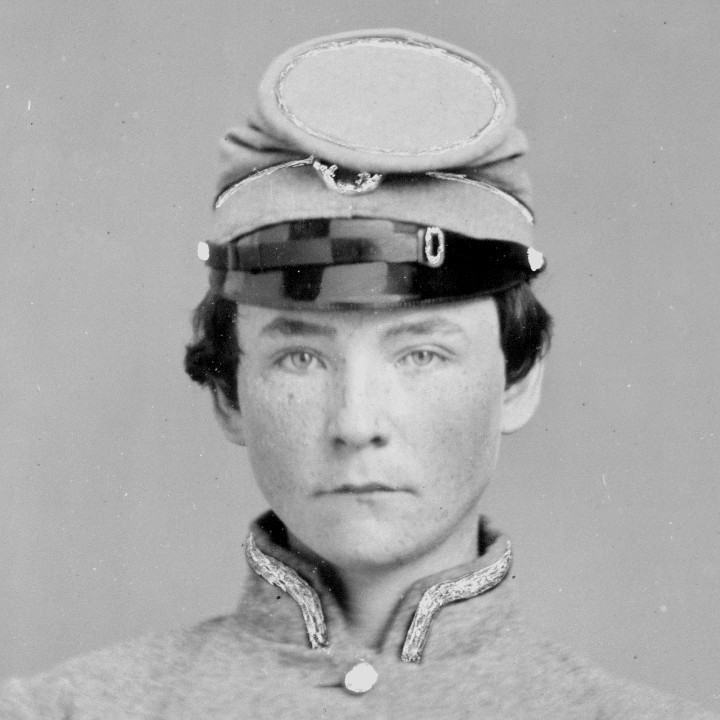
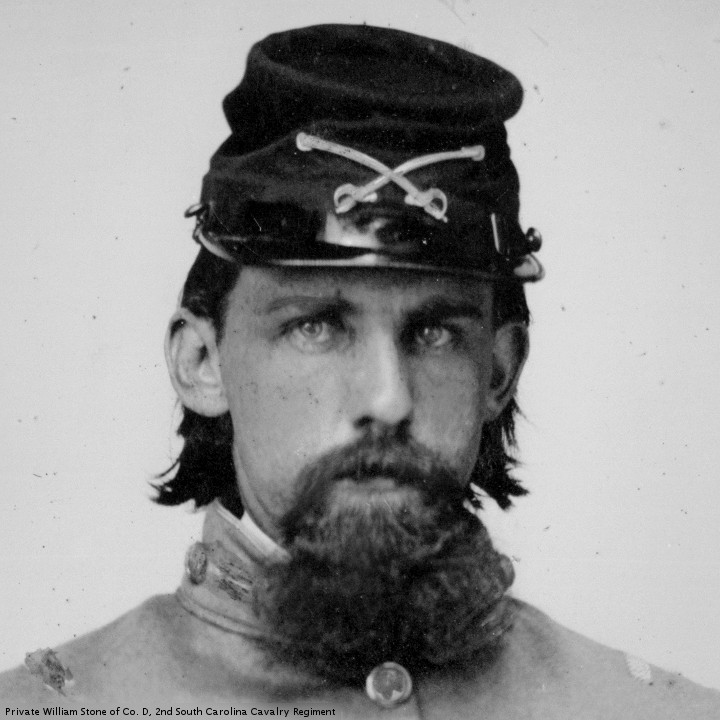


The latest podcast addiction is a Slate production called Whistlestop. WS (whistlestop, not water sports) is about presidential elections. On top of the home page is a header ad. At first it had a picture of Hillary, with the message “I’m with her.” Now, it is a prescription medication, side effects scrolling slowly on the right. The side effects of Hillary are more obvious. (This repost was first published 02-13-2016) The side effect of the Hillary Clinton candidacy is the Donald Trump presidency.)
Episode 24 is When the Straight Talk Express Rolled Through New Hampshire. In the 2000 election, George W. Bush was the anointed candidate for the Republicans. Challenging him in New Hampshire was John S. McCain. The winner in New Hampshire was Senator McCain. The winner of the nomination, and ultimately the Presidency, was George W. Bush.
The WS story is about how JSM got the 2000 New Hampshire voters on his side. The 2008 story will, no doubt, be a future episode of WS. JSM did the whole Straight Talk routine, and won the nomination. JSM chose Sarah Palin as his running mate. Whether JSM had a chance, after eight years of W, is a good question. BHO won the 2008 election. John McCain died August 25, 2018.
In Georgia, the electoral votes are all but conceded to the Republicans. The only time we get to choose is the primary. In 2008, PG saw the two choices were John McCain and Barack Obama. Both had flaws, but both offered alternatives to the nonsense of Mike Huckabee and John Edwards. After thinking about it, PG remembered that John McCain dropped napalm on women and children. So PG voted for Barack Obama. Once elected, BHO would fire hellfire missiles at women and children.
In the 2016 Georgia primary, there were five candidates: Bernie Sanders, Hillary Clinton, Donald Trump, Ted Cruz, and Marco Rubio. PG did not like any of them. He decided to vote for the best looking candidate, Marco Rubio. On February 13, 2020, we still do not know who will be a viable candidate during the Georgia primary. PG will make up his mind while walking to the school, to cast his vote. PG will probably hold his nose while doing so.
‘The Weasel, Twelve Monkeys and the Shrub’ David Foster Wallace covered the McCain campaign for Rolling Stone. He was always good for a few thousand words, often in the first sentence. DFW had a few thoughts about why JSM was so popular.
“Because we’ve been lied to and lied to, and it hurts to be lied to. It’s ultimately just about that complicated: it hurts. We learn this at like age four—it’s grownups’ first explanation to us of why it’s bad to lie (“How would you like it if … ?”). And we keep learning for years, from hard experience, that getting lied to sucks—that it diminishes you, denies you respect for yourself, for the liar, for the world. Especially if the lies are chronic, systemic, if experience seems to teach that everything you’re supposed to believe in’s really just a game based on lies. … It’s painful to believe that the would-be “public servants” you’re forced to choose between are all phonies whose only real concern is their own care and feeding and who will lie so outrageously and with such a straight face that you know they’ve just got to believe you’re an idiot.”
In 2016, the outlaw candidate was Bernie Sanders, who has no middle name. He won a big victory in New Hampshire. BS is lying through his teeth. He says he will make college tuition free, and install single payer socialized medicine. Everyone knows these are lies (BS²) and yet the Bernoids play along. (Earlier this week, BS won a slim victory over Amy Jean Klobuchar, and Peter Paul Montgomery Buttigieg, in the New Hampshire primary.)
Pictures today are from The Library of Congress. These men never voted in a presidential primary.
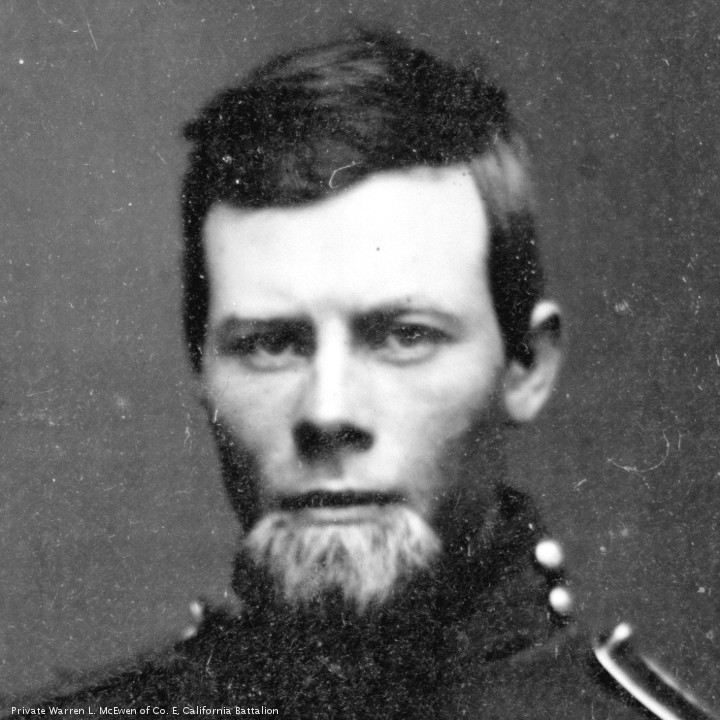

Abraham Lincoln and Charles Darwin
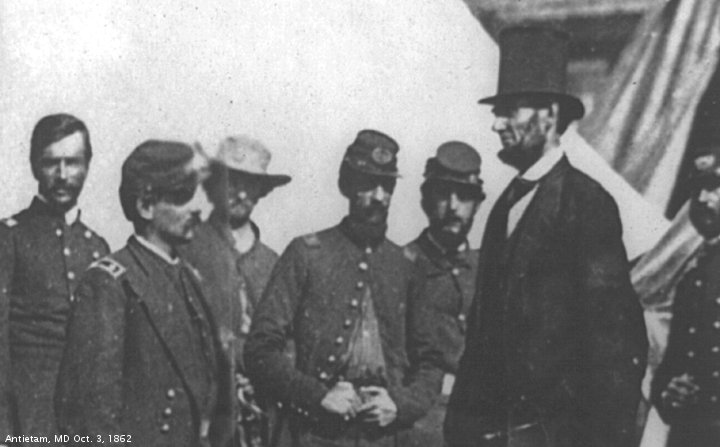


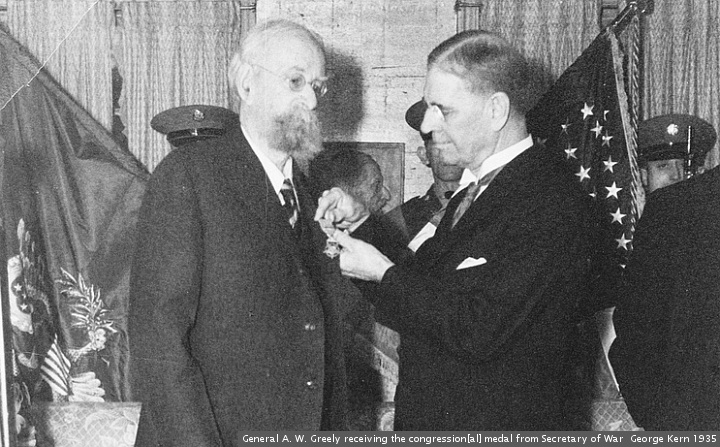
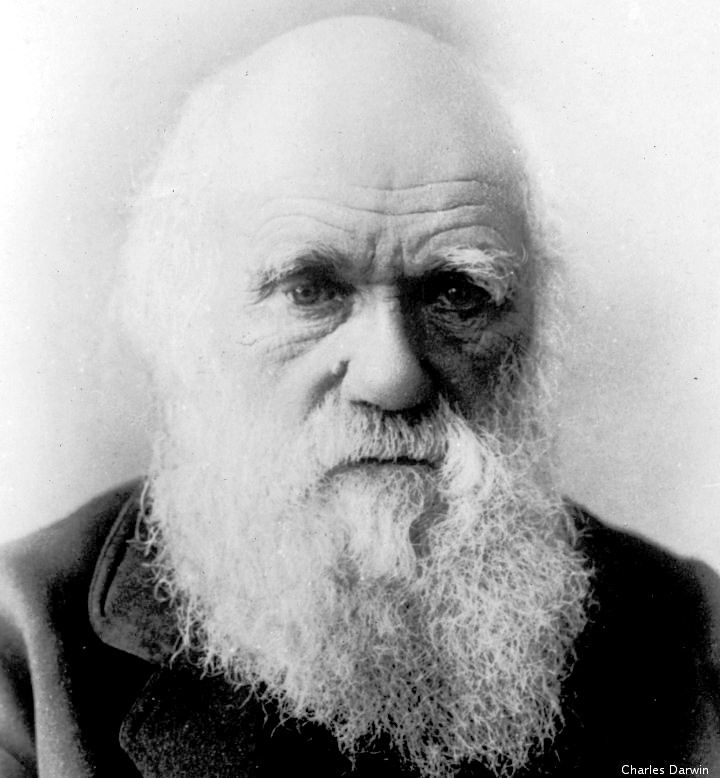
Today is the 211th birthday of Abraham Lincoln and Charles Darwin. This used to be a holiday in the US, along with Washington’s BD on February 22. The two were combined into President’s Day.
It is unlikely that the two met, or knew much about the other. “On the origin of species” was published in 1859, as the United States teetered on the brink of catastrophe. There is a certain “Darwinism” in the way the unpleasantness of the eighteen sixties went down. The northeast quadrant of the United States gained dominance over a large chunk of North America, at a horrible cost. The concept that a human being could literally own another human being was banished.
There are two other anniversaries of note today. On February 12, 1733, James Oglethorpe landed a boatload of debtors on the future site of Savannah. This was the start of the Colony/State of Georgia.
There is another that continues the symmetry of Darwin/Lincoln, and was exactly 100 years later. On February 12, 1909, the NAACP was founded. On February 12 1904, Ted Mack, host of the Original Amateur Hour, was born. To make room for all this talent, on February 12, 1942, Grant Wood (painter of “American Gothic”) went to that village in the sky. He left the pitchfork behind.
This is a repost. Pictures are from The Library of Congress
Gloomy Sunday

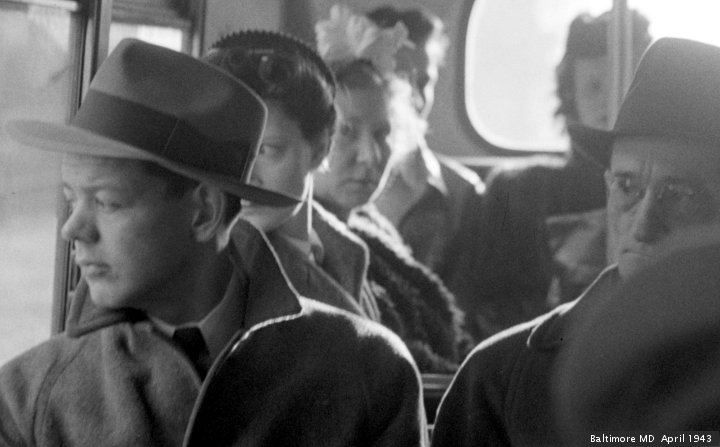



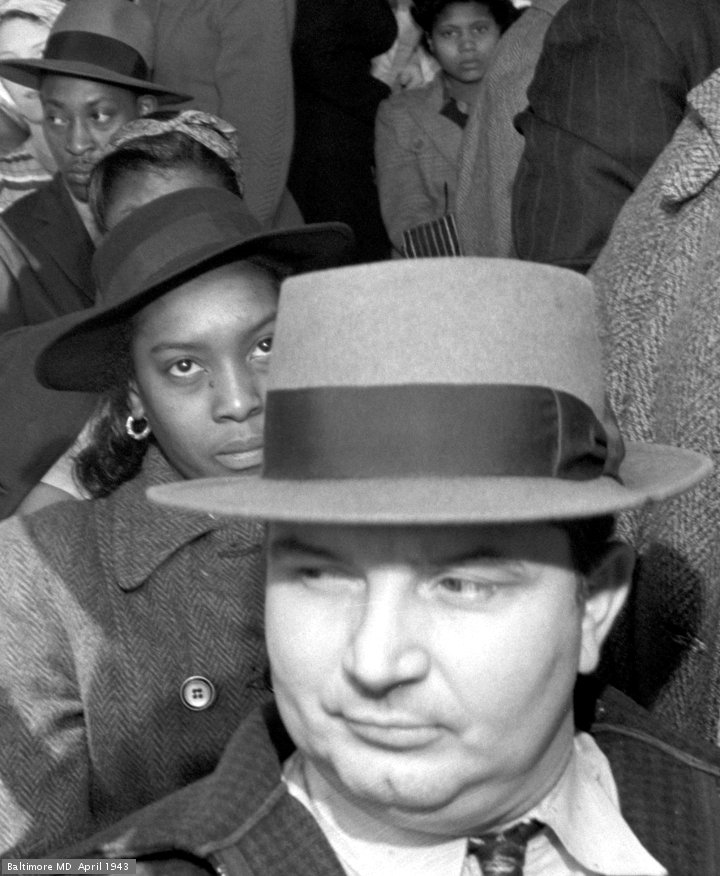
Billie Holiday had a hit with Gloomy Sunday in 1941. The legend is that people would listen to the song, and kill themselves. As a result, the song was banned from the radio. Or was it?
Gloomy Sunday was written in 1933 by Rezső Seress. Additional lyrics were later written by László Jávor. It became known as the “Hungarian Suicide Song”, and was reportedly banned in Hungary. An English translation (which is said to not do justice to the original Hungarian) was rendered.
Gloomy Sunday has a melancholy sound, even as an instrumental. The story is about a person…it is not gender specific…who decides to join a loved one who has died. A third verse was added, to the english version, where the singer says it was all a dream.
Gloomy Sunday became popular in the United States. And the suicide stories started to spread, along with rumors that the song had been banned from the radio. (It was indeed banned by the BBC.) There are indications that these rumors were part of a publicity campaign.
The urban legend busters snopes. calls the story “undetermined”. Legends like this get a life of their own. A grieving person hearing this song on a dreary Sunday is not going to be uplifted. One thing is known for sure…the original composer did take his own life. Rezső Seress jumped off a tall building in Budapest in 1968. The legend is he had never had another hit song after writing “Gloomy Sunday”. This repost has pictures from The Library of Congress.

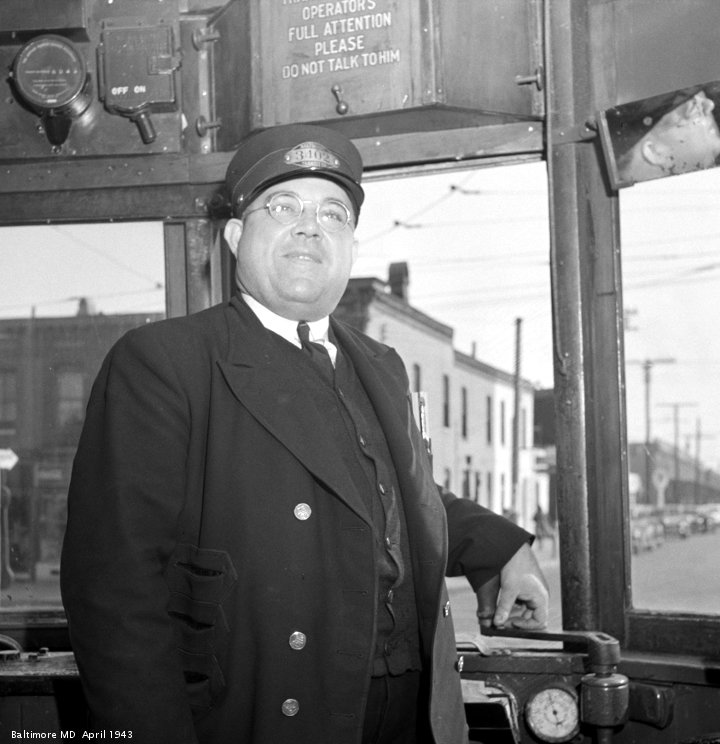




William Lott Monroe, Sr.


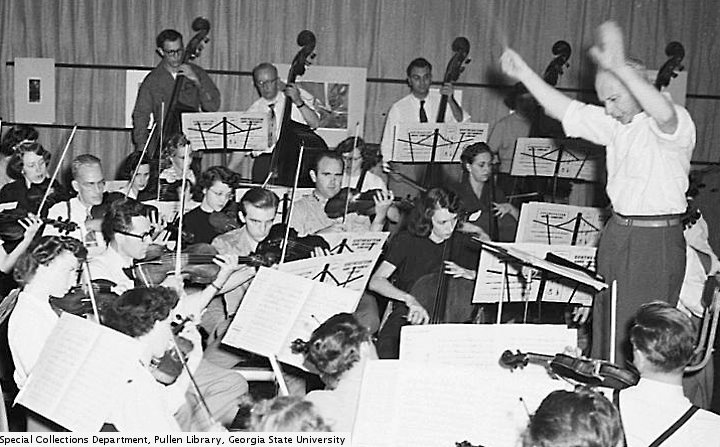



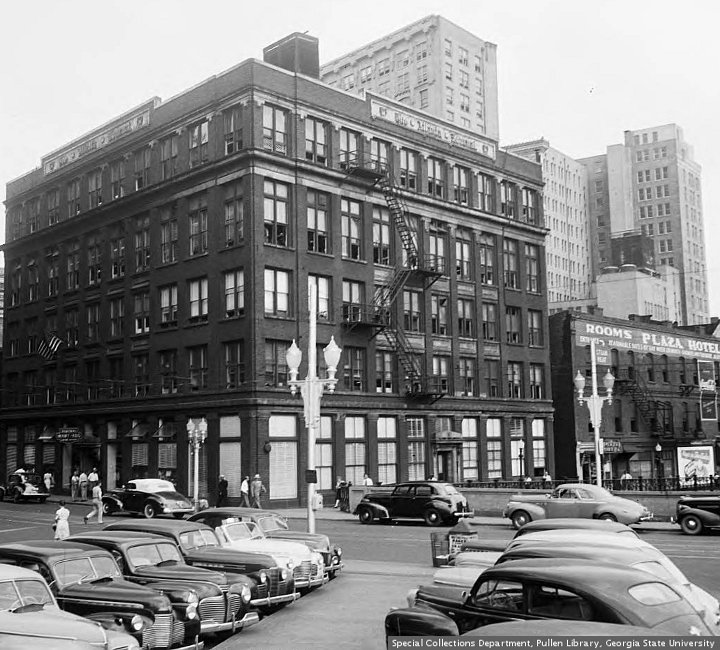
“North Boulevard was renamed Monroe Drive in 1937 to honor noted Landscape Architect W.L. Monroe who built his house and a plant nursery on the road and was noted for his many landscape projects and public parks in Atlanta.” Faset (Bill) Seay, February 4, 2020, 3:48 pm This comment was made to Monroe Drive or Boulevard. MDOB looks at Atlanta roads that change names, and the reputed racial motivations for these changes. The Monroe story takes place in Piedmont Heights.
“In 1823 Benjamin Plaster was granted 3,000 acres of land along Peachtree Creek and Clear Creek in recognition of his military service during the War of 1812. This was two years before Archibald Holland acquired a similar tract several miles to the east where another village called Terminus was founded in 1837, later renamed Marthasville and eventually Atlanta. … Plaster built a bridge across Peachtree Creek and the trail to it became known as Plaster’s Bridge Road. The bridge’s stone abutments still remain on the creek banks and a short section of the old road, running along the northern boundary of today’s Piedmont Heights, is now called Plasters Avenue. As other settlers followed a township called Easton grew up around Walker’s Grist Mill on Clear Creek near the site of today’s Ansley Mall at Piedmont Road and Monroe Drive.”
“Around 1850 Captain Hezekiah Cheshire arrived from South Carolina. His sons, Napoleon and Jerome, settled on opposite sides of the south fork of Peachtree Creek. They built a bridge across the creek near to connect their farms and the road to it became Cheshire Bridge Road. … In 1864 General Sherman’s Union soldiers swept through Atlanta. General T. J. Wood’s troops built entrenchments along the eastern edge of Easton on the property of Benjamin Plaster’s son Edwin, putting the little community in the battle of Atlanta. These entrenchments remained until the 1950s when they were destroyed by the construction of a Holiday Inn. Today a few crumbling stone steps and historic marker on the site honor the Edwin Cheshire family’s handyman “Gold Tooth John” whose ghost is rumored to still wander the halls of the old hotel at night.
“In 1871 the Atlanta and Richmond Air Line Railway opened a line between Atlanta and Toccoa, Georgia with a depot at Easton. Its “Air Line Belle” train, said to be the finest on the line, allowed Easton residents to commute to Atlanta without having to ford Clear Creek which still had no bridge. Train service spurred growth of the township to 100 residents by 1888 but the surrounding area remained rural and mostly devoted to farming and dairying. The rail line serving Easton was called the “Southern Railway Belt Line” and in 1883 the “Georgia Pacific Belt Line Railroad” connected with it just north of Easton at Belt Junction, an area which later became known as … Armour/Ottley. … In 1895 North Boulevard was built, running through Easton parallel to the railroad, as a main route into Atlanta. … In 1912 Fulton County annexed Easton and renamed it Piedmont Heights. Plaster’s Bridge Road was paved in 1917 and its name changed to Piedmont Road.” (According to this narrative, the Boulevard-Monroe thoroughfare was originally called North Boulevard. This is not the same road as North Avenue. Confusing road names is not limited to multiple Peachtrees.)
“In 1925 Landscape Architect W. L. Monroe bought 15 acres on North Boulevard at Wimbledon Road where he operated a popular nursery and landscaping business for many years, … Remnants of two small stone structures that Monroe built … remain on the grounds of today’s Ansley-Monroe Villas Condominiums. In 1927 a portion of North Boulevard was renamed Monroe Drive in honor of Monroe’s many landscape projects in the city.” … “In 1928 the City of Atlanta began annexing Piedmont Heights by taking in the lots along North Boulevard. In the 1930s a new home could be bought for $4,700 on North Boulevard or Wimbledon Road.”
There is a bit of confusion here. One source says the Monroe renaming was in 1927, while another source says 1937. Then there is the story told by maps, found in the original post.
An 1892 “Bird’s eye view” shows Boulevard sailing off into the horizon, past a racetrack in today’s Piedmont Park. A 1911 map shows Boulevard starting near “L.P. Grant Park,” and sailing past Ponce up to Piedmont Park. A 1940 map shows Boulevard going past Park Drive, only to turn into Monroe Drive at Montgomery Ferry Road. Finally, a 1969 map of “Negro Residential Areas” shows Monroe Drive changing into Boulevard at Ponce De Leon Avenue, like it is today.
Two things are worth noting. None of these maps have a “North Boulevard.” The street name is a stand-alone Boulevard. Second, the 1940 map shows the street as Boulevard at Eighth Street, and Elmwood Drive. The first mention of Monroe is at Montgomery Fairy, near the Monroe Nursery. This might contradict the racial narrative.
The information about Mr. Monroe neither proves, nor disproves, the story that black Boulevard was changed to white Monroe. City on the Verge: Atlanta and the Fight for America’s Urban Future states “In 1925 landscape architect W. L. Monroe bought fifteen acres on what was then called North Boulevard, establishing a plant nursery that thrived for many years. In 1937, the street north of Ponce de Leon was renamed Monroe Drive in his honor (and to distinguish it as a white area as opposed to Boulevard to the south of Ponce).” The book offers no evidence for this, and its “woke” tone is cause for skepticism. While there is circumstantial evidence to support the legend, verifiable facts are hard to come by. A similar story might be the 1956 change of the state flag.
“William Lott Monroe, Sr. (1891-1965), landscape designer and nurseryman, is recognized in newspaper articles as the “landscape artist” during the development of North Fulton Park (later renamed Chastain Memorial Park) in the late 1930s and early 1940s. This work was financed partially through WPA (Works Progress Administration) funds and supported with local prison labor. … There are three main areas in Chastain Park with Monroe’s signature style as a landscape designer: (1) the master grill area; (2) the picnic grounds area; and (3) the amphitheater. … Monroe’s Landscape & Nursery Co. is removed from Fulton County’s payroll: “… Drawn more than $17,000 from the county in the last year and one-half… The company was drawing $500 a month for supervising landscaping of county parks, which was in addition to flowers, shrubs and blueprints sold by it to the county.” (“Nursery Company Is Cut Off Pay Roll.” Atlanta Constitution, Jan. 25, 1941)” … “1941 Amphitheater still under construction, originally planned as an outdoor venue for the Atlanta Symphony Orchestra.” … “It is unknown if Monroe oversaw the completion of construction at the amphitheater.” … “October 22, 1965 William Lott Monroe, Sr. dies in Atlanta.” Pictures are from “The Special Collections and Archives, Georgia State University Library”.




KKK Klickbait


The Washington Post enjoys KKK Klickbait. A recent example is Yesterday’s Ku Klux Klan members are today’s police officers, councilwoman says. Under the headline is a picture of some very fine folks wearing squeaky clean bedsheets. The caption for the picture reads “A member of the Ku Klux Klan adjusts his hood during a 1998 rally in Texas. (David J. Phillip/AP)” Pictures today are from “The Special Collections and Archives, Georgia State University Library”.
Google images has 4.6 bn results for this image. The top result is 2 men arrested for putting KKK hoods on Confederate statues. “Enzo Niebuhr and Jody Anderson … are charged with defacing a public monument and disorderly conduct. … “Smash Racism Raleigh” group … holding a peaceful protest to provide context about the history of the statues. The group says Niebuhr and Anderson shouldn’t have been arrested.” Mr. Niebuhr appears to be wearing lipstick in his mug shot.
KKK carnival costumes ‘not racism’ “The 12 people who dressed in Ku Klux Klan costumes during carnival celebrations in canton Schwyz are not guilty of racial discrimination, local justice officials say. The central Schwyz public prosecutor’s office said on Friday that the men had overstepped the mark on what was allowed at carnival celebrations and that common decency had been grossly violated. But the men’s behavior did not constitute the offence of racial discrimination, because they did not intend to convert people to the KKK, judicial officials added.” Video zeigt, wie Ku-Klux-Klan in Schwyz marschiert Wir benutzen Cookies und andere Technologien.
“Students be careful, there’s someone walking around in KKK gear with a whip’: Indiana University student triggers scare after mistaking priest for KKK man. Dominican friar was spotted waiting for frozen yogurt at Indiana University. Students thought his long white robe meant he was a member of the KKK. Residential officer issued a warning telling students to be careful on campus. But it was later withdrawn when it transpired the man was in fact a priest.”


Two Old Posts About Bernie


What follows are two posts from January 2016. One of them features a video by Robert Reich, and Moveon.org. This past week saw this story: MoveOn calls on Sanders to renounce Joe Rogan endorsement. Chamblee54 does not know, or care, what Robert Reich thinks about Joe Rogan.
When you have a political contest based on what people say, it is not surprising that a lot of what they say is nonsense. Yesterday there was an video on facebook, Six responses to Bernie skeptics. Important person wannabe Robert Reich writes a bunch of stuff on a board. Mr. Reich is on the screen by himself, without any attempt at perspective. Many people do not know that Robert Reich is four foot eleven, just like many people did not know FDR was crippled. The video script is widely available, which will make this counter commentary a bit easier.
The video has comebacks to six things Bernie naysayers might offer. The first is that Bernie cannot beat Donald Trump or Ted Cruz in a general election. Mr. Reich has polls that say BS would beat the Donald, and control Cruz. The election is November 8, two days after the clocks are turned back. This is a long time from now. There will be time for Repub dirty tricksters to come up with dirt on Bernie.
As Hillary Clinton found out, the popular vote is meaningless. The election is decided by the Electoral College. Most states are written off as solid red or true blue. Only “swing state” voters get a vote. A national poll in January cannot predict what Ohio voters will do in November. (BS has been silent on the issue of electoral college reform.)
Reason number two is pure number two. The simple truth is that Republicans control congress, and will defeat the BS agenda. (Those are the initials of Bernard no-middle-name Sanders. Any similarity to bovine excrement is coincidence.) The Republican presence in government is reinforced with gerrymandering, money, lapdog press, money, lawyers, guns, money, Jesus exploiters, and more money. The Reich answer: “But there’s a higher likelihood of kicking Republicans out if Bernie’s “political revolution” continues to surge around America, bringing with it millions of young people and other voters, and keeping them politically engaged.”
Number three is semantic shade. “America would never elect a socialist.” “What we have now is socialism, and people don’t realize it.” Both statements are true. It is just that we don’t call Social Security communism. Just like people say they support small government, while sending half a million boots to a desert eight time zones away. There is a lot of “irony” in today’s political circus. That is how the game is played.
Number four is about the cost of single payer healthcare. The truth is that nobody knows. We have a broken system, and installed a compromise fix. When we finally go to single payer healthcare, there is no way to know how it will play out. Maybe the BS proposal will be cheaper, maybe it will be horribly expensive. The current system is too unfair to live, too profitable to die.
Number five is an argument that few have heard. ““His plan for paying for college with a tax on Wall Street trades would mean colleges would run by government rules.” When you make up an argument, it is easy to make up the reply. In this case, there is more rhetoric and semantics. The federal government has sent money into the education pipeline for years. The money comes with strings attached. This is no surprise to anyone except Sarah Palin.
Number six is a doozy. Yes, BS is in his seventies. No, we don’t see him huffing on an oxygen tank after he gives a speech. We just have to take the word of his supporters that he is the picture of vigorous health. Why would Robert Reich ever want to lie to you?
“In any event, the issue isn’t age; it’s having the right values. FDR was paralyzed, and JFK had both Addison’s and Crohn’s diseases, but they were great presidents because they fought adamantly for social and economic justice.” FDR and JFK were known by their initials. FDR helped get us involved in World War Two. JFK, who served less than three years, was presented as being full of vi-gah, when in truth he was seriously ill. Both FDR and JFK had extramarital affairs, which only the staunchest BS groupie wants to know about.
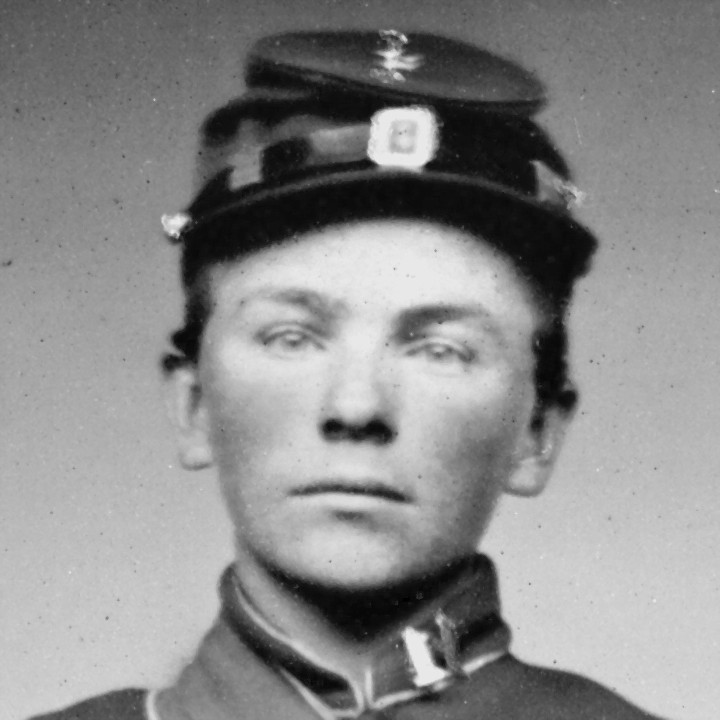
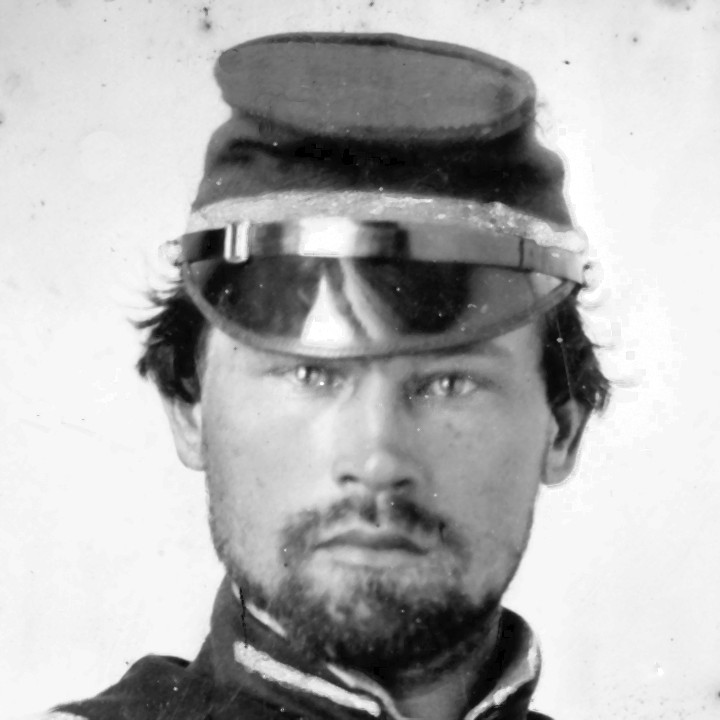
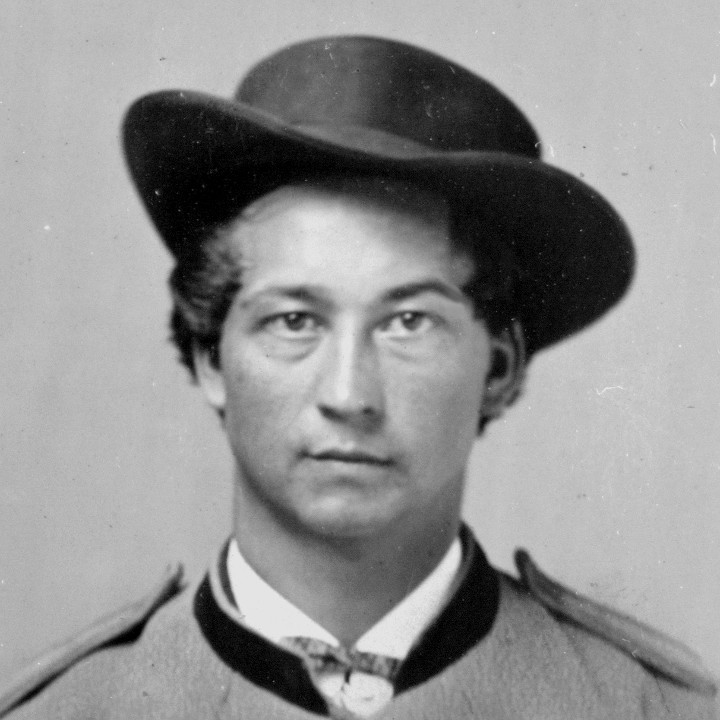
Pictures for your politically incorrect repost are from The Library of Congress. These pictures are soldiers from the War Between the States. They did not post food pictures on facebook.





@BernieSanders “I got into politics not to figure out how to become President. I got into politics because I give a damn.” The old tweeter sent this message December 11, 2015, at 4:42 pm Sanders Standard Time. At last glance, it was retweeted 25,901 times, and liked 44,263 times.
What exactly is a damn? When you give one, do you gift wrap it? The dictionary says that damn is a verb, meaning “condemn to a punishment or fate; especially : to condemn to hell.” Giving a verb is not good grammar. Damn is considered a mild profanity, which adds polemic punch.
History gives us a second opinion. “In 1665, Aurangzeb, or Abul Muzaffar Muhi-ud-Din Mohammad Aurangzeb. (A real mouthful of a name!) was the emperor of the Mughal empire. He ruled from 1658 until his death in 1707. Aurangzeb had coins minted in precious metals as well as copper. The copper denominations were one Dam and one half Dam.”
At some point after the invention of the copper dam, Great Britain conquered the Mughal empire. By this time, the dam was worth twice as much as a half dam. According to some unverified sources, British soldiers would say that something was not worth a dam. Some said they would not give a dam. The profaning n was added, and a saying for apathy entered the english language.
How much is a dam/damn worth? To people living downhill from the lake, a dam is valuable. As for the numismatic value of an ancient copper coin: “By looking at both catalog values for copper Dams minted in the Mughal calendar year of 1075 (Western date 1665) … we can provide the following very approximate values for copper half-Dams and Dams minted in the name of Aurangzeb: worn: $4, average circulated: $7, well preserved: $30.”
Getting back to BS, he probably used the conventional meaning of GAD, which is that he cares. Or maybe, he meant that he gives a dollar. If current economic trends hold up, the dollar might not be worth a dam. The welfare state proposals of BS, according to the admittedly biased Wall Street Journal, would cost $18 Trillion. This would effectively double the national debt. If we get mixed up in another war, or if a nuclear power plant blows up, another few trillion might go down the tubes.
Only the most deluded Bernoids expect college tuition to be free in 2018. BS is talking a good game, but most people know his pants are on fire. One person who is offended because BS won’t step up the lies is Ta-Nehisi Coates. If reparations are added onto free college tuition, then the value of the dollar might go below a half dam. Pictures for snowstorm Saturday are from “The Special Collections and Archives, Georgia State University Library”.



The Sausage Vat Murder
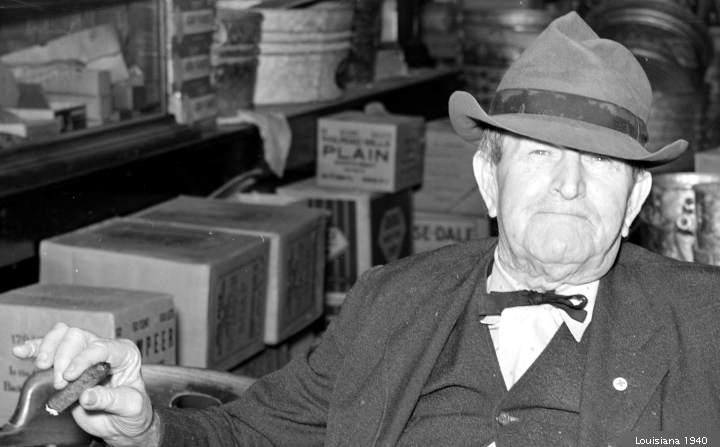




The case of Adolph Luetgert is mostly forgotten today. In its day, the story was a sensation. “Adolph Louis Luetgert (December 27, 1845-July 7, 1899) was a German-American charged with murdering his wife and dissolving her body in acid in one of his sausage vats at the A.L. Luetgert Sausage & Packing Company in 1897. … After the news of the trial became public, rumors spread that Luetgert had actually turned his wife into sausage and sold the “sausage” to unknowing consumers.”
Is it possible to explain what is in sausages without making it erotic? A twitter thread got PG thinking about a sausage story he read in 1989. The Fairy was in Gaily, Gaily, by Ben Hecht. The story originally appeared in Playboy. “In a 1962 article for Playboy collected in his rollicking 1963 memoir Gaily, Gaily — the legendary Chicago reporter Ben Hecht recalls a murder case that sounds suspiciously similar to the Adolph Luetgert case. Hecht describes an story that apparently occurred sometime during the five years after he began working as a reporter in Chicago in 1910. He writes: “Fred Ludwig, a popular North Shore butcher, went on trial before Judge Sabath for the murder of his wife. The wedding band with its romantic inscription had turned up in one of the sausages manufactured by Ludwig and sold to one of his customers, Claude Charlus, a well-known financier and epicure.” In the Hecht story, Mr. Charlus was the bf of Mr. Ludwig. When it was time to execute Mr. Ludwig, young Mr. Hecht went to a whorehouse, to borrow a makeup kit. Mr. Ludwig painted his face before he went to the gallows.
“Adolph Luetgert (originally Adolph Ludwig Lütgert ) came to New York in around 1865 or 1866 when he was about twenty years old.” … “He married his first wife, Caroline Roepke, sometime between 1870 and 1872. She died on November 17, 1877. He married his second wife Louise Bicknese, two months after Caroline’s death, on January 18, 1878. Luetgert had six children—two with Caroline and four with Louise. Only three of his children survived past the age of 2.”
“Louisa Bicknese was an attractive young woman who was ten years younger than her husband. She was a former servant from the Fox River Valley who met her new husband by chance. He was immediately taken with her, entranced by her diminutive stature and tiny frame. She was less than five feet tall and looked almost child-like next to her burly husband. … As a wedding gift, he gave her a unique, heavy gold ring. Inside of it, he had gotten her new initials inscribed, reading “L.L.”. Little did he know at the time that this ring would prove to be his undoing.”
After a while , the couple started to bicker. “Despite his coarse appearance (one writer vividly describes him as a “Falstaffian” figure with “a face of suet, pig eyes, and a large untidy moustache that was a perfect host for beer foam”), Adolph was something of an womanizer. … Claiming that he needed to keep a round-the-clock eye on his factory, he had taken to spending his nights in a little room beside his office, equipped with a bed that he frequently shared with his twenty-two-year-old housemaid, Mary Siemering, Louisa’s own cousin. … He was also conducting a surreptitious courtship of a wealthy widow, Mrs. Christina Feld, sending her amorous letters in which he rhapsodized about their rosy future.” (During the murder trial, “Mrs. Christina Feldt, … testified that Luetgert often expressed his hatred for his wife and intimated that he would get rid of her.”)
“At around 10:15 on the evening of Saturday, May 1, Louisa was seated in the kitchen, chatting with her twelve-year-old son Louis, who had attended the circus that evening. The boy was excitedly describing some of the wonders he had seen—a giant named “Monsieur Goliath” and a strongman who juggled cannon balls—when Luetgert appeared and told his son to go bed. Precisely what happened between the two adults after Louis retired to his room is unclear. Only one fact is beyond dispute. After the boy bid goodnight to his mother at about 10:30 P.M., she was left alone in the company of her husband.” … “Mrs. Luetgert wore only a light house wrapper and slippers, although the night was cold and rainy. It never was shown that she had taken with her any of her belongings.”
“When questioned by his sons, Luetgert told them that their mother had gone out the previous evening to visit her sister. After several days though, she did not come back. Finally, Diedrich Bicknese, Louisa’s brother, went to the police. The investigation fell on Captain Herman Schuettler, … “an honest but occasionally brutal detective”.
“Frank Bialk, a night watchman at the plant … saw both Luetgert and Louisa at the plant together. Apparently, Luetgert sent him out on an errand that evening and gave him the rest of the night off.” There is another version of the Bialk story. “Frank Bialk … testified … Luetgert instructed him to bring down two barrels of caustic potash and place them in the boiler room, and that Luetgert then poured the contents of both barrels in one of the vats. The watchman was instructed to keep up steam all night and at 10 p. m. he was sent by Luetgert to the drug store after some nerve medicine.”
“The police also made a shocking discovery; they came across bills that stated that Luetgert bought arsenic and potash the day before the murder. … the detective was convinced that Luetgert had killed his wife, boiled her in acid and then disposed of her in a factory furnace.”
“… Luetgert’s night watchman, Frank Bialk, approached the police and told them that, on the night Mrs. Luetgert disappeared, his boss had been acting suspiciously, busying himself with one of the large steam-vats down in the factory basement. Following up on this tip, investigators checked out the vat, which—despite having been cleaned two weeks earlier—still contained a residue of a thick, greasy fluid, reddish-brown in color and giving off a nauseous stink. When the fetid slime was drained from the vat, the detectives discovered tiny pieces of bone along with two gold rings, one of them a wedding band engraved with the initials “L. L.” More bone fragments, as well as a false tooth, a hairpin, a charred corset stay, and various scraps of cloth turned up in a nearby ash heap.”
Luetgert was arrested, and charged with the crime. “On October 18, the case was submitted to the jury and after deliberating for sixty-six hours they failed to agree, nine favoring a conviction and three voting in favor of an acquittal. On November 29, 1897, the second trial began. … The trial resulted in a conviction and on May 5 Luetgert was sent to the Joliet State prison for life.”
“July 27, 1899, Luetgert left his cell and returned shortly afterward with his breakfast in a pail, but just as he was about to eat it, he dropped dead from heart disease.”
“… Frank Pratt … asked Luetgert if he wanted his “hand read.” The latter consented and Pratt told Luetgert that he possessed a violent temper and at times was not responsible for his actions. Pratt stated that Luetgert then virtually admitted that he killed his wife when he was possessed of the devil. … It is said that Luetgert also made similar admissions to a fellow prisoner.” Pictures for this true crime story are from The Library of Congress.






1 comment