Jean D. McKinnon

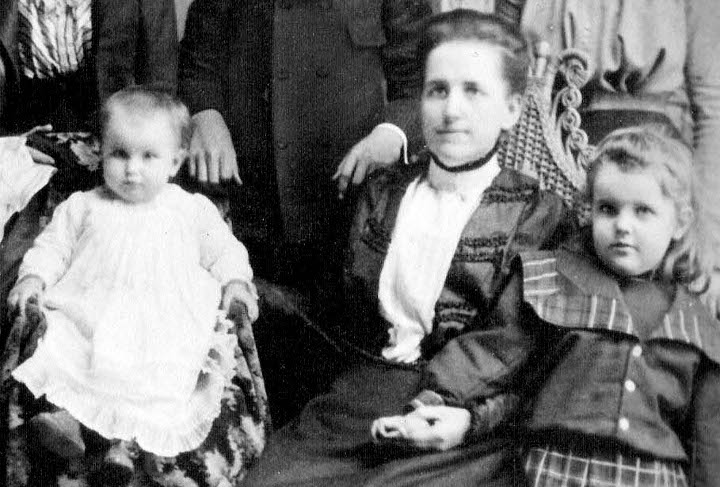

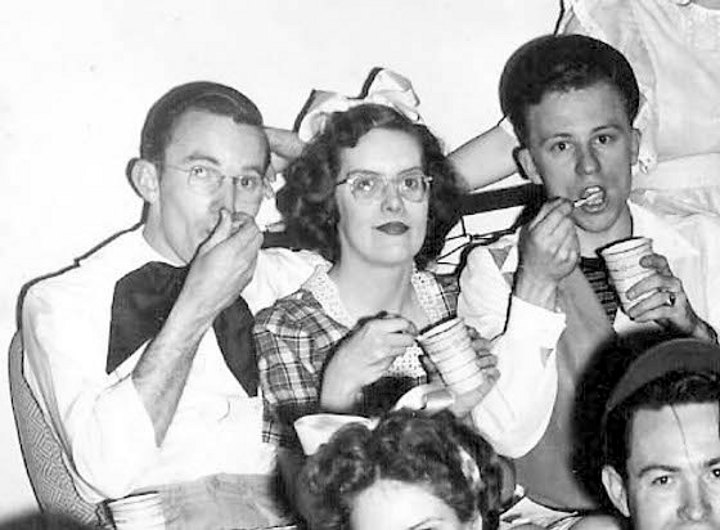
The first picture in this episode is a family portrait of the Quin family in Washington Georgia. The nine surviving children of Hugh Pharr Quin are sitting for the camera. Mr. Quin had joined the Georgia State Troops of the Army of the Confederacy at the age of 16, and after the war went to Washington to live with his sister. Mr. Quin was in the church choir of the First Methodist Church when he met the organist, Betty Lou DuBose. They were married January 22, 1879.
The original name of Mrs. Quin was Louisa Toombs DuBose. She was the daughter of James Rembert DuBose. His brother in law was Robert Toombs, the Secretary of State of the Confederacy, and a man of whom many stories are told.
In this picture, Mrs. Quin is holding the hand of her second youngest daughter so she will not run away. This is Martha (Mattie) Vance Quin. She is my grandmother.
After the Great War, Mattie Quin was living in Memphis Tennessee, where she met Arthur Dunaway. Mr. Dunaway was a veteran of the war, and was from Paragould, Arkansas. On July 23, 1922 her first Daughter, Jean, was born. This is my mother.
Mr. Dunaway died in 1930, shortly after the birth of his son Arthur. There were hard times and upheaval after this, with the family settling in Atlanta. There her third child Helen Ann Moffat was born on December 12, 1933. This is my Aunt Helen and my mother’s best friend.


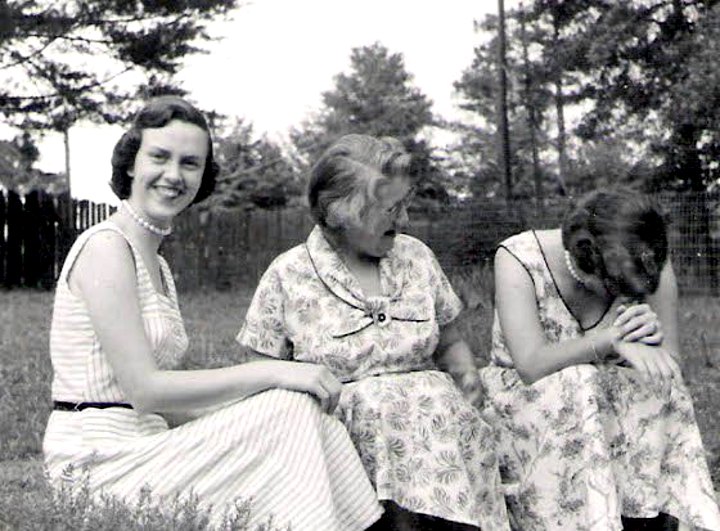
Jean lived for many years with her mother and sister at 939 Piedmont, among other locations. She joined the First Baptist Church and sang in the choir. She got a job with the C&S bank, and was working at the Tenth Street Branch when she met Luther McKinnon. He was a native of Rowland, North Carolina. They were married October 6, 1951.
They moved into the Skyland Apartments, which in those days was out in the country. Mom told a story about Dad taking her home from Choir practice, and going home on the two lane Buford Hiway. There was a man who went to the restaurants to get scraps to feed his pigs, and his truck was always in front of them. This was a serious matter in the summer without air conditioning.
Soon, they moved into a house, and Luther junior was born on May 6, 1954. This is me. Malcolm was born May 10, 1956, which did it for the children.
The fifties were spent on Wimberly Road, a street of always pregnant women just outside Brookhaven. It was a great place to be a little kid.
In 1960, we moved to Parkridge Drive, to the house where my brother and I stay today. The note payment was $88 a month. Ashford Park School is a short walk away…the lady who sold us the house said “you slap you kid on the fanny and he is at school”.
In 1962, our family followed the choir director from First Baptist to Briarcliff Baptist, which is where my parents remained.
In 1964, Mom went back to work. She ran the drive in window at Lenox Square for the Trust Company of Georgia until it was time to retire. She became a talk radio fan when RING radio started, and was a friend of her customer Ludlow Porch. She gave dog biscuits to customers with dogs.
During this era of change, Mom taught me that all people were good people, be they black or white. This was rare in the south. She later became disgusted with the War in Vietnam, and liked to quote a man she heard on the radio. “How will we get out of Vietnam?””By ship and by plane”.
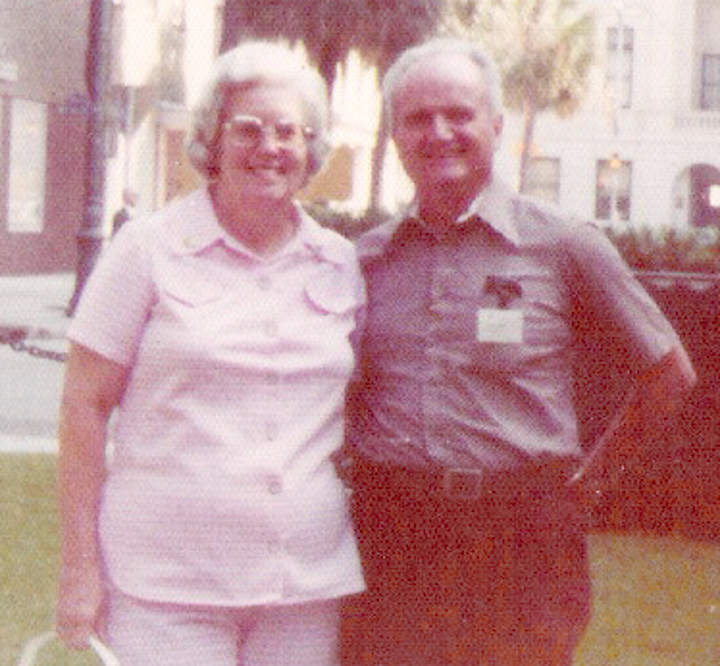
Eventually, it was time to retire. Her and Dad did the requisite traveling, until Dad got sick and passed away February 7, 1992. Mom stuck around for a few more years, until her time came December 18, 1998. This is a repost.


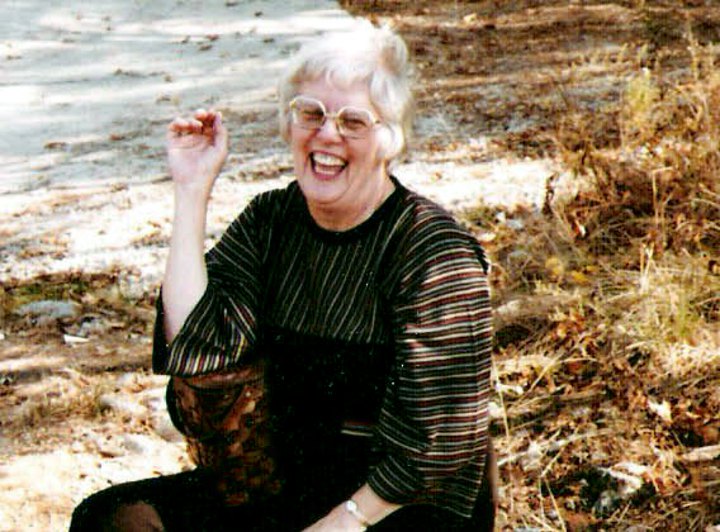
May 6, 2020




May 6 is a day in spring, with 35% of the year gone by. It has it’s fair share of history, some of which did not turn out well. In 1861, the Confederate Congress declared war on the United States. In 1937, a German zeppelin named “Hindenburg” exploded while trying to land in New Jersey. In 1940, Bob Hope did his first show for the USO, somewhere in California.
Roger Bannister ran the first sub four minute mile, on May 6, 1954. The current record is 3:43.13 by Hicham El Guerrouj on July 7, 1999, with a party with Prince to celebrate. Since most track meets now use 1500 meters, the mile record is obsolete.
On this day, Georgia executed two notable prisoners. In 2003, Carl Isaacs was put to death. Mr. Isaacs was the ringleader in the 1973 Alday family killing, in Donalsonville GA. Five years later, in 2008, William Earl Lynd was poisoned by the state. This was the first condemned man to die after the U.S. Supreme Court ruled that execution by poisoning was constitutional.
Taurus is the sign for those whose blood starts to pump May 6. Included are:
Maximilien Robespierre (1758) Sigmund Freud (1856) Rudolph Valentino (1895)
Orson Welles (1915) Willie Mays (1931) Rubin Carter (1937)
Bob Seger (1945) Tony Blair (1953) PG (1954) George Clooney(1961)
To make room for these folks, someone has to die. For May 6 this would mean:
Henry David Thoreau (1862) L. Frank Baum (1919) Marlene Dietrich (1992)
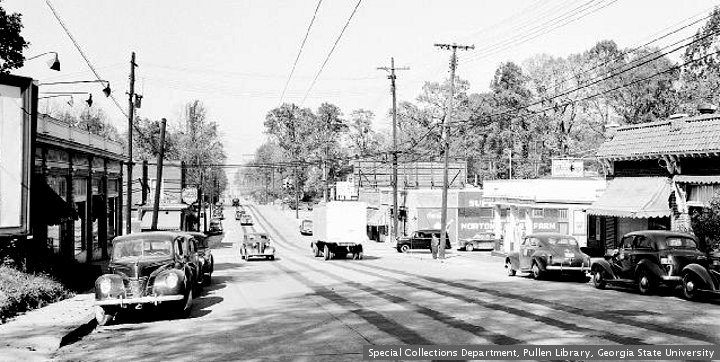
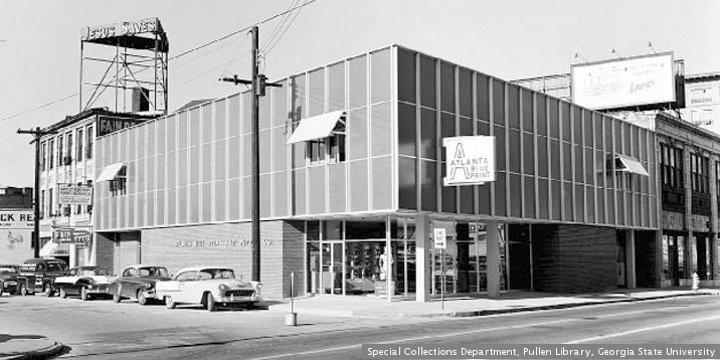
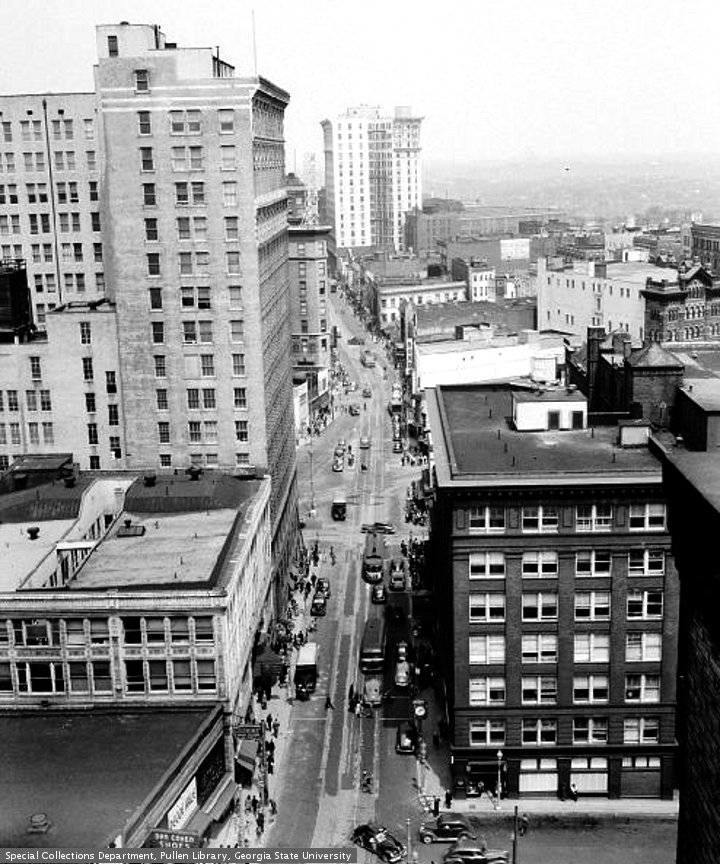
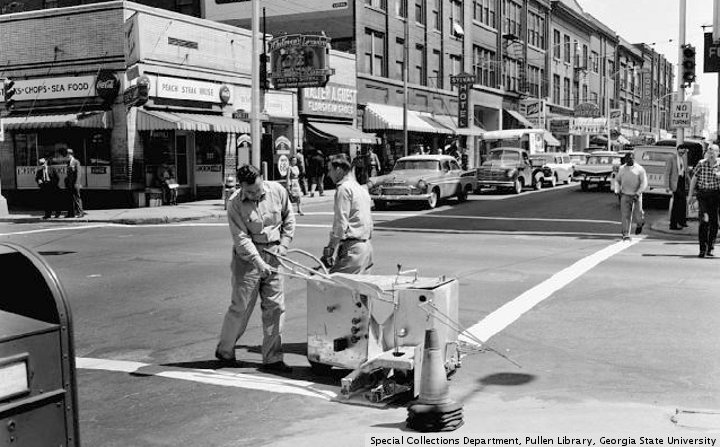
This repost, written like H.P. Lovecraft, has pictures from “The Special Collections and Archives, Georgia State University Library”.




Dr. King And Mr. King




PG stumbled onto a blog post about a speech. It was delivered August 28, 1963, by Doctor Martin Luther King, Jr. You have probably heard the money quote many times, but how many have heard the entire 881 words. PG had not, and decided to take a look.
The speech is really a sermon. It is delivered with the cadence, and rhetorical flourishes, of the church. Dr. King was a minister. The Jesus worship church is a huge player in African America. The fact that slaves were introduced to this religion, by their owners, seems to be forgotten.
The term used is Negro. This was the polite word in 1963. The custom of saying Black started in the late sixties, at least partially inspired by James Brown. Negro began to be seen as an insult.
As the speech is working up to the climax, there is a line “But not only there; let freedom ring from the Stone Mountain of Georgia!” Today, Stone Mountain is a middle class black community. DeKalb County is mostly black, and the political leadership is African American. This was a long way from happening in 1963.
Twelve weeks after Dr. King gave his speech, President John Kennedy was killed. Part of the reaction to this tragedy was the passage of the Civil Rights Act of 1964.
The next year saw the Voting Rights Act, and escalation of the war in Vietnam. It seemed that for every step forward, there was a half step back. People lost patience with non violence. America did not implode, but somehow survived. It is now fifty seven years later.



The other day PG stumbled onto a blog post, about a speech given by Dr. Martin Luther King Jr. This address was deemed “the singularly most-important speech on race in the history of this country.”
PG admires Dr. King. He is also suspicious of superlatives. There were some comments made by Rodney Glen King III. The comments by Mr King were briefer, and tougher to live up to.
While thinking of things to write about, PG realized that he had never seen the actual quote by Mr. King. It is embedded above. When you see this video, you might realize that Mr. King has been misquoted. The popular version has him saying “Can’t we all just get along.” He did not say just.
Mr. King was known to America as Rodney King. His friends called him Glen. His comments, at 7:01, May 1, 1992, went like this: ““People, I just want to say, you know, can we all get along? Can we get along? Can we stop making it, making it horrible for the older people and the kids? . . . Please, we can get along here. We all can get along. I mean, we’re all stuck here for a while. Let’s try to work it out. Let’s try to beat it. Let’s try to beat it.”
The circumstances of the two comments could not be more different. Dr. King was giving the sermon of his life. There was an enormous crowd, both in person and on TV. His comments were scripted, rehearsed, and delivered with the style he was famous for.
Mr. King, by contrast, had just seen the officers who beat him acquitted. Cities from coast to coast were in violent upheaval. Mr. King was speaking to reporters, without benefit of a speech writer. What he said might be more important. This double repost has pictures from The Library of Congress.


Confederate Memorial Day

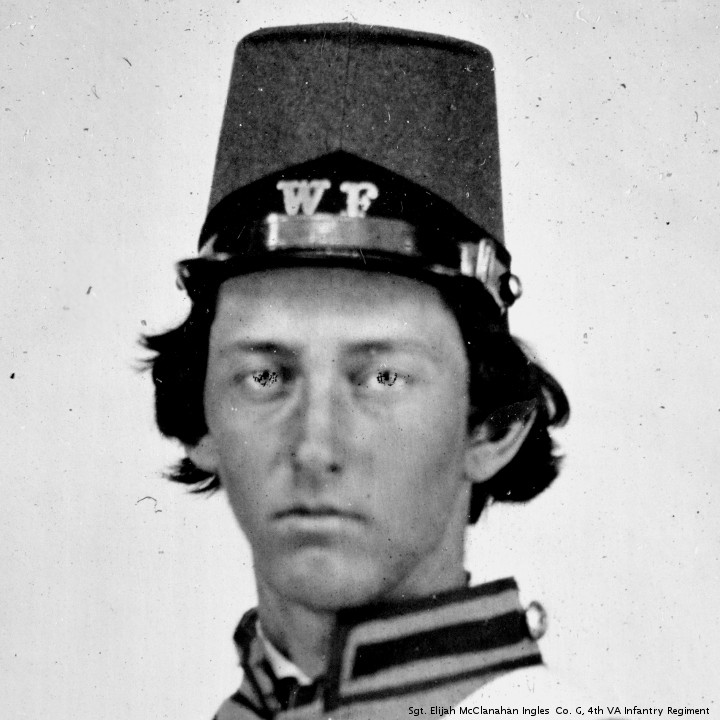

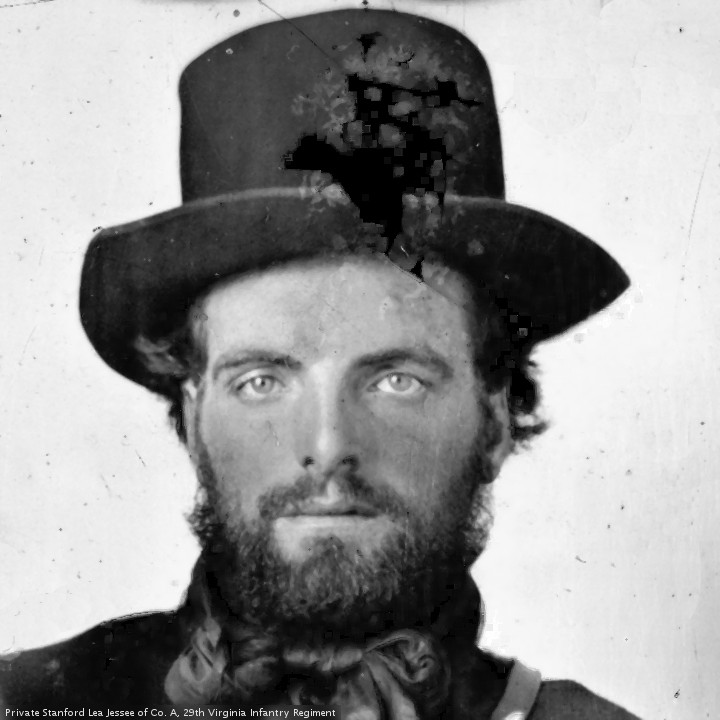


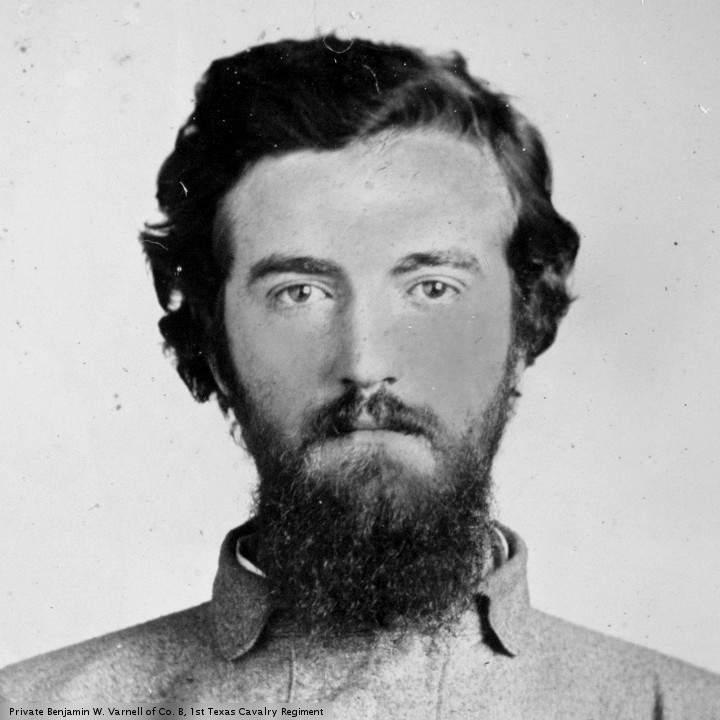
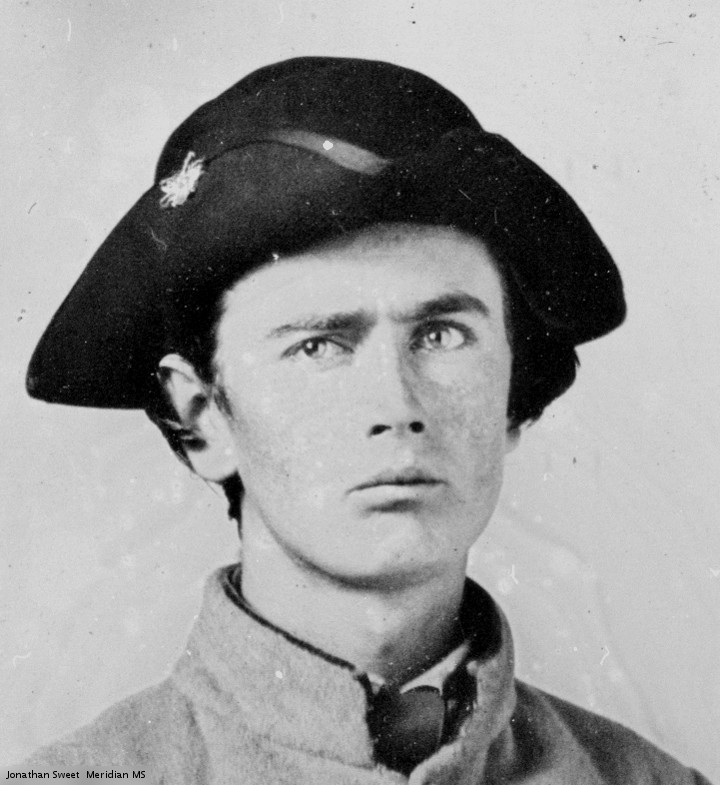
Today is Confederate Memorial Day in Georgia. It is an ancient question…how to honor the soldiers from the side that lost. They were just as valiant as the Union Soldiers. Considering the shortages of the Confederate Armies, the Rebels may have been just a bit braver.
The issue of Federalism is a defining conflict of the American experience. What powers do we give the Federal Government, and what powers do we cede to the States? The Confederacy was the product of this conflict. The Confederate States were a collection of individual states, with separate armies. This is one reason why the war turned out the way it did.
This is not a defense for slavery. The “Peculiar institution” was a moral horror. The after effects of slavery affect us today. Any remembrance of the Confederacy should know that. This does not make the men who fought any less brave.
It is tough to see the War Between the States through the modern eye. It was a different time, before many of the modern conveniences that are now considered necessities. Many say that the United States were divided from the start, and the fact the union lasted as long as it did was remarkable. When a conflict becomes us against them, the “causes” become unimportant.
The War was a horror, with no pain medicine. Little could be done for the wounded. It took the south many, many years to recover. This healing continues today. Remembering the sacrifices made by our ancestors helps. This is a repost. Pictures are from the The Library of Congress.




Armenian Genocide Remembrance Day




April 24th is Armenian Genocide Remembrance Day. According to wikipedia , “The starting date of the genocide is conventionally held to be April 24, 1915, the day when Ottoman authorities arrested some 250 Armenian intellectuals and community leaders in Constantinople”
A site called The Straight Dope has an overview of the affair, Was there genocide in early 20th century Armenia? Here are a few excerpts:
It tells you something about human nature and the century just past that the typical response to this question is: What Armenian genocide? Hardly anyone remembers this appalling crime, even though at a million-plus deaths it was the first modern holocaust, ranking eighth on the list of high-body-count butcherings 1900-’87 compiled by genocide historian R. J. Rummel.
Few can even tell you where Armenia is. (The traditional Armenian homeland covers the modern republic of Armenia plus some of Turkey, Iran, and Iraq, but the killings were confined to Turkey and other parts of the old Ottoman empire.) It’s not like the murders were conducted in secret or were over before anybody noticed — on the contrary, they spanned 30 years and received sustained worldwide publicity. So why the amnesia? Turkey’s adamant refusal to acknowledge the massacres is part of it, but equally important is the West’s agreement to forget…
What had the Armenians done to deserve all this? Not much — their main offense was to be a Christian minority in a crumbling Islamic empire. Like another much-persecuted Middle Eastern ethnic group whose sufferings are better known, the Armenians had an ancient language and culture plus a reputation for clannishness and a knack for finance, and they became the target of a similar type of unreasoning bigotry…
A massacre of 15,000 to 25,000 Armenians in 1909 set the table for the main event during World War I. Blaming the supposedly disloyal Christian minority for an early defeat by the Russians, the Turkish government starting in 1915 rounded up Armenians throughout the country, murdered vast numbers outright and deported the rest, with many dying on forced marches or in refugee camps. The brutal work was carried out by an elaborate bureaucracy that some historians consider a model for the extermination program of the Nazis. Add in a couple of additional massacres in the early 1920s and the Armenian death toll for 1915-1922 totals a million to a million and a half.
Another site, devoted to history, has a page, The Armenians.
The Turkish government viewed all Armenians with suspicion and instituted programs of relocation and mass murder. Beginning in June 1915, non-Muslim peoples were forced to move away from areas deemed to have military sensitivity. Hundreds of thousands of Armenians were forced to march to new homes, some to the Syrian desert, others to Mesopotamia. Little preparation had been made for this exodus and the toll from exhaustion, disease and starvation was staggering. Bands of Turks and Kurds would descend upon Armenian villages and slaughter entire populations.
The treatment of the Armenians was not unknown in the outside world. The Allied governments and even Germany issued protests, but the Turkish government was intent on cleansing their lands of all Armenian influence. Persecution continued into the early 1920s. For years afterward, parents in the West would evoke images of starving Armenians as a means to encourage their children to clean their plates.
It is impossible to assign accurate numbers to the slaughter. Reports provided by Armenian groups are usually regarded by historians as too high, but the official Turkish numbers appear too low. Mid-range figures indicate that perhaps between 600,000 and one million Armenians died during this period, out of a pre-war population estimated at 1.5 million.
The treatment of the Armenians 105 years ago remains a sensitive issue. Turkey staunchly denies that it happened. Since Asia Minor is a strategic piece of property, many governments are willing to go along with this denial. Even Israel , which knows a thing or two about ethnic cleansing, is sensitive to the need for allies. Turkey remains a troubling country today.
Pictures today are from The Library of Congress. This is a repost.


Thomas Jefferson Said What?
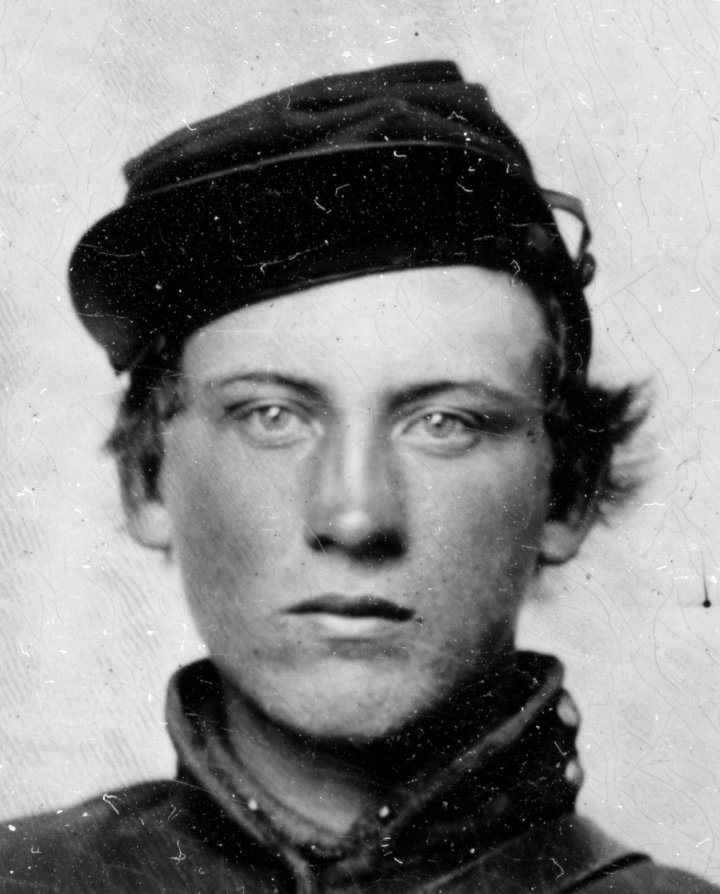


PG was wasting time with facebook when he saw a friend say “Damn I love this quote”. The passage being praised was “If you are neutral in situations of injustice, you have chosen the side of the oppressor.” Desmond Tutu. The rhetoric alert started to flash. These days, the wolf and the sheep buy their clothes at the same Walmart. To hear some oppressors talk, they are the ones under attack. It is tough to tell the good guys from the bad guys. Often you can make things worse by getting mixed up. Sometimes the best thing to do is mind your own business.
Ok, now that is out of the way. Some lines sound good, but don’t hold up to a bit of thinking. As for the veracity of the quote, Desmond Tutu may very well have said it. (or maybe one of his rivals said it, and Mr. Tutu copied it.) The quote has been attributed to Thomas Jefferson, Edmund Burke, Patrick Henry, and probably others. Almost no one has a source, for the quote, from the dead white guys.
A post called MISQUOTING THE FOUNDERS did not mince words. “The only problem with this scene that has been repeated many times across the country is that Thomas Jefferson never said that, never wrote that, and quite possibly never thought it. Our aspiring politician had fallen victim to the perils of popular misattribution. You could fill a book with misquotes and misattributed quotes we hear repeated regularly today. Right now if I Google “All tyranny needs to gain a foothold is for people of good conscience to remain silent” the entire first page of results wrongly attribute it to Thomas Jefferson. The quote and its many variants have been attributed in the past to Thomas Paine and Edmund Burke, but no record exists of the quote in any of their writings or contemporary accounts.”
On November 13, 1787, Mr. Jefferson wrote a letter to William Smith. The letter is full of zesty quotes. “What country before ever existed a century & a half without a rebellion? & what country can preserve it’s liberties if their rulers are not warned from time to time that their people preserve the spirit of resistance? Let them take arms. The remedy is to set them right as to facts, pardon & pacify them. What signify a few lives lost in a century or two? The tree of liberty must be refreshed from time to time with the blood of patriots & tyrants. It is it’s natural manure.”
A few lines above that, Mr. Jefferson said “God forbid we should ever be 20 years without such a rebellion.” Twenty years after he wrote this, Mr. Jefferson was President. He probably did not want to deal with a revolution when he was President.
Getting back to the quote about tyranny, Martin Porter wrote an entertaining essay, A study of a Web quotation. He gives credit, or blame, to Edmund Burke. First, a list of different versions is presented. This is a clue that something is awry. The conclusion: “There is no original. The quote is bogus, and Burke never said it. It is a pseudo-quote, and corresponds to real quotes in the same way that urban legends about the ghost hitch-hiker vanishing in the back of the car and alligators in the sewers correspond to true news stories.”
Mr. Porter wrote a follow up essay, Four Principles of Quotation. These principles are: Principle 1 (for readers) Whenever you see a quotation given with an author but no source assume that it is probably bogus. Principle 2 (for readers) Whenever you see a quotation given with a full source assume that it is probably being misused, unless you find good evidence that the quoter has read it in the source. Principle 3 (for quoters) Whenever you make a quotation, give the exact source. Principle 4 (for quoters) Only quote from works that you have read.
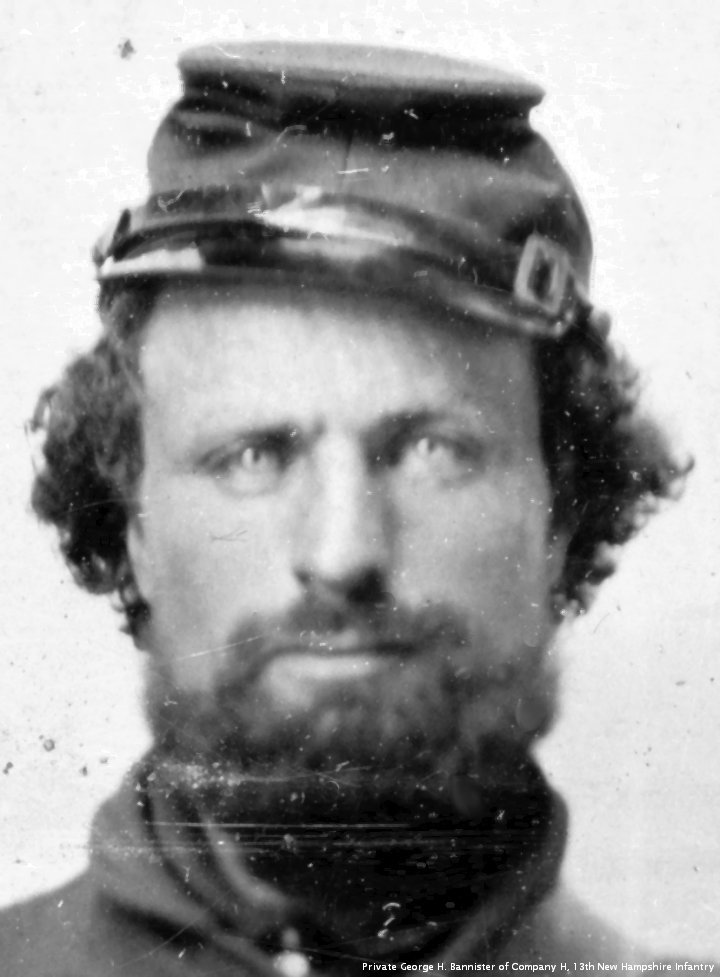
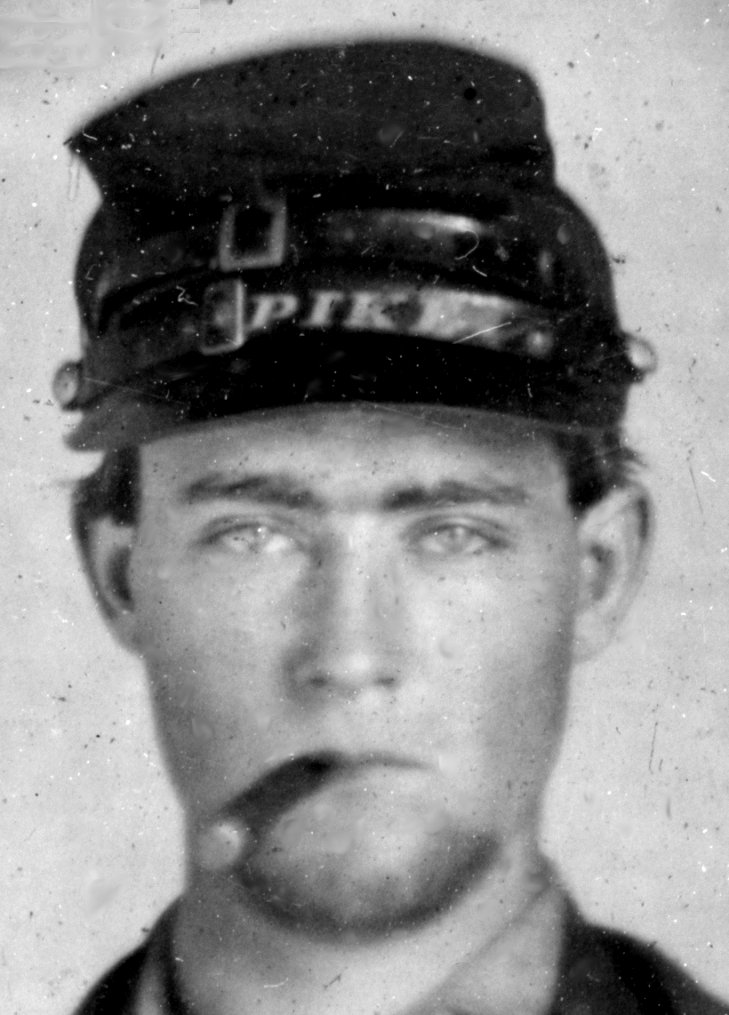
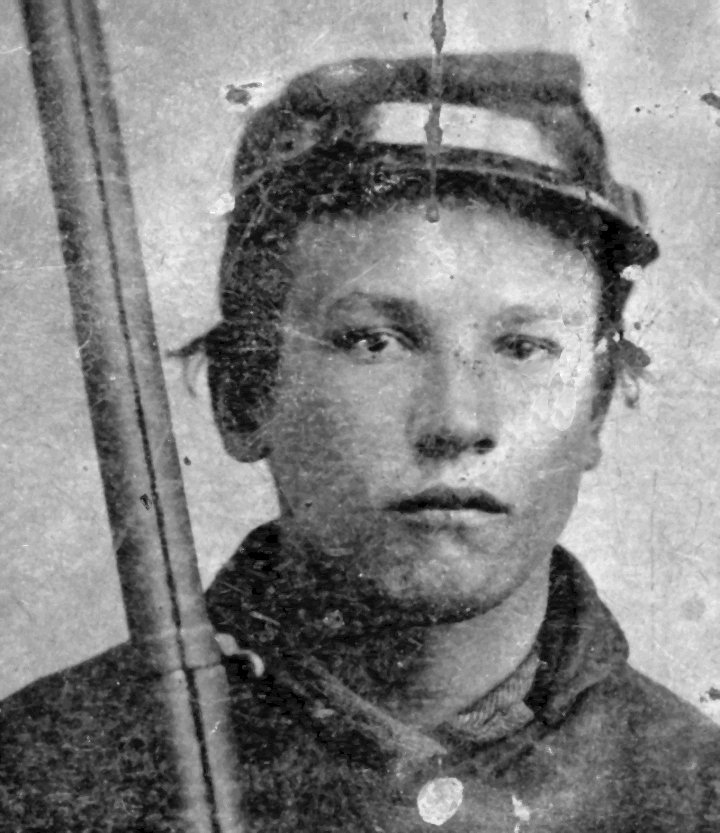
If these principles were to be used, then there would be a lot less hotheaded talking on the intercom. Those who are trying to influence you to the justice of their cause will not want you to read this. Pictures for this feature are from The Library of Congress. These pictures are Union soldiers, from the War Between the States. When war is discussed, all inspiring quotes are in doubt.
This is a repost. It is written like James Joyce. In the past year, doing due diligence on alleged quotes has become a hobby. Many people don’t care who said it, if they agree with the thoughts expressed. The prevailing thought is that an idea becomes more true with a famous name at the end. If the famous person is deceased, and cannot defend his/her reputation, that is not a problem. People do not like being told that Santa Claus does not exist.
Anthony Stephen Fauci





@maggieNYT “White House officials say they’ve given Fauci a lot of room to do interviews amid concerns he was being muted. But they question some of the interviews he’s given and how he has so much time for them.” Anthony Fauci has been in the hot seat before. In the eighties, he was blamed for not stopping AIDS. Now, Dr. Fauci is seen as a voice of reason. How did he get there?
“Anthony Stephen Fauci was born in New York City on Christmas Eve 1940, the second of Stephen and Eugenia Fauci’s two children. … Fauci has spent his entire professional career at the National Institutes of Health. He started as a clinical associate in the Laboratory of Clinical Investigation at the National Institute of Allergy and Infectious Diseases (NIAID) in 1968, after a two-year residency at The New York Hospital-Cornell Medical Center. By 1974, he was head of the clinical physiology section of the lab. In 1980, he became chief of the Laboratory of Immunoregulation (a position he still holds) and since 1984, he has been the director of NIAID.”
Things began to change in 1981. The “aha” moment was- it was the early summer of 1981. The CDC … puts out the Morbidity and Mortality Weekly Report … reported on their June 5, 1981 MMWR five men from Los Angeles who presented with a very unusual kind of pneumonia that you only see in people who have dramatically-suppressed immune systems. And I looked at it and said, “Wow, five gay men.” Why all gay men, and why this strange disease that you almost never see in healthy people? And they were supposedly completely healthy other than that. I thought it was a fluke.”
“And then one month later, on the July 4th of 1981, the next MMWR appeared … “Now 26 men, not only from L.A., but from San Francisco and New York, with not only this strange pneumonia, but this strange kind of cancer that you only see in people who are immunosuppressed.” And the thing that blew me away is that all of them were gay men. And I said, “Whoa. Something is going on here that’s really bad, and this is likely a new disease.””
“And I made what I consider the transforming decision in my own career: I decided I was going to stop what I had been doing-rather successfully-for the previous nine or ten years and devote myself completely to studying what I felt would be an enormously difficult disease, and it, unfortunately, turned out that that was the case.”
Seven years later, after staggering amounts of deaths and suffering, Dr. Fauci was scheduled to appear at a conference in San Francisco. ACT-UP was there to greet him. “An Open Letter to Dr. Anthony Fauci” San Francisco Examiner, June 26, 1988 “Anthony Fauci, you are a murderer and should not be the guest of honor at any event that reflects on the past decade of the AIDS crisis. Your refusal to hear the screams of AIDS activists early in the crisis resulted in the deaths of thousands of Queers. … You can’t hide the fact that you are nothing but a despicable Reagan-era holdover and drug company mouthpiece. With 270,000 dead from AIDS and millions more infected with HIV, you should not be honored at a dinner. You should be put before a firing squad. … You are a pill-pushing pimp that cooperates with drug companies in forcing dangerous concoctions down the throats of a desperate community that is brainwashed into believing that taking a pill, any pill, will help them. … Ten years of hope? Fuck that. Try a decade of death and greed. Go back to Washington you bastard.”
“Carol Brown Moskowitz … recalls running into a group of leather-clad men, many of them body pierced and draped in chains, in Washington’s Omni Hotel, in the fall of 1988. … When she asked one of them who they were, he told her that they were members of “Act Up,” and that they were going out to make some noise at the FDA about the AIDS epidemic and the lack of funding for research. … Fauci asked the police and the FBI on the NIH campus not to make arrests. He also asked that a handful of the demonstration’s leaders be brought to his office.”
“That began a relationship over many years that allowed me to walk amongst them,” Fauci says. “It was really interesting; they let me into their camp. I went to the gay bath houses and spoke to them. I went to San Francisco, to the Castro District, and I discussed the problems they were having, the degree of suffering that was going on in the community, the need for them to get involved in clinical trials, since there were no other possibilities for them to get access to drugs.”
In 2005, Fauci appeared on C-SPAN. “The toughest decision you’ve ever had to make?””Well, one of the toughest decision-I had a few-was when I made a decision during the middle of the early years of the AIDS pandemic to bring the activist community into our deliberations, because most of the scientific community, including my own staff, were totally against that. They said the activists would be disruptive, that they would get in the way of what the scientific approach would be.”
One of those activists was the infamous Larry Kramer, who wrote the open letter seen above. This 1993 chat with Kramer gives you a small taste.
“Natalie Angier wrote in The New York Times in February of 1994: “And through it all, Dr. Fauci accepts the criticisms, and he accepts that someone must absorb the anger and terror that AIDS has spawned, so why not somebody of strong vertebrae who was raised on the streets of Bensonhurst? “I was on a C-SPAN program a couple of months ago with Tony, and I attacked him for the entire hour,” said Mr. Kramer. “He called me up afterwards and said he thought the program went very well. I said, ‘How can you say that? I did nothing but yell at you.’ He said, ‘You don’t realize that you can say things I can’t. It doesn’t mean I don’t agree with you.” … “Dr. Fauci claims he does not take the intermittent blasts personally. “That’s the activist mode,” he said. “When there’s a disagreement their tendency is to trash somebody. But I know that when Larry Kramer says the reason we’re all in so much trouble is because of Tony Fauci, he’s too smart to believe that.”
A few years later, the outlook started to improve. “We have drugs right now … In the early ’80s, if someone came in to my clinic with AIDS … half of them would be dead in eight months. Now, if …someone comes into a clinic who is 20-plus years old who is relatively recently infected, and I put them on the combination of three drugs … if you take your medicine regularly, you could live an additional 50-five zero-years.”
“Fauci is married to Christine Grady … “I met him (Fauci) here over the bed of a patient who happened to be from Brazil. I was called in as a translator … And so they said, ‘Could you come translate for Dr. Fauci?’ whom I had not met—the inimitable Dr. Fauci— everybody was afraid of. When he came in, I thought, ‘What are they so afraid of him for? He is not so scary.’”
As Fauci tells the story on C-SPAN: “She was just this very attractive young nurse, and I said, “Very interesting.” … I was single. So I went back to my office. About a few days later, I told the head nurse, “Could you tell that nurse, Ms. Grady, to come to my office. I want to talk to her.” … So she walked into my office completely petrified that she was in trouble, and she sat there looking very nervous. I couldn’t figure out why she was nervous. So I looked at her and said, “Well, you know, I didn’t realize you had come here until just last week.” I said, “Would you like to go out for dinner sometime?” She just fell right through the chair, and she said, “Of course, I will.” And we got married a year later.”
In today’s #metoo atmosphere, the director romancing a young nurse might not work as well. Pictures today are from The Library of Congress. Thanks to Holy Cross Magazine and C-SPAN




Anita Aretha and Elton


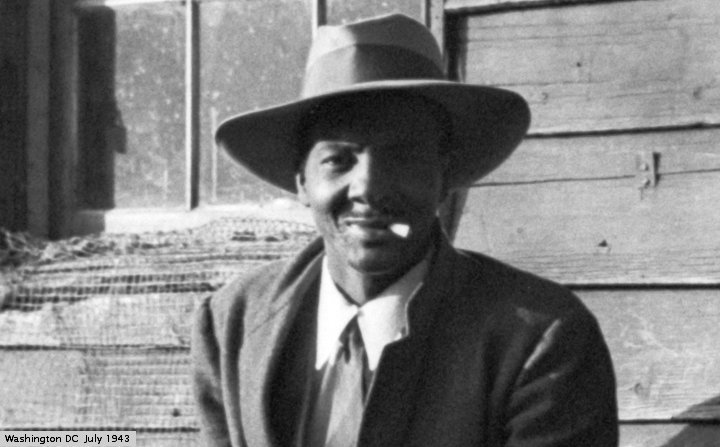


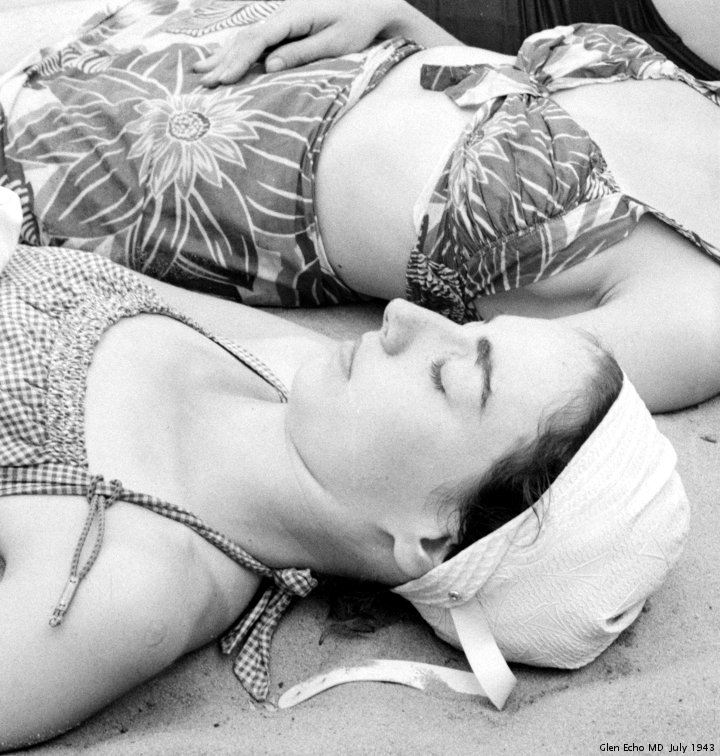
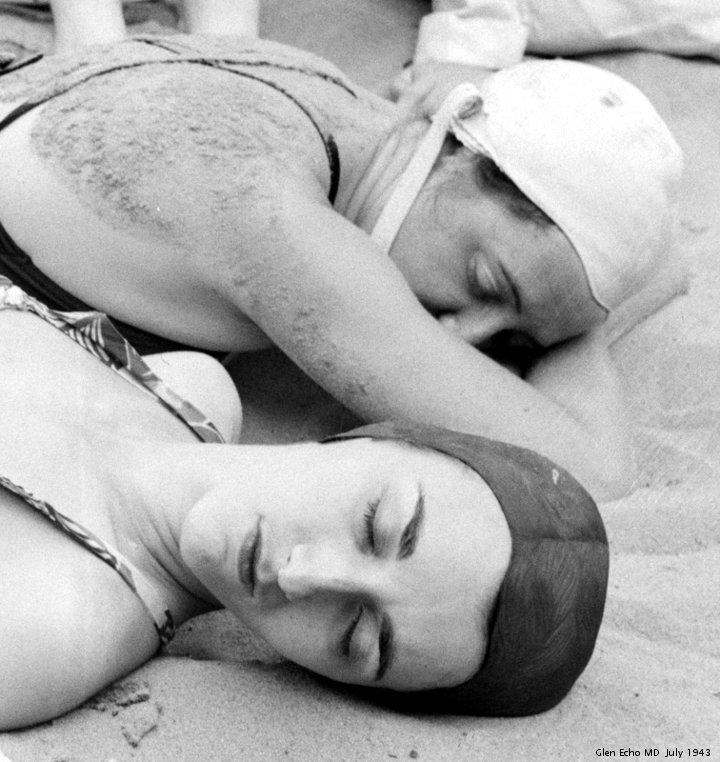
In the early nineties, PG had too much free time. On March 25 of one year, he looked in the fishwrapper, and found a list of famous people with birthdays.
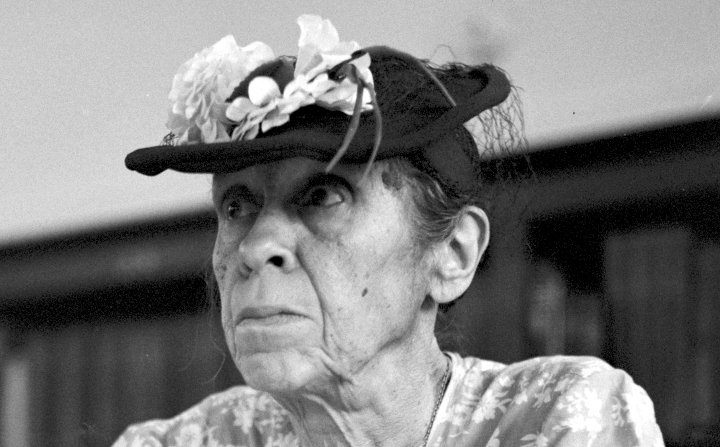
There was an unlikely trio celebrating that day. This would be (in order of appearance) Anita Bryant (1940), Aretha Franklin (1942), and Elton John (1947). All three have been paid for singing. The three have a total of five husbands, with Miss Bryant and Mr. John currently attached (Not to each other). Miss Franklin has good taste in hats.
Several other people have arrived on planet earth on March 25. They include , in 1911, Jack Ruby, the killer of Lee Harvey Oswald (d. 1967) (They don’t say alleged when it was on live TV). 1918 produced Howard Cosell, American sports reporter (d. 1995). Flannery O’Connor (d. 1964) arrived in 1925. 1934 gave us Gloria Steinem. To make room for all this talent, Buck Owens died March 25, 2006. On August 16, 2018, Aretha Franklin was heaven bound.
March 25 is after the spring equinox, and has been Easter. A few noteworthy events have gone down on this day. In 1894, Coxey’s Army departed Massillon, Ohio for Washington D.C. In 1911, the Triangle Shirtwaist Factory fire killed 146 garment workers in New York City. In 1939 Cardinal Eugenio Pacelli becomes Pope Pius XII, to the delight of Adolph Hitler. 1955 saw the United States Customs seizes copies of Allen Ginsberg’s poem “Howl” as obscene. In 1969, John Lennon and Yoko Ono began their first Bed-In for Peace at the Amsterdam Hilton Hotel.
HT and applause to wikipedia. This is a repost. Pictures are from The Library of Congress.


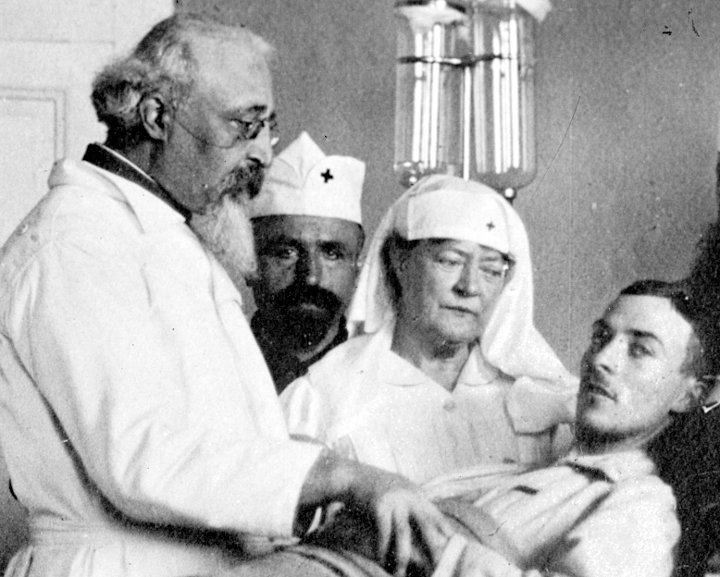

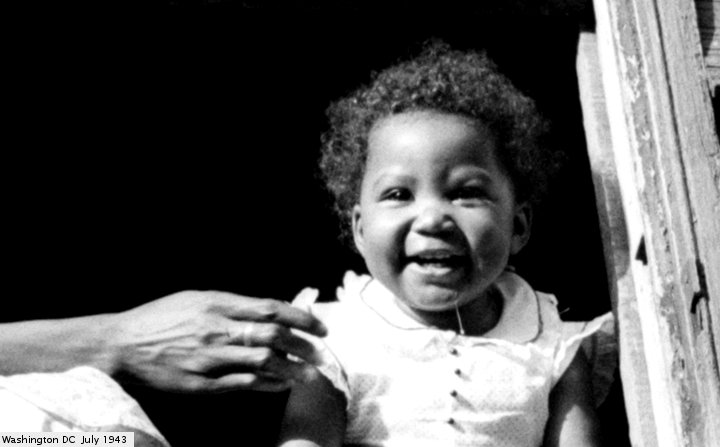

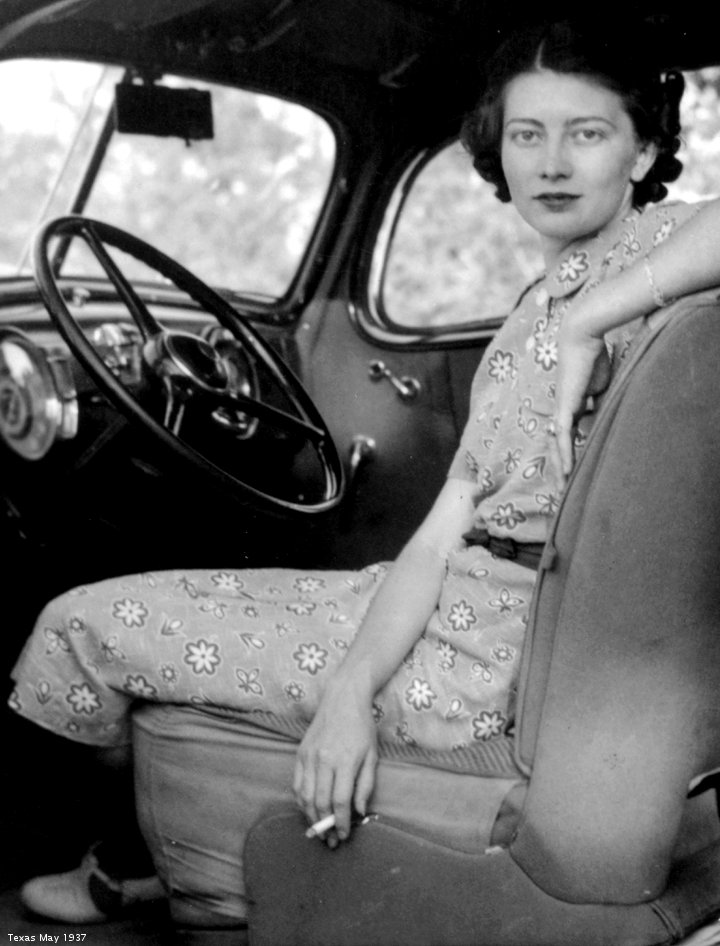
Singers Who Wear Wigs



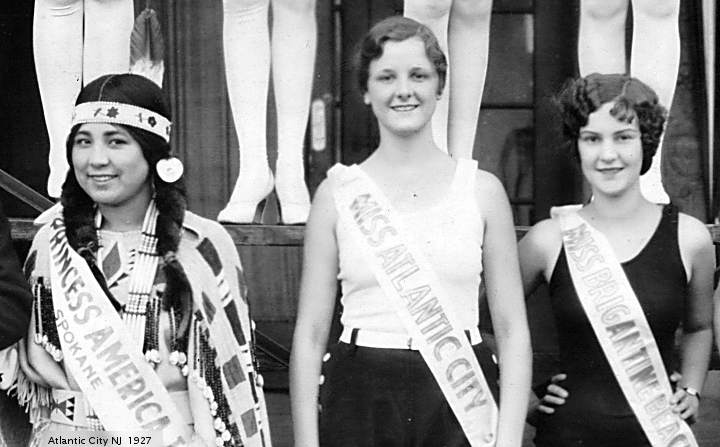
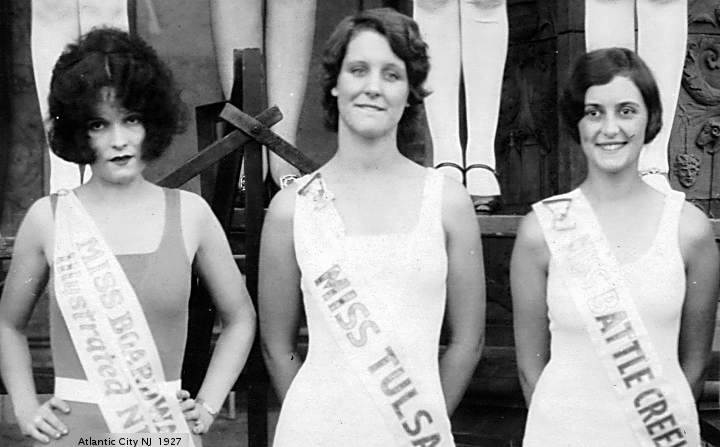
If you go to google, and type in “singers that wear wigs”, the first name to appear is Mary J. Blige. PG does not follow her closely, but went to youtube and found a video. This is probably not her real hair.
Dolly Parton is known for a lot of things, at least two of which are real. The hair is not. If you ask her “How long does it take to do your hair?”, she says “I don’t know, I’m never there”
If anyone is known for enhancing her natural attributes, it would be Cher. Her fondness for plastic surgery is well known, as is the way her head fits in a hairpiece. In this number, Mrs. Bono talks about some of her favorite people.
Grace Slick is basically retired these days. In her hey day, she never appeared in public in her real hair. PG saw her at the Omni once, and was horrified by her wig. (Grace sells her paintings these days. Her white hair is cut short. The wigs are in a museum.)
RuPaul is not really blonde. That is a part of her wardrobe. In this video, she co stars with Martha Wash, in a remake of “It’s Raining Men”. The original title for this video was Piggly Wiggly.
It is a bit of show business wisdom that you put the horses at the end of a parade. Deaundra Peek fills this important role today. Last year it was a remake of “Supermodel”, which has copyright issues. Today, it is a cooking lesson. The last three characters of the Youtube code are M2M.
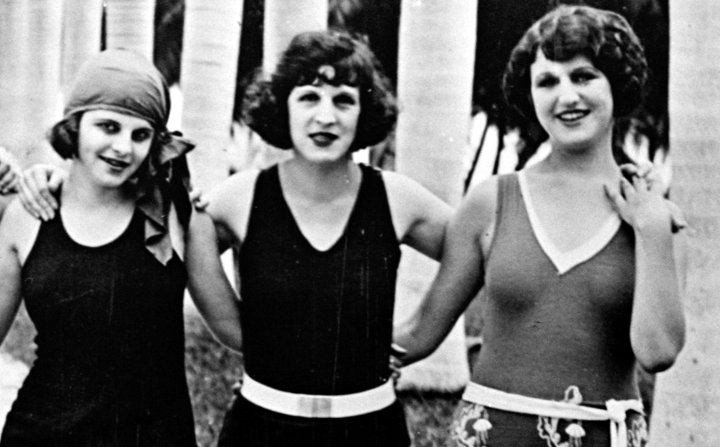
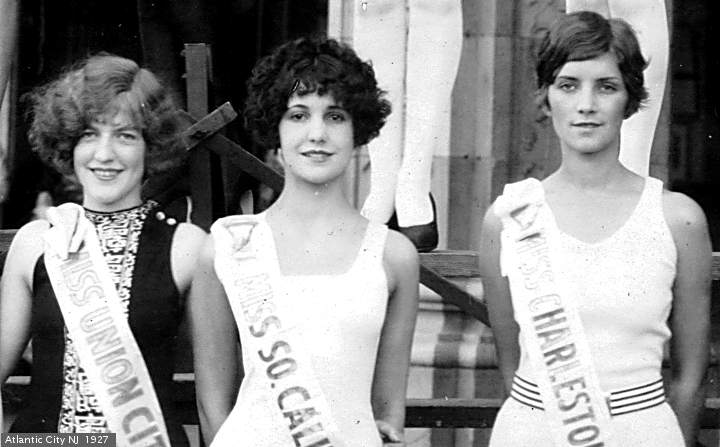
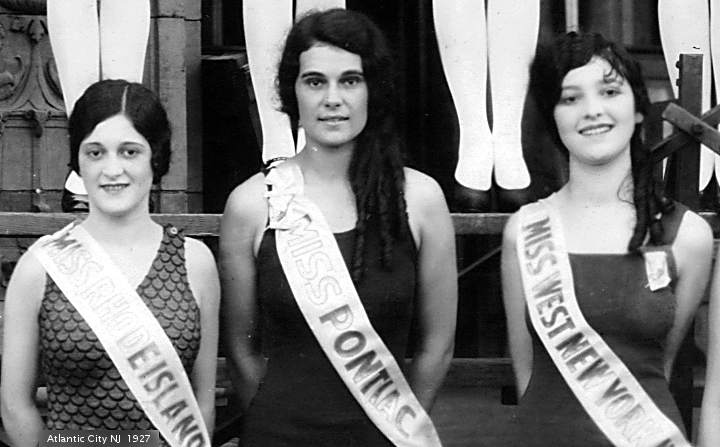
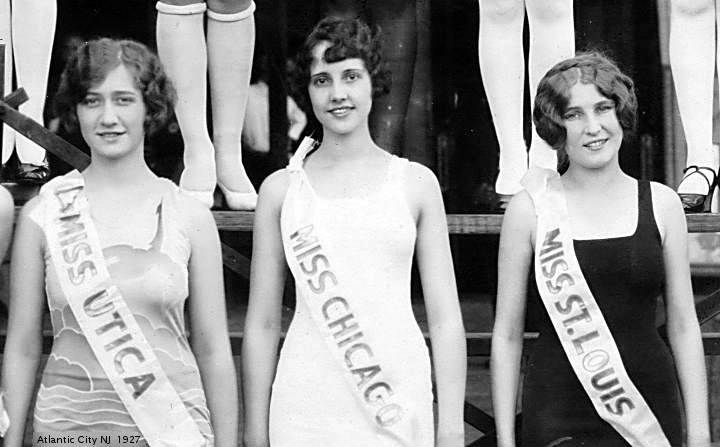
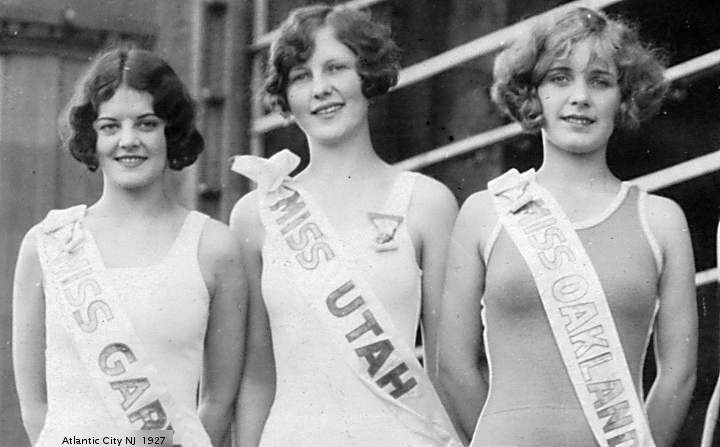
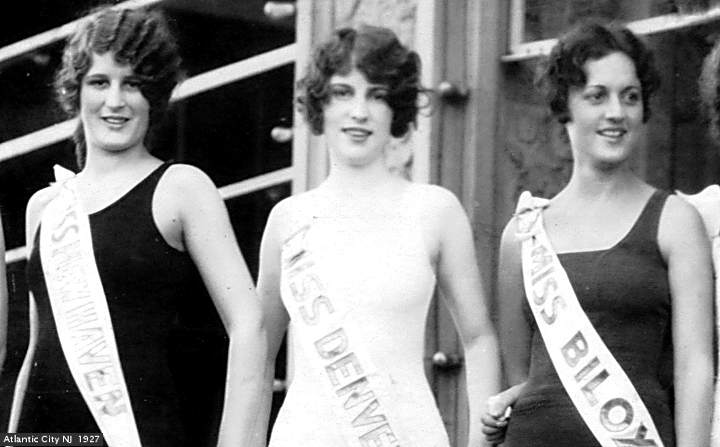
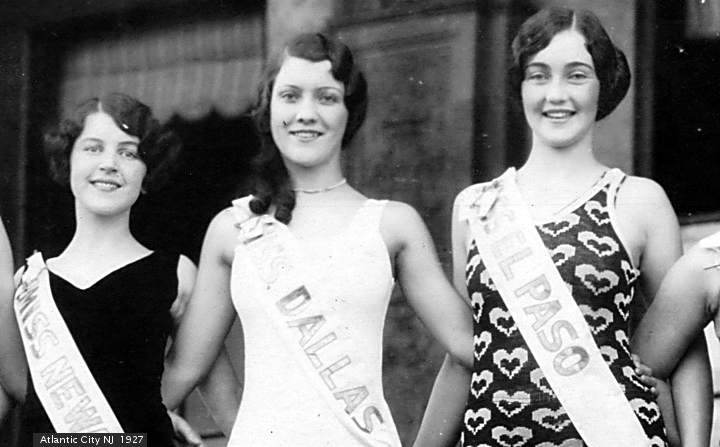
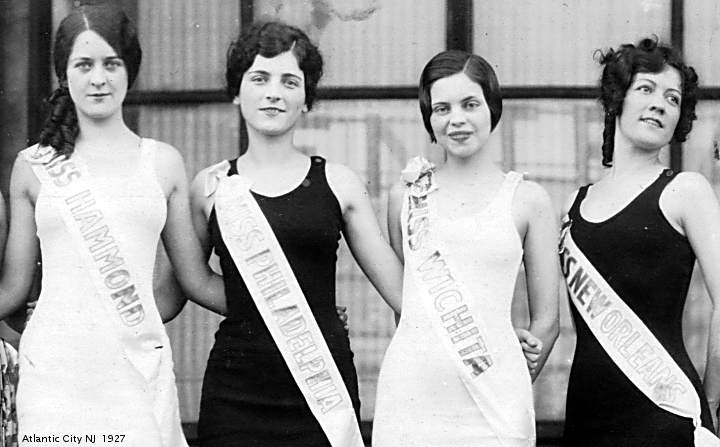
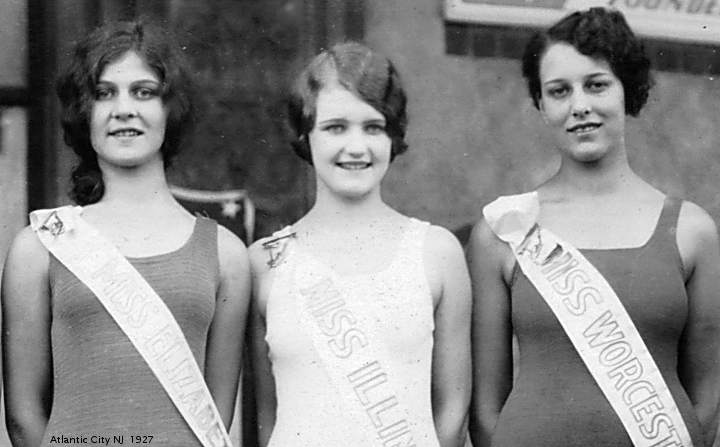
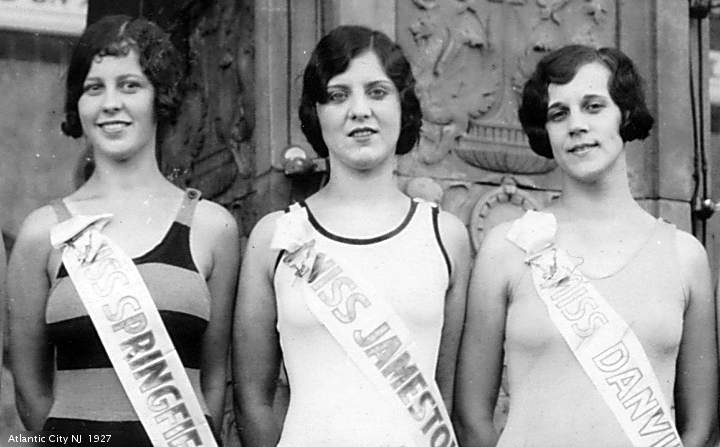
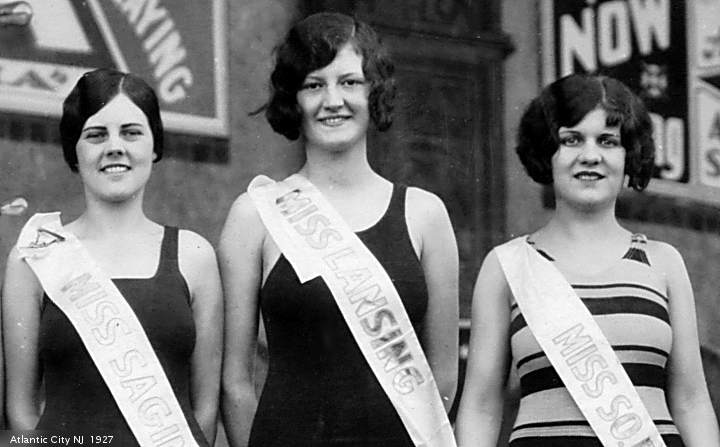
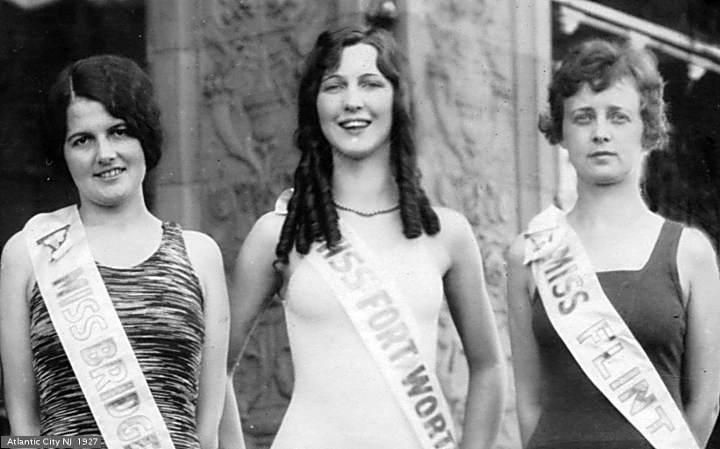
This is a repost. Pictures, from The Library of Congress, model “Inter-city beauties, Atlantic City Pageant, 1927.” As a bonus to our reader(s), we will explore the issue, Does Lady Gaga wear a wig? The answers are a bit contradictory, which is somehow fitting. One page says she does not wear a wig, but does wear extensions in some videos. Another answer is that dying her hair is damaging to the hair, if she went to a salon the paparazzi would see her, so yes, she does wear a wig.






Shock And Awe Day
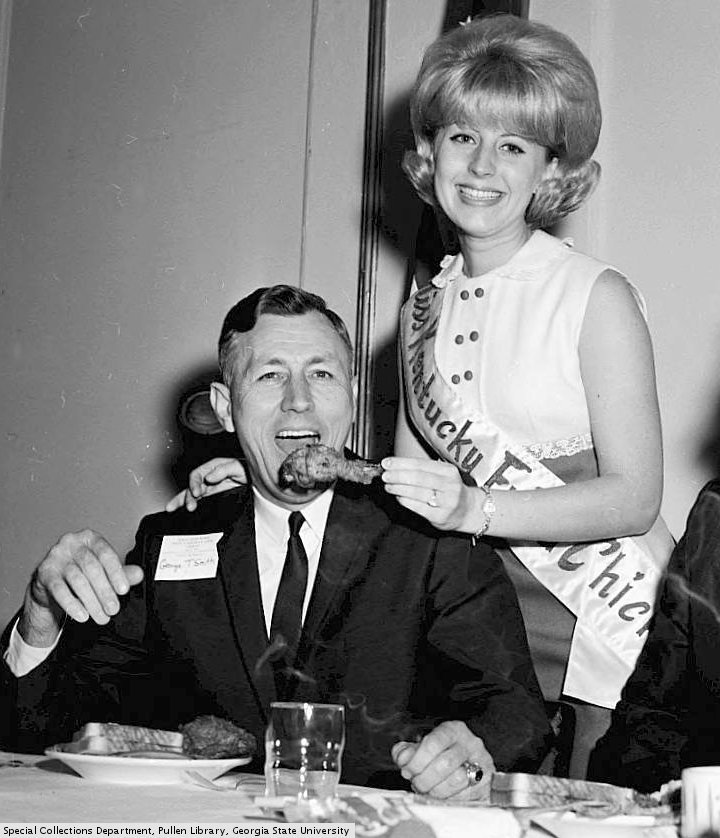

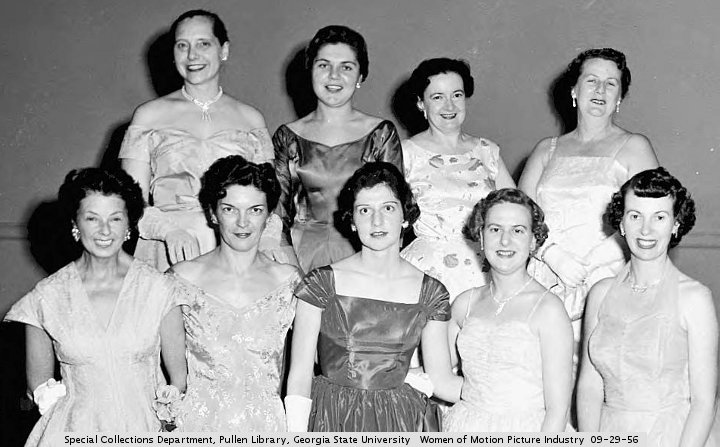
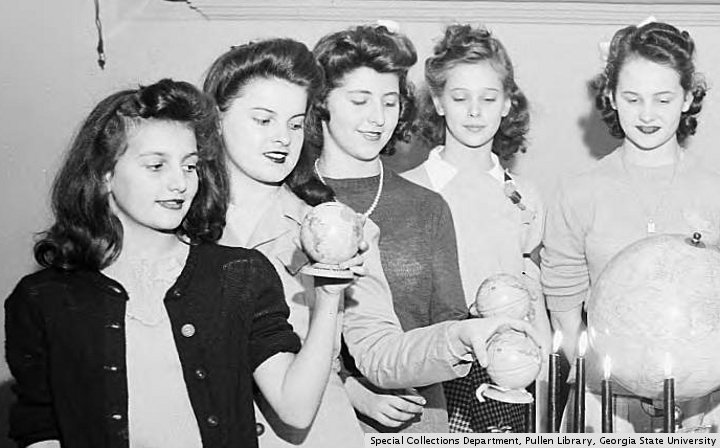
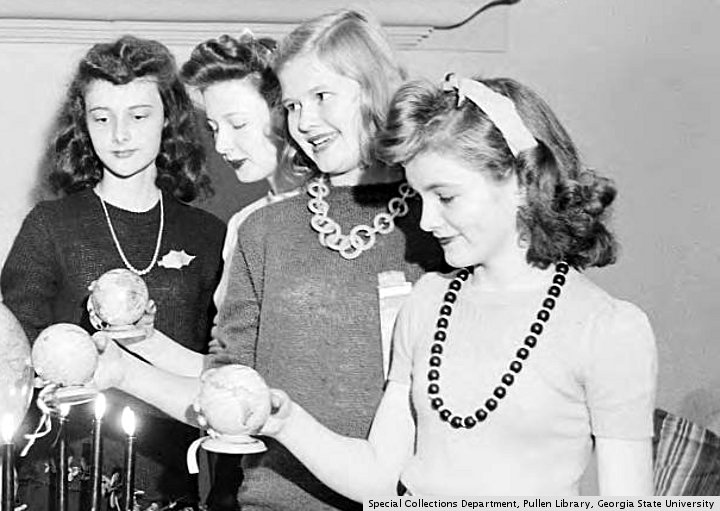
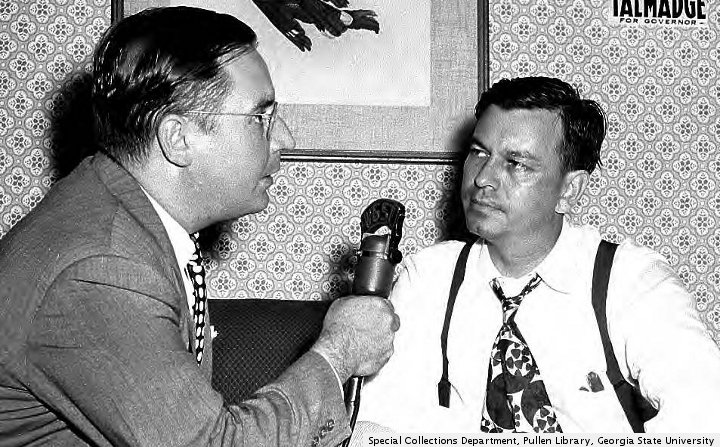
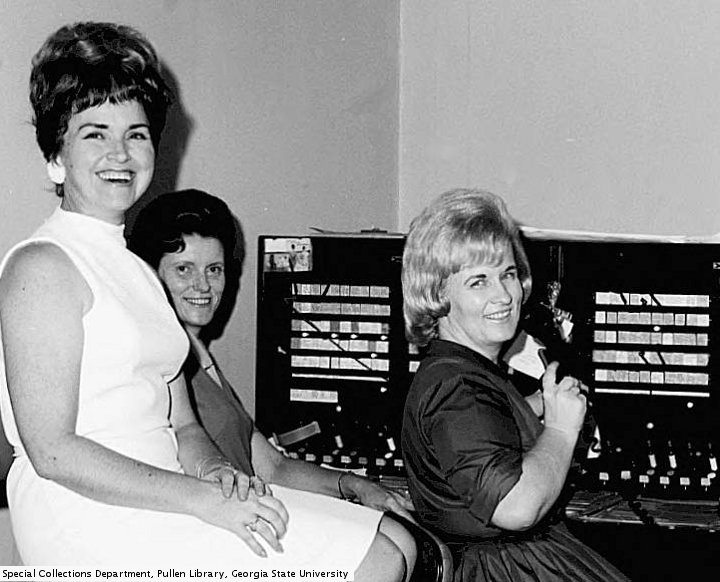
Seventeen years ago, Iraq teetered on the edge of regime change. It was obvious what was going to happen, at least at first. America was going to storm in, kill a bunch of people, and take over.
In post 911 America, the military industrial complex saw an opportunity for plunder, unrivaled since the fall of the Soviet Union. The stories of WMD would infect the body politic with fear of a mesopotamian madman. Saddam Hussein wanted Iran to think he has wonder weapons, and did not think America was serious about regime change. We all make mistakes.
In the seventeen years since the time of shock and awe, trillions of dollars have gone down the drain, dragging the mighty American economy along into the sewers of bankruptcy. One of the oldest civilizations of mankind was reduced to hiding, from neighbors, behind concrete barricades. They fought the conquerors with bombs triggered by garage door openers. Thousands of women and children have been murdered. The WMD were never found. This is a repost.
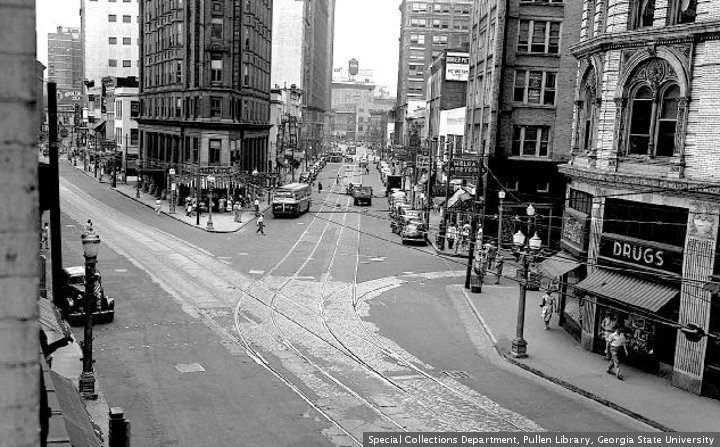
Pictures are from “The Special Collections and Archives, Georgia State University Library”.





World Premieres In Atlanta

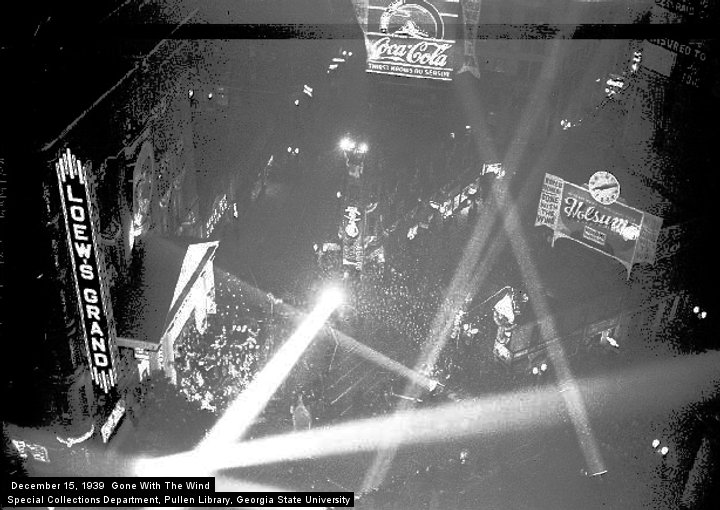
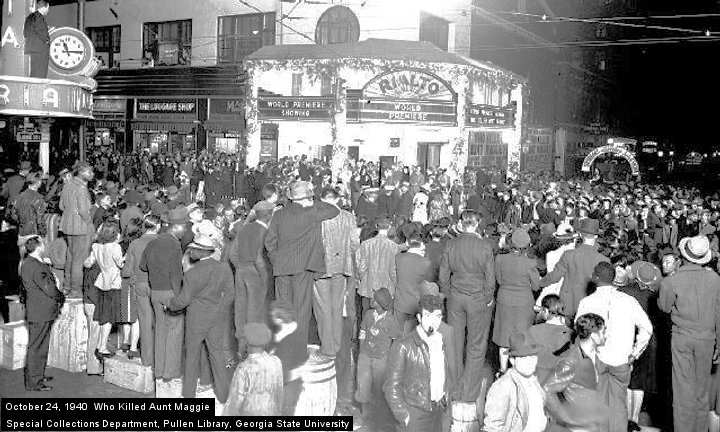

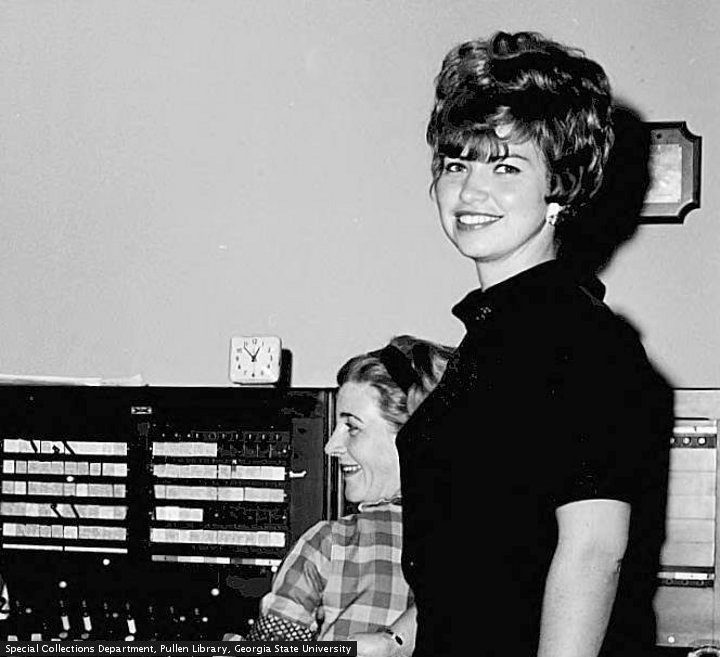
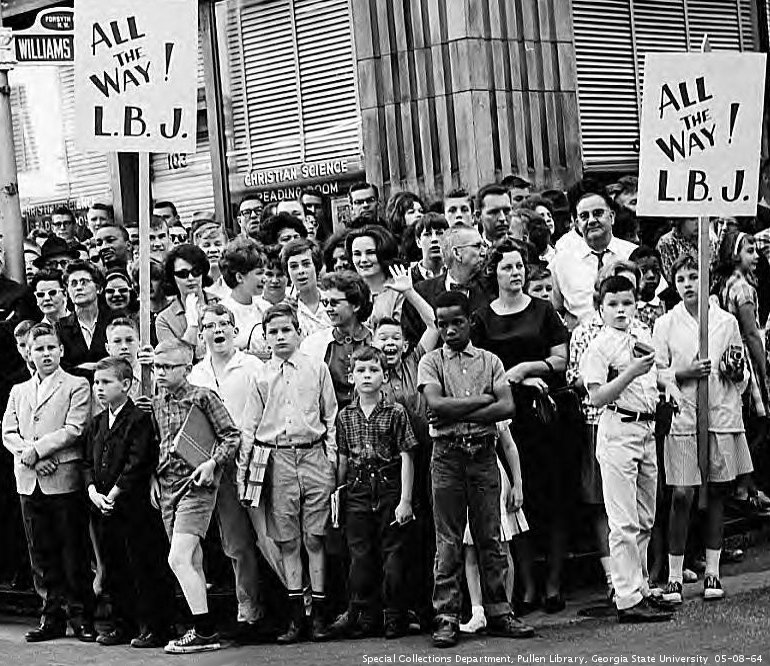
Several movies have had a world premiere in Atlanta. We will take a look today. Pictures are from “The Special Collections and Archives, Georgia State University Library”. Information about the films is from the Internet Movie Database. This is a repost.
As some of you may know, Gone With The Wind had it’s world premiere at the Lowes Grand Theater on December 15, 1939. The Lowes Grand site is the current location of the Georgia Pacific building. There is a vacant lot next door, on top of some MARTA paraphernalia. This lot was the site of the Paramount Theater, another movie palace that did not survive.
The GWTW premiere was a big deal. Ten year old Martin Luther King Jr. sang with his church choir. Clark Gable requested a private meeting with Margaret Mitchell, who became the envy of every woman in America. When Mr. Gable checked out of his hotel, a lady was going to be given his room. The clerk asked for a minute to change the sheets on the bed, and the lady said, no, I want to sleep on the same sheets as him.
It was the golden age of movies, and the next year Atlanta hosted the first showing of Who Killed Aunt Maggie. The premiere was at the Rialto, on October 24, 1940. The review at IMDB said it was an enjoyable mystery, even if it was a cliche fest. It is not often seen today.
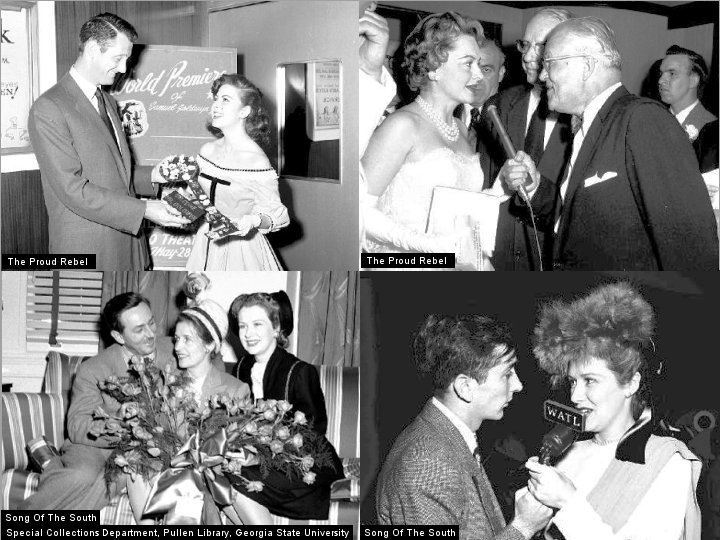
In 1946, Song Of The South had it’s premiere at the Fox Theater. SOTS is a controversial item. It was based on the Uncle Remus stories. These stories were told by rural black people that Joel Chandler Harris knew, while growing up near Eatonton GA. As Wikipedia recounts: “Controversy surrounding his southern plantation themes, narrative structure, collection of African-American folklore, use of dialect, and Uncle Remus character, however, has denigrated the significance of Harris’ work”. You Must Remember This devoted six episodes to Song of the South. (one two three four five six)
The female lead in SOTS was Ruth Warrick. Miss Warrick was a versatile talent. Her first movie role was in Citizen Kane, as Kane’s first wife. She was in many movies, before moving to television. She was perhaps best known as Phoebe Tyler, in the soap opera All My Children. Wikipedia tells a story about her, that is ironic for the female lead of Song Of The South.
“In July 2000, she refused to accept a lifetime achievement award from the South Carolina Arts Commission because she was offended by legislators’ decision to move the Confederate flag from the state Capitol dome to another spot on the grounds in response to a boycott of the state by flag opponents. A lifelong supporter of African-American rights, she felt the flag should be removed completely, and commented, “In my view, this was no compromise. It was a deliberate affront to the African-Americans, who see it as a sign of oppression and hate.”
In 1949, the Paramount had the first screening of The Gal Who Took The West. The female lead was Yvonne De Carlo, who later achieved immortality as Lily Munster. In November 1951, the spotlights returned to Lowes Grand for Quo Vadis
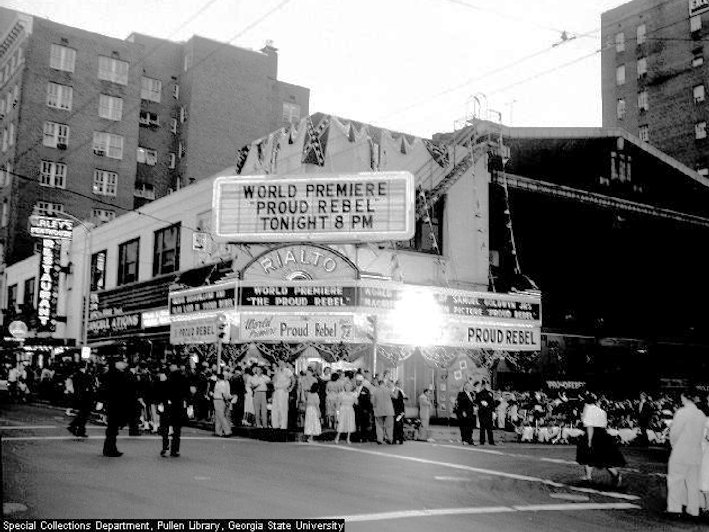
The last film in the GSU picture collection is The Last Rebel. This western had it’s premiere at the Rialto, May 27, 1958. The movie was a return to Atlanta glory for Olivia De Havilland. The film is the story of a man, whose wife dies in a fire during the war between the states. PG questions the use of the Stars and Bars on the marquee.
In 1974, Ringo Starr produced and acted in Son of Dracula. The movie had it’s world premiere at the Cherokee Plaza Theater. Cherokee Plaza is a shopping center on Peachtree Road, just east of the Atlanta city limits. The theater was torn down during a renovation, and the space is currently the produce department at Krogers.
A local radio station hired a band to play in the parking lot at the premiere. At some point, a long limousine pulled up to a stage, and Ringo Starr and Harry Nilsson got out. Both were wearing sunglasses, even though it was after dark. Ringo got on the stage, waved a wand at the crowd, and said “I am turning you into frogs”. He went inside to see the movie, the crowd went home, and the movie was mercifully forgotten.
In 1981, PG went to a supper in an apartment building (now a vacant lot) across Peachtree from First Baptist Church. There was a commotion down the street at the Fox, and PG went to see what it was. Sharkey’s Machine had it’s World Premiere that night.


Who Invented The Word Racism?




Writers tackle was rampaging through Brookhaven. PG looked in a list of old product, and found a feature built on the output of Teju Cole. He has a dandy article, at the New Yorker, about what is antiseptically called drone warfare. It is the twitter feed that gets attention. This is a repost.
@tejucole George Carlin’s original seven dirty words can all be said freely now. The one word you can’t say, and must never print, is “racist.”
The quote marks lend mystery to the tweet. Does he mean the dreaded “n word”? Or does he mean that other six letter slur? There is no shortage of people screaming racist in Georgia, often at the slightest provocation. There is an attitude that racism is the worst thing you can be accused of. Once accused, you are guilty until proven innocent. If you do a bit of research into racism, the word, you will see some interesting things.
The concept of groups of people not liking each other is as old as mankind. The word racism apparently did not exist before 1933 (merriam webster), or 1936 (dictionary dot com). (In 2020, both of these sources have updated their notes, on the original use of the word “racism.”)
Something called the Vanguard News Network had a forum once, What is the true origin of the term racism? This forum is problematic, as VNN seems to be a white supremacist affair. One of the reputed coiners of the R word was Leon Trotsky, also referred to as Jew Communist. Another Non English speaker who is given “credit” for originating the phrase is Magnus Hirschfeld. As for English, the word here is: “American author Lawrence Dennis was the first to use the word, in English, in his 1936 book “The coming American fascism”.”
The terms racist and racism seem to be used interchangeably in these discussions. This is in keeping with the modern discussion. As Jesus worshipers like to say, hate the sin, love the sinner.
The Online Etymology Dictionary has this to add: “racist 1932 as a noun, 1938 as an adjective, from race (n.2); racism is first attested 1936 (from French racisme, 1935), originally in the context of Nazi theories. But they replaced earlier words, racialism (1871) and racialist (1917), both often used early 20c. in a British or South African context. In the U.S., race hatred, race prejudice had been used, and, especially in 19c. political contexts, negrophobia.”
Pictures are from The Library of Congress.





leave a comment