Armenian Genocide Remembrance Day




April 24th is Armenian Genocide Remembrance Day. According to wikipedia , “The starting date of the genocide is conventionally held to be April 24, 1915, the day when Ottoman authorities arrested some 250 Armenian intellectuals and community leaders in Constantinople”
A site called The Straight Dope has an overview of the affair, Was there genocide in early 20th century Armenia? Here are a few excerpts:
It tells you something about human nature and the century just past that the typical response to this question is: What Armenian genocide? Hardly anyone remembers this appalling crime, even though at a million-plus deaths it was the first modern holocaust, ranking eighth on the list of high-body-count butcherings 1900-’87 compiled by genocide historian R. J. Rummel.
Few can even tell you where Armenia is. (The traditional Armenian homeland covers the modern republic of Armenia plus some of Turkey, Iran, and Iraq, but the killings were confined to Turkey and other parts of the old Ottoman empire.) It’s not like the murders were conducted in secret or were over before anybody noticed — on the contrary, they spanned 30 years and received sustained worldwide publicity. So why the amnesia? Turkey’s adamant refusal to acknowledge the massacres is part of it, but equally important is the West’s agreement to forget…
What had the Armenians done to deserve all this? Not much — their main offense was to be a Christian minority in a crumbling Islamic empire. Like another much-persecuted Middle Eastern ethnic group whose sufferings are better known, the Armenians had an ancient language and culture plus a reputation for clannishness and a knack for finance, and they became the target of a similar type of unreasoning bigotry…
A massacre of 15,000 to 25,000 Armenians in 1909 set the table for the main event during World War I. Blaming the supposedly disloyal Christian minority for an early defeat by the Russians, the Turkish government starting in 1915 rounded up Armenians throughout the country, murdered vast numbers outright and deported the rest, with many dying on forced marches or in refugee camps. The brutal work was carried out by an elaborate bureaucracy that some historians consider a model for the extermination program of the Nazis. Add in a couple of additional massacres in the early 1920s and the Armenian death toll for 1915-1922 totals a million to a million and a half.
Another site, devoted to history, has a page, The Armenians.
The Turkish government viewed all Armenians with suspicion and instituted programs of relocation and mass murder. Beginning in June 1915, non-Muslim peoples were forced to move away from areas deemed to have military sensitivity. Hundreds of thousands of Armenians were forced to march to new homes, some to the Syrian desert, others to Mesopotamia. Little preparation had been made for this exodus and the toll from exhaustion, disease and starvation was staggering. Bands of Turks and Kurds would descend upon Armenian villages and slaughter entire populations.
The treatment of the Armenians was not unknown in the outside world. The Allied governments and even Germany issued protests, but the Turkish government was intent on cleansing their lands of all Armenian influence. Persecution continued into the early 1920s. For years afterward, parents in the West would evoke images of starving Armenians as a means to encourage their children to clean their plates.
It is impossible to assign accurate numbers to the slaughter. Reports provided by Armenian groups are usually regarded by historians as too high, but the official Turkish numbers appear too low. Mid-range figures indicate that perhaps between 600,000 and one million Armenians died during this period, out of a pre-war population estimated at 1.5 million.
The treatment of the Armenians 105 years ago remains a sensitive issue. Turkey staunchly denies that it happened. Since Asia Minor is a strategic piece of property, many governments are willing to go along with this denial. Even Israel , which knows a thing or two about ethnic cleansing, is sensitive to the need for allies. Turkey remains a troubling country today.
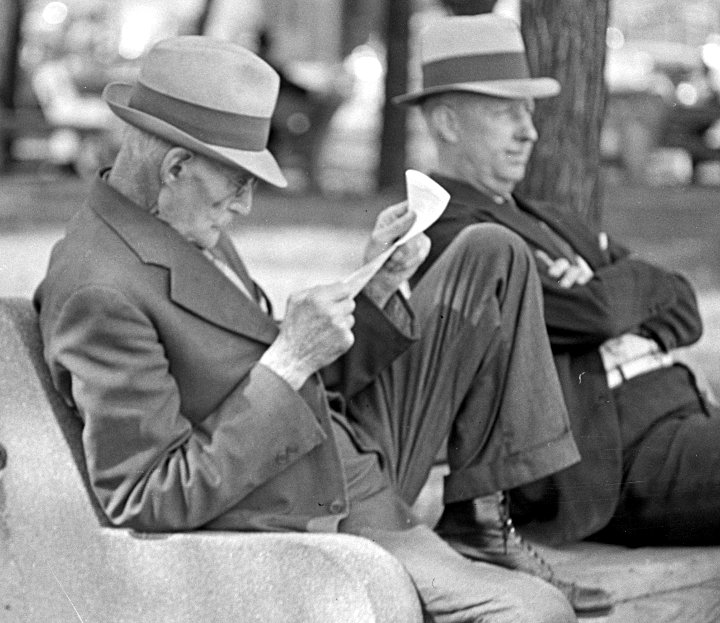
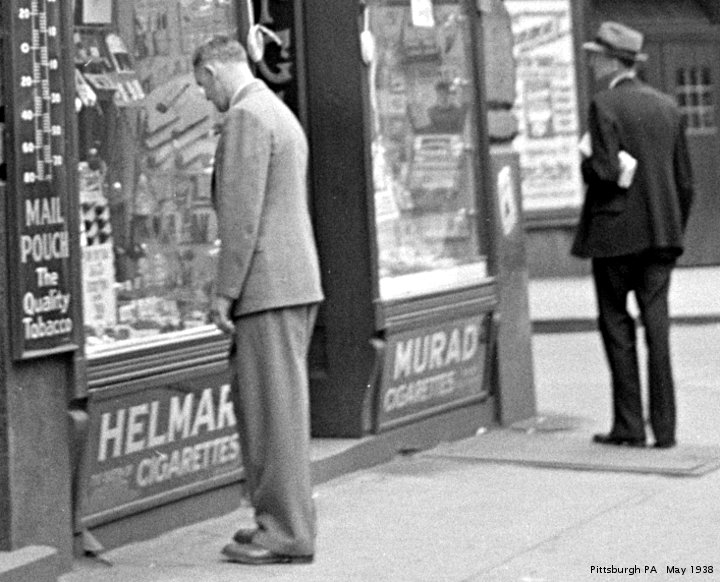
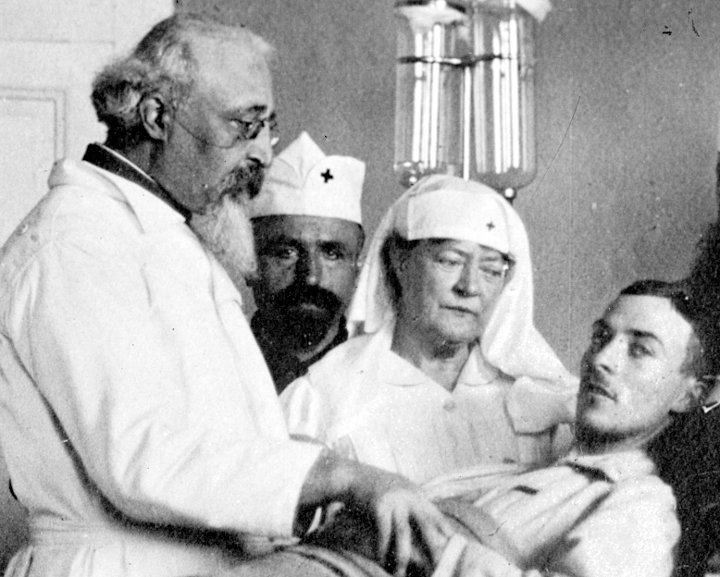
Pictures today are from The Library of Congress. This is a repost.


Thomas Jefferson Said What?


PG was wasting time with facebook when he saw a friend say “Damn I love this quote”. The passage being praised was “If you are neutral in situations of injustice, you have chosen the side of the oppressor.” Desmond Tutu. The rhetoric alert started to flash. These days, the wolf and the sheep buy their clothes at the same Walmart. To hear some oppressors talk, they are the ones under attack. It is tough to tell the good guys from the bad guys. Often you can make things worse by getting mixed up. Sometimes the best thing to do is mind your own business.
Ok, now that is out of the way. Some lines sound good, but don’t hold up to a bit of thinking. As for the veracity of the quote, Desmond Tutu may very well have said it. (or maybe one of his rivals said it, and Mr. Tutu copied it.) The quote has been attributed to Thomas Jefferson, Edmund Burke, Patrick Henry, and probably others. Almost no one has a source, for the quote, from the dead white guys.
A post called MISQUOTING THE FOUNDERS did not mince words. “The only problem with this scene that has been repeated many times across the country is that Thomas Jefferson never said that, never wrote that, and quite possibly never thought it. Our aspiring politician had fallen victim to the perils of popular misattribution. You could fill a book with misquotes and misattributed quotes we hear repeated regularly today. Right now if I Google “All tyranny needs to gain a foothold is for people of good conscience to remain silent” the entire first page of results wrongly attribute it to Thomas Jefferson. The quote and its many variants have been attributed in the past to Thomas Paine and Edmund Burke, but no record exists of the quote in any of their writings or contemporary accounts.”
On November 13, 1787, Mr. Jefferson wrote a letter to William Smith. The letter is full of zesty quotes. “What country before ever existed a century & a half without a rebellion? & what country can preserve it’s liberties if their rulers are not warned from time to time that their people preserve the spirit of resistance? Let them take arms. The remedy is to set them right as to facts, pardon & pacify them. What signify a few lives lost in a century or two? The tree of liberty must be refreshed from time to time with the blood of patriots & tyrants. It is it’s natural manure.”
A few lines above that, Mr. Jefferson said “God forbid we should ever be 20 years without such a rebellion.” Twenty years after he wrote this, Mr. Jefferson was President. He probably did not want to deal with a revolution when he was President.
Getting back to the quote about tyranny, Martin Porter wrote an entertaining essay, A study of a Web quotation. He gives credit, or blame, to Edmund Burke. First, a list of different versions is presented. This is a clue that something is awry. The conclusion: “There is no original. The quote is bogus, and Burke never said it. It is a pseudo-quote, and corresponds to real quotes in the same way that urban legends about the ghost hitch-hiker vanishing in the back of the car and alligators in the sewers correspond to true news stories.”
Mr. Porter wrote a follow up essay, Four Principles of Quotation. These principles are: Principle 1 (for readers) Whenever you see a quotation given with an author but no source assume that it is probably bogus. Principle 2 (for readers) Whenever you see a quotation given with a full source assume that it is probably being misused, unless you find good evidence that the quoter has read it in the source. Principle 3 (for quoters) Whenever you make a quotation, give the exact source. Principle 4 (for quoters) Only quote from works that you have read.
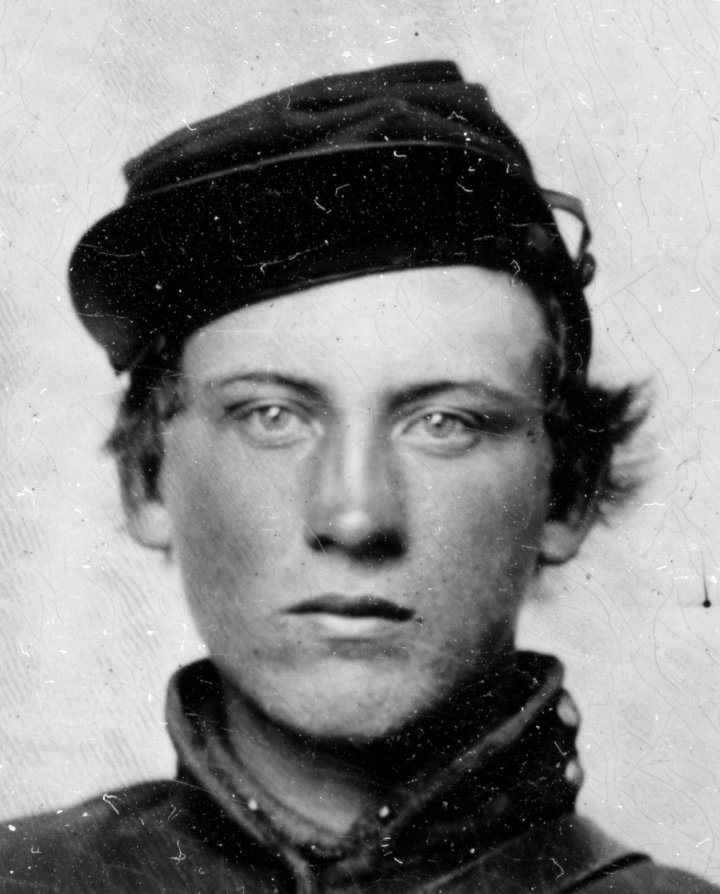
If these principles were to be used, then there would be a lot less hotheaded talking on the intercom. Those who are trying to influence you to the justice of their cause will not want you to read this. Pictures for this feature are from The Library of Congress. These pictures are Union soldiers, from the War Between the States. When war is discussed, all inspiring quotes are in doubt.
This is a repost. It is written like James Joyce. In the past year, doing due diligence on alleged quotes has become a hobby. Many people don’t care who said it, if they agree with the thoughts expressed. The prevailing thought is that an idea becomes more true with a famous name at the end. If the famous person is deceased, and cannot defend his/her reputation, that is not a problem. People do not like being told that Santa Claus does not exist.
Anthony Stephen Fauci







@maggieNYT “White House officials say they’ve given Fauci a lot of room to do interviews amid concerns he was being muted. But they question some of the interviews he’s given and how he has so much time for them.” Anthony Fauci has been in the hot seat before. In the eighties, he was blamed for not stopping AIDS. Now, Dr. Fauci is seen as a voice of reason. How did he get there?
“Anthony Stephen Fauci was born in New York City on Christmas Eve 1940, the second of Stephen and Eugenia Fauci’s two children. … Fauci has spent his entire professional career at the National Institutes of Health. He started as a clinical associate in the Laboratory of Clinical Investigation at the National Institute of Allergy and Infectious Diseases (NIAID) in 1968, after a two-year residency at The New York Hospital-Cornell Medical Center. By 1974, he was head of the clinical physiology section of the lab. In 1980, he became chief of the Laboratory of Immunoregulation (a position he still holds) and since 1984, he has been the director of NIAID.”
Things began to change in 1981. The “aha” moment was- it was the early summer of 1981. The CDC … puts out the Morbidity and Mortality Weekly Report … reported on their June 5, 1981 MMWR five men from Los Angeles who presented with a very unusual kind of pneumonia that you only see in people who have dramatically-suppressed immune systems. And I looked at it and said, “Wow, five gay men.” Why all gay men, and why this strange disease that you almost never see in healthy people? And they were supposedly completely healthy other than that. I thought it was a fluke.”
“And then one month later, on the July 4th of 1981, the next MMWR appeared … “Now 26 men, not only from L.A., but from San Francisco and New York, with not only this strange pneumonia, but this strange kind of cancer that you only see in people who are immunosuppressed.” And the thing that blew me away is that all of them were gay men. And I said, “Whoa. Something is going on here that’s really bad, and this is likely a new disease.””
“And I made what I consider the transforming decision in my own career: I decided I was going to stop what I had been doing-rather successfully-for the previous nine or ten years and devote myself completely to studying what I felt would be an enormously difficult disease, and it, unfortunately, turned out that that was the case.”
Seven years later, after staggering amounts of deaths and suffering, Dr. Fauci was scheduled to appear at a conference in San Francisco. ACT-UP was there to greet him. “An Open Letter to Dr. Anthony Fauci” San Francisco Examiner, June 26, 1988 “Anthony Fauci, you are a murderer and should not be the guest of honor at any event that reflects on the past decade of the AIDS crisis. Your refusal to hear the screams of AIDS activists early in the crisis resulted in the deaths of thousands of Queers. … You can’t hide the fact that you are nothing but a despicable Reagan-era holdover and drug company mouthpiece. With 270,000 dead from AIDS and millions more infected with HIV, you should not be honored at a dinner. You should be put before a firing squad. … You are a pill-pushing pimp that cooperates with drug companies in forcing dangerous concoctions down the throats of a desperate community that is brainwashed into believing that taking a pill, any pill, will help them. … Ten years of hope? Fuck that. Try a decade of death and greed. Go back to Washington you bastard.”
“Carol Brown Moskowitz … recalls running into a group of leather-clad men, many of them body pierced and draped in chains, in Washington’s Omni Hotel, in the fall of 1988. … When she asked one of them who they were, he told her that they were members of “Act Up,” and that they were going out to make some noise at the FDA about the AIDS epidemic and the lack of funding for research. … Fauci asked the police and the FBI on the NIH campus not to make arrests. He also asked that a handful of the demonstration’s leaders be brought to his office.”
“That began a relationship over many years that allowed me to walk amongst them,” Fauci says. “It was really interesting; they let me into their camp. I went to the gay bath houses and spoke to them. I went to San Francisco, to the Castro District, and I discussed the problems they were having, the degree of suffering that was going on in the community, the need for them to get involved in clinical trials, since there were no other possibilities for them to get access to drugs.”
In 2005, Fauci appeared on C-SPAN. “The toughest decision you’ve ever had to make?””Well, one of the toughest decision-I had a few-was when I made a decision during the middle of the early years of the AIDS pandemic to bring the activist community into our deliberations, because most of the scientific community, including my own staff, were totally against that. They said the activists would be disruptive, that they would get in the way of what the scientific approach would be.”
One of those activists was the infamous Larry Kramer, who wrote the open letter seen above. This 1993 chat with Kramer gives you a small taste.
“Natalie Angier wrote in The New York Times in February of 1994: “And through it all, Dr. Fauci accepts the criticisms, and he accepts that someone must absorb the anger and terror that AIDS has spawned, so why not somebody of strong vertebrae who was raised on the streets of Bensonhurst? “I was on a C-SPAN program a couple of months ago with Tony, and I attacked him for the entire hour,” said Mr. Kramer. “He called me up afterwards and said he thought the program went very well. I said, ‘How can you say that? I did nothing but yell at you.’ He said, ‘You don’t realize that you can say things I can’t. It doesn’t mean I don’t agree with you.” … “Dr. Fauci claims he does not take the intermittent blasts personally. “That’s the activist mode,” he said. “When there’s a disagreement their tendency is to trash somebody. But I know that when Larry Kramer says the reason we’re all in so much trouble is because of Tony Fauci, he’s too smart to believe that.”
A few years later, the outlook started to improve. “We have drugs right now … In the early ’80s, if someone came in to my clinic with AIDS … half of them would be dead in eight months. Now, if …someone comes into a clinic who is 20-plus years old who is relatively recently infected, and I put them on the combination of three drugs … if you take your medicine regularly, you could live an additional 50-five zero-years.”
“Fauci is married to Christine Grady … “I met him (Fauci) here over the bed of a patient who happened to be from Brazil. I was called in as a translator … And so they said, ‘Could you come translate for Dr. Fauci?’ whom I had not met—the inimitable Dr. Fauci— everybody was afraid of. When he came in, I thought, ‘What are they so afraid of him for? He is not so scary.’”
As Fauci tells the story on C-SPAN: “She was just this very attractive young nurse, and I said, “Very interesting.” … I was single. So I went back to my office. About a few days later, I told the head nurse, “Could you tell that nurse, Ms. Grady, to come to my office. I want to talk to her.” … So she walked into my office completely petrified that she was in trouble, and she sat there looking very nervous. I couldn’t figure out why she was nervous. So I looked at her and said, “Well, you know, I didn’t realize you had come here until just last week.” I said, “Would you like to go out for dinner sometime?” She just fell right through the chair, and she said, “Of course, I will.” And we got married a year later.”
In today’s #metoo atmosphere, the director romancing a young nurse might not work as well. Pictures today are from The Library of Congress. Thanks to Holy Cross Magazine and C-SPAN





Anita Aretha and Elton




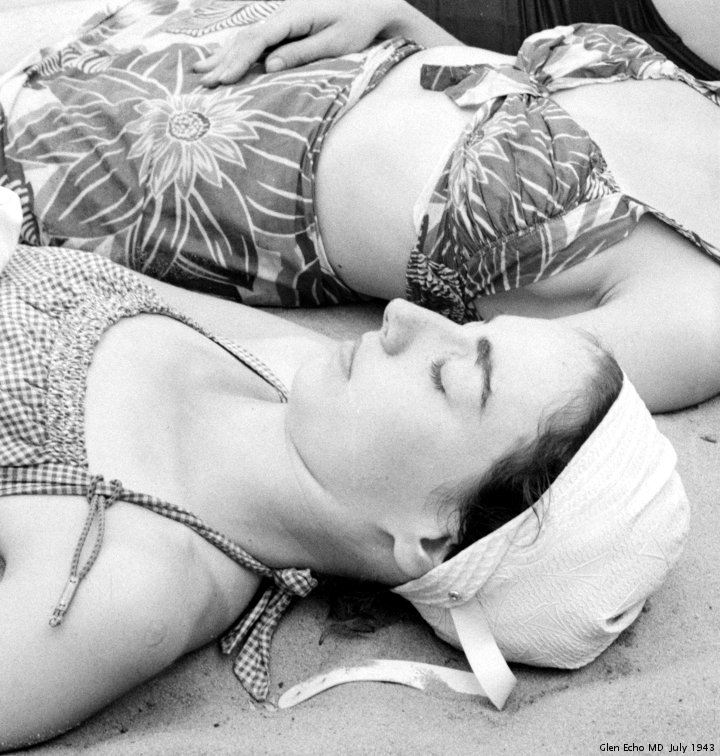
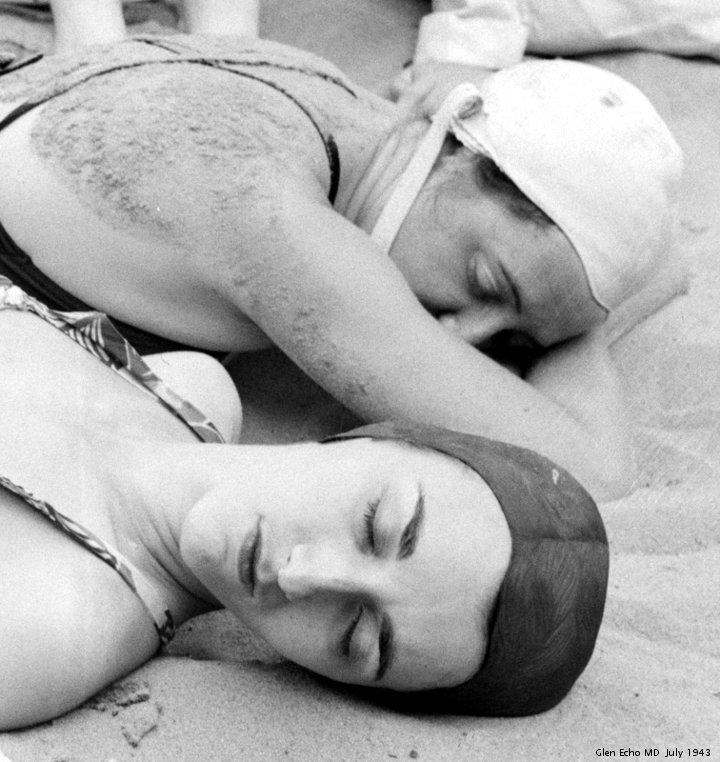
In the early nineties, PG had too much free time. On March 25 of one year, he looked in the fishwrapper, and found a list of famous people with birthdays.
There was an unlikely trio celebrating that day. This would be (in order of appearance) Anita Bryant (1940), Aretha Franklin (1942), and Elton John (1947). All three have been paid for singing. The three have a total of five husbands, with Miss Bryant and Mr. John currently attached (Not to each other). Miss Franklin has good taste in hats.
Several other people have arrived on planet earth on March 25. They include , in 1911, Jack Ruby, the killer of Lee Harvey Oswald (d. 1967) (They don’t say alleged when it was on live TV). 1918 produced Howard Cosell, American sports reporter (d. 1995). Flannery O’Connor (d. 1964) arrived in 1925. 1934 gave us Gloria Steinem. To make room for all this talent, Buck Owens died March 25, 2006. On August 16, 2018, Aretha Franklin was heaven bound.
March 25 is after the spring equinox, and has been Easter. A few noteworthy events have gone down on this day. In 1894, Coxey’s Army departed Massillon, Ohio for Washington D.C. In 1911, the Triangle Shirtwaist Factory fire killed 146 garment workers in New York City. In 1939 Cardinal Eugenio Pacelli becomes Pope Pius XII, to the delight of Adolph Hitler. 1955 saw the United States Customs seizes copies of Allen Ginsberg’s poem “Howl” as obscene. In 1969, John Lennon and Yoko Ono began their first Bed-In for Peace at the Amsterdam Hilton Hotel.
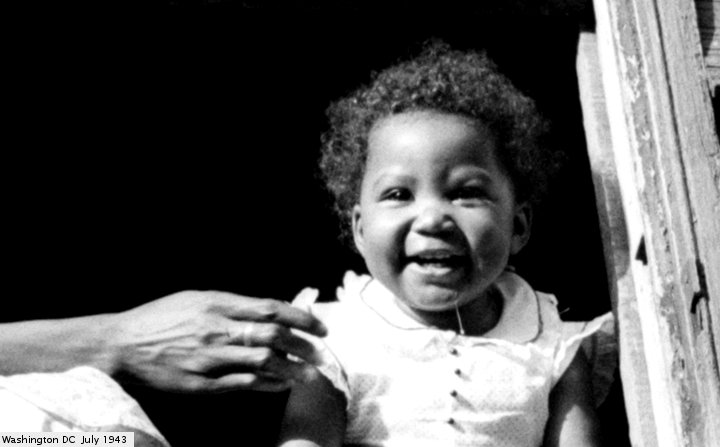
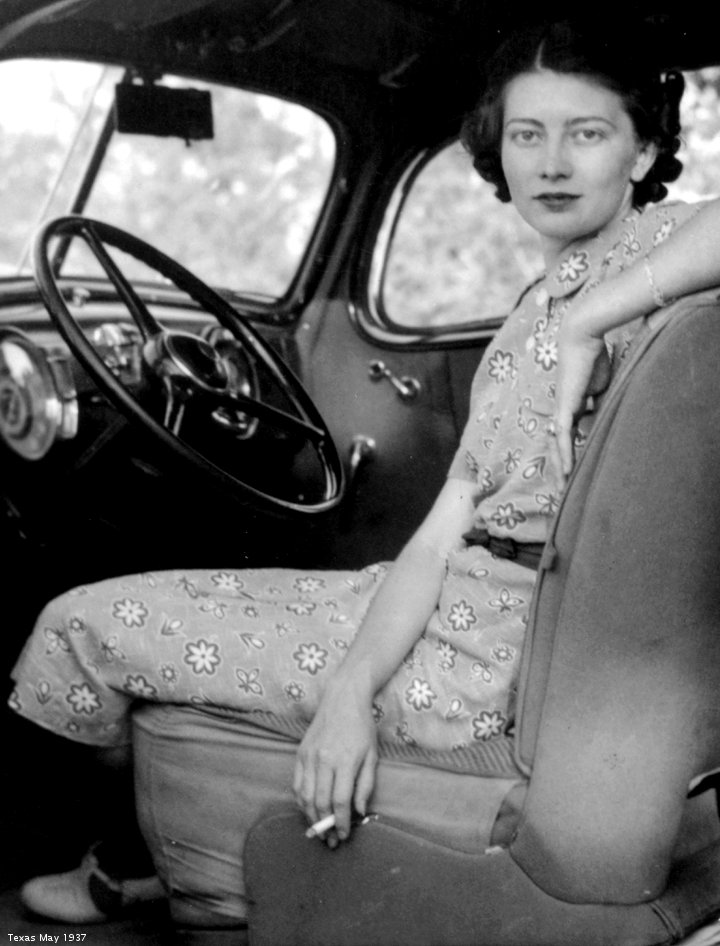
HT and applause to wikipedia. This is a repost. Pictures are from The Library of Congress.




Singers Who Wear Wigs



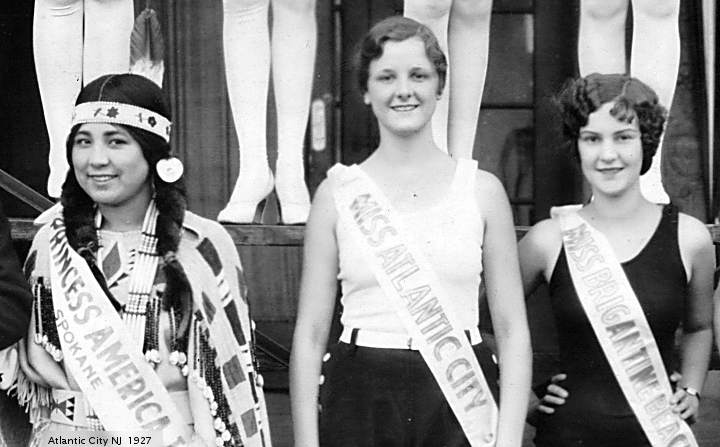
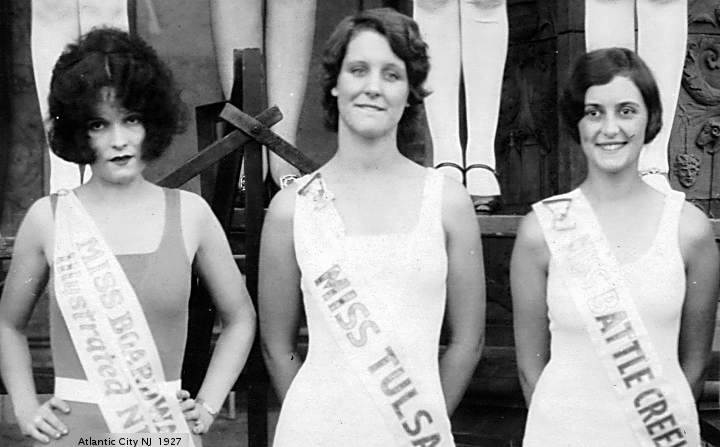
If you go to google, and type in “singers that wear wigs”, the first name to appear is Mary J. Blige. PG does not follow her closely, but went to youtube and found a video. This is probably not her real hair.
Dolly Parton is known for a lot of things, at least two of which are real. The hair is not. If you ask her “How long does it take to do your hair?”, she says “I don’t know, I’m never there”
If anyone is known for enhancing her natural attributes, it would be Cher. Her fondness for plastic surgery is well known, as is the way her head fits in a hairpiece. In this number, Mrs. Bono talks about some of her favorite people.
Grace Slick is basically retired these days. In her hey day, she never appeared in public in her real hair. PG saw her at the Omni once, and was horrified by her wig. (Grace sells her paintings these days. Her white hair is cut short. The wigs are in a museum.)
RuPaul is not really blonde. That is a part of her wardrobe. In this video, she co stars with Martha Wash, in a remake of “It’s Raining Men”. The original title for this video was Piggly Wiggly.
It is a bit of show business wisdom that you put the horses at the end of a parade. Deaundra Peek fills this important role today. Last year it was a remake of “Supermodel”, which has copyright issues. Today, it is a cooking lesson. The last three characters of the Youtube code are M2M.
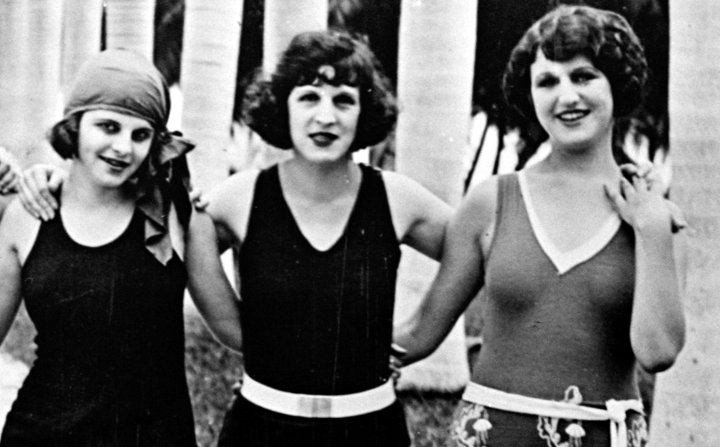
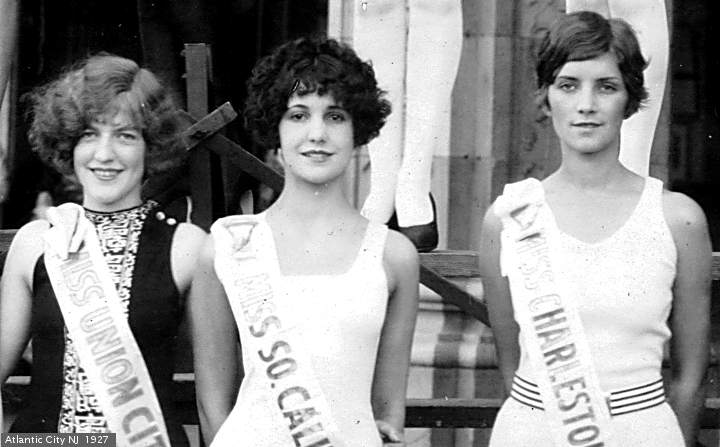
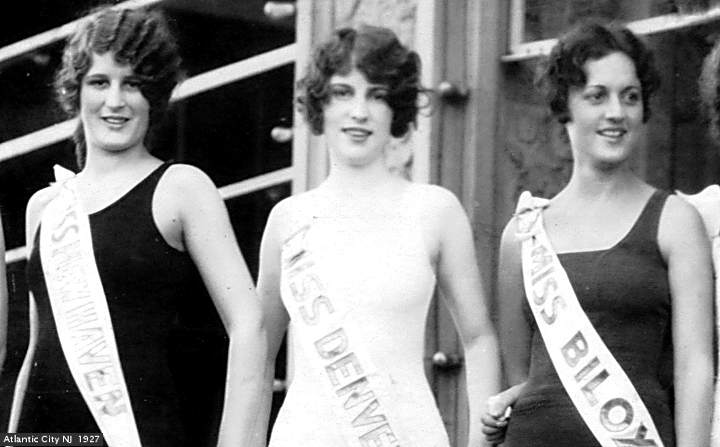
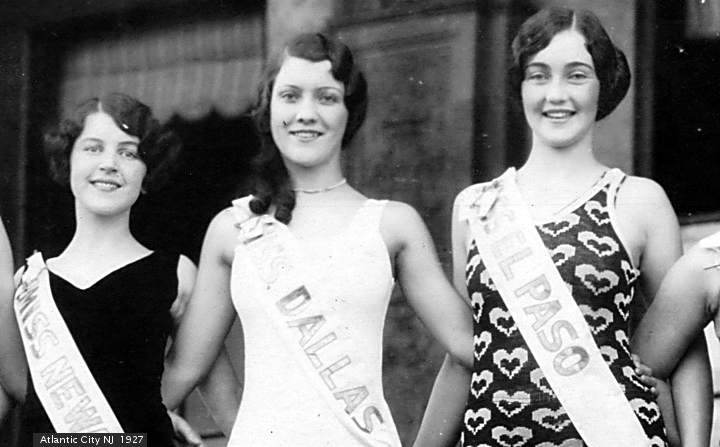
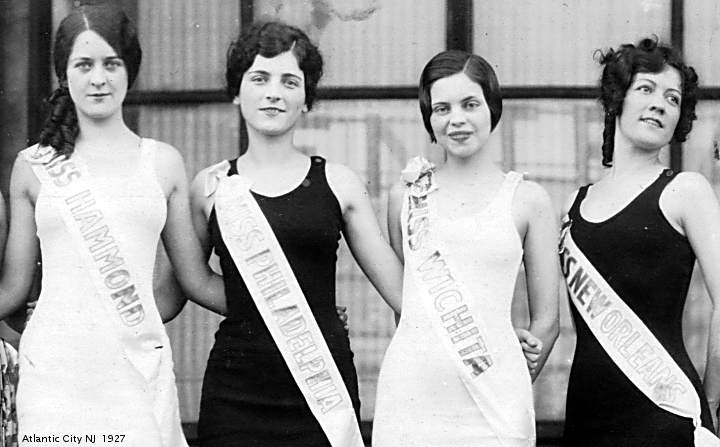
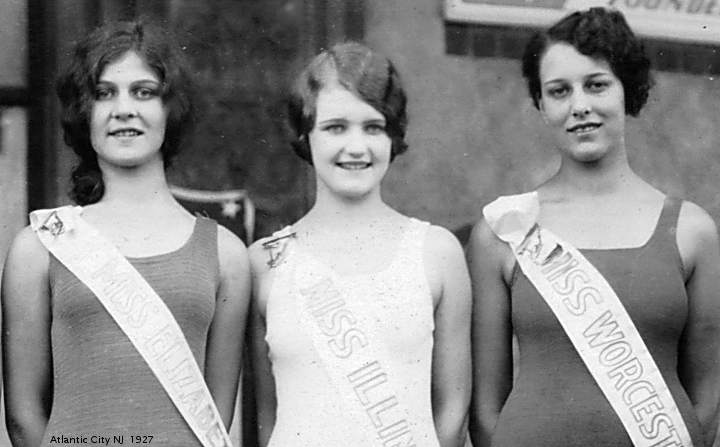
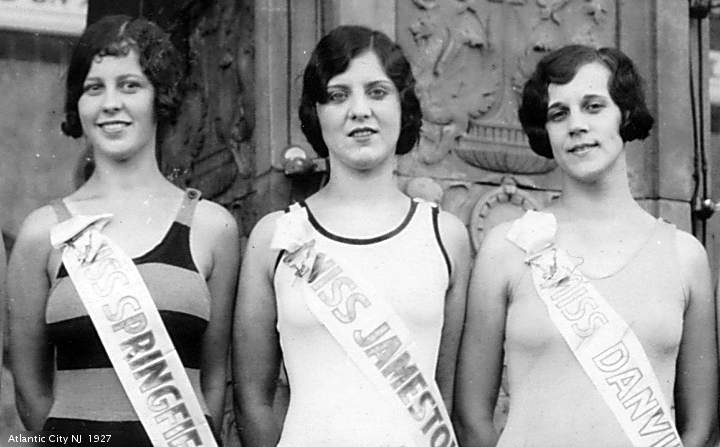
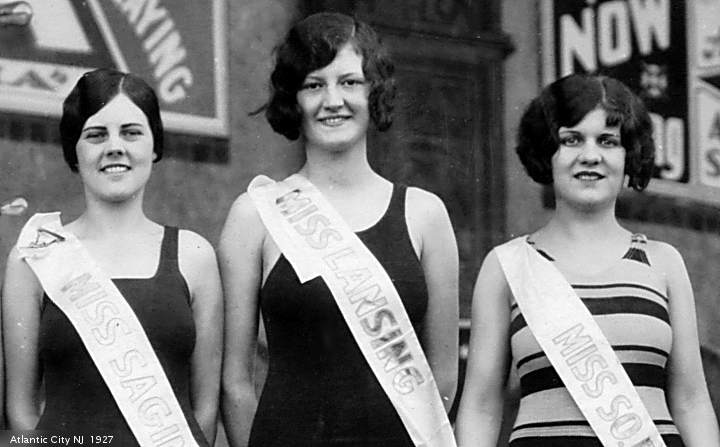
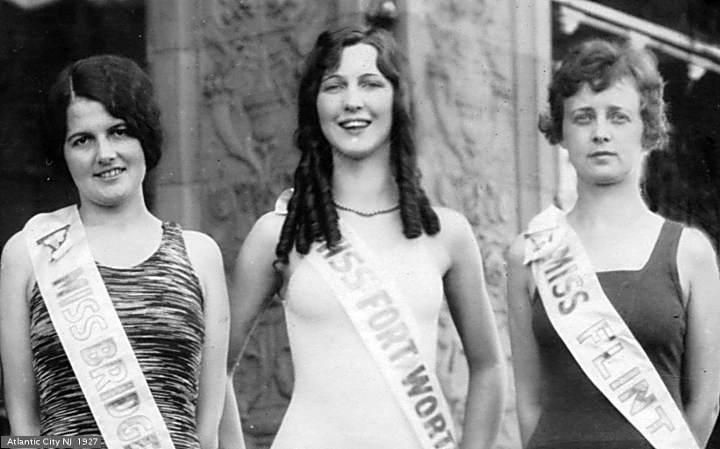
This is a repost. Pictures, from The Library of Congress, model “Inter-city beauties, Atlantic City Pageant, 1927.” As a bonus to our reader(s), we will explore the issue, Does Lady Gaga wear a wig? The answers are a bit contradictory, which is somehow fitting. One page says she does not wear a wig, but does wear extensions in some videos. Another answer is that dying her hair is damaging to the hair, if she went to a salon the paparazzi would see her, so yes, she does wear a wig.

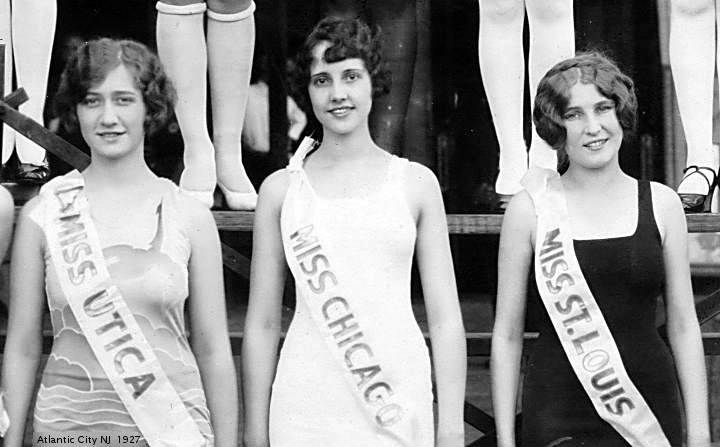

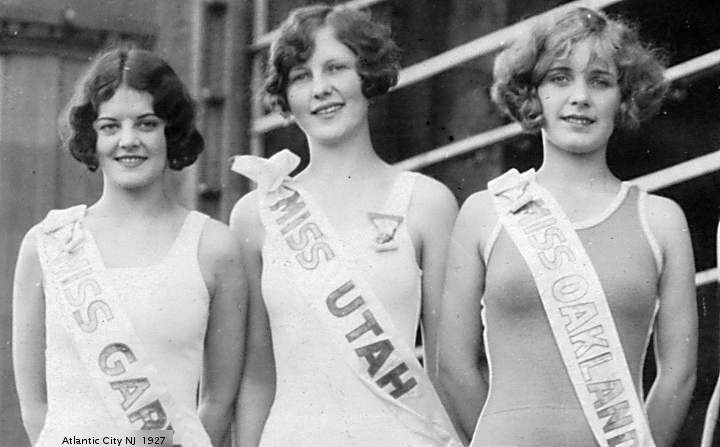





Shock And Awe Day

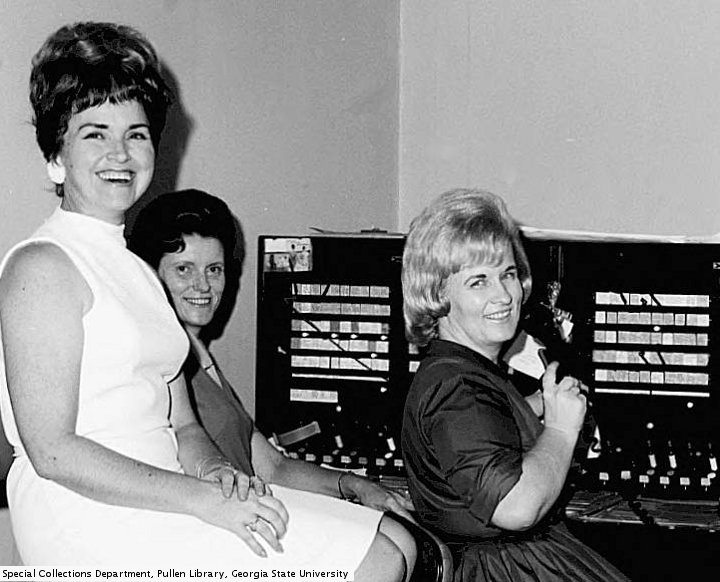
Seventeen years ago, Iraq teetered on the edge of regime change. It was obvious what was going to happen, at least at first. America was going to storm in, kill a bunch of people, and take over.
In post 911 America, the military industrial complex saw an opportunity for plunder, unrivaled since the fall of the Soviet Union. The stories of WMD would infect the body politic with fear of a mesopotamian madman. Saddam Hussein wanted Iran to think he has wonder weapons, and did not think America was serious about regime change. We all make mistakes.
In the seventeen years since the time of shock and awe, trillions of dollars have gone down the drain, dragging the mighty American economy along into the sewers of bankruptcy. One of the oldest civilizations of mankind was reduced to hiding, from neighbors, behind concrete barricades. They fought the conquerors with bombs triggered by garage door openers. Thousands of women and children have been murdered. The WMD were never found. This is a repost.
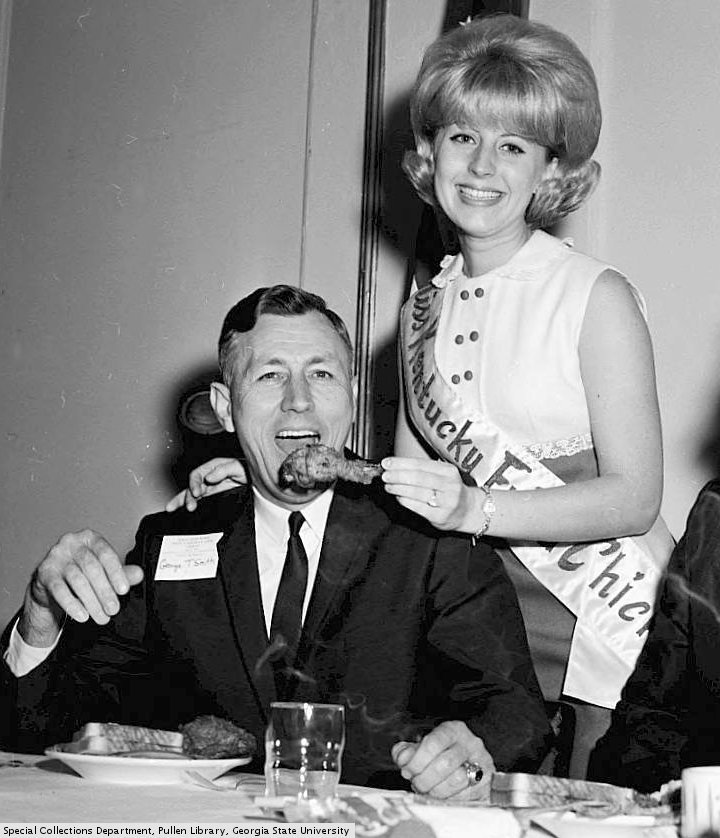
Pictures are from “The Special Collections and Archives, Georgia State University Library”.
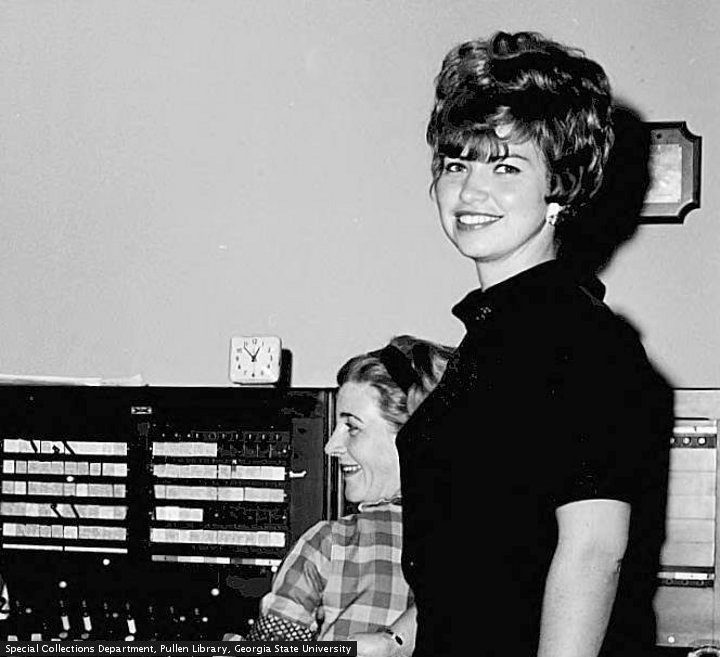




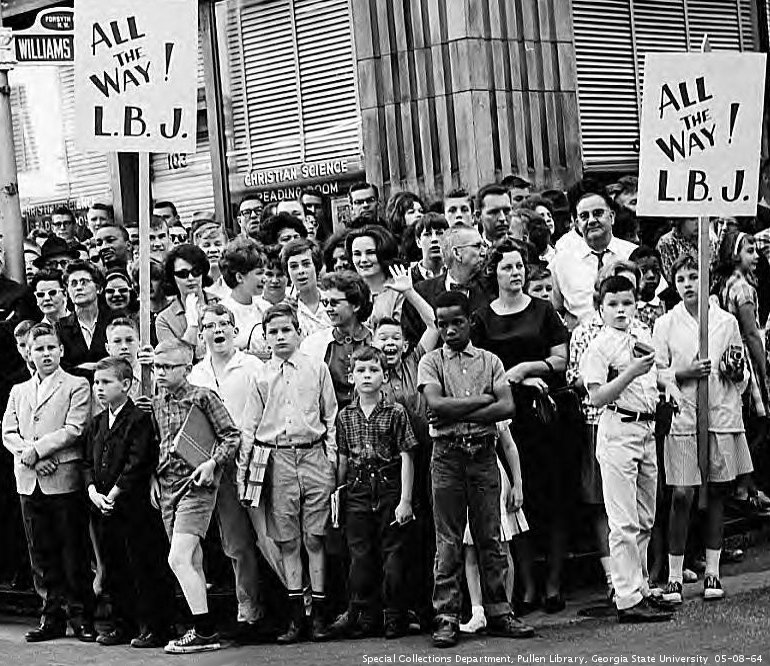

World Premieres In Atlanta

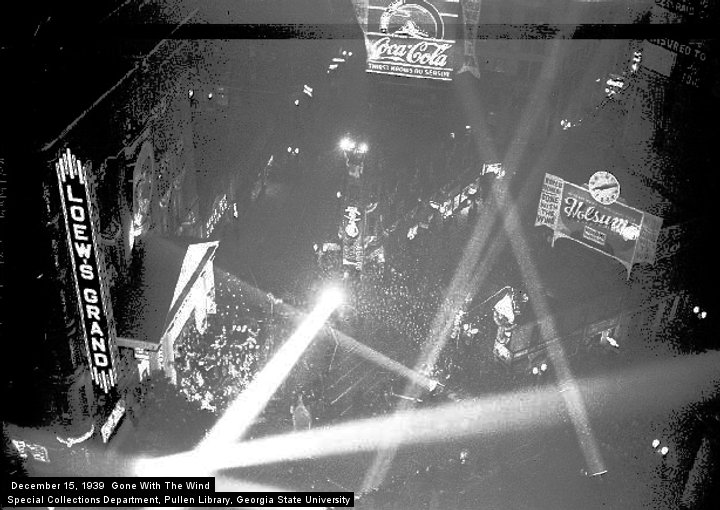
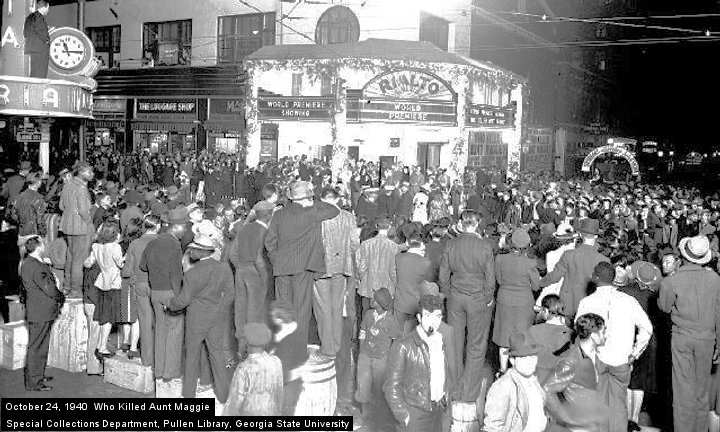

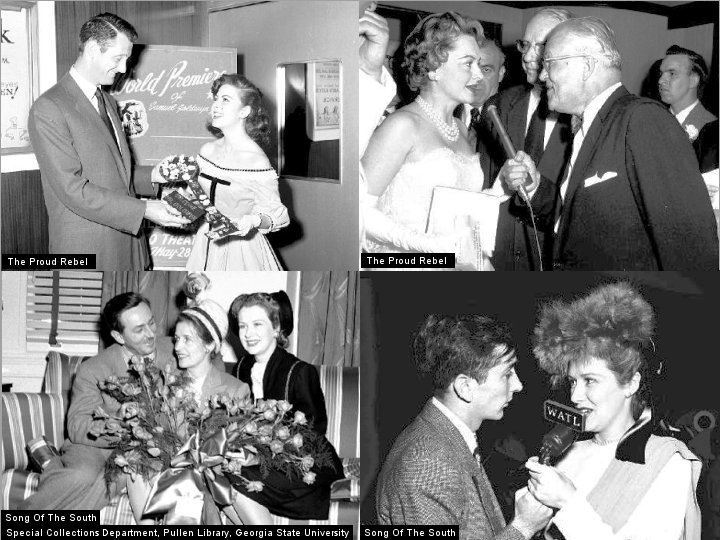
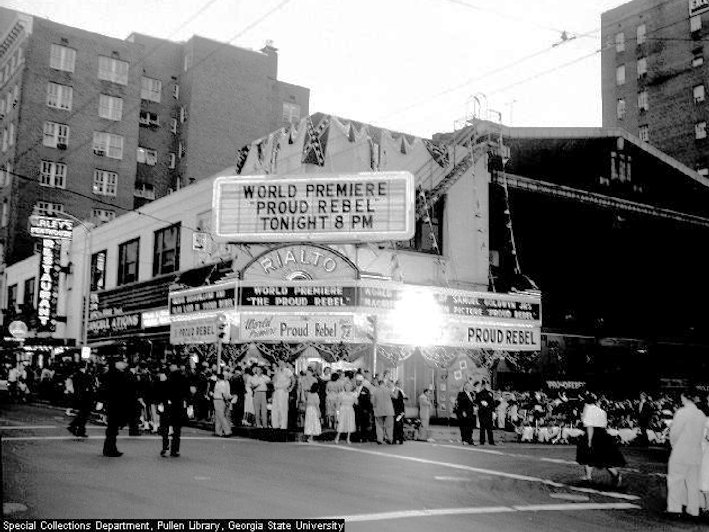
Several movies have had a world premiere in Atlanta. We will take a look today. Pictures are from “The Special Collections and Archives, Georgia State University Library”. Information about the films is from the Internet Movie Database. This is a repost.
As some of you may know, Gone With The Wind had it’s world premiere at the Lowes Grand Theater on December 15, 1939. The Lowes Grand site is the current location of the Georgia Pacific building. There is a vacant lot next door, on top of some MARTA paraphernalia. This lot was the site of the Paramount Theater, another movie palace that did not survive.
The GWTW premiere was a big deal. Ten year old Martin Luther King Jr. sang with his church choir. Clark Gable requested a private meeting with Margaret Mitchell, who became the envy of every woman in America. When Mr. Gable checked out of his hotel, a lady was going to be given his room. The clerk asked for a minute to change the sheets on the bed, and the lady said, no, I want to sleep on the same sheets as him.
It was the golden age of movies, and the next year Atlanta hosted the first showing of Who Killed Aunt Maggie. The premiere was at the Rialto, on October 24, 1940. The review at IMDB said it was an enjoyable mystery, even if it was a cliche fest. It is not often seen today.
In 1946, Song Of The South had it’s premiere at the Fox Theater. SOTS is a controversial item. It was based on the Uncle Remus stories. These stories were told by rural black people that Joel Chandler Harris knew, while growing up near Eatonton GA. As Wikipedia recounts: “Controversy surrounding his southern plantation themes, narrative structure, collection of African-American folklore, use of dialect, and Uncle Remus character, however, has denigrated the significance of Harris’ work”. You Must Remember This devoted six episodes to Song of the South. (one two three four five six)
The female lead in SOTS was Ruth Warrick. Miss Warrick was a versatile talent. Her first movie role was in Citizen Kane, as Kane’s first wife. She was in many movies, before moving to television. She was perhaps best known as Phoebe Tyler, in the soap opera All My Children. Wikipedia tells a story about her, that is ironic for the female lead of Song Of The South.
“In July 2000, she refused to accept a lifetime achievement award from the South Carolina Arts Commission because she was offended by legislators’ decision to move the Confederate flag from the state Capitol dome to another spot on the grounds in response to a boycott of the state by flag opponents. A lifelong supporter of African-American rights, she felt the flag should be removed completely, and commented, “In my view, this was no compromise. It was a deliberate affront to the African-Americans, who see it as a sign of oppression and hate.”
In 1949, the Paramount had the first screening of The Gal Who Took The West. The female lead was Yvonne De Carlo, who later achieved immortality as Lily Munster. In November 1951, the spotlights returned to Lowes Grand for Quo Vadis
The last film in the GSU picture collection is The Last Rebel. This western had it’s premiere at the Rialto, May 27, 1958. The movie was a return to Atlanta glory for Olivia De Havilland. The film is the story of a man, whose wife dies in a fire during the war between the states. PG questions the use of the Stars and Bars on the marquee.
In 1974, Ringo Starr produced and acted in Son of Dracula. The movie had it’s world premiere at the Cherokee Plaza Theater. Cherokee Plaza is a shopping center on Peachtree Road, just east of the Atlanta city limits. The theater was torn down during a renovation, and the space is currently the produce department at Krogers.
A local radio station hired a band to play in the parking lot at the premiere. At some point, a long limousine pulled up to a stage, and Ringo Starr and Harry Nilsson got out. Both were wearing sunglasses, even though it was after dark. Ringo got on the stage, waved a wand at the crowd, and said “I am turning you into frogs”. He went inside to see the movie, the crowd went home, and the movie was mercifully forgotten.
In 1981, PG went to a supper in an apartment building (now a vacant lot) across Peachtree from First Baptist Church. There was a commotion down the street at the Fox, and PG went to see what it was. Sharkey’s Machine had it’s World Premiere that night.


Who Invented The Word Racism?





Writers tackle was rampaging through Brookhaven. PG looked in a list of old product, and found a feature built on the output of Teju Cole. He has a dandy article, at the New Yorker, about what is antiseptically called drone warfare. It is the twitter feed that gets attention. This is a repost.
@tejucole George Carlin’s original seven dirty words can all be said freely now. The one word you can’t say, and must never print, is “racist.”
The quote marks lend mystery to the tweet. Does he mean the dreaded “n word”? Or does he mean that other six letter slur? There is no shortage of people screaming racist in Georgia, often at the slightest provocation. There is an attitude that racism is the worst thing you can be accused of. Once accused, you are guilty until proven innocent. If you do a bit of research into racism, the word, you will see some interesting things.
The concept of groups of people not liking each other is as old as mankind. The word racism apparently did not exist before 1933 (merriam webster), or 1936 (dictionary dot com). (In 2020, both of these sources have updated their notes, on the original use of the word “racism.”)
Something called the Vanguard News Network had a forum once, What is the true origin of the term racism? This forum is problematic, as VNN seems to be a white supremacist affair. One of the reputed coiners of the R word was Leon Trotsky, also referred to as Jew Communist. Another Non English speaker who is given “credit” for originating the phrase is Magnus Hirschfeld. As for English, the word here is: “American author Lawrence Dennis was the first to use the word, in English, in his 1936 book “The coming American fascism”.”
The terms racist and racism seem to be used interchangeably in these discussions. This is in keeping with the modern discussion. As Jesus worshipers like to say, hate the sin, love the sinner.
The Online Etymology Dictionary has this to add: “racist 1932 as a noun, 1938 as an adjective, from race (n.2); racism is first attested 1936 (from French racisme, 1935), originally in the context of Nazi theories. But they replaced earlier words, racialism (1871) and racialist (1917), both often used early 20c. in a British or South African context. In the U.S., race hatred, race prejudice had been used, and, especially in 19c. political contexts, negrophobia.”
Pictures are from The Library of Congress.



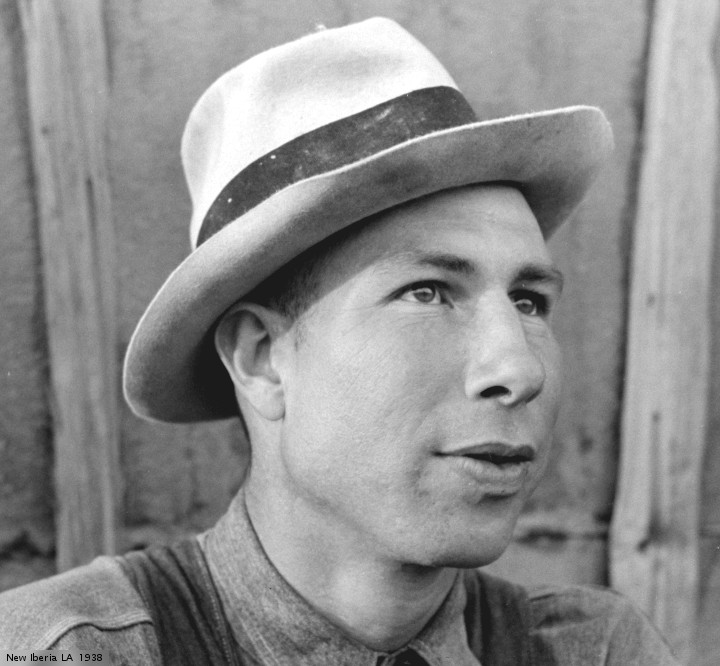



Frank Zappa




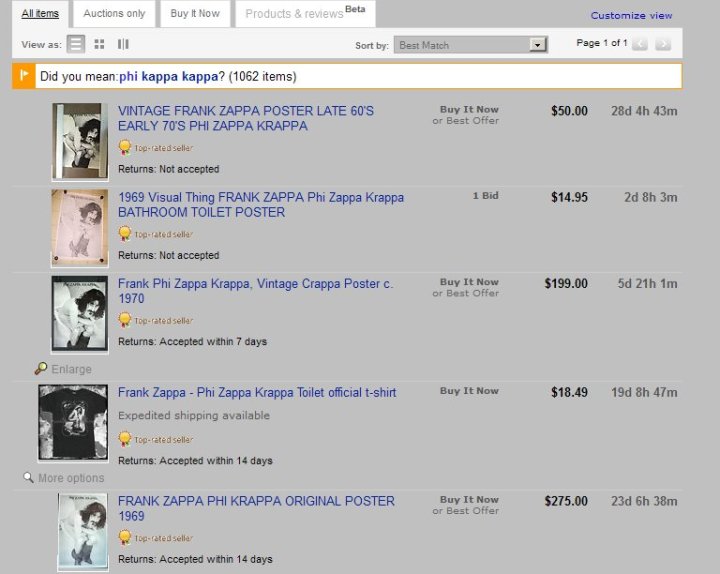
The first time PG saw the word Zappa, it was on an item at the Poster Hut. It showed a man sitting on a commode, with the words Phi Zappa Krappa rendered above. The poser, Frank Zappa, later said “I’m probably more famous for sitting on the toilet than for anything else that I do.”
It was 1969, give or take a bit. FZ was already well known in some hip circles. His band, the Mothers of Invention, played at something called the Cosmic Carnival at Atlanta Stadium, where the music lovers were actually allowed onto the field. PG paid $1.98 for a copy of We’re Only in It for the Money at the Woolco on Buford Hiway. Years later, he would pay $16.00 for a CD of this piece of work.
The records started to come out like clockwork, with or without the Mothers. FZ started to become a star, with an appeal to druggies who fancied themselves intellectual. It should be noted that FZ was notoriously anti drug. His music made fun of the establishment and counterculture with equal glee. FZ was also a capitalist, known to be tight fisted when it came to paying hired hands. He stayed with his second wife, Gail, until his death, and produced four children… Moon Unit, Dweezil, Ahmet Emuukha Rodan and Diva Thin Muffin Pigeen.
The concerts came to town every year or so, and people liked them. A show at the Fox Theater in 1974 may have caught FZ at his peak. PG heard the raves about this show until he bought a ticket for his next show. This was in 1975, at the Municipal Auditorium. PG brought a half pint in with him, and didn’t remember a lot later, except some song about the Illinois Eneman Bandit.
Life goes on. Nine years later, FZ was in legal hell with a former manager, and could only make money by touring. One night, a friend had an extra ticket to a show. PG arrived after the band had started, and FZ was playing a fine guitar solo. This was going to be good.
Only it wasn’t. The rest of the show was social commentary. The man had opinions on everything, and was generous with them. At one point, the band started to sing “He’s so gay”, while a double headed dildo was lowered from the ceiling. PG thinks he heard FZ sing “one day you might be gay too”, but by then it really didn’t matter.
Frank Zappa was many things to many people. He had lots of opinions, which were dutifully recorded by the press. Here are a few .
Rock journalism is people who can’t write, interviewing people who can’t talk, in order to provide articles for people who can’t read.
I think that if a person doesn’t feel cynical then they’re out of phase with the 20th century. Being cynical is the only way to deal with modern civilization, you can’t just swallow it whole.
When God created Republicans, he gave up on everything else.
Let’s not be too rough on our own ignorance; it’s what makes America great!
The U.S. is a mere pup tent of a civilization. We’ve got two hundred years of stupidity behind us. We think we’re right up there with everyone else who’s been doing it for thousands of years.
Beauty is a pair of shoes that makes you wanna die.
He wrote this book here, and in the book it says he made us all to be just like him! So if we’re dumb, then God is dumb — and maybe even a little ugly on the side.
Remember there’s a big difference between kneeling down and bending over.
Do you think you are protecting somebody by taking away seven words?
For the record, folks; I never took a shit on stage and the closest I ever came to eating shit anywhere was at a Holiday Inn buffet in Fayetteville, North Carolina, in 1973.
There is no hell. There is only France.
The United States is a nation of laws: badly written and randomly enforced.
This is a repost. one, two, three, four posts are used. Your archive is your friend.
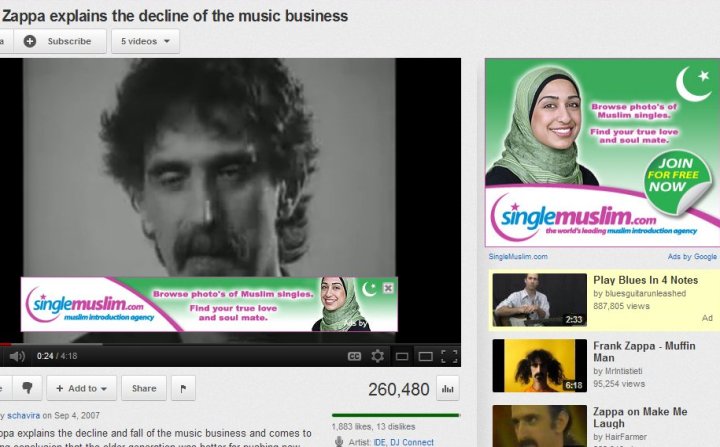




Former Dunwoody resident Aquarium Drunkard weighs in today with a nifty video. It is Frank Zappa, appearing on a TV show discussing censorship. FZ more than holds his own, and makes many good points about the nature of language and censorship. His contention is that censorship is about words, and that words in and of themselves are powerless. Wikipedia contributes this quote: “What do you make of a society that is so primitive that it clings to the belief that certain words in its language are so powerful that they could corrupt you the moment you hear them?”
I was in high school when I first heard about Frank Zappa. It was in the original Poster Hut, a ramshackle building on Cheshire Bridge Road that is vacant 50 years later. (The building serves in 2020 as a Hookah Hookup. There was a poster, with the words PHI ZAPPA KRAPPA Below the saying was a picture of Frank Zappa on a commode.
I did not get that poster of PZK, but I did get a dayglo poster of Janis Joplin. I didn’t notice the exposed nipple on the drawing. When Mom saw it, she was horrified. ” I trusted you!” In my shame, I took a magic marker and covered over the fluorescent fuchsia mammary.
Back to FZ on CNN. The guitar picker made a lot of sense. One of the pundits threw the founding fathers at FZ, who replied that the FF were slave owners and that Ben Franklin was a wildman. FZ said we were heading to a fascist theocracy. Are we there yet? One whiner mentioned that his band was called the Mothers of Invention. FZ did not mention that the original name had been the mothers, and a record label made them add “of invention”.Finally, the four man part of the show was over. The two primary whiners agreed that rock music had some gnarly words, but did we really trust the government to intervene.
We have time for one more story. Al Capp, born Alfred Gerald Caplin, was a piece of work. At the age of nine, a trolly accident cost Mr. troll Capp his left leg. Years later, an urban legend arose. “in a televised face-off, either Capp (on the Dick Cavett Show) or (more commonly) conservative talk show host Joe Pyne (on his own show) is supposed to have taunted iconoclastic musician Frank Zappa about his long hair, asking Zappa if he thought he was a girl. Zappa is said to have replied, “You have a wooden leg; does that make you a table?” (Both Capp and Pyne had wooden legs.)


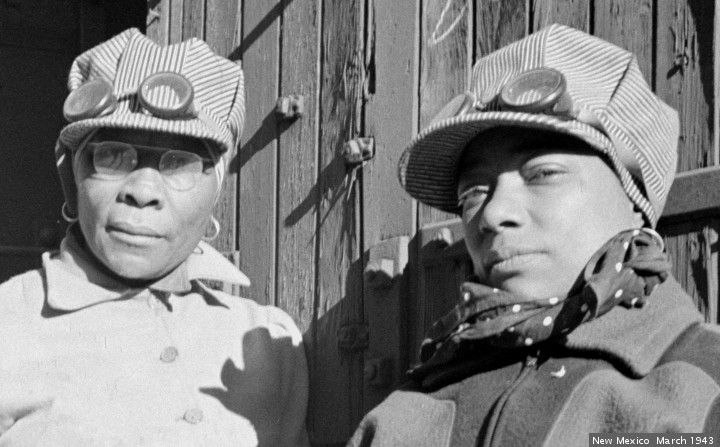
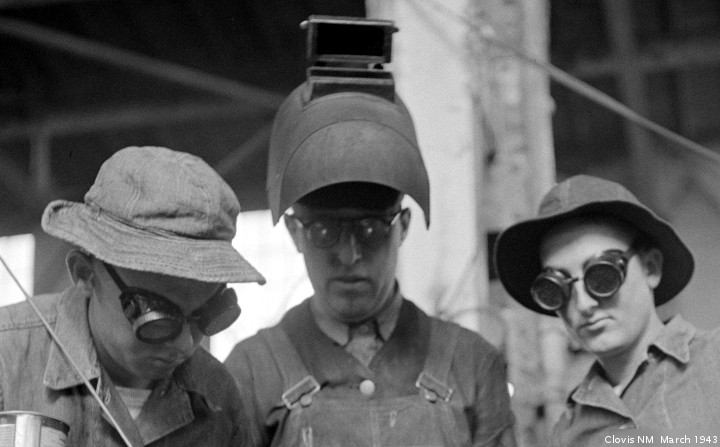


Recently, the world of flaky internet quotes has discovered Frank Zappa. The “sexually incontinent rock innovator” died December 4, 1993. (His wife Gail passed away October 7, 2025.) Recently, some alleged quotes have hit the ether. Some people need to get out more. This is a repost.
This item was recently featured in chamblee54. @SlavojTweezek “”Communism doesn’t work,” Frank Zappa said, “because people like to own stuff.” Idiot. What do people’s likes have to do with communism?” This quote is plausible. Frank Zappa was a capitalist. He liked owning stuff, especially his own music. It should be easy to find a source. However, the best google can come up with is a compilation, “Quotes of Zappa,” in W. C. Privy’s Original Bathroom Companion.”
This morning, facebook had a meme. It had a picture of FZ, with the quote “Politics is the entertainment division of the military-industrial complex.” In the time that it takes to say Camarillo Brillo, Mr. Google turned up a reddit commentary.
“While the quote is frequently listed as, ““Government is the entertainment division of the military-industrial complex,” I could find no primary source. It appears to contradict the actual quote from a 1987 interview with Keyboard magazine where he is decidedly pro-government but anti-bullshit politics.” (FZ did say “art in the service of politics usually makes for boring art.” Why do people make up quotes for memes, when the real thing is better?)
Speculating what a dead man would say is a tricky business. FZ was known for strong opinions, and a finely tuned BS detector. (That is bovine excrement, not Bernie Sanders.) FZ died while the internet was just getting started, and years before some of today’s permutations and perversions. It is easy to imagine FZ making rude comments about people misquoting dead guitar heroes.
Speaking of politics and cynical guitar cadavers, the current poster boi for trendy privilege is Bernie Sanders. If you “feel the Bern,” you might want to skip over the rest of this post, and look at the pictures. (These pictures are from The Library of Congress.) While BS is arguably less evil than Hitlery, he still leaves a great deal to be desired. BS is making extravagant promises that he will be totally unable to keep. BS is taking the concept of telling people what they want to hear to new depths. Yes, this is part of what FZ meant when saying rude things about politicians.
Today, PG saw a fundraising appeal for BS. Against his better judgment, PG made the comment “Bernie $anders.” The fun started almost immediately.
This campaign is for monthly recurring contributions. And Luther, campaigning requires money. The alternative to grassroots support is a country run by wealthy interests. Which would you prefer? ~ I realize that campaigning for political office requires money. My comment was a bit of recreational $nark. B$ can take a joke. … “The alternative to grassroots support is a country run by wealthy interests.” I am not sure about that comparison. Hitlery can make more in one corporate blowjob than BS can in a month of grass roots support. BHO did not get a billion dollars for his reelection from five dollar contributions. While the concept of grassroots support is uplifting, the sordid reality is that we live in a bribe-ocracy. ~ Your cynicism is less than accurate and certainly less than appealing. ~ Luther, just don’t vote and stay out of discussions about voting. OK?










The current WTF Podcast features Moon Zappa. At no time does she say grody, gag me with a spoon, or boofoos. Today, she is the divorced mother of an eight year old, and buys quality apple butter.
Moon is the daughter of the late Frank Zappa. FZ did not do drugs, smoked Winston cigarettes, and spent all his time working on music. The four children, Moon Unit, Dweezil, Ahmet and Diva, called the parents Frank and Gail. Mrs. Zappa stays busy these days selling her husbands music.
Once, Moon broke a finger in school. She called Gail, and waited. Eventually, the family Rolls Royce pulled up. Gail was driving, with Frank in the passenger seat. Frank quit driving when his first drivers license expired. Before taking Moon to the ER, they stopped to get Frank a burrito.
Gail and Moon were walking to the store one day, when Moon was very little. A car stopped, and tried to pick up Gail. Moon screamed “Fuck off pervert.”
Captain Beefheart was at the Zappa house one time. He had made a hole in the side of his nose with a pencil. When a finger was put over the other nostril, the nose became a whistle.
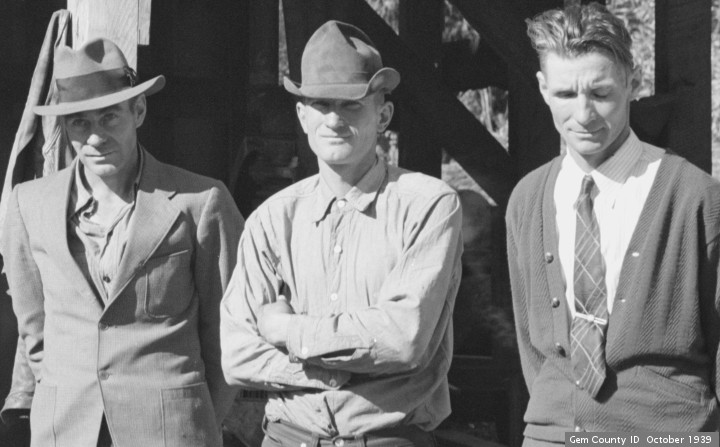
While listening to this show, PG was editing pictures from The Library of Congress. Some of these images appear with this feature.



Billie Holiday Stories



How ‘Strange Fruit’ Killed Billie Holiday turned up in a facebook feed yesterday. The article states that Harry Jacob Anslinger “the first commissioner of the U.S. Treasury Department’s Federal Bureau of Narcotics,” ordered Billie Holiday to quit performing “Strange Fruit.” When the chanteuse declined, Mr. Anslinger had her arrested for heroin possession. Later, Mr. Anslinger was allegedly responsible for busting Miss Holiday on her deathbed.
The Hunting of Billie Holiday was the source given for the claim about Mr. Anslinger and “Strange Fruit.” The Politico article does not say that Mr. Anslinger ordered Miss Holiday to quit singing “Strange Fruit.” It does say that Louis McKay, one of the many no-good men in Miss Holiday’s life, narked her out. The bust was in 1947, after she had been performing “Strange Fruit” for several years. (Lady Sings The Blues says that Louis McKay was not in Miss Holiday’s life in 1947.)
Politico had one comment that set off the bs detector. “One day, Harry Anslinger was told that there were also white women, just as famous as Billie, who had drug problems—but he responded to them rather differently. He called Judy Garland, another heroin addict, in to see him.” Frances Gumm was well known for having substance abuse issues. The heroin business was news to a lot of people.
Johann Hari was the author of the politico article. At the time, he was promoting a book, Chasing the Scream, about the war on drugs. Johann Hari has a spotted reputation. “The author used to be the Independent’s star columnist, a prolific polemicist and darling of the left, until his career imploded in disgrace when it emerged in 2011 that many of his articles contained quotes apparently said to him but in fact lifted from his interviewees’ books, or from previous interviews by other journalists.”
The final bust, as Miss Holiday lay dying in the hospital, is part of the legend. A google search does not show what agency was responsible. Harry Anslinger may have been involved, and it may have been someone else. By this time, Elanora Fagan was in bad, bad shape. Years of drinking, and hard drugs, had worn her out. While the hospital bust may have hastened her demise, it is a bit of a stretch to say the Harry Anslinger killed Billie Holiday, because she sang “Strange Fruit.”
This is a repost. Pictures today are from The Library of Congress.



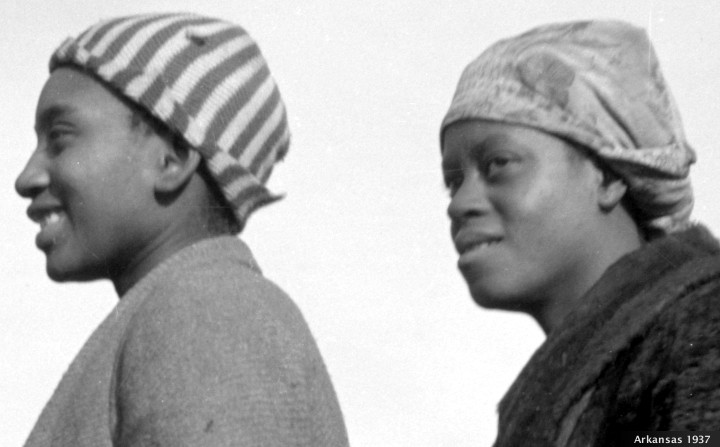

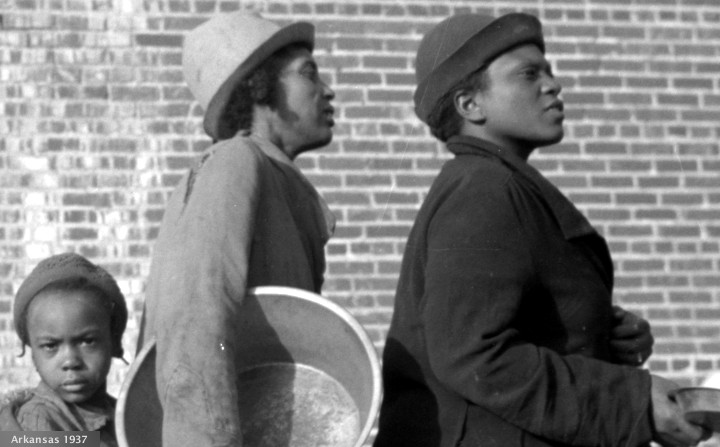
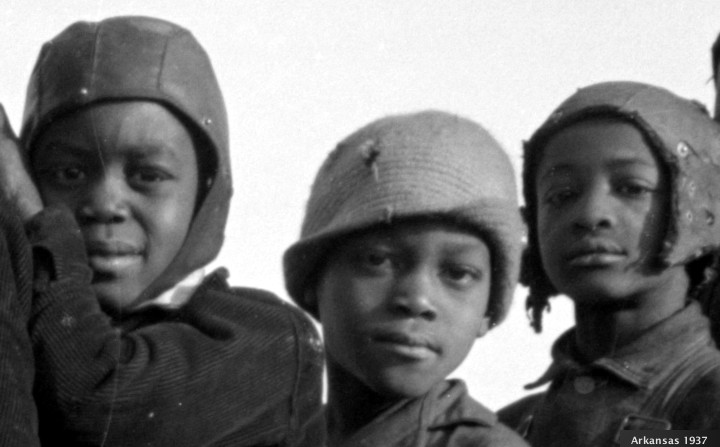


Lady Sings The Blues is the autobiography of Billie Holiday. PG read it in 1978, and pulled it off the shelf recently. The copy he has is was a 1972 paperback, issued in conjunction with the movie. A picture of Diana Ross is on the cover, as well as a price sticker from Woolco. The book sold for $1.25. Pictures today are from The Library of Congress. The spell check suggestion for Woolco is Cool.
William Dufty was the ghost writer. His prose is easy to read, with the story flowing out like a Lester Young solo. The 1956 copyright is assigned to “Eleanora Fagan and William Dufty,” using the birth name of the singer. Mr. Dufty was a newspaper writer. “Dufty had one son, Bevan Dufty, with first wife Maely Bartholomew, who had arrived in New York City during World War II after losing most of her family in the Nazi concentration camps. She settled near Harlem where she met her best friend and Bevan’s godmother, Billie Holiday.”
“Bevan Dufty would agree. He’s one of the childless singer’s two godchildren. … “Holiday said motherf — all the time, in her gravelly elegant way,” recalled Dufty, sitting in his City Hall office. His mother, Maely, a Czech Jewish immigrant who loved jazz, was close to many musicians and even managed the unmanageable Charlie Parker for a spell, learned to curse from Holiday. But with a European accent. Much of what Dufty knows of Holiday comes from his late mother, who was married to actor Freddie Bartholomew before her brief marriage to William Dufty, one of her seven husbands. Maely, who took her infant son by train to Philadelphia every day to attend yet another of Holiday’s drug trials, was so distraught by the singer’s death that she dedicated herself to helping recovering addicts. A number of musicians lived at the Duftys’ place while kicking the habit (William and Maely Dufty divorced not long after Holiday’s death, and he later married actress Gloria Swanson, who inspired him to write the book “Sugar Blues” about the dangers of processed sugar).”
Billie Holiday’s bio, ‘Lady Sings the Blues,’ may be full of lies, but it gets at jazz great’s core Autobiographies are, by their nature, self serving. This one has a great opening line… ” “Mom and Pop were just a couple of kids when they got married. He was eighteen, she was sixteen, and I was three.” (“Her parents were never married. When she was born, her mother was 19, her father was 17 and they never lived under the same roof.”) Another source adds: “Some of the material in the book, however, must be taken with a grain of salt. Holiday was in rough shape when she worked with Dufty on the project, and she claimed to have never read the book after it was finished. Around this time, Holiday became involved with Louis McKay. The two were arrested for narcotics in 1956, and they married in Mexico the following year. (March 28, 1957) Like many other men in her life, McKay used Holiday’s name and money to advance himself.”
Louis McKay is at the center of another misunderstanding of facts. The Hunting of Billie Holiday claimed that Mr. McKay narked out Miss Holiday in 1947, and set up her first drug bust. LSTB tells a different story. Here, Miss Holiday meets Mr. McKay very briefly in 1931. Someone was trying to rob Mr. McKay. Miss Holiday said “He’s my old man,” and chased off the robber.
Fast forward twenty five years, and Miss Holiday connects with Mr. McKay. “I hadn’t seen him since I was sixteen and he wasn’t much older and I was singing at the Hotcha in Harlem.” The two were married in 1957. They got busted as LSTB ends. Either Politico is wrong about the 1947 bust, or Miss Holiday did not tell the whole story. Either way, Harry Anslinger is not mentioned in LSTB.
Tallulah Bankhead is another missing piece of the puzzle. Reportedly, Miss Bankhead and Miss Holiday were close friends, and possibly lovers. That was over by the time LSTB was written. “When “Lady Sings the Blues” was being prepared, Miss Bankhead got an advance copy, and was horrified by what she saw. A fierce note was sent to the book’s publisher, and scenes were edited out. Miss Holiday was outraged. The letter that resulted is a poison pen classic. “My maid who was with me at the Strand isn’t dead either. There are plenty of others around who remember how you carried on so you almost got me fired out of the place. And if you want to get shitty, we can make it a big shitty party. We can all get funky together!”
Miss Bankhead does make an appearance in LSTB. On page 117, Miss Holiday is describing playing a maid, in a movie. She was not pleased at the typecasting. “Don’t get me wrong. I’ve got nothing against maids – or whores – whether they’re black or white. My mother was a maid, a good one, one of the greatest. My stepmother is Tallulah Bankhead’s maid right now, and that’s a part I’d even consider when they do her life story.” (Miss Bankhead had her own domestic help problems. In 1951, Evyleen Cronin, Tallulah’s maid and secretary, was accused of stealing $10,000-30,000 from Tallulah during her employment. … The case went to trial (much to Tallulah’s embarrassment) and Cronin was convicted.” Many embarrassing details about Miss Bankhead’s life came to light during this trial. Fanny Holiday, the stepmother, is probably a different person than Evyleen Cronin.)
Whatever it’s factual challenges, Lady Sings the Blues is a powerful book. Miss Holiday had a tough life, to say the least. As the singer for Artie Shaw’s big band, Miss Holiday was an integration pioneer, and every two bit cracker wanted to make trouble. Later, she was addicted to heroin, got busted, served time in prison, only to get out and suffer some more.
Three years after LSTB came out, things went from bad to horrible. “In early 1959 she found out that she had cirrhosis of the liver. The doctor told her to stop drinking, which she did for a short time, but soon returned to heavy drinking. … On May 31, 1959, Holiday was taken to Metropolitan Hospital in New York suffering from liver and heart disease. She was arrested for drug possession as she lay dying, and her hospital room was raided by authorities. Police officers were stationed at the door to her room. Holiday remained under police guard at the hospital until she died from pulmonary edema and heart failure caused by cirrhosis of the liver on July 17, 1959.” This is a repost.




Mardi Gras








It is fat tuesday again. For someone who lived most of his life in Georgia, it is just another day.
In 1990, PG went to carnival. He rented sleeping bag space in a house on Marigny Street, just outside the quarter. It was like nothing he had ever seen.
This was 14 months after PG quit drinking. If he had life to do over, he would have gone to Mardi Gras first. He did feel good about going through that much drinking without being tempted to participate.
By the end of the Rex Parade, PG was getting tired of the whole shebang, Mob scenes of drunks, in costume, can get old. PG has not been back.
Two years later, the Grateful Dead was playing at the Omni, and the camp followers were in the parking lot. PG would go on his lunch hour and observe. A young lady walked by, and PG said Happy Mardi Gras. She gave him a string of beads.
Five years after that, PG had a boss from New Orleans. He looked like the Grinch who stole Christmas. He also hated Mardi Gras. PG did not know this, and greeted him Tuesday morning with a cheerful Happy Mardi Gras. If looks could kill, PG would have dropped dead. This is a repost, with pictures from “The Special Collections and Archives, Georgia State University Library”.

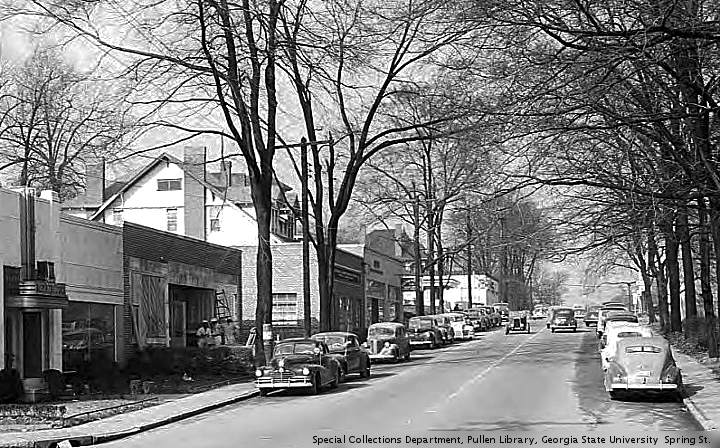





Peachtree Street


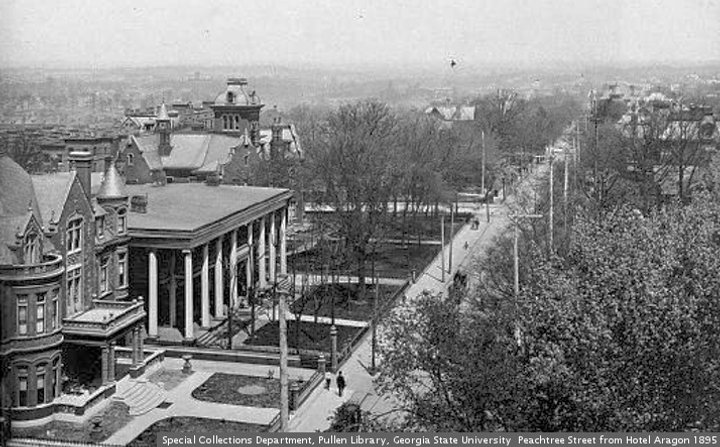

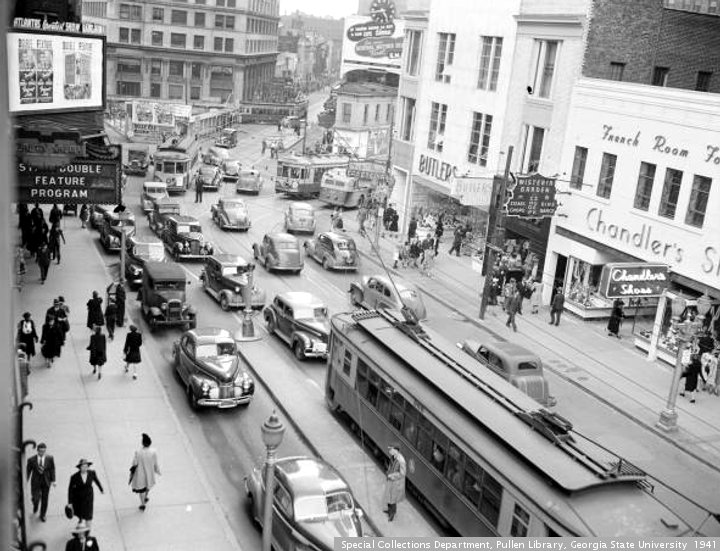
PG finished a book, Peachtree Street-Atlanta. The author is William Bailey Williford, and it was published by the University of Georgia Press in 1962. PG found this at the Chamblee library, and this is probably the best way to find this book today. (Reissued by UGA Press.)
How this road got the name Peachtree is a good question. Most peaches grow south of the fall line. The story goes that there was a Creek Indian village called Standing Peachtree, located where Peachtree Creek runs into the Chattahoochee. During the war of 1812 Fort Peachtree stood there.
There was a trail that ran from Buckhead to an intersection with the Sandtown Trail, at what is now Five Points. A short distance south of this intersection was a settlement known as White Hall. For many years, Peachtree Street south of Five Points was known as Whitehall Road. At some point in the last thirty years, a decision was made to change Whitehall to Peachtree. It did not help the rundown condition of Whitehall Street.
In 1835 Governor Wilson Lumpkin decided that a railroad that would be centered near the junction of Peachtree Trail and Sandtown Trail. The new town was named “Marthasville”, after the daughter of the Governor. Martha Lumpkin resides in Oakland Cemetery today.
The village was soon renamed Atlanta, which was a feminine form of Atlantic. Houses, churches, and businesses were soon built on Peachtree Road. In 1856, Richard Peters built a flour mill. To insure a steady supply of firewood, he bought four hundred acres of land, for five dollars an acre. The land was between Eighth Street, North Avenue, Argonne Avenue, and Atlantic Drive.
Another pioneer citizen with a large landholding was George Washington (Wash) Collier. Mr. Collier bought 202 acres for $150 in 1847. The land was between West Peachtree, Fourteenth Street, Piedmont Road, Montgomery Ferry Road, and the Rhodes Center. Much of the land was used for the development of Ansley Park.


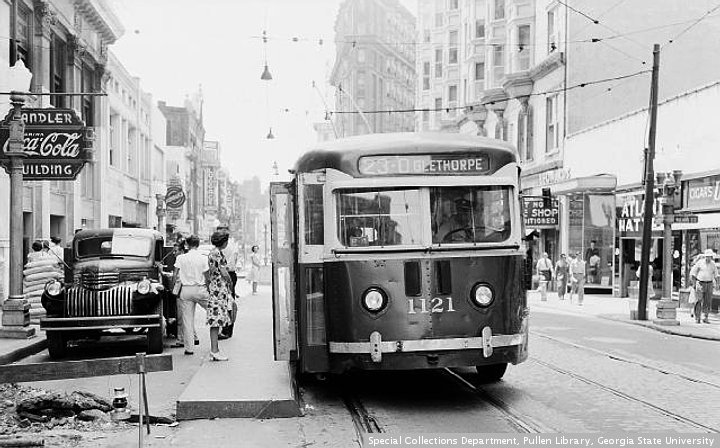
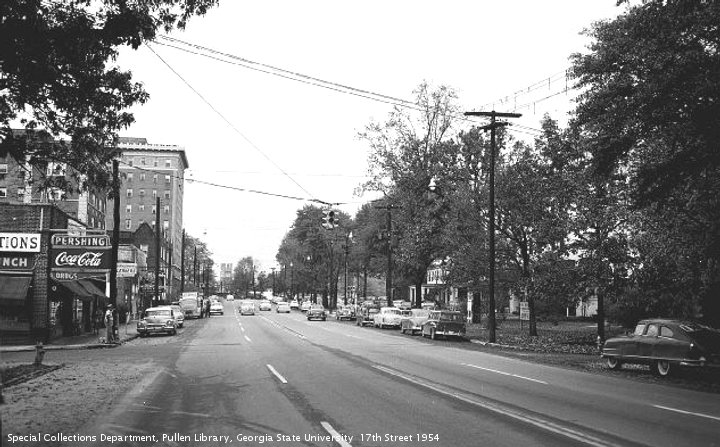
In 1854, Atlanta entertained, for the first time, a man who had been President. On May 2, Millard Fillmore arrived from Augusta on a private rail car.
There was some unpleasantness in 1864, which we will not concern ourselves with.
In 1866, there was a shocking murder. John Plaster was found dead, in an area known as “tight squeeze”. This was an area of shanties, at the present location of Crescent Avenue and Tenth Street. A hundred years later, this was near “the strip”, Atlanta’s hippie district, also called “Tight Squeeze”.
As the nineteenth century rolled along, many mansions were built on Peachtree Street. The road was paved, and streetcars ran up and down. Automobiles came, and came, and came. An expressway was built in the 1950’s, and quickly became obsolete. One by one, the mansions were torn down and replaced with businesses and churches.
The book was written in 1962, when the party was just getting started. The High Museum was known then as the Atlanta Art Association. In June of 1962, a plane full of prominent Atlanta residents crashed in Paris, killing all on board. As a memorial to those people, the Memorial Arts Center on Peachtree, at Fifteenth Street, was built.
Another phenomenon which is not explained by the book is the custom of naming everything here Peachtree. There are countless streets and institutions named for a fruit tree that likes warmer climates. Atlanta has a one street skyline, that stretches from Five Points to Peachtree Dunwoody Road, almost at the city limits. PG lives a quarter mile off Peachtree, in Dekalb County, and has no idea why Peachtree is a magic word.
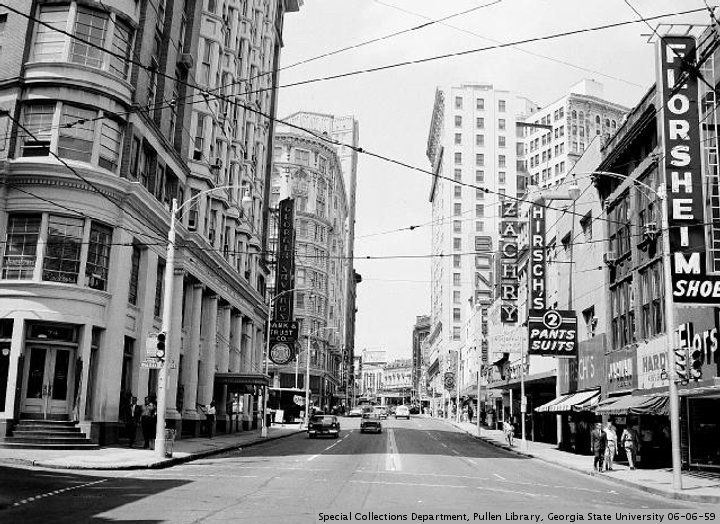
Pictures are from “The Special Collections and Archives, Georgia State University Library”. and The Library of Congress. This is the annual repost.



 Chamblee54
leave a comment