Blue Tail Fly




Q: What does “Jimmy crack corn” mean, and why does he not care?—Matt, Columbus, Ohio
PG was trolling stupidquestion.net when there was a convergence of stupidity. (The site does not exist in 2012.) All his life he had heard “Blue Tail Fly”, and been embarrassed. And there, in (pardon the expression) black and white, was someone who wondered the same thing.
It seems as though “Blue Tail Fly” started out as a minstrel song. For those who don’t know, minstrel shows were white people putting on black makeup, and imitating African Americans. Minstrel shows are not well thought of these days.
The story of BTF involves a man named Jimmy. A fly bit the pony the old massa was riding, the pony was offended, and threw the old massa off. He was hurt landing, and died. Jimmy still has to crack corn, but he doesn’t care, because old massa has gone away.
Dave Barry took a poll once to find out the stupidest song of all time. The overwhelming winner/loser was “MacArthur Park”. The combination of over the top show stopping, while singing about a cake left out in the rain, makes this ditty a duh classic.
In the spirit of corny convergence, the video is a karaoke version featuring Donna Summer. Miss Summer is a talented singer, who happened to connect with Giorgio Moroder. Lots of singers could have hit the big time by fronting those records. Donna Summer hit the jackpot.
For a proper post, there needs to be a third stupid song. This is not about stupid bands, singing about being D U M B. Even though they totally don’t belong, there is a video of the Ramones included. PG saw the Ramones at the Agora Ballroom in 1983. This was after their prime, and before a homeless man caught the Ballroom on fire.
We still need a third stupid song, and PG wants to get this posted with as little research as possible. Just like some writer was once given twenty minutes to write a song, and he decided to do the worst song he could think of. The result was “Wild Thing”. PG used to have a 45 of someone who sounded like Bobby Kennedy singing “Wild Thing”. Let the good times roll.
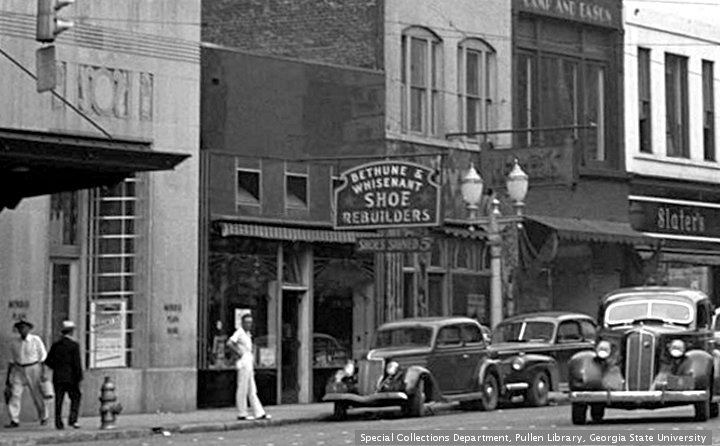
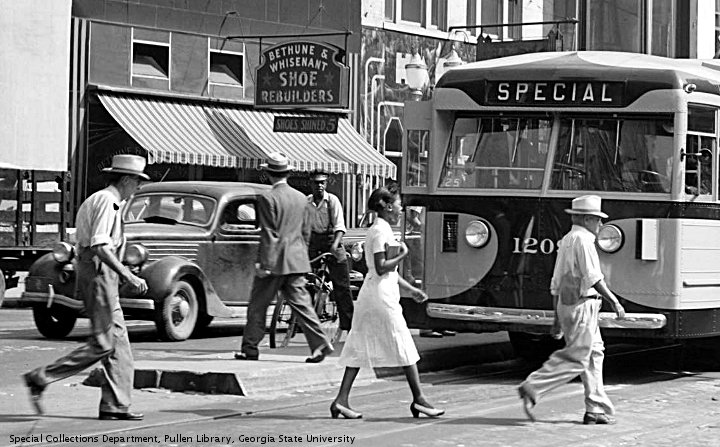
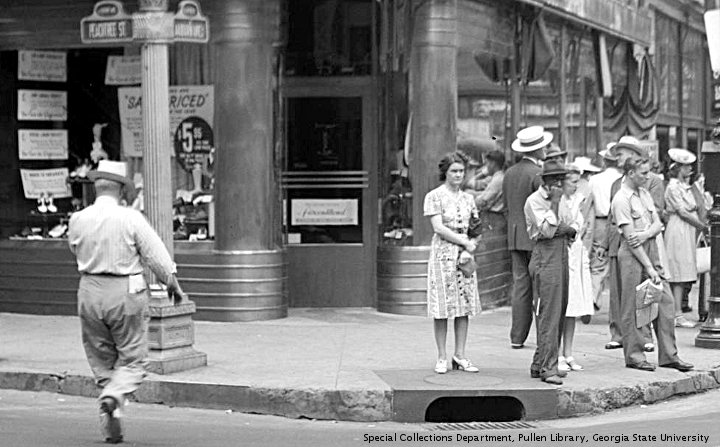
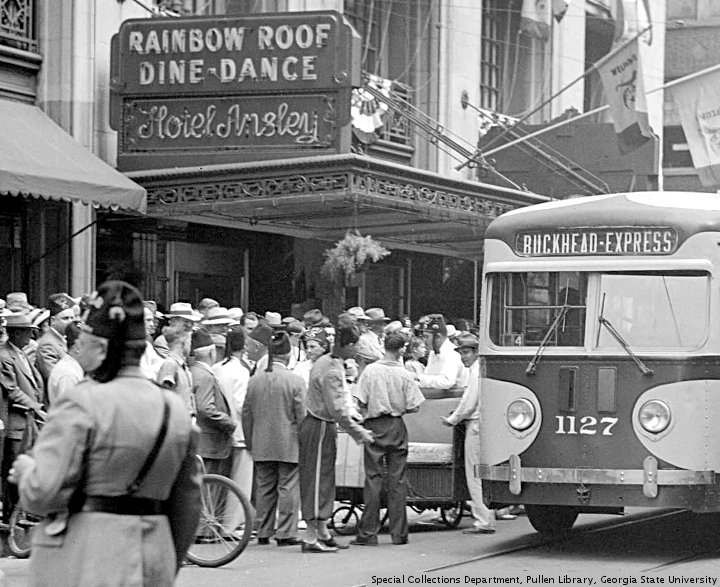
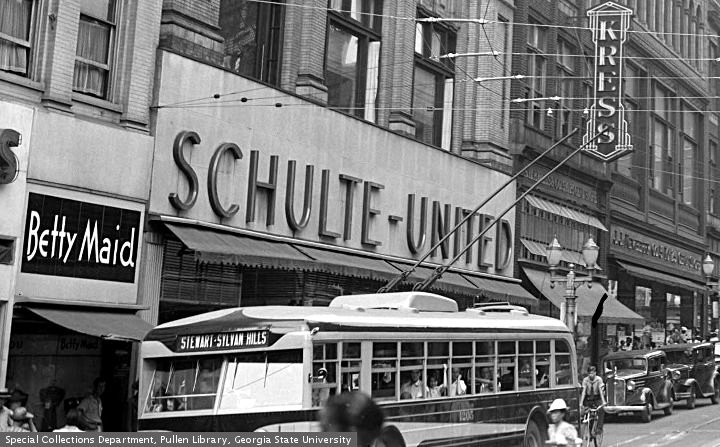
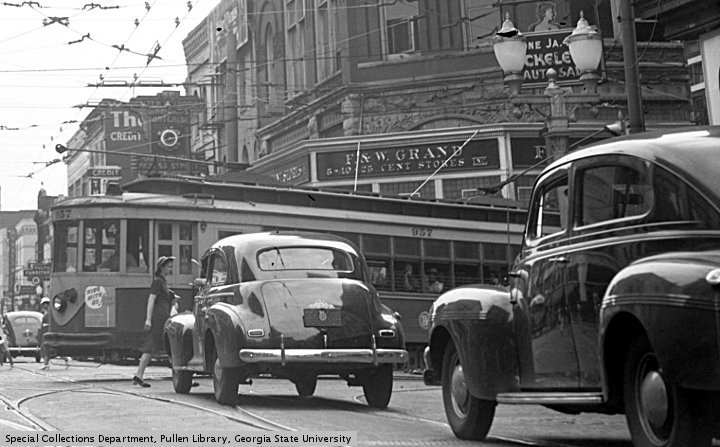
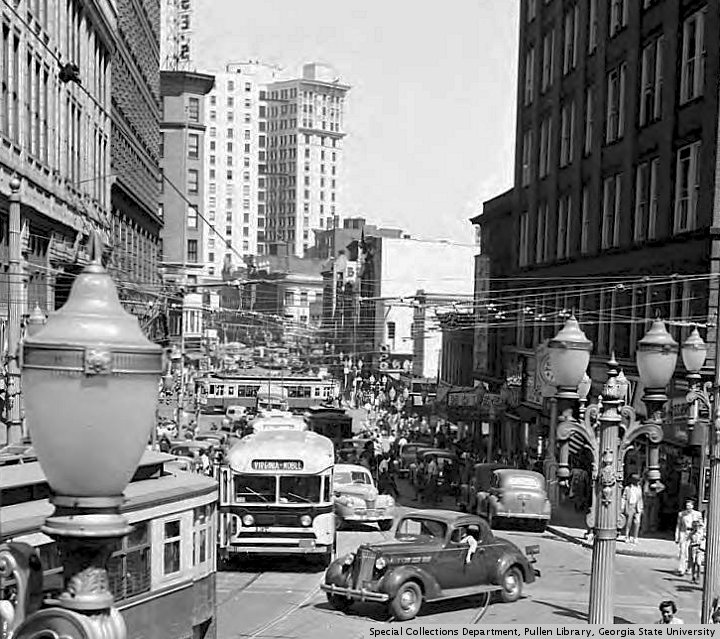
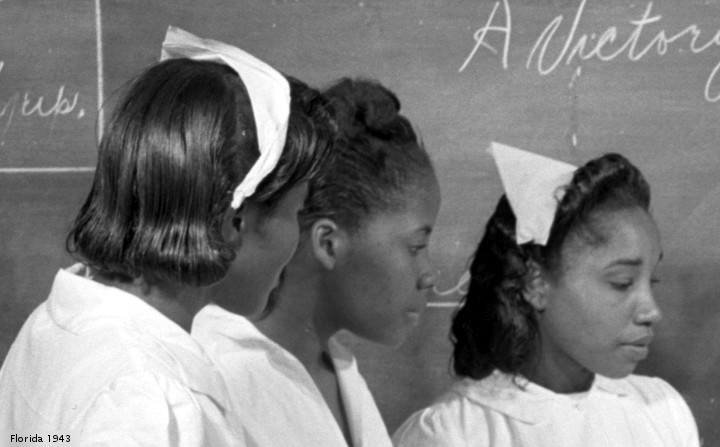
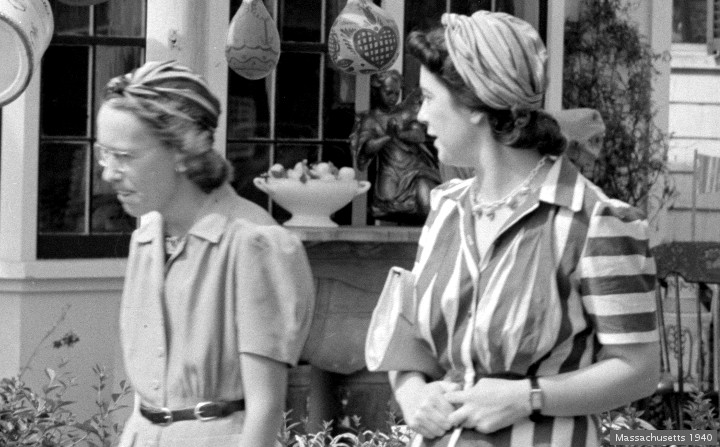
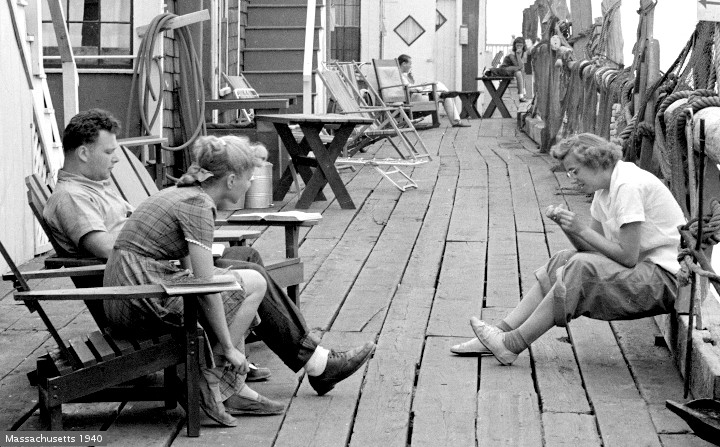
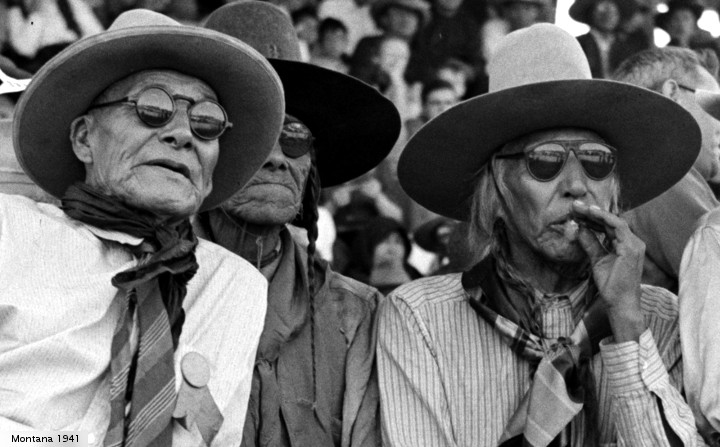
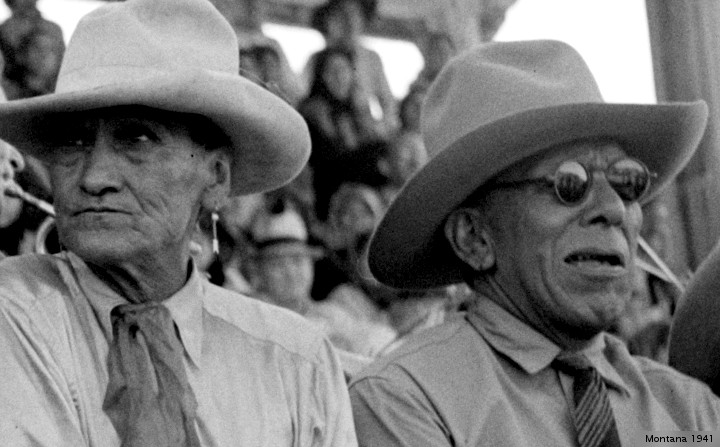
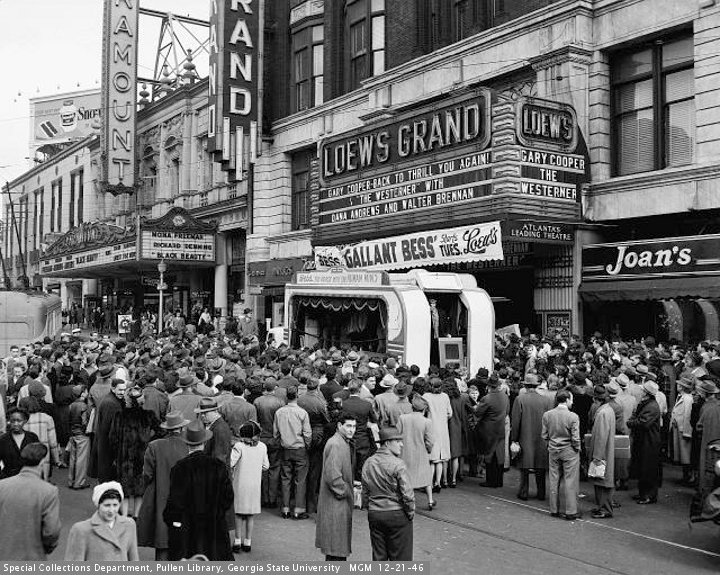
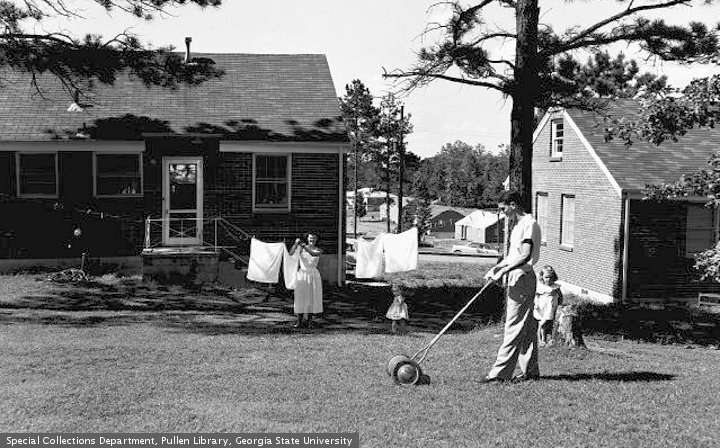
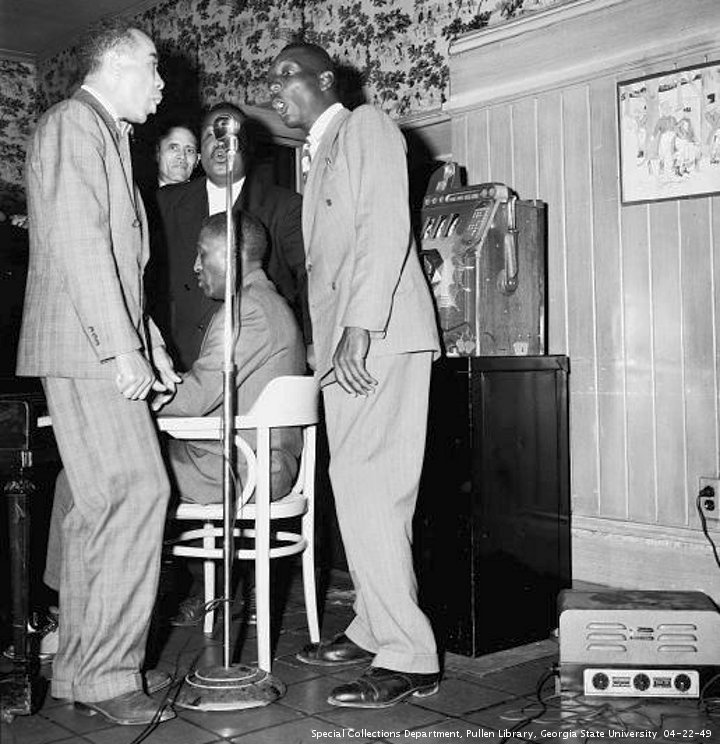
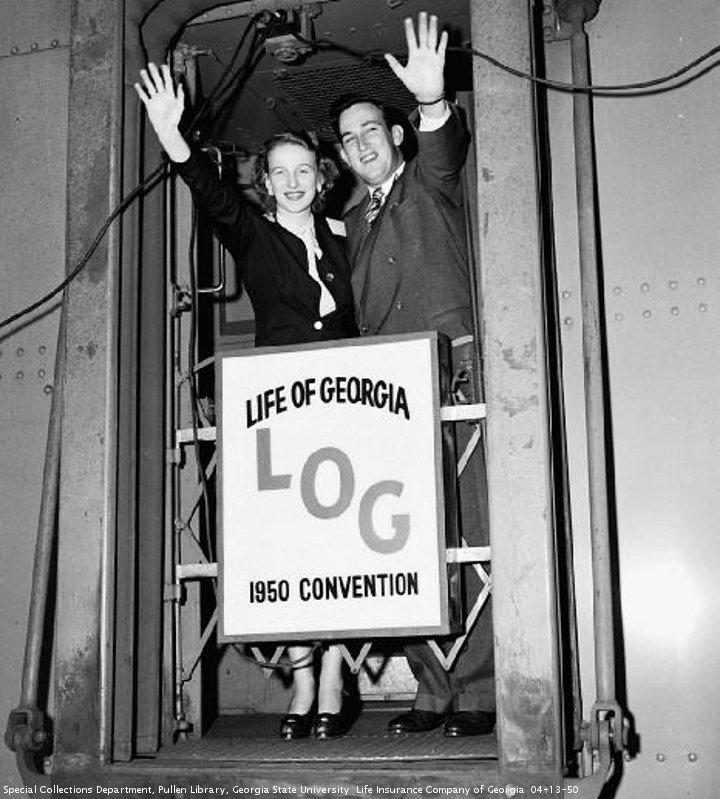
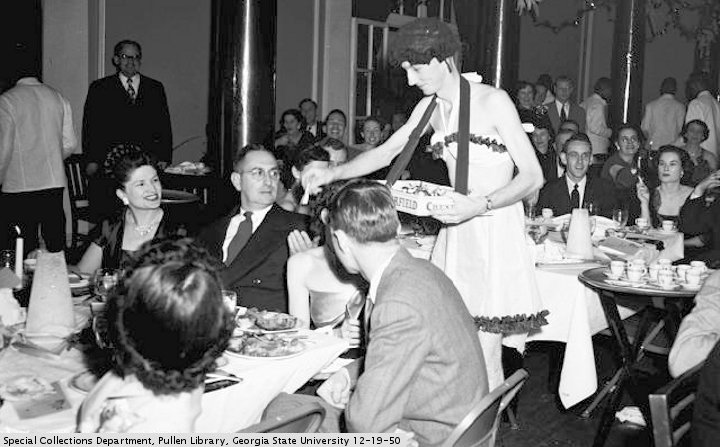
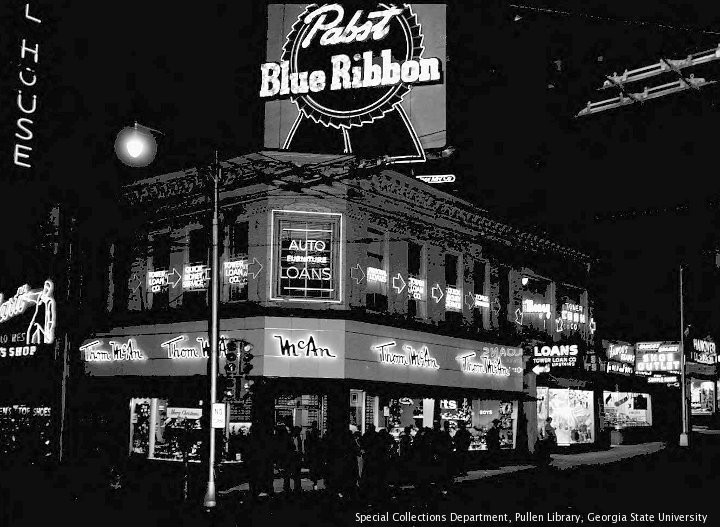
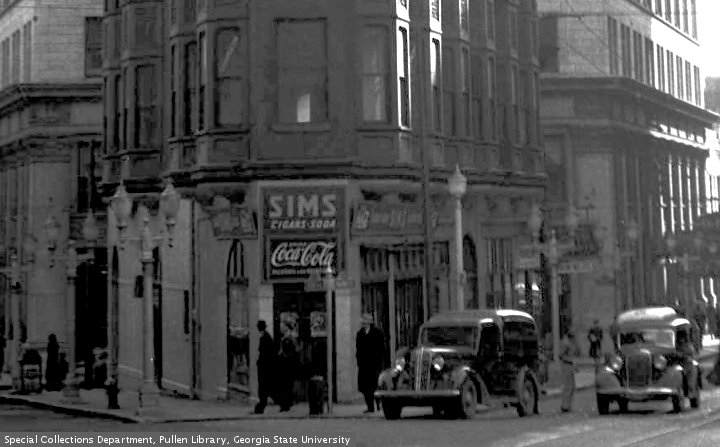
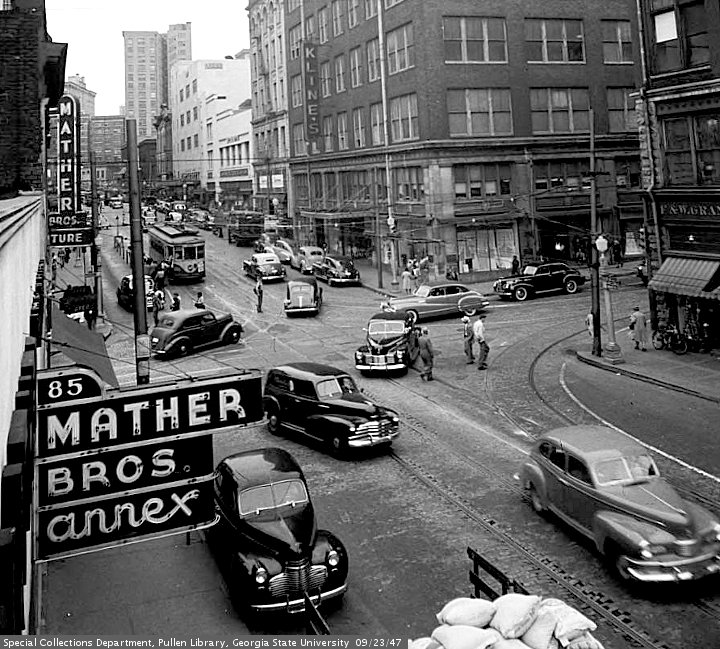
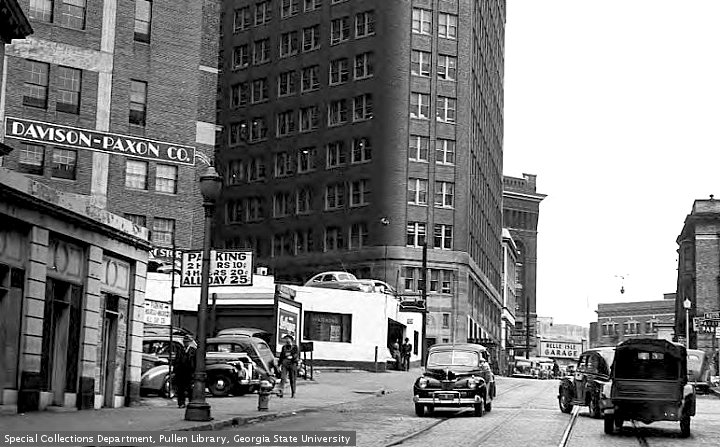
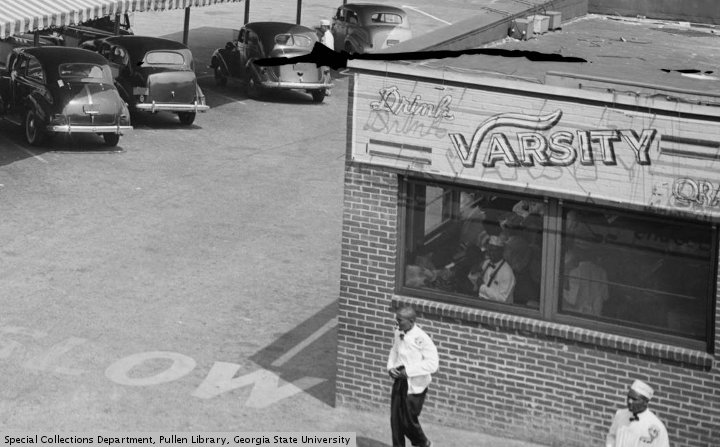
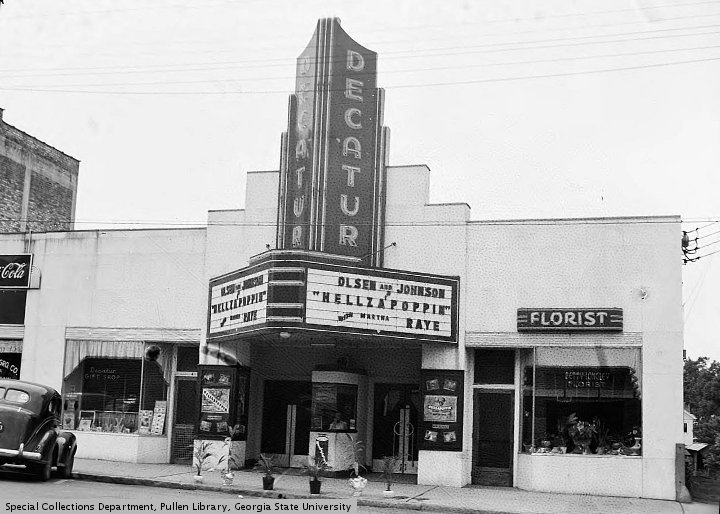
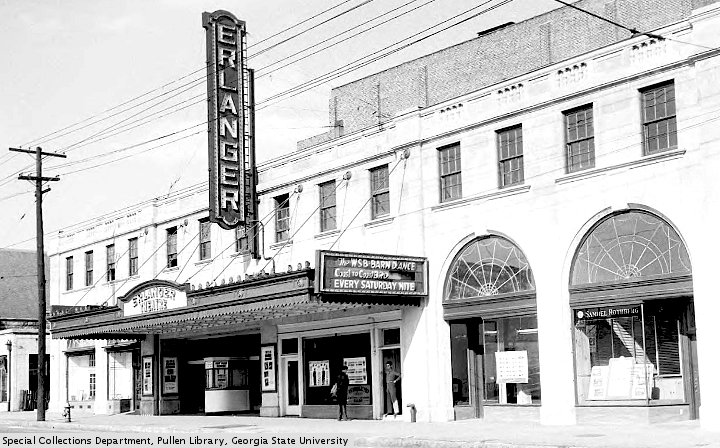
These four hundred and twenty hastily chosen words are a repost. Pictures are from “The Special Collections and Archives, Georgia State University Library”. This was downtown Atlanta in 1941.



The Whitman To Ginsberg Express


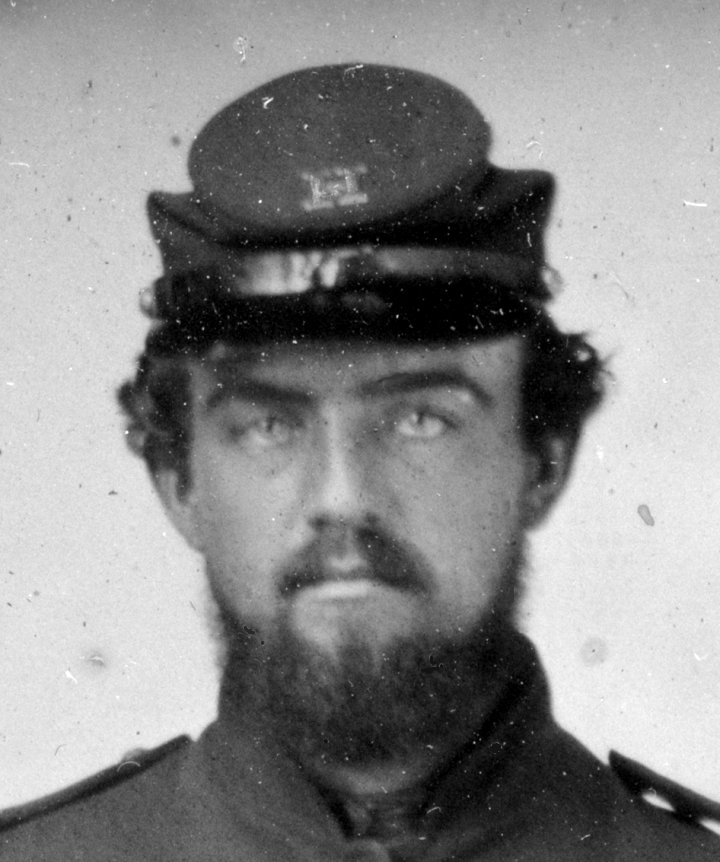
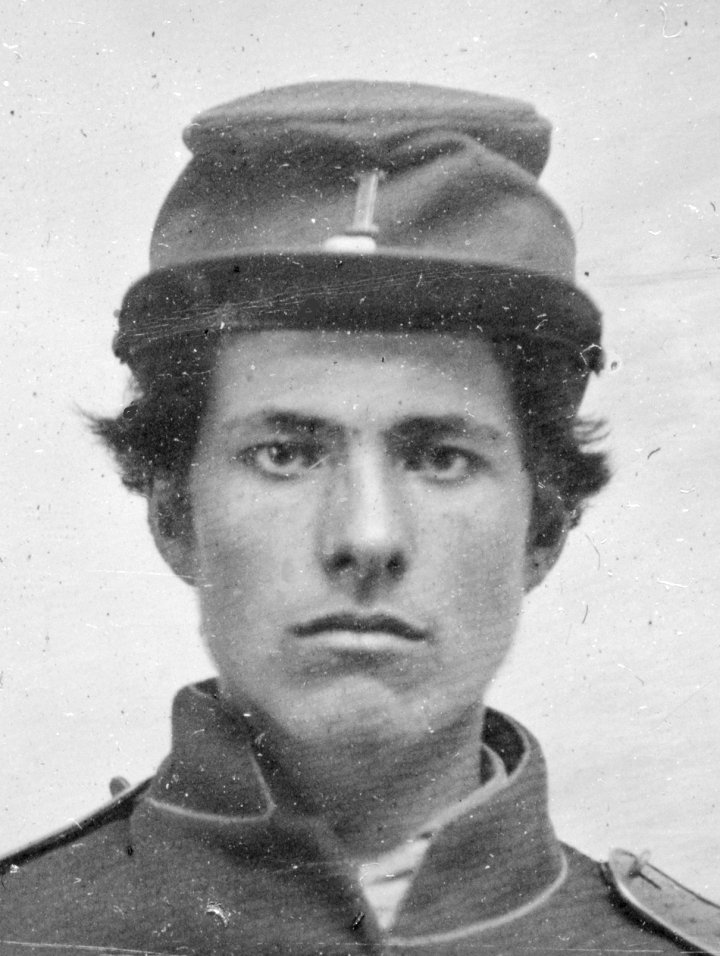

“… I’ve slept with Neal Cassady who slept with Gavin Arthur who slept with Edward Carpenter who described sleeping with Whitman to Gavin Arthur. [The “Gay Succession”]” Allen Ginsberg was fond of his place in a line of gay succession. This is a repost.
A 1974 interview makes the same point about Whitman-Carpenter-Arthur, but does not mention Cassady-Ginsberg. Could anyone be telling stories? The Carpenter-Arthur connection happened in 1924, but is described in wonderful detail by Mr. Arthur in 1967. There are few details about the Arthur-Cassady link in the chain. As a BBC interviewer said to Mr. Ginsberg in 1994 “Both Bob Dylan and Jack Kerouac, I think, described you as a “con-man extraordinaire”. What did they mean?” AG: “Oh, maybe they were projecting their own goofiness on me.”
“Edward Carpenter (1844-1929) was a writer and gay mystic and lived in England all his life. Although ordained an Anglican priest in 1869 he soon renounced religion and became a Fabian socialist. Among his works on social reform is Towards Democracy (1883-1902), a long, un- rhymed poem revealing the influence of his friend Walt Whitman. He edited the first gay literary collection, Iolaus: An Anthology of Friendship”
Mr. Carpenter exchanged letters with Mr. Whitman. “Although Whitman was not a socialist, his writing had a profound effect on Carpenter, who made the long trip to America primarily as a pilgrimage to his literary and spiritual inspiration. He visited the poet for several weeks in 1877 and again in 1884. In 1906 he published an account of his visits to America, Days with Walt Whitman, writing a respectful, even somewhat glorified, portrait of his idol.”
“It was not until the 1966 publication of a memoir by Gavin Arthur entitled The Circle Of Sex that the intimate details of Carpenter’s visits were revealed. Arthur slept in bed with Carpenter … leaving us with our only description of Whitman’s sexual behavior, an area otherwise shrouded in mystery and controversy.” In later years, we learned that Mr. Whitman possibly spent a happy afternoon with Oscar Wilde. Mr. Whitman was also fond of cruising the Brooklyn Waterfront.
Gavin Arthur (born Chester Alan Arthur III; March 21, 1901 – April 28, 1972) is a key link in this chain. As often noted, he was the grandson of Chester Arthur. The elder Mr. Arthur was elected Vice President in 1880, and promoted after the death of James Garfield.
The younger Mr. Arthur was a piece of work. In the early 1920’s, Mr. Arthur dropped out of Columbia, got married, and moved to Ireland. Mr. Arthur somehow got to meet his idol, Edward Carpenter. At the time of this meeting, Mr. Arthur was 23, and Mr. Carpenter was 80.
THE GAY SUCCESSION “… is a document given me by Gavin Arthur in 1967.” The story goes into extravagant detail about the meeting between Mr. Arthur and Mr. Carpenter. One wonders how the elderly Mr. Arthur remembers all this 43 years later.
EC – “No, Walt was ambigenic,” he said. “His contact with women was far less than his contact with men. But he did engender several children and his greatest female contact was that Creole in New Orleans. I don’t think he ever loved any of them as much as he loved Peter Doyle.”
GA – “I suppose you slept with him?” I blurted out half scared to ask.”
EC – “Oh yes–once in a while–he regarded it as the best way to get together with another man. He thought that people should ‘know’ each other on the physical and emotional plane as well as the mental. … the best part of comrade love was that there was no limit to the number of comrades”
GA – “How did he make love?” I forced myself to ask.”
EC – “I will show you,” he smiled. “Let us go to bed.”
Mr. Arthur spares few details in what happens next.
Chester III renamed himself Gavin. After losing the financial support of his family, Mr. Arthur moved to San Francisco. For a while, he sold newspapers on the street. “And he delved deep into both astrology and sexology. Gavin took his star charts very seriously: When one self-administered reading told him he was heading to prison soon, he immediately drove to San Quentin and took a job as a teacher, the better to prevent going in as an inmate.”
“By the 1960s, Gavin Arthur had become a well-known and respected astrologer. In 1966, some Bay Area activists, cultural and political, began to plan a transformative event. They wanted to unite the cultural radicals of the Haight, and the political radicals of Berkeley. Those plans led to the Human Be-In. In order to have maximum astrological impact, its organizers asked Arthur to determine the most auspicious date. Arthur determined that January 14, 1967, would have the greatest impact.”
“I had a flashback to the time I spent with Ginsberg in Cambridge, MA, in 1982, when he told me that I was part of an erotic lineage that connected me to Whitman … a quick Google search identifies Arthur as ”a certain astrologer and San Francisco character, Gavin Arthur … gave lectures at San Quentin while Neal was a prisoner.” Another entry reports that he studied astrology with Ronald Reagan before Reagan started his political career.”
“In 1958, he (Neal Cassady) was arrested after being caught using marijuana at a San Francisco nightclub. He was sentenced for two years at San Quentin State Prison.” This was when Mr. Arthur was teaching at San Quentin. Mr. Cassady mentions him in two letters to his wife Carolyn. (For those who just got here, Neal Cassady was the model for Dean Moriarty in On The Road. Mr. Cassady also drove the bus “Further,” for the Merry Pranksters.)
August 13, 1959 from San Quentin to Carolyn Cassady “Last Saturday, “Uncle Gavin” Arthur, grandson of our twenty-first President who, Republican though he was, could hardly have been more conservative than is Gain underneath all his Occult Astrology, failed to show (again, for the third time in six weeks) to teach our class in Comparative Religion and Philosophy, about three dozen regularly in attendance, on account of a death in his group at the Global House, which he bought by selling papers on Market Street for ten years; so again it was my pleasurable duty to instruct the boys in Cayce-hood [Edgar Cayce]”
Septetmber 22 1959 from San Quentin to Carolyn Cassady “Uncle” worry-wart [Gavin Arthur] missed showing up for the class again last week and I hear, probably unfounded, rumors that it is to be discontinued, too bad if true, because it was fun to hear the old geezer expound, without at all remembering he had, on the very same things week after week. I mean his examples, and their wording were always so alike one could not only anticipate, but, with any memory at all, give in advance the exact sentence he would be about to pronounce: it was sort of a game.” Eight years later, the “old geezer” described a 1924 tryst in clinical detail.
San Quentin broke Neal Cassady. The railroad would not take him back, and Carolyn divorced him. “He, however, felt now he had utterly failed in his mission, and he knew he could never go back. He died inside; only his body survived. This he did his best to destroy. He no longer believed in suicide, but he did all he could to be killed. … He told me he swallowed handfuls of pills anyone offered, even not knowing what they were. Is this not an obvious death-wish? He admitted it was.”
During this down and out time of his life, Neal Cassady apparently connected with Gavin Arthur. In a 1974 radio interview, Allen Ginsberg recalls “That was already the ’60’s, but there was that atmosphere back in San Francisco, around Gavin Arthur, particularly. Arthur was a great friend of Neal Cassady, slept with him all the time, or whenever Neal had nowhere to go he’d wind up in Gavin’s house, sort of falling asleep, exhausted, in his bed.”
The Neal Cassady to Allen Ginsberg connection is well documented.
“A second, serendipitous event further spurred (Joey) Cain’s interest in researching Gavin Arthur. Cain found a used copy of Carpenter’s “Towards Democracy” in a used bookstore for $3.00. It had a lot of writing in it. Cain noticed the following lament among the notes in the book, “This is one of my Bibles, please return. This volume is the third I have had to buy, people being so dishonest about books.” Then he looked below and saw Gavin Arthur’s signature and address. The writing belonged to Arthur. The book in his hand had once belonged to Gavin Arthur. He went up to the cashier who said, “It’s a shame about all this writing in it.” Cain replied, “Let me pay for it first, and then I’ll tell you about this writing.” Pictures today are from The Library of Congress.


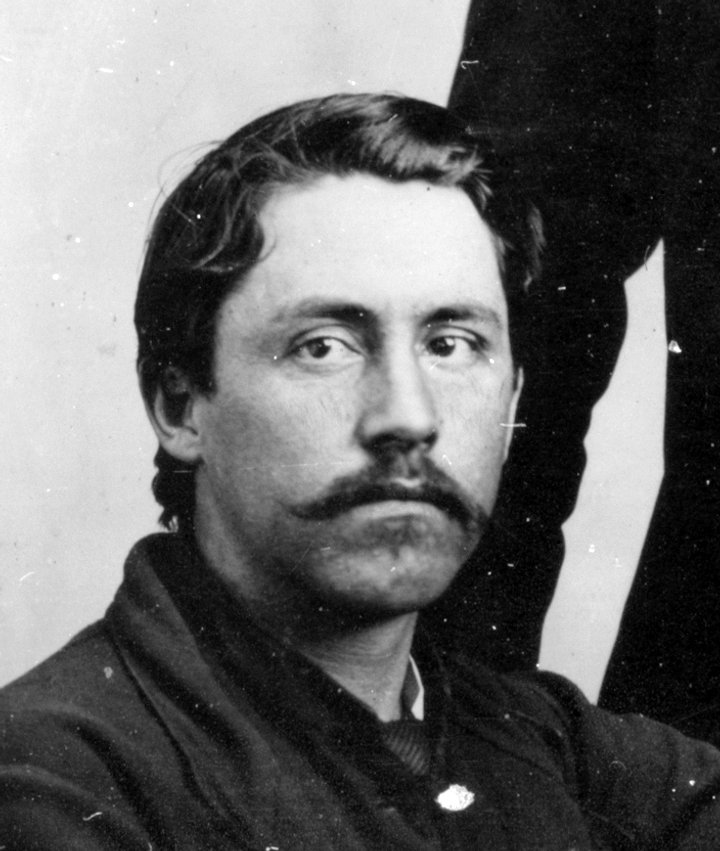


July 3, 1981


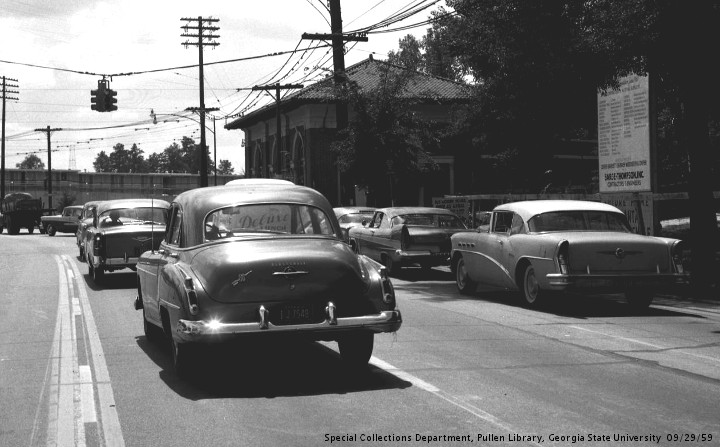

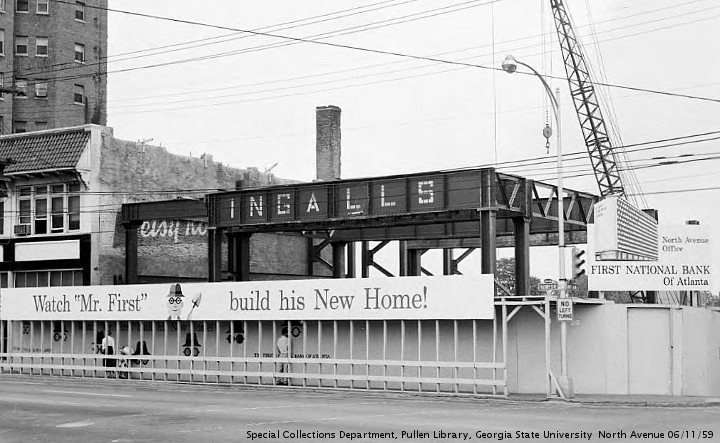

July 3, 1981, was another day before a holiday. The new President, Ronald Reagan, was recovering from gunshot wounds. There was talk of an era of conservatism, with possibly severe repression.
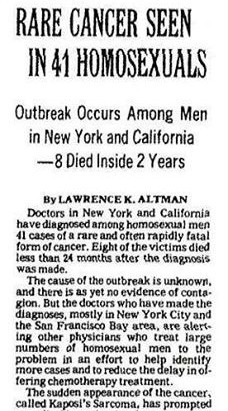
There was an article in the New York Times. RARE CANCER SEEN IN 41 HOMOSEXUALS. “Doctors in New York and California have diagnosed among homosexual men 41 cases of a rare and often rapidly fatal form of cancer. Eight of the victims died less than 24 months after the diagnosis…”
This was the media debut of AIDS. It would not have that name for a while. Almost nobody thought, on that summer day, just how bad AIDS would be. In five years it was obvious how serious AIDS was.
 PG was on another trip to the west coast. It was becoming obvious that this would be a vacation, rather than a relocation. He was riding a bicycle, with a milk carton overloaded with camping gear. Some kids told him to get saddle bags, and carry the weight lower. If you have the weight on top, you would lose control coming down a big hill. PG did not listen to the kids.
On July 4, PG left Patrick’s Point state park, about 300 miles north of San Francisco. Coming down the first hill on highway 101, the bike shook, shook harder, and flipped on its side. PG was thrown off. The front wheel was bent beyond repair. PG gathered his gear, left the bike behind, and got a ride into the nearest town.
PG got a bus ticket to Seattle. That city was in an economic downturn, with less than half a page of help wanted ads. PG found a auto delivery service, and got a VW bug going to Oak Ridge, TN. In a few days he was in Atlanta. A few days later, a temp agency came up with a job as a driver for a blueprint company. PG worked for that company, in one form or another, for the next 24 years.
As for the gay men with Kaposi’s Sarcoma … in all probability, the patients mentioned in that article were all dead within a year. AIDS has become a dominating story in our time. At its worst, it was claiming 50,000 lives a year. With the advent of wonder drugs, the death toll has been greatly reduced. The impact of AIDS on American life cannot be adequately described. This is a repost.
Pictures today are from “The Special Collections and Archives, Georgia State University Library”. Lawrence K. Altman is still writing articles for the New York Times.


The Night Muhammad Ali Fought In Atlanta




Many have noted that Muhammad Ali lit the Olympic torch in 1996. Few seem to remember another Atlanta appearance from the former Cassius Clay. It happened October 26, 1970, at the Municipal Auditorium. To get to this point, lets borrow a few lines from a Courier-Journal Ali Timeline.
1960 – “Clay defeats Zbigniew Pietrzykowski of Poland on Sept. 5 to win the light-heavyweight boxing gold medal at the Olympics in Rome…”
1962 – “Clay hears Elijah Muhammad speak for the first time. He meets another Nation of Islam leader, Malcolm X, who becomes a friend and adviser. – On March 9, the military draft board classifies Clay 1-A, meaning he is fit and available to be called into the Army…”
1964 -” Because of a low score on the Army intelligence test, Clay is reclassified 1-Y, not qualified for military service, in January. “I said I was The Greatest,” he explains. “I never said I was the smartest.” – Clay scores a stunning seventh-round technical knockout over 7-1 favorite Sonny Liston on Feb. 25 at the Miami Convention Center, winning the world heavyweight championship at age 22. – In response to a reporter’s question the day after the fight, Clay confirms he is a member of the Nation of Islam, saying: “I believe in Allah and in peace. … I’m not a Christian anymore. … Followers of Allah are the sweetest people in the world. They don’t tote weapons. They pray five times a day.” – A rift grows between Elijah Muhammad and Malcolm X. Ali sides with Elijah, causing grief for Malcolm. – Casting off his “slave name,” Clay adopts the temporary name Cassius X. Later he announces that Elijah has bestowed on him the name Muhammad Ali. The name means “Praiseworthy One.”…”
1965 – “Ali knocks out Liston in the first round of their rematch, before only 4,280 fans in Lewiston, Maine, on May 25. Liston falls under a “phantom” punch that apparently few people see, giving rise to suspicions that he threw the fight. Former champion Joe Louis eventually declares Ali “unfit” to hold the title. – In October, former champion Floyd Patterson says: “Cassius Clay is disgracing himself and the Negro race.” On Nov. 22, Ali delivers a punishing defeat to Patterson, in part, he says, because Patterson refuses to call him Ali….”
1966 – “With the Vietnam War heating up, the Army lowers test-score standards, reclassifying Ali 1-A — fit for service. – “Man, I ain’t got no quarrel with them Viet Cong,” he says to reporters who call him at home in Miami. He later explains that “no Viet Cong ever called me nigger.” – Ali asks to be reclassified a conscientious objector to military service. A hearing officer sides with him, but the draft board keeps him 1-A, armed with a U.S. Justice Department opinion that Ali’s objections to military service are political not religious….”
1967 – “On April 28, Ali refuses induction into the Army in Houston.” “It is the light of my consciousness as a Muslim minister and my own personal convictions that I take my stand in rejecting the call to be inducted in the armed services,” Ali stated after refusing induction on April 28, 1967. “I have searched my conscience and I find I cannot be true to my belief in my religion by accepting such a call.” He was convicted of draft evasion on June 20, 1967. Ali was sentenced to five years in prison and fined $10,000, the maximum penalty for the offense. He remained free on a $5,000 bond while he appealed his conviction. Ali was also stripped of the World Heavyweight Championship by the New York State Athletic Commission and the World Boxing Association, systematically denied a boxing license in every state and stripped of his passport. “
For three and a half years, Mr. Ali was unable to fight in the ring. The WBA had a tournament, and installed their own champion. People tried to set up a fight for Mr. Ali, but were blocked by politicians, and state boxing authorities. California Governor Ronald Reagan said “That draft dodger will never fight in my state, period.” Then someone had the idea to have the fight in Atlanta.
Atlanta has never been a boxing town. There was no boxing commission. The Municipal Auditorium, the only venue that could host, was a dump. As Ring magazine tells the story: “So it was the height of irony that it was Atlanta, a city that occupied the heart of the Deep South, that provided the breakthrough. State Senator Leroy Johnson and Governor Lester Maddox helped pave the way for a most improbable return by persuading the City of Atlanta Athletic Commission to grant Ali a boxing license on Aug. 12, 1970. Shortly thereafter, it was announced Ali would fight Jerry Quarry on Oct. 26 at the City Auditorium in Atlanta. The bout was scheduled for 15 rounds, probably in recognition of Ali’s status as lineal heavyweight champion.” (Other sources say that Governor Maddox was opposed to hosting the fight, but was powerless to stop it.)
The opponent was Jerry Quarry, whose white skin was apparent that night. His obituary notes: :His most famous night was in Atlanta, Georgia, in October 1970, when he was the “fall-guy” for Ali’s comeback from his three- year exile. Quarry was stopped because of a badly cut eye in the third round. It brought him his biggest payday, $338,000. … By 1995 he was in the care of his brother James, and was suffering from severe pugilistic dementia.” Jerry Quarry died January 3, 1999.
The fight was not much of a contest. It lasted three rounds, before the referee stopped the match. Mr. Ali fought for ten more years, and regained the Heavyweight Championship twice. “On June 28, 1971, the Supreme Court unanimously overturns Ali’s 4-year-old draft conviction, saying that his claims as a conscientious objector were based on religion and were sincere.”
The fight was the occasion for a display of black pride, and black money. The New Yorker essayist George Plimpton remembered that invasion of the Harlem peacocks in their enormous purple Cadillacs: “I’d never seen crowds as fancy, especially the men – felt hatbands and feathered capes, and the stilted shoes, the heels like polished ebony, and many smoking stuff in odd meerschaum pipes.”
“The times reported that the bout was like “a page out of the roaring twenties. … The ladies had beads down to the hem of their maxi-skirts. One man wore an ankle length mink coat, with a high hat of mink to match. … Diana Ross sat in the forth row, ringside, with a bouffant, Afro-American hair-do that stretched out 10 inches on each side.” Many of those in attendance were invited to a party.
“Engraved invitations to one party in particular had been passed around to the hustlers in New York a week earlier and in Atlanta in the days leading up to the fight. The invitations announced that “Fireball” was throwing a party at 2819 Handy Drive, in Collier Heights.
The Handy Drive house happened to be one of several properties that “Chicken Man” Williams owned. He’d given a friend, an Atlantan-turned-New-Yorker known as “Fireball,” permission to use the house. He’d even helped build a craps table the week before so all the big-time gamblers who were sure to show up could “roll the bones.”
Williams’ girlfriend, Barbara Smith, skipped the fight to help prepare for the party. She and two girlfriends were busy in the kitchen when they heard the front door open. The fight was still going on, so Smith went to the front, expecting to meet an early bird. She was greeted by three men in ski masks standing in the hallway. All were armed; one was pointing a shotgun at her face. …
An estimated 80 to 200 people had arrived at the house expecting to party, only to be fleeced by masked men with shotguns. According to news accounts, the victims were led to the basement, then ordered to strip to their underwear, throw all their valuables in a pile and lay on the floor…
As more victims arrived, floor space in the basement became scarce, so the gunmen ordered the victims to lie on top of each other. Cash and jewelry was swept into pillowcases. That went on for hours as more and more people kept showing up. By 3 a.m., the half-naked victims were stacked like cordwood on top of each other.
Not one shot was fired. But as they left, the gunmen took Smith and one of her friends hostage and told everyone else to stay put. Three hours later, they dropped the women off on the other side of town and gave them $10 each for cab fare. By that time, the investigation was underway.
Creative Loafing has a terrific story about the party at Chicken Man’s house. If you have a few minutes, it is worth your time. Ditto for this newspaper story, in the sucky google books format.
A key person in the story is J.D. Hudson. One of the first eight black Atlanta policemen, Lt. Hudson was Mr. Ali’s bodyguard the night of the fight. Lt. Hudson wound up conducting the investigation of the party at Chicken Man’s house. Lt. Hudson met Gordon “Chicken Man” Williams, under rather unpleasant circumstances, in 1949.
Lt. Hudson never suspected Chicken Man of being part of the robbery. “From the time he took over the case, Hudson says, he knew Williams wasn’t responsible — even though other investigators already had pinned the crime on him. For one thing, Hudson could place Williams at the fight at the time the gunmen were at the house setting up the crime.
For another, Hudson says, “I knew [Williams] wasn’t dumb enough to pull a stunt like that. This was a man who ran [a] million-dollar operation from a pay phone on a street corner. He was smart. He could’ve run IBM or Coke. There’s no way he would’ve risked all that to pay somebody off. This was pulled off by a bunch of young thugs who were trying to knock over a party, and when they got there and saw how big it was, they improvised.”
Chicken Man went to prison in the seventies, and became a minister. He served as the Pastor of the Salem Baptist Church. Gordon Williams died December 6, 2014. J.D.Hudson died June 4, 2009. The men who robbed the party goers were killed a few months after the fight.
Pictures today are from The Library of Congress. This is a repost.



Mrs. Dora Stainers

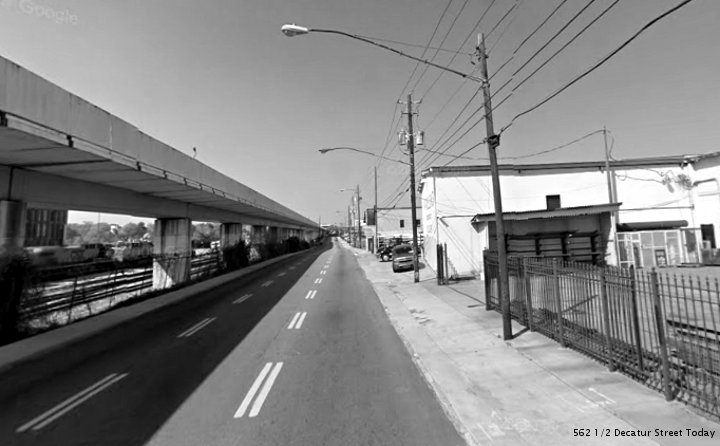
Some pictures have longer captions than others. Shorpy published one with a mouthful.
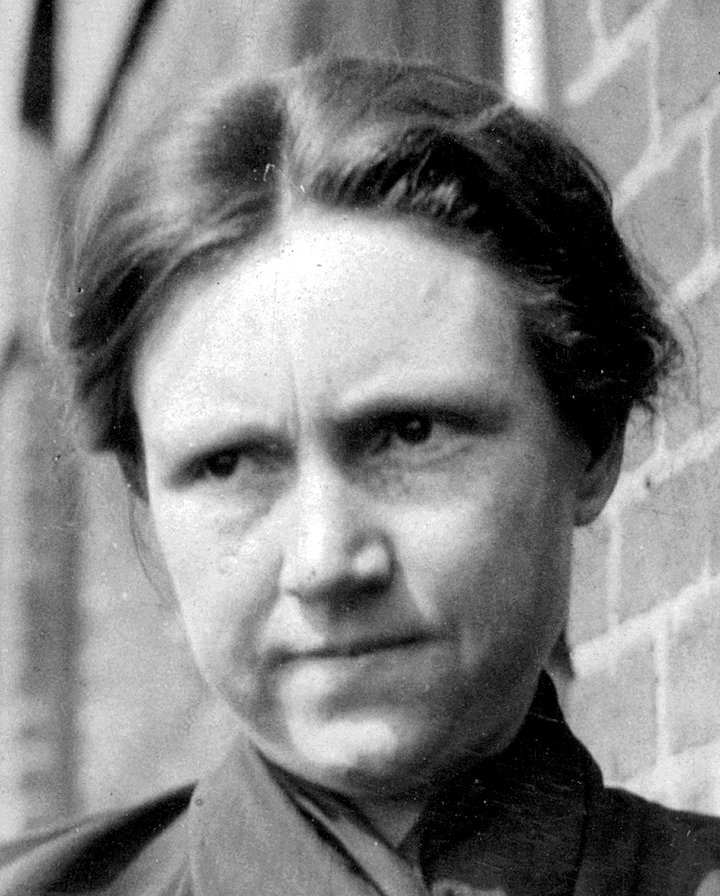
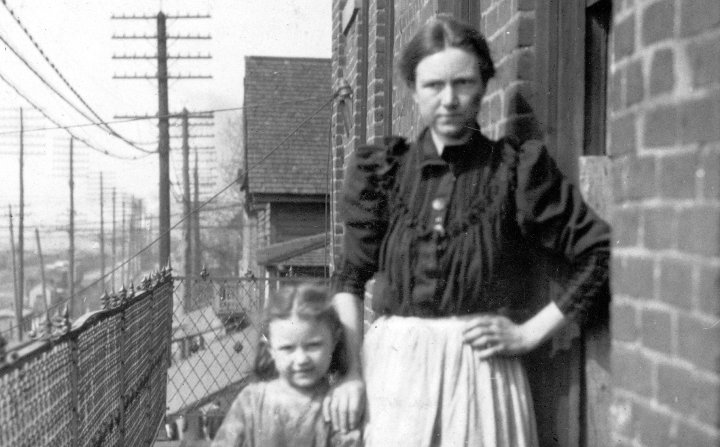
Mrs. Dora Stainers, 562 1/2 Decatur St. 39 years old. Began spinning in an Atlanta mill at 7 years, and is in this mill work for 32 years. Only 4 days of schooling in her life. Began at 20 cents a day. The most she ever made was $1.75 a day & now she is earning $1 a day when she works. She is looking for a job. Her little girl Lilie is the same age she was when she started work, but the mother says, “I ain’t goin to put her to work if I can help it. I’m goin’ to give her as much education as I can so she can do better than I did.” Mrs. Stainers is a woman of exceptional ability considering her training. In contrast to her is another woman (this name was withheld) who has been working in Atlanta mills for 10 yrs. She began at 10 yrs. of age, married at 12, broke down, and may never be able to work again. Her mother went to work in the cotton mill very young. Location: Atlanta, Georgia.
The photographs of Mrs. Stainers were made in March, 1915. The photographer was Lewis Wickes Hine. “Working as an investigative photographer for the National Child Labor Committee (NCLC), Lewis Hine (1874-1940) documented working and living conditions of children in the United States between 1908 and 1924.” “In 1954 the Library received the records of the National Child Labor Committee, including approximately 5,000 photographs and 350 negatives by Lewis Hine. In giving the collection to the Library, the NCLC stipulated that “There will be no restrictions of any kind on your use of the Hine photographic material.”
The house that Mrs. Stainer lived in is long gone. 562 1/2 Decatur Street is across the railroad tracks from the Fulton Cotton Mill. With real estate agents demanding names for all neighborhoods, the area is known as the Old Fourth Ward. The building at 552 Decatur Street is A & R Welding.
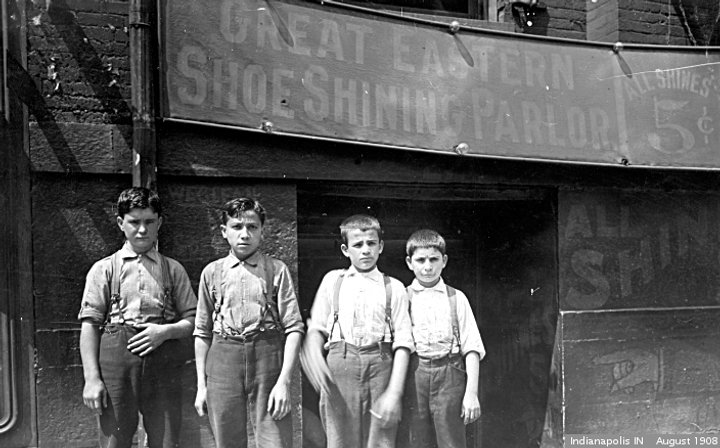
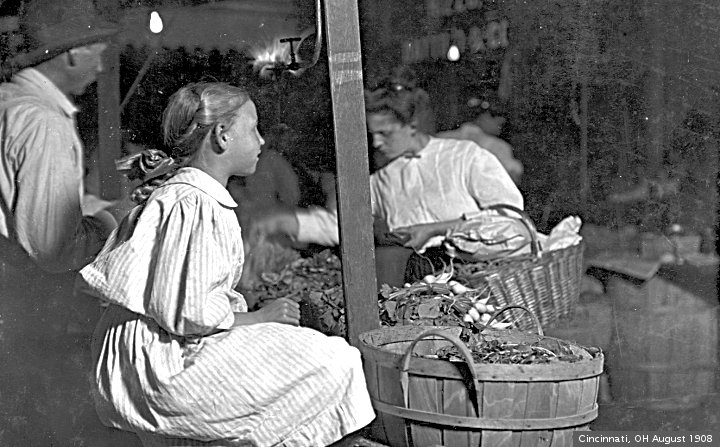
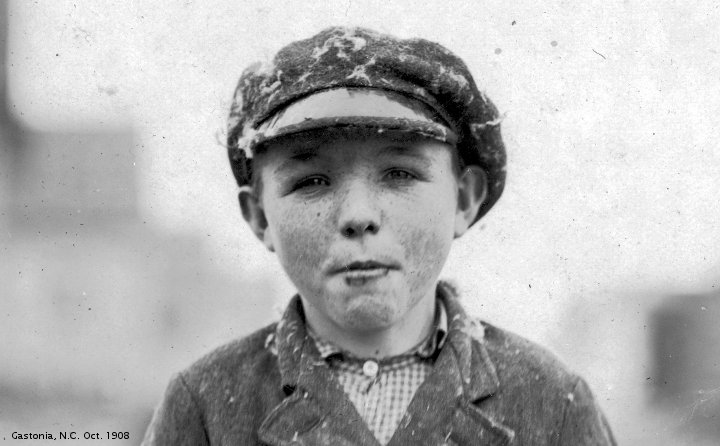
Pictures are from The Library of Congress. This is a repost.




Luther C. Mckinnon
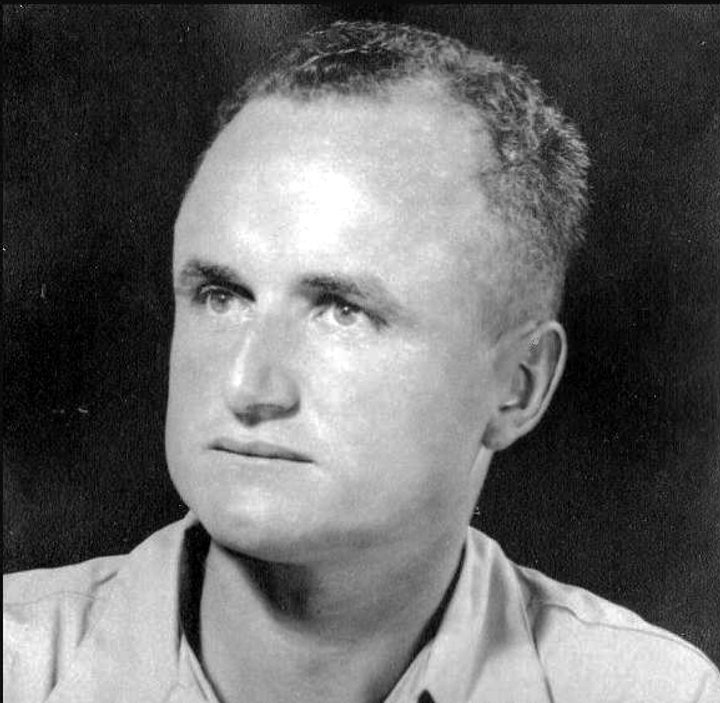

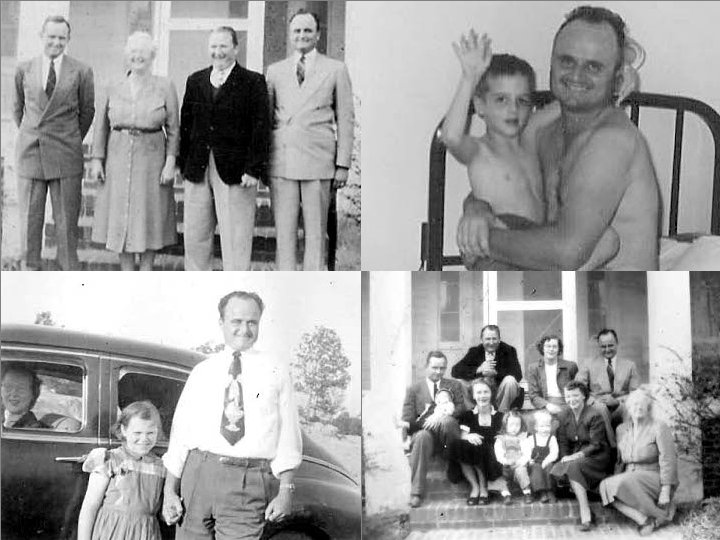
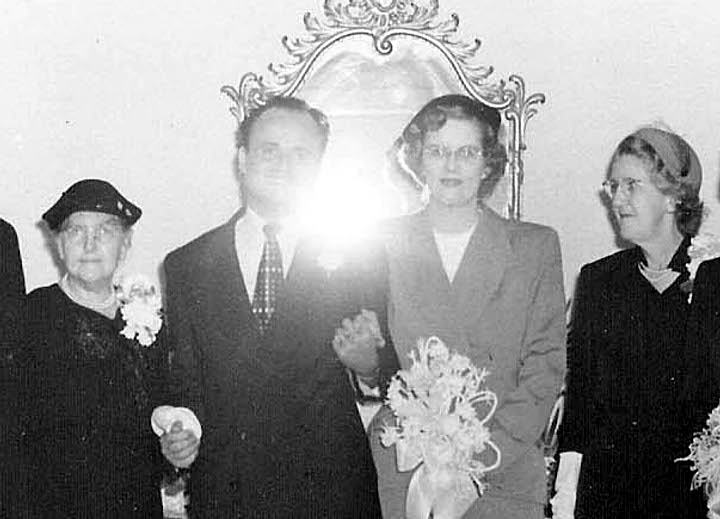
Luther Campbell McKinnon Sr. was born February 22, 1916, on a farm in Rowland, North Carolina. Europe was stuck in a war that would change the world, and not until The United States got involved. This didn’t happen for another year.
Luke was the youngest of four children. After life as a farm boy, he went to Wake Forest University, and then came back when his Daddy died. He ran a family dairy for a few years, and went to live in New Jersey. He lived near a prison, and saw the lights dim when the electric chair was used.
In the early fifties, he came to Atlanta to live. This was where his sister Sarah stayed, with her husband and two daughters. One day he went into the C&S bank on 10th street, and took notice of one of the tellers. On October 6, 1951, he married Jean Dunaway. She was with him the rest of his life.
At some point in this era he started selling shoes. He would go to warehouses, gas stations, and wherever barefoot men needed shoes. He was “The Shoe Man” .
Before long there were two boys, and he bought a house, then another. The second house is the current residence of my brother and myself, and is probably worth 15 times what he paid for it. He had the good fortune to not buy in an area that was “blockbusted,’ as many neighborhoods were.
And this was his life. He tended a garden, went to the gym, and was in the Lions Club for many years. When he met Mom, she let him know that going to church with her was part of the deal. They found a church that was good for their needs, and made many friends there. The Pastor at Briarcliff Baptist, Glen Waldrop, was his friend.
When I think of the character of this man, there is one night, which stands out. My brother was away at the time. The day before, Mom had discovered she had a detached retina, and was in the hospital awaiting surgery. Her job had arranged a “leaf tour” by train in North Georgia, and she got one of her friends at work to take me. There was some mechanical trouble on the train, and it did not get back into town until 3am Monday morning. And yet, Daddy stayed at home, did not panic, and had faith that all of us would be back soon, which we were.
Through all the struggles of his life, Dad was cheerful, laughed a lot, and was good company. He left me with a rich repertoire of country sayings, and had many stories to tell. He was surprising mellow about black people, if a bit old fashioned. (In the south when I grew up, this was highly unusual).
Dad was always in good, vigorous health, and I thought he would be with us for a long time. Well, that is not how things work. A cancer developed in his liver, and spread to his lungs (he did not smoke). After a mercifully brief illness, we lost him on February 7, 1992. This is a repost.


The Last Night Of Judy Garland
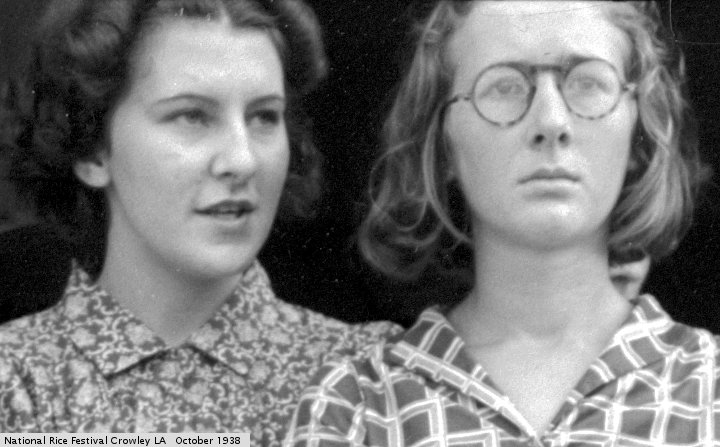


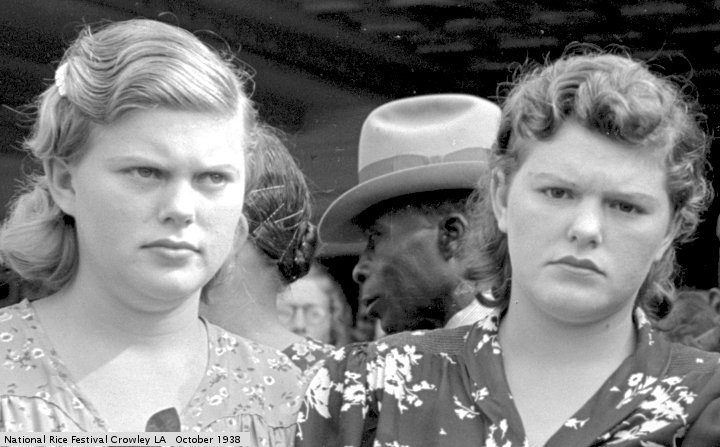

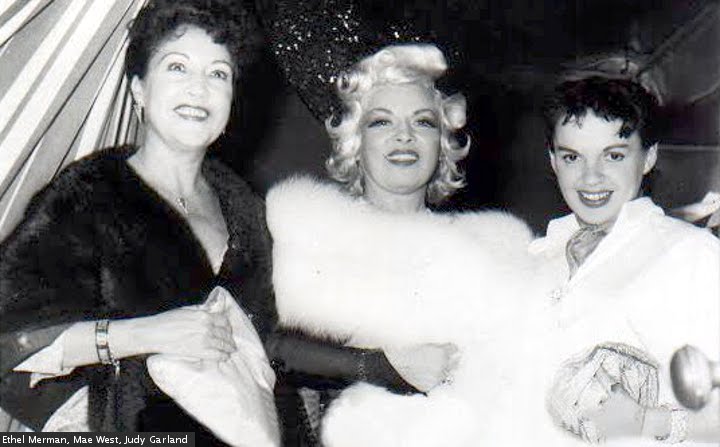
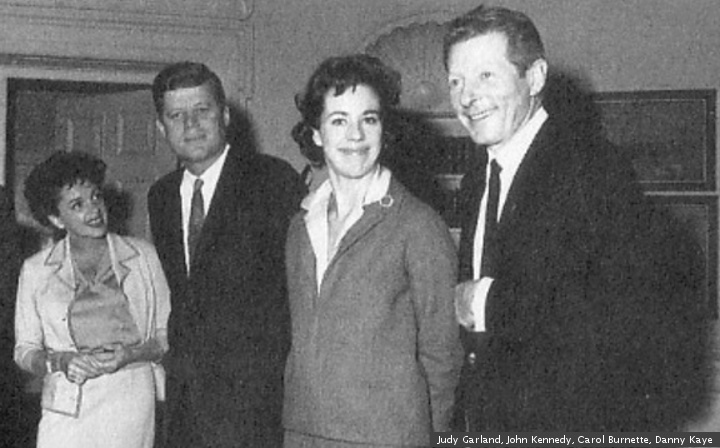
“In march of 1969, Judy married her fifth husband, Mickey Devinko, better known as Mickey Deans, a gay night-club promoter. Judy had an unfortunate habit of marrying gay men. They lived together in a tiny mews house in Chelsea, London. The evening of Saturday June 21 1969, Judy and Mickey were watching a documentary, The Royal Family, on television, when they had an argument. Judy ran out the door screaming into the street, waking the neighbors.
Several versions of what happened next exist, but the fact remains that a phone call for Judy woke him at 10:40 the next morning, and she was not sleeping in the bed. He searched for her, only to find the bathroom door locked. After no response, he climbed outside to the bathroom window and entered to find Judy, sitting on the toilet. Rigor Mortis had set in. Judy Garland, 47, was dead.
The press was already aware of the news before the body could be removed. In an effort to prevent pictures being taken of the corpse, she was apparently draped over someone’s arm like a folded coat, covered with a blanket, and removed from the house with the photographers left none the wiser.
The day Judy died there was a tornado in Kansas…. in Saline County,KS, a rather large F3 tornado (injuring 60, but causing no deaths) did hit at 10:40 pm on June 21st, that would be 4:40 am, June 22nd, London time, the morning she died. I know the time of death has never been firmly established, but since Rigor Mortis had already set in, I think this tornado may very much be in the ballpark in terms of coinciding with time of death…. Other news articles suggest the tornado struck Salina “late at night” which could certainly also mean after midnight on June 22, or roughly 6:00 am London time…
The Toledo Blade for June 24th, also in an article located right next to a picture of Garland, in a write-up on the Salina tornado noted that “Late Saturday [June 21] and early Sunday [June 22, another batch of tornadoes struck in central Kansas.” So it seems the legend seems confirmed.”
The text for this story comes from Findadeath. You can spend hours at this site. This is a repost. Pictures are from The Library of Congress.


Lose The Ability To Remember
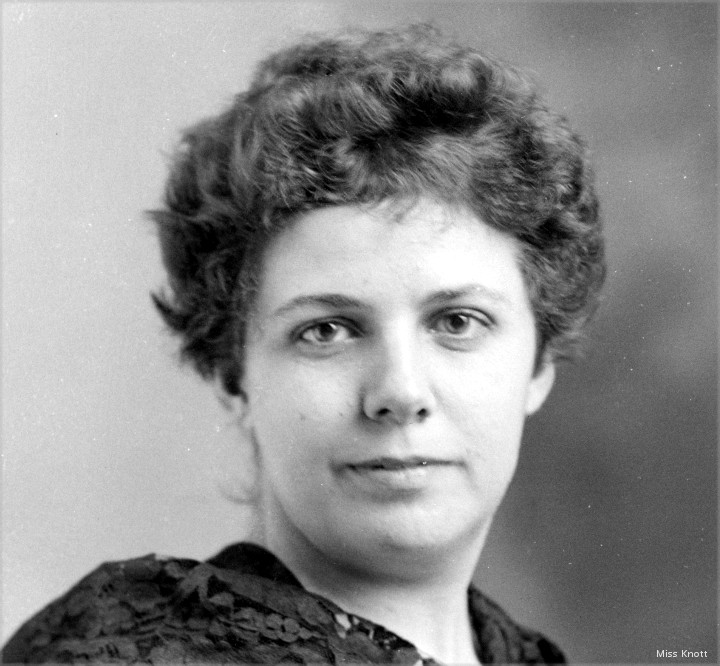
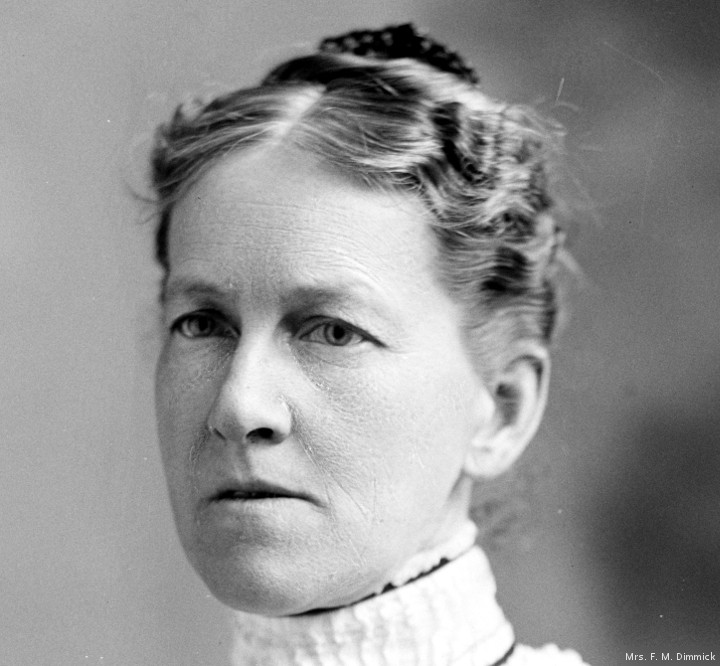

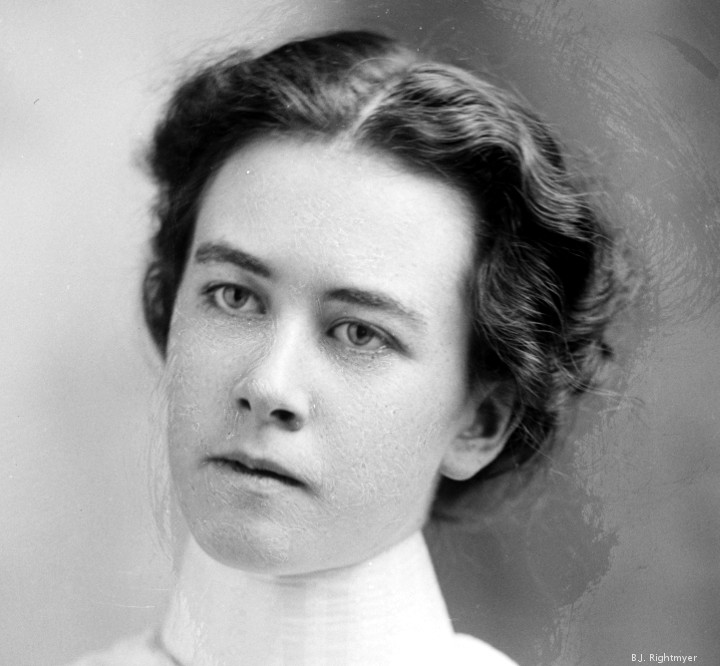

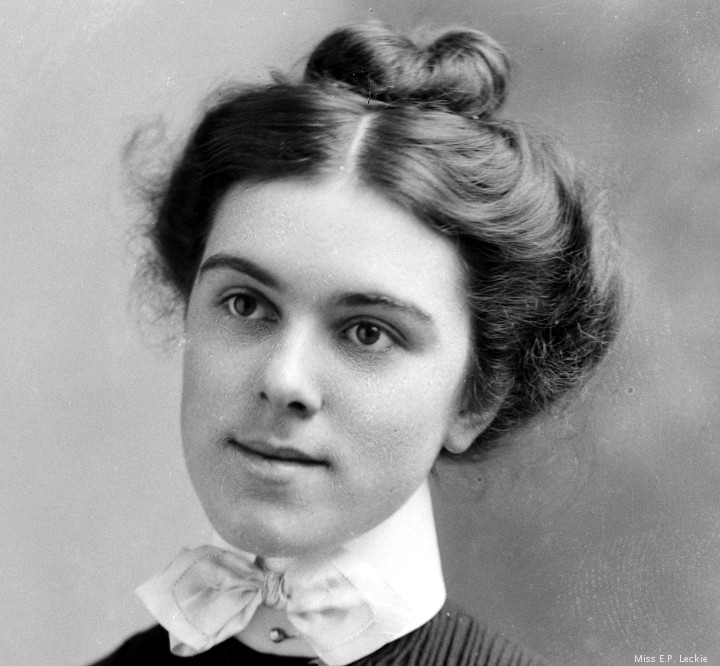
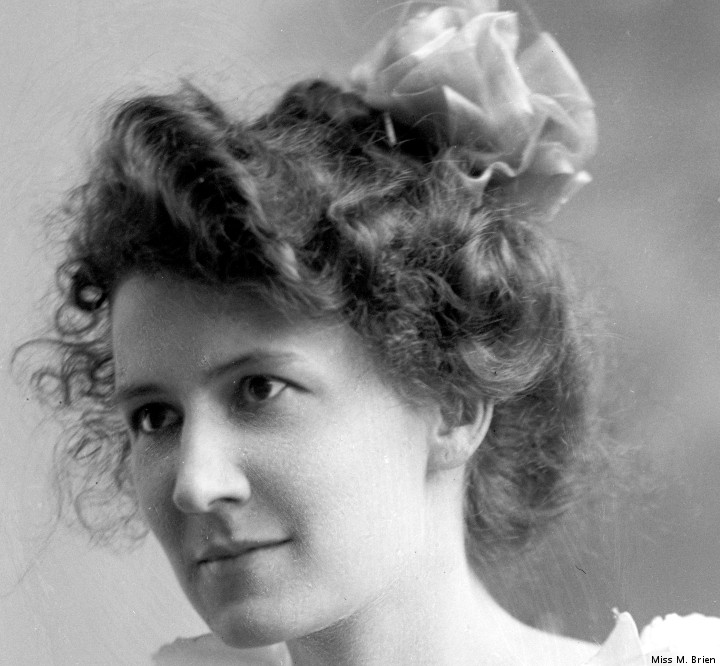
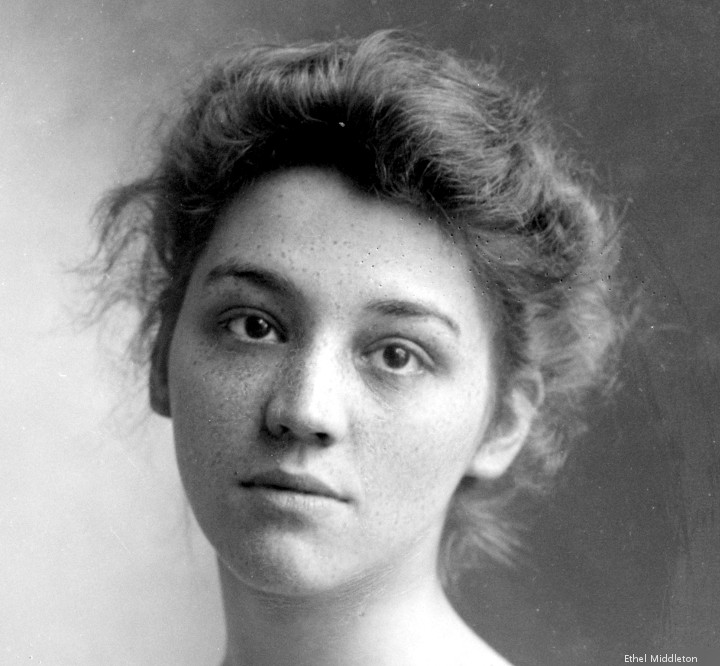
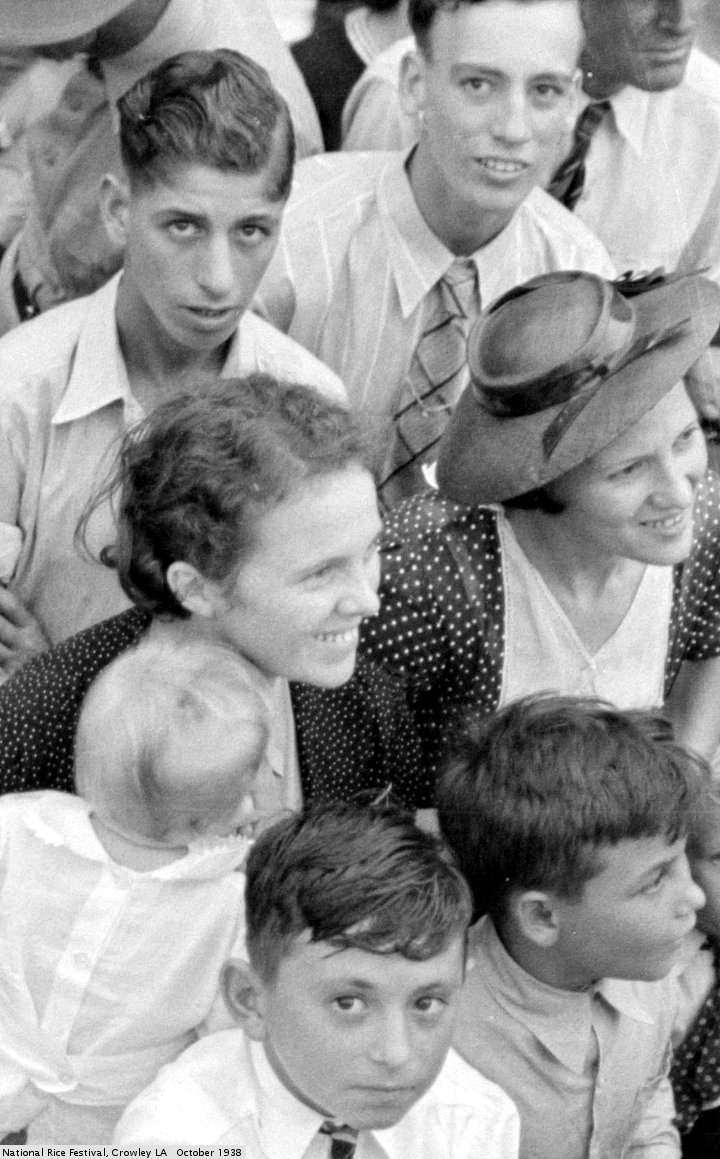
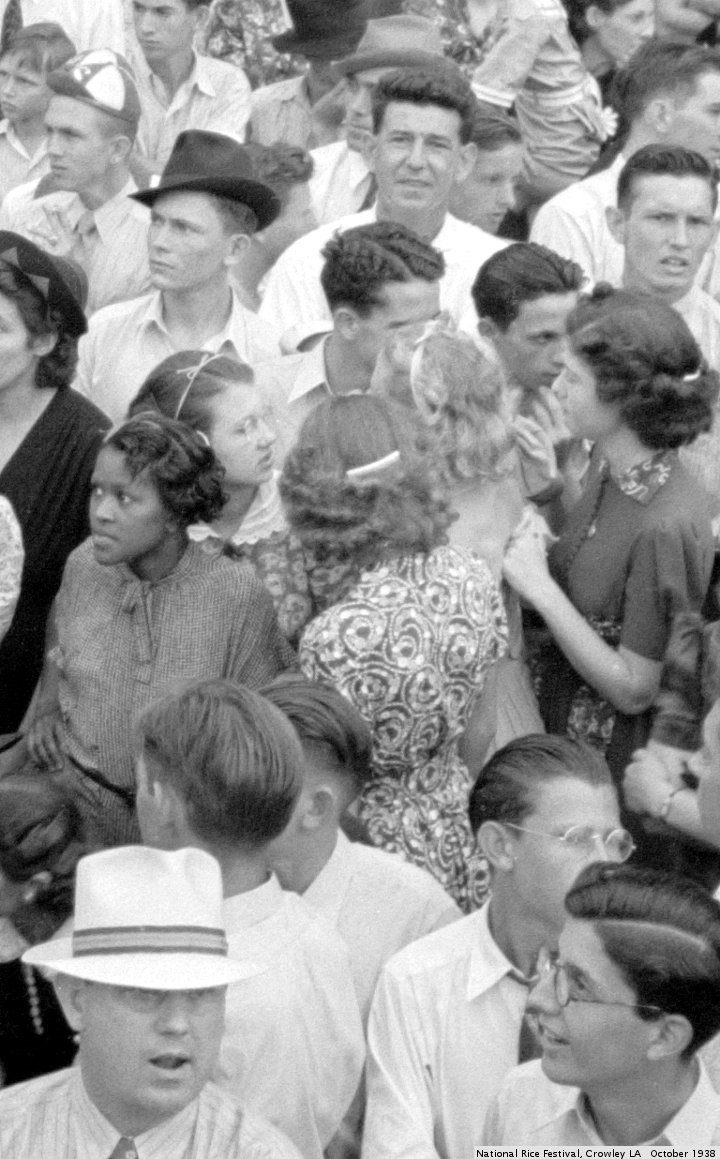
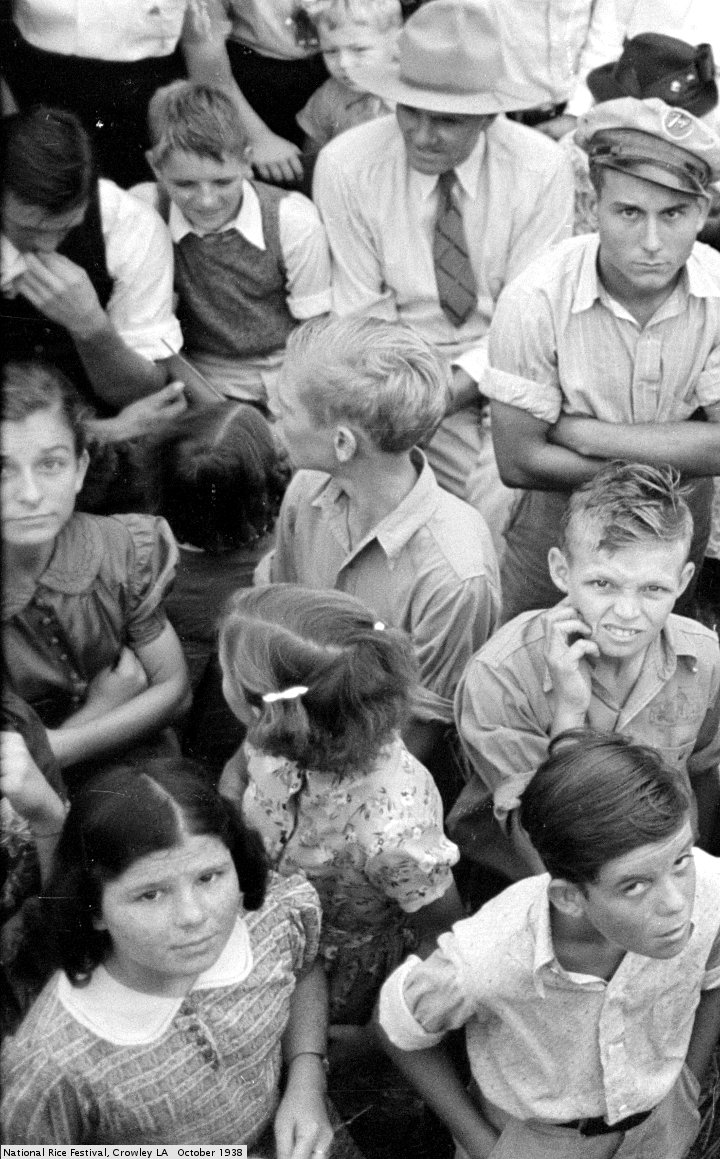
PG heard a nifty quote once. “When we begin to write, we will lost the ability to remember.” It was credited to Homer, the Greek poet. The only problem is, PG could never find a source.
Katherine Mangu-Ward is a lady writer. She appeared on a podcast recently, and talked about the symbiotic relationship between conservative trolling, and liberal smugness. PG stumbled onto her twitter account, @kmanguward, and found this: 370 BC: Is Writing Making Us Stupid?
Plato, Phaedrus was the link attached to the tweet. Here is what it said: “Now the king of all Egypt at that time was the god Thamus, who lived in the great city of the upper region, which the Greeks call the Egyptian Thebes, and they call the god himself Ammon. To him came Theuth to show his inventions, saying that they ought to be imparted to the other Egyptians. But Thamus asked what use there was in each, and as Theuth enumerated their uses, expressed praise or blame, according as he approved or disapproved. The story goes that Thamus said many things to Theuth in praise or blame of the various arts, which it would take too long to repeat; but when they came to the letters, “This invention, O king,” said Theuth, “will make the Egyptians wiser and will improve their memories; for it is an elixir of memory and wisdom that I have discovered.”
But Thamus replied, “Most ingenious Theuth, one man has the ability to beget arts, but the ability to judge of their usefulness or harmfulness to their users belongs to another; and now you, who are the father of letters, have been led by your affection to ascribe to them a power the opposite of that which they really possess. For this invention will produce forgetfulness in the minds of those who learn to use it, because they will not practice their memory. Their trust in writing, produced by external characters which are no part of themselves, will discourage the use of their own memory within them. You have invented an elixir not of memory, but of reminding; and you offer your pupils the appearance of wisdom, not true wisdom, for they will read many things without instruction and will therefore seem to know many things, when they are for the most part ignorant and hard to get along with, since they are not wise, but only appear wise.”
Don’t be afraid of a block of text. We will break this down in a minute. The text is from Phaedrus, by Plato. As the ierrant wikipedia says, “The Phaedrus (/ˈfiːdrəs/; Ancient Greek: Φαῖδρος, lit. ‘Phaidros’), written by Plato, is a dialogue between Plato’s protagonist, Socrates, and Phaedrus, an interlocutor in several dialogues. The Phaedrus was presumably composed around 370 BC. “According to this timeline, 370 B.C. is 3200 years after man started to write, and 400 years after the invention of the Greek alphabet. So much for Homer’s word of caution.
We don’t know how widespread writing was in Plato’s time. Presumably, many of the old tales were transmitted by word of mouth, from one generation to the next. This involves memory. “For this invention will produce forgetfulness in the minds of those who learn to use it, because they will not practice their memory.”
There is one more quote worth musing over. Since the invention of the first mediums, new methods have been denounced by traditionalists. Today, we live in an era of constant change. This feature will appear in a blog… state of the art in 2004, and considered obsolete in 2018. Every new medium is greeted with hand wringing over the bad effects it will have on society. Some of these misgivings have been proven false. This *text* goes into more detail about this.
Homer may, or may not, have existed. Since this was 2800 years ago, we may never know. The stories of “The Iliad” and “The Odyssey” may have been told from one generation, to the next. Maybe Homer really did say that, and was merely afraid of competition.
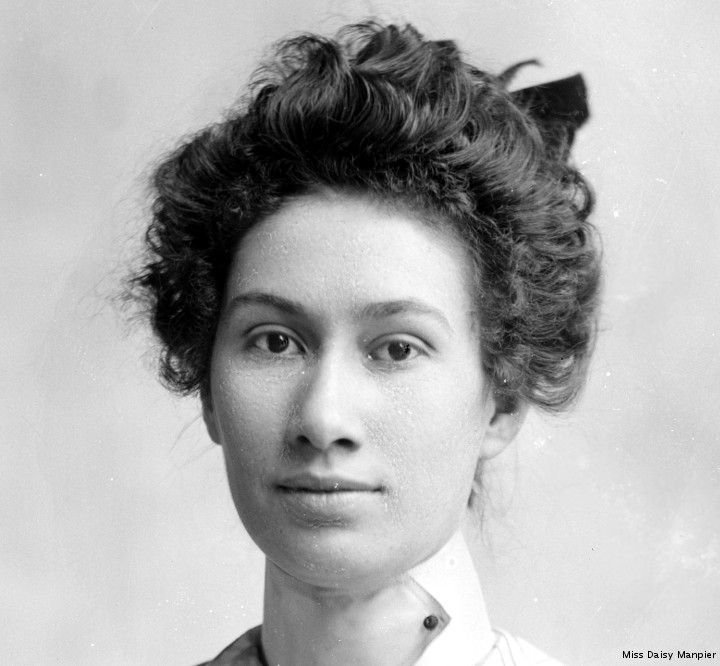
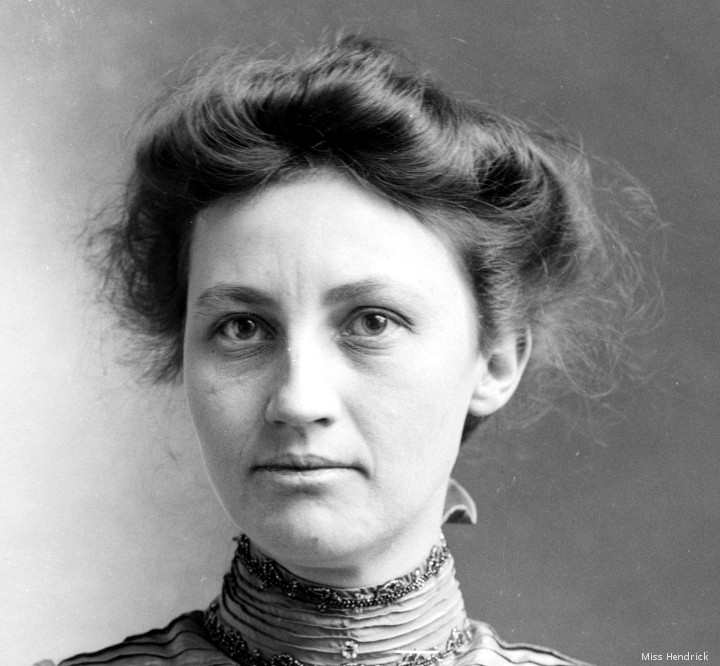
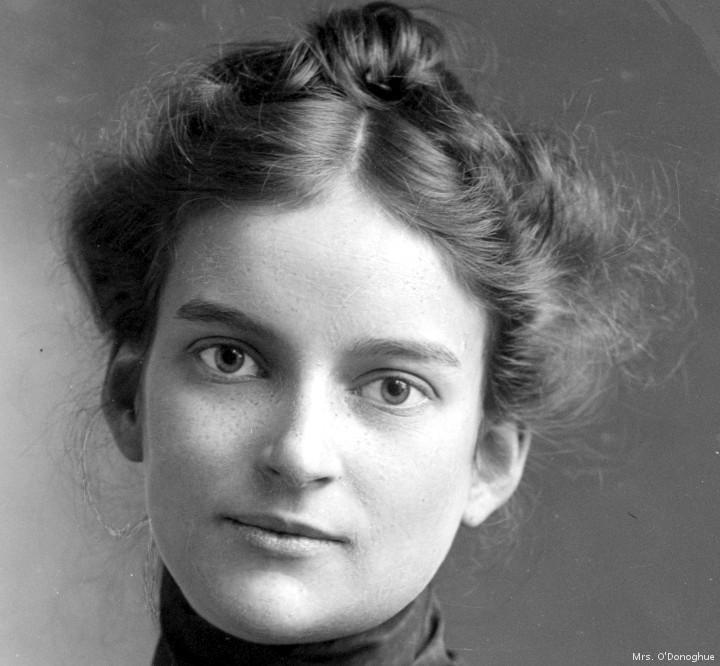
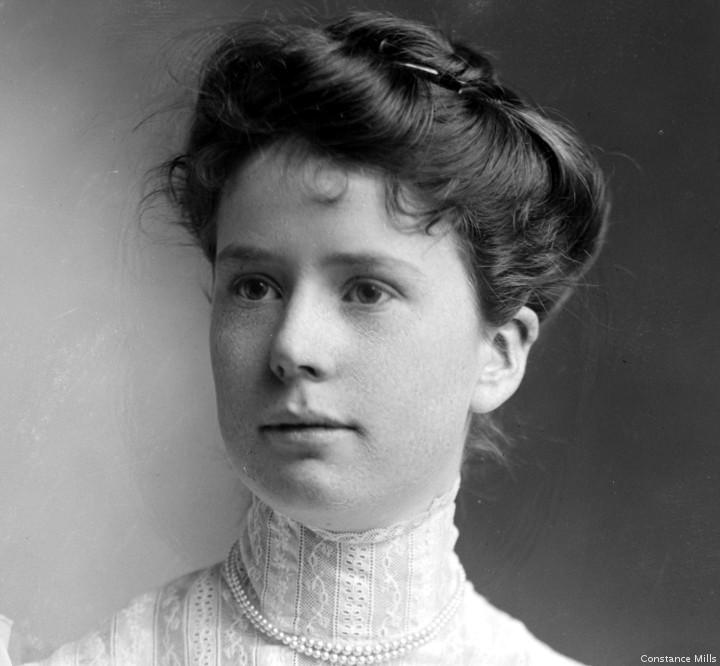
“You have invented an elixir not of memory, but of reminding; and you offer your pupils the appearance of wisdom, not true wisdom, for they will read many things without instruction and will therefore seem to know many things, when they are for the most part ignorant and hard to get along with, since they are not wise, but only appear wise.” . In todays culture, the display of apparent wisdom is more impressive than actual knowledge. These things too shall pass away. Pictures are from The Library of Congress. This is a repost.

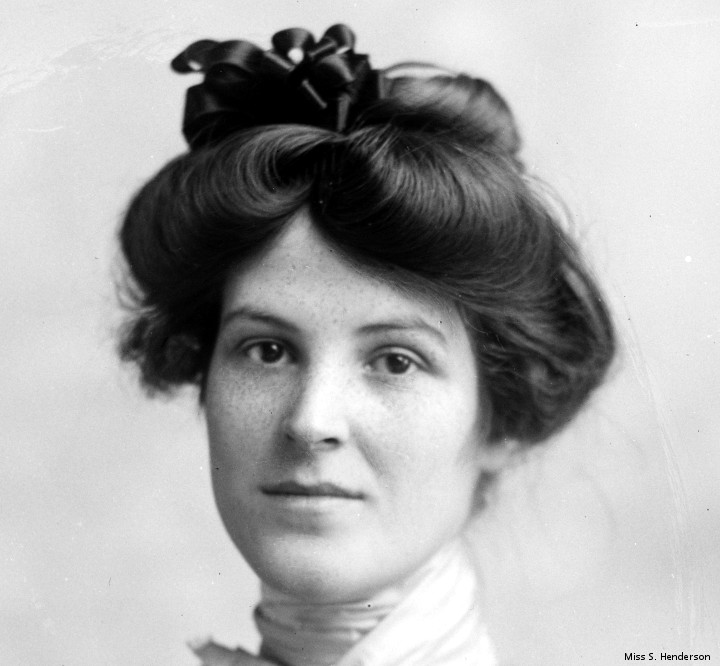
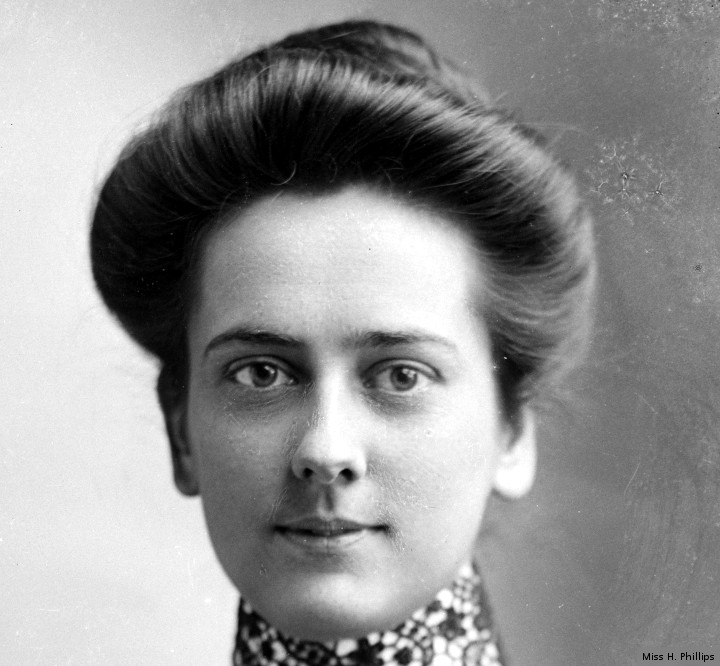

The 1954 Deferment
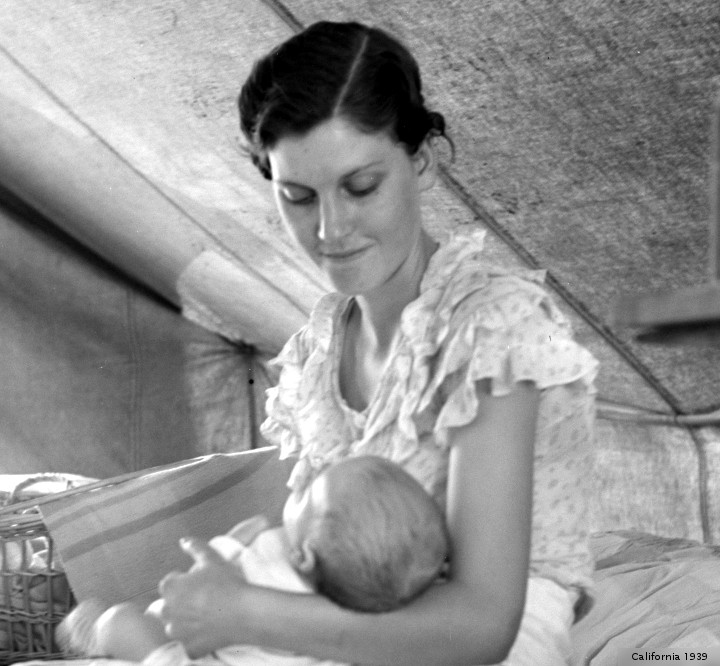

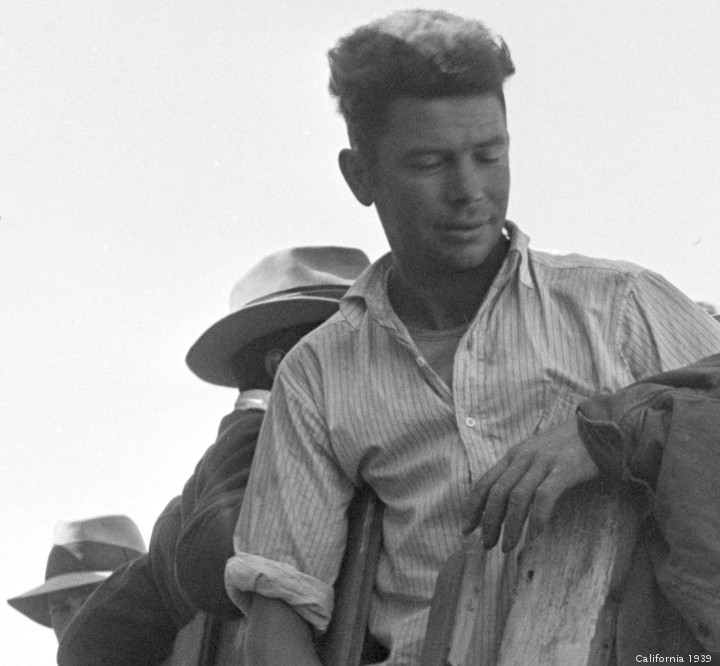
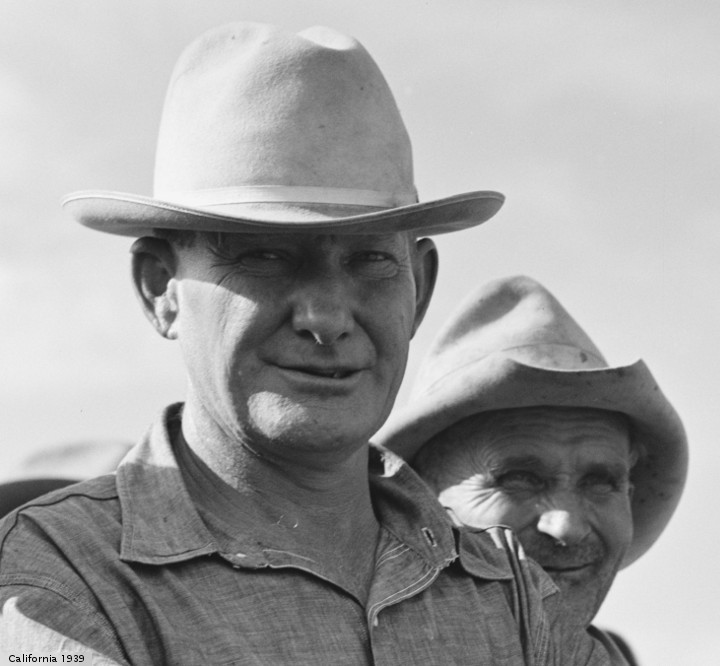
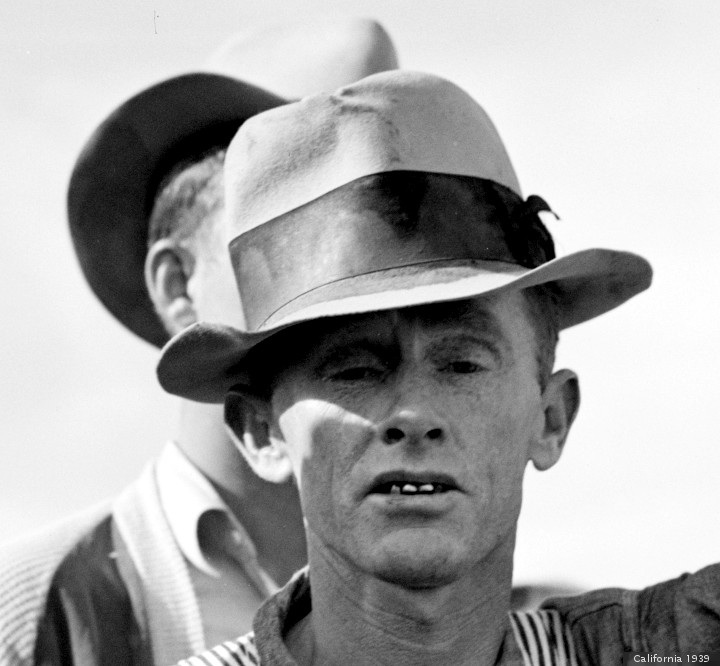

As the reader(s) of this blog might notice, there is material posted every day at chamblee54. On many days, PG is too lazy to write new material, and goes into the archive. Today, there are two pieces. 1954 Deferment is from the blogspot version of chamblee54. In 2007, PG had a job making local deliveries, and listened to talk radio. Neal Boortz was in his glory. One day, PG heard enough about Vietnam, and decided to tell his own story. It is below. This post is written in first person.
A prominent radio whiner has been urged to come clean on his military record. In the spirit of not being a hypocrite, and with the optimistic thought that someone is interested, I have decided to do the same. I have what I call a 1954 deferment. I didn’t get a lottery number until the winter of 1973, after the Paris accords had been signed. My number was 337. The minimum age to sign up in those days was 17. If I had been gung ho to stop communism , I could have signed up in 1971.
By 1971 the war was over for America. We were trying something called “Vietnamization”, which meant we were bringing the combat troops home. Mr. Kissinger was working day and night to secure an acceptable treaty, which Mr. Nixon called Peace with Honor. A few weeks before the 1972 election, the announcement was made that “Peace is at hand”. What this treaty meant was that we got our P.O.W.s back, and withdrew the last of the combat troops. The North Vietnamese troops were not required to withdraw. After a while, with Mr. Nixon distracted by Watergate and the American Public in no mood to help, “Charlie” finished the conquest of South Vietnam. Whether we got all the P.O.W.s back is a subject of controversy. There is speculation that some P.O.W.’s were kept in Asia.
I graduated from High School in June 1972. This was in between the death of J. Edgar Hoover and the arrest of the Watergate Burglars. Jane Fonda”s trip to Hanoi was in July of 1972. Anti-war protests hit a peak during the Moratorium, in Autumn 1969. There was a last surge in May 1970, after the incursion into Cambodia. During this time we had the killings at Kent State, and suddenly protest didn’t seem like as much fun. That, combined with Vietnamization, served to quiet the antiwar movement. The Kent State killings were two days before my 16th birthday. The spell check suggestions for Vietnamization are Victimization, and Minimization.
I didn’t go to Vietnam. What if I had been a few years older? The truth is, I don’t know. You really don’t know what you would do until you have to. Probably, I would have gone the student deferment route, or something else non confrontational, to stay in North America. In the early stages of the War I supported it. In the winter of 1966, I attended a rally at Atlanta Stadium called “Affirmation Vietnam”. At that time, the war protesters were seen as weirdos. It wasn’t for a few more years that people realized their government was lying, and got tired of the pointless bloodshed.
In 1965, some people still believed the government when they heard we needed to stop communism. There was a draft, or legally enforced recruiting. The spirit of patriotism from World War II was still strong. When a young man got a draft notice, many assumed it was their duty to go. Many of the fatalities in Vietnam were conscripted troops.
Offends You. is based on a long forgotten facebook page, “If-the-American-Flag-offends-you-Ill-be-happy-to-help-you-pack.” In 2010, PG would see a prompt like that, and spit out a few hundred words before you could say media bias. And almost nobody would read it. The only function this text has is to go between the pictures.
There is a facebook page now, “If-the-American-Flag-offends-you-Ill-be-happy-to-help-you-pack.” This rubs PG the wrong way. PG has had a good life in The USA, and cannot imagine living anywhere else. He pays taxes without complaint. PG compares his thoughts about America with his thoughts about his hometown, of Atlanta GA. He has had a good life in both places, and does not want to live anywhere else. And yet, no one is ever asked to “die for Atlanta”. That duty is reserved for the national political unit. If PG had been 110 years older, he would have had to opportunity to die for Georgia.
The Stars and Stripes should not be used for jewelry, or as a gimmick. The flag should be respected, not left out in direct sunlight for years at a time, until the red, white, and blue is pink, gray, and lavender. A few years ago, after a Supreme Court ruling about flag burning, PG worked with someone who drove a van. There was a bumper sticker on that van, with the American Flag, and the message “Try burning this one”. That van was parked in direct sunlight every day, and the sun burned those colors off that van. Most people don’t consider this.
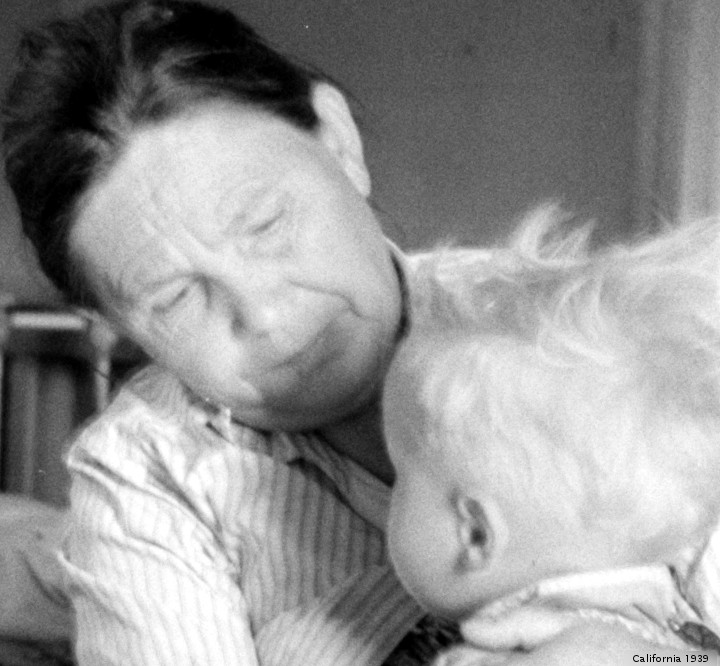
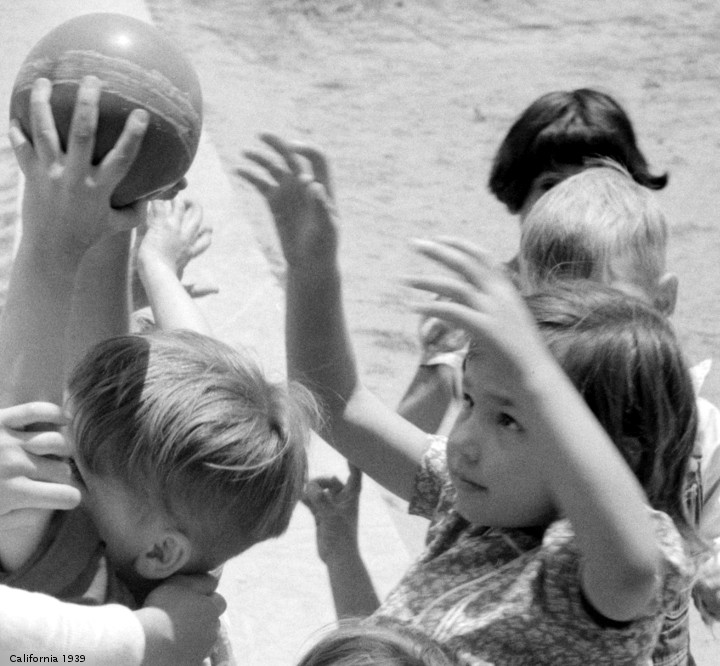
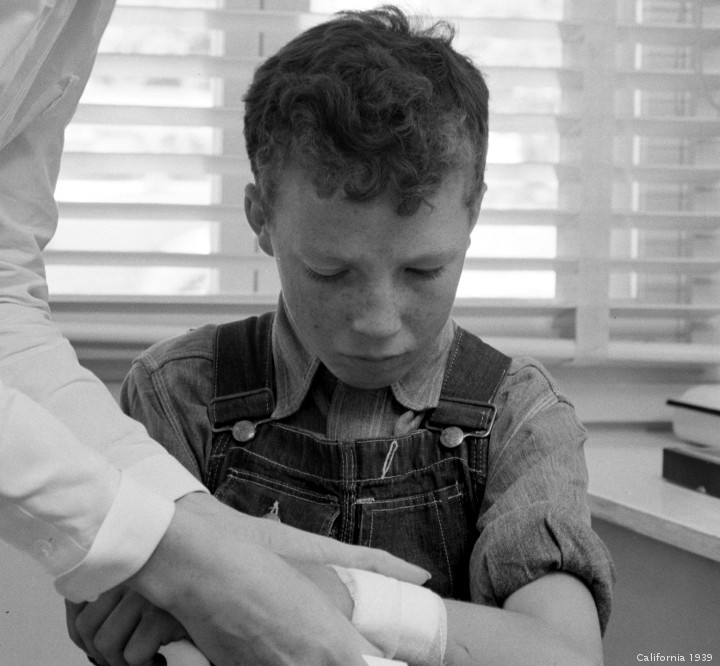
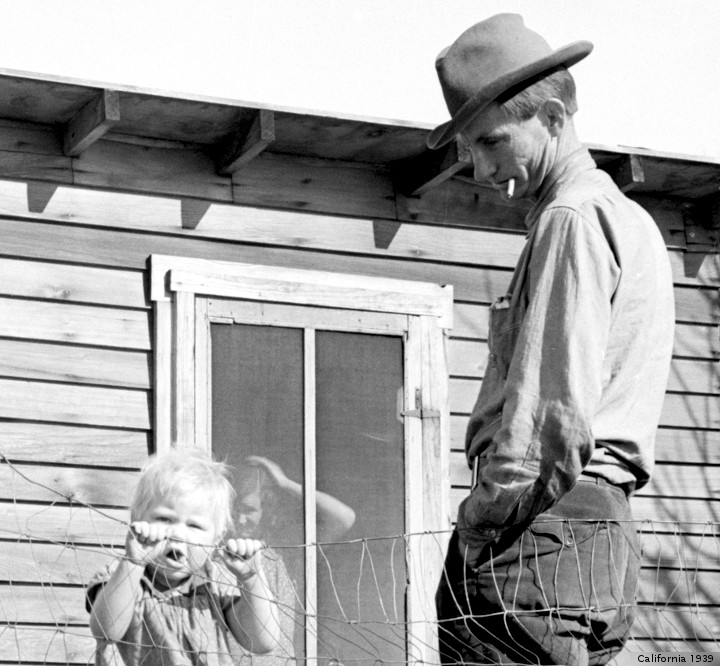
No, the American Flag does not offend PG. However, Facebook groups that would try to bully people who don’t have the “correct” opinion about this symbol…that would seek to create conflict between citizens…that does offend PG. Pictures today are from The Library of Congress. The photographer was Dorothea Lange, working in 1939 California.


Dorothy Parker




PG first heard of Dorothy Parker in tenth grade. His friend Bob Gibson cut the poem Resume out of the literature text book, and carried it in his wallet. Mrs. Parker had been dead for two years at the time, with her ashes resting in her attorney’s filing cabinet. As the years rolled on, there were stories about the round table at the Algonquin hotel, and a poem about W.R. Hearst … “Upon my honor, I saw the madonna, by the door, in a niche, of a well known whore, and a prominent son of a bitch.” There was another famous comment: Re “The Cardinal’s Mistress” by Benito Mussolini, Dorothy Parker wrote one of my favorite bon mots: “This is not a book to be tossed aside lightly. It should be thrown with great force.” Wikiquotes lists both of these items as “misattributed.”
It is now 2019, several years after the first DP post. Born Dorothy Rothschild, on August 22, 1893, Miss Parker did nicely without a middle name. Chamblee54 has featured Miss Parker several times (one, two, three, four.) Today, these four posts will be combined into one. Pictures are from “The Special Collections and Archives, Georgia State University Library” and The Library of Congress. If you want a list of clever sayings, google is your friend. The quote investigator has five pages of the alleged sayings of Miss Parker.




It was 5:25 pm. PG had not heard from either person who was supposed to be at his house at 5:30. While muttering things about unreliable people, he started to look at a writing contest. The idea was to write 100 words or less. The challenge was to produce a “a quick, honest and heartfelt response” to an image. The meme is seen below the fold.
The image has a quote. “I hate writing. I love having written. Dorothy Parker.” When PG sees words of wisdom, with a famous name at the end, his impulse is to check it out. When you search the wikiquote page on Miss Parker, and look for hate, love, and writing, you will not see the quote. 
There was one item in wikiquotes that made PG laugh. It was in the “Misattributed” section. “Upon my honor, I saw a Madonna. Standing in a niche, Over the door, Of the glamorous whore, Of a prominent son of a bitch.” Said to have been written in the guest-book of Hearst Castle, referring to the room occupied by Hearst’s mistress, Marion Davies. Parker always denied it, pointing out that she would never have rhymed “honor” with “Madonna”.” Nor would the entertainer.
When PG saw that quote, he knew that this piece would be longer than 100 words. Inserting quotes into a piece will bloat the word count every time. About this time the phone rang. His friends were in the front yard, being eaten by mosquitoes. PG put on a white shirt, and left.
Later that night, 99 sick well chosen words fell out of the fingers, and into the ether.
The quote is suspect. Wikiquotes does not show it, after a search for love, hate, and written. The image is probably manufactured. The image is a piece of paper, coming out of a vintage manual typewriter. The main text is one size. The author credit is another size. Vintage manual typewriters only produced one size of product. This one size is considerably smaller than either size in this image. The text in this image was produced elsewhere. This rendering of a bogus quote is then pasted onto a blank sheet of paper, seen merging from a vintage manual typewriter.





The other day there was a post here on the dotty subject of Dorothy Parker quotes. The departed dipsomaniac would seem to be a quote magnet.
One quote, that appears to be genuine, is about another quote magnet, Oscar Wilde. “A Pig’s-Eye View of Literature: Oscar Wilde If with the literate I am, Impelled to try an epigram, I never seek to take the credit, We all assume that Oscar said it.” (First printed in Life, (2 June 1927) p. 13 When you can give a source for a quote, the chances of it’s legitimacy go up tremendously.)
The original plan for this post was to do a wikiquotes search of the quotes in this post. This concept very quickly turned out to be too much work. The first paragraph of the original post has a clue.
PG first heard of Dorothy Parker in tenth grade. His friend, Bob Gibson, cut the poem Resume out of the literature text book, and carried it in his wallet. Mrs. Parker had been dead for two years at the time, with the ashes resting in her attorney’s filing cabinet. … there was another comment : Re “The Cardinal’s Mistress” by Benito Mussolini, Dorothy Parker wrote one of my favorite bon mots: “This is not a book to be tossed aside lightly. It should be thrown with great force.”
In the post the other day, it was discovered that the poem about W.R. Hearst was written by someone else. Which brings us to “The Cardinal”s Mistress”. Yes, that was written by Hitler’s BFF, Benito Mussolini. When he wasn’t making the trains run on time, he wrote a sappy novel. And the comment by Miss Parker is great. But did she really say it?
A blogspot facility called Heavens to Mergatroyd has the text from a New Yorker review of TCM. It is a delightful read. However, the landmark quote is not there. The spell check suggestion for mergatroyd is derogatory.
Wikiquotes calls the comment “misattributed”. “Quoted in The Algonquin Wits (1968) edited by Robert E. Drennan, and Try and Stop Me. As noted at Snopes, Drennan’s source seems to be a Parker review which does not seem to contain this quote. If Parker wrote this statement anywhere the primary source seems to have gone missing.”
Try and Stop Me is a newspaper column by Bennett Cerf. The link is to The Dispatch, Lexington N.C., October 12, 1962. Next to the column is The Dispatch Religious Activities, Directory of Churches. The pastor of First Baptist is David Hoke Coon, Jr.
While preparing this commentary, an effort was made to find the text for “Resume”. It is a bona fide quote, first printed in New York World August 16, 1925. While looking for the text, Google suggested a search for “resume dorothy parker analysis.” One result was sponsored by a politician, Michelle Nunn. Another had this to say. “We know that we’re being a bit obvious here. But check it out: almost every single line in this poem offers an idea for a different way to die. When it comes to wordplay, Parker’s not messi…” Maybe she meant to say messy.









BigO is a site with mp3 downloads. Most of them are concerts. PG found one exception. It was a 1960 interview, STUDS TERKEL WITH DOROTHY PARKER/BOB NEWHART – CHICAGO 1959/1960. Pictures today are from The Library of Congress. This is a repost.
Dorothy Parker is somewhat of a legend. There were the funny sayings, a few poems and stories, and her life. Mrs. Parker was well known as a witty person during the twenties. She drank, a lot, and talked often of suicide. It was surprising to find a 1960 interview.
In fact, Dorothy Parker died in 1967, at the age of 73. By 1960, she was in decline, living at the Manhattan’s Volney Hotel. “Edmund Wilson … paid occasional painful visits to her at the Volney. (“She lives with a small and nervous bad-smelling poodle bitch, drinks a lot, and does not care to go out.”) … She was still revered, a legend, but she had also become a pathetic relic. Yes, “you might as well live,” but for what? And on what? Not only was she running out of old friends, she was running out of money, though uncashed checks, some quite large, were strewn around her apartment (along with the empty bottles), not helping with unpaid bills.”
There were some zesty quotes in the interview with Mr. Terkel. “I can’t call myself a critic. Honestly. I can only put down what I think and pray there isn’t a libel suit.” “I’m not a poet, you know, I just write verse” “The beat boys aren’t saying anything except look at us aren’t we great … I don’t think the beat generation is much worth worrying about. Very soon, in the very near future, they will be as forgotten as mah jongg.”
Towards the end of the interview, Mr. Terkel said “i know some people would want me to ask, did she really say all those things that she was quoted as saying” “… no, no, and it was a curse on me, it was simply awful the things that were attributed to me. I wouldn’t have minded if they had been good. I was, in effect, the shaggy dog of my time.”
Another quote magnet for the meme generation is Thomas Jefferson. PG saw yet another inspiring quote on facebook today. Mr. Google was consulted. It turns out the quote is real.
Thomas Jefferson to William Hamilton, 22 April 1800 is the source. Vice President Jefferson was going to be elected President later that year. It is not known what effect that had on the quote in the meme. “I never considered a difference of opinion in politics, in religion, in philosophy, as cause for withdrawing from a friend.” It is not known whether a twenty first century Jefferson would unfriends anyone who says anything unappealing.



Hank Chinaski Lives Part Two


An internet facility (IF) called Mind Openerz recently posted a feature, Charles Bukowski’s Top 10 Tips for Living a Kick-Ass Life. Hank writes enjoyable stories and poems. This does not make him a role model. Even if the tales of degenerate lifestyle were exageratted for public consumption, as many suspect, the butt ugly drunkard is nothing to aspire to.
One thing to admire about Hank (a publisher thought that Charles would be a better selling pen name) was the volume of product. He would write dozens of poems, with the lines popping out “like hot turds the morning after a good beer drunk.” Keep the quantity up, quality takes care of itself.
Many of the rules for living were taken from his short stories. PG recently stumbled through Tales of Ordinary Madness, and recognized a few. Hank would toss words of wisdom into stories about being arrested. One time, it was for threatening to rape a lady with a codfish. You can’t beat fun at the old ballpark. Of course, Hank hated baseball, and hated poetry that rhymes. PG writes rhyming poems, with pictures of dogs in the background. Hank is dead, and his opinion doesn’t count.
The fun starts with rule number eight. “8. Have confidence in yourself. “The problem with the world is that the intelligent people are full of doubts.” You are awesome, and all you have to do to let your true talents shine is believe that fact. Have complete confidence in yourself and you might be surprised with all you can achieve.”
Several of the stories of ordinary madness involve people who think they are poets, show work to Hank, and are insulted for the lousy ouput. The line in number eight was familiar, but PG was too slack to go looking through ordinary madness to find it. This is where you ask Mr. Google for help. The full quote: “The problem with the world is that the intelligent people are full of doubts, while the stupid ones are full of confidence.”




















PG sat in the workplace cafeteria and read the last line of Tales of Ordinary Madness. TOOM is a book of short stories and underground press columns, allegedly written by Charles Bukowski. This collection was published by City Lights Books, the facility of Lawrence Ferlinghetti. The poet-businessman was not admired by Mr. Bukowski.
The author was born Heinrich Karl Bukowski, on August 16, 1920, in Andernach, Rhineland-Palatinate, Germany. His Catholic parents moved to America in 1923. The name was americanized to Henry Charles Bukowski. Friends called him Hank, and his literary alter ego was Hank Chinaski. Somebody decided that Charles would look better in print.
Hank Chinaski was a hard boiled character, or so he would have you believe. He was not a teetotaler. In spite of his many excesses, Hank lived to be 74, when leukemia sent him to the likkastow in the sky. This was March 9, 1994. Eleven days later, Lewis Grizzard met his maker. Lewis was 47, the same age as Hank in much of TOOM.
You should always separate the creator from the creation. Enjoy the product, and don’t worry about the ingredients. That is the case with TOOM. The stories are reputed to be little autobiographies. (An Amazon one star commenter thinks the stories are the result of “some kind of posthumous ghost writer, and not a very good one.”)
Hank, if nothing else, was productive. He wrote thousands of poems. It is not known if they have all been published, or if anyone is drunk enough to read them. Here is a quote from a previous Chamblee54 feature, The On Time Charles Bukowski.
The writer/drunk had always been a bit of a fascination to PG. Out of the millions of useless drunks feeding the urinals of planet earth, at least one will turn out to have had literary merit… this leads to a newyorker piece about the gentleman. After nine paragraphs, and two poems, there is the phrase that set off PG…graphomaniacal fecundity. (spell check suggestion:nymphomaniac)
As best as we can figure, g.f. means that Hank wrote a lot of stuff. This is a good thing. PG operates on the notion that if you keep your quantity up, the quality will take care of itself. Hank seems to agree, spitting out product “like hot turds the morning after a good beer drunk.” He seemed to take pride in doing what Truman Capote said about Jack Kerouac…he doesn’t write, he types.
Holy drunken author synchronicity. Last summer, PG was working third shift in a midtown sweatshop. He would read a couple of stories of TOOM, then shift gears and read a bit of The Dharma Bums. At some point in the procedure, there was a collection of output from Truman Capote.
Hank Chinaski might not like PG. There is the rhyming poetry. There is buying a book of repackaged prose at a yard sale. There is the twenty five year retirement from alcohol use. This is beside the point. You have to live for what is important to you, not what a deceased barfly might think.
Pictures for the last part are from The Library of Congress. After publishing Hank Chinaski Lives on Tuesday, PG decided to repost two other pieces about Hank Bukowski.


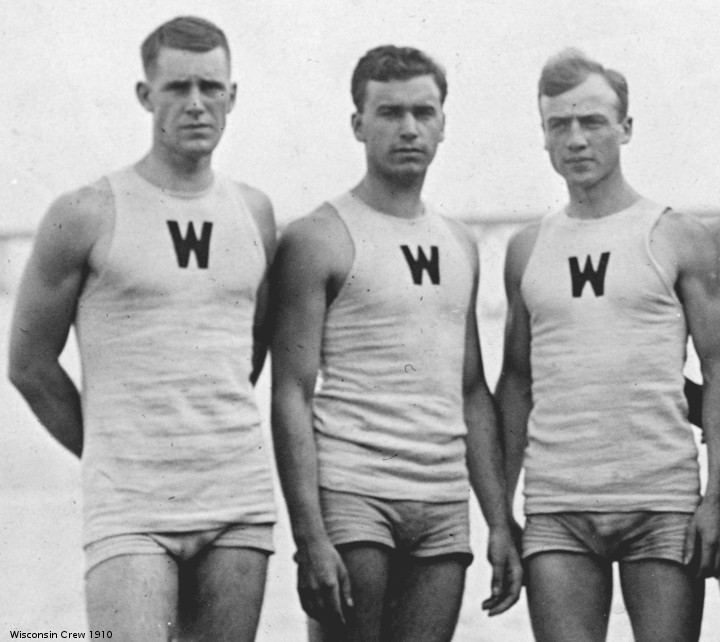
Calumus

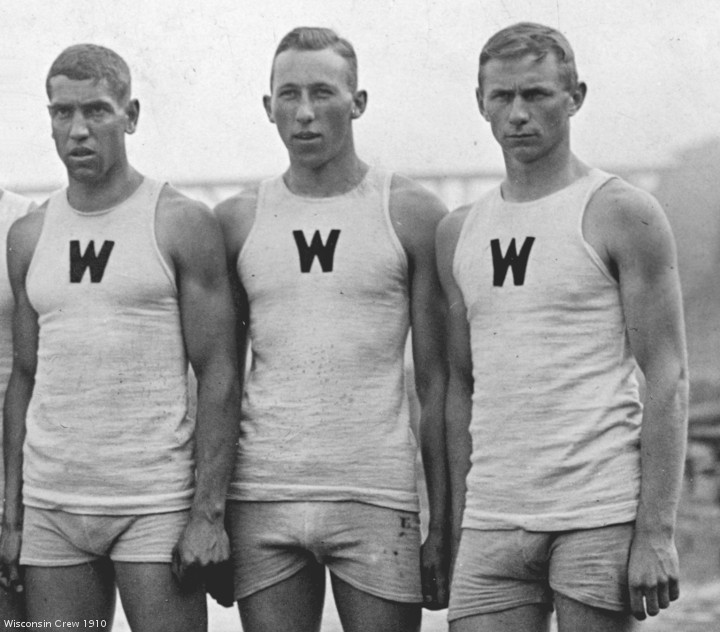


In Paths Untrodden
In paths untrodden,
In the growth by margins of pond-waters,
Escaped from the life that exhibits itself,
From all the standards hitherto publish’d, from the pleasures,
profits, conformities,
Which too long I was offering to feed my soul,
Clear to me now standards not yet publish’d, clear to me that my soul,
That the soul of the man I speak for rejoices in comrades,
Here by myself away from the clank of the world,
Tallying and talk’d to here by tongues aromatic,
No longer abash’d, (for in this secluded spot I can respond
as I would not dare elsewhere,)
Strong upon me the life that does not exhibit itself, yet contains all the rest,
Resolv’d to sing no songs to-day but those of manly attachment,
Projecting them along that substantial life,
Bequeathing hence types of athletic love,
Afternoon this delicious Ninth-month in my forty-first year,
I proceed for all who are or have been young men,
To tell the secret my nights and days,
To celebrate the need of comrades.
Scented Herbage of My Breast
Scented herbage of my breast,
Leaves from you I glean, I write, to be perused best afterwards,
Tomb-leaves, body-leaves growing up above me above death,
Perennial roots, tall leaves, O the winter shall not freeze you delicate leaves,
Every year shall you bloom again, out from where you retired
you shall emerge again;
O I do not know whether many passing by will discover you
or inhale your faint odor, but I believe a few will;
O slender leaves! O blossoms of my blood! I permit you to tell
in your own way of the heart that is under you,
O I do not know what you mean there underneath yourselves,
you are not happiness,
You are often more bitter than I can bear, you burn and sting me,
Yet you are beautiful to me you faint tinged roots, you make me think of death,
Death is beautiful from you, (what indeed is finally beautiful
except death and love?)
O I think it is not for life I am chanting here my chant of lovers,
I think it must be for death,
For how calm, how solemn it grows to ascend to the atmosphere of lovers,
Death or life I am then indifferent, my soul declines to prefer,
(I am not sure but the high soul of lovers welcomes death most,)
Indeed O death, I think now these leaves mean precisely the same as you mean,
Grow up taller sweet leaves that I may see! grow up out of my breast!
Spring away from the conceal’d heart there!
Do not fold yourself so in your pink-tinged roots timid leaves!
Do not remain down there so ashamed, herbage of my breast!
Come I am determin’d to unbare this broad breast of mine,
I have long enough stifled and choked;
Emblematic and capricious blades I leave you, now you serve me not,
I will say what I have to say by itself,
I will sound myself and comrades only,
I will never again utter a call only their call,
I will raise with it immortal reverberations through the States,
I will give an example to lovers
to take permanent shape and will through the States
Through me shall the words be said to make death exhilarating,
Give me your tone therefore O death, that I may accord with it,
Give me yourself, for I see that you belong to me now above all,
and are folded inseparably together, you love and death are,
Nor will I allow you to balk me any more with what I was calling life,
For now it is convey’d to me that you are the purports essential,
That you hide in these shifting forms of life, for reasons,
and that they are mainly for you,
That you beyond them come forth to remain, the real reality,
That behind the mask of materials you patiently wait, no matter how long,
That you will one day perhaps take control of all,
That you will perhaps dissipate this entire show of appearance,
That may-be you are what it is all for, but it does not last so very long,
But you will last very long.
Whoever You Are Holding Me Now in Hand
Whoever you are holding me now in hand,
Without one thing all will be useless,
I give you fair warning before you attempt me further,
I am not what you supposed, but far different.
Who is he that would become my follower?
Who would sign himself a candidate for my affections?
The way is suspicious, the result uncertain, perhaps destructive,
You would have to give up all else, I alone would expect to be
your sole and exclusive standard,
Your novitiate would even then be long and exhausting,
The whole past theory of your life and all conformity to the lives around you
would have to be abandon’d,
Therefore release me now before troubling yourself any further,
let go your hand from my shoulders,
Put me down and depart on your way.
Or else by stealth in some wood for trial,
Or back of a rock in the open air,
(For in any roof’d room of a house I emerge not, nor in company,
And in libraries I lie as one dumb, a gawk, or unborn, or dead,)
But just possibly with you on a high hill, first watching lest any person
for miles around approach unawares,
Or possibly with you sailing at sea,
or on the beach of the sea or some quiet island,
Here to put your lips upon mine I permit you,
With the comrade’s long-dwelling kiss or the new husband’s kiss,
For I am the new husband and I am the comrade.
Or if you will, thrusting me beneath your clothing,
Where I may feel the throbs of your heart or rest upon your hip,
Carry me when you go forth over land or sea;
For thus merely touching you is enough, is best,
And thus touching you would I silently sleep and be carried eternally.
But these leaves conning you con at peril,
For these leaves and me you will not understand,
They will elude you at first and still more afterward, I will certainly elude you.
Even while you should think you had unquestionably caught me, behold!
Already you see I have escaped from you.
For it is not for what I have put into it that I have written this book,
Nor is it by reading it you will acquire it,
Nor do those know me best who admire me and vauntingly praise me,
Nor will the candidates for my love (unless at most a very few) prove victorious,
Nor will my poems do good only, they will do just as much evil, perhaps more,
For all is useless without that which you may guess at many times and not hit,
that which I hinted at;
Therefore release me and depart on your way.
For You, O Democracy
Come, I will make the continent indissoluble,
I will make the most splendid race the sun ever shone upon,
I will make divine magnetic lands,
With the love of comrades,
With the life-long love of comrades.
I will plant companionship thick as trees along all the rivers of America,
and along the shores of the great lakes, and all over the prairies,
I will make inseparable cities with their arms about each other’s necks,
By the love of comrades,
By the manly love of comrades.
For you these from me, O Democracy, to serve you ma femme!
For you, for you I am trilling these songs.
These I Singing in Spring
These I singing in spring collect for lovers,
(For who but I should understand lovers and all their sorrow and joy?
And who but I should be the poet of comrades?)
Collecting I traverse the garden the world, but soon I pass the gates,
Now along the pond-side, now wading in a little, fearing not the wet,
Now by the post-and-rail fences where the old stones thrown there,
pick’d from the fields, have accumulated,
(Wild-flowers and vines and weeds come up through the stones and partly cover them,beyond these I pass,)
Far, far in the forest, or sauntering later in summer,
before I think where I go,
Solitary, smelling the earthy smell, stopping now and then in the silence,
Alone I had thought, yet soon a troop gathers around me,
Some walk by my side and some behind, and some embrace my arms or neck,
They the spirits of dear friends dead or alive, thicker they come,
a great crowd, and I in the middle,
Collecting, dispensing, singing, there I wander with them,
Plucking something for tokens, tossing toward whoever is near me,
Here, lilac, with a branch of pine,
Here, out of my pocket, some moss which I pull’d off a live-oak
in Florida as it hung trailing down,
Here, some pinks and laurel leaves, and a handful of sage,
And here what I now draw from the water, wading in the pondside,
(O here I last saw him that tenderly loves me,
and returns again never to separate from me,
And this, O this shall henceforth be the token of comrades, this
calamus-root shall,
Interchange it youths with each other! let none render it back!)
And twigs of maple and a bunch of wild orange and chestnut,
And stems of currants and plum-blows, and the aromatic cedar,
These I compass’d around by a thick cloud of spirits,
Wandering, point to or touch as I pass, or throw them loosely from me,
Indicating to each one what he shall have, giving something to each;
But what I drew from the water by the pond-side, that I reserve,
I will give of it, but only to them that love as I myself am capable of loving.
Not Heaving from My Ribb’d Breast Only
Not heaving from my ribb’d breast only,
Not in sighs at night in rage dissatisfied with myself,
Not in those long-drawn, ill-supprest sighs,
Not in many an oath and promise broken,
Not in my wilful and savage soul’s volition,
Not in the subtle nourishment of the air,
Not in this beating and pounding at my temples and wrists,
Not in the curious systole and diastole within which will one day cease,
Not in many a hungry wish told to the skies only,
Not in cries, laughter, defiancies,
thrown from me when alone far in the wilds,
Not in husky pantings through clinch’d teeth,
Not in sounded and resounded words, chattering words, echoes, dead words,
Not in the murmurs of my dreams while I sleep,
Nor the other murmurs of these incredible dreams of every day,
Nor in the limbs and senses of my body that take you
and dismiss you continually—not there,
Not in any or all of them O adhesiveness! O pulse of my life!
Need I that you exist and show yourself any more than in these songs.
Of the Terrible Doubt of Appearances
Of the terrible doubt of appearances,
Of the uncertainty after all, that we may be deluded,
That may-be reliance and hope are but speculations after all,
That may-be identity beyond the grave is a beautiful fable only,
May-be the things I perceive, the animals, plants, men, hills,
shining and flowing waters,
The skies of day and night, colors, densities, forms,
may-be these are (as doubtless they are) only apparitions,
and the real something has yet to be known,
(How often they dart out of themselves as if to confound me and mock me!
How often I think neither I know, nor any man knows, aught of them,)
May-be seeming to me what they are (as doubtless they indeed but seem)
as from my present point of view, and might prove (as of course they would)
nought of what they appear, or nought anyhow,
from entirely changed points of view;
To me these and the like of these are curiously answer’d by my lovers,
my dear friends,
When he whom I love travels with me or sits a long while holding me by the hand,
When the subtle air, the impalpable, the sense that words and reason hold not,
surround us and pervade us,
Then I am charged with untold and untellable wisdom, I am silent,
I require nothing further,
I cannot answer the question of appearances
or that of identity beyond the grave,
But I walk or sit indifferent, I am satisfied,
He ahold of my hand has completely satisfied me.




The Base of All Metaphysics
And now gentlemen,
A word I give to remain in your memories and minds,
As base and finale too for all metaphysics.
(So to the students the old professor,
At the close of his crowded course.)
Having studied the new and antique, the Greek and Germanic systems,
Kant having studied and stated, Fichte and Schelling and Hegel,
Stated the lore of Plato, and Socrates greater than Plato,
And greater than Socrates sought and stated, Christ divine having studied long,
I see reminiscent to-day those Greek and Germanic systems,
See the philosophies all, Christian churches and tenets see,
Yet underneath Socrates clearly see, and underneath Christ the divine I see,
The dear love of man for his comrade, the attraction of friend to friend,
Of the well-married husband and wife, of children and parents,
Of city for city and land for land.
Recorders Ages Hence
Recorders ages hence,
Come, I will take you down underneath this impassive exterior,
I will tell you what to say of me,
Publish my name and hang up my picture as that of the tenderest lover,
The friend the lover’s portrait, of whom his friend his lover was fondest,
Who was not proud of his songs, but of the measureless ocean of love within him,
and freely pour’d it forth,
Who often walk’d lonesome walks thinking of his dear friends, his lovers,
Who pensive away from one he lov’d often lay sleepless and dissatisfied at night,
Who knew too well the sick, sick dread lest the one he lov’d might
secretly be indifferent to him,
Whose happiest days were far away through fields, in woods, on hills,
he and another wandering hand in hand, they twain apart from other men,
Who oft as he saunter’d the streets curv’d with his arm the shoulder of his friend,
while the arm of his friend rested upon him also.
When I Heard at the Close of the Day
When I heard at the close of the day how my name had been receiv’d
with plaudits in the capitol,
still it was not a happy night for me that follow’d,
And else when I carous’d, or when my plans were accomplish’d,
still I was not happy,
But the day when I rose at dawn from the bed of perfect health,
refresh’d, singing, inhaling the ripe breath of autumn,
When I saw the full moon in the west grow pale and disappear in the morning light,
When I wander’d alone over the beach, and undressing bathed,
laughing with the cool waters, and saw the sun rise,
And when I thought how my dear friend my lover was on his way coming,
O then I was happy,
O then each breath tasted sweeter, and all that day my food nourish’d me more,
and the beautiful day pass’d well,
And the next came with equal joy, and with the next at evening came my friend,
And that night while all was still I heard the waters roll slowly
continually up the shores,
I heard the hissing rustle of the liquid and sands as directed to me
whispering to congratulate me,
For the one I love most lay sleeping by me under the same cover in the cool night,
In the stillness in the autumn moonbeams his face was inclined toward me,
And his arm lay lightly around my breast—and that night I was happy.
Are You the New Person Drawn Toward Me?
Are you the new person drawn toward me?
To begin with take warning, I am surely far different from what you suppose;
Do you suppose you will find in me your ideal?
Do you think it so easy to have me become your lover?
Do you think the friendship of me would be unalloy’d satisfaction?
Do you think I am trusty and faithful?
Do you see no further than this facade, this smooth and tolerant manner of me?
Do you suppose yourself advancing on real ground toward a real heroic man?
Have you no thought O dreamer that it may be all maya, illusion?
Roots and Leaves Themselves Alone
Roots and leaves themselves alone are these,
Scents brought to men and women from the wild woods and pond-side,
Breast-sorrel and pinks of love,
fingers that wind around tighter than vines,
Gushes from the throats of birds hid in the foliage of trees as the sun is risen,
Breezes of land and love set from living shores to you on the living sea,
to you O sailors!
Frost-mellow’d berries and Third-month twigs offer’d fresh to young
persons wandering out in the fields when the winter breaks up,
Love-buds put before you and within you whoever you are,
Buds to be unfolded on the old terms,
If you bring the warmth of the sun to them they will open and bring form,
color, perfume, to you,
If you become the aliment and the wet they will become flowers,
fruits, tall branches and trees.
Not Heat Flames Up and Consumes
Not heat flames up and consumes,
Not sea-waves hurry in and out,
Not the air delicious and dry, the air of ripe summer,
bears lightly along white down-balls of myriads of seeds,
Waited, sailing gracefully, to drop where they may;
Not these, O none of these more than the flames of me, consuming,
burning for his love whom I love,
O none more than I hurrying in and out;
Does the tide hurry, seeking something, and never give up? O I the same,
O nor down-balls nor perfumes, nor the high rain-emitting clouds,
are borne through the open air,
Any more than my soul is borne through the open air,
Wafted in all directions O love, for friendship, for you.
Trickle Drops
Trickle drops! my blue veins leaving!
O drops of me! trickle, slow drops,
Candid from me falling, drip, bleeding drops,
From wounds made to free you whence you were prison’d,
From my face, from my forehead and lips,
From my breast, from within where I was conceal’d,
press forth red drops, confession drops,
Stain every page, stain every song I sing, every word I say, bloody drops,
Let them know your scarlet heat, let them glisten,
Saturate them with yourself all ashamed and wet,
Glow upon all I have written or shall write, bleeding drops,
Let it all be seen in your light, blushing drops.
City of Orgies
City of orgies, walks and joys,
City whom that I have lived and sung in your midst will one day make
Not the pageants of you, not your shifting tableaus,
your spectacles, repay me,
Not the interminable rows of your houses, nor the ships at the wharves,
Nor the processions in the streets,
nor the bright windows with goods in them,
Nor to converse with learn’d persons, or bear my share in the soiree or feast;
Not those, but as I pass O Manhattan,
your frequent and swift flash of eyes offering me love,
Offering response to my own—these repay me,
Lovers, continual lovers, only repay me.
Behold This Swarthy Face
Behold this swarthy face, these gray eyes,
This beard, the white wool unclipt upon my neck,
My brown hands and the silent manner of me without charm;
Yet comes one a Manhattanese and ever at parting kisses me lightly
on the lips with robust love,
And I on the crossing of the street or on the ship’s deck
give a kiss in return,
We observe that salute of American comrades land and sea,
We are those two natural and nonchalant persons.
I Saw in Louisiana a Live-Oak Growing
I saw in Louisiana a live-oak growing,
All alone stood it and the moss hung down from the branches,
Without any companion it grew there uttering joyous of dark green,
And its look, rude, unbending, lusty, made me think of myself,
But I wonder’d how it could utter joyous leaves standing alone there
without its friend near, for I knew I could not,
And I broke off a twig with a certain number of leaves upon it
and twined around it a little moss,
And brought it away, and I have placed it in sight in my room,
It is not needed to remind me as of my own dear friends,
(For I believe lately I think of little else than of them,)
Yet it remains to me a curious token, it makes me think of manly love;
For all that, and though the live-oak glistens there in Louisiana
solitary in a wide in a wide flat space,
Uttering joyous leaves all its life without a friend a lover near,
I know very well I could not.
To a Stranger
Passing stranger! you do not know how longingly I look upon you,
You must be he I was seeking, or she I was seeking,
(it comes to me as of a dream,)
I have somewhere surely lived a life of joy with you,
All is recall’d as we flit by each other, fluid, affectionate, chaste, matured,
You grew up with me, were a boy with me or a girl with me,
I ate with you and slept with you, your body has become not yours only
nor left my body mine only,
You give me the pleasure of your eyes, face, flesh, as we pass,
you take of my beard, breast, hands, in return,
I am not to speak to you, I am to think of you when I sit alone
or wake at night alone,
I am to wait, I do not doubt I am to meet you again,
I am to see to it that I do not lose you.
This Moment Yearning and Thoughtful
This moment yearning and thoughtful sitting alone,
It seems to me there are other men in other lands yearning and thoughtful,
It seems to me I can look over and behold them in Germany, Italy, France, Spain,
Or far, far away, in China, or in Russia or talking other dialects,
And it seems to me if I could know those men I should become
attached to them as I do to men in my own lands,
O I know we should be brethren and lovers,
I know I should be happy with them.
I Hear It Was Charged Against Me
I hear it was charged against me that I sought to destroy institutions,
But really I am neither for nor against institutions,
(What indeed have I in common with them?
or what with the destruction of them?)
Only I will establish in the Mannahatta and in every city of these
States inland and seaboard,
And in the fields and woods, and above every keel little or large
that dents the water,
Without edifices or rules or trustees or any argument,
The institution of the dear love of comrades.



The Prairie-Grass Dividing
The prairie-grass dividing, its special odor breathing,
I demand of it the spiritual corresponding,
Demand the most copious and close companionship of men,
Demand the blades to rise of words, acts, beings,
Those of the open atmosphere, coarse, sunlit, fresh, nutritious,
Those that go their own gait, erect, stepping with freedom and command,
leading not following,
Those with a never-quell’d audacity, those with sweet and lusty
flesh clear of taint,
Those that look carelessly in the faces of Presidents and governors,
as to say Who are you?
Those of earth-born passion, simple, never constrain’d, never obedient,
Those of inland America.
When I Peruse the Conquer’d Fame
When I peruse the conquer’d fame of heroes and the victories of mighty generals,
I do not envy the generals,
Nor the President in his Presidency, nor the rich in his great house,
But when I hear of the brotherhood of lovers, how it was with them,
How together through life, through dangers, odium, unchanging,
long and long,
Through youth and through middle and old age, how unfaltering,
how affectionate and faithful they were,
Then I am pensive—I hastily walk away fill’d with the bitterest envy.
We Two Boys Together Clinging
We two boys together clinging,
One the other never leaving,
Up and down the roads going, North and South excursions making,
Power enjoying, elbows stretching, fingers clutching,
Arm’d and fearless, eating, drinking, sleeping, loving.
No law less than ourselves owning, sailing, soldiering, thieving, threatening,
Misers, menials, priests alarming, air breathing, water drinking,
on the turf or the sea-beach dancing,
Cities wrenching, ease scorning, statutes mocking, feebleness chasing,
Fulfilling our foray.
A Promise to California
A promise to California,
Or inland to the great pastoral Plains, and on to Puget sound and Oregon;
Sojourning east a while longer, soon I travel toward you, to remain,
to teach robust American love,
For I know very well that I and robust love belong among you,
inland, and along the Western sea;
For these States tend inland and toward the Western sea, and I will also.
Here the Frailest Leaves of Me
Here the frailest leaves of me and yet my strongest lasting,
Here I shade and hide my thoughts, I myself do not expose them,
And yet they expose me more than all my other poems.
No Labor-Saving Machine
No labor-saving machine,
Nor discovery have I made,
Nor will I be able to leave behind me any wealthy bequest to found
hospital or library,
Nor reminiscence of any deed of courage for America,
Nor literary success nor intellect; nor book for the book-shelf,
But a few carols vibrating through the air I leave,
For comrades and lovers.
A Glimpse
A glimpse through an interstice caught,
Of a crowd of workmen and drivers in a bar-room
around the stove late of a winter night,
and I unremark’d seated in a corner,
Of a youth who loves me and whom I love,
silently approaching and seating himself near,
that he may hold me by the hand,
A long while amid the noises of coming and going,
of drinking and oath and smutty jest,
There we two, content, happy in being together, speaking little,
perhaps not a word.
A Leaf for Hand in Hand
A leaf for hand in hand;
You natural persons old and young!
You on the Mississippi and on all the branches and bayous of the Mississippi!
You friendly boatmen and mechanics! you roughs!
You twain! and all processions moving along the streets!
I wish to infuse myself among you till I see it common for you to
walk hand in hand.
Earth, My Likeness
Earth, my likeness,
Though you look so impassive, ample and spheric there,
I now suspect that is not all;
I now suspect there is something fierce in you eligible to burst forth,
For an athlete is enamour’d of me, and I of him,
But toward him there is something fierce
and terrible in me eligible to burst forth,
I dare not tell it in words, not even in these songs.
I Dream’d in a Dream
I dream’d in a dream I saw a city invincible to the attacks
of the whole of the rest of the earth,
I dream’d that was the new city of Friends,
Nothing was greater there than the quality of robust love, it led the rest,
It was seen every hour in the actions of the men of that city,
And in all their looks and words.
What Think You I Take My Pen in Hand?
What think you I take my pen in hand to record?
The battle-ship, perfect-model’d, majestic,
that I saw pass the offing to-day under full sail?
The splendors of the past day? or the splendor of the night that envelops me?
Or the vaunted glory and growth of the great city spread around me? —no;
But merely of two simple men I saw to-day on the pier in the midst of the crowd,
parting the parting of dear friends,
The one to remain hung on the other’s neck and passionately kiss’d him,
While the one to depart tightly prest the one to remain in his arms.
To the East and to the West
To the East and to the West,
To the man of the Seaside State and of Pennsylvania,
To the Kanadian of the north, to the Southerner I love,
These with perfect trust to depict you as myself, the germs are in all men,
I believe the main purport of these States is to found a superb friendship,
exalte, previously unknown,
Because I perceive it waits, and has been always waiting, latent in all men.
Sometimes with One I Love
Sometimes with one I love I fill myself with rage for fear
I effuse unreturn’d love,
But now I think there is no unreturn’d love,
the pay is certain one way or another,
(I loved a certain person ardently and my love was not return’d,
Yet out of that I have written these songs.)
To a Western Boy
Many things to absorb I teach to help you become eleve of mine;
Yet if blood like mine circle not in your veins,
If you be not silently selected by lovers and do not silently select lovers,
Of what use is it that you seek to become eleve of mine?
Fast Anchor’d Eternal O Love!
Fast-anchor’d eternal O love! O woman I love!
O bride! O wife! more resistless than I can tell, the thought of you!
Then separate, as disembodied or another born,
Ethereal, the last athletic reality, my consolation,
I ascend, I float in the regions of your love O man,
O sharer of my roving life.
Among the Multitude
Among the men and women the multitude,
I perceive one picking me out by secret and divine signs,
Acknowledging none else, not parent, wife, husband, brother, child,
any nearer than I am,
Some are baffled, but that one is not—that one knows me.
Ah lover and perfect equal,
I meant that you should discover me so by faint indirections,
And I when I meet you mean to discover you by the like in you.
O You Whom I Often and Silently Come
O you whom I often and silently come where you are that I may be with you,
As I walk by your side or sit near, or remain in the same room with you,
Little you know the subtle electric fire that for your sake is
playing within me.
That Shadow My Likeness
That shadow my likeness that goes to and fro seeking a livelihood,
chattering, chaffering,
How often I find myself standing and looking at it where it flits,
How often I question and doubt whether that is really me;
But among my lovers and caroling these songs,
O I never doubt whether that is really me.
Full of Life Now
Full of life now, compact, visible,
I, forty years old the eighty-third year of the States,
To one a century hence or any number of centuries hence,
To you yet unborn these, seeking you.
When you read these I that was visible am become invisible,
Now it is you, compact, visible, realizing my poems, seeking me,
Fancying how happy you were if I could be with you and become your comrade;
Be it as if I were with you. (Be not too certain but I am now with you.)
Poems are from Leaves of Grass, Book V: Calamus
By Walt Whitman, Born May 31, 1819
Text is courtesy of Project Gutenberg.
Formatting of text, and pictures, by Chamblee 54.
Pictures from The Library of Congress.


 Chamblee54
leave a comment