White Margarine
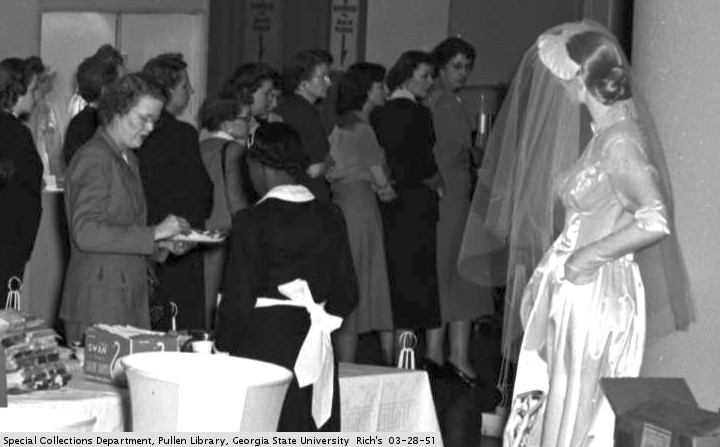

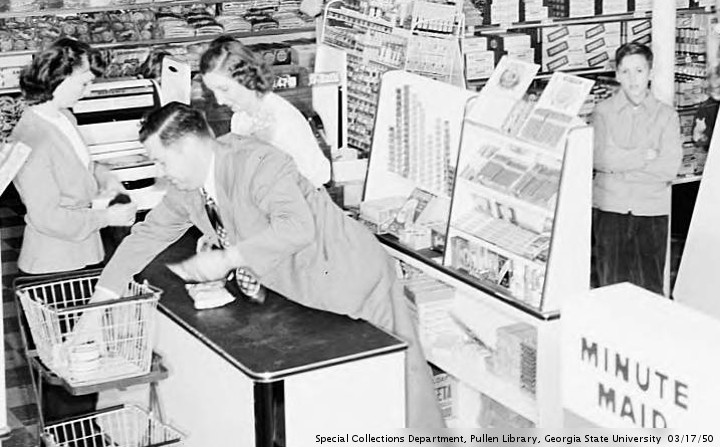
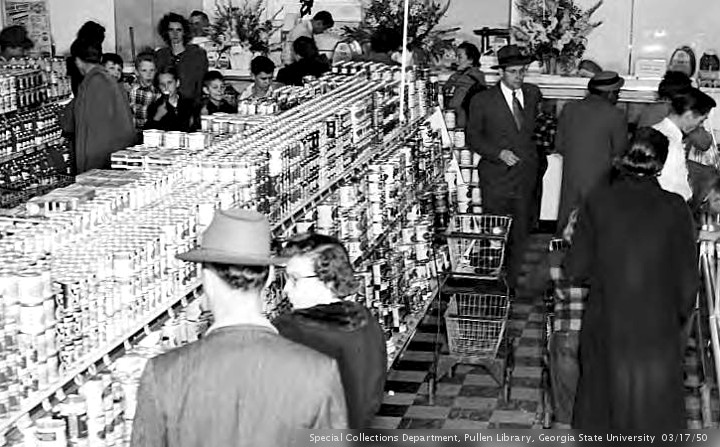
PG used to hear old timers talk about margarine being a white paste. The consumer would add the yellow color later. This bit of information had gone undisturbed for many years, until the 12:58 point of the Useless Information Podcast. There was a 1947 radio commercial for Delrich E-Z Color Pak.
Delrich E-Z margarine came in a plastic bag, along with a capsule. You broke the capsule, and yellow dye flowed out. You knead the bag, until the dye mixes with the margarine. It was considered an improvement over the mixing bowl.
Margarine was invented in 1869. “French chemist Hippolyte Mège-Mouriès … patented a lower priced spread made from beef tallow. He dubbed it oleomargarine–from the Latin oleum, meaning beef fat, and the Greek margarite, meaning pearl, this last for its presumably pearlescent luster.”
The dairy industry saw margarine as unfair competition for butter. In 1886, the federal Margarine Act was passed. Many oppressive taxes and regulations were put in place. Maine, Michigan, Minnesota, Pennsylvania, Wisconsin, and Ohio enacted a legislative ban on the use of margarine.
Most butter is dyed. The rich yellow that we associate with butter only comes from grass fed cows. If the cows are grain fed, butter is a pale yellow.
Yellow was more appealing than pink. In an effort to further demonize margarine, Vermont, New Hampshire, and South Dakota required margarine to be dyed pink. The Supreme Court overturned the pink laws, citing the laws’ effect on interstate commerce.
During World War II, butter was in short supply. Margarine became more popular. Finally, the laws requiring the sale of white margarine were repealed. Wisconsin kept the white margarine law until 1967, and forbade use of margarine in public places, unless requested, until 1971.
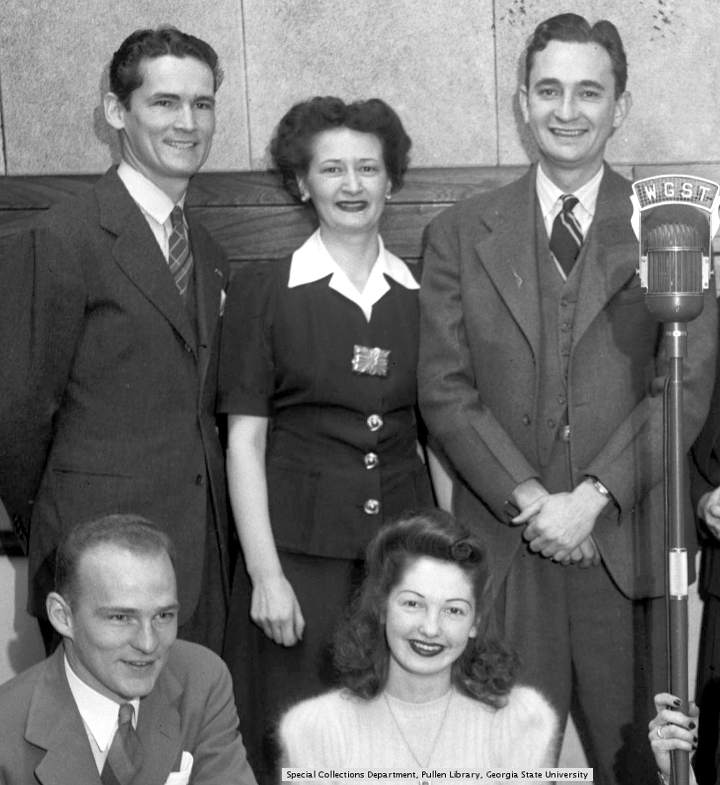
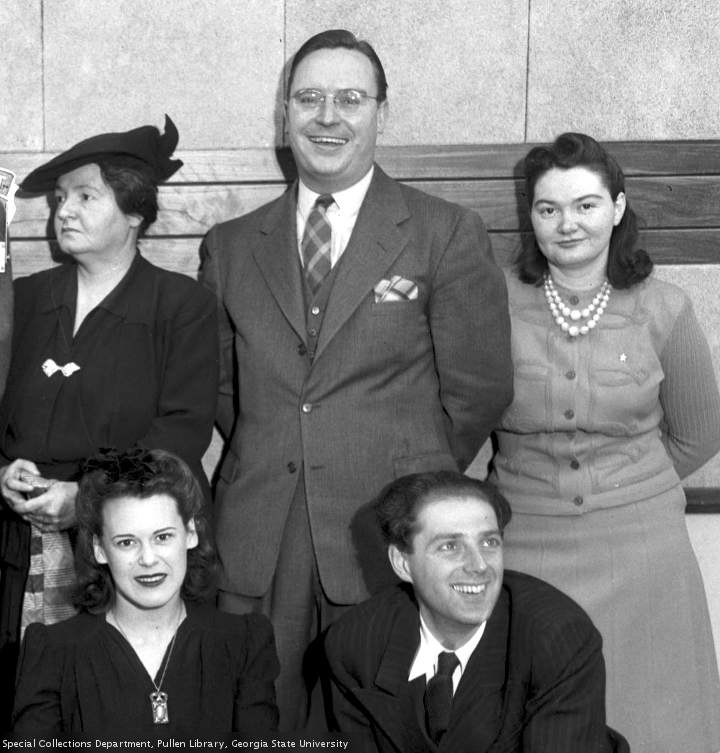
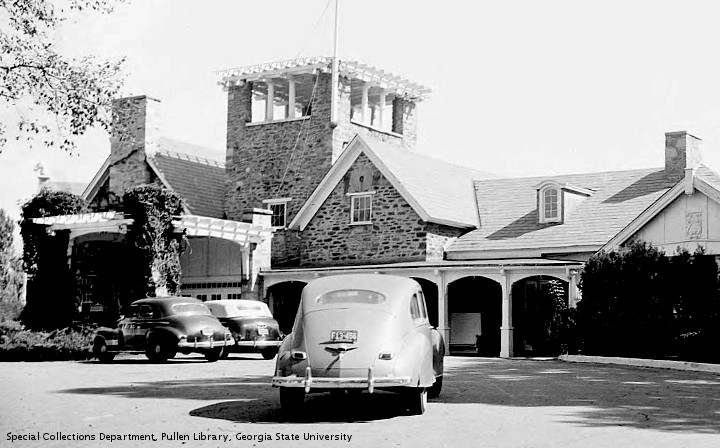
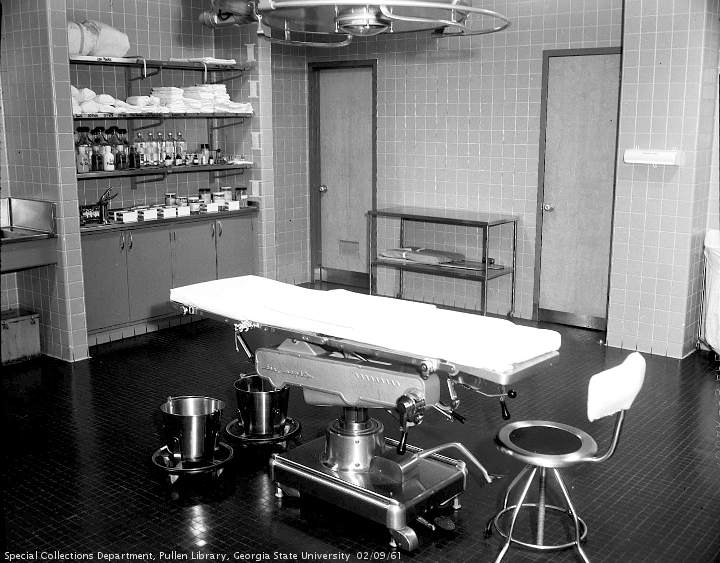
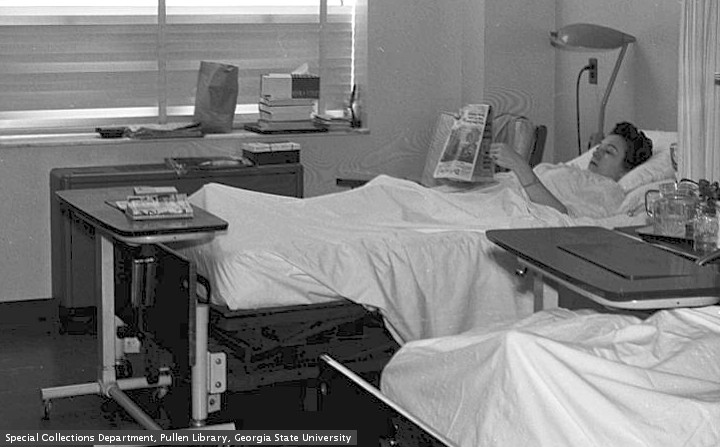
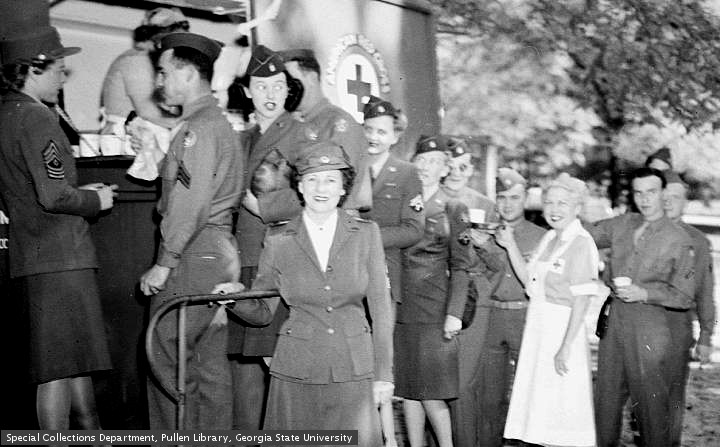
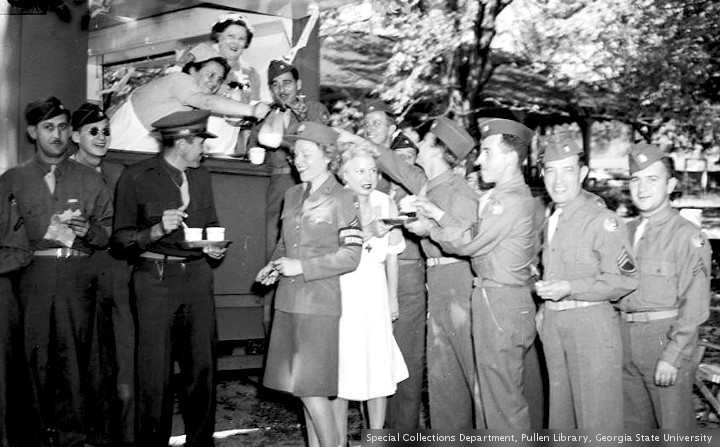
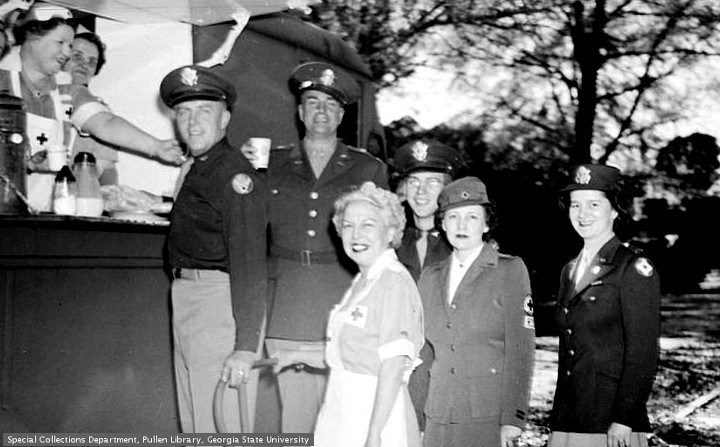
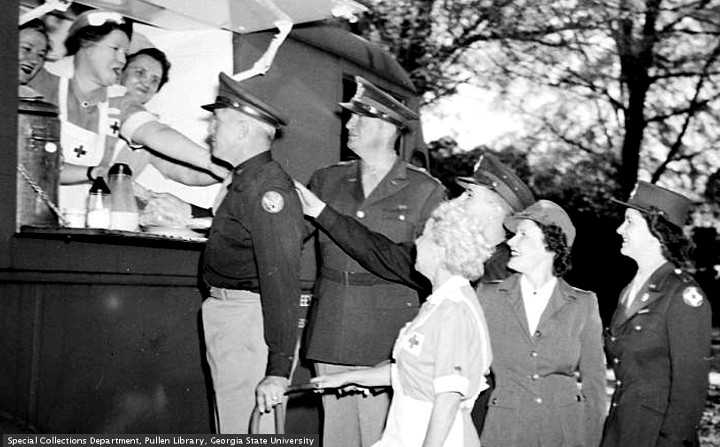
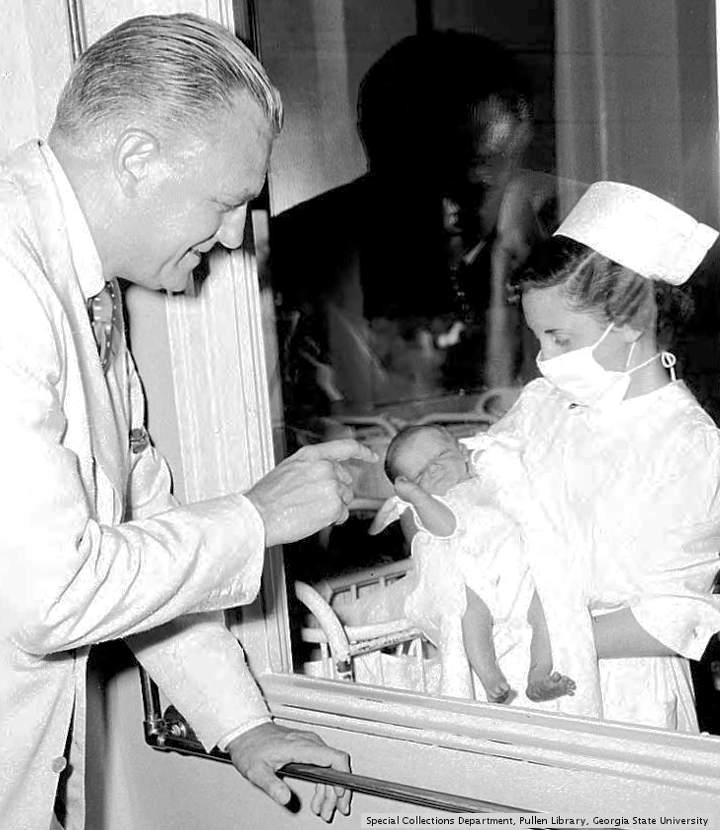
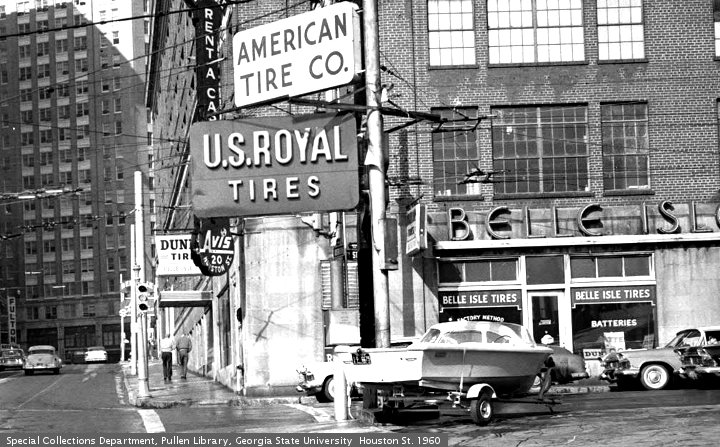
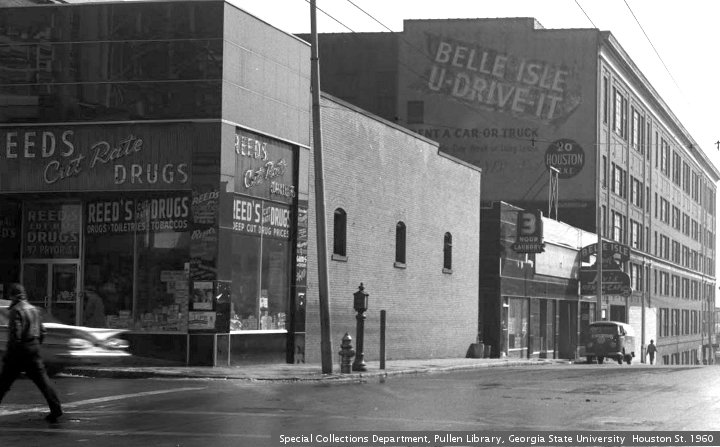
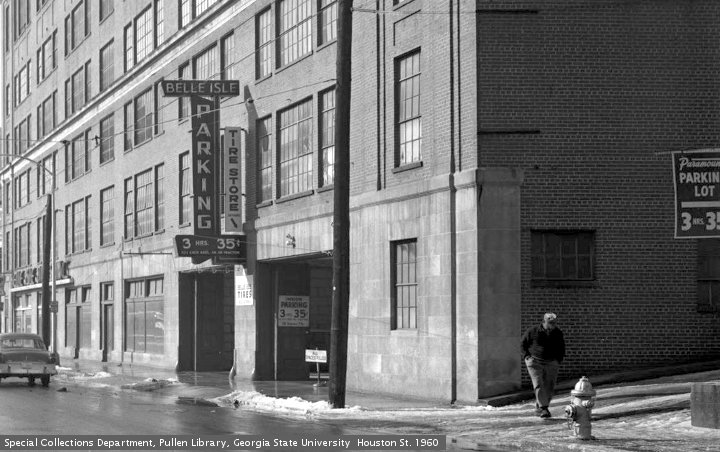
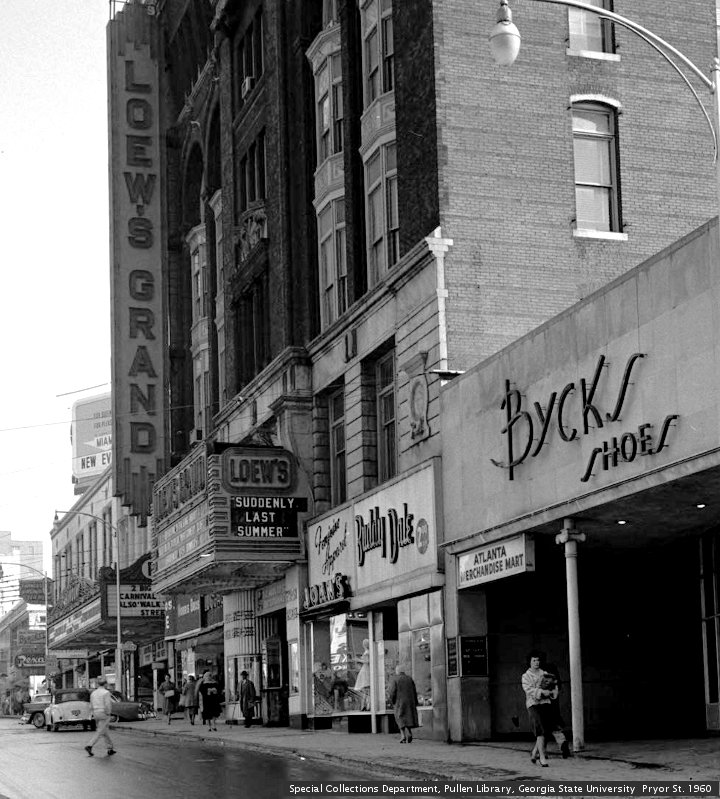
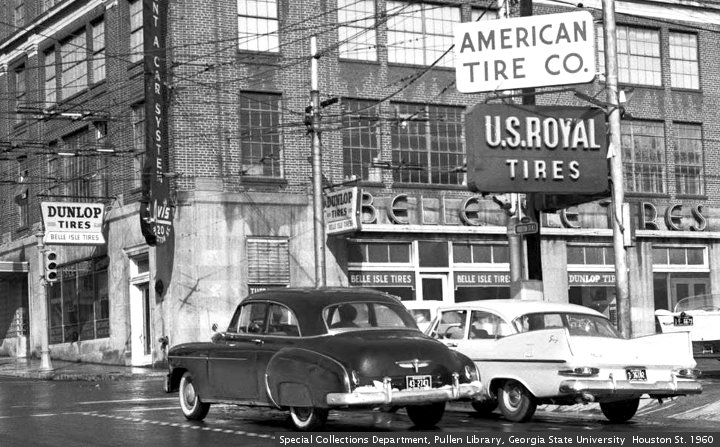
99% Invisible recently did a show, “I can’t believe it’s pink margarine.” PIctures today are from “The Special Collections and Archives, Georgia State University Library.” This is a repost.

The Durand Line


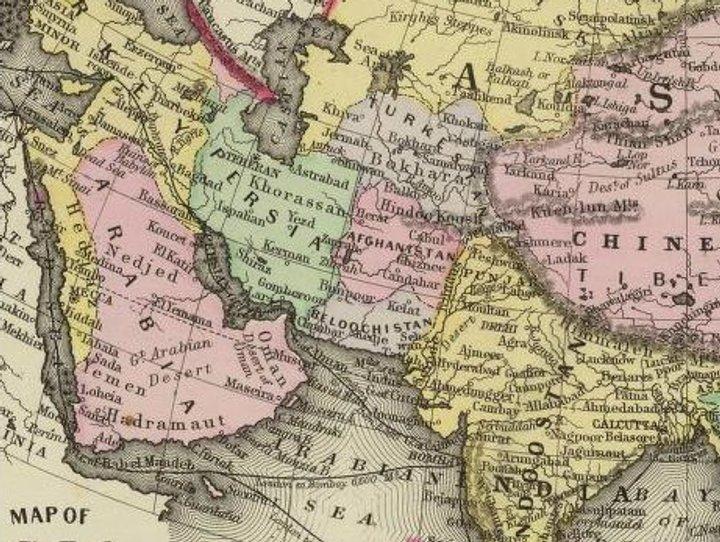
The United States is spoiled by the acceptance of our international frontiers. The Rio Grande, and the oceans, are obvious. While the Canadian border was a matter of contention at one time, it has been accepted for many years. In many parts of the world, where one country ends and another begins is casus belli, or reason to start a war.
In 1893, what is now Pakistan was known as India, a part of the British empire. The Foreign Secretary of this government was a gentleman named Mortimer Durand. In 1893 a border was drawn between Afghanistan and India, which became known as the Durand Line. There are stories of British dirty deeds. Much of what is today Pakistan arguably belongs to Afghanistan, or an independent Balochistan. This is a repost, with photographs from The Library of Congress.



Georgia On My Mind

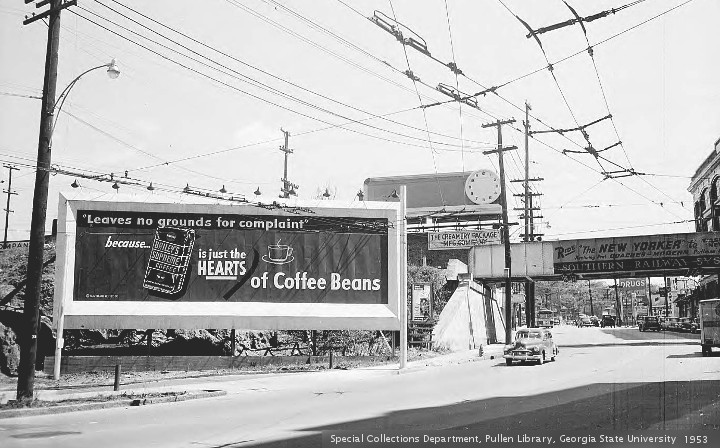
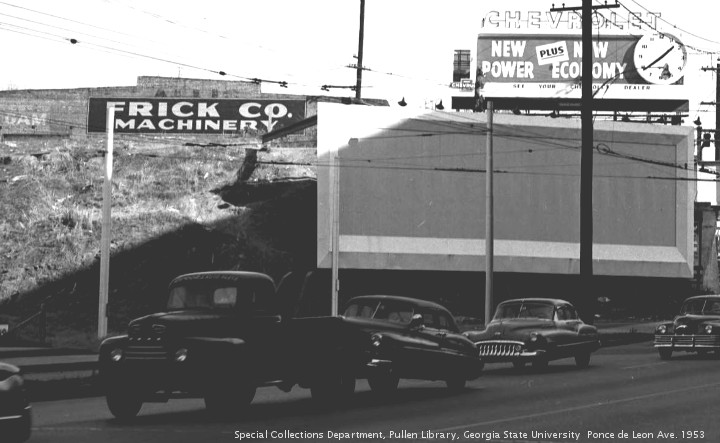
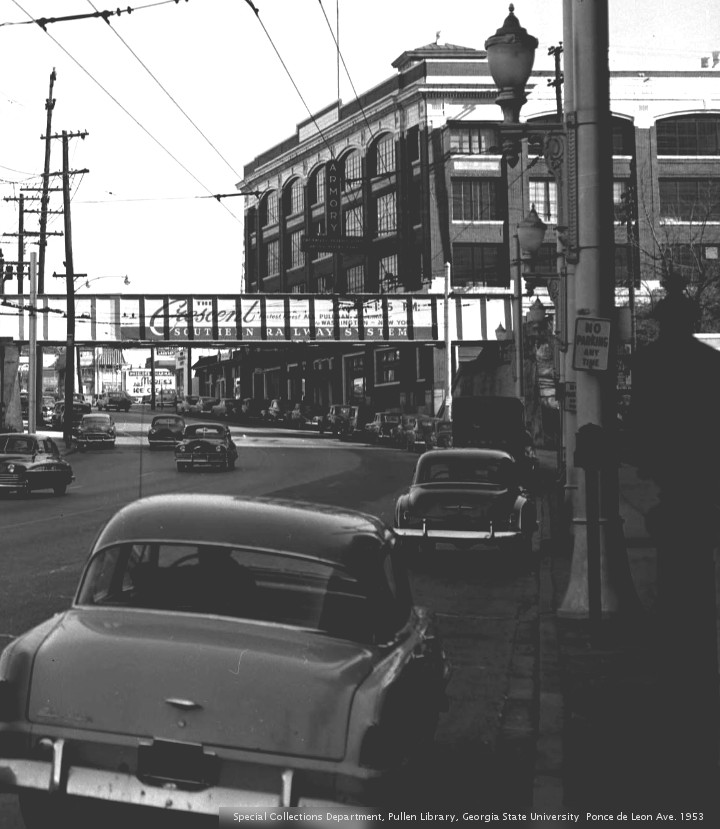


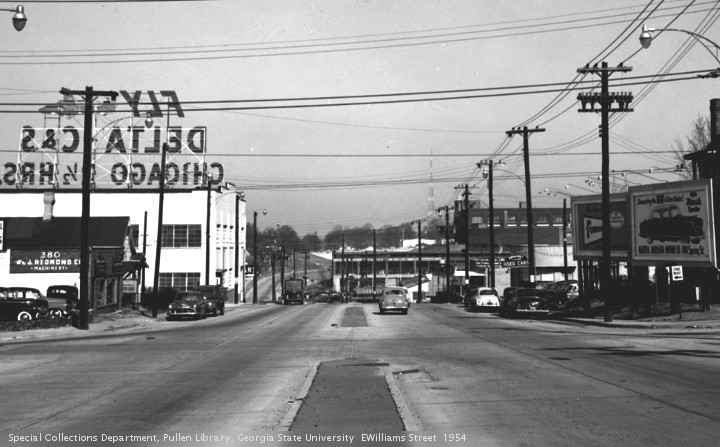
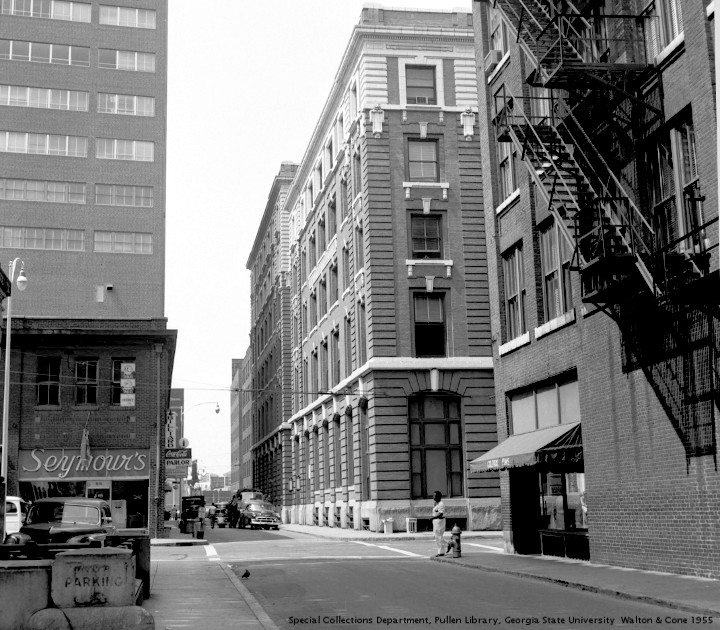
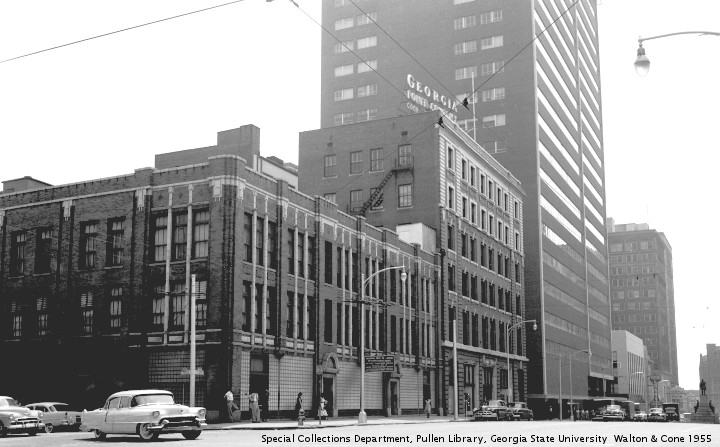
“Georgia On My Mind” turned up of facebook this morning. Pictures today are from “The Special Collections and Archives, Georgia State University Library”. This is a repost from 2020.
Youtube turned up the original “© Written in 1930 by Hoagy Carmichael (music) and Stuart Gorrell (lyrics) © Gorrell wrote the lyrics for Hoagy’s sister, Georgia Carmichael. However, the lyrics of the song are ambiguous enough to refer either to the state or to a woman named “Georgia”. Carmichael’s 1965 autobiography, “Sometimes I Wonder”, records the origin: a friend, saxophonist and bandleader Frankie Trumbauer, suggested: “Why don’t you write a song called ‘Georgia’? Nobody lost much writing about the South.” Thus, the song is universally believed to have been written about the state.”
National Anthems has a story about GOOM. (The 90’s website has a retro-illustration.) “STUART GRAHAM STEVEN GORRELL (1901-1963) and HOAGLAND HOWARD CARMICHAEL (1899-1981), wrote the song in 1930 almost as a lark … Hoagy Carmichael went to Indiana University, and one of his best college chums was Stuart Gorrell. Hoagy Carmichael was going to be a lawyer and Stuart Gorrell, when not hanging around the local “jazz joint” (called The Book Nook!) had promised someone that he would eventually be a success in the world of business.”
“The two of them were together at a party in New York and Hoagy Carmichael played what he had of the “Georgia” music line for Stuart Gorrell and some friends. After the party broke up, the two of them went back to a friend’s apartment and worked on the tune throughout the night. Stuart Gorrell wrote what he thought would be a good lyric line on the back of a post card, (now displayed in the Carmichael Room at Indiana University) and showed it to Hoagy Carmichael. One can still plainly see the few, but important, changes that Hoagy Carmichael made on that small piece of cardboard to Stuart Gorrell’s lyrical scratchings. The song was improved upon, and the lyrics written, in that boozy early morning, and recorded in September 1930 by a band that included Hoagy Carmichael’s great friend, Bix Beiderbecke – a recording session that proved to be Bix’s last.”
“Hoagy Carmichael went on to write many more songs, some of them hits, and Stuart Gorrell kept his promise and became a Vice President at Chase Bank. Stuart Gorrell never tried to write another song lyric, but ‘Georgia on my Mind’ became a hit after World War II and Hoagy Carmichael, true to his word – although Stuart Gorrell was not legally credited as the lyricist by the music publisher – always sent Stuart Gorrell a cheque for what would have been his share of royalty. The royalty income from that song is substantial and, after Stuart Gorrell died, the income put his daughter through college.”
Mr. Gorrell wrote a letter to the Bremen (Indiana) Enquirer, August 3, 1961. “This accompanied his response to his home town’s Teen Hop patrons choosing the song as their theme song. … “Georgia on my mind” was composed more than a quarter of a century ago on a cold and stormy evening in 1930 in New York City. Hoagy Carmichael and I, in a third floor apartment overlooking 52nd street, with cold feet and warm hearts, looked out the window and, not liking what we saw, turned our thoughts to the pleasant southland. Thus was born a hauntingly sweet song. My mother, who died in Bremen in 1942, once asked a very penetrating question about the song. I had sent her a copy of the sheet music and, after reading the words over several times, she wondered aloud: “What is Georgia? A girl—or state? What do you think? Hoagy and I just love every one of you Bremen Teen Hoppers for honoring out tune by making it your theme song. Sincerely, Stuart Gorrell”






Ansel Adams And Dorothea Lange
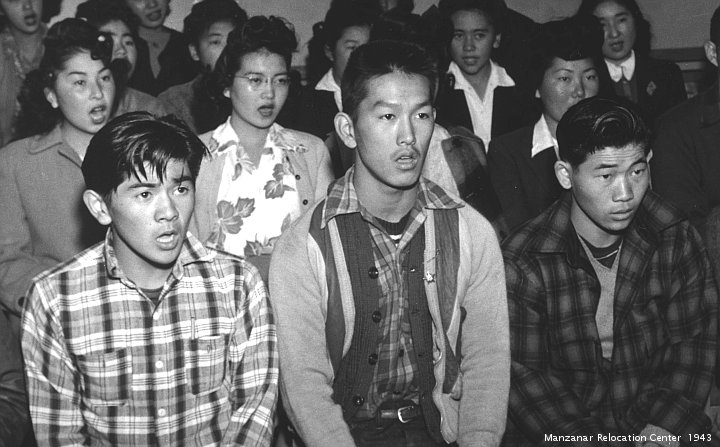


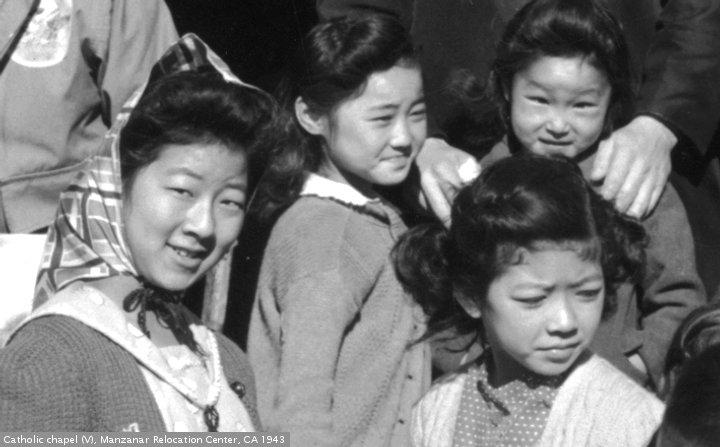
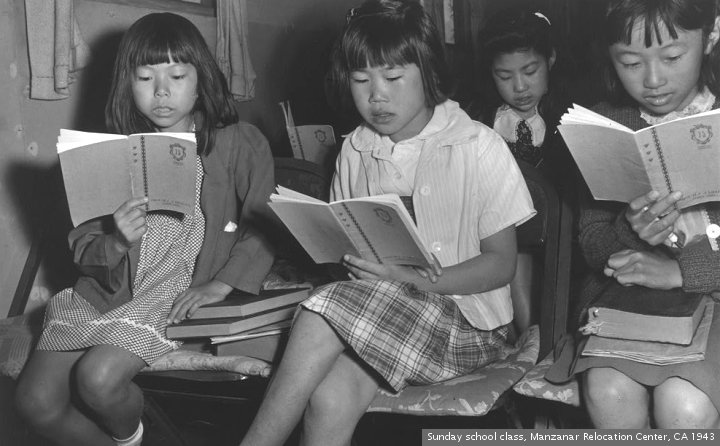

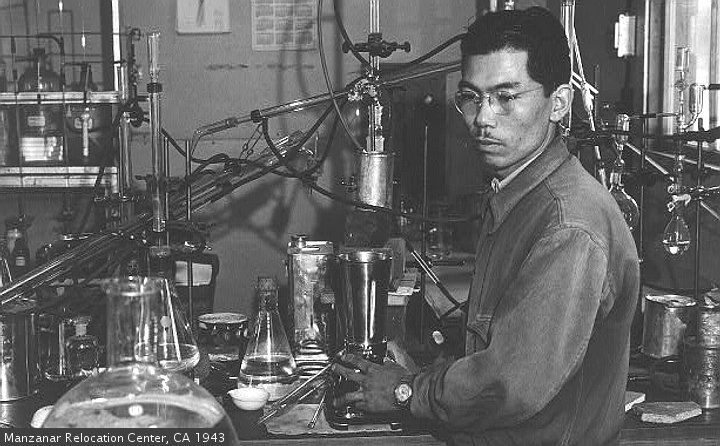

The facebook feed has recently had links to a story, Dorothea Lange’s Censored Photographs of FDR’s Japanese Concentration Camps. Miss Lange was the photographer of the iconic Migrant Mother. After Pearl Harbor, Miss Lange took a job with the War Relocation Authority, documenting the “relocation” of Japanese-Americans to interment camps. The photographs did not please the authorities. They were censored, and only appeared recently. This is a repost.
Ansel Adams also took photographs at the Manzanar, California, camp. In the current stories, he is literally a footnote: quotes were used from a book about his photography. Why is Dorothea Lange receiving attention, while Ansel Adams is ignored?
One answer is that Miss Lange was hired early on, and shows the harsh reality of relocation. “On July 30, 1942, the WRA laid her off “without prejudice,” adding that the cause was “completion of work…. the WRA impounded the majority of her photographs of Manzanar and the forced detentions, and later deposited 800 image from the series in the National Archives without announcement.”
“After Lange’s departure, Manzanar’s director Ralph Merritt visited renowned environmentalist and landscape photographer Ansel Adams and suggested he document the camp — Merritt and Adams were friends from the Sierra Club. Lange, also friends with Adams, encouraged him to take the job. (Coincidentally Adams printed “Migrant Mother” for her ) …Ansel Adams made several trips to Manzanar between October 1943 and July 1944 for this new personal project, and, as Alinder writes, he was primed to try the kind of documentary photography regularly practiced by Dorothea Lange and the Farm Security Administration that he had earlier shunned. Unlike Lange, a white woman who had been viewed with suspicion by her subjects, Adams was welcomed by the incarcerees, even greeted as a celebrity in a cultural community that had a deep appreciation of nature — many incarcerees at Manzanar literally opened their doors to him dressed in their finest clothes. … By 1943, Manzanar’s incarcarees had had time to settle in and enjoy the fruits of their collective work. In less than ideal surroundings, they had collectively built their own post office, town hall, library, auditorium, co-op store system, police station, jail, cemetery with memorial, published their own newspaper (the ironically named the Manzanar Free Press, which was regularly censored by the military), and even their own YMCA.”
“As for Lange, looking at the historical record, it appears that she was treated differently from the other WRA photographers. She was discouraged from talking to the incarcerees, was constantly followed by a censor, and faced harassment. She was refused access to areas after being given clearance, and she was often hounded over phone charges and receipts. … After being discharged, Lange expressed in letters her dismay that her work was ineffective in helping the people she documented. Her assistant Christina Clausen later noted the ferocity of this body of work also marked the beginning of the photographer’s bleeding gastric ulcers. Lange was unable to work for a number of years after her harrowing experience at Manzanar. She died from esophageal cancer in 1965.”
“In 1944, Adams’s photographs were published as a book, “Born Free and Equal: The Story of Loyal Japanese Americans,” and shown at New York’s Museum of Modern Art. Nativists took offense. They saw Adams’s work as a slur on the war effort. He was a “Jap lover.” This quote is from a 2016 article, Let’s be honest, Ansel Adams’s images of a WWII internment camp are propaganda
“Adams visited Manzanar to take photos in 1943 at the request of camp director Ralph Merritt, who was a personal friend. “They don’t look quite as dusty and quite as forbidding as Dorothea Lange’s photos … Indeed, the place that looks barren and depressing in Lange’s pictures manages to look beautiful in Adams’. You get little sense that it was even a detention center, in part because Adams, like other photographers, was not allowed to shoot the guard towers or barbed wire…
There are scenes from a baseball game, kids walking to school, a gathering outside a chapel. Lots of smiles, too, and portraits of camp residents cropped so close, you can see every blemish and stray hair. In Adams’ vision, Manzanar comes off as a place where Japanese-Americans, dignified, resilient and optimistic in spite of their circumstances, built a temporary community in the desert.
(Skirball Cultural Center director Robert) Kirschner said that if Adams’ photos appear to sugarcoat the indignities of life in an internment camp, it is because he did not see himself as a social activist the way Lange did. Still, Kirscher says, Adams was challenging internment in his own way, by depicting its victims as patriotic, law-abiding Americans. Unlike Lange, Adams was given permission to publish his photos. Before the war ended, he did so in a book called “Born Free and Equal: The Story of Loyal Japanese Americans,” in which he warned about the dangers of letting wartime hysteria justify depriving U.S. citizens of their freedom.”
The NPR article mentions a third Manzanar photographer. “Before World War II, Toyo Miyatake had a photo studio in Los Angeles’ Little Tokyo. When he learned he would be interned at Manzanar, he asked a carpenter to build him a wooden box with a hole carved out at one end to accommodate a lens. He turned this box into a makeshift camera that he snuck around the camp, as his grandson Alan Miyatake explains in the video below, which is featured in the exhibit.
Fearful of being discovered, Miyatake at first only took pictures at dusk or dawn, usually without people in them. Camp director Merritt eventually caught Miyatake, but instead of punishing him, allowed him to take pictures openly. Miyatake later became the camp’s official photographer.”
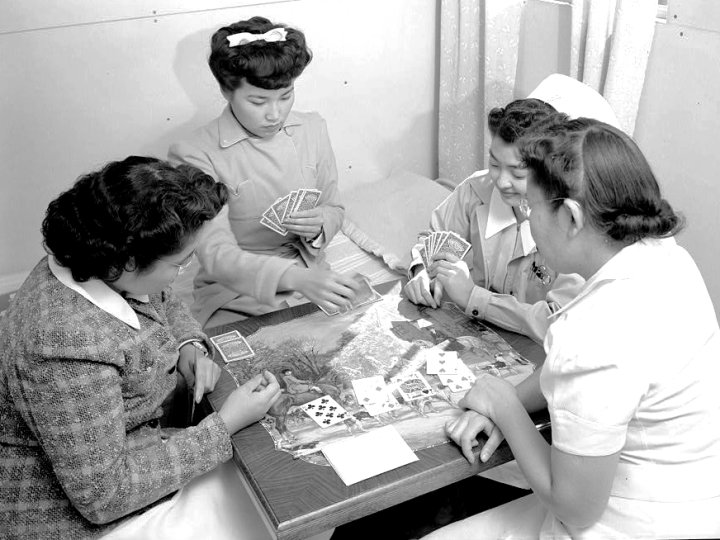
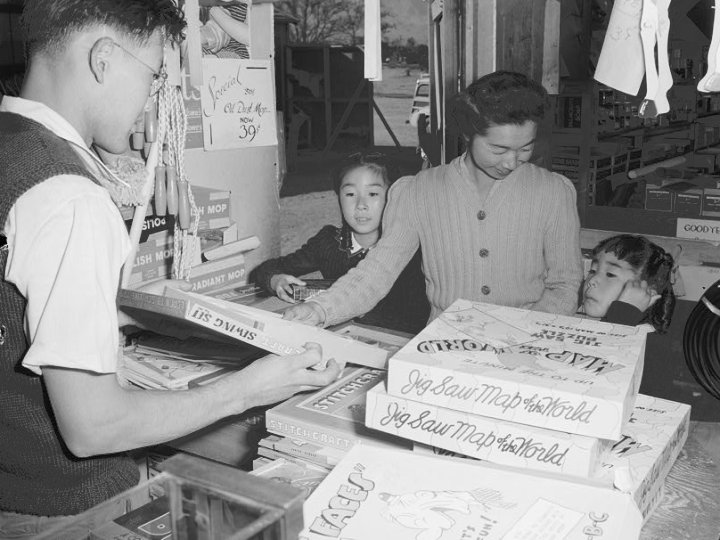
Pictures for today’s feature are from The Library of Congress. These are pictures that Ansel Adams took at Manzanar. They have been posted at chamblee54 before. The ladies in the bridge game are Aiko Hamaguchi, Chiye Yamanaki, Catherine Yamaguchi, and Kazoko Nagahama.






Thanksgiving Letter to the Family
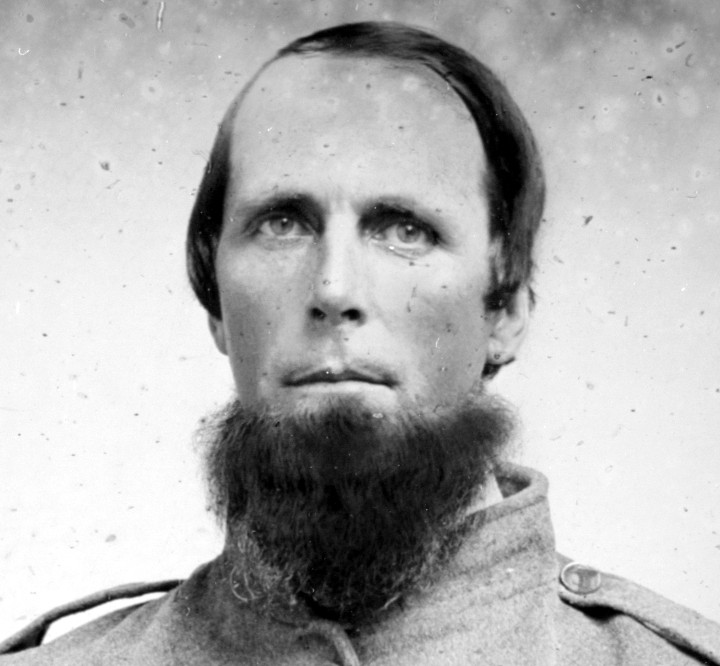


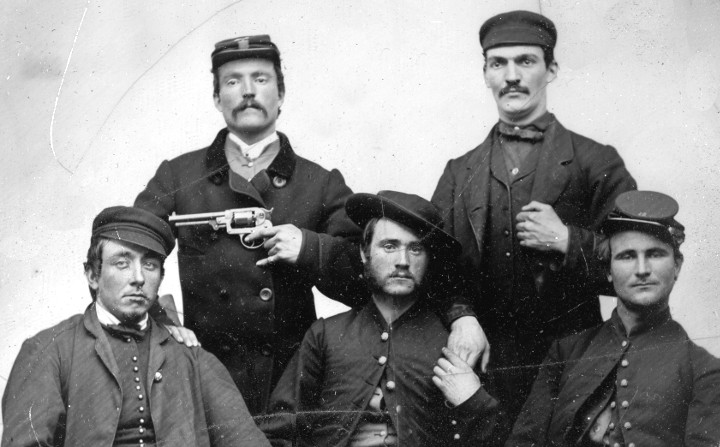
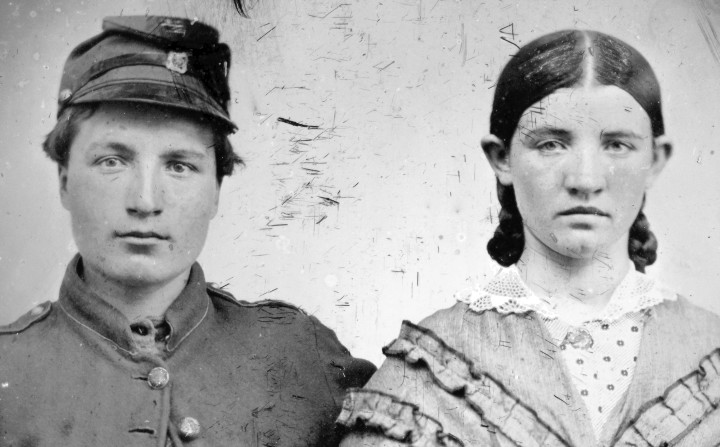
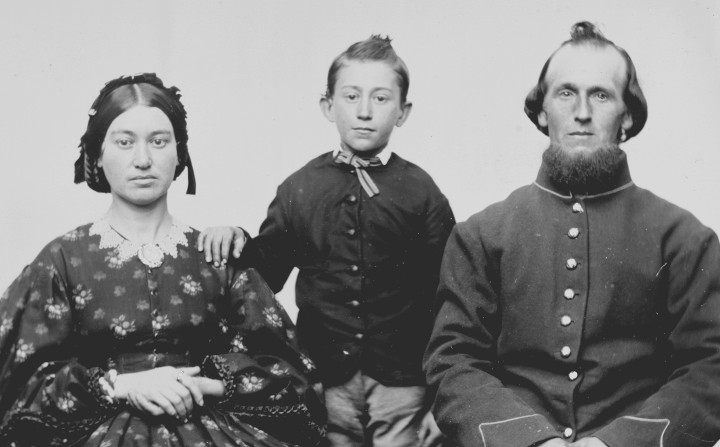
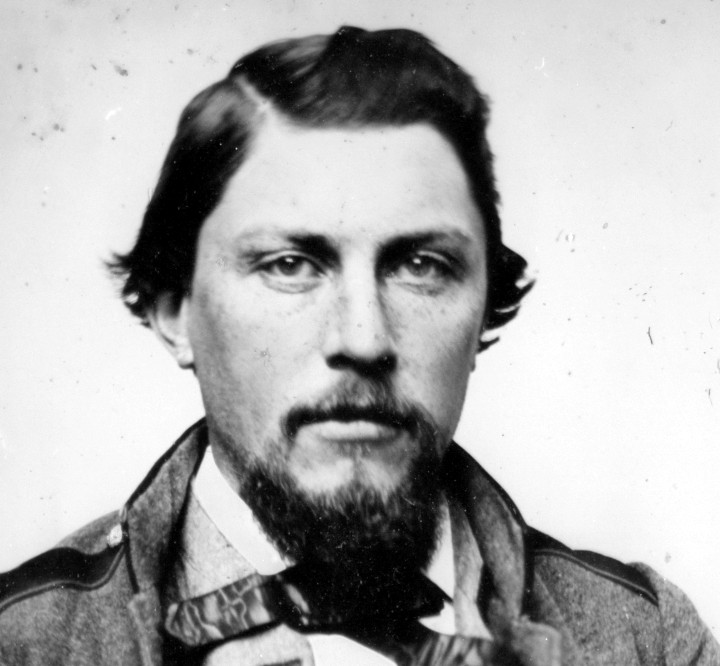
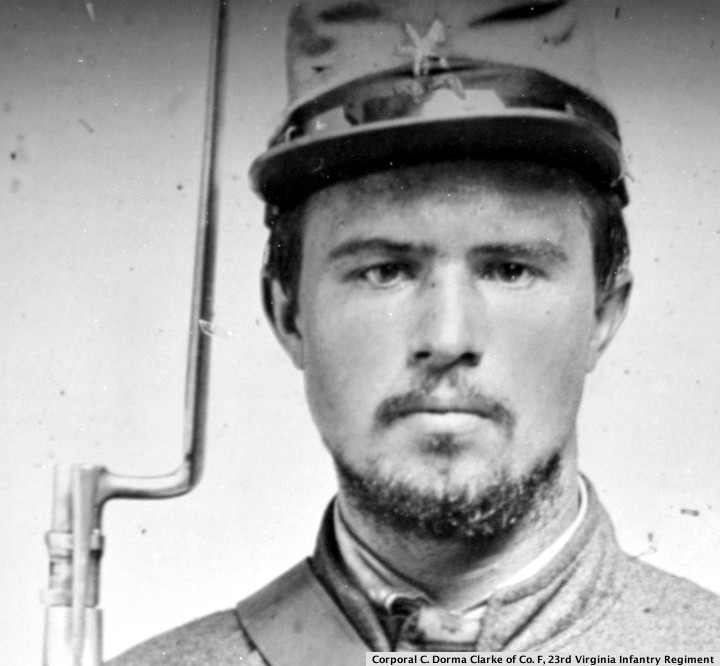
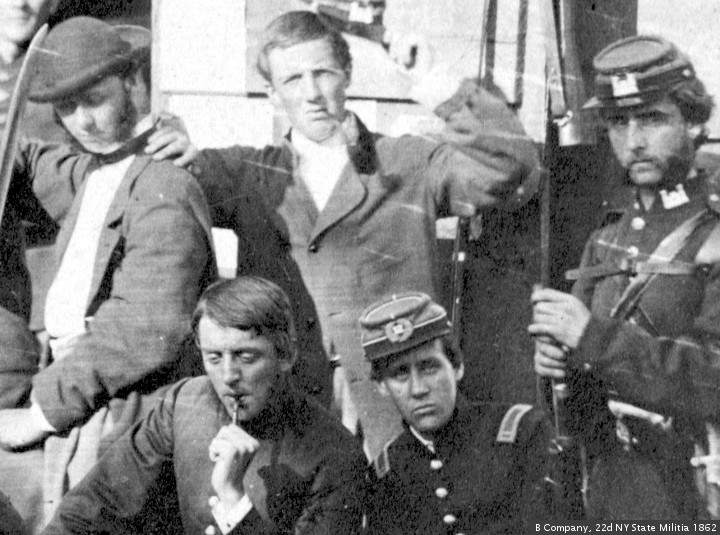
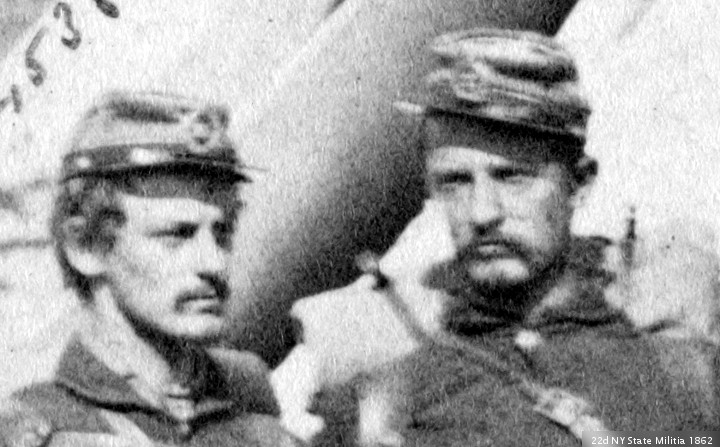
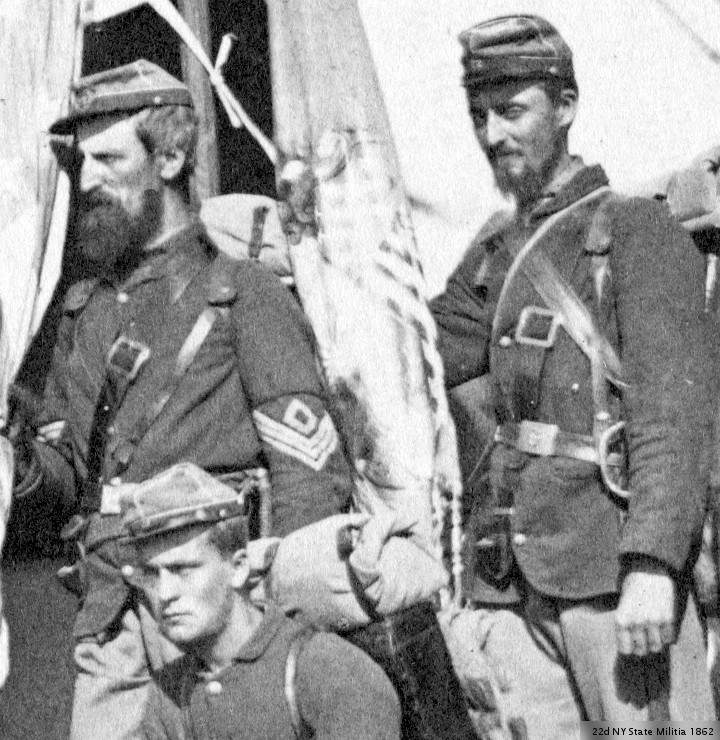
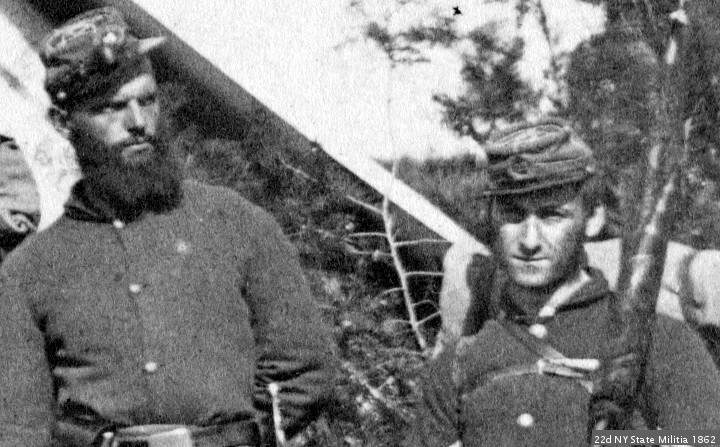
Margaret and Helen, against all odds, still have a blog. Naysayers insist that it is concocted by a computer savvy grandson. Never mind that most of those types have gone cell phone crazy, and left their blogs behind. One of the traditions at M&H is the Thanksgiving Letter to the Family. Here is the 2018 version. Pictures for this holiday season are from The Library of Congress. The men were Confederate soldiers, from the War Between the States.
Dear Family, As we gather again for another Thanksgiving, I’d like to set up some house rules. I know I’m not the head cook anymore, but I’m still the head of the household so listen up:
No cell phones at the dinner table. No feet (big or tiny) on my furniture. No jello-salad.
Parenting is a full-time job. You don’t get the holiday off. Watch your kids and make sure there is some food on their plate that has color. Carrots. Green beans. Yams. Something more than just mashed potatoes. They might not eat any, but it’s never too soon to introduce them to each other. It would be easier if I was still the cook and everything had a little bacon grease to help it go down, but in this age of vegavegan-gluttenfree-halffat-lesssodium-nosugaradded, I can’t be responsible for how the food tastes anymore. Gone are the days of the three master spices: salt, pepper and bacon grease.
No jello-salad. I’m serious about this. The only thing that jiggles at my house this Thanksgiving will be your Aunt Trudy after a few glasses of wine.
I’ve lived a long life and along the way, I’ve collected a few nice things. I don’t put them away for company and I don’t put them away for family. Eventually your child needs to learn the meaning of the word No. Let’s make that happen today. We watch football in the family room on TV. We throw footballs outside on the lawn. And when you do go outside, shut the door behind you. I don’t need to air condition the whole neighborhood. And if Mr. Briggers next door tells you to stay off his lawn, tell him to stay off my last nerve. That man is the one bad bulb that ruins the whole string of lights.
If you want to talk politics sit next to me, but if you own a MAGA hat be warned. Your President is an asshat and I’m old enough to speak my mind regardless of your precious feelings. If I were you, I’d practice don’t ask, don’t tell because even when I mind my Ps and Qs, I can still spell bullshit.
No jello-salad.
If your child still wears diapers, you will leave with the same number of them as you had when you arrived. Bag them up and take them with you. The trash man doesn’t come again until next Tuesday and the last thing I need is a trash can full of baby poop. No exceptions to this rule. You’re dealing with a woman who washed cloth diapers so this would be an argument you will lose.
You know I love you. And I am indeed thankful for my family. I used to have a handle on life, but it broke. Follow the rules and we’ll all get along just fine.
No jello-salad. I mean it. Really.
With love, Aunt Helen/Mom/Grandma




The Silly Remarks Of The President


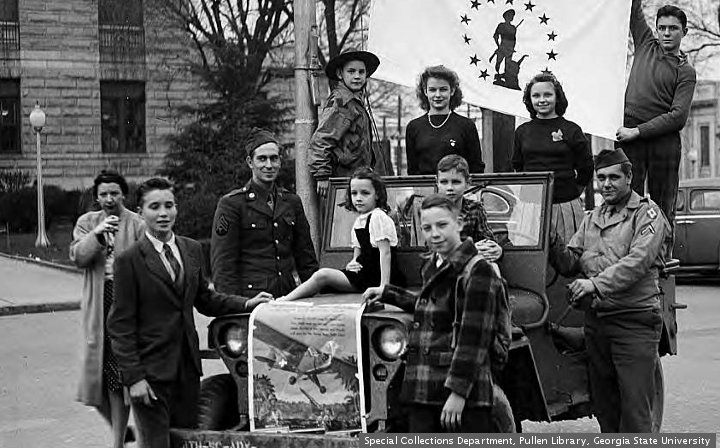
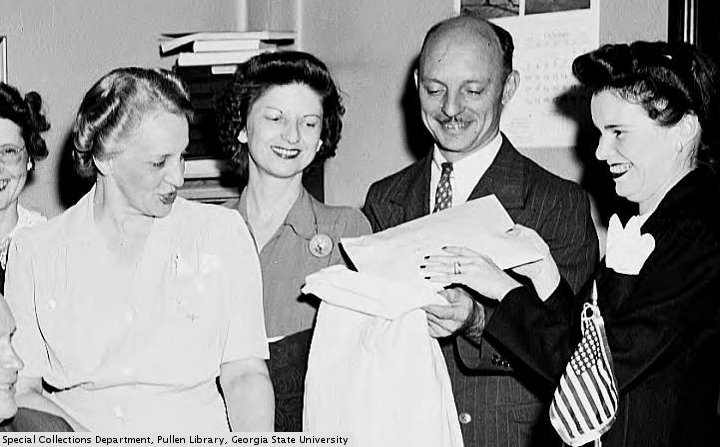
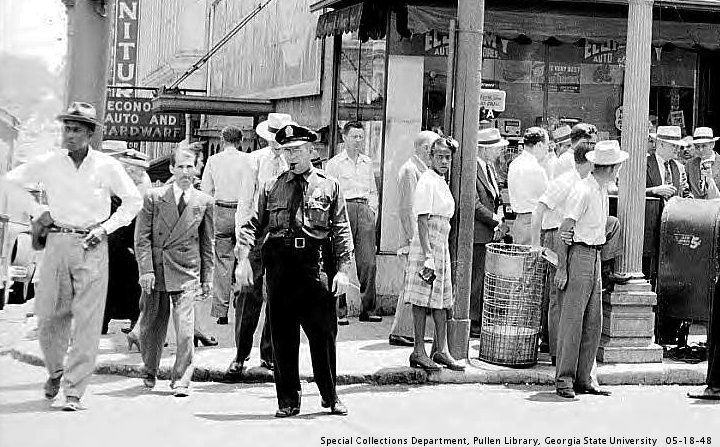

November 19, 2013 was the 151st anniversary of the Gettysburg Address. This was seven score, and eleven years, ago. This is not as poetic as four score and seven. The famous speech was written on White House stationary, not the back of an envelope. The train ride to the battlefield was too bumpy to write on, so it was written elsewhere. No one is sure what happened to the original.
The text was published in newspapers, and became famous. Relatively few people heard the actual speech. Not everyone was impressed. The Harrisburg Patriot & Union said “We pass over the silly remarks of the President. For the credit of the nation we are willing that the veil of oblivion shall be dropped over them and that they shall be no more repeated or thought of.” The descendent of this paper, The Patriot-News, printed a retraction in 2013. Better late than never.
Other contemporaries were critical. Presidents are politicians, with allies and enemies, and are not often beloved in their own time. The New York World accused Lincoln of “gross ignorance or willful misstatement” with his declaration of “four score and seven years ago.” The Democratic Chicago Times called the address “a perversion of history so flagrant that the extended charity cannot regard it as otherwise than willful.”
H.L. Mencken had a few unkind things to say about the affair. “But let us not forget that it is poetry, not logic; beauty, not sense. Think of the argument in it. Put it into the cold words of everyday. The doctrine is simply this: that the Union soldiers who died at Gettysburg sacrificed their lives to the cause of self-determination—”that government of the people, by the people, for the people,” should not perish from the earth. It is difficult to imagine anything more untrue. The Union soldiers in that battle actually fought against self-determination; it was the Confederates who fought for the right of their people to govern themselves. “
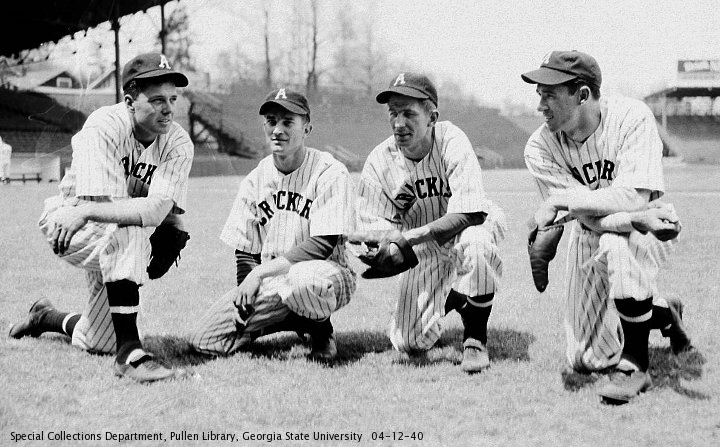
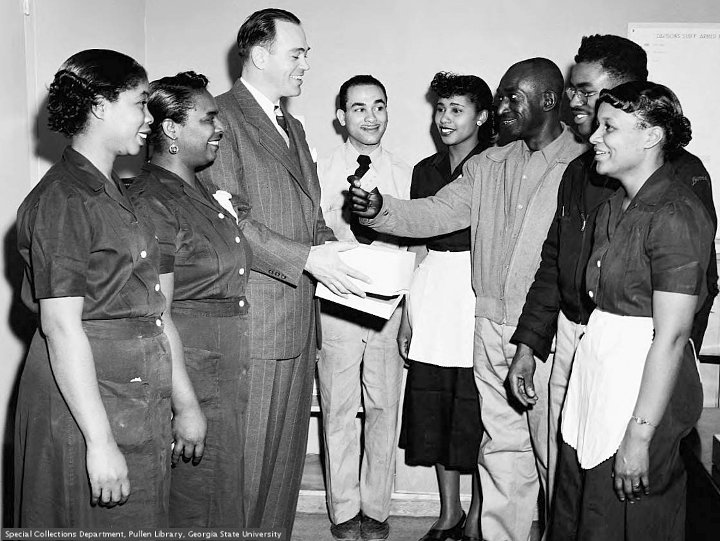
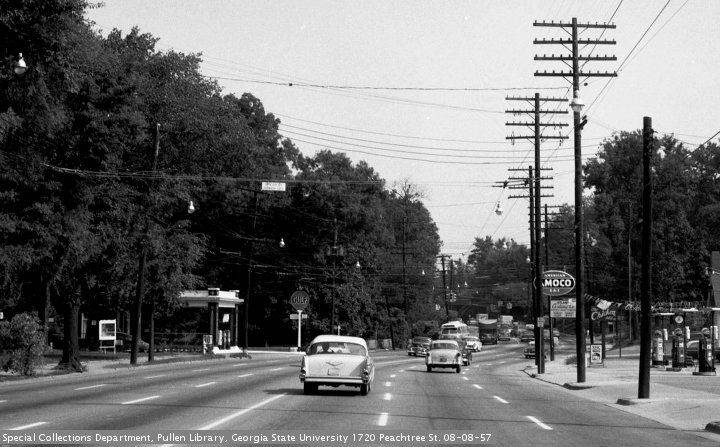
As the rest of the linked essay points out, one motivation for the Confederates desire for self determination is to maintain the ability to own other human beings. Pictures are from “The Special Collections and Archives, Georgia State University Library.” This is a repost.




Thanksgiving
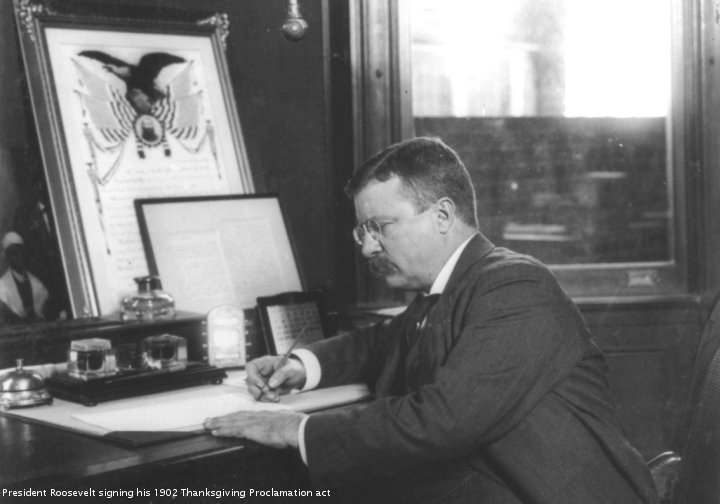
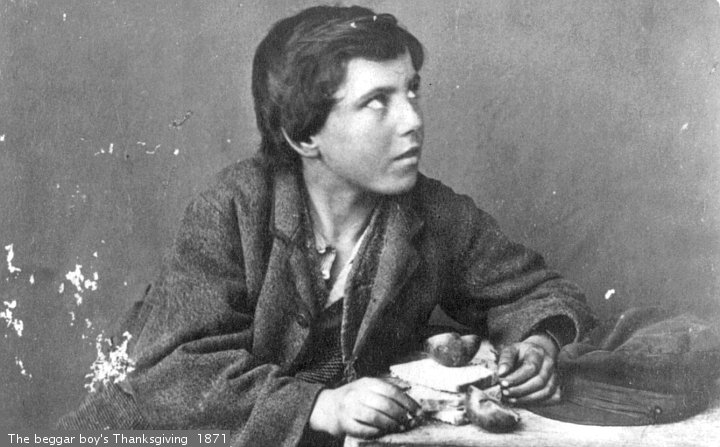
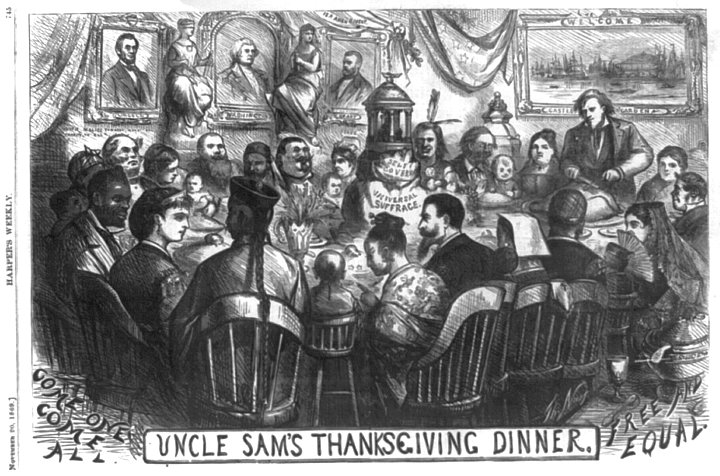
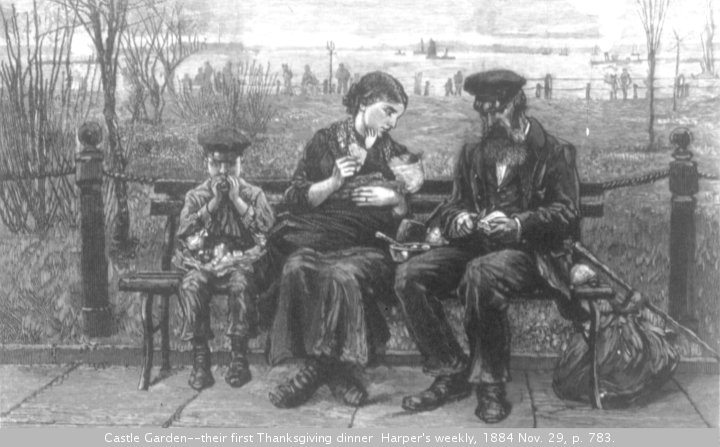
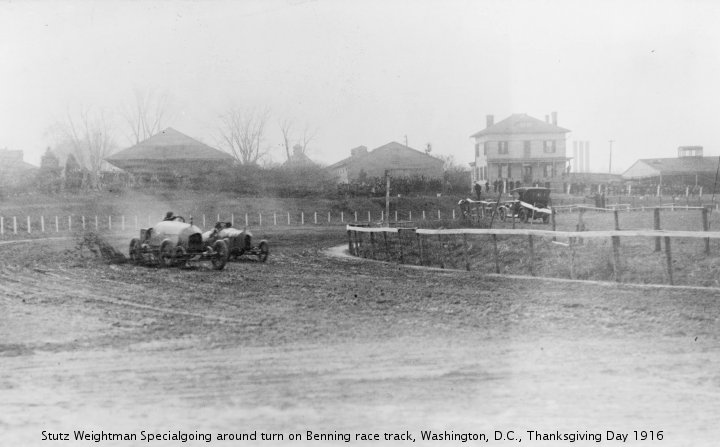
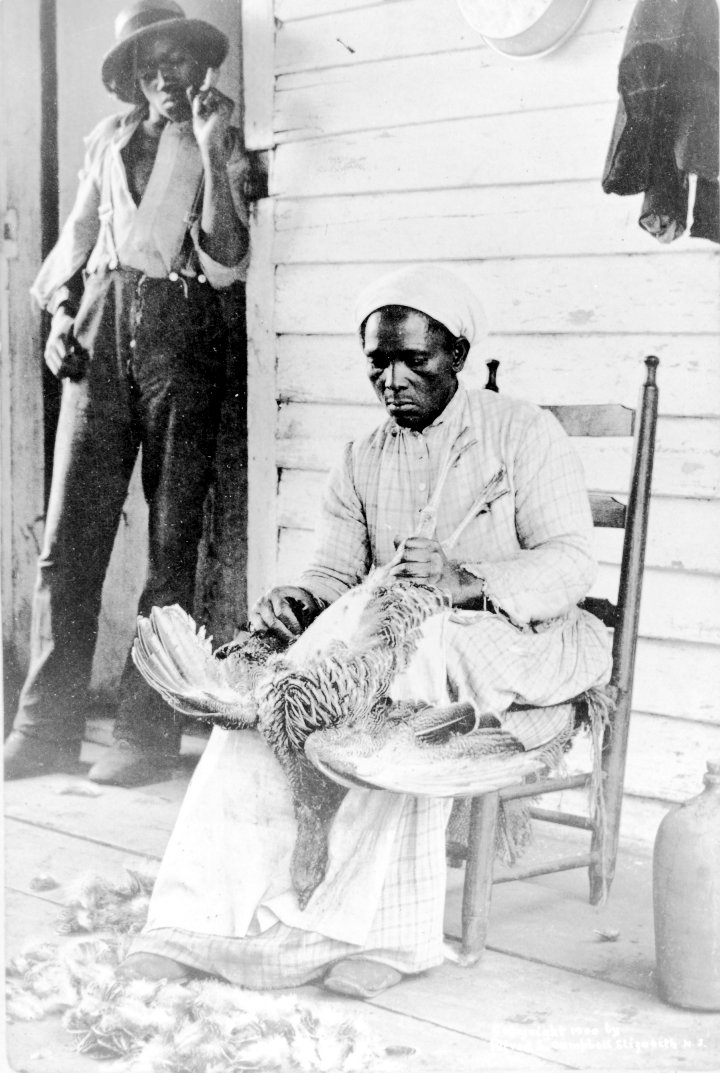
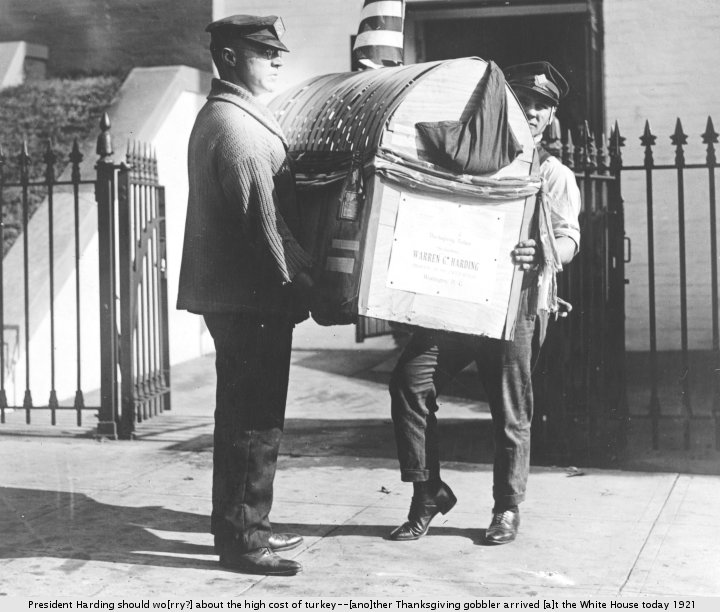
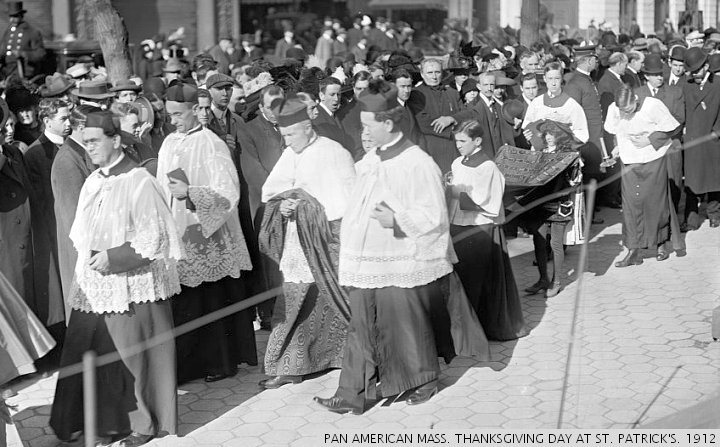
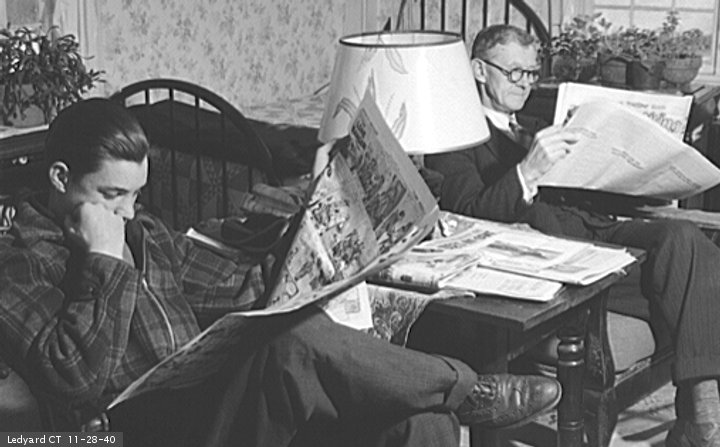
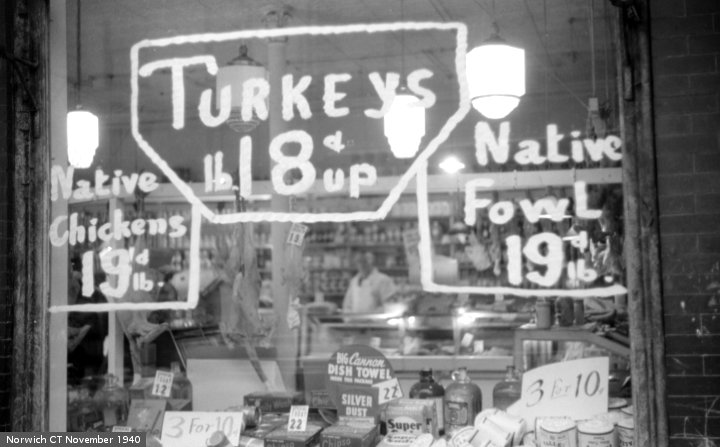
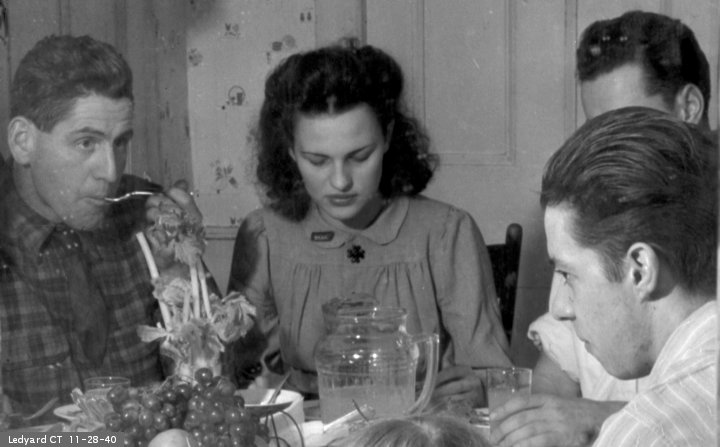
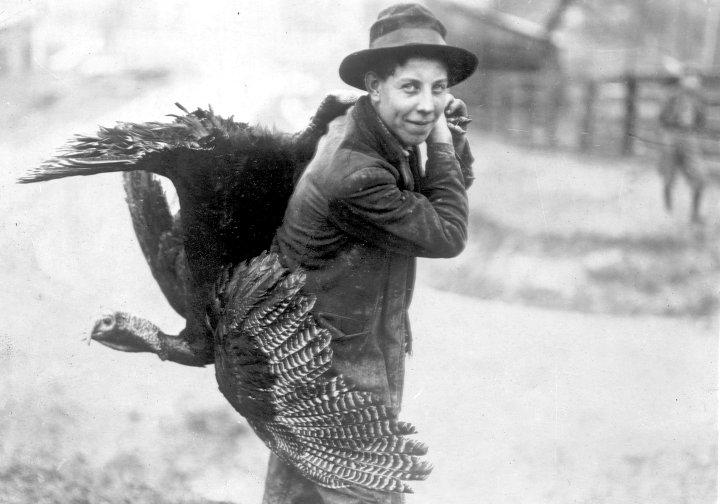
PG does not want to bore you with talk about gratitude. This is a repost. Pictures are from The Library of Congress. There will be one story.
“I used to work for a company that produced annual reports. One year, I was sent on this huge cross country trip to art direct a series of shots for a food processing mega-company, and one of the stops involved a turkey farm. Okay, so you have to understand that turkeys are extremely skittish birds. The slightest thing will set them off, so the farmer kept them in a large, basically dark barn just to keep them under some semblance of control. So we go in, and the photographer sets up the lights, which he gradually turned on so the birds (and me, for that matter) could get used to it. Everything’s going fine. We have the farmer in front of his (literally) hundreds of free-range turkeys. The photographer clicks off the shot… and in doing so sets off a flash he forgot he had triggered. Immediate chaos: birds running everywhere.At least a dozen fainted and died right on the spot. Farmer was none too happy. Neither was the agency.”










Fifty Eight Years

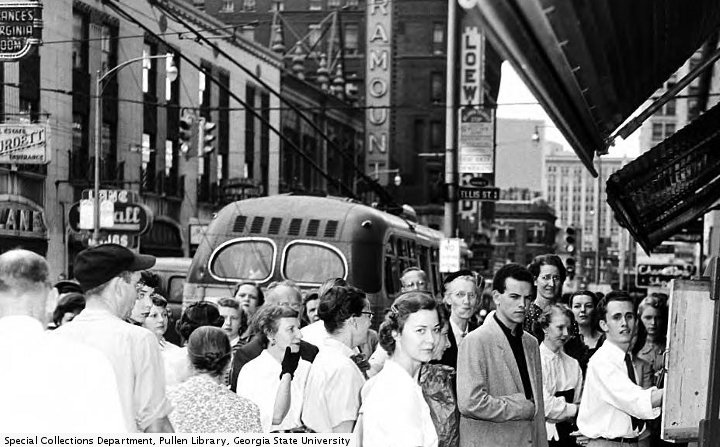


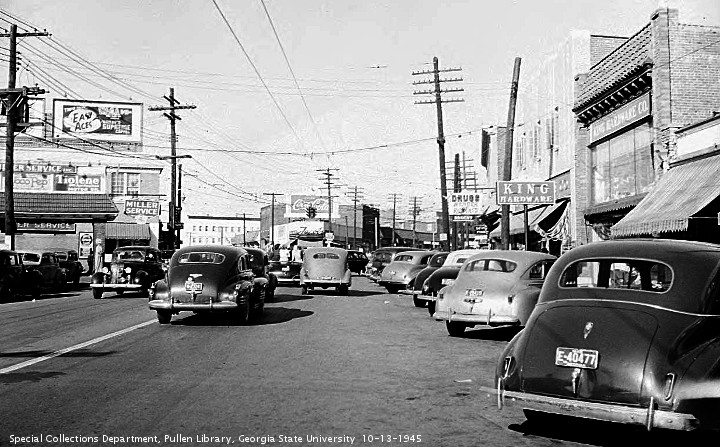
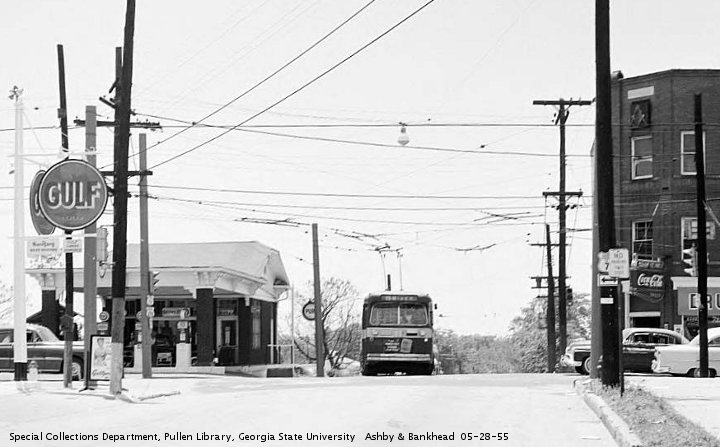
Fifty eight years ago, John Kennedy went to the oval office in the sky. The bullets hit Mr.Kennedy at 12:30 pm, CST. He arrived at the hospital at 12:37. He had a faint heartbeat on arrival, but quickly succumbed to his wounds.
In Georgia, PG was nine years old. He was in Miss Mckenzie’s fourth grade class. There was going to be an assembly soon, and the class was going to perform. There was a rehearsal in the cafetorium, and some of the kids were acting up. They went back to the class, and PG thought they were going to be chewed out about the misbehavior in the cafetorium. Instead, Miss Mckenzie came into the room, and told the kids that President Kennedy had been shot during a parade in Dallas Texas. She did not say anything about his condition. One kid cheered the news.
School let out at the regular time, and PG walked home. His mother and brother were crying. He was told that the president had died. The cub scouts meeting that afternoon was canceled.
Later that night, a plane arrived in Washington. The tv cameras showed a gruesome looking man walk up to a microphone. He was introduced as President Lyndon Johnson. This may have been the worst moment of that day. Photographs for this repost today are from “Special Collections and Archives, Georgia State University Library”.
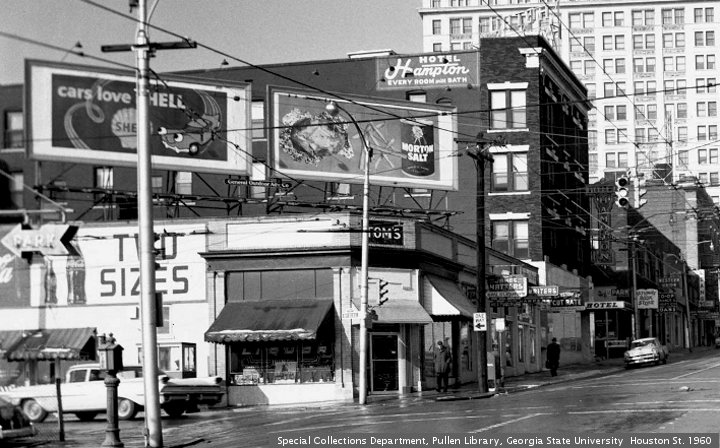





Seven Score And Eighteen Years Ago


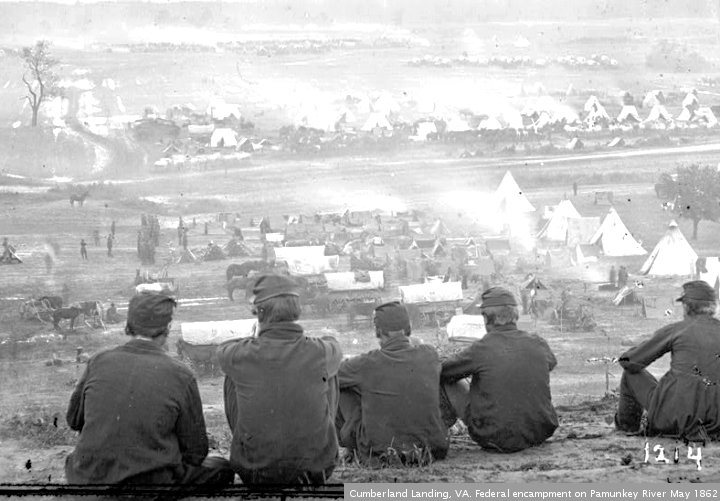
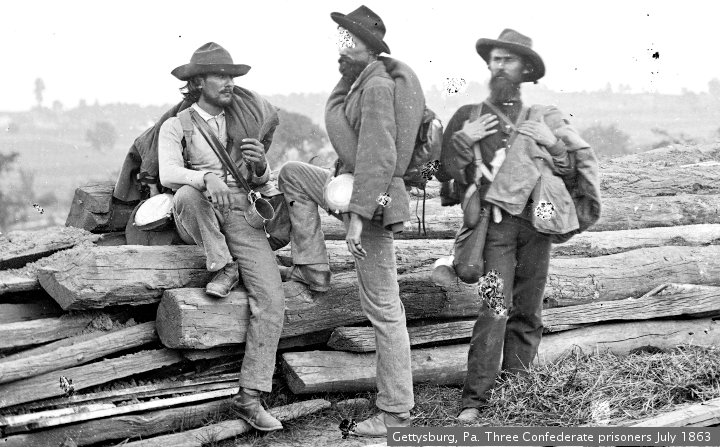


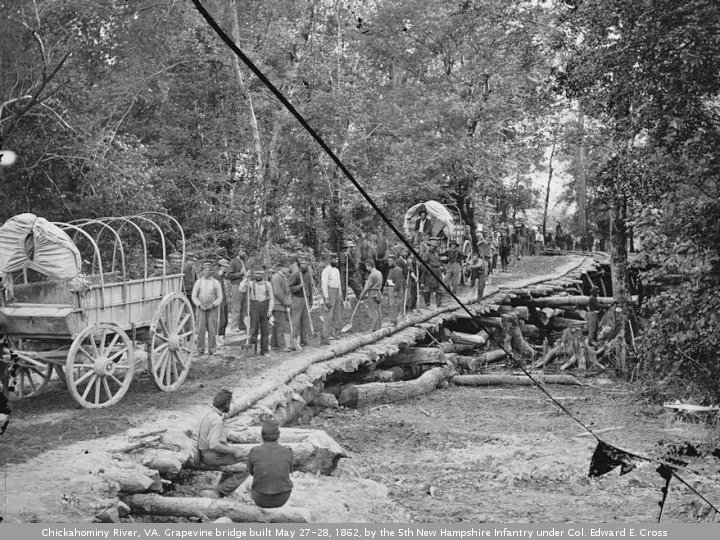

A vicious battle had been fought near Gettysburg, PA. It is widely considered the turning point of “Mr. Lincoln”s War,” the moment when the Union took the upper hand. It came at a horrible price, and a cemetery was built to hold this price.
The ceremony to dedicate the cemetery was held November 19, 1863. The headline speaker was Senator Edward Everett. The President was an afterthought. After it was over, Mr. Everett reportedly told the President that he said more in two minutes than he did in two hours.
The speech by Mr. Lincoln is an American classic. Schoolchildren are forced to memorize it. There are a few legends, many of which are not true. According to The Lincoln Museum , the speech was written on White House stationary, not the back of an envelope. The train ride would have been too bumpy to write. There is also confusion about what happened to the original text that the President read from.
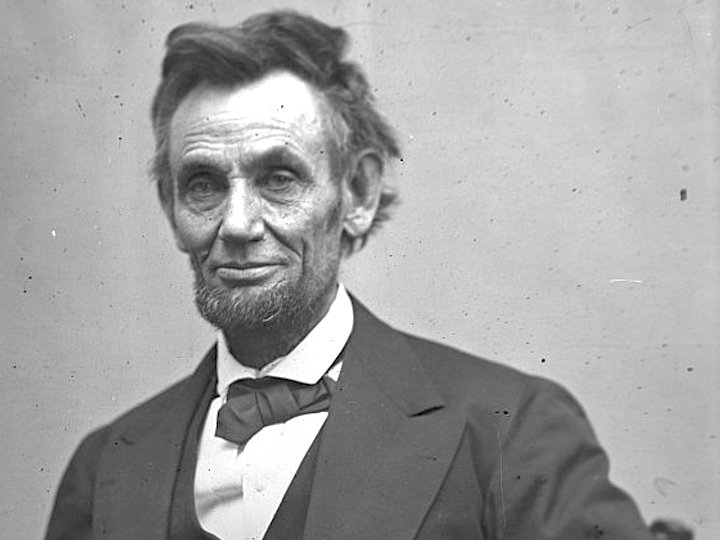
HT to Millard Fillmore’s Bathtub. Pictures are from The Library of Congress. Measured in pixels, the picture of George Custer is 720×666. This is a repost.
Four score and seven years ago our fathers brought forth on this continent a new nation, conceived in liberty, and dedicated to the proposition that all men are created equal.Now we are engaged in a great civil war, testing whether that nation, or any nation, so conceived and so dedicated, can long endure. We are met on a great battle-field of that war. We have come to dedicate a portion of that field, as a final resting place for those who here gave their lives that that nation might live. It is altogether fitting and proper that we should do this. But, in a larger sense, we can not dedicate, we can not consecrate, we can not hallow this ground. The brave men, living and dead, who struggled here, have consecrated it, far above our poor power to add or detract. The world will little note, nor long remember what we say here, but it can never forget what they did here. It is for us the living, rather, to be dedicated here to the unfinished work which they who fought here have thus far so nobly advanced. It is rather for us to be here dedicated to the great task remaining before us—that from these honored dead we take increased devotion to that cause for which they gave the last full measure of devotion—that we here highly resolve that these dead shall not have died in vain—that this nation, under God, shall have a new birth of freedom—and that government of the people, by the people, for the people, shall not perish from the earth.


Did Socrates Read And Write?


This story starts with a facebook meme. A fbf posted a picture of a thoughtful statue. The text read ‘When the debate is lost, slander becomes the tool of the loser.’ -Socrates. PG thought that Socrates never wrote anything that survived. All of what we attribute to Socrates was written by Plato. People reading this blog should know what happened next. This is a repost
Did Socrates Say Slander Is ‘The Tool of the Losers”? is one of several results. They all said the same thing … the quote is bogus. A tweet from Eric Trump is not evidence of authenticity.
PG began to think, which is never a good sign. Was Socrates able to read and write? was on the screen a few minutes later. The speculation is mixed. Some say that that Socrates was stone illiterate.
Thomas Musselman “Socrates served in the government on juries. Historians now know that legal proceedings were common over business matters of great sophistication and the the juries were well-educated concerning such matters. General literacy existed by the late 400s BC for the general pubic in primary school. Upper class males even in Socrates’ day would have been literate and there was an active book-seller market. To function in the world that Socrates functioned in required literacy.”
Google turned up a curious document. It is a passage written by Plato,“Phaedrus.” Pp. 551-552 in Compete Works. An Egyptian G-d is talking to a King, about an invention … writing.
“In fact, it (writing) will introduce forgetfulness into the soul of those who learn it: they will not practice using their memory because they will put their trust in writing, which is external and depends on signs that belong to others, instead of trying to remember from the inside, completely on their own. You have not discovered a potion for remembering, but for reminding; you provide your students with the appearance of wisdom, not with its reality. Your invention will enable them to hear many things without being properly taught, and they will imagine that they have come to know much while for the most part they will know nothing. And they will be difficult to get along with, since they will merely appear to be wise instead of really being so.”
SOCRATES: “But, my friend, the priests of the temple of Zeus at Dodona say that the first prophecies were the words of an oak. Everyone who lived at that time, not being as wise as you young ones are today, found it rewarding enough in their simplicity to listen to an oak or even a stone, so long as it was telling the truth, while it seems to make a difference to you, Phaedrus, who is speaking and where he comes from. Why, though, don’t you just consider whether what he says is right or wrong?”
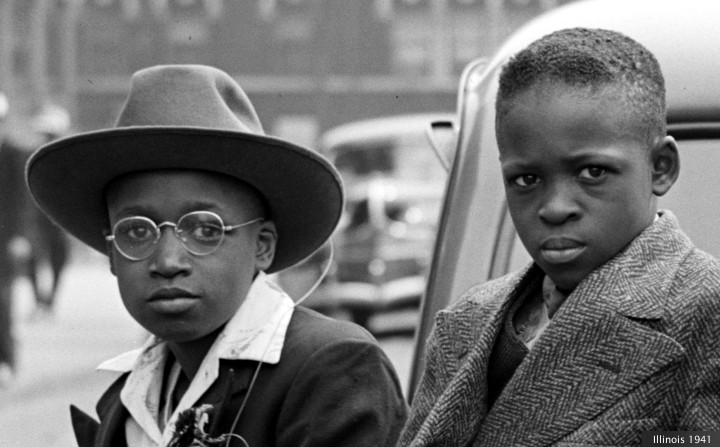
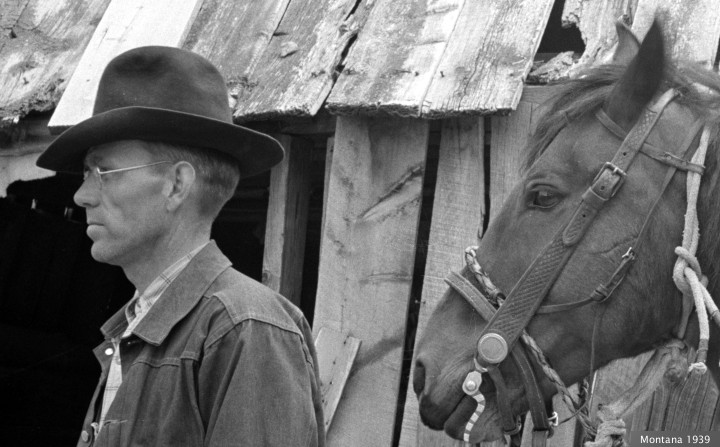
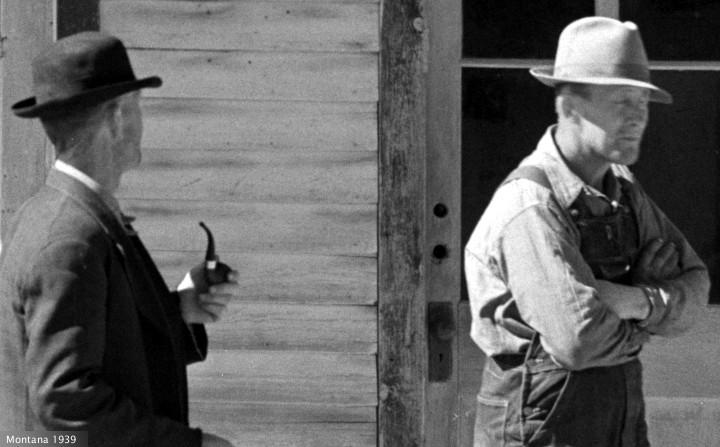
Pictures today are from The Library of Congress. Part two is after the break.



A facebook friend posted a meme. It had an picture of Bertrand Russell, quoted as saying “If fifty million people say a foolish thing, it is still a foolish thing.” PG consulted with Mr. Google, and had his answer in seconds.
“From the wikiquotes page of Anatole France “Si 50 millions de personnes disent une bêtise, c’est quand même une bêtise. If fifty million people say a foolish thing, it is still a foolish thing. As quoted in Listening and Speaking : A Guide to Effective Oral Communication (1954) by Ralph G. Nichols and Thomas R. Lewis, p. 74. Misattributed to Bertrand Russell, by Laurence J. Peter, in The Peter Prescription : How To Make Things Go Right (1976), but he subsequently attributed to France in Peter’s Quotations: Ideas for Our Time (1977).”
“As I’ve said on many occasions, I don’t care who a quote is (mis)attributed to. I share a meme because its message resonates for me.” PG “If a million facebook users post a misattributed quote, it is still a misattributed quote … I have this vague sense that it does make a difference, but I can’t find the words to say why. Maybe google will have a snappy quote, preferably in English, that will give me a reason why correct attribution matters.”
“With google available, it is so, so easy to verify a quote before you post it. Often, the context of the quote puts a different shade on the meaning. Like the quote above. I have no idea why Mr. France said that, or what he meant. Sometimes, the words come from a foolish character in a story, and the author is making fun of them. Since I do not read French, I do not know how accurate the translation is.” (Google translate says “If 50 million people say stupidity, it’s still a stupidity.”)
“There is a famous quote from Ben Franklin about security and liberty. The quote is totally legitimate. It is taken from an Editorial Mr. Franklin was paid to write. The editorial supported the colonial government, in their efforts to levy a tax on farmers.”
The Ben Franklin post linked above has a useful link. “‘Contextomy’ refers to the selective excerpting of words from their original linguistic context in a way that distorts the source’s intended meaning, also known as ‘quoting out of context’. Contextomy is employed in contemporary mass media to promote products, defame public figures and misappropriate rhetoric. A contextomized quotation not only prompts audiences to form a false impression of the source’s intentions, but can contaminate subsequent interpretation of the quote when it is restored to its original context.”
Another chamblee54 post, about a dubious quote, refers to the Four Principles of Quotation. Principle 1 Whenever you see a quotation given with an author but no source assume that it is probably bogus. Principle 2 Whenever you see a quotation given with a full source assume that it is probably being misused, unless you find good evidence that the quoter has read it in the source. Principle 3 Whenever you make a quotation, give the exact source. Principle 4 Only quote from works that you have read.
This does not answer the question… is it WRONG to put the incorrect name at the bottom of a quote? Sharing a meme on facebook is not the same as putting a goofy quote in a term paper. While this is something that PG is loath to do, is it really that bad for someone else? Certainly there are concerns about context. Memes often do not use the quote as the author would have intended.
After a few frustrating search terms, PG decided to google “I don’t care who a quote is (mis)attributed to. I share a meme because its message resonates for me.” Google replied “Did you mean: I don’t care who a quote is (mis)attributed to. I share a meme because it’s message resonates for me” Apparently, Google does not know that the possesive form of its does not have an apostrophe. It’s is short for it is.
There were some lively results, though few answered the key question. “Furthermore, and this does bear mentioning, Andy Rooney did not write this. He died in 2011 so the words in the post, “let’s make 2019/2020 the year the silent majority is heard,” is ridiculous.” “Ever since the quote’s real author emerged, there’s been a lively discussion on Facebook about whether it even matters who said it – as long as someone said it.”
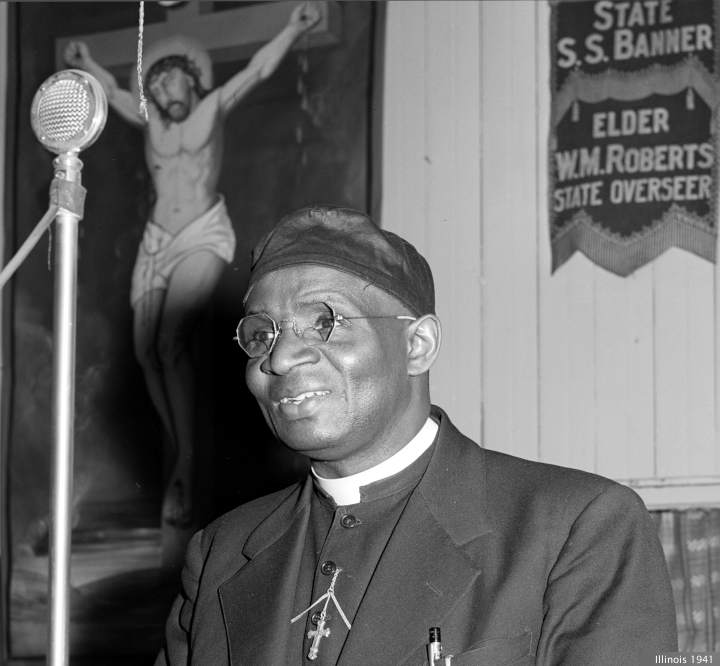
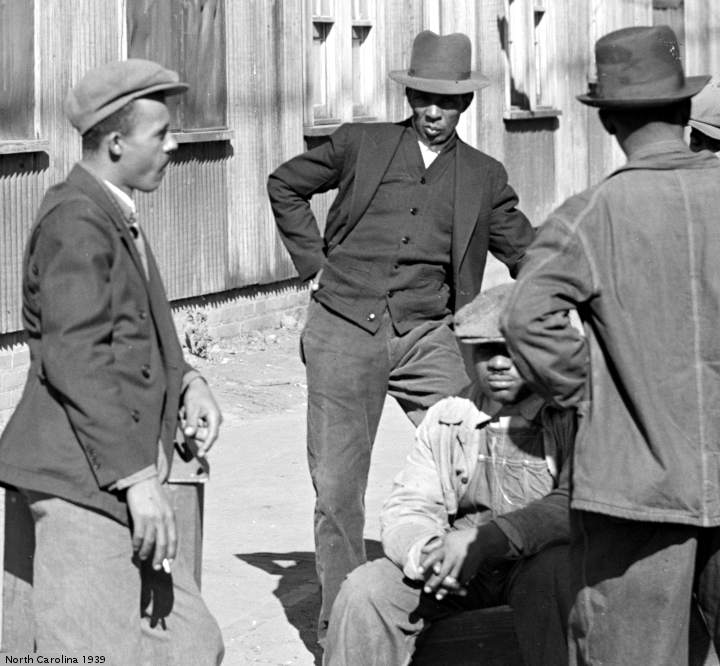
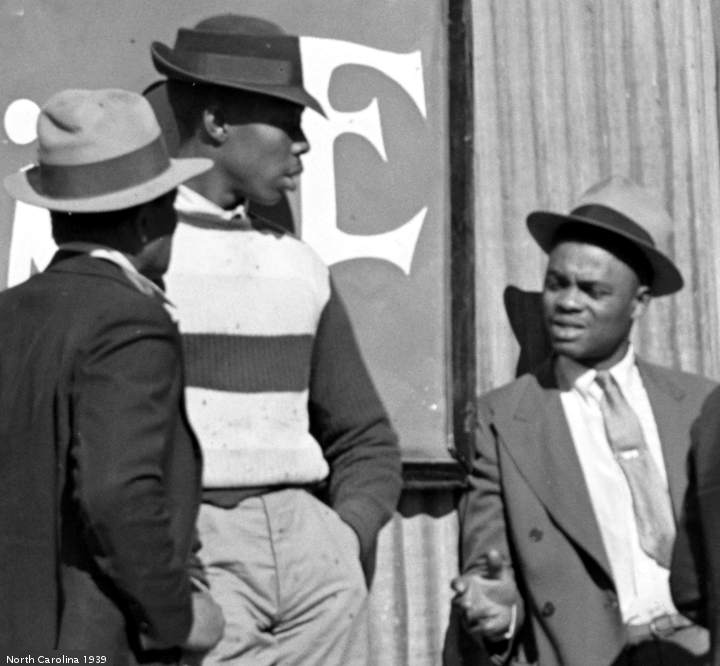
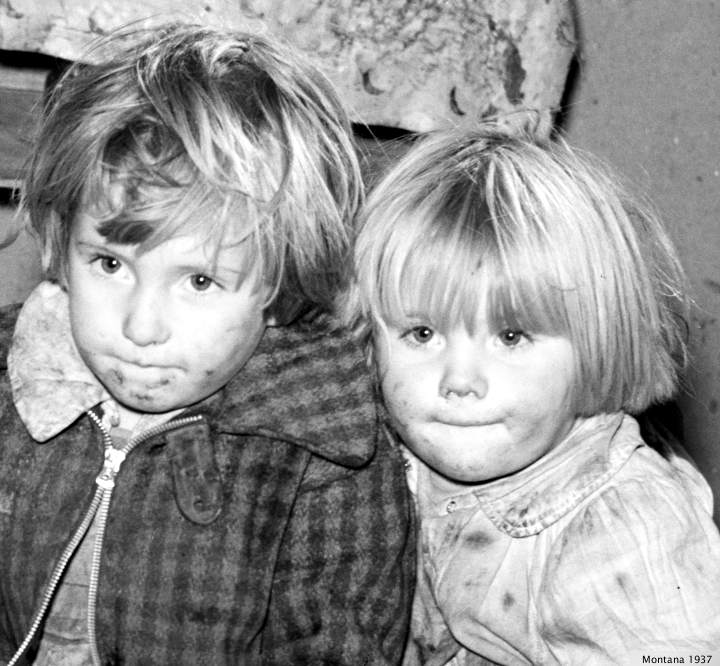
One result typifies the entire commodity wisdom catalog. Best Inspirational Quotes For Killer Social Media Posts There is a pop-up ad that will not go away. “149 Inspirational Quotes: Free PDF! Want to inspire your friends and followers with uplifting words? Grab my collection of 149 short quotes that are just the right length for social media posts, PLUS tips on how to make and post them! Sign up now and you’ll have the free PDF in a flash” Pictures today are from The Library of Congress.

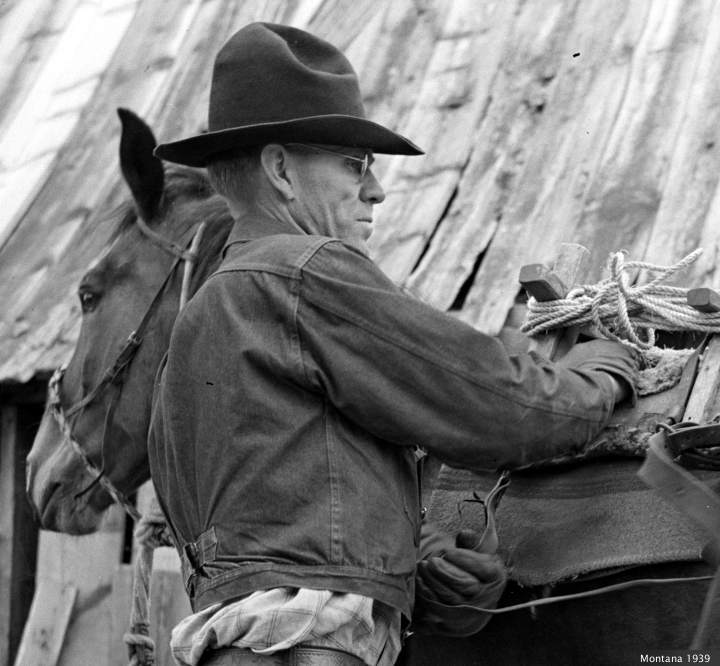
Andy Warhol And Frank Zappa


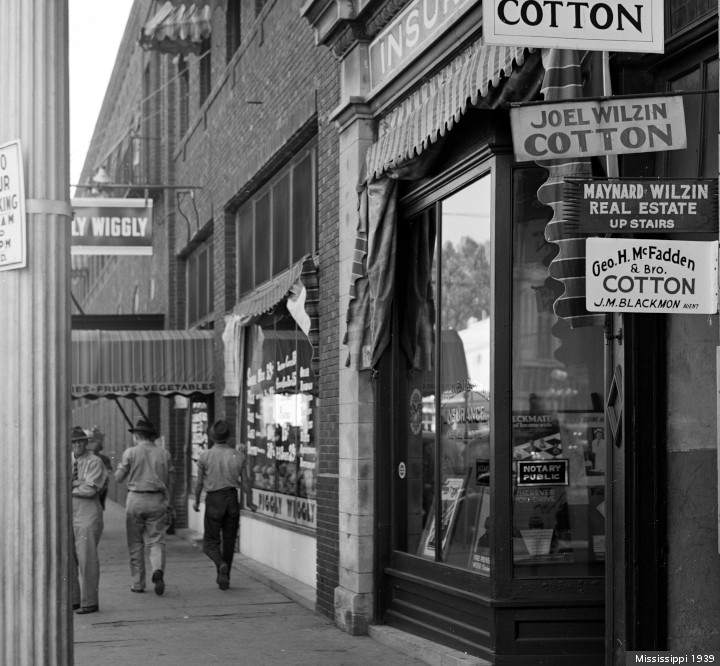

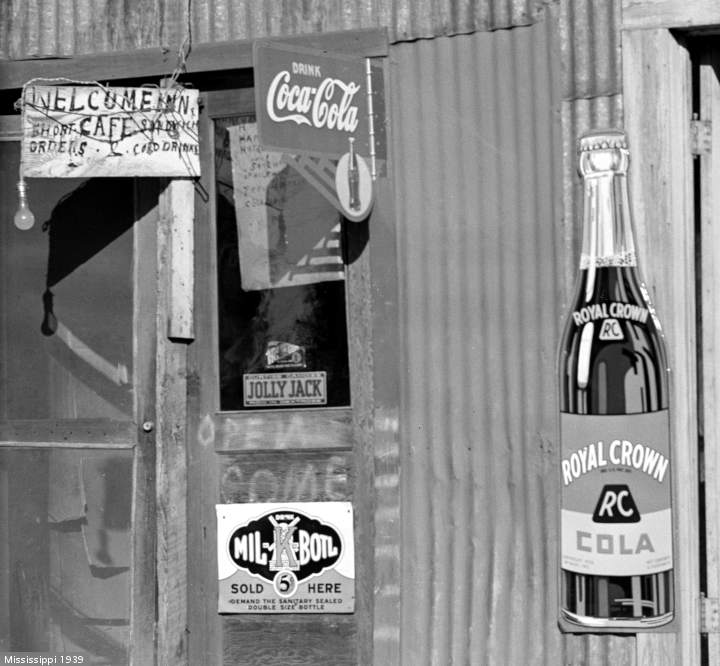
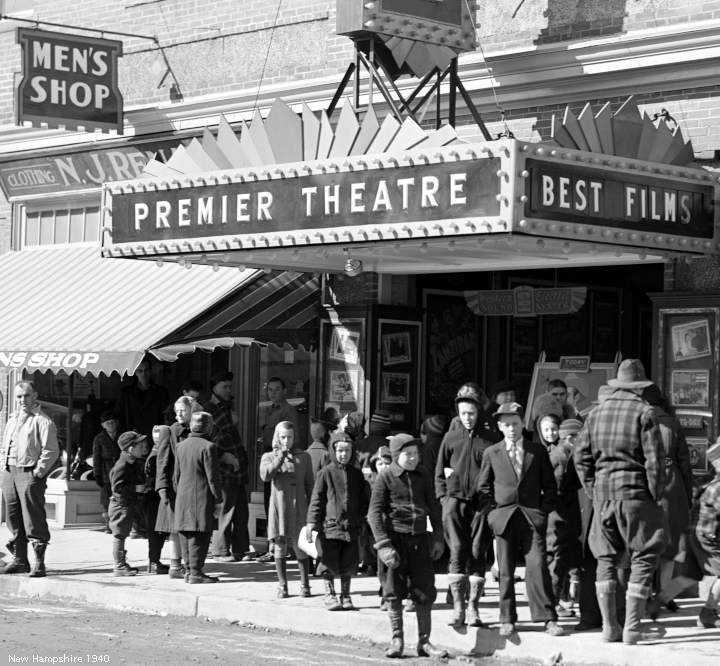
Andy Warhol Hosts Frank Zappa on His Cable TV Show, and Later Recalls, “I Hated Him More Than Ever” After the Show” Andy had a public access cable tv show in New York. One of his guests was Frank Zappa. FZ talked a lot, while Andy was silently uncomfortable. A friend of Andy’s, Richard Berlin, did the interview. Mr. Berlin is possibly the brother of Warhol film actress Brigid Berlin.
The Andy Warhol Diaries has a few comments about the show. “… I hated Zappa even more than when it started. I remember when he was so mean to us when the Mothers of Invention played with the Velvet Underground—I think both at the trip, in L.A., and at the Fillmore in San Francisco. I hated him then and I still don’t like him.”
Jimmy Carl Black (The “Indian of the group” for the Mothers of Invention): “I don’t remember Zappa actually putting them down on stage, but he might have. He really disliked the band. For what reasons I really don’t know, except that they were junkies and Frank just couldn’t tolerate any kind of drugs. I know that I didn’t feel that way and neither did the rest of the Mothers. I thought that they were very good, especially Nico (whom I secretly fell in love with or was it lust?). I especially thought that Moe was a very good drummer, because in those days I don’t recall there being any other female drummers on the scene. The thinking of the audiences was completely different than those from New York City. They were lukewarmly received.”
“In 1965 The Trip opened at 8572 Sunset Boulevard right next to the towering Playboy Club building. The Trip was located in the former popular 60s jazz club called the Crescendo. There was a comedy club upstairs called the Interlude. … The Velvet Underground and Nico are the musical guests at a series of shows at The Trip nightclub on Sunset Strip in 1966, but it is their manager, Andy Warhol, who is the headliner with his outrageous, multi-media Exploding Plastic Inevitable Show.” …
“On May 3, 1966 I was serving drinks in the celebrity section at The Trip. Jane Fonda is seated and she orders a drink and I asked her for ID. She removes her sunglasses and says, Do you know who I am? … Frank Zappa and The Mothers of Invention are the opening act the first night. At the end of the set they receive a standing ovation and cheers from the audience.”
“The Exploding Plastic Inevitable Show started after The Velvet Underground played a couple of songs. … When your eyes adjusted to the manipulation of the light what you saw was an interaction between Nico and two men, one who carried a whip, the other chains. It was an illusion, I think, of sadism, not at all acceptable to peace loving hippies. … The EPI featured a mixed media orgy that included film loops, music by the Velvets, sadomasochistic dancing and an epileptic lightshow.”
“Before the first set was over people stared to walk out of the club. Cher said “It depressed me. It will replace nothing – except maybe suicide.” People were standing up at their tables, booing as they waited their turn to leave the club. The line for the second show circled the block but the customers leaving started warning people not to go in. They said the show was vulgar and violent. The line got smaller and smaller until only a handful of people remained.”
“The Buffalo Springfield is playing the Whisky A Go Go as the opening act and is free to leave at 12:45 am. They walk to The Trip in time to see the feature act. … The musicians are equally offended by the appearance of sexual violence and what they assumed was part of the Velvet Underground’s act. It was later that we realized that Andy is the creator of the act of violence. … There is more then one story about why on the third day of the New Yorker’s show, L.A. Sheriff’s officers closed The Trip.”
“The show was cancelled before the advertised end date of its run. According to Callie Angell “On May 12, the club was temporarily closed when Virgina Greenhouse, wife of one of the operators, sued to collect a $21,000 over-due promissory note, and a representative of the sheriff’s office delivered a writ of attachment to the club. Warhol and the Velvet Underground filed a claim for their fee with the local musicians’ union, and were forced to wait in Los Angeles for payment to arrive.” According to Bockris, the club was “closed down by the Sheriff’s office on their third day. The troupe stay in LA, hoping the club would re-open, and the musicians’ union said if they stayed in town for the (union rules) duration of their engagement they would have to be paid the complete fee. They used the time to continue recording the first album.”
The Trip, engagement was supposed to be May 3 -18, 1966 , at least for EPI. The Mothers (not yet of Invention) headed north after the show. … “May 6-26, 1966 Frenchy’s House of BBQ, Hayward, CA (on the 21st they backed Neil Diamond who played a one night stand) … May 27-29, 1966 Fillmore Auditorium , San Francisco, CA (The Exploding Plastic Inevitable, Supporting Velvet Underground & Nico) … June 3-4, 1966 Fillmore Auditorium, San Francisco, CA (supporting Quicksilver Messenger Service & The Grateful Dead) … June 24-25, 1966 Fillmore Auditorium, San Francisco, CA (supporting Lenny Bruce).” Lenny Bruce died August 3, 1966.
“The Exploding Plastic Inevitable arrived in San Francisco to play for two nights at BILL GRAHAM’s Fillmore Ball Room with the MOTHERS OF INVENTION and the early JEFFERSON AIRPLANE. The Warhol crowd hated the hippie culture of San Francisco. Bill Graham pulled the plug on the Velvets the second night when the band left the stage after leaning their instruments against the amplifiers creating a “barrage of sonic feedback”.
“John Cale: “In San Francisco, we played the Fillmore and no one liked us much. We put the guitars against the amps, turned up, played percussion and then split. Bill Graham came into the dressing room and said, “You owe me 20 more minutes.” I’d dropped a cymbal on Lou’s head and he was bleeding. “Is he hurt?” Graham said. “We’re not insured.””
“After the second night in San Francisco Gerard Malanga was arrested in an all night cafeteria in North Beach for carrying an offensive weapon (his whip) and spent the night in jail. … While In San Francisco, Lou Reed shot up some bad speed causing his joints to seize up and he was incorrectly diagnosed as having a terminal case of lupus. Upon their return to New York, Lou Reed checked into Beth Israel hospital with a serious case of hepatitis and had a six week course of treatment. Nico left for Ibiza while the rest of the Velvets started rehearsing for an upcoming June booking in Chicago – a one week stint at Poor Richard’s. ANGUS MACLISE returned as drummer and MAUREEN TUCKER switched to playing bass.”
The VU and The Mothers of Invention both recorded on the MGM/Verve label. According to some, this caused problems. “The band believed that Zappa used his clout to hold back their release in favor of his own album with the Mothers of Invention, Freak Out. “The problem [was] Frank Zappa and his manager, Herb Cohen,” said (Sterling) Morrison. “They sabotaged us in a number of ways, because they wanted to be the first with a freak release. And we were totally naive. We didn’t have a manager who would go to the record company every day and just drag the whole thing through production.” (John) Cale claimed that the band’s wealthy patron affected the label’s judgment. “Verve’s promotional department [took] the attitude, ‘Zero bucks for VU, because they’ve got Andy Warhol; let’s give all the bucks to Zappa.’”
“On October 23, 1967, in New York, singer Nico sang with The Velvet Underground. (This list of VU performances does not mention a show on that date) … Nico’s delivery of her material was very flat, deadpan, and expressionless, and she played as though all of her songs were dirges. She seemed as though she was trying to resurrect the ennui and decadence of Weimar, pre-Hitler Germany. Her icy, Nordic image also added to the detachment of her delivery. … In between sets, Frank Zappa got up from his seat and walked up on the stage and sat behind the keyboard of Nico’s B-3 organ. He proceeded to place his hands indiscriminately on the keyboard in a total, atonal fashion and screamed at the top of his lungs, doing a caricature of Nico’s set, the one he had just seen. The words to his impromptu song were the names of vegetables like broccolli, cabbage, asparagus… This “song” kept going for about a minute or so and then suddenly stopped. He walked off the stage and the show moved on. It was one of the greatest pieces of rock ‘n roll theater that I have ever seen.”
The Library of Congress furnished the pictures for this feature. This is a repost.




The Burning Of Atlanta


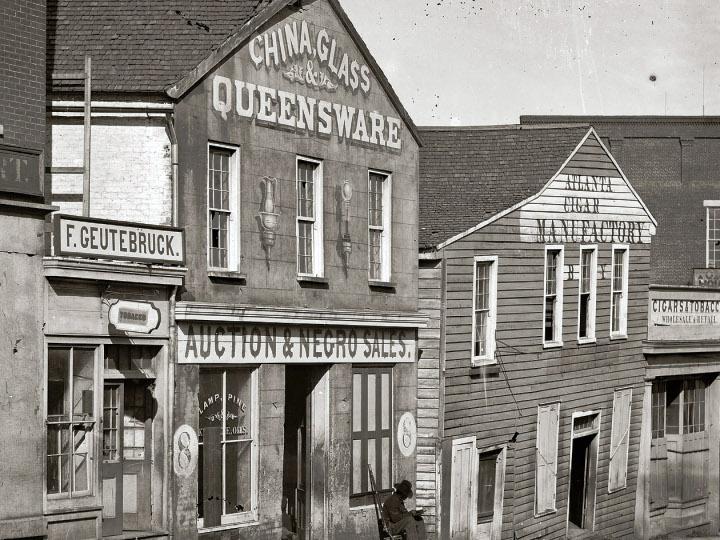
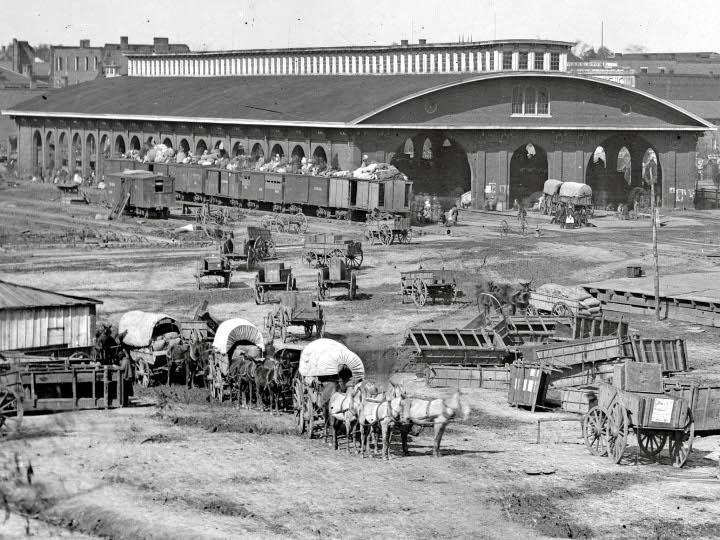
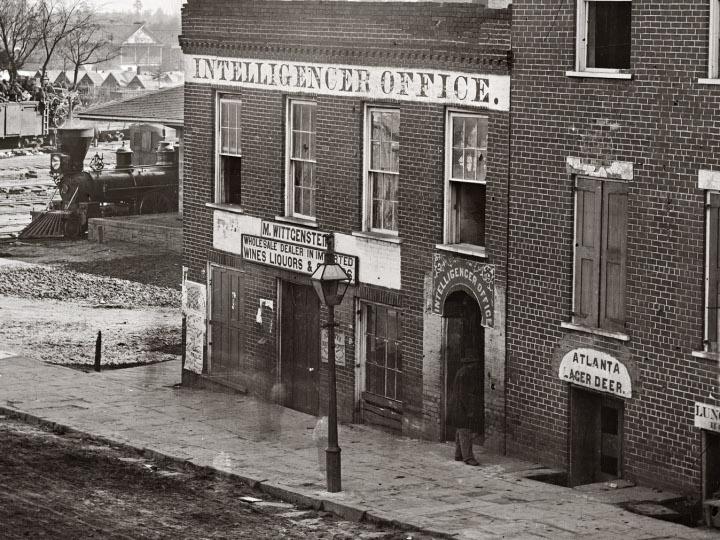
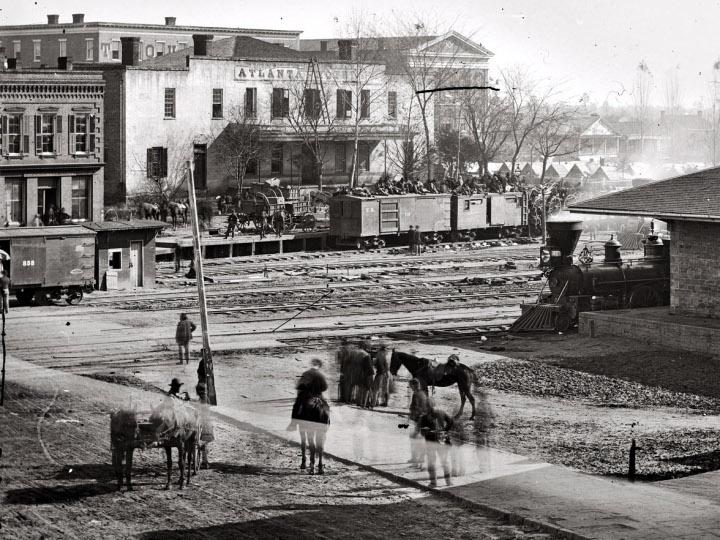
Around this time 157 years ago, Atlanta was on fire. General Sherman was preparing for his March to the sea, and wanted to destroy anything of value in the city. The fire is reported as being on 11-15 of November, depending on what source you use.
The November fire was the second great fire in Atlanta that year. On September 2, the city was conquered by the Union Army. The fleeing Confederates blew up a munitions depot, and set a large part of the city on fire. This is the fire Scarlet O’Hara flees, in “Gone With The Wind”.
After a series of bloody battles, the city was shelled by Yankee forces for forty days. There were many civilian casualties. General Sherman was tired of the war, angry at Atlanta, and ready for action. This is despite the fact that many in Atlanta were opposed to secession.
Click here to hear a lecture by Marc Wortman at the Atlanta History Center. Mr Wortman is the author of “The Bonfire: The Siege and Burning of Atlanta”. The hour of talk is fascinating. This is a repost. The pictures are from The Library of Congress
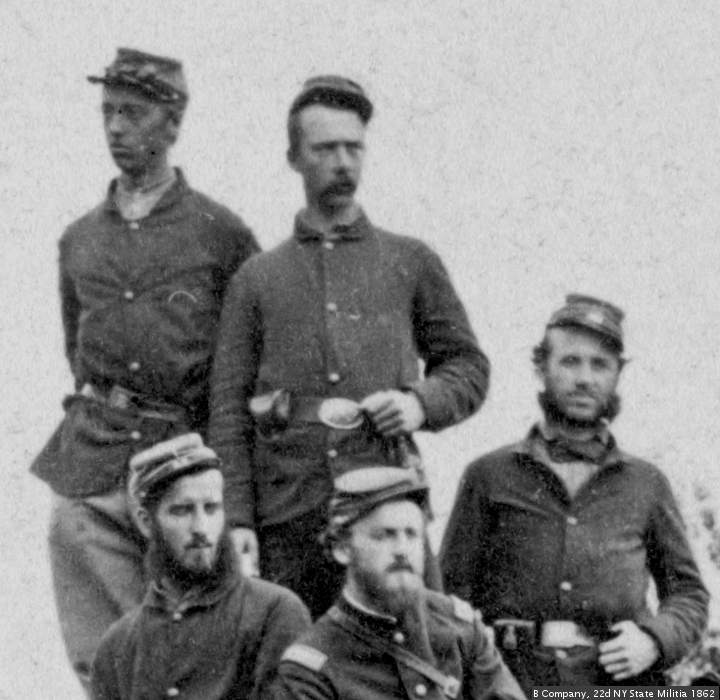
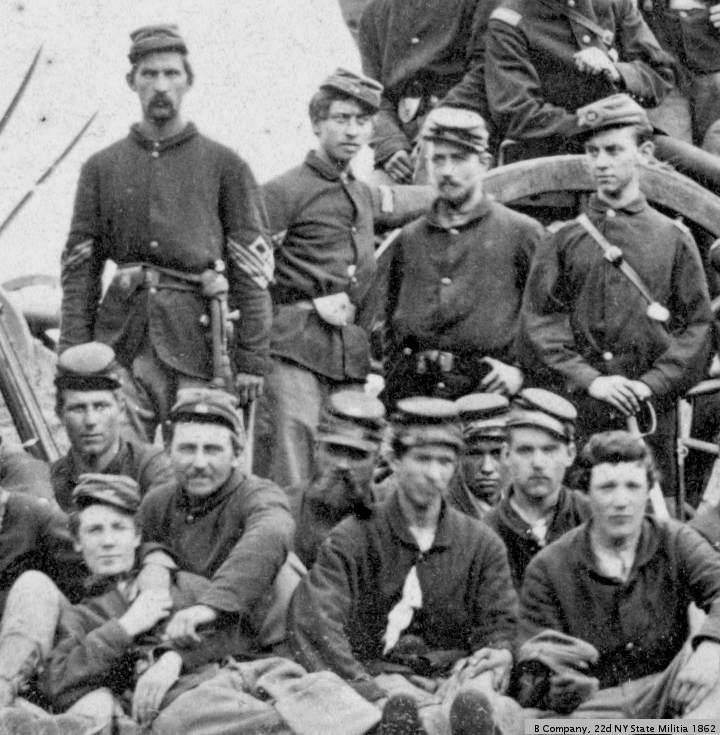
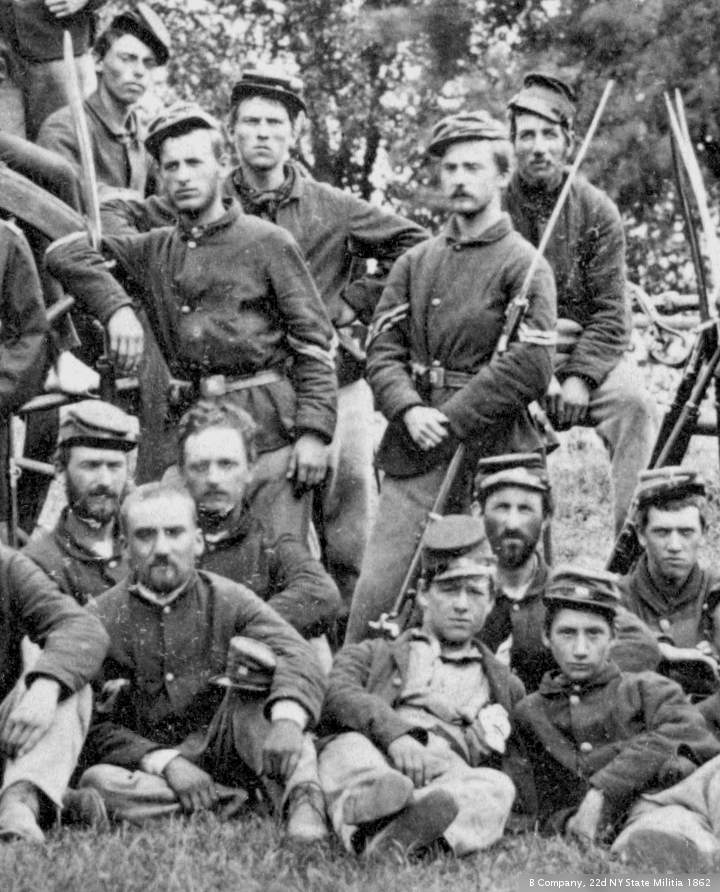


About this time every year, there is a post about the burning of Atlanta. One of the sources is a lecture by Marc Wortman. If you have an hour to spare, this talk is worth your time. One of the stories told is the tale of Mr. Luckie.
“According to folklore, two stories abound as to how Luckie Street was named. The first is that its moniker came from one of Atlanta’s oldest families. The other, probably closer to the truth, regales the life of Solomon “Sam” Luckie. Luckie, as it turns out, wasn’t so lucky after all. When General William Tecumseh Sherman first came marching through Atlanta in 1864, Luckie, a free Black man who made his living as a barber, was leaning against a gas lamp post in downtown talking to a group of businessmen. A burst from a cannon shell wounded him; he survived, but later died from his injuries. Folklore suggests that he may have been one of the first casualties of the assault on Atlanta. Luckie Street, an extension of Auburn Avenue, was later named in his memory.”
Marc Wortman wrote a book, The Bonfire: The Siege and Burning of Atlanta. The one star review, and comments to that review, are unusually detailed. Here is a selection.
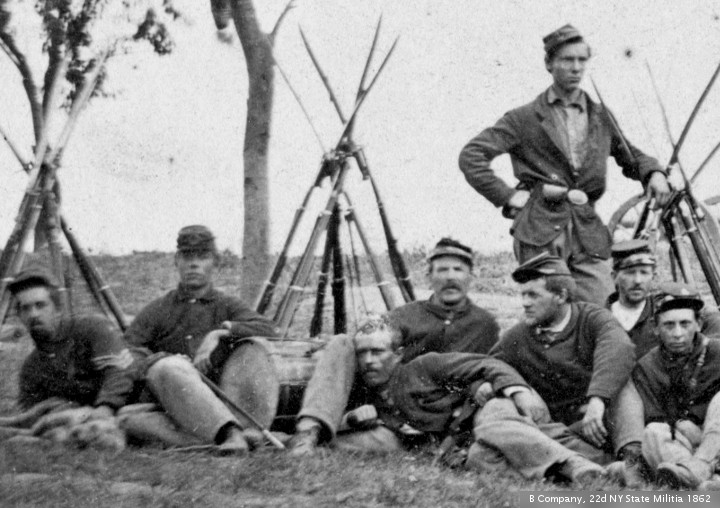
“…People forget – or were never taught in school – that most Confederate soldiers descended from Revolutionary War patriots or were up-country poor sons of farmers. Many Confederate soldiers were relatively recent new arrivals to the U.S., semi-literate dirt poor immigrants from Ireland and Scotland who’d never had the chance to own even an acre of their own land in Europe. In the mix were well-educated, elite merchant business owning French Huguenot refugees of the Catholic Bourbon genocide of Protestants. These immigrants had nowhere else to go, 9 times out of 10 never owned a slave, and fought for the CSA to keep what little they’d hardscrabble carved out over a decade of arrival into the U.S.”
The War Between The States continues to be a source of controversy. After the Charleston church killings, many comments were made about the Confederate battle flag. (If you can’t talk about gun control or mental health, you talk about a symbol.) This led to discussions about the war itself. There were ritual denunciations of slavery, assumed to be the sole cause of the conflict.
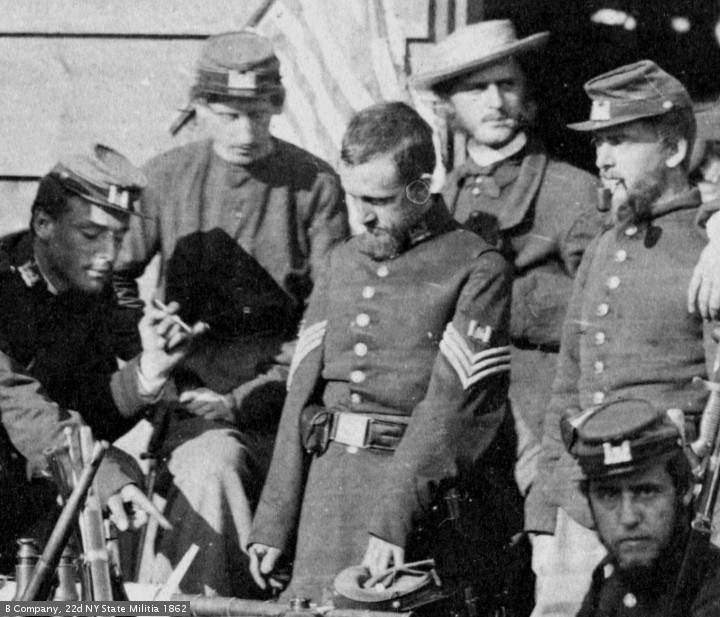
The notion of autonomous states in a federal union was novel when the United States Constitution was written. The debate over federalism versus states rights continues to this day. States that want to legalize marijuana may be the next battleground. (Few are expecting secession over bong rights.) Many in the CSA saw the Union as being a conquering army, and fought to defend their homes. While slavery was certainly a factor in the creation of the CSA, it was not the only Casus belli. Pictures today are from The Library of Congress.


 Chamblee54
leave a comment