Siddhartha Gautama
“The Buddha” is available for online viewing. 43 minutes into the PBS production, Gautama Siddhartha (pronounced sid HART ha) turned away from asceticism. He accepted a bowl of rice pudding from a lady, and was a step farther on the path to enlightenment.
Buddhism has always seemed “too asian” for an occidental to follow. There are some things, confirmed by this video, that PG finds appealing. The stories of Buddha are understood to be legends, with no one (that we know of) claiming them to be literal history. This is not like the book worship of Christians. Stories about Jesus are said to be literal truth. The ideas that Buddha taught are not changed by “mistakes” in telling his life story.
There is a story about Buddha seeing his ascetic buddies, after he ate the bowl of rice pudding. He got the ascetics to listen to him, until he won them over. From what PG has seen of humans, especially spiritually charged ones, he finds it tough to imagine these people listening that long. The average Jesus worshiper cannot be quiet long enough for you to finish a single sentence.
Christianity is obsessed with life after death. The Buddha of this show takes a different approach: “There are stories of people coming to the Buddha, and saying, “I am leaving your teaching because you have not told me about whether there is a life after death, or whether there is another world. And the Buddha says, ‘Did I ever say that I would give you the answers to these things?’ ‘No, Lord, you didn’t.’ ‘Why do you think that I ever said that I would give you the answer to these things? Because these are not the things that you need to know. The thing that you need to know is how to deal with suffering, because at this very moment, what made you ask that question was suffering.”
The focus is on the life of Buddha, not his death. The focus is on this life, not on life after death. Buddha lived to an old age, teaching up until his departure. Maybe if Jesus had been better at human relationships, he would not have been executed.
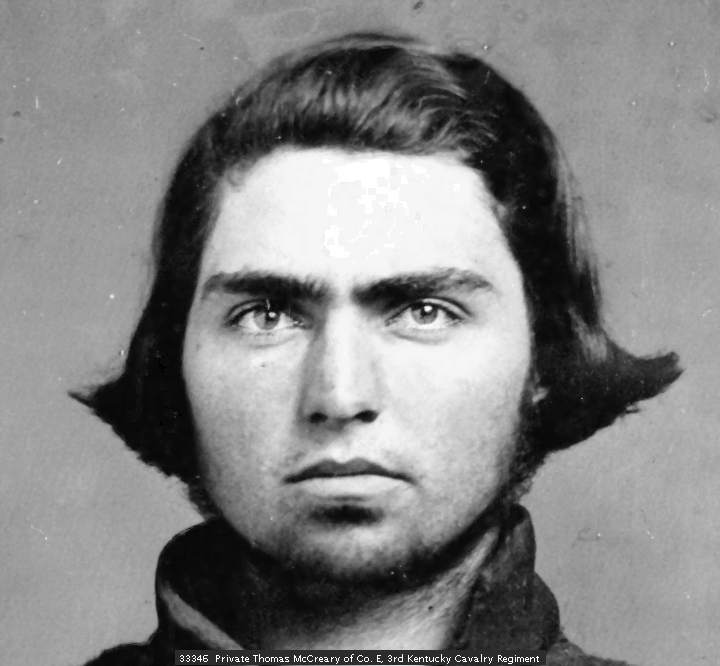
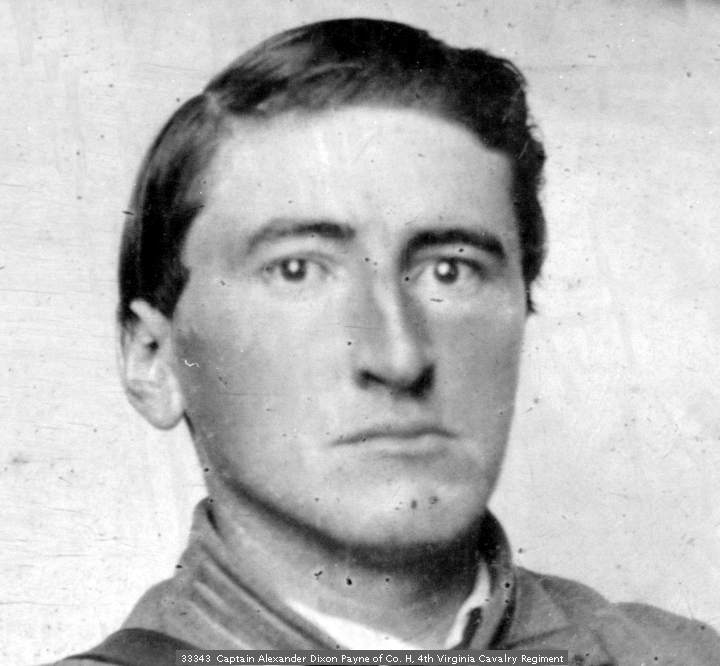
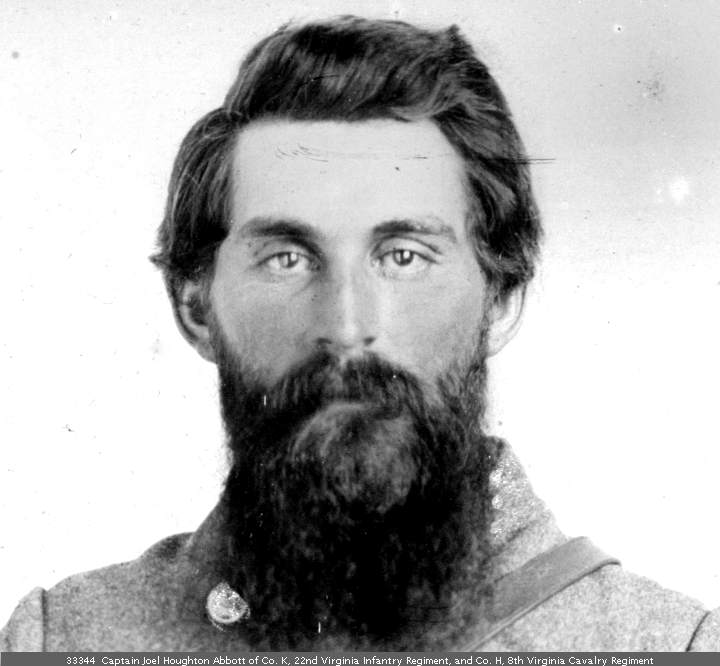
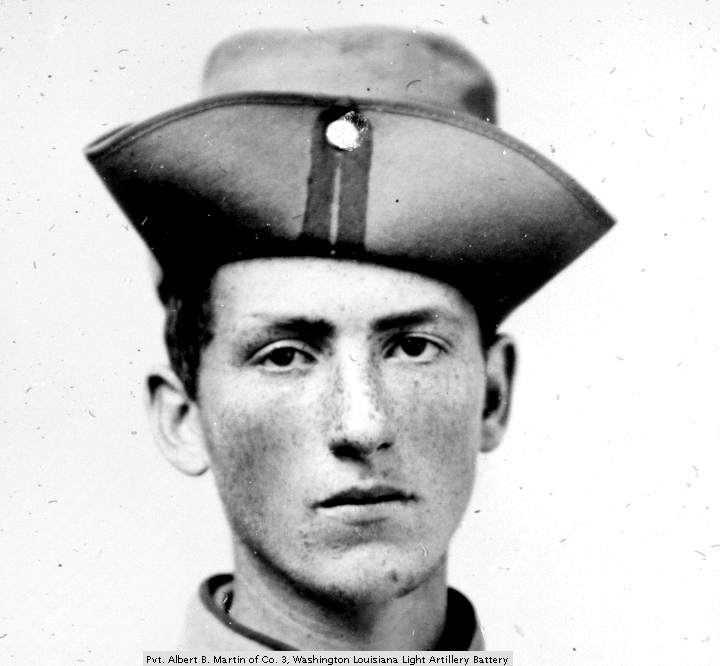
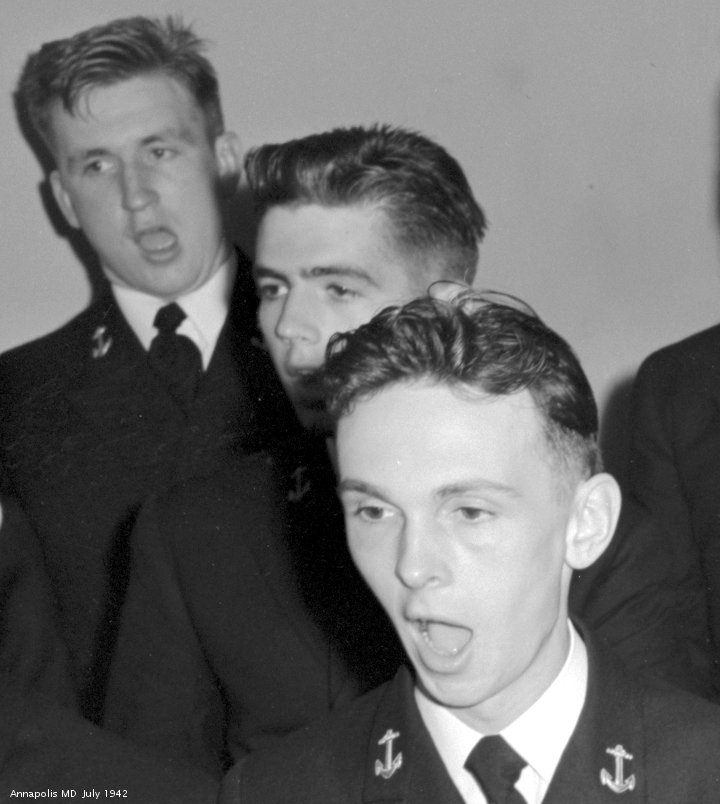
Maybe PG is so scarred by Jesus that he cannot benefit from any other source of wisdom. This is a repost. Pictures are from The Library of Congress. The men are Confederate soldiers from the War Between the States. Many resources are available for those who wish to learn more.
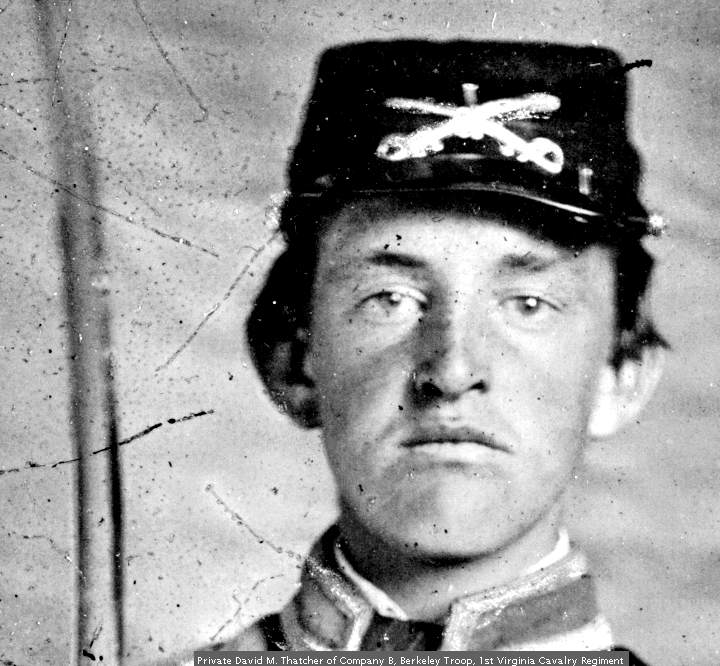

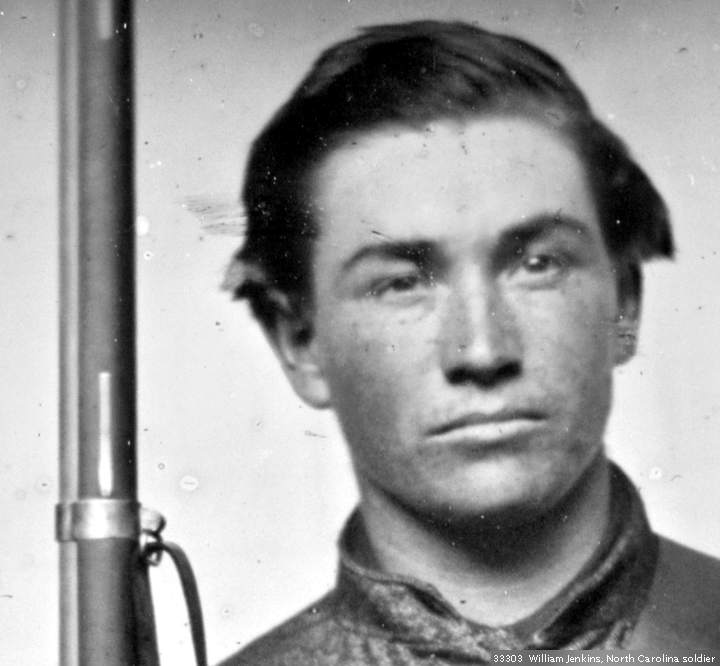
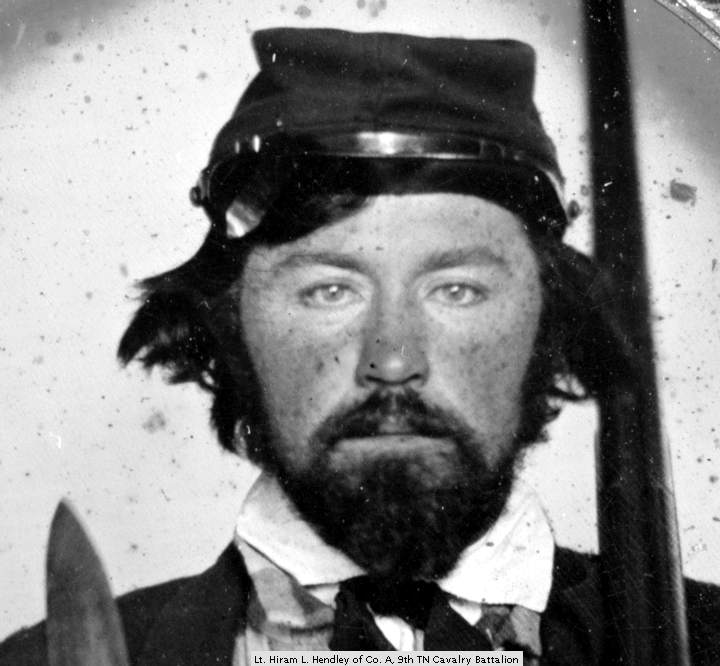
Confederate Memorial Day


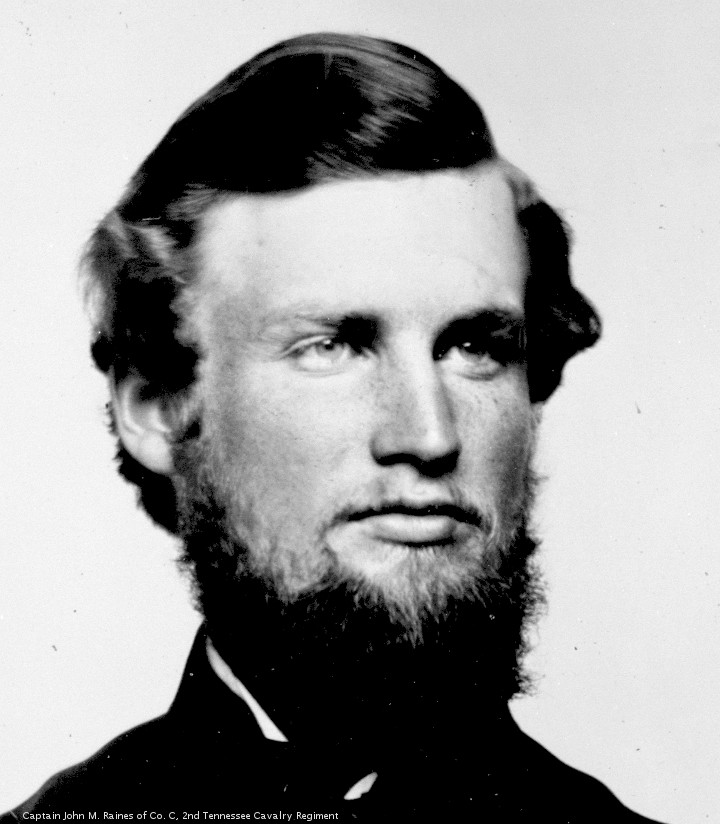
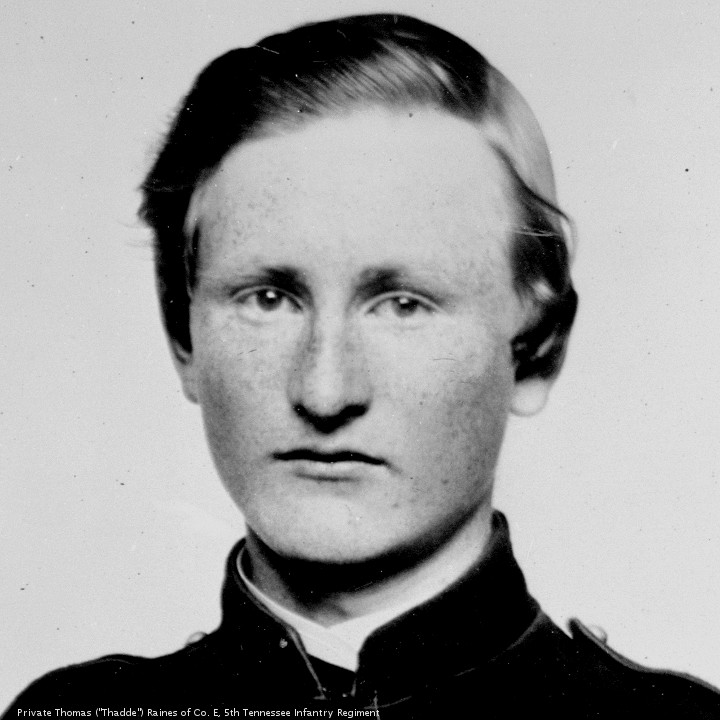


Today is Confederate Memorial Day in Georgia. It is an ancient question…how to honor the soldiers from the side that lost. They were just as valiant as the Union Soldiers. Considering the shortages of the Confederate Armies, the Rebels may have been just a bit braver.
The issue of Federalism is a defining conflict of the American experience. What powers do we give the Federal Government, and what powers do we cede to the States? The Confederacy was the product of this conflict. The Confederate States were a collection of individual states, with separate armies. This is one reason why the war turned out the way it did.
This is not a defense for slavery. The “Peculiar institution” was a moral horror. The after effects of slavery affect us today. Any remembrance of the Confederacy should know that. This does not make the men who fought any less brave.
It is tough to see the War Between the States through the modern eye. It was a different time, before many of the modern conveniences that are now considered necessities. Many say that the United States were divided from the start, and the fact the union lasted as long as it did was remarkable. When a conflict becomes us against them, the “causes” become unimportant.
The War was a horror, with no pain medicine. Little could be done for the wounded. It took the south many, many years to recover. This healing continues today. Remembering the sacrifices made by our ancestors helps. This is a repost. Pictures are from the The Library of Congress.
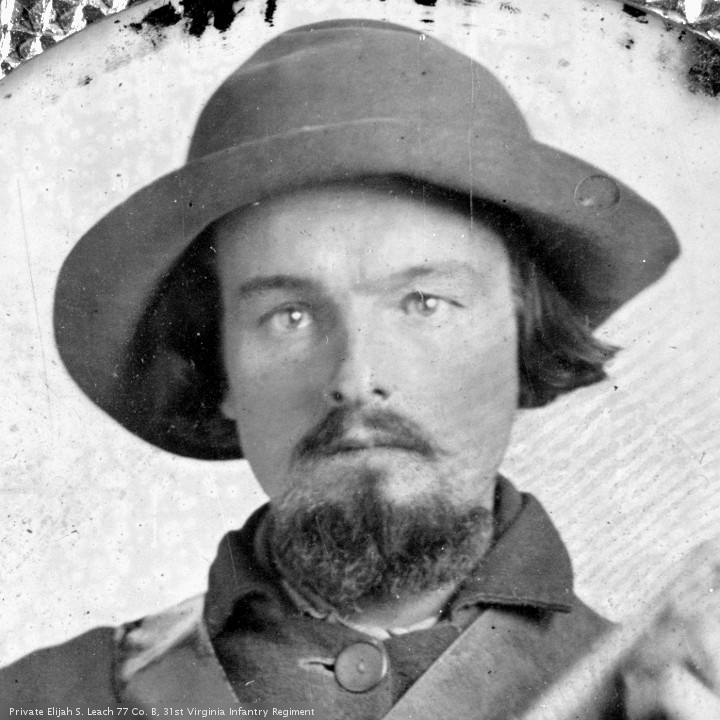

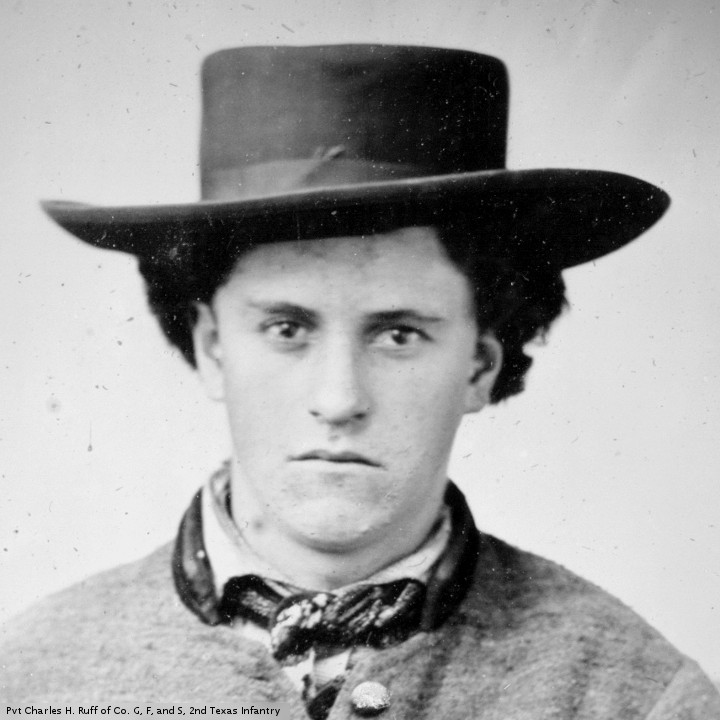


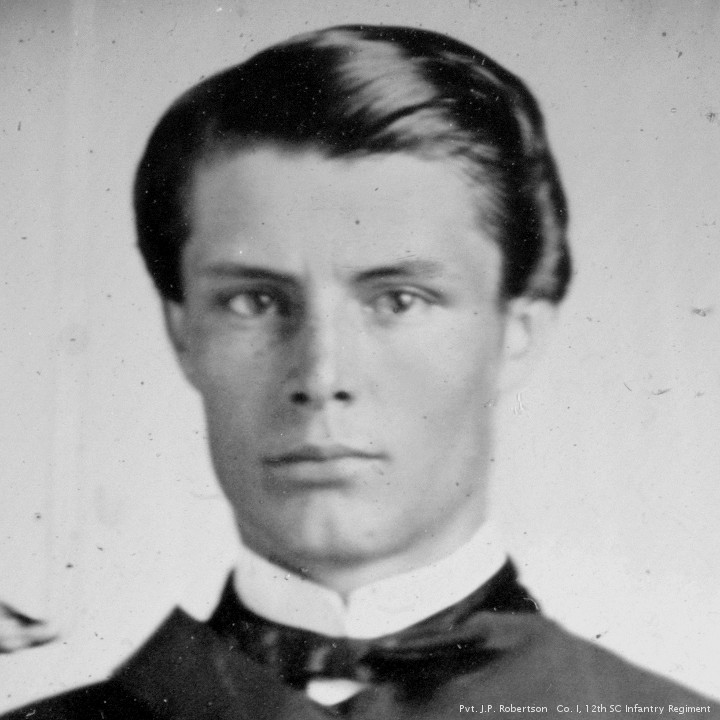
Mohandas Or Mahatma


Mahatma Gandhi – dying for freedom drops a curious tidbit 164 seconds in. “in the Indian capital Delhi there are several sites dedicated to the memory of the man to whom the poet Tagore gave the name Mahatma, great soul.” PG had always been annoyed by the custom of referring to Mohandas Karamchand Gandhi as Mahatma. It was time to learn more.
“The honorific Mahātmā (Sanskrit: “great-souled”) was first applied to Mr. Gandhi in 1914, in South Africa.” (Earlier wikipedias said that Mr. Gandhi was “pained” by the title.) A footnote has a googlebooks reference. “… Addresses in Durban and Verulam referred to Gandhi as a ‘Mahatma’, ‘great soul’. He was seen as a great soul because he had taken up the poor’s cause. The whites too said good things about Gandhi, who predicted a future for the Empire if it respected justice.”
“Rabindranath Tagore (1861 – 1941) is best known as a poet, and in 1913 was the first non-European writer to be awarded the Nobel Prize for Literature.” Mr. Tagore was a big deal in India. “Despite formal address till 1919 (“Dear Mr. Gandhi”) Tagore refers to Gandhi as the ‘Mahatma’ as early as February 1915. “… in April of 1919, Tagore had for the first time addressed Gandhiji as “Mahatma”, even though it wasn’t Tagore who was the first to use the honorific.”
Mr. Tagore and Mr. Gandhi differed sharply. Many of these conflicts were about tactics Mr. Gandhi was using against British rule. “Some of us are reported to be of the opinion that it is mass animosity against the British that will unify India… So this anti-British animus, they say, must be our chief weapon… if that is true, then once the cause of the animosity is gone, in other words when the British leave the country, that artificial bond of unity will snap in a moment. Where, then, shall we find a second target of animosity? We shall not need to travel far. We shall find it here, in our country, where we shall mangle each other in mutual antagonism, a thirst for each other’s blood.”
The matter of who first used the M-word has been the subject of a court case. “The Gujarat High Court on Friday declared that Rabindranath Tagore gave the title to “Mahatma” to Mohandas Karamchand Gandhi, reported India Today. The court was hearing a petition filed by one Sandhya Maru challenging the answer key of an examination held by a Rajkot local body, which said an “unknown journalist” came up with the title. … Maru said she lost marks because of the ambiguity about who gave the title to Gandhi … An RTI activist from Hyderabad had filed a query with the Prime Minister’s Office in 2012 seeking to know how, when and why Gandhi was given the title of Mahatma. The PMO had forwarded the request to the Indian Council of Historical Research … However, the ICHR informed RTI activist Raju Malthumkar in a letter that neither the NAI nor the Council had any documentary information on the subject.”
“A controversy broke out over a claim that a journalist – whose name remains unknown – first called Gandhi Mahatma. Tagore scholar and poet Sankha Ghosh made it clear that the Nobel Laureate was indeed not the first person to use the title. Gandhiji was first addressed as Mahatma at a reception at the Durban Town Hall in South Africa on July 12th 1914.”
A comment to this story has another take. “Nagar sheth of Jetpur Shri Nautamlal B. Mehta (Kamdar) was the first to use and bestow “Mahatma” for Shri Mohandas Karamchand Gandhi on January 21, 1915, at Kamri Bai School, Jetpur, India. From then on, Gandhiji was known as Mahatma Gandhi.”
We do not know who first called Mohandas Gandhi “Mahatma.” We also do not know why the M-word is so widely used. Many people think that Mahatma is Mr. Gandhi’s first name. Is Mr. Gandhi more inspiring with an honorific title, rather than the name his parents gave him?
Chamblee54 has written about M.K. Gandhi before. one two. Was Mohandas Gandhi A Racist? looks at Mr. Gandhi’s time in South Africa. Pictures today are from The Library of Congress.

Drones


A giant art installation in Pakistan got some attention. An international committee displayed a large picture of a child, in an area that receives many drone strikes. The idea is to make drone controllers more aware of the human life on the ground. This is a repost from 2014.
A few days later, a commentary appeared, This Giant Art Piece in Pakistan Won’t Be Making Drone Pilots Feel Empathy. The author said the *target audience* of the piece was the empathetic public, not the drone controllers. There is a link to an article, where the psychological impact of drone warfare, on the controllers, is discussed. People in Yemen have a different perspective.
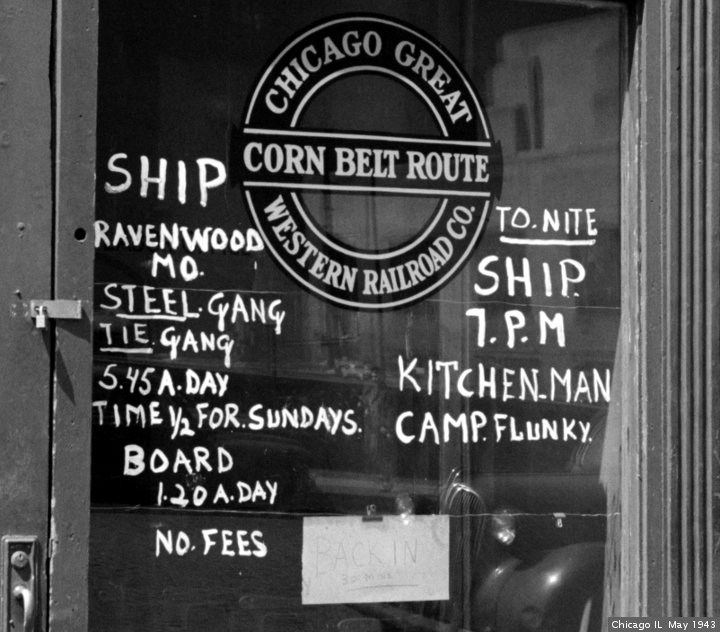
The drone war has been going on for some time now. It began under George W. Bush, and was intensified under Barack H. Obama. The “right to life” moving lips have been strangely silent. There are indications that fewer children are being killed now than before. Since the drone war is conducted by the secrecy oriented C.I.A., there is little way to *confirm or deny* these reports. Nor is it possible to determine the financial cost of this program. Pictures today are from The Library of Congress.


The Day Lincoln Was Shot



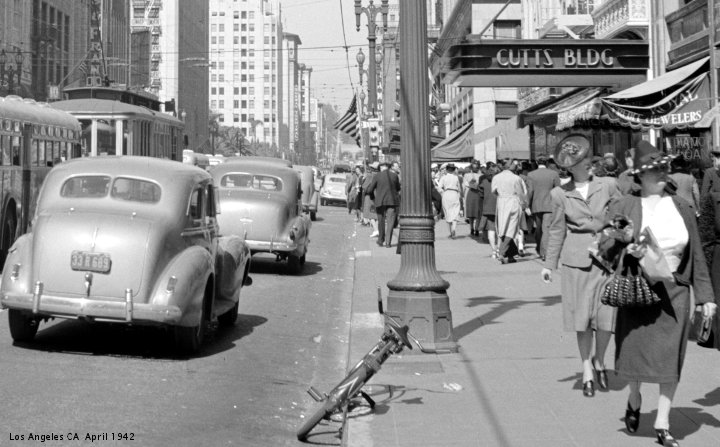
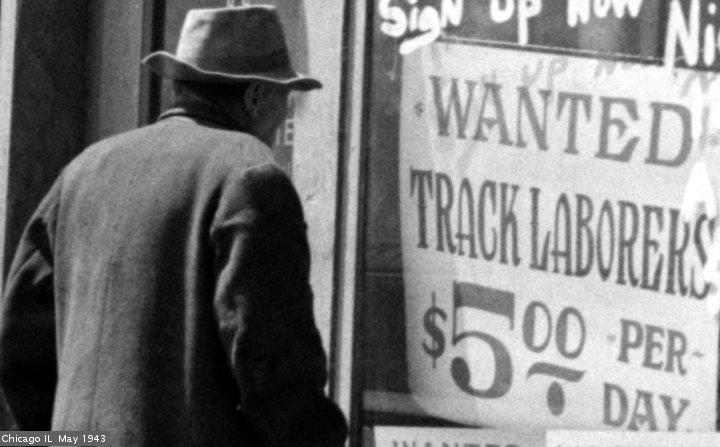
PG has read The Day Lincoln Was Shot. It is written so that the casual reader can enjoy it. There is a powerful history lesson here, and worth the twenty five cents PG paid at Book Nook. The pictures for this book report are from The Library of Congress. This is a repost.
This book contradicts another book PG read. Genius and Heroin reports that Mary Todd Lincoln had a bad headache on April 14, 1864. Some opium was found for her, and she was able to go to Ford’s Theater that evening. TDLWS does not mention this.
The story begins in the weeks leading up to “Good Friday”. John Wilkes Booth was in the crowd at Mr. Lincoln’s second inauguration. Vice President Andrew Johnson was also there, and made a drunken fool of himself. Mr. Johnson did not meet with Mr. Lincoln until the afternoon of April 14.
John Wilkes Booth was a famous actor, He made $20,000 a year as a performer. Mr. Booth was also a fan of the Confederacy, and launched a plan to kidnap Mr. Lincoln. There was an attempt to kidnap the President, but Mr. Lincoln did not show up as planned. The conspiracy of Mr. Booth almost broke up, and was reduced to four men.
The four men…John Wilkes Booth, Lewis Paine, David Herrold, and George Atzerodt … met at a boarding house owned by Mary Sarratt. Ultimately, Booth went to Ford’s Theater to kill the President. Lewis Paine and David Herrold tried to kill Secretary of State William Seward. George Atzerodt took a room at Kirkland’s boarding house, and was supposed to take out Vice President Andrew Johnson. Mary Sarratt was not involved in the plot, but was executed by hanging anyway.
In the weeks before Good Friday, a few things happened. On March 7, the door to box seven at Ford’s Theater was broken down, and the lock broken. On April 5, Secretary of State William Seward was badly injured in a carriage accident. On April 9, General Robert E. Lee surrendered to General Ulysses Grant, ending the War Between the States.
Part of the celebration was a theater party on Friday, April 14. Mr. and Mrs. Lincoln were to join Gen. and Mrs. Grant at Ford’s Theater. The show was “Our American Cousin”, starring Laura Keene. The Grants did not really want to go, and decided to catch a train to New Jersey. They wanted to see their children. Mrs. Grant had also witnessed a temper tantrum by Mrs. Lincoln, and was possibly avoiding the hot headed first lady.
Mr. Booth decided that this was the night for action. He went by the Kirkwood house, and left a note for Andrew Johnson. The idea was for the police to see the note, and think that Mr. Johnson was part of the conspiracy. This was foiled when Mr. Johnson’s secretary stopped by Kirkwood house, and picked up the Vice President’s mail and messages.
Ford’s Theater was prepared for the visit by the President. A barrier was taken out from between two boxes. Flags were hung around the building. At 9:00 pm, the President’s bodyguard, a Washington policeman named John F. Parker, got bored with the play. Mr. Parker went to Taltavul’s saloon, along with with Francis Burns, the president’s driver and Forbes, the valet. They were in the saloon during the action at the theater.
John Wilkes Booth was an experienced actor, and he knew how to follow a cue. At 10:15 pm, the player onstage said “Wal I guess I know enough to turn you inside out, you sockdologizing old mantrap”. Booth placed a derringer between Mr. Lincoln’s left ear and spine, and pulled the trigger. He said “Sic Semper Tyrannis”, and cut Major Henry Rathbone. Booth leaned over the edge of the theater box, and lowered himself to the stage. The spur of his right foot catches on the Treasury regiment flag. This causes him to land on his left leg at an odd angle. The leg broke.
While this is going on, Lewis Paine and David Herrold went to visit Secretary of State William Seward. He is laying in bed, covered in bandages, recovering from the carriage accident. The bandages get in the way of the knife that cuts him, and save his life.
The wounds to Mr. Lincoln are considered mortal. The President was moved to Peterson’s boarding house nearby. At 7:22 am on April 15, he died. Secretary of War Edwin Stanton, who served as acting President during the night, said “Now he belongs to the ages.”



Thomas Jefferson Said What?


“If you are neutral in situations of injustice, you have chosen the side of the oppressor.” Desmond Tutu. Some lines sound good, but don’t hold up to a bit of thinking. Desmond Tutu may very well have said it. (or maybe one of his rivals said it, and Mr. Tutu copied it.) The quote has been attributed to Thomas Jefferson, Edmund Burke, Patrick Henry, and probably others. Almost no one has a source, for the quote, from the dead white guys.
A post called MISQUOTING THE FOUNDERS did not mince words. “The only problem … is that Thomas Jefferson never said that, never wrote that, and quite possibly never thought it. … Right now if I Google “All tyranny needs to gain a foothold is for people of good conscience to remain silent” the entire first page of results wrongly attribute it to Thomas Jefferson. The quote and its many variants have been attributed in the past to Thomas Paine and Edmund Burke, but no record exists of the quote in any of their writings or contemporary accounts.”
On November 13, 1787, Mr. Jefferson wrote a letter to William Smith. The letter is full of zesty quotes. “The tree of liberty must be refreshed from time to time with the blood of patriots & tyrants. It is it’s natural manure.”
A few lines above that, Mr. Jefferson said “God forbid we should ever be 20 years without such a rebellion.” Twenty years after he wrote this, Mr. Jefferson was President. He probably did not want to deal with a revolution when he was President.
Getting back to the quote about tyranny, Martin Porter wrote an entertaining essay, A study of a Web quotation. He gives credit, or blame, to Edmund Burke. First, a list of different versions is presented. This is a clue that something is awry. The conclusion: “There is no original. The quote is bogus, and Burke never said it. It is a pseudo-quote, and corresponds to real quotes in the same way that urban legends about … alligators in the sewers correspond to true news stories.”
Mr. Porter wrote a follow up essay, Four Principles of Quotation. These principles are: Principle 1 (for readers) Whenever you see a quotation given with an author but no source assume that it is probably bogus. Principle 2 (for readers) Whenever you see a quotation given with a full source assume that it is probably being misused, unless you find good evidence that the quoter has read it in the source. Principle 3 (for quoters) Whenever you make a quotation, give the exact source. Principle 4 (for quoters) Only quote from works that you have read.
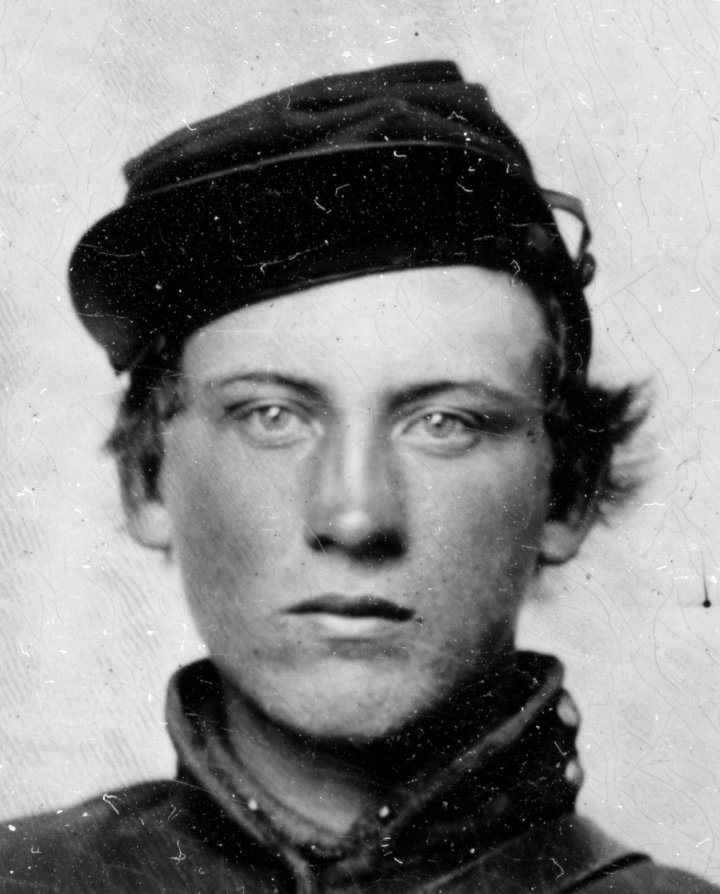
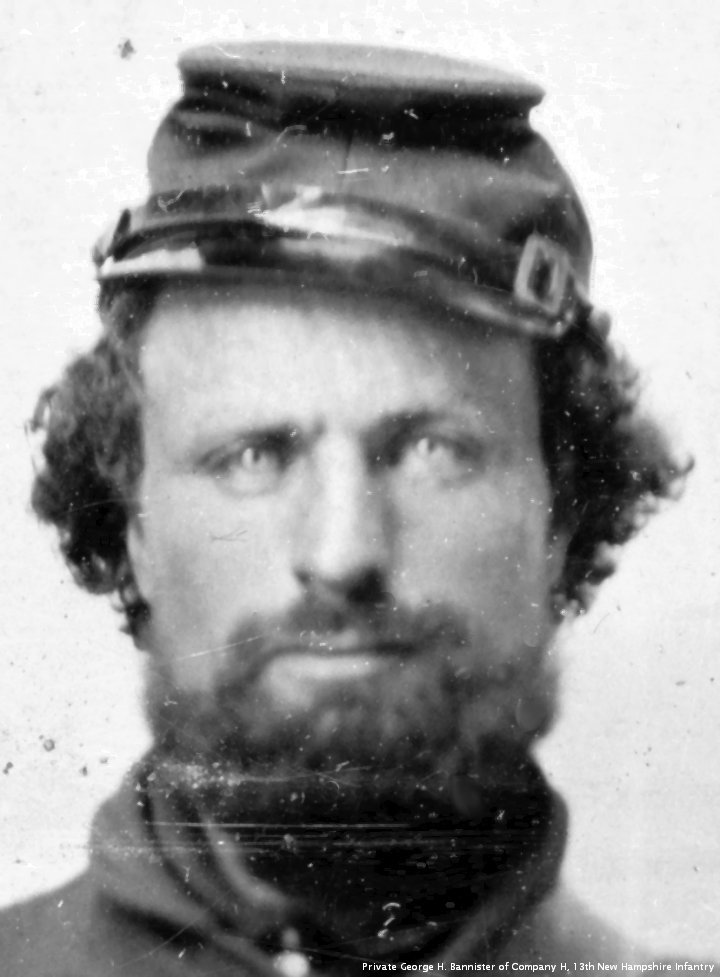
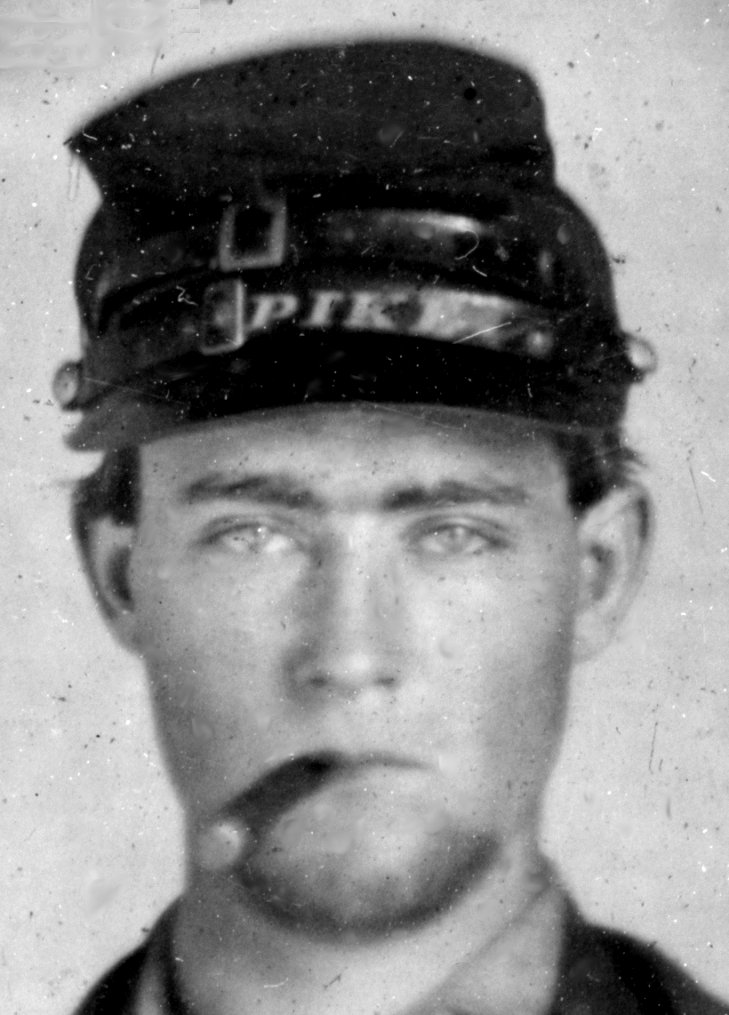
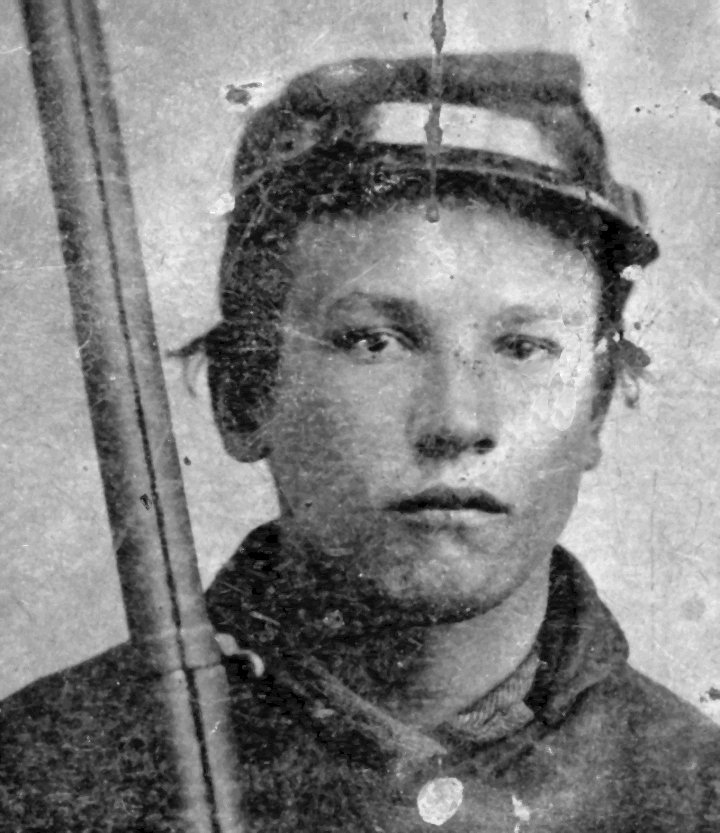
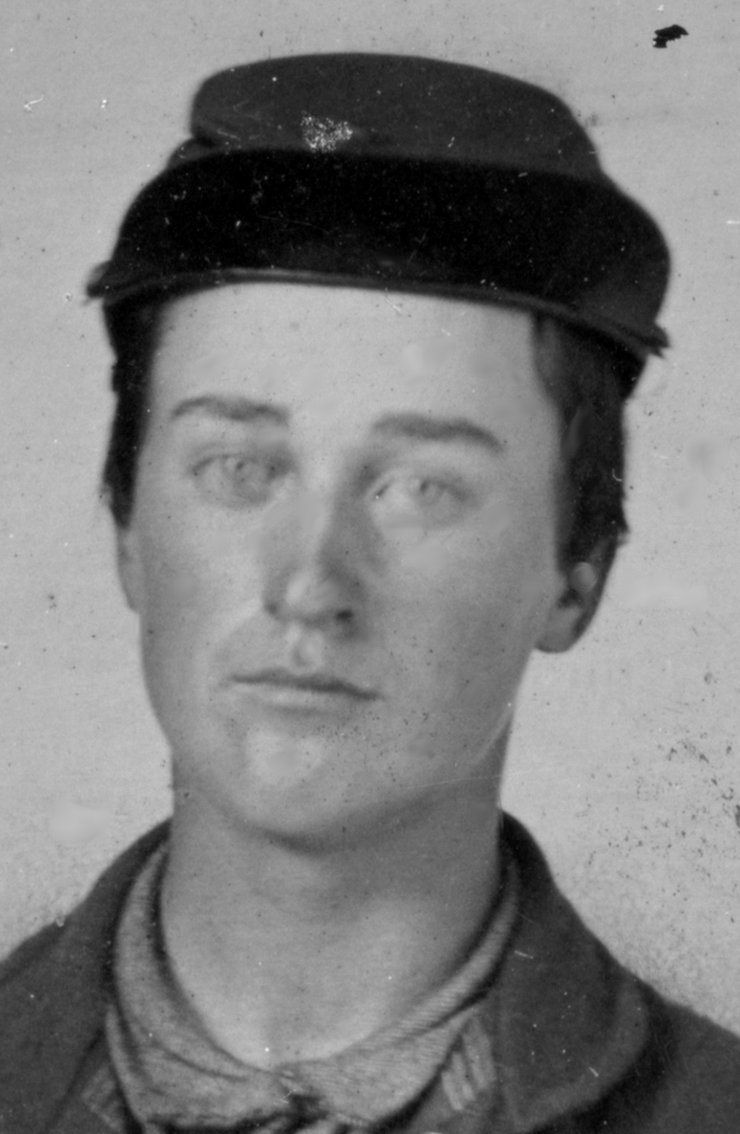
If these principles were to be used, then there would be a lot less hotheaded talking on the intercom. Pictures for this feature are from The Library of Congress. These pictures are Union soldiers, from the War Between the States. When war is discussed, all inspiring quotes are in doubt.
This is a repost. It is written like James Joyce. In the past year, doing due diligence on alleged quotes has become a hobby. Many people don’t care who said it, if they agree with the thoughts expressed. The prevailing thought is that an idea becomes more true with a famous name at the end. If the famous person is deceased, and cannot defend his/her reputation, that is not a problem. People do not like being told that Santa Claus does not exist.
Cary Grant Took LSD


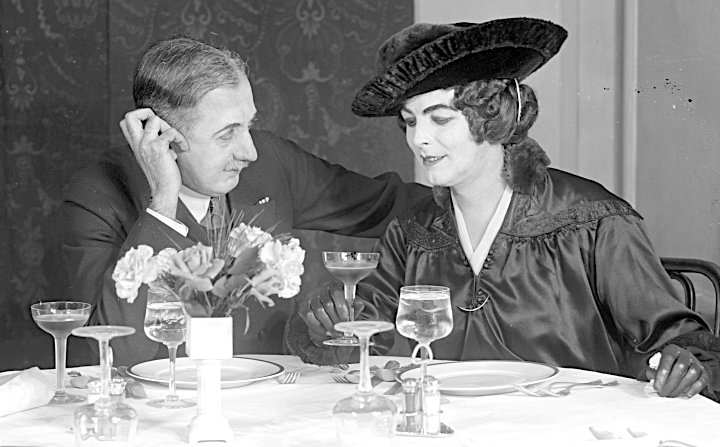

There is a nifty article about Cary Grant and LSD on the web now. It seems Mr. Grant, the onetime Archibald Leach, had a few issues. Duh. Married five times. Widely rumored to the the bf of Randolph Scott. A talented actor, but a mess in the real world.
In 1956, Mr. Grant was with third wife Betsy Drake, who had a tough summer. “It was an open secret between cast and crew alike that the married Cary Grant was sleeping with Sophia Loren during their filming of The Pride and The Passion. Drake had flown to Italy to be by her husband’s side during the shoot only to find Grant ignoring her. Distraught, she fled on what was to be a quiet voyage on the SS Andrea Doria. On July 25, 1956 her quiescent journey turned into a nightmare. The ship collided with a Swedish ocean liner off the coast of Nantucket, Massachusetts, sinking to the bottom of the Sea and claiming fifty-one lives.2 Betsy survived but was traumatized. The incident, coupled with the estrangement of her husband, haunted her in her sleep.”
Betsy Drake had a friend named Sally Brophy, an actress. Miss Brophy also received help from a psychiatrist, which included taking LSD. Eventually, Cary Grant started to go see this doctor.
Taking a legal trip, in a Hollywood doctor’s office, is not like going to a rave. It was seen as therapy, a way of learning how to deal with your problems. According to Cary Grant, it worked very well. He talked about it to a reporter, and then confirmed that he wanted this to go out to the public.
“The shock of each revelation brings with it an anguish of sadness for what was not known before in the wasted years of ignorance and, at the same time, an ecstasy of joy at being freed from the shackles of such ignorance … I learned many things in the quiet of that room … I learned that everything is or becomes its own opposite … it releases inhibition. You know, we are all unconsciously holding our anus. In one LSD dream I shit all over the rug and shit all over the floor. Another time I imagined myself as a giant penis launching off from earth like a spaceship … I seemed to be in a world of healthy, chubby little babies’ legs and diapers, smeared blood, a sort of general menstrual activity taking place … As a philosopher once said, you cannot judge the day until the night ..”
The only problem was, Mr. Grant had a movie coming out, “Operation Petticoat”. The studio “tripped out” when it heard the star of the show was praising LSD in the press. Mr. Grant had a share in the profits of the film, and was persuaded to call the reporter and recant on the interview.
Not everyone was impressed by the doctors that Mr. Grant used. “Aldous Huxley had encountered the clinic prior to his death, but had sought his LSD experiences from the parallel practice of Dr. Oscar Janiger, the other acid doctor to the stars. Huxley witnessed Chandler and Hartman’s work and was unnerved by their approach. “We met two Beverly Hills psychiatrists the other day,” he wrote, “who specialise in LSD therapy at $100 a shot – and, really, I have seldom met people of lower sensitivity, more vulgar mind! To think of people made vulnerable by LSD being exposed to such people is profoundly disturbing.”
In any event, LSD became criminalized, Doctors Chandler and Hartman got in trouble, and Cary Grant got married two more times. While Grant never renounced LSD, he refused to use any other illegal drug, even marijuana. He was a conservative old fogey.
Maureen Donaldson was the lover of Cary Grant in the seventies, and was a friend of Alice Cooper. She finally persuaded Mr. Grant to go to an Alice Cooper concert with her. He wore sunglasses, gold chains, and dressed like a “seedy agent”. He sat through the entire show, wearing earplugs, hating every minute of it.
As Miss Donaldson recalled the evening “Driving back to Los Angeles, I congratulated Cary for being such a good sport … He’d made an extraordinary effort to please me … [I asked him] ‘You really hated it, didn’t you?’ ‘It’s…’ he said, struggling for words, ‘you know what it’s like? Remember I told you about the time I took LSD in my doctor’s office and shat all over his rug and floor?’ ‘Yes,’ I said. ‘Well now I know how that poor doctor felt.”
This is a repost. Pictures are from The Library of Congress.





David And Elton


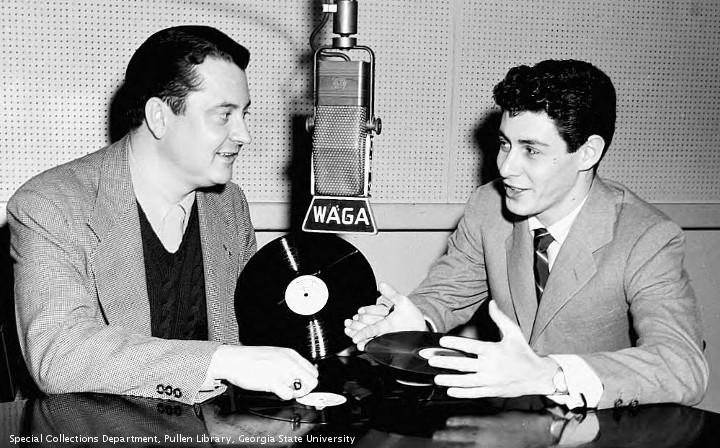

On page 327 of David Bowie: A Life, the Live Aid show goes down. “There wasn’t much love lost between David and Elton–perhaps they’d fallen out at some point …” This is a repost.
Elton John says he fell out with David Bowie over ‘token queen’ remark “David and I were not the best of friends towards the end. We started out being really good friends. We used to hang out together with Marc Bolan, going to gay clubs, but I think we just drifted apart…. He once called me “rock’n’roll’s token queen” in an interview with Rolling Stone, which I thought was a bit snooty. He wasn’t my cup of tea. No; I wasn’t his cup of tea”.
1975 was a different time. David Bowie was moving out of Ziggy Stardust, and became the Thin White Duke. At some point he starting doing lots of cocaine. On page 196 of DB:AL, Jayne County has stories. “It was pretty obvious the David was taking coke. He became very skeletal in his appearance and began rattling off speeches that sounded meaningless to the rest of us–strange things about witchcraft, demons, and sexual prostitution in ancient times … weird things that made everyone nervous. He began to get paranoid and accusing people of ripping him off and stealing his drugs…. He had to have cartilage removed from one part of his body and put in his nose because the coke had eaten his nose cartilage away.”
While David was popular in 1975, and had a certain aesthetic aroma, Elton John was a phenomenon. Everything Elton touched went to Number One. Elton was one of the most popular solo acts the market ever sold. Maybe David was jealous of Elton’s success.
By all accounts, Elton did his share of “hooverizing.” In 1975, Elton was officially in the closet, although a lot of people knew otherwise. In one impossible to confirm story, a friend of PG was working in an Atlanta club called Encore, later known as Backstreet. One busy night, he was in a hurry to get somewhere, and bumped into someone. The person he knocked over was Elton John.
The infamous Rolling Stone interview was part of the damage. “Rock & roll has been really bringing me down lately. It’s in great danger of becoming an immobile, sterile fascist that constantly spews its propaganda on every arm of the media. …. I mean, disco music is great. I used disco to get my first Number One single [“Fame”] but it’s an escapist’s way out. It’s musical soma. Rock & roll too — it will occupy and destroy you that way. It lets in lower elements and shadows that I don’t think are necessary. Rock has always been the devil’s music. You can’t convince me that it isn’t.”
Cameron Crowe How about specifics? Is Mick Jagger evil? David Bowie “Mick himself? Oh Lord no. He’s not unlike Elton John, who represents the token queen — like Liberace used to. No, I don’t think Mick is evil at all. He represents the sort of harmless, bourgeois kind of evil that one can accept with a shrug…. Actually, I wonder … I think I might have been a bloody good Hitler. I’d be an excellent dictator. Very eccentric and quite mad.”
Playboy Magazine gave David another chance to talk about Hitler. “I’d love to enter politics. I will one day. I’d adore to be Prime Minister. And, yes, I believe very strongly in fascism.” “Rock stars are fascists, too. Adolf Hitler was one of the first rock stars.” “#54: PLAYBOY: How so?” BOWIE: “Think about it. Look at some of his films and see how he moved. I think he was quite as good as Jagger. It’s astounding. And, boy, when he hit that stage, he worked an audience. Good God! He was no politician. He was a media artist himself. He used politics and theatrics and created this thing that governed and controlled the show for those 12 years. The world will never see his like.”
#77: PLAYBOY: “Last question. Do you believe and stand by everything you’ve said?” BOWIE: “Everything but the inflammatory remarks.” We don’t know whether a jab at Elton was inflammatory. “I consider myself responsible for a whole new school of pretensions–they know who they are. Don’t you, Elton? Just kidding. No, I’m not.”
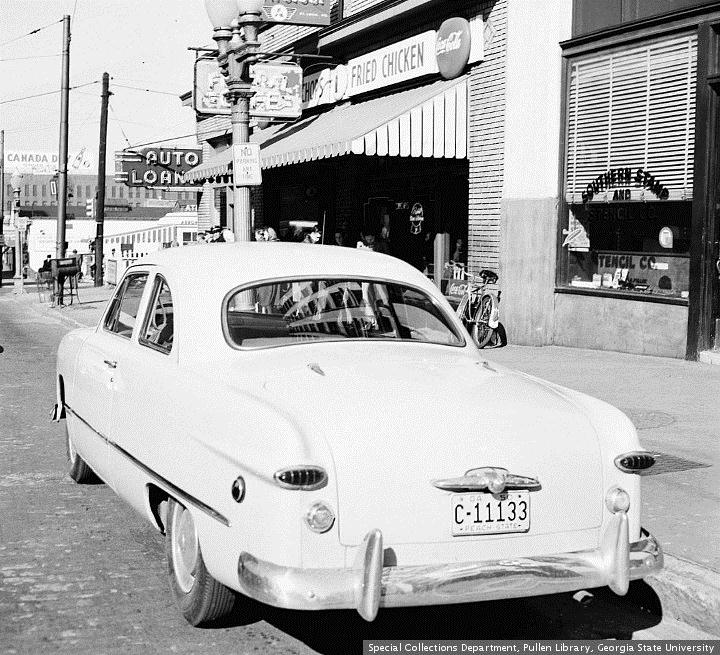
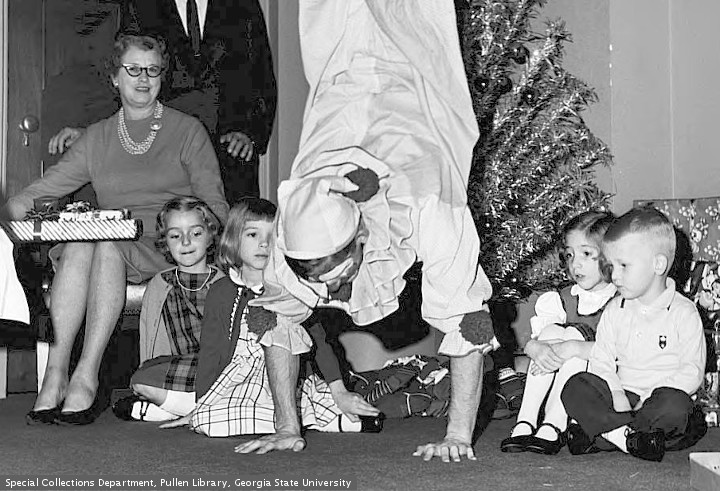
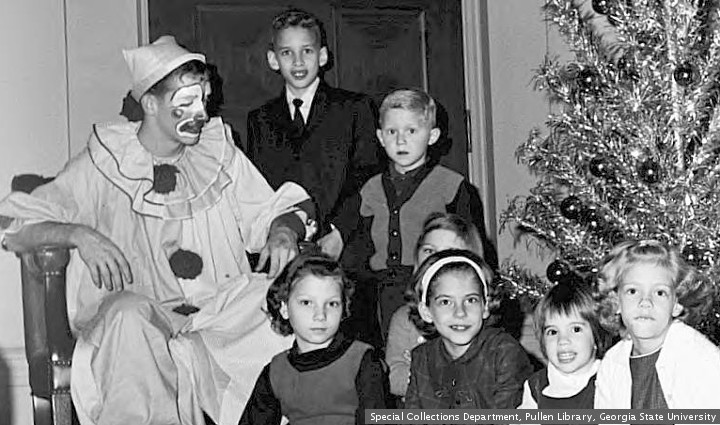
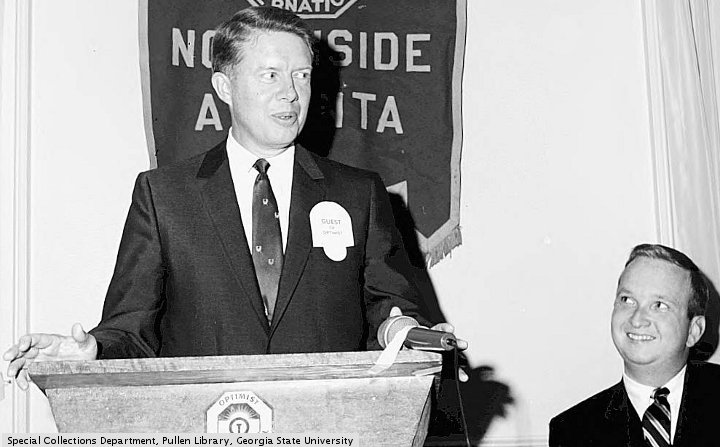
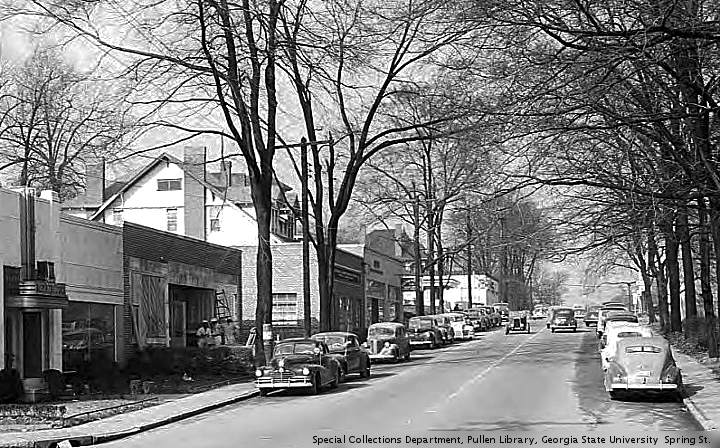
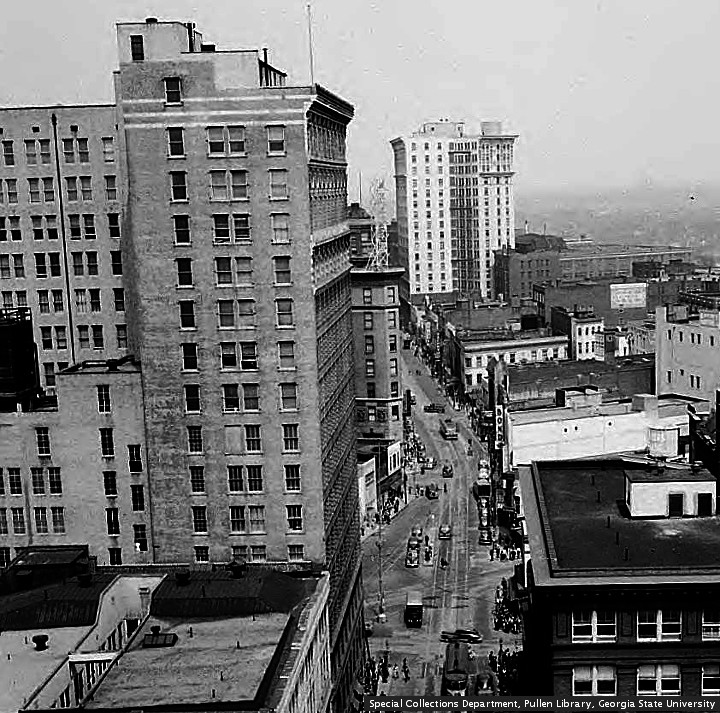
Seven daily grams of coke (DB:AL, p.223) did not kill David Bowie. He soon moved on to make The Man Who Fell to Earth. People magazine helped out with the publicity. “No role could have suited David Bowie better in his first major movie than that of an inscrutable interplanetary traveler outfitted with human skin, sex organs, Ronald Reagan hair and humanoid pupils to slip in over his horizontal, mismatched feline slits.” Forty years before Donald Trump made the tangerine toupee cool, Ronald Reagan was prematurely orange. Pictures for this deplorable dive into hissyfit history are from “The Special Collections and Archives, Georgia State University Library”.


Common Sense Quote


0312 – We’re going to conduct a facebook experiment. I posted a video from Dr. John Campbell. He discussed some reputed side effects of the Pfizer vaccine. Soon, Facebook sent me an admonition. “… The post includes information that independent fact-checkers said was partly false. …” The suspicion here is that Facebook has a problem with Dr. Campbell.
On to today’s experiment. I’m listening to another video from Dr. Campbell. He admits that he made some errors in his interpretation of the Pfizer data. He goes on to say “you can’t put solid footsteps into fresh air you need solid ground.” This is just a common sense quote. My plan for today is to make a video segment of the CSQ, and post it on Facebook. Lets see if the fact-checkers have a problem with it. As of March 19, Facebook has been silent.
0314 – I was through with Blocked and Reported, and making great progress on my picture. It was time to go out. I had two destinations. One was the gym. The other was the library. I had a book, The Santa Suit, to return. Think — inside the work — outside the work.
TSS is not a great book. Perhaps that was what was needed. With the book I am starting, quotables lie on every page. The desire to go in depth may prove irresistible. However, I read to have fun. Sometimes a trifle like TSS is what I need. Just read a story, without provoking great thought. The fact that TSS is easy to read indicates that the author worked like hell. Easy writing makes tough reading.
0318 – I’ve stumbled onto this podcast series about the shooting of Martin Luther King, The MLK Tapes. The shooting was quickly blamed on James Earl Ray. He was supposed to be a racist/white supremacist, and most people believed he was guilty. It turns out that there were serious problems with the government’s case. The podcast series is downright fascinating. It’s not something I’ve really thought about a whole lot. I just accepted the conventional wisdom, and went on with my life.
In episode 3, the case was going to trial. Mr. Ray’s lawyers were confident of an acquital. The government was not going to have that. For some reason, Mr. Ray fired his first lawyer. A gentleman named Percy Foreman took over. Soon Mr. Ray entered a guilty plea.
In the show, people talk about how worthless Percy Foreman was. I was curious if Mr. Foreman was still alive, so I googled him. A legal document turned up. JB Stoner was lawyer number three. Mr. Stoner was an extreme racist, even by Georgia standards. He ran for Governor in 1970, and made a spectacle of himself. At one point, Mr. Stoner sued a TV station, to allow an ad with the n-word.
There are many stories that could be told about JB Stoner. The candidates were speaking at the Governor’s Honors program. Mr. Stoner was going through his routine, when three students starting walking up the aisle. A young black man, with a blonde on each arm, walked up the aisle to the front of the hall. The man who won the Governor’s race, Jimmy Carter, was laughing so hard that tears came out of his eyes. Pictures today are from The Library of Congress.



Slavery And Global Warming



Have you ever wondered why your ancestors owned other human beings? How can you justify something this cruel? In an NPR interview to promote a new book, 1861: The Civil War Awakening, Adam Goodheart has an answer. This is a repost.
It was economics. “But I think we think of it differently when we realize that the value of slave property, some $4 billion, enormous amount of money in 1861, represented actually more money than the value of all of the industry and all of the railroads in the entire United States combined. So for Southern planters to simply one day liberate all of that property would have been like asking people today to simply overnight give up their stock portfolios, give up their IRAs.”
Mr. Goodheart compares it to the situation today with fossil fuels. “many of us recognize that in burning fossil fuels we’re doing something terrible for the planet, we’re doing something terrible for future generations. And yet in order to give this up would mean sort of unraveling so much of the fabric of our daily lives, sacrificing so much, becoming these sort of radical eccentrics riding bicycles everywhere, that we continue somewhat guiltily to participate in the system. And that’s something that I use as a comparison to slavery, that many Americans in the North, and even I believe sort of secretly in the South, felt a sense of guilt, felt a sense of shame, that knew that the slave system was wrong but were simply addicted to slavery and couldn’t give it up. “
When the economic pressure is there, people will find a way to justify their actions. Slavery was justified in a number of ways. Today, there are people who deny the ill effects of using fossil fuels, and they have an eager audience. The payback for the environmental horror is in the future. This is similar to the way people today are paying … with racial turmoil … for slavery.
Pictures today are from “The Special Collections and Archives, Georgia State University Library”.


The Obama Doctrine


There is a novella in the current issue of The Atlantic, The Obama Doctrine. It is written by Jeffrey Goldberg. PG was mining TOD for big words, to use in a poem. While doing this, he copied a few quotes. These quotes, and the commentary they inspire, are a good excuse for a post. The pictures are from “The Special Collections and Archives, Georgia State University Library”.
“Obama would say privately that the first task of an American president in the post-Bush international arena was “Don’t do stupid shit.” Obama’s reticence frustrated Power and others on his national-security team who had a preference for action. Hillary Clinton, when she was Obama’s secretary of state, argued for an early and assertive response to Assad’s violence. In 2014, after she left office, Clinton told me that “the failure to help build up a credible fighting force of the people who were the originators of the protests against Assad … left a big vacuum, which the jihadist have now filled.” When The Atlantic published this statement, and also published Clinton’s assessment that “great nations need organizing principles, and‘Don’t do stupid stuff’ is not an organizing principle,” Obama became “rip-shit angry,” according to one of his senior advisers. The president did not understand how “Don’t do stupid shit” could be considered a controversial slogan. Ben Rhodes recalls that “the questions we were asking in the White House were ‘Who exactly is in the stupid-shit caucus? Who is pro–stupid shit?” The Iraq invasion, Obama believed, should have taught Democratic interventionists like Clinton, who had voted for its authorization, the dangers of doing stupid shit.”
TOD has two parts. The first section is devoted to a decision not to bomb Syria. The second part is the result of a series of interviews that Mr. Goldberg conducted with President Obama. Apparently, bombing Syria would have been stupid shit. Then Secretary of State Hillary Clinton bowdlerized this mantra. Apparently this is the job of the Secretary of State… to turn shit into stuff.
“Obama was also unsettled by a surprise visit early in the week from James Clapper, his director of national intelligence, who interrupted the President’s Daily Brief, the threat report Obama receives each morning from Clapper’s analysts, to make clear that the intelligence on Syria’s use of sarin gas, while robust, was not a “slam dunk.” He chose the term carefully. Clapper, the chief of an intelligence community traumatized by its failures in the run-up to the Iraq War, was not going to overpromise, in the manner of the onetime CIA director George Tenet, who famously guaranteed George W. Bush a “slam dunk” in Iraq.”
Syria had long been ruled by the Assad family. They are not nice people. The people of Syria wanted regime change. The Assads responded by killing lots of people. There was much hand wringing in the west about this. President Obama said that it would be a “red line” if chemical weapons were used. Then, reports of WMD use came in. The President needed to do something.
“He and McDonough stayed outside for an hour. Obama told him he was worried that Assad would place civilians as “human shields” around obvious targets. He also pointed out an underlying flaw in the proposed strike: U.S. missiles would not be fired at chemical-weapons depots, for fear of sending plumes of poison into the air. A strike would target military units that had delivered these weapons, but not the weapons themselves.”
Chemical weapons do not respect borders. If poison gas is released into the air, it will go wherever it wants to go. This includes Syria’s next door neighbor Israel. The role of Israel is the Syrian troubles is kept quiet. It is known that when the Muslims are fighting each other, they are not fighting Israel. This concept kept the Iran-Iraq was going for eight bloody years.
“Ninety minutes later, at the White House, Obama reinforced Kerry’s message in a public statement: “It’s important for us to recognize that when over 1,000 people are killed, including hundreds of innocent children, through the use of a weapon that 98 or 99 percent of humanity says should not be used even in war, and there is no action, then we’re sending a signal that that international norm doesn’t mean much. And that is a danger to our national security.”
In this statement, the President was talking about Syria. He could have meant any number of conflicts. Children in Gaza are killed by Israeli cluster bombs. Children in Africa are killed, often by other children, in dozens of wars and guerrilla conflicts. Children in American cities are killed by handguns. It goes on and on.
“I have come to believe that, in Obama’s mind, August 30, 2013, was his liberation day, the day he defied not only the foreign-policy establishment and its cruise-missile playbook, but also the demands of America’s frustrating, high-maintenance allies in the Middle East”
For years it has been a mantra that Israel is the only ally of the United States in the middle east. Of course this is nonsense, as anyone driving a car powered by Arab oil products should know. For Jeffrey Goldberg to acknowledge this may be the most startling thing in this feature.
But not the last. The article goes on, and on, and on. It is full of overblown talk like this: “Obama said that to achieve this rebalancing, the U.S. had to absorb the diatribes and insults of superannuated Castro manqués.” TOD reads like a Rorschach test. Those who admire the President will find confirmation for their opinions. Those who dislike Obama will also see much they agree with. It is a good question what Donald Trump and Hillary Clinton see. This is a repost.



Mardi Gras


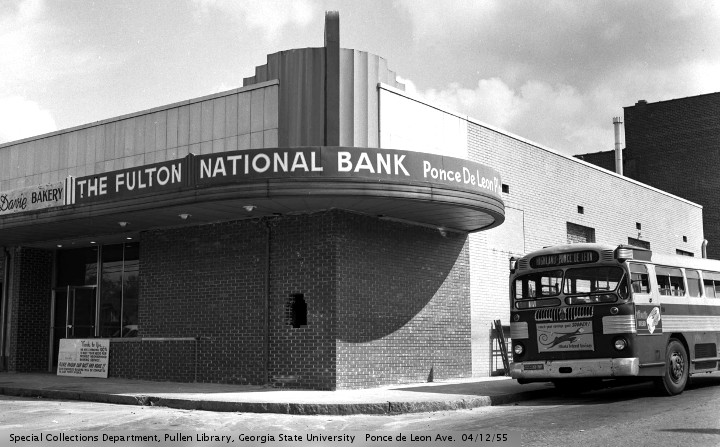
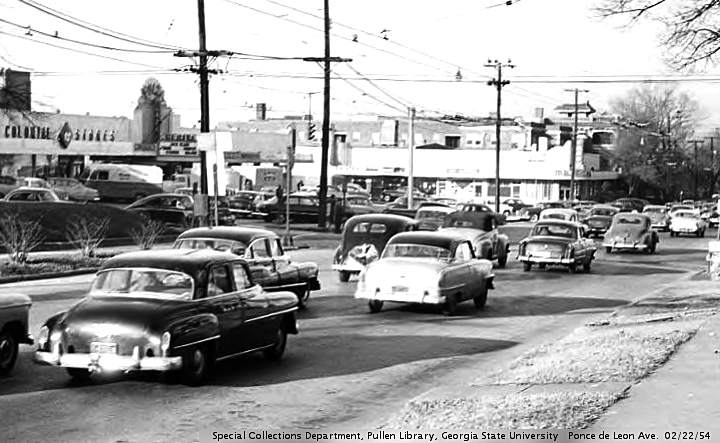

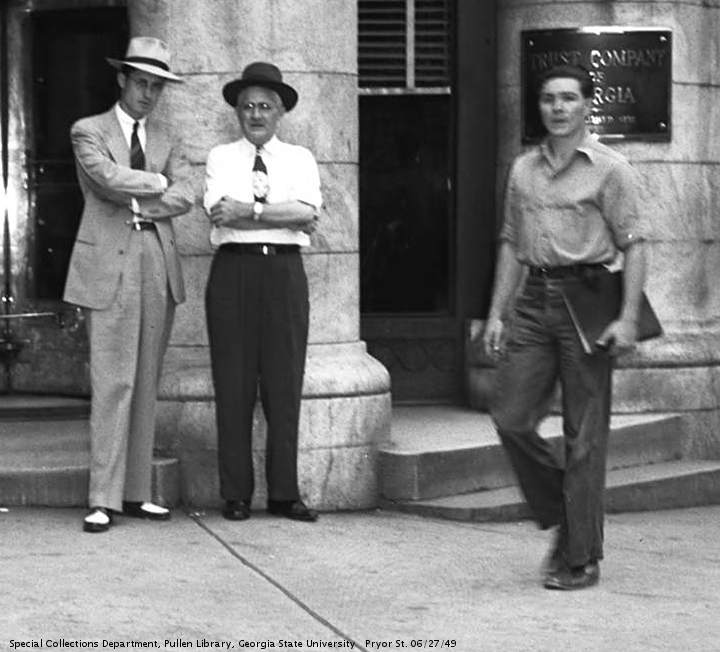


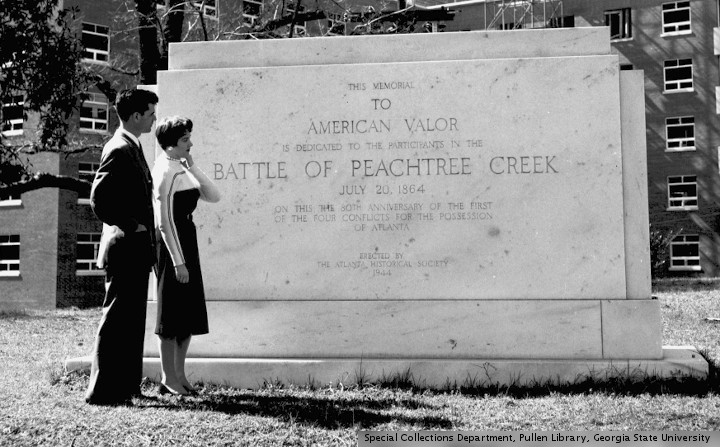
It is fat tuesday again. For someone who lived most of his life in Georgia, it is just another day.
In 1990, PG went to carnival. He rented sleeping bag space in a house on Marigny Street, just outside the quarter. It was like nothing he had ever seen.
This was 14 months after PG quit drinking. If he had life to do over, he would have gone to Mardi Gras first. He did feel good about going through that much drinking without being tempted to participate.
By the end of the Rex Parade, PG was getting tired of the whole shebang, Mob scenes of drunks, in costume, can get old. PG has not been back.
Two years later, the Grateful Dead was playing at the Omni, and the camp followers were in the parking lot. PG would go on his lunch hour and observe. A young lady walked by, and PG said Happy Mardi Gras. She gave him a string of beads.
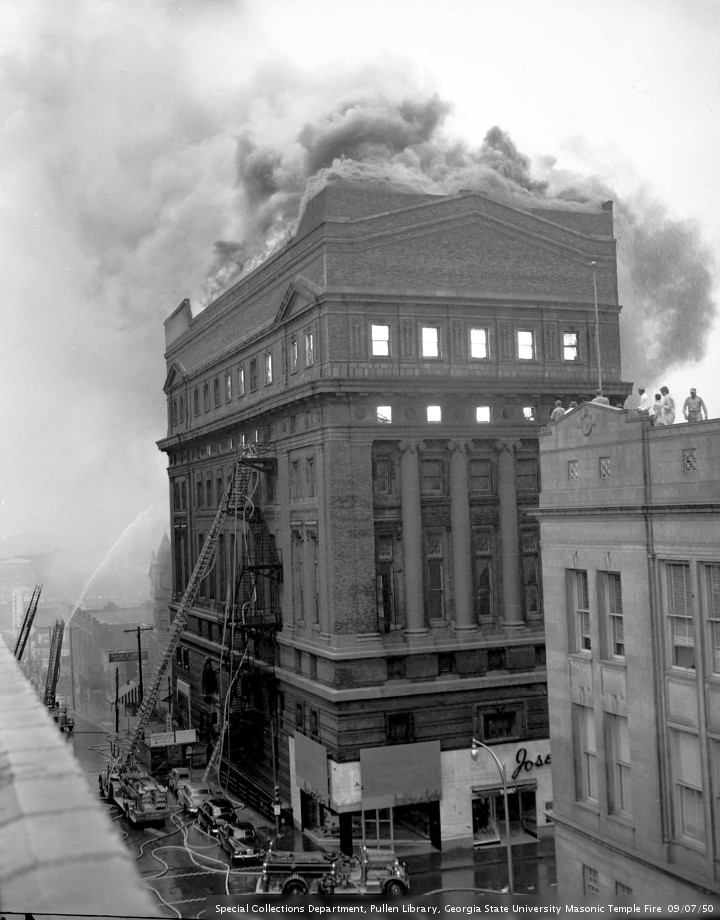
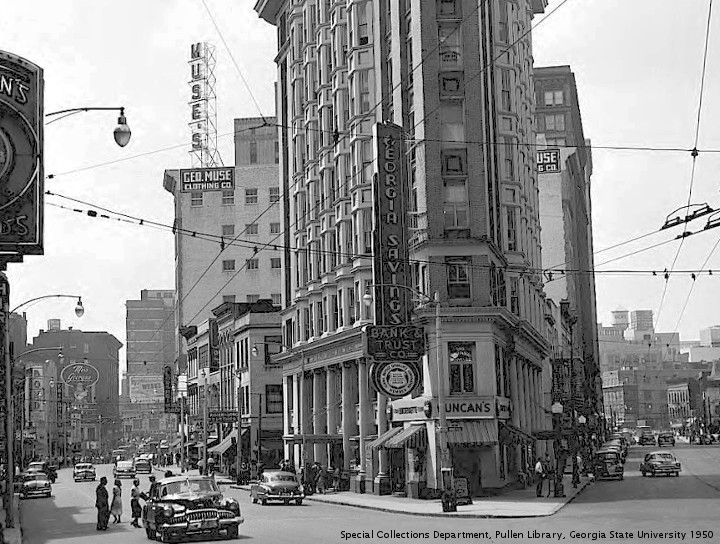
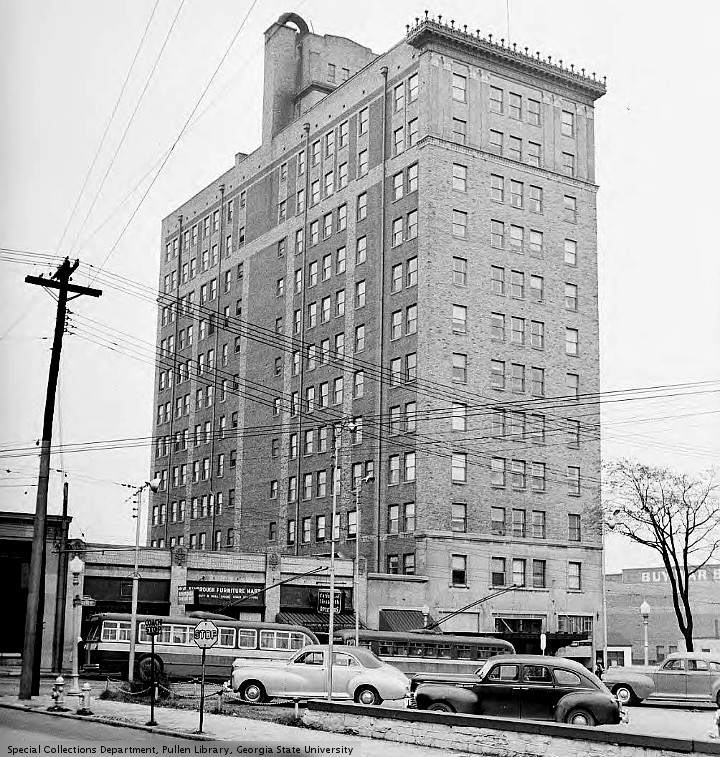
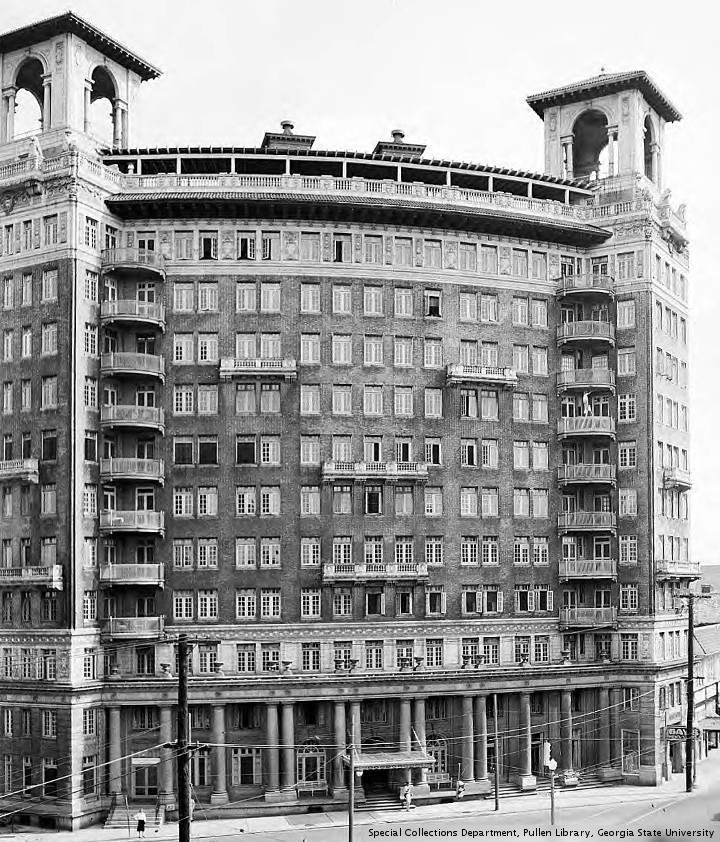
Five years after that, PG had a boss from New Orleans. He looked like the Grinch who stole Christmas. He also hated Mardi Gras. PG did not know this, and greeted him Tuesday morning with a cheerful Happy Mardi Gras. If looks could kill, PG would have dropped dead. This is a repost, with pictures from “The Special Collections and Archives, Georgia State University Library”.





leave a comment