David Bowie

It was a strange week to be a David Bowie fan. On Friday, I was looking for a rerun to post, and was reminded that January 8 was his birthday. (Along with Elvis and Shirley Bassey) I put up a piece about Mr. Bowie, and fashioned a poem out of his song titles. Aquarian Drunkard reissued a collection of the “best and most interesting Bowie oddities”. A new album was released, with a lot of comments about how strange it was. Strange is something Bowie fans turn to face.
On Monday, I woke up. Go on the internet. MSN news says that David Bowie has died. This is surprising. I know what people are going to talk about for a few days.
I typically download the new wtf podcast on Monday. The show is “supported” by Columbia records, presenting David Bowie’s new album “Blackstar.” Marc Maron gushes on about how ” DAVID BOWIE I LOVE DAVID BOWIE. ARE YOU KIDDING ME?” The single is called “Lazarus.”
The timing of the whole thing is bizarre. Was this planned? To release a puzzling new work on your sixty ninth birthday, and then die two days later. With the master media manipulator involved, prior planning cannot be ruled out. Or was it just a parting shot of synchronicity? We will never know.
In what might be a new move for celebrity deaths, sex scandal rumors emerged. A lady named Lori Maddox claims that Mr. Bowie “devirginized” her. Miss Maddox was underage at the time. Some people think that this incident makes Mr. Bowie a terrible person, whose artistic output should be ignored. One made the inevitable comment “As someone who sees White stars get a pass for things that celebrities of color get crucified for.”
I learned a long time ago to separate the performer from the performance. I also apply this rule to David Robert Jones. (David Bowie was a stage name. The legal name was never changed.) In 1976, there was an interview, where the artist said “Don’t believe anything you hear me say.” While the creative/marketing genius can be enjoyed, there was always a bit of coldness behind the mask. Some press reports say that this softened as the years went by. In the end David Bowie was human. Ziggy Stardust was a character played by an actor. Does it matter that they were a Cracked Actor?
It is ironic that David Bowie played Andy Warhol in Basquiat. Both combined creation of art, and the marketing of art product, into a seamless unit. The two did not have a good first meeting. “Remember, David Bowie was not a big star. He was just some guy off the street as far as Andy Warhol was concerned. They found a common ground in David’s shoes. David was wearing yellow Mary Janes and Andy had been a shoe illustrator, which David knew so they began talking about shoes.” UPDATE I got to see Basquiat. Andy Warhol’s wig, worn by David Bowie, gave an outstanding performance.
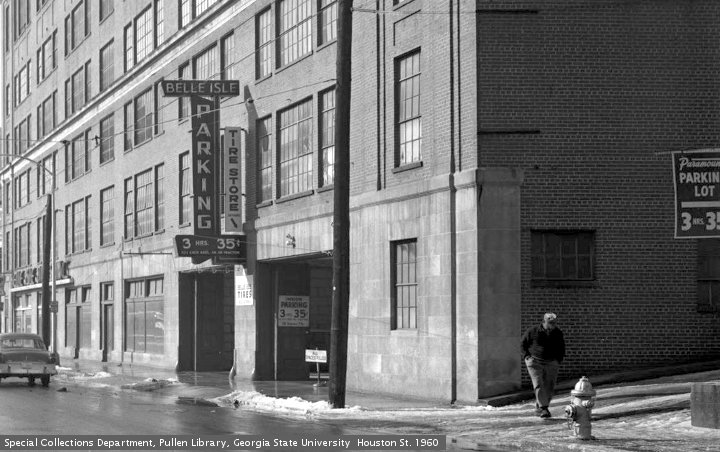
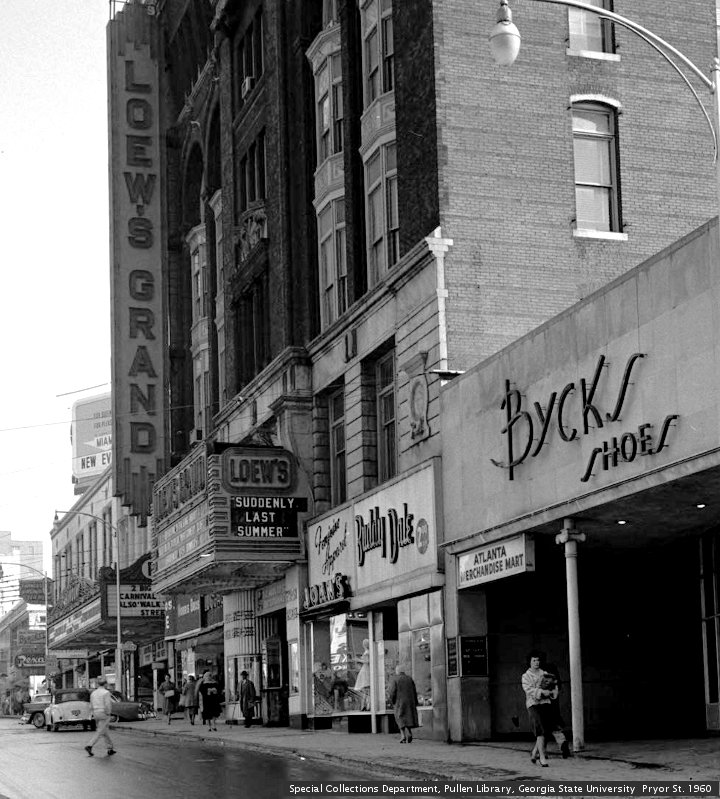
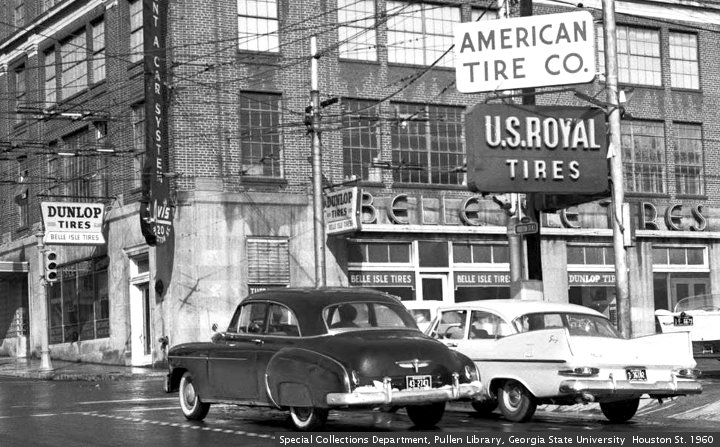
This would have been in 1971. Mr. Bowie discusses his adventures in between songs of this show. There is another story from that first tour: “I think that must’ve been part of the Mercury Records publicity tour in early 1971, Gus. Ted Vigodsky, if I remember correctly, brought Bowie by The Great Speckled Bird’s offices on North Avenue where Moe Slotin and I met him. Bowie was dressed in an ill-fitting gingham dress and looked something like a gaunt, poverty-stricken woman in one of those Walker Evans photos from the Depression. He informed Moe and me that he was gonna be the next big star in rock-n-roll. It took all of our will power not to laugh in his face. This was before anyone in America had heard of him and he had no records out yet (“Space Oddity,” a hit in England in 1969, was not released in the USA until 1973). Six months later Moe and I realized we had completely underestimated him. I had forgotten Charlie had called you about interviewing him.” Pictures today are from “The Special Collections and Archives, Georgia State University Library”.


David Bowie is 75 today. Elvis is ageless. Betsy DeVos is unemployed. This Bowie tribute is a repost. Pictures are from The Library of Congress.
A webpage called CaptainsDead had a download of a David Bowie concert. (Here is another edition.) Most Bowie live recordings are pretty dull. While the Thin White Duke is renowned for his concerts, they tend to be live events, that depend on staging and costumes as much as music. This show, from 1974, is different. Focusing on material from “Diamond Dogs”, the sound he produces comes close to matching the studio sound.
The next move for Bowie in 1974 was the “white soul” sound of “Young Americans”. He is moving in that direction in this show, even while he lingers in the glitter apocalypse. This tour included a stop at the Fox Theater, the first Atlanta show for Mr.Bowie. On the way to Florida for the next show, the truck with the sets and costumes crashed into a swamp full of rattlesnakes. The show in Tampa was performed in street clothes.
Maybe it is time for a Chamblee54 tribute to David Bowie. It is six am, and PG has stumbled into a job. The time and energy required to write new material is not always available.
The first album by David Bowie that PG heard about was “Hunky Dory”. At the time, Mr. Bowie had generated some buzz by admitting that he fancies blokes, or some uber british expression for being queer. In time, this would be seen as more publicity stunt than brave confession. The RCA debut got some good reviews, but not much else.
The next year produced “Ziggy Stardust”, a concept album. At about this time he did a tour of the United States, with costumes and onstage antics that generated even more publicity. More and more people started listening, some in spite of his outrageous image, and quite a few more because of it. He broke up his band, the spiders from mars, and announced his retirement. The band, according to reports, learned about this while standing on stage behind him. Mr. Bowie, for all his genius, is not always a nice man.
In 1974 there was an album, “Diamond Dogs”, about the decadent urban life in the scifi future. A stage show based on this album…the source of the download mentioned above…marked a return to the concert stage. The next year gave us “Young Americans”, and the year after that “Station to Station”. Every year was a different sound and vision.
Meanwhile, the artist was not doing so good as a human being. According to all reports, he was doing mountains of cocaine. (There is a story of going to meet the parents of Ava Cherry, one of his girlfriends. He shows up at 3am, and does coke on the dining room table.) There was an interview in Playboy (or maybe it was Rolling Stone ) where the first thing he says is, don’t believe anything I say. He went on to say that he admired Adolf Hitler. Have we mentioned the physical appearance of David Bowie in 1975? He looked like he was dead, and nobody bothered to tell him. (By contrast, in recent photo collections of rock stars, Mr. Bowie looks pretty good for a man who is 69 yo.)
This was the era of Rocky Horror show. At one point, Riff Raff sings (Tim O’Brien wrote the show, and gave himself some darn good lines) Frank n furter, it’s all over, your mission is a failure, your lifestyle’s too extreme.I’m your new commander you now are my prisoner we return to transylvania prepare the transit beam While this may not have been directed at David Bowie, he took the hint.
We interrupt this David Bowie tribute with an emergency announcement. A person, reputed to be an entertainer, was seen using the n word on facebook. The screen shots have disappeared, and all we have is the word of the accuser. More details will be available as soon as anyone is interested.
David Bowie saw himself at a dead end, and possibly a dead life. He moved into a little apartment in West Berlin, on top of a garage. Brian Eno offered his assistance, and a series of electronic albums was the result. The next few years saw rock and roll, dance music, and finally, crap. PG bought a Bowie album in 1984, the first time he saw it on sale, and was immensely disappointed. The last David Bowie album that PG got was a free cd that was given to people buying a magazine.
Around 1981, MTV was born, and radio was suddenly obsolete. A visual artiste like David Bowie was a natural for video. Unfortunately, many of these videos are not available for embedding in blogs. Ashes to Ashes was a staple of early MTV. Boys Keep Swinging , off the “Lodger” album, is a return to the gender bender Bowie of younger days.
David Bowie continued to do tours, and PG got to see two of the shows. In 1987, something called the “Glass Spider Tour” came to the Omni. (In a later interview, it turns out Mr. Bowie was extremely unhappy during this tour, and close to suicide at some points.) The Glass Spider was this mass of lighting effects that hovered over the stage, and was used to best advantage during “Scary Monsters”. The show featured Peter Frampton on guitar, and had a pack of dancers. (One apparent female took her drag off during the finale.) A good time was had by all.
In 1990, another retirement tour came to the Omni. This one had movies projected on a screen behind the stage, and featured guitar hero Adrian Bellew. The night had the feel of a contractual obligation. David Bowie is too professional to give a bad show, but this one did not have the fire of “Glass Spider”. PG had a new set of contact lenses, and his eyes were painfully dry most of the night.
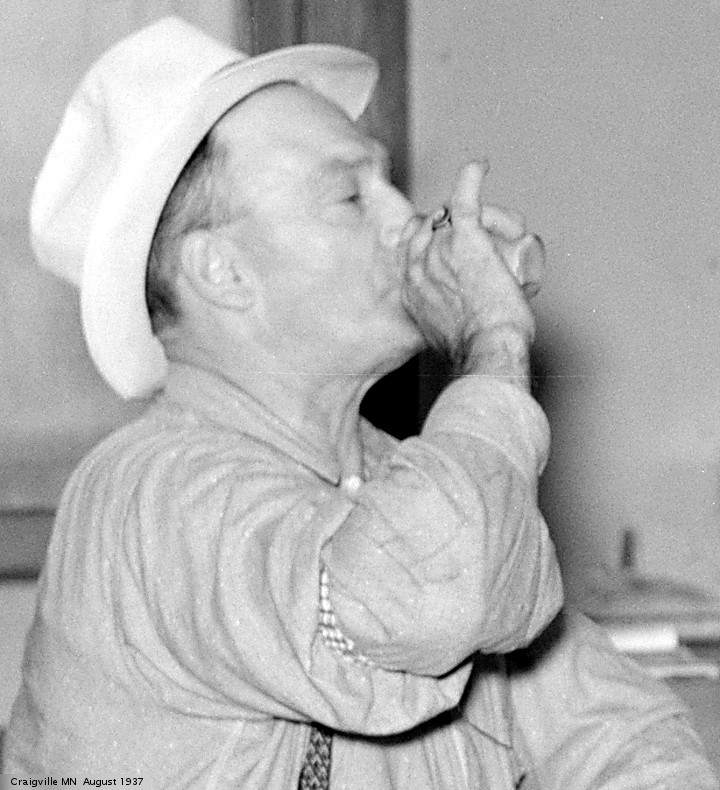
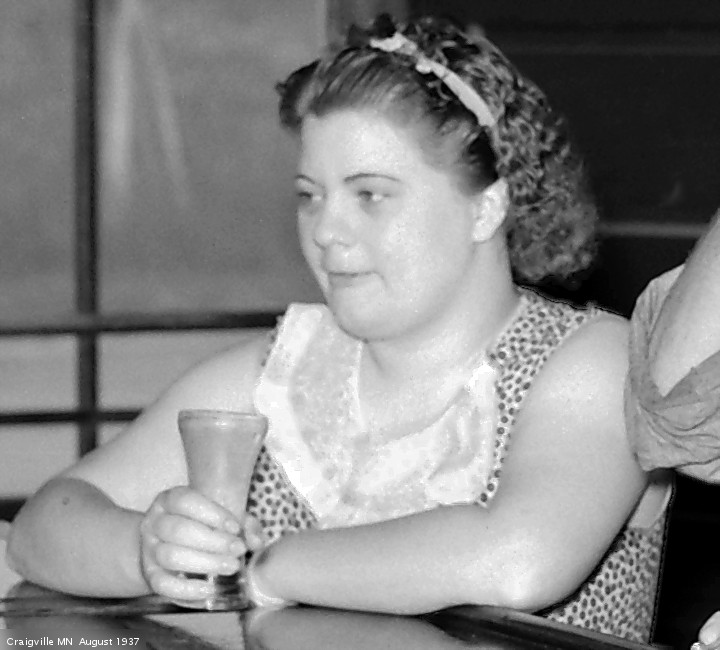

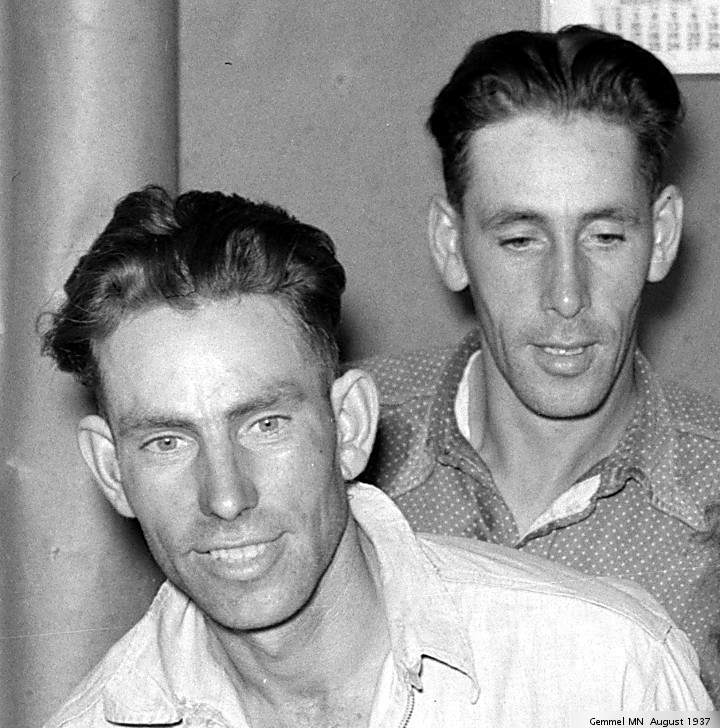
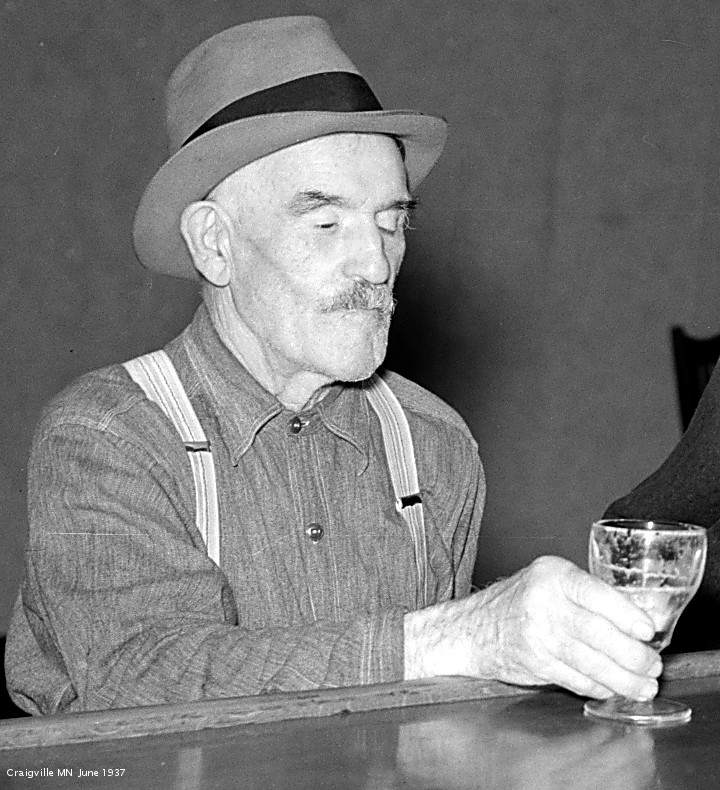
More Monroe And Boulevard


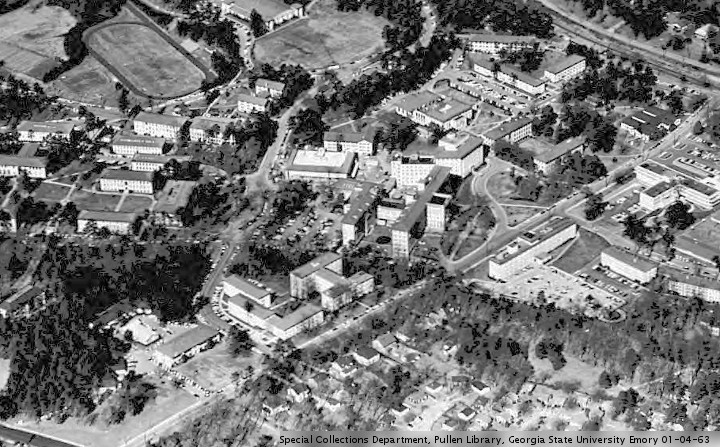
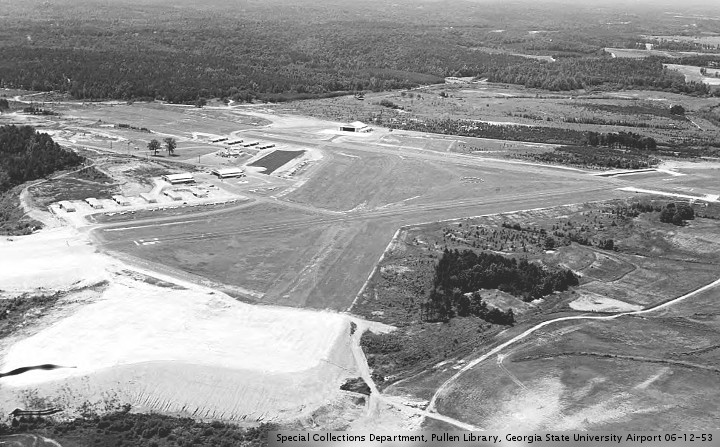


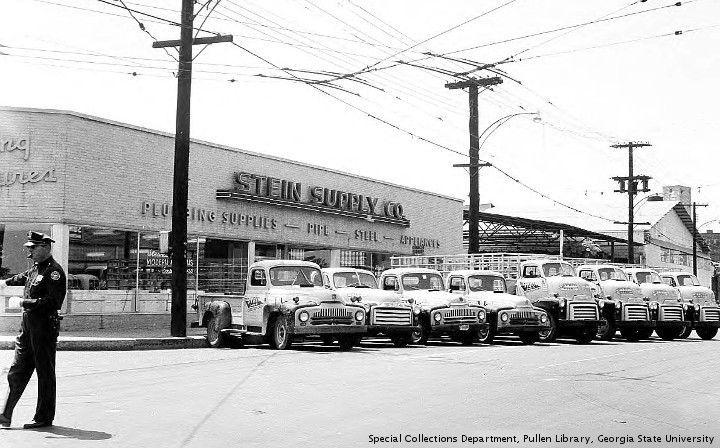
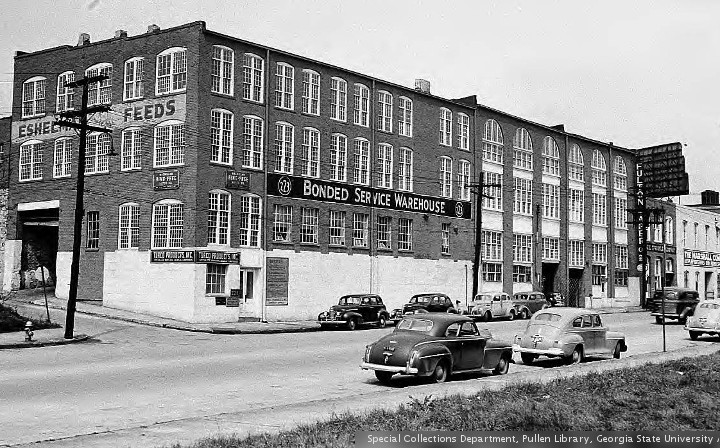
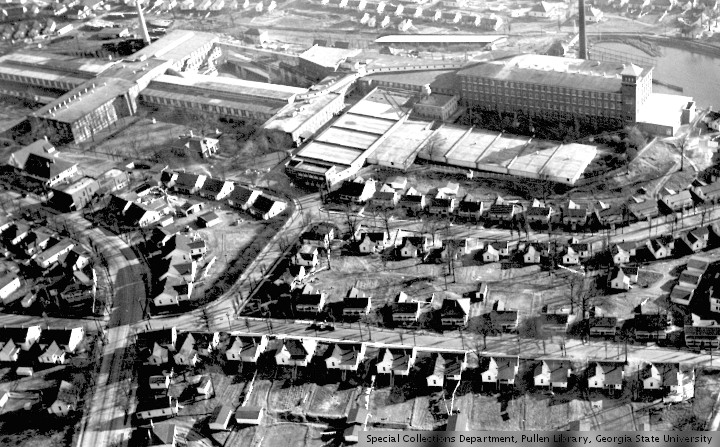
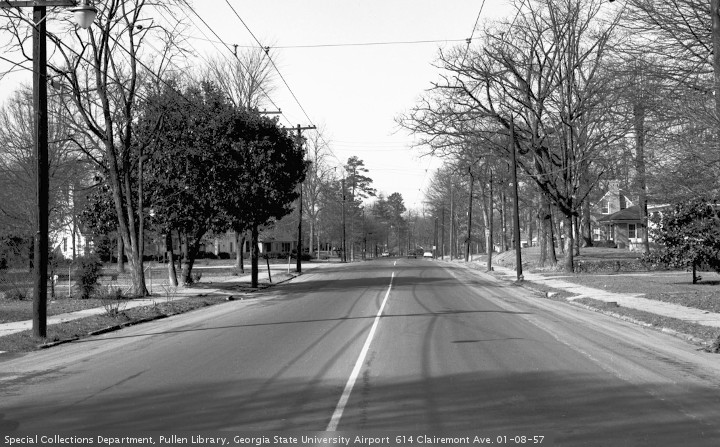
A recent facebook discussion covers that old crowd pleaser, why does Monroe Drive turn into Boulevard? The story is that the street name changed because White people live North of Ponce De Leon Avenue, and Black people live south. Chamblee54 has covered this topic before. The information today will be a bit dry. If you want to skip over the text, you can always enjoy the pictures, from “The Special Collections and Archives, Georgia State University Library.”
“The name changes were intentional and rooted directly in racism.” This judgment from Atlanta magazine is a popular opinion. Unfortunately, there are some street name changes that apparently are not racial. In discussions like this, once racism is blamed, the conversation shuts down. Asking any questions, or exploring the possibility of nuance, is considered racist.
The Atlanta magazine article does not really address Monroe/Boulevard. A 1913 measure, the Ashley Ordinance, is brought up, as well as some of the skirmishing in SW Atlanta over integration. None of those items were in play in the Monroe/Boulevard matter.
The opinion of chamblee54 has not changed. It is entirely possible that Monroe/Boulevard was racially motivated. That sounds like something a Georgia government, of a certain era, would do. However, it does not address the other streets. When were the names changed, and by what government? The answers to the last two questions have been elusive. If anyone reading this has any answers, please leave a comment.
In the space between I-85 and Dekalb County, there are four streets that change names when they cross Ponce De Leon Avenue. These are Juniper/Courtland, Charles Allen/Parkway, Monroe/Boulevard, and Briarcliff/Moreland. Several streets cross Ponce without changing names, including Spring, Peachtree, Piedmont, and North Highland. A wikipedia page, List of former Atlanta street names, has some information about the name changes. More information was found in a collection of maps at the GSU library.
It turns out that Juniper/Courtland change names at North Avenue, one block south of Ponce. As early as 1895, those streets have the same names. On old maps, Juniper ends at North, and Courtand starts a quarter-block west. Wikipedia adds this about Courtland: “North Collins Street (for pioneer James Collins — renamed because of South Collins Street’s reputation as a red light district)”
Briarcliff/Moreland has always been a problem for the racism hypothesis. The race change has traditionally been at the railroad tracks, a half mile south of Ponce. Moreland Avenue was originally County Line Road. It was renamed in honor of a Confederate officer, Major Asbury Fletcher Moreland. “He owned quite a bit of land between County Line Road and Pike Road, which is now Euclid Avenue, some of which is now part of the city’s Bass Recreation Center. Ever the businessman, Moreland built rental homes and a park, which featured a pond and animals — appropriately called Moreland Park — that became a summer getaway for city dwellers.”
Briarcliff was originally known as Williams Mill Road. It changed to Briarcliff after Asa Griggs “Buddy” Candler Jr. built a palace at 1260 Briarcliff Road. The house still stands, barely, and served as the GMHI facility for many years. In 1911 and 1917, Briarcliff is known as Williams Mill, before changing into Moreland. In 1925, and maps issued after 1925, the road is shown as Briarcliff.
Charles Allen/Parkway, one block west of Monroe/Boulevard, was originally known as Jackson Street. The road is still known as Jackson Street, south of Highland Avenue. The earliest map to show Jackson is 1895. By 1930 it has been changed to Parkway, ending at Piedmont Park. Charles Allen Drive does not appear until 1959. Charles Allen was the pastor at Grace United Methodist Church.
Wikipedia has this on Boulevard: “Jefferson Street (marked in 1878 map from North Ave. to Foster St. (now Edgewood Ave.) in today’s Old Fourth Ward) – Rolling Mill Street (north of the railroad) from the late 1860s to about 1880, for the Confederate Rolling Mill, which the retreating Confederate army inadvertently destroyed in 1864.”
Wikipedia has a surprise “Monroe Drive (to honor the Monroe Landscaping Company which did extensive plantings in the area)[17]” The footnote links to a Morningside neighborhood newsletter. There is no mention of Monroe Drive in the cited newsletter.
Before going further with Monroe, we should look at a controversy involving the landscaper William Lott Monroe. “1941 (Jan. 25) Monroe’s Landscape & Nursery Co. is removed from Fulton County’s payroll: “…[D]rawn more than $17,000 from the county in the last year and one-half… The company was drawing $500 a month for supervising landscaping of county parks, which was in addition to flowers, shrubs and blueprints sold by it to the county.” (“Nursery Company Is Cut Off Pay Roll.” Atlanta Constitution, Jan. 25, 1941)” In 1941, Mr. Monroe was working on North Fulton Park, later known as Chastain Park. This park was annexed into the City of Atlanta on January 1, 1952.
The first time Boulevard is mentioned on maps is 1895. The first mention of Monroe Drive is 1951, when Monroe starts at Montgomery Ferry. (Before the Northeast Expressway was built, the road ended at Plasters Avenue, north of the present I 85.) It is not until 1959 that Monroe appears immediately north of Ponce De Leon.
These maps were used in researching this feature. 1878 1895 1911 1917 1921 1925 1930 1930 1931 1934 1935 1939 1946 1951 1952 1952 1954 1959 1967
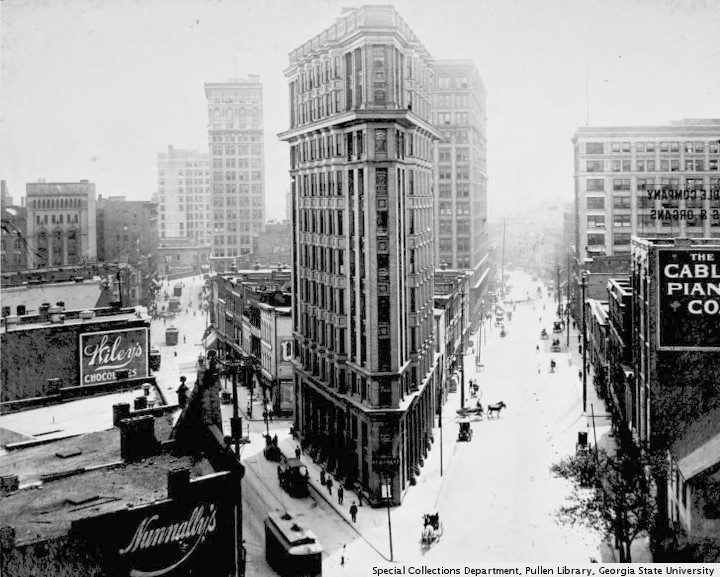
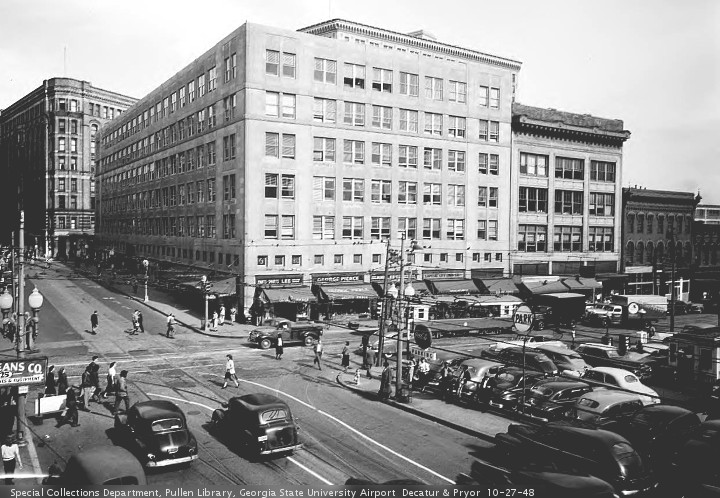


Tyler Perry And The Heart Of Atlanta

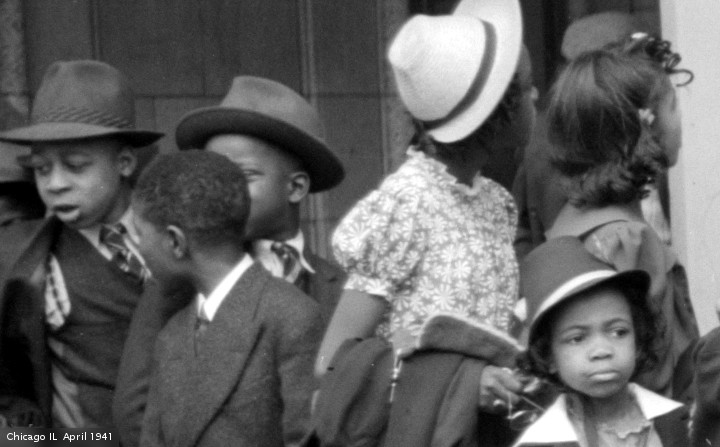


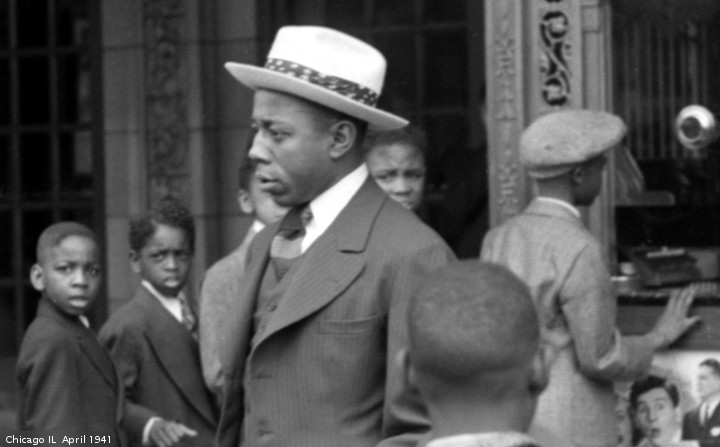

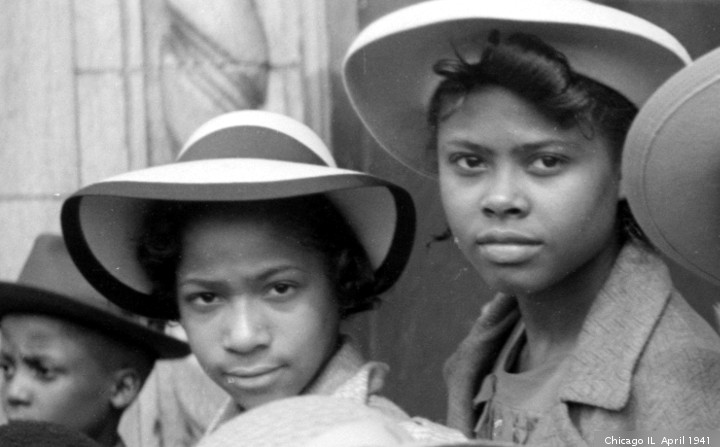


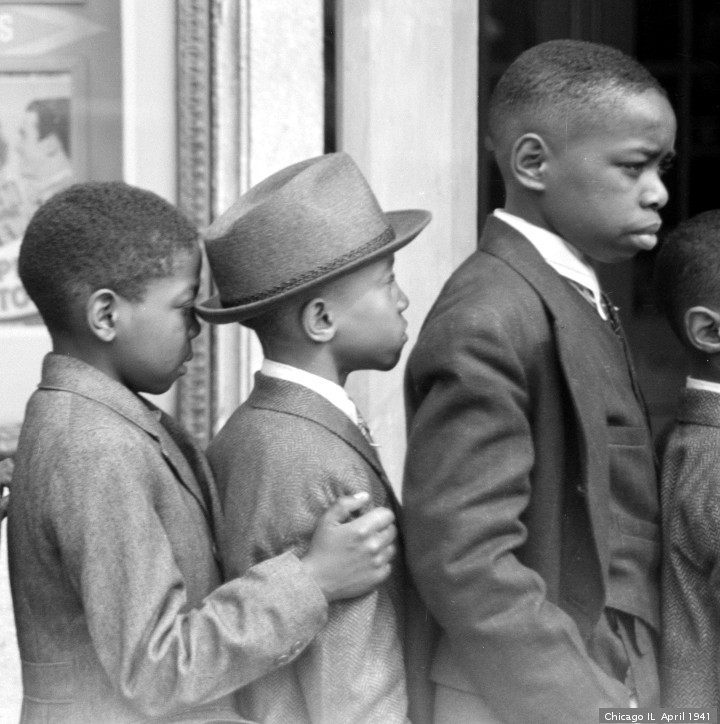

There is an old saying, what goes around comes around. When you sow the wind, you reap the whirlwind. The thing is, it is not always obvious what is payback for what. Moreton Rolleston Jr. filed a lawsuit to have the Civil Rights Act declared unconstitutional. Forty years later, a Black man, built a mansion on the site of Mr. Rolleston’s home. The fact that this Black man earned his money by playing Black women, in movies, is icing on the cake.
When the Civil Rights Act was passed in 1964, Moreton Rolleston, Jr. owned the Heart of Atlanta Motel. He filed a lawsuit, trying to have the law overturned by the courts. The case went to the Supreme Court, which upheld the law.
The legal justification of the Civil Rights Act was a law giving the U.S. Government the right to regulate interstate commerce. Mr. Rolleston argued that this use of the commerce clause went too far. “‘The argument that this law was passed to relieve a burden on interstate commerce is so much hogwash. It was intended to regulate the acts of individuals.’ If the commerce clause can be stretched that far, declared Rolleston, ‘Congress can regulate every facet of life.'” (PG supports all citizens having the right to housing, education, etc. He also wonders if we are on a slippery slope. The government keeps taking more and more freedom away.) (The link for the quote no longer works.)
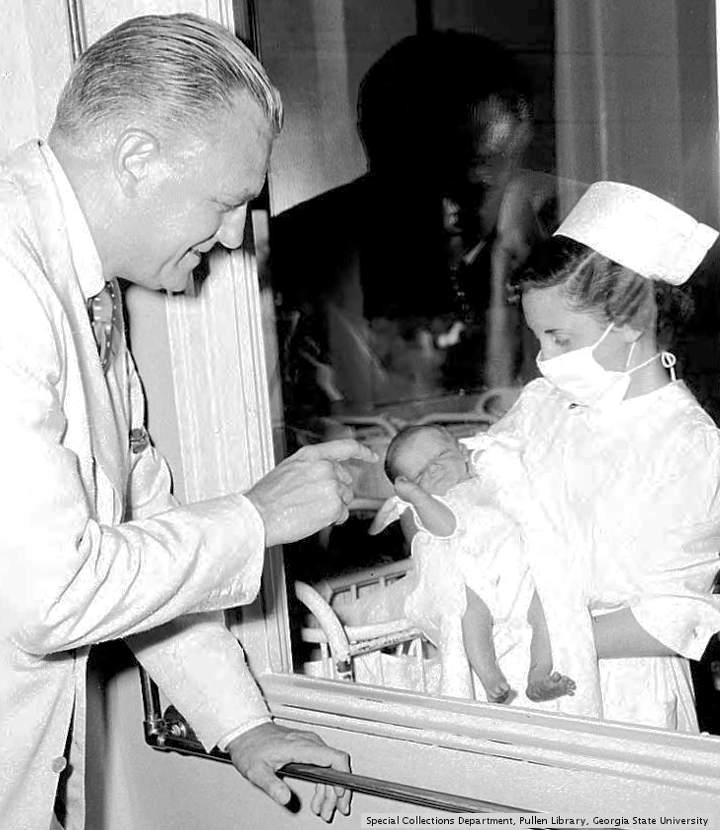
In 1969, Tyler Perry was born. From humble beginnings, he has been incredibly successful. His signature character is a woman named Madea.
In 1985, Mr. Rolleston was involved in a real estate deal that went sour. He was sued. In 2003, Mr. Rolleston was evicted from his Buckhead home. In 2005, the property was sold to Tyler Perry. Mr. Rolleston sued Mr. Perry, claiming that 2035 Garraux Road was still his property.
Mr. Rolleston , was disbarred in 2007. The Veteran’s History Project shows his race as “Unspecified.” Moreton Mountford Rolleston, Jr., born December 30, 1917, died August 29, 2013.
HT Millard Fillmore’s Bathtub.. This is a repost, with pictures from The Library of Congress.


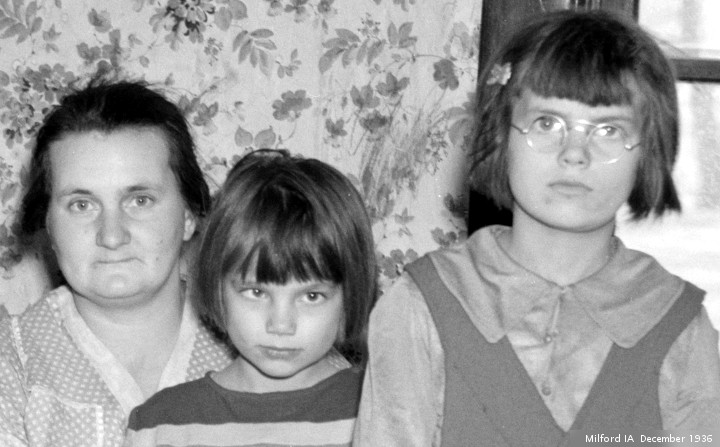
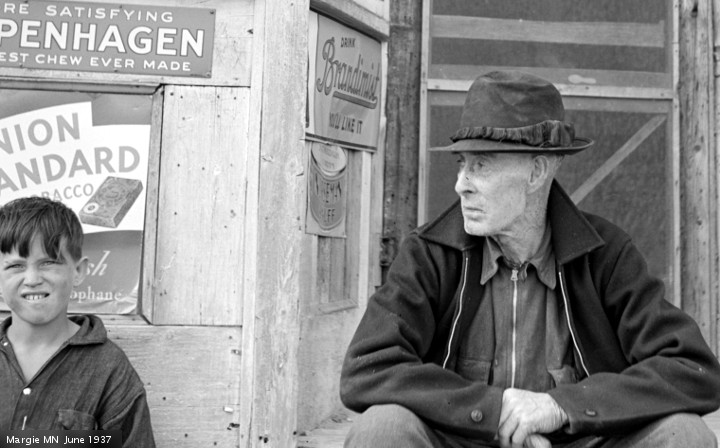

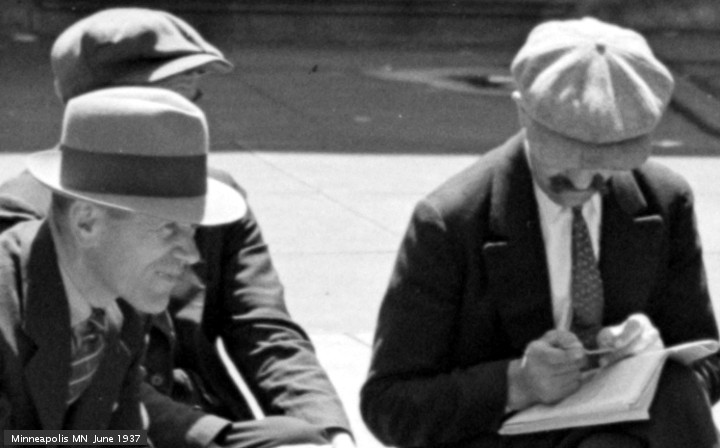


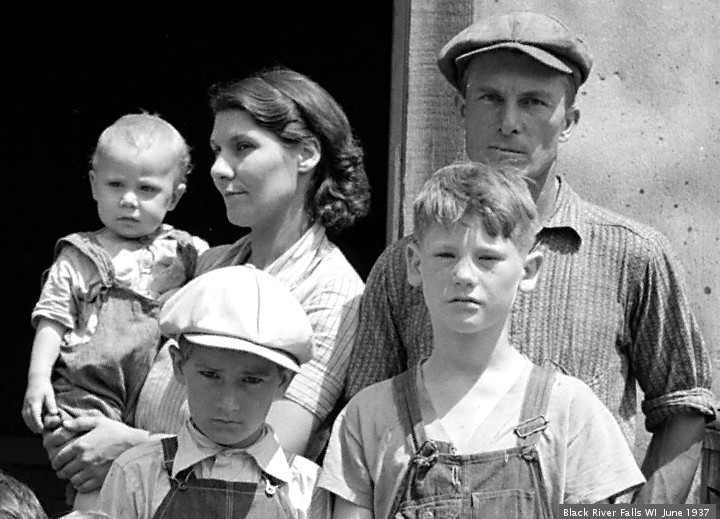
Fruitcake


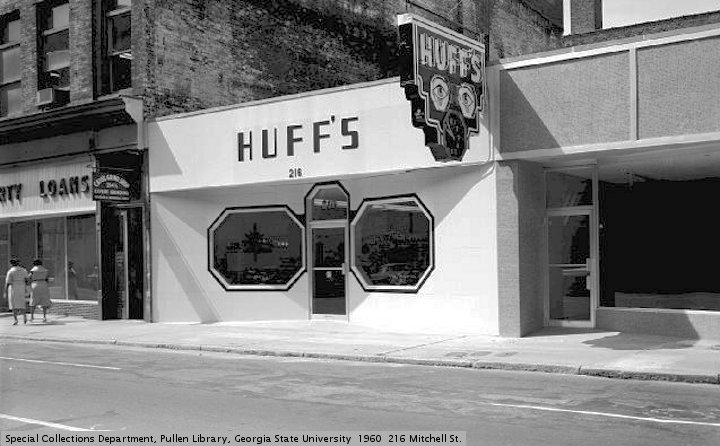


December 27 is National Fruitcake Day PG sees a chance for some text to put between pictures. He would be nutty as a fruitcake to turn down this chance. This is a repost.
Fruitcakes were buried with the dead in Ancient Egypt. It’s true. Ancient Egyptians used to fill the tombs of the dead with all the supplies that they would need to enjoy the afterlife, including food and water. Fruitcake was often put into the tomb of a deceased person because a fruitcake soaked in a natural preservative like alcohol or fruit juice would last a long time. It was thought that the preserved fruitcake would not spoil on the journey to the afterlife. Fruitcake was a staple food of other ancient Middle Eastern, Southeast Asian and Mediterranean cultures as well
Candied fruits are used in fruitcake because using sugar was the only way to preserve the fruit long enough to get it back to Europe from the Middle East. When the Crusaders began carrying exotic fruits back to their European home the fresh fruit would spoil long before they were able to get it home. Ingenious traders began drying the fruits by candying them with sugar which made them an even more delicious treat and preserved them indefinitely. Once the candied fruits were sent to Europe and to other parts of the world they were baked into cakes so that they could be shared with family and friends on special occasions.
Fruitcakes will last for years without spoiling. It’s true. A fruitcake that is properly preserved with an alcohol soaked cheesecloth that is then wrapped in plastic wrap or foil can be kept unrefrigerated for years without spoiling. In the past, before refrigerators came along, families would make fruitcake for holidays and special occasions months in advance of the actual event and then let the covered fruitcakes sit wrapped in an alcohol soaked cloth until the event happened. As long as the cloth was remoistened with alcohol occasionally the cakes not only didn’t spoil, they actually tasted richer and sweeter because they had been soaking in brandy and rum for a couple of months.
To millions of fruitcake consumers, the town of Claxton GA is very special. This south Georgia town, just down the road from Reidsville, is home to Claxton Fruit Cake . The story of the Claxton Fruit Cake company is a sweet one. Savino Tos founded the Claxton Bakery in 1910. He hired Albert Parker in 1927, and sold him the business in 1945. Mr. Parker decided to sell Fruit Cake to America.
No story about fruitcake is complete without mentioning the “Fruitcake Lady.” Marie Rudisill, an aunt of Truman Capote, wrote a book of fruitcake recipes. She became a tv celebrity, before going to the bakery in the sky on November 3, 2006.
The urban dictionary has nine listings for fruit cake. The ones for homosexuals and crazy people are there. UD gets creative with this selection: “The act of releasing green chunky diarrhea onto your partners face then, ejaculating on it, then punching him/her in the nose causing the colors to mix together to form a fruit cake like color.”
If you tire of jokes about fruitcake, you can go to The society for the protection and preservation of fruitcake . (If you click on the “new URL”, you will be invited to join in the green card lottery.) There used to be a link on the society page that enables you to buy Fruitcake Mints. “Keep your breath fruitcake fresh with these festive mints!”
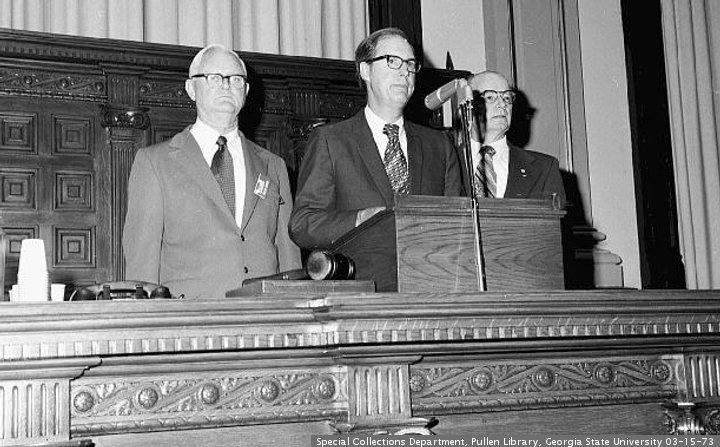
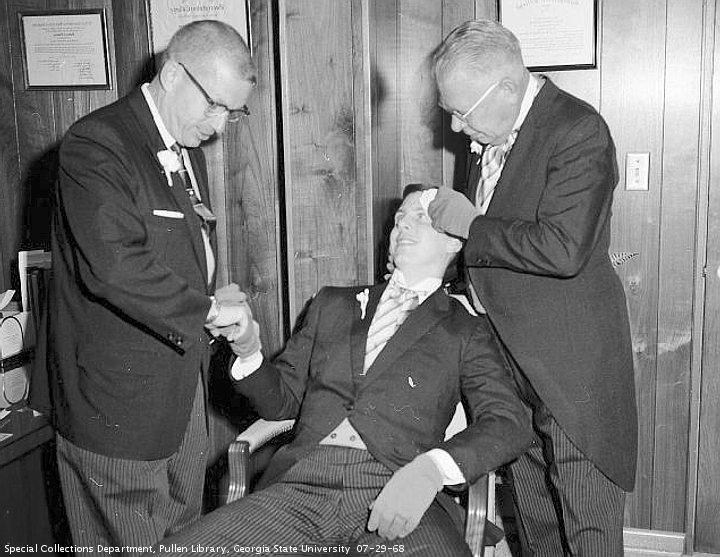
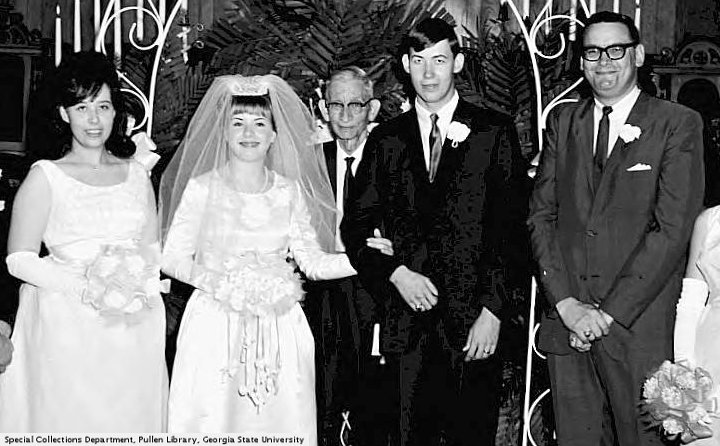
Pictures are from “The Special Collections and Archives, Georgia State University Library”.


White Margarine
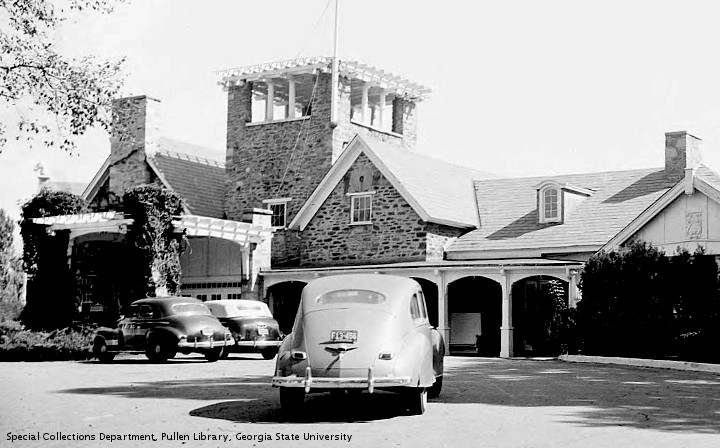
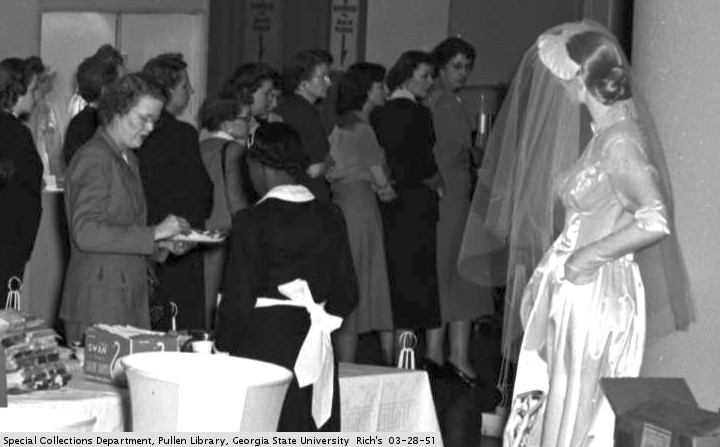

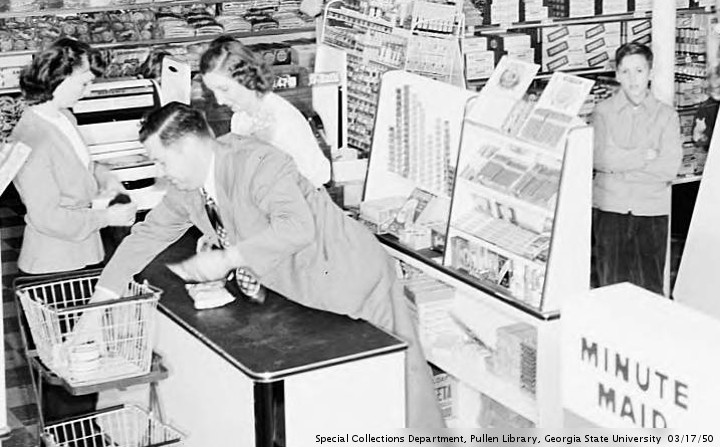
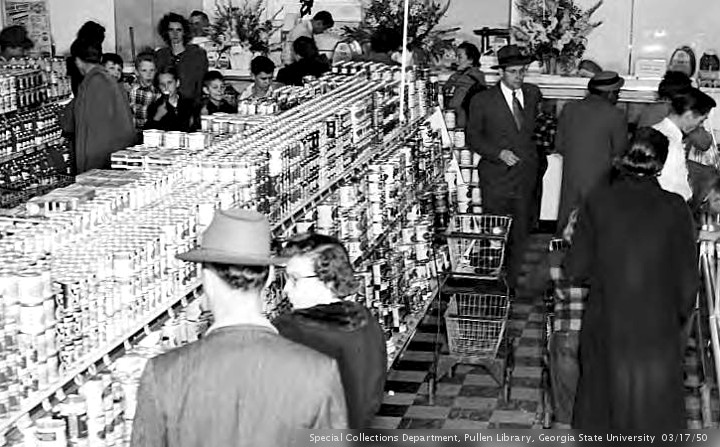
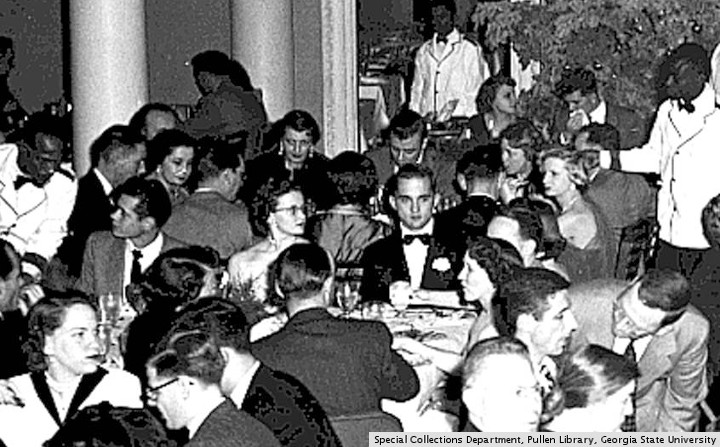
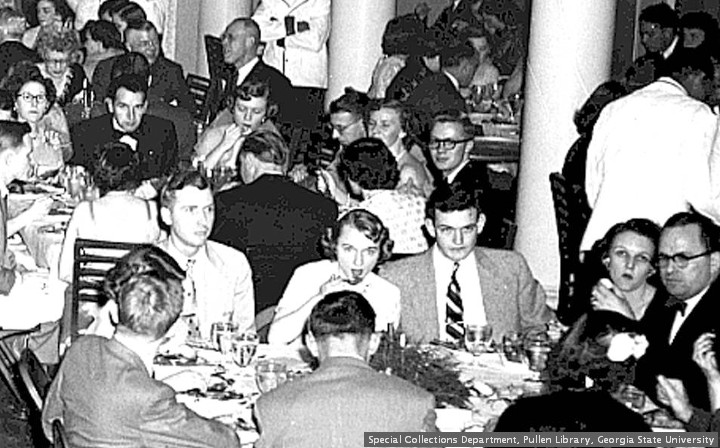
PG used to hear old timers talk about margarine being a white paste. The consumer would add the yellow color later. This bit of information had gone undisturbed for many years, until the 12:58 point of the Useless Information Podcast. There was a 1947 radio commercial for Delrich E-Z Color Pak.
Delrich E-Z margarine came in a plastic bag, along with a capsule. You broke the capsule, and yellow dye flowed out. You knead the bag, until the dye mixes with the margarine. It was considered an improvement over the mixing bowl.
Margarine was invented in 1869. “French chemist Hippolyte Mège-Mouriès … patented a lower priced spread made from beef tallow. He dubbed it oleomargarine–from the Latin oleum, meaning beef fat, and the Greek margarite, meaning pearl, this last for its presumably pearlescent luster.”
The dairy industry saw margarine as unfair competition for butter. In 1886, the federal Margarine Act was passed. Many oppressive taxes and regulations were put in place. Maine, Michigan, Minnesota, Pennsylvania, Wisconsin, and Ohio enacted a legislative ban on the use of margarine.
Most butter is dyed. The rich yellow that we associate with butter only comes from grass fed cows. If the cows are grain fed, butter is a pale yellow.
Yellow was more appealing than pink. In an effort to further demonize margarine, Vermont, New Hampshire, and South Dakota required margarine to be dyed pink. The Supreme Court overturned the pink laws, citing the laws’ effect on interstate commerce.
During World War II, butter was in short supply. Margarine became more popular. Finally, the laws requiring the sale of white margarine were repealed. Wisconsin kept the white margarine law until 1967, and forbade use of margarine in public places, unless requested, until 1971.
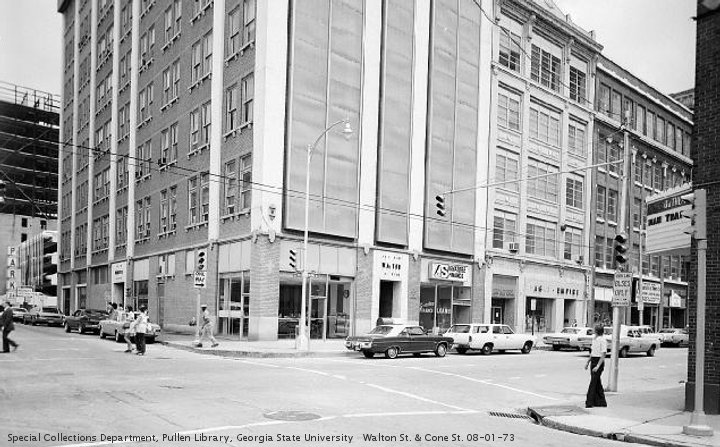
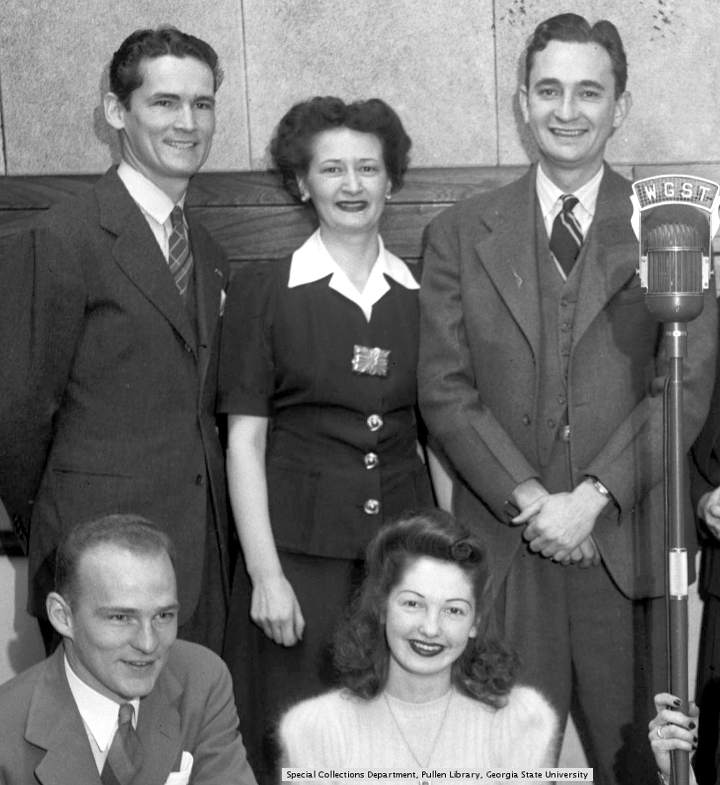
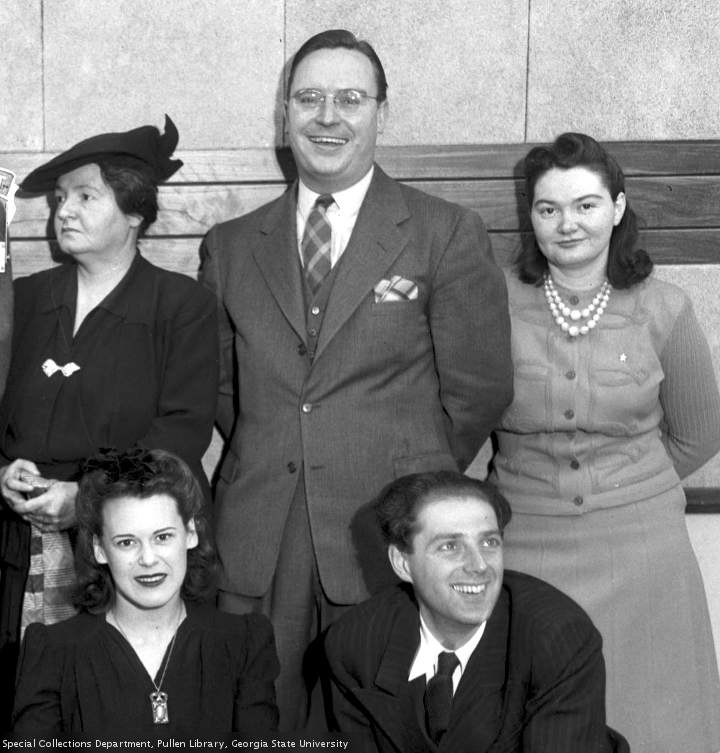
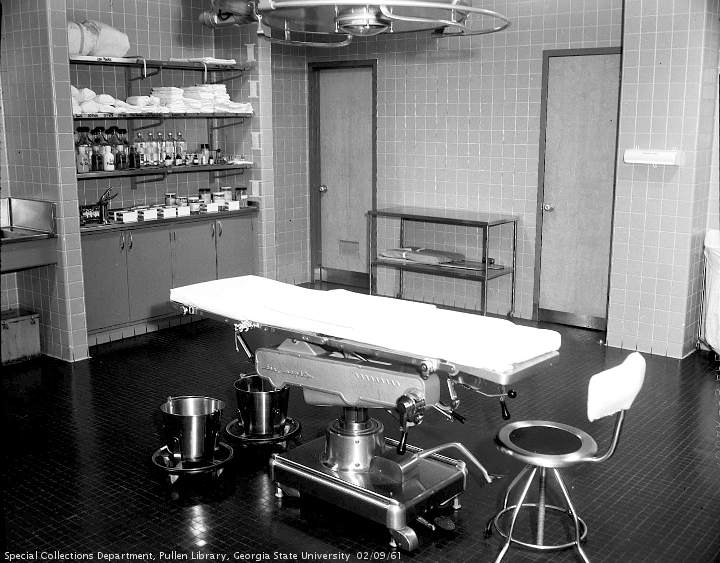
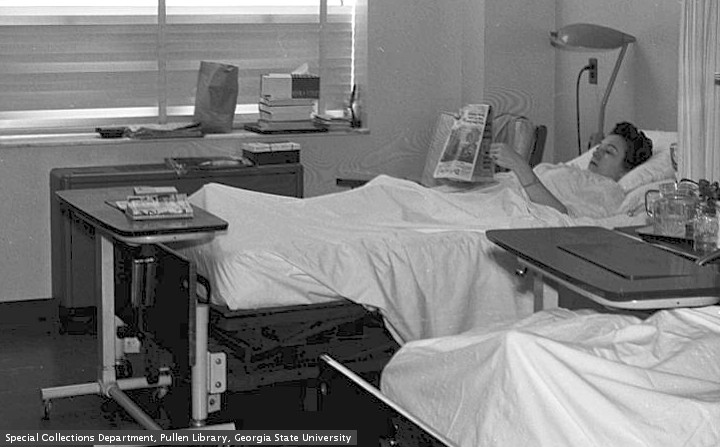
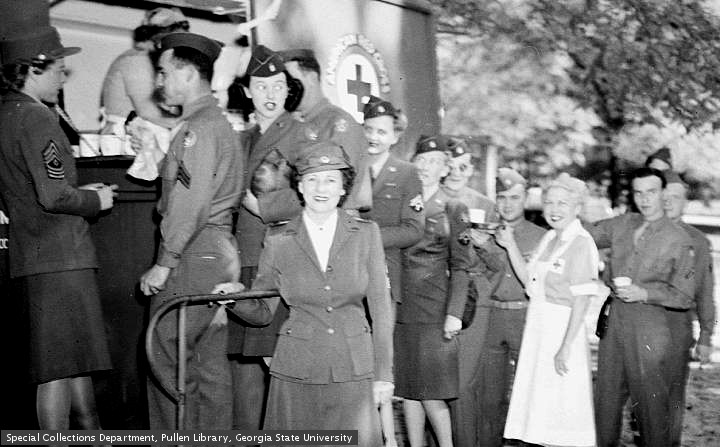
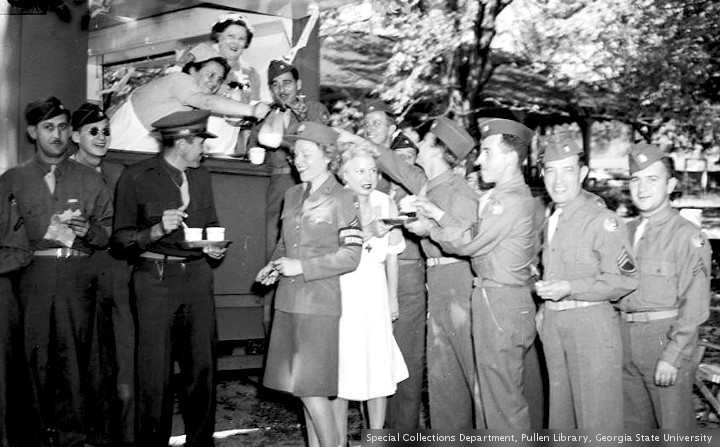
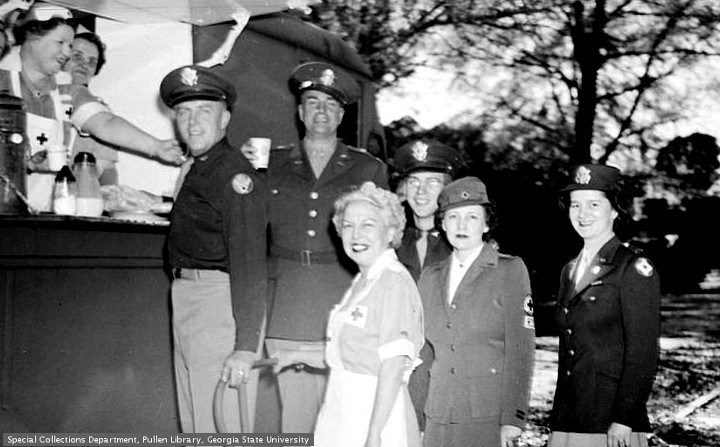
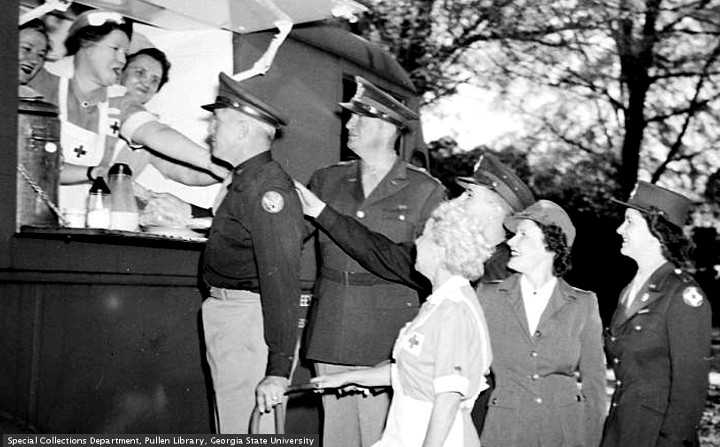
99% Invisible recently did a show, “I can’t believe it’s pink margarine.” PIctures today are from “The Special Collections and Archives, Georgia State University Library.” This is a repost.

The Durand Line


The United States is spoiled by the acceptance of our international frontiers. The Rio Grande, and the oceans, are obvious. While the Canadian border was a matter of contention at one time, it has been accepted for many years. In many parts of the world, where one country ends and another begins is casus belli, or reason to start a war.
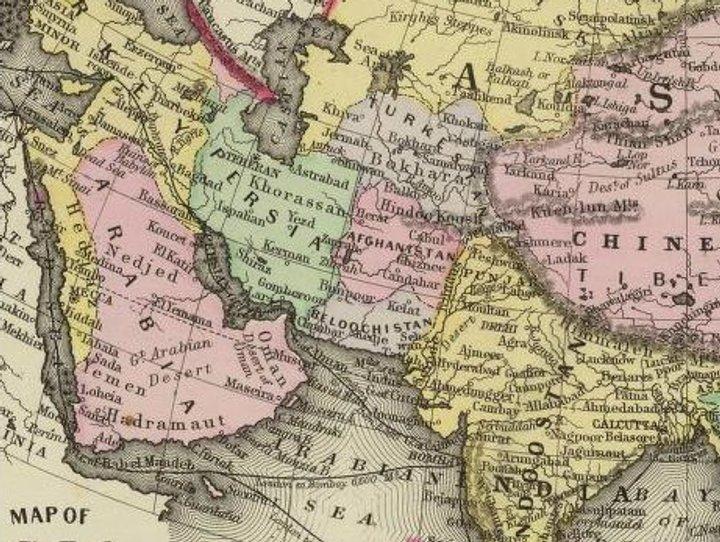
In 1893, what is now Pakistan was known as India, a part of the British empire. The Foreign Secretary of this government was a gentleman named Mortimer Durand. In 1893 a border was drawn between Afghanistan and India, which became known as the Durand Line. There are stories of British dirty deeds. Much of what is today Pakistan arguably belongs to Afghanistan, or an independent Balochistan. This is a repost, with photographs from The Library of Congress.



Georgia On My Mind

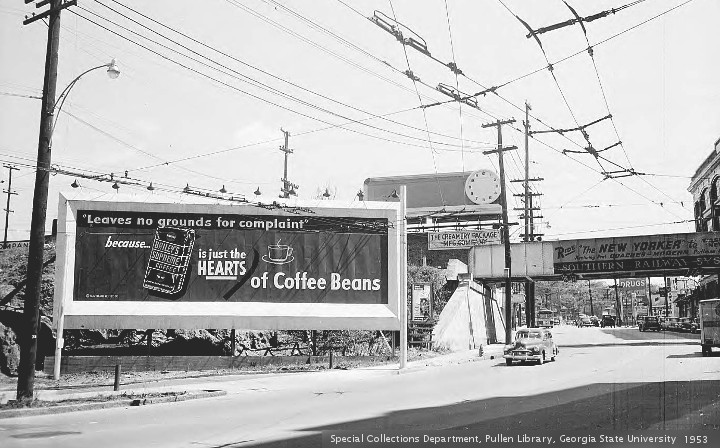
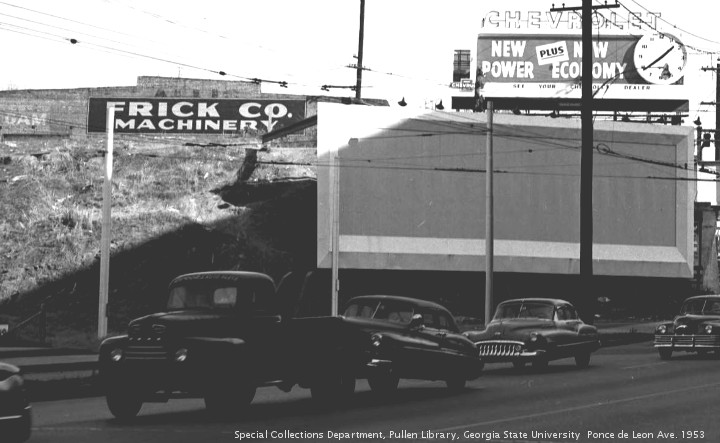
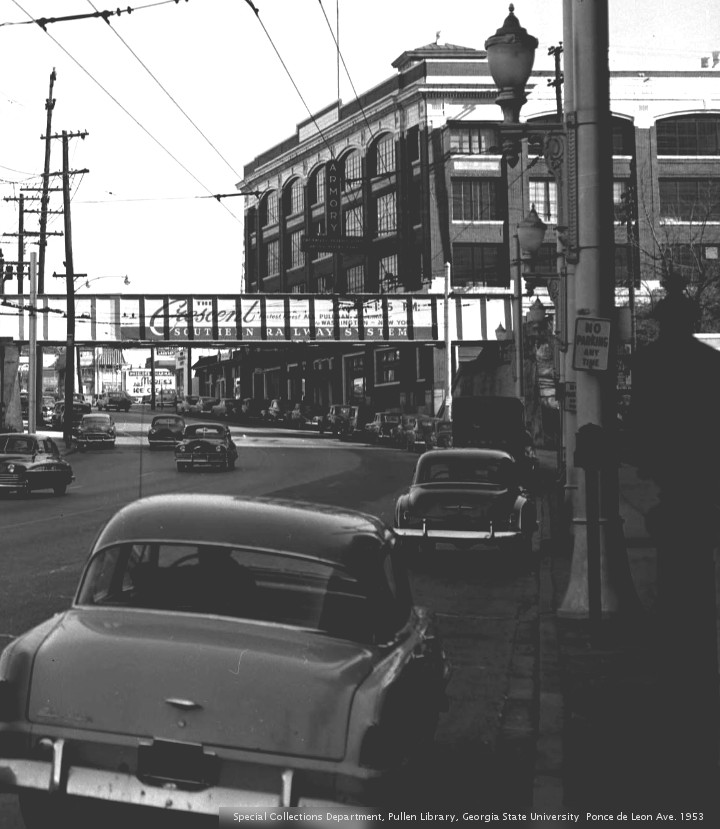


“Georgia On My Mind” turned up of facebook this morning. Pictures today are from “The Special Collections and Archives, Georgia State University Library”. This is a repost from 2020.
Youtube turned up the original “© Written in 1930 by Hoagy Carmichael (music) and Stuart Gorrell (lyrics) © Gorrell wrote the lyrics for Hoagy’s sister, Georgia Carmichael. However, the lyrics of the song are ambiguous enough to refer either to the state or to a woman named “Georgia”. Carmichael’s 1965 autobiography, “Sometimes I Wonder”, records the origin: a friend, saxophonist and bandleader Frankie Trumbauer, suggested: “Why don’t you write a song called ‘Georgia’? Nobody lost much writing about the South.” Thus, the song is universally believed to have been written about the state.”
National Anthems has a story about GOOM. (The 90’s website has a retro-illustration.) “STUART GRAHAM STEVEN GORRELL (1901-1963) and HOAGLAND HOWARD CARMICHAEL (1899-1981), wrote the song in 1930 almost as a lark … Hoagy Carmichael went to Indiana University, and one of his best college chums was Stuart Gorrell. Hoagy Carmichael was going to be a lawyer and Stuart Gorrell, when not hanging around the local “jazz joint” (called The Book Nook!) had promised someone that he would eventually be a success in the world of business.”
“The two of them were together at a party in New York and Hoagy Carmichael played what he had of the “Georgia” music line for Stuart Gorrell and some friends. After the party broke up, the two of them went back to a friend’s apartment and worked on the tune throughout the night. Stuart Gorrell wrote what he thought would be a good lyric line on the back of a post card, (now displayed in the Carmichael Room at Indiana University) and showed it to Hoagy Carmichael. One can still plainly see the few, but important, changes that Hoagy Carmichael made on that small piece of cardboard to Stuart Gorrell’s lyrical scratchings. The song was improved upon, and the lyrics written, in that boozy early morning, and recorded in September 1930 by a band that included Hoagy Carmichael’s great friend, Bix Beiderbecke – a recording session that proved to be Bix’s last.”
“Hoagy Carmichael went on to write many more songs, some of them hits, and Stuart Gorrell kept his promise and became a Vice President at Chase Bank. Stuart Gorrell never tried to write another song lyric, but ‘Georgia on my Mind’ became a hit after World War II and Hoagy Carmichael, true to his word – although Stuart Gorrell was not legally credited as the lyricist by the music publisher – always sent Stuart Gorrell a cheque for what would have been his share of royalty. The royalty income from that song is substantial and, after Stuart Gorrell died, the income put his daughter through college.”
Mr. Gorrell wrote a letter to the Bremen (Indiana) Enquirer, August 3, 1961. “This accompanied his response to his home town’s Teen Hop patrons choosing the song as their theme song. … “Georgia on my mind” was composed more than a quarter of a century ago on a cold and stormy evening in 1930 in New York City. Hoagy Carmichael and I, in a third floor apartment overlooking 52nd street, with cold feet and warm hearts, looked out the window and, not liking what we saw, turned our thoughts to the pleasant southland. Thus was born a hauntingly sweet song. My mother, who died in Bremen in 1942, once asked a very penetrating question about the song. I had sent her a copy of the sheet music and, after reading the words over several times, she wondered aloud: “What is Georgia? A girl—or state? What do you think? Hoagy and I just love every one of you Bremen Teen Hoppers for honoring out tune by making it your theme song. Sincerely, Stuart Gorrell”






Ansel Adams And Dorothea Lange
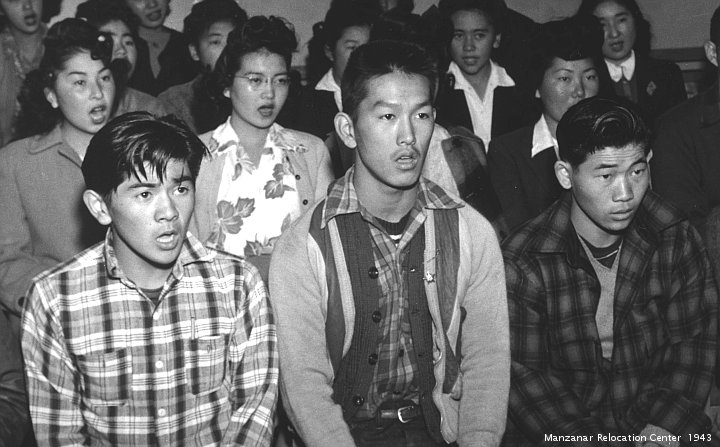


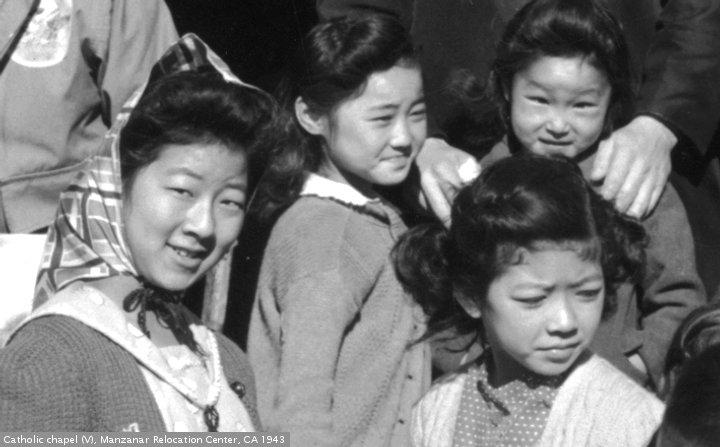
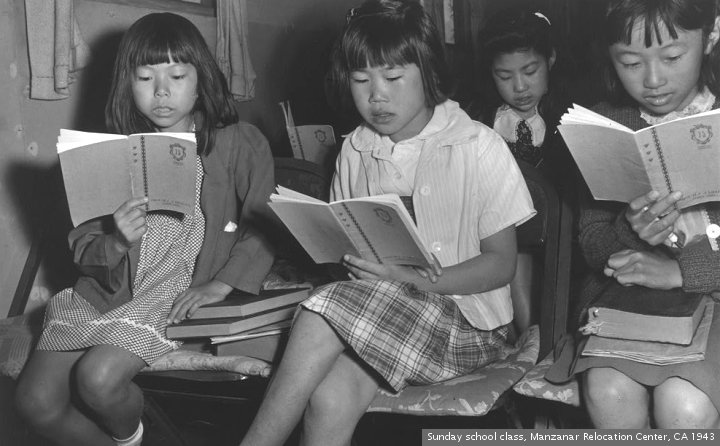

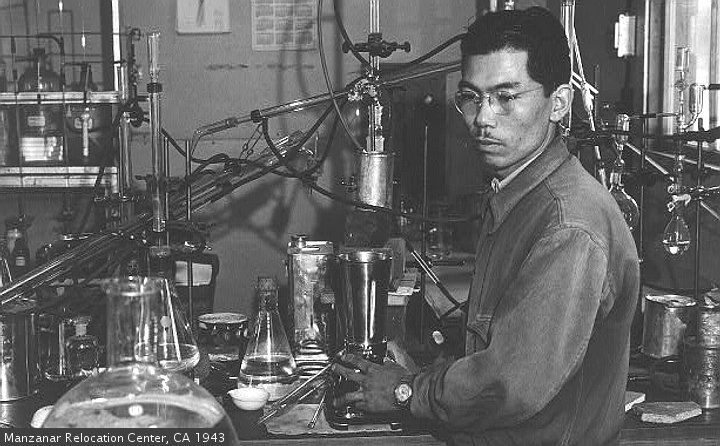

The facebook feed has recently had links to a story, Dorothea Lange’s Censored Photographs of FDR’s Japanese Concentration Camps. Miss Lange was the photographer of the iconic Migrant Mother. After Pearl Harbor, Miss Lange took a job with the War Relocation Authority, documenting the “relocation” of Japanese-Americans to interment camps. The photographs did not please the authorities. They were censored, and only appeared recently. This is a repost.
Ansel Adams also took photographs at the Manzanar, California, camp. In the current stories, he is literally a footnote: quotes were used from a book about his photography. Why is Dorothea Lange receiving attention, while Ansel Adams is ignored?
One answer is that Miss Lange was hired early on, and shows the harsh reality of relocation. “On July 30, 1942, the WRA laid her off “without prejudice,” adding that the cause was “completion of work…. the WRA impounded the majority of her photographs of Manzanar and the forced detentions, and later deposited 800 image from the series in the National Archives without announcement.”
“After Lange’s departure, Manzanar’s director Ralph Merritt visited renowned environmentalist and landscape photographer Ansel Adams and suggested he document the camp — Merritt and Adams were friends from the Sierra Club. Lange, also friends with Adams, encouraged him to take the job. (Coincidentally Adams printed “Migrant Mother” for her ) …Ansel Adams made several trips to Manzanar between October 1943 and July 1944 for this new personal project, and, as Alinder writes, he was primed to try the kind of documentary photography regularly practiced by Dorothea Lange and the Farm Security Administration that he had earlier shunned. Unlike Lange, a white woman who had been viewed with suspicion by her subjects, Adams was welcomed by the incarcerees, even greeted as a celebrity in a cultural community that had a deep appreciation of nature — many incarcerees at Manzanar literally opened their doors to him dressed in their finest clothes. … By 1943, Manzanar’s incarcarees had had time to settle in and enjoy the fruits of their collective work. In less than ideal surroundings, they had collectively built their own post office, town hall, library, auditorium, co-op store system, police station, jail, cemetery with memorial, published their own newspaper (the ironically named the Manzanar Free Press, which was regularly censored by the military), and even their own YMCA.”
“As for Lange, looking at the historical record, it appears that she was treated differently from the other WRA photographers. She was discouraged from talking to the incarcerees, was constantly followed by a censor, and faced harassment. She was refused access to areas after being given clearance, and she was often hounded over phone charges and receipts. … After being discharged, Lange expressed in letters her dismay that her work was ineffective in helping the people she documented. Her assistant Christina Clausen later noted the ferocity of this body of work also marked the beginning of the photographer’s bleeding gastric ulcers. Lange was unable to work for a number of years after her harrowing experience at Manzanar. She died from esophageal cancer in 1965.”
“In 1944, Adams’s photographs were published as a book, “Born Free and Equal: The Story of Loyal Japanese Americans,” and shown at New York’s Museum of Modern Art. Nativists took offense. They saw Adams’s work as a slur on the war effort. He was a “Jap lover.” This quote is from a 2016 article, Let’s be honest, Ansel Adams’s images of a WWII internment camp are propaganda
“Adams visited Manzanar to take photos in 1943 at the request of camp director Ralph Merritt, who was a personal friend. “They don’t look quite as dusty and quite as forbidding as Dorothea Lange’s photos … Indeed, the place that looks barren and depressing in Lange’s pictures manages to look beautiful in Adams’. You get little sense that it was even a detention center, in part because Adams, like other photographers, was not allowed to shoot the guard towers or barbed wire…
There are scenes from a baseball game, kids walking to school, a gathering outside a chapel. Lots of smiles, too, and portraits of camp residents cropped so close, you can see every blemish and stray hair. In Adams’ vision, Manzanar comes off as a place where Japanese-Americans, dignified, resilient and optimistic in spite of their circumstances, built a temporary community in the desert.
(Skirball Cultural Center director Robert) Kirschner said that if Adams’ photos appear to sugarcoat the indignities of life in an internment camp, it is because he did not see himself as a social activist the way Lange did. Still, Kirscher says, Adams was challenging internment in his own way, by depicting its victims as patriotic, law-abiding Americans. Unlike Lange, Adams was given permission to publish his photos. Before the war ended, he did so in a book called “Born Free and Equal: The Story of Loyal Japanese Americans,” in which he warned about the dangers of letting wartime hysteria justify depriving U.S. citizens of their freedom.”
The NPR article mentions a third Manzanar photographer. “Before World War II, Toyo Miyatake had a photo studio in Los Angeles’ Little Tokyo. When he learned he would be interned at Manzanar, he asked a carpenter to build him a wooden box with a hole carved out at one end to accommodate a lens. He turned this box into a makeshift camera that he snuck around the camp, as his grandson Alan Miyatake explains in the video below, which is featured in the exhibit.
Fearful of being discovered, Miyatake at first only took pictures at dusk or dawn, usually without people in them. Camp director Merritt eventually caught Miyatake, but instead of punishing him, allowed him to take pictures openly. Miyatake later became the camp’s official photographer.”
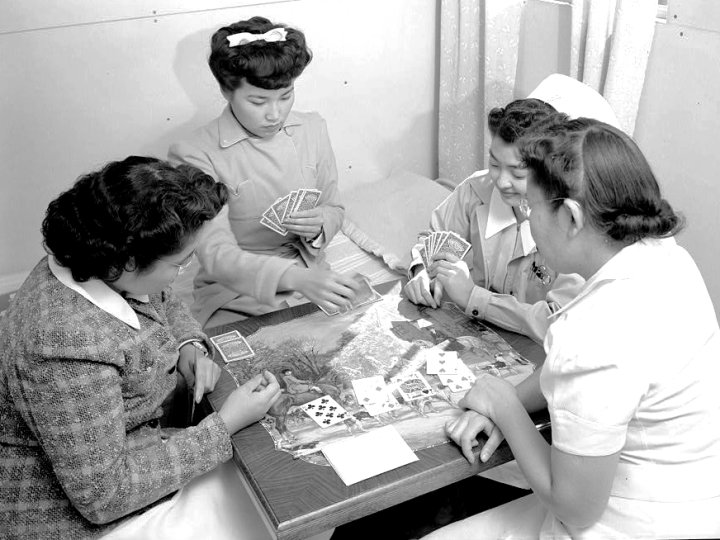
Pictures for today’s feature are from The Library of Congress. These are pictures that Ansel Adams took at Manzanar. They have been posted at chamblee54 before. The ladies in the bridge game are Aiko Hamaguchi, Chiye Yamanaki, Catherine Yamaguchi, and Kazoko Nagahama.






Thanksgiving Letter to the Family
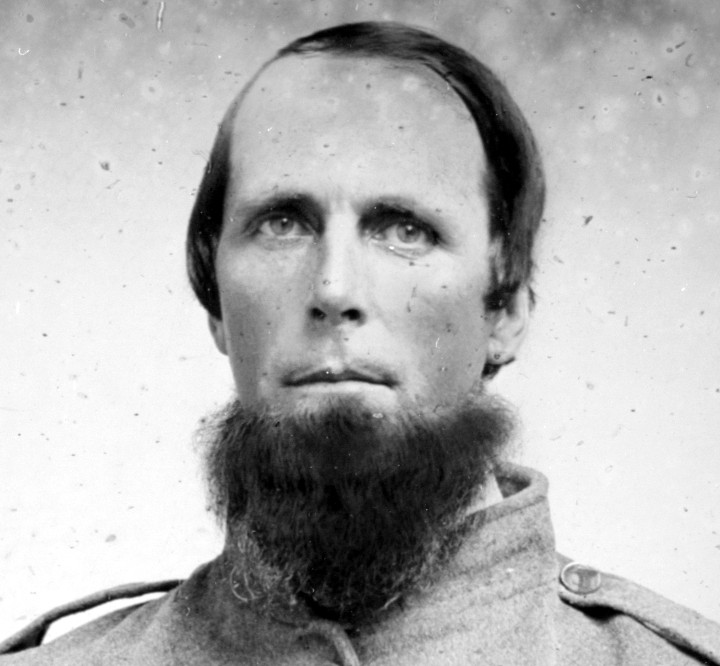


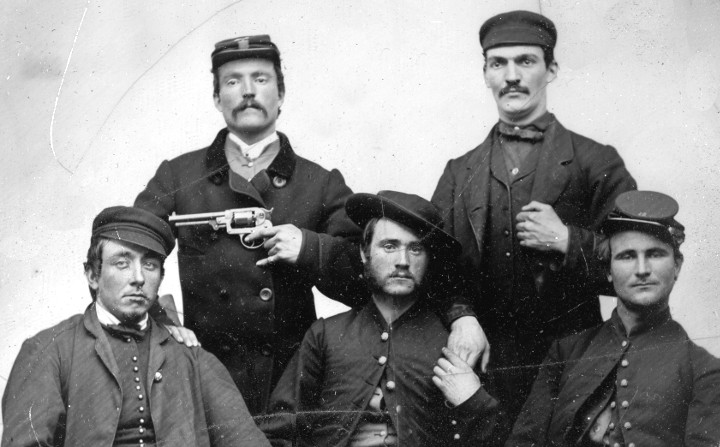
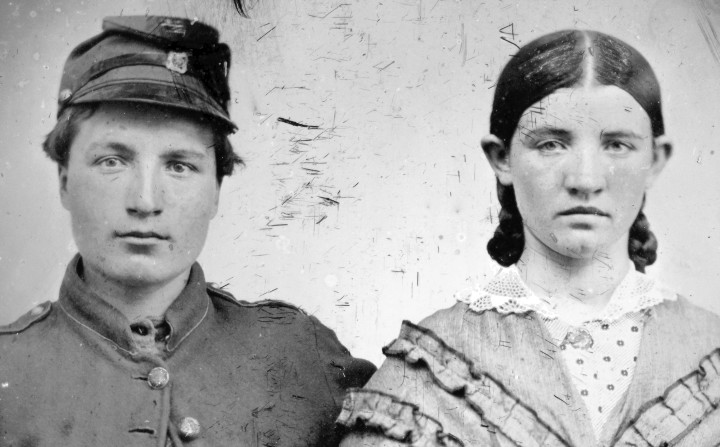
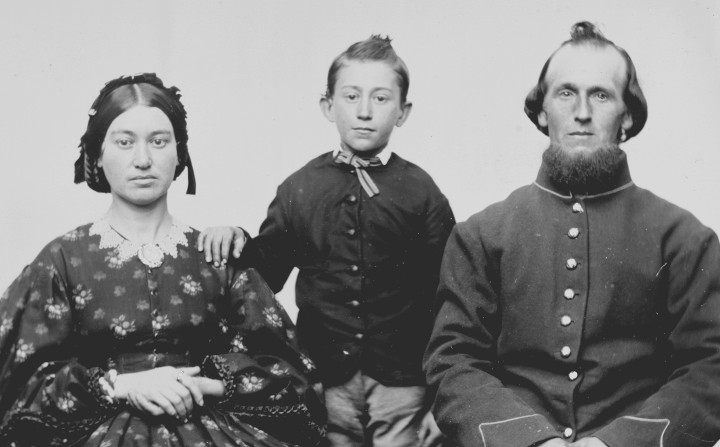
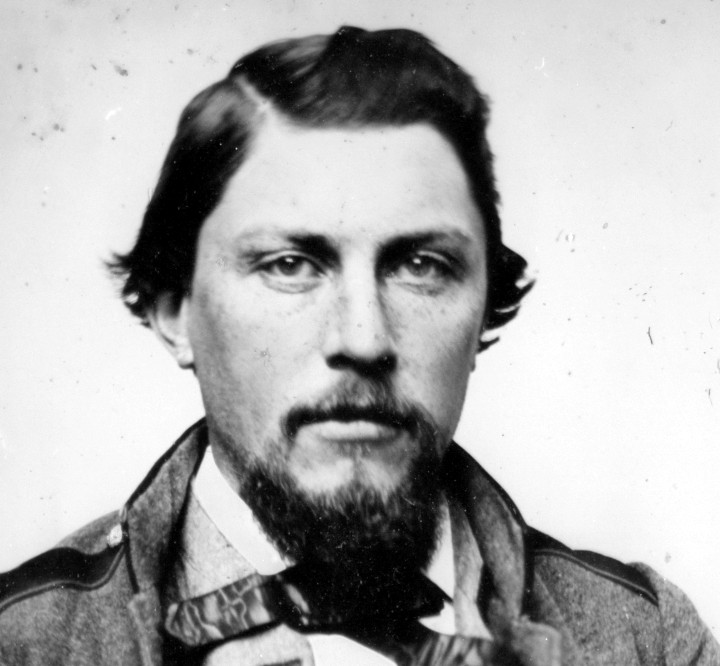
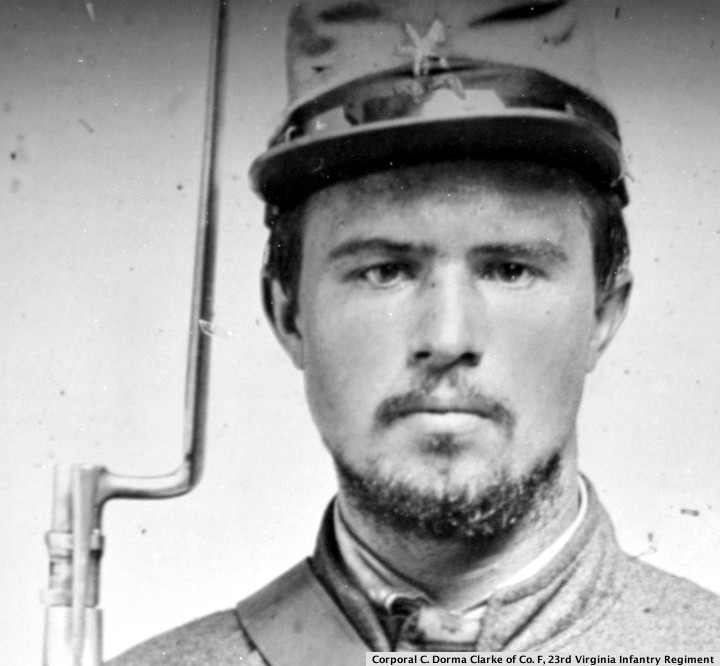
Margaret and Helen, against all odds, still have a blog. Naysayers insist that it is concocted by a computer savvy grandson. Never mind that most of those types have gone cell phone crazy, and left their blogs behind. One of the traditions at M&H is the Thanksgiving Letter to the Family. Here is the 2018 version. Pictures for this holiday season are from The Library of Congress. The men were Confederate soldiers, from the War Between the States.
Dear Family, As we gather again for another Thanksgiving, I’d like to set up some house rules. I know I’m not the head cook anymore, but I’m still the head of the household so listen up:
No cell phones at the dinner table. No feet (big or tiny) on my furniture. No jello-salad.
Parenting is a full-time job. You don’t get the holiday off. Watch your kids and make sure there is some food on their plate that has color. Carrots. Green beans. Yams. Something more than just mashed potatoes. They might not eat any, but it’s never too soon to introduce them to each other. It would be easier if I was still the cook and everything had a little bacon grease to help it go down, but in this age of vegavegan-gluttenfree-halffat-lesssodium-nosugaradded, I can’t be responsible for how the food tastes anymore. Gone are the days of the three master spices: salt, pepper and bacon grease.
No jello-salad. I’m serious about this. The only thing that jiggles at my house this Thanksgiving will be your Aunt Trudy after a few glasses of wine.
I’ve lived a long life and along the way, I’ve collected a few nice things. I don’t put them away for company and I don’t put them away for family. Eventually your child needs to learn the meaning of the word No. Let’s make that happen today. We watch football in the family room on TV. We throw footballs outside on the lawn. And when you do go outside, shut the door behind you. I don’t need to air condition the whole neighborhood. And if Mr. Briggers next door tells you to stay off his lawn, tell him to stay off my last nerve. That man is the one bad bulb that ruins the whole string of lights.
If you want to talk politics sit next to me, but if you own a MAGA hat be warned. Your President is an asshat and I’m old enough to speak my mind regardless of your precious feelings. If I were you, I’d practice don’t ask, don’t tell because even when I mind my Ps and Qs, I can still spell bullshit.
No jello-salad.
If your child still wears diapers, you will leave with the same number of them as you had when you arrived. Bag them up and take them with you. The trash man doesn’t come again until next Tuesday and the last thing I need is a trash can full of baby poop. No exceptions to this rule. You’re dealing with a woman who washed cloth diapers so this would be an argument you will lose.
You know I love you. And I am indeed thankful for my family. I used to have a handle on life, but it broke. Follow the rules and we’ll all get along just fine.
No jello-salad. I mean it. Really.
With love, Aunt Helen/Mom/Grandma




The Silly Remarks Of The President
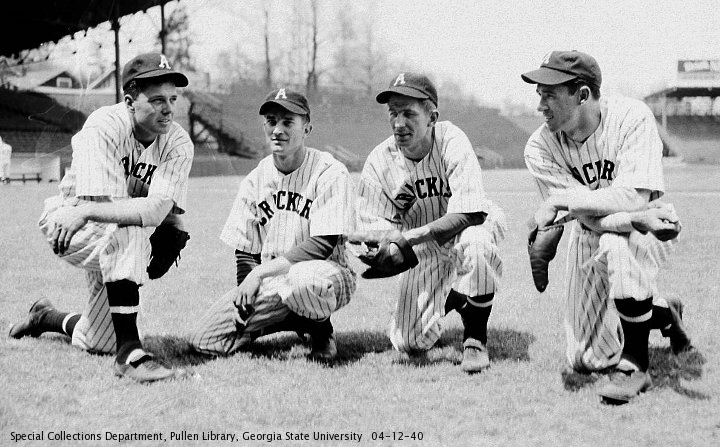


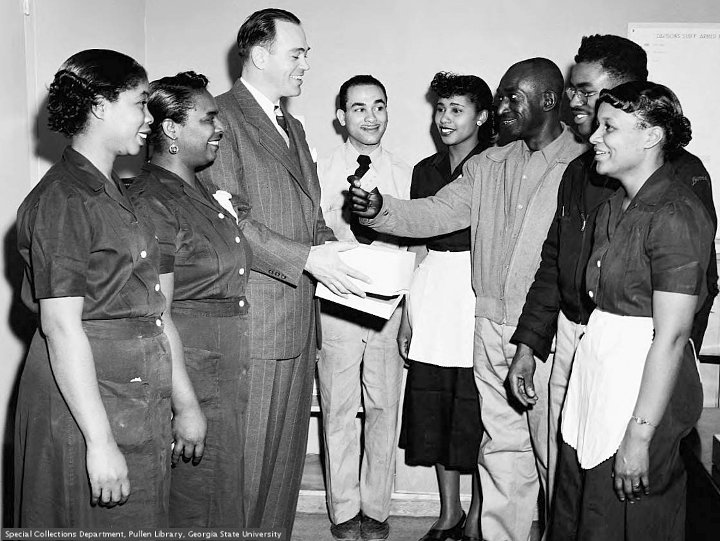
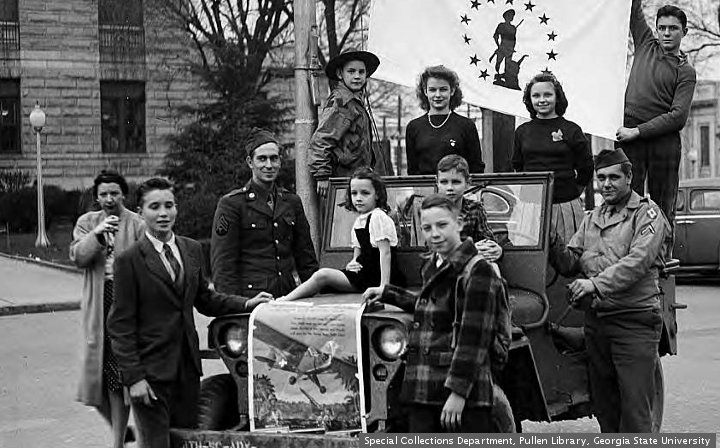
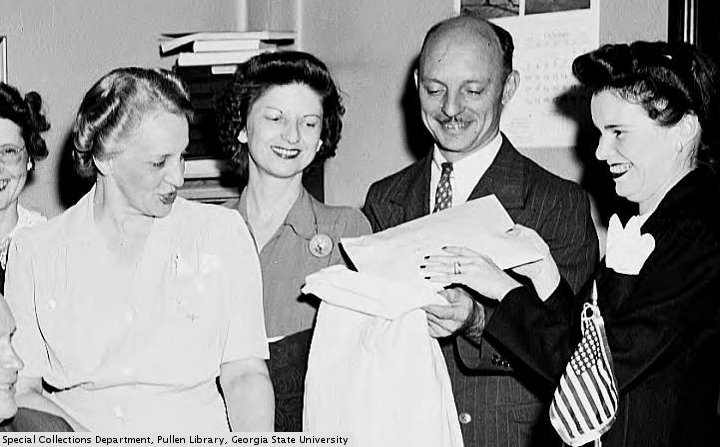
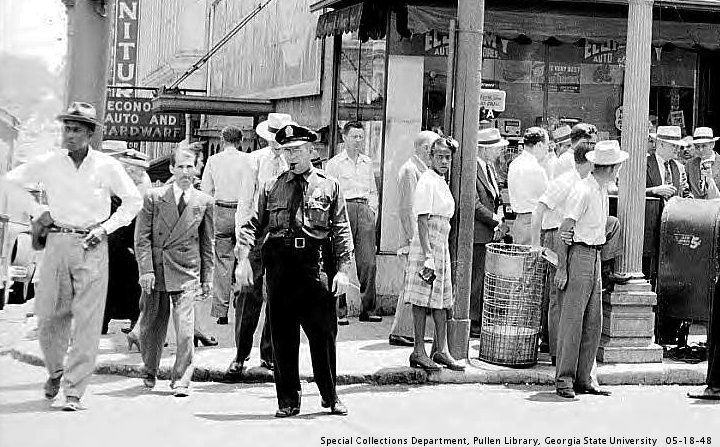

November 19, 2013 was the 151st anniversary of the Gettysburg Address. This was seven score, and eleven years, ago. This is not as poetic as four score and seven. The famous speech was written on White House stationary, not the back of an envelope. The train ride to the battlefield was too bumpy to write on, so it was written elsewhere. No one is sure what happened to the original.
The text was published in newspapers, and became famous. Relatively few people heard the actual speech. Not everyone was impressed. The Harrisburg Patriot & Union said “We pass over the silly remarks of the President. For the credit of the nation we are willing that the veil of oblivion shall be dropped over them and that they shall be no more repeated or thought of.” The descendent of this paper, The Patriot-News, printed a retraction in 2013. Better late than never.
Other contemporaries were critical. Presidents are politicians, with allies and enemies, and are not often beloved in their own time. The New York World accused Lincoln of “gross ignorance or willful misstatement” with his declaration of “four score and seven years ago.” The Democratic Chicago Times called the address “a perversion of history so flagrant that the extended charity cannot regard it as otherwise than willful.”
H.L. Mencken had a few unkind things to say about the affair. “But let us not forget that it is poetry, not logic; beauty, not sense. Think of the argument in it. Put it into the cold words of everyday. The doctrine is simply this: that the Union soldiers who died at Gettysburg sacrificed their lives to the cause of self-determination—”that government of the people, by the people, for the people,” should not perish from the earth. It is difficult to imagine anything more untrue. The Union soldiers in that battle actually fought against self-determination; it was the Confederates who fought for the right of their people to govern themselves. “
As the rest of the linked essay points out, one motivation for the Confederates desire for self determination is to maintain the ability to own other human beings. Pictures are from “The Special Collections and Archives, Georgia State University Library.” This is a repost.


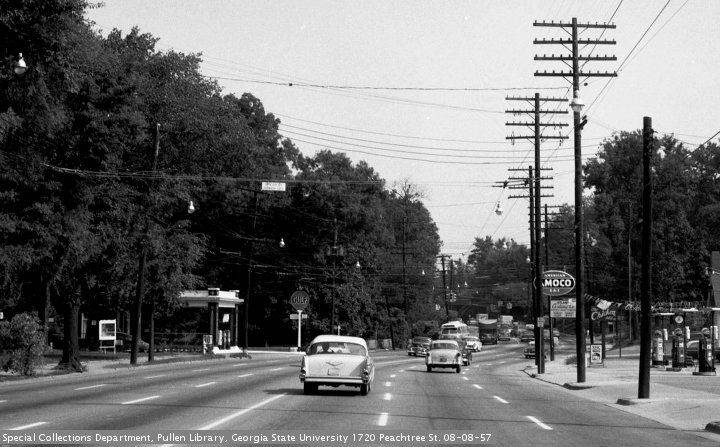


Thanksgiving
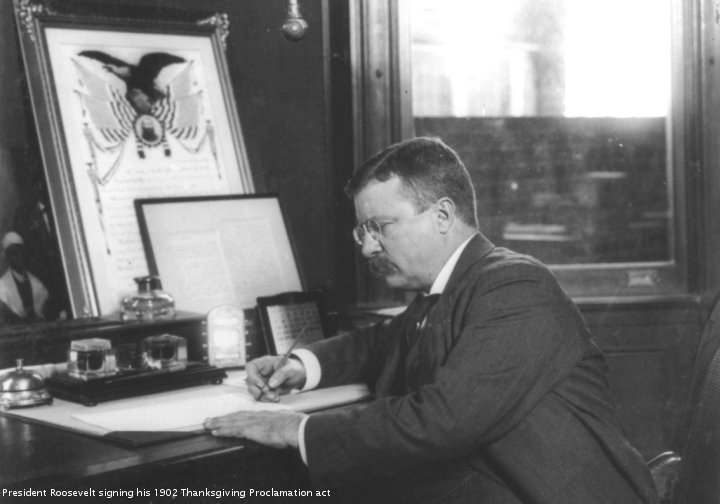
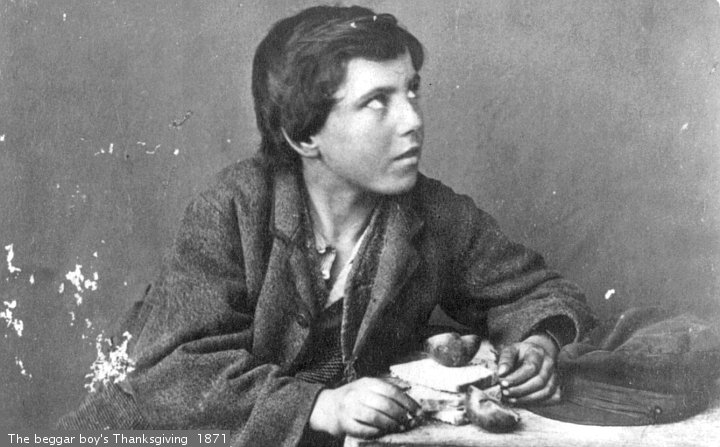
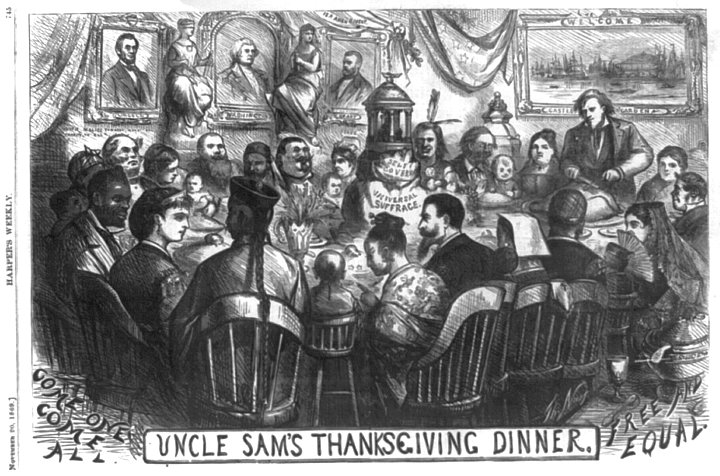
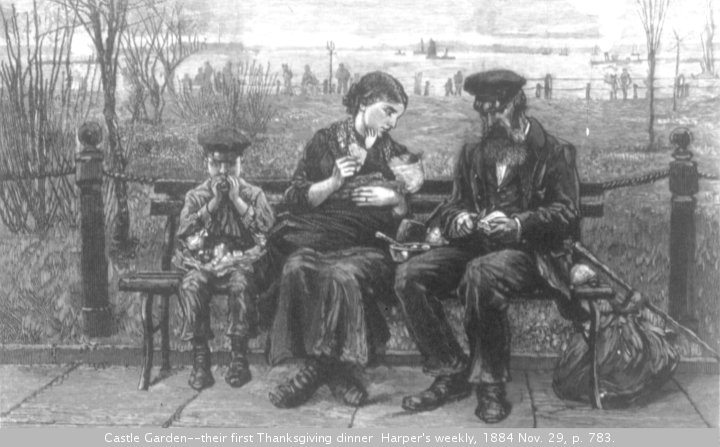
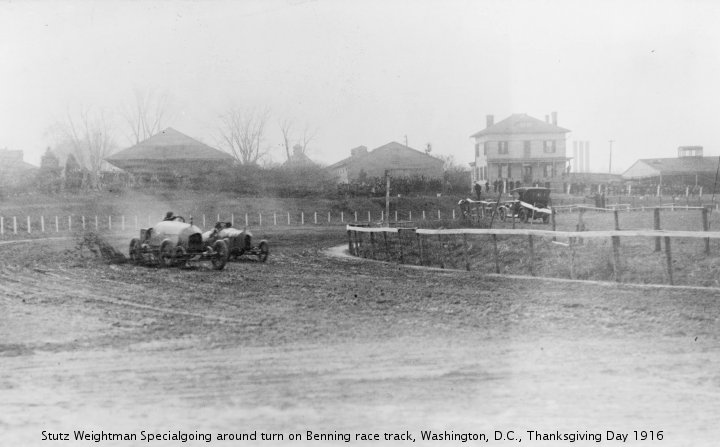
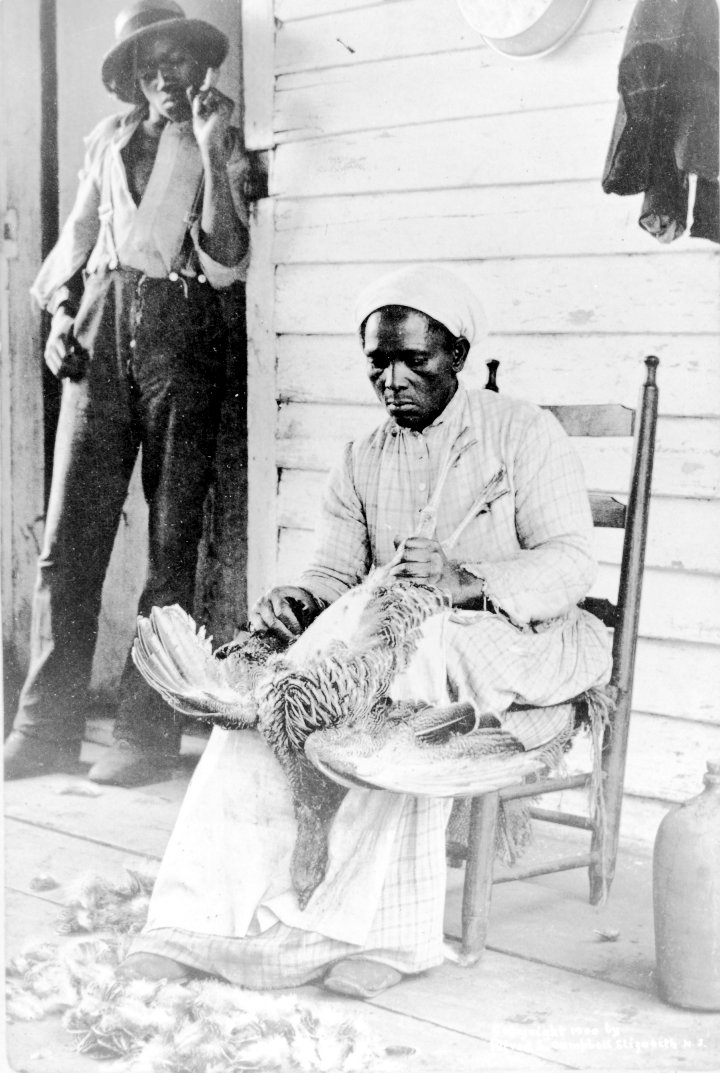
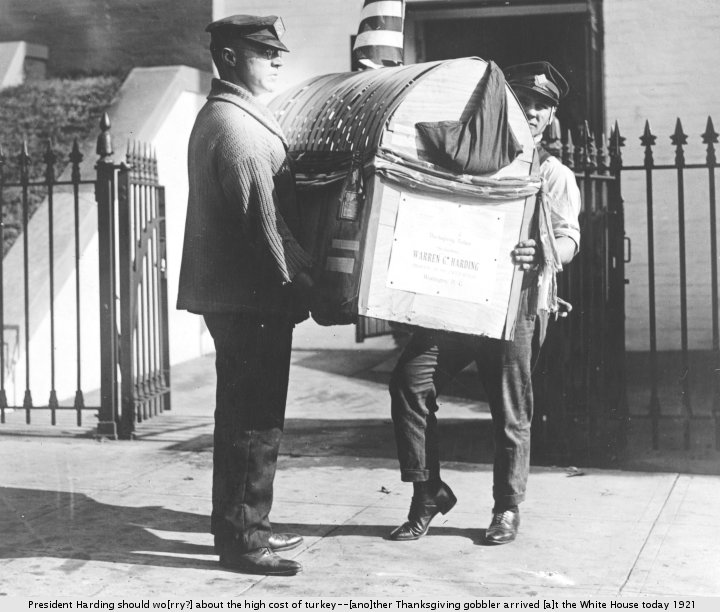
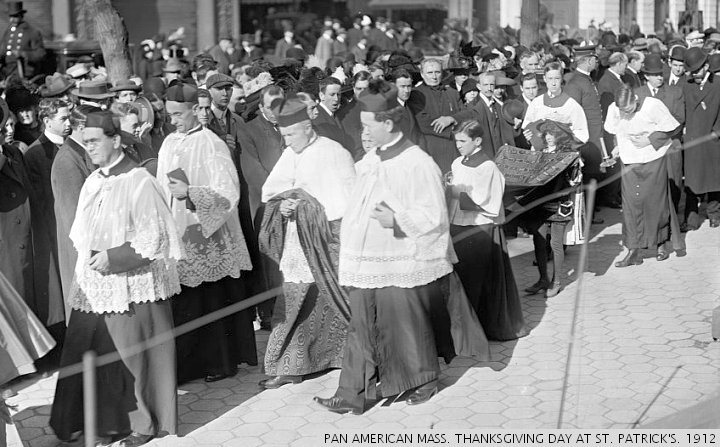
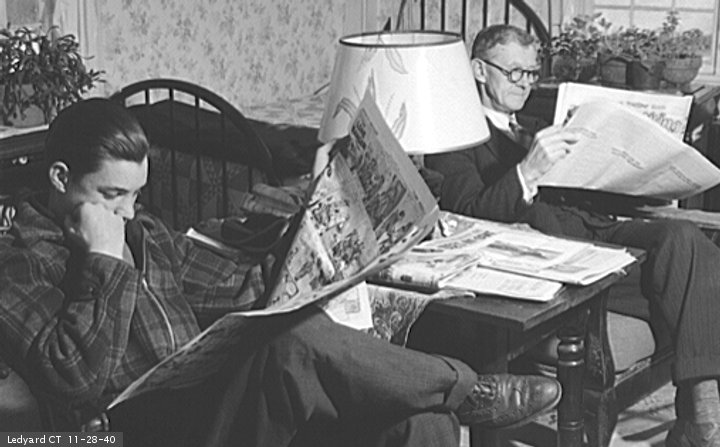
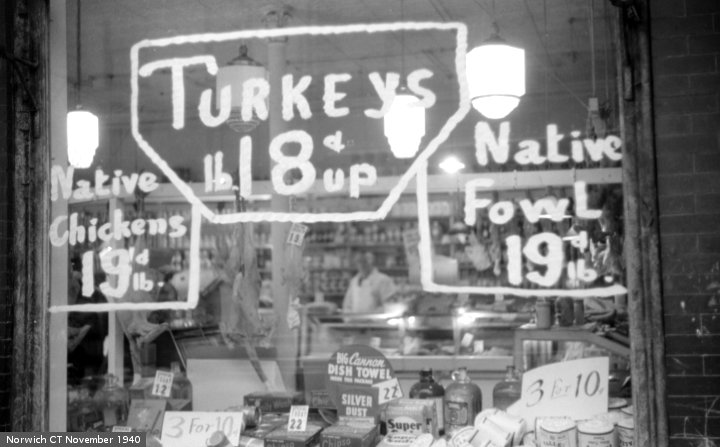
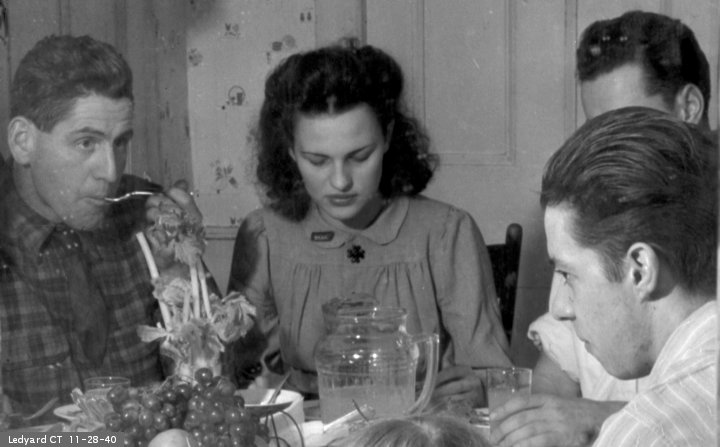
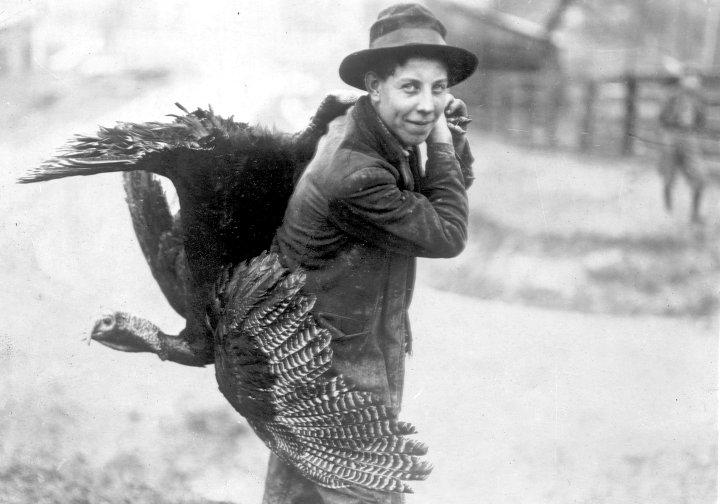
PG does not want to bore you with talk about gratitude. This is a repost. Pictures are from The Library of Congress. There will be one story.
“I used to work for a company that produced annual reports. One year, I was sent on this huge cross country trip to art direct a series of shots for a food processing mega-company, and one of the stops involved a turkey farm. Okay, so you have to understand that turkeys are extremely skittish birds. The slightest thing will set them off, so the farmer kept them in a large, basically dark barn just to keep them under some semblance of control. So we go in, and the photographer sets up the lights, which he gradually turned on so the birds (and me, for that matter) could get used to it. Everything’s going fine. We have the farmer in front of his (literally) hundreds of free-range turkeys. The photographer clicks off the shot… and in doing so sets off a flash he forgot he had triggered. Immediate chaos: birds running everywhere.At least a dozen fainted and died right on the spot. Farmer was none too happy. Neither was the agency.”










Fifty Eight Years



Fifty eight years ago, John Kennedy went to the oval office in the sky. The bullets hit Mr.Kennedy at 12:30 pm, CST. He arrived at the hospital at 12:37. He had a faint heartbeat on arrival, but quickly succumbed to his wounds.
In Georgia, PG was nine years old. He was in Miss Mckenzie’s fourth grade class. There was going to be an assembly soon, and the class was going to perform. There was a rehearsal in the cafetorium, and some of the kids were acting up. They went back to the class, and PG thought they were going to be chewed out about the misbehavior in the cafetorium. Instead, Miss Mckenzie came into the room, and told the kids that President Kennedy had been shot during a parade in Dallas Texas. She did not say anything about his condition. One kid cheered the news.
School let out at the regular time, and PG walked home. His mother and brother were crying. He was told that the president had died. The cub scouts meeting that afternoon was canceled.
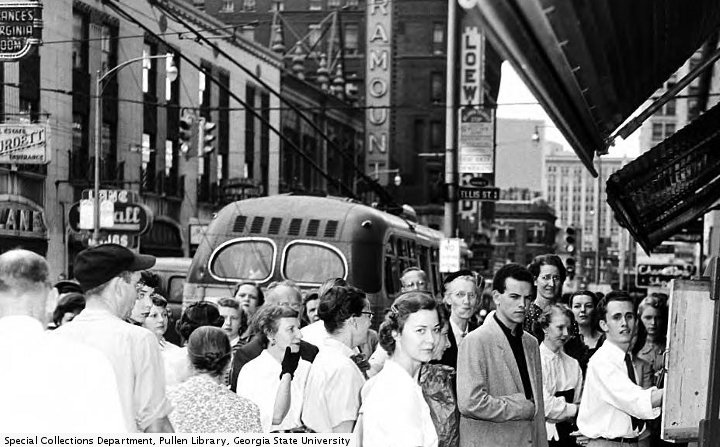
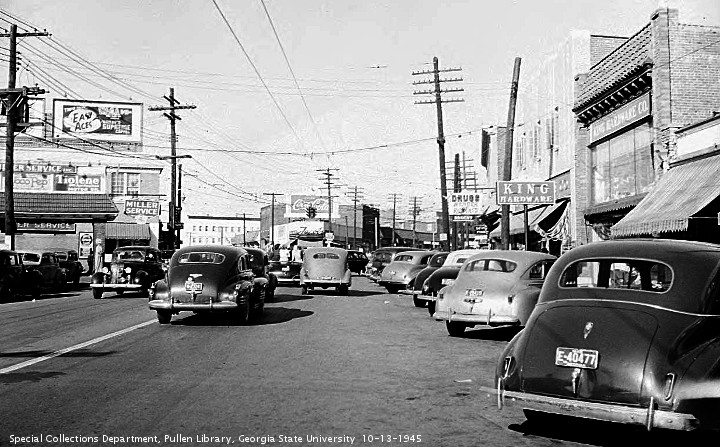
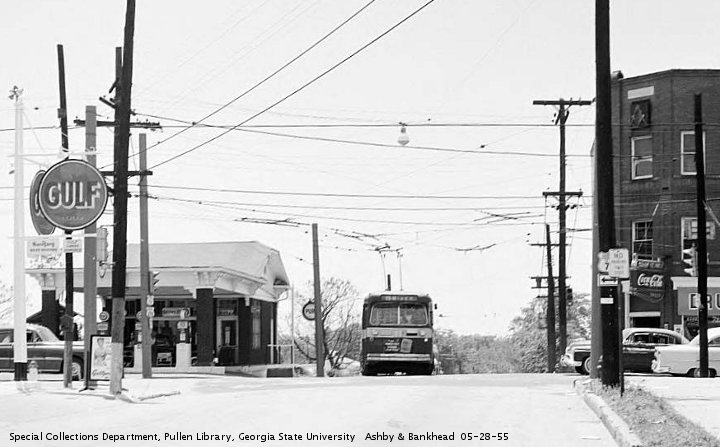
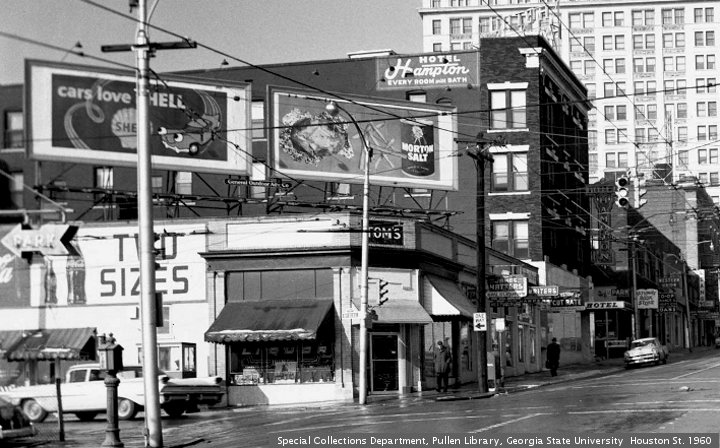
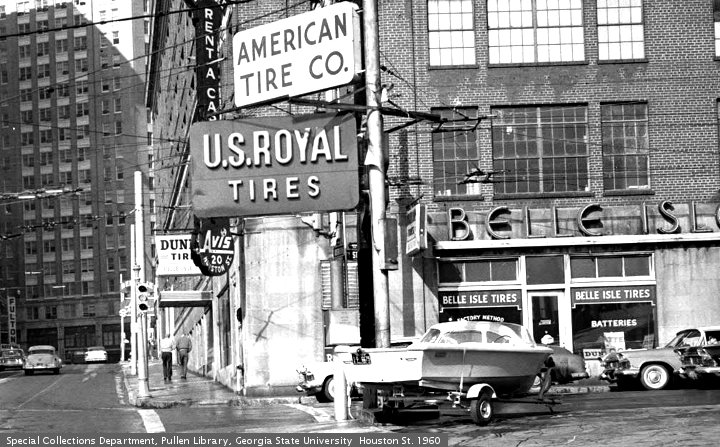
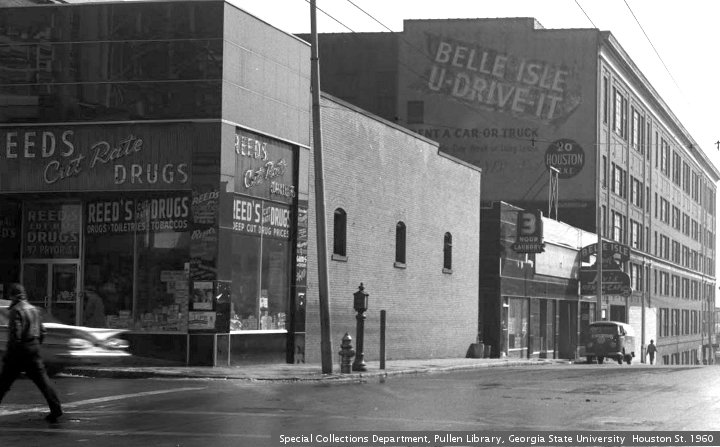
Later that night, a plane arrived in Washington. The tv cameras showed a gruesome looking man walk up to a microphone. He was introduced as President Lyndon Johnson. This may have been the worst moment of that day. Photographs for this repost today are from “Special Collections and Archives, Georgia State University Library”.





leave a comment