The Man Who Would Not Shut Up




This is a repost from 2017. Java Monkey was destroyed by a fire in November 2018. The poetry series “Java Speaks” is unhoused for live shows. A virtual version continues Every Sunday Night. … Java Monkey Speaks finished with a bit of snark last night. “Gabriel,” had been sitting next to a loudmouth. The loudmouth was boasting about how enlightened he was, by talking over poets. The fact that it was a warm evening, and the patio was open, made it worse.
“Gabriel” did not get to hear the performers. He was not pleased, and did what poets do. He wrote about the man who would not shut up.
Performance … on stage, or in the audience … is a tiny percentage of the JMS experience. Most of your time is spent listening to other performers. When one person speaks, the other people listen. Many of the poets are terrific, and if you don’t listen, you miss out. We don’t need to talk more. We need to listen more. This is true for the rest of the world.
One problem is that listening is seen as passive, while speech is active. Our culture values action. Even if you make the situation worse by speaking, many people cannot keep their mouth shut. The patio dude did not seem to get this. The fact that there is a room next door, designed for conversation, did not seem to occur to this man.
Last summer, PG went to JMS. It was the sunday after Philando Castile, and Alton Sterling, died. PG had a conversation with “Gabriel” after this evening. “One of the other white men felt the same way. He opened his poem by saying that it was not his struggle, and it was not appropriate for him to speak. (Those were not the exact words.) PG spoke to him at intermission. He said to think about this… what if you were a black person, coming to read on a night with much black pain. You looked in the audience, and there were no white people to listen?”
Read your smutty poem is one result of that evening. java monkey speaks black white mix, americas bad week two black men, shot dead by police best thing for , white man to do is be there listen, not your struggle not appropriate, read your smutty poem shut up.
One issue is the limited amount of time available for speakers. JMS has an 11 pm curfew. Towards the end of the evening, performers should go up, read their piece, and sit down. When you are on stage, you are not aware of how long you are up there. PG was a couple of spots before “Gabriel,” and was wondering if he would get to perform. “Gabriel” wrote his poem in anger, after the patio performance. The poem will be better with editing.
At the end of the night, things seemed to work out. PG and “Gabriel” got to speak before 11pm. There will be other times where not everyone will get to speak, because someone else did not know how to listen. (And not just at Java Monkey.) The white savior complex is alive, well, and annoying. It is not known whether the patio dude impressed the lady. Pictures today are from “The Special Collections and Archives, Georgia State University Library”.





Lost Atlanta


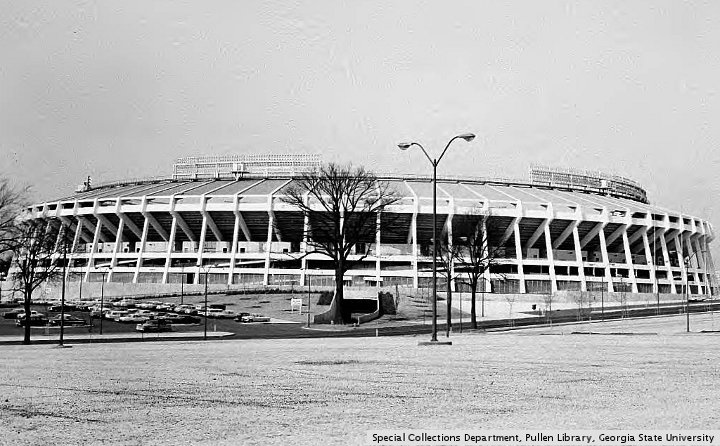



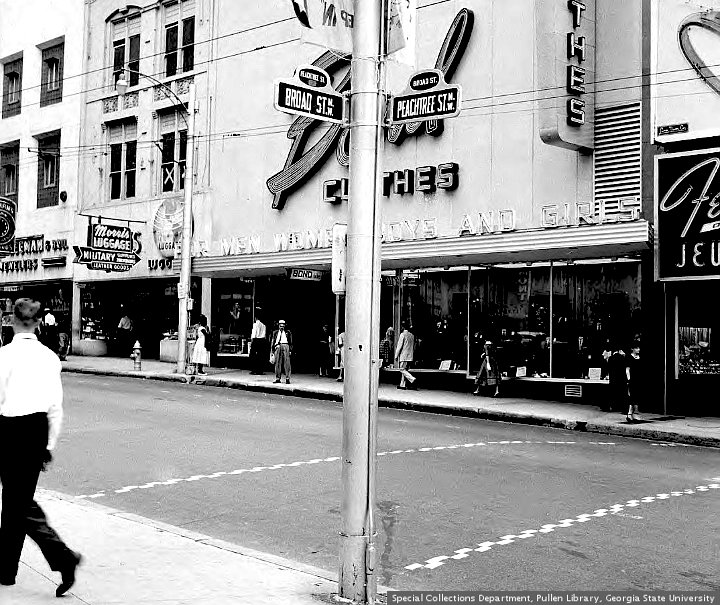
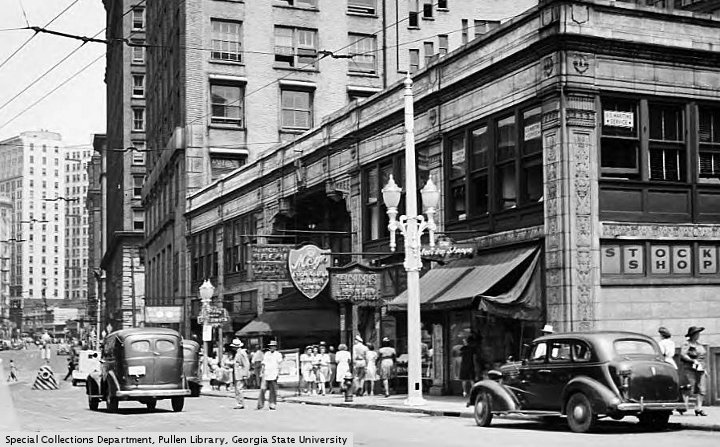
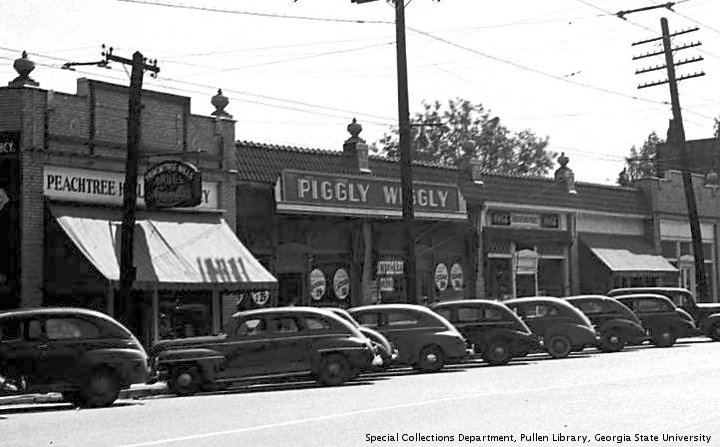
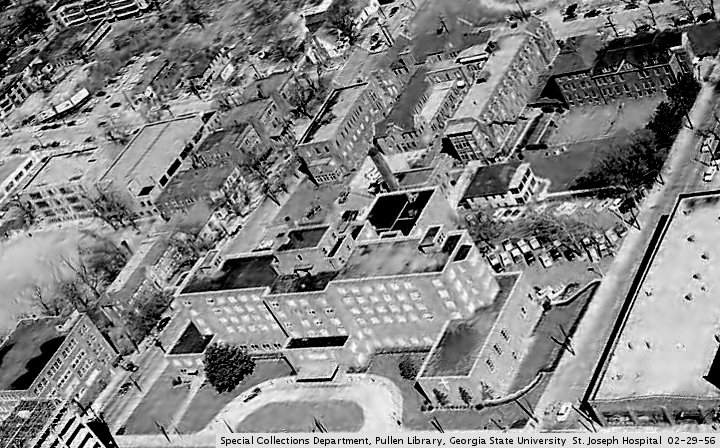
Lost Atlanta is a coffee table book. The content is the buildings, and institutions, that no longer exist. Atlanta has a long love affair with the wrecking ball. General Sherman was a minor player. Pictures for your Wednesday morning entertainment are from “The Special Collections and Archives, Georgia State University Library.” This is a repost.
PG is a native, and knows a few things about the city. While looking through LA, he began to take notes of things he did not know. The names behind the Ferry Roads is one. Plantation owner James Power established Power’s Ferry in 1835. Hardy Pace established his ferry in the 1850s. The fare was 62 cents for a full wagon, 50 cents for an empty wagon, 12 cents for a man and a horse, and 4 cents per head of cattle. The last ferry to cease operations was the Campbellton Ferry, in south Fulton county. The Campbellton Ferry ceased operations in 1958.
Wheat Street Baptist Church is a prominent Atlanta institution. If you look for Wheat Street on google, all you see is Old Wheat Street. It turns out that Wheat Street was renamed Auburn Avenue. “Originally called Wheat Street, the road was renamed in 1893 at the request of white petitioners who believed Auburn Avenue had a more cosmopolitan sound.”
Bald Hill, aka Leggett’s Hill, was leveled in 1958 to make way for the East Expressway, later known as I-20. On July 22, 1864, the Battle of Atlanta was fought there. After the unpleasantness, Frederick Koch bought farm land on the site. His house was at 382 Moreland Avenue. The house was demolished in 1953. South of I-20, 1400 McPherson Avenue has a monument. Maj. Gen. James B. McPherson was killed at that location.
The outfield wall at Ponce De Leon park was covered with advertising. One sign was for Southern Bread. The picture had a “Southern Colonel”… apparently the only type of officer in the CSA … saying “I’d even go North for Southern Bread.” This ad was also painted on the side of a building on Tenth Street, just off Peachtree. The late Jim Henson produced a tv ad for Southern Bread.
Jacobs Drug Store was a prominent chain at one time. It was founded by Joseph Jacobs. Mr. Jacobs had a store in the Norcross building, on Peachtree Street at Marietta Street. In 1886, the soda fountain mixed John Pemberton’s patent medicine with carbonated soda water. The rest is history.
There are a few notes, which do not justify a paragraph. The Governor’s Mansion was at 250 The Prado, in Ansley Park, until a new GM was built on West Paces Ferry road. The Henry Grady hotel did not have a thirteenth floor, but went from 12 to 14. This did not stop the building from being demolished, to make way for the Peachtree Plaza hotel.
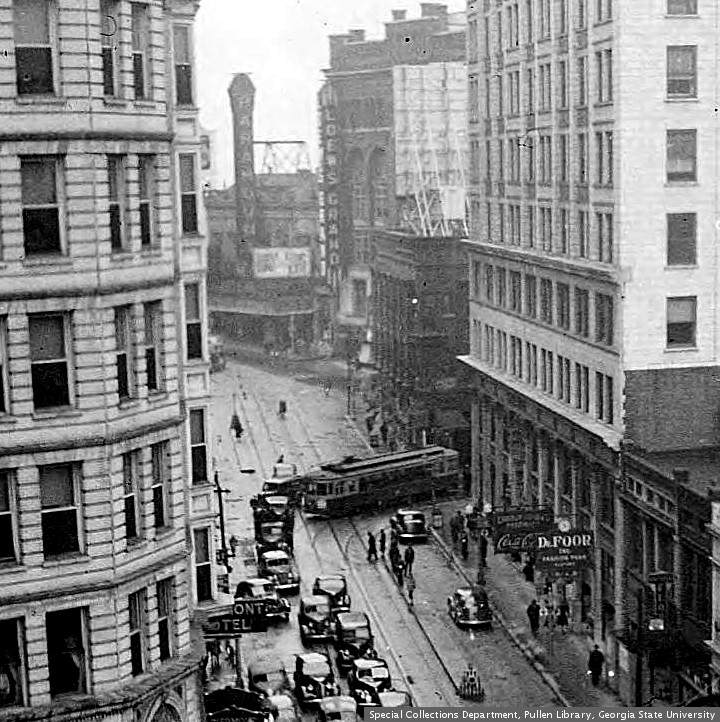
When Laurent DeGive built his grand opera house at Peachtree and Houston (Now JW Dobbs,) people were horrified. The central business district was south of five points. The area north, where the opera house went up, was residential. In 1932, the opera house was renovated, and opened as the Loew’s Grand. In 1939, it hosted the world premiere of “Gone With The Wind.” On the other side of Houston Street was the Paramount Theater, and across Peachtree was the Coca Cola sign. The GP building occupies the site today.



Booster



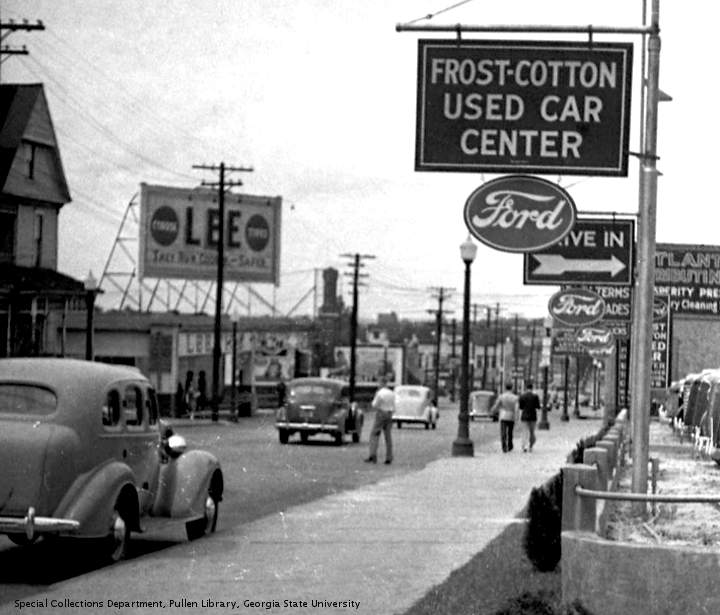
This is a repost from 2022. In just two years, stories about “getting the jab” feel like ancient history. … It started out as another slack sunday. Only problem is, things never did pick up. After a while, all I wanted to go was lie down. After a few hours of this, I took my temperature. It was 102.4. Getting tested for covid was one thing to do. As soon as I made the appointment, I began to feel better.
There was a long night of tossing, and turning, but never getting REM sleep. I called the periodontist, to cancel my appointment, and went to the testing site. I was done in under fifteen minutes. Meanwhile, my temperature was going down, and I had considerably more energy.
The email from the test-folks came at 11:35 am, Tuesday. I was negative. I was thinking how I would have felt if I had been poz, but had not had the booster. While I have numerous doubts regarding the efficiency of the pfizervax, it would be better for PR purposes to have had it. It is a game.
Today’s announcement on monoclonal antibodies is typical. The FDA is pulling a EUA on two MA treatments. When I asked google to find me that link, one of the results was this: “…COVID-19 patients … receive a monoclonal antibody treatment, which has been shown to reduce COVID-19-related hospitalization or deaths … However, UC Davis Health infectious disease experts are warning patients that the monoclonal antibody treatment is not a replacement for the COVID-19 vaccine.” I thought a vaccine was something you got when before you were infected. A vaccine is not a post-infection treatment, regardless of the medical advice available on twitter.
I find a Walgreens near me. The next appointment is in a half hour. The WG website wants you to set up an account for your reservation. When the registerbot asks me my race, I reply unknown. Non-compliance is often meaningless, but it helps me feel less ovine.
The book I am taking with me to WG is Hollywood, by Charles Bukowski. Hank Chinaski was a drunken rebel in his day, which ended in 1994. He would be 102 today. When you google his name, one of the suggested searches: “Was Charles Bukowski a nihilist?”
I get to WG, and my appointment is not on the list. A nice young man finds it in a computer. I return to my seat and my book. CB is negotiating a movie deal. He goes to a screening of somebody’s movie, and Werner Herzog is sitting at the bar. The fly on the wall got drunk from the fumes.
After a few minutes, I am called into a small room. The same helpful young man, who found my appointment in a computer, was to administer the dose. No, we do not aspirate. There is very little chance of the shot going into the blood stream. I did not taste anything metallic after the shot, so I suppose it went into the muscle, and not a vein.
After you get the shot, you are requested to sit down for fifteen minutes. It is bad manners to die on site. There is a sign on the pharmacy counter, “Select Narcotics in the Time Delay Safe.” Being a well-trained consumer, I look at all that merchandise, begging me to take it home. When I got the first two shots, it was in a sci-fi office building. They did not have merchandise to tempt you.
My supply of an OTC substance is running low. I find it at WG, but the price seems a bit steep. I decide to forego convenience, and make a trip to Walmart. The commodity was $20 cheaper at Walmart. Pictures today are from “The Georgia State University Library.”
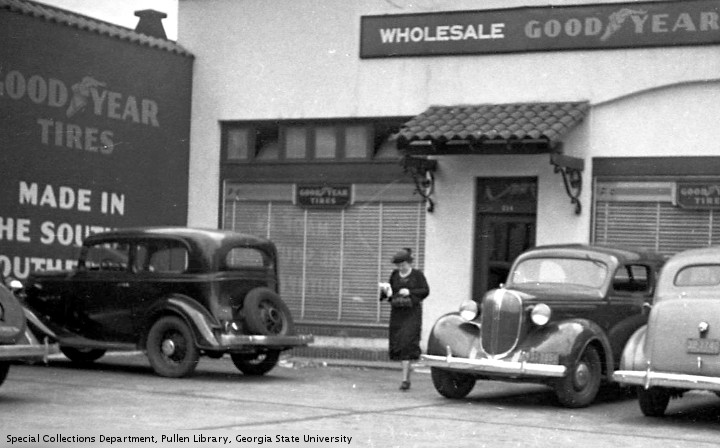
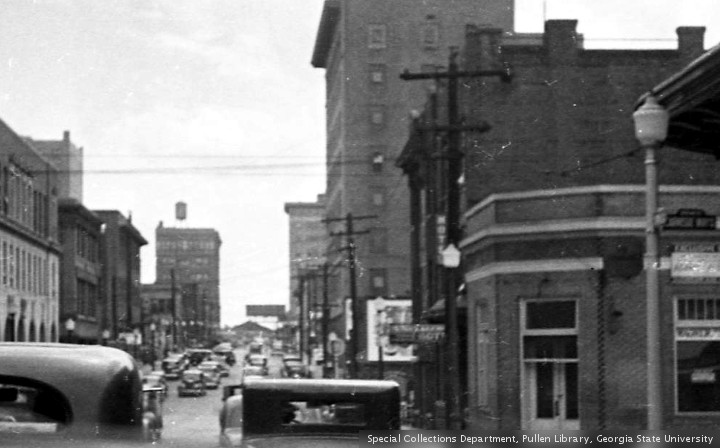
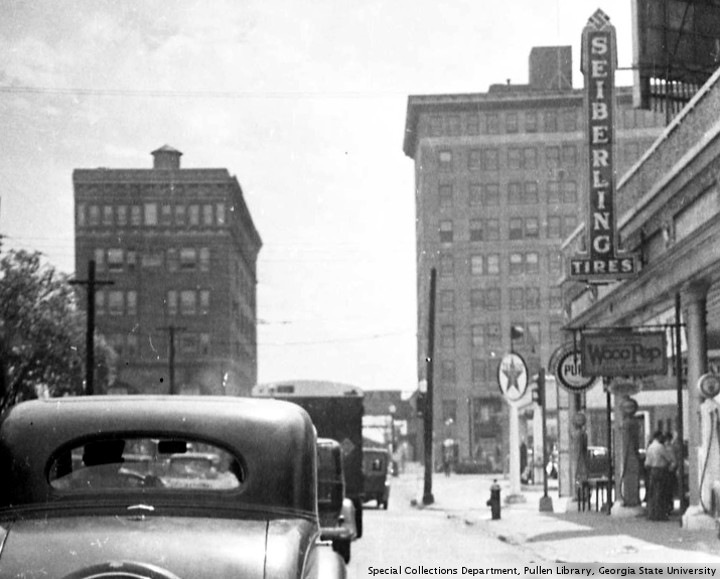

 .
.
Rahsaan Roland Kirk



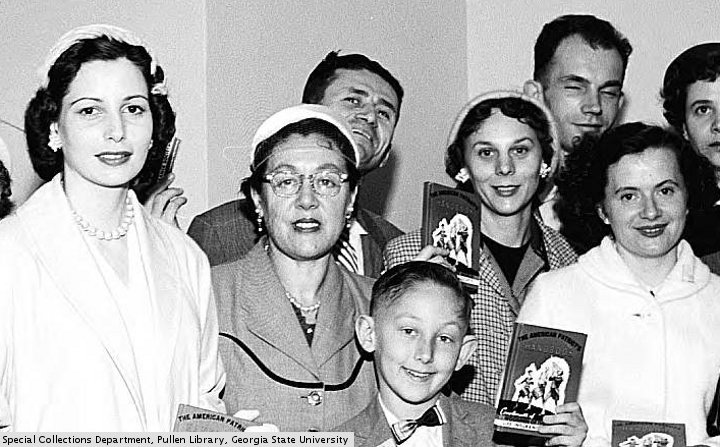

There have been eleven presidential transfers of power in my life. Nine of them were in January.I typically ignore them. I go out with Mr. Crook in office, and come home to President Thief.
The best exception was August 8, 1974. Richard Nixon was finally undone, and forced to resign. After watching Tricky Dick’s next to last television speech, I got in my Datsun, and drove to the Great Southeast Music Hall. The entertainment that night was Rahsaan Roland Kirk.
The Music Hall was the sort of place we don’t seem to have anymore. The auditorium was a bunch of bench backs on ground level, with pillows everywhere. It was a space in a shopping center, occupied by an office depot in later years. To get there from Brookhaven, you drove on a dirt road, where Sidney Marcus Boulevard is today.
Rahsaan Roland Kirk was not modest. He was the modern miracle of the tenor saxophone. He would play three saxophones at once, getting sounds that you do not get from a single instrument. At one point, the band had been playing for five minutes. Rahsaan had been holding the same note the entire time, without stopping to breathe.
Mr. Kirk played two ninety minute sets that night. He talked about twenty minutes out of every set. Of that twenty minutes, maybe thirty seconds would be fit for family broadcasting. Mr. Kirk…who was blind…said he did not want to see us anyway, because we were too ugly. He said that Stevie Wonder wanted to make a lot of money, so he could have an operation and see again.
The next day, Mr. Nixon got in a helicopter and left Washington. The Music Hall stayed open a few more years. Sidney Marcus Boulevard was paved. Rahsaan Roland Kirk had a stroke in 1975. He struggled to be able to perform again. On December 5, 1977, a second stroke ended his career. He was 41 years old. This feature is an encore presentation. The pictures used today are from “The Special Collections and Archives, Georgia State University Library”.




The Great Speckled Bird




One day in the eighth grade, PG had a sore spot in his eye. They called it a stye. One afternoon, he got out of school, walked to Lenox Square, saw a doctor, and got some eye drops.
When he left the doctor’s office, there was a man, standing in front of Rich’s on the sidewalk, selling a newspaper. He had blond hair down past his shoulders. PG asked what the newspaper was. Mostly politics, he said. PG gave him fifteen cents for a copy of “The Great Speckled Bird”.
The Bird was an underground newspaper. It was so bad, it needed to be buried. If you are under fifty, you have probably never seen one. These papers flourished for a while. The Bird was published from 1968 to 1976. v. 1 no. 4 (April 26, 1968) was what PG bought that day.
The GSU Library has a digital collection. Included in it are copies of The Great Speckled Bird. Included in this collection is edition number four. PG went looking for that first copy. He needed to be patient, for the GSU server took it’s time. Finally, the copy he asked for came up. It was mostly politics.
When PG saw page four, he knew it was the edition from 1968. “Sergeant Pepper’s Vietnam Report” was the story of a young man sent to Nam. It had a paragraph that impressed young PG, and is reproduced here. The rest of the article is not that great, which is typical of most underground newspaper writing.
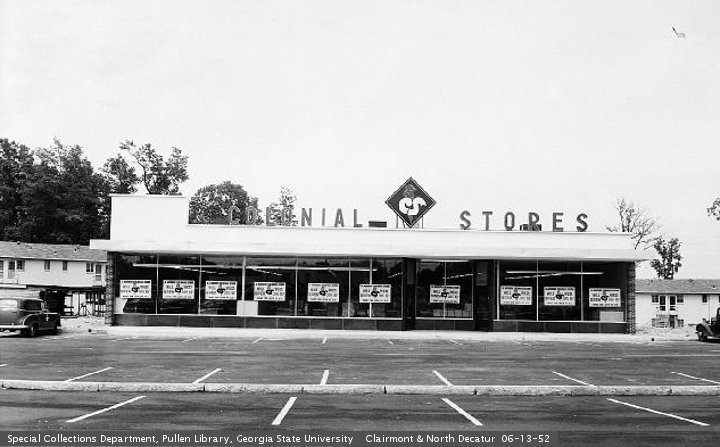
A couple of years later, PG spent the summer working at the Lenox Square Theater. The number two screen was a long skinny room. If you stood in the right place, you could hear the electric door openers of the Colonial Grocery store upstairs. The Bird salesmen were a feature at the mall that summer, which not everyone appreciated. This was the year of the second, and last, Atlanta Pop Festival. PG was not quite hip enough to make it. He was back in the city, taking tickets for “Fellini Satyricon”. The Bird was printing 26 pages an issue, with lots of ads, pictures, and the distinctive graphics of the era.

Vol.3 no 26 June 29, 1970 was especially memorable. On page 17, there was a bit of eyeroll inducing polemic. PG was easy to impress. The first paragraph is the one that matters. “What is Gay Liberation? It is people telling the truth; it is me telling you the truth NOW, homosexuality is the CAPACITY to love someone of the same sex. Forget all the crap about causes (no one knows and we don’t care), “cures” (there aren’t any, thank god), and “problems.” The only problem is society’s anti-homosexual propaganda and the oppression it has produced.”
Stories about hippies, and the Bird, can be found at The Strip Project. This repost has pictures from “The Special Collections and Archives, Georgia State University Library”.


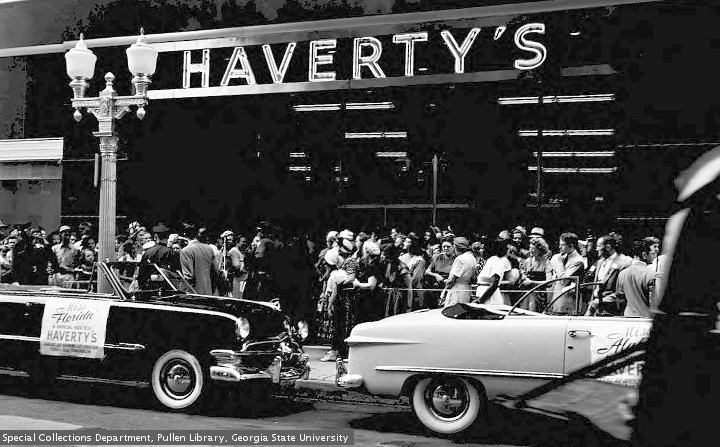

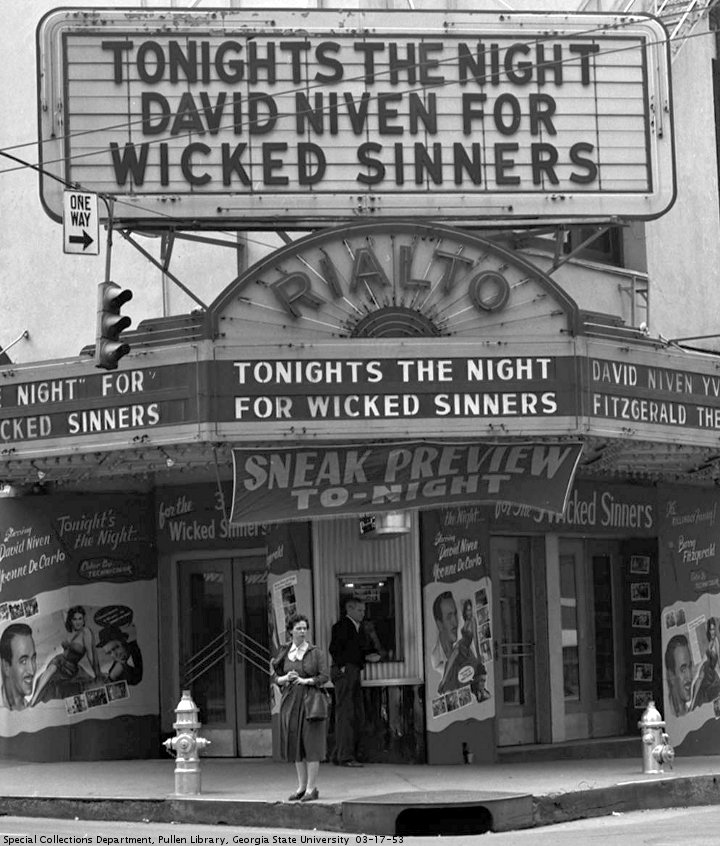
Judy Roasting On An Open Fire


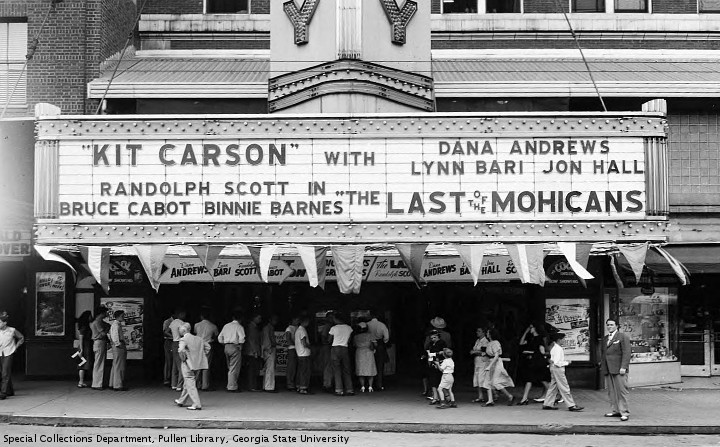
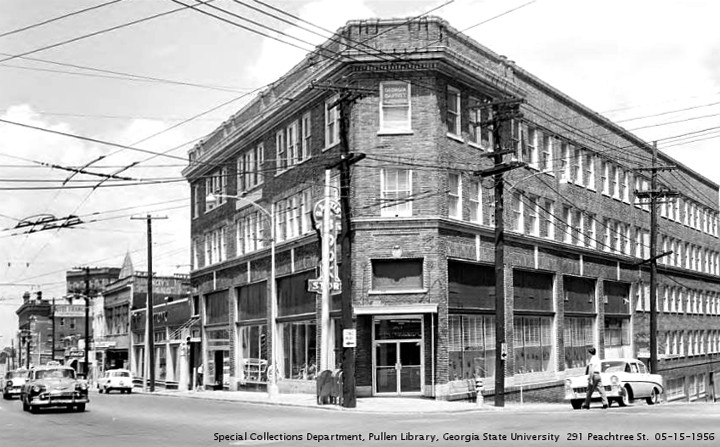
SFFILK (Not his real name) passes along a story about Mel Tormé. It seems like Mr.Tormé was eating a leisurely breakfast at a food court in Los Angeles, and a quartet appeared singing Christmas songs. They wound up performing “The Christmas Song” for co- author Tormé … and the singers had no idea who he was. It is a good story, better told in the link.
According to the inerrant Wikipedia, Mr. Tormé collaborated with Robert Wells, until they had a falling out. One afternoon, on the hottest day of July in 1945, Mr.Tormé went to visit Mr.Wells, and saw the first four lines of “The Christmas Song” (including “Chestnuts roasting on an open fire, Jack Frost nipping at your nose”). The lines were on a note pad, and the two agreed to beat the heat of summer by completing the song. Supposedly, Mr. Tormé did not like the song very much. After three divorces, he probably didn’t see many of the royalties.
Mel Tormé was the music director of the ill fated “Judy Garland Show” in the early sixties. He wrote a book about it… The Other Side of the Rainbow: With Judy Garland on the Dawn Patrol . The story is that Miss Garland would get blasted, call Mr.Tormé in the middle of the night, and pour out her troubles. (This review is much less sympathetic towards Mr. Tormé.) While the show did not last longer, there are some great youtube clips left over. Barbra Streisand Mel Tormé Liza Minnelli
This is a repost, with pictures from Special Collections and Archives, Georgia State University Library. SFFILK, aka Michael Liebmann, passed away on July 26, 2016, due to complications from surgery. On June 5, 1999, Mel Tormé went to the chestnut roast in the sky. Frances Ethel Gumm met her maker June 22, 1969, and started a revolution.


Mithras
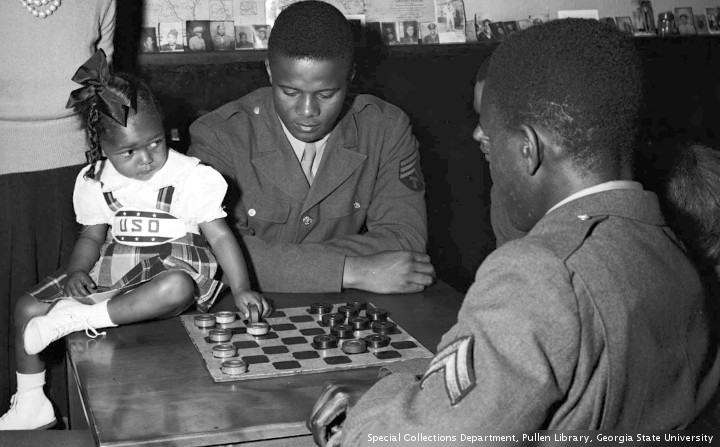


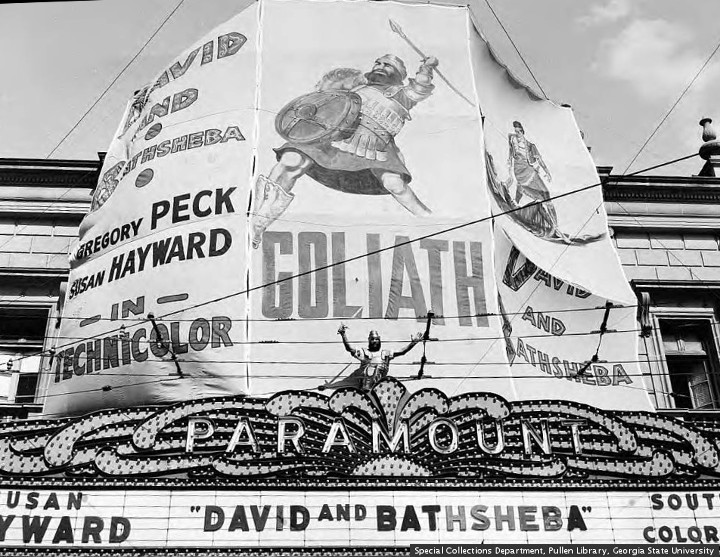
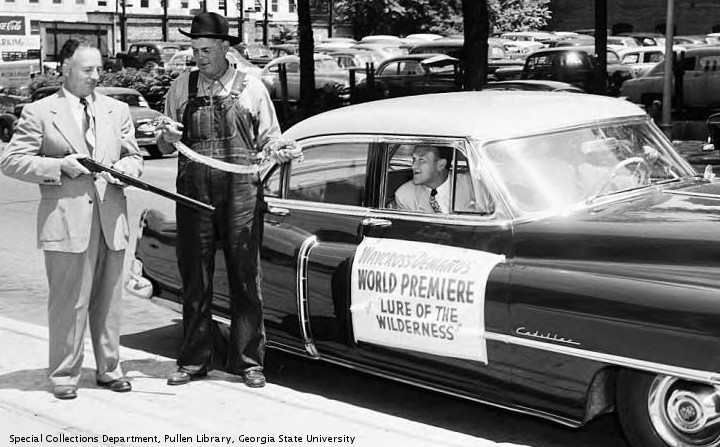


Mithras is a Persian deity, from the Zoroaster tradition.(That is pronounced Zor uh THRUS ta.) Not much is known about Mithras … did he really exist, or was he a legend? There was a cult of Mithras in the first century Roman empire.
There are supposed to be between Mithras and Jesus. These include the virgin birth, the birth on December 25, and rising from the dead after three days. Some spoilsports say the early Christians grafted Jesus onto the legend of Mithras.
One indication that this might be true is The Catholic Encyclopedia. “Some apparent similarities exist; but … it is quite probable that Mithraism was the borrower from Christianity.” This repost has pictures from “The Special Collections and Archives, Georgia State University Library”. (more…)
White Margarine
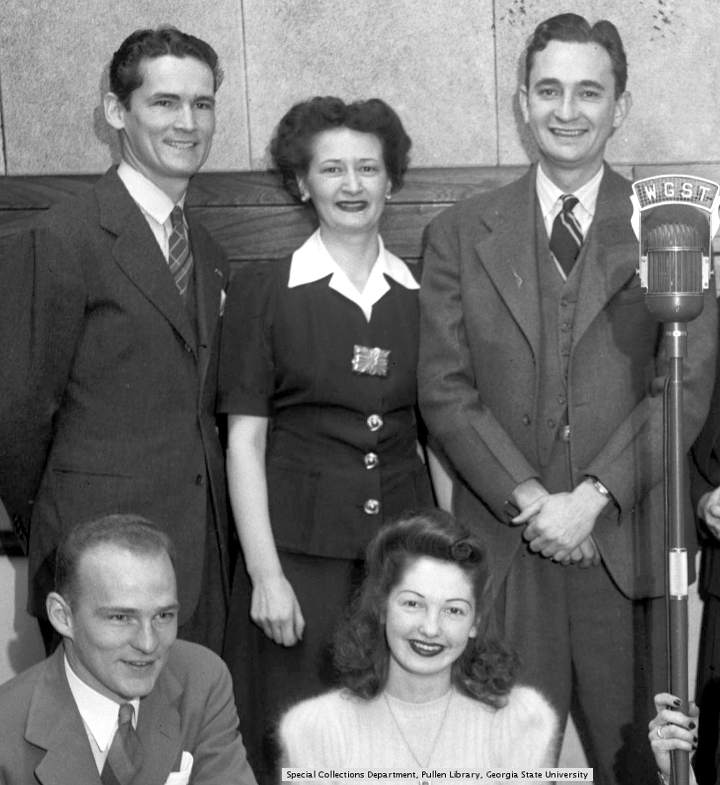



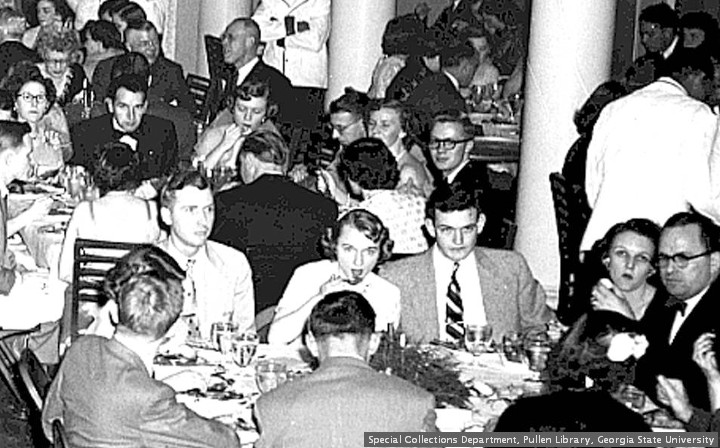
PG used to hear old timers talk about margarine being a white paste. The consumer would add the yellow color later. This bit of information had gone undisturbed for many years, until the 12:58 point of the Useless Information Podcast. There was a 1947 radio commercial for Delrich E-Z Color Pak.
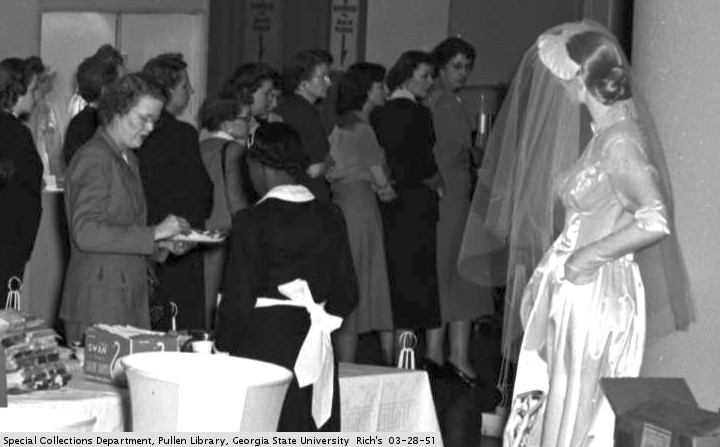
Delrich E-Z margarine came in a plastic bag, along with a capsule. You broke the capsule, and yellow dye flowed out. You knead the bag, until the dye mixes with the margarine. It was considered an improvement over the mixing bowl.
Margarine was invented in 1869. “French chemist Hippolyte Mège-Mouriès … patented a lower priced spread made from beef tallow. He dubbed it oleomargarine–from the Latin oleum, meaning beef fat, and the Greek margarite, meaning pearl, this last for its presumably pearlescent luster.”
The dairy industry saw margarine as unfair competition for butter. In 1886, the federal Margarine Act was passed. Many oppressive taxes and regulations were put in place. Maine, Michigan, Minnesota, Pennsylvania, Wisconsin, and Ohio enacted a legislative ban on the use of margarine.
Most butter is dyed. The rich yellow that we associate with butter only comes from grass fed cows. If the cows are grain fed, butter is a pale yellow.
Yellow was more appealing than pink. In an effort to further demonize margarine, Vermont, New Hampshire, and South Dakota required margarine to be dyed pink. The Supreme Court overturned the pink laws, citing the laws’ effect on interstate commerce.
During World War II, butter was in short supply. Margarine became more popular. Finally, the laws requiring the sale of white margarine were repealed. Wisconsin kept the white margarine law until 1967, and forbade use of margarine in public places, unless requested, until 1971.
99% Invisible recently did a show, “I can’t believe it’s pink margarine.” PIctures today are from “The Special Collections and Archives, Georgia State University Library.” This is a repost.


Georgia On My Mind

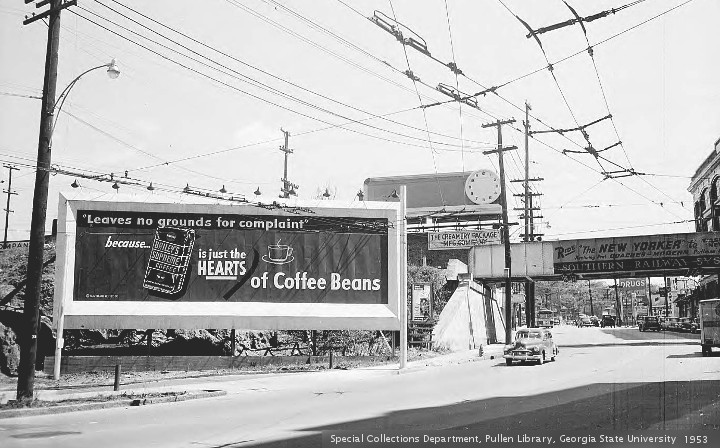




“Georgia On My Mind” turned up of facebook this morning. Pictures today are from “The Special Collections and Archives, Georgia State University Library”. This is a repost from 2020.
Youtube turned up the original “© Written in 1930 by Hoagy Carmichael (music) and Stuart Gorrell (lyrics) © Gorrell wrote the lyrics for Hoagy’s sister, Georgia Carmichael. However, the lyrics of the song are ambiguous enough to refer either to the state or to a woman named “Georgia”. Carmichael’s 1965 autobiography, “Sometimes I Wonder”, records the origin: a friend, saxophonist and bandleader Frankie Trumbauer, suggested: “Why don’t you write a song called ‘Georgia’? Nobody lost much writing about the South.” Thus, the song is universally believed to have been written about the state.”
National Anthems has a story about GOOM. “STUART GRAHAM STEVEN GORRELL (1901-1963) and HOAGLAND HOWARD CARMICHAEL (1899-1981), wrote the song in 1930 almost as a lark … Hoagy Carmichael went to Indiana University, and one of his best college chums was Stuart Gorrell. Hoagy Carmichael was going to be a lawyer and Stuart Gorrell, when not hanging around the local “jazz joint” (called The Book Nook!) had promised someone that he would eventually be a success in the world of business.” The link no longer works.
“The two of them were together at a party in New York and Hoagy Carmichael played what he had of the “Georgia” music line for Stuart Gorrell and some friends. After the party broke up, the two of them went back to a friend’s apartment and worked on the tune throughout the night. Stuart Gorrell wrote what he thought would be a good lyric line on the back of a post card, (now displayed in the Carmichael Room at Indiana University) and showed it to Hoagy Carmichael. One can still plainly see the few, but important, changes that Hoagy Carmichael made on that small piece of cardboard to Stuart Gorrell’s lyrical scratchings. The song was improved upon, and the lyrics written, in that boozy early morning, and recorded in September 1930 by a band that included Hoagy Carmichael’s great friend, Bix Beiderbecke – a recording session that proved to be Bix’s last.”
“Hoagy Carmichael went on to write many more songs, some of them hits, and Stuart Gorrell kept his promise and became a Vice President at Chase Bank. Stuart Gorrell never tried to write another song lyric, but ‘Georgia on my Mind’ became a hit after World War II and Hoagy Carmichael, true to his word – although Stuart Gorrell was not legally credited as the lyricist by the music publisher – always sent Stuart Gorrell a cheque for what would have been his share of royalty. The royalty income from that song is substantial and, after Stuart Gorrell died, the income put his daughter through college.”
Mr. Gorrell wrote a letter to the Bremen (Indiana) Enquirer, August 3, 1961. “This accompanied his response to his home town’s Teen Hop patrons choosing the song as their theme song. … “Georgia on my mind” was composed more than a quarter of a century ago on a cold and stormy evening in 1930 in New York City. Hoagy Carmichael and I, in a third floor apartment overlooking 52nd street, with cold feet and warm hearts, looked out the window and, not liking what we saw, turned our thoughts to the pleasant southland. Thus was born a hauntingly sweet song. My mother, who died in Bremen in 1942, once asked a very penetrating question about the song. I had sent her a copy of the sheet music and, after reading the words over several times, she wondered aloud: “What is Georgia? A girl—or state? What do you think? Hoagy and I just love every one of you Bremen Teen Hoppers for honoring out tune by making it your theme song. Sincerely, Stuart Gorrell”






If I Were A Poor Black Kid
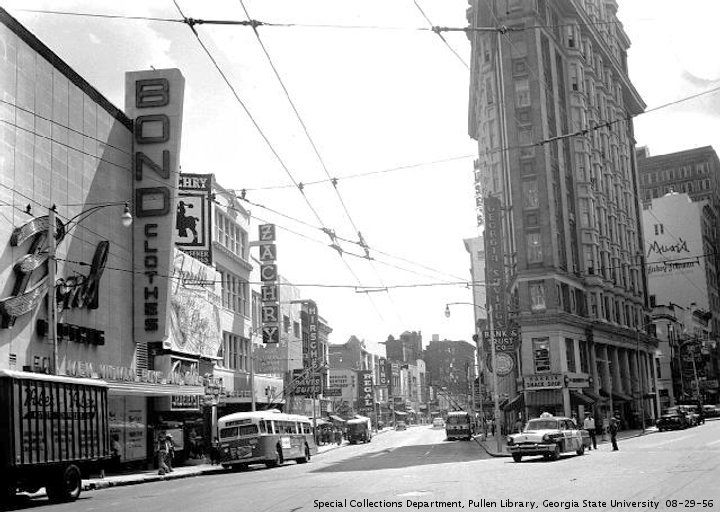
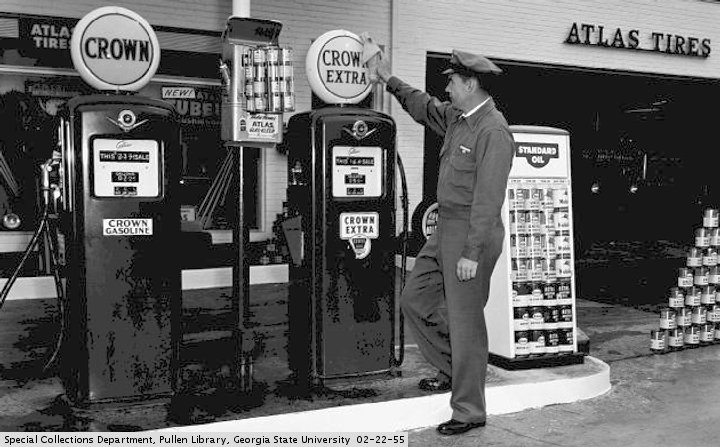
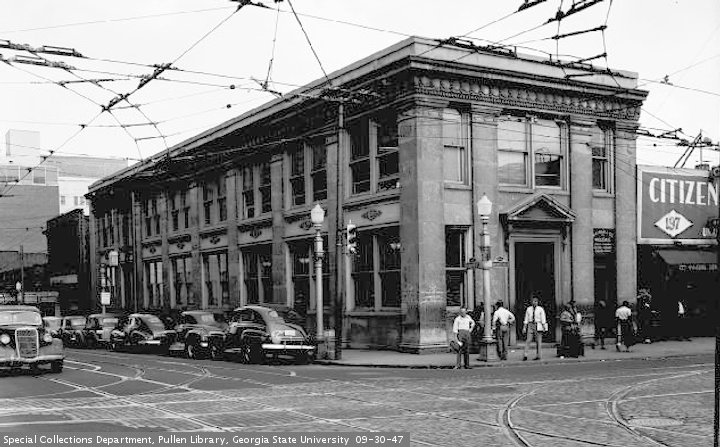
This is a repost from 2011. It was a simpler time. … “If I Were A Poor Black Kid” was behind the paywall at Forbes magazine. One of the naysayer replies is available. Another, from Angry Black Lady Chronicles, is lost in an archive. The Root has a few selections from ABLC, between the popup ads. Pictures are from Special Collections and Archives, Georgia State University Library.
There is a fuss going on about an article at Forbes magazine, If I Were A Poor Black Kid. PG was reading a facebook discussion of the article, and decided he wanted to read the original. He googled white guy writing about being a poor black kid for freakin’ FORBES, and the fun began.
Angry Black Lady Chronicles tells of the day when her (white) mother took a day off, from her job as a copy editor, to get young ABL enrolled in a tougher math class. Freethoughblogs chimes in with Forbes’ Gene Marks Needs To Check His Priv. The last line says it all … “Or, as in your case, not so smart but privileged.”
If you want to read denunciations of the Forbes article, open your eyes and take a look. You might want to hurry up. because, soon, there will be another article, somewhere, that people don’t like. Maybe you can talk about the War on Christmas. This is an example of Christian Privilege gone awry. It is a safe bet that many of the poor black kids are Christians. Maybe one form of privilege will outweigh another. Or people will learn about a grain of salt.
It is ironic that the piece was published in Forbes. Malcolm Forbes was fond of saying that he was loaded with “sheer ability, spelled i-n-h-e-r-i-t-a-n-c-e.” The elder Forbes had a lavish lifestyle, with Elizabeth Taylor as a beard. His son, Steve Forbes, (Malcolm Stevenson Forbes Jr.) was quoted as saying “My father once spent $5 million on a birthday party for himself in Tangiers. Why can’t I spend a few more running for President?”.



Milo Yiannopoulos Today



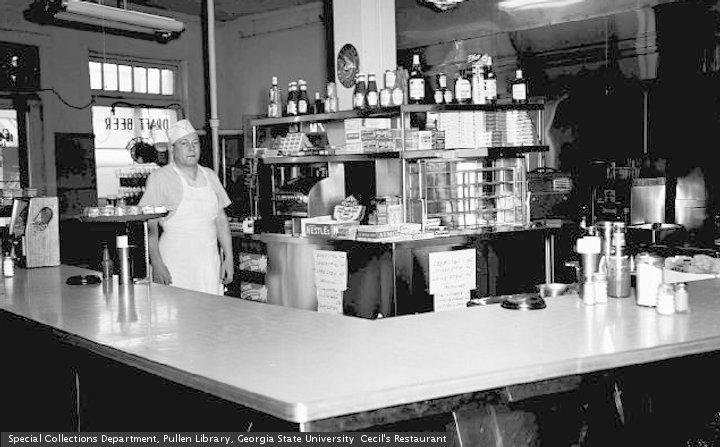
This is a repost from 2017. If you ask google what Milo Yiannopoulos is doing today, you see that he is an intern for Marjorie Taylor Greene. In 2021, LifeSiteNews reported “Milo Yiannopoulos, the gay man whose conservative messaging and willingness to speak the truth sparked riots on university campuses may well trigger more outrage now that he describes himself as “Ex-Gay” and “sodomy free,” and is leading a daily consecration to St. Joseph online.” Google does not have a search result for the “daily consecration to St. Joseph online.”
Milo Yiannopoulos is getting attention again. It seems as though the the editor’s notes for his book have been leaked to the press. Many of the comments are unkind. If you have ever wanted to see bad writing dissected and disemboweled, this is the time. PuffHo, which knows a thing or two about recycling free product, has a helpful list of some of the zingers. “Can you really prove a causality between [Black Lives Matter] and crime rate?” “DELETE UGH.” .
Milo did not actually write Dangerous. Miloproduct is produced by a crew of interns. One of these drones got in trouble: Milo Yiannopoulos Speaks Out About ‘Bonkers’ Former Intern Arrested for Murdering Dad. Who gets the copyright credit for Dangerous? It might be a good trivia question.
@DALIAMALEK “… Look at the witty editor that worked to normalize white supremacy” Some people think Milo’s book was cancelled for being politically incorrect. Actually, the deal was trashed after Milo opened his mouth once too often, and became too controversial.
Simon & Schuster is not opposed to selling bad books to make money. In 1981, S&S published HOW TO STAND UP FOR YOUR RIGHTS— AND WIN! This tome was written by Roy Cohn. The NYT review notes “Despite his reputation as a playboy bachelor, Mr. Cohn believes that a marriage should be ”kept intact” if there are children.”
Chamblee54 has written about whatshisname one two three four five six seven times. The pictures are usually better than the text. In one episode, Bill Maher said “Stop looking at the distractions and the clown show and look at what matters.” Then, without a trace of embarrassment, Mr. Maher introduced Milo, who is both distraction, and clown show.
The first time chamblee54 wrote about Milo had a prophetic quote. “This is the first time many have heard of Milo Yiannopoulos. Unfortunately, it probably will not be the last. He authored a piece at Breitbart, where he said “… Only by totally ignoring people’s feelings can we end the left’s culture of grievance, offense, and victimhood. …”
Many of the naysayers are calling Milo, and his product, racist. This is a reflex action to many SJW, who seldom miss an opportunity to scream racism. The ironic thing is that Milo talks loudly, and often, about his fondness for black men. On page 96, Milo says “”I love black people. Indeed, I love black people so much that my Grindr profile once said “No Whites.” I’d considered “Coloreds Only Served in Rear,” but that was a little too edgy, and Grindr once deleted my profile once for writing: “Don’t contact me if you’re under seven inches or you know who your dad is.”
Hopefully, Milo’s fifteen minutes will be over soon. There will always someone else to call racist. Pictures today are from “The Special Collections and Archives, Georgia State University Library”.





German Pastry Christmas



“Merry Christmas! As the wars about the public celebration of Christmas become filled with pettiness and hostility on all sides, be not dismayed. Your celebration of Christmas depends solely on you and nobody else. I heard the story of Oswald Goulter years ago and it reminds me of that simple fact. I am responsible for how I embrace the gift of Christmas.
Oswald Goulter served as an agri-missionary to China. On his way back to the USA for furlough during World War II. His sponsor mission agency gave him a ticket to get home by boat. When Oswald arrived in the port of India, New Delhi, he found boats filled with Jews, housed there to protect their lives from Nazi Germany. The Jewish boats couldn’t land anywhere. They were not accepted or welcome anywhere at the time.
Oswald went to see them and said, “Merry Christmas!” “We’re Jewish,” they responded. “I know, I know. But what would you like for Christmas. Merry Christmas!” “Don’t you understand? We are JEWISH.” “Merry Christmas. What do you want?” To get rid of this nuisance, they said, “How about some German pastry? That sure would be grand.” Oswald scoured the city until he found a bakery that made German pastry. Oswald sold his ticket for home to get money to purchase some pastry. He went back to the boat and shared it with them. As he spoke about this experience later in one of his supporting churches, a very prim member of the congregation stood and asked, “Why did you do that? They were Jewish. They don’t even believe in Jesus.””I know,” Oswald replied, “but I do.”
Allen Hunt sent an email, which featured the pastry story. Dr. Hunt was a “megachurch pastor,” with a radio show. I sent a reply: “Allen do you have any proof that Oswald Goulter existed? This story seems a bit far fetched. I googled Oswald Goulter, and all I see is the same story told over and over. … There are hundreds of real, verifiable Christmas stories out there. This one seems a bit fishy.”
“Oswald John Goulter was born in 1890. One of a family of eight, he grew up in the small village of Irrewillipe some fourteen kilometres from Colac in south-‐western Victoria (Australia.) Nominally Baptist, the family attended a small Wesleyan church some five kilometres away at Barongarook.” His nickname was OJ. He died in March, 1985, in Santa Clara, California. He was interviewed in 1971 as part of a project involving missionaries to China. “Mr. Goulter portrays the disruption in Chinese life in the area of Lu-chou (Hofei) in Anhwei province during the years 1922 to 1951. He tells how the Communists were able to take advantage of the disorder caused by warlords and bandits and the Japanese invasion to drive the nationalists from power.”
There is another story about Mr. Goulter. After the communist takeover, Mr. Goulter and his wife, Irene, were taken into custody. Mr. Goulter was beaten repeatedly, but refused to renounce his faith. Finally he was released (or, in some versions, escaped). This imprisonment is generally agreed to for three years. If he left in 1951, that would be consistent with the time line of the communist takeover. In the Hunt version of the story, Oswald Goulter left during World War 2.
This does not answer the question of why Mr. Goulter would go to India, before America. It also does not account for the appearance of the Jews in India, six years after the end of World War 2. It should also be noted that India was in chaos, with the independence and the partition. Would they have Jews hiding in the city? There is a book, Scattered Seed: The Story of the Oswald Goulters, Missionaries in China 1922-51. I do not know if it discusses German pastries.
UPDATE This story is a repost, with pictures from Special Collections and Archives, Georgia State University Library. Allen Hunt left the megachurch, and became a Catholic. The radio show, which had live broadcasts from Chick-fil-a restaurants, is long gone. Dr. Hunt has a book, Confessions of a Mega-Church Pastor, about his experience as a Catholic. Mr. Hunt is currently making $175k annually as a “senior consultant” at Dynamic Catholic Institute.
Another story about OJ Goulter has this:”Back in Shanghai, Goulter sought to gain a permit to return to Hofei and to figure out how he could transport the numerous bales of clothing (which had arrived on the freighter) to the mission station. In the meantime he was aware of local groups that were desperately in need of clothing. Shanghai was full of refugees. Among them were some Jews fleeing from the horrors of Nazi Germany. They had only the summer clothes they were dressed in. Gaining access to his bales of clothing, Goulter was able to fit them out with warm clothes. This incident is possible the basis for unusual story told about Goulter (see following).” After this paragraph, the pastry story is shown, under the headline “True or False?”


After receiving the original email, I received a snide email from Allen Hunt, which was lost in a hard drive crash. The good news: some people in OJ Goulter’s family saw my story, and made some lovely comments. These comments are shown below.
Lindsay goulter said, on February 26, 2010 at 3:26 am
Hi oswald goulter was my great uncle.Born in Auss. If you would like to know more about him please reply to my e/mail. lindsay g
Teena Anderson said, on October 30, 2010 at 10:02 pm
Oswald Goulter is my grandfather. He was a missionary to China for 30 years. His story is told in the book Scattered Seed by Wilfred Powell. Oswald and Irene had 3 daughters, Lovena, Doris (who is still living!) and Jean. Doris and Jean were born in China. Jean was my mother-she spoke excellent chinese with a Hefei accent. I am the eldest grandchild. They lost a baby boy born in China and buried him in the mountains of Kuling, where the missionaries would go for the summer. My husband, Hugh Anderson (Presbyterian minister) and I have taught in China with the Amity Foundation. Our first summer of teaching we traveled to Hefei and met Rev. Zhu who helped Oswald after he had been confined in the internment camps. They were great friends. Rev. Zhu’s son is now a Disciple of Christ minister here in the United States. Teena Anderson, Medford, Oregon.
Miaohua Jiang said, on January 19, 2011 at 11:06 pm
The book by Wilfred E. Powell titled Scattered Seed came in mail yesterday. I searched in the book for any evidence that this story might actually happened. Unfortunately, the story as it is stated never happened. At least it did not happen in India. The sabbatical year was between 1936 and 1937. The family did take the western route going through Europe to return to US. They arrived in US in September 1936. Christmas of 1936 was their first Christmas in US in many many years. They were not able to return to China because of Japenese invasion until late 1937. Mr. Goulter did help refugees in Shanghai around Christmas time 1937. The book did mention that Shanghai also had ships with Jewish refugees. So, the story could have happened in Shanghai, China, instead of India. It did not involve boat tickets. Mr. Goulter had clothings shipped from Los Angeles to Shanghai. Also Mr. Goulter was interned by Japenese for many years, not communists.
Miaohua Jiang said, on January 1, 2011 at 10:13 pm
Doris is visting us this new year’s day of 2011!
Miaohua Jiang said, on January 4, 2011 at 2:23 pm
This is what I got from my conversation with Doris, O.J.’s second daughter. According to Doris, Mr. Goulter did not like his first name. Chinese people would simply call him Gou Shee-Sang (Mr. Gou). Doris was born in Hefei in 1924. Her mother homeschooled the girls. By the time she was 10, they felt it was time for girls to have a more formal education in Shanghai. Before they left for Shanghai, they travelled for a year to Europe, going through possibly the Hongkong – India route. So, it was around 1934 – a time Jews were forced to escape Germany. So, the story is credible. The girls stayed in Shanghai until 3 month before Pearl Harbor was attacked when American government ordered evacuation of women and children. Mr. Goulter stayed behind and was imprisoned by invading Japenese because of his British citizenship. I am ordering this book and hopefully when Doris visits again next time I will have a chance to verify a few more details with her. Amazingly, after leaving Hefei for more than 75 years, she can still speak the local dialect and sing local children songs forgotten even by the local people.
Teena Anderson said, on October 30, 2010 at 10:09 pm
Oswald Goulter was my grandfather. He was born in Australia. He heard about the Boxer rebellion and felt called to go to China. He came to the U. S. to get more education. He married Irene Goucher (my grandmother) in Oklahoma and they spent 30 years together in China. They had 3 daughters, 2 of whom were born in China. My mother was born in Tsingtao but spent 10 years in Hefei (Lu Chow Fu). She had a great Hefei accent. They also had a baby boy that died and was buried in the Kuling mountains. (Lu Shan) Oswald Goulters life was written by Wildfred Powell in the book Scattered Seed. Our family still have ties to Chinese that were ministered by my grandfather. There are many more accounts of what my grandfather accomplished in China. He loved the Chinese and they loved him. Teena Anderson of Medford, Or.
Lauri Penry said, on March 25, 2012 at 8:27 am
My grandparents (Dr. and Mrs. Paul R. Slater) served as medical missionaries in China with the Goulters. I have heard the story many times of how my grandfather met up with Mr. Goulter, and he wasn’t wearing shoes. So my grandfather gave him his. The next time they crossed each other’s paths, Mr. Goulter was again without shoes. He told my grandfather that he found someone who needed them more than he did. I was just going through some pictures at my parents’ house this weekend, and found one with Mr. Goulter in it. I am in the process of reading Scattered Seed now. My parents were attending Phillips University when Mr. Goulter was a member of the faculty. From what I have always heard about this man, he was exceptional, and a true servant!
John McBride said, on May 10, 2012 at 10:10 am
Oswald Goulter is my grand uncle and he was born in Australia. I had the pleasure of meeting him and Irene in in either 1973/4 when they visited Australia and later in San Jose in 1981. He was quite some bloke who’s achievements were quite incrediable. My grand father was a potato farmer at a place called Irrewillipe, about 100 miles west of Melbourne. One year my brother and I spent our Easter weekend (4 days in Australia) helping dig up the crop. At night, my grandfather read Oswald’s letters to us by kerosene lamp beside the wood stove in the kitchen. As a ten year old, those letters were more exciting to listen to than reading my Superman comics.


 Chamblee54
leave a comment