Divine Secrets Of The Ya-Ya Sisterhood



Caro, Necie, Teensy, and Vivi are the Ya-Ya sisters. They were kids together in Louisiana when the local movie theater had a Shirley Temple look-a-like contest. The Ya-Yas were kicked out for misbehaving. It was not the only time they got in trouble.
Sidda, the daughter of Vivi, is working on a play. Her mother is not speaking to her. Sidda wants to know about female bonding, and asks one of the ya-yas for help. A scrapbook arrives. Divine Secrets of the Ya-Ya Sisterhood: A Novel is about what happens when Sidda looks through the book.
The book is like life… it is short, but deep. If G-d is hiding in the details, maybe people can as well. sometimes the best thing to do is tell one of the stories.
It was the last week that PG would be working at the retail giant headquarters. The cafeteria quit serving at two p.m. The morning chores had lasted past the cutoff time. The break room was full of loud people. PG decided to get out, and found the Waffle House on Atlanta Road.
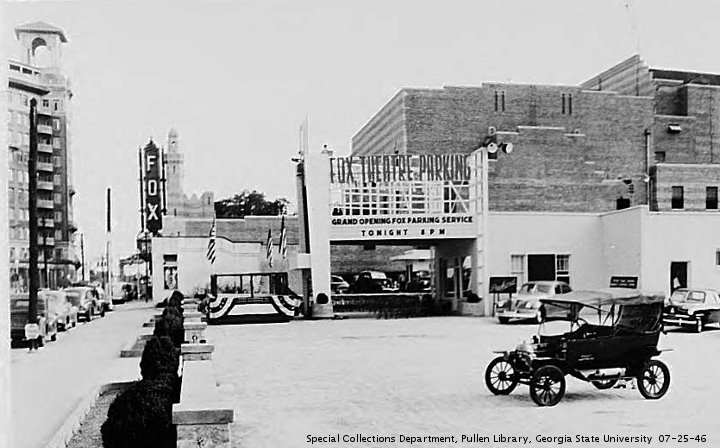
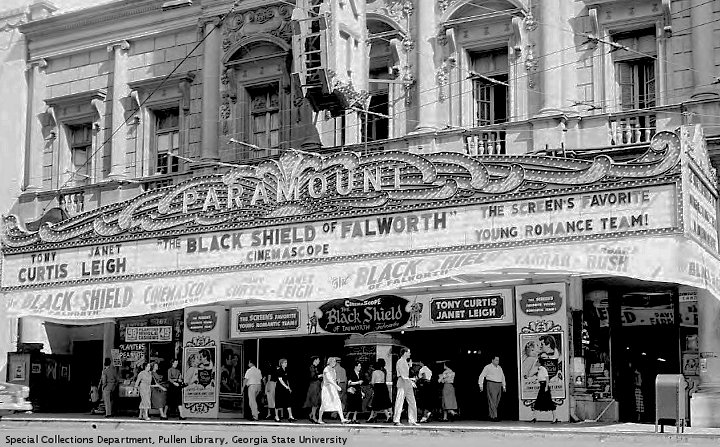
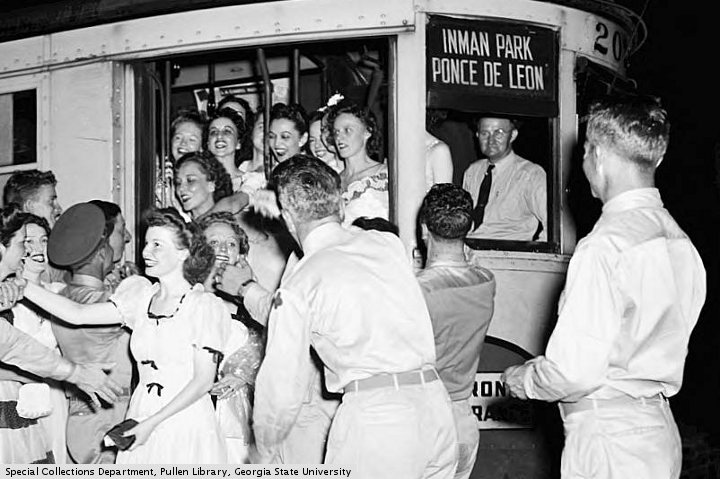
After ordering lunch, PG stepped back in time. The Ya-Ya girls took a train to Atlanta. They were going to the world premiere of “Gone With The Wind.” They stayed at the house of a wealthy relative. Ginger, a maid, was the chaperone. She had to ride in the “colored” car.
The premiere of GWTW was a big deal. There was a costume ball at the municipal auditorium, which was not exactly a grand place. There was a choir from Ebenezer Baptist Church singing spirituals. One of the singers was ten year old Martin Luther King Jr.
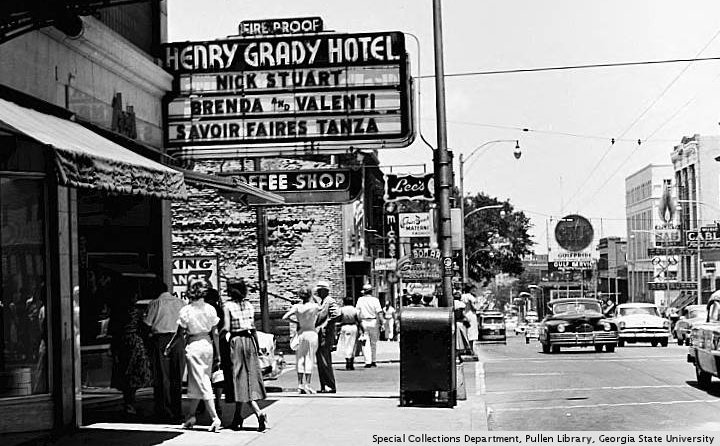
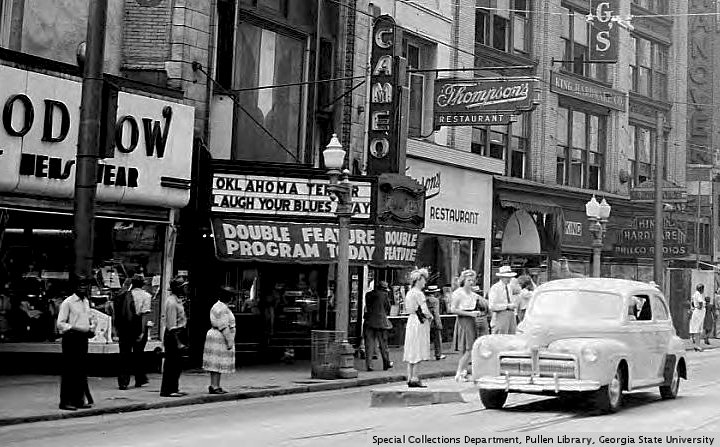
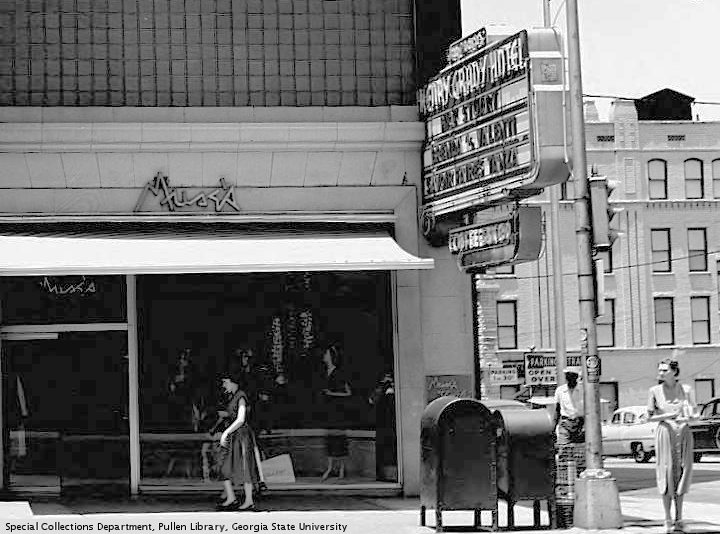
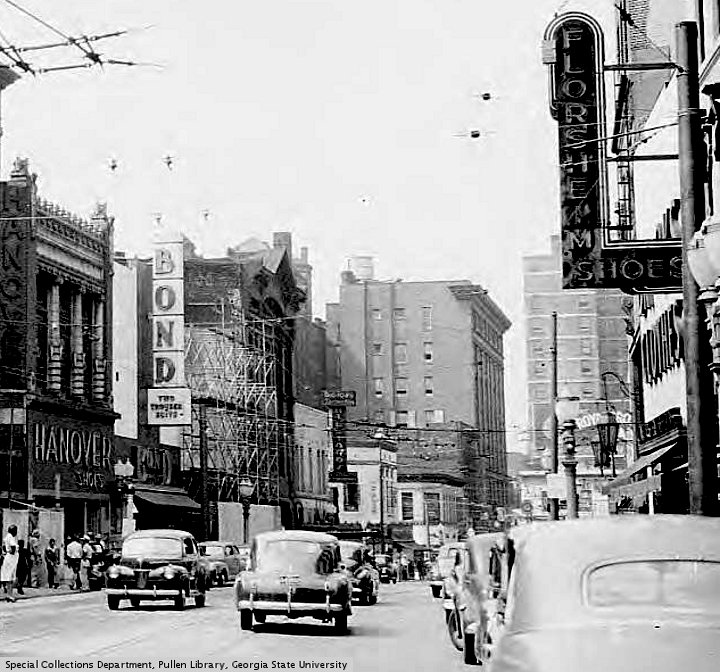
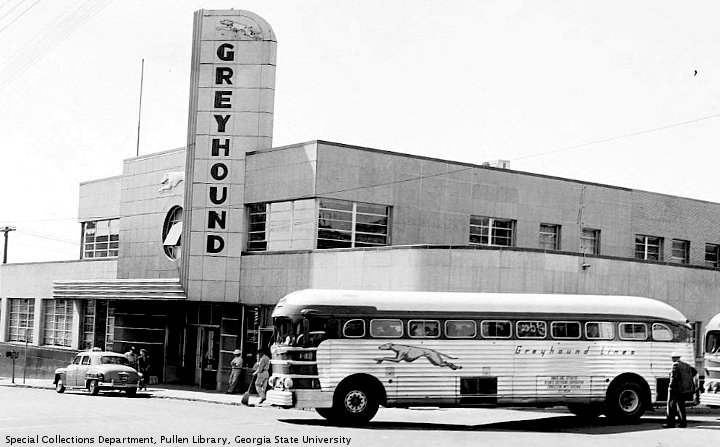
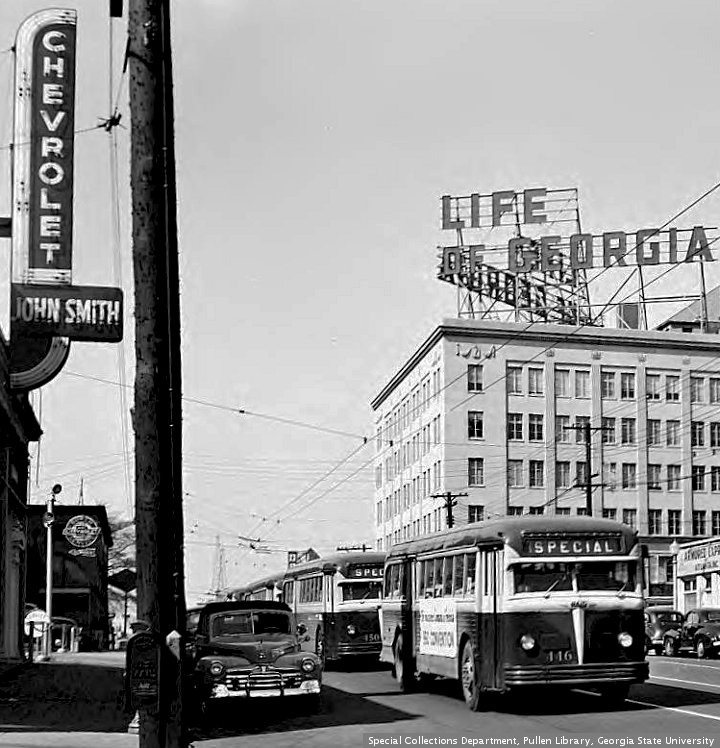
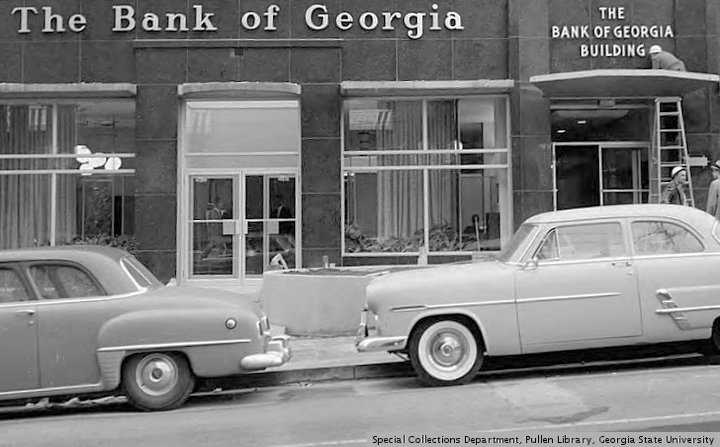
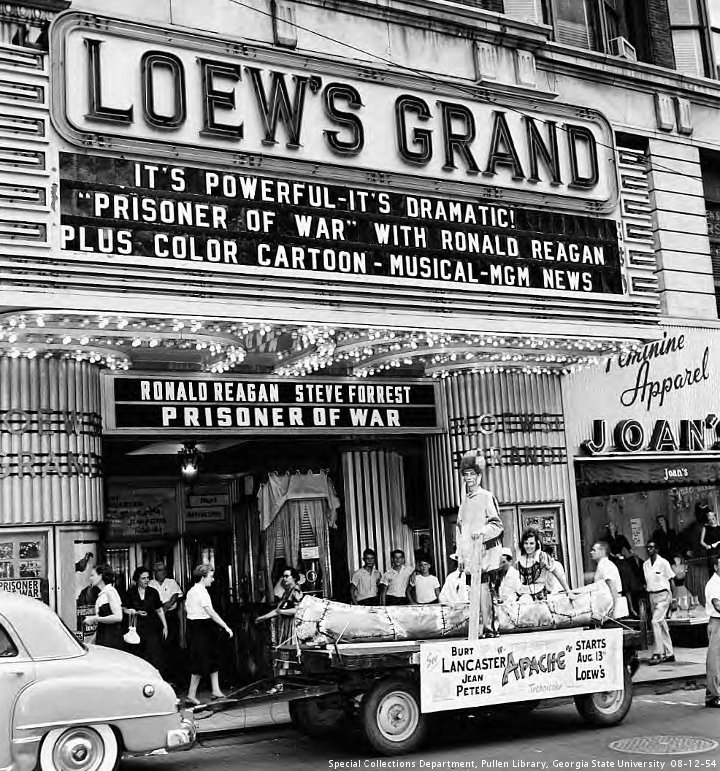
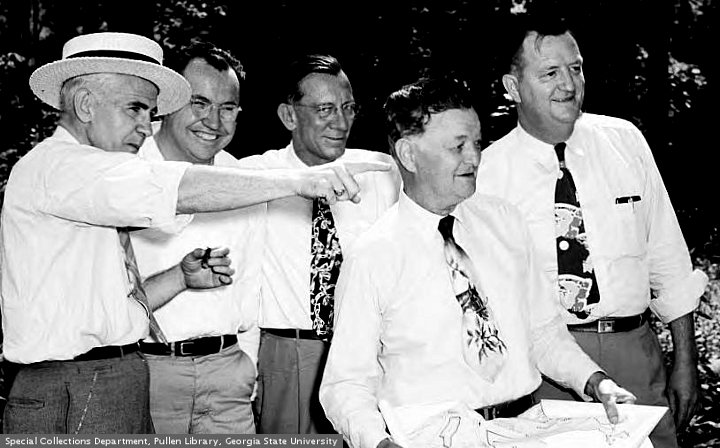
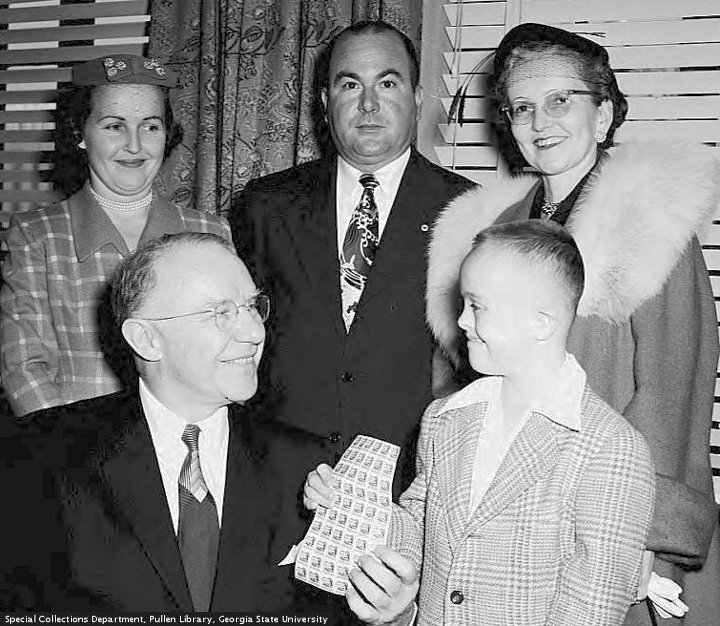
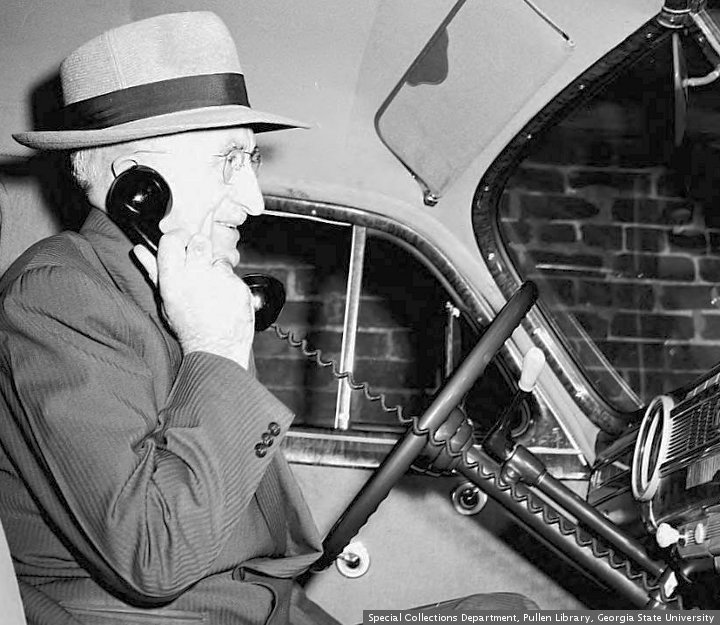
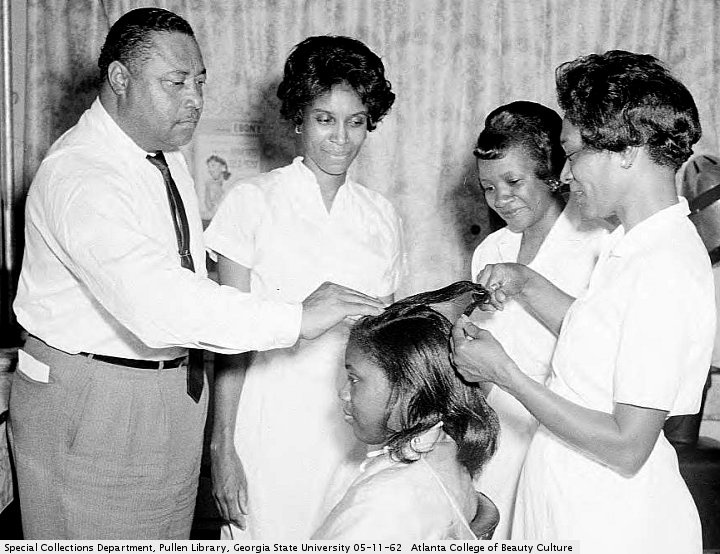
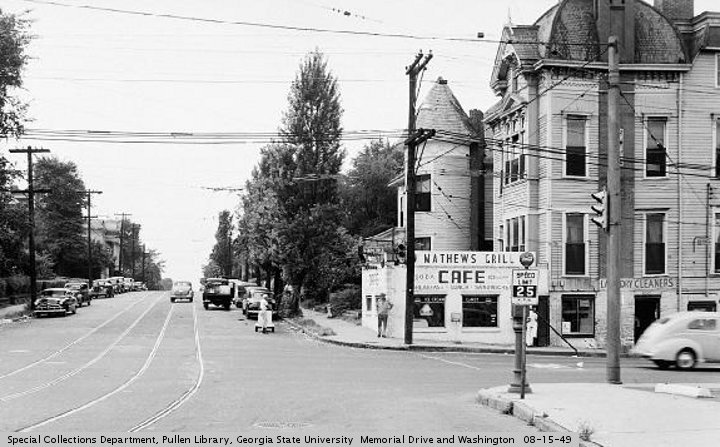
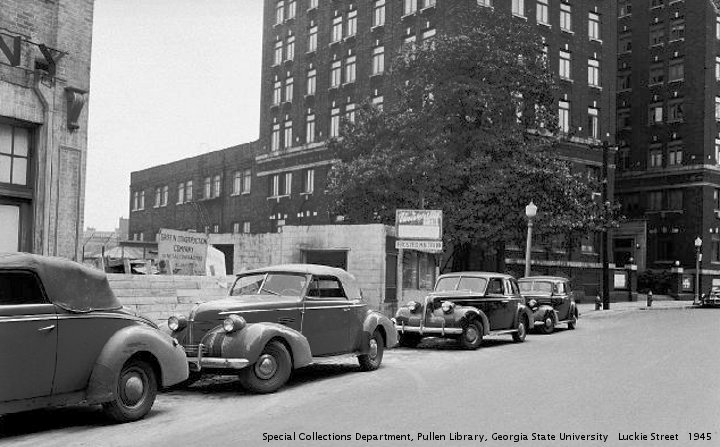
One day, during breakfast, an Atlanta cousin said something rude to Ginger. Vivi threw a plate of food at the Atlanta cousin. The Atlanta relatives were glad to see the Ya-Yas leaving. Pictures today are from “The Special Collections and Archives, Georgia State University Library”.




WTF RuPaul


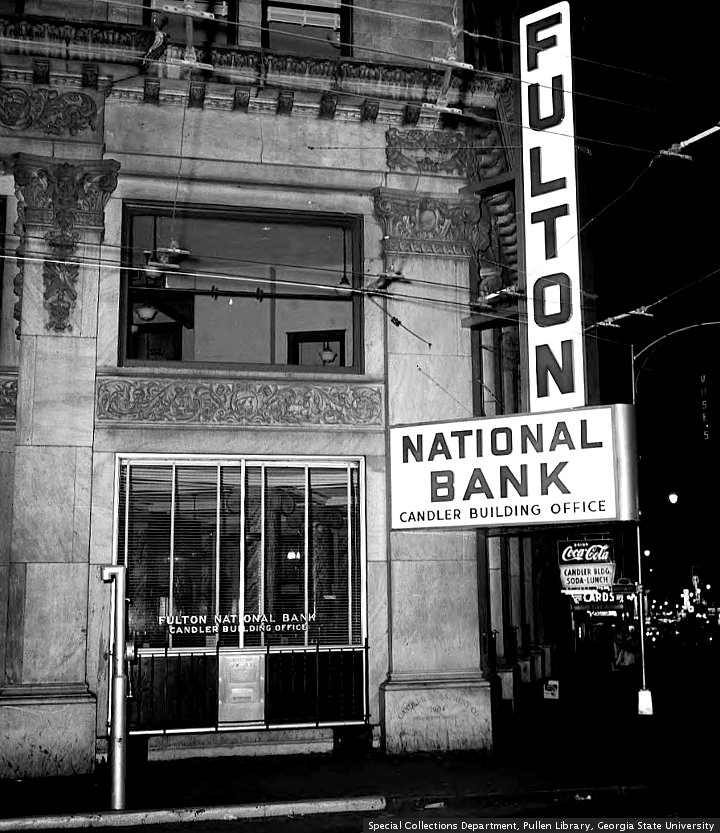
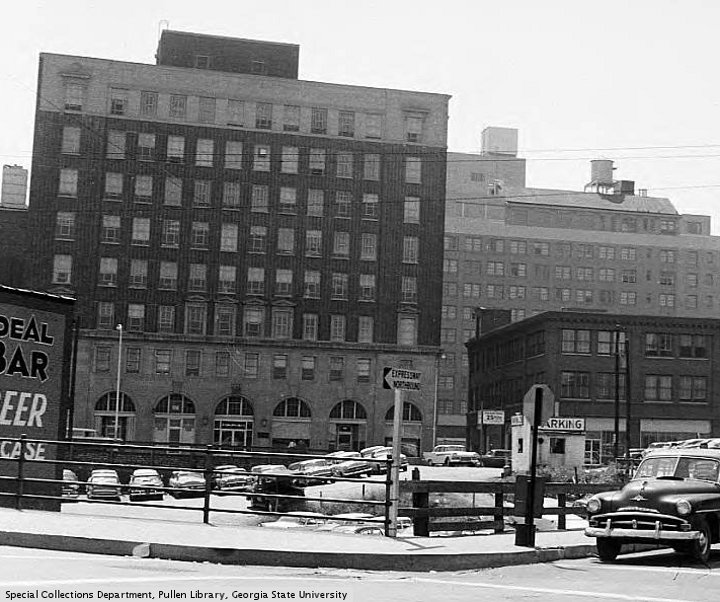


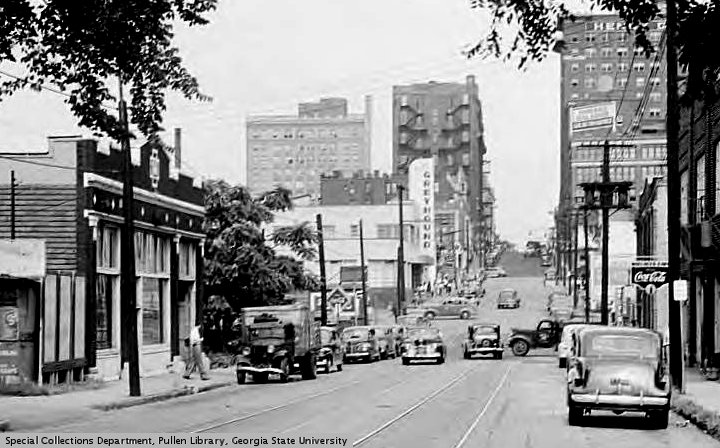

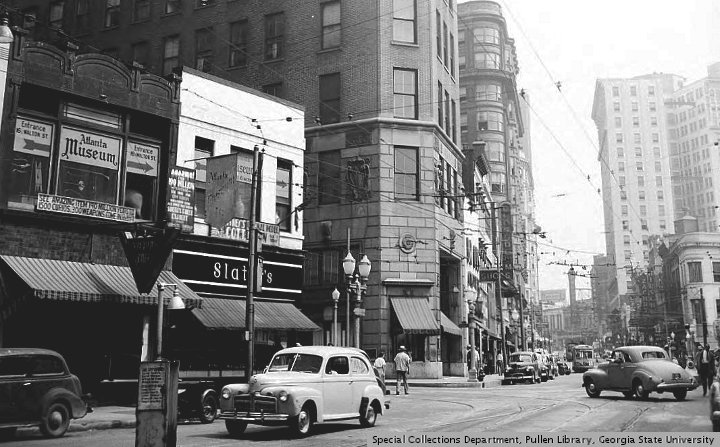
RuPaul is no stranger to attention being thought strange. The latest bit of publicity… there is no bad publicity, and they spell the name right … is an article in the eyeball grabbing HuffPo, RuPaul Responds To Controversy Over The Word ‘Tranny’. (Spell check suggestion: Granny) PG gave into temptation, and clicked on the link. It seems as though there was an appearance on the WTF podcast. Why settle for a sensational sample, when you can hear the entire show?
If you have an hour and twenty four minutes to spare, listen to this show. If you like, you can skip the first thirteen minutes, which is host Mark Maron talking about himself. The show is highly entertaining. A theme is that the world is the matrix, a fake construction. Some people look behind the curtain and see the wizard. Some people believe the matrix is reality. You should already know which side RuPaul takes. He was not born blonde.
The quote about the T-word comes toward the end of the show. PG has mixed feelings about the whole affair, and does not completely agree with RuPaul. However, this human being is entitled to an opinion. Even if he isn’t, he is going to share it anyway. RuPaul does not suffer from false modesty.
For a show that gets attention about language, it is a bit strange at times. While describing his career trajectory, RuPaul says he went through a phase of “gender f-word.” The show is called WTF. Twice a week, the host says fuck a dozen times in the first sixty seconds. And RuPaul said “gender f-word.”
Even more amazingly, RuPaul said that things were “n-word rigged”. RuPaul did break down and say the ultimate dirty word. When his mother saw his act on television, she said “N****** you crazy.”
RuPaul has had quite a career. He mentions that he has been sober for fifteen years, and had some therapy to get there. This was not the case when he lived in Atlanta. Many stories from those days are in the show. The bs detector went off a couple of times. PG saw the Now Explosion, and did not remember seeing a tall black guy.
This is a rich seventy five minutes. Like saying that Madonna is a curator, that most fashion designers don’t know how to sew. The part that is getting the attention is towards the end of the show, and is just a small part. It is all part of the matrix.
Pictures are from “The Special Collections and Archives, Georgia State University Library”.



The Great Southeast Music Hall


The Great Southeast Music Hall was an important part of life in Atlanta during the seventies. It was located in the elbow of a shopping center, Broadview Plaza. A bowling alley was downstairs, a two level K mart next door, and Atlanta’s first hispanic neighborhood across the street. Like almost everything else here, Broadview Plaza was torn down, and replaced by a more uppity set of stores.
When you went into the lobby of the Music Hall, you noticed the walls. Performers were given a magic marker, and encouraged to leave a message. John Mayall found the ladies room, and said he likes to be near the ladies. The late Phil Ochs said “Impeach Nixon and Agnew”. What happened to those boards is a good question.
The auditorium held about 500 people. The stage was only three feet or so above the floor. There was an empty space in front of the stage, and a few rows of bench backs behind that. When the place opened, there were lots of pillows on this floor, with the Music Hall logo. The carpet in this front area was fresh when the place opened, and got progressively grosser as the years went by. Beer was served in aluminum buckets, and inevitably some wound up on the carpet.
The show the Music Hall is most famous for is the US debut of the Sex Pistols. PG didn’t make it that night, but has heard from a few who did. The performance was said to be horrible. There are stories of Sid Vicious wandering through the apartments around Broadview trying to find heroin. Years later, PG was reading about that night in Please Kill Me, when the train he was riding pulled into the Lindberg Marta station. This is across the street from the Broadview Plaza, still standing at the time.
These days, the intersection of Lindbergh Drive and Piedmont Road (about a mile north of the park) is next to Hiway 400. When the Music Hall was in it’s prime, the land for the Highway was owned by the State of Georgia, which was fighting legal battles over the highway. The land had a network of dirt roads, one of which connected Buford Hiway to Lindbergh Drive. When you went from Chamblee to the Music Hall, the most direct route was over this dirt road. This dirt road is where Sidney Marcus Boulevard is today.
Eventually, the business model for the Music Hall did not work, and the facility moved to Cherokee Plaza. This Music Hall was in a movie theater. The Cherokee Plaza Theater was the scene for the world premiere of Son of Dracula . This move did not work, for a number of reasons. The parking lot was too small, and people who wanted a loaf of bread from the A&P were blocked out during shows. Cherokee Plaza is just outside the city limits, on Peachtree Road. In the late seventies, DeKalb county was aggressively fighting drunk driving, and had roadblocks. Many of these roadblocks were outside the Music Hall, which kept many people from attending. Before long, this Music Hall closed.
Many years later, PG bought a second hand typewriter, and needed a ribbon. (Younger readers should ask an older person about this.) He went into an office supply store in Broadview Plaza, and soon realized that he was standing on the site of the Music Hall. He asked the clerk if he could have a bucket of beer, and got a very strange look in return.
 One industrious afternoon during this era, PG made a list of shows he saw at the Music Hall. The memory cells are already protesting, but we are going to try and remember as much as possible about these shows. A big thank you to Wikipedia for help with spelling and names.
New York Rock Ensemble – PG walked into the auditorium during the last part of the first show, as the band played “A whiter shade of pale”. The bass player wore lace up boots, with the pants legs tucked into them. Before long, the second show came on stage. Keyboard player Michael Kamen was the central focus, acting out the lyrics to “Anaconda”.
Silverman Deborah McColl fronted this drummerless band
Al Kooper PG has written about an unfortunate incident involving Al Kooper during this show. This would have never happened in “The Catcher in the Rye”…the kids always knew what time it was in that story. Mr. Kooper did a solo show, including “Sam Stone” by John Prine.
Ellen McIlwaine/ James Cotton Blues Band Ms. McIlwaine was pregnant, and played slide guitar. Mr. Cotton played harmonica. One of his players started to fan him with a towel, because he was hot.
Breakfast Special/ Doc and Merle Watson Breakfast Special was a local bluegrass crew, who did “The coming down song”. The Watsons did ” Deep River Blues” and “Thats All”, among other things. PG had a copy of their latest LP, and asked Merle to autograph it. He wrote his name on one side, turned it over, and signed Doc’s name on the other side.
Mason/Atlanta Rythym Section This show was the night Led Zeppelin played Atlanta Stadium.
New Riders of the Purple Sage When the Music Hall opened, a performer would typically play from Tuesday to Sunday. NRPS was a one night show. They worked well in the packed hall, and shined on “Glenville Train”. The next year, they did a tour with Commander Cody and The Lost Planet Airmen. Commander Cody opened, and raised hell. NRPS followed with a mellow rock show, and before long people were getting bored and leaving.
David Buskin / Loudon Wainwright III Chamblee 54 has written about this show before. Mr. Buskin talked about doing a show at Max’s Kansas City, the person sitting next to PG said “Gross”.
Steve Martin / Nitty Gritty Dirt Band Chamblee54 has written about the show by Mr. Martin . This was his last tour as an opening act. Nitty Gritty was a sight to behold. John McEuen played fiddle, and recited a poem about life.
Martin Mull / Melissa Manchester PG went to see Mr. Mull, who opened the show with a three piece band. (After the show, Mr. Mull said the name of the band was the (your name) (draws a blank with his fingers) orchestra.) The headliner was Ms. Manchester, little known at the time. She was a knockout. While standup comedy has it’s place, for emotional impact there is nothing like a singer.
Texas Gary Bennett / Weather Report Mr. Bennett played acoustic guitar, and sang, as an opener for a packed house of jazz rockers. It did not go well. At one point, trying to get some rapport with the crowd, he said ” has anyone here been busted at the Omni?” ( The authorities had begun arresting people for smoking pot at the major concerts.)
Weather Report was amazing. Josef Zawinul had the loud keyboard sound, Wayne Shorter played his leads on soprano sax, and there was a drummer and percussion player. There was tons of rythym, to go with the electronic jazz sounds. When it was over, PG went up to Mr. Zawinul, shook his hand and, and said thank you. He was pouring a glass of beer from a pitcher, and looked a bit startled.
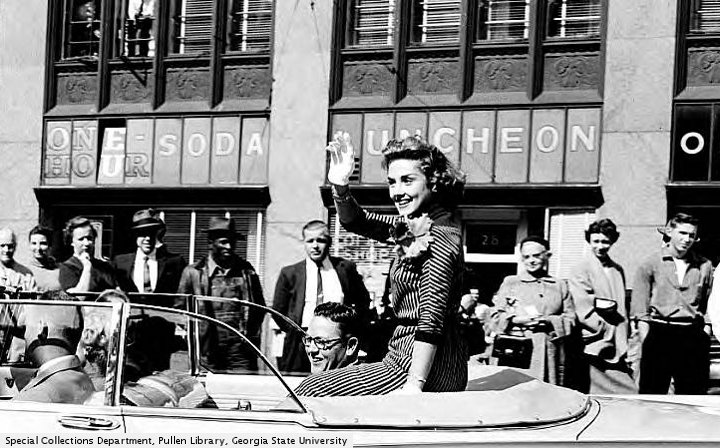
David Pomerance / Rahsaan Roland Kirk Chamblee54 has written about this show before. Mr. Kirk was a force of nature, the modern miracle of the tenor saxophone. He did not suffer from false modesty. This was the night Richard Nixon resigned, which pleased Mr. Kirk no end. The blind Rahsaan said that he did not want to see his audience, because we were too ugly. At one point, his band had been jamming for about ten minutes, when PG realized that Mr. Kirk had been holding a single note the entire time. The three saxophones at one time thing was a visual shocker, but he got sounds that way that you cannot get from a single instrument. At one point, Mr. Kirk pulled his sunglasses off, and made a face at the crowd. It was an amazing evening.
Chic Corea / Return to Forever This was a disappointment. Tickets were $4.50, which may be the most PG ever paid at the Music Hall. The band only played about an hour. It was all electric, ignoring the acoustic instruments set up on stage. RTF was a four piece, all star band. They had Chic Corea on keyboards, Stanley Clarke on bass, Al Demeola on guitar, and Lenny White on drums. That sounds like a great show, but it turned out to be four solo artists jamming. There was no cohesion, and the overall sound was less than the sum of the individual parts. Corea leaned over his keyboard, twisted knobs, and made faces, as if to say “look at how intense this is”. It wasn’t.
Mccoy Tyner The former Coltrane sideman played a very nice show. He had a percussion man, with several tables covered in exotic instruments. PG took a break after to first show to hang out at a neighborhood disco. When he got back, there was no doorman checking tickets, and anyone could walk in for free. PG took advantage of this discovery many times over the next few years.
Bill Crystal / Jean Luc Ponty Former Frank Zappa player Jean Luc Ponty played at the Music Hall, with a bass player who was a fellow Zappa alumni. The surprise of the evening was then-unknown Bill Crystal. A few weeks after this show, “Soap” would premiere, and make him a star. Mr. Crystal did a killer impersonation of a gila monster.
Between shows, Mr. Crystal had been entertained by a local musician. During the second show, he held his finger to his nose, made a snorting sound, and said thank you. PG heard this, and yelled “Locker Room”, the name of a “deooderizer” that some liked to get a buzz sniffing. Mr. Crystal said “Locker room. Jeez, I need to get the hecklers rosetta stone to know what he means”. Good times.
Keith Jarrett This is another show that might have been better than PG’s enjoyment. At one point early in the show, PG moved over to the front of the stage, to look at Mr. Jarrett’s hands. After the show, people told PG that the player had been giving him dirty looks when he did that. PG asked Mr. Jarrett about it, and he said that PG had interfered with his concentration.
This show featured a quartet, instead of a solo piano. The bass player was Charley Haden, who seemed a bit puffy faced. PG later learned that he had been addicted to heroin at the time.
Melissa Manchester Ms. Manchester came back for another week at the Music Hall, about a year after her first appearance. At one point, she asked the band if they were ready to do a new song, and then performed “I got eyes” for the first time in public. This was later the b side to “Midnight Blue”. One of the players in her band was a man named James Newton Howard. Part of the deal for touring with her was that he could play a solo number on piano, called “Newton’s Ego”. He later played with Elton John, and became wealthy writing film scores.
Flora Purim /Airto Moreira On PG’s 23rd birthday, Flora Purim played at the Music Hall. At the time, PG had a profound appreciation of her albums. The band had a nice sound, and was the equal of her records. The Chic Corea tune “Light as a Feather” was a standout. Her husband, Airto Moreira ( eye, ear, toe) fronted the band on some of the numbers, and had some funny routines. Ms. Purim held two microphones throughout the show, with one connected to some audio filters. PG found holding two microphones to be visually distracting. PG had known of the Jewish ancestry of Ms. Purim, but had not thought much about it. Then he saw her live, and realized that she does, indeed, look Jewish.
Hot Tuna Hot Tuna is a dependable, though not spectacular, band. On a previous show in Atlanta, they went on stage at 10:55, and played without a break until 2:50. This night, a fried of a friend was working at the Music Hall, and PG got in before the crowds, to get a prime spot, in the first row of benchbacks. At one point, PG was rocking back and forth against the benchback, and a neighbor asked him to quit. Those buckets of beer were influential.
Shakti This was an acoustic, Hindu oriented band fronted by guitar superman John McLaughlin. The numbers seemed to go on forever.
David Manion / Mark Almond This was a long awaited Atlanta performance by Mark Almond. (This is a jazz/blues band, totally different from the Soft Cell vocalist with a similar name.) They played two sets, which were only an hour or so long. This was disappointing to the people who could not wait for the second show. In the second show, they “took the shackles off” saxophone player Johnny Almond, and he played a wild solo during “The city”.
The incident we are about to describe may or may not have involved David Manion. What happened was, a small portable radio was playing on the edge of the stage. The spotlight was on the radio, which sounded like gibberish to most of the audience. Gradually, the chattering audience got quiet, and tried to listen to the radio. After a few minutes, a man came out, and stood in darkness behind the radio. The PA speaker announced “The new force of rock in Atlanta”. The man then dropped a large piece of granite on the radio, smashing it into bits.
Laurie Chapman / Stomu Yamashta Laurie Chapman was a singer/piano player, with some good stories. She told of a trucker, driving beside her and talking to her on a cb radio. ” You better get that drink out from between your legs before it gets too hot to handle”.
Stomu Yamashta is somewhat of a star in Japan. The show here was filmed for showing on TV there. His band, Go, was an all star collection, including Ava Cherry. She was a backup vocalist, and girlfriend, with David Bowie. After the show, PG was introduced to Spencer Davis in the lobby.
The next few shows were at Cherokee Plaza.
Martin Mull Mr. Mull was a solo star this time. He did a song about doing nothing, adding that dead people can do it too. The parking lot was packed, which was a major problem at the new location.
The week before the Super Bowl in 1994, Mr. Mull filmed a Comedy Central show in Woodruff Park. The Dallas Cowboys cheerleaders were kicking field goals. After the filming PG stood a few feet away from Mr. Mull, but could not think of anything to say.
Sun Ra PG went to a wedding, and a bunch of people from there to see Sun Ra. This was an entertaining spectacle, with a big band and dancers. After the show, PG asked Sun Ra how he could afford to take a band like that on the road. He said he was doing it for beauty.
David Bromberg This was another big band production. PG showed within a few minutes of the gateman leaving his post, and saw about 45 minutes without buying a ticket.
Lester Flatt/John Hartford One boring Saturday night, PG walked up to the Music Hall, and saw the two fiddle players jamming. A few weeks later, Lester Flatt passed away. This is a repost. Pictures today are from “The Special Collections and Archives, Georgia State University Library”.

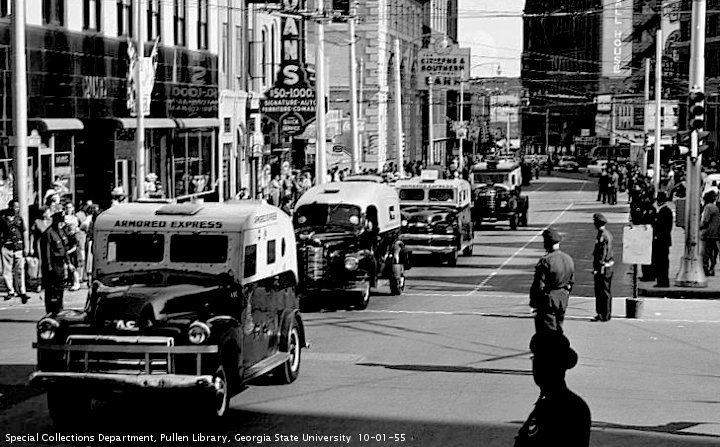
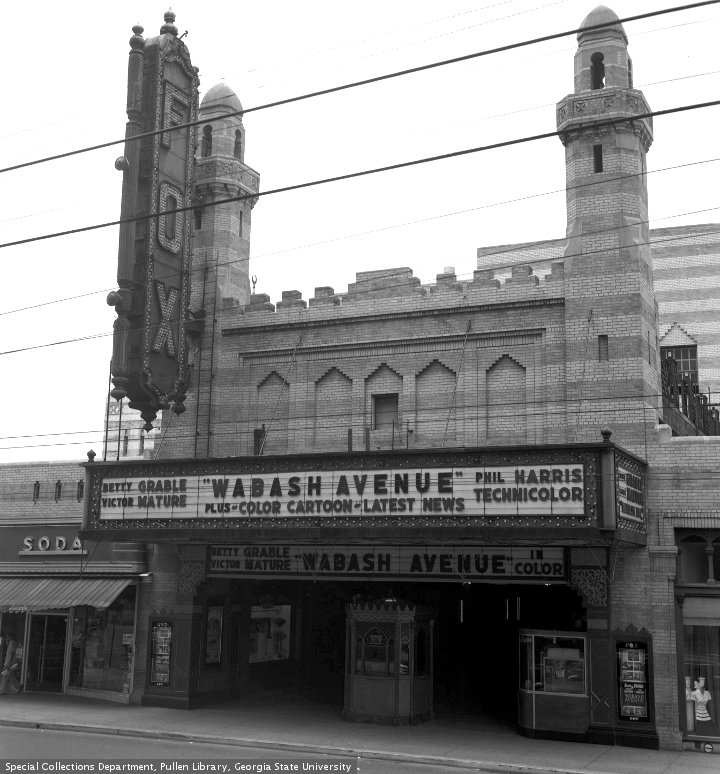
Chamblee 54 Election Guide

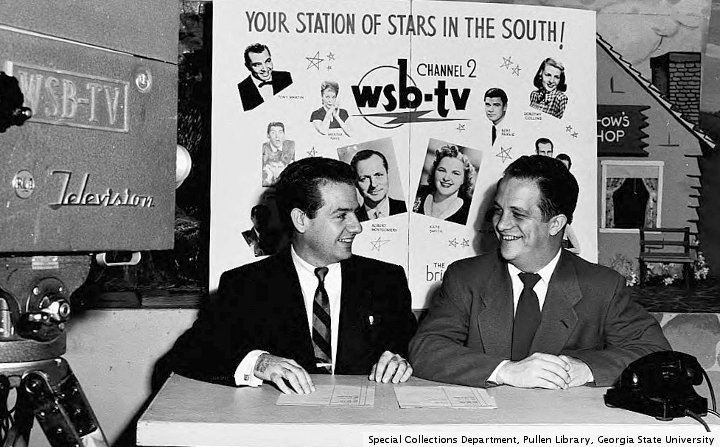
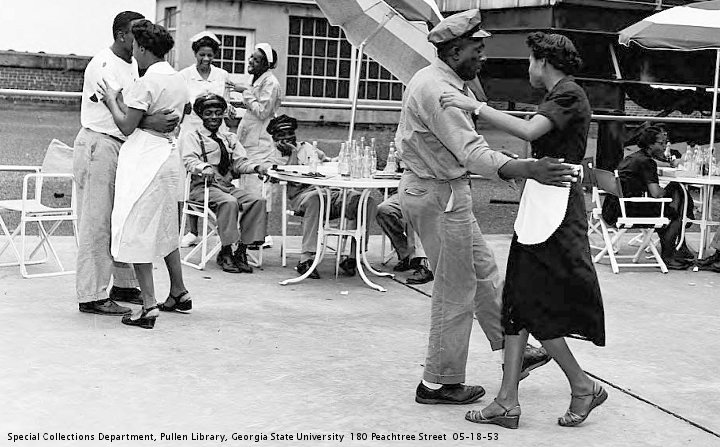
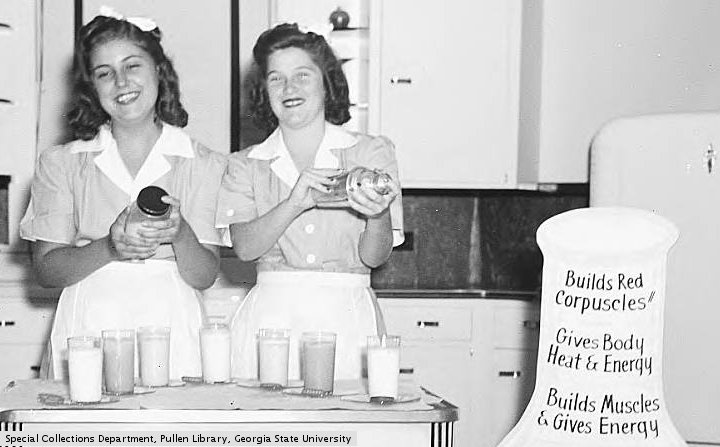


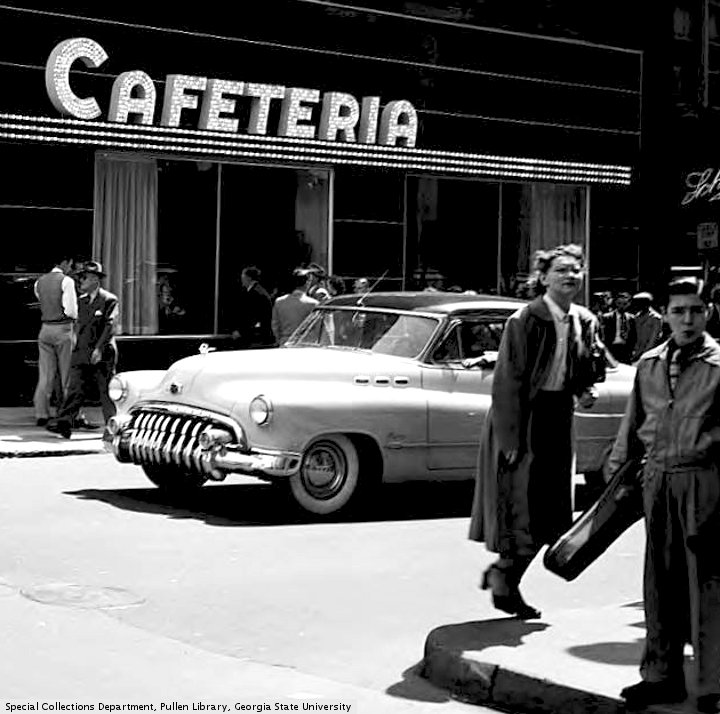
Next Tuesday is the Georgia Primary. This is the day when the number of candidates is reduced from too many to two. The inevitable runoff will be held July 22. It is an “open” primary, which means you choose between the Demos and the Repubs.
When you vote in the runoff, you must choose the same party as the primary. This rule was enacted after the 1966 election. Many Repubs voted in the Demo runoff for Lester Maddox. He was generally conceded to be the Lester of the two evils, and was elected Governor through a quirk in the State Constitution. The election of Mr. Maddox should provide a warning to those who vote for a goofy candidate, in hopes of providing weak opposition for another candidate. This strategy can backfire.
PG lives in Dekalb County, Georgia. In District 81, House of Representatives, action, incumbent Scott Holcombe is unopposed in the Demo Primary. Someone is unopposed in the Repub primary. In the race for District 40 State Senate, incumbent Fran Millar faces opposition from Richard D. “Dick” Anderson. Mr. Millar mailed PG a flyer produced by Rosetta Stone. This is never a good sign. The US congressman for PG is Tom Price, who will win re-election.
Dekalb County is going to elect a new sheriff. This is a special election, and will be on the ballot for both duopoly parties. The candidates are Tony Hughes, Melvin Mitchell, Melody Maddox (Rumored to be the love baby of Lester Maddox), Jeff Mann, LaSalle Smith, Vernon Jones. Mr. Jones is the former county CEO, and the BFF of TV reporter Doug Richards. Mr. Mann, and Mr. Mitchell, have the money to send out slick mailers. Derwin Brown and Pat Jarvis have not commented.
Georgia has two high profile state elections. Nathan Deal has opposition in the primary, but will probably win. His probable opponent in November is Jason Carter, whose main qualification is being Jimmy’s grandson. The other Demo candidate for statewide office is Michelle Nunn. She is running for the US Senate. The primary qualification of Ms. Nunn is being the daughter of Sam “don’t ask don’t tell” Nunn. Maybe it is none of our business.
The election with the most money involved is the Repub contest for the US Senate. The incumbent is mercifully retiring. The most prominent candidates are Paul Broun, Art Gardner, Phil Gingrey, Derrick E. Grayson, Karen Handel, Jack Kingston, David Perdue. According to the polls, Ms Handel, Mr. Kingston, and Mr. Perdue are the leading contenders.
A popular truism is that when you don’t have anything good to say about someone, you should not say anything at all. Despite this, chamblee54 has written about Karen Handel one, two, three, four, five times. If you can’t be a hypocrite during an election…
A site called Politico had this item today. Perdue … had this to say: “She ran five times for five different races, got elected twice, didn’t finish either term.” Perdue was referring to Handel leaving the Fulton County Board of Commissioners to run for secretary of state, then cutting that term short to seek the governorship in 2010. … Handel seethed at those comments. “Would we be having this conversation if I were a man?” she said. “I would argue not.”
Pictures are from “The Special Collections and Archives, Georgia State University Library”.


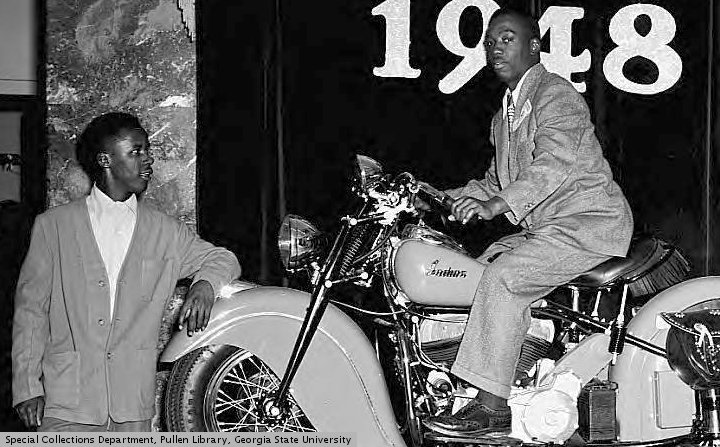
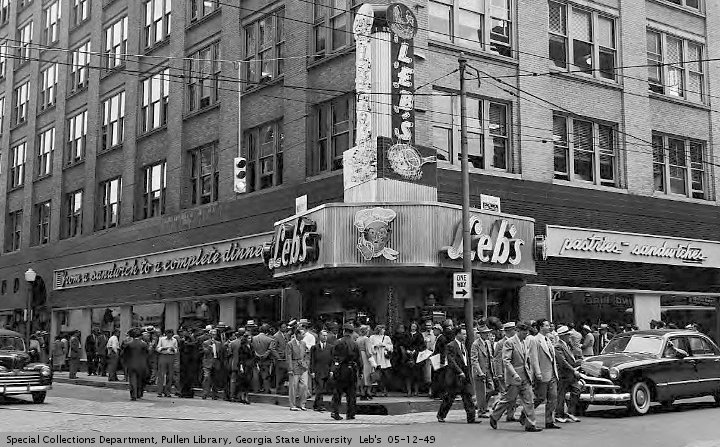





Jean D. McKinnon

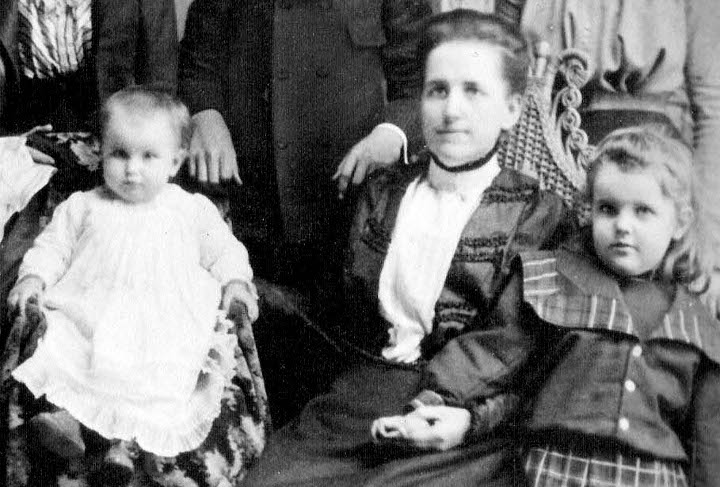


The first picture in this episode is a family portrait of the Quin family in Washington Georgia. The nine surviving children of Hugh Pharr Quin are sitting for the camera. Mr. Quin had joined the Georgia State Troops of the Army of the Confederacy at the age of 16, and after the war went to Washington to live with his sister. Mr. Quin was in the church choir of the First Methodist Church when he met the organist, Betty Lou DuBose. They were married January 22, 1879.
The original name of Mrs. Quin was Louisa Toombs DuBose. She was the daughter of James Rembert DuBose. His brother in law was Robert Toombs, the Secretary of State of the Confederacy, and a man of whom many stories are told.
In this picture, Mrs. Quin is holding the hand of her second youngest daughter so she will not run away. This is Mattie Vance Quin. She is my grandmother.
After the Great War, Mattie Vance Quin was living in Memphis Tennessee, where she met Arthur Dunaway. Mr. Dunaway was a veteran of the war, and was from Paragould, Arkansas. On July 23, 1922 her first Daughter, Jean, was born. This is my mother.
Mr. Dunaway died in 1930, shortly after the birth of his son Arthur. There were hard times and upheaval after this, with the family settling in Atlanta. There her third child Helen Ann Moffat was born on December 12, 1933. This is my Aunt Helen and my mother’s best friend.
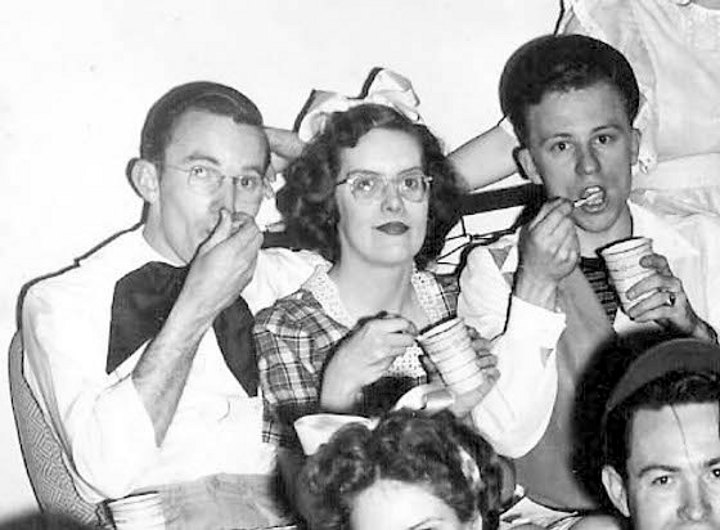
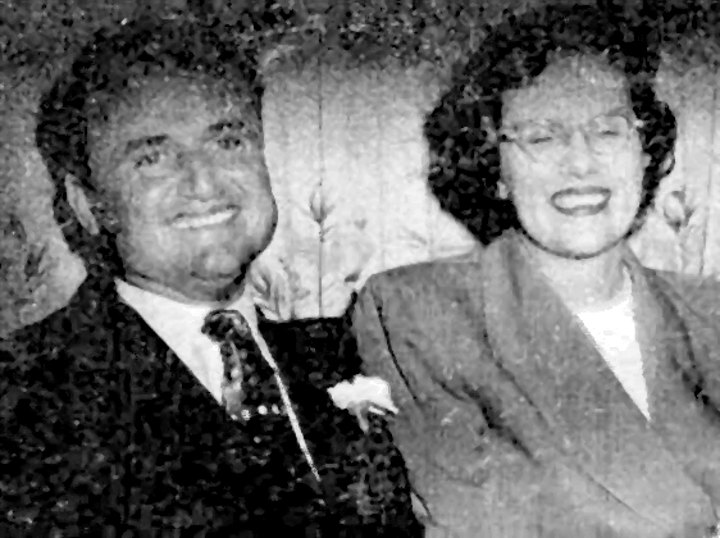


Jean lived for many years with her mother and sister at 939 Piedmont, among other locations. She joined the First Baptist Church and sang in the choir. She got a job with the C&S bank, and was working at the Tenth Street Branch when she met Luther McKinnon. He was a native of Rowland, North Carolina. They were married October 6, 1951.
They moved into the Skyland Apartments, which in those days was out in the country. Mom told a story about Dad taking her home from Choir practice, and going home on the two lane Buford Hiway. There was a man who went to the restaurants to get scraps to feed his pigs, and his truck was always in front of them. This was a serious matter in the summer without air conditioning.
Soon, they moved into a house, and Luther junior was born on May 6, 1954. This is me. Malcolm was born May 10, 1956, which did it for the children. Neither of us had children, so that is where that ends.
The fifties were spent on Wimberly Road, a street of always pregnant women just outside Brookhaven. It was a great place to be a little kid.
In 1960, we moved to Parkridge Drive, to the house where my brother and I stay today. The note payment was $88 a month. Ashford Park School is a short walk away…the lady who sold us the house said ” you slap you kid on the fanny and he is at school”.
In 1962, our family followed the choir director from First Baptist to Briarcliff Baptist, which is where my parents remained.
In 1964, Mom went back to work. She ran the drive in window at Lenox Square for the Trust Company of Georgia until it was time to retire. She became a talk radio fan when RING radio started, and was a friend of her customer Ludlow Porch. She gave dog biscuits to customers with dogs.
During this era of change, Mom taught me that all people were good people, be they black or white. This was rare in the south. She later became disgusted with the War in Vietnam, and liked to quote a man she heard on the radio. “How will we get out of Vietnam?”” By ship and by plane”.
Eventually, it was time to retire. Her and Dad did the requisite traveling, until Dad got sick and passed away February 7,1992. Mom stuck around for a few more years, until her time came December 18, 1998. This is a repost.

Jack City Is Number Three
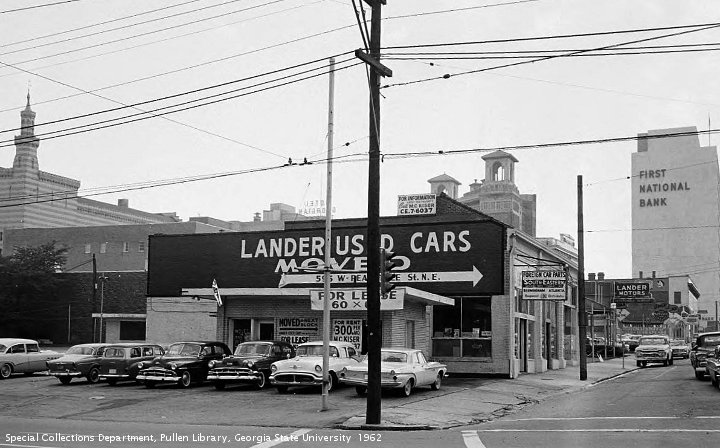
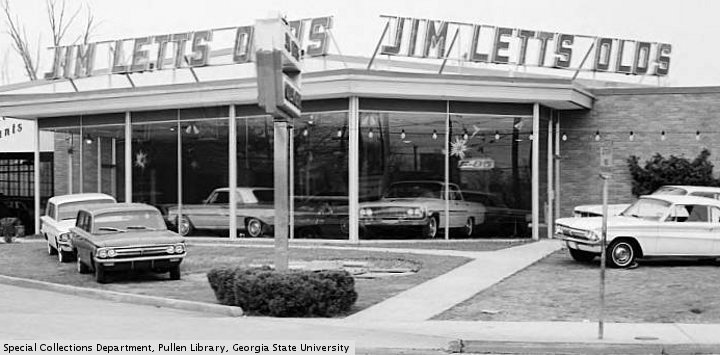

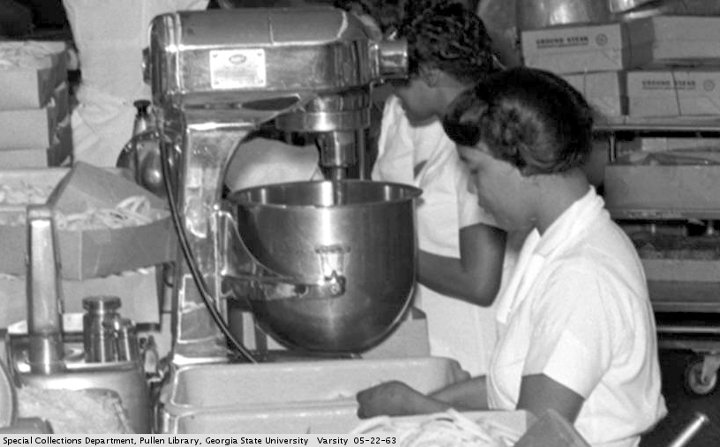
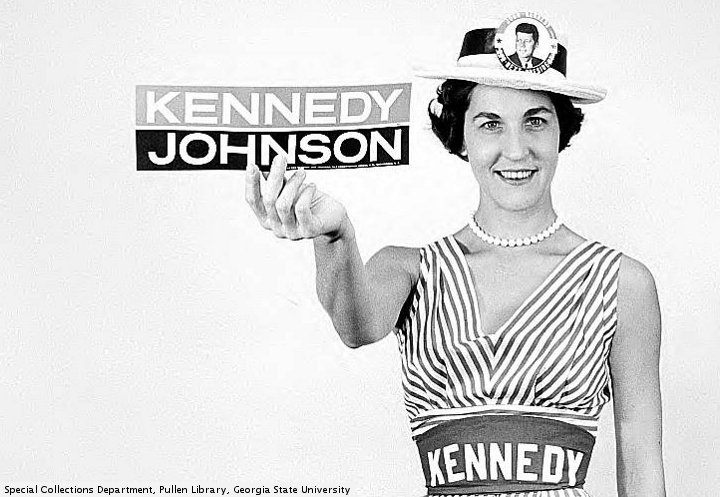

Every year, at roughly the same time as the National Day of Prayer, an internet facility known as Neighborhood Scout publishes a list of bad hoods. This year is no different. NeighborhoodScout’s ® Top 25 Most Dangerous Neighborhoods in America is now available for your enjoyment.
1 East St. Louis, IL (City Center)
2 Jackson, TN (James Buchanan Dr / 1st St)
3 Atlanta, GA (Mcdaniel St SW / Mary St SW)
4 Saginaw, MI (E Holland Ave / E Genesee Ave)
5 Rockford, IL (7th St / E Jefferson St)
6 Memphis, TN (Chelsea Ave / N Claybrook St)
7 Rochester, NY (Orange St / W Broad St)
8 Detroit, MI (Wyoming St / Orangelawn St)
9 Detroit, MI (Broadstreet Ave / Cortland St)
10 Camden, NJ (Whitman Park)
11 Detroit, Mi (W Jeffries Fwy / Seebaldt St)
12 New Orleans, LA (Conti St / Marais St)
13 East St. Louis, IL (Caseyville Ave / N Park Dr)
14 Oklahoma City, OK (NE 36th St / N Martin Luther King Ave)
15 Baltimore, MD (E Oliver St / N Broadway)
16 Cincinnati, OH (Central Pky / Central Ave)
17 Omaha, NE (N 24th St / Ames Ave)
18 Rockford, IL (N Rockton Ave / W State St)
19 West Memphis, AR (E Jackson Ave / Autumn Ave)
20 Chicago, IL (S Indiana Ave / E 60th St)
21 Saginaw, MI (Lapeer Ave / E Genesee Ave)
22 Washington, DC (Atlantic St SE / 4th St SE)
23 St. Louis, MO (Clara Ave / Saint Louis Ave)
24 Chicago, IL (S Pulaski Rd / W Lexington St)
25 Baton Rouge, LA (N Lobdell Ave / Harry Dr)
The protection money paid by New York, Florida, and Texas kept them off the list. If you want to see who is what, the list is there. The site has more information, especially if you subscribe to Neighborhood Scout. Put fresh batteries in your BS detector.
The only Atlanta winner is McDaniel Street & Mary Street. It comes in at number three. This is the site of a popular video. In the film, a young man is beaten by three other young men. The person filming the scene shouts “no faggots in jack city.”
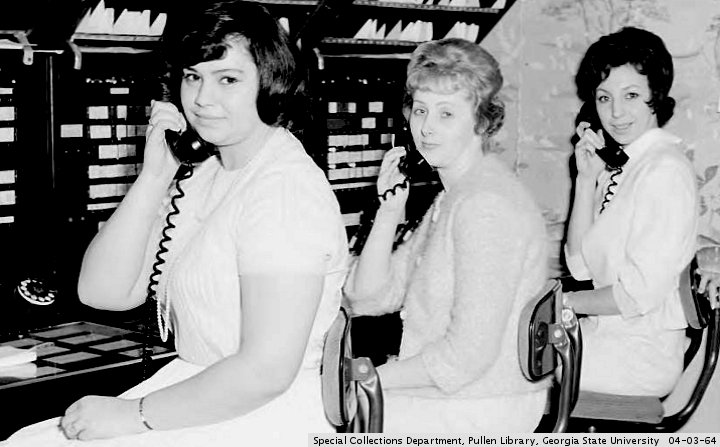
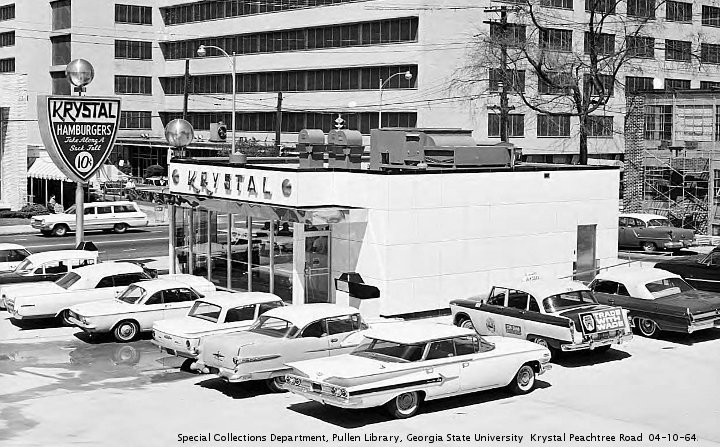
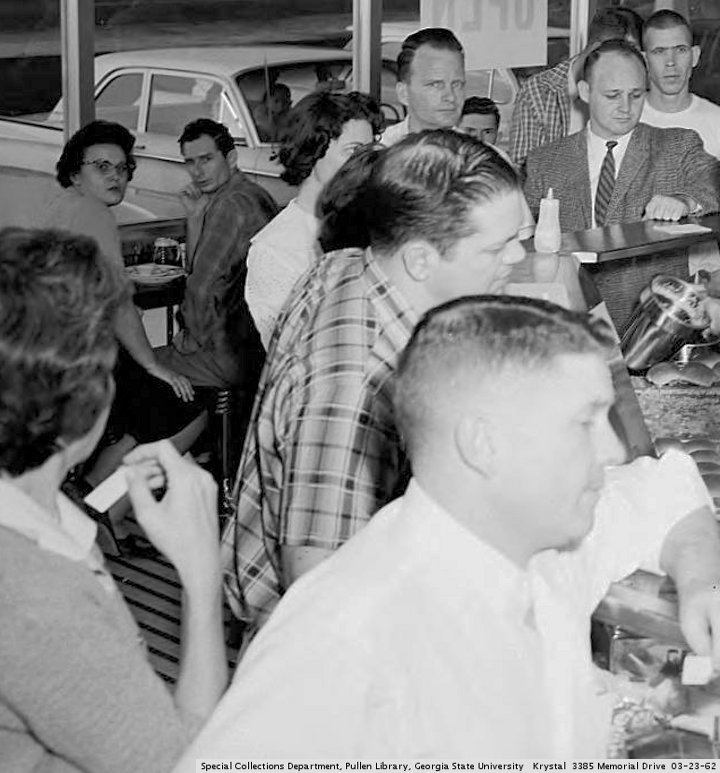
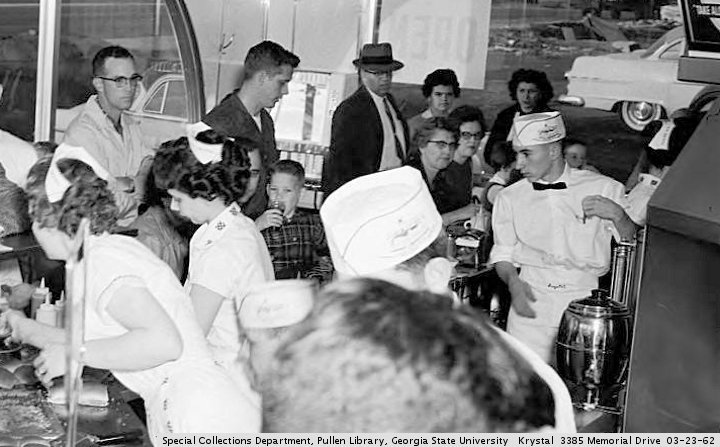
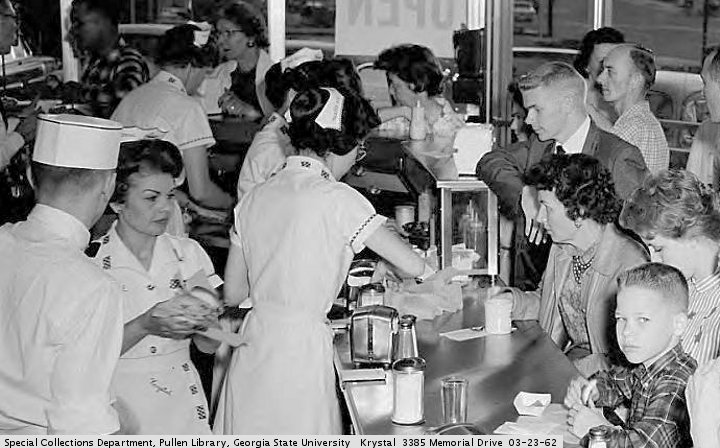
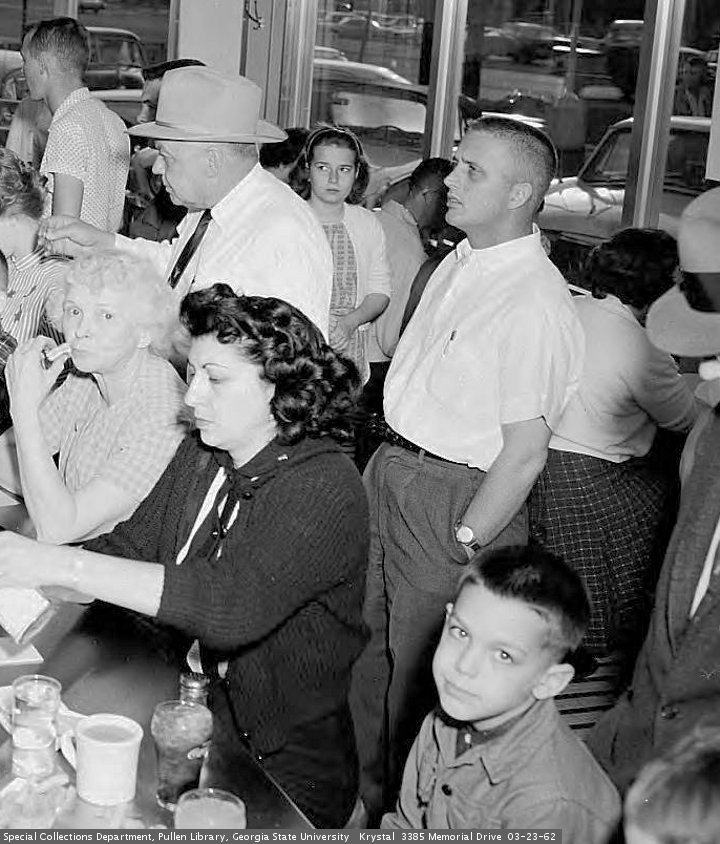
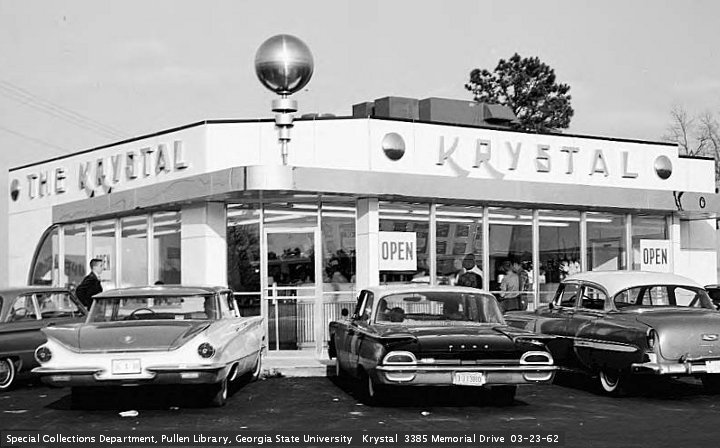
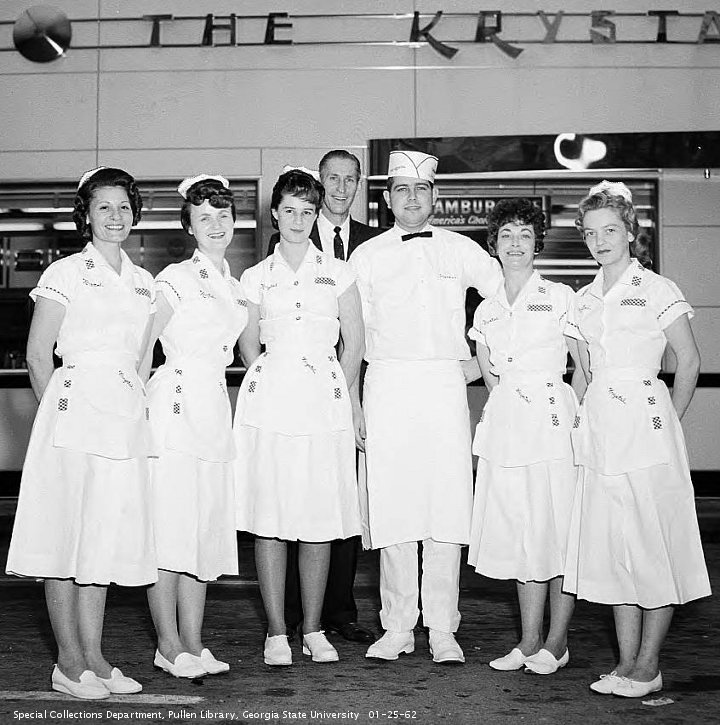
Pictures are from “The Special Collections and Archives, Georgia State University Library”.
04-30-92
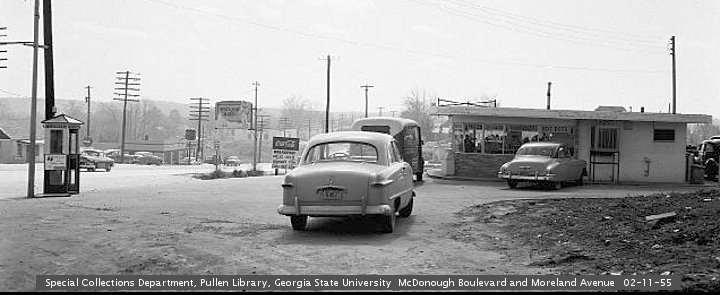
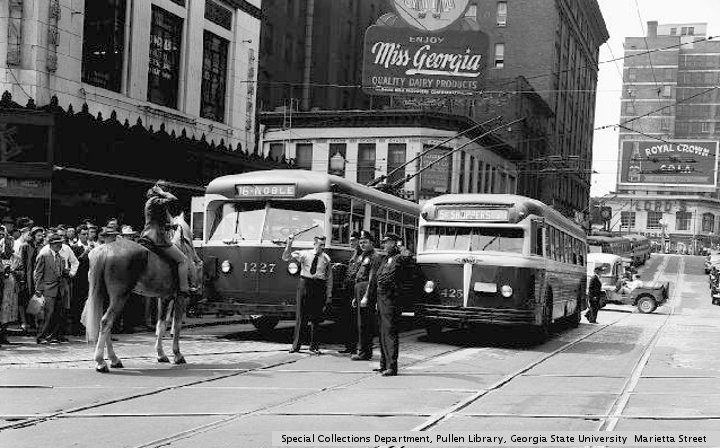

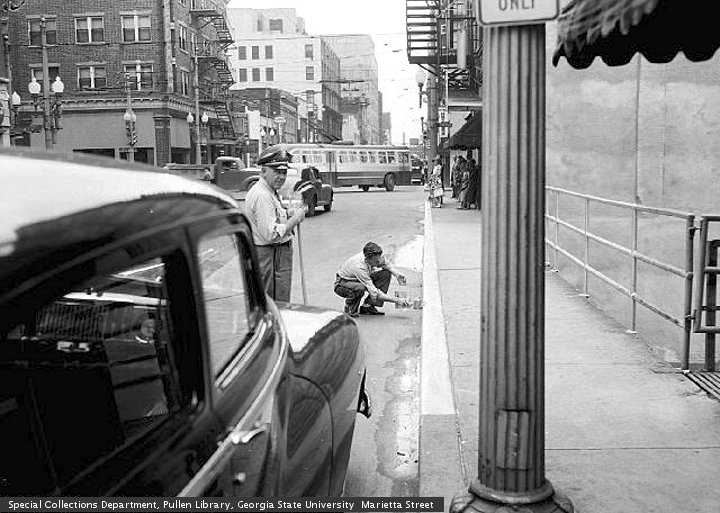

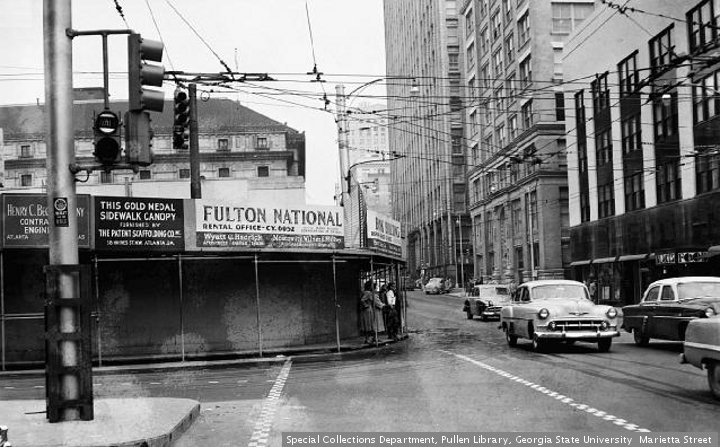

Doug Richards is an Atlanta tv news reporter. He writes a blog, live apartment fire. He was on the scene twenty years ago today. There was a riot downtown. Mr. Richards had a bad night.
PG was working in the Healey building that day. He ran an RMS, or reprographic management service, in an architects office. He had a blueline machine, ran jobs for the customer, and had free time. PG did a lot of exploring, and enjoyed the various events downtown. On April 30, 1992, there was an event he did not enjoy.
The day before, a jury in California issued a verdict. Four policemen were acquitted of wrongdoing in an incident involving Rodney King. The incident had been videotaped, and received widespread attention. The verdict of the jury was not popular. The dissatisfaction spread to Atlanta.
Sometimes, PG thinks he has a guardian angel looking over him. If so, then this thursday afternoon was one of those times. PG went walking out into the gathering storm. He was a block south of the train station at five points, when he saw someone throw a rock into a store front. The sheet metal drapes were rolled down on the outside of the store. PG realized that he was not in a good place, and quickly made his way back to the Healey building.
A group of policeman were lined up in the lobby of the building, wearing flack jackets. One of the police was a white man, who was familiar to workers in the neighborhood. A few weeks before the incident, he had been walking around the neighborhood showing off his newborn baby.
There was very little work done that afternoon in the architect’s office. Someone said not to stand close to the windows, which seemed like a good idea. Fourteen floors below, on Broad Street, the window at Rosa’s Pizza had a brick thrown threw it. There were helicopters hovering over downtown, making an ominous noise.
There was a lot of soul searching about race relations that day. The Olympics were coming to town in four years, and the potential for international disaster was apparent. As it turned out, the disturbance was limited to a few hundred people. It could have been much, much worse. If one percent of the anger in Atlanta had been unleashed that day, instead of .001 percent, the Olympics would have been looking for a new host.
After a while, the people in the office were called into the lobby. The Principal of the firm, the partner in charge of production, walked out to his vehicle with PG and a lady in operations. The principal drove an inconspicuous vehicle, which made PG feel a bit better. PG took his pocketknife, opened the blade, and put it in his back pocket. It probably would not have done him much good.
PG usually took the train downtown. As fate would have it, there was a big project at the main office of redo blue on West Peachtree Street. That is where PG’s vehicle was, in anticipation of working overtime that night. The principal drove PG to this building. PG called his mother, to let her know that he was ok. The Atlanta manager of Redo Blue talked to him, to make sure that he was not hurt.
If PG had not gone back downtown the next day, he might not have ever gone back. He was back at the West Peachtree Street office, and was assured that it was safe to ride the train into town. The Macy’s at 180 Peachtree had plywood nailed over the display windows. A gift shop in the Healey building had a sign in the window, “Black owned business”. Friday May 1, 1992, was a quiet day.
This is a repost. The events of twenty two years ago are mostly forgotten today. Pictures are from “The Special Collections and Archives,Georgia State University Library”





Atlanta Rising
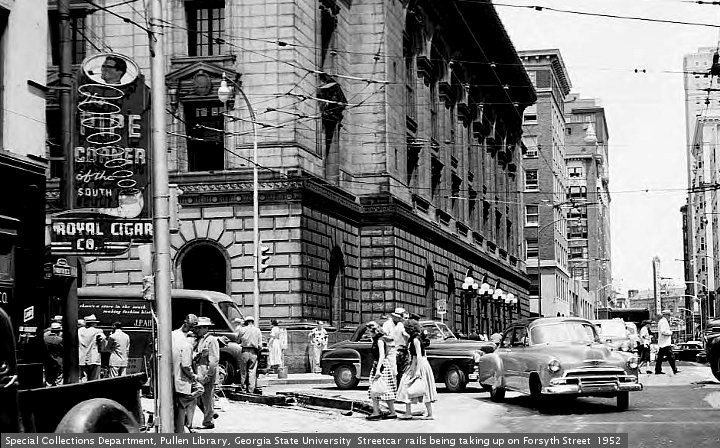


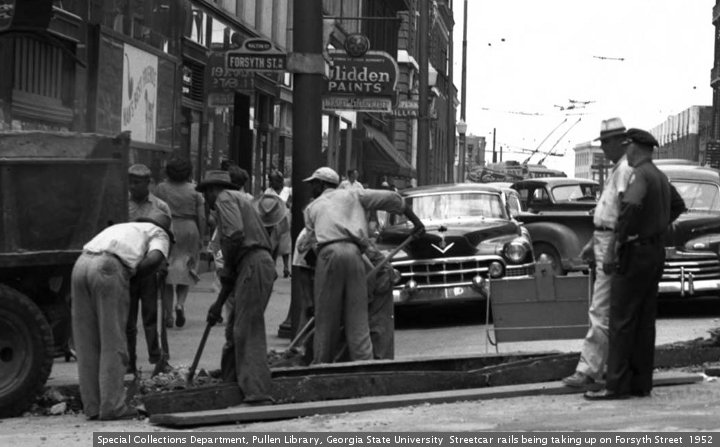
Atlanta Rising: The Invention of an International City 1946-1996 is on the shelf at the Chamblee library. This book is a history of Atlanta in the modern era, written by former fishwrapper scribe Frederick Allen. This is a repost.
The story begins in 1948. AR is weighted more to the older part of the story. The main text is 248 pages. On page 124, Ivan Allen has just built a controversial roadblock on Peyton Road, which would be in 1962. The further along in the story, the fewer details are included. The first big story is when Georgia had two governors. This is one of the best descriptions of the two Governors controversy around, and does not mention Ben Fortson’s wheelchair cushion.
The mayor at the start of the story is William B. Hartsfield. “Willie B” was a leader in creating the Atlanta Airport, and in building it into the powerhouse it is today. He was mayor until 1961, when Ivan Allen Jr. moved into the office.
AR has many moments of unintentional irony. When you read a book 18 years after it was written, and fifty years after the events in the book, you see things that could not have been imagined before. In 1960, many of the political-business elite thought it was time for Mr. Hartsfield to retire. Among his shortcomings was an indifference to sports. Mr. Hartsfield thought that a new stadium would be too great a drain on the city’s taxpayers. Fifty four years, and three stadiums, later, the power elite is going to build another stadium. Atlanta Stadium cost eighteen million dollars. The Blank bowl will cost over a billion. (In the past year, a plan to move the Braves to Smyrna was announced.)
One of the big stories here is civil rights. Atlanta came out of that struggle looking pretty good. It was a combination of image conscious businessmen, enlightened black leadership, and a huge helping of dumb luck. In 1961, the city was under federal pressure to integrate the schools. The state was firm in opposition, and the city wasn’t crazy about the idea anyway. Then, another federal court ordered the integration of the University of Georgia. Since the people would not stand for messing with their beloved University, the state laws forbidding integration were quietly repealed. The city schools were integrated with a minimum of fuss. (The book tells this story much better than a slack blogger.)
The controversy about the 1956 model state flag was going full steam when AR was written. The book has some legislative records, which for some reason never made it into the fishwrapper. There is no clear cut answer as to why the legislature changed the state flag. It was mentioned that at the national political conventions, you could not have a written sign, but you could wave a state flag. This controversy provided a diversion from gold dome crookedness, and hopefully has been laid to rest.
A man named Lester Maddox sold fried chicken, and ran for public office. AR describes Lester as looking a bit like an angry chicken. Through a series of constitutional convulsions, Lester was elected Governor in 1966. The state survived his tenure. In the seventies, when Jimmy Carter was running for President, Lester said a lot of rude things about Jimmy, helping the smiling peanut farmer get elected. In another turn of fate, Lester Maddox died June 25, 2003. This was two days after the eternal departure of Maynard Jackson, the first black Mayor of Atlanta.
The book ends with the 1996 Olympics looming over the city. Billy Payne led a smart campaign to secure the games for Atlanta. One of his moves was to keep Jimmy Carter and Ted Turner out of the action. After the 1980 boycott, and the Goodwill Games, neither person was popular with the I.O.C. The book was published before 1996. The Olympics were a blast.
Pictures are from “The Special Collections and Archives,Georgia State University Library”.




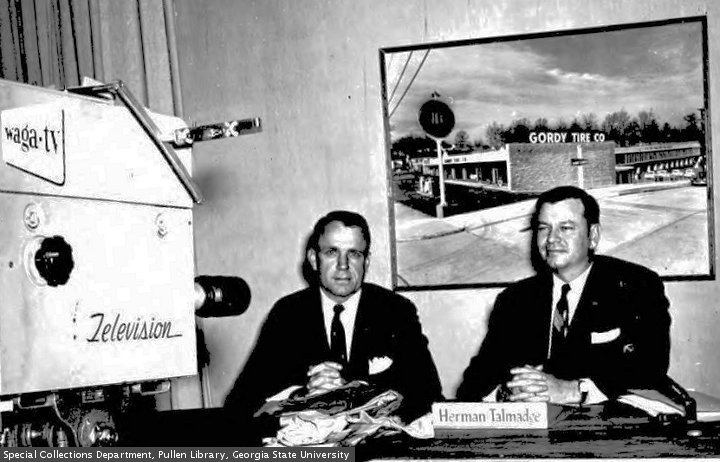
Confederate Memorial Day
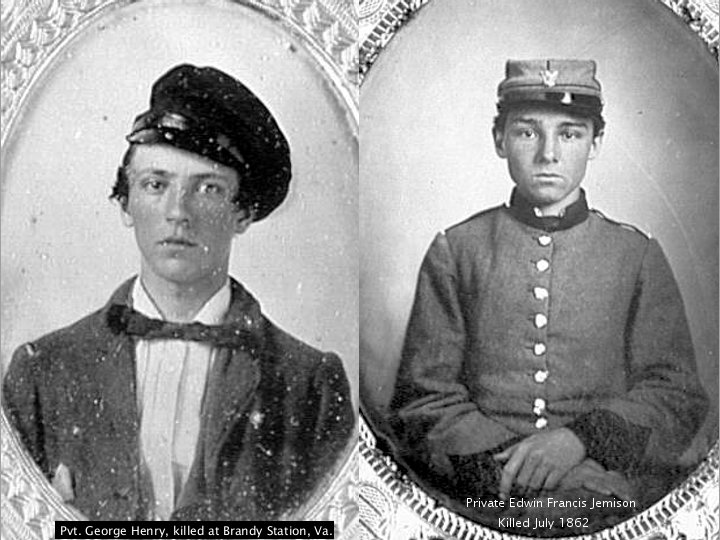

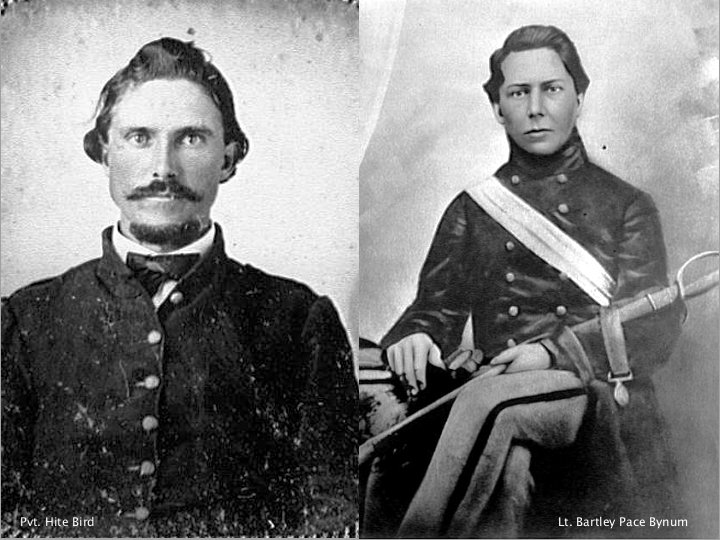
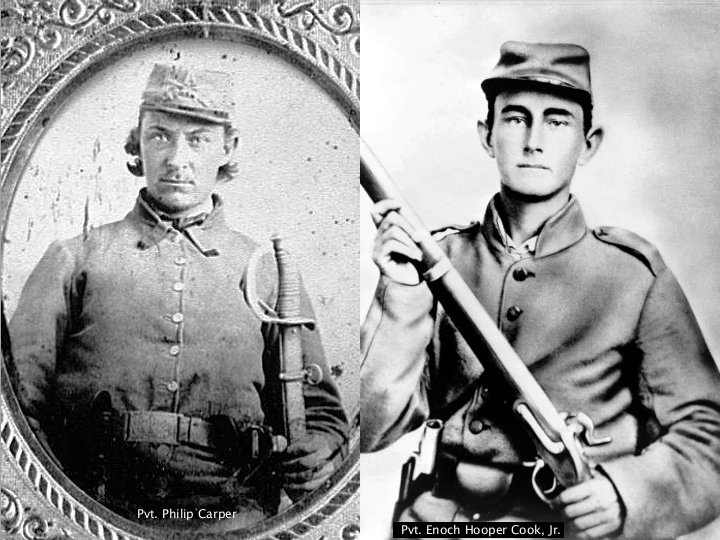
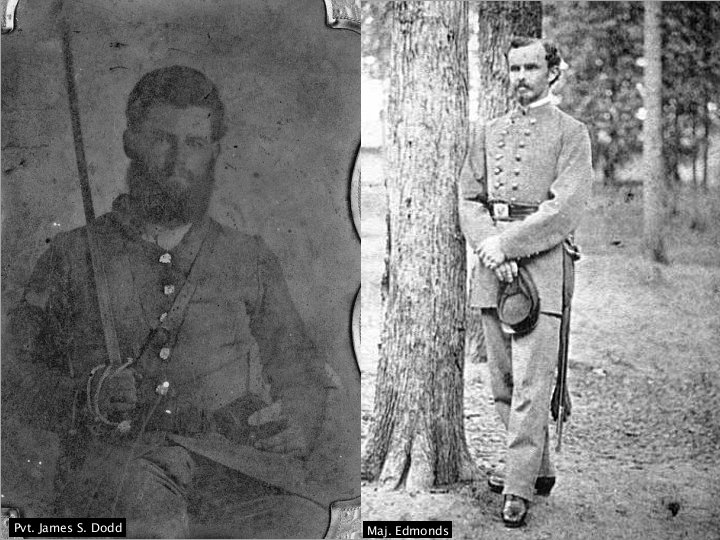

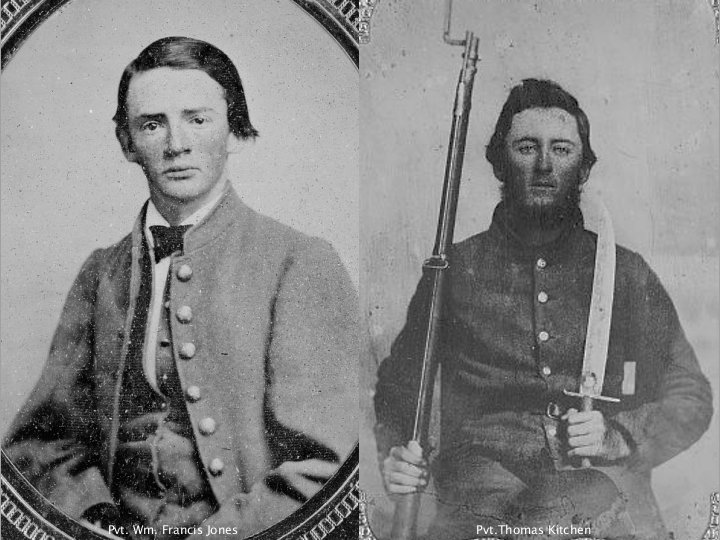
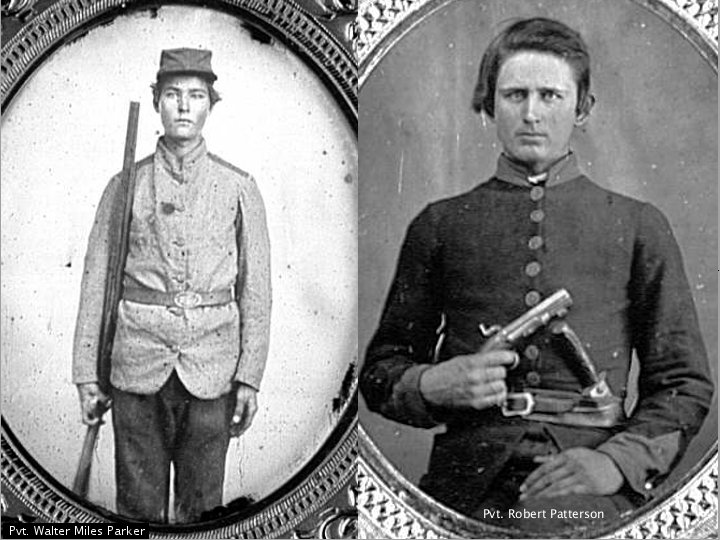
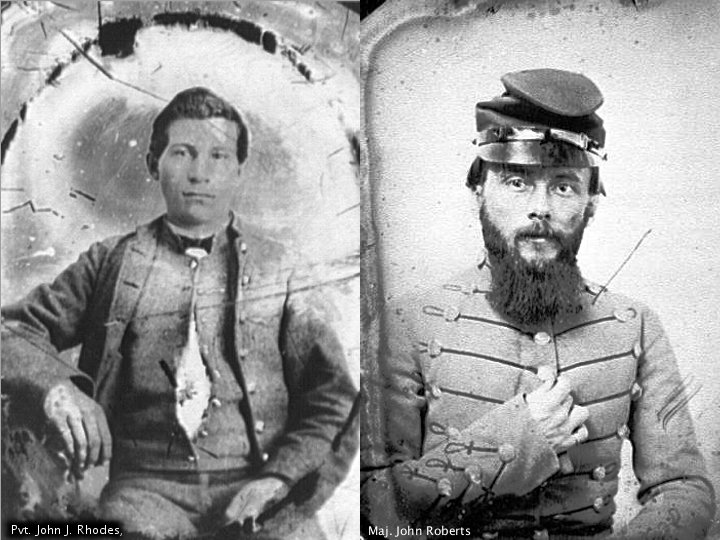
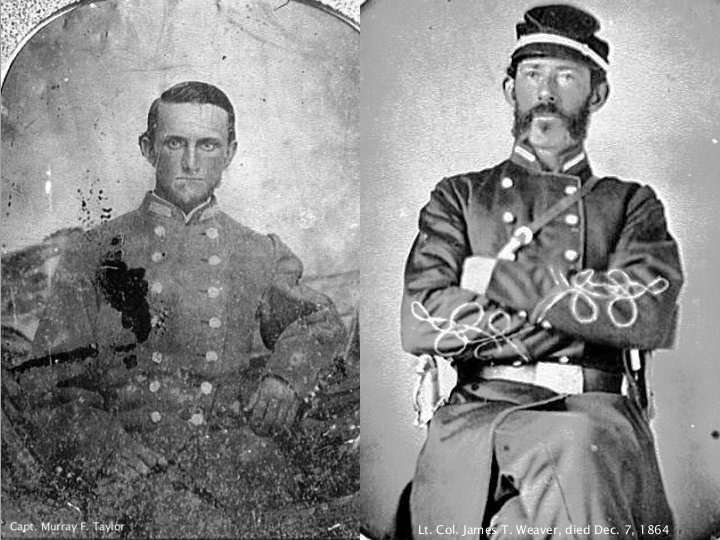
Today is Confederate Memorial Day in Georgia. It is an ancient question…how to honor the soldiers from the side that lost. They were just as valiant as the Union Soldiers. Considering the shortages of the Confederate Armies, the Rebels may have been just a bit braver.
The issue of Federalism is a defining conflict of the American experience. What powers do we give the Federal Government, and what powers do we cede to the States? The Confederacy was the product of this conflict. The Confederate States were a collection of individual states, with separate armies. This is one reason why the war turned out the way it did.
This is not a defense for slavery. The “Peculiar institution” was a moral horror. The after effects of slavery affect us today. Any remembrance of the Confederacy should know that. This does not make the men who fought any less brave.
It is tough to see the War Between the States through the modern eye. It was a different time, before many of the modern conveniences that are now considered necessities. Many say that the United States were divided from the start, and the fact the union lasted as long as it did was remarkable. When a conflict becomes us against them, the “causes” become unimportant.
The War was a horror, with no pain medicine, and little that could be done for the wounded. It took the south many, many years to recover. The healing continues in many ways today. Remembering the sacrifices made by our ancestors helps.
This is a repost from CMD 2010. Pictures are from the Library of Congress.


The Iggy Pop Story



The appropriately named dangerousminds has a video up about Iggy Stooge, who still has a full set of teeth at 62. The video is worth watching, even if it is mostly people like Henry Rollins telling how Raw Power changed his life. I guess the jokes on Henry, he thought they were talking about The Eagles, and the video folks cleverly edited in the references to Mr. Osterberg.
Getting back to Iggy , and music merchandising, he has a new collection of music coming out. Included in this package is a show he did at Richards, across the street from Grady Stadium. One night Iggy was singing at Richards, when Elton John appeared onstage wearing a gorilla suit.
The greatest achievement of Mr. Pop is living so long. ( He was born April 21, 1947). He has done heroin by the kilo, jumps off stage into crowds of punk rock fans, and is a general mess. As the video shows, he still has a great smile, although it is not known how many of those teeth are his own.
One night in 1980, PG saw a performance by Iggy Pop. The site was the 688 club, a storefront on Spring Street across the expressway from Georgia Tech. 688 Spring Street had been the site of Roses Cantina, where PG had seen George Thorogood, The Fans, and some blues band that did Amphetamine Annie with the original lyrics…instead of speed kills, they said love gun.
Roses was a cool place, a long narrow space with the performers in the middle, and a pool table behind the stage. Nightclubs are a tough business for capitalists, and Roses shut down.
At any rate, by the time PG got back from Seattle, some brave investors decided to have a punk rock club at 688 Spring Street. Soon, Iggy Pop would be playing a week there. In the seventies, the bands would play for five days at the great southeast music hall or the electric ballroom, two shows a night, and if you were really cool you would go on a weeknight before it got too crowded. Soon after that, it was one night in town only, and you either saw it or you didn’t.
PG had a friend at the Martinique apartments on Buford Hiway. There was someone living in the complex known as ZenDen, who sold acid. You would go to his place, wade through the living room full of grown men listening to Suzi Quatro, and purchase the commodity.
On to the the 23 Oglethorpe bus, and downtown to 688 Spring Street. Before anyone knew it, the band was on the stage. A veteran of the Patti Smith Group, named Ivan Kral, was playing bass. Mr. Kral sneezed, and a huge cocaine booger fell across his face. He was not playing when the show ended.
There was a white wall next to the stage, and someone wrote the song list on that wall. That list of songs stayed on the wall as long as 688 was open. “I want to be your dog” was on the list, as well as the number where Iggy pulled his pants off and performed in his underwear. Supposedly, in New York the drawers came off, but the TMI police were off duty that night.
The show was loud and long, and had the feel of an endurance event…either you go or the band does. Finally, the show was over, and PG got on the 23 Oglethorpe bus to go home. You got the northbound bus on West Peachtree Street. You could look down the street and see the Coca Cola sign downtown.
Thirty years later,PG, like Iggy Pop, has a full head of teeth, which, in PG’s case are his own. PG has a full head of white care, as apparently does Mr. Pop, although he does appear to touch up his hair. Maybe he really is a blond. This post should be over, but if there are 37 more words then we will have 688. The space on Spring Street is still standing, which is pretty good for Atlanta. It is now an emergency room, or something.
This is a repost. The original was posted four years ago. Iggy is still alive. So is PG. 688 Spring Street stands. 23 Oglethorpe is the answer to a trivia question. Pictures are from The Library of Congress.




Ru Paul




Years ago, PG worked with someone who liked to say “and a ru hu hu.” This was shortened to ru, and was usually said very loud. Ru became a greeting.
About this time, Ru Paul was living in Atlanta. Many people remember her (“RuPaul Andre Charles, best known mononymously as RuPaul”) as a spectacular self promoter. Ru Paul would sit in an apartment balcony, and wave at cars passing by. Posters for her band, Wee Wee Pole, were on telephone poles up and down Ponce de Leon Avenue.
One night, Ru Paul was working as a gogo dancer in a club called Weekends. During a break, PG went over to talk to her. The use of ru as a greeting was mentioned. Soon, some people came over, and PG started to leave. Before PG could get away, Ru Paul turned to PG, lifted her index finger, and said “Keep on saying my name.”
Ru Paul went on to become famous. Weekends was torn down, and is the site of the Federal Reserve Bank. PG is PG, with occasional excursions into R and NC17. PG does not watch much TV, and has never seen an episode of “Ru Paul’s Drag Race.” This is a TV show about a TV.
There is a recent controversy about RPDR. It seems that the phrase shemale has been used. Some people are offended by this. The expression is no longer used on the show.
PG has only one trans person friend. Sashia is the first person that PG heard use the expression shemale. PG does not know if Sashia still uses this expression. It has been a while since PG learned this expression, and ideas about language do change. Spell check suggestion for Sashia: Hashish.
The use of offensive language is to be avoided. If you know something is going to hurt people, then you should avoid saying it. There is a good possibility that Ru Paul knew what she was doing, and just didn’t care. The problem comes when you haven’t received the latest update from the language authorities. Keeping up with with is cool to say can be a full time job. Is it still ok to say ru?
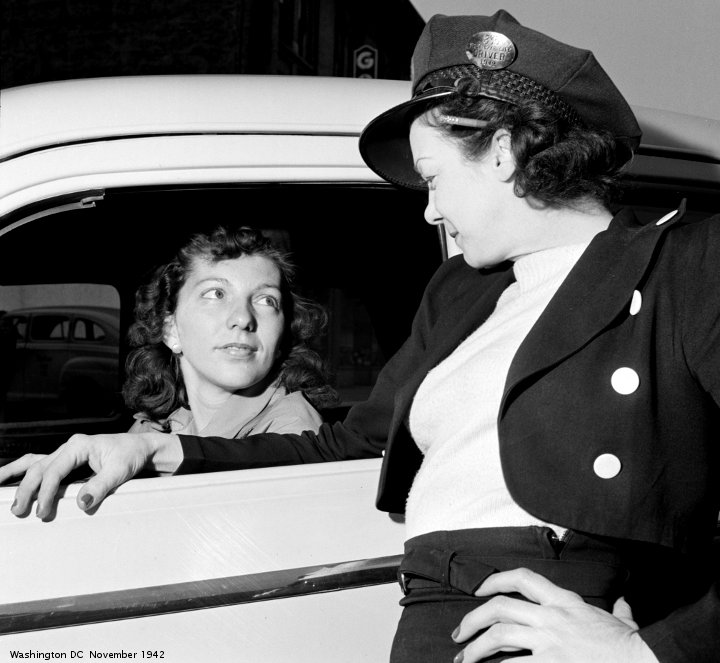
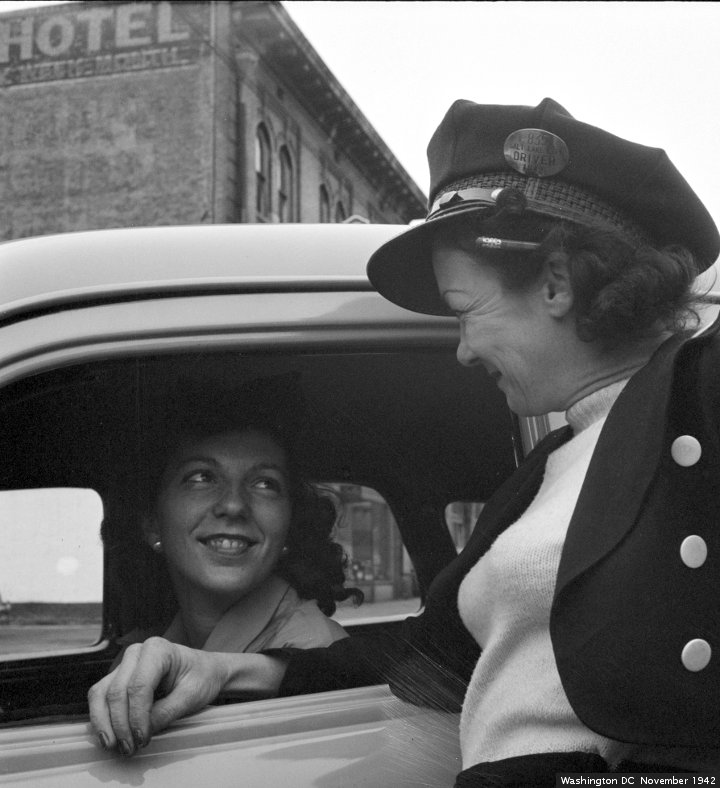
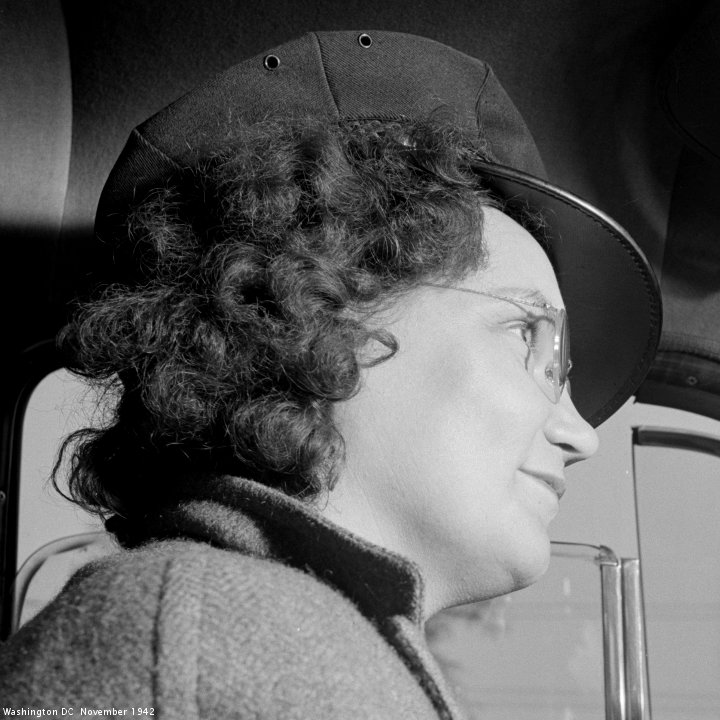
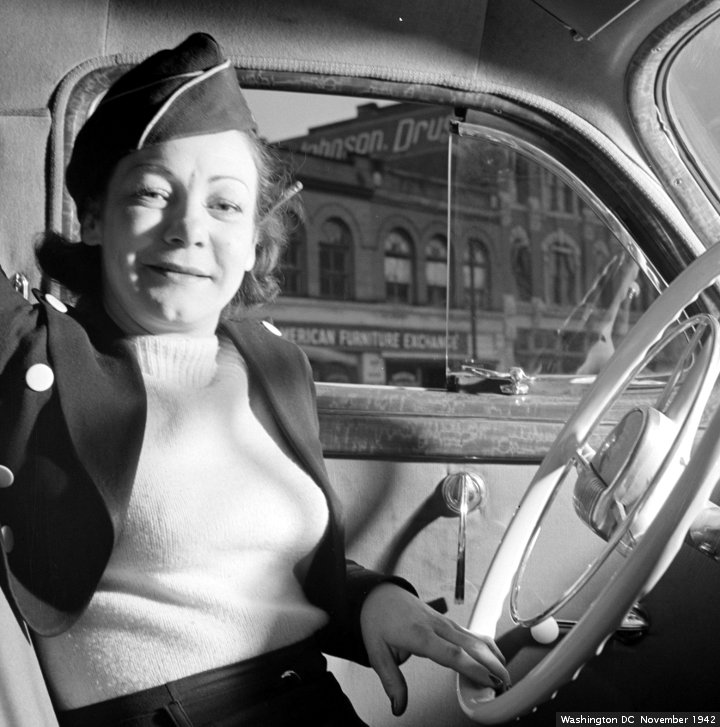
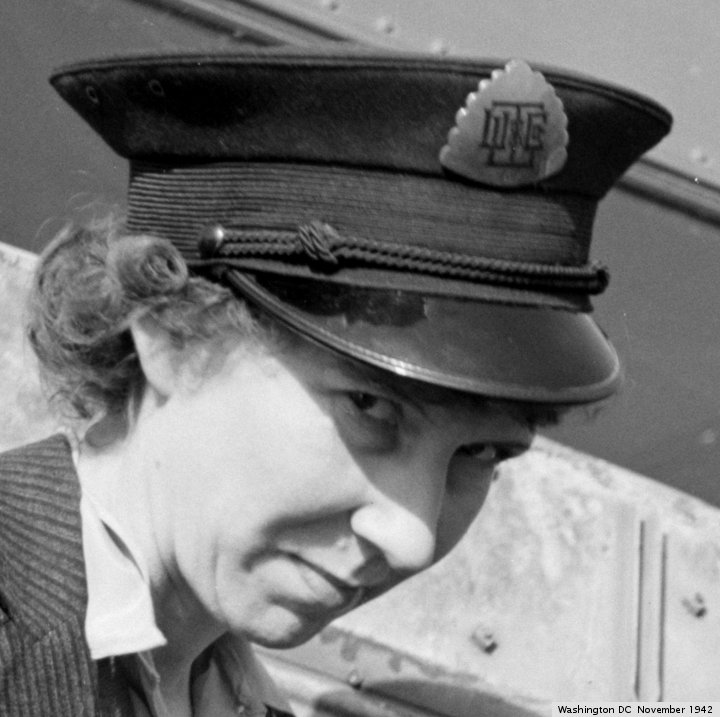
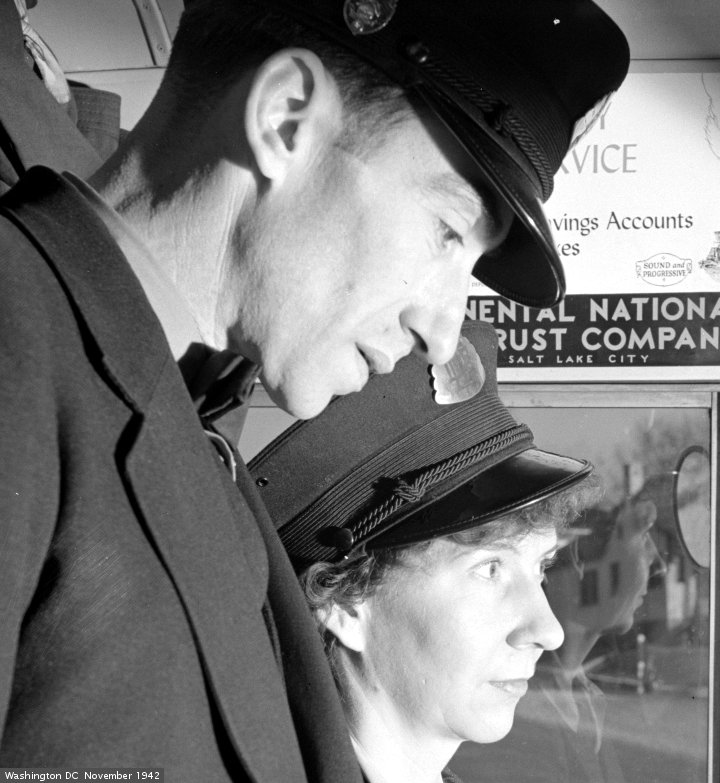
Pictures from The Library of Congress. The images are of women, training to be bus drivers and taxi drivers. This was in Washington DC, November 1942. The photographer was Andreas Feininger, working for the Office of War Information. The picture of a dipstick demonstration is #8d36666.





 Chamblee54
1 comment