Execution Friday
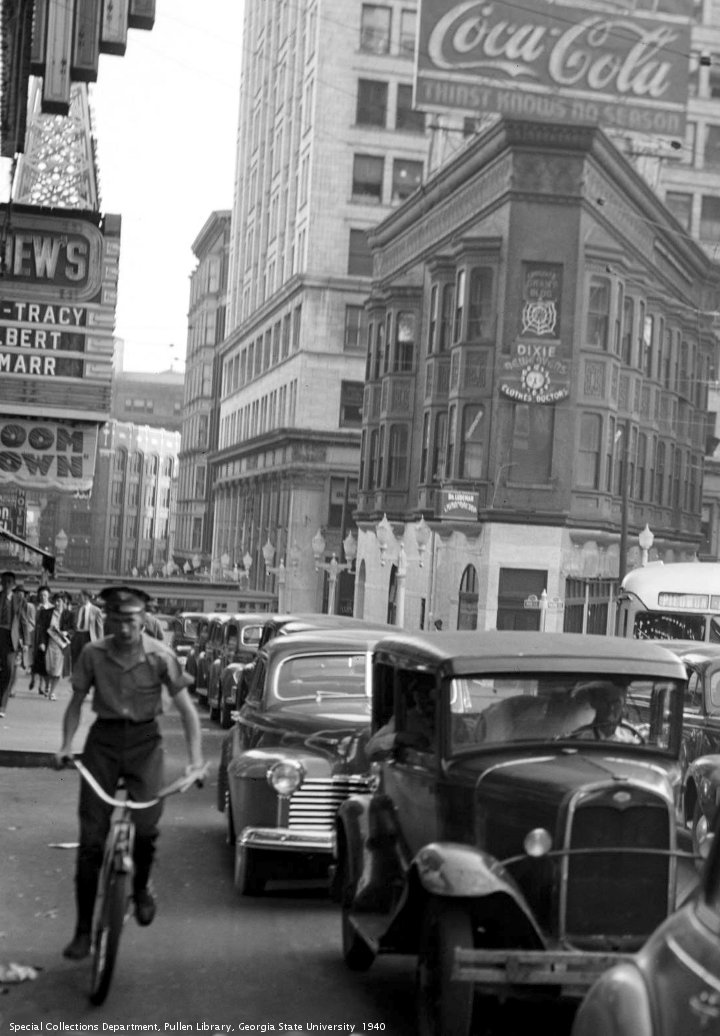


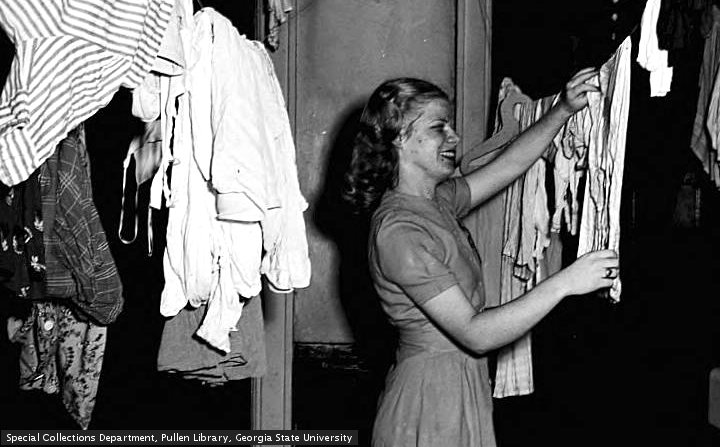

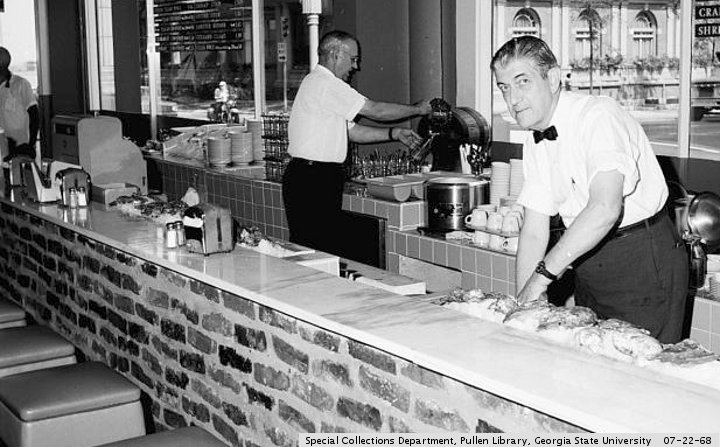
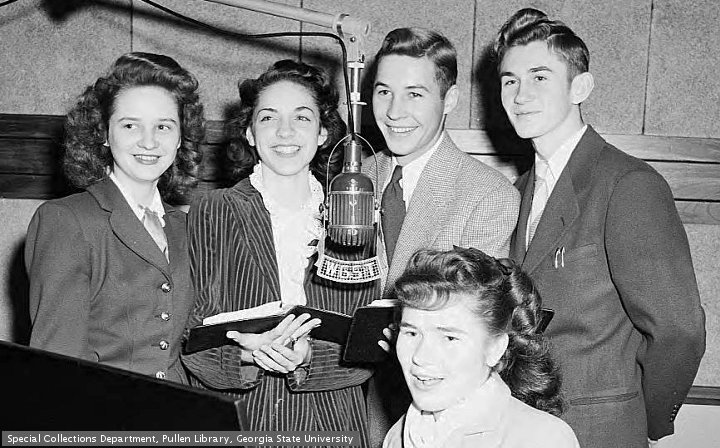
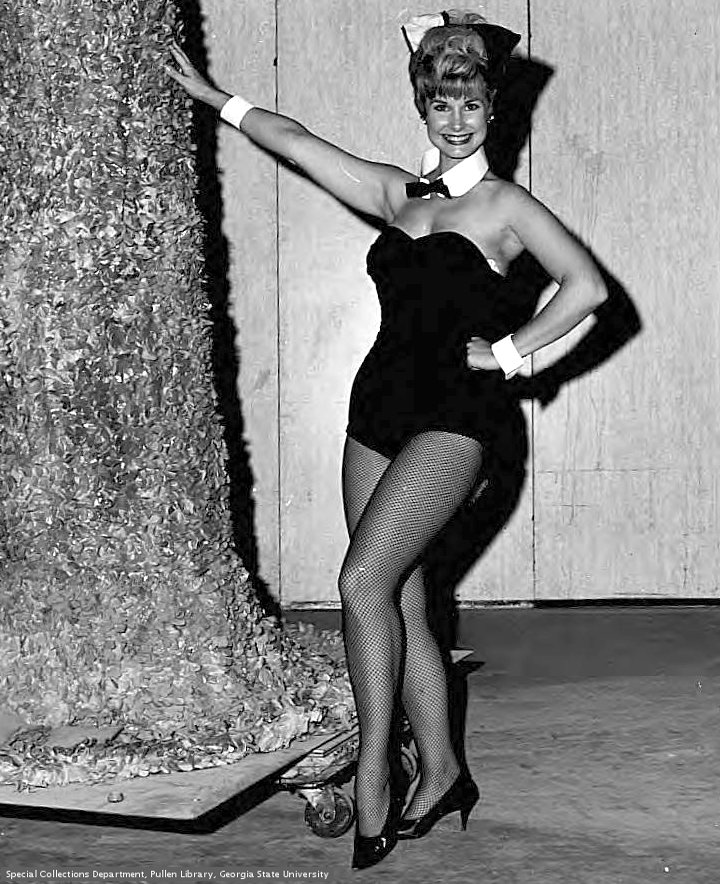
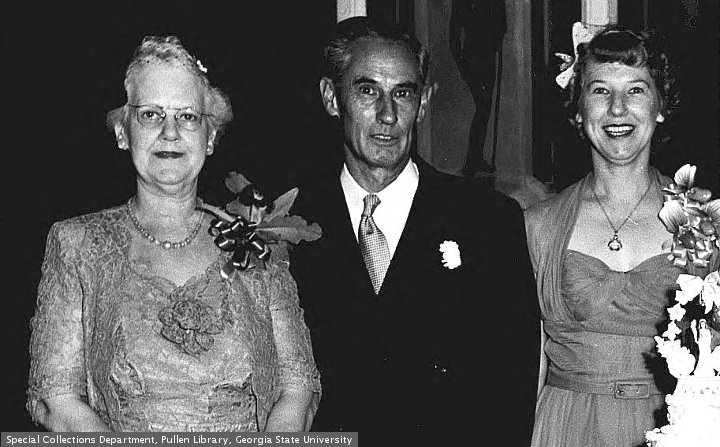
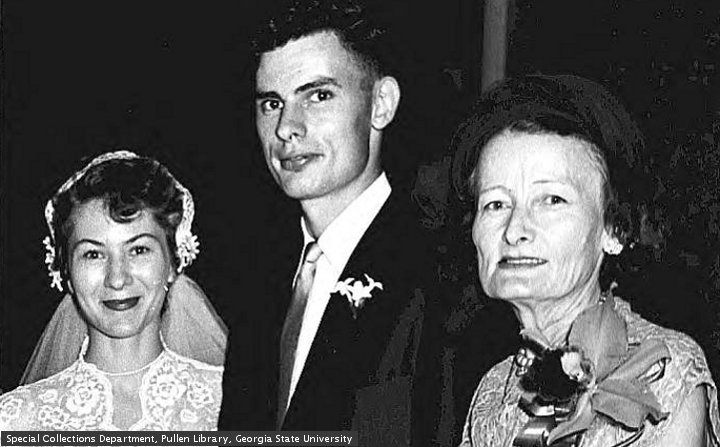
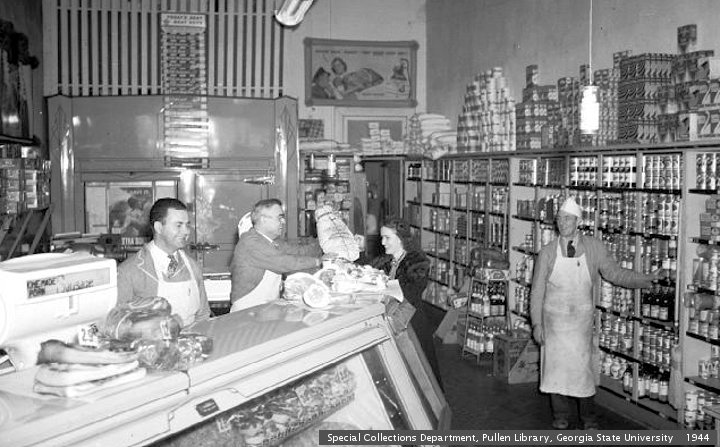
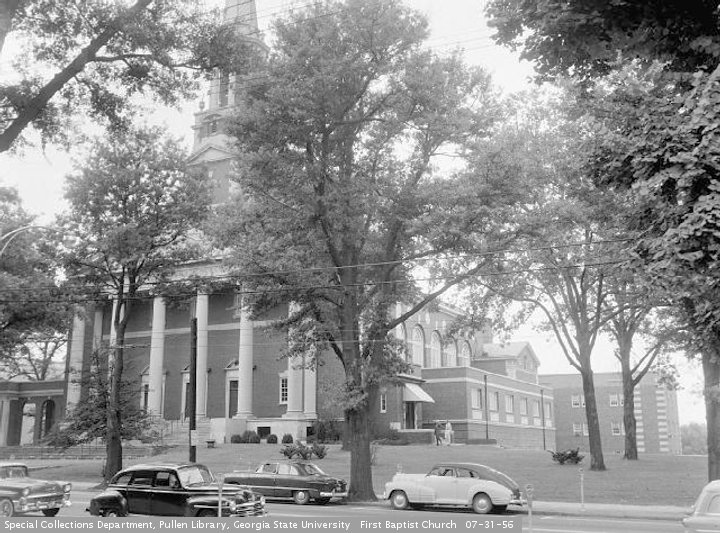
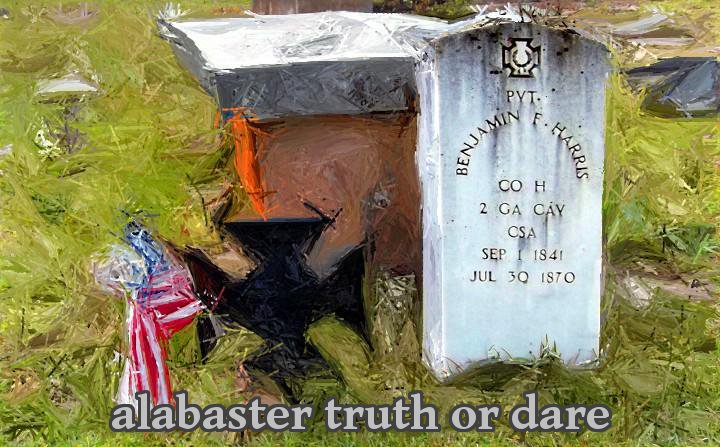
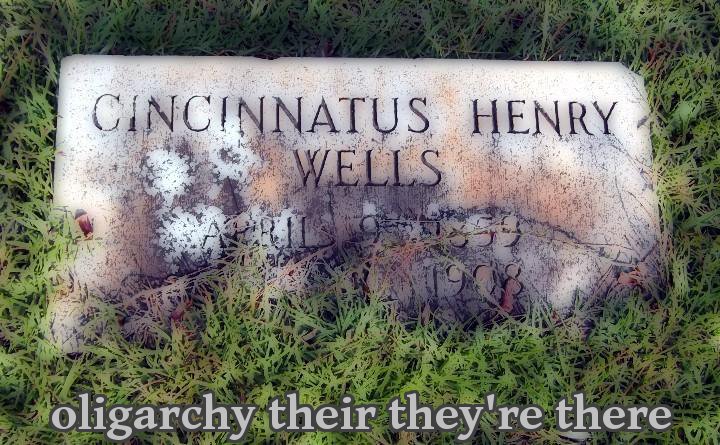
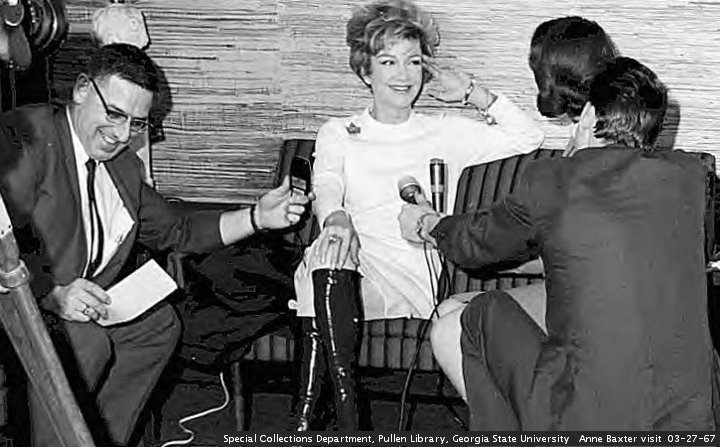
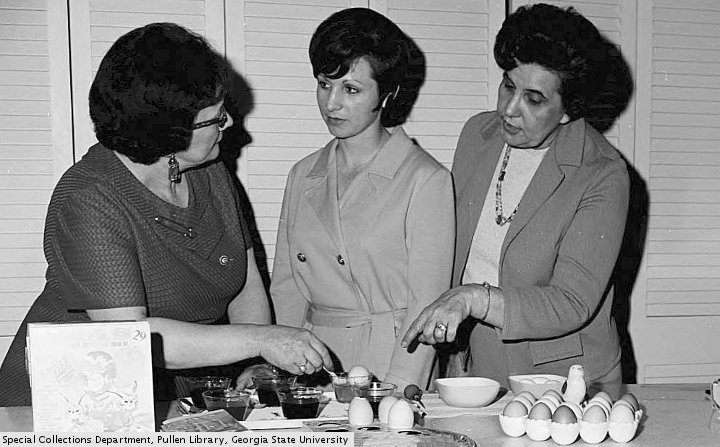
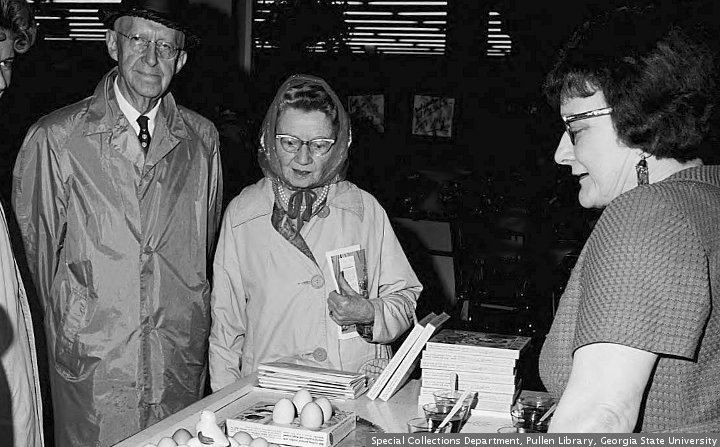
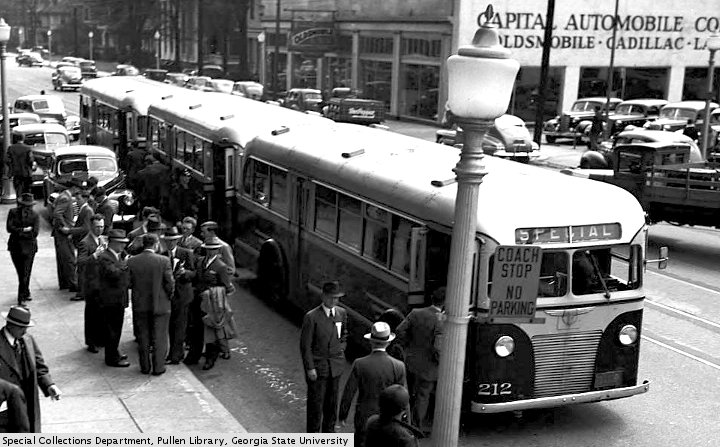
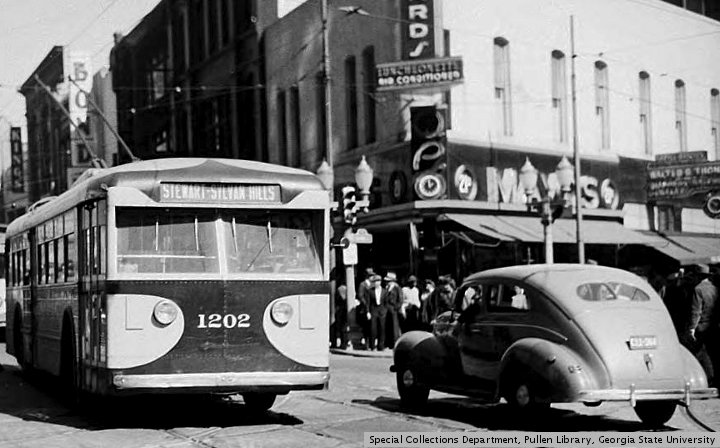
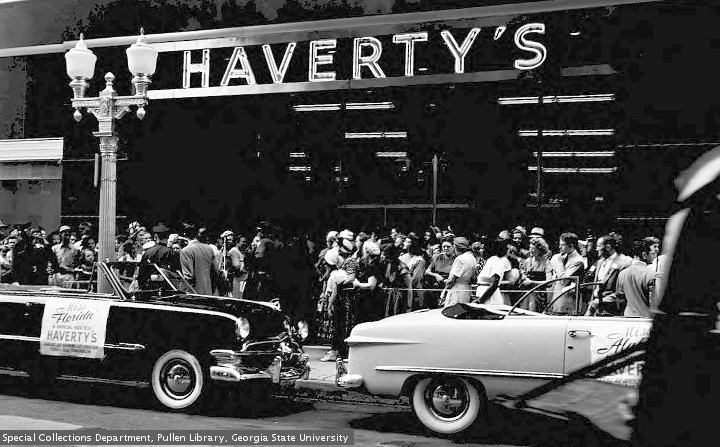
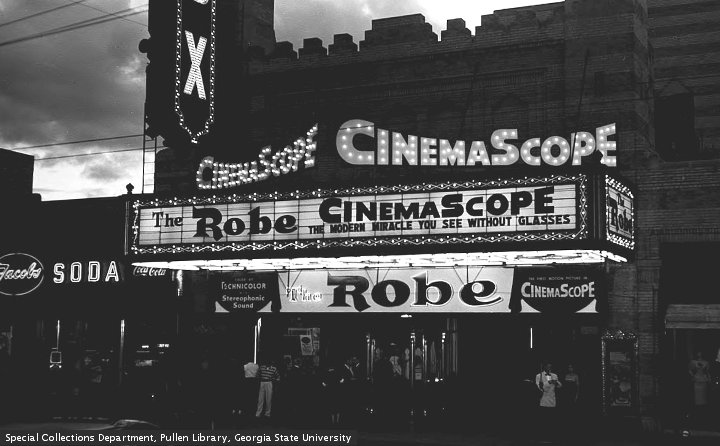
This is a double repost, from april of 2009. It deals with the dominant religion of our culture, Jesus Worship. This is a religion of beliefs, not practices. There is a love of argument, and attempts at conversion. Jesus Worshipers believe that their ideas about life after death justify this abuse. Sometimes, the death part starts a bit sooner than necessary. Pictures today are from ” The Special Collections and Archives,Georgia State University Library”
The other day Father Tony posted a video at Bilerico (ba LAIR i co) about how to argue. He acknowledged that he is a venomous person. FT used to be employed by the Catholic church. That is how he got his handle. PG thought on this for a while, and saw a connection. A little more thinking, and PG pondered that crowd pleaser, the religious argument.
Jesus Worship is a religion of beliefs, rather than practices. One of their key beliefs is the notion that you should convert those who disagree with you. If these people don’t agree with you about certain things, they go to hell. This lust to “evangelize” leads to a lot of arguments.
One of the rules for living/arguing that Father Tony expresses is that, yes, you are going to argue. This is especially true for romantic partnerships, but includes all sorts of human relating. How does this relate to religion? If you believe in a religion, does this mean you are compelled to argue with those who you disagree with?
Religious belief can be a source of strength and comfort to those lucky enough to be in the loop. For many of the rest of us, Religion (especially the Jesus Worship variety) is a source of venom. The endless arguments that believers loudly put forth spoil whatever benefits these beliefs can have. It is enough to make you wish you would never hear the word Jesus again.
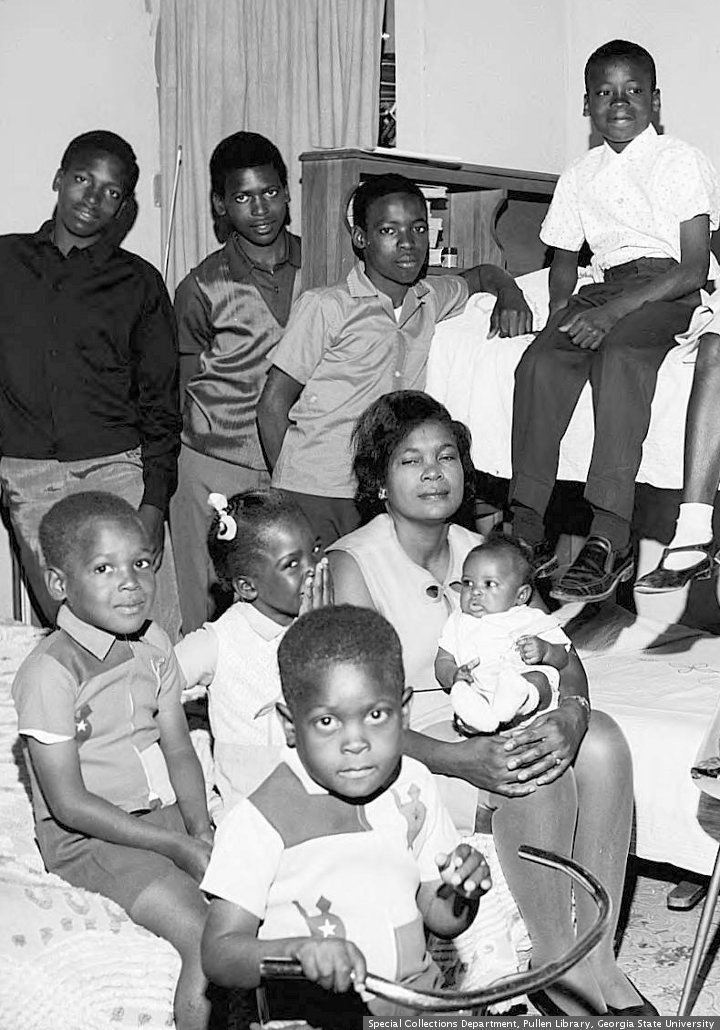


PG got wound up today about a report involving super glue eight time zones away. Meanwhile, an 11 year old man, who stayed a few exits down the perimeter, hung himself.
The story was that the other kids at school gave him a tough time. “They called him gay and a snitch,” his stepfather said. Jaheem Herrera was from St. Croix in the American Virgin Islands. The picture shows that he had light skin. Dunaire Elementary School is on South Indian Creek Road in Stone Mountain. The area is predominantly African American.
PG does not know any of the kids who bullied Mr. Herrera. He suspects that many are Jesus Worshipers. The Jesus Worship Church has preachers that verbally abuse the congregation. The Jesus Worship Church has a book which teaches the hatred of homosexuals. They call it “The Word of G-d”.
The Jesus Worship Church has a phrase…”shame the devil”. PG wonders if “devil” was one of the things Mr. Herrera was called, along with gay and snitch. He looked different than his abusers, and was from a different place.
PG worked for seven years with an abusive professional Jesus Worshiper. He clearly remembers the time that “Pastor” streaked in front of him.
“Pastor” shouted down and humiliated PG one day, in the name of Jesus. After the mugging was over, “Pastor” got a phone call. He picked up the phone and screamed ” I never felt better in my life”.
Jesus Worship is an aggressive, angry business. Sometimes the results are fatal.


Lewis Grizzard



In the time between 1980 and 1994, if you lived in Atlanta you heard about Lewis Grizzard. Some people loved him. Some did not. He told good old boy stories about growing up in rural Georgia. Many of them were enjoyable. He also made social and political commentaries, which upset a few people.
PG had mixed feelings about Lewis. The stories about Kathy Sue Loudermilk and Catfish were funny. His opinions about gays, feminists, and anything non redneck could get on your nerves. His column for the fishwrapper upset PG at least twice a week.
In 1982, Lewis (he reached the level of celebrity where he was known by his first name only) wrote a column about John Lennon. Lewis did not understand why Mr. Ono was such a big deal. PG cut the column out of the fishwrapper, and put it in a box. Every few years, PG would be looking for something, find that column, and get mad all over again.
The New Georgia Encyclopedia has a page about Lewis, which expresses some of these contradictions. If Grizzard’s humor revealed the ambivalence amid affluence of the Sunbelt South, it reflected its conservative and increasingly angry politics as well. He was fond of reminding fault-finding Yankee immigrants that “Delta is ready when you are,” and, tired of assaults on the Confederate flag, he suggested sarcastically that white southerners should destroy every relic and reminder of the Civil War (1861-65), swear off molasses and grits, drop all references to the South, and begin instead to refer to their region as the “Lower East.” Grizzard also wore his homophobia and hatred for feminists on his sleeve, and one of the last of his books summed up his reaction to contemporary trends in its title, Haven’t Understood Anything since 1962 and Other Nekkid Truths (1992).
In the end, which came in 1994, when he was only forty-seven, the lonely, insecure, oft-divorced, hard-drinking Grizzard proved to be the archetypal comic who could make everyone laugh but himself. He chronicled this decline and his various heart surgeries in I Took a Lickin’ and Kept on Tickin’, and Now I Believe in Miracles (1993), published just before his final, fatal heart failure.
As you may have discerned, Lewis McDonald Grizzard Jr. met his maker on March 20, 1994. He was 47. There was a valve in his heart that wasn’t right. The good news is that he stayed out of the army. At the time, Vietnam was the destination for most enlistees. The bad news is that his heart problems got worse and worse, until it finally killed him.
Sixteen years later, PG found a website, Wired for Books. It is a collection of author interviews by Don Swaim, who ran many of them on a CBS radio show called Book Beat. There are two interviews with Lewis Grizzard. The first one was done to promote My Daddy Was a Pistol and I’m a Son of A Gun. This was the story of Lewis Grizzard Senior, who was another mixed bag.
PG found himself listening to this chat, and wondered what he had been missing all those years. The stories and one liners came flowing out like the Chattahoochee going under the perimeter highway. Daddy Grizzard was a soldier, who went to war in Europe and Korea. The second one did something to his mind, and he took to drinking. He was never quite right the rest of his life. His son from adored him anyway. When you put yourself in those loafers for a while, you began to taste the ingredients in that stew we called Lewis Grizzard.
PG still remembers the anger that those columns caused … he has his own story, and knows when his toes are stepped on. The thing is, after listening to this show, PG has an idea of why Lewis Grizzard wrote the things that he did. Maybe PG and Lewis aren’t all that different after all.
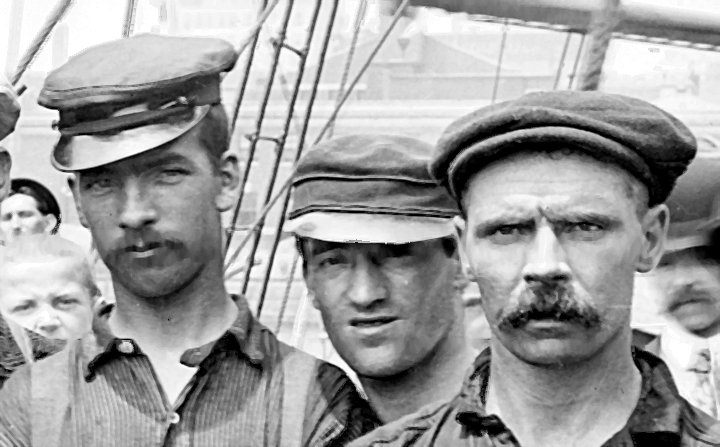
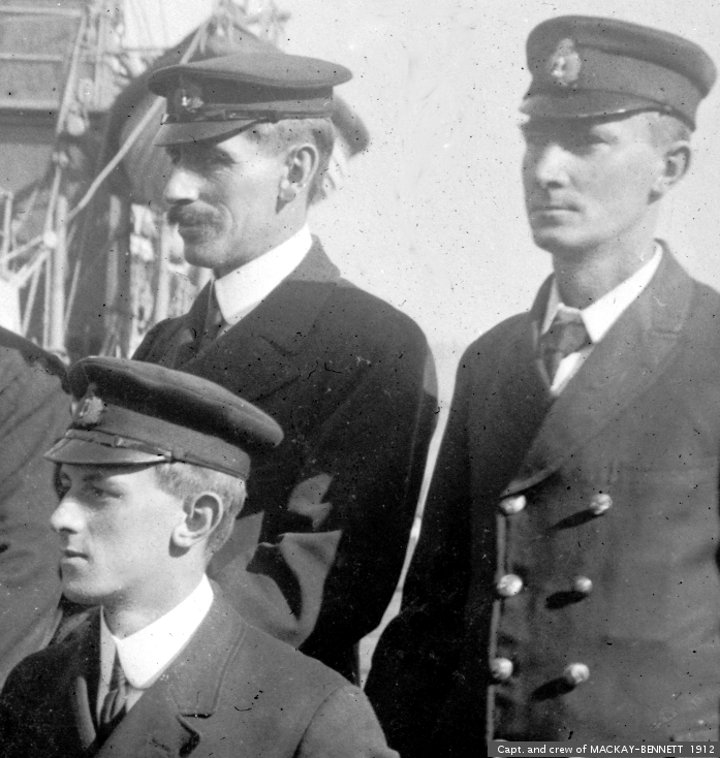
The pictures for this feature are from The Library of Congress. While picking out the pictures, PG listened to the other Lewis Grizzard show with Don Swaim. They both have last names that are often mispronounced. When Lewis wondered where Klansmen get those pointy hats… at the KKK mart, perhaps… PG had to stop the broadcast and write a postscript. This is a repost.




Jury Duty





April 15 is the day income tax returns are due. Many self anointed conservatives make noise on this day. 364 days a year they loudly celebrate American exceptionalism. When it is time to pay for it… One popular blogger had a story along those lines today. The chamblee54 comment: In paragraph one you say “full paragraphs necessitate the formation of full thoughts, which only come to those who write because they actually have something to say.” Paragraph five was “Fine. Maybe not.”
PG spent this April 15 with another tacky, but necessary, civic obligation: jury duty. During the educational video, SCOTUS parasite Samuel Alito said, in effect, that if you were on trial you would want someone, like yourself, on the jury. PG has a functioning BS detector. The average lawyer would not want PG in the same zip code as the jury room, if his client were on trial.
The day started at 5am. PG made breakfast, took the week’s trash to the street, and published a blog post about drones. This is the sort of expensive, big government activity that the conservatives don’t seem to mind. Drones kill children, and right to lifers say nothing.
The plan was to take marta to Dickhater. PG gets tired of driving all the time. When the time came to go to the station, PG slipped off the driveway, and tore up a slice of earth. He stopped to cover the skid mark with mulch. He got to the marta station in time to see the train leaving for downtown. The plan then became a drive to Dickhater. The parking deck was reached at 7:53am. The summons said to arrive at 8:15 am. Spell check suggestion for Dickhater: eradicate.
The entertainment did not begin until 8:37 am. PG probably could have caught the next train. There was little to do except watch the video, read a book, and wait. At 9:20 am, the MC asked a list of people if they had Safeway insurance. At 9:25 am, they were led to the courtroom, and the rest of the jurors were given a break until 10 am. At 10:21 am, the rest of the jury room was sent home.
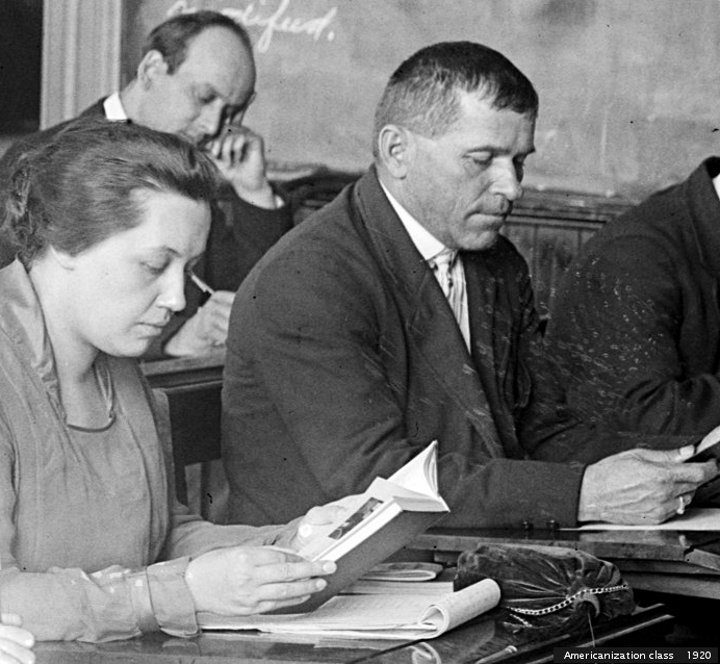
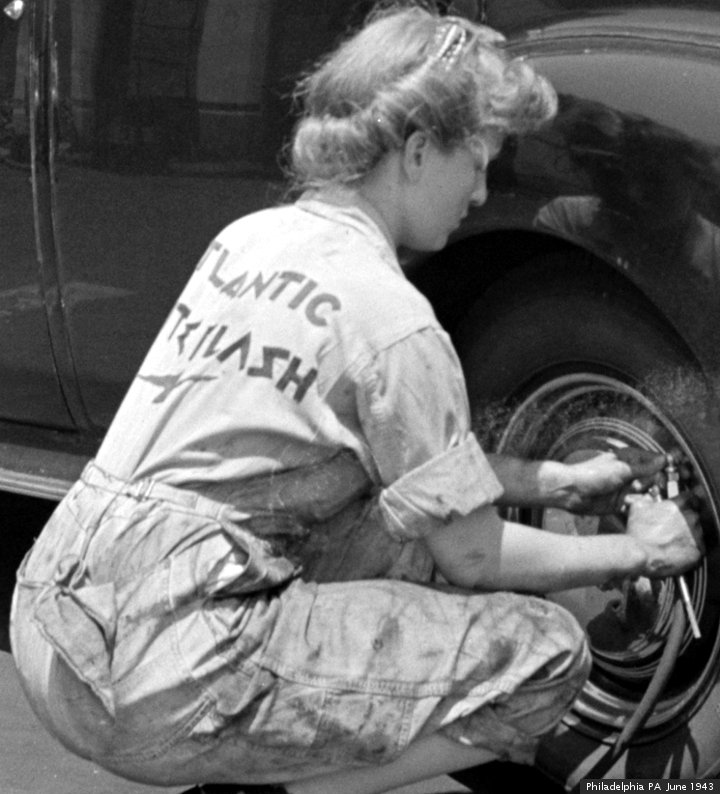
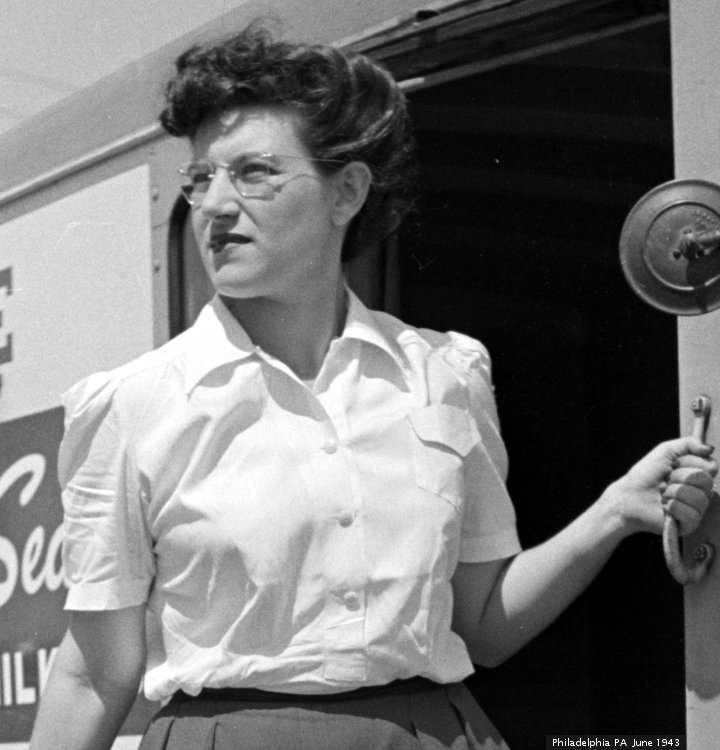
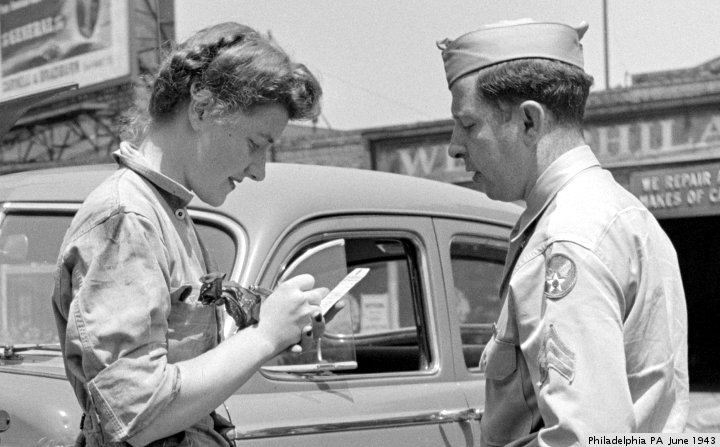
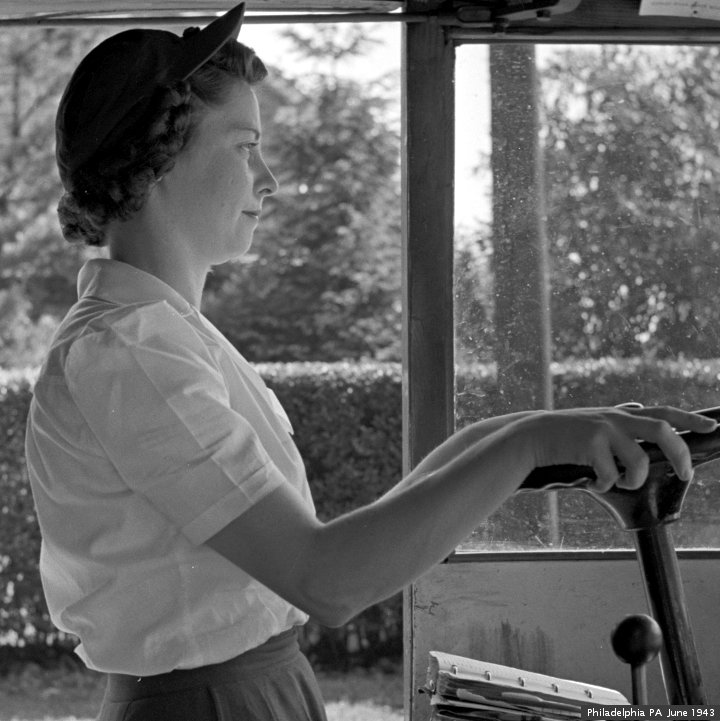
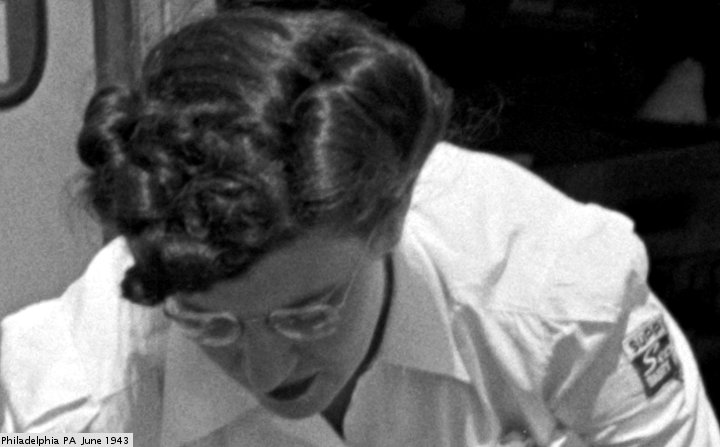
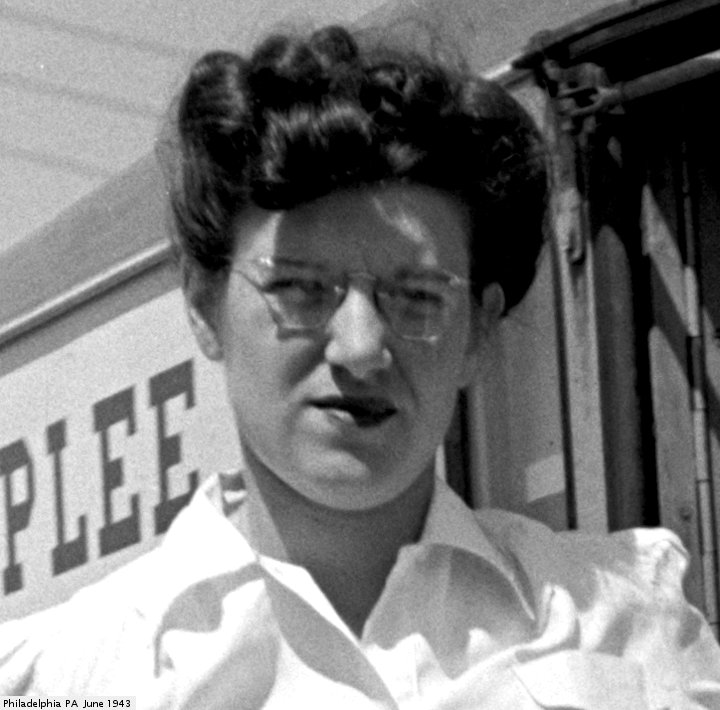
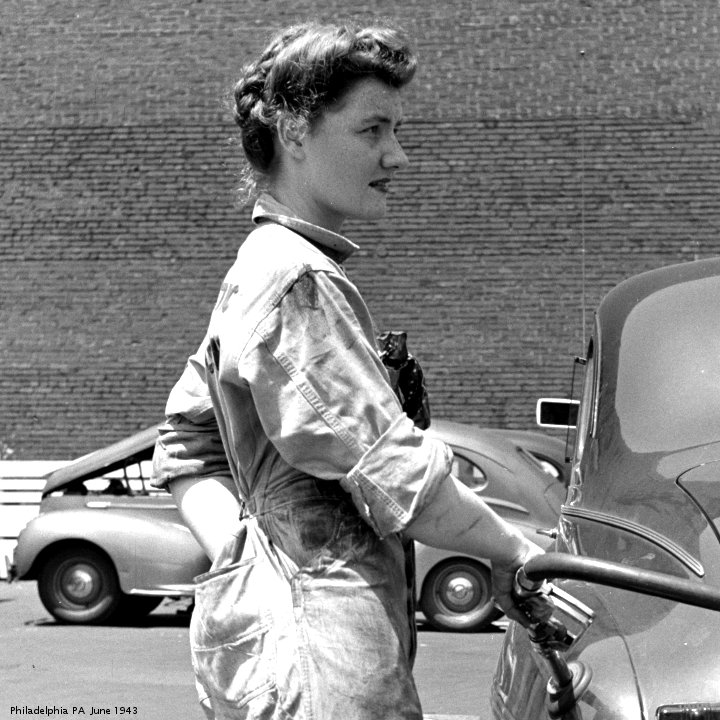
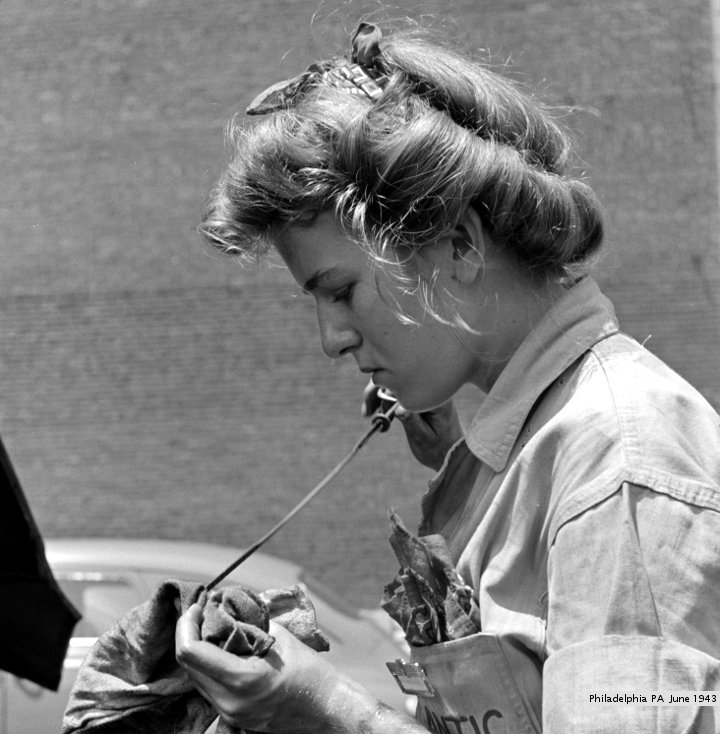
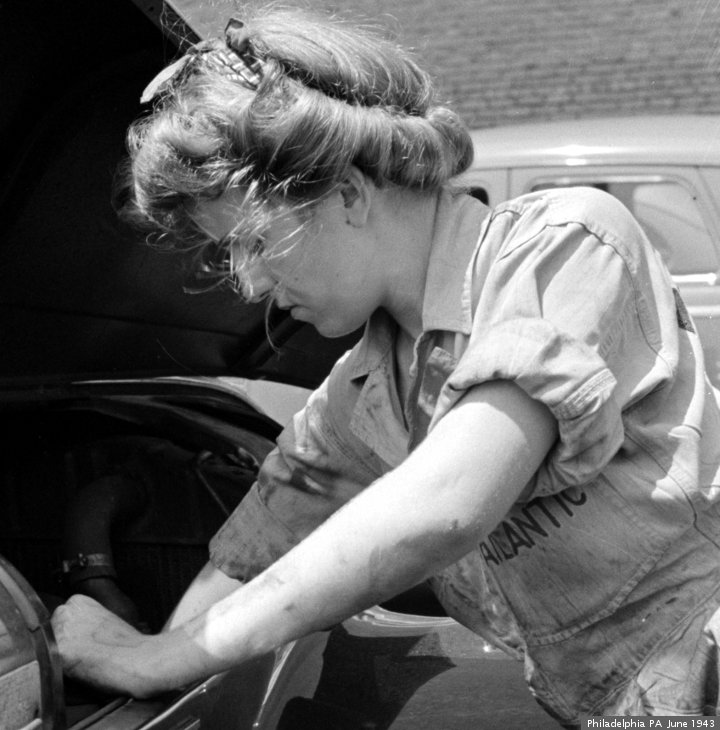
Pictures today are from The Library of Congress. This is a wonderful facility, offering downloads of thousands of public domain photographs. The LOC is a function of big government, and is supported with tax revenues. It’s annual budget would pay for a three drone strikes. The last statement was a made up statistic, and should not be used in any serious discussion. This collection of working women was taken in Philadelphia, PA. The photographer was Jack Delano, and the time was June 1943.




Hawaiian Good Luck Sign

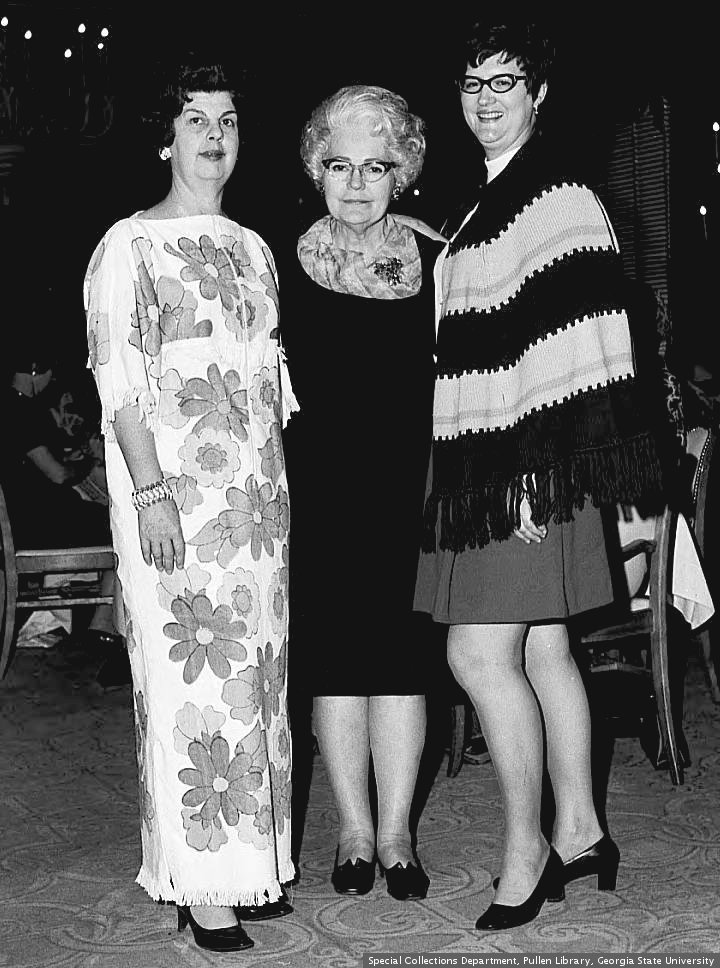

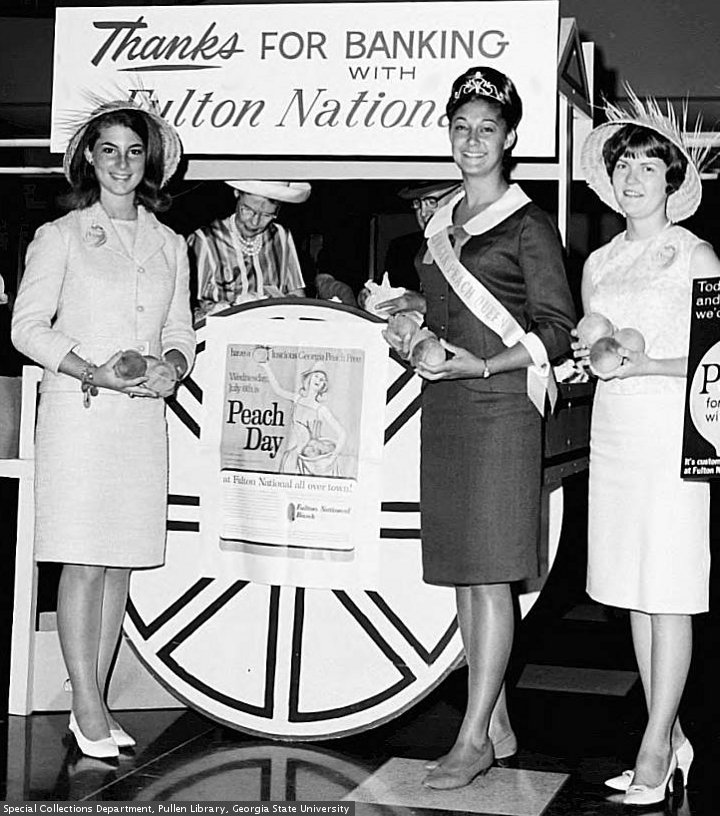
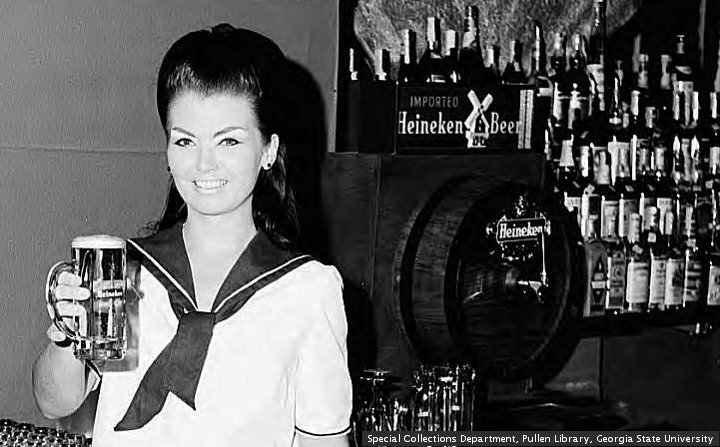
Dear Grand-daughter, The other day I went up to our local Christian book store and saw a ‘Honk if you love Jesus’ bumper sticker . I was feeling particularly sassy that day because I had just come from a thrilling choir performance, followed by a thunderous prayer meeting.
So, I bought the sticker and put it on my bumper. Boy, am I glad I did; what an uplifting experience that followed. I was stopped at a red light at a busy intersection, just lost in thought about the Lord and how good he is, and I didn’t notice that the light had changed. It is a good thing someone else loves Jesus because if he hadn’t honked, I’d never have noticed. I found that lots of people love Jesus!
While I was sitting there, the guy behind started honking like crazy, and then he leaned out of his window and screamed, ‘For the love of God!’ ‘Go! Go! Go! Jesus Christ, GO!’ What an exuberant cheerleader he was for Jesus! Everyone started honking! I just leaned out my window and started waving and smiling at all those loving people. I even honked my horn a few times to share in the love!
There must have been a man from Florida back there because I heard him yelling something about a sunny beach. I saw another guy waving in a funny way with only his middle finger stuck up in the air. I asked my young teenage grandson in the back seat what that meant. He said it was probably a Hawaiian good luck sign or something. Well, I have never met anyone from Hawaii , so I leaned out the window and gave him the good luck sign right back. My grandson burst out laughing. Why even he was enjoying this religious experience!! Praise the Lord!!!
A couple of the people were so caught up in the joy of the moment that they got out of their cars and started walking towards me. I bet they wanted to pray or ask what church I attended, but this is when I noticed the light had changed. So, grinning, I waved at all my brothers and sisters, and drove on through the intersection. I noticed that I was the only car that got through the intersection before the light changed again and felt kind of sad that I had to leave them after all the love we had shared.
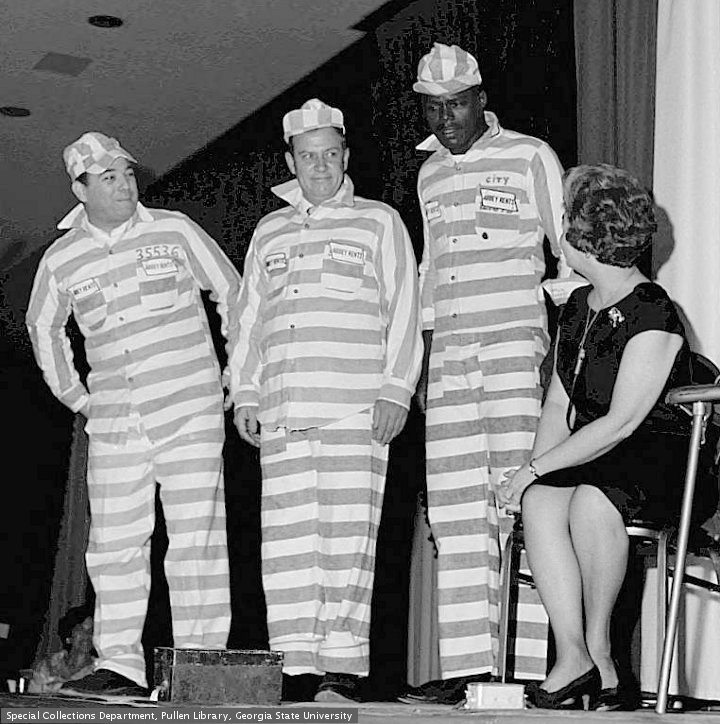
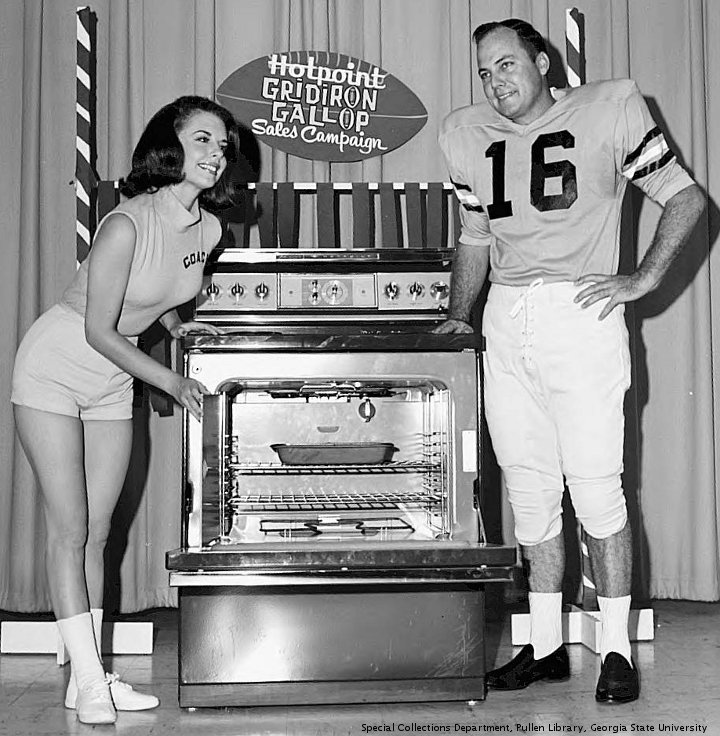
So I slowed the car down, leaned out the window and gave them all the Hawaiian good luck sign one last time as I drove away. Praise the Lord for such wonderful folks!! Will write again soon, Love, Grandma. This repost is written like J. D. Salinger. Pictures are from “The Special Collections and Archives,Georgia State University Library”.



Golf And Shopping
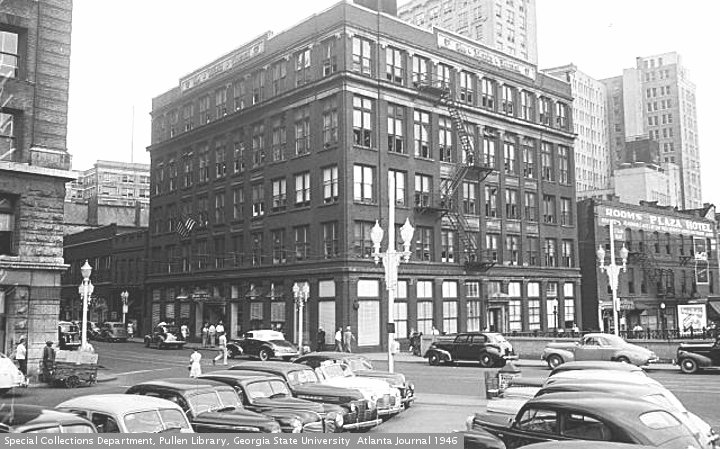

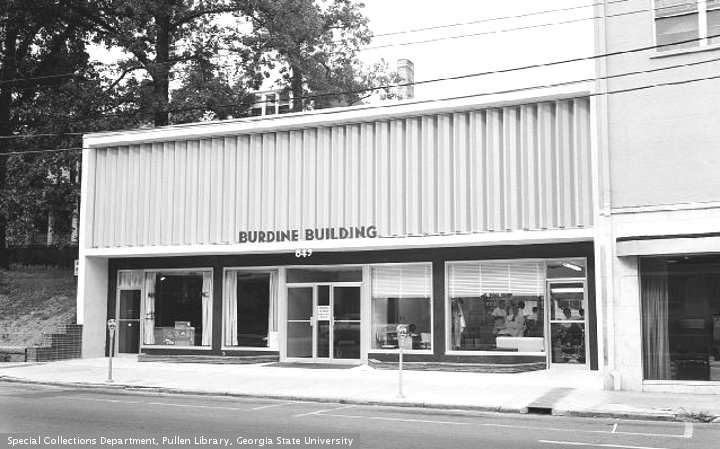
One Sunday afternoon, a man was playing golf. On the third hole, he hit the tee shot, and was walking down the fairway towards the ball. The fairway was next to a road. A funeral procession was driving down the road.
The man stopped his cart, got out, took his hat off and put it over his heart. He stood still, with his head bowed, until the mourners had driven by.
The playing partner of the man was astonished. “Don, why are you making such a big deal over that funeral procession”
“It was my wife”.
There was a small town once, with a Catholic Church, a Baptist Church, and a Jewish Synagogue.
One day the Catholics decided to give their priest a new car. They got an Audi, sprinkled a few drops of holy water on the hood, and gave it to the priest.
The Baptists thought this was a really good idea, and they decided to give their pastor a new vehicle. They got a Ford pickup truck, took it to a boat ramp, hooked a winch up to the front, and lowered the truck into the lake until it was completely covered in water.
Not to be outdone, the Jewish congregation decided their rabbi needed a new ride. They bought a Lexus, and cut half an inch off the tail pipe.
A woman was in town on a shopping trip. She began her day finding the most perfect shoes in the first shop and a beautiful dress on sale in the second. In the third, everything had just been reduced by 50 percent, when her mobile phone rang.
It was a doctor notifying her that her husband had just been in a terrible car accident and was in critical condition and in the ICU.
The woman told the doctor to inform her husband where she was and that she’d be there as soon as possible. As she hung up she realized she was leaving what was shaping up to be her best day ever in the boutiques. She decided to get in a couple of more shops before heading to the hospital.
She ended up shopping the rest of the morning, finishing her trip with a cup of coffee and a beautiful chocolate cake slice, compliments of the last shop. Then she remembered her husband.
Feeling guilty, she dashed to the hospital. She saw the doctor in the corridor and asked about her husband’s condition. The lady doctor glared at her and shouted, “You went ahead and finished your shopping trip didn’t you! I hope you’re proud of yourself! While you were out for the past four hours enjoying yourself in town, your husband has been languishing in the Intensive Care Unit! It’s just as well you went ahead and finished, because it will more than likely be the last shopping trip you ever take! For the rest of his life he will require round-the-clock care. And he will now be your career!”
The woman was feeling so guilty she broke down and sobbed.
The lady doctor then chuckled. “I’m just pulling your leg. He’s dead. Show me what you bought.”
Thank you Gartalker for the last story. This is a repost.
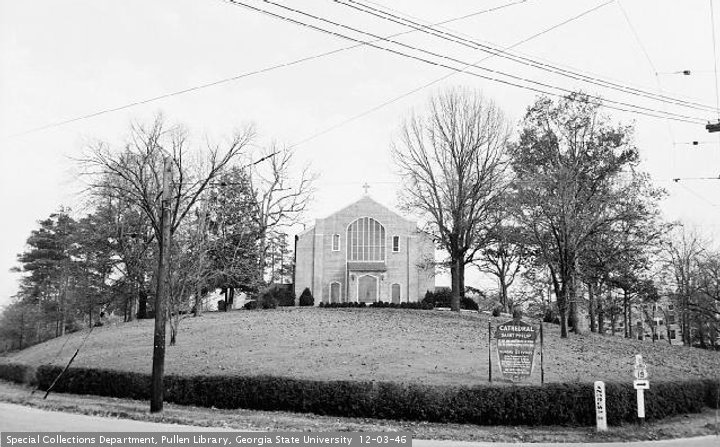
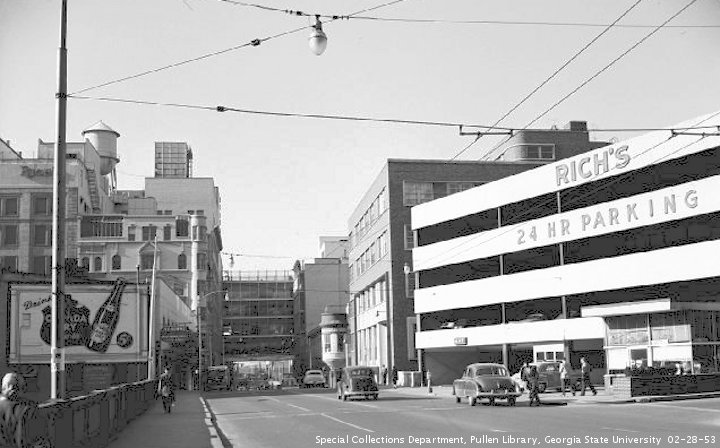
Pictures are from the “The Special Collections and Archives,Georgia State University Library”


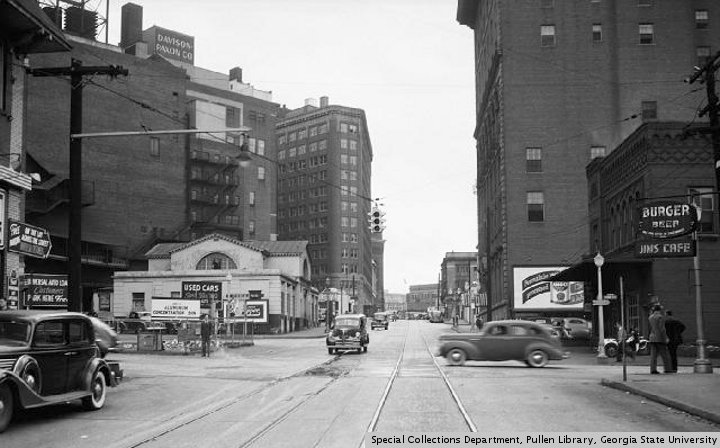
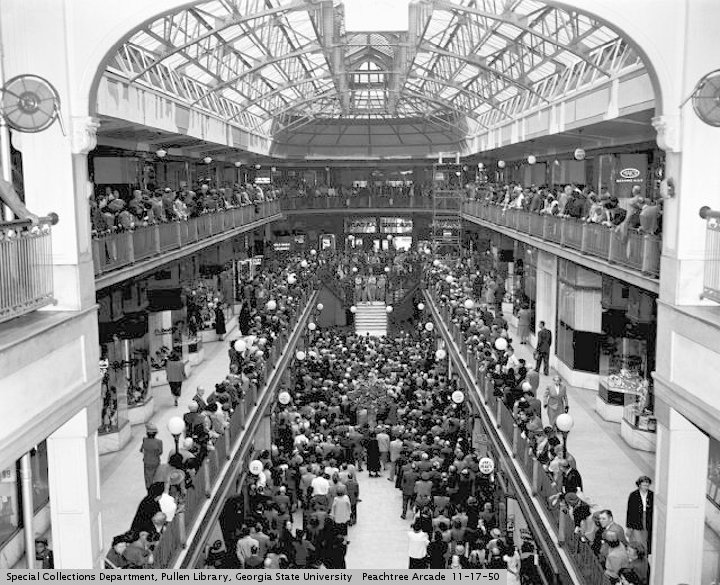



World Premieres In Atlanta

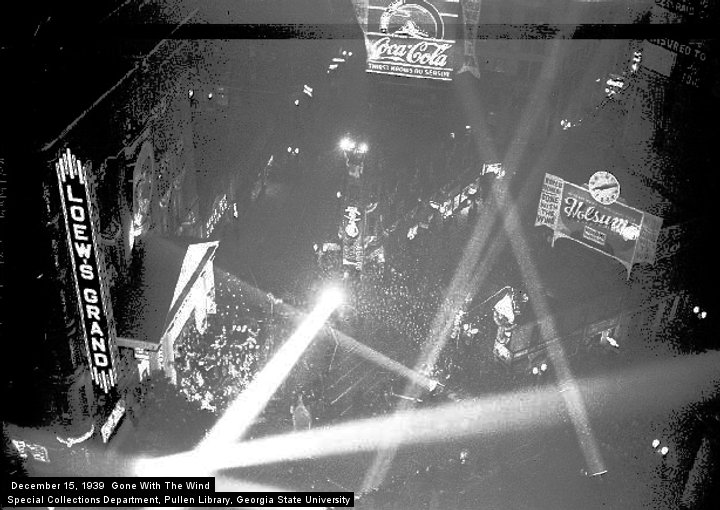
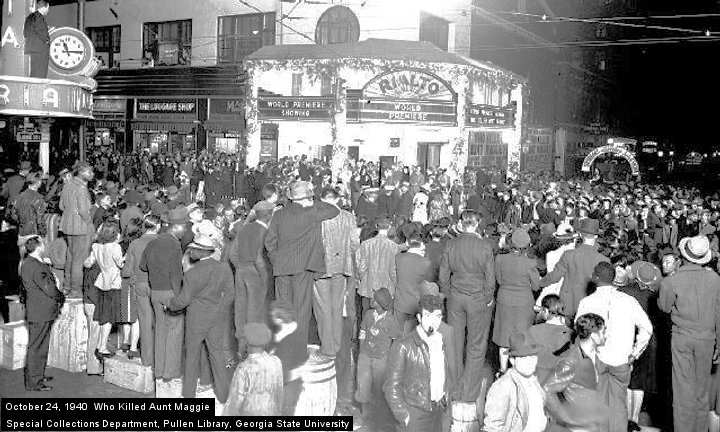

Several movies have had a world premiere in Atlanta. We will take a look today. Pictures are from “The Special Collections and Archives, Georgia State University Library”. Information about the films is from the Internet Movie Database. This is an encore presentation.
As some of you may know, “Gone With The Wind had it’s world premiere at the Lowes Grand Theater on December 15, 1939. The Lowes Grand site is the current location of the Georgia Pacific building. There is a vacant lot next door, on top of some MARTA paraphernalia. This lot was the site of the Paramount Theater, another movie palace that did not survive.
The GWTW premiere was a big deal. Ten year old Martin Luther King Jr. sang with his church choir. Clark Gable requested a private meeting with Margaret Mitchell, who became the envy of every woman in America. When Mr. Gable checked out of his hotel, a lady was going to be given his room. The clerk asked for a minute to change the sheets on the bed, and the lady said, no, I want to sleep on the same sheets as him.
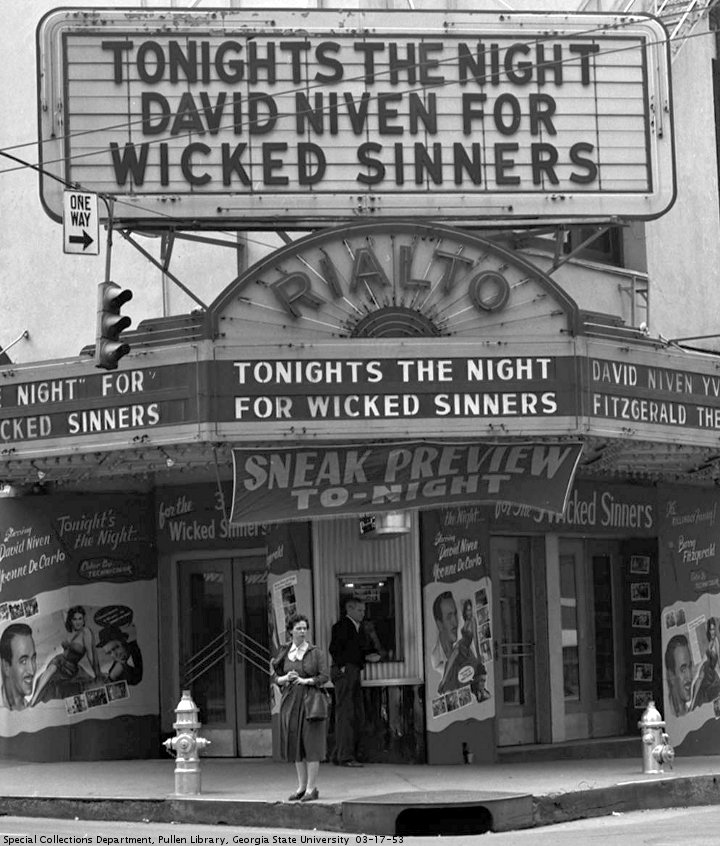
It was the golden age of movies, and the next year Atlanta hosted the first showing of “Who Killed Aunt Maggie”. The premiere was at the Rialto, on October 24, 1940. The review at IMDB said it was an enjoyable mystery, even if it was a cliche fest. It is not often seen today.
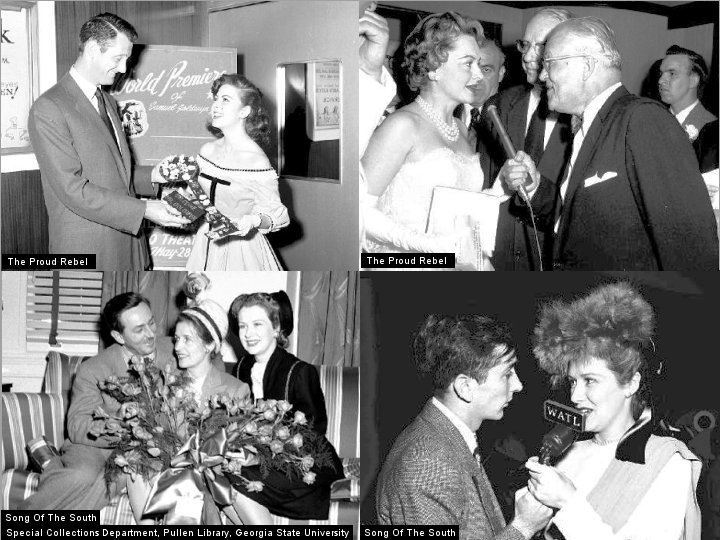
In 1946, “Song Of The South” had it’s premiere at the Fox Theater. SOTS is a controversial item these days. It was based on the Uncle Remus stories, which were written down by Joel Chandler Harris. For those who don’t know, these stories were told by the rural black people that Mr. Harris knew when he was growing up near Eatonton GA. As Wikipedia tells the tale “Controversy surrounding his southern plantation themes, narrative structure, collection of African-American folklore, use of dialect, and Uncle Remus character, however, has denigrated the significance of Harris’ work”. In other words, Brer Rabbit is not politically correct.
The reviews at IMDB tell a different tale. To them, SOTS is a happy children’s movie. The Disney company seems to wish it would go away and be forgotten. Copies are tough to come by these days. PG would say to see it for yourself and make up your own mind, but Disney won’t let you.
The female lead in SOTS was Ruth Warrick. Miss Warrick was a versatile talent. Her first movie role was in “Citizen Kane”, as Kane’s first wife. She was in many movies, before moving to television. She was perhaps best known as Phoebe Tyler, in the soap opera “All My Children”. Wikipedia tells a story about her, that is ironic for the female lead of “Song Of The South”
“In July 2000, she refused to accept a lifetime achievement award from the South Carolina Arts Commission because she was offended by legislators’ decision to move the Confederate flag from the state Capitol dome to another spot on the grounds in response to a boycott of the state by flag opponents. A lifelong supporter of African-American rights, she felt the flag should be removed completely, and commented, “In my view, this was no compromise. It was a deliberate affront to the African-Americans, who see it as a sign of oppression and hate.”
In 1949, the Paramount had the first screening of “The Gal Who Took The West”. The female lead was Yvonne De Carlo, who later achieved immortality as Lily Munster. In November 1951, the spotlights returned to Lowes Grand for “Quo Vadis”.
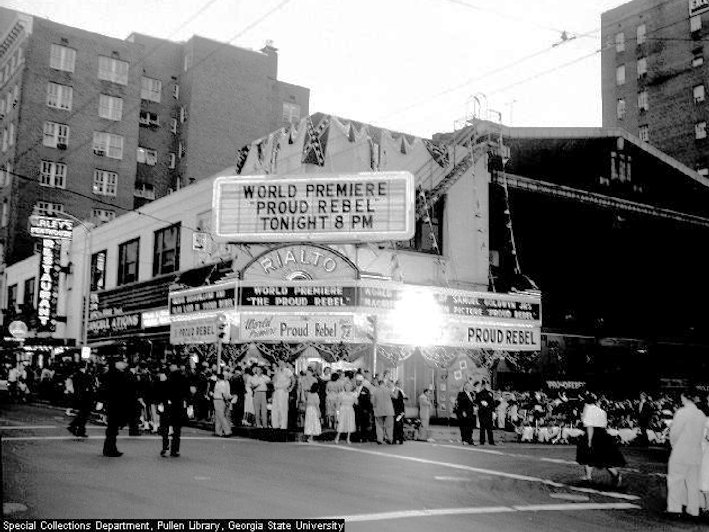
The last film in the GSU picture collection is “The Last Rebel”. This western had it’s premiere at the Rialto, May 27, 1958. The movie was a return to Atlanta glory for Olivia De Havilland. The film is the story of a man, whose wife dies in a fire during the war between the states. PG questions the use of the Stars and Bars on the marquee.
In 1974, Ringo Starr produced and acted in “Son of Dracula”. The movie had it’s world premiere at the Cherokee Plaza Theater. Cherokee Plaza is a shopping center on Peachtree Road, just east of the Atlanta city limits. The theater was torn down during a renovation, and the space is currently the produce department at Krogers.
A local radio station hired a band to play in the parking lot at the premiere. At some point, a long limousine pulled up to a stage, and Ringo Starr and Harry Nillson got out. Both were wearing sunglasses, even though it was after dark. Ringo got on the stage, waved a wand at the crowd, and said “I am turning you into frogs”. He went inside to see the movie, the crowd went home, and the movie was mercifully forgotten.
In 1981, PG went to a supper in an apartment building (now a vacant lot) across from First Baptist Church on Peachtree Street. There was a commotion down the street at the Fox, and PG went to see what it was. “Sharkey’s Machine” had it’s World Premiere that night.






Peachtree Street 2014


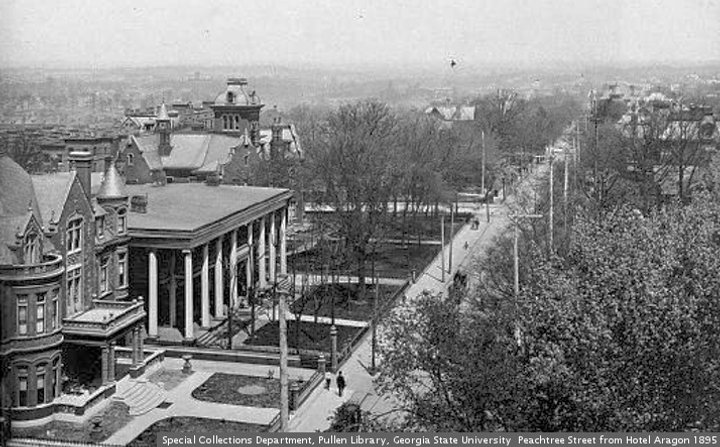

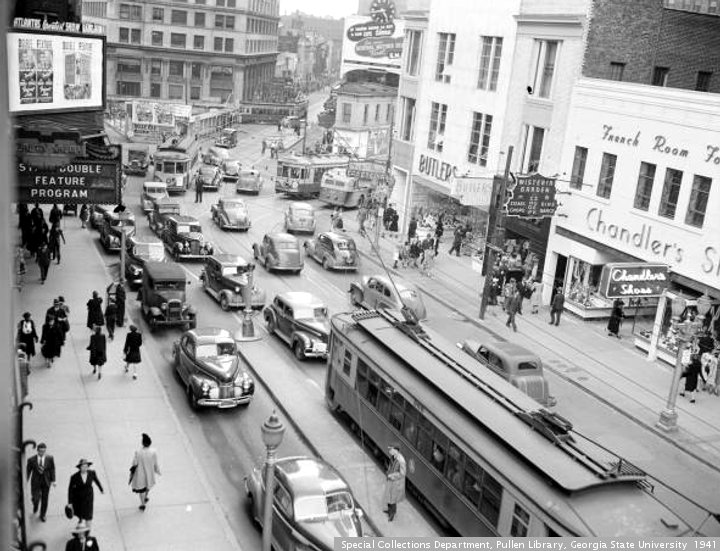
PG finished a book, Peachtree Street-Atlanta. The author is William Bailey Williford, and it was published by the University of Georgia Press in 1962. PG found this at the Chamblee library, and this is probably the best way to find this book today. (Reissued by UGA Press.)
How this road got the name Peachtree is a good question. Most peaches grow south of the fall line. The story goes that there was a Creek Indian village called Standing Peachtree, located where Peachtree Creek runs into the Chattahoochee. During the war of 1812 Fort Peachtree was built on this site.
There was a trail that ran from Buckhead to an intersection with the Sandtown Trail, at what is now Five Points. A short distance south of this intersection was a settlement known as White Hall. For many years, Peachtree Street south of Five Points was known as Whitehall Road. At some point in the last thirty years, a decision was made to change Whitehall to Peachtree. It did not help the rundown condition of Whitehall Street.
In 1835 Governor Wilson Lumpkin decided that Georgia should build a Railroad that would be centered near the junction of Peachtree Trail and Sandtown Trail. The new town was named “Marthasville”, after the youngest daughter of the Governor. Martha Lumpkin is a resident of Oakland Cemetery today.
The village was soon renamed Atlanta, which was a feminine form of Atlantic. Houses, churches, and businesses were soon built on Peachtree Road. In 1856, Richard Peters built a flour mill. To insure a steady supply of firewood, he bought four hundred acres of land, for five dollars an acre. The land was between Eighth Street, North Avenue, Argonne Avenue, and Atlantic Drive.
Another pioneer citizen with a large landholding was George Washington (Wash) Collier. Mr. Collier bought 202 acres for $150 in 1847. The land was between West Peachtree, Fourteenth Street, Piedmont Road, Montgomery Ferry Road, and the Rhodes Center. Much of the land was used for the development of Ansley Park.
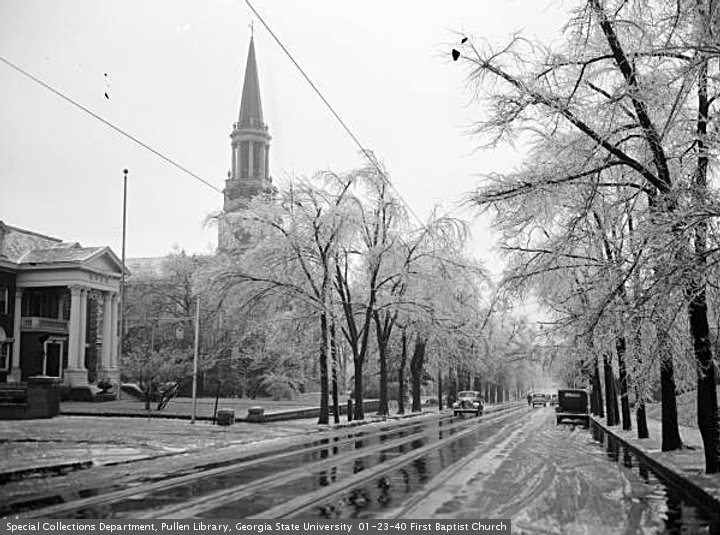

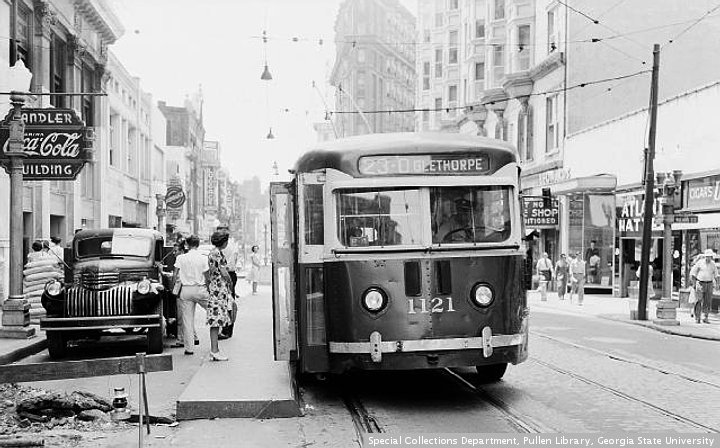
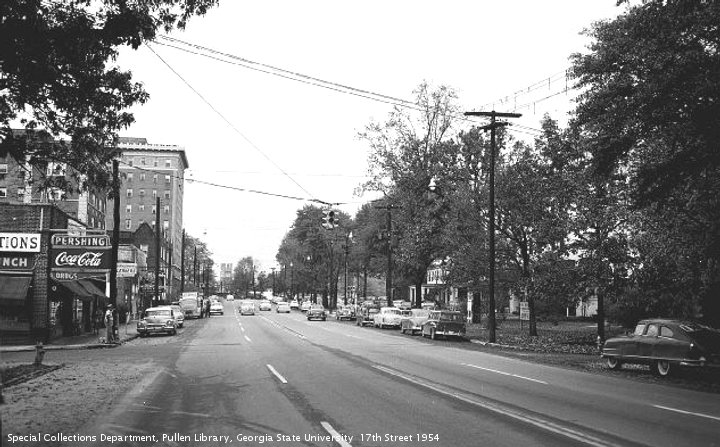
In 1854, Atlanta entertained, for the first time, a man who had been President. On May 2, Millard Fillmore arrived from Augusta on a private rail car.
There was some unpleasantness in 1864, which we will not concern ourselves with.
In 1866, there was a shocking murder. John Plaster was found dead, in an area known as “tight squeeze”. This was an area of shanties, at the present location of Crescent Avenue and Tenth Street. A hundred years later, this was near “the strip”, Atlanta’s hippie district, also called “Tight Squeeze”.
As the nineteenth century rolled along, many mansions were built on Peachtree Street. The road was paved, and streetcars ran up and down. Automobiles came, and came, and came. An expressway was built in the 1950’s, and quickly became obsolete. One by one, the mansions were torn down and replaced with businesses and churches.
The book was written in 1962, when the party was just getting started. The High Museum was known then as the Atlanta Art Association. In June of 1962, a plane full of prominent Atlanta residents crashed in Paris, killing all on board. As a memorial to those people, the Memorial Arts Center on Peachtree, at Fifteenth Street, was built.
Another phenomenon which is not explained by the book is the custom of naming everything here Peachtree. There are countless streets and institutions named for a fruit tree that likes warmer climates. Atlanta has a one street skyline, that stretches from Five Points to Peachtree Dunwoody Road, almost at the city limits. PG lives a quarter mile off Peachtree, in Dekalb County, and has no idea why Peachtree is a magic word.
Pictures are from “The Special Collections and Archives, Georgia State University Library”. and The Library of Congress. This is the annual repost.


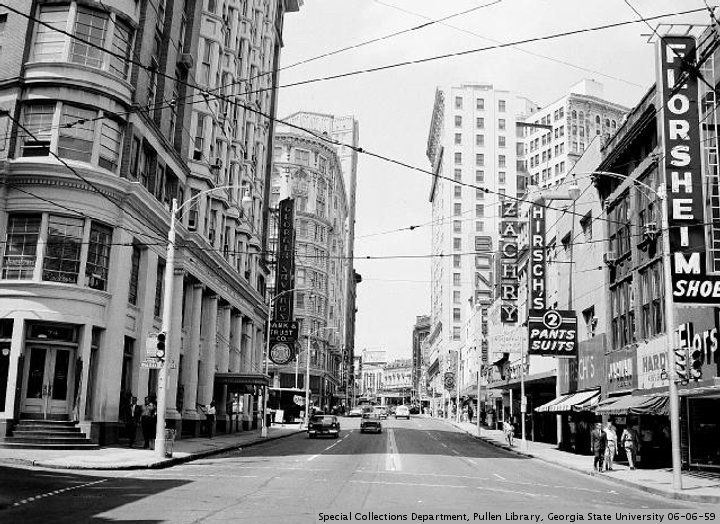


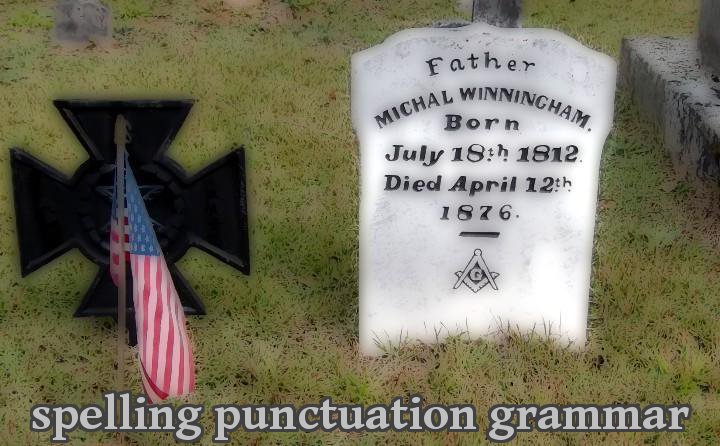







Snow Jam 14
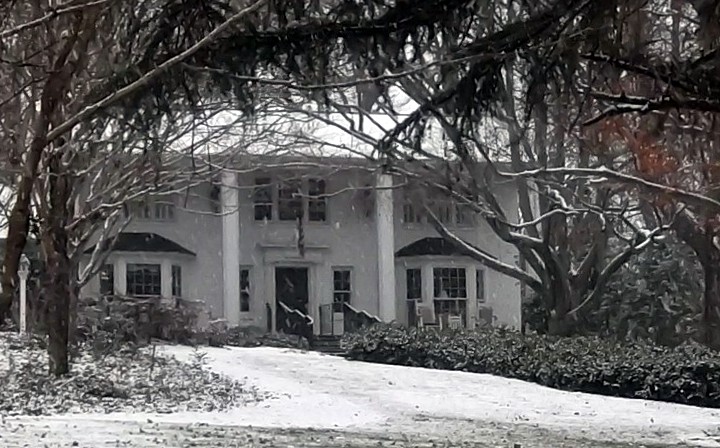

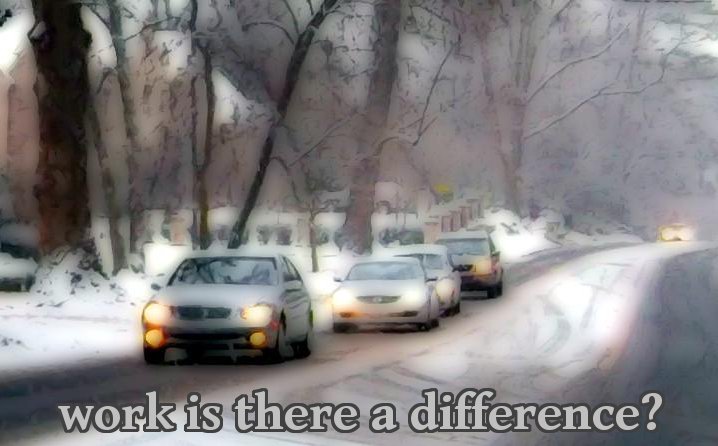
The bosslady gave permission to leave at 1:30. The first problem was getting off the complex. There was a line of slow moving cars, going out the back door. Going up the hill, PG felt the beginnings of a skid. Atlanta is a city of hills. This did not look good.
Turning right onto Spring Road was the start of more waiting. It took about a half hour to get a few blocks away from the retail giant headquarters, across I285, and onto Cumberland Parkway. A decision was made to stay off I 285, and take Highway 41 over the river. It was a very slow go, with a few cars stopped completely in the road. After you got past Mt. Paran, the traffic cleared up a bit, and it was a smooth ride to West Paces Ferry.
West Paces was smooth going, until you got to Northside Drive. Then the cars were moving very, very slowly. It was a bit mysterious why. There was not much snow, and with all the cars on the main roads there was little ice. Of course, in Atlanta, GA, a snowstorm is time to panic. It is what we do.
When PG got to the Governor’s Mansion, he started to take pictures. It was 2:47 pm. A lady near Peachtree said that cars were not moving there either. The radio said that as bad as the surface streets were, the interstates were much worse. If that wasn’t enough, there was a fire at the Marta five points station. The passengers were going from Civic Center to Garnett Street on buses. When the trains started to roll again, it was single track on the north south lines.
West Paces Ferry became East Paces Ferry, and PG looked for a way to get to Peachtree Road. The side road took a long time to negotiate, but by that time the clock was a non issue. Peachtree was slow and sticky through Peachtree Dunwoody, although arguably not much worse than a regular rush hour. After crossing Peachtree Dunwoody, Peachtree mysteriously cleared up. PG went through the Redding Road underpass, over a few more roads, and far enough into his driveway to avoid the sliding cars. It was 5:00 pm. Three hours longer than usual.
The Great Speckled Bird




One day in the eighth grade, PG had a sore spot in his eye. They called it a stye. One afternoon, he got out of school, walked to Lenox Square, saw a doctor, and got some eye drops.
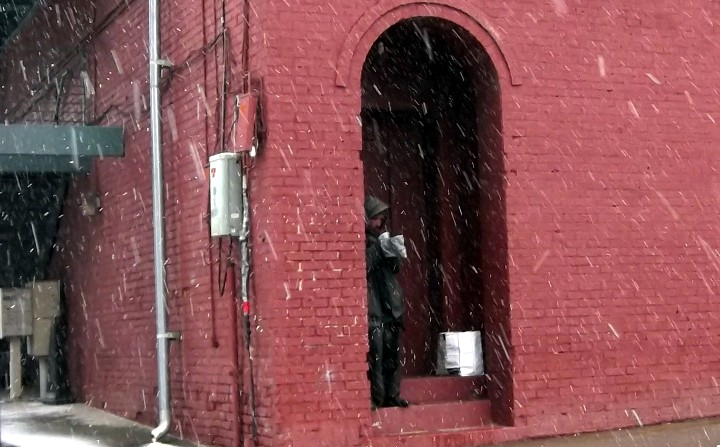
When he left the doctor’s office, there was a man, standing in front of Rich’s on the sidewalk, selling a newspaper. He had blond hair down past his shoulders. PG asked what the newspaper was. Mostly politics, he said. PG gave him fifteen cents for a copy of “The Great Speckled Bird”.
The Bird was an underground newspaper. It was so bad, it needed to be buried. If you are under fifty, you have probably never seen one. These papers flourished for a while. The Bird was published from 1968 to 1976. The April 26, 1968 edition was volume one, number four. This was what PG bought that day.
The Georgia State University Library has a digital collection. Included in it are copies of The Great Speckled Bird. Included in this collection is edition Number Four. PG went looking for that first copy. He needed to be patient, for the GSU server took it’s time. Finally, the copy he asked for came up. It was mostly politics.
When PG saw page four, he knew it was the edition from forty four years ago. “Sergeant Pepper’s Vietnam Report” was the story of a young man sent to Nam. It had a paragraph that impressed young PG, and is reproduced here. The rest of the article is not that great, which is typical of most underground newspaper writing.
A couple of years later, PG spent the summer working at the Lenox Square Theater. The number two screen was a long skinny room. If you stood in the right place, you could hear the electric door openers of the Colonial Grocery store upstairs. The Bird salesmen were a feature at the mall that summer, which not everyone appreciated. This was the year of the second, and last, Atlanta Pop Festival. PG was not quite hip enough to make it. He was back in the city, taking tickets for “Fellini Satyricon”. The Bird was printing 26 pages an issue, with lots of ads, pictures, and the distinctive graphics of the era.
Stories about hippies, and the Bird, can be found at The Strip Project.
Pictures are from ” The Special Collections and Archives,Georgia State University Library” .
This is a repost, written like H.P. Lovecraft.


 Chamblee54
leave a comment