Peachtree Street 2014


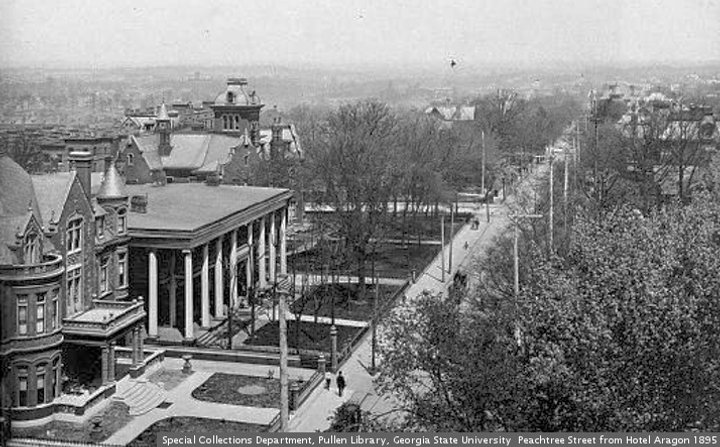

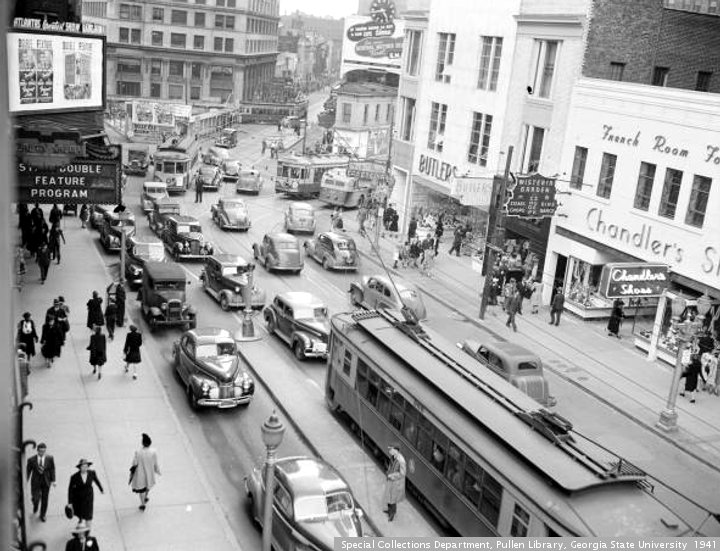
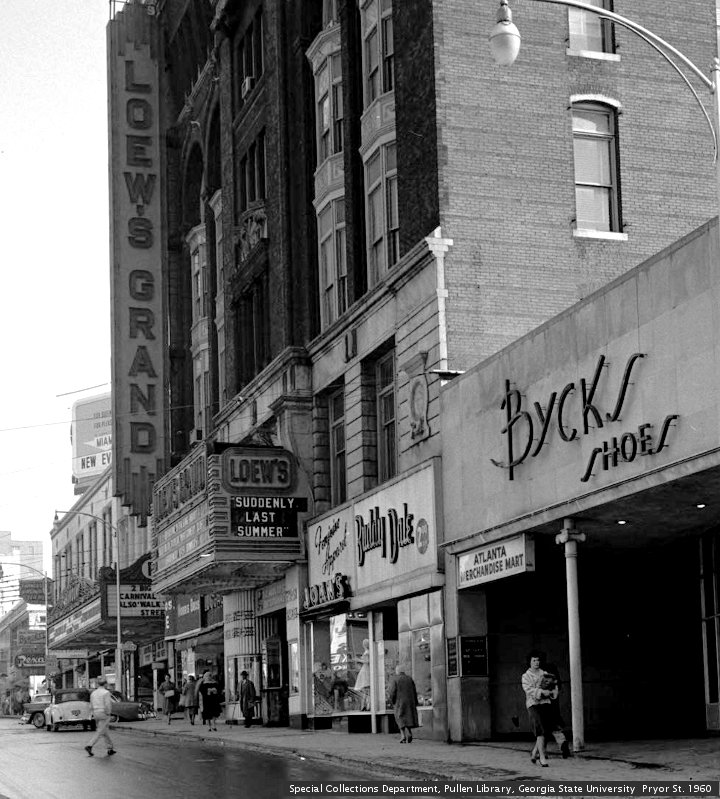
PG finished a book, Peachtree Street-Atlanta. The author is William Bailey Williford, and it was published by the University of Georgia Press in 1962. PG found this at the Chamblee library, and this is probably the best way to find this book today. (Reissued by UGA Press.)
How this road got the name Peachtree is a good question. Most peaches grow south of the fall line. The story goes that there was a Creek Indian village called Standing Peachtree, located where Peachtree Creek runs into the Chattahoochee. During the war of 1812 Fort Peachtree was built on this site.
There was a trail that ran from Buckhead to an intersection with the Sandtown Trail, at what is now Five Points. A short distance south of this intersection was a settlement known as White Hall. For many years, Peachtree Street south of Five Points was known as Whitehall Road. At some point in the last thirty years, a decision was made to change Whitehall to Peachtree. It did not help the rundown condition of Whitehall Street.
In 1835 Governor Wilson Lumpkin decided that Georgia should build a Railroad that would be centered near the junction of Peachtree Trail and Sandtown Trail. The new town was named “Marthasville”, after the youngest daughter of the Governor. Martha Lumpkin is a resident of Oakland Cemetery today.
The village was soon renamed Atlanta, which was a feminine form of Atlantic. Houses, churches, and businesses were soon built on Peachtree Road. In 1856, Richard Peters built a flour mill. To insure a steady supply of firewood, he bought four hundred acres of land, for five dollars an acre. The land was between Eighth Street, North Avenue, Argonne Avenue, and Atlantic Drive.
Another pioneer citizen with a large landholding was George Washington (Wash) Collier. Mr. Collier bought 202 acres for $150 in 1847. The land was between West Peachtree, Fourteenth Street, Piedmont Road, Montgomery Ferry Road, and the Rhodes Center. Much of the land was used for the development of Ansley Park.
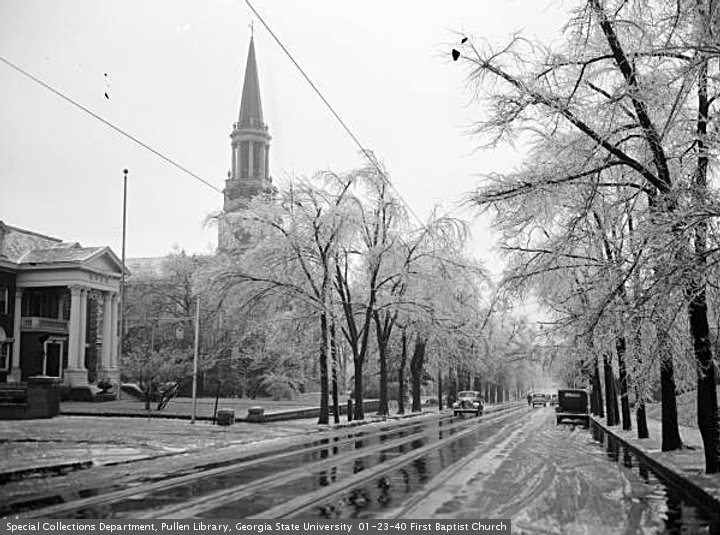

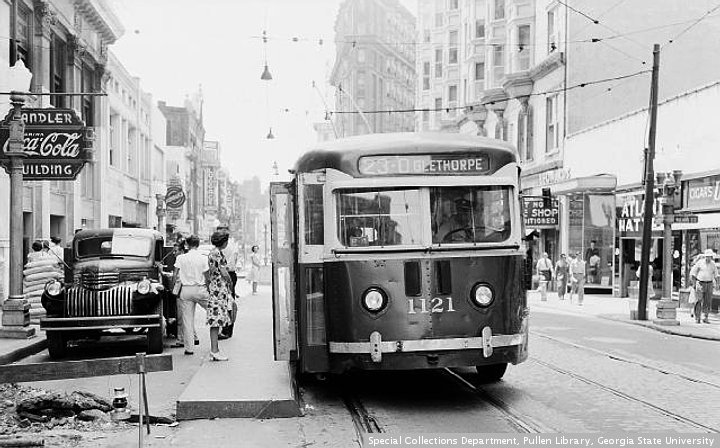
In 1854, Atlanta entertained, for the first time, a man who had been President. On May 2, Millard Fillmore arrived from Augusta on a private rail car.
There was some unpleasantness in 1864, which we will not concern ourselves with.
In 1866, there was a shocking murder. John Plaster was found dead, in an area known as “tight squeeze”. This was an area of shanties, at the present location of Crescent Avenue and Tenth Street. A hundred years later, this was near “the strip”, Atlanta’s hippie district, also called “Tight Squeeze”.
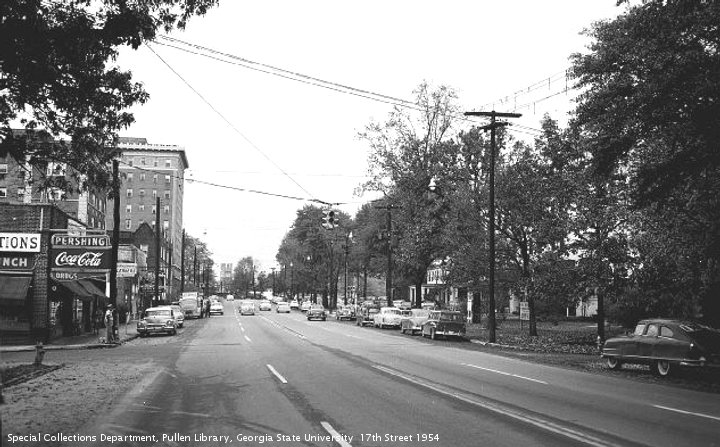
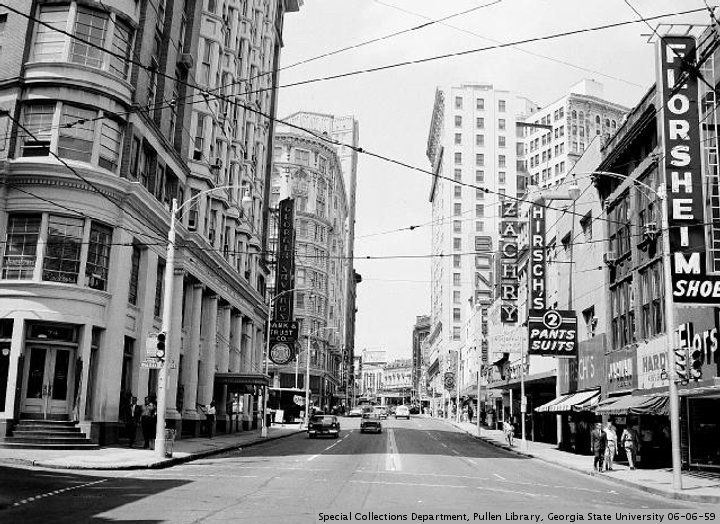
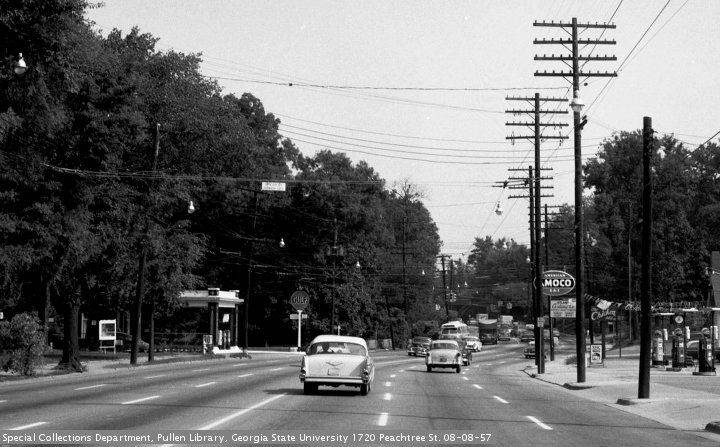
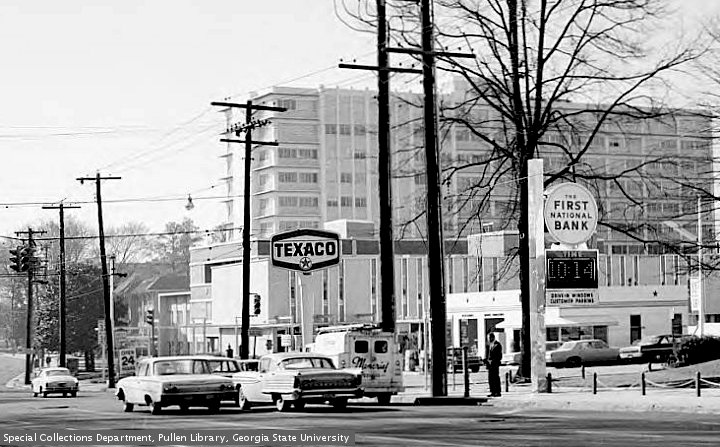
As the nineteenth century rolled along, many mansions were built on Peachtree Street. The road was paved, and streetcars ran up and down. Automobiles came, and came, and came. An expressway was built in the 1950’s, and quickly became obsolete. One by one, the mansions were torn down and replaced with businesses and churches.
The book was written in 1962, when the party was just getting started. The High Museum was known then as the Atlanta Art Association. In June of 1962, a plane full of prominent Atlanta residents crashed in Paris, killing all on board. As a memorial to those people, the Memorial Arts Center on Peachtree, at Fifteenth Street, was built.
Another phenomenon which is not explained by the book is the custom of naming everything here Peachtree. There are countless streets and institutions named for a fruit tree that likes warmer climates. Atlanta has a one street skyline, that stretches from Five Points to Peachtree Dunwoody Road, almost at the city limits. PG lives a quarter mile off Peachtree, in Dekalb County, and has no idea why Peachtree is a magic word.
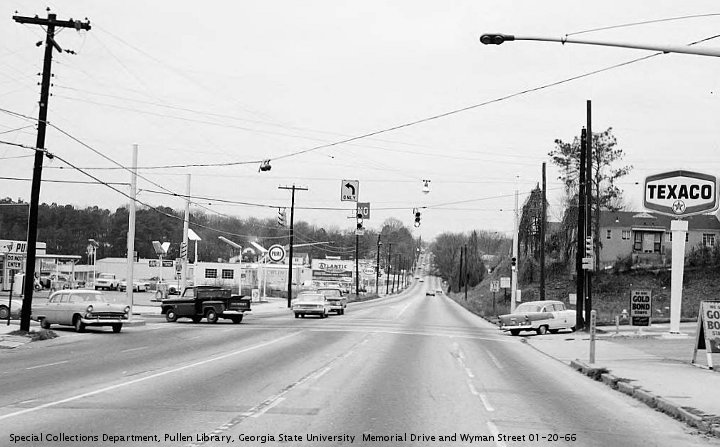
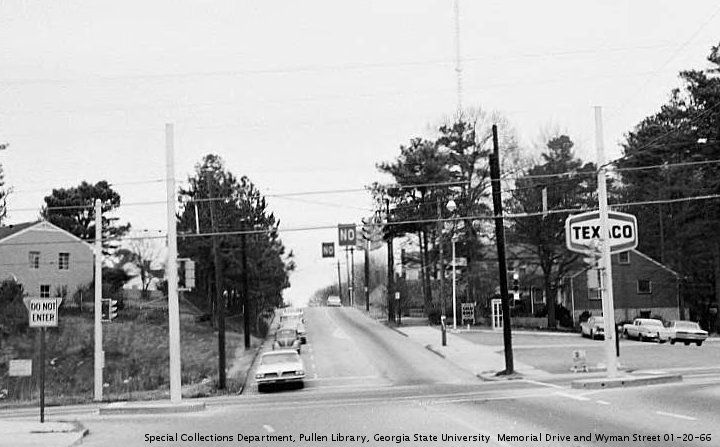
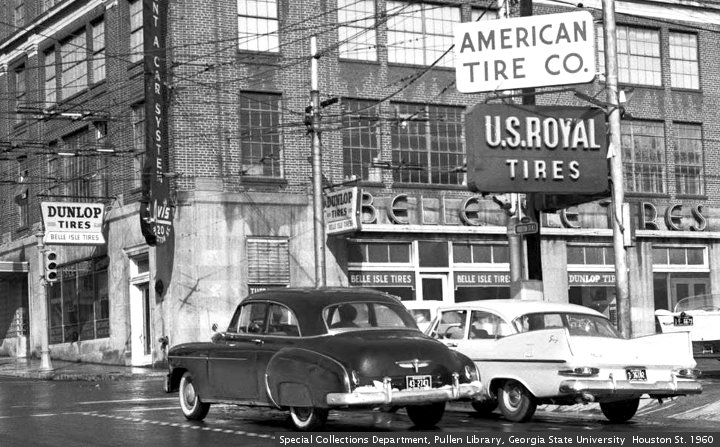
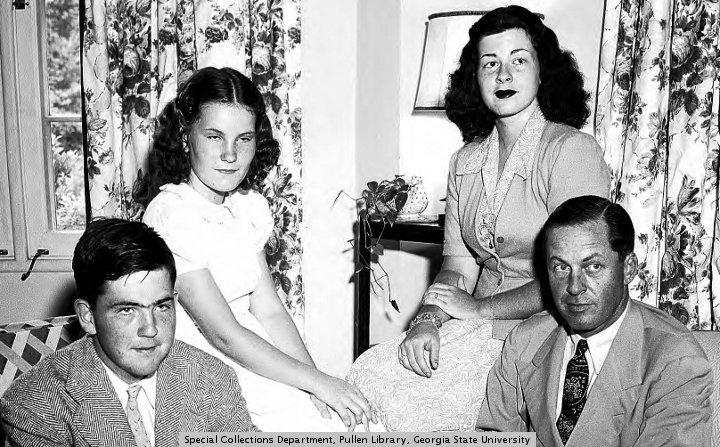
Pictures are from “The Special Collections and Archives, Georgia State University Library”. and The Library of Congress. This is the annual repost.









Tales of Ordinary Madness

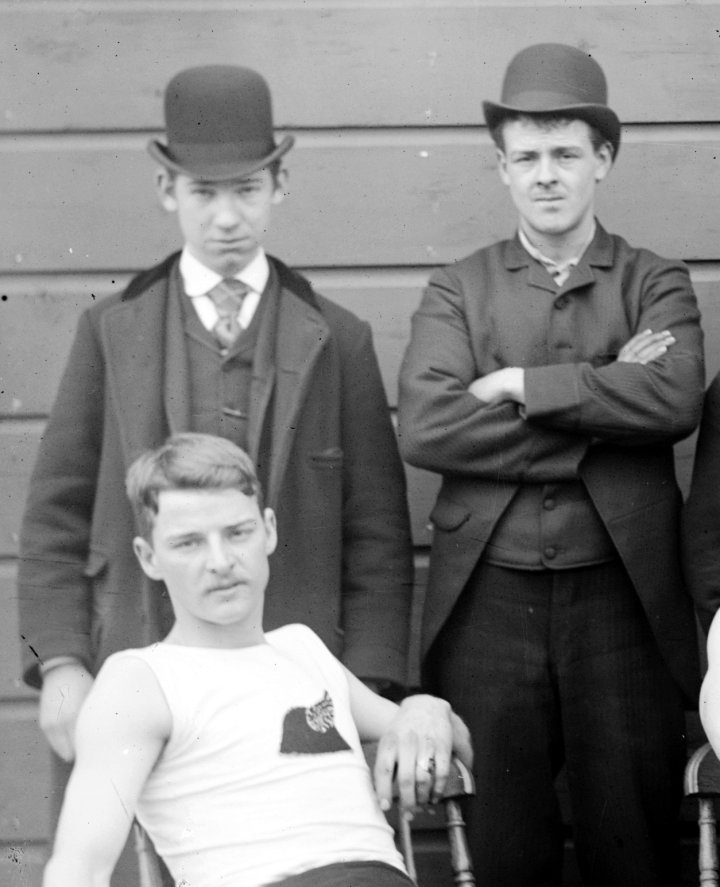

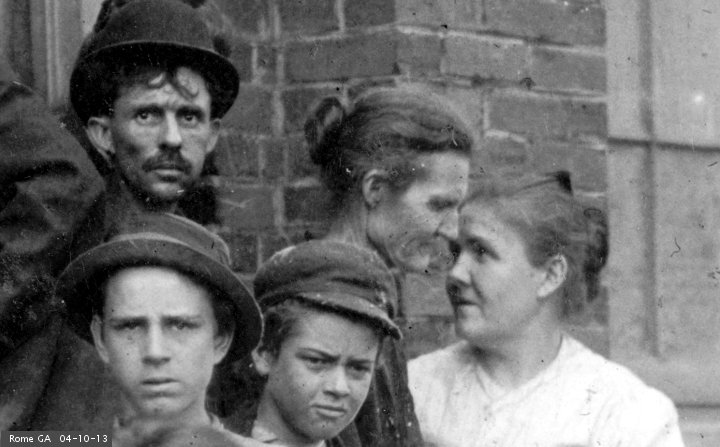

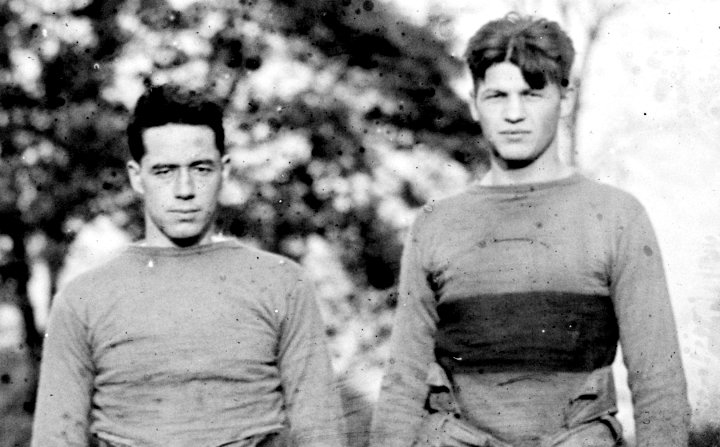
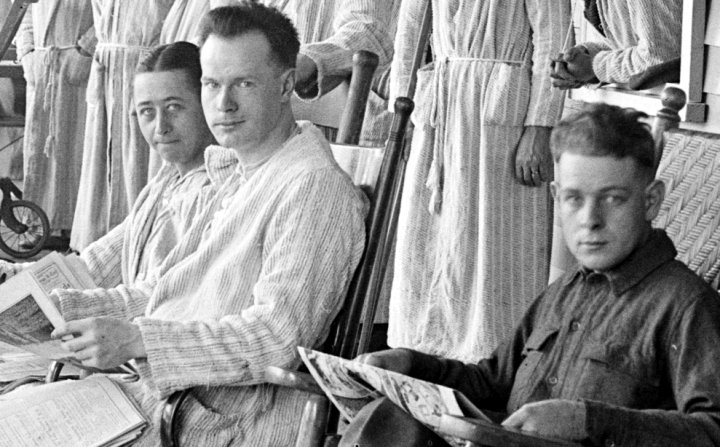
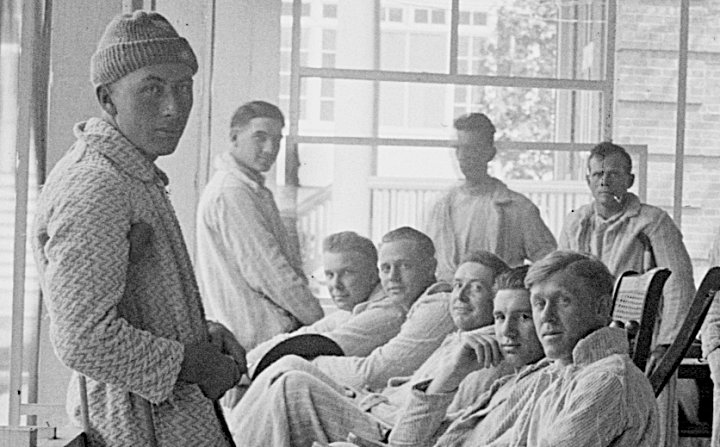

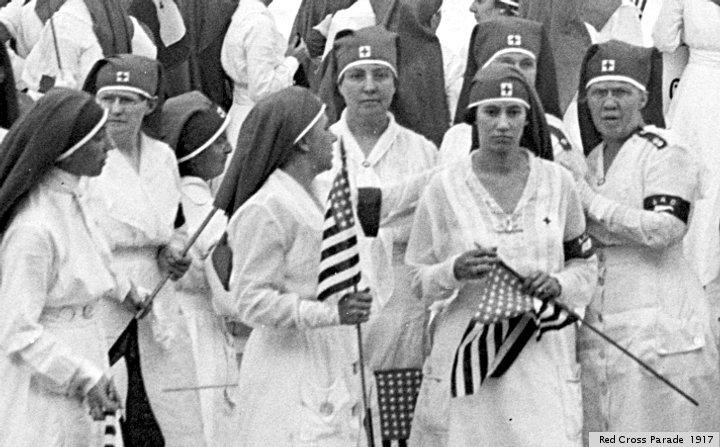
PG sat in the workplace cafeteria and read the last line of Tales of Ordinary Madness. TOOM is a book of short stories and underground press columns, allegedly written by Charles Bukowski. This collection was published by City Lights Books, the facility of Lawrence Ferlinghetti. The poet-businessman was not admired by Mr. Bukowski.
The author was born Heinrich Karl Bukowski, on August 16, 1920, in Andernach, Rhineland-Palatinate, Germany. His Catholic parents moved to America in 1923. The name was americanized to Henry Charles Bukowski. Friends called him Hank, and his literary alter ego was Hank Chinaski. Somebody decided that Charles would look better in print.
Hank Chinaski was a hard boiled character, or so he would have you believe. He was not a teetotaler. In spite of his many excesses, Hank lived to be 74, when leukemia sent him to the likkastow in the sky. This was March 9, 1994. Eleven days later, Lewis Grizzard met his maker. Lewis was 47, the same age as Hank in much of TOOM.
You should always separate the creator from the creation. Enjoy the product, and don’t worry about the ingredients. That is the case with TOOM. The stories are reputed to be little autobiographies. (An Amazon one star commenter thinks the stories are the result of “some kind of posthumous ghost writer, and not a very good one.”)
Hank, if nothing else, was productive. He wrote thousands of poems. It is not known if they have all been published, or if anyone is drunk enough to read them. Here is a quote from a previous Chamblee54 feature, The On Time Charles Bukowski.
The writer/drunk had always been a bit of a fascination to PG. Out of the millions of useless drunks feeding the urinals of planet earth, at least one will turn out to have had literary merit… this leads to a newyorker piece about the gentleman. After nine paragraphs, and two poems, there is the phrase that set off PG…graphomaniacal fecundity. (spell check suggestion:nymphomaniac)
As best as we can figure, g.f. means that Hank wrote a lot of stuff. This is a good thing. PG operates on the notion that if you keep your quantity up, the quality will take care of itself. Hank seems to agree, spitting out product “like hot turds the morning after a good beer drunk.” He seemed to take pride in doing what Truman Capote said about Jack Kerouac…he doesn’t write, he types.
Holy drunken author synchronicity. Last summer, PG was working third shift in a midtown sweatshop. He would read a couple of stories of TOOM, then shift gears and read a bit of The Dharma Bums. At some point in the procedure, there was a collection of output from Truman Capote.
Hank Chinaski might not like PG. There is the rhyming poetry. There is buying a book of repackaged prose at a yard sale. There is the twenty five year retirement from alcohol use. This is beside the point. You have to live for what is important to you, not what a deceased barfly might think.
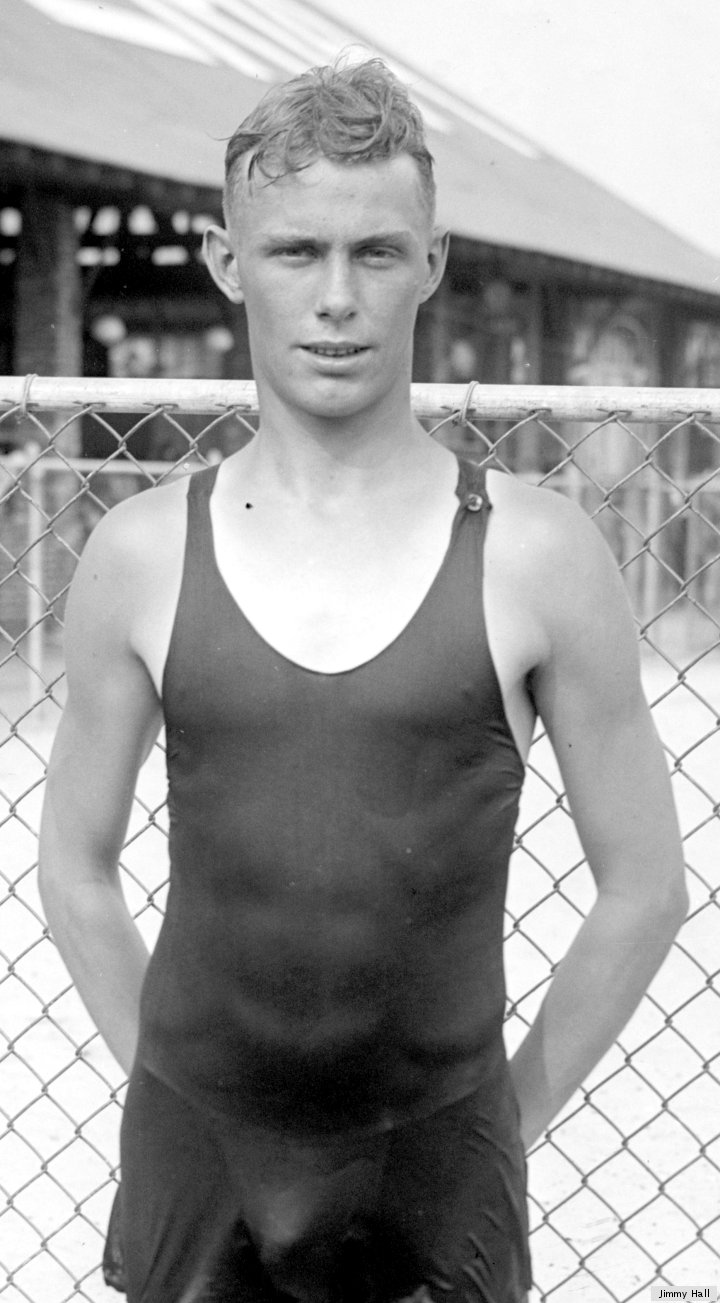
Pictures are from The Library of Congress.
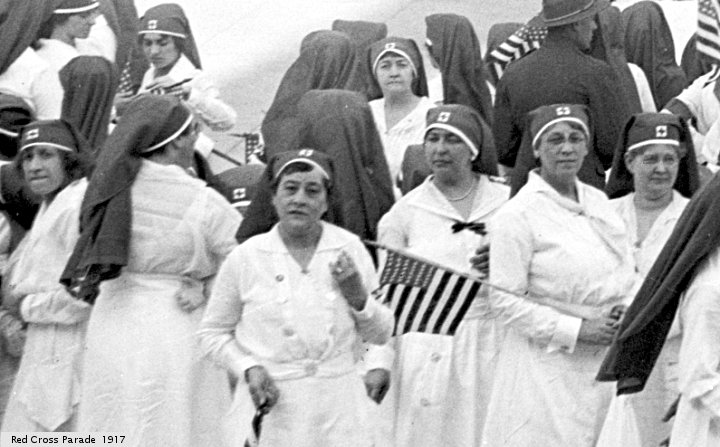
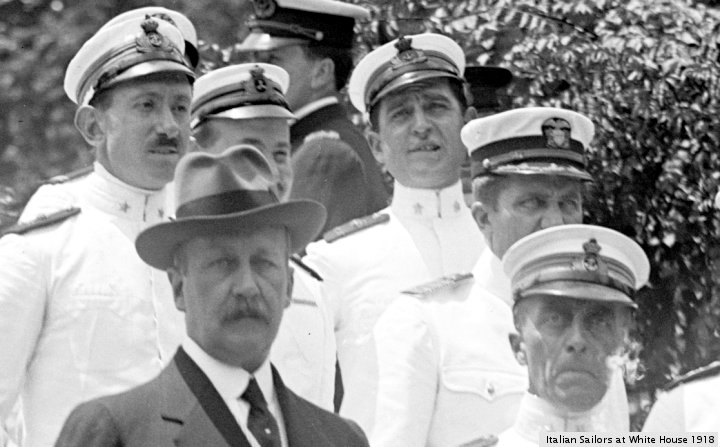
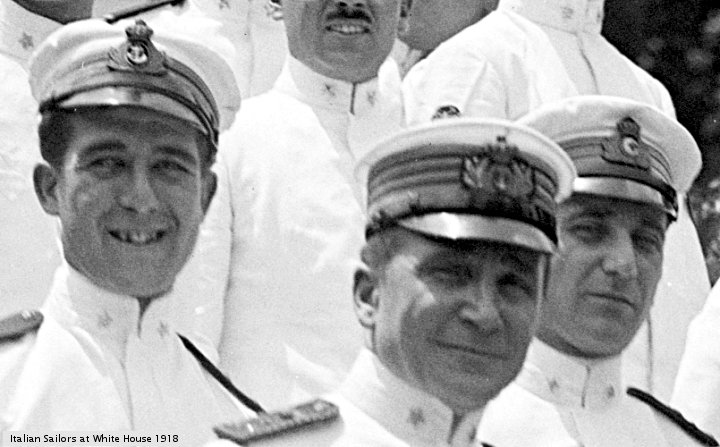


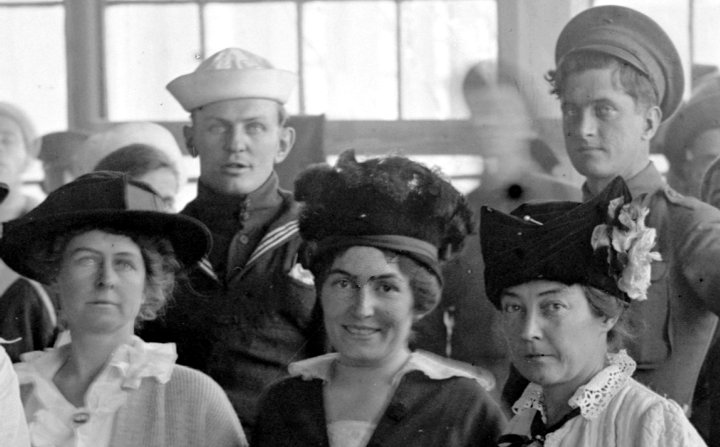
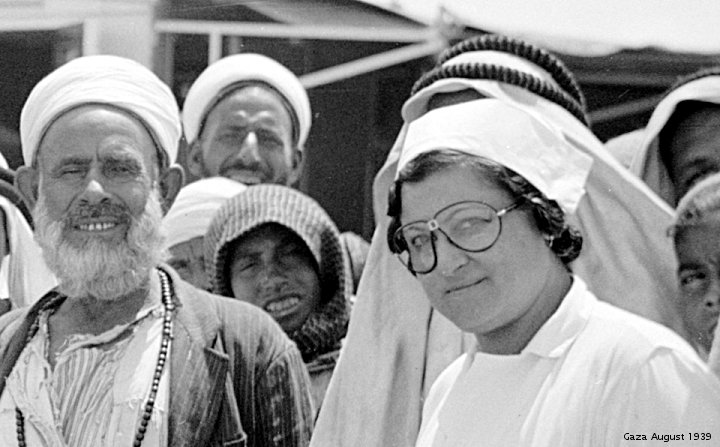
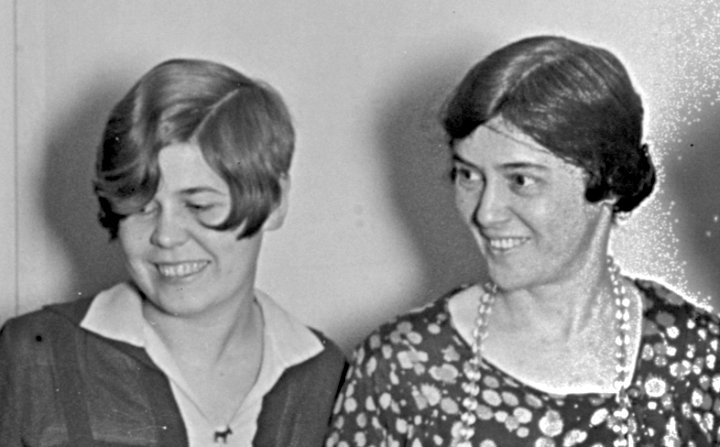
Adolph Hitler Had Ugly Feet



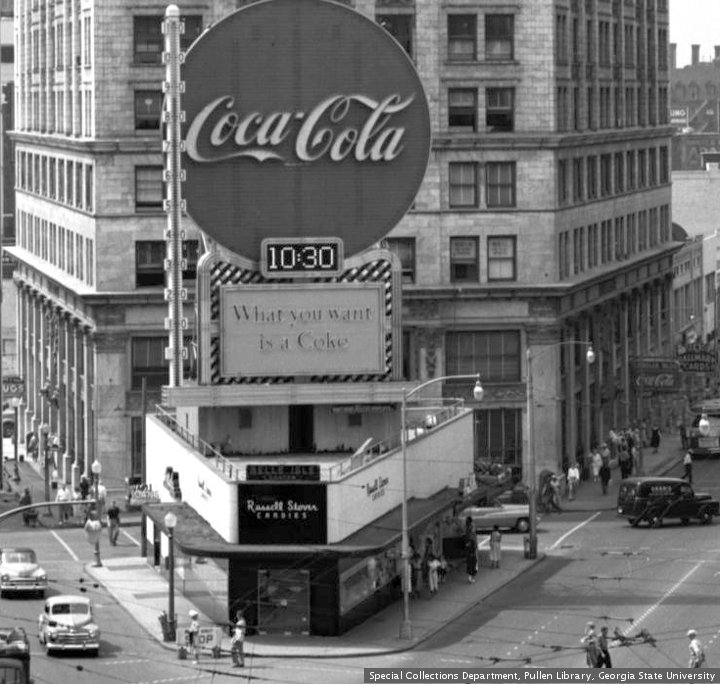
PG listened to a radio show featuring John Lukacs, discussing his book The Hitler of History. The book has a lot of footnotes, and probably is not much fun to read.
LAMB (Brian Lamb, the host): All right. Here’s another one I wrote down. He was a thigh slapper.
Mr. LUKACS: Oh, well, that’s a very minor thing, but it has something to do with something very interesting. There is a photograph of Hitler that’s reproduced everywhere in history books. He’s dancing a jig. When the news comes to him that the French had surrendered, capitulated, that picture is fake. Long story behind this. There was a film strip with somebody faked up, you know, and so it gives the impression–makes him ridiculous, makes him jump up and, you know–no, he did not do this. He had a habit occasionally when he was very enthusiastic, very …slapping his thigh, you know. He didn’t do this very often. But that thigh s–slapping, through editing, through racing of the film, became a jig, and this enters many history books that Hitler couldn’t control himself, he was dancing a jig at this news. Not true. …
LAMB: How tall was he?
Mr. LUKACS: He was about–I can’t tell you exactly–I think 5’8″ or something like–5’9″. I tell you something that’s not in the book. I knew two people–don’t ask me who they were–who knew him rather intimately, two women. I knew other people who knew him, but they are very intelligent women. One of them’s a scholar, the other’s not, and don’t ask me their names. Both of them said, `You know, he had very ugly feet.’ This was news to me, a kind of feminine instinct. Independent of each other, they told me that.
There are some other things. Mr. Hitler never allowed himself to be photographed wearing glasses. Mr. Lukacs thinks the Winston Churchill had a great understanding of Adolph Hitler, which kept the allies from losing the war. Pictures for this post are from “The Special Collections and Archives, Georgia State University Library”.


Christmas Bliss


Christmas Bliss is the latest offering from Mary K. Andrews. CB is the continuing adventures of Weezie Foley and BeBe Loudermilk, BFF ladies in Savannah GA. The story is a page turner, and you will finish it before you want to. It is a book about South Georgia, where part of the story is a blizzard.
One of the ladies is about to have a baby. The other one is about to get married. Yes, there is a bit of confusion in that formula. Add previous marriage complications, well meaning family and friends, and New York City into the mix, and you have a very entertaining story.
Parts of the story are a bit over the top. The trip to New York is full of adventure, but really did not need to happen. The story of the previous husband is just not believable. The reality quota is helped by the baby shower from hell. That comes off as being just a bit too accurate. The reader goes along with it, and it is a good ride.
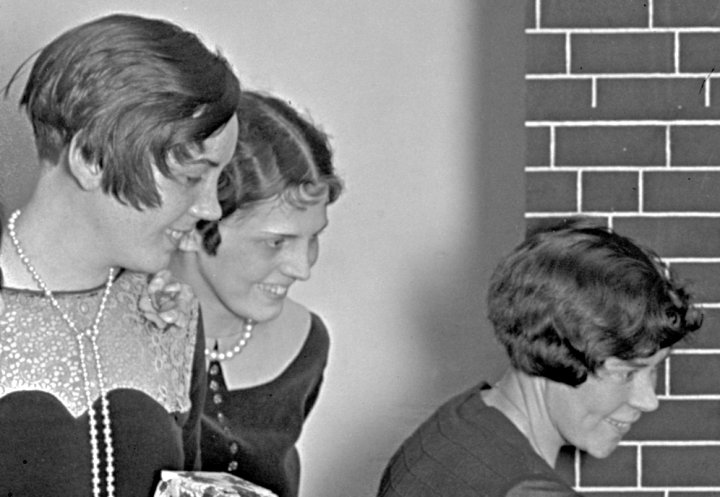
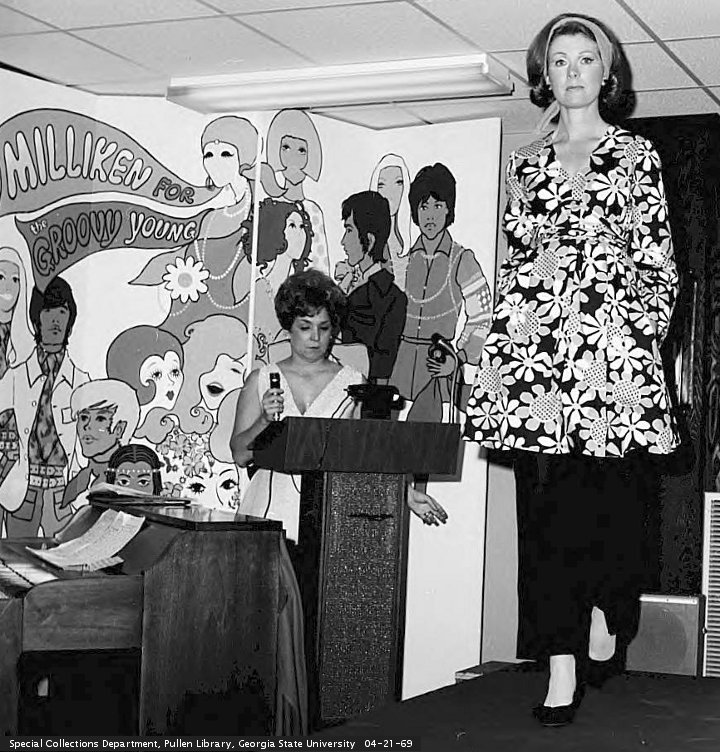
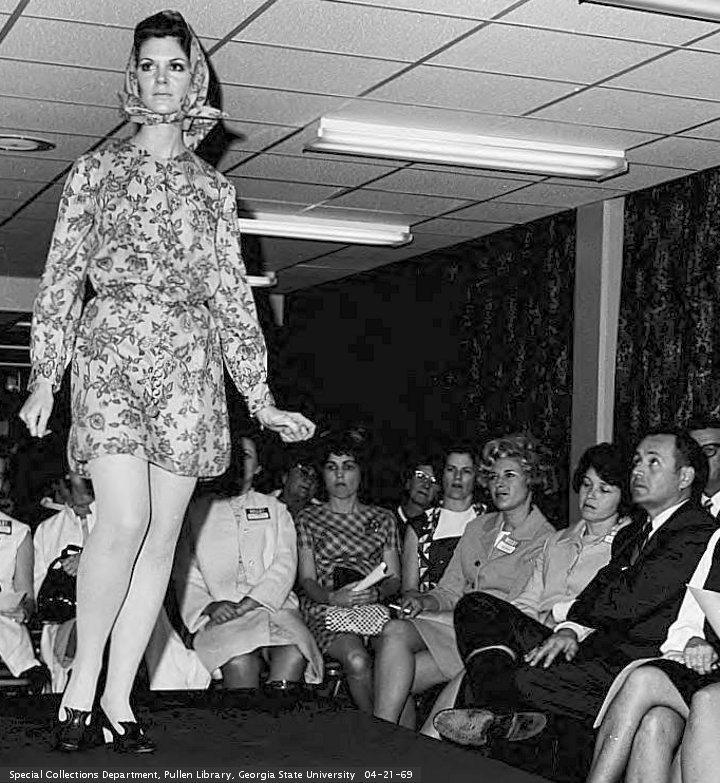
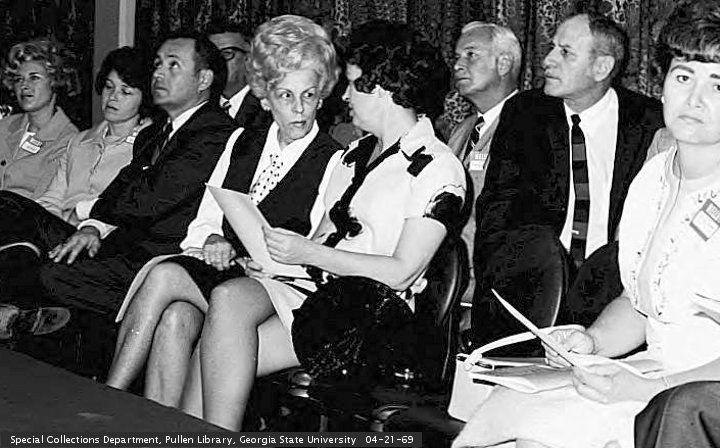
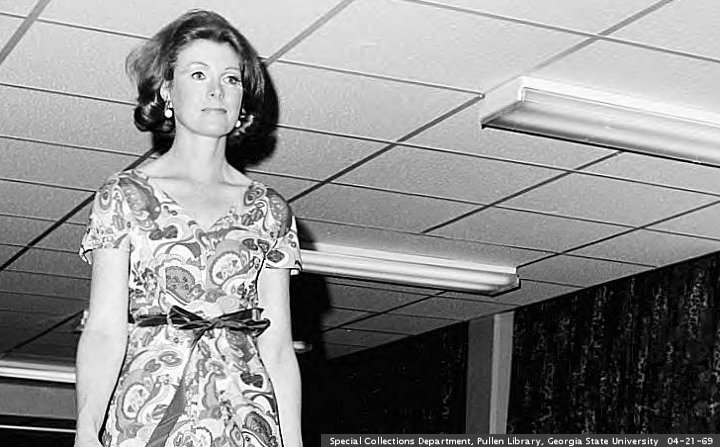
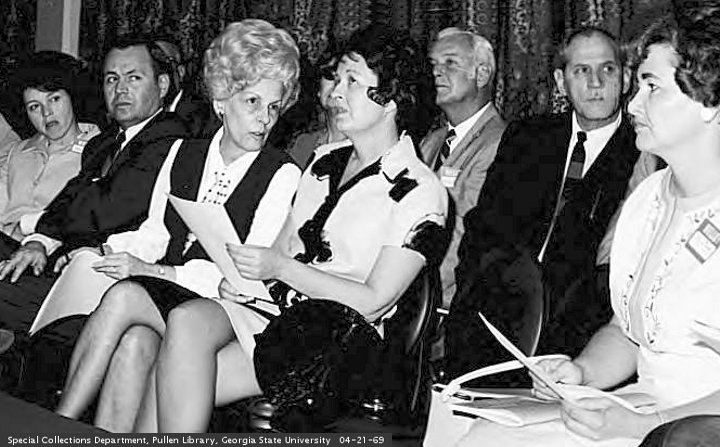
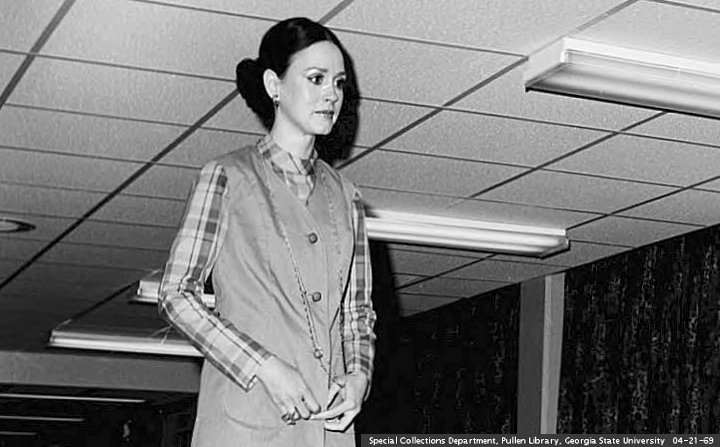
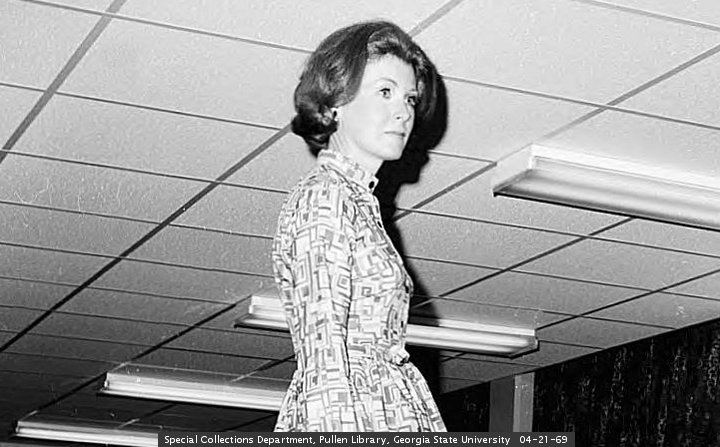
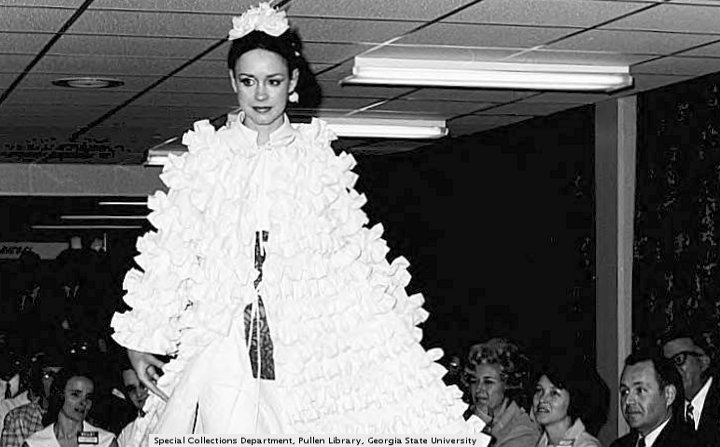
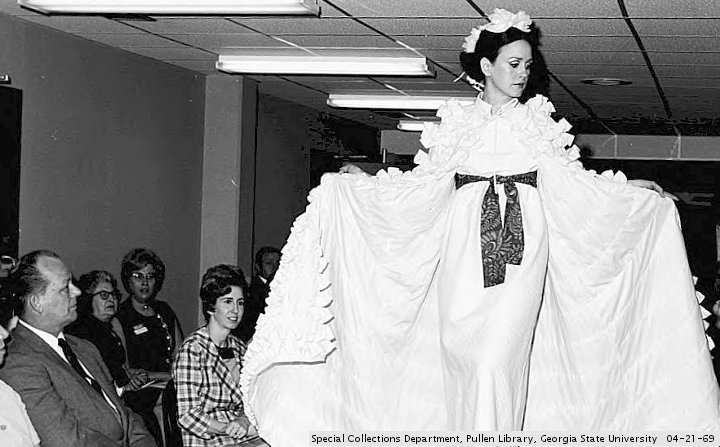
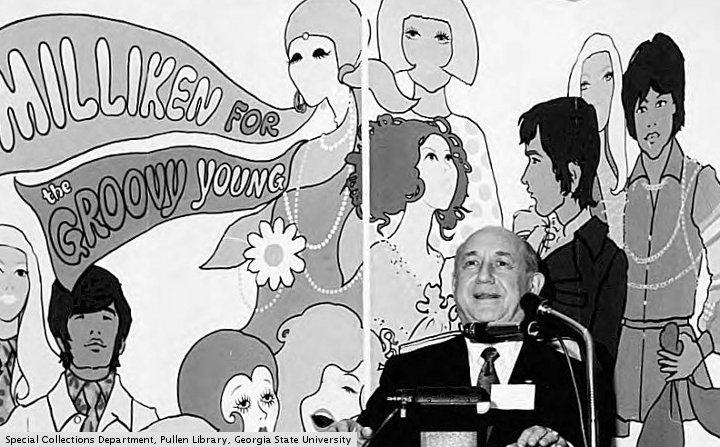
Pictures are from “The Special Collections and Archives, Georgia State University Library”. The event is a fashion show, at “Mendel College for Fabric Knowledge.” The show was held April 21, 1969.



The Dharma Bums Part Four




This is part four of the Chamblee54 breakdown of As the title suggests, this is part three of a breakdown on The Dharma Bums, by Jack Kerouac. Parts one, two, and three are already online. Tdb is the 1955-1956 story of Ray Smith (Jack Kerouac) and his friend Japhy Ryder (Gary Snyder.)
Chapter Twentytwo RS is back on the road. He leaves his family in North Carolina, and starts to hitchhike west. He gets a ride to Gainesville, GA. After a night in a cheap hotel, there is a ride with a drunk west of Atlanta. RS decides to buy a bus ticket for El Paso, and get out of “chain gang Georgia.” The bus takes him to West Texas. There is a hike on railroad tracks out of town, and a idyllic camping spot in the hills. RS goes to Juarez, where a queer Mexican boy falls in love with him.
Chapter Twentythree This is the last part of this road trip. RS gets a ride to Las Cruces, where he does some temp work moving a piano. The next ride is with a Texan who brags a lot. This ride goes to Los Angeles. The driver talked a great game. He had fought enough men to form Coxie’s army.
PG’s dad used to talk about Coxie’s army. It seems as though a man named Jacob Coxey led a band of unemployed men to Washington in 1894. There were economic hard times in the land. CA was agitating for government spending, to provide public work jobs for the unemployed. How this caught the imagination of the slogan happy republic is not known to the modern reader.
RS rides freight trains from Los Angeles to San Francisco. On page 161, RS calls JR “Gary.” Apparently, the proofreader missed this.
This chapter by chapter thing is not working. The idea is to use this as a springboard for improvisation, to say whatever comes up. This does not seem to be happening. Tdb is a worthwhile read, the first time. Reading it twice, while taking notes, is not a good idea.
The rest of the story is fairly simple. RS goes to live with JR. They stay in a shack in Corte Madera, CA. It sounds rustic in the book, and may have been in 1956. If you look at a map today, it is just a few miles north of San Francisco. There is no telling what it looks like today.
While in Corte Madera, there are a lot of wild parties. It is the sort of boho thing the rest of America tittered about. Eventually it all ended. RS went up to Washington state to serve as a fire lookout. JR went to Japan. Dwight Eisenhower got reelected. He is not mentioned in tdb, but his buddy Richard Nixon is. We know how that story turned out.
In 1956, PG was two years old. This was the year the Georgia legislature decided to install the stars and bars on the state flag. There was talk of replacing Richard Nixon as Vice President. Jack Kerouac drank too much. Lots of people said so. Noted wildman Neal Cassidy told him to ease up on the booze.
In one of the chapters not to be discussed, RS and JR get into an argument about drinking. JR, like lots of other people, thought that RS was pissing his life away. It turns out they were correct. Whatever his talents as a writer/typist, and friend of famous people, Jack Keruoac was a drunk. When he was 47, it caught up with him. As Alvah Goldbook said, “it all ends in tears anyway.”
Pictures are from “The Special Collections and Archives, Georgia State University Library”



The Dharma Bums Part Three

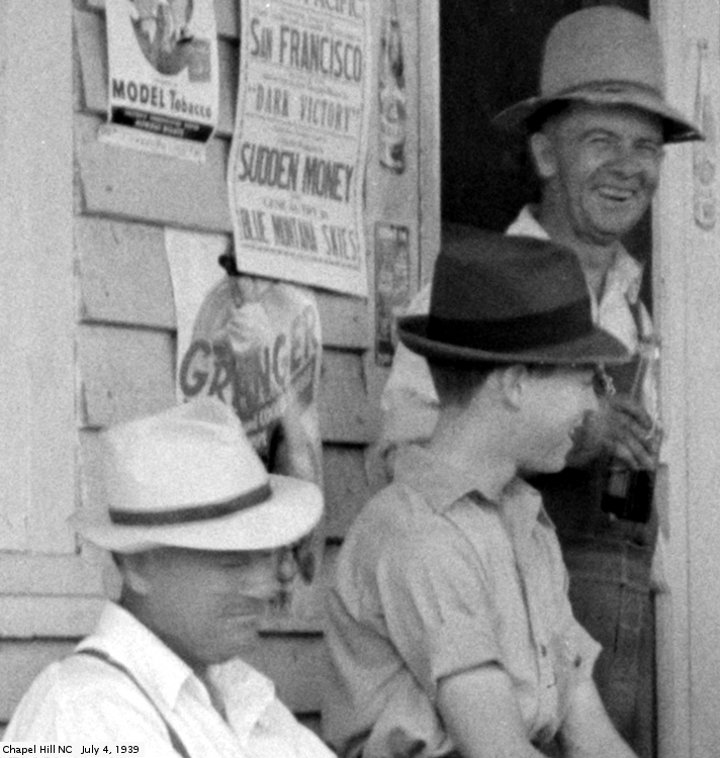
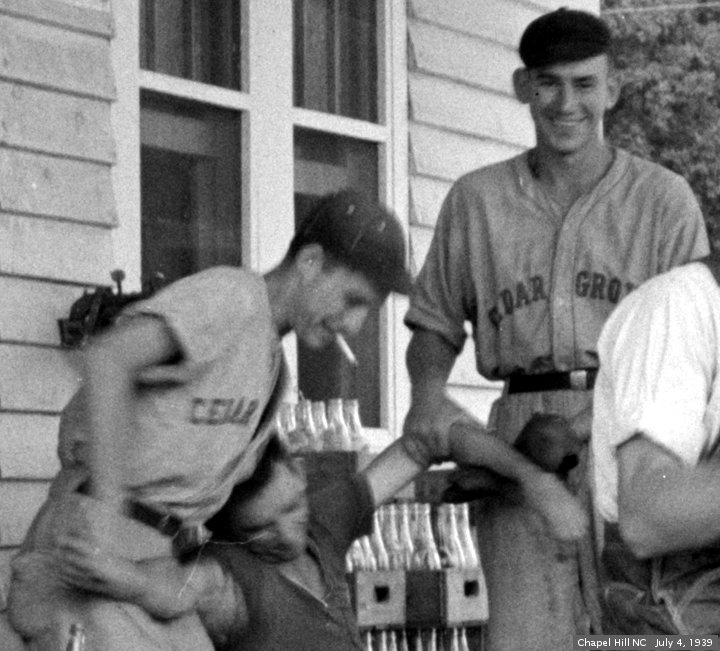


As the title suggests, this is part three of a breakdown on The Dharma Bums, by Jack Kerouac. Parts one and two are already online.
Chapter Thirteen Ray Smith (Jack Kerouac) is back in Berkeley now, staying with Alvah Goldbook (Allen Ginsberg.) One night, Japhy Ryder (Gary Snyder) and Warren Coughlin (Phil Whalen) come by. A jug of wine appears, and is consumed. Many things are said. “Every thing was fine with the Zen Lunatics, the nut wagon was too far away to hear us.
Evidently, AG was not a Buddhist in those days. For that matter, PG does not know if he ever really was. Mr. Google supplies a link to a feature, Iconic poet and Buddhist Allen Ginsberg remembered… There is a picture of a naked AG, with an asian picture making the picture safe for family viewing. In this chapter, however, AG says “balls on the old tired Dharma.”
Chapter Fourteen RS is getting ready to hit the road. Here, he goes shopping with AG and JR. They go to Goodwill and an Army Navy store. In 1955, Army Navy stores were good places to shop.
Chapter Fifteen This is a dramatic chapter. A character named Cody appears. He is based on Neal Cassady, Kerouac’s travel companion in “On The Road.” Mr. Cassady is a legendary wildman. In this episode, he has a gf named Rosie, who is not feeling well. Cody asks RS to look out for Rosie one night. “All right, but I was planning on having fun tonight,” “Fun isn’t everything. You’ve got some responsibilities sometimes, you know.”
So Rosie is not feeling well. She is talking a lot of paranoid nonsense. RS tries to calm Rosie down with talk about Dharma. Finally, she seems to be better, and RS goes to sleep. Rosie goes up an the roof of the building, breaks the skylights, cuts her wrists with the broken glass, and jumps. Six stories later, she lands on the sidewalk.It was not a gentle landing.
When PG first read this, he was working graveyard shift in a midtown document center. At seven am, he would walk to the train station. The first few times he went, the first train to come was the Doraville line. On the Marta system, there is the Doraville line, and the North Springs line. If you get on the wrong one, you will feel very foolish.
The morning he read chapter fifteen, PG got on the train without looking at the sign. When it went past Lenox Square, he wondered why the stores were on the right side of the train, instead of the left side. Before long, he was in the tunnel that goes under Peachtree Road. This was the North Springs line. PG got off at the first station, and waited for a train to take him to a place where he could transfer to the proper line. While waiting on the southbound train, he read the story of Rosie.
Chapter Sixteen RS finally gets on the road. He is going back to North Carolina to spend the winter with his family. Before leaving California, he wanders through San Francisco. There is a “Negro preacher,” “a big fat woman like Ma Rainey,” who is preaching up a storm. Every now and then she “spits about ten foot away a great sploosh of spit.” This is one reason why she is preaching indoors.
Cody is very sad about Rosie. He is praying hard, trying to get her into purgatory. Before RS leaves for North Carolina, Cody tells hime “Don’t drink so much of that old wine.” Finally, RS gets on a freight train. He rides it to Los Angeles. A bum tells him to cure his ailments by standing on his head.
Chapter Seventeen Nothing much happens in this chapter. RS is in Riverside CA. He is warned not to camp outdoors, but does so anyway. He gets away with it.
Chapter Eighteen The hit song when this took place was “Everybody’s got a home but me,” by Roy Hamilton. Mr. Hamilton is a black man from Leesburg GA, who is mostly forgotten today. If you look for “Everybody’s…” on youtube, you will find a “cover” version by Eddie Fisher. Mr. Fisher is best known as the father of Princess Leia, and one of Elizabeth Taylor’s husbands.
RS starts to hitchhike here. He meets a truckdriver named Beaudry, who takes him to Ohio. He gets a bus ticket there for Rocky Mount, NC. RS arrives home on Christmas Eve.
Beaudry Ford was the largest Ford Dealer in the United States. It was located in Downtown Atlanta. They did a lot of fleet sales, which is why they were the largest dealer. They did not do a lot of retail. They shut down several years ago.
Chapter Nineteen RS spends the winter at the family home. Most of his time is spent meditating in the woods. He thinks he is receiving profound insights during these sessions. Rocky Mount is the childhood home of Allen Gurganus, who would have been seven years old during this winter. It is unlikely that he was involved in the story.
Chapter Twenty The winter of meditation gets colder and colder. RS is not getting along with his family. They do not understand that RS is a special person.
Chapter Twenty One The winter in North Carolina is coming to an end. RS writes off, and lines up a job as a fire lookout in Washington state. Meanwhile, RS is “as nutty as a fruitcake and happier.” He composes the prayer of emptiness. “My pride is hurt, that is emptiness, my business is with the Dharma, that is emptiness, I’m proud of my kindness to animals, that is emptiness, my conception of the chain, that is emptiness, Ananda’s pity, even that is emptiness.”
Ultimately, the whole matter goes to the dogs. “I petted the dogs who don’t argue with me ever. All dogs love G-d. They’re wiser than their masters. I told that to the dogs, too, they listened to me perking up their ears and licking my face.” Soon after this, the brother in law of RS blows up about his deadbeat in law who lets the dog off the chain. Soon, RS is on the road again, going back to California. This is the end of part three. Pictures are from The Library of Congress.


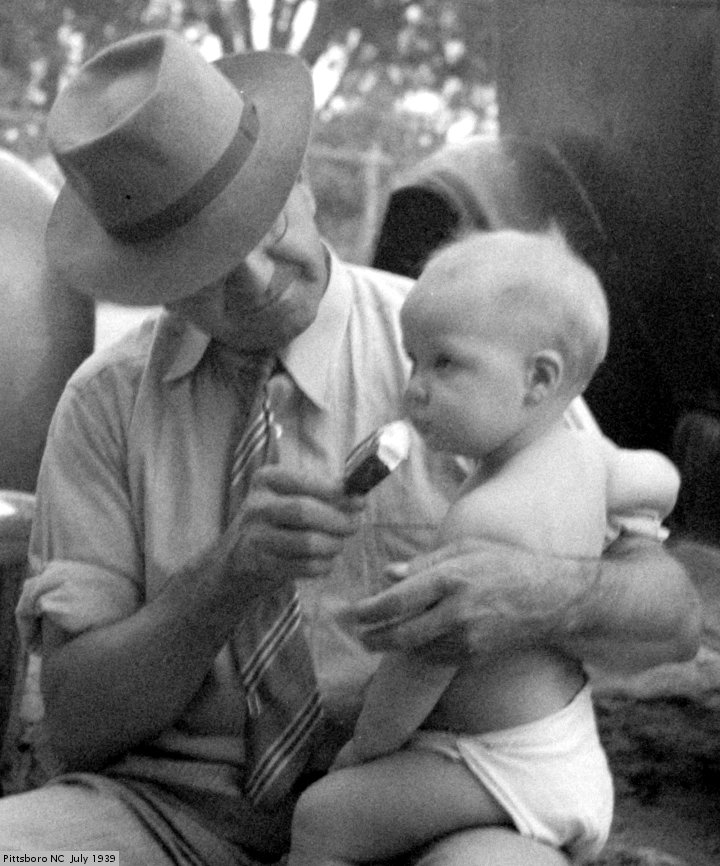


The Dharma Bums Part Two
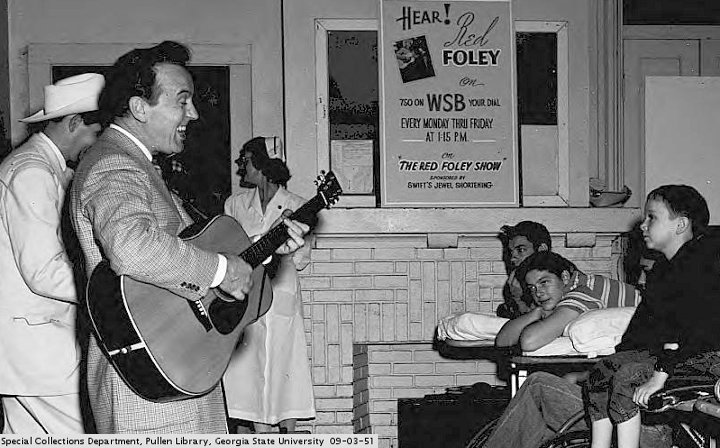

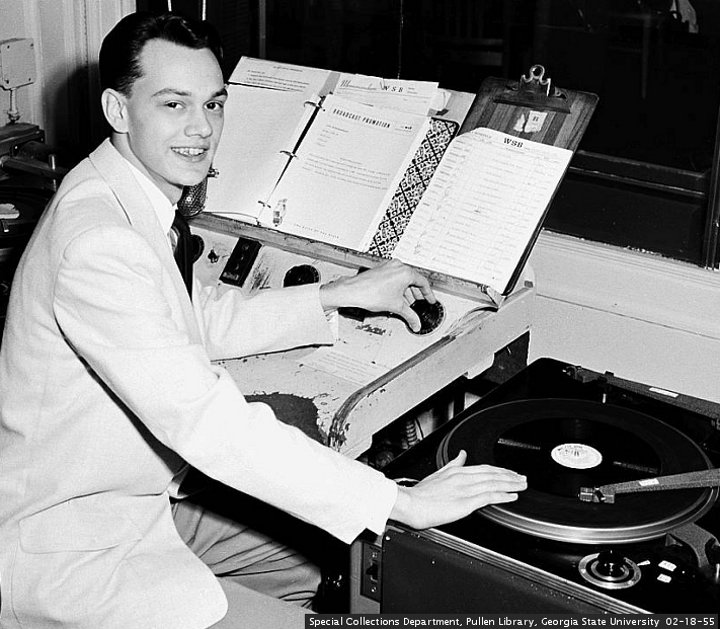

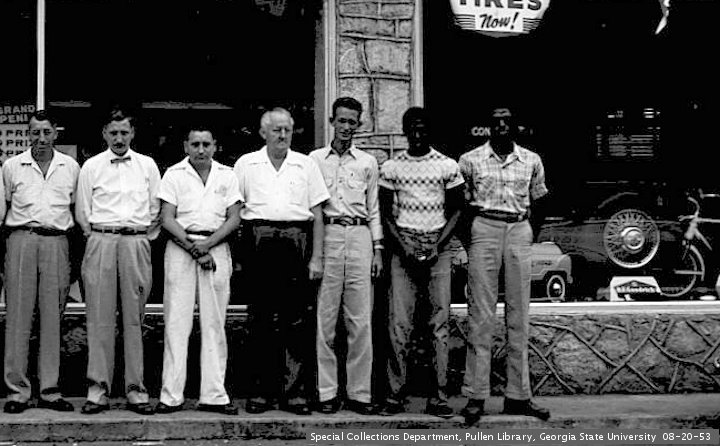

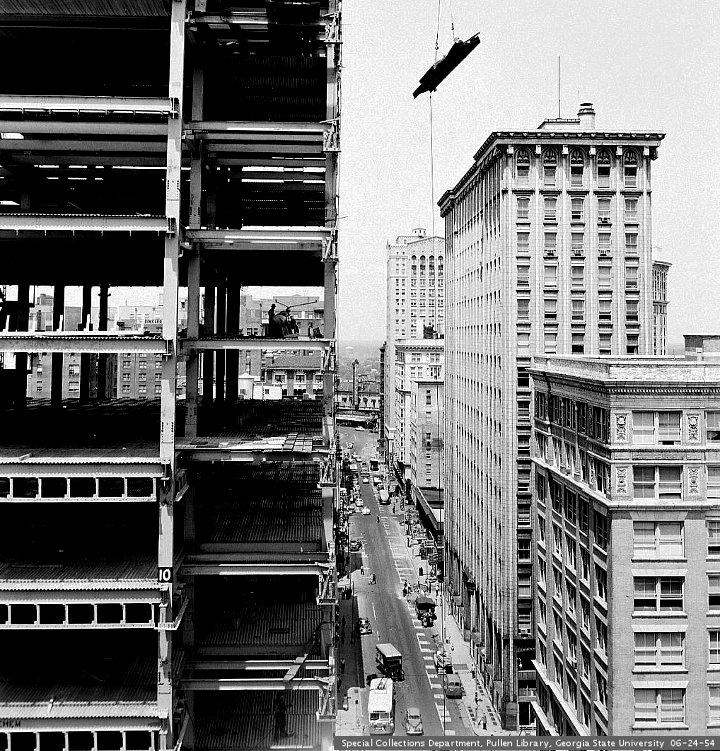
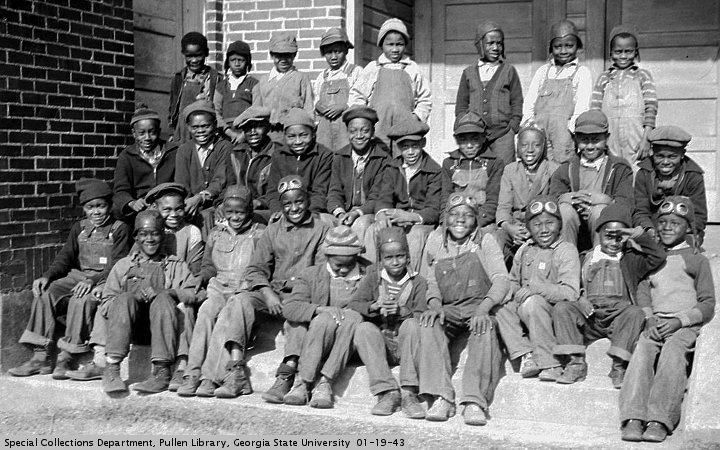


This is part two of a breakdown on The Dharma Bums. Part one was published a few days ago. Part two is where Ray Smith, Japhy Ryder, and Henry Morley go mountain climbing.
Chapter Six This is where the trip begins. The plan is to go out of town, camp near the trail head, hike to a good place, and then climb to the top of Matterhorn. Henry Morley owns a car, and is recruited to drive. HM is Philip Whalen in real life. He is a bit of a motormouth, with just the barest connection from one sentence to the next. Some have speculated that his rants in tdb are an excuse for Mr. Kerouac to let loose with his typing-not-writing style.
The three stop in a restaurant full of hunters, who are amazed at the concept of hiking without killing animals. The campsite is finally reached in the middle of the night. HM did not bring a sleeping bag.
Chapter Seven This chapter is a return to straightforward prose. The men wake up, go to a diner, and drive to Bridgeport. They will go on to the trail head from there.
This is the second time that PG has read tdb. The first time was in fits and starts. He would read a bit, put it back in his bag, and forget it for a few months. Then came six weeks of working graveyard shift in a midtown office tower. The was a book of short stories by Charles Bukowski in the bag, as a companion to tdb. PG would read a few stories by Mr. Bukowski, and alternate with a chapter or so in tdb. There was one incident during this period, which coincides with chapter fifteen.
Chapter Eight HM is becoming a nuisance. He goes around Bridgeport trying to round up a sleeping bag, and winds up borrowing some blankets from a lodge. The three men get a few miles down the road, and HM realizes that he had not drained his crankcase. He was afraid of the engine freezing over and exploding. This must be before the invention of anti freeze. HM leaves JR and RS, and goes back to drain his crankcase. He will catch up with the other two later.
On page 55, RS says that being in the sunshine infested woods was much better than being in the city. JR replies “Comparisons are odious, Smith”. They have a pleasant afternoon talking to each other, without the constant rattle of HM.
Chapter Nine When Chapter One was published, a commenter mentioned a picture of Jackie Kennedy reading “The Dharma Bums” on an airplane. It turns out that PG had a copy of the picture.
On page 62, RS and JR have a moment that is familiar to many hikers. They are in the woods, surrounded by beauty, and feel the need to be quiet. “This is the way I like it, when you get going there’s no need to talk, as if we were animals and just communicated by silent telepathy.”
On page 67, it is time to cook dinner, and wait for HM. The five steps are tea drinking are discussed. The first sip is joy, the second gladness, the third serenity, the fourth madness, and the fifth ecstasy. PG read this in a workplace breakroom. The tea comes from a machine. You push a button twice, and insert this foil package into the machine. You place a styrofoam cup in a slot, and something called green tea comes out of the machine. It is not cool enough to drink before the break is over. You go directly to the fourth step of tea drinking, madness, when you use this machine.
RS tells JR about a prayer that he knows. He thinks of a person, friend or foe, and says “Joe Blow, equally empty, equally to be loved, equally a coming Buddha. The focus is on the person’s eyes, which are said to be the window to the soul.
This is where PG jumps off the bus. His worst enemy for a few years was the bully for Jesus. This person would lose his temper, and shower PG with verbal poison. While BFJ was distributing this toxin, his eyes were on fire. There was hate in the eyes, and Jesus in the mouth.
Chapter Ten HM finally catches up with JR and RS. This is after RS decides to buy a rucksack, and become a dharma bum. Whether he succeeded is a good question.
Chapter Eleven There is a Zen saying, when you get to the top, keep climbing. This is where the three men leave their gear at camp, and make the push for the Matterhorn peak. HM is the first to sit down and rest. RS almost makes it, but can go no further a few hundred yards from the peak. Only JR makes it to the top, and comes bounding down in twenty yard steps. RS learns, too late, that you cannot fall off the side of a mountain.
Chapter Twelve The three men come down from the mountain. It is soon after dark, and the way is lit by moonlight. RS wishes he had a tape recording of JR shouting on top of the mountain, JR replies that the sound was not meant to be heard by the people below.
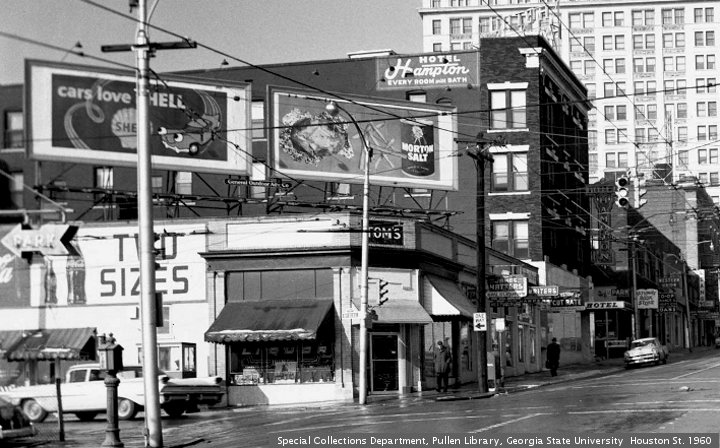
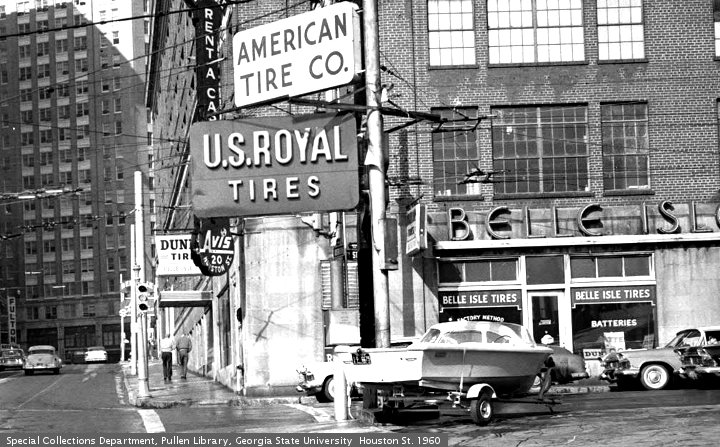
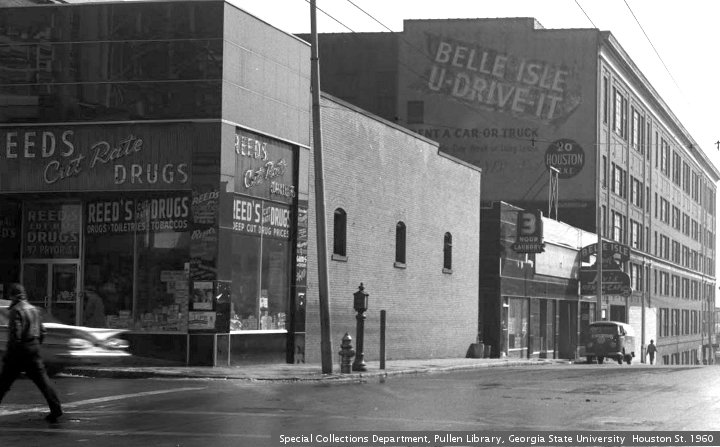
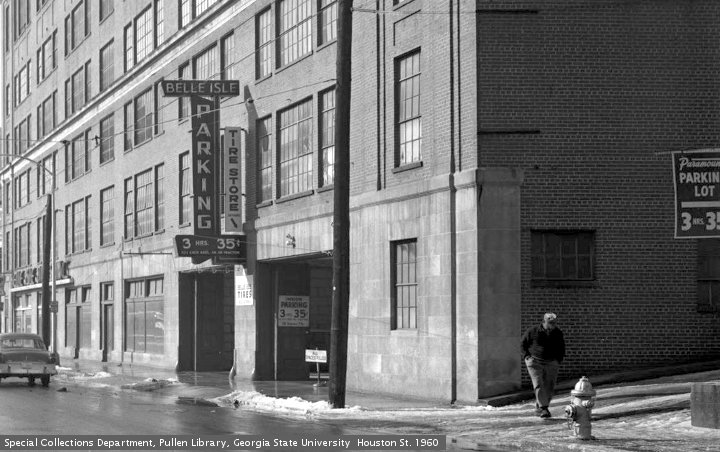
On page 93, RS discovers the weak spot of JR. They get into town, and are hungry. JR is afraid to go into one restaurant, because it is too nice. He is finally persuaded to go to the nice restaurant, and it does not kill him. This is the end of part two. Photographs today are from “The Special Collections and Archives, Georgia State University Library”.




The Dharma Bums Part One


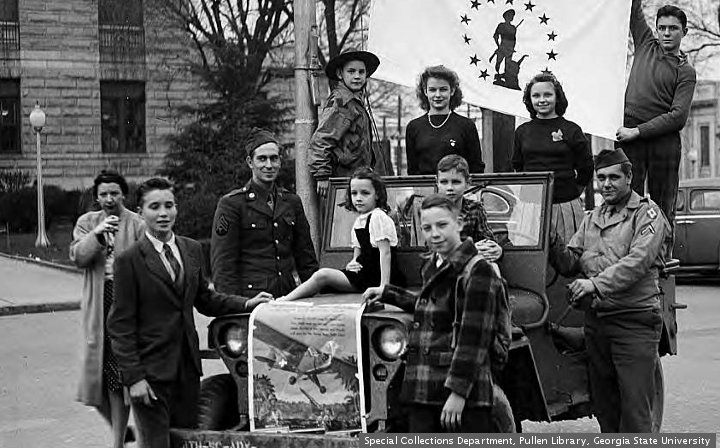
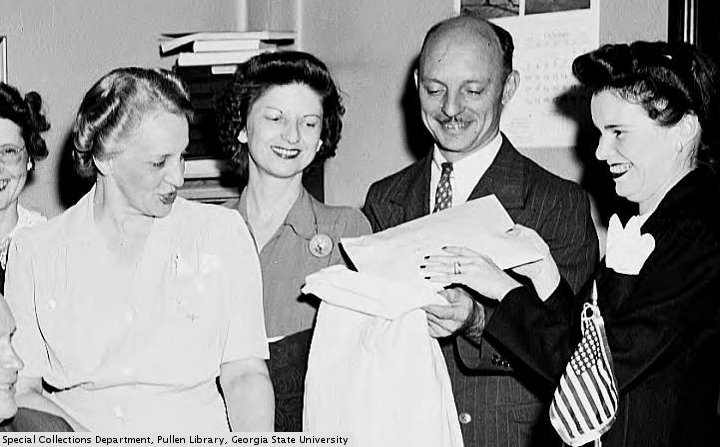
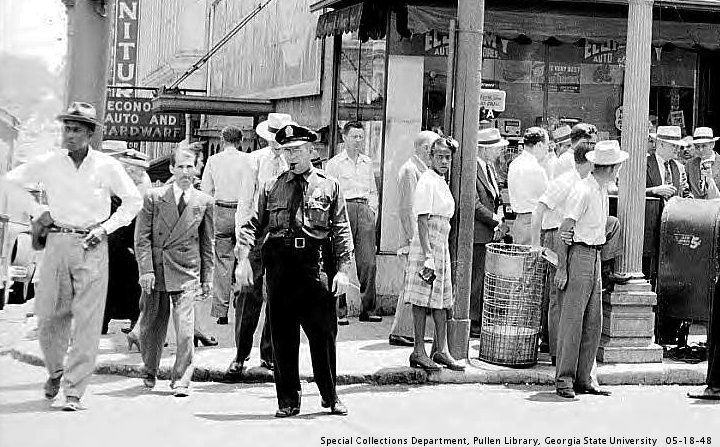

When discussing The Dharma Bums, it is helpful to know how to pronounce the central word of the title. Some say to pronounce the r, while others say the r is silent. The dharmic duality extends to the definition. The number one phrases are “the principle or law that orders the universe” and “the body of teachings expounded by the Buddha.”
Chapter One: Tdb begins in Los Angeles, sometime in 1955. Ray Smith is riding in a freight train. He is going to Berkeley, where he will hang out with Japhy Ryder. These are the central characters of tdb. Ray Smith is Jack Kerouac. Japhy Ryder is Gary Snyder. Mr. Kerouac is long gone. Mr. Snyder is still on the planet. There are several youtube videos of his available. He seems like a wise, gentle man. You can see the younger version of this man in Japhy Ryder.
In chapter one, RS meets a bum on the train. The fellow passenger has a poem by St. Theresa in his pocket, where she promises to return to earth, showering roses on all living things.
On the weekend when part one was produced, PG received a facebook challenge. Someone had written a brief post about a band. When you like the post, you are given a band. The band assigned to PG was The White Stripes. This was the first time PG heard of The White Stripes. He found a video of a live performance. This is the response.
Band I was given: The White Stripes Do I like them: no Seen them?: no Favorite song: Jolene I had never heard of the White Stripes before receiving this challenge. I found a you tube video of a live performance. I did not enjoy it. After fifty minutes, I turned it off, and put Joni Mitchell on.
Chapter Two: Asian schools of thought are a theme of tdb. A number of confusing terms are used. One of these is bodhisattva. The spelling can be a challenge. When you break it down, you get bod his att va. A complimentary shorthand for body, third person male pronoun, the phone company, and a government agency. One dictionary says “a being that compassionately refrains from entering nirvana in order to save others and is worshiped as a deity in Mahayana Buddhism.”
In chapter two, RS meets JR. They go to a poetry reading at a gallery. Many of the other characters are at this reading. The most famous is Alvah Goldbook, who read his poem “Wail”. (Spell check suggestion: Allah Goldbrick) You can probably figure this one out by yourself.
The preliminary notes for this post were written during a slow period at work. When it was time to type them, page three was not there. We will assume that nothing important was said.
Chapter Three: RS is staying with AG somewhere in Berkeley. In this book unit, RS goes to visit JR, who lives in a very small house behind a larger house. There is no sitting furniture in this house. You sit on a floor mat.
JR is into asian studies, which is called oriental here. This is the pre-politically correct fifties. At some point in tdb he goes to Japan. In the video, JR mentions living in Japan for twelve years. This is probably connected to the trip in this book.
Tdb is dedicated to Han Shan. On page eighteen, we learn about him. Han Shan was a Chinese poet. He lived over a thousand years ago. JR is translating a poem when RS comes to visit. The verbatim rendering has a zen feel to it. Unfortunately, JR is working for a university. They want a translation that sounds like english speech.
There are a lot of page references in this text. These might not work for all editions of tdb. This is a penguin book. The list price is $11.95 USA, or $15.95 Canada. Tdb was copyrighted by Jack Kerouac in 1958, with a 1986 renewal by Stella Kerouac and Jan Kerouac. The last date, and the probably printing date of this edition, is 1976. The book has three pictures of mountains on the cover. The background is black.There is a green slash, with the title rendered in black letters. The name of the author is in smaller green letters. A quote from Ann Charters, in white text, is at the bottom.
The copy of tdb was owned by a friend of a friend. This person will be called Lenny, and while alive was as much of a character as anyone in tdb. When Lenny died, Uzi took possession of many books.
One day, PG was pulling boxes out of Uzi’s van. The idea was to put a chair in the van. One of the boxes had Lenny’s books. Being a dumpster diving cheapskate, PG was required to look through the box, and take what he liked. And thus PG came to own a copy of tdb.
Chapter Four: On page twenty five, AG says, of JR, “Gee he’s strange.” In this chapter, RS, AG, and Warren Coughlin buy a jug of wine. They proceed to JR’s residence. There is much merriment that evening. This takes place in Berkeley CA, 1955. RS says the school is a conformity factory. This is nine years before the Free Speech Movement, which started the sixties tradition of campus unrest.
In 1973, PG was in Athens, GA. Many of his friends considered Athens to be a modern, hip environment. Some famous person… William F. Buckley, Norman Mailer, or someone else … said that Athens in 1973 reminded him of Berkeley in 1952.
Chapter Five: RS is staying with AG during this part of the story. One night, JR comes by with a gf named Princess. They are going to show RS how to play yabyum. As we learn on page 22, “it’s only thorugh form that we can realize emptiness”. During the yabyum ritual, AG, JR, and Princess sit down cross legged and naked. They stare at each other and chant Om Mane Padme Om. This means Amen the thunderbolt in the dark void. This is the end of the Berkeley part of tdb. Photographs are from “The Special Collections and Archives, Georgia State University Library”.




East Is East


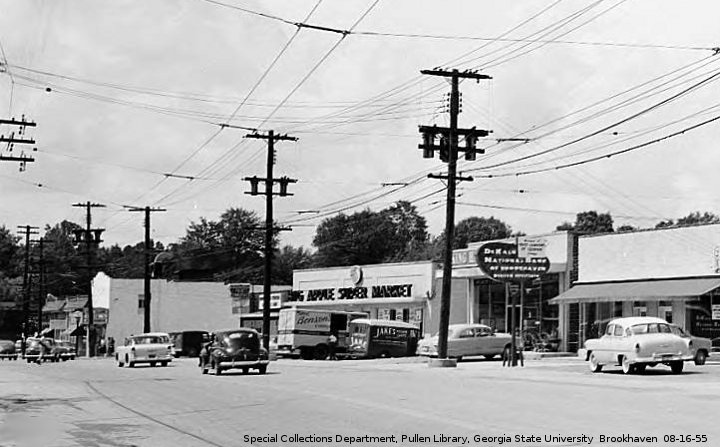


PG read East is East by T. Coraghessan Boyle. This is a 1990 copyright, and the author is now known as T.C. Boyle. Most people that know him say Tom. There are videos of him speaking, and some say how to pronounce his middle name.
EIS is a great story. A Japanese man is working on a boat, gets in trouble, and jumps off the boat. He swims to shore, and lands on a Georgia island. He has a series of adventures on the island, until he is captured by the authorities. Hiro, the Japanese man, escapes from confinement, and turns up in the Okefenokee Swamp. There is another improbable rescue, until he runs out of luck. He winds up in a hospital, with a lot of charges against him.
Numerous sub plots ensue. Some of the other people on the island are weirdos. The island is called Tupelo, and is apparently modeled on Sapelo. Hiro turns out to be a Japanese-American mix, with a baggage compartment full of issues. There are stereotypes galore, from the bungling federal agents, ditzy artists, angry blacks, and hungry insects.
Some english major has probably written a term paper criticizing the shortcomings of this book. That does not matter to PG. All he wants is a good story. EIE is a page turner. You want to get back to see what happens next. The improbable twists in the plot don’t matter after a while. EIE is a fun book. Pictures today are from “The Special Collections and Archives, Georgia State University Library”.


Read It Four Times




In 1956, William Faulkner gave an interview, William Faulkner, The Art of Fiction No. 12. If you have the time, the entire interview is worth reading. The story of his experience as a Hollywood screenwriter is worth the price of admission. Here are a few quotes to go between the pictures.
PR: Then what would be the best environment for a writer?
FAULKNER: Art is not concerned with environment either; it doesn’t care where it is. If you mean me, the best job that was ever offered to me was to become a landlord in a brothel. In my opinion it’s the perfect milieu for an artist to work in. It gives him perfect economic freedom; he’s free of fear and hunger; he has a roof over his head and nothing whatever to do except keep a few simple accounts and to go once every month and pay off the local police. The place is quiet during the morning hours, which is the best time of the day to work. There’s enough social life in the evening, if he wishes to participate, to keep him from being bored; it gives him a certain standing in his society; he has nothing to do because the madam keeps the books; all the inmates of the house are females and would defer to him and call him “sir.” All the bootleggers in the neighborhood would call him “sir.” And he could call the police by their first names.
So the only environment the artist needs is whatever peace, whatever solitude, and whatever pleasure he can get at not too high a cost. All the wrong environment will do is run his blood pressure up; he will spend more time being frustrated or outraged. My own experience has been that the tools I need for my trade are paper, tobacco, food, and a little whiskey…
PR: Some people say they can’t understand your writing, even after they read it two or three times. What approach would you suggest for them?
FAULKNER: Read it four times.
PR: You mentioned experience, observation, and imagination as being important for the writer. Would you include inspiration?
FAULKNER: I don’t know anything about inspiration because I don’t know what inspiration is—I’ve heard about it, but I never saw it.
PR: As a writer you are said to be obsessed with violence.
FAULKNER: That’s like saying the carpenter is obsessed with his hammer. Violence is simply one of the carpenter’s tools. The writer can no more build with one tool than the carpenter can…
PR: What about the European writers of that period?
FAULKNER: The two great men in my time were Mann and Joyce. You should approach Joyce’s Ulysses as the illiterate Baptist preacher approaches the Old Testament: with faith…
PR: Would you comment on the future of the novel?
FAULKNER: I imagine as long as people will continue to read novels, people will continue to write them, unless of course the pictorial magazines and comic strips finally atrophy man’s capacity to read, and literature really is on its way back to the picture writing in the Neanderthal cave…
PR: You gave a statement to the papers at the time of the Emmett Till killing. Have you anything to add to it here?
FAULKNER: No, only to repeat what I said before: that if we Americans are to survive it will have to be because we choose and elect and defend to be first of all Americans; to present to the world one homogeneous and unbroken front, whether of white Americans or black ones or purple or blue or green. Maybe the purpose of this sorry and tragic error committed in my native Mississippi by two white adults on an afflicted Negro child is to prove to us whether or not we deserve to survive. Because if we in America have reached that point in our desperate culture when we must murder children, no matter for what reason or what color, we don’t deserve to survive, and probably won’t.




Mr. Korda And Mr. Reagan


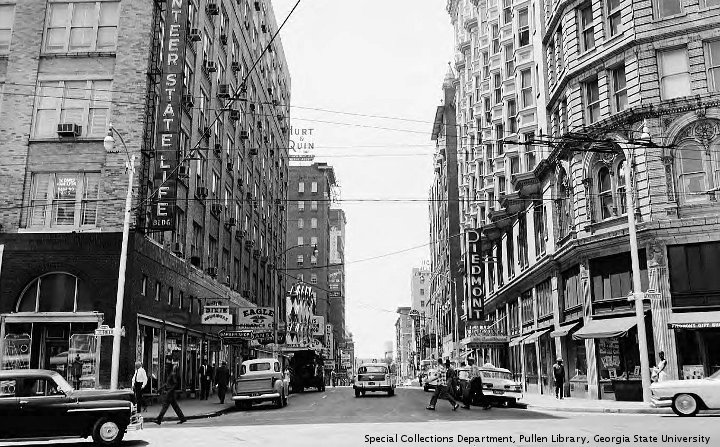


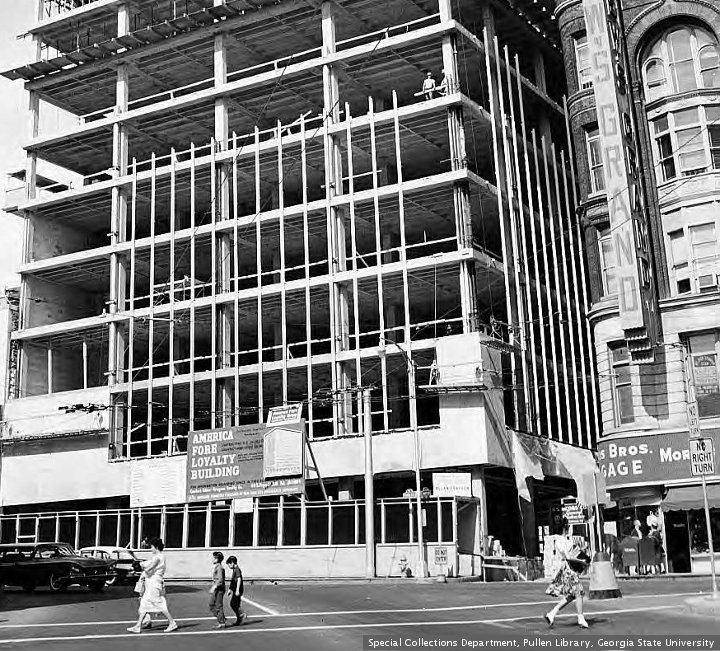
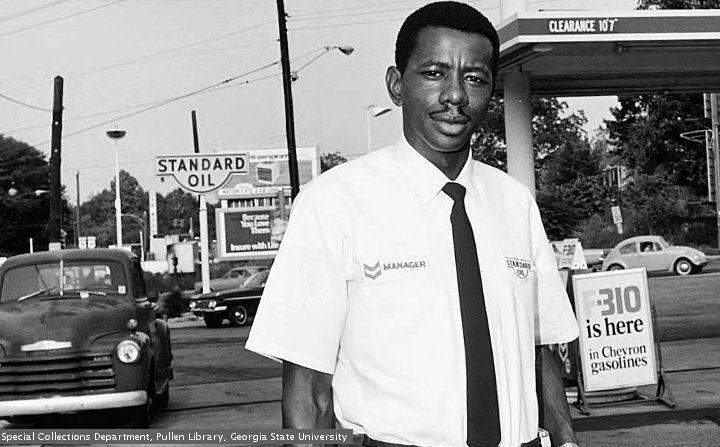
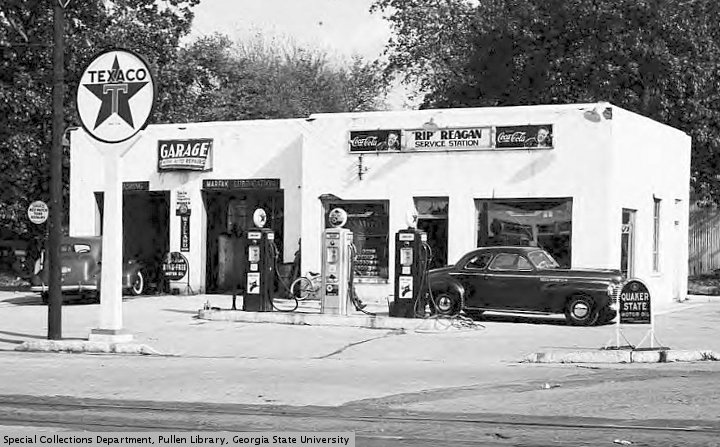
PG was listening to an internet show, while editing the last of some pictures from “The Special Collections and Archives, Georgia State University Library”. Typically, he works on a rotation. For a few weeks, it is GSU. Then, for a few weeks, it is The Library of Congress. The third part of the cycle is color pictures taken by himself. When the end of a batch is in sight, it is a time of happiness. As much fun as the pictures are, after a while PG gets tired of what he is working on, and is ready for a change. The pictures that go with this feature are the last ones of this GSU cycle.
The background entertainment was Booknotes, a C-Span show that ran a few years ago. It is hosted by Brian Lamb, the founder and CEO of C-Span. Mr. Lamb does not appear to have much of a personality. This means the show keeps the focus on the authors. Booknotes presents a transcript for the talks. Lazy bloggers enjoy this feature.
The author talking tonight is Michael Korda. When the show aired July 9, 1999, Mr. Korda was the Editor in Chief at Simon & Schuster. The house scored the Presidential memoirs of Ronald Reagan. Mr. Korda worked on the book. There were some good stories.
Mr. KORDA: … I then took on editing Ronald Reagan, which was sort of strange, because the president, of course, did not write his books. There was a ghostwriter, Bob Lindsey, whom we picked, and rather famously, at the end of the whole procedure, we had a press conference at which Ronald Reagan and I were photographed ostensibly editing his book. We were each–sat in front of the television cameras and given two sheafs of perfectly blank white paper, and a–and a ballpoint pen, and we sat there, the two of us together at this table, busily pretending to scribble editorial notes and things, and hand them back–on totally blank pieces of paper. I mean, not for nothing did the president come from the movies–and he was wonderful at it. Anybody watching this would–you know, the concentration, the firmness of his handwriting, his total immersion in what he was doing. But I mean, it was–it was the movies.
Anyway, I after this had taken place and this scene had been recorded for all the television shows, the president stood up, and he walked to the door and turned around–the cameras were still on him, of course, and still on–and turned around and waved, and he said, `I’m sure the book is great. I’m looking forward to reading it when I have the time.’ And it’s true. He had only the most tangential connection to this book. …
But he was always, when I–whenever I worked with him–the kindest and the nicest. He always brought his little bag of home-baked cookies to have with coffee in a paper bag in the morning, and he would put them on a plate and pass them around. … He said, `These are homemade chocolate chip cookies, made by Esmerelda, our maid, and I brought them in for us to have with our coffee.’ And we’d put them on a–but these weird look–because they looked like she was–I think she was Ecuadorian or In–Inc–South or Latin American–and they looked like, in fact, like chocolate chip cookies that had been made by somebody who’s never seen a chocolate chip cookie. You know, they were kind of too thick and too burned at the edges. Anyway–but he loved them, so we put them on the plate, and as we were having our coff–we’d pass them around the table. There were about six or seven of us around the table, all of us working on these proofs except for Ronald Reagan, who was kind of looking out the window, and wishing he were doing something else. And everybody has one of these chocolate chip cookies, and when the plate gets ’round to the end of the table, it’s put back in front of the president, and there’s one cookie left on the plate.
And about 15 or 20 minutes I realized that the president is paying no attention whatsoever to what we are saying, and that his mind is fixed on something else. And what it’s fixed on is this one remaining chocolate chip cookie, and it’s perfectly clear to me that he wants that second chocolate chocolate chip cookie with his coffee, but having been brought up in Dixon, Illinois, properly, he has been taught, as a maxim that cannot possibly be broken, that you do not take the last cookie on plate, particularly when you’re the host, so he can’t take it. So to break the spell, I said, `Mr. President, those chocolate chip cookies were delicious.’ And he holds up the plate and he said, `Oh, yes. Yeah, they–they’re good, weren’t they? They’re homemade,’ and he goes through the whole thing. He said, `Would anybody like the cookie?’ And he then passes the plate around the table, and it goes ’round everybody, gets to me, and I pass it on to Bob Lindsey, who’s sitting next to me and between me and the president, and you could see the relief on the president’s face, as this plate comes around with this one–and nobody’s touched this cookie. And just as it reaches Bob Lindsey, without even looking at it, Lindsey takes the cookie up and swallows it. And I looked, and Ronald Reagan’s face was such a picture of sadness that I–my heart went out to him, even though I don’t agree with him politically–I just felt for him. He could–you know, he almost had it, you know, he had that cookie in his hand. He was counting on it, and he didn’t get it.




 Chamblee54
1 comment