Tibetan Peach Pie Part Four

Thomas Eugene Robbins was working in a Seattle radio station when Charles Manson came to self promote. This is on page 241 of Tibetan Peach Pie: A True Account of an Imaginative Life. TER drops a quote from Henry Miller, who is talking about Arthur Rimbaud. “like a man who discovered electricity but knew absolutely nothing about insulation.” Or maybe the insulation was made of asbestos, and whose removal would cost exponentially more than installation.
TER passed on the chance to discover Mr. Manson, which may have been a good move. Before long, TER found himself in the same facility as the doors. TER says he found his writing voice that night. “Their sound is the sonic equivalent of Edgar Allen Poe going down on the Snake Woman, while Jean Genet and the Boston Strangler cut cards for leftovers.”
About this time, TER began work on Another Roadside Attraction, the novel that would make him famous. He spent the week in South Bend WA, and weekends working at the Seattle Post-Intelligencer. This is perhaps the most pretentious newspaper name in history, even for the Hearst corporation. TER spent those weekends in a flophouse, the Apex hotel, whose wallpaper would have sent Oscar Wilde screaming into eternity.
Soon ARA was published, ignored in hardback, but became an underground sensation in paperback. This was the first TER book that PG read. One of those paperbacks was at a yard sale, a few days after PG saw the Rolling Stone piece. After paying the fifteen cents, PG took the book home. On page three, Amanda asks someone about the meaning of life, or something equally goofy. The man asks what she will do in return. Amanda batted her eyelashes, and said the she would suck off the man.
At that point, PG knew that he wanted to finish ARA. Many people say it is the best TER book, and PG is inclined to agree. Even Cowgirls Get the Blues was made into a movie, and the ones after cowgirls all had their charms. The latter books, while tons of fun, have the air of contractual obligation. The lifestyle described in the latter part of TPP must be expensive to maintain. Still, ARA is what made the rest of them possible. Included in this is the move to La Conner WA, made April 1, 1970. TER says to make all moves on April 1. Especially when moving out of a town whose mayor supplemented his income by selling men’s suits out of an Oldsmobile. The suits were stolen off cadavers by enterprising funeral directors, who left the underwear behind.
Before long it is 1971. TER is settled into La Conner WA, except when he puts a duck mask to see a proctologist. The word legendary comes into play. This affable adjective it is misused, misunderstood, and mistaken. It is similar to the contemporary compulsion to decry racism and terrorism. What this has to do with the Chelsea Hotel is a good question. This is where TER stayed, while editors shehawed over Cowgirls. Maybe the editors were legendary racist terrorists.
So Cowgirls comes out, and is a hit. Still Life with Woodpecker, though not as much fun as the first two, is an even bigger hit. TER goes through money, women, and drugs, not always in that order. (TER says he never wrote while intoxicated. However lubricated reality was in his off hours, while on the clock he was straight and narrow.) This can be tracked in his stories. In ARA, the characters realize that alcohol is an imperfect drug. In Woodpecker, cocaine is in fashion. In the post Woodpecker days, alcohol is used more and more.
On page 330, PG is in the Kroger parking lot, waiting on a rider to finish shopping. This passage was written by hand. (TER likes to write with a pen, while PG is hopeless away from a keyboard.) A scribble pad, with a Thoreau quote on the cover, was used. … While reading TPP in Kroger PL, I saw the way the sun fell on some brick columns. I got the camera to take pics. Meanwhile TER is meeting Love of Life#4. The batteries on the camera ran out before I was finished…
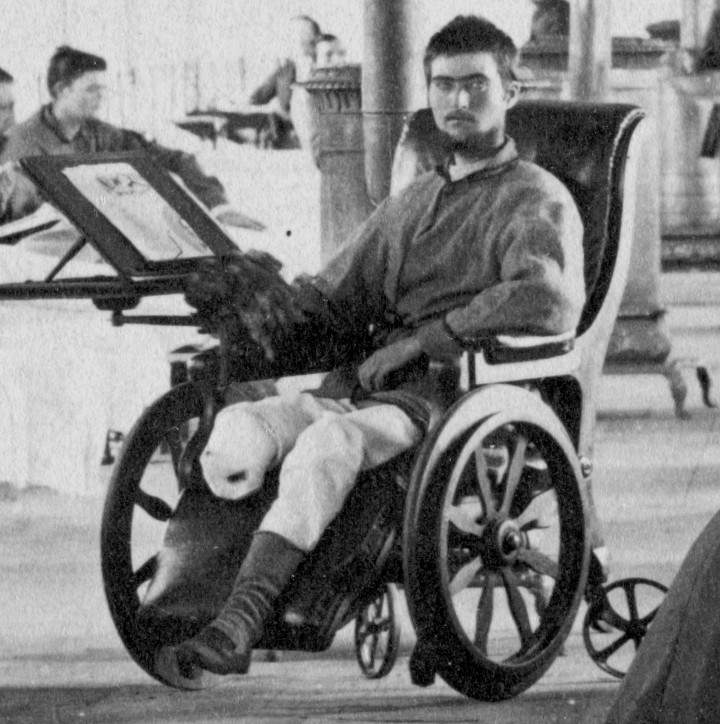
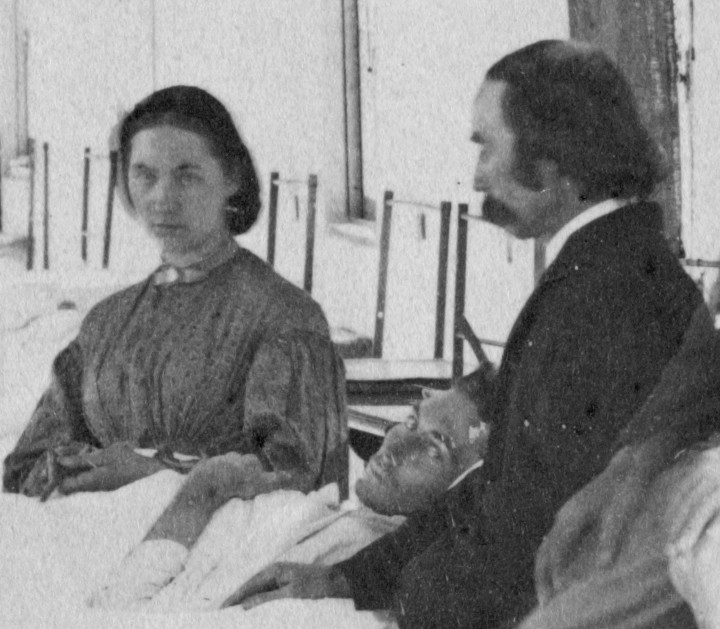
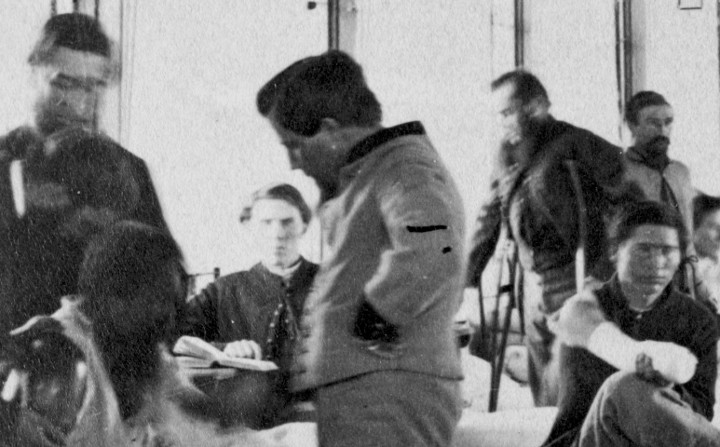
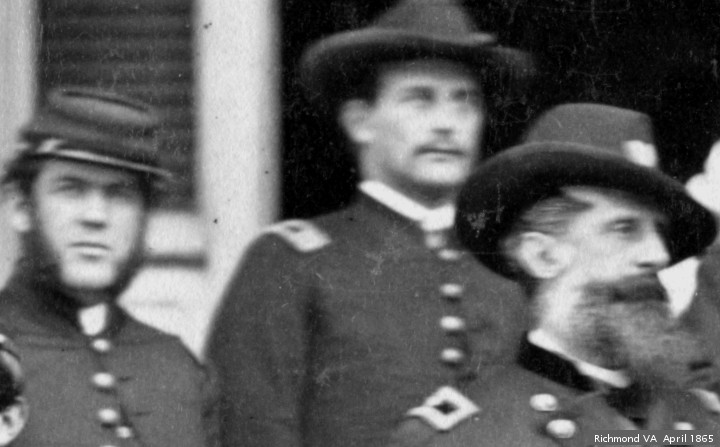
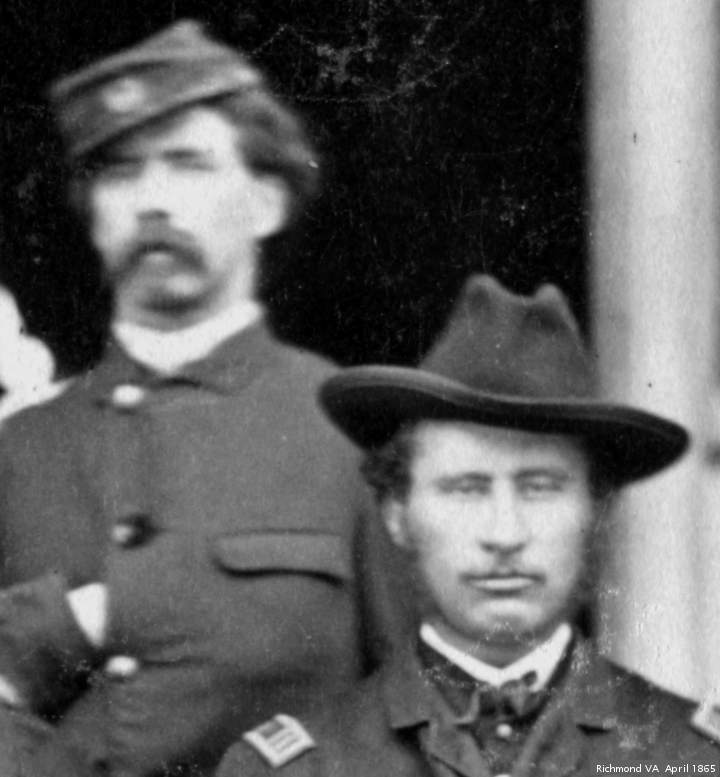
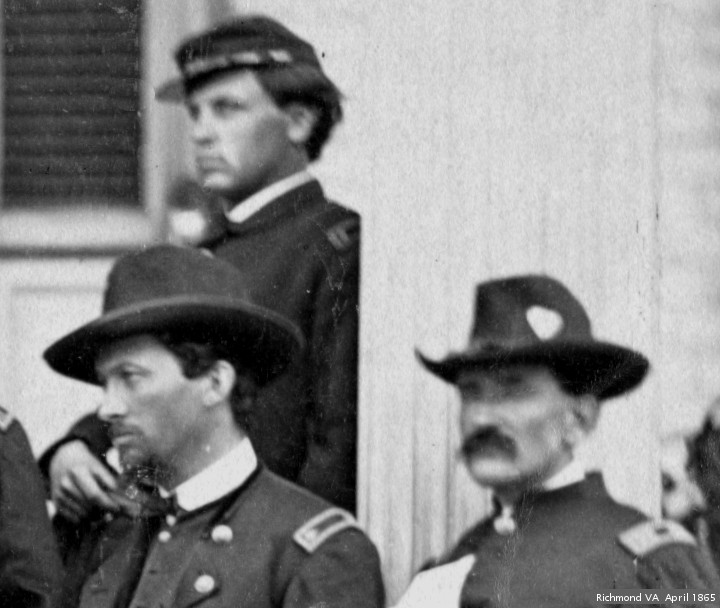
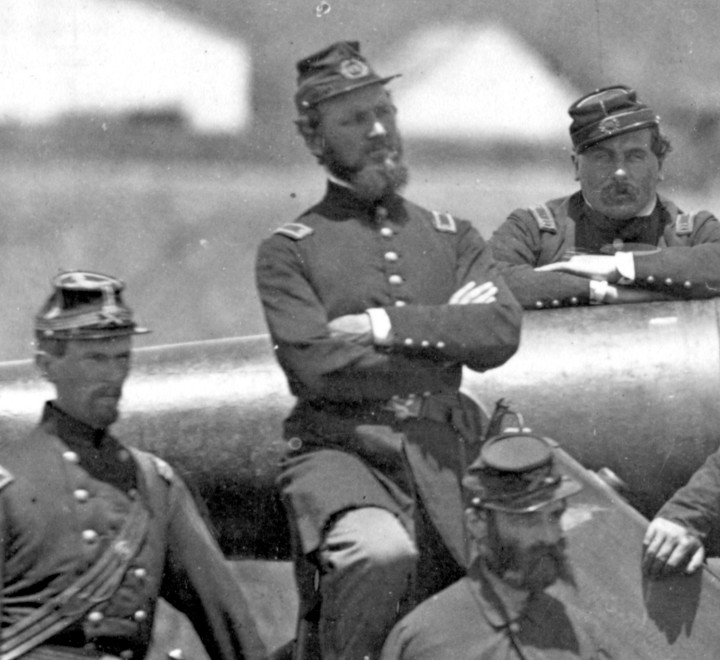
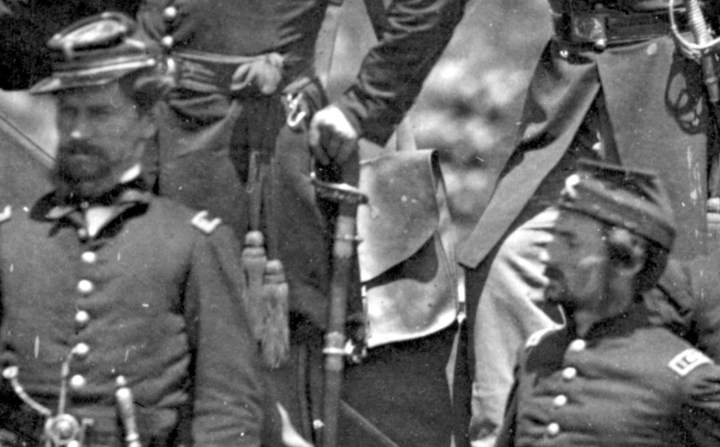
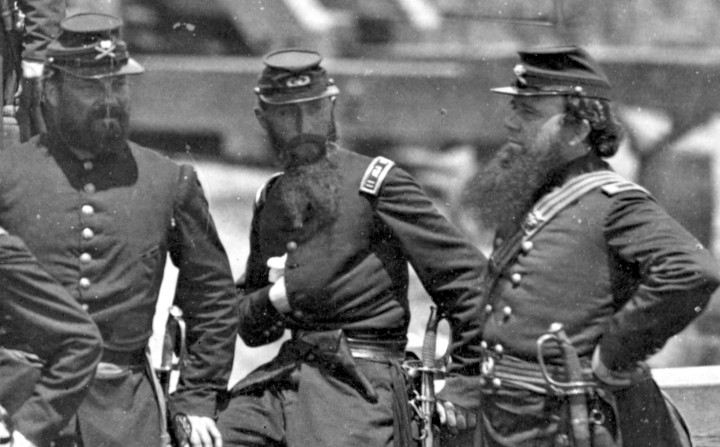
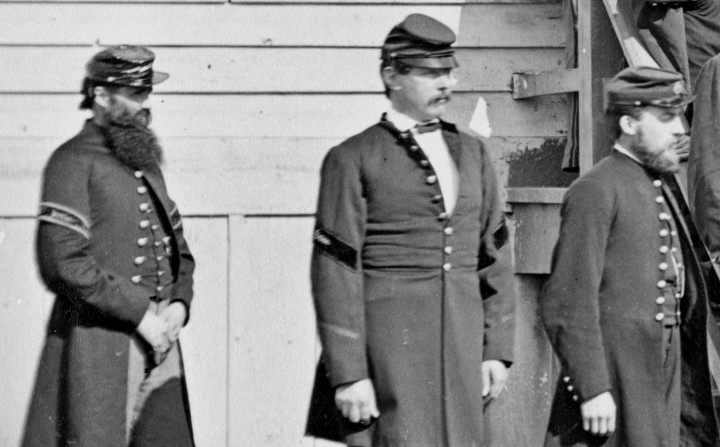
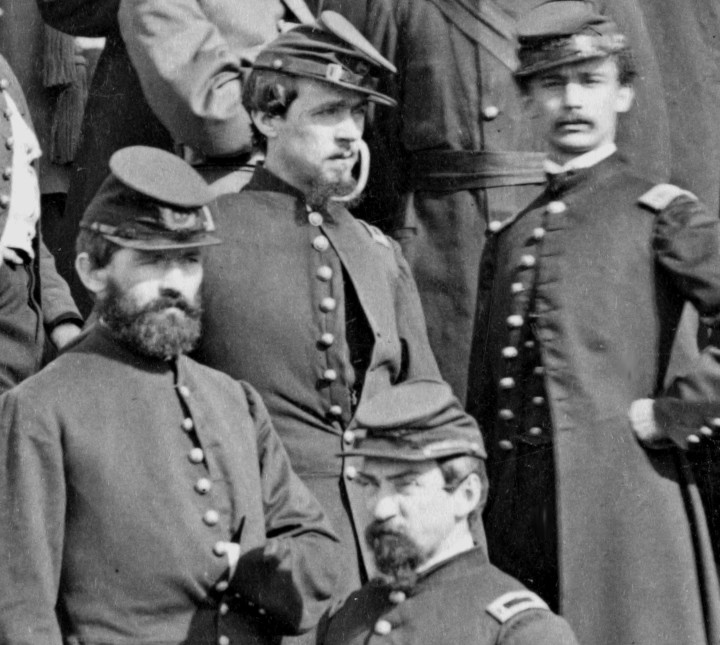
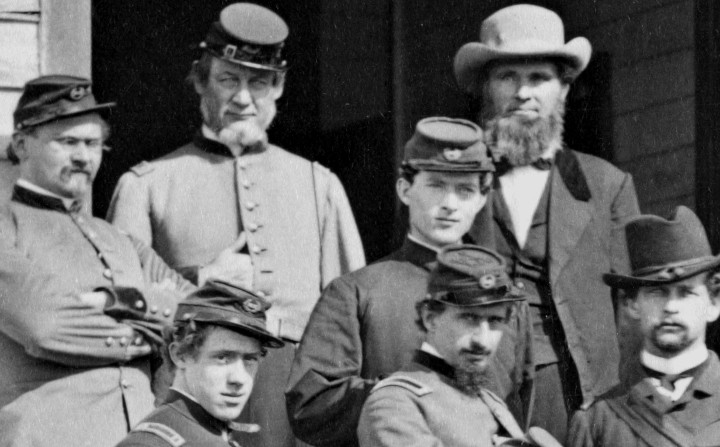
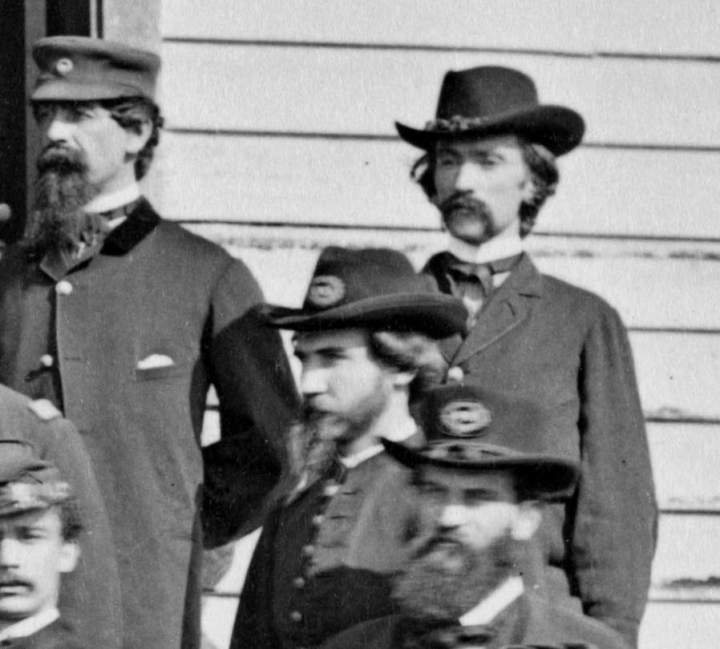
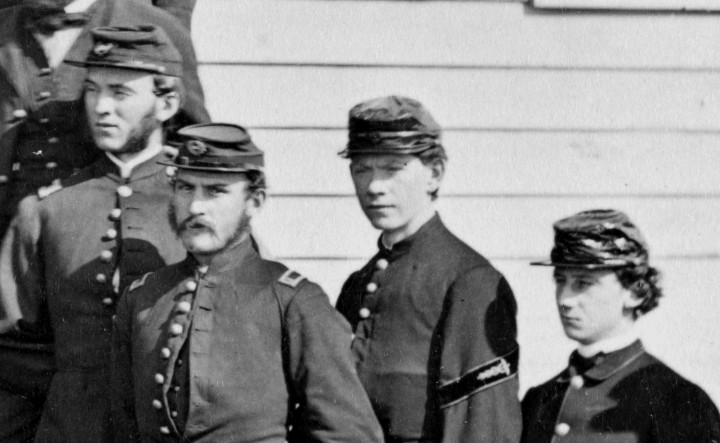
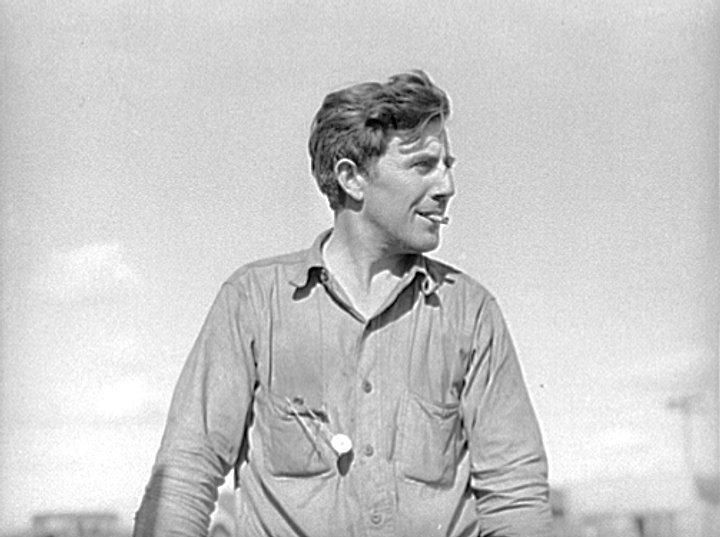
The lady friend is still connected to TER. They met in 1987, on page 333 of TPP. Half the antichrist, which somehow that seems like a happy accident. The book has 362 pages, and the clever turns of phrase are fewer and fewer. This will probably be the last installment of the chamblee54 appropriation of TPP. Parts one, two, and three have already seen the light of day. Pictures today are from The Library of Congress. They were taken during the War Between the States.

Tibetan Peach Pie Part Three



When PG last saw Thomas Eugene Robbins, he was living in Richmond VA. This was around the time Mary Lou, aka the human wrecking ball, went into a crowded bar and yelled “Anyone here want to fuck?” This was the Eisenhower era version. Thirty years before this, Babe Ruth stood up on a chair. “Any girl that doesn’t want to fuck can leave now.”
Fifteen pages later, TER marries another young lady. The proposal came after knowing each other five minutes. Four and a half minutes of that time was TER denouncing her for having the bad manners to walk out of a TER poetry reading. At the time, TER was dating an art student with protective parents. When the young lady was in the hospital, TER decides to impersonate a doctor, so he could give the lady a private exam. To perform this maneuver, TER stole a white jacket that was too big for him. The jacket was so ill fitting as to resemble “a horse blanket draped over a poodle.”
TER worked for a newspaper. One job was editing Earl Wilson’s column, and choosing photographs. This was an entertainment column, about who was doing what where and how. Why was left to the reader’s imagination. Mr. Wilson wrote a three b report, for booze, bosoms, and behinds.
Sometimes, Mr. Wilson wrote about entertainers of color. In many southern establishments, this part was edited out. TER went against the tide, and chose black and white pictures of a sepia trinity: Louis Armstrong, Pearl Bailey, and Sammy Davis. The collective drawers of Richmond twisted into an painful puppy pile. TER hastily moved to Seattle.
Arriving in the Northwest, TER stumbled into a job as a concert reviewer for the Seattle Times. This was despite not knowing what he was talking about. The prose was “colorful,” though not in the Earl Wilson way. TER got into mushroom hunting, and heard tales about magic mushrooms. A bit of checking around ensued, and some learned man told TER to take LSD instead. This substance was still legal, and had yet to develop notoriety. Diane Linkletter kept the window shut.
Here is a bit of confusion. In High Times and Rolling Stone, the date of the first TER trip was July 16, 1963. Tibetan Peach Pie, the book that inspires this orgy of quote abuse, says it was July 1964. Who to believe? Does it make a difference? Actually, it does. In those 366 leap year inclusive days, Martin Luther King had a dream, John Kennedy met his maker, The Beatles were on the Ed Sullivan show, and Cassius Clay whipped Sonny Liston. The world was a differnt, less innocent. but more musical place. Ed Sullivan wore a Beatle wig, taking really big shoe tonight into unknown territory.
The psychedelic experience is aggressively non verbal. (p.197) “…even a professional novelist can scarcely write about it it without swathing his observations in the purple cloak of woo woo.” At one point, TER went inside a flower. “The crown of the daisy is a perfect logarithmic helix. My eyes followed that spiral, around and around, until — pop! — I actually went into the flower. What was it like in there? It was a subterranean cathedral made out of mathematics and honey, and occupied — this is the amazing part — by an almost palpable intelligence… Now, a man-made bean can is hardly a living plant, but what I’ve come to appreciate about inanimate objects, aside from their utilitarian beauty, is the whisper of the Infinite in each and every one of them. I’d better shut up now before the woo-woo alarms go off.”
A can of beans was one of the players in Skinny Legs And All. PG read SLAA while working in an architect’s office. A can of baked beans was placed on a shelf for motivation. After he finished reading SLAA, PG ate the contents of the can of beans. A young lady heard about the use of baked beans as a grounding device, and did not understand. After finishing SLAA, PG told the young lady that he had eaten the can of beans. She was not amused.
After that fateful LSD afternoon, TER had little interest in reading or writing. This can be inconvenient for a music critic expecting to get paid. This printed word hiatus was broken when TER read Steppenwolf. This was probably before the band shipped out “born to be wild.” Steppenwolf is a book to read at twnty one, and think you are changed forever, then read again at fifty one, and realize you need to change your underwear.
This business of expanding consciousness is not conducive to the real world. Eventually, TER left Seattle, and took his wife back to Richmond. TER went to live in New York. At a LEMAR protest … something to do with legalize marijuana … TER met Allen Ginsberg. “I glanced around with increasing nervousness as the cameras of a half-dozen law-enforcement agencies flashed amidst the snowflakes like orbs of mad polar bears. … Ginsberg, that magnificent pothead of the godhead, laid a gentle hand on my shoulder and said, “Don’t worry about it.” … “In the long run, these fuzzy shots in some cop’s folder will do you more honor than the cover of Newsweek.” The poet then kissed TER, who was back in Seattle before you could say Tetra Hydra Cannabinol.
Maybe it was a sermon about mammon. The other day on facebook, someone was ranting about something, and calling his output a sermon. PG wrote a comment… “is there a gender neutral replacement for sermon and mammon.” (PG forgot to hit post, which is why there was no snarky reply.) When Mr. Ginsberg was Howling his way to fame, mammon was regarded as “wealth regarded as an evil influence or false object of worship and devotion.” Money is not only the root of all evil, but the stalk, leaves, and, last but not least, the fruit.
Alas, there is no connection between mammon and ma’am. There is no commingled origin for sir and sermon, or, for that matter, amen and men. They are already non binary, and fit for use by both cis and trans. Some people just have to make everything about sex.
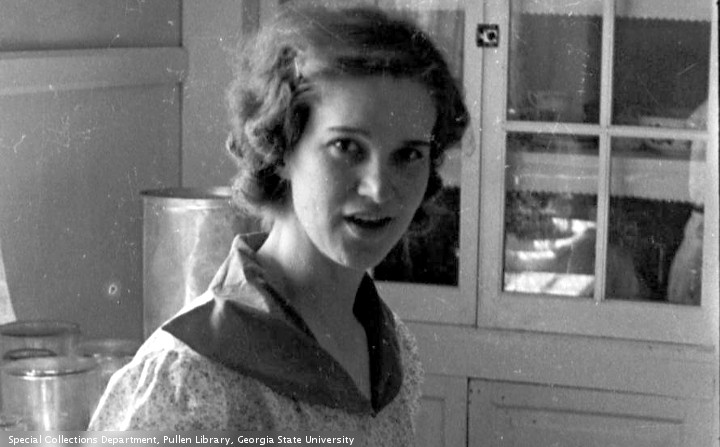
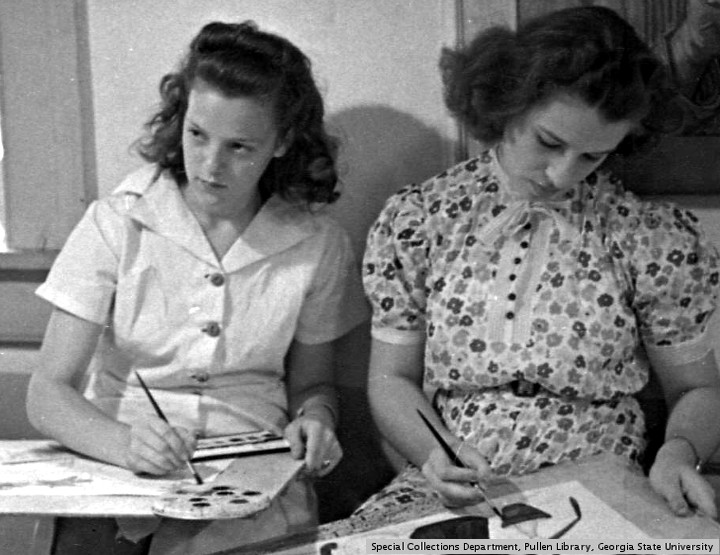
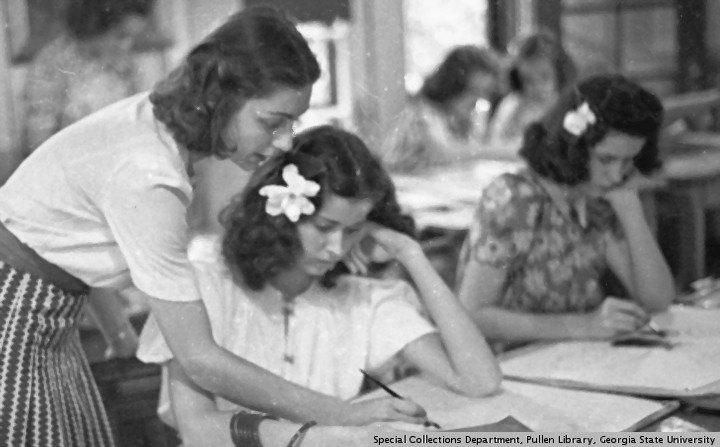
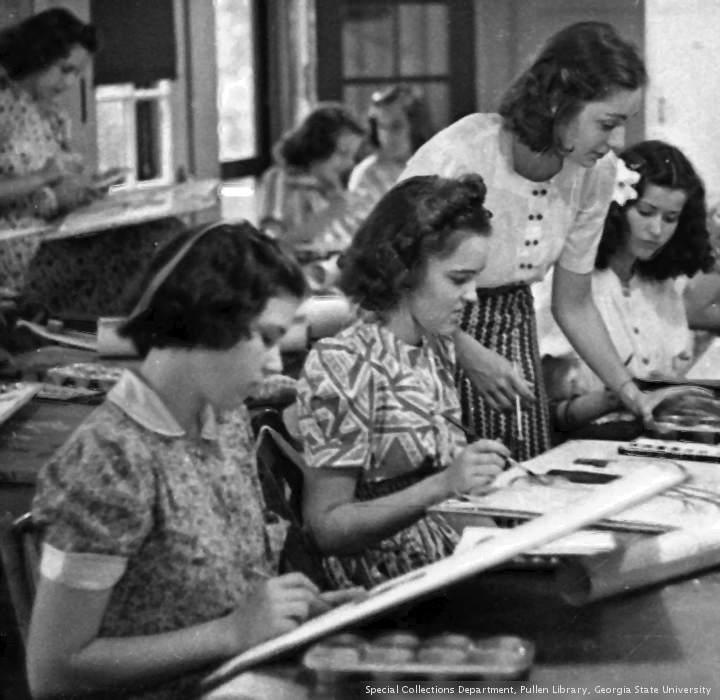
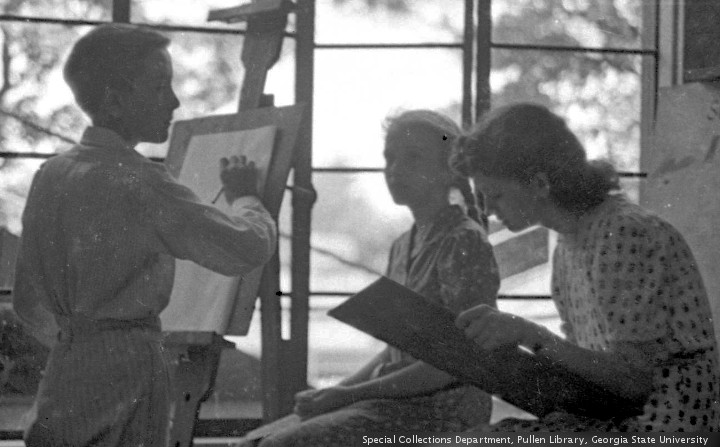
Maybe this is a good time to adjourn this meeting. This is part three, of the chamblee54 certification of Tibetan Peach Pie. Parts one and two have already been distributed. Pictures today are from “The Special Collections and Archives, Georgia State University Library”.

Tibetan Peach Pie Part Two





In 1977, Rolling Stone did a piece about a “counterculture writer” named Tom Robbins. This should not be confused for Harold Robbins, a mainstream wordchunker who died in 1997. “Tommy Rotten,” is known for colorful phrasing. It is as if Vladimir Nabokov caught butterflies with psychedelic juice in their wings, and made a lepidopterist stew that allowed him behind the looking glass. As it is, we have, through the magic of internet cut and paste, a stylistic seraphim from the time of the Carter administration. “You can tell people that my goal is to write novels that are like a basket of cherry tomatoes—when you bite into a paragraph, you don’t know which way the juice is going to squirt.”
Part one of the chamblee54 regurgitation of Tibetan Peach Pie: A True Account of an Imaginative Life hit the ether nine days ago. Since then, PG has taken to writing down the page number of phrases that catch his eye, tickle his ears, pull his leg, and punch him in the gut. Since a Tom Robbins book is an anarchic army of swinging sentences, only nominally regulated by the discipline of plot, this may be the best way to approach this subject.
On page 25, TER (the E stands for Eugene) was on an asian honeymoon. A Sing snake crossed their path. A guide invited the snake to dinner. The reptile was prepared with enough red chili paste to give heartburn to the human blowtorch. TER felt as though he had gargled napalm. Later, on page 145, TER would describe “many a hot, sticky summer night, when a restless Richmond felt like the interior of a napalmed watermelon.”
Page 63 sees TER at thirteen years old. He has not joined the church, given his soul to Jesus, and been assured of salvation. These are important items on the Southern Baptist bucket list. PG went through sunday after painful sunday, every time the congregation sang “Just as I am” as an invitation to eternal life with Jesus. PG never did take that walk down the aisle, and has come to see the Baptist ritual of pressuring pre pubescent youth as being just a little bit weird. Yes, this is better than what the Roman Pedophile Church likes to do with little boys, but that’s a technicality.
The man assigned to win the soul of TER was Dr. Peters. “tall, gaunt, and pale, with a weak damp smile and cold damp palms: shaking hands with him was like being forced to grasp the flaccid penis of a hypothermic zombie….more creepy than refrigerated possum slobber.”
By page 125, TER is out of school, married, and has a son. This is the early fifties, and PG will not appear on planet earth for a little while. In those days, there was a war going on in Korea. TER decided that the Air Force would be more pleasant than the army. If he had waited much longer Uncle Sam would have made the choice for him.
TER at some point is on a ship, and editing a newspaper. “…the paper’s adviser, a Roman Catholic chaplain who possessed the purplish physiognomy and perpetually petulant pucker of the overly zealous censor.” Soon TER is in Nebraska, and buys his first automobile, a “1947 Kaiser … looked like the illegitimate child of a sperm whale and a pizza oven.” TER did not specify the gender.
Six pages later, TER is out of the service, about the divorce wife number one, and living in a hood called the Fan. This was the hippie district of Richmond VA, although the 1954 version was considerably tamer than the summer of love variety. (This is roughly the time when PG burst onto the landscape of Atlanta GA) TER was reading books about zen. Learning zen, by reading a book, was similar to learning how to swim by reading a magazine. Or telling time by reading a newspaper. As Ben Hecht put it, “Trying to determine what is going on in the world by reading newspapers is like trying to tell the time by watching the second hand of a clock.”
The convergence of zen, swimming, and reading material made TER think of a poem by William Blake. Mr. Blake was a hallucinatory inspiration on Allen Ginsberg, who would later be the only man to ever kiss TER on the lips. (PG has doubts about that one, but will have to take the word of TER) Anyway, the poem has the Southern Baptist approved title of “Eternity.” “He who binds to himself a joy, Does the winged life destroy; But he who kisses the joy as it flies, Lives in eternity’s sun rise.”
Maybe this is a good time to edit this, insert pictures from “The Special Collections and Archives, Georgia State University Library”, and go forth into the world. Or go second, or third, but not in a Southern Baptist lifetime should PG go fifth. As TER said in High Times, “I’d better shut up now before the woo-woo alarms go off.”





Tibetan Peach Pie Part One




There is a quote on page sixty nine of Tibetan Peach Pie: A True Account of an Imaginative Life, by Tom Robbins. Yes, that magic number, representing mutual oral gratification when it is not the product of twenty three skiddoo times three. The line is from a poem, “Fruits and Vegetables,” by Erica Jong. Before we get much further, maybe we should hear the line. If a woman wants to be a poet, she must dwell in the house of the tomato.
This is synchronicity in living color. Tom Robbins and Erica Jong have been two of PG’s favorite authors for thirty seven plus years. They gave readings in a converted auto dealership on Pharr Road in the early nineties. PG was at both, even if all he saw of Mr. Robbins was the author sitting down autographing books. The thought that these two confirmed heterosexuals might have performed reproductive acts sends literary gossipmongers into zipless fits. And to have this quote dropping on page 69, about a red juicy fruit/vegetable/berry… it just takes the pizza pie prize.
The humble tomato is a much written about food product . A disagreement over pronunciation provides lyrics for a hit song. It is dandy for throwing. Some say it is easy to grow. (PG has tall trees surrounding his backyard, and no luck at all with ‘maters.)
The structure of the word… to, as in direction, ma, as in mother, another two letter to… tomato has a symmetry unknown to chocolate or pineapple. The oh sound at the end makes tomato easy to rhyme. Tomato spelled backwards is otamot, which is total nonsense. Whatever it’s other virtues, tomato is neither a palindrome nor a weapon of mass destruction.
When PG saw the tomato quote, he asked Mr. Google for more information. One of the results was a page by Jason Webley. This is a musician, who used to write about oddities on his web page. Mr. Webley is currently on tour in Europe, which might not be the comfortable thing to do at this very moment. His commentary was instructional.
“The tomato does have a funny history. It, like many of the vegetables we eat is a New World plant. Somehow the Itallians made do without tomato paste until realtively recently (likewise with the Irish and their potatos.) When the plant was first discovered by Europeans in South America is was believed to be deadly (a member of the Nightshade family) but pretty. Rumor has it, the tomato was believed to be the apple of forbidden knowledge from the Garden of Eden. It was brought back to Europe purely as a decorative plant and actually made it all the way around the Mediteranean and back across the Atlantic to North America before people got up the courage to eat the thing.”
Mr. Webley is full of arcane knowledge, From him we learn: Lahnaphobia: Fear of vegetables. (spell check suggestion:Islamophobia) ~ The difference between a fruit and a vegetable: In accordance with a US Supreme Court ruling in 1893, the difference between a fruit and a vegetable is as follows: ‘Any plant or part thereof eaten during the main dish is a vegetable. If it is eaten at any other part of the meal, it is a fruit.’ ~ Have you ever noticed that the Bible is full of references to corn? Doesn’t this seem a bit unusual, considering that corn is a new world grain developed in the region now known as Guatemala and was completely unknown to Europe and the Middle East until at least 500 years ago? Pictures today are from The Library of Congress.




The Burning Of Atlanta Part Two



About this time every year, there is a post about the burning of Atlanta. One of the sources is a lecture by Marc Wortman. If you have an hour to spare, this talk is worth your time. One of the stories told is the tale of Mr. Luckie.
“According to folklore, two stories abound as to how Luckie Street was named. The first is that its moniker came from one of Atlanta’s oldest families, and the other, probably closer to the truth, regales the life of Solomon “Sam” Luckie. Luckie, as it turns out, wasn’t so lucky after all. When General William Tecumseh Sherman first came marching through Atlanta in 1864, Luckie, a free Black man who made his living as a barber, was leaning against a gas lamp post in downtown talking to a group of businessmen. A burst from a cannon shell wounded him; he survived, but later died from his injuries. Folklore suggests that he may have been one of the first casualties of the assault on Atlanta during Sherman’s March to the Sea, and Luckie Street, an extension of the city’s famed Sweet Auburn Avenue, was later named in his memory.”
Marc Wortman wrote a book, The Bonfire: The Siege and Burning of Atlanta. The one star review, and comments to that review, are unusually detailed. Here is a selection.
“…People forget – or were never taught in school – that most Confederate soldiers descended from Revolutionary War patriots or were up-country poor sons of farmers. Many Confederate soldiers were relatively recent new arrivals to the U.S., semi-literate dirt poor immigrants from Ireland and Scotland who’d never had the chance to own even an acre of their own land in Europe. In the mix were well-educated, elite merchant business owning French Huguenot refugees of the Catholic Bourbon genocide of Protestants. These immigrants had nowhere else to go, 9 times out of 10 never owned a slave, and fought for the CSA to keep what little they’d hardscrabble carved out over a decade of arrival into the U.S.”
The War Between The States continues to be a source of controversy. After the Charleston church killings, many comments were made about the Confederate battle flag. (If you can’t talk about gun control or mental health, you talk about a symbol.) This led to discussions about the war itself. There were ritual denunciations of slavery, which was assumed to be the sole cause of the conflict. The fact that the vast majority of white southerners did not own slaves was dismissed.
The notion of autonomous states in a federal union was novel when the United States Constitution was written. The debate over federalism versus states rights continues to this day. States that want to legalize marijuana may be the next battleground. (Few are expecting secession over bong rights.) Many in the CSA saw the Union as being a conquering army, and fought to defend their homes. While slavery was certainly a factor in the creation of the CSA, it was not the only Casus belli. Pictures today are from The Library of Congress.



The Burning Of Atlanta


Around this time 151 years ago, Atlanta was on fire. General Sherman was preparing for his March to the sea, and wanted to destroy anything of value in the city. The fire is reported as being on 11-15 of November, depending on what source you use.
The November fire was the second great fire in Atlanta that year. On September 2, the city was conquered by the Union Army. The fleeing Confederates blew up a munitions depot, and set a large part of the city on fire. This is the fire Scarlet O’Hara flees in “Gone With The Wind”.
After a series of bloody battles, the city was shelled by Yankee forces for forty days. There were many civilian casualties. General Sherman was tired of the war, angry at Atlanta, and ready for action. This is despite the fact that many in Atlanta were opposed to secession.
Click here to hear a lecture by Marc Wortman at the Atlanta History Center. Mr Wortman is the author of “The Bonfire: The Siege and Burning of Atlanta”. The hour of talk is fascinating. This is a repost. The pictures are from The Library of Congress


Save the Date




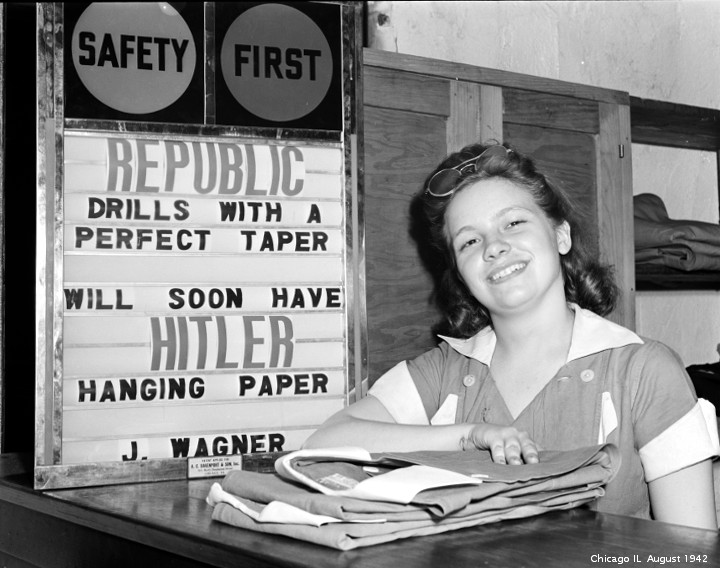


It is a magic moment when you find fresh product from an author you enjoy. One day at the Chamblee library, PG found Save the Date, by Mary Kay Andrews. Those who snicker that this is a woman’s book can skip over the rest of this book report. The pictures are from The Library of Congress.
Cara is a yankee transplant with an unpronounceable name. We never learn if this handle is shared with her ornery father, or a souvenir of marriage to “Leo.” Cara runs a flower shop in Savannah’s historic district. STD … the initials for this book … has lots of “local color,” but few people of color. There is a gay character, who plays (not always wisely) a crucial role in the story.
The flower business has issues. Cara is branching into wedding planning, and has a big budget do that will allow her to pay off debts, and deal with more headaches. One the day of one wedding, Cara’s dog Poppy gets out. By a bizarre coincidence, a man has a similar dog missing, and takes Poppy home. Cara sees this, and an ugly scene ensues. Astute novel readers know that the dognapper is going to be Cara’s boyfriend. They kiss on page 148, and spend the night a hundred pages later.
That night’s wedding is for the brother of the dognapper. The next day, Shaz, the missing dognapper pooch, shows up, and Poppy goes back to Cara. The ac in Cara’s shop, Bloom, is not working, which is a serious problem in Savannah. This leads to a series of events which draw the dognapper, Jack, into Cara’s arms, and then drives them apart. Some of the plot twists, while highly entertaining, are tough to believe. You knew reading this was a dangerous game when you agreed to play.
This suspension of disbelief goes too far at Loblolly. That is a family home on Cumberland Island. Bride With Issues gets mad, and goes AWOL. Cara, seeing a big payday vanishing, sends BWI a text, and finds out where she is. Cara packs a bag, drives to St. Marys, and gets on the morning ferry to Cumberland Island. Cara rents a bike, and finds out where Loblolly was, before they tore it down.
Loblolly used to be on the west side of Dungeness, a bit south of Sea Camp. All that is left is a treehouse. BWI is sitting in this tree house, having sent a text to her boss quitting her job. BWI does not know what she wants to do. Cara convinces BWI to call her family, and let them know what she has done. After all this, Cara gets back to the Sea Camp dock in time to catch the afternoon ferry. PG is a Cumberland Island veteran, and finds that story beyond preposterous.
STD goes on for 433 pages, which is not a problem. While the story is not believable, it is highly entertaining. Cara has more bad days than Bernie Sander’s hairstylist. While STD has a happy ending, we don’t know how she got out of a few of those messes. Maybe there is going to be a part two.



Hocus Pocus Part Two


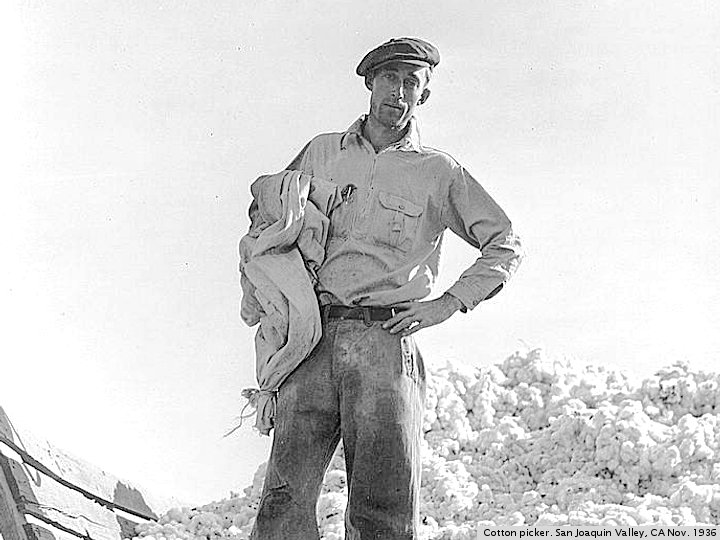
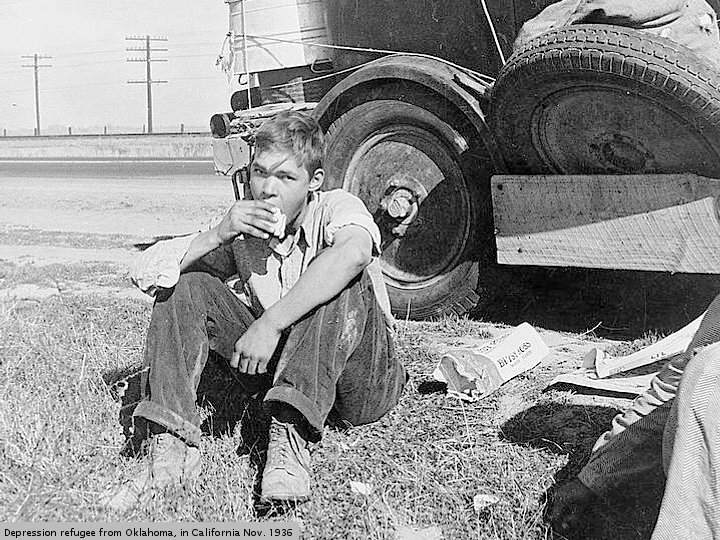
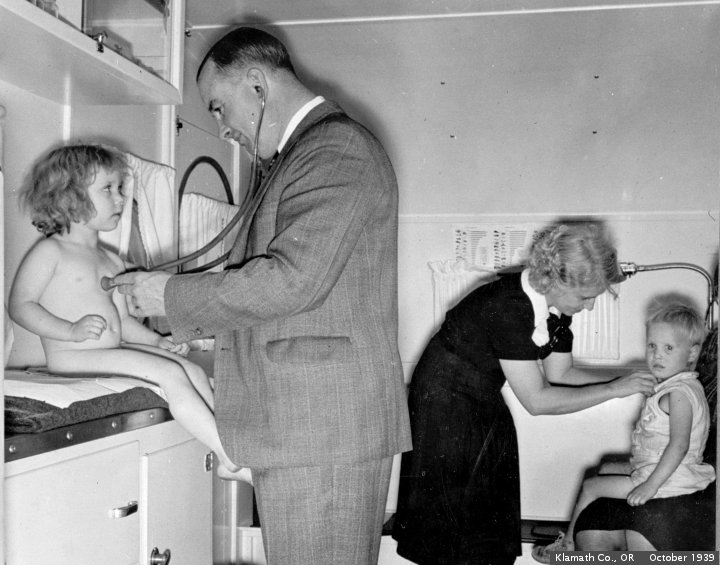
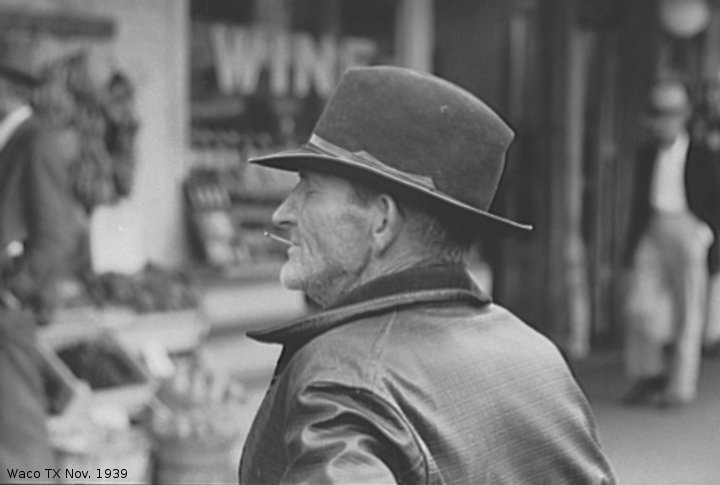
A few minutes ago, this second, and final, section of the book report on Hocus Pocus, by Kurt Vonnegut, was moving along. The formula for the magic number was being calculated. Then a power surge hit, and the unsaved product went to the digital graveyard, never to be seen again. If this had been Slaughterhouse Five, someone would say “so it goes.” However, this is Hocus Pocus, and SIG had been worn out by then.
The number in question relates to the protagonist, Eugene Debs Hartke. The number represents the number of women Mr. Hartke fucked, and the number of Asians killed by Mr. Hartke. A philosophical connection between the two acts is implied. One gets the impression that Mr. Hartke is a fantasy character for KV, whose life and death stats are not as impressive. The number is 82.
HP is, sad to say, not very good. It has the feel of contractual obligation. The satire is forced, and in some cases badly dated. When HP was written, smart people said a new ice age was coming. Today, the smart people are saying the opposite, except for the really smart people, who are on the oil industry payroll and poo poo global warming.
KV is one of those writers who like to throw “facts” in the fiction. The inside front cover of HP has a list of pages, where PG will stick his curmudgeonly nose. The first one is on page 92. (Page numbers in the section are from the peedeeff.) “Do I resent rich people? No. The best or worst I can do is notice them. I agree with the great Socialist writer George Orwell, who felt that rich people were poor people with money.” When a google search shows HP, and a meme, as the source of a quote, then you suspect hogwash. Does hogwash produce clean bacon?
Wikiquotes does not have this quote. The search words used were money, poor, and rich. FWIW, “In a time of universal deceit, telling the truth is a revolutionary act” is “disputed.”
There is a lovely quote about Mr. Orwell. “He could not blow his nose without moralising on conditions in the handkerchief industry.” Cyril Connolly, The Evening Colonnade (1973), in John Rodden, Every Intellectual’s Big Brother: George Orwell’s Literary Siblings (2006)
This quote is not in HP, but it is a fun story. @SlavojTweezek “”Communism doesn’t work,” Frank Zappa said, “because people like to own stuff.” Idiot. What do people’s likes have to do with communism?” This quote is plausible. Frank Zappa was a capitalist. He liked owning stuff, especially his own music. It should be easy to find a source. However, the best google can come up with is a compilation, “Quotes of Zappa,” in W. C. Privy’s Original Bathroom Companion. “
KV has become somewhat of a liberal icon, a Pall Mall smoking gargoyle of grooviness. Sometimes things that are written in 1989 are not as appealing in 2015. One example is using “oriental” to describe people of Asian origin. Another is this tidbit(p. 95): “She discovered in midlife that she was a lesbian, and ran off with the high school’s girls’ gym teacher to Bermuda, where they gave and probably still give sailing lessons. I made a pass at her one time at an Annual Townand-Gown Mixer up on the hill. I knew she was a lesbian before she did.”
Central to the action in HP is a prison outbreak. In the aftermath of this, the liberated prisoners crucified people they found in town. KV describes nails being driven into hands, which is not how the Romans did it. (p. 83) In Roman/Jewish crucifixions, the nail… really more like a spike, pulled out and used over and over … was driven into the wrist, into a space between two bones. These bones keep the arm securely attached to the cross. KV says (p. 103) “Crucifixion as a mode of execution for the very worst criminals was outlawed by the first Christian Roman Emperor, who was Constantine the Great.” Mr. Google seems to confirm this.
The rest of the cover notes are not as interesting now. It is ironic that a book, published in 1990, would have the main drag, in a key location, called Clinton Street. The only other thing to mention is the book mark that PG used on this book. It is from DeKalb county, and is designed to promote efficient water use. When you look at the corrugated plastic from one angle, the blue hippo says “you will save tens of gallons of water.” When viewed from another angle, the plastic says “take short showers, or half full baths,” while the blue hippo works out with a shower brush.
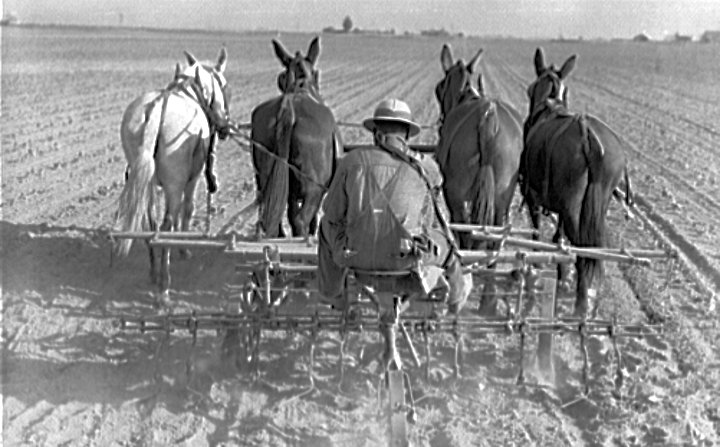
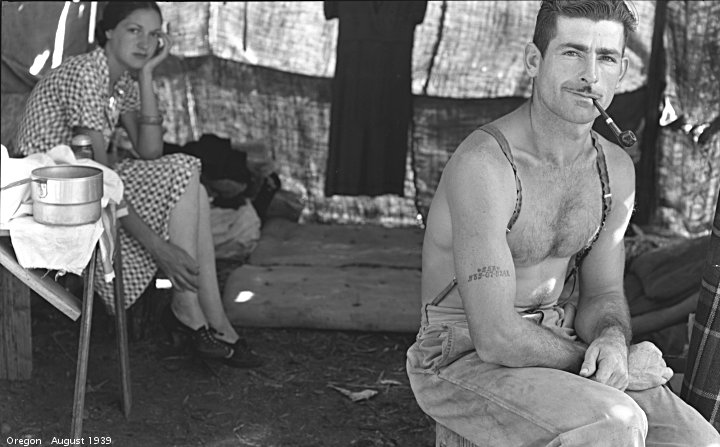
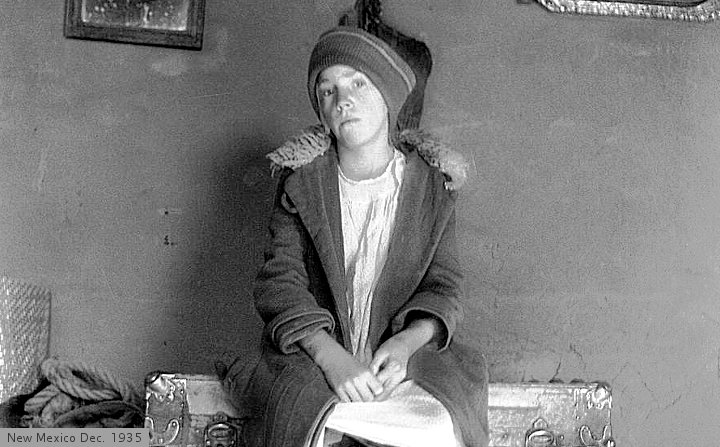
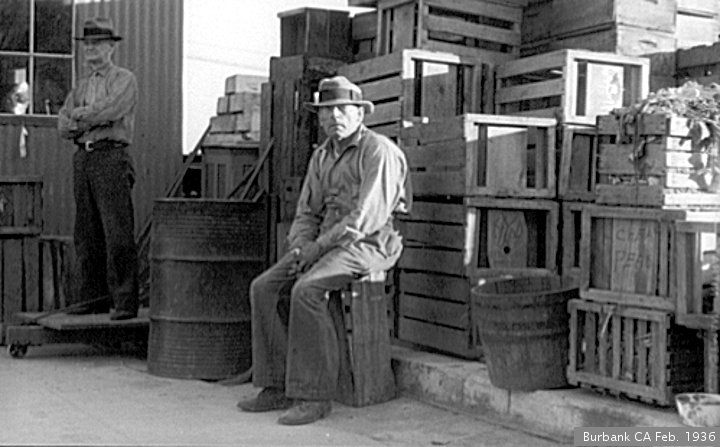
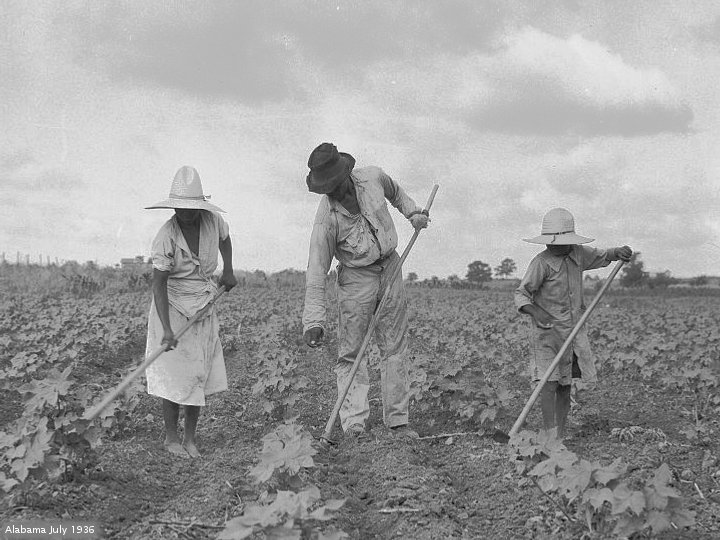
Pictures today are from The Library of Congress.


Duane Allman And The Coricidin Bottle


Gregg Allman appeared on Live Talks LA, selling a book, My Cross to Bear. Yes, he was coherent. Mr.Allman says something about going through rehab seventeen times. No one argues disputes that he has had an interesting life.
The chat has a few parts left out. Dicky Betts and Cher are not mentioned. The title of “strangest dude I ever met” goes to Jai Johanny “Jaimoe” Johanson, aka the black guy in the group. Gregg says he used to listen to stuff by Roland Kirk.
The story of Duane Allman learning to play slide guitar is good. Duane was sick. Gregg came to see his brother, who was playing the guitar in a new way. It seems the doctor had given him some pills called Coricidin. You take the pills out of the glass bottle, soak the label off, and you have a guitar slider.
When PG was a kid, his uncle was a representative for the company that sold Coriciden. There were boxes of samples in the house, which all came in the glass bottle. PG had not heard that name for forty eight years. The spell check suggestion is Coincidence.
Not everyone at amazon was impressed by the book. “the book was so damged the binding and jacket were ripped that a did not read the book and will not buy an more nick malick.”
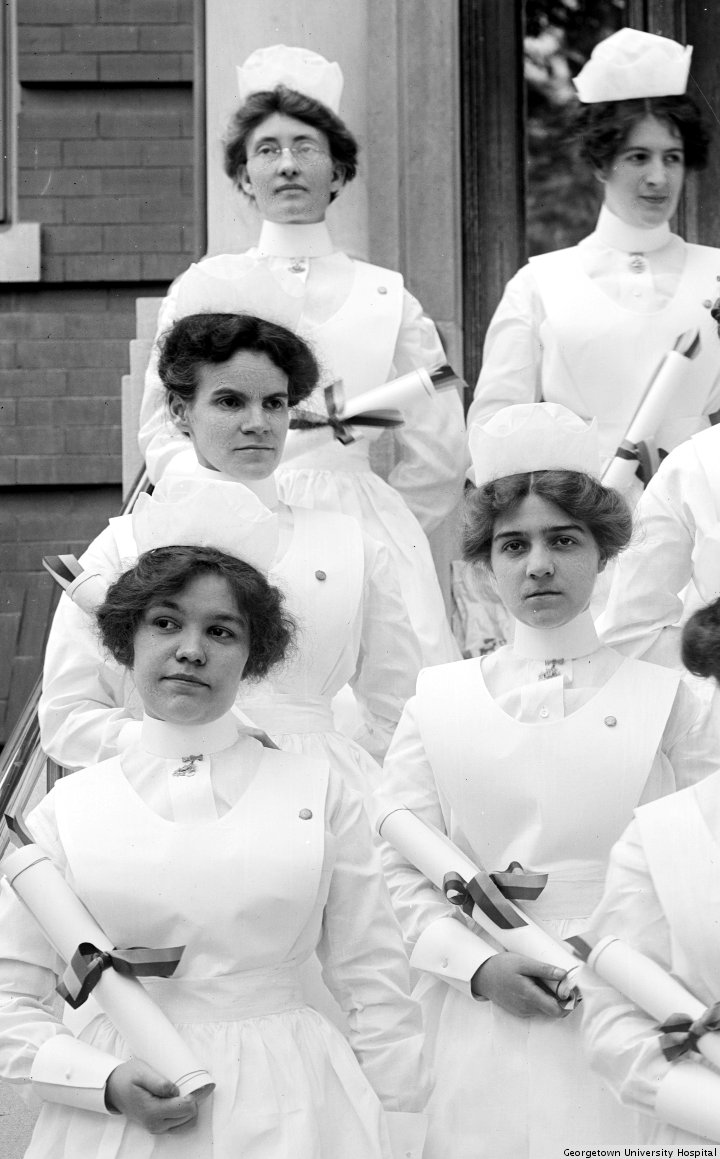
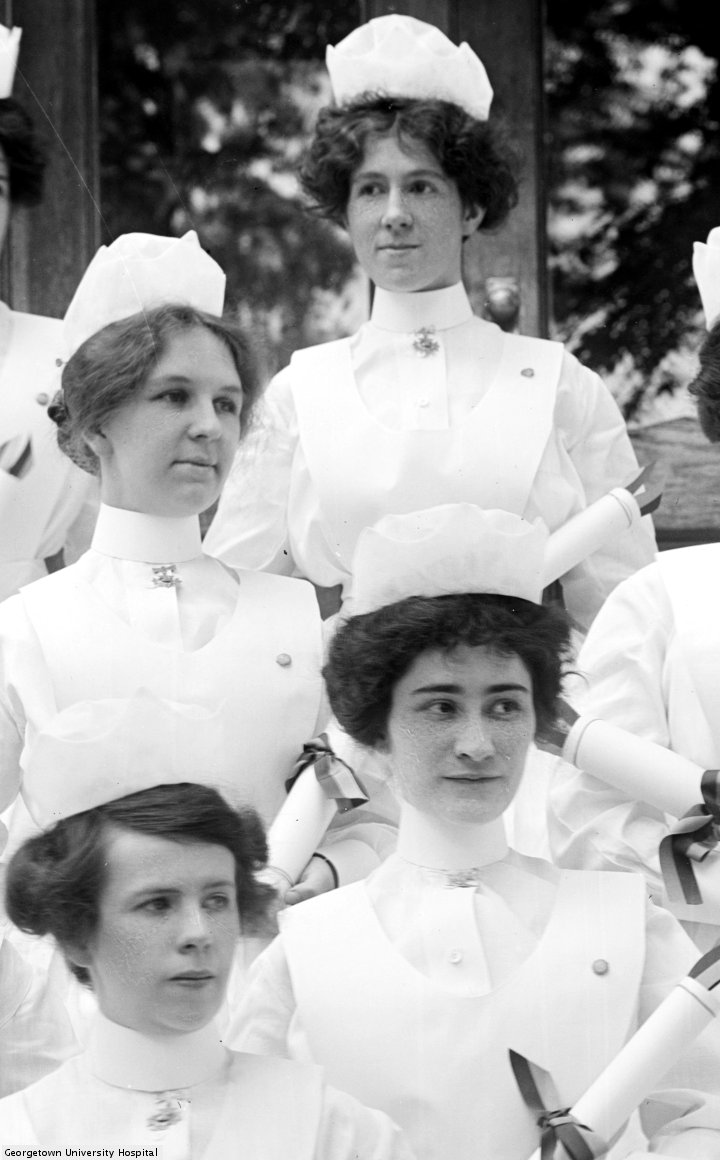
This is a repost, with pictures from The Library of Congress. There are two group shots, broken down into smaller images. One is a graduating class of a nursing school at Georgetown University. The photographer lists the date as between 1905 and 1945.
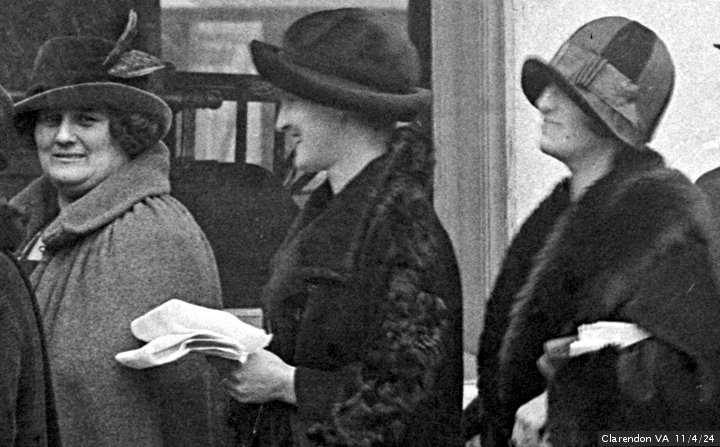
The other image is a line of people waiting to vote. The well dressed citizens are in Clarenden VA. The date is November 4, 1924. The democratic presidential candidate, John W. Davis, was nominated on the 103rd ballot of the democratic convention. He lost to Calvin Coolidge.




Junky Part Two



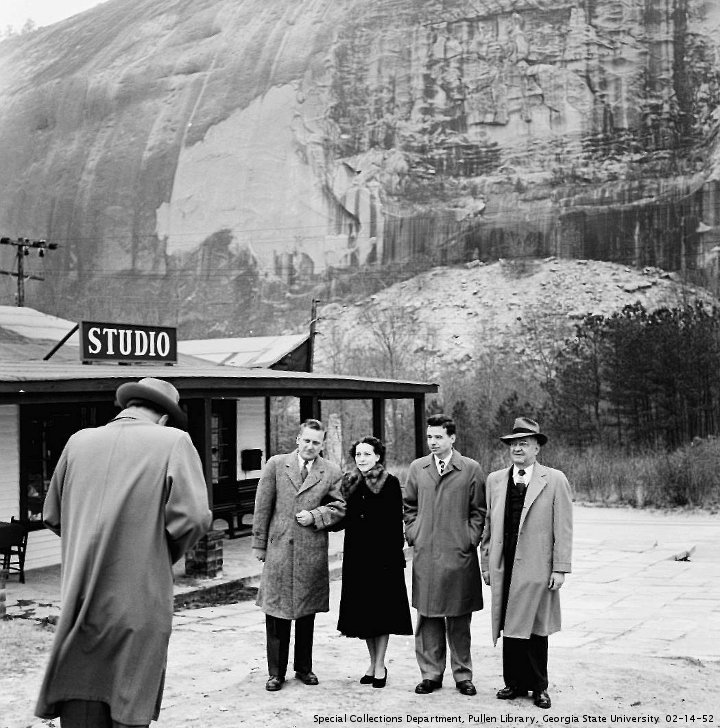
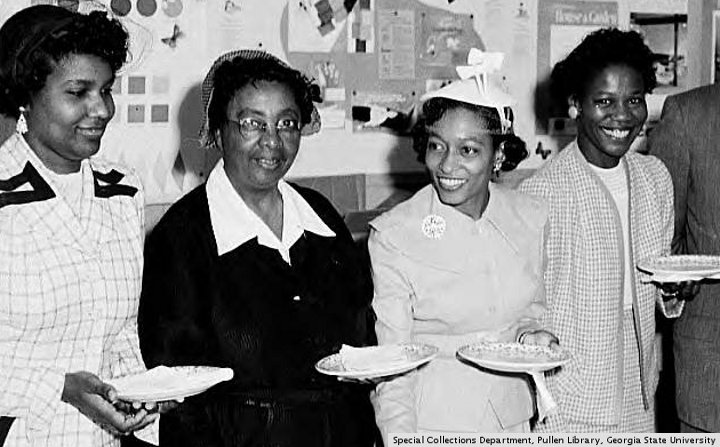
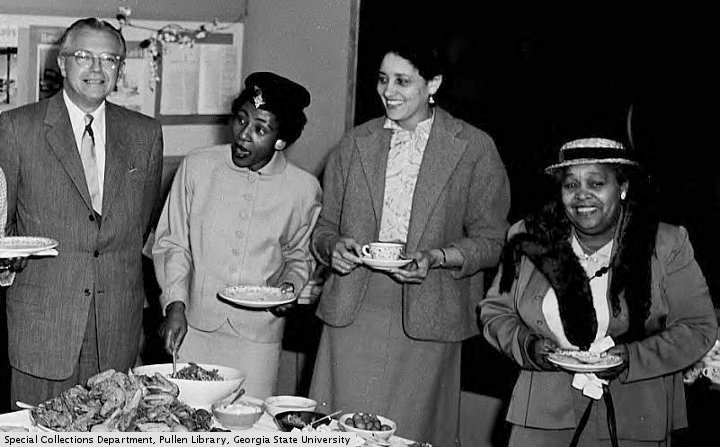
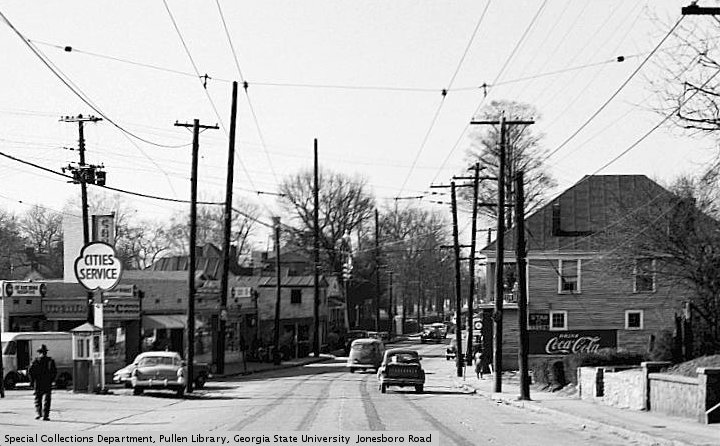
Sometimes, you do something that is so stupid. When preparing this text for publication, PG accidentally clicked in the wrong place, and started to close the file. The machine asked PG if he wanted to save the changes. He clicked on the middle option, which was to not save the changes. A split second later, PG realized what a bad mistake this was. It was too late. This story will be re-created, but might not be as good as the first one. Pictures will be from “The Special Collections and Archives, Georgia State University Library”.
This is part two of the chamblee54 reconfiguration of Junky, by William S. Burroughs, aka William Lee. (part one) The original exposure to this material was from an audiobook, with selections borrowed from the peedeeff. Some of the best writing is in the parts of the manuscript that were edited out. The limited attention span of audiobook listeners must be considered.
The story begins with WSB leaving the north, and arriving in New Orleans. Before you can say Harrison Narcotics Act, (passed in 1914, after the third party manipulated election of 1912,) WSB is using junk. There are some wild and crazy junkies in New Orleans at this time.
“Another occasional was Lonny the Pimp, who had grown up in his mother’s whorehouse. Lonny tried to space his shots so he wouldn’t get a habit. … Lonny was pure pimp. He was skinny and nervous. He couldn’t sit still and he couldn’t shut up. As he talked, he moved his thin hands which were covered on the backs with long, greasy, black hairs. You could tell by looking at him that he had a big penis. Pimps always do. Lonny was a sharp dresser and he drove a Buick convertible. But he wouldn’t hesitate to hang us up for credit on a two-dollar cap.”
Before too much longer, WSB is busted. “We’re going out and search your house, ” the frog-faced cop said. “If we find anything, your wife will be put in jail, too. I don’t know what will happen to your children.” This is the first time the word wife is used. This probably refers to Joan Vollmer, who had her own set of issues. Her fondness for playing William Tell had unfortunate results.
A lawyer gets WSB out of jail. For legal reasons, WSB goes to a facility, and is to receive a cure. One doctor thinks WSB is there for a “marijuana habit.” Another doctor has a familiar conversation. “”Why do you feel that you need narcotics, Mr. Lee?” When you hear this question you can be sure that the man who asks it knows nothing about junk. “I need it to get out of bed in the morning, to shave and eat breakfast.””
After some legal shenanigans. WSB goes to Texas. There is a place on the border called the Valley. It used to be desert, until it was irrigated with water from the Rio Grande. “When I arrived in the Valley, I was still in the post-cure drag. I had no appetite and no energy. All I wanted to do was sleep, and I slept twelve to fourteen hours a day. Occasionally I bought two ounces of paregoric, drank it with two goof balls and felt normal for several hours. You have to sign for P. G. when you buy it, and I did not want to burn down the drugstores. You can only buy P. G. so often, or the druggist gets wise. Then he packs in, or ups the price.”
For the last few years, PG has been the extra name of the slack blogger. It originally stood for Piers Gaveston, a romantic figure in English history. Other uses of PG include parental guidance, pretty good, and passing gas. The two initializing periods were considered unnecessary. To have an retro narcotic preparation referred to as P.G. is a bright moment, in an otherwise dreary text.
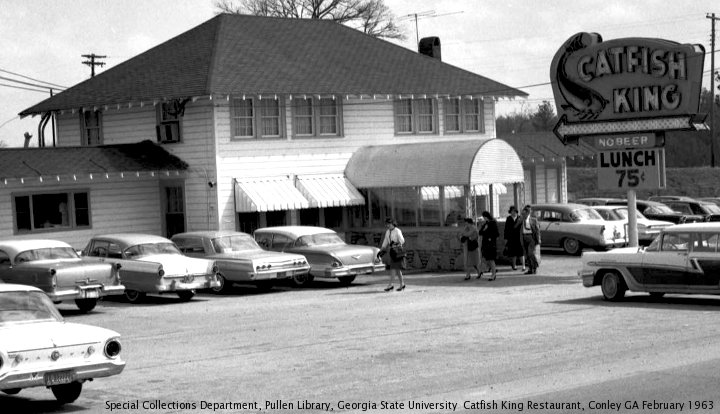
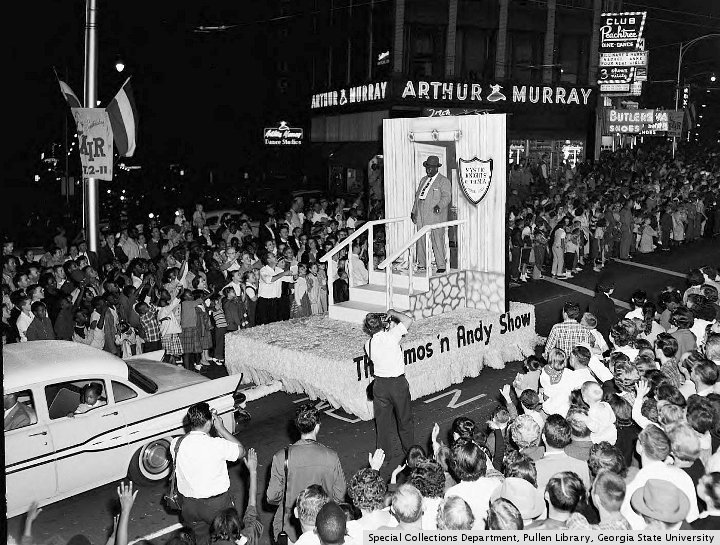


Junky





It started out slowly. PG saw a tweet. It was a promotion for a blog post, featuring William Seward Burroughs reading The Masque of the Red Death, by Edgar Allan Poe. WSB has a great voice. The wealthy Missouri background, filtered through years of high class schooling, and low class abuse, comes through whenever WSB spoke. In the helpful links, there was an opportunity to hear an audiobook of WSB reading Junky. As with other addictions, you begin slowly, and do not realize you have a problem until you are helpless to deal with it.
Junky is the first book that WSB published, using the pseudonym William Lee. It is reputed to be semi autobiographical. In Junky, WSB wallows in the gutters of New York, New Orleans, and Mexico City. For this armchair degenerate, whose severest vice is peanut butter sandwiches, Junky is a glimpse into a picturesque alternate reality. With the aid of copy friendly peedeeoueff edition, we can enjoy samples of the nightmare.
Perhaps the best review of Junky is this Amazon One Star comment. Dissapointing Tanya N. Miller March 22, 2014 “This is a book that goes nowhere. It ends up right where it started. Every line in the book is about getting drugs and doing drugs then getting off drugs and back on drugs again with some sex thrown in. The only reason why I finished this book is because of my compulsion to finish books that I start and the only reason why I picked it up in the first place is because I wanted to know just who William S. Borroughs was and what he wrote. What a dissapointment and what a total waste of talent.” The spell check suggestions for junky:hunky, junk, gunky, funky.
The story begins with a semi normal childhood. It gets interesting in New York, during the war. A person named Norton (“a hard-working thief … did not feel right unless he stole something every day from the shipyard where he worked) has a tommy gun he wants Bill to sell. When Norton arrives, he has “a flat yellow box with five one-half grain syrettes of morphine tartrate.”
The story mozies on. Bill tries one of the syrettes, then another, then another. Then there is an episode which is in the book, but not the video. “Ronnie’s was a spot near 52nd and Sixth where musicians came for fried chicken and coffee after one p.m. We sat down in a booth and ordered coffee. Mary cracked a benzedrine tube expertly, extracting the folded paper, and handed me three strips. “Roll it up into a pill and wash it down with coffee.” The paper gave off a sickening odor of menthol. Several people sitting nearby sniffed and smiled. I nearly gagged on the wad of paper…. Mary selected some gone numbers and beat on the table with the expression of a masturbating idiot.”
The video picks up with Bill trying to sell marijuana. “Pushing weed looks good on paper, like fur fanning or raising frogs.” Tea heads turn out to be too much trouble. Bill swears to never sell pot again, but not before ranting about the drug laws.
Bill has a habit now, working mostly with prescribed medication. Doctors are known as croakers. Soon the croakers quit writing scripts, and Bill gets busted. Some technicality about giving the wrong address. The case drew a four month suspended sentence. After a few weird scenes involving robbing drunks on the subway. Bill starts to sell junk. His partner is a piece of work. “One of Bill’s most distasteful conversation routines consisted of detailed bulletins on the state of his bowels. “Sometimes it gets so I have to reach my fingers in and pull it out. Hard as porcelain, you understand. The pain is terrible.” This might be a by product of opiate consumption.
Before long, Bill thinks he is about to get busted, and leaves for Texas. By the time he gets near Lexington, he has junk sickness. He checks into an institution to receive the cure. We learn a new word… shmecker is a user of heroin. Bill leaves the Lexington facility without completing the cure. The next stop is New Orleans .
“New Orleans was a strange town to me and I had no way of making a junk connection. Walking around the city, I spotted several junk neighborhoods: St. Charles and Poydras, the area around and above Lee Circle, Canal and Exchange Place. I don’t spot junk neighborhoods by the way they look, but by the feel, somewhat the same process by which a dowser locates hidden water. I am walking along and suddenly the junk in my cells moves and twitches like the dowser’s wand: “Junk here!”
WSB co wrote a musical, “The Black Rider.” The performer is Tom Waits, whose voice sounds like WSB. There is a song, Crossroads. This is probably not about Robert Johnson. In this song, we learn about a gun with magic bullets. In the moment of aiming, the gun turns into a dowser’s wand. The bullet goes where the bullet wants to go. Some say the magic bullet is a stand in for junk. When Junky was written, junk was not used as slang for peckers.
It has been noted that WSB is as queer as a crochet bathtub. This circumstance is not noted in Junky. But then, WSB does not speak well of drug addicts either.
“In the French Quarter there are several queer bars so full every night the fags spill out on to the sidewalk. A room full of fags gives me the horrors. They jerk around like puppets on invisible strings, galvanized into hideous activity that is the negation of everything living and spontaneous. The live human being has moved out of these bodies long ago. But something moved in when the original tenant moved out. Fags are ventriloquists’ dummies who have moved in and taken over the ventriloquist. The dummy sits in a queer bar nursing his beer, and uncontrollably yapping out of a rigid doll face. Occasionally, you find intact personalities in a queer bar, but fags set the tone of these joints, and it always brings me down to go into a queer bar. The bring-down piles up. After my first week in a new town I have had about all I can take of these joints, so my bar business goes somewhere else, generally to a bar in or near Skid Row.”
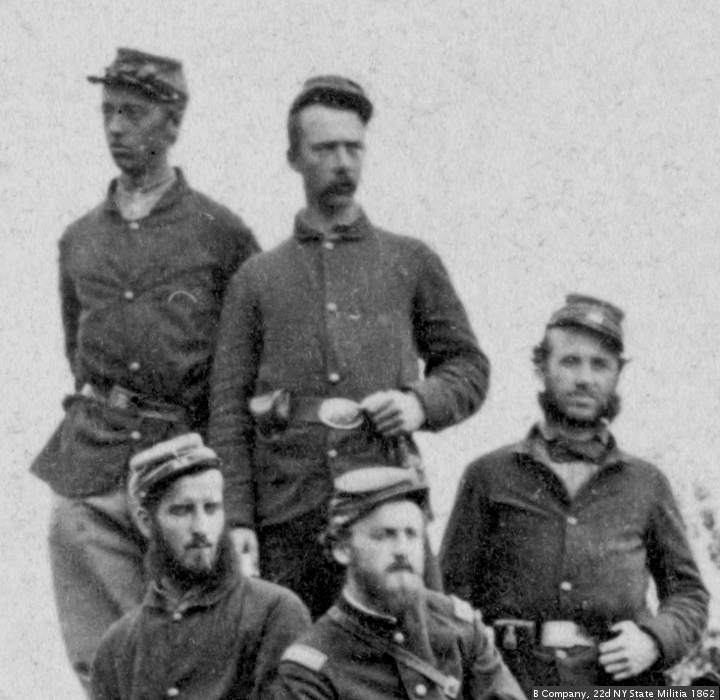
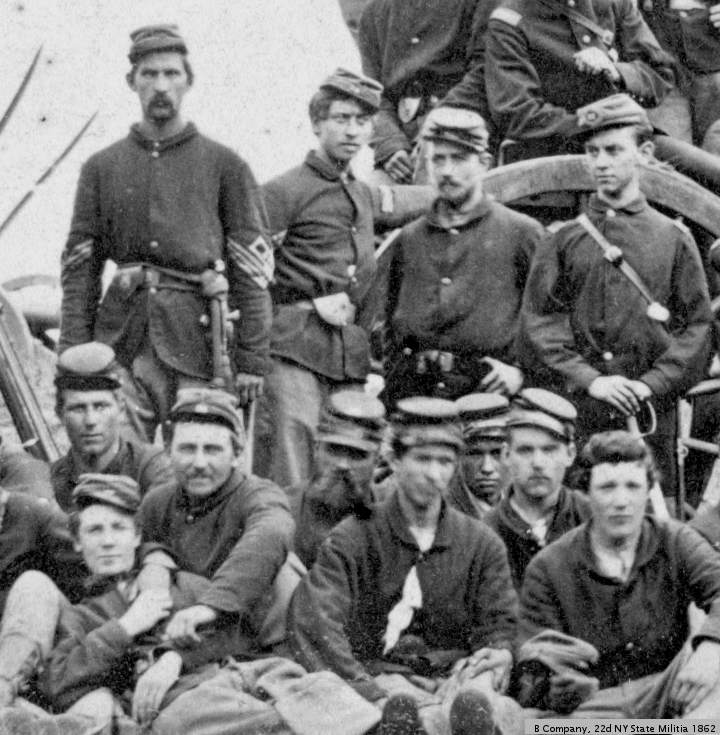
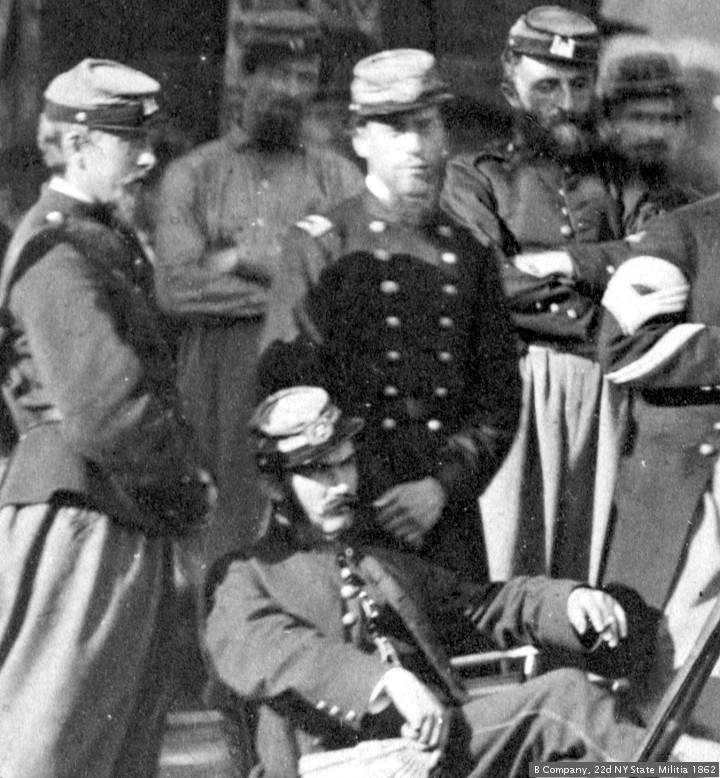
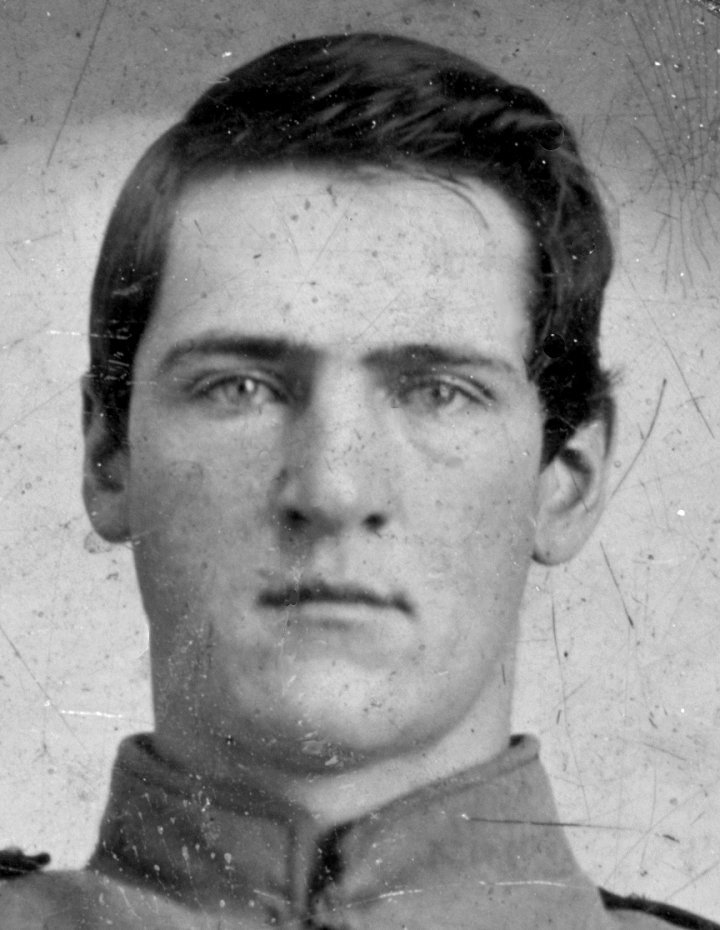
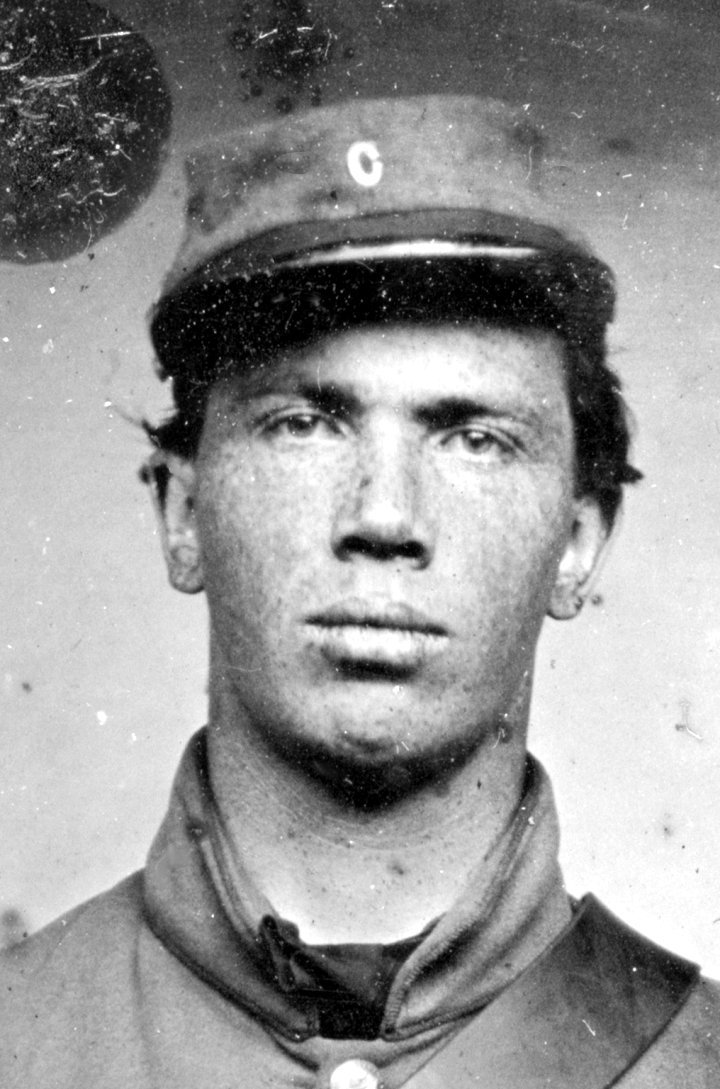
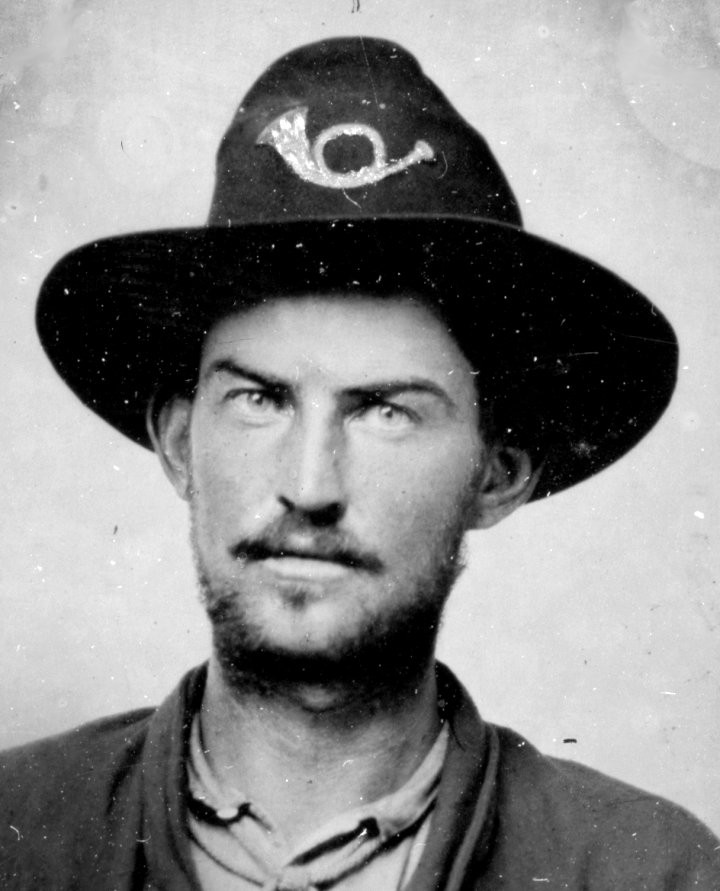
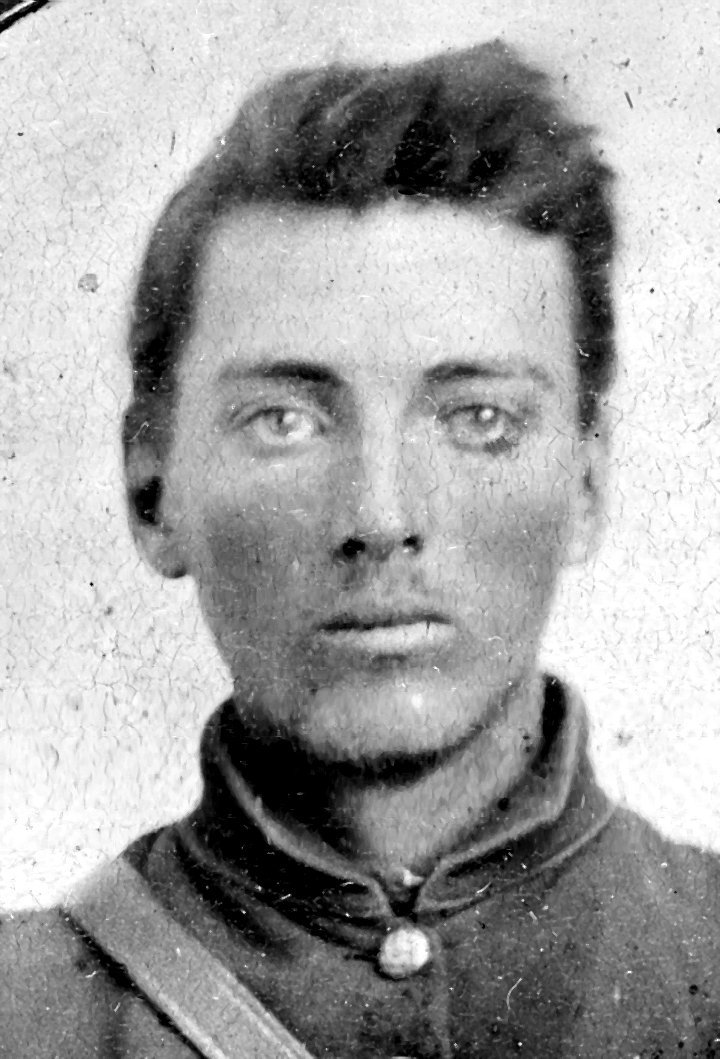
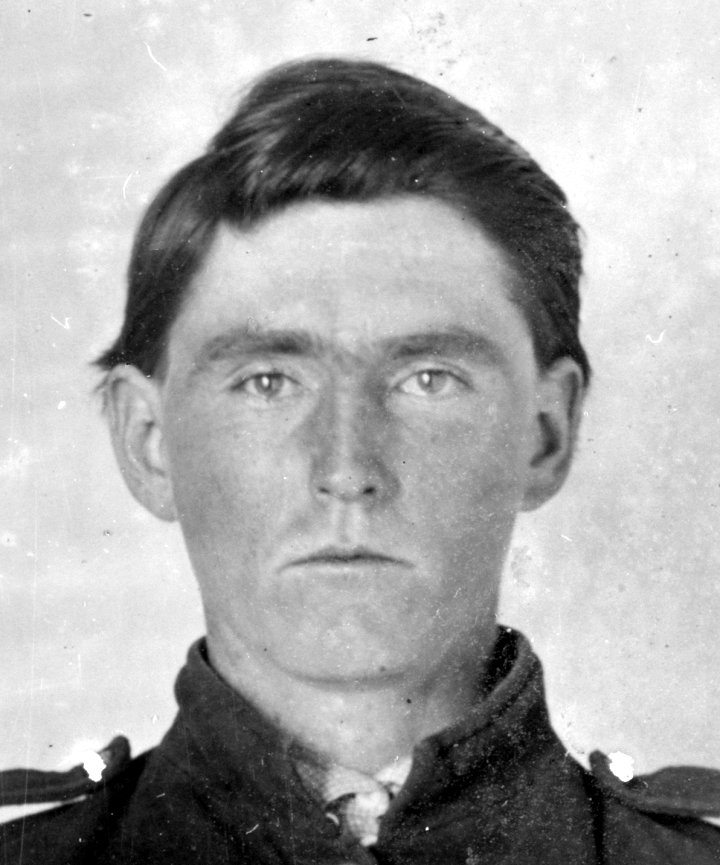
Before long, Bill goes into a queer bar, and gets in trouble. It seems to be a way of life, for someone who says that junk is a way of life. Maybe the magic bullet was aimed at him all along. At this point, we are roughly half way through Junky. The attention span of both reader, and writing, is maxxing out. In case we get druggie withdrawal, a podcast with Keith Richards is freshly downloaded. Pictures today are from The Library of Congress. These pictures are Union soldiers from The War Between The States. Much of the action in Junky takes place in wartime.




Tomorrow Is Another Day

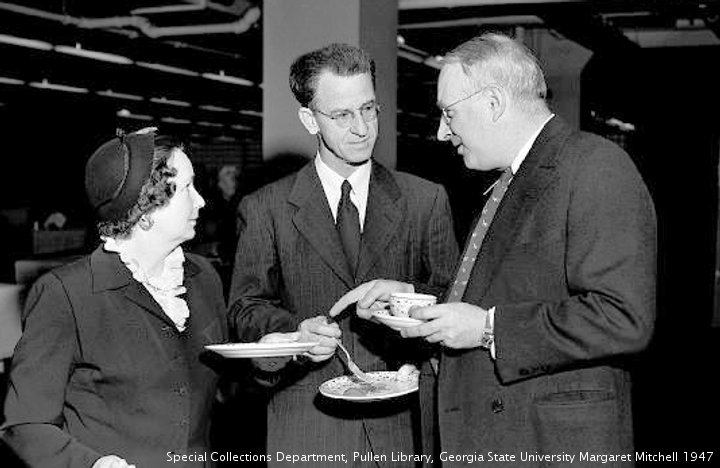

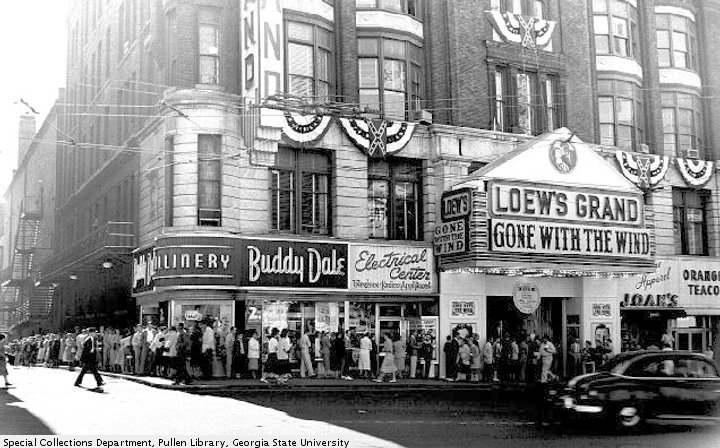
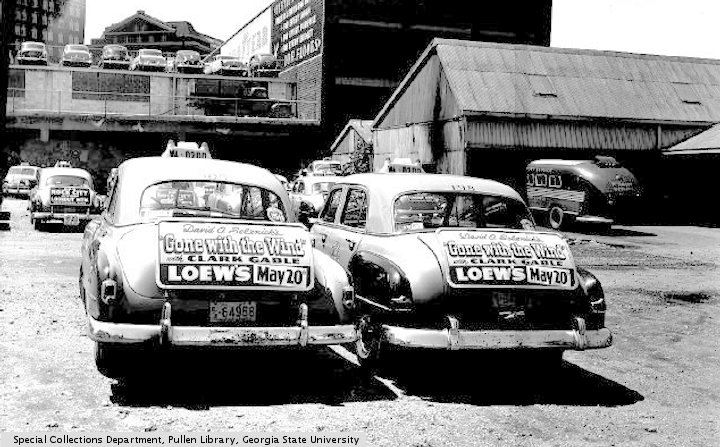

PG managed to miss the Decatur Book Festival this year. One friend made it.
“This program was followed, after another walk through the vendor area back to the public library’s auditorium, by a staged reading of a short play, Tommorrow Is Another Day. The setting: the apartment of Atlanta novelist Margaret Mitchell and her husband John Marsh, on a morning in December 1939, two days before the movie version of Mitchell’s famous book premiers in Atlanta’s Lowe’s Theater. Mitchell’s African-American housekeeper of many years has almost finished reading Mitchell’s book, and Mitchell asks for her housekeeper’s opinion of it. What the Mitchell’s housekeeper tells Mitchell and her husband made for compelling theater!”
The play is fiction. From what this slack blogger has read about Peggy Marsh, she probably did not give books to her household help. It is possible that the cleaning lady did not know how to read. The playwrite, Addae Moon, had to use dramatic license to tell his side of the story.
“…the 43-year-old black writer found he liked some things about the 79-year-old novel. Not everything, of course. “I got frustrated with it. I had to put it down because I got angry.” But he’d pick it up later and keep going. “I totally understand Margaret’s desire to tell your point of view and your truth, but I also can understand what it feels like to be the victim of someone else’s truth…. It’s easy to be critical of the movie, which is more cartoonish, but, to me, the book is so much more complex.”
It has been a long time since PG read GWTW. It is tough to imagine it from the perspective of a contemporary Black man. GWTW was written by a White woman, of a byegone era. There are many sides to the story. This post will try to tell a few. The rest of it is a double repost from a few years ago. If that does not satisfy your lust for trivia, you can check out the Margaret Mitchell page at find-a-death.com. (It is full of errors, like calling her “Maggie”.) Pictures are from “The Special Collections and Archives, Georgia State University Library”.
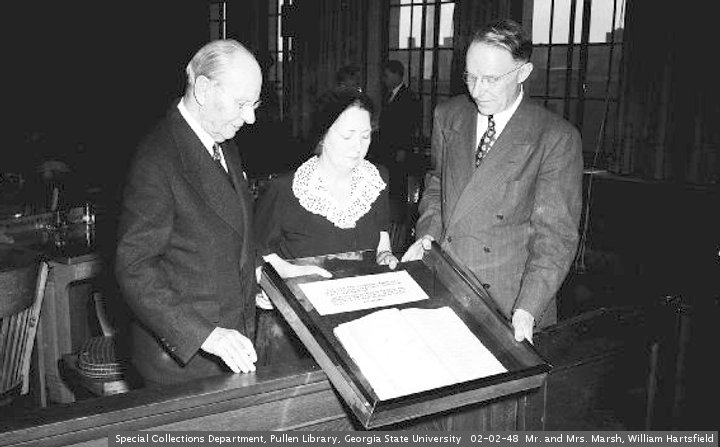
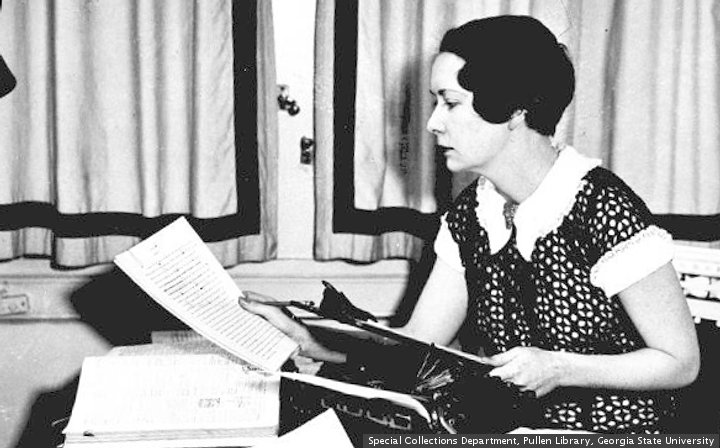

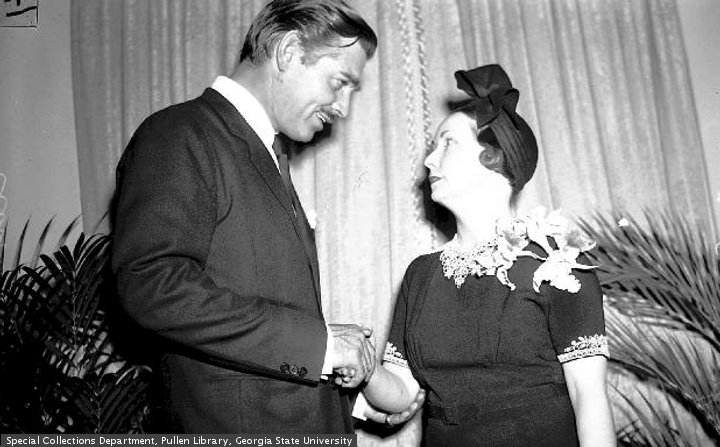

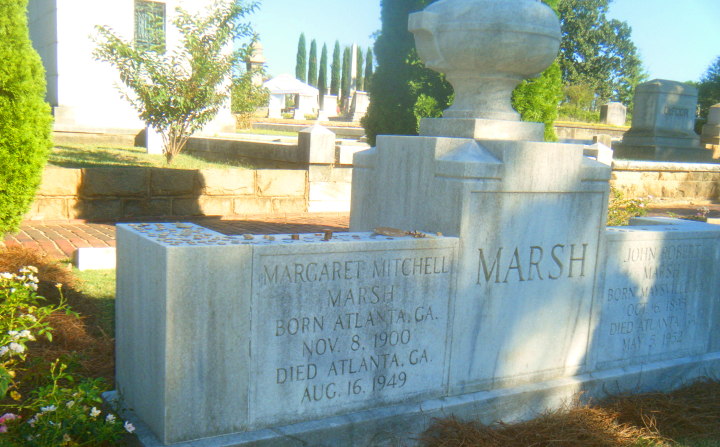
As we started to discuss the other day, PG is reading I Remember Margaret Mitchell by Yolande Gwin. It starts with August 11, 1949. Margaret Mitchell, known to her friends as Peggy Marsh, went to to see “A Canterbury Tale” at the Peachtree Art Theater. She left her apartment on Piedmont Avenue, accompanied by her husband John. They parked across the street, and Mrs. Marsh was struck by a taxi, driven by Hugh D. Gravitt. She died August 16, 1949.
This story contradicts what PG heard about the accident. The other story is that Mrs. Marsh had been at the Atlanta Women’s Club, having cocktails, where her husband met her. In this account, Mrs. Marsh was bombed, and never knew what hit her. (One mile south west, and fifty five years later, PG had an encounter with a speeding taxi.)
On page 23, another myth is challenged. The traditional story is that if you asked Margaret Mitchell if she based Scarlet O’Hara on herself, she would look horrified. “Scarlet O’Hara was a hussy”. This view is challenged by an Atlanta native, who went to a party, and saw that Margaret Mitchell was the life of the party. “Scarlet O’Hara is certainly the personification of Margaret Mitchell”.
Margaret Mitchell was a reporter for the Atlanta Journal. She married John Marsh on July 4, 1925, and injured her ankle in 1926. Every day Mr. Marsh brought home books to his bedridden wife. One day, he brought home a writing pad, and said “You have read everything I’ve brought you so now you write a book.”
The couple lived in a small apartment on Crescent Avenue, across from a mural of a southern colonel. (I would even go north for Southern Bread) They moved out of “the dump”, in 1932, to an apartment at 4 17th Street. When Peggy sold a few books, and John’s career at Georgia Power prospered, they moved to the Della Manta. This was at the corner of Piedmont and South Prado, across from her beloved Piedmont Driving Club.
Mrs. Marsh wrote and wrote, preferring a typewriter to a writing pad. Each chapter was kept in a manila envelope, which were piled up all over the place. Some chapters were re written sixty times. In 1935, Harold Latham, of MacMillan Publishers, was in the south looking for talent. He persuaded Mrs. Marsh to let him look at her book, and would not give it back to her.
The title of her book was borrowed from a poem by Ernest Dawson, Non Sum Qualis Eram Bonae Sub Regno Cynarae . The line of the poem was “I have been faithful to thee, Cynara, (spell check suggestion: Canary) in my fashion; I forgot much Cynara, Gone With The Wind!”
The book became a runaway best seller. Macy’s of New York helped by ordering 50,000 copies. The idea was to offer GWTW as a loss leader, as Gimbels was doing. Federal price controls ruled this to be illegal, and Macy’s returned 35,000 copies to the publisher.
The first printing of GWTW has a mistake on the back page. The book was published June 30, 1936. The first edition says, on back of the title page, “Published May 1939”.
David Selznick bought the rights to GWTW, and you probably know the rest of that story. Shortly before the premiere of GWTW, someone at the Piedmont Driving Club pulled a chair out from under Mrs. Marsh. She had not started to stand up. Mrs. Marsh crashed hard on the floor, and hurt her back. This would require two rounds of back surgery.
Celestine Sibley tells a story about the Atlanta Women’s Press Club. Miss Sibley moved to Atlanta in 1941, and went to her first AWPC meeting, at the Henry Grady Hotel. “A plump little woman in a funny Carmen Miranda style hat” noticed the newcomer, and started to talk to her. In the early days of the war, there were blackouts, to save the city from German bombers. The plump little woman was an air raid warden in the area around Piedmont Park. Finally, Miss Sibley said she had to go catch the Piedmont-Morningside bus. Peggy Marsh said she had a car, and could take her home.

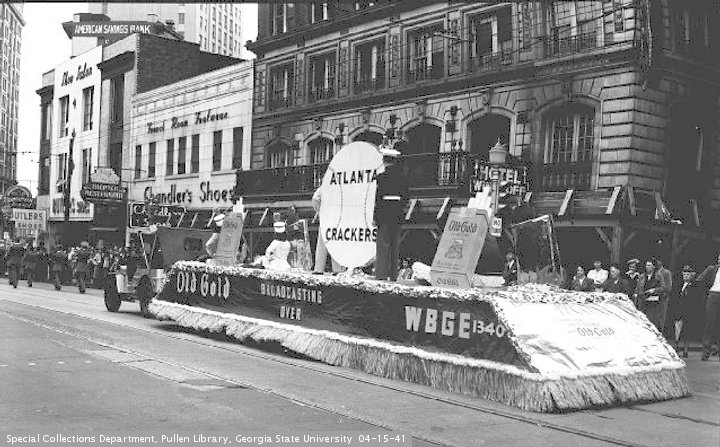

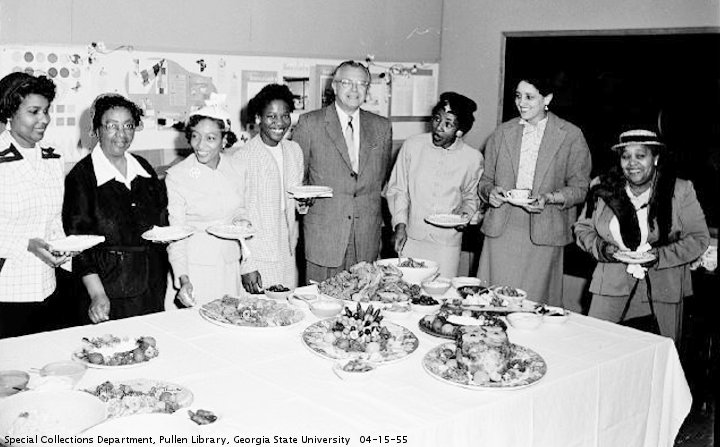

PG is reading I Remember Margaret Mitchell by Yolande Gwin. It is a collection of memories of Peggy Marsh, who wrote “Gone with the Wind”. ( If you didn’t know that, just close this window, and go look for your “friends” on facebook.)
Yolande Gwin was for many years the society editor of the Atlanta Constitution. She wrote a review of GWTW in 1936, before it’s publication. Mrs. Marsh sent her a letter of appreciation… “I never dreamed you were going to give me so much space. I thought, as the resume of the story was so long. that you’d just give an introductory paragraph and let me ride. And I’d have ridden, just as happy as a n—-r at a hog killing. But all that space, so long a story. so completely flattering a story – well. I’m still blushing about the ankles, as Jurgen once remarked … And oh, Yolande. how nice of you to refer to me as a “young author!” Me, who have passed the broiling stage and the frying stage and am rapidly approaching the roasting and baking stage. “
There is probably going to be a second post about I Remember Margaret Mitchell. Chamblee54 is not responsible for GWTW junkies who overdose on Margaret Mitchell trivia. This post is about fact checking, google, and how a couple of simple questions can turn into an all afternoon goose chase.
There are two basic questions: Was Yolande Gwin married, and did she work for the Journal or the Constitution? As for the first, the expression Ms. sounds like a mosquito with a speech impediment, and is not appropriate for use with an society page writer. The trouble is, Miss or Mrs. depends on the marital status of the woman. After an hour or so of looking up google results, PG cannot find out whether or not Yolande Gwin was married. Sometimes, the correct answer is “I don’t know”.
As for the second, an obituary for the lady says that she wrote for the Journal-Constitution for fifty years. The fact is, the Journal and Constitution were separate papers until they were combined in 1982. (Cox Enterprises bought the Constitution in 1950. This made the Journal and the Constitution sister papers, rather than competitors.) As for who Yolande Gwin wrote for, there are contradictory stories on the internet. A google book about rural electrification says that Yolande Gwin wrote for the Constitution. The Atlanta History Center says the Yolande Gwin wrote for the Journal. They have a picture of the lady, with a ghastly AHC watermark across her face.
Another google book, The last linotype: the story of Georgia and its newspapers since World War II By Millard B. Grimes confirms that Yolande Gwin worked for the Constitution. “”One day I was sitting there looking at a blank sheet of paper; I didn’t have any news. And that’s when I happened to remember kidding Peggy (Margaret Mitchell) about writing the “Great American Novel.” so I called her up and said, ‘How about that Great American Novel. have you ever finished it? I need some news.’ She said, ‘You won’t believe it, but Macmillan has taken it.’ And I said, ‘Goody, goody. Grand.’ And I put a piece in the column (written under the name Sally Forth) about it, never expecting it to be what it was, you know.” The dale was February 9, 1936.”



 Chamblee54
leave a comment