Atlanta Rising
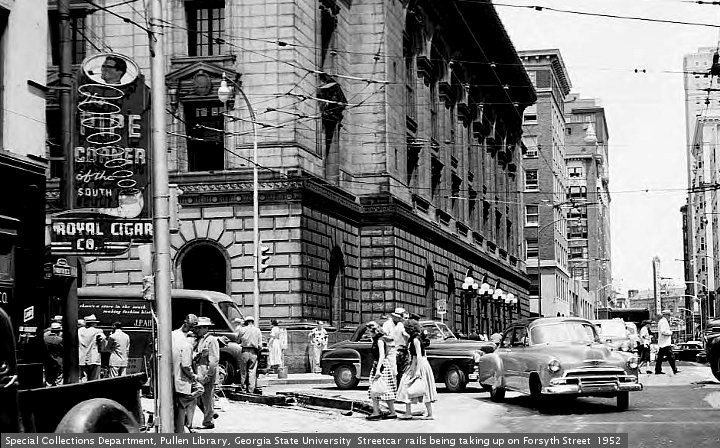


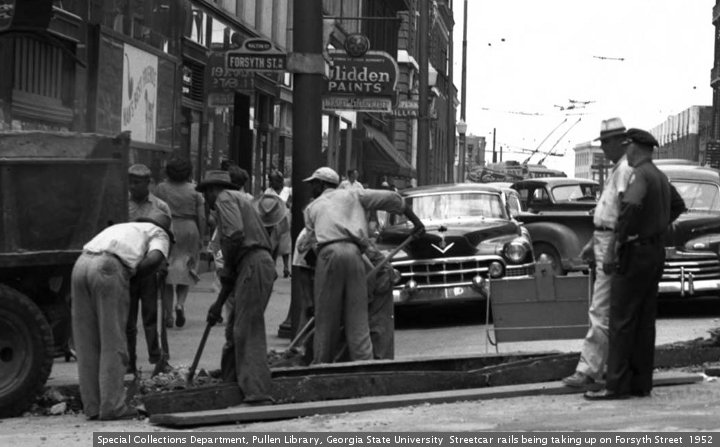

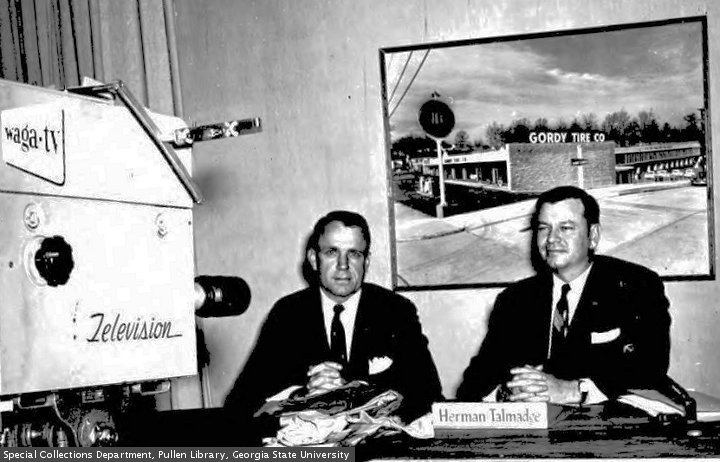
Atlanta Rising: The Invention of an International City 1946-1996 is on the shelf at the Chamblee library. This book is a history of Atlanta in the modern era, written by former fishwrapper scribe Frederick Allen. This is a repost, with pictures from “The Special Collections and Archives, Georgia State University Library”.
The story begins in 1948. AR is weighted more to the older part of the story. The main text is 248 pages. On page 124, Ivan Allen has just built a controversial roadblock on Peyton Road, which would be in 1962. The further along in the story, the fewer details are included. The first big story is when Georgia had two governors. This is one of the best descriptions of the two Governors controversy around, and does not mention Ben Fortson’s wheelchair cushion.
The mayor at the start of the story is William B. Hartsfield. “Willie B” was a leader in creating the Atlanta Airport, and in building it into the powerhouse it is today. He was mayor until 1961, when Ivan Allen Jr. moved into the office.
AR has many moments of unintentional irony. When you read a book 18 years after it was written, and fifty years after the events in the book, you see things that could not have been imagined before. In 1960, many of the political-business elite thought it was time for Mr. Hartsfield to retire. Among his shortcomings was an indifference to sports. Mr. Hartsfield thought that a new stadium would be too great a drain on the city’s taxpayers. Fifty four years, and three stadiums, later, the power elite is going to build another stadium. Atlanta Stadium cost eighteen million dollars. The Blank bowl will cost over a billion. (In the past year, a plan to move the Braves to Smyrna was announced.)
One of the big stories here is civil rights. Atlanta came out of that struggle looking pretty good. It was a combination of image conscious businessmen, enlightened black leadership, and a huge helping of dumb luck. In 1961, the city was under federal pressure to integrate the schools. The state was firm in opposition, and the city wasn’t crazy about the idea anyway. Then, another federal court ordered the integration of the University of Georgia. Since the people would not stand for messing with their beloved University, the state laws forbidding integration were quietly repealed. The city schools were integrated with a minimum of fuss. (The book tells this story much better than a slack blogger.)
The controversy about the 1956 model state flag was going full steam when AR was written. The book has some legislative records, which for some reason never made it into the fishwrapper. There is no clear cut answer as to why the legislature changed the state flag. It was mentioned that at the national political conventions, you could not have a written sign, but you could wave a state flag. This controversy provided a diversion from gold dome crookedness, and hopefully has been laid to rest.
A man named Lester Maddox sold fried chicken, and ran for public office. AR describes Lester as looking a bit like an angry chicken. Through a series of constitutional convulsions, Lester was elected Governor in 1966. The state survived his tenure. In the seventies, when Jimmy Carter was running for President, Lester said a lot of rude things about Jimmy, helping the smiling peanut farmer get elected. In another turn of fate, Lester Maddox died June 25, 2003. This was two days after the eternal departure of Maynard Jackson, the first black Mayor of Atlanta.
The book ends with the 1996 Olympics looming over the city. Billy Payne led a smart campaign to secure the games for Atlanta. One of his moves was to keep Jimmy Carter and Ted Turner out of the action. After the 1980 boycott, and the Goodwill Games, neither person was popular with the I.O.C. The book was published before 1996. The Olympics were a blast.



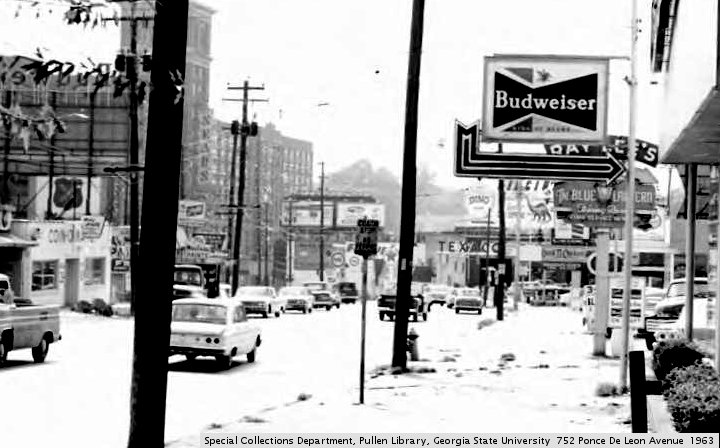


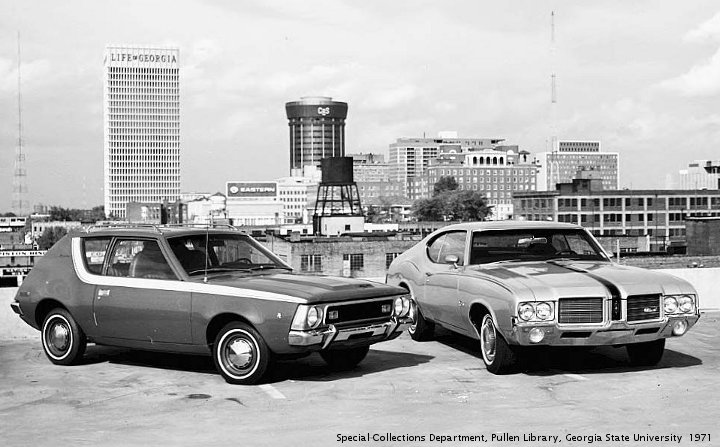
Deep Dish





Amazon Customer I was very disappointed in this book. This was the first book I have read by Mary Kay Andrews so I don’t know about her other books, but I found the language very offensive. I didn’t read past the third chapter and sent the book back for a refund. I think the story could be told without all the crude language and the bad usage of the name of God.
Monysmomon I am sorry I even picked this up at a bargain basement price – the story was dull, the narration was flat and uninteresting and after a few chapters I couldn’t even stand it anymore. Now I can’t even sell it on Ebay
These one star reviewers are talking about Deep Dish, by Mary Kay Andrews. PG did not notice any bad language. The story is totally PG13, with the two main characters not “hooking up” until spoiler alert time. The two battling food show cooks, Regina Foxton and Tate Moody, are on an obvious path for each other.The suspense on how they will get together is one of the best things this book has going for it.
Some New York producer has the idea of competing cooking shows. The two hash slingers will have it out on Eutaw Island, a fictionalized cross between Cumberland Island and Daufuski Island. As you might expect on the Southern coast, there are bugs, storms, and sharp tongued black women. The food fight show has issues.
As if the homegrown population was not enough, Gina brought over D’John, her makeup artist. Apparently, the only job Miss D’John has is watching over Gina, and making catty comments about boyfriends. D’John is not fully fleshed out. This could have been a contribution to the story, but instead is a cartoon character in the background.
Deep Dish is fun to read, but you will feel foolish when you are through. The plot twists are too contrived to go along with. The characters are walking cliches, except for Lisa, the party animal younger sister of Gina. Lisa is a crawling cliche’, until she mysteriously becomes a responsible adult. The only player with any bite is Tate Moody’s dog, Moonpie.
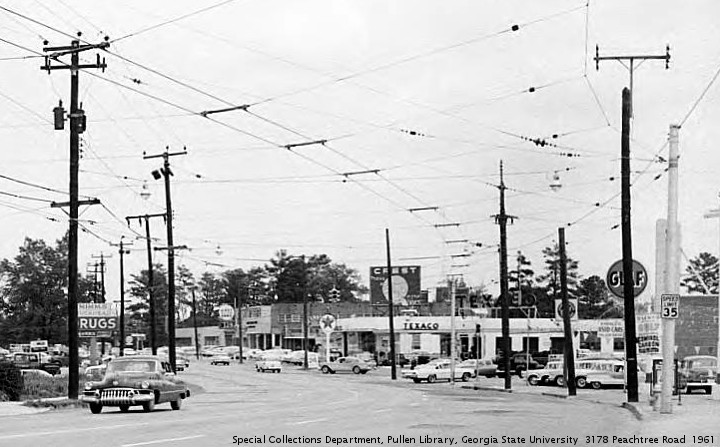
In 2008, PG saw Mary Kay Andrews at the Dickhater Book Festival. At the time, she said she was working on a book about two celebrity cooks, who were married to each other. They would sneak behind each other, and add spices to creations in progress. Deep Dish is copyrighted 2008, so it may be that book. The copyright is assigned to Whodunnit, Inc. Pictures today are from “The Special Collections and Archives, Georgia State University Library”.




Skink–No Surrender


PG had Skink–No Surrender, by Carl Hiassen, sent to the Chamblee Library. It is another Hiassen book for young adults, like the previously consumed Scat. Skink–No Surrender was entertaining, if a bit unbelievable. Actually, more than a bit far fetched, but still fun to read.
At one point, the teenage hero, Richard, and his buddy Skink, go across the state in a borrowed vehicle. Skink injures his foot, and cannot drive. The fourteen year old Richard takes the wheel. This goes well until blue lights appear. It is Skink’s state trooper buddy, with a learner’s permit for Richard. The state trooper buddy is African American, which makes it ok.
Skink is a favorite character of Mr. Hiassen. A disillusioned former Florida Governor, Skink has one eye, lives in the wild, and eats roadkill. Richard is on the beach with his cousin, Malley, when they find Skink in a fake turtle egg nest. The character is trying to catch people who steal turtle eggs.
Malley runs away from home, not for the first time. She is with a seedy character that she met online. Richard and Skink take off to find her. The action moves quickly, if implausibly, until the conclusion.
The amazon one star customers have their say. Amazon Customer October 8, 2014 He must need money to write this boring garbage, i have enjoyed all of his books until this unfortunate catastrophe Kindle Customer January 4, 2015 Title nails it. I need 17 more words, the book doesn’t’ deserve them. Now 7 more words needed Don’t buy it
One afternoon, in Georgia’s worst parking lot, PG was on page 85, when something caught his eye. “Skink had scavenged a dead racoon on Highway 98. It had been struck by a vehicle with extremely large tires, and the furry ringed tail was the only way to know what kind of mammal it was.” PG had thought that mammals were big dumb animals, like cows and humans. It turns out that a racoon is a mammal. We also learn that sporange is a word that rhymes with orange.
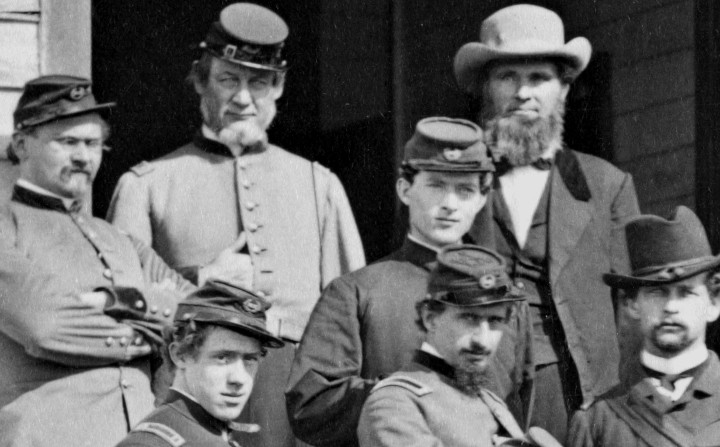
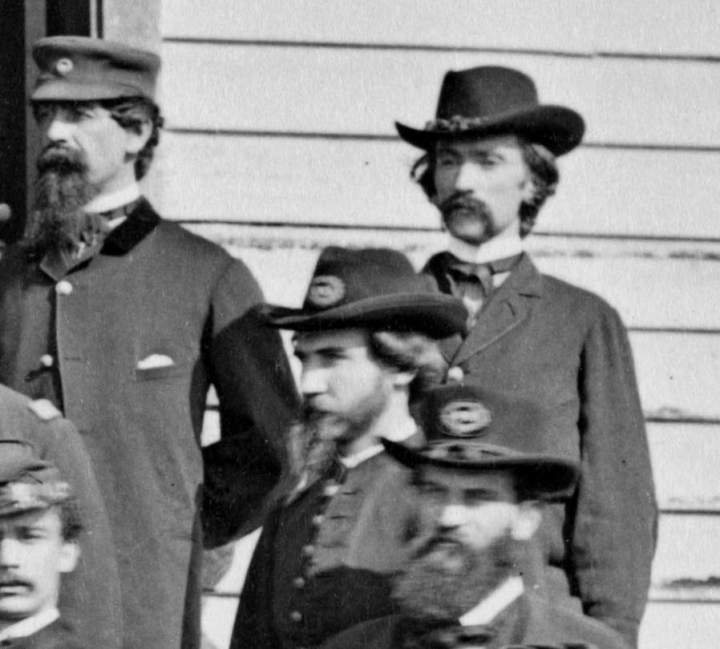
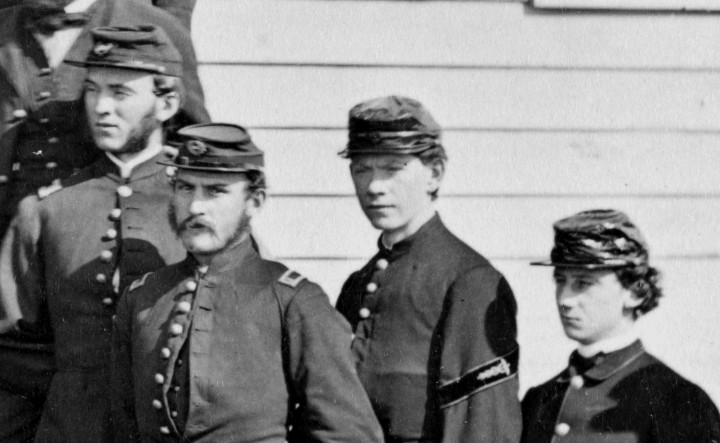
Much of the action takes place in the Florida panhandle. This reminds PG of a story he heard a few hundred times, and can be told again. The family was going to Panama City, and stopped for gas near Ebro. The gas station man saw mom, and said “She putts me to mind of one of the Gilbert girls from De Funiak Springs.” Pictures for this post are from The Library of Congress. These pictures, with one exception, are soldiers from the War Between the States.


Fear Of Dying









PG took his brother GP grocery shopping. While waiting in Georgia’s worst parking lot, PG read Fear of Dying, Erica Jong’s rhyming followup to Fear of Flying. On page 170, PG realized that he might not want to finish the book: “So, this is a story about heaven and hell. The hell of writing is self censorship. The heaven is the speaking of the truth. Women have a particular problem with this.”
Erica Mann Jong (born Erica Mann, with no middle name) does not have a problem with sounding pretentious. EMJ is a feminist, and a Jew, details that are obvious to anyone who reads her. Her saving grace is writing fun books. Her amorous adventure stories are finely crafted works. Even with the parking lot discovery, PG is only 27 pages shy of the end. This is due day at the library, so that may be that. (Roxane Gay might have a different opinion.)
FOD is about wealthy Jewish women that get old. Her parents and poodle die. Her old and wealthy husband has an anuerism. . Wealthy older husband does not need to know about his wife’s adventures on zipless.com. The readers are not spared.
EMJ is good at the book tour game. While promoting FOD, she appeared on The Diane Rehm Show. This is public broadcasting, complete with upbeat intro music, and a hostess from the Lois Reitzes school of non commercial announcing. EMJ began the show by saying “It’s wonderful to see you, Diane. And you — age cannot wither nor custom stale your infinite variety. You look fantastic.” Skype is good for white lies. Later, EMJ tries to explain that she is not exactly Isadora Wing.
JONG Connection, we don’t need fast sex anymore. We need slow sex in a fast world.
REHM In a relationship is what…
JONG We won’t be satisfied by a ZF.
REHM Exactly.
JONG Nothing — we never were, actually. People made much of it, but I, as, you know, the author, never, never liked that kind of sex, never. But I intuited that it was in the zeitgeist. And I remember thinking when people would write in magazine, if the Erica Jongs of this world had their way, women everywhere would hop from bed to bed to bed to bed. And I thought, but I’ve always been monogamous…. Sometimes when a relationship is breaking down, I get itchy, as does the man I’m involved with, but as long as the relationship is totally satisfying, I have always been monogamous. So people do confuse the fantasy in a book with the reality of the author’s life.
A few minutes later, the ladies have a disagreement.
REHM And now it does seem to me that what’s happened with this book is that you’ve gone through all of that. You’ve experienced all of that. You’ve put that behind you, and somehow now you are facing into the reality of your own, as well as Vanessa’s, mortality. And what I want to know is what are you afraid of?
JONG Well, you know, Woody Allen said, who blurbed this book, I’m not afraid of death, I just don’t want to be there when it happens.
REHM Yeah. I saw that, and I recognize that you’ve gotten lots of wonderful blurbs. Here’s one from Judy Collins, who was just on this program the other day. She says, fear of dying by Erica Jong is hysterical and touching, compelling and heartbreaking and makes me want even more to live joyfully forever. So I wonder because, you know, Erica, I’m not afraid of dying, and I would like to understand what it is that you think is making you afraid.
JONG I don’t think I’m afraid anymore. (EMJ makes choking sounds.)
REHM Erica is having a little problem with her throat. She’s just put a lozenge in her mouth. Let me give you time to relax and get your voice back, have a little sip of water …
JONG Endless book tour. In fact I am not afraid of dying.
REHM You’re not. Good, I’m glad to hear that.
Pictures today are from The Library of Congress.









Scat

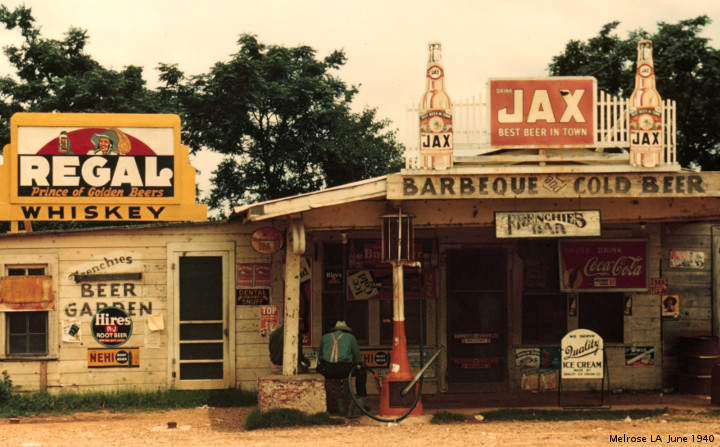
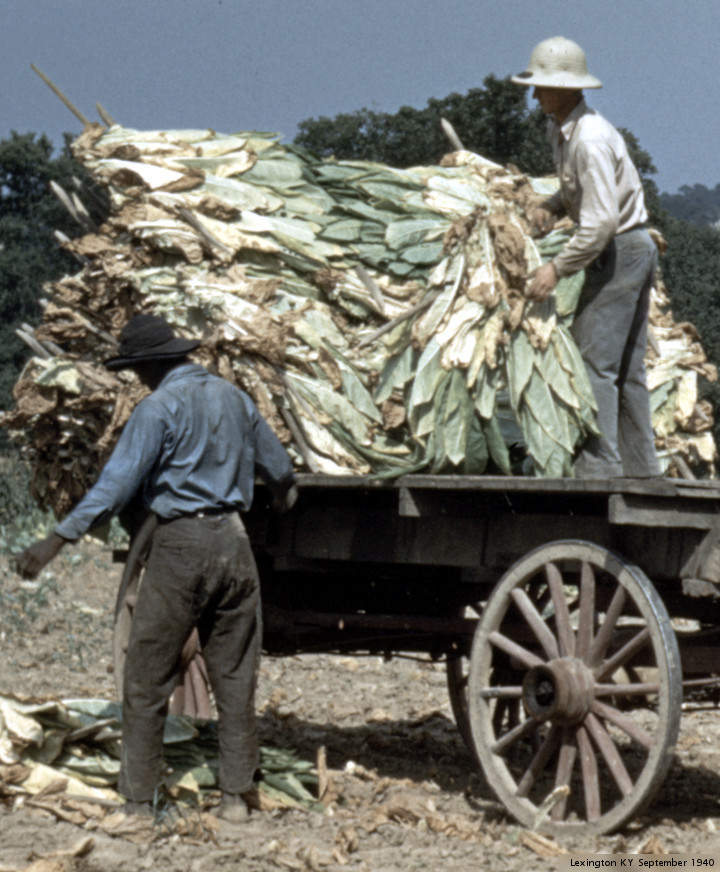
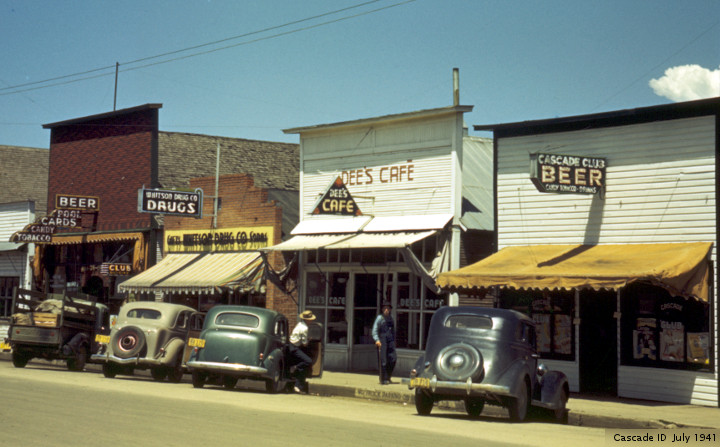

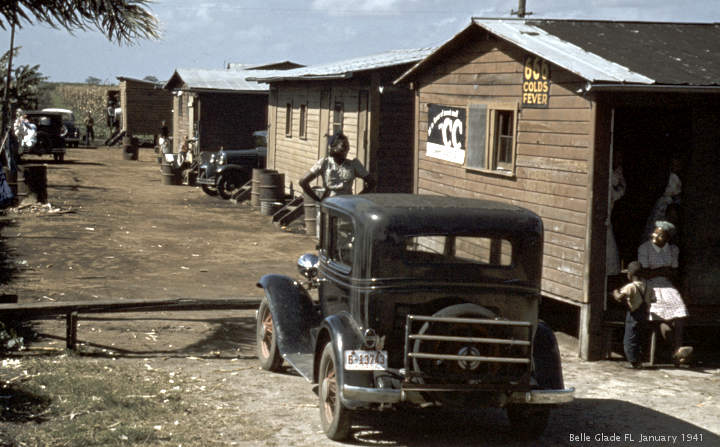


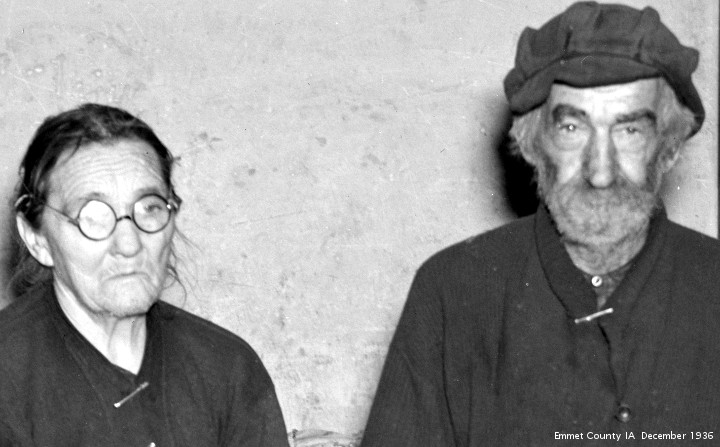
PG turned off the canned noise, and opened a window. Sometimes the pitter patter of rain is the best background sound. It was christmas eve eve, and PG is trying to write a book report on Scat, a “book for young readers” by Carl Hiassen.
PG found Scat on the internet, pun intended, and had a copy sent to the Chamblee library. When he learned of the juvenile intention, PG decided to read until he got bored. Veteran Hiassenites can tell you this will not happen until the book is finished, and the blank pages appear. The spell check suggestion for Hiassenite is Whiteness.
One amazon one star review disagrees. jayess99 Is anyone else sick of adults writing like and about children? This book was great for about the first two pages, and then it morphed into a kid’s tale. Why don’t they advertise it as such? Because they want your DAMN MONEY, that’s why! They dont give a hoot if you actually like the book, they just want your money. Think about it – why else would he even write this dross unless he just wanted your money?
Evidently, there is a British version of Scat, with British slang substituted for American. Just a guy from France was not amused. “Since the book takes place in FLORIDA, even the most insulated British kid is going to know that people there speak American English and I would expect that British kids would find themselves puzzled at least, and those who wanted to read an *American* book would feel cheated by this Bowdlerized bastardized abortion of a book.”
Scat is similar to the adult books written by Mr. Unpronounceable. The plot is set in Florida, and has more twists and turns than the flying spaghetti monster’s beard. There is endangered Florida wilderness, dastardly criminals, well meaning ordinary citizens, and weirdos. There is a degenerate who listens to classical music, and has a macaw that speaks English, French, and German.
The story starts in the classroom of the biology teacher from hell… don’t worry, she has a heart of gold. BTFH leads the class on a field trip, only to be interrupted by a fire in the swamp. Mrs. Starch goes into a burning swamp to find an asthma inhaler, and does not come out for a few weeks. It should be noted that normal people do not go in burning swamps to find an asthma inhaler. Things happen in Scat that require a suspension of disbelief, but are necessary to advance the plot.
When a teacher cannot show up for class, there is a substitute. In this case, the fill in instructor is a weirdo, Wendell Waxmo has unusual methods. On Monday, he teaches page 117 of the book. On Thursday, it is page 329, and Friday features page 263. PG decided to skip ahead, and read the page of the day. Telling you what happens on these three pages is a good way to summarize the plot of Scat. This is using the “BORZOI BOOK PUBLISHED BY ALFRED A. KNOPF.” It is a hard back first edition, Copyright ©2009 by Carl Hiassen.
Page 117 has a conversation with Nick and Marta. They are students of Mrs. Starch, who take an inexplicable role in the investigation after the swamp fire. Marta has seen the Prius that Mrs. Starch drives. Some strange man is driving. A classmate of Marta’s, Smoke, is in the passenger seat. Smoke, the son of the the tri-lingual macaw owner, is suspected of setting the swamp fire.
You probably think that Nick and Marta are a couple. You might be wrong, This is a book for young readers, and does not have the hanky panky that Hiassenites have come to expect. Most people in Scat have had bad marriages. Nobody seems to have sex. The only happy couple is Nick’s parents…. daddy just got back from combat duty in Iraq, minus his right arm
The Thursday class, featuring page 329, takes place on page 159. When you skip ahead to page 329, what you see will not make sense. The fourth and fifth words on the page are “Mrs. Starch,” which tells you the witch is still alive. Smoke, Marta, and Nick are present, along with a panther cub. When you look at this page when you are supposed to, it makes a bit more sense. This is when the various plot lines are hurtling towards a conclusion, and the reader is having too much fun.
On page 263, Twilley Spree is looking for a panther. Mr. Spree is another weirdo, albeit with lots of money. Out of nowhere, a pile of equipment and supplies appears. Someone is trying to dig an oil well, on land that belongs to the State of Florida. This is highly illegal, and is central to the plot of Scat. Twilley Spree decides to teach someone a lesson. What is the lesson, and who are the students? Spolier alerts are for babies. Pictures from The Library of Congress.
So this report has eleven paragraphs. If it is going to have rainbow text, there needs to be at least one more paragraph. Maybe we should consider spending $21.95 for Scat: Novel-Ties Study Guide. The “Most Helpful Customer Reviews,” which is also the only review, gives SNTSG four stars. lydia “I would recommend this study guide for Scat to other teachers. My only criticism is that the vocabulary activities are matching. Excellent literary analysis activities are included in this study guide. There are also extension activities that enrich the novel study experience.”




Tibetan Peach Pie Part Four



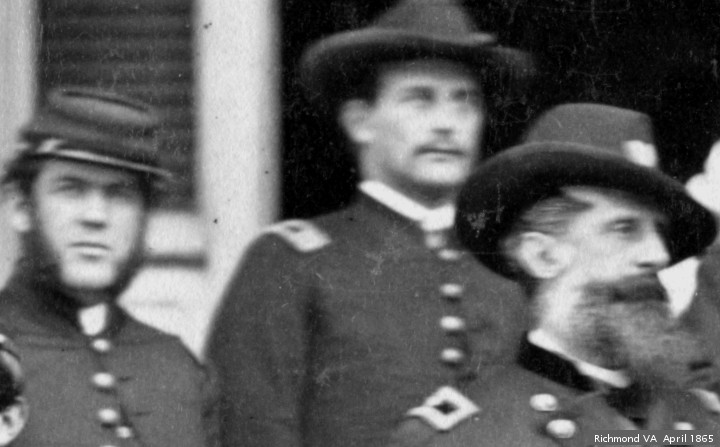
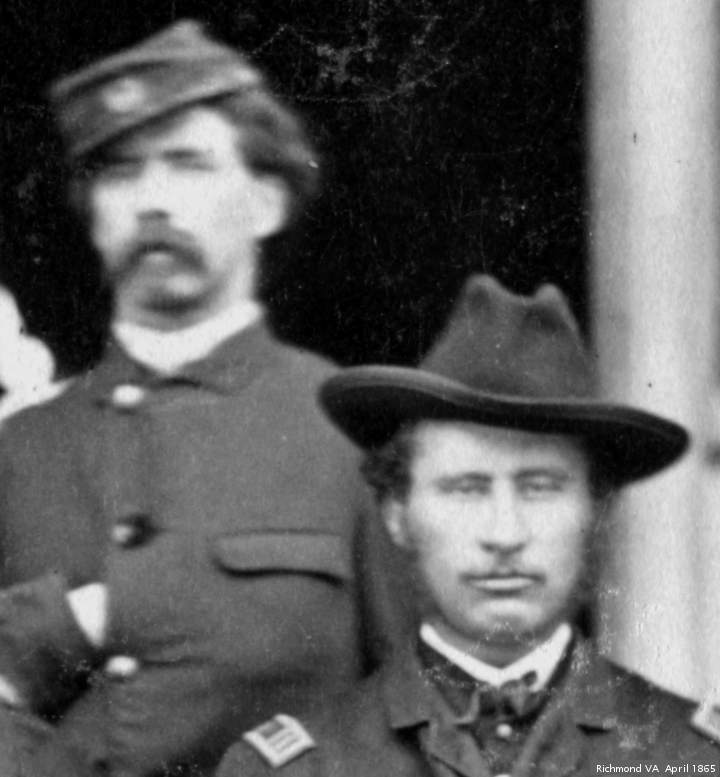
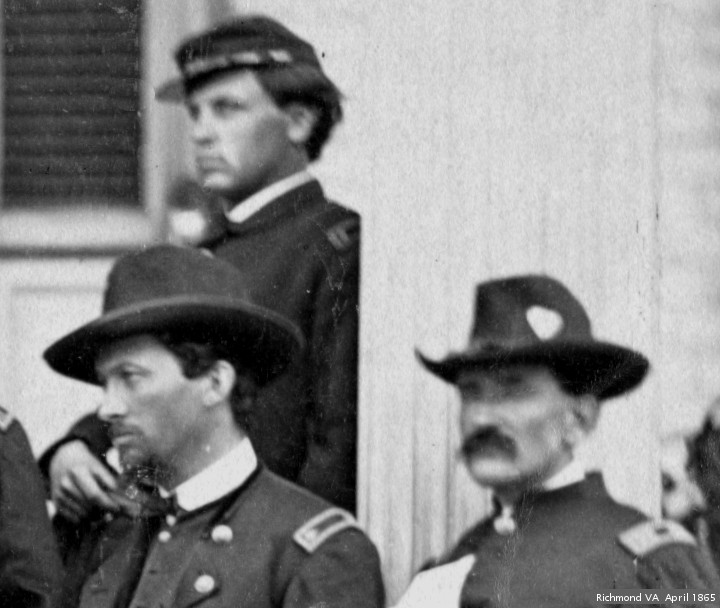
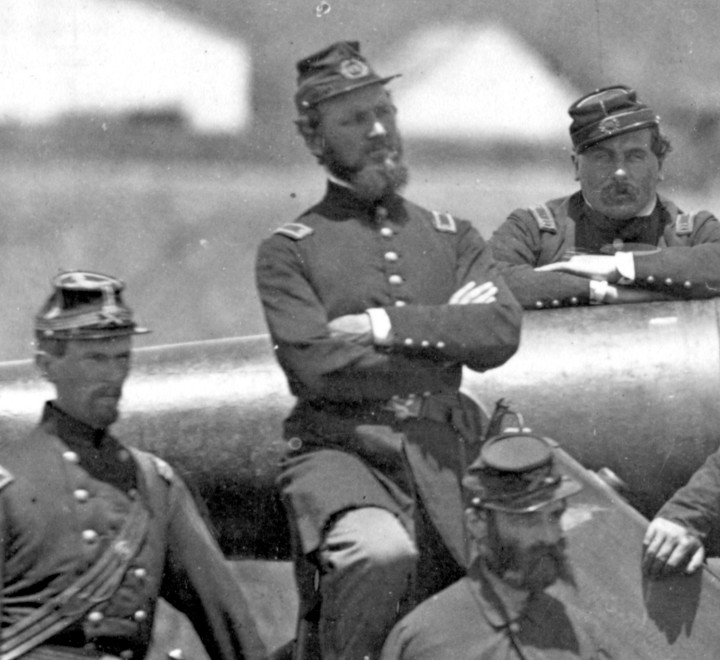
Thomas Eugene Robbins was working in a Seattle radio station when Charles Manson came to self promote. This is on page 241 of Tibetan Peach Pie: A True Account of an Imaginative Life. TER drops a quote from Henry Miller, who is talking about Arthur Rimbaud. “like a man who discovered electricity but knew absolutely nothing about insulation.” Or maybe the insulation was made of asbestos, and whose removal would cost exponentially more than installation.
TER passed on the chance to discover Mr. Manson, which may have been a good move. Before long, TER found himself in the same facility as the doors. TER says he found his writing voice that night. “Their sound is the sonic equivalent of Edgar Allen Poe going down on the Snake Woman, while Jean Genet and the Boston Strangler cut cards for leftovers.”
About this time, TER began work on Another Roadside Attraction, the novel that would make him famous. He spent the week in South Bend WA, and weekends working at the Seattle Post-Intelligencer. This is perhaps the most pretentious newspaper name in history, even for the Hearst corporation. TER spent those weekends in a flophouse, the Apex hotel, whose wallpaper would have sent Oscar Wilde screaming into eternity.
Soon ARA was published, ignored in hardback, but became an underground sensation in paperback. This was the first TER book that PG read. One of those paperbacks was at a yard sale, a few days after PG saw the Rolling Stone piece. After paying the fifteen cents, PG took the book home. On page three, Amanda asks someone about the meaning of life, or something equally goofy. The man asks what she will do in return. Amanda batted her eyelashes, and said the she would suck off the man.
At that point, PG knew that he wanted to finish ARA. Many people say it is the best TER book, and PG is inclined to agree. Even Cowgirls Get the Blues was made into a movie, and the ones after cowgirls all had their charms. The latter books, while tons of fun, have the air of contractual obligation. The lifestyle described in the latter part of TPP must be expensive to maintain. Still, ARA is what made the rest of them possible. Included in this is the move to La Conner WA, made April 1, 1970. TER says to make all moves on April 1. Especially when moving out of a town whose mayor supplemented his income by selling men’s suits out of an Oldsmobile. The suits were stolen off cadavers by enterprising funeral directors, who left the underwear behind.
Before long it is 1971. TER is settled into La Conner WA, except when he puts a duck mask to see a proctologist. The word legendary comes into play. This affable adjective it is misused, misunderstood, and mistaken. It is similar to the contemporary compulsion to decry racism and terrorism. What this has to do with the Chelsea Hotel is a good question. This is where TER stayed, while editors shehawed over Cowgirls. Maybe the editors were legendary racist terrorists.
So Cowgirls comes out, and is a hit. Still Life with Woodpecker, though not as much fun as the first two, is an even bigger hit. TER goes through money, women, and drugs, not always in that order. (TER says he never wrote while intoxicated. However lubricated reality was in his off hours, while on the clock he was straight and narrow.) This can be tracked in his stories. In ARA, the characters realize that alcohol is an imperfect drug. In Woodpecker, cocaine is in fashion. In the post Woodpecker days, alcohol is used more and more.
On page 330, PG is in the Kroger parking lot, waiting on a rider to finish shopping. This passage was written by hand. (TER likes to write with a pen, while PG is hopeless away from a keyboard.) A scribble pad, with a Thoreau quote on the cover, was used. … While reading TPP in Kroger PL, I saw the way the sun fell on some brick columns. I got the camera to take pics. Meanwhile TER is meeting Love of Life#4. The batteries on the camera ran out before I was finished…
The lady friend is still connected to TER. They met in 1987, on page 333 of TPP. Half the antichrist, which somehow that seems like a happy accident. The book has 362 pages, and the clever turns of phrase are fewer and fewer. This will probably be the last installment of the chamblee54 appropriation of TPP. Parts one, two, and three have already seen the light of day. Pictures today are from The Library of Congress. They were taken during the War Between the States.

Tibetan Peach Pie Part Three






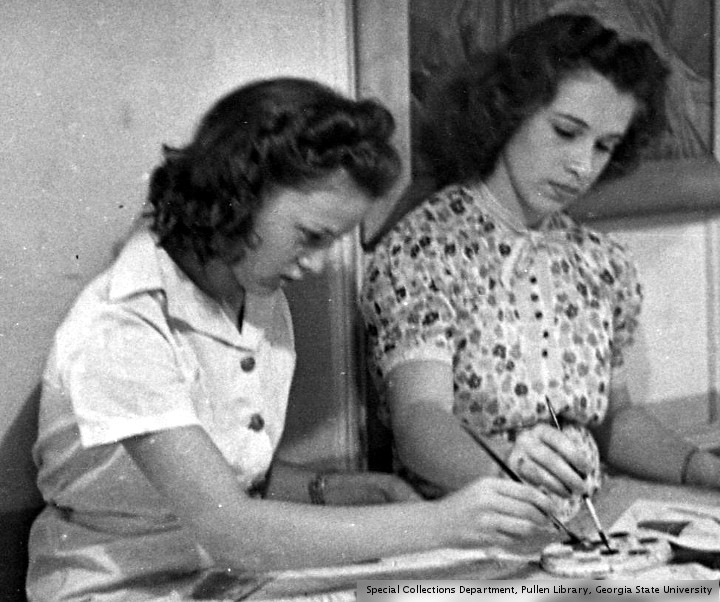
When PG last saw Thomas Eugene Robbins, he was living in Richmond VA. This was around the time Mary Lou, aka the human wrecking ball, went into a crowded bar and yelled “Anyone here want to fuck?” This was the Eisenhower era version. Thirty years before this, Babe Ruth stood up on a chair. “Any girl that doesn’t want to fuck can leave now.”
Fifteen pages later, TER marries another young lady. The proposal came after knowing each other five minutes. Four and a half minutes of that time was TER denouncing her for having the bad manners to walk out of a TER poetry reading. At the time, TER was dating an art student with protective parents. When the young lady was in the hospital, TER decides to impersonate a doctor, so he could give the lady a private exam. To perform this maneuver, TER stole a white jacket that was too big for him. The jacket was so ill fitting as to resemble “a horse blanket draped over a poodle.”
TER worked for a newspaper. One job was editing Earl Wilson’s column, and choosing photographs. This was an entertainment column, about who was doing what where and how. Why was left to the reader’s imagination. Mr. Wilson wrote a three b report, for booze, bosoms, and behinds.
Sometimes, Mr. Wilson wrote about entertainers of color. In many southern establishments, this part was edited out. TER went against the tide, and chose black and white pictures of a sepia trinity: Louis Armstrong, Pearl Bailey, and Sammy Davis. The collective drawers of Richmond twisted into an painful puppy pile. TER hastily moved to Seattle.
Arriving in the Northwest, TER stumbled into a job as a concert reviewer for the Seattle Times. This was despite not knowing what he was talking about. The prose was “colorful,” though not in the Earl Wilson way. TER got into mushroom hunting, and heard tales about magic mushrooms. A bit of checking around ensued, and some learned man told TER to take LSD instead. This substance was still legal, and had yet to develop notoriety. Diane Linkletter kept the window shut.
Here is a bit of confusion. In High Times and Rolling Stone, the date of the first TER trip was July 16, 1963. Tibetan Peach Pie, the book that inspires this orgy of quote abuse, says it was July 1964. Who to believe? Does it make a difference? Actually, it does. In those 366 leap year inclusive days, Martin Luther King had a dream, John Kennedy met his maker, The Beatles were on the Ed Sullivan show, and Cassius Clay whipped Sonny Liston. The world was a differnt, less innocent. but more musical place. Ed Sullivan wore a Beatle wig, taking really big shoe tonight into unknown territory.
The psychedelic experience is aggressively non verbal. (p.197) “…even a professional novelist can scarcely write about it it without swathing his observations in the purple cloak of woo woo.” At one point, TER went inside a flower. “The crown of the daisy is a perfect logarithmic helix. My eyes followed that spiral, around and around, until — pop! — I actually went into the flower. What was it like in there? It was a subterranean cathedral made out of mathematics and honey, and occupied — this is the amazing part — by an almost palpable intelligence… Now, a man-made bean can is hardly a living plant, but what I’ve come to appreciate about inanimate objects, aside from their utilitarian beauty, is the whisper of the Infinite in each and every one of them. I’d better shut up now before the woo-woo alarms go off.”
A can of beans was one of the players in Skinny Legs And All. PG read SLAA while working in an architect’s office. A can of baked beans was placed on a shelf for motivation. After he finished reading SLAA, PG ate the contents of the can of beans. A young lady heard about the use of baked beans as a grounding device, and did not understand. After finishing SLAA, PG told the young lady that he had eaten the can of beans. She was not amused.
After that fateful LSD afternoon, TER had little interest in reading or writing. This can be inconvenient for a music critic expecting to get paid. This printed word hiatus was broken when TER read Steppenwolf. This was probably before the band shipped out “born to be wild.” Steppenwolf is a book to read at twnty one, and think you are changed forever, then read again at fifty one, and realize you need to change your underwear.
This business of expanding consciousness is not conducive to the real world. Eventually, TER left Seattle, and took his wife back to Richmond. TER went to live in New York. At a LEMAR protest … something to do with legalize marijuana … TER met Allen Ginsberg. “I glanced around with increasing nervousness as the cameras of a half-dozen law-enforcement agencies flashed amidst the snowflakes like orbs of mad polar bears. … Ginsberg, that magnificent pothead of the godhead, laid a gentle hand on my shoulder and said, “Don’t worry about it.” … “In the long run, these fuzzy shots in some cop’s folder will do you more honor than the cover of Newsweek.” The poet then kissed TER, who was back in Seattle before you could say Tetra Hydra Cannabinol.
Maybe it was a sermon about mammon. The other day on facebook, someone was ranting about something, and calling his output a sermon. PG wrote a comment… “is there a gender neutral replacement for sermon and mammon.” (PG forgot to hit post, which is why there was no snarky reply.) When Mr. Ginsberg was Howling his way to fame, mammon was regarded as “wealth regarded as an evil influence or false object of worship and devotion.” Money is not only the root of all evil, but the stalk, leaves, and, last but not least, the fruit.
Alas, there is no connection between mammon and ma’am. There is no commingled origin for sir and sermon, or, for that matter, amen and men. They are already non binary, and fit for use by both cis and trans. Some people just have to make everything about sex.
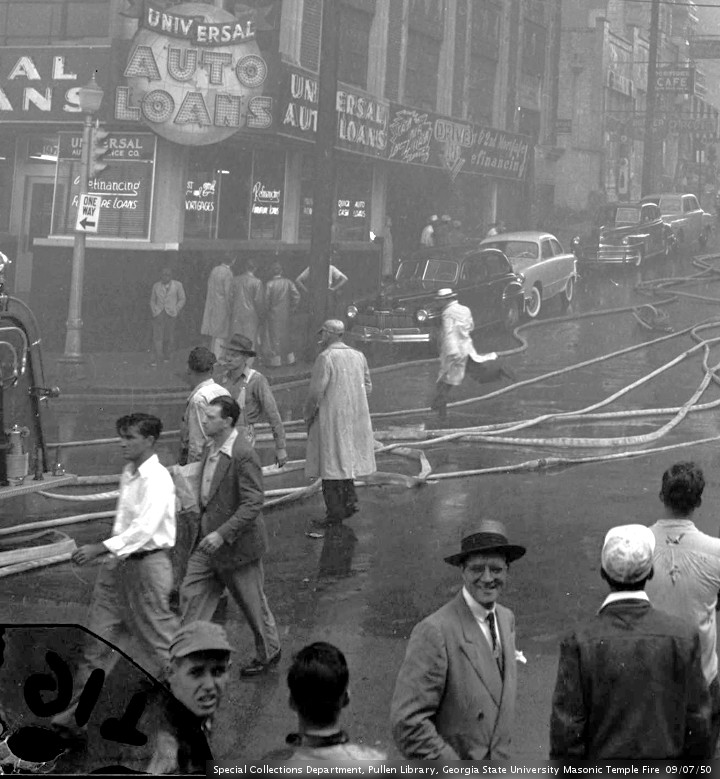
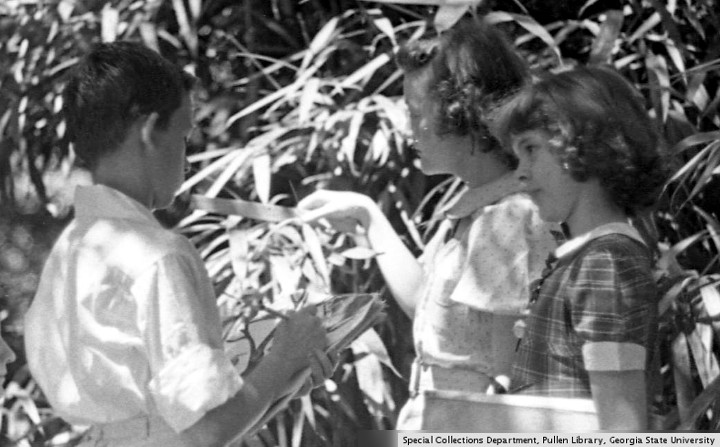
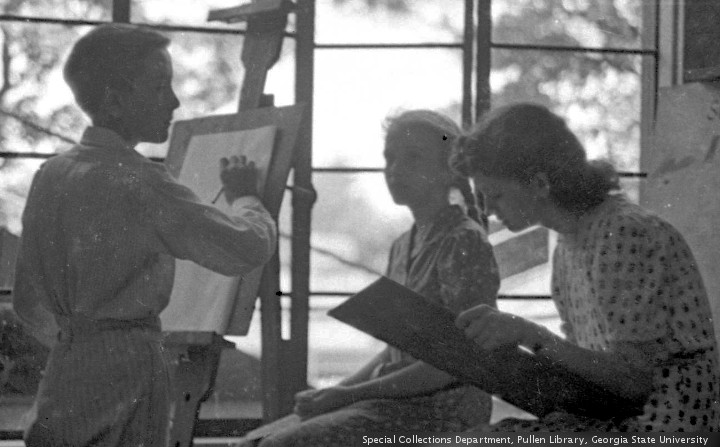
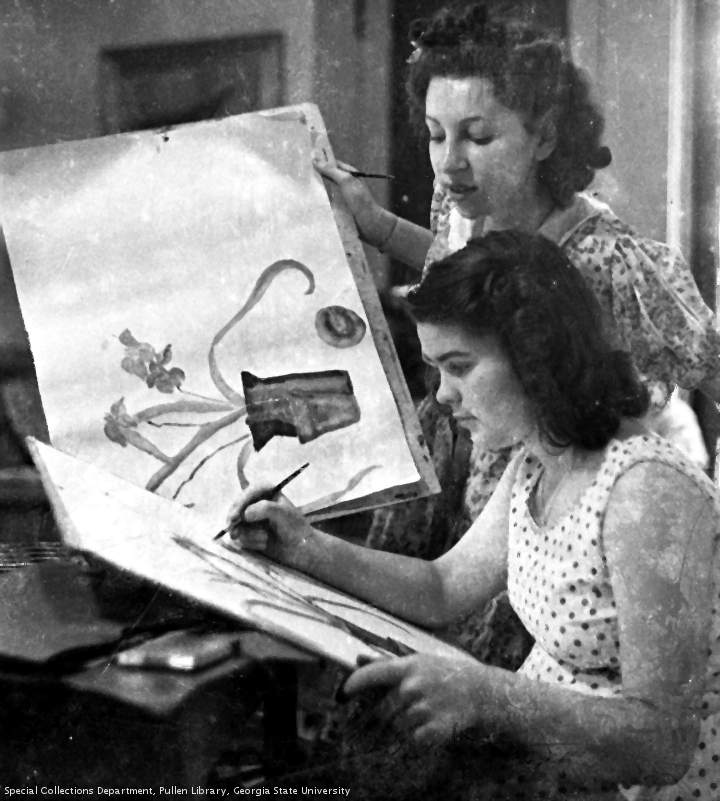
Maybe this is a good time to adjourn this meeting. This is part three, of the chamblee54 certification of Tibetan Peach Pie. Parts one and two have already been distributed. Pictures today are from “The Special Collections and Archives, Georgia State University Library”.





Tibetan Peach Pie Part Two





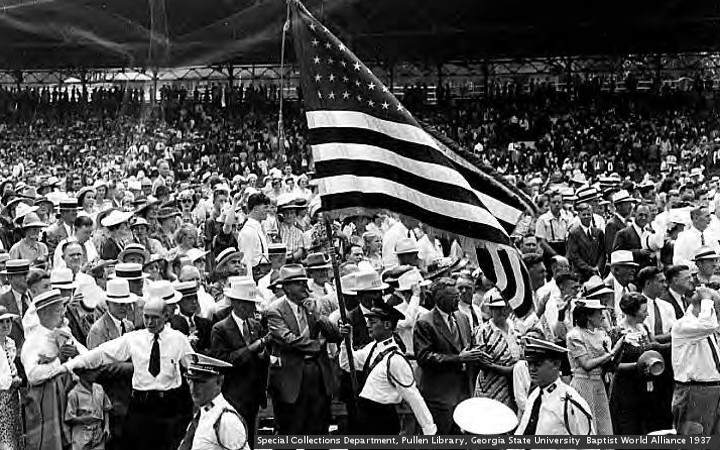
In 1977, Rolling Stone did a piece about a “counterculture writer” named Tom Robbins. This should not be confused for Harold Robbins, a mainstream wordchunker who died in 1997. “Tommy Rotten,” is known for colorful phrasing. It is as if Vladimir Nabokov caught butterflies with psychedelic juice in their wings, and made a lepidopterist stew that allowed him behind the looking glass. As it is, we have, through the magic of internet cut and paste, a stylistic seraphim from the time of the Carter administration. “You can tell people that my goal is to write novels that are like a basket of cherry tomatoes—when you bite into a paragraph, you don’t know which way the juice is going to squirt.”
Part one of the chamblee54 regurgitation of Tibetan Peach Pie: A True Account of an Imaginative Life hit the ether nine days ago. Since then, PG has taken to writing down the page number of phrases that catch his eye, tickle his ears, pull his leg, and punch him in the gut. Since a Tom Robbins book is an anarchic army of swinging sentences, only nominally regulated by the discipline of plot, this may be the best way to approach this subject.
On page 25, TER (the E stands for Eugene) was on an asian honeymoon. A Sing snake crossed their path. A guide invited the snake to dinner. The reptile was prepared with enough red chili paste to give heartburn to the human blowtorch. TER felt as though he had gargled napalm. Later, on page 145, TER would describe “many a hot, sticky summer night, when a restless Richmond felt like the interior of a napalmed watermelon.”
Page 63 sees TER at thirteen years old. He has not joined the church, given his soul to Jesus, and been assured of salvation. These are important items on the Southern Baptist bucket list. PG went through sunday after painful sunday, every time the congregation sang “Just as I am” as an invitation to eternal life with Jesus. PG never did take that walk down the aisle, and has come to see the Baptist ritual of pressuring pre pubescent youth as being just a little bit weird. Yes, this is better than what the Roman Pedophile Church likes to do with little boys, but that’s a technicality.
The man assigned to win the soul of TER was Dr. Peters. “tall, gaunt, and pale, with a weak damp smile and cold damp palms: shaking hands with him was like being forced to grasp the flaccid penis of a hypothermic zombie….more creepy than refrigerated possum slobber.”
By page 125, TER is out of school, married, and has a son. This is the early fifties, and PG will not appear on planet earth for a little while. In those days, there was a war going on in Korea. TER decided that the Air Force would be more pleasant than the army. If he had waited much longer Uncle Sam would have made the choice for him.
TER at some point is on a ship, and editing a newspaper. “…the paper’s adviser, a Roman Catholic chaplain who possessed the purplish physiognomy and perpetually petulant pucker of the overly zealous censor.” Soon TER is in Nebraska, and buys his first automobile, a “1947 Kaiser … looked like the illegitimate child of a sperm whale and a pizza oven.” TER did not specify the gender.
Six pages later, TER is out of the service, about the divorce wife number one, and living in a hood called the Fan. This was the hippie district of Richmond VA, although the 1954 version was considerably tamer than the summer of love variety. (This is roughly the time when PG burst onto the landscape of Atlanta GA) TER was reading books about zen. Learning zen, by reading a book, was similar to learning how to swim by reading a magazine. Or telling time by reading a newspaper. As Ben Hecht put it, “Trying to determine what is going on in the world by reading newspapers is like trying to tell the time by watching the second hand of a clock.”
The convergence of zen, swimming, and reading material made TER think of a poem by William Blake. Mr. Blake was a hallucinatory inspiration on Allen Ginsberg, who would later be the only man to ever kiss TER on the lips. (PG has doubts about that one, but will have to take the word of TER) Anyway, the poem has the Southern Baptist approved title of “Eternity.” “He who binds to himself a joy, Does the winged life destroy; But he who kisses the joy as it flies, Lives in eternity’s sun rise.”
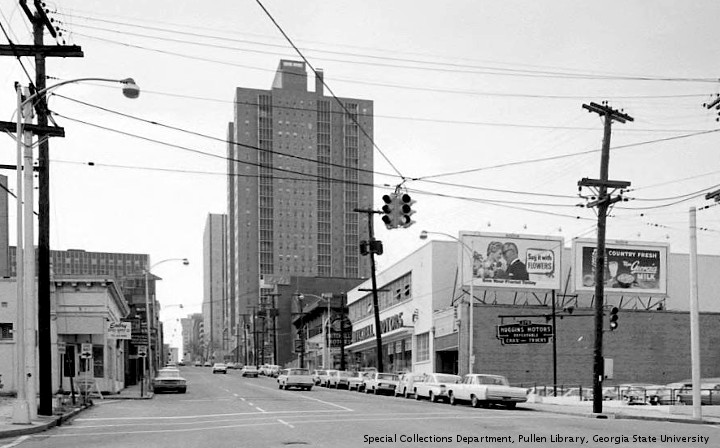
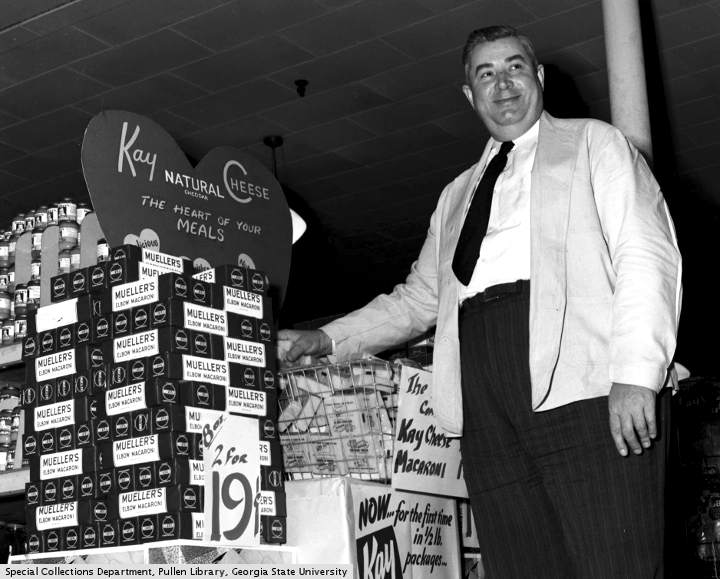
Maybe this is a good time to edit this, insert pictures from “The Special Collections and Archives, Georgia State University Library”, and go forth into the world. Or go second, or third, but not in a Southern Baptist lifetime should PG go fifth. As TER said in High Times, “I’d better shut up now before the woo-woo alarms go off.”


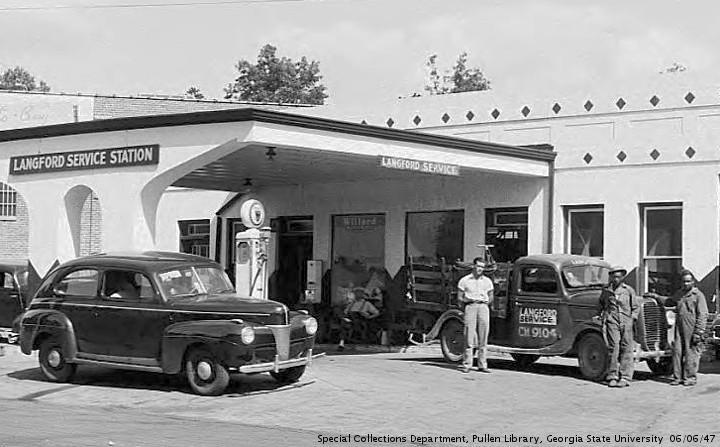

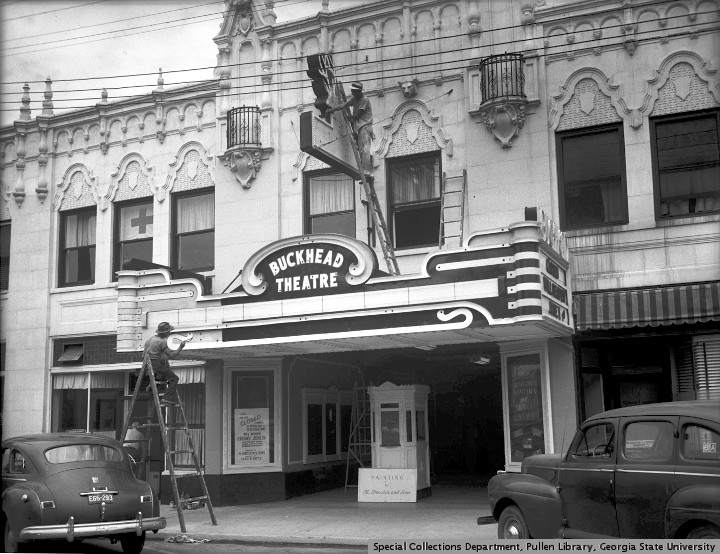


Tibetan Peach Pie Part One


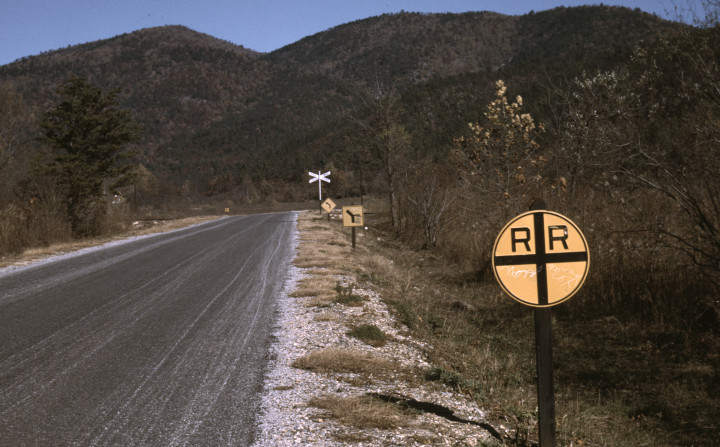
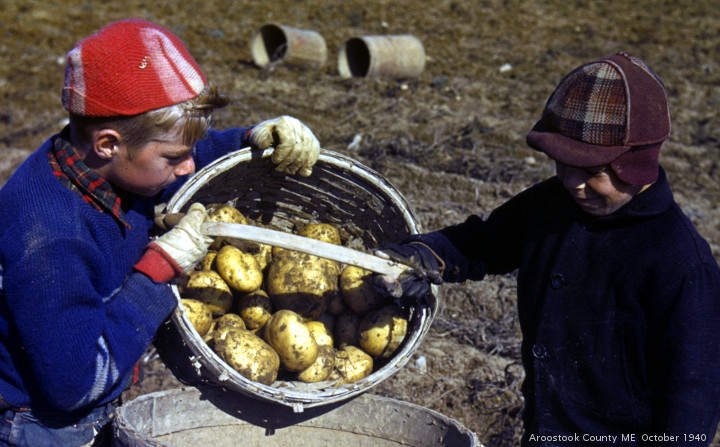


There is a quote on page sixty nine of Tibetan Peach Pie: A True Account of an Imaginative Life, by Tom Robbins. Yes, that magic number, representing mutual oral gratification when it is not the product of twenty three skiddoo times three. The line is from a poem, “Fruits and Vegetables,” by Erica Jong. Before we get much further, maybe we should hear the line. If a woman wants to be a poet, she must dwell in the house of the tomato.
This is synchronicity in living color. Tom Robbins and Erica Jong have been two of PG’s favorite authors for thirty seven plus years. They gave readings in a converted auto dealership on Pharr Road in the early nineties. PG was at both, even if all he saw of Mr. Robbins was the author sitting down autographing books. The thought that these two confirmed heterosexuals might have performed reproductive acts sends literary gossipmongers into zipless fits. And to have this quote dropping on page 69, about a red juicy fruit/vegetable/berry… it just takes the pizza pie prize.
The humble tomato is a much written about food product . A disagreement over pronunciation provides lyrics for a hit song. It is dandy for throwing. Some say it is easy to grow. (PG has tall trees surrounding his backyard, and no luck at all with ‘maters.)
The structure of the word… to, as in direction, ma, as in mother, another two letter to… tomato has a symmetry unknown to chocolate or pineapple. The oh sound at the end makes tomato easy to rhyme. Tomato spelled backwards is otamot, which is total nonsense. Whatever it’s other virtues, tomato is neither a palindrome nor a weapon of mass destruction.
When PG saw the tomato quote, he asked Mr. Google for more information. One of the results was a page by Jason Webley. This is a musician, who used to write about oddities on his web page. Mr. Webley is currently on tour in Europe, which might not be the comfortable thing to do at this very moment. His commentary was instructional.
“The tomato does have a funny history. It, like many of the vegetables we eat is a New World plant. Somehow the Itallians made do without tomato paste until realtively recently (likewise with the Irish and their potatos.) When the plant was first discovered by Europeans in South America is was believed to be deadly (a member of the Nightshade family) but pretty. Rumor has it, the tomato was believed to be the apple of forbidden knowledge from the Garden of Eden. It was brought back to Europe purely as a decorative plant and actually made it all the way around the Mediteranean and back across the Atlantic to North America before people got up the courage to eat the thing.”
Mr. Webley is full of arcane knowledge, From him we learn: Lahnaphobia: Fear of vegetables. (spell check suggestion:Islamophobia) ~ The difference between a fruit and a vegetable: In accordance with a US Supreme Court ruling in 1893, the difference between a fruit and a vegetable is as follows: ‘Any plant or part thereof eaten during the main dish is a vegetable. If it is eaten at any other part of the meal, it is a fruit.’ ~ Have you ever noticed that the Bible is full of references to corn? Doesn’t this seem a bit unusual, considering that corn is a new world grain developed in the region now known as Guatemala and was completely unknown to Europe and the Middle East until at least 500 years ago? Pictures today are from The Library of Congress.


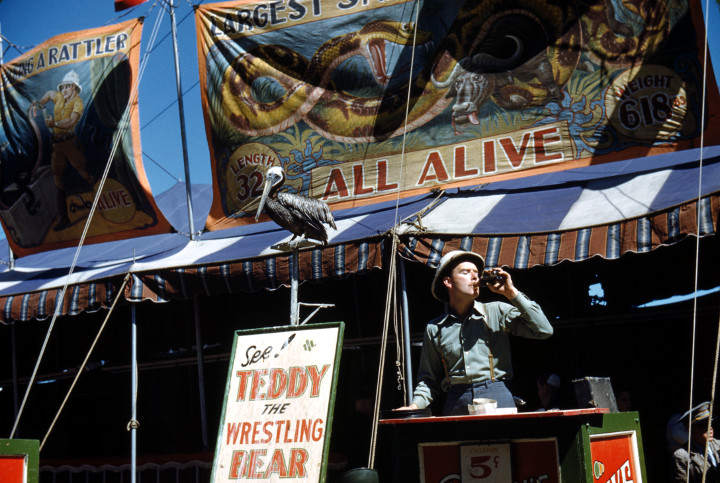



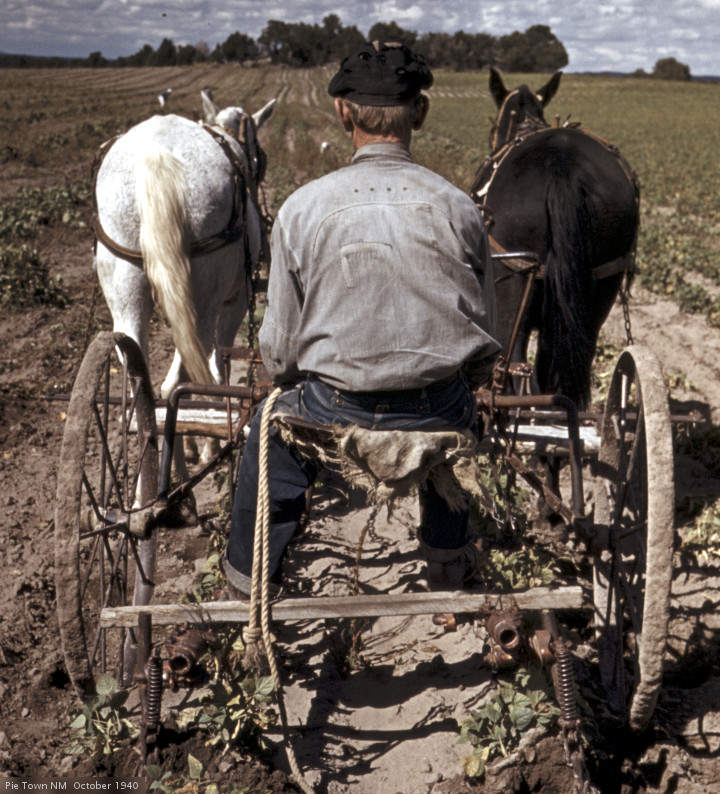
The Burning Of Atlanta Part Two

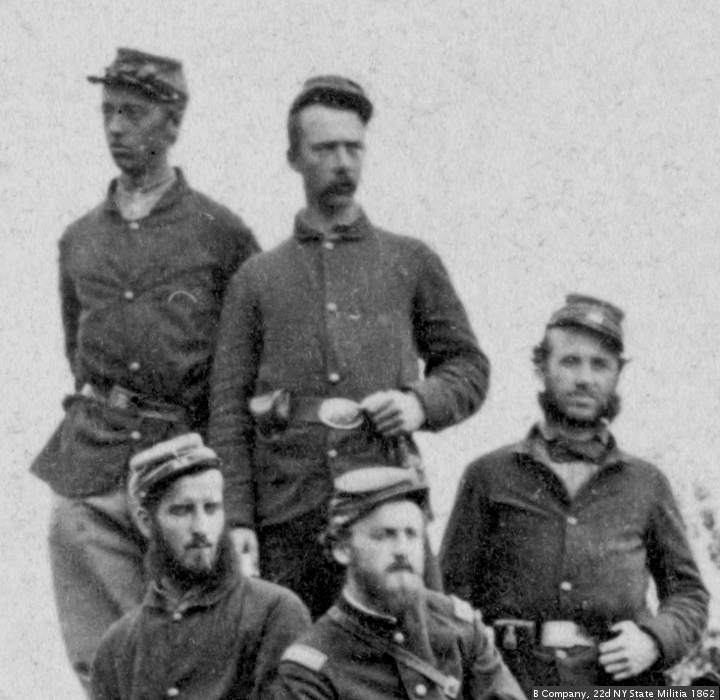
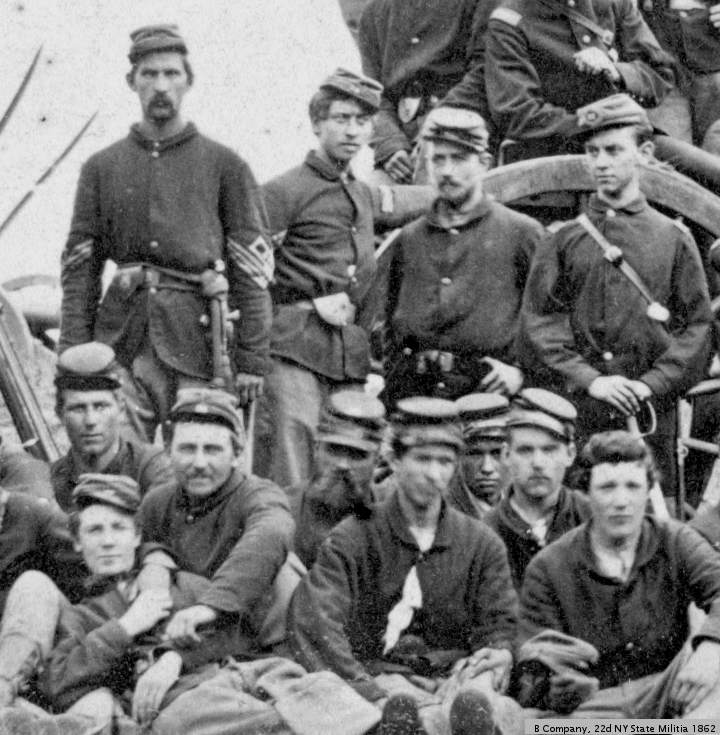


About this time every year, there is a post about the burning of Atlanta. One of the sources is a lecture by Marc Wortman. If you have an hour to spare, this talk is worth your time. One of the stories told is the tale of Mr. Luckie.
“According to folklore, two stories abound as to how Luckie Street was named. The first is that its moniker came from one of Atlanta’s oldest families, and the other, probably closer to the truth, regales the life of Solomon “Sam” Luckie. Luckie, as it turns out, wasn’t so lucky after all. When General William Tecumseh Sherman first came marching through Atlanta in 1864, Luckie, a free Black man who made his living as a barber, was leaning against a gas lamp post in downtown talking to a group of businessmen. A burst from a cannon shell wounded him; he survived, but later died from his injuries. Folklore suggests that he may have been one of the first casualties of the assault on Atlanta during Sherman’s March to the Sea, and Luckie Street, an extension of the city’s famed Sweet Auburn Avenue, was later named in his memory.”
Marc Wortman wrote a book, The Bonfire: The Siege and Burning of Atlanta. The one star review, and comments to that review, are unusually detailed. Here is a selection.
“…People forget – or were never taught in school – that most Confederate soldiers descended from Revolutionary War patriots or were up-country poor sons of farmers. Many Confederate soldiers were relatively recent new arrivals to the U.S., semi-literate dirt poor immigrants from Ireland and Scotland who’d never had the chance to own even an acre of their own land in Europe. In the mix were well-educated, elite merchant business owning French Huguenot refugees of the Catholic Bourbon genocide of Protestants. These immigrants had nowhere else to go, 9 times out of 10 never owned a slave, and fought for the CSA to keep what little they’d hardscrabble carved out over a decade of arrival into the U.S.”
The War Between The States continues to be a source of controversy. After the Charleston church killings, many comments were made about the Confederate battle flag. (If you can’t talk about gun control or mental health, you talk about a symbol.) This led to discussions about the war itself. There were ritual denunciations of slavery, which was assumed to be the sole cause of the conflict. The fact that the vast majority of white southerners did not own slaves was dismissed.
The notion of autonomous states in a federal union was novel when the United States Constitution was written. The debate over federalism versus states rights continues to this day. States that want to legalize marijuana may be the next battleground. (Few are expecting secession over bong rights.) Many in the CSA saw the Union as being a conquering army, and fought to defend their homes. While slavery was certainly a factor in the creation of the CSA, it was not the only Casus belli. Pictures today are from The Library of Congress.



The Burning Of Atlanta


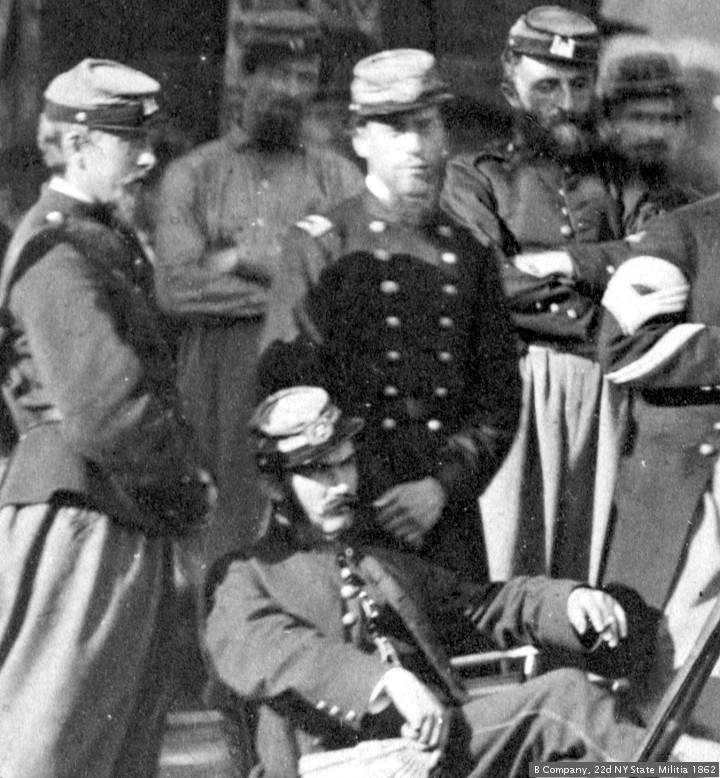
Around this time 151 years ago, Atlanta was on fire. General Sherman was preparing for his March to the sea, and wanted to destroy anything of value in the city. The fire is reported as being on 11-15 of November, depending on what source you use.
The November fire was the second great fire in Atlanta that year. On September 2, the city was conquered by the Union Army. The fleeing Confederates blew up a munitions depot, and set a large part of the city on fire. This is the fire Scarlet O’Hara flees in “Gone With The Wind”.
After a series of bloody battles, the city was shelled by Yankee forces for forty days. There were many civilian casualties. General Sherman was tired of the war, angry at Atlanta, and ready for action. This is despite the fact that many in Atlanta were opposed to secession.
Click here to hear a lecture by Marc Wortman at the Atlanta History Center. Mr Wortman is the author of “The Bonfire: The Siege and Burning of Atlanta”. The hour of talk is fascinating. This is a repost. The pictures are from The Library of Congress


Save the Date








It is a magic moment when you find fresh product from an author you enjoy. One day at the Chamblee library, PG found Save the Date, by Mary Kay Andrews. Those who snicker that this is a woman’s book can skip over the rest of this book report. The pictures are from The Library of Congress.
Cara is a yankee transplant with an unpronounceable name. We never learn if this handle is shared with her ornery father, or a souvenir of marriage to “Leo.” Cara runs a flower shop in Savannah’s historic district. STD … the initials for this book … has lots of “local color,” but few people of color. There is a gay character, who plays (not always wisely) a crucial role in the story.
The flower business has issues. Cara is branching into wedding planning, and has a big budget do that will allow her to pay off debts, and deal with more headaches. One the day of one wedding, Cara’s dog Poppy gets out. By a bizarre coincidence, a man has a similar dog missing, and takes Poppy home. Cara sees this, and an ugly scene ensues. Astute novel readers know that the dognapper is going to be Cara’s boyfriend. They kiss on page 148, and spend the night a hundred pages later.
That night’s wedding is for the brother of the dognapper. The next day, Shaz, the missing dognapper pooch, shows up, and Poppy goes back to Cara. The ac in Cara’s shop, Bloom, is not working, which is a serious problem in Savannah. This leads to a series of events which draw the dognapper, Jack, into Cara’s arms, and then drives them apart. Some of the plot twists, while highly entertaining, are tough to believe. You knew reading this was a dangerous game when you agreed to play.
This suspension of disbelief goes too far at Loblolly. That is a family home on Cumberland Island. Bride With Issues gets mad, and goes AWOL. Cara, seeing a big payday vanishing, sends BWI a text, and finds out where she is. Cara packs a bag, drives to St. Marys, and gets on the morning ferry to Cumberland Island. Cara rents a bike, and finds out where Loblolly was, before they tore it down.
Loblolly used to be on the west side of Dungeness, a bit south of Sea Camp. All that is left is a treehouse. BWI is sitting in this tree house, having sent a text to her boss quitting her job. BWI does not know what she wants to do. Cara convinces BWI to call her family, and let them know what she has done. After all this, Cara gets back to the Sea Camp dock in time to catch the afternoon ferry. PG is a Cumberland Island veteran, and finds that story beyond preposterous.
STD goes on for 433 pages, which is not a problem. While the story is not believable, it is highly entertaining. Cara has more bad days than Bernie Sander’s hairstylist. While STD has a happy ending, we don’t know how she got out of a few of those messes. Maybe there is going to be a part two.








 Chamblee54
leave a comment