Hank Chinaski Lives

In the next quarter century, the surplus grew, thanks to Bukowski’s nearly graphomaniacal fecundity. “I usually write ten or fifteen [poems] at once,” he said, and he imagined the act of writing as a kind of entranced combat with the typewriter, as in his poem “cool black air”: “now I sit down to it and I bang it, I don’t use the light / touch, I bang it.”
As could have been predicted, it started with a post at Dangerous Minds. The feature was about the late Charles Bukowski, who was called Hank by those who knew him. The writer/drunk had always been a bit of a fascination to PG. Out of the millions of useless drunks feeding the urinals of planet earth, at least one will turn out to have had literary merit.
A trip to Google city is made, and quotes from the bard are found, along with the wikipedia page. All of this leads to a New Yorker piece about the gentleman. After nine paragraphs, and two poems, there is the phrase that set off PG…graphomaniacal fecundity.(spell check suggestion:nymphomaniac)
As best as we can figure, g.f. means that Hank wrote a lot of stuff. This is a good thing. PG operates on the notion that if you keep your quantity up, the quality will take care of itself. Hank seems to agree, spitting out product “like hot turds the morning after a good beer drunk.” He seemed to take pride in doing what Truman Capote said about Jack Kerouac…he doesn’t write, he types.
If you google the phrase graphomaniacal fecundity, you can choose from 71 results. The top six apparently quote the article in New Yorker. A blogspot facility called poemanias quotes the paragraph from the New Yorker, with the title “On Bukowski’s afterlife”, while Fourhourhardon reprints the entire thing. Neither provide a link back to the original.
Goliath and Petey Luvs Blog take the same copy-paste approach. The first tries to get you to pay for more reading material. This forum also does the control A-C-V approach, but yields this comment : “He was a contemporary of the Beats, but not quite one of them because he was darker and not as willing to smoke a joint and sing Phil Ochs songs on the lower east side.” The truth is, Hank hated marijuana, and had the classic alcoholic attitude about it. So it goes. Keep and share copies the complete New Yorker feature, but has some other thumbsuckers about Mr. Bukowski.


It is a truism that new media borrows content from old media. Stories, told orally from genration to generation, are compiled into books, which are then made into movies. Plastic panels try to look like wood. The newest new media that old fogey PG knows about is twitter. People tell little stories in 140 characters or less, which go around the world in seconds. With this abundance of media, there are not always enough messages to feed the beast.
On twitter, there are people producing twitter feeds from dead authors. Maybe these wordmongers went to a place with internet access. Kurt Vonnegut (three hours ago) “Busy, busy, busy”. Mark Twain (three hours ago) “Be careful about reading health books. You may die of a misprint”. Brautigan’s Ghost (twenty two hours ago) “I cannot say to the one I love, “Hi, flower-wonderful bird-love sweet.”
The deceased content maker best suited to twitter might be Conway Twitty. One slow day two years ago, Yahoo asked peeps Do you think Conway Twitty would have used Twitter? ~ He gave them the idea ~ I think Twitty would tweet, Twitter would be Conway’s, way of of communicating to the world, Twitty would be tweeting his little Twitty head off, ~ I better send out a Twitty Tweet ~ Cute, but a serious answer, probably. A media hound, he’d want to get his name plastered everywhere. ~ If he did that would have made him a ‘Twitty Twitter” ~ Who cares, he’s a twit anyway”.
There are four Twitty Twitter feeds. @ConwayTwitty (Oct. 21,2009) “The Conway Twitty Musical is getting great reviews in Branson!!! . @TwittyTweats (January 12, 2012) “In Twitty City, it never snows. All the men wear gold medallions and blazers. And the women never cry. Unless you hold them.” @Conway_Twitty (February 20, 2012) “My cock is an amphibious assault vehicle” @conwaytwittier (April 28, 2012). “@JasonIsbell How’s the English weather treating your hair? I had the hardest time keeping my pompadour in tiptop shape there.” @twittybirdmoda is written in Japanese. We’ve never been this far before.
The original concept for this post was to spotlight twitter feeds borrowing material from Charles Bukowski. Hank is the beer bard of Los Angeles. He is a hero to many. Out of the millions of worthless drunks populating bars, at least one could write poems. It gives you hope for mankind.
The front page of a google search for “charles bukowski on twitter” yields eight feeds. The original plan was to ignore any that were not updated in 2012. An exception will be for @hank_bukowski (Yeah it’s good to be back). (January 25, 2009) “Yesterday I met Adolf H. in hell. He is fuckin stupid.” “too lazzy these days, too drunk to twitter”.
With the 2012-only rule in effect, we are left with three Bukowski thieves. @BukowskiDiz (May 1) “Curiosidades sobre Charles Bukowski http://migre.me/8UhRf“. @bukquotes (May 8) “all the mules and drunken ladies gone the bad novels march…”. ~ “I always read when I shit and the worse the book the better the bowel movement.” @bukowski_lives (one hour ago) “Basically, that’s why I wrote: to save my ass, to save my ass from the madhouse, from the streets, from myself.”
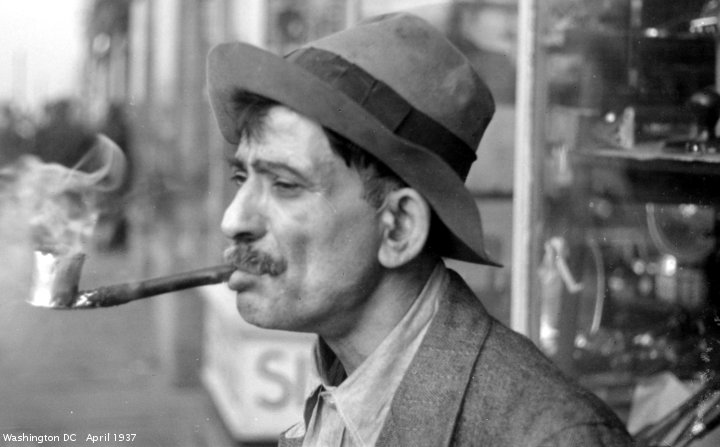
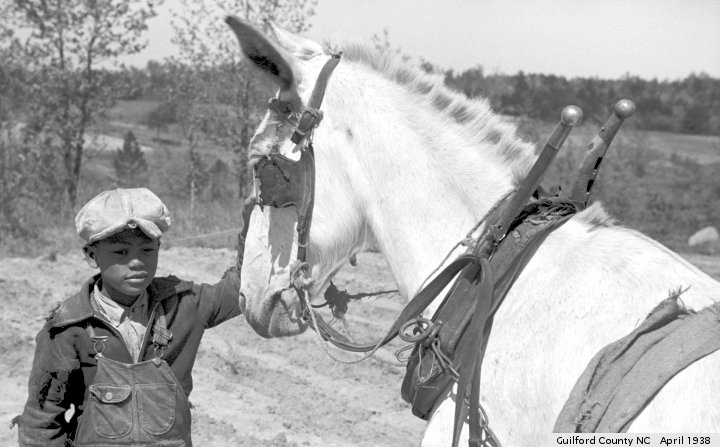
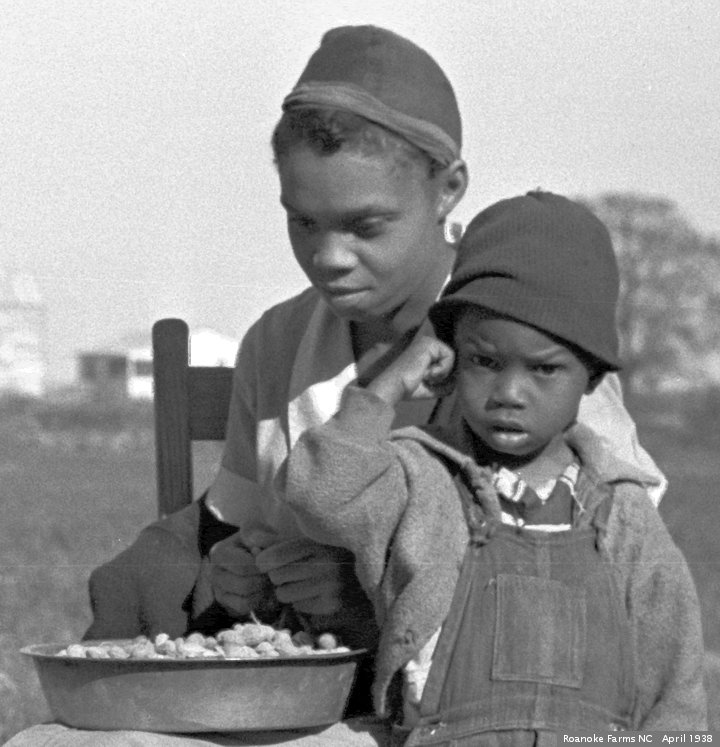
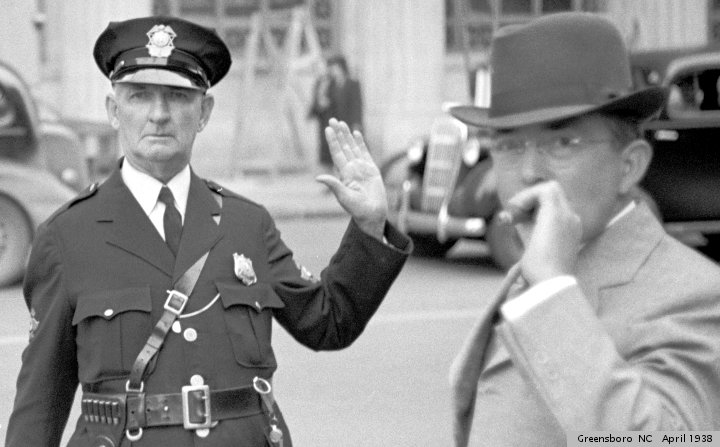
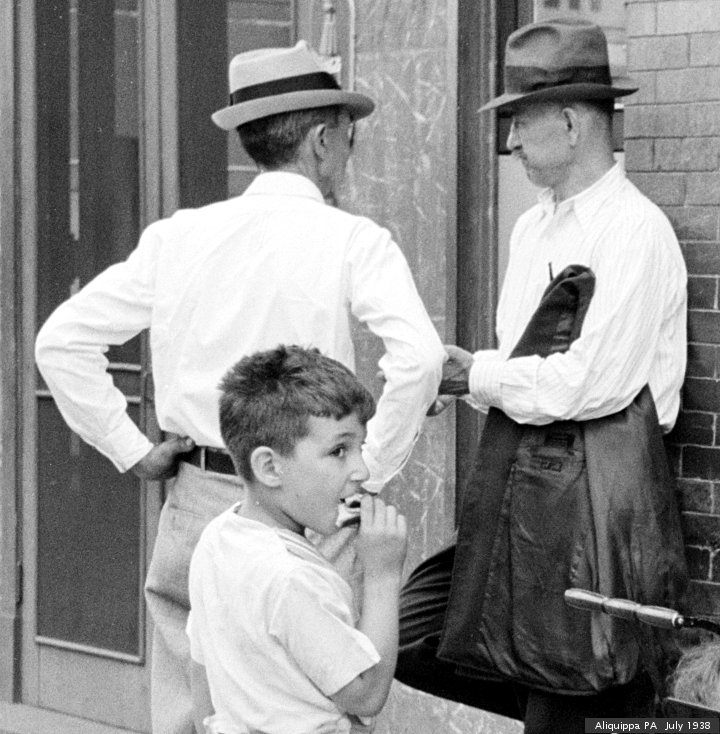
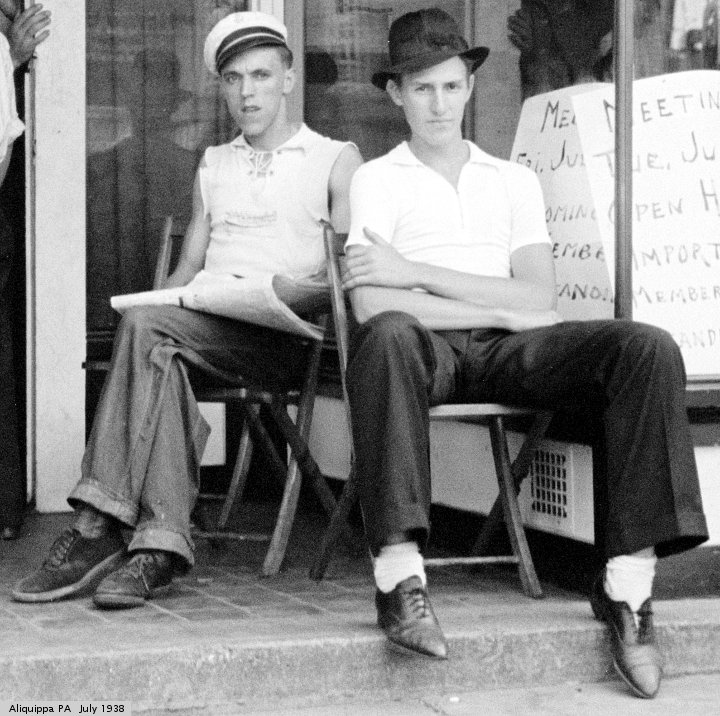
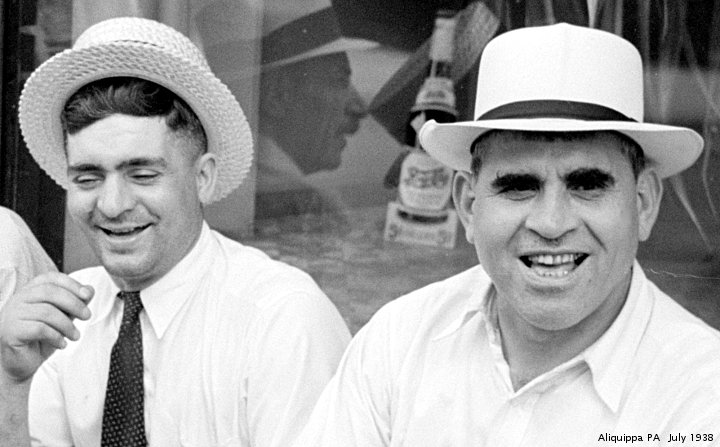
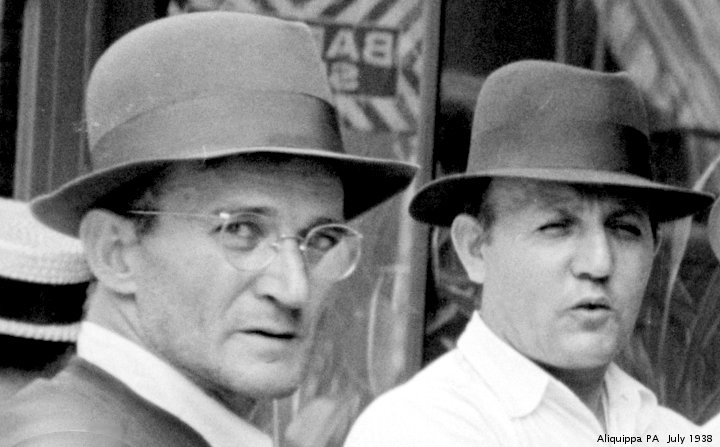
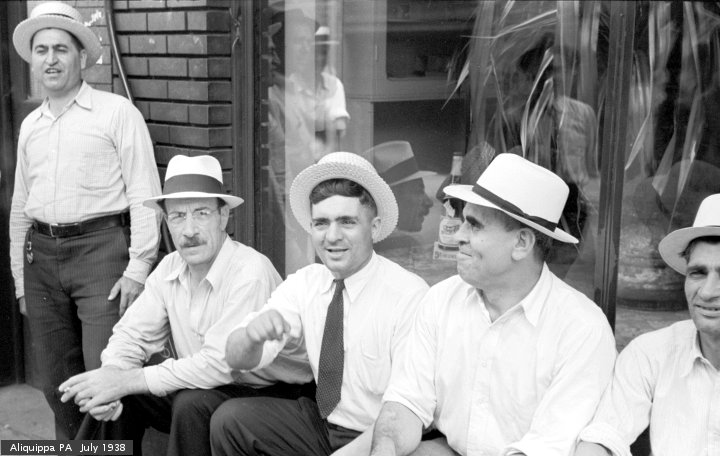
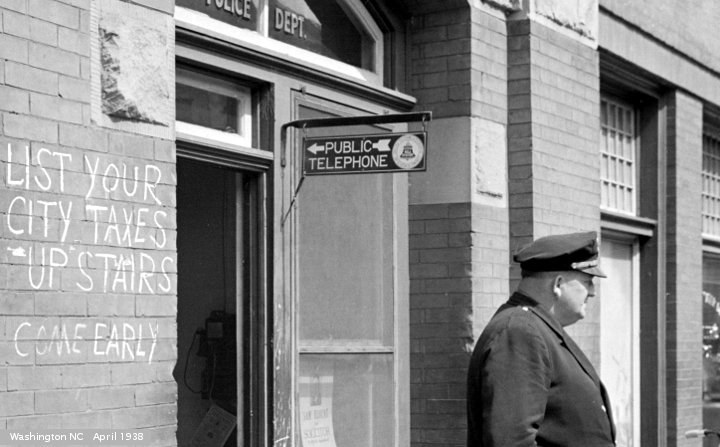
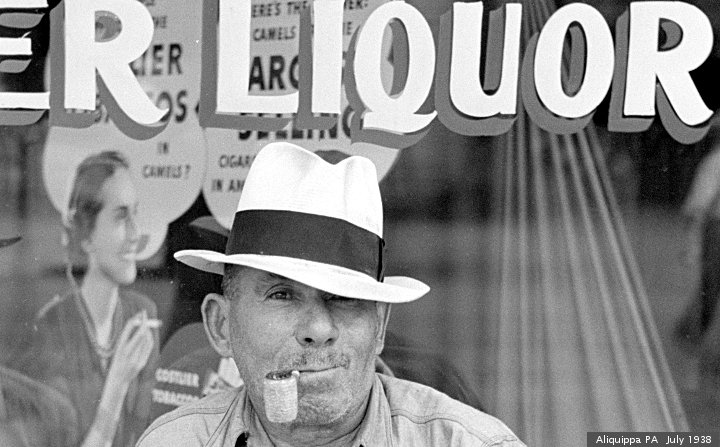
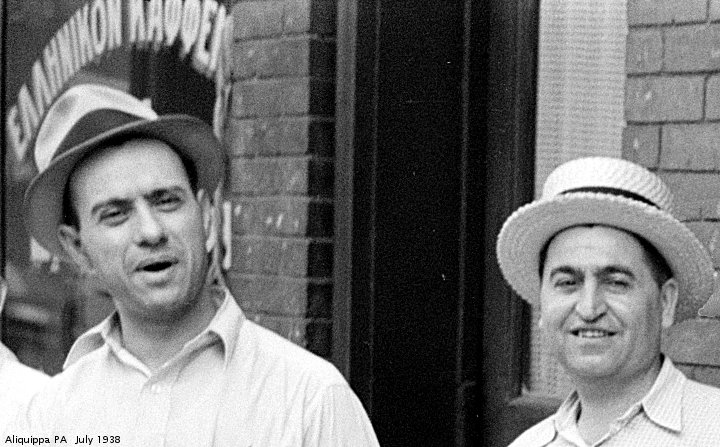
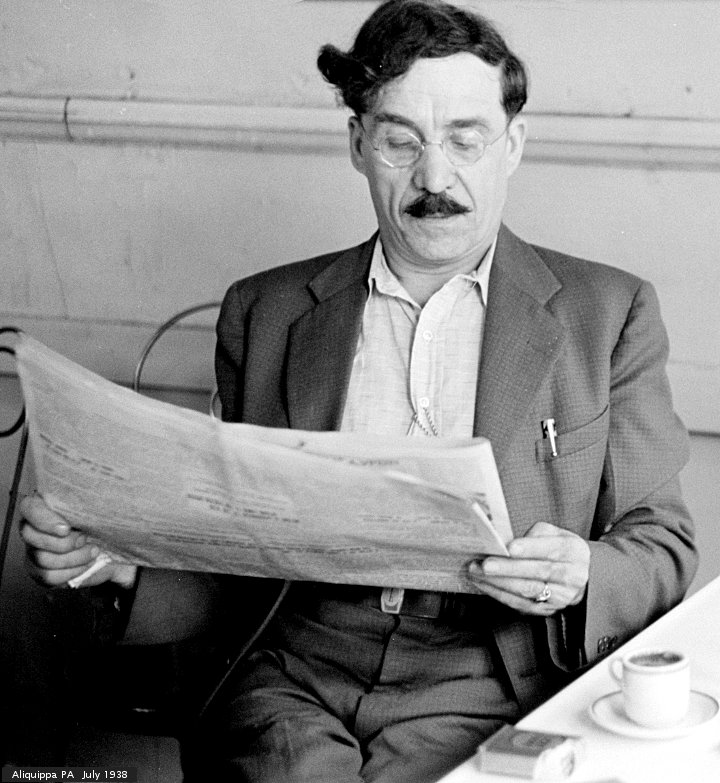
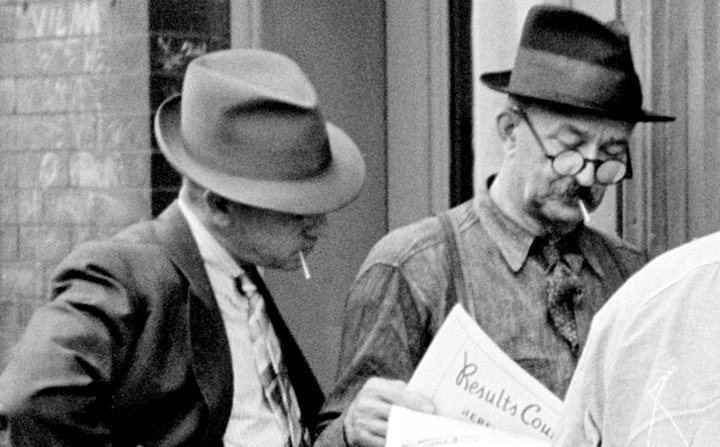
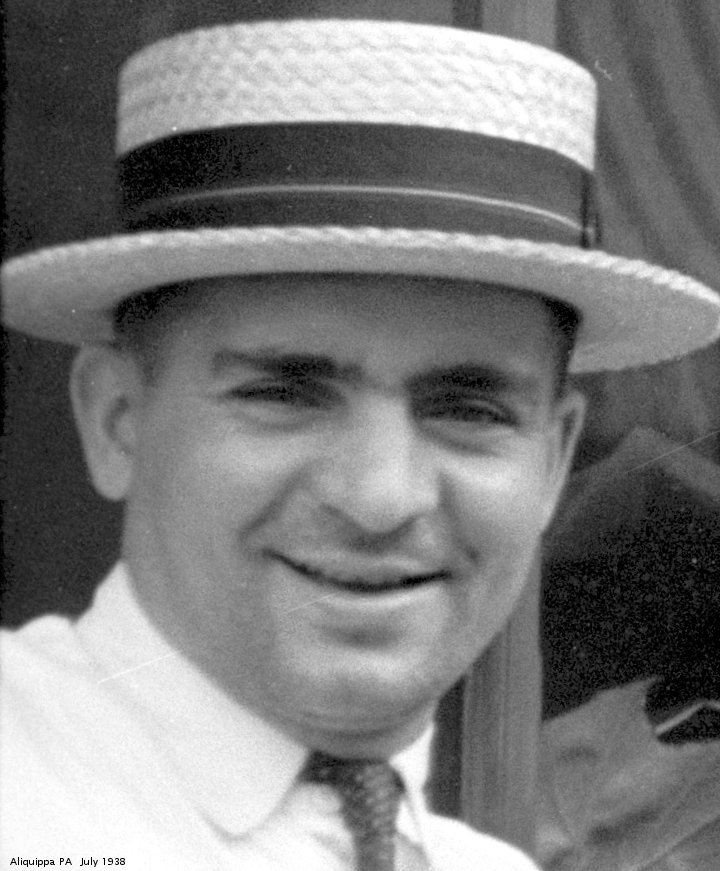
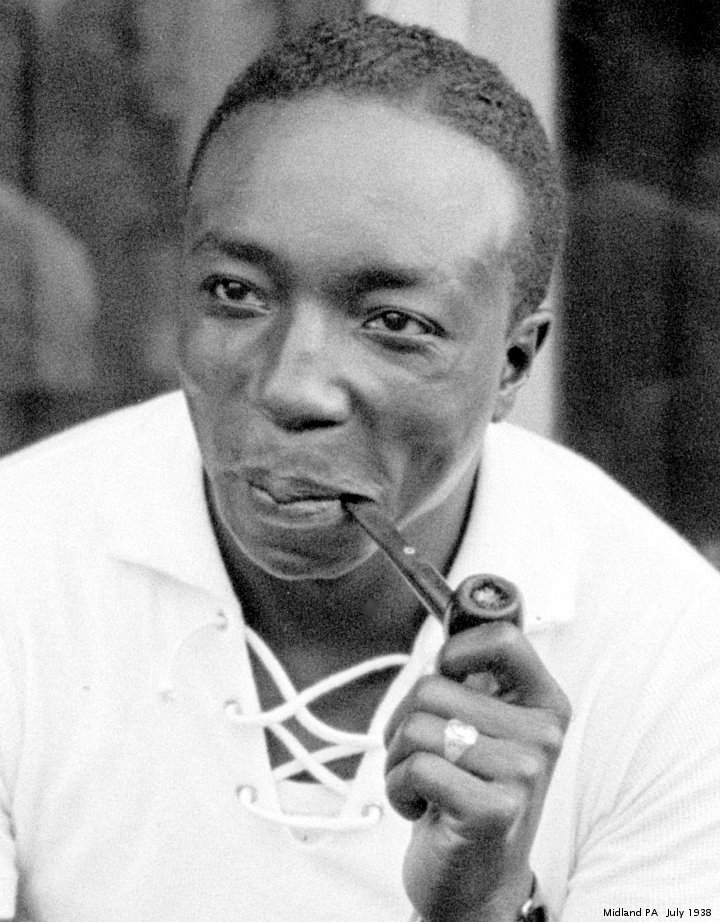
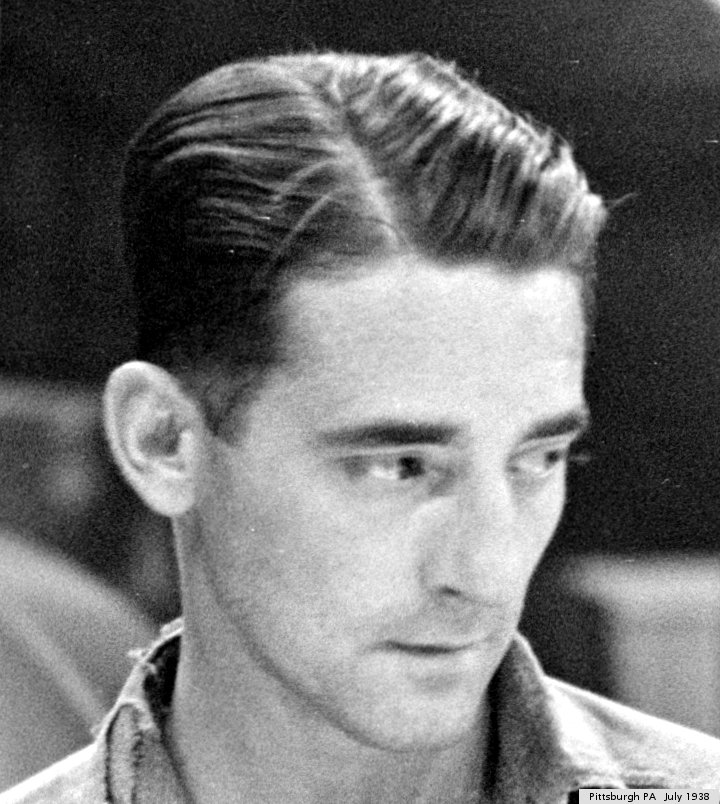
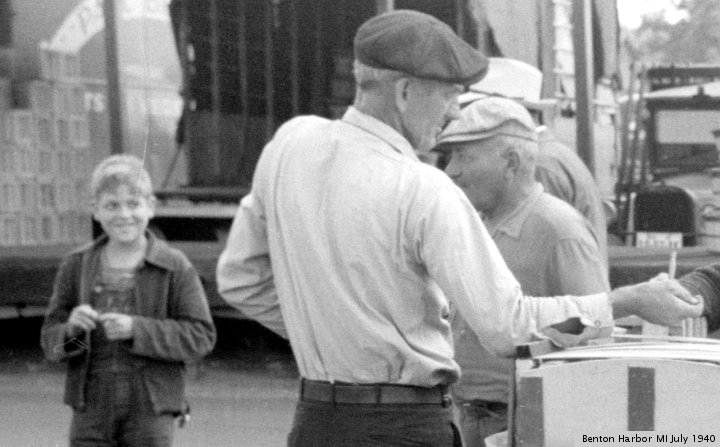
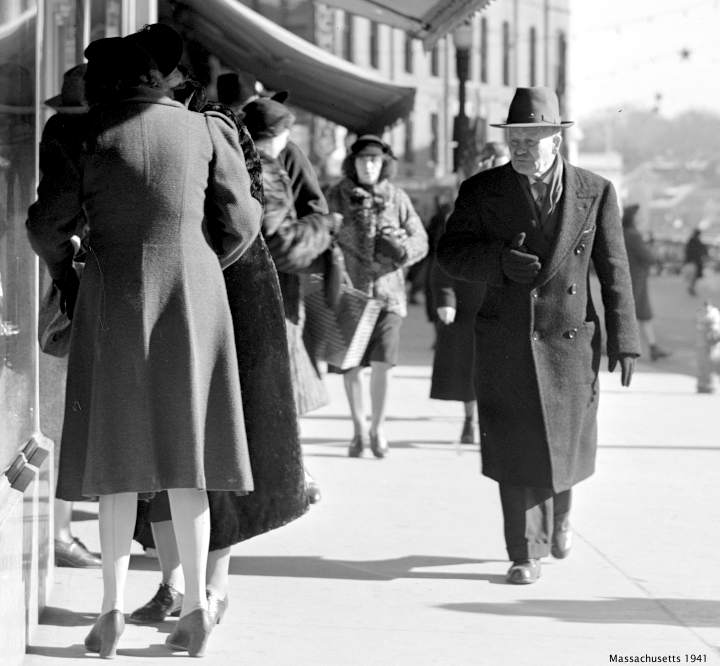
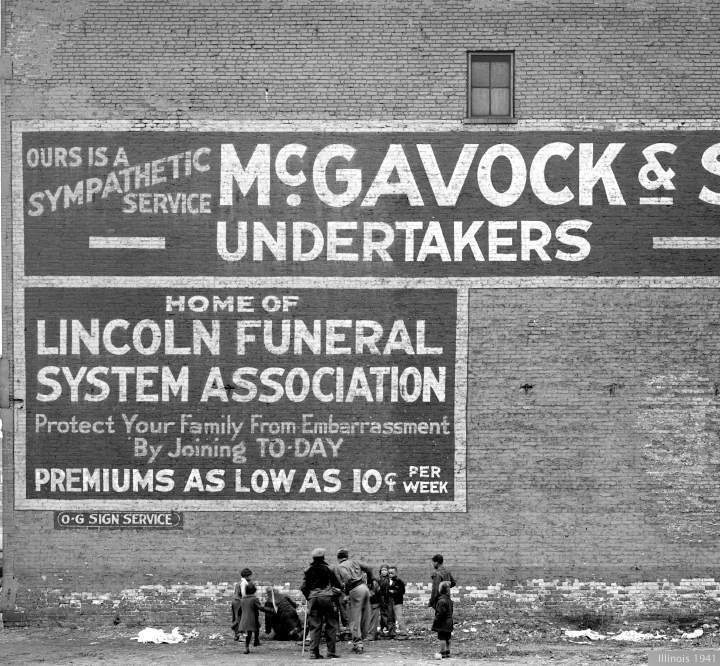
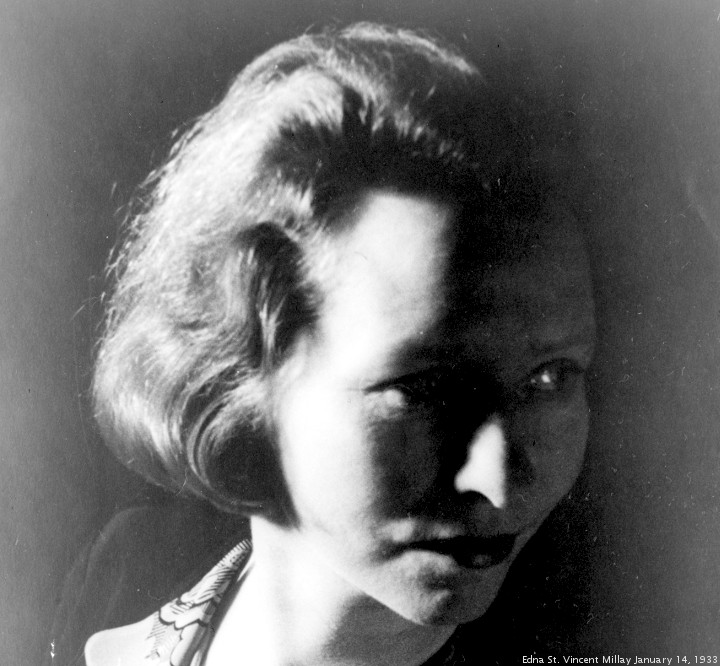
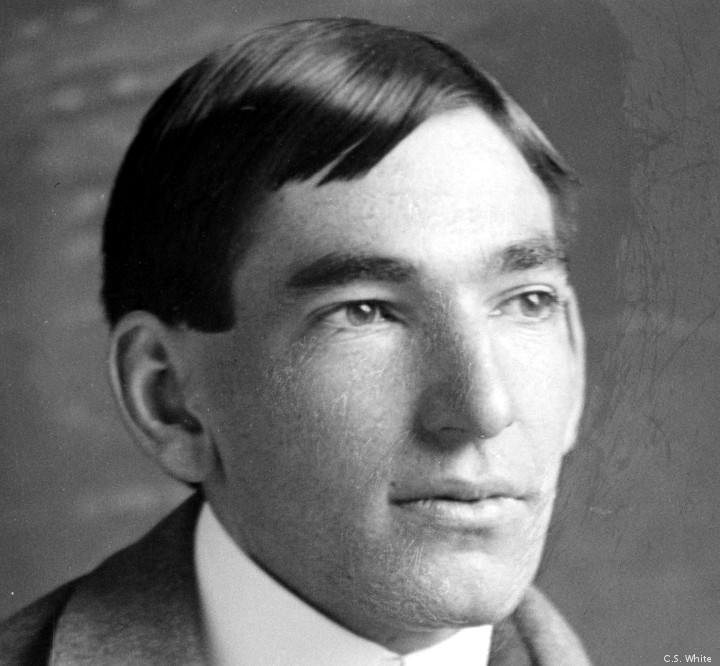
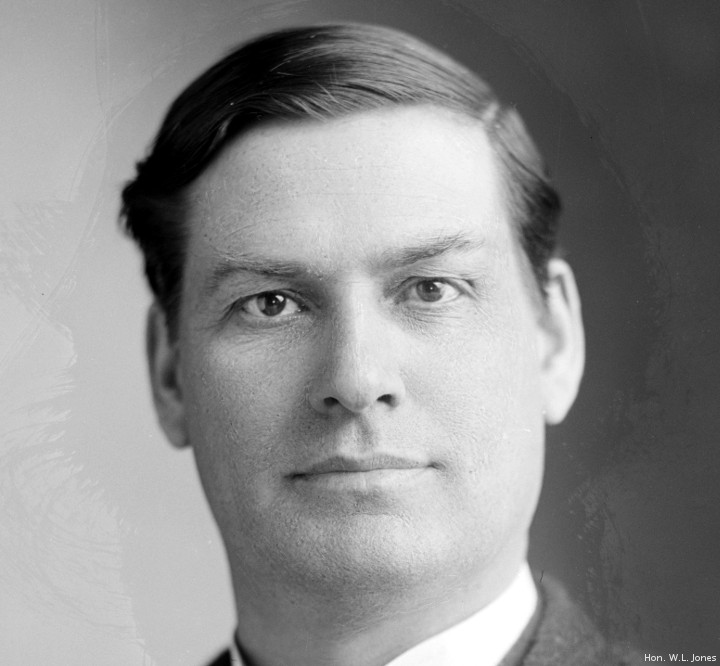
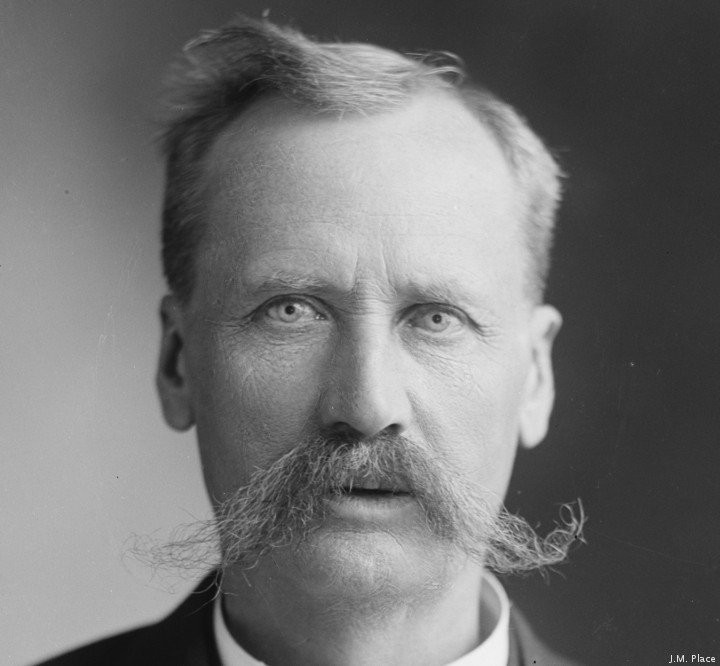
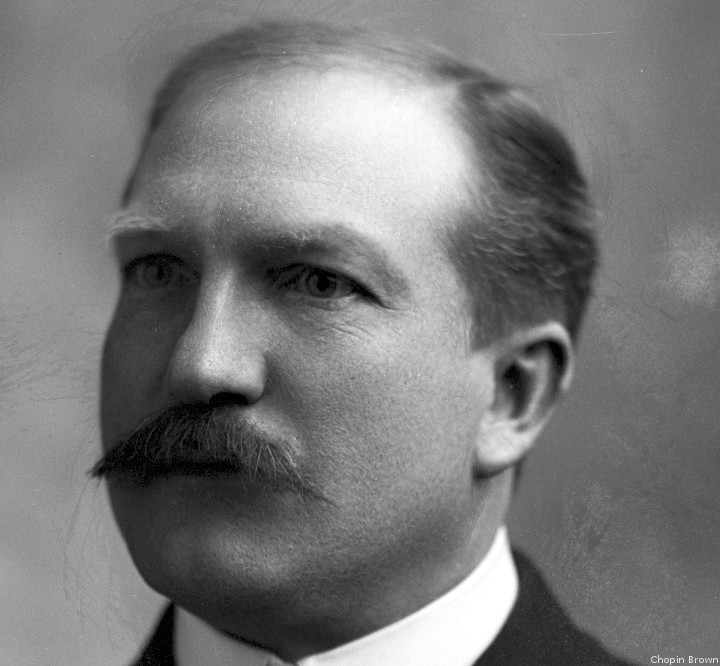
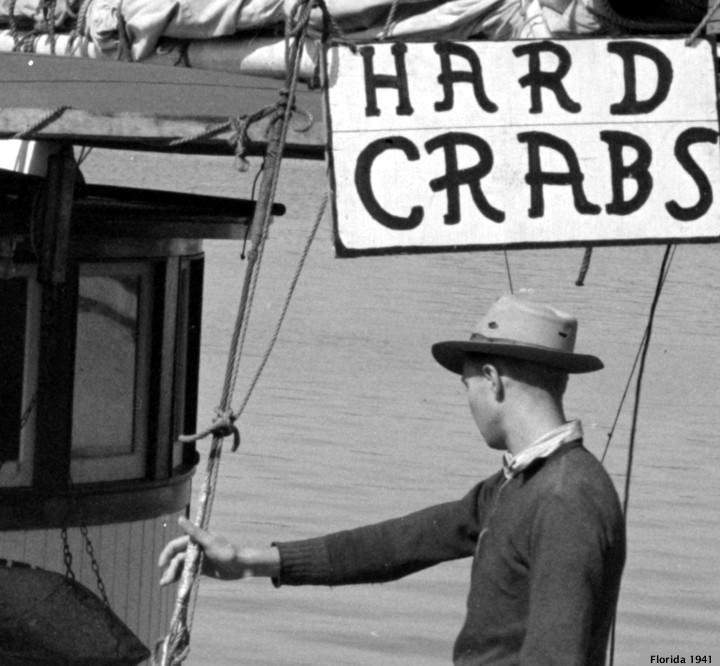
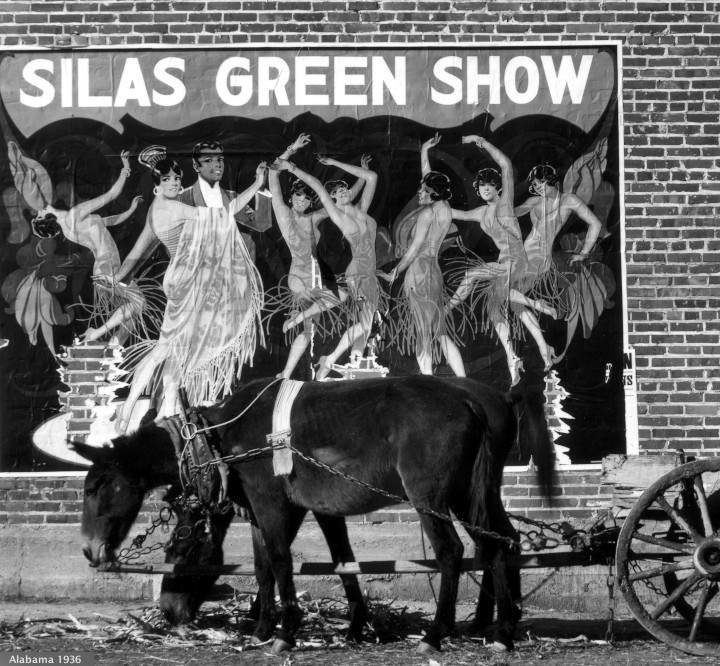
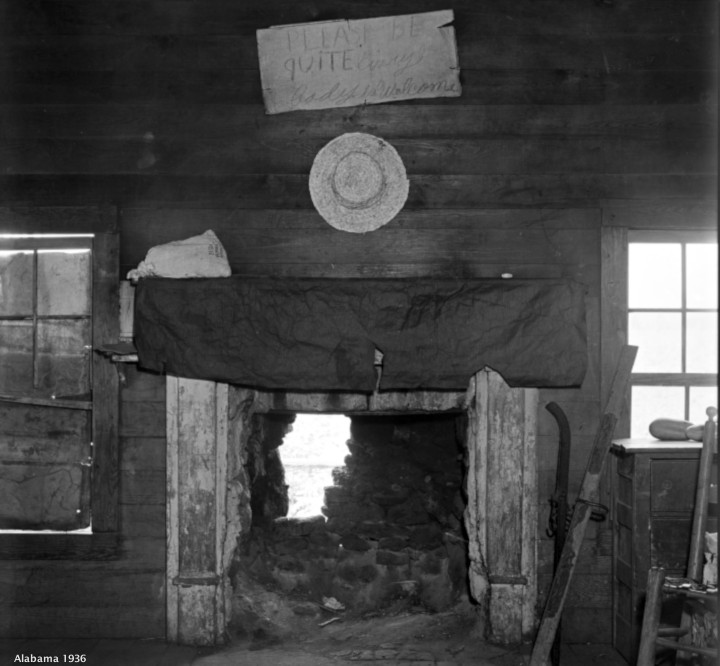
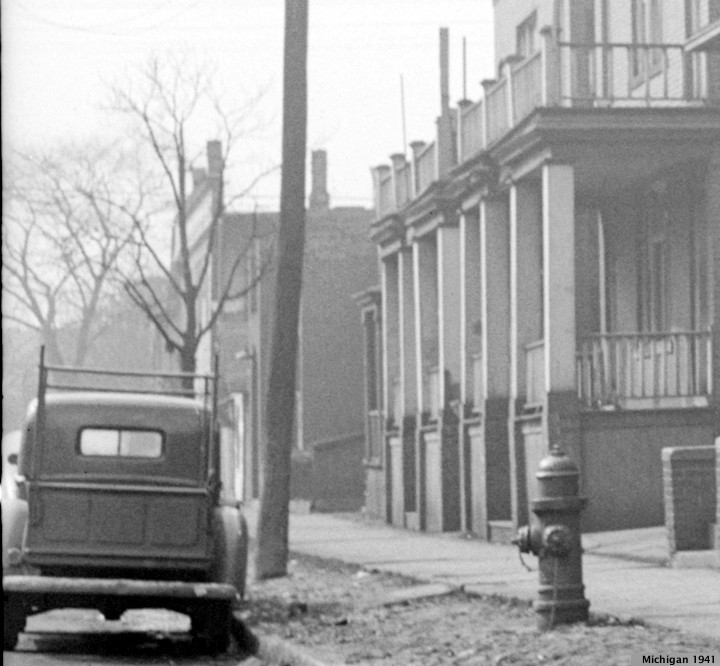
Pictures are from The Library of Congress. This is a double repost. Another repost may be published later. This is probably it for this year.

Drop City






Drop City, by T.C. Boyle, is the latest book PG read. DC is the rip-roaring tale of a 1970 California commune. The existential experiment turns to shit, literally. After a disastrous summer solstice celebration, a decision is made to move. Someone has a cabin in Alaska. Why not move the freak show to the frozen north? What could go wrong?
The story is thoroughly entertaining. Mr. Boyle is a prose craftsmen. The quotable sentences are less important than the story. Never mind that the details don’t always add up. Sess Harder has his dogs killed, while he is busy getting married. Pamela, his mail order bride, drags him to a rescue center in Fairbanks, and Sess reluctantly adopts a dog. Fast forward a couple of months, and suddenly Sess has five dogs, and is training them to go trap furs. Did Amazon the Sears catalog deliver mush dogs, 150 miles north of Fairbanks, in 1970?
Maybe the Amazon one star comments will help. Matthew T. “To find this book enjoyable is to admit a lack of morals.” mokshasha “this book MUST have been written by a committee” Will Szal “My guess is that our author, Boyle, is an atheist in the most pessimistic of ways.” watzizname “even tho I am neither hippie nor Afro-American, I am disgusted and offended.”
The term Afro-American had not been coined in 1970. We don’t know what Lester, and the others, called themselves. They arrive at Drop City, CA. Lester stays in a cabin, and does not contribute to the community. After an ugly incident in the cabin, Lester is asked to leave. There is more trouble, as the decision to move to Alaska is announced. Lester is stopped at the border, going into Canada. You might think this is the last we see of him.
The rest of the circus moves on to Boynton, a two saloon town 150 miles north of Fairbanks, AK. Drop City North is a three hour canoe ride upriver. After a few weeks, Lester shows up. We don’t know how this happened. The last we see of Lester, he is panning for gold in a river.
Lester is a side story. The focus of DC are the hippies, a colorful crew of indeterminate number. They are the frozen people. The hippies find people already living in the bush. Some are friendlier than others. Some will come to regret extending a welcome.
The hippies arrive sometime in July. By October, the temperature is -20, presumably fahrenheit. In that time, the hippies have built a collection of log cabins, and squirrled away supplies for the winter. Meanwhile, Sess, and his bride, have worked like crazy to store up enough food to last the winter. Sess was already there, knew what he was doing, and still had to work like crazy. How did a traveling hippie circus do much more, starting from scratch?
Communal life, and bush country existence, are not glamorous. As the winter approaches, things get ickier all the time. When you read a story like DC, you are happy to be able to put the book down, and move on with your own life.
PG is connected to an *intentional community* in Tennessee. This IC has been in place for forty years, with many ups and downs. The nuts and bolts reality of keeping the water line unclogged is not noticed by many of the people who come to gatherings. When PG first went to the IC, there was no water line. You took a bucket to the spring. Someone had to build that line.
One job PG has taken on is the parking. This is where the muggle world interfaces with the magic kingdom, and sometimes the gears need grease. Every afternoon, more cars come in. The parking lot is two ridges over. No, you cannot leave your car here just for tonight. Whose car is that blocking the driveway? While the fantasy flows at the bottom of the hill, somebody has to find a way to stash all the vehicles. Not to mention building roads, and shipping gasoline.
Drop City is a lot more fun to read than it was to live. Fiction is supposed to provide an escape, before you go back to your life of quiet desperation. Pictures today are from The Library of Congress.

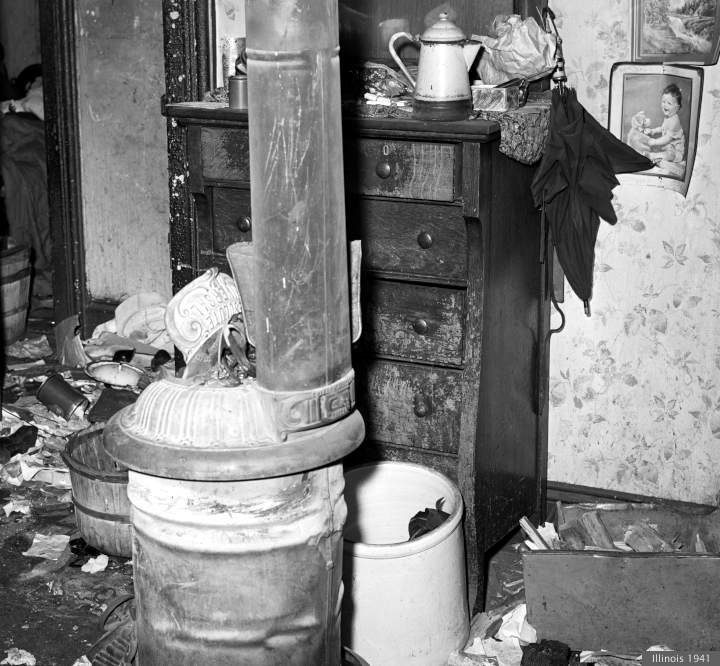

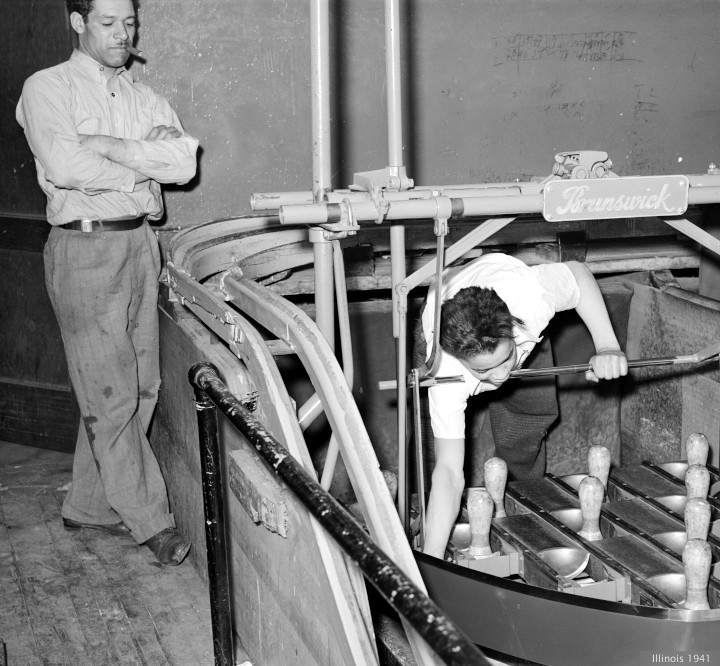
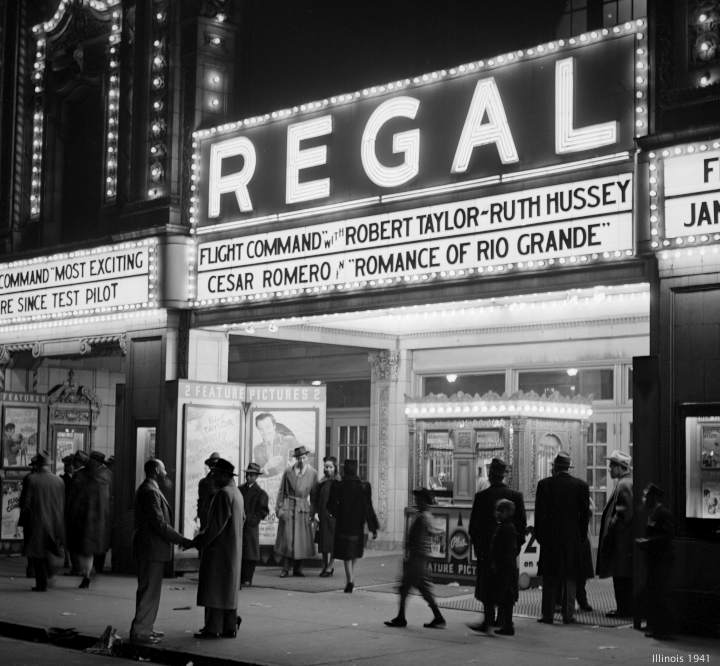

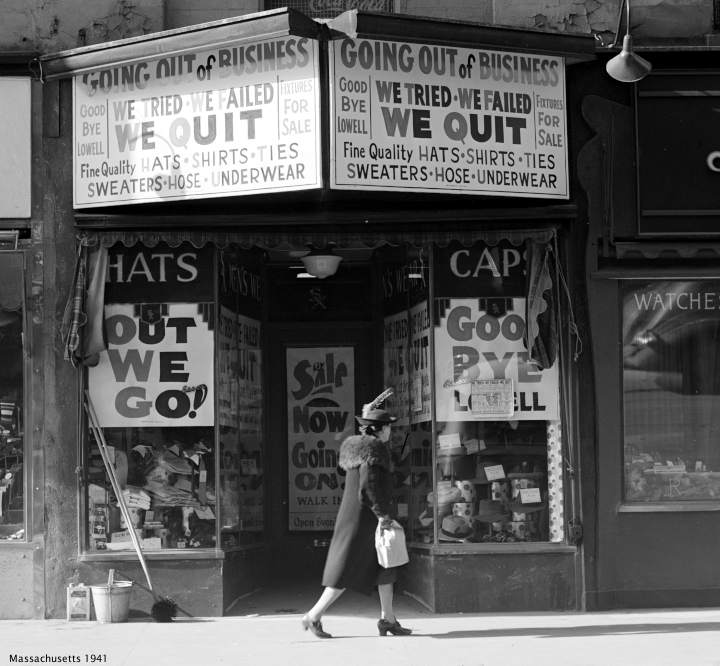


Lewis Grizzard


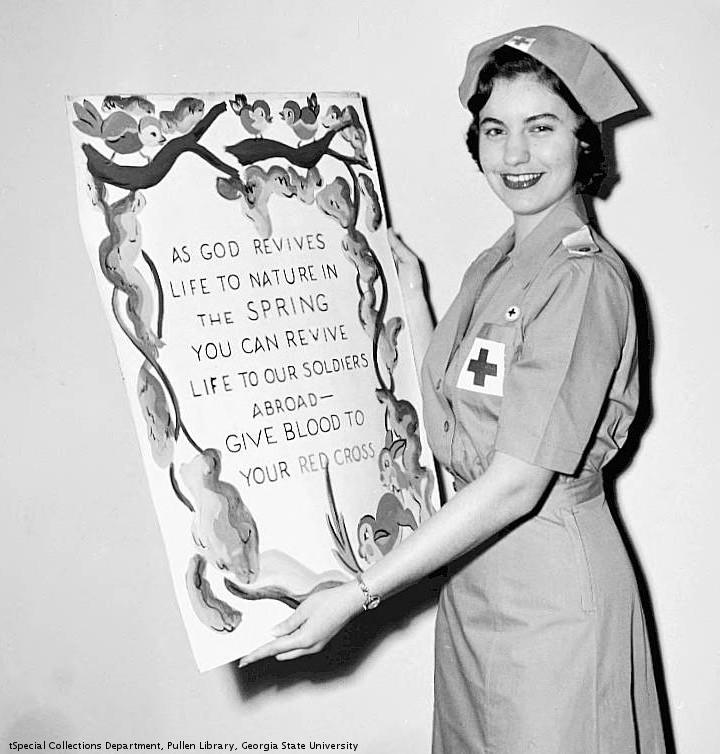








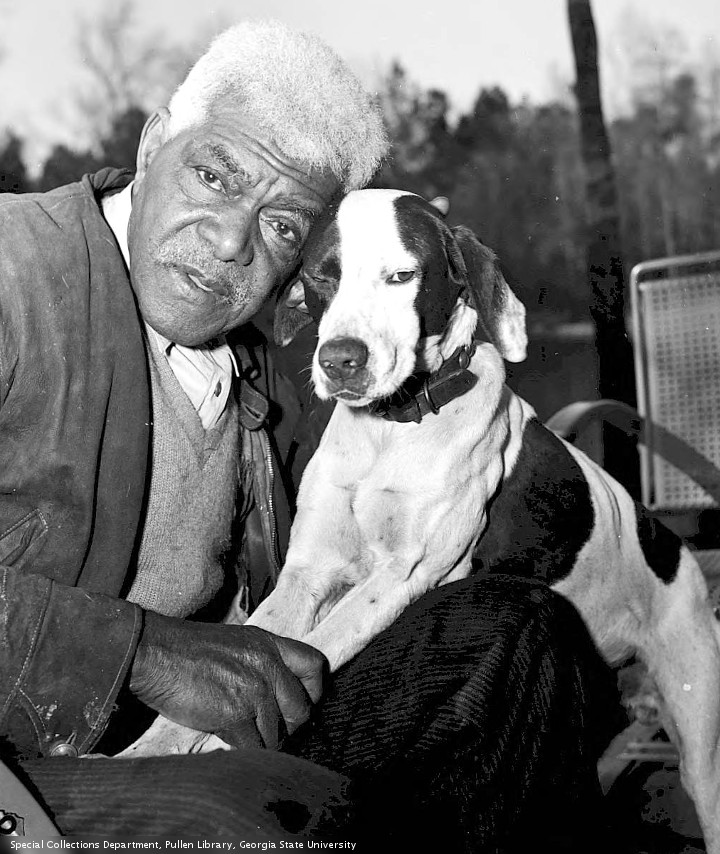
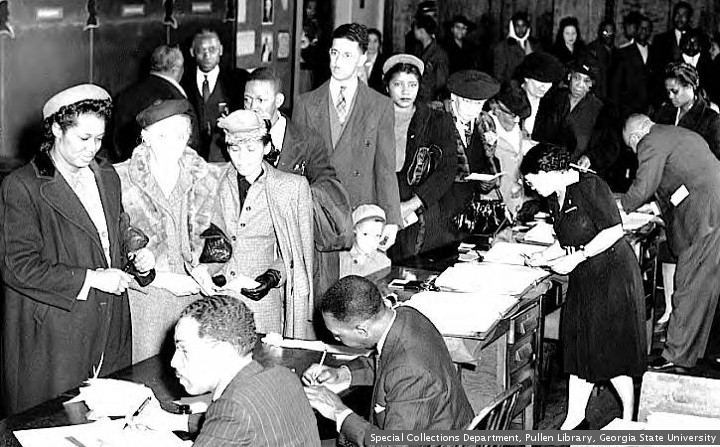
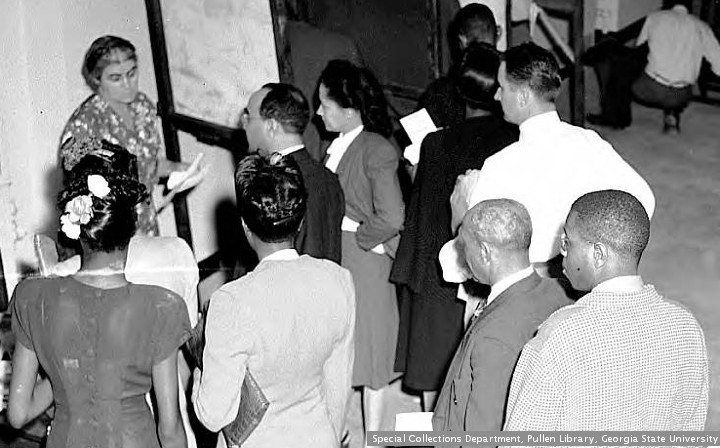
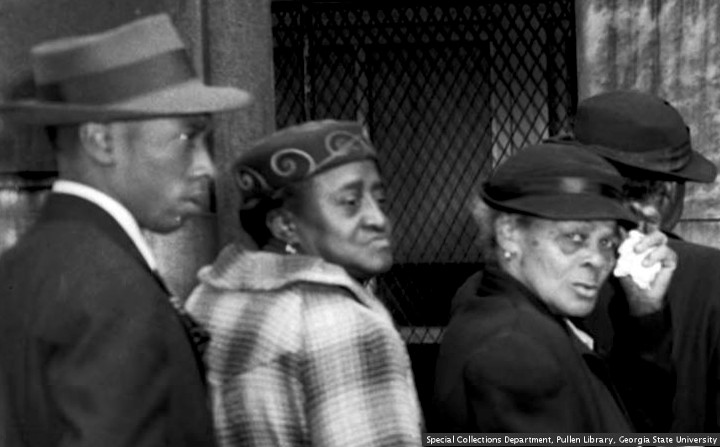
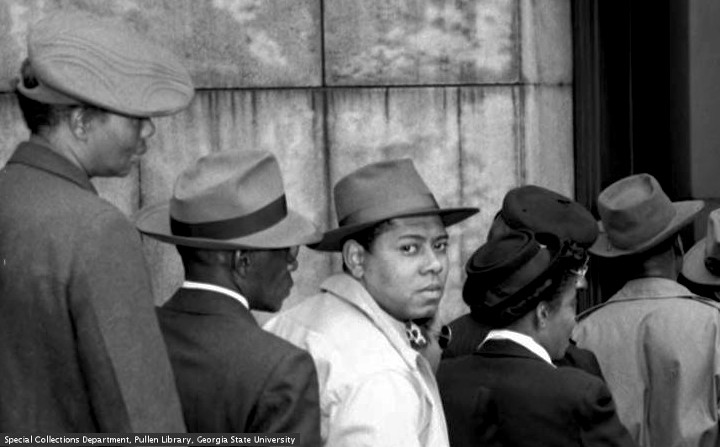
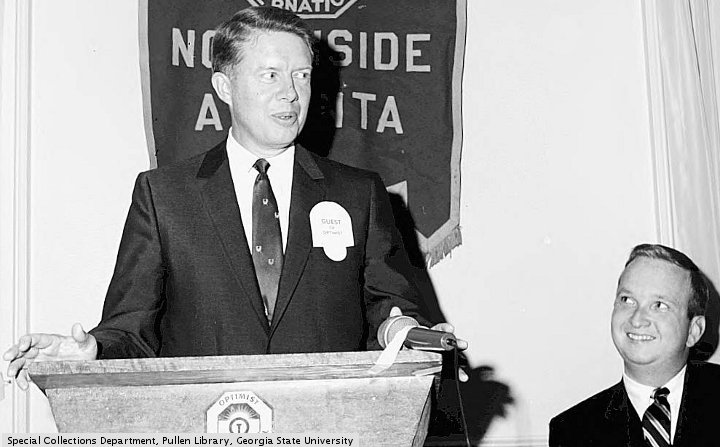
In the time between 1980 and 1994, if you lived in Atlanta you heard about Lewis Grizzard. Some people loved him. Some did not. He told good old boy stories about growing up in rural Georgia. Many of them were enjoyable. He also made social and political commentaries, which upset a few people. This is a rainy sunday morning repost, with historic pictures from “The Special Collections and Archives, Georgia State University Library”.
PG had mixed feelings about Lewis. The stories about Kathy Sue Loudermilk and Catfish were funny. His opinions about gays, feminists, and anything non redneck could get on your nerves. His column for the fishwrapper upset PG at least twice a week.
In 1982, Lewis (he reached the level of celebrity where he was known by his first name only) wrote a column about John Lennon. Lewis did not understand why Mr. Ono was such a big deal. PG cut the column out of the fishwrapper, and put it in a box. Every few years, PG would be looking for something, find that column, and get mad all over again.
The New Georgia Encyclopedia has a page about Lewis, which expresses some of these contradictions. “If Grizzard’s humor revealed the ambivalence amid affluence of the Sunbelt South, it reflected its conservative and increasingly angry politics as well. He was fond of reminding fault-finding Yankee immigrants that “Delta is ready when you are,” and, tired of assaults on the Confederate flag, he suggested sarcastically that white southerners should destroy every relic and reminder of the Civil War (1861-65), swear off molasses and grits, drop all references to the South, and begin instead to refer to their region as the “Lower East.” Grizzard also wore his homophobia and hatred for feminists on his sleeve, and one of the last of his books summed up his reaction to contemporary trends in its title, Haven’t Understood Anything since 1962 and Other Nekkid Truths (1992).
In the end, which came in 1994, when he was only forty-seven, the lonely, insecure, oft-divorced, hard-drinking Grizzard proved to be the archetypal comic who could make everyone laugh but himself. He chronicled this decline and his various heart surgeries in I Took a Lickin’ and Kept on Tickin’, and Now I Believe in Miracles (1993), published just before his final, fatal heart failure.”
As you may have discerned, Lewis McDonald Grizzard Jr. met his maker on March 20, 1994. He was 47. There was a valve in his heart that wasn’t right. The good news is that he stayed out of the army. At the time, Vietnam was the destination for most enlistees. The bad news is that his heart problems got worse and worse, until it finally killed him.
Sixteen years later, PG found a website, Wired For Books It is a collection of author interviews by Don Swaim, who ran many of them on a CBS radio show called Book Beat. There are two interviews with Lewis Grizzard One was done to promote My Daddy Was a Pistol and I’m a Son of A Gun. This was the story of Lewis Grizzard Senior, who was another mixed bag.
PG found himself listening to this chat, and wondered what he had been missing all those years. The stories and one liners came flowing out, like the Chattahoochee going under the traffic slogged perimeter highway. Daddy Grizzard was a soldier, who went to war in Europe and Korea. The second one did something to his mind, and he took to drinking. He was never quite right the rest of his life. His son adored him anyway. When you put yourself in those loafers for a while, you began to taste the ingredients, in that stew we called Lewis Grizzard.
PG still remembers the anger that those columns caused … PG has his own story, and knows when his toes are stepped on. The thing is, after listening to this show, PG has an idea of why Lewis Grizzard wrote the things that he did. Maybe PG and Lewis aren’t all that different after all.


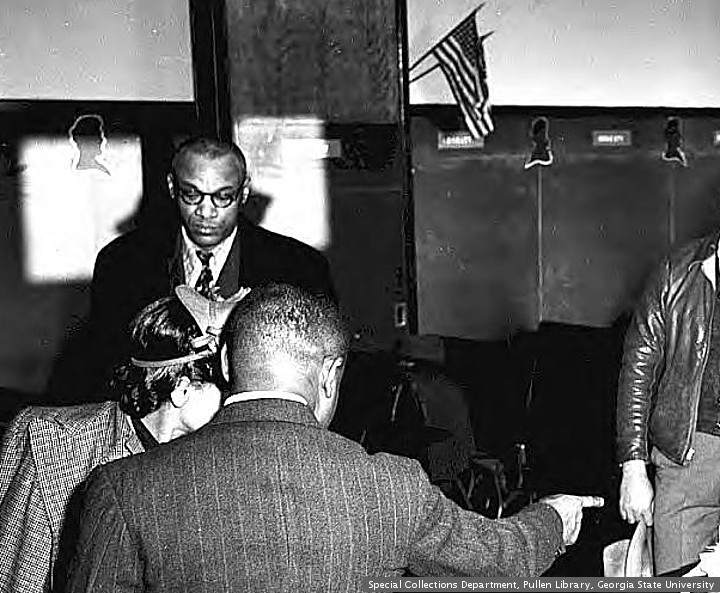


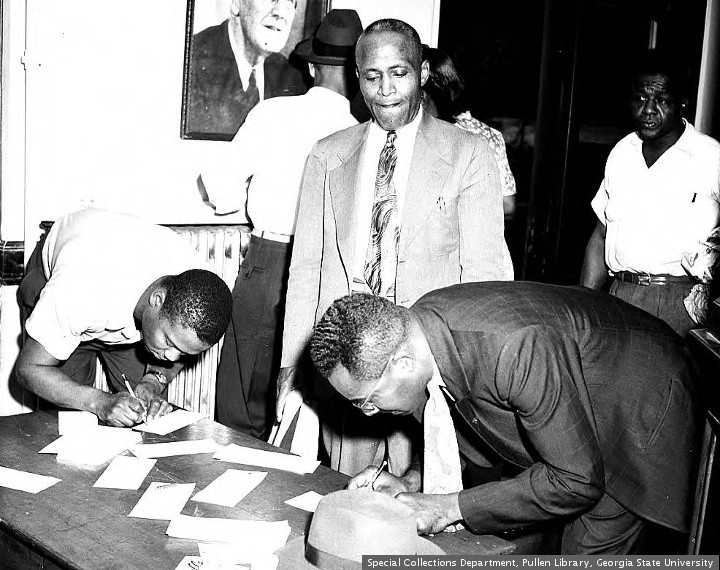
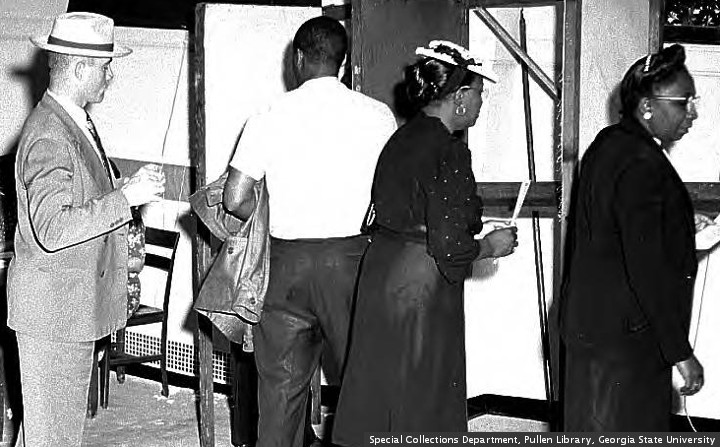
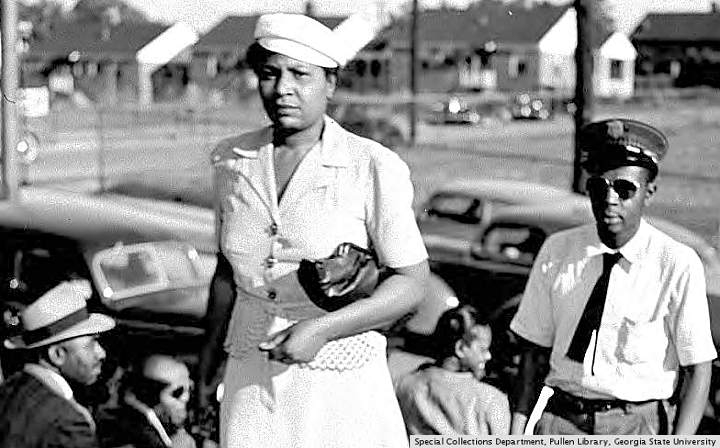
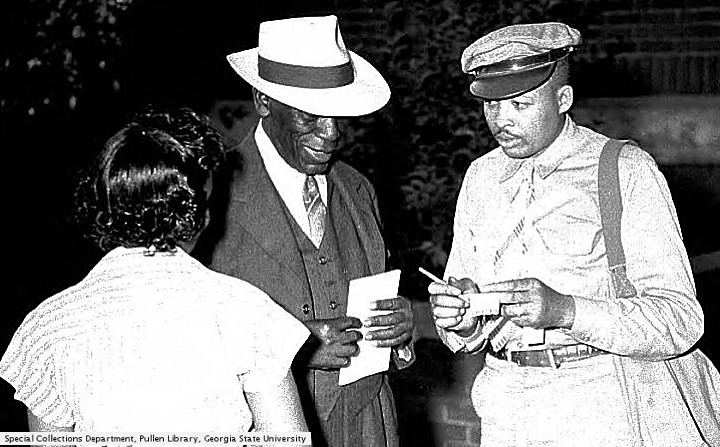

Lucy McBath And Bret Easton Ellis

If something is too bad to be true, it usually isn’t. The other day, Fox news had an item, GOP gets ‘Georgia’ Dem to accept gift basket at ‘real home’ in Tennessee. First term representative Lucy McBath represents GA06. While representing Cobb county, there appears to be some sort of Tennessee connection. Politics being what it is, the concept of living in one area, while representing another, is something to make noise about.
“To point out McBath’s deep Tennessean roots, the National Republican Congressional Committee sent a goody bag containing coffee infused with Jack Daniel’s Tennessee Whiskey, Memphis-style BBQ sauce and a hat of the Tennessee Volunteers to her Rockford, Tenn., home. The lawmaker accepted the gift on Friday at 10:45 a.m. and signed for it as “LMCBATH”. Fox News obtained a copy of the signature. … McBath’s office did not respond to Fox News’ repeated requests for comment.”
There is a problem. “But actually, the signature tells a different story: Clearly, the recipient wrote “M McBath.” Lucy McBath was in New York, we’re told. The package was signed for by Margaret McBath, the congresswoman’s mother-in-law …”
Political nuisance Karen Handel is running against Rep. McBath in next year’s election. The fund raising emails for Mrs. Handel are going out, in all their purple prose glory. “Since I announced my 2020 campaign on Monday, the radical elite have been busy courting their billionaire and Hollywood buddies to stop us from taking back our district. … Friends, the Democrats have only been in the majority for a few months, and they’re already trying to force their liberal agenda of open-borders, extreme pro-abortion, and high taxes on our district.” “Extreme pro-abortion” will not use the services of Dr. Kermit Gosnel. The spell check suggestion for Gosnel is Gospel.
There was another gift basket story yesterday. Bret Easton Ellis has a book, White, coming out April 16. Part of the promotional stampede is an interview with New Yorker, Bret Easton Ellis Thinks You’re Overreacting to Donald Trump. The story spelled the author’s name correctly.
On his podcast, BEE rants about, among other things, the insane behavior of the left. BEE denounces petty tit-for-tat-ism, logical fallacies, and the blinding obsession with Donald J. Trump. PG agrees with BEE a great deal. Read the questions from Isaac Chotiner, and you see many BEE talking points illustrated. The spell check suggestion for Chotiner is Christine.
IC O.K., but Trump says lots of racist things. We can all agree on that, right?
BEE [Pauses.] Sure.
IC So he says lots of racist things. … Why does people being upset about it, or people being upset about the fact that we have a President who regularly says bigoted things, bother you?
BEE No, no, no, no, no. That just twisted up what I meant.
IC Tell me what you meant.
BEE You think I am defending a racist.
IC No, I asked why liberals repeating Trump’s remark about Mexican immigrants being rapists bothers you so much. …
IC I am not arguing that people don’t support him. You aren’t denying Trump says racist things regularly. I am just trying to understand why liberal opposition to Trump bothers you so much.
BEE I don’t know if he does think racist things so regularly. I am not sure if I do. …
IC When I think of when people have freaked out during the past couple of years, I think of the Muslim ban, child separation, and the President saying that there were good people on both sides in Charlottesville. … It seems like you want to give Roseanne Barr the benefit of the doubt, but not people who think Trump is a racist.
Racism Racism holds a place of backhanded honor in America. Racist is the worst thing you can say about someone. The r-slur is tossed about on the flimsiest of pretenses, to the recreational outrage of the howling mob. The Trump-is-racist trope is accepted as gospel truth. Racism is considered worse than President Trump’s crookedness, mental instability, and all around foolishness. Racism is the best distraction DJT, and the Democrats, could ask for.
Mexico is a nation, not a race. What is happening at the border is cruel. It does not make immigration policies any worse, or any better, to call them racist. What crying racist does do is fire up the Trump-demented mob. Maybe this manipulation-of-the-masses is what BEE is offended by.
A recent episode of the podcast had David Shields, author of Nobody Hates Trump More Than Trump: An Intervention. Towards the end of the show, Mr. Shields said that DJT was a racist, and that DJT exaggerates racism for political expediency. (This is not an exact quote.) Racism is promoted to troll the libs, and fire up the DJT base. The libs take the bait. Both sides are being played for fools. While the national debt grows at a trillion dollars a year, America is busy arguing about who is a racist. Pictures today are from The Library of Congress.
Truman Capote

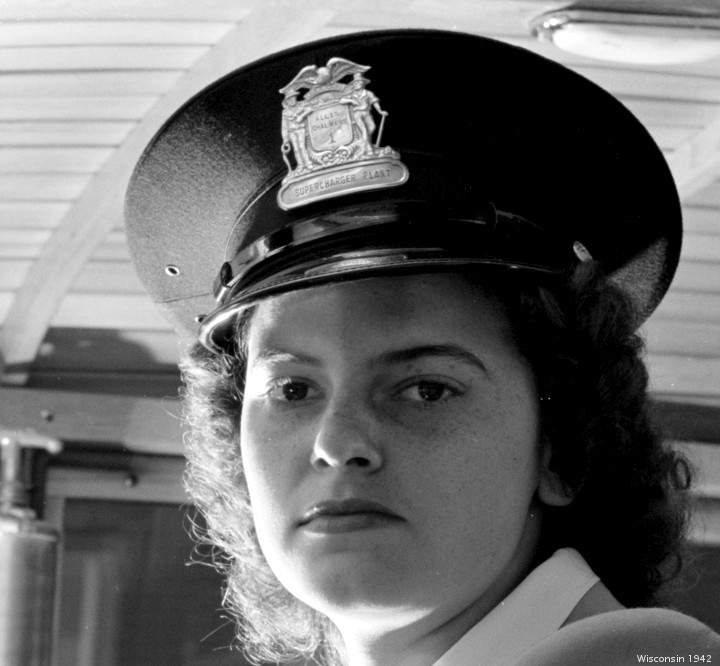




Truman Capote was a phenomenon of the TV talk show era. If he hadn’t existed, someone would have had to invent him. He was known as much for his sissy voice as his writing. Becoming famous in the late forties for “Other Voices, Other Rooms”, he worked on a screenplay for “Beat the Devil”. When he met the men accused of killing the Clutter family in Kansas, he impressed one by telling him he worked on a movie with Humphrey Bogart. These chats led to the book “In Cold Blood”, which was probably his biggest triumph. “Breakfast at Tiffanys” became a movie starring Audrey Hepburn.
He was on the Dick Cavett Show the same night as Georgia Governor Lester Maddox. After Maddox got offended and walked off the show, Mr.Capote remembered the time he ate at Maddox’s Pickrick restaurant. “All I can say is that it wasn’t finger licking good”.
Mr. Capote was the darling of certain New York socialites. They unwisely told him some stories about their lives. In 1975 Esquire magazine published “La Côte Basque 1965”. It was a chapter from “Answered Prayers”, the book he received a large advance for and took his time writing. (It was finally published three years after his death) .The chapter published told some sordid tales about his jet set friends, who immediately ostracized him. It was a stepping stone on his road to ruin.
One chapter of “Answered Prayers” involves a dinner party in New York. Three of the guests were Dorothy Parker, Tallulah Bankhead, and Montgomery Clift. The evening never got past the cocktail hour, much to the distress of the hostess. At one point, Miss Parker was tenderly touching the face of Mr. Clift. She purred “He’s so beautiful,sensitive. So finely made. The most beautiful young man I have ever seen. What a pity he’s a cocksucker. Oh Oh, dear, have I said something wrong. I mean, he is a cocksucker, isn’t he Tallulah? Miss Bankhead replied ” Well d-d-darling, I r-r-really wouldn’t know. He’s never sucked my cock.”
In the spring of 1976, Mr. Capote gave a speech at the University of Georgia. At the time, there was a comic strip called “Don Q”, which has long been forgotten. It showed people in medieval clothes making comments on current affairs. On the day of the speech, the comic featured two characters. One was Richard Nixon. The other was as lisping little man, apparently based on Truman Capote.
The scene that evening was magic. The lecture was given on the steps of Memorial Hall, with the audience in the quadrangle in front of Reed Hall. Mr. Capote’s contract specified a pink spotlight, and a wicker chair behind the podium. Mr. Capote spoke for a while, and read a section out of “A Christmas Memory”. After a break, he returned to answer questions. The questions were written on file cards, and read by a student. The last one, and the one the reader said best typified the attitude of the evening, was “What does Johnny Carson look like in person?”
After this, Mr. Capote asked for questions from the crowd. PG raised my hand, and Mr. Capote pointed to him. “Mr. Capote, did you see the comic strip Don Q this morning?” “No, what was it about?” ” It was about you, and Richard Nixon” “I don’t know who Don Q is, and I am beginning to not know who Richard Nixon is.”
Mr. Capote went downhill from this point on. He did a series of profiles for “Interview” magazine, which formed the basis of his last book ” Music for Chameleons”. His drinking and drug taking, always a problem, got worse. He became an embarrassment to those who once flocked to his side.
Truman Capote died in 1984. This is a repost. Pictures are from The Library of Congress

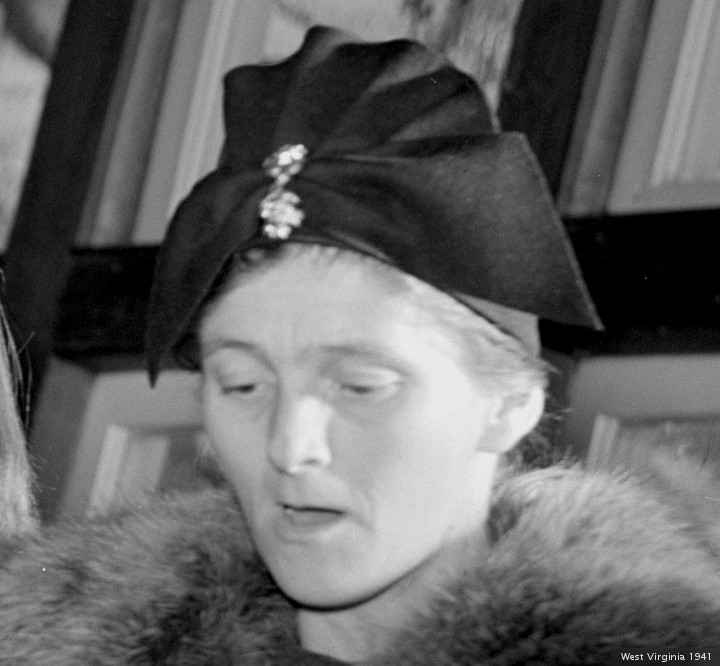


PG wasn’t really doing anything, and was in the mood for a google wild goose chase. This led to an amazing article, Sweet as Sugar, Rude as Hell, My Lost Interview with Truman Capote’s Aunt. A writer for the fishwrapper went to a mobile home in Hudson, FL. He talked to Marie Rudisill, who was best known as Truman Capote’s “Aunt Tiny.” The meeting took place in 1997, and was not what the writer expected. A family friendly version of the meeting was published The journalist received a slice of fruitcake in the mail. Everyone concerned went on with their lives.
Marie Rudisill died November 3, 2006, after becoming famous as the Fruitcake Lady. As for the journalist: “When I left The Atlanta Journal-Constitution in 2009, I stashed 27 years of old newspapers, tapes and ephemera in my garage. Nothing is more depressing to me than those boxes of old newspapers. It’s my own private morgue — replete with the sickening scent of dust and roach pills…. When I finally mustered the courage to dig around, I found the Lewis interviews — as well as a cache of other recordings. Three of the tapes had Rudisill’s name scribbled on them. I was not quite ready to listen, though. I put them in a box and labeled it.”
In 1924, Truman Streckfus Persons was born in New Orleans LA. His mother, Lillie Mae (Aunt Tiny’s older sister) left here husband behind, and took the boy to Monroeville AL. They lived in a wild household. A neighbor was Harper Lee, who wrote “To Kill A Mockingbird.” Miss Lee was a close friend, as was Sook. This is Truman’s cousin, the fruitcake chef herone of “A Christmas Memory.”
After a while, Lillie Mae married Joe Capote, who adopted the boy. They moved to New York, where Aunt Tiny joined them. Truman was sent to military school. Everyone, except Lillie Mae, thought this was a terrible idea. The effort to butch up young Truman did not work.
Aunt Tiny wrote a book, Truman Capote: The Story of His Bizarre and Exotic Boyhood by an Aunt Who Helped Raise Him. It was published in 1983, a year before Truman died. “The book scandalized Monroeville — and Capote. He told The Washington Post: “If there are 20 words of truth in it, I will go up on a cross to save humanity.” Said Harper Lee: “I have never seen so many misstatements of fact per sentence as in that book.”
There is one story that sticks out…. “Rudisill breaks down just once during our interview. It’s when she recalls “the first time Truman ever had a sexual encounter with a priest.” She was living in Greenwich Village, having followed Lillie Mae and Truman to New York. “He was sitting on my doorstep when I came home from work, and he had blood all in his pants, and then he told me about this priest. And nobody, I don’t think anybody in the world ever knew that but me.”
There is more to the story. If you have the time, you might enjoy reading the full article. Pictures today are from The Library of Congress.





It is 3:15 am in a midtown office building. PG is spending his dinner break in an unused cubicle, almost out of speaker range for the break room tv. A flourescent light fixture is hard at work, playing an essential role in the drama to follow.
Thirty seven years ago, Truman Capote spoke in Athens GA. Before taking questions, he read “A Christmas Memory.” There was a line, with the words oh, and carnage, that got a big laugh.
Wednesday afternoon had been the first time to turn on the window AC unit. Outside, it was over ninety, with the Georgia humidity doubling the effect. The next two months will be miserable.
During this early morning dinner, after the first day of summer megaheat, PG is reading “A Christmas Memory”. An old lady, and the seven year old cousin she calls Buddy, are going to make fruitcakes. They need to buy supplies.
The previous summer, someone gave Buddy a penny for every 25 flies he killed. “Oh, the carnage of August: the flies that flew to heaven”. It is now 3:28. In two minutes, it will be time to go back to work. Pictures today are from The Library of Congress. The fruitcake lady was the aunt of Truman Capote. This is a repost.




David Bowie A Life



David Bowie: A Life was sitting on the biography shelf at the Chamblee library. It is an “oral biography.” Dylan Jones gets the blame, and the copyright. He took a bunch of interviews, and curated salient passages into a narrative. It is a fun book to read, full of sex, drugs, and rock and roll.
The Amazon one star reviews beg to differ. Guitar Gregg “I thought this would be biography not assorted comments. Very few comments from David Bowie. Who cares what Debora Harry or hundreds of “Joe blows” have to say? No pictures? 500 pages? Too much too little. Buy his cd’s instead.” worst read ever “Belongs in the fire … worst read ever!”
PG enjoyed DBAL. At some point, the lurid tales of depravity got too quotable, and PG started keeping a list. In this book report, we will use this list, until the list, or the reader’s attention span, is exhausted. There may be another installment. Part one was published last week.
“There’s one instance — probably included just so it would be cited — about someone calling Bowie’s room in New York with an offer of a still-warm corpse. “The town had never seen anything like David before,” says onetime groupie Josette Caruso. “And he obviously looked like such a freak that some sick people thought he might be into necrophilia.” (He wasn’t.) (Page 142)
Page 146 “He (Lou Reed) had an auteur complex, and Bowie didn’t fit into that. Lou was also a prime member of the awkward squad. He could lose a charm competition with Van Morrison.” In 1972 David had gone through years of struggle, and was starting to make it. After the Ziggy Stardust tour, he was hot. At this time, David wound up helping two struggling artists, Lou Reed and Iggy Pop
The Elton John/Rolling Stone article was published during one Iggy phase. “May 1975 — It’s four in the morning, Hollywood time, and David Bowie is twitching with energy. … Bowie clutches his heart and beams like a proud father watching his kid in the school play. His whisper is full of wonder. “They just don’t appreciate Iggy.” he is saying. “He’s Lenny fucking Bruce and James Dean. When that adlib flow starts, there’s nobody like him. It’s verbal jazz, man!” … Bowie and Iggy never did make it back into the studio. Pop slept past the booked time, called up drunk several nights later and when Bowie told him to “go away” — meaning “hang up” — Iggy did just that. Now he’s disappeared. “I hope he’s not dead,” says Bowie, “he’s not a good act.” Iggy will show up later in this story.
Page 151 has stories from the Ziggy tour. In Seattle, the entourage went to a gay bar, and someone invited David to a party. When the next day came, and the tour needed to go to the next city, David was nowhere to be found. When he finally called the hotel, all he knew was that he was in a house, with a lot of trees around it. A hotel employee talked to David on the phone, and they managed to figure out where he was.
Page 155 Lori Mattox was a fifteen year old rock fan in 1972. “We got to the Beverly Hilton, and all went up to Bowie’s enormous suite. … We were getting stoned when, all of a sudden, the bedroom door opens and there is Bowie in this beautiful red and orange and yellow kimono … “Lori, darling, can you come with me? … Of course I did. Then he escorted me into the bedroom, gently took off my clothes, and de-virginized me.”
There is a lot of text about David’s sex life. The boy got around, in spite of, or because of, his open marriage with Angela. Apparently, nature was generous with David. While performatively gay during this era, David made plenty of exceptions with ladies. DBAL is an entertaining book.
Page 176 Ava Cherry was a girlfriend who stuck around. “… and yes, we did have some fun together. We were staying at the Sherry-Netherland one night in New York, where David had given a party for Rudolph Nureyev. At the end of the party, everyone was gone apart from me and David and Mick, (Jagger) so it just ended up with the three of us sleeping together.”
Page 263 87 pages later, David has burned out on American rock stardom, and is living on top of an auto parts store in Berlin. This is the phase which produced Low and Heroes, two creative, though non commercial, efforts. Iggy Pop is back in the picture. Longtime assistant Coco Schwab never left. Iggy Pop : “There’s sevent days in a week: two for bingeing, two for recovery, and three more for any other activity.” Coco Schwab “I remember one elevated subway ride where you ride into East Berlin with no checkpoints and then back out with Absinthe into the west. Trust Jim (Iggy) to find that one.”
Page 277 David meets Adrian Bellew, who is in Frank Zappa’s band. David is talking to Adrian about doing a tour with David. At some point, the two go to a restaurant, where they run into Frank Zappa. “…David tried to strike up a conversation with Frank, saying “This is quite a guitar player you have here” And Frank said, “Fuck you, Captain Tom.” David persisted, and said “Oh come on now, Frank, surely we can be gentleman about this?” And Frank said, “Fuck you, Captain Tom.” … so David said, “So you really have nothing to say?” To which Frank said, “Fuck you, Captain Tom.”
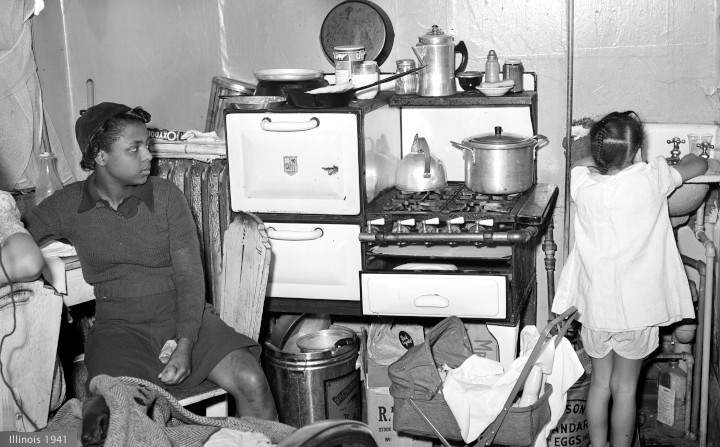
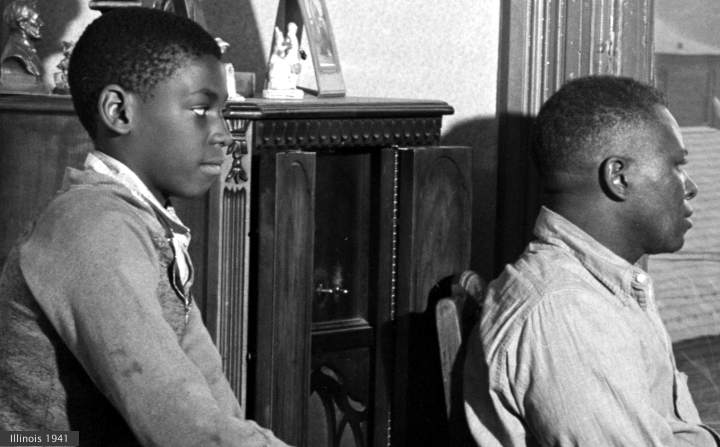
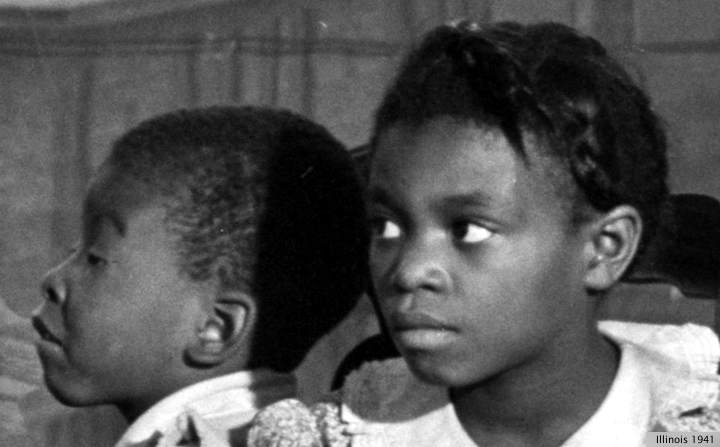
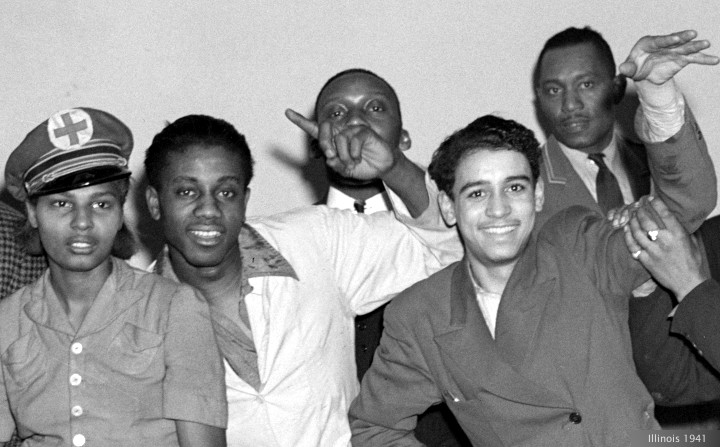
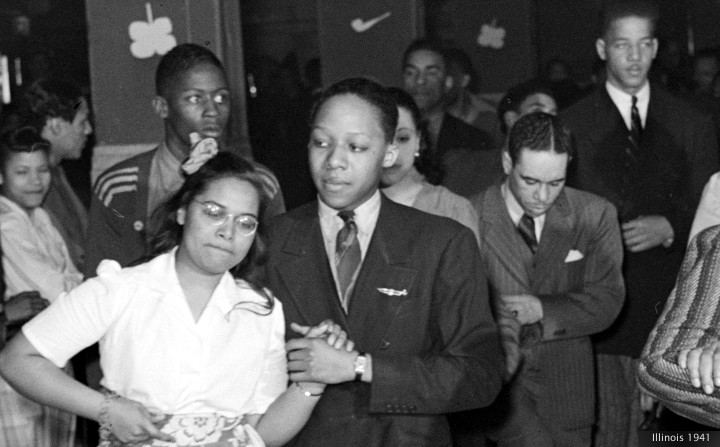
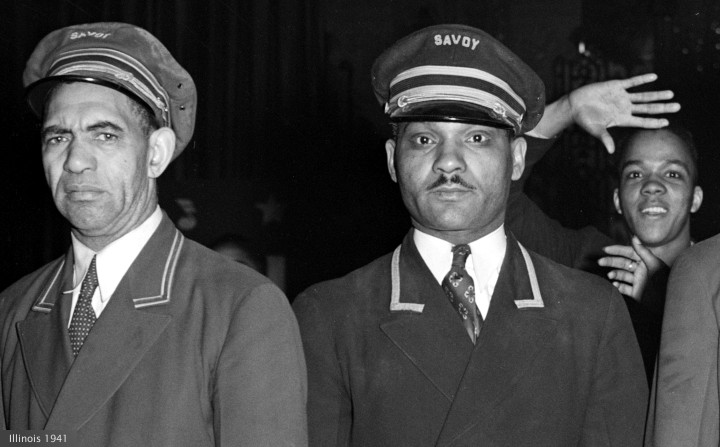
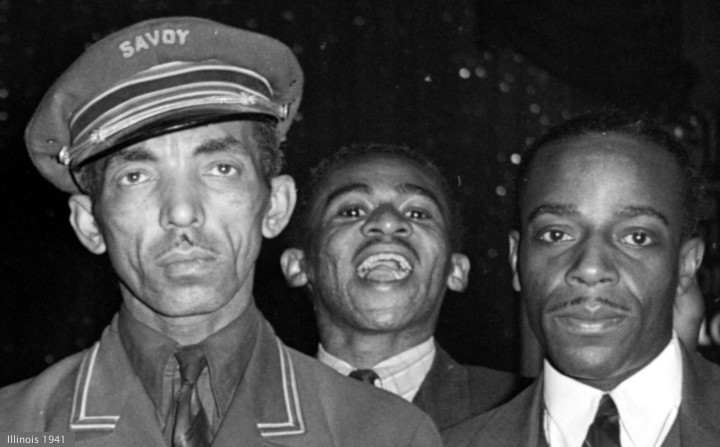
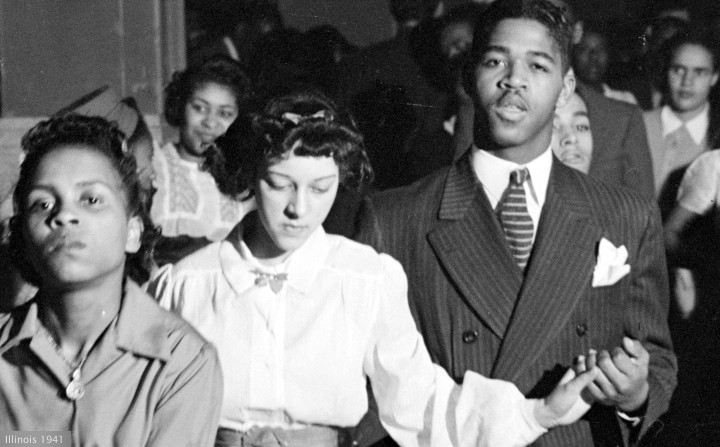
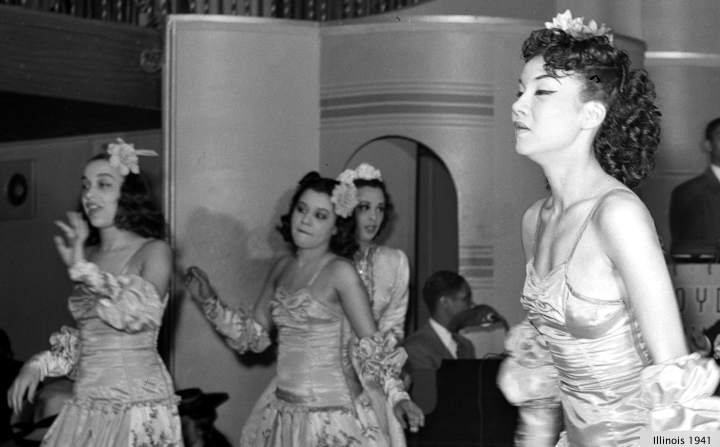
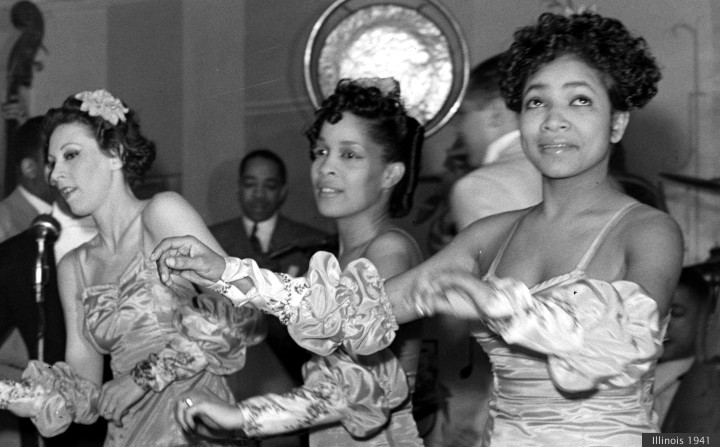
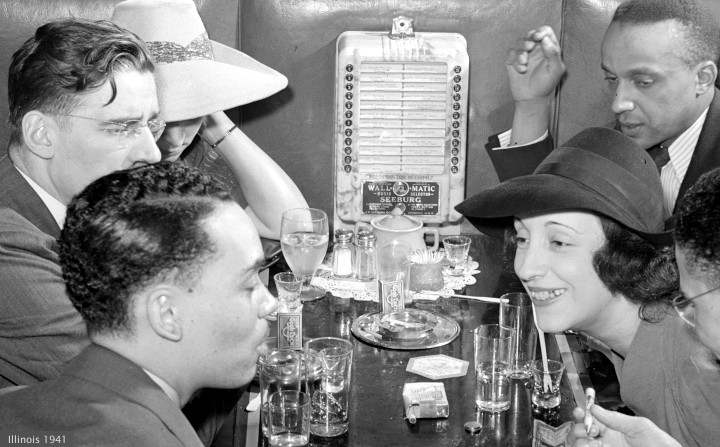
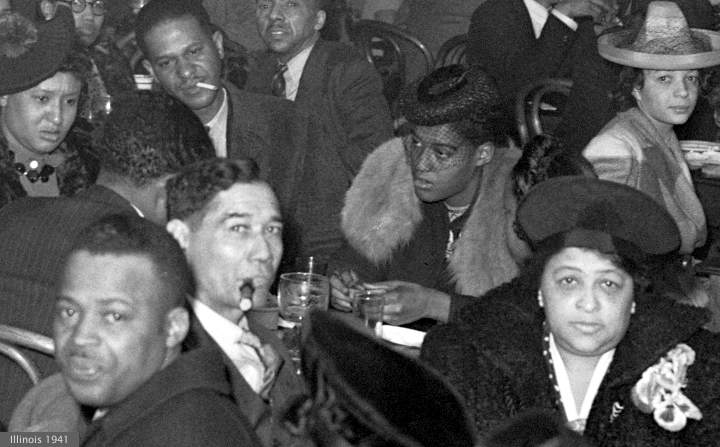
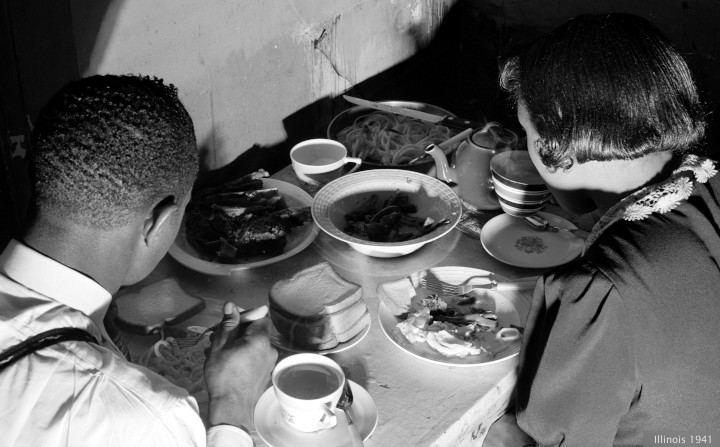
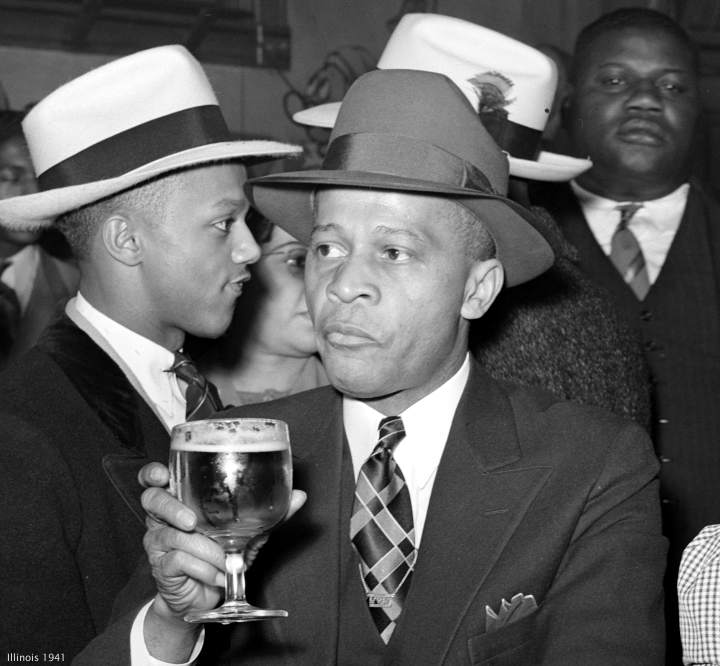
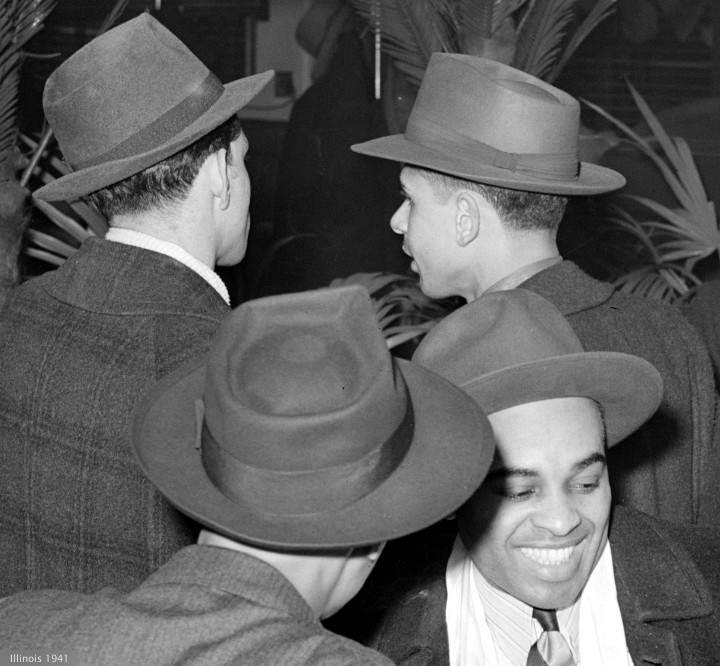
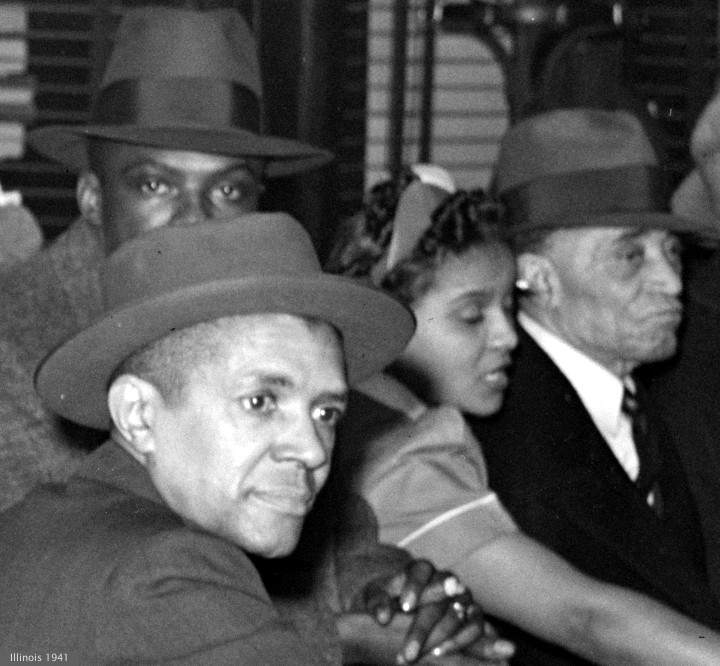
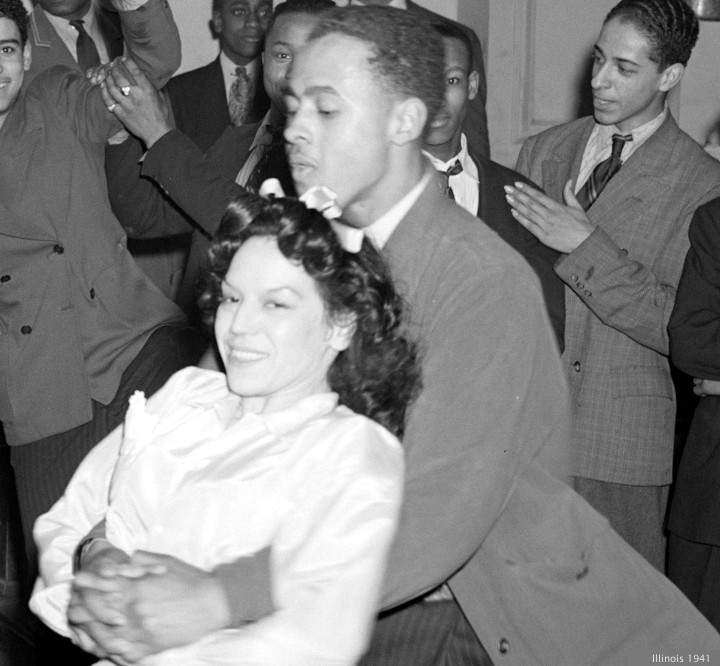
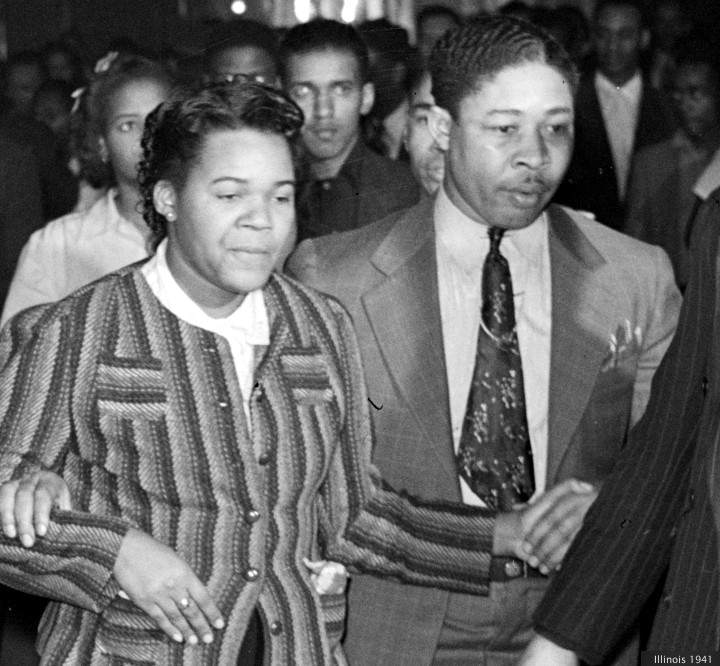
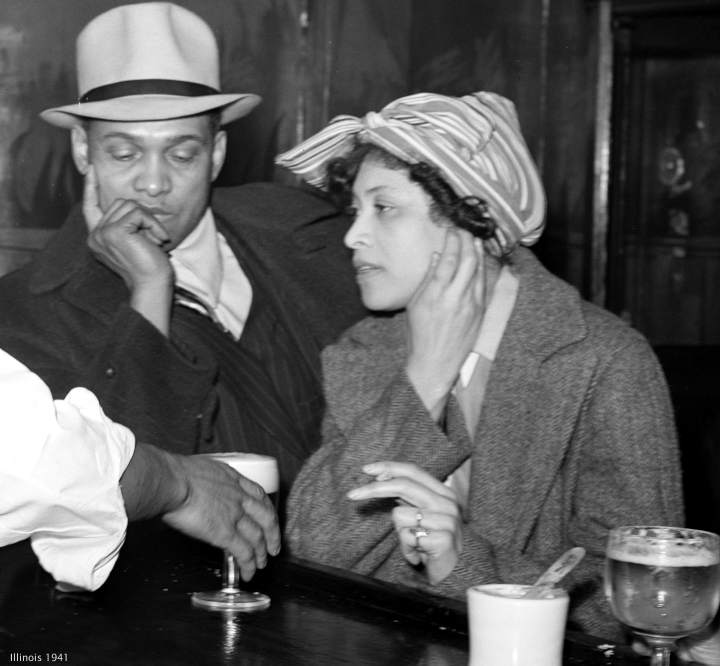
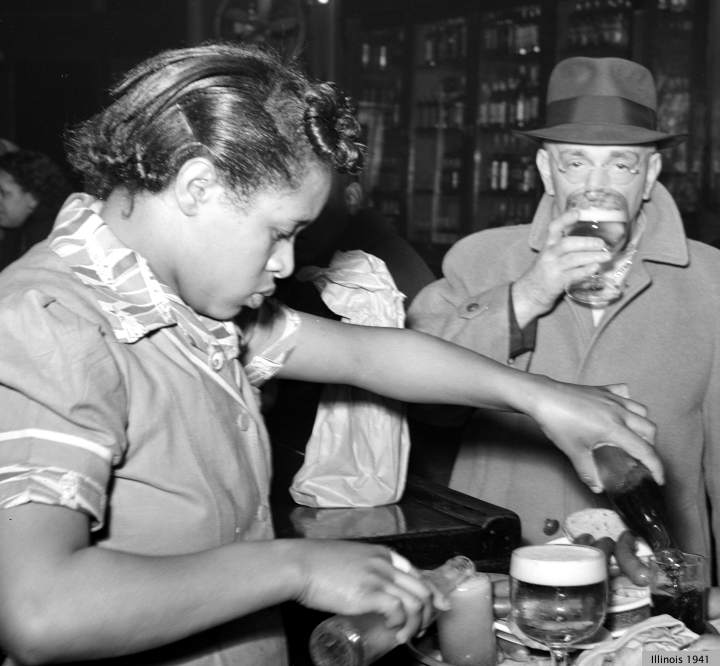
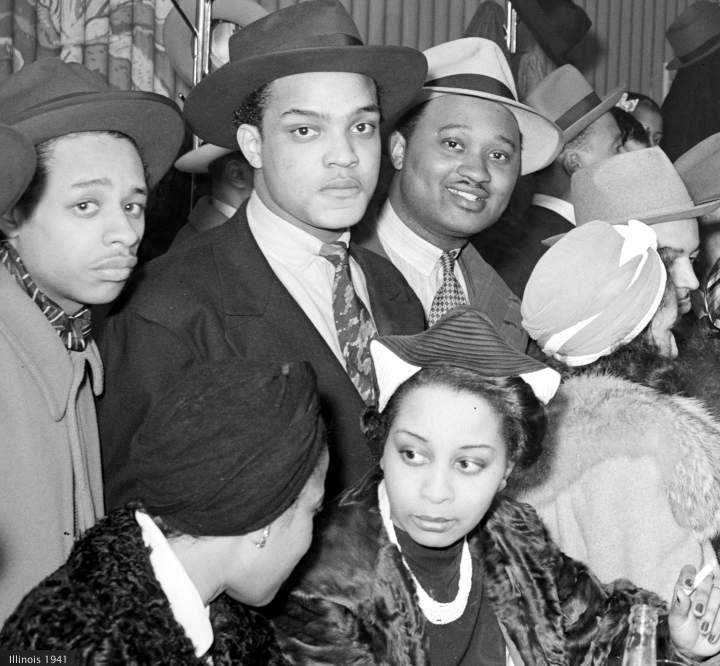
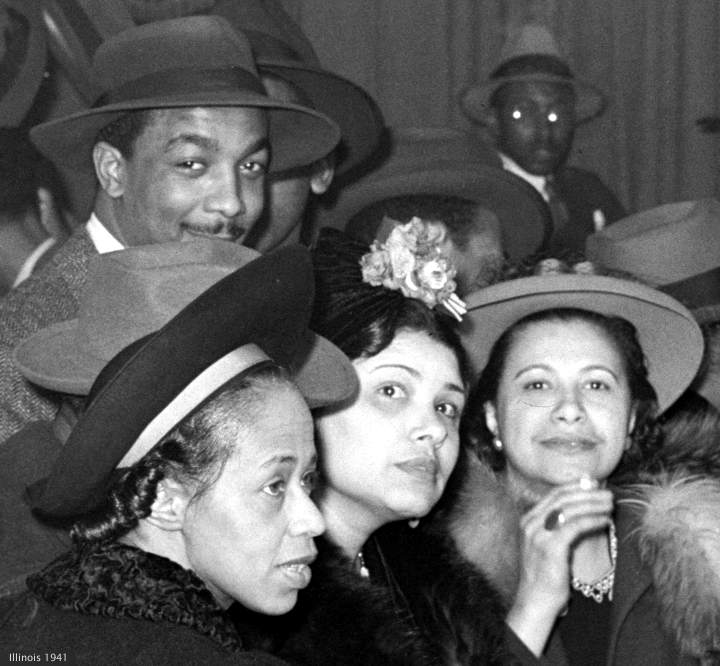
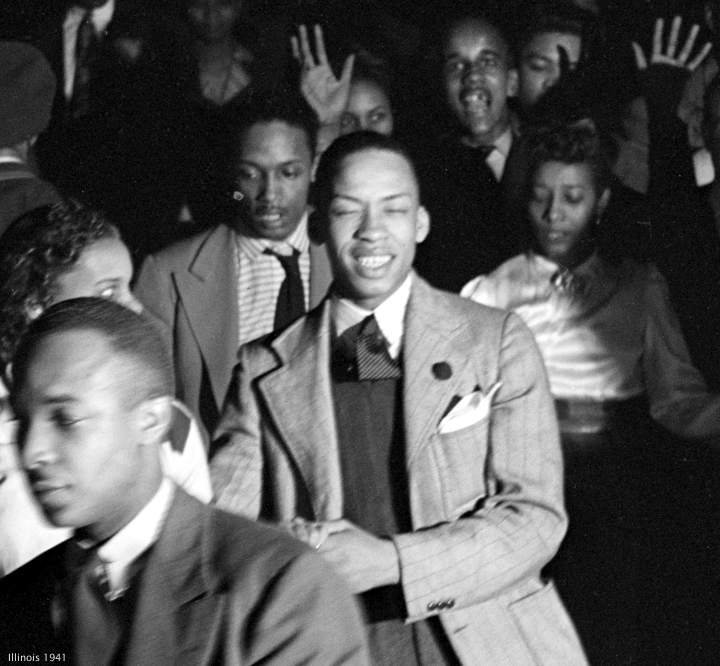
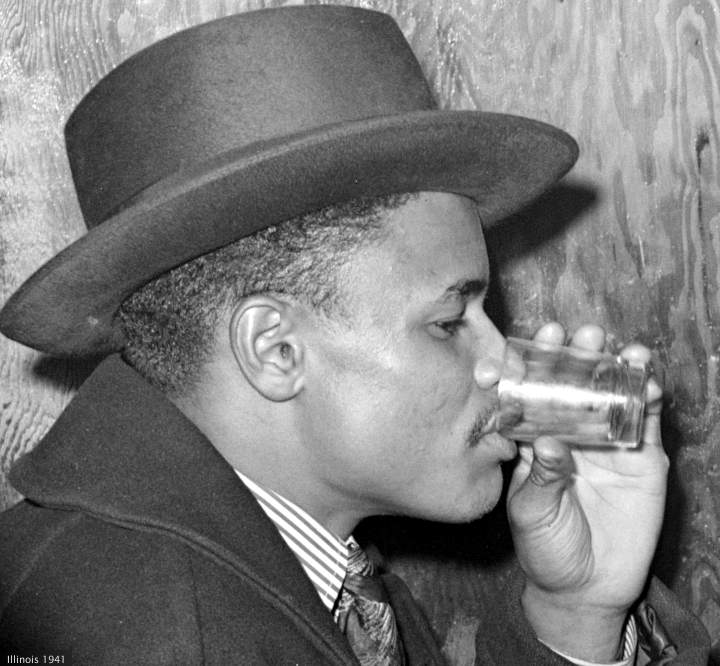
Picture are from The Library of Congress. Russell Lee took the photographs in April, 1941. The setting was Chicago, IL. The bar at Palm Tavern, Negro restaurant on 47th Street. Chicago, Illinois Having fun at roller skating party at Savoy Ballroom. Chicago, Illinois




David And Elton


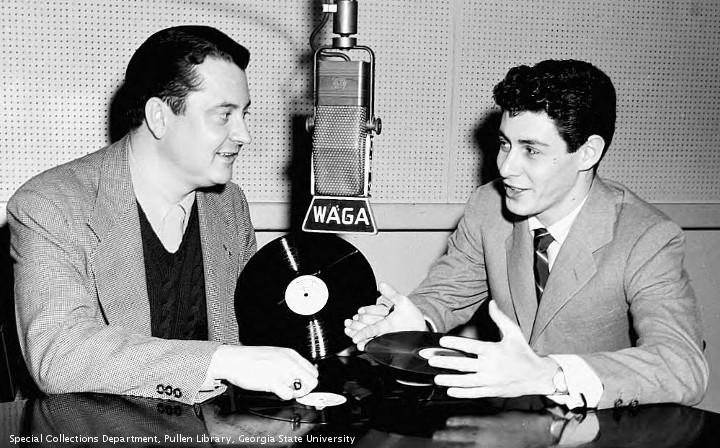

On page 327 of David Bowie: A Life, the Live Aid show goes down. “There wasn’t much love lost between David and Elton–perhaps they’d fallen out at some point in the past…”
Elton John says he fell out with David Bowie over ‘token queen’ remark “David and I were not the best of friends towards the end. We started out being really good friends. We used to hang out together with Marc Bolan, going to gay clubs, but I think we just drifted apart…. He once called me “rock’n’roll’s token queen” in an interview with Rolling Stone, which I thought was a bit snooty. He wasn’t my cup of tea. No; I wasn’t his cup of tea”.
1975 was a different time. David Bowie was moving out of Ziggy Stardust, and became the Thin White Duke. At some point he starting doing lots of cocaine. On page 196 of DB:AL, Jayne County has stories. “It was pretty obvious the David was taking coke. He became very skeletal in his appearance and began rattling off speeches that sounded meaningless to the rest of us–strange things about witchcraft, demons, and sexual prostitution in ancient times … weird things that made everyone nervous. He began to get paranoid and accusing people of ripping him off and stealing his drugs…. He had to have cartilage removed from one part of his body and put in his nose because the coke had eaten his nose cartilage away.”
While David was popular in 1975, and had a certain aesthetic aroma, Elton John was a phenomenon. Everything Elton touched went to Number One. Elton was one of the most popular solo acts the market ever sold. Maybe David was jealous of Elton’s success.
By all accounts, Elton did his share of “hooverizing.” In 1975, Elton was officially in the closet, although a lot of people knew otherwise. In one impossible to confirm story, a friend of PG was working in an Atlanta club called Encore, later known as Backstreet. One busy night, he was in a hurry to get somewhere, and bumped into someone. The person he knocked over was Elton John.
The infamous Rolling Stone interview was part of the damage. “Rock & roll has been really bringing me down lately. It’s in great danger of becoming an immobile, sterile fascist that constantly spews its propaganda on every arm of the media. …. I mean, disco music is great. I used disco to get my first Number One single [“Fame”] but it’s an escapist’s way out. It’s musical soma. Rock & roll too — it will occupy and destroy you that way. It lets in lower elements and shadows that I don’t think are necessary. Rock has always been the devil’s music. You can’t convince me that it isn’t.”
Cameron Crowe How about specifics? Is Mick Jagger evil? David Bowie “Mick himself? Oh Lord no. He’s not unlike Elton John, who represents the token queen — like Liberace used to. No, I don’t think Mick is evil at all. He represents the sort of harmless, bourgeois kind of evil that one can accept with a shrug…. Actually, I wonder … I think I might have been a bloody good Hitler. I’d be an excellent dictator. Very eccentric and quite mad.”
Playboy Magazine gave David another chance to talk about Hitler. “I’d love to enter politics. I will one day. I’d adore to be Prime Minister. And, yes, I believe very strongly in fascism.” “Rock stars are fascists, too. Adolf Hitler was one of the first rock stars.” “#54: PLAYBOY: How so?” BOWIE: “Think about it. Look at some of his films and see how he moved. I think he was quite as good as Jagger. It’s astounding. And, boy, when he hit that stage, he worked an audience. Good God! He was no politician. He was a media artist himself. He used politics and theatrics and created this thing that governed and controlled the show for those 12 years. The world will never see his like.”
#77: PLAYBOY: “Last question. Do you believe and stand by everything you’ve said?” BOWIE: “Everything but the inflammatory remarks.” We don’t know whether a jab at Elton was inflammatory. “I consider myself responsible for a whole new school of pretensions–they know who they are. Don’t you, Elton? Just kidding. No, I’m not.”
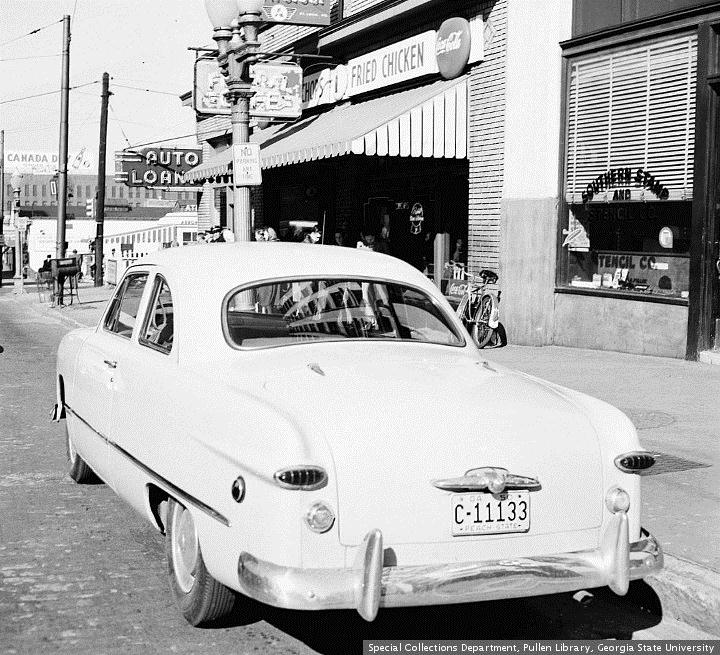
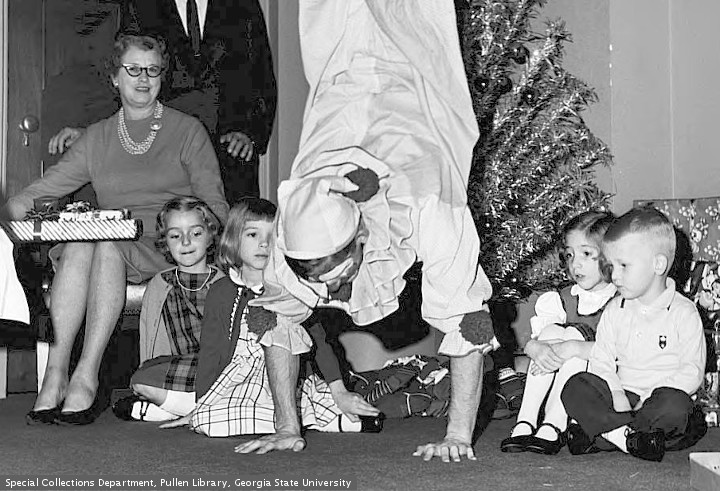
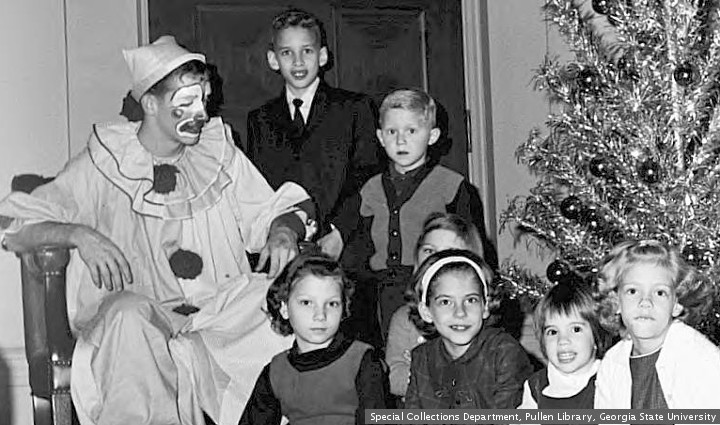
Seven daily grams of coke (DB:AL, p.223) did not kill David Bowie. He soon moved on to make The Man Who Fell to Earth. People magazine helped out with the publicity. “No role could have suited David Bowie better in his first major movie than that of an inscrutable interplanetary traveler outfitted with human skin, sex organs, Ronald Reagan hair and humanoid pupils to slip in over his horizontal, mismatched feline slits.” Forty years before Donald Trump made the tangerine toupee cool, Ronald Reagan was prematurely orange. Pictures for this deplorable dive into hissyfit history are from “The Special Collections and Archives, Georgia State University Library”.



Billie Holiday Stories

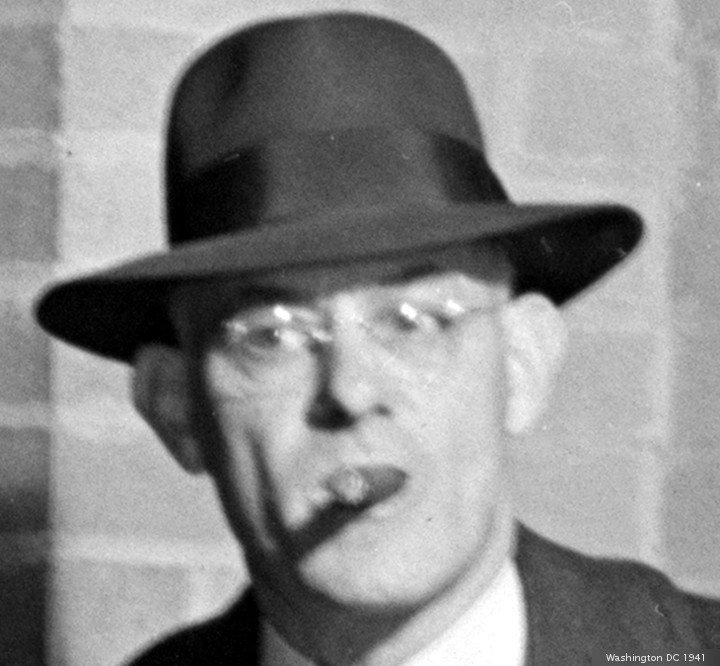


How ‘Strange Fruit’ Killed Billie Holiday turned up in a facebook feed yesterday. The article states that Harry Jacob Anslinger “the first commissioner of the U.S. Treasury Department’s Federal Bureau of Narcotics,” ordered Billie Holiday to quit performing “Strange Fruit.” When the chanteuse declined, Mr. Anslinger had her arrested for heroin possession. Later, Mr. Anslinger was allegedly responsible for busting Miss Holiday on her deathbed.
The Hunting of Billie Holiday was the source given for the claim about Mr. Anslinger and “Strange Fruit.” The Politico article does not say that Mr. Anslinger ordered Miss Holiday to quit singing “Strange Fruit.” It does say that Louis McKay, one of the many no-good men in Miss Holiday’s life, narked her out. The bust was in 1947, after she had been performing “Strange Fruit” for several years. (Lady Sings The Blues says that Louis McKay was not in Miss Holiday’s life in 1947.)
Politico had one comment that set off the bs detector. “One day, Harry Anslinger was told that there were also white women, just as famous as Billie, who had drug problems—but he responded to them rather differently. He called Judy Garland, another heroin addict, in to see him.” Frances Gumm was well known for having substance abuse issues. The heroin business was news to a lot of people.
Johann Hari was the author of the politico article. At the time, he was promoting a book, Chasing the Scream, about the war on drugs. Johann Hari has a spotted reputation. “The author used to be the Independent’s star columnist, a prolific polemicist and darling of the left, until his career imploded in disgrace when it emerged in 2011 that many of his articles contained quotes apparently said to him but in fact lifted from his interviewees’ books, or from previous interviews by other journalists.”
The final bust, as Miss Holiday lay dying in the hospital, is part of the legend. A google search does not show what agency was responsible. Harry Anslinger may have been involved, and it may have been someone else. By this time, Elanora Fagan was in bad, bad shape. Years of drinking, and hard drugs, had worn her out. While the hospital bust may have hastened her demise, it is a bit of a stretch to say the Harry Anslinger killed Billie Holiday, because she sang “Strange Fruit.”
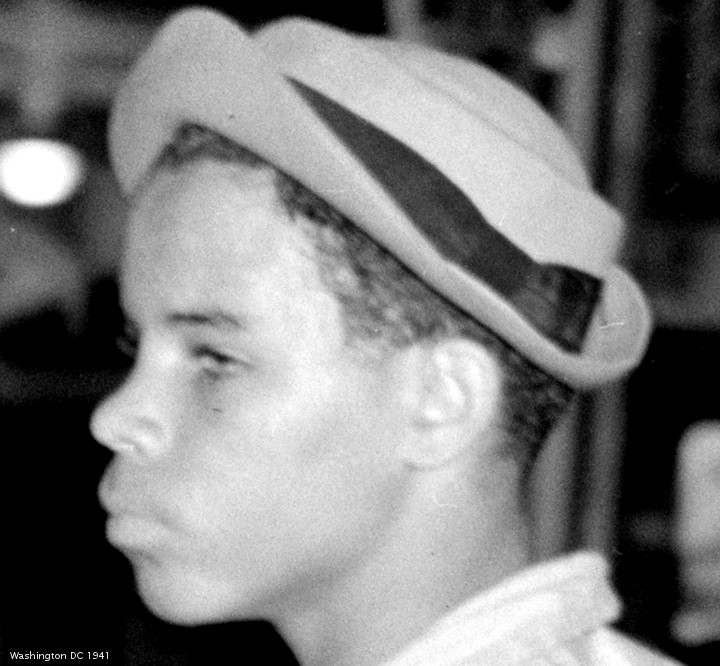
This is a repost. Pictures today are from The Library of Congress.
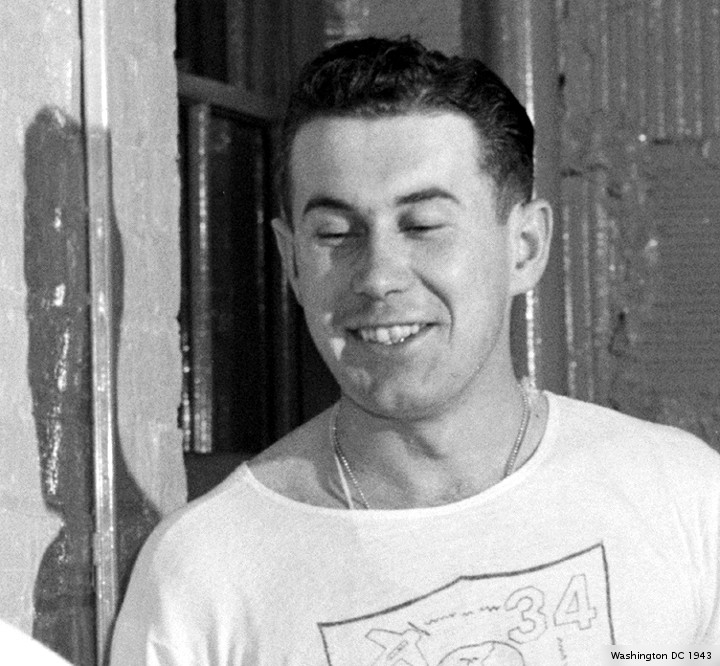

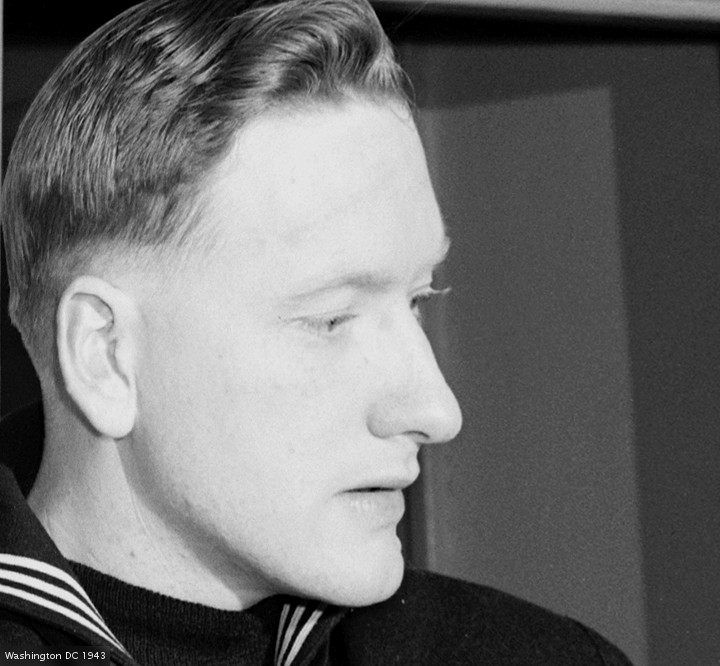
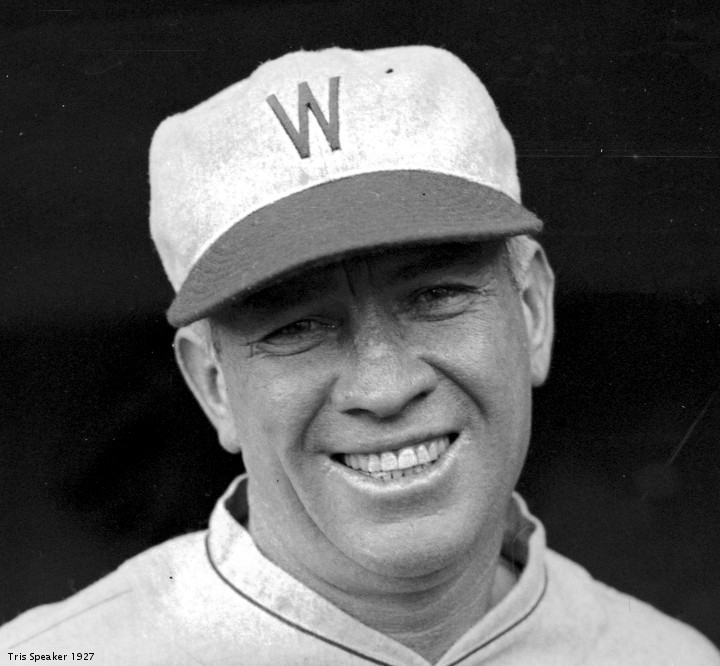

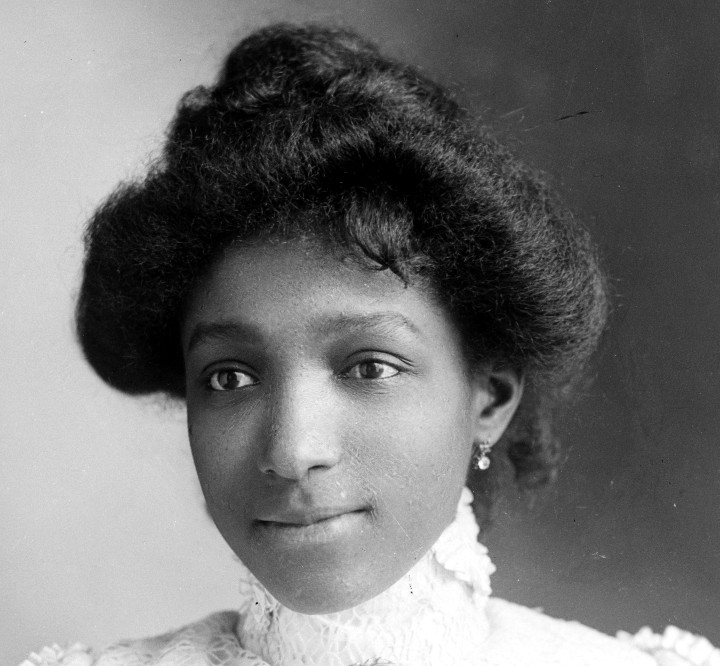
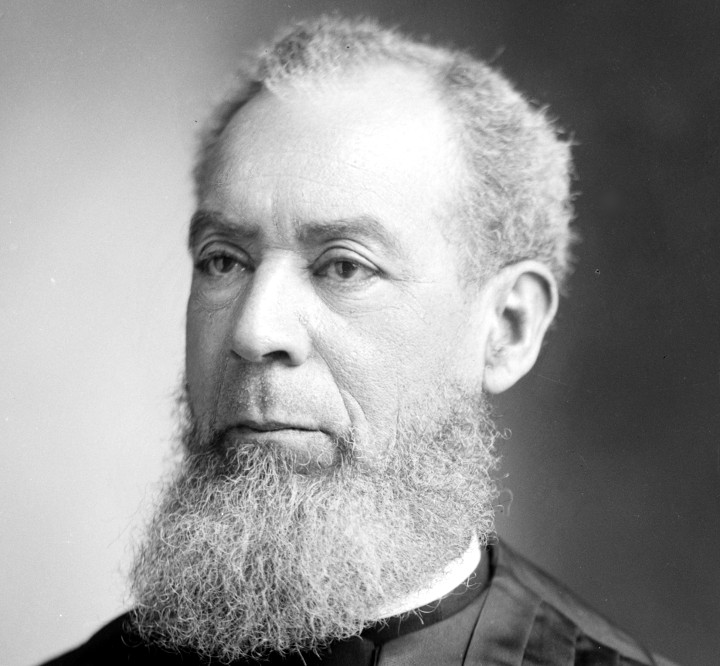
Lady Sings The Blues is the autobiography of Billie Holiday. PG read it in 1978, and pulled it off the shelf recently. The copy he has is was a 1972 paperback, issued in conjunction with the movie. A picture of Diana Ross is on the cover, as well as a price sticker from Woolco. The book sold for $1.25. Pictures today are from The Library of Congress. The spell check suggestion for Woolco is Cool.
William Dufty was the ghost writer. His prose is easy to read, with the story flowing out like a Lester Young solo. The 1956 copyright is assigned to “Eleanora Fagan and William Dufty,” using the birth name of the singer. Mr. Dufty was a newspaper writer. “Dufty had one son, Bevan Dufty, with first wife Maely Bartholomew, who had arrived in New York City during World War II after losing most of her family in the Nazi concentration camps. She settled near Harlem where she met her best friend and Bevan’s godmother, Billie Holiday.”
“Bevan Dufty would agree. He’s one of the childless singer’s two godchildren. … “Holiday said motherf — all the time, in her gravelly elegant way,” recalled Dufty, sitting in his City Hall office. His mother, a Czech Jewish immigrant who loved jazz, was close to many musicians and even managed the unmanageable Charlie Parker for a spell, learned to curse from Holiday. But with a European accent. Much of what Dufty knows of Holiday comes from his late mother, who was married to actor Freddie Bartholomew before her brief marriage to William Dufty, one of her seven husbands. Maely, who took her infant son by train to Philadelphia every day to attend yet another of Holiday’s drug trials, was so distraught by the singer’s death that she dedicated herself to helping recovering addicts. A number of musicians lived at the Duftys’ place while kicking the habit (William and Maely Dufty divorced not long after Holiday’s death, and he later married actress Gloria Swanson, who inspired him to write the book “Sugar Blues” about the dangers of processed sugar).”
Billie Holiday’s bio, ‘Lady Sings the Blues,’ may be full of lies, but it gets at jazz great’s core Autobiographies are, by their nature, self serving. This one has a great opening line… ” “Mom and Pop were just a couple of kids when they got married. He was eighteen, she was sixteen, and I was three.” (“Her parents were never married. When she was born, her mother was 19, her father was 17 and they never lived under the same roof.”) Another source adds: “Some of the material in the book, however, must be taken with a grain of salt. Holiday was in rough shape when she worked with Dufty on the project, and she claimed to have never read the book after it was finished. Around this time, Holiday became involved with Louis McKay. The two were arrested for narcotics in 1956, and they married in Mexico the following year. (March 28, 1957) Like many other men in her life, McKay used Holiday’s name and money to advance himself.”
Louis McKay is at the center of another misunderstanding of facts. The Hunting of Billie Holiday claimed that Mr. McKay narked out Miss Holiday in 1947, and set up her first drug bust. LSTB tells a different story. Here, Miss Holiday meets Mr. McKay very briefly in 1931. Someone was trying to rob Mr. McKay. Miss Holiday said “He’s my old man,” and chased off the robber.
Fast forward twenty five years, and Miss Holiday connects with Mr. McKay. “I hadn’t seen him since I was sixteen and he wasn’t much older and I was singing at the Hotcha in Harlem.” The two were married in 1957. They got busted as LSTB ends. Either Politico is wrong about the 1947 bust, or Miss Holiday did not tell the whole story. Either way, Harry Anslinger is not mentioned in LSTB.
Tallulah Bankhead is another missing piece of the puzzle. Reportedly, Miss Bankhead and Miss Holiday were close friends, and possibly lovers. That was over by the time LSTB was written. “When “Lady Sings the Blues” was being prepared, Miss Bankhead got an advance copy, and was horrified by what she saw. A fierce note was sent to the book’s publisher, and scenes were edited out. Miss Holiday was outraged. The letter that resulted is a poison pen classic. “My maid who was with me at the Strand isn’t dead either. There are plenty of others around who remember how you carried on so you almost got me fired out of the place. And if you want to get shitty, we can make it a big shitty party. We can all get funky together!”
Miss Bankhead does make an appearance in LSTB. On page 117, Miss Holiday is describing playing a maid, in a movie. She was not pleased at the typecasting. “Don’t get me wrong. I’ve got nothing against maids – or whores – whether they’re black or white. My mother was a maid, a good one, one of the greatest. My stepmother is Tallulah Bankhead’s maid right now, and that’s a part I’d even consider when they do her life story.” (Miss Bankhead had her own domestic help problems. In 1951, Evyleen Cronin, Tallulah’s maid and secretary, was accused of stealing $10,000-30,000 from Tallulah during her employment. … The case went to trial (much to Tallulah’s embarrassment) and Cronin was convicted.” Many embarrassing details about Miss Bankhead’s life came to light during this trial. Fanny Holiday, the stepmother, is probably a different person than Evyleen Cronin.)
Whatever it’s factual challenges, Lady Sings the Blues is a powerful book. Miss Holiday had a tough life, to say the least. As the singer for Artie Shaw’s big band, Miss Holiday was an integration pioneer, and every two bit cracker wanted to make trouble. Later, she was addicted to heroin, got busted, served time in prison, only to get out and suffer some more.
Three years after LSTB came out, things went from bad to horrible. “In early 1959 she found out that she had cirrhosis of the liver. The doctor told her to stop drinking, which she did for a short time, but soon returned to heavy drinking. … On May 31, 1959, Holiday was taken to Metropolitan Hospital in New York suffering from liver and heart disease. She was arrested for drug possession as she lay dying, and her hospital room was raided by authorities. Police officers were stationed at the door to her room. Holiday remained under police guard at the hospital until she died from pulmonary edema and heart failure caused by cirrhosis of the liver on July 17, 1959.” This is a repost.

Ham On Rye




Ham On Rye is due back at the library today. PG could not renew it, because someone else had made a request. This was going to be a snow jam day, but it did not even deliver a good drizzle. Going bonkers over an inch of snow is an Atlanta tradition, and PG would not have it any other way. Which does not write this book report. Pictures from The Library of Congress.
HOR is the about the childhood of Hank Chinaski, who is really Charles Bukowski. It seems like a dreary affair. Hank Sr. is a sadistic asshole. He gets off on beating his son. Mother sits back and does nothing. The story is set in depression Los Angeles, which adds to the morbid ambience of the tale.
A discerning reader can see the roots of the acorn that grew into Charles Bukowski. One of his few childhood friends had a basement full of home made wine. Charles went down there, and made a life long friend. Before long, daddy put a padlock on the basement.
Someone who will write Notes of a Dirty Old Man needs to get out of grammar school first. At some point, a near fatal case of acne hit. Hank was going to the hospital, and receiving acne cures that made daddy seem warm and fuzzy. Eventually, Hank went on to getting drunk whenever possible, and then fighting the person who supplied the hootch.
For all the horny talk, there is little sex in HOR. Hank goes to get drunk with some kid who had a hot mother. The kid passed out, and mama came home. Hank hits on mama. She pulls her skirt up. Her pussy hair is half gray, and not pretty like her head hair. Hank decides to go home instead.
Hank graduates from High School, gets a job in a department store, and gets fired within a week. Hank bounces around, wins a pile of money in a drinking contest, gets kicked out of the family house, and gets kicked out of a Filipino boarding house. Hank starts talking the pre-Pearl Harbor pro German talk, only to discover that the Nazis he meets are idiots. The story ends with the announcement of Pearl Harbor. Hank does not enlist.
A story like this needs a one star review. “I can handle depressing books. I actually steer away from anything too frothy. This one, I am afraid, would depress a circus clown after his best stage performance. Dark. Sad. No uplifting moments. I finished it, hoping it would have some redemption at the end. Wrong. Went from depressing to clinically depressing.”



Citizen Part Three
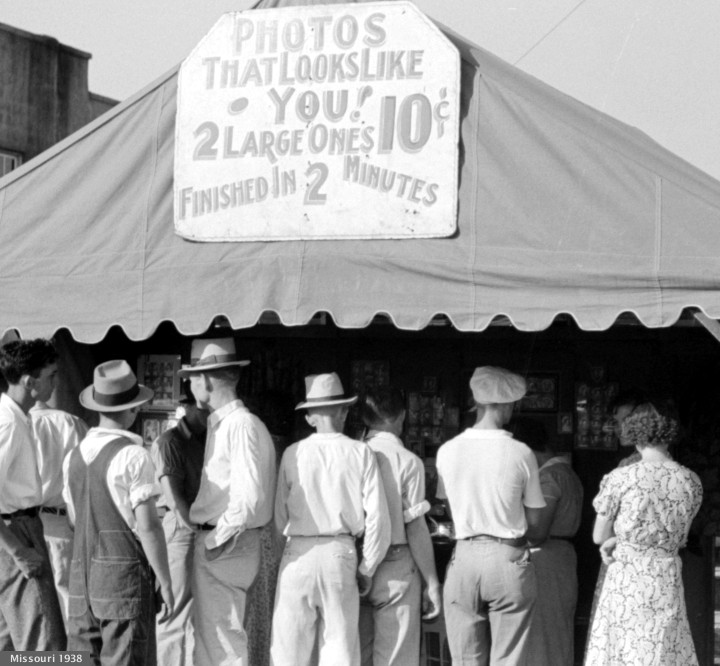

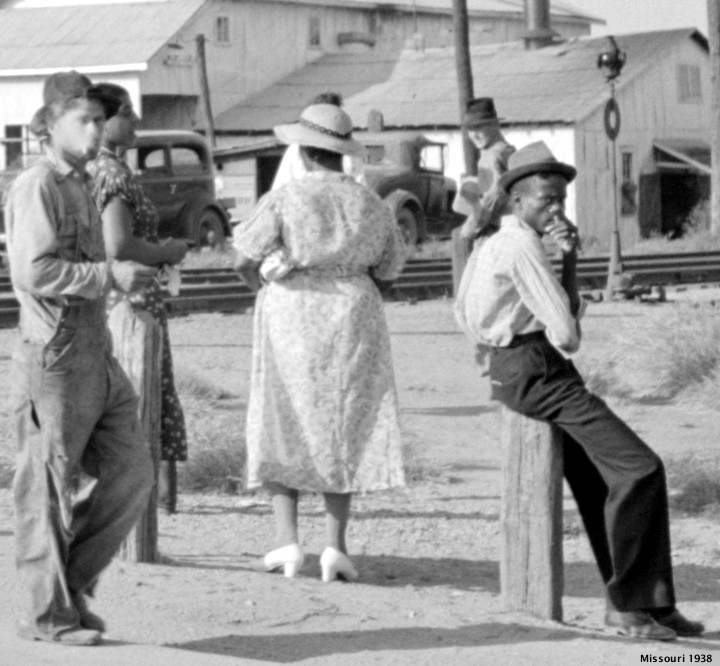


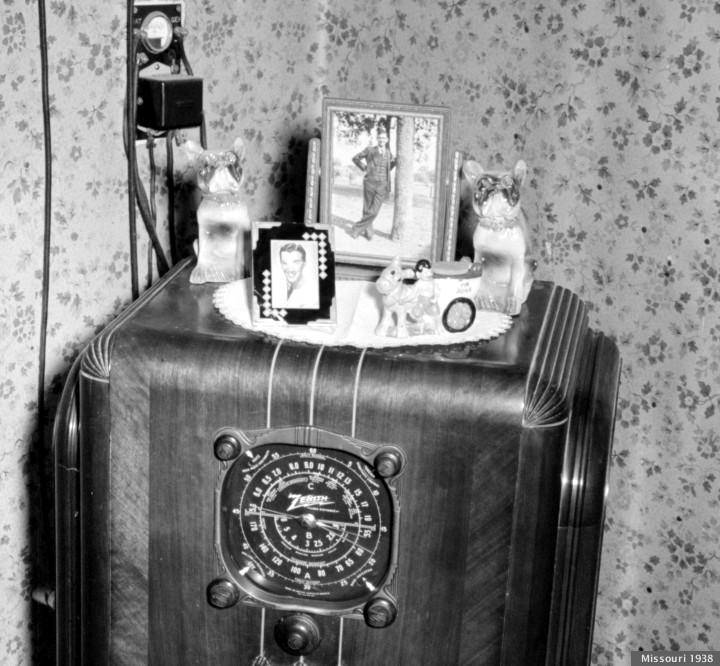

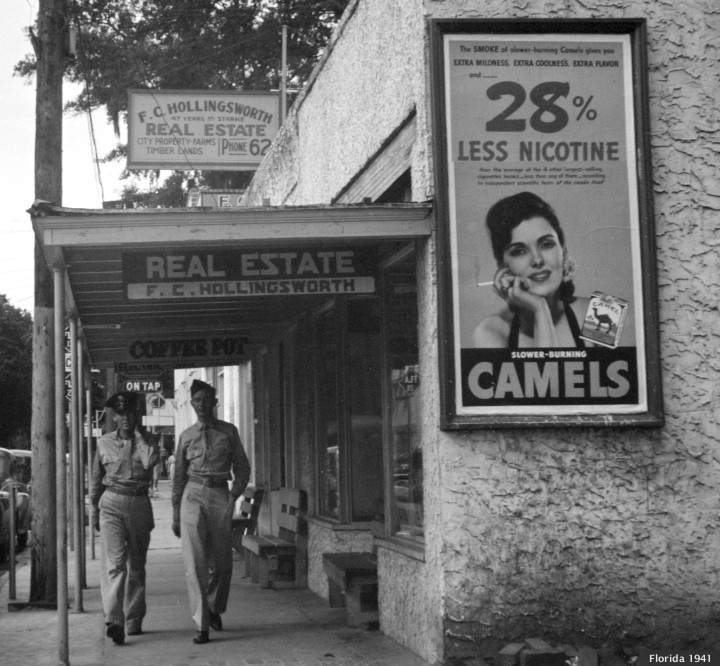
PG had been putting this off. A while back, he took a copy of Citizen: An American Lyric. The idea was to produce a response to it. There would be a live show, that would include these responses.
PG started to read CAAL. He quickly realized that this was not his kind of book. The author, Claudia Rankine, is a college professor. The tone of CAAL is academic. The topic of CAAL is racism. Reading academic prose poems about microaggressions is not likely to change black/white America. PG might learn a thing or two, but can also expect to be insulted. When it comes to what reading material PG am going to invest with his precious time, he prefers a story. It might not make PG a better person, but he will enjoy the time spent reading it. Reading a Yale professor talk about microaggression will be prove to be neither transformative nor enjoyable.
Then there was a meme on facebook.. “Pick up the nearest book to you. Turn to page 45. The first sentence explains your love life.” The book nearest to PG was CAAL. The first sentence on page 45 is also the only sentence on page 45. It is that kind of book. The sentence: “And when the woman with the multiple degrees says, I didn’t know black women could get cancer, instinctively you take two steps back though all urgency leaves the possibility of any kind of relationship as you realize nowhere is where you will get from here.” How this explains a love life is a mystery best left unsolved. It will, however, motivate PG to write part three of the CAAL series.
Page 45 does not speak to PG. He has had experiences where people say preposterous things to him. The idea is to just ignore it, and be happy for your life. And mostly that is what happens. The consequences of speaking up are too severe. You have to pick your battles. You cannot go off every time your feathers get ruffled. PG would also be interested to talk to the woman with the multiple degrees,” and hear her side of the story.
CAAL is full of episodes like this. Obviously, some people enjoy this sort of thing. It might get people to listen to each other, and get along better. Or it might just make people tune out, and wait until it is over. CAAL does not tell PG anything he has not heard before. It is not, to his way of thinking, especially well written. CAAL is not enjoyable to read. Is CAAL supposed to be swallowed like medicine, to make you a better person?
Putting race aside, lets look at page 45. There is one sentence on page 45. Page 44 has a two sentence paragraph, and five lines of dialog, each separated by a blank line. CAAL is supposed to be an *art* book. It is sponsored by several foundations. The back cover has a list of awards harvested by CAAL. Is this a book to be admired, or a book to be enjoyed?
Part one and part two of this series are online. Pictures today are from The Library of Congress.




A Natural Woman: A Memoir



A Natural Woman: A Memoir is the autobiography of Carole King. How much she actually wrote is a good question. The 2012 copyright is assigned to “Eugenius LLC.” While Carole is famous as a songwriter, she mainly wrote music. Someone else did the lyrics.
Carol Joan Klein was born February 9, 1942. After a reasonably normal Brooklyn girlhood, she started going to music companies with songs she wrote. Soon, she was writing all the time. Gerry Goffin was writing words, and the songs became hits. By this time, an e had been added to Carole, and King became her professional name.
Gerry and Carol got married, had two girls, moved to New Jersey, and continued to write hit records. The sixties hit Gerry hard, with drugs, mental illness, and other women. The two got divorced. Carol moved to California, became a hippie goddess, released the best selling album of all time, got married again, and had two more children.
If you listen to Tapestry, you probably notice the bass player. This is Charlie Larkey, husband/babydaddy number two. The divorced after a while, for some reason or another. ANWAM is fuzzy about some of the details. You get the sense that there is more to the story.
Famous people books tend to follow a pattern. They are born, and become successful. The story line goes over the bump in the middle, and begins to go downhill. For Carole King, this downhill path starts with her third husband. An abusive jerk, Rick Evers made life miserable for a few years, before dying of too much drugs. The one bright spot in this part of the story is moving to Idaho. But that was a mixed blessing. After finding a dream spot in the wilderness, there was a nasty court battle over keeping a private road private. Once again, ANWAM tells one side of the story well.
Last summer, PG hit the jackpot at a friends-of-the-library book sale. ANWAM is the last book. The first three were Post Office, I Slept With Joey Ramone, and Bastard Out Of Carolina. It is probably back to the library for reading material now. Pictures today are from The Library of Congress.






Bastard Out of Carolina


Bastard Out of Carolina is a much praised novel. Dorothy Allison wrote it. When PG saw it at a used book sale, he hesitated. The lady taking the money said, if you don’t want that book, I will take it. PG went ahead and gave the lady one dollar, and took home BOOC. If it had been set in Kentucky, the initials would have been BOOK.
Bone is the illegitimate hero of BOOC. Her birth certificate has ILLEGITIMATE stamped across the bottom, in “oversized red-inked block letters.” Anney, the mother, makes repeated visits to the county courthouse, trying to get the certificate de-bastardized. Finally, when Bone is 12, Anney succeeds. By then it is too late.
The Boatwrights are a large family. They live in Greenville, South Carolina. BOOC is set in the fifties. PG was never really sure how many aunts and uncles Bone has. Maybe that is the idea.
The characters in BOOC are what some people would call white trash. Money is always a problem. The men drink and fight. The women do what they can. The kids are kids, until it is their turn to get locked up, or knocked up.
After Anney has two girls, she meets Glen Waddell. He is the villain of BOOC. An all around fuck up, Daddy Glen sexually abuses Bone. This is only spelled out in two episodes. The verbal/physical abuse is there all the time.
An Essential Novel About Poverty, Bigotry, and Sexual Abuse, Twenty-Five Years Later is an article that googled its way into this book report. Some urban writers are fascinated by racism. Dorothy Allison keeps racism in its place. There are no black characters in BOOC. The Boatwrights say n$$$$r. The reader comes to learn that the Boatwrights would have been just as poor, just as drunk, and just as trashy in an all white county. Whiteness is part of the story, just like the muddy river flowing past Aunt Raylene’s house.
BOOC has a lot of details, and atmosphere. In a radio interview, Dorothy Allison says something. “Oh, I want that — you know what Nabokov called it, that sob in the spine, that where you’re reading and suddenly it just stops you, and you’re like ah! That’s what I want. I want you to take a deep breath, and if I’m really lucky, I want you to throw the book at the wall.” Paperbacks do less damage.
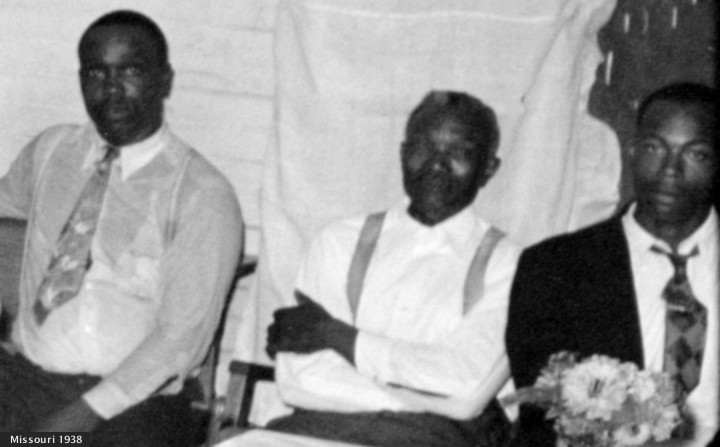
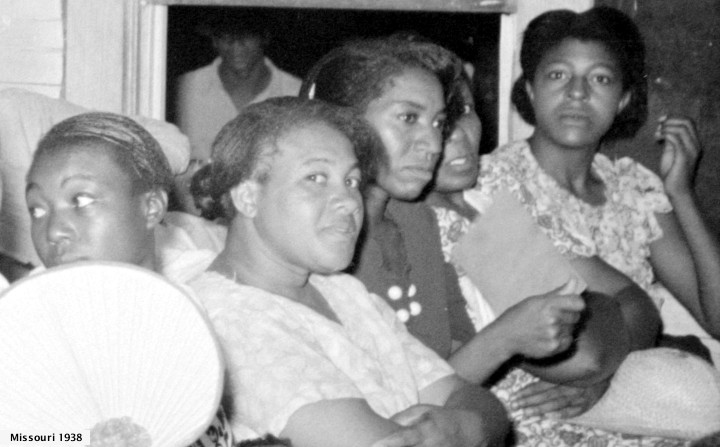
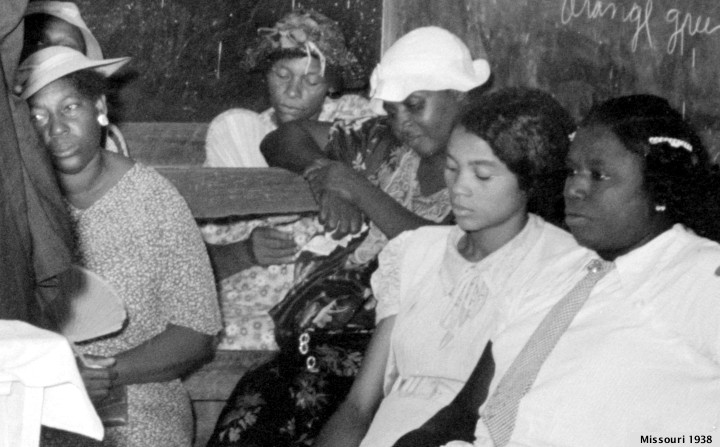
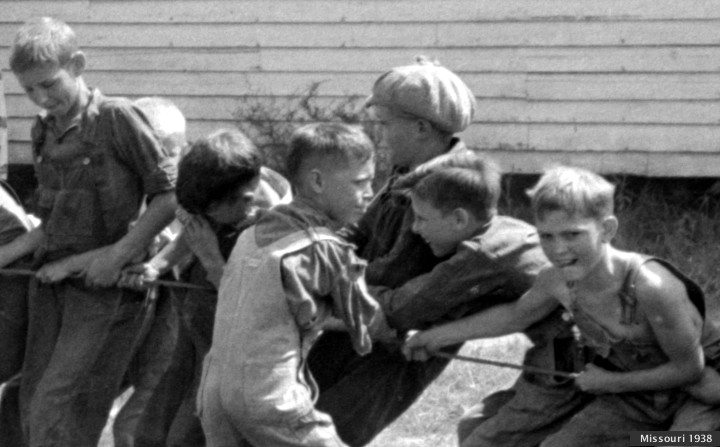
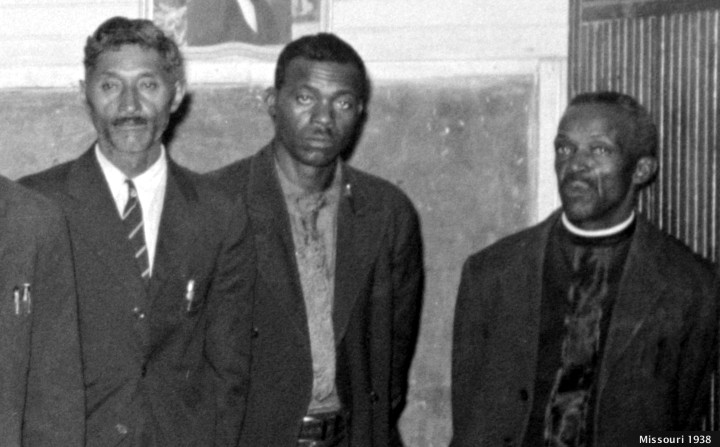
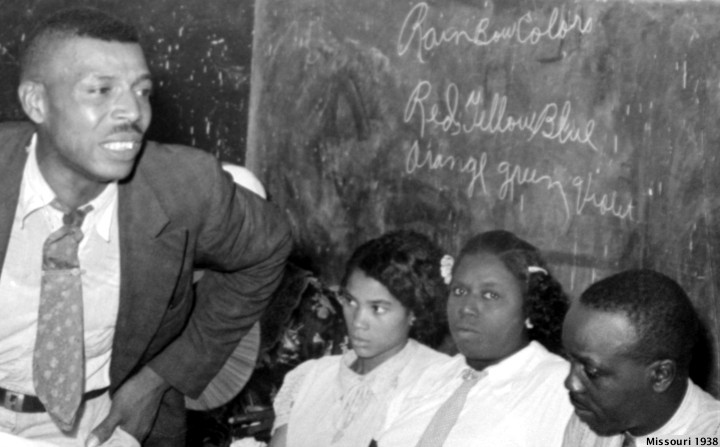
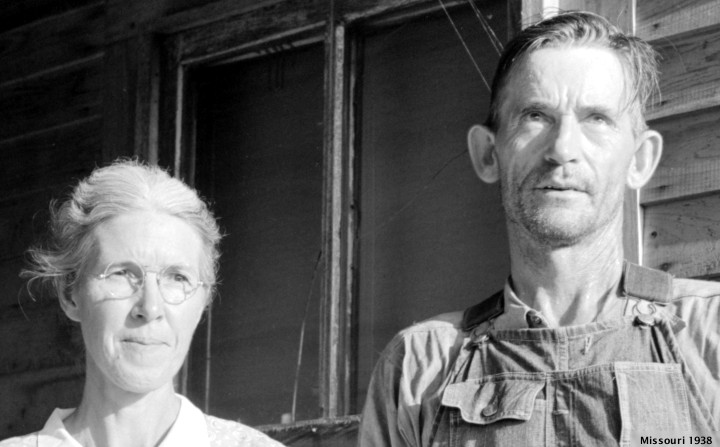
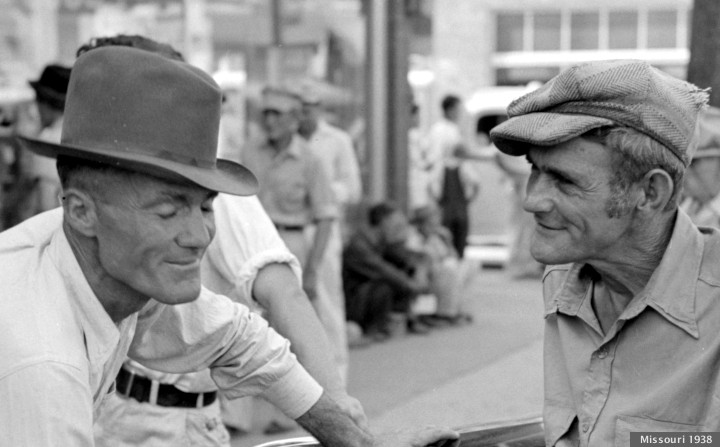
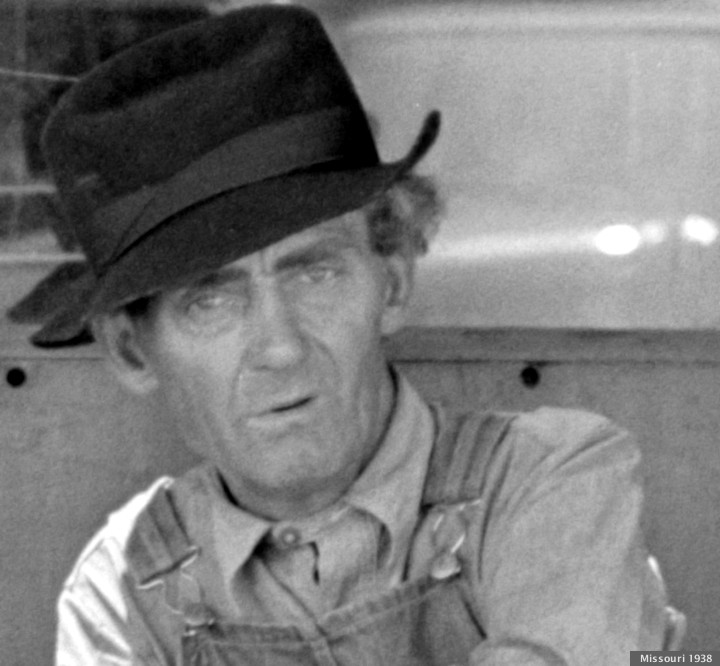
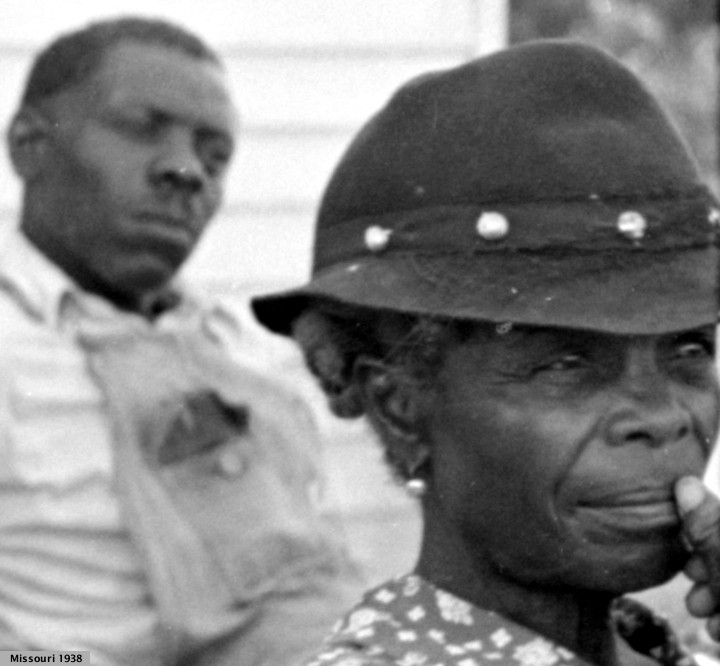
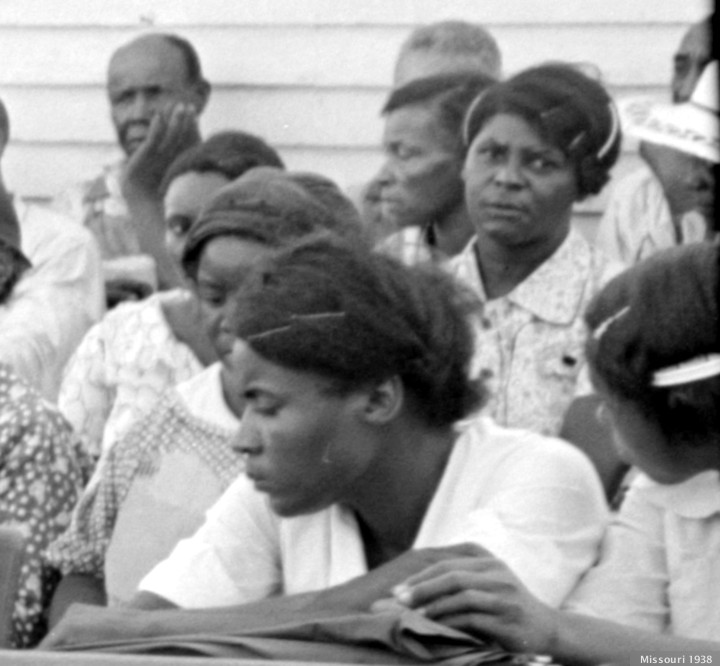
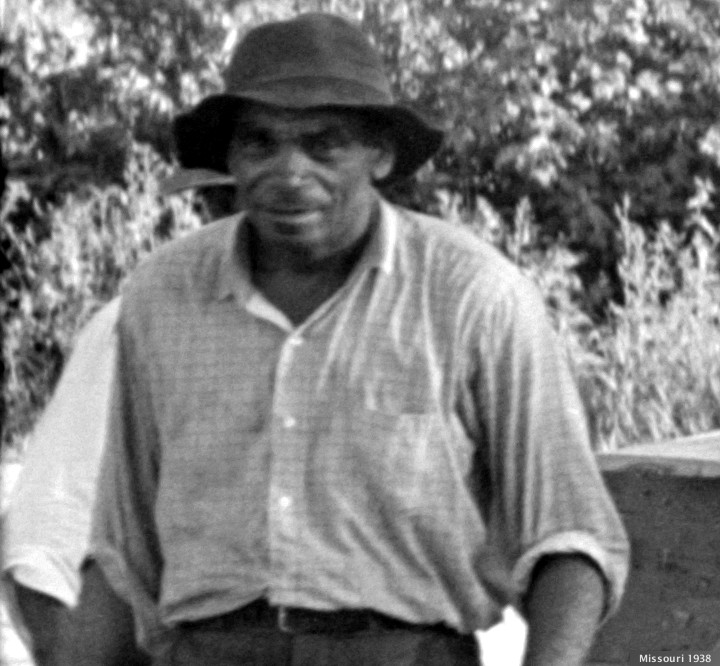
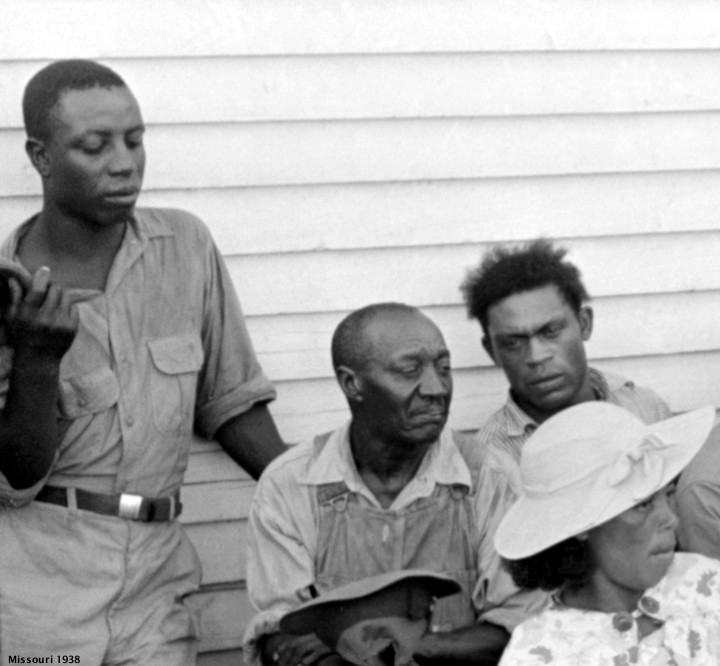
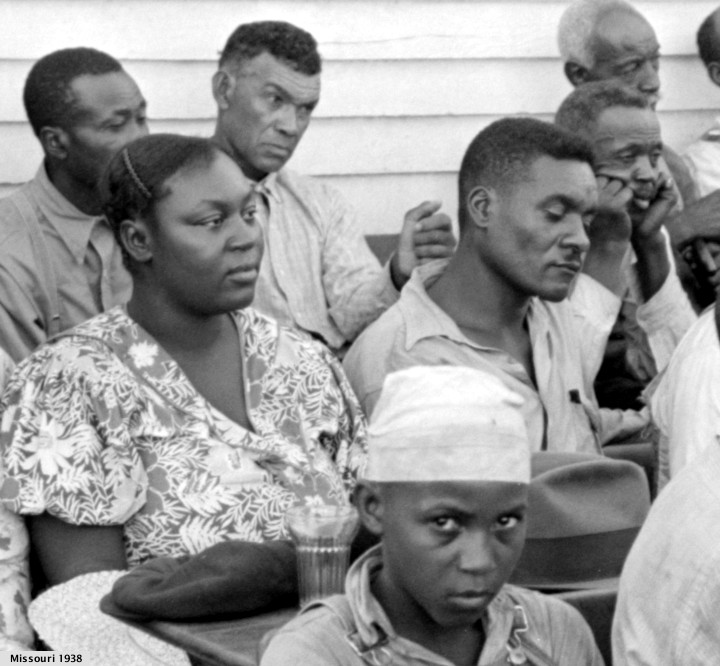
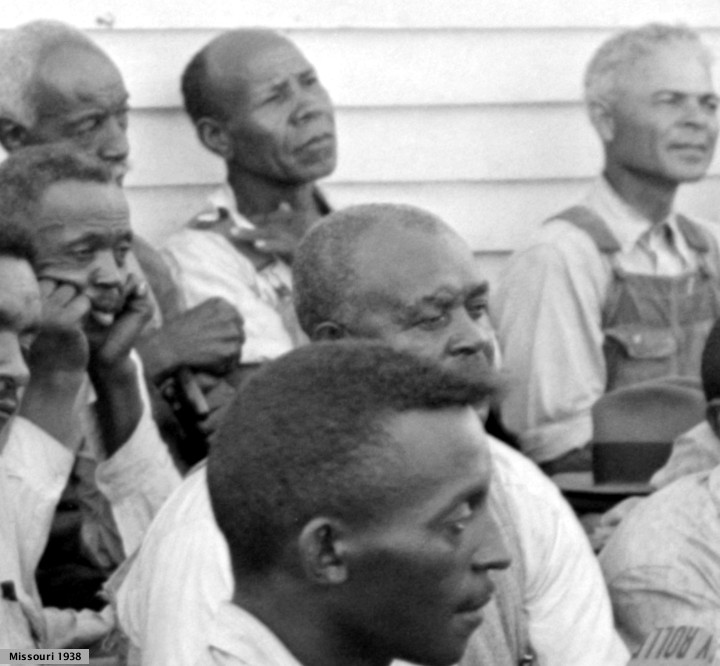
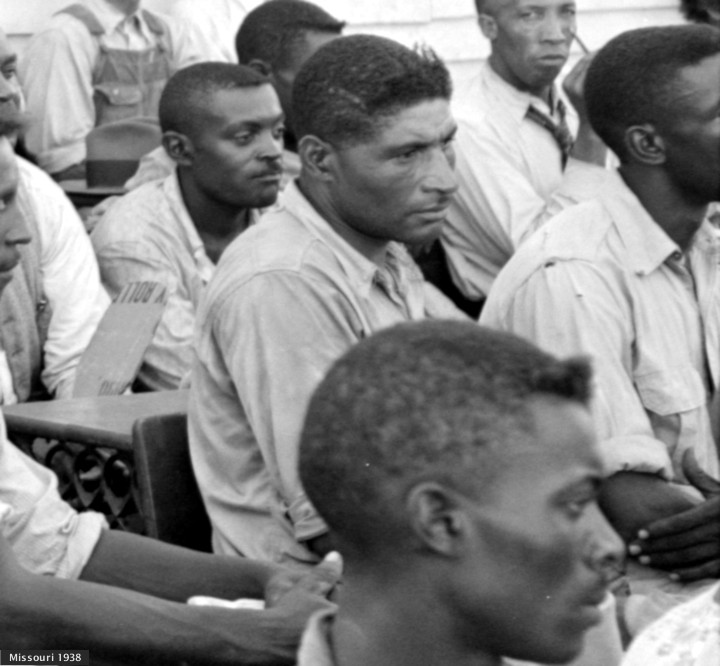
Pictures today are from The Library of Congress. Russell Lee took the pictures in Missouri. The date was August, 1938.


 </
</ </
</ 
 Chamblee54
leave a comment