Shoes





“Before you judge someone, walk a mile in their shoes. Then, who cares? They’re a mile away and you have their shoes.” This item turned up on my facebook feed recently. “Walk a mile …” is a metaphor. You should consider a person’s life experience before judging them. Nobody expects you to actually put your foot in their sneakers. If you do, please make sure your feet are clean.
Recently, I got to walk a 200 yards in someone else’s shoes. There was at an event, where people took their shoes off. When getting ready to leave, I saw a pair of basic black jogging shoes. I put them on, and they fit. I walked to my cabin, and went to sleep.
The next morning, I put these shoes on, and went to the dining hall. A man, who I will call Tom, told me that I had his shoes on. I looked under the table, and did not see the under armor logo on my feet. Tom said we could go to his vehicle after breakfast, and get my shoes.
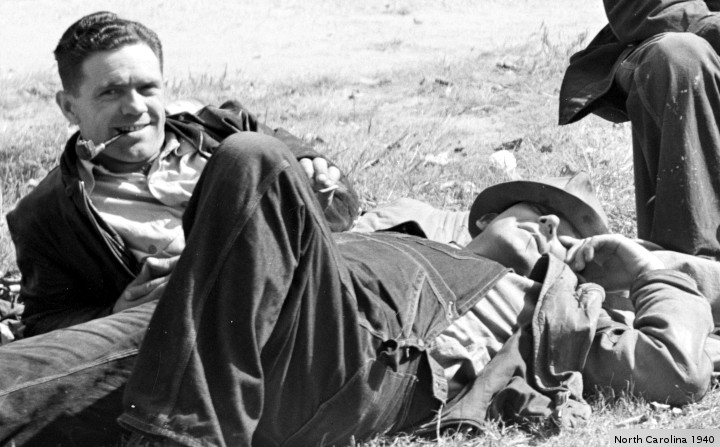
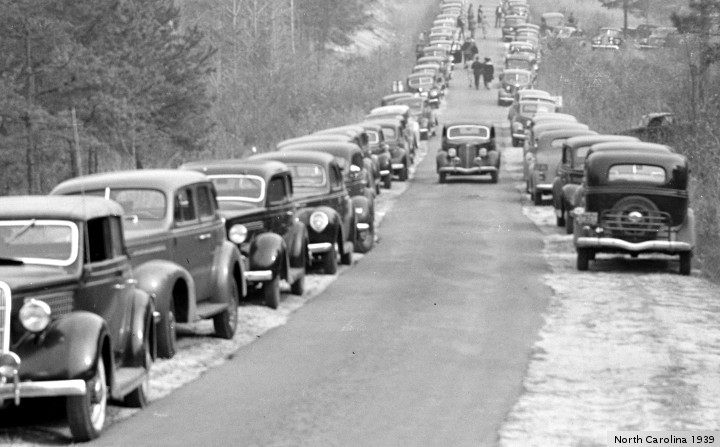
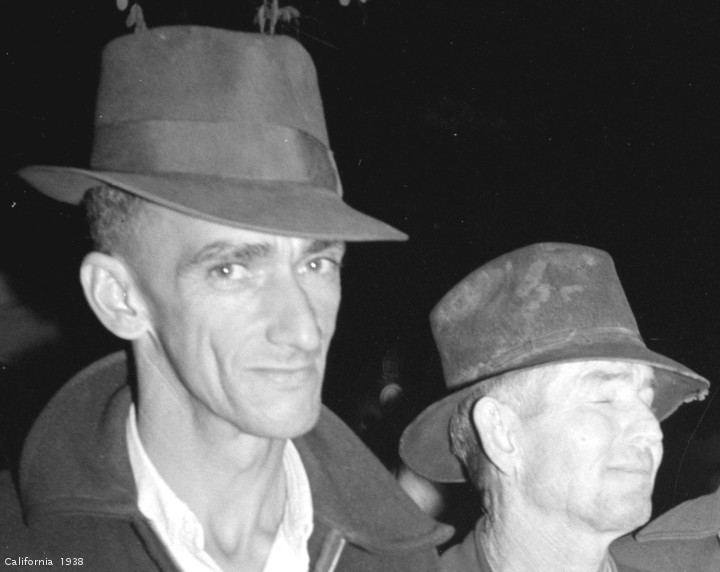
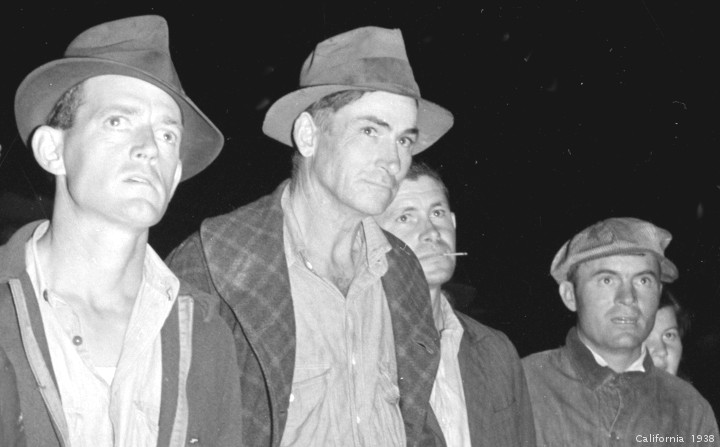
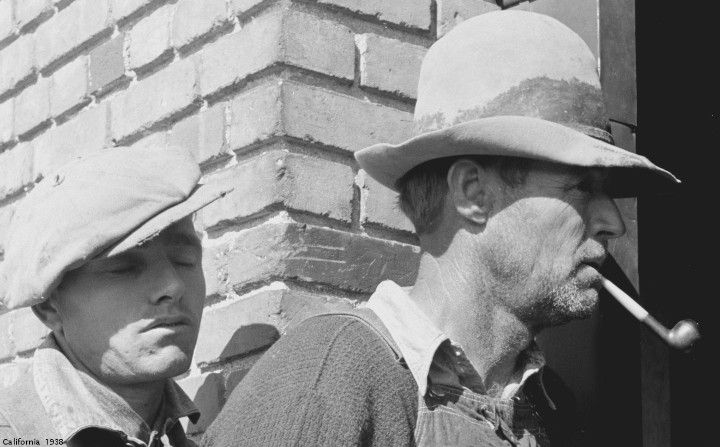
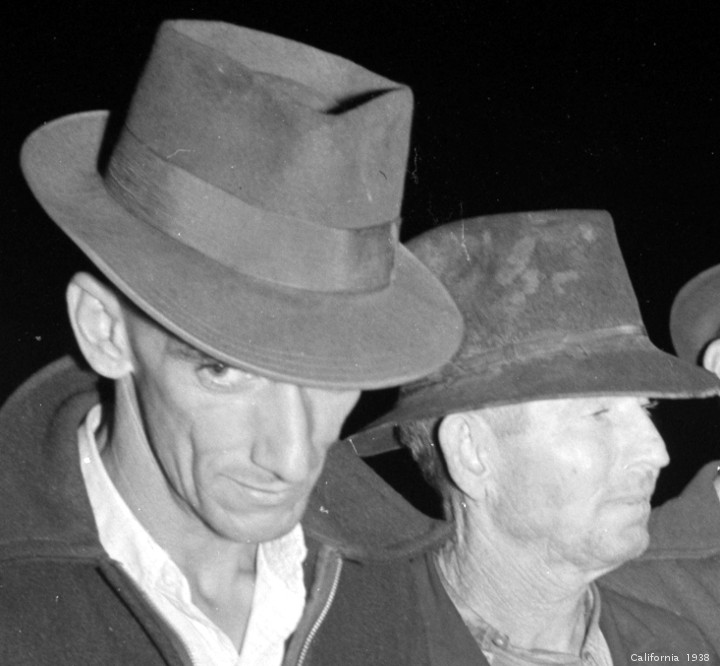
What did I learn about Tom by walking 200 yards in his shoes? He wears the same size shoe as I, and his feet don’t stink. He handles a potentially embarrassing situation with kindness and tact. If I had to judge Tom, after walking 200 yards in his shoes, I would say that he is a cool dude. Pictures for this size twelve morning are from The Library of Congress.










Cemetery Blues
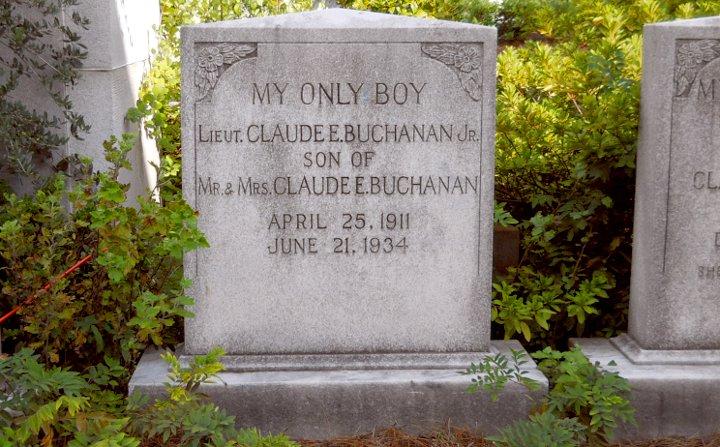



PG and Uzi had their usual Sunday phone call, and agreed to go to “Sunday in the Park”. It is a festival in Oakland Cemetery. with live music, people in costumes, open mausoleums, and lots of good clean fun. It wasn’t until that evening that PG learned that today is Dead Poets Remembrance Day. Edgar Allan Poe met his maker on this day in 1849.
There was a Chamblee54 post about DPRD two years ago. The idea is to go to a cemetery and read a poem. An effort will be made to do that tonight, although promises about dead poets are notoriously unreliable. The 2010 post is included as part two of this feature.
The first poem read that afternoon was “Looking for the Buckhead Boys” by James Dickey. In the intervening two years, PG listened to a podcast with Christopher Dickey, the son of the writer. Sometimes bard is short for bastard. Chris Dickey died July 16, 2020.
So PG, Uzi, and Hazmat went to a festival in Oakland Cemetery. Like everything else, it is more popular and expensive. You had to pay to park, which Uzi generously took care of. The brick walls around the boneyard have been repaired, and no longer look like they are going to fall down. Those walls are important, because people are dying to get inside. This is the second time that PG and Uzi have attended the October festival in Oakland Cemetery.
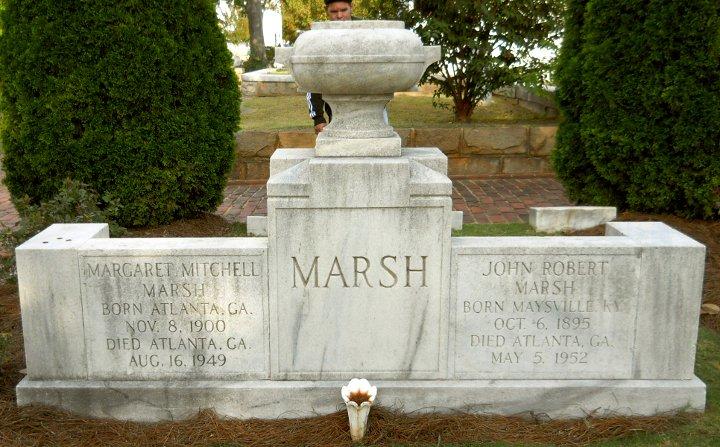
There are always things that you need to see at Oakland. Margaret Mitchell, the Lion Statue, and the mausoleums are important stops. PG followed the signs to the grave of Bobby Jones. It had golf balls and a putter, which was not necessary.
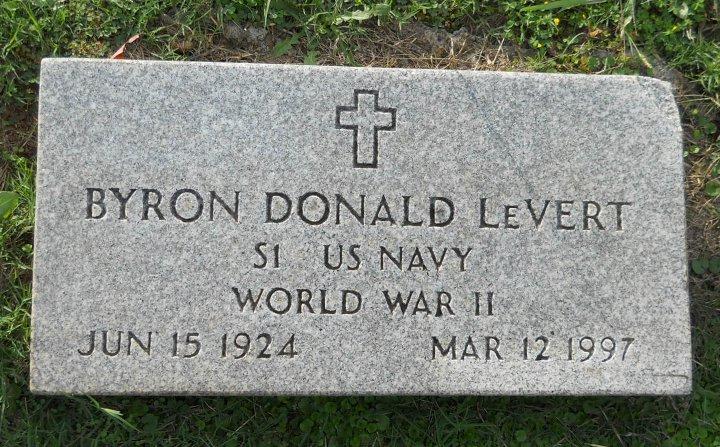
Don LeVert was a member of the Atlanta Sky Hi Club for many, many years before his departure in 1997. PG and Uzi always seek him out, and it is usually a bit of an adventure finding him.
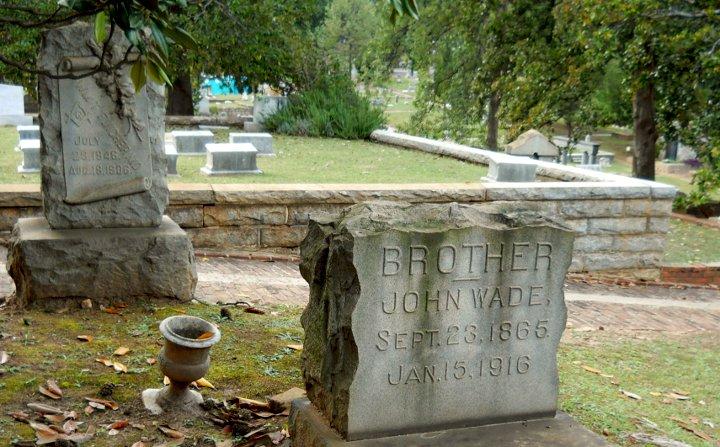
After visiting Don, PG found the marker for “Brother John Wade”. His time on earth was September 23, 1865 to January 15, 1916. This was from the autumn just after the War Between the States until 37 days before PG’s father was born in Rowland, North Carolina. There was a renewed sense of connection to the stone monuments.
On February 2, 2018, Hazmat, aka Tony Lingoes, had a fatal encounter with a hit-and-run driver.


The facebook friend said “Today is Dead Poets Remembrance Day, Oct. 7th, the day Edgar Allan Poe died. Be sure to visit a graveyard and read some poetry today”. PG didn’t have anything better to do.
The first obstacle was finding a book of poetry. PG is not a poetry person. A look at the shelf turned up a paperback, 125 Years of Atlantic. Poetry was to be found between those covers.
The book had two stickers, both saying 69 cents. At the old Book Nook, this meant that the book was half the price on the sticker. With tax, that would be 38 cents.
125 YOA had stayed in PG’s car for a few years. Whenever he was stuck somewhere with time to kill, this book was waiting. One afternoon in 1998, there was a slow day at work. PG read a remembrance by Gertrude Stein, about life in France at the start of World War II.
The cemetery of choice was connected to the Nancy Creek Primitive Baptist Church. PG has driven by this facility thousands of times. He walked past the graves until he found a fallen tree to sit down on.
The first poem was “Looking for the Buckhead Boys” by James Dickey. PG began to read out loud, and soon could smell the drug store air of Wender and Roberts. The author bought fifty cents worth of gas at a Gulf station. Today, fifty cents might buy a tablespoon of gas. Gulf was long ago bought out by BP. Wender and Roberts became a bar, which was torn down.
Buckhead is not what it used to be. When Mr. Dickey was the bravest man in Buckhead (he took a shit in the toilet at Tyree’s pool hall), PG was not even thought of. The traffic jams on Peachtree Street are still there, as the blue haired ladies follow poets into the ground.
When PG finished reading Mr. Dickey, he put a teal postit in the book, where the poem stood. PG looked up, and the graveyard seemed different. Maybe the sun had sank a bit in the sky, and maybe the poem had changed PG in a way he could not put into words. Maybe another poem was the answer. Take the glasses off, open the book at random, and turn the pages until a poem shows up.
On page 404…the historic Atlanta area code…was “The Wartime Journey” by Jan Struther. The 1944 work was unknown territory. A group of people are traveling on a train. The wounded vet, the untried recruit, the salesmen shared the space with a lady, taking a baby for her soldier husband to meet. The theme of the rhymes was that America was totally at war, and that war is different from peacetime. Today’s war in Babylon is not like that.
Halfway through the reading, a freight train pulled by. Today, passenger trains are a novelty, and freight rules the rails. The shipment today was double decked containers, ready to pull off and slap on an eighteen wheeler.
Deaths are said to come in threes, and reading poetry in a graveyard should be the same. PG went on a random search for a Moe, to go with the Curley and Larry already digested. A page of poems by Emily Dickinson was the result. The page left PG unmoved. It was as if he was back in the sixth grade, with a horrible English teacher forcing him to memorize Hiawatha. It was time to go home.



We’re All God’s Children


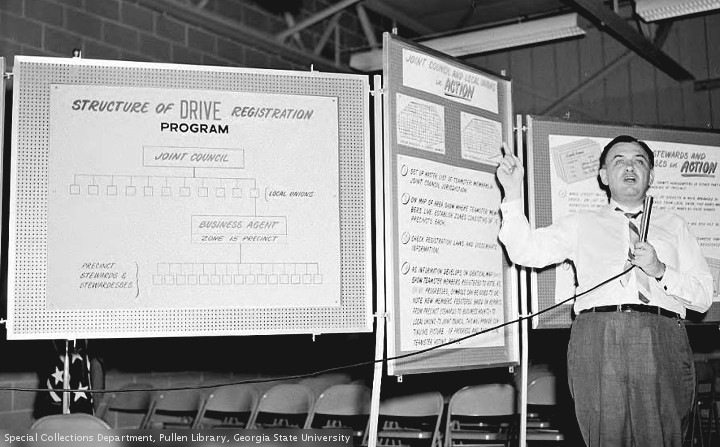
It was September, 1976, in Athens, Georgia. Someone decided to open a disco downtown. On opening night, there was a crowd. People wanted to know, would men be able to dance with men?
The owner was said to be a redneck, who would not allow such things. Finally, the party got started. At some point, same sex couples started to dance together. The owner shut down the music, and stood in front of the crowd with a microphone. He said a few words that did not please anyone, and there was an uneasy silence. Then, out of the back, came one voice.
We’re all God’s children.
47 years later, we are still struggling. People try to solve problems, big and small, with name calling. If you don’t have the correct opinion about this or that, then you are a terrible person. We seem to forget the one basic truth: We’re all God’s children.
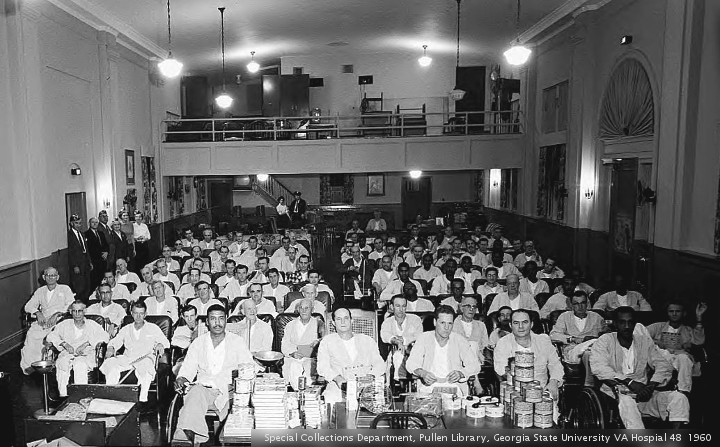
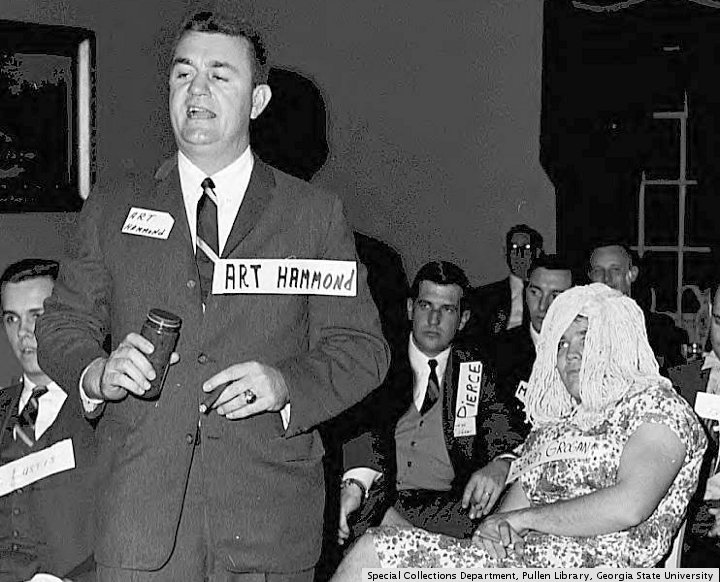
We don’t know who said WAGC that night, 47 years ago. If I had to guess, I would say that it was an African-American. Much of the name-calling today is about skin color. If you do not say what people want to hear, you will get called racist. You are deemed worthy of hatred and abuse. Your humanity is taken away from you. You are no longer one of God’s children. Pictures are from Special Collections and Archives, Georgia State University Library. This is a repost.







The Scarlet R





This is a repost from 2016, with horrible sound. … Bloggingheads.tv released a chat with Glenn Loury and John McWhorter. With election days 35 days away, there was lots of talk about Donald and Hillary. It only took 1:44, to learn what is expected. The assignment is to call DJT a racist, and lament what a terrible thing that is. This is political discourse in 2016.
At 3:28, there was an aha moment. The line was that DJT, instead of an orange haired ogre, was really just a seventh grade bully. When PG was in seventh grade, there was a mean person who gave him problems. This individual is now a facebook friend, and regularly posts memes supporting DJT. PG likes to know what the “other side” thinks. Ignoring the memes is always an option.
At 9:22, the importance of identifying racism in others is stressed. This is said to totally justify the appeal of DJT. Once you call someone a racist, you no longer have to work to understand their motives. When the scarlet R is super glued to somebody, that is all you need to know.
The Scarlet Letter is the rip roaring tale of Hester Prynne. She got caught fooling around, and had the scarlet A, for adultery, pinned to her chest. It was pinned to her chest, and she could see who did the pinning. In today’s “woke” world, the scarlet R, for racist, is super glued to the back of the terrible person. The person never knows who gave them this dreaded, irrevocable, label.
At 21:28, John tells an amusing story. He was talking to a well meaning white woman, said to be helpful in selling more books. At some point, the woman felt obligated to say that “we don’t like to talk about race.” John was too polite to laugh in her face.
The truth is that talking about race is the new national pastime. Does anyone listen? In all that talk, is anything worthwhile said? These questions are considered rude, and probably racist.
At 31:09, John said the n word. It is not known whether it ended with -er, or with -a. Pictures today are from The Library of Congress.







FBI Most Wanted List





The display of a link on this page does not indicate approval of content.
How Angela Davis Ended Up on the FBI Most Wanted List – arrested by the FBI in 1970
Mixtape Series: Ram Dass Chillstep // Love Beyond Duality
Registering a proposed business reduces police stops of innocent people?
X stops showing headlines because Elon Musk thinks it will make posts look better
What Would a War over Taiwan Look Like? | Robert Wright & Lyle Goldstein
Bigger remote for Insignia TV with numbered channel buttons?
18-year-old suspect charged with murder in deadly random stabbing of NYC activist: sources
The Insidious Lie That We Can’t Understand Each Other – push against the identity trap
Assotto Saint Sacred Spells Collected Works Publication Party
In Praise of Mink Stole, Trash Cinema’s Greatest Character Actress
NY Progressive DA Sued For RACISM By Victim of Robbery.
North Carolina radio station plans to reject broadcasts of ‘inappropriate’ Met operas
How Elites Ate the Social Justice Movement … argues Freddie deBoer in an excerpt…
Road trip monster, quick round trip, Atlanta to Breckenridge
Can’t Remember to Forget You: Memento in Twenty Fragments Abigail Oswald
Exploring Our Queer Spiritual Roles with Don Kilhefner
When President Ulysses S. Grant Was Arrested for Speeding in a Horse-Drawn Carriage
Former District of Columbia Policeman William West, September 27, 1908
With Trump Already Found Guilty, His New York Fraud Trial Begins
Are Trigger Warnings Actually Helpful? … at best, trivially helpful.
WATER Koshi Wind Chimes Meditation – See the Ocean of oneness… Calm Whale
Viral Video of Black Woman Screaming Racism While White Police Officer Arrests Her
Woman slaps cop, then screams ‘Walmart is racist’ while getting restrained at NY store
OH HELL NAH | Black Shoplifter Gets Caught, Screams Walmart is Racism!
TED Censors Coleman Hughes Over “Racism” Accusations | SYSTEM UPDATE
@robscape ~ hate speech ~ greenlight art ~ jre 2043 ~ allman bros
breathing meditation ~ mar a lago ~ triggernometry ~ remote ~ insignia ns 37f201na23 ~ test
queer kings of england ~ jamaal bowman ~ crestor ~ crestor ~ rosuvastatin
miss benny ~ pluck ~ moravec ~ debussy ~ marcel marceau
le mime marceau ~ walmart is racist ~ jaakun krysto ~ roku ~ i x kendi
mirror roku ~ tell me who ~ repost.. ~ jimmy ~ carly simon
miles davis ~ mike robinson ~ 123 philosophy ~ stillbirth ~ chayton
jeff hullinger ~ mikel wilson ~ running water ~ i x kendi ~ Luna Farfalla
@JDVance1 “Praying for our friends in Israel this morning. Just an awful situation.” This tweet was how I learned of the latest war in Palestine ~ @simonateba BREAKING – YOUR REACTION: New York Attorney General Letitia James (@TishJames) leaves the courtroom without granting any interview after losing 80 percent of the case against Trump on day one because she could not figure out what the statute of limitations was. ~ A little sincerity is a dangerous thing, and a great deal of it is absolutely fatal. Oscar Wilde The Critic as Artist (1891) ~ There was an incident in my small group this past weekend. A couple of people said something about Oscar Wilde. Our leader, correctly, said that we should be talking about ourselves, and not about “mundane reality.” I immediately offered a prayer of apology, to the spirit of Oscar Wilde, for saying that he was mundane. ~ I look at the photos from this year’s gathering and remember how I felt each year in the afterglow of the weekend. Then I remember some of the nasty things and treatment I received from some of those so called loving men when I said things they disagreed with. Not agreeing to disagree and focusing on the common bonds, but silence at best, and ostracism and name calling at worst. I realise I can never go back and share my honest feelings because I would be the villain in their eyes, disrupting the love fest of the like minded. I can only look back fondly on a time to which I can never return. ~ I had not been to fall since 1996. This was by far the best fall conference I have been to. That said, I am aware that the other shoe might drop, and I could get kicked out of paradise. For now, I am just going to enjoy things going well, and not worry about the future. I also know that there are certain things to either say very carefully and diplomatically, or not at all. ~ Good morning Jimbob I hope this day finds you in good spirits, and that your father is doing as well as the circumstances allow. ~ It is looking like a glorious day in my WTF … white trash fabulous … life. I am on the front porch with my laptop. It is chilly enough to need a sweatshirt and head covering. I am on my second round of coffee, and will be moving on with the day soon. ~ Twitter has decided to quit publishing headlines, at least for non paying users. I was too lazy to write anything new this morning, so i have a rerun Since X is no longer showing headlines, I decided to write the title above the picture. This is the result ~ For the record, the picture was taken at a beauty pageant in 1930, in Galveston TX. At that time, Pauline Kael was 11 years old. James Broughton was 17. Their daughter Gina James was -18. Broughton came to atlanta in 1982. He gave a talk at a circle downtown, and there was a party that evening. I briefly chatted with him, though I doubt if he remembered anything the next day. I was talking about chakras, and i mentioned taint as slang for the perineum. He had never heard this . I greatly enjoy the poems of Mr Broughton, and consider him an influence. There was a 100th birthday celebration for him at the E church in candler park. Franklin Abbott used to have a healing circle at the E church in the 80s. He would always caution you about splinters in the floor. At the broughton event … he died in his 80s … there was a dancer. He was naked, and laid down on the floor, rubbing his crotch into the floor. I was horrified, but apparently the floor had been refinished. My coffee is about to run out. Let me go. Hope to hear from you soon ~ Your post is now on Facebook, but it looks similar to other posts that were removed because they don’t follow our standards on hate speech. ~ “the fact that an opinion has been widely held is no evidence whatever that it is not utterly absurd; indeed in view of the silliness of the majority of mankind, a widespread belief is more likely to be foolish than sensible.” Bertrand Russell Marriage and Morals (1929) ~ Where Would Jesus Park? ~ four rules Is it the TRUTH? Is it FAIR to all Concerned? Will it build GOODWILL and BETTER FRIENDSHIPS? Will it be BENEFICIAL to all concerned? ~ Hey, this is Luther. I enjoyed meeting you this weekend, and was delighted to spend some cabin 13 time with you. I am reading those books you gave me. The zine anthology came in handy yesterday. I had an eye doctor appointment, and got to spend quality time in the waiting room with my eyes dilated. I could not read text, but enjoyed looking at the pictures. I assembled the slide shows for the poems I read saturday night. These poems were created as visual presentations. The face that they might work as performance pieces is a happy accident. Gasoline was once considered a “vile and useless by-product” to the production of heating oil. I am composing this in a desktop document. This is one of my habits. I copy links of things I look up, and record random thoughts and quotes. On Monday morning, I publish this document. Here is an example, illustrated with “blackout poems.” Btw, I know a black man who calls these erasure poems, which still is not a good fit. One day I was have a better name for these. I would hope I have your permission to publish this. This would be without your name/email address. There is much more to say, and to listen to. I would enjoy an old fashioned correspondence, if that is something you would like to do. I am also on facebook as Luther Mckinnon, and twitter as @chamblee54. ~ A little sincerity is a dangerous thing, and a great deal of it is absolutely fatal. Oscar Wilde The Critic as Artist (1891) There was an incident in my small group this past weekend. A couple of people said something about Oscar Wilde. Our leader, correctly, said that we should be talking about ourselves, and not about “mundane reality.” I immediately offered a prayer of apology, to the spirit of Oscar Wilde, for saying that he was mundane. ~ I look at the photos from this year’s gathering and remember how I felt each year in the afterglow of the weekend. Then I remember some of the nasty things and treatment I received from some of those so called loving men when I said things they disagreed with. Not agreeing to disagree and focusing on the common bonds, but silence at best, and ostracism and name calling at worst. I realise I can never go back and share my honest feelings because I would be the villain in their eyes, disrupting the love fest of the like minded. I can only look back fondly on a time to which I can never return ~ I had not been to fall since 1996. This was by far the best fall conference I have been to. That said, I am aware that the other shoe might drop, and I could get kicked out of paradise. For now, I am just going to enjoy things going well, and not worry . i am also aware that there are certain subjects that should be discussed carefully or not at all ~ I’m glad you enjoyed yourself. But for me, having to self edit seems contradictory to all the talk about authenticity to one’s self and honest expression. I’m sure I’d get along with a large percentage of the folks there with no problem. The handful that I wouldn’t or couldn’t do that with are some of the ones that are most vocal about those concepts and I find it very hypocritical. I was booted off the group’s FB page by one such individual with no notice being given and not for anything I posted there ( I almost never post there) it was they had a personal beef with me outside the group and had the admin power to boot me off. Thankfully another admin with a more level head put me back in and apologised. Another online acquaintance that was in the FB group for several years was kicked off the page a couple of weeks ago because he didn’t fall in line with the trans inclusive groupthink because he was supporting maintaining gay male only spaces. It’s all hugs and heart circles until you hit one of the tripwires of the alphabet soup brigade. Obviously I’m not talking about you, Luther. I’ve always appreciated that you’re a level headed guy who can listen to a wide range of views. And you also have a pretty strong BS meter. ~ sigh the trans issue is tricky. It is like social justice on steroids ~ This is the only reply poem I ever wrote. Someone at Java Monkey went to a festival in North Carolina. He said there were barefoot white people, who did not wear deodorant, but loved to dance. Those are my people! I feel like the kid in Flashdance when I perform this ~ is it cultural appropriation or just another abomination ~ what ben franklin really said ~ Twitter has decided to quit publishing headlines for non-paying users. I decided to post the title of this piece, above the picture. This might lead to confusion. For the record, the photograph was taken at a pageant in Galveston TX, in 1930. At that time, Pauline Kael was 11 years old. James Broughton was 17. Their daughter Gina James was -18. ~ the first time I heard of CS Lewis was 6th grade English. The teacher was this white haired lady. Some said she was sooooo sweet. She was telling us the story of Narnia. She described the story. Then she said, with a bit of a smirk, that the story was REALLY about Jesus. Yuck. ~ @zora Wishing all strength to Palestinians. And sick at the thought of how well this serves Netanyahu. He’s been looking for justification for full-scale retaliation for so long, it makes me wonder if he had the intel and chose to ignore it. ~ The Library of Congress ~ selah






Four Rules




This is a double repost. Historic pictures today are from “The Special Collections and Archives, Georgia State University Library”. This was written like David Foster Wallace.
“The Four-Way Test of the things we think, say or do” features the logo of the Rotary Club. The four rules are simple, on the surface. Is it the TRUTH? Is it FAIR to all Concerned? Will it build GOODWILL and BETTER FRIENDSHIPS? Will it be BENEFICIAL to all concerned?
The Four Way Test was written by Herbert J. Taylor. In 1932, Mr.Taylor took over the bankrupt Club Aluminum Company of Chicago. Trying to revive the company during the depression, Mr. Taylor wrote a code of ethics, that would be the basis for the company’s actions.
Many said that the four way test was not practical for the business world. The balancing of integrity and ambition can be daunting. It was said that “This emphasis on truth, fairness and consideration provide a moral diet so rich that it gives some people “ethical indigestion.”
PG maintains that fair is a baseball hit between first and third base. Sometimes, the umpire makes the wrong call. In the “real world”, the different points of view in a dispute make rendering a fair judgment a difficult task, if not an impossible one.
There is a story about the revival of Club Aluminum. “One day, the sales manager announced a possible order for 50,000 utensils. Sales were low and the company was still struggling at the bankruptcy level. The senior managers certainly needed and wanted that sale, but there was a hitch. The sales manager learned that the potential customer intended to sell the products at cut-rate prices. “That wouldn’t be fair to our regular dealers who have been advertising and promoting our product consistently,” he said. In one of the toughest decisions the company made that year, the order was turned down. There was no question this transaction would have made a mockery out of The Four-Way Test the company professed to live by.”
How did the sales manager learn of the intentions of this buyer? Was he tipped off by one of the “regular customers” who feared competition? Was this “regular customer” lying? Many inspirational stories leave out crucial details.
As it turns out, Club Aluminum did sell enough product to emerge from bankruptcy. “By 1937, Club Aluminum’s indebtedness was paid off and during the next 15 years, the firm distributed more than $1 million in dividends to its stockholders. Its net worth climbed to more than $2 million.”
Club Aluminum cookware was cast, not spun. It is heavy, and is a prized collectors item today. As for the Club Aluminum company “Standard International Corporation bought it in 1968. Regalware made and marketed Club Aluminum for a while, but went out of business in the mid-1980s. The brand name was eventually obtained by the Mirro Company.”
This is a repost. Philosophy and rules for living is always a crowd pleaser. Whether or not you practice what you preach is beside the point.
There is a story above. A company, facing bankruptcy, turned down a huge order because of concerns about how the product would be resold. Today, this seems quaint. Today, the moral thing to do would be to take the order, keep your factory busy, and not worry how it was going to be resold. While some pretend that moral rules are unchanging, the truth is that they do change with the times.
This reminds PG of a story from his days as a blueprinter. With ammonia developed prints, every print is fed by hand, and you have the option to adjust the speed of the machine. Slower prints mean less background, which to some is a higher quality print. (This is not an issue with digital printing. Some change is indeed progress.)
The company PG worked for was affiliated with a small, family run company in a neighboring city. This company was run by an old fashioned lady, who insisted on adjusting every print to get the perfect background. This was different from the company PG worked for, which ran large jobs for the big city market. To his customers, quality meant getting an acceptable print, DELIVERED ON TIME. Who had the higher standards? Maybe that is a question for the customer to judge.




These thoughts are for you to use. They were articulated by a man named Don Miguel Ruiz. They are called the The Four Agreements .
PG does not claim to live up to these ideals. Number two is especially tough for him. The main thing is to try, and to always do your best. This is not about what you believe or think, it is about what you do. This is about you. If you fall short in some way, work on improving yourself, instead of looking at someone else. This is about you.
agreement 1–Be impeccable with your word – Speak with integrity. Say only what you mean. Avoid using the word to speak against yourself or to gossip about others. Use the power of your word in the direction of truth and love.
agreement 2–Don’t take anything personally – Nothing others do is because of you. What others say and do is a projection of their own reality, their own dream. When you are immune to the opinions and actions of others, you won’t be the victim of needless suffering.
agreement 3–Don’t make assumptions – Find the courage to ask questions and to express what you really want. Communicate with others as clearly as you can to avoid misunderstandings, sadness and drama. With just this one agreement, you can completely transform your life.
agreement 4–Always do your best – Your best is going to change from moment to moment; it will be different when you are healthy as opposed to sick. Under any circumstance, simply do your best, and you will avoid self-judgment, self-abuse and regret.


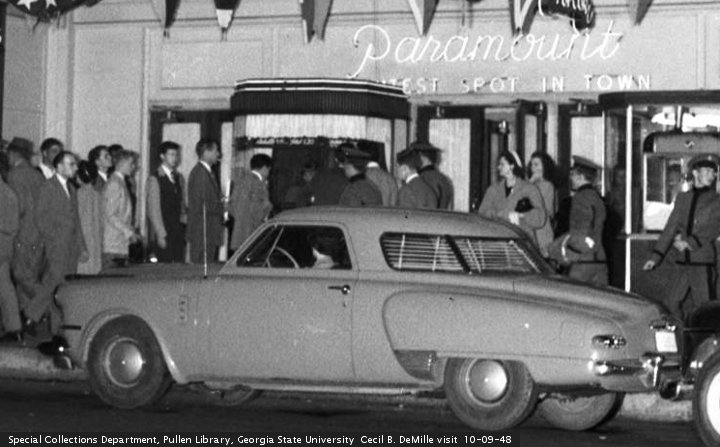
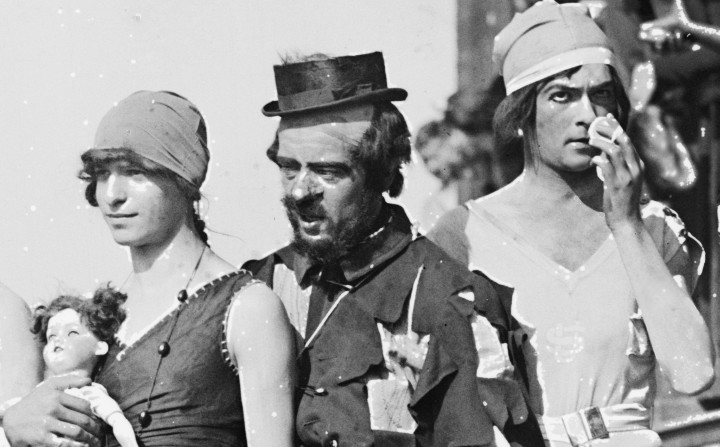
Pauline Kael, Gina James, And James Broughton





Pauline Kael was the rockstar film critic. James Broughton was the radical faerie poet laureate. They were lovers, and had a daughter, Gina James. Pauline and James were not married, contrary to what some naysayers would tell you. This is a repost.
Much of the information in this feature is taken from online reviews of Pauline Kael: A Life in the Dark, a 2012 biography written by Brian Kellow. Gina James, also known as Gina Broughton, was not interviewed for the book. Neither did she participate in the making of Big Joy, a movie about James Broughton. (A wig store, Gina Beauty Supply is located at 25 W Broughton St, Savannah, GA 31401.)
Pauline Kael was born June 19, 1919, Petaluma, CA, died September 3, 2001, Great Barrington, MA, and stood 4 feet 9 inches tall. James Broughton was born November 10, 1913, Modesto, CA, and died May 17, 1999, Port Townsend, WA. Neither one had a middle name. Both used their birth name throughout life. Both had lives, before meeting in the late forties.
When she met James Broughton, Miss Kael was living what would later be called the bohemian life. After moving to New York, and being dumped for composer Samuel Barber, Miss Kael moved back to California. “Returning to the Bay Area with her tail between her legs in 1945, Pauline became involved with the incredibly effeminate avant-garde filmmaker James Broughton. He managed to impregnate Pauline but threw her out as soon as she told him, whereupon she moved to Santa Barbara to give birth to her daughter, Gina, in 1948.”
“Like her early career, Kael’s personal life was also fraught with failures. Kellow says “she had a habit of falling for gay men” earlier in her life because “they tended to share her passions and enthusiasms.” She had a daughter … with one of them, experimental filmmaker James Broughton.”
“For a time, during the 1940s, he lived with future film critic Pauline Kael. She encouraged his filmmaking endeavors but their relationship ended after she got pregnant. … Pauline Kael thought that Broughton made the biggest mistake of his life when he turned down a studio film after winning the prize at Cannes.” (Apparently Mr. Broughton was from a wealthy family, and could afford this attitude. Regarding his movie The Bed, Mr. Broughton said “It was the only film I created that ever made any money.”)
“Which brings us to the strange tale of Pauline’s only child, Gina James. … In 1948, at age 29, Kael got pregnant after she “talked her way into moving in” with James Broughton, a bisexual poet living in Sausalito. By Kellow’s account, Broughton was furious at the news of Kael’s pregnancy; he felt trapped and tricked by her. One of Broughton’s friends reported that he kicked Kael out of his house. She moved to Santa Barbara to have the baby. The birth certificate listed the father as “Lionel James, a writer”. It is one of the disappointments of the book that Kellow shines little light on Kael’s passion — or whatever it was — for Broughton, on how she processed that cruel rejection and on whether Broughton ever recognized Gina as his daughter.”
James Broughton moved on with his life. He made experimental films, got married, and fathered two more children. At some point he met Joel Singer, and began the romance that would last the rest of his life. It is tough to say whether he was genuinely bisexual, or whether he was playing the role society expected of him.
This review of Big Joy continues: “But interviews with Singer, waxing poetic about his years with the artist, are balanced by reminiscences from Broughton’s ex-wife and his abandoned son. Rather than only celebrating silliness, I found it admirable that the directors didn’t gloss over the pain he caused his wife and children. After all, when you think about it, he spent all of his life unable to decide if he was gay or straight; leaving a lot of broken hearts in his wake.
We learn from Kael that he flirted with everyone he met. “He rode off into the sunset with some guy,” his wife, Suzanna Hart tells us. “That was very sad for me, but not for him, which was…very irritating.” In her segments, Hart keeps her emotions in check but you can clearly read the sadness and anger in her face. The son doesn’t have much good to say about his absent father and the two daughters (the first by Kael and the second by Hart) both refused to be interviewed for the film. Singer has a lot to say about their blissful decades together, but he also comes off a bit heartless when he shows no guilt over breaking up what he calls Broughton’s “loveless” marriage.”
The baby daddy leaves, and the struggling writer becomes a single mom. “… Kael’s relationship with her actual daughter was something out of a Tennessee Williams play, and not in a good way. Kael home-schooled Gina and, as the girl grew up, kept her close, as a typist, projectionist, driver and right-hand man, and she banished any friend who actively encouraged the young woman to break out on her own. Though she was in many ways a loving and committed mother, helping to raise Gina’s son and always living nearby, one senses a Gothic selfishness in her mothering.”
Gina James declined to talk with Kellow for his book, but the author says Kael and her daughter had a sort of symbiotic relationship. “Pauline did not type, Pauline did not drive — Gina performed both those functions for her. And Gina was a very good critic of Pauline. She got to see Pauline’s copy before anyone else did and she often had very, very important and influential things to say. But Pauline really wasn’t wild about the idea of Gina breaking away and having her own life apart from her, and she didn’t do anything really to encourage her in that direction as far as I can see.”
Amazon one star comment: And her poor daughter – what a fate – TYPING all that. Poor Gina, — I can see her – Kellow described sitting silently in some coffee shop while her mother raved on and ON with her pet directors.
An affair with the experimental filmmaker James Broughton produced a child, Gina, whom Kael raised by herself, Mildred Pierce–like, heroically supporting them with a number of odd jobs, including running a laundry. Gina’s heart condition required expensive surgery, and Kael ended up enticing Edward Landberg, the owner of a local art-house theater, Berkeley Cinema Guild. They had begun as co-programmers. As Landberg tells it: “One day, when I was over at her place, I happened to graze her breast with my hand, and she kind of looked up and said, ‘What have you got to lose?’” Their marriage proved a fiasco, but Landberg agreed to pay for Gina’s operation, which Kellow suspects had been Kael’s motive all along…. Kellow shows more independence in assessing Kael’s treatment of her daughter Gina, whose ambitions to become a dancer or a painter she did little to encourage, preferring to keep her on “a silver cord . . . she had also grown accustomed to the steady, dependable role that Gina played—as secretary, driver, reader, sounding board—and she was loath to give her up.” Gina, for her part, was mistrustful of the dynamic she witnessed between Kael and her acolytes.“
“The closest and longest-lasting partnership of her life was with her daughter, Gina James … James considered speaking to Kellow, but finally declined, leaving a blank space at the center of this otherwise vividly detailed biography. Gina lived with her mother till she was over 30, typed up her reviews after Pauline stayed up all night writing them in longhand, and gave up both college and a shot at a dance career to serve as her mother’s caretaker, companion, and driver….
Kellow cites the text of the breathtakingly passive-aggressive eulogy that Gina delivered at her mother’s funeral in 2001: “My mother had tremendous empathy and compassion, though how to comfort, soothe or console was a mystery that eluded her … . Pauline’s greatest weakness, her failure as a person, became her great strength, her liberation as a writer and critic . … she turned her lack of self-awareness into a triumph.”
One more chapter remains. “Gina lived with Kael well into her thirties … That she married and had a child, Will, seemed to catch Kael by surprise, though she ended up adoring her only grandchild, someone with whom she could watch action movies with.
Kael died in 2001, when Will was about 19. Unfortunately, and Kellow made no mention of this in his book whatsoever, there’s a horrible postscript, one that may well have been the reason for why Gina declined to be interviewed for the book. On October 6, 2007, Will, then 25, went hiking in the East Mountain State Forest in the Berkshires. He was an avid hiker, not to mention a devoted martial artist. He had a girlfriend. He never came back. Gina reported him missing, but his body wasn’t found for more than week, on October 15. … “authorities found camping equipment nearby and while cause of death has not been determined, foul play is not suspected.”
Pictures today are from The Library of Congress. UPDATE These two comments were made to the original post. Anonymous said, on June 16, 2017 at 9:18 pm Your piece on Kael and Broughton is rife with misinformation and judgements galore and unbelievably badly written. Get a life and stop spreading falsehoods. And next time you put your fingers to a keyboard do your due diligence! James’ son was NOT ABANDONED! He lived happily with the two of us after the divorce. You fail to recognize that James’ ex-wife was a classic fag hag who had been married to another gay man before her relationship with James. She had been in psychotherapy for years before they got together and for many years after they split up. James certainly did not spend the rest of his life uncertain about his sexuality. Read his autobiography COMING UNBUTTONED and you’ll discover how misinformed your take on him is. You have done a great disservice to your readers by publishing such homophobic nonsense. Joel Singer ~ Sterling Wilson said, on August 19, 2017 at 1:40 pm Curious about this autobiography, I found the following from a Publishers Weekly review “Broughton forsakes introspection for literary gossip and name-dropping: Kenneth Rexroth, Pauline Kael, Dylan Thomas, Anais Nin. The birth of a daughter is dispensed with in two sentences. Broughton’s insistence on making himself the center of attention increasingly intrudes.”
UPDATE A journey down an internet rabbit hole uncovered this item. It is from “Remembering Harry and John”, by Mark Thompson on the occasion of Harry’s 100th anniversary “I remember the night we were socializing at the San Francisco Art Institute at a gala tribute for James Broughton. Harry (Hay) and James had sparked briefly as Stanford University undergraduates, but didn’t meet again until fifty years later at a faerie gathering. Few people knew that James had fathered a daughter with esteemed film critic Pauline Kael during their bohemian Berkeley days, but Harry was alert to the fact. Kael and Broughton were having their own reunion at the moment when, with typical impudence, Harry interrupted the conversation by loudly asking, “So, who was the mother and who was the father?” The stunned silence was punctured only by the whoosh of Kael’s furious departure.”





What Ben Franklin Really Said

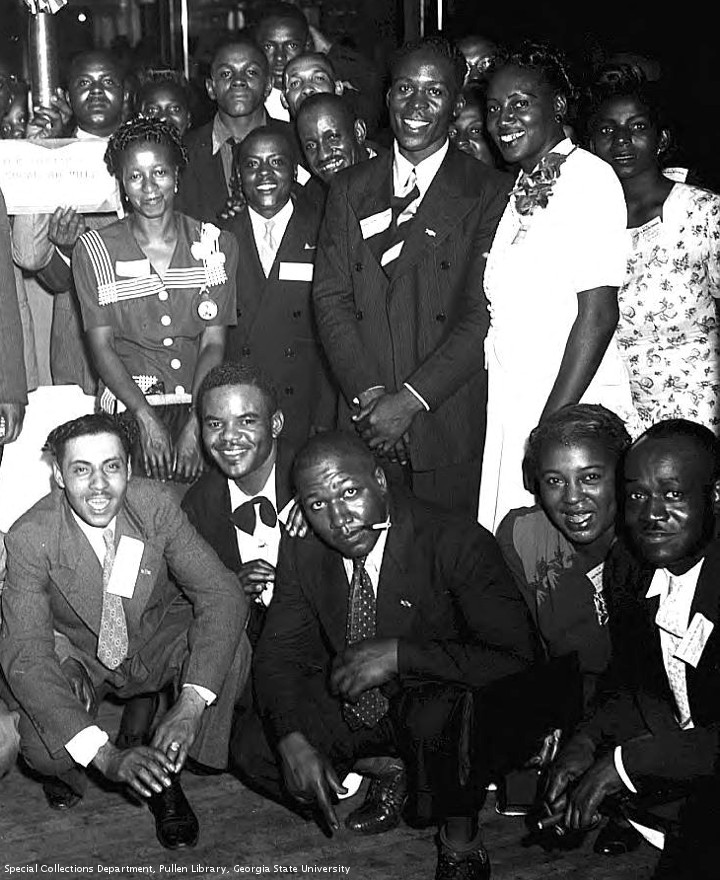

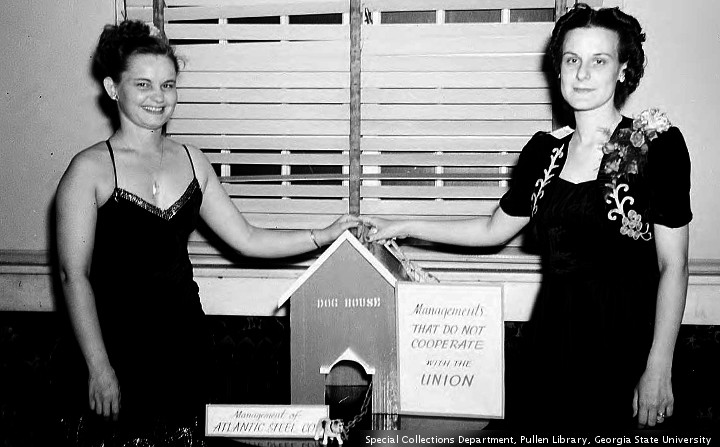



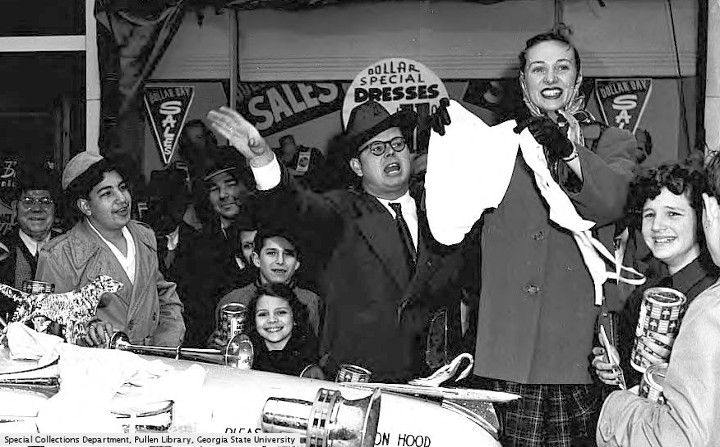
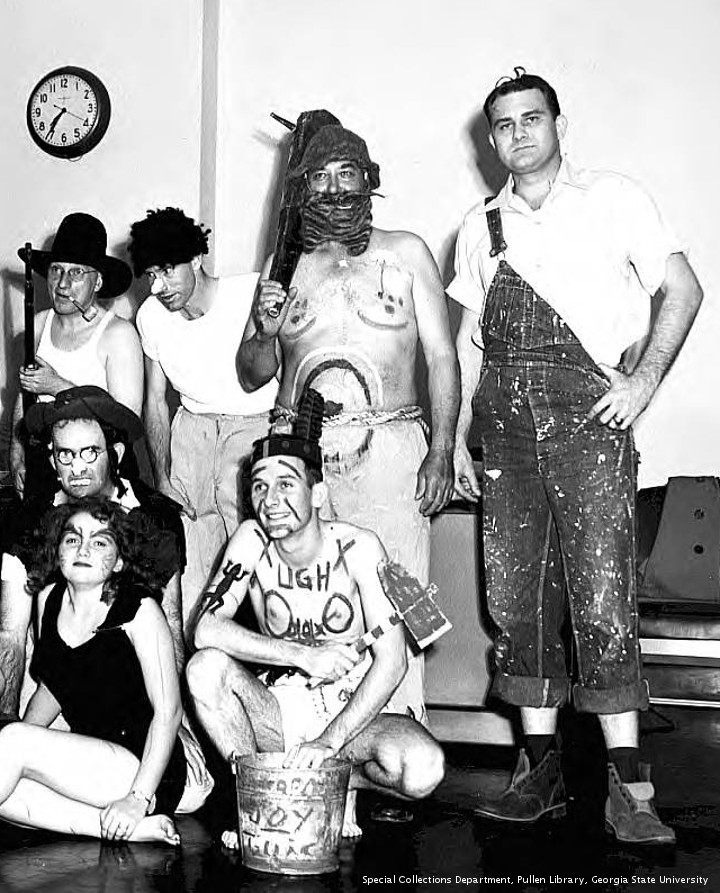
It is a popular line. “They who can give up essential liberty to obtain a little temporary safety deserve neither liberty nor safety.” The credit, or blame, for this gem is assigned to Ben Franklin. Did he really say it? What was he talking about?
The good news is that Mr. Franklin did say these words. (Here is the text.) What follows was written by a lawyer. Prepare to be confused.
“The words appear originally in a 1755 letter that Franklin is presumed to have written on behalf of the Pennsylvania Assembly to the colonial governor during the French and Indian War. The letter was a salvo in a power struggle between the governor and the Assembly over funding for security on the frontier, one in which the Assembly wished to tax the lands of the Penn family, which ruled Pennsylvania from afar, to raise money for defense against French and Indian attacks. The governor kept vetoing the Assembly’s efforts at the behest of the family, which had appointed him. So to start matters, Franklin was writing not as a subject being asked to cede his liberty to government, but in his capacity as a legislator being asked to renounce his power to tax lands notionally under his jurisdiction. In other words, the “essential liberty” to which Franklin referred was thus not what we would think of today as civil liberties but, rather, the right of self-governance of a legislature in the interests of collective security.”
Mr. Franklin was writing on behalf of legislators who wanted to assess a tax. The quote is used by tax hating conservatives. The modern conservative wants to send a hundred thousand troops to a conflict eight time zones away, and pay for it with tax cuts.
Another article tells much the same story, but with a couple of twists. There is a google gimmick that shows how often a quote is used. The BF quote was little known until the twentieth century.
The techcrunch article introduces a dandy word for the rampant misuse of quotes. The word is contextomy. This explanation is from Matthew McGlone of the University of Texas at Austin.
“‘Contextomy’ refers to the selective excerpting of words from their original linguistic context in a way that distorts the source’s intended meaning, a practice commonly referred to as ‘quoting out of context’. Contextomy is employed in contemporary mass media to promote products, defame public figures and misappropriate rhetoric. A contextomized quotation not only prompts audiences to form a false impression of the source’s intentions, but can contaminate subsequent interpretation of the quote when it is restored to its original context. …”
The spell check suggestion for contextomy is contentment. This is a repost. Pictures today are from “The Special Collections and Archives, Georgia State University Library.”






Tom Paine






There is a meme floating through the innertubes. “To argue with a person who has renounced the use of reason is like administering medicine to the dead.” Thomas Paine English-American political activist, writer and revolutionary. A drawing of Mr. Paine lurks to the left of the text.
The quote is from the first paragraph of a pamphlet written by Mr. Paine, The American Crisis: LANCASTER, March 21, 1778, TO GENERAL SIR WILLIAM HOWE. It was part five of a series, The American Crisis. The tract was intended to inspire the war effort against the British. The full sentence: “To argue with a man who has renounced the use and authority of reason, and whose philosophy consists in holding humanity in contempt, is like administering medicine to the dead, or endeavoring to convert an atheist by scripture.”
Four Principles of Quotation was written in 2002, before the rise of meme culture. The salient principle for today is number four, “Only quote from works that you have read.” The tract by Mr. Paine is 6956 words of revolutionary era purple prose. Today’s facebook expressionist does not want to go to that much trouble.
The American Crisis V has some interesting passages. It would be considered politically incorrect today. The British labelled is “the encourager of Indian cruelties,” and accused of “the unchangeable name of meanness.”… “The particular act of meanness which I allude to in this description, is forgery. You, sir, have abetted and patronized the forging and uttering counterfeit continental bills. … shows an inbred wretchedness of heart made up between the venomous malignity of a serpent and the spiteful imbecility of an inferior reptile.”
The text is directed at General William Howe. The war was not going well for the British… “They resemble the labors of a puppy pursuing his tail; the end is still at the same distance, and all the turnings round must be done over again.” General Howe resigned April 4, 1778, fifteen days after The American Crisis V was written. The purple prose might have been a factor.
“Your master’s speech at the opening of Parliament, is like … daily decaying into the grave with constitutional rottenness. … If there is a sin superior to every other, it is that of wilful and offensive war. … We leave it to England and Indians to boast of these honors; …”
Mr. Paine has a good reputation today. This was not universal during the revolution. “In 1777, Congress named Paine secretary to the Committee for Foreign Affairs. The following year, however, Paine accused a member of the Continental Congress of trying to profit personally from French aid given to the United States. In revealing the scandal, Paine quoted from secret documents that he had accessed through his position at Foreign Affairs. Also around this time, in his pamphlets, Paine alluded to secret negotiations with France that were not fit for public consumption. These missteps eventually led to Paine’s expulsion from the committee in 1779.”
After the war, Mr. Paine went back to England. He soon got involved in the French Revolution, and was imprisoned. He continued to write, and get in trouble. Mr. Paine was invited back to the United States by Thomas Jefferson. He “died in June 1809, and to drive home the point of his tarnished image, the New York Citizen printed the following line in Paine’s obituary: “He had lived long, did some good and much harm.” Pictures are from The Library of Congress. This is a repost.




Quoting James Baldwin


James Arthur Baldwin has become a star on facebook, thirty five years after his death. People love to quote him, and post artsy pictures of his face. Over the past year I have seen three Baldwin memes that required action. Once you start to research, there is no telling what you are going to find.
“I can’t believe what you say because I see what you do.” This item is from a 1966 article that Mr. Baldwin wrote for The Nation. “One is in the impossible position of being unable to believe a word one’s countrymen say. “I can’t believe what you say,” the song goes, “because I see what you do”—and one is also under the necessity of escaping the jungle …”
“The song goes” is what the memes leave out. Ike Turner wrote the song. The Ikettes sing “I can’t believe…”, while Tina goes “agh, agh, agh, agh, agh, agh, agh, agh, agh.” Ike knew about being a no-good man. Tina looks a lot better in a short skirt than Mr. Baldwin did.
“I’d like to leave you with one more short quote from James Baldwin, “Whoever debases others is debasing himself.” This is from a June, 2020 video about racism. This quote is from Letter from a Region in My Mind, a 1962 essay in The New Yorker. “Letter…” clocks in at 22,114 words. Mr. Baldwin could crank out the word count.
“Letter…” covers a lot of ground. The “debase” quote comes in after Mr. Baldwin describes a visit to Elijah Muhammad, leader of the Nation of Islam. Soon, Mr. Baldwin starts talking about race in the United States. One quote stood out: “But white Americans do not believe in death, and this is why the darkness of my skin so intimidates them.”
“By this time, I was in a high school that was predominantly Jewish. This meant that I was surrounded by people who were, by definition, beyond any hope of salvation, who laughed at the tracts and leaflets I brought to school, and who pointed out that the Gospels had been written long after the death of Christ. … My best friend in high school was a Jew. He came to our house once, and afterward my father asked, as he asked about everyone, “Is he a Christian?”—by which he meant “Is he saved?” I really do not know whether my answer came out of innocence or venom, but I said, coldly, “No. He’s Jewish.” My father slammed me across the face with his great palm, and in that moment everything flooded back—all the hatred and all the fear, and the depth of a merciless resolve to kill my father rather than allow my father to kill me—and I knew that all those sermons and tears and all that repentance and rejoicing had changed nothing.”
“The place in which I’ll fit will not exist until I make it.” This quote proved more difficult to chase down. It does not appear in any of Mr. Baldwin’s work. The earliest mention appears to be behind The New Yorker paywall. “During his wanderings, Baldwin warned a friend who had urged him to settle down that “the place in which I’ll fit will not exist until I make it.” There is no link to a source.
The New Yorker article is cited by Lithub, which is then cited by New Transcendentalist. “These Timely James Baldwin Quotes … ,” from Bustle, credits the quote to “a 1957 letter to Sol Stein.”
Sol Stein “attended DeWitt Clinton High School, where he served on the Magpie literary magazine with Richard Avedon and James Baldwin.” We don’t know if Mr. Stein was the one who made David Baldwin slap his step-son. A paywalled article, about the correspondence between Mr. Stein and “Jimmy,” does not mention the “place in which I’ll fit” quote.
The WaPo article did have a mind-blowing quote. “In the introduction to the book, Baldwin would ponder his influences: “When one begins looking for influences, one finds them by the score. … the King James Bible, the rhetoric of the store-front church, something ironic and violent and perpetually understated in Negro speech…” I saw this quote in 1976, in a college textbook. At the time, I thought this was an amazing quote. It stayed in my mind until the next life changing detail came along, not to be thought of again for forty six years.
Chamblee54 has written about Mr. Baldwin before. Pictures today are from “The Special Collections and Archives, Georgia State University Library.” UPDATE: @QuoteResearch Replying to @chamblee54 @HilalIsler @lithub “It appeared in a 1957 letter from James Baldwin and Sol Stein reprinted in “Native Sons” (2004) edited by Sol Stein. I am planning to create a QI article on this topic” @QuoteResearch “Please get over the notion, Sol, that there’s some place I’ll fit when I’ve made some ‘real peace’ with myself : the place in which I’ll fit will not exist until I make it. You know and I know that the ‘peace’ of most people is nothing but torpor” … James Baldwin to Sol Stein UPDATE: I was writing a story about Flannery O’Connor. I wanted to quote this post, but could not find the link. Neither google nor duckduckgo would show me this post. I had to go to the chamblee54 archive, and scroll through October 2022 until I found the post. This is a repost from 2022.















 Chamblee54
leave a comment