Dorothy Parker




PG first heard of Dorothy Parker in tenth grade. His friend Bob Gibson cut the poem Resume out of the literature text book, and carried it in his wallet. Mrs. Parker had been dead for two years at the time, with her ashes resting in her attorney’s filing cabinet. As the years rolled on, there were stories about the round table at the Algonquin hotel, and a poem about W.R. Hearst … “Upon my honor, I saw the madonna, by the door, in a niche, of a well known whore, and a prominent son of a bitch.” There was another famous comment: Re “The Cardinal’s Mistress” by Benito Mussolini, Dorothy Parker wrote one of my favorite bon mots: “This is not a book to be tossed aside lightly. It should be thrown with great force.” Wikiquotes lists both of these items as “misattributed.”
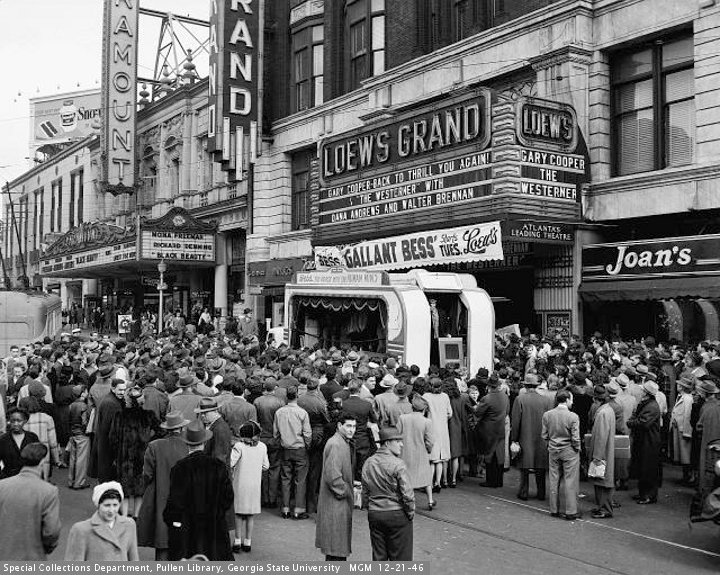
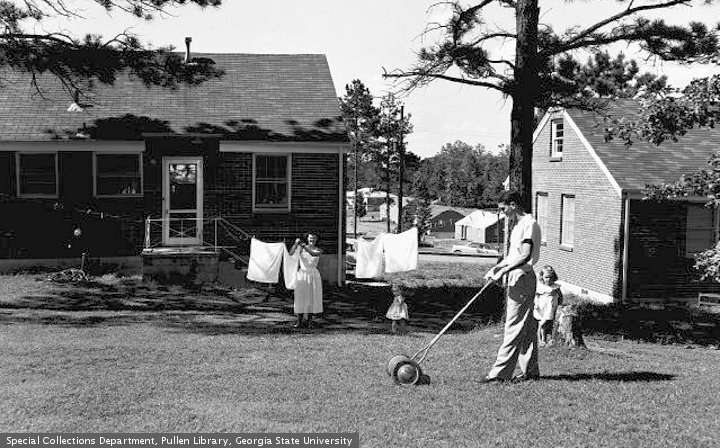
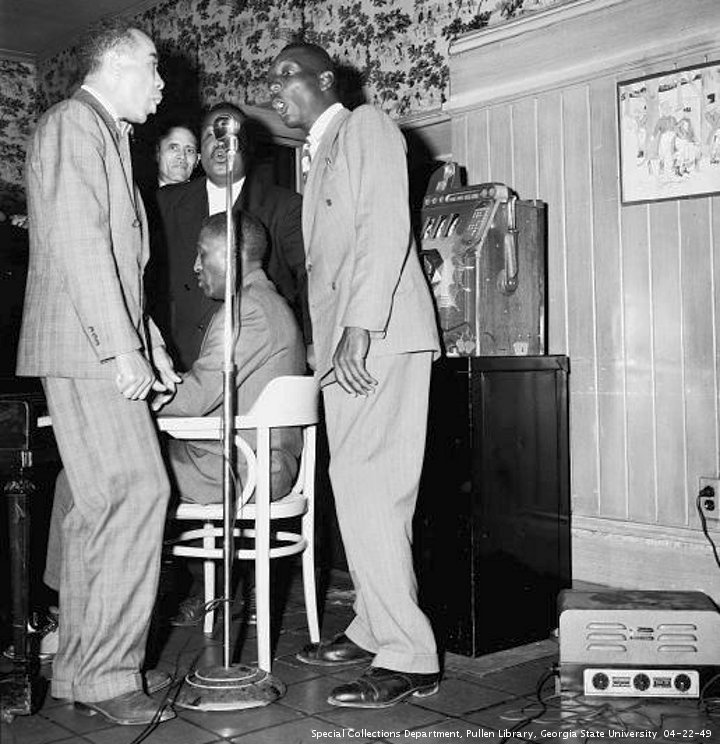
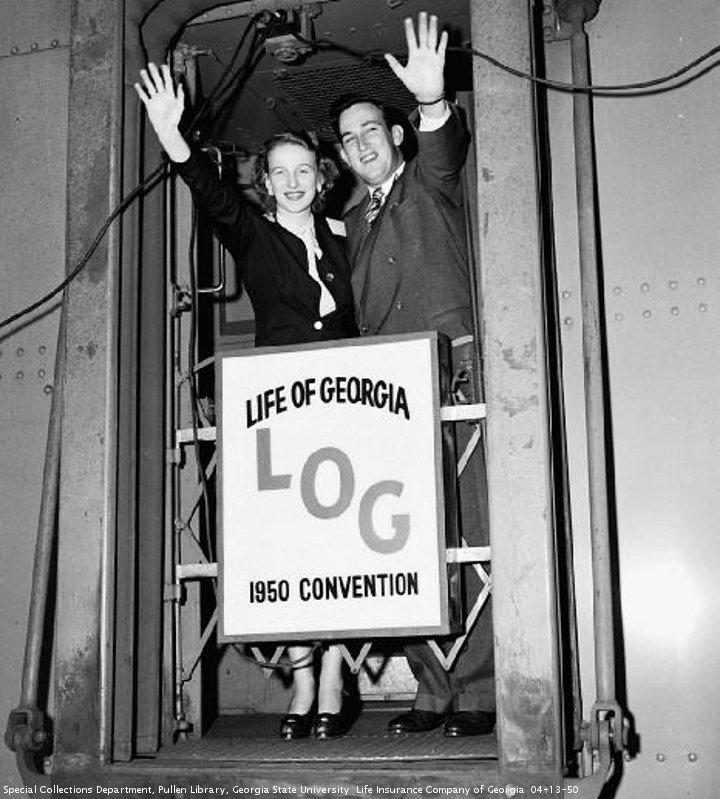
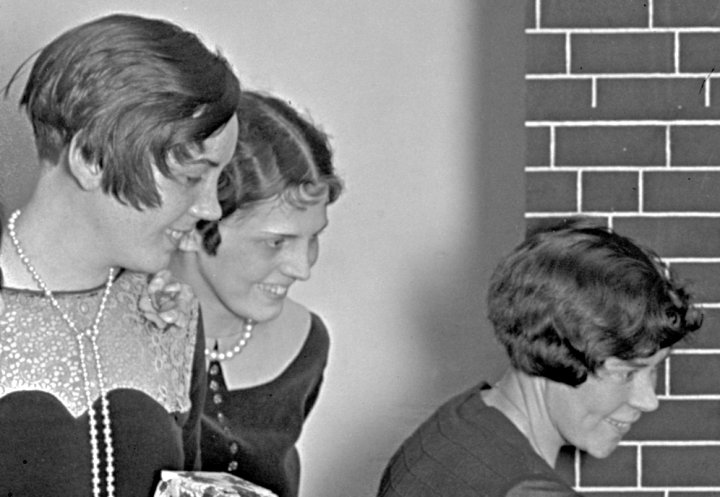
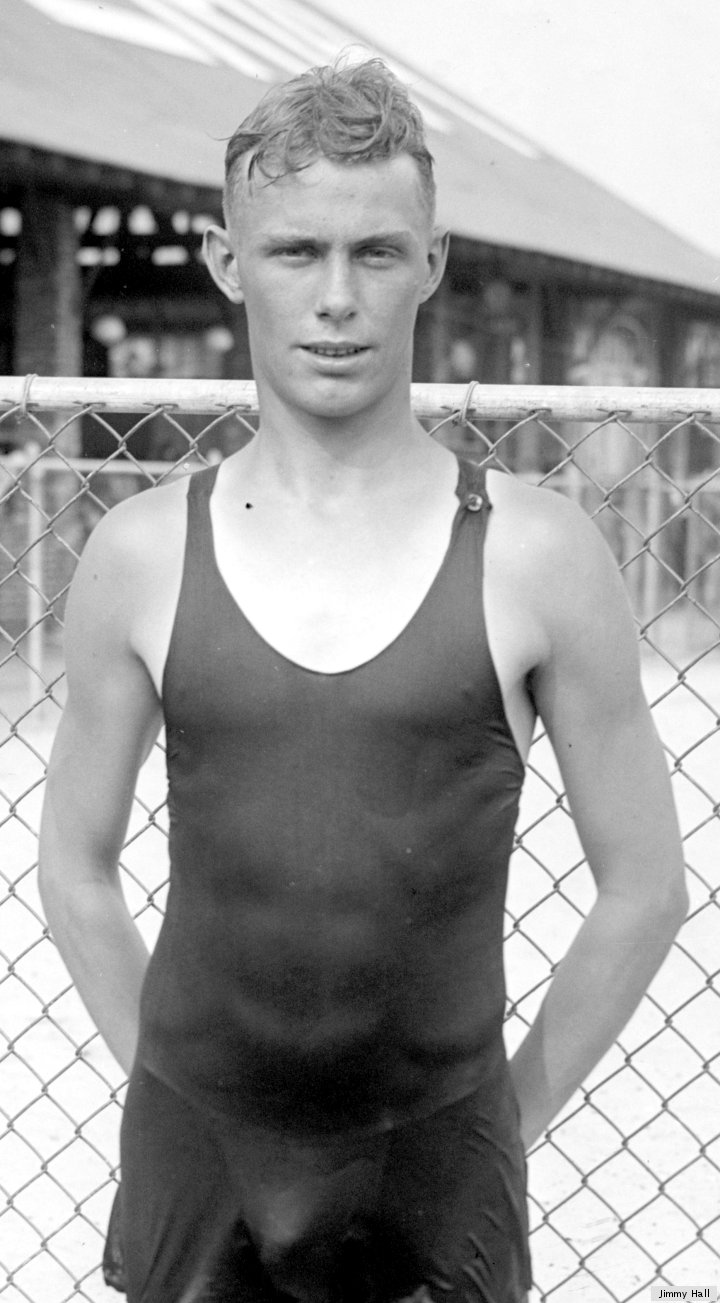
It is now 2019, several years after the first DP post. Born Dorothy Rothschild, on August 22, 1893, Miss Parker did nicely without a middle name. Chamblee54 has featured Miss Parker several times (one, two, three, four.) Today, these four posts will be combined into one. Pictures are from “The Special Collections and Archives, Georgia State University Library” and The Library of Congress. If you want a list of clever sayings, google is your friend. The quote investigator has five pages of the alleged sayings of Miss Parker.




It was 5:25 pm. PG had not heard from either person who was supposed to be at his house at 5:30. While muttering things about unreliable people, he started to look at a writing contest. The idea was to write 100 words or less. The challenge was to produce a “a quick, honest and heartfelt response” to an image. The meme is seen below the fold.
The image has a quote. “I hate writing. I love having written. Dorothy Parker.” When PG sees words of wisdom, with a famous name at the end, his impulse is to check it out. When you search the wikiquote page on Miss Parker, and look for hate, love, and writing, you will not see the quote. 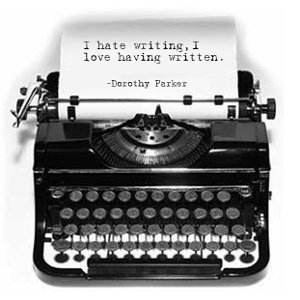
There was one item in wikiquotes that made PG laugh. It was in the “Misattributed” section. “Upon my honor, I saw a Madonna. Standing in a niche, Over the door, Of the glamorous whore, Of a prominent son of a bitch.” Said to have been written in the guest-book of Hearst Castle, referring to the room occupied by Hearst’s mistress, Marion Davies. Parker always denied it, pointing out that she would never have rhymed “honor” with “Madonna”.” Nor would the entertainer.
When PG saw that quote, he knew that this piece would be longer than 100 words. Inserting quotes into a piece will bloat the word count every time. About this time the phone rang. His friends were in the front yard, being eaten by mosquitoes. PG put on a white shirt, and left.
Later that night, 99 sick well chosen words fell out of the fingers, and into the ether.
The quote is suspect. Wikiquotes does not show it, after a search for love, hate, and written. The image is probably manufactured. The image is a piece of paper, coming out of a vintage manual typewriter. The main text is one size. The author credit is another size. Vintage manual typewriters only produced one size of product. This one size is considerably smaller than either size in this image. The text in this image was produced elsewhere. This rendering of a bogus quote is then pasted onto a blank sheet of paper, seen merging from a vintage manual typewriter.





The other day there was a post here on the dotty subject of Dorothy Parker quotes. The departed dipsomaniac would seem to be a quote magnet.
One quote, that appears to be genuine, is about another quote magnet, Oscar Wilde. “A Pig’s-Eye View of Literature: Oscar Wilde If with the literate I am, Impelled to try an epigram, I never seek to take the credit, We all assume that Oscar said it.” (First printed in Life, (2 June 1927) p. 13 When you can give a source for a quote, the chances of it’s legitimacy go up tremendously.)
The original plan for this post was to do a wikiquotes search of the quotes in this post. This concept very quickly turned out to be too much work. The first paragraph of the original post has a clue.
PG first heard of Dorothy Parker in tenth grade. His friend, Bob Gibson, cut the poem Resume out of the literature text book, and carried it in his wallet. Mrs. Parker had been dead for two years at the time, with the ashes resting in her attorney’s filing cabinet. … there was another comment : Re “The Cardinal’s Mistress” by Benito Mussolini, Dorothy Parker wrote one of my favorite bon mots: “This is not a book to be tossed aside lightly. It should be thrown with great force.”
In the post the other day, it was discovered that the poem about W.R. Hearst was written by someone else. Which brings us to “The Cardinal”s Mistress”. Yes, that was written by Hitler’s BFF, Benito Mussolini. When he wasn’t making the trains run on time, he wrote a sappy novel. And the comment by Miss Parker is great. But did she really say it?
A blogspot facility called Heavens to Mergatroyd has the text from a New Yorker review of TCM. It is a delightful read. However, the landmark quote is not there. The spell check suggestion for mergatroyd is derogatory.
Wikiquotes calls the comment “misattributed”. “Quoted in The Algonquin Wits (1968) edited by Robert E. Drennan, and Try and Stop Me. As noted at Snopes, Drennan’s source seems to be a Parker review which does not seem to contain this quote. If Parker wrote this statement anywhere the primary source seems to have gone missing.”
Try and Stop Me is a newspaper column by Bennett Cerf. The link is to The Dispatch, Lexington N.C., October 12, 1962. Next to the column is The Dispatch Religious Activities, Directory of Churches. The pastor of First Baptist is David Hoke Coon, Jr.
While preparing this commentary, an effort was made to find the text for “Resume”. It is a bona fide quote, first printed in New York World August 16, 1925. While looking for the text, Google suggested a search for “resume dorothy parker analysis.” One result was sponsored by a politician, Michelle Nunn. Another had this to say. “We know that we’re being a bit obvious here. But check it out: almost every single line in this poem offers an idea for a different way to die. When it comes to wordplay, Parker’s not messi…” Maybe she meant to say messy.








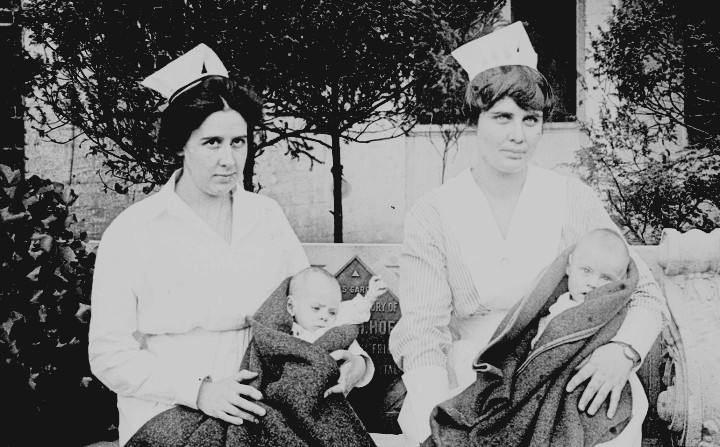

BigO is a site with mp3 downloads. Most of them are concerts. PG found one exception. It was a 1960 interview, STUDS TERKEL WITH DOROTHY PARKER/BOB NEWHART – CHICAGO 1959/1960. Pictures today are from The Library of Congress. This is a repost.
Dorothy Parker is somewhat of a legend. There were the funny sayings, a few poems and stories, and her life. Mrs. Parker was well known as a witty person during the twenties. She drank, a lot, and talked often of suicide. It was surprising to find a 1960 interview.
In fact, Dorothy Parker died in 1967, at the age of 73. By 1960, she was in decline, living at the Manhattan’s Volney Hotel. “Edmund Wilson … paid occasional painful visits to her at the Volney. (“She lives with a small and nervous bad-smelling poodle bitch, drinks a lot, and does not care to go out.”) … She was still revered, a legend, but she had also become a pathetic relic. Yes, “you might as well live,” but for what? And on what? Not only was she running out of old friends, she was running out of money, though uncashed checks, some quite large, were strewn around her apartment (along with the empty bottles), not helping with unpaid bills.”
There were some zesty quotes in the interview with Mr. Terkel. “I can’t call myself a critic. Honestly. I can only put down what I think and pray there isn’t a libel suit.” “I’m not a poet, you know, I just write verse” “The beat boys aren’t saying anything except look at us aren’t we great … I don’t think the beat generation is much worth worrying about. Very soon, in the very near future, they will be as forgotten as mah jongg.”
Towards the end of the interview, Mr. Terkel said “i know some people would want me to ask, did she really say all those things that she was quoted as saying” “… no, no, and it was a curse on me, it was simply awful the things that were attributed to me. I wouldn’t have minded if they had been good. I was, in effect, the shaggy dog of my time.”
Another quote magnet for the meme generation is Thomas Jefferson. PG saw yet another inspiring quote on facebook today. Mr. Google was consulted. It turns out the quote is real.
Thomas Jefferson to William Hamilton, 22 April 1800 is the source. Vice President Jefferson was going to be elected President later that year. It is not known what effect that had on the quote in the meme. “I never considered a difference of opinion in politics, in religion, in philosophy, as cause for withdrawing from a friend.” It is not known whether a twenty first century Jefferson would unfriends anyone who says anything unappealing.

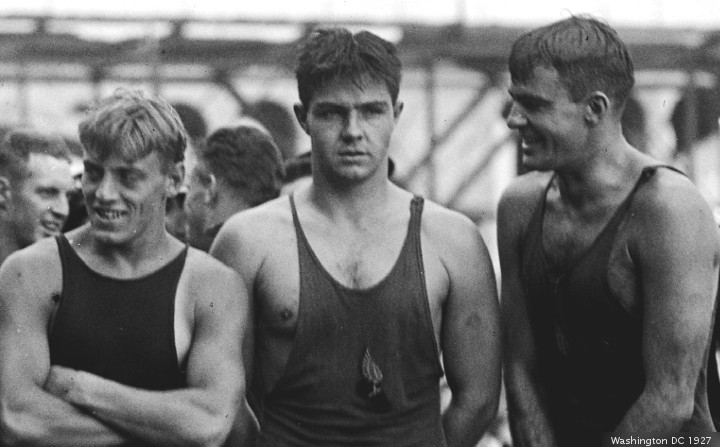
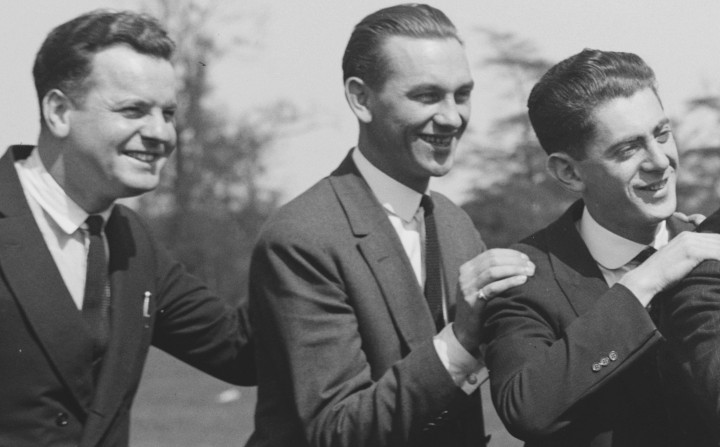

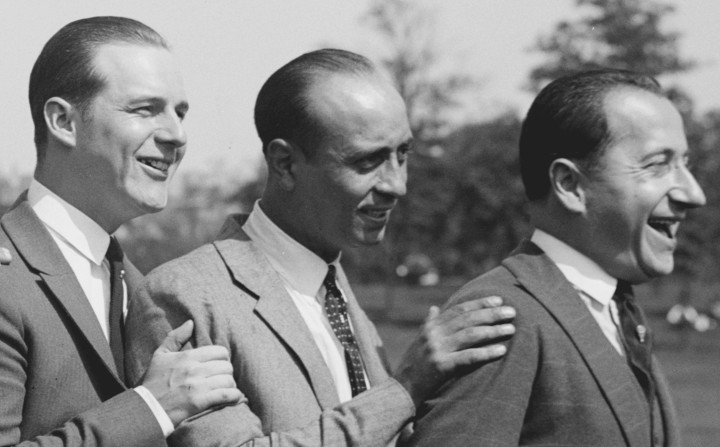

Judy & Liza & RFDS & Me



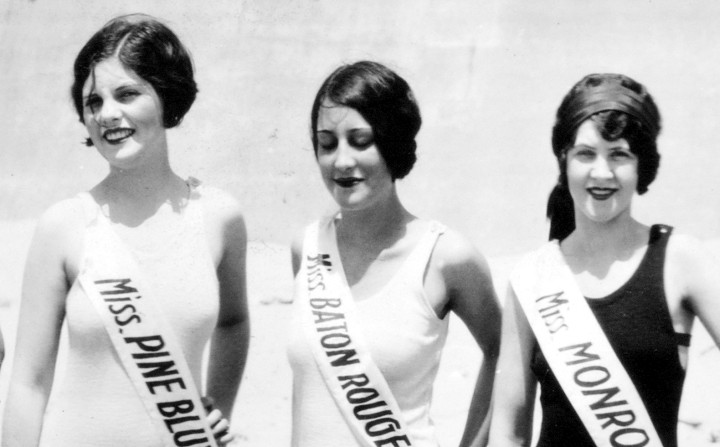

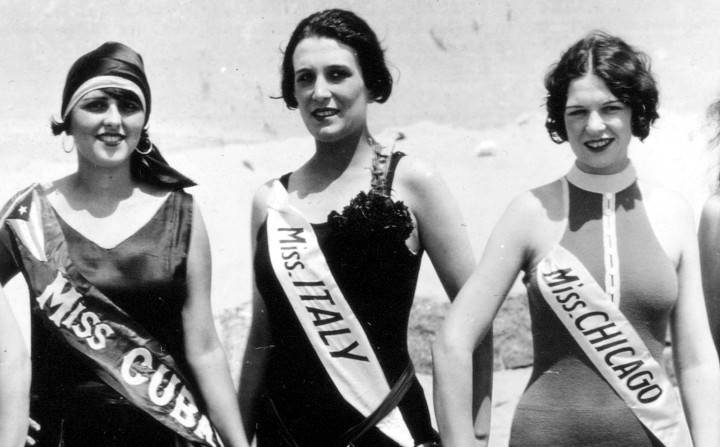


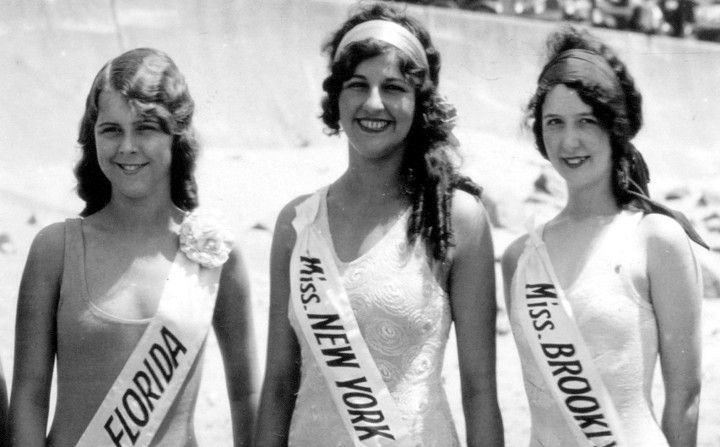
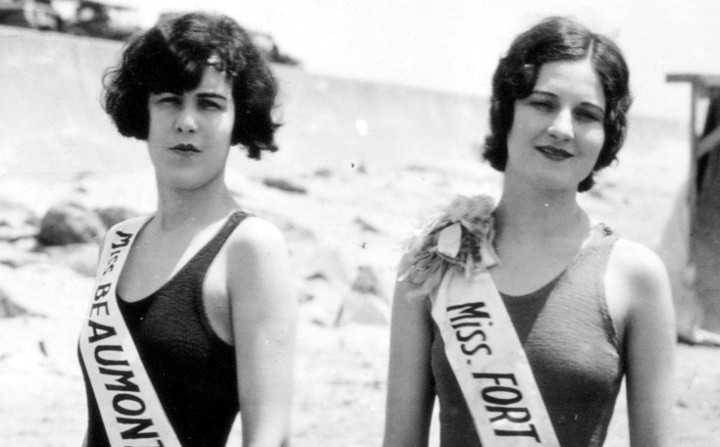
Judy & Liza & Robert & Freddie & David & Sue & Me…: A Memoir is a book written by Stevie Phillips, the Me in the title. One way to introduce the book is to catalog the six famous names on the cover. Judy and Liza are obvious. Stevie was the road manager/babysitter to Judy Garland. Stevie later managed Judy’s daughter, Liza Minelli, during her glory years. Stevie’s business associations with both Judy, and Liza, ended badly.
Robert is Robert Redford, who Stevie also managed. Freddie Fields and David Begelman founded Creative Management Associates (CMA), with Stevie as an original employee. David was a terrible person, who had destructive affairs with both Judy Garland and Stevie Phillips. Sue was uber-agent Sue Mengers. Stevie and Sue were good buddies for a while, until they were not.
The book is a fun read, but should be taken with a grain of salt. While not as self-serving as other show biz autobiographies, JLRFDS&M definitenly tells the story from Me’s point of view. You don’t get to be a successfull talent peddler without a fierce layer of ego, so this should be no surprise.
Chapter Eight, “Boston”, is one of the most dramatic Judy stories. The star was dressing in her hotel room before a show. Judy looked at Stevie, smiling, and cut her wrist with a razor. Stevie made a tourniquet out of a towel, and a hairbrush. She then called David Begelman. He was having an affair with Judy at this time, and was the possible motivation for the wrist-cutting. David gave Stevie a hundred dollar bill, and told her to go buy enough bracelets to cover the bandges. Stevie soon returned with a bag full of bracelets, and Judy made it to her show.
An Amazon one star review has a different take on the October 28, 1961. “I read the excerpt in VANITY FAIR and Phillips describes how before Garland’s 1961 Boston concert, Garland “slit her left wrist with a razor, cutting deeply into an artery” and that Phillips was subsequently dispatched to “buy enough bracelets to cover the bandages.” OK–except I saw a photo of Garland at this concert: where no bandages (or bracelets) are visible.
Towards the end of the story, Stevie starts going to Al-Anon meetings. On page 268: “Sometimes I imaginined Judy sitting next to me in those rooms. Of course, that would have been impossible because of her celebrity…”
I took a road trip once, with a man who used to manage a local AA meeting hall. Liza was in town, and decided that she needed to go to a meeting. The Triangle club hosted her. My traveling companion had lunch with Liza the next day.
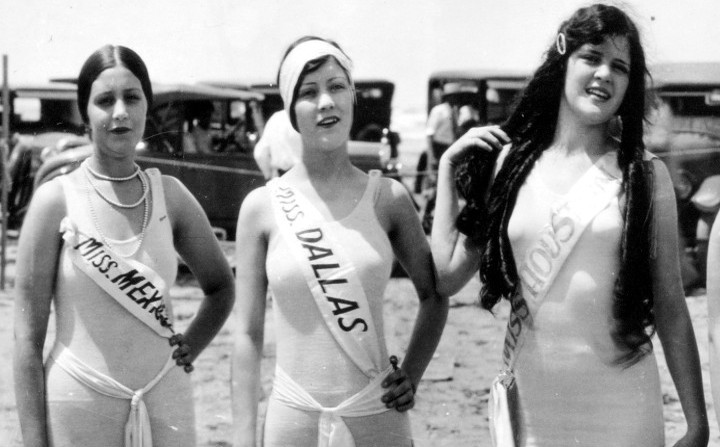
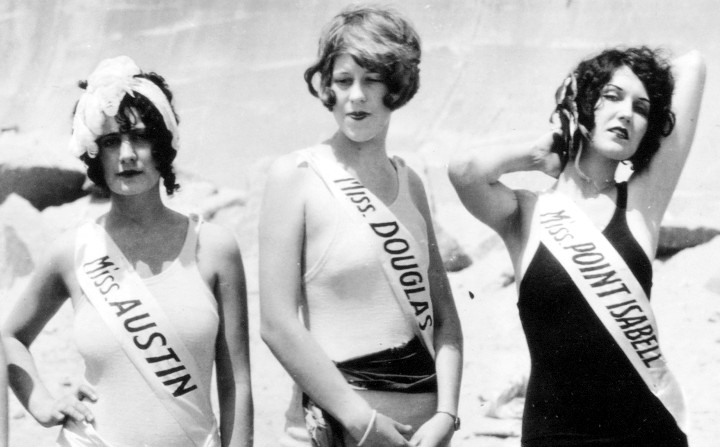
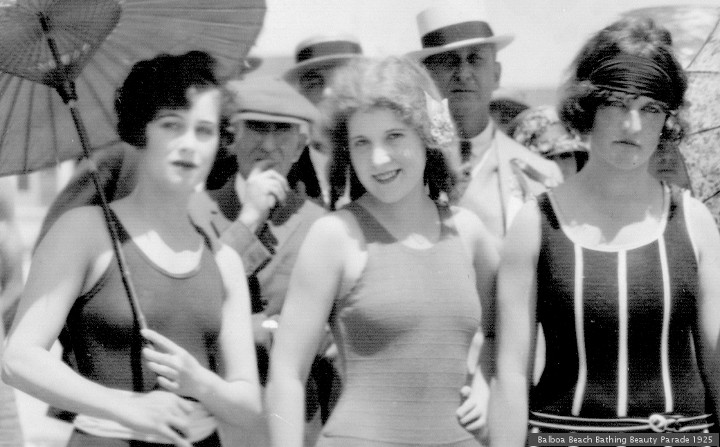
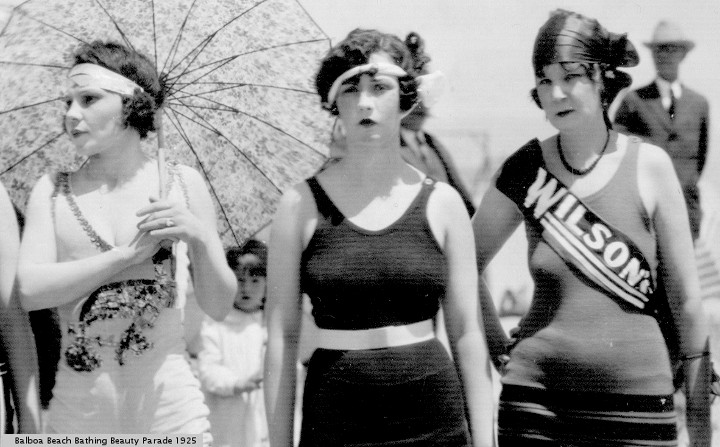
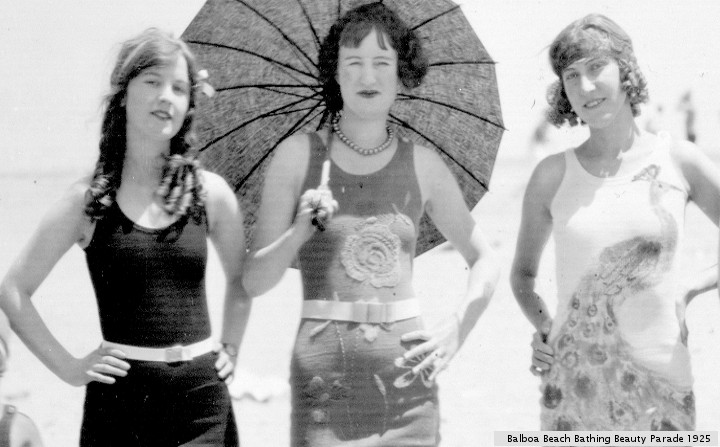
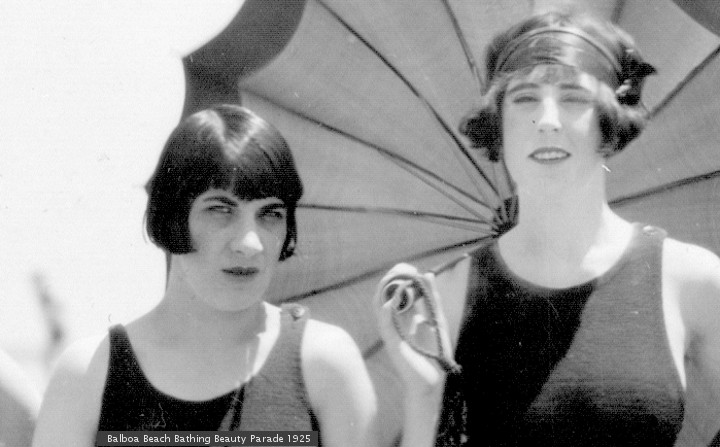
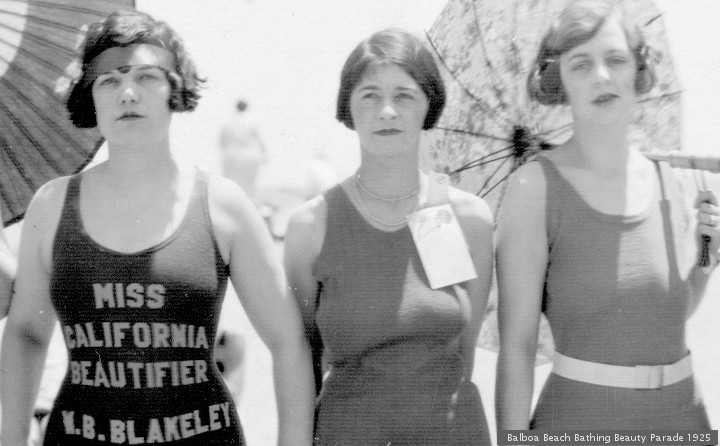
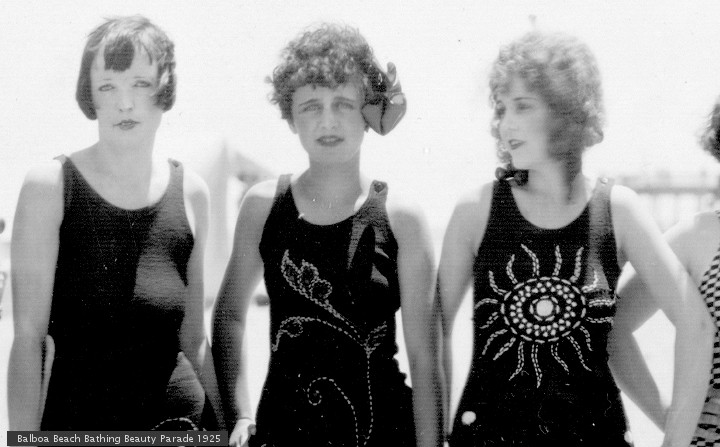
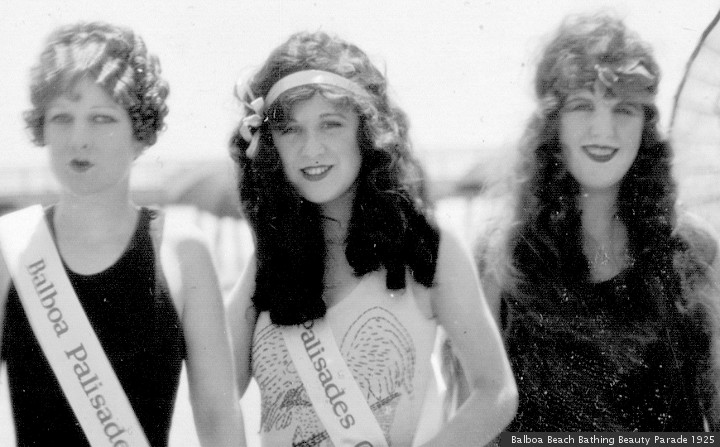
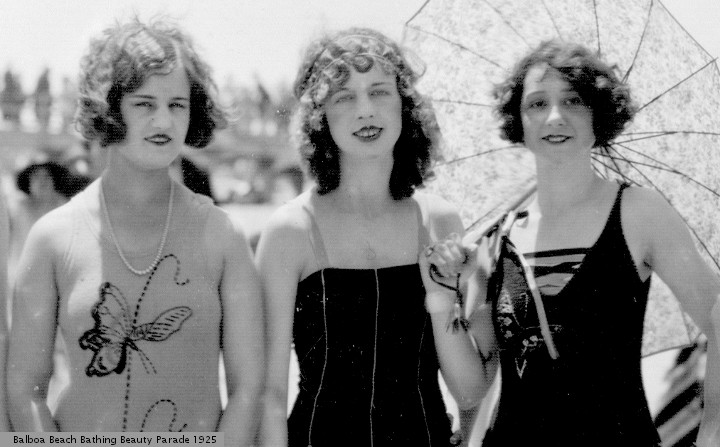
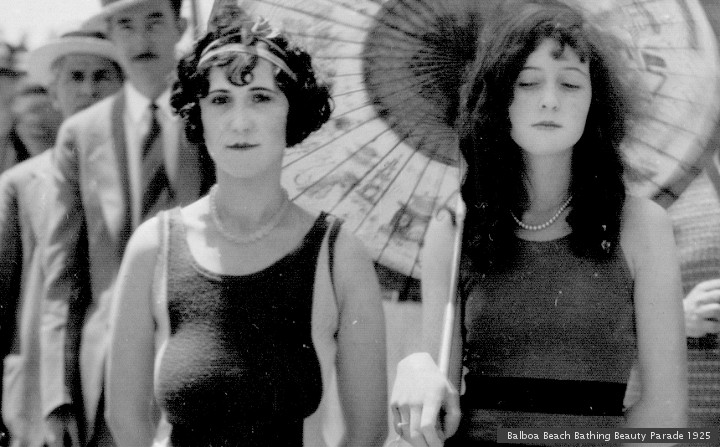
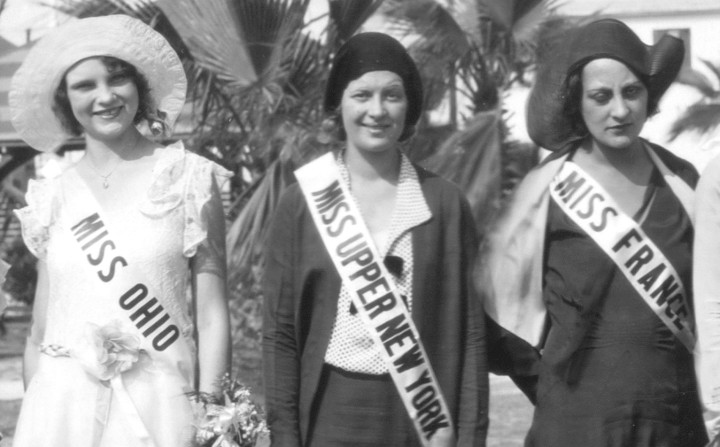
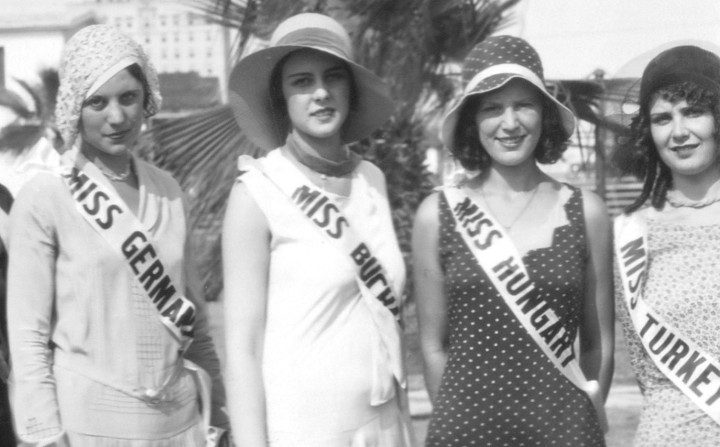
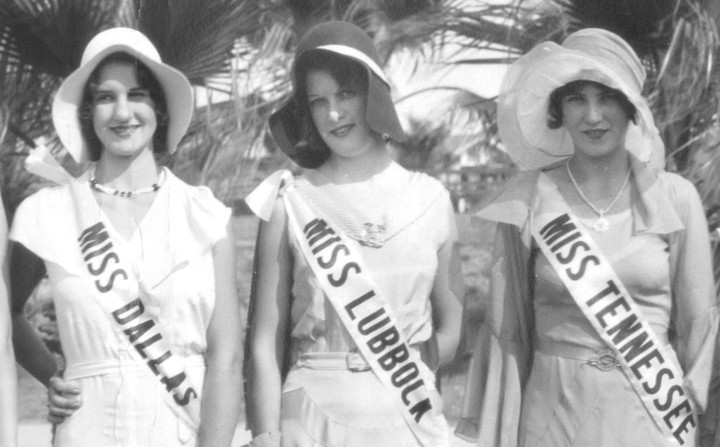
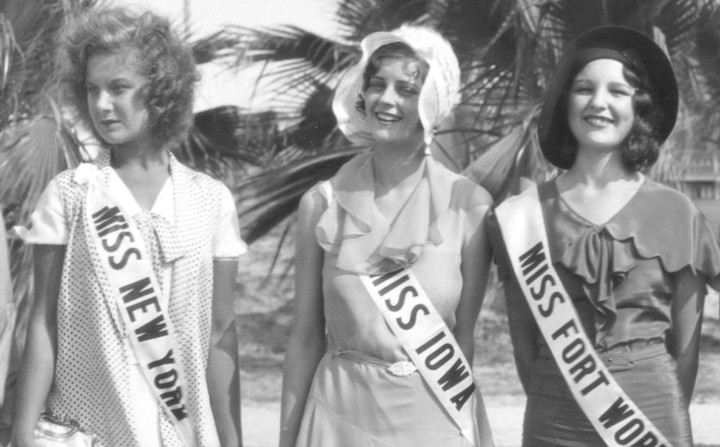
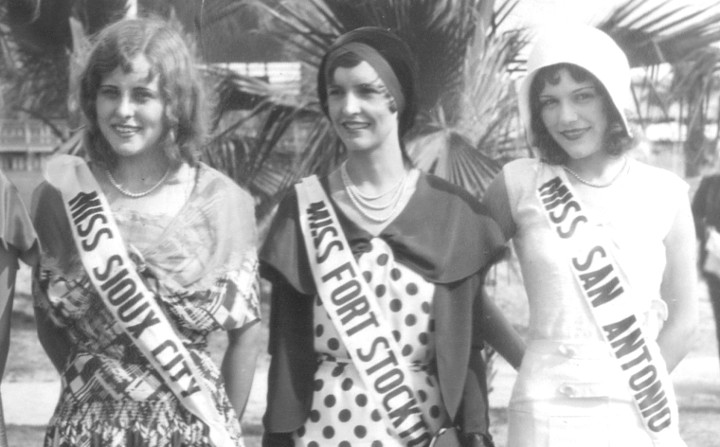
Pictures today are from The Library of Congress. Balboa Beach Bathing Beauty Parade, 1925 “” Picture #06662 is from “Second International Pageant of Pulchritude and Eighth Annual Bathing Girl Revue, May 21, 22, 23, 1927, Galveston TX.”









Hank Chinaski Lives Part Two


An internet facility (IF) called Mind Openerz recently posted a feature, Charles Bukowski’s Top 10 Tips for Living a Kick-Ass Life. Hank writes enjoyable stories and poems. This does not make him a role model. Even if the tales of degenerate lifestyle were exageratted for public consumption, as many suspect, the butt ugly drunkard is nothing to aspire to.
One thing to admire about Hank (a publisher thought that Charles would be a better selling pen name) was the volume of product. He would write dozens of poems, with the lines popping out “like hot turds the morning after a good beer drunk.” Keep the quantity up, quality takes care of itself.
Many of the rules for living were taken from his short stories. PG recently stumbled through Tales of Ordinary Madness, and recognized a few. Hank would toss words of wisdom into stories about being arrested. One time, it was for threatening to rape a lady with a codfish. You can’t beat fun at the old ballpark. Of course, Hank hated baseball, and hated poetry that rhymes. PG writes rhyming poems, with pictures of dogs in the background. Hank is dead, and his opinion doesn’t count.
The fun starts with rule number eight. “8. Have confidence in yourself. “The problem with the world is that the intelligent people are full of doubts.” You are awesome, and all you have to do to let your true talents shine is believe that fact. Have complete confidence in yourself and you might be surprised with all you can achieve.”
Several of the stories of ordinary madness involve people who think they are poets, show work to Hank, and are insulted for the lousy ouput. The line in number eight was familiar, but PG was too slack to go looking through ordinary madness to find it. This is where you ask Mr. Google for help. The full quote: “The problem with the world is that the intelligent people are full of doubts, while the stupid ones are full of confidence.”




















PG sat in the workplace cafeteria and read the last line of Tales of Ordinary Madness. TOOM is a book of short stories and underground press columns, allegedly written by Charles Bukowski. This collection was published by City Lights Books, the facility of Lawrence Ferlinghetti. The poet-businessman was not admired by Mr. Bukowski.
The author was born Heinrich Karl Bukowski, on August 16, 1920, in Andernach, Rhineland-Palatinate, Germany. His Catholic parents moved to America in 1923. The name was americanized to Henry Charles Bukowski. Friends called him Hank, and his literary alter ego was Hank Chinaski. Somebody decided that Charles would look better in print.
Hank Chinaski was a hard boiled character, or so he would have you believe. He was not a teetotaler. In spite of his many excesses, Hank lived to be 74, when leukemia sent him to the likkastow in the sky. This was March 9, 1994. Eleven days later, Lewis Grizzard met his maker. Lewis was 47, the same age as Hank in much of TOOM.
You should always separate the creator from the creation. Enjoy the product, and don’t worry about the ingredients. That is the case with TOOM. The stories are reputed to be little autobiographies. (An Amazon one star commenter thinks the stories are the result of “some kind of posthumous ghost writer, and not a very good one.”)
Hank, if nothing else, was productive. He wrote thousands of poems. It is not known if they have all been published, or if anyone is drunk enough to read them. Here is a quote from a previous Chamblee54 feature, The On Time Charles Bukowski.
The writer/drunk had always been a bit of a fascination to PG. Out of the millions of useless drunks feeding the urinals of planet earth, at least one will turn out to have had literary merit… this leads to a newyorker piece about the gentleman. After nine paragraphs, and two poems, there is the phrase that set off PG…graphomaniacal fecundity. (spell check suggestion:nymphomaniac)
As best as we can figure, g.f. means that Hank wrote a lot of stuff. This is a good thing. PG operates on the notion that if you keep your quantity up, the quality will take care of itself. Hank seems to agree, spitting out product “like hot turds the morning after a good beer drunk.” He seemed to take pride in doing what Truman Capote said about Jack Kerouac…he doesn’t write, he types.
Holy drunken author synchronicity. Last summer, PG was working third shift in a midtown sweatshop. He would read a couple of stories of TOOM, then shift gears and read a bit of The Dharma Bums. At some point in the procedure, there was a collection of output from Truman Capote.
Hank Chinaski might not like PG. There is the rhyming poetry. There is buying a book of repackaged prose at a yard sale. There is the twenty five year retirement from alcohol use. This is beside the point. You have to live for what is important to you, not what a deceased barfly might think.
Pictures for the last part are from The Library of Congress. After publishing Hank Chinaski Lives on Tuesday, PG decided to repost two other pieces about Hank Bukowski.


We Can Forgive The Arabs




The facebook meme showed a quote about American deaths in a mid-east war, and how Israel is willing to make the *scarifice.* PG remembered a quote from long ago. Something about how the thing Israel hates most is being forced to kill Arab children. Who said it, and when? Veteran readers of this blog should know where this is going. This is a repost.
Golda Meir is a matriarch of the State of Israel. Her wikiquote page has this: “Peace will come when the Arabs will love their children more than they hate us.” The attribution says this: “as quoted in A Land of Our Own : An Oral Autobiography (1973) edited by Marie Syrkin, p. 242.” There is a remarkable second attribution. “Harvey Rachlin was unable to find a primary source for this quote and the one below. The Mystery Of Golda’s Golden Gems”
” The one below” is wiki-listed as a “variant” of the first quote. “We can forgive [them] for killing our children. We cannot forgive them from forcing us to kill their children. We will only have peace with [them] when they love their children more than they hate us.” “As attributed in an Anti-Defamation League advertisement Ad that ran in the Hollywood Reporter.” The source: “Golda Meir (1957.)
The ADL Ad was reported on August 19, 2014. This was during an Israeli visit to Gaza. It was preceded by Bob Schieffer, on a CBS broadcast in July 2014. “Last week, I found a quote of many years ago by Golda Meir, one of Israel’s early leaders, which might have been said yesterday. “We can forgive the Arabs …” Mr. Schieffer did not give a source for the quote.
When dealing with a quote, you should ask questions. Did they really say it? When and where did they say it? What was the context? What was the original language, and can we trust the translation? Many, many famous quotes fail these simple tests. Brainy Quote is not a valid source.
The Mystery Of Golda’s Golden Gems takes a critical look. It turns out that the Schieffer/ADL team was using a combination of two quotes. These were the quotes investigated by Harvey Rachlin. “Peace will come when the Arabs will love their children more than they hate us.” “When peace comes we will perhaps in time be able to forgive the Arabs for killing our sons, but it will be harder for us to forgive them for having forced us to kill their sons.”
“… many of these cite as their source A Land of Our Own: An Oral Autobiography. … The quote appears, along with several others, on the last page of the book’s text (before the index) under the heading “On Peace.” Its source is given as: National Press Club, Washington, 1957. I wrote to the National Press Club in an effort to obtain a copy of Meir’s 1957 speech. The response I received was that Meir, who at the time was Israel’s foreign minister, did not speak there in 1957….”
“…Curiously, most of the books I looked at, as well as Meir’s own autobiography, My Life, contained no mention of these two most famous Meir quotes. Nor was either of them included in The New York Times’s 4,883-word December 9, 1978 obituary of Meir – although Times reporter Israel Shenker found room for more than three dozen other quotes from Meir.”
“My investigation took a turn when I found a 1970 collection of Meir quotes titled As Good As Golda: The Warmth and Wisdom of Israel’s Prime Minister. In this book there are two quotes that bear close resemblance to the pair in question: “Peace will come when Nasser loves his own children more than he hates the Israelis” and “What we hold against Nasser is not only the killing of our sons but forcing them for the sake of Israel’s survival to kill others.”
“Strangely, there are no citations for any of the quotes in the book, and while I found these two exact quotes in other books (all published in or after 1970) none of the citations were from original sources. Even more bizarre is that As Good As Golda was compiled and edited by Israel and Mary Shenker – yes, the same Israel Shenker who several years later would write the massive New York Times obituary that contained dozens of Meir quotes but, notably, not her two most famous ones. …”
“… In August 2014, in the wake of Israel’s Operation Protective Edge against Hamas in Gaza, the ADL placed an ad … The ad had both Meir quotes strung together with the singular attribution “Golda Meir (1957).” The ADL did not respond to repeated requests from The Jewish Press for a statement as to whether the organization possessed any verification of the quotes and why they ran together, as though they were part of the same statement.”
Harvey Rachlin comes to the conclusion that there is no way to verify these quotes from Golda Meir. Pictures today are from The Library of Congress.




91 Word Sentence
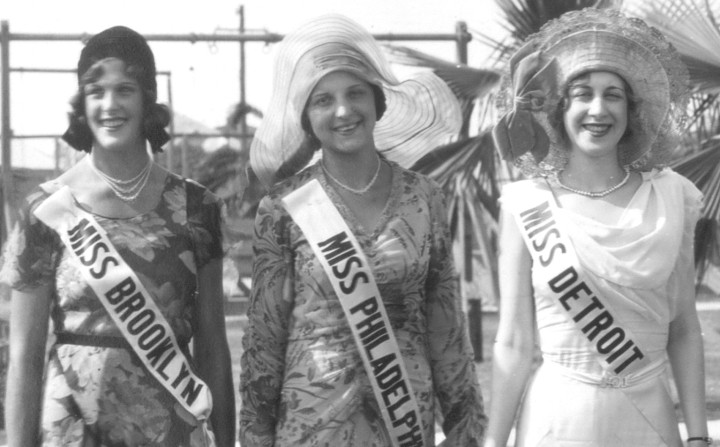
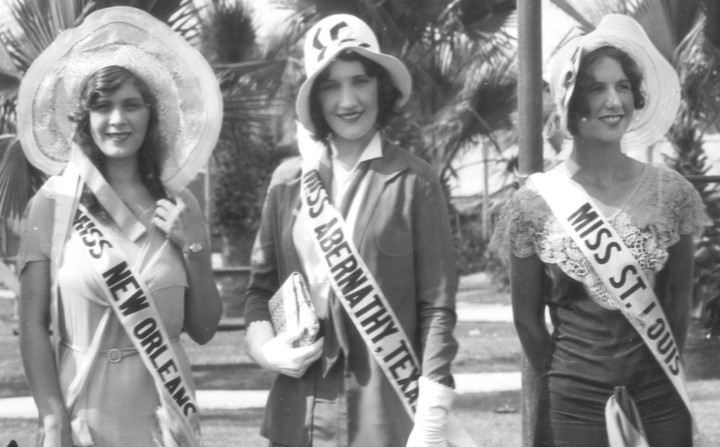
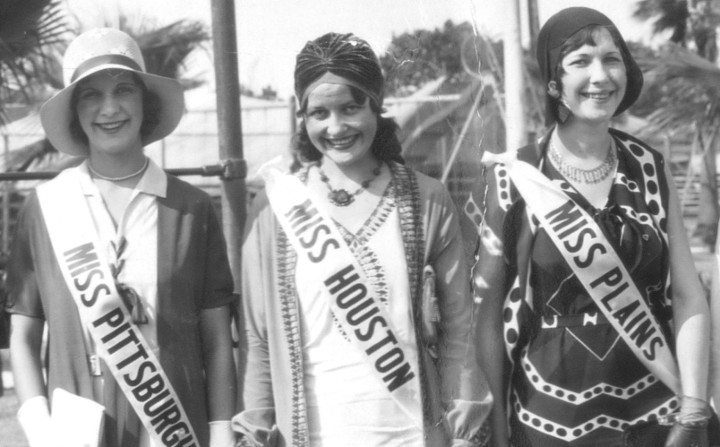
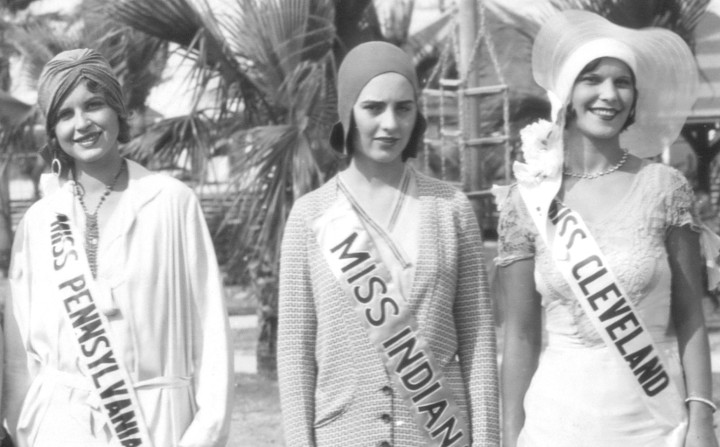
This is a repost from 2016. There was a tasteful meme on the facebook thingie today. It was about BHO, who may go down in history as the Meme President. The block of JPG text began When a faithfully married black president who was the son of a single mother…
Some people quote the first sentence in a situation like this. In this rant, the first sentence has 91 words. It has more grammar mistakes than a sportscaster seminar. It boils down to: when A is considered B by C who D. And what does D do next? Those 91 words are an insult to the Queen’s English. (91 is the product of 7, a lucky number, multiplied by 13, an unlucky number.)
There are eight more words at the end. “This is white supremacy folks. Plain and simple.” A comma might help in the sentence. Does he mean that the two players in the 91 word sentence are “white supremacy folks.”? Or is the author calling the attitude described “white supremacy”.? In any event, “Plain and simple” is not a complete sentence, nor does it describe the 91 word sentence.
This is a case where the medium is as important to the story as the message. When looking for information about the meme, PG typed “When a faithfully married black president who was the son of a single mother” into the wonder window. The algorithm replied: “Did you mean: When a faithful married black president who was the son of a single mother.”
The first reply was from the dependable PuffHo, This Is Not White Supremacy. It made some good points. A few spots down the google page, we see THIS IS NOT WHITE SUPREMACY. That is the original posting of the commentary. PuffHo aggregated it, without paying the original author.
So mush much for the medium. Lets look at the message. BHO, as you may know, is mixed race. The “single mother” of the piece was white. To our racially obsessed culture, this means black. America has had nine years to get over the ethnicity of BHO. It has failed miserably. To some, any criticism of BHO is racist. They mindlessly defend anything BHO does, and say that the critics are members of the KKK. Others are upset because a dark skinned man is in the White House. To these people BHO can do nothing right, because he has dark skin.
Either way, the people who see the skin, and not the man, are doing America a disservice. After January 20, 2017, we will find some other mindless excuse to trash our leaders. (UPDATE: It is so, so easy to find fault with DJT.) This is how politics works. You say whatever you can think of that is negative about the opposition. You gloss over the negativity of your own side. After a while, a lot of people don’t believe a word that either side is saying. When everyone is shouting, nobody is heard. This is politics. The generalizations are plain, and the minds are so, so simple.
There is an attitude among some that “racism” is a metaphysical evil. The R monster must be defeated. Collateral damage is not a problem. If you are going to make an omelet, you need to break eggs. When PG hears talk like this, he feels like an egg.
One problem is that everyone has their own idea of what “racism” is. They are correct, and you are mistaken. To some, it is systemic institutional oppression. To others, it is cultural appropriation and microaggressions. Some cynics say that “racism” is anything that rubs you the wrong way. Agree or disagree, you need to check your privilege.
PG saw a video last week, A Rant Against an Anti-Millennial Rant. “And we use words like “racist” to describe someone who thinks that the word “bae” isn’t real because it didn’t originate from a white, Eurocentric vernacular.” These are strange times.
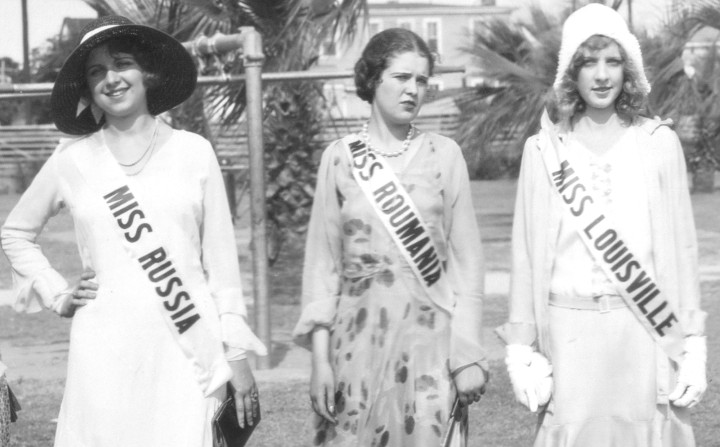
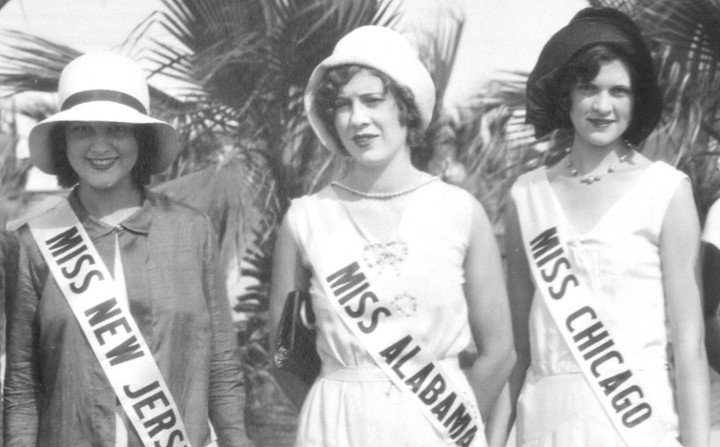
If you are getting itchy, this is almost over. If you like, you can skip over the rest, and look at the pictures. They are from The Library of Congress. Image #06663: “Fifth International Pageant of Pulchritude and Eleventh Annual Bathing Girl Revue, Galveston, Texas, August 2, 3, 4, 5, 6, 1930”
UPDATE: This is a repost. While looking over the text, PG saw a paragraph about an obnoxious video. It turns out the video features Dylan Marron, who says “And we understand that surface gestures are totally cool but they do nothing to dismantle systemic patriarchy.”
Alleged comedian Bill Maher got in trouble this week for saying a forbidden word on TV. A national hissy fit resulted. This communal pearl clutching is an example of a surface gesture. Screaming “MOMMY HE SAID THE N-WORD” does nothing to dismantle systemic patriarchy.

I Sing The Body Electric




1
I sing the body electric,
The armies of those I love engirth me and I engirth them,
They will not let me off till I go with them, respond to them,
And discorrupt them, and charge them full with the charge of the soul.
Was it doubted that those who corrupt their own bodies conceal themselves?
And if those who defile the living are as bad as they who defile the dead?
And if the body does not do fully as much as the soul?
And if the body were not the soul, what is the soul?
2
The love of the body of man or woman balks account,
the body itself balks account,
That of the male is perfect, and that of the female is perfect.
The expression of the face balks account,
But the expression of a well-made man appears not only in his face,
It is in his limbs and joints also, it is curiously in the joints of his hips and wrists,
It is in his walk, the carriage of his neck, the flex of his waist and knees,
dress does not hide him,
The strong sweet quality he has strikes through the cotton and broadcloth,
To see him pass conveys as much as the best poem, perhaps more,
You linger to see his back, and the back of his neck and shoulder-side.
The sprawl and fulness of babes, the bosoms and heads of women,
the folds of their dress, their style as we pass in the street,
the contour of their shape downwards,
The swimmer naked in the swimming-bath, seen as he swims through
the transparent green-shine, or lies with his face up and rolls
silently to and from the heave of the water,
The bending forward and backward of rowers in row-boats,
the horse-man in his saddle,
Girls, mothers, house-keepers, in all their performances,
The group of laborers seated at noon-time with their open dinner-kettles,
and their wives waiting,
The female soothing a child, the farmer’s daughter in the garden or cow-yard,
The young fellow hosing corn, the sleigh-driver driving his six horses
through the crowd,
The wrestle of wrestlers, two apprentice-boys, quite grown, lusty,
good-natured, native-born, out on the vacant lot at sundown after work,
The coats and caps thrown down, the embrace of love and resistance,
The upper-hold and under-hold, the hair rumpled over and blinding the eyes;
The march of firemen in their own costumes, the play of masculine muscle
through clean-setting trowsers and waist-straps,
The slow return from the fire, the pause when the bell strikes suddenly again,
and the listening on the alert,
The natural, perfect, varied attitudes, the bent head, the curv’d neck
and the counting;
Such-like I love—I loosen myself, pass freely, am at the mother’s breast
with the little child,
Swim with the swimmers, wrestle with wrestlers, march in line
with the firemen, and pause, listen, count.
3
I knew a man, a common farmer, the father of five sons,
And in them the fathers of sons, and in them the fathers of sons.
This man was a wonderful vigor, calmness, beauty of person,
The shape of his head, the pale yellow and white of his hair and beard,
the immeasurable meaning of his black eyes,
the richness and breadth of his manners,
These I used to go and visit him to see, he was wise also,
He was six feet tall, he was over eighty years old, his sons were massive,
clean, bearded, tan-faced, handsome,
They and his daughters loved him, all who saw him loved him,
They did not love him by allowance, they loved him with personal love,
He drank water only, the blood show’d like scarlet
through the clear-brown skin of his face,
He was a frequent gunner and fisher, he sail’d his boat himself,
he had a fine one presented to him by a ship-joiner,
he had fowling-pieces presented to him by men that loved him,
When he went with his five sons and many grand-sons to hunt or fish,
you would pick him out as the most beautiful and vigorous of the gang,
You would wish long and long to be with him, you would wish to sit by him
in the boat that you and he might touch each other.
4
I have perceiv’d that to be with those I like is enough,
To stop in company with the rest at evening is enough,
To be surrounded by beautiful, curious, breathing, laughing flesh is enough,
To pass among them or touch any one, or rest my arm ever so lightly
round his or her neck for a moment, what is this then?
I do not ask any more delight, I swim in it as in a sea.
There is something in staying close to men and women and looking on them,
and in the contact and odor of them, that pleases the soul well,
All things please the soul, but these please the soul well.
5
This is the female form,
A divine nimbus exhales from it from head to foot,
It attracts with fierce undeniable attraction,
I am drawn by its breath as if I were no more than a helpless vapor,
all falls aside but myself and it,
Books, art, religion, time, the visible and solid earth,
and what was expected of heaven or fear’d of hell, are now consumed,
Mad filaments, ungovernable shoots play out of it,
the response likewise ungovernable,
Hair, bosom, hips, bend of legs, negligent falling hands all diffused,
mine too diffused,
Ebb stung by the flow and flow stung by the ebb, love-flesh swelling
and deliciously aching,
Limitless limpid jets of love hot and enormous, quivering jelly of love,
white-blow and delirious juice,
Bridegroom night of love working surely and softly into the prostrate dawn,
Undulating into the willing and yielding day,
Lost in the cleave of the clasping and sweet-flesh’d day.
This the nucleus—after the child is born of woman, man is born of woman,
This the bath of birth, this the merge of small and large, and the outlet again.
Be not ashamed women, your privilege encloses the rest,
and is the exit of the rest,
You are the gates of the body, and you are the gates of the soul.
The female contains all qualities and tempers them,
She is in her place and moves with perfect balance,
She is all things duly veil’d, she is both passive and active,
She is to conceive daughters as well as sons, and sons as well as daughters.
As I see my soul reflected in Nature,
As I see through a mist, One with inexpressible completeness,
sanity, beauty,
See the bent head and arms folded over the breast, the Female I see.
6
The male is not less the soul nor more, he too is in his place,
He too is all qualities, he is action and power,
The flush of the known universe is in him,
Scorn becomes him well, and appetite and defiance become him well,
The wildest largest passions, bliss that is utmost, sorrow that is utmost
become him well, pride is for him,
The full-spread pride of man is calming and excellent to the soul,
Knowledge becomes him, he likes it always, he brings every thing
to the test of himself,
Whatever the survey, whatever the sea and the sail
he strikes soundings at last only here,
(Where else does he strike soundings except here?)
The man’s body is sacred and the woman’s body is sacred,
No matter who it is, it is sacred—is it the meanest one in the laborers’ gang?
Is it one of the dull-faced immigrants just landed on the wharf?
Each belongs here or anywhere just as much as the well-off, just as much as you,
Each has his or her place in the procession.
(All is a procession,
The universe is a procession with measured and perfect motion.)
Do you know so much yourself that you call the meanest ignorant?
Do you suppose you have a right to a good sight,
and he or she has no right to a sight?
Do you think matter has cohered together from its diffuse float,
and the soil is on the surface, and water runs and vegetation sprouts,
For you only, and not for him and her?
7
A man’s body at auction,
(For before the war I often go to the slave-mart and watch the sale,)
I help the auctioneer, the sloven does not half know his business.
Gentlemen look on this wonder,
Whatever the bids of the bidders they cannot be high enough for it,
For it the globe lay preparing quintillions of years without one animal or plant,
For it the revolving cycles truly and steadily roll’d.
In this head the all-baffling brain,
In it and below it the makings of heroes.
Examine these limbs, red, black, or white, they are cunning in tendon and nerve,
They shall be stript that you may see them.
Exquisite senses, life-lit eyes, pluck, volition,
Flakes of breast-muscle, pliant backbone and neck, flesh not flabby,
good-sized arms and legs,
And wonders within there yet.
Within there runs blood,
The same old blood! the same red-running blood!
There swells and jets a heart, there all passions, desires, reachings, aspirations,
(Do you think they are not there because they are not express’d
in parlors and lecture-rooms?)
This is not only one man, this the father of those who shall be fathers
in their turns,
In him the start of populous states and rich republics,
Of him countless immortal lives with countless embodiments and enjoyments.
How do you know who shall come from the offspring of his offspring
through the centuries?
(Who might you find you have come from yourself,
if you could trace back through the centuries?)
8
A woman’s body at auction,
She too is not only herself, she is the teeming mother of mothers,
She is the bearer of them that shall grow and be mates to the mothers.
Have you ever loved the body of a woman?
Have you ever loved the body of a man?
Do you not see that these are exactly the same to all in all nations
and times all over the earth?
If anything is sacred the human body is sacred,
And the glory and sweet of a man is the token of manhood untainted,
And in man or woman a clean, strong, firm-fibred body, is more beautiful
than the most beautiful face.
Have you seen the fool that corrupted his own live body?
or the fool that corrupted her own live body?
For they do not conceal themselves, and cannot conceal themselves.
9
O my body! I dare not desert the likes of you in other men and women,
nor the likes of the parts of you,
I believe the likes of you are to stand or fall with the likes of the soul,
(and that they are the soul,)
I believe the likes of you shall stand or fall with my poems,
and that they are my poems,
Man’s, woman’s, child, youth’s, wife’s, husband’s, mother’s, father’s,
young man’s, young woman’s poems,
Head, neck, hair, ears, drop and tympan of the ears,
Eyes, eye-fringes, iris of the eye, eyebrows, and the waking
or sleeping of the lids,
Mouth, tongue, lips, teeth, roof of the mouth, jaws, and the jaw-hinges,
Nose, nostrils of the nose, and the partition,
Cheeks, temples, forehead, chin, throat, back of the neck, neck-slue,
Strong shoulders, manly beard, scapula, hind-shoulders,
and the ample side-round of the chest,
Upper-arm, armpit, elbow-socket, lower-arm, arm-sinews, arm-bones,
Wrist and wrist-joints, hand, palm, knuckles, thumb, forefinger,
finger-joints, finger-nails,
Broad breast-front, curling hair of the breast, breast-bone, breast-side,
Ribs, belly, backbone, joints of the backbone,
Hips, hip-sockets, hip-strength, inward and outward round,
man-balls, man-root,
Strong set of thighs, well carrying the trunk above,
Leg-fibres, knee, knee-pan, upper-leg, under-leg,
Ankles, instep, foot-ball, toes, toe-joints, the heel;
All attitudes, all the shapeliness, all the belongings of my or your body
or of any one’s body, male or female,
The lung-sponges, the stomach-sac, the bowels sweet and clean,
The brain in its folds inside the skull-frame,
Sympathies, heart-valves, palate-valves, sexuality, maternity,
Womanhood, and all that is a woman, and the man that comes from woman,
The womb, the teats, nipples, breast-milk, tears, laughter, weeping,
love-looks, love-perturbations and risings,
The voice, articulation, language, whispering, shouting aloud,
Food, drink, pulse, digestion, sweat, sleep, walking, swimming,
Poise on the hips, leaping, reclining, embracing, arm-curving and tightening,
The continual changes of the flex of the mouth, and around the eyes,
The skin, the sunburnt shade, freckles, hair,
The curious sympathy one feels when feeling with the hand
the naked meat of the body,
The circling rivers the breath, and breathing it in and out,
The beauty of the waist, and thence of the hips,
and thence downward toward the knees,
The thin red jellies within you or within me, the bones and the marrow
in the bones,
The exquisite realization of health;
O I say these are not the parts and poems of the body only, but of the soul,
O I say now these are the soul!
Text for this adventure is from the Project Gutenberg.
The text was reformatted by Chamblee54.
“I sing the Body Electric” was written by Walt Whitman.
An audio version of this poem is available from Librivox.
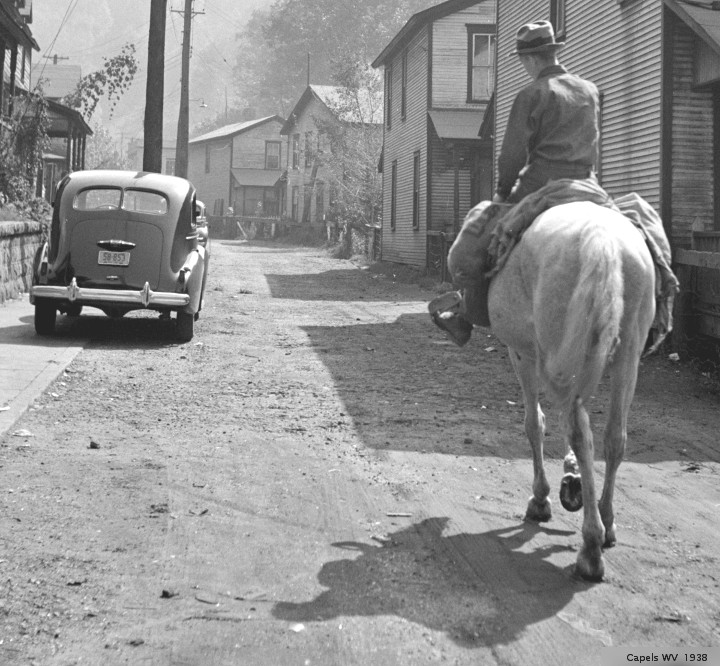
Pictures from The Library of Congress.



Botched Journalism is Troubling




The display of a link on this page does not indicate approval of content.
Wars Are Not Won by Military Genius or Decisive Battles
The Hidden Queer History Behind “A League of Their Own”
New rules released for churches, mosques and synagogues to resume in-person worship
The B.E.E. Podcast – Memorial Day Freebie Episode – Roger Avary – Part 1
Is This the Blueprint for Sanders and AOC to Take Over the Democratic Party?
Police search for killer who gunned down man outside Gwinnett apartment unit
Shaun King Keeps Raising Money, and Questions About Where It Goes
Ronan Farrow’s Botched Journalism is Troubling. The Response to It Has Been Worse
Police arrest biological father after boy disappears from Brookhaven complex
intended to serve as a resource to white people to deepen our anti-racism work.
How New York Suffered Nearly 10 Times the Number of Deaths as California.
15-year-old arrested after man shot, killed during robbery attempt
Family mourns 60-year-old man killed during Baltimore weekend violence
Crews put out raging house fire near DeKalb-Peachtree Airport
Derek Chauvin, the man who killed George Floyd. Sickening.
Here is a video of Larry Kramer giving Anthony Fauci a piece of his mind.
Security Video Shows Events Leading Up To George Floyd’s Arrest
Atlanta couple followed home and shot in case of road rage, police say
Masks, testing are necessary to combat asymptomatic spread in aerosols, droplets
viral video shows him calling police on black entrepreneurs using building’s gym
Officer-involved Shooting Leaves Tallahassee Resident Dead
Lemon: Imagine how inaction impacts your friends of color
Police Kill Too Many People—White and Black
State guidelines ignored by prosecutors in Arbery death probe
Man killed in shootout with police in Gwinnett County; GBI investigating
Video Sheds Light on Hours Leading Up to Officer-Involved Shooting in Evans County
‘Watchmen’ Actress Frances Fisher: ‘They Want a Race War. We’ll Give Them a Race War’
BRIEF OF AMICI CURIAE FORMER FEDERAL DISTRICT COURT JURISTS …
Read Fine Print When It Comes to NDAs, Strict Confidentiality. Do Not Blindly Trust
Sports Bar Owner Weeps After Looters Destroy Business He Invested Life Savings Into
#MinneapolisRiot This isn’t even protesting anymore. Swear people go too far
KB Balla: Minneapolis Sports Bar Scores Destroyed in Riots
Surveillance video shows looters try to break into Midtown jewelry store after protests
To use a wheelchair without the footrests is bad practice
Atlanta Police chief is ready to ‘lock people up’ | Announces zero tolerance policy
old sayings ~ Derek M. Chauvin ~ 2 Tupelo farm ~ Larry Kramer ~ scofflaw ~ Coming Collapse
@ajvasel If you fall behind in a hotdog-eating contest, there’s only one thing you can do… ketchup. @ChrchCurmudgeon Only if you’ve mustered the strength to carry on. ~ A white woman has apologized after calling police on a black man and saying ‘there’s an African American man threatening my life’ ~ Larry Kramer made a 1993 tv appearance with Anthony Fauci. It is awesome to watch. ~ You must log in to this network before you access the internet ~ Ring of Ire! Johnny Cash’s daughter Rosanne is left outraged after one of her children is called a ‘liberal p****’ for wearing a face mask in Nashville store ~ @chamblee54 @JohnHMcWhorter “these are America’s least racist white people” @GlennLoury “except for subtle racism of their condescension and their soft bigotry of low expectations” #thingsidarenotpostonfacebook ~ Poems are from Leaves of Grass, Book V: Calamus By Walt Whitman, Born May 31, 1819, Text is courtesy of Project Gutenberg. Formatting of text, and pictures, by Chamblee 54 ~ The expression [the shit hits the fan] is related to, and may well derive from, an old joke. A man in a crowded bar needed to defecate but couldn’t find a bathroom, so he went upstairs and used a hole in the floor. Returning, he found everyone had gone except the bartender, who was cowering behind the bar. When the man asked what had happened, the bartender replied, ‘Where were you when the shit hit the fan?’ [Hugh Rawson, “Wicked Words,” 1989] ~ @TichinaSanders They done fucked up Daves Cheesesteak in Atlanta. Thats black owned who constantly gives back to his city they out there twerking in the middle of the streets and breaking into Gucci & Dior, the looters obviously dont have an agenda and just getting what they want. ~ @jasminecrowe Several black owned businesses lost everything last night in Atlanta. Including the amazing Dave’s Cheesesteaks and that just sucks. This man has been feeding a lot of hospital staff and people in general during COVID. I would like to donate to their rebuild fund share the links ~ Can we call a timeout on the word fascist? Most people who use it don’t know what they are talking about. ~ @chamblee54 Replying to @UncleHotep There was an incident at a Georgia high school. The team nickname was the Broncos. The tubas had cloth covers, that spelled out B R O N C O S. The tube players decide it would be fun the rearrange the tubs, so that it spelled COON. The tuba players decide it would be fun the rearrange the tubas, so that it spelled COON. ~ pictures today, on the first day of june,are from The Library of Congress. ~ selah

Sixty Five Years Twelve Presidents


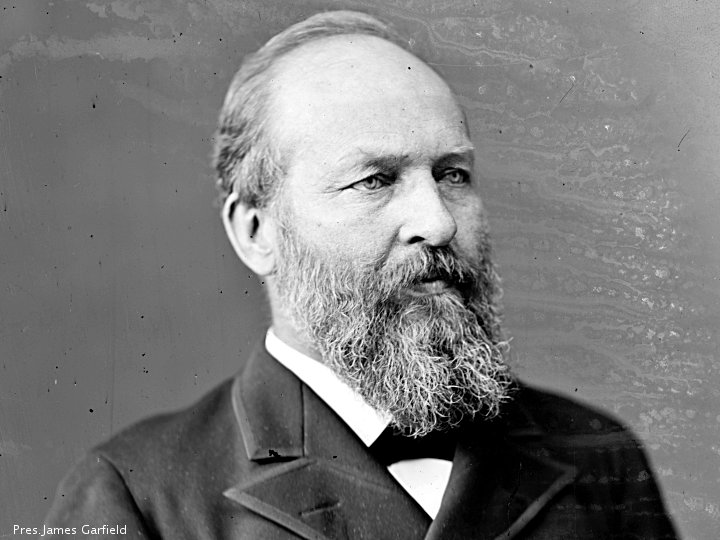
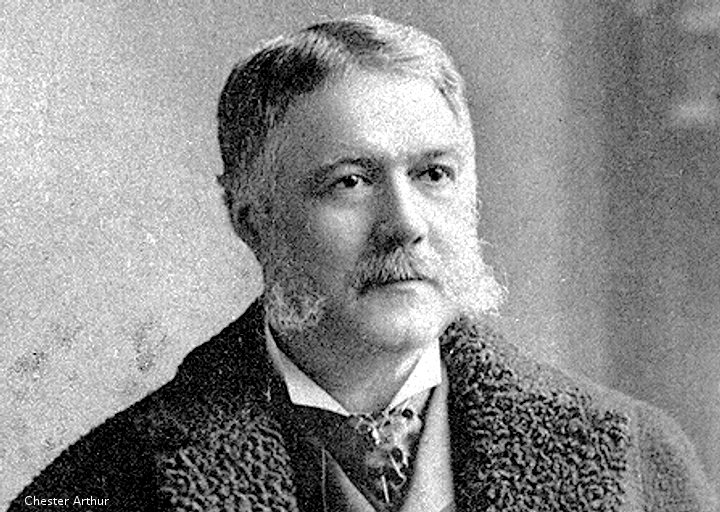
This is a repost from 2012. It is about the twelve Presidents, one fourth of the total, who have helped themselves served over the last sixty five years. Barack Obama got re-elected, and killed lots of people. The less said about Donald J. Trump, the better.
Every four years, someone will say this is the worst choice ever. Every four years, someone will say this is the most important election ever. They are always correct. The choice in 2016 was between Donald John Trump and Hillary Diane Rodham Clinton. Choosing between those two idiots was challenging. The good news is that most people live in states where the electoral votes are conceded to one of the duopoly parties. These voters can focus on local elections.
Listening to the news shows that came on before the cartoons, PG heard the phrase “President Eisenhower”. As a friends explained to him, G-d made everything, but the President is Eisenhower.
When he was six, PG moved to a new house, and started first grade. There was an election that fall, and someone named Kennedy became President. PG wasn’t old enough to pay attention to the news yet, except when it looked like the Russians were going to kill us all in 1962.
The first news story that PG clearly remembers was the day when his fourth grade teacher, Miss McKenzie, told the class that President Kennedy had been shot. One of the worst moments that weekend was the moment when a plane landed in Washington, and the new President spoke on television. THAT was the new President? Yuck.
Lyndon Johnson was a larger than life figure, and was hated by millions of Amuricuns. While there was some good done by LBJ, it was overshadowed by the War in Vietnam. When he left office in 1968, the voters had a horrible choice …Hubert Humphrey, Richard Nixon, or George Wallace.
Tricky Dick Nixon is another larger than life figure, with millions of Americans screaming for his impeachment. For some reason, there were others who passionately admired the man.
In 1973, the oil companies tried to say there was an oil shortage. Later that year, Egypt, Syria, and Jordan attacked Israel, and the Arab oil producers cut oil to the USA. After this embargo, OPEC was in charge of the oil supply, and the price of gasoline increased 200%. The era of big money oil was on. What a convenient war.
After the ethical shortcomings of Mr. Nixon became too obnoxious to ignore, Gerald Ford became President. On a policy level, Ford was like all the other Presidents…some things he got right, some things he got wrong. On a personality level…the show business part…Ford excelled. His family provided harmless fodder for the gossipmongers. He was a likable man, a welcome break from the meanness of Richard Nixon and Lyndon Johnson.
When PG was a kid at Ashford Park School, there had never been a President from Georgia. It seemed impossible. When Georgia Governor Jimmy Carter announced he was running, it seemed like another ego tripper running for President. The funny thing is, he won. It still seems a bit unreal, like having the Olympics in Atlanta.
Jimmy was a Democrat, with attack Republicans fighting him every step of the way. This is a problem later Democrats in the Oval Office will have. On the policy level, he did better than many realize. Many of his achievements only bore fruit after he left office. On the show biz front, his down home Georgia routine did not appeal to many Yankees. In 1980, he was defeated by an actor.
PG was worried when Ronald Reagan took office. With America’s nuclear arsenal, and the Soviet Union wheezing it’s threat, many thought that Ronnie would start the war to kill us all. The good news is, this war never happened. Whatever tough talk came out of Washington was not matched by military adventurism abroad.
Reagan was the master of show business. He was an actor, playing the greatest role of his career. It was said that if America had a figure head monarch, Reagan would have been terrific. On the policy front, taxes were cut, and the budget increased. The national debt went over a trillion dollars, which was seen as a horrible moment. (The annual budget deficit is now over a trillion dollars.)
When Mr. Reagan’s two terms were over, George H.W. Bush took over. This was an era where the Democrats could not do anything right on a national level. Bush presided over a war, and brought the troops home when the mission was over. His image never appealed, and the whiners were not pleased. A computer salesman named Ross Perot decided to run as a third party candidate.
In the winter of 1992, PG had a little job downtown. One day, there was a rally at the CNN center for a little known Presidential candidate. PG went, and said to a friend, If this guy gets elected, you are going to regret not going to see him. At the time, War Winner Bush seemed unbeatable, and PG said that with high sarcasm.
When he got to CNN center, it was obvious that a big money event was unfolding. The place was packed, with school children bused in to fill all the seats. Finally, the speakers blared “Twist and Shout” at top volume, and Bill Clinton walked on the stage. PG was not especially impressed.
Clinton inspired toxic hatred, but managed to keep the boat floating. He won reelection, with the Republicans seeming to self destruct. The economy was going good, the budget was balanced, and the haters went wild. After a entertaining sex scandal, the Clinton years were over.
A couple of weeks before the 2000 election, PG liked neither candidate, and did not think it made much difference. (With Georgia’s electoral votes certain to go Republican, PG did not have a vote.) He listened to someone talking, who thought that it was important that Gore won. PG remembered that conversation often during the next eight years.
George W. Bush was a disaster. It is possible that 911 was a personal vendetta against the Bush family, and would not have happened if Gore was President. The reaction of Bush to this tragedy was to start two wars that we have not been able to finish. In 2016, we are still in Afghanistan.
Next was Barack Obama, the first dark skinned President. He continued the war happy ways of the Bush regime. BHO was reelected in 2012, and given four more years to wage war. He managed to avoid the second term scandals that crippled Mr. Nixon and Mr. Clinton.
In the next election, the democrats decided that calling people racist was a good campaign strategy. As a result, Donald J. Trump was elected. America is more racially divided than ever, which the election of Mr. Obama was supposed to remedy. With the nation distracted by screaming racism, the congress has cut taxes, and produced a multi-trillion dollar budget deficit. America might survive. Pictures for this feature are from the The Library of Congress.
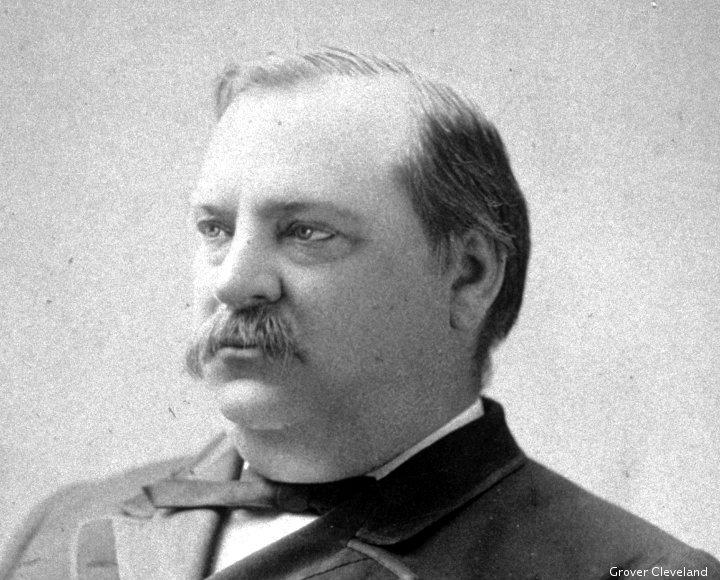

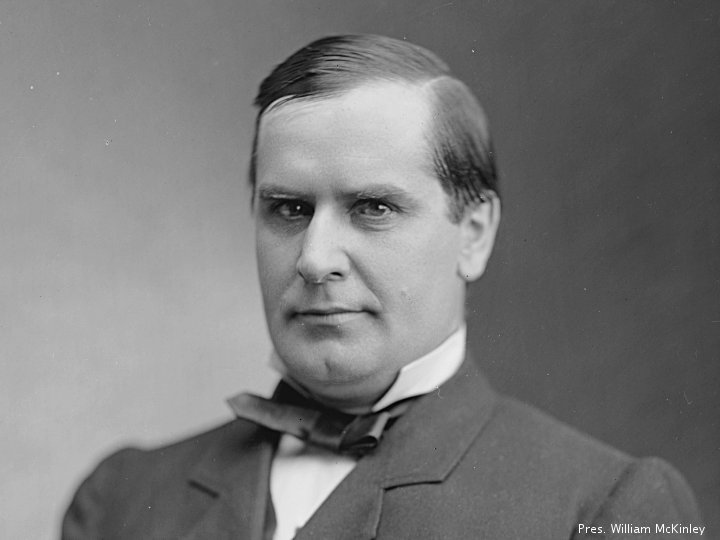

NFL Kneelers



The football players who won’t stand for the national anthem is the story that won’t go away. Few people have said exactly how this is going to prevent police from killing people. This slack blogger has said little about Kaepernickgate, but has had a thirty part series, Killed By Police. This series, like most factual reporting on police killings, is mostly ignored by the same people who are hysterical about NFL kneelers. It is a strange country we live in.
A theme in the modern meme mania is the notion that the protest is about police brutality, and not about the flag. Or something like that. While the original intent of the kneelers is to protest police killings, the result is to disrespect a display of patriotism. It should not be a surprise that many people feel the NFL protests are an insult to the United States. To say that the protests are about racism, and not the flag, is not right. The result of this well meaning gesture is to insult millions of patriotic Americans. Facebook rubs it in by saying it is your fault.
Blackface used to be a popular form of entertainment. If you were to ask the performers, they probably would have said that this was not intended to insult anybody, but just a way of having fun. That would have been the intent. The minstrels would have to be dumb not to have known that their performances were insulting to black people. Sometimes, your intention is not all that counts. You should consider how other people feel about your entertainment.
It is not known what these protests are going to accomplish. They will probably achieve as much as shutting down a freeway. Others say that the police killings are a symptom, rather than the disease. With millions of weapons in circulation, the police know that anyone they meet might try to kill them. With all that is demanded of police, they are going to make mistakes.
UPDATE The various attorneys worked out a settlement. Money changed hands. One of the attorneys issued a statement: “… The resolution of this matter is subject to a confidentiality agreement so there will be no further comment by any party.” Facebook users are, unfortunately, not bound by this agreement. This is a repost. Pictures today are fromThe Library of Congress.




Calumus



In Paths Untrodden
In paths untrodden,
In the growth by margins of pond-waters,
Escaped from the life that exhibits itself,
From all the standards hitherto publish’d, from the pleasures,
profits, conformities,
Which too long I was offering to feed my soul,
Clear to me now standards not yet publish’d, clear to me that my soul,
That the soul of the man I speak for rejoices in comrades,
Here by myself away from the clank of the world,
Tallying and talk’d to here by tongues aromatic,
No longer abash’d, (for in this secluded spot I can respond
as I would not dare elsewhere,)
Strong upon me the life that does not exhibit itself, yet contains all the rest,
Resolv’d to sing no songs to-day but those of manly attachment,
Projecting them along that substantial life,
Bequeathing hence types of athletic love,
Afternoon this delicious Ninth-month in my forty-first year,
I proceed for all who are or have been young men,
To tell the secret my nights and days,
To celebrate the need of comrades.
Scented Herbage of My Breast
Scented herbage of my breast,
Leaves from you I glean, I write, to be perused best afterwards,
Tomb-leaves, body-leaves growing up above me above death,
Perennial roots, tall leaves, O the winter shall not freeze you delicate leaves,
Every year shall you bloom again, out from where you retired
you shall emerge again;
O I do not know whether many passing by will discover you
or inhale your faint odor, but I believe a few will;
O slender leaves! O blossoms of my blood! I permit you to tell
in your own way of the heart that is under you,
O I do not know what you mean there underneath yourselves,
you are not happiness,
You are often more bitter than I can bear, you burn and sting me,
Yet you are beautiful to me you faint tinged roots, you make me think of death,
Death is beautiful from you, (what indeed is finally beautiful
except death and love?)
O I think it is not for life I am chanting here my chant of lovers,
I think it must be for death,
For how calm, how solemn it grows to ascend to the atmosphere of lovers,
Death or life I am then indifferent, my soul declines to prefer,
(I am not sure but the high soul of lovers welcomes death most,)
Indeed O death, I think now these leaves mean precisely the same as you mean,
Grow up taller sweet leaves that I may see! grow up out of my breast!
Spring away from the conceal’d heart there!
Do not fold yourself so in your pink-tinged roots timid leaves!
Do not remain down there so ashamed, herbage of my breast!
Come I am determin’d to unbare this broad breast of mine,
I have long enough stifled and choked;
Emblematic and capricious blades I leave you, now you serve me not,
I will say what I have to say by itself,
I will sound myself and comrades only,
I will never again utter a call only their call,
I will raise with it immortal reverberations through the States,
I will give an example to lovers
to take permanent shape and will through the States
Through me shall the words be said to make death exhilarating,
Give me your tone therefore O death, that I may accord with it,
Give me yourself, for I see that you belong to me now above all,
and are folded inseparably together, you love and death are,
Nor will I allow you to balk me any more with what I was calling life,
For now it is convey’d to me that you are the purports essential,
That you hide in these shifting forms of life, for reasons,
and that they are mainly for you,
That you beyond them come forth to remain, the real reality,
That behind the mask of materials you patiently wait, no matter how long,
That you will one day perhaps take control of all,
That you will perhaps dissipate this entire show of appearance,
That may-be you are what it is all for, but it does not last so very long,
But you will last very long.
Whoever You Are Holding Me Now in Hand
Whoever you are holding me now in hand,
Without one thing all will be useless,
I give you fair warning before you attempt me further,
I am not what you supposed, but far different.
Who is he that would become my follower?
Who would sign himself a candidate for my affections?
The way is suspicious, the result uncertain, perhaps destructive,
You would have to give up all else, I alone would expect to be
your sole and exclusive standard,
Your novitiate would even then be long and exhausting,
The whole past theory of your life and all conformity to the lives around you
would have to be abandon’d,
Therefore release me now before troubling yourself any further,
let go your hand from my shoulders,
Put me down and depart on your way.
Or else by stealth in some wood for trial,
Or back of a rock in the open air,
(For in any roof’d room of a house I emerge not, nor in company,
And in libraries I lie as one dumb, a gawk, or unborn, or dead,)
But just possibly with you on a high hill, first watching lest any person
for miles around approach unawares,
Or possibly with you sailing at sea,
or on the beach of the sea or some quiet island,
Here to put your lips upon mine I permit you,
With the comrade’s long-dwelling kiss or the new husband’s kiss,
For I am the new husband and I am the comrade.
Or if you will, thrusting me beneath your clothing,
Where I may feel the throbs of your heart or rest upon your hip,
Carry me when you go forth over land or sea;
For thus merely touching you is enough, is best,
And thus touching you would I silently sleep and be carried eternally.
But these leaves conning you con at peril,
For these leaves and me you will not understand,
They will elude you at first and still more afterward, I will certainly elude you.
Even while you should think you had unquestionably caught me, behold!
Already you see I have escaped from you.
For it is not for what I have put into it that I have written this book,
Nor is it by reading it you will acquire it,
Nor do those know me best who admire me and vauntingly praise me,
Nor will the candidates for my love (unless at most a very few) prove victorious,
Nor will my poems do good only, they will do just as much evil, perhaps more,
For all is useless without that which you may guess at many times and not hit,
that which I hinted at;
Therefore release me and depart on your way.
For You, O Democracy
Come, I will make the continent indissoluble,
I will make the most splendid race the sun ever shone upon,
I will make divine magnetic lands,
With the love of comrades,
With the life-long love of comrades.
I will plant companionship thick as trees along all the rivers of America,
and along the shores of the great lakes, and all over the prairies,
I will make inseparable cities with their arms about each other’s necks,
By the love of comrades,
By the manly love of comrades.
For you these from me, O Democracy, to serve you ma femme!
For you, for you I am trilling these songs.
These I Singing in Spring
These I singing in spring collect for lovers,
(For who but I should understand lovers and all their sorrow and joy?
And who but I should be the poet of comrades?)
Collecting I traverse the garden the world, but soon I pass the gates,
Now along the pond-side, now wading in a little, fearing not the wet,
Now by the post-and-rail fences where the old stones thrown there,
pick’d from the fields, have accumulated,
(Wild-flowers and vines and weeds come up through the stones and partly cover them,beyond these I pass,)
Far, far in the forest, or sauntering later in summer,
before I think where I go,
Solitary, smelling the earthy smell, stopping now and then in the silence,
Alone I had thought, yet soon a troop gathers around me,
Some walk by my side and some behind, and some embrace my arms or neck,
They the spirits of dear friends dead or alive, thicker they come,
a great crowd, and I in the middle,
Collecting, dispensing, singing, there I wander with them,
Plucking something for tokens, tossing toward whoever is near me,
Here, lilac, with a branch of pine,
Here, out of my pocket, some moss which I pull’d off a live-oak
in Florida as it hung trailing down,
Here, some pinks and laurel leaves, and a handful of sage,
And here what I now draw from the water, wading in the pondside,
(O here I last saw him that tenderly loves me,
and returns again never to separate from me,
And this, O this shall henceforth be the token of comrades, this
calamus-root shall,
Interchange it youths with each other! let none render it back!)
And twigs of maple and a bunch of wild orange and chestnut,
And stems of currants and plum-blows, and the aromatic cedar,
These I compass’d around by a thick cloud of spirits,
Wandering, point to or touch as I pass, or throw them loosely from me,
Indicating to each one what he shall have, giving something to each;
But what I drew from the water by the pond-side, that I reserve,
I will give of it, but only to them that love as I myself am capable of loving.
Not Heaving from My Ribb’d Breast Only
Not heaving from my ribb’d breast only,
Not in sighs at night in rage dissatisfied with myself,
Not in those long-drawn, ill-supprest sighs,
Not in many an oath and promise broken,
Not in my wilful and savage soul’s volition,
Not in the subtle nourishment of the air,
Not in this beating and pounding at my temples and wrists,
Not in the curious systole and diastole within which will one day cease,
Not in many a hungry wish told to the skies only,
Not in cries, laughter, defiancies,
thrown from me when alone far in the wilds,
Not in husky pantings through clinch’d teeth,
Not in sounded and resounded words, chattering words, echoes, dead words,
Not in the murmurs of my dreams while I sleep,
Nor the other murmurs of these incredible dreams of every day,
Nor in the limbs and senses of my body that take you
and dismiss you continually—not there,
Not in any or all of them O adhesiveness! O pulse of my life!
Need I that you exist and show yourself any more than in these songs.
Of the Terrible Doubt of Appearances
Of the terrible doubt of appearances,
Of the uncertainty after all, that we may be deluded,
That may-be reliance and hope are but speculations after all,
That may-be identity beyond the grave is a beautiful fable only,
May-be the things I perceive, the animals, plants, men, hills,
shining and flowing waters,
The skies of day and night, colors, densities, forms,
may-be these are (as doubtless they are) only apparitions,
and the real something has yet to be known,
(How often they dart out of themselves as if to confound me and mock me!
How often I think neither I know, nor any man knows, aught of them,)
May-be seeming to me what they are (as doubtless they indeed but seem)
as from my present point of view, and might prove (as of course they would)
nought of what they appear, or nought anyhow,
from entirely changed points of view;
To me these and the like of these are curiously answer’d by my lovers,
my dear friends,
When he whom I love travels with me or sits a long while holding me by the hand,
When the subtle air, the impalpable, the sense that words and reason hold not,
surround us and pervade us,
Then I am charged with untold and untellable wisdom, I am silent,
I require nothing further,
I cannot answer the question of appearances
or that of identity beyond the grave,
But I walk or sit indifferent, I am satisfied,
He ahold of my hand has completely satisfied me.




The Base of All Metaphysics
And now gentlemen,
A word I give to remain in your memories and minds,
As base and finale too for all metaphysics.
(So to the students the old professor,
At the close of his crowded course.)
Having studied the new and antique, the Greek and Germanic systems,
Kant having studied and stated, Fichte and Schelling and Hegel,
Stated the lore of Plato, and Socrates greater than Plato,
And greater than Socrates sought and stated, Christ divine having studied long,
I see reminiscent to-day those Greek and Germanic systems,
See the philosophies all, Christian churches and tenets see,
Yet underneath Socrates clearly see, and underneath Christ the divine I see,
The dear love of man for his comrade, the attraction of friend to friend,
Of the well-married husband and wife, of children and parents,
Of city for city and land for land.
Recorders Ages Hence
Recorders ages hence,
Come, I will take you down underneath this impassive exterior,
I will tell you what to say of me,
Publish my name and hang up my picture as that of the tenderest lover,
The friend the lover’s portrait, of whom his friend his lover was fondest,
Who was not proud of his songs, but of the measureless ocean of love within him,
and freely pour’d it forth,
Who often walk’d lonesome walks thinking of his dear friends, his lovers,
Who pensive away from one he lov’d often lay sleepless and dissatisfied at night,
Who knew too well the sick, sick dread lest the one he lov’d might
secretly be indifferent to him,
Whose happiest days were far away through fields, in woods, on hills,
he and another wandering hand in hand, they twain apart from other men,
Who oft as he saunter’d the streets curv’d with his arm the shoulder of his friend,
while the arm of his friend rested upon him also.
When I Heard at the Close of the Day
When I heard at the close of the day how my name had been receiv’d
with plaudits in the capitol,
still it was not a happy night for me that follow’d,
And else when I carous’d, or when my plans were accomplish’d,
still I was not happy,
But the day when I rose at dawn from the bed of perfect health,
refresh’d, singing, inhaling the ripe breath of autumn,
When I saw the full moon in the west grow pale and disappear in the morning light,
When I wander’d alone over the beach, and undressing bathed,
laughing with the cool waters, and saw the sun rise,
And when I thought how my dear friend my lover was on his way coming,
O then I was happy,
O then each breath tasted sweeter, and all that day my food nourish’d me more,
and the beautiful day pass’d well,
And the next came with equal joy, and with the next at evening came my friend,
And that night while all was still I heard the waters roll slowly
continually up the shores,
I heard the hissing rustle of the liquid and sands as directed to me
whispering to congratulate me,
For the one I love most lay sleeping by me under the same cover in the cool night,
In the stillness in the autumn moonbeams his face was inclined toward me,
And his arm lay lightly around my breast—and that night I was happy.
Are You the New Person Drawn Toward Me?
Are you the new person drawn toward me?
To begin with take warning, I am surely far different from what you suppose;
Do you suppose you will find in me your ideal?
Do you think it so easy to have me become your lover?
Do you think the friendship of me would be unalloy’d satisfaction?
Do you think I am trusty and faithful?
Do you see no further than this facade, this smooth and tolerant manner of me?
Do you suppose yourself advancing on real ground toward a real heroic man?
Have you no thought O dreamer that it may be all maya, illusion?
Roots and Leaves Themselves Alone
Roots and leaves themselves alone are these,
Scents brought to men and women from the wild woods and pond-side,
Breast-sorrel and pinks of love,
fingers that wind around tighter than vines,
Gushes from the throats of birds hid in the foliage of trees as the sun is risen,
Breezes of land and love set from living shores to you on the living sea,
to you O sailors!
Frost-mellow’d berries and Third-month twigs offer’d fresh to young
persons wandering out in the fields when the winter breaks up,
Love-buds put before you and within you whoever you are,
Buds to be unfolded on the old terms,
If you bring the warmth of the sun to them they will open and bring form,
color, perfume, to you,
If you become the aliment and the wet they will become flowers,
fruits, tall branches and trees.
Not Heat Flames Up and Consumes
Not heat flames up and consumes,
Not sea-waves hurry in and out,
Not the air delicious and dry, the air of ripe summer,
bears lightly along white down-balls of myriads of seeds,
Waited, sailing gracefully, to drop where they may;
Not these, O none of these more than the flames of me, consuming,
burning for his love whom I love,
O none more than I hurrying in and out;
Does the tide hurry, seeking something, and never give up? O I the same,
O nor down-balls nor perfumes, nor the high rain-emitting clouds,
are borne through the open air,
Any more than my soul is borne through the open air,
Wafted in all directions O love, for friendship, for you.
Trickle Drops
Trickle drops! my blue veins leaving!
O drops of me! trickle, slow drops,
Candid from me falling, drip, bleeding drops,
From wounds made to free you whence you were prison’d,
From my face, from my forehead and lips,
From my breast, from within where I was conceal’d,
press forth red drops, confession drops,
Stain every page, stain every song I sing, every word I say, bloody drops,
Let them know your scarlet heat, let them glisten,
Saturate them with yourself all ashamed and wet,
Glow upon all I have written or shall write, bleeding drops,
Let it all be seen in your light, blushing drops.
City of Orgies
City of orgies, walks and joys,
City whom that I have lived and sung in your midst will one day make
Not the pageants of you, not your shifting tableaus,
your spectacles, repay me,
Not the interminable rows of your houses, nor the ships at the wharves,
Nor the processions in the streets,
nor the bright windows with goods in them,
Nor to converse with learn’d persons, or bear my share in the soiree or feast;
Not those, but as I pass O Manhattan,
your frequent and swift flash of eyes offering me love,
Offering response to my own—these repay me,
Lovers, continual lovers, only repay me.
Behold This Swarthy Face
Behold this swarthy face, these gray eyes,
This beard, the white wool unclipt upon my neck,
My brown hands and the silent manner of me without charm;
Yet comes one a Manhattanese and ever at parting kisses me lightly
on the lips with robust love,
And I on the crossing of the street or on the ship’s deck
give a kiss in return,
We observe that salute of American comrades land and sea,
We are those two natural and nonchalant persons.
I Saw in Louisiana a Live-Oak Growing
I saw in Louisiana a live-oak growing,
All alone stood it and the moss hung down from the branches,
Without any companion it grew there uttering joyous of dark green,
And its look, rude, unbending, lusty, made me think of myself,
But I wonder’d how it could utter joyous leaves standing alone there
without its friend near, for I knew I could not,
And I broke off a twig with a certain number of leaves upon it
and twined around it a little moss,
And brought it away, and I have placed it in sight in my room,
It is not needed to remind me as of my own dear friends,
(For I believe lately I think of little else than of them,)
Yet it remains to me a curious token, it makes me think of manly love;
For all that, and though the live-oak glistens there in Louisiana
solitary in a wide in a wide flat space,
Uttering joyous leaves all its life without a friend a lover near,
I know very well I could not.
To a Stranger
Passing stranger! you do not know how longingly I look upon you,
You must be he I was seeking, or she I was seeking,
(it comes to me as of a dream,)
I have somewhere surely lived a life of joy with you,
All is recall’d as we flit by each other, fluid, affectionate, chaste, matured,
You grew up with me, were a boy with me or a girl with me,
I ate with you and slept with you, your body has become not yours only
nor left my body mine only,
You give me the pleasure of your eyes, face, flesh, as we pass,
you take of my beard, breast, hands, in return,
I am not to speak to you, I am to think of you when I sit alone
or wake at night alone,
I am to wait, I do not doubt I am to meet you again,
I am to see to it that I do not lose you.
This Moment Yearning and Thoughtful
This moment yearning and thoughtful sitting alone,
It seems to me there are other men in other lands yearning and thoughtful,
It seems to me I can look over and behold them in Germany, Italy, France, Spain,
Or far, far away, in China, or in Russia or talking other dialects,
And it seems to me if I could know those men I should become
attached to them as I do to men in my own lands,
O I know we should be brethren and lovers,
I know I should be happy with them.
I Hear It Was Charged Against Me
I hear it was charged against me that I sought to destroy institutions,
But really I am neither for nor against institutions,
(What indeed have I in common with them?
or what with the destruction of them?)
Only I will establish in the Mannahatta and in every city of these
States inland and seaboard,
And in the fields and woods, and above every keel little or large
that dents the water,
Without edifices or rules or trustees or any argument,
The institution of the dear love of comrades.



The Prairie-Grass Dividing
The prairie-grass dividing, its special odor breathing,
I demand of it the spiritual corresponding,
Demand the most copious and close companionship of men,
Demand the blades to rise of words, acts, beings,
Those of the open atmosphere, coarse, sunlit, fresh, nutritious,
Those that go their own gait, erect, stepping with freedom and command,
leading not following,
Those with a never-quell’d audacity, those with sweet and lusty
flesh clear of taint,
Those that look carelessly in the faces of Presidents and governors,
as to say Who are you?
Those of earth-born passion, simple, never constrain’d, never obedient,
Those of inland America.
When I Peruse the Conquer’d Fame
When I peruse the conquer’d fame of heroes and the victories of mighty generals,
I do not envy the generals,
Nor the President in his Presidency, nor the rich in his great house,
But when I hear of the brotherhood of lovers, how it was with them,
How together through life, through dangers, odium, unchanging,
long and long,
Through youth and through middle and old age, how unfaltering,
how affectionate and faithful they were,
Then I am pensive—I hastily walk away fill’d with the bitterest envy.
We Two Boys Together Clinging
We two boys together clinging,
One the other never leaving,
Up and down the roads going, North and South excursions making,
Power enjoying, elbows stretching, fingers clutching,
Arm’d and fearless, eating, drinking, sleeping, loving.
No law less than ourselves owning, sailing, soldiering, thieving, threatening,
Misers, menials, priests alarming, air breathing, water drinking,
on the turf or the sea-beach dancing,
Cities wrenching, ease scorning, statutes mocking, feebleness chasing,
Fulfilling our foray.
A Promise to California
A promise to California,
Or inland to the great pastoral Plains, and on to Puget sound and Oregon;
Sojourning east a while longer, soon I travel toward you, to remain,
to teach robust American love,
For I know very well that I and robust love belong among you,
inland, and along the Western sea;
For these States tend inland and toward the Western sea, and I will also.
Here the Frailest Leaves of Me
Here the frailest leaves of me and yet my strongest lasting,
Here I shade and hide my thoughts, I myself do not expose them,
And yet they expose me more than all my other poems.
No Labor-Saving Machine
No labor-saving machine,
Nor discovery have I made,
Nor will I be able to leave behind me any wealthy bequest to found
hospital or library,
Nor reminiscence of any deed of courage for America,
Nor literary success nor intellect; nor book for the book-shelf,
But a few carols vibrating through the air I leave,
For comrades and lovers.
A Glimpse
A glimpse through an interstice caught,
Of a crowd of workmen and drivers in a bar-room
around the stove late of a winter night,
and I unremark’d seated in a corner,
Of a youth who loves me and whom I love,
silently approaching and seating himself near,
that he may hold me by the hand,
A long while amid the noises of coming and going,
of drinking and oath and smutty jest,
There we two, content, happy in being together, speaking little,
perhaps not a word.
A Leaf for Hand in Hand
A leaf for hand in hand;
You natural persons old and young!
You on the Mississippi and on all the branches and bayous of the Mississippi!
You friendly boatmen and mechanics! you roughs!
You twain! and all processions moving along the streets!
I wish to infuse myself among you till I see it common for you to
walk hand in hand.
Earth, My Likeness
Earth, my likeness,
Though you look so impassive, ample and spheric there,
I now suspect that is not all;
I now suspect there is something fierce in you eligible to burst forth,
For an athlete is enamour’d of me, and I of him,
But toward him there is something fierce
and terrible in me eligible to burst forth,
I dare not tell it in words, not even in these songs.
I Dream’d in a Dream
I dream’d in a dream I saw a city invincible to the attacks
of the whole of the rest of the earth,
I dream’d that was the new city of Friends,
Nothing was greater there than the quality of robust love, it led the rest,
It was seen every hour in the actions of the men of that city,
And in all their looks and words.
What Think You I Take My Pen in Hand?
What think you I take my pen in hand to record?
The battle-ship, perfect-model’d, majestic,
that I saw pass the offing to-day under full sail?
The splendors of the past day? or the splendor of the night that envelops me?
Or the vaunted glory and growth of the great city spread around me? —no;
But merely of two simple men I saw to-day on the pier in the midst of the crowd,
parting the parting of dear friends,
The one to remain hung on the other’s neck and passionately kiss’d him,
While the one to depart tightly prest the one to remain in his arms.
To the East and to the West
To the East and to the West,
To the man of the Seaside State and of Pennsylvania,
To the Kanadian of the north, to the Southerner I love,
These with perfect trust to depict you as myself, the germs are in all men,
I believe the main purport of these States is to found a superb friendship,
exalte, previously unknown,
Because I perceive it waits, and has been always waiting, latent in all men.
Sometimes with One I Love
Sometimes with one I love I fill myself with rage for fear
I effuse unreturn’d love,
But now I think there is no unreturn’d love,
the pay is certain one way or another,
(I loved a certain person ardently and my love was not return’d,
Yet out of that I have written these songs.)
To a Western Boy
Many things to absorb I teach to help you become eleve of mine;
Yet if blood like mine circle not in your veins,
If you be not silently selected by lovers and do not silently select lovers,
Of what use is it that you seek to become eleve of mine?
Fast Anchor’d Eternal O Love!
Fast-anchor’d eternal O love! O woman I love!
O bride! O wife! more resistless than I can tell, the thought of you!
Then separate, as disembodied or another born,
Ethereal, the last athletic reality, my consolation,
I ascend, I float in the regions of your love O man,
O sharer of my roving life.
Among the Multitude
Among the men and women the multitude,
I perceive one picking me out by secret and divine signs,
Acknowledging none else, not parent, wife, husband, brother, child,
any nearer than I am,
Some are baffled, but that one is not—that one knows me.
Ah lover and perfect equal,
I meant that you should discover me so by faint indirections,
And I when I meet you mean to discover you by the like in you.
O You Whom I Often and Silently Come
O you whom I often and silently come where you are that I may be with you,
As I walk by your side or sit near, or remain in the same room with you,
Little you know the subtle electric fire that for your sake is
playing within me.
That Shadow My Likeness
That shadow my likeness that goes to and fro seeking a livelihood,
chattering, chaffering,
How often I find myself standing and looking at it where it flits,
How often I question and doubt whether that is really me;
But among my lovers and caroling these songs,
O I never doubt whether that is really me.
Full of Life Now
Full of life now, compact, visible,
I, forty years old the eighty-third year of the States,
To one a century hence or any number of centuries hence,
To you yet unborn these, seeking you.
When you read these I that was visible am become invisible,
Now it is you, compact, visible, realizing my poems, seeking me,
Fancying how happy you were if I could be with you and become your comrade;
Be it as if I were with you. (Be not too certain but I am now with you.)
Poems are from Leaves of Grass, Book V: Calamus
By Walt Whitman, Born May 31, 1819
Text is courtesy of Project Gutenberg.
Formatting of text, and pictures, by Chamblee 54.
Pictures from The Library of Congress.

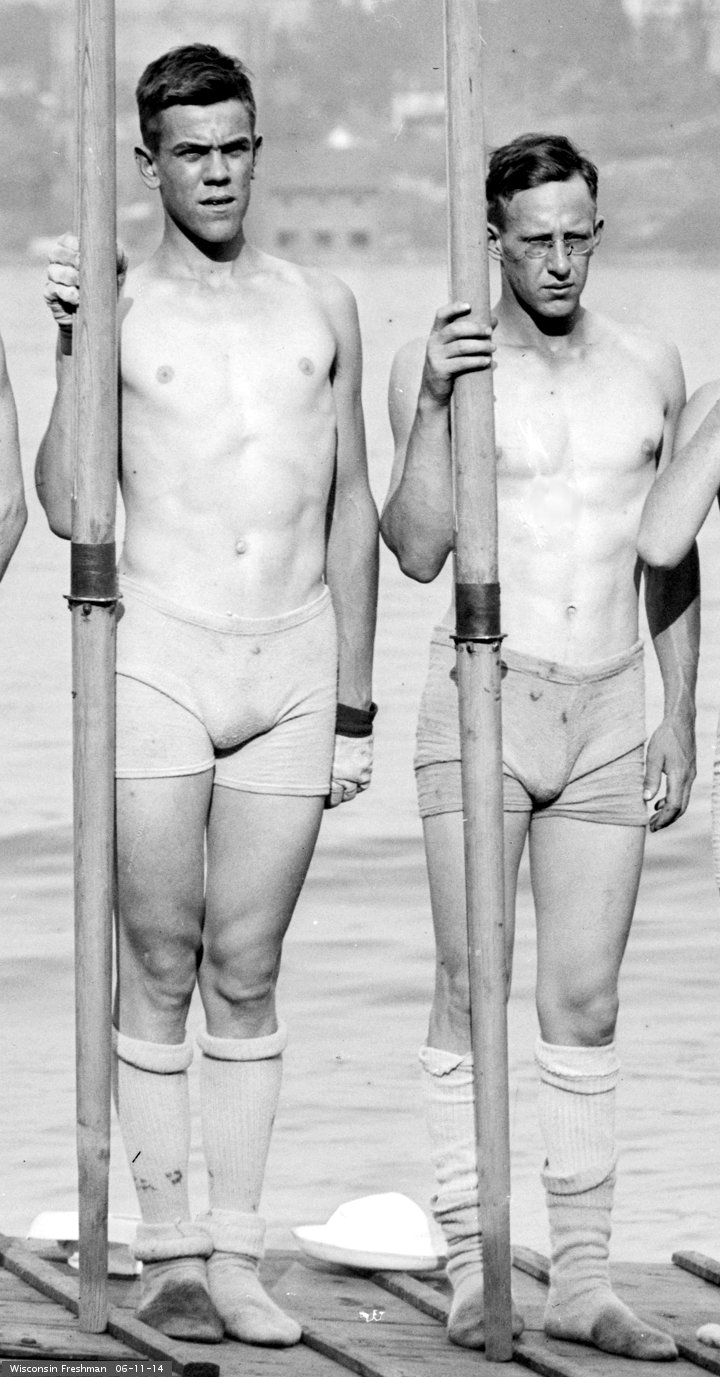

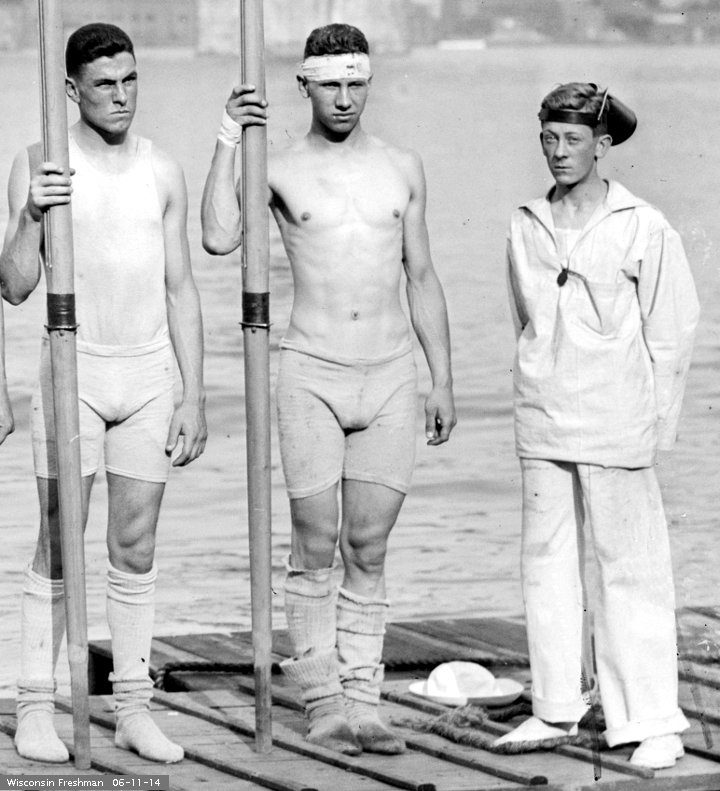




Charcoal Grills In Oakland Parks
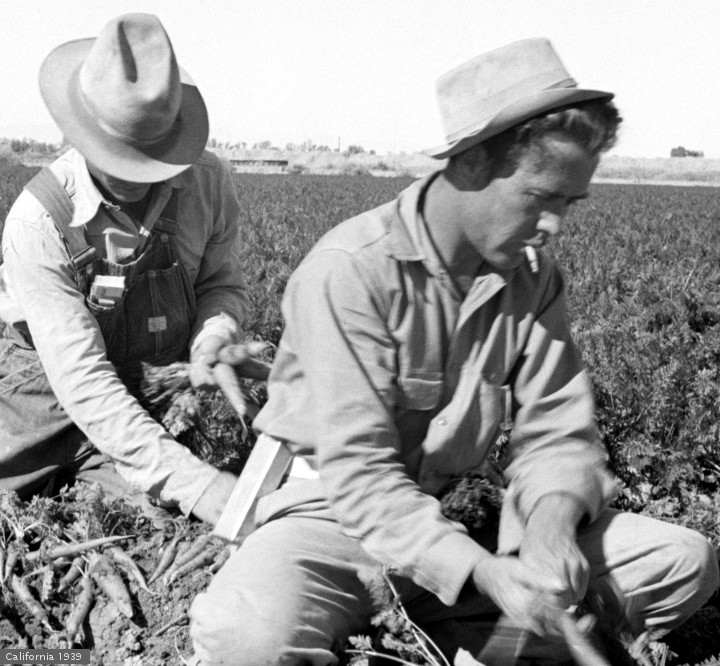

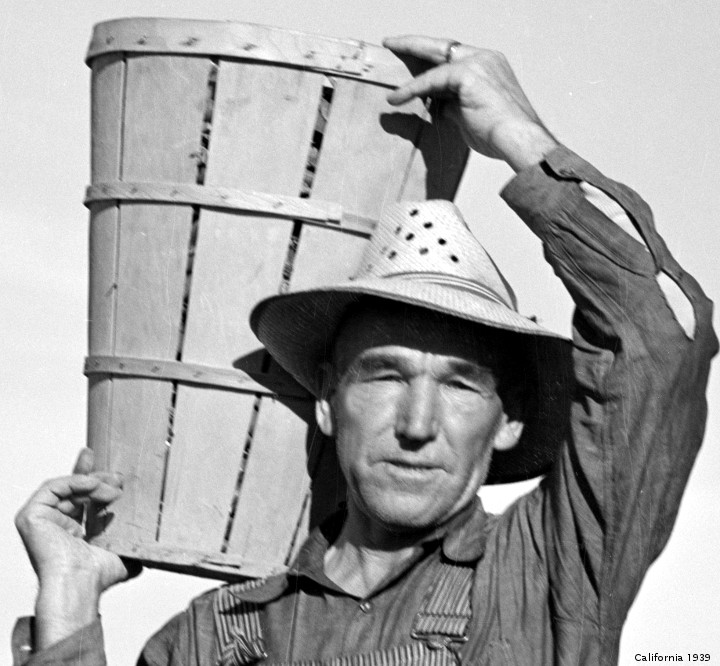



Woman Calls Police On Black Family For BBQing At A Lake In Oakland You have probably heard about this story. There is a series of *viral memes* featuring the caller, a well fed white woman. While the optics of the situation are unappealing, “BBQ Becky* might be right about one thing.
The City of Oakland has published a guide to barbecuing in the park. It clearly states “Non-Charcoal Portable Grilling: Allowed in designated areas only.” Find BBQ Locations in Parks goes into more detail. “Charcoal grilling is only allowed in designated areas where stationary grill pits have been installed. Please do not remove hot coals from pits. Non-charcoal grilling is only allowed in designated areas. You may bring in your own portable non-charcoal grill. Your grill can not be wider than 27 inches. Please note: Charcoal grills are not allowed in non-charcoal designated areas.” This prohibition is not race specific. Being black does not give your special charcoal burning privileges.
Is Oakland unique in regulating charcoal grills? A google search is inconclusive. DeKalb County does not appear to have any charcoal ordinances. Atlanta has “Rules Applicable to Piedmont Park Only: Grilling is allowed only in designated areas and only in grills provided. No portable grills or ground fires are allowed.” Massachusetts states “Only a few state parks allow you to bring in charcoal grills. … When using a charcoal grill, be sure to cool and dispose of your used charcoal in a fireproof container.” Burning charcoal is not a right guaranteed by the Constitution.
Why would a government want to restrict use of portable charcoal grills? Sacramento enacted a barbecue ban once. ““The parks facilities continue to become drier and increase our fire risk,” said Sacramento County regional parks director Jeff Leatherman. “This would prevent people from walking to an open space and setting up a barbecue.”
“Why might charcoal grilling be limited? Here are some potential reasons. Charcoal is carbon based and can be a polluter. A recent American Lung Association report suggested that the combination of traffic, dry weather, and wildfires have led to more soot in California. In fact, SFgate.com writes, “The Bay Area was alongside parts of the Central Valley, which after years of improvement saw increases in the number of days with unhealthy levels of soot between 2012 and 2015, the report shows. The Bay Area ranked among the country’s 10 worst regions for what is known as particle pollution.”
“Particulate matter is typically designated by its size. Particle mass concentrations with a diameter less than 2.5 (10) micrometers is called PM2.5 (PM10). By the way, the average human hair is about 70 micrometers in diameter. The U.S. Environmental Protection Agency regulates PM2.5 because smaller particles can penetrate deeper into our lungs causing respiratory and/or cardiovascular issues. Through the National Ambient Air Quality Standards (NAAQS), guidelines are set for levels of certain pollutants over a given period of time. Places that exceed these standards may be deemed nonattainment areas, which could have significant health, economic, or political ramifications.”
According to a Huffington Post article comparing charcoal and gas grills, “Charcoal is dirtier, but can come from renewable resources; gas has a smaller carbon footprint, but is derived from non-renewable fossil fuels. Most charcoal is a funky amalgamation of things like sawdust, corn starch and lighter fluid; when it’s burned, it can result in 105 times more carbon monoxide than burning propane and lots of harmful volatile organic compounds. But, “real” charcoal, also commonly known as “chunk charcoal,” doesn’t have the nasty additives, and burning it is carbon neutral.”
Pictures are from The Library of Congress. Dorothea Lange took the pictures in California, in September 1939. The spell check suggestion for BBQing is Bobbing. This is a repost.




 Chamblee54
leave a comment