Nuts And Bolts




The display of a link on this page does not indicate approval of content.
Cops: Man shot, killed while leaving west Midtown nightclub
The Nuts and Bolts of Creating A Sexual Ethic
Lawsuit over Capitol Hill: City of Seattle loses important first round in CHOP legal battle
Big Pharma In Outrage Over Bruce Springsteen’s Latest Business Venture
Fox News Passed on Hunter Biden Laptop Story Over Credibility Concerns
Assistant Professor in Social Justice Informatics 2021 The University of Texas at Austin
GOP Senator Asks Christians to Pray for Obama’s Speedy Death
New Yorker Suspends Jeffrey Toobin for Zoom Dick Incident
Two-Story Brewery Three Taverns Imaginarium Prepares to Open at Atlanta Dairies
The 31-day campaign against QAnon
CNN’s Jeffrey Toobin made ‘shockingly sexual’ proposition to well-known media figure
Firm behind Florida unemployment mess will get $135 million state contract after all
‘She hit her face!’ Watch a Delta passenger smack a flight attendant on board plane
Rudy Giuliani faces questions after compromising scene in new Borat film
The Allusionist has left the Radiotopia network
Queer horror, queer villains, and What Keeps You Alive
City full of middle-aged White women unironically passes CAREN Act
S1E16 – Ronin on Introduction to Firearms
Girl, 8, pulls a 1,500-year-old sword from a lake in Sweden
What Stacey Abrams said about burning the Georgia flag in 1992
One Twitter Account’s Quest to Proofread The New York Times
Why Dinesh D’Souza Scandal Hit Home There’s more at stake in our leaders’ failings …
I googled “Dinesh D’Souza Scandal.” found article written by Karen Swallow @KSPrior
‘During WWII, Lipstick Became a Sign of Patriotism’ A shade of lipstick called Montezuma …
“If voting made a difference, they wouldn’t let us do it. “
Joni Mitchell: Fear of a Female Genius One of the greatest artists in popular music …
2nd juror releases statement on Taylor case, agrees ‘wholeheartedly’ with the other
Schools Are Adopting Gender Neutral Alternative To The Gender Neutral “Alumni”
Afghanistan: Vice President Threatens Those Reporting Civilian Deaths
You have probably come up against some ideas calling themselves “anti-racism.”
CEO of Expensify Urges Customers to Vote for Biden or Risk Civil War Over Trump
@JoeBiden has not denounced the #Expensify email
TRUMP’S EYES WHEN BIDEN SAID “COCAINE!” Omg! #DebateTonight
Chamblee police catch suspect after chase, crash
Expensify’s CEO explains how he made decision to tell all his customers to vote for Biden
Hilarious British “Death of Stalin” Shows How American Comedy’s Gone Wrong
Chelsea Handler Scolds 50 Cent ‘I Had To Remind Him That He Was A Black Person’
Moving towards anti-racist praxis in medicine Joia Crear-Perrya Aletha Maybank
10 Typography Terms Every Designer Should Know
‘Racism Is Death, Anti-Racism Is Life’ Says Author Ibram Kendi
Beethoven Has a First Name It’s time to “fullname” all composers in classical music.
David Bowie and Klaus Nomi’s Hypnotic Performance on SNL (1979)
AITA for cleaning poop off my female friend ~ update
Narcan as biomedical panic: The war on overdose and the harms of harm reduction
Conservatives push to discredit Facebook, Twitter, Google just days before election
Who is Judith Dim Evans? Borat 2 scene and lawsuit explained
7 Racist Slurs Which You Should Drop From Your Vocabulary
As France mourns slain teacher Samuel Paty, some question secular values
palace shaw ~ penhead24 ~ rachel dolezal ~ 125 Years of Atlantic ~ Tony Lingoes
Oakland Cemetery. ~ July 16, 2020 ~ Christopher Dickey ~ nikki ~ Georgia
problematic ~ blasphemy ~ bo knows ~ expensify email text ~ expensify
ansel adams ~ insulin ~ morticia ~ white nash ~ 10 conspiracy theories
rainbows ~ @JosephONeillx ~ rainbows ~ rainbows ~ keyboard shortcuts
cemetery symbols ~ ga voting ~ fry gnocchi ~ kill mike brown ~ FLEE AMERICA!
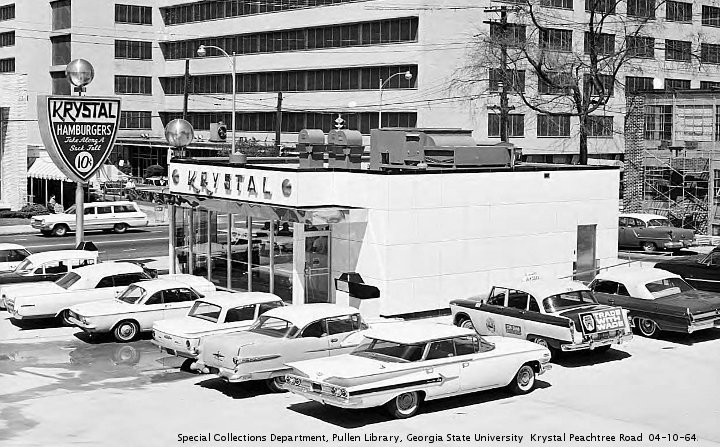
@chamblee54 @GlennLoury @JohnHMcWhorter i want to say one thing about abortion i don’t think it’s murder myself but i do think it’s death there’s a high value placed on performativeness in this culture that can sometimes be antithetical to actually helping people ~ @chamblee54 I got two pieces of Republican mail today. Both said the same thing: @JoeBiden is #racist Don’t worry about #COVID19 #Afghanistan #NationalDebt #ClimateChange #SupremeCourt Just call your opponent a #Racist This is where we are as a democracy ~ That’s Not Funny; My Brother Died That Way I’ve never really talked about what happened to Brad, because it’s just so painful to discuss. But on Oct. 11, 1995, he slammed his motorcycle into a fruit cart and flew over the handlebars, sending his head straight up the ass of a police horse. By the time the paramedics got there to pull him out, he’d suffocated to death. Frankly, I don’t see how you guys could think that kind of thing is funny. … Our family was by no means rich, and Brad’s funeral pretty much wiped out our savings. Especially since his life-insurance policy didn’t cover equine-anal suffocations. ~ University of Texas Longhorn band won’t play “The Eyes of Texas” this weekend after some members say they’re unwilling ~ Dar’shun Kendrick @DarshunKendrick Did @realDonaldTrump just say 545 kids they can’t find their parents for came over through “cartels and coyotes”?! How the hell does a coyote bring a whole human across the border?! Lord—–stop talking. #FinalDebate ~ @chamblee54 The #Expensify email harps on @realDonaldTrump promoting #VoterSuppression VOTING IS LOCAL The votes are counted by the state or the county. The federal government has little to do with it. @realDonaldTrump could not suppress the vote even if he wanted to. ~ Predominant Role of Bacterial Pneumonia as a Cause of Death in Pandemic Influenza: Implications for Pandemic Influenza Preparedness ~ facebook wants me to watch two videos Things White People Need to Stop Doing to Their Black Co-Workers – Manny Martin Do Your Research Marecellus Wiley ~ i had always assumed that to be that productive you would have to have your animal impulses totally under control but this particular scandal has made it clear what the key is it’s multitasking you indulge your animal impulses while you’re getting valuable work done ~ Second and third grade children being made up for their Negro song and dance at May Day-Health Day festivities. Ashwood Plantations, South Carolina ~ ‘I had to remind him that he was a black person’: Chelsea Handler explains why she called out 50 Cent for endorsing Trump over Biden’s supposed tax hikes for the rich ~ @BrentHBaker On Friday’s #FallonTonight, @50cent ’s ex-girlfriend, @ChelseaHandler, scolded him: “I had to remind him that he was a black person, so he can’t vote for Donald Trump.” If he denounces Trump, “I might be willing to go for another spin, if you know what I’m talking about” ~ This just appeared on my blog. It was a comment to ExpensifyFolks, what happened today with Expensify was far more dangerous than you/we realize. The CEO, David Barrett sent an email to all of the employees (ten million) of their customers promoting a political candidate without anyone’s permission. They made this arbitrary decision in the name of (in their minds) “saving our democracy”. What they did is a gross violation and abuse of ethical standards. Now…here is the dangerous part. Because they process our expenses, they know everywhere we stay, where we eat, how we travel, vendors we work with, everything that involves a monetary transaction. If they can justify their actions for this, then what is to stop them from using all of someone’s information and technology to track and cancel that person because they don’t like their political views, all justified to “save our democracy”. ~ 172.7.158.49 ~ @MikhailaAleksis So is anyone on here in for my #sexylobster costume contest? Or is it just me… @marlonb1984 Not my proudest fap ~ @ResistanceRev A whole mood! The joyful defiance of dancing in line at the polls in a “f*** 2020” Tshirt is what voting in 2020 looks like! Nothing and no one is getting in the way of our joy and our vote! #joyisanactofresistance #joytothepolls ~ pictures today are from “The Special Collections and Archives, Georgia State University Library”. ~ selah
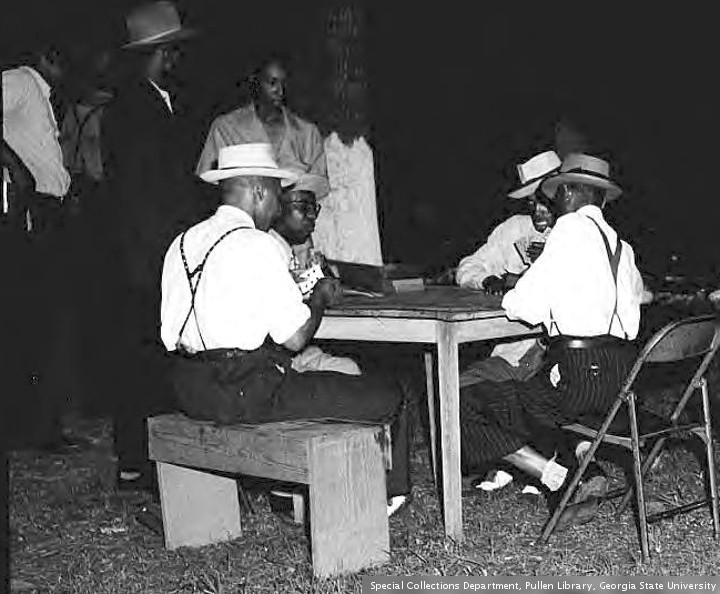

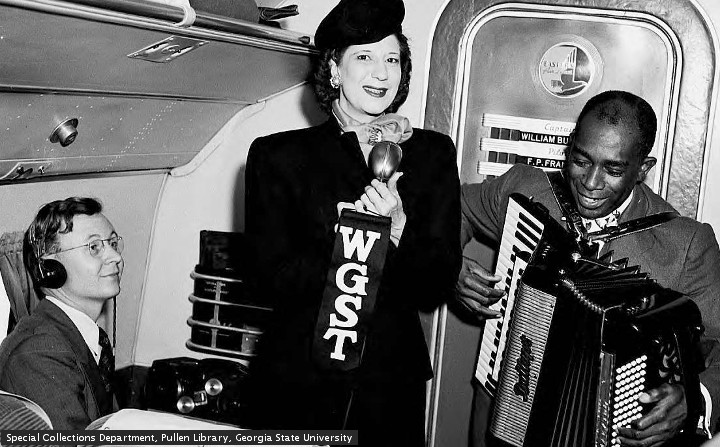

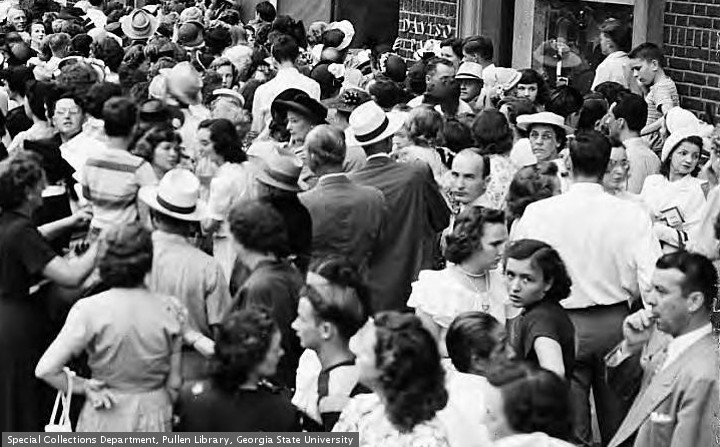
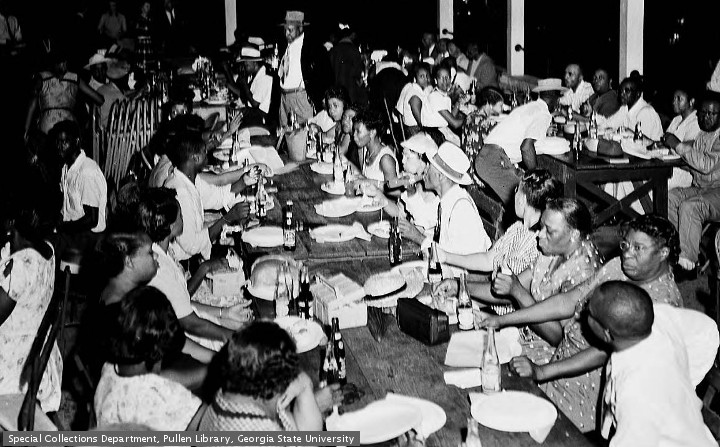
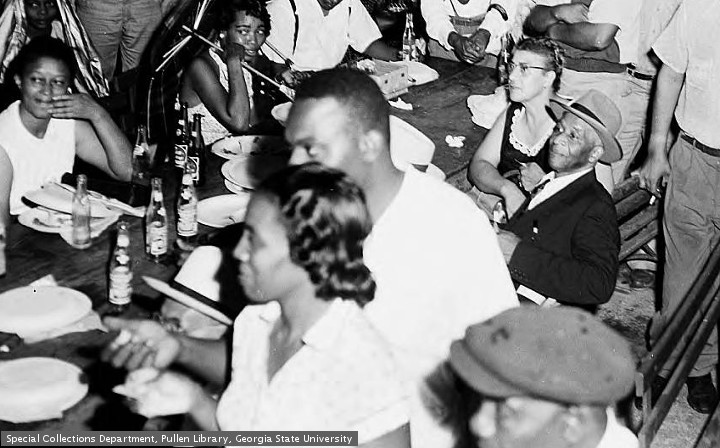

Cemetery Blues
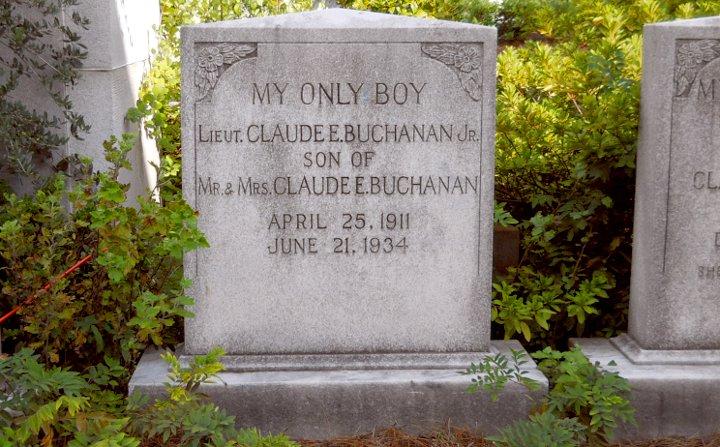
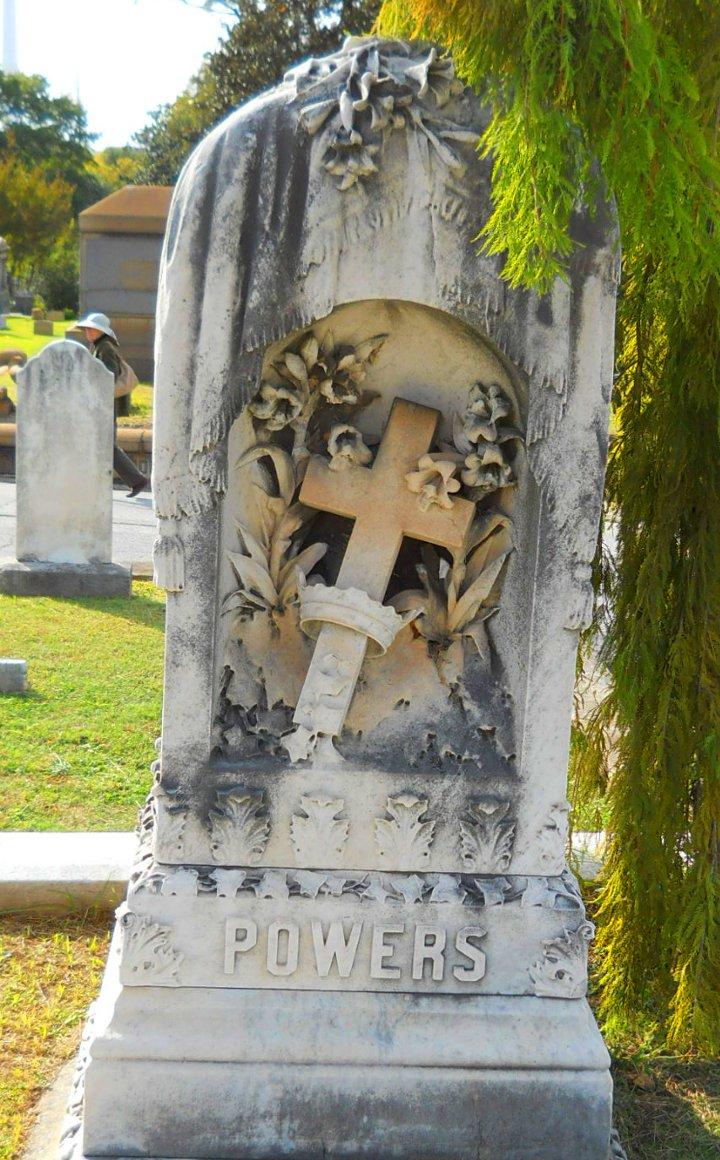


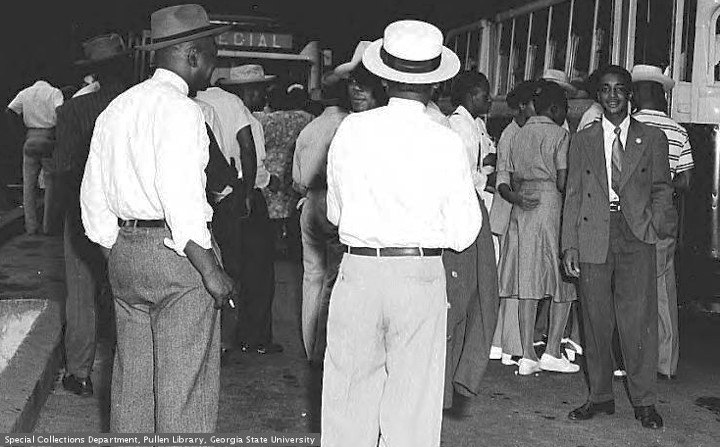
PG and Uzi had their usual Sunday phone call, and agreed to go to “Sunday in the Park”. It is a festival in Oakland Cemetery. with live music, people in costumes, open mausoleums, and lots of good clean fun. It wasn’t until that evening that PG learned that today is Dead Poets Remembrance Day. Edgar Allan Poe met his maker on this day in 1849.
There was a Chamblee54 post about DPRD two years ago. The idea is to go to a cemetery and read a poem. An effort will be made to do that tonight, although promises about dead poets are notoriously unreliable. The 2010 post is included as part two of this feature.
The first poem read that afternoon was “Looking for the Buckhead Boys” by James Dickey. In the intervening two years, PG listened to a podcast with Christopher Dickey, the son of the writer. Sometimes bard is short for bastard. Chris Dickey died July 16, 2020.
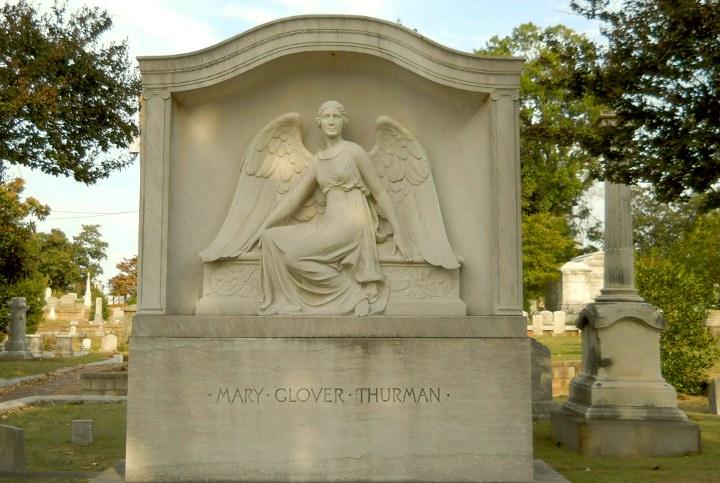
So PG, Uzi, and Hazmat went to a festival in Oakland Cemetery. Like everything else, it is more popular and expensive. You had to pay to park, which Uzi generously took care of. The brick walls around the boneyard have been repaired, and no longer look like they are going to fall down. Those walls are important, because people are dying to get inside. This is the second time that PG and Uzi have attended the October festival in Oakland Cemetery.
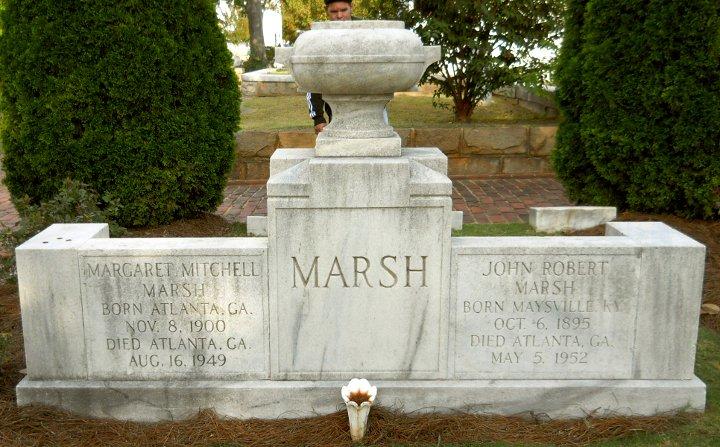
There are always things that you need to see at Oakland. Margaret Mitchell, the Lion Statue, and the mausoleums are important stops. PG followed the signs to the grave of Bobby Jones. It had golf balls and a putter, which was not necessary.
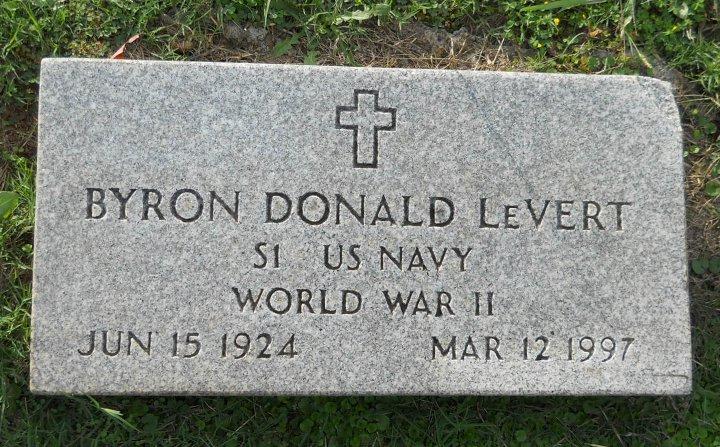
Don LeVert was a member of the Atlanta Sky Hi Club for many, many years before his departure in 1997. PG and Uzi always seek him out, and it is usually a bit of an adventure finding him.
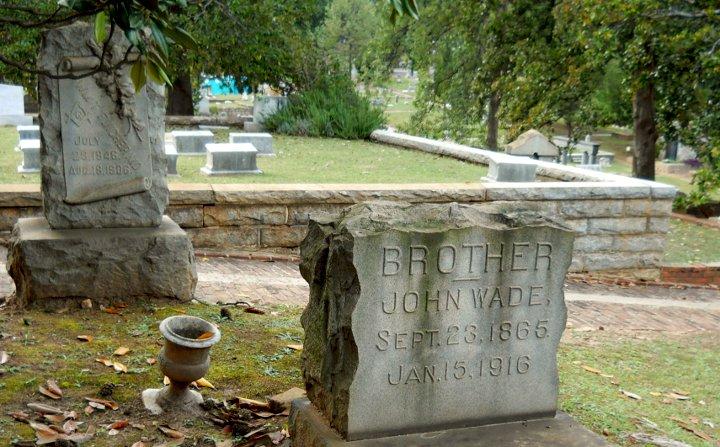
After visiting Don, PG found the marker for “Brother John Wade”. His time on earth was September 23, 1865 to January 15, 1916. This was from the autumn just after the War Between the States until 37 days before PG’s father was born in Rowland, North Carolina. There was a renewed sense of connection to the stone monuments.
On February 2, 2018, Hazmat, aka Tony Lingoes, had a fatal encounter with a hit-and-run driver.


The facebook friend said “Today is Dead Poets Remembrance Day, Oct. 7th, the day Edgar Allan Poe died. Be sure to visit a graveyard and read some poetry today”. PG didn’t have anything better to do.
The first obstacle was finding a book of poetry. PG is not a poetry person. A look at the shelf turned up a paperback, 125 Years of Atlantic. Poetry was to be found between those covers.
The book had two stickers, both saying 69 cents. At the old Book Nook, this meant that the book was half the price on the sticker. With tax, that would be 38 cents.
125 YOA had stayed in PG’s car for a few years. Whenever he was stuck somewhere with time to kill, this book was waiting. One afternoon in 1998, there was a slow day at work. PG read a remembrance by Gertrude Stein, about life in France at the start of World War II.
The cemetery of choice was connected to the Nancy Creek Primitive Baptist Church. PG has driven by this facility thousands of times. He walked past the graves until he found a fallen tree to sit down on.
The first poem was “Looking for the Buckhead Boys” by James Dickey. PG began to read out loud, and soon could smell the drug store air of Wender and Roberts. The author bought fifty cents worth of gas at a Gulf station. Today, fifty cents might buy a tablespoon of gas. Gulf was long ago bought out by BP. Wender and Roberts became a bar, which was torn down.
Buckhead is not what it used to be. When Mr. Dickey was the bravest man in Buckhead ( he took a shit in the toilet at Tyree’s pool hall), PG was not even thought of. The traffic jams on Peachtree Street are still there, as the blue haired ladies follow poets into the ground.
When PG finished reading Mr. Dickey, he put a teal postit in the book, where the poem stood. PG looked up, and the graveyard seemed different. Maybe the sun had sank a bit in the sky, and maybe the poem had changed PG in a way he could not put into words. Maybe another poem was the answer. Take the glasses off, open the book at random, and turn the pages until a poem shows up.
On page 404…the historic Atlanta area code…was “The Wartime Journey” by Jan Struther. The 1944 work was unknown territory. A group of people are traveling on a train. The wounded vet, the untried recruit, the salesmen shared the space with a lady, taking a baby for her soldier husband to meet. The theme of the rhymes was that America was totally at war, and that war is different from peacetime. Today’s war in Babylon is not like that.
Halfway through the reading, a freight train pulled by. Today, passenger trains are a novelty, and freight rules the rails. The shipment today was double decked containers, ready to pull off and slap on an eighteen wheeler.
Deaths are said to come in threes, and reading poetry in a graveyard should be the same. PG went on a random search for a Moe, to go with the Curley and Larry already digested. A page of poems by Emily Dickinson was the result. The page left PG unmoved. It was as if he was back in the sixth grade, with a horrible English teacher forcing him to memorize Hiawatha. It was time to go home.


Expensify



The story was getting attention, not all of it good. “Expensify urges millions of users to vote for Biden in email blast” The company at the center of today’s developments “is the world’s leading application for expense management, receipt scanning, and business travel.”
@expensify “Yes, we emailed all users.” Apparently, the company has upwards of 10m email addresses on file. The message in question urged users, in very strong terms, to vote for Joe Biden.
“… the only way to ensure a peaceful transition of power is to ensure this election is an overwhelming, undeniable landslide in favor of Biden. Any excuse to question the election is an opportunity for Trump to refuse to leave the White House, plunging this country into a Constitutional crisis bordering on civil war. No matter how slight that risk might be, the consequences of it happening would be so catastrophic to society and the economy, we need to do all we can to prevent it.”
Not everyone is pleased with this email blast. PG felt alienated from the Biden campaign after hearing about this clumsiness. He feels that this message is going to have the effect of turning undecided voters to President Trump. PG has already voted, and is unlikely to be persuaded by this type of nonsense. Others might react differently.
@papawhit210 “Calling on all CEO’s to cancel their subscriptions to @expensify for a serious breach of business ethics by using secure business emails for a personal political agenda. #Expensify” Mixing business and politics has long been frowned upon. This email blast involves the use of email addresses used for business communications. Many see this message as being a violation of trust.
@CSteckroth “I guess the CEO is exempt from abiding by the guidelines set in Expensify’s EULA. This is not integrity, this is abuse of customer data.” This tweet has a photo selection from the Terms of Service. “As part of your use of the Expensify Service, you agree not to do any of the following: … Send any unsolicited or unauthorized advertising, promotional materials, email, junk mail or junk messages, spam, chain letters or other form of solicitation …”
“A vote for Trump is to endorse voter suppression, it really is very basic. This isn’t about party politics: if Biden were advocating for half of the voter suppression that Trump is actively doing, then I’d be fighting against Biden, too. This is bigger than politics as usual: this is about the very foundation of our nation.” Voter suppression is presented as the number one reason to vote against President Trump. This tactic worked very well for Stacey Abrams.
The truth is that elections are locally governed. In Georgia, the majority of election administration is done by the counties. Other states may be different. The federal government has very little impact on the way elections are conducted. President Trump could not suppress the vote, even if he wanted to.
While the email did not mention race, we should note that racism is a key part of voter suppression culture. Calling President Trump a racist is a proud tradition with Democrats. Is warning about civil war a dog whistle, saying that President Trump is a racist?
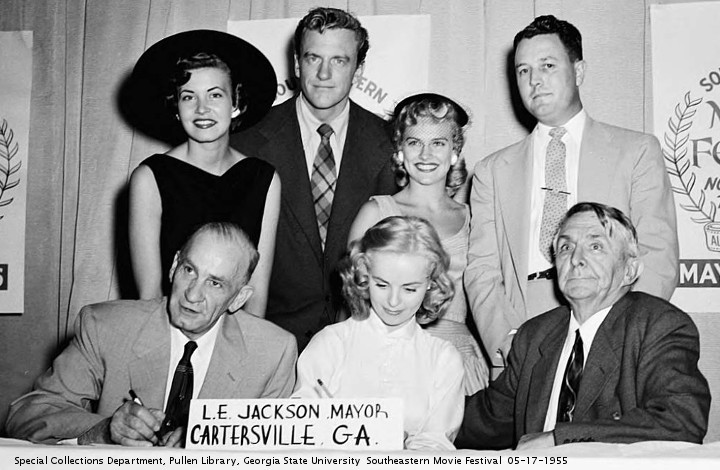
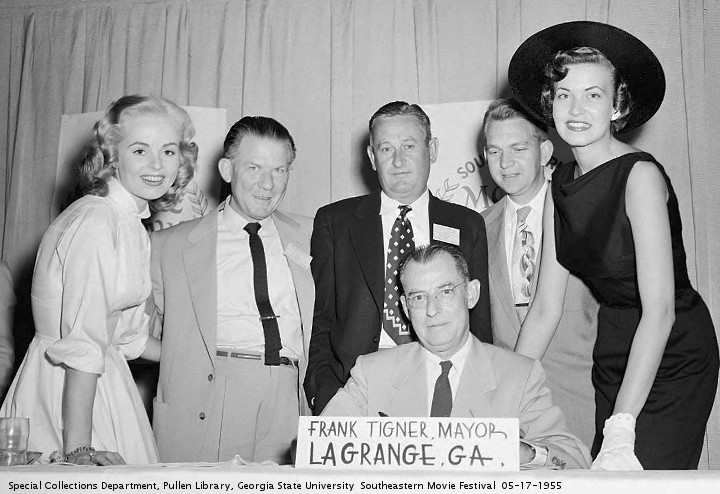
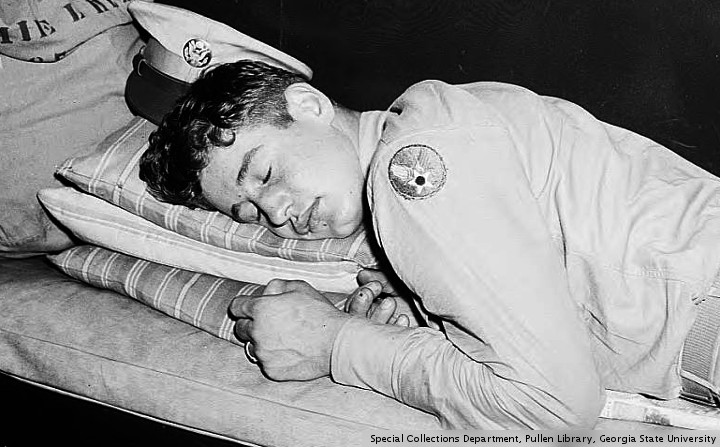
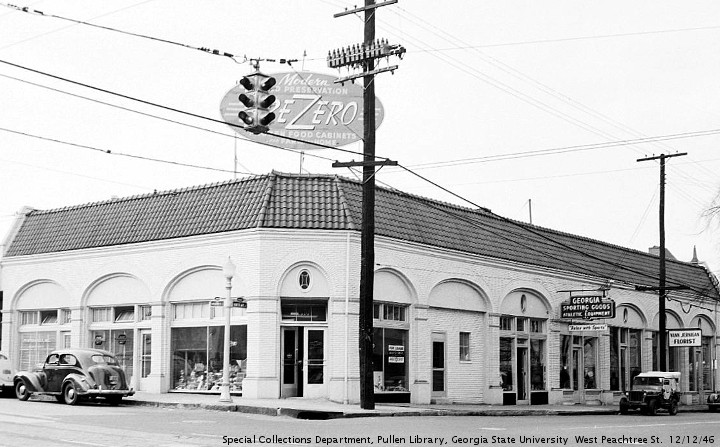
@KathyGrosskurth “I deleted it without reading. Guess I need to read it to see what all the fuss is about! #Expensify” It is tough to say how much the #ExpensifyEmail will influence the election. Many people have already voted. Many, many more have their mind made up. Pictures today are from “The Special Collections and Archives, Georgia State University Library”.


Early Voting






PG took his brother GP to early voting. Georgia/Dekalb county sent PG an absentee ballot in the mail, which he did not ask for. He considered trying to cancel it, but decided that was too much work. The AB was mailed in last week. It is a great relief to ignore the political noise, with a clear conscience.
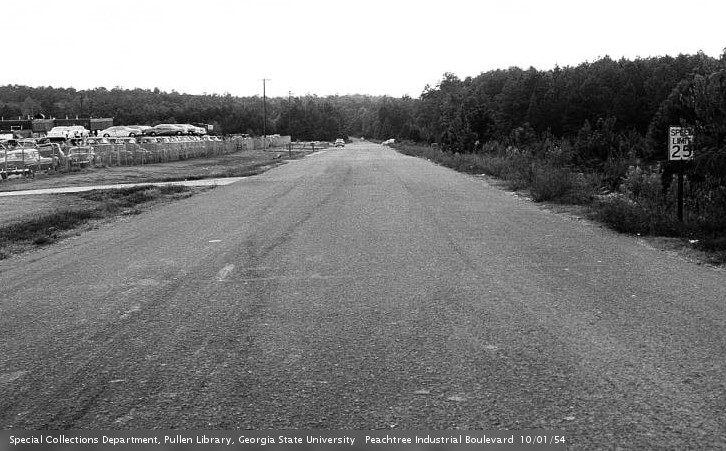
Early voting is conducted at a gym, on Will Ross Court in Chamblee. WRC is the type of industrial side street you would never notice. By coincidence, PG used to go there. A company printed labels there. PG used to raid their dumpster, to get stickers for his pictures. Eventually, the label company got an enclosed dumpster, and PG had to go elsewhere.
A few years later, a duplex neighbor worked at the label company. Bob was a short guy, who always held a lit cigarette. Bob has a series of roommates, most of whom had been in prison. Bo, Bob’s bf, was one. One time I noticed that Bo was missing. Bob said that he was “out of town.”
Bob and Bo were always nice to PG. Eventually, they got evicted. The landlord said that they did not fight the eviction, but just said ok, and moved.
Dozens of yard signs marked the roads to the voting place. The label company building company now houses ZYCI. “CNC Machining with Urgency for the Aerospace, Defense, Robotic and Commercial Industries.” The building is painted bright colors.
The plan was to drop GP off at the front door, and go find a parking spot. There was an empty spot behind him. When you go early voting, and there are lots of empty parking spots, that is a good sign. There had been horror stories about the first day of early voting. PG questioned the wisdom of having much publicized early voting, without the capacity for election day. Perhaps the way early voting is conducted should be re-thought.
At 1:05, PG decided to record the time. He had been parked for about 10 minutes. At 1:06, GP walked up to the vehicle. Pictures today are from The Library of Congress.











Why Did The 1956 Legislature Change The Flag?



What Stacey Abrams said about burning the Georgia flag in 1992 The New York Times decided to show a picture of a younger, slimmer Stacey Abrams burning the Georgia state flag. The year was 1992. The state flag had the Confederate battle flag embedded. People were asking the legislature to change that. Miss Abrams was a student activist. This is a repost.
The NYT article sparked a twitter dogpile, about the motives of the Georgia legislature in 1956. PG remembers 1993, when the initial proposal to change the flag was made. Changing The Flag is an account of those years. If you have a minute, you should read that post before going any further. The people who wanted to change the flag introduced an argument. They said that the legislature changed the flag, in 1956, as a protest against integration. PG never believed that. One afternoon in 1994, PG found a newspaper article that supported his point of view. After that, PG did not think much about the issue. The flag was changed in 2000 and 2003.
The issue has a few shades of gray. The reason given in 1956 was honoring the Confederacy. In 1993, the 1956 legislature was said to be protesting integration. The emotions of honoring the Confederacy, and denouncing integration, are not entirely separate. Many of the same people, who are proud of the Confederacy, are white supremacists. To an outsider, they can seem like the same thing. PG can understand how someone not familiar with Georgia could mistake the two.
The debate, over the motive of the 1956 legislature, was never necessary. The flag, featuring the Confederate battle flag, was seen as a symbol of racism. Many people were offended by this flag. Why not just say we should change the flag for this reason, and not worry what the legislature was thinking? However, this was not good enough. People needed some more ammunition for their fight. The notion that the flag was changed as a protest against desegregation was born. PG never heard, before 1993, that the flag was changed as a protest against integration. People believed this notion without any evidence, just because somebody said so. 1994 was 38 years after 1956. Very few people in 1994 were active in 1956. The argument in favor of the changed-to-protest-integration notion had two parts: (1) Because I said so, (2) if you disagree you are a racist idiot.
@KevinMKruse No, she burned the old *Georgia* flag, which had been designed specifically by white supremacists as a show of defiance to desegregation in 1956. Let’s dig in. @chamblee54 The Flag was not changed as a protest against desegregation. Changing The Flag @KevinMKruse I literally wrote a book on this, but congratulations on finding a blog post. @chamblee54 I wrote the blog post. If you read the post, you will see I did research. Did anyone say at the time that the new flag was a protest? Do you have a link to this?
@jdtitan Luther, would you say you’re a racist idiot, or more of a stupid racist? @whoopityscoot Hahahahahahah. I just read your blog post. Sir, you are a moron. @ashleystollar That’s like saying the Civil War wasn’t fought over slavery. @Duranti “emotional pride for the traitors to America” @The_SquidProQuo You found one old newspaper article and felt compelled to argue the point huh? Stupid is a hell of a drug. @theDiff_Kenneth I read your blog post and I would like that 10 minutes of my life back. Your “evidence” was an announcement article that supported the flag change and omitted any overtly racist comments. Your writing style is close to unreadable and your investigative skills do not exist. @kingbuzz0 If you ever find yourself in the position of arguing of (insert subject) in the South had nothing to do with (insert stand in for outright racism), you have a bad argument. It’s all racism, always, every time.
@JoshCStephenso You found a single article? Maybe you would trust a paper written by the Deputy Director of the Georgia Senate Research Office – a chamber that is majority R? This tweet was helpful. The report was written in 2000, before the a new flag was driven through the legislature. If you have the time to read the complete report, it is worth your time. If not, a few quotes will be posted here, along with a few helpful comments.
The first Confederate flag looked a great deal like the Union flag. In early battles of the war, the two flags were often confused. “The commanding Confederate officer at the Battle of Bull Run, General P.T.G. Beauregard, determined that a single distinct battle flag was needed for the entire Confederate army. Confederate Congressman William Porcher Miles recommended a design incorporating St. Andrew’s Cross.”… “The St. Andrew’s Cross – the flag’s distinctive feature – had its origin in the flag of Scotland, which King James I of England combined with St. George’s Cross to form the Union Flag of Great Britain. It is believed that St. Andrew, the patron saint of Scotland since A.D. 750. and brother of the apostle Peter, was crucified by his persecutors upon a cross in the shape of an “X” in A.D. 60. White southerners, many of whom traced their ancestry to Scotland, very easily related to this Christian symbol.” “Other flags such as State regimental colors were used by the Confederacy on the battlefield, but the battle flag, although it was never officially recognized by the Confederate government, came to represent the Confederate army.”
At first, use of the battle flag was restricted to historic events. It wasn’t until the fifties that the flag began to be used by those who fought integration. In 1954, Brown vs. Board of Education was handed down by the Supreme Court, ordering the integration of schools. The Georgia legislature went into resistance mode, and spent a lot of time denouncing integration. The senate research office devotes page after page to these efforts. Finally, “In early 1955, John Sammons Bell, chairman of the State Democratic Party … suggested a new state flag for Georgia that would incorporate the Confederate Battle Flag. At the 1956 session of the General Assembly, state senators Jefferson Lee Davis and Willis Harden introduced Senate Bill 98 to change the state flag. Signed into law on February 13, 1956, the bill became effective the following July 1.”
“Little information exists as to why the flag was changed, there is no written record of what was said on the Senate and House floors or in committee and Georgia does not include a statement of legislative intent when a bill is introduced – SB 98 simply makes reference to the “Battle Flag of the Confederacy.” … “Many defenders of the flag, including former governor Ernest Vandiver, who served as the Lieutenant Governor in 1956, have attempted to refute the belief that the battle flag was added in defiance of the Supreme Court rulings. Vandiver, in a letter to the Atlanta Constitution, insisted that the discussion on the bill centered around the coming centennial of the Civil War and that the flag was meant to be a memorial to the bravery, fortitude and courage of the men who fought and died on the battlefield for the Confederacy.”
This is where it gets murky. It is apparent that the legislature was obsessed with integration. The circumstantial evidence, of the flag being changed as a protest of integration, is there. However, there is no smoking gun. There are no apparent statements, from 1956, saying that this change was made to protest integration. This detail seems to have sprung up in 1993, without having been widely mentioned in the 37 years since 1956. The newspaper article PG found does not mention a protest against integration, and does mention a desire to honor the Confederacy.
“The argument that the flag was changed in 1956 in preparation for the approaching Civil War centennial appears to be a retrospective or after-the-fact argument. In other words, no one in 1956, including the flag’s sponsors, claimed that the change was in anticipation of the coming anniversary. Those who subscribe to this argument have adopted it long after the flag had been changed.” This is contradicted by the newspaper article, and statements by “Governor Griffin’s floor leader, Representative Denmark Groover … “anything we in Georgia can do to preserve the memory of the Confederacy is a step forward.” As for the after-the-fact argument, you could say the same thing about the notion that the flag was changed as a protest against integration.
“There was also some opposition to the change from the state’s many newspapers. The North Georgia Tribune argued that: “….There is little wisdom in a state taking an official action which would incite its people to lose patriotism in the U.S.A. or cast a doubt on that part of the Pledge of Allegiance which says ‘one nation, unto God, indivisible…’ So far as we are concerned, the old flag is good enough. We dislike the spirit which hatched out the new flag, and we don’t believe Robert E. Lee…would like it either” “The Atlanta Constitution also thought that the flag change was unnecessary for the simple fact that “there has been no recorded dissatisfaction with the present flag.” The newspaper article PG found in 1994 was from the Constitution. Even though they were opposed to the change, they did not attribute this change to a desire to protest integration.
“When the flag change was first proposed, it received resistance from groups that one would think would have highly favored the change – various Confederate organizations including the United Daughters of the Confederacy (UDC). “They made the change strictly against the wishes of UDC chapters from all the states that form our organization,” said Ms. Forrest E. Kibler, legislative chairwoman of the Georgia UDC. … The Executive Board of the Georgia Division of UDC had passed a resolution on January 11, 1956 opposing the proposed changes to the flag, citing that the Confederate battle flag belonged to all the Confederate States – not merely to Georgia – and placing it on the Georgia flag would cause strife. … Also opposing the new flag was the John B. Gordon Camp of the Sons of Confederate Veterans. This group protested against all uses of the battle flag except in commemoration of the Confederacy, or by the official use of the Daughters of the Confederacy, the Sons of the Confederacy, and the Children of the Confederacy.” This opposition was touched on in the newspaper article. This is one of the more confusing aspects of this affair.
“While many questioned the political and philosophical motives of the flag change, there were others who considered the change to be an unnecessary expense that would burden taxpayers, since Georgia law required every public school, and all public institutions to fly the state flag. In voting “no,” Representative Mackay said that the present flag was “a symbol of sacred memory” and that “the change puts every flag owner in Georgia to unnecessary expense.” Alleviating the financial concerns of many, sponsors of the bill pointed out that those institutions required to fly the new flag will replace the old flag with the new one only as present flags wear out. Questions were also raised on whether anyone had a copyright on the flag design which would entitle them to royalties – a charge denied by John Sammons Bell and Representative Groover.”
John Sammons Bell is a name that keeps coming up. From 1954 to 1960, Mr. Bell was Chairman of the State’s Democratic Party. He was, by all accounts, an enthusiastic segregationist. One of the jaw dropping moments in the senate report was this: “Bell, a one-time supporter of Governor Ellis Arnall, once had the reputation of being a “liberal” on race issues.”
When the state senate report was issued, in 2000 (6 years after PG found the newspaper article, and dropped out of the argument,) Mr. Bell had a few comments. “He wanted to forever perpetuate the memory of the Confederate soldier who fought and died for his state and that the purpose of the change was “to honor our ancestors who fought and died and who have been so much maligned.” He has also argued that the flag was not redesigned in reaction to and in defiance of the 1954 Brown decision… “Absolutely nothing could be further from the truth … every bit of it is untrue. ”
“On March 9, 1993, (Denmark) Groover moved many Georgians when he stood in the House well to address his colleagues on the subject of the state flag. In an emotional speech, he acknowledged that the flag is offensive to some and conceded that, “I cannot say to you that I personally was in no way motivated by a desire to defy. I can say in all honesty that my willingness was in large part because … that flag symbolized a willingness of a people to sacrifice their all for their beliefs.” Mr. Groover offered a compromise, which included a smaller version of the battle flag. A flag similar to that was adopted in 2000, only to be changed again in 2003.
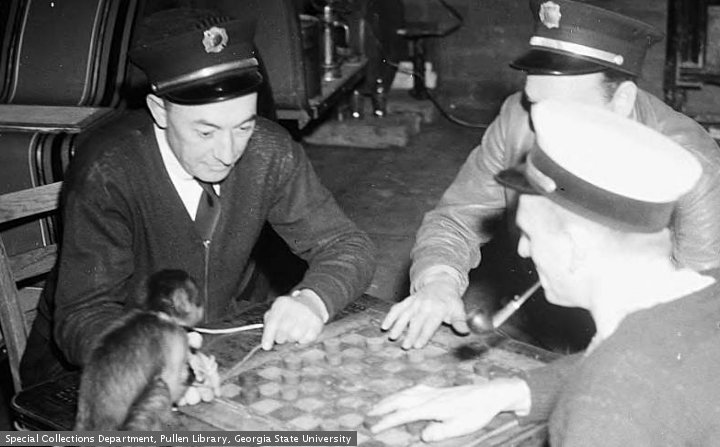
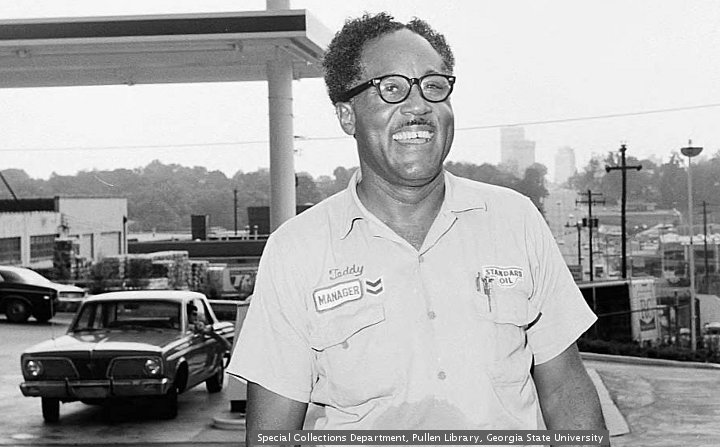
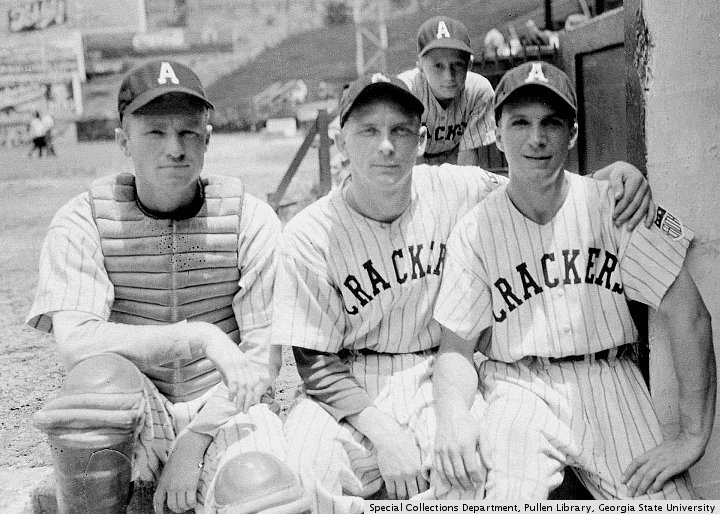
To sum up, the Georgia state flag was changed in 1956. The new flag contained the Confederate battle flag. Many people were offended by the 1956 flag. PG thought it was ugly. Many others saw it, with some justification, as a symbol of racism. For some reason, speculation about the motives of the 1956 legislature. 18 years after the passage of a new flag, people are still arguing over the motives of the 1956 legislature. Pictures for this gratuitous waste of bandwidth are from “The Special Collections and Archives, Georgia State University Library”. .




Rainbows



Lately, I have been walking to the gym. It is about 1.4 miles one way. I go there, do my workout, and walk home. One consequence is not riding the stationary bike, and listening to podcasts. When it is a good story, this can be transformative. It is an magical escape from one place, into another.
Today, I chose to listen to a story while walking home. The story was Rainbows, by @JosephONeillx. It was one of the good ones. By the time I went through the railroad underpass off Peachtree Road, my pace had grown even more glacial than normal. I did not want to miss a single detail. It did help that I was off the busy main road, whose loud traffic drowned out the action.
Listening to a story, as opposed to reading it, is a different path for the information. The author’s voice telling the tale is a more intimate connection that reading dead tree text. In this story, the reading author is a man. I assumed the lead character, Clodagh, was also male. When a Aoife, the daughter, appeared, and a husband named Ian, I just thought this was just the trendy New Yorker. It wasn’t until much later in the story, that it dawned on me that Clodagh might be female. The gender is never confirmed one way, or the other.
The story is rather disturbing. (Spoiler to follow) Aoife is being sexually harassed at school, and files a complaint. The boy who gets metooed is the son of a laundry owner. Clodagh Nolastname is a VIP customer. (This all happens in New York. Clodagh is not poor.) The Chinese laundry lady tells Clodagh to take her business elsewhere. Clodagh is mortified that it was not handled family-to-family, but through the authorities.
I continue to walk through a glorious October afternoon. The leaves are still mostly green. The election is in two weeks, and we will see what becomes of the anti-christ POTUS. The story ends when I get into the house, and I listen to the credits. Theme music is by North American Plastics, which somehow sounds as New Yorkeresque as not knowing whether mom is a man, or a woman.





Pre-K Anti-Racism



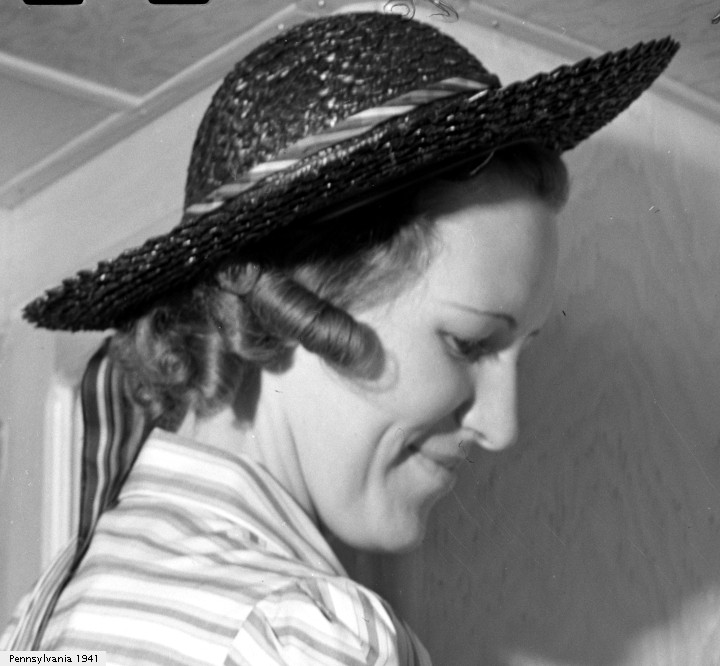
The facebook meme interrupted the cheerful October apathy. The meme was about an article, My 2-Year-Old Doesn’t Seem to Care About Being Anti-Racist. The colorful graphic did not have a link to the story, so PG googled the title. Soon, there were lots of options for Pre-K social justice education. Pictures today are from The Library of Congress.
The headline story was on Slate. The format is the anxious letter to an advice columnist. The subtitle was “Have we screwed up somehow?”
“Dear Care and Feeding, My husband and I (we’re white) have a 2-year-old daughter and are doing our very best to be anti-racist parents. We’re making sure she has lots of multiracial dolls, only consumes books and TV shows with diverse characters, has no problematic Halloween costumes, and so on. But when we try to discuss issues like structural racism, intersectionality, or White fragility, she doesn’t seem at all interested. She often walks away, asks for a cookie, or even falls asleep! Have we screwed up somehow? Has society’s disdain for the perspectives of marginalized people already infected her? How do we get her to appreciate the urgency of the conversation around deconstructing white supremacy? — Anti-Racist Mom.”
This is where the free story ends. “The rest of this article is only for Slate Plus members. Sign up to get more Care and Feeding every week. For just $35 for your first year, you’ll also get…”
Some of the results are boring. Anti-Racism for Kids … Is most notable for this observation: “ ‘I don’t know that I’d sit down with a 3-year-old and say, ‘Let’s talk about racism,’ says Dr. Schonfeld.”
6 easy ways … hits on a persistent theme in woke literature. “As humans, we are hard-wired to identify with members of our own community, which is why we will never live in a post-racial society. So-called color-blindness as a parenting strategy amounts to complicity in the problem.” Somehow, being color blind is seen as a bad thing. Whatever.
The dependably woke Washington Post populates their paywall with What white parents get wrong about raising antiracist kids … “One of the biggest misconceptions white parents have is that their children don’t notice race unless it is pointed out to them. The underlying assumption is that children only become racist if they are taught to be. In fact, research clearly shows the opposite: Kids develop racial prejudice unless their parents or teachers directly engage with them about it.”
In her book Why Are All the Black Kids Sitting Together in the Cafeteria? And Other Conversations About Race,” “Spelman College psychologist Beverly Tatum writes that “cultural racism — the cultural images and messages that affirm the assumed superiority of Whites and the assumed inferiority of people of color — is like a smog in the air. Sometimes it is so thick it is visible, other times it is less apparent, but always, day in and day out, we are breathing it in.”
“So kids breathe this racially charged air — and if their parents and teachers don’t help to explain to them what race means (and what it doesn’t), kids start to create their own narratives. They often infer that racial hierarchies exist because of innate differences between people of different races and so start to believe that whites are privileged because they are inherently better and smarter.”
Some of this material is by “experts.” There are probably people who disagree with these observations, and a lot of exceptions to the rules. PG knows next to nothing about raising children, and is a bad person to have opinions here. Still, PG shakes his head at this: “Looking for a way to talk about race with your preschooler? Try baking. Crack open a white egg and then a brown egg, and show your kid how they’re the same inside. Or you can present your child with two gifts—one wrapped in ribbons and glitter, another in crinkled newspaper. Fill the sparkly one with dirt and the other with a shiny bracelet. Then get the conversation going: ‘Can you really judge what’s inside by the outside?'”
Or this. “White- centeredness is not the reality of [the white child’s] world, but he is under the illusion that it is. It is thus impossible for him to deal accurately or adequately with the universe of human and social relationships.” If you were to substitute black for white here, someone would call you racist. And they would be correct. Sweeping generalization, based on skin color, usually are.
The last result on page one is an NPR interview with children’s author Renee Watson, and Ibram X. Kendi. “I want to go back to “Hair Love.” I think it’s important to bring in books that allow readers to see black people living their everyday lives. We don’t want to teach children that black pain and struggle is the only part of black life. But I also think it’s important to just let young people see that black people live lives. And they do their hair. And they play outside. And they have fun and that that is an important part of the conversation, too.”











Seemingly Patriotic Message



The display of a link on this page does not indicate approval of content.
Why we are raising money to get reports on Utah’s ‘troubled teen’ treatment centers
The Literature of White Liberalism The popular new genre of antiracist nonfiction …
Did George Orwell have inside knowledge because of membership of the Fabians?
Anti-Defamation League: Group behind banner recruits with seemingly patriotic message
I Survived The Halle Synagogue Terror Attack. Here’s Why I’m Worried About the Left
Why does the Supreme Court have nine Justices?
How Elmore Leonard Really Wrote His Novels—According to His Characters
wired for books ~ Elmore Leonard 1985 ~ Elmore Leonard 1987
Pittsburgh mail carrier under investigation is apparent QAnon conspiracy theorist
Trump’s Great “Unmasking” Hoax Is Finally Dead
Joe Biden is the luckiest, least scrutinized frontrunner
Brookhaven woman died due to hotel’s negligence, daughter claims in lawsuit
Кирпичи. Шаболовка. 1996 год Аутентичный формат видео режиссёр
RFU clears trans women to play non-international women’s rugby in England
Smoking-gun email reveals how Hunter Biden introduced Ukrainian businessman to VP dad
Hunter Biden’s alleged laptop: an explainer – you are stupid to be upset over this
Twitter explains why New York Post story on Hunter Biden was blocked
Hiding behind high-stakes testing: Meritocracy objectivity inequality in U.S. education
‘Straight to Gunshots’: How a U.S. Task Force Killed an Antifa Activist
Reinoehl acquaintance: ‘I don’t have sympathy for him’
Man Linked to Killing at a Portland Protest Says He Acted in Self-Defense
Stop Being Shocked American liberalism is in danger from a new ideology
Criticizing Israel isn’t anti-Semitic, say 80 percent of Canadians
Lingthusiasm Episode 49: How translators approach a text Before starting to translate …
The Moral Panic over ‘Sexualisation’ When I was running a streaming adult movie site …
Facebook and Twitter Cross a Line Far More Dangerous Than What They Censor
Metoidioplasty met-oh-id-e-oh-plas-tee it does not work very well so why bother
13-year-old working in front yard killed in drive-by shooting, family says
Man opens fire in the middle of Neiman Marcus to stop robbers attacking him, police say
Factional warfare erupts in New York Times over the 1619 Project
How Fast the Machine Can Get Out of Hand
Mark Twain Didn’t Say That Thing About Obituaries
Google Date Range Filter Simplifies Search Results Yesterday, a curious thing happened.
Rantz: At least 118 Seattle police officers left department in mass exodus
Gang member pleads guilty to 2017 White Castle slashing in Elmhurst: DA
Residents on edge after KKK cards appear in yards with Biden signs in Tennessee
Democrat Jon Osoff Calls Out David Perdue’s Sleazy Pandering To MAGA
lashonda griffin ~ midtown 1974 ~ mcgardle ~ jordan petersson ~ west end
advocacy ~ weekends ~ Arthur Jarrett Simpson ~ breaking point ~ repost
cache biden story ~ vietanam 1965 ~ patti smith ~ joe maini ~ joe ancis
no respect ~ 50 jokes 4 kids ~ rubbing alcohol ~ Melissa Phruksachart ~ feminists ~ cup foods
facist anagrams as i facts ~ Bret Stephens, who is not on twitter, was on Bloggingheads recently. He said “i like writing columns it’s power without responsibility” ~ Breonna Taylor grand juror responds to Kentucky AG’s request to prevent juror from publicly speaking until after state appeal ~ On May 5, 1965 ‘The Warlocks,’ who would later be known as the ‘Grateful Dead,’ played their first show, at Magoo’s Pizza Parlor in Menlo Park, California ~ Maybe the problem is the way we do early voting. Is everyone supposed to show up on the first day? On election day, all the polls are at full staff, and sometimes don’t work. However, for early voting, do you have all the locations at full staff? Is that feasible? So, what happens when big crowds show up on the first day of EV? We get insane waiting times. Of course, Georgia being Georgia, we say it is voter suppression and racism. ~ The words of Jesus were spoken in Aramaic, written down in Greek many years after his death, and included in a Catholic anthology 300 years later. We don’t know how the words of Mr. Trump will look in 300 years. ~ Facebook, Twitter make editorial decisions to limit distribution of story claiming to show ‘smoking gun’ emails related to Biden and his son ~ ~ @AliMCollins Please be mindful that “merit” is an inherently racist construct designed and centered on white supremacist framing that justifies who IS and ISN’T worthy of education, safety, justice, empathy… basically humanity ~ @chamblee54 @robertwrighter @kausmickey our level of confidence that trump is corrupt is a hundred percent our level of confidence of biden is corrupt has just zoomed from zero percent to one point five “now we’re packing the court asshole” ~ @travis_view Big day in the “JFK Jr lives” sect of QAnon as the man himself is expected to reveal himself and replace Pence as Trump’s running mate at the Dallas rally. ~ @ossoff My opponent, GOP Sen. David Perdue of anti-Semitic attack ad infamy, just mocked Sen. Harris’ name as “Kamala-mala-mala-whatever” at a Trump rally. We are so much better than this. What do you mean “anti-Semitic attack ad infamy”? I have not seen anything like this from @sendavidperdue Are you are playing the faith card, to make a cheap shot? Thank you Mr. .@ossoff for not making a vulgar joke about your name the campaign slogan ~ I just received the political phone call from hell. The lady had a thick accent, and it was a struggle to comprehend what she was saying. She had a poor phone connection. She asked to speak to Kathleen Mckinnon, who does not exist. For some reason, the Republican phone database thinks there is somebody named Kathleen living here. The questions focused on the GA06 race. There was a list of characteristics, asking me whether they applied to Karen Handel or Lucy McBath. One of these characteristics was “too extreme” which tells me that this horrid phone call was sponsored by Karen Handel. What a horrible way to try to influence voters. ~ pictures for this october surprise monday morning are from “The Special Collections and Archives, Georgia State University Library”. ~ selah




Be Kind To Your Enemy

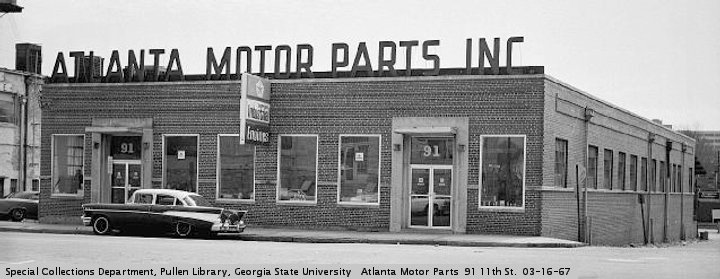
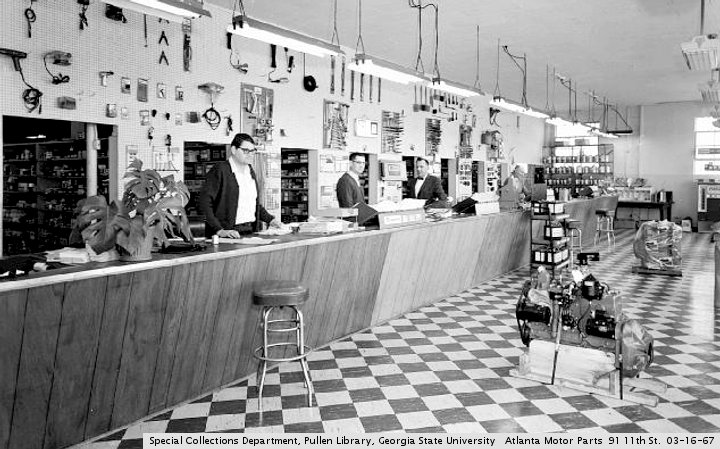

Did Jesus say to “Love your enemy”? Some believe this, and do it. Some claim to believe this, and practice the opposite. There are others who claim to love their enemies, but you have to understand what they mean by it. It can be very confusing. This is a repost.
PG went to a source for documentation. Oh, the blessed conjunction of copy paste with public domain. When PG entered enemy (singular) in the search engine, 100 verses came up. When the request was made plural (enemies), 237 entries popped up. The last mention of enemies is Revelation 11:12 “And they heard a great voice from heaven saying unto them, Come up hither. And they ascended up to heaven in a cloud; and their enemies beheld them.” Loving your enemies does not include bringing them to heaven with you. There is also the star of the show.
Matthew 5:44 “But I say unto you, Love your enemies, bless them that curse you, do good to them that hate you, and pray for them which despitefully use you, and persecute you.”
There is scholarly debate about what Jesus did, or did not, say. The words available to modern man have been copied by hand, edited, translated, and interpreted. PG does not know Aramaic from Alabama. Like anyone else, PG can only read and listen, and think for himself.
In a sense it does not matter what Jesus “really” said. The cult of Jesus Worship is going to believe what it wants. More important, it is going to practice what it wants. As far as the difference between what Jesus “really” said, and what his believers say and do…they can explain.
What follows is a humble suggestion. Maybe the translators and scribes got it wrong. Maybe Jesus did not say to love your enemy. Maybe what Jesus said was to show kindness to everyone. This is a practice thing, rather than a belief thing.
It is not as much fun to be nice to someone, as it is to scream about life after death. Kindness does not need to be justified by a quote from a magic book. You just need to do it.
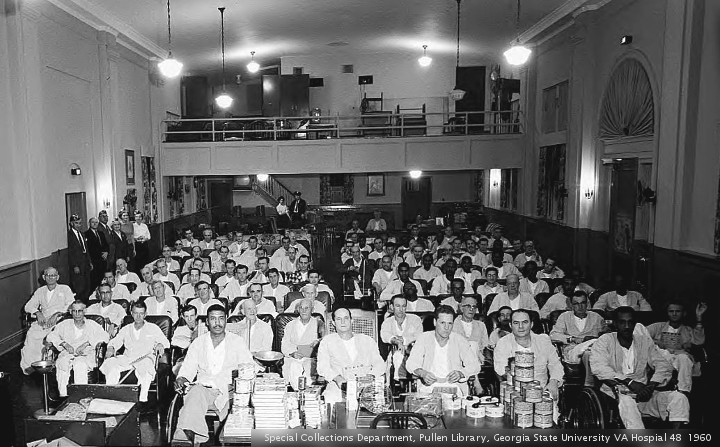
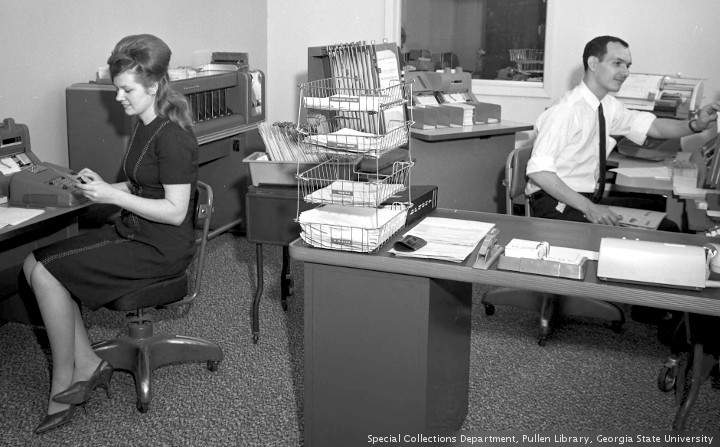
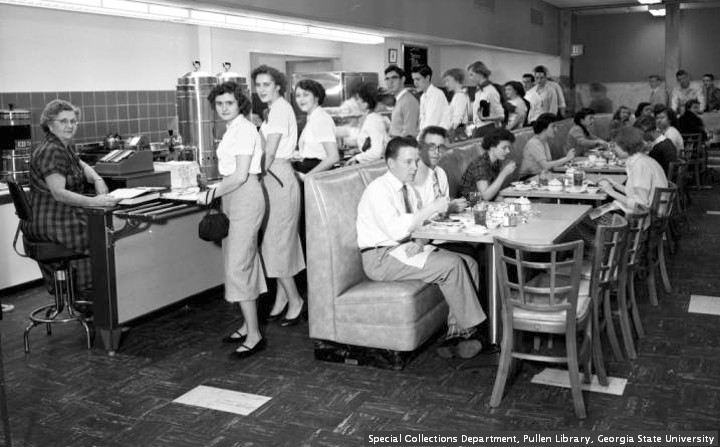
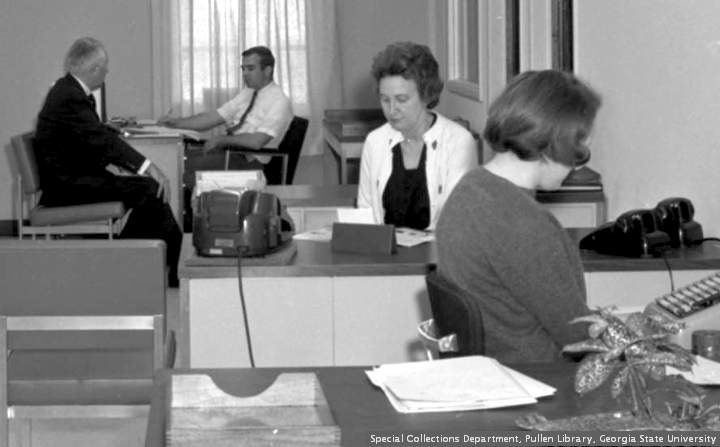
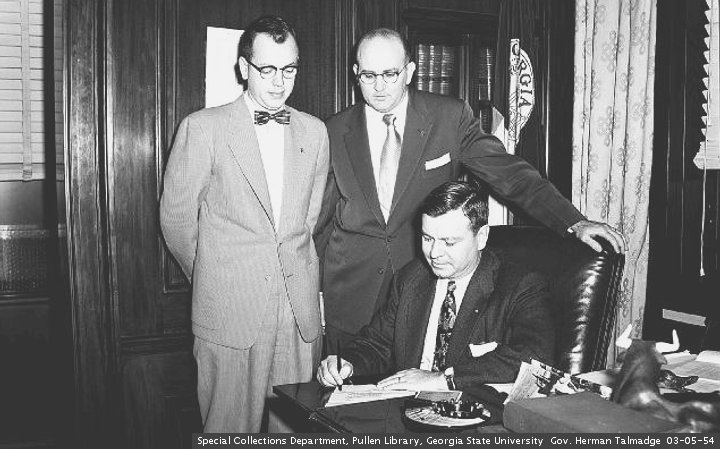
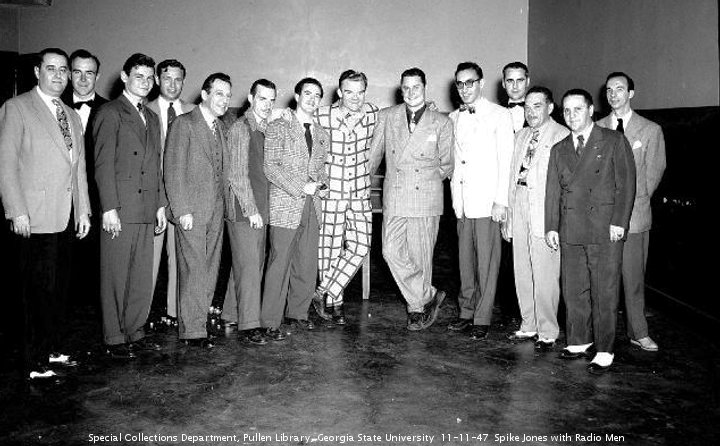
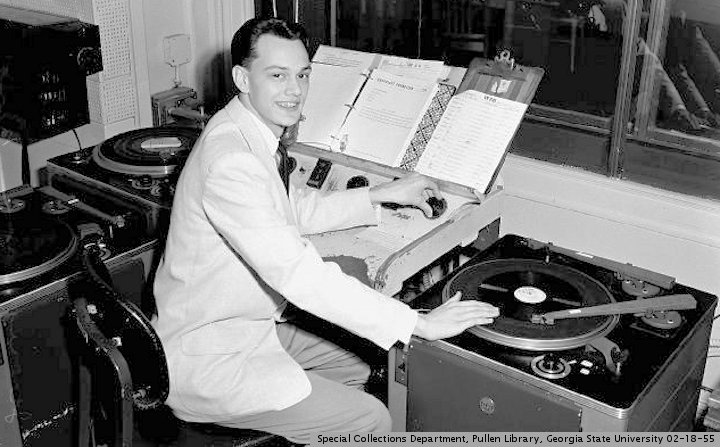
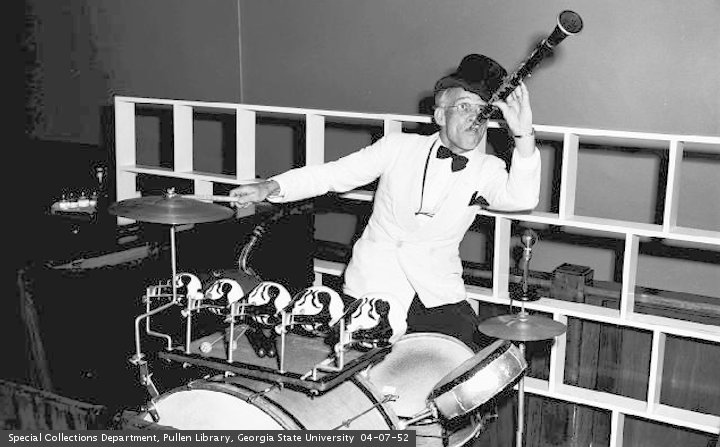
Pictures are from “The Special Collections and Archives, Georgia State University Library”.



Where Is That Place


This blog has an email address listed. It is seldom used. The host is a faded internet company that rhymes with booboo. Once proud email has become a spam magnet. The email address there is checked every once in a great while. Yesterday was one of those times. There was a surprise.
Friday, June 5, 2015, 2:52 PM
Do you know exactly where the Agora Ballroom was in the Georgia Terrace Hotel Also I am trying to locate photos of the following locations – Does you any that we can use? Please let me know ASAP – I am on an extremely tight deadline need photos by Monday morning if possible. Exteriors or interiors are great. Please let me know if you have any.
12th Gate Coffee House (located on 10th street in Midtown,) Club 112 (located at Lavista and Cheshire Bridge,) Lenny’s (either or both of their two locations in the Old Fourth Ward,) Great Southeast Music Hall (either or both of their two locations Lindberg Plaza or Cherokee Plaza,) Echo Lounge (located in East Atlanta,) Hedgens (located in Buckhead,) Agora Ballroom (located in Georgia Terrace hotel,) Muelenbrink’s Salon (located at the Underground.) Joeff Davis Photo Editor Creative Loafing
Thursday, July 9, 2015 11:12 PM
Hey I apologize for the tardy answer. I don’t use this email very often
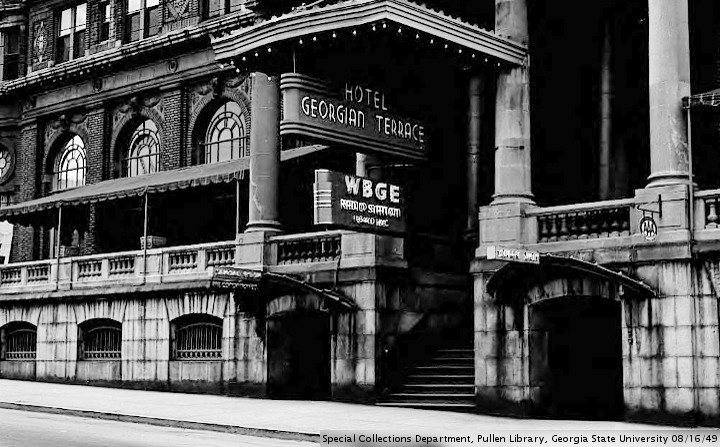
The Agora was at the end of an alley off Peachtree. It was next door to the Ga Terrace Hotel, though not in the Hotel building itself. The ballroom was in a fire in the early eighties, and was torn down. I don’t have any of the pictures that you needed a month ago.
Friday, July 10, 2015, 11:49 AM
Thanks here is the piece we did: That was then, this is now.
Friday, July 10, 2015, 1:21 PM
Hey thanks for getting back to me. The article was cool, even without my contribution. This seems like a good excuse for a blog post. I have a some comments about some of the locations listed. For instance, my mother bought groceries at the Cherokee Plaza A&P every thursday for 37 years.. I would like to use your letters, and link to your article, in my post.
Chamblee54 has had posts about four notable Atlanta performance venues: 688 Spring Street, Georgian Terrace Ballroom, The Great Southeast Music Hall, and Richards. Two were on the list of requests. As for the other two, 688 Spring Street, home of Rose’s Cantina and 688, is now a doc-in-a-box facility, Concentra Urgent Care. The site of Richards, across from Grady stadium on Monroe Drive, is now the meat department at Trader Joe’s.
The CL article, That was then, this is now, is fun to look at. There are some good pictures. There are a couple of mistakes in the piece, which this post will try correct.
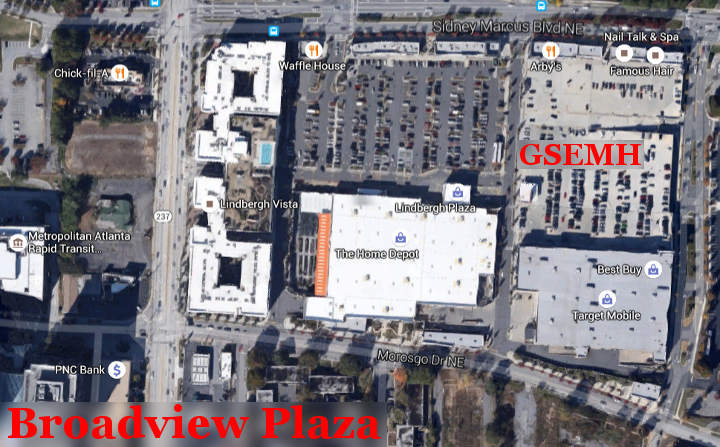
The Great Southeast Music Hall is the scene of many cherished memories for those of a certain age. The post linked here has more comments than any other Chamblee54 post. There are two google earth images, one for Broadview Plaza, and one for Cherokee Plaza.
In Broadview, (now known as Lindbergh something or another,) the Music Hall was in the corner of an L shaped building. The space is currently a part of the parking deck for Target. According to google earth, the Home Depot takes up almost the entire parking lot of the old shopping center.
In Cherokee Plaza, the space where the Music Hall was is the south part of a Kroger. CL says it was in the parking lot, which simply is not so. This parking lot is too small, which is one reason the Music Hall failed there. In the nineties, the A&P expanded, and took over the space occupied by the theater. In 1998, A&P closed their Atlanta operations. The stores were taken over by Kroger.
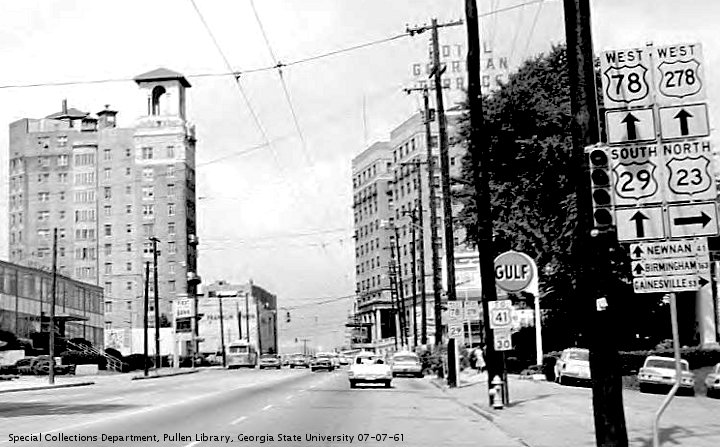
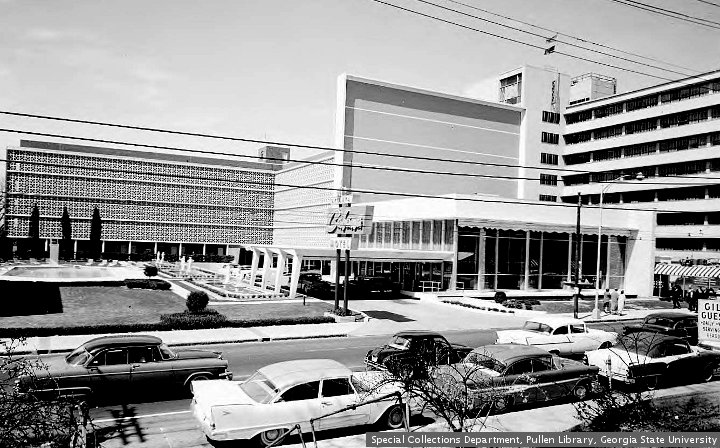
The third google earth image is for the intersection of Peachtree Street and Ponce De Leon Avenue. This is the location of the Georgian Terrace Ballroom. This was the setting of Alex Cooley’s Electric Ballroom and The Agora Ballroom. This facility was in a fire, and torn down. An annex to the Georgian Terrace Hotel was built. This annex is roughly where the Ballroom was.
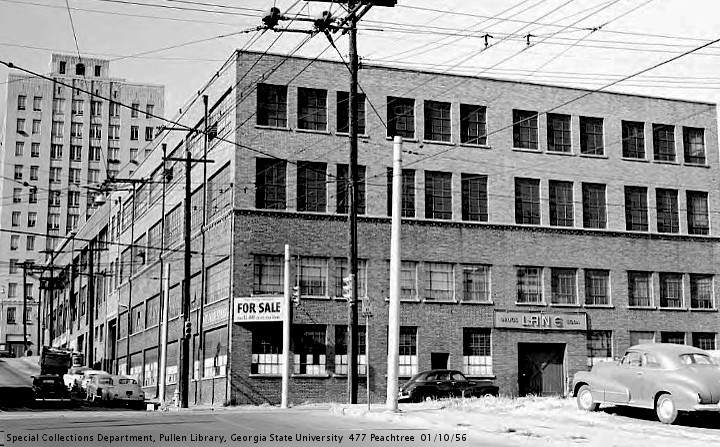
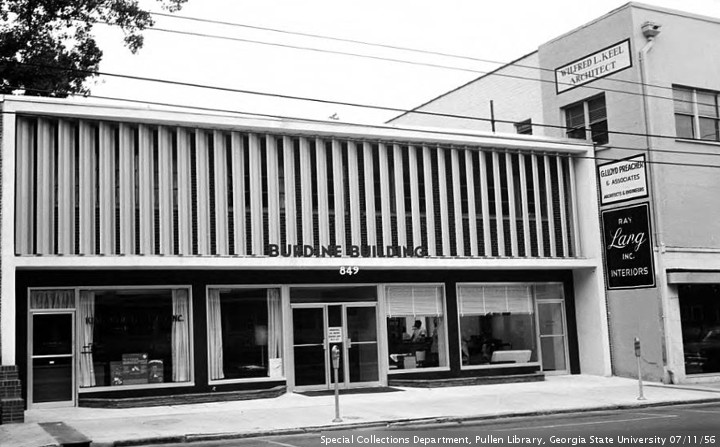
One of the places CL mentions was Backstreet. A picture of Lang Interiors, on Peachtree Street at Sixth Street, is included today.This is the building that became Backstreet. This building was a series of nightclubs in the early seventies. Backstreet opened in late 1974. It was the premier chacha palace in Atlanta for many years. When the property became valuable enough to attract the money of developers, the city discovered enough violations to shut down the party. (1974 was somewhat of a golden age for Atlanta nightlife. The Great Southeast Music Hall, Richards, and Alex Cooley’s Electric Ballroom were all in operation in 1974.)
Club 112 catered to an African American clientele. The space had been many businesses over the years, with a Fred Astaire dance studio next door. Around the time Backstreet was getting started, the space was called the Locker Room. A drag show, featuring the Hollywood Hots, performed there. The Locker Room was a “private club,” and was able to stay open on Sunday night. It was the only place open on Sunday, and was packed. The Locker Room was owned by Robert E. Llewellyn, who was later convicted of having a business rival murdered.
The 12th gate was in the middle of the block, somewhere on tenth street. It was not on the corner of Spring Street. A seedy Jim Wallace gas station was nearby. This place was mostly before PG went out much. There is a hazy memory of seeing the Hampton Grease Band there. After the show, Mr. Hampton walked up to PG, holding a thumb and finger making a circle in front of one eye. Mr. Hampton asked PG what sign he was.
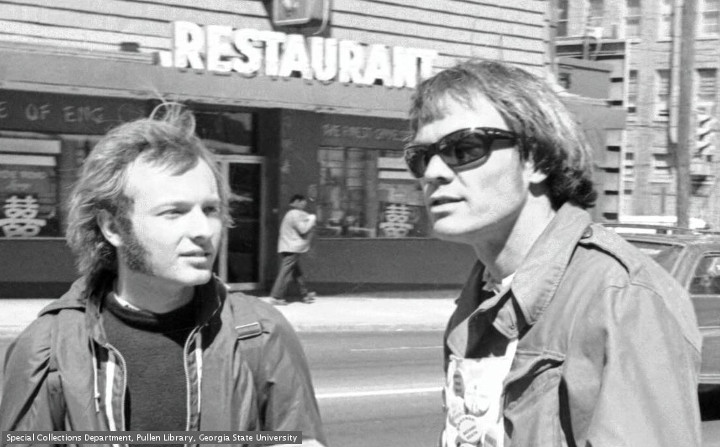
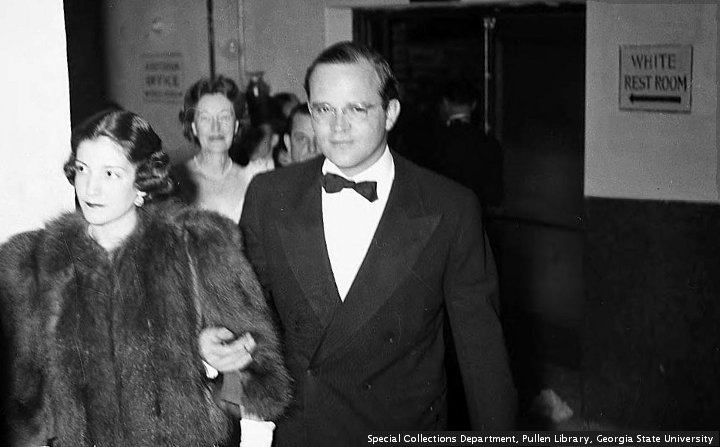
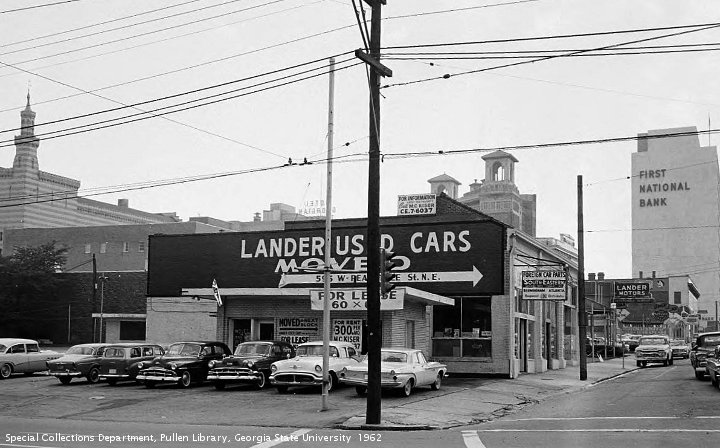
By the time Lenny’s was in business, PG was a retired drunk. He seldom went downtown after dark. Somehow, the party went on without him. Pictures today are from “The Special Collections and Archives, Georgia State University Library”. This is a repost.





leave a comment