Coat Of Many Colors


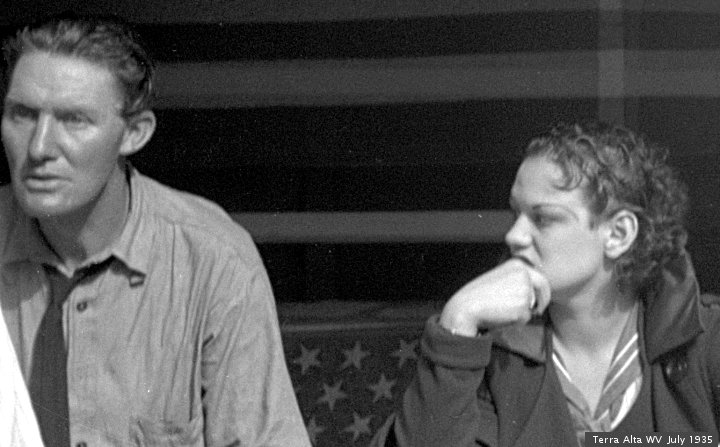

PG saw a story, and thought about the song, “Coat of many colors.” The b side was by Porter Wagoner, “Coat of many sequins”. COMC is about a woman who is too poor to buy her little girl a coat at the store, so she makes a quilt. The other kids make fun of her, but little Dolly knows that the coat is really made of love.
The song talks about a story in the Bible. PG had heard about the story, but didn’t remember the details. He must have been daydreaming in Sunday School when that story was taught. With the help of google, Genesis 37 appears, as if by magic. Pass the popcorn.
2 These are the generations of Jacob. Joseph, being seventeen years old, was feeding the flock with his brethren; and the lad was with the sons of Bilhah, and with the sons of Zilpah, his father’s wives: and Joseph brought unto his father their evil report.
3 Now Israel loved Joseph more than all his children, because he was the son of his old age:
and he made him a coat of many colours.
4 And when his brethren saw that their father loved him more than all his brethren, they hated him, and could not speak peaceably unto him.
Ok, hold on for a minute. Israel had at least two wives. The Biblical definition of marriage must be between a man and two women.
The story gets a bit weird here. Joseph has this dream, where he becomes the boss hog brother. The other brothers decide something needs to be done, that Joseph needs to die. Reuben tries to help Joseph, and has a plan to save him. Joseph is stripped of the coat of many colors, and placed in a pit, with no water. Before Reuben can sneak Joseph out of the pit, a camel caravan comes by. Twenty pieces of silver change hands, and Joseph is sold into slavery. The brothers decide to pull a cover up, and make it look like Joseph was dead. Reuben made another sandwich.
31 And they took Joseph’s coat, and killed a kid of the goats, and dipped the coat in the blood;
32 And they sent the coat of many colours, and they brought it to their father; and said,
This have we found: know now whether it be thy son’s coat or no.
33 And he knew it, and said, It is my son’s coat; an evil beast hath devoured him;
Joseph is without doubt rent in pieces.
34 And Jacob rent his clothes, and put sackcloth upon his loins, and mourned for his son many days.
35 And all his sons and all his daughters rose up to comfort him; but he refused to be comforted;
and he said, For I will go down into the grave unto my son mourning. Thus his father wept for him.
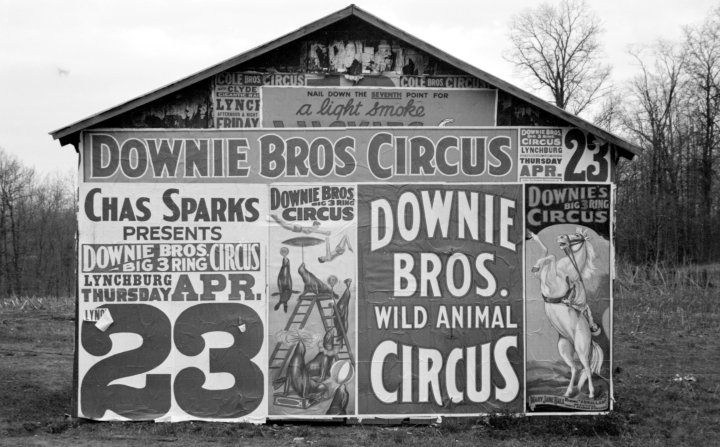
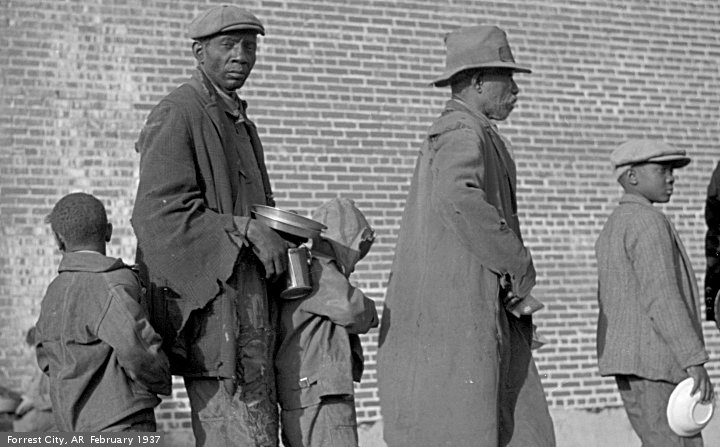
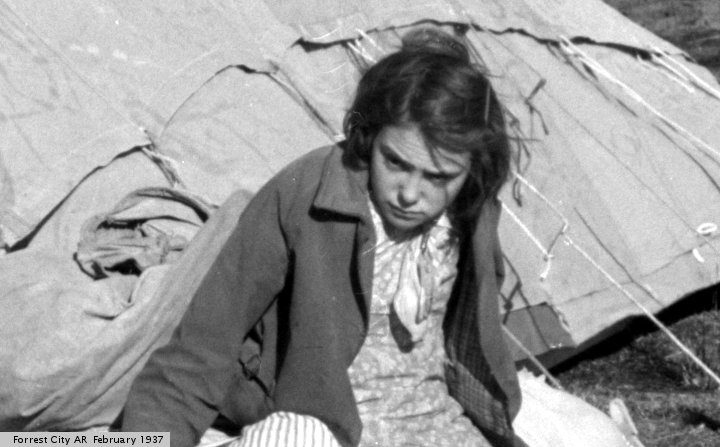
This feature was originally posted in 2012. The pictures are from The Library of Congress.


@sarahjeong




Between 1950 and 1953, American soldiers fought in the Korean War. Nearly 40,000 Americans died in that war. While exact figures are not readily available, it can be safely assumed that many, if not most, of the American soldiers who died in Korea were white. This is a repost from 2018.
In 1988, Sarah Jeong was born in South Korea. When she was three, she moved to the United States with her parents, who had student visas. Ms. Jeong grew up in the United States, and became a naturalized citizen in 2017. “I’m a very privileged person. And I am, like, completely documented. Everything’s in order, and I’m educated. I speak English. I don’t have that much to be afraid of.”
Sarah Jeong was hired to a prominent position at the New York Times. A collection of tweets came to light, with Ms. Jeong saying hateful things about white people. A controversy ensued, and the NYT issued a statement of support. Sarah Jeong is the internet sensation of the hour.
Andrew Sullivan published a commentary, When Racism Is Fit to Print. It was widely denounced. Many took issue with its thesis that the controversial tweets are racist. @Bro_Pair I wonder if anyone at NY Magazine knows how demoralizing it is to young writers to see Andrew Sullivan, an ardent white supremacist & scientific racist, attain the lifelong perch Sarah Jeong would be denied for 100% inoffensive tweets @KaivanShroff Andrew Sullivan’s piece is problematic in many ways. But the main point of foolishness is YOU CANNOT BE RACIST AGAINST WHITE PEOPLE. You can only be prejudice against a dominant race. Racism is about in-group vs. out-group power. In the American context whites are in-group.
To PG, the racism issue is beside the point. Maybe Ms. Jeong is racist. Maybe she is prejudiced but not racist. Maybe she is bigoted, but not prejudiced or racist. Whatever. To-may-to to-mah-to. Maybe a better comment about her twitter account comes from a colleague.@mslopatto Congrats to my pal and yours @sarahjeong – just a shame for all of us her twitter is about to be a lot less fun.
“I engaged in what I thought of at the time as counter-trolling. While it was intended as satire, I deeply regret that I mimicked the language of my harassers. These comments were not aimed at a general audience, because general audiences do not engage in harassment campaigns. I can understand how hurtful these posts are out of context, and would not do it again,” This is the *apology* issued by Sarah Jeong. It is a classic of internet logic. The statement is convincing evidence of one central fact. Sarah Jeong is an asshat.
Twenty five years before Sarah Jeong was born, white American soldiers were fighting in Korea. Many white American soldiers died, to keep South Korea from being conquered by North Korea. When Sarah Jeong was three years old, she came to live in the United States, and did very well. (“I’m a very privileged person.) White American soldiers died so that Sarah Jeong could have this fabulous life. This is how Sarah Jeong says thank you. Pictures today are from The Library of Congress.






A Sad Event
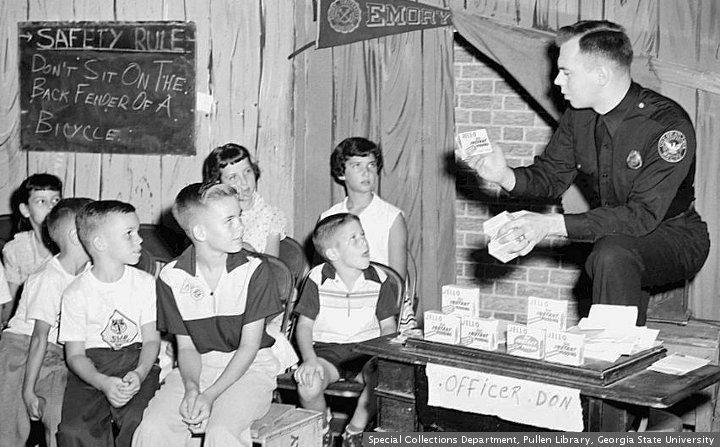



It is with the saddest heart that I must pass on the following news. Please join me in remembering a great icon of the entertainment community. The Pillsbury Doughboy died yesterday of a yeast infection, and trauma complications from repeated pokes in the belly. He was 71. Doughboy was buried in a lightly greased coffin. The funeral was held at 3:50 for about 20 minutes.
Dozens of celebrities turned out to pay their respects, including Mrs.Butterworth, Hungry Jack, the California Raisins, Betty Crocker, the Hostess Twinkies, and Captain Crunch. The grave site was piled high with flours. Aunt Jemima delivered the eulogy and lovingly described Doughboy as a man who never knew how much he was kneaded.
Doughboy rose quickly in show business, but his later life was filled with turnovers. He was not considered a very smart cookie, wasting much of his dough on half-baked schemes. Despite being a little flaky at times, he was still a crusty old man and was considered a roll model for millions.
Doughboy is survived by his wife, Play Dough, two children, John Dough and Jane Dough, plus they had one in the oven. He is also survived by his elderly dad, Pop Tart.
I am not clever enough to compose the above piece. Credit is hereby given to whoever wrote it. This is a repost. Pictures are from “The Special Collections and Archives, Georgia State University Library”. The spell check suggestion for Doughboy is Doughnut.





Tracks Hate Speech



The display of a link on this page does not indicate approval of content.
Wisconsin street preacher arrested after protesting at drag event for families, viral …
“they always say the lesbians hate the men how could that be they don’t have to [ __ ] them”
A Racist Smear. A Tarnished Career. And the Suicide of Richard Bilkszto.
Kike Ojo-Thompson: “I do not feel Canadian” a look at Ojo-Thompson’s Master’s Thesis
Transgender and Gender Diverse Children and Adolescents: Fact-Checking of AAP Policy
Appraiser can sue black professors who accused him of racism, judge rules
The real behind the wall: A look inside the infamous, deadly Fulton County Jail
Young Thug’s RICO Case: Goat Sacrifice Comes To Light – Defense Wants Removed …
Samuel Alito Just Took an Indefensible Jab at the Progressive Justices
0:38 / 54:49 A Debate on Russia-Ukraine | Robert Wright & Daniel Drezner
Cardi B Faces Battery Investigation For Throwing Mic At Fans She Told To Splash Her …
Child Illiteracy in America: Statistics, Facts, and Resources June 29, 2023
Is Literacy Declining? If it is, it’s because we academics aren’t doing our job.
Twitter Threatens Legal Action Against Nonprofit That Tracks Hate Speech
I Promise School tweaks enrollment lottery, likely to land on state’s low-performing list
Grace Jones “Little Drummer Boy” on Pee wee’s Playhouse Christmas Special
HARDWORKING AMERICANS INC Quarterly Super PAC Unauthorized ID: C00828608
New Trump Indictment Over 2020 Election. – FBI Gets Caught Again Manufacturing
Papers of John F. Kennedy. Presidential Papers. White House Central Subject Files.
What’s Going on at PRX, Part II: Immediate Aftermath Letters, Secrets, Secret Letters
What’s Going On at PRX, Part I: Behind the Reporting Kerri Hoffman in the Hot Seat
What one journalism school learned after taking over a rural weekly newspaper
Vintage Supreme Macys Supremacy Sm404 Am/FM Radio Dual Power Ac/DC works
Researchers horrified, decry rise of ‘fascism’ as students send mocking responses to …
Association humaniste du QuÉbec La voix des humanistes athées et agnostiques
gumroad ~ dominated by doug ~ jim croce ~ enneagram ~ mlk
mead ~ roseanne/blair ~ nugent ~ why do i feel ~ grace
god ~ rick chapman ~ eric edwards ~ David Volodzko ~ TT Boy TV
antifa ~ sturgis ~ grayson daughters ~ ga martyrs ~ helicopter
willie Sinéad ~ lbj ~ applied trans studies ~ faith ~ have you eaten yet?
Sheila Miyoshi Jager ~ bho ~ tony ~ blue dot daily ~ @SkyePillsbury
thisisthesqueeze ~ prx scandal 01 ~ prx scandal 02 ~ prx scandal 03 ~ prx
palace shaw ~ palace shaw ~ palace shaw ~ hands ~ tony
@tennesseetony75 ~ the macro brief ~ metoprolol ~ palace shaw ~ palace shaw
@tennesseetony75 In Memory of Tennessee Tony. – Tony passed away in April after suffering head trauma from a work accident. He was two months shy of his forty-eighth birthday. He was preceded in death by his parents, grandparents, and brother. He was cremated and his ashes spread in Smoky Mtns. ~ @the1janitor ~ Attack Helicopters and White Supremacy Interpreting Malicious Responses to an Online Questionnaire about Transgender Undergraduate Engineering and Computer Science Student Experiences ~ The thing is, whenever men pull their wieners out, homos are going to think about sex. Men’s rooms have been prime spots for many many years. While the closet plays a role, there are many flaming queens who like to get action this way. Or, just piss happy men, who see an opportunity for action. A friend of mine was in a department stores tinkle room once. This man was flogging his donkey at the urinal, when a kid came in the room. “Go outside and wait. Daddy will be through in a minute” ~ Another friend chimes in with this romantic story. He was at a local restaurant, with a dance hall attached. A young lady was talking to him, and asked him if he went to church. When he replied in the negative, she was horrified.. “what do you hang on to when your world is falling apart. Ernie ( not his real name) was struck speechless by this, and after an uncomfortable silence excused himself and went to the washroom. This loo was probably designed with anonymous sex in mind. The sinks were in the front by the door, and the urinals and stalls were in an L shaped attachment. This meant you could hear someone open the door, and had a few seconds to “act normal”…or, in police report language, use the room for it’s intended purpose. So Ernie steps up to the urinal, and before the first drops hit the porcelain the night manager was standing next to him. They had become aware of each other on previous visits, and as soon as the coast was clear they got busy. Ernie knelt in front of the night manager, and put his chewing gum in the cigarette butt strainer. The strainer was made by Swisher, and had “say no to drugs” written above the holes allowing the piss and water to flow through. Ernie leaned in the direction of the night manager, and swallowed his throbbing johnson all the way to his shaved crotch. That is how to deal with religious fanatics. ~ “I interviewed employees of many different backgrounds and ethnicities including those who identify as Black and white” ~ This is a repost from 2017. Little has changed since then. ~ @nihilist_arbys Graze mindlessly. Stare. Toil. Accept the illusion of self worth. Follow the herd. Step to the killing floor and feel your blood drain as your organs sluice through the grates. Die. Become a sandwich: fuel for the next generation of mindless automatons Eat arbys ~ elbow you said, they look the same then the light changed, and discovered a hole in the ground, to take the ticket rhyming is so obsolete in this nirvana i don’t know what a useful body part has anything to say with what you said or a poem with a suprise watusi or an expected foxtrot, which is the only dance in the nato alphabet code like whiskey is the only drink, when all i wanted was a pepsi stream of conciousness is more fun to write than it is to read i was listening to a talking .pdf today and it said molly syus when it was supposed to say malicious all i wanted was a pepsi and she wouldn’t give it to me and then the light change and ray charles discovered that it had been coca cola all all along ~ ~ An a4a pal and i have this dialog. He sent me this message: “LatinoAdventurer has a cute face, but he is 6’6″, 290 lb.!” So I went to your page, and remembered having a brief dialog with you. Of course, being 6’5″ myself, I saw your height as being a positive attribute. A big, tall, hairy man is a total delight. I remember you having a busy and productive life. If you don’t want to fit an old fogey like myself into your schedule, I totally understand. I thought a bit more, a remembered where you said to send a corny pickup line. ~ “when I was seven I thought I was a boy effort I didn’t think I was a boy I was a boy part of me was and had they been offering all this uh brainwashing horseshit that they’re doing now I would have signed up not told my parents and went out there and got my arm amputated and made into a fake wiener” ~ “the tummy tuck those was the worst because I remember they pulled your stomach down and then they cut it and stitched it and then they poked you a new belly button oh Lord yeah then I had IVF and they went back to that belly button to impregnate me I had like maggots crawling in and out about for a little while dude wait did you guys need to be eating that sauce wait was that a joke no that was true yeah dude what maggots crawling in my belly button because it got infected oh yeah my God no good I’ve almost never heard anything more horrific about his surgery that’s crazy oh all my surgeries went [ __ ] rotten bad really yeah they all they all was no good wow I mean that sounds like worse than no guns I have to be on the pain pills for years I’d be on any pill to fix maggots they came important some solution over it right and they killed them all oh my God and I did get pregnant oh my God this is the craziest I’ve never heard of something so [ __ ] up ” ~ I am reading a tgnc study, and saw the option to have it read to me. “Malicious” was pronounced “molly sigh us” ~ someone did an academic study about trans students in STEM. This is rejected “malicious respondent” #28. … Gender – “I identify as a boy when I’m getting fucked and a girl when I’m the one fucking. My dick goes inside out so it changes.” … Ethnic Identity – “I’m black on the inside but when I’m a boy I like getting my white ass fucked, you know what I’m sayin’ broh?” … Disability – “I’m sexually attracted to the thought of being eaten alive. I know this sounds like a joke, but I’m being serious. I’m a macrophile/vorephile and I jack off almost every night to the thought of a giantess women shoving me up her ass (to dip me in her sauce) and then throwing my body into her giant mouth. This isn’t a joke. I’m sexually suicidal and I jack off to death. The doctors say I have a disease but I find that really fucking hard to believe” ~ @blakecallens I’ve gathered some information and, rather than LARP as an investigative journalist, I’m going to announce it in the hopes that interested authors, like @PMatzko and @gcaw, would pick it up. The connections between BAP, @TheWorthyHouse, @NewFoundingOrg and @theblaze. 🧵 1/6S ~ pictures for the first day of school are from The Library of Congress ~ Selah


Hiroshima 78 Years Later





At 8:15 am, August 6, 1945, Hiroshima got nuked. It was the start of a new era. Since Japan is 13 hours ahead of Georgia, and standard time was used, the literal anniversary is 8:15 pm, August 5.
Tsutomu Yamaguchi was working in Hiroshima when the bomb hit. He survived, and found a train to take hime to his home town, Nagasaki.
The device dropped on Hiroshima, the Little Boy, had an estimated force of 13 kilotons of Trinitrotoluene, or TNT. A kiloton of TNT is roughly a cube whose sides are ten meters. This device is fairly tiny compared to many of the warheads developed since. Many of the modern appliances are measured in megatons, or millions of tons of TNT. The Soviet Union had a bomb with a capacity of 50 megatons, or 4,000 times the size of the Little Boy.
The largest weapon tested by The United States is the Castle Bravo. This device destroyed Bikini Atoll in the Pacific. The two piece swimsuit was named for this island. The Castle Bravo device had a yield of 15 megatons of TNT. This is roughly 1,000 times the power of the Little Boy.
The decision to drop the bomb has long been controversial. There are a lot of factors and gray areas, and the issue does not lend itself to sound bite solutions. The conventional wisdom is that Japan surrendered because of the nuclear attack. This meant the war was shortened by at least a year, there was no invasion of Japan, and many lives were saved. PG is scared by the moral calculus involved in a decision like this….do 100,000 civilian deaths prevent the deaths of 500,000 soldiers? PG suspects that even G-d herself would lose sleep over that one.
There is also evidence that the bomb was not needed. Japan was whipped in August 1945. The air raids were conducted in daylight with little resistance. A debate was going on in the Japanese government on whether to continue the fight.
An event happened the day between Hiroshima, and Nagasaki, which influenced the Japanese decision to surrender. The Soviet Union had agreed to help the United States with the war against Japan. On August 8, The Soviet Union invaded Japanese occupied Manchuria. There are indications that Japan knew the fight was hopeless at this point, and would rather surrender to The United States than The Soviet Union. This is one of the gray areas that never seems to be mentioned.
The United States wanted the war to end quickly for obvious reasons, and a few subtle ones. America did not want to share the spoils of Japanese war with The Soviet Union. There were already tensions between the two allies, and the cold war was not far off. Many felt The United States used the Little Boy as a warning to The Soviet Union.
When you get your moral software out, you might want to figure in the effect of opening the nuclear Pandora’s box. Would the nuclear bomb have been developed by other countries if America had not led the way? The science is not that complicated…after all, America hit paydirt with the Manhattan Project fairly quickly. Nonetheless, there is karma involved in using a terrible new device on a civilian population. The United States started the wind of the arms race, and has yet to feel the whirlwind.
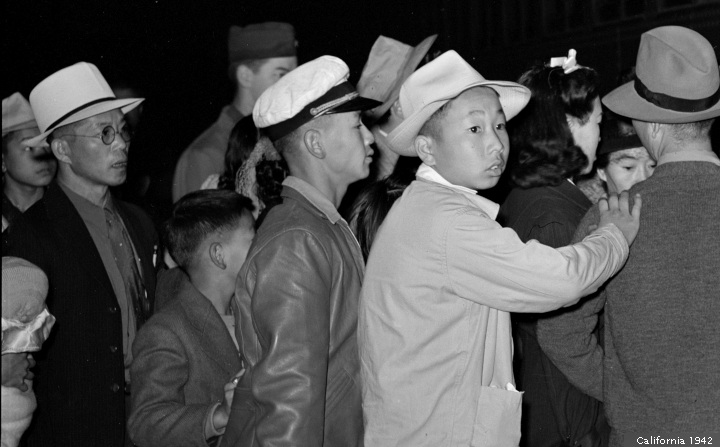
This is a repost. The pictures are from The Library of Congress. Ansel Adams took pictures of Japanese Americans, in a World War Two internment camp. The ladies in the bridge game are Aiko Hamaguchi, Chiye Yamanaki, Catherine Yamaguchi, and Kazoko Nagahama.



Conservative Liberal Racist
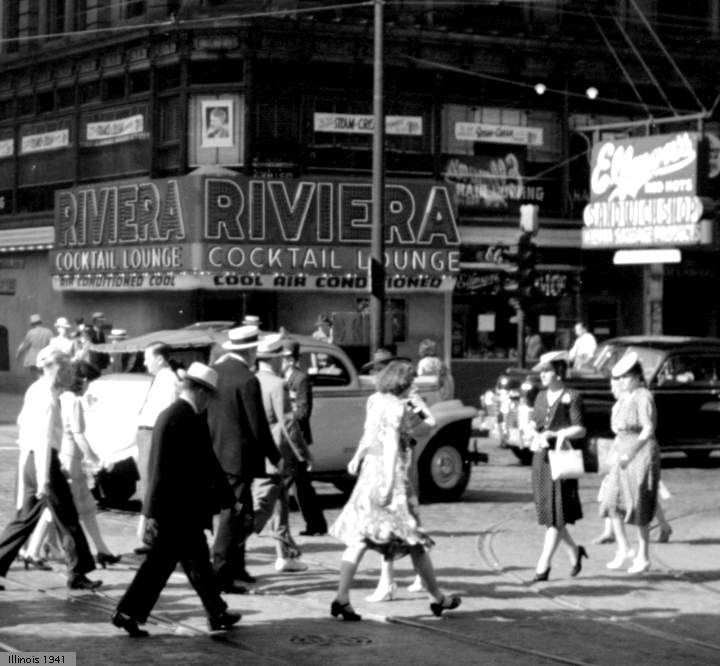
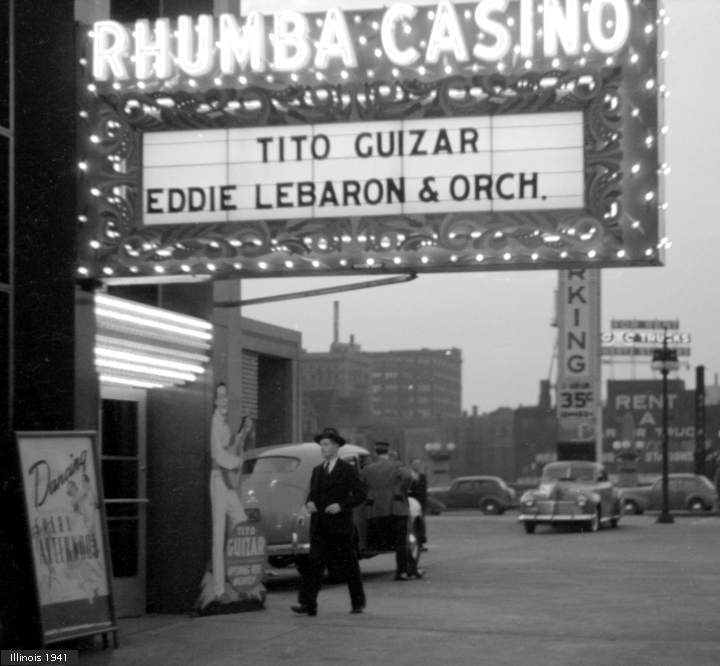


The management of this blog is not responsible for brain damage incurred while reading this post. Those threatened by this discussion, or not interested, are encouraged to skip over the text, and look at the pictures. These images, are from The Library of Congress. This is a repost.
There is a meme, with the text a conservative is a liberal who has been labeled a racist. A few comments followed publication. Someone was paying attention. Uhm…WTF?! ~ its a long story ~ All three labels are useless and misleading. I try not to let the labels of others describe me, but sometimes it happens. It is a bit of poetic license.
The words liberal and conservative are useless. When he started to make the comment, PG intended to refer to those two expressions. Then he started to type.The realization hit … the word racist was just as obsolete as liberal and conservative, and probably misused more often.
The next day at work, PG began to think. If you saw a mushroom cloud rising over Jimmy Carter Boulevard, that is what you saw. Random thoughts began to emerge.
A- The popularity of con, lib, and rac, derive from America’s blind allegiance to the belief paradigm The general thought is that what you believe is more important than what you do. The dominant religion in America is Jesus Worship, which is based on beliefs rather than practices. While America is not officially a Christian country, their thought processes dominate the way things work here.
B- The belief paradigm filters down to the popularity of silly labels.We have people who claim to be small government conservatives, and who support sending 200k troops to a war eight time zone away. You can treat your black neighbors with kindness and grace, but if you say the wrong things on facebook you are considered a racist. It is a funny system.
C- Conservatives use liberal as an insult. Liberals use racist as an insult.
D- No one is certain what the words conservative, liberal, and racist mean. You should beware of anyone who claims to be certain of what these labels represent.
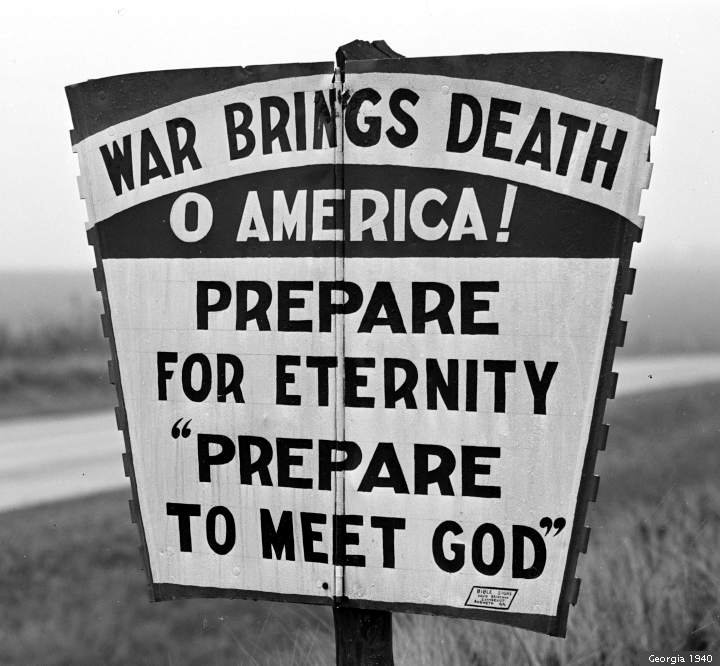







More Trump Talk


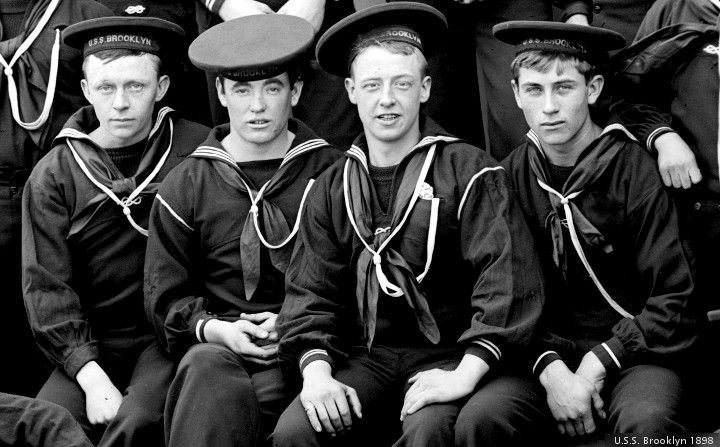


This is a repost from 2017. Little has changed since then. … There was a comment thread on facebook. Here is the comment that started it. “I have a Facebook friend, who is a black Trump supporter, who says he doesn’t care “if he’s racist or not.” I don’t know what to think about that. Maybe there are a few of my black friends who can help me with that?” There were a lot of comments, which is not surprising. Race, and not liking Donald Trump, are two popular topics of conversation.
The conversation started with a link to When Someone Says They Still Support Trump, I Instantly Know 6 Things About Them. The six items, with a parenthetical summary, are: 1. You want to be ruled, not governed (authoritarianism) 2. You are not someone I would trust to do business with (business ethics) 3. You’re either a racist or an enabler of racists (racism) 4. You have issues with women (misogyny) 5. You aren’t quite as “Christian” as you claim to be (religious exploitation) 6. You are anti-constitution (respect for rule of law)
While those six items are more or less true about Mr. Trump, it is a stretch to say they apply to anyone who supports the man. (Many of these character traits are present in people who don’t like Mr. Trump, especially authoritarianism.) What is disturbing to PG is the way that racial attitudes dominates the conversation. This is a problem in a lot of ways. The obsession with screaming racist helped Mr. Trump get elected. Insulting potential voters is not a good campaign strategy.
There seems to be a national verdict that Donald J. Trump is a racist. A non compliant racial attitude is worse than authoritarianism, crookedness, and mental instability. If you are white, and you question this orthodoxy, then you are a racist. If you are black, and don’t believe without question, then you are asking to be insulted.
The Trump-is-racist meme follows a cynical decision to make Mr. Trump’s racial attitudes a campaign issue. The best evidence cited is a 1973 complaint, involving discrimination in renting apartments. Other evidence… attacks on nationalities, attacks on religious groups, support of unseemly white people … utilize an elastic definition of racism. Others disagree.
There was a comment: Martin C Ezeonu “Lol… I don’t like Trump cuz he is an asshole. On the other hand we know exactly where there country stands now because of him. This country is still racist as hell. these past years nobody addressed is just politicians smartly covering it up. But now to move forward something has to give. And I like that. Let people stop being deceived. Don’t care if he is racist or not I like the fact that he is not a politician and couldn’t play the game. That’s why both parties want him out.”
Mr. Ezeonu is from Nigeria. He might have little in common with most African Americans, other that his skin tone. That is all many people see. People fail to appreciate the amazing diversity in today’s African America. In the comments, Mr. Exeonu was called an idiot, mentally ill, and many other things. Not agreeing with a national consensus is dangerous.
Mr. Trump has numerous problems. In the list of six things, we see authoritarian tendencies, and ethical shortcomings. Many feel the Democrats made a mistake by screaming racist, instead of focusing on his shady business practices. Many white people were alienated by this campaign tactic. After the Trump victory, many black people feel alienated by his election. The race situation gets worse and worse. Saying that Donald Trump is a racist does not help.
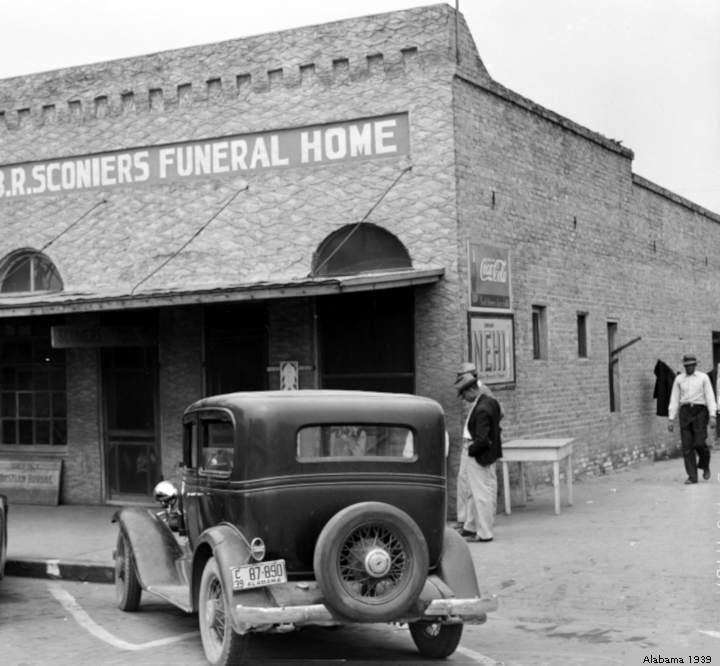
Pictures today are from The Library of Congress.






The Ten Suggestions


The popular commandments are found in Exodus 20: 3 – 17. They are considered core beliefs of a religion that values belief over practice. In other words, just believe something, and don’t worry about what you do. There is also Exodus 20: 23. Ye shall not make with me G-ds of silver, neither shall ye make unto you G-ds of gold. This would seem to be worthy of inclusion in the big time ten. It might interfere with the capitalist free market economy, but you can always say you believe it.
When your religion is claimed by a majority of your neighbors, you enjoy #ChristianPrivilege. You can even whine about #WhitePrivilege, while enjoying the benefits of #ChristianPrivilege. One day, the pound sign will go back to meaning number, and #hashtag will be mercifully forgotten.
If you get past the religious whoopeedo, the Ten Commandments hold up as good rules for living. The fact that the self anointed religious people routinely violate many of these fine rules should not be taken into consideration. They believe in the commandments, and can, loudly, explain why their actions are not a problem. After a while, PG just wants freedom from religion.

1 And G-d spake all these words, saying,
2 I [am] the LORD thy G-d, which have brought thee out of the land of Egypt,
out of the house of bondage.
3 Thou shalt have no other G-ds before me.
4 Thou shalt not make unto thee any graven image, or any likeness [of any thing] that [is] in heaven above, or that [is] in the earth beneath, or that [is] in the water under the earth:
5 Thou shalt not bow down thyself to them, nor serve them: for I the LORD thy G-d [am] a jealous G-d, visiting the iniquity of the fathers upon the children unto the third and fourth [generation] of them that hate me;
6 And shewing mercy unto thousands of them that love me, and keep my commandments.
7 Thou shalt not take the name of the LORD thy G-d in vain;
for the LORD will not hold him guiltless that taketh his name in vain.
8 Remember the sabbath day, to keep it holy.
9 Six days shalt thou labour, and do all thy work:
10 But the seventh day [is] the sabbath of the LORD thy G-d: [in it] thou shalt not do any work, thou, nor thy son, nor thy daughter, thy manservant, nor thy maidservant, nor thy cattle, nor thy stranger that [is] within thy gates:
11 For [in] six days the LORD made heaven and earth, the sea, and all that in them [is], and rested the seventh day: wherefore the LORD blessed the sabbath day, and hallowed it.
12 Honour thy father and thy mother:
that thy days may be long upon the land which the LORD thy G-d giveth thee.
13 Thou shalt not kill.
14 Thou shalt not commit adultery.
15 Thou shalt not steal.
16 Thou shalt not bear false witness against thy neighbour.
17 Thou shalt not covet thy neighbour’s house, thou shalt not covet thy neighbour’s wife, nor his manservant, nor his maidservant, nor his ox, nor his ass, nor any thing that [is] thy neighbour’s.
A The ten commandos are not meant to be believed. They are meant to be practiced.
B If you take away the religious whoopdeedoo, the ten commandos hold up as common sense rules for living. People of the Book (أهل الكتاب, ahl al-kitāb) is not a compliment.
C If you meet someone who claims to practice all of the commandos, you are dealing with a liar.
D We are all G-d’s children. She gave you a heart and a mind. When in doubt, trust your heart.
E The first commando is powerful and under appreciated. It does not include books about G-d.
F There is an ongoing controversy about the public display of the ten commandos. Some say such displays violate the second commando.
G The third commando is more than G-d’s last name. It is about the proper use of a sacred name. In a perfect world, the word G-d would only be used for worship and respectful discussion. A “pledge of allegiance” to a nationalist symbol is not an appropriate use of a sacred name.
H Sunday is too fine of a day to spend inside a church house.
I When you are discussing religion, it is normal to be a hypocrite.
J If you disagree with someone, the easiest argument to scream hypocrisy.
K Whenever possible, show kindness to your neighbor.
L The text for Exodus 20 is courtesy of King James Bible Online. Pictures are from The Library of Congress. This is a repost.


The Gift Of Cultural Appropriation




This is a repost from 2015. There is a tasteful video on the innertubes today, WTF is Cultural Appropriation. This is not about WTF Podcast. Hopefully Marc Maron will not wear his hair in dreadlocks. The video shows a black man, jumping around in front of the camera, sharing his ideas about cultural appropriation.
Perhaps we should summarize what @the1janitor has to say. He does not give a shit what people do with their hair. (Does he gift wrap the shit when he does give it?) T1J is not concerned over whether Iggy Azalea sings rap songs. Most culture today is a mix of influences, and T1J is cool with that. This chill does not extend to a pro football team in Hyattsville MD, whose nickname rhymes with munchkins. T1J, aka Kevin Peterson, does not think that is appropriate.
T1J wears dreadlocks. Many Amerikans see this hairstyle as connected to the Rastafarians in Jamaica. T1J is not a rasta, but is not accused of any appropriative wrongdoing by wearing his hair in dreadlocks. It seems the reason for this acceptance is his African American origin.
This is similar to the situation with BHO. The half white POTUS was raised by white people in Hawaii and Indonesia. And yet, because he has dark skin, BHO is unquestioningly accepted as a black man. The POTUS uses the style of black culture that he learned as an adult. When a white fool shoots up a black church, BHO goes to a funeral, sings “Amazing Grace,” and is praised.
Many of these cultural and racial debates are very shallow. Judgements are made on outside appearances, rather than the real person under the skin. The dream of people not “judged by the color of their skin but by the content of their character” has turned into a nightmare of petty wrangling over white privilege and cultural appropriation.
So much for content. What caught PG’s eye was the background. There is a Crimson Tide poster on the wall, behind the speaker, that seemed familiar. PG has seen T1J before, in a video titled Why I Disagree With Morgan Freeman. T1J says we need to talk about racism, then talk some more, and then talk more after that. The word listen is not used as often.
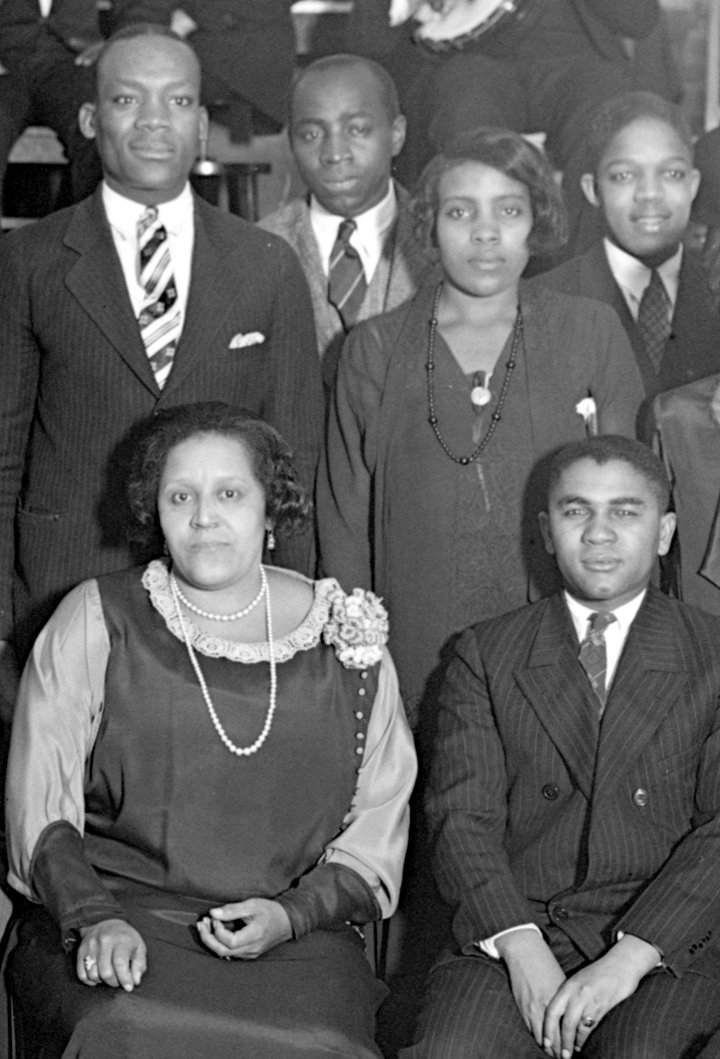
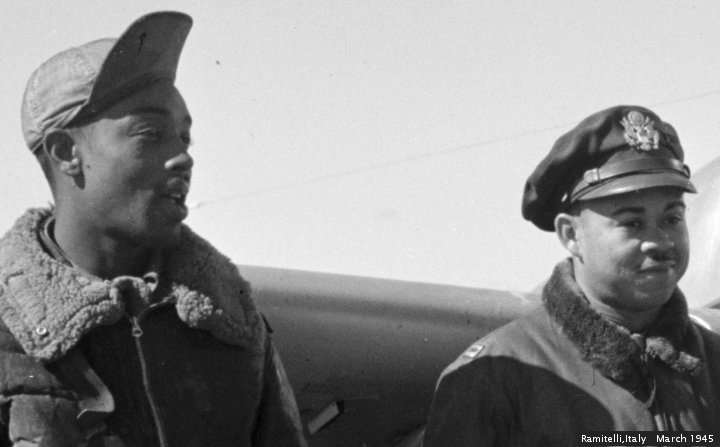
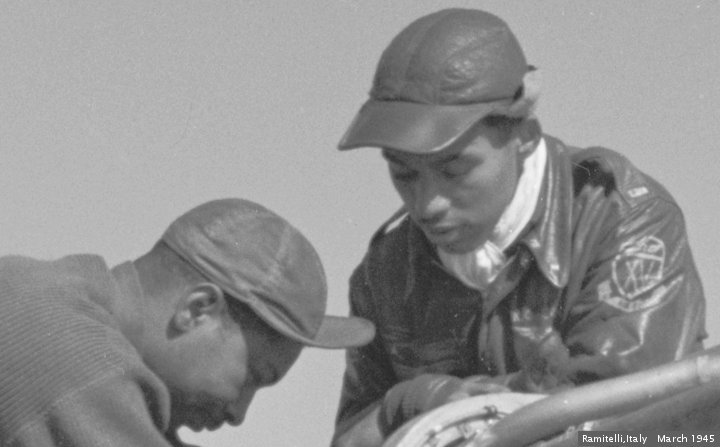
The University of Alabama football team poster is an ironic touch. NCAA football teams are highly exploitative of young people. The young men who play work long hours for their education. Many of the football players are rushed through school, taking easy classes so they will be eligible to play. Many of these young men will suffer crippling injuries playing a contact sport. Meanwhile, these football programs are hugely profitable for the institution, especially at a football factory like the University of Alabama. Pictures today are from The Library of Congress. The men in the seven photographs below were members of The Tuskegee Airmen



Monday Meltdown


The display of a link on this page does not indicate approval of content.
Breathwork To Help Support The Release Of DMT (3 Rounds Of Guided Breathing)
Is Chris Christie Entering the Democratic Petting Zoo?
Yes, U.S. were “good guys” in World War 2 But we need to understand what that means …
Hanania Newsletter The Myths of World War II CSPI Podcast with Sean McMeekin
Could Germany Have Won Battle of Kursk if It Had Started in May or June 1943?
LOVE FADING: See what’s become of the notorious Love Ranch brothel – PHOTOS
Breathwork To Help Support The Release Of DMT (3 Rounds Of Guided Breathing)
Why Less is More and the Importance of Breath: Feat. Breathe with Sandy
Jason Aldean Isn’t ‘Pro-Lynching.’ And His Critics Know It
What’s in a Wolverhampton Pub Name? I decided to look into the names of some ….
heartfelt plea to support Mountain Path Healing Arts Studio … Woodbury, TN.
UNITED STATES’ RENEWED MOTION FOR PROTECTIVE ORDER PURSUANT TO § …
Judge issues order in favor of Atlanta public safety training center opponents
How Addiction handles disagreements over potentially harmful terminology
Man Who Ended Affirmative Action | Glenn Loury John McWhorter Peter Arcidiacono
My Family Was Hunted by Nazis. But I Was Fired For ‘Defending Hitler.’
Hunter’s Sweetheart Plea Falls Apart: What Really Happened? | SYSTEM UPDATE
holocaust ~ glenn ~ somme ~ old front line ~ planpisse
asa earl carter ~ public access tv ~ charles h hamblen jr ~ Shawanna Qawiy ~ clarkston
auto insurance ~ minimalism ~ dixon white ~ David Josef Volodzko ~ opioid agonist therapy
keith humphries ~ ts madison ~ gender binary ~ Sinéad O’Connor ~ ramdass ~ Sinéad O’Connor
desantis ~ wolverhampton ~ on the journey ~ breathe with sandy ~ breathe with sandy ~ clash report
American Accountability Foundation @ExposingBiden 🧵1/ BREAKING: We have obtained details of a “Diversity, Equity, & Inclusion” course mandated by the American College of Radiology. It includes training on a “Buddhist mindfulness technique” to make subjects more submissive and less resistant to being called racist. MUST SEE: ~ Wendy Carlos did the name transition properly. Her dead name has the same first letter as Wendy. If there is any doubt … as in referring to a pre-transition recording like “Clockwork Orange … you can always say W. Carlos ~ @Halalcoholism “the Dalai Lama of shitty leftist cold takes” “simp for racemixing” “herbivore gay Muslim centrist” “one of the worst irony weirdos” “that guy has brain damage” ~ @KeithNHumphreys This piece explains how Addiction handles terminology that may be harmful to vulnerable groups. As a global journal, we find significant disagreement among our authors, readers, and reviewers, of what terms to avoid. Therefore, 1/3 ~ agonist ag·o·nist – noun: agonist; plural noun: agonists 1. a substance which initiates a physiological response when combined with a receptor. 2. a muscle whose contraction moves a part of the body directly. “there is a failure to select the right agonist muscles” ~ “A peer reviewer of a submitted paper on methadone maintenance states that she avoids the author’s term ‘opioid agonist therapy’ because new patients associate it with agony and become less willing to try the medication. She recommends ‘opioid substitution therapy’ instead. When the author uses this term in a revised submission, a different reviewer says that this term implicitly supports the canard that ‘methadone just substitutes one addiction for another’. Trying to moderate the dispute, an assistant editor proposes ‘medication-assisted treatment’, to which everyone agrees. When the paper is published, a reader writes in, angrily declaring that the author is putting lives at risks by ignoring the evidence that the main benefit of methadone comes from medication rather than it merely being an assist to the ‘real treatment’.” ~ @TheDixonWhite To most wyt folks I’m just a shirtless fat guy. Our educational system teaches us to think uncritically. The indoctrination fails if truth is ever taught. ~ Dixon D. White he/him Public figure Activist Vlogger Actor Filmmaker Yt people as a culture have never stopped normalizing yt supremacy and that neglected sin is eating the yt man alive. ~ @ATRightMovies ONCE UPON A TIME IN HOLLYWOOD was released 4 years ago today. Acclaimed as one of Quentin Tarantino’s greatest movies and featuring an all-star cast, the behind the scenes story is as big as the film… A THREAD ~ The less said about Joseph Robinette Biden Jr, the better ~ so i went to waffle house. i took a book of gay short fiction, autographed by edmund white, with me. I was hoping to put ideas in my boyfriend’s head. but he did not notice. however, the server was a little black lady, and she definitely took notice while i was checking out. as i left, she said “enjoy your book” ~ took an online driving class … the damn thing crashed three times, and i had to backtrack and scroll past everything i had seen to that point … i was going to say learned, but i didn’t learn anything except for the limits of my patience for online nonsense … ~ This is a repost from 2016. ~ The Library of Congress ~ selah











leave a comment