Gaza Suffering


This is a repost from 2010. Little significant change has taken place in 13 years. … British prime minister David Cameron is on a visit to Turkey. He made a few comments about Gaza. “Let me also be clear that the situation in Gaza has to change. Humanitarian goods and people must flow in both directions. Gaza cannot and must not be allowed to remain a prison camp.” Israel’s ambassador to Great Britain, Ron Prosor, replied “The people of Gaza are the prisoners of the terrorist organization Hamas. The situation in Gaza is the direct result of Hamas’ rule and priorities.”
As per wikipedia, Hamas was founded in 1987. This was just after the Iran contra affair, when Israel was helping Iran buy weapons. 1987 is 39 years after the creation of the state of Many Arabs living in what became Israel left during this time, and many settled in the Gaza Strip.
The creation of Hamas was 20 years after the six day war, when Israel took control of the Gaza Strip. The Israeli soldiers were not greeted as liberators. What followed was an Israeli occupation of the territory. It was by, most accounts, a brutal affair, with Gaza resistance met by Israeli force.
During this occupation, the prime “terrorist organization” was the P.L.O. They were the object of attacks by Israel, both propaganda and military. They were connected to the party Fatah, which became the primary agent of governance in Palestine. There was an election, and Hamas won.
There are reports that Hamas was secretly founded by Israel, to fight Fatah/PLO. Whether or not this is true, the fact is that Israel maintained a brutal occupation of Gaza. It should be no surprise that a “terrorist organization” would be popular, and win an election over yesterday’s boogieman.
Both sides in this conflict have talking points, and have suffered losses. The commentary above is greatly oversimplified. However, to say the suffering of the Gazans “is the direct result of Hamas” constitutes an obscene piece of propaganda.
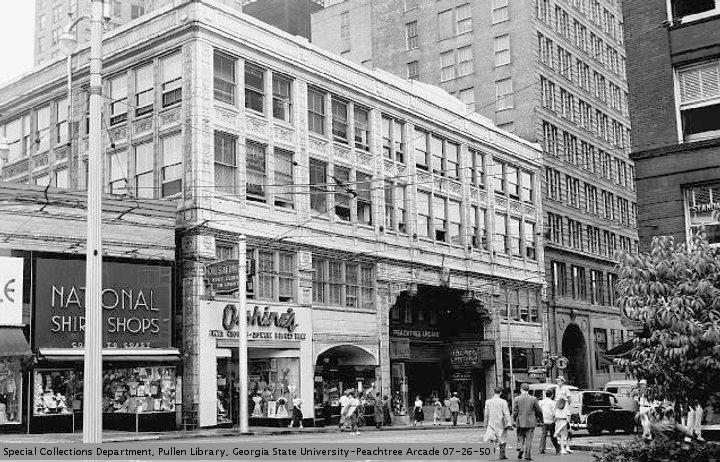
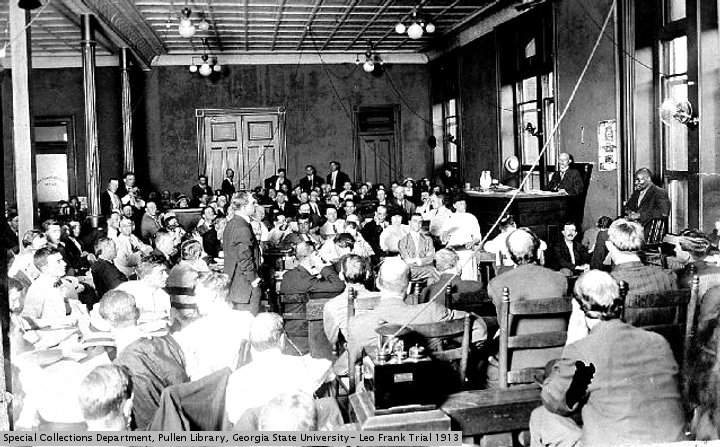
Pictures for this feature are from the Special Collections and Archives, Georgia State University Library. HT to Juan Cole , an excellent source for news on the middle east.


Be Not Curious About God


Beautiful that war, and all its deeds of carnage, must in time be utterly lost;
That the hands of the sisters Death and Night,
incessantly softly wash again, and ever again, this soil’d world:
…For my enemy is dead—a man divine as myself is dead;
I look where he lies, white-faced and still, in the coffin—I draw near;
I bend down and touch lightly with my lips the white face in the coffin.
Reconciliation was written by Walt Whitman. During the War Between the States, Mr. Whitman served as a volunteer nurse in Washington DC hospitals. That hospital was full of the human cost of war. Mr. Whitman looked past the so-called causes … slavery, states rights, banker profits … and saw the price paid, by the men who fought.
“In 1862, Whitman received word that his brother George had been wounded at the Battle of Fredericksburg. During the worst, he traveled down to the Virginia battle site. Much to Whitman’s relief, he found that his brother had sustained only minor injuries. While he was there, Whitman was moved by an especially brutal scene. … He records a dramatic moment where he’s standing in front of this field hospital and sees at the foot of two trees a pile of amputated limbs. He says, “A full load for a one horse cart.” And these are limbs that had been thrown out the windows of the surgery in the haste of the battle and the emergencies.”
Walt Whitman emerges as a type of Jesus figure. His words are analyzed 150 years later, looking to find a meaning that pleases 2023 America. At least Mr. Whitman left a written record, in English. This does not prevent him from being misrepresented.
“Song of Ourselves? Walt Whitman and the American Imagination” talks about Mr. Whitman living in Brooklyn before the War, and how he came to be involved in that conflict. At some point, the hosts talk about … a framed quote, “Be curious, not judgmental.” I was curious about the context, and did a little digging. There are plenty of meme-mongers selling this quote. This does not answer the question … how did Walt Whitman come to say this?
Wikiquotes lists “Be curious not judgemental” as Disputed. “While consistently attributed to Whitman, this popular motivational quote has no source. It is occasionally listed as occurring in Leaves of Grass, but the closest phrase found in that collection is “Be not curious about God.”
And I say to mankind, Be not curious about God,
For I who am curious about each am not curious about God,
(No array of terms can say how much I am at peace about God and about death.)
I hear and behold God in every object, yet understand God not in the least,
Nor do I understand who there can be more wonderful than myself.
Why should I wish to see God better than this day?
I see something of God each hour of the twenty-four, and each moment then,
In the faces of men and women I see God, and in my own face in the glass,
I find letters from God dropt in the street, and every one is sign’d by God’s name,
And I leave them where they are, for I know that wheresoe’er I go,
Others will punctually come for ever and ever.” … Song of Myself, Part 48.
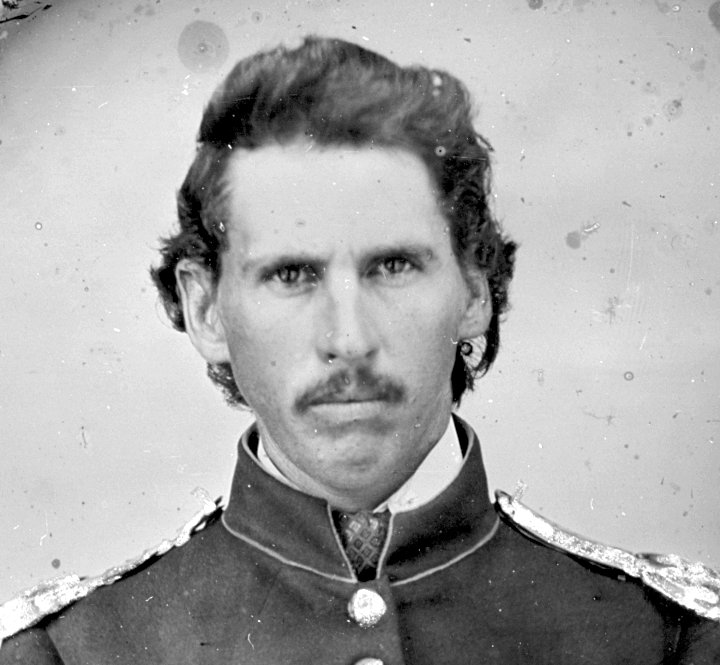
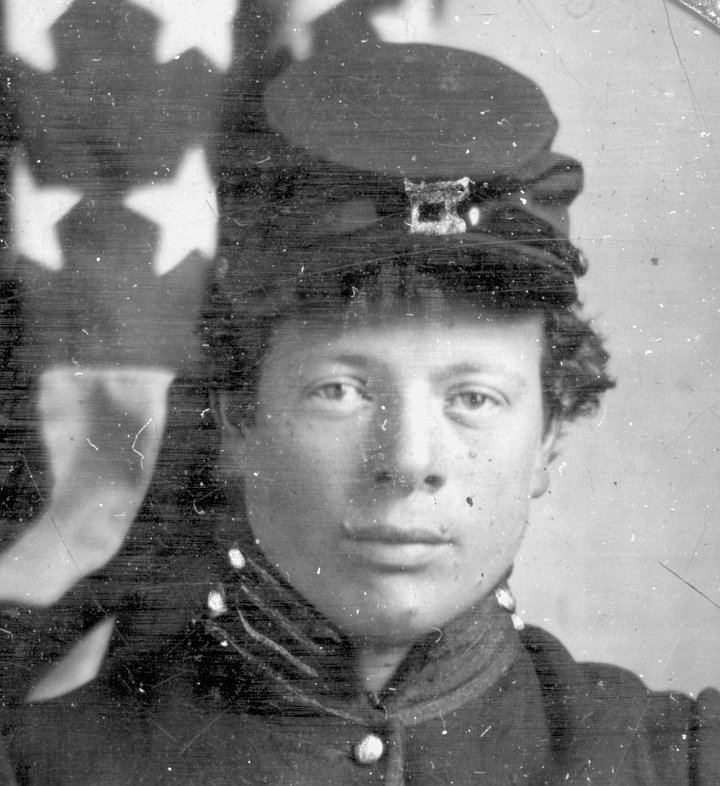
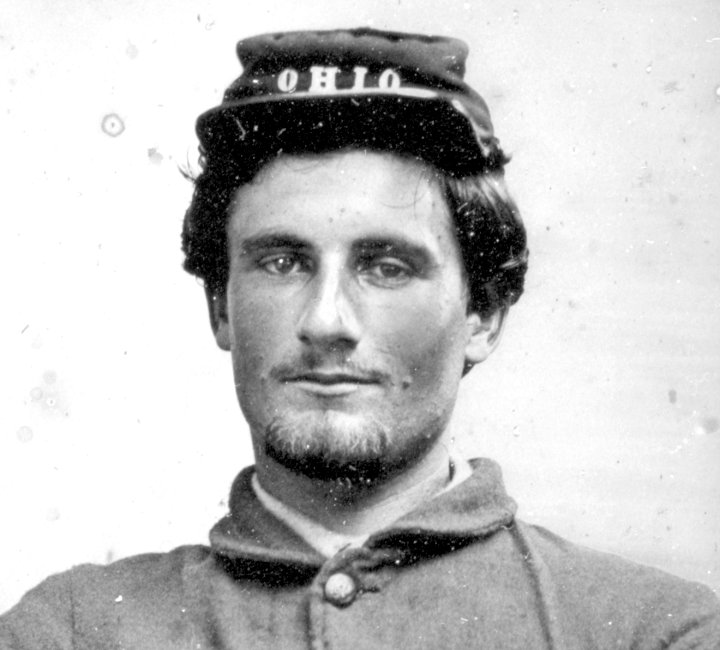
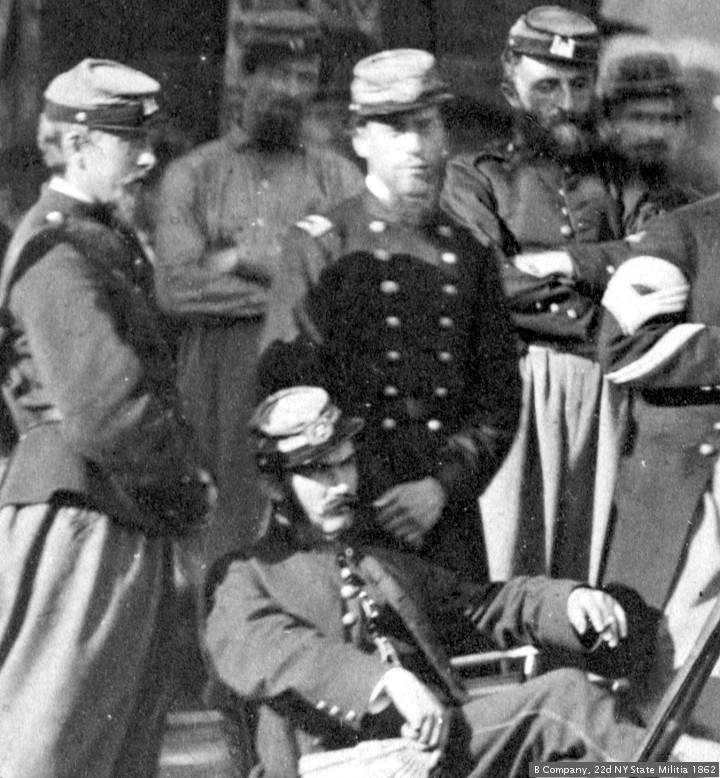
Pictures today are from The Library of Congress. These men were soldiers, in the War Between the States. This is a repost from 2019.


Why The War Between The States Was Fought
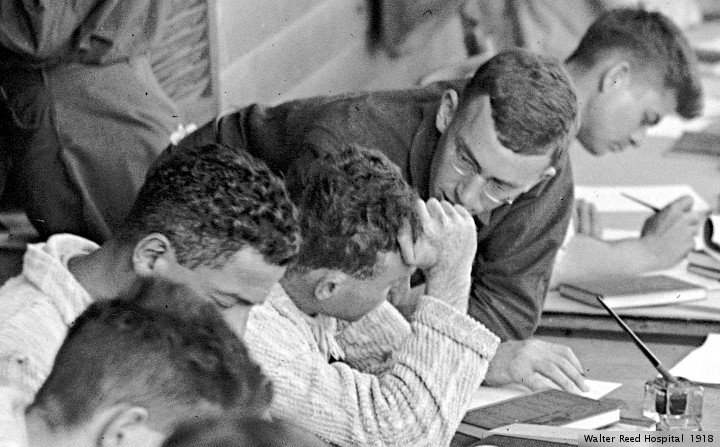
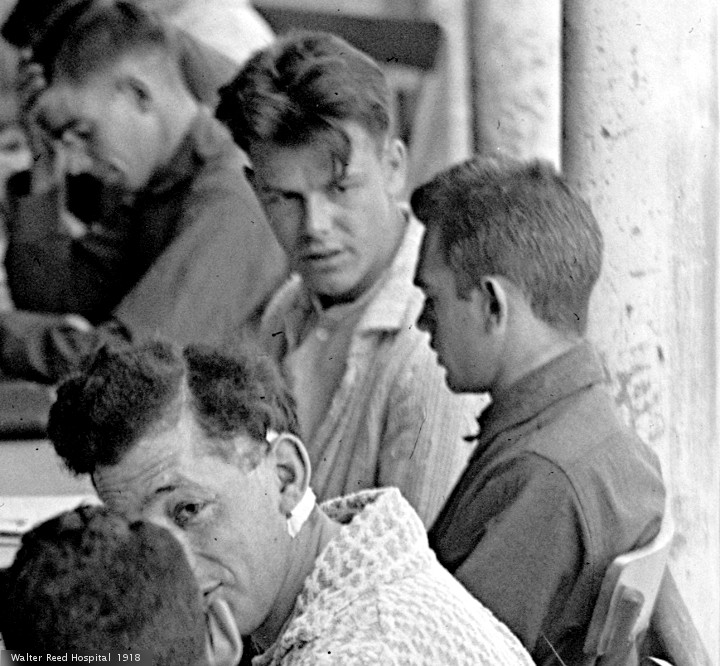


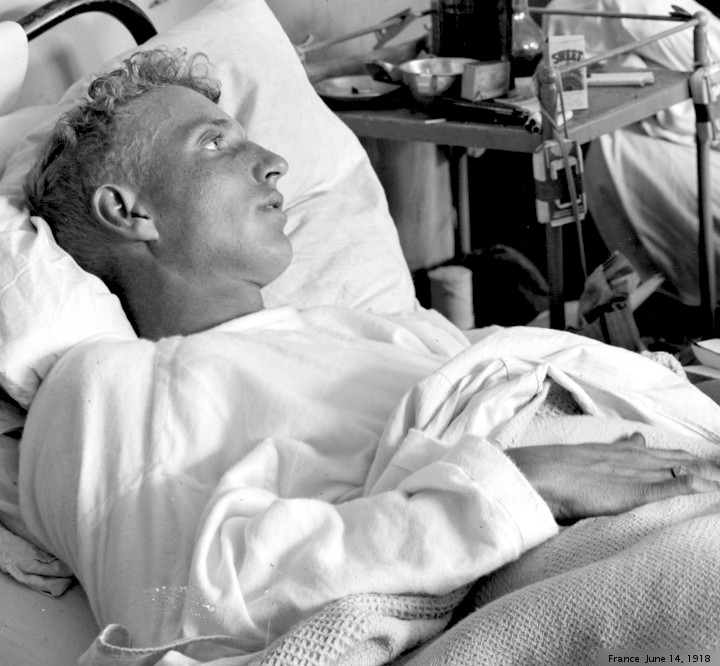

Recently, Mr. Trump said something stupid about the War Between the States. After his comments began to filter into the marketplace of ideas, people began to react. There was a good bit of self righteous talk about how bad the Confederacy was. Maybe it is time for another point of view. This feature will have minimal research. Mostly, PG is typing things he has heard and thought. Mistakes will be made. The reader is encouraged to do their own research. This was a repost from 2017.
When the colonies declared independence in 1776, nobody knew how things would turn out. First, Great Britain needed to be defeated. After that, the Articles of Confederation went into effect. “Under these articles, the states remained sovereign and independent, with Congress serving as the last resort on appeal of disputes. Congress was also given the authority to make treaties and alliances, maintain armed forces and coin money. However, the central government lacked the ability to levy taxes and regulate commerce…”
This arrangement was not working, and the Constitutional Convention was called. Originally, the CC was going to revise the Articles of Confederation, but wound up throwing the whole thing out, and creating the Constitution. This document called for greater federal authority. The issue of what powers to give to the states, and what powers to give to the central government, was contentious. It remains controversial to this day.
Had any group of autonomous states formed a federal union before? Usually, such a union is the result of a conquest, with one of the states ruling the others. It is unclear whether such a union had been attempted before, or how successful it was. When the “founding fathers” created the constitution, they probably did not foresee how it would play out. The current system, with a massive central government cat-herding the 50 states, would have been laughed off as a dangerous fantasy.
So the states start to have disagreements. One of the things they disagreed over was slavery. Yes, this was an important factor in the unpleasantness to come. Slavery also influenced a lot of the economic conflicts. The North wanted high tariffs to protect industry. The South wanted low tariffs, so they could sell cotton to Europe. There were many other ways for the states to not get along.
Finally, in 1861, the disagreements became too big to ignore. The south seceded, and the War Between The States began. The Confederate States of America was a looser union than the United States. The thought was that the states were more important than the federal union. Mr. Lincoln disagreed. (One popular name for the conflict was Mr. Lincoln’s war.) Many people say that Mr. Lincoln was not especially concerned about the slaves, but wanted to keep the union together.
How does slavery enter into this? Imagine the conflict over states rights vs federalism to be an open tank of gasoline. The lit match that was thrown into that tank was slavery. When the winners wrote the war history, it sounded better to say that the war was fought to free the slaves. Pictures today are from The Library of Congress.


Killing Contest Score



This is a repost from 2018. We don’t know what the corresponding numbers are for 2023. … This year has been deadlier for American students than American military members The headline at the New York Daily News is all over facebook. So far in 2018, “… 31 people … have been killed at schools since Jan. 1, according to data compiled by the Washington Post. Twenty-nine U.S. service members have been killed in the same time frame, including both combat and noncombat deaths, according to the Pentagon.” There was no link given to the Pentagon source.
There was another incident last week that produced a lot of dead people. People gathered at the Gaza border, and were killed by the I.D.F. PG was curious how many people were killed, and how this compares to American students. He googled how many Palestinians killed by israel in 2018. The best answer, at least for last Monday, is 62, or twice the number of American students.
There were two headlines listed as “top stories.” Hamas official: 50 of the 62 Gazans killed in border violence were our members ~ Top IDF spokesperson tells U.S. Jews: Israel failed to minimize Gaza casualties, Hamas won PR war by knockout. Israel is very good at media.
The Times of Israel article was based on reporting by The Middle East Media Research Institute. “Hamas Political Bureau Member Salah Al-Bardawil said that of the 62 people killed in clashes along the Gaza border on May 14, 50 were from Hamas. Al-Bardawil, speaking on May 16 on Baladna TV, which broadcasts from Gaza, stressed that this was the official figure. Interviewer: “Many people are saying that the children… I’m telling you what people are saying. It’s not that I believe this. People are saying that children are dying and that Hamas is reaping the fruits.” Salah Al-Bardawil: “In the last round, there were 62 martyrs.” Interviewer: “Right.” Salah Al-Bardawil: “50 of the martyrs were from Hamas, and the other 12 were regular people. So how can anyone claim that Hamas is reaping the fruits, when it paid such a steep price? What did Hamas gain? 50 martyrs…”
It is not known what language this interview took place. When you translate Mid-Eastern languages into English, you can put words in someone’s mouth with impunity. Even if the people killed were Hamas members, does that justify Israel killing them? Is anyone naive enough to think that Human Lives Matter? The paywall protected Haaretz says that Hamas won PR war by knockout. The Times of Israel counters with Confident Hamas planned victory rallies for its leaders inside Israel.
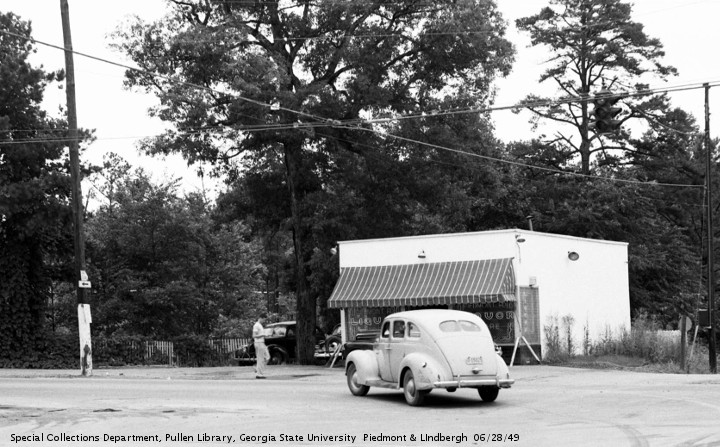
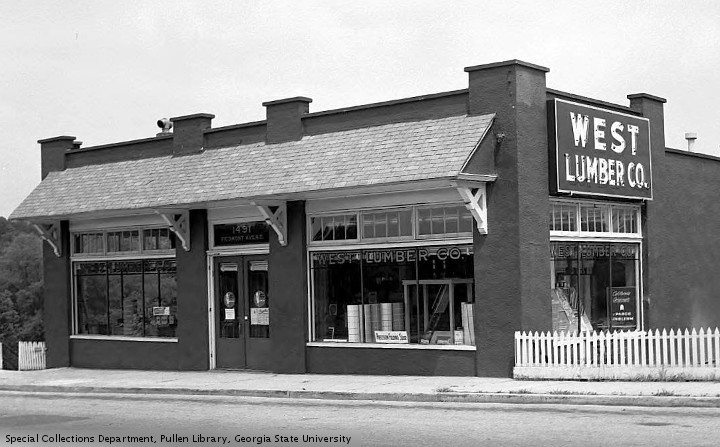
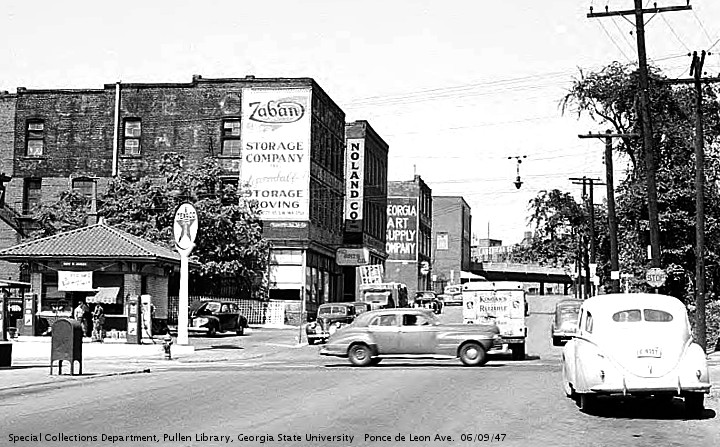
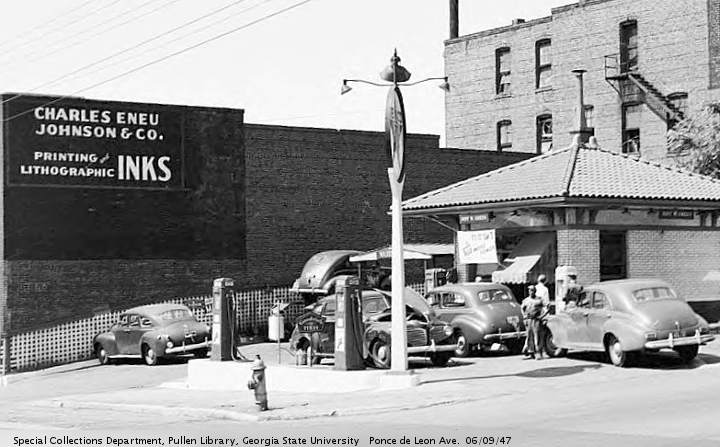
The bottom line: twice as many people were killed at the Gaza border in one day, than in American schools all year. Good luck getting the NYDN to print that headline. Pictures today are from “The Special Collections and Archives, Georgia State University Library”.





ANZAC Day


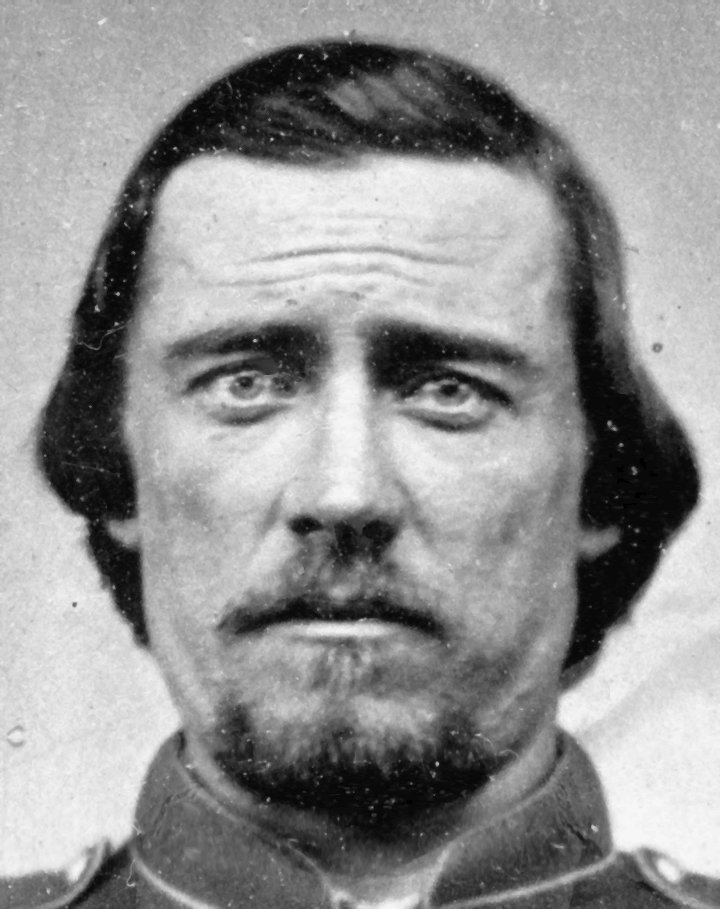
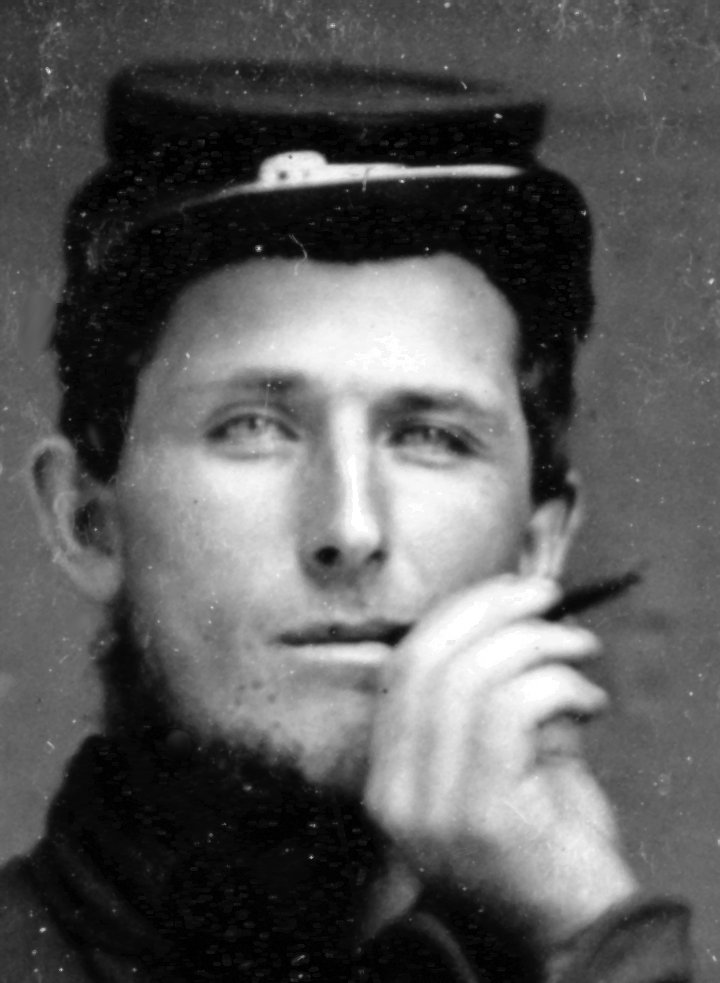
Today is Anzac day. Yesterday was Confederate Memorial Day. Not all soldiers win.
On this day, one hundred and eight years ago, the troops from the British Empire landed on Gallipoli. The Great War had started a few months ago. The British were allied with the French, and the Russians, against the Germans, the Turks, and others. The War started in West Europe. The British decided to invade Turkey as a strategic move. It was a disaster.
One hundred and one years later, Americans know little about Gallipoli. There have many other wars since then. Some of them have been more gruesome, or more useless. Millions of men died in “The Great War.” Today, not one person in ten thousand can tell you what they died for.
There was a movie made about Gallipoli. Mel Gibson was one of the players. Someone said, of the Turks and Australians, that we should fight them there, so we won’t have to fight them here. Australia, and New Zealand, were not fighting in self defense. Ninety years later, that same phrase was used to justify the slaughter in Babylon.
This is a repost. Pictures are from The Library of Congress.
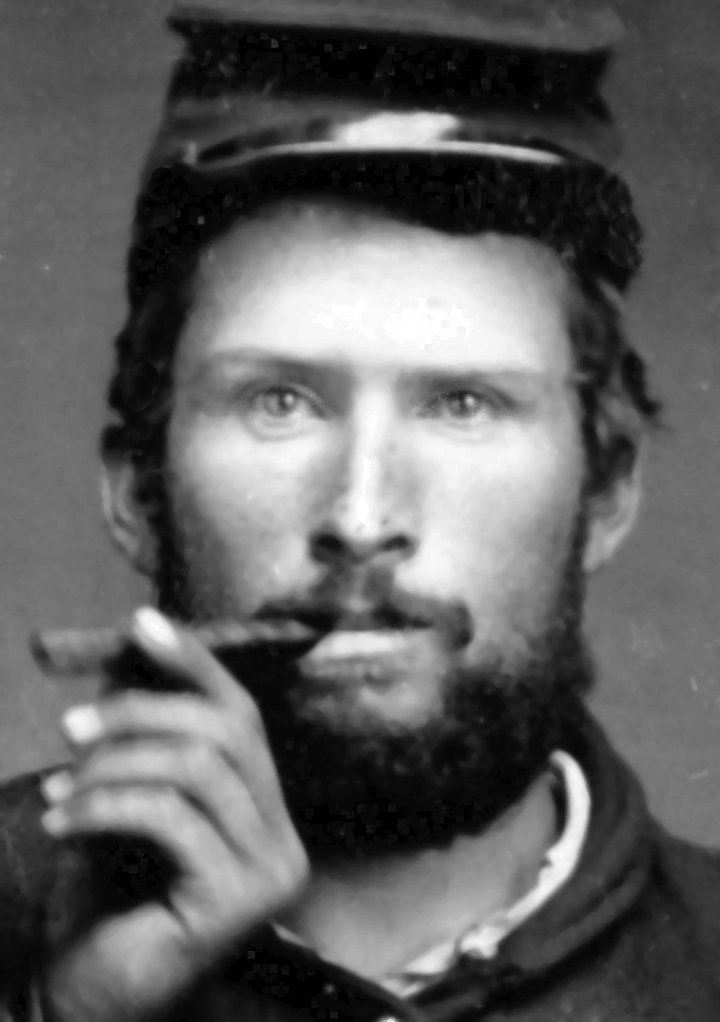


Confederate Memorial Day

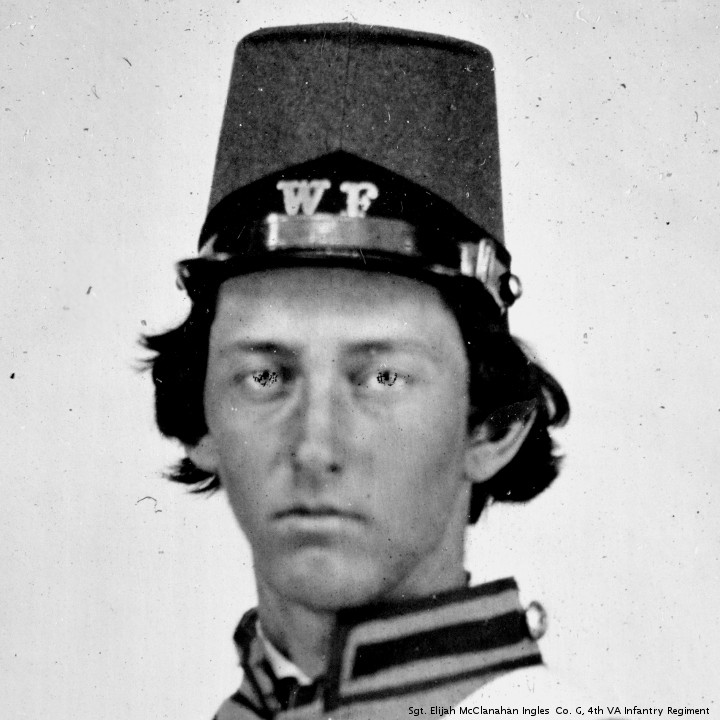

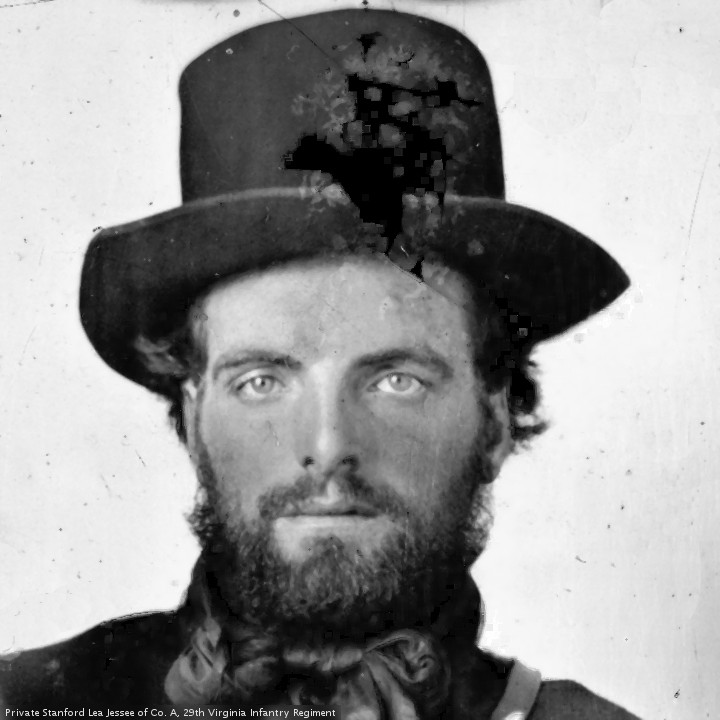


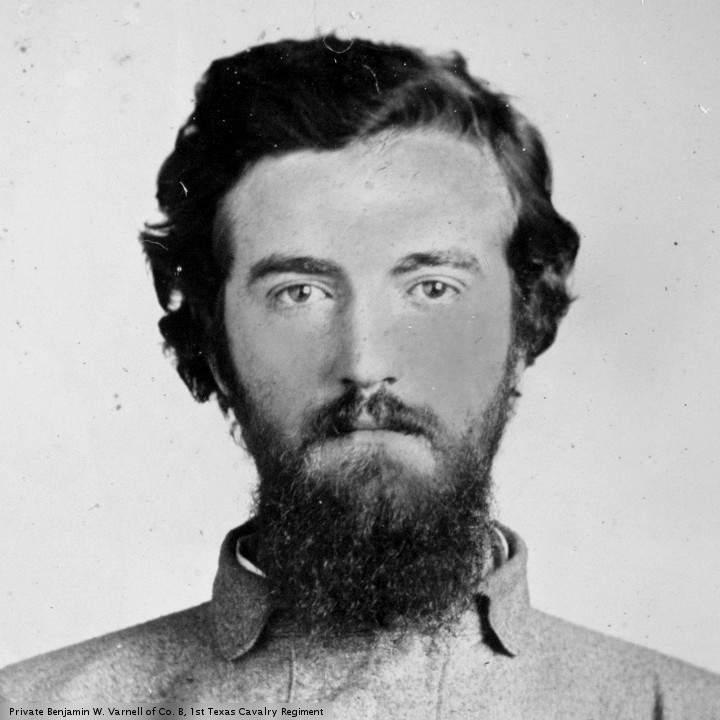
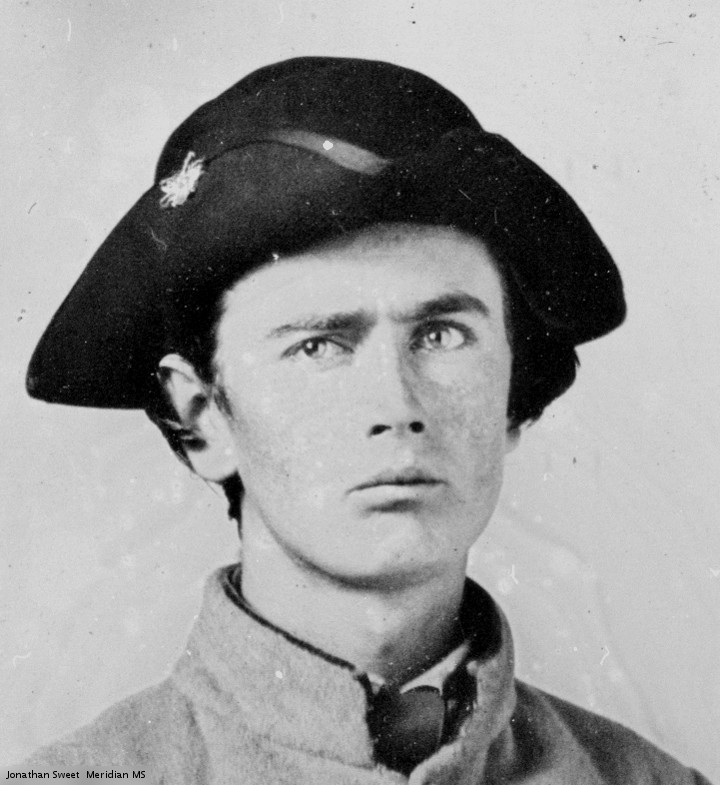
Today is Confederate Memorial Day in Georgia. It is an ancient question…how to honor the soldiers from the side that lost. They were just as valiant as the Union Soldiers. Considering the shortages of the Confederate Armies, the Rebels may have been just a bit braver.
The issue of Federalism is a defining conflict of the American experience. What powers do we give the Federal Government, and what powers do we cede to the States? The Confederacy was the product of this conflict. The Confederate States were a collection of individual states, with separate armies. This is one reason why the war turned out the way it did.
This is not a defense for slavery. The “Peculiar institution” was a moral horror. The after effects of slavery affect us today. Any remembrance of the Confederacy should know that. This does not make the men who fought any less brave.
It is tough to see the War Between the States through the modern eye. It was a different time, before many of the modern conveniences that are now considered necessities. Many say that the United States were divided from the start, and the fact the union lasted as long as it did was remarkable. When a conflict becomes us against them, the “causes” become unimportant.
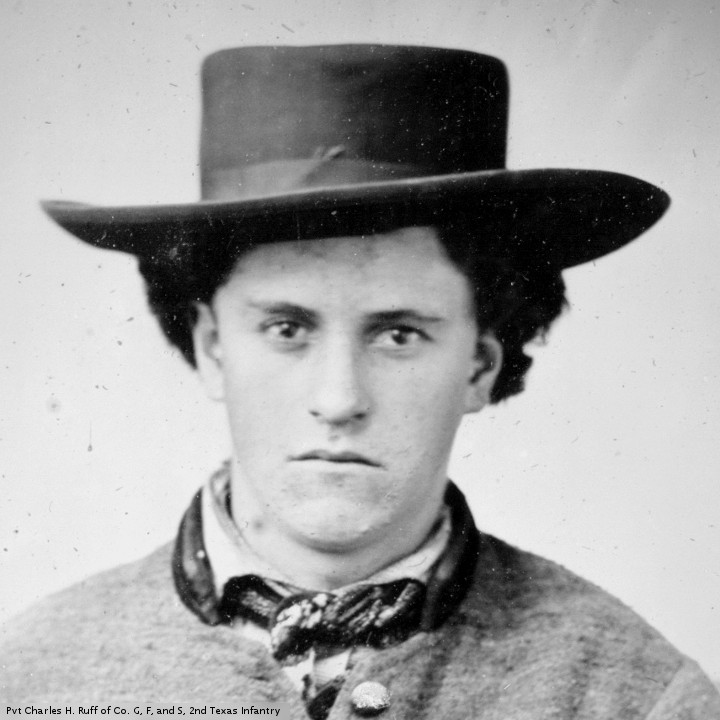
The War was a horror, with no pain medicine. Little could be done for the wounded. It took the south many, many years to recover. This healing continues today. Remembering the sacrifices made by our ancestors helps. This is a repost. Pictures are from the The Library of Congress.




Shock And Awe

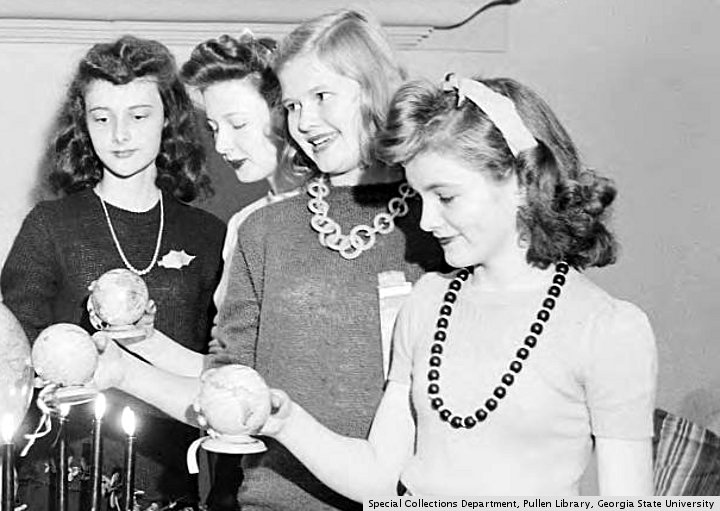
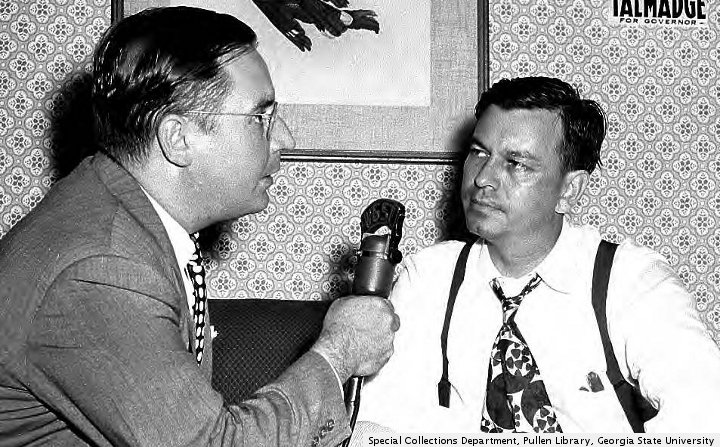
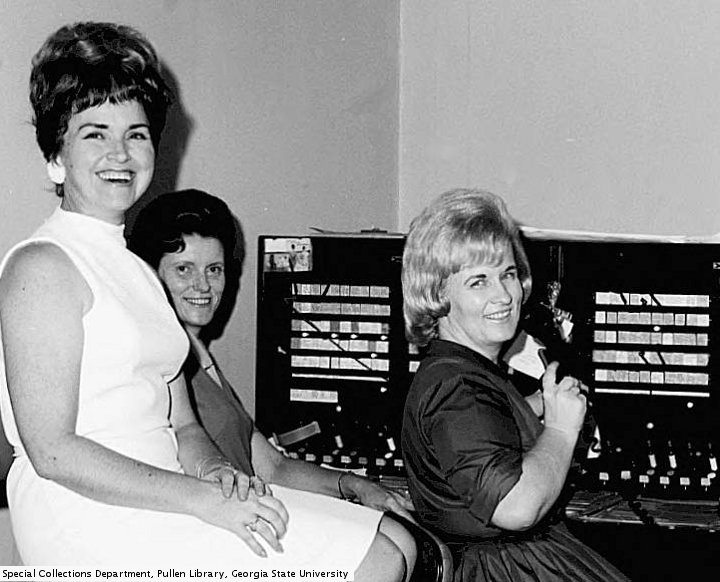
Twenty years ago, Iraq teetered on the edge of regime change. It was obvious what was going to happen, at least at first. America was going to storm in, kill a bunch of people, and take over.
In post 911 America, the military industrial complex saw an opportunity for plunder, unrivaled since the fall of the Soviet Union. The stories of WMD would infect the body politic with fear of a mesopotamian madman. Saddam Hussein wanted Iran to think he has wonder weapons, and did not think America was serious about regime change. We all make mistakes.
In the Twenty years since the time of shock and awe, trillions of dollars have gone down the drain, dragging the mighty American economy along into the sewers of bankruptcy. One of the oldest civilizations of mankind was reduced to hiding, from neighbors, behind concrete barricades. They fought the conquerors with bombs triggered by garage door openers. Thousands of women and children have been murdered. The WMD were never found. This is a repost.
Pictures are from “The Special Collections and Archives, Georgia State University Library”.


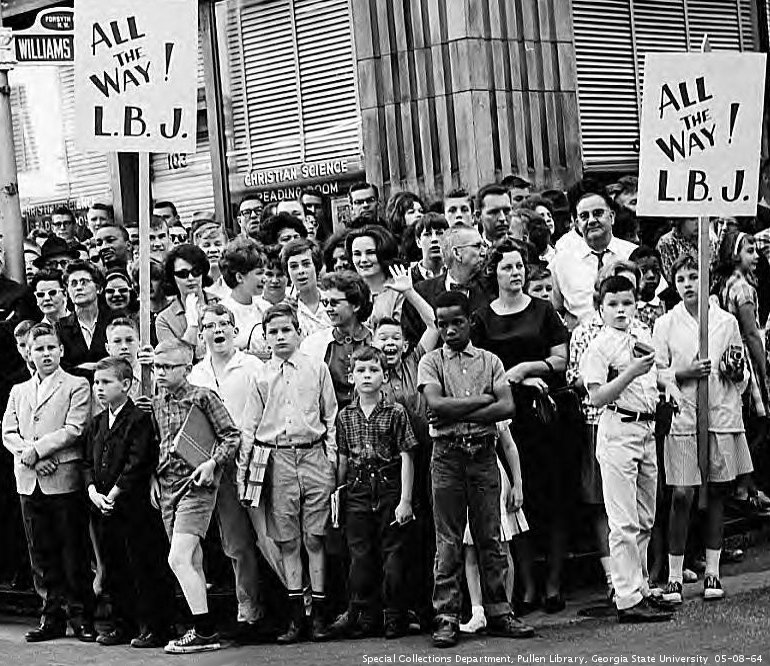

Saddam Hussein Becomes The Next Hitler

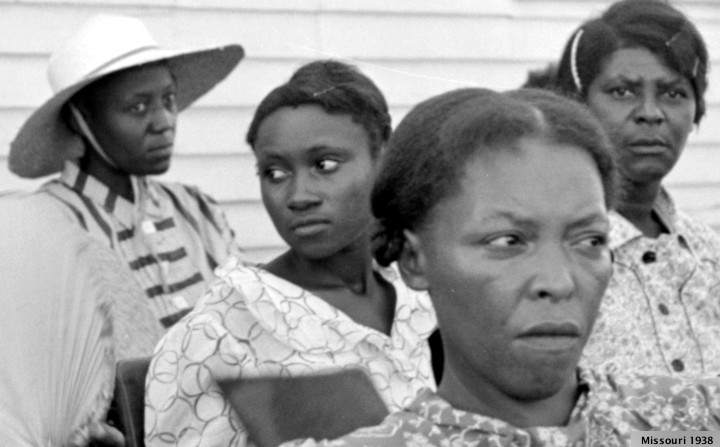


This is a repost from 2011. Juan Cole at Informed Comment posts today about a document release from Wikileaks. The document is a cable sent by April Glaspie, the ambassador to Iraq, about a meeting with Saddam Hussein on July 25, 1990. This was shortly before his invasion of Kuwait.
In 1990, Iraq was recovering from a horrendous war with Iran. That war started Sept. 22, 1980, when Iraq invaded Iran, possibly with encouragement from the United States. (At the time of this invasion, Iran was holding Americans hostage in the American embassy. The United States was not pleased with Iran.) Iraq failed to get a quick victory. The war became a bloody quagmire, with hundreds of thousands of casualties.
In 1990, Iraq was rebuilding, and Kuwait was flourishing. Oil was being over produced, driving down the price. Kuwait was accused of “slant drilling”, i.e. drilling under the border, and stealing oil from Iraq. At one point, a meeting was held between officials of Iraq and Kuwait. “Saddam…sent his foreign minister to Kuwait to meet with the Emir Al Sabah, the former leader of Kuwait, to try to resolve some of the… issues” between Kuwait and Iraq, Piro will recall. “And the Emir told the foreign minister of Iraq that he would not stop doing what he was doing until he turned every Iraqi woman into a $10 prostitute. And that really sealed it for him, to invade Kuwait.”
On July 25, 1990, Saddam Hussein summoned to American Ambassador, April Glaspie, to a meeting. The cable is Ms. Glaspie’s account of the meeting. The transcript is available on the website of the Margaret Thatcher Foundation. (Archive (Bush Library) Gulf War: USE Baghdad to Washington (Saddam’s message of friendship to George Bush) 1990 Jul 25, declassified 1998) It is worth noting that this transcript is not sworn testimony, and could contains lies and mistakes.
The invasion of Kuwait, eight days after the meeting, on August 2, 1990, set in motion events that affect us to this day. A coalition was formed to drive Iraq out of Kuwait. There was talk of going to Baghdad and deposing Mr. Hussein at the time. The military action stopped after driving Iraq out of Kuwait, reportedly at the request of Saudi Arabia. Twelve years later, the United States attacked Iraq, and drove out the Hussein government. We are still there.
The comments section for the post by Informed Comment is the source of several links in this story. The wikileaks links have been deactivated. Pictures are from The Library of Congress.
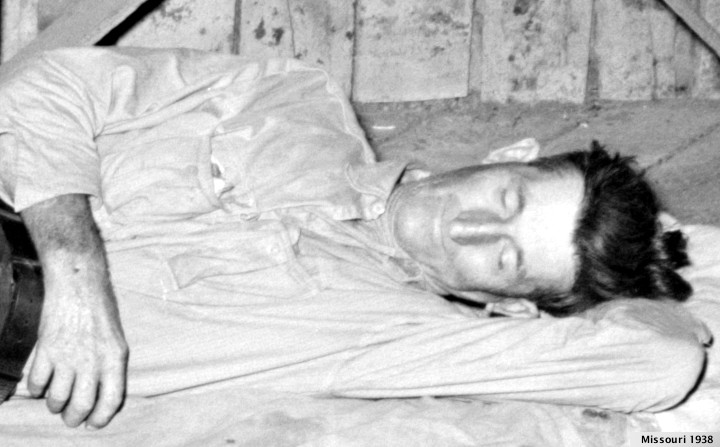
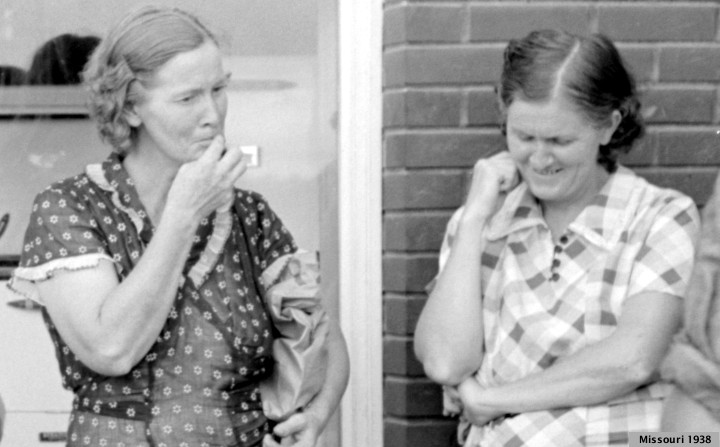

The Civil War On PBS


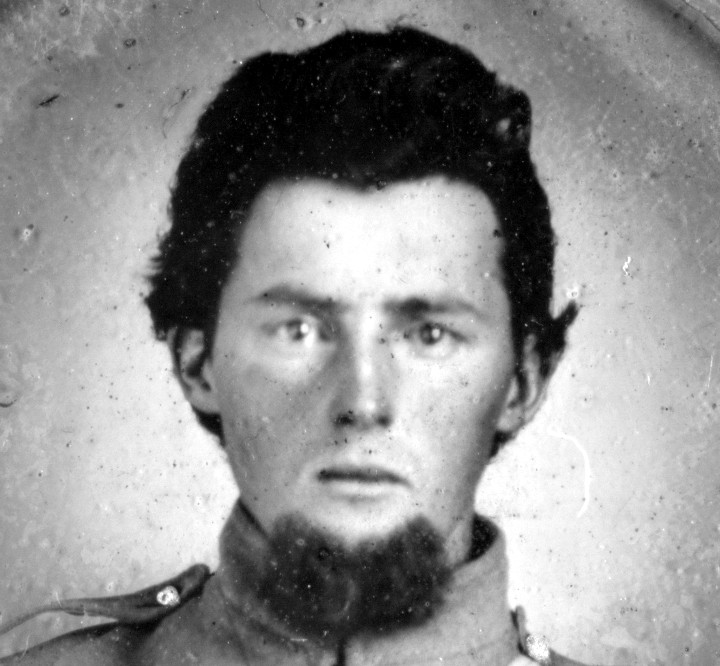

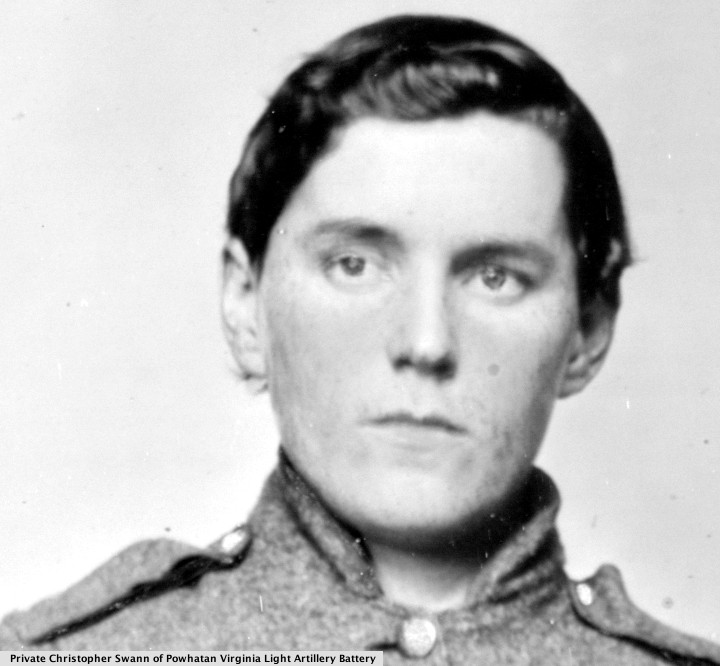
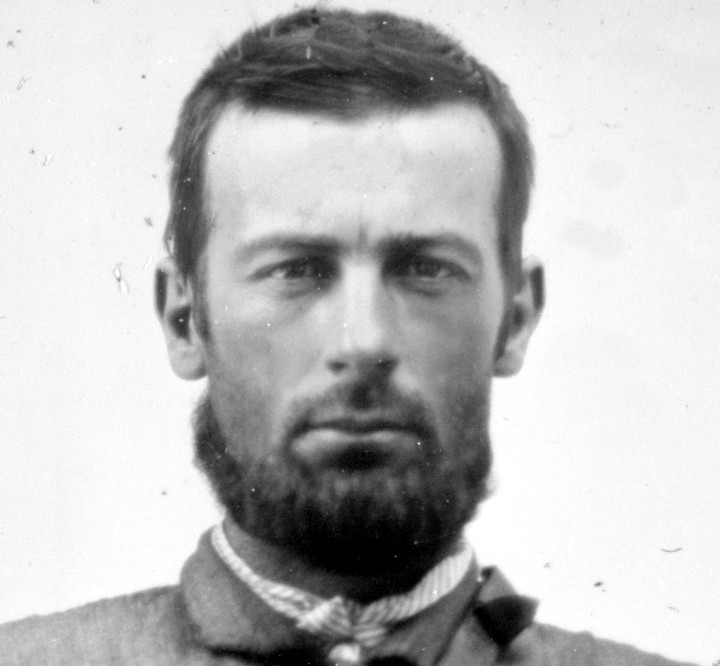

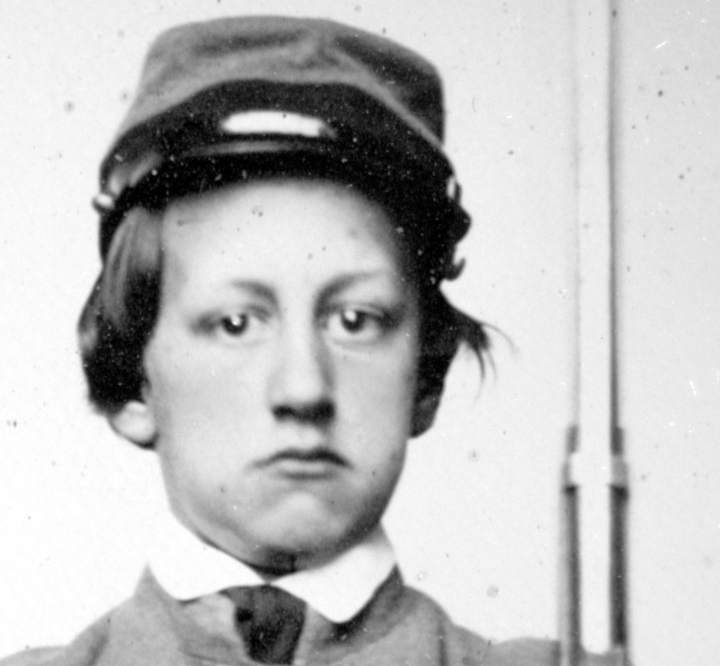
I have binge listened to a public television series, The Civil War. This youtube edition has subtitles in Portuguese, adding a Brazilian touch. I feel obligated to make a blog post. When writing about a topic of this size, I typically start by finding as many sources as possible. I have written about “the recent unpleasantness” several times, and will link to these when it is appropriate. The only way to start this project is to open a word document. This is a repost.
What did I learn? There was widespread opposition to emancipation in the north. I had never thought about this. The popular narrative is that the war was fought to free the slaves. While I knew that there were other reasons for the conflict, I assumed that the north wanted to free the slaves. As it turns out, the decision to free the slaves was controversial in the north. I will leave speculation about the reason for this to other armchair historians.
The show made me cry twice. The first time was after the Gettysburg Address. The address was made at the dedication of a cemetery, on the site of the Battle of Gettysburg. After two and a half years of horrendous carnage, the war was going good for the Union. However, 1864 was to have an election. Mr. Lincoln’s chances did not look good. If he lost, the Democrats would probably negotiate a peace, and the Confederacy would endure.
The Gettysburg Address is one of the most moving two minutes in our history. It was printed in newspapers across the land, which is the reason it is known today. “We are met on a great battle-field of that war. We have come to dedicate a portion of that field, as a final resting place for those who here gave their lives that that nation might live.”
The second tearjerker moment was also set at Gettysburg. It was the fiftieth anniversary of the battle. War veterans, from both sides, came to celebrate the occasion. There was a reenactment of Pickett’s charge. When the Rebels got to the fortifications, the Union soldiers came out and hugged them. They were greeted as brothers in arms, who had somehow survived a horrible conflict.
The fighting ended, and life in the, unquestionably, United States continued. There came to be what Shelby Foote calls “a great compromise … It consists of Southerners admitting freely that it’s probably best that the Union wasn’t divided, and the North admits rather freely that the South fought bravely for a cause in which it believed. That is a great compromise and we live with that …”
In recent years, this arrangement seems to be breaking down. It is now the fashion to view anything short of total vilification of the Confederacy as treasonous. There is sneering talk of the “Cult of the Lost Cause.” This is a lamentable way to look at this transformative part of our history. Maybe this too shall pass, and we will see the Confederacy in a different light in a few years.
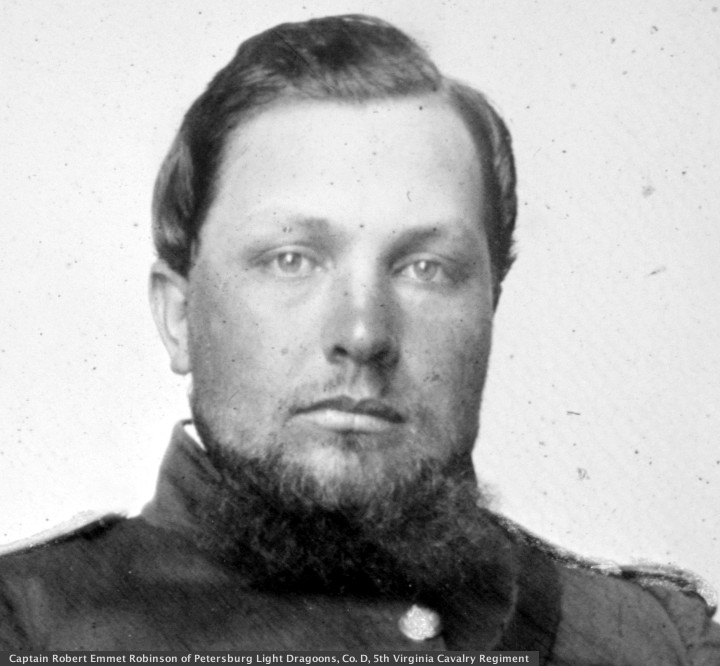
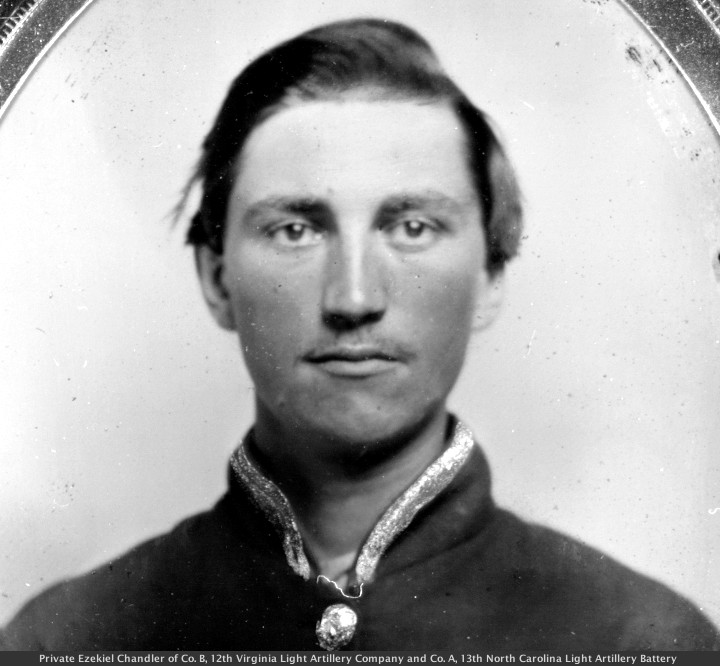
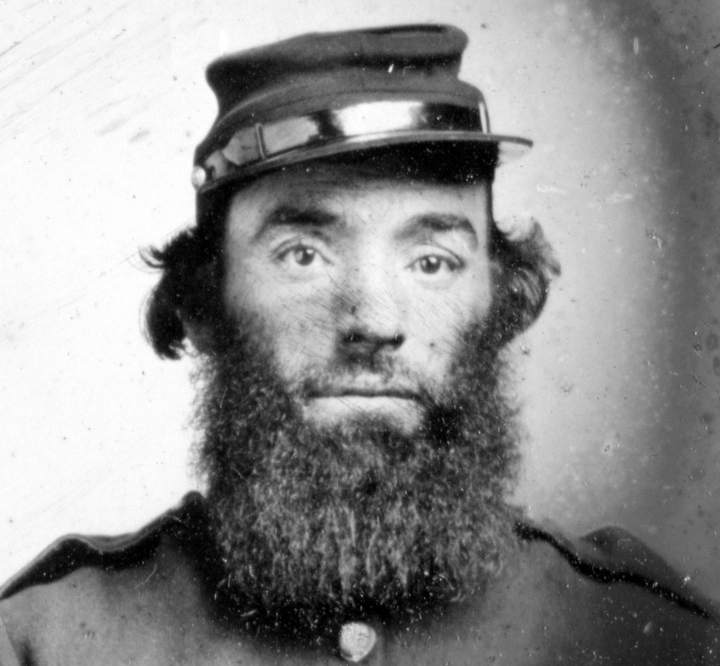
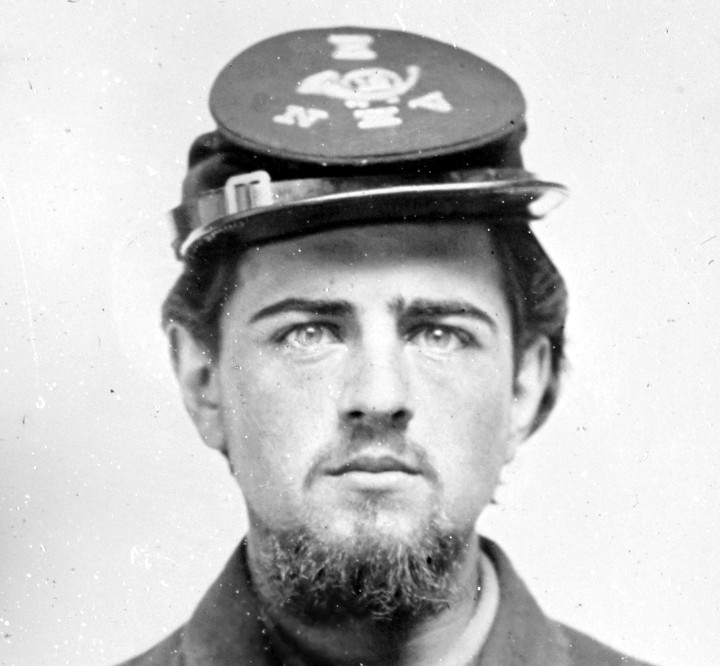
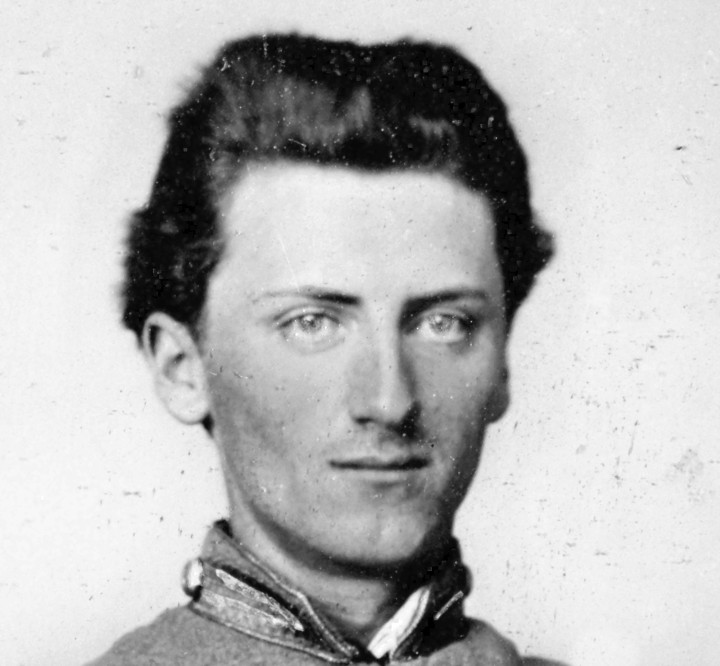
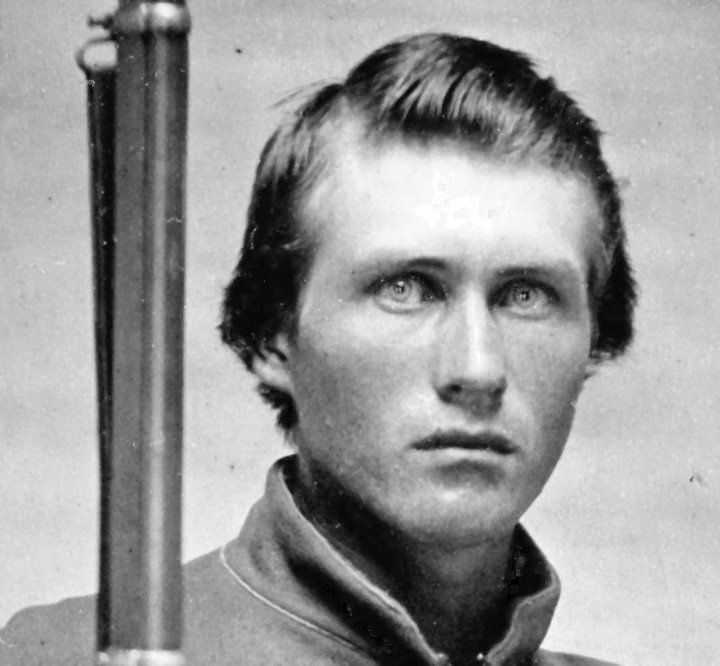
Pictures today are from The Library of Congress. The men before the text are Confederate soldiers, and after the text we have Union soldiers. These pictures are from Liljenquist Family Collection of Civil War Photographs.




War Between The States

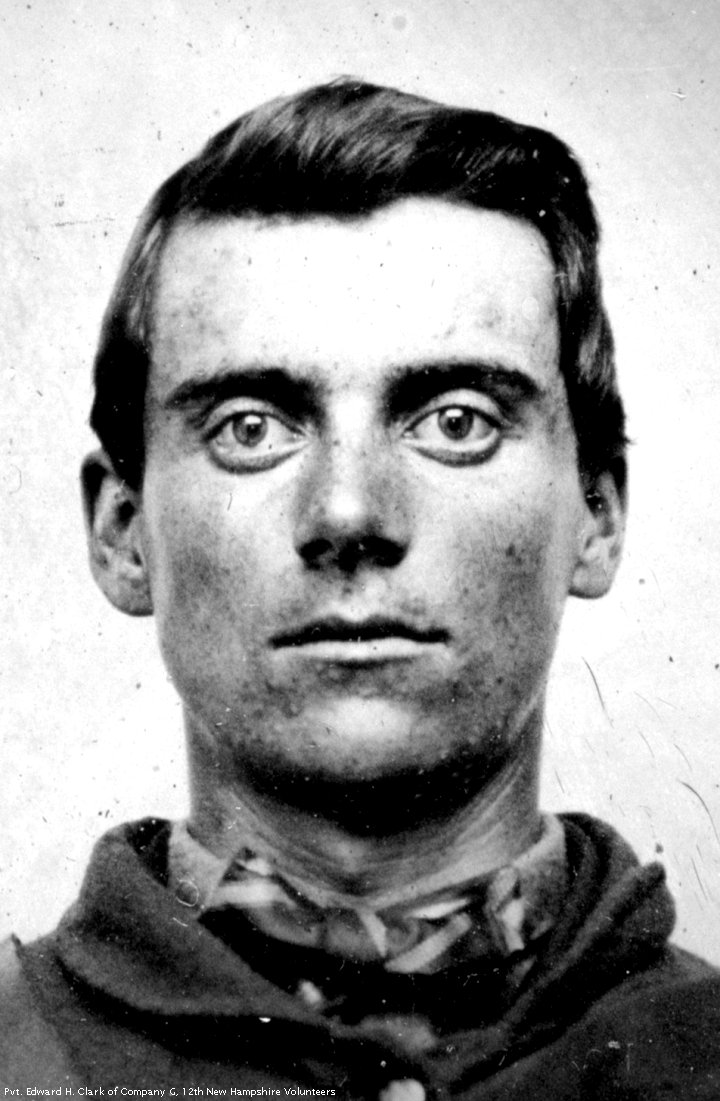


It is a truism that history is written by the winner of the war. This seems to apply to the naming of the conflict. There was a horrific armed struggle in North America between 1861 and 1865. The name used most often is Civil War. To many in the South, it is the War Between The States. In PG’s humble opinion, WBTS is a better name.
In fifth grade, PG had to write an essay about the Battle of Atlanta. The essay was a device for teaching grammar, utilized by the english teacher, Miss McKenzie. The contest was sponsored by the Daughters of the Confederacy . The expression “Civil War” was not permitted. The proper name for this conflict was War Between the States.
In many ways, this conflict started as soon as the United States became independent from Great Britain. The South was an agrarian society, with slaves to work the fields. The north was becoming an industrial society, with a need for an independent work force. The north wanted high tariffs to protect her industries, while the south wanted to sell it’s cotton to Europe. There were plenty of ways for this conflict to manifest.
Slavery was a very important factor. The south wanted to keep “the peculiar institution” intact, while many in the north were horrified. There were numerous compromises over the years, as Congress struggled to keep the Union intact. This ties in with a central dilemma of the american experience … how much power to give to the states, and how much power to give to the federal government.
The phrase civil war is defined as “A war fought between factions of the inhabitants of a single country, or the citizens of a single republic”. By the time the shooting started, the southern states had left the union. They formed a confederacy of independent states, rather than one monolithic union. It was, indeed, a war between the states.
This is a repost. Pictures, of Union soldiers, are from The Library of Congress.
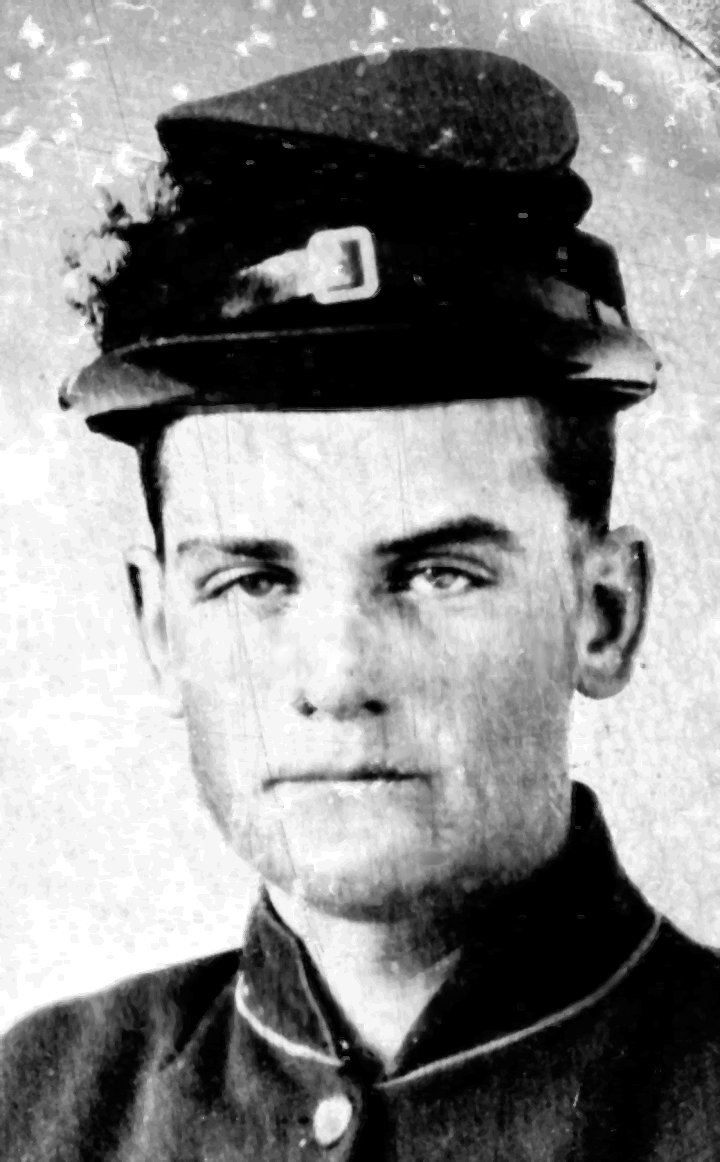
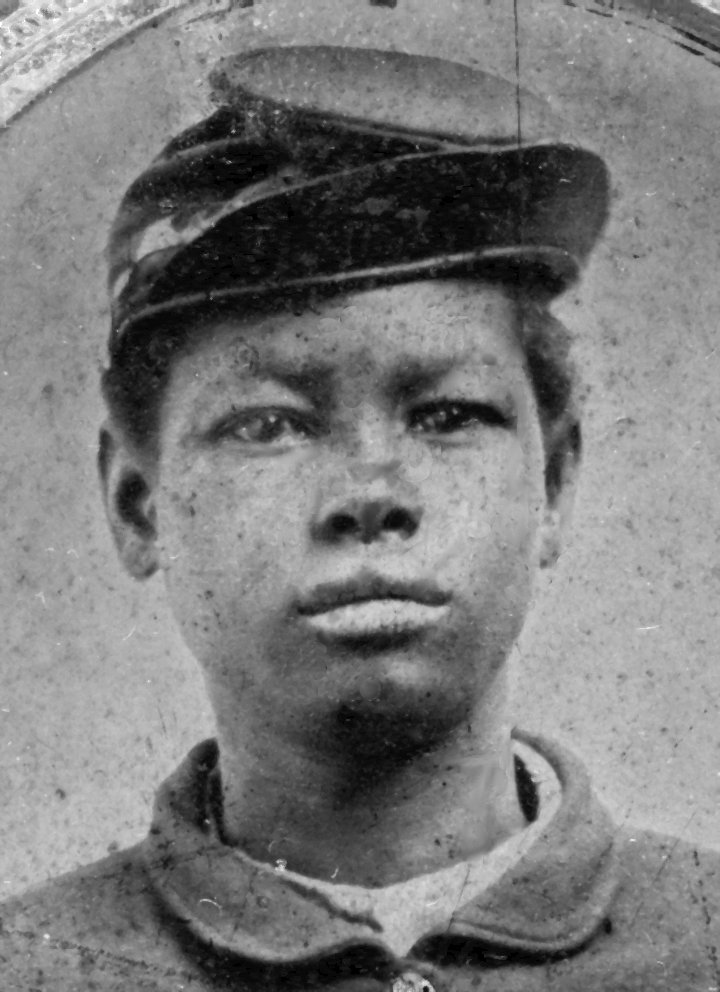

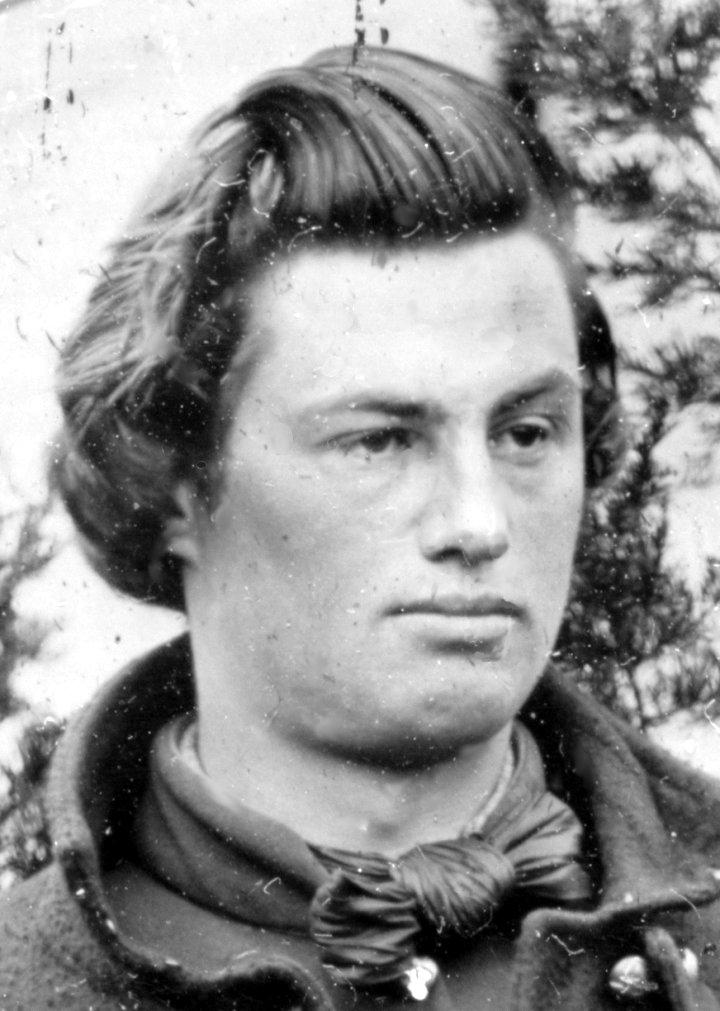






The recent destruction of #SilentSam, was defended by a quote from the 1913 dedication speech. Here is something else that Julian Carr said that day: “In the knowledge of subsequent developments, the progress, peace and prosperity of our united, common country, victor and vanquished now alike believe that in the Providence of God it was right and well that the issue was determined as it was. And the people of all sections of our great Republic, moved by the impulse of sincere and zealous loyalty, of fervent and exalted patriotism may say: “All is well that ends well.”
The demonization of the Confederacy has intensified lately. Yes, slavery was a wretched institution. However, much of the rhetoric today does not take into account many of the other causes of that war. And it forgets that *the war is over.* The early twentieth century was a time of reconciliation between the north and the south. Yes, there was Jim Crow, and white supremacy. People of color (both black and non black, both north and south) were treated horribly. Creating a more perfect union is a slow, and uneven, process.
Part two of today’s feature is a double repost. Part one is based on an interview with Shelby Foote, where he goes into some of the points made above. If you get a chance to listen to the link, you can hear Mr. Foote talk for an hour in a luxurious Mississippi accent. The second part of today’s feature goes into some of the financial causes of the War Between The States. It is an old truism that all wars are about money. The causes people are told about, both at the time of the conflict and historically, are not always the real reason for the war. Look at how WMD was used to justify “Operation Iraqi Freedom.” WMD was the excuse for the conflict, not the reason.
PG spent a pleasant Saturday afternoon editing pictures from The Library of Congress (which illustrate this post) and listening to a 1994 interview with Shelby Foote. There was a book to be sold, and Mr. Foote made the necessary appearances to sell the product. The gentleman has a handsome Mississippi accent, and is a delight to listen to. There is a transcript, aka the lazy bloggers friend.
A few of the things he said are timely. When this show was taped in 1994, Mr. Foote spoke of healing from the War Between the States. Today, we seem to be regressing. Trash talk about the Confederacy is back in fashion. It is a good time to revisit these comments. Shelby Foote died in 2005, and can no longer comment.
“Slavery is a huge stain on us. We all carry it. I carry it deep in my bones, the consequences of slavery. But emancipation comes pretty close to being as heavy a sin. They told — what is its million or 7 million people, “You’re now free. Hit the road,” and there was a Freedman’s Bureau, which was a sort of joke. There were people down here exploiting them. Three-quarters of them couldn’t read or write, had no job, no hope of a job, no way to learn a new job even, and they drifted back into this peon age system under sharecropping, which was about all they could do.
To this day, we are paying and they are paying for this kind of treatment. I don’t mean there should have been a gradual emancipation. I mean there should have been true preparation to get this people ready for living a kind of life. They were free and should have been free all along, but they were not prepared for living in the world. They’d been living under conditions of slavery, which kept them from living in the world…..”
“The Civil War, there’s a great compromise, as it’s called. It consists of Southerners admitting freely that it’s probably best that the Union wasn’t divided, and the North admits rather freely that the South fought bravely for a cause in which it believed. That is a great compromise and we live with that and that works for us. We are now able to look at the war with some coolness, which we couldn’t do before now, and, incidentally, I very much doubt whether a history such as mine could have been written much before 100 years had elapsed. It took all that time for things to cool down….”
(Booknotes host Brian) LAMB: “Was the Civil War inevitable? FOOTE: I think that it was necessary. I do not believe that those differences could have been settled without bloodshed. The question is the horrendous amount of bloodshed. That was not necessary. That could have been stopped at some point. God knows. But there apparently were differences so profound between the abolitionists in New England and the fire-eaters of South Carolina that dragged the rest of the country into this conflict that I’m inclined to agree with Seward, who called it an irrepressible conflict….” (Chamblee54 recently published a post, Why Was The War Fought?. about the financial aspects of the War. Follow the money, and find the truth. The post is seen below.)
LAMB: “From what you know now and your own political philosophy, if you had a voice and you lived back there, which side would you have been on? FOOTE: There’s absolutely no doubt. I’m from Mississippi. I would have been on the Confederate side. Right or wrong, I would have fought with my people. LAMB: Why? FOOTE: Because they’re my people. It would have meant the end of my life as I had known it if I fought on the other side. It would have been a falsification of everything I’d lived by, even if I opposed it. No matter how much I was opposed to slavery, I still would have fought for the Confederacy — not for slavery, but for other things, such as freedom to secede from the Union.”






Last week, this slack blogger found a tweet. The tweet said that Abraham Lincoln and John Kennedy fought the Federal Reserve, and both were killed. I did a little research, and found something that questions the conventional wisdom about the War Between the States.
Before getting to the quote, a disclaimer is in order. 100777.com is a sketchy website. What is says cannot be taken as literal truth. However, the statement about WBTS does raise some questions.
“One point should be made here: The Rothschild bank financed the North and the Paris branch of the same bank financed the South, which is the real reason the Civil War was ignited and allowed to follow its long, and bloody course.”
Maybe it was not the Rothschild Bank that financed WBTS. Somebody did. War is a profitable enterprise. People are going to egg on the combatants, knowing that there is money to be made. Someone encouraged the southern states to secede. Others encouraged the north to take a hard line on slavery, knowing that it would lead to a profitable war. Was slavery the reason for this war, or the excuse? Follow the money.
Rhett Butler was a central character in Gone With The Wind. He was a blockade runner, bringing in supplies to the south. He said this: “I told you once before that there were two times for making big money, one in the up-building of a country and the other in its destruction. Slow money on the up-building, fast money in the crack-up. Remember my words.”
It should be noted that slavery was a big money operation. “But I think we think of it differently when we realize that the value of slave property, some $4 billion, enormous amount of money in 1861, represented actually more money than the value of all of the industry and all of the railroads in the entire United States combined. So for Southern planters to simply one day liberate all of that property would have been like asking people today to simply overnight give up their stock portfolios.”
When the thirteen colonies declared independence, they were not creating a union. The idea was to kick out the British. The concept of a federal union, made up of more-or-less independent states, was fairly new. States had conquered other states, and formed empires, for a long time. A federal union of states was a new, and controversial, idea. Many European states wanted to see this federal union fail. These states encouraged the south to secede. Some people say the War Between the States began the day the British left.
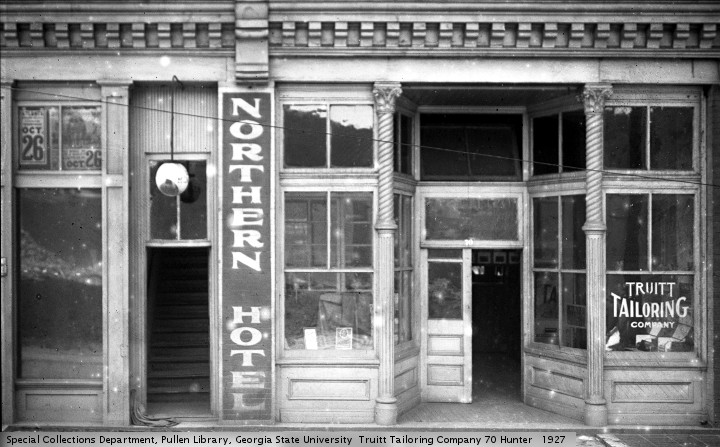
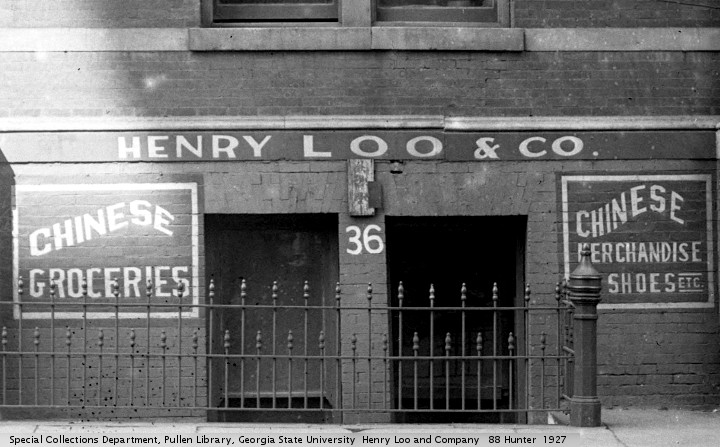
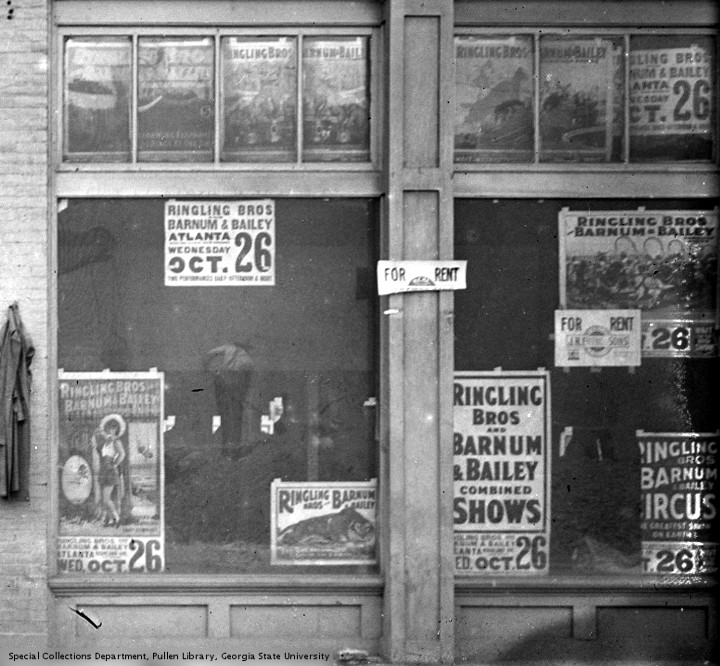
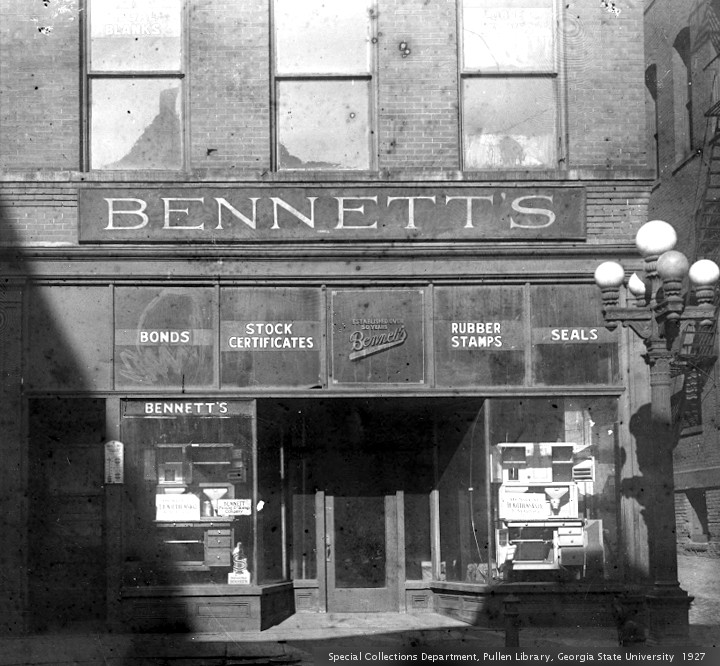
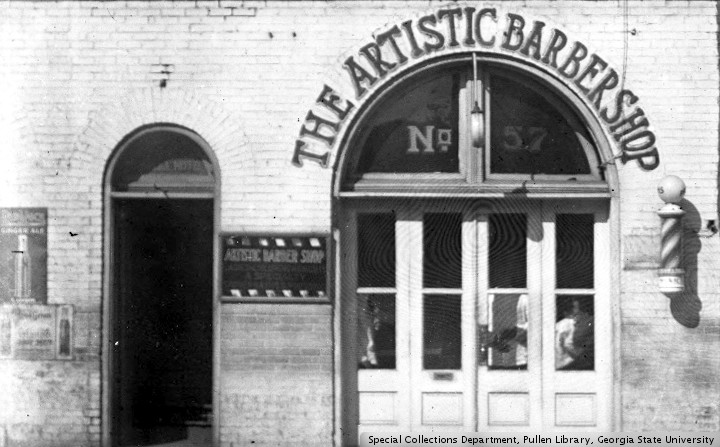
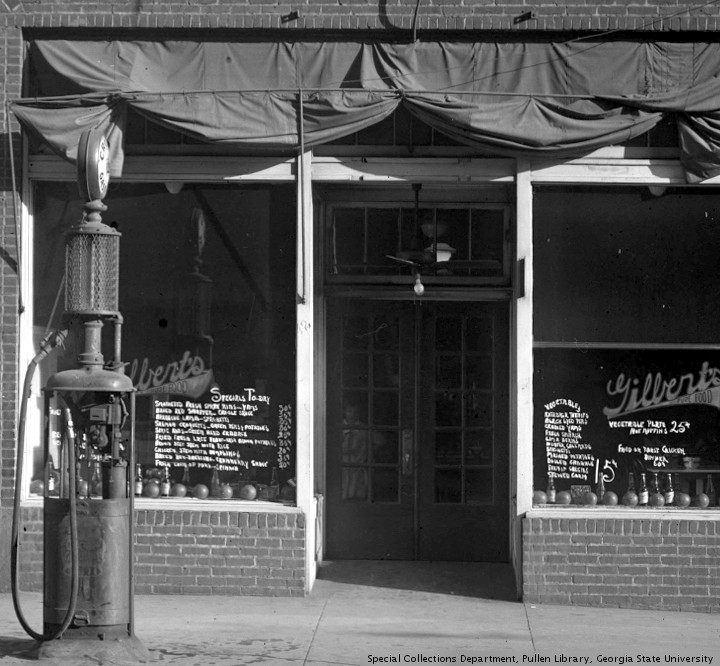
Pictures from “The Special Collections and Archives, Georgia State University Library “… a collection of images of downtown Atlanta streets that were taken before the viaduct construction of 1927 – 1929. Later, some of the covered streets became part of Underground Atlanta.”



Seven Score And Nineteen Years Ago


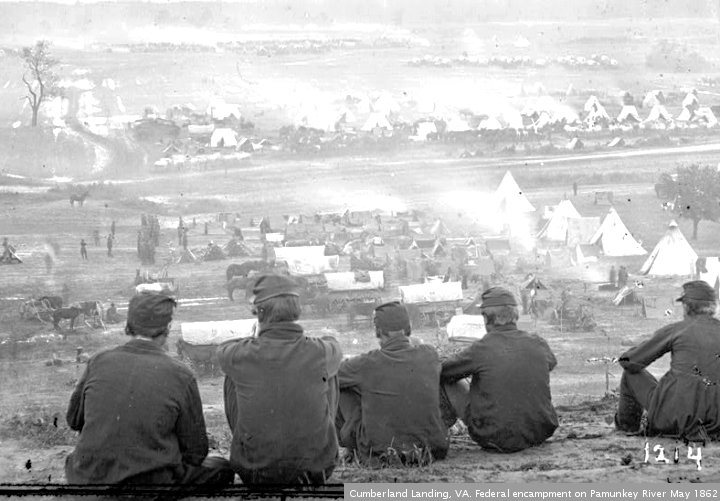
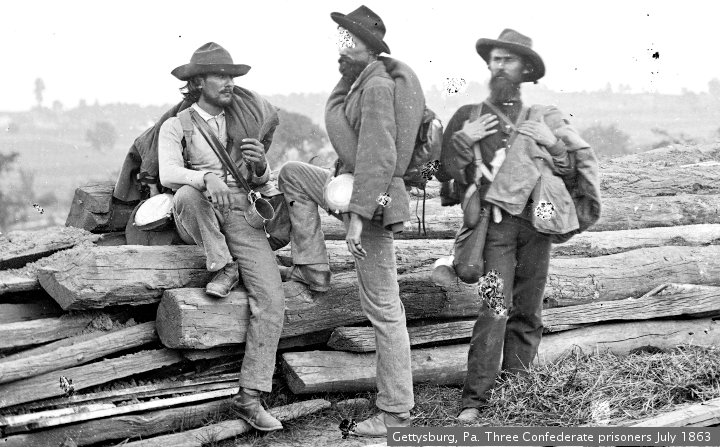


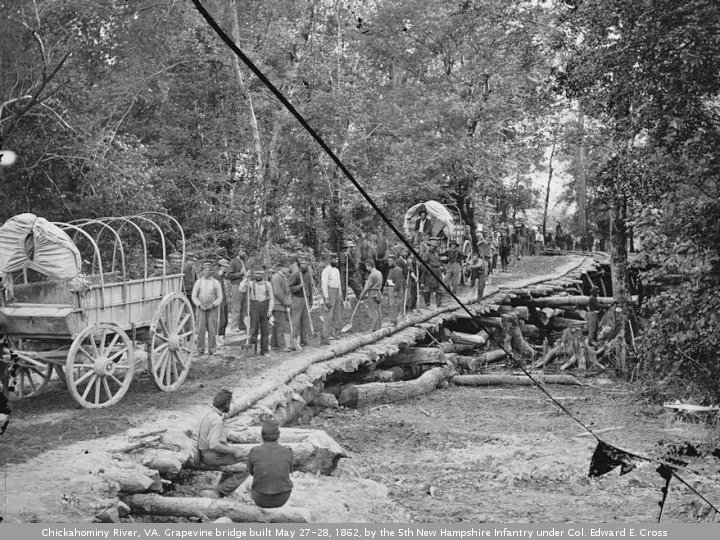

A vicious battle had been fought near Gettysburg, PA.. It is widely considered the turning point of “Mr. Lincoln”s War,” the moment when the Union took the upper hand. It came at a horrible price, and a cemetery was built to hold this price.
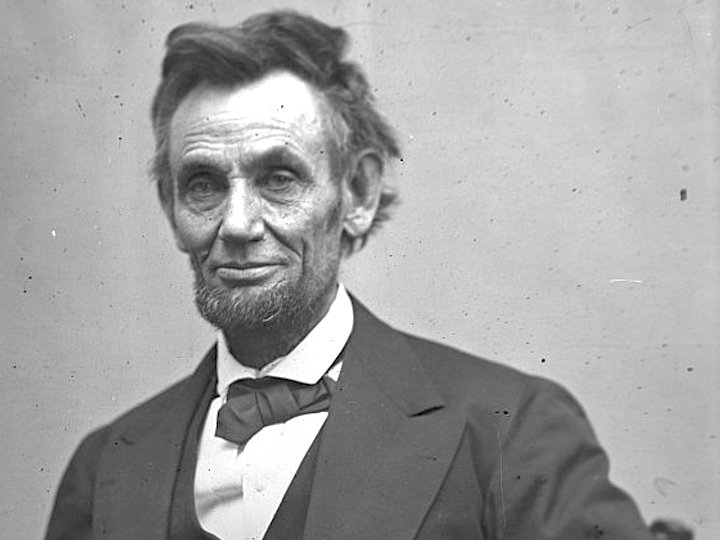
The ceremony to dedicate the cemetery was held November 19, 1863. The headline speaker was Senator Edward Everett. The President was an afterthought. After it was over, Mr. Everett reportedly told the President that he said more in two minutes than he did in two hours.
The speech by Mr. Lincoln is an American classic. Schoolchildren are forced to memorize it. There are a few legends, many of which are not true. According to The Lincoln Museum , the speech was written on White House stationary, not the back of an envelope. The train ride would have been too bumpy to write. There is also confusion about what happened to the original text that the President read from.
HT to Millard Fillmore’s Bathtub. Pictures are from The Library of Congress. Measured in pixels, the picture of George Custer is 720×666. This is a repost.
Four score and seven years ago our fathers brought forth on this continent a new nation, conceived in liberty, and dedicated to the proposition that all men are created equal.Now we are engaged in a great civil war, testing whether that nation, or any nation, so conceived and so dedicated, can long endure. We are met on a great battle-field of that war. We have come to dedicate a portion of that field, as a final resting place for those who here gave their lives that that nation might live. It is altogether fitting and proper that we should do this. But, in a larger sense, we can not dedicate, we can not consecrate, we can not hallow this ground. The brave men, living and dead, who struggled here, have consecrated it, far above our poor power to add or detract. The world will little note, nor long remember what we say here, but it can never forget what they did here. It is for us the living, rather, to be dedicated here to the unfinished work which they who fought here have thus far so nobly advanced. It is rather for us to be here dedicated to the great task remaining before us—that from these honored dead we take increased devotion to that cause for which they gave the last full measure of devotion—that we here highly resolve that these dead shall not have died in vain—that this nation, under God, shall have a new birth of freedom—and that government of the people, by the people, for the people, shall not perish from the earth.


The Burning Of Atlanta


Around this time 157 years ago, Atlanta was on fire. General Sherman was preparing for his March to the sea, and wanted to destroy anything of value in the city. The fire is reported as being on 11-15 of November, depending on what source you use.
The November fire was the second great fire in Atlanta that year. On September 2, the city was conquered by the Union Army. The fleeing Confederates blew up a munitions depot, and set a large part of the city on fire. This is the fire Scarlet O’Hara flees, in “Gone With The Wind”.
After a series of bloody battles, the city was shelled by Yankee forces for forty days. There were many civilian casualties. General Sherman was tired of the war, angry at Atlanta, and ready for action. This is despite the fact that many in Atlanta were opposed to secession.
Click here to hear a lecture by Marc Wortman at the Atlanta History Center. Mr Wortman is the author of “The Bonfire: The Siege and Burning of Atlanta”. The hour of talk is fascinating. This is a repost. The pictures are from The Library of Congress


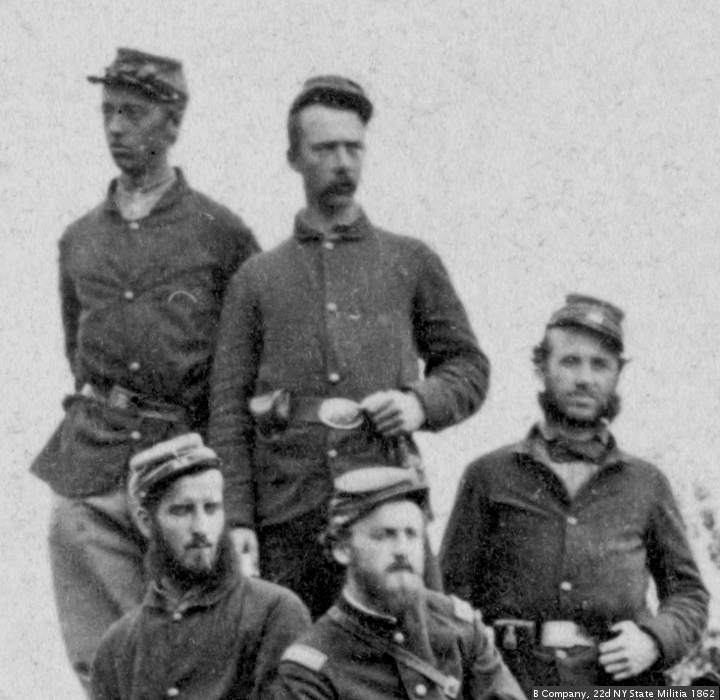
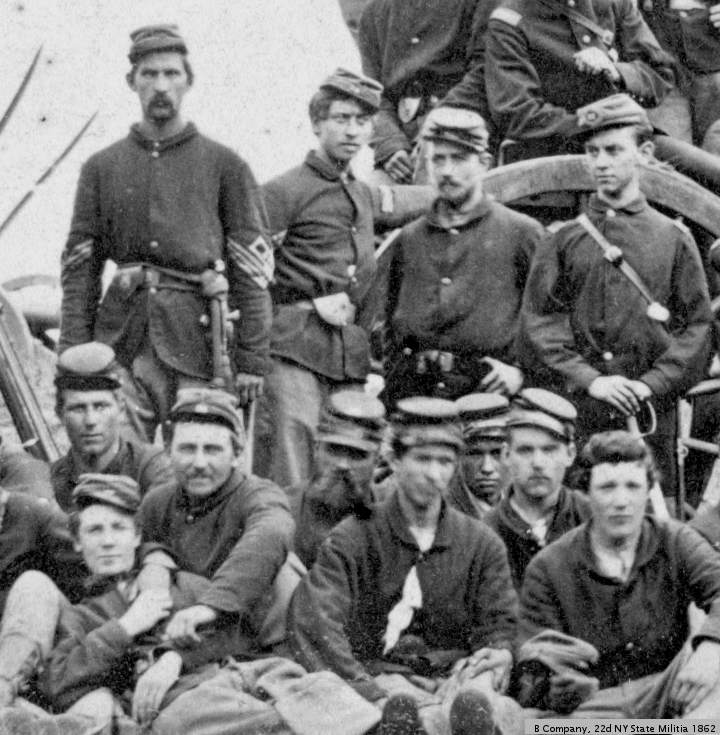


About this time every year, there is a post about the burning of Atlanta. One of the sources is a lecture by Marc Wortman. If you have an hour to spare, this talk is worth your time. One of the stories told is the tale of Mr. Luckie.
“According to folklore, two stories abound as to how Luckie Street was named. The first is that its moniker came from one of Atlanta’s oldest families. The other, probably closer to the truth, regales the life of Solomon “Sam” Luckie. Luckie, as it turns out, wasn’t so lucky after all. When General William Tecumseh Sherman first came marching through Atlanta in 1864, Luckie, a free Black man who made his living as a barber, was leaning against a gas lamp post in downtown talking to a group of businessmen. A burst from a cannon shell wounded him; he survived, but later died from his injuries. Folklore suggests that he may have been one of the first casualties of the assault on Atlanta. Luckie Street, an extension of Auburn Avenue, was later named in his memory.”
Marc Wortman wrote a book, The Bonfire: The Siege and Burning of Atlanta. The one star review, and comments to that review, are unusually detailed. Here is a selection.
“…People forget – or were never taught in school – that most Confederate soldiers descended from Revolutionary War patriots or were up-country poor sons of farmers. Many Confederate soldiers were relatively recent new arrivals to the U.S., semi-literate dirt poor immigrants from Ireland and Scotland who’d never had the chance to own even an acre of their own land in Europe. In the mix were well-educated, elite merchant business owning French Huguenot refugees of the Catholic Bourbon genocide of Protestants. These immigrants had nowhere else to go, 9 times out of 10 never owned a slave, and fought for the CSA to keep what little they’d hardscrabble carved out over a decade of arrival into the U.S.”
The War Between The States continues to be a source of controversy. After the Charleston church killings, many comments were made about the Confederate battle flag. (If you can’t talk about gun control or mental health, you talk about a symbol.) This led to discussions about the war itself. There were ritual denunciations of slavery, assumed to be the sole cause of the conflict.
The notion of autonomous states in a federal union was novel when the United States Constitution was written. The debate over federalism versus states rights continues to this day. States that want to legalize marijuana may be the next battleground. (Few are expecting secession over bong rights.) Many in the CSA saw the Union as being a conquering army, and fought to defend their homes. While slavery was certainly a factor in the creation of the CSA, it was not the only Casus belli. Pictures today are from The Library of Congress.



 Chamblee54
leave a comment