Julian Carr And Silent Sam
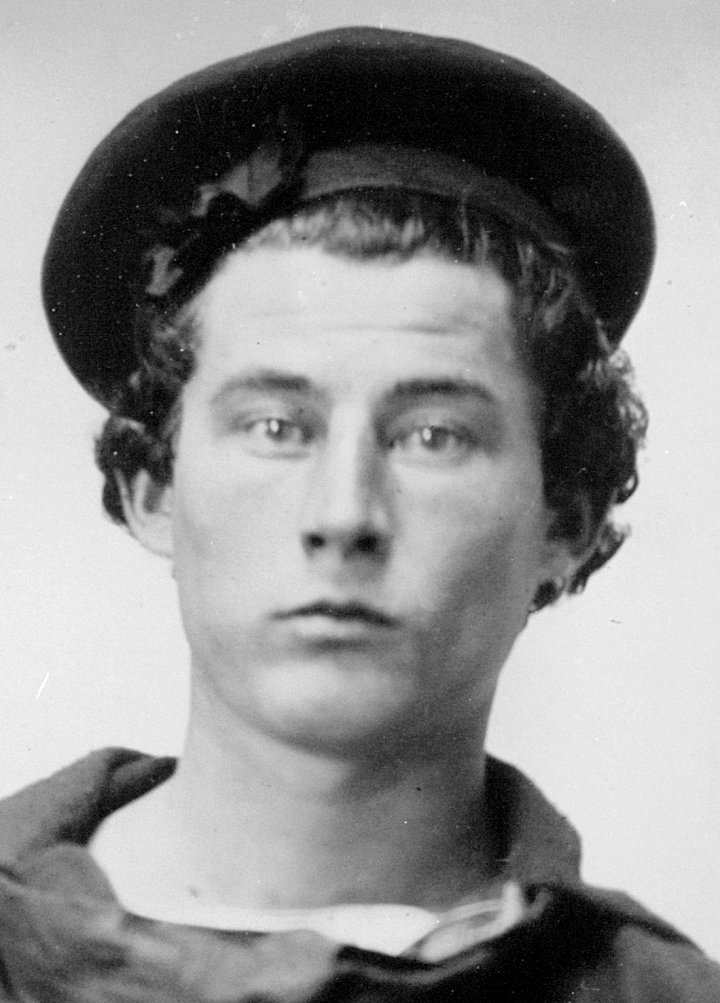
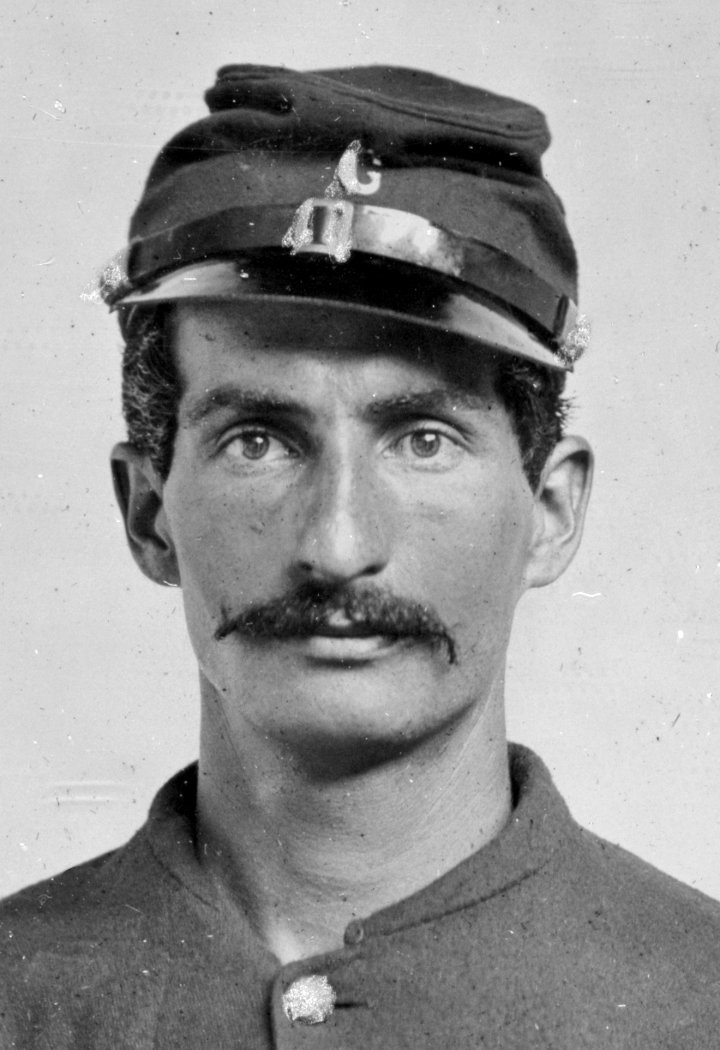

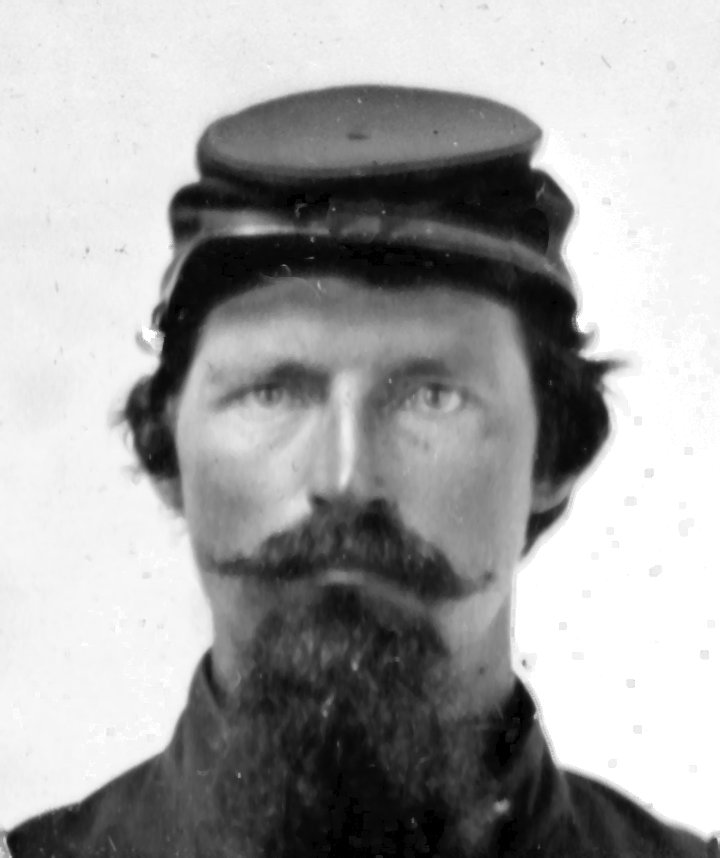
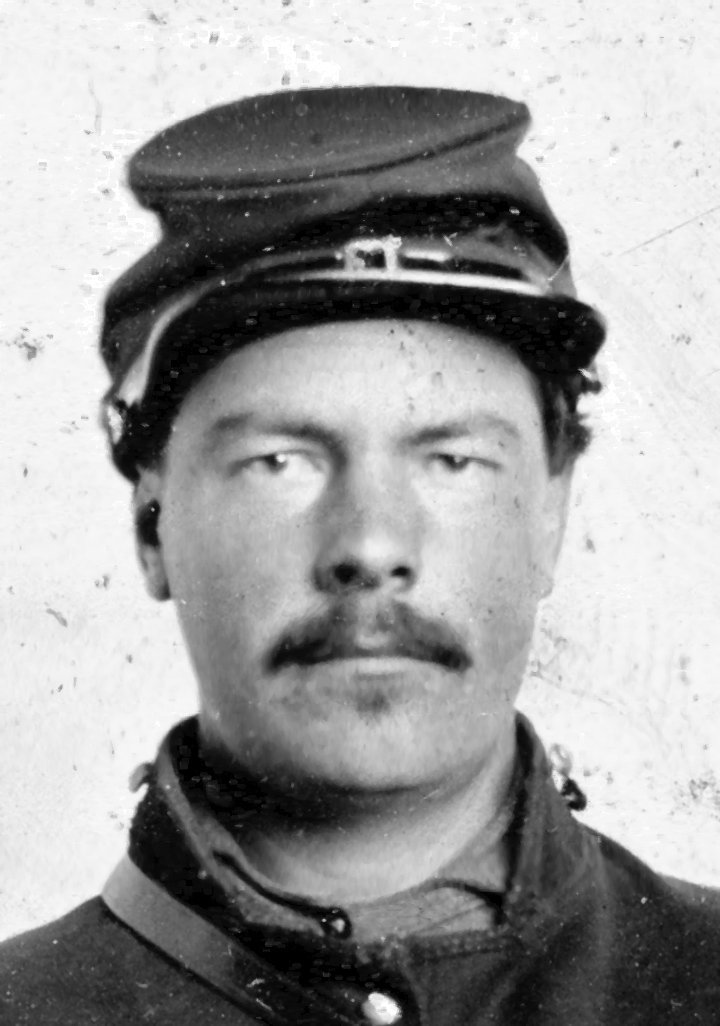
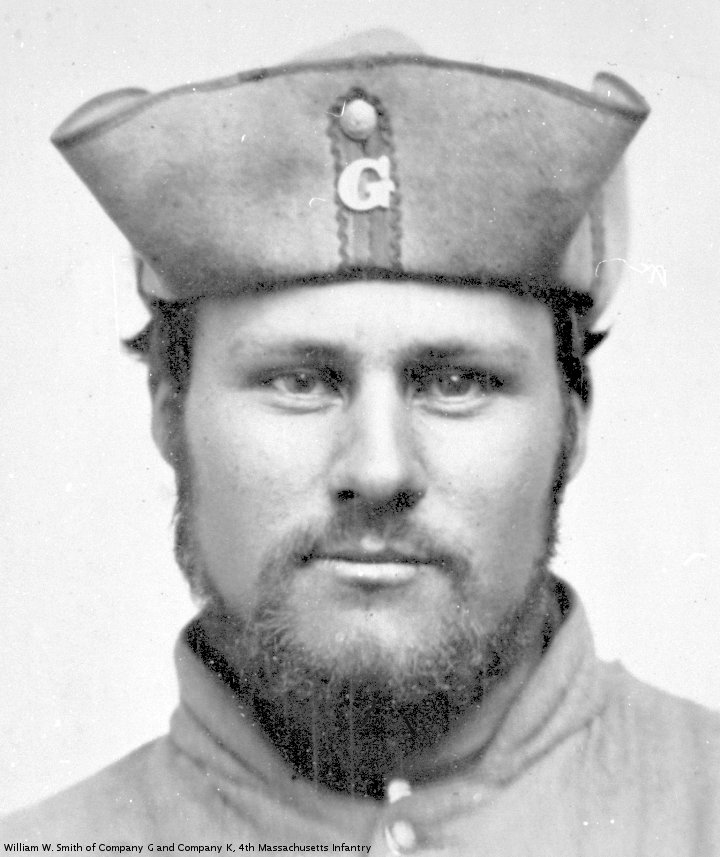
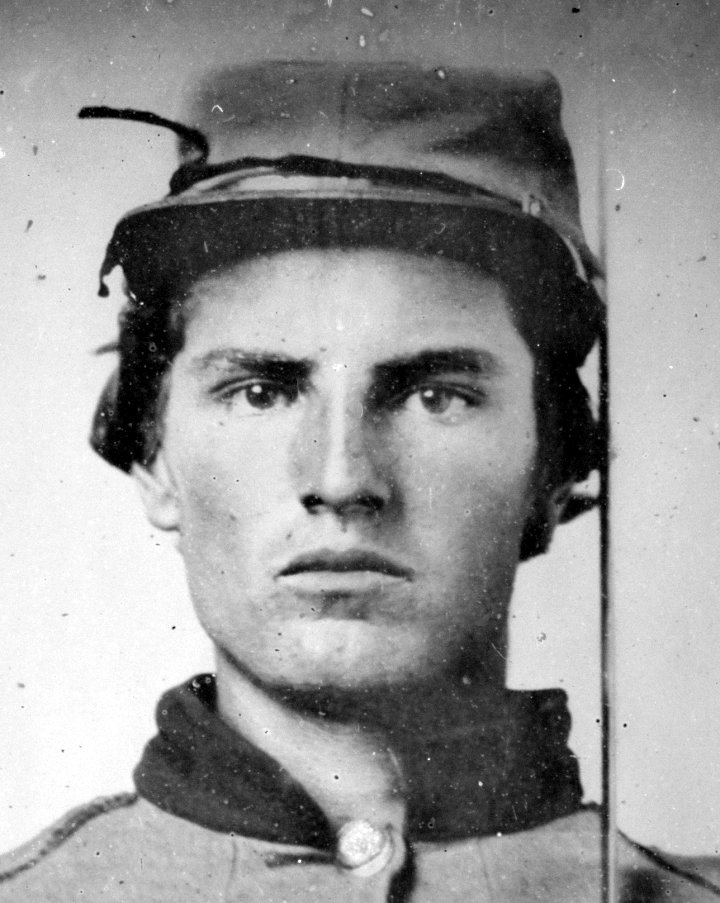
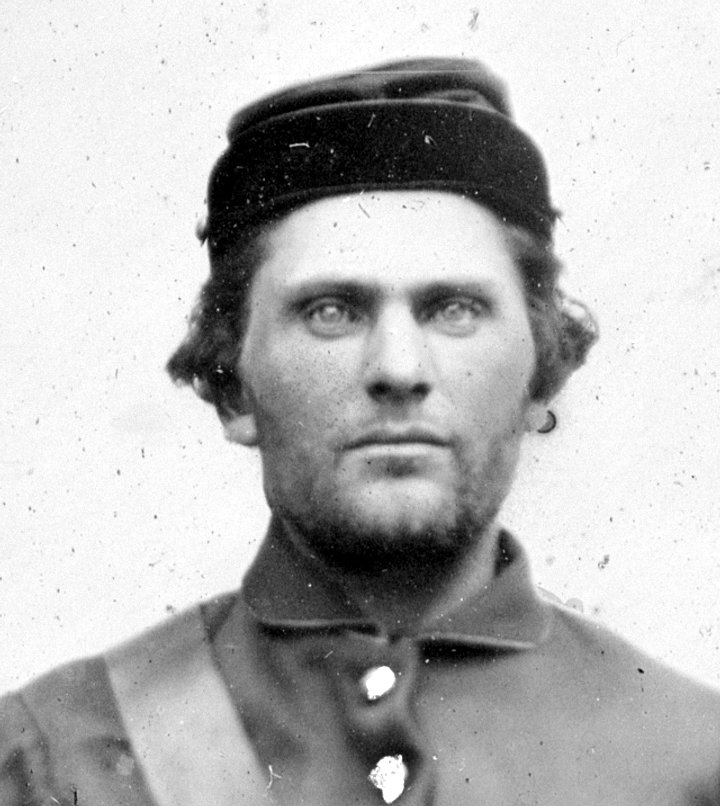

A Confederate monument was torn down last night in Chapel Hill NC. The statue, known as “Silent Sam,” was intended as a monument to students who left school to fight in the War Between the States. “In 1913, the Daughters of Confederacy, after four years of fundraising, paid sculptor John Wilson, a Canadian, $7500 for the statue. Wilson used a Boston-man, Harold Langlois, as the model. It’s unclear, however, if those attending Silent Sam’s dedication knew they were celebrating a Yankee’s profile. Silent Sam was among many “Silent Sentinels,” – statues of soldiers without cartridge box, soldiers who could no longer fire a shot – that were manufactured and bronzed in the North and then sent down south for public display. Many of these statues look remarkably similar. Like Silent Sam, they also face north, toward the Union.”
Many of the comments today quote a speech made at the 1913 unveiling. The speech was by Julian Carr, a prominent businessman and philanthropist. Mr. Carr is considered, with some justification, to have been a white supremacist. A Confederate veteran, Mr. Carr appears to have been a complex man, who did both good and harm.
This tweet is typical of today’s discourse. @jjones9 “From white supremacist Julian Carr’s speech at the dedication of Silent Sam in 1913.” The tweet features a screen shot, of a quote from the 1913 speech. “I trust I may be pardoned for one allusion, howbeit it is rather personal. One hundred yards from where we stand, less than ninety days perhaps after my return from Appomattox, I horse-whipped a negro wench until her skirts hung in shreds, because upon the streets of this quiet village she had publicly insulted and maligned a Southern lady, and then rushed for protection to these University buildings where was stationed a garrison of 100 Federal soldiers. I performed the pleasing duty in the immediate presence of the entire garrison, and for thirty nights afterwards slept with a double-barrel shot gun under my head.”
What was the rest of the speech? A bit of research turned up a transcript, Julian S. Carr, “Unveiling of Confederate Monument at University. June 2, 1913.” The rest of the speech has little in common with the “one allusion.” The speech sounded like the memorials to fallen soldiers in many other wars. “They served, they suffered, they endured, they fought, [and died – crossed out] for their childhood homes, their firesides, the honor of their ancestors, their loved ones, their own native land.”
Mr. Carr’s theme is defense of a the homeland. When the War broke out, the concept of a United States, ruled by a strong federal government, was less accepted than it is today. Many people in the South saw it as a failed experiment. Slavery was an important issue in the decision to secede, along with economic matters that do not get twenty first century people worked up. Slavery is not mentioned in the 1913 speech.
“Of the students and alumni of the University of North Carolina, about 1800 entered the Confederate army … . The University had in the service 1 lieutenant-general, 4 major-generals, 13 brigadier-[page break 8] generals, 71 colonels, 30 lieutenant-colonels, 65 majors, 46 adjutants, 71 surgeons, 254 captains, 161 lieutenants, 38 non-commissioned officers and about 1000 privates. I regard it as eminently appropriate to refer briefly at his point to the magnificent showing made by our state in the military service of the Confederacy. … The entire Confederate loss on the battlefield was 74,524, of which North Carolina’s share was 19,673, or more than one-fourth; 59, 297 died of disease, and of these, 20,602 were North Carolinians.”
“And I dare to affirm this day, that if every State of the South had done what North Carolina did without a murmer [sic], always faithful to its duty whatever the groans of the victims, there never would have been an Appomatox[sic]; Grant would have followed Meade and Pope; Burnside, Hooker, McDowell and McClellan, and the political geography of America would have been re-written.”
There are three other noteworthy quotes in the speech. “Even the great Northern universities – Harvard, Yale and Princeton – furnished quotas of soldiers for the Confederate ranks. From Harvard came 257, of whom 58 were killed in battle and 12 died in the service, and in this large list appear 8 brigadier-generals and 5 major-generals. Of the graduates and students of Yale, 48 entered the Confederate service, and of these 8 were killed in battle or succumbed to disease. At Princeton 55 men left the University, early in 1861, to enter the Confederate service, and from the somewhat incomplete records of that University it appears that a considerable percentage of these young men were killed in battle, or died from disease.”
“Permit me to refer at this point to a pleasing incident in which that distinguished son of the South, Woodrow Wilson, President of the United States, had the leading part. A year or two ago diplomas were given by our University to all the students who had interrupted their studies to enter the military service of the Confederacy. Mr. Wilson, then President of Princeton University delivered these diplomas. One man only of the Class [handwritten – that Matriculated in 1862] wearing the Confederate uniform, came forward to receive that highly prized token. It was the humble individual who now addresses you. At the dinner, later in the day, Professor Wilson greeted me with the remark that in many years nothing had so much touched and warmed his heart as the sight of that Confederate uniform.”
The speech went on and on, and sounded much like any other memorial. Once again, it should be noted that defense of the homeland received much more notice than a defense of slavery. The speech ended with these words: “In the knowledge of subsequent developments, the progress, peace and prosperity of our united, common country, victor and vanquished now alike believe that in the Providence of God it was right and well that the issue was determined as it was. And the people of all sections of our great Republic, moved by the impulse of sincere and zealous loyalty, of fervent and exalted patriotism may say: “All is well that ends well.”
“Again, dear Daughters of the Confederacy, I thank you in the name of the eighteen hundred brave, loyal, patriotic, home-loving young student soldiers who went out from this grand old University to battle for our Southern rights and Southern liberties, five hundred of whom never came back. God bless every one of you, and every Daughter of the Confederacy in our dear Southland.”
Pictures today are from The Library of Congress.




Hiroshima 73 Years Later




At 8:15 am, August 6, 1945, Hiroshima got nuked. It was the start of a new era. Since Japan is 13 hours ahead of Georgia, and standard time was used, the literal anniversary is 8:15 pm, August 5.
Tsutomu Yamaguchi was working in Hiroshima when the bomb hit. He survived, and found a train to take hime to his home town, Nagasaki.
The device dropped on Hiroshima, the Little Boy, had an estimated force of 13 kilotons of Trinitrotoluene, or TNT. A kiloton of TNT is roughly a cube whose sides are ten meters. This device is fairly tiny compared to many of the warheads developed since. Many of the modern appliances are measured in megatons, or millions of tons of TNT. The Soviet Union had a bomb with a capacity of 50 megatons, or 4,000 times the size of the Little Boy.
The largest weapon tested by The United States is the Castle Bravo. This device destroyed Bikini Atoll in the Pacific. The two piece swimsuit was named for this island. The Castle Bravo device had a yield of 15 megatons of TNT. This is roughly 1,000 times the power of the Little Boy.
The decision to drop the bomb has long been controversial. There are a lot of factors and gray areas, and the issue does not lend itself to sound bite solutions. The conventional wisdom is that Japan surrendered because of the nuclear attack. This meant the war was shortened by at least a year, there was no invasion of Japan, and many lives were saved. PG is scared by the moral calculus involved in a decision like this….do 100,000 civilian deaths prevent the deaths of 500,000 soldiers? PG suspects that even G-d herself would lose sleep over that one.
There is also evidence that the bomb was not needed. Japan was whipped in August 1945. The air raids were conducted in daylight with little resistance. A debate was going on in the Japanese government on whether to continue the fight.
An event happened the day between Hiroshima, and Nagasaki, which influenced the Japanese decision to surrender. The Soviet Union had agreed to help the United States with the war against Japan. On August 8, The Soviet Union invaded Japanese occupied Manchuria. There are indications that Japan knew the fight was hopeless at this point, and would rather surrender to The United States than The Soviet Union. This is one of the gray areas that never seems to be mentioned.
The United States wanted the war to end quickly for obvious reasons, and a few subtle ones. America did not want to share the spoils of Japanese war with The Soviet Union. There were already tensions between the two allies, and the cold war was not far off. Many felt The United States used the Little Boy as a warning to The Soviet Union.
When you get your moral software out, you might want to figure in the effect of opening the nuclear Pandora’s box. Would the nuclear bomb have been developed by other countries if America had not led the way? The science is not that complicated…after all, America hit paydirt with the Manhattan Project fairly quickly. Nonetheless, there is karma involved in using a terrible new device on a civilian population. The United States started the wind of the arms race, and has yet to feel the whirlwind.
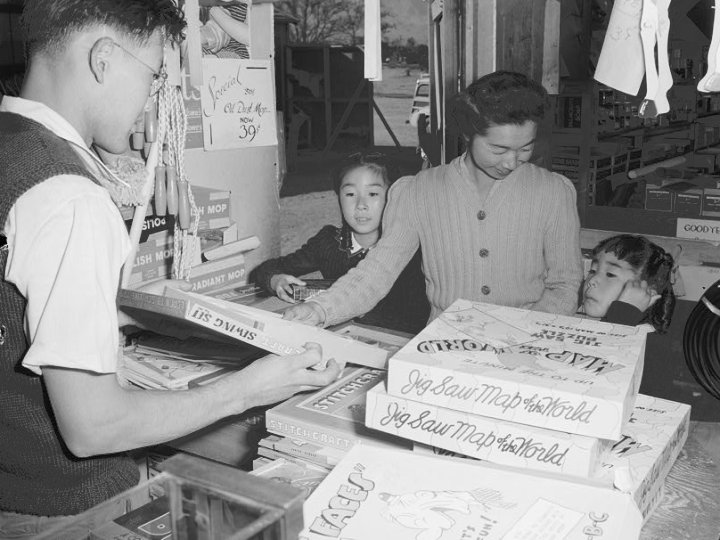
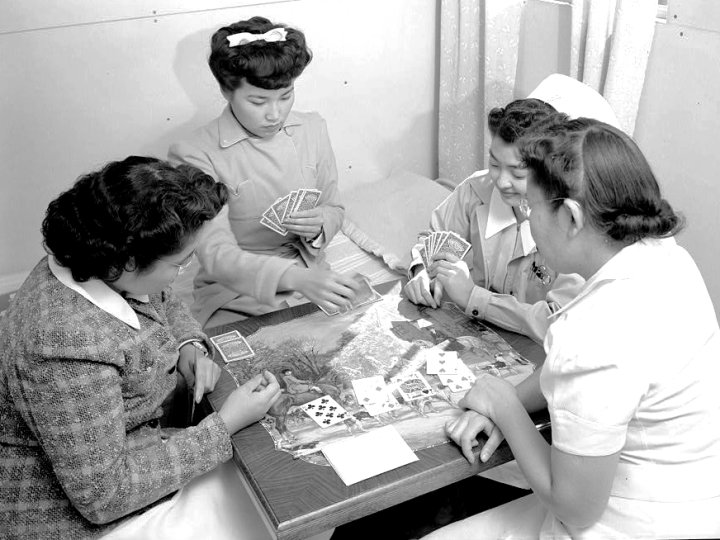
This is a repost. The pictures are from The Library of Congress. Ansel Adams took pictures of Japanese Americans, in a World War Two internment camp. The ladies in the bridge game are Aiko Hamaguchi, Chiye Yamanaki, Catherine Yamaguchi, and Kazoko Nagahama.


History From The Stable
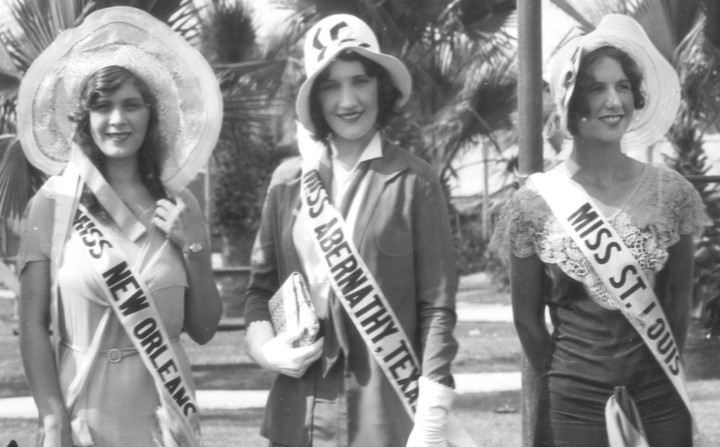
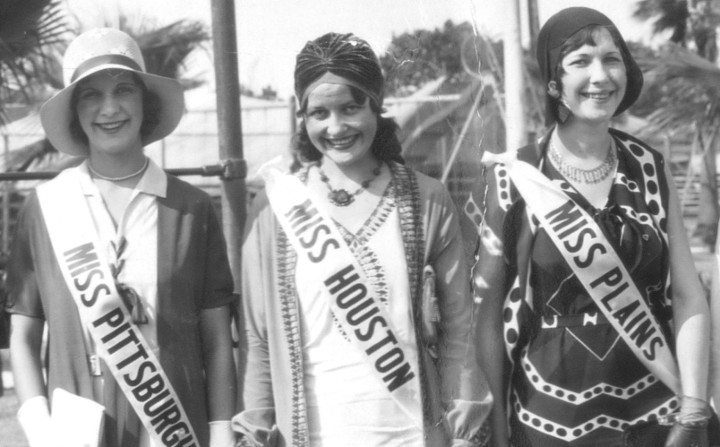
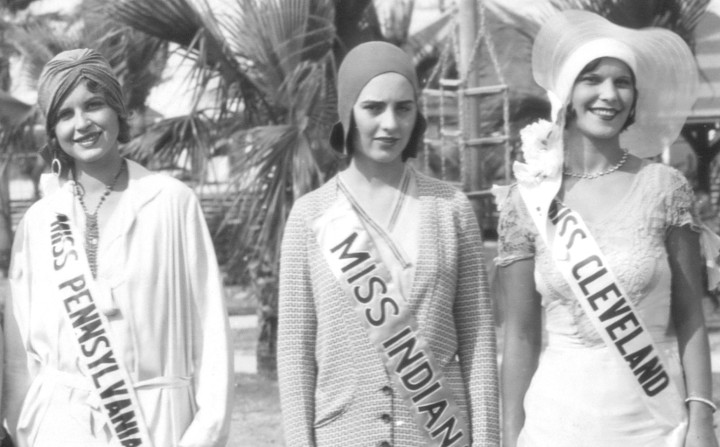
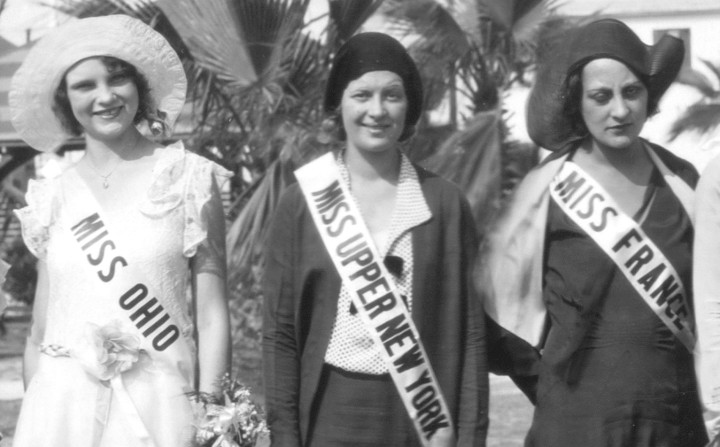
The following is a repost. Pictures are from The Library of Congress.
PG read “Churchill, Hitler, and the unnecessary war” by Patrick Buchanan. It makes interesting points, and is luxuriously footnoted. This is not to say that PG believes all of it.
Part of the problem is Pat Buchanan. He is a former speechwriter for Richard Nixon, and a public nuisance since. He gave a hateful speech at the Republican Convention in 1992 which is known as the “Culture War” speech. This speech alienated many people, and helped elect Bill Clinton.
The book starts with the deal making before World War I. Germany was ruled by Kaiser Wilhelm, the grandson of Queen Victoria. He tried to arrange an alliance with Great Britain. Instead, Britain entered into a secret alliance with France. In 1914, Europe blundered into war. The conflict turned into a ghastly stalemate, which continued until 1918. The victorious French forced a vengeful peace on the Germans, setting the stage for the second world war.
Great Britain made many mistakes. They severed an alliance with Japan. They allowed Hitler to advance, then gave a guarantee to Poland that they would defend her in a war. This guarantee to Poland is the biggest blunder of all, according to Buchanan. It made war all but certain.
Eventually, Nazi Germany was defeated, but at a frightful cost. The millions of dead in the war produced an East Europe under Communist Rule for 50 years. The British Empire was a shadow of its former self. The United States came out of the war looking good, but much of Europe was destroyed, and ruled by Communists.
Winston Churchill does not look good. He is seen cheering the start of war in 1914. He makes numerous blunders, especially when encouraging the invasion of Gallipoli. Churchill was an inspiring leader in the second war, with an actor making speeches for him on the radio. Mr. Hitler, who read his own speeches, was also a charismatic leader.
As with all history, this book needs to be taken with a bit of skepticism. Tom Robbins makes a comparison of history to animal husbandry. A herd manager mixes bloodlines to create an improved breed. A historian takes “facts”, and mixes them to support an agenda. Both are usually up to their ankles in s**t.
After PG finished the Buchanan book, he started one by Deepak Chopra. The title was “Why is G-d Laughing?“. The first chapter tells the story of a famous comedian. He goes to the hospital when his father drops dead of a heart attack. The comedian cannot help but think of jokes. PG is going to return this to the library without reading any more.
The 1954 Deferment

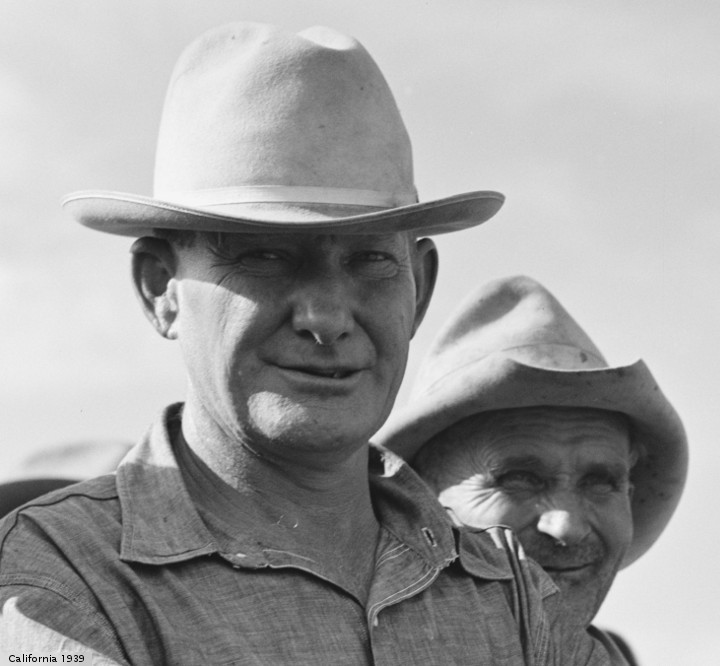
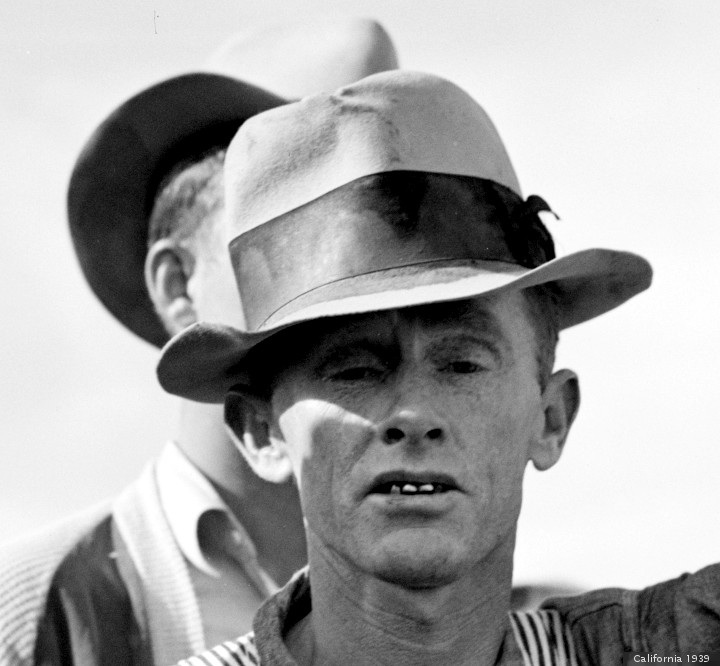
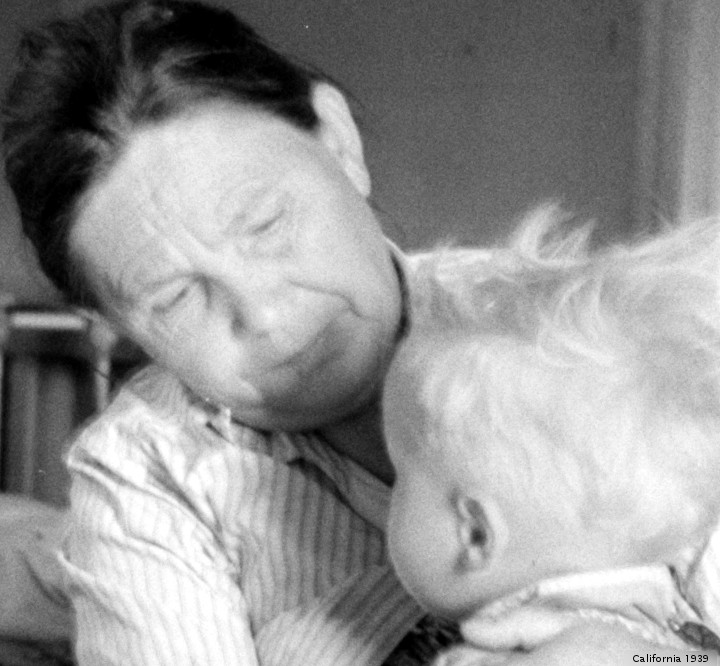

As the reader(s) of this blog might notice, there is material posted every day at chamblee54. On many days, PG is too lazy to write new material, and goes into the archive. Today, there are two pieces. 1954 Deferment is from the blogspot version of chamblee54. In 2007, PG had a job making local deliveries, and listened to talk radio. Neal Boortz was in his glory. One day, PG heard enough about Vietnam, and decided to tell his own story. It is below. This post is written in first person.
A prominent radio whiner has been urged to come clean on his military record. In the spirit of not being a hypocrite, and with the optimistic thought that someone is interested, I have decided to do the same. I have what I call a 1954 deferment. I didn’t get a lottery number until the winter of 1973, after the Paris accords had been signed. My number was 337. The minimum age to sign up in those days was 17. If I had been gung ho to stop communism , I could have signed up in 1971.
By 1971 the war was over for America. We were trying something called “Vietnamization”, which meant we were bringing the combat troops home. Mr. Kissinger was working day and night to secure an acceptable treaty, which Mr. Nixon called Peace with Honor. A few weeks before the 1972 election, the announcement was made that “Peace is at hand”. What this treaty meant was that we got our P.O.W.s back, and withdrew the last of the combat troops. The North Vietnamese troops were not required to withdraw. After a while, with Mr. Nixon distracted by Watergate and the American Public in no mood to help, “Charlie” finished the conquest of South Vietnam. Whether we got all the P.O.W.s back is a subject of controversy. There is speculation that some P.O.W.’s were kept in Asia.
I graduated from High School in June 1972. This was in between the death of J. Edgar Hoover and the arrest of the Watergate Burglars. Jane Fonda”s trip to Hanoi was in July of 1972. Anti-war protests hit a peak during the Moratorium, in Autumn 1969. There was a last surge in May 1970, after the incursion into Cambodia. During this time we had the killings at Kent State, and suddenly protest didn’t seem like as much fun. That, combined with Vietnamization, served to quiet the antiwar movement. The Kent State killings were two days before my 16th birthday. The spell check suggestions for Vietnamization are Victimization, and Minimization.
I didn’t go to Vietnam. What if I had been a few years older? The truth is, I don’t know. You really don’t know what you would do until you have to. Probably, I would have gone the student deferment route, or something else non confrontational, to stay in North America. In the early stages of the War I supported it. In the winter of 1966, I attended a rally at Atlanta Stadium called “Affirmation Vietnam”. At that time, the war protesters were seen as weirdos. It wasn’t for a few more years that people realized their government was lying, and got tired of the pointless bloodshed.
In 1965, some people still believed the government when they heard we needed to stop communism. There was a draft, or legally enforced recruiting. The spirit of patriotism from World War II was still strong. When a young man got a draft notice, many assumed it was their duty to go. Many of the fatalities in Vietnam were conscripted troops.
Offends You. is based on a long forgotten facebook page, “If-the-American-Flag-offends-you-Ill-be-happy-to-help-you-pack.” In 2010, PG would see a prompt like that, and spit out a few hundred words before you could say media bias. And almost nobody would read it. The only function this text has is to go between the pictures.
There is a facebook page now, “If-the-American-Flag-offends-you-Ill-be-happy-to-help-you-pack.” This rubs PG the wrong way. PG has had a good life in The USA, and cannot imagine living anywhere else. He pays taxes without complaint. PG compares his thoughts about America with his thoughts about his hometown, of Atlanta GA. He has had a good life in both places, and does not want to live anywhere else. And yet, no one is ever asked to “die for Atlanta”. That duty is reserved for the national political unit. If PG had been 110 years older, he would have had to opportunity to die for Georgia.
The Stars and Stripes should not be used for jewelry, or as a gimmick. The flag should be respected, not left out in direct sunlight for years at a time, until the red, white, and blue is pink, gray, and lavender. A few years ago, after a Supreme Court ruling about flag burning, PG worked with someone who drove a van. There was a bumper sticker on that van, with the American Flag, and the message “Try burning this one”. That van was parked in direct sunlight every day, and the sun burned those colors off that van. Most people don’t consider this.
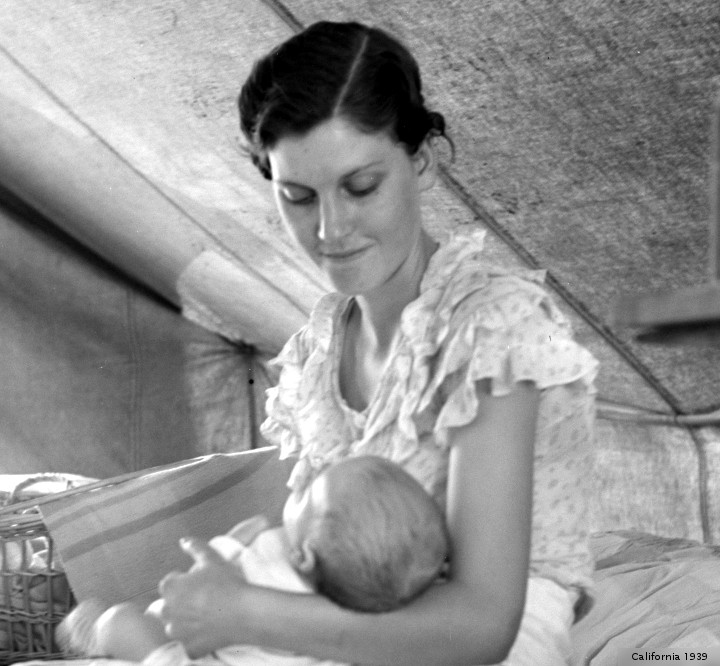
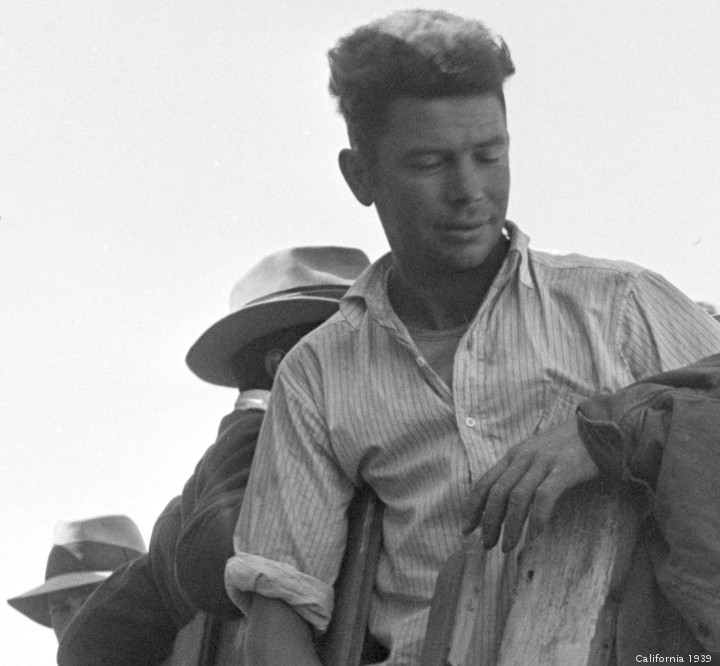
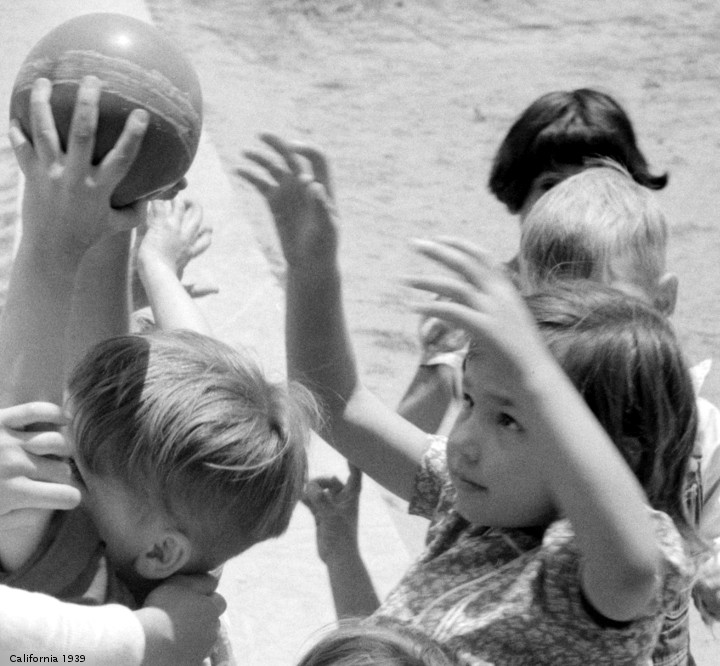
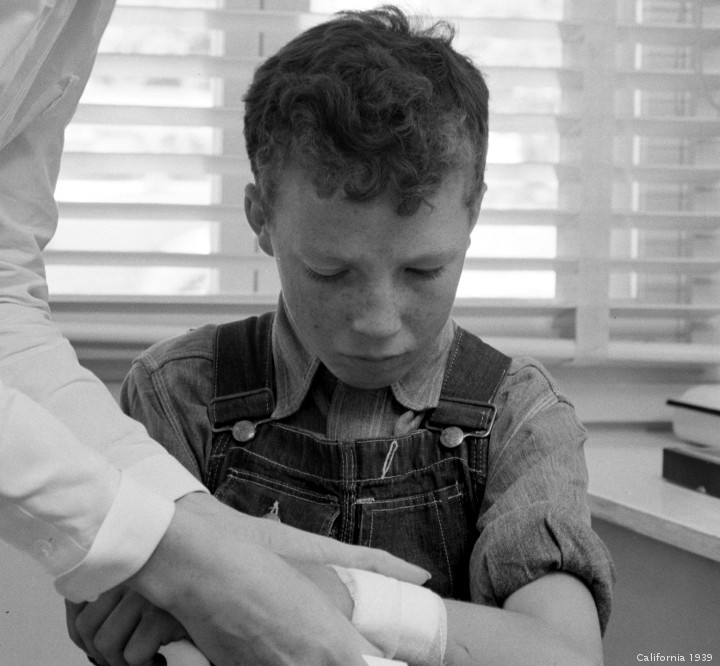
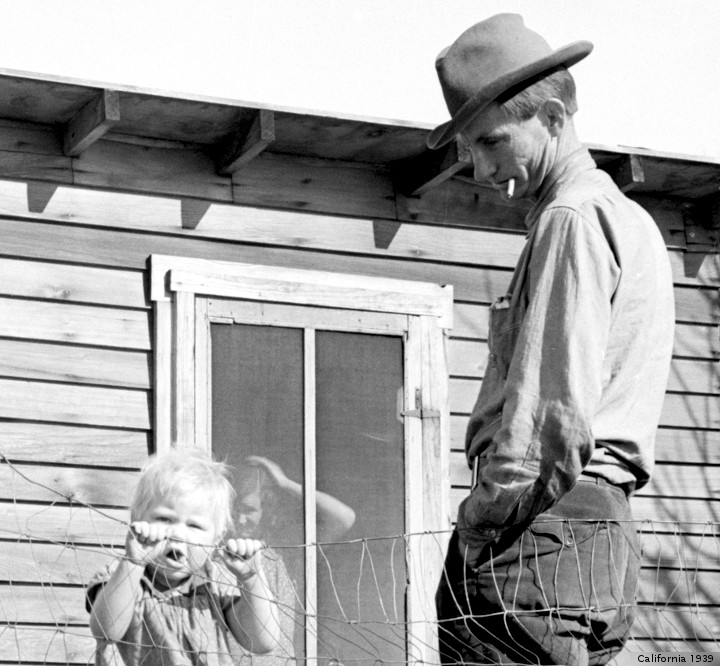
No, the American Flag does not offend PG. However, Facebook groups that would try to bully people who don’t have the “correct” opinion about this symbol…that would seek to create conflict between citizens…that does offend PG. Pictures today are from The Library of Congress. The photographer was Dorothea Lange, working in 1939 California.


Anglo Persian Oil Company


People are saying more and more about the oil disaster in the Gulf of Mexico. TomDispatch has a fascinating paragraph about one of the key players, British Petroleum (BP): “Originally known as the Anglo-Persian Oil Company (later the Anglo-Iranian Oil Company, still later British Petroleum), BP got its start in southwestern Iran, where it once enjoyed a monopoly on the production of crude petroleum. In 1951, its Iranian holdings were nationalized by the democratic government of Mohammed Mossadeq. The company returned to Iran in 1953, following a U.S.-backed coup that put the Shah in power, and was finally expelled again in 1979 following the Islamic Revolution.”
If you look at the problems of the world in the last forty years, so many are affected by Iran. The 1953 revolution left great resentment, which became manifest in the 1979 revolution. Soon Iraq…whose border with Iran was clumsily drawn by the British…decides to attack Iran. A gruesome eight year war is the result, with the USA supporting both sides (as well as possibly encouraging Iraq to attack Iran). The idea was, if they are fighting each other, they will leave Israel alone.
After this war is over, Iraq has a problem with Kuwait over it’s war debt. Another war is the result, with the USA involved. Iraq is vanquished, but some in the USA are not satisfied, and after a few years the USA invades Iraq again. That war is still raging.
The biggest winner of the US-Iraq war (aka World War W) is Iran. This new influence in Persia is very troubling to Israel, which is loudly rattling it’s nuclear saber. While Israel is making noise about Iran, it takes attention away from the Palestinian tragedy.
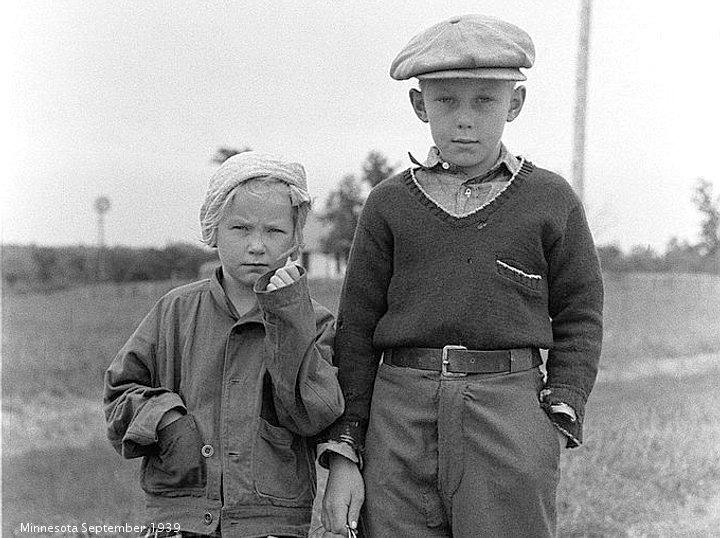
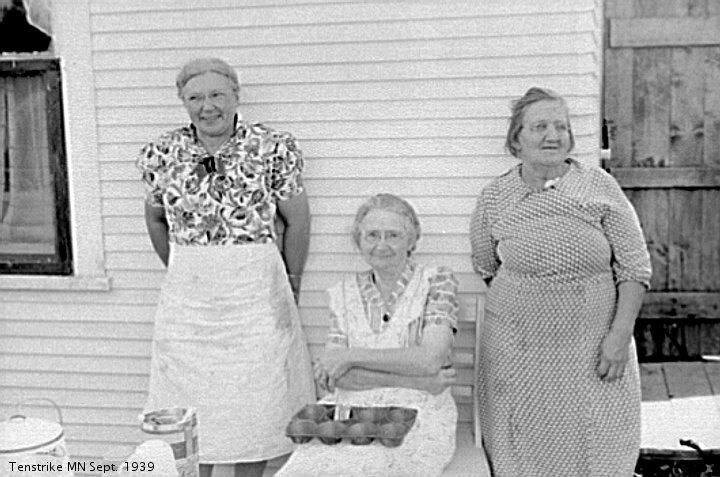
Pictures are from The Library of Congress. This is a repost from 2010. TomDispatch is still open. The feature today, Beating the War Drums… Again, is about Saudi Arabia and Iran.


Sixty Four Years Twelve Presidents
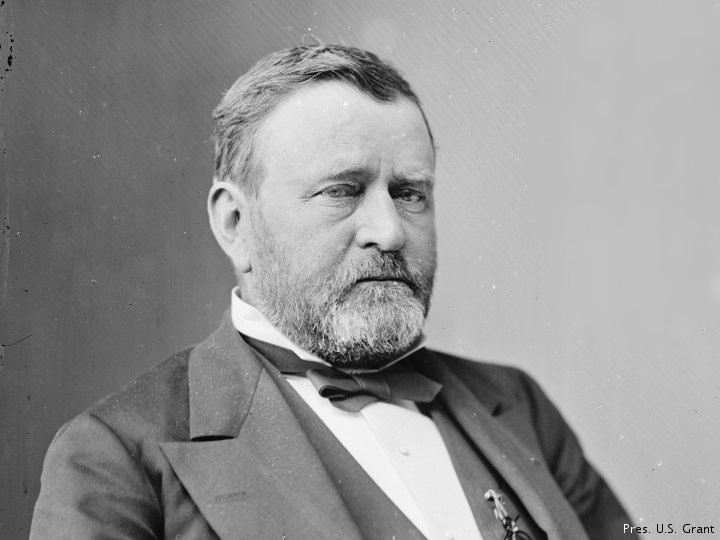

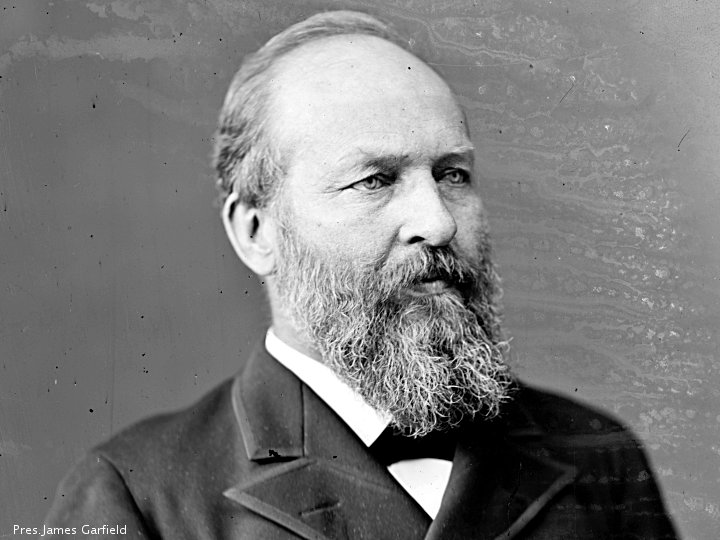
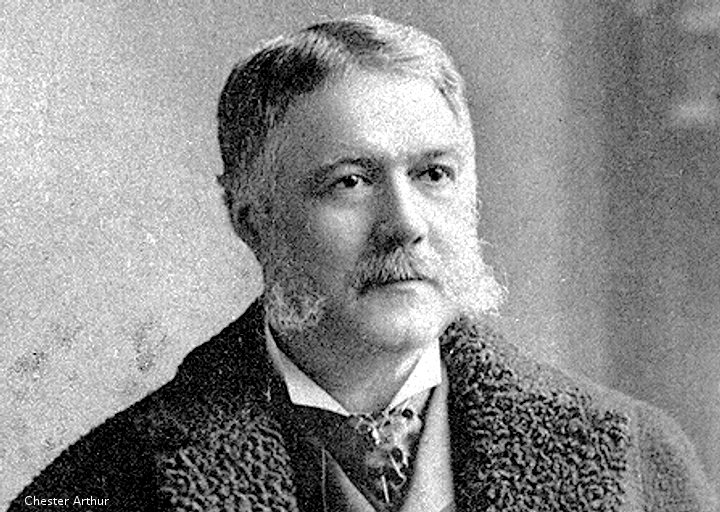
This is a repost from 2010 and 2016. It is about the twelve Presidents, one fourth of the total, who have helped themselves served over the last sixty two years. Barack Obama got re-elected, and killed lots of people. The less said about Donald J. Trump, the better.
Every four years, someone will say this is the worst choice ever. Every four years, someone will say this is the most important election ever. They are always correct. The choice in 2016 was between Donald John Trump and Hillary Diane Rodham Clinton. Choosing between those two idiots was challenging. The good news is that most people live in states where the electoral votes are conceded to one of the duopoly parties. These voters can focus on local elections.
Listening to the news shows that came on before the cartoons, PG heard the phrase “President Eisenhower”. As a friends explained to him, G-d made everything, but the President is Eisenhower.
When he was six, PG moved to a new house, and started first grade. There was an election that fall, and someone named Kennedy became President. PG wasn’t old enough to pay attention to the news yet, except when it looked like the Russians were going to kill us all in 1962.
The first news story that PG clearly remembers was the day when his fourth grade teacher, Miss McKenzie, told the class that President Kennedy had been shot. One of the worst moments that weekend was the moment when a plane landed in Washington, and the new President spoke on television. THAT was the new President? Yuck.
Lyndon Johnson was a larger than life figure, and was hated by millions of Amuricuns. While there was some good done by LBJ, it was overshadowed by the War in Vietnam. When he left office in 1968, the voters had a horrible choice …Hubert Humphrey, Richard Nixon, or George Wallace.
Tricky Dick Nixon is another larger than life figure, with millions of Americans screaming for his impeachment. For some reason, there were others who passionately admired the man.
In 1973, the oil companies tried to say there was an oil shortage. Later that year, Egypt, Syria, and Jordan attacked Israel, and the Arab oil producers cut oil to the USA. After this embargo, OPEC was in charge of the oil supply, and the price of gasoline increased 200%. The era of big money oil was on. What a convenient war.
After the ethical shortcomings of Mr. Nixon became too obnoxious to ignore, Gerald Ford became President. On a policy level, Ford was like all the other Presidents…some things he got right, some things he got wrong. On a personality level…the show business part…Ford excelled. His family provided harmless fodder for the gossipmongers. He was a likable man, a welcome break from the meanness of Richard Nixon and Lyndon Johnson.
When PG was a kid at Ashford Park School, there had never been a President from Georgia. It seemed impossible. When Georgia Governor Jimmy Carter announced he was running, it seemed like another ego tripper running for President. The funny thing is, he won. It still seems a bit unreal, like having the Olympics in Atlanta.
Jimmy was a Democrat, with attack Republicans fighting him every step of the way. This is a problem later Democrats in the Oval Office will have. On the policy level, he did better than many realize. Many of his achievements only bore fruit after he left office. On the show biz front, his down home Georgia routine did not appeal to many Yankees. In 1980, he was defeated by an actor.
PG was worried when Ronald Reagan took office. With America’s nuclear arsenal, and the Soviet Union wheezing it’s threat, many thought that Ronnie would start the war to kill us all. The good news is, this war never happened. Whatever tough talk came out of Washington was not matched by military adventurism abroad.
Reagan was the master of show business. He was an actor, playing the greatest role of his career. It was said that if America had a figure head monarch, Reagan would have been terrific. On the policy front, taxes were cut, and the budget increased. The national debt went over a trillion dollars, which was seen as a horrible moment. (The annual budget deficit is now over a trillion dollars.)
When Mr. Reagan’s two terms were over, George H.W. Bush took over. This was an era where the Democrats could not do anything right on a national level. Bush presided over a war, and brought the troops home when the mission was over. His image never appealed, and the whiners were not pleased. A computer salesman named Ross Perot decided to run as a third party candidate.
In the winter of 1992, PG had a little job downtown. One day, there was a rally at the CNN center for a little known Presidential candidate. PG went, and said to a friend, If this guy gets elected, you are going to regret not going to see him. At the time, War Winner Bush seemed unbeatable, and PG said that with high sarcasm.
When he got to CNN center, it was obvious that a big money event was unfolding. The place was packed, with school children bussed in to fill all the seats. Finally, the speakers blared “Twist and Shout” at top volume, and Bill Clinton walked on the stage. PG was not especially impressed.
Clinton inspired toxic hatred, but managed to keep the boat floating. He won reelection, with the Republicans seeming to self destruct. The economy was going good, the budget was balanced, and the haters went wild. After a entertaining sex scandal, the Clinton years were over.
A couple of weeks before the 2000 election, PG liked neither candidate, and did not think it made much difference. (With Georgia’s electoral votes certain to go Republican, PG did not have a vote.) He listened to someone talking, who thought that it was important that Gore won. PG remembered that conversation often during the next eight years.
George W. Bush was a disaster. It is possible that 911 was a personal vendetta against the Bush family, and would not have happened if Gore was President. The reaction of Bush to this tragedy was to start two wars that we have not been able to finish. In 2016, we are still in Afghanistan.
Next was Barack Obama, the first dark skinned President. He continued the war happy ways of the Bush regime. BHO was reelected in 2012, and given four more years to wage war. He managed to avoid the second term scandals that crippled Mr. Nixon and Mr. Clinton.
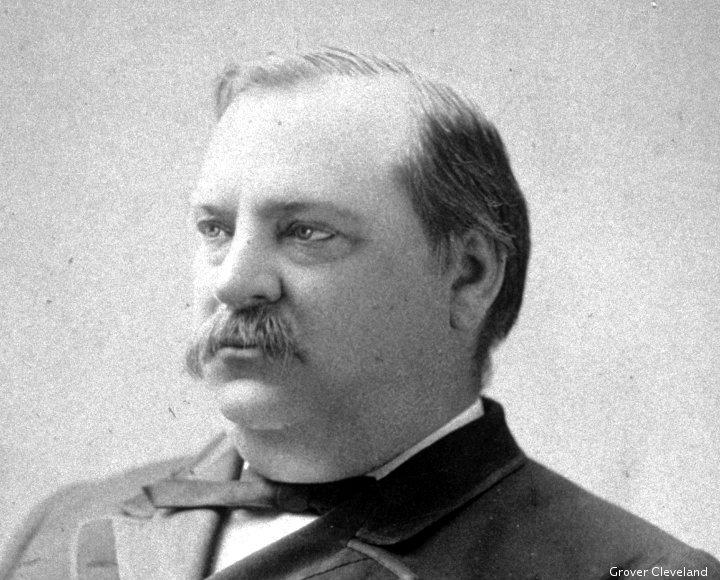
In the next election, the democrats decided that calling people racist was a good campaign strategy. As a result, Donald J. Trump was elected. America is more racially divided than ever, which the election of Mr. Obama was supposed to remedy. With the nation distracted by screaming racism, the congress has cut taxes, and produced a multi-trillion dollar budget deficit. America might survive. Pictures for this feature are from the The Library of Congress.

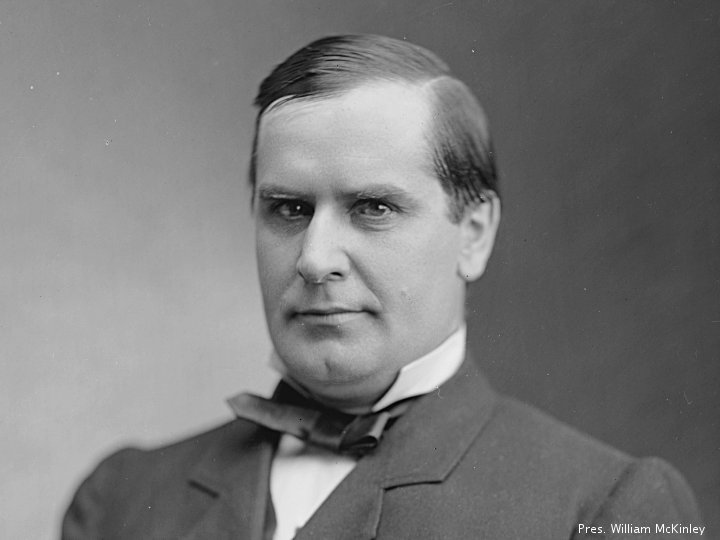

Confederate Memorial Day

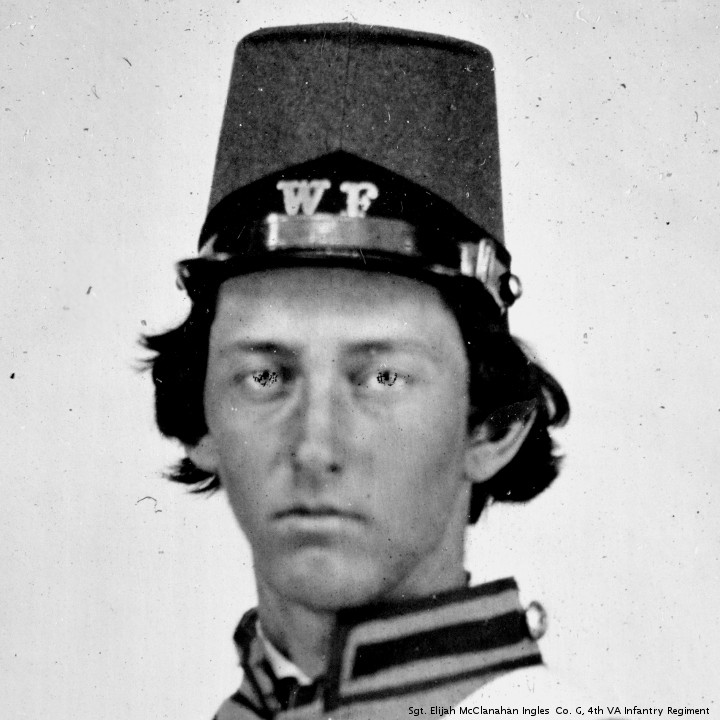

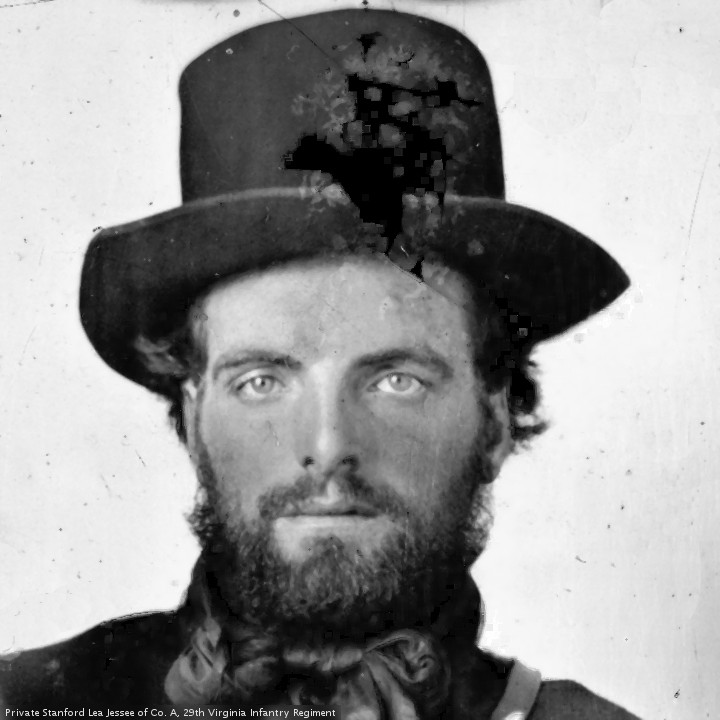


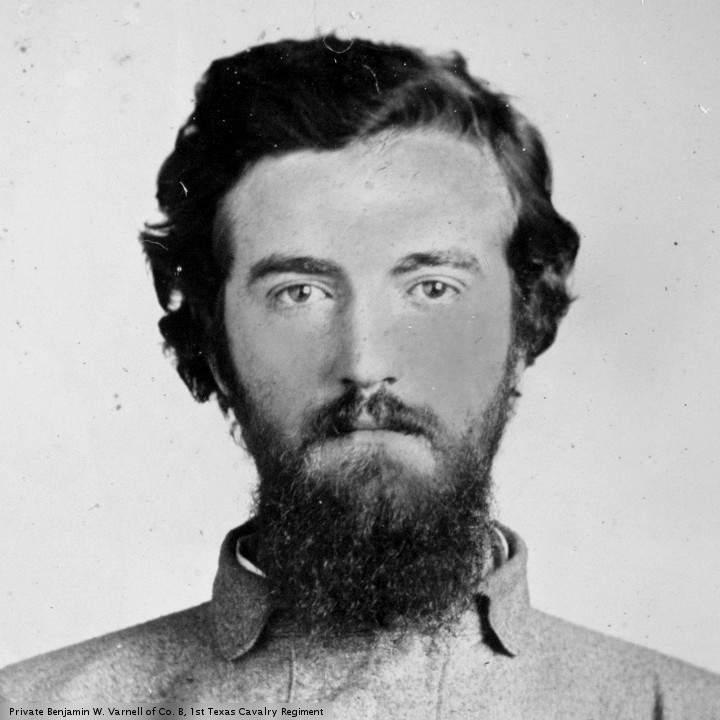
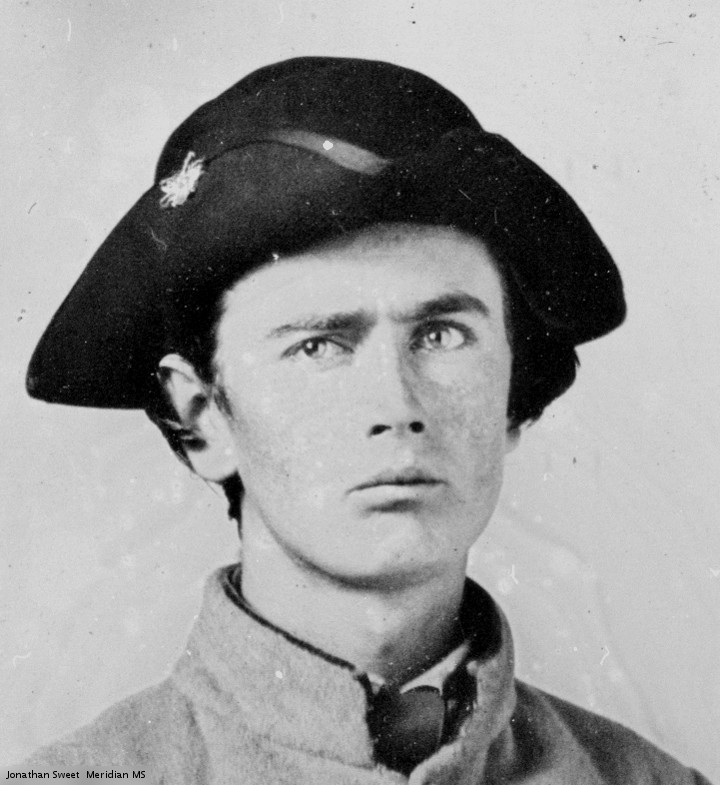
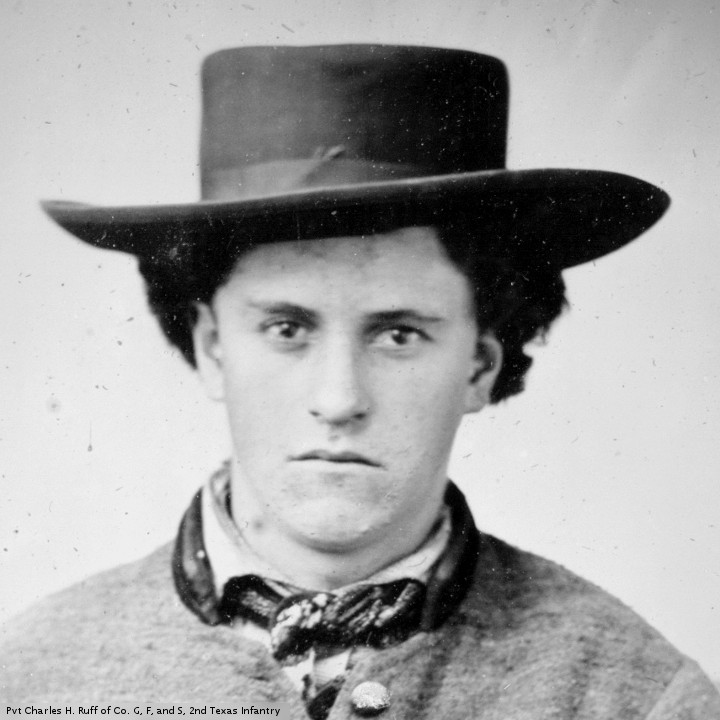
Today is Confederate Memorial Day in Georgia. It is an ancient question…how to honor the soldiers from the side that lost. They were just as valiant as the Union Soldiers. Considering the shortages of the Confederate Armies, the Rebels may have been just a bit braver.
The issue of Federalism is a defining conflict of the American experience. What powers do we give the Federal Government, and what powers do we cede to the States? The Confederacy was the product of this conflict. The Confederate States were a collection of individual states, with separate armies. This is one reason why the war turned out the way it did.
This is not a defense for slavery. The “Peculiar institution” was a moral horror. The after effects of slavery affect us today. Any remembrance of the Confederacy should know that. This does not make the men who fought any less brave.
It is tough to see the War Between the States through the modern eye. It was a different time, before many of the modern conveniences that are now considered necessities. Many say that the United States were divided from the start, and the fact the union lasted as long as it did was remarkable. When a conflict becomes us against them, the “causes” become unimportant.
The War was a horror, with no pain medicine, and little that could be done for the wounded. It took the south many, many years to recover. The healing continues in many ways today. Remembering the sacrifices made by our ancestors helps.
This is a repost from CMD 2010. Pictures are from the The Library of Congress.




Slavery And Global Warming


Have you ever wondered why your ancestors owned other human beings? How can you justify something this cruel? In an NPR interview to promote a new book, 1861: The Civil War Awakening, Adam Goodheart has an answer. This is a repost.
It was economics. “But I think we think of it differently when we realize that the value of slave property, some $4 billion, enormous amount of money in 1861, represented actually more money than the value of all of the industry and all of the railroads in the entire United States combined. So for Southern planters to simply one day liberate all of that property would have been like asking people today to simply overnight give up their stock portfolios, give up their IRAs.”
Mr. Goodheart compares it to the situation today with fossil fuels. “many of us recognize that in burning fossil fuels we’re doing something terrible for the planet, we’re doing something terrible for future generations. And yet in order to give this up would mean sort of unraveling so much of the fabric of our daily lives, sacrificing so much, becoming these sort of radical eccentrics riding bicycles everywhere, that we continue somewhat guiltily to participate in the system. And that’s something that I use as a comparison to slavery, that many Americans in the North, and even I believe sort of secretly in the South, felt a sense of guilt, felt a sense of shame, that knew that the slave system was wrong but were simply addicted to slavery and couldn’t give it up. “
When the economic pressure is there, people will find a way to justify their actions. Slavery was justified in a number of ways. Today, there are people who deny the ill effects of using fossil fuels, and they have an eager audience. The payback for the environmental horror is in the future. This is similar to the way people today are paying … with racial turmoil … for slavery.
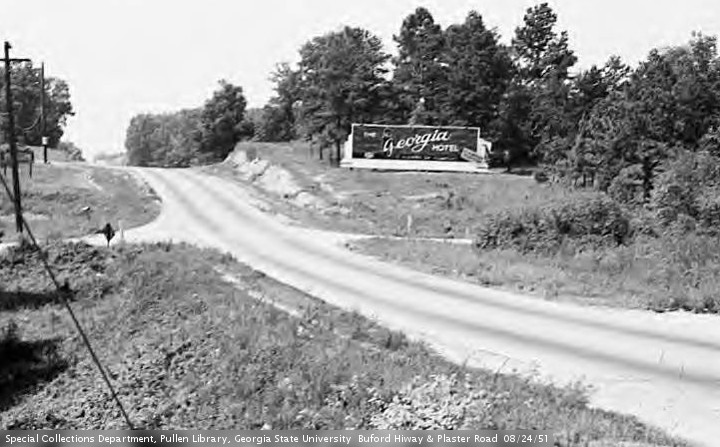
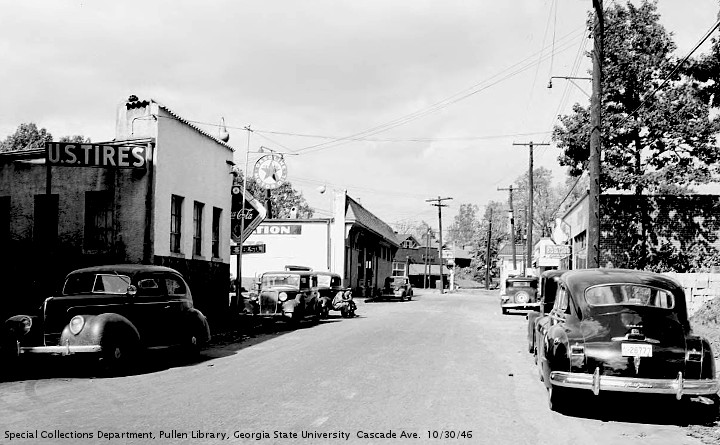
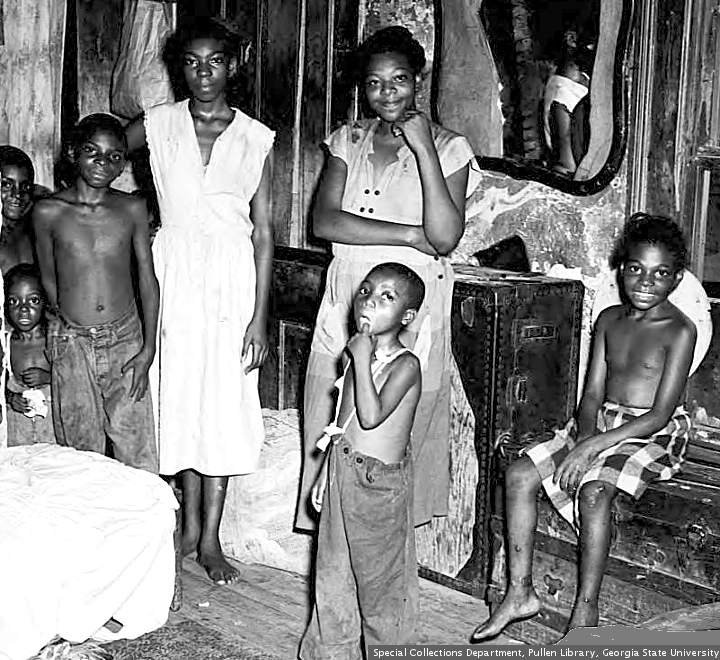
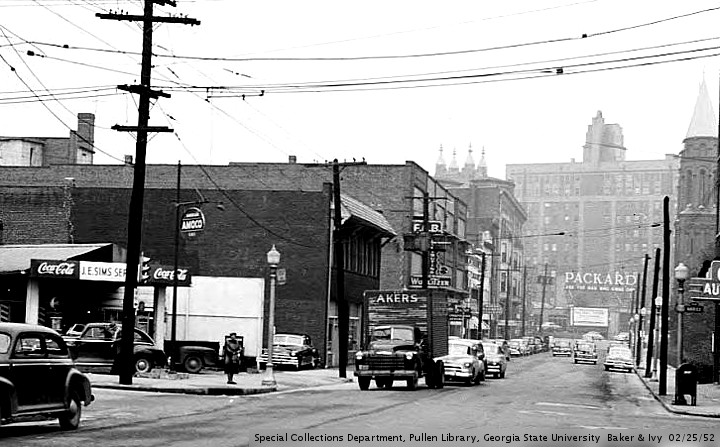
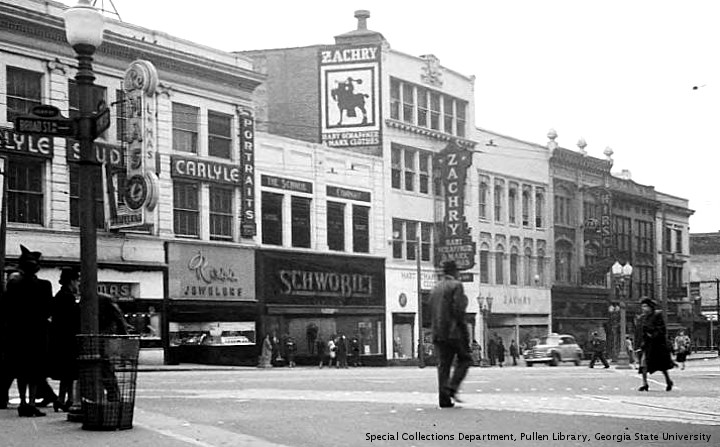
Pictures today are from “The Special Collections and Archives, Georgia State University Library”.




War Between The States

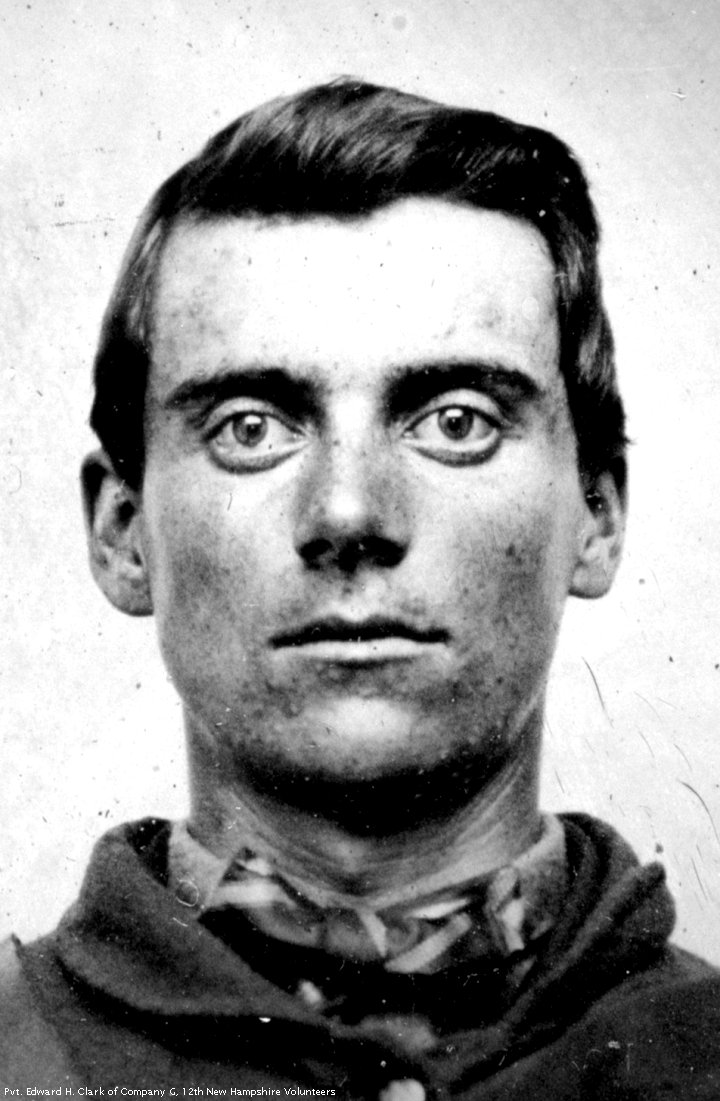


It is a truism that history is written by the winner of the war. This seems to apply to the naming of the conflict. There was a horrific armed struggle in North America between 1861 and 1865. The name used most often is Civil War. To many in the South, it is the War Between The States. In PG’s humble opinion, WBTS is a better name.
In fifth grade, PG had to write an essay about the Battle of Atlanta. The essay was a device for teaching grammar, utilized by the english teacher, Miss McKenzie. The contest was sponsored by the Daughters of the Confederacy . The expression “Civil War” was not permitted. The proper name for this conflict was War Between the States.
In many ways, this conflict started as soon as the United States became independent from Great Britain. The South was an agrarian society, with slaves to work the fields. The north was becoming an industrial society, with a need for an independent work force. The north wanted high tariffs to protect her industries, while the south wanted to sell it’s cotton to Europe. There were plenty of ways for this conflict to manifest.
Slavery was a very important factor. The south wanted to keep “the peculiar institution” intact, while many in the north were horrified. There were numerous compromises over the years, as Congress struggled to keep the Union intact. This ties in with a central dilemma of the american experience … how much power to give to the states, and how much power to give to the federal government.
The phrase civil war is defined as “A war fought between factions of the inhabitants of a single country, or the citizens of a single republic”. By the time the shooting started, the southern states had left the union. They formed a confederacy of independent states, rather than one monolithic union. It was, indeed, a war between the states.
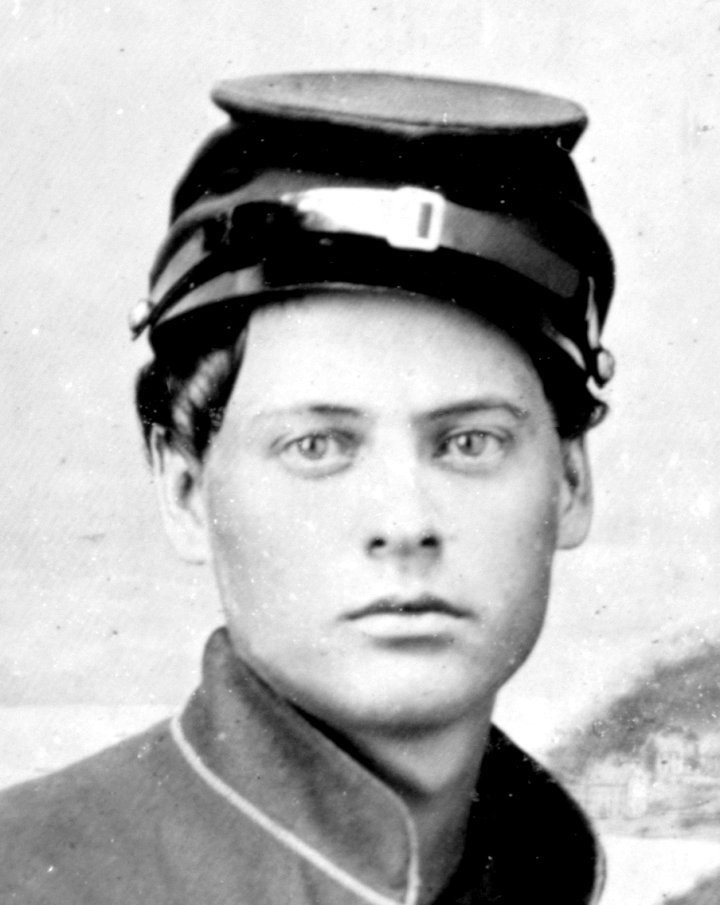
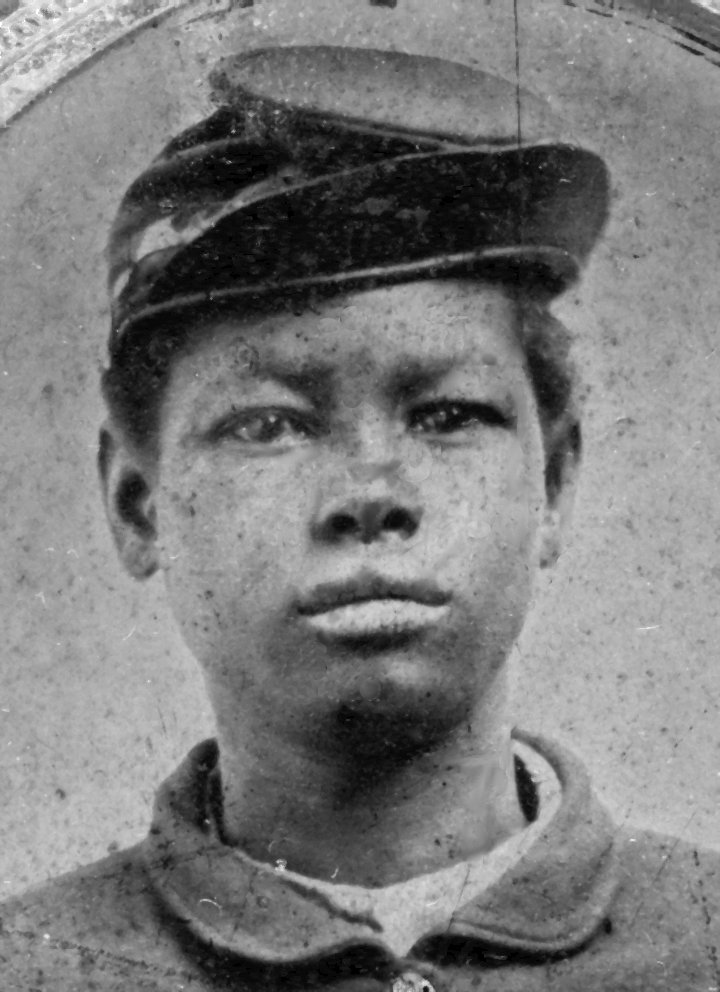
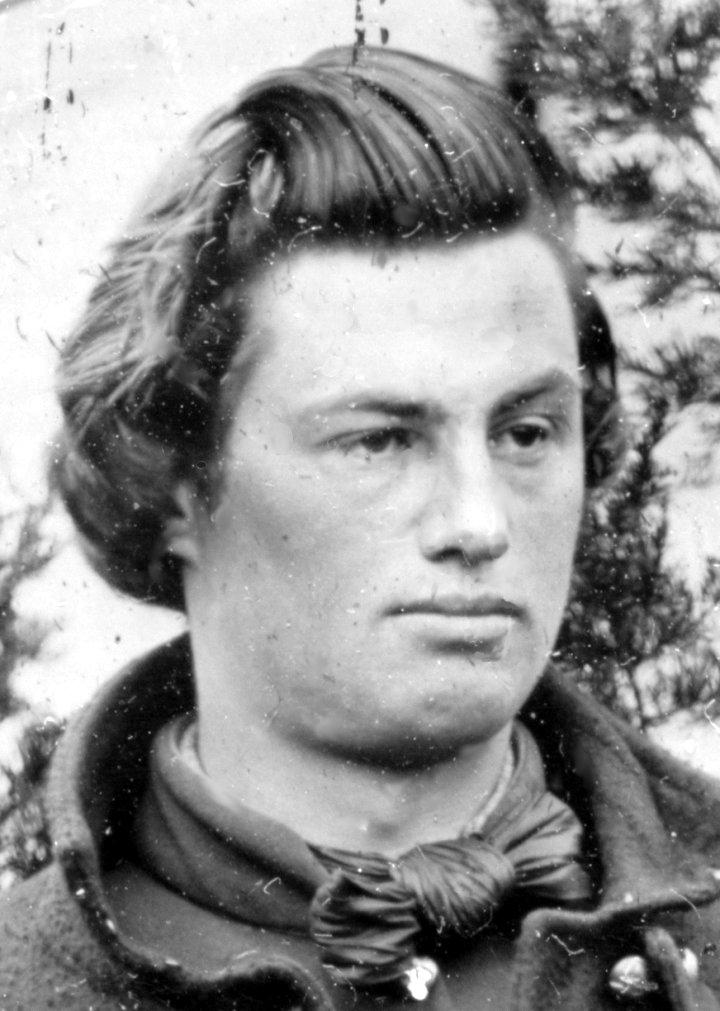
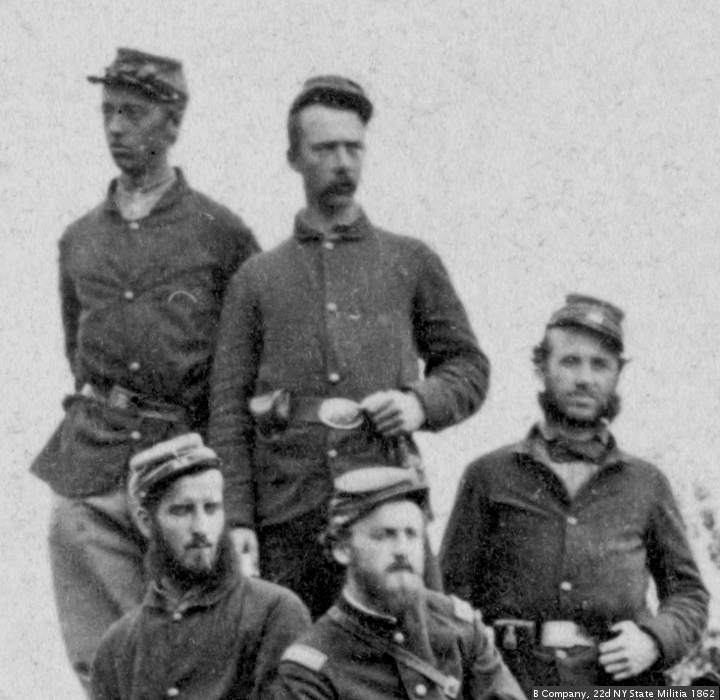
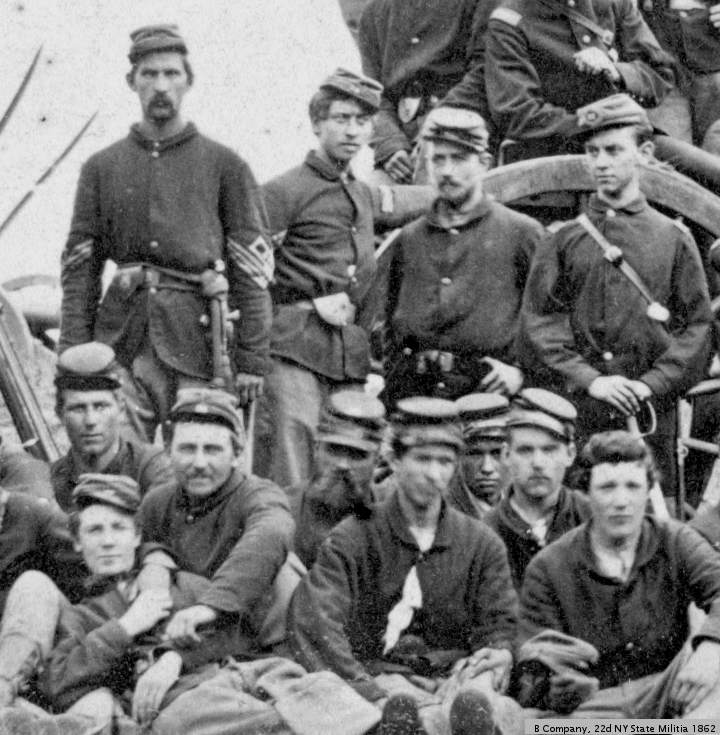
This is a repost. Pictures, of Union soldiers, are from The Library of Congress.

The Burning Of Atlanta


Around this time 152 years ago, Atlanta was on fire. General Sherman was preparing for his March to the sea, and wanted to destroy anything of value in the city. The fire is reported as being on 11-15 of November, depending on what source you use.
The November fire was the second great fire in Atlanta that year. On September 2, the city was conquered by the Union Army. The fleeing Confederates blew up a munitions depot, and set a large part of the city on fire. This is the fire Scarlet O’Hara flees in “Gone With The Wind”.
After a series of bloody battles, the city was shelled by Yankee forces for forty days. There were many civilian casualties. General Sherman was tired of the war, angry at Atlanta, and ready for action. This is despite the fact that many in Atlanta were opposed to secession.
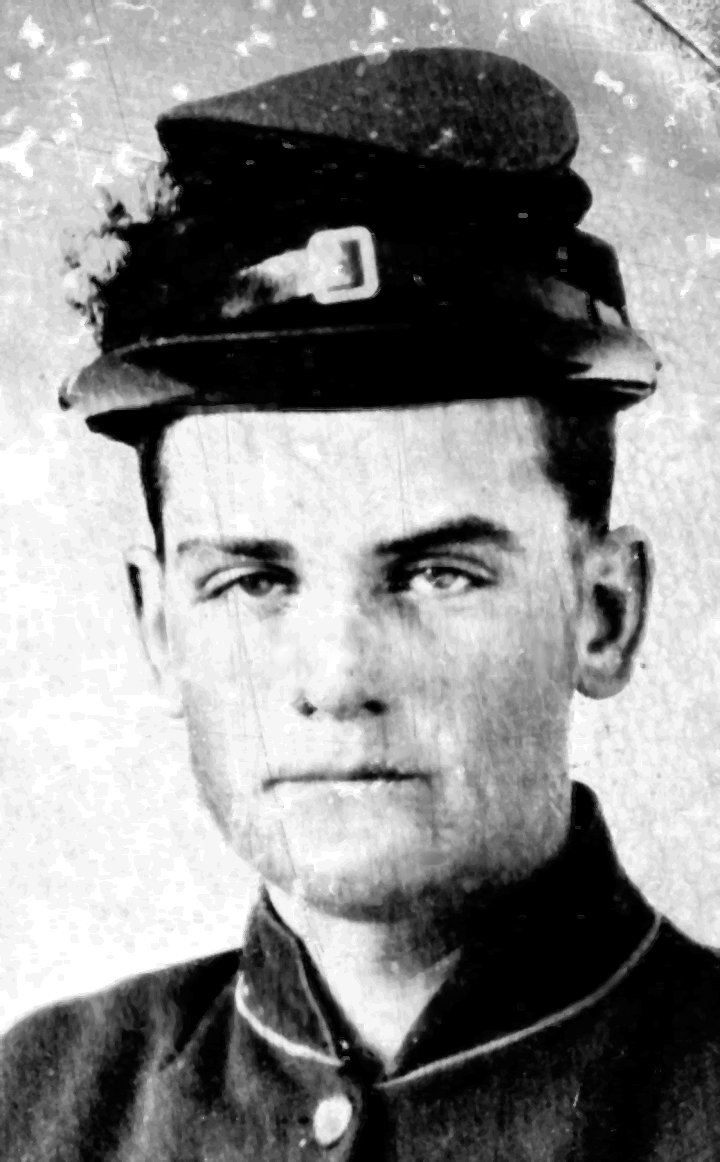
Click here to hear a lecture by Marc Wortman at the Atlanta History Center. Mr Wortman is the author of “The Bonfire: The Siege and Burning of Atlanta”. The hour of talk is fascinating. This is a repost. The pictures are from The Library of Congress




About this time every year, there is a post about the burning of Atlanta. One of the sources is a lecture by Marc Wortman. If you have an hour to spare, this talk is worth your time. One of the stories told is the tale of Mr. Luckie.
“According to folklore, two stories abound as to how Luckie Street was named. The first is that its moniker came from one of Atlanta’s oldest families, and the other, probably closer to the truth, regales the life of Solomon “Sam” Luckie. Luckie, as it turns out, wasn’t so lucky after all. When General William Tecumseh Sherman first came marching through Atlanta in 1864, Luckie, a free Black man who made his living as a barber, was leaning against a gas lamp post in downtown talking to a group of businessmen. A burst from a cannon shell wounded him; he survived, but later died from his injuries. Folklore suggests that he may have been one of the first casualties of the assault on Atlanta during Sherman’s March to the Sea, and Luckie Street, an extension of the city’s famed Sweet Auburn Avenue, was later named in his memory.”
Marc Wortman wrote a book, The Bonfire: The Siege and Burning of Atlanta. The one star review, and comments to that review, are unusually detailed. Here is a selection.
“…People forget – or were never taught in school – that most Confederate soldiers descended from Revolutionary War patriots or were up-country poor sons of farmers. Many Confederate soldiers were relatively recent new arrivals to the U.S., semi-literate dirt poor immigrants from Ireland and Scotland who’d never had the chance to own even an acre of their own land in Europe. In the mix were well-educated, elite merchant business owning French Huguenot refugees of the Catholic Bourbon genocide of Protestants. These immigrants had nowhere else to go, 9 times out of 10 never owned a slave, and fought for the CSA to keep what little they’d hardscrabble carved out over a decade of arrival into the U.S.”
The War Between The States continues to be a source of controversy. After the Charleston church killings, many comments were made about the Confederate battle flag. (If you can’t talk about gun control or mental health, you talk about a symbol.) This led to discussions about the war itself. There were ritual denunciations of slavery, which was assumed to be the sole cause of the conflict. The fact that the vast majority of white southerners did not own slaves was dismissed.
The notion of autonomous states in a federal union was novel when the United States Constitution was written. The debate over federalism versus states rights continues to this day. States that want to legalize marijuana may be the next battleground. (Few are expecting secession over bong rights.) Many in the CSA saw the Union as being a conquering army, and fought to defend their homes. While slavery was certainly a factor in the creation of the CSA, it was not the only Casus belli. Pictures today are from The Library of Congress.

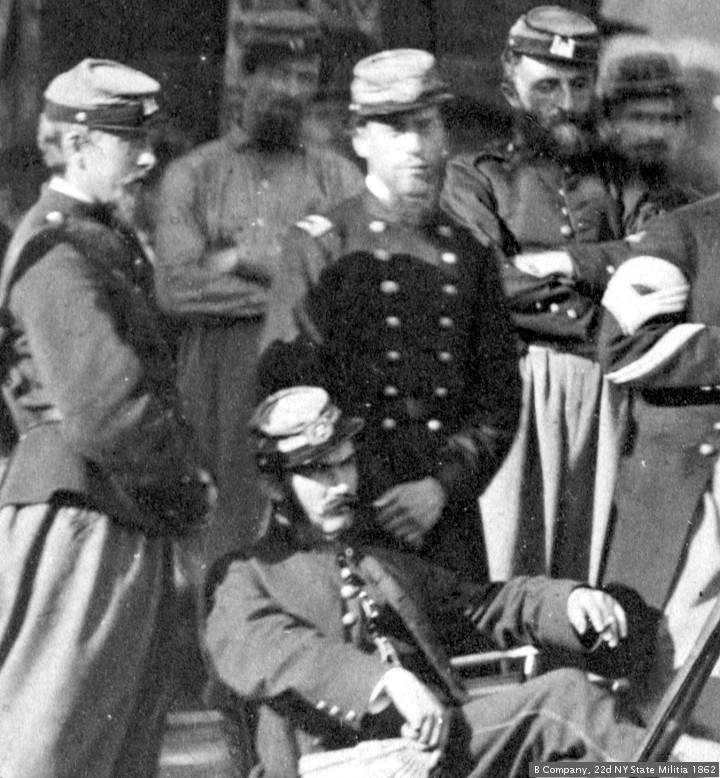


November 11
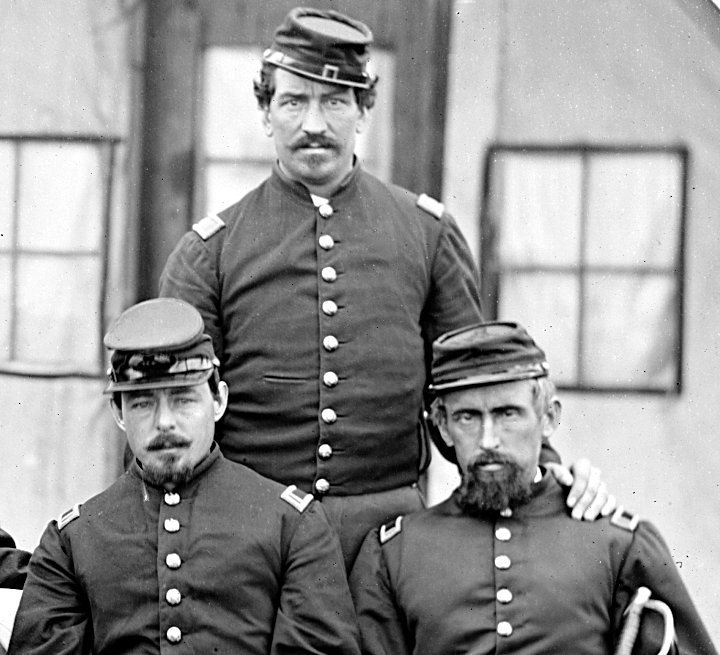


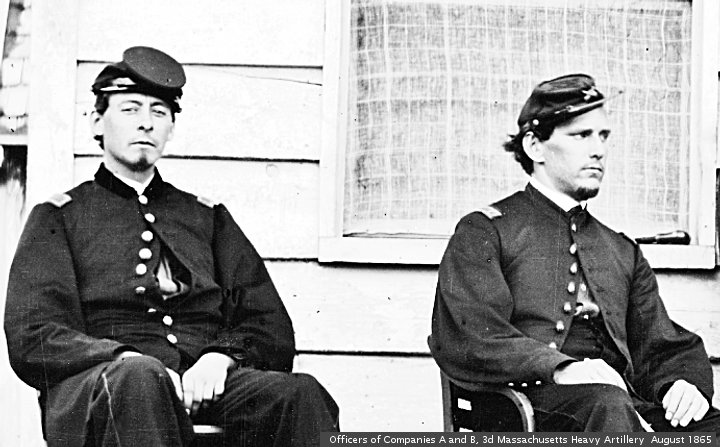
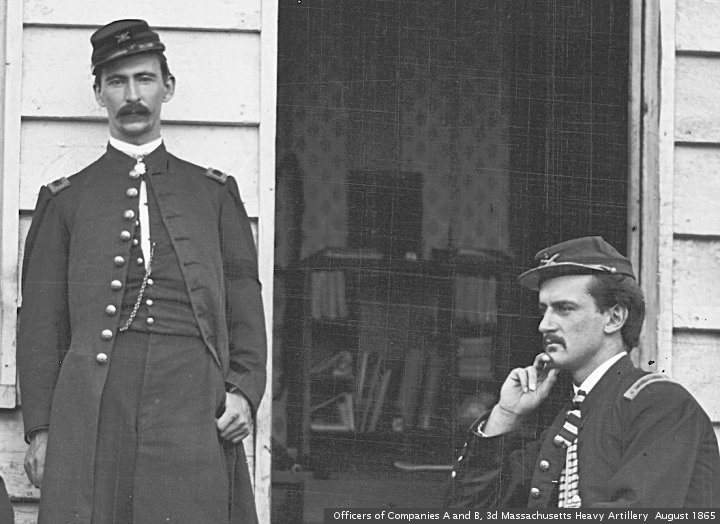
Veteran’s Day is a bad day for a cynic. On the one hand, I do appreciate living in The United States. With all its flaws, I have had a good life here. The role that Veterans have played is to be honored. On the other hand, those who profit from wars often exploit Veterans for political mojo. Many of these people did not serve.
Veterans are often not treated well after they are through with their service. It is estimated that a quarter of the homeless are veterans. The services offered to wounded veterans returning from War are often lacking. These wounds are both physical and mental.
When I typed the second sentence, I thought of my great grandfather. He served with the Georgia State Troops in the War Between the States. I do prefer the USA to the CSA (or whatever would have happened). Yet, the Union army had to prevail over the various Confederate Armies for this to happen. Do I dishonor my great grandfather by saying I am happy the other side won?
Veterans Day was originally Armistice Day. This was the day, 90 years ago, when the War to End All Wars ended. World War I was a ghastly bloodbath, in which millions died. It created many of the problems that plague us today. And I would be willing to bet that not one person in ten thousand today knows what it was about. And yet, the men who fought in that conflict (I don’t think they had women soldiers then) deserve the same gratitude as those who fought in any other conflict.
The soldier…many of whom were drafted…doesn’t get to choose which war to fight in. The sacrifice of the World War II soldier was just as great as the Vietnam fighter, but the appreciation given was much greater. I grew up during Vietnam, and saw the national mood go from patriotic fight to dismayed resistance. By the time I was old enough to get drafted, the Paris accords had been signed. For better or worse, there went my chance.
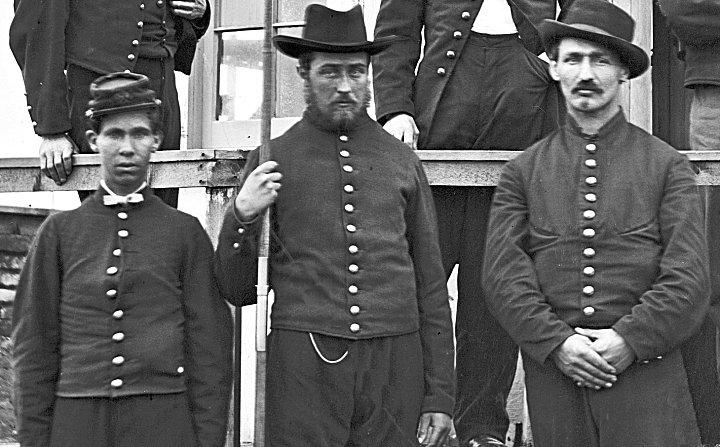

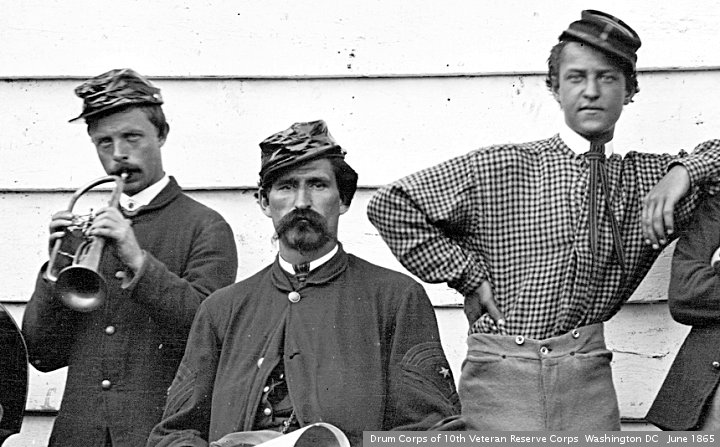
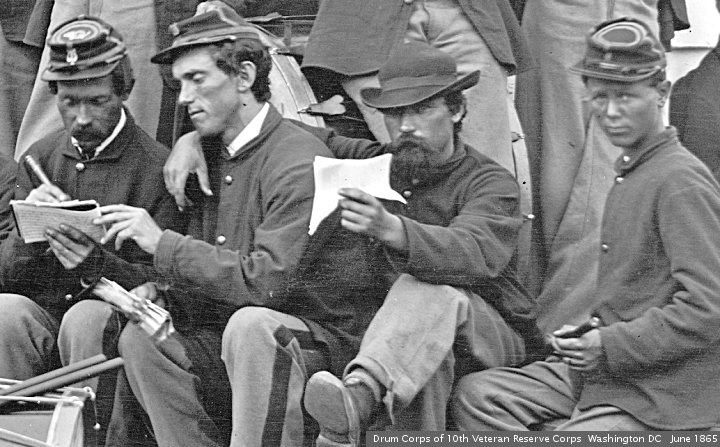
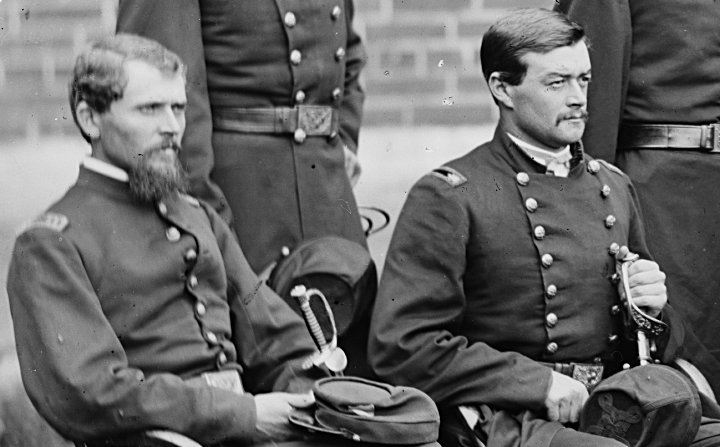
Veterans day was originally Armistice Day. On November 11, 1918, at 11 am (the eleventh hour of the eleventh day of the eleventh month) a cease fire went into effect for “The great war”. Officials of the major armies agreed to the ceasefire at 5 am (European time). There were an estimated 11,000 casualties in the last six hours of the war.
At 11:59 am, U.S. army private Henry Gunther became the last soldier to die in World War I. “According to the Globe and Mail this is the story of the last soldier killed in WW1: On Nov.11, 1918, U.S. army private Henry Gunther stood up during a lull in the machine gun fire and charged the enemy. “The Germans stared in disbelief,” says the Daily Express. “They had been told that morning that the fighting was about to stop; in a few minutes they would stop firing and go home. So why was this American charging at them with his bayonet drawn? They shouted at him to stop and frantically tried to wave him back but… he hadn’t heard anything of the ceasefire.” A German gunner released a five-round burst and the soldier lay dead, at 10:59 a.m. In his recently published Eleventh Month, Eleventh Day, Eleventh Hour, U.S. Military Historian Joseph Persico notes that Private Gunther had previously been a sergeant but was demoted after an Army censor read his letter to a friend back home, urging him to steer clear of the war at all costs. Gunther, who was in no-man’s land when the ceasefire news arrived, had been trying to prove himself worthy of his original rank.”
This is a repost. Pictures are from The Library of Congress.
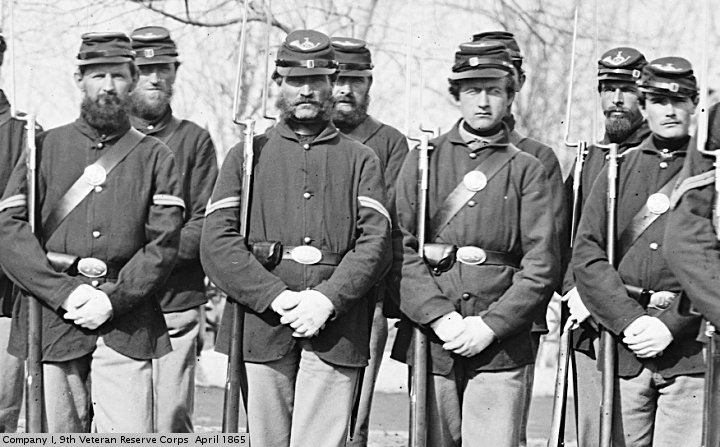


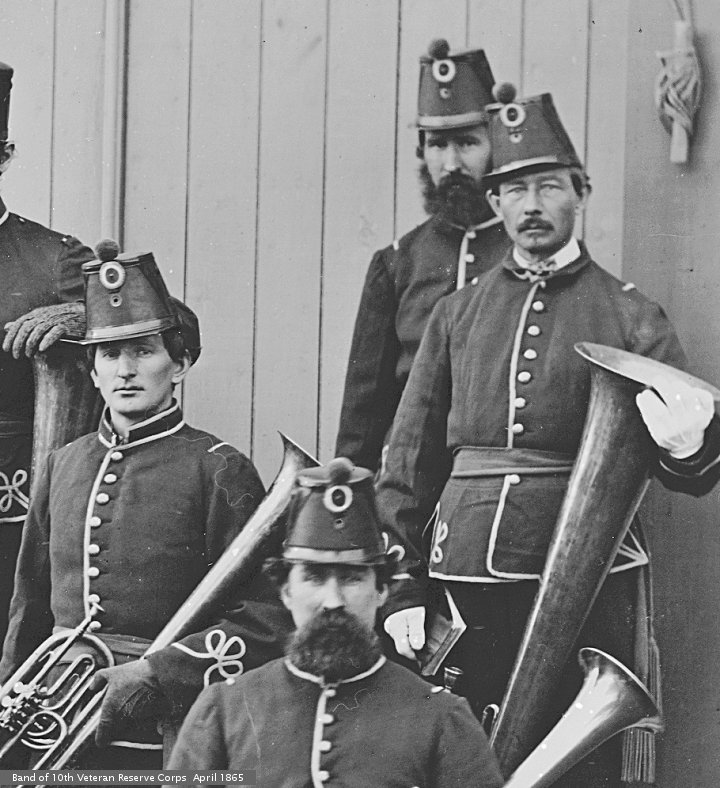

Smedley Butler

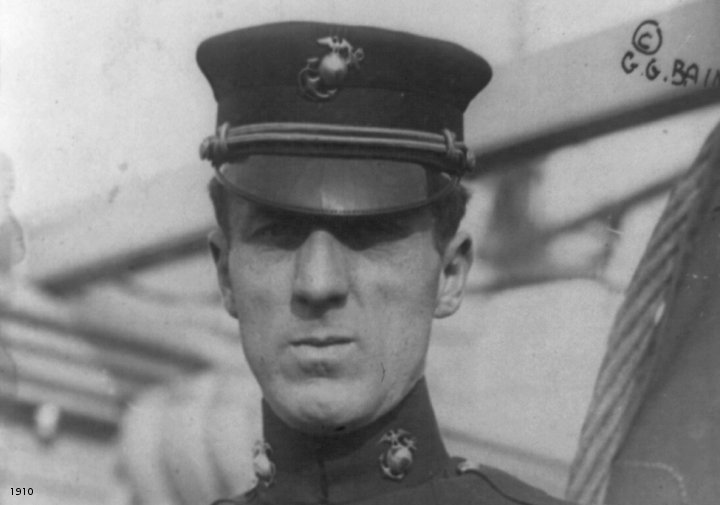
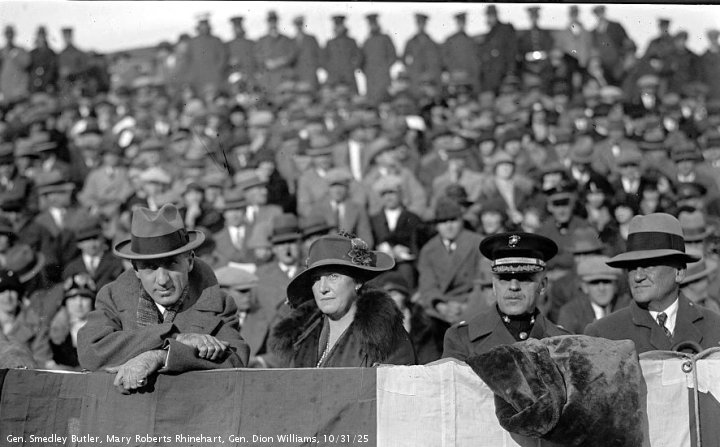

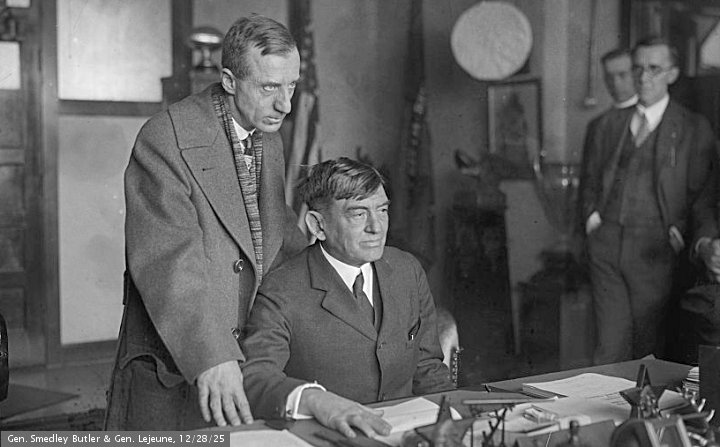


There was a feature the other day on the innertube called War is a racket . It was about a man with the unlikely name of Smedley Butler . Pictures for today’s adventure are from The Library of Congress. The video features an actor named Graham Frye in the role of General Butler. The video is courtesy of Smedley D. Butler Brigade Chapter 9 Veterans For Peace. This is a repost.
Major General Smedley Darlington Butler was a star of the U.S. Marine Corps. He lied about his age to enlist during the Spanish American War. Mr. Butler served in Philippines, China, Mexico, the Caribbean, Central America and World War I. With the exception of World War I, most of these conflicts are forgotten today.
Smedley Butler received the Medal of Honor twice. “His first Medal of Honor was presented following action at Vera Cruz, Mexico, 21-22 April 1914, where he commanded the Marines who landed and occupied the city. Maj Butler “was eminent and conspicuous in command of his Battalion. He exhibited courage and skill in leading his men through the action of the 22nd and in the final occupation of the city…The following year, he was awarded the second Medal of Honor for bravery and forceful leadership as Commanding Officer of detachments of Marines and seamen of the USS Connecticut in repulsing Caco resistance on Fort Riviere, Haiti, 17 November 1915.”
After his retirement in 1931, Mr. Butler had a change of heart, and decided that killing for Uncle Sam was not such a great idea. He wrote a book, “War is a Racket”, and became a popular speaker. Here is a “money quote”… “I spent 33 years and four months in active military service and during that period I spent most of my time as a high class thug for Big Business, for Wall Street and the bankers. In short, I was a racketeer, a gangster for capitalism. I helped make Mexico and especially Tampico safe for American oil interests in 1914. I helped make Haiti and Cuba a decent place for the National City Bank boys to collect revenues in. I helped in the raping of half a dozen Central American republics for the benefit of Wall Street. I helped purify Nicaragua for the International Banking House of Brown Brothers in 1902–1912. I brought light to the Dominican Republic for the American sugar interests in 1916. I helped make Honduras right for the American fruit companies in 1903. In China in 1927 I helped see to it that Standard Oil went on its way unmolested.”
Smedley Butler died June 21, 1940. Eighteen months later, America was at War again. How he would have reacted to that conflict is a mystery.


 Chamblee54
3 comments