Flying Spaghetti Monster



There has been talk about the flying spagetti monster. FSM was originally created in response to the Kansas State Board of Education. KSBE ruled that alternatives to evolution needed to be taught in public schools, including some contraption known as intelligent design. There was talk about whirlwinds rampaging through warehouses, and creating jet engines.
FSM is a satire religion, in the footsteps of the invisible pink unicorn. Bertrand Russell wrote of an interplanetary teapot, which can contain the beverage for the spaghetti supper. FSM is often used as a substitute for the G word, G-d. Whether or not Mr. Dammit approves is uncertain. OTOH, nobody ever said the FSM got an under-aged virgin pregnant.
In this rumble for the hearts and minds of the unwashed masses, G-d has an advantage over FSM. The G word is a marketing dream. It is short, easy to say, and understood by almost everyone who speaks English. While people have different ideas about G-d, everyone recognizes the name.
FSM, has eight syllables. Spaghetti is notoriously tough to spell. Unless you have heard about the antics of the FSM, you can expect some empty stares when you talk about her.
When PG was in school, he wrote a restaurant article. He did not know how to spell spaghetti. The dictionary showed nothing of value in under spe and spi, where logic tells you to look. Finally, PG got the yellow pages out, and looked for a spaghetti restaurant.
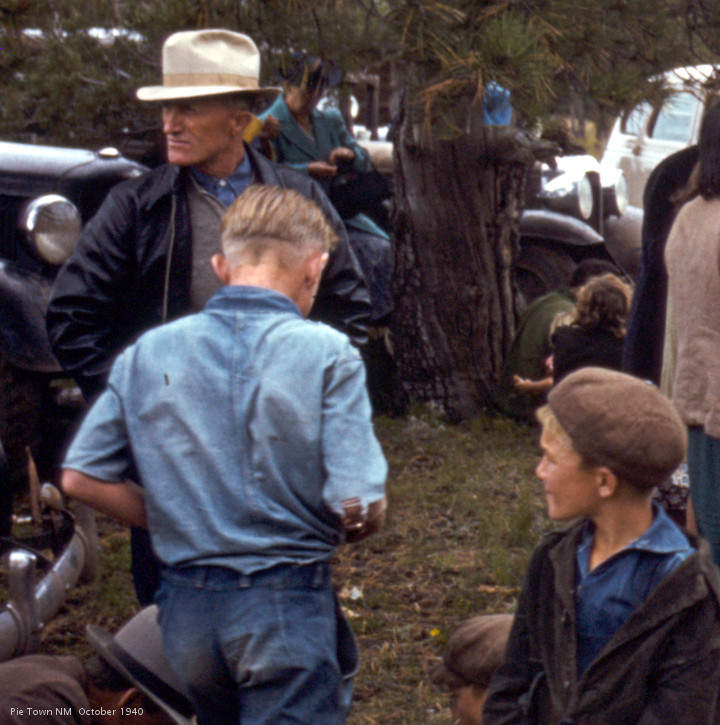
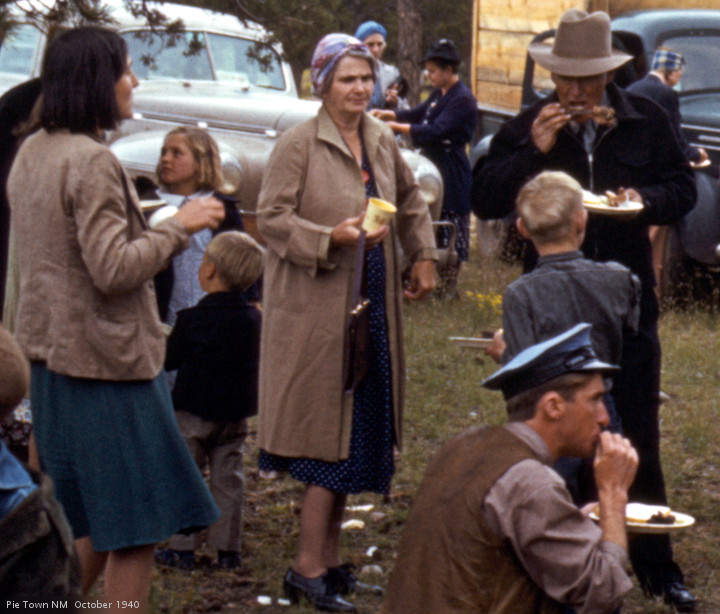
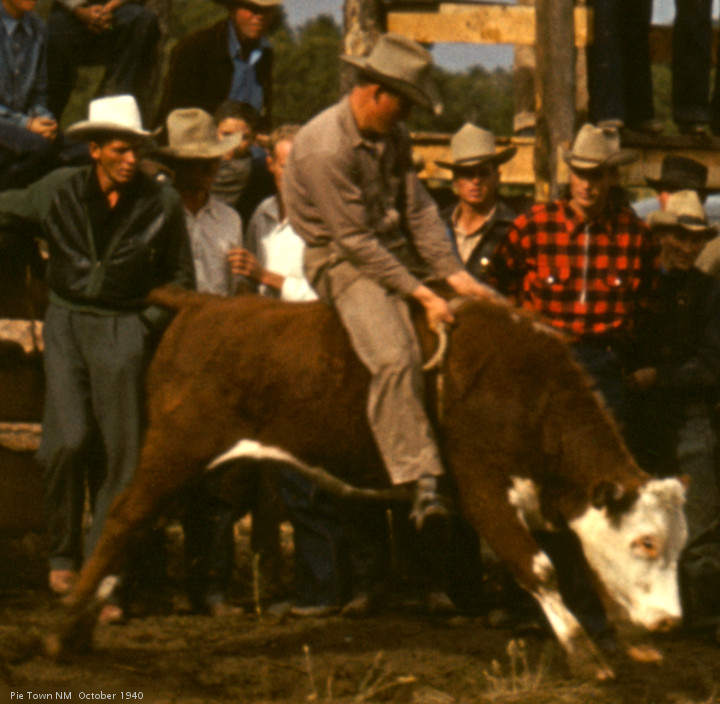
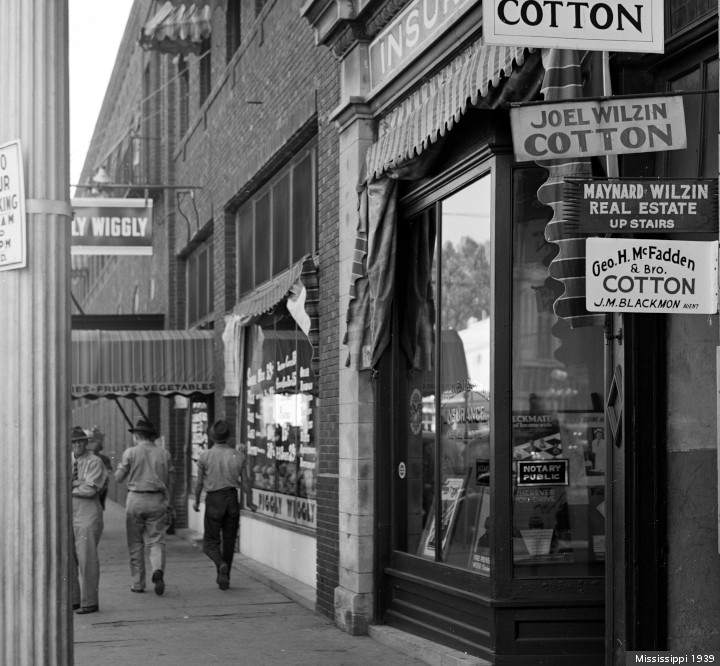
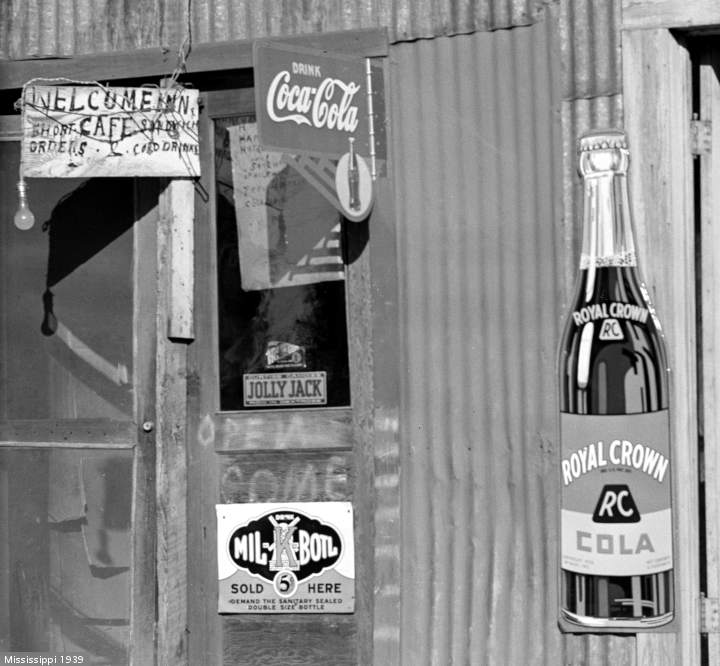
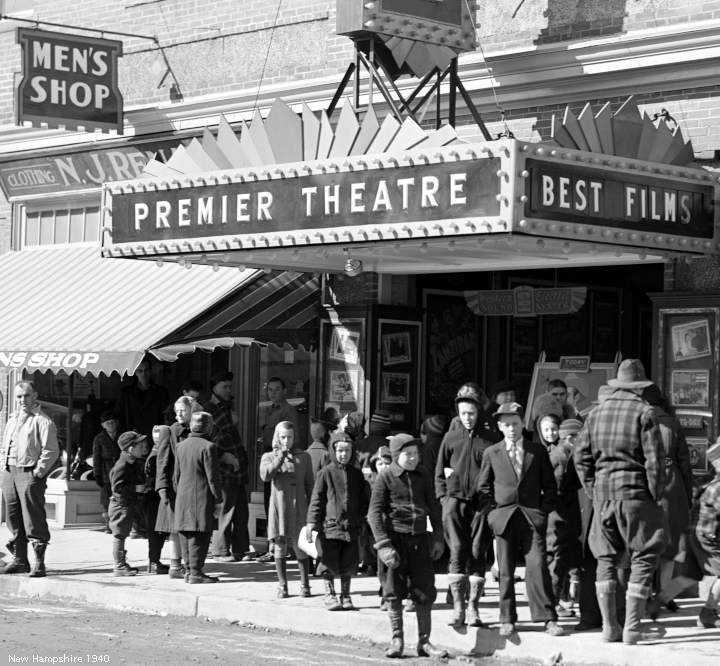
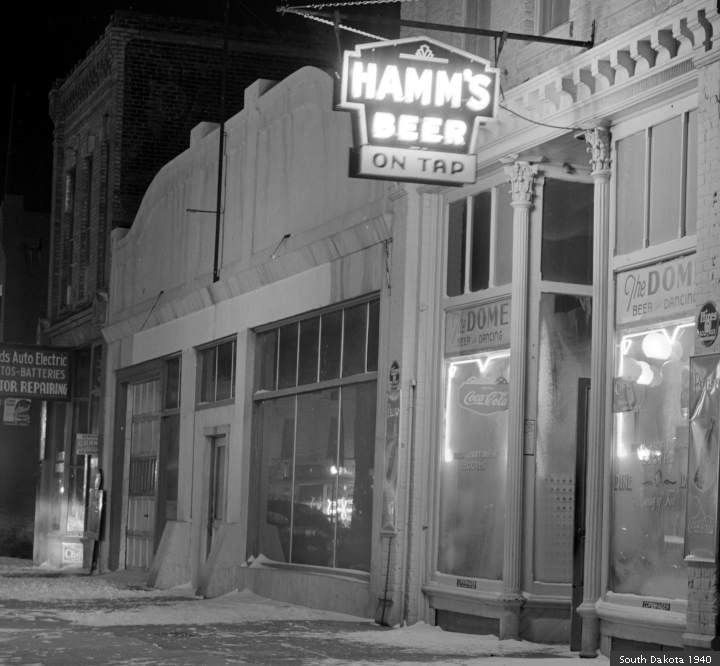
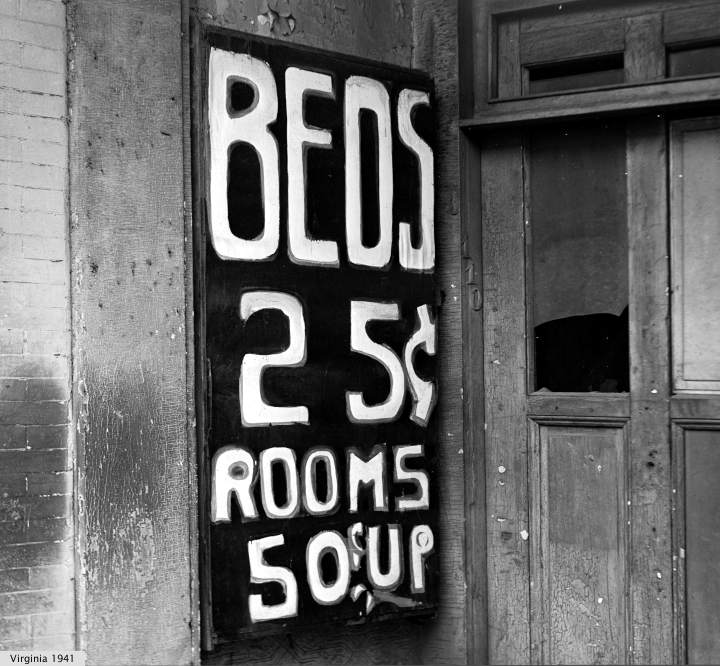
This is a repost, with pictures from The Library of Congress.


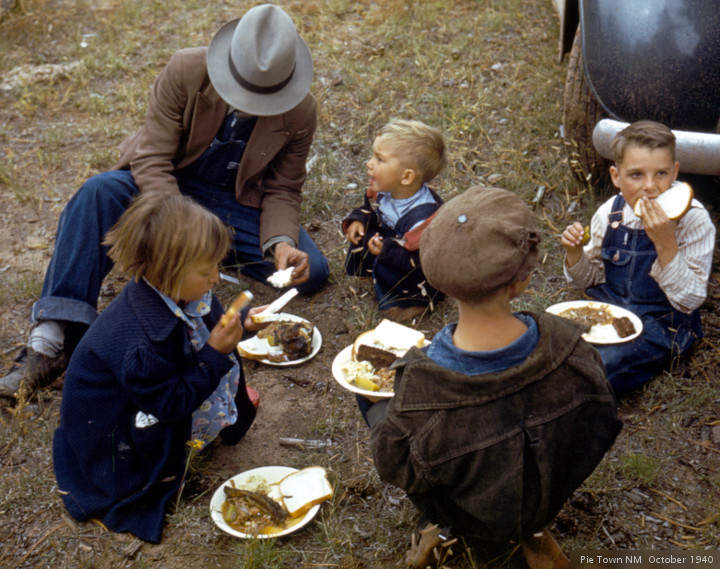


Line Mining The Sonnets

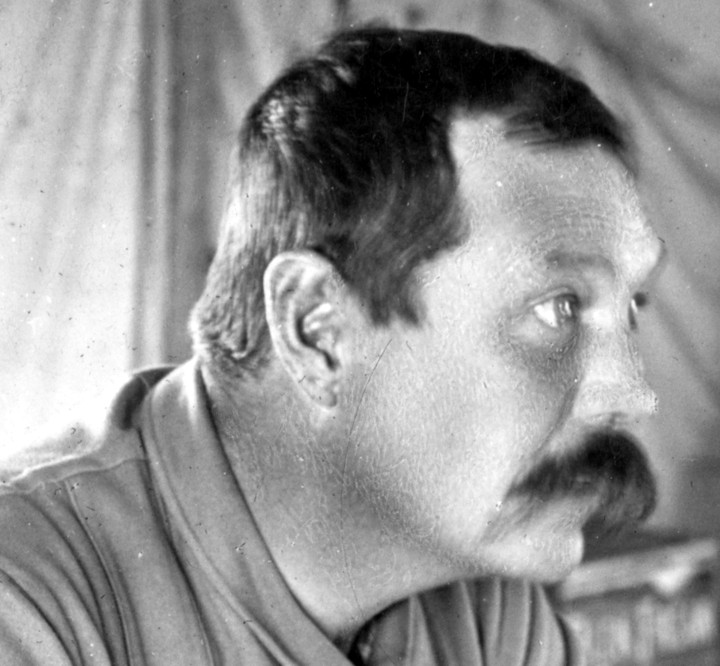


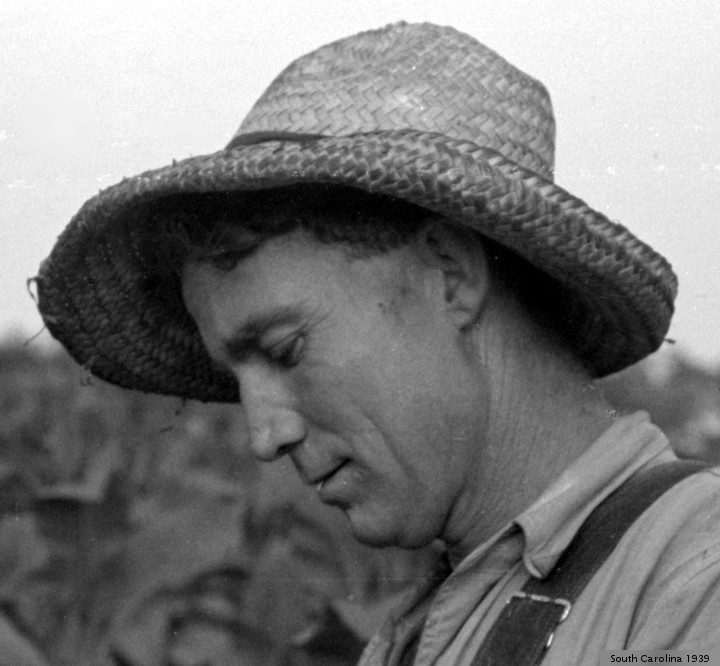
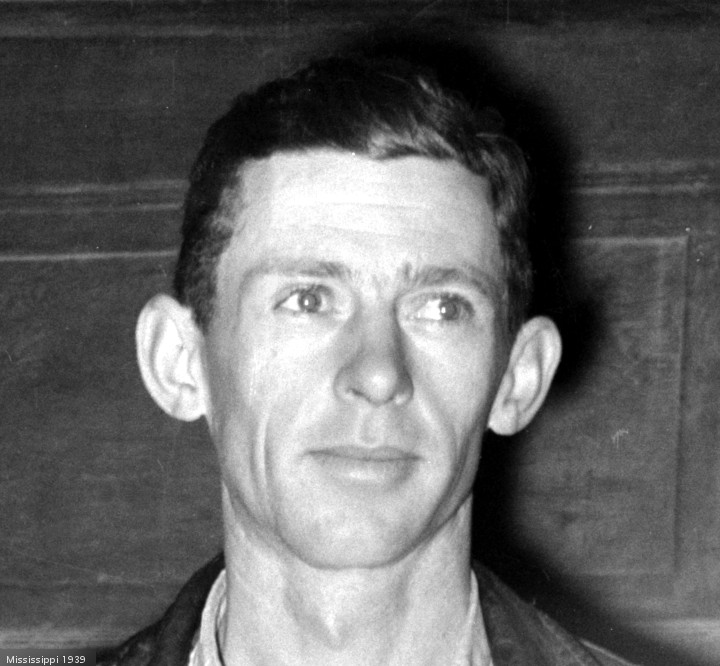

Find the sonnets of Shakespeare. Copy them into a word document. Read each one, and isolate the lines that resonate. Match up the lines by rhyme. Compile villanelles when appropriate. Retrofit rhymes onto others, pair them into couplets. Incorporate them into sonnets and octrains. Since the lines are already iambic pentameter, there should be minimal metric revision.
It became obvious that hearing them read would work better. A lovely source turned up. Earlier this year, Sir Patrick Stewart read a sonnet a day. The actor sat down, put his glasses on, opened his book, and read a sonnet for the camera. There were little comments, about the poems, scattered throughout the videos. With the aid of Sir Patrick, I began to get a sense for the iambic feng shui. In my own craft, I have long struggled with meter. Maybe this will help.
Everything is lower case in my graphic poems. There is no punctuation. It soon became apparent that commas were essential to the pacing of the sonnets. As for the capital letters, it is likely that Mr. Shakespeare capitalized. This was a few hundred years before e. e. cummings.
How do we know for sure? The original manuscripts are not available. “None of Shakespeare’s original manuscripts have survived, due perhaps to the fact that they were written, many of them hastily, strictly for stage performance. Not so much as a couplet written in Shakespeare’s own hand has ever been proven to exist.” There is speculation as to the true authorship of these pieces.
“Shakespeare’s sonnets were first published together in 1609 as a quarto, athough they were probably written much earlier. The sonnets, far more popular today than the epic poems, are still published both individually and as a group.” How did these sonnets get from the desk, to the printed page?
Sonnet LIV ends with “When that shall vade, my verse distills your truth.” @SirPatStew commented on the word vade, just as I was ready to take a google break. A site, Shakespeare’s Words, appeared. Vade seems to be the same word as fade. And no, this blog was not named for Sonnet 54.
1609 not only saw the publication of the sonnets, but the production of the King James Bible. There are legends that Mr. Shakespeare was involved in this project. “Because, if you count 46 words from the beginning of Psalm 46 and 46 words from the ending of the psalm (not counting the “Selahs”), you arrive at these two words: “shake” and “spear.” … Shakespeare would have been 46 years old in 1610, when scholars were finalizing the translations for publication the following year.”
Some Bible scholars are not fond of this story. “Nevertheless, just like the idiotic claim that King James was a sodomite, the story will undoubtedly be repeated ad nauseum no matter how thoroughly it has been discredited.” Less debunkable is this: “William Shakespeare is an anagram of ‘Here was I, like a psalm.'” Pictures today are from The Library of Congress.







Andy Warhol And Frank Zappa



Andy Warhol Hosts Frank Zappa on His Cable TV Show, and Later Recalls, “I Hated Him More Than Ever” After the Show” Andy had a public access cable tv show in New York. One of his guests was Frank Zappa. FZ talked a lot, while Andy was silently uncomfortable. A friend of Andy’s, Richard Berlin, did the interview. Mr. Berlin is possibly the brother of Warhol film actress Brigid Berlin.
The Andy Warhol Diaries has a few comments about the show. “… I hated Zappa even more than when it started. I remember when he was so mean to us when the Mothers of Invention played with the Velvet Underground—I think both at the trip, in L.A., and at the Fillmore in San Francisco. I hated him then and I still don’t like him.”
Jimmy Carl Black (The “Indian of the group” for the Mothers of Invention): “I don’t remember Zappa actually putting them down on stage, but he might have. He really disliked the band. For what reasons I really don’t know, except that they were junkies and Frank just couldn’t tolerate any kind of drugs. I know that I didn’t feel that way and neither did the rest of the Mothers. I thought that they were very good, especially Nico (whom I secretly fell in love with or was it lust?). I especially thought that Moe was a very good drummer, because in those days I don’t recall there being any other female drummers on the scene. The thinking of the audiences was completely different than those from New York City. They were lukewarmly received.”
“In 1965 The Trip opened at 8572 Sunset Boulevard right next to the towering Playboy Club building. The Trip was located in the former popular 60s jazz club called the Crescendo. There was a comedy club upstairs called the Interlude. … The Velvet Underground and Nico are the musical guests at a series of shows at The Trip nightclub on Sunset Strip in 1966, but it is their manager, Andy Warhol, who is the headliner with his outrageous, multi-media Exploding Plastic Inevitable Show.” …
“On May 3, 1966 I was serving drinks in the celebrity section at The Trip. Jane Fonda is seated and she orders a drink and I asked her for ID. She removes her sunglasses and says, Do you know who I am? … Frank Zappa and The Mothers of Invention are the opening act the first night. At the end of the set they receive a standing ovation and cheers from the audience.”
“The Exploding Plastic Inevitable Show started after The Velvet Underground played a couple of songs. … When your eyes adjusted to the manipulation of the light what you saw was an interaction between Nico and two men, one who carried a whip, the other chains. It was an illusion, I think, of sadism, not at all acceptable to peace loving hippies. … The EPI featured a mixed media orgy that included film loops, music by the Velvets, sadomasochistic dancing and an epileptic lightshow.”
“Before the first set was over people stared to walk out of the club. Cher said “It depressed me. It will replace nothing – except maybe suicide.” People were standing up at their tables, booing as they waited their turn to leave the club. The line for the second show circled the block but the customers leaving started warning people not to go in. They said the show was vulgar and violent. The line got smaller and smaller until only a handful of people remained.”
“The Buffalo Springfield is playing the Whisky A Go Go as the opening act and is free to leave at 12:45 am. They walk to The Trip in time to see the feature act. … The musicians are equally offended by the appearance of sexual violence and what they assumed was part of the Velvet Underground’s act. It was later that we realized that Andy is the creator of the act of violence. … There is more then one story about why on the third day of the New Yorker’s show, L.A. Sheriff’s officers closed The Trip.”
“The show was cancelled before the advertised end date of its run. According to Callie Angell “On May 12, the club was temporarily closed when Virgina Greenhouse, wife of one of the operators, sued to collect a $21,000 over-due promissory note, and a representative of the sheriff’s office delivered a writ of attachment to the club. Warhol and the Velvet Underground filed a claim for their fee with the local musicians’ union, and were forced to wait in Los Angeles for payment to arrive.” According to Bockris, the club was “closed down by the Sheriff’s office on their third day. The troupe stay in LA, hoping the club would re-open, and the musicians’ union said if they stayed in town for the (union rules) duration of their engagement they would have to be paid the complete fee. They used the time to continue recording the first album.”
The Trip, engagement was supposed to be May 3 -18, 1966 , at least for EPI. The Mothers (not yet of Invention) headed north after the show. … “May 6-26, 1966 Frenchy’s House of BBQ, Hayward, CA (on the 21st they backed Neil Diamond who played a one night stand) … May 27-29, 1966 Fillmore Auditorium , San Francisco, CA (The Exploding Plastic Inevitable, Supporting Velvet Underground & Nico) … June 3-4, 1966 Fillmore Auditorium, San Francisco, CA (supporting Quicksilver Messenger Service & The Grateful Dead) … June 24-25, 1966 Fillmore Auditorium, San Francisco, CA (supporting Lenny Bruce).” Lenny Bruce died August 3, 1966.
“The Exploding Plastic Inevitable arrived in San Francisco to play for two nights at BILL GRAHAM’s Fillmore Ball Room with the MOTHERS OF INVENTION and the early JEFFERSON AIRPLANE. The Warhol crowd hated the hippie culture of San Francisco. Bill Graham pulled the plug on the Velvets the second night when the band left the stage after leaning their instruments against the amplifiers creating a “barrage of sonic feedback”.
“John Cale: “In San Francisco, we played the Fillmore and no one liked us much. We put the guitars against the amps, turned up, played percussion and then split. Bill Graham came into the dressing room and said, “You owe me 20 more minutes.” I’d dropped a cymbal on Lou’s head and he was bleeding. “Is he hurt?” Graham said. “We’re not insured.””
“After the second night in San Francisco Gerard Malanga was arrested in an all night cafeteria in North Beach for carrying an offensive weapon (his whip) and spent the night in jail. … While In San Francisco, Lou Reed shot up some bad speed causing his joints to seize up and he was incorrectly diagnosed as having a terminal case of lupus. Upon their return to New York, Lou Reed checked into Beth Israel hospital with a serious case of hepatitis and had a six week course of treatment. Nico left for Ibiza while the rest of the Velvets started rehearsing for an upcoming June booking in Chicago – a one week stint at Poor Richard’s. ANGUS MACLISE returned as drummer and MAUREEN TUCKER switched to playing bass.”
The VU and The Mothers of Invention both recorded on the MGM/Verve label. According to some, this caused problems. “The band believed that Zappa used his clout to hold back their release in favor of his own album with the Mothers of Invention, Freak Out. “The problem [was] Frank Zappa and his manager, Herb Cohen,” said (Sterling) Morrison. “They sabotaged us in a number of ways, because they wanted to be the first with a freak release. And we were totally naive. We didn’t have a manager who would go to the record company every day and just drag the whole thing through production.” (John) Cale claimed that the band’s wealthy patron affected the label’s judgment. “Verve’s promotional department [took] the attitude, ‘Zero bucks for VU, because they’ve got Andy Warhol; let’s give all the bucks to Zappa.’”
“On October 23, 1967, in New York, singer Nico sang with The Velvet Underground. (This list of VU performances does not mention a show on that date) … Nico’s delivery of her material was very flat, deadpan, and expressionless, and she played as though all of her songs were dirges. She seemed as though she was trying to resurrect the ennui and decadence of Weimar, pre-Hitler Germany. Her icy, Nordic image also added to the detachment of her delivery. … In between sets, Frank Zappa got up from his seat and walked up on the stage and sat behind the keyboard of Nico’s B-3 organ. He proceeded to place his hands indiscriminately on the keyboard in a total, atonal fashion and screamed at the top of his lungs, doing a caricature of Nico’s set, the one he had just seen. The words to his impromptu song were the names of vegetables like broccolli, cabbage, asparagus… This “song” kept going for about a minute or so and then suddenly stopped. He walked off the stage and the show moved on. It was one of the greatest pieces of rock ‘n roll theater that I have ever seen.”
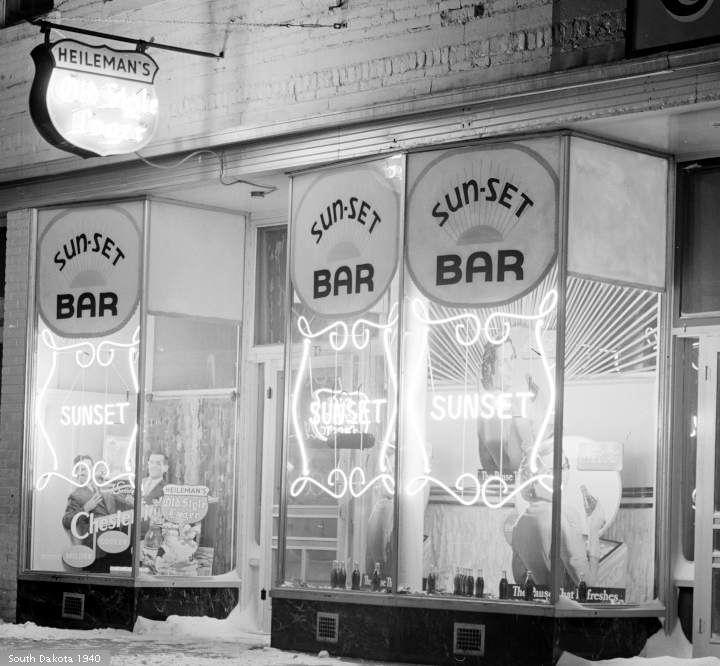
The Library of Congress furnished the pictures for this feature.




Storm




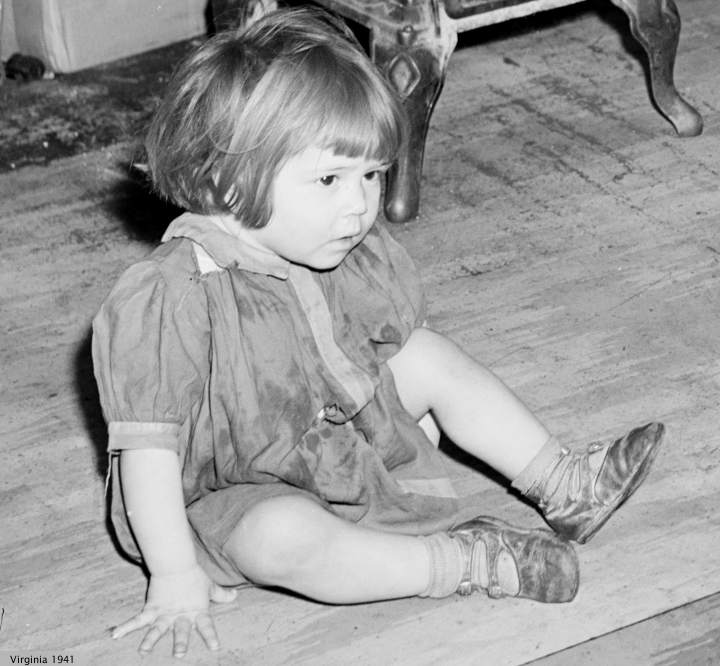

The rumors of an incoming storm were noted. Atlanta has a rich history of false alarm weather trouble. When the weather radar showed the storm going away from north Georgia, a lot of people went to sleep. They were in for a rude awakening.
That quiet was disturbed about 430 am. PG got up to put a trash cart on its side in the back yard. He then tried to sleep, but there was too much troubling noise outside. Finally, at about 5:00, there was a loud crash, and the lights went out. A large cable in the front yard was drooping down. The phone and internet line was hanging down much lower than before. Cars would go past the house, and then stop to turn around. The land line was out. Usually, a traditional phone line stays up in a power outage. This was not your normal weather event.
The pretense of sleeping was over, and PG got up. A large tree was down across the road, about four houses down. Thursday was spent walking in circles. You get out, and talk to neighbors. PG chopped up some fallen limbs, and put them in trash cans by the street. He walked around the block, to see the damage on the other side of the tree. A power pole was broken in half.
Friday was more of the same. Rumors started to fly that it would be Sunday night, or Monday morning. PG walked up to the gym, past a broken red light at the Redding Road underpass. Peachtree was in a nostalgic traffic backup.
Saturday was when things got interesting. About a dozens service trucks were on Parkridge Drive. PG talked to some ATT men, and was encouraged to try to fix the down cable line. He rigged up a temporary solution. Meanwhile, a large cable was resting on top of PG’s power line. It broke the guy wire, although the line itself stayed connected. The line was disconnected.
PG was told to find an electrician to hook it up. The first electrician said he couldn’t work on it. When the rest of the street got power at 7pm, PG was left in darkness. It was all very discouraging.
Sunday, a neighbor recommended another electrician. He came over, and did some magic to the line. Georgia Power was called. PG was apprehensive at first, until the service man asked PG to pull out the breaker. The lights came on at 6:21 pm, 85 hours after the power went out.
Pictures today are from The Library of Congress.






Oscar And Milo

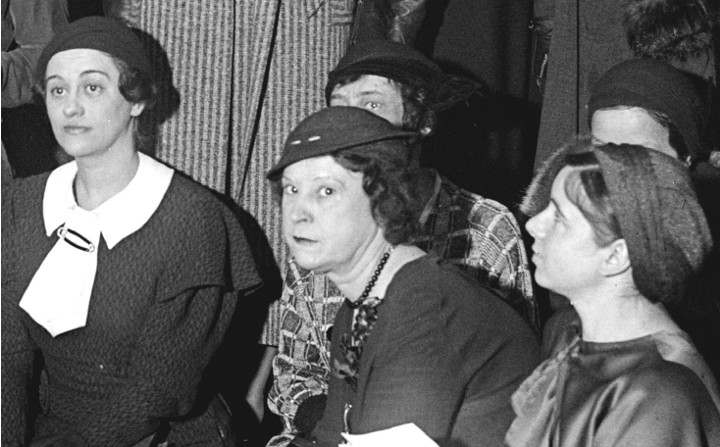


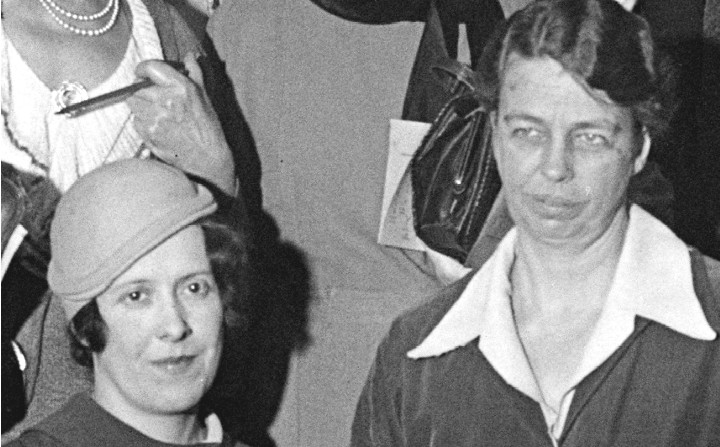

Oscar Wilde was being cross examined by Edward Carson, the attorney for the Marquess of Queensberry. Mr. Wilde had filed a libel suit, because the Marquess said Mr. Wilde was a somodite. The Marquess was the father of Lord Alfred Douglas, the boyfriend of Mr. Wilde. The cross examination saw many witty comments by Mr. Wilde. It was going well, until it wasn’t.
C– Do you know Walter Grainger? W–Yes. C– How old is he? W– He was about sixteen when I knew him. He was a servant at a certain house in High Street, Oxford, where Lord Alfred Douglas had rooms. I have stayed there several times. Grainger waited at table. I never dined with him. If it is one’s duty to serve, it is one’s duty to serve; and if it is one’s pleasure to dine, it is one’s pleasure to dine. C– Did you ever kiss him? W– Oh, dear no. He was a peculiarly plain boy. He was, unfortunately, extremely ugly. I pitied him for it. C– Was that the reason why you did not kiss him? W– Oh, Mr. Carson, you are pertinently insolent.
Milo Yiannopoulos is no Oscar Wilde. There was no gasp in the courtroom when he made his comments about “Father Michael.” The interview went on youtube September 30, 2015, and has been waiting for its time. In an ironic touch, one of the ads preceding the three hour video starred Leslie Jones, or someone who looked like her.
Bill Maher said, before introducing Mr. Yiannopoulos, “Stop looking at the distractions and the clown show and look at what matters.” There was a panel discussion, with Milo and four other men. The distraction, and the clown show, made comments that seem ironic a few days later.
The discussion began with an audience question about a trans Berkley student. Mr. Maher said she, and Mr. Yiannopoulos said he, with the intention of misgendering the individual. “I make no apology from protecting women and children from men who are confused about their sexual identity.” Maybe Father Michael was confused. “I think that women, and girls, should be protected from having men who are confused about their sexual identities in their bathrooms.” Mr. Maher looked down at the desk, and said “that’s not unreasonable.” Less than a minute of the video had elapsed.
Larry Wilmore said “I think its sad, because the same arguments that we use against gay people, treating them like aliens who want to fuck anything that moves, and that we should avoid them at all costs.” Mr. Yiannopoulos tried to say something, and Mr. Wilmore asked to be allowed to finish his thought. …..”You can always find the extreme person that becomes the object of your attack, that you assign that to everybody.” Given the prevalence of people using paedophilia as an all purpose argument against gays, it seems like Mr. Yiannopoulos went sashaying into a trap. Just let the idiot speak long enough, and he will hang himself. Whether this will have any negative effect on the overall LGBT population is not known.
At 2:33, Mr. Yiannopoulos starts to talk fast, and amateur transcribers (cis-scriber?) might make mistakes. “Your saying that (unintelligible) the victim is some sort of discrimination… this is a psychiatric disorder.” Some might say that a 14 year old. fooling around with a priest, is a victim, and a psychiatric disorder. Mr. Yiannopoulos is an entertainer, and likes to make flippant comments.
In his libel suit, “Wilde did his best to turn the proceedings into a joke with flippant answers. Always the artist, he seemed to be reaching for creative, witty answers, even if they contradicted earlier ones.” One sees the same pattern of behavior in Milo Yiannopoulos.
At 5:39: Mr. Maher said to Mr. Yiannopoulos “This is the beginning of your career, people are just starting to hate you.” “I’ve got so many more years.” This was less than a week before a fox news headline, JUST IN: Milo Yiannopoulos Resigns From Breitbart News.
“You have the potential to morph. You remind me of a young, gay, alive Christopher Hitchens.” Or maybe just young and alive. As an obituary of Mr. Hitchens notes, ” He was almost expelled from school for homosexuality and later boasted that at Oxford he slept with two future (male) Tory cabinet ministers. … he eventually became a dedicated heterosexual because, he said, his looks deteriorated to the point where no man would have him.”
Malcolm Nance got into the act, with the comment “You’ll take Russian spies over Saudis. OK.” Our knowledge of the role of Russians played in the 2016 election is evolving. Much better known is the fact that of the 19 hijackers on 911, 15 were Saudi.
At 10:50, Mr. Nance, a former Intelligence officer, said “Wikileaks… is a laundromat for Russian Intelligence.” The troubles of Mr. Yiannopoulos were noted in a tweet from @JulianAssange “US ‘liberals’ today celebrate the censorship of right-wing UK provocateur Milo Yiannopoulos over teen sex quote.” Pictures today are from The Library of Congress. This is a repost.









Ben And Jerry Social Justice Warfare




Uncle Hotep recently made a video, Ben & Jerry’s support for #BlackLivesMatter – Uncle Hotep chimes in. It seems like the fudge ice cream packers have a new flavor, Empower Mint™.
PG heard that, and remembered something he heard in church. The youth minister was preaching. America was in rebellion. Did you know that there is a car now, and one of the colors is anti establish mint? PG quit going to church soon after this.
As people familiar with AAVE (African American Vernacular English) know, white people and black people have different ways of pronouncing words. Take harassment. A white person might say huh RAS ment. A black person might say ha ras MINT. Arguably, naming a ice cream flavor Empower Mint™ is making fun of the way black people talk.
Ben and Jerry recently went on the social justice warpath. There was a tweet, and a website post, 7 Ways We Know Systemic Racism Is Real. Quotes were cited, statistics were regurgitated, and B&J boldly stated that america is not post racial. The frozen dessert consumer is encouraged to watch a video, take an implicit bias test, and talk to your kooky uncle.
The makers of Empower Mint™ are famously located in Vermont. According to the census bureau, the estimated population of Vermont is 626,042. This population is White 94.8%, Black 1.3%, Native American 0.4%, Asian 1.6%, mixed 1.9%.
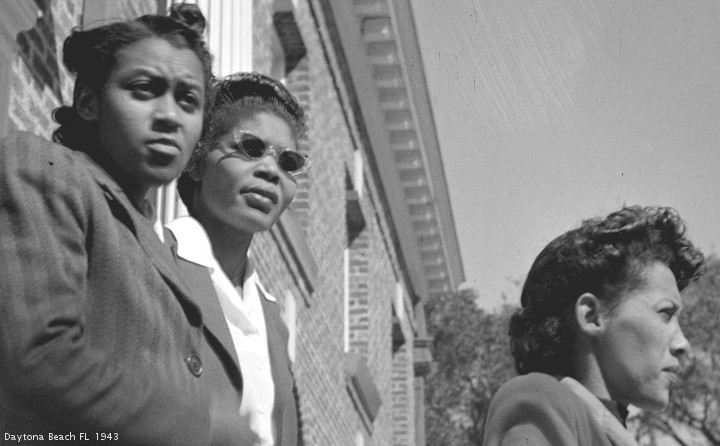
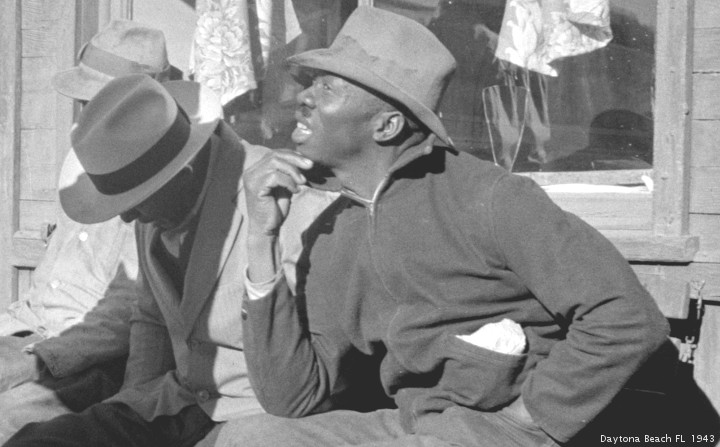
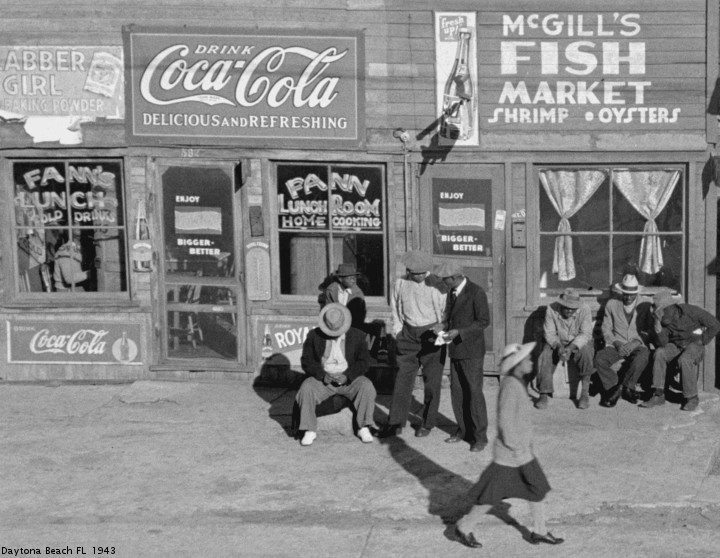
Pictures for this repost are from The Library of Congress. The pictures taken in Daytona Beach, FL, were taken, in February, 1943, by Gordon Parks.






Who Elects The Dog Catcher?




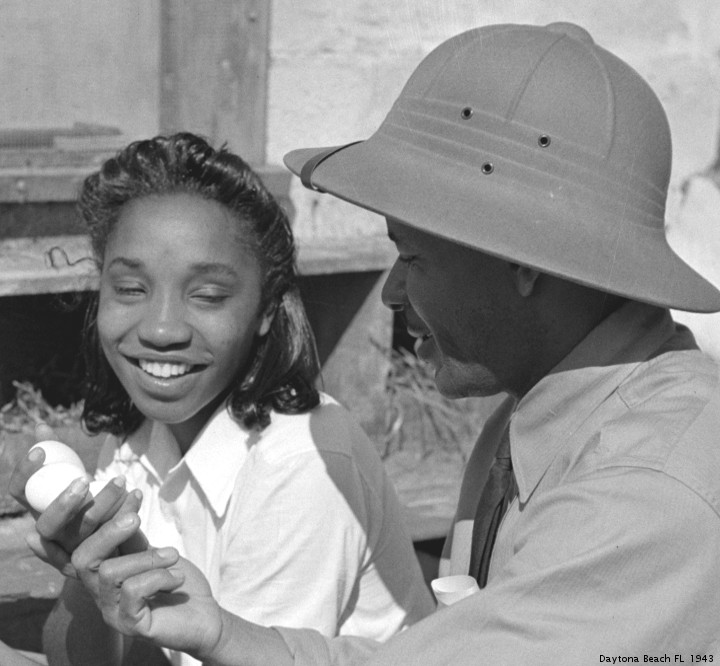
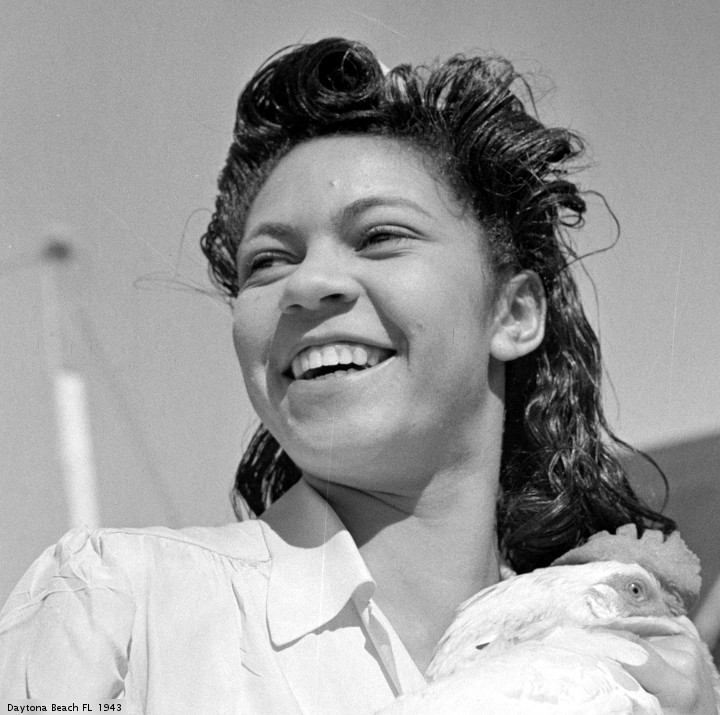
@realDonaldTrump Bob Corker, who helped President O give us the bad Iran Deal & couldn’t get elected dog catcher in Tennessee, is now fighting Tax Cuts…. Our ever tweetable POTUS sent this message out today. It raises an important question: what municipality elects the animal control associate? Pictures are from The Library of Congress.
What an elected dogcatcher reveals about small-town America is the result from The Economist. “You’ve reached your article limit Sign up to keep reading or subscribe now to get the complete experience.” For $12, USD, you can get twelve weeks of this publication. There is no guarantee that you will learn anything about dog catcher politics.
Is dogcatcher actually an elective office? Slate wrote an article about this, when all they had to say was no. The author: “Christopher Beam is a writer living in Beijing.” This is a place where dog catchers are an important part of the restaurant supply chain.
A brief history of people who have actually been elected dog catcher The Washington Post tried a bit harder. They found newspaper clippings referring to elected dog catchers. Col. Tom Parker, the manager of Elvis Presley, was said to have been elected dog catcher in Tampa FL. There is also the story of Bob White. He assured voters that even though he lost both legs, he would be able to perform the duties of dog catcher.
Duxbury VT keeps coming up in this search party. They have a town meeting every year, and the dog catcher is chosen by citizen vote. In the most recent town meeting, “dog catcher Zeb Towne, who was nominated almost unanimously for re-election, despite a “no” vote from his wife that cause laughter to erupt in the room. “She’s mad about the late nights I have to go out on those calls,” Towne said. “It’s because you’re out there rounding up them bitches,” This is a repost.






Four Way Rules



This is a double repost. Historic pictures today are from “The Special Collections and Archives, Georgia State University Library”. This was written like David Foster Wallace
When PG was a kid, his grandmother lived in a side apartment, in a house on Virginia Avenue. The owner of the house was Mrs. Stuckey. (PG never learned her “real” name, and assumed that checks were made out to Mrs.) There was a framed piece of paper in Mrs. Stuckey’s hall. The top said “The Four-Way Test of the things we think, say or do” , and featured the logo of the Rotary Club. The four rules were simple, on the surface. Is it the TRUTH? Is it FAIR to all Concerned? Will it build GOODWILL and BETTER FRIENDSHIPS? Will it be BENEFICIAL to all concerned?
The Four Way Test was written by Herbert J. Taylor. In 1932, Mr.Taylor took over the bankrupt Club Aluminum Company of Chicago. Trying to revive the company during the depression, Mr. Taylor wrote a code of ethics, that would be the basis for the company’s actions.
Many said that the four way test was not practical for the business world. The balancing of integrity and ambition can be daunting. It was said that “This emphasis on truth, fairness and consideration provide a moral diet so rich that it gives some people “ethical indigestion.”
PG maintains that fair is a baseball hit between first and third base. Sometimes, the umpire makes the wrong call. In the “real world”, the different points of view in a dispute make rendering a fair judgment a difficult task, if not an impossible one.
There is a story about the revival of Club Aluminum. ” One day, the sales manager announced a possible order for 50,000 utensils. Sales were low and the company was still struggling at the bankruptcy level. The senior managers certainly needed and wanted that sale, but there was a hitch. The sales manager learned that the potential customer intended to sell the products at cut-rate prices. “That wouldn’t be fair to our regular dealers who have been advertising and promoting our product consistently,” he said. In one of the toughest decisions the company made that year, the order was turned down. There was no question this transaction would have made a mockery out of The Four-Way Test the company professed to live by.”
How did the sales manager learn of the intentions of this buyer? Was he tipped off by one of the “regular customers” who feared competition? Was this “regular customer” lying? Many inspirational stories leave out crucial details.
As it turns out, Club Aluminum did sell enough product to emerge from bankruptcy. “By 1937, Club Aluminum’s indebtedness was paid off and during the next 15 years, the firm distributed more than $1 million in dividends to its stockholders. Its net worth climbed to more than $2 million.”
Club Aluminum cookware was cast, not spun. It is heavy, and is a prized collectors item today. As for the Club Aluminum company “Standard International Corporation bought it in 1968. Regalware made and marketed Club Aluminum for a while, but went out of business in the mid-1980s. The brand name was eventually obtained by the Mirro Company.”
This is a repost. Philosophy and rules for living is always a crowd pleaser. Whether or not you practice what you preach is beside the point.
There is a story above. A company, facing bankruptcy, turned down a huge order because of concerns about how the product would be resold. Today, this seems quaint. Today, the moral thing to do would be to take the order, keep your factory busy, and not worry how it was going to be resold. While some pretend that moral rules are unchanging, the truth is that they do change with the times.
This reminds PG of a story from his days as a blueprinter. With ammonia developed prints, every print is fed by hand, and you have the option to adjust the speed of the machine. Slower prints mean less background, which to some is a higher quality print. (This is not an issue with digital printing. Some change is indeed progress.)
The company PG worked for was affiliated with a small, family run company in a neighboring city. This company was run by an old fashioned lady, who insisted on adjusting every print to get the perfect background. This was different from the company PG worked for, which ran large jobs for the big city market. To his customers, quality meant getting an acceptable print, DELIVERED ON TIME. Who had the higher standards? Maybe that is a question for the customer to judge.



These thoughts are for you to use. They were articulated by a man named Don Miguel Ruiz. They are called the The Four Agreements .
PG does not claim to live up to these ideals. Number two is especially tough for him. The main thing is to try, and to always do your best. This is not about what you believe or think, it is about what you do. This is about you. If you fall short in some way, work on improving yourself, instead of looking at someone else. This is about you.
agreement 1–Be impeccable with your word – Speak with integrity. Say only what you mean. Avoid using the word to speak against yourself or to gossip about others. Use the power of your word in the direction of truth and love.
agreement 2–Don’t take anything personally – Nothing others do is because of you. What others say and do is a projection of their own reality, their own dream. When you are immune to the opinions and actions of others, you won’t be the victim of needless suffering.
agreement 3–Don’t make assumptions – Find the courage to ask questions and to express what you really want. Communicate with others as clearly as you can to avoid misunderstandings, sadness and drama. With just this one agreement, you can completely transform your life.
agreement 4–Always do your best – Your best is going to change from moment to moment; it will be different when you are healthy as opposed to sick. Under any circumstance, simply do your best, and you will avoid self-judgment, self-abuse and regret.


Cemetery Blues



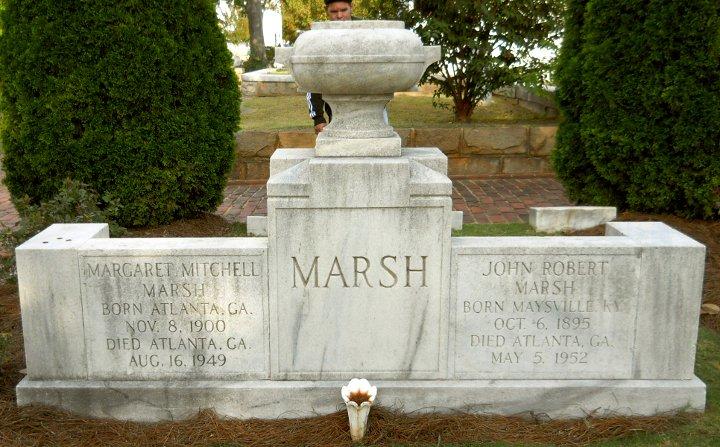
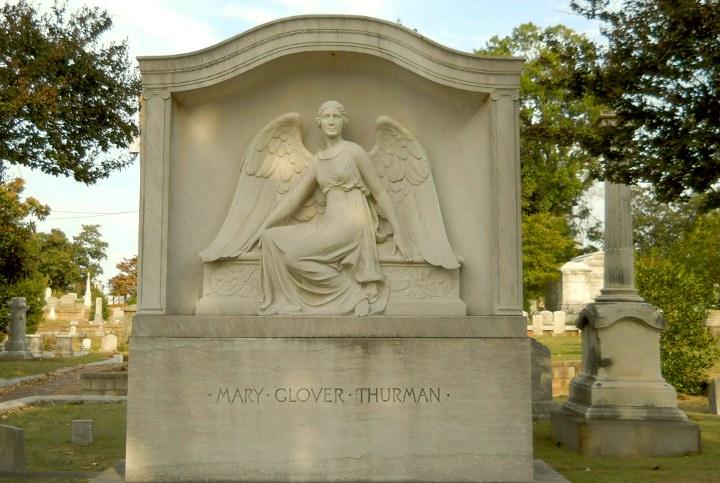
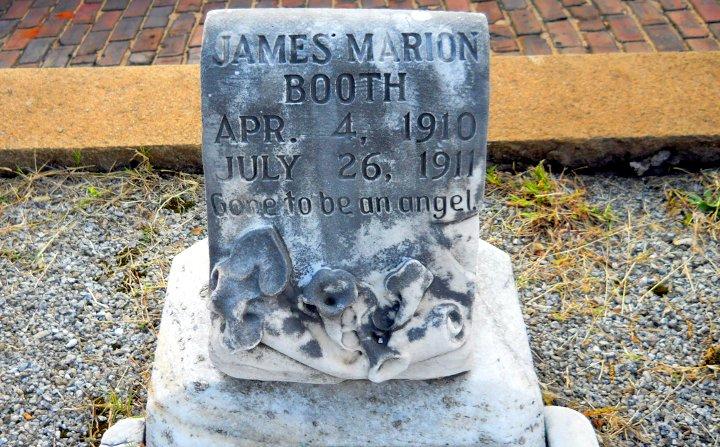
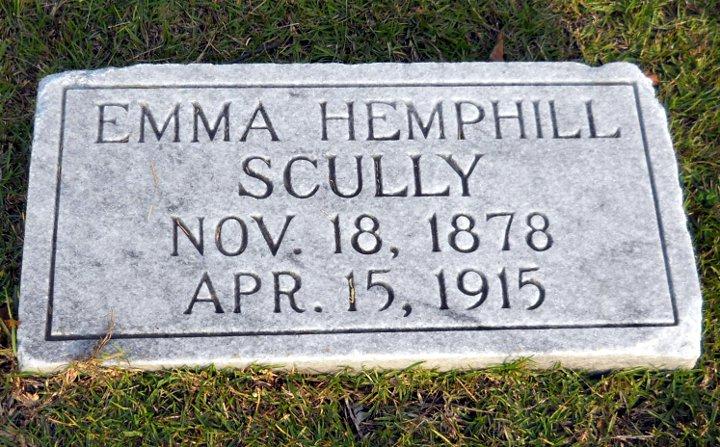
PG and Uzi had their usual Sunday phone call, and agreed to go to “Sunday in the Park”. It is a festival in Oakland Cemetery. with live music, people in costumes, open mausoleums, and lots of good clean fun. It wasn’t until that evening that PG learned that today is Dead Poets Remembrance Day. Edgar Allan Poe met his maker on this day in 1849.
There was a Chamblee54 post about DPRD two years ago. The idea is to go to a cemetery and read a poem. An effort will be made to do that tonight, although promises about dead poets are notoriously unreliable. The 2010 post is included as part two of this feature.
The first poem read that afternoon was “Looking for the Buckhead Boys” by James Dickey. In the intervening two years, PG listened to a podcast with Christopher Dickey, the son of the writer. Sometimes bard is short for bastard. Chris Dickey died July 16, 2020.
So PG, Uzi, and Hazmat went to a festival in Oakland Cemetery. Like everything else, it is more popular and expensive. You had to pay to park, which Uzi generously took care of. The brick walls around the boneyard have been repaired, and no longer look like they are going to fall down. Those walls are important, because people are dying to get inside. This is the second time that PG and Uzi have attended the October festival in Oakland Cemetery.
There are always things that you need to see at Oakland. Margaret Mitchell, the Lion Statue, and the mausoleums are important stops. PG followed the signs to the grave of Bobby Jones. It had golf balls and a putter, which was not necessary.
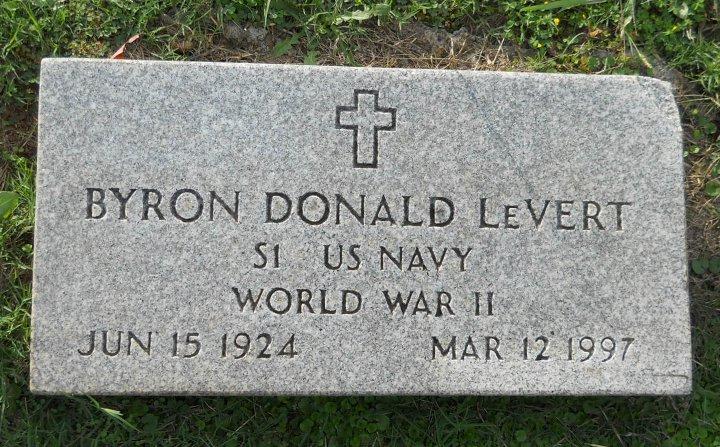
Don LeVert was a member of the Atlanta Sky Hi Club for many, many years before his departure in 1997. PG and Uzi always seek him out, and it is usually a bit of an adventure finding him.
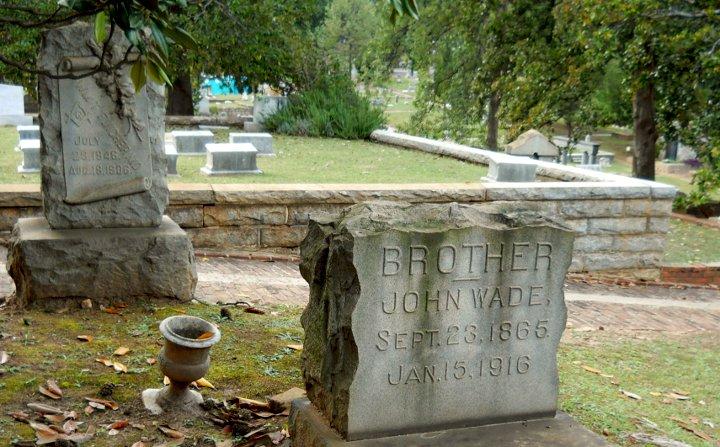
After visiting Don, PG found the marker for “Brother John Wade”. His time on earth was September 23, 1865 to January 15, 1916. This was from the autumn just after the War Between the States until 37 days before PG’s father was born in Rowland, North Carolina. There was a renewed sense of connection to the stone monuments.
On February 2, 2018, Hazmat, aka Tony Lingoes, had a fatal encounter with a hit-and-run driver.


The facebook friend said “Today is Dead Poets Remembrance Day, Oct. 7th, the day Edgar Allan Poe died. Be sure to visit a graveyard and read some poetry today”. PG didn’t have anything better to do.
The first obstacle was finding a book of poetry. PG is not a poetry person. A look at the shelf turned up a paperback, 125 Years of Atlantic. Poetry was to be found between those covers.
The book had two stickers, both saying 69 cents. At the old Book Nook, this meant that the book was half the price on the sticker. With tax, that would be 38 cents.
125 YOA had stayed in PG’s car for a few years. Whenever he was stuck somewhere with time to kill, this book was waiting. One afternoon in 1998, there was a slow day at work. PG read a remembrance by Gertrude Stein, about life in France at the start of World War II.
The cemetery of choice was connected to the Nancy Creek Primitive Baptist Church. PG has driven by this facility thousands of times. He walked past the graves until he found a fallen tree to sit down on.
The first poem was “Looking for the Buckhead Boys” by James Dickey. PG began to read out loud, and soon could smell the drug store air of Wender and Roberts. The author bought fifty cents worth of gas at a Gulf station. Today, fifty cents might buy a tablespoon of gas. Gulf was long ago bought out by BP. Wender and Roberts became a bar, which was torn down.
Buckhead is not what it used to be. When Mr. Dickey was the bravest man in Buckhead ( he took a shit in the toilet at Tyree’s pool hall), PG was not even thought of. The traffic jams on Peachtree Street are still there, as the blue haired ladies follow poets into the ground.
When PG finished reading Mr. Dickey, he put a teal postit in the book, where the poem stood. PG looked up, and the graveyard seemed different. Maybe the sun had sank a bit in the sky, and maybe the poem had changed PG in a way he could not put into words. Maybe another poem was the answer. Take the glasses off, open the book at random, and turn the pages until a poem shows up.
On page 404…the historic Atlanta area code…was “The Wartime Journey” by Jan Struther. The 1944 work was unknown territory. A group of people are traveling on a train. The wounded vet, the untried recruit, the salesmen shared the space with a lady, taking a baby for her soldier husband to meet. The theme of the rhymes was that America was totally at war, and that war is different from peacetime. Today’s war in Babylon is not like that.
Halfway through the reading, a freight train pulled by. Today, passenger trains are a novelty, and freight rules the rails. The shipment today was double decked containers, ready to pull off and slap on an eighteen wheeler.
Deaths are said to come in threes, and reading poetry in a graveyard should be the same. PG went on a random search for a Moe, to go with the Curley and Larry already digested. A page of poems by Emily Dickinson was the result. The page left PG unmoved. It was as if he was back in the sixth grade, with a horrible English teacher forcing him to memorize Hiawatha. It was time to go home.


Rainbows




Lately, I have been walking to the gym. It is about 1.4 miles one way. I go there, do my workout, and walk home. One consequence is not riding the stationary bike, and listening to podcasts. When it is a good story, this can be transformative. It is an magical escape from one place, into another.
Today, I chose to listen to a story while walking home. The story was Rainbows, by @JosephONeillx. It was one of the good ones. By the time I went through the railroad underpass off Peachtree Road, my pace had grown even more glacial than normal. I did not want to miss a single detail. It did help that I was off the busy main road, whose loud traffic drowned out the action.
Listening to a story, as opposed to reading it, is a different path for the information. The author’s voice telling the tale is a more intimate connection that reading dead tree text. In this story, the reading author is a man. I assumed the lead character, Clodagh, was also male. When a Aoife, the daughter, appeared, and a husband named Ian, I just thought this was just the trendy New Yorker. It wasn’t until much later in the story, that it dawned on me that Clodagh might be female. The gender is never confirmed one way, or the other.
The story is rather disturbing. (Spoiler to follow) Aoife is being sexually harassed at school, and files a complaint. The boy who gets metooed is the son of a laundry owner. Clodagh Nolastname is a VIP customer. (This all happens in New York. Clodagh is not poor.) The Chinese laundry lady tells Clodagh to take her business elsewhere. Clodagh is mortified that it was not handled family-to-family, but through the authorities.
I continue to walk through a glorious October afternoon. The leaves are still mostly green. The election is in two weeks, and we will see what becomes of the anti-christ POTUS. The story ends when I get into the house, and I listen to the credits. Theme music is by North American Plastics, which somehow sounds as New Yorkeresque as not knowing whether mom is a man, or a woman.





Pre-K Anti-Racism
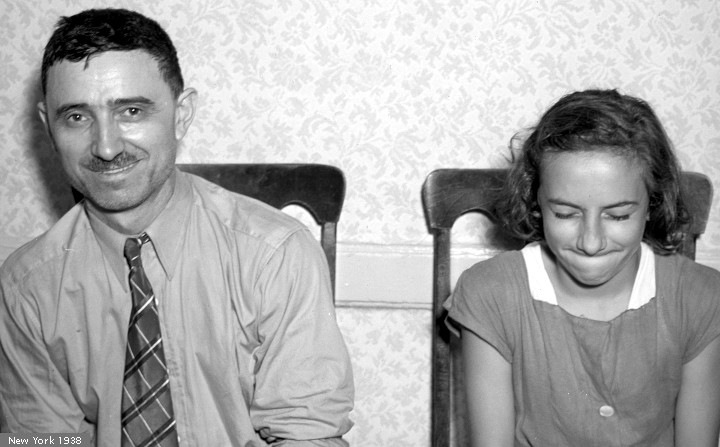
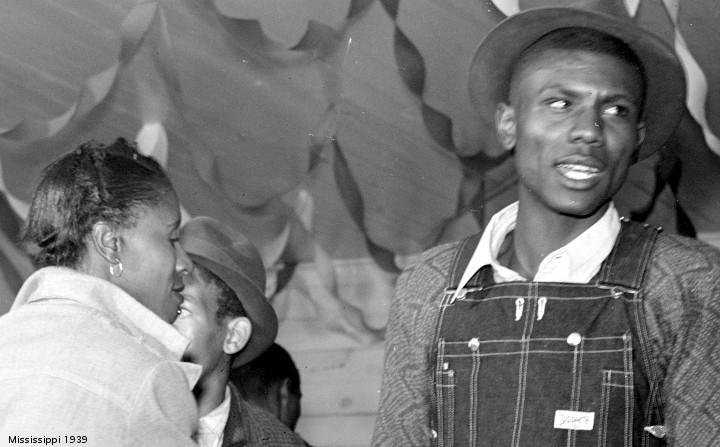


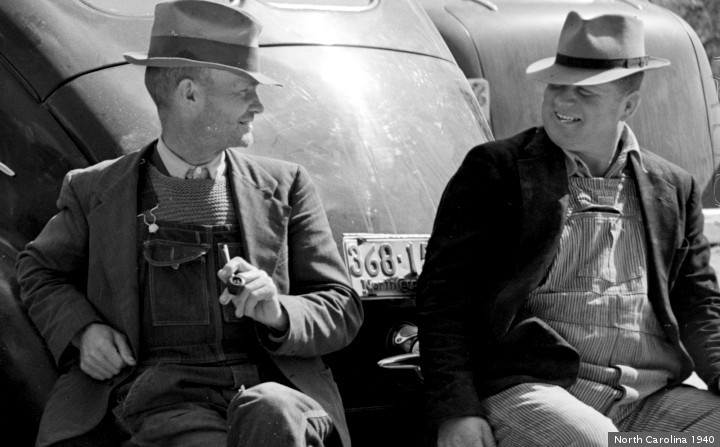

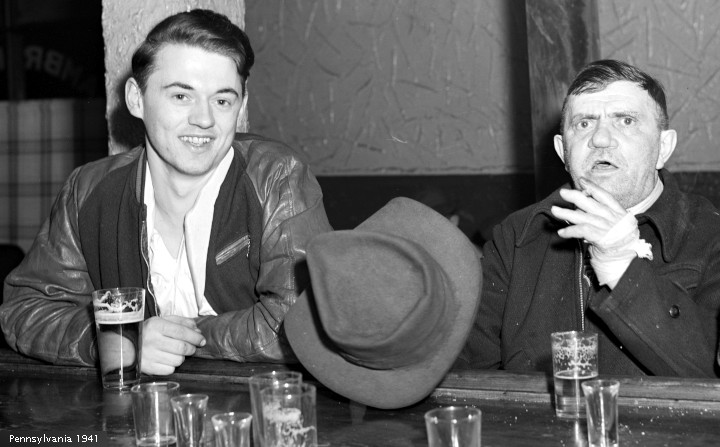
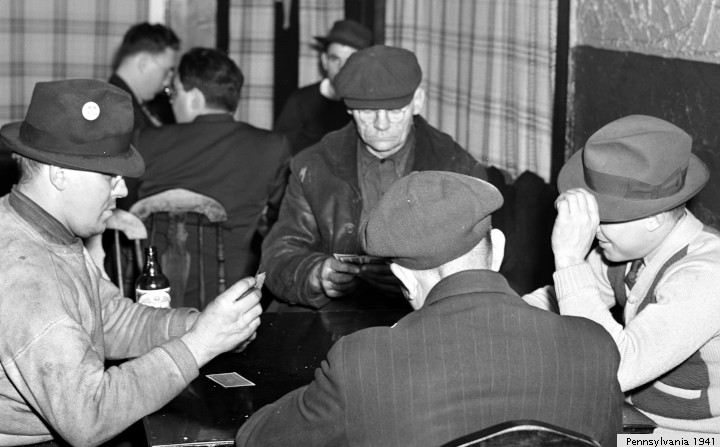
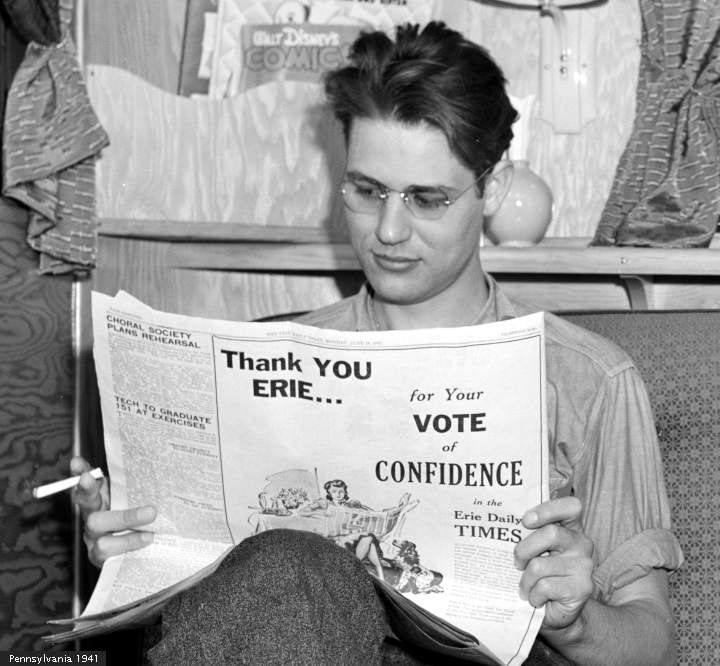
The facebook meme interrupted the cheerful October apathy. The meme was about an article, My 2-Year-Old Doesn’t Seem to Care About Being Anti-Racist. The colorful graphic did not have a link to the story, so PG googled the title. Soon, there were lots of options for Pre-K social justice education. Pictures today are from The Library of Congress.
The headline story was on Slate. The format is the anxious letter to an advice columnist. The subtitle was “Have we screwed up somehow?”
“Dear Care and Feeding, My husband and I (we’re white) have a 2-year-old daughter and are doing our very best to be anti-racist parents. We’re making sure she has lots of multiracial dolls, only consumes books and TV shows with diverse characters, has no problematic Halloween costumes, and so on. But when we try to discuss issues like structural racism, intersectionality, or White fragility, she doesn’t seem at all interested. She often walks away, asks for a cookie, or even falls asleep! Have we screwed up somehow? Has society’s disdain for the perspectives of marginalized people already infected her? How do we get her to appreciate the urgency of the conversation around deconstructing white supremacy? — Anti-Racist Mom.”
This is where the free story ends. “The rest of this article is only for Slate Plus members. Sign up to get more Care and Feeding every week. For just $35 for your first year, you’ll also get…”
Some of the results are boring. Anti-Racism for Kids … Is most notable for this observation: “ ‘I don’t know that I’d sit down with a 3-year-old and say, ‘Let’s talk about racism,’ says Dr. Schonfeld.”
6 easy ways … hits on a persistent theme in woke literature. “As humans, we are hard-wired to identify with members of our own community, which is why we will never live in a post-racial society. So-called color-blindness as a parenting strategy amounts to complicity in the problem.” Somehow, being color blind is seen as a bad thing. Whatever.
The dependably woke Washington Post populates their paywall with What white parents get wrong about raising antiracist kids … “One of the biggest misconceptions white parents have is that their children don’t notice race unless it is pointed out to them. The underlying assumption is that children only become racist if they are taught to be. In fact, research clearly shows the opposite: Kids develop racial prejudice unless their parents or teachers directly engage with them about it.”
In her book Why Are All the Black Kids Sitting Together in the Cafeteria? And Other Conversations About Race,” “Spelman College psychologist Beverly Tatum writes that “cultural racism — the cultural images and messages that affirm the assumed superiority of Whites and the assumed inferiority of people of color — is like a smog in the air. Sometimes it is so thick it is visible, other times it is less apparent, but always, day in and day out, we are breathing it in.”
“So kids breathe this racially charged air — and if their parents and teachers don’t help to explain to them what race means (and what it doesn’t), kids start to create their own narratives. They often infer that racial hierarchies exist because of innate differences between people of different races and so start to believe that whites are privileged because they are inherently better and smarter.”
Some of this material is by “experts.” There are probably people who disagree with these observations, and a lot of exceptions to the rules. PG knows next to nothing about raising children, and is a bad person to have opinions here. Still, PG shakes his head at this: “Looking for a way to talk about race with your preschooler? Try baking. Crack open a white egg and then a brown egg, and show your kid how they’re the same inside. Or you can present your child with two gifts—one wrapped in ribbons and glitter, another in crinkled newspaper. Fill the sparkly one with dirt and the other with a shiny bracelet. Then get the conversation going: ‘Can you really judge what’s inside by the outside?'”
Or this. “White- centeredness is not the reality of [the white child’s] world, but he is under the illusion that it is. It is thus impossible for him to deal accurately or adequately with the universe of human and social relationships.” If you were to substitute black for white here, someone would call you racist. And they would be correct. Sweeping generalization, based on skin color, usually are.
The last result on page one is an NPR interview with children’s author Renee Watson, and Ibram X. Kendi. “I want to go back to “Hair Love.” I think it’s important to bring in books that allow readers to see black people living their everyday lives. We don’t want to teach children that black pain and struggle is the only part of black life. But I also think it’s important to just let young people see that black people live lives. And they do their hair. And they play outside. And they have fun and that that is an important part of the conversation, too.”





Transplants




@jimgoad “I had an aneurysm before finishing the headline.” The headline in question is Doctors seek approval to transplant dead man’s sex organs onto trans-identified woman, appearing in The Christian Post. The story is tacky yellow journalism. A major source appears to be Jennifer Bilek, who has created a cottage industry out of badmouthing trans people. A comment typifies the approach here: “Frankenstein. And not much different than attaching the dead religion of the Torah/Talmud onto the living word of the New Testament.”
“Penis transplant performed on soldier at Johns Hopkins in Baltimore considered a success” The procedure has been performed, although not on ftm trans. “… a complex genital transplant on a soldier who also lost his legs in a bomb blast in Afghanistan, the man says he has normal functions and is “feeling whole.” The man … received a donated penis, scrotum and part of an abdominal wall during a 14-hour surgery in April 2018. … the man has “near-normal erections and the ability to achieve orgasm,” and can urinate “while standing, without straining, frequency, or urgency, with the urine discharged in a strong stream.” … Hopkins covered the $300,000 to $400,000 cost of the procedure and doctors donated their time. The hospital approved up to 60 more such procedures for service members, though not for transgender individuals or those born with defects.”
The CP article linked to a more serious medical magazine, Hospital Debates Penis Transplant in Transgender Patient. This article had some solid information, and will be quoted in the next few paragraphs. This article got a comment: “This is such a long article, that I feel comments probably are needed to be made, but I can think of nothing to say.”
“The main objectives of penis transplants are to provide an aesthetic phallus, urinary function, and sexual function (including erections and “erogenous sensitivity”) … While outcomes remain unknown, the prospect of penis transplants in transgender men is “huge” … phalloplasties – in which phalluses are constructed from flaps of skin – have complication rates of 80% to 90%, and that’s not the only limitation. … phalloplasties “don’t have the same aesthetic appeal [as natural penises] and they don’t enlarge and get hard on their own. They’re always the same size.”
“Metoidioplasties (met-oh-id-ee-oh-plas-tees) are another option for transgender men, but they also have limitations. In these procedures, surgeons form neophalluses out of clitoral tissue. The phalluses are disappointingly small … “You do have an erection and it can stay hard. Some people are capable of penetrating a partner, and some are not.”
“Compared to these existing options, a penis transplant ideally will offer “fewer urethral complications, better cosmetic outcome, and better physiological sexual capacity.” Still, limitations include the fact that transgender men who receive penis transplants will not be able to ejaculate since they lack a male reproductive system. It’s also not known if they’ll be able to have erections. For now, … the plan is to see if physical stimulation of the transplanted penis will engorge the clitoris enough to trigger blood flow to the corpus cavernosa in the penis – an erection.”
“Not surprisingly, penis transplants in transgender men will be more challenging than in cisgender men. In addition to connecting nerves and blood vessels, … patients will need urethra lengthening, as in phalloplasties, so the transplanted penis can urinate. However, … “the beauty of taking transplanted tissue is you can take as much tissue as you want. You can take the extra length of the donor’s urethra so you wouldn’t have to do the lengthening procedure.”
“Penis transplants in transgender individuals raise many other questions. Will scrotums also be transplanted, as was done in the Johns Hopkins transplant? What about testicles, which could produce sperm and – conceivably – offspring of the original donor? Testicles were not transplanted in the soldier … at Johns Hopkins for this reason … “Then the offspring is technically whose child?”
“VCA transplants (vascularized composite allotransplantation) in general are a controversial topic among bioethicists, especially in light of their high cost, high risk, and need for lifetime immunosuppression. “Unlike most solid organ transplants which are typically lifesaving, the goal of VCA is to improve quality of life. One of the challenges in VCA is that the [bioethics] field is still determining how to define and evaluate quality of life.”
“One critic questions whether penis transplants should be performed at all. They raise “ethical questions concerning aesthetics, morbidity, function, and cost-burden given the more readily available and less morbid alternative of phalloplasty” … The cost of a penis transplant in a transgender patient would likely be covered by research grant funds. … The transplant at Johns Hopkins cost a reported $300,000-$400,000, all covered by the institution.”
Pictures are from The Library of Congress. Here is another look at ethical issues.




 Chamblee54
leave a comment